Exhibition: ‘Jakob Tuggener – The 4 Seasons’ at the Fotostiftung Schweiz, Winterthur, Zurich, Switzerland

Exhibition dates: 10th February – 20th May, 2024
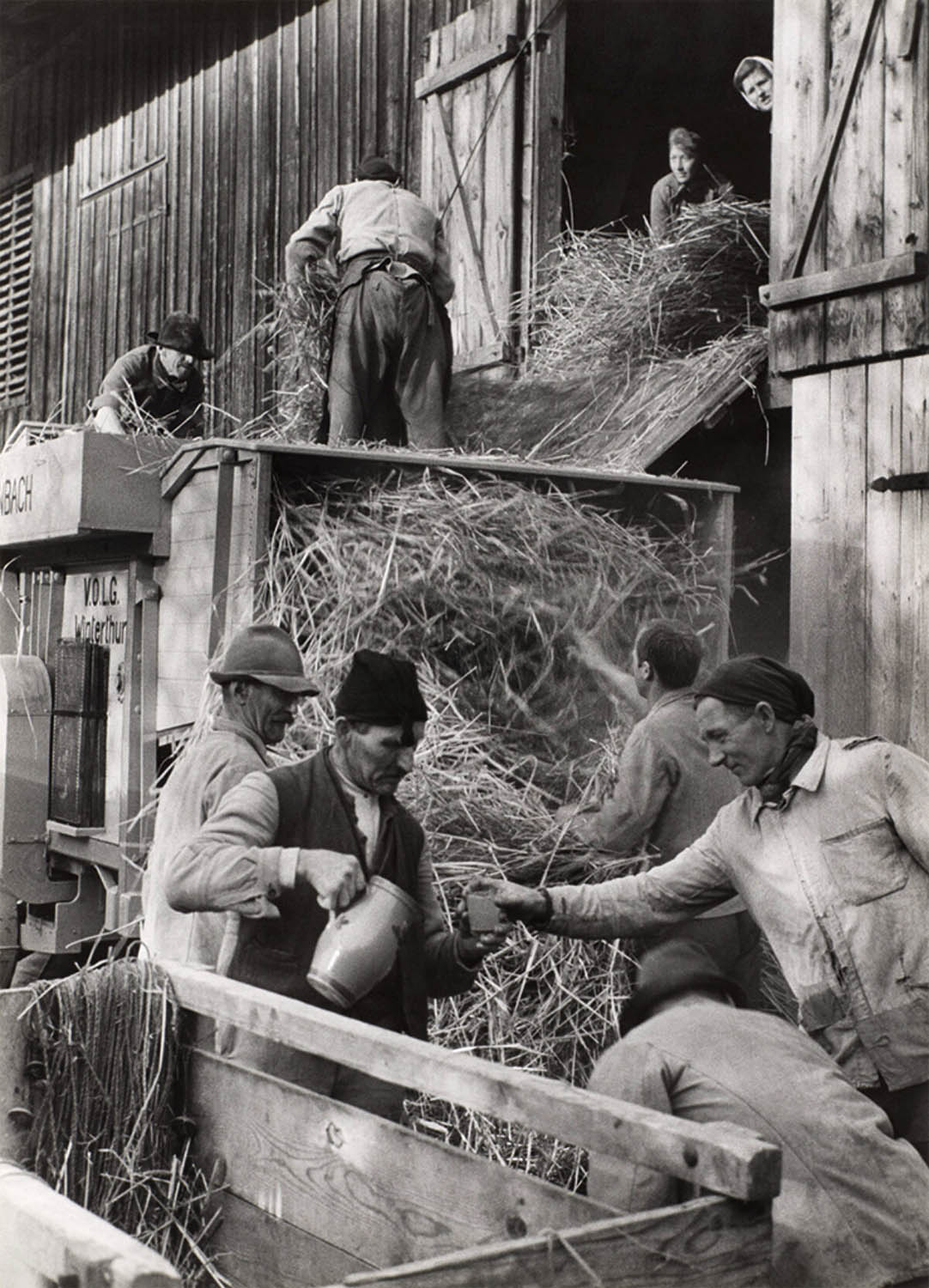
 

Jakob Tuggener (Swiss, 1904­-1988) 'Threshing machine in the Töss Valley' (Dreschmaschine im Tösstal) 1950s


Jakob Tuggener (Swiss, 1904­-1988)
Threshing machine in the Töss Valley (Dreschmaschine im Tösstal)
1950s
© Jakob Tuggener Stiftung / Fotostiftung Schweiz


The Swiss photographer Jakob Tuggener (1904-1988) is well known for his revolutionary book Fabrik (Factory) (1943) – subtitled Ein Bildepos der Technik “A picture of technology” – which tells a subjective story of the relationship between human and machine through pairings of modernist images, through “a modern new style of photography showing not just how things looked, but how it felt to be there.” Tuggener portrays the mundanity of the “operational sequence” (la chaîne opératoire) of the machine, where the human becomes the oil used to grease the cogs of the ever-demanding “mechanical monsters.”

“As Arnold Burgaurer cogently states in his introduction, Tuggener is a jack-of-all-trades: he exhibits, ‘the sharp eye of the hunter, the dreamy eye of the painter; he can be a realist, a formalist, romantic, theatrical, surreal.’ Tuggener’s moves effortlessly between large-format lucidity and grainy, blurred impressionism, in a book that is a decade ahead of its time.” (Martin Parr and Gerry Badger. The Photobook: A History Volume I, Phaidon Press, 2005, p. 144.)

These pastoralist, romantic photographs of the seasons and of country life were unknown to me. While still exhibiting formal, romantic, theatrical and blurred impressionist qualities, these sensitive photographs by an expressionist photographer ask the viewer to stop and contemplate the cycles of land and life.

“After he had already composed four unique book pieces on the themes spring, summer, autumn and winter during the 1940s, he created completely new versions of these “farm books” under the title The 4 Seasons in 1973 and 1974, at the age of almost 70 years. They are devoted to simple life in the countryside, reflecting in sensitively observed, atmospherically charged, yet never picturesque recordings, the recurring cycle of nature and are at the same time a reflection on human life and transience.” (book description)

A gathering of chickens, farmers bread in a wheelbarrow, two bicyclists riding in the spring wind captured in a blurred moment of stasis, or the grizzled gamekeeper, pipe clamped between his lips, cleaning his shotgun while his wife darns socks behind surmounted by a stuffed animal overseeing both… all are beautifully observed.

These are images to imbibe so that we soak up their essence, so that we absorb their energy into our soul. It is the power of poet-photographer Tuggener’s pictures that they expand our experience and consciousness of the earth from which we come, taking us back to childhood, play, land, laughter, people, life through expressions of each season of the year.

As Tuggener observed in December 1950, “Everyone is at a loss when it comes to contemplating a picture without the aid of a text. And yet with a text, an image can only be explained, not experienced. That is because the soul resides at a greater depth, which words cannot reach. This realm is much larger than the periphery of the mind.”

Fo more information on the artist see my text “Rare magician, strange alchemist, tells stories through visuals” on the exhibition Jakob Tuggener – Machine time at at Fotostiftung Schweiz in 2018.

Dr Marcus Bunyan


Many thankx to the Fotostiftung Schweiz for allowing me to publish the photographs in the posting. Please click on the photographs for a larger version of the image.


The Expressionist Photographer

The expressionist photographer does not exist in the commercial register. He is the freest of the free. Unbound by any purpose, he photographs only the pleasure of his experience. He is the artist seeking to express himself with his instrument, in this case the camera. Indeed, art is not art at all until an idea has been crystallised, visualised or set to music, and it does not matter which instrument we use to achieve this. However, the key factor is not reproduction, but the desire to make something. Ten years ago, I began to use photography as my language and to speak in self-contained books: about ball nights, about iron, about ships, about everything that particularly moves and excites my soul. The public, or rather the publishers, have no confidence in this approach. They say people would not understand a book without words, merely to be seen with the eyes. Yes, we are made more superficial by illustrated magazines and by reading: Everyone is at a loss when it comes to contemplating a picture without the aid of a text. And yet with a text, an image can only be explained, not experienced. That is because the soul resides at a greater depth, which words cannot reach. This realm is much larger than the periphery of the mind.


Jak. Tuggener
Schweizerische Photorundschau 23, 8th of December 1950
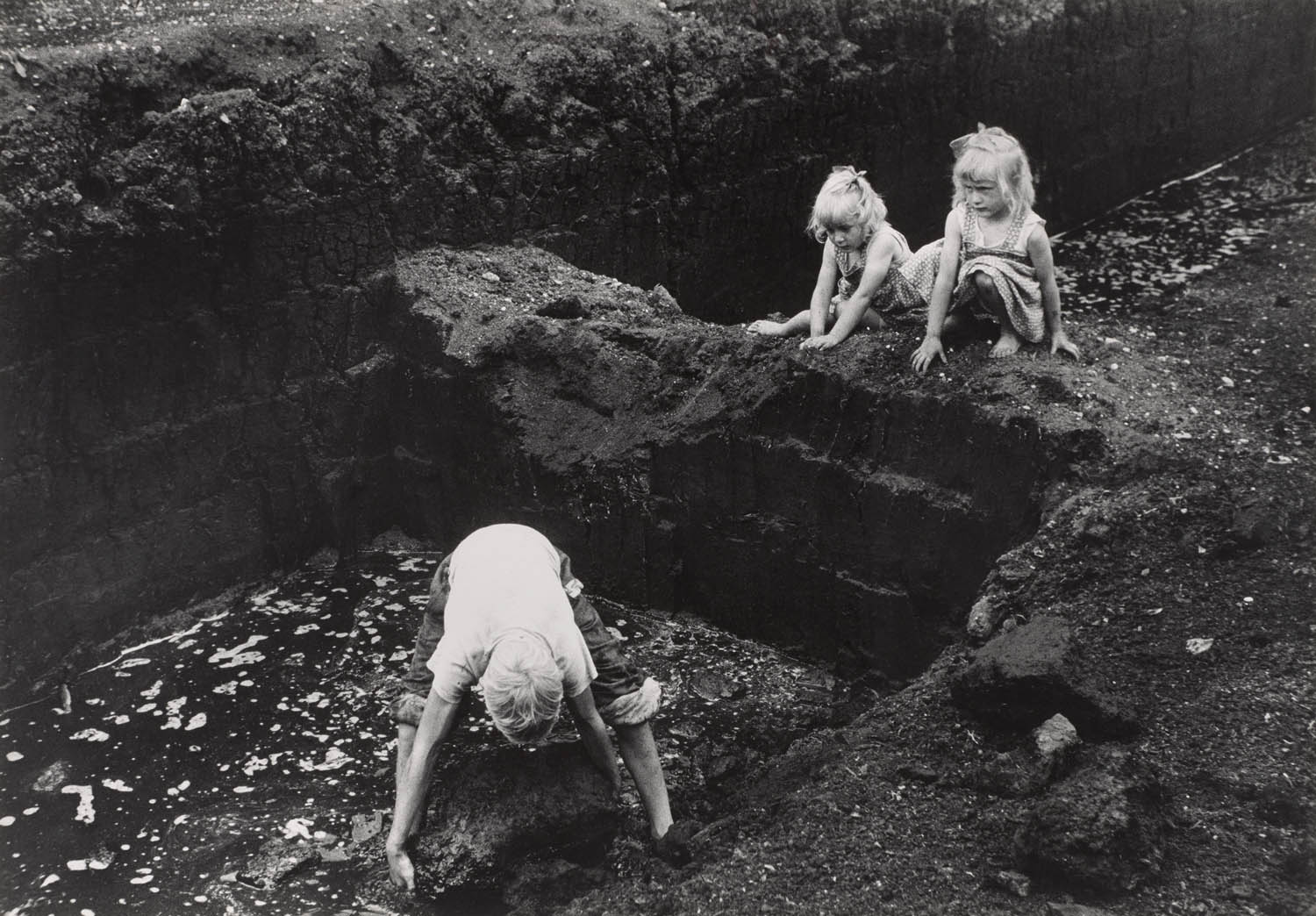


Jakob Tuggener (Swiss, 1904­-1988) 'In the moor, near Brüttelen' 1944


Jakob Tuggener (Swiss, 1904­-1988)
In the moor, near Brüttelen
1944
© Jakob Tuggener Stiftung / Fotostiftung Schweiz
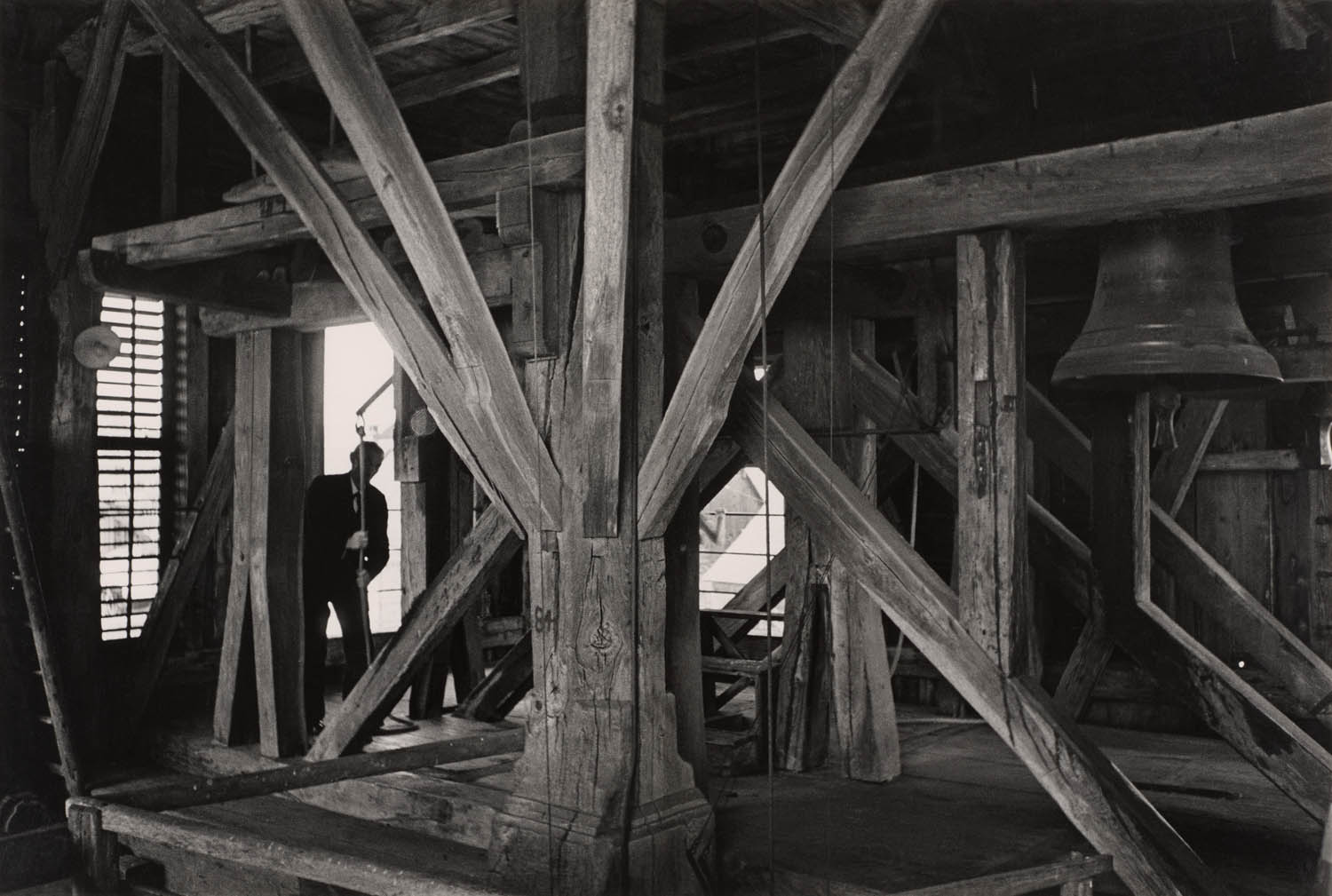
 

Jakob Tuggener (Swiss, 1904­-1988) 'Belfry, Rümlang' 1934


Jakob Tuggener (Swiss, 1904­-1988)
Belfry, Rümlang
1934
© Jakob Tuggener Stiftung / Fotostiftung Schweiz
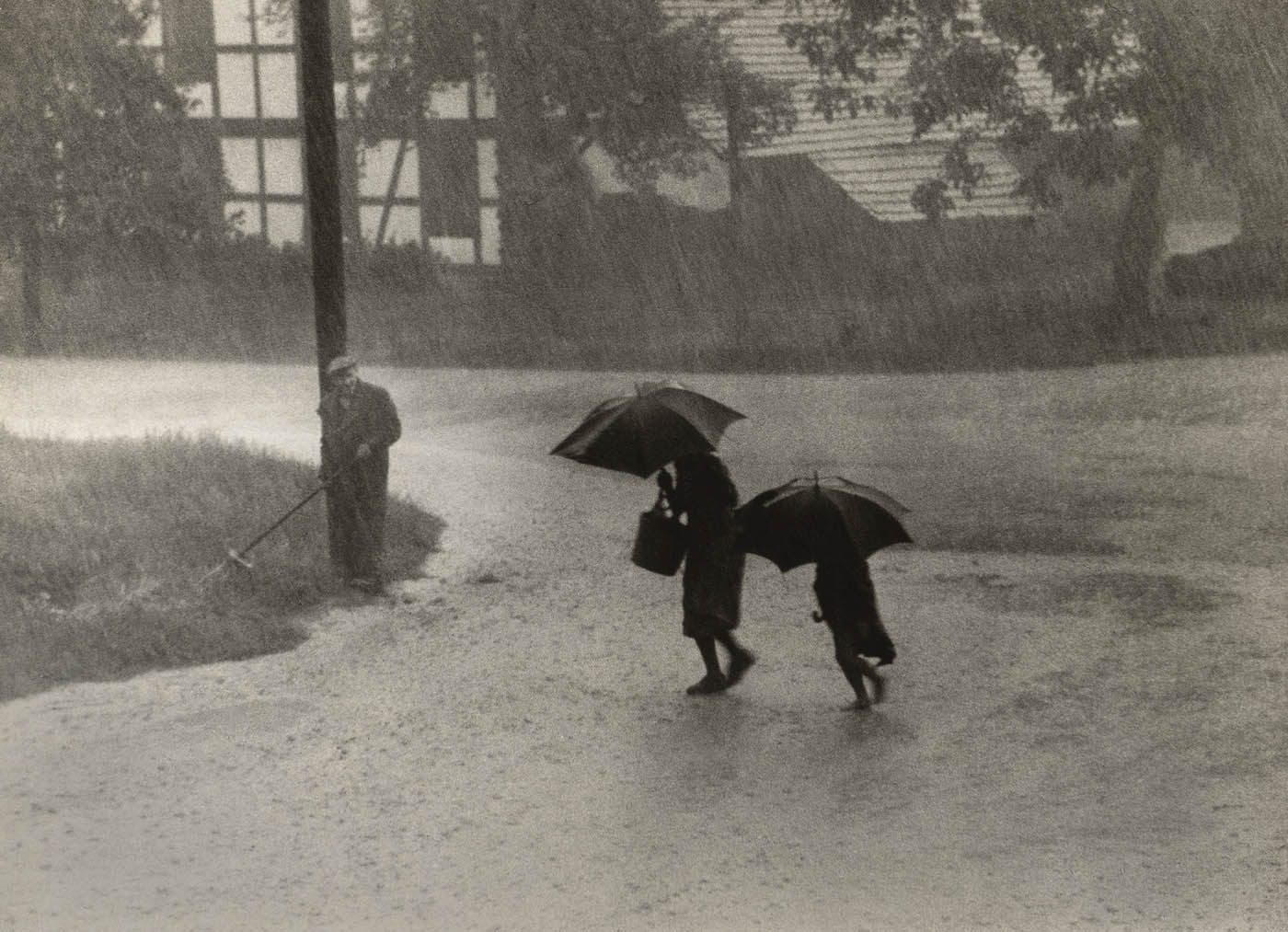
 

Jakob Tuggener (Swiss, 1904­-1988) 'Rain' 1949


Jakob Tuggener (Swiss, 1904­-1988)
Rain
1949
© Jakob Tuggener Stiftung / Fotostiftung Schweiz
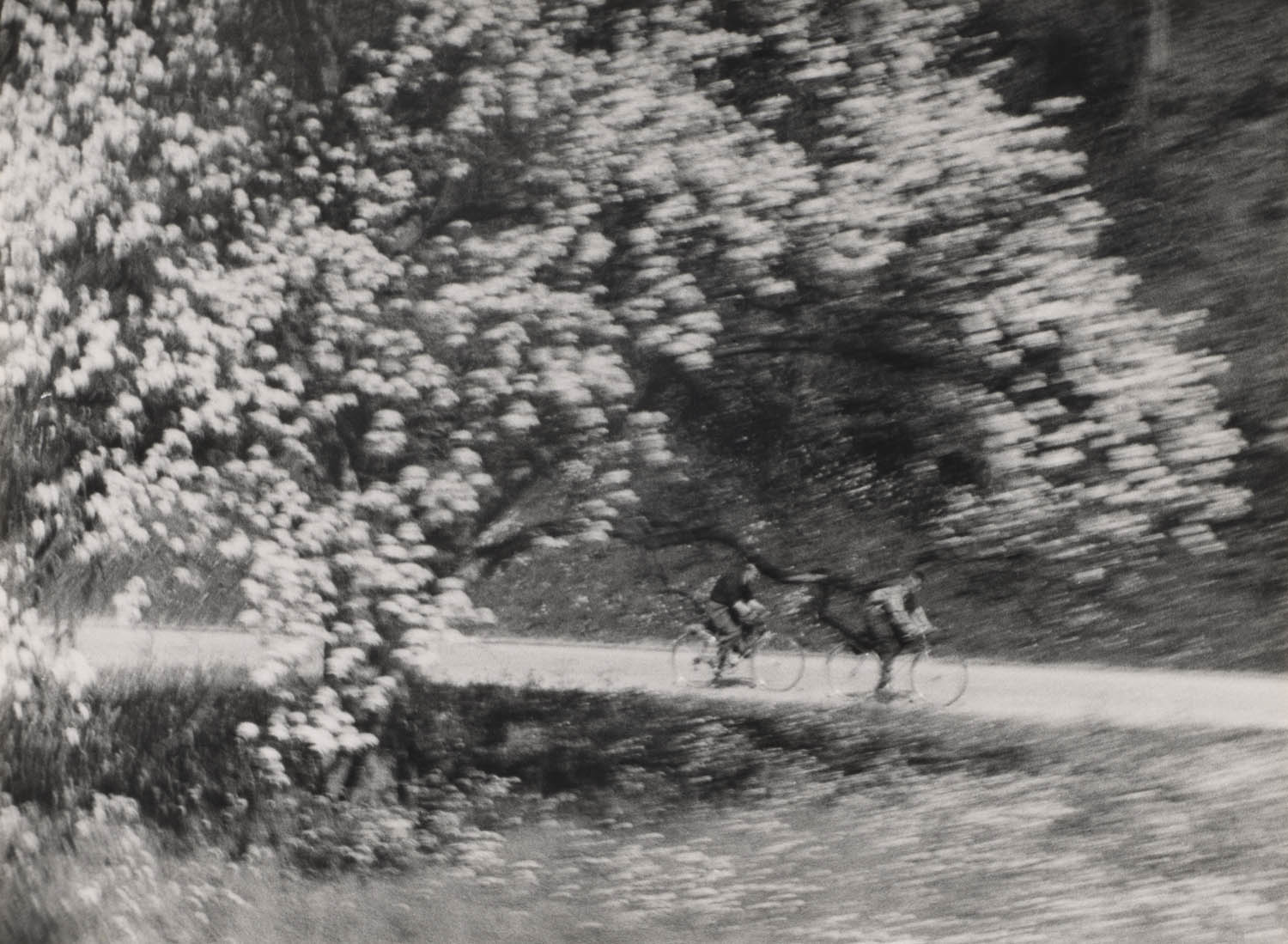
 

Jakob Tuggener (Swiss, 1904­-1988) 'In the spring wind' (Im Frühlingswind) 1950s


Jakob Tuggener (Swiss, 1904­-1988)
In the spring wind (Im Frühlingswind)
1950s
© Jakob Tuggener Stiftung / Fotostiftung Schweiz


The work of Jakob Tuggener (1904­-1988) is well positioned within 20th-century photography. His expressive photographs of glittering ball nights are legendary and his 1943 book Fabrik (Factory) is seen as a milestone in the history of the photo book. However, Tuggener was also captivated by a third subject: simple life in the countryside.

His countless sensitively observed, atmospherically charged, but never picturesque depictions of everyday farming life reflect the cycle of nature, while simultaneously contemplating life and its transience. In 1973/74, Tuggener compiled four individual book maquettes under the title Die 4 Jahreszeiten (The 4 Seasons): unique ready-to-print books, which he designed himself.

In addition to those book maquettes, this exhibition displays other photographs by Jakob Tuggener, which demonstrate how intensively this outstanding photographer devoted himself to the theme of country life for more than 30 years.

In parallel to the exhibition, Die 4 Jahreszeiten will also be presented in a book. In close collaboration with the Jakob Tuggener Foundation and Steidl Verlag, Fotostiftung Schweiz is thus providing new insight into the series of around 70 books that Jakob Tuggener himself considered the centrepiece of his oeuvre, even though they remained unpublished during his lifetime.

The exhibition is accompanied by the publication Jakob Tuggener – The 4 Seasons, published by Steidl Verlag, edited by Fotostiftung Schweiz, Jakob Tuggener-Stiftung and Martin Gasser.

Text from the Fotostiftung Schweiz website
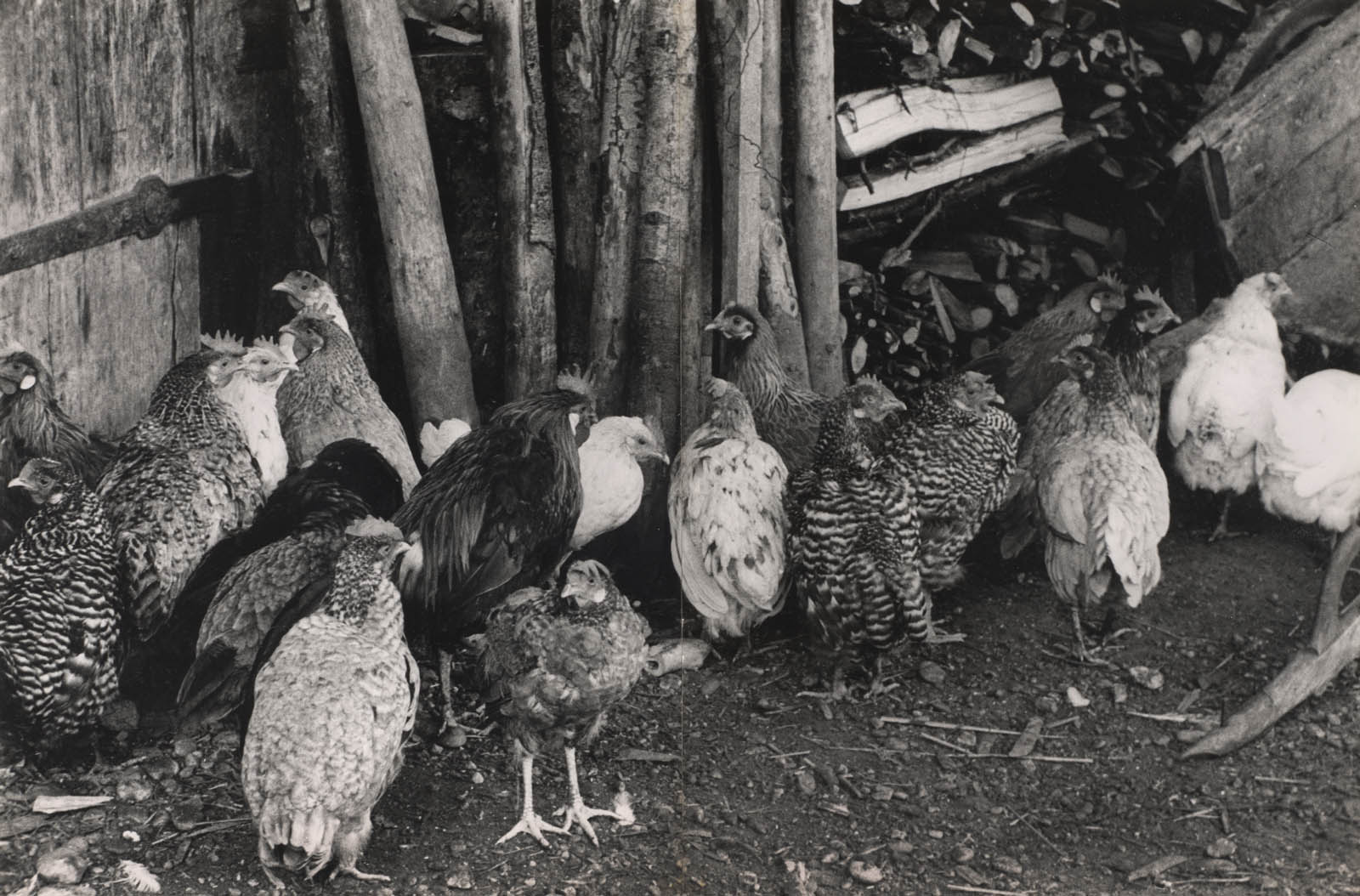
 

Jakob Tuggener (Swiss, 1904­-1988) 'Chicken yard' (Hühnerhof) 1950s


Jakob Tuggener (Swiss, 1904­-1988)
Chicken yard (Hühnerhof)
1950s
© Jakob Tuggener Stiftung / Fotostiftung Schweiz
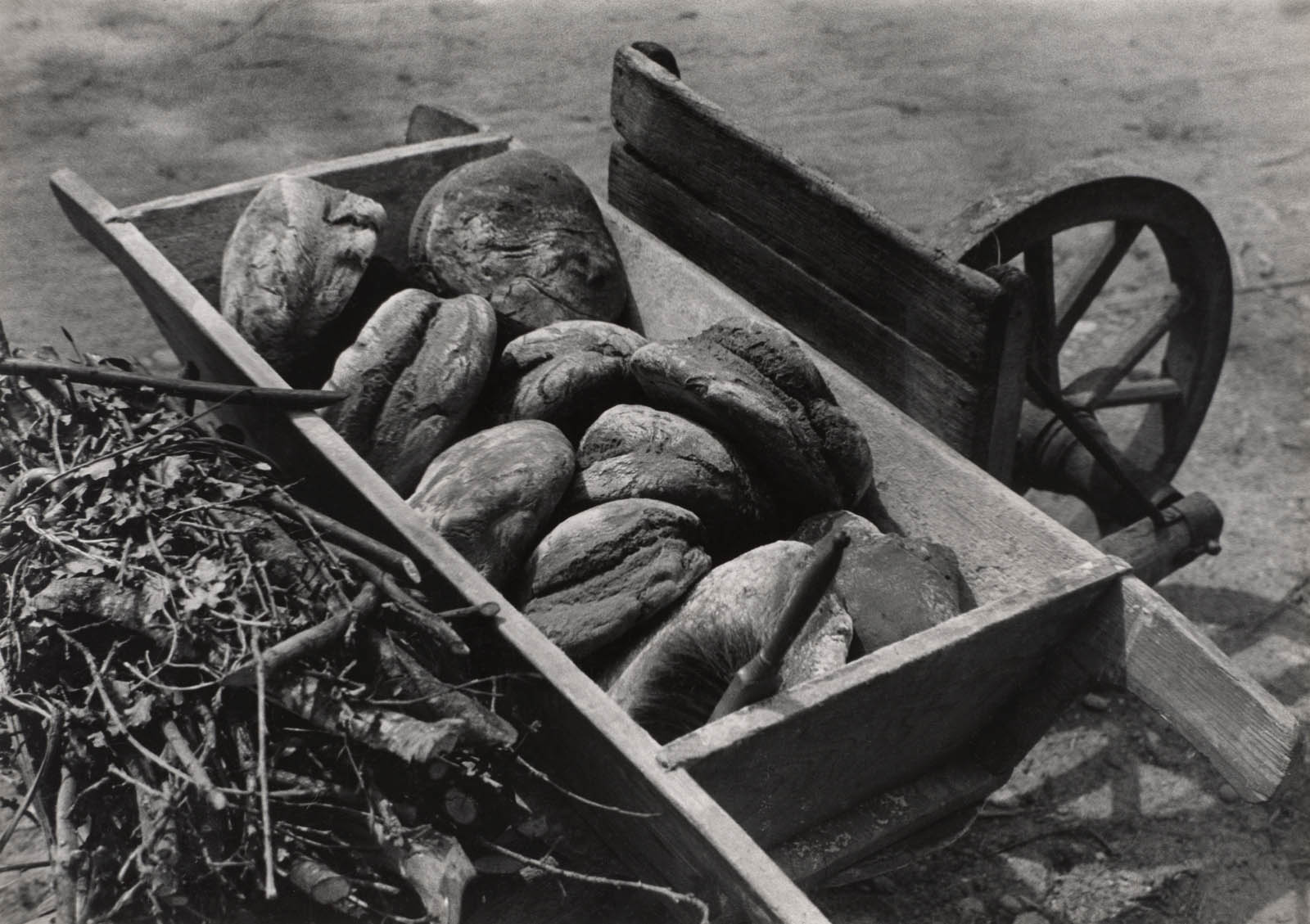
 

Jakob Tuggener (Swiss, 1904­-1988) 'Bauernbrot, Brüttelen' (Farmers bread, Brüttelen) 1944


Jakob Tuggener (Swiss, 1904­-1988)
Bauernbrot, Brüttelen (Farmers bread, Brüttelen)
1944
© Jakob Tuggener Stiftung / Fotostiftung Schweiz
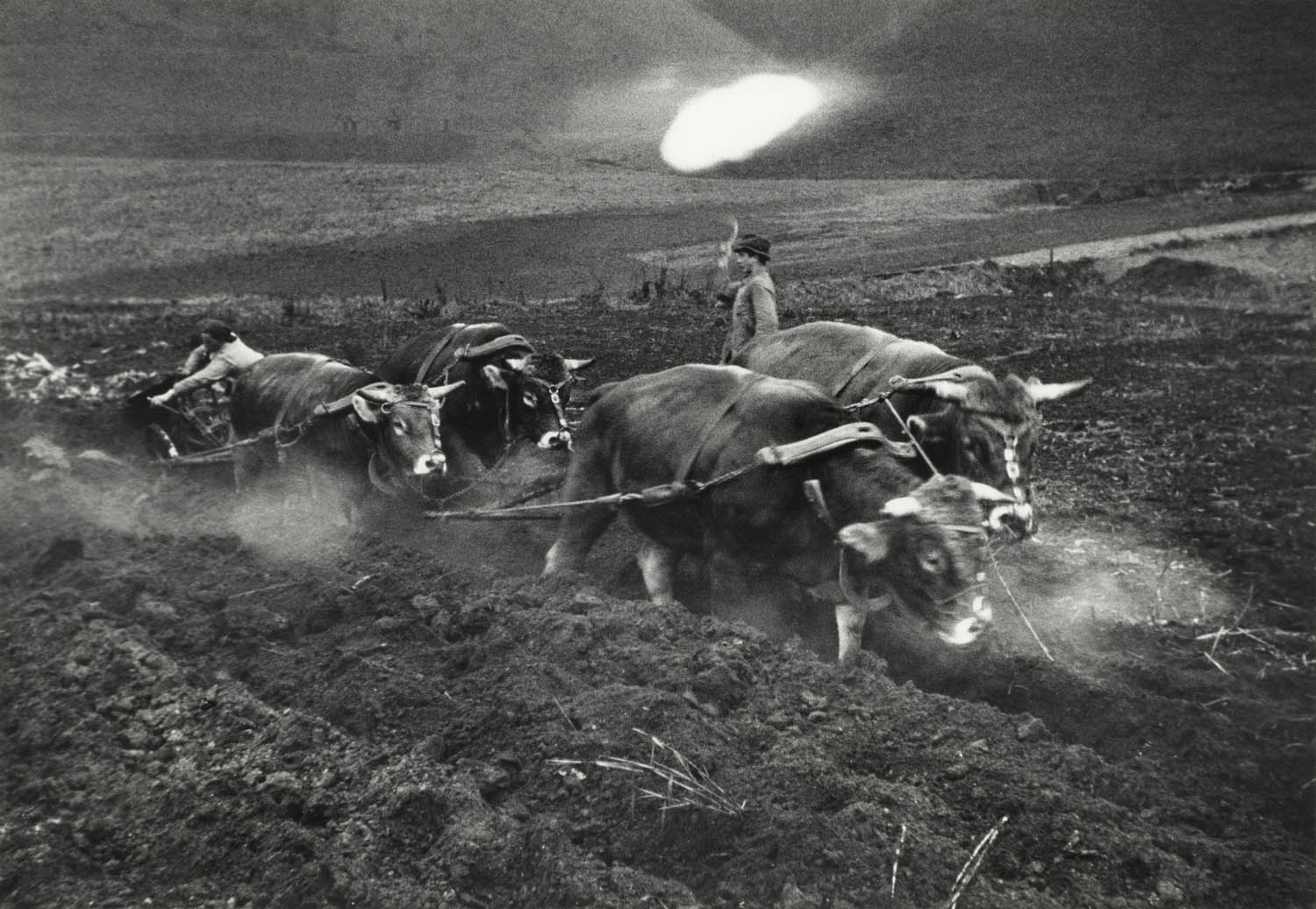
 

Jakob Tuggener (Swiss, 1904­-1988) 'Yoke of oxen, Küssnacht am Rigi' (Ochsengespann, Küssnacht am Rigi) 1943


Jakob Tuggener (Swiss, 1904­-1988)
Yoke of oxen, Küssnacht am Rigi (Ochsengespann, Küssnacht am Rigi)
1943
© Jakob Tuggener Stiftung / Fotostiftung Schweiz
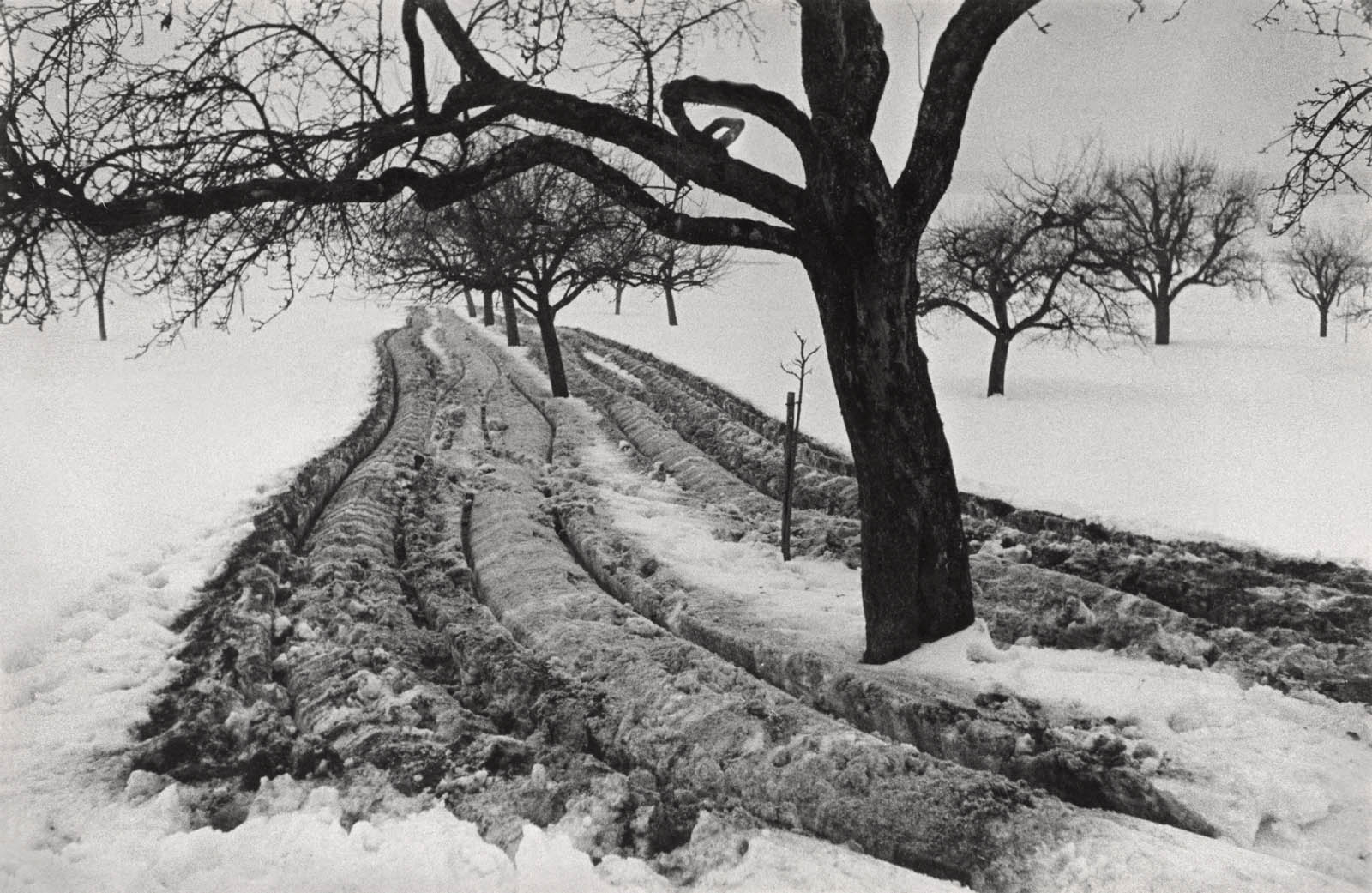
 

Jakob Tuggener (Swiss, 1904­-1988) 'Manure spread in February, Oeschgen' (Ausgebrachte Jauche im Februar, Oeschgen) 1942


Jakob Tuggener (Swiss, 1904­-1988)
Manure spread in February, Oeschgen (Ausgebrachte Jauche im Februar, Oeschgen)
1942
© Jakob Tuggener Stiftung / Fotostiftung Schweiz
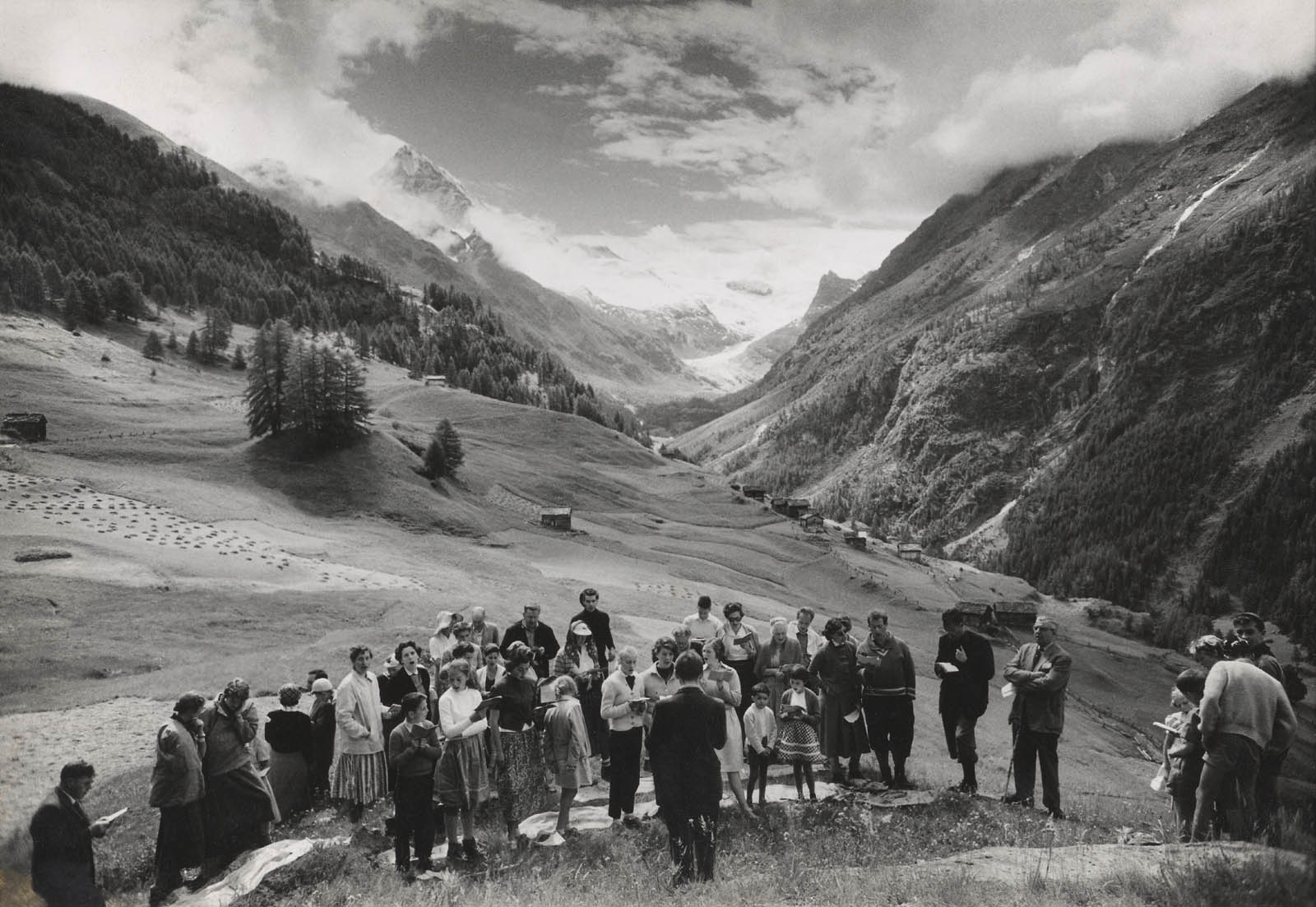
 

Jakob Tuggener (Swiss, 1904­-1988) 'Holiday guests at La Forclaz, Val d'Herens' (Feriengäste des La Forclaz, Val d'Herens) 1957


Jakob Tuggener (Swiss, 1904­-1988)
Holiday guests at La Forclaz, Val d’Herens (Feriengäste des La Forclaz, Val d’Herens)
1957
© Jakob Tuggener Stiftung / Fotostiftung Schweiz


Jakob Tuggener The 4 Seasons

Jakob Tuggener (1904-1988) is one of the exceptional figures in 20th-century Swiss photography. He had the confidence to consider himself an artist from the outset. His expressive photographs of glittering ball nights are legendary and his book Fabrik (Factory) from 1943 is seen as a milestone in the history of the photo book. However, it has so far gone largely unnoticed that Tuggener was also captivated by a third subject: simple life in the countryside.

Already in the early 1930s, after his brief artistic education at the Reimann School in Berlin, Tuggener began to take an interest in rural life and the traditions of his homeland. This focus certainly had to do with the political developments in Europe, which prompted Switzerland to reflect on its own values and to disseminate them via the illustrated press. While Tuggener was earning his living as a freelance industrial photographer, he managed to make a name for himself with photographs of everyday country life, livestock markets and folk festivals, until the Second World War began. During his subsequent active army service, he still had enough time to pursue the subject further and also capture the changes of the seasons with his camera. As early as 1942/43, he compiled four individual book maquettes from the photographs he had taken since the mid-1930s – unique books that he designed himself and were ready to print. However, as was also the case with all his later book maquettes, Tuggener never found a publisher willing to publish them exactly as he had imagined. Only a small selection of images were presented by Arnold Kübler in the magazine Du in 1946. “Tuggener tries to hint at the inner workings of people and things in pictures,” wrote Kübler, also pointing out Tuggener’s special way of using the sequencing and juxtaposition of photographs to achieve a manner of artistic expression that went far beyond the documentary.

In the military

After the outbreak of the Second World War in autumn 1939, Tuggener was called up for active service, like all Swiss men of military age. Naturally, he had his camera with him in his kit, so to speak, as he aimed to provide the illustrated magazines with pictures of daily soldiering life. This was only possible for a short time though, as censorship became increasingly strict and prohibited the publication of images with military content. Tuggener kept taking photographs, just for himself, but was beginning to run out of subjects. Although most of his time was spent on guard duty, Tuggener was certainly able to get something positive out of it: “When I stand guard at night,” he wrote home, “I contemplate the full splendour of nature, because before us, there lies a marvellous land and a mighty, open sky.”

During the winter of 1942, Tuggener was in the valley Fricktal, serving as a guard in the Oeschgen internment camp. It was a camp for Polish soldiers who had found refuge in Switzerland in June 1940 after being surrounded by Hitler’s Wehrmacht on the French-Swiss border. They were subsequently distributed among camps set up at short notice, where they lived in safety until after the war, but were strictly kept apart from the local population. Compared to a number of larger camps in places like Büren an der Aare or Wettingen, Oeschgen was a relatively small and manageable one, so Tuggener was soon able to approach these foreign men he was supposed to be watching over and strove to establish a rapport with them. Despite language difficulties, he succeeded in doing so very well, thanks to his camera – particularly as he came up with the idea of taking portrait photos of all the internees, then offering these to them for sale. As his financial situation was anything but a bed of roses during the war years, he appreciated this source of extra income, but was also pursuing a completely different goal with it: He was planning to publish a book about the internment camp, but it never materialised. Only a book maquette compiled shortly after his service in Oeschgen under the title Polen-Wache (Pole Watch) has survived. It is primarily a portrait book, a lively group portrait that visibly reveals Tuggener’s sympathy for the interned men and shows that he treated them as equals, even in his role as a guard. The portraits are complemented by wintry atmospheric images and by photographs of the monotonous daily camp routine, from morning roll call to working in the forest, or attending to the barbed wire fences in the surrounding area.

Book maquettes

Almost thirty years later, in a societal environment characterised by fears of foreign infiltration, Tuggener once again compiled four book maquettes, under the title Die 4 Jahreszeiten (The 4 Seasons). They were created during the preparations for his first major retrospective at Helmhaus Zurich in 1974, which he conceived as a kind of arc, with sections ranging from ‘Nature of Switzerland’ to ‘Peace and Earth in Farm Life’. With photographs from the years 1932 to 1973, these four book maquettes are among the last and most extensive that Tuggener created during his long career. Together, they convey a traditional image of the four seasons, as is familiar from music and painting. In sensitively observed, atmospherically charged, but never picturesque photographs, they reflect the recurring cycle of nature, while simultaneously contemplating life and transience. Alongside Tuggener’s four unique books, the exhibition at Fotostiftung Schweiz also presents many other photographs that demonstrate how intensively this master of black-and-white photography devoted himself to the theme of ‘country life’ for more than 30 years.

The book maquettes

During the long months of active service that Jakob Tuggener spent in small villages in the canton of Aargau, in Bernese Seeland and in Ticino, he would travel around with his Leica whenever off duty, capturing what increasingly fascinated him: farmers at work, village scenes, and modest still lifes in barns and inns. He also photographed private rooms though, such as kitchens or bedrooms, when granted access. People always took centre stage; he captured them in their familiar surroundings, as rawly and authentically as possible.

Tuggener developed and enlarged his photographs when at home on leave. In 1942/43, almost at the same time as the publication of his book Fabrik (Factory), he compiled four individual book maquettes with the titles Frühling, Sommer, Herbst and Winter (Spring, Summer, Autumn and Winter). With these ‘farmer books’, he created his own personal counter-world to the world of the factory. Jakob Tuggener also felt in his element in rural surroundings. In a later interview with Magnum employee Inge Bondi, he spoke very fondly about the smell of fresh manure in a snow-covered field, which he could still remember.

None of the book maquettes that Tuggener created during the war years were published, not even the one called Uf em Land (In the Countryside), which he compiled in 1953 using variations on earlier photographs and many new ones. Nevertheless, thirty years later, in connection with his first retrospective at Helmhaus Zurich, he returned to the theme and, between March 1973 and February 1974, put together new individual volumes on spring, summer, autumn and winter, under the title Die 4 Jahreszeiten. Compared to the original versions from 1942/43, these are about four times as extensive. Most of the photographs were new, which shows how intensively Tuggener had addressed the subject. The format of the maquettes, still 30×24 cm, had not changed though, and he had also retained the same simple layout for the pictures: single images, arranged either each on one page (very rarely in non-page-filling landscape formats) or as borderless double pages. The major themes relating to the seasons also remained the same: from tilling the fields in spring to haymaking in summer, to harvesting in autumn and through to forest work in winter. This time perhaps not so much a counter-world to factory work, but to the hectic pace of the modern city, Die 4 Jahreszeiten, encompassing more than 300 photographs, reflects how, in nature, things come into being and disappear, and it is simultaneously an allegory of the cycle of human life.

Like all earlier maquettes, Die 4 Jahreszeiten from 1973/74 contain juxtapositions and sequences of images that evoke certain associations or feelings. Tuggener believed in the suggestive power of images and the narrative potential of montage, as used to great effect in German expressionist film during the 1920s. The fact that these unique books remained unpublished during his lifetime is probably due to their author’s uncompromising nature: Tuggener insisted that his photographic compositions needed no explanatory text or captions. He saw them as an independent and viable means of expression – an attitude that put him far ahead of his time.

Zürcher Oberland (Zurich highlands)

In June 1955, Tuggener was commissioned by the printing house Wetzikon und Rüti to photographically document the region Zürcher Oberland for a photo book. This suited Tuggener well, as he was already quite familiar with the area. He worked on the project for a year and, for once, was well paid. The book came out in 1956 under the title Zürcher Oberland with the aim, as the publisher put it, of showing “the beauty of the […] so scenically diverse areas, and of their inhabitants in their homes and workplaces.” It is an idyllic world that appears in Tuggener’s 240 photos, arranged in a somewhat restless-looking layout, with snow-covered Alps in the background, and peaceful lakes and ponds in the foreground. There are also plenty of pictures of the grain harvest and haymaking, as well as photos that thematise the area’s rich cultural heritage. However, at the end of the pictorial section of this ‘ideal-world book’, a portrait of a contemplative man is juxtaposed with a nocturnal landscape in a manner that seems to call much into question. It is not surprising that Tuggener used only a few images from this book in his later book maquettes.

Forum alpinum

In 1964, Jakob Tuggener contributed photographs to the ‘Mountain Farmers Exhibition’ in the ‘Field and Forest’ pavilion at the Swiss National Exhibition (Expo 64) in Lausanne. He was also involved in a follow-up publication, which was meant to comprehensively present the problems of mountain regions. While the exhibition was still running, the book was advertised for sale by subscription, as a “contribution to the clarification of our mountain population’s current existential issues” and was published in 1965 as a 400-page volume of texts and images, entitled Forum alpinum. It covers seven Swiss mountain regions: western Switzerland (Jura and Gruyère), Valais, Bernese Oberland, central Switzerland, Ticino, Graubünden, and eastern Switzerland (Appenzell and St Galler Oberland). For each of the seven regions, there is a picture section with photographs by Jakob Tuggener, almost 130 in total. The interspersed blocks of text are about the people, agriculture, art, customs and music. There are also map extracts, aerial photographs and numerous woodcuts by Bruno Gentinetta. Forum alpinum has an almost square format and was designed by Kurt Büchel. Tuggener was busy for months, researching in his archive, travelling to take pictures in all the regions to be covered and working in his darkroom.

In the new photographs that Tuggener produced, it is evident that he was endeavouring to depict as many regional features as possible, without compromising his artistic standards. Naturally though, such a broad collection of images taken over many years presents itself as very heterogeneous. The photographs are mostly arranged as juxtapositions: of old and new, for instance, or of inner and outer. They are visual contrasts like those that characterise Tuggener’s own book maquettes, but in Forum alpinum, there are always comments inserted in between, which interrupt the images’ dialogue and reduce it to a message that is easy to grasp. In the book, for example, a photograph of a jukebox in Saint-Ursanne is juxtaposed with the evangelists on a cathedral’s medieval capitals. In the comment, it is noted with disappointment that young people are less interested in tradition and more open “to the superficial and international allure of the ‘juke box’.”

The exhibition

Alongside Tuggener’s four unique books, the exhibition at Fotostiftung Schweiz also presents many other photographs that demonstrate how intensively this master of black-and-white photography devoted himself to the theme of ‘country life’ for more than 30 years. In the exhibition The 4 Seasons and the accompanying publication of the same name, Fotostiftung Schweiz is delighted to present a previously unknown work by Jakob Tuggener to the public. This follows on from numerous projects with which it, together with the Jakob Tuggener Foundation, has gradually provided access to Tuggener’s oeuvre: In addition to various exhibitions and publications, the online collection, which now shows a comprehensive representative cross-section of Tuggener’s work, also serves this purpose. None of this would have been possible without the artist’s widow, Maria Euphemia Tuggener, who deposited his photographic estate at Fotostiftung Schweiz in 2004.

Text from the Fotostiftung Schweiz
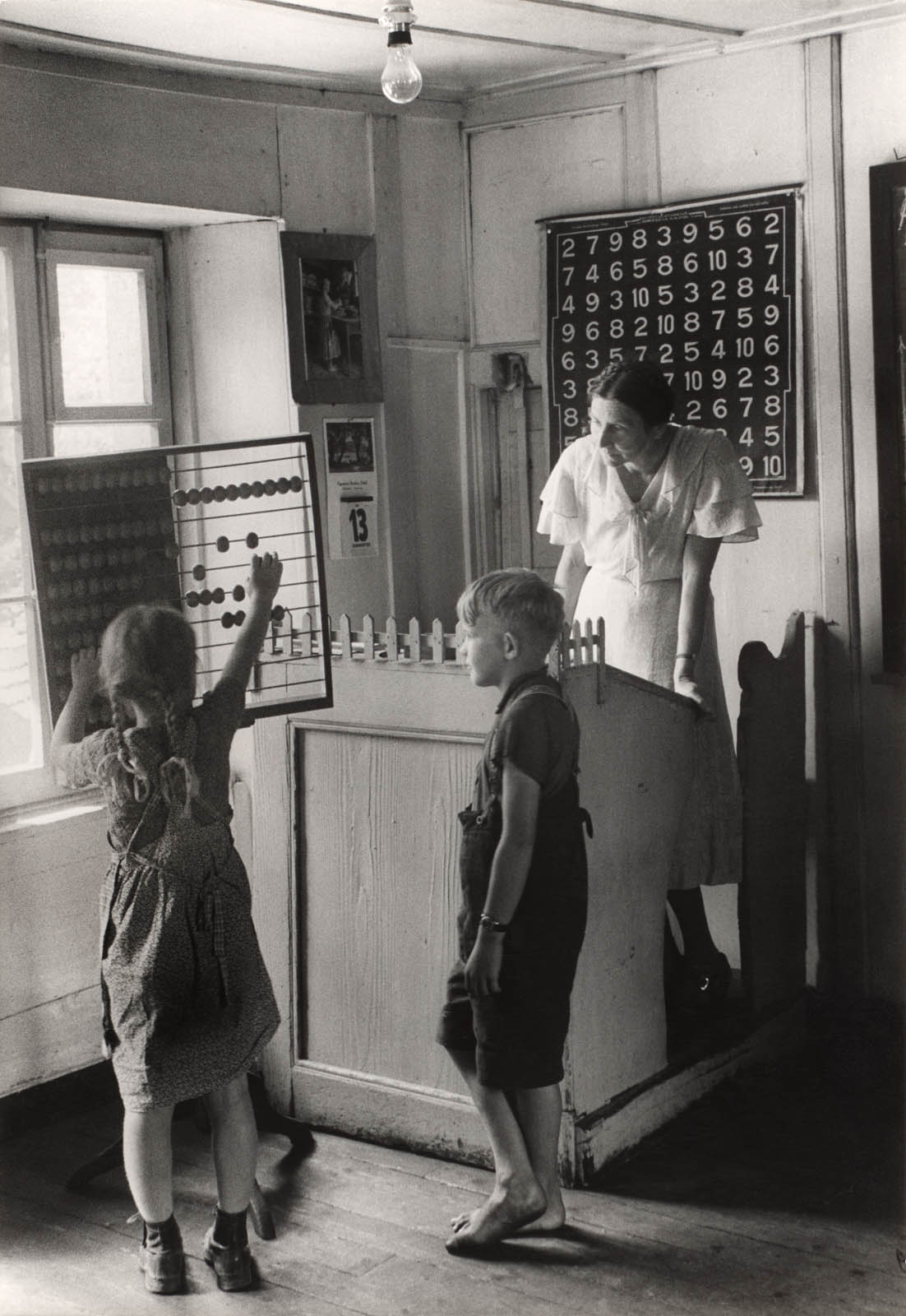
 

Jakob Tuggener (Swiss, 1904­-1988) 'Lüscherz' 1944


Jakob Tuggener (Swiss, 1904­-1988)
Lüscherz
1944
© Jakob Tuggener Stiftung / Fotostiftung Schweiz
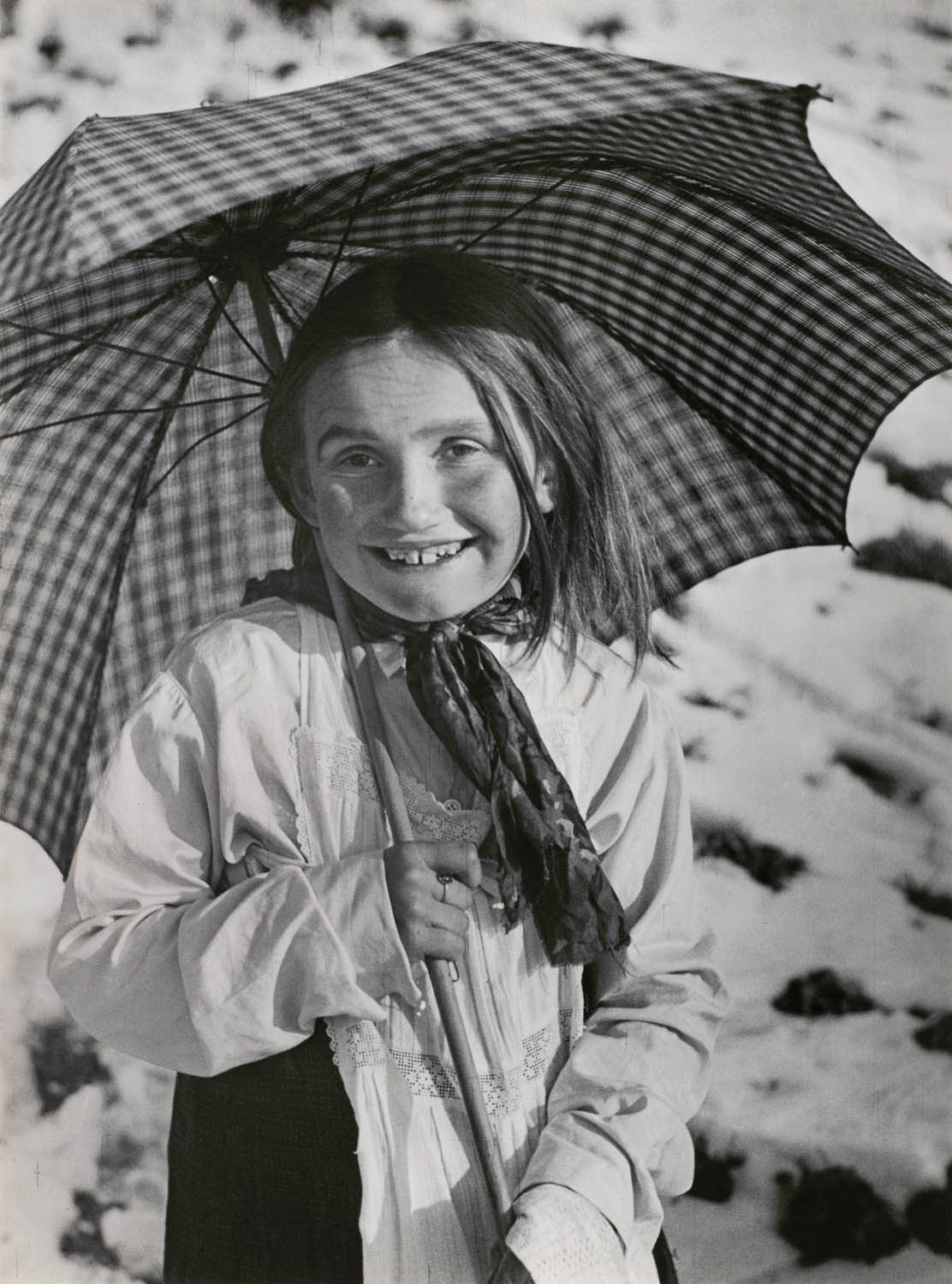
 

Jakob Tuggener (Swiss, 1904­-1988) 'Fasnacht, Sennhof' (Carnival, Sennhof) 1935


Jakob Tuggener (Swiss, 1904­-1988)
Fasnacht, Sennhof (Carnival, Sennhof)
1935
© Jakob Tuggener Stiftung / Fotostiftung Schweiz
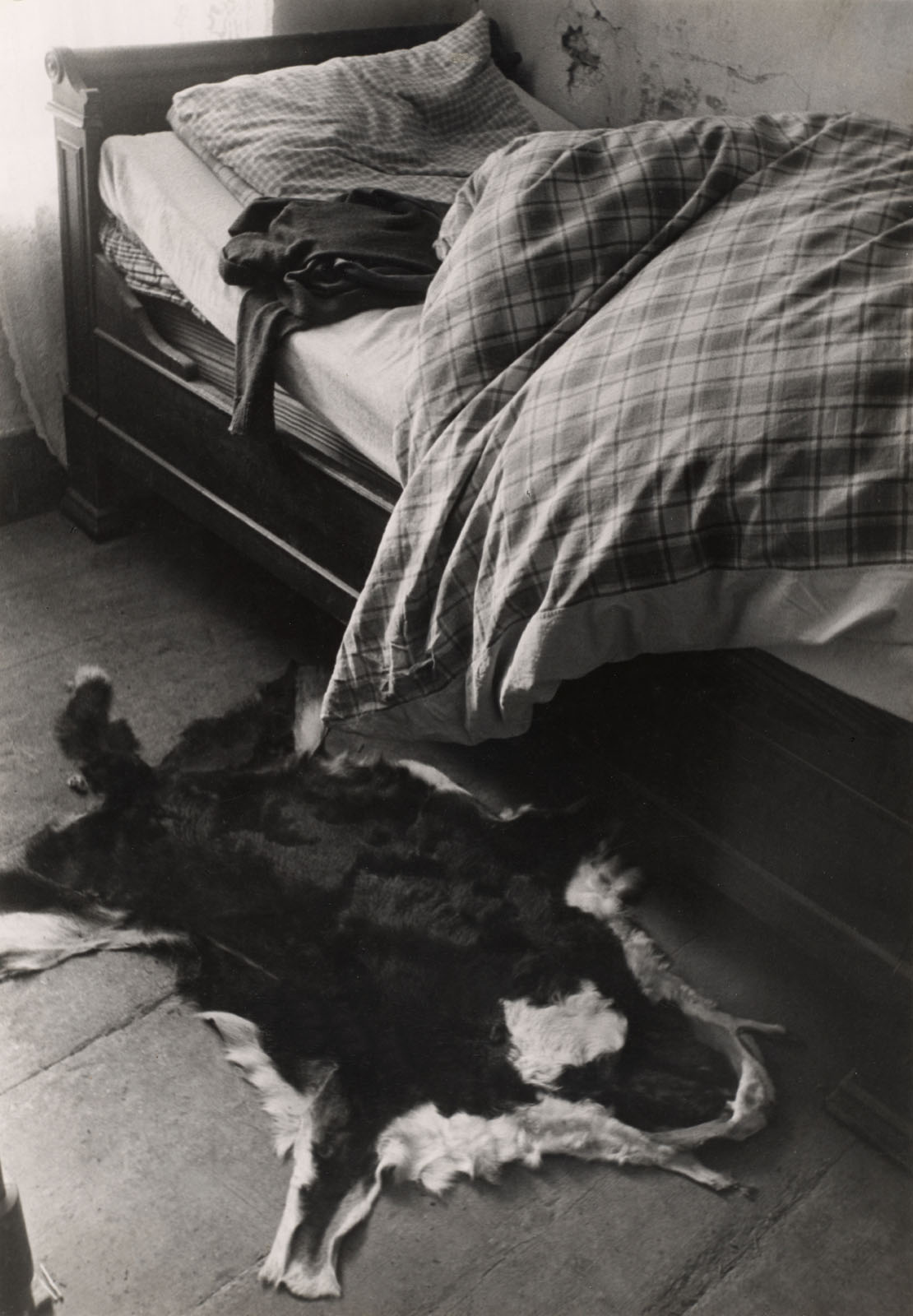
 

Jakob Tuggener (Swiss, 1904­-1988) 'Sleeping chamber, Oeschgen' (Schlafkammer, Oeschgen) 1942


Jakob Tuggener (Swiss, 1904­-1988)
Sleeping chamber, Oeschgen (Schlafkammer, Oeschgen)
1942
© Jakob Tuggener Stiftung / Fotostiftung Schweiz
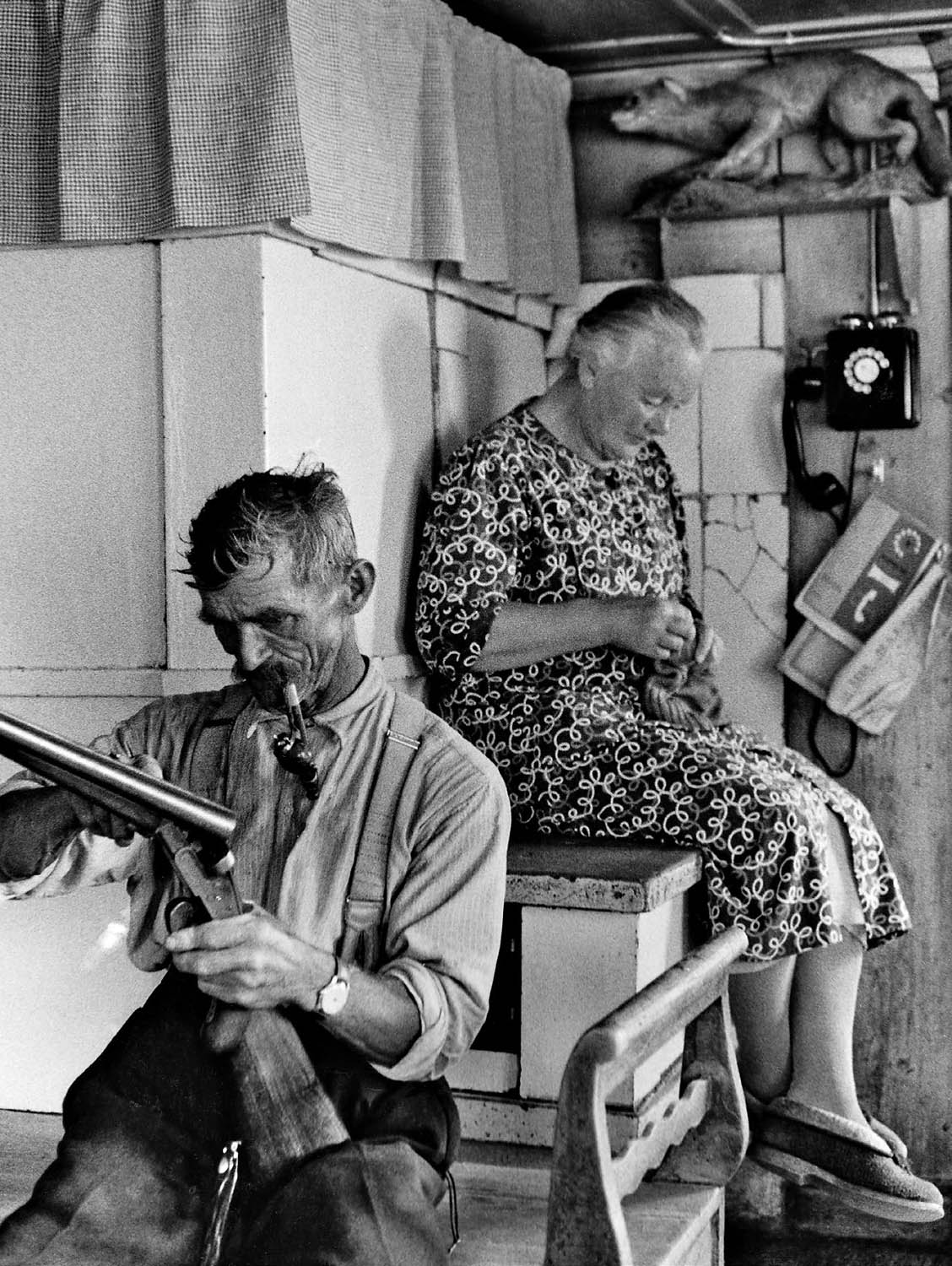
 

Jakob Tuggener (Swiss, 1904­-1988) 'Gamekeeper of Sternenberg with his wife' 1956


Jakob Tuggener (Swiss, 1904­-1988)
Gamekeeper of Sternenberg with his wife
1956
© Jakob Tuggener Stiftung / Fotostiftung Schweiz
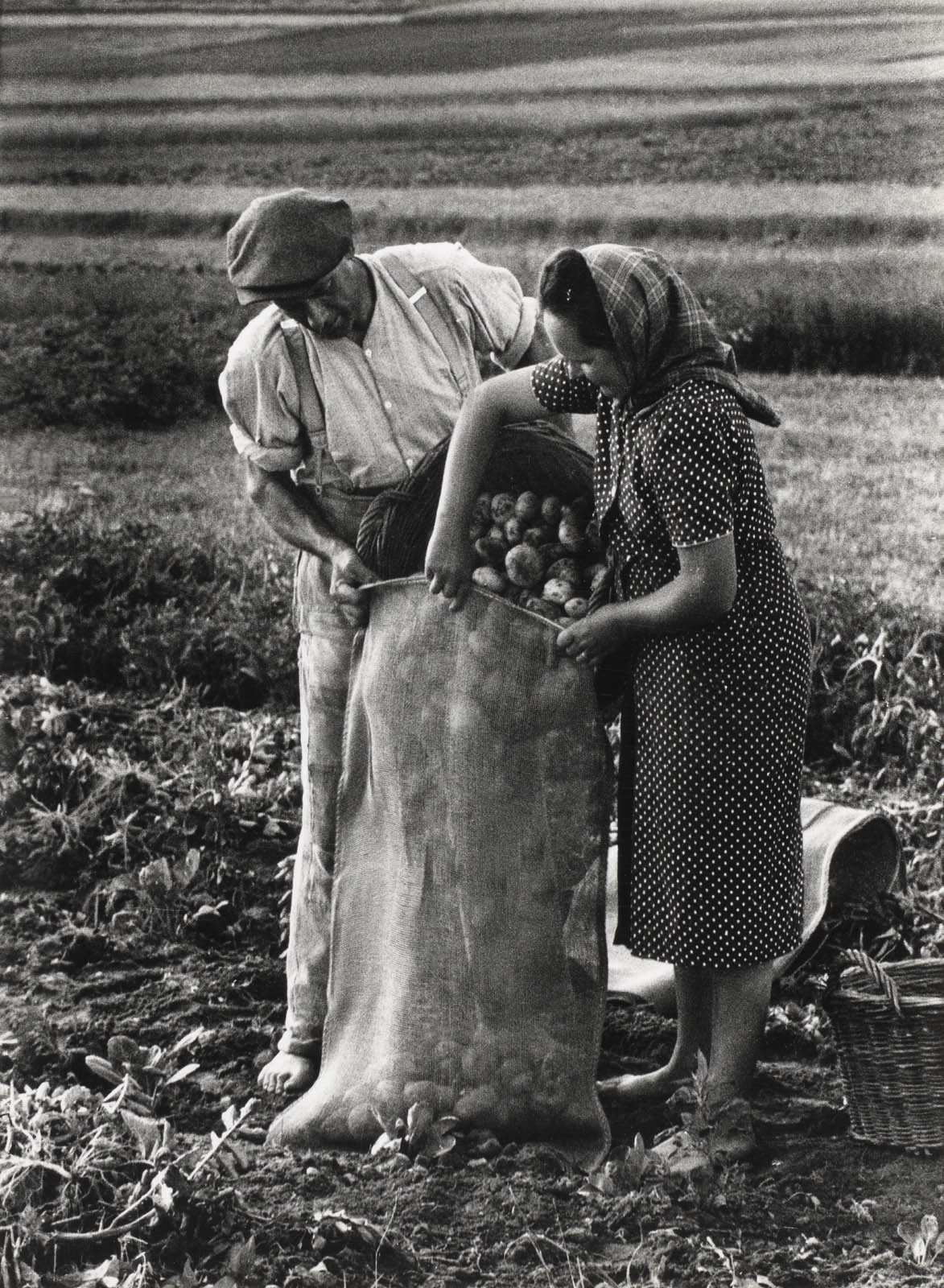
 

Jakob Tuggener (Swiss, 1904­-1988) 'Potato harvest, Müntschemier' (Kartoffelernte, Müntschemier) 1944


Jakob Tuggener (Swiss, 1904­-1988)
Potato harvest, Müntschemier (Kartoffelernte, Müntschemier)
1944
© Jakob Tuggener Stiftung / Fotostiftung Schweiz
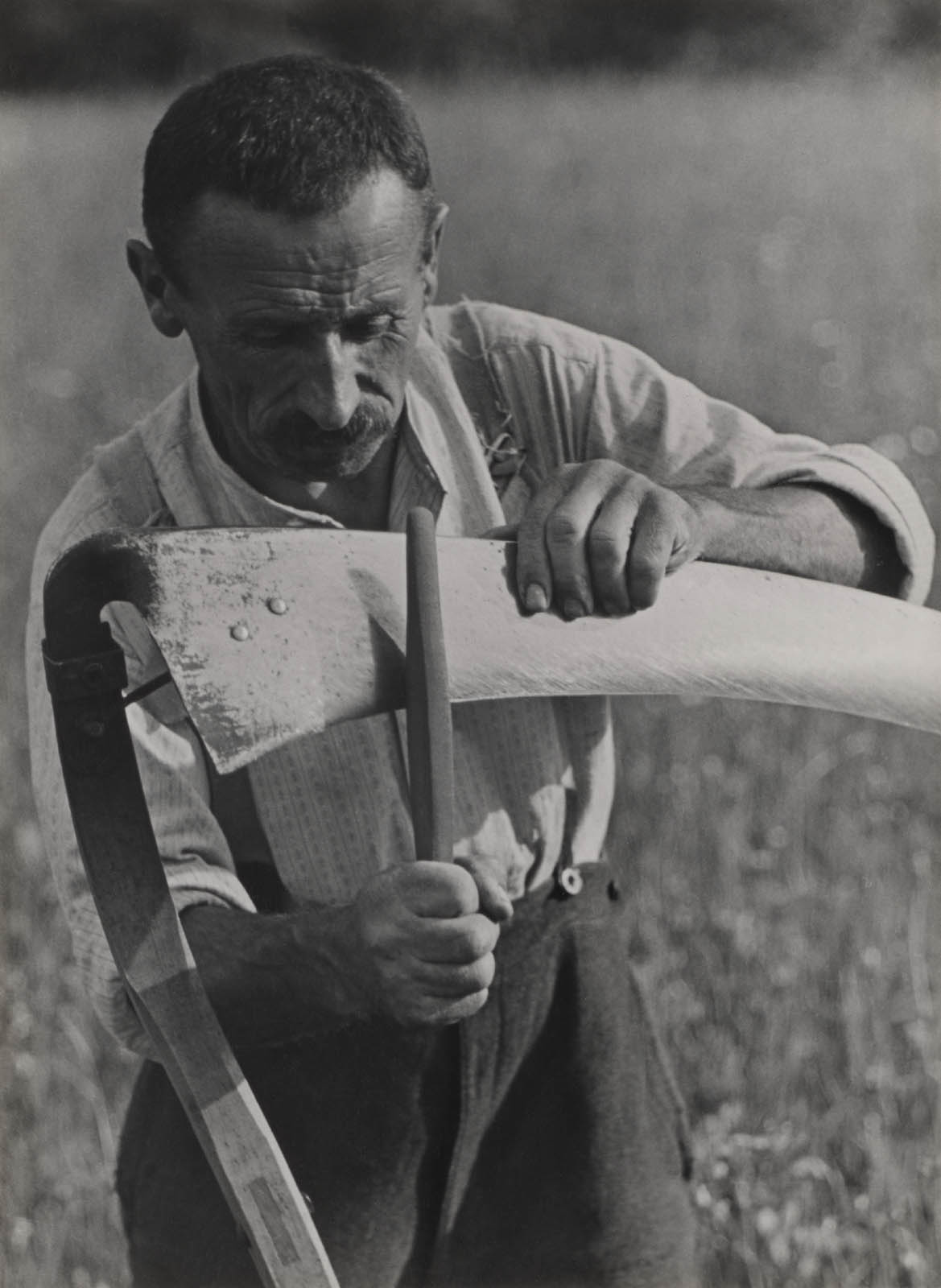
 

Jakob Tuggener (Swiss, 1904­-1988) 'Farmer from Heiden' (Bauer aus Heiden) 1934


Jakob Tuggener (Swiss, 1904­-1988)
Farmer from Heiden (Bauer aus Heiden)
1934
© Jakob Tuggener Stiftung / Fotostiftung Schweiz
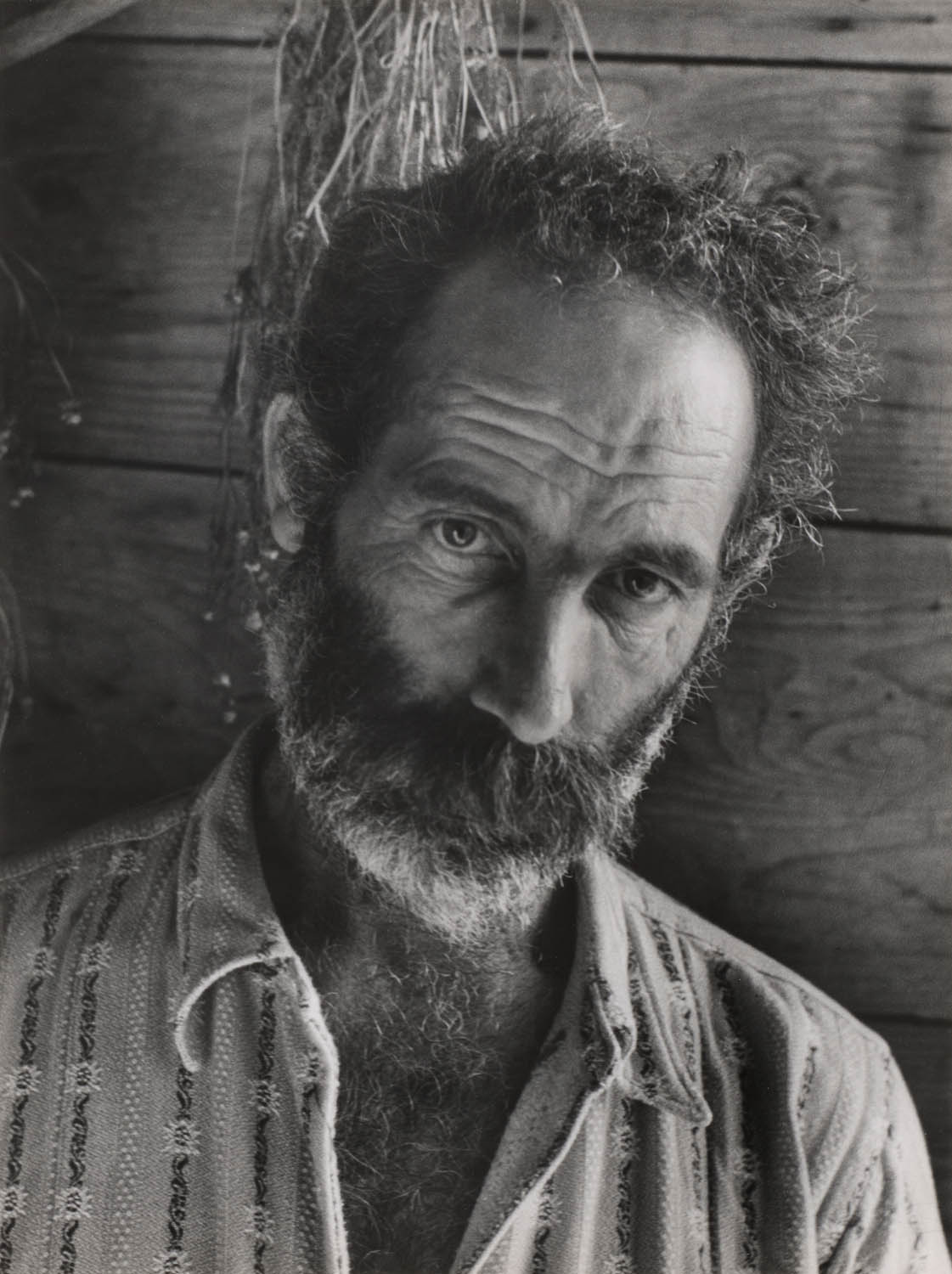
 

Jakob Tuggener (Swiss, 1904­-1988) 'Forestry worker, Strahlegg' (Waldarbeiter, Strahlegg) Around 1954


Jakob Tuggener (Swiss, 1904­-1988)
Forestry worker, Strahlegg (Waldarbeiter, Strahlegg)
Around 1954
© Jakob Tuggener Stiftung / Fotostiftung Schweiz
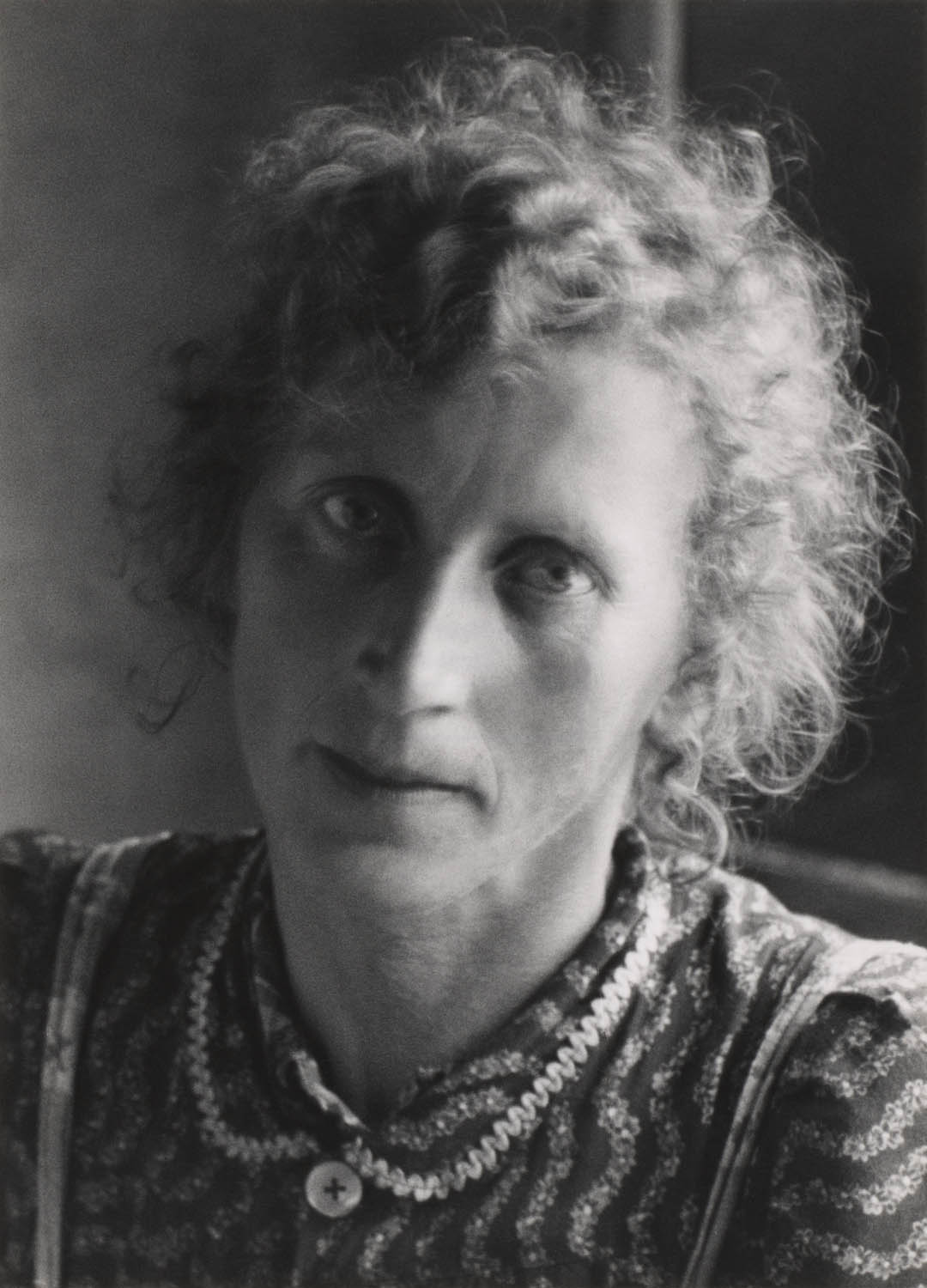
 

Jakob Tuggener (Swiss, 1904­-1988) 'Farmer's wife, Brüttelen' (Bauernfrau, Brüttelen) 1944


Jakob Tuggener (Swiss, 1904­-1988)
Farmer’s wife, Brüttelen (Bauernfrau, Brüttelen)
1944
© Jakob Tuggener Stiftung / Fotostiftung Schweiz
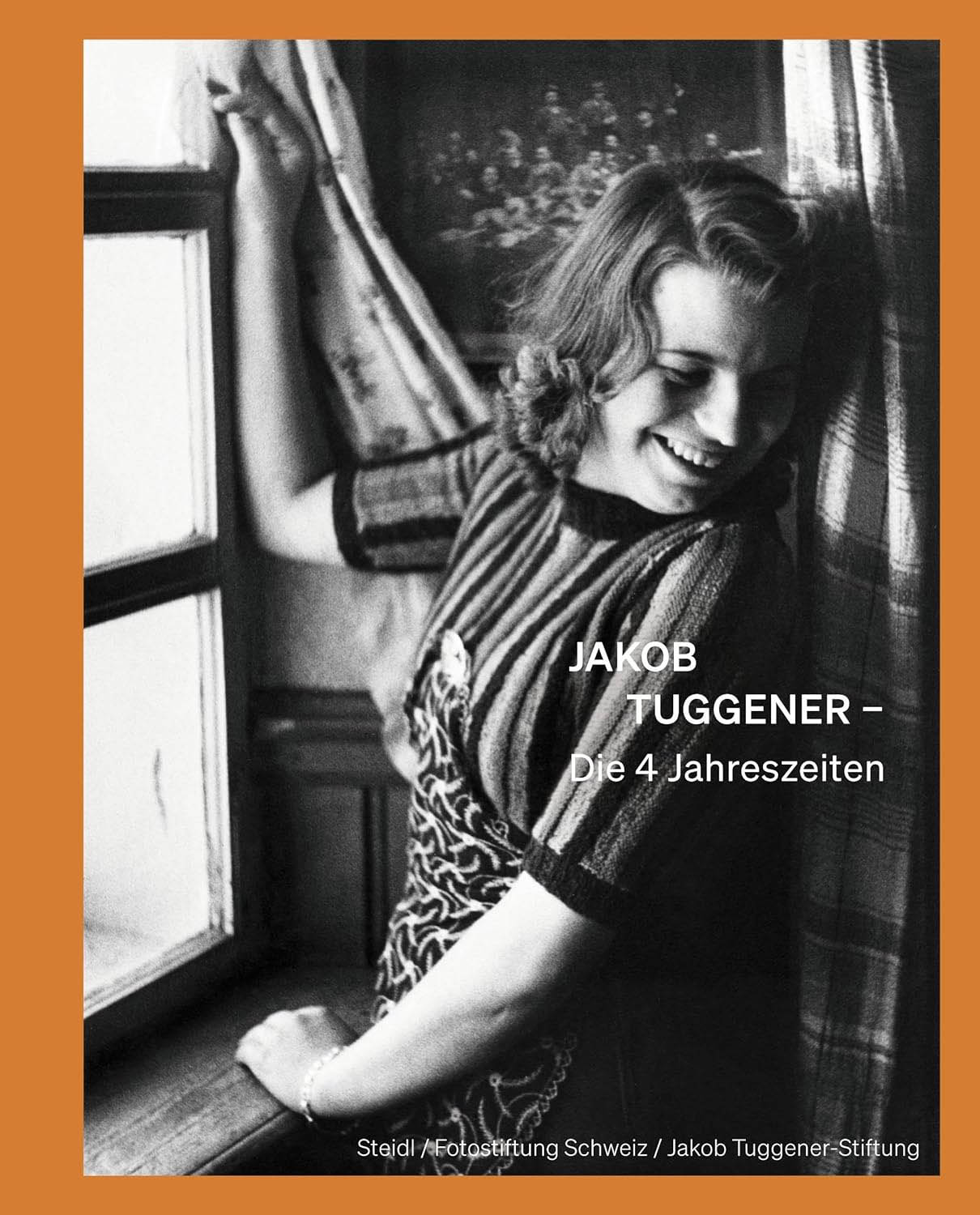
 

Jakob Tuggener 'Die 4 Jahreszeiten' catalogue book cover


Jakob Tuggener Die 4 Jahreszeiten catalogue book cover


Often, artists take a new curve in their final phase of creation, their language and attitude changes, other themes and motifs come to the fore. The Swiss photographer Jakob Tuggener, on the other hand, remained true to himself and his work in an almost irritating way. After he had already composed four unique book pieces on the themes spring, summer, autumn and winter during the 1940s, he created completely new versions of these “farm books” under the title The 4 Seasons in 1973 and 1974, at the age of almost 70 years. They are devoted to simple life in the countryside, reflecting in sensitively observed, atmospherically charged, yet never picturesque recordings, the recurring cycle of nature and are at the same time a reflection on human life and transience. While the world and society changed fundamentally between 1940 and 1970 – life in the countryside no less than life in the city – Tuggener allowed himself to assemble recordings from this entire period into a new, very personal epic. Especially the constancy in Tuggener’s work, this unwavering confidence in the power of the pictures, is one of the special qualities of The 4 Seasons.

Text from the Amazon website
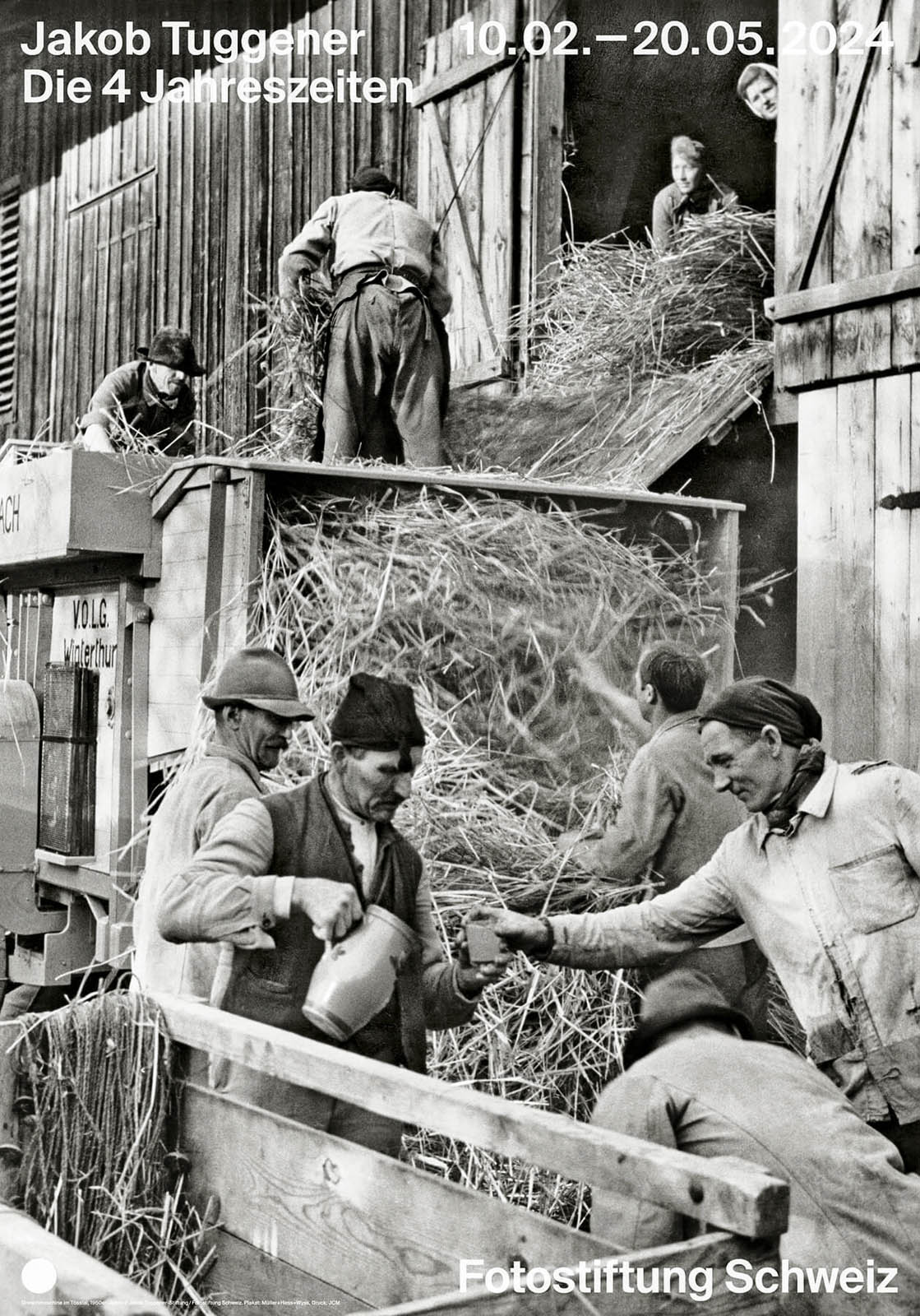
 

Jakob Tuggener 'Die 4 Jahreszeiten' exhibition poster


Jakob Tuggener Die 4 Jahreszeiten exhibition poster


Fotostiftung Schweiz
Grüzenstrasse 45
CH-8400 Winterthur (Zürich)
Phone: +41 52 234 10 30

Opening hours:
Tuesday to Sunday 11am – 6pm
Wednesday 11am – 8pm (with free admission from 5 pm!)
Closed on Mondays

Fotostiftung Schweiz website

LIKE ART BLART ON FACEBOOK

Back to top

Exhibition: ‘This Is Britain: Photographs from the 1970s and 1980s’ at the National Gallery of Art, Washington

Exhibition dates: 29th January – 11th June 2023

Curator: The exhibition is curated by Kara Felt, assistant curator of art at the Denver Botanic Gardens and a former Andrew W. Mellon Postdoctoral Curatorial Fellow in the department of photographs at the National Gallery of Art, with the organisational assistance of Diane Waggoner, Curator of Photographs, National Gallery of Art.


Gilles Peress (French, b. 1946) 'NORTHERN IRELAND. Belfast. Summer evening' 1989


Gilles Peress (French, b. 1946)
NORTHERN IRELAND. Belfast. Summer evening
1989
Gelatin silver print
Corcoran Collection
Museum Purchase with funds donated by the Marlin Miller, Jr. Family Foundation and by exchange: John Bryant and Patricia Bauman


I lived through these years in Britain.

Strikes, unemployment, high inflation and economic failure
New Right, monetarist ideas and the free market economy
The Troubles
The Winter of Discontent
The queens silver jubilee
Glam Rock, punk and then New Romantics; disco and then HiNRG
Aston Martin, Triumph TR7, two door Capri and MGB GT
Falklands War
Charles and Diana
1984-1985 miners’ strike
Recession
North-South divide
Gay Liberation, women’s liberation
Clause 28
HIV/AIDS
Brixton Riots (September 1985)
Racism and the National Front
Victorian values and moral behaviour vs the permissive society

and Margaret Thatcher

That one name still sends shivers down my spine.

The photographs in this posting capture the grittiness of those years… and the surreality of the lived experience. From my perspective, I worked really hard and partied even harder at clubs such as Scandals, Adams, Bang and Heaven. I spent as much as I earnt and careered around London in my beloved Mini 1275 GT as fast as I could, listening to David Bowie, Barry White and the Love Unlimited Orchestra, Pink Floyd, and the inimitable Grace Jones.

In black and white, Graham Smith’s Bennetts Corner (Giro Corner), the Erimus Club and Commercial Pub, South Bank, Middlesbrough (1982, below) perfectly encapsulates the depressive, dank mood of the country during these years. The meaning of “Giro corner” in the title references a place where people would go, in this case two pubs, to spend their Giro cheque: an unemployment or income support payment by giro cheque, posted fortnightly.

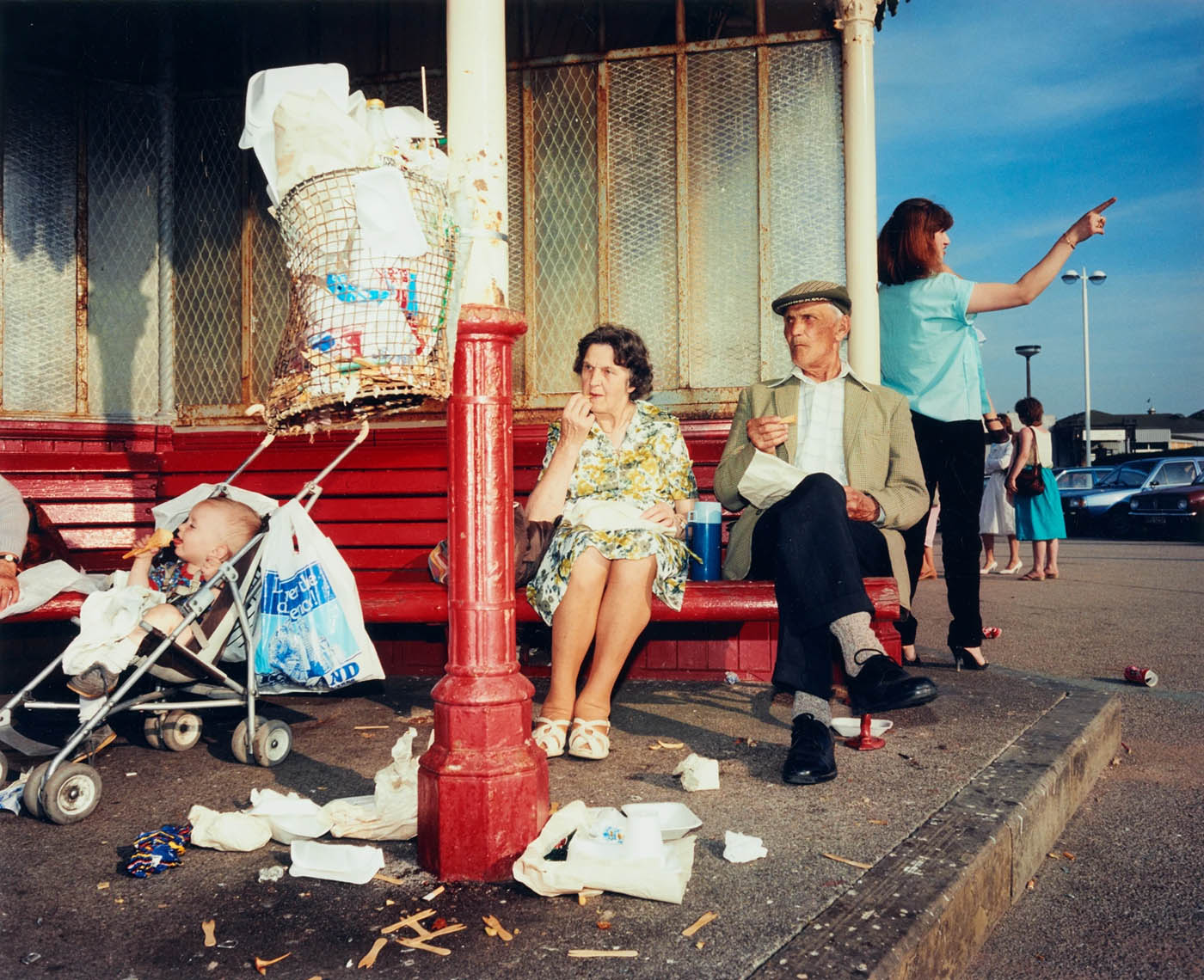
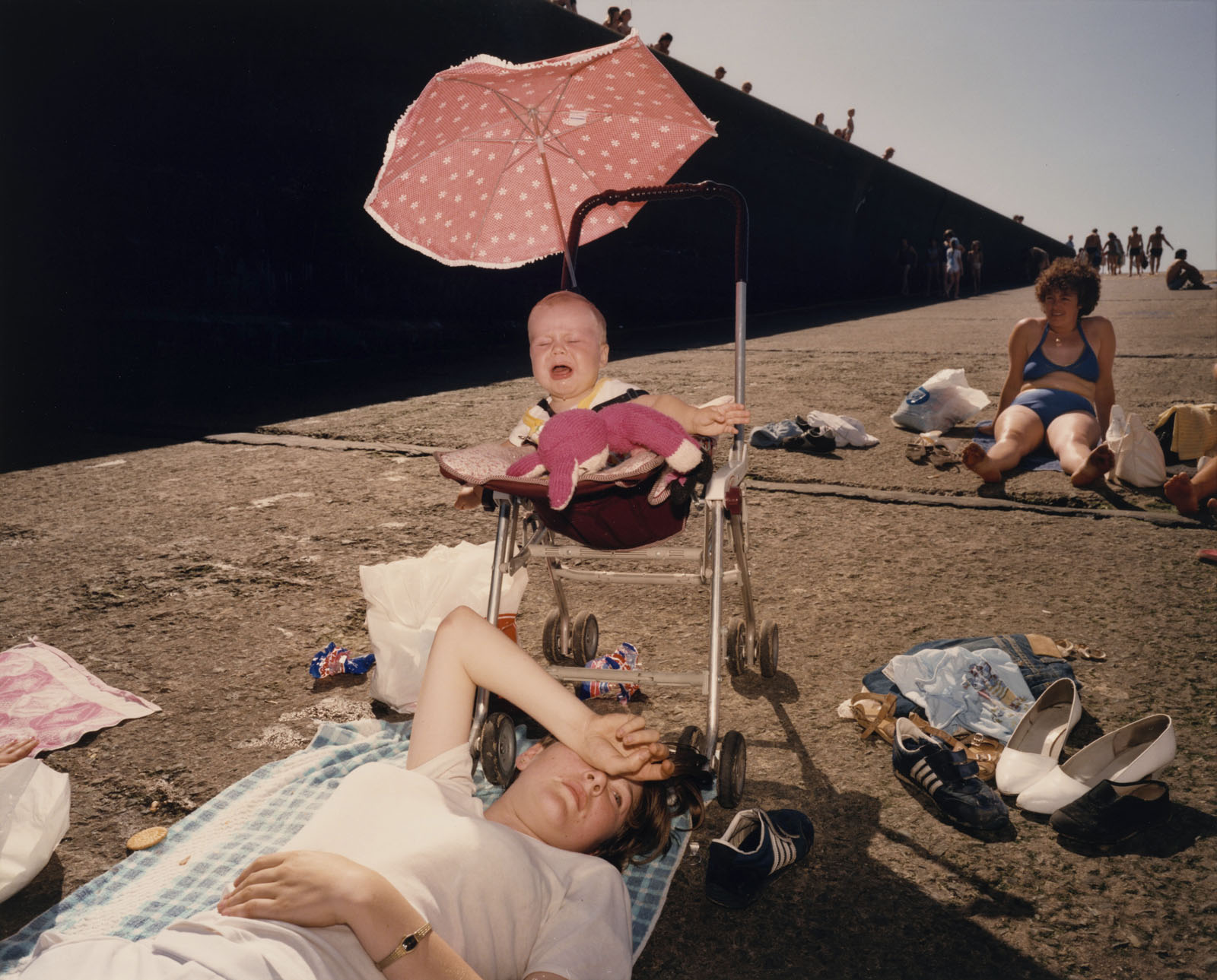
In colour, Martin Parr’s two photographs of New Brighton, Merseyside (1984, below) reference the absurdity of the British at play: leisure time in “new” Brighton on Mersyside in North West England (many miles from the affluent Brighton on the south coast of England) – eating surrounded by rubbish and relaxing on a hard concrete ramp with crying baby, while other artists capture the isolation of individuals, their working class lives and middle class pretensions.

Dr Marcus Bunyan


Many thankx to the National Gallery of Art for allowing me to publish the photographs in the posting. Please click on the photographs for a larger version of the image.


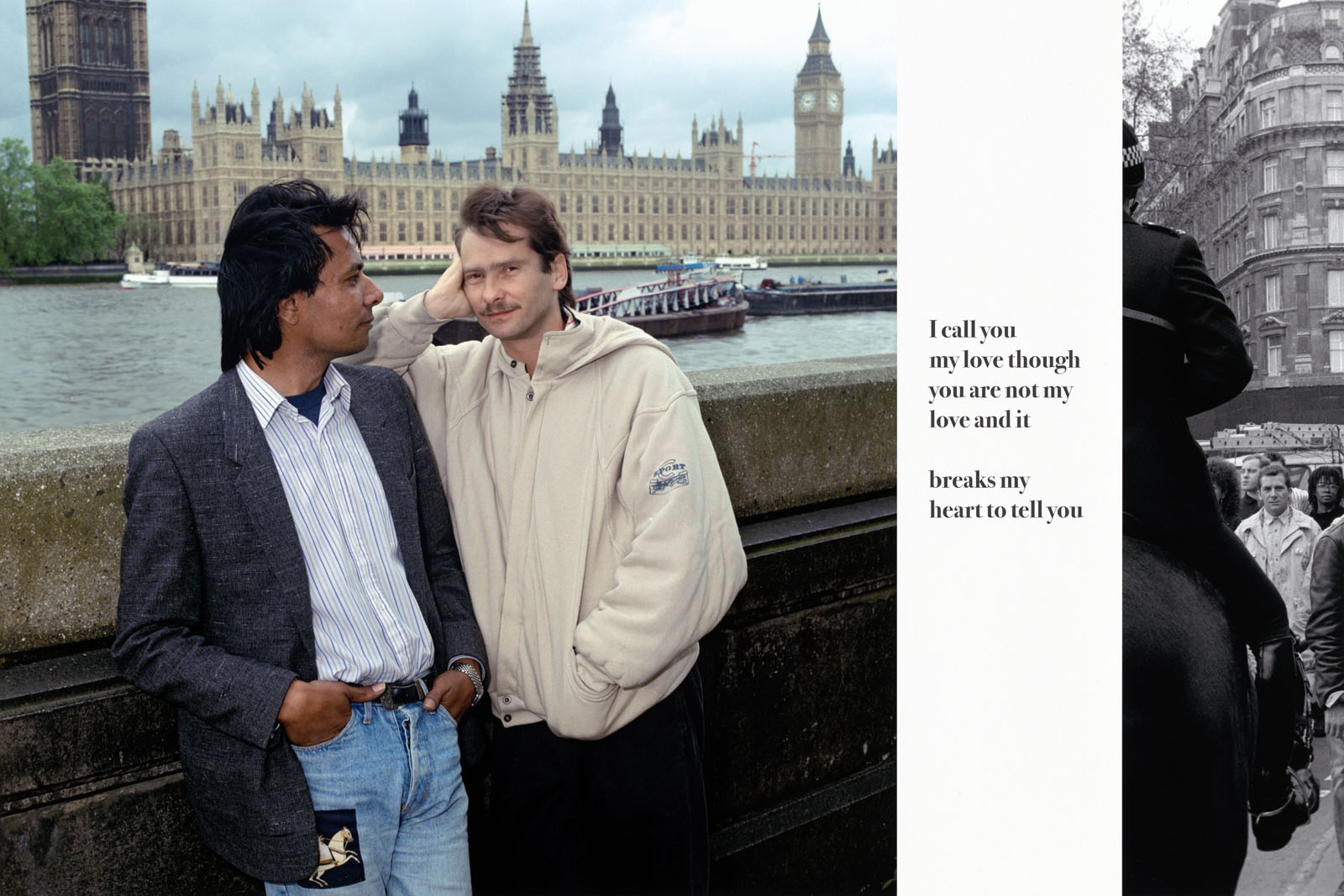
Profound changes in British society in the 1970s and 1980s inspired a revolution in British photography. This Is Britain highlights the socially conscious photographers who captured this moment in time, among them Vanley Burke, Pogus Caesar, Anna Fox, Paul Graham, Sunil Gupta, Chris Killip, Sirkka-Liisa Konttinen, and Martin Parr. The exhibition features some 45 newly acquired prints in the National Gallery of Art’s collection. It brings together works by photographers who explored the national identity as Britain grappled with deindustrialisation, uprisings in inner cities, the Troubles in Northern Ireland, and the controversial policies of Prime Minister Margaret Thatcher. The exhibition also includes Handsworth Songs (1986, below), a 59-minute film on the uprisings that rocked London and Birmingham in 1985. It was produced by the Black Audio Film Collective and directed by John Akomfrah. The exhibition is organised by the National Gallery of Art.

Text from the National Gallery of Art website


Anna Fox (British, b. 1961) 'Advertising Agency, Docklands Enterprise Zone' 1988


Anna Fox (British, b. 1961)
Advertising Agency, Docklands Enterprise Zone
1988
From the series Work Stations
Chromogenic print
Image (visible): 44.5 x 54.8 cm (17 1/2 x 21 9/16 in.)
Framed: 68.5 x 83.8 cm (26 15/16 x 33 in.)
National Gallery of Art, Washington, Alfred H. Moses and Fern M. Schad Fund


Anna Fox (British, b. 1961) 'Conference and Exhibitions Organiser, Euston. Personal Assistant to the Director' 1988, printed later


Anna Fox (British, b. 1961)
Conference and Exhibitions Organiser, Euston. Personal Assistant to the Director
1988, printed later
From the series Work Stations
Chromogenic print
Image (visible): 44.5 x 54.8cm (17 1/2 x 21 9/16 in.)
Framed: 68.5 x 83.8cm (26 15/16 x 33 in.)
National Gallery of Art, Washington, Alfred H. Moses and Fern M. Schad Fund


Anna Fox (British, b. 1961) 'Cafe, the City. Salesperson' 1988 from the series 'Work Stations'


Anna Fox (British, b. 1961)
Cafe, the City. Salesperson
1988
From the series Work Stations
Chromogenic print
Image (visible): 44.5 x 54.8cm (17 1/2 x 21 9/16 in.)
Framed: 68.5 x 83.8cm (26 15/16 x 33 in.)
National Gallery of Art, Washington, Alfred H. Moses and Fern M. Schad Fund


Britain experienced profound changes in the 1970s and 1980s, when it was racked by deindustrialization, urban uprisings, the controversial policies of Prime Minister Margaret Thatcher, and the Troubles in Northern Ireland. Photography became a central form of creative expression during this period, supported and disseminated through new schools, galleries, artists’ collectives, magazines, and government funding.

This Is Britain brings together the work of a generation of photographers who were commenting on the deep unrest of these pivotal decades. Vanley Burke, Pogus Caesar, Anna Fox, Paul Graham, Sunil Gupta, Chris Killip, Sirkka-Liisa Konttinen, Martin Parr, and others pictured communities, traditions, and landscapes affected by Britain’s shifting social and economic realities. Together, they photographed a nation redefining what it meant to be British and, ultimately, modern.

Text from the National Gallery of Art website


Profound changes in British society in the 1970s and 1980s inspired a revolution in British photography. This Is Britain: Photographs from the 1970s and 1980s highlights the work of socially conscious photographers who captured this period of unrest. The exhibition features some 45 newly acquired prints by Vanley Burke, Pogus Caesar, Anna Fox, Paul Graham, Sunil Gupta, Chris Killip, Sirkka-Liisa Konttinen, Martin Parr, and others. It brings together photographers who examined national identity as Britain grappled with deindustrialisation, uprisings in inner cities, the Troubles in Northern Ireland, and the sometimes controversial policies of Prime Minister Margaret Thatcher. On view on the Ground Floor of the National Gallery’s West Building from January 29 through June 11, 2023, the exhibition also features the film Handsworth Songs (1986). The 59-minute film, produced by the Black Audio Film Collective and directed by John Akomfrah, explores uprisings in London and Birmingham in 1985. Reece Auguiste, a member of the Black Audio Film Collective, is the guest curator for an accompanying film program.

Beginning in the 1970s, photography gained its contemporary prominence in Britain, with a rapidly expanding network of galleries, artists’ collectives, schools, and magazines dedicated to promoting the medium. Immigrants and artists of colour, reflecting Britain’s growing multiculturalism, introduced fresh perspectives, as did the many women who entered the field. A generation of young photographers moved from largely black-and-white, documentary styles to more conceptual and often humorous projects in colour in the 1980s. As photographers forged new directions, they pictured a country redefining what it meant to be British and, ultimately, modern.

This Is Britain tells history on an intimate scale, highlighting stories we may have otherwise missed. The addition of these photographs to the National Gallery’s collection allows us to reflect on two decades of artistic innovation and celebrate the talented, diverse group of creators who captured them. We hope that this exhibition inspires visitors, as they contemplate some of the highs and lows experienced by British citizens in the ’70s and ’80s,” said Kaywin Feldman, director of the National Gallery of Art.

Exhibition overview

This Is Britain: Photographs from the 1970s and 1980s focuses on the work of photographers who recorded ways of life that were under threat or disappearing in those tumultuous decades. John Davies’s expansive view of Agecroft Power Station, Salford (1983​) emphasises the displacement of industrial structures. Paul Graham’s​ elegiac series A1: The Great North Road (1982​) examines the shift away from the A1 – a major thoroughfare from London to Edinburgh – to the newer, more direct M1 motorway, resulting in businesses along the former highway to suffer. With their forlorn colours and barren spaces, his pictures challenged the expectation that photography on social themes should be in black and white. Reflecting Britain’s growing immigration and multiculturalism during this period of modernisation, Vanley Burke’s Boy with Flag, Winford in Handsworth Park (1970) pictures a Black youth proudly displaying the Union Jack from his bike.

Many artists in the 1980s continued exploring colour photography, using intense hues inspired by advertising to poke fun at the rise of leisure activities, consumerism, and corporate greed. The series The Last Resort (1983-1986) by Martin Parr, arguably Britain’s most influential living photographer, surveys seaside tourists in New Brighton with acerbic wit. Chris Steele-Perkins​’s decade-long project The Pleasure Principle (1980-1989) captures Margaret Thatcher’s England through surreal images, such as Hypnosis Demonstration, Cambridge University Ball. Six photographs from Anna Fox’s Work Stations (1987-1988​) signal the competition and stress of London office life in the late 1980s. Sunil Gupta strikes a more polemical tone in his series “Pretended” Family Relationships (1988) by responding to Thatcher’s policy prohibiting the promotion of gay and lesbian lifestyles.

The final room presents Handsworth Songs (1986, 59 minutes), a landmark nonfiction film that connects the civil unrest in London and the Handsworth section of Birmingham in 1985 with Britain’s colonial past, weaving contemporary reports and interviews with historical footage and photographs. The film, produced by the Black Audio Film Collective and directed by the acclaimed filmmaker John Akomfrah, features a soundtrack that mixes reggae and post-punk with industrial noises and voiceovers.

Press release from the National Gallery of Art, Washington


Martin Parr (British, 1952-2025) 'New Brighton, Merseyside' 1984 from the series 'The Last Resort'


Martin Parr (British, 1952-2025)
New Brighton, Merseyside
1984
From the series The Last Resort
Chromogenic print
Image: 26.67 x 33.02cm (10 1/2 x 13 in.)
Sheet: 30.48 x 40.64cm (12 x 16 in.)
National Gallery of Art, Washington, Alfred H. Moses and Fern M. Schad Fund
© Martin Parr, Courtesy Rocket Gallery


Martin Parr (British, 1952-2025) 'New Brighton, Merseyside' 1984 from the series 'The Last Resort'


Martin Parr (British, 1952-2025)
New Brighton, Merseyside
1984
From the series The Last Resort
Chromogenic print
Image: 26.67 × 33.02cm (10 1/2 × 13 in.)
Sheet: 30.48 × 40.64cm (12 × 16 in.)
National Gallery of Art, Washington, Alfred H. Moses and Fern M. Schad Fund
© Martin Parr, Courtesy Rocket Gallery


Punk Rock, record unemployment, urban uprisings, Margaret Thatcher, the Troubles in Northern Ireland: profound changes shook British society and inspired a revolution in photography in the 1970s and 1980s. A generation of young photographers used their cameras to comment on the deep unrest of these pivotal decades. With a keen eye for social critique and a spirit of rebellion, they photographed a country redefining what it meant to be British and, ultimately, modern.

Photography during this period became a central form of creative expression, fuelled by a rapidly expanding network of galleries, museum departments, artists’ collectives, schools, and magazines dedicated to the medium. Immigrants and artists of colour, reflecting the nation’s growing multiculturalism, introduced new perspectives, as did the many women who entered the field.

Moving from largely black-and-white, documentary styles toward more conceptual projects in colour, photographers adopted new strategies to examine national identity. In the face of severe economic dislocation, widespread civil disorder, and Prime Minister Thatcher’s controversial policies, these artists declared: This is Britain.

Documenting the Deindustrial Revolution

The decline of British heavy industry in the 1970s led to labor disputes and high unemployment in the early 1980s. As the country prioritised modern technologies and greater efficiency, photographers recorded the communities, structures, and ways of life that were under threat or disappearing. Graham Smith and Vanley Burke portrayed people they had known for decades, while Chris Killip, Sirkka-Liisa Konttinen, and Gilles Peress undertook long-term projects to create intimate yet often bleak photographs of life on the margins of society. Paul Graham and John Davies explored England’s uneasy embrace of the future by showing the people and places being left behind. While these photographers held no real hope of inspiring change, they shared an earnest concern for who and what was being lost as the nation modernised.

Picturing Absurdity in the Thatcher Years

As the leader of the Conservative Party from 1975 and as prime minister from 1979 to 1990, Margaret Thatcher was a polarising figure in Britain. She oversaw the development of an American-style free market economy, the resurgence of British nationalism, and major cutbacks to public spending (famously declaring that “there is no such thing” as society). During the Thatcher years, photographers Martin Parr and Anna Fox used the brash colours of advertising to poke fun at the rise of leisure activities, consumerism, and corporate greed. Combining text and image, Karen Knorr and Sunil Gupta considered how traditional English institutions sidelined women, people of colour, and gay and lesbian communities. Their works openly satirise long-held traditions and question emerging values in British society.

Wall text from the exhibition


Tony Ray-Jones (English, 1941-1972) 'Butlin's Holiday Camp, Scarborough' 1968


Tony Ray-Jones (English, 1941-1972)
Butlin’s Holiday Camp, Scarborough
1968
Gelatin silver print
Image: 15.8 x 24.8cm (6 1/4 x 9 3/4 in.)
Sheet: 35.8 x 28cm (14 1/8 x 11 in.)
National Gallery of Art, Washington, Alfred H. Moses and Fern M. Schad Fund


Karen Knorr (American born Germany, b. 1954) 'A mood of Highly Coloured Naturalism' 1983 from the series 'Country Life'


Karen Knorr (American born Germany, b. 1954)
A mood of Highly Coloured Naturalism
1983
From the series Country Life
Gelatin silver print mounted on board
Image: 40.2 x 40.9cm (15 13/16 x 16 1/8 in.)
Sheet: 60.7 x 51cm (23 7/8 x 20 1/16 in.)
National Gallery of Art, Washington, Alfred H. Moses and Fern M. Schad Fund


Karen Knorr (American born Germany, b. 1954) 'Newspapers are no longer ironed, Coins no longer boiled So far have Standards Fallen' 1981-1983, printed 2015 from the series 'Gentlemen'


Karen Knorr (American born Germany, b. 1954)
Newspapers are no longer ironed, Coins no longer boiled So far have Standards Fallen
1981-1983, printed 2015
From the series Gentlemen
Gelatin silver print
Image: 40.6 × 40.5cm (16 × 15 15/16 in.)
Sheet: 61.5 × 50.7cm (24 3/16 × 19 15/16 in.)
Mat: 71 × 55.8cm (27 15/16 × 21 15/16 in.)
National Gallery of Art, Washington, Alfred H. Moses and Fern M. Schad Fund


Karen Knorr (American born Germany, b. 1954) 'We owe it to the Free world not to Allow Brutal Forces to succeed. When the Rule of law Breaks down, the World takes a further Step towards Chaos' 1981-1983, printed 2015 from the series 'Gentlemen'


Karen Knorr (American born Germany, b. 1954)
We owe it to the Free world not to Allow Brutal Forces to succeed. When the Rule of law Breaks down, the World takes a further Step towards Chaos
1981-1983, printed 2015
From the series Gentlemen
Gelatin silver print
Image: 40.5 x 40.7cm (15 15/16 x 16 in.)
Sheet: 60.8 x 50.5cm (23 15/16 x 19 7/8 in.)
National Gallery of Art, Washington, Alfred H. Moses and Fern M. Schad Fund


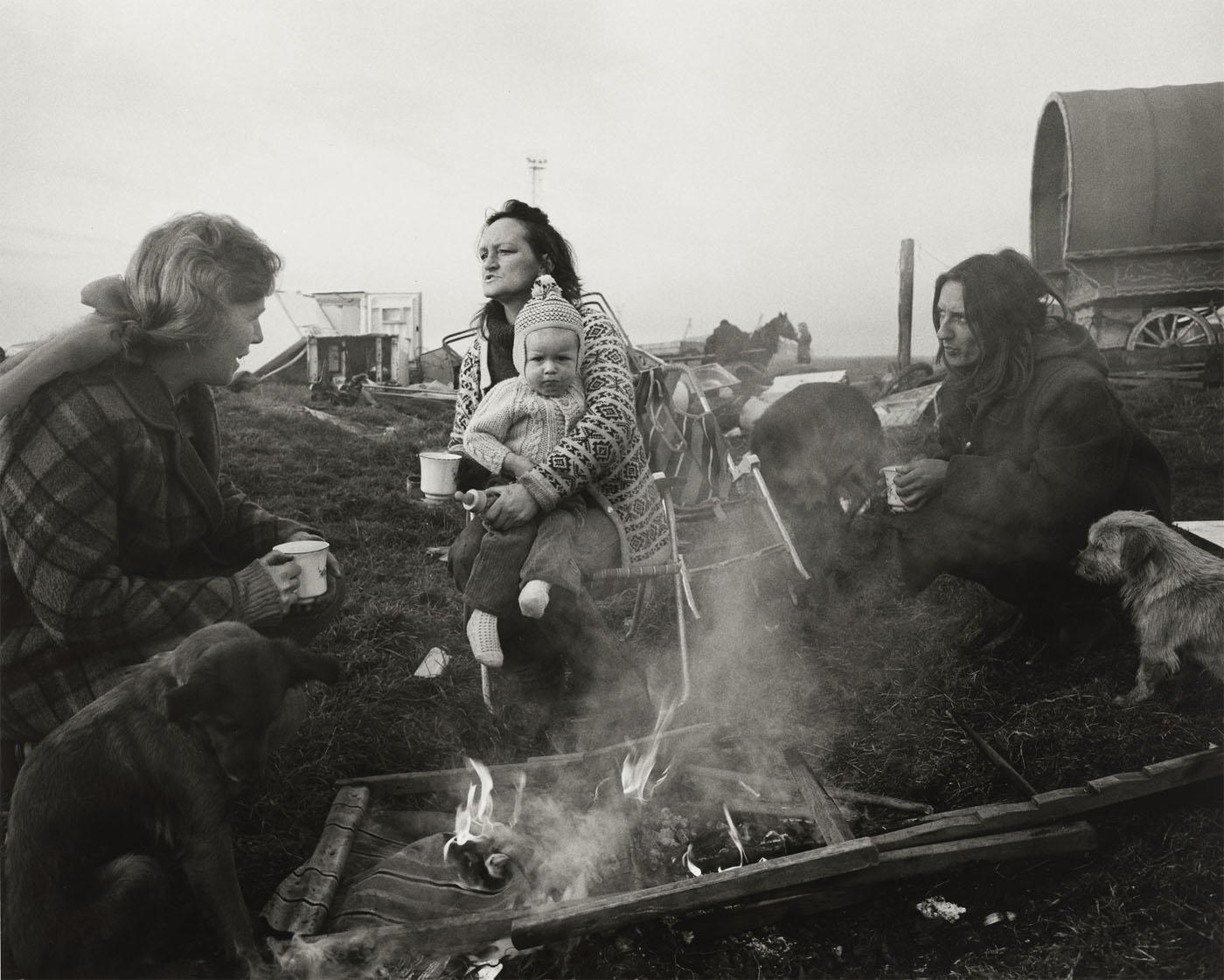
Chris Killip (Isle of Man, 1946-2020) 'Margaret, Rosie, and Val, Seacoal Camp, Lynemouth, Northumberland' 1983


Chris Killip (Isle of Man, 1946-2020)
Margaret, Rosie, and Val, Seacoal Camp, Lynemouth, Northumberland
1983
Gelatin silver print
Image: 40.5 x 50.5cm (15 15/16 x 19 7/8 in.)
Sheet: 47.8 x 57.6cm (18 13/16 x 22 11/16 in.)
National Gallery of Art, Washington, Alfred H. Moses and Fern M. Schad Fund


Chris Killip (Isle of Man, 1946-2020) 'Crabs and People, Skinningrove, North Yorkshire, UK' 1981


Chris Killip (Isle of Man, 1946-2020)
Crabs and People, Skinningrove, North Yorkshire, UK
1981
Gelatin silver print
Image: 39.9 × 48.9cm (15 11/16 × 19 1/4 in.)
Sheet: 50.7 × 59.7cm (19 15/16 × 23 1/2 in.)
Mat: 56 × 71.2cm (22 1/16 × 28 1/16 in.)
National Gallery of Art, Washington, Alfred H. Moses and Fern M. Schad Fund
© Chris Killip Photography Trust / Magnum Photos, Courtesy Augusta Edwards Fine Art


Colin Jones (English, 1936-2021) 'The Black House, London' 1973-1976


Colin Jones (English, 1936-2021)
The Black House, London
1973-1976
Gelatin silver print
Image: 33.8 x 49.1cm (13 5/16 x 19 5/16 in.)
Sheet: 41 x 50.8cm (16 1/8 x 20 in.)
National Gallery of Art, Washington, Alfred H. Moses and Fern M. Schad Fund


Vanley Burke (British born Jamaica, b. 1951) 'Young Men on See-Saw, Handsworth Park, Birmingham' 1984, printed 2021


Vanley Burke (British born Jamaica, b. 1951)
Young Men on See-Saw, Handsworth Park, Birmingham
1984, printed 2021
Gelatin silver print
Image: 30.1 x 45.4cm (11 7/8 x 17 7/8 in.)
Sheet: 40.4 x 50.5cm (15 7/8 x 19 7/8 in.)
National Gallery of Art, Washington, Alfred H. Moses and Fern M. Schad Fund


Vanley Burke (British born Jamaica, b. 1951) 'Boy with Flag, Winford in Handsworth Park' 1970, printed 2022


Vanley Burke (British born Jamaica, b. 1951)
Boy with Flag, Winford in Handsworth Park
1970, printed 2022
Gelatin silver print
National Gallery of Art, Washington, Alfred H. Moses and Fern M. Schad Fund


Sirkka-Liisa Konttinen (Finland, b. 1948) 'Young Couple in a Backyard on a Summer's Day' 1975, printed 2012


Sirkka-Liisa Konttinen (Finland, b. 1948)
Young Couple in a Backyard on a Summer’s Day
1975, printed 2012
Gelatin silver print
Image: 36.1 × 39.3cm (14 3/16 × 15 1/2 in.)
Sheet: 40.4 × 50.5cm (15 7/8 × 19 7/8 in.)
National Gallery of Art, Washington, Alfred H. Moses and Fern M. Schad Fund Courtesy L. Parker Stephenson Photographs


John Davies (British, b. 1949) 'Agecroft Power Station, Salford' 1983


John Davies (British, b. 1949)
Agecroft Power Station, Salford
1983
Gelatin silver print
Image: 37.6 × 56.1cm (14 13/16 × 22 1/16 in.)
Sheet: 50.5 × 60.4cm (19 7/8 × 23 3/4 in.)
National Gallery of Art, Washington, Alfred H. Moses and Fern M. Schad Fund Courtesy L. Parker Stephenson Photographs


Graham Smith (British, b. 1947) 'The Queen's Pub, Southbank, Middlesbrough' 1981


Graham Smith (British, b. 1947)
The Queen’s Pub, Southbank, Middlesbrough
1981
Gelatin silver print
Image: 17.8 × 22.8cm (7 × 9 in.)
Sheet: 21.8 × 26.8cm (8 9/16 × 10 9/16 in.)
Mat: 28 × 35.6cm (11 × 14 in.)
National Gallery of Art, Washington, Alfred H. Moses and Fern M. Schad Fund
© Graham Smith, Courtesy Augusta Edwards Fine Art


Graham Smith (British, b. 1947) 'Bennetts Corner (Giro Corner), the Erimus Club and Commercial Pub, South Bank, Middlesbrough' 1982, printed 2008


Graham Smith (British, b. 1947)
Bennetts Corner (Giro Corner), the Erimus Club and Commercial Pub, South Bank, Middlesbrough
1982, printed 2008
Gelatin silver print
Image: 37.4 x 47cm (14 3/4 x 18 1/2 in.)
Sheet: 47.7 x 57.4cm (18 3/4 x 22 5/8 in.)
National Gallery of Art, Washington, Alfred H. Moses and Fern M. Schad Fund


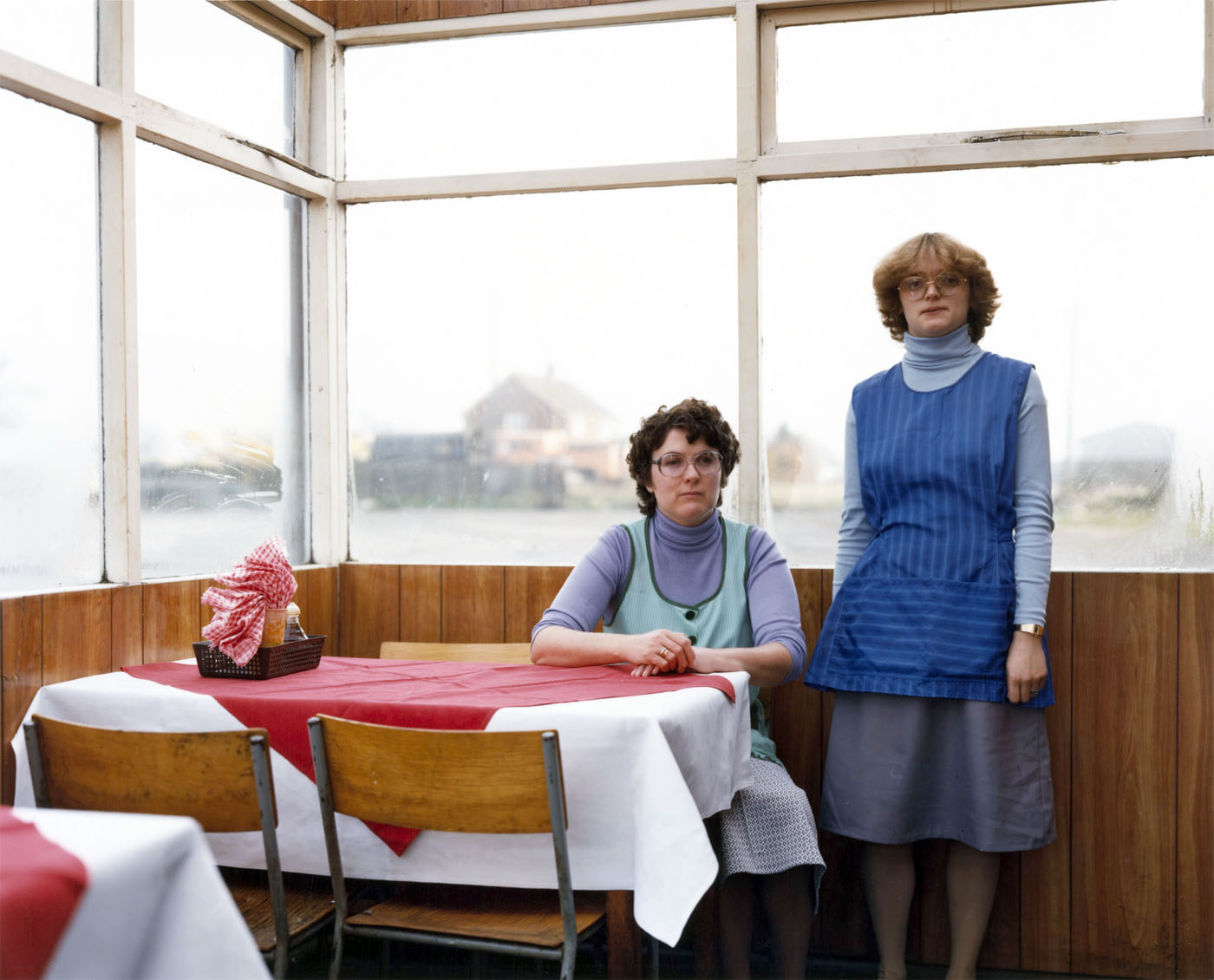
Paul Graham (British, b. 1956) 'Café Assistants, Compass Café, Colsterworth, Lincolnshire' November 1982


Paul Graham (British, b. 1956)
Café Assistants, Compass Café, Colsterworth, Lincolnshire
November 1982
Chromogenic print
Image: 19.4 x 24cm (7 5/8 x 9 7/16 in.)
Sheet: 27.4 x 35cm (10 13/16 x 13 3/4 in.)
National Gallery of Art, Washington, Alfred H. Moses and Fern M. Schad Fund


Paul Graham (British, b. 1956) 'Little Chef in Rain, St. Neots, Cambridgeshire' May 1982


Paul Graham (British, b. 1956)
Little Chef in Rain, St. Neots, Cambridgeshire
May 1982
Chromogenic print
Image: 24.2 x 30.6cm (9 1/2 x 12 1/16 in.)
Sheet: 27.9 x 35.7cm (11 x 14 1/16 in.)
Mat: 35.5 x 45.8cm (14 x 18 1/16 in.)
National Gallery of Art, Washington, Alfred H. Moses and Fern M. Schad Fund
© Paul Graham, courtesy Pace Gallery


Tom Wood (Irish, b. 1951) 'Between Chester and Birkenhead' 1989


Tom Wood (Irish, b. 1951)
Between Chester and Birkenhead
1989
Vintage gelatin silver print
Image: 17.2 x 26.1cm (6 3/4 x 10 1/4 in.)
Sheet: 27.9 x 35.2cm (11 x 13 7/8 in.)
National Gallery of Art, Washington, Alfred H. Moses and Fern M. Schad Fund


Tom Wood (Irish, b. 1951) 'Lime Street' 1995


Tom Wood (Irish, b. 1951)
Lime Street
1995, printed 1997
Analogue hand print
Image: 19 x 25.6 cm (7 1/2 x 10 1/16 in.)
Sheet: 19.8 x 27.2cm (7 13/16 x 10 11/16 in.)
National Gallery of Art, Washington, Alfred H. Moses and Fern M. Schad Fund


Sunil Gupta on Community and Activism

Sunil Gupta, photographer, curator, writer, and activist has maintained a visionary approach to photography, producing bodies of work with keen social and political commentary. Gupta’s diasporic experience of multiple cultures informs a practice dedicated to themes of race, migration, and queer identity. His photographic projects – born from a desire to see himself and others like him represented in art history – draw upon his own life as a point of departure.

The Arnold Newman Lecture Series on Photography provides a forum for leading photographers, primarily known for portraits, to discuss contemporary issues in the medium. Arnold Newman (1918-2006) is acknowledged as one of the great masters of the twentieth and twenty-first centuries whose work changed portraiture. The Arnold and Augusta Newman Foundation generously supported this series to make such conversations available to the public.

Text from the YouTube website


Sunil Gupta (Canadian born India, b. 1953) 'Untitled #1' 1988, printed 2020


Sunil Gupta (Canadian born India, b. 1953)
Untitled #1
1988, printed 2020
From the series “Pretended” Family Relationships
Inkjet print
Image: 61 x 91.4cm (24 x 36 in.)
Sheet: 63.5 x 94cm (25 x 37 in.)
National Gallery of Art, Washington, Alfred H. Moses and Fern M. Schad Fund
© Sunil Gupta


Pogus Caesar (British born St. Kitts, b. 1953) 'Handsworth Riots: Birmingham, United Kingdom September' 1985, printed 2022


Pogus Caesar (British born St. Kitts, b. 1953)
Handsworth Riots: Birmingham, United Kingdom
September 1985, printed 2022
Gelatin silver print
Image: 50.8 × 60.96cm (20 × 24 in.)
Sheet: 41.6 × 57.4cm (16 3/8 × 22 5/8 in.)
National Gallery of Art, Washington, Alfred H. Moses and Fern M. Schad Fund
© Pogus Caesar/OOM Gallery Archive, ARS, New York, DACS, London


Handsworth Songs (1986)

A landmark in nonfiction filmmaking, Handsworth Songs was the first film directed by the Ghanaian-born artist John Akomfrah. It was produced by the Black Audio Film Collective (1982-1998), a group of experimental Black artists who examined the diasporic African and Asian experience in Britain. The film weaves archival footage with scenes, interviews, and pictures from contemporary events, including photographs by Vanley Burke, with a haunting soundtrack that mixes reggae and post-punk music with industrial noises and voiceovers. This layered structure connects Britain’s colonial past with unrest in London’s Tottenham and Brixton neighbourhoods and Birmingham’s Handsworth area in 1985. Today, Handsworth Songs reveals the solidarity shared by Britons of African and Asian descent in the face of inequality as it brings historical perspective to civil disturbances in the 1980s.

This film includes depictions of police violence and the use of racial slurs. Viewer discretion is advised.

Wall text from the exhibition


Chris Steele-Perkins (British, b. 1947) 'Hypnosis Demonstration, Cambridge University Ball' 1980-1989


Chris Steele-Perkins (British, b. 1947)
Hypnosis Demonstration, Cambridge University Ball
1980-1989
Silver dye bleach print
Image: 25.4 × 38.1cm (10 × 15 in.)
Sheet: 30.2 × 40.4cm (11 7/8 × 15 7/8 in.)
National Gallery of Art, Washington, Alfred H. Moses and Fern M. Schad Fund


Paul Reas (British, b. 1955) 'Constable County, Flatford Mill, Suffolk' c. 1992


Paul Reas (British, b. 1955)
Constable County, Flatford Mill, Suffolk
c. 1992
From the series Flogging a Dead Horse
Inkjet print image: 41 x 50.5cm (16 1/8 x 19 7/8 in.)
Sheet: 50.5 x 61cm (19 7/8 x 24 in.)
National Gallery of Art, Washington, Alfred H. Moses and Fern M. Schad Fund


National Gallery of Art
National Mall between 3rd and 7th Streets
Constitution Avenue NW, Washington

Opening hours:
Daily 10am – 5pm

National Gallery of Art website

LIKE ART BLART ON FACEBOOK

Back to top