Marcus Bunyan black and white archive: ‘Sleep/Wound’, 1995-1996

May 2019

*PLEASE NOTE THIS POSTING CONTAINS ART PHOTOGRAPHS OF MALE NUDITY – IF YOU DO NOT LIKE PLEASE DO NOT LOOK, FAIR WARNING HAS BEEN GIVEN*


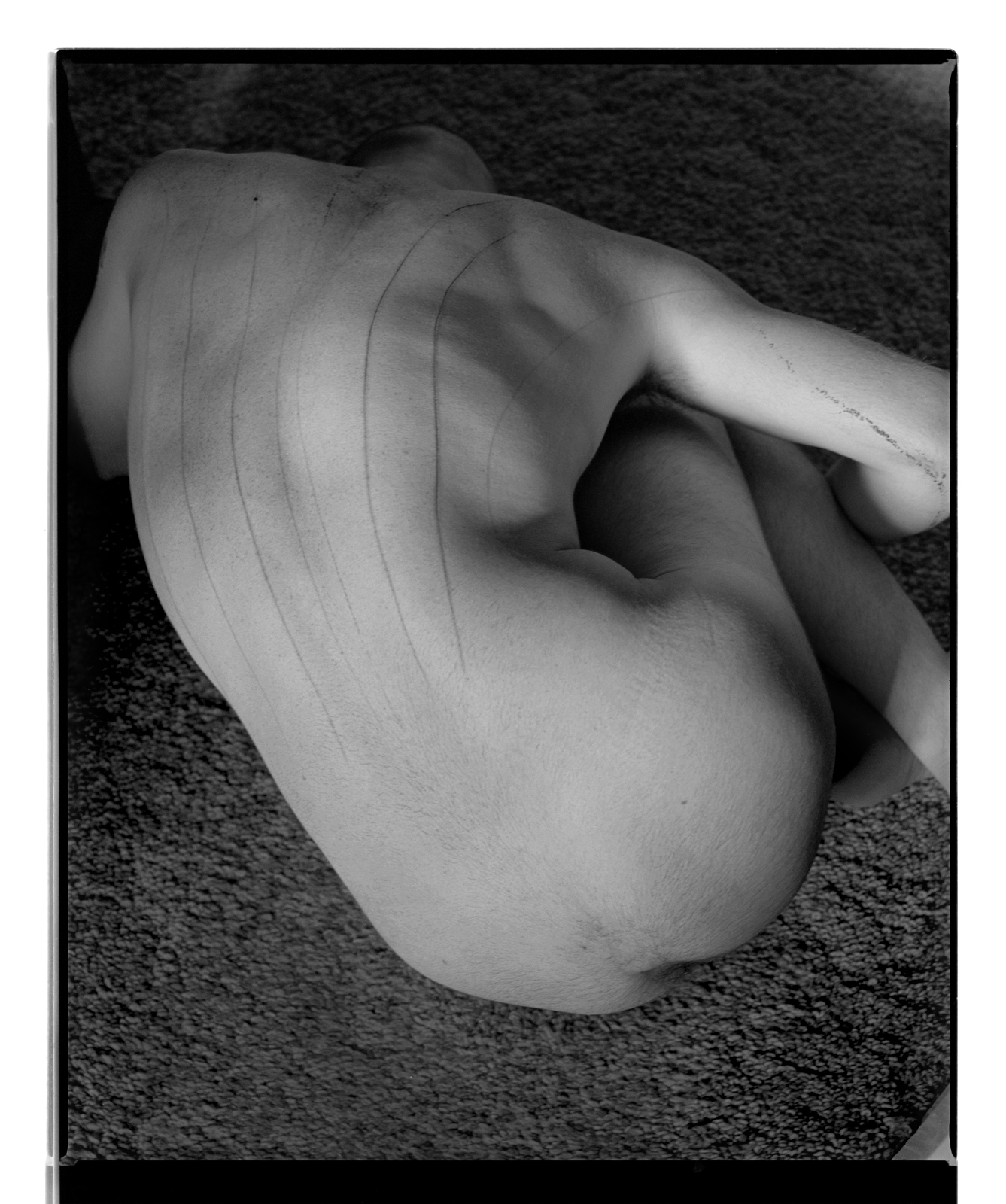
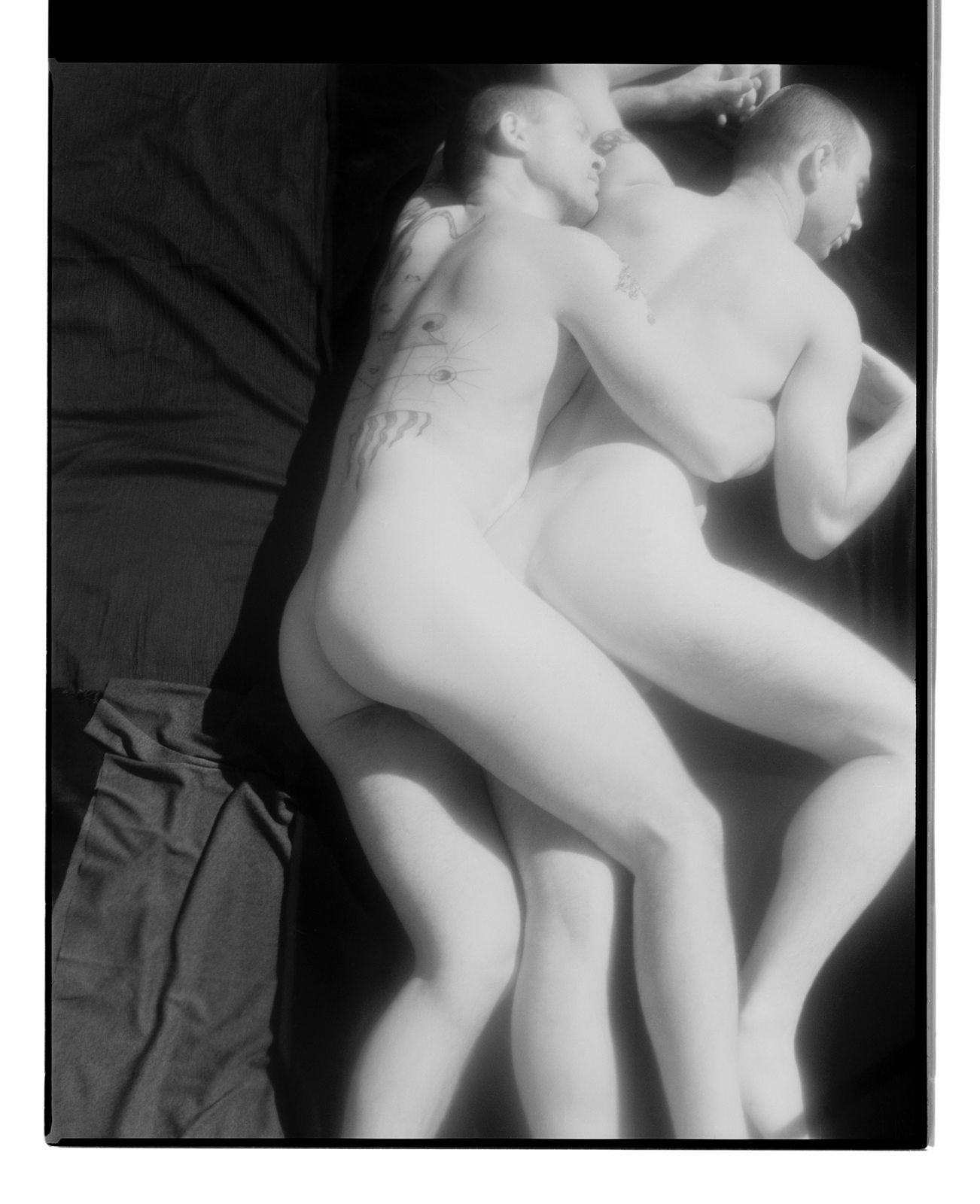
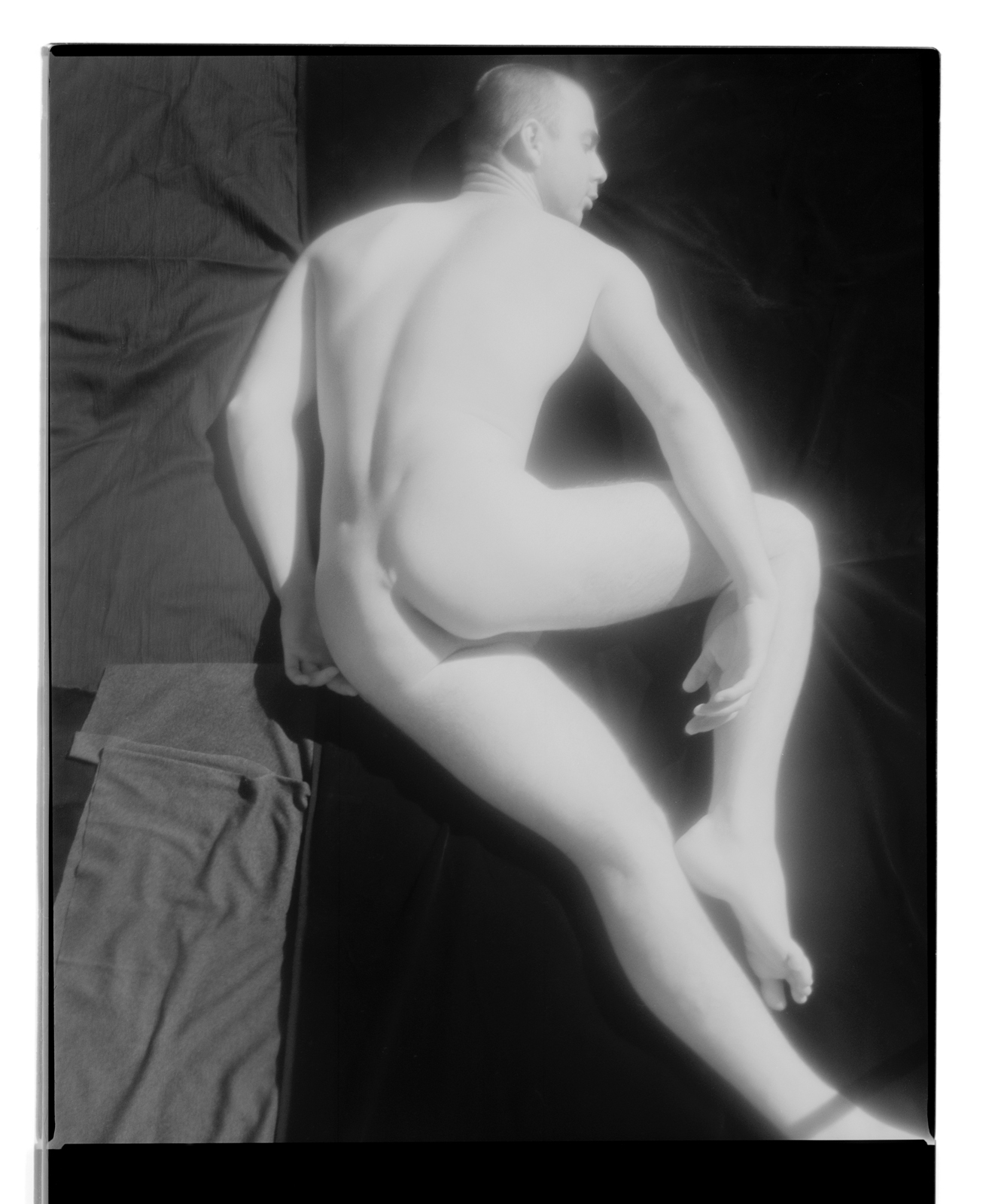
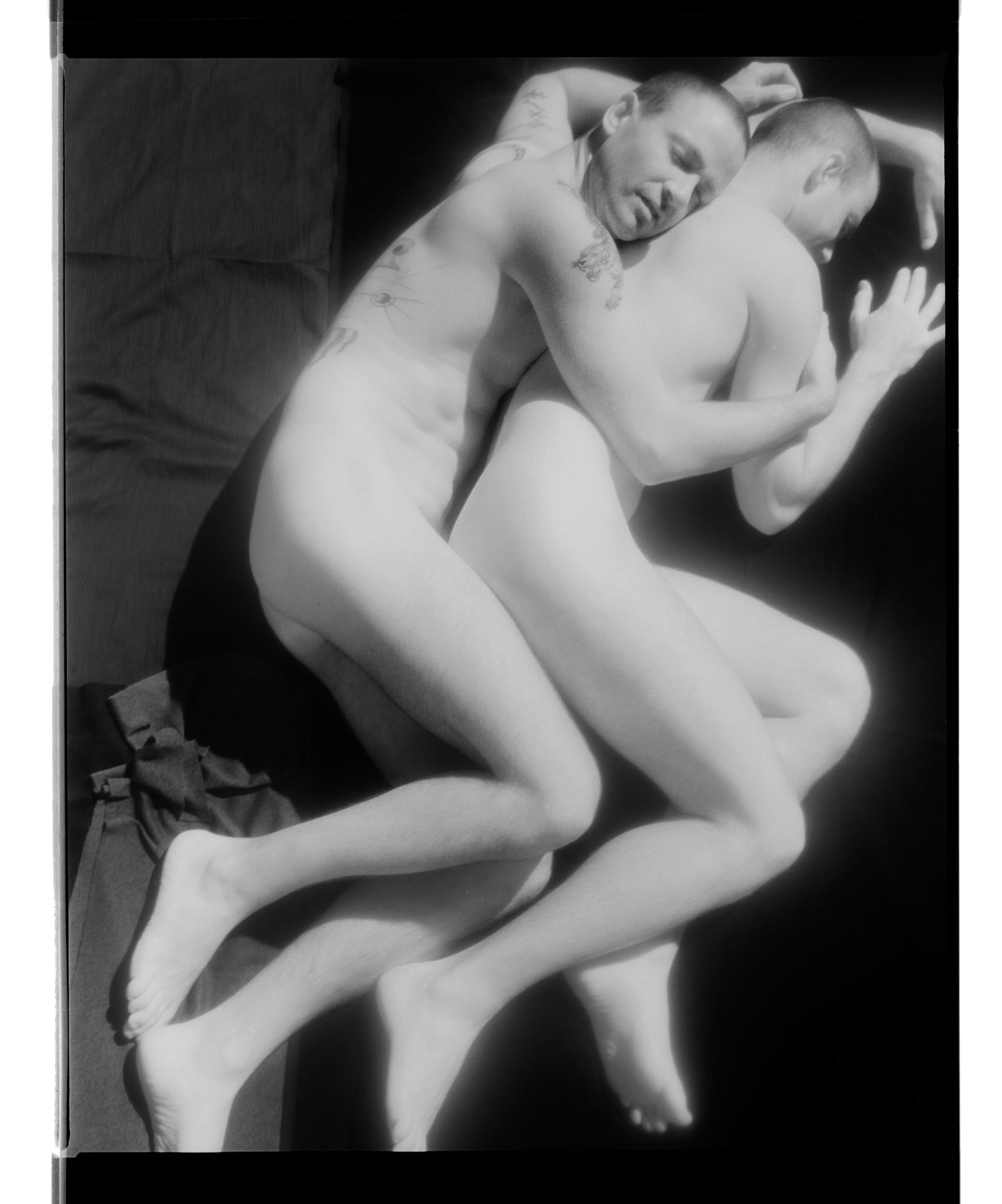
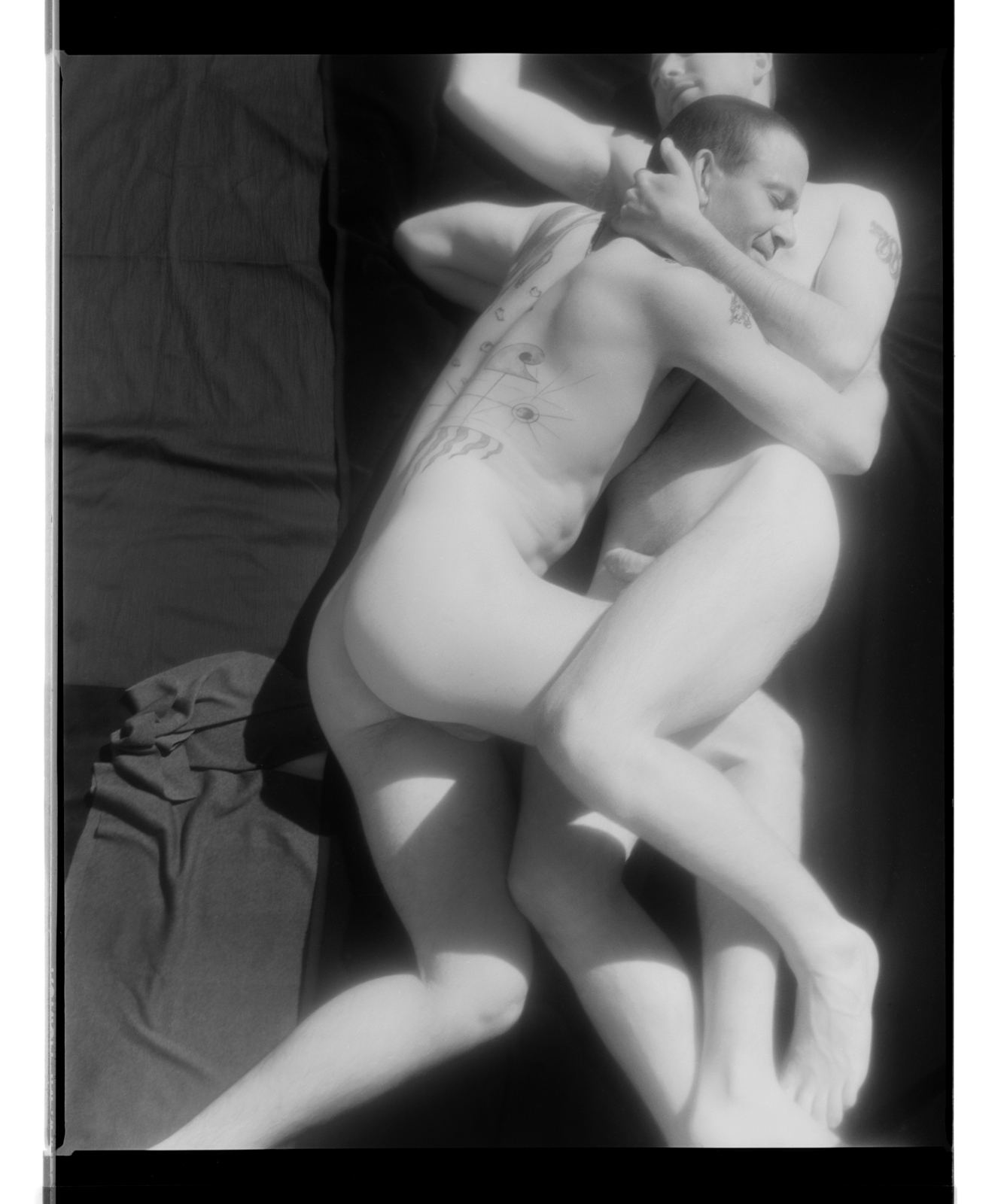
Marcus Bunyan (Australian born England, b. 1958) 'Untitled' 1995-96 From the series 'Sleep/Wound'


Marcus Bunyan (Australian born England, b. 1958)
Untitled
1995-1996
From the series Sleep/Wound
Gelatin silver print


Time is but the stream I go a-fishing in. I drink at it;
but while I drink, I see the sandy bottom and detect
how shallow it is. Its thin current slides away, but
eternity remains. I would drink deeper; fish in the sky,
whose bottom is pebbly with stars.


Thoreau, Walden


The series Sleep/Wound appeared in my solo exhibition titled The Cleft in Words, The Words As Flesh, at Stop 22 Gallery, St Kilda, Melbourne in 1996.

The series consists of ethereal, intimate photographs of my partner and myself in sleep positions, taken on infra-red film, the only time I ever used such film. I was fascinated (and still am) with the positions of the body in space, and how it moves in different environments.

The second part of the series are photographs of a performance, that of the cutting of my partners back. Paul and I held a dance party at a house on Punt Road in South Yarra where our friend Woody (David J. Wood of Bent Metal fame) was being evicted. The party, naturally enough called Eviction, was held to raise money for HIV/AIDS. Paul and I decorated the house, painting large, colourful kundalini symbols such as snakes and mandalas on the walls. In one room, painted with the seven colours of the main chakras, and to ambient music connected to earth, spirit and cosmos – I cut my partners back. Half the people fled, but the other half recognised the powerful spiritual connection that was happening in the performance (remember at this time, blood in terms of being gay, was tainted because of HIV/AIDS infection). I then smeared Paul’s blood on the walls of the house with my hands, crossing the boundary of the taboo by touching a bodily fluid whist acknowledging something that is essential to human life.

After packing up all the equipment from the party, we both headed to the Tasty nightclub (if any of you remember the Tasty raid) to have a good dance, with the blood still drying on Paul’s back. People were shocked at seeing his cut back. When we got back home at 6am in the morning I took out my trusty Mamiya RZ67 and took these beautiful photographs of one of the most connected, spiritual experiences of my life.

My thankx go to Paul as always for being my muse and partner without whom these experiences and photographs would never have been possible.

Dr Marcus Bunyan


I am scanning my negatives made during the years 1991-1997 to preserve them in the form of an online archive as a process of active memory, so that the images are not lost forever. These photographs were images of my life and imagination at the time of their making, the ideas I was thinking about and the people and things that surrounded me.

All images © Marcus Bunyan. Please click the photographs for a larger version of the image. Please remember these are just straight scans of the prints, all full frame, no cropping !

Photographs are available from this series for purchase. As a guide, a vintage 8″ x 10″ silver gelatin print costs $700 plus tracked and insured shipping. For more information please see my Store web page.


Marcus Bunyan (Australian born England, b. 1958) 'Untitled' 1995-96 From the series 'Sleep/Wound'


Marcus Bunyan (Australian born England, b. 1958)
Untitled
1995-1996
From the series Sleep/Wound
Gelatin silver print


Marcus Bunyan (Australian born England, b. 1958) 'Untitled' 1995-96 From the series 'Sleep/Wound'


Marcus Bunyan (Australian born England, b. 1958)
Untitled
1995-1996
From the series Sleep/Wound
Gelatin silver print


Marcus Bunyan (Australian born England, b. 1958) 'Untitled' 1995-96 From the series 'Sleep/Wound'


Marcus Bunyan (Australian born England, b. 1958)
Untitled
1995-1996
From the series Sleep/Wound
Gelatin silver print


Marcus Bunyan (Australian born England, b. 1958) 'Untitled' 1995-96 From the series 'Sleep/Wound'


Marcus Bunyan (Australian born England, b. 1958)
Untitled
1995-1996
From the series Sleep/Wound
Gelatin silver print


Marcus Bunyan (Australian born England, b. 1958) 'Untitled' 1995-96 From the series 'Sleep/Wound'


Marcus Bunyan (Australian born England, b. 1958)
Untitled
1995-1996
From the series Sleep/Wound
Gelatin silver print


Marcus Bunyan (Australian born England, b. 1958) 'Untitled' 1995-96 From the series 'Sleep/Wound'


Marcus Bunyan (Australian born England, b. 1958)
Untitled
1995-1996
From the series Sleep/Wound
Gelatin silver print


Marcus Bunyan (Australian born England, b. 1958) 'Untitled' 1995-96 From the series 'Sleep/Wound'


Marcus Bunyan (Australian born England, b. 1958)
Untitled
1995-1996
From the series Sleep/Wound
Gelatin silver print


Marcus Bunyan (Australian born England, b. 1958) 'Untitled' 1995-96 From the series 'Sleep/Wound'


Marcus Bunyan (Australian born England, b. 1958)
Untitled
1995-1996
From the series Sleep/Wound
Gelatin silver print


Marcus Bunyan (Australian born England, b. 1958) 'Untitled' 1995-96 From the series 'Sleep/Wound'


Marcus Bunyan (Australian born England, b. 1958)
Untitled
1995-1996
From the series Sleep/Wound
Gelatin silver print


Marcus Bunyan (Australian born England, b. 1958) 'Untitled' 1995-96 From the series 'Sleep/Wound'


Marcus Bunyan (Australian born England, b. 1958)
Untitled
1995-1996
From the series Sleep/Wound
Gelatin silver print


Marcus Bunyan (Australian born England, b. 1958) 'Untitled' 1995-96 From the series 'Sleep/Wound'


Marcus Bunyan (Australian born England, b. 1958)
Untitled
1995-1996
From the series Sleep/Wound
Gelatin silver print


Marcus Bunyan (Australian born England, b. 1958) 'Untitled' 1995-96 From the series 'Sleep/Wound'


Marcus Bunyan (Australian born England, b. 1958)
Untitled
1995-1996
From the series Sleep/Wound
Gelatin silver print


Marcus Bunyan (Australian born England, b. 1958) 'Untitled' 1995-96 From the series 'Sleep/Wound'


Marcus Bunyan (Australian born England, b. 1958)
Untitled
1995-1996
From the series Sleep/Wound
Gelatin silver print


Marcus Bunyan (Australian born England, b. 1958) 'Untitled' 1995-96 From the series 'Sleep/Wound'


Marcus Bunyan (Australian born England, b. 1958)
Untitled
1995-1996
From the series Sleep/Wound
Gelatin silver print


Marcus Bunyan (Australian born England, b. 1958) 'Untitled' 1995-96 From the series 'Sleep/Wound'


Marcus Bunyan (Australian born England, b. 1958)
Untitled
1995-1996
From the series Sleep/Wound
Gelatin silver print


Marcus Bunyan (Australian born England, b. 1958) 'Untitled' 1995-96 From the series 'Sleep/Wound'


Marcus Bunyan (Australian born England, b. 1958)
Untitled
1995-1996
From the series Sleep/Wound
Gelatin silver print


Marcus Bunyan (Australian born England, b. 1958) 'Untitled' 1995-96 From the series 'Sleep/Wound'


Marcus Bunyan (Australian born England, b. 1958)
Untitled
1995-1996
From the series Sleep/Wound
Gelatin silver print


Marcus Bunyan (Australian born England, b. 1958) 'Untitled' 1995-96 From the series 'Sleep/Wound'


Marcus Bunyan (Australian born England, b. 1958)
Untitled
1995-1996
From the series Sleep/Wound
Gelatin silver print


Marcus Bunyan (Australian born England, b. 1958) 'Untitled' 1995-96 From the series 'Sleep/Wound'


Marcus Bunyan (Australian born England, b. 1958)
Untitled
1995-1996
From the series Sleep/Wound
Gelatin silver print


Marcus Bunyan (Australian born England, b. 1958) 'Untitled' 1995-96 From the series 'Sleep/Wound'


Marcus Bunyan (Australian born England, b. 1958)
Untitled
1995-1996
From the series Sleep/Wound
Gelatin silver print


Marcus Bunyan (Australian born England, b. 1958) 'Untitled' 1995-96 From the series 'Sleep/Wound'


Marcus Bunyan (Australian born England, b. 1958)
Untitled
1995-1996
From the series Sleep/Wound
Gelatin silver print


Marcus Bunyan black and white archive 1991-1997

Marcus Bunyan website

LIKE ART BLART ON FACEBOOK

Back to top

Review: ‘Standing Stone’ by Catherine Evans at BLINDSIDE, Melbourne

Exhibition dates: 30th April – 17th May 2014


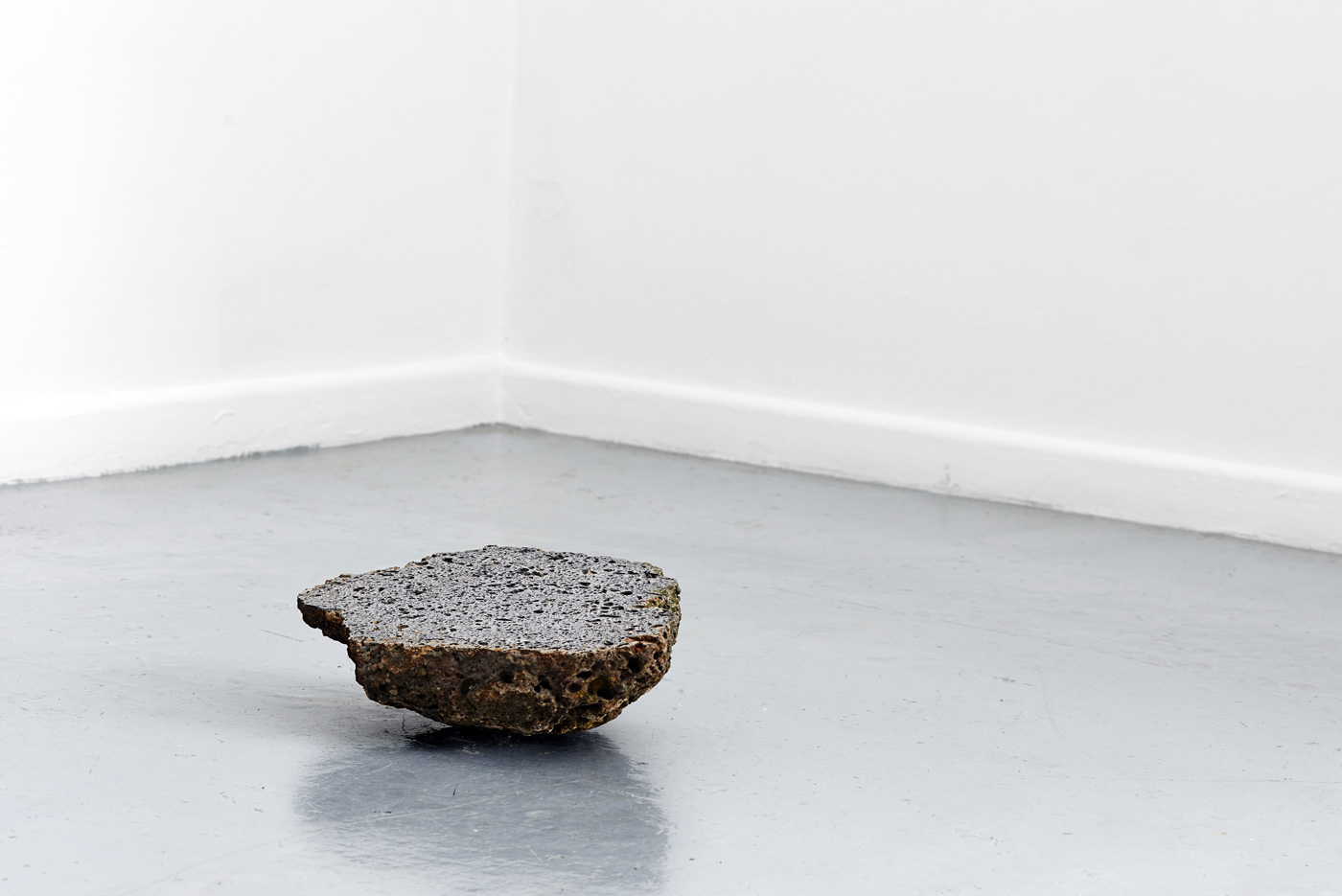
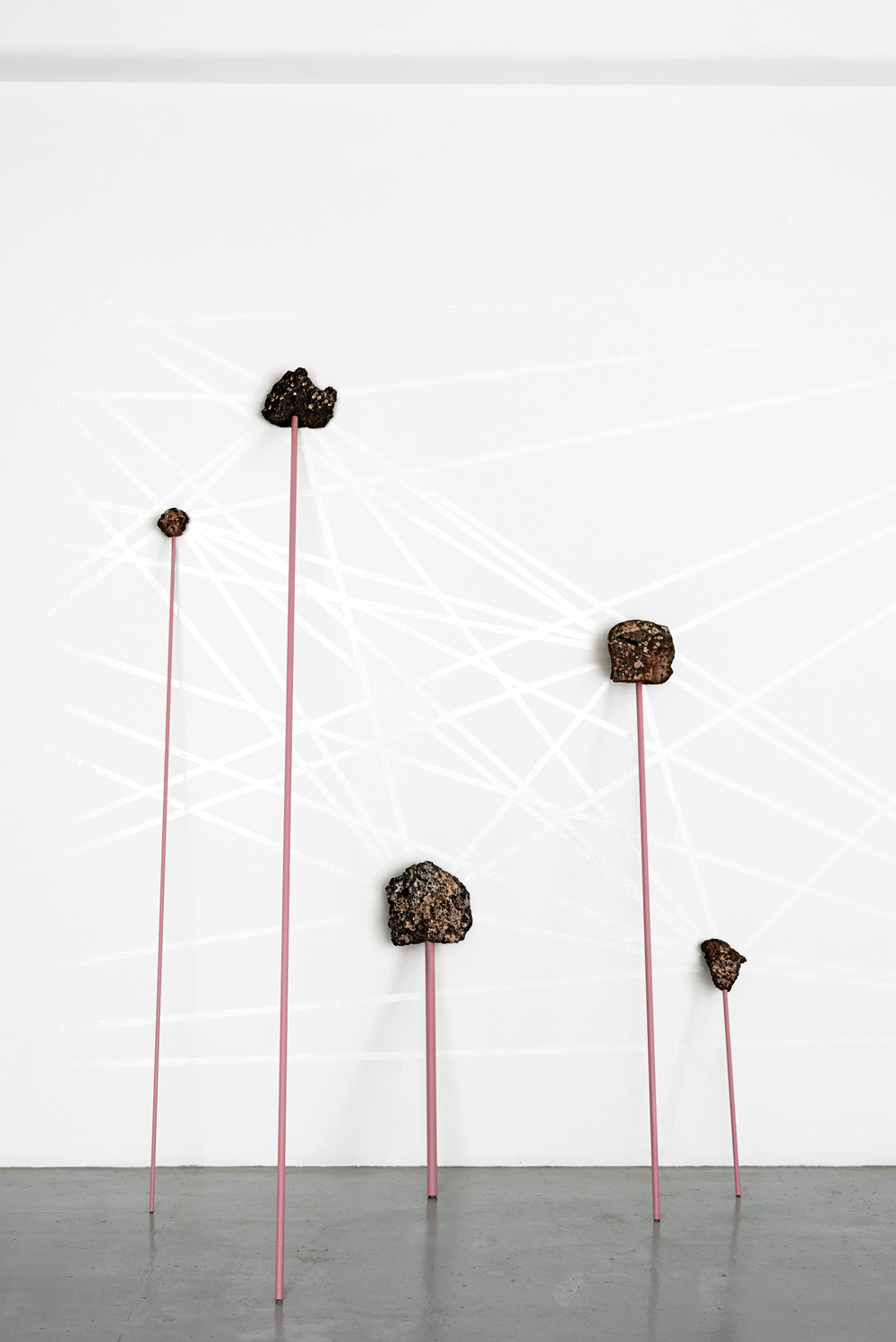
Catherine Evans (Australian) 'Standing Stone' 2014


Catherine Evans (Australian)
Standing Stone
2014
Aluminium, steel, volcanic rocks, sticky tape
7 x 3m
© Catherine Evans
Photo: Matthew Stanton, 2014


I like this exhibition, I like it a lot.

The premise, spelt out in the intelligent and articulate catalogue essay by Laura Skerlj (below), is the holistic connection between an Aboriginal stone circle of the Western Victorian Volcanic Plains used for astronomy > the moles on the artists back as lexias or nodal points of energy > and the energy of celestial bodies in the cosmic sky, arranged by humans into pictures.

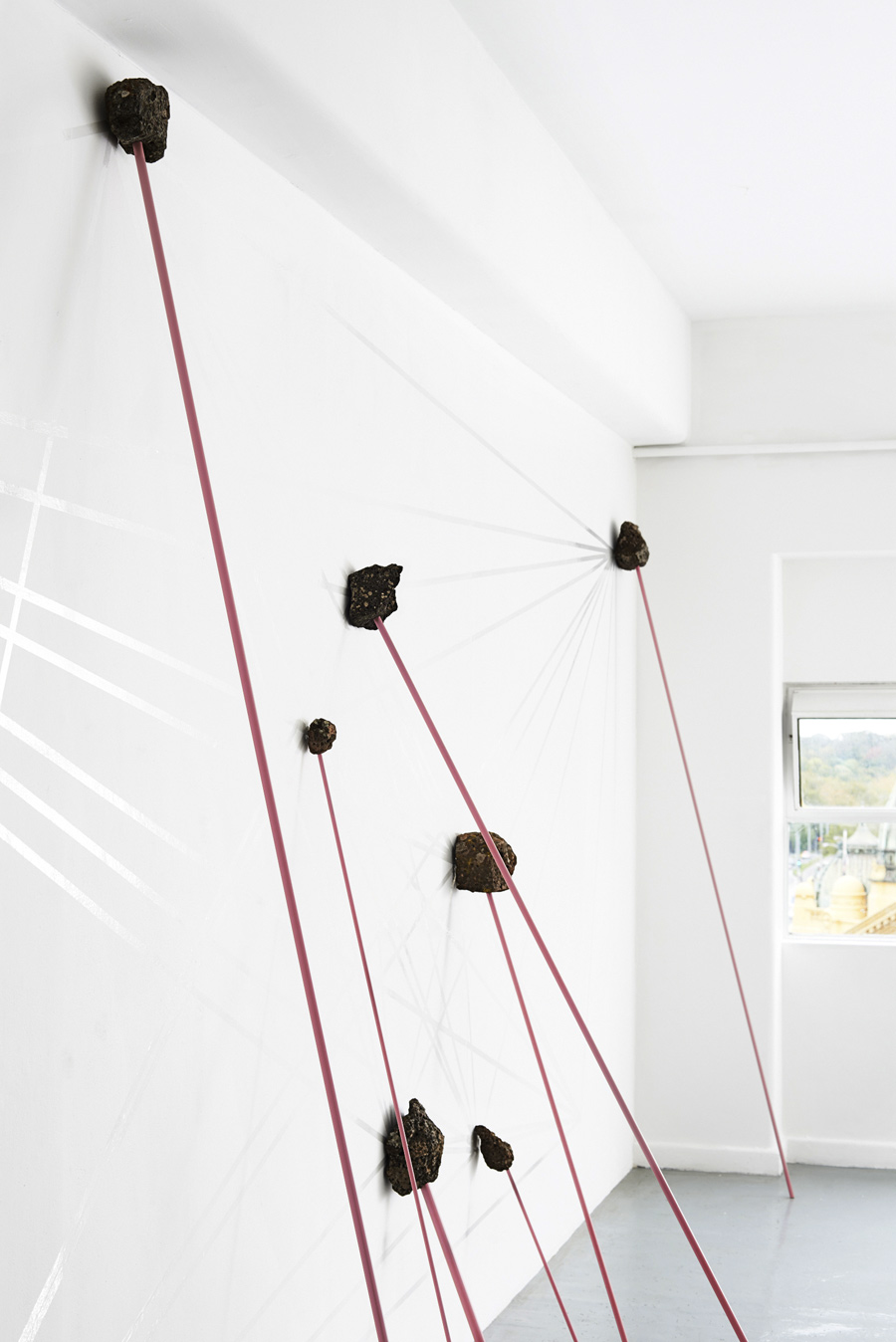
Evans precariously suspends pieces of rock (taken from near the site of the Aboriginal stone circle) in the air on the end of long poles in the position of the moles on her back – and then maps out the energy lines between them, connecting them with translucent Sellotape on the gallery wall. These lines become a trans/figured form of ley line, those lines of energy that exist within the earth that link spiritual places together. The lines could also be linked to reflexology, chakras, the positioning of stones on the body in reiki healing and Kundalini: a form of feminine shakti or “corporeal energy”, an unconscious, instinctive or libidinal force. As the press release notes, “Standing Stone encompasses both the geographic and the corporeal time scales in order to examine the latent histories of these materials – that traverse the mineral to organic, the human and geologic, the infinite to the micro. At once personal and universal, Standing Stone opens up compelling new dialogues about the body and materiality.” The work traverses both time and space, macro and micro. It undermines dichotomies and makes liminal connections which allows the viewer to embrace a quality of ambiguity or disorientation. Ultimately this lets them see the world and the cosmos from different, multiple perspectives via new associations and energies.

There are a couple of missed steps. The colour pink (associated with the flesh of the body) on the poles did not really work for me. It was too didactic. Better some translucent perspex rods that would have continued the theme of the Sellotape and would have made the rocks seem to float in the air more, made the balancing more ambiguous. Both the press release (“the raw materials of photography, such as unprocessed photographic paper exposed to ambient light”) and the catalogue essay (“Flesh-pink geometric shapes, made from unprocessed (and still-processing) photographic paper, provide platforms for rock-relics: two materials accumulating time at vastly different rates”) make reference to elements that were not in the exhibition. Flesh pink geometric shapes were to be placed under rocks on the ground and this would have made the flesh pink rods seem more logical and tied the exhibition together… but they were not necessary. While the installation of such a work is always going to be a fluid process, and the pared down version is ultimately a lot better, it is unfortunate that the catalogue had been printed and the press release not amended to reflect the changes. Such is energy and life.

The other element that envisioned a jarring note was the image of the bruise on the thigh of the artist (which I initially thought was an elbow). A beautifully ambiguous image in its own right I can see why Catherine included it in the exhibition (as it links specifically to the energy of the moles on her back), but it brought to my mind issues of domestic violence, control and power, and I don’t know whether these additional thoughts needed to be placed in the mind of the viewer. I loved the image, I liked some of its energies but others, not so much.

Having said all that, this is a fascinating, intelligent, thoughtful and beautiful installation. Like the artist herself, it has great energy and presence. I really enjoyed spending time with both.

Dr Marcus Bunyan


Many thankx to Catherine Evans for allowing me to publish the photographs in the posting and to Laura Skerlj for allowing me to publish the catalogue essay. Please click on the photographs for a larger version of the image. All artworks courtesy of the artist, installation documentation by Matthew Stanton, 2014


Catherine Evans (Australian) 'Constellation II' 2014


Catherine Evans (Australian)
Constellation II
2014
Ballpoint pen on photographic paper
21 x 30cm
© Catherine Evans


Standing Stone is an exhibition of photographs and sculpture that transposes the marks on our own bodies into a large-scale map using basalt boulders, sticky tape and the raw materials of photography, such as unprocessed photographic paper exposed to ambient light.

In this exhibition the artist will create a large-scale constellation where precariously suspended volcanic rocks collected from the Western Victorian Volcanic Plains mark the positions of moles on the artist’s own back. With reference to the Indigenous stone arrangement, Wurdi Youang,* that is situated on these plains, Standing Stone encompasses both the geographic and the corporeal time scales in order to examine the latent histories of these materials – that traverse the mineral to organic, the human and geologic, the infinite to the micro. At once personal and universal, Standing Stone opens up compelling new dialogues about the body and materiality.

This exhibition is the outcome of a mentorship with artist Susan Jacobs, supported by the Victorian College of the Arts and Arts Victoria through its Graduate Mentorship program. Accompanying the exhibition will be an essay by Laura Skerlj.

About the artist

Catherine Evans is a Melbourne-based artist who incorporates photography, video and sculpture to explore the latent history of materials. Often working with volcanic rocks and the raw materials of photography, she juxtaposes and isolates them against images of the body, testing the limits of scale and gravity.

Since completing first class Honours at the Victorian College of the Arts in 2011, Catherine has participated in many group and solo exhibitions. She is a current recipient of the inaugural VCA Graduate Mentorship (2013-2014) and was selected as a finalist in the Substation Contemporary Art Prize (2013 and 2011). Grants include an Australia Council ArtStart grant (2012) and a National Gallery of Victoria Trustee Award (2010).

Press release from Blindside


This exhibition and research took place on the lands of both the Wurundjeri and Wathaurong people who have been the traditional custodians of these lands for thousands of years, and whose sovereignty was never ceded. This exhibition is supported by the Victorian College of the Arts and Arts Victoria through its Graduate Mentorship program.

*The Wurdi Youang stone arrangement in Victoria was built by the Wathaurung people before European settlement, but all records of its use have now disappeared. This egg-shaped ring of stones, about 50m in diameter, has its major axis almost exactly East-West. In a paper published in May 2013 in Rock Art Research, Ray Norris and his colleagues confirm a suggestion (originally made by John Morieson) that some outlying stones seem to indicate the setting positions of the Sun at the equinoxes and solstices, and have shown that these same astronomically significant directions are built into the shape of the main ring. They also show, using a Monte Carlo statistical test, that this is unlikely to have occurred by chance, but instead the builders of this stone ring intentionally aligned it on the setting Sun on these astronomically significant dates. More information…


Installation view of 'Standing Stone' by Catherine Evans at BLINDSIDE, Melbourne 2014


Installation view of Standing Stone by Catherine Evans at BLINDSIDE, Melbourne
2014
© Catherine Evans
Photo: Matthew Stanton, 2014


Installation view of 'Standing Stone' by Catherine Evans at BLINDSIDE, Melbourne 2014 (detail)


Installation view of Standing Stone by Catherine Evans at BLINDSIDE, Melbourne (detail)
2014
© Catherine Evans
Photo: Matthew Stanton, 2014


With the Universe at Our Backs

We have long looked skyward, consumed by a desire to arrange celestial bodies into pictures. Sometimes these formations are difficult to see amid the city’s night-haze of light and pollution. Yet, on a drive out of town, these cosmic arrangements come into view. Constellations describe a visual relationship between groups of stars, which, over time, become culturally recognisable. To make a constellation, a dreamer must draw a line from one bright body to the next: the stars implicated in this formation need not be close to one another in reality, but merely form a visual engagement when viewed from an Earthly vantage point. For millennia, ancient cultures have made these connections, constructing apparitions in the ether that recall existential stories. However, these cosmic sketches have also served as insightful gauges of time.

In the volcanic plains of Western Victoria – the third largest of its kind in the world – lies a geological constellation. It is an Indigenous ‘map’ made of ancient stones, named by the Wathaurong people as Wurdi Youang. This egg-shaped arrangement is relatively humble in size, and up until recently was thought to be an initiation site. However, Wurdi Youang is now being considered a geological record of equinoxes and solstices, with each stone set at a considered angle, marking the movements of the sun over time.1 For artist Catherine Evans, this cosmic calendar held within it a latent agency that was both intimate and expansive. Through its very construction, the Indigenous peoples of the area had used a prehistoric material to articulate a schema that connected themselves, and their activities, with the unreachable workings of the universe: “I find the contrast in time scales at this site fascinating – that on the one hand we have an ancient time scale of the land (geologic), and on the other the human time scale, which in comparison is only a blip.”2

In Evans’ current exhibition, Standing Stone, the artist has used rocks from the plains nearby Wurdi Youang to recreate a constellation of markings found on her own body. The layout for these marks was initially realised on an inverted black and white photograph Evans took of her back: in this image, her usually pale skin appears darker than its illuminated blemishes. Using a biro and ruler, moles and freckles were connected with diagrammatic lines, just as planets, stars and dark nebula are drawn to one another in astronomical illustrations. In the exhibition, this exact configuration of blemishes is re-presented using volcanic rocks in a sculptural installation. Across the walls and floor, each point is connected with a gleaming line of transparent cello-tape.

Here, two seemingly opposing containers of time – the body and the universe – are depicted as insulated, yet reflexive, systems. Just as skin imperfections are reminders of age, trauma, exposure and adaptation, the individual rocks at Wurdi Youang are conscious notations of the sun’s movements in the sky. Each rock or blemish represents a passed event that, in conjunction, forms the schema for a cosmos. Although more commonly understood as the extraterrestrial zone outside the Earth’s atmosphere (and therefore, outside of ourselves), the etymology of ‘cosmos’ is derived from the less-boastful ‘ornament’: a sphere seen as ultimately expansive is reined into a handheld trinket. This oscillation becomes an underlying consideration in Evans’ new work, as temporality swings between what is known, even embodied, and what is all encompassing.

In understanding these holistic systems, we can draw on biosemiotician Jakob von Uexküll’s concept of ‘umwelt’. Umwelt describes the ‘phenomenal world’ or ‘self world’ of an animal, as shaped by a series of functions necessary for survival. These sets of functions are programmed to suit each specific organism, creating a harmonious motion, or pattern, for existence. In consequence, all animals, from the simplest to the most complex, are fitted into their unique worlds with equal completeness: “A simple world corresponds to a simple animal, a well-articulated world to a complex one.”3 From this theory, both the humble body and the celestial sphere could be seen to exist within an umwelt, or environment, tuned to its innate processes.

In Evans’ work, it is the configuration of a constellation that represents these sets of motions as markers on a temporal scale. For example, the blemishes found on our bodies, or the rocks moved by Indigenous people at Wurdi Youang thousands of years ago, exist in perfect accord with each organism, or system’s, relative lifespan. That could be a sunspot the artist developed one summer, 17 years into her life, or the fusion of gases that combined to form a star 13 billion years ago in the Milky Way’s galactic halo. As Uexküll explains, the animal or subject creates time through its own set of harmonious processes, no matter how simple or complex: “Instead of saying… that without time, there can be no living subject, we shall now have to say that without a living subject, there can be no time.”4

The visualisation of these essential movements is euphonious. Feminist and cultural theorist Elizabeth Grosz articulated Uexküll’s umwelt as nature set to counterpoint.5 In her interpretation, the environment works in a similar way to a musical melody, following a set of instructions that can be syncopated with another. She recalls one of Uexküll’s most examined specimens, the tick, describing the way in which it “lives in a simplified world, a harmonic world of its own rhythms and melody.”6 This melody, according to Grosz, is composed of the animal’s umwelt, as the conjunction of its three most vital processes: moving up a twig following the warmth of the sun; smelling the butyric acid expelled from the sweat of an animal; dropping onto the animal to suck its blood. In turn, the tick becomes what she describes as “a connective, an instrument.”7

This musicality is innate within Evans’ new work. Here, rocks intonate the room, propped at varied heights like notes on musical score, while reflective tape connects the specimens to one another in directional locomotion. Flesh-pink geometric shapes, made from unprocessed (and still-processing) photographic paper, provide platforms for rock-relics: two materials accumulating time at vastly different rates. Just as the vision of celestial space seen at night expands our image of the natural world, the constellation found on the artist’s back is magnified out into the gallery as an assemblage that connects ancient time with personal time. It is within this singular temporal frame that the intimate (that nebula-birthmark on your wrist) is a reflection of the processes that, even now, evade us (tangible stars imagined into dream shapes).

Consequently, Standing Stone envisions landscape as a phenomenological site, where the body and the universe share the same harmonic processes. As British archaeologist Chris Tilley explains, to perceive landscape as phenomenological resists any precise topographical boundary: as we have seen, landscape in its holistic form – as a cosmos – can transcend terrestrial limitations. Instead, he perceives landscape as “embodied sets of relationships between places, a structure of human feeling, emotion, dwelling, movement and practical activity.”8 In this way, Evans presents a landscape that is both intimate and expansive. Just as the celestial exterior looks down upon us, it shifts into us, reflecting back the documents we make. These documents are many, printed on our bodies and arranged in sophisticated groupings in the environment. The constellation, therefore, flips and folds, not just across a horizontal plane, but vertically, between what is cast in the night sky and its earthen recollection.”

Laura Skerlj is a Melbourne-based artist and writer

Laura Skerlj website


Installation view of 'Standing Stone' by Catherine Evans at BLINDSIDE, Melbourne 2014 (detail)

Installation view of 'Standing Stone' by Catherine Evans at BLINDSIDE, Melbourne 2014 (detail)


Installation views of Standing Stone by Catherine Evans at BLINDSIDE, Melbourne (detail)
2014
© Catherine Evans
Photos: Matthew Stanton, 2014


Catherine Evans (Australian) 'Bruise II' 2014


Catherine Evans (Australian)
Bruise II
2014
Framed photograph
51 x 76cm
© Catherine Evans
Photo: Matthew Stanton, 2014


BLINDSIDE
Room 14, Level 7
Nicholas Building,
37 Swanston Street,
Melbourne VIC 3000

Opening hours:
Wednesday – Saturday, 12 – 6pm

BLINDSIDE website

Laura Skerlj website

Catherine Evans website

LIKE ART BLART ON FACEBOOK

Back to top

Review: ‘Photographic abstractions’ at the Monash Gallery of Art (MGA), Melbourne

Exhibition dates: 3rd August – 30th September 2012

Artists: Andrew Browne, John Cato, Jo Daniell, John Delacour, Peter Elliston, Joyce Evans, Chantel Faust, Susan Fereday, Anthony Figallo, George Gittoes, John Gollings, Graeme Hare, Melinda Harper, Paul Knight, Peter Lambropoulos, Bruno Leti, Anne MacDonald, David Moore, Grant Mudford, Harry Nankin, Ewa Narkiewicz, John Nixon, Rose Nolan, Jozef Stanislaw Ostoja-Kotkowski, Robert Owen, Wes Placek, Susan Purdy, Scott Redford, Jacky Redgate, Wolfgang Sievers, David Stephenson, Mark Strizic and Rick Wood.
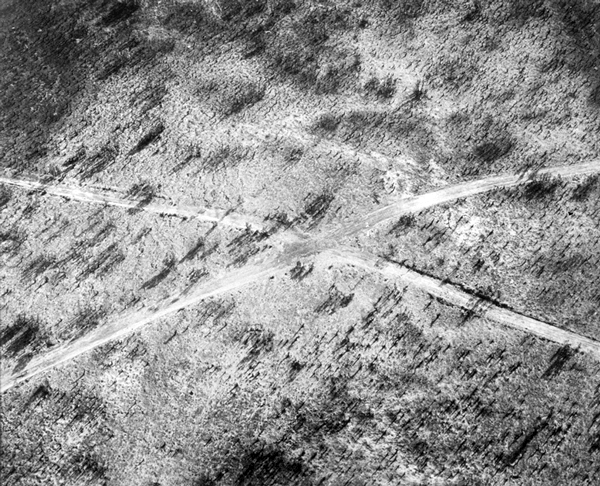
 

John Gollings (Australia, b. 1944) 'Untitled' 1988 From the series 'Bushfire aerials'


John Gollings (Australia, b. 1944)
Untitled
1988
From the series Bushfire aerials
Gelatin silver print
45.5 x 56.0cm
Monash Gallery of Art, City of Monash Collection
© courtesy of the artist


Dropping the abstract ball

There are some excellent works in this interestingly themed exhibition at the Monash Gallery of Art. Unfortunately the exhibition, the theme and the work are let down by two curatorial decisions. Before I address those issues I will give my insight into some of the work presented:

~ A wonderful print of Sisters of Charity, Washington DC by David Moore (1956) where the starched cornettes of the sisters reminded me of paper doves. The kicker or punctum in this image is the hand of one of the sisters pointing skywards/godwards

~ Wonderful David Stephenson Star Drawing. I always like photographs from this series. Taken in Central Australia using as many as 72 multiple exposures, Stephenson used a set of rules for each exposure – deciding on the length and amount of exposure and how far he would rotate the camera between each exposure before embarking on the creation of each image. The construction of the image was pre-determined  but because of the movement of the earth and stars over a couple of hours, the result always incorporated an element of chance. Stephenson draws with light that is millions of years old, the source of which may not exist by the time the light falls on Stephenson’s photographic plate (the star might be dead)

~ John Gollings Untitled from the Bushfire series. Beautiful, luminous black and white silver gelatin prints of tracks in bushfire affected areas. These aerial photographs make the surface of the earth seem like the surface of the skin complete with hairs and wrinkles. In process they reference the New Topographics exhibition of 1975, where the mapping of the landscape is etched into the surface of the photographic print, where the pictorial plane records the environment like the marks on an etching plate. “The pictures were stripped of any artistic frills and reduced to an essentially topographic state, conveying substantial amounts of visual information but eschewing entirely the aspects of beauty, emotion and opinion.”

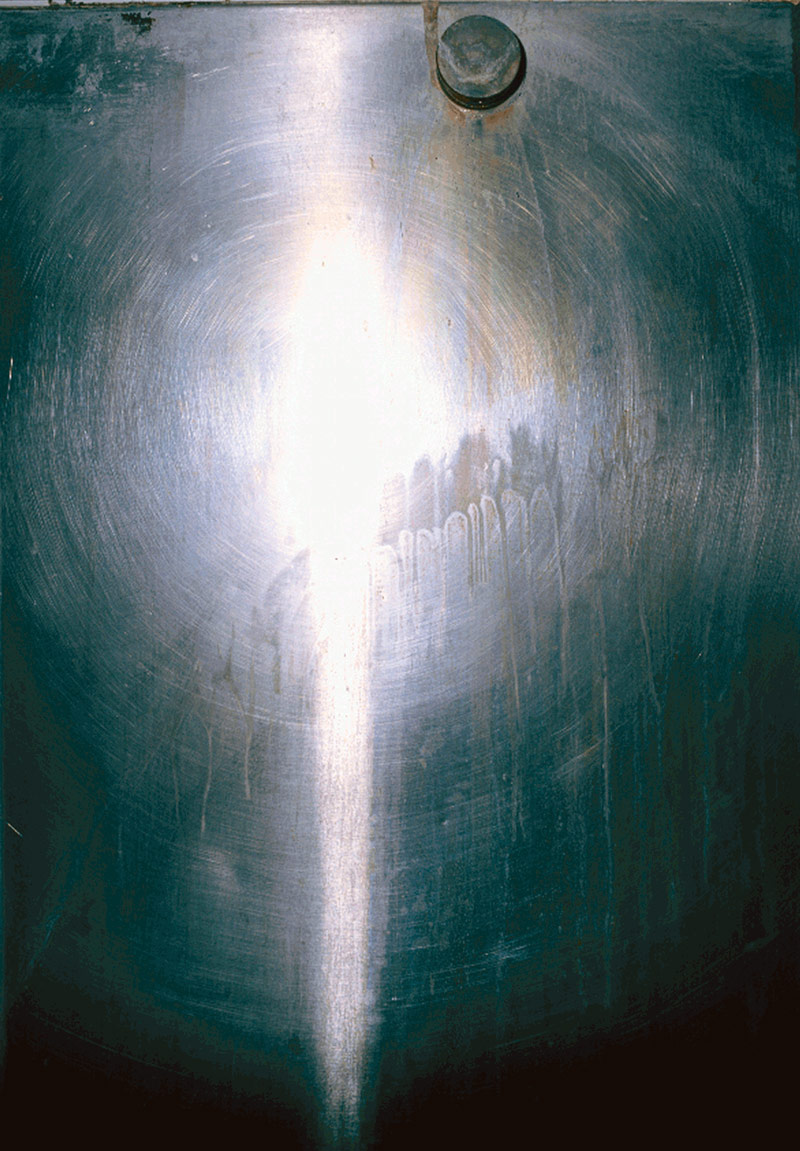
~ The beautiful Scott Redford Urinal photographs where the subject becomes secondary to the abstract visual elements as the flash bounces off the metal surfaces. Tight camera angles and a limited colour palette cause an almost transcendent composition. The swirls and markings and the sword-like quality of the central image (see below) remind me of Excalibur rising from the lake, dripping water.

~ Four photographs by John Cato, one each from Petroglyph 1971-79, Waterway 1971-79, Proteus 1971-79 and Tree – a journey 1971-79. These were incredibly beautiful and moving photographs, abstractions of the natural world. You need to be reminded what an amazing artist John was, one of the very best Australian photographers, his poetic photographs are cosmological in their musicology and composition

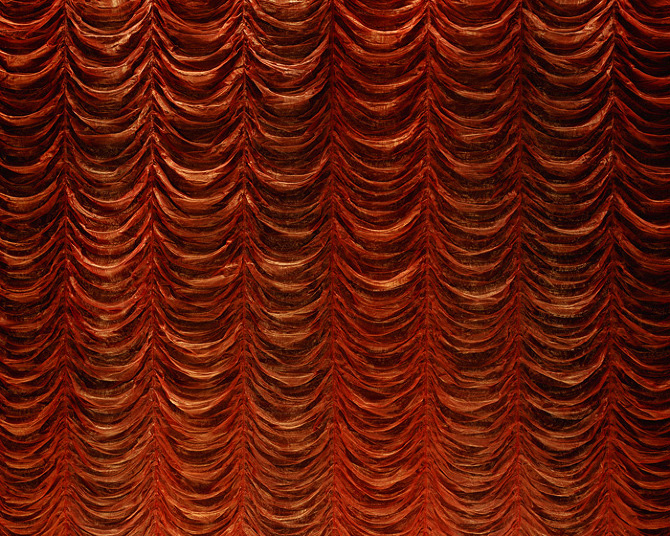
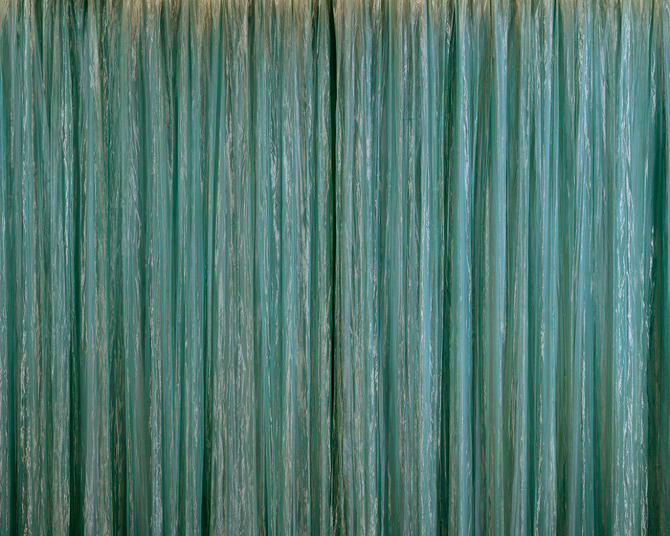
~ Two photographs from Paul Knight’s outstanding Cinema curtain series (below). For me there was a textural, sensory experience here, an intimacy with the subject matter that forced me to focus on the surface of the photograph, the flat plane of the photographic print, itself a highly abstract form. Amazing

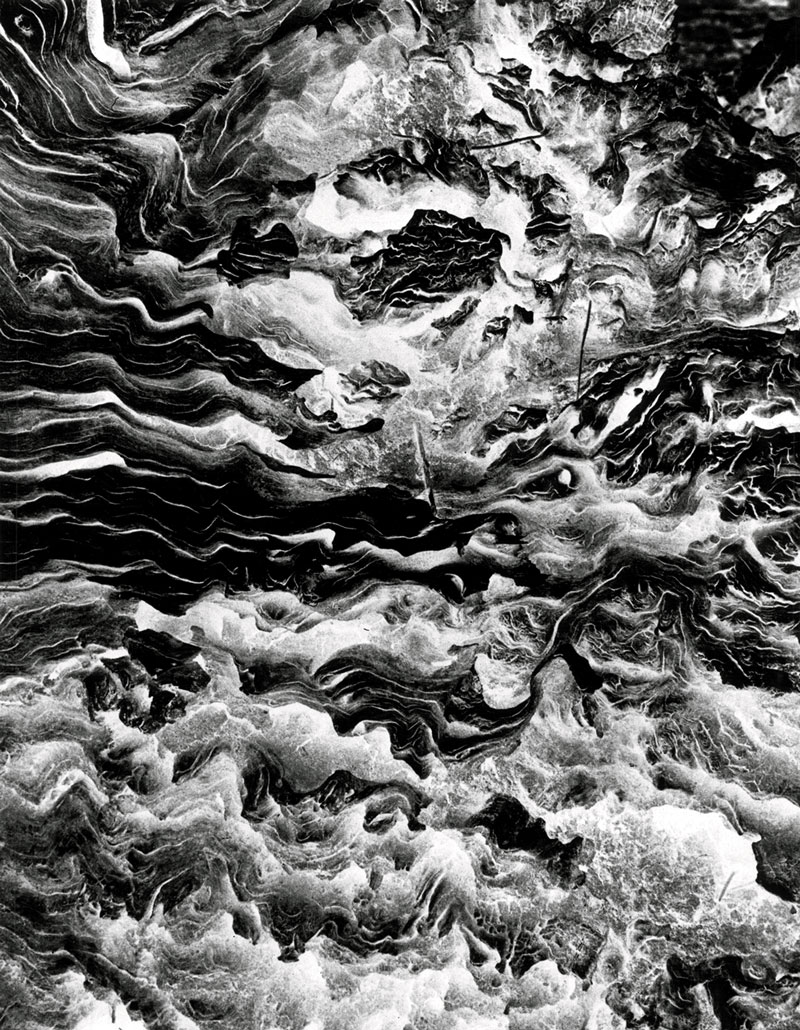
~ My particular favourite in the exhibition were the unknown to me works of the artist Jozef Stanislaw Ostoja-Kotkowski (see the two images directly below). These photographs were the most delightful surprise of the exhibition – landscapes of the mind that had great feeling and focus, felt movement, space, flow of light and energy. This was wonderfully nuanced work that I wanted to see more of


Some excellent work then that was let down by two curatorial decisions. The first was the amount of work in the exhibition by each artist – a couple of prints here, another three small prints there – that really never gave the viewer chance to fully engage with the outcomes that the artist was trying to achieve nor explore the process that the artist was using. I know this was a group exhibition trying to highlight work from the collection but a more useful contribution would have been less artist’s in the exhibition with greater work from each, allowing for a more focused exhibition.

Far more serious, however, was the lack of any text that placed the work in a socio-cultural context. At the beginning of the exhibition there was 5 short paragraphs on a wall as you enter the space with mundane insights such as:

~ Photographic language engages the senses and imagination and challenges the way we “look” at the world
~ Through the use of cropping and obscure angle the familiar is made unfamiliar
~ Colour, shape and form (geometric patterns) are important
~ Some artists’ eliminate the camera altogether through photograms, scanner, collage
~ Use of multiple exposures, distortion, mirroring
~ By drilling down into the substances and processes of photography we can reflect on the very nature of photography itself
~ Exploring geometry and patterns found in nature and the built environment or alluding to more intangible themes such as time, mortality and spirituality


I have précised the five paragraphs but that’s all you get!

The only other information comes from brief wall texts accompanying each artist and these sound bites really don’t give any social and cultural context to the artist, the time they lived in or the social themes that would have influenced the work. For example, who would know from this exhibition that the artist John Cato was one of the first photographers in Australia to create visual tone poems using images of the Australian landscape, one of the first to work in sequences of images and who would go on to be a teacher of great repute, helping other emerging photographic artists at a critical time in the development of Australian art photography. Nobody. Also, I wanted to know more about the “substances” and “processes” of photography in regard to photographic abstraction. There was no serious theoretical enquiry, no educational component offered to the viewer here.

While money might be tight there is really no excuse for this lack of creditable, researched, insightful information. You don’t need a catalogue, all you need is a photo-stated 4-6 page essay to be given to visitors (if they desire to have one, if they want the information). It doesn’t take money it takes will to inform and educate the viewer about this important aspect of Australian photographic history. For a subject so engaging this was most disappointing. In this particular case the curators really did drop the abstract ball.

Dr Marcus Bunyan


Many thankx to the Monash Gallery of Art for allowing me to publish the photographs in the posting. Please click on the photographs for a larger version of the image.
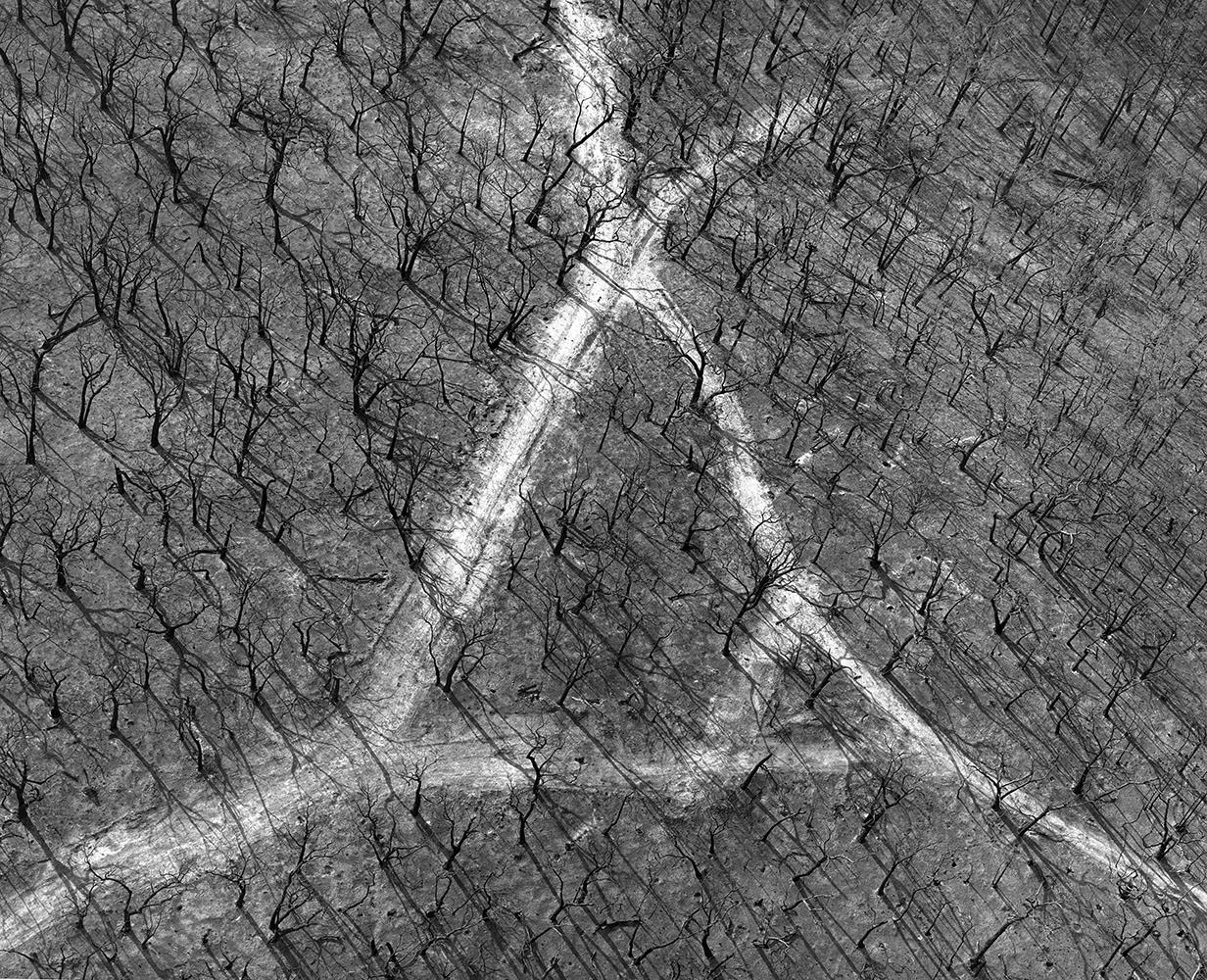


John Gollings (Australia, b. 1944) 'Untitled' 1988 From the series 'Bushfire aerials'


John Gollings (Australia, b. 1944)
Untitled
1988
From the series Bushfire aerials
Gelatin silver print
45.5 x 55.0cm
Monash Gallery of Art, City of Monash Collection
© courtesy of the artist


While John Gollings is best known for his work as an architectural photographer, he has produced a number of works that hone in on the Australian landscape. This aerial photograph looks down onto a landscape that has been scorched by bushfire. Viewed from above, without any horizon line to give a sense of scale or orientation to the terrain, this charred topography takes on the appearance of hairy, stubbled skin. Gollings uses this ambiguity to great effect, making the dirt tracks look like wounds that have scarred the surface of the earth, and the effects of smoke and ash look like bruises. In this respect, the use of aerial photography has allowed the images to be read as abstract ciphers of ecological trauma.

Text from the Monash Gallery of Arts website
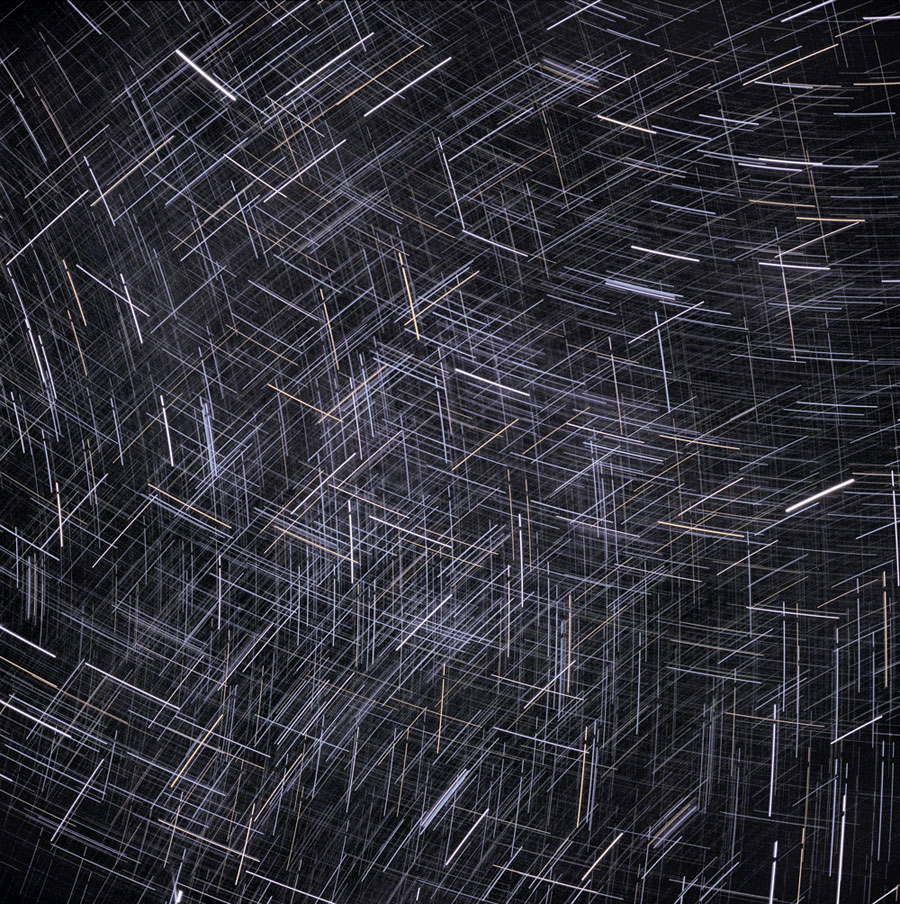
 

David Stephenson (born USA 1955 arrived Australia 1982) 'Star drawing 1996/402' 1996 From the series 'Star drawings' 1995-2006


David Stephenson (born USA 1955 arrived Australia 1982)
Star drawing 1996/402
1996
From the series Star drawings 1995-2006
Chromogenic print, printed 2008
55.8 x 55.8cm
Monash Gallery of Art, City of Monash Collection
© courtesy of the artist, John Buckley Gallery Melbourne, Boutwell Draper Gallery, Sydney and Bett Gallery, Hobart


In a career spanning over 40 years, David Stephenson has consistently used photography to transcend visible reality, photographing built and natural environments to explore abstract, intangible themes such as time, mortality and spirituality. Stephenson made these Star drawings in Central Australia, overlaying as many as 72 different exposures to make one work. For each photograph he used a list of predetermined rules. For instance, he would decide on the length and number of exposures and how far he would rotate his camera between each exposure before embarking on the creation of each image. The images, each of which took a couple of hours to produce, were in this sense pre-planned; however, the amount of variables involved such as the movement of the earth and the stars during each shoot, meant the result always incorporated an element of chance. Interested in the idea that photography is essentially drawing with light, Stephenson’s series of experimental abstract patterns is not so much about documenting the night sky as it is about conceptually exploring the nature of light, time and photography itself.

Text from the Monash Gallery of Arts website
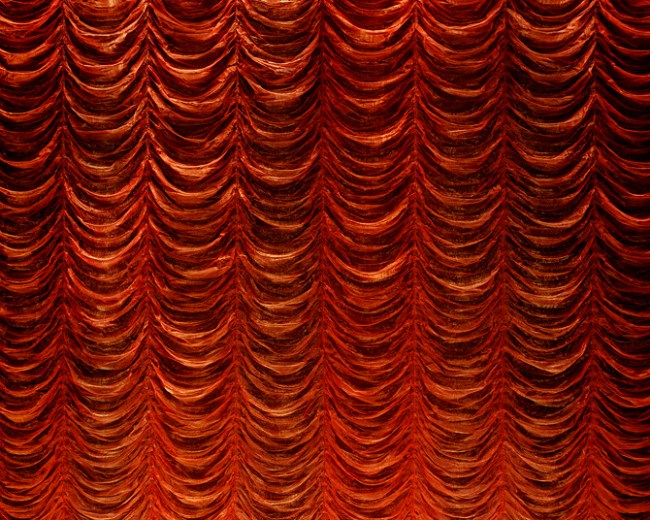
 

Paul Knight (Australia, b. 1976) 'Cinema curtain #3' 2004


Paul Knight (Australia, b. 1976)
Cinema curtain #3
2004
Chromogenic print
43.5 x 55.0cm
Monash Gallery of Art, City of Monash Collection
© courtesy of the artist


The function of the stage curtain in the cinema was to help suspend the illusion of reality in the moving image of the film. The idea being that the plain white screen behind the curtain was never seen without the moving image on it. So the illusion always existed behind the curtain and was simply masked-off from us by it. This is partly why the image was alway projected onto the curtain for a moment before it was opened, to ensure that we never saw the dead white screen. These works use this function of the cinema stage curtain as a way of engaging with the meta-reality offered by the flat-plane of a photographic print. Utilising the lure of aesthetics and pattern to bring the viewer onto the folded membrane of the curtain and onto the essentially flat plane of the print. Both give way to a potential of volume.

Text from the Paul Knight website [Online] Cited 21/09/2012 no longer available online


Paul Knight (Australia, b. 1976) 'Cinema curtain #4' 2004


Paul Knight (Australia, b. 1976)
Cinema curtain #2
2004
Chromogenic print
43.5 x 55.0cm
Monash Gallery of Art, City of Monash Collection
© courtesy of the artist
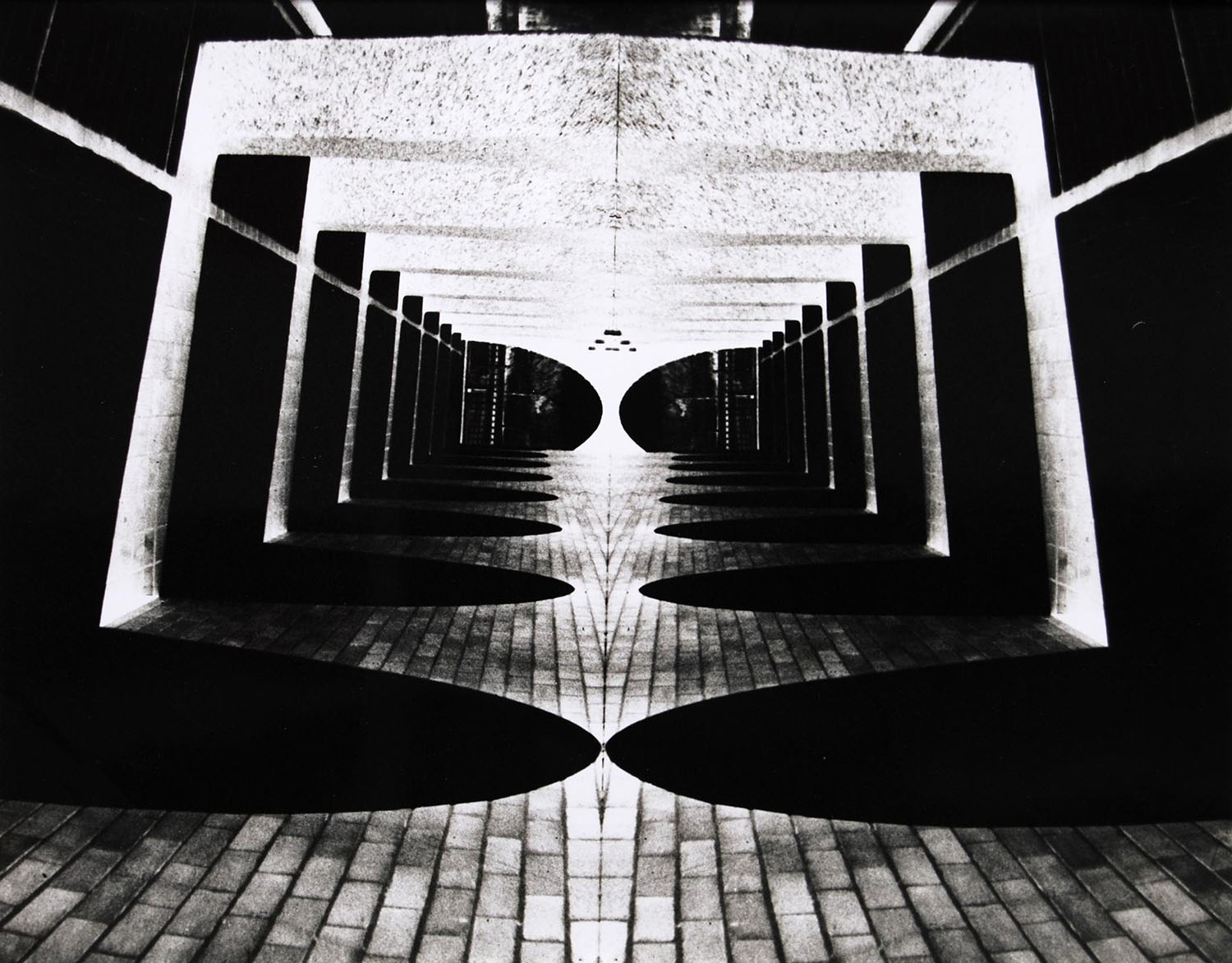
 

Jozef Stanislaw Ostoja-Kotkowski (born Poland 1922 arrived Australia 1949 died 1994) 'Australia Square – Sydney' 1971 From the series 'Inscape 871'


Jozef Stanislaw Ostoja-Kotkowski (born Poland 1922 arrived Australia 1949 died 1994)
Australia Square – Sydney
1971
From the series Inscape 871
Gelatin silver print
29.4 x 24.0cm
Monash Gallery of Art, City of Monash Collection
© courtesy of the artist


Originally trained as a painter, Jozef Stanislaw Ostoja-Kotkowski was interested in the advancement of art materials and techniques. He worked across a variety of media, including painting, sculpture, photography, electronic sound and light projections. He was also interested in combining different art forms and experimented with blending photography with music and sound.

Ostoja-Kotkowski played a key role in the development of experimental photography as well as electronic art in Australia. While his subjects were taken from the real world, they were photographically distorted and abstracted so that many became unrecognisable. He used this technique to create the series Inscape 871, examples of which are exhibited here. Inscape refers to an inner landscape, or images of the mind, while 871 refers to the month and year the works were completed. This series was included in the National Gallery of Victoria’s exhibition Frontiers (1971), which featured five Australian experimental photographers.

Text from the Monash Gallery of Arts website
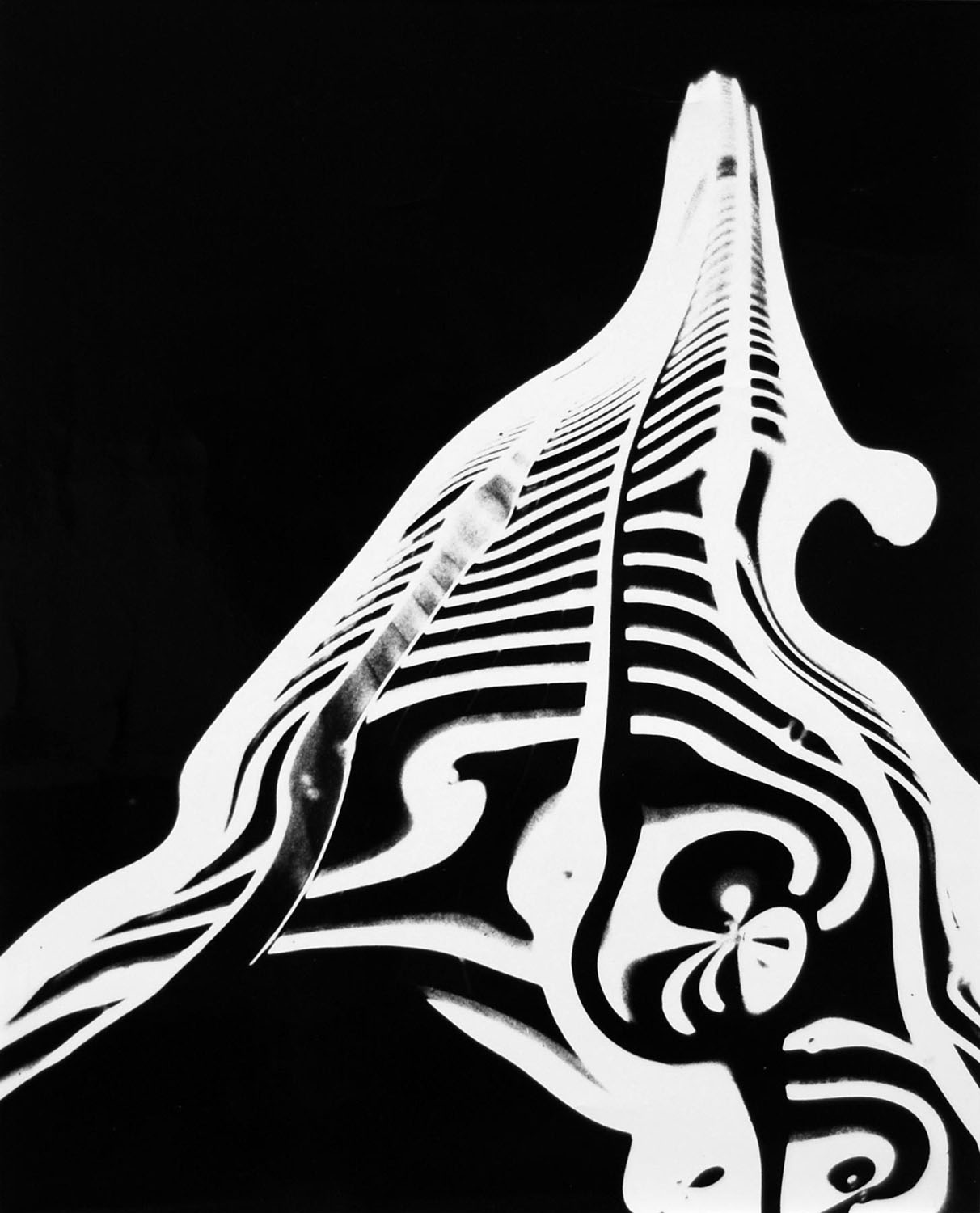
 

Jozef Stanislaw Ostoja-Kotkowski (born Poland 1922 arrived Australia 1949 died 1994) 'Untitled' c. 1971


Jozef Stanislaw Ostoja-Kotkowski (born Poland 1922 arrived Australia 1949 died 1994)
Untitled
c. 1971
Gelatin silver print
29.4 x 24.0cm
Monash Gallery of Art, City of Monash Collection
Donated by Ken Scarlett 2004
© courtesy of the Estate of J S Ostoja-Kotkowski
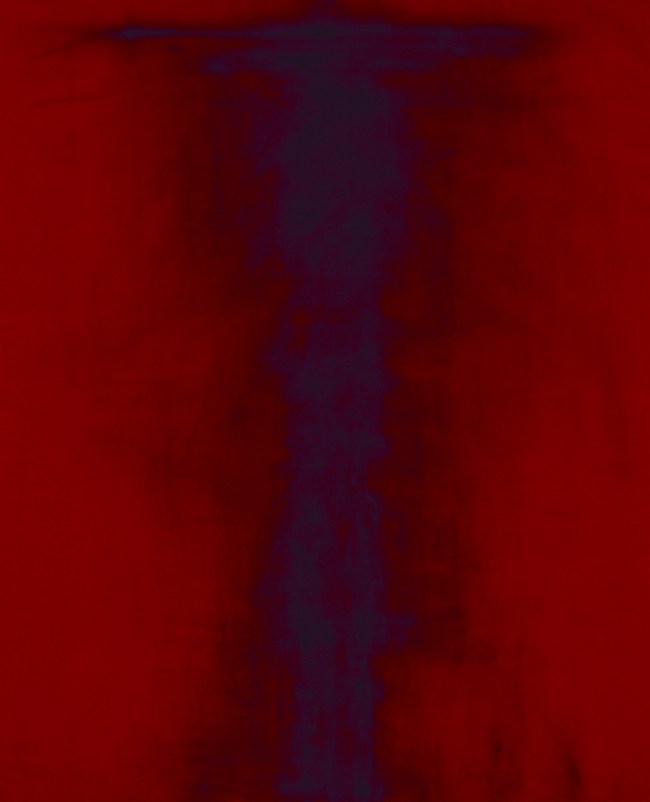
 

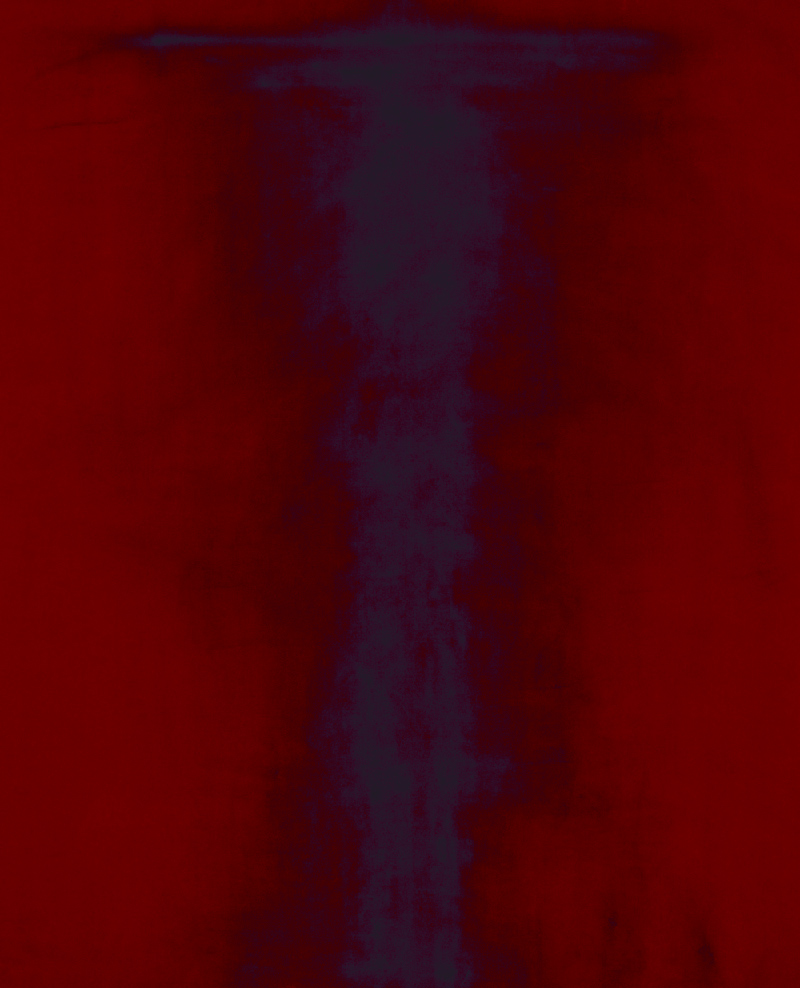
Anne MacDonald (Australia, b. 1960) 'Cloth (red velvet)' 2004


Anne MacDonald (Australia, b. 1960)
Cloth (red velvet)
2004
Ink-jet print
105 x 70cm
Collection of the artist
© courtesy of the artist and Bett Gallery, Hobart


John Cato (Australian, 1926-2011) 'Tree – a journey' 1971-1979


John Cato (Australian, 1926-2011)
Tree – a journey
1971-1979
From the series Essay I
Gelatin silver print
35.5 x 27.5cm
Monash Gallery of Art, City of Monash Collection
© courtesy of the John Cato Estate
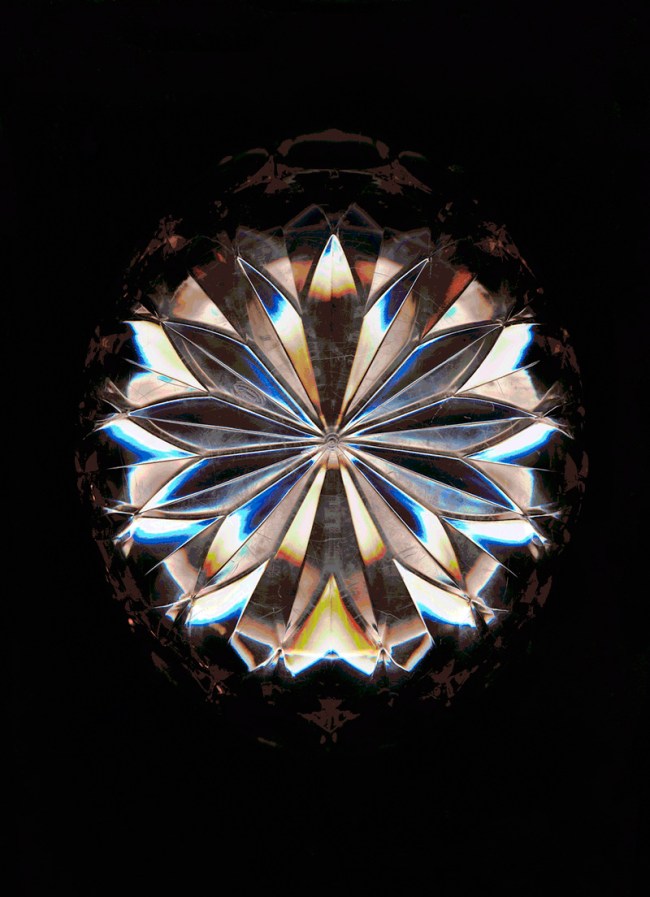
 

Chantal Faust (Australian, b. 1980) 'Waiting' 2007


Chantal Faust (Australian, b. 1980)
Waiting
2007
From the series Milk
Chromogenic print
80.0 x 58.0cm
Collection of the artist
© courtesy of the artist


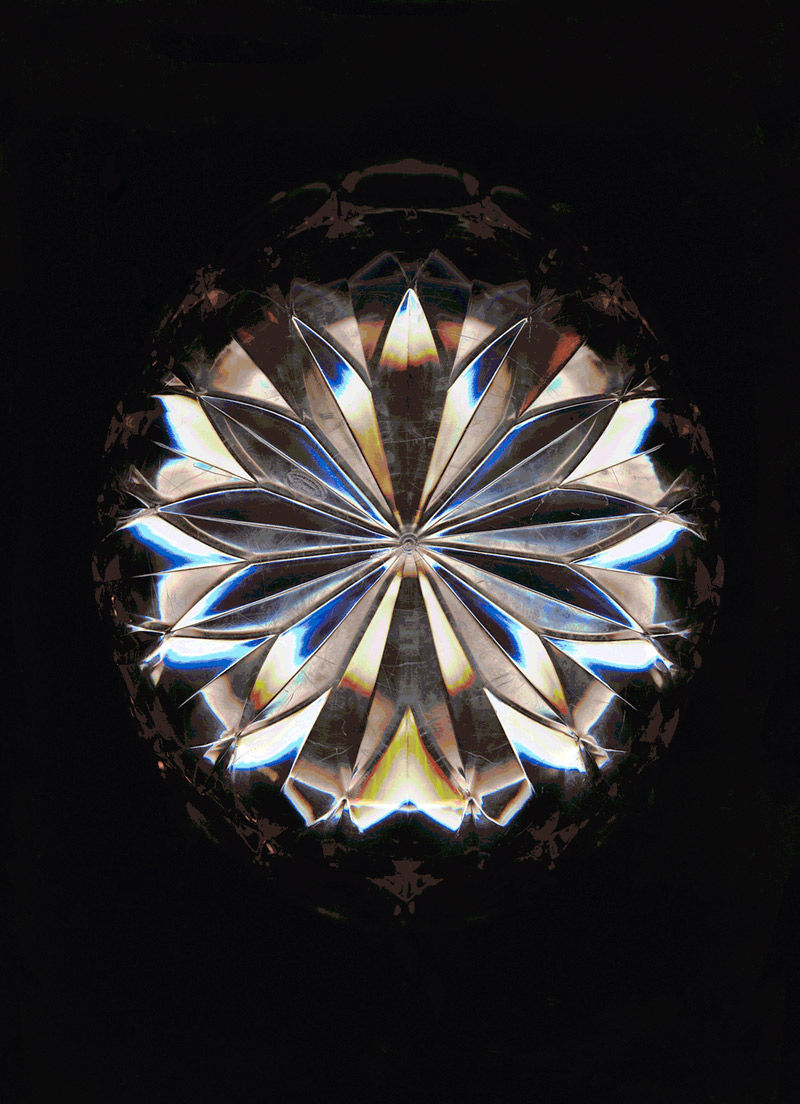
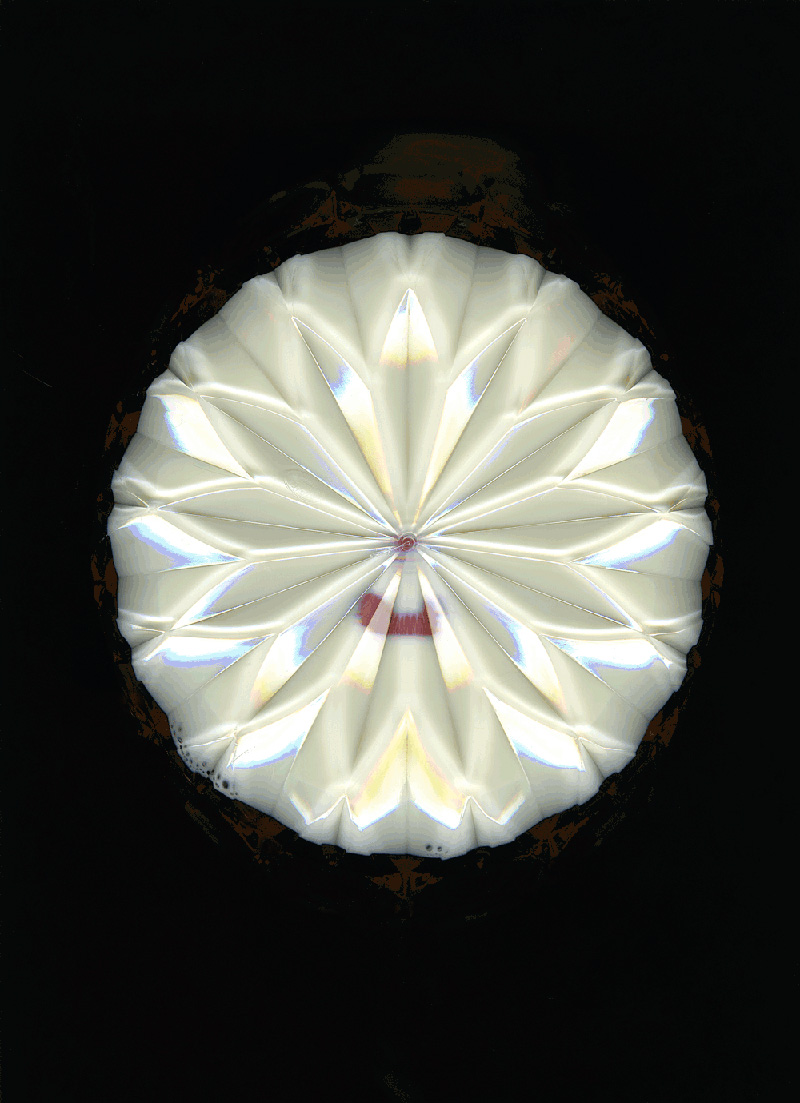
Like much of Chantal Faust’s photographic work, her series Milk was produced using a digital flatbed scanner, a method that allowed her to generate photographs without the use of a camera. The series documents milk being drunk from a bowl and can be linked to the tradition of 1960s and 1970s ‘process art’. During the late 20th century, photography was often employed by artists who wanted to document performance-based art actions and activities. Faust’s ‘action’ of slurping milk from a bowl is a playful extension of this tradition.

Text from the Monash Gallery of Art website


Chantal Faust. 'Lap Milk' 2007


Chantal Faust (Australian, b. 1980)
Lap Milk
2007
From the series Milk
Chromogenic print
80.0 x 58.0cm
Collection of the artist
© courtesy of the artist


Drawing on MGA’s collection of Australian photographs, Photographic abstractions highlights the work of 33 Australian artists who use photography to achieve abstract effects. Ranging from modernist geometric abstraction and the psychedelic experiments and conceptual projects of the 1970s, through to recent explorations of pixelated pictorial space, this exhibition surveys a rich history of abstract Australian art photography. Photography is traditionally recognised for its ability to depict, record and document the world. However, this exhibition sets out to challenge these assumptions. As co-curator of the exhibition and MGA Curator Stephen Zagala states, “The artists in this exhibition are less concerned with documenting the world and more interested in engaging the senses, exciting the imagination and making the ordinary appear extraordinary.”

Some artists have eliminated the camera altogether, preferring the effects that can be achieved with photograms and digital scans. Other artists have experimented with multiple exposures, mirrored images, irregular lenses and the printing of the usually discarded stubs of negatives. Co-curator and MGA Curatorial Assistant Stella Loftus-Hills says, “Photography has always been tied to abstraction. Some of the first photographs ever produced were abstract and subsequent photographers have sought out abstract compositions in their work.”

One highlight of the exhibition is a selection of works by the iconic Australian photographer David Moore, who experimented with abstract photography alongside his more well-known figurative work. In Moore’s Blue collage (1983) the process of cutting bands of colour from existing photographs to create a new composition celebrates the artist’s imagination above and beyond the camera’s ability to capture content.

Artists include Andrew Browne, John Cato, Jo Daniell, John Delacour, Peter Elliston, Joyce Evans, Chantel Faust, Susan Fereday, Anthony Figallo, George Gittoes, John Gollings, Graeme Hare, Melinda Harper, Paul Knight, Peter Lambropoulos, Bruno Leti, Anne MacDonald, David Moore, Grant Mudford, Harry Nankin, Ewa Narkiewicz, John Nixon, Rose Nolan, Jozef Stanislaw Ostoja-Kotkowski, Robert Owen, Wes Placek, Susan Purdy, Scott Redford, Jacky Redgate, Wolfgang Sievers, David Stephenson, Mark Strizic and Rick Wood.

Press release from the MGA website
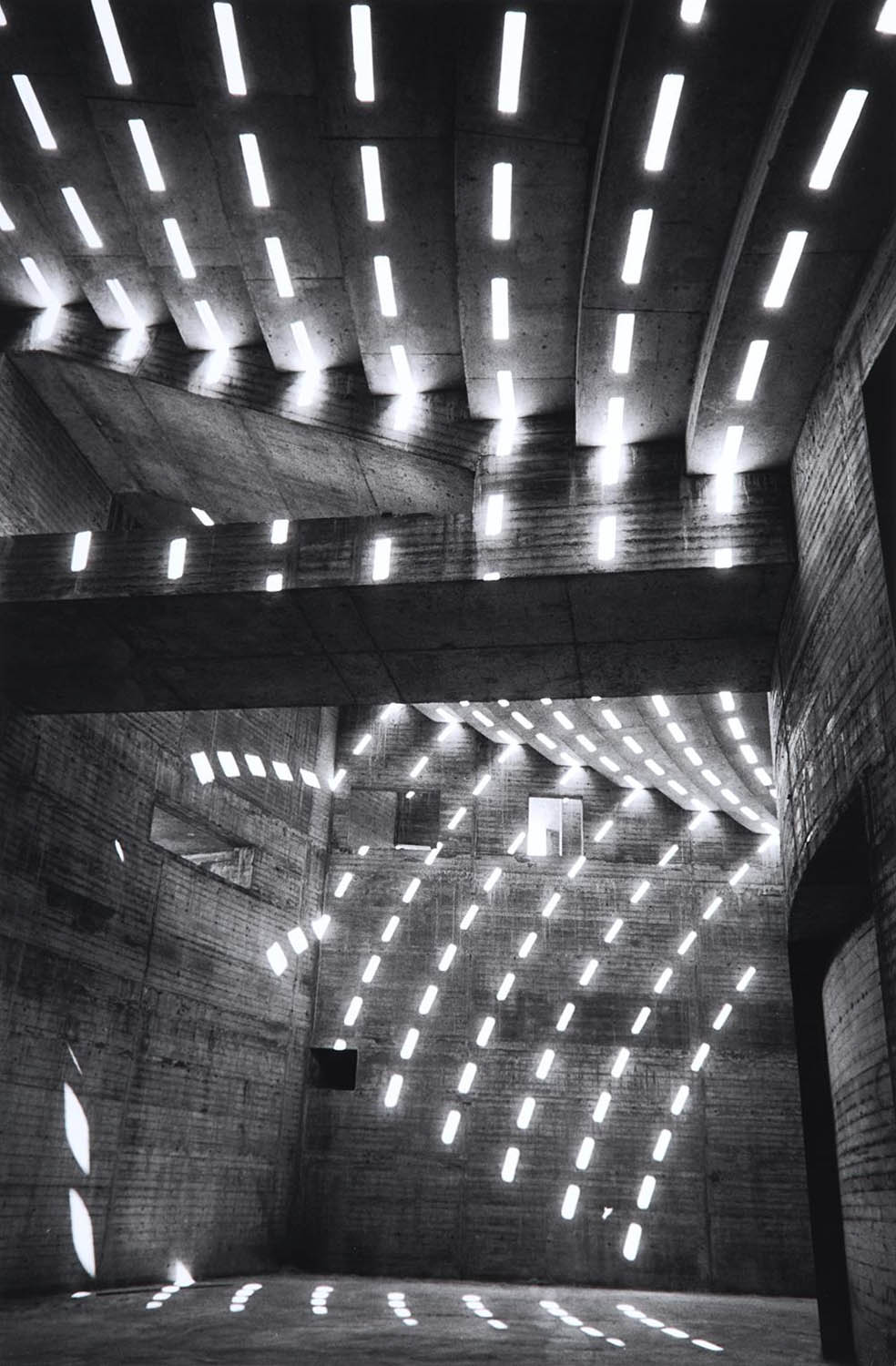
 

David Moore (Australian, 1927-2003) 'Sun patterns within the Sydney Opera House' 1962


David Moore (Australian, 1927-2003)
Sun patterns within the Sydney Opera House
1962
Gelatin silver print, printed 2005
37.75 x 25.0cm
Monash Gallery of Art, City of Monash Collection
© courtesy of the Estate of David Moore


David Moore (Australian, 1927-2003) 'Sisters of Charity' 1956


David Moore (Australian, 1927-2003)
Sisters of Charity, Washington DC
1956
Gelatin silver print
30.5 x 19.5cm
Monash Gallery of Art, City of Monash Collection
© courtesy of the Estate of David Moore
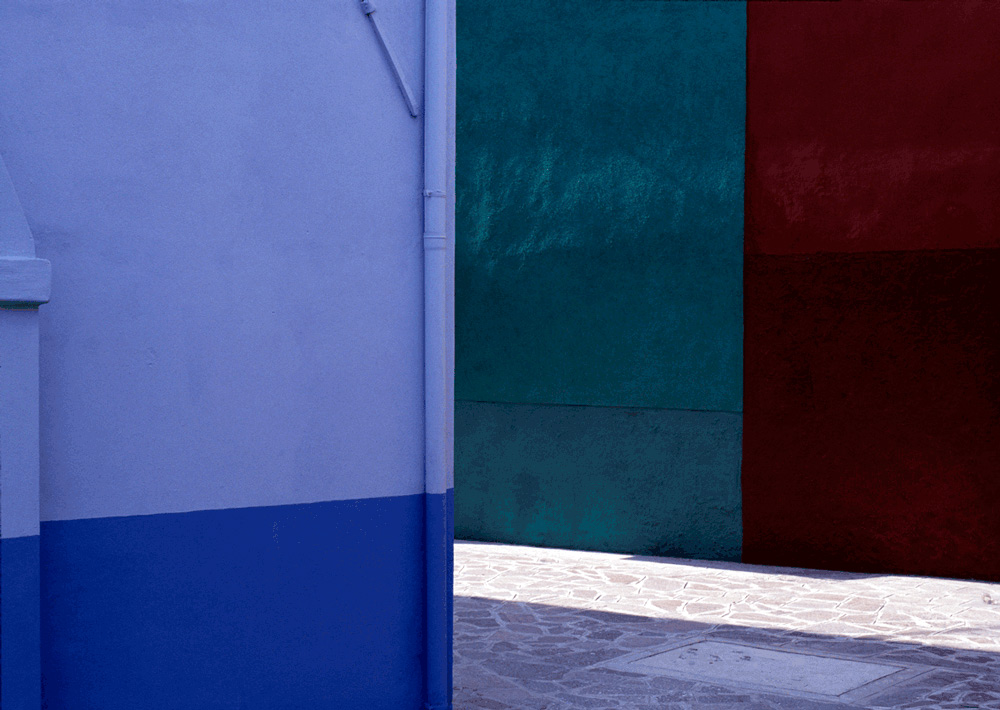
 

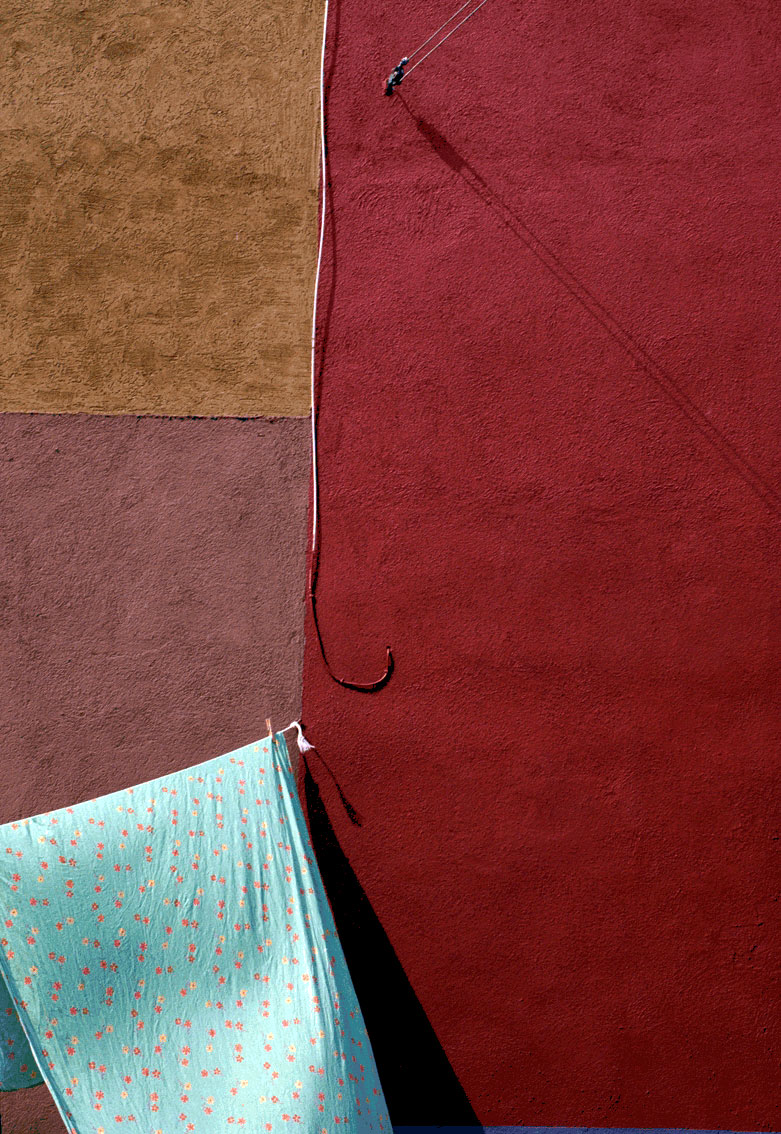
Robert Owen (Australian, b. 1937) 'Street, Burano, Italy' 1978


Robert Owen (Australian, b. 1937)
Street, Burano, Italy
1978
Silver dye bleach print
20 x 25cm
Monash Gallery of Art, City of Monash Collection
© courtesy of the artist and Arc One Gallery, Melbourne
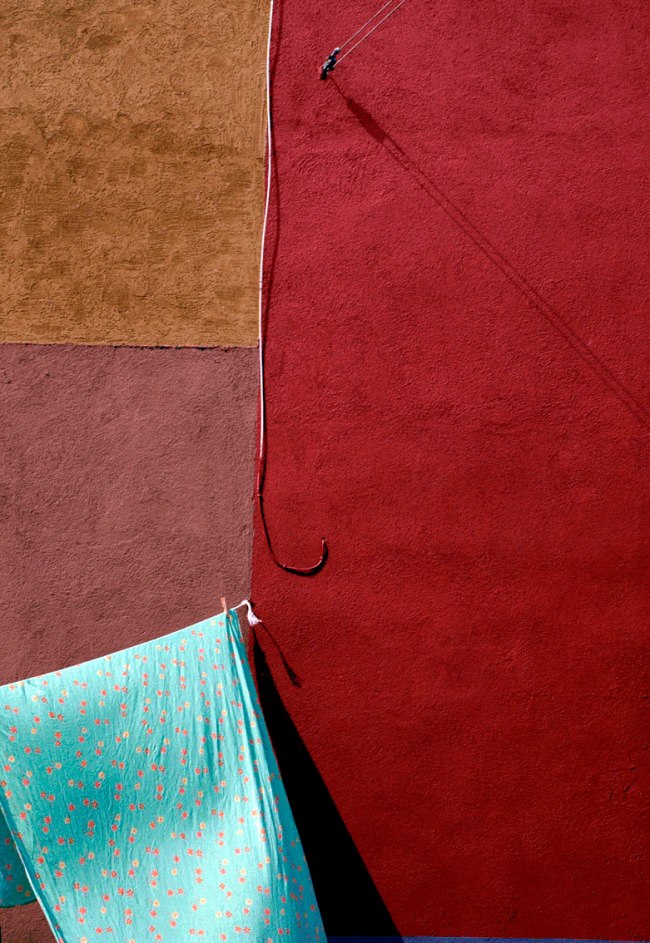
 

Robert Owen (Australian, b. 1937) 'Green Sheet, Burano, Italy' 1978


Robert Owen (Australian, b. 1937)
Green Sheet, Burano, Italy
1978
Silver dye bleach print
Monash Gallery of Art, City of Monash Collection
© courtesy of the artist and Arc One Gallery, Melbourne
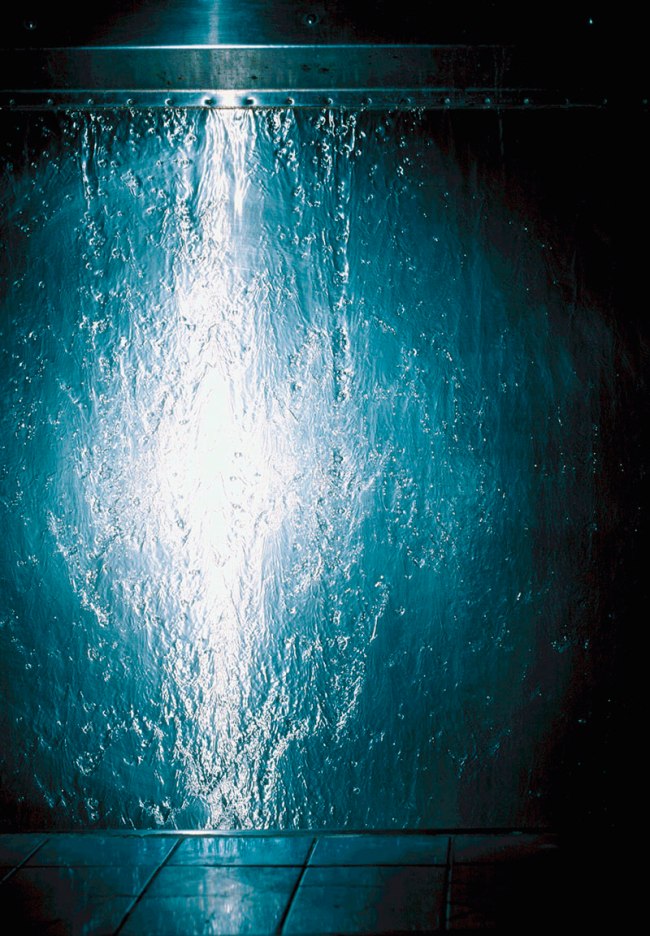
 

Scott Redford (Australian, b. 1962) 'Urinal (Broadbeach)' 2000-2001


Scott Redford (Australian, b. 1962)
Urinal (Broadbeach)
2000-2001
From the Urinals series 1988-2001
Chromogenic print
Collection of the artist
© courtesy of the artist
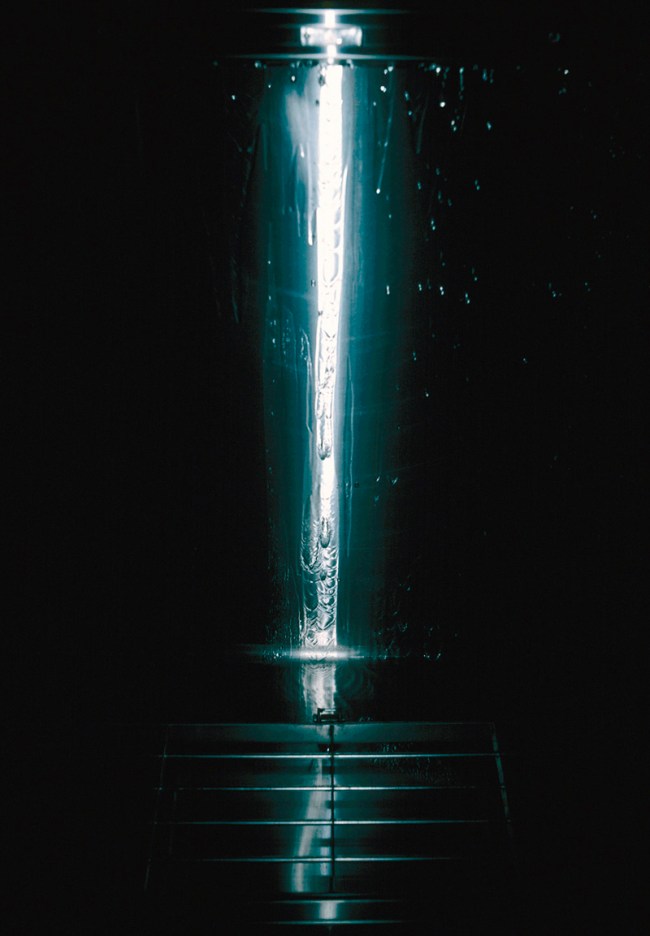
 

Scott Redford (Australian, b. 1962) 'Urinal (Surfer's Paradise)' 2000-2001


Scott Redford (Australian, b. 1962)
Urinal (Surfer’s Paradise)
2000-2001
From the Urinals series 1988-2001
Chromogenic print
Collection of the artist
© courtesy of the artist
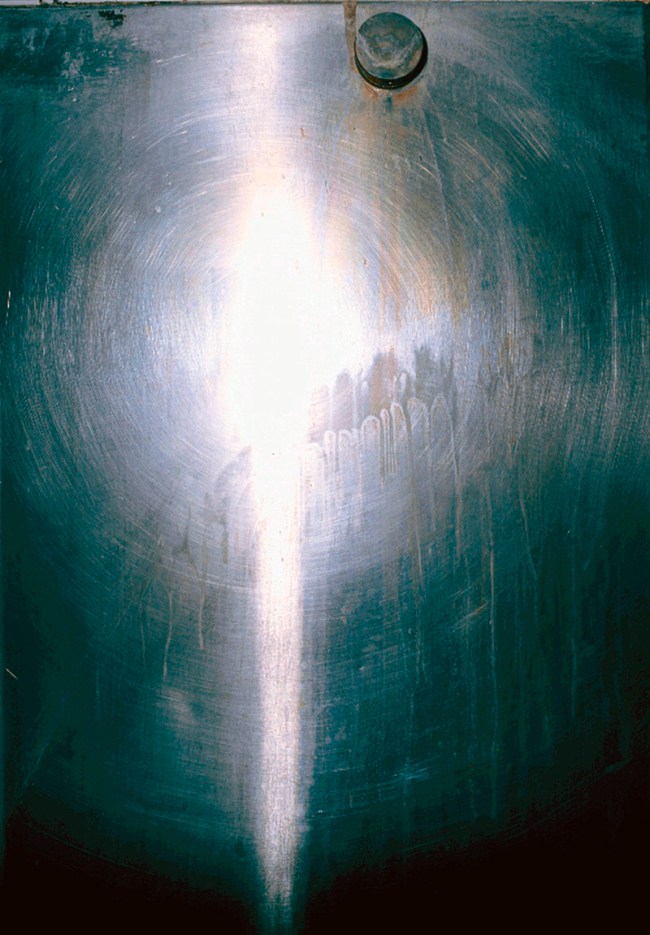
 

Scott Redford (Australian, b. 1962) 'Urinal (Fortitude Valley)' 2000-01


Scott Redford (Australian, b. 1962)
Urinal (Fortitude Valley)
2000-2001
From the Urinals series 1988-2001
Chromogenic print
Collection of the artist
© courtesy of the artist


Redford’s photographs of urinals… dialogue with art historical motifs that precede discourses of minimal art and postmodern understandings of the abject. In representing the site of male urination, they evoke the oxidation paintings of Andy Warhol, who directed young men to piss onto canvases prepared with copper oxide, resulting in compelling abstract imagery… All of that is in Redford’s photographs and at the same time they are completely empty and quiet and contemplative… They are pure sensory experience like rainfall, even transcendent in their purity. They are concerned with beauty, but they are beyond debates about beauty. They are indifferent and in this they are transcendent.

Chapman, Christopher. “Scott Redford’s urinals,” in Redford, Scott et.al. Bricks are Heavy (exhibition catalogue). Brisbane: Institute of Modern Art, pp. 6-7.


Monash Gallery of Art
860 Ferntree Gully Road, Wheelers Hill
Victoria 3150 Australia
Phone: +61 3 8544 0500

Opening hours:
Tuesday – Friday 10am – 5pm
Saturday – Sunday 10am – 4pm
Mon/public holidays: closed

Monash Gallery of Art website

LIKE ART BLART ON FACEBOOK

Back to top

Exhibition: Louise Rippert ‘Trace’ at Deakin University Art Gallery, Melbourne

Exhibition dates: 29th October – 6th December, 2008


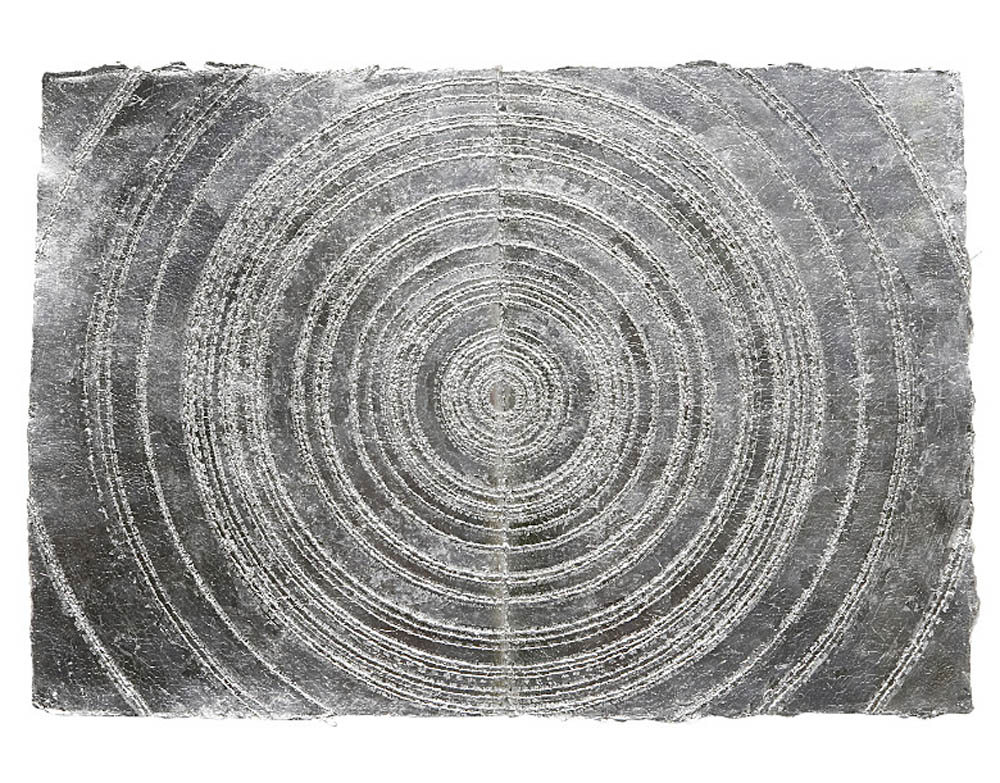
Louise Rippert (Australian) 'Recording' 2008 (detail) from the exhibition Louise Rippert 'Trace' at Deakin University Art Gallery, Melbourne, Oct - Dec, 2008


Louise Rippert (Australian)
Recording (detail)
2008
Collage; thread, aluminium and silver gilt and pencil on khadi paper
38 x 37cm
Collection of Deakin University


Deakin University Art Gallery present an exhibition by this Melbourne artist of new work.

“Favouring the use of archival, translucent, brittle and fine materials in her labour intensive and near devotional ‘manuscripts’ of stitching, pattern and perforation, Rippert creates mixed media works of the utmost delicacy … This is the first solo exhibition of Rippert’s work in a public institution and will present her past and recent work.”

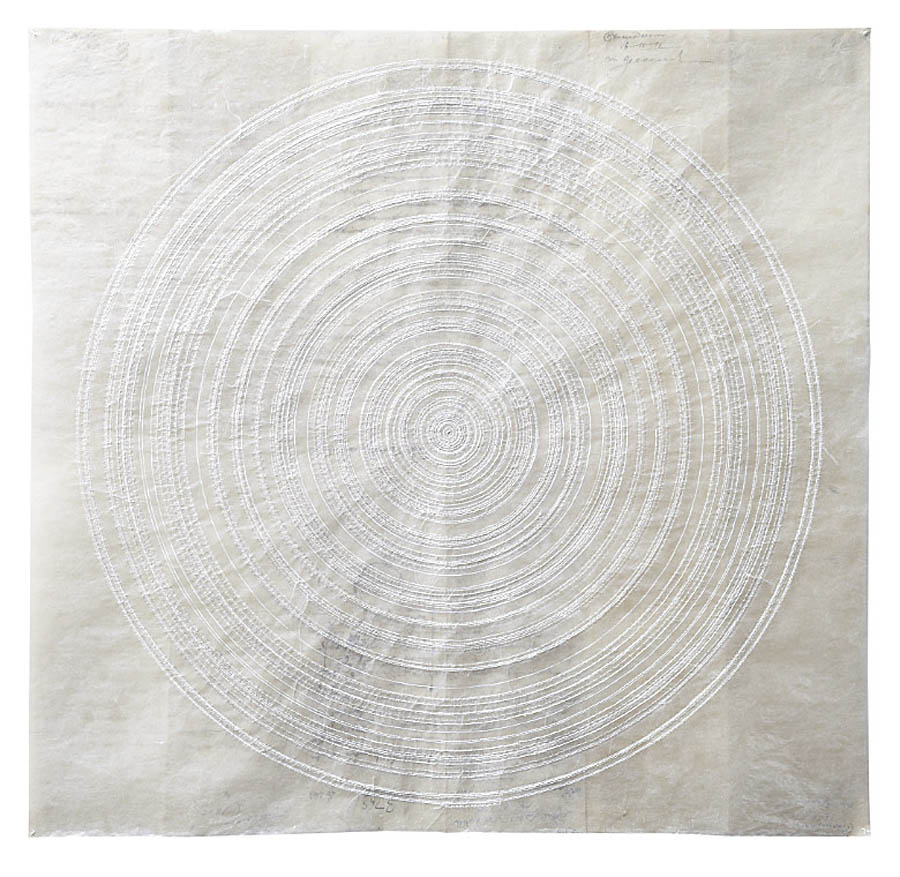
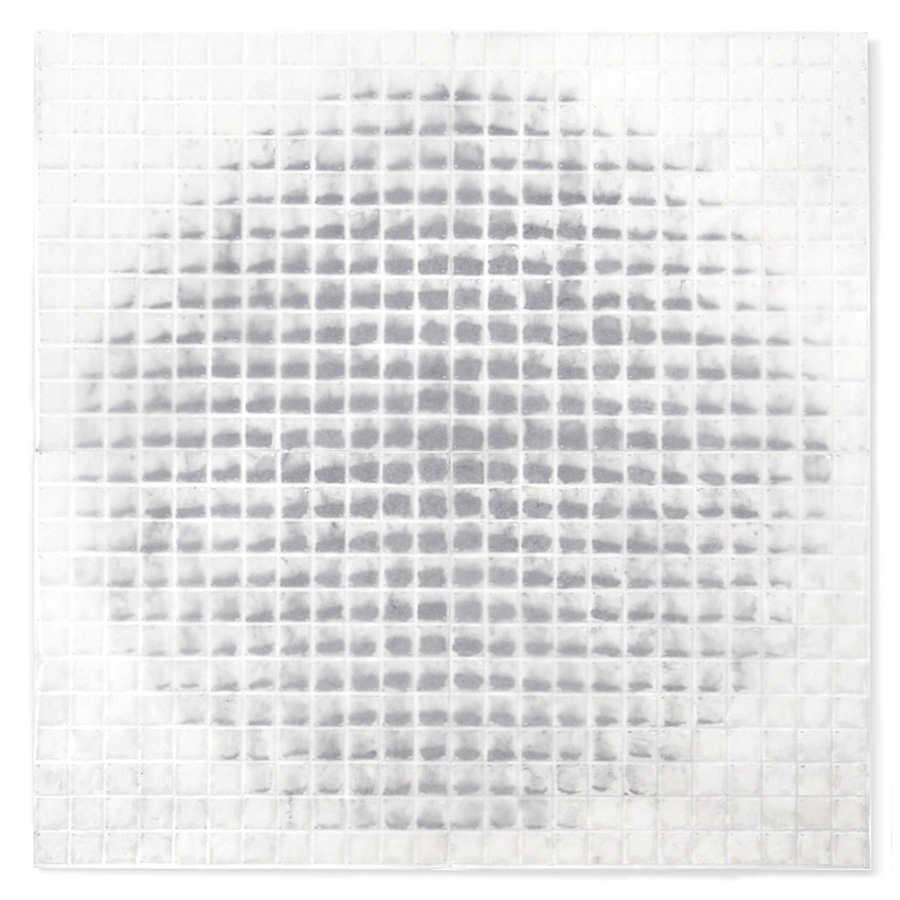
Rippert’s work is extraordinary. Taking paper of every sort Rippert inscribes the surface: stitches, weaves, colours and indents the paper, making annotations that develop personal narrative. Delicate and insightful her work celebrates what it is to be human – to be lovers, to be a daughter, to dance, to record. Rippert uses repetition of form in grids and circles to achieve her archetypal works, touching the deepest patterns of our lives.
Dr Marcus Bunyan


Louise Rippert (Australian) 'Cochin Mandala' 2005


Louise Rippert (Australian)
Cochin Mandala
2005
Collage; glassine, pencil, thread and gouache on paper
Private collection


For many artists the process of art making has a mysterious fascination that continues to draw them back to experimenting, searching and the experience of creating. At the very least, it is reasonable to suggest that art making in this respect is supramundane; an experience particular to itself, simultaneously autonomous but contingent on an “other”, challenging but ostensibly satisfying, baffling and revelatory as – in this sense – creating art involves the artist’s responses, reflections and what is sometimes referred to as an inner dialogue with the work.

The medium (in that very specific conjuring sense of the word) and the interaction with it then becomes a vehicle in which this dialogue has an opportunity to “arise”, or be “heard”. It may be in these cases that the exercising of inner consciousness marks an escape or a period of sanctuary from the regular rigours of life, or that it denotes the labour of a different kind, of higher purpose, intellectual inquiry or even some manner of transcendence.

The term meditative is often ascribed to this transformation of consciousness and the introspective process of art creation. So is it meditation? Certainly many artistic traditions have involved high levels of training and discipline. Certainly many forms of meditation have involved an “other” to provide musing, focus or distraction for the mind. Both have shared common traits of concentration, labour, devotion, repetition, patience and practice. In the artwork of Louise Rippert, certainly the preconditions for such a meditation are identifiable.

The inherent irony with formal artwork is that short of sitting over the artist’s shoulder the audience experiences the result of process, rather than the process itself. However, the beauty (in more sense than one) of Louise Rippert’s work is that in many cases she leaves paths that can be followed or re-imagined, whether it is in the delicacy of her stitching and folding or the sequential approach to numbering that characterises many of her works. We can sense the endeavour. We can see the labour. We can begin in the middle of a spiral or circle and follow the numbers to their logical conclusion. Our mind in many respects can literally “join the dots” and so make the abstractive leap back and forth in time to appreciate this process of becoming.
The extra dimension to the work exhibited in LOUISE RIPPERT: TRACE is that the result also speaks not just of the process, but the intent. There is equilibrium, harmony and quiet in and across these works, which compels revisiting that very painstaking process. While having exhibited artwork annually since 1994, Rippert’s modus operandi has meant limited opportunities to show substantive bodies of work. She has been represented periodically in the National Works on Paper Prize at the Mornington Peninsula Regional Gallery and in 2005 she was the co-winner of the Blake Prize for Religious Art.

Deakin University Art Gallery is therefore very proud to present LOUISE RIPPERT: TRACE, the first solo exhibition of Louise Rippert’s creations in a public gallery and would like to thank the artist for collaborating in this project. Thanks are also extended to the following people for their contributions to this project; Euan Heng, artist, for his opening remarks to launch this landmark event, Diane Soumilas, Gallery Co-ordinator, Glen Eira City Council Gallery for her insightful catalogue essay, to the private collectors who have loaned works and Jasmin Tulk for designing the catalogue to mark and accompany this important exhibition.

Victor Griss
Exhibition Curator

Originally published in Louise Rippert:Trace, Deakin University 2008


Louise Rippert (Australian) 'Trace' 2008


Louise Rippert (Australian)
Trace
2008
Collage; pigment baking paper, tracing paper, pencil, thread and adhesive contact on drafting film
94 x 94cm
Collection on the artist


Deakin University Art Gallery
221, Burwood Highway
Burwood 3125

Opening Hours:
Tues – Friday 10 – 5pm
Saturday 1pm – 5pm

Deakin University Art Gallery website

LIKE ART BLART ON FACEBOOK

Back to top