from the series Travelling the wonderful loneliness 2019-2024
March 2024
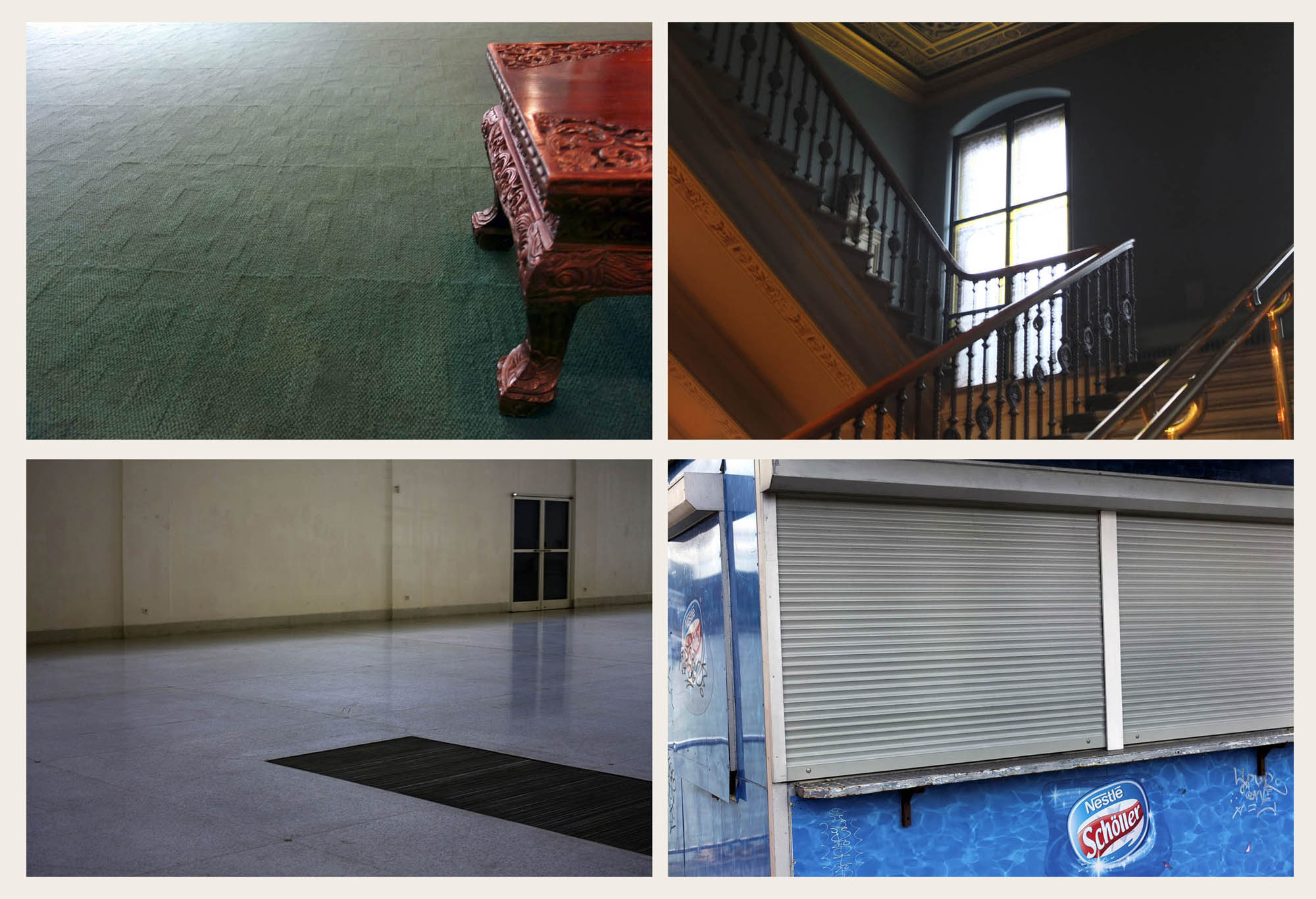
Photographs from the sequence Material Witness from the series Travelling the wonderful loneliness (2019-2024)
During 2019 I took a photographic journey through Europe. The trip was an ascetic experience, hardly talking to anyone for 2 months, immersed in photography, taking almost 10,000 photographs on three digital cameras. I have whittled these photographs down to around 120 images in four sequences.
This sequence, Material Witness, is one of the four sequences in the series collectively titled Travelling the wonderful loneliness (2019-2024).
Notice the hole in the carpet and the hole in the wall. Ian Lobb loved the conjunction of the creeper up the side of the building and the yellow plastic with orange tape, in the repose of a dead body. Minor White’s ice/fire…
Please click on the photographs for a larger version of the image.
Photographs from the sequence Material Witness from the series Travelling the wonderful loneliness (2019-2024)
Photographs are available from this series for purchase. As a guide, a digital colour 16″ x 20″ print costs $1,000 plus tracked and insured shipping. For more information please see the Store web page.
Marcus Bunyan (Australian, b. 1958) Antonios Schneider From the series Aus der Traum (From the Dream) 2023 Digital photograph
And did you get what you wanted from this life, even so? I did.
And what did you want? Too call myself beloved, to feel myself beloved on the earth.
Raymond Carver. ‘Late Fragment’ from A New Path to the Waterfall, Atlantic Monthly Press, 1989
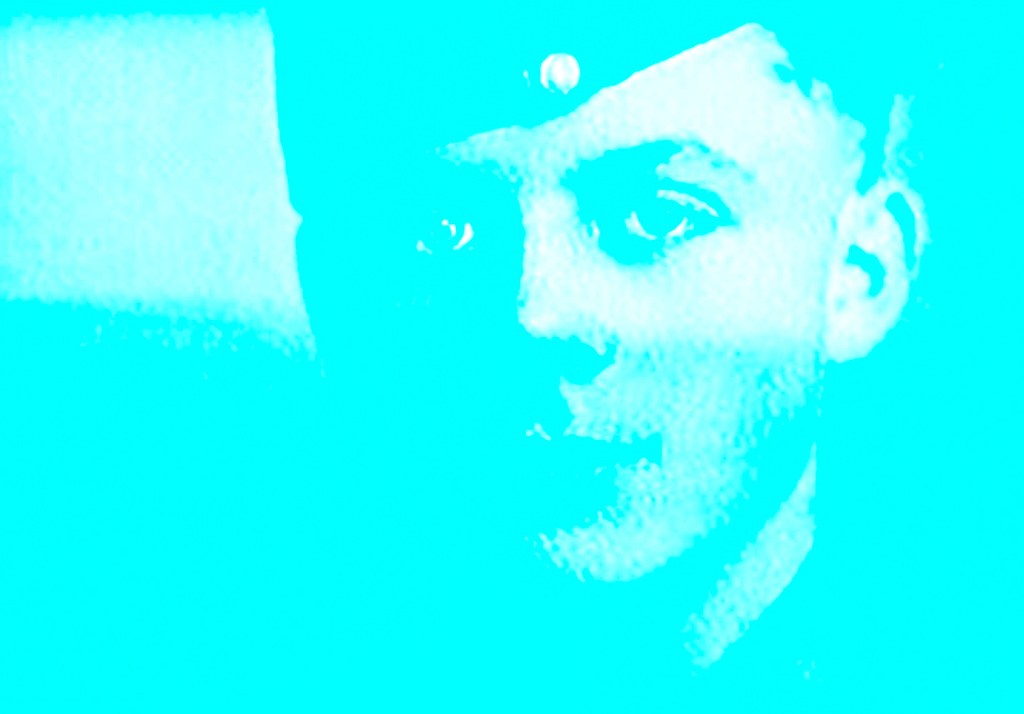
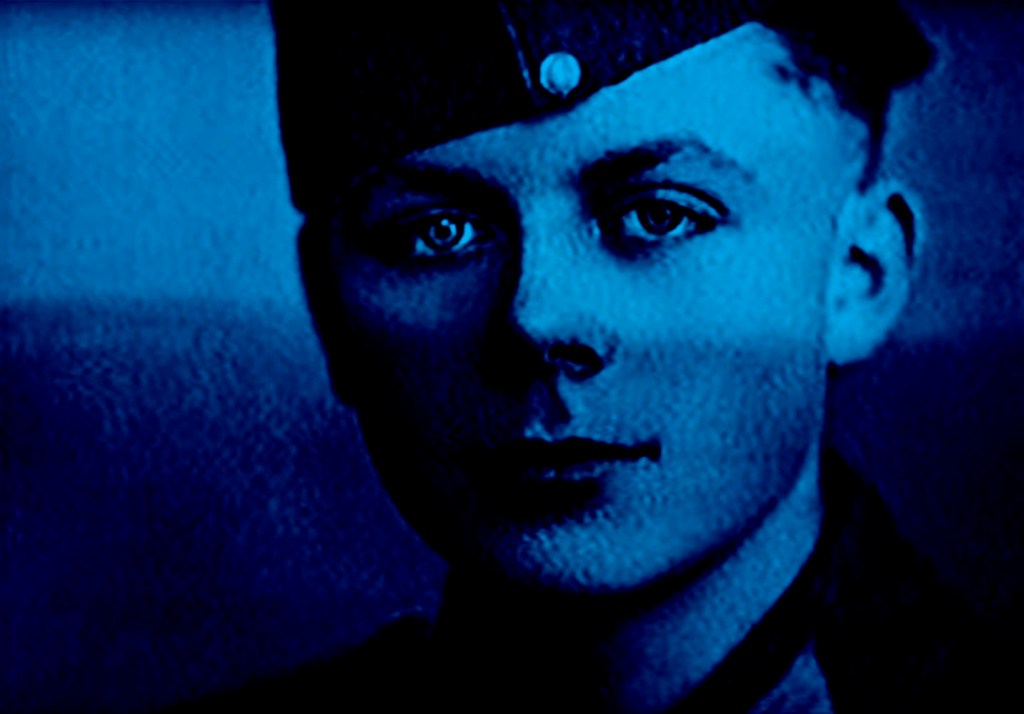
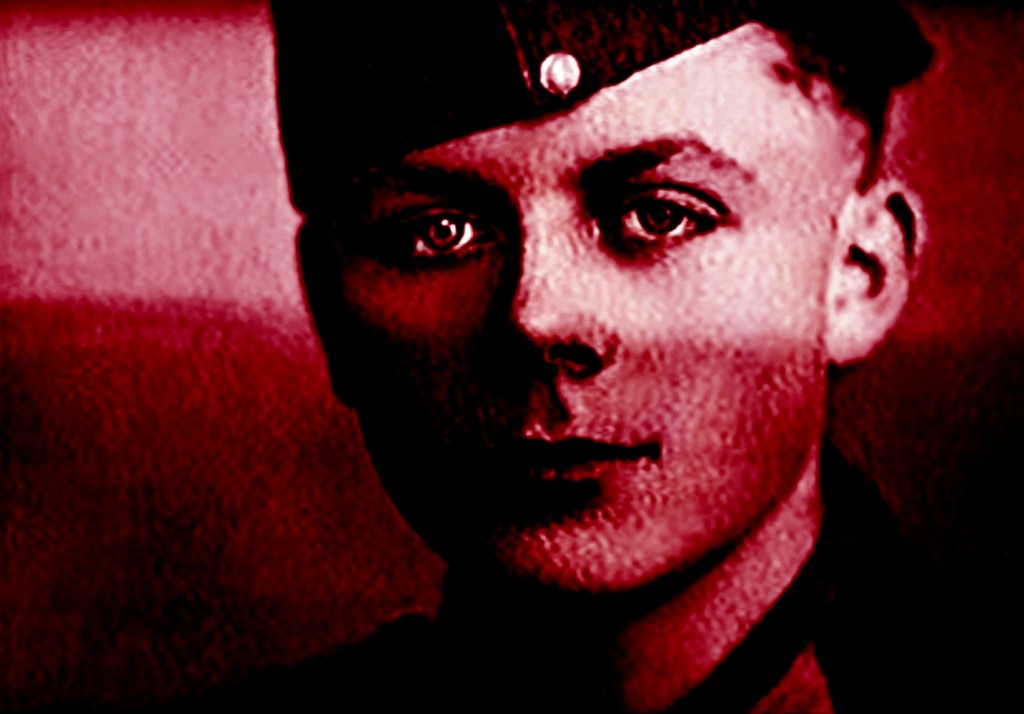
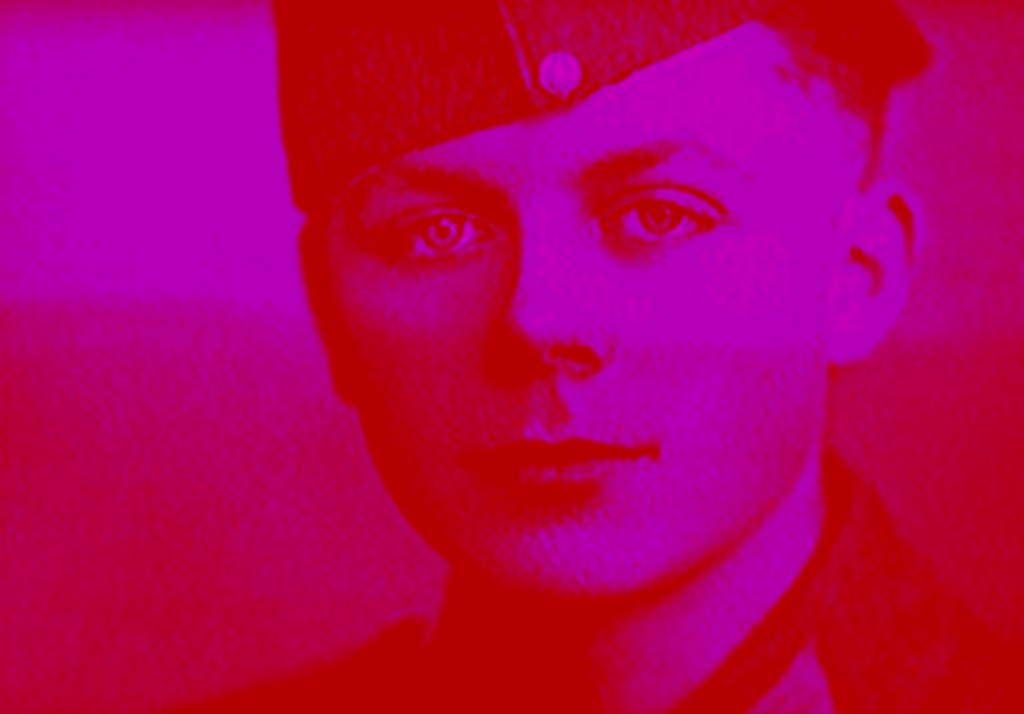
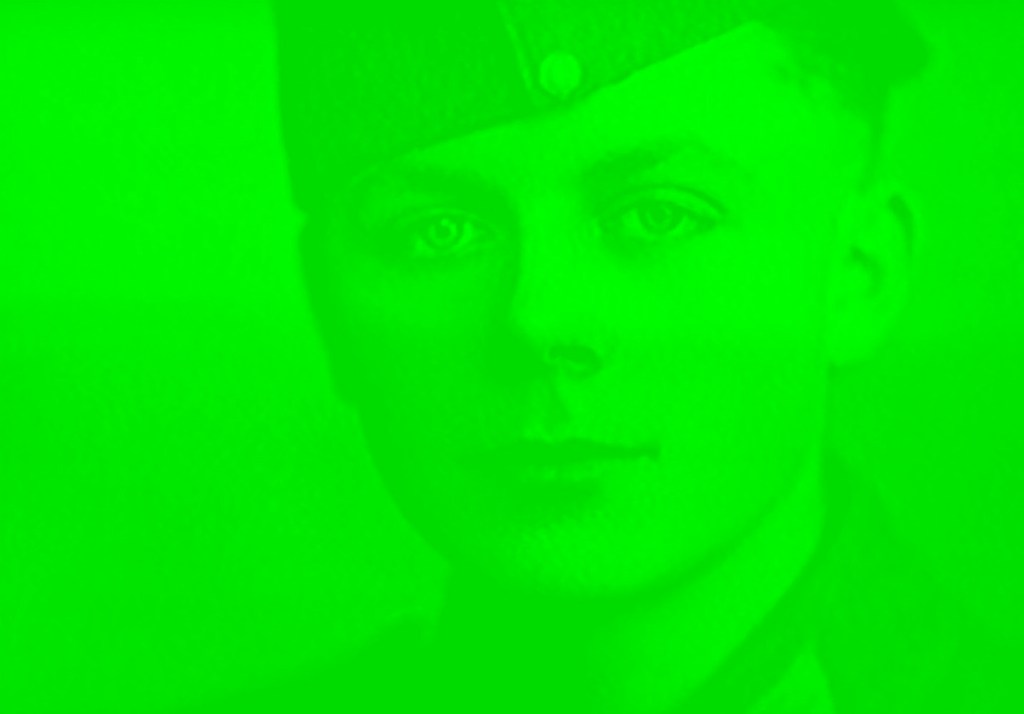
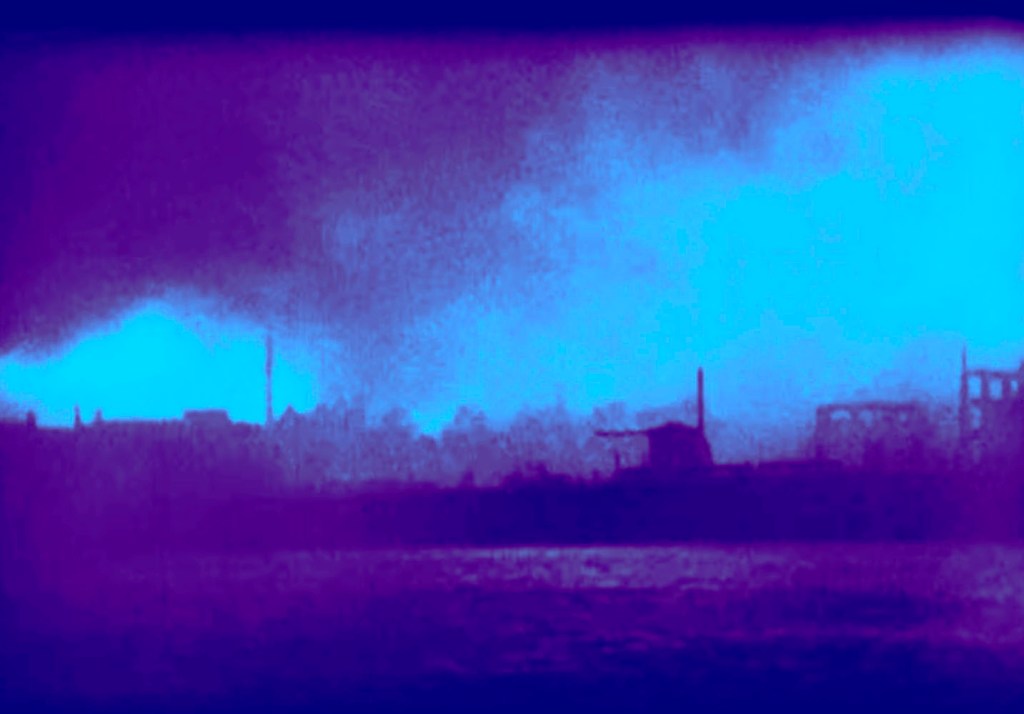
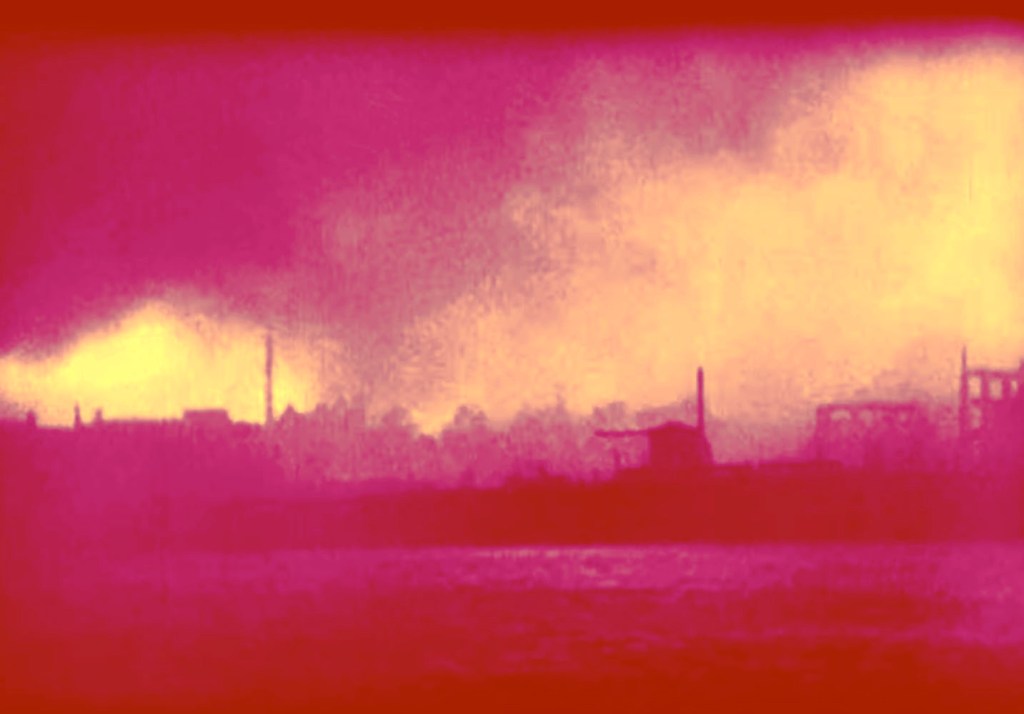
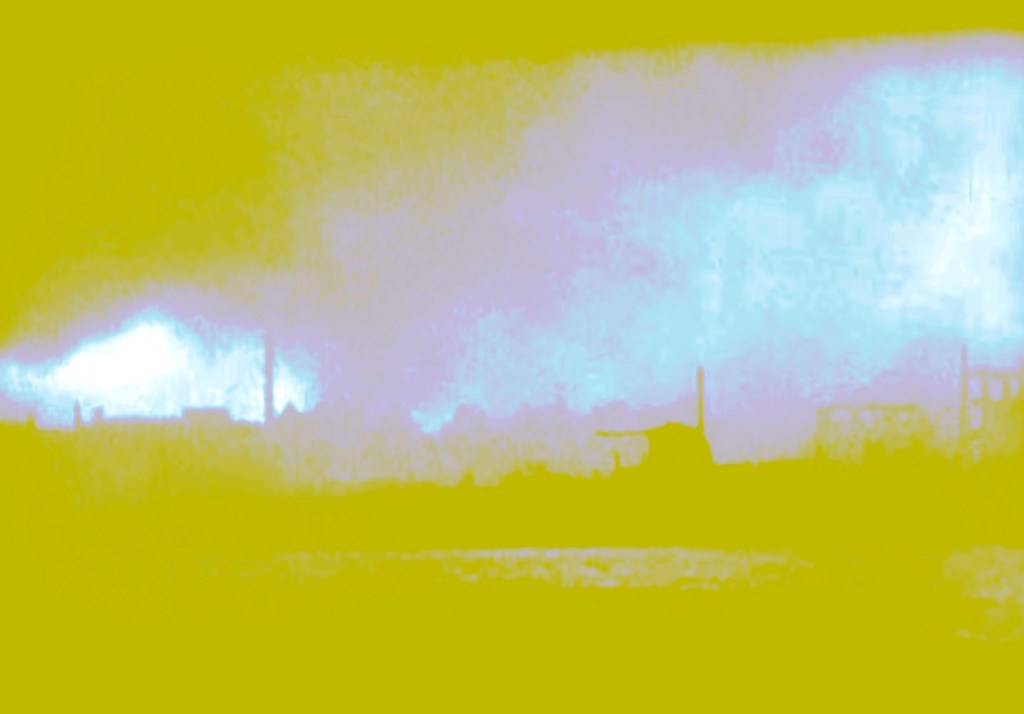
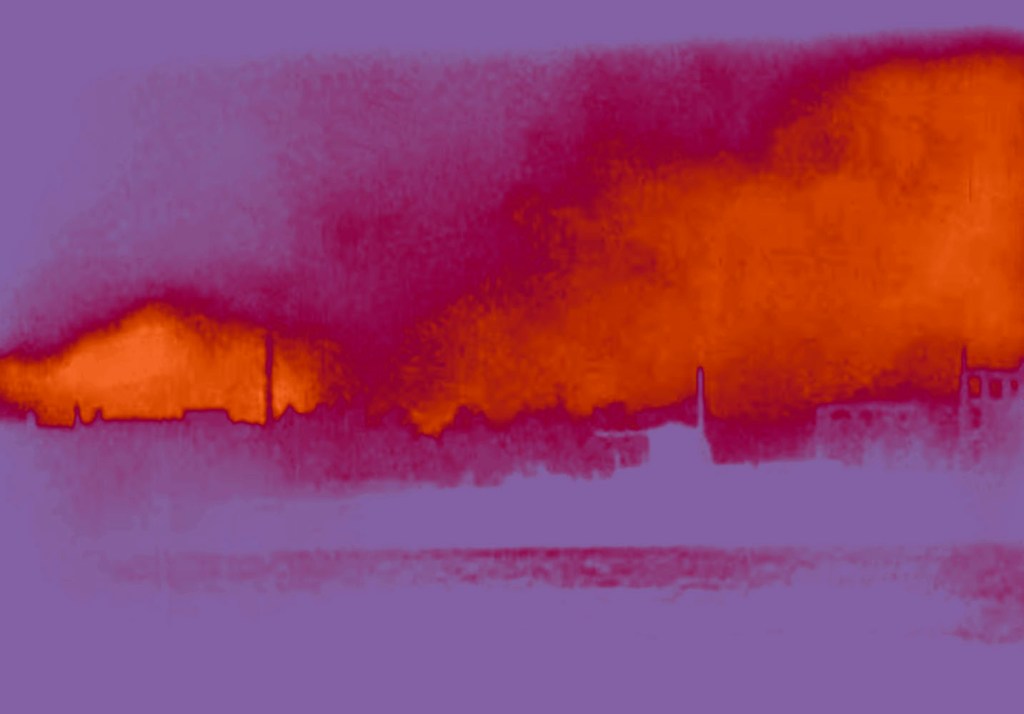
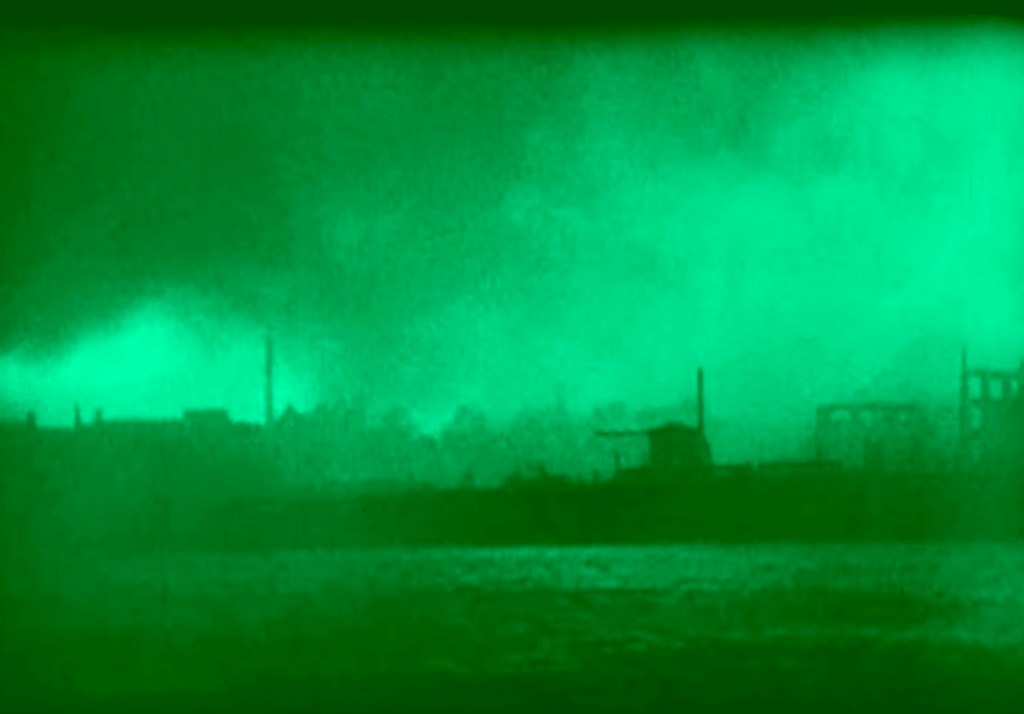
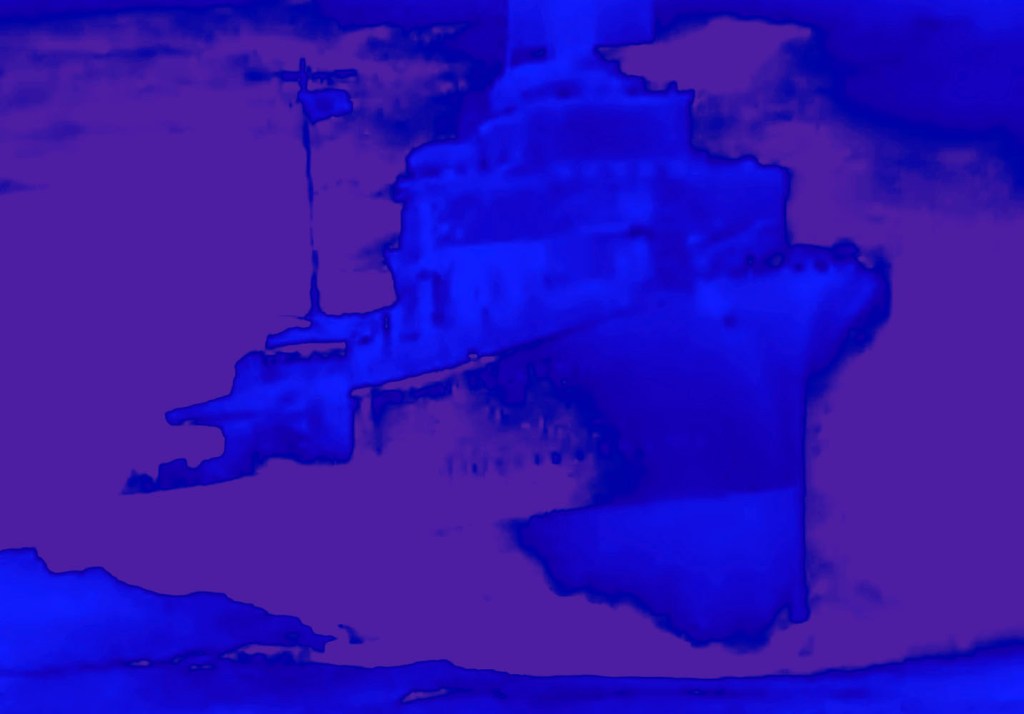
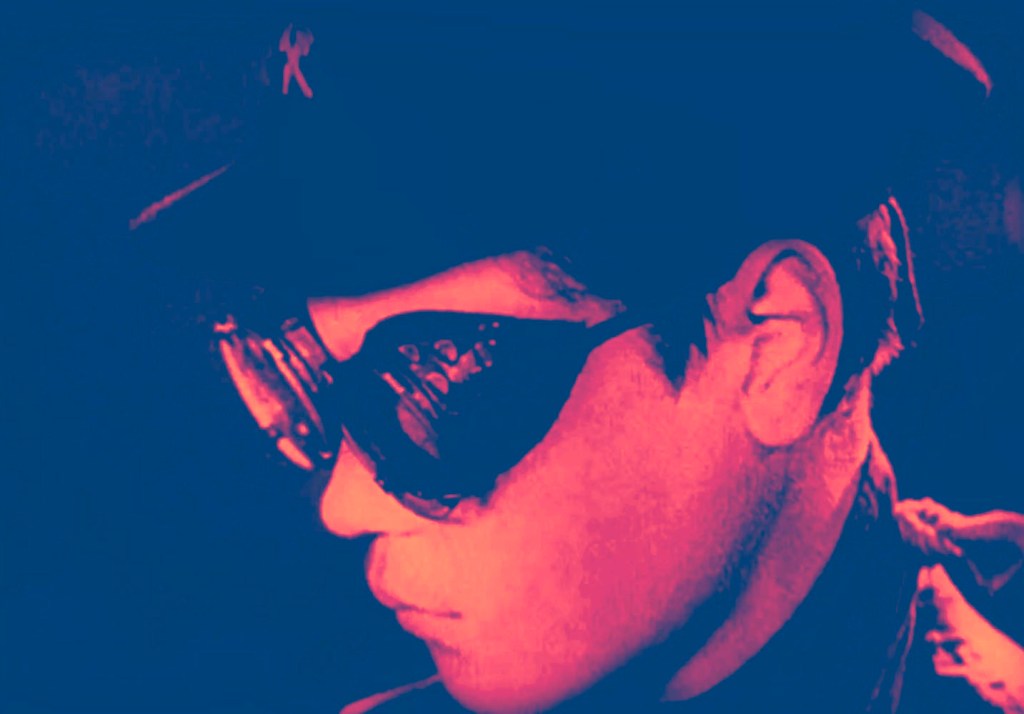
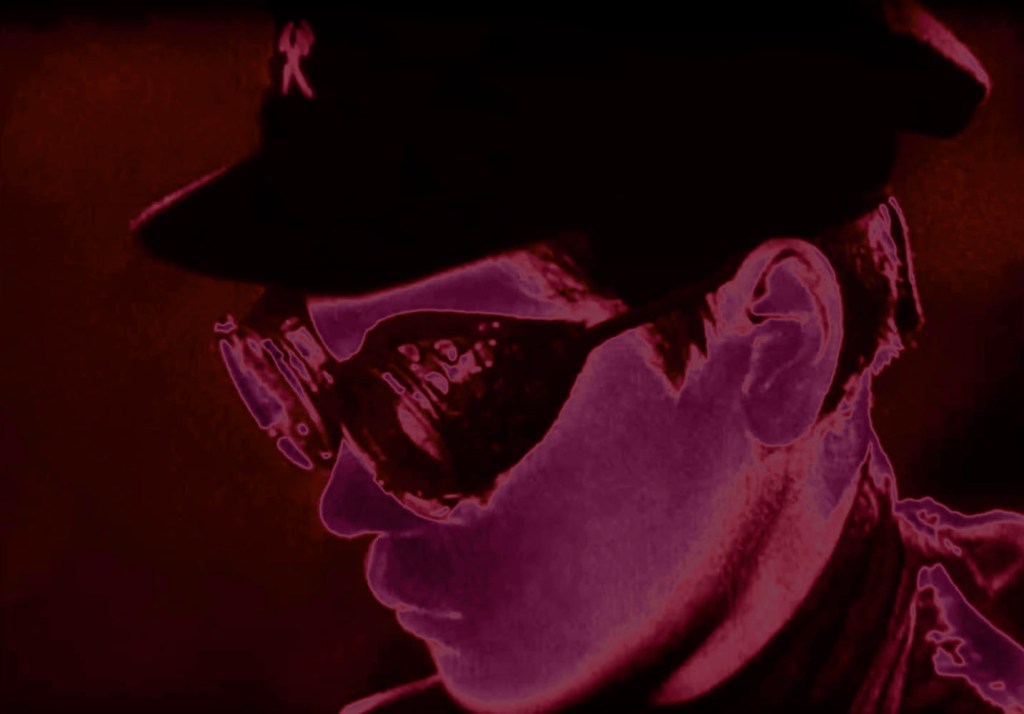
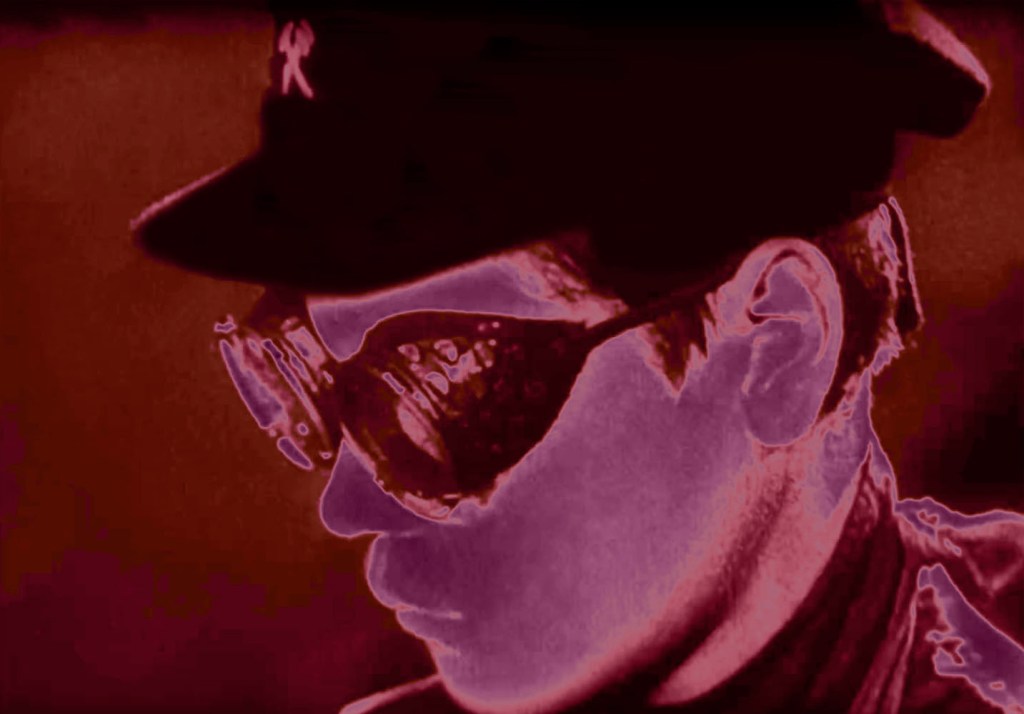
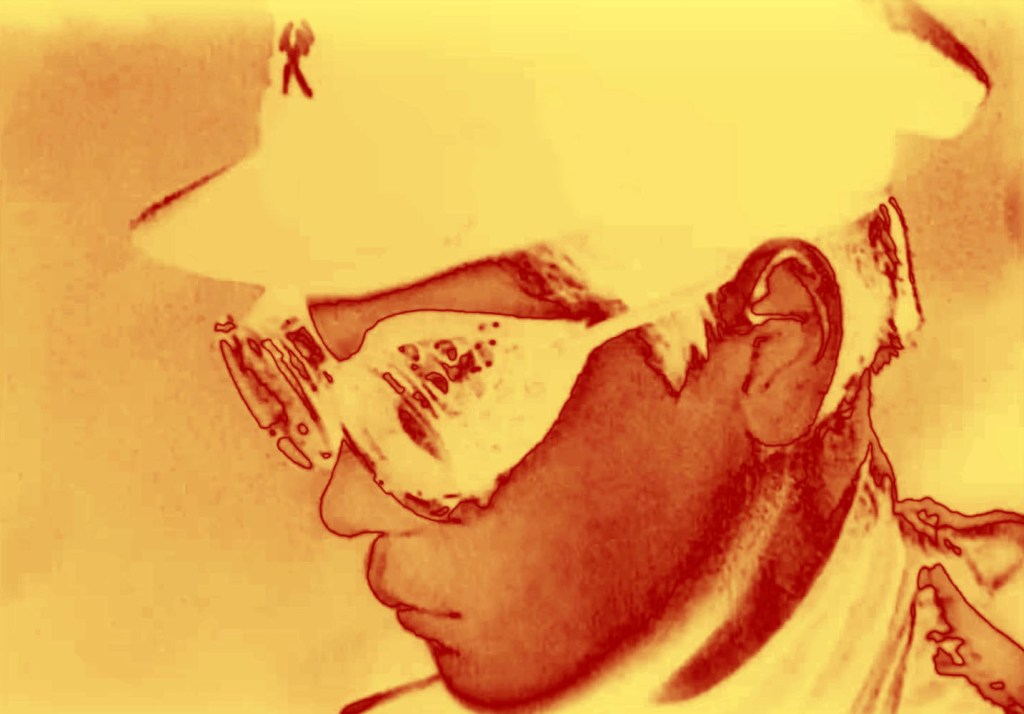
This posting offers a selection of photographs from my new 269 image sequence Aus der Traum (From the Dream) (2023). To see the whole extended conversation please visit my website.
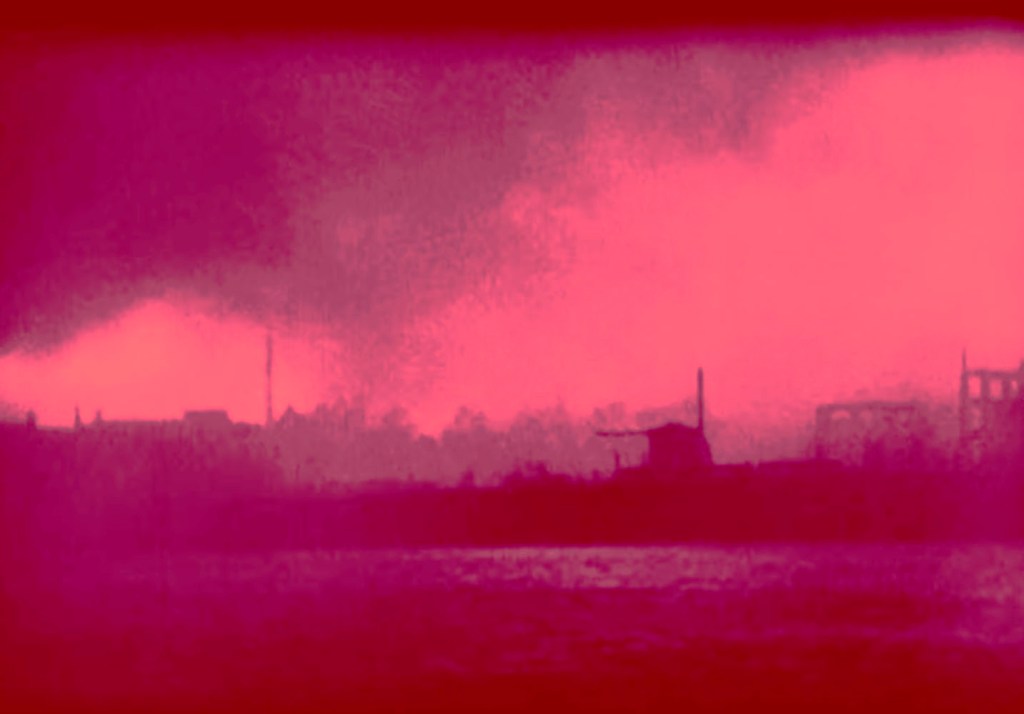
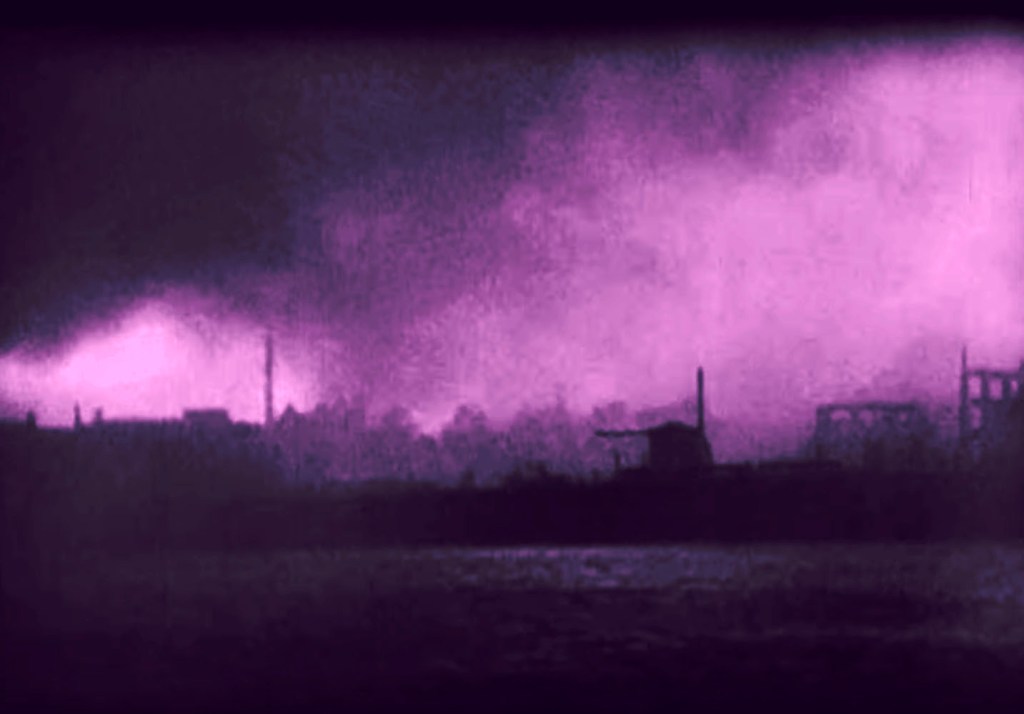
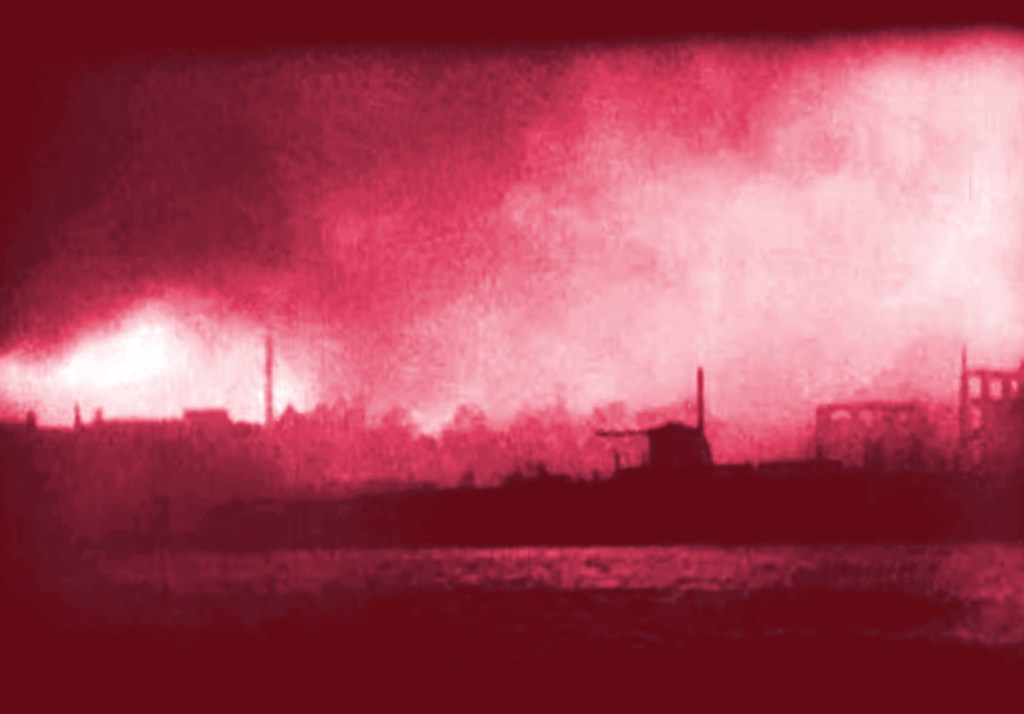
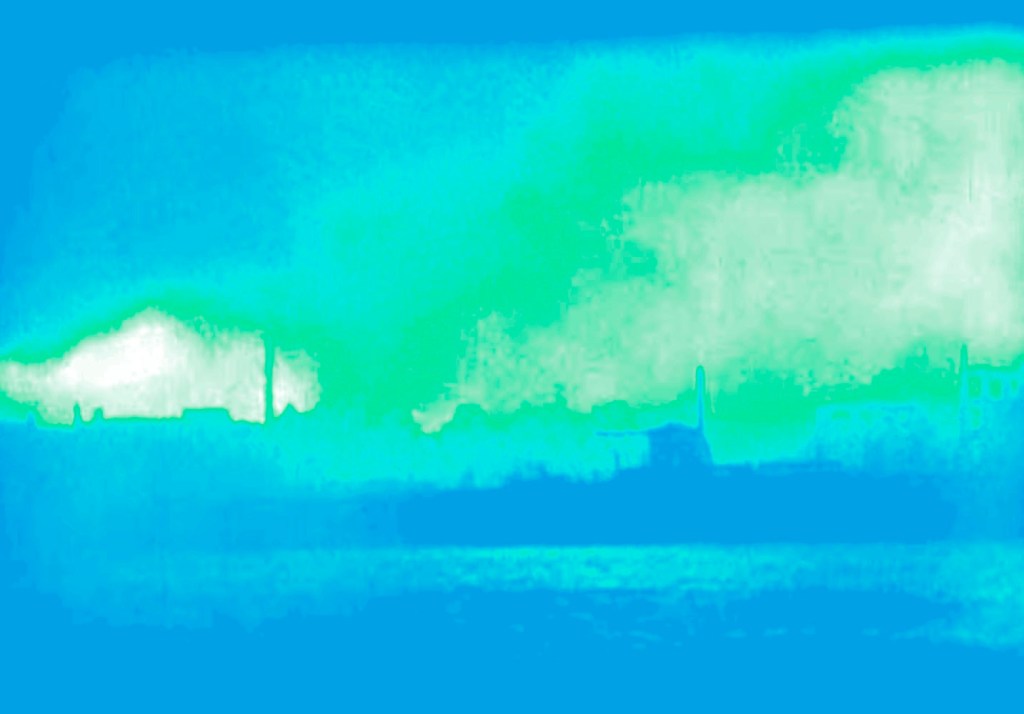
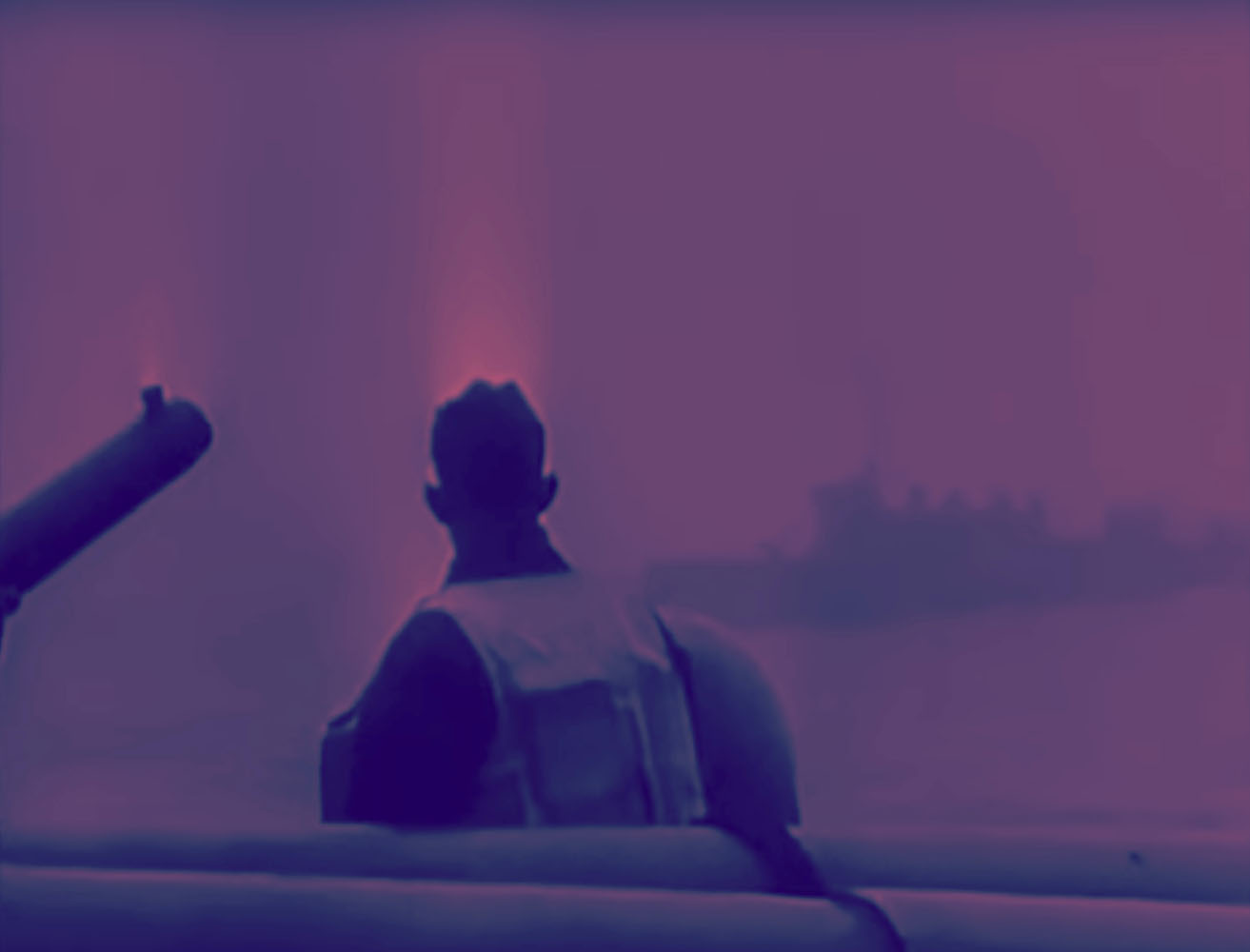
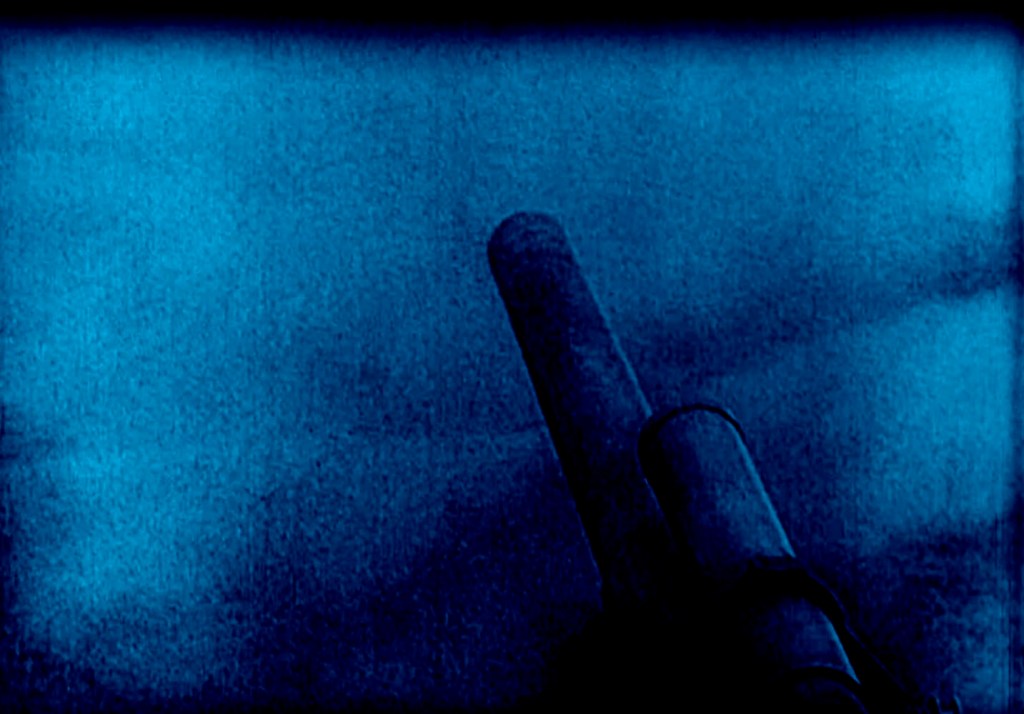
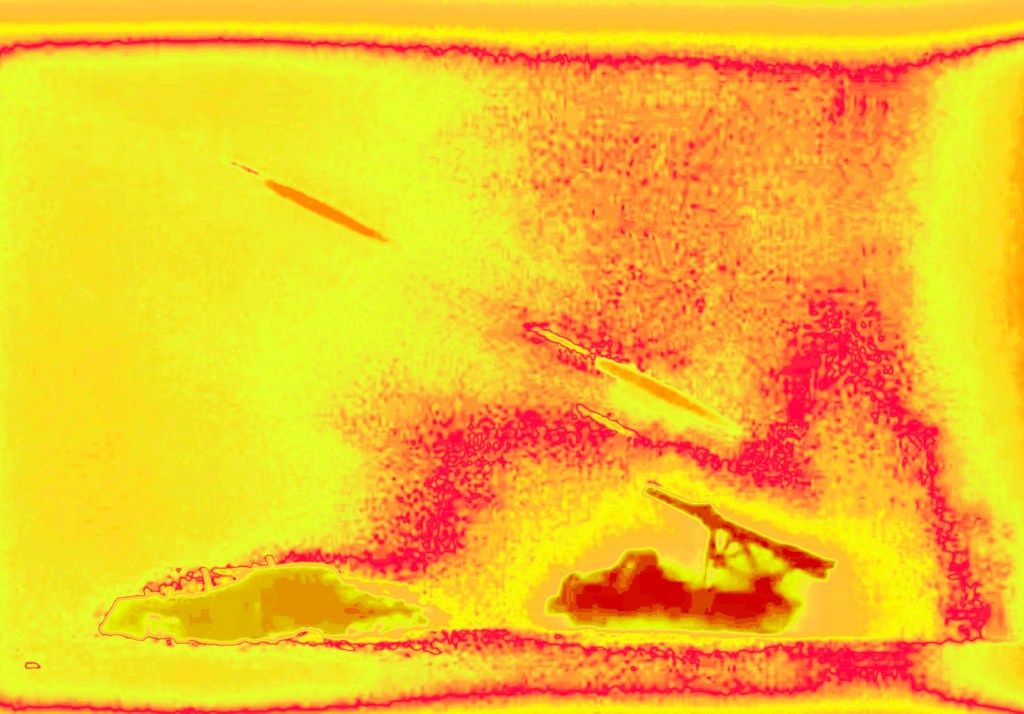
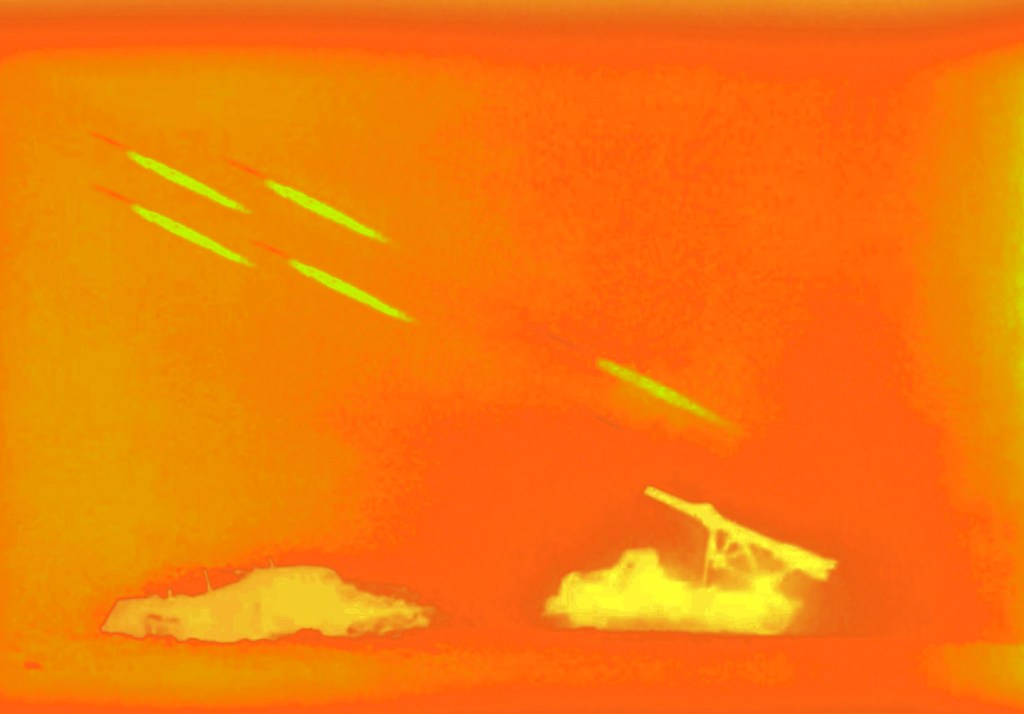
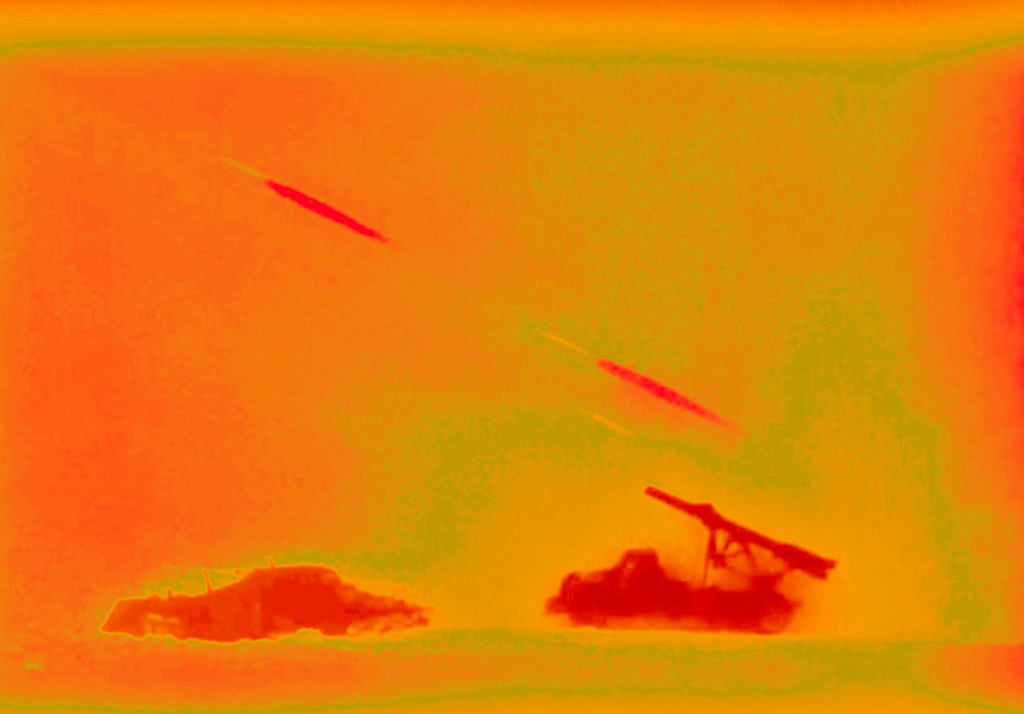
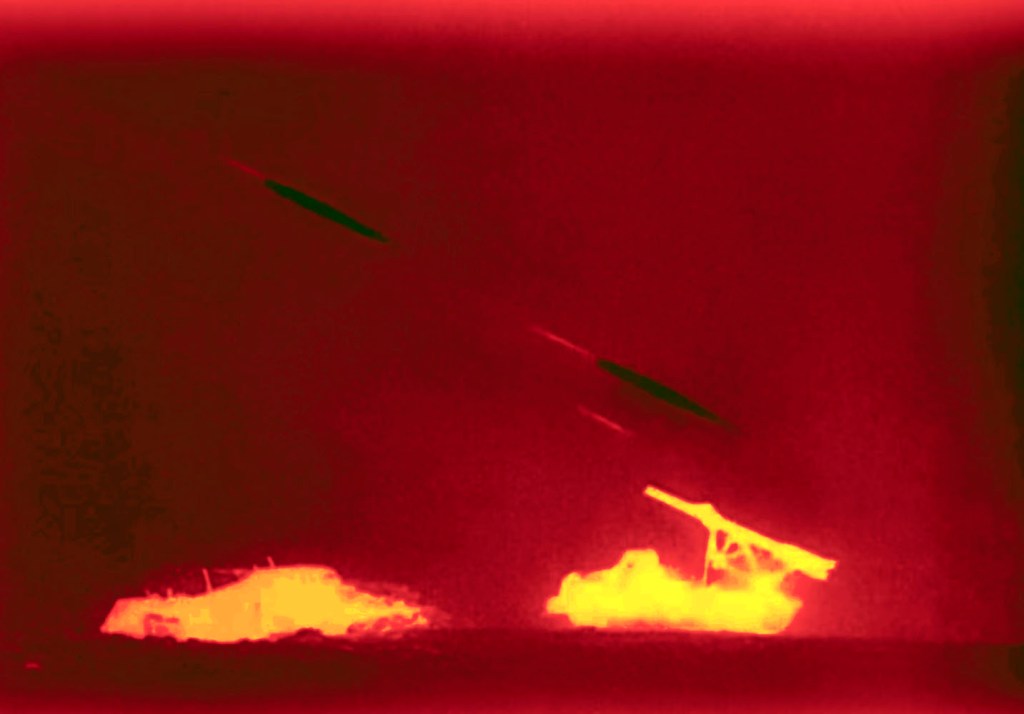
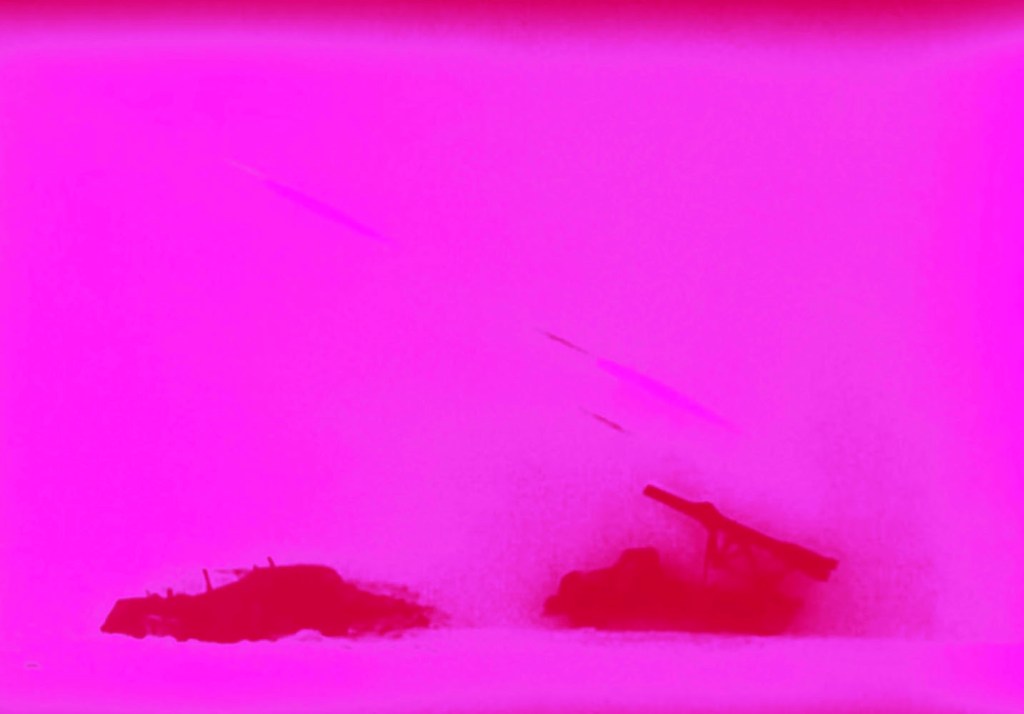
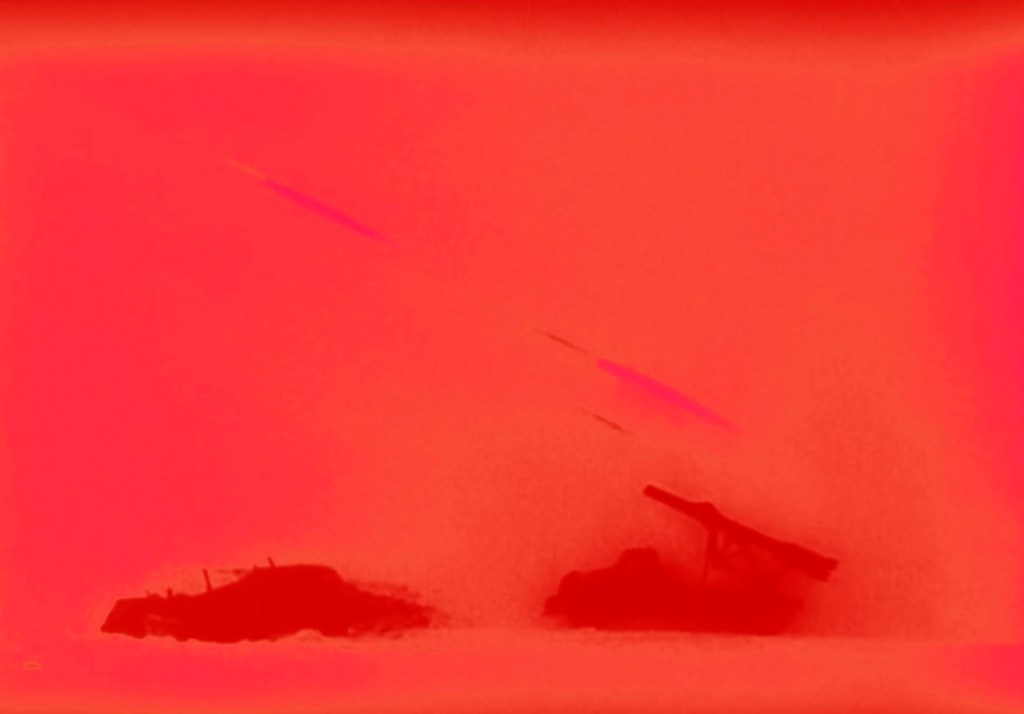
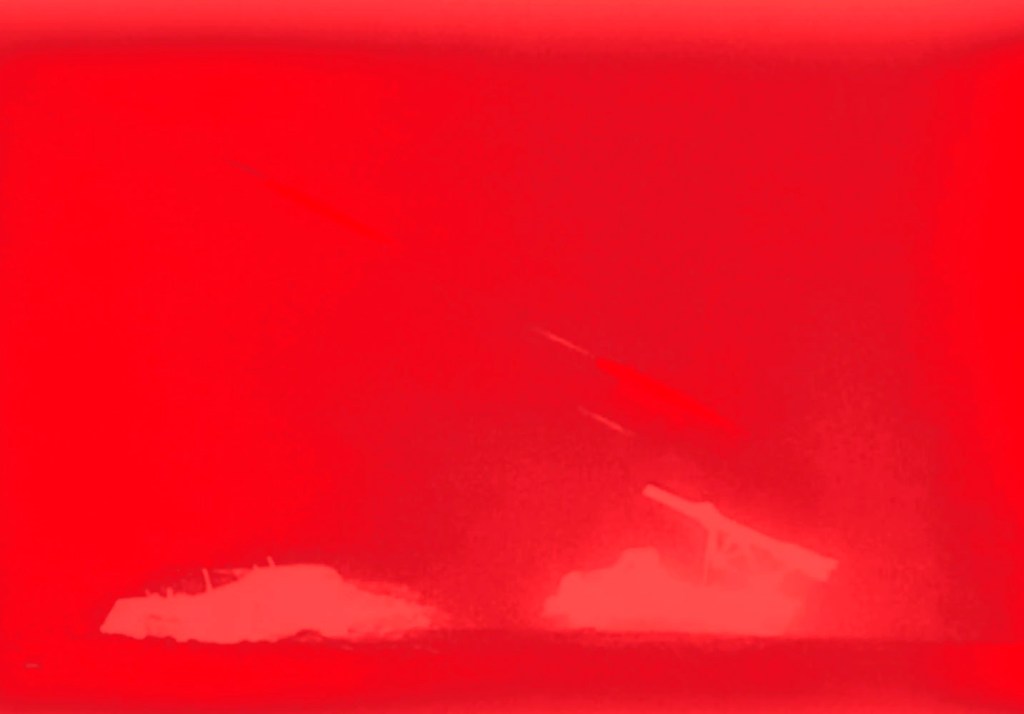
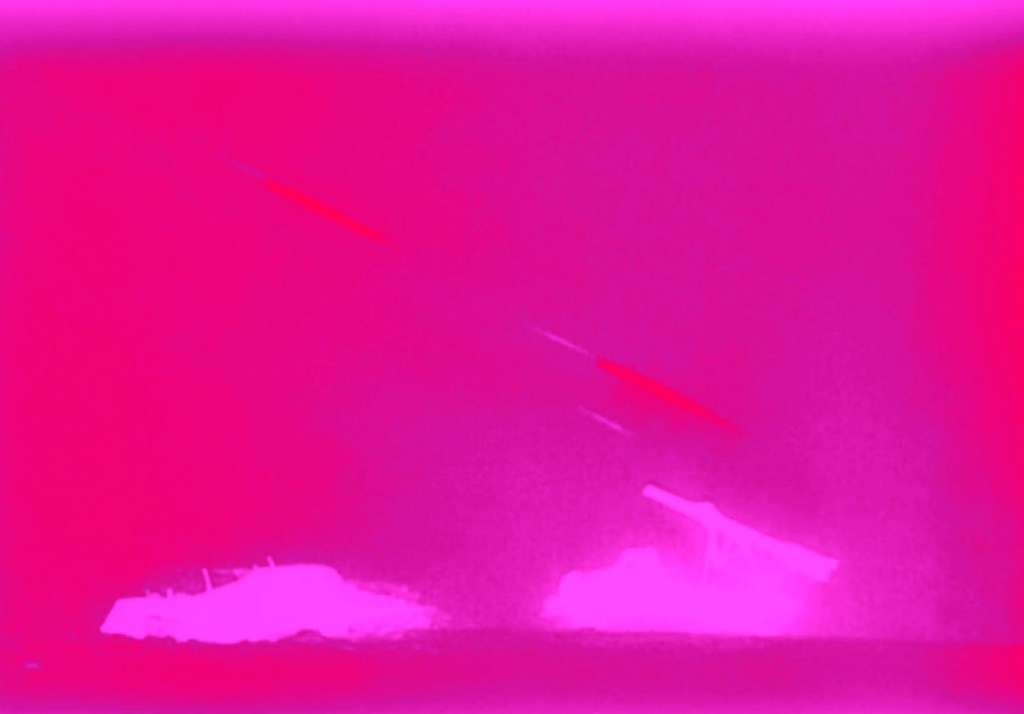
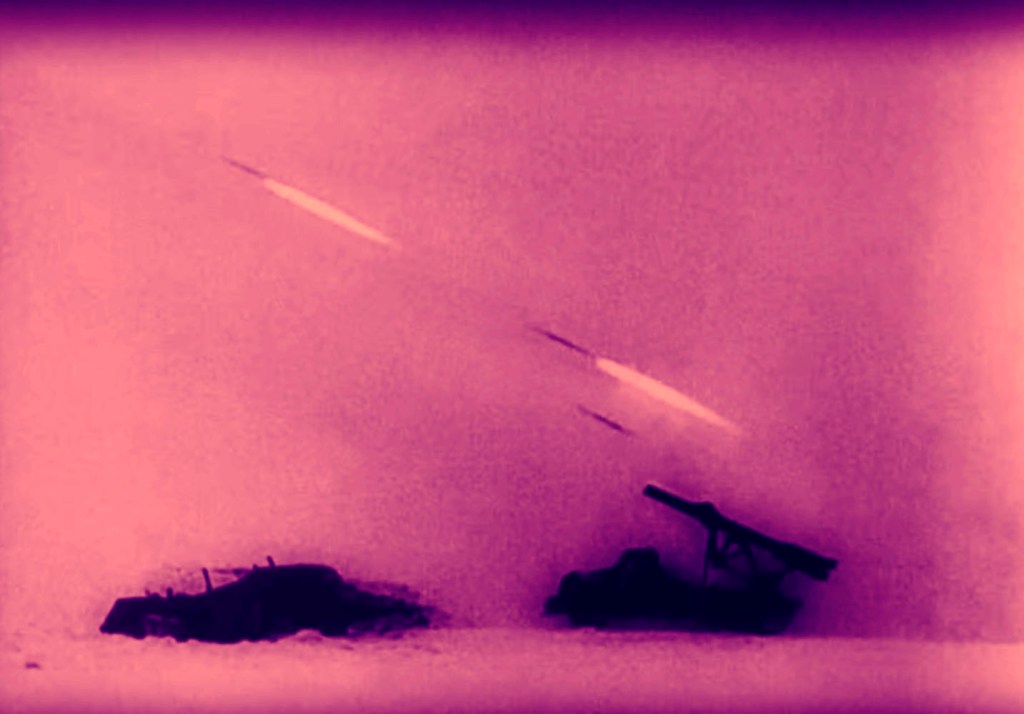
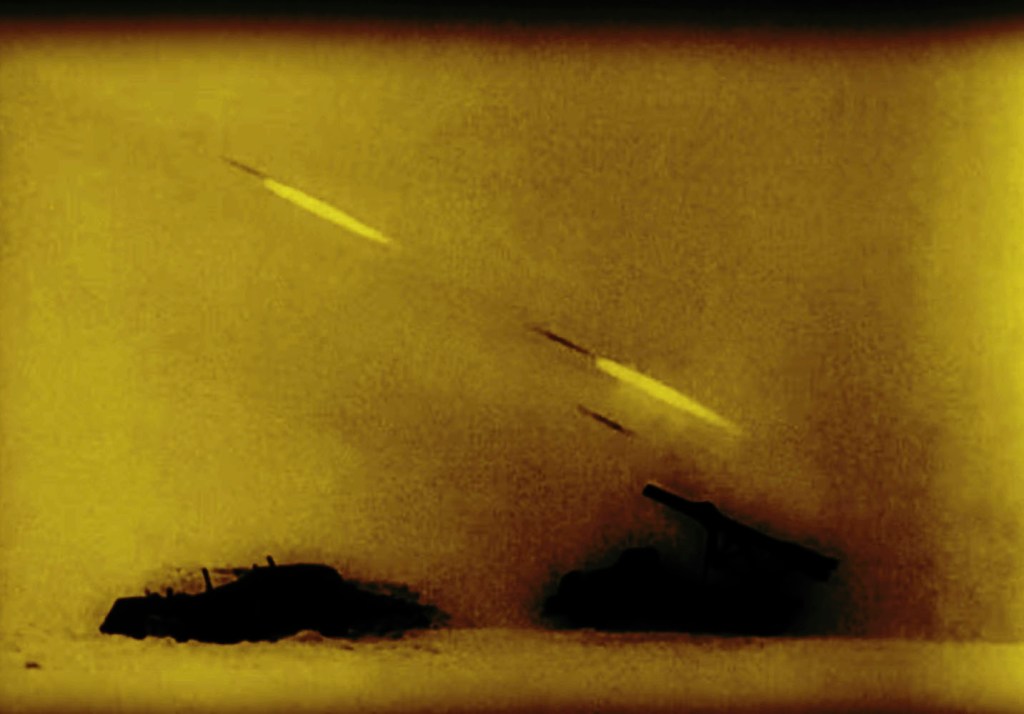
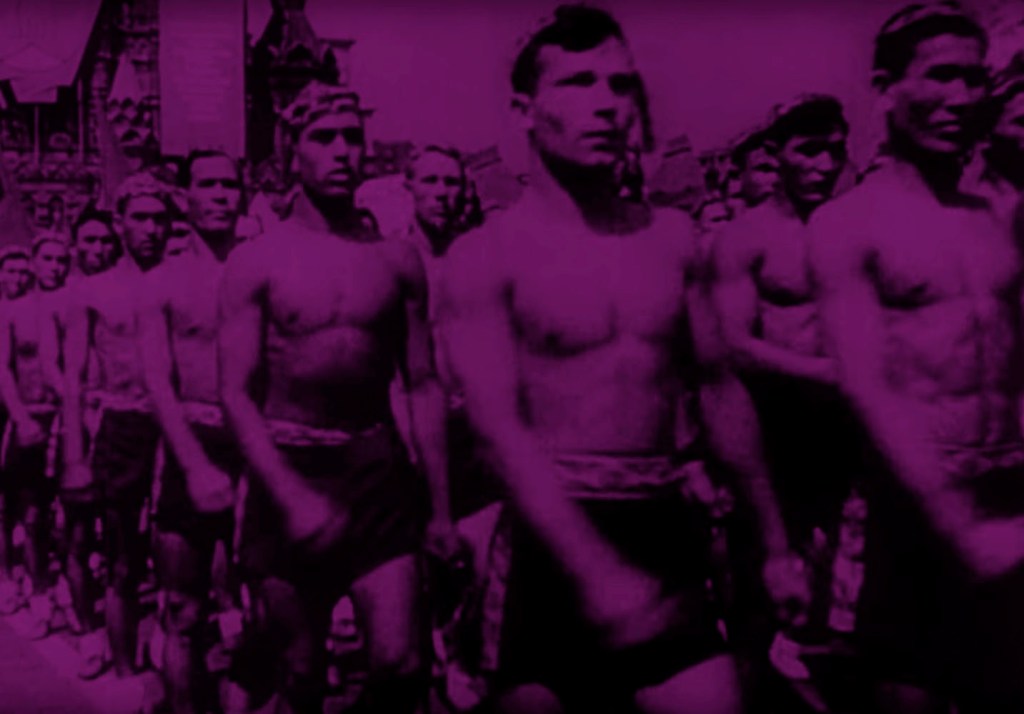
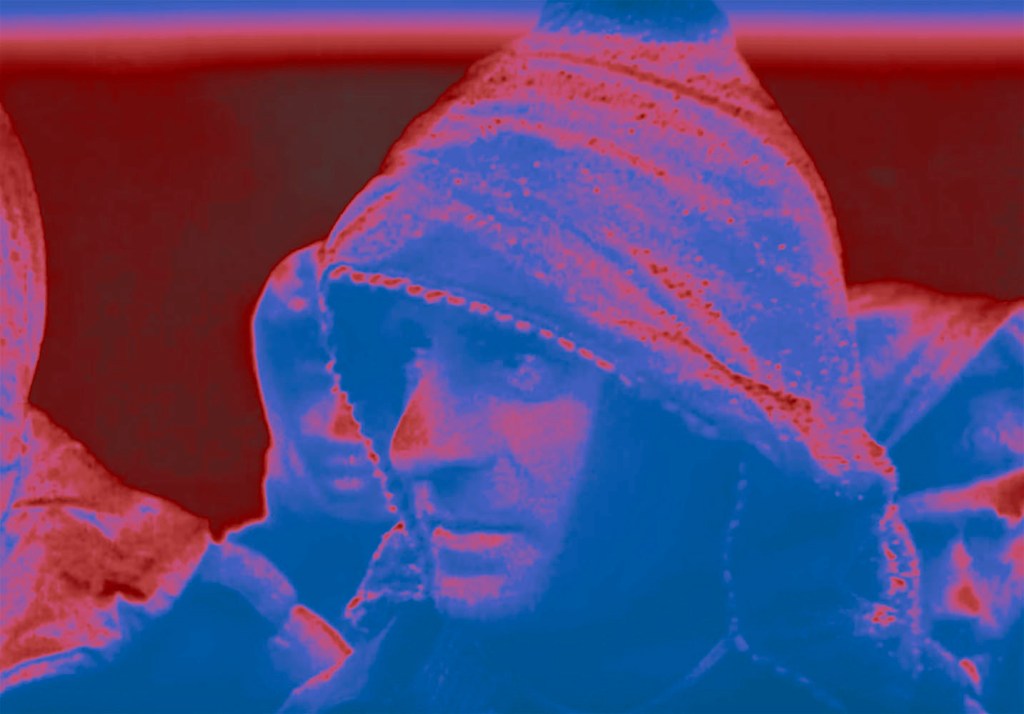
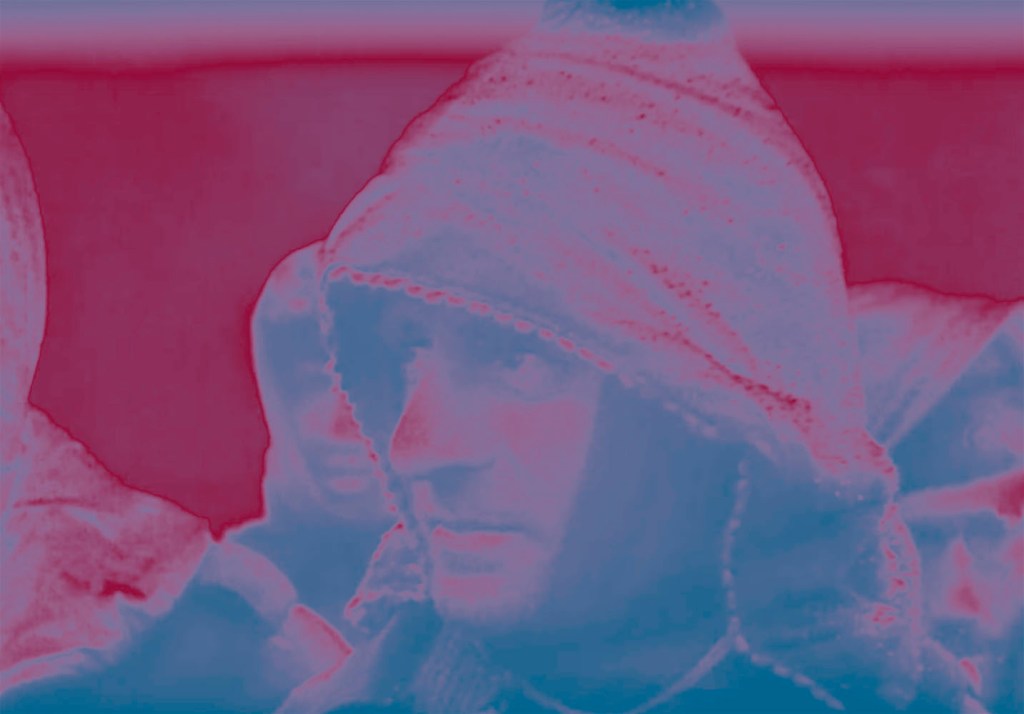
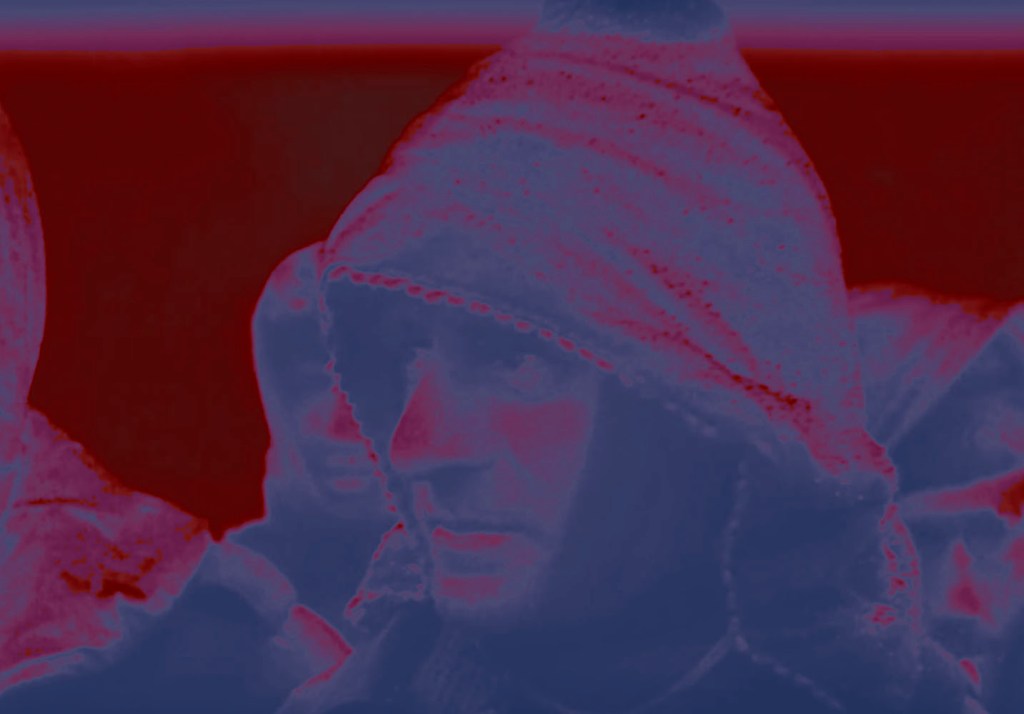
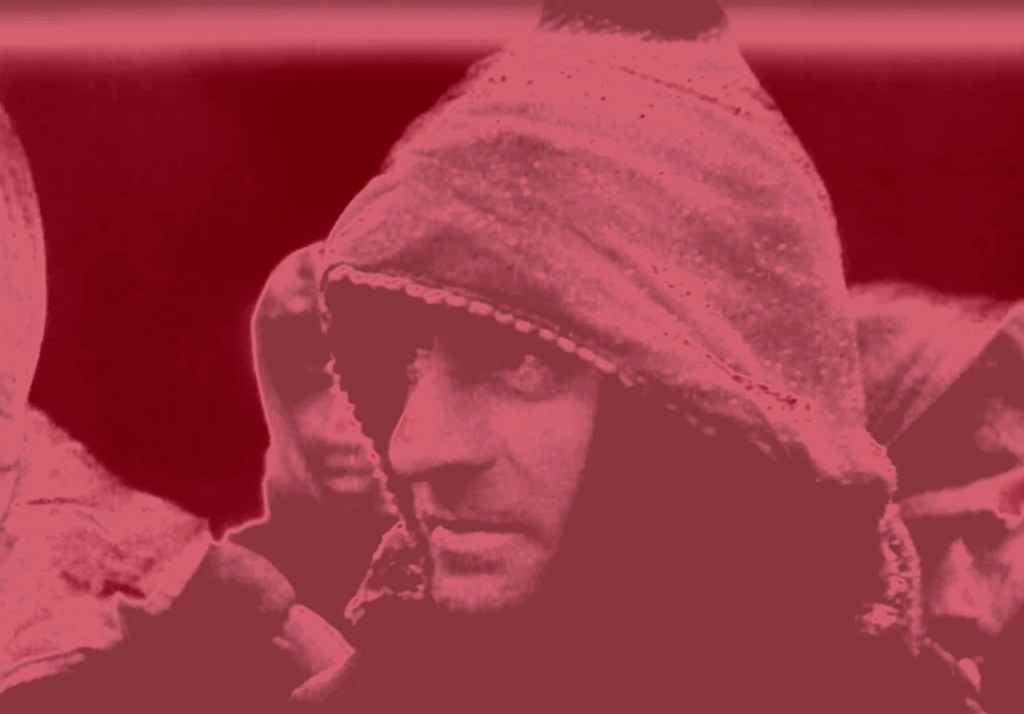
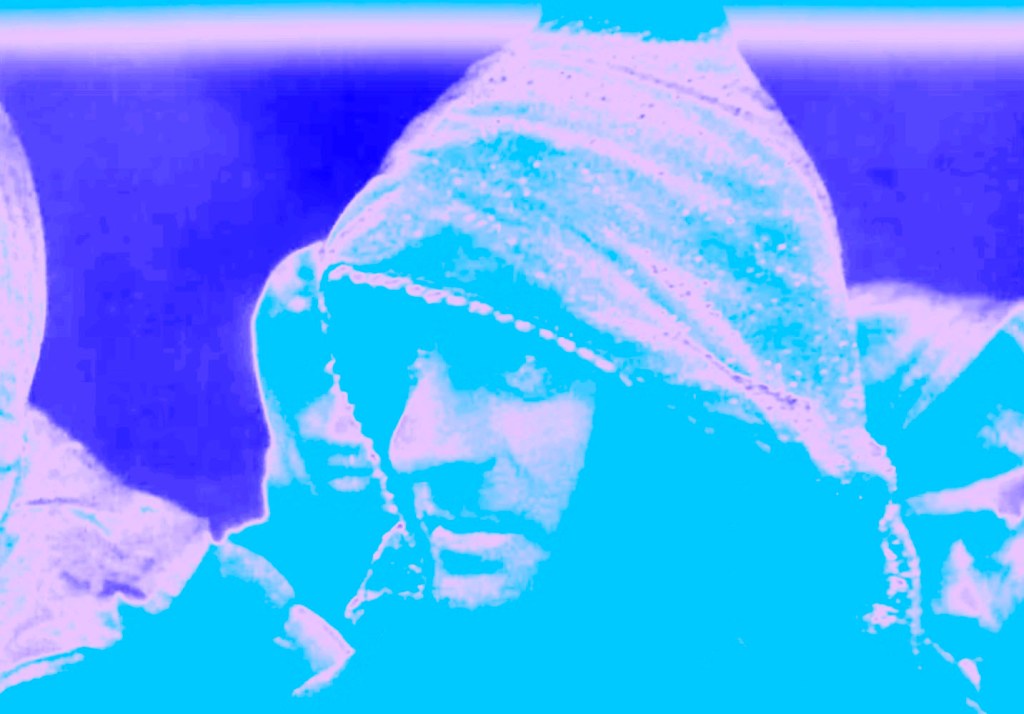
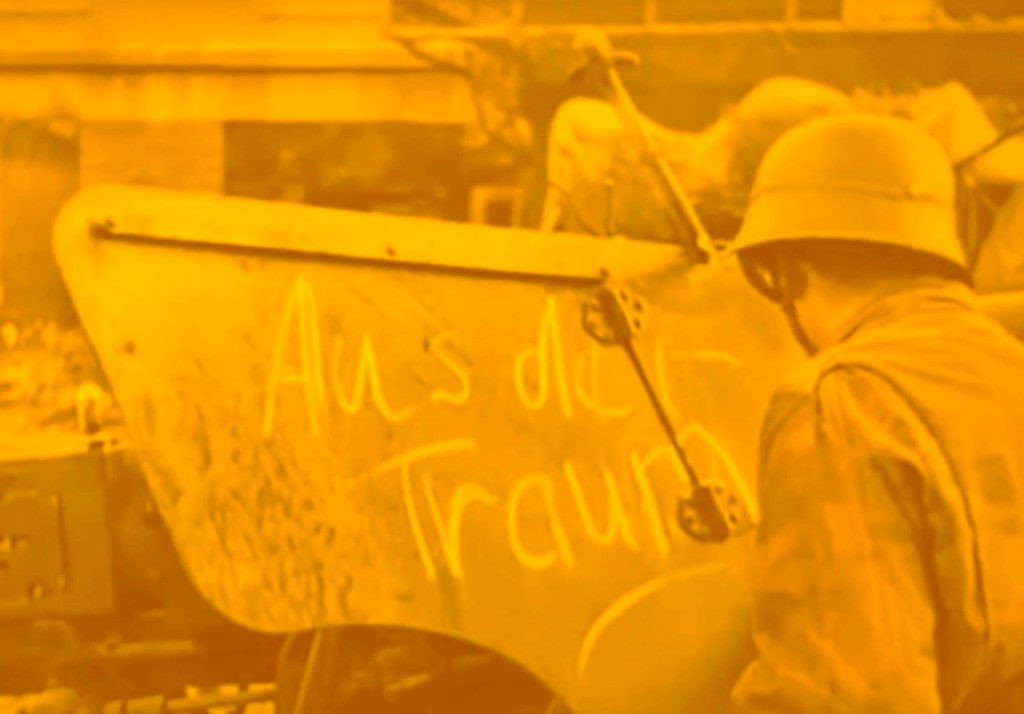
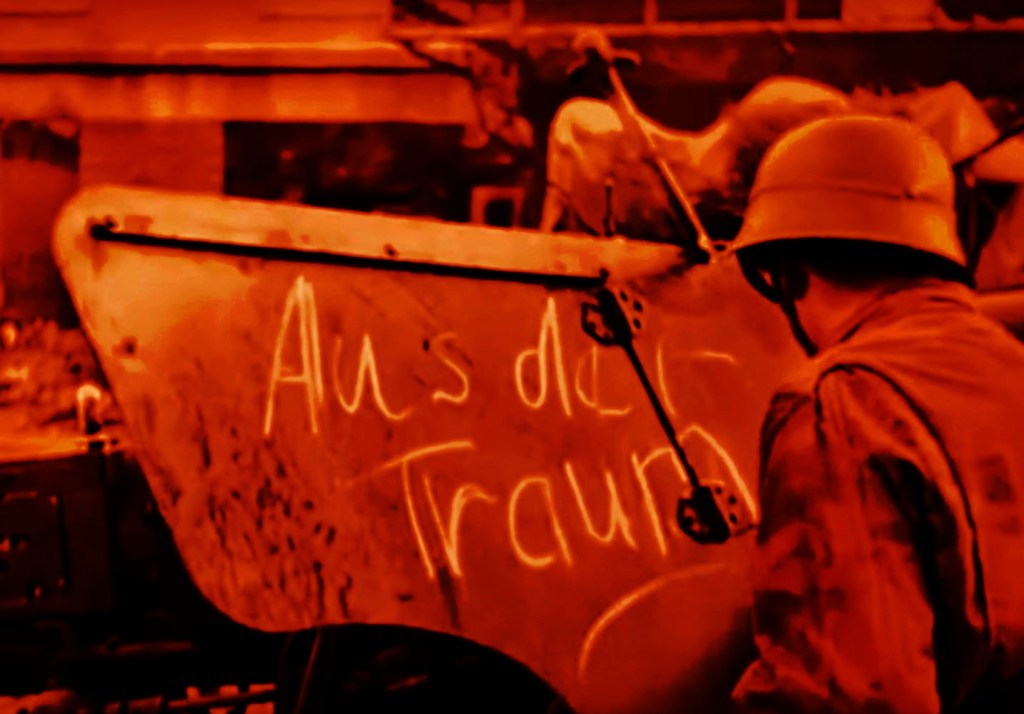
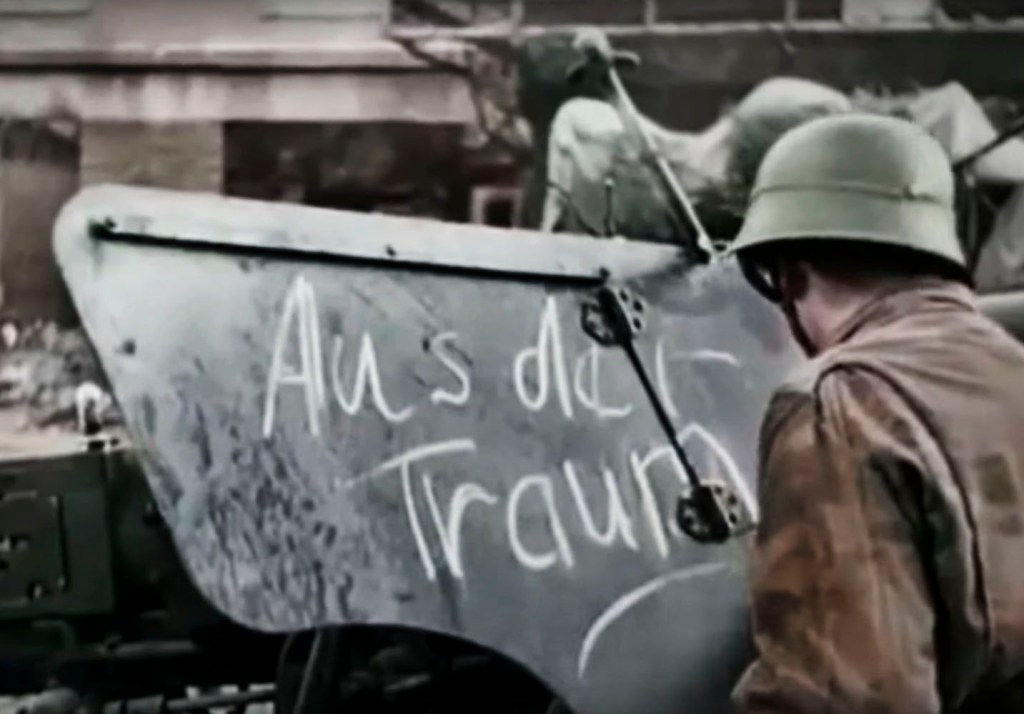
The starting point for this series was a black and white image from towards the end of the Second World War (when the Germans were obviously going to loose) of a German soldier looking at writing that has been scrawled in heavy chalk on the side of an armoured vehicle. ‘Aus der Traum’ translates as ‘From the Dream’.
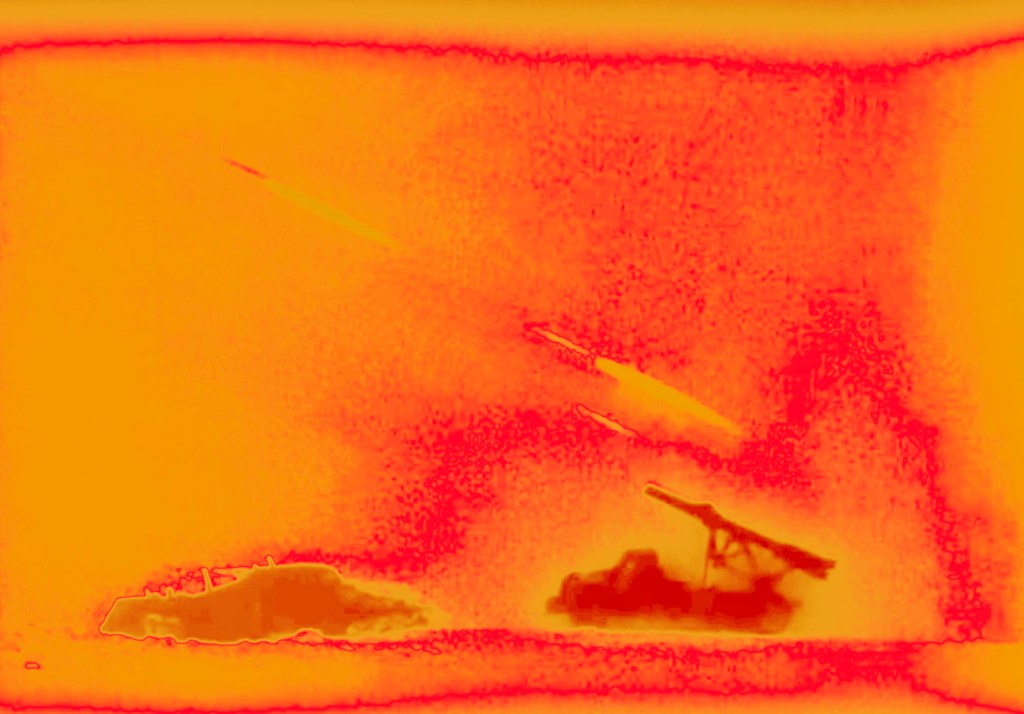
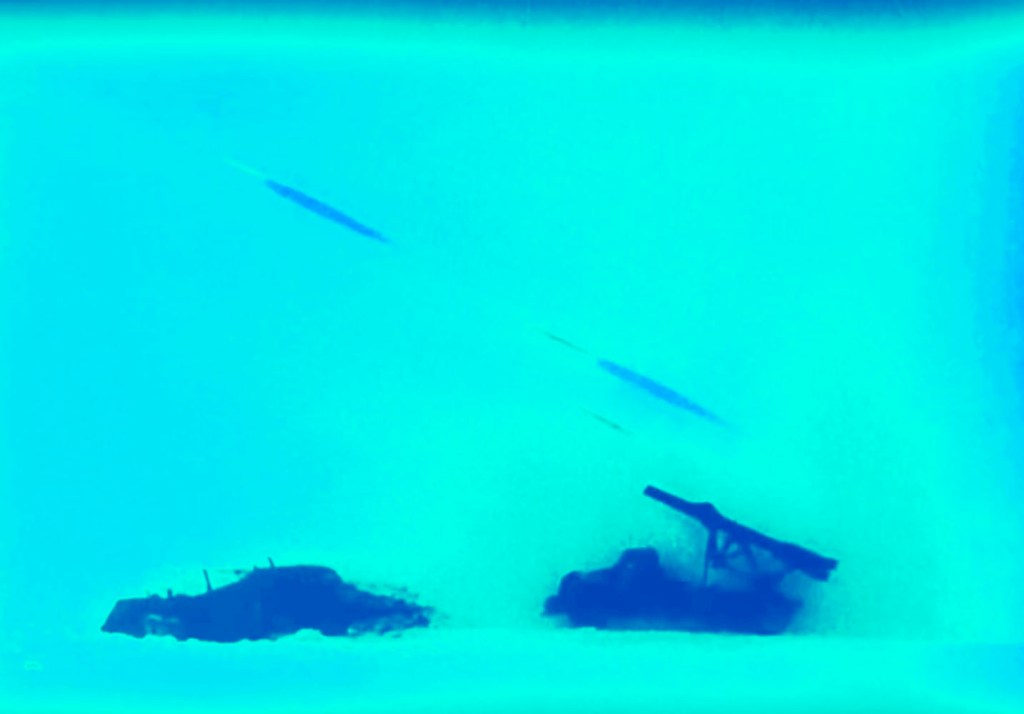
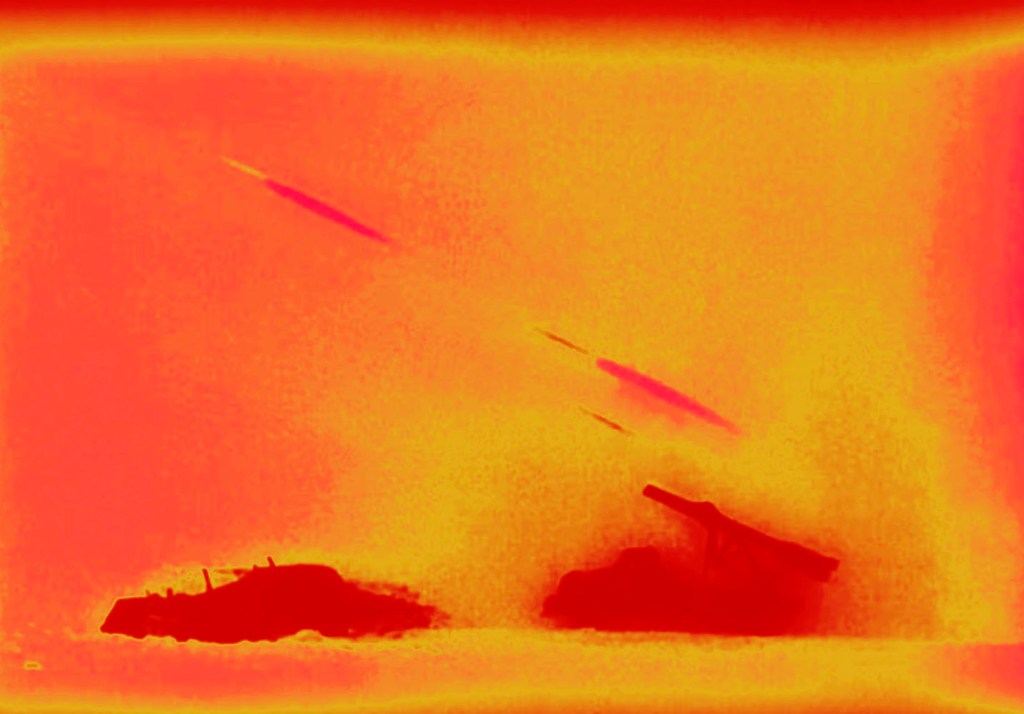
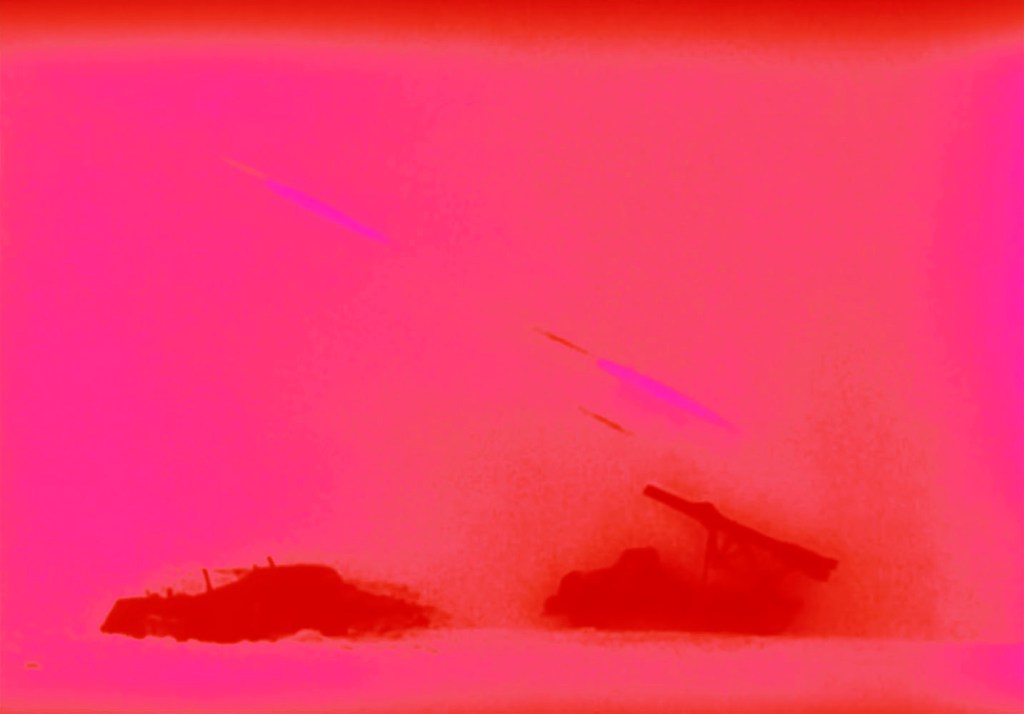
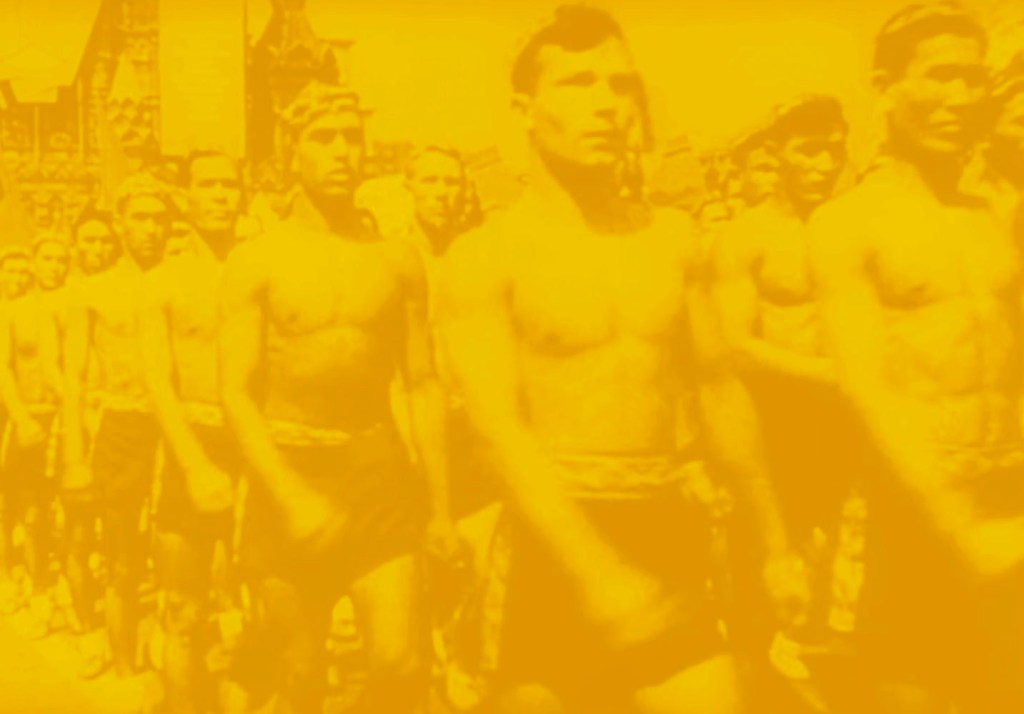
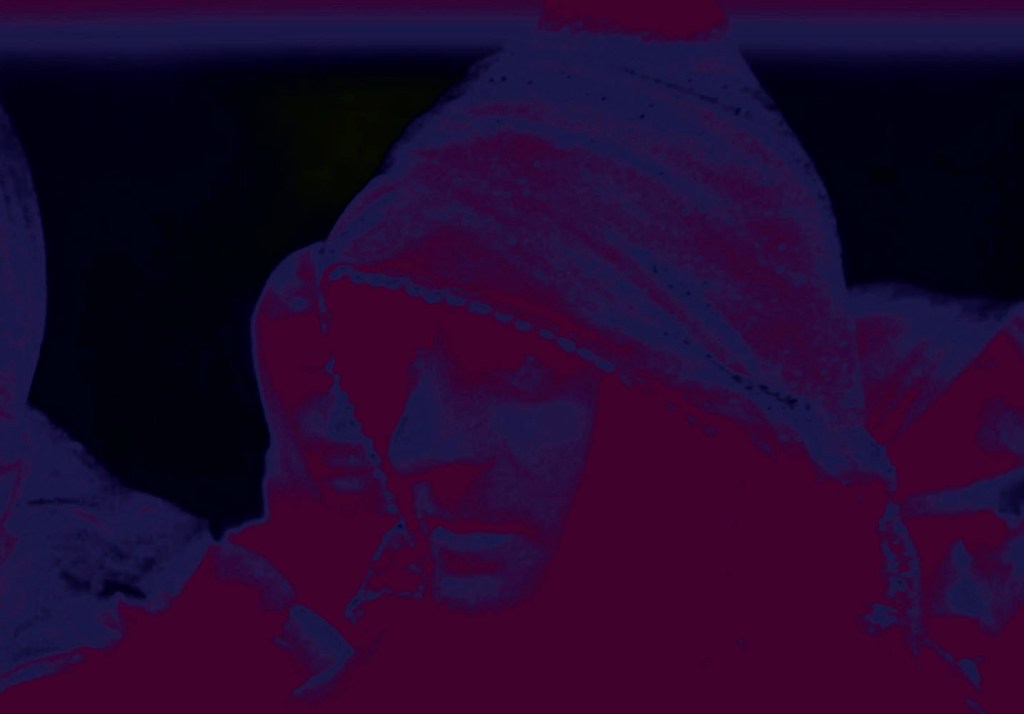
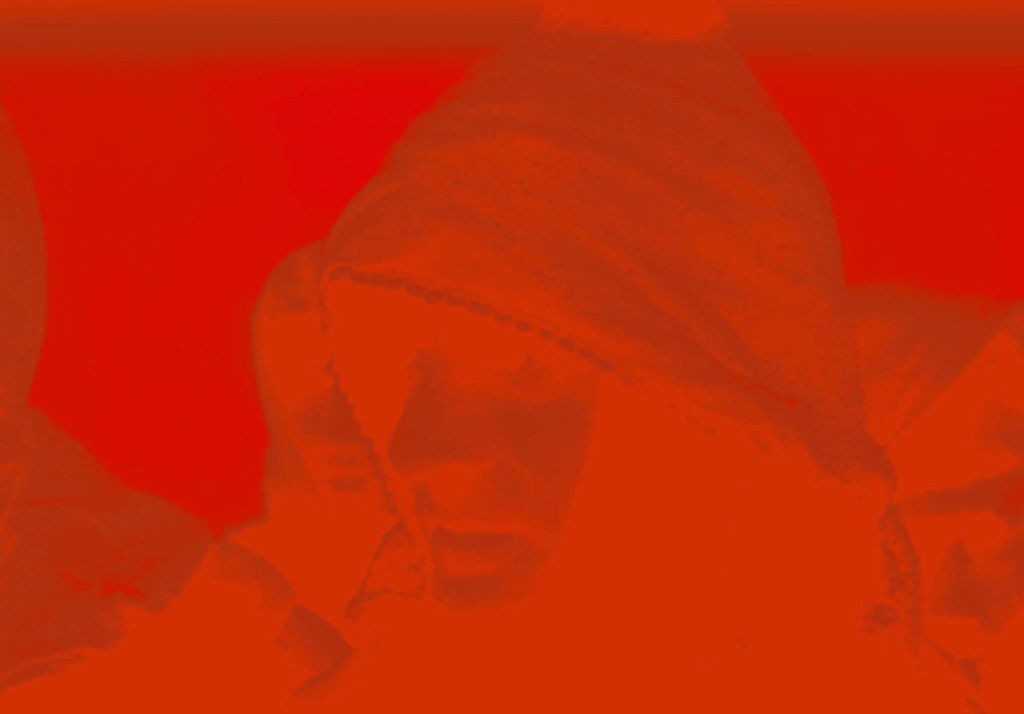
As the series developed the work, as is its want, took on a life of its own. I use the photographs of war and its effects as part hallucinogenic, technicolour dream and part exploration “… not to follow optically the ‘line of ideas’ in the text or in a picture and see only the representation proper, the surface, but to probe with the eyes the pictorial texture and even to enter the texture.”1
1/ Martin Jay. Downcast Eyes: The Denigration of Vision in Twentieth-Century French Thought. Berkley: University of California Press, 1993, p. 512.
Please click on the photographs for a larger version of the image.
Photographs are available from this series for purchase. As a guide, a digital colour 16″ x 20″ print costs $1,000 plus tracked and insured shipping. For more information please see the Store web page.
Marcus Bunyan (Australian, b. 1958) Tobacco From the series Aus der Traum (From the Dream) 2023 Digital photograph
Marcus Bunyan (Australian, b. 1958) City (destruction) From the series Aus der Traum (From the Dream) 2023 Digital photograph
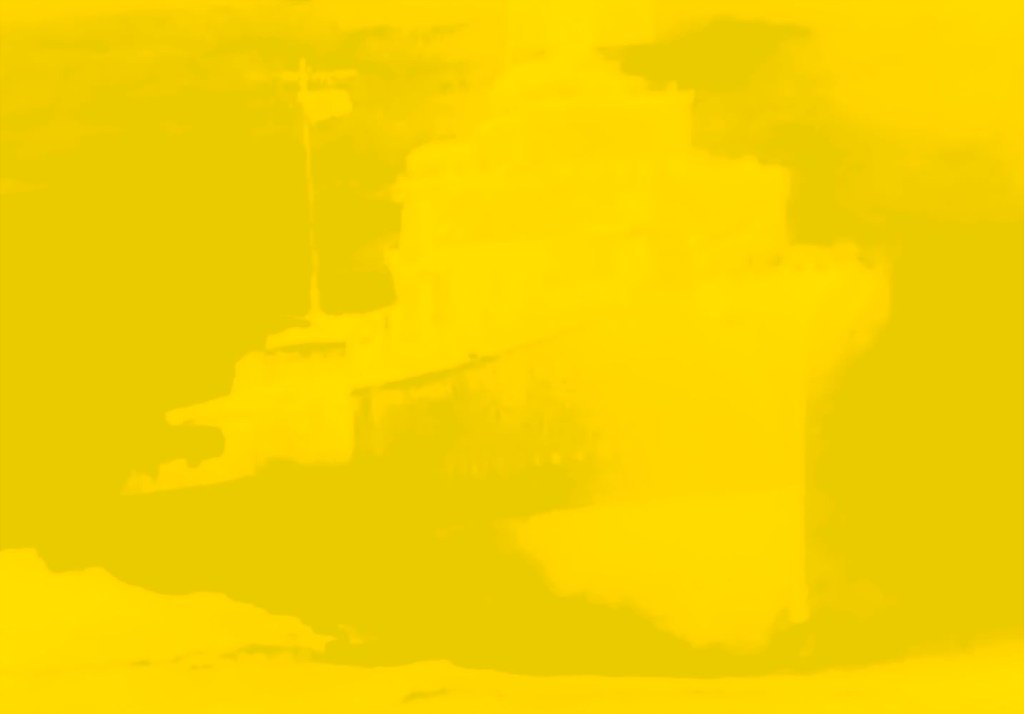
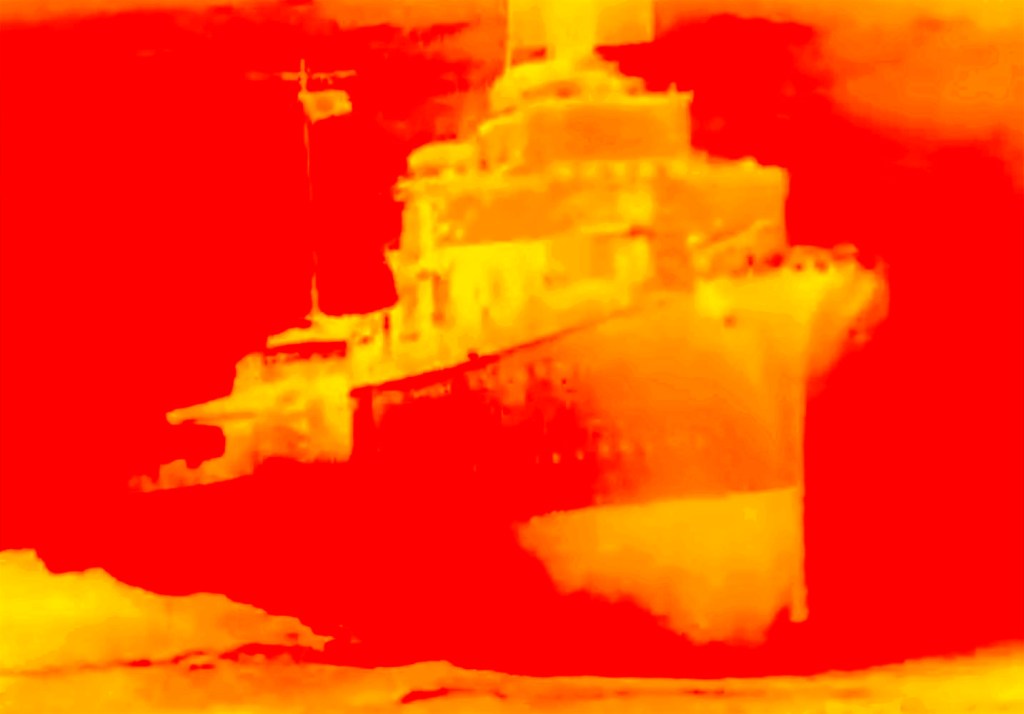
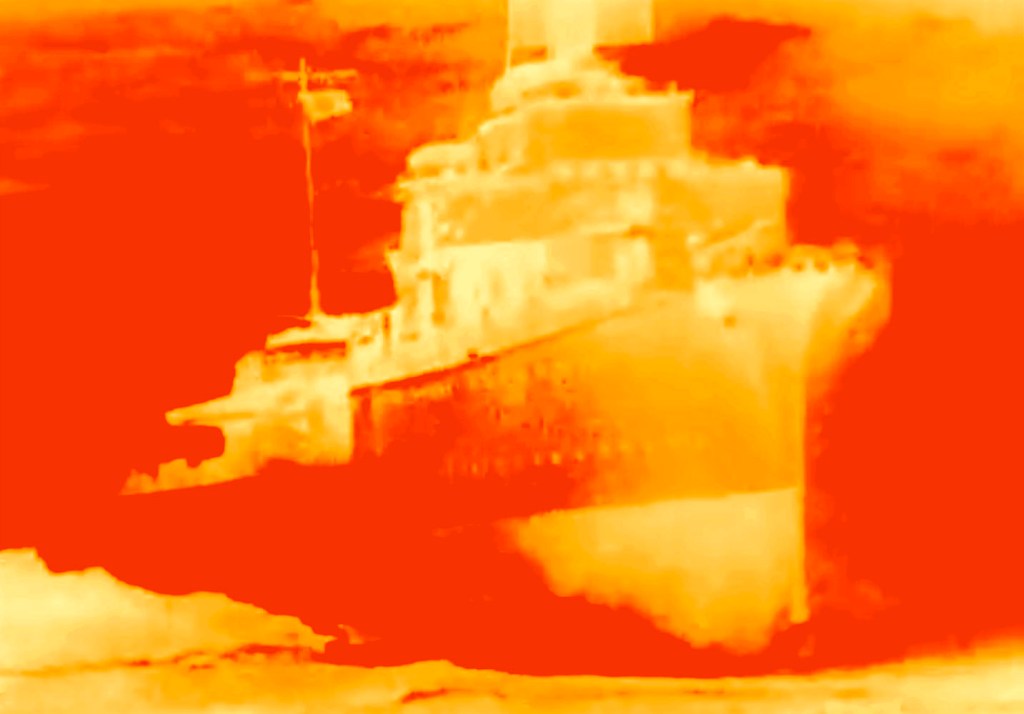
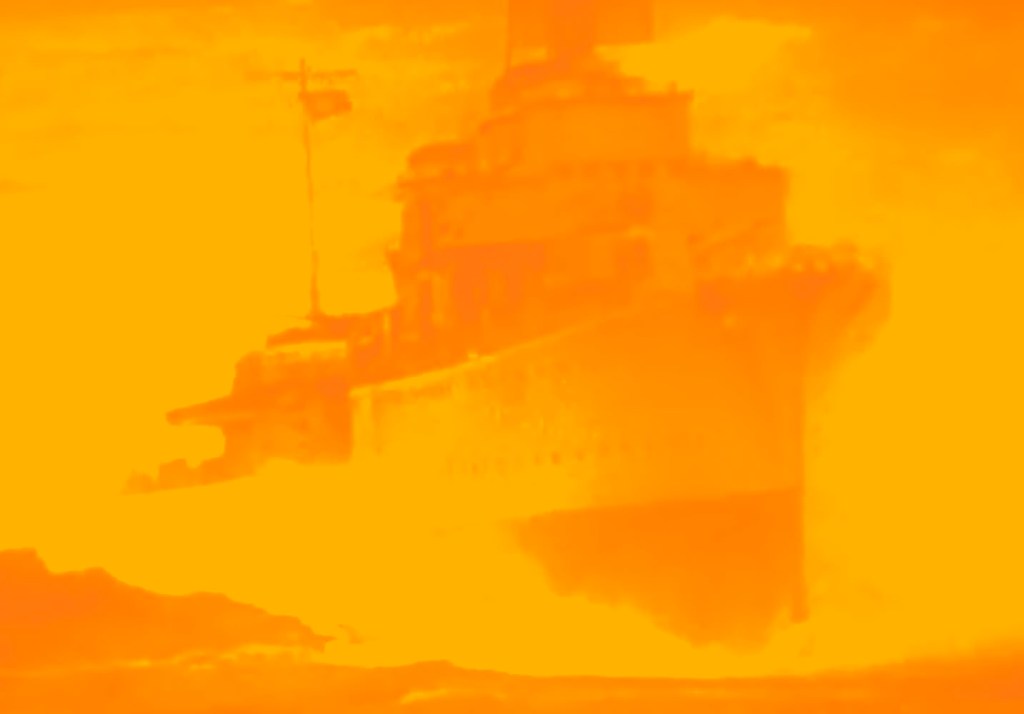
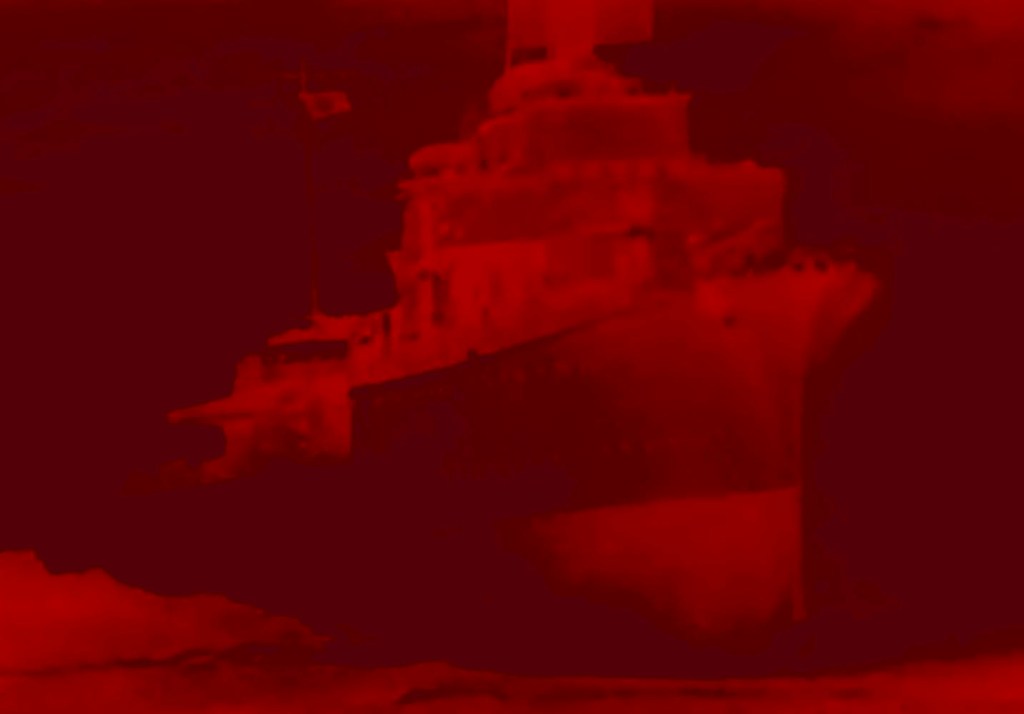
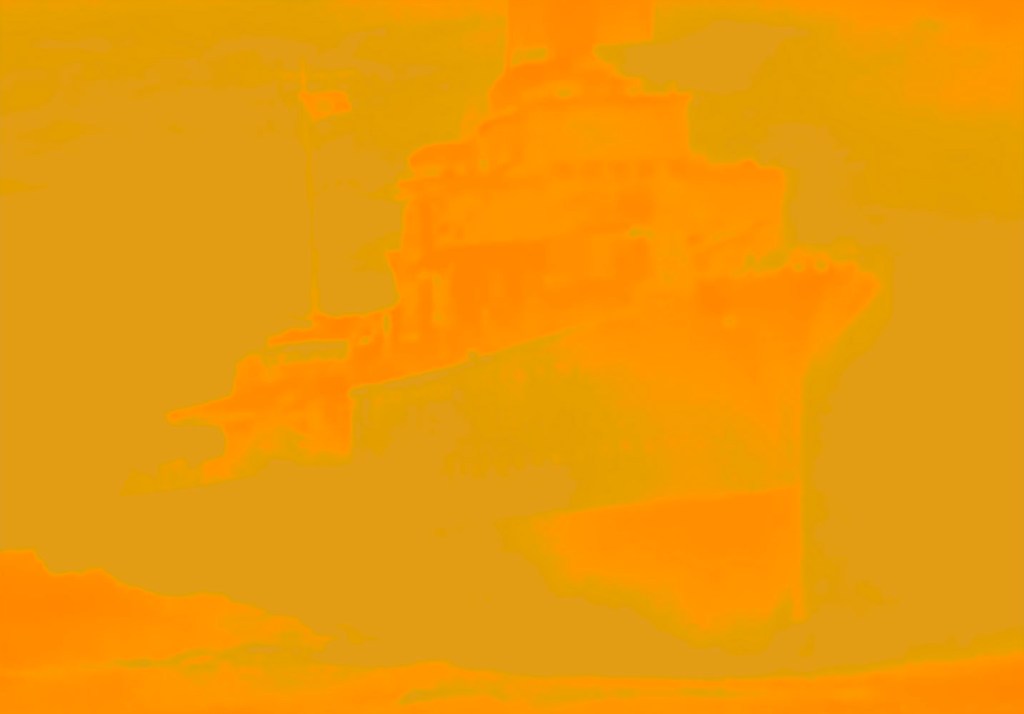
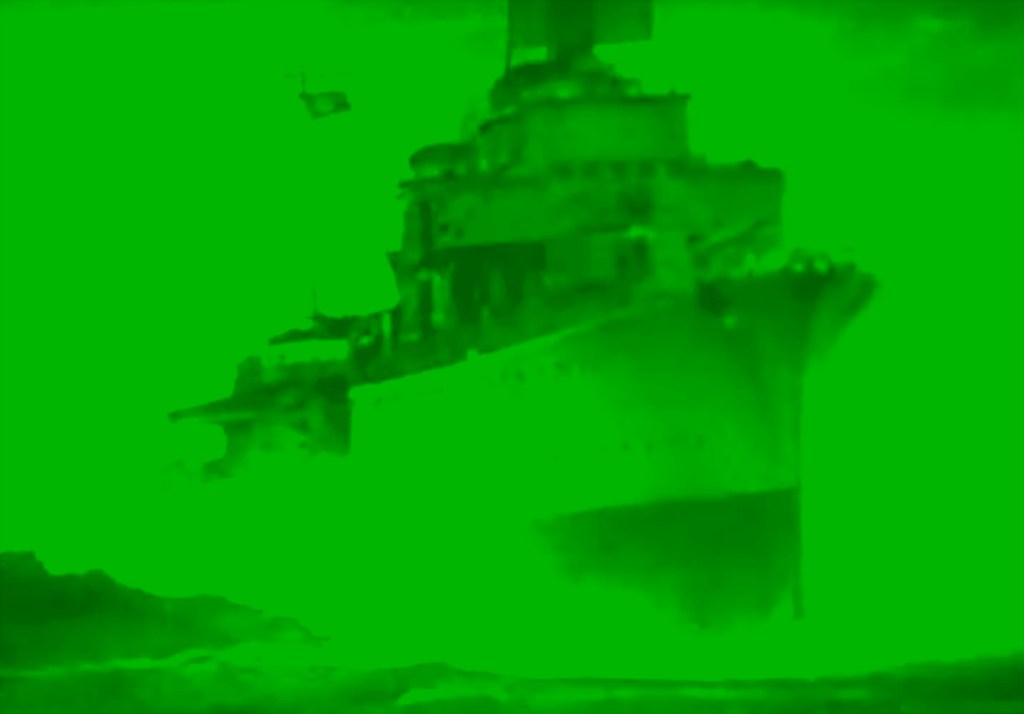
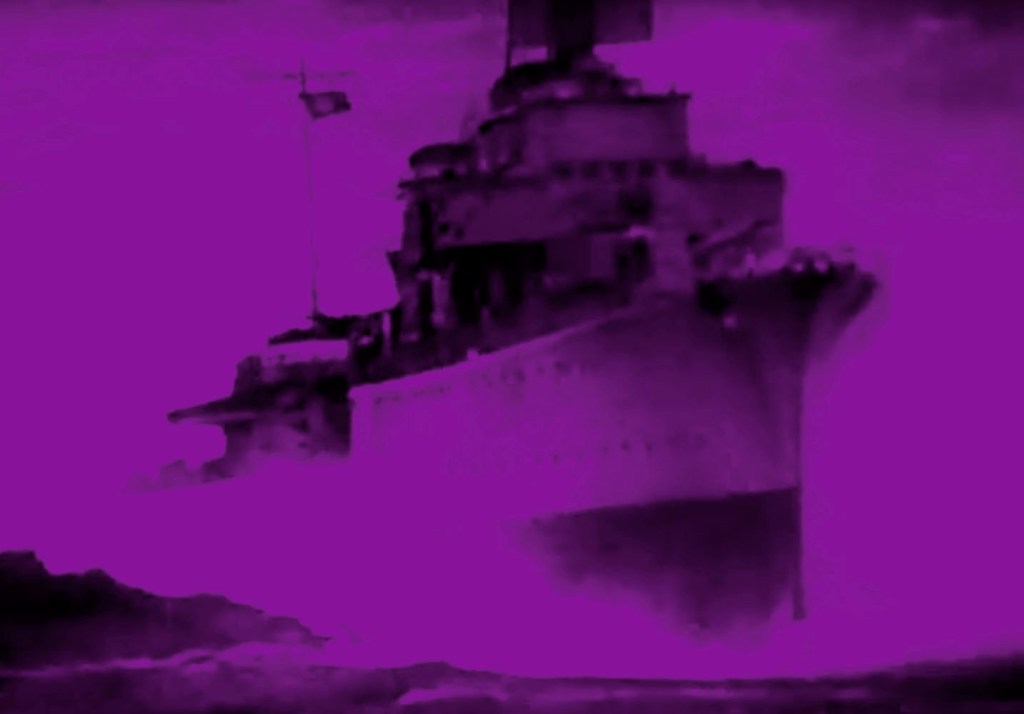
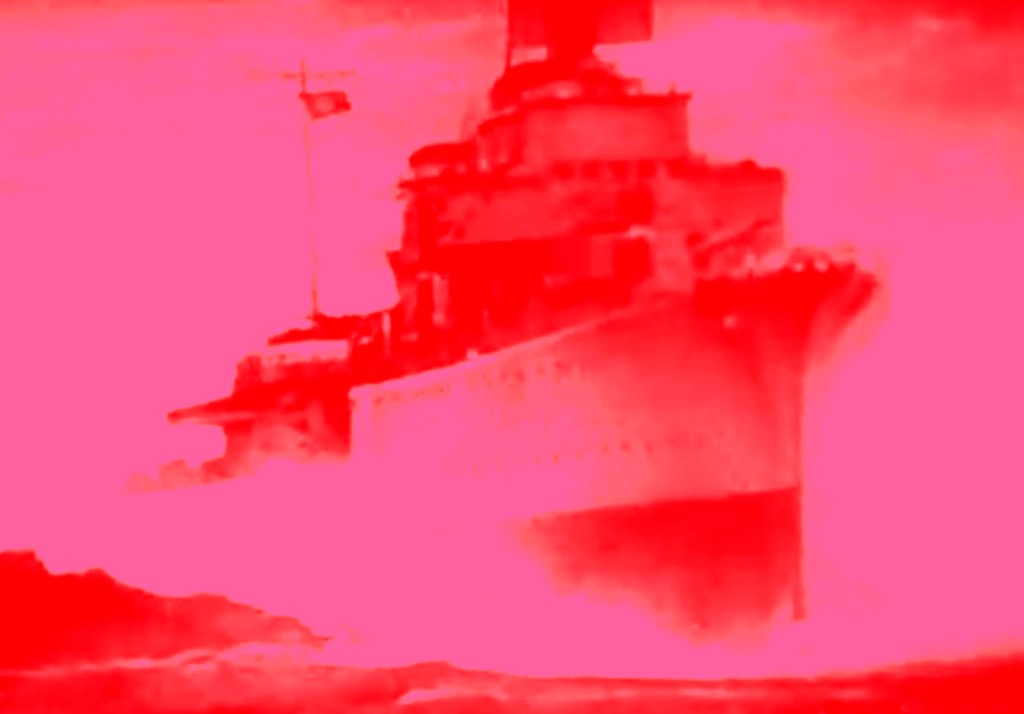
Marcus Bunyan (Australian, b. 1958) Destroyer From the series Aus der Traum (From the Dream) 2023 Digital photograph
Marcus Bunyan (Australian, b. 1958) Emanation From the series Aus der Traum (From the Dream) 2023 Digital photograph
Marcus Bunyan (Australian, b. 1958) Flick From the series Aus der Traum (From the Dream) 2023 Digital photograph
Marcus Bunyan (Australian, b. 1958) Goggles From the series Aus der Traum (From the Dream) 2023 Digital photograph
Marcus Bunyan (Australian, b. 1958) Gun From the series Aus der Traum (From the Dream) 2023 Digital photograph
Marcus Bunyan (Australian, b. 1958) Helmet From the series Aus der Traum (From the Dream) 2023 Digital photograph
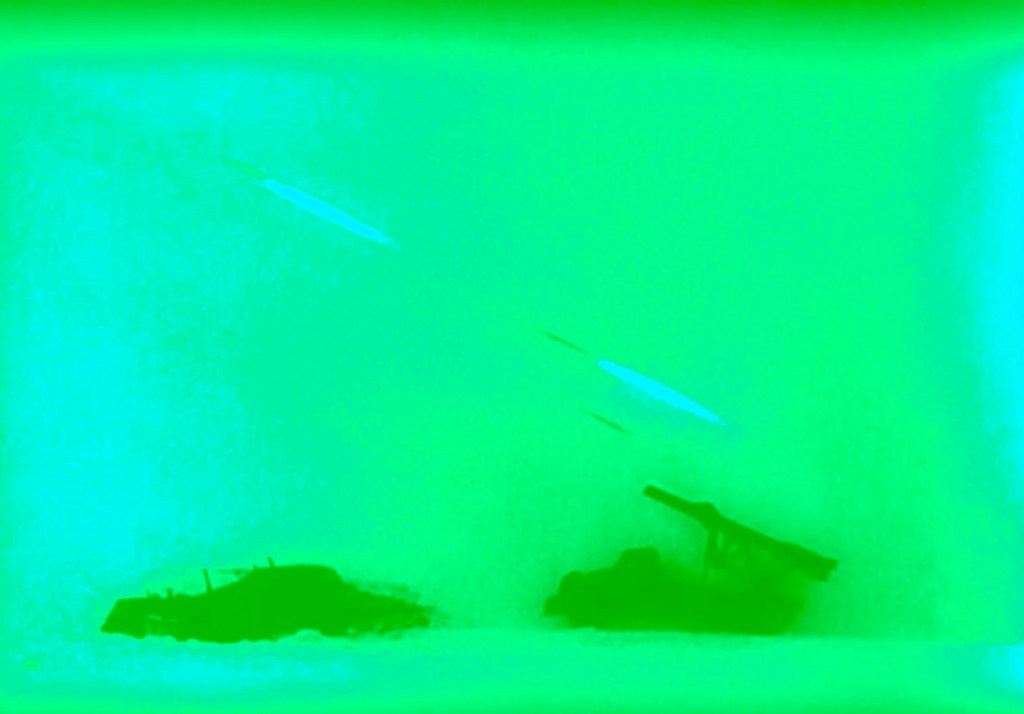
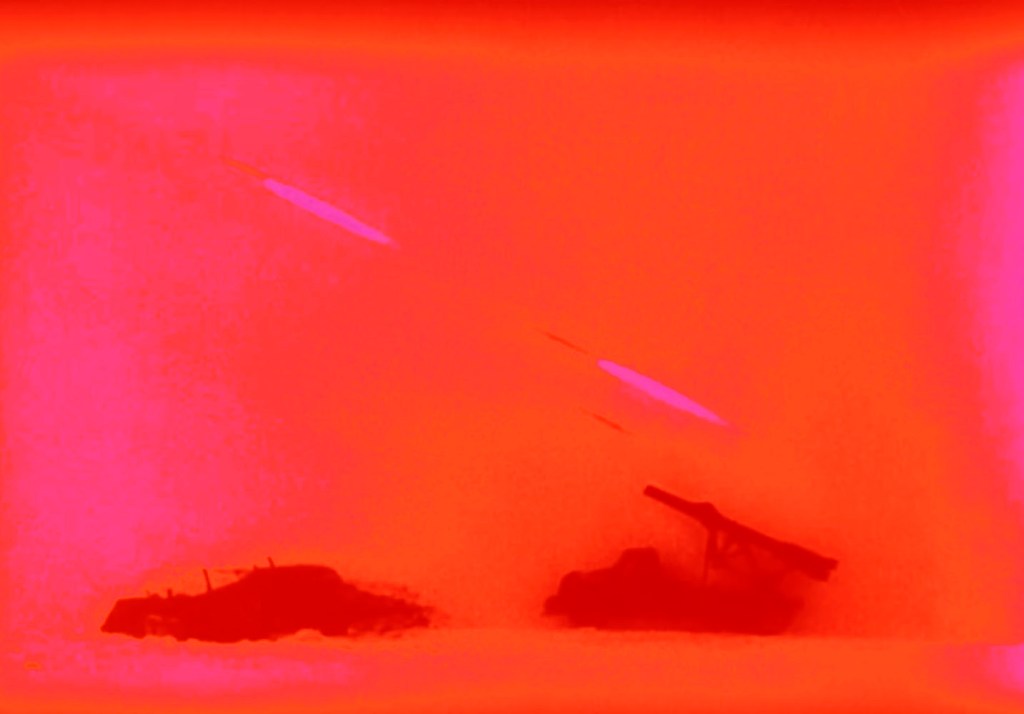
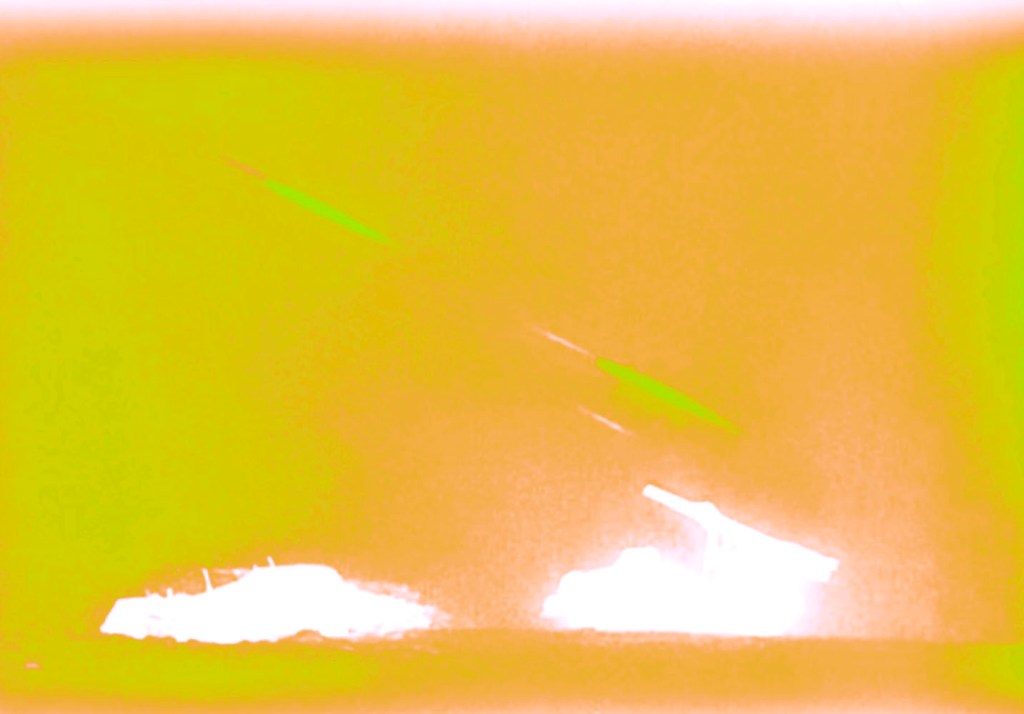
Marcus Bunyan (Australian, b. 1958) Katyusha From the series Aus der Traum (From the Dream) 2023 Digital photograph
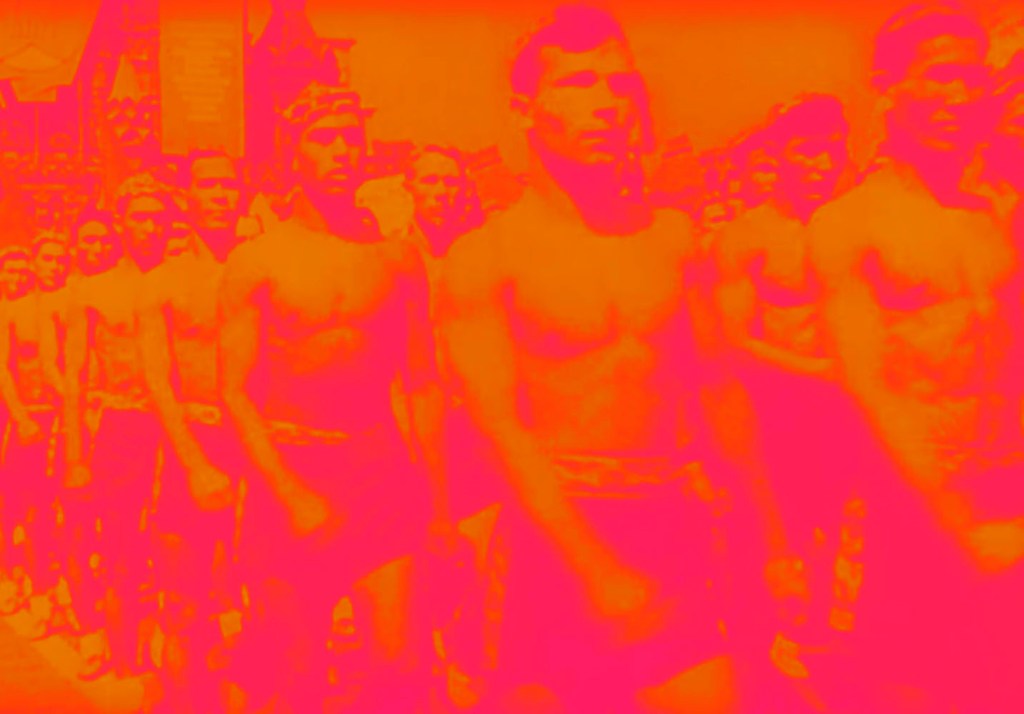
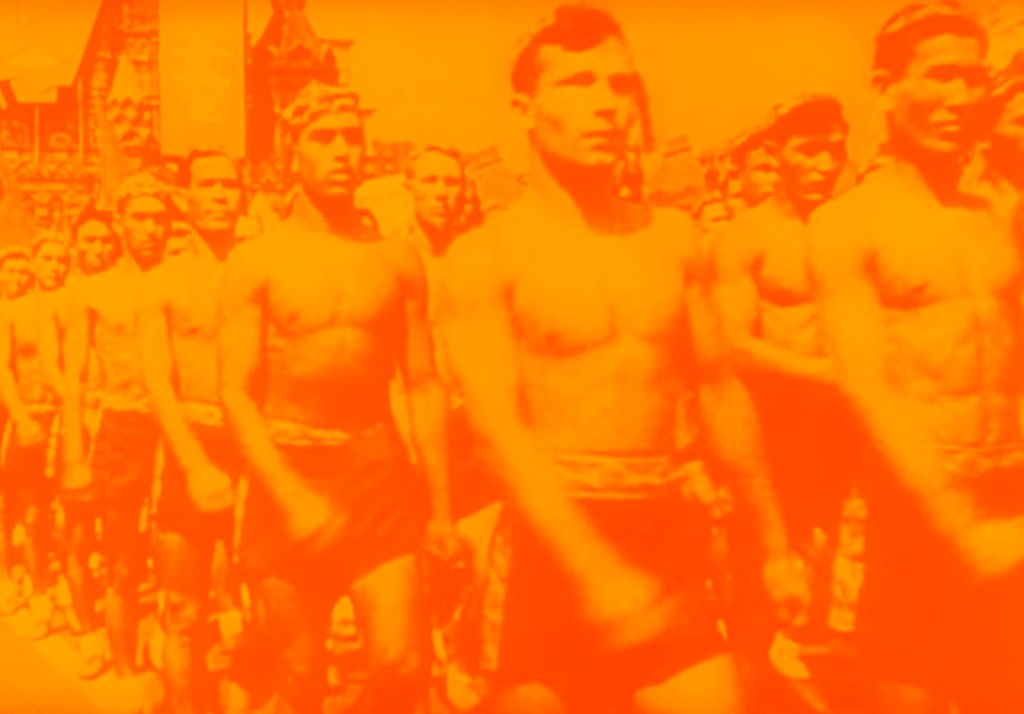
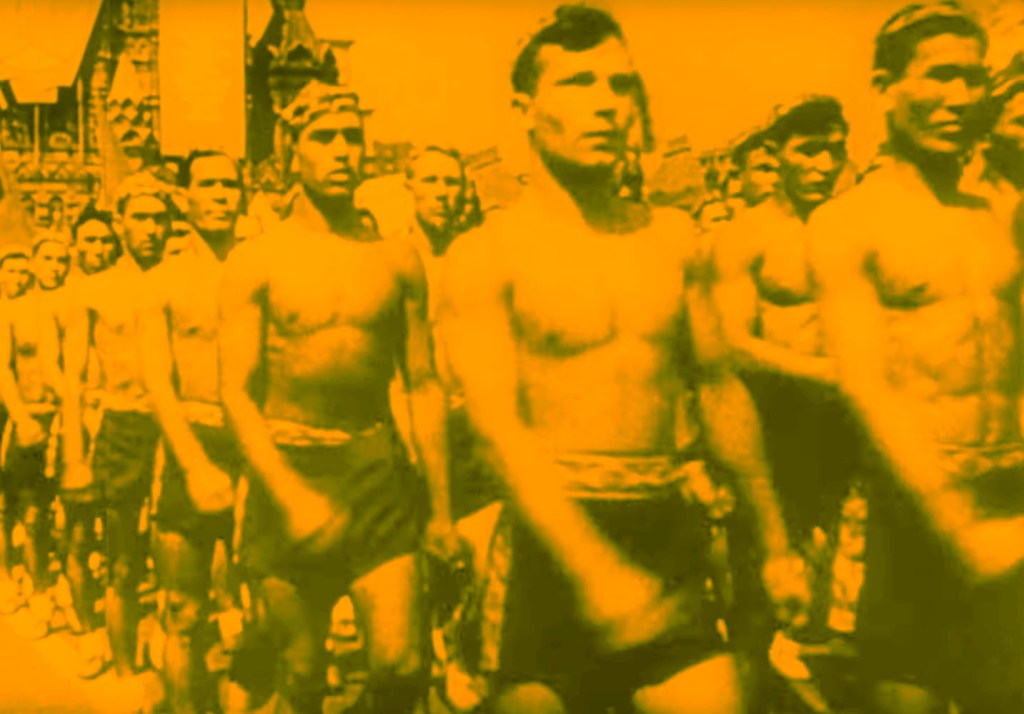
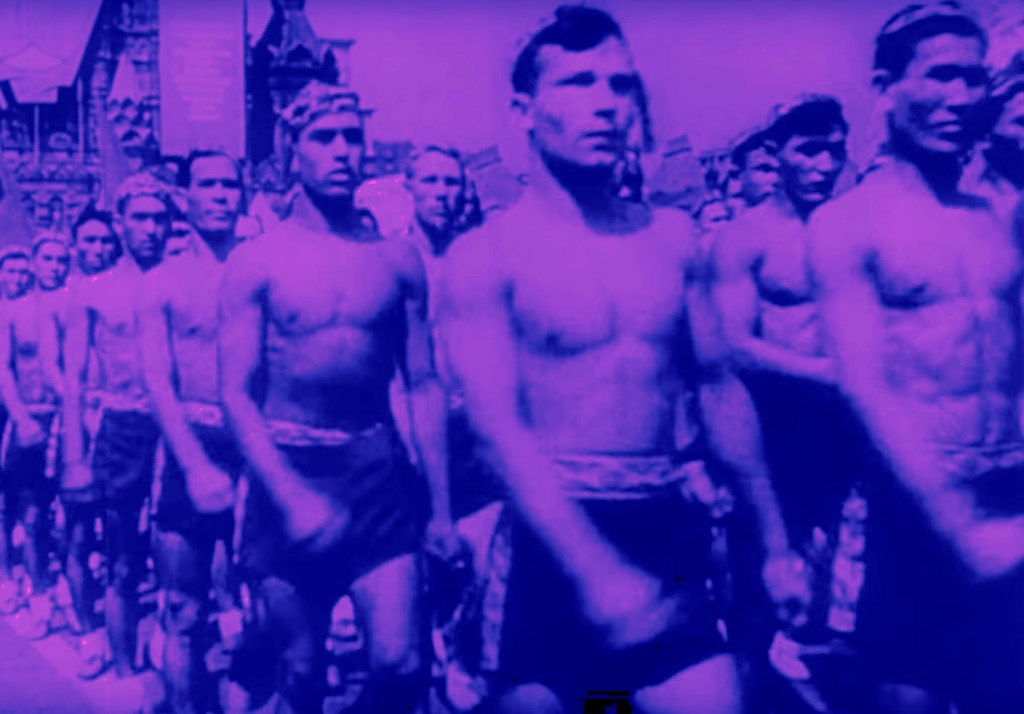
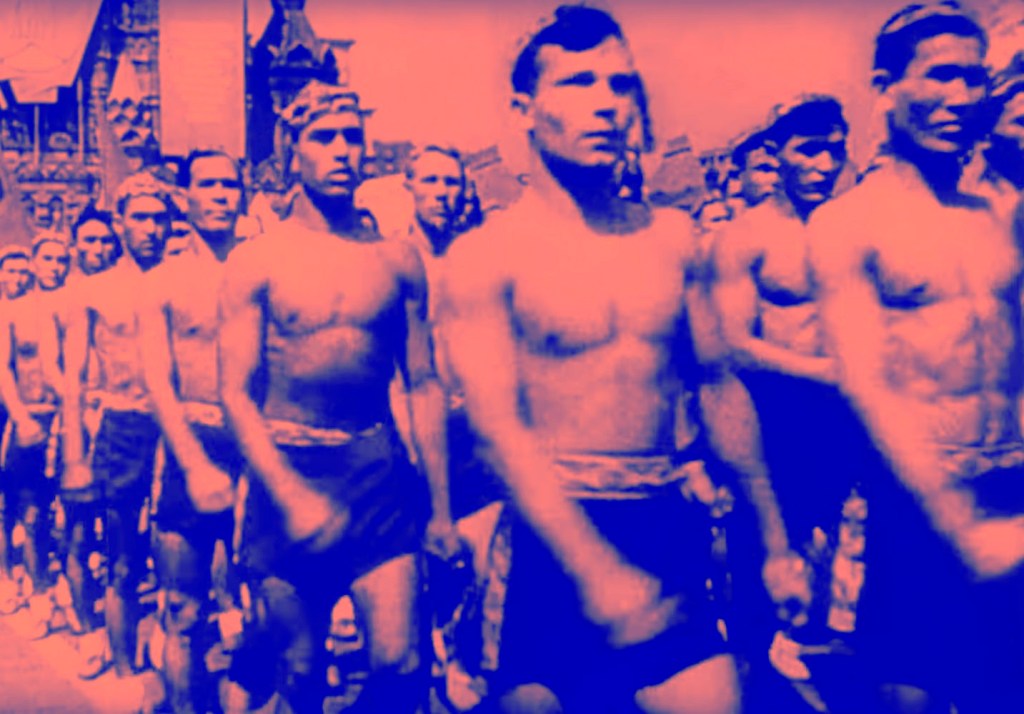
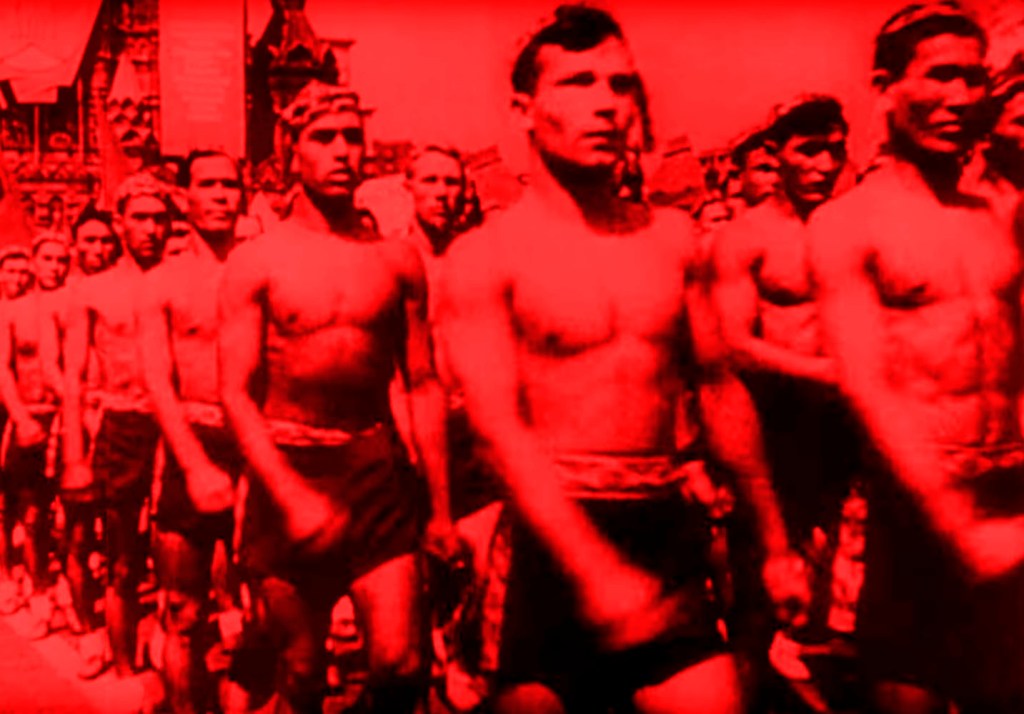
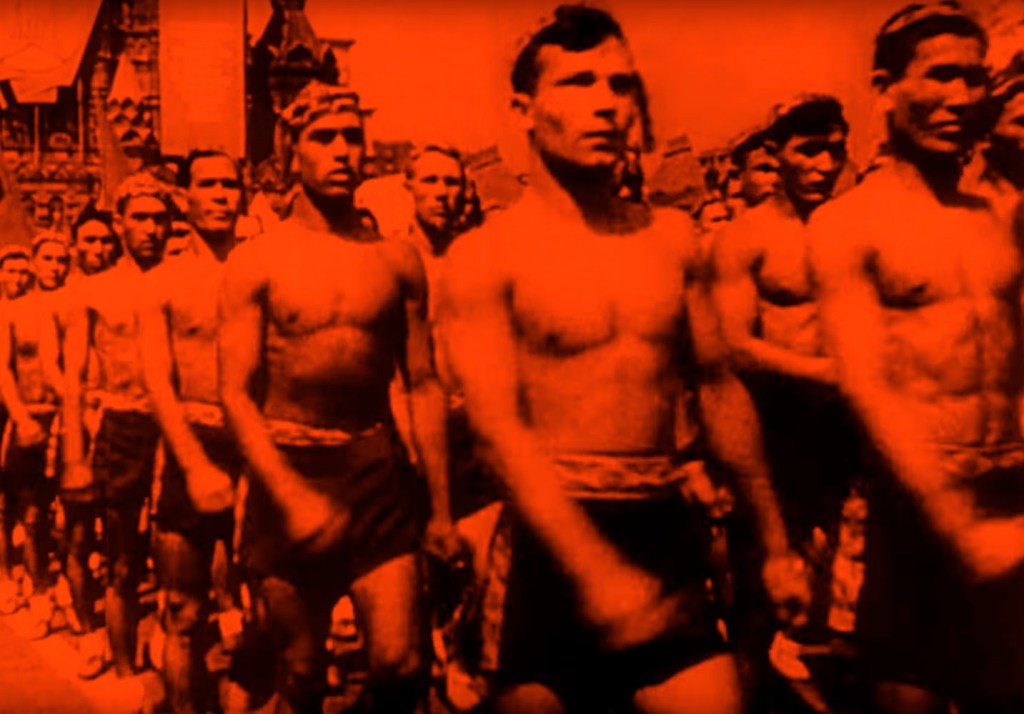
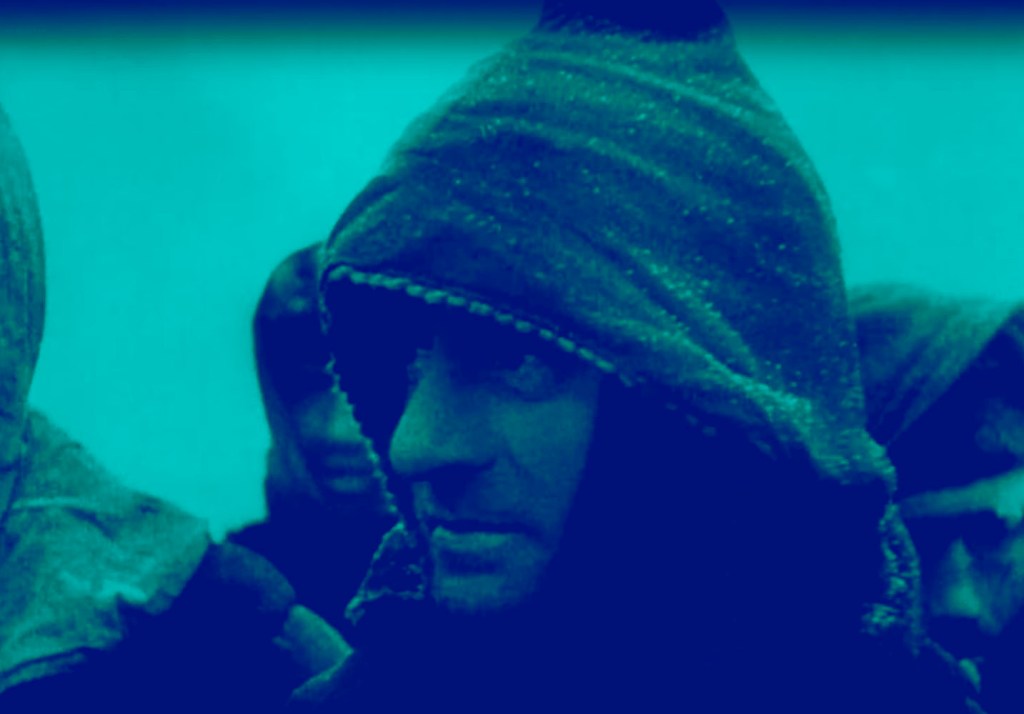
Marcus Bunyan (Australian, b. 1958) Men From the series Aus der Traum (From the Dream) 2023 Digital photograph
Marcus Bunyan (Australian, b. 1958) Prisoner From the series Aus der Traum (From the Dream) 2023 Digital photograph
Marcus Bunyan (Australian, b. 1958) Aus der Traum From the series Aus der Traum (From the Dream) 2023 Digital photograph
Marcus Bunyan (Australian, b. 1958) Trees From the series Aus der Traum (From the Dream) 2023 Digital photograph
Marcus Bunyan (Australian, b. 1958) Water From the series Aus der Traum (From the Dream) 2023 Digital photograph
There was hardly standing room at the opening of Beyond Eden: Polixeni Papapetrou at Monash Gallery of Art, Melbourne. As for car parking, I had to park the car on the grass out the back of the gallery it was so full. Inside, it was great to see Poli and the appreciative crowd really enjoyed her work.
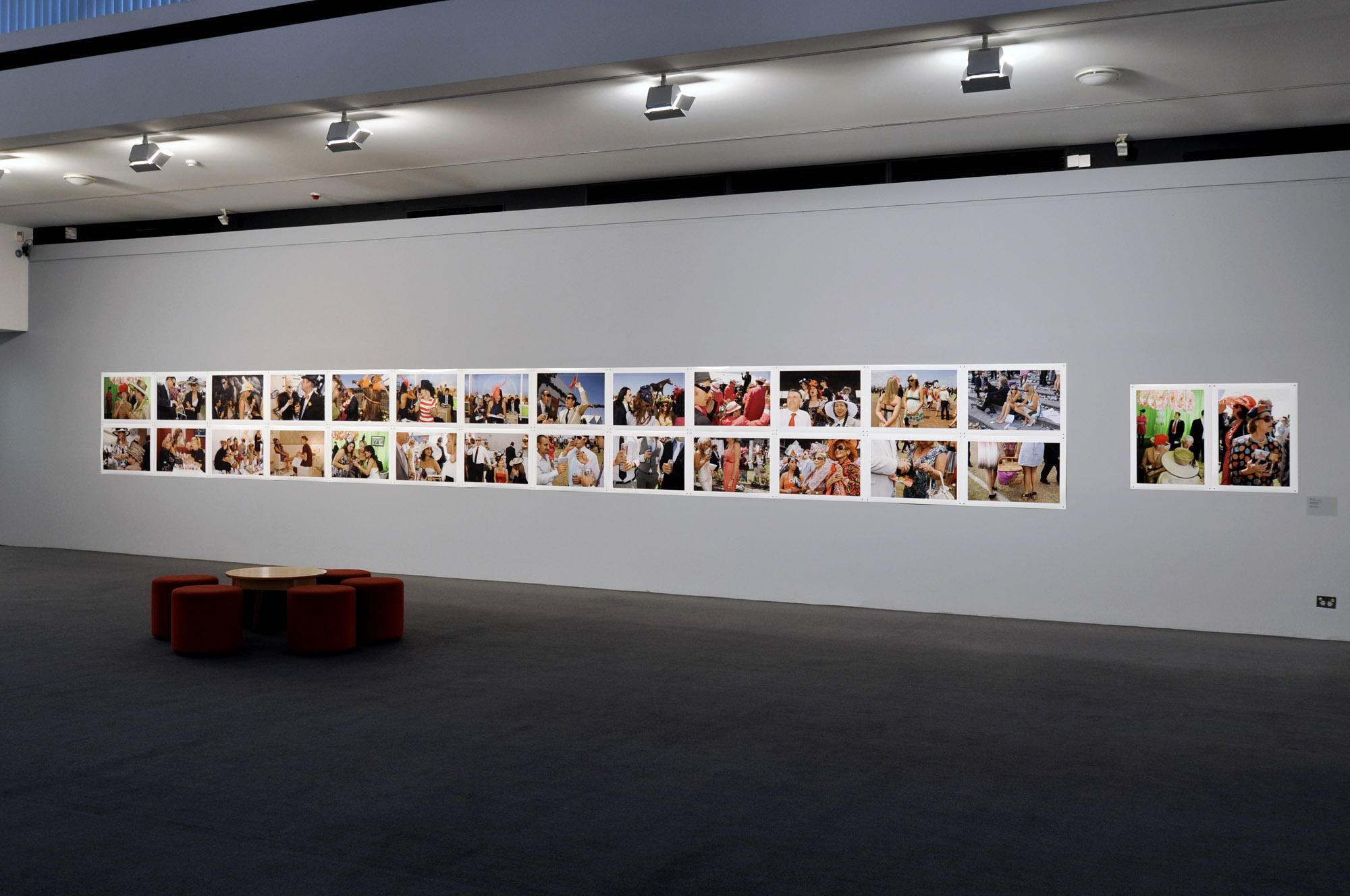
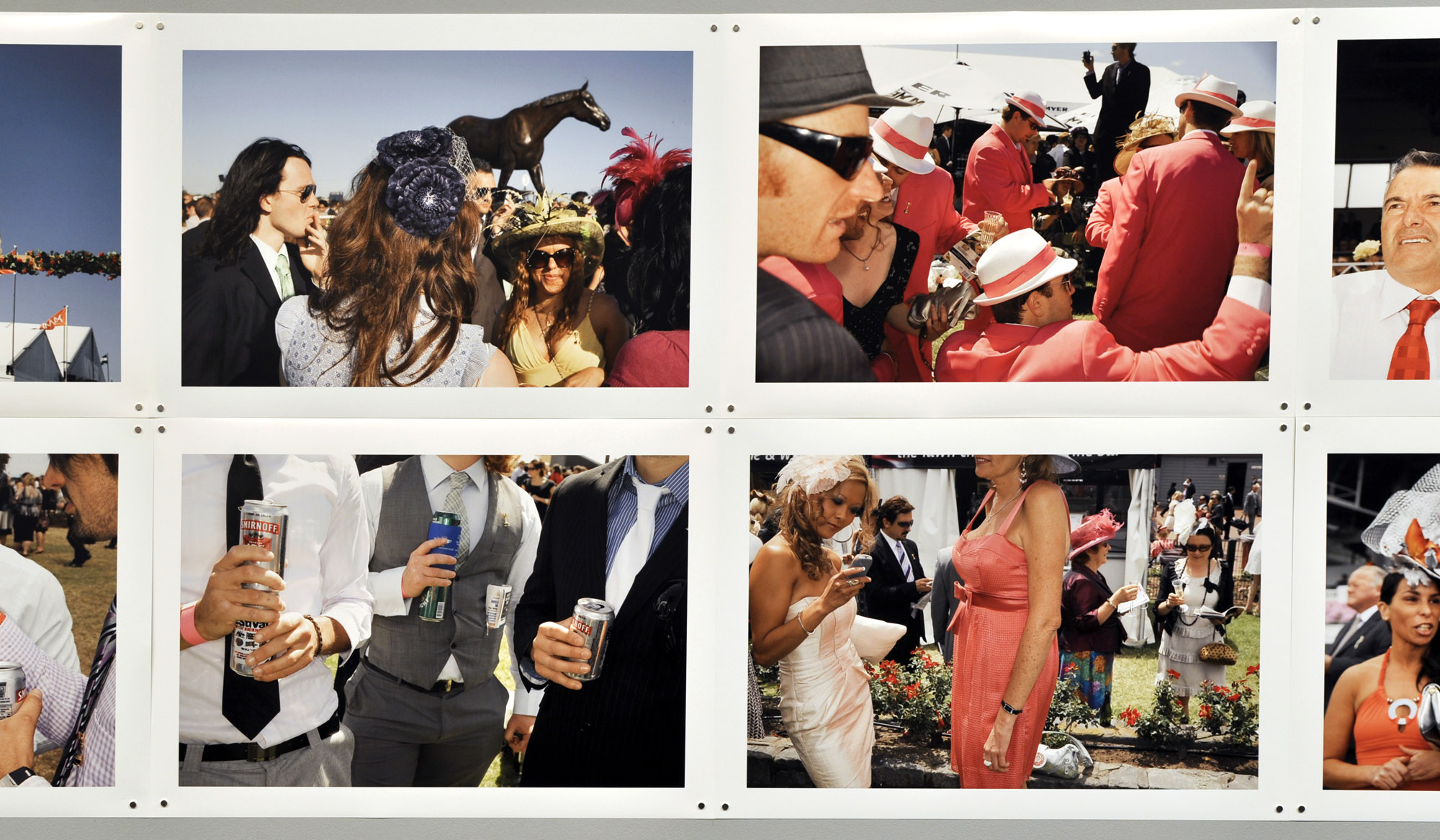
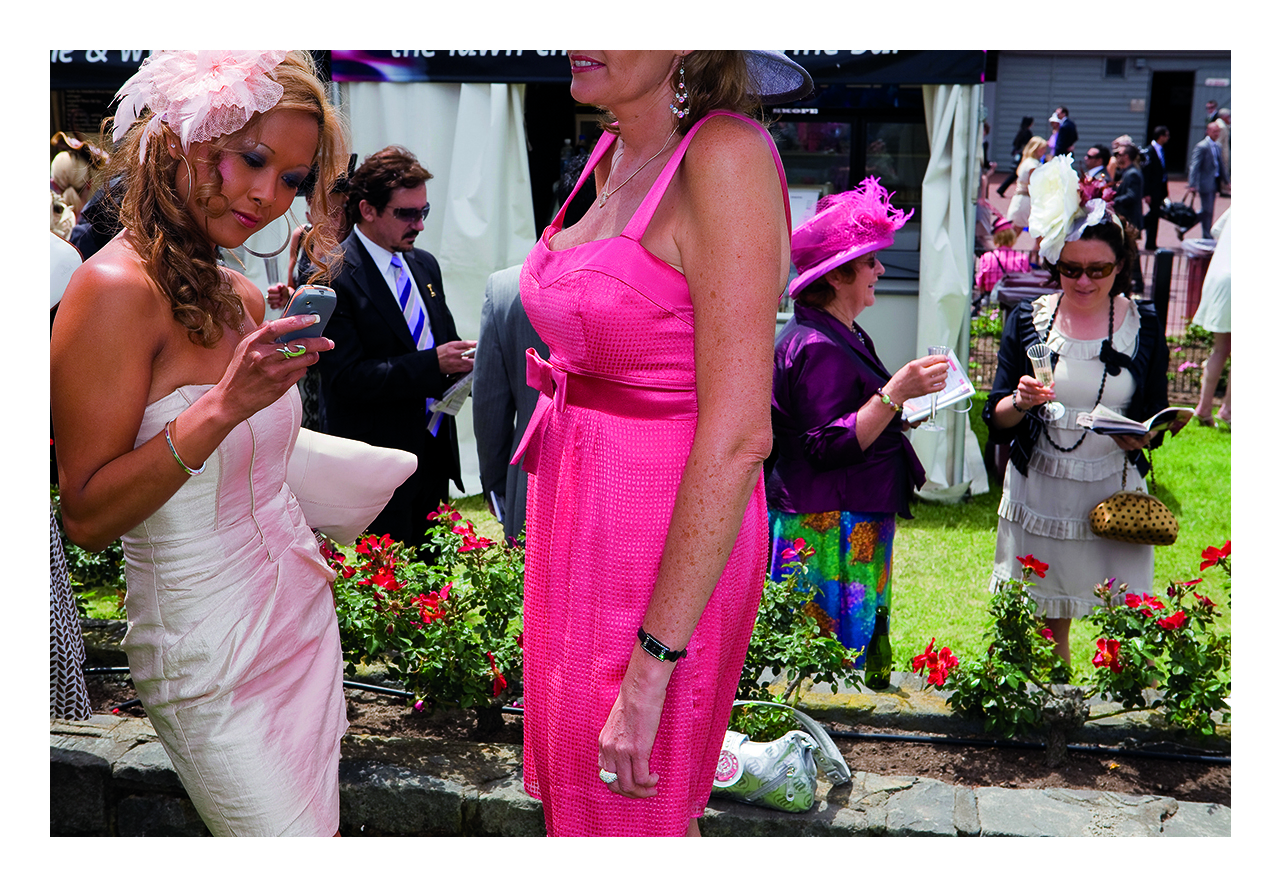
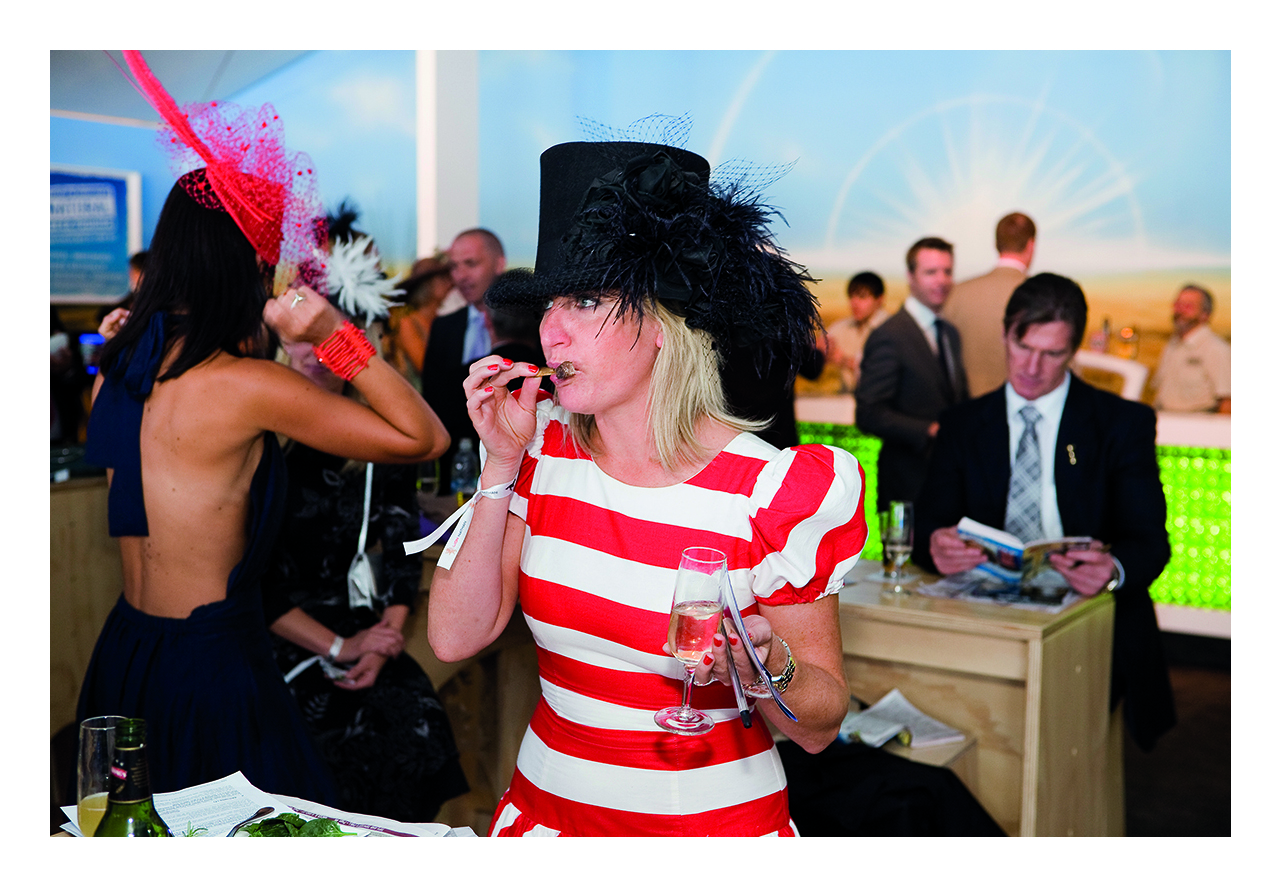
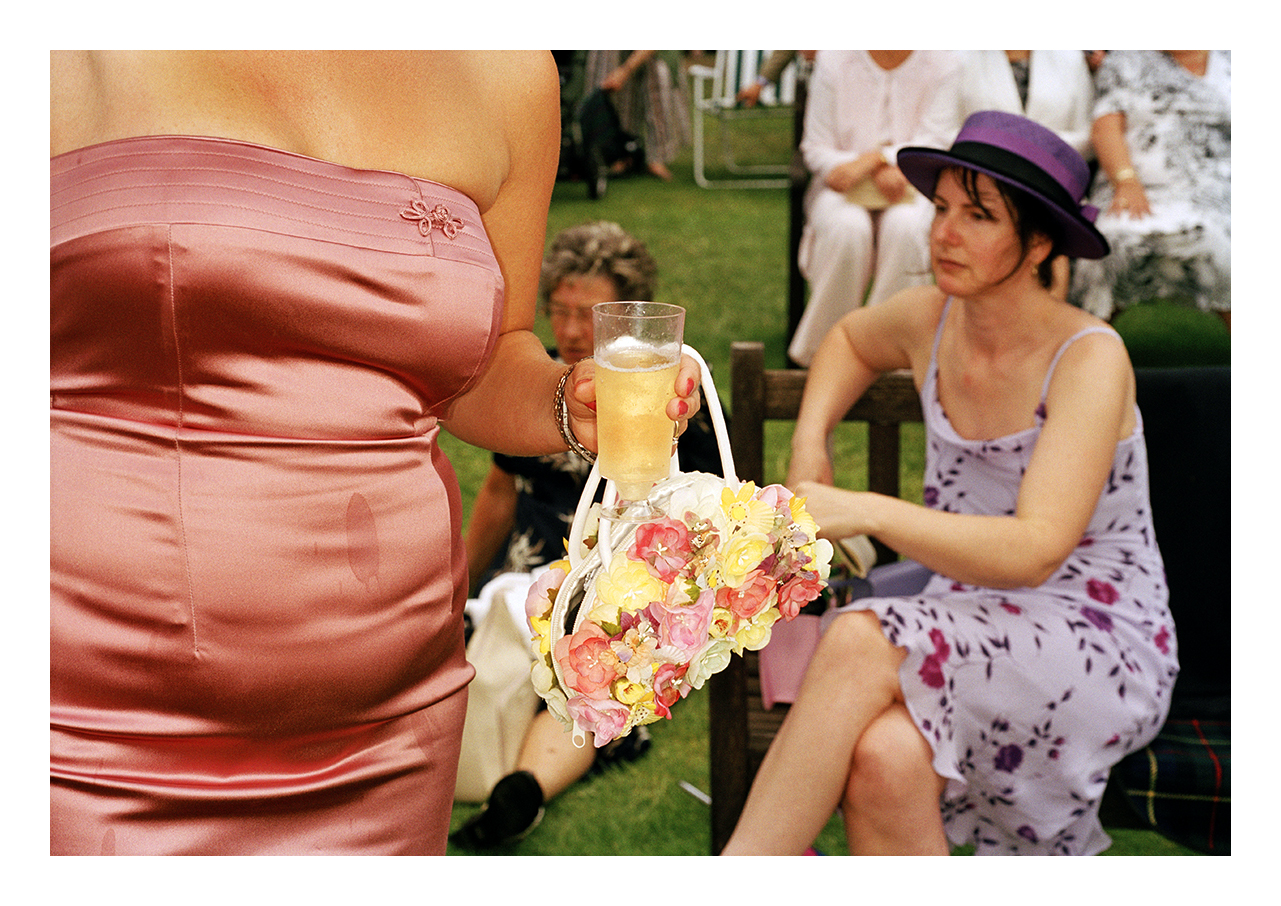
It was the usual fair from the exhibition Glamour stakes: Martin Parr, a whirl of movement, colour, intensity – in the frenetic construction of the picture plane; in the feverish nature of encounter between camera and subject – and obnoxious detail in photographs from the series Luxury (2003-2009). Low depth of field, flash photography, fabulous hats, and vibrant colours feature in images that ‘document leisure and consumption and highlight the unintentional, awkward and often ugly sides of beauty, fashion and wealth’. Sadly, after a time it all becomes a bit too predictable and repetitive.
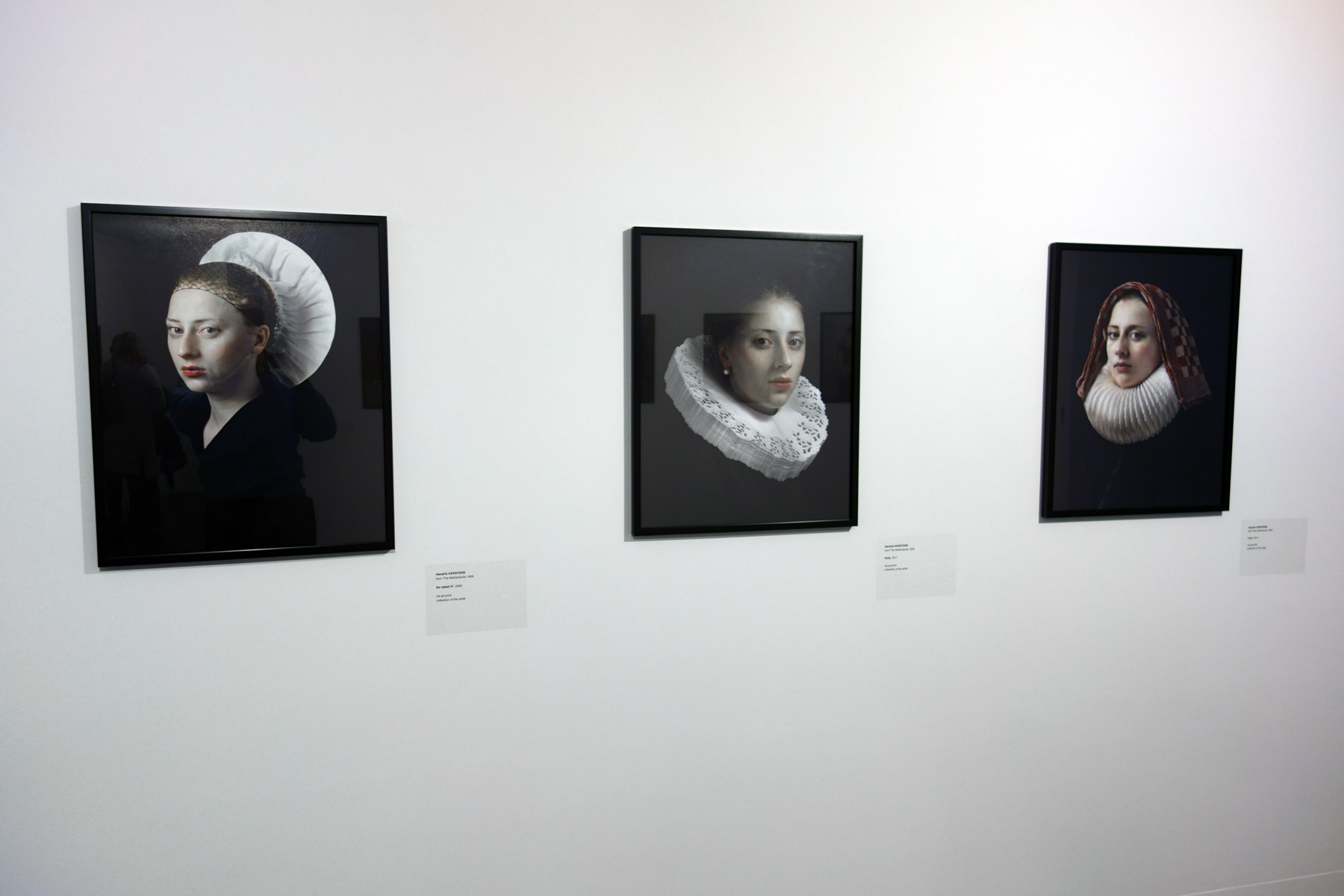
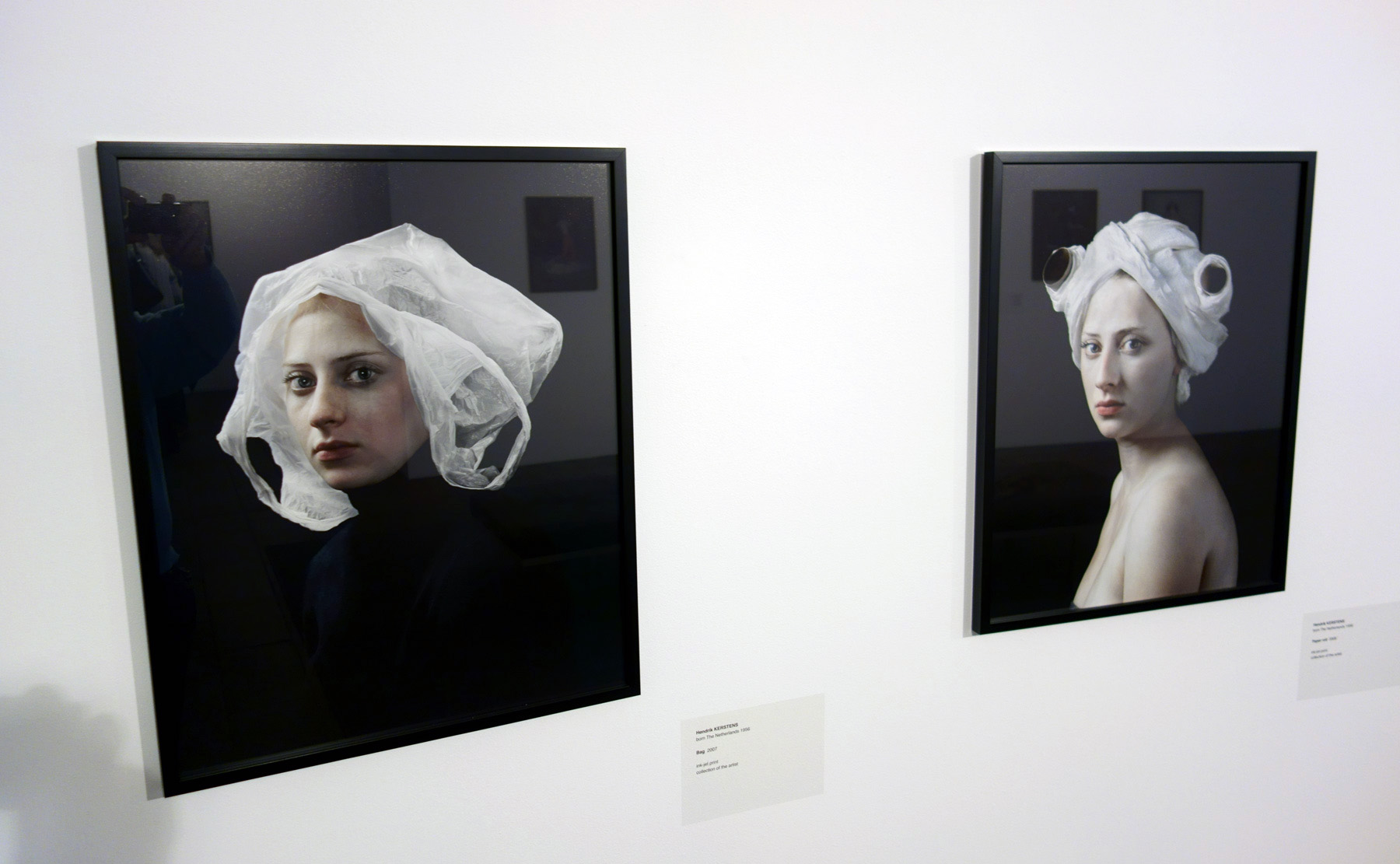
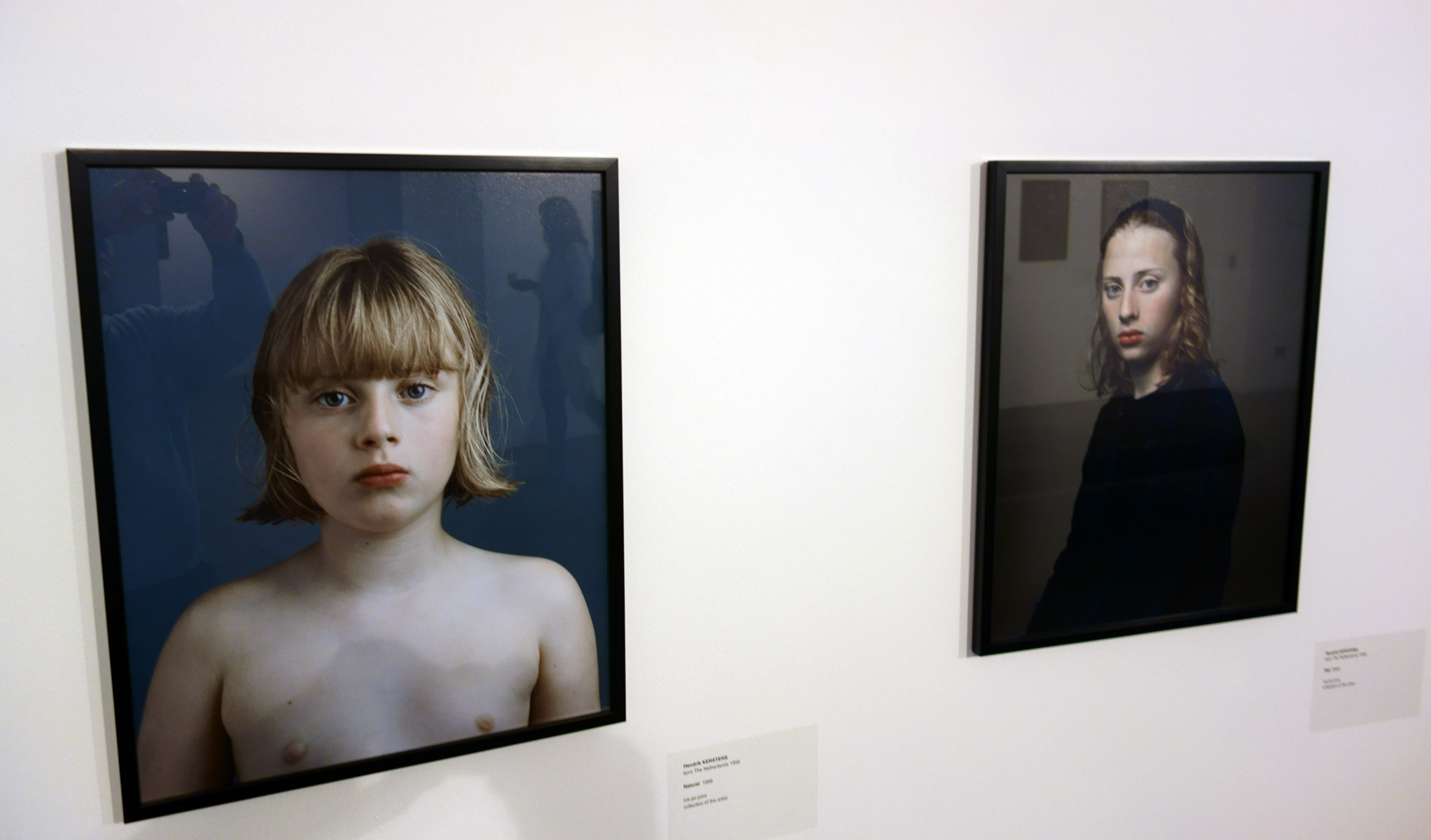
The pick of the bunch in the exhibition Dutch masters of light: Hendrik Kerstens & Erwin Olaf was the work of Hendrik Kerstens. Simple, elegant portrait compositions that feature, and subvert, the aesthetics of 17th-century Dutch master paintings. I love the humour and disruption in the a/historical account, “the différance [which] simultaneously contains within its neo-graphism the activities of differing and deferring, a distancing acted out temporally as well as spatially.” (Geoffrey Batchen)
Dr Marcus Bunyan
Many thankx to Monash Gallery of Art for allowing me to publish the photographs in the posting. Please click on the photographs for a larger version of the image.
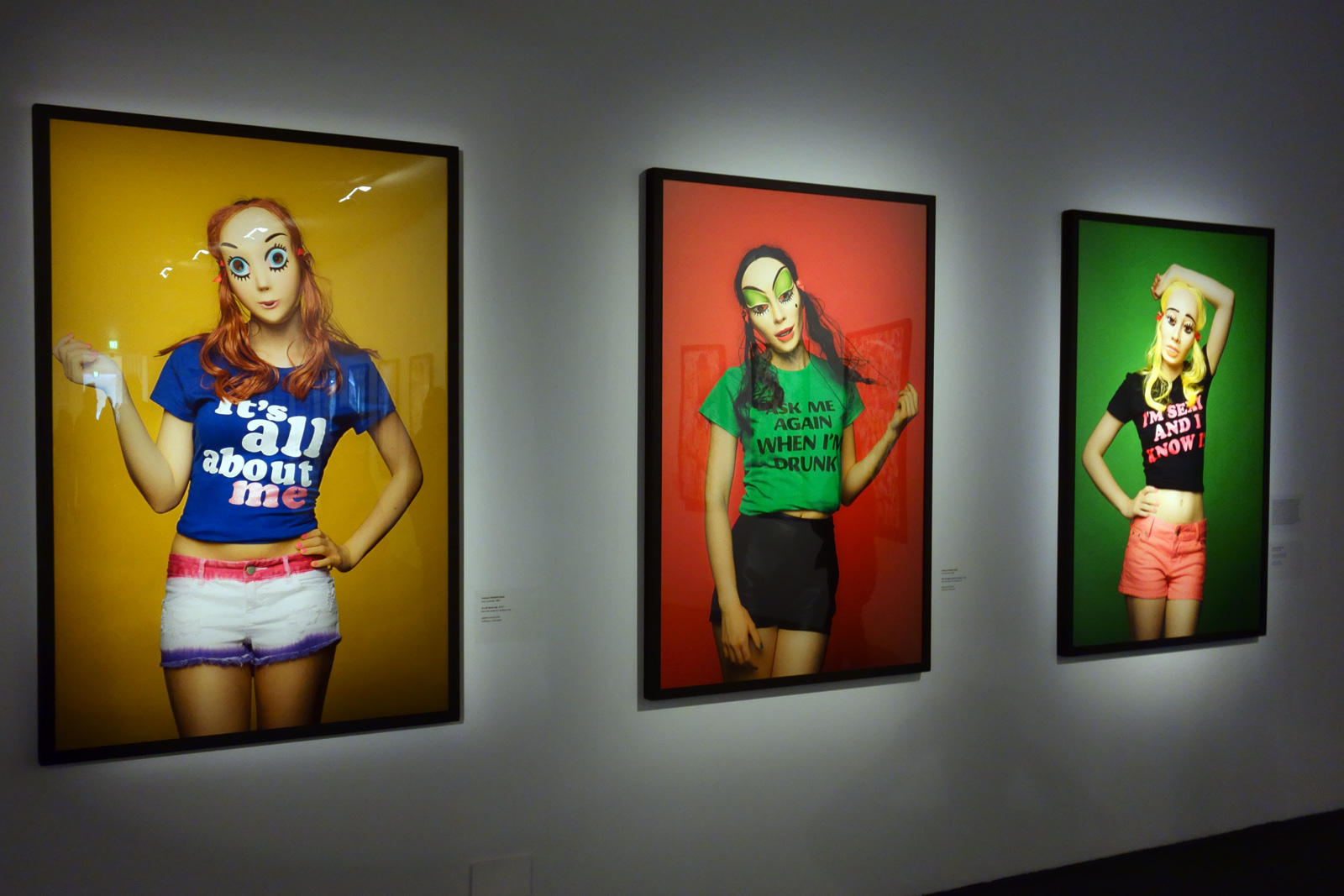
It’s all about me comprises five photographs of the artist’s daughter wearing doll-like masks and sporting a series of T-shirts bearing sassy slogans. As in much of Papapetrou’s work, the aesthetic of role-playing is used to suggest an awkward relationship between social appearances and an authentic self. These works specifically explore the complex world that contemporary teenage live in and the way identities are created and manipulated through fashion, social media and the internet. In this respect, the gauche quality of the photographs reflects the awkward self-importance of teenagers reaching for adulthood.
Polixeni Papapetrou is a Melbourne-based photographic artist. She first began taking photographs in the 1980s, creating documentary-style portraits of drag queens, body builders and Elvis fans. Soon after the birth of her first child, Papapetrou’s artistic practice began to focus on projects that employed her children, Olympia and Solomon, as models. She is now known nationally and internationally for her staged images that show her children dressed in costumes and masks while performing in front of real and imaginary backgrounds.
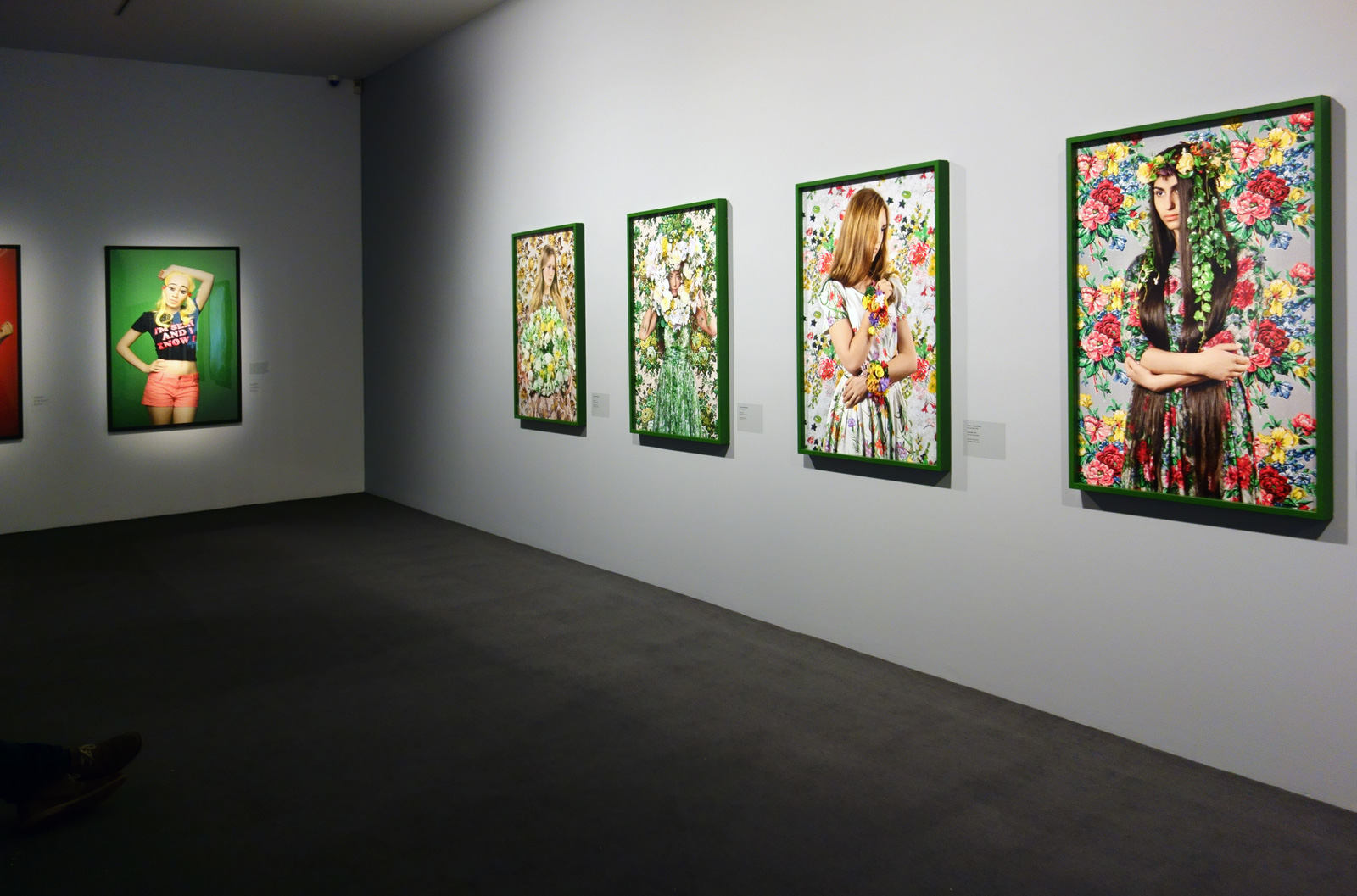
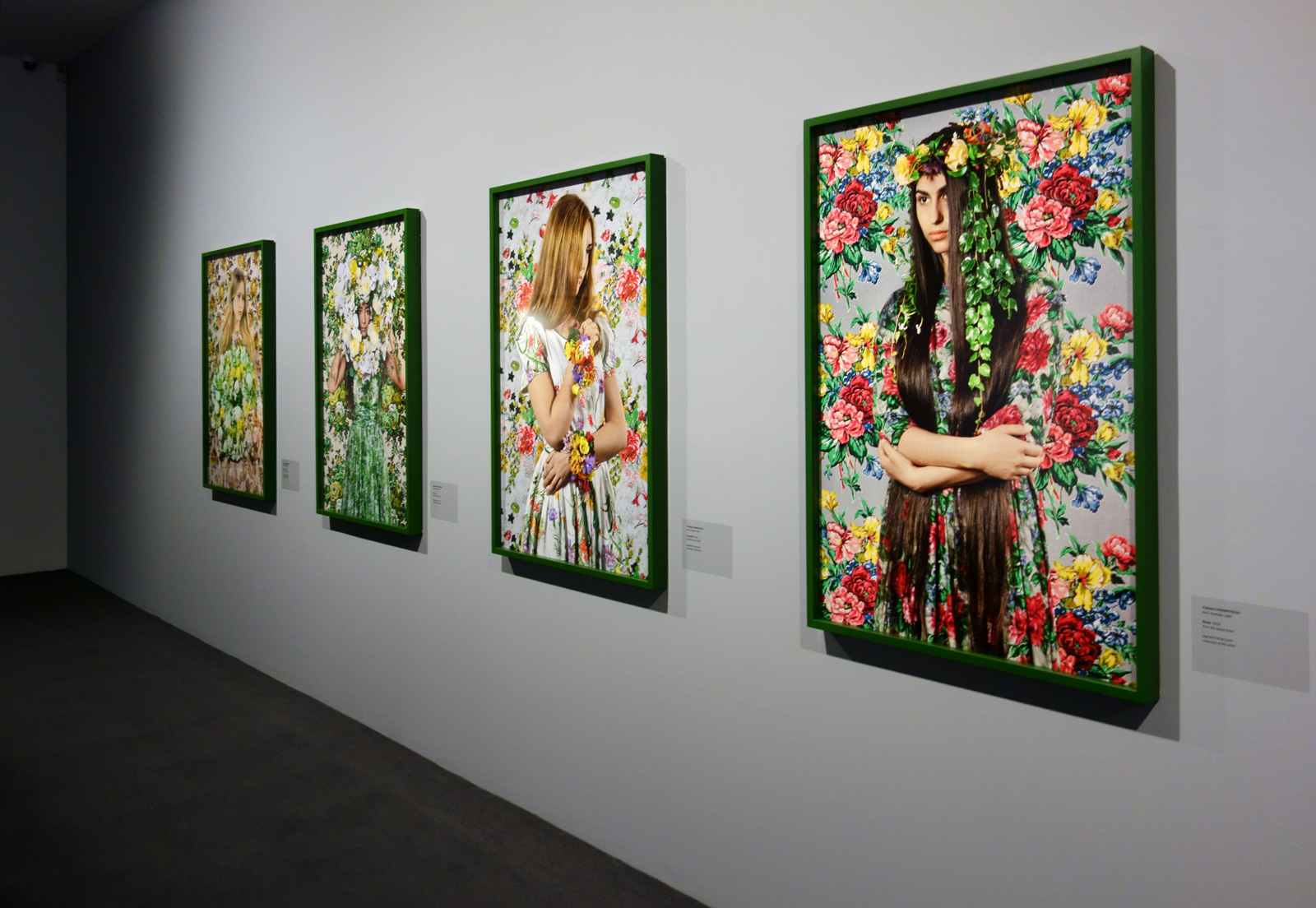
This exhibition brings together three recent bodies of work by Papapetrou: Lost psyche (2014), It’s all about me (2016) and Eden (2016). Each of these studio-based series explores themes that have been central to Papapetrou’s practice for the past 30 years. In particular, they highlight her long-term interest in social identity being elaborated through the processes of role-playing and performance.
It is important to note that Papapetrou composes her photographs using a range of historical and contemporary references, thereby embedding these staged performances in a network of competing forces. As a result, there is often a purposefully awkward style to the images, which suggests that identity is continually being inherited, negotiated and perpetuated through the history of representation.
As with much of Papapetrou’s work, the series included in this exhibition either partly or wholly feature the artist’s children, who are now in their late teenage years. By photographing her children and at the same time concealing their identities, Papapetrou is able to create portraits that are grounded in her personal experience of parenting but reflect on more universal themes of childhood innocence and the transience of life.
Text from the Monash Gallery of Art website
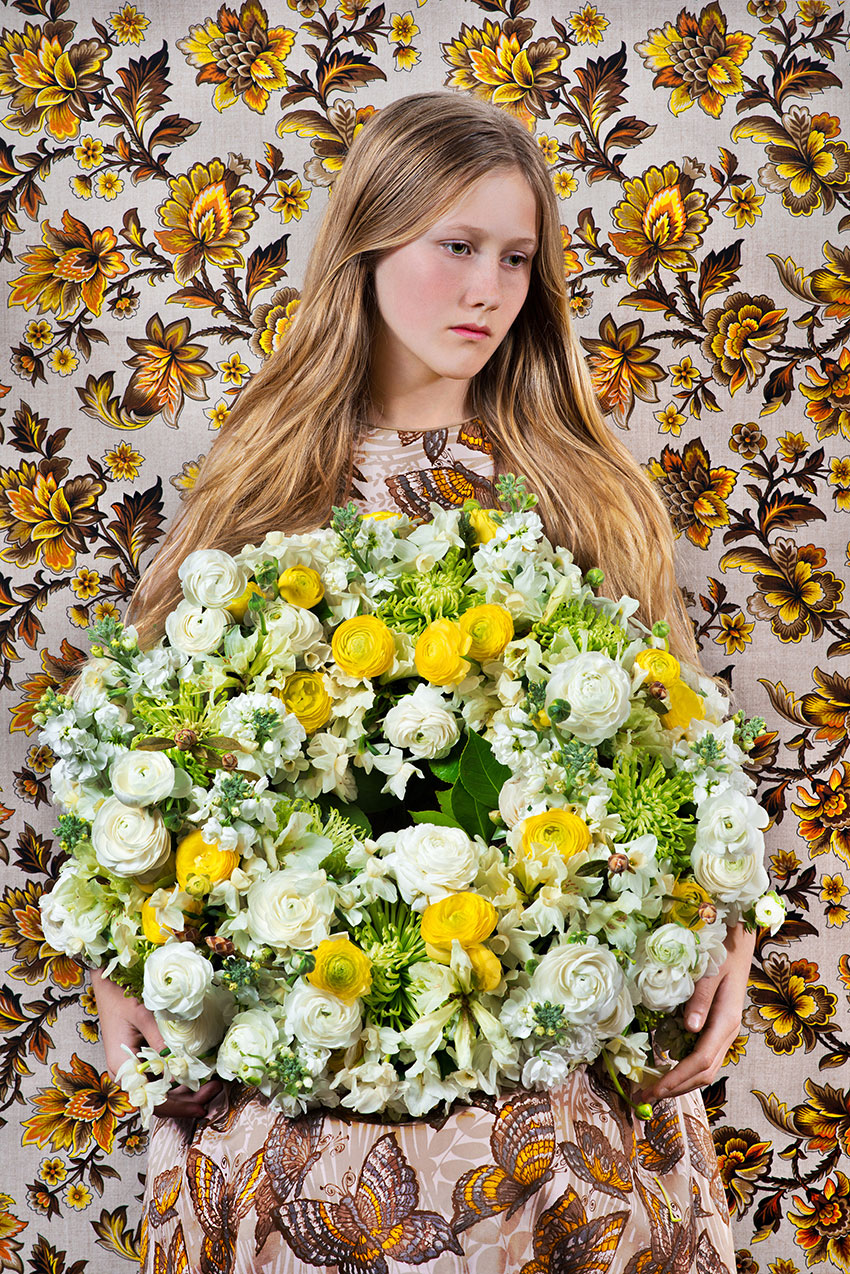
Polixeni Papapetrou (Australian, 1960-2018) Flora 2016 From the series Eden Pigment print 127.3 x 85cm Courtesy of the artist and STILLS Gallery, Sydney
In Roman mythology, Flora (Latin: Flōra) was a Sabine-derived goddess of flowers and of the season of spring – a symbol for nature and flowers (especially the may-flower). While she was otherwise a relatively minor figure in Roman mythology, being one among several fertility goddesses, her association with the spring gave her particular importance at the coming of springtime, as did her role as goddess of youth. Her name is derived from the Latin word “flos” which means “flower”. In modern English, “Flora” also means the plants of a particular region or period.
Polixeni Papapetrou (Australian, 1960-2018) Blinded 2016 From the series Eden Pigment print 127.3 x 85cm Courtesy of the artist and STILLS Gallery, Sydney
Polixeni Papapetrou (Australian, 1960-2018) Eden 2016 From the series Eden Pigment print 127.3 x 85cm Courtesy of the artist and STILLS Gallery, Sydney
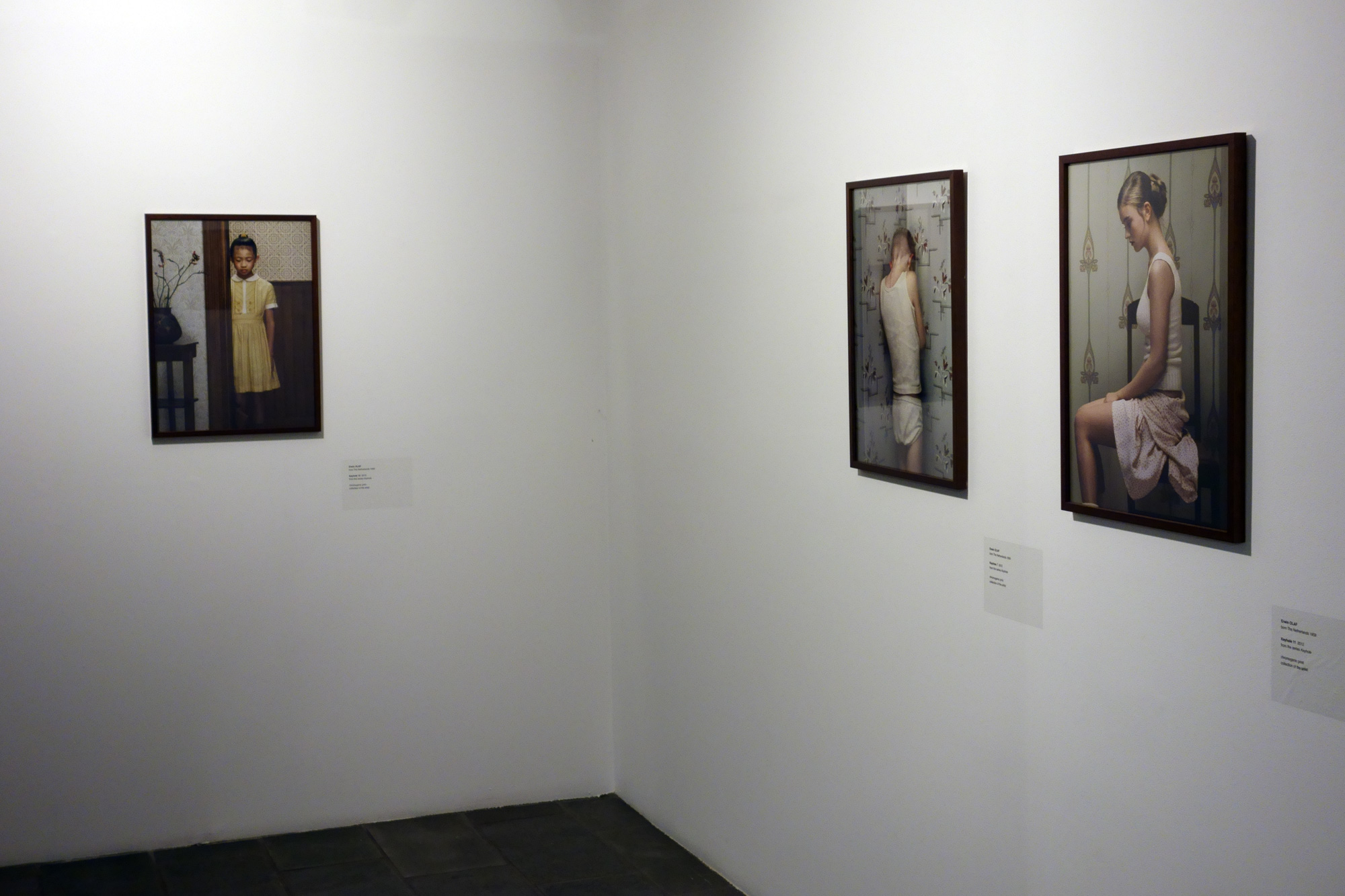
Dutch masters of light: Hendrik Kerstens and Erwin Olaf
This exhibition features work by the internationally acclaimed Dutch photographers, Hendrik Kerstens and Erwin Olaf. These photographers both create images that reflect an interest in paintings by Dutch Masters such as Rembrandt (1606-1669) and Vermeer (1632-1675). This is particularly evident in their manipulation of light and shade and also in their poetic use of everyday subject matter. Drawing on aesthetics of the past while also incorporating aspects of the present, these photographers create emotionally charged portraits that draw attention to the liminal nature of contemporary life.
Hendrik Kerstens took up photography in 1995 and has since been creating portraits of his daughter, Paula. His photographs began as documents and reflections on the fleeting nature of childhood. He later introduced the aesthetics of 17th-century Dutch master paintings to his portraits, creating a dialogue between painting and photography and between the past and the present.
Erwin Olaf is a multidisciplinary artist who is best known for his highly polished staged photographs that draw on his experiences of everyday life. His refined style and meticulous technique relate his background as a commercial photographer; and his use of light is inspired by painting. The subjects of his Keyhole series turn their gaze away from the camera in a way that evokes feelings of shame and humility.
Dutch masters of light: Hendrik Kerstens and Erwin Olaf is part of a series of events that mark the 400th anniversary of the first Dutch contact with Western Australia. On 25 October 1616, Dirk Hartog made landfall with his ship the Eendracht at Dirk Hartog Island, in the Shark Bay area.
Text from the Monash Gallery of Art website
Hendrik Kerstens (Dutch, b. 1956) Bag 2007 Ink-jet print 62.5 x 50.0cm Collection of the artist
Hendrik Kerstens (Dutch, b. 1956) Cosy 2012 Ink-jet print 62.5 x 50.0cm Collection of the artist
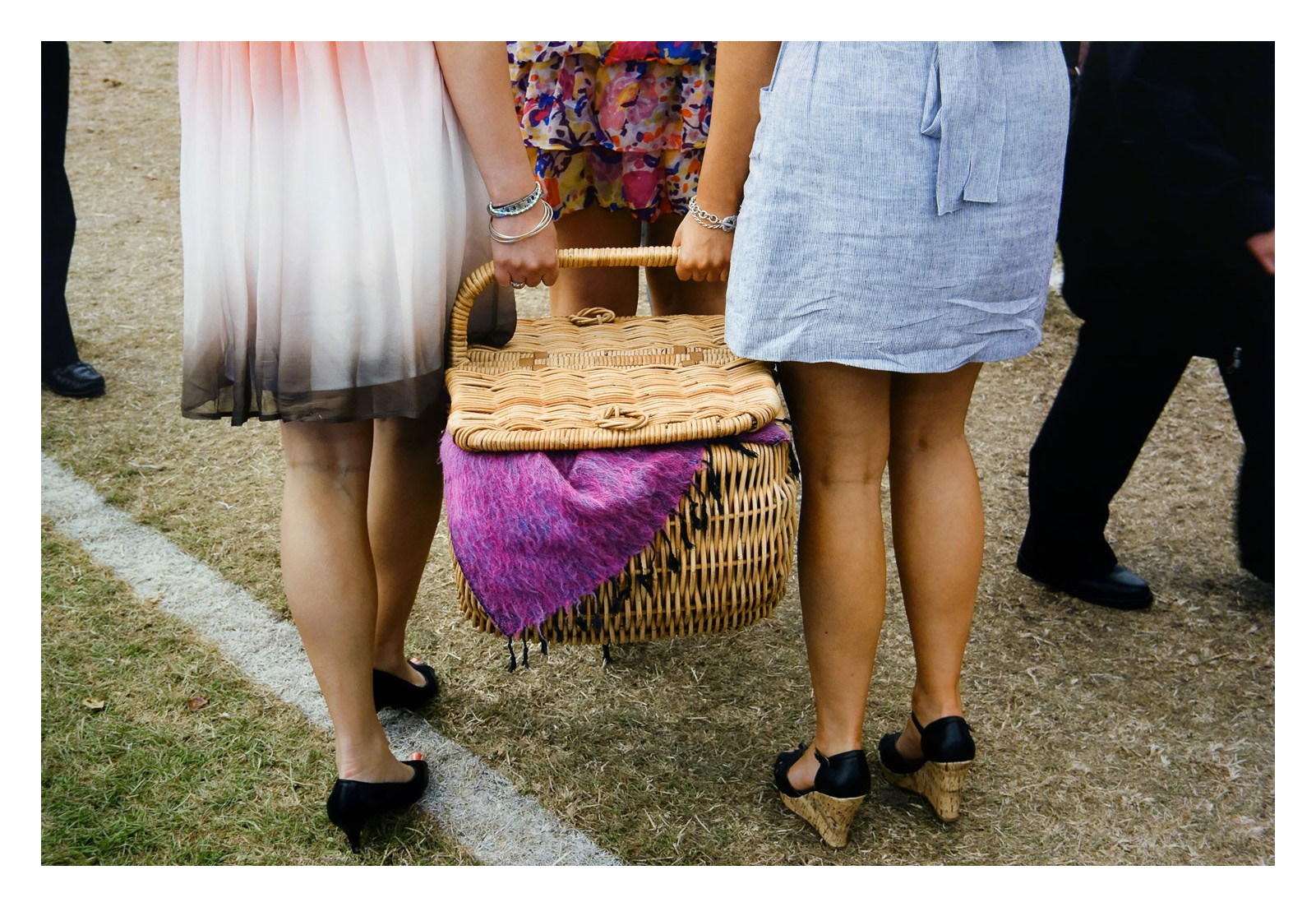
Martin Parr (British, 1952-2025) Australia, Melbourne 2008 From the series Luxury Pigment ink-jet print 50.8 x 76.2cm Courtesy of the artist and Niagara Galleries (Melbourne)
Martin Parr was born in Surrey in the United Kingdom in 1952. He studied photography at Manchester Polytechnic from 1970-73 and held his first exhibition the following year. He has since developed an international reputation as a photographer, filmmaker and curator and has been a full member of Magnum Photos since 1994.
Parr is known for his satirical social documentary photography. Focusing on particular aspects of contemporary consumer culture, he produces images that are a combination of the mundane and the bizarre. He uses the language of commercial photography, creating an aesthetic that is bright, colourful and seductive. However, his images often inspire viewers to cringe or laugh.
Glamour stakes: Martin Parr shows a selection of works from Parr’s Luxury series. This series is comprised of images taken predominantly between 2003 and 2009 in multiple destinations around the world. While creating Luxury, Parr photographed what he describes as ‘situations where people are comfortable showing off their wealth’, such as art fairs, car shows and horse races. The series is indicative of Parr’s practice in that the images document leisure and consumption and highlight the unintentional, awkward and often ugly sides of beauty, fashion and wealth.
The images in this series are not only documents but also critical and humorous reflections on contemporary society. By turning his camera to the world of luxury, Parr invites viewers to consider the sustainability of a culture that constantly demands the latest styles in fashion and the newest luxury items. This exhibition focuses specifically on Parr’s images of horse-racing events, particularly those taken in Melbourne in 2008.
Text from the Monash Gallery of Art website
Martin Parr (British, 1952-2025) Australia, Melbourne 2008 From the series Luxury Pigment ink-jet print 50.8 x 76.2cm Courtesy of the artist and Niagara Galleries (Melbourne)
Martin Parr (British, 1952-2025) Australia, Melbourne 2008 From the series Luxury Pigment ink-jet print 50.8 x 76.2cm Courtesy of the artist and Niagara Galleries (Melbourne)
Martin Parr (British, 1952-2025) Australia, Melbourne 2008 From the series Luxury Pigment ink-jet print 50.8 x 76.2cm Courtesy of the artist and Niagara Galleries (Melbourne)
Martin Parr (British, 1952-2025) Australia, Melbourne 2008 From the series Luxury Pigment ink-jet print 50.8 x 76.2cm Courtesy of the artist and Niagara Galleries (Melbourne)
Martin Parr (British, 1952-2025) Australia, Melbourne 2008 From the series Luxury Pigment ink-jet print 50.8 x 76.2cm Courtesy of the artist and Niagara Galleries (Melbourne)
Martin Parr (British, 1952-2025) South Africa, Durban 2005 From the series Luxury Pigment ink-jet print 101.6 x 152.4cm Courtesy of the artist and Niagara Galleries (Melbourne)
Martin Parr (British, 1952-2025) England, Ascot 2003 From the series Luxury Pigment ink-jet print 101.6 x 152.4cm Courtesy of the artist and Niagara Galleries (Melbourne)
Monash Gallery of Art 860 Ferntree Gully Road, Wheelers Hill Victoria 3150 Australia Phone: + 61 3 8544 0500
A magnificent installation from one of the world’s great photographers.
Why this artist is not having sell out retrospectives at MoMA New York, Centre Georges Pompidou Paris or the Tate in London is beyond me. Is it because of continuing cultural cringe, or the fact that he’s not as well known in Europe and America?
Their loss is our gain.
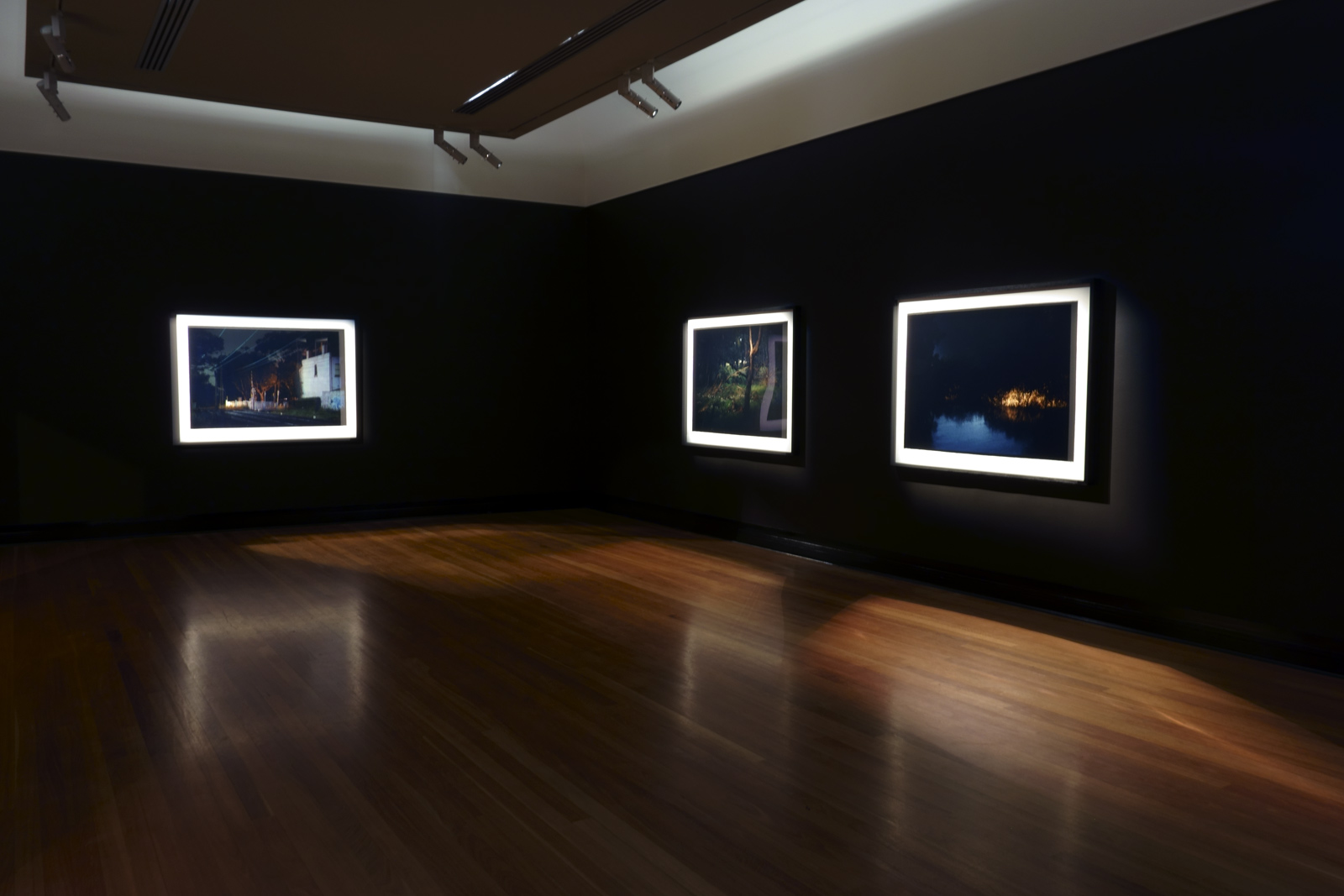
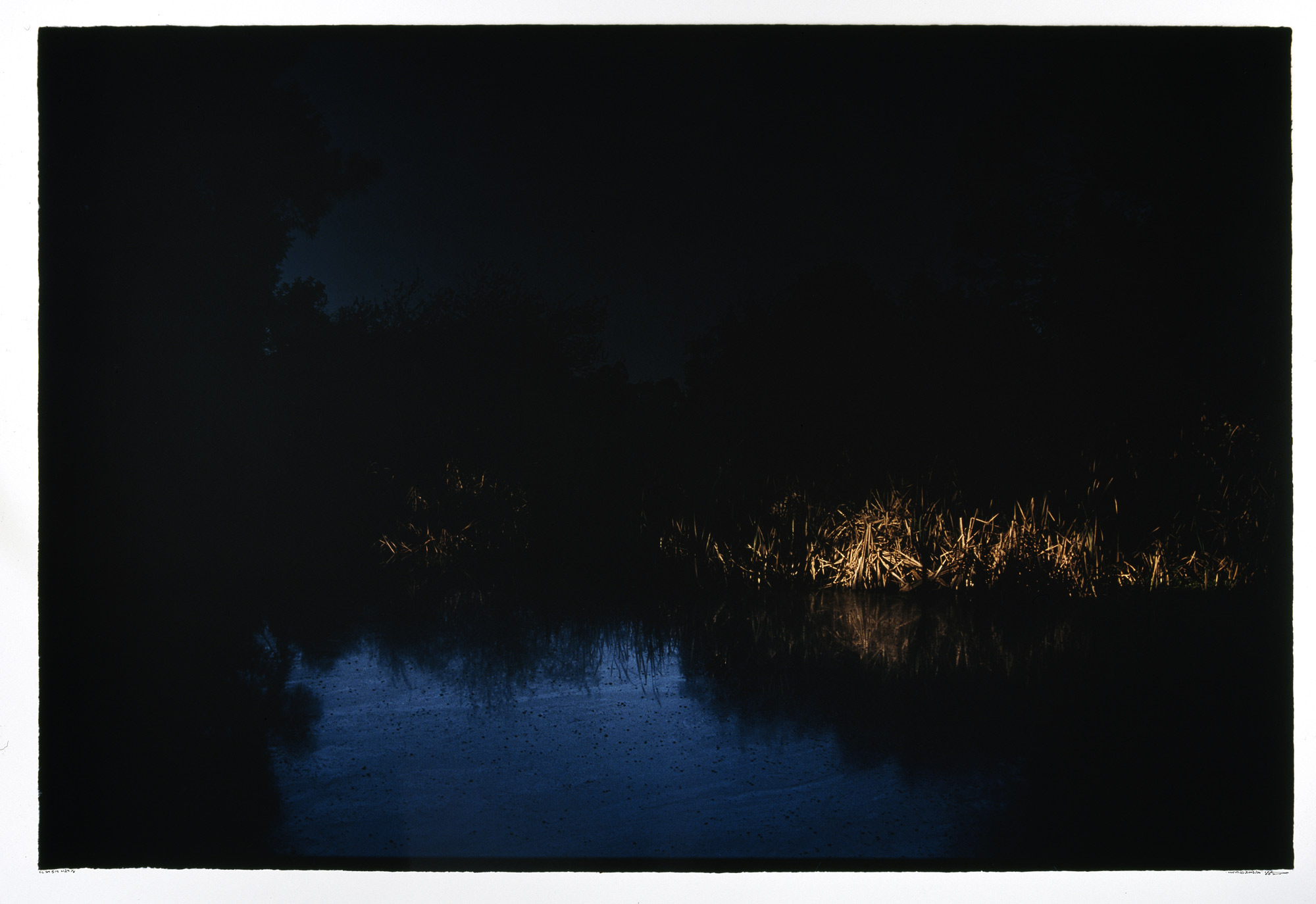
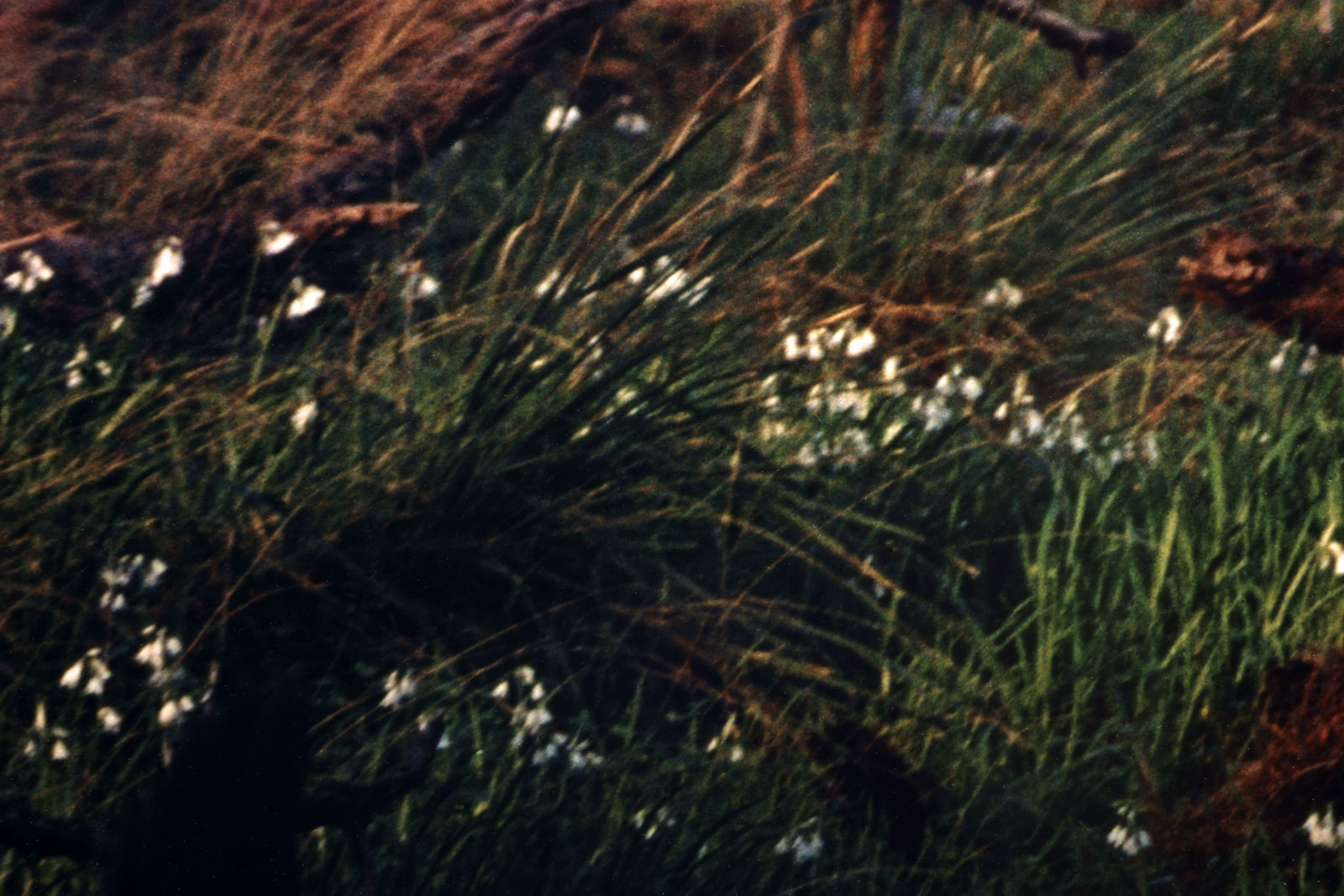
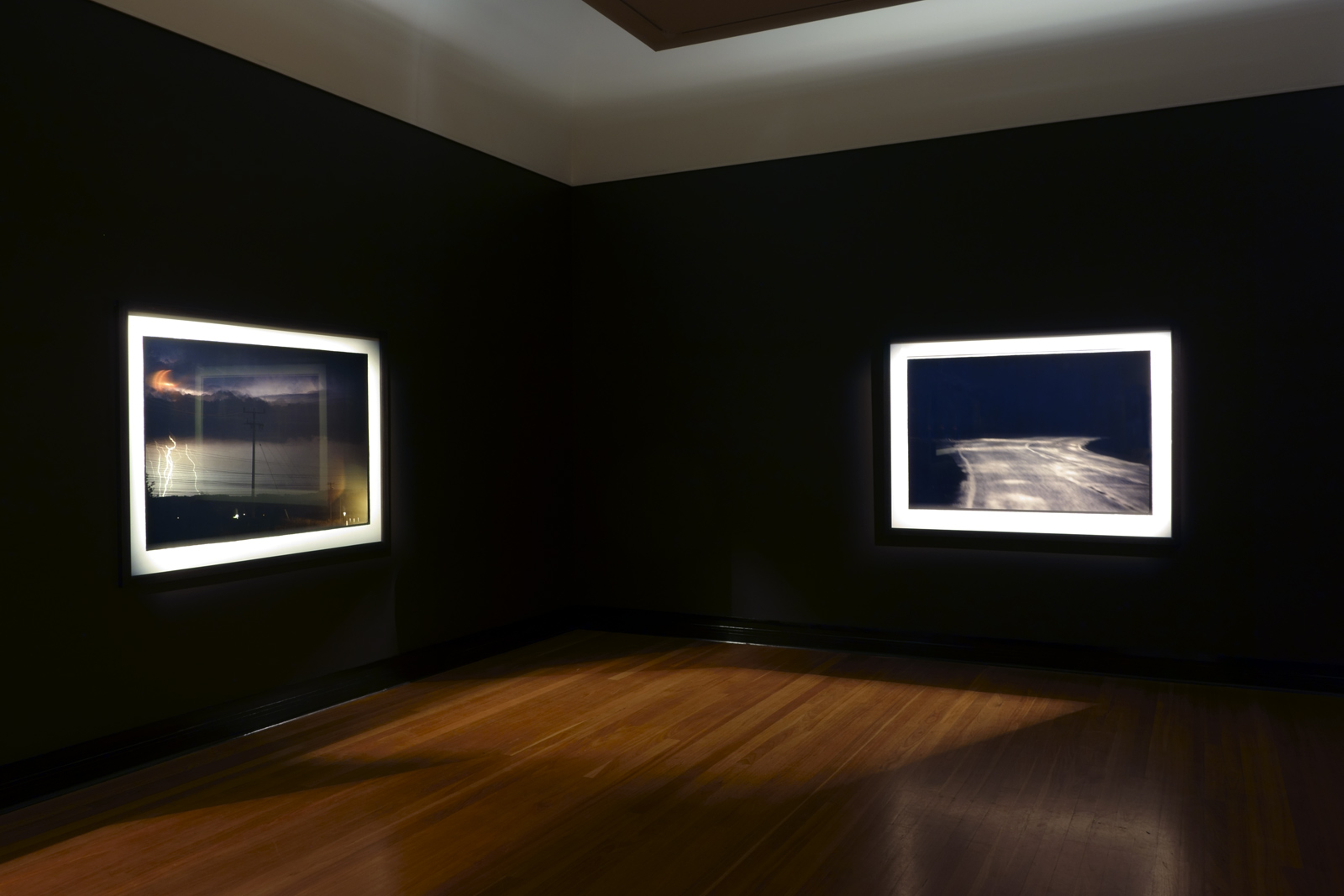
The darkened room contains only eight images beautifully lit to create a wondrous, enveloping atmosphere. Henson’s night photographs emit light as though a result of the excitation of atoms by energy – the energy of the mind transferred to the light of place. A luminescence of thought is imaged in the photograph through the emission of light … produced not so much by physiological or electromagnetic processes as much as by a culturally informed mind that seems to bring forth its own light. And behold there is light.
As that eminent photographer Minor White used to opine when asked for technical information on his photographs in the back of popular American photography monthlies: for technical information the camera was creatively used.
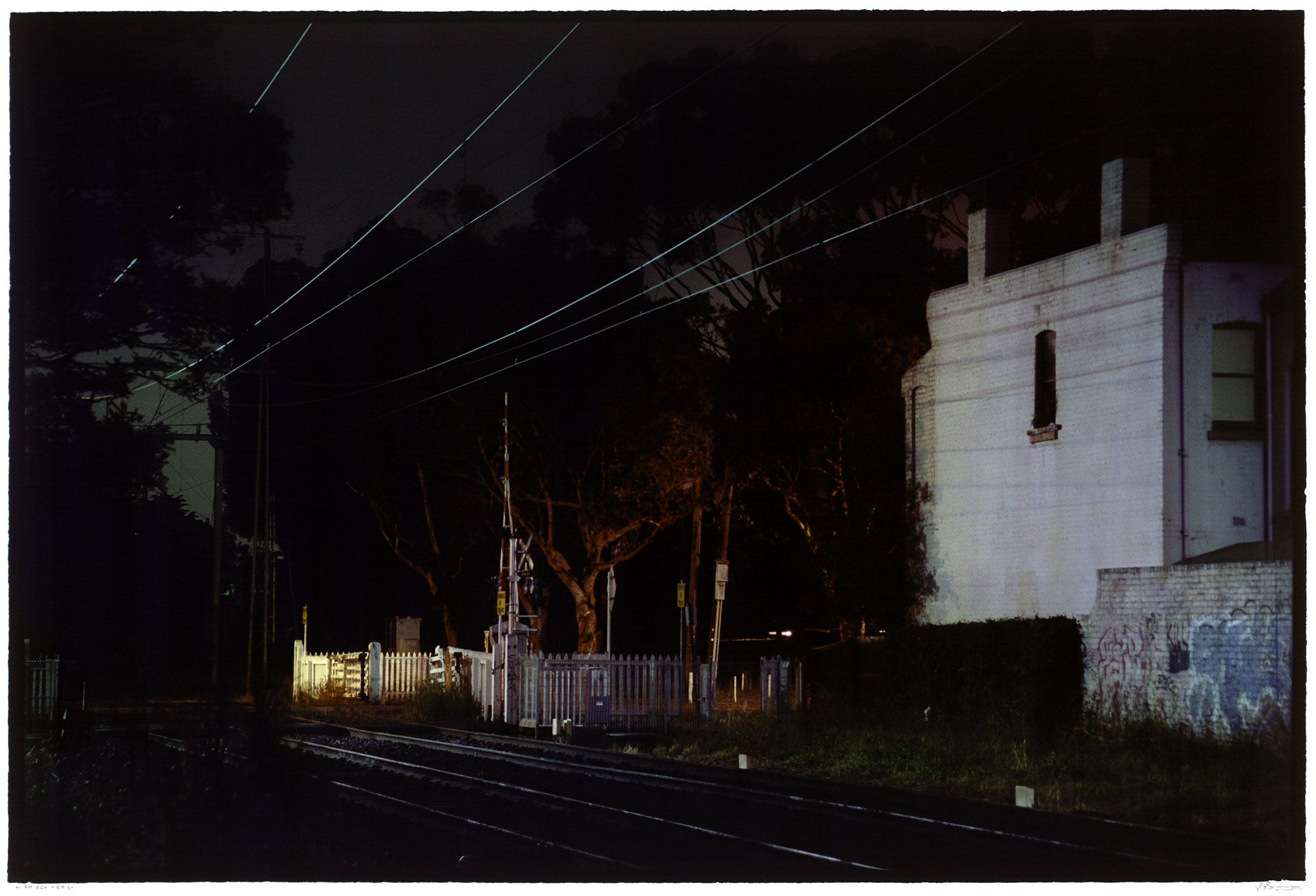
For me, these are not images of ethereal malevolence or Australian anxiety about our environment and the ominous ordinary. They do not possess that feeling at all. These pictures are about an understanding and contemplation of light and place, a process which is in balance one with the other. Yes, the transient nature of earthly existence but more than that. The soft details of flowers in the grass, or the spatter of rain on water, not noticed until you really look at the image; or the shadow of a truck on a bridge underpass. In my mind I know where this is, in Gipps Street, Abbottsford near the train bridge… or so I believe in my imagination. All of these photographs have a feeling of a subtle vibration of energy in the universe. There is no malevolence here.
My only criticism of this, the first photographic exhibition at Castlemaine Art Gallery, is that there is not enough of it. There needed to be more of the work. It just felt a little light on. Another gallery was needed to make the installation experience fully enveloping. Having said that, congratulations must go to the artist and to gallery who are putting on some amazing exhibitions in the heart of regional Victoria.
Bill Henson (Australian, b. 1955) Untitled #9 2005/2006 2005-2006 CL SH541 N2 Type C photograph 127 x 180cm (sheet) Courtesy of the artist and Roslyn Oxley9 Gallery, Sydney
Bill Henson (Australian, b. 1955) Untitled #9 2005/2006 (detail) 2005-2006 CL SH541 N2 Type C photograph 127 x 180cm (sheet) Courtesy of the artist and Roslyn Oxley9 Gallery, Sydney
Bill Henson (Australian, b. 1955) Untitled #21 2005-2006 (detail) 2005-2006 CL SH541 N2 Type C photograph 127 x 180cm
Bill Henson (Australian, b. 1955) Untitled 1999-2000 1999-2000 Type C photograph 103.8 x 154.0cm (image) 126.8 x 179.9cm (sheet) National Gallery of Victoria, Melbourne Purchased with funds from the Victorian Foundation for Living Australian Artists, 2005 (2005.501) Courtesy of the artist and Roslyn Oxley9 Gallery, Sydney
“Our current exhibition, Bill Henson: Landscapes captures the haunting convergence of opposites; two worlds, darkness and light.
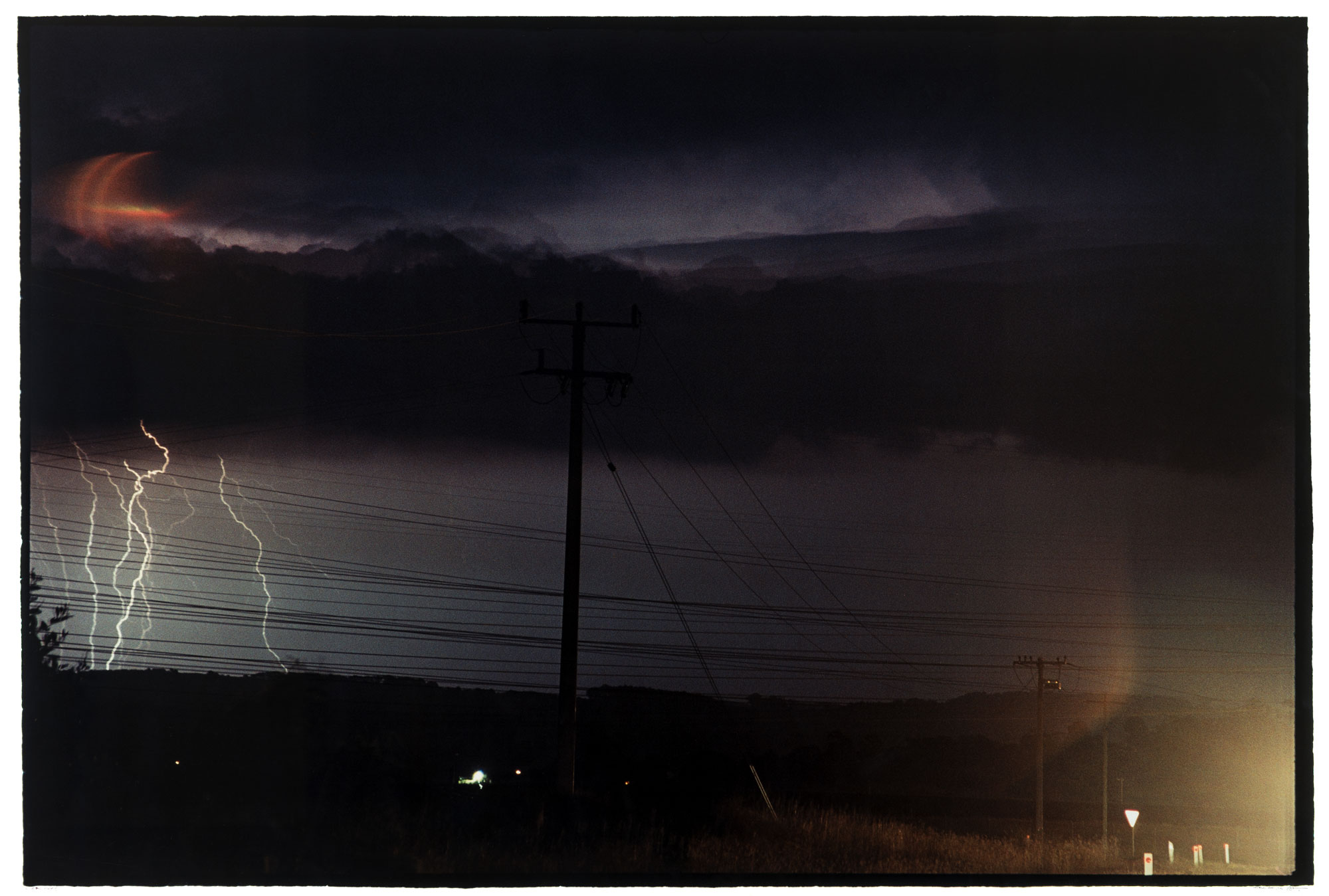
These dreamlike pictures pursue the Romantic project by engulfing the viewer in the urban or semi-rural sublime. Through these landscapes, we are immersed in a realm which offers an otherworldly view of the transient nature of earthly existence. The inky depths of the encroaching natural environment suggest a dark abyss, an ethereal malevolence that relates to both the artistic conventions of Renaissance landscape painting and, a uniquely Australian anxiety about our environment and the ominous ordinary.”
Text from the Castlemaine Art Gallery Facebook page
Bill Henson (Australian, b. 1955) Untitled #28 (detail) 1998 Type C photograph 104 × 154cm
Bill Henson (Australian, b. 1955) Untitled #48 (detail) 1998/1999/2000 Type C photograph 127 × 180cm
Castlemaine Art Gallery and Historical Museum 14 Lyttleton Street (PO Box 248) Castlemaine, Vic 3450 Australia Phone: (03) 5472 2292 Email:info@castlemainegallery.com
I am scanning my negatives made during the years 1991-1997 to preserve them in the form of an online archive as a process of active memory, so that the images are not lost forever. These photographs were images of my life and imagination at the time of their making, the ideas I was thinking about and the people and things that surrounded me.
Photographs are available from this series for purchase. As a guide, a vintage 8″ x 10″ silver gelatin print costs $700 plus tracked and insured shipping. For more information please see my store web page.
1991
At Newport series
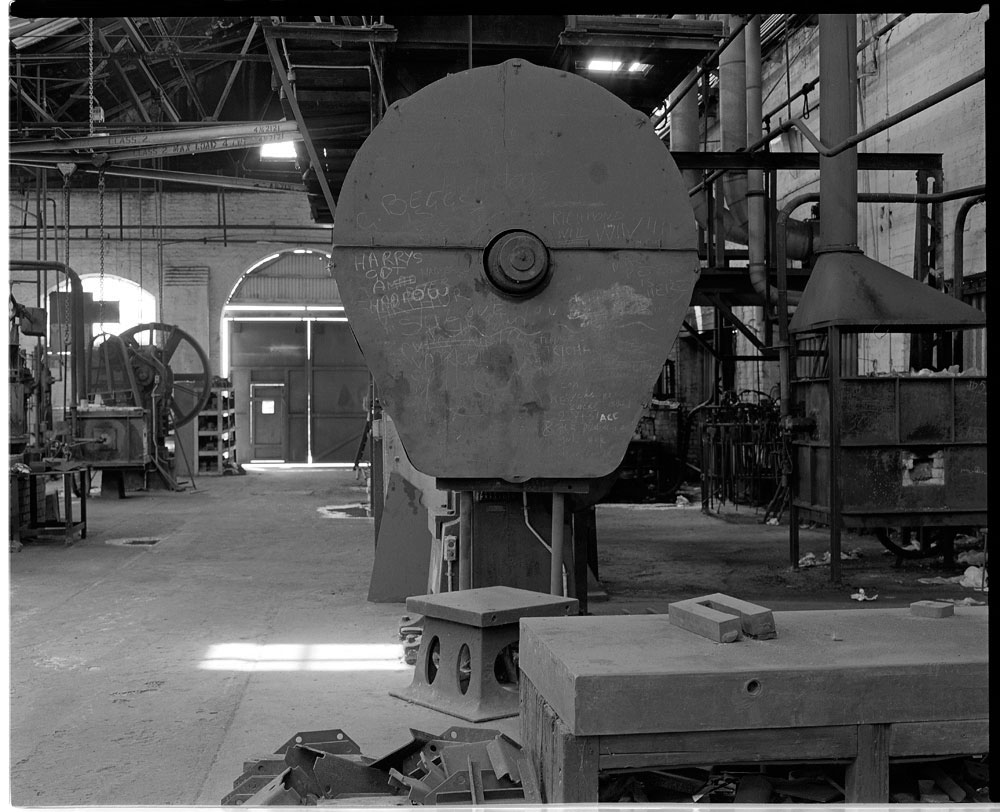
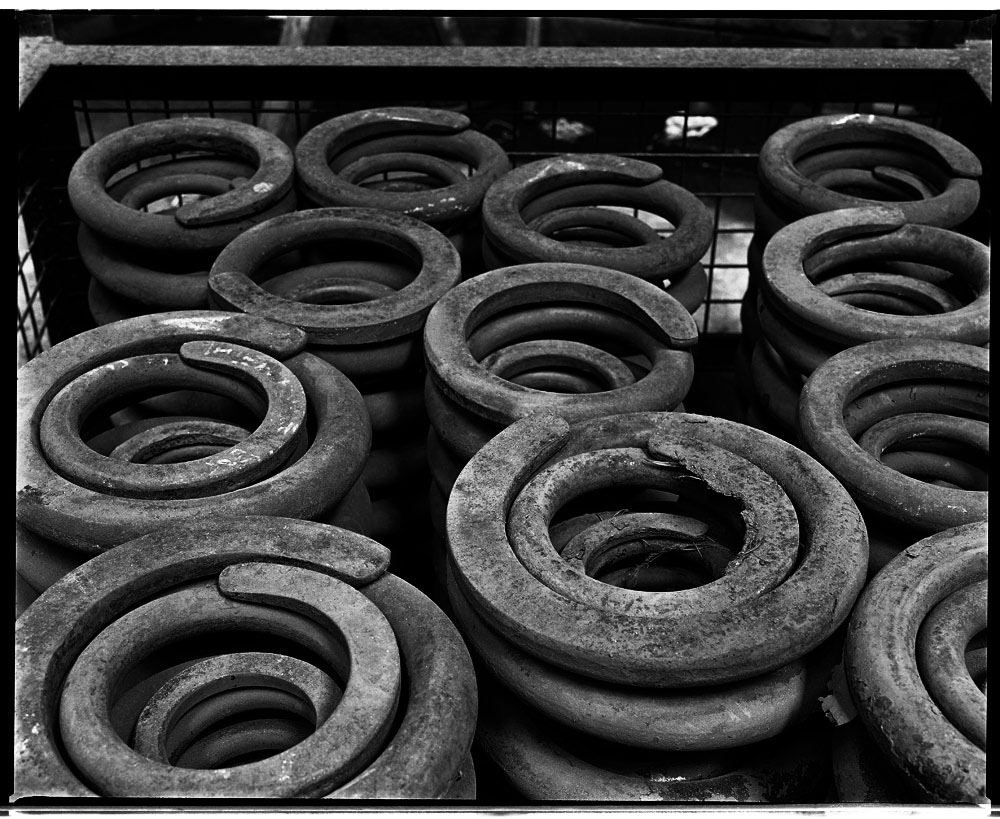
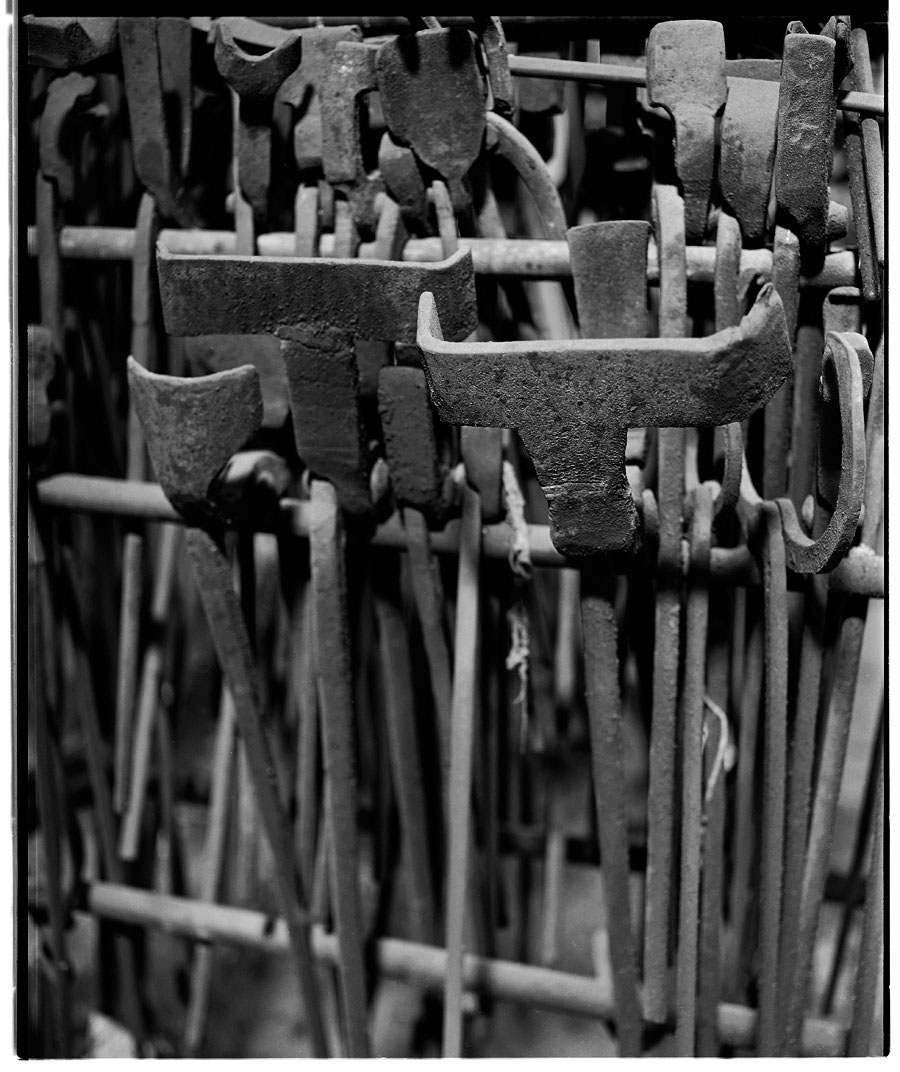
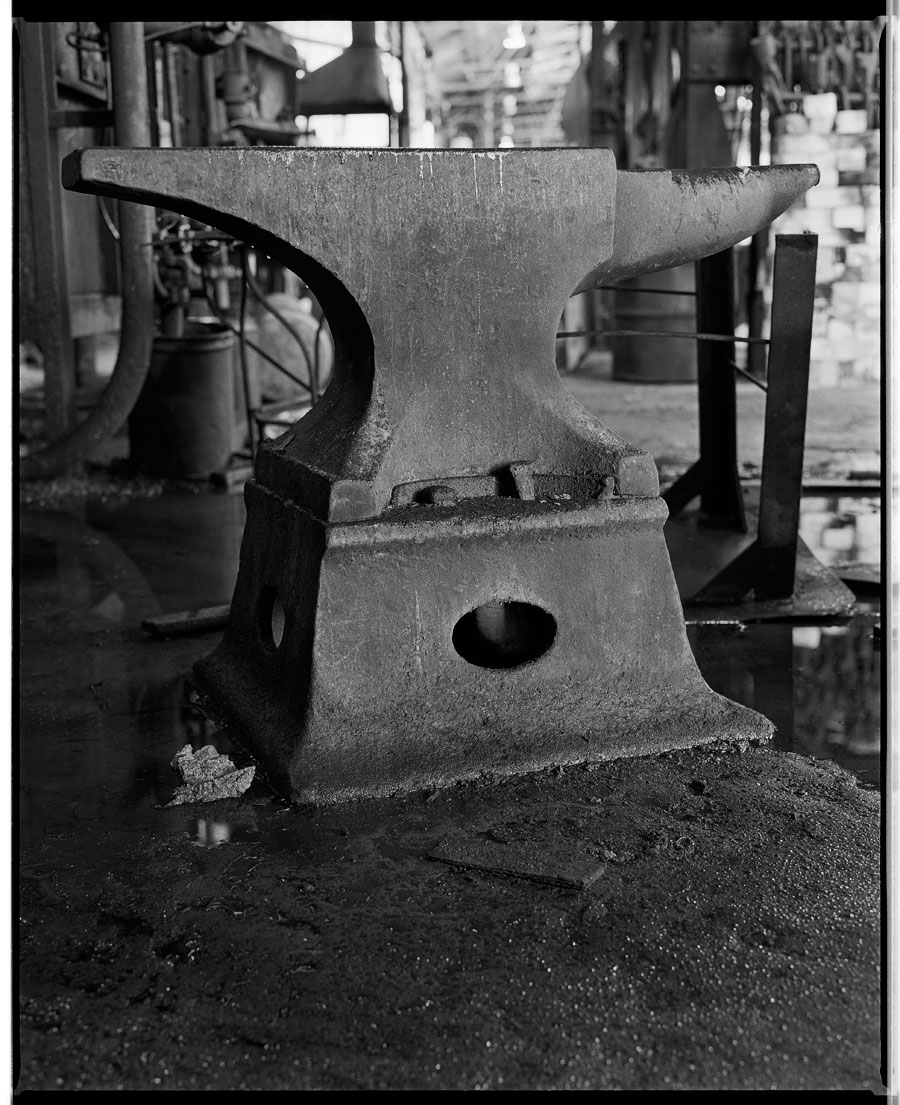
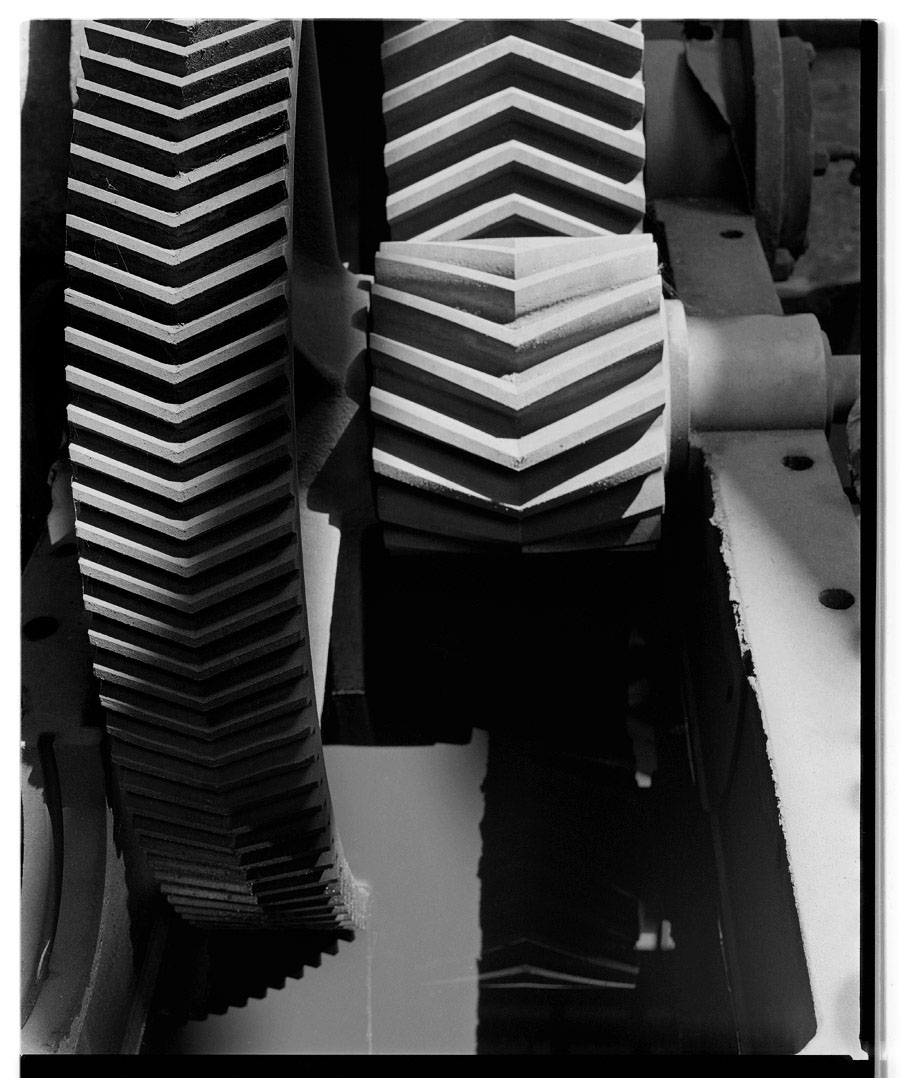
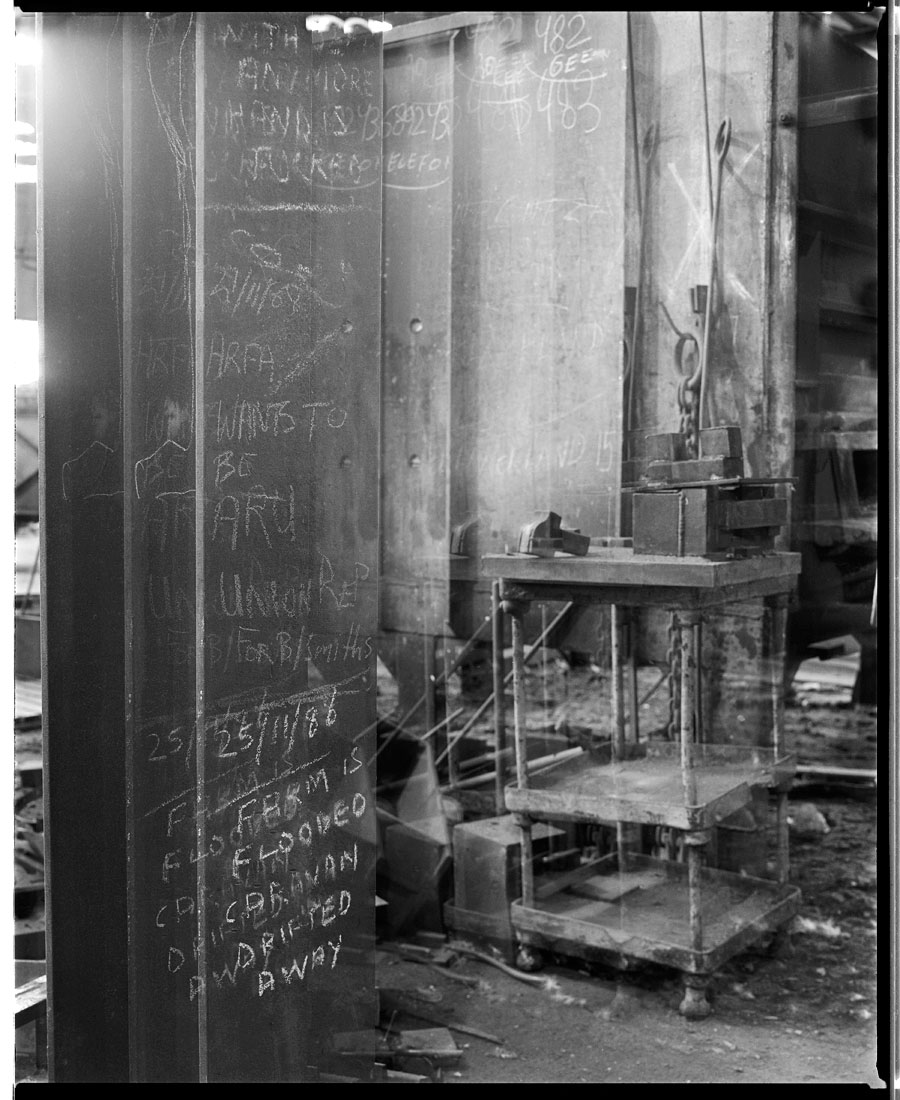
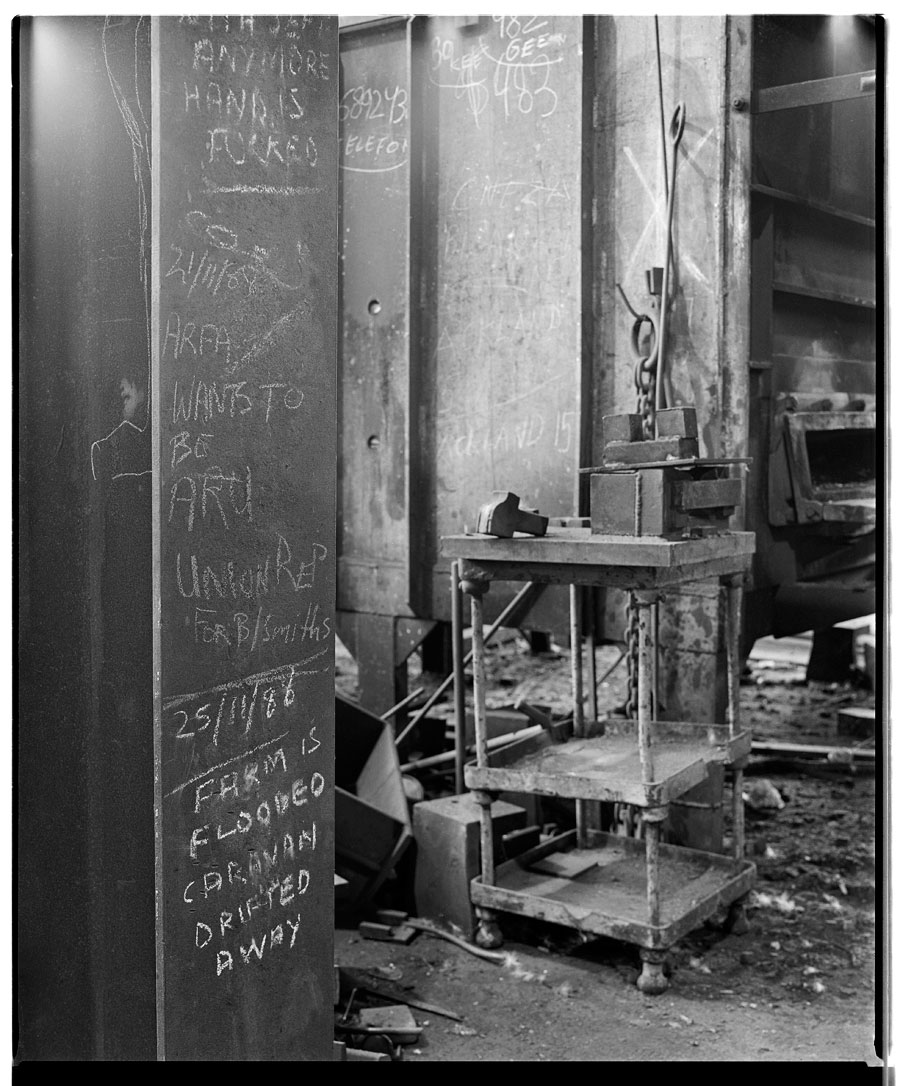
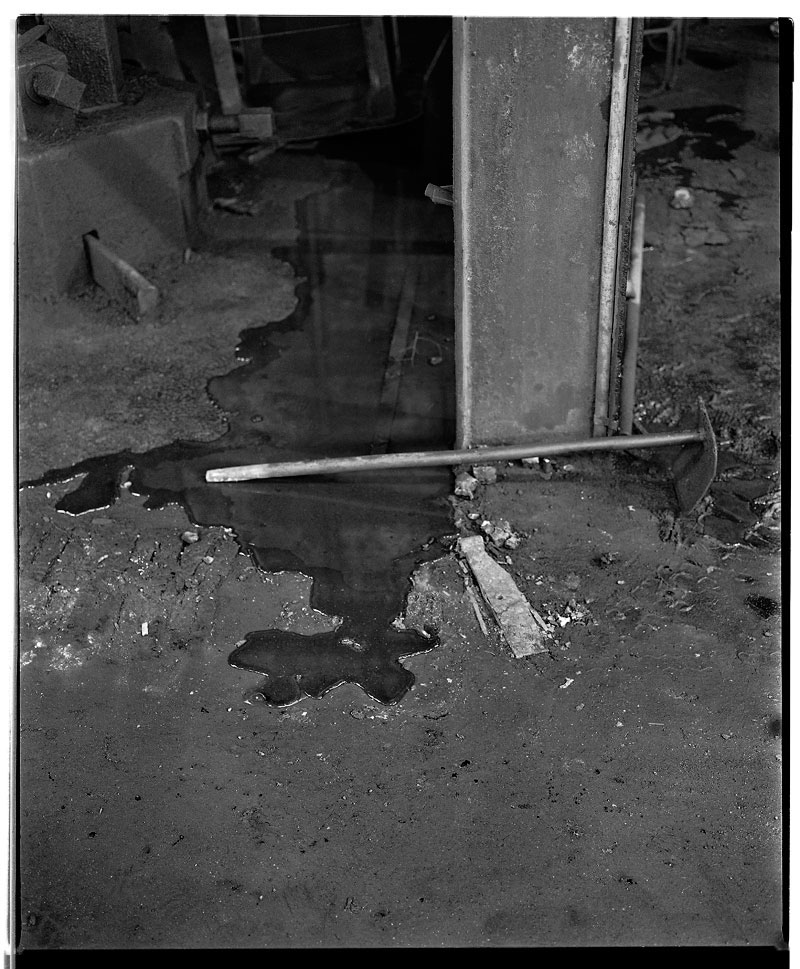
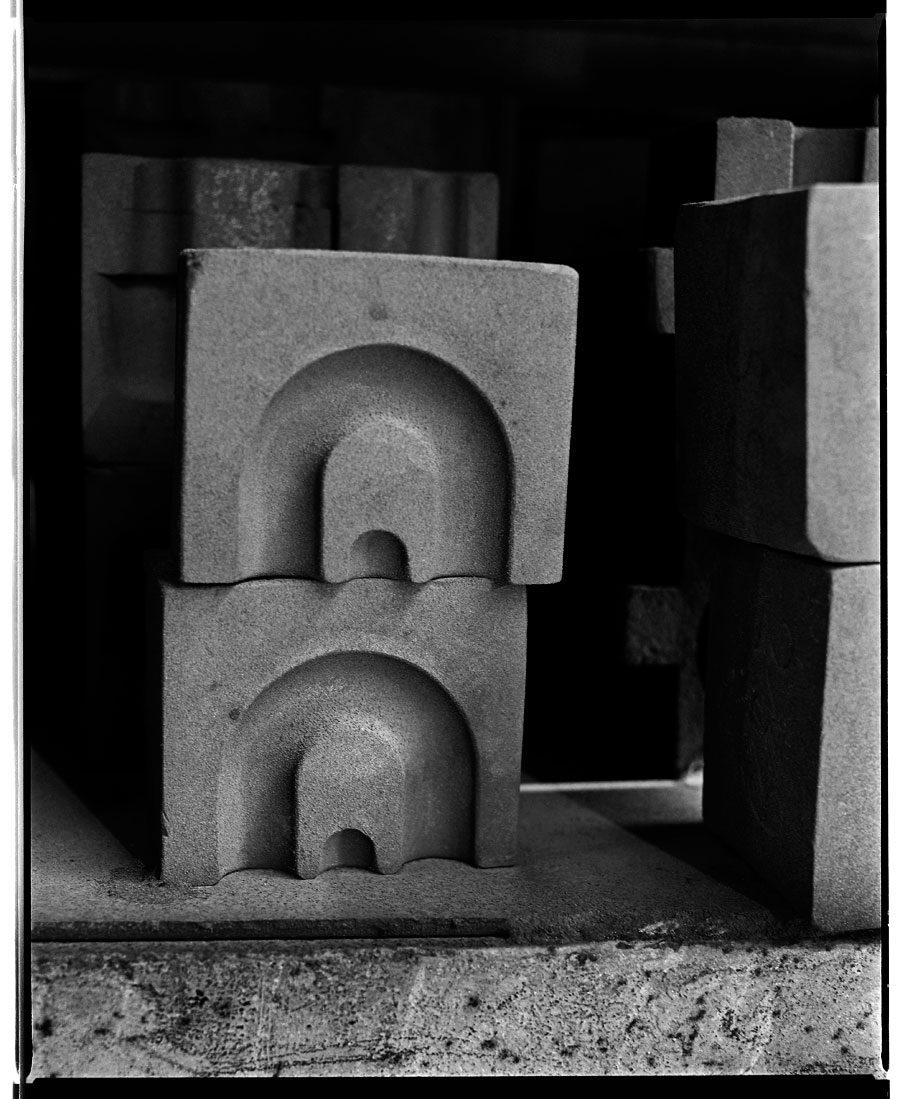
This series of photographs was taken in Melbourne at the old Victorian Railway’s Newport Workshops and formed the second part of my first solo exhibition, Of Magic, Music and Myth held in 1991 at a hairdressing salon in High Street, Prahran, Melbourne. Some of the titles e.g. Fords are a Joke, GMH are shit (1991, below) are taken from the graffiti scrawled on various surfaces. All are silver gelatin photographs on fibre-based paper.
Marcus Bunyan (Australian, b. 1958) Fords are a Joke, GMH are shit
1991
From the At Newport series
Gelatin silver print
Marcus Bunyan (Australian, b. 1958) Harrys got a…
1991
From the At Newport series
Gelatin silver print
Marcus Bunyan (Australian, b. 1958) Screened figure
1991
From the At Newport series
Gelatin silver print
Marcus Bunyan (Australian, b. 1958) Heavy springs
1991
From the At Newport series
Gelatin silver print
Marcus Bunyan (Australian, b. 1958) Untitled (Torro)
1991
From the At Newport series
Gelatin silver print
Marcus Bunyan (Australian, b. 1958) I, Robot
1991
From the At Newport series
Gelatin silver print
Marcus Bunyan (Australian, b. 1958) Large Anvil
1991
From the At Newport series
Gelatin silver print
Marcus Bunyan (Australian, b. 1958) Spring, Turrets, Keep and Ladder
1991
From the At Newport series
Gelatin silver print
Marcus Bunyan (Australian, b. 1958) Big Cogs
1991
From the At Newport series
Gelatin silver print
Marcus Bunyan (Australian, b. 1958) Coronation
1991
From the At Newport series
Gelatin silver print
Marcus Bunyan (Australian, b. 1958) Frank’s Apron
1991
From the At Newport series
Gelatin silver print
Marcus Bunyan (Australian, b. 1958) Hand is fucked, Farm is flooded, Caravan drifted away I
1991
From the At Newport series
Gelatin silver print
Marcus Bunyan (Australian, b. 1958) Hand is fucked, Farm is flooded, Caravan drifted away II
1991
From the At Newport series
Gelatin silver print
Marcus Bunyan (Australian, b. 1958) Untitled
1991
From the At Newport series
Gelatin silver print
Marcus Bunyan (Australian, b. 1958) Hoe with Surging Rainwater
1991
From the At Newport series
Gelatin silver print
Marcus Bunyan (Australian, b. 1958) Forms I
1991
From the At Newport series
Gelatin silver print
Marcus Bunyan (Australian, b. 1958) Forms II
1991
From the At Newport series
Gelatin silver print
Marcus Bunyan (Australian, b. 1958) Forms III
1991
From the At Newport series
Gelatin silver print
Marcus Bunyan (Australian, b. 1958) Forms IV
1991
From the At Newport series
Gelatin silver print
Many thankx to the Anne & Gordon Samstag Museum of Art for allowing me to publish the photographs in the posting. Please click on the photographs for a larger version of the image.
Olaf Unverzart (German, b. 1972) Untitled (from the series Fallen Kann Ich Auch Alleine)
1999
Pigment print
56 x 38cm/125 x 85cm
Courtesy of Oechsner Galerie
Ingvar Kenne (Australian born Sweden, b. 1965) Nick Cave 2001
From the series Citizen 1997-2012
C-type print
100 x 100cm
Courtesy of the artist
Narelle Autio (Australian, b. 1969) Untitled 8 (from the series Not of This Earth) 2001
Courtesy of the artist
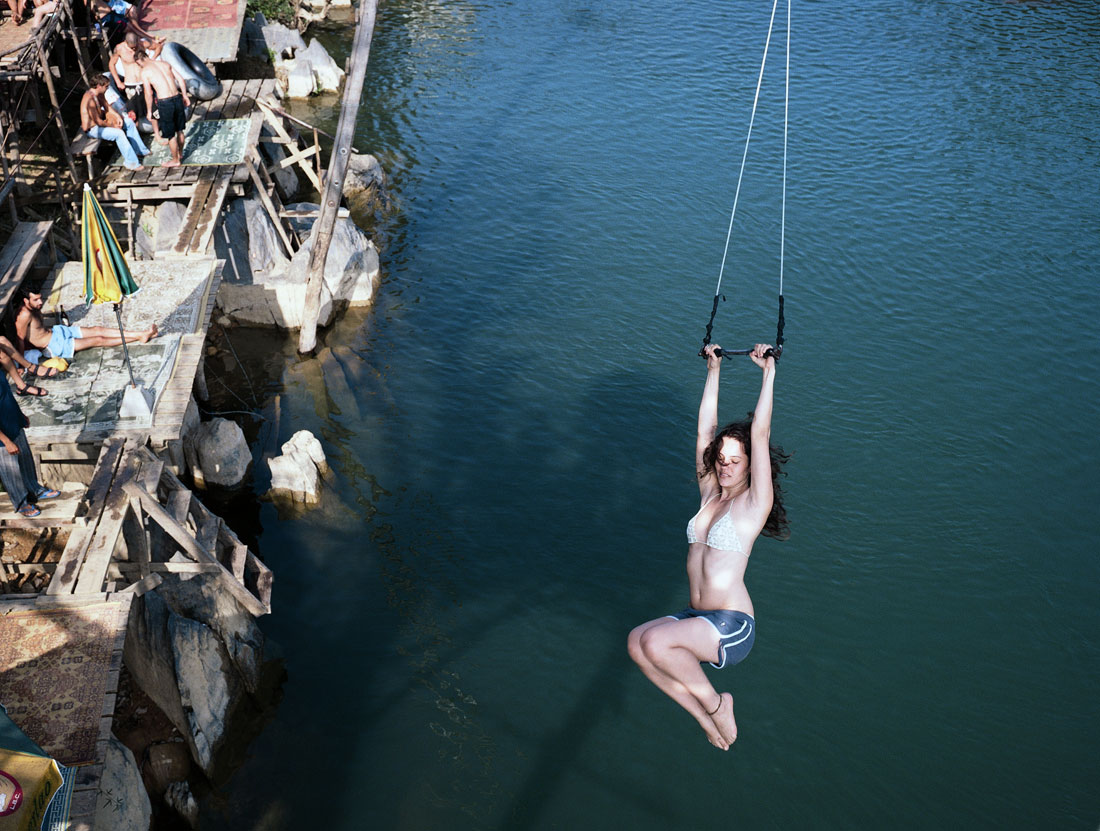
Jörg Brüggemann (German, b. 1979) Nam Song River, Vang Vieng, Laos, December 2007 2007
C-type print
69 x 57cm
Courtesy of the artist and Ostkreuz
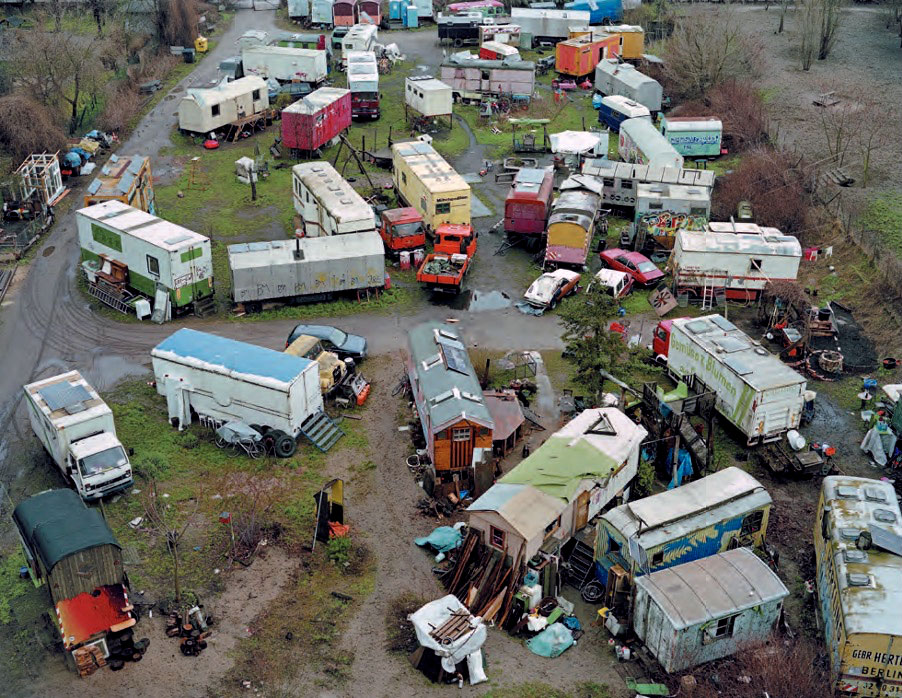
Johanna Ahlert (German, b. 1980) Truck and Trailer Castle, Berlin
2008
From the series CONVOI 2008
C-type print
100 x 127cm
Courtesy of the artist
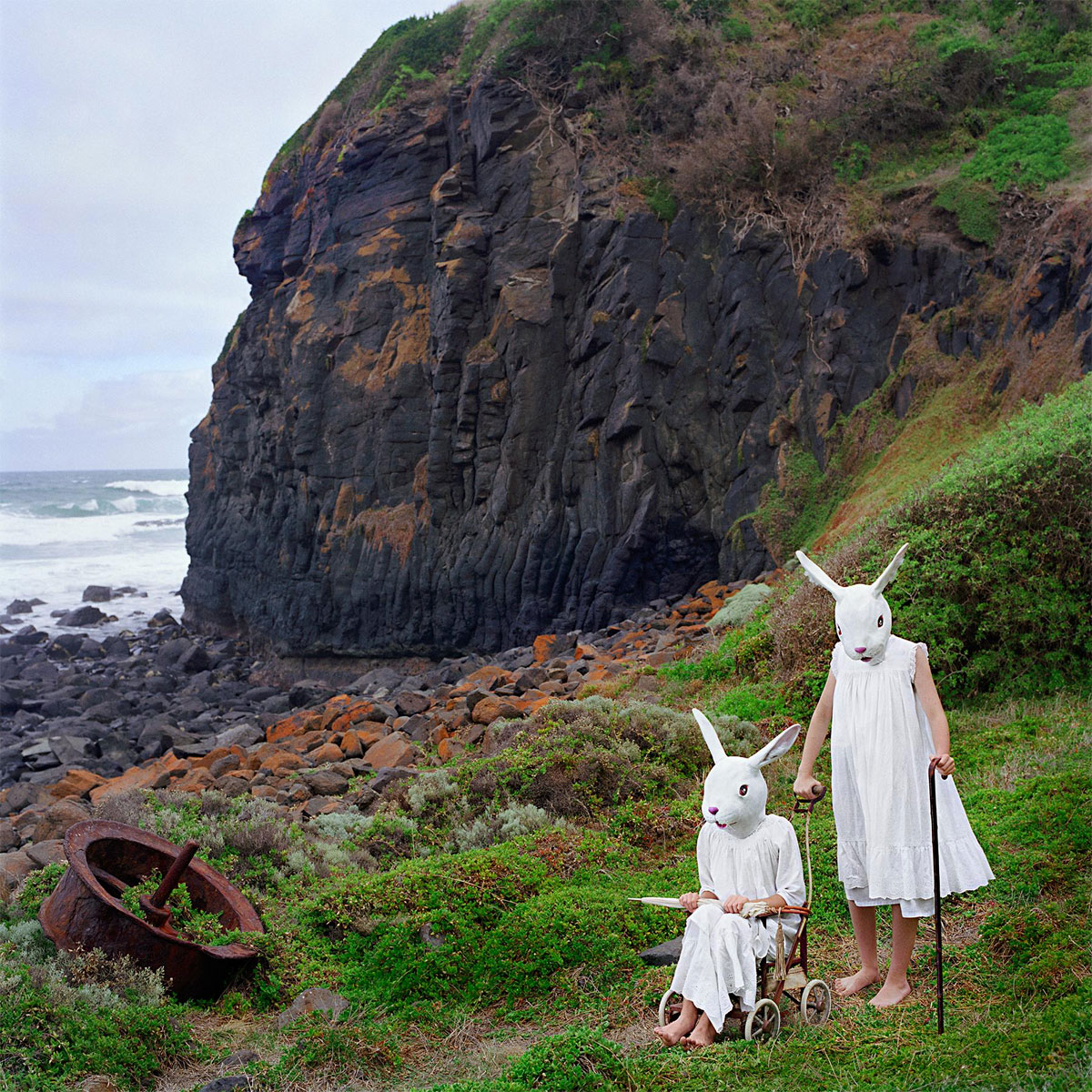
Polixeni Papapetrou (Australian, 1960-2018) The loners
2009
From the series Between worlds
Pigment ink-jet print
105 x 105cm
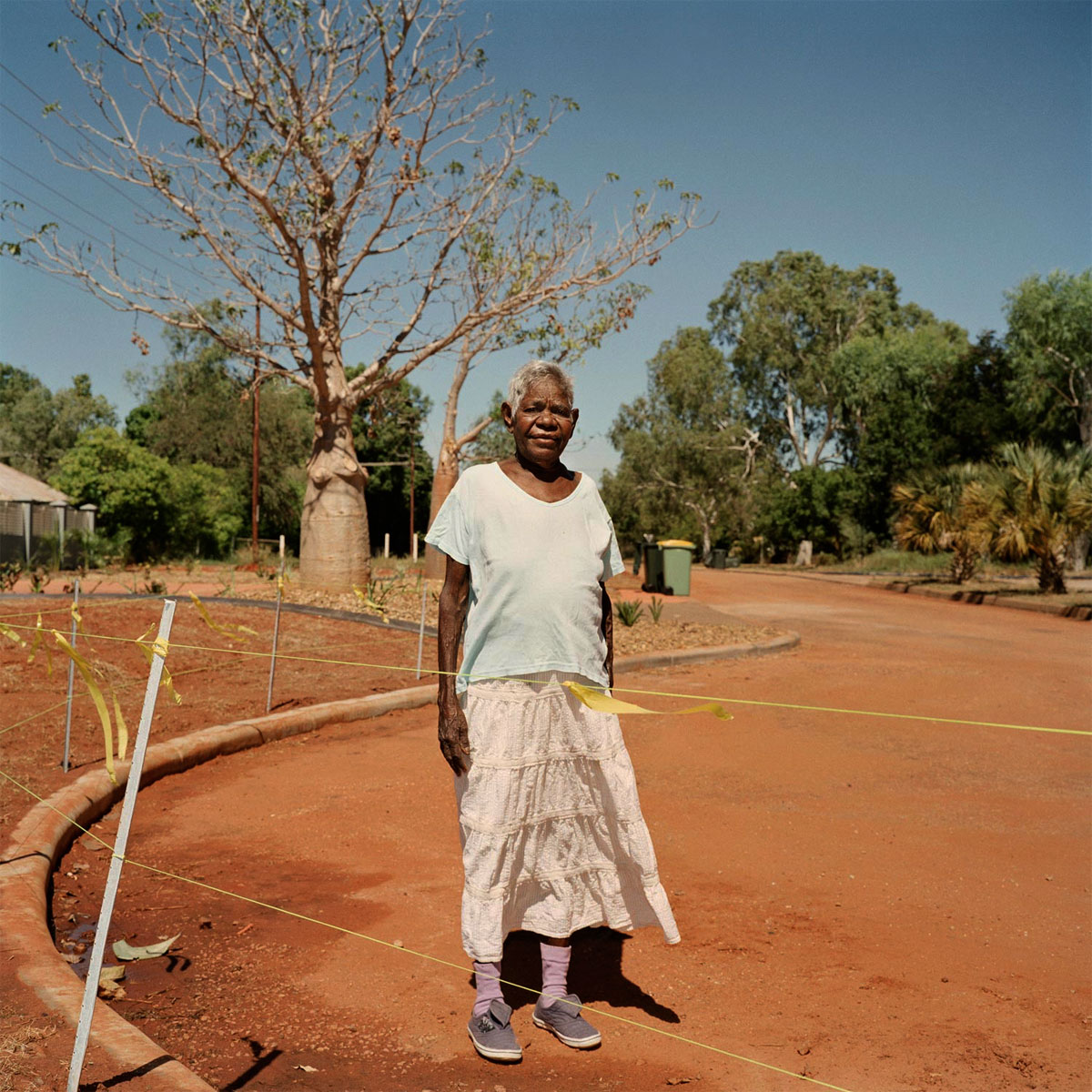
Ingvar Kenne (Australian born Sweden, b. 1965) Mona Chuguna, Author, Broome, Australia
2009
From the series Citizen 1997-2012 C-type print
100 x 100cm
Courtesy of the artist
Hijacked 2: Australia/Germany builds on the very considerable success of the inaugural exhibition, Hijacked 1 – Australia and America, and its internationally celebrated and hugely successful book. This new exhibition effectively considers two socially disparate nations, Germany and Australia, through an expansive photographic anthology of fascinating works, juxtaposed to suggest connections.
Hijacked 2 has been curated by Mark McPherson and Ute Noll and showcases the diverse talents and perspectives of thirty contemporary German and Australian photographers. With a focus on the depiction of the young, the boundary-riding, and the fringe-dwelling, Hijacked 2 is evocative, confronting, dreamlike and rousing.
Featured artists from Australia are: Narelle Autio, James Brickwood, Michael Corridore, Andrew Cowen, Tamara Dean, Suzie Fox, Lee Grant, Derek Henderson, Rebecca Ann Hobbs, Ingvar Kenne, Bronek Kózka, Georgia Metaxas, Polixeni Papapetrou and Louis Porter.
From Germany the artists are: Johanna Ahlert, Natalie Bothur, Jörg Brüggemann, Thekla Ehling, Albrecht Fuchs, Jan von Holleben, Karsten Kronas, Anne Lass, Jens Liebchen, Myriam Lutz, Julian Röder, Josef Schulz, Oliver Sieber, Ivonne Thein, Olaf Unverzart and Sascha Weidner.
Hijacked 2: Australia/Germany is toured by the Australian Centre for Photography. A substantial 412-page publication accompanies the exhibition with texts by Uta Daur, Bec Dean, Alasdair Foster, Bill Kouwenhoven, Katja Melzer, Daniel Palmer and Katrina Schwarz.
Text from the Anne & Gordon Samstag Museum of Art website
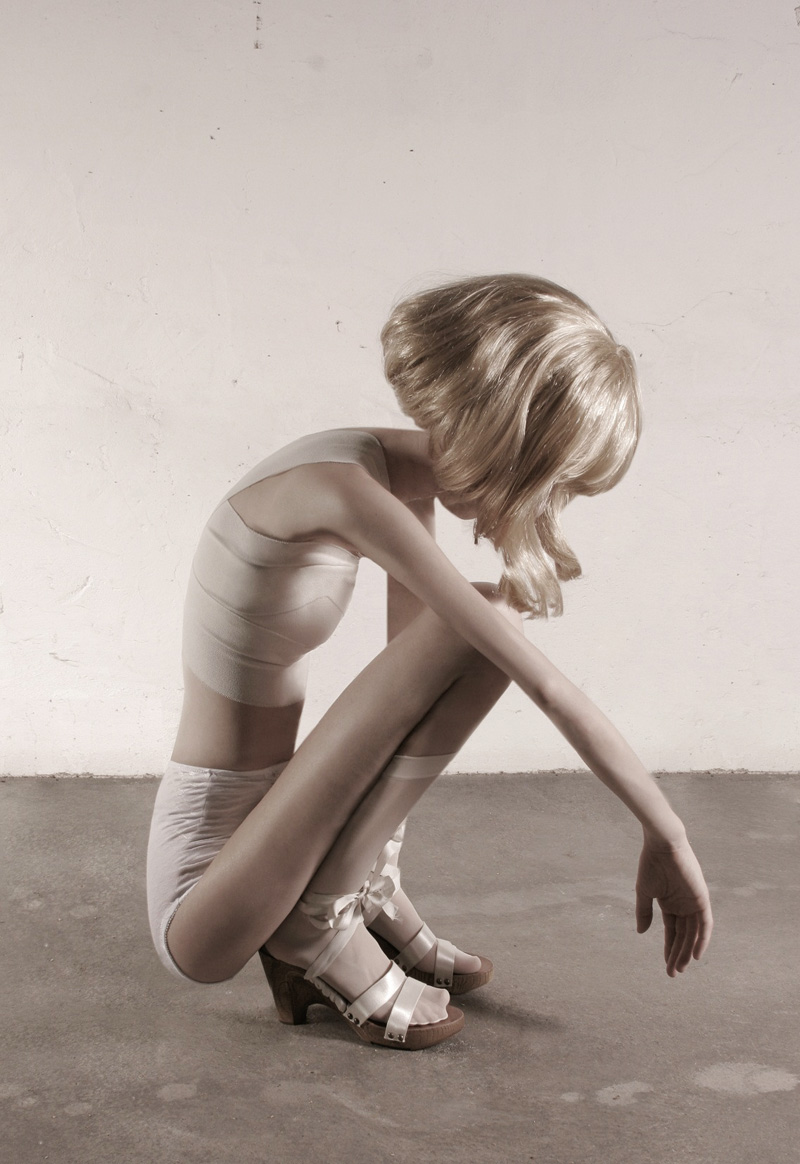
Ivon Thein (German, b. 1979) Untitled 07 (from the series Thirty-Two Kilos) 2006
C-type print
55 x 80cm
Courtesy of Galerie Voss
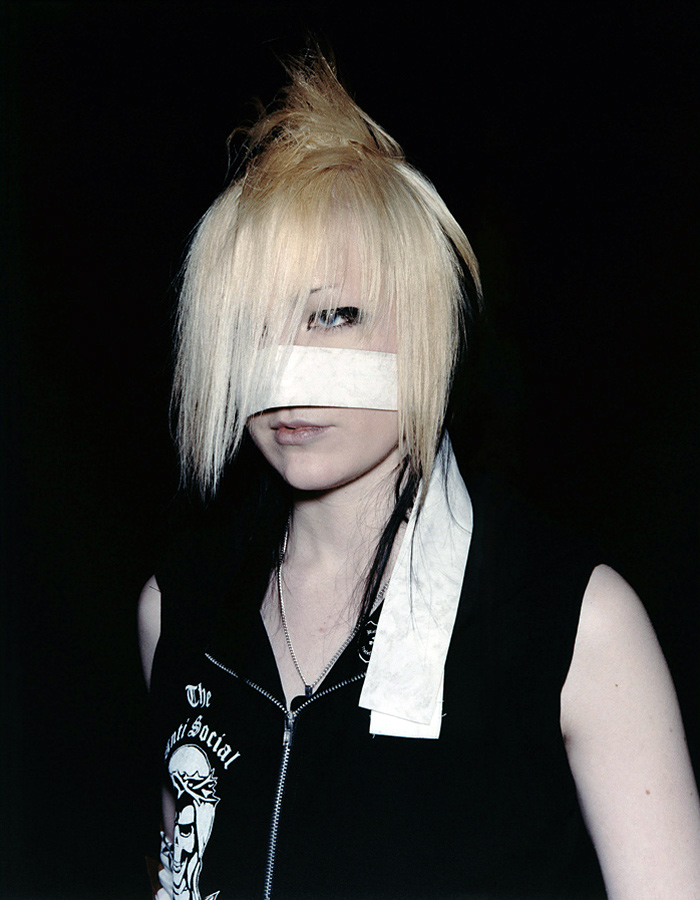
Oliver Sieber (German, b. 1966) Reita, Köln, 2007
2007
Pigment print
34 x 27cm
Courtesy Galerie Priska Pasquer, Germany
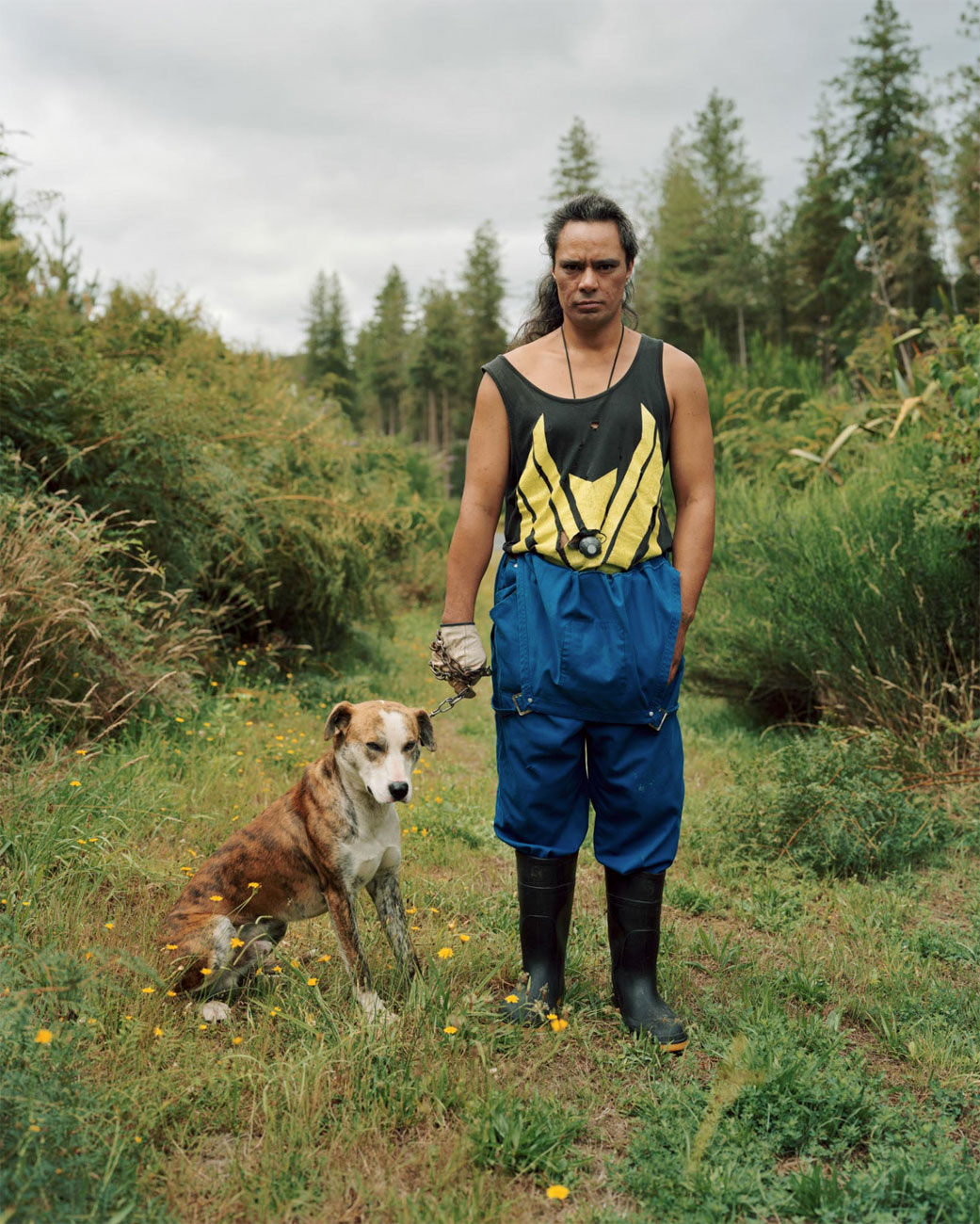
David Henderson (New Zealand, b. 1963) Dave Omeka Kidwell and Feather, Ātiamuri
2008
From the series Mercy Mercer
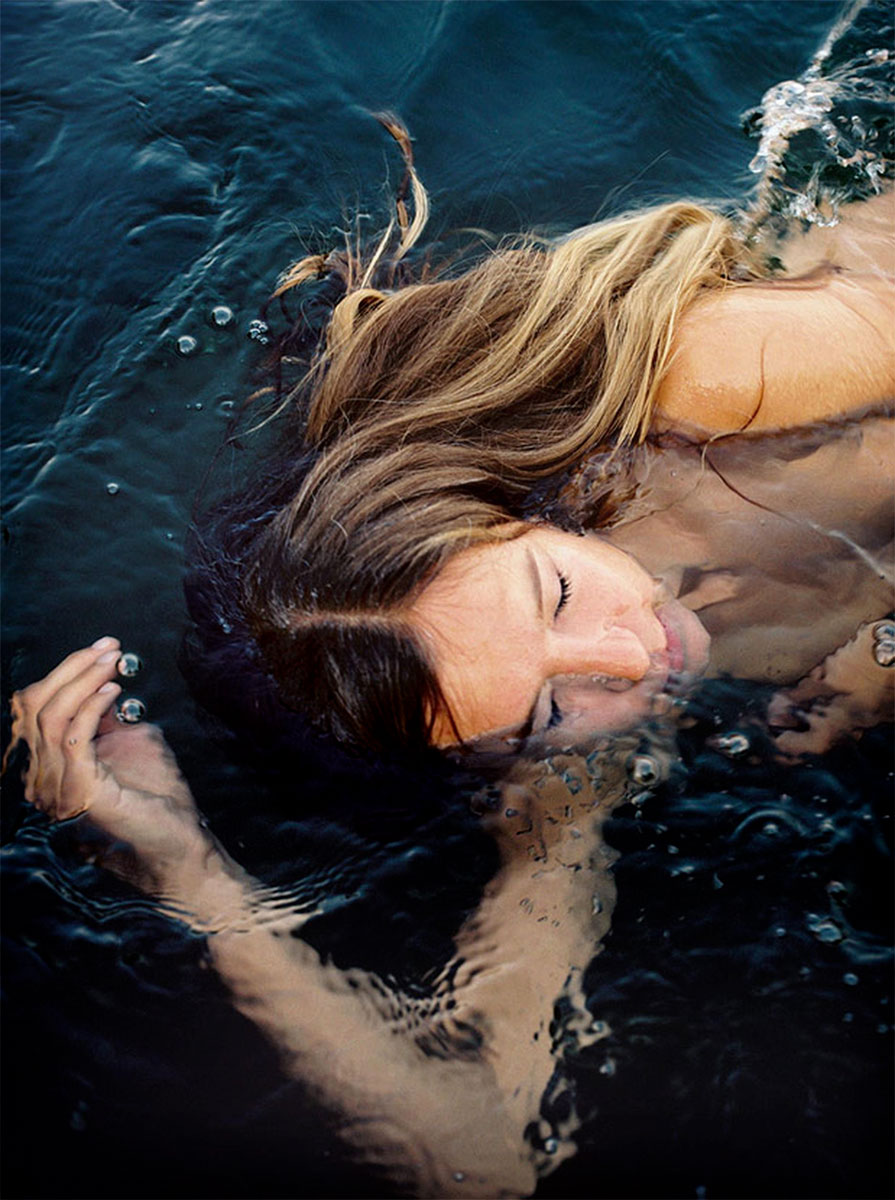
Thekla Ehling (German, b. 1968) Untitled
2011
From the series Vergiszmeinnicht (forget-me-not)
Anne & Gordon Samstag Museum of Art Hawke Building, City West campus
University of South Australia
55 North Terrace, Adelaide Phone: (08) 8302 0870


























































 Art Blart _ art and cultural memory archive
You must be logged in to post a comment.