Vale Joyce Evans OAM photographer (1929-2019)

July 2019


Joyce Evans (Australian, 1929-2019) 'Untitled [Joyce with camera]' 1951


Joyce Evans (Australian, 1929-2019)
Untitled [Joyce with camera]
1951
Gelatin silver print
From We Had Such High Hopes: Student Activism and the Peace Movement 1949-1952, A Photographic Memoir by Joyce Evans (Australian Scholarly Publishing 2019)


It’s taken me more than a moment of reflection to write this text. The events are almost too close to write about my surrogate mother in Australia, my friend and fellow artist, Joycie. I can only write about the person I knew, not the time before I knew her – and so this will be a very personal reflection on one of the most incredible human beings that I have ever met.


Do not go gentle into that good night
Rage, rage, against the dying of the light

Vale Joyce Evans.

Human, female, lover, mother, grandmother, wife, poet, publisher, writer, romantic, creative, humanist, universalist, spiritualist, bohemian, pioneer, gallery director, teacher, lecturer, collector, philanthropist, activist, artist, feminist, supporter of artists, Indigenous rights, civil rights, and the disenfranchised, exhibitor… and working photographer.


I met the force of nature that was Joyce Olga Evans (1929-2019) through a mutual friend, Alison Inglis, who knew of our love of photography. It was the start of an intense friendship that lasted just seven or eight years until Joycie, as I used to call her, passed away at Easter this year. Before she passed she knew that she had been awarded an OAM (Medal of the Order of Australia) for service to photography. This was a long overdue tribute to a pioneer and supporter of photography in Australia, one of the first women to be the director of an independent, commercial photography gallery in this country.

Joyce had an incredible passion for and knowledge about photography, whether it was historical Australian or world photographers and their prints from any era, or contemporary artists here and overseas. Her collection of both local and international photographs was almost unparalleled in private hands in this country. She had such a keen eye. When attending a local auction with her she purchased an original William Mortensen for next to nothing. Nobody else had recognised the power and presence of the image by this master artist.

This incisive vision translated into her work as an artist who was a working photographer. At heart, that’s what Joyce was – a working photographer and a storyteller. She believed in photography like photographers get photography… not like an academic or a theoretician, but like an avid fan, an enthusiast, a passionate collector, a teacher. Photography was an integral part of her life, her soul.

She said to me of being an artist, “If we can find out what we are… that is the artist. The core element of your being, and the core element of your enquiry as an artist remains the same. The concerns that you had when you started being an artist are with you until the end. If the core part of your life is the search for truth then that becomes a core part of your identity. It becomes embedded in your soul.”

In this sense, photography becomes something of you, more than just intention – it becomes your essence, your shape…. your physical shape, a tangible thing.

Photography and its spirit inhabited Joyce as Joyce lived in the world. To Joyce, photography was just as much about the world and creativity as it was about the image. The image was just a manifestation of spirit, something that you worked at, recognised, and captured for what it was and could be. As Minor White said, “There is always a dragon in the negative,” and a dragon, that symbol of power, strength, and good luck, lived inside Joyce (see my favourite photograph of her below) and in her work. Her photographs possessed a spiritual and psychological sensation of the place.

As she said, “Making photographs that are memorable requires more than just camera, light and a story. It requires a type of harmony, unity, and an indefinable something, which I can best explain as becoming emotionally attached to the subject so that the images almost make themselves.”

Joyce’s commitment to photography was legendary. She was in it for the long haul.

I was always amazed when we were out in public, going to the exhibitions that we loved to visit, that she would always be taking photographs. Whenever she saw something that interested her out would come her beloved iPhone or digital camera, and she would talk to strangers and their children and take their photos. She was a totally open spirit and had no fear about the path she took. People embraced her, talked to her, responded to her energy and spirit. I remember travelling up to Sydney with her to see an exhibition of her favourite photographer, “Our Julia”, Julia Margaret Cameron at the Art Gallery of New South Wales, and just observing that sparkle in her eyes, that unparalleled love that transcends all our pasts and futures in the simple moment of being and looking at these photographs.

Joyce was uncompromising. If she thought you were being a fuckwit she told you so in no uncertain terms. But she was a rock on which I came to depend. As someone said of her, “Joyce wasn’t into niceties and didn’t take any shit from anyone! I hope I grow up to be as tough as her. She was a visionary.” She really did not stand fools gladly (thank god), and had little truck for fine art photographers who didn’t understand the medium, its history or their small place within the grand scheme of things. As the playwright Edward Albee commented at the American painter Lee Krasner’s memorial at the Metropolitan Museum of Art, in both her life and her work, ‘… she looked you straight in the eye, and you dared not flinch’. It was the same with Joycie. She could see deep inside you to the core of your being.

Joyce loved helping people. She was so generous of her time and energy, of her wisdom and knowledge. Some of the best times of my life were spent in her kitchen talking about art, love and life. People were drawn to her. As Julie Moss has observed, she was “such a strong, creative and vibrant role model for so many female photographers” in a sea of male prejudice and ambivalence. What Joyce did not do is live on her memories… she was ever active, ever inquiring. She stood up for what she believed. A couple of weeks before she passed she said to me, “I don’t want to go yet, I still have so much that I want to do.” She was still raging against the dying of the light, not going gently into that good night.

But what she achieved in her truly remarkable life is a testament to her unquenchable spirit. In a journey full of determination, intelligence, exploration and love she achieved so much and touched so many. I miss her terribly.


I am the (sublime) space where I am, that surrounds me with countless presences.

Dr Marcus Bunyan July 2019
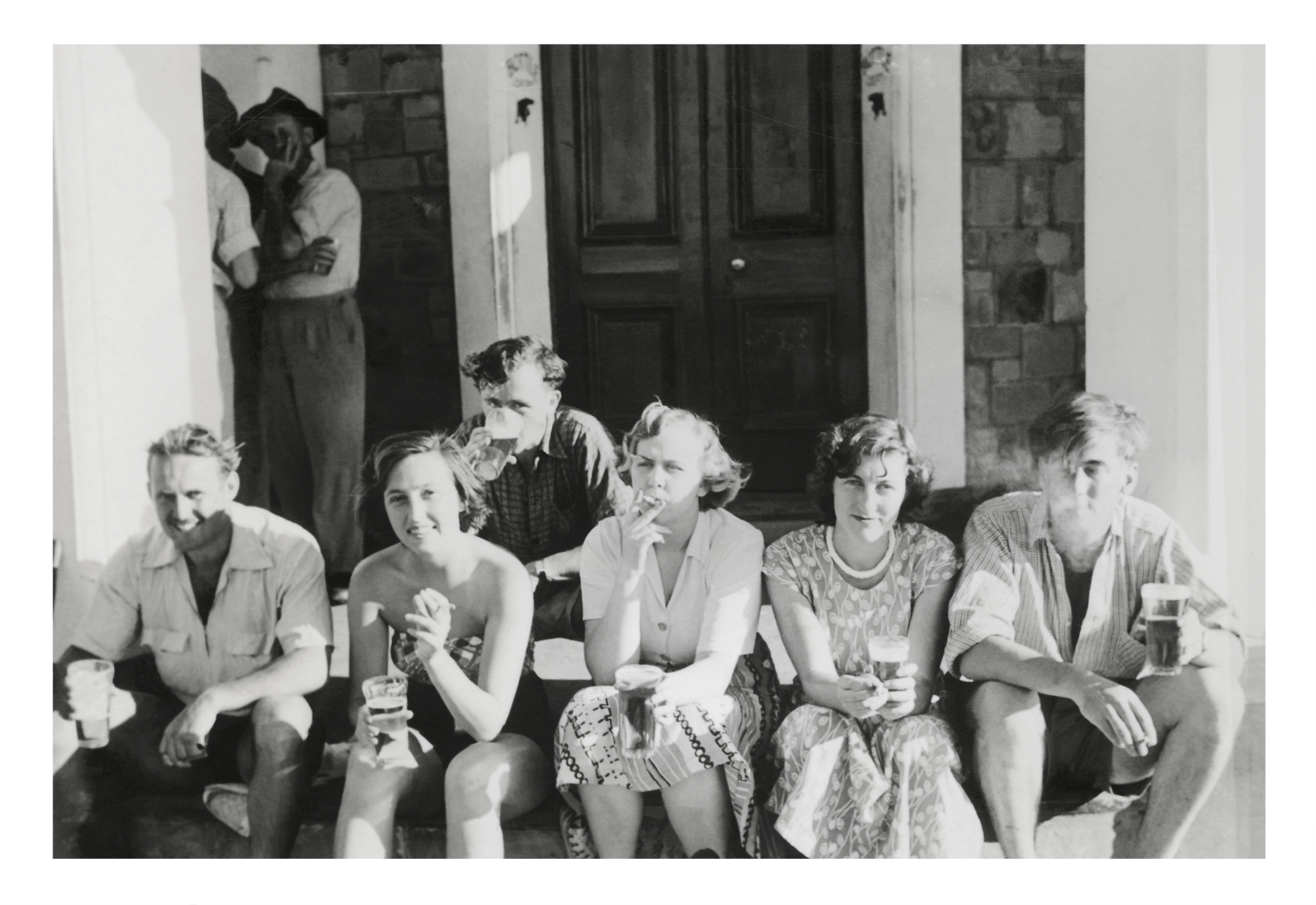
 

Joyce Evans (Australian, 1929-2019) 'Dissipation at the pub: students outside Largs Bay pub while attending N.U.A.U.S. conference, South Australia 1951 - Joyce Zerfas, Jill Warwick, Val Groves' 1951


Joyce Evans (Australian, 1929-2019)
Dissipation at the pub: students outside Largs Bay pub while attending N.U.A.U.S. conference, South Australia 1951 – Joyce Zerfas, Jill Warwick, Val Groves
1951
Gelatin silver print
From We Had Such High Hopes: Student Activism and the Peace Movement 1949-1952, A Photographic Memoir by Joyce Evans (Australian Scholarly Publishing 2019)


This photograph, showing students smoking and drinking outside the pub at Largs Bay, was published in an Adelaide newspaper. At the time this was considered to be immoral behaviour. Note the man in the background with his fingers up in a derogatory manner.

The names of the three women who have been identified are from left to right: Joyce Evans (nee Zerfas) photographer, Jill Warwick, deceased, (producer of TV programme “It Could Be You”) Val Groves, psychologist. I have been unable to identify the men. ~ Joyce Evans
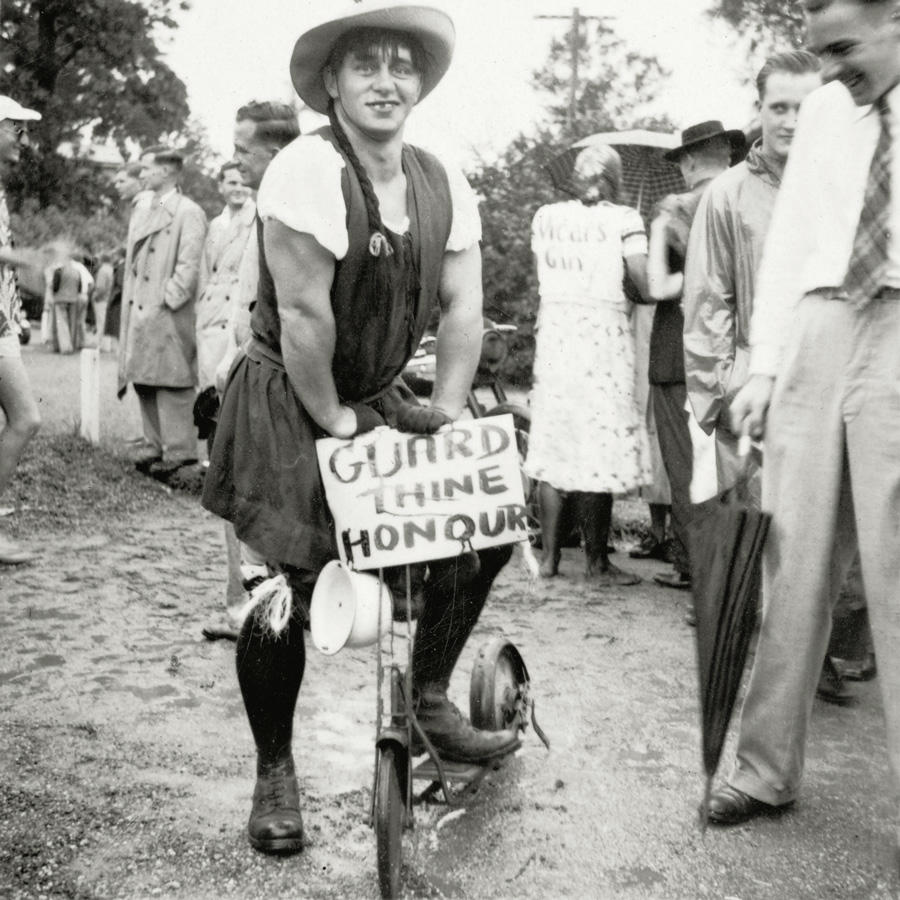
 

Joyce Evans (Australian, 1929-2019) 'Guard Thine Honour, May Day March, Flinders Street, Melbourne' 1951


Joyce Evans (Australian, 1929-2019)
Guard Thine Honour, May Day March, Flinders Street, Melbourne
1951
Gelatin silver print
From We Had Such High Hopes: Student Activism and the Peace Movement 1949-1952, A Photographic Memoir by Joyce Evans (Australian Scholarly Publishing 2019)
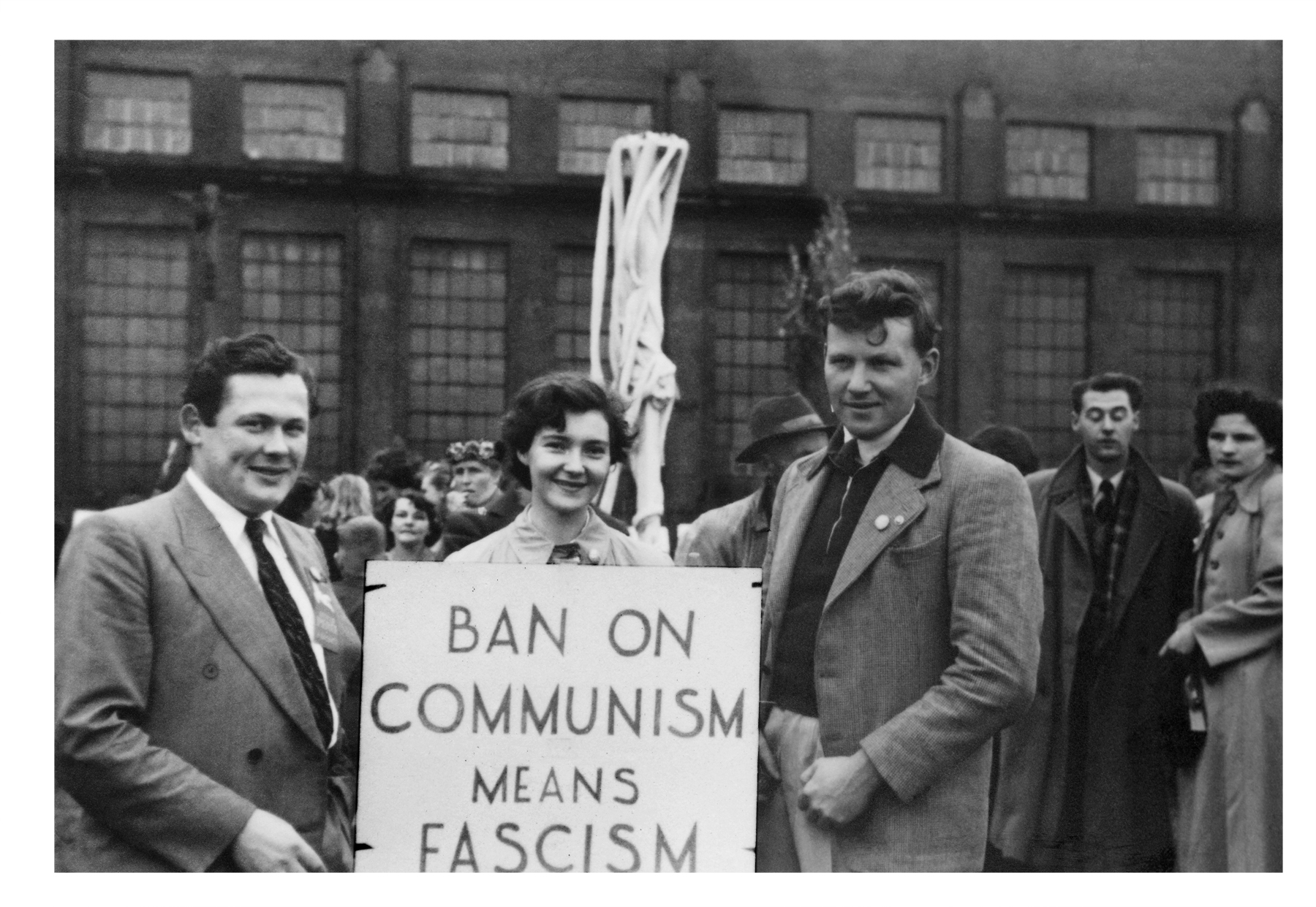
 

Joyce Evans (Australian, 1929-2019) 'Ban on Communism Means Fascism, May Day March, Flinders Street, Melbourne' 1951


Joyce Evans (Australian, 1929-2019)
Ban on Communism Means Fascism, May Day March, Flinders Street, Melbourne
1951
Gelatin silver print
From We Had Such High Hopes: Student Activism and the Peace Movement 1949-1952, A Photographic Memoir by Joyce Evans (Australian Scholarly Publishing 2019)
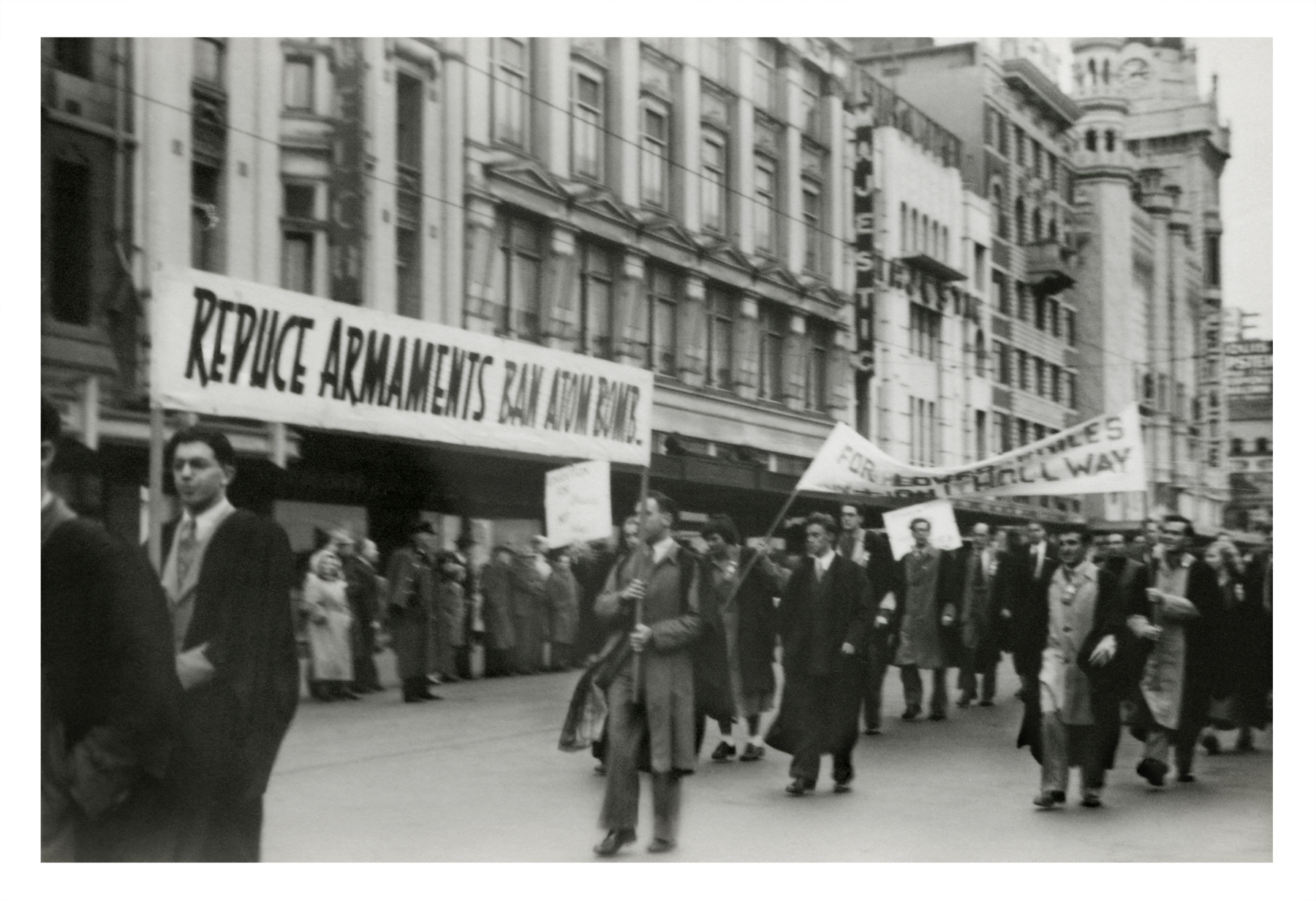
 

Joyce Evans (Australian, 1929-2019) 'Reduce Armaments Ban Atomic Bomb' 1951


Joyce Evans (Australian, 1929-2019)
Reduce Armaments Ban Atomic Bomb, May Day March, Flinders Street, Melbourne [pictured image-right, Professor Bernard Rechter]
1951
Gelatin silver print
From We Had Such High Hopes: Student Activism and the Peace Movement 1949-1952, A Photographic Memoir by Joyce Evans (Australian Scholarly Publishing 2019)


“Making photographs that are memorable requires more than just camera, light and a story. It requires a type of harmony, unity, and an indefinable something, which I can best explain as becoming emotionally attached to the subject so that the images almost make themselves.”


Joyce Evans


“Photography for me is a type of communion with my subject. Like everybody else I take photographs which have little meaning. But sometimes I sense an underlying value in the land, a group of people, a location, and then I make photograph, which is satisfying to myself. I think I would like to call that the way in which the quintessential spirit of what I am seeing has stirred me to need to make a photograph of it.

To me, I am alive, and my life and the life of everything in the world is connected. For me it is that universality that is the basis of my idea of the spiritual. I feel uncomfortable about formal organised religion and am perhaps more than a humanist, a universalist.”


Joyce Evans


“Aesthetically, I enjoy the camera’s capacity to record relationships and detail, which my subconscious may perceive, but I may not fully see.

My appreciation of aesthetics goes back to when I studied painting with John Olsen at the Bakery Art School, Sydney in 1967-1968. Olsen made me aware of the power of the edge of the image to relate to what was not shown in the image. My formal education was further enhanced when I did a degree in fine arts at Sydney University 1969-1971. There, Dr Anton Wilhelm taught me how to read an image. My understanding of the limits and potentials of two-dimensional imagery was expounded by Professor Bernard Smith.

Informally, my knowledge of photography and my practice was refined through formative conversations with a wide range of great photographers such as Andre Kertesz, Max Dupain, Ansel Adams and Bill Henson, Julie Millowick and Linda Connor.

Each of these relationships helped me to clarify my photographic position, which is based on a search for the essence of a subject.”


Joyce Evans
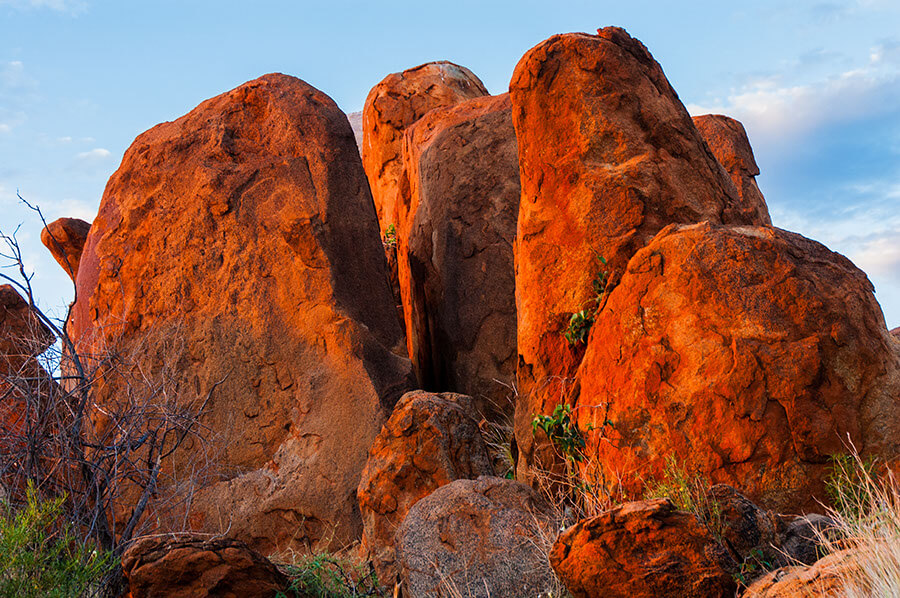


Joyce Evans (Australian, 1929-2019) 'Rain Dreaming, Yuendumu, NT' 2005


Joyce Evans (Australian, 1929-2019)
Rain Dreaming, Yuendumu, NT
2005
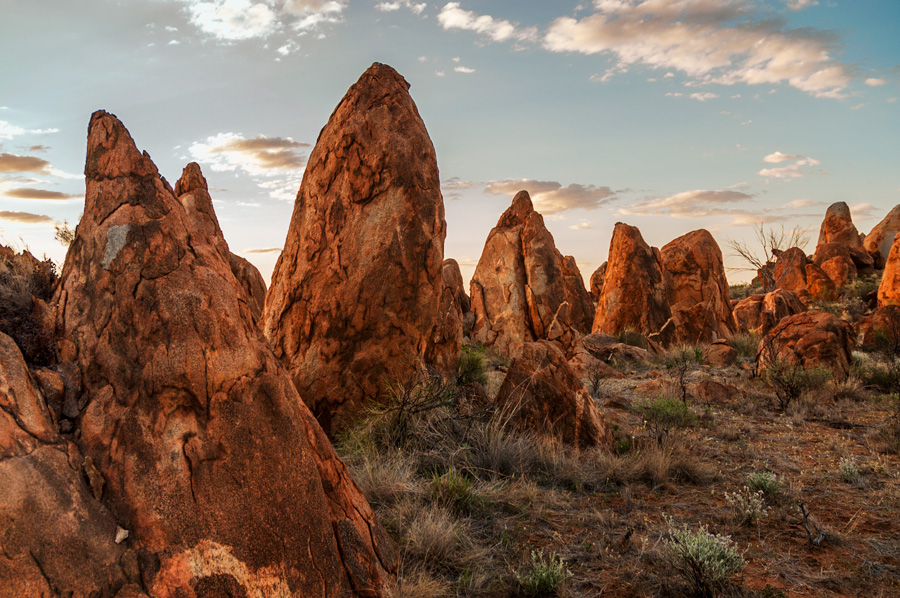
 

Joyce Evans (Australian, 1929-2019) 'Rain Dreaming, Yuendumu, NT' 2005


Joyce Evans (Australian, 1929-2019)
Rain Dreaming, Yuendumu, NT
2005
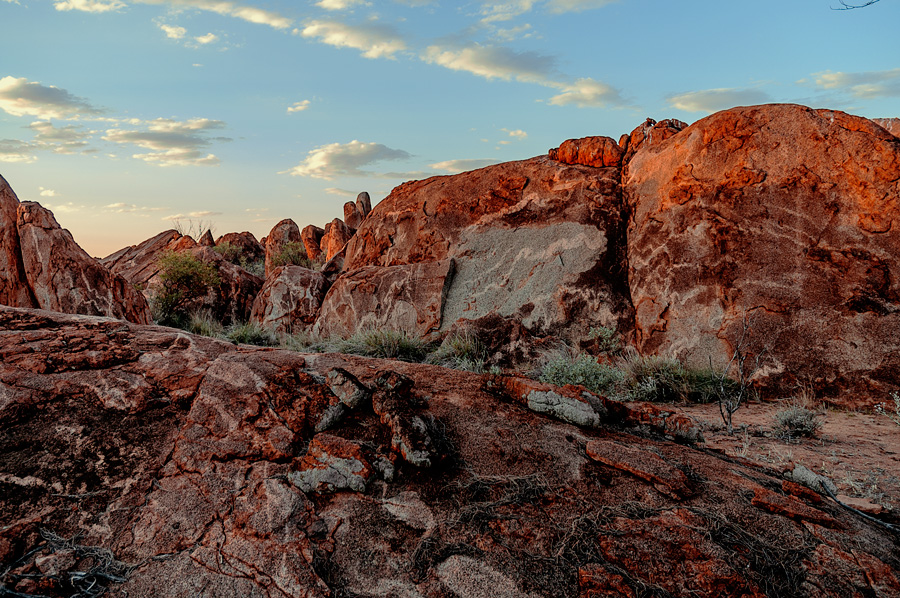
 

Joyce Evans (Australian, 1929-2019) 'Rain Dreaming, Yuendumu, NT' 2005


Joyce Evans (Australian, 1929-2019)
Rain Dreaming, Yuendumu, NT
2005
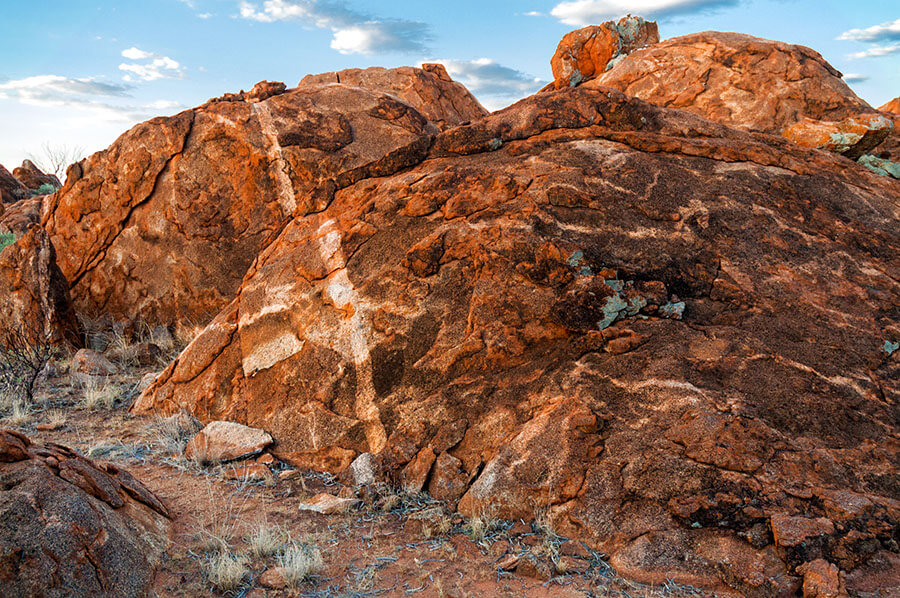
 

Joyce Evans (Australian, 1929-2019) 'Rain Dreaming, Yuendumu, NT' 2005


Joyce Evans (Australian, 1929-2019)
Rain Dreaming, Yuendumu, NT
2005
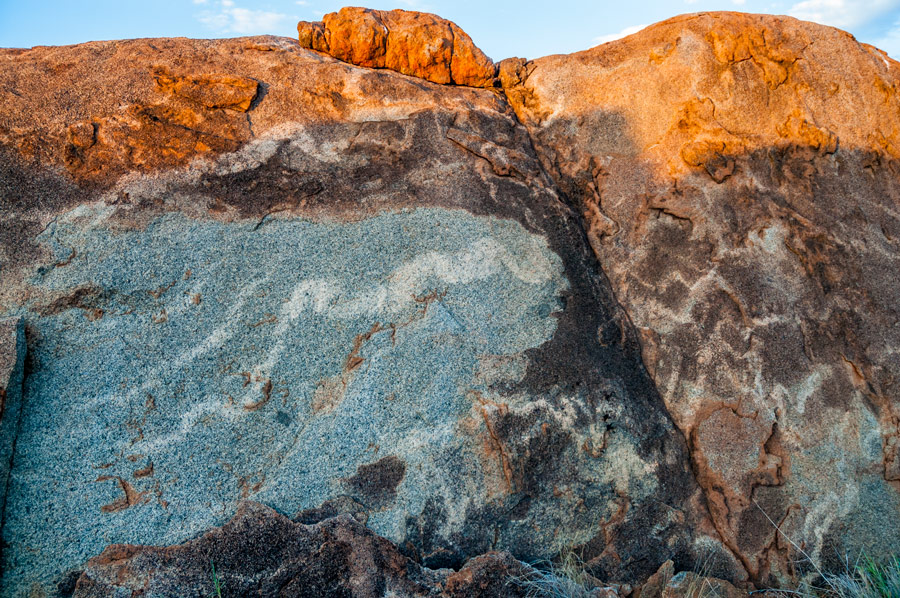
 

Joyce Evans (Australian, 1929-2019) 'Rain Dreaming, Yuendumu, NT' 2005


Joyce Evans (Australian, 1929-2019)
Rain Dreaming, Yuendumu, NT
2005


Joyce Evans short biography

Joyce Olga Evans is well known in Australian photography. In 1976 Joyce opened Church Street Photographic Centre, a pioneer Australian commercial gallery devoted to Photography. It showcased the best of Australian and International photographers. Joyce exhibited works by Frank Hurley, Imogen Cunningham, Bill Henson, Henri Cartier-Bresson, Julia Margret Cameron, Max Dupain and many other renowned photographers – she says that they were her teachers.

Passionately dedicated to photography, she has had many solo exhibitions of both her landscapes (she photographed in the Dandenongs and Mt Martha regions in the outer Melbourne; along the Hume Highway; in the Central Desert and outback Australia, most notably Oodnadatta, Oodlawirra, Menindee, and Lake Mungo; vineyards and rural villages in the South of France; the old Jewish cemetery in the centre of Prague; and numerous others) and her portraits (she photographed Australian intelligentsia and personalities, including Marianne Baillieu; Barbara Blackman; Baron Avid von Blumenthal; Tim Burstall; Dur-e Dara; Robert Dessaix; Germaine Greer; Elena Kats-Chernin; Joan Kerr; Ellen Koshland; David Malouf; Dame Elisabeth Murdoch; Lin Onus; Jill Reichstein; Chris Wallace-Crabbe; and innumerable others) throughout Australia and Europe.

Joyce has spent two decades documenting Australia for the National Library of Australia, who are acquiring her life’s work for their permanent collection. When this acquisition is complete the Library will hold over 30,000 analogue images and 80,000 digital files. Also included are diaries and other relevant documents and files. Much of this work is destined for display on Trove, the library’s online viewing resource. She has exhibited extensively in Australia and in France and her photographs are held in many major collections. Joyce has been published widely. Her monograph Only One Kilometre was published in 2003 by Lothian Press. It detailed her many years of studying the unique qualities of the Balcombe Estuary Reserve, at Mount Martha as well as poems and articles by distinguished writers. Her work is held in many collections both locally and internationally.

Joyce Evans also plays an important educational role in Australian photography. She taught history of photography at Melbourne’s RMIT University; appointed inaugural assistant director of Waverley City Gallery (now Monash Gallery of Art), 1990-1991, the first municipal public collection in Melbourne to specialise in photography; established and inaugurated a course on the History of Photography and appointed Research Fellow at the University of Melbourne, 1997-2010.

Evans worked as an honorary photographer for the Department of Aboriginal Affairs in Central Australia and for over ten years documented Australian country towns and events for the National Library of Australia. Important publications on Joyce Evans include a monograph Only One Kilometre (Melbourne: Lothian Press, 2003), and exhibition catalogues with essays by Alison Inglis, Eugene Barilo von Reisberg, Tim Page, Victoria Hammond, and many others.

Anonymous text from the Joyce Evans Photographer website Nd [Online] Cited 16th June 2019. No longer available online
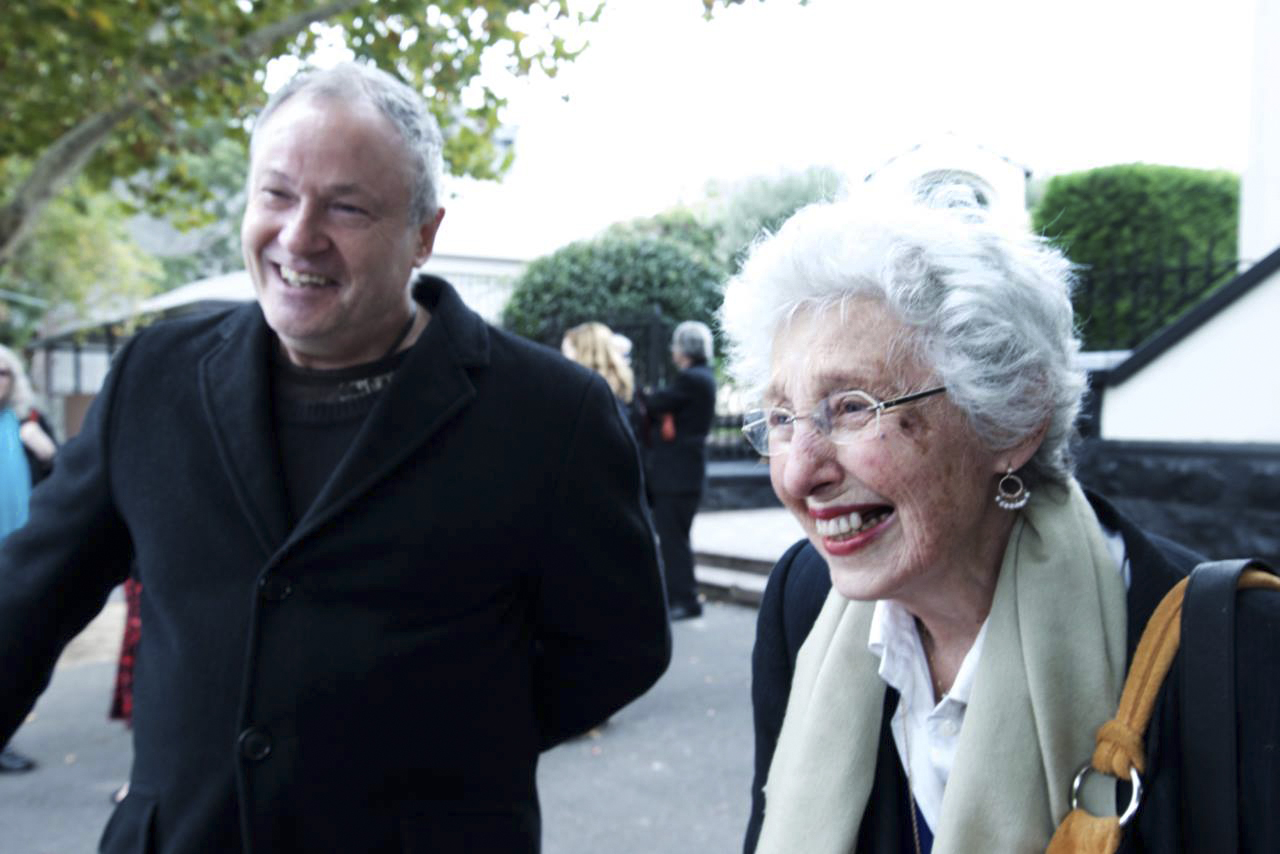
 

William Yang (Australian, b. 1943) 'Marcus and Joyce' 2018


William Yang (Australian, b. 1943)
Marcus and Joyce
2018


Being two photographers, the only photograph of Joyce and Marcus together, taken by another photographer William Yang.
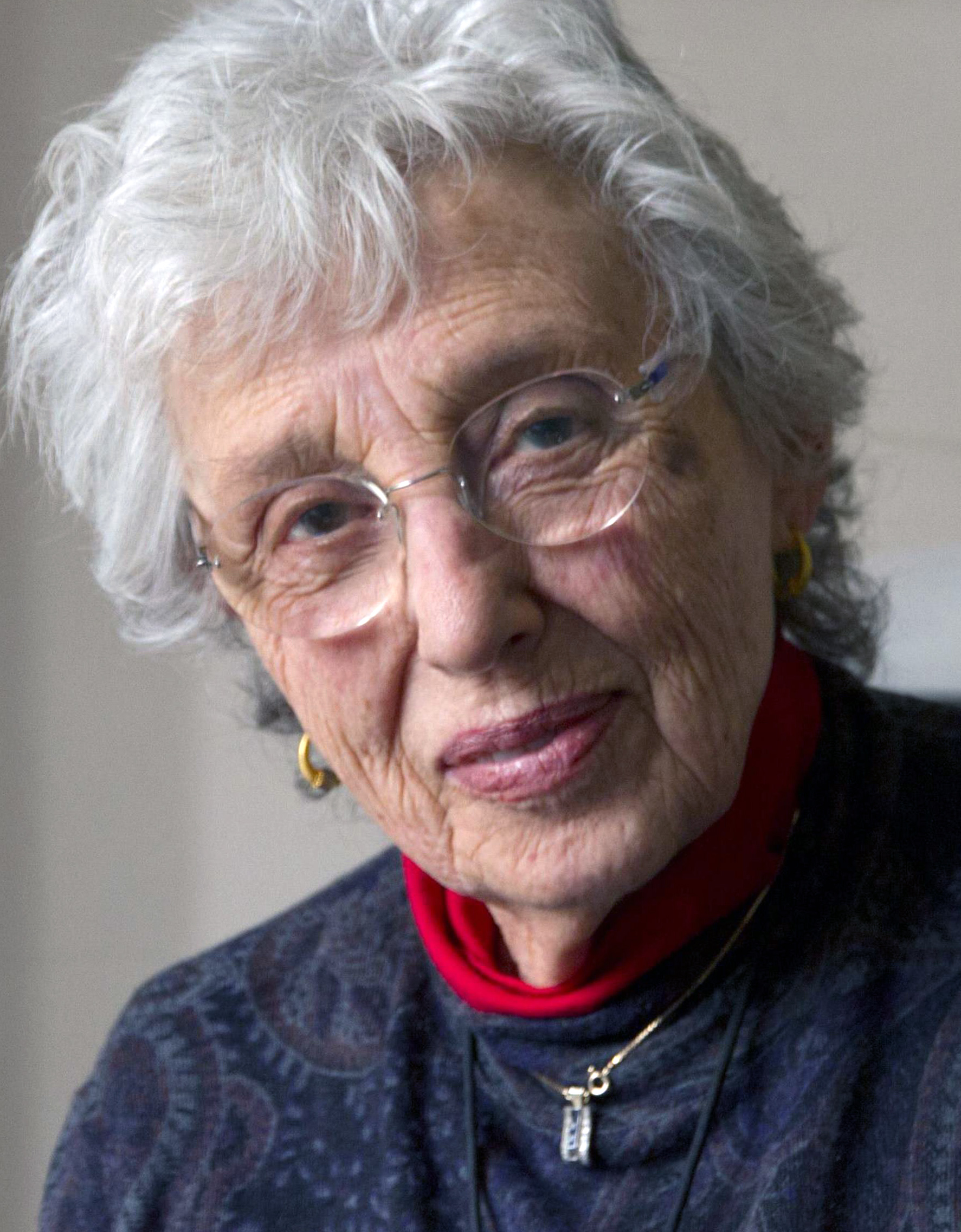
 

Michael Silver (Australian) 'Joyce Evans' 2013


Michael Silver (Australian)
Joyce Evans
2013
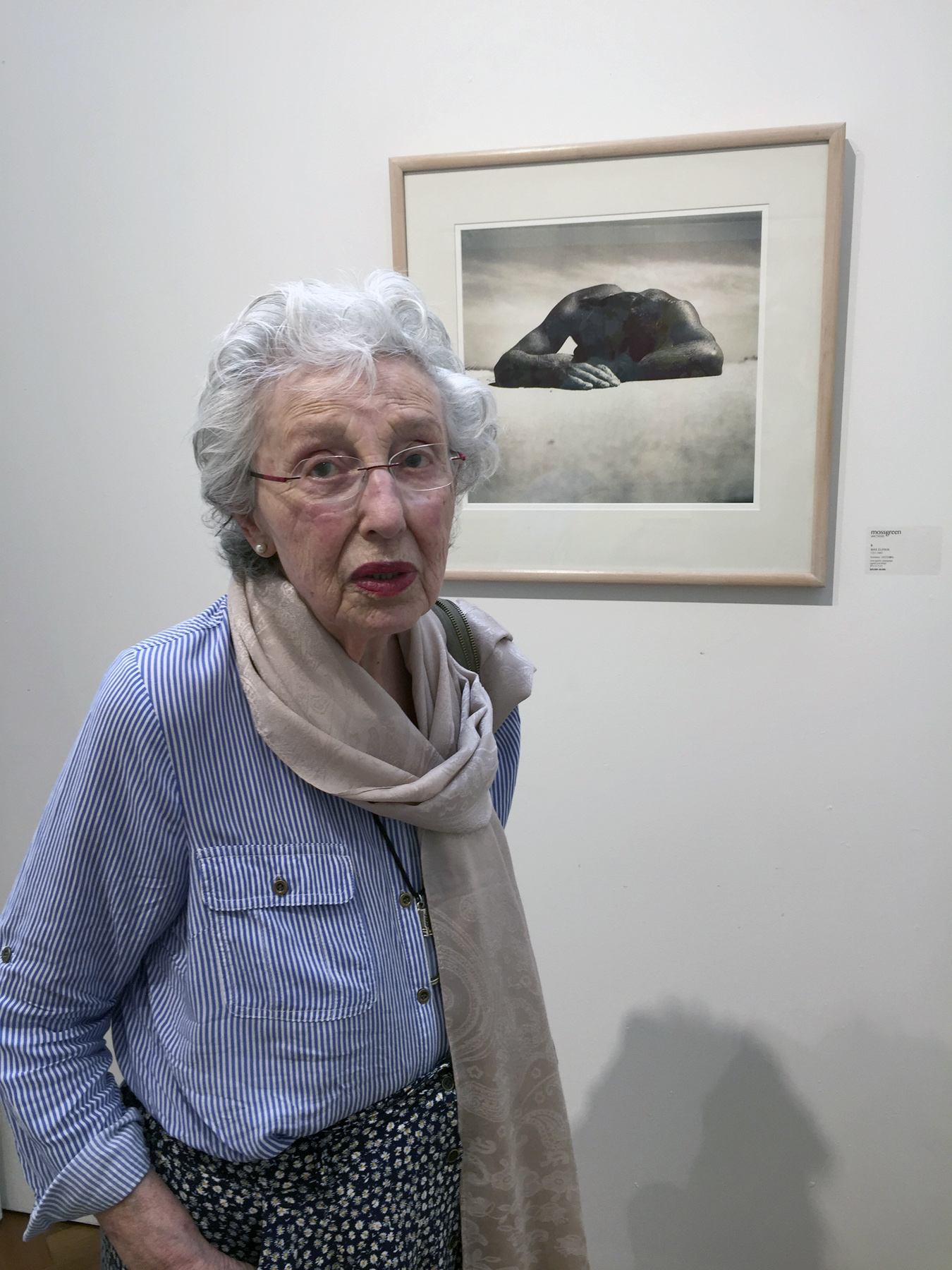
 

Marcus Bunyan (Australian, b. 1958) 'Joyce Evans standing in front of Max Dupain's 'Sunbaker' 1937' 2018


Marcus Bunyan (Australian, b. 1958)
Joyce Evans standing in front of Max Dupain’s ‘Sunbaker’ 1937
2018
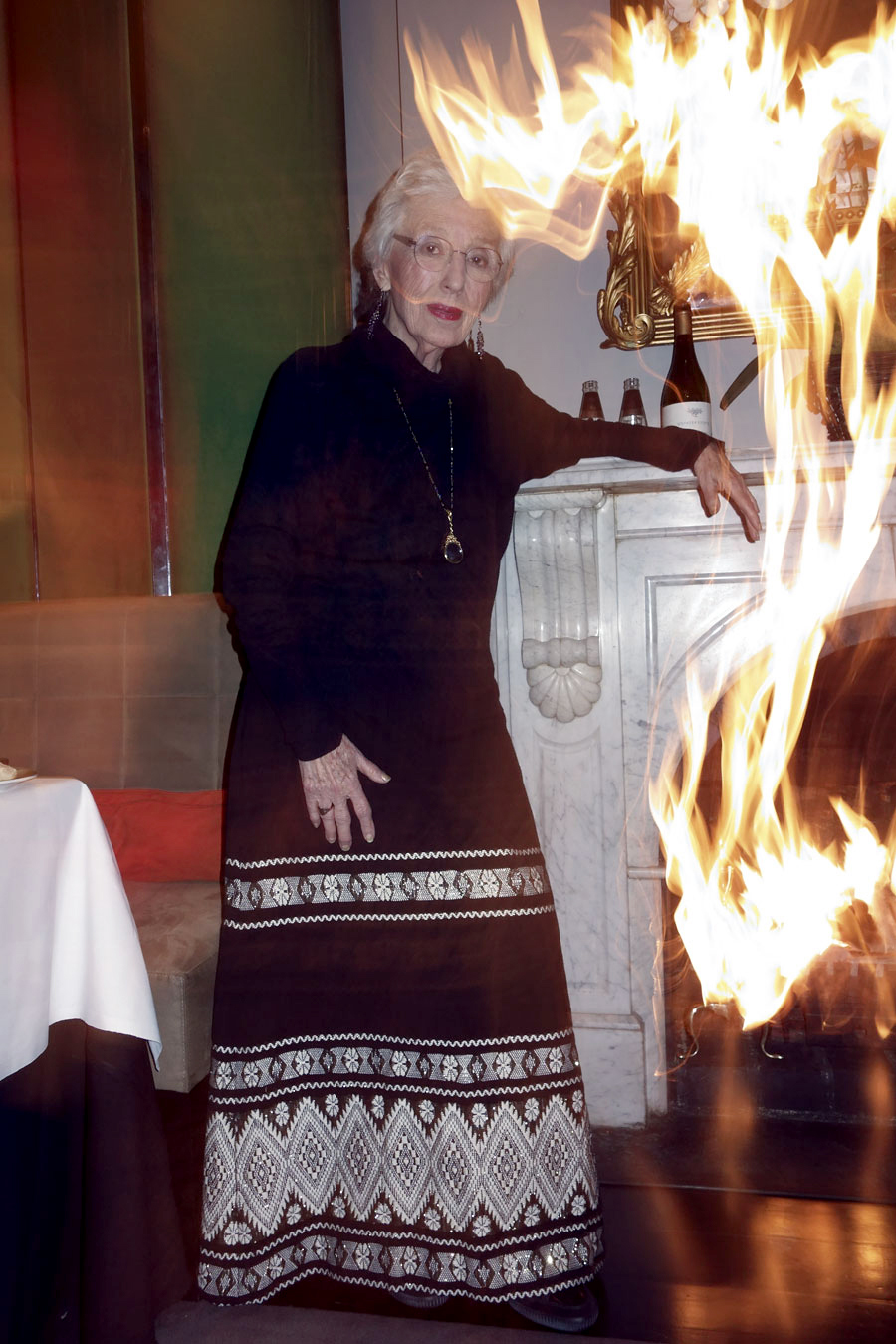
 

Marcus Bunyan (Australian, b. 1958) 'Joyce and the dragon' 2016


Marcus Bunyan (Australian, b. 1958)
Joyce and the dragon
2016


Joyce standing in front of the fireplace at Jacques Reymond’s restaurant for the birthday of her friend Marcus Bunyan. In Chinese mythology the dragon traditionally symbolises potent and auspicious powers and also is a symbol of power, strength, and good luck for people who are worthy of it.
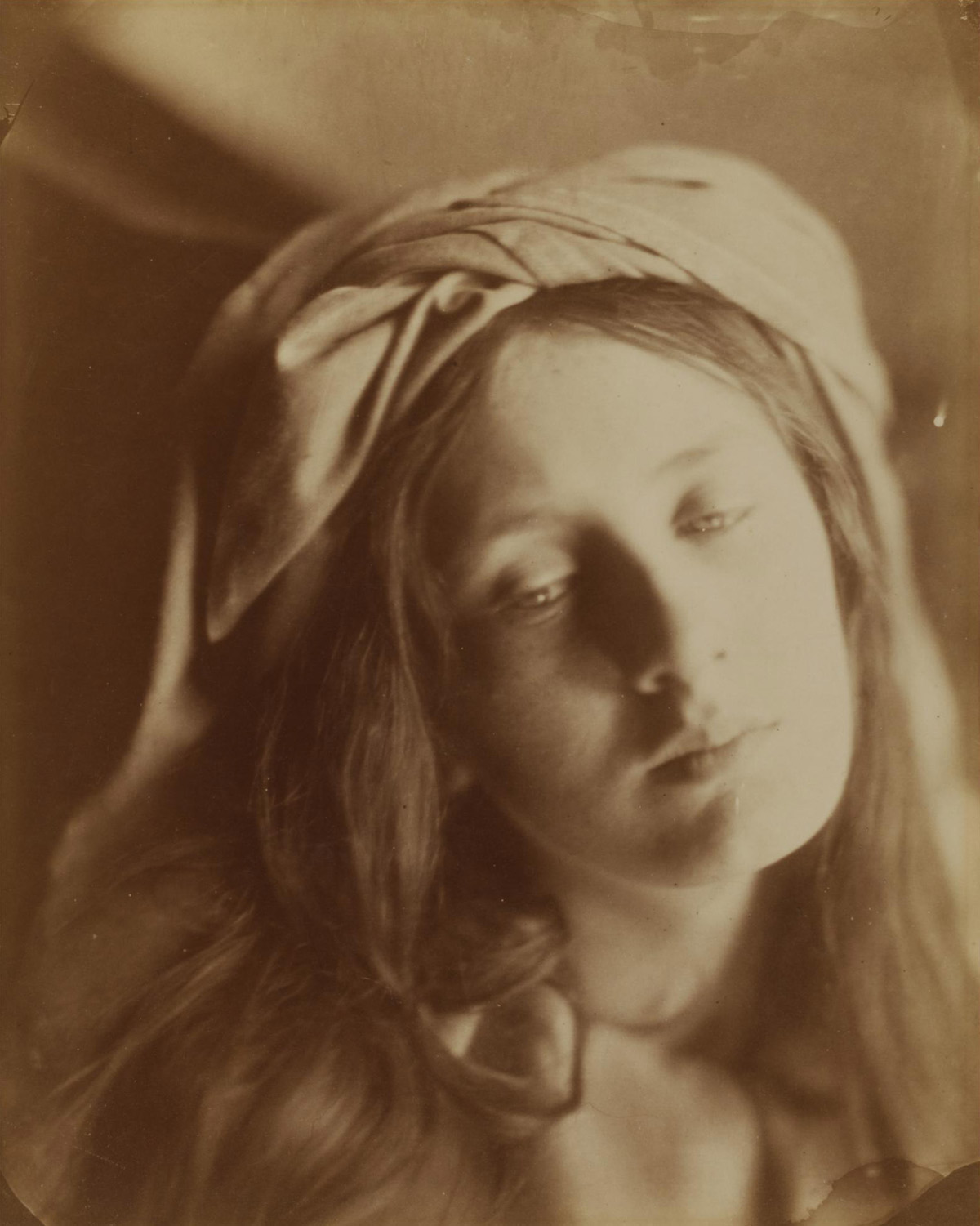
 

Julia Margaret Cameron (British, 1815-1879) 'Beatrice' 1866


Julia Margaret Cameron (British, 1815-1879)
Beatrice
1866
Albumen silver print


Joyce Evans Photographer website

LIKE ART BLART ON FACEBOOK

Back to top

Review: ‘The Rennie Ellis Show’ at Monash Gallery of Art, Wheelers Hill, Melbourne

Exhibition dates: 3rd April – 8th June 2014


Ponch Hawkes (Australian, b. 1946) 'Rennie Ellis photographing at the Gay Liberation march, Elizabeth Street, Melbourne, 1973' 1973


Ponch Hawkes (Australian, b. 1946)
Rennie Ellis photographing at the Gay Liberation march, Elizabeth Street, Melbourne, 1973
1973
Silver gelatin photograph
© Ponch Hawkes


In researching photographs for the upcoming exhibition Out of the closets, onto the streets: Gay Liberation photography 1971-73 I came across this photograph taken by Ponch Hawkes of the Gay Liberation march that was part of Gay Pride week in 1973. Ponch had never seen this image before until I scanned the negative. And there, front and centre as always, is Rennie Ellis capturing the action… What a special find and a wonderful photograph by Ponch!


We Are Family

This is FAB, one of the best experiences I have had this year at an exhibition in Melbourne. You know you are having a good time when you laugh out loud at so many photographs, sharing the experience of the artist as though you had been there. As indeed I had, for in many cases the clubs pictured in Rennie Ellis’ photographs are the ones I went to.

I remember: Wednesday nights at Inflation in the late 80s, where to satisfy licensing restrictions you had to be served a “meal” so that you could drink alcohol (Dining Out, Inflation, 1980 below). The famous Razor Club (1986-1992), based at the Light Car Club of Australia’s clubrooms on the corner of Queens Road and Roy Street, opposite the Albert Park Lake and golf course. “It was Melbourne’s version of Studio 54, the hedonistic, off-the-wall New York disco of the late ’70s – both places notoriously hard to get into but once inside a wonderland of celebrities, freaks, transvestites and fantastic music free from the tyranny of genre.” Once on a big party night the gang of us tried to get in but the queue was so long it was impossible – so I went down the side, climbed up the drain pipes past the ladies loo, and up to the first floor balcony where someone pulled me over – completely off my face, just to get my friends in. Zu Zu’s, Cadillac Bar, 397, Commerce Club, Tasty, Freakazoid, Dome, Baseline, Hardware Club, The Peel and so many parties you could poke a stick at – what a time we had!

There to capture it all – affectionately, non-judgementally – was Rennie Ellis. He wasn’t like Diane Arbus, who thrust her camera as an outsider at people, waiting for a reaction. He was always part of the action because he was part of the family. He was a humanist photographer in the true sense of the word, for he loved photographing human beings, their social relations and their habitats, whatever that might be – sunning, partying, boozing, smoking, picking up. He referred to himself as a “people perv.”

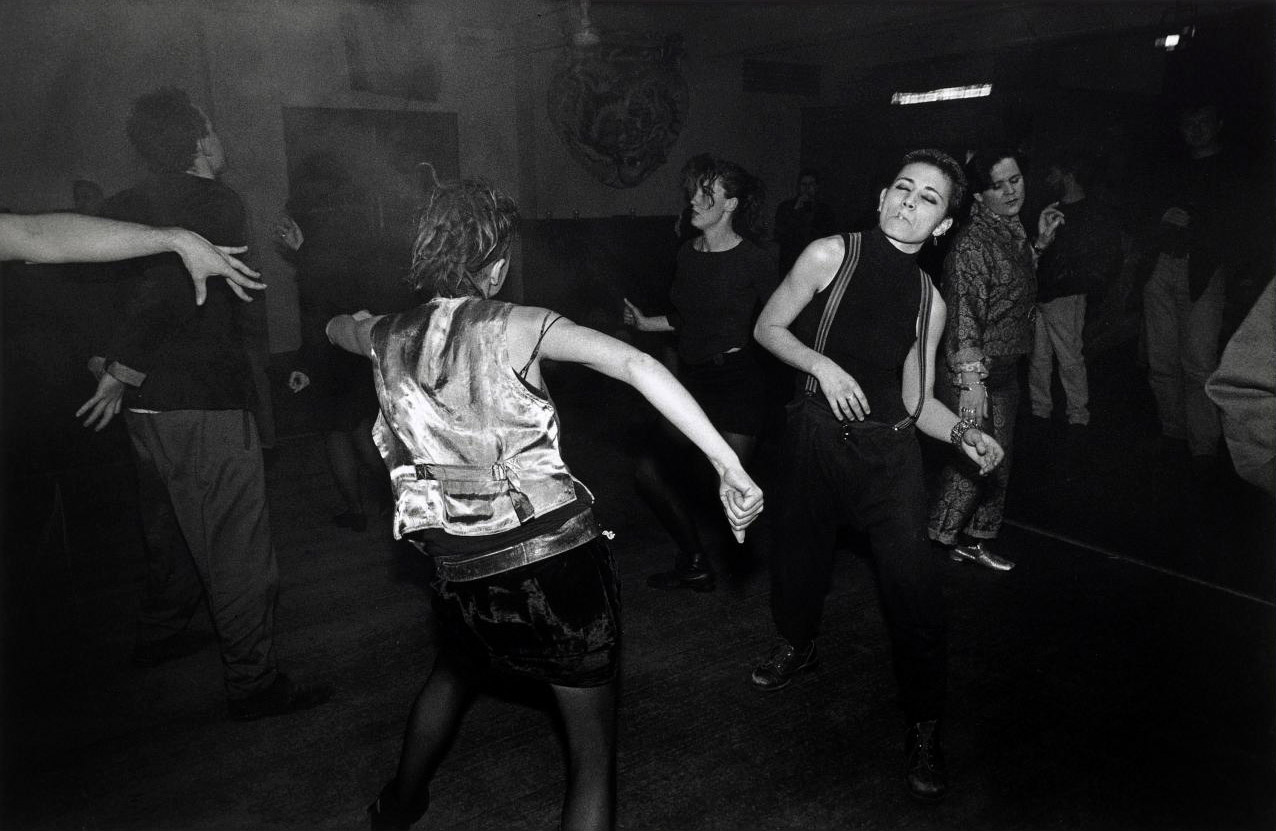
Ellis had an eloquently clumsy eye, and for the type of baroque photographs he took this is a great thing. No perfect framing, no perfect tension points within the image, no regular alignment of horizontals, verticals or diagonals – just instinctual images taken in a split second, with his own particular brand of humour embedded in them. And always with this slight eccentricity in his vision. Look at the image of Dancing People, Razor Club (1991, below) and notice the odd hand poking in at the left hand side and the attitude of the dancers, or Fully equipped, Albert Park Beach (c. 1981, below), with the angle of the three cigarettes, the drink and the bottle of sun tan lotion strapped to the hip – FIERCE!

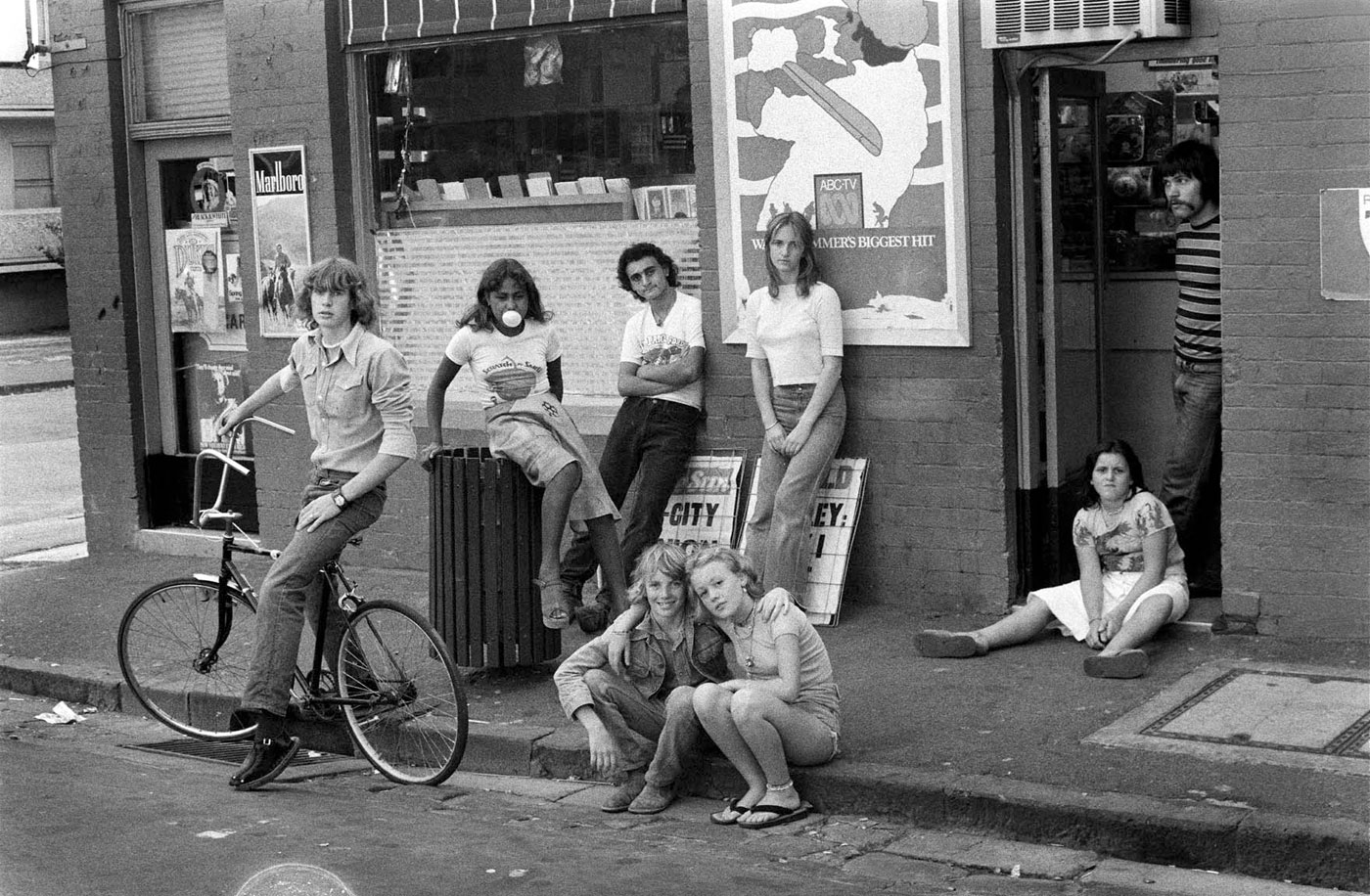
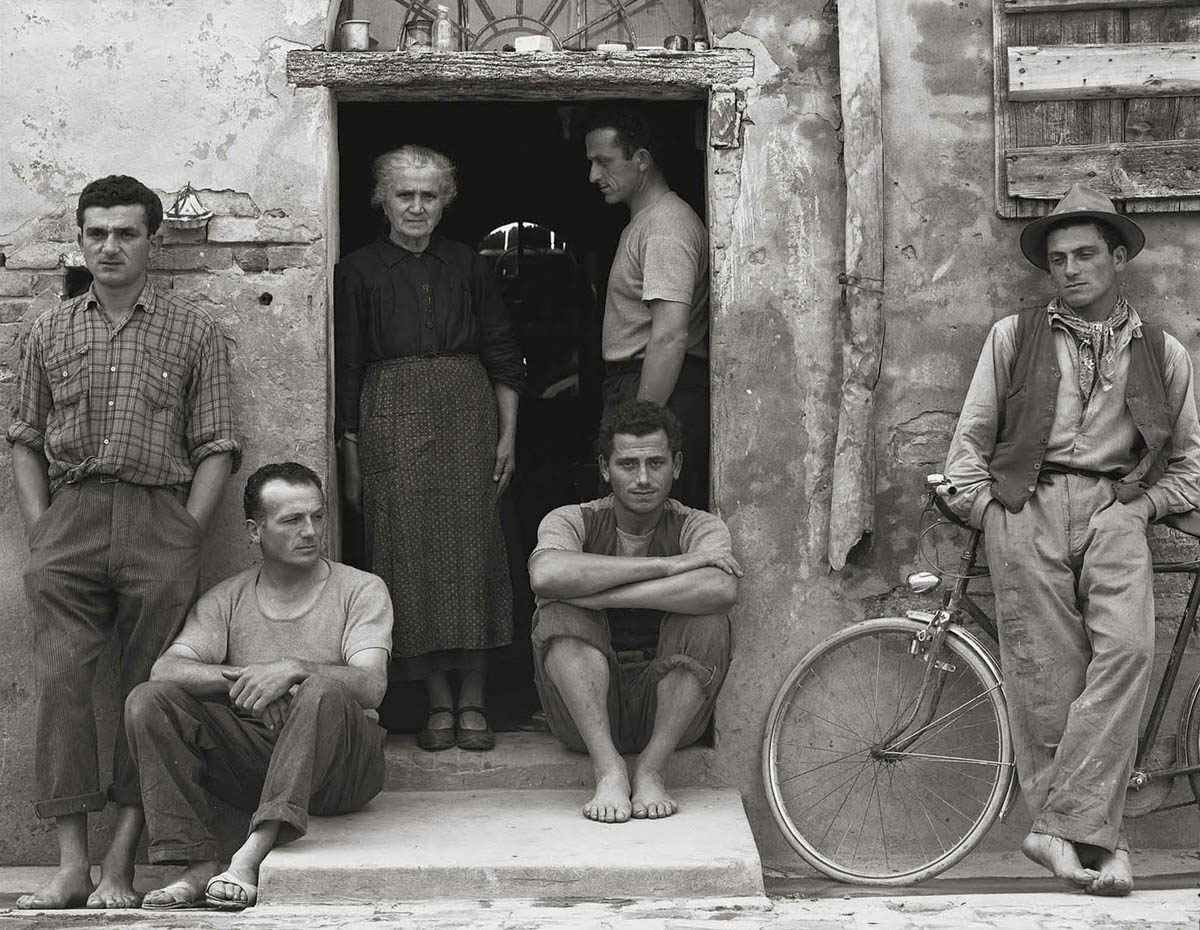
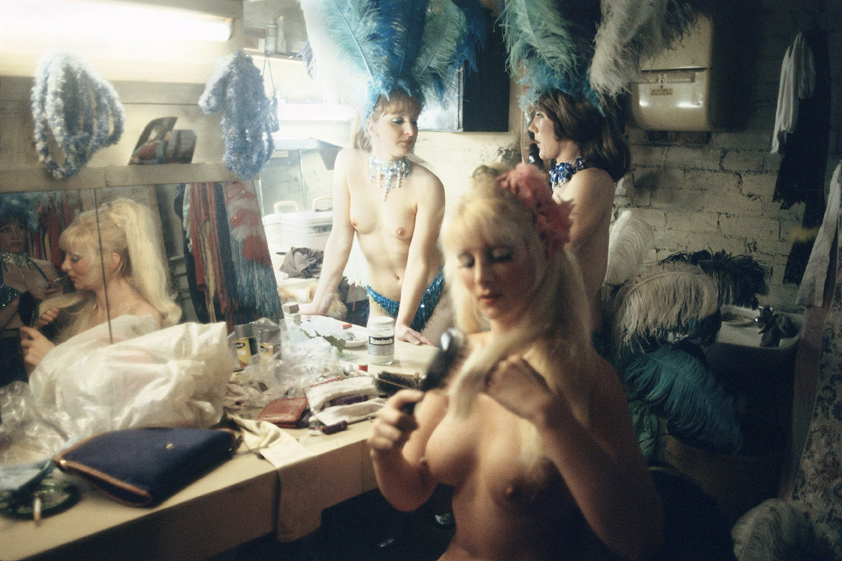
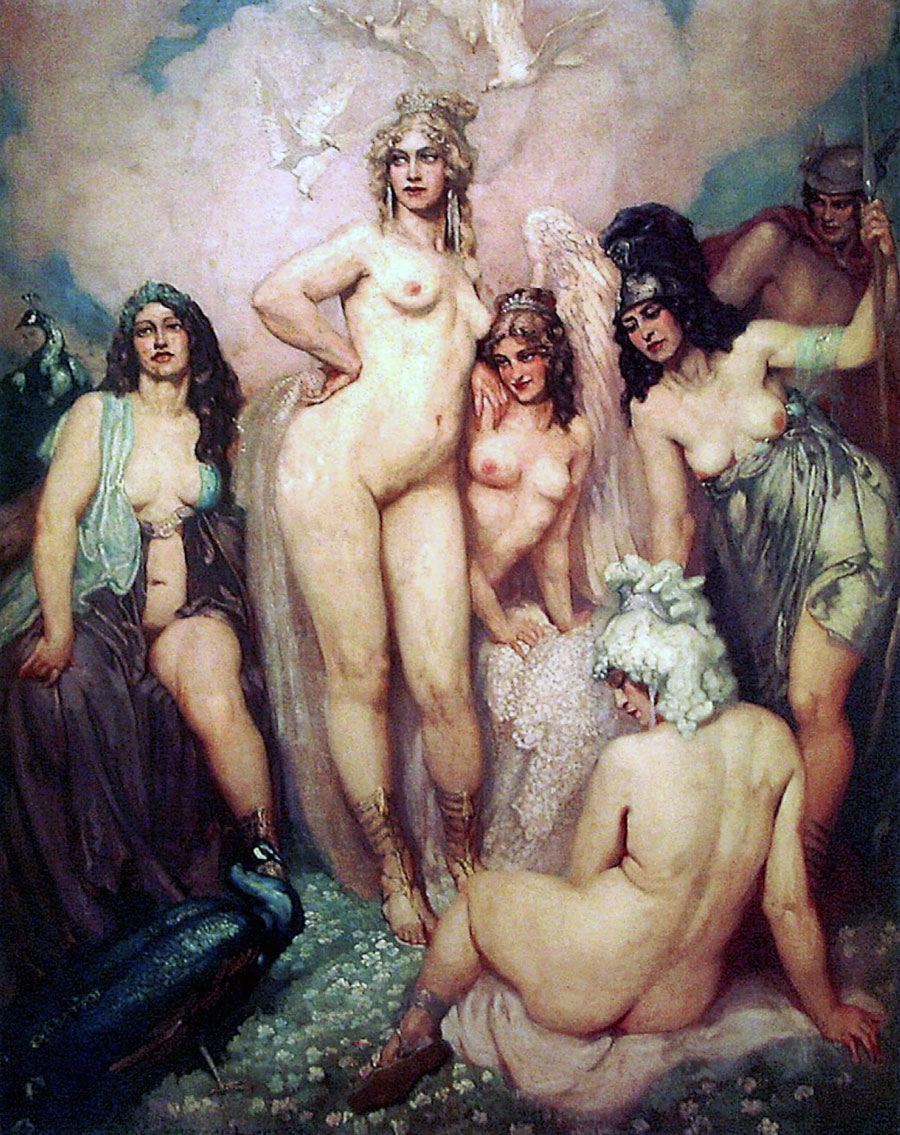
But he was not averse to understanding the structure of his images either, as can be seen by my comparison between the tight, formal structure of Paul Strand’s The Family, Luzzara, Italy (1953, below) and the looser, more natural gathering in Ellis’ The Gang, Windsor (1976, below); or the influence of other artists on his work, for example Norman Lindsay in his My Bare Lady, The Ritz, St Kilda (1977, below). Ellis also liked to push and pull at the pictorial plane; he liked to use pairs of people; he was not afraid of out of focus elements in the foreground of his images; he used chiaroscuro; and his use of light is always excellent. Above all, there is a consistency to his vision that never falters – a concatenation of images that is his style?

This is not just nostalgia. These are bloody good images, and Ellis takes these insightful type of images over and over again – the excesses of hedonism, the influences of wealth, the see-and-be-seen syndrome, things erotic and bizarre and, most importantly, enduring friendships. He photographs what he sees with a love and affection for his subject matter. None of this “staged” vernacular photography that I recently featured in an exhibition at the Art Gallery of New South Wales. This is the real deal. A friend said to me recently, “Ah, but you know, he never did in depth photo-essays like Mary Ellen Mark did of the circus, for example.” To which I have a one word reply: BULLSHIT. His whole oeuvre is a huge photo-essay on the human race, specifically the construction of Australian identity as evidenced in sections like portraits, gangs, sharpies, Aboriginals, Kings Cross, Social Documentary, Decadence, Graffiti, Life’s a Parade, Life’s a Beach etc…

When you look at his photography it would seem to me that his images dissolve the barriers between image / subject / viewer. It’s a strange phenomena to feel so connected to a person’s work. It’s the journey that he takes us on, that we went on too – not so much the destination but the rejoicing in this journey… of company, of environment, friends, places – the joy of being human. He was allowed entry into these public/private spaces because he earned our trust. He lived with the people, and they allowed him to take a bit of their life with him – as a photographic memory, to be retold and relived in the present, allowing us all to relive those times and places. It’s the love, trust, humour and anticipation of the journey that make Ellis’ images truly unique in the history of Australian photography.

Dr Marcus Bunyan


Many thankx to Manuela Furci, Rennie Ellis Photographic Archive and the Monash Gallery of Art for allowing me to publish the photographs in the posting. Please click on the photographs for a larger version of the image.


Rennie Ellis (Australian, 1940-2003) 'Dancing People, Razor Club' 1991


Rennie Ellis (Australian, 1940-2003)
Dancing People, Razor Club
1991
Selenium-toned gelatin silver print
26.7 x 40.7cm
Courtesy of the Rennie Ellis Photographic Archive


Robyn Dean (Australian) 'Marcus dancing at an unknown club, Melbourne' c. 1991-1992


Robyn Dean (Australian)
Marcus dancing at an unknown club, Melbourne
c. 1991-1992


Rennie Ellis (Australian, 1940-2003) 'Dining Out, Inflation' 1980


Rennie Ellis (Australian, 1940-2003)
Dining Out, Inflation
1980
Selenium-toned gelatin silver print
26.7 x 40.7cm
Courtesy of the Rennie Ellis Photographic Archive


SISTER SLEDGE – WE ARE FAMILY (1979) OFFICIAL VIDEO


Rennie Ellis (Australian, 1940-2003) 'Fitzroy extrovert' 1974


Rennie Ellis (Australian, 1940-2003)
Fitzroy extrovert
1974
Selenium-toned gelatin silver print
40.5 x 50.8cm
Courtesy of the Rennie Ellis Photographic Archive


Rennie Ellis (Australian, 1940-2003) 'Dino Ferrari, Toorak Road' 1976


Rennie Ellis (Australian, 1940-2003)
Dino Ferrari, Toorak Road
1976
Selenium-toned gelatin silver print
26.7 x 40.7cm
Courtesy of the Rennie Ellis Photographic Archive


Rennie Ellis (Australian, 1940-2003) 'Bon Scott and Angus Young, Atlanta, Georgia' 1978


Rennie Ellis (Australian, 1940-2003)
Bon Scott and Angus Young, Atlanta, Georgia
1978
Selenium-toned gelatin silver print
26.7 x 40.7cm
Courtesy of the Rennie Ellis Photographic Archive


Ronald Belford “Bon” Scott (9 July 1946 – 19 February 1980) was a Scottish-born Australian rock musician, best known for being the lead singer and lyricist of Australian hard rock band AC/DC from 1974 until his death in 1980.

Angus McKinnon Young (born 31 March 1955) is a Scottish-born Australian guitarist best known as a co-founder, lead guitarist, and songwriter of the Australian hard rock band, AC/DC. Known for his energetic performances, schoolboy-uniform stage outfits, and popularisation of Chuck Berry’s duckwalk, Rolling Stone magazine ranked Young as the 24th greatest guitarist of all time.

AC/DC’s popularity grew throughout the 1970s, initially in Australia, and then internationally. Their 1979 album Highway to Hell reached the top twenty in the United States, and the band seemed on the verge of a commercial breakthrough. However, on 19 February 1980, Scott died after a night out in London. AC/DC briefly considered disbanding, but the group quickly recruited vocalist Brian Johnsonof the British glam rock band Geordie. AC/DC’s subsequent album, Back in Black, was released only five months later, and was a tribute to Scott.

Text from the Wikipedia website


AC/DC – Highways to Hell (Official Video)


Rennie Ellis (Australian, 1940-2003) 'At the Pub, Brisbane' 1982


Rennie Ellis (Australian, 1940-2003)
At the Pub, Brisbane
1982
Selenium-toned gelatin silver print
26.7 x 40.7cm
Courtesy of the Rennie Ellis Photographic Archive


Rennie Ellis (Australian, 1940-2003) 'The Gang, Windsor' 1976


Rennie Ellis (Australian, 1940-2003)
The Gang, Windsor
1976
Selenium-toned gelatin silver print
26.7 x 40.7cm
Courtesy of the Rennie Ellis Photographic Archive


Paul Strand (American, 1890-1976) 'The Family, Luzzara, Italy' 1953


Paul Strand (American, 1890-1976)
The Family, Luzzara, Italy
1953
Silver gelatin photograph


The photographer Rennie Ellis (1940-2003) is a key figure in Australian visual culture. Ellis is best remembered for his effervescent observations of Australian life during the 1970s-90s, including his now iconic book Life is a beach. Although invariably inflected with his own personality and wit, the thousands of social documentary photographs taken by Ellis during this period now form an important historical record.

The Rennie Ellis Show highlights some of the defining images of Australian life from the 1970s and ’80s. This is the period of Gough Whitlam and Malcolm Fraser, Paul Keating and Bob Hawke; AC/DC and punk rock; cheap petrol and coconut oil; Hare Krishnas and Hookers and Deviant balls.

This exhibition of over 100 photographs provides a personal account of what Ellis termed ‘a great period of change’. Photographs explore the cultures and subcultures of the period, and provide a strong sense of a place that now seems worlds away, a world free of risk, of affordable inner city housing, of social protest, of disco and pub rock, of youth and exuberance.

Text from the MGA website


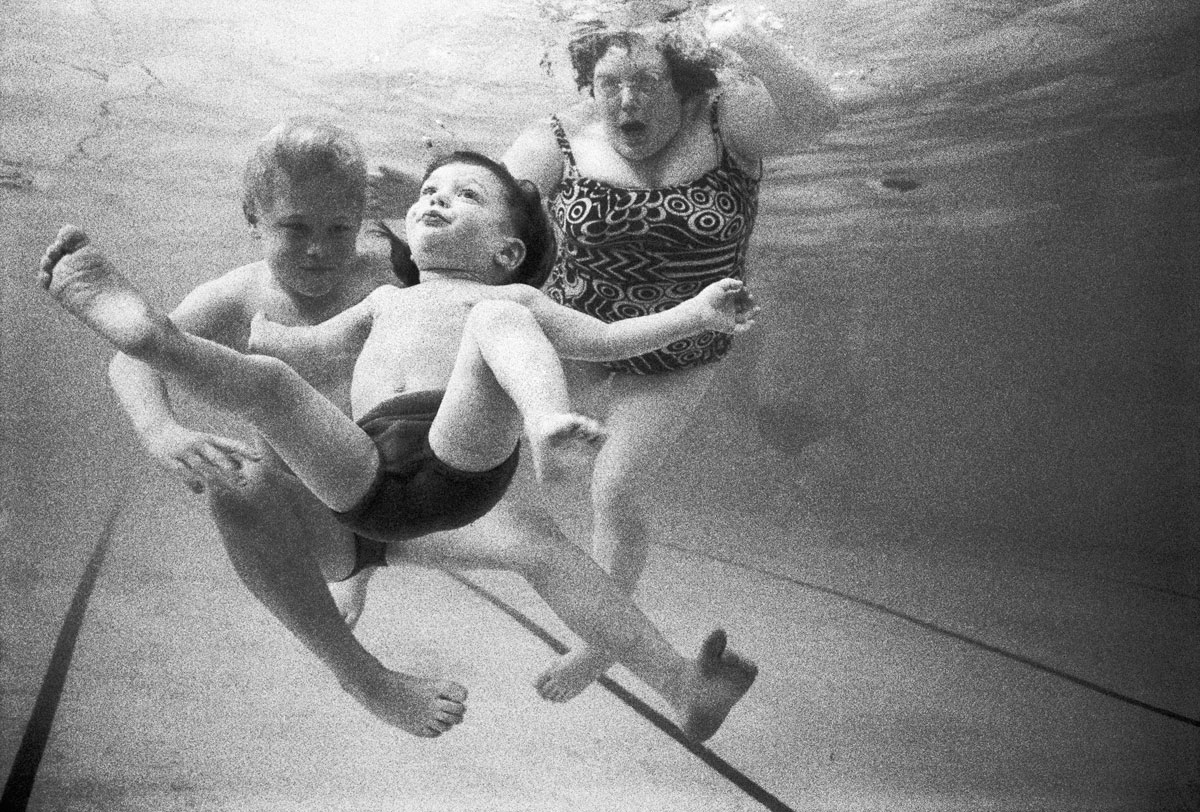
Rennie Ellis (Australian, 1940-2003) 'My son Josh learns to swim' 1972


Rennie Ellis (Australian, 1940-2003)
My son Josh learns to swim
1972
Selenium-toned gelatin silver print
26.7 x 40.7cm
Courtesy of the Rennie Ellis Photographic Archive


Rennie Ellis (Australian, 1940-2003) 'My Bare Lady, The Ritz, St Kilda' 1977


Rennie Ellis (Australian, 1940-2003)
My Bare Lady, The Ritz, St Kilda
1977
Digital C Type photograph
Fuji Crystal Archive print
Courtesy of the Rennie Ellis Photographic Archive


Norman Lindsay (Australian, 1879-1969) 'The Olympians' Nd


Norman Lindsay (Australian, 1879-1969)
The Olympians
Nd
Oil on canvas
Collection of Hamilton Art Gallery


Rennie Ellis (Australian, 1940-2003) 'Richmond fans, Grand Final, MCG' 1974


Rennie Ellis (Australian, 1940-2003)
Richmond fans, Grand Final, MCG
1974
Chromogenic print
40.5 x 50.8 cm
Courtesy of the Rennie Ellis Photographic Archive


Interesting to note that Ellis must have been shooting both black and white and colour film during the VFL Grand Final of 1974. He must have had two cameras with him (this is more likely than swapping between films in the same 35mm camera) to shoot the photograph above in colour and the black and white image of Robbie McGhie (1974, below).


Rennie Ellis (Australian, 1940-2003) 'Mr Muscleman, Albert Park Beach' c. 1986


Rennie Ellis (Australian, 1940-2003)
Mr Muscleman, Albert Park Beach
c. 1986
Chromogenic print
26.7 x 40.7cm
Courtesy of the Rennie Ellis Photographic Archive


Rennie Ellis (Australian, 1940-2003) 'Fully equipped, Albert Park Beach' c. 1981


Rennie Ellis (Australian, 1940-2003)
Fully equipped, Albert Park Beach
c. 1981
Digital C Type photograph
Fuji Crystal Archive print
Courtesy of the Rennie Ellis Photographic Archive


Rennie Ellis (Australian, 1940-2003) 'Don and Patrizia, St Kilda Beach' 1985


Rennie Ellis (Australian, 1940-2003)
Don and Patrizia, St Kilda Beach
1985
Chromogenic print
40.5 x 50.8cm
Courtesy of the Rennie Ellis Photographic Archive


Rennie Ellis (Australian, 1940-2003) 'Berlin Party, Inflation, Melbourne' 1980


Rennie Ellis (Australian, 1940-2003)
Berlin Party, Inflation, Melbourne
1980
Digital C Type photograph
Fuji Crystal Archive print
Courtesy of the Rennie Ellis Photographic Archive


Rennie Ellis book covers: 'Decade, 1970-1980' (left) and 'Decadent, 1980-2000' (right)


Rennie Ellis book covers: Decade: 1970-1980 (left) and Decadent: 1980-2000 (right)


Decade: 1970-1980 is a photography book showcasing Rennie Ellis’ (1940-2003) contribution to photography and social history. With an introduction by film maker and Rennie contemporary Paul Cox and an essay by academic Susan Van Wyk, Decade highlights Ellis as one of Australia’s most important chroniclers of the 1970s. The photographs, predominantly black and white, are drawn from a core selection originally made by Rennie from his own unpublished book, supplemented by other significant and iconic images from 1970 to 1980 drawn from the Rennie Ellis Photographic Archive and the State Library of Victoria Rennie Ellis collection. Many of the photographs are accompanied by extended captions written by Rennie himself, published here for the first time. Decade explores the cultures and sub-cultures of the seventies: the political upheavals, alternative lifestyles and counter culture, the women’s movement, gay liberation, the new religions and cults, pop festivals, Vietnam and other protests, massage parlours, the disco scene, the blossoming of Australia’s film industry, the new sexual freedom, Aboriginal rights, street festivals, the new theatre, fashion, drugs and the emergence of a decadent and hedonistic society that would later characterise the 1980s.

Decadent: 1980-2000 is a photography book showcasing Rennie Ellis’ (1940-2003) contribution to photography and social history. It is a fascinating snapshot of the wild, opulent, sometimes tacky and always decadent 1980s in Australia by a true original. With an introduction by photographer and Rennie contemporary William Yang and an essay by photographer and art critic Robert McFarlane, Decadent highlights Ellis as one of Australia’s most important chroniclers of the 1980s. The photographs, both colour and black and white, are drawn from the Rennie Ellis Photographic Archive and the State Library of Victoria Rennie Ellis collection. Decadent explores the rise of the hedonism that we now associate with the 1980s. Ellis’ boundary-pushing, racy and sometimes voyeuristic works capture a society that seems to be revelling in its abandonment of the politically charged 1970s documented in Decade.

About the Author

No other photographer has documented – in such depth – the life and times in Australia, throughout the 1970s until his death in 2003, with such insight into the human condition as Rennie Ellis. His non-judgmental approach was his ‘access-to-all-areas’ pass. Ellis used his camera as a key to open the doors to the social arenas of the rich and famous and to enter the underbelly of the nightclubs, bearing witness to the indulgences and excesses. In today’s post-Henson era, these captured moments offer an intimate access to an Australia tantalisingly, but sadly, now almost out of reach.


Rennie Ellis (Australian, 1940-2003) 'Robert McGhie, Grand Final, MCG' 1974


Rennie Ellis (Australian, 1940-2003)
Robert McGhie, Grand Final, MCG
1974
Selenium-toned gelatin silver print
50.8 x 40.5cm
Courtesy of the Rennie Ellis Photographic Archive


Robert ‘Robbie’ McGhie is a former Australian rules football player who played in the VFL between 1969 and 1972 and again in 1979 for the Footscray Football Club, from 1973 to 1978 for the Richmond Football Club and in 1980 and 1981 for the South Melbourne Football Club. His height was 192 cm and he weighed 85.5 kg. He played 46 games for Footscray, 80 games for Richmond and 16 games for South Melbourne. He was a Richmond Premiership Player 1973, 1974 (the year this photograph by Rennie Ellis was taken at the Grand Final).


Rennie Ellis (Australian, 1940-2003) 'Property of Hells Angels, Kings Cross' 1970-1971


Rennie Ellis (Australian, 1940-2003)
Property of Hells Angels, Kings Cross
1970-1971
Selenium-toned gelatin silver print
50.8 x 40.5cm
Courtesy of the Rennie Ellis Photographic Archive


Invitation to The Rennie Ellis Show at the Monash Gallery of Art


Invitation to The Rennie Ellis Show at the Monash Gallery of Art


Monash Gallery of Art
860 Ferntree Gully Road, Wheelers Hill
Victoria 3150 Australia
Phone: + 61 3 8544 0500

Opening hours:
Tue – Fri: 10am – 5pm
Sat – Sun: 10pm – 4pm
Mon/public holidays: closed

Monash Gallery of Art website

Rennie Ellis Photographic Archive

LIKE ART BLART ON FACEBOOK

Back to top