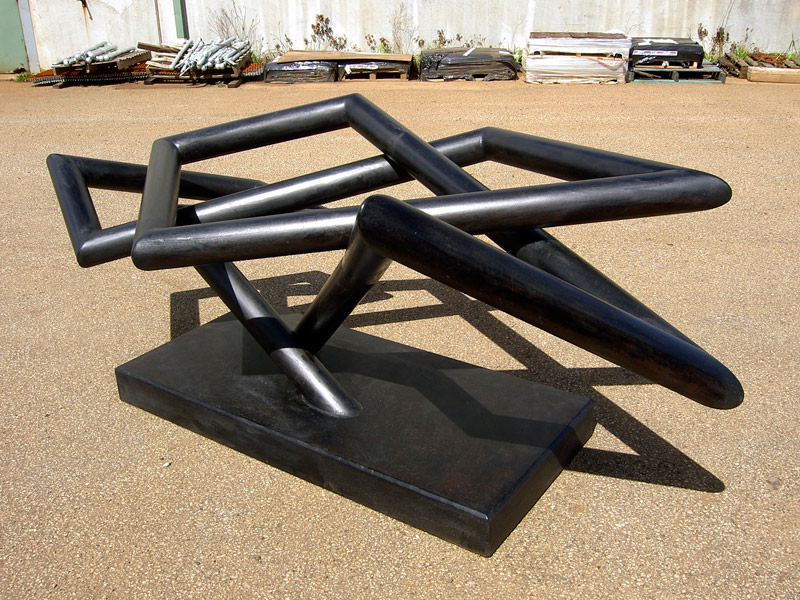
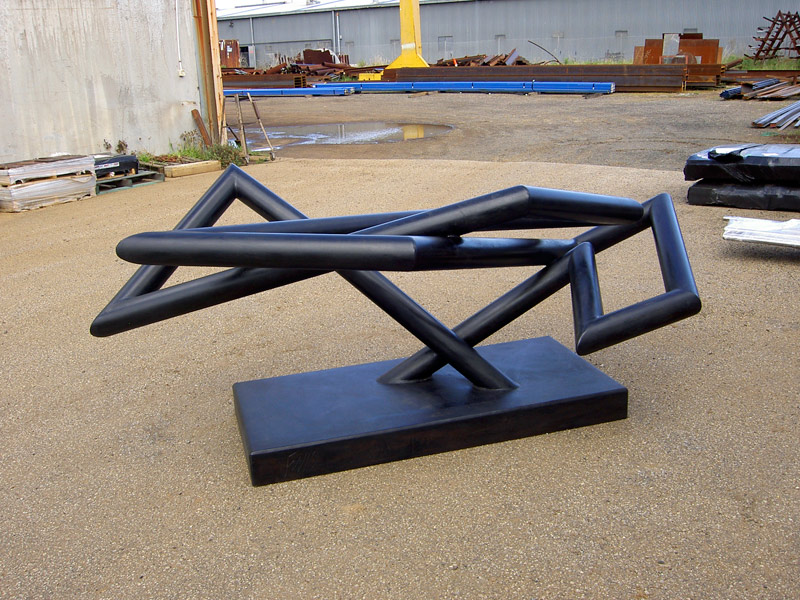
Fredrick White (Australian) Before The After 2010 Steel 220 x 105 x 95cm
Another beautiful sculpture by Australian sculptor Fredrick White that will be appearing in the Montalto Sculpture Prize that opens this weekend at 33 Shoreham Road, Red Hill South, Victoria and continues until 1st May, 2011. The work has great presence and continues the artist’s exploration into the matrix of what is seen and not seen, what lies above and below. Please click on the photographs for a larger version of the image.
Dr Marcus Bunyan
Please click on the photographs for a larger version of the image.
Fredrick White (Australian) Before The After 2010 Steel 220 x 105 x 95cm
Exhibition dates: 19/20th October – 13th November 2010
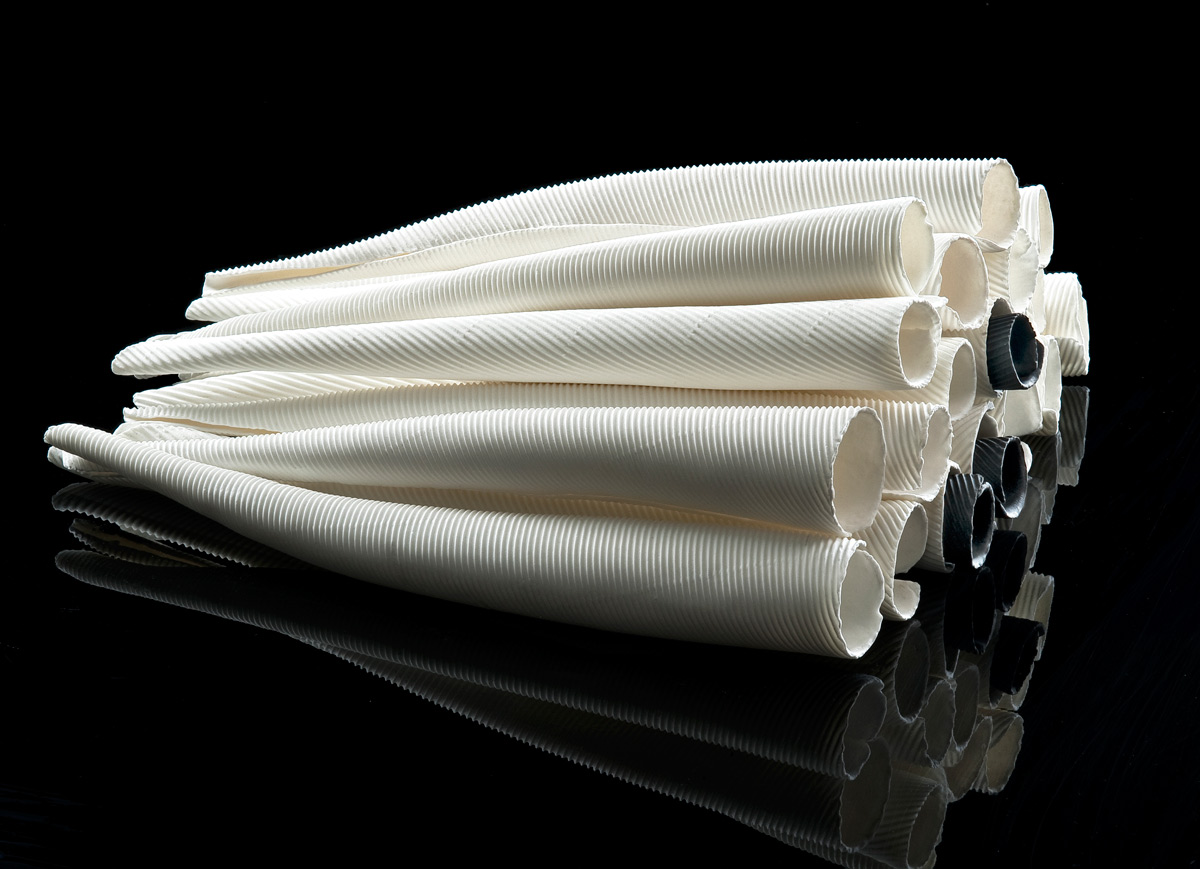
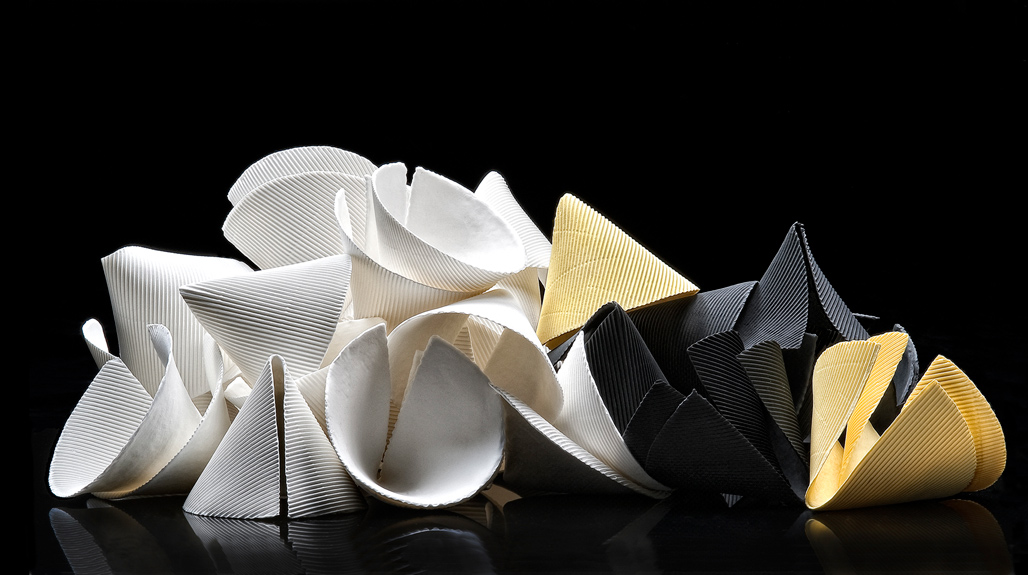
Titania Henderson (Dutch, b. 1945 emigrated Australia 1956) Together II 2010 Images courtesy of the artist and Karen Woodbury Gallery
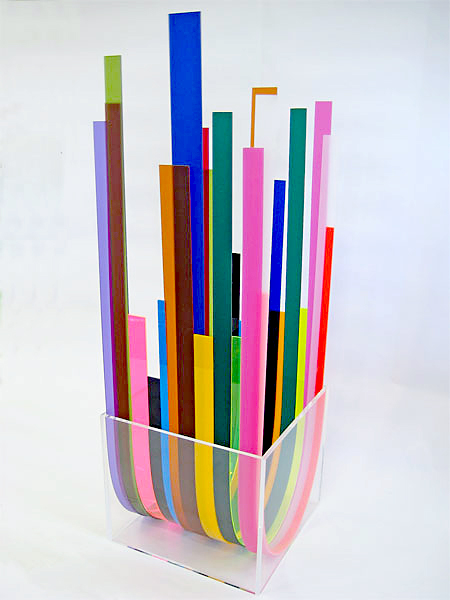
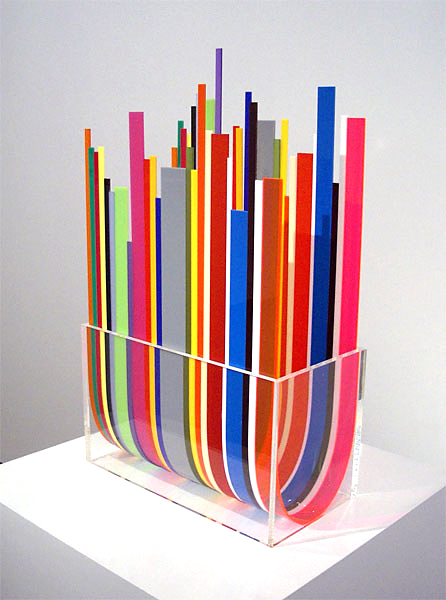
Two solid exhibitions, ceramics by Titania Henderson at Karen Woodbury Gallery and sculpture by John Nicholson at Sophie Gannon Gallery. Both exhibitions benefit from a straight forward approach to craft – elegant, refined sensibilities that are free from an overly conceptual rendering of ideas; stillness, of form in style, inhabits both bodies of work.
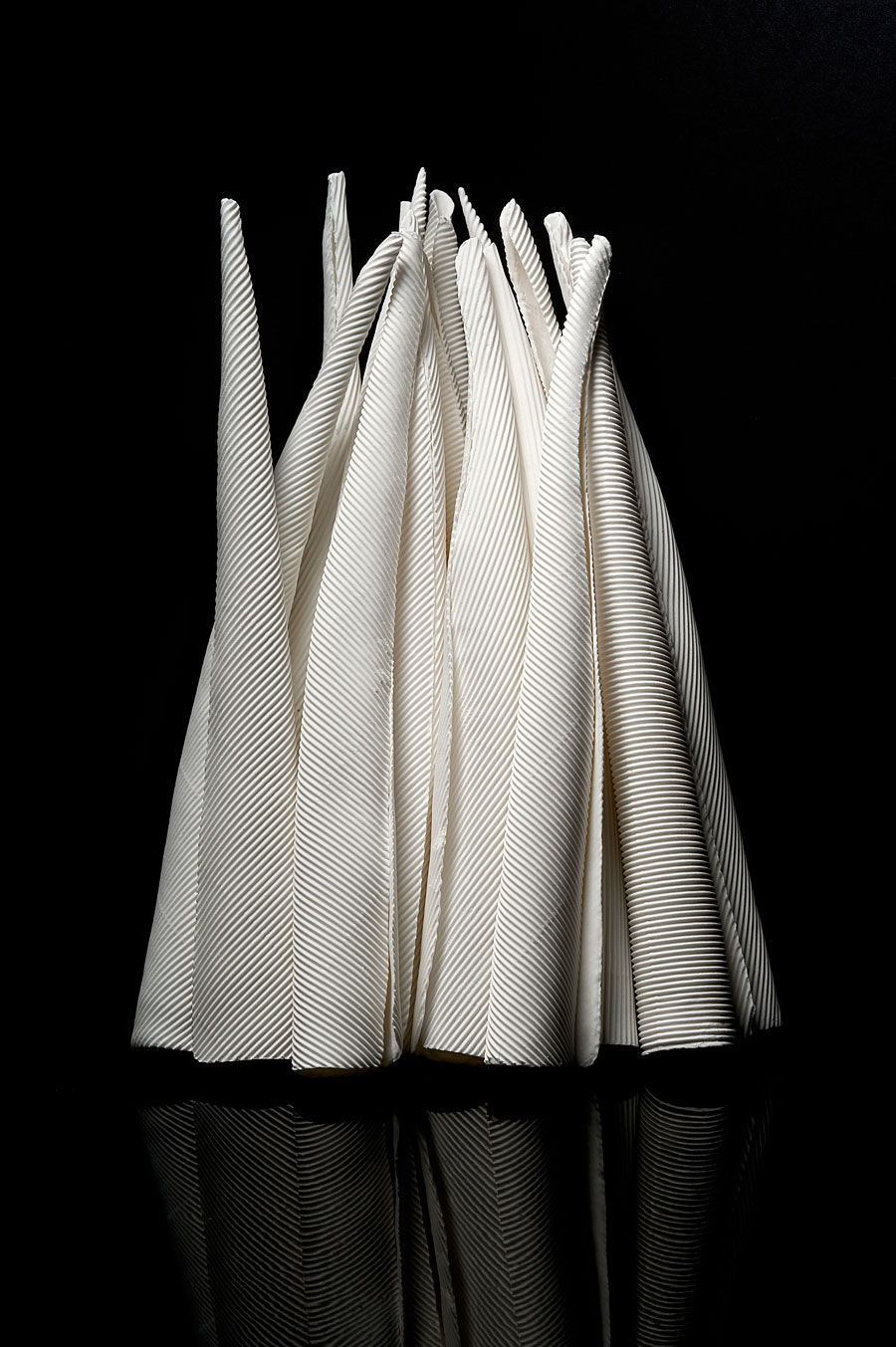
Contemplation is of the essence – in the beautiful, delicate, seemingly fragile shell and tubular mollusc-like bone china structures that, conversely, are physically strong; in the tonal colours of woven amoebic, disc and U-shaped constructions (the Halftone of the exhibition title referring to the loss of colour in digital printing, the longing for sumptuous analogue markings). I liked both exhibitions for the paring down of elements to essentials forming a basis for quiet reflection, a grounding in texture, colour and lightness of form.
Dr Marcus Bunyan
Many thankx to Karen Woodbury Gallery and Sophie Gannon Gallery for allowing me to publish the photographs in the posting. Please click on the photographs for a larger version of the image.
Titania Henderson (Dutch, b. 1945 emigrated Australia 1956) Silence 2010 Images courtesy of the artist and Karen Woodbury Gallery
Titania Henderson (Dutch, b. 1945 emigrated Australia 1956) Remembering 2010 Images courtesy of the artist and Karen Woodbury Gallery
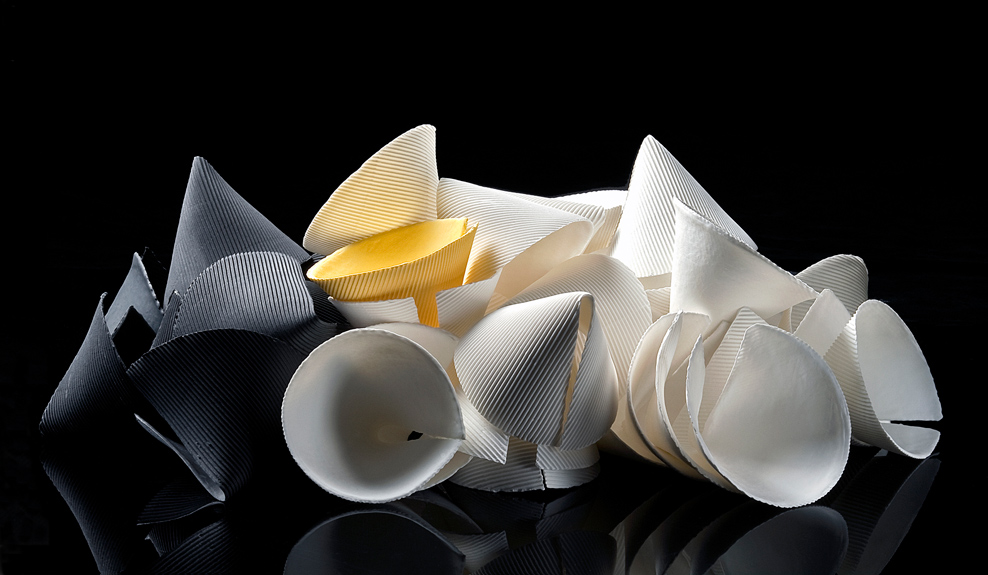
Titania Henderson (Dutch, b. 1945 emigrated Australia 1956) Piled up 1 (yellow) 2009/10 Images courtesy of the artist and Karen Woodbury Gallery
Titania Henderson (Dutch, b. 1945 emigrated Australia 1956) Piled up 2 (yellow) 2009/10 Images courtesy of the artist and Karen Woodbury Gallery
Titania Henderson’s exhibition The Other presents a range of ceramic sculptural installations in pure white Bone China that convey a three-dimensional engagement. A fragility and vulnerability resonate through these poignant paper-thin configurations, bringing a sense of clarity and freedom. These hand built works challenge the conception of Bone China as a material only suited for slip casting while also incorporating the use of French Limoges. Henderson’s method involves perseverance, technical proficiency and precision, as she creates her own language of rhythmic ceramic art. There is an inherent translucent character that appeals to elements of shadow and light within the works. This new body of work is based on ideas of the human conscience and larger philosophical ideas beyond the objects themselves and beyond language.
Text from the Karen Woodbury Gallery website
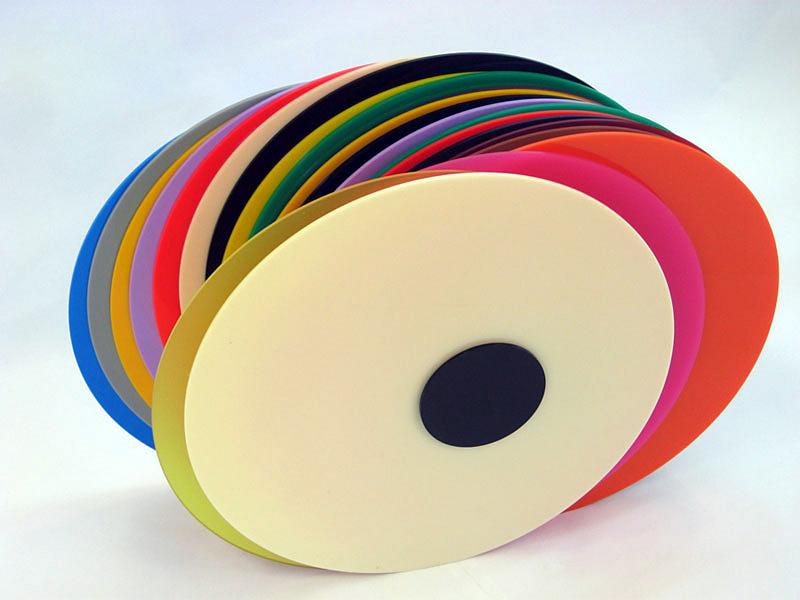
John Nicholson (Australian, b. 1970) Cloudpopper 2010 Plastic 110 x 38 x 38cm Photo: Marcus Bunyan
John Nicholson (Australian, b. 1970) Scan 2010 Plastic 72 x 128cm Photo: Marcus Bunyan
John Nicholson (Australian, b. 1970) Asymmetric 2010 Plastic 29 x 70 x 29cm Photo: Marcus Bunyan
John Nicholson (Australian, b. 1970) Concept 101 2010 Plastic 35 x 46 x 40cm Photo: Marcus Bunyan
John Nicholson (Australian, b. 1970) Installation view of Halftone 2010 Photo: Marcus Bunyan
Karen Woodbury Gallery
This gallery has now closed.
Sophie Gannon Gallery 2, Albert Street Richmond, Melbourne
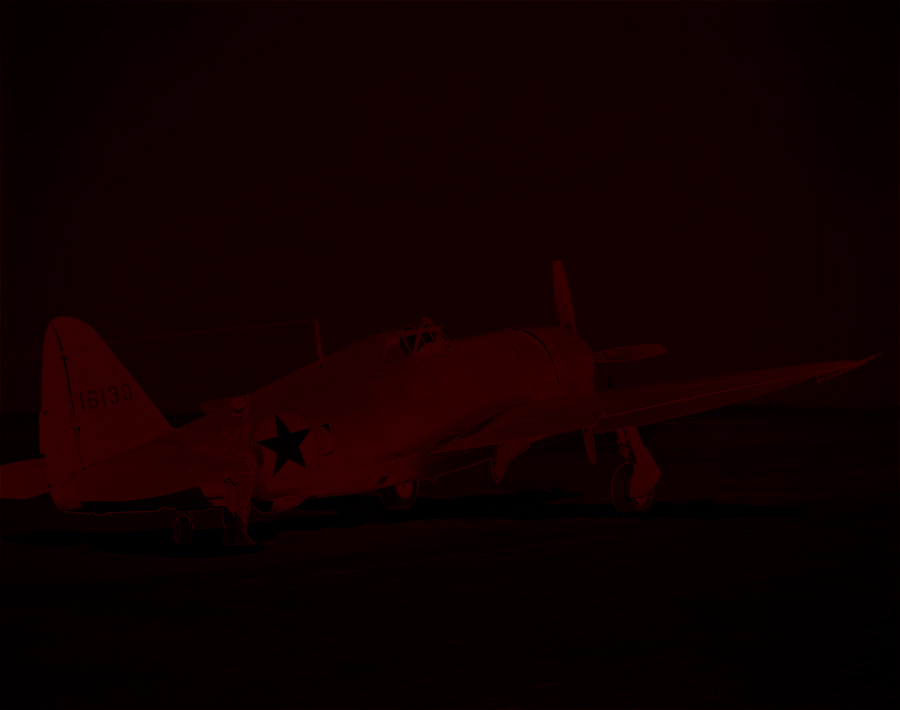
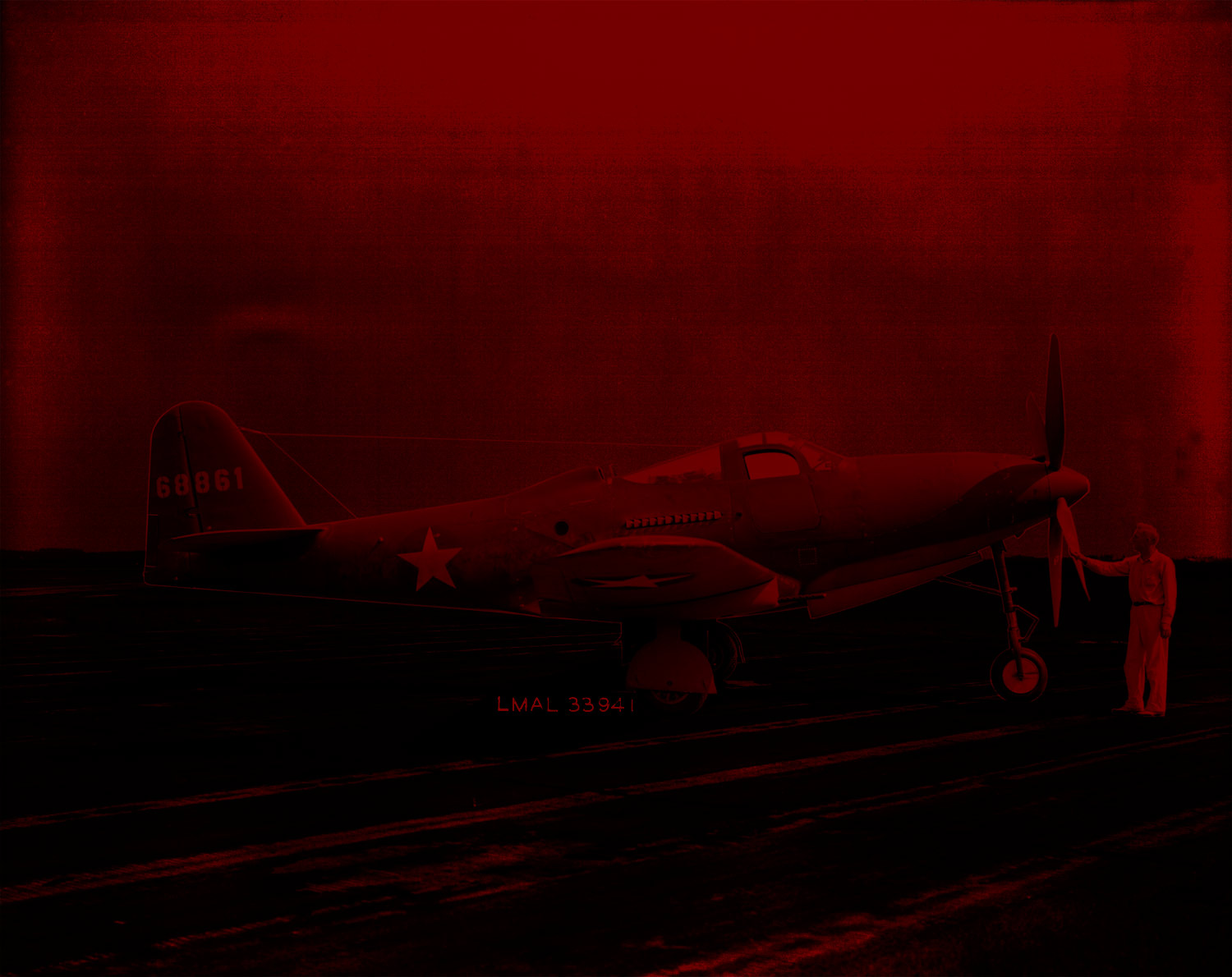
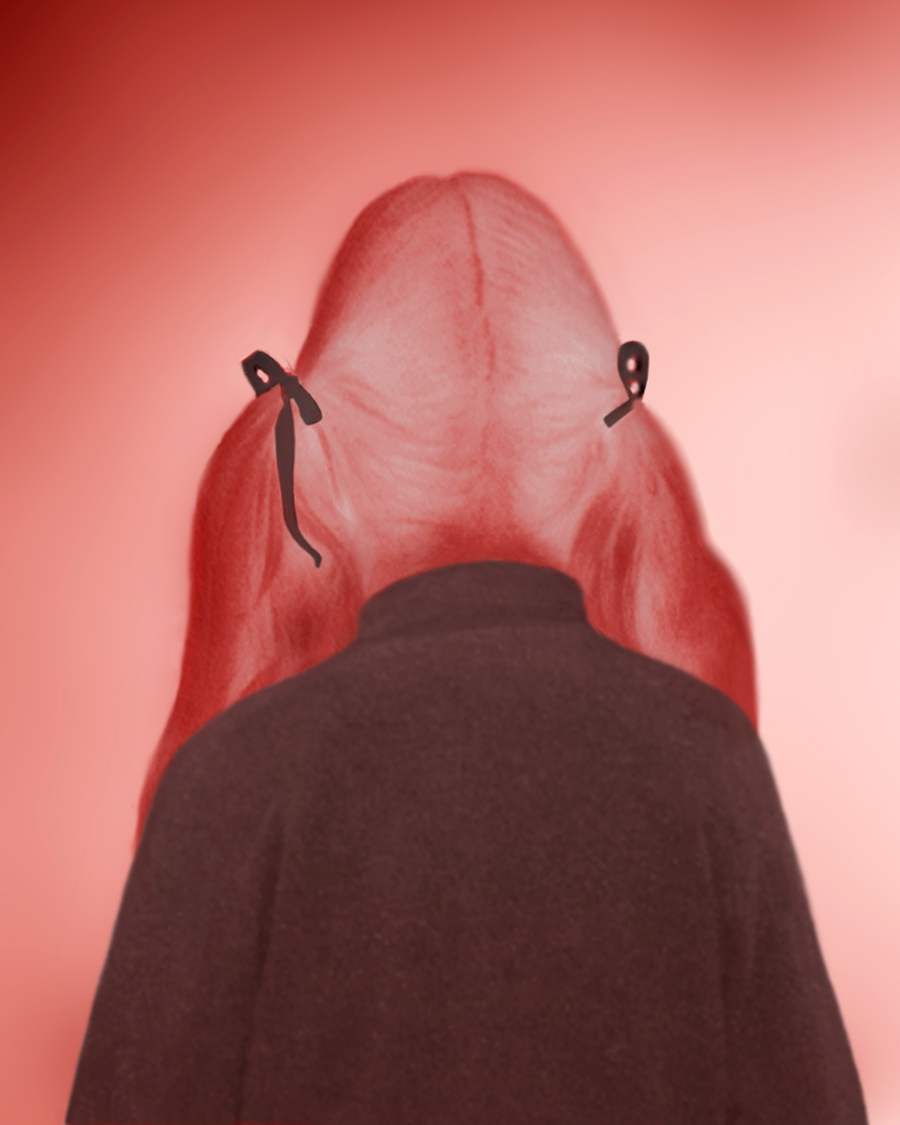
Marcus Bunyan (Australian, b. 1958) Missing in Action (red kenosis) No. 76 2010 Digital colour photograph
“God doesn’t give them things he doesn’t want them to use.”
Anon
“There is no glory in battle worth the blood it costs.”
Dwight D. Eisenhower
Missing in Action (red kenosis)
A body of work Missing in Action (red kenosis) 2010 is now online on my website.
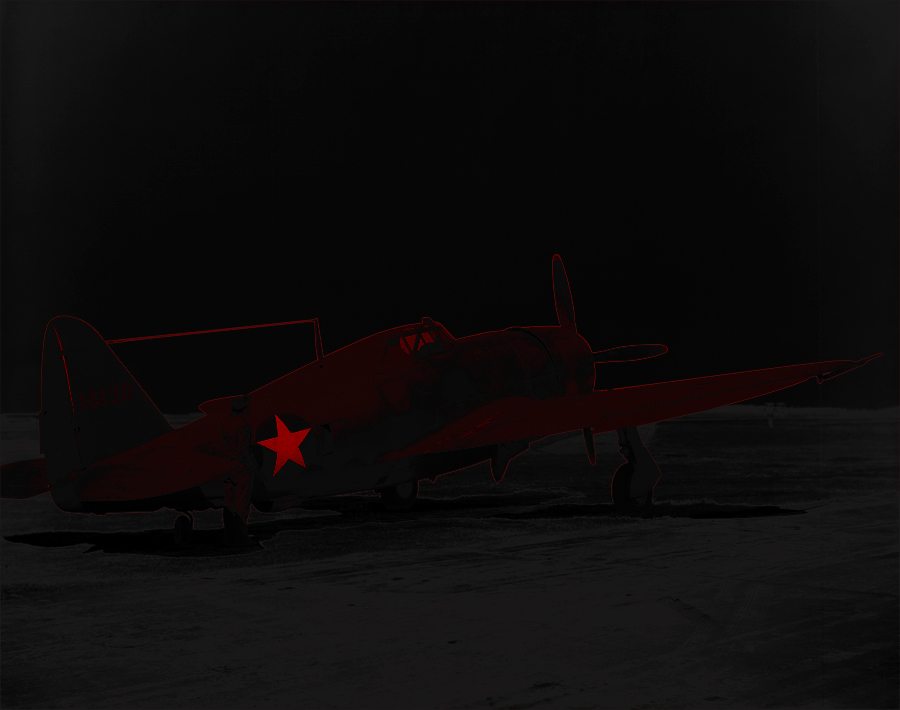
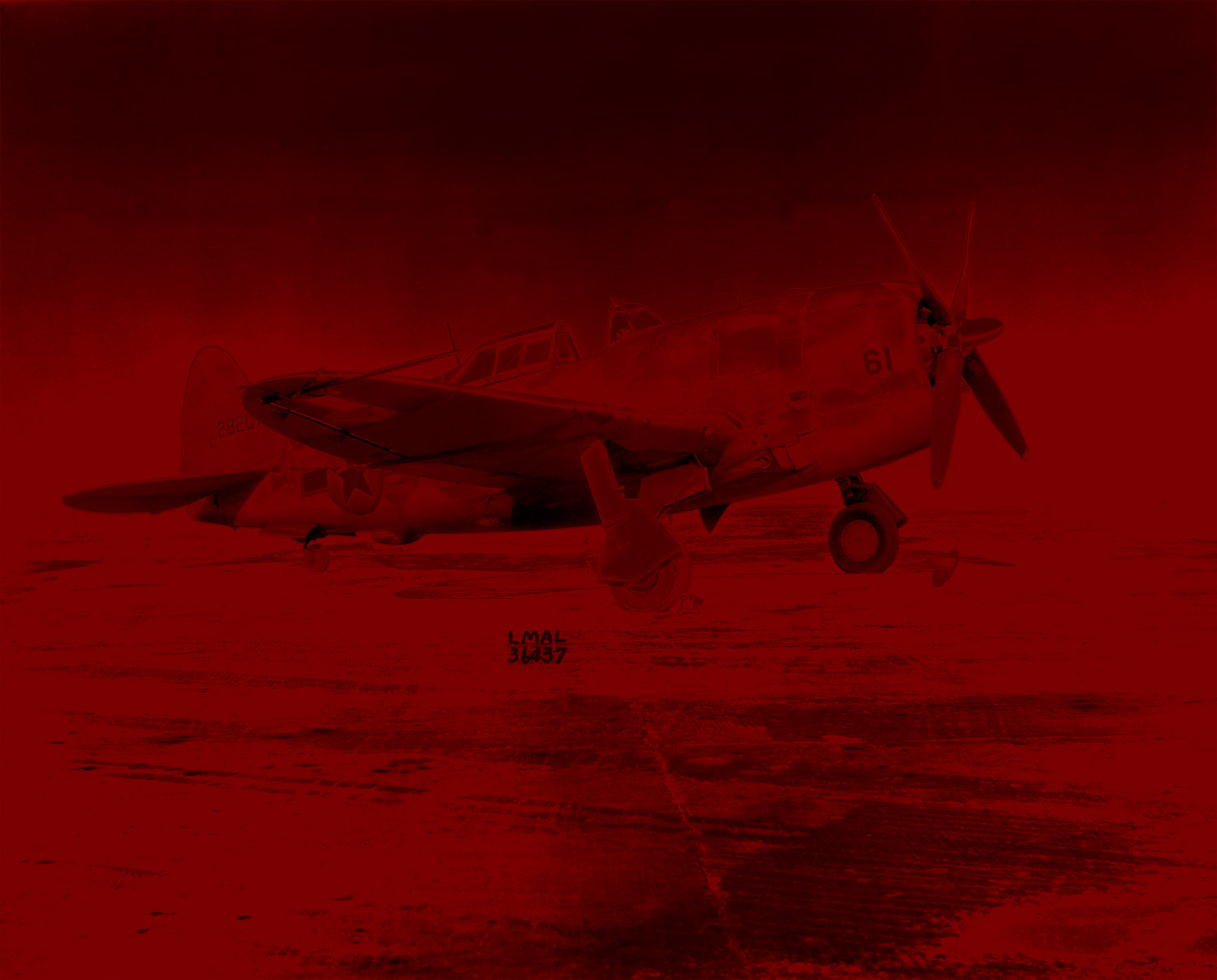
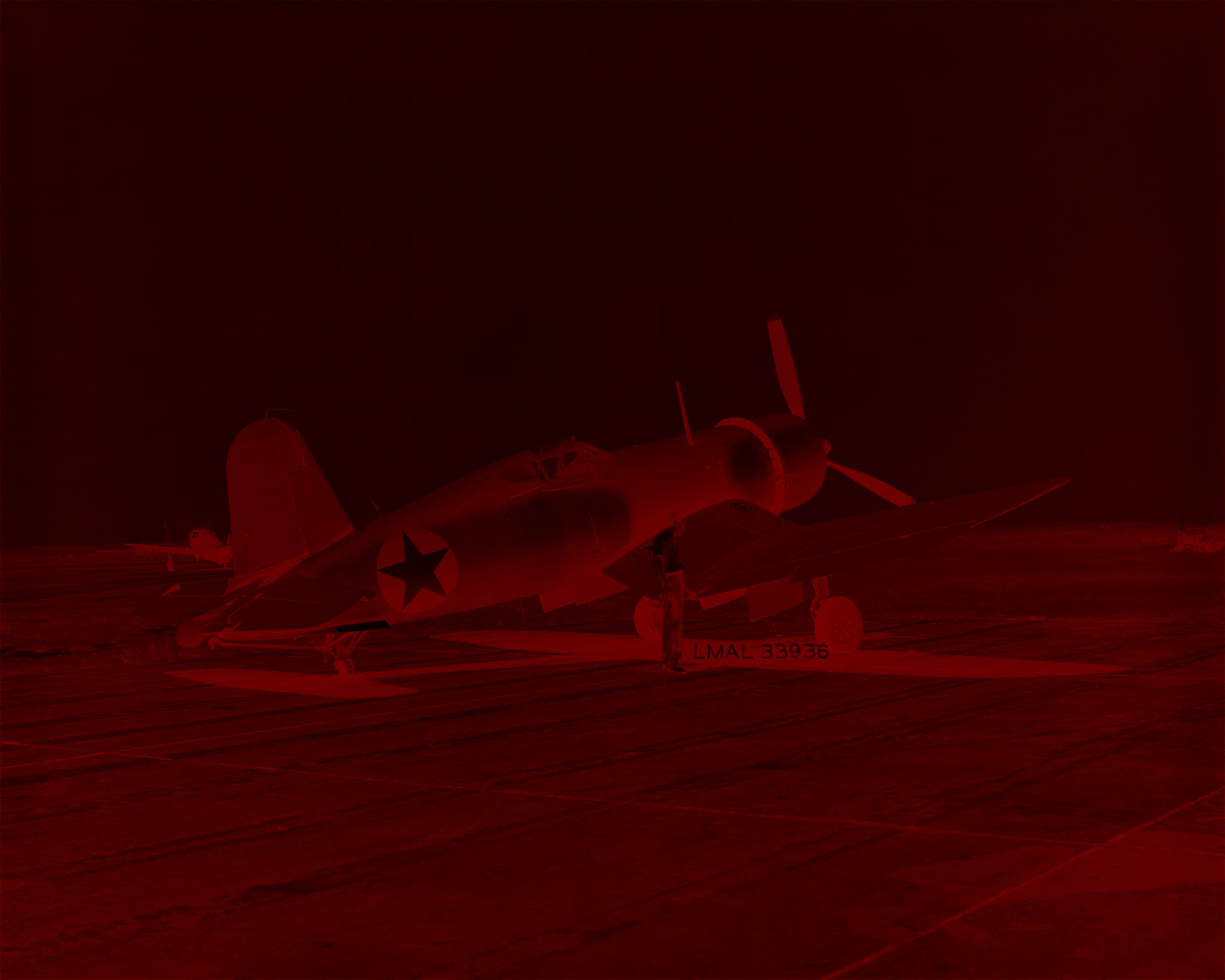
There are 100 images in the series which are like variations in music with small shifts in tone and colour. Below is a selection of images, one plane and its variations from the many different planes in the series. Please click on the photographs for a larger version of the image. I hope you like the work!
Dr Marcus Bunyan
Photographs are available from this series for purchase. As a guide, a digital colour 16″ x 20″ costs $1000 plus tracked and insured shipping. For more information please see my Store web page.
Marcus Bunyan (Australian, b. 1958) Missing in Action (red kenosis) No’s. 77-88 2010 Digital colour photographs
“In reality, I make one work over my life, so that when it’s all finished, there are a number of parts or contributions to an overall piece, each linking to another in some way.”
John Davis, 1989
This is a superlative survey exhibition of the work of John Davis at NGV Australia, Melbourne.
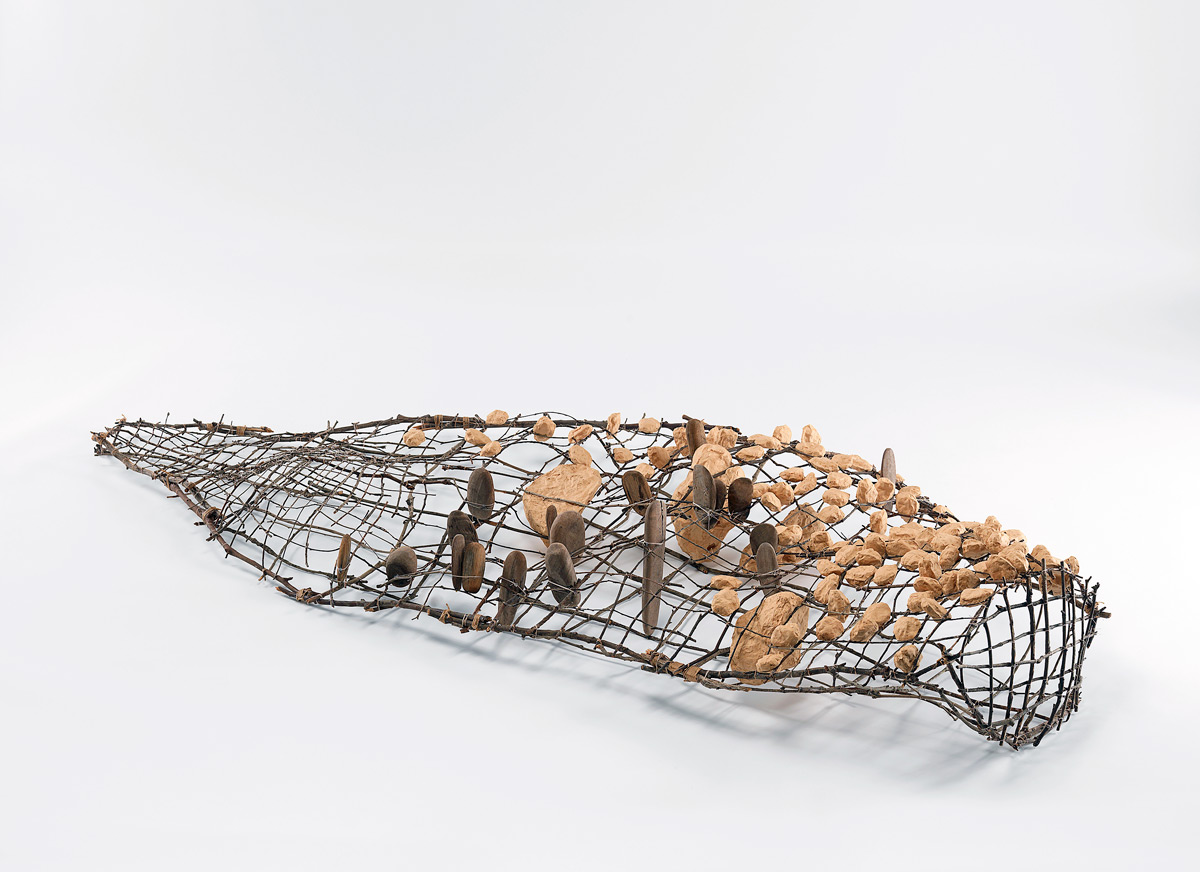
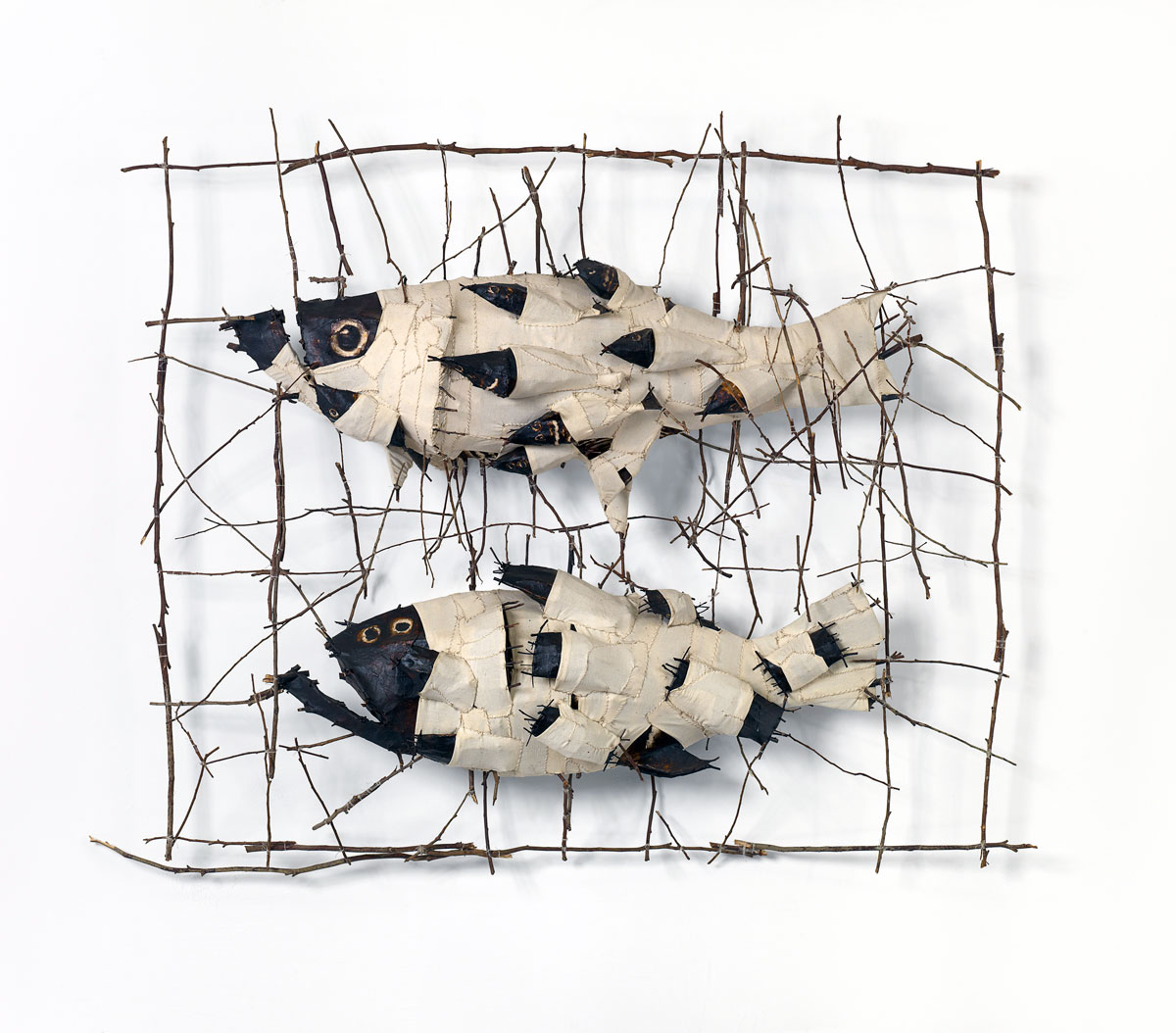
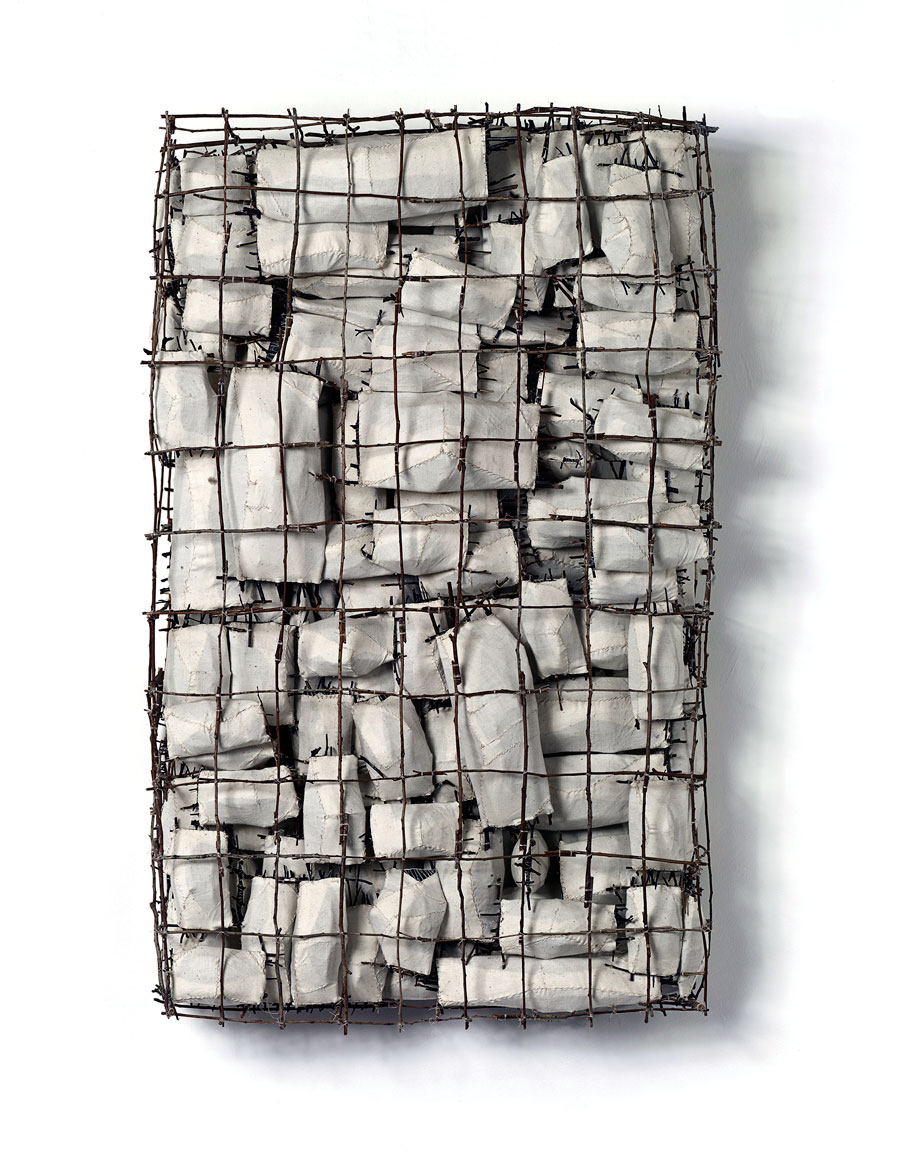
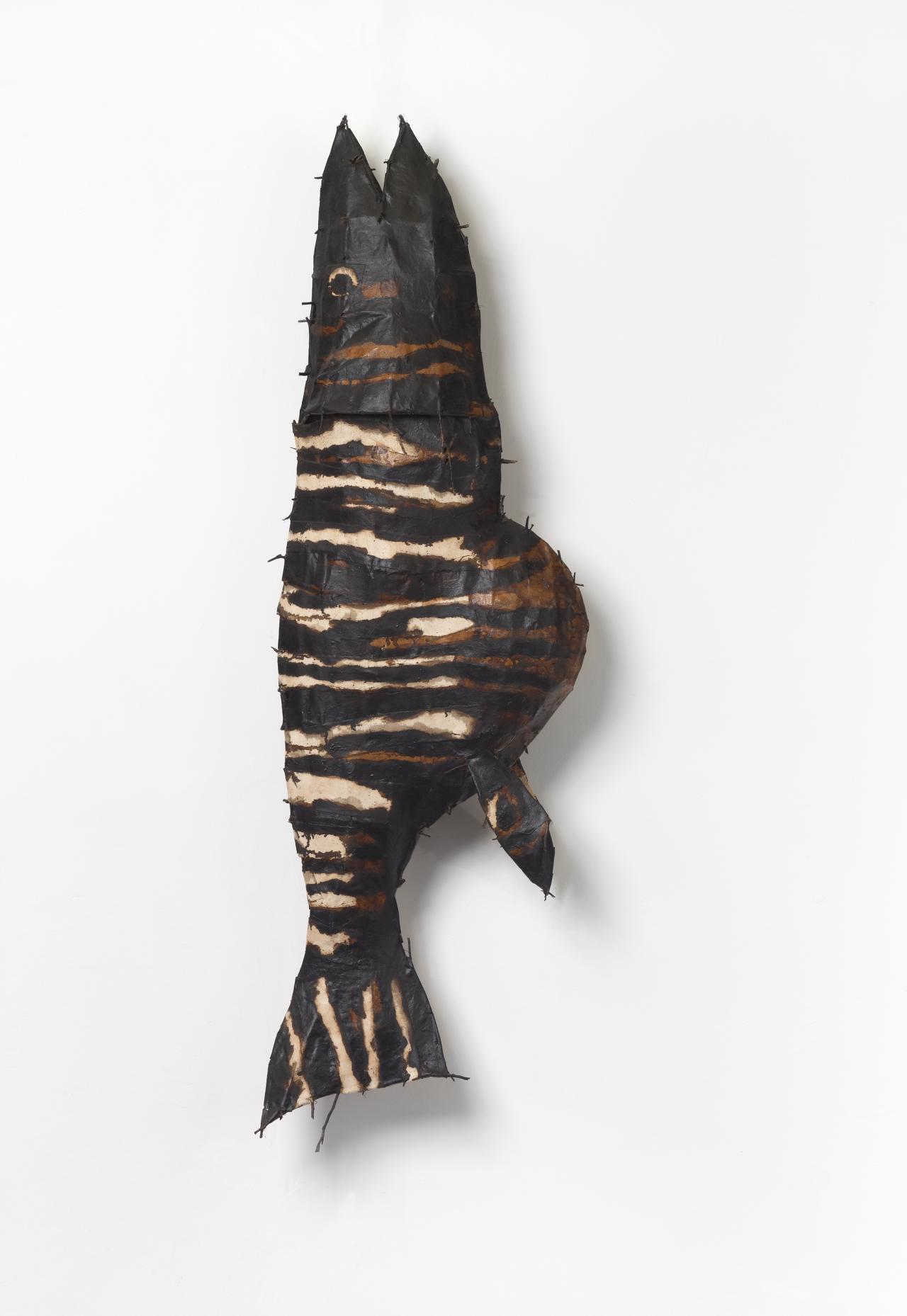
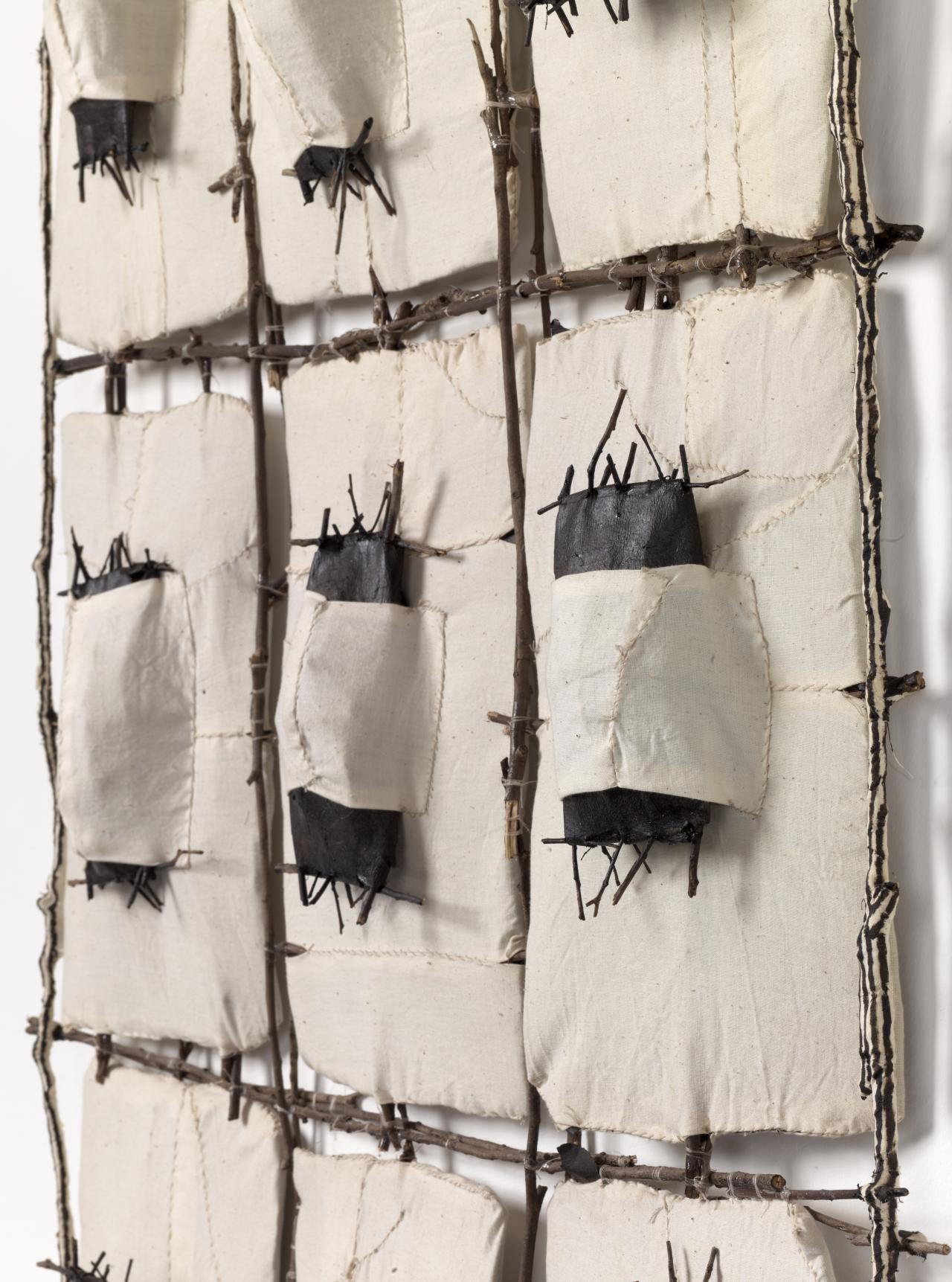
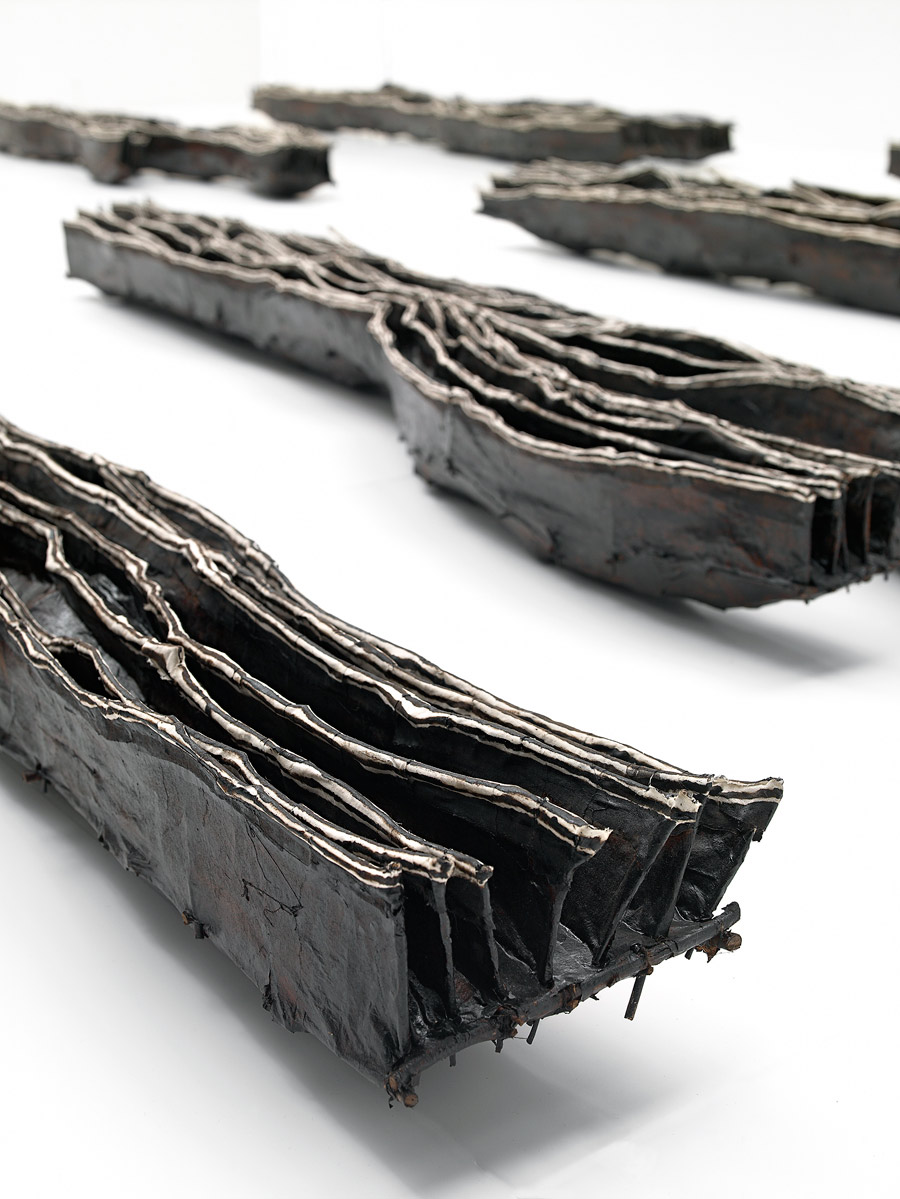
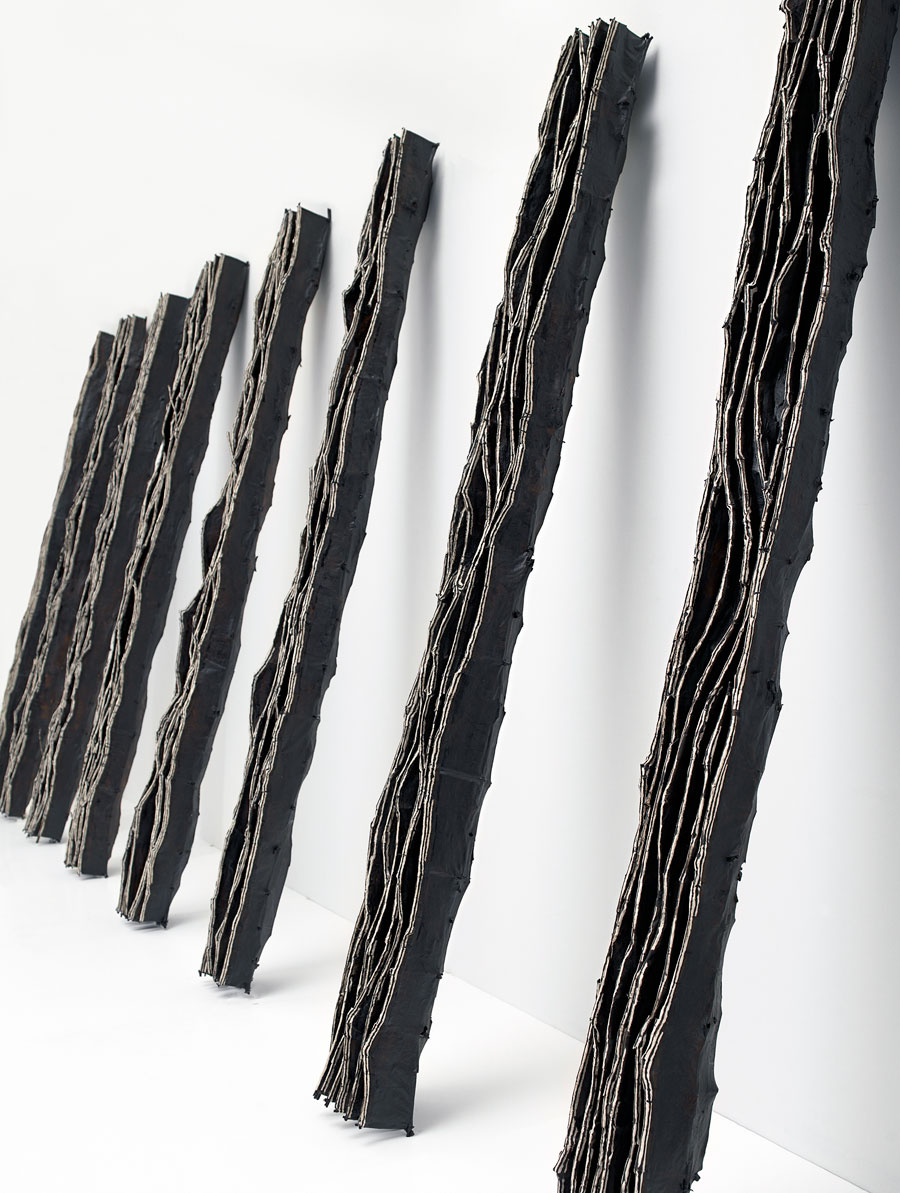
In the mature work you can comment on the fish as ‘travellers’ or ‘nomads’, “a metaphor for people and the way we move around the world.” You can observe the caging, wrapping and bandaging of these fish as a metaphor for the hurt we humans impose on ourselves and the world around us. You can admire the craftsmanship and delicacy of the constructions, the use of found objects, thread, twigs, driftwood and calico and note the ironic use of bituminous paint in relation to the environment, “a sticky tar-like form of petroleum that is so thick and heavy,”1 of dark and brooding colour.
This is all well and true. But I have a feeling when looking at this work that here was a wise and old spirit, one who possessed knowledge and learning.
Since one of his last works was titled ‘Kōan’ (1999, see image below), a story “the meaning of which cannot be understood by rational thinking but may be accessible through intuition,”2 I would like to use a quotation from Carlos Castaneda and The Teachings of Don Juan as an allegorical statement about the work and, more inclusively, about the human journey to knowledge and the attaining of a state of grace in one’s life.
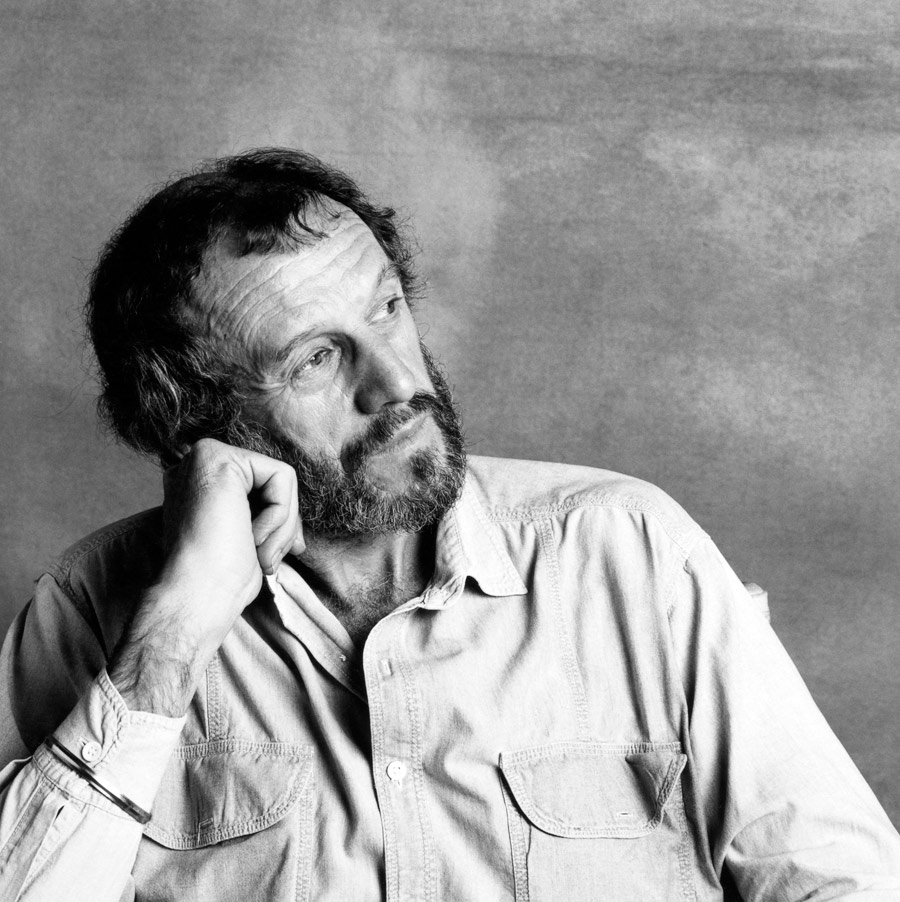
Although I didn’t know John Davis I have a feeling from his work that he attained such a state. Stick with the quotation for it is through this journey that we relate to ourselves and world around us. The stuff of legend.
Dr Marcus Bunyan
Many thanxk to Alison Murray, Jemma Altmeier and The National Gallery of Victoria for allowing me to publish the photographs in the posting. Please click on the photographs for a larger version of the image. There is also another John Davis exhibition in Melbourne at the moment at Arc One Gallery until 16th October 2010.
Fear, clarity, power, death
“‘When a man starts to learn, he is never clear about his objectives. His purpose is faulty; his intent is vague. He hopes for rewards that will never materialize, for he knows nothing of the hardships of learning.
‘He slowly begins to learn – bit by bit at first, then in big chunks. And his thoughts soon clash. What he learns is never what he pictured, or imagined, and so he begins to be afraid. Learning is never what one expects. Every step of learning is a new task, and the fear the man is experiencing begins to mount mercilessly, unyieldingly. His purpose becomes a battlefield.
‘And thus he has stumbled upon the first of his natural enemies : Fear! A terrible enemy – treacherous, and difficult to overcome. It remains concealed at every turn of the way, prowling, waiting. And if the man, terrified in its presence, runs away, his enemy will have put an end to his quest.’
‘What will happen to the man if he runs away in fear?’
‘Nothing happens to him except that he will never learn. He will never become a man of knowledge. He will perhaps be a bully or a harmless, scared man; at any rate, he will be a defeated man. His first enemy will have put an end to his cravings.’
‘And what can he do to overcome fear?’
‘The answer is very simple. He must not run away. He must defy his fear, and in spite of it he must take the next step in learning, and the next, and the next. He must be fully afraid, and yet he must not stop. That is the rule! And a moment will come when his first enemy retreats. The man begins to feel sure of himself. His intent becomes stronger. Learning is no longer a terrifying task.
‘When this joyful moment comes, then he can say without hesitation that he has defeated his first natural enemy.’
‘Does it happen at once, don Juan, or little by little?’
‘It happens little by little, and yet the fear is vanquished suddenly and fast.’
‘But won’t the man be afraid again if something new happens to him?’
‘No. Once a man has vanquished fear, he is free from it for the rest of his life because, instead of fear, he has acquired clarity – a clarity of mind which erases fear. By then a man knows his desires; he knows how to satisfy those desires. He can anticipate the new steps of learning, and a sharp clarity surrounds everything. The man feels that nothing is concealed.
‘And thus he has encountered his second enemy : Clarity! That clarity of mind, which is so hard to obtain, dispels fear, but also blinds.
‘It forces the man never to doubt himself. It gives him the assurance he can do anything he pleases, for he sees clearly into everything. And he is courageous because he is clear, and he stops at nothing because he is clear. But all that is a mistake; it is like something incomplete. If the man yields to this make-believe power, he has succumbed to his second enemy and will fumble with learning. He will rush when he should be patient, or he will be patient when he should rush. And he will fumble with learning until he winds up incapable of learning anything more.’
‘What becomes of a man who is defeated in that way, don Juan? Does he die as a result?’
‘No, he doesn’t die. His second enemy has just stopped him cold from trying to become a man of knowledge; instead, the man may turn into a buoyant warrior, or a clown. Yet the clarity for which he has paid so dearly will never change to darkness and fear again. He will be clear as long as he lives, but he will no longer learn, or yearn for, anything.’
‘But what does he have to do to avoid being defeated?’
‘He must do what he did with fear : he must defy his clarity and use it only to see, and wait patiently and measure carefully before taking new steps; he must think, above all, that his clarity is almost a mistake. And a moment will come when he will understand that his clarity was only a point before his eyes, And thus he will have overcome his second enemy, and will arrive at a position where nothing can harm him any more. This will not be a mistake. It will not be only a point before his eyes. It will be true power.
‘He will know at this point that the power he has been pursuing for so long is finally his. He can do with it whatever he pleases. His ally is at his command. His wish is the rule. He sees all that is around him. But he has also come across his third enemy : Power!
‘Power is the strongest of all enemies. And naturally the easiest thing to do is to give in; after all, the man is truly invincible. He commands; he begins by taking calculated risks, and ends in making rules, because he is a master.
‘A man at this stage hardly notices his third enemy closing in on him. And suddenly, without knowing, he will certainly have lost the battle. His enemy will have turned him into a cruel, capricious man.’
‘Will he lose his power?’
‘No, he will never lose his clarity or his power.’
‘What then will distinguish him from a man of knowledge?’
‘A man who is defeated by power dies without really knowing how to handle it. Power is only a burden upon his fate. Such a man has no command over himself, and cannot tell when or how to use his power.’
‘Is the defeat by any of these enemies a final defeat?’
‘Of course it is final. Once one of these enemies overpowers a man there is nothing he can do.’
‘Is it possible, for instance, that the man who is defeated by power may see his error and mend his ways?’
‘No. Once a man gives in he is through.’
‘But what if he is temporarily blinded by power, and then refuses it?’
‘That means the battle is still on. That means he is still trying to become a man of knowledge. A man is defeated only when he no longer tries, and abandons himself.’
‘But then, don Juan, it is possible that a man may abandon himself to fear for years, but finally conquer it.’
‘No, that is not true. If he gives in to fear he will never conquer it, he will shy away from learning and never try again. But if he tries to learn for years in the midst of his fear, he will eventually conquer it because he will never have really abandoned himself to it.’
‘How can he defeat his third enemy, don Juan?’
‘He has to defy it, deliberately. He has to come to realize the power he has seemingly conquered is in reality never his. He must keep himself in line at all times, handling carefully and faithfully all that he has learned. If he can see that clarity and power, without his control over himself, are worse than mistakes, he will reach a point where everything is held in check. He will know then when and how to use his power. And thus he will have defeated his third enemy.
‘The man will be, by then, at the end of his journey of learning, and almost without warning he will come upon the last of his enemies : Old age! This enemy is the cruelest of all, the one he won’t be able to defeat completely, but only fight away.
‘This is the time when a man has no more fears, no more impatient clarity of mind – a time when all his power is in check, but also the time when he has an unyielding desire to rest. If he gives in totally to his desire to lie down and forget, if he soothes himself in tiredness, he will have lost his last round, and his enemy will cut him down into a feeble old creature. His desire to retreat will overrule all his clarity, his power, and his knowledge.
‘But if the man sloughs off his tiredness, and lives his fate through, he can then be called a man of knowledge, if only for a brief moment when he succeeds in fighting off his last, invincible enemy. That moment of clarity, power, and knowledge is enough.”
Carlos Castaneda. The Teachings of Don Juan: A Yaqui Way of Knowledge3
1/ Anon. “Bitumen,” on Wikipedia [Online] Cited 02/10/2010
2/ Anon. “Kōan,” on Wikipedia [Online] Cited 02/10/2010
3/ Castaneda, Carlos. The Teachings of Don Juan: A Yaqui Way of Knowledge. London: Arkana Books, 1968, pp. 84-87
The National Gallery of Victoria has opened John Davis: Presence, celebrating the work of influential Australian artist, John Davis (1936-1999). The exhibition draws together over 40 works by the artist including sculpture, photography and installations.
David Hurlston, Curator, Australian Art, NGV, said this important survey charts Davis’s development as an artist, from his early works, produced during the 1960s, through to his critically acclaimed sculptures and installation works leading into the nineties.
“At the core of his practice, particularly evident in his late works, was an awareness of ecology and a sensitivity to the elemental forces of nature and the effect of human actions. Now, at a time when issues relating to the environment seem more pertinent than ever, Davis’s sculptures have even greater resonance.
“John Davis was a pioneering Australian artist who during his life achieved a critically acclaimed international reputation as a sculptor and installation artist. This important exhibition has a particular focus on the artist’s interest in found and fragile organic materials, and the powerful evocation of the landscape,” said Mr Hurlston.
A highlight of the exhibition is a series of works featuring fish. From the mid 1980s, Davis used fish in his work as a symbol for human movement and relationships with each other and the environment. Davis commonly referred to his fish as ‘nomads’ or ‘travellers’ and once described his works as ‘a metaphor for people and the way we move around the world; a statement for diversity’.
Frances Lindsay, Deputy Director, NGV said: “Davis’s mature works reflected his sensitivity to the landscapes that surrounded him. Visitors will be excited by the vision of this extraordinary artist as they explore his development from the early sixties through to his death in 1999. This exhibition is a special tribute to one of Australia’s great conceptual and environmentally aware artists.”
Born in Ballarat, Victoria, in 1936, John Davis studied at the Royal Melbourne Institute of Technology. In 1972 Davis travelled to Europe and America before returning to Australia the following year to take up a position at Prahran College of Advanced Education. In subsequent years Davis was a senior faculty member at the Victorian College of the Arts and continued to travel widely and exhibit regularly in America, Japan and Australia.
John Davis was awarded a number of prizes, among them the 1970 Comalco Invitation Award for Sculpture and the Blake Prize for Religious Art in 1993. He participated in the inaugural Mildura Sculpture Triennial, and he represented Australia at the Venice Biennale in 1978. Davis was also the first artist whose work was profiled in the NGV Survey series in 1978.
Text from the National Gallery of Victoria website
Let us drop away all interpretation and look at the thing in itself. The literal feeling of standing before these objects.
Form
Balance
Colour
Surface
Precision
Will
Style
Silence
Quiet, precise works. Forms of insect-like legs and proboscises. They balance, seeming to almost teeter on the edge – but the objects are incredibly grounded at the same time. As you walk into the darkened gallery and observe these creatures you feel this pull – lightness and weight. Fantastic!
The surfaces, sublime matt grey colour and precision of their manufacture add to this sense of the ineffable. These are not mere renderings of content, but expressions of things that cannot be said.
Sontag observes, “Art is the objectifying of the will in a thing or performance, and the provoking or arousing of the will … Style is the principle of decision in a work of art, the signature of the artist’s will.”1
Sontag insightfully notes, “The most potent elements in a work of art are, often, its silences.”2
And so it came to pass in silence, for these works are still, quiet and have a quality of the presence of the inexpressible.
Funaki achieves these incredible silences through being true to her self and her style through an expression of her endearing will.
While Mari may no longer be amongst us as expressions of her will the silences of these objects will be forever with us.
Dr Marcus Bunyan
1/ Sontag, Susan. “On Style,” in Against Interpretation and Other Essays. New York: Delta Book, 1966, pp. 31-32.
2/ Ibid., p. 36.
Many thanxk to Alison Murray, Jemma Altmeier and The National Gallery of Victoria for allowing me to publish the photographs in the posting. Please click on the photographs for a larger version of the image. All individual photographs of work by Jeremy Dillon.
Opening 6 August, the National Gallery of Victoria will present Mari Funaki: Objects, an exhibition showcasing a range of sculptural objects by the renowned contemporary jeweller and metalsmith, Mari Funaki (1950-2010).
This exhibition will present a selection of Funaki’s distinctive objects, dating from the late 1990s to 2010 including four recent large scale sculptures. The artist was working on the exhibition right up until the time of her recent death.
Jane Devery, Acting Curator, Contemporary Art, NGV said: “It was a great privilege to work with Mari Funaki on this exhibition. She possessed a clarity of vision and a capacity for ongoing invention that is rare among artists. Funaki produced some of the most captivating works in the field of contemporary jewellery and metalwork. Her unique geometric objects, meticulously constructed from blackened mild-steel, stemmed from a desire to express the world around her.”
“Funaki was interested in the expressive and associative capacities of her objects, creating forms that might stir our imaginations or trigger something from our memories. It has been particularly thrilling to see her extend these concerns in large scale works,” said Ms Devery. In 1979 Funaki left her home in Japan for Melbourne where she pursued her creative ambitions, enrolling in Gold and Silversmithing at RMIT in the late 1980s. At RMIT she studied under the prominent jewellers Marian Hosking, Robert Baines and Carlier Makigawa.
In 1995, Mari Funaki established Gallery Funaki in Melbourne’s CBD which remains Australia’s most important space dedicated to contemporary jewellery. Throughout her career she exhibited widely within Australia and overseas and won many awards, twice winning the prestigious Herbert Hoffman prize in Munich. In 2007 she was awarded an Australian Council Emeritus Award for her work as an artist and for her success in promoting Australian and international contemporary jewellery.
Frances Lindsay, Deputy Director, NGV said: “The NGV is delighted to exhibit many never-before-seen works by such an innovative and celebrated Melbourne artist. The exquisite objects assembled in this exhibition allow us to appreciate Mari Funaki’s remarkable artistic achievements.”
Mari Funaki: Objects will be on display at The Ian Potter Centre: NGV Australia, Federation Square from 6 August to 24 October, 2010. The exhibition will be open from 10am-5pm. Closed Mondays. Entry is free.
A body of work is slowly taking shape. I have over 150 images at the moment (!!) and after I finish making them all the images will be culled to form the new series Missing in Action (red kenosis) (2010). Images from the new series are below. Please click on the photographs to see a larger version of the image. Enjoy!
Dr Marcus Bunyan
Photographs are available from this series for purchase. As a guide, a digital colour 16″ x 20″ costs $1000 plus tracked and insured shipping. For more information please see my Store web page.
Exhibition dates: 24th August – 18th September 2010
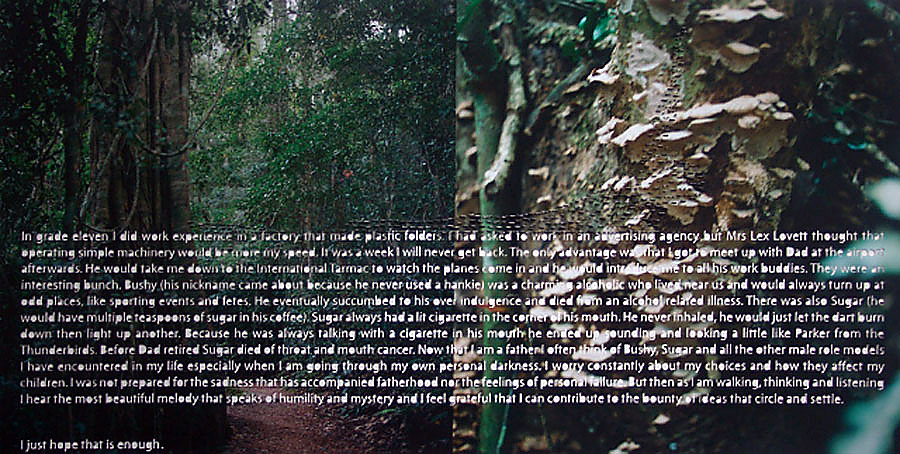
Martin Smith (Australian, b. 1971) Enough 2010
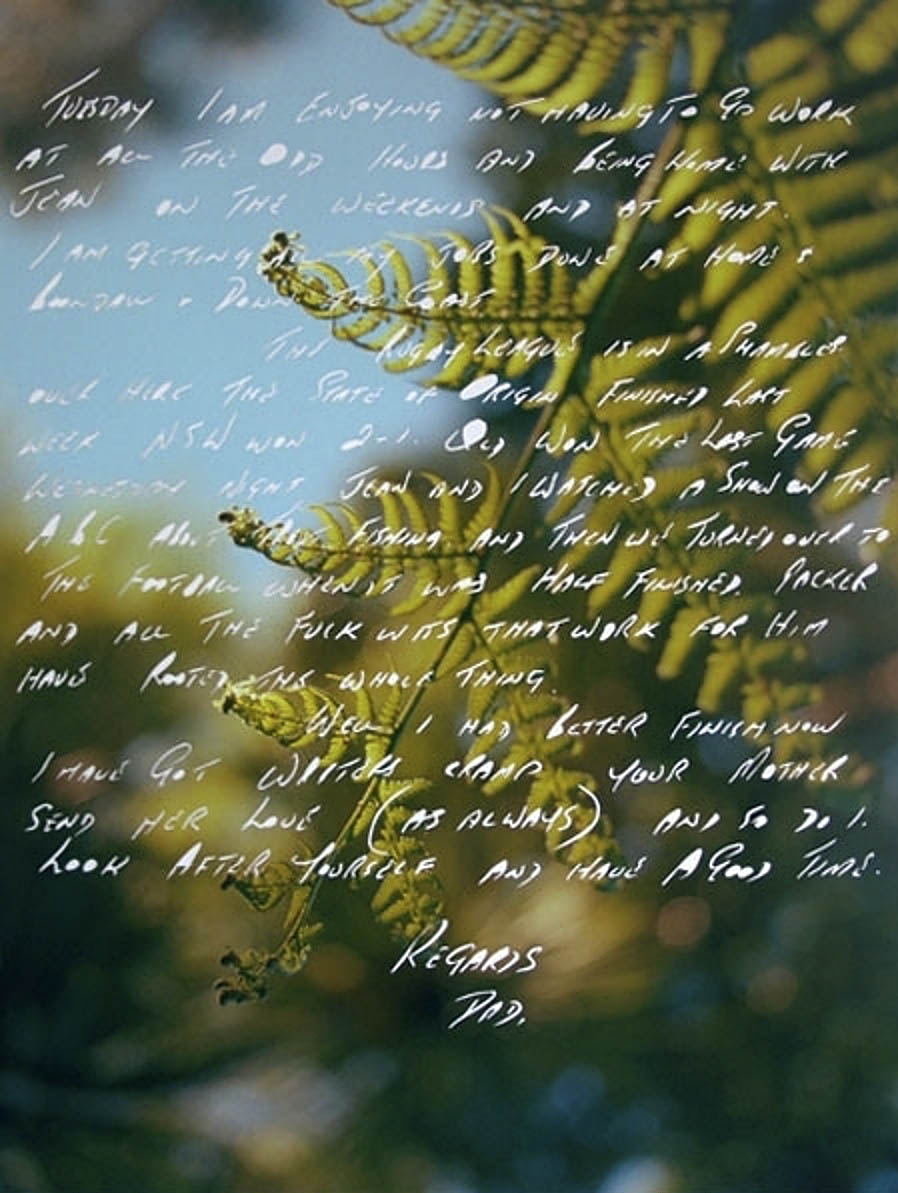
Following on from last year’s exhibition My Jesus Lets Me Rub His Belly that examined issues of place and faith when the artist was growing up, Martin Smith now presents a slice of poignant son father love at Sophie Gannon Gallery, Richmond. The combination of images and text create narratives on growing up, life, male bonding and mortality.
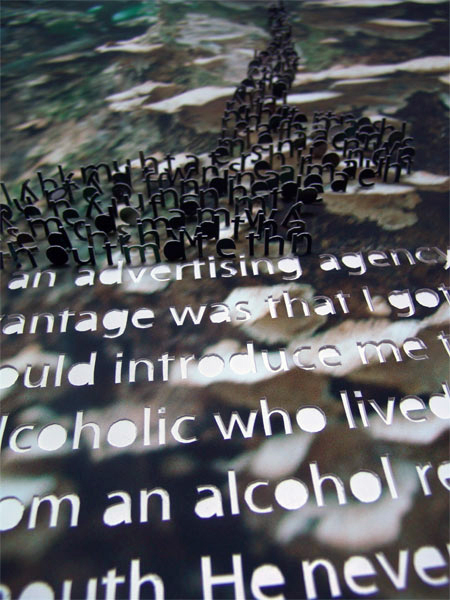
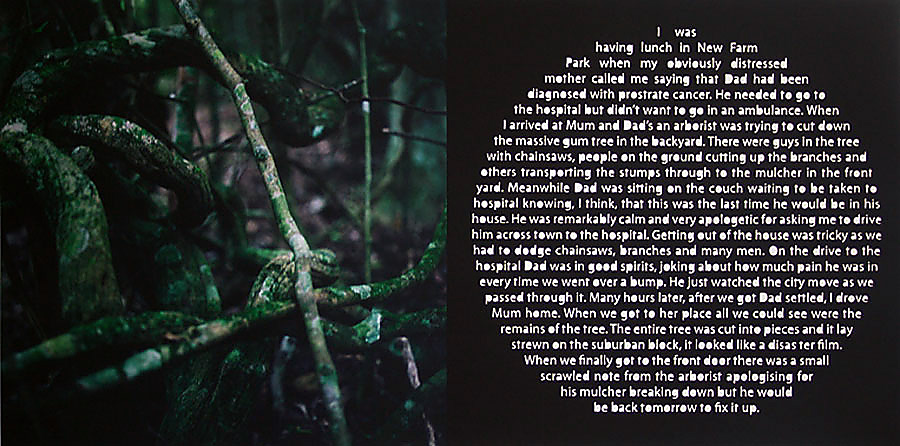
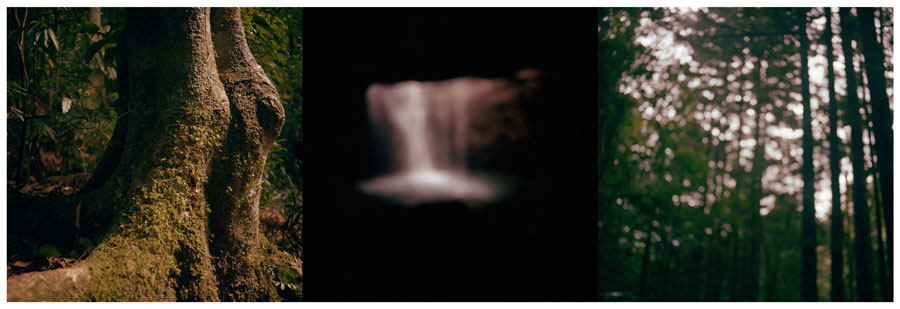
In Fix It Up (2010, below) the use of a circle of text on black (the circle of life) in this image paired with a dark photograph of moss covered twigs and branches is exemplary, the metaphor of the arborist chopping down a gum tree in the backyard as his father is waiting to be taken to hospital by ambulance with prostrate cancer, the last time he will be present in his house, incredibly moving. The use of blurred images, such as the central panel in the triptych Sydney (2010, below) adds emotional weight to the narratives, as though the stories told can only be fragmentary memories, as all memories are, of the events that have passed. The feeling of an excavation of the meaning of life and death is further enhanced by the incision of the letters into the photographs surface and the extrusion of the letters to form three-dimensional sculptural forms, as in the work Enough (2010, see photograph and detail below). The letters shape references the fungi on the tree behind, new life growing out of old, as though the words were being extruded out of the forest, archives of communal memory.
My favourite image in the exhibition didn’t have any words at all, not even piled as detritus at the bottom of the frame as many of Smith’s works do. It didn’t need them. The triptyph Untitled 1 (2010, below) is simple and eloquently beautiful and almost brought me to tears. When read in combination with the other works and their texts, the moss covered trees on the left become two wrinkled elbows, the image on the right the wandering mind and the image in the centre – for me, the feeling of life force as it flows in the darkness. As my yoga teacher says to me, “You must learn to navigate the dazzling darkness.”
This illumination of the mind, body, memory and spirit is what Smith’s work is all about. I adore it.
Exhibition dates: 24th August – 18th September 2010
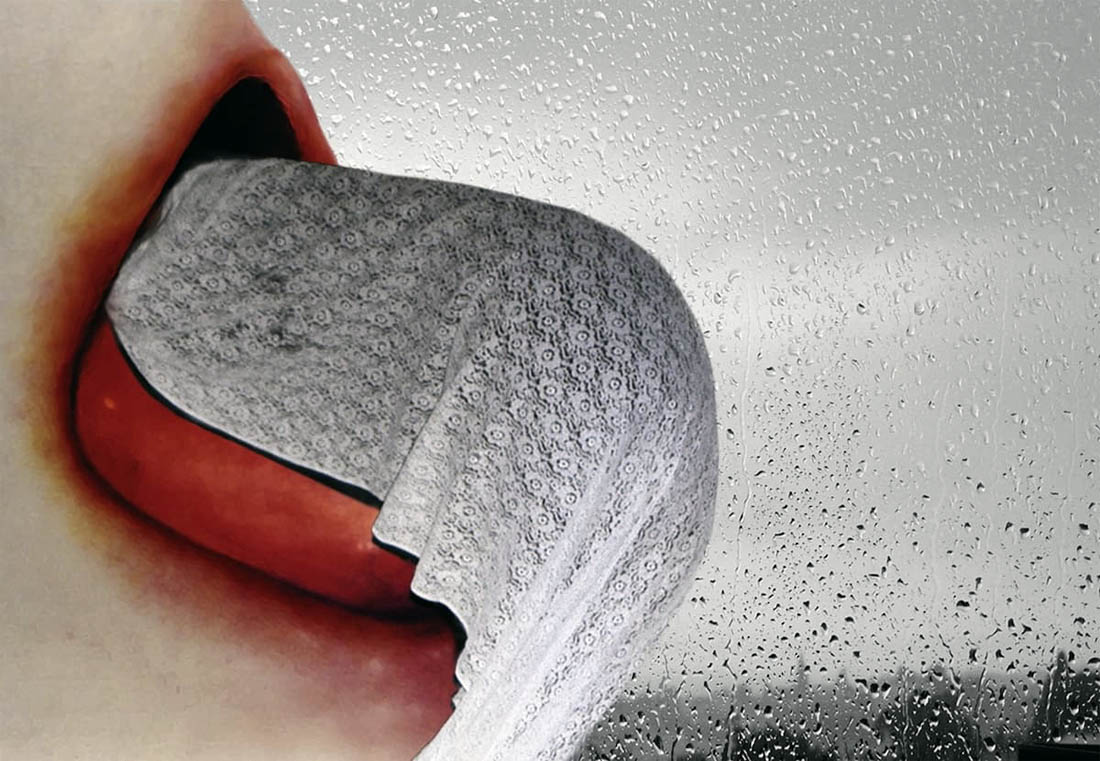
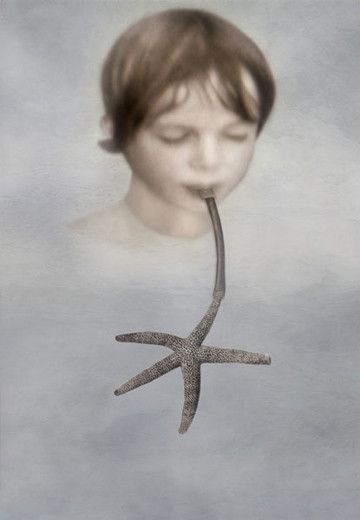
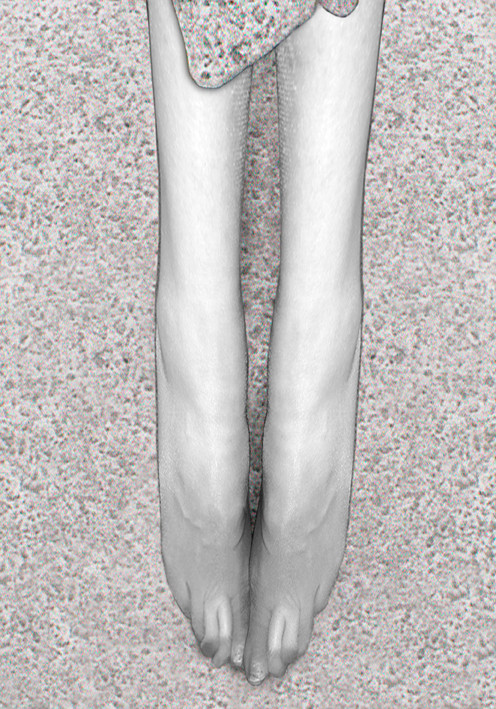
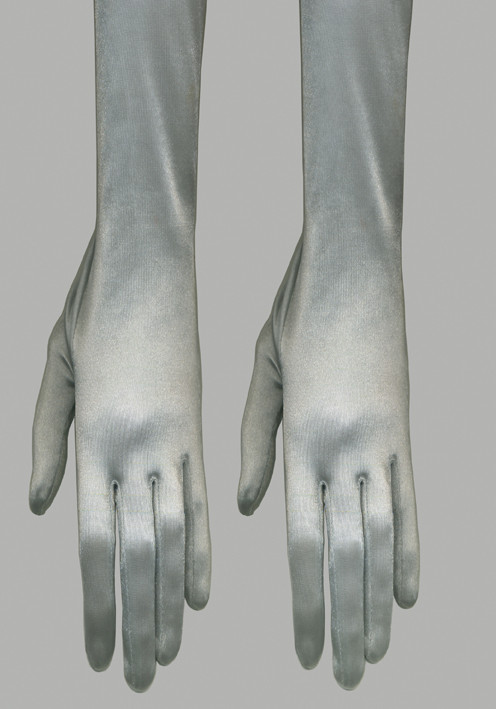
Pat Brassington (Australian, b. 1942) Camouflage 2010
I have a critically ambivalent attitude towards the work of artist Pat Brassington. While the exhibition at Arc One Gallery in Melbourne contains some wonderful ‘images’ her work never seems to move me in an emotional sense. What it does do admirably is constantly engage me in cerebral jousting and sensory debate. Intellectually and visually I find the images stimulating, emotionally I am left a little bit cold.
Brassington’s sometimes fetishistic collage-like digital photographs occupy ambiguous spaces – fascinating ‘other’ worlds, constructed worlds that disturb and delight, drawing the viewer into subjective judgements on what, exactly, they are seeing. Brassington doesn’t need to speak about her work, much like Bill Henson never speaks about his work, because the viewer does that for her and that is the point – Brassington lets the viewer construct the story, a story that is open to multiple viewpoints and interpretations.
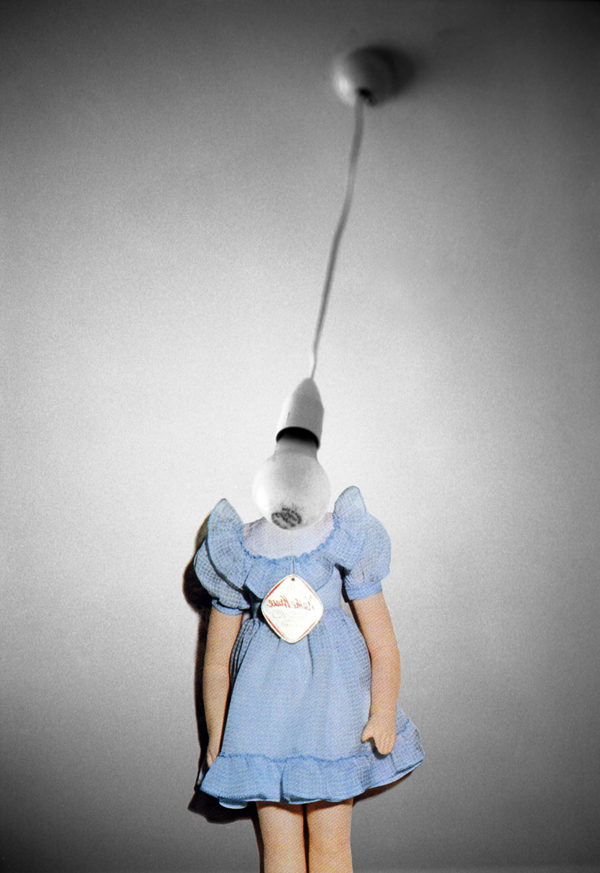
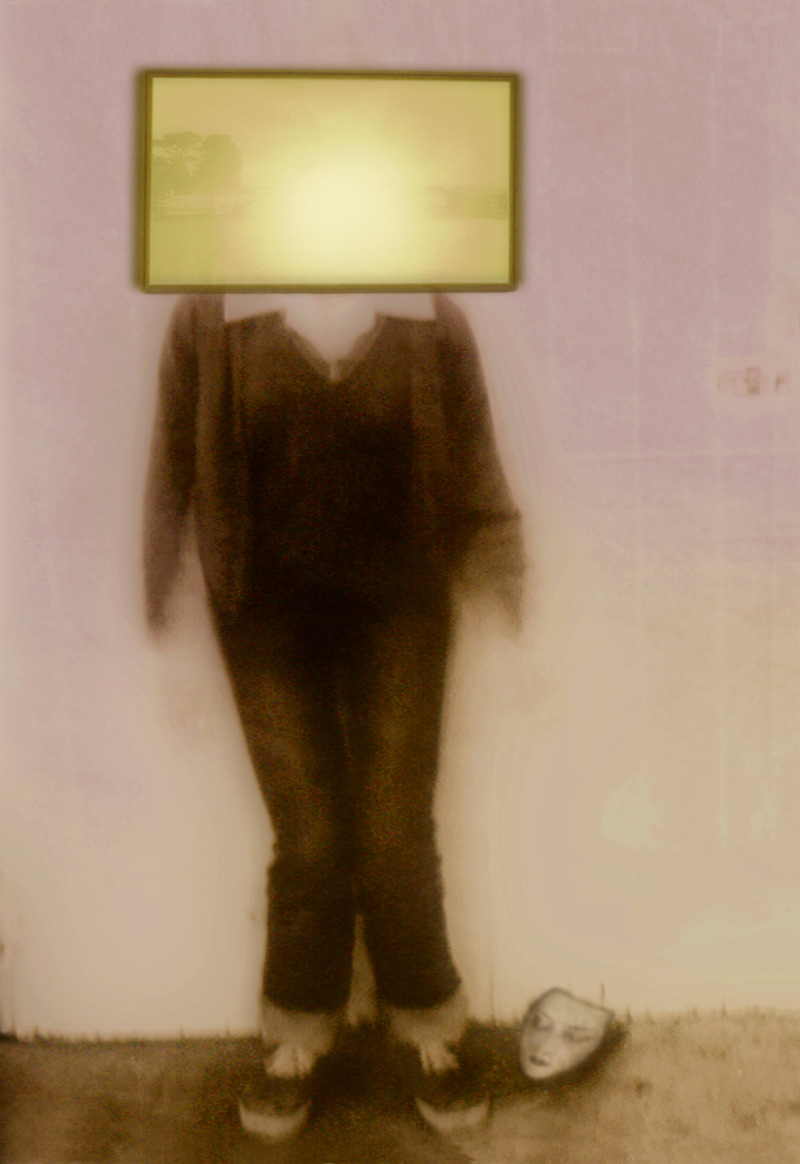
To see the work as just “surrealist” is to do it a disservice for it is much more than that. Of course the work uses various surrealist tropes but the power of these images is in setting up psychological encounters that are often bizarre, confronting and disturbing at a deeper level than just surface juxtapositions. These images seem to haunt you long after you have seen them. Using a limited colour palette of washed out purples, greys, yellows and pinks with a hit of red or blue where applicable (only once a green, never any solid, bright, strong colours) Brassington’s work keeps repeating objects and themes throughout the years – the dress, fish, gloves, hands, legs and the sensual mouth – to “evoke uneasy tensions between bizarre, sinister intimations of menace and weirdly beautiful, benign harmonies.” (Diane Foster).
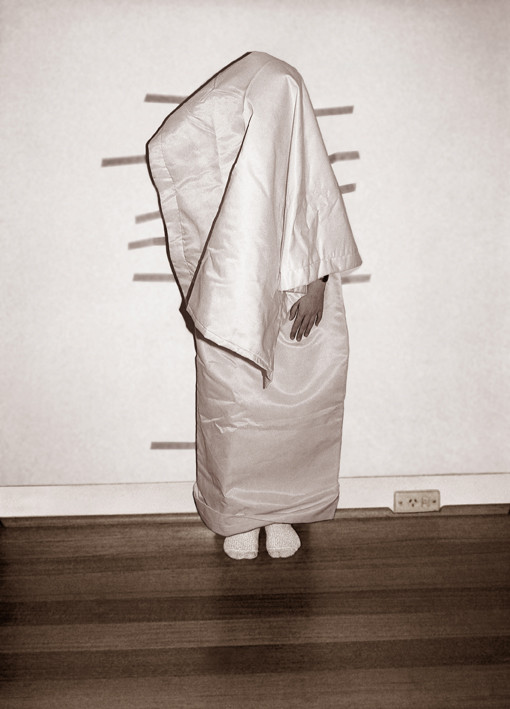
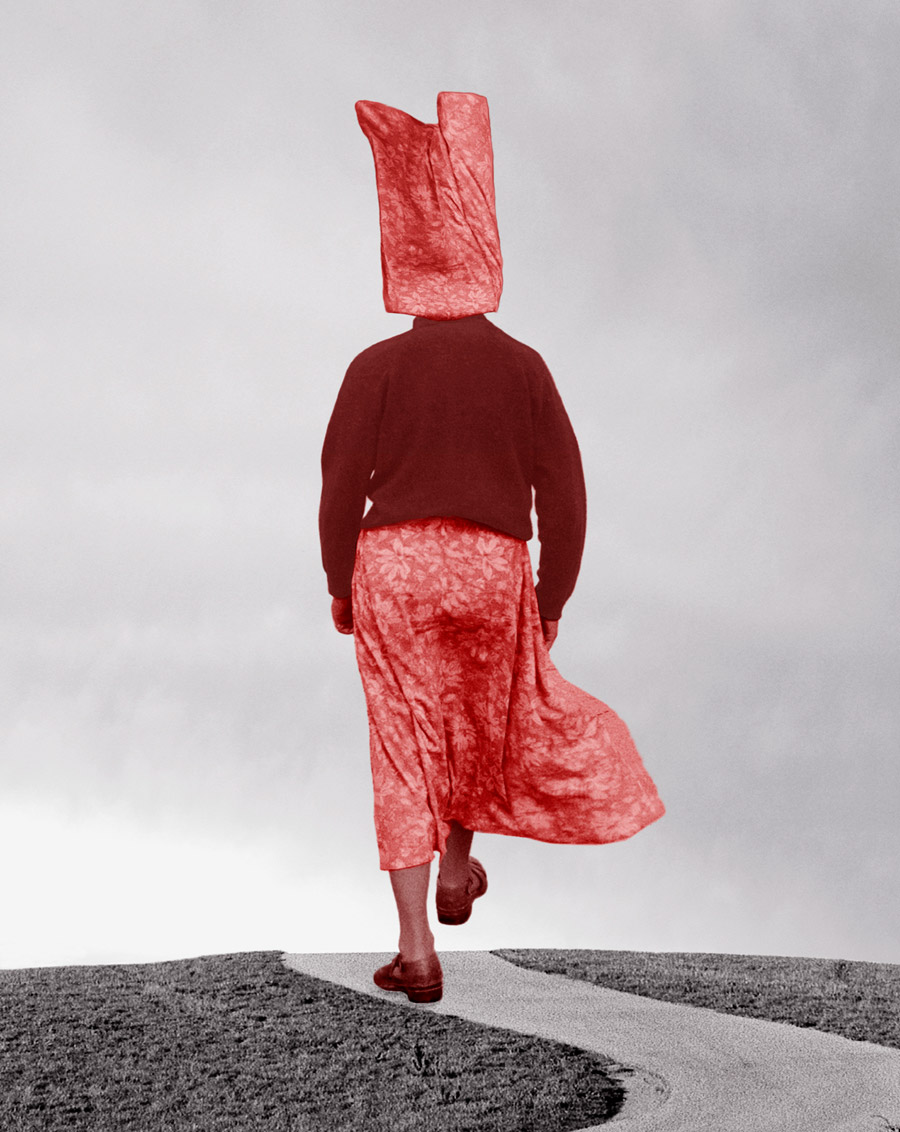
In these new images the lascivious tongue is camouflaged, a woman marches determinedly and blindly over a hill, a child is wrapped and taped, two sateen gloves emanate and a boy breathes life into the sea (or is it the other way around, or is the boy destroying the sea through his breath?). The paradoxes are beautifully enacted and always challenging and that is the strength of the work of Brassington – offering us, the viewer, no easy way out as we stare at the red ribbons in a girl’s hair.
Exhibition dates: 10th August – 4th September 2010
David Neale (Australian, b. 1977) Brooch Steel, paint, marble, lapis lazuli 2009-2010
A nice double act of an exhibition at Gallery Funaki that showcases the jewellery of David Neale and first time exhibitor Emma Price. Neale’s delicate folded and layered brooches of bud and leaf-life forms sparkle with crushed marble, turquoise and lapis lazuli forming a palette of pale blues, pinks, greens and vibrant hints of red, the shapes almost a form of metal collage. As pieces of art they work excellently but as jewellery they seem fragile perhaps due to the thinness of the metal used and what I perceived as a lack of structural integrity. As brooches I wonder how carefully one would have to wear them (very carefully I suspect) and how long the crushed sparkling rock would adhere to the surface of the metal (I have since been reliably informed by Simon that they are very sturdy but this was an initial reaction on picking up the brooches).
Of more significance are the articulated trapezoid necklaces by Emma Price. These are stunning architectural works (at very reasonable prices!) that are made of gold, silver, brass and copper. They exude a quietness and balance that is beautiful and a playfulness (because of the interlinked forms that actually move) that is delightful. In these geometric forms there seems to be a suspension in/of reality as if the world is hanging by a thread. A bright future awaits for this artist.
Dr Marcus Bunyan
Many thankx to Katie Scott and Gallery Funaki for allowing me to publish the photographs in the posting. Please click on the photographs for a larger version of the image.
David Neale (Australian, b. 1977) Brooch Steel, paint, marble, lapis lazuli 2009-2010
David Neale (Australian, b. 1977) Brooch Steel, paint, marble, lapis lazuli 2009-2010
Highly respected Melbourne jeweller David Neale presents new pieces alongside Emma Price, who will be showing her first significant group of work at Gallery Funaki in this exhibition.
David Neale’s intriguing folded forms, borne of his sensitive treatment of metal sheeting using texture and paint, have earned him a significant reputation both in Australia and overseas. His recent work shows a shift away from botanical influences, towards more abstract and expressive forms. There is a bold sense of the painterly in these works, as Neale’s powdery, textured colours become a dominant focus.
Emma Price completed her Masters of Gold and Silversmithing at RMIT in 2005 before spending a year at the Munich Academy of Fine Arts in 2008. Her finely balanced structures are constructed from painstakingly drawn down tubing in gold, brass, silver and copper. The shifting, architectonic forms of her neckpieces seem to dance against the body.
Text from the Gallery Funaki website [Online] Cited 26/08/2010 no longer available online
Emma Price (Australian, b. 1975) Necklace 2 silver, brass, gold 2010
Emma Price (Australian, b. 1975) Necklace 6 silver, brass, copper, gold 2010
Emma Price (Australian, b. 1975) Necklace 8 silver 2010
Gallery Funaki Sackville House Apartment 33 27 Flinders Lane Melbourne 3000 Australia
Opening hours: Wednesday – Friday 12 – 5pm Saturday on occasion (check our socials) or by appointment
Artists: Justine Khamara, Lyndell Brown and Charles Green, Imants Tillers, Sam Shmith, Janet Laurence, Murray Fredericks and Huang Xu
Janet Laurence (Australian, b. 1947) Carbon Vein (installation view) 2008 Duraclear, oil pigment on acrylic 235 x 100cm Photo: Marcus Bunyan
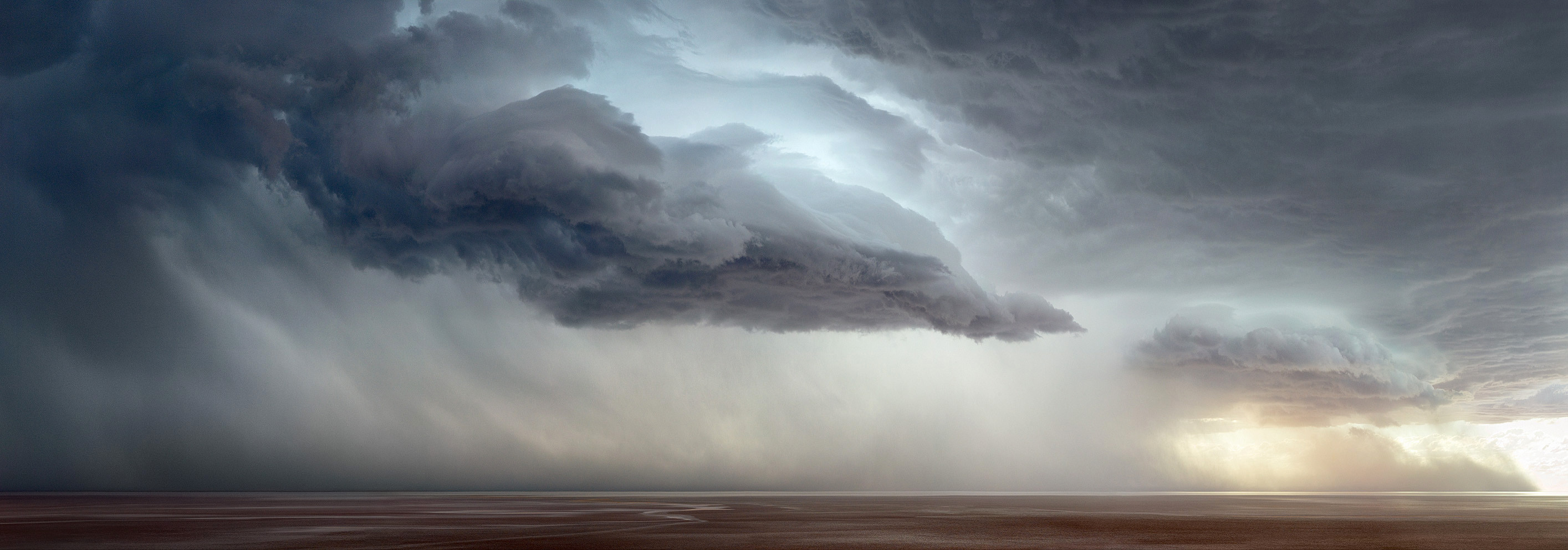
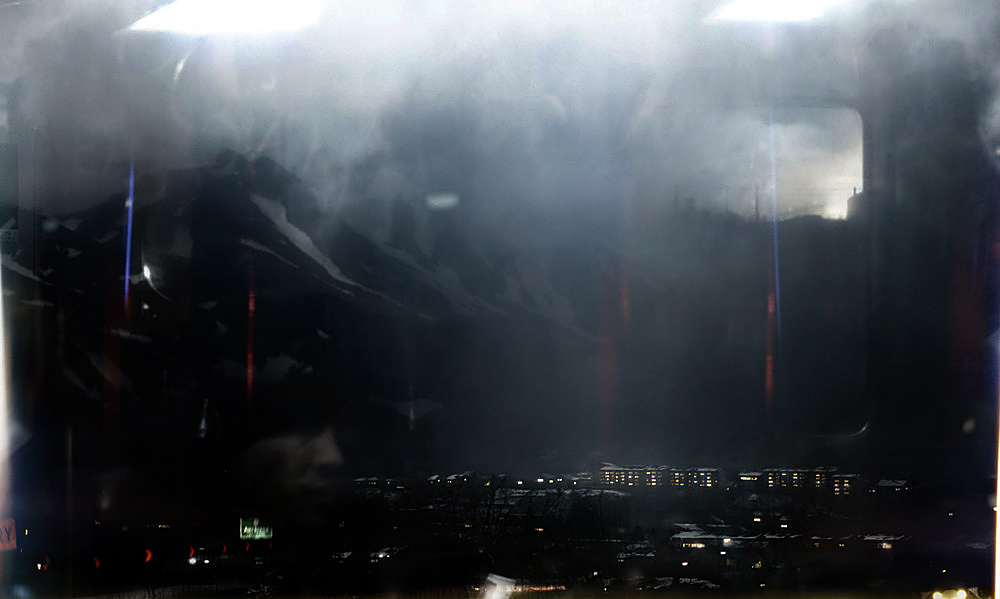
This is an excellent group exhibition at Arc One Gallery, Melbourne. Together the works form a satisfying whole; individually there are some visually exciting works. There are two insightful paintings by Imants Tillers, Nature Speaks: BP (2009) and Blossoming 21 (2010), a digitally constructed landscape by Sam Shmith, Untitled (Passenger) (2010, below) that the online image doesn’t really do justice to, a large photographic landscape of a storm over Lake Eyre Salt 304 (2009, below) by Murray Fredericks and two layered transcapes by Janet Laurence (see image above) that just confirm the talent of this artist after the exciting installation of her work at the Melbourne Art Fair (I call them transcapes because they seem to inhabit a layered in-between space existing between dream and reality).
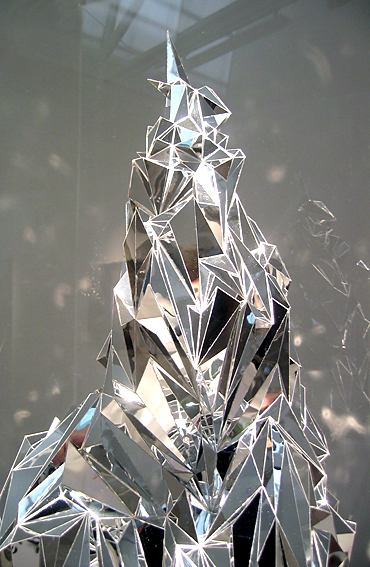
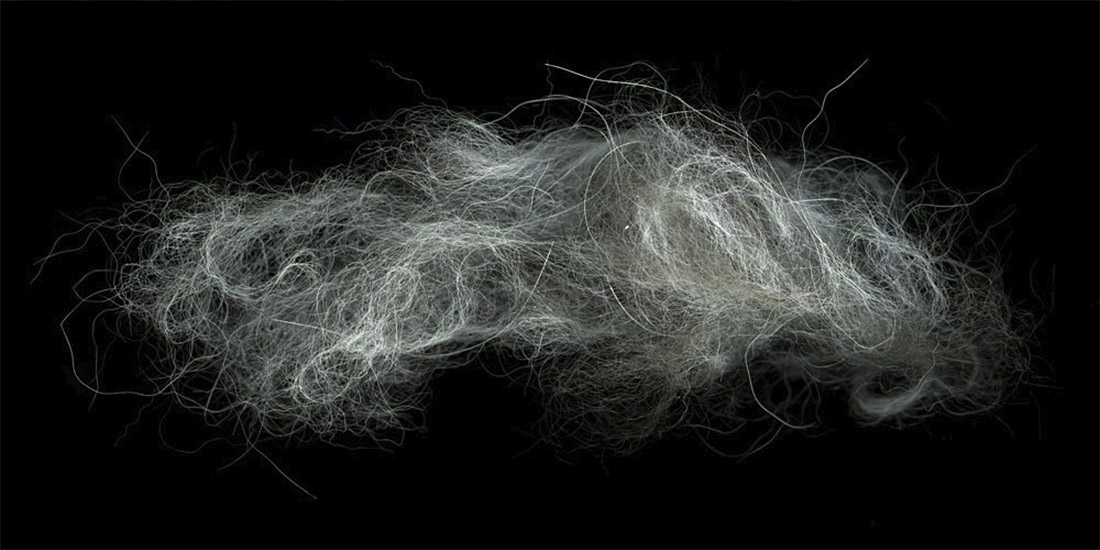
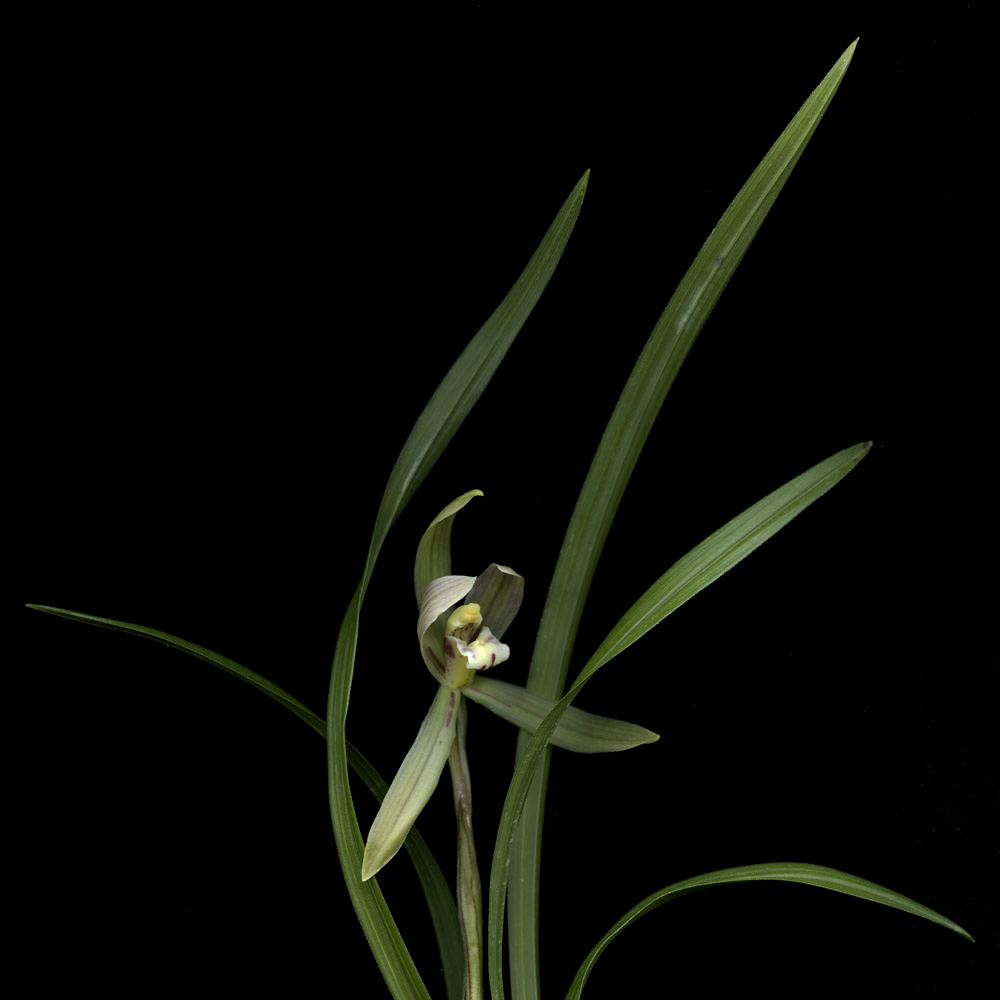
For me the three outstanding works were the large horizontal photograph Hair No.2 (2009, below) by Huang Xu, in which hair hangs like a delicate cloud on a dark background and his photograph Flower No. 1 (2008, below) in which the white petals of the chrysanthemum, symbol of death or lamentation and grief in some Western and Eastern countries in the world, seemingly turn to marble in the photographic print (you can see this online in the enlarged version of the image below). What a magnificent photograph this is – make sure that you don’t miss it because it is tucked away in the small gallery off the main gallery in the Arc One space. The third outstanding work is the sculpture you are a glorious, desolate prospect (2010) by Justine Khamara (see photographs below), a glorious magical mountain, twinkling in the light, all shards of reflectiveness, cool as ice. I would have loved to have seen this work without it’s protective case – in one sense the case works conceptually to trap the speaking of the mountain but in another it blocks access to the language of this work, the reflection of the light of the gallery, the light of the world bouncing off it’s surfaces.
This is not, of course, how nature speaks but how humans speak for nature – through image-ining and seeking to control and order the elemental forces that surround us. This construction of reality has a long tradition in the history of art, the mediation of the world through the hands, eyes and mind of the artist offering to the viewer, for however brief a moment, that sense of awakening to the possibilities of the world in which we all live.
Dr Marcus Bunyan
Many thankx to Angela and all at Arc One Gallery for allowing me to publish the photographs in the posting. Please click on the photographs for a larger version of the image.
Justine Khamara (Australian, b. 1971) you are a glorious, desolate prospect (installation view) 2010 Mirror, perspex, plinth 80 x 186cm Photo: Marcus Bunyan
Justine Khamara (Australian, b. 1971) you are a glorious, desolate prospect (installation view detail) 2010 Mirror, perspex, plinth 80 x 186cm Photo: Marcus Bunyan
Lyndell Brown (Australian, b. 1961) and Charles Green (Australian, b. 1961) Galatea Point 2005 Digital photograph on duraclear film edition of 5 112 x 112cm
Huang Xu (Chinese, b. 1968) Hair No.2 2009 Type C Photograph 120 x 245cm
Huang Xu (Chinese, b. 1968) Flower No.1 2008 Type C photograph 120 x 120cm
Huang Xu (Chinese, b. 1968) Flower No.2 2008 Type C Photograph 120 x 120cm
Murray Fredericks (Australian, b. 1970) Salt 304 2009 Pigment print on cotton rag 244 x 88cm
Sam Shmith (Australian, b. 1980) Untitled (Passenger) 2010 pigment print on archival rag 180 x 108cm
Arc One Gallery 45 Flinders Lane Melbourne, 3000 Phone: (03) 9650 0589























 Art Blart _ art and cultural memory archive
You must be logged in to post a comment.