
Exhibition dates: until September 2023
Curator: Hilary Engel
![Richard Jenkins (British, 1890-1964) 'Untitled [Husband and wife]' Nd from the exhibition 'Golden Valley Faces: The photographs of Richard Jenkins' at the Café Gallery, Hay Castle, Hay-on-Wye](https://artblart.com/wp-content/uploads/2023/09/ck18-475.jpg "Richard Jenkins (British, 1890-1964) 'Untitled [Husband and wife]' Nd from the exhibition 'Golden Valley Faces: The photographs of Richard Jenkins' at the Café Gallery, Hay Castle, Hay-on-Wye")
Richard Jenkins (British, 1890-1964)
Untitled [Husband and wife]
Nd
Digital scan from a glass plate negative
Salt of the Earth
Little is known of the life of photographer Richard Jenkins but that matters little for the images the artist left behind captured on glass-plate negatives give clear insight into the nature of the man. His images are sensitive, full of feeling for the people he is photographing, direct and enigmatic at the same time.
An association can be made between Jenkins’ work and that of German photographer August Sander (1876-1964) as can be seen in the examples I have assembled in this posting. Both artists came from farming stock. Both artists took up photography to escape their proletarian roots. Both artists used an old-fashioned large-format camera with glass negatives. Shooting from a single (face-to-face) perspective both artists work possesses a frontality which places the subject front and centre in the pictorial plane with the background thrown out of focus by the use of low depth of field. Both artists planned compositions pictured their subjects within familiar surroundings and “considered the relationship between location and sitter to be the most essential ingredient for communicating both the status and essence of his or her personality.”1
But while Sander’s portraits tell of an uncertain cultural landscape during the Weimar Republic and the rise of the Nazis during the interwar years through a set of typologies – ‘The Farmer’, ‘The Skilled Tradesman’, ‘The Woman’, ‘Classes and Professions’, ‘The Artists’, ‘The City’ and ‘The Last People’ – based on the tenants of the Neue Sachlichkeit (New Objectivity) movement “which advocated a return to realism and social commentary in art with a respectful and unadorned neutrality, and always within their familiar surroundings”2 rejecting all forms of expressionism and romanticism, Jenkins’ portraits picture the stable cultural landscape of Britain’s farming working class, a class of people that had existed since feudal times in the Britain: in sure and certain hope that hard work will be their salvation.
I grew up belonging to this working class. We were very poor. My mother had to boil a large kettle on the stove and then bathe us boys in a cowper on the floor of the kitchen for we had no hot running water when I was a child, and we only existed on what my father could shoot on the farm… pheasant, pigeon, rabbit, hare, partridge. But what we lacked for in creature comforts we made up in spirit. The energy of the land and its people. The connection to nature, the trees and birds, the crops and earth. In some ways it was a magical childhood amongst the forest, cowslips, fields, granaries – in others, not good at all. This spirit is what you can feel in Jenkins’ photographs. The essentialness of being of the people he photographed. As curator Hilary Engel insightfully observes, “He took photographs of them working, and the beautiful, useful things they made. Although Richard was not interested in farm work himself, he admired the skills that it entailed… You can sense their strength, their resilience – the spirit that has enabled them to survive the hard work and challenges of life in this remote farming community. Richard simply presents them, honestly, as they are: and you sense that they trust him.”
Jenkins’ photographs are not mere facades. They reveal in intimate detail, through every hard earned line on a human face, the triumphs and travails of that person’s existence. Observe if you will Jenkins’ photograph Untitled [Family group] (Nd, below) and note the intimacy of the scene with the two children balanced on the knee of their parents, the daughter held by the mother and the son clasped firmly by one of the stocky, dirty, hardened hands of the father who stares straight at the camera with a slight smile and a twinkle in his eye. Notice his patterned waistcoat peeking out from beneath his thick woollen jacket, thick workman’s trousers surmounting his WWI era puttees and likely army boots with studs. Did he serve during the First World War and survive? Observe also Jenkins’ photograph Untitled [Family group probably at a wedding] (Nd, below) where the family group are all in their Sunday best. What fascinates here is the sitters attitude towards the camera: the aloofness and stiff upper lip of the old gentleman (for that is what he would have been called) at top left, the quizzical look of the man at top right, the contemptuous defiance of the girl at lower left, the inscrutability on the man’s face at bottom right and, dominating them all, the openness and straight forward stare towards the camera of the woman at centre, she clutching a bouquet of flowers, wearing a prominent cross and surmounted by an enormous hat bedecked with blooms. High collars, bowlers hats, stiff upper lips, flowers and finery. It would have been a grand day…
“Sander once said ‘The portrait is your mirror. It’s you’. He believed that, through photography, he could reveal the characteristic traits of people. He used these images to tell each person’s story…”3 Jenkins’ photographs also tell each person’s story but my feeling is that he does it with a more humanist approach than those qualities Sander brought to photographic portraiture. There is a warm and empathy in photographs such as Untitled [Group of men with Romford & Evershed Ltd Pershorf 1885 steam engine] (Nd, below), Untitled [Man and dog] (Nd, below) and Untitled [Three women, sheep and dog] (Nd, below replete with sheep and dog) which Sander’s more Germanic portraits (with their rejection of all forms of expressionism and romanticism) shy away from. If as Sander believed, the portrait is your mirror, it’s you… it’s also a reflection of the soul of the photographer evinced through the portraits of his subjects.
Richard Jenkins must have been one hell of a human being to capture such revealing, intimate, celestial portraits of the people he loved.
Dr Marcus Bunyan
1/ Anonymous. “August Sander,” on The Art Story website Nd [Online] Cited 18/09/2023
2/ Ibid.,
3/ Anonymous. “Five things to know: August Sander,” on the Tate website Nd [Online] Cited 21/09/2023
Many thankx to Hay Castle for allowing me to publish the photographs in the posting. Please click on the photographs for a larger version of the image. © Copyright in Richard Jenkins’ photographs: the Jenkins family 2023. © Copyright in the text: Hilary Engel 2023.
![Richard Jenkins (British, 1890-1964) Untitled [Family group] Nd from the exhibition 'Golden Valley Faces: The photographs of Richard Jenkins' at the Café Gallery, Hay Castle, Hay-on-Wye](https://artblart.com/wp-content/uploads/2023/09/ck18-641.jpg "Richard Jenkins (British, 1890-1964) Untitled [Family group] Nd from the exhibition 'Golden Valley Faces: The photographs of Richard Jenkins' at the Café Gallery, Hay Castle, Hay-on-Wye")
Richard Jenkins (British, 1890-1964)
Untitled [Family group]
Nd
Digital scan from a glass plate negative
Richard Jenkins was born in 1890 on a farm ten miles from Hay and he became a brilliant pioneering photographer. He longed to escape the drudgery of farming – to go away and study. Instead he had to console himself by learning to wield a cumbersome camera, taking and developing spontaneous and moving portraits of his friends and neighbours going about their everyday lives. He had a gift for capturing his subjects’ personalities, paying tribute to their fortitude and skills. Miraculously, nearly a thousand of his glass-plate images survived decades of neglect and since the publication of Golden Valley Faces in 2020, his work has begun to be recognised as a remarkable record of life in rural Herefordshire at the start of the twentieth century.
![August Sander (German, 1876-1964) 'Bauernpaar – Zucht und Harmonie [Peasant couple – breeding and harmony]' 1912](https://artblart.com/wp-content/uploads/2022/03/sander-bauernpaar-zucht-und-harmonie-1912.jpg "August Sander (German, 1876-1964) 'Bauernpaar – Zucht und Harmonie' 1912")
August Sander (German, 1876-1964)
Bauernpaar – Zucht und Harmonie [Peasant couple – breeding and harmony]
1912
Gelatin silver print
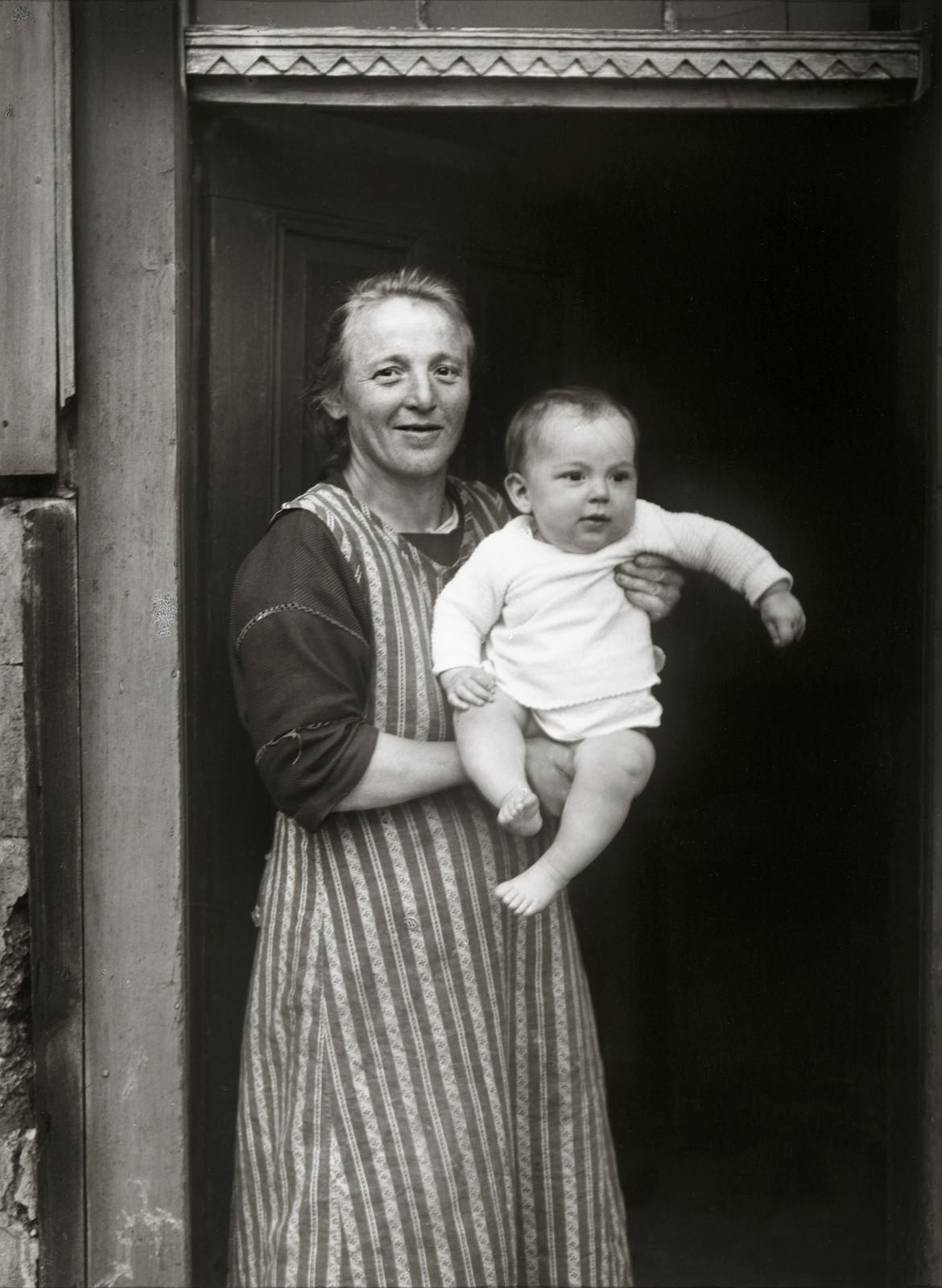
August Sander (German, 1876-1964)
Working-class Mother
1927
Gelatin silver print

Richard Jenkins (British, 1890-1964)
Untitled
Nd
Digital scan from a glass plate negative
Richard Jenkins was born in 1890 in south west Herefordshire, close to the Black Mountains of Wales. He grew up to be a bright, curious young man: he longed to go to college to study engineering, to be part of the technological revolution that was going on in the outside world. But because he was the only son of a farmer it was not allowed: he had to stay on the farm. Even in this remote valley, new machinery was beginning to take over tasks that had always been done by hand, or with horses – like the mobile steam engine which travelled from farm to farm. Travel was being transformed, with the opening of railways. And country people were beginning to discover a new freedom with bicycles – or even motorbikes.
Communication was revolutionised during Richard’s childhood, with the invention of wireless and telephones. Electricity was reaching across the country. Any one of these burgeoning industries offered enticing prospects for a would-be engineer in the first decade of the twentieth century. But for Richard, it was not to be. As he grew up, Richard found a way to escape the prison of farming. He acquired a camera, and somehow mastered the art of composing telling images, as well as the science of developing and printing. It was his way of celebrating the world that he saw around him. He photographed every stage in the lives of his Golden Valley neighbours: their weddings, their babies, their graves.
He portrayed their children growing up, at school concerts and at chapel anniversaries. He took photographs of them working, and the beautiful, useful things they made. Although Richard was not interested in farm work himself, he admired the skills that it entailed. Richard’s subjects were not used to being photographed. Some of them look uncomfortable, apprehensive. But Richard was evidently charming, and had a knack for getting people to relax. They have various props to put them at their ease – dogs, cats, even sheep or horses. Or a favourite bicycle or motorbike. Richard saw that these additions helped to express his subjects’ personalities. Many of them stare resolutely into the camera. You can sense their strength, their resilience – the spirit that has enabled them to survive the hard work and challenges of life in this remote farming community. Richard simply presents them, honestly, as they are: and you sense that they trust him.
Richard’s portraits differ markedly from the conventional style of the time. A professional photographer might place his subjects in a studio against an elegant setting, and get them to take up a certain pose, gazing into the distance. Or they would be portrayed with objects representative of their status – splendid horses, or impressive houses. Instead, Richard’s subjects appear in their natural, often very modest, habitat. Richard adored his beautiful sister, Eva, and photographed her repeatedly. Her form lights up many of the pictures. She poses, elegantly composed, amongst the bracken at Quarrelly Farm.
Richard Jenkins died in 1964, having lived at Quarrelly Farm all his life. For decades his glass plate negatives were stored in shoeboxes and cupboards in the farmhouse – never catalogued or published. But in 2010 the Jenkins family generously decided to place the collection in the care of the Herefordshire Archive and Records Centre, where it has since been digitised. Since the publication of Golden Valley Faces in 2020, Richard Jenkins has begun to be recognised as a remarkable photographer. Many of his subjects remain unknown: but their faces speak with all the freshness and vigour they had a hundred years ago. His images of the life around him form a unique portrait of rural Herefordshire at the start of the twentieth century.
Text by Hilary Engel on the Golden Valley Faces website Nd [Online] Cited 02/08/2023
![Richard Jenkins (British, 1890-1964) 'Untitled [Child and bull]' Nd from the exhibition 'Golden Valley Faces: The photographs of Richard Jenkins' at the Café Gallery, Hay Castle, Hay-on-Wye](https://artblart.com/wp-content/uploads/2023/09/ck18-608.jpg "Richard Jenkins (British, 1890-1964) 'Untitled [Child and bull]' Nd from the exhibition 'Golden Valley Faces: The photographs of Richard Jenkins' at the Café Gallery, Hay Castle, Hay-on-Wye")
Richard Jenkins (British, 1890-1964)
Untitled [Child and bull]
Nd
Digital scan from a glass plate negative
![Richard Jenkins (British, 1890-1964) 'Untitled [Family group probably at a wedding]' Nd](https://artblart.com/wp-content/uploads/2023/09/ck18-468.jpg "Richard Jenkins (British, 1890-1964) 'Untitled [Family group probably at a wedding]' Nd")
Richard Jenkins (British, 1890-1964)
Untitled [Family group probably at a wedding]
Nd
Digital scan from a glass plate negative
![Richard Jenkins (British, 1890-1964) 'Untitled [Family group probably at a wedding]' Nd (detail)](https://artblart.com/wp-content/uploads/2023/09/ck18-468-detail.jpg "Richard Jenkins (British, 1890-1964) 'Untitled [Family group probably at a wedding]' Nd (detail)")
Richard Jenkins (British, 1890-1964)
Untitled [Family group probably at a wedding] (detail)
Nd
Digital scan from a glass plate negative
![Richard Jenkins (British, 1890-1964) 'Untitled [Woman lying among the ferns]' Nd](https://artblart.com/wp-content/uploads/2023/09/ck18-437.jpg "Richard Jenkins (British, 1890-1964) 'Untitled [Woman lying among the ferns]' Nd")
Richard Jenkins (British, 1890-1964)
Untitled [Woman lying among the ferns]
Nd
Digital scan from a glass plate negative
![Richard Jenkins (British, 1890-1964) 'Untitled [Woman lying in the grass]' Nd (detail)](https://artblart.com/wp-content/uploads/2023/09/ck18-437-detail.jpg "Richard Jenkins (British, 1890-1964) 'Untitled [Woman lying in the grass]' Nd (detail)")
Richard Jenkins (British, 1890-1964)
Untitled [Woman lying among the ferns] (detail)
Nd
Digital scan from a glass plate negative
![Richard Jenkins (British, 1890-1964) 'Untitled [Loading the hay]' Nd](https://artblart.com/wp-content/uploads/2023/09/ck18-406.jpg "Richard Jenkins (British, 1890-1964) 'Untitled [Loading the hay]' Nd")
Richard Jenkins (British, 1890-1964)
Untitled [Loading the hay]
Nd
Digital scan from a glass plate negative
![Richard Jenkins (British, 1890-1964) 'Untitled [Group of men with Romford & Evershed Ltd Pershorf 1885 steam engine]' Nd](https://artblart.com/wp-content/uploads/2023/09/ck18-321.jpg "Richard Jenkins (British, 1890-1964) 'Untitled [Group of men with Romford & Evershed Ltd Pershorf 1885 steam engine]' Nd")
Richard Jenkins (British, 1890-1964)
Untitled [Group of men with Romford & Evershed Ltd Pershorf 1885 steam engine]
Nd
Digital scan from a glass plate negative
![Richard Jenkins (British, 1890-1964) 'Untitled [Three men and a press]' Nd](https://artblart.com/wp-content/uploads/2023/09/ck18-245.jpg "Richard Jenkins (British, 1890-1964) 'Untitled [Three men and a press]' Nd")
Richard Jenkins (British, 1890-1964)
Untitled [Three men and a press]
Nd
Digital scan from a glass plate negative
![Richard Jenkins (British, 1890-1964) 'Untitled [Man with buttonhole posy]' Nd](https://artblart.com/wp-content/uploads/2023/09/ck18-228.jpg "Richard Jenkins (British, 1890-1964) 'Untitled [Man with buttonhole posy]' Nd")
Richard Jenkins (British, 1890-1964)
Untitled [Man with buttonhole posy]
Nd
Digital scan from a glass plate negative
![August Sander (German, 1876-1964) [Farmer, Westerwald (Bauer, Westerwald)] 1910](https://artblart.com/wp-content/uploads/2011/06/sander-farmer.jpg "August Sander (German, 1876-1964) [Farmer, Westerwald (Bauer, Westerwald)] 1910")
August Sander (German, 1876-1964)
[Farmer, Westerwald (Bauer, Westerwald)]
1910
Gelatin silver print
![Richard Jenkins (British, 1890-1964) 'Untitled [Couple]' Nd](https://artblart.com/wp-content/uploads/2023/09/ck18-218.jpg "Richard Jenkins (British, 1890-1964) 'Untitled [Couple]' Nd")
Richard Jenkins (British, 1890-1964)
Untitled [Couple]
Nd
Digital scan from a glass plate negative
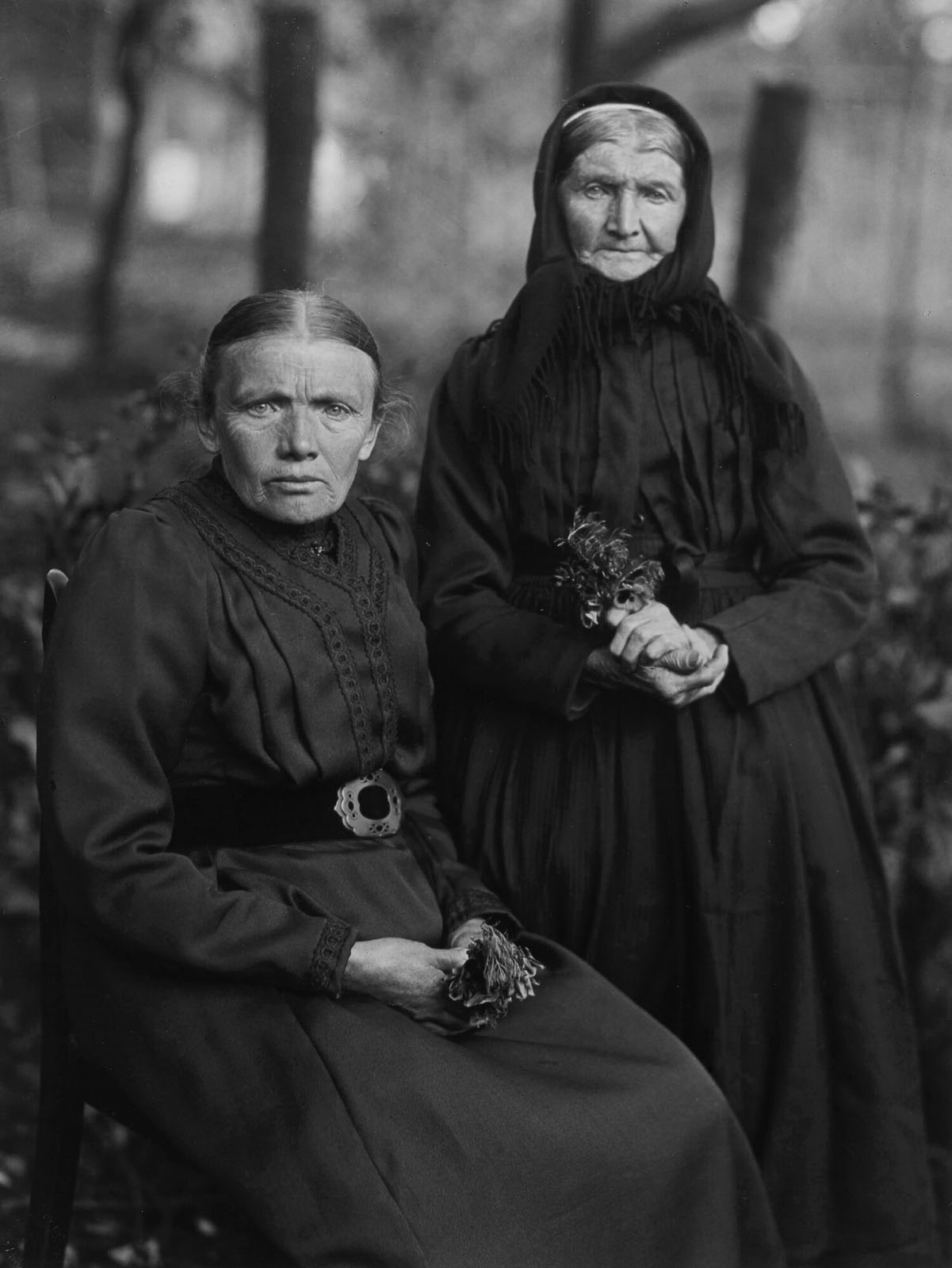
August Sander (German, 1876-1964)
Mother and Daughter
1912
Gelatin silver print
![Richard Jenkins (British, 1890-1964) 'Untitled [Nurse, group of children and candles]' Nd](https://artblart.com/wp-content/uploads/2023/09/ck18-180.jpg "Richard Jenkins (British, 1890-1964) 'Untitled [Nurse, group of children and candles]' Nd")
Richard Jenkins (British, 1890-1964)
Untitled [Nurse, group of children and candles]
Nd
Digital scan from a glass plate negative
![Richard Jenkins (British, 1890-1964) 'Untitled [Man and dog]' Nd](https://artblart.com/wp-content/uploads/2023/09/ck18-142.jpg "Richard Jenkins (British, 1890-1964) 'Untitled [Man and dog]' Nd")
Richard Jenkins (British, 1890-1964)
Untitled [Man and dog]
Nd
Digital scan from a glass plate negative
![Richard Jenkins (British, 1890-1964) 'Untitled [Three women, sheep and dog]' Nd](https://artblart.com/wp-content/uploads/2023/09/ck18-138.jpg "Richard Jenkins (British, 1890-1964) 'Untitled [Three women, sheep and dog]' Nd")
Richard Jenkins (British, 1890-1964)
Untitled [Three women, sheep and dog]
Nd
Digital scan from a glass plate negative
![Richard Jenkins (British, 1890-1964) 'Untitled [Two heavy horses, two men and a plough]' Nd](https://artblart.com/wp-content/uploads/2023/09/ck18-076.jpg "Richard Jenkins (British, 1890-1964) 'Untitled [Two heavy horses, two men and a plough]' Nd")
Richard Jenkins (British, 1890-1964)
Untitled [Two heavy horses, two men and a plough]
Nd
Digital scan from a glass plate negative
![Richard Jenkins (British, 1890-1964) 'Untitled [Two men with pipes, bicycles and dog]' Nd](https://artblart.com/wp-content/uploads/2023/09/ck18-070.jpg "Richard Jenkins (British, 1890-1964) 'Untitled [Two men with pipes, bicycles and dog]' Nd")
Richard Jenkins (British, 1890-1964)
Untitled [Two men with pipes, bicycles and dog]
Nd
Digital scan from a glass plate negative
The first published selection of Richard Jenkins’ work, telling the story of his life and his photography
Author: Hilary Engel
112 pages, 240 x 200 mm
140 black and white photographs
ISBN 978-1-5272-6998-9
Available in bookshops, or order online
Retail price £12
Postage and packing within the UK: £5
Profits from sales of the book will go to the Laurie Engel Fund for Teenage Cancer Trust
Hay Castle
Oxford Road
Hay-on-Wye
HR3 5DG
Phone: 01497 820079
Opening hours:
Daily 10am – 5pm
![August Sander (German, 1876-1964) 'Stadtwald [Urban Forest]' c. 1938 from the exhibition 'People In A River Landscape: August Sander And The Photography Of The Present From The Lothar Schirmer Collection' at the Pinakothek der Moderne, Munich, April - August, 2014](https://artblart.com/wp-content/uploads/2014/08/sander-stadtwald-web.jpg "August Sander (German, 1876-1964) 'Stadtwald [Urban Forest]' c. 1938 from the exhibition 'People In A River Landscape: August Sander And The Photography Of The Present From The Lothar Schirmer Collection' at the Pinakothek der Moderne, Munich, April - August, 2014")


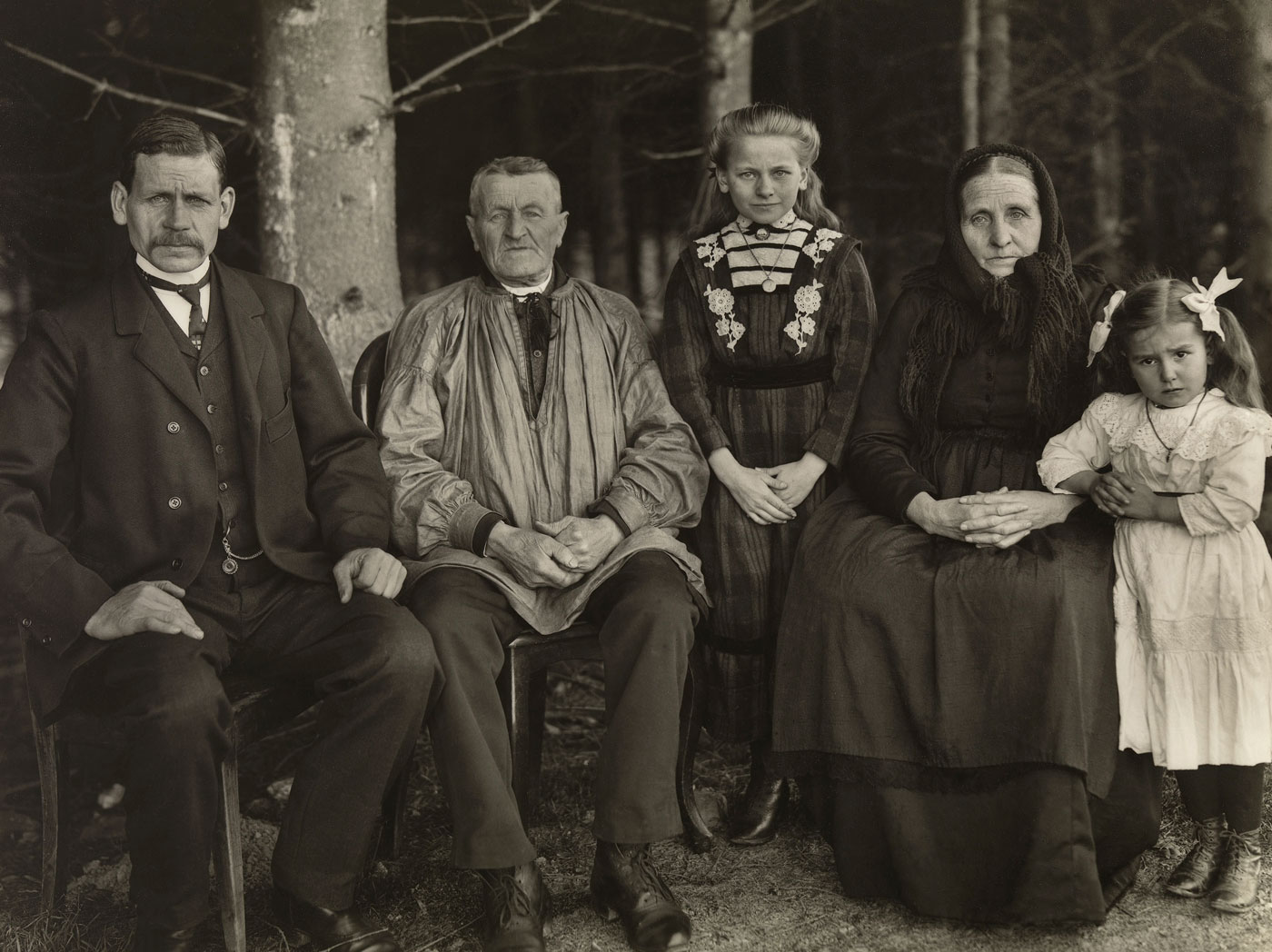
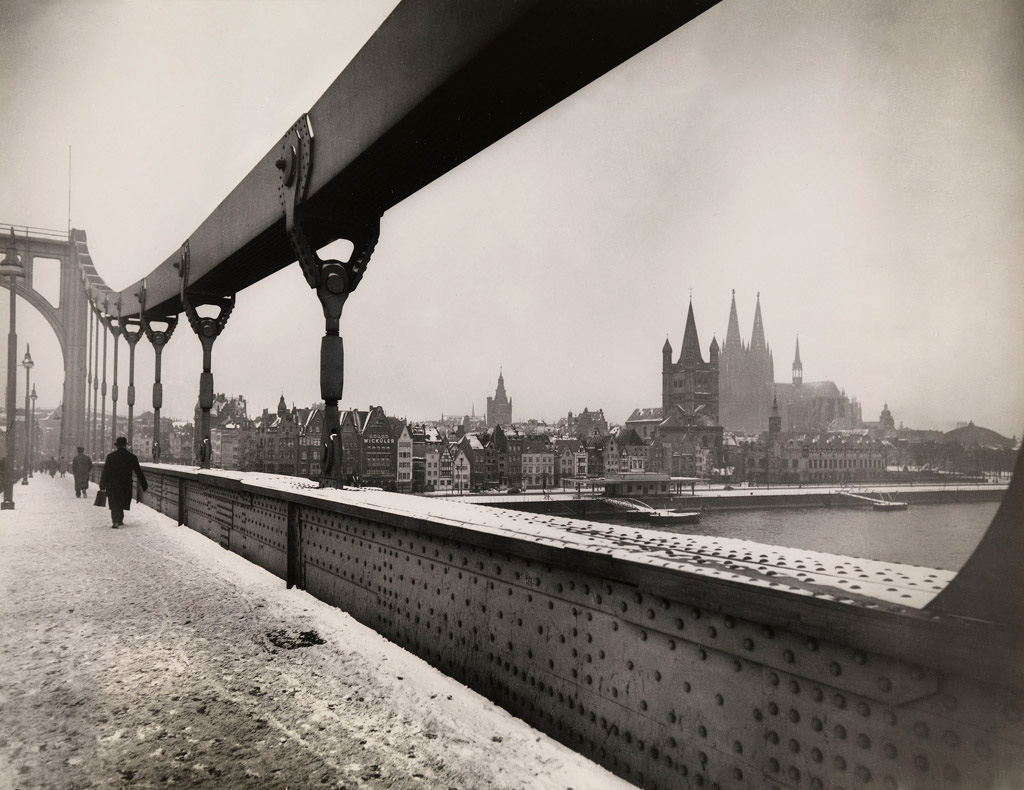

![August Sander (German, 1876-1964) 'Handlanger [Odd-job man]' 1928](https://artblart.com/wp-content/uploads/2014/08/sander-handlanger-web.jpg "August Sander (German, 1876-1964) 'Handlanger [Odd-job man]' 1928")

![August Sander (German, 1876-1964) 'The Architect [Hans Poelzig]' 1929](https://artblart.com/wp-content/uploads/2014/08/sander-der-architekt-web.jpg "August Sander (German, 1876-1964) 'The Architect [Hans Poelzig]' 1929")
![Thomas Ruff (German, b. 1958) 'Portrait (T. Ruff)' [Selfportrait] 1987](https://artblart.com/wp-content/uploads/2014/08/ruff-self-portrait-web.jpg "Thomas Ruff (German, b. 1958) 'Portrait (T. Ruff)' [Selfportrait] 1987")
![August Sander (German, 1876-1964) 'Der erdgebundene Mensch' [The Earthbound Human] 1910](https://artblart.com/wp-content/uploads/2014/08/sander-der-erdgebundene-mensch-web.jpg "August Sander (German, 1876-1964) 'Der erdgebundene Mensch' [The Earthbound Human] 1910")
![August Sander (German, 1876-1964) 'Bauernpaar – Zucht und Harmonie' [Peasant Couple – Breeding and Harmony] 1912](https://artblart.com/wp-content/uploads/2014/08/sander-bauernpaar-web.jpg "August Sander (German, 1876-1964) 'Bauernpaar – Zucht und Harmonie' [Peasant Couple – Breeding and Harmony] 1912")
![August Sander (German, 1876-1964) 'Painter [Heinrich Hoerle]' 1928](https://artblart.com/wp-content/uploads/2014/08/sander-maler-web.jpg "August Sander (German, 1876-1964) 'Painter [Heinrich Hoerle]' 1928")
 Art Blart _ art and cultural memory archive
You must be logged in to post a comment.