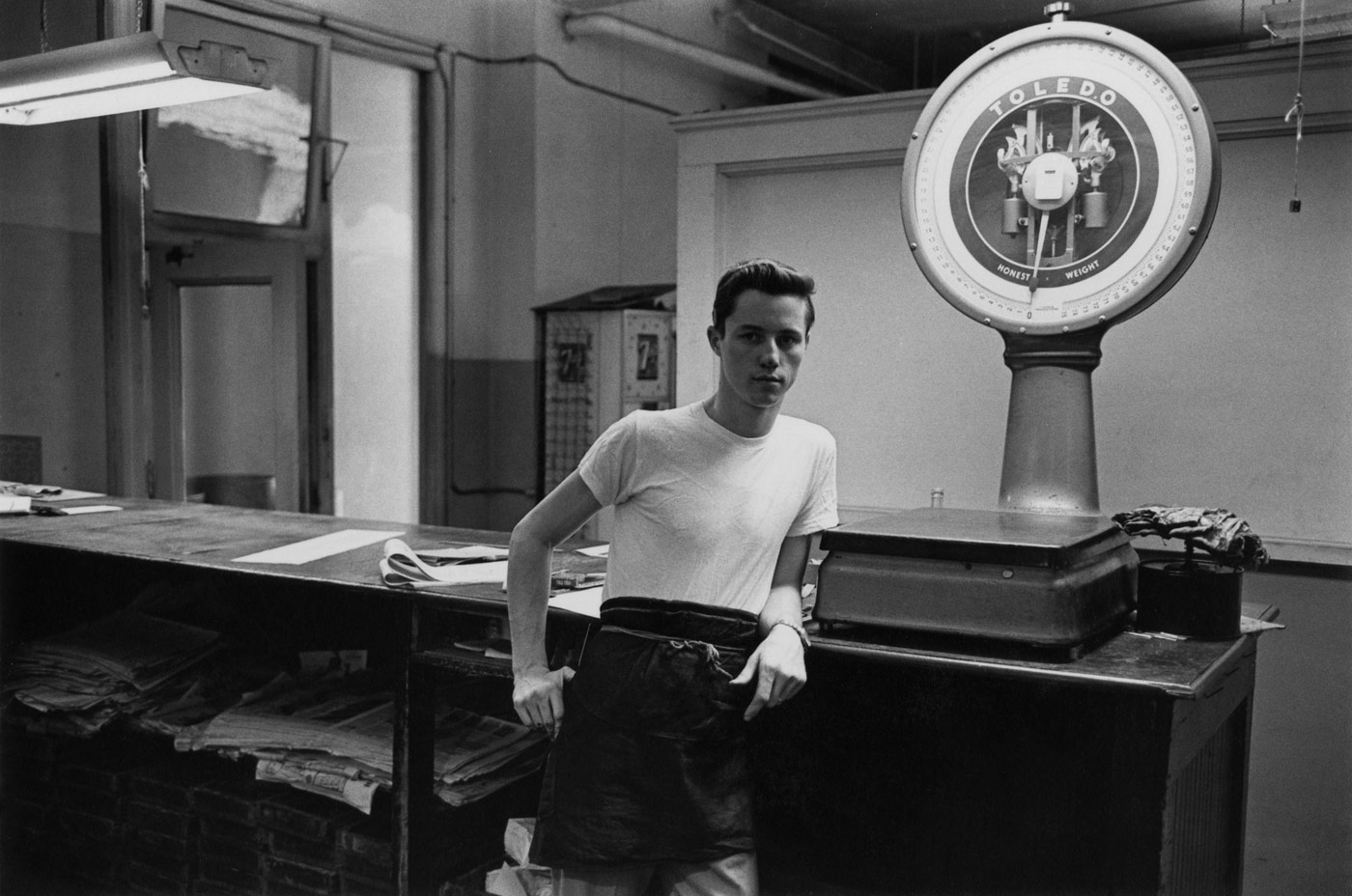
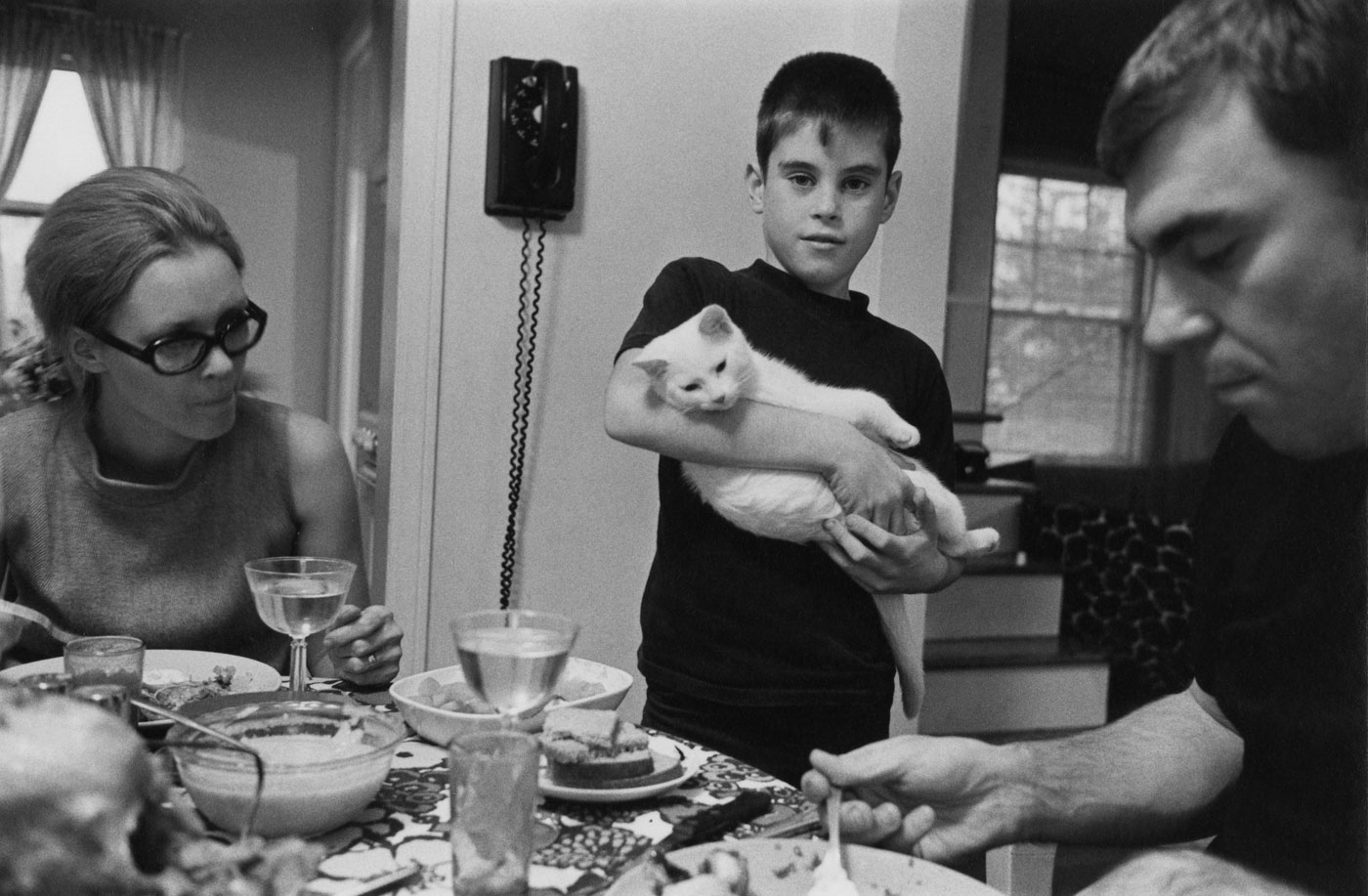
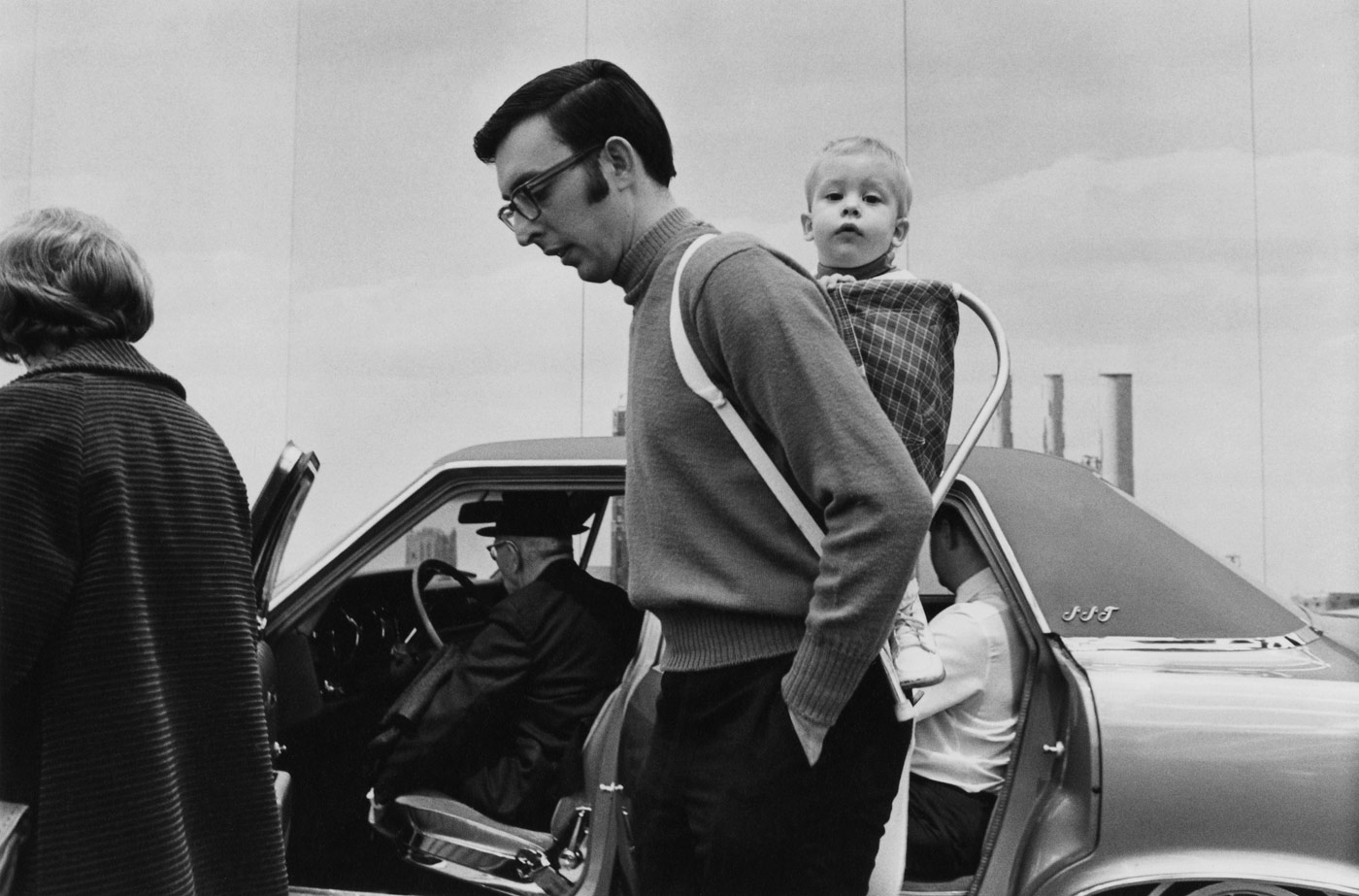
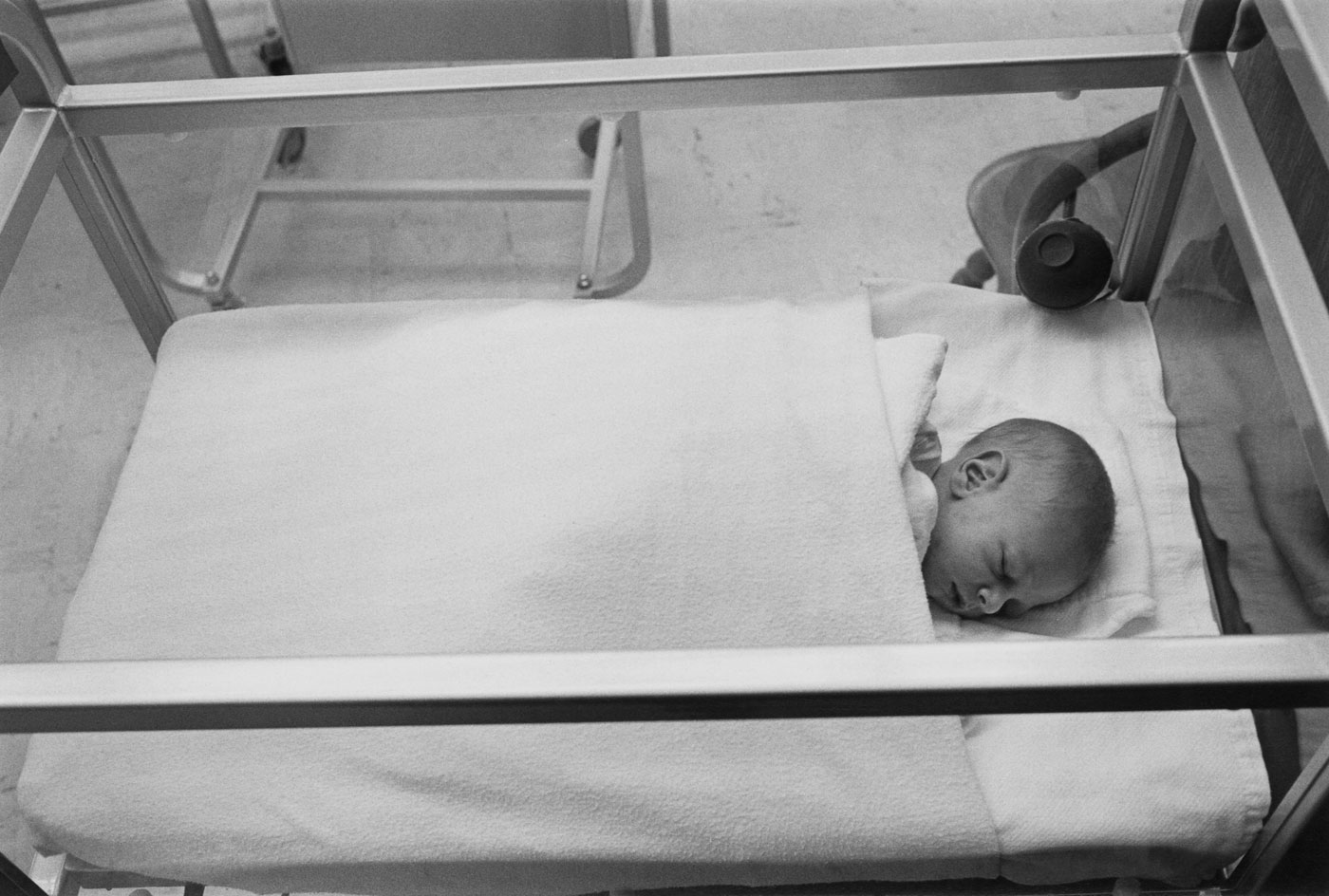
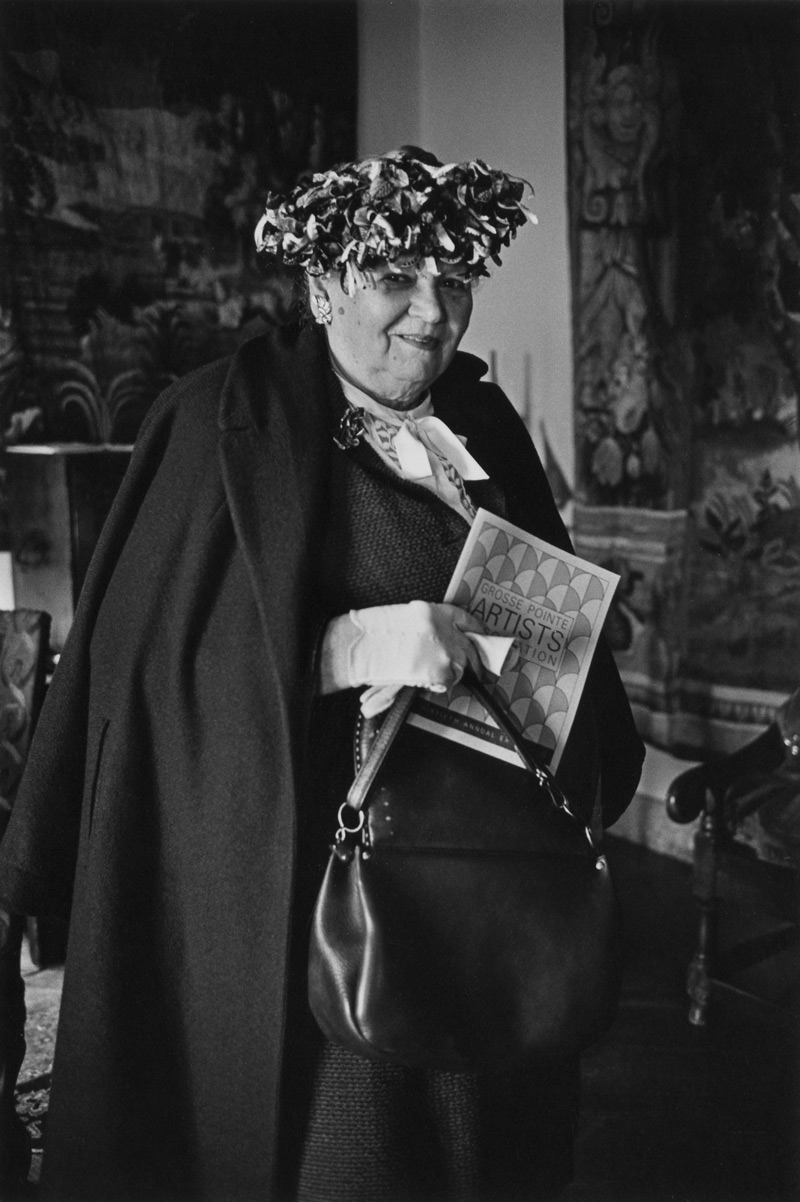
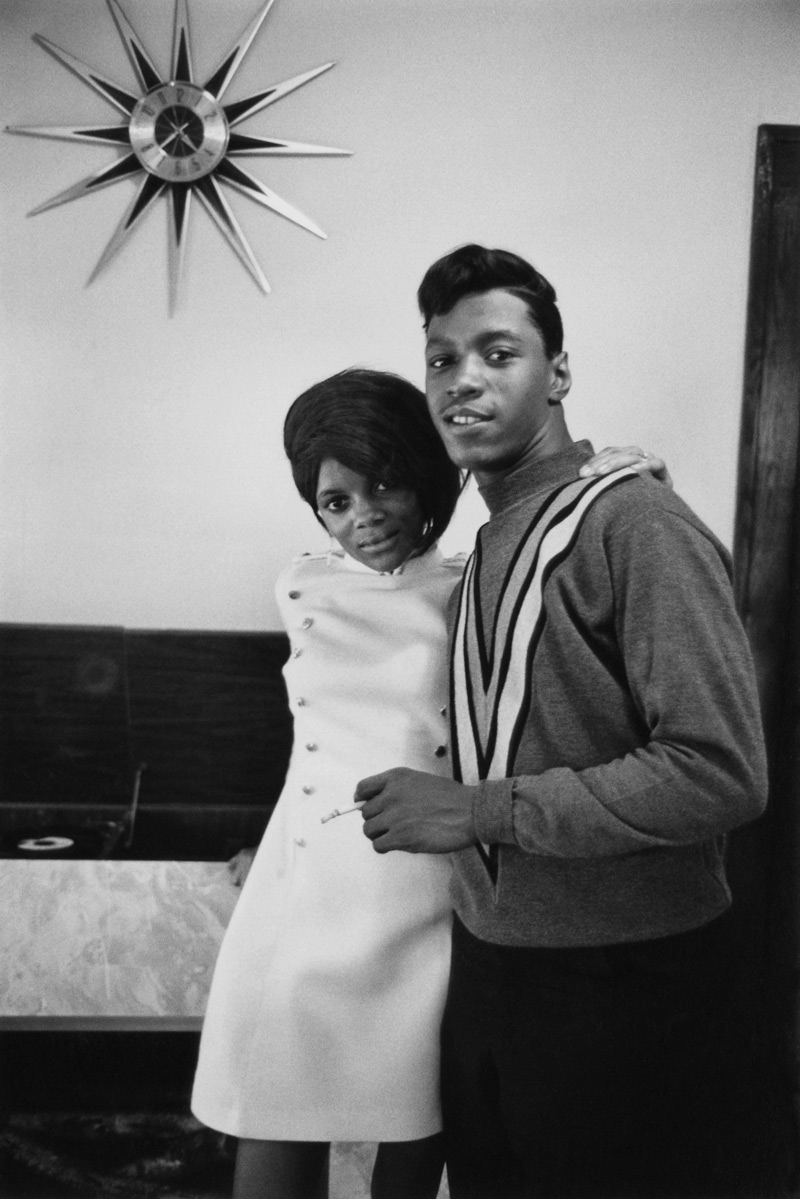
Exhibition: ‘Multitude, Solitude: The Photographs of Dave Heath’ at the Philadelphia Museum of Art

Exhibition dates: 19th September – 20th December 2015


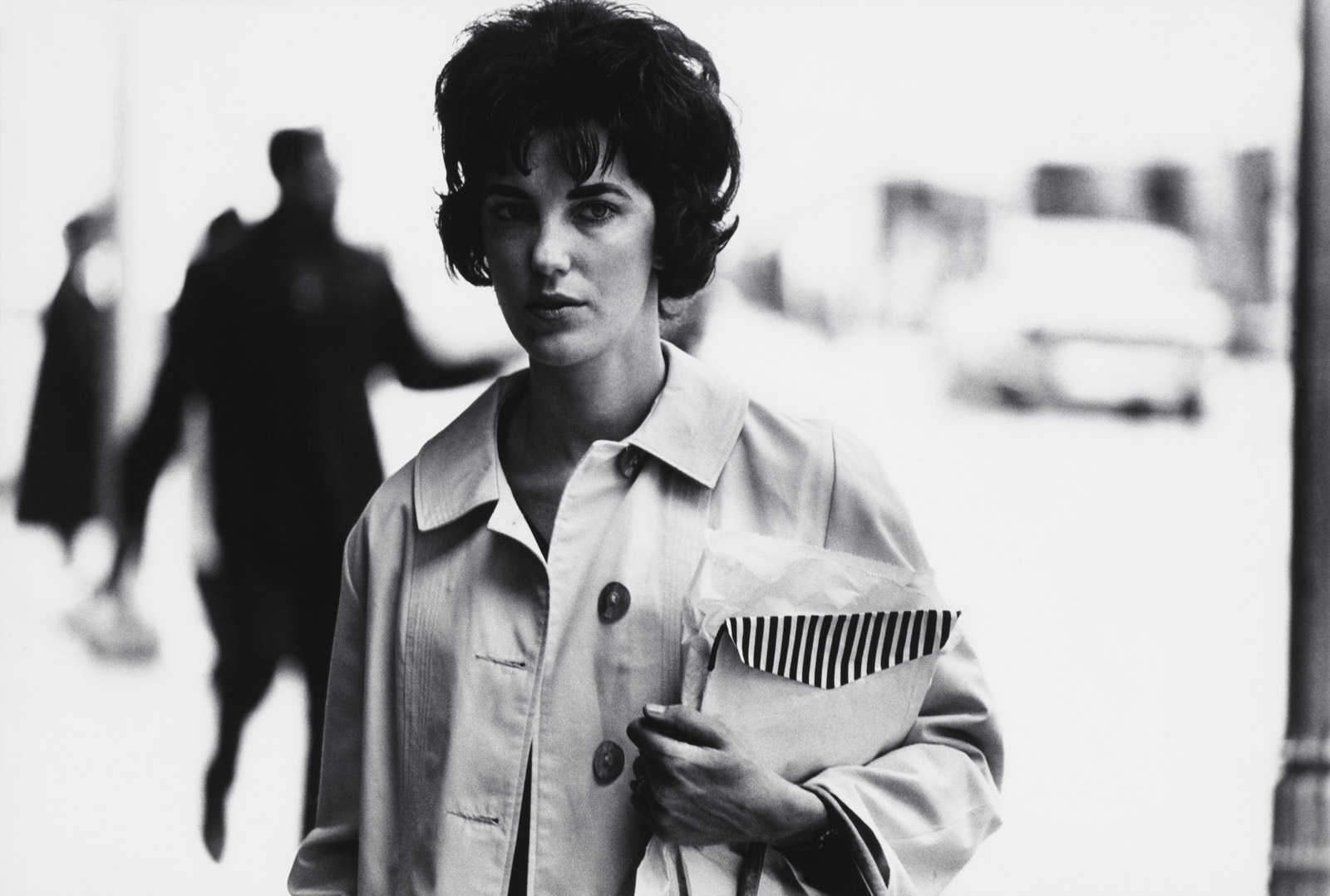
Dave Heath (American, 1931-2016) 'Kansas City, Missouri, March 1967'


Dave Heath (American, 1931-2016)
Kansas City, Missouri, March 1967
1967 (negative); 1968 (print)
Gelatin silver print
7 1/8 x 10 1/2 inches (18.1 x 26.7cm)
The Nelson-Atkins Museum, Kansas City, Missouri: Gift of the Hall Family Foundation


Following on from the magnificent Francesca Woodman, here we have an artist from a previous period who investigates aspects of alienation, despair, loss and hope. These are of the era:

Post-McCarthyism but still caught in that cataclysm / Henri Cartier-Bresson / Irving Penn / Ansel Adams / Saturday Evening Post / Allen Ginsberg / Beat Generation / emerging counterculture of the 1960s.

It is an Americana (the despairing history, geography and culture of the United States) with an elusive meaning and a aesthetic that seems to be tight … but one that can’t stand to be scratched.

While some of the images are memorable (such as Vengeful Sister, Chicago, 1956) there is not much living, lying underneath. Nothing that reveals itself to me over time, that makes me return to the image again and again, for insight and, possibly, refreshment. A little hope and much sadness.

Dr Marcus Bunyan


Many thankx to the Philadelphia Museum of Art for allowing me to publish the photographs in the posting. Please click on the photographs for a larger version of the image.


“City streets were Heath’s first studio: Philadelphia; Chicago; New York, where he came to prominence; and later Toronto. Isolation is a prevailing theme: Subjects gaze cryptically into the camera, their expressions unreadable. Often they stare beyond the frame, lost in thought. Crowds of individuals populate a single location, but don’t interact; disconnected, in their own worlds.

The dispossessed and alienated are Heath’s subjects, and he wrote his autobiography with their images: children with ragged clothes and dirty faces, stone-faced or crying, hardly ever smiling. A sweet-faced girl with tangled hair and huge light eyes stares out from the cover of Heath’s masterwork A Dialogue with Solitude, as if to say, “Here I am,” and nothing more…

Heath, who had to find his way alone, photographed passengers looking out of car windows and riding in elevated trains, going who knows where? Many photos are of just one person, and even the group shots set one occupant apart. Faces are expressionless, but their eyes are full of sorrow, uncertainty, loneliness, fear. We recognise that look: the one we all have when our public mask falls away and our faces betray the thoughts that wake us in the middle of the night.”


Pamela J.  Forsythe. “Alone together,” on the Broad Street Review website October 18, 2015 [Online] Cited 07/09/2015. No longer available online
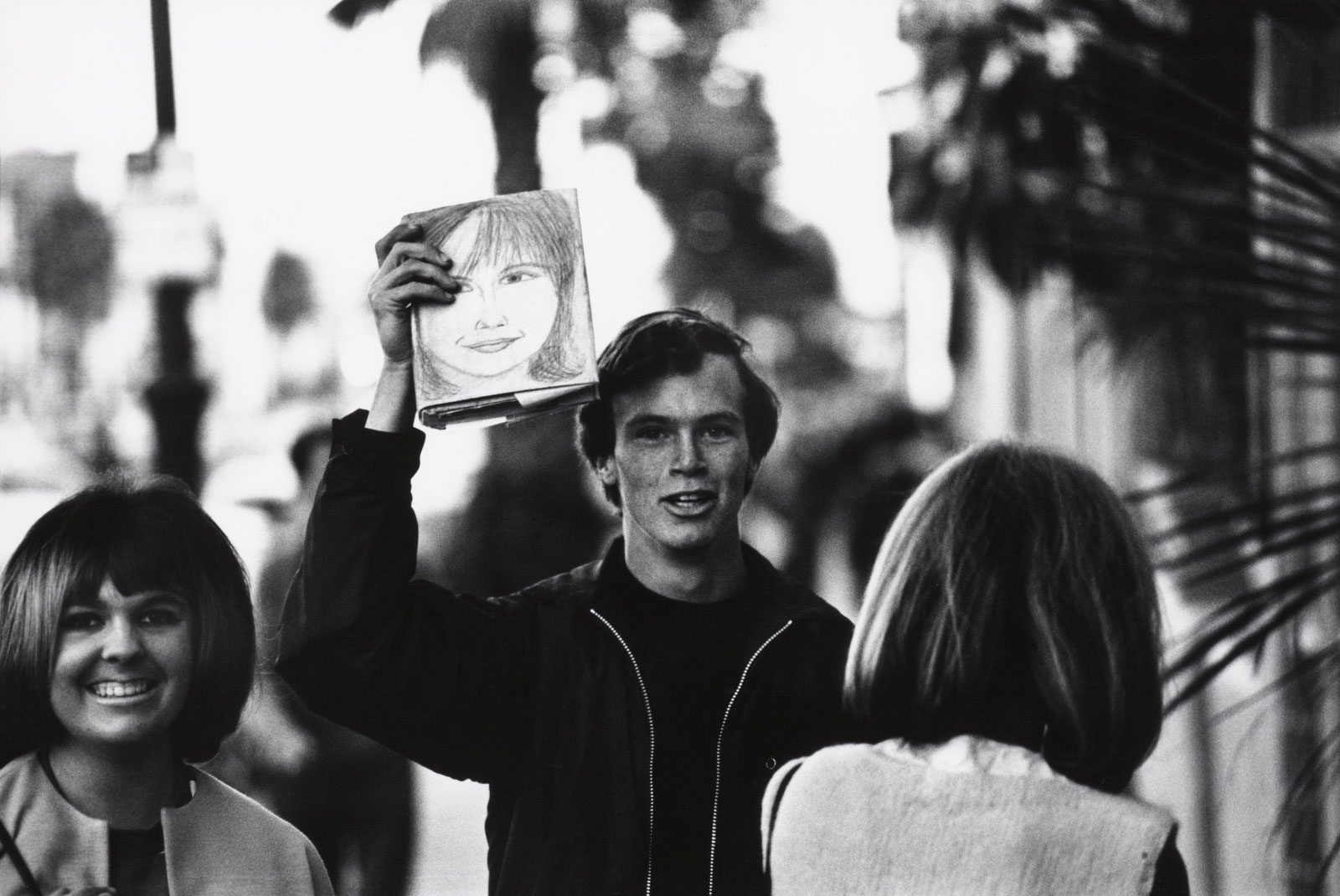


Dave Heath (American, 1931-2016) 'Berkeley, California, 1964'


Dave Heath (American, 1931-2016)
Berkeley, California, 1964
1964
Gelatin silver print
4 5/8 x 6 13/16 inches (11.7 x 17.3cm)
The Nelson-Atkins Museum, Kansas City, Missouri: Gift of the Hall Family Foundation
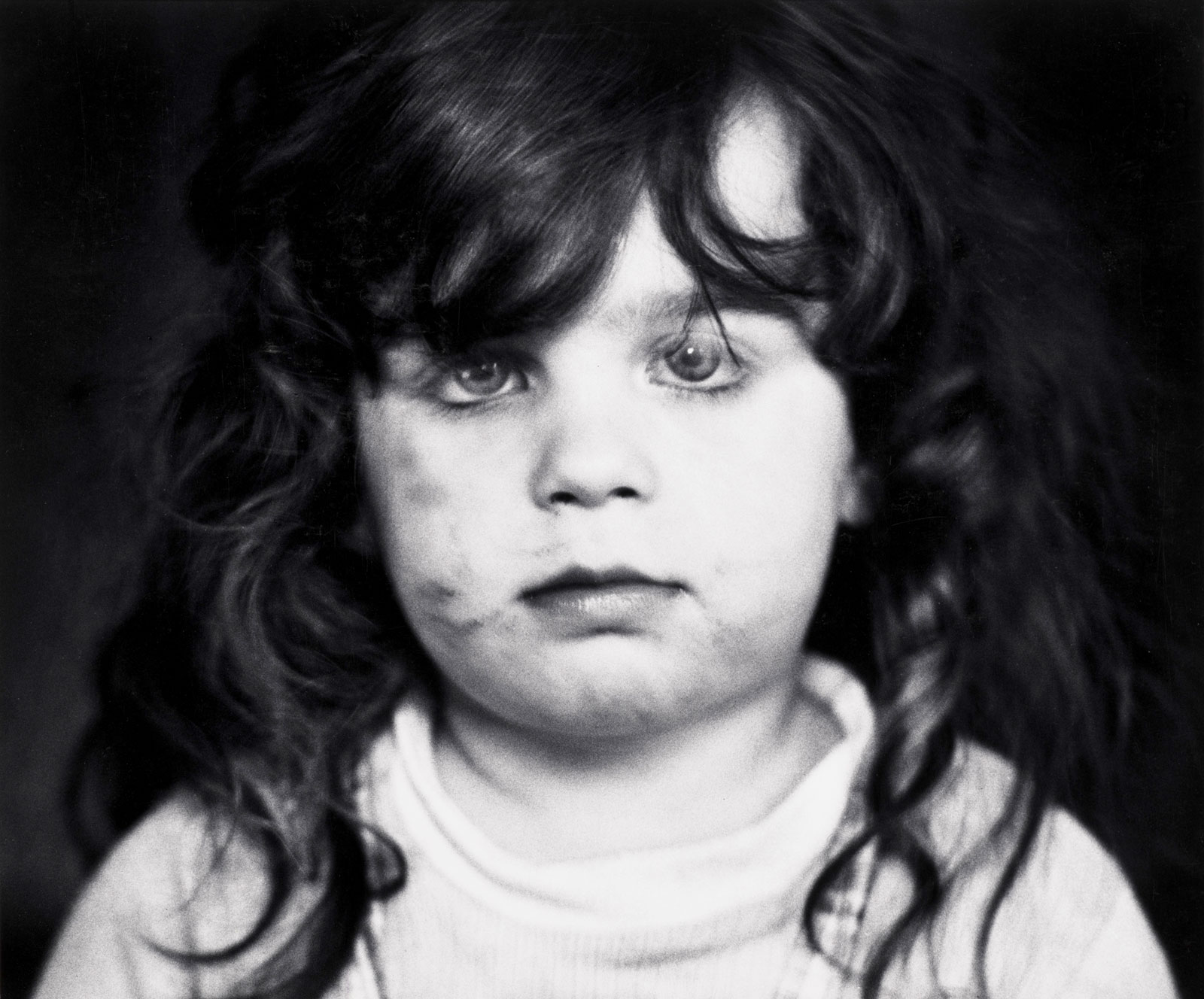
 

Dave Heath (American, 1931-2016) 'Erin Freed, New York City, 1963'


Dave Heath (American, 1931-2016)
Erin Freed, New York City, 1963
1963
Gelatin silver print
7 5/16 x 8 3/4 inches (18.6 x 22.2cm)
The Nelson-Atkins Museum, Kansas City, Missouri: Gift of the Hall Family Foundation
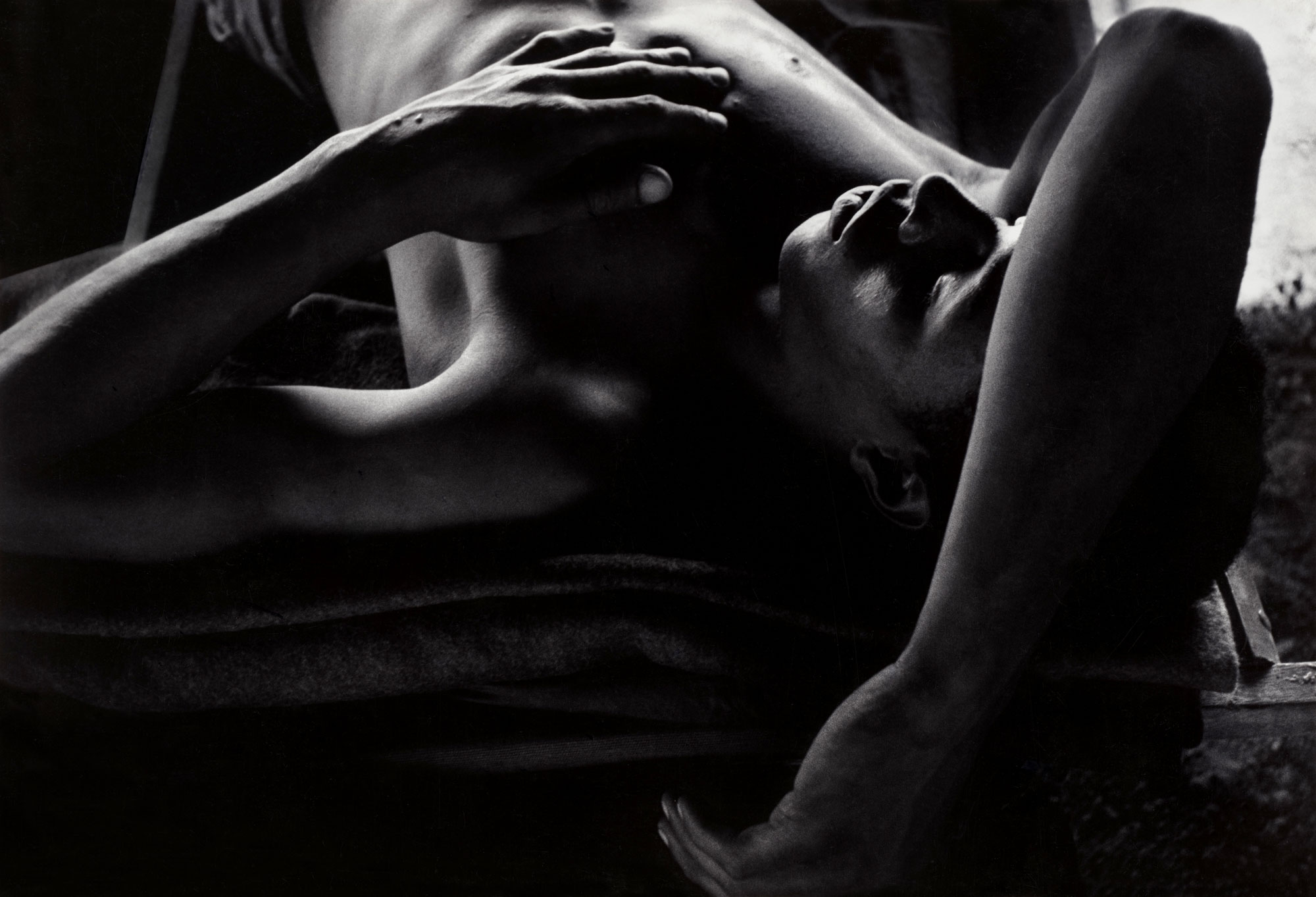
 

Dave Heath (American, 1931-2016) 'Carl Dean Kipper, Korea, 1953-54'


Dave Heath (American, 1931-2016)
Carl Dean Kipper, Korea, 1953-54
1953-1954
Gelatin silver print
6 3/4 x 9 3/4 inches (17.1 x 24.8cm)
The Nelson-Atkins Museum of Art, Kansas City, Missouri: Gift of Hallmark Cards, Inc.,
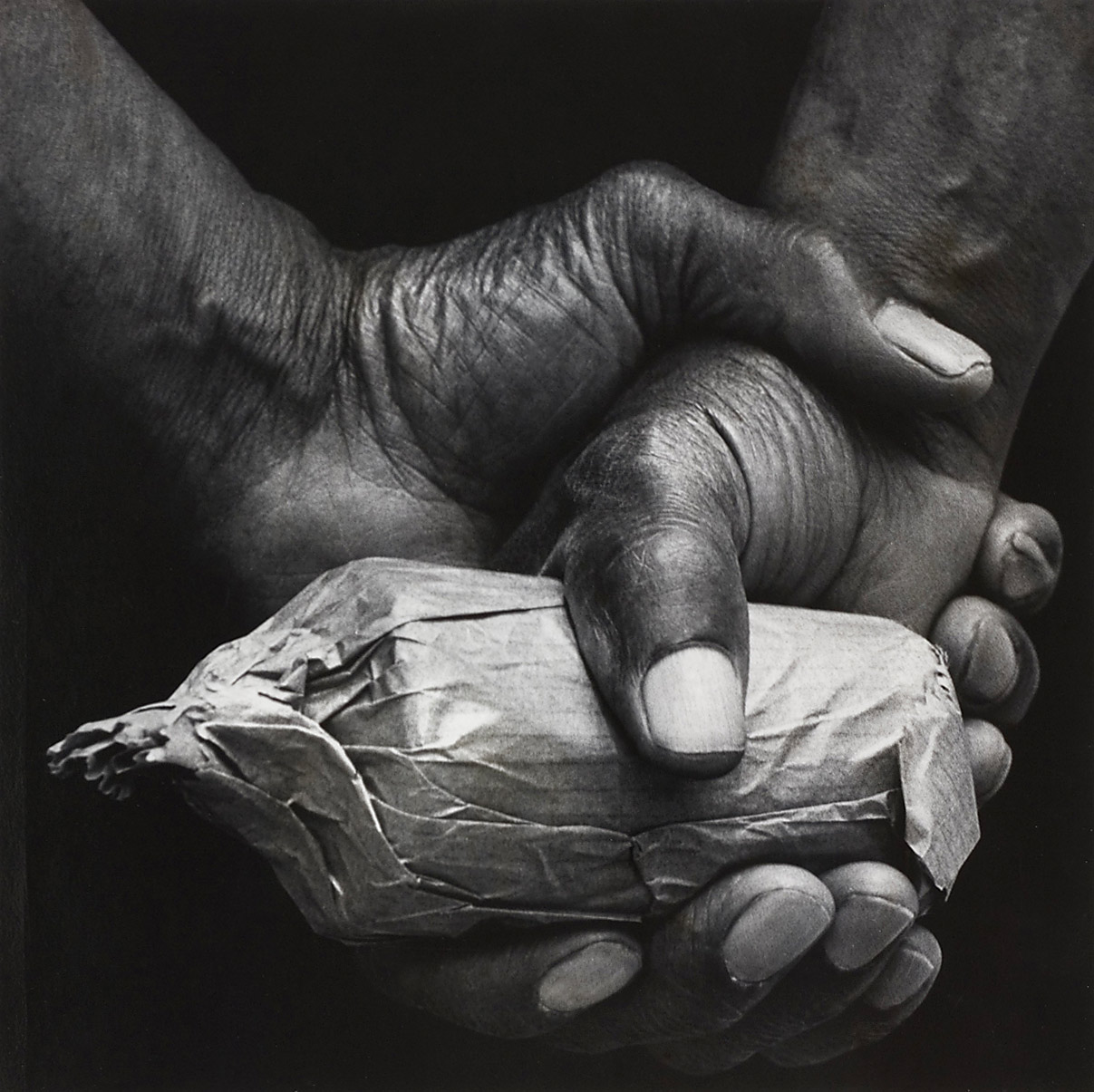
 

Dave Heath (American, 1931-2016) 'Philadelphia, 1952'


Dave Heath (American, 1931-2016)
Philadelphia, 1952
1952
The Nelson-Atkins Museum, Kansas City, Missouri: Gift of the Hall Family Foundation


Experience Dave Heath’s bittersweet vision of modern life in his powerful photographs of loss and hope.

From a crowd gathered in Central Park to solitary figures lost in thought, Dave Heath’s images conjure feelings of alienation and a desire for human connection. Multitude, Solitude highlights the photographer’s black-and-white pictures of the 1950s and 1960s, an intense period of self-discovery and innovation for the artist. During these pivotal years, Heath developed groundbreaking approaches to narrative and image sequence, producing exquisite individual prints, handmade book maquettes, his poetic masterwork, A Dialogue with Solitude, and multimedia slide presentations. His sensitive explorations of loss, pain, love, and hope reveal Heath to be one of the most original photographers of those decades.

This exhibition is the first comprehensive survey of Heath’s deeply personal early work. Abandoned by both his parents by the age of four, Heath lived in Philadelphia foster homes and in an orphanage until the age of sixteen. The turmoil of his childhood profoundly shaped Heath and his artistic vision. Just before his sixteenth birthday, he encountered a poignant photo-essay about foster care in Life magazine, and became intrigued by photography’s potential to transcend simple reportage. Almost entirely self-taught, Heath channeled his feelings of abandonment into a body of work that underscores the importance and difficulties of human contact and interaction. Multitude, Solitude reaffirms Heath’s status as a key figure in twentieth-century photography and highlights his deeply empathetic sensibility.

About the artist

Born in Philadelphia in 1931, Dave Heath became interested in photography as a teenager. In the following years he trained himself in the craft, taking courses in commercial art, working in a photo-processing lab, and studying paintings at the Philadelphia Museum of Art. While stationed in Korea with the US Army, he photographed his fellow soldiers, creating images that are at once candid and subdued. In 1957 Heath moved to New York City and established himself as a major artistic talent.Heath taught at the Dayton Art Institute, Ohio, and Moore College of Art, Philadelphia, before moving in 1970 to Toronto, where he headed the photography program at Ryerson University for many years. His work is in the collections of leading museums, including The Nelson-Atkins Museum of Art, Kansas City, Missouri; the Philadelphia Museum of Art; the Museum of Modern Art, New York; the Art Institute of Chicago; and the National Gallery of Canada, Ottawa.

Heath’s major monograph, A Dialogue with Solitude, was published in 1965 and reprinted in 2000. His work has been included in important historical studies and surveys, such as Robert M. Doty’s Photography in America (1974); John Szarkowski’s Mirrors and Windows: American Photography Since 1960 (1978); James Borcoman’s Magicians of Light: Photographs from the Collection of the National Gallery of Canada (1993); and Keith F. Davis’s An American Century: From Dry-Plate to Digital (1999).

Text from the Philadelphia Museum of Art website
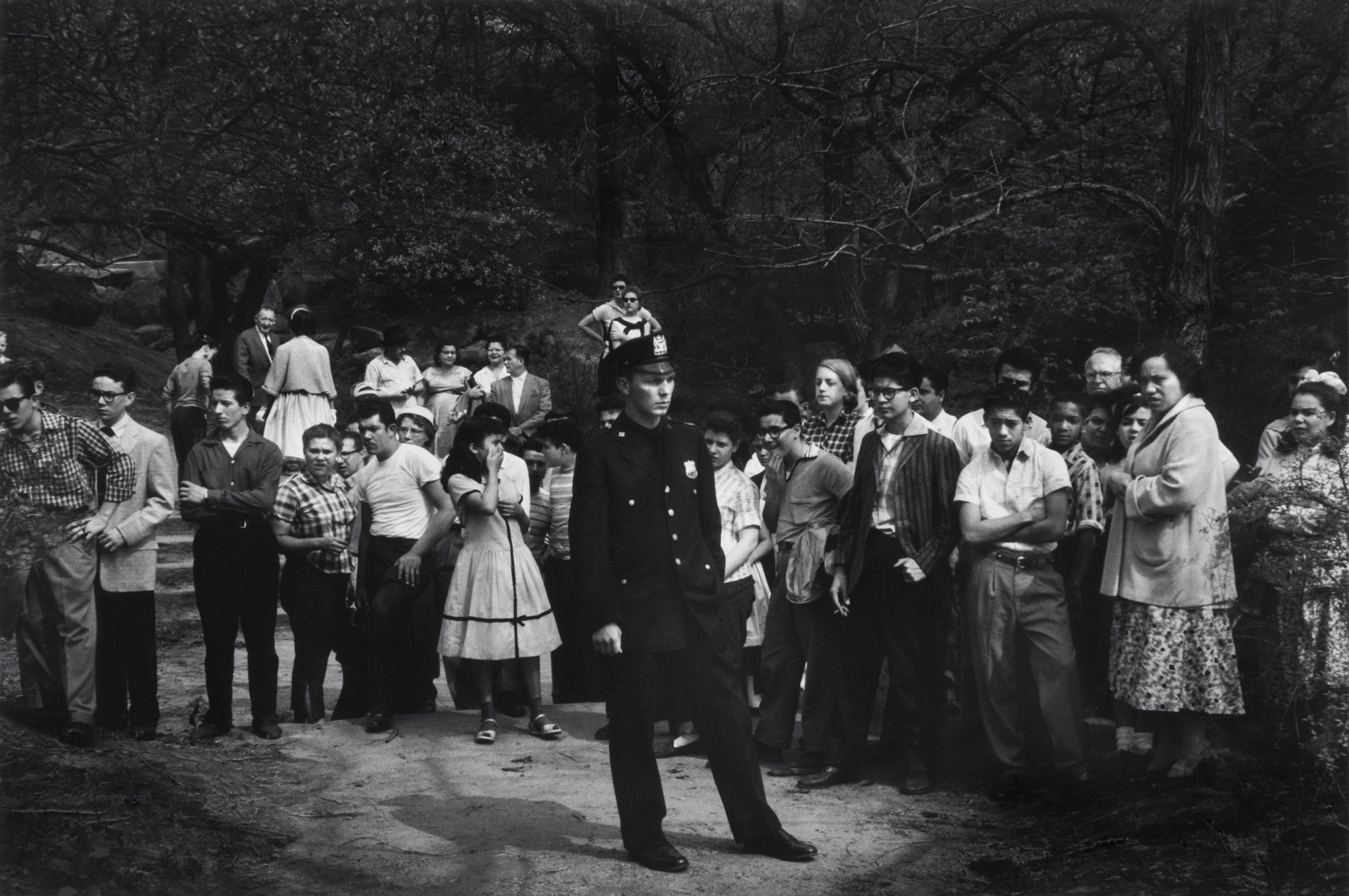
 

Dave Heath (American, 1931-2016) 'Drowning Scene, Central Park, New York City, 1957'


Dave Heath (American, 1931-2016)
Drowning Scene, Central Park, New York City, 1957
1957
Gelatin silver print
6 3/8 x 9 9/16 inches (16.2 x 24.3cm)
The Nelson-Atkins Museum, Kansas City, Missouri: Gift of the Hall Family Foundation
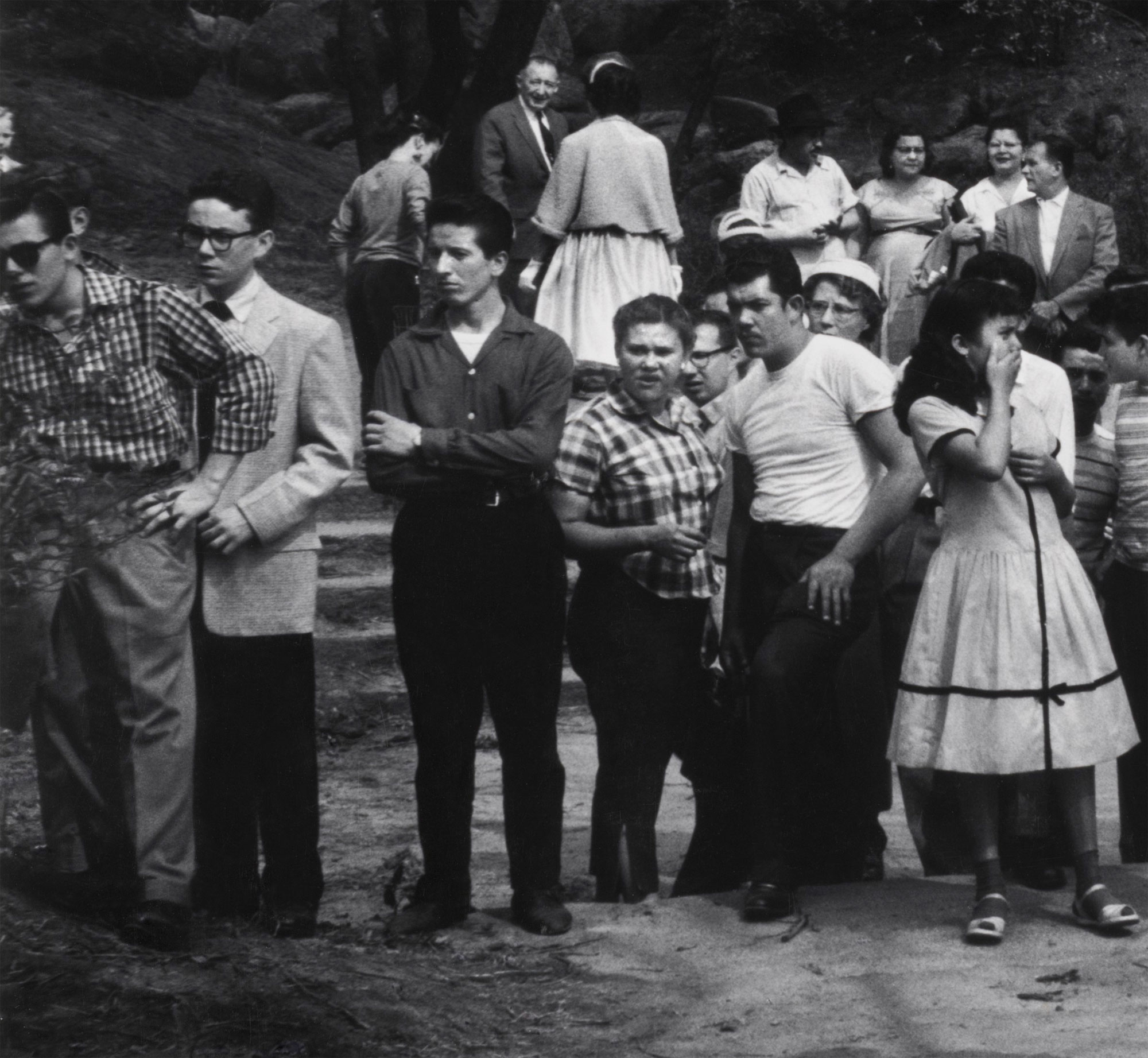
 

Dave Heath (American, 1931-2016) 'Drowning Scene, Central Park, New York City, 1957' (detail)


Dave Heath (American, 1931-2016)
Drowning Scene, Central Park, New York City, 1957 (detail)
1957
Gelatin silver print
6 3/8 x 9 9/16 inches (16.2 x 24.3cm)
The Nelson-Atkins Museum, Kansas City, Missouri: Gift of the Hall Family Foundation
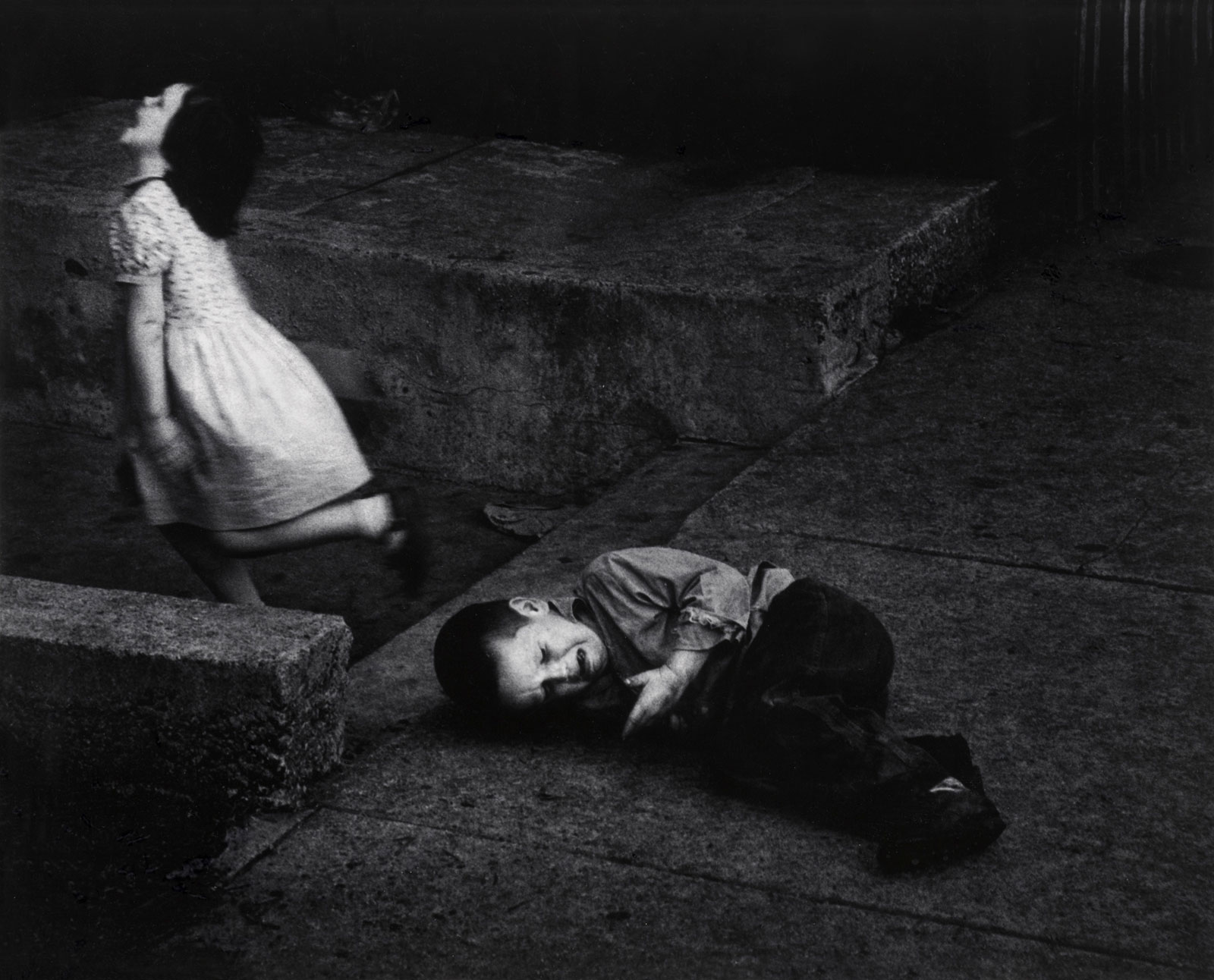
 

Dave Heath (American, 1931-2016) 'Vengeful Sister, Chicago, 1956'


Dave Heath (American, 1931-2016)
Vengeful Sister, Chicago, 1956
1956
Gelatin silver print
7 3/16 x 8 15/16 inches (18.3 x 22.7cm)
The Nelson-Atkins Museum, Kansas City, Missouri: Gift of the Hall Family Foundation
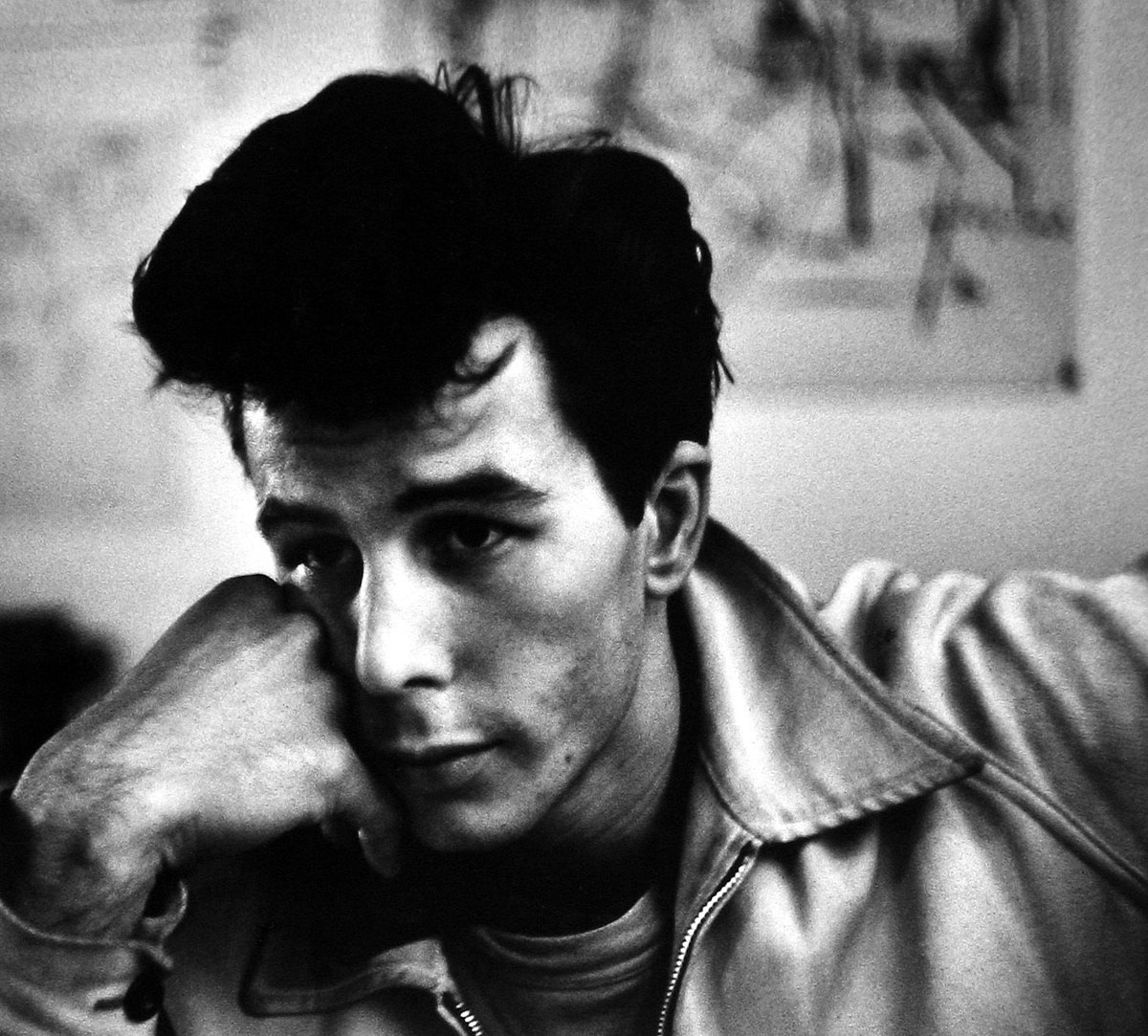
 

Dave Heath (American, 1931-2016) '7 Arts Coffee Gallery, New York City, 1959'


Dave Heath (American, 1931-2016)
7 Arts Coffee Gallery, New York City, 1959
1959
Gelatin silver print
7 3/4 x 8 3/4 inches
The Nelson-Atkins Museum, Kansas City, Missouri: Gift of the Hall Family Foundation
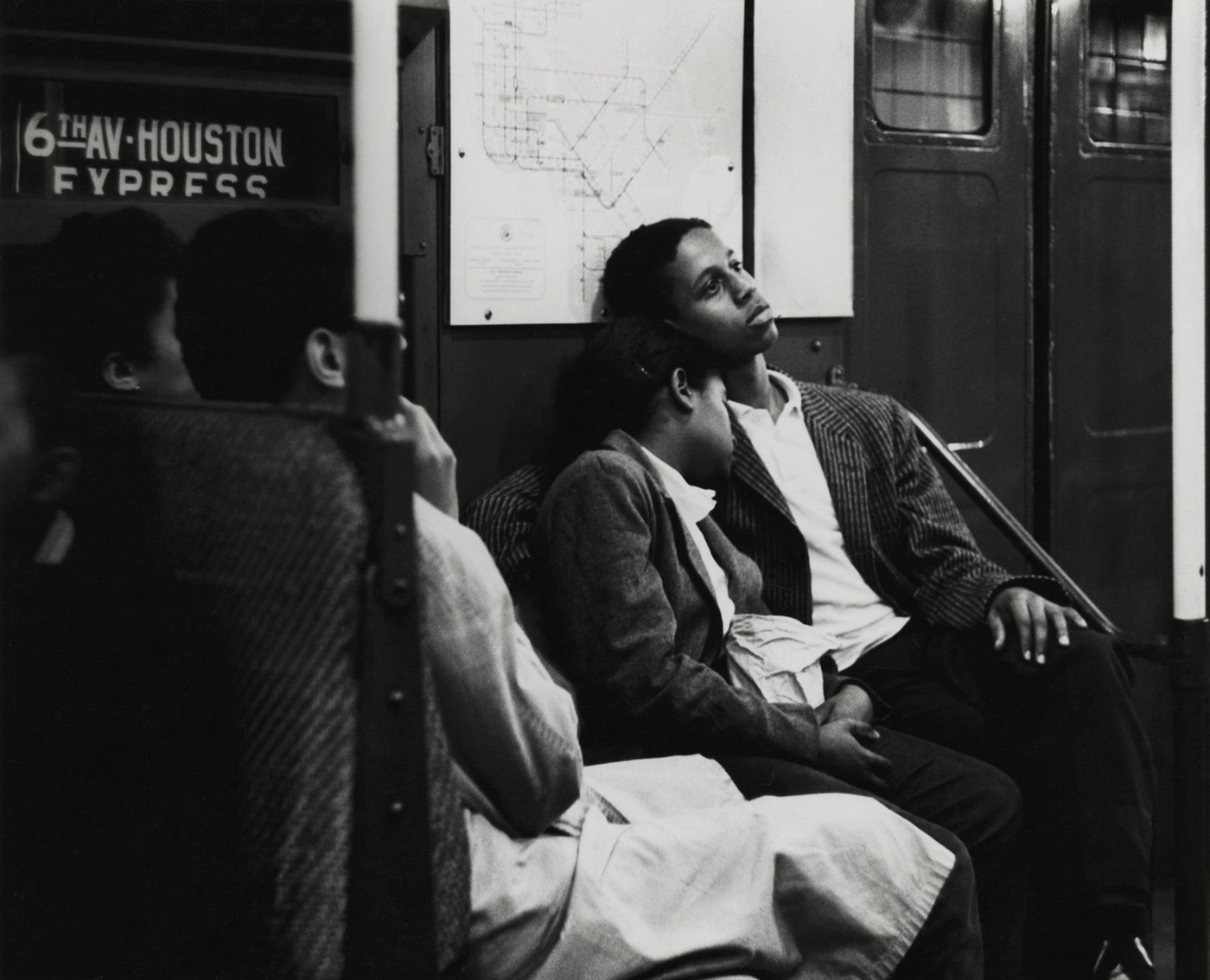
 

Dave Heath (American, 1931-2016) 'New York City, 1958-59'


Dave Heath (American, 1931-2016)
New York City, 1958-59
1958-1959
Gelatin silver print
7 x 8 5/8 inches
The Nelson-Atkins Museum, Kansas City, Missouri: Gift of the Hall Family Foundation
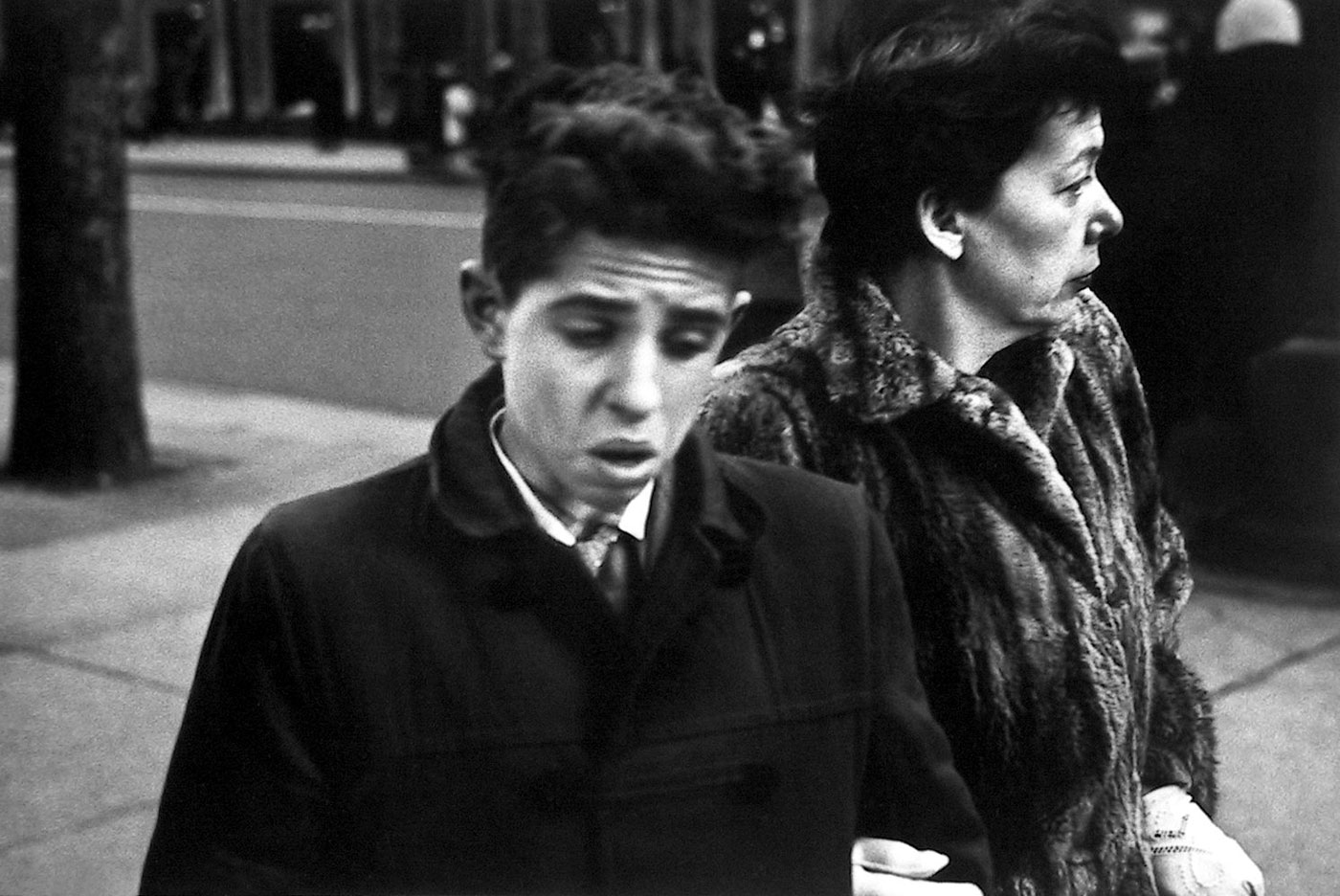
 

Dave Heath (American, 1931-2016) '5th Avenue at 43rd Street, New York City, 1958'


Dave Heath (American, 1931-2016)
5th Avenue at 43rd Street, New York City, 1958
1958
Gelatin silver print
6 1/2 x 9 3/4 inches
The Nelson-Atkins Museum, Kansas City, Missouri: Gift of the Hall Family Foundation
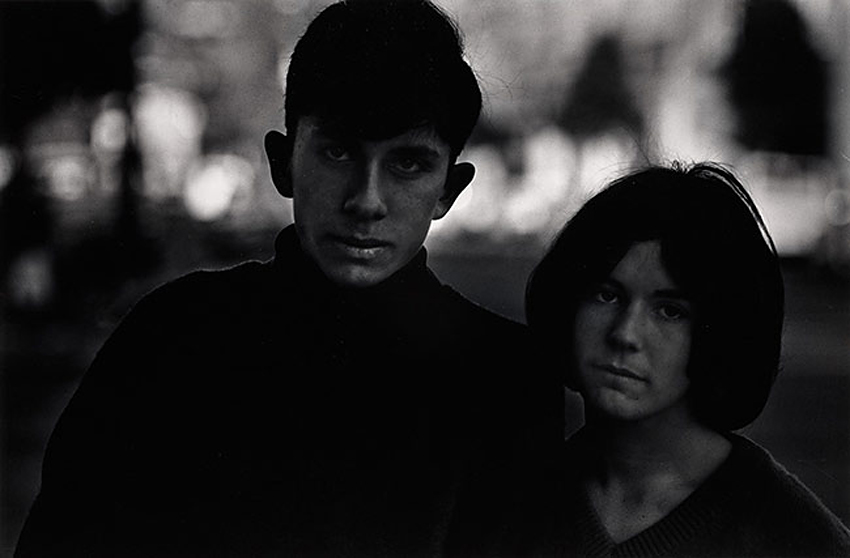
 

Dave Heath (American, 1931-2016) 'Santa Barbara, California, 1964'


Dave Heath (American, 1931-2016)
Santa Barbara, California, 1964
1964
Gelatin silver print
5 x 7 9/16 inches (12.7 x 19.2cm)
The Nelson-Atkins Museum, Kansas City, Missouri: Gift of the Hall Family Foundation
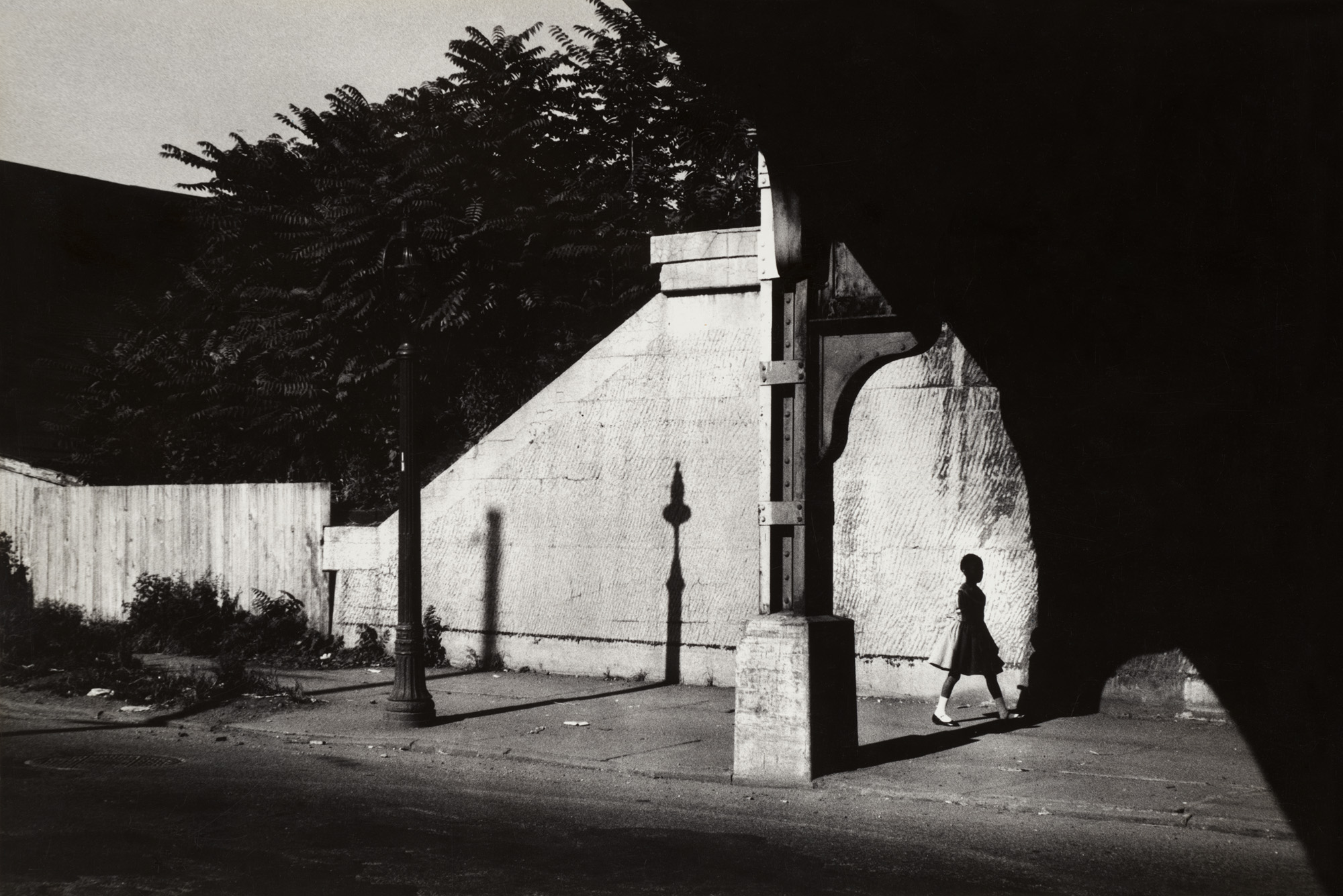
 

Dave Heath (American, 1931-2016) 'Rochester, New York, 1958'


Dave Heath (American, 1931-2016)
Rochester, New York, 1958
1958
Gelatin silver print
6 9/16 x 9 13/16 inches (16.7 x 24.9cm)
The Nelson-Atkins Museum, Kansas City, Missouri: Gift of Hallmark Cards, Inc.,
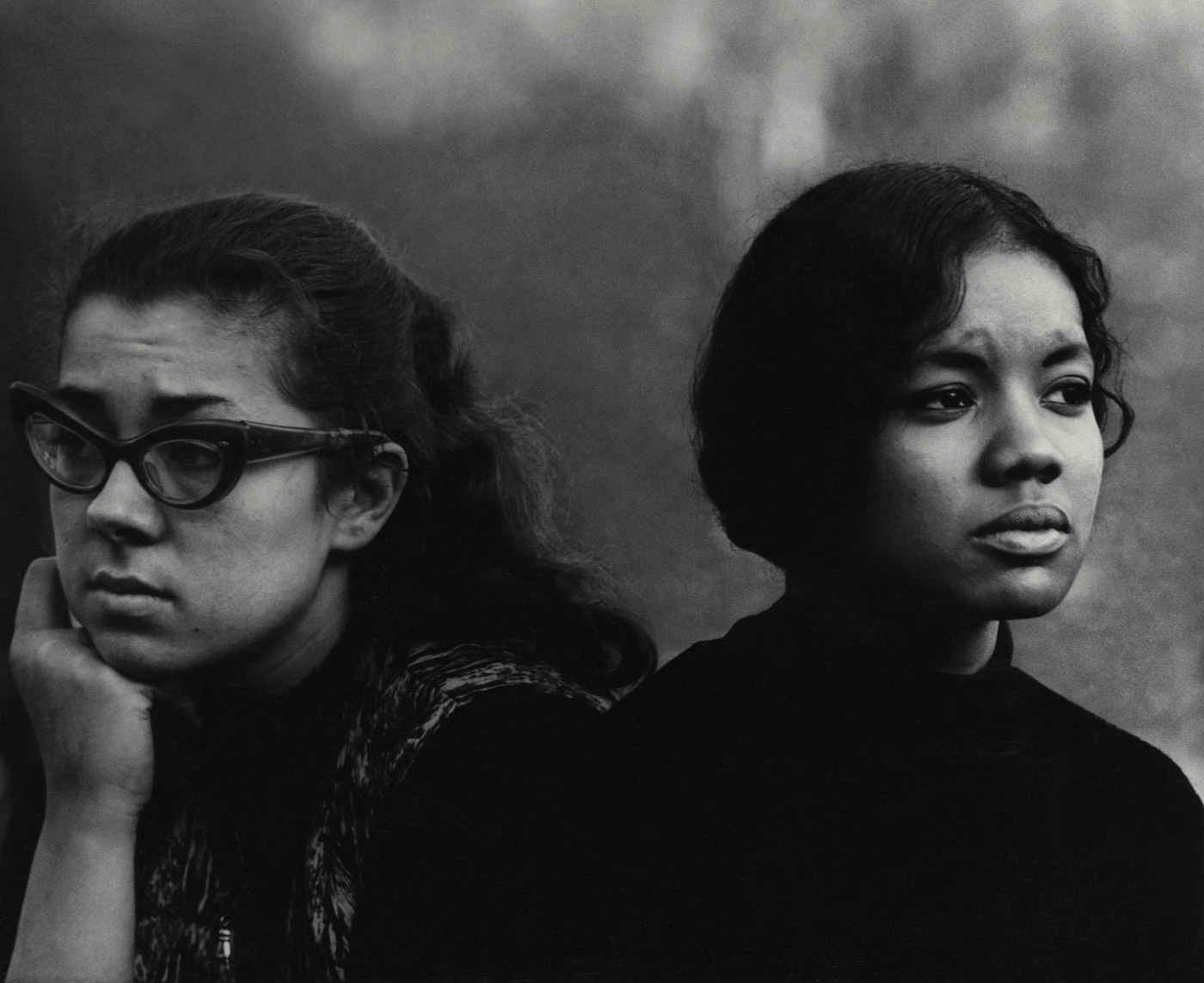
 

Dave Heath (American, 1931-2016) 'Washington Square, New York City, 1959-1960'


Dave Heath (American, 1931-2016)
Washington Square, New York City, 1959-1960
1959-1960
Gelatin silver print
7 1/2 x 9 1/4 inches
The Nelson-Atkins Museum, Kansas City, Missouri: Gift of the Hall Family Foundation


Forever the outsider

Heath left Philadelphia to serve in the Korean War, where he photographed fellow soldiers and his impressions of war. Soon after his return, he departed for Chicago, where he worked as a photographer’s assistant. He began to assemble handmade books, grouping photos into themed essays and putting text to the images, establishing the template he would use in A Dialogue with Solitude.

Relocating to New York in 1957, Heath studied with photojournalist W. Eugene Smith, refining his photo essay technique and adopting Smith’s practice of making fine art prints of his work. He took photos with available light, in the street and at favourite haunts like Washington Square Park and Seven Arts Coffee Gallery, mounting the Dialogue exhibition in 1963. In that same year, he won his first Guggenheim.

Accepting life on its own terms

When Dialogue went to print in 1965, Heath employed the same editorial control he had with earlier creations, selecting, sizing, and laying out every photo, dictating typeface and size, and selecting text from famous authors, such as William Butler Yeats, Hermann Hesse, and T.S. Eliot. Only in the preface did he use his own words:

“Pressed from all sides by the rapid pace of technological progress and increased authoritarian control, many people are caught up in an anguish of alienation. Adrift and without sense of purpose, they are compelled to engage in a dialogue with the inmost depths of their being in a search for renewal.” He concludes, “What I have endeavoured to convey in my work is not a sense of futility… but an acceptance… that the pleasures and joys of life are fleeting and rare.”

The final sections convey a few of those pleasurable moments: In two photos entitled Chicago (1956), a small boy stands, head thrown back in exultation, and two boys mug for the camera. In Fifth Avenue, New York City (1960), a father snuggles his baby to his face, looking over the child’s head protectively, and in Barbara Freed and Her Son Sean, New York City (1959), a toddler heads toward a pair of outstretched female hands. Heath selected the final excerpt from Eliot’s “Journey of the Magi”:

All this was a long time ago, I remember,
And I would do it again, but set down
This set down
This: were we led all that way for
Birth or Death?


Pamela J.  Forsythe. “Alone together” on the Broad Street Review website October 18, 2015 [Online] Cited 07/09/2015. No longer available online
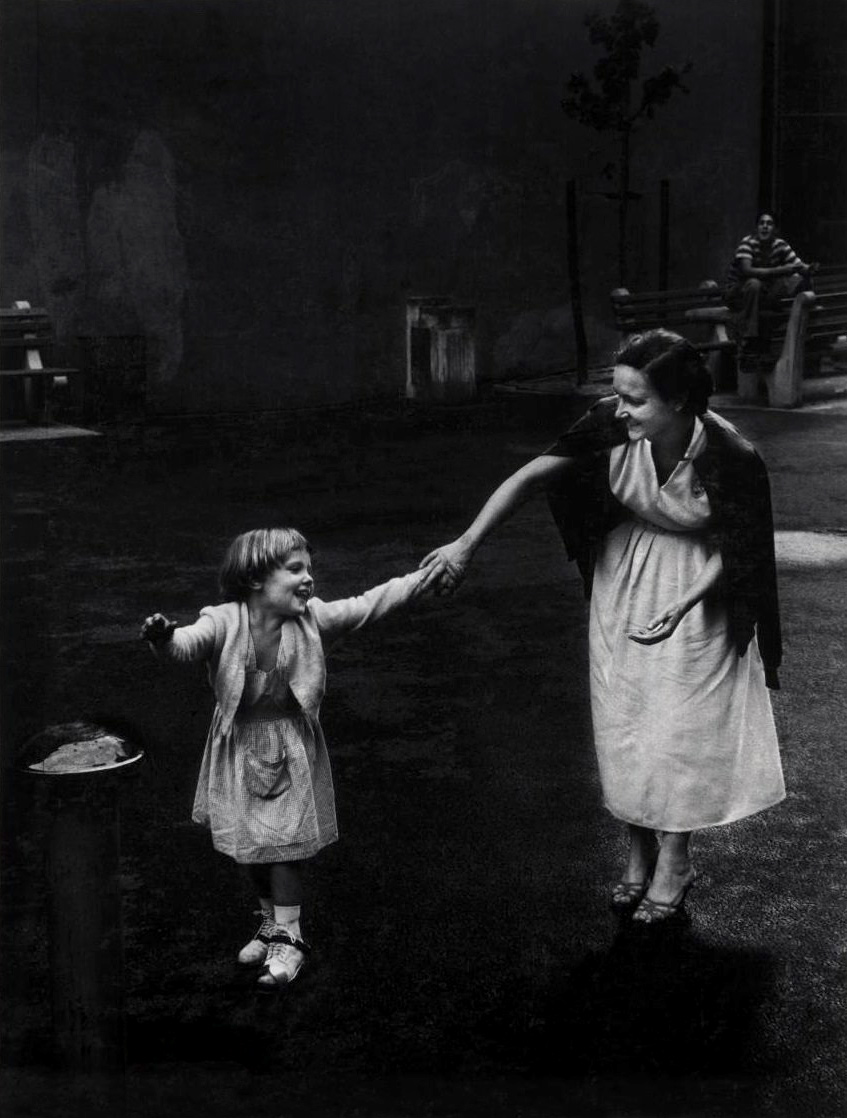
 

Dave Heath (American, 1931-2016) 'Greenwich Village, New York City, 1957'


Dave Heath (American, 1931-2016)
Greenwich Village, New York City, 1957
1957
Gelatin silver print
12 5/8 x 9 9/16 inches (32.1 x 24.3cm)
The Nelson-Atkins Museum, Kansas City, Missouri: Gift of the Hall Family Foundation
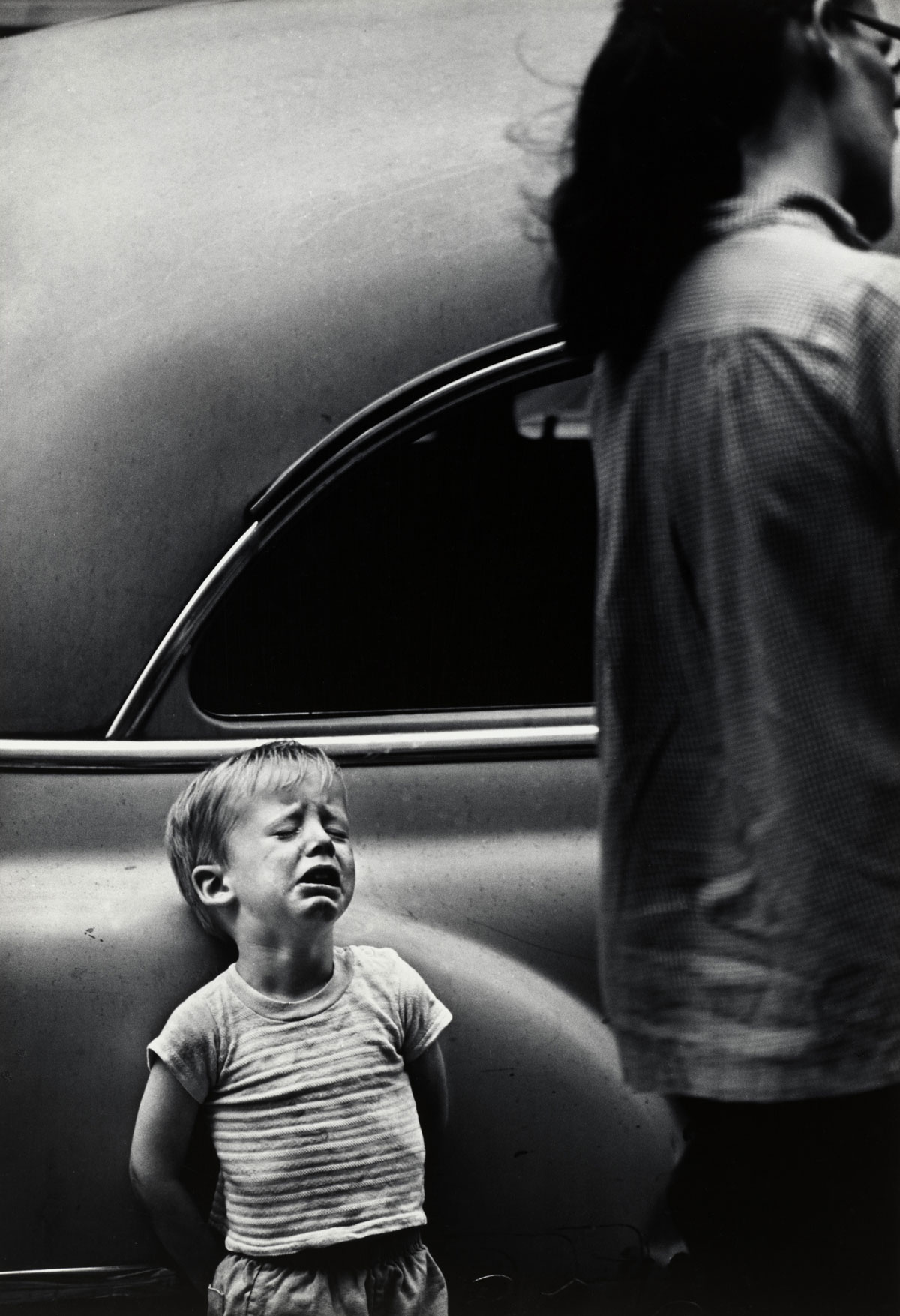
 

Dave Heath (American, 1931-2016) 'New York City, 1962'


Dave Heath (American, 1931-2016)
New York City, 1962
1962
Gelatin silver print
10 13/16 x 7 7/16 inches (27.5 x 18.9cm)
The Nelson-Atkins Museum, Kansas City, Missouri: Gift of the Hall Family Foundation
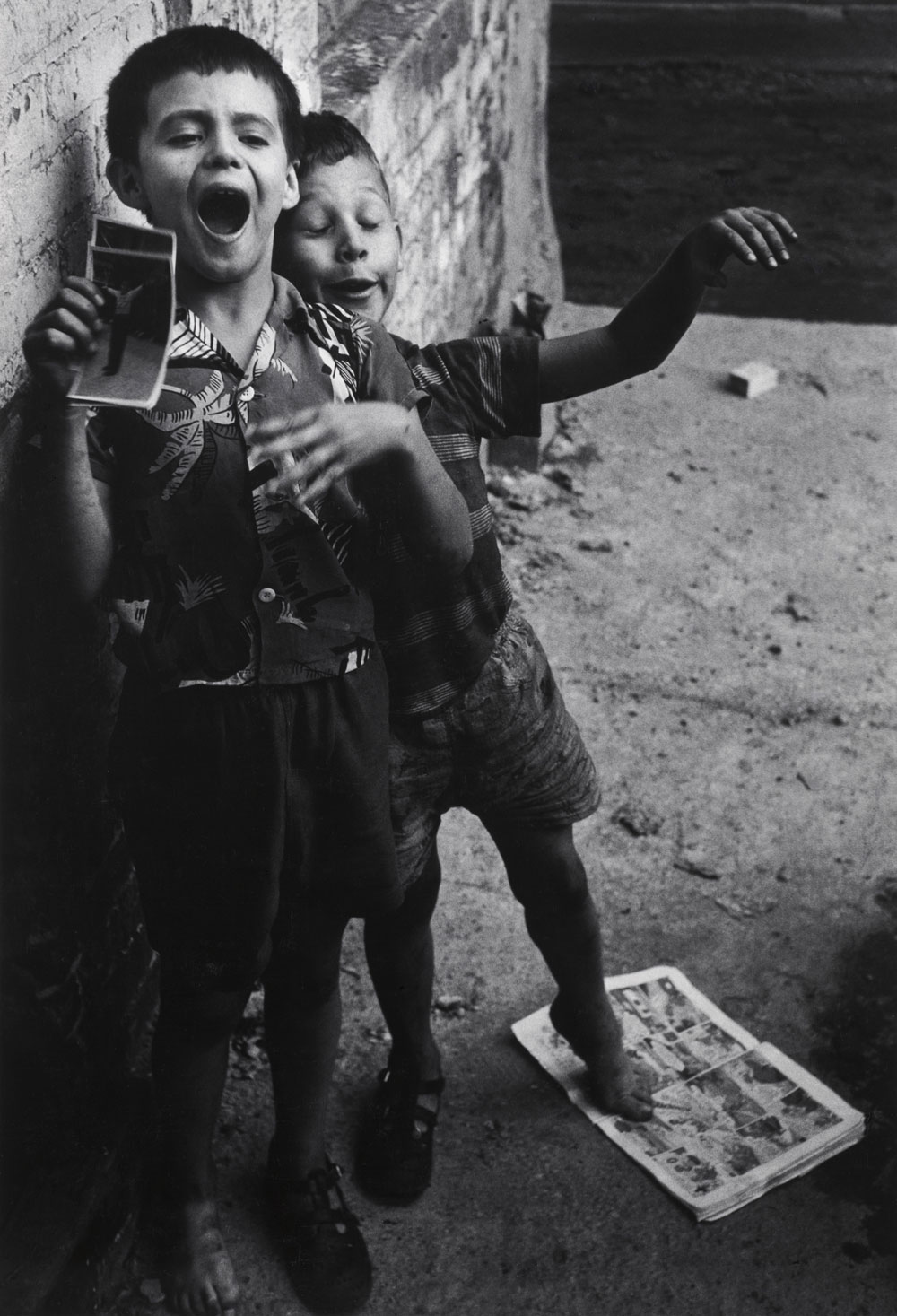
 

Dave Heath (American, 1931-2016) 'Chicago, 1956'


Dave Heath (American, 1931-2016)
Chicago, 1956
1956
Gelatin silver print
12 9/16 x 8 9/16 inches (31.9 x 21.7cm)
The Nelson-Atkins Museum, Kansas City, Missouri: Gift of the Hall Family Foundation
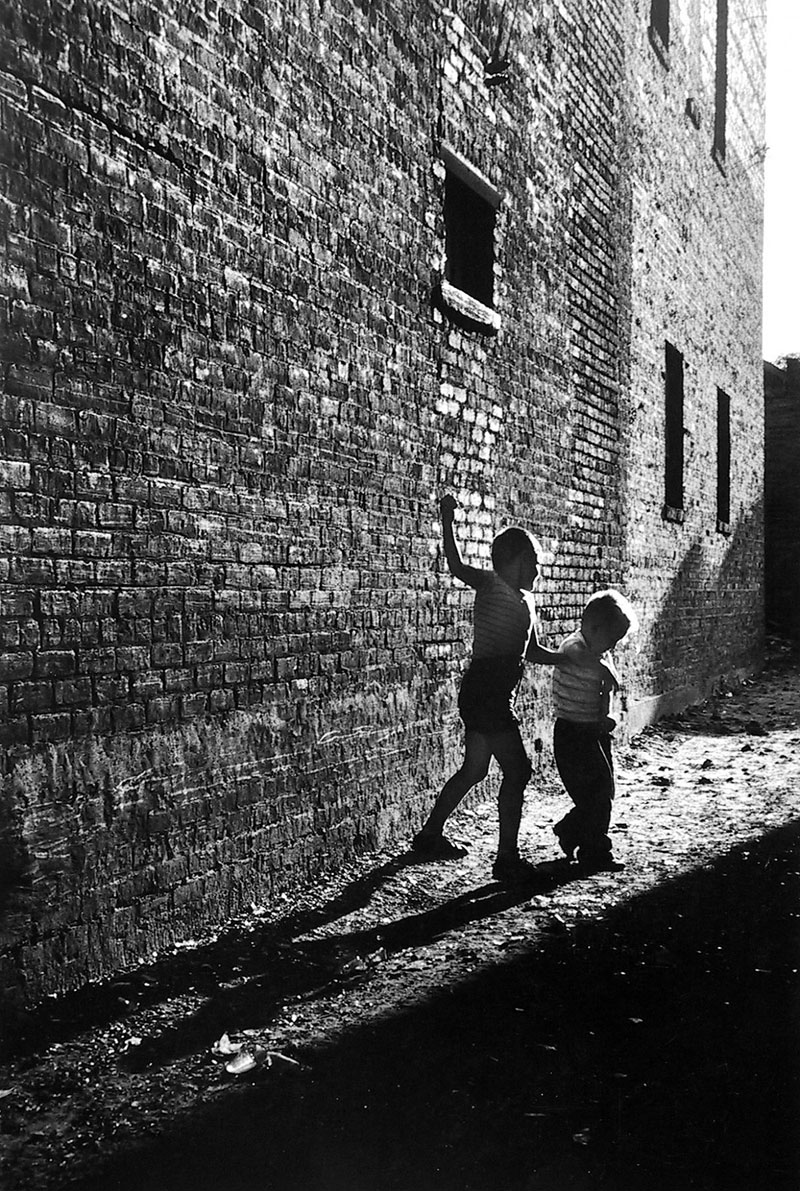
 

Dave Heath (American, 1931-2016) 'Chicago, 1956'


Dave Heath (American, 1931-2016)
Chicago, 1956
1956
Gelatin silver print
9 3/4 x 6 5/8 inches
The Nelson-Atkins Museum, Kansas City, Missouri: Gift of the Hall Family Foundation
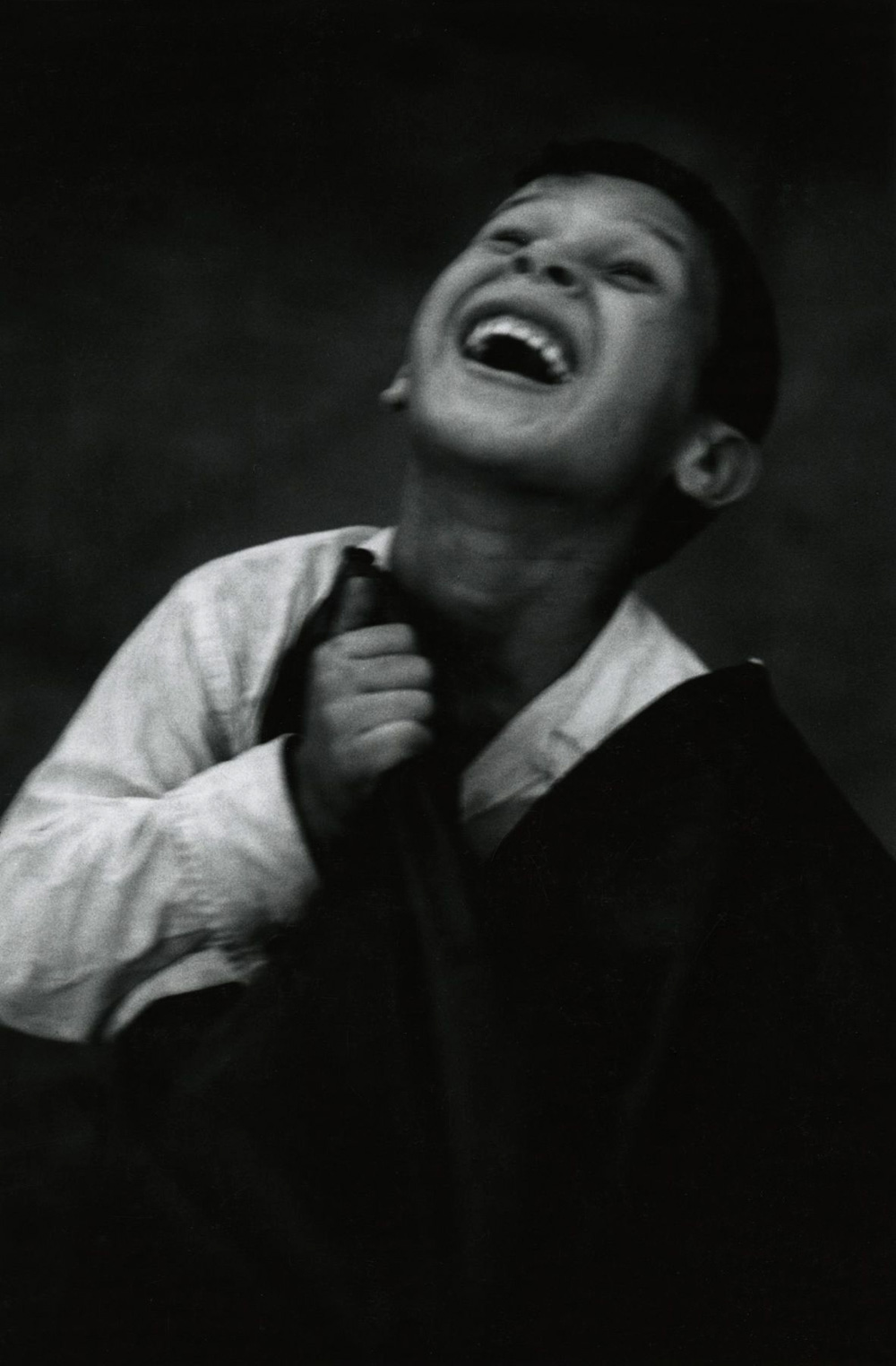
 

Dave Heath (American, 1931-2016) 'Chicago, 1956'


Dave Heath (American, 1931-2016)
Chicago, 1956
1956
Gelatin silver print
10 x 8 inches
The Nelson-Atkins Museum, Kansas City, Missouri: Gift of the Hall Family Foundation
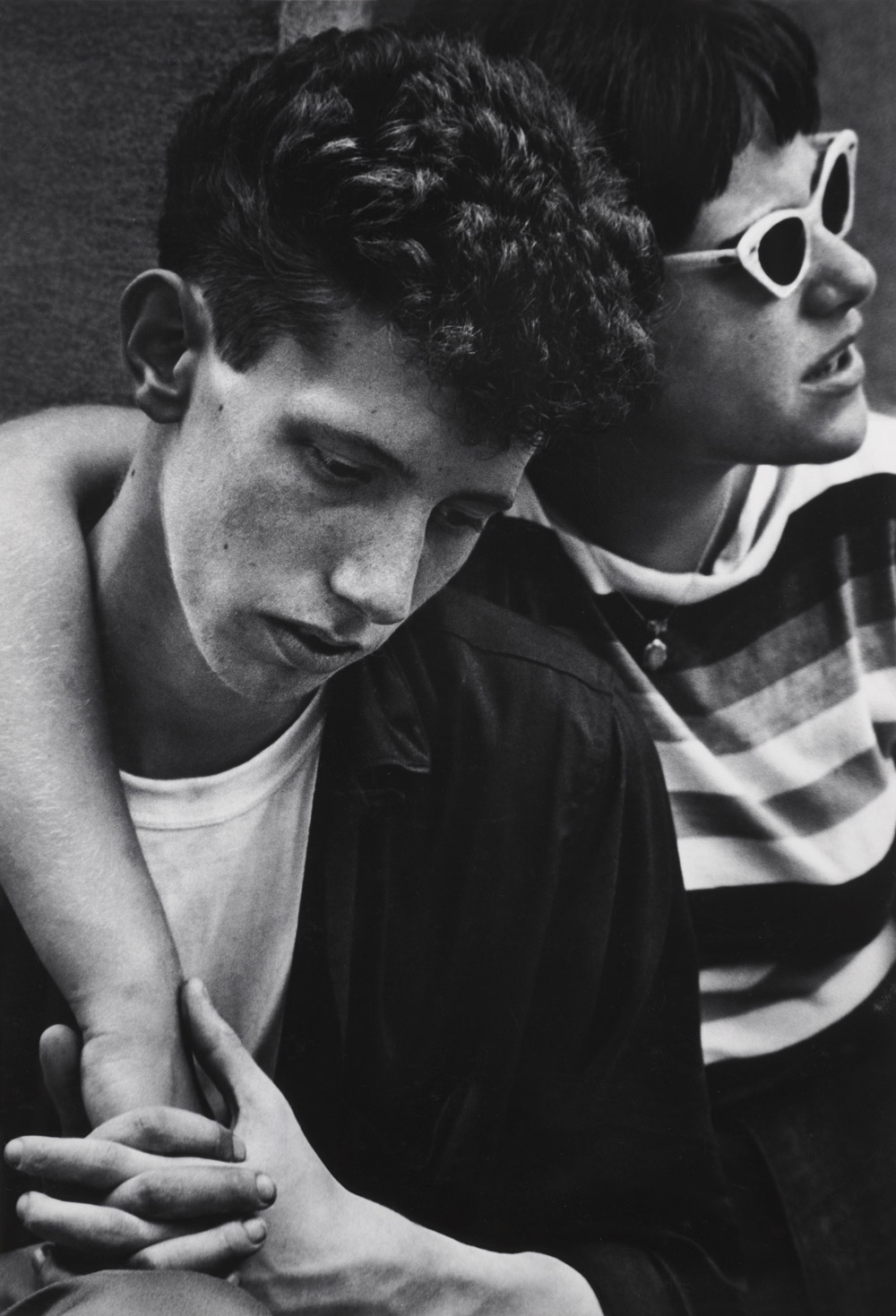
 

Dave Heath (American, 1931-2016) 'Washington Square, New York City, 1960'


Dave Heath (Canadian, born United States, 1931)
Washington Square, New York City, 1960
1960
Gelatin silver print
12 5/8 x 8 5/8 inches (32.1 x 21.9cm)
The Nelson-Atkins Museum, Kansas City, Missouri: Gift of the Hall Family Foundation
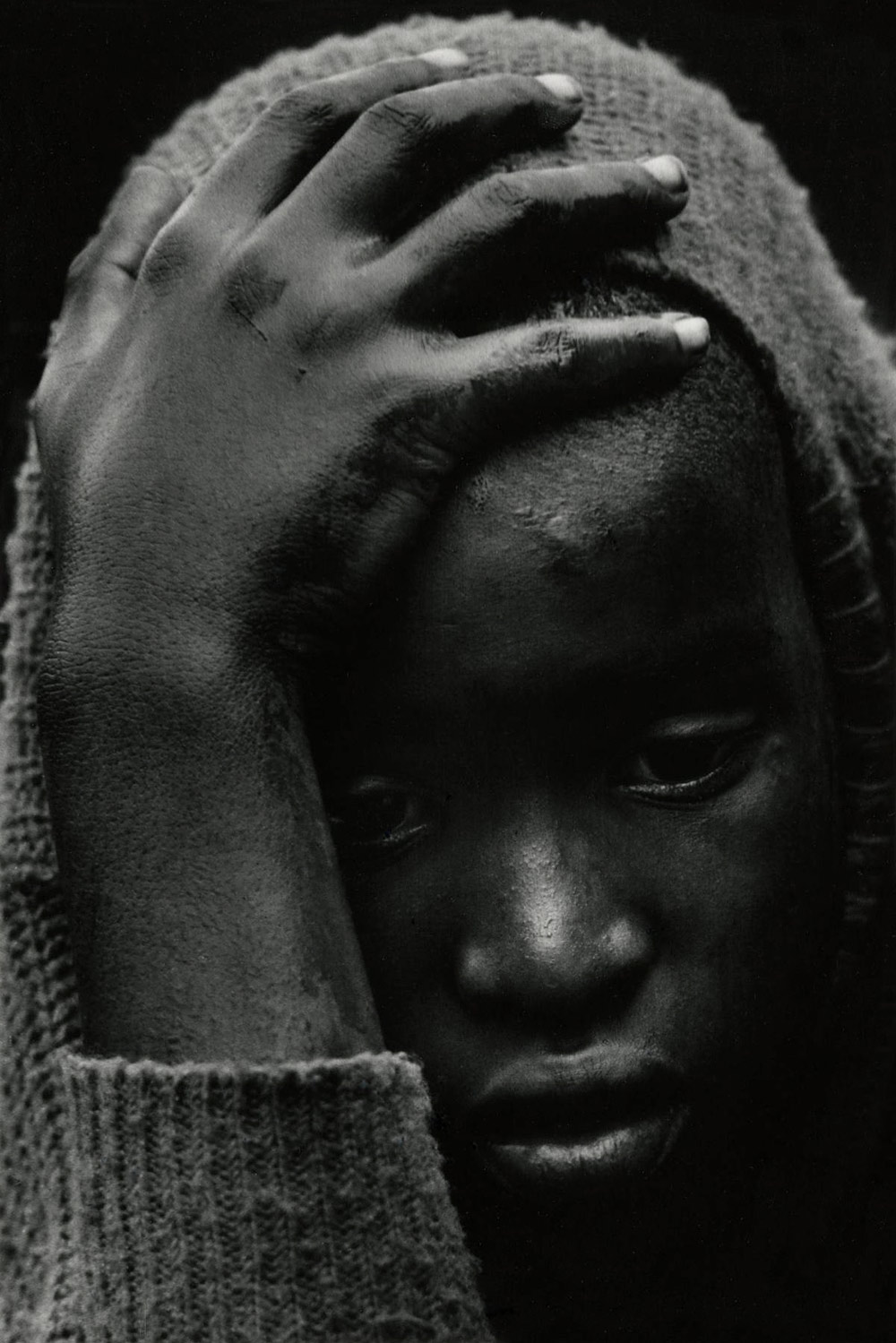
 

Dave Heath (American, 1931-2016) 'Washington Square, New York City, 1958'


Dave Heath (American, 1931-2016)
Washington Square, New York City, 1958
1958
Gelatin silver print
12 5/8 x 8 3/8 inches (32.1 x 21.3cm)
The Nelson-Atkins Museum, Kansas City, Missouri: Gift of the Hall Family Foundation
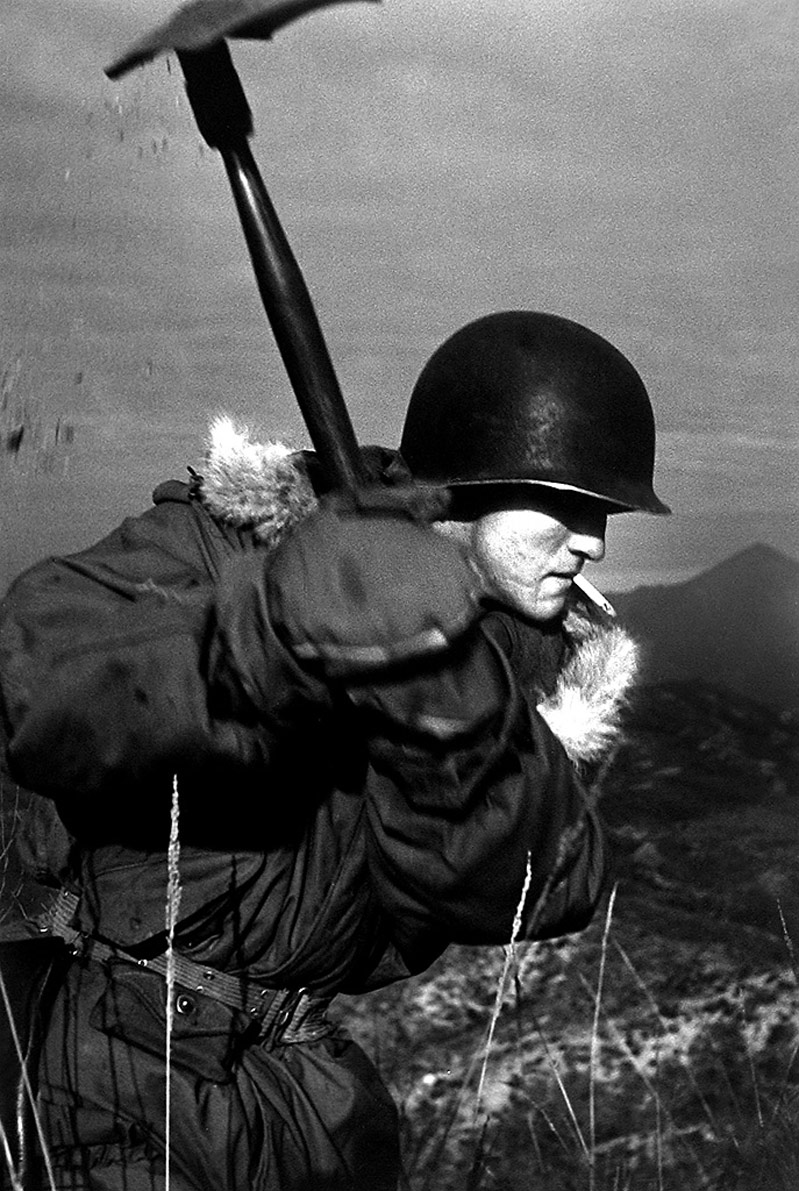
 

Dave Heath (American, 1931-2016) 'Howard Crawford, c. 1953-54'


Dave Heath (American, 1931-2016)
Howard Crawford, c. 1953-54
c. 1953-1954
Gelatin silver print
13 1/2 x 9 1/4 inches
The Nelson-Atkins Museum, Kansas City, Missouri: Gift of the Hall Family Foundation


Philadelphia Museum of Art
26th Street and the Benjamin Franklin Parkway
Philadelphia, PA 19130

Opening hours:
Thursday – Monday: 10am – 5pm
Closed Tuesday and Wednesday

Philadelphia Museum of Art website

LIKE ART BLART ON FACEBOOK

Back to top

Exhibition: ‘Gordon Parks: Back to Fort Scott’ at the Museum of Fine Arts, Boston

Exhibition dates: 17th January 2015 – 13th September 2015

Robert and Jane Burke Gallery (Gallery 335)


Gordon Parks (American, 1912-2006) 'Husband and Wife, Sunday Morning, Detroit, Michigan' 1950


Gordon Parks (American, 1912-2006)
Husband and Wife, Sunday Morning, Detroit, Michigan
1950
Gelatin silver print
Courtesy and © The Gordon Parks Foundation
Courtesy Museum of Fine Arts, Boston


It’s been a really tough time writing the Art Blart recently, as my beloved Apple Pro tower that has served me so well over the years has died and gone to god. I have been making do with a small laptop, but tomorrow I pick up my new 27 inch iMac with Retina screen, to pair with my Eizo Flexscan monitor. I can’t wait!

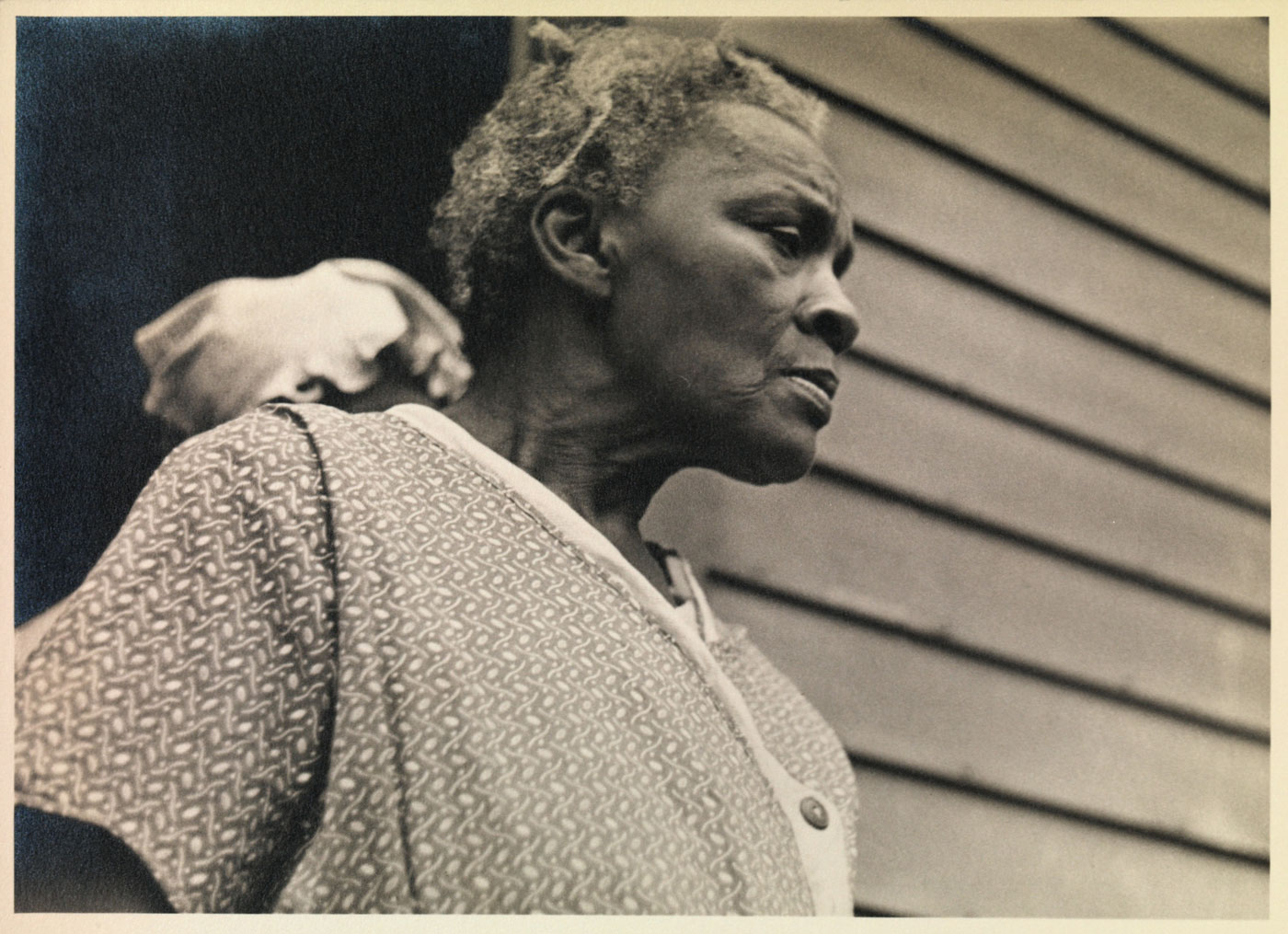
I have so much admiration for the work of this man. The light, the sensitivity to the social documentary narrative just emanates from these images. You don’t need to say much, it’s all there in front of you. Just look at the proud profile of that old woman, Mrs. Jefferson, Fort Scott, Kansas (1950, below), and you are instantly transported back to the slave fields and southern plantations of the 19th century. No words are necessary. The bony hands, gaunt cheeks and determined stare speak of a life hard lived.

Dr Marcus Bunyan


Many thankx to the Museum of Fine Arts, Boston for allowing me to publish the photographs in the posting. Please click on the photographs for a larger version of the image.


Gordon Parks (American, 1912-2006) 'Untitled, St. Louis, Missouri' 1950


Gordon Parks (American, 1912-2006)
Untitled, St. Louis, Missouri
1950
Gelatin silver print
Courtesy and © The Gordon Parks Foundation
Courtesy Museum of Fine Arts, Boston


Gordon Parks (American, 1912-2006) 'Tenement Dwellers, Chicago, Illinois' 1950


Gordon Parks (American, 1912-2006)
Tenement Dwellers, Chicago, Illinois
1950
Gelatin silver print
Courtesy and © The Gordon Parks Foundation
Courtesy Museum of Fine Arts, Boston


Gordon Parks (1912-2006), one of the most celebrated African-American photographers of all time, is the subject of a new exhibition of groundbreaking photographs at the Museum of Fine Arts, Boston (MFA). Gordon Parks: Back to Fort Scott (January 17 – September 13, 2015) traces Parks’ return to his hometown of Fort Scott, Kansas and then to other Midwestern cities, to track down and photograph each of his childhood classmates. On view in the MFA’s Art of the Americas Wing, the exhibition’s 42 photographs were from a series originally meant to accompany a Life magazine photo essay – but for reasons unknown, the story was never published. The images depict the realities of life under segregation in 1950 – presenting a rarely seen view of everyday lives of African-American citizens in the years before the Civil Rights movement began in earnest. One of the most personal and captivating of all Parks’ projects, the images, now owned by The Gordon Parks Foundation, represent a rare and little-known group within Parks’ oeuvre. This exhibition, on view in the Robert and Jane Burke Gallery, is accompanied by a publication by Karen Haas, the MFA’s Lane Curator of Photographs, in collaboration with The Gordon Parks Foundation, which includes an introduction by Isabel Wilkerson, Pulitzer-prize winning author of The Warmth of Other Suns: The Epic Story of America’s Great Migration. The book includes previously unpublished photographs as well as archival materials such as contact sheets and a portion of the 1927 yearbook from the segregated school Parks attended as a child.

“These personal and often touching photos offer a glimpse into the life of Gordon Parks and the prejudice that confronted African Americans in the 1940s and 1950s,” said Malcolm Rogers, Ann and Graham Gund Director at the MFA. “We’re grateful to The Gordon Parks Foundation for giving us the opportunity to display these moving works.”

Fort Scott, Kansas was an emotional touchstone for Gordon Parks and a place that he was drawn to over and over again as an adult, even though it held haunting memories of racism and discrimination. Parks was born in Fort Scott in 1912 to a poor tenant farmer family and left home as a teenager after his mother died and he found himself – the youngest of 15 children – suddenly having to make his own way in the world. By 1948, Parks was the first African-American photographer hired full time by Life magazine. One of the rare African-American photojournalists in the field, Parks was frequently given magazine assignments involving social issues that his fellow white photographers were not asked to cover. For an assignment on the impact of school segregation, Parks returned to Fort Scott to revisit early memories of his birthplace – many involving racial discrimination – and to reconnect with childhood friends, all of whom went to the same all-black elementary school that Parks had attended.  He was able to track down all but two members of the Plaza School Class of 1927, although only one was still living in Fort Scott at the time. As he met with fellow classmates, his story quickly shifted its focus to the Great Migration north by African Americans. Over the course of several days Parks visited with his childhood friends – by this time residing in Kansas City; Saint Louis; Columbus, Ohio; Detroit; and Chicago – joining them in their parlours and on their front porches while they recounted their life stories to him. Organised around each of these cities and families, the exhibition features previously unpublished photographs as well as a seven-page draft of Parks’ text for the article.

“With the Back to Fort Scott story, Parks showed – really for the first time – a willingness to mine his own childhood for memories both happy and painful, something he would continue to do in a series of memoirs over the course of his long career” said Haas. “The experience also seems to have inspired him to write The Learning Tree in 1963, his best-selling novel about growing up poor and black in Kansas, that he transformed a few years later into a groundbreaking Hollywood movie – the first by an African American writer-director.”

Parks began his research in Fort Scott, where he found classmate Luella Russell. In addition to photographing Luella with her husband and 16-year-old daughter, Parks took photos of his own family and life around town – finding friends and acquaintances at the local theatre, railway station and pool hall. Parks also visited the local baseball field at Othick Park, where he recorded a group of white spectators seated at one end of the bleachers watching a game, while two African-American girls in summer dresses stand at the other end, in an area loosely designated for the town’s black residents. Parks’ image of the girls at the ballpark, where black and white baseball teams sometimes competed against each other, subtly refers to the separation of the races that marked much of everyday life in Fort Scott.

Fort Scott had not changed dramatically since Parks’ youth. Parks attended the all-black Plaza School through the ninth grade  in 1927, and as he wrote in his draft for Life magazine: “Twenty-four years before I had walked proudly to the centre of the stage and received a diploma. There were twelve of us (six girls and six boys) that night. Our emotions were intermingled with sadness and gaiety. None of us understood why the first years of our education were separated from those of the whites, nor did we bother to ask. The situation existed when we were born. We waded in normal at the tender age of six and swam out maladjusted… nine years later.”

After Fort Scott, Parks discovered three of his classmates in Kansas City and St. Louis – cities that were easily reached by rail and were often the first stops made by African Americans leaving smaller towns. Many left towns like Fort Scott in the hope of finding jobs and better futures for their children in these larger, more industrial cities. When Parks tracked down his classmates, he recorded their jobs and wages – the sort of detail that Life typically included in such pieces, allowing its readers to measure their own lives against a story’s subjects. In Kansas City, classmate Peter Thomason was working as a postal transportation clerk (a position, Parks noted, with a minimum salary of $3,700 a year), while in St. Louis, Parks recorded that classmate Norman Earl Collins was doing quite well, making $1.22 an hour at Union Electric of Missouri. Parks’ sympathetic images of Earl and his daughter, Doris Jean, may have been a conscious effort on Parks’ part to offset contemporary stereotypes of black families as less stable and strong than their white counterparts.

By 1950, Chicago was the de facto capital of African-American life in the US, with more black inhabitants than any other city in America – including three of Parks’ classmates. Parks discovered them residing only a mile or two apart from one another on the city’s South Side. Untitled, Chicago, Illinois (1950), depicts Parks’ classmate Fred Wells and his wife Mary in front of their apartment building in the Washington Park neighbourhood. A number of the photographs in the exhibition repeat the simple compositional device seen here – featuring a classmate and his or her family, framed by the front door of their home. These images highlighted the families’ similarities to, rather than differences from Life‘s readers, who would have found such strong representations of black families at once surprising and reassuring.

In Detroit, Parks traced classmate Pauline Terry to the McDougall-Hunt neighbourhood. In Fort Scott, Pauline had married Bert Collins, who had run a restaurant during much of the 1930s. By 1950, they were settled in Detroit and had five children. Unlike Parks’ other classmates who had migrated north in search of opportunity, Pauline (yearbook ambition: “To be young forever; to be a Mrs.”) now had a large family and no longer worked outside the home. In the course of her conversation with Parks, she emphasised the importance of religion in their lives. Parks’ powerful portrait of the couple walking to Sunday services at the Macedonia Baptist Church, Husband and Wife, Sunday Morning, Detroit, Michigan (1950) reinforces the seriousness of their faith. The cigar-smoking Bert wears a sharp suit and straw boater and carries a well-worn Bible.

Once completed, Parks’ Fort Scott photo essay never appeared in Life. The reason for that remains a mystery, although the US entry into the Korean War that summer had a major impact on the content of its pages for some time. The magazine’s editors did try to resuscitate the story early in April of 1951 only to have it passed over by the news of President Truman’s firing of General Douglas MacArthur. In the end, all that survives, as far as written documentation of the Fort Scott assignment, are Parks’ project notes from his individual visits with his classmates in May and June of 1950; several telegrams sent by Life staffers regarding his friends’ whereabouts before his arrival; fact-checking when the piece was again slated to run in April 1951; and an annotated seven-page draft. Because the photos were never published, and most have never before been on view, the exhibition presents a unique opportunity to explore a body of work that is almost completely unknown to the public.

“The Gordon Parks Foundation is pleased to collaborate with the Museum of Fine Arts, Boston, on this exhibition and publication highlighting a series of very personal, early works by the artist” said Peter W. Kunhardt, Jr., the Foundation’s executive director. “Gordon Parks: Back to Fort Scott allows us a focused look at a single Life magazine story and reveals a fascinating tale of Gordon Parks’ segregated beginnings in rural Kansas and the migration stories of his classmates, many of whom, like him, left in search of better lives for themselves and their families.”

Press release from the Museum of Fine Arts, Boston website


Gordon Parks (American, 1912-2006) 'Untitled, Fort Scott, Kansas' 1950


Gordon Parks (American, 1912-2006)
Untitled, Fort Scott, Kansas
1950
Courtesy and © The Gordon Parks Foundation
Courtesy Museum of Fine Arts, Boston


Gordon Parks (American, 1912-2006) 'Untitled, Fort Scott, Kansas' 1950


Gordon Parks (American, 1912-2006)
Untitled, Fort Scott, Kansas
1950
Courtesy and © The Gordon Parks Foundation
Courtesy Museum of Fine Arts, Boston


Gordon Parks (American, 1912-2006) 'Untitled, Chicago, Illinois' 1950


Gordon Parks (American, 1912-2006)
Untitled, Chicago, Illinois
1950
Courtesy and © The Gordon Parks Foundation
Courtesy Museum of Fine Arts, Boston


Gordon Parks (American, 1912-2006) 'Untitled, Columbus, Ohio' 1950


Gordon Parks (American, 1912-2006)
Untitled, Columbus, Ohio
1950
Courtesy and © The Gordon Parks Foundation
Courtesy Museum of Fine Arts, Boston


The lives of the classmates – six girls and five boys who graduated from the segregated Plaza School in 1927, in what was then a town of 10,000 people – present a miniature snapshot of African-American aspiration and struggle in the years before Brown v. Board of Education or the civil rights movement.

Parks found Emma Jane Wells in Kansas City, Mo., where she sold clothes door-to-door to supplement her husband’s salary at a paper-bag factory. Peter Thomason lived a few blocks away, working for the post office, one of the best jobs available to black men at the time. But others from the class led much more precarious lives. Parks tracked down Mazel Morgan on the South Side of Chicago, in a transient hotel with her husband, who Parks said robbed him at gunpoint after a photo session. Morgan’s middle-school yearbook description had been ebullient (“Tee hee, tee ho, tee hi, ha hum/Jolly, good-natured, full of fun”), but in 1950 she told Parks, “I’ve felt dead so long that I don’t figure suicide is worthwhile anymore.”

The most promising of the classmates, Donald Beatty, lived in an integrated neighbourhood in Columbus, Ohio, where he had a highly desirable job as a supervisor at a state agency and where Parks’s pictures show him – very much in the vernacular of Life magazine’s Eisenhower-era domestic scenes – happy and secure with his wife and toddler son and a brand-new Buick. But notes made by a Life fact-checker just a year later, when the magazine planned once again to run Parks’s article, recorded a tragedy, blithely and with no explanation: “Aside from the death of their son, nothing much has happened to them.”

Lorraine Madway, curator of Wichita State University’s special collections, said of the Fort Scott story: “There are those moments in an archive when you know you’ve found the gold, and this is one of them. It’s a wonderful example of micro-history. It’s not only that there is so much material written at a specific time in people’s lives, but then there are Parks’s reflections on it later.” …

Besides fact-checking notes, Parks’s own notes and a typewritten draft for what might have been his introduction to the photo spread, there is almost no other documentation surrounding the project, for which Parks shot about 30 rolls of 35-millimetre and medium-format film. And so the question of why it was not published might never be answered. In an essay for the show’s catalog, Ms. Haas speculates that it might have been doomed by its very newsworthiness, as national challenges to school segregation began gathering speed and Life waited – in the end too long – for just the right moment…

Parks carried his own psychic wounds from those years, which profoundly shaped his writing and approach to photography. But his feelings were always bittersweet. Though he lived for many years in New York City, he chose to be buried in his hometown, whose African-American population has declined even more markedly than its overall population. In a 1968 poem about his childhood, he wrote that he would miss “this Kansas land that I was leaving,” one of “wide prairies filled with green and cornstalk,” of the “winding sound of crickets rubbing dampness from wings” and “silver September rain.”

Then he added: “Yes, all this I would miss – /along with the fear, hatred and violence/We blacks had suffered upon this beautiful land.”

Extract from Randy Kennedy. “‘A Long Hungry Look’: Forgotten Gordon Parks Photos Document Segregation,” on The New York Times website, December 24, 2014 [Online] Cited 29/08/2015.


Gordon Parks (American, 1912-2006) 'Railway Station Entrance, Fort Scott, Kansas' 1950


Gordon Parks (American, 1912-2006)
Railway Station Entrance, Fort Scott, Kansas
1950
Courtesy and © The Gordon Parks Foundation
Courtesy Museum of Fine Arts, Boston


Gordon Parks (American, 1912-2006) 'Shoes, Fort Scott, Kansas' 1950


Gordon Parks (American, 1912-2006)
Shoes, Fort Scott, Kansas
1950
Courtesy and © The Gordon Parks Foundation
Courtesy Museum of Fine Arts, Boston


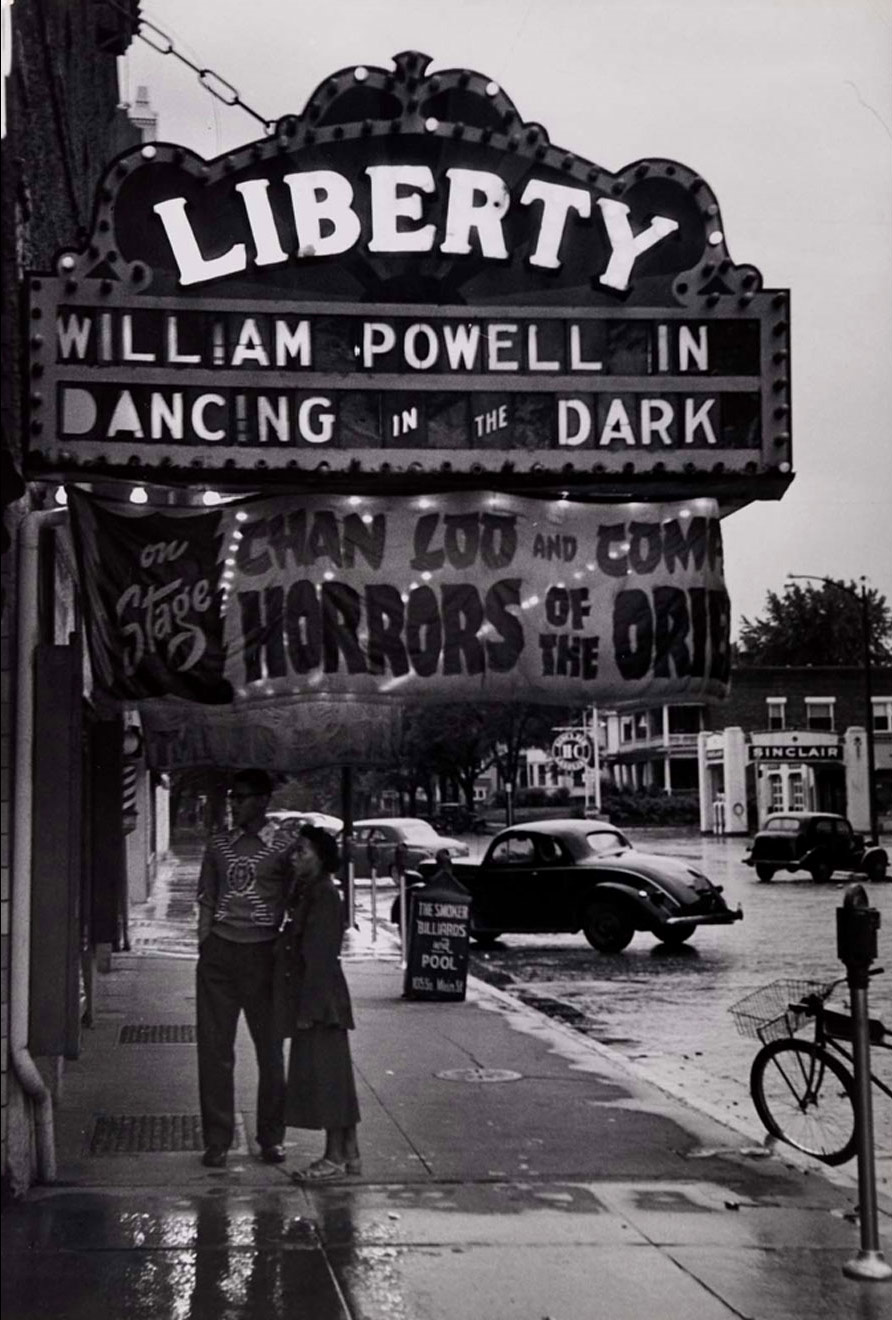
Gordon Parks (American, 1912-2006) 'Untitled (Outside the Liberty Theater)' 1950


Gordon Parks (American, 1912-2006)
Untitled (Outside the Liberty Theater)
1950
Courtesy and © The Gordon Parks Foundation
Courtesy Museum of Fine Arts, Boston


Gordon Parks (American, 1912-2006) 'Untitled, Fort Scott, Kansas' 1950


Gordon Parks (American, 1912-2006)
Untitled, Fort Scott, Kansas
1950
Courtesy and © The Gordon Parks Foundation
Courtesy Museum of Fine Arts, Boston


Gordon Parks (American, 1912-2006) 'Uncle James Parks, Fort Scott, Kansas' 1950


Gordon Parks (American, 1912-2006)
Uncle James Parks, Fort Scott, Kansas
1950
Courtesy and © The Gordon Parks Foundation
Courtesy Museum of Fine Arts, Boston


Gordon Parks (American, 1912-2006) 'Mrs. Jefferson, Fort Scott, Kansas' 1950


Gordon Parks (American, 1912-2006)
Mrs. Jefferson, Fort Scott, Kansas
1950
Courtesy and © The Gordon Parks Foundation
Courtesy Museum of Fine Arts, Boston


Museum of Fine Arts, Boston
Avenue of the Arts
465 Huntington Avenue
Boston, Massachusetts

Opening hours:
Wednesday – Monday 10am – 5pm
Closed Tuesdays

Museum of Fine Arts, Boston website

LIKE ART BLART ON FACEBOOK

Back to top

Exhibition: ‘Gordon Parks: Segregation Story’ at the High Museum of Art, Atlanta

Exhibition dates: 15th November 2014 – 21st June 2015


Gordon Parks (American, 1912-2006) 'Airline Terminal, Atlanta, Georgia' 1956


Gordon Parks (American, 1912-2006)
Airline Terminal, Atlanta, Georgia
1956
Courtesy of and copyright The Gordon Parks Foundation


The more I see of this man’s work, the more I admire it.

A sense of history, truth and injustice; a sense of beauty, colour and disenfranchisement; above all, a sense of composition and knowing the right time to take a photograph to tell the story. It’s all there, right in front of us, in almost every photograph. Photographs of institutionalised racism and the American apartheid, “the state of being apart”, laid bare for all to see.

From the languid curl and mass of the red sofa on which Mr. and Mrs. Albert Thornton, Mobile, Alabama (1956) sit, which makes them seem very small and which forms the horizontal plane, intersected by the three generations of family photos from top to bottom – youth, age, family … to the blank stare of the nanny holding the white child while the mother looks on in Airline Terminal, Atlanta, Georgia (1956). I love the amorphous mass of black at the right hand side of the this image. From the neon delightful, downward pointing arrow of ‘Colored Entrance’ in Department Store, Mobile, Alabama (1956) to the ‘WHITE ONLY’ obelisk in At Segregated Drinking Fountain, Mobile, Alabama (1956). And so the story flows on like some great river, unstoppable, unquenchable…

But then we have two of the most intimate moments of beauty that brings me to tears as I write this, the two photographs at the bottom of the posting Untitled, Shady Grove, Alabama (1956). Just look at the light that Parks uses, this drawing with light. And then the use of depth of field, colour, composition (horizontal, vertical and diagonal elements) that leads the eye into these images and the utter, what can you say, engagement – no – quiescent knowingness on the children’s faces (like an old soul in a young body). This is a wondrous thing.

Notice how the photographer has pre-exposed the sheet of film so that the highlights in both images do not blow out. Pre-exposing the film lessens the contrast range allowing shadow detail and highlight areas to be held in balance. Also notice how in both images the photographer lets the eye settle in the centre of the image – in the photograph of the boy, the out of focus stairs in the distance; in the photograph of the three girls, the bonnet of the red car – before he then pulls our gaze back and to the right of the image to let the viewer focus on the faces of his subjects. In both photographs we have vertical elements (a door jam and a telegraph post) coming out of the red colours in the images and this vertically is reinforced in the image of the three girls by the rising ladder of the back of the chair. Masterful image making, this push and pull, this bravura art of creation.

Surely, Gordon Parks ranks up there with the greatest photographers of the 20th century.

Dr Marcus Bunyan


Many thankx to the High Museum of Art for allowing me to publish the photographs in the posting. Please click on the photographs for a larger version of the image. Many thanx also to Carlos Eguiguren for sending me his portrait of Gordon Parks taken in New York in 1985, which reveals a wonderful vulnerability within the artist.


Carlos Eguiguren (Chile, b. 1955) 'Gordon Parks, New York' 1985


Carlos Eguiguren (Chile, b. 1955)
Gordon Parks, New York
1985
4 x 5″ transparency film
© Carlos Eguiguren


Gordon Parks (American, 1912-2006) 'Mr. and Mrs. Albert Thornton, Mobile, Alabama' 1956


Gordon Parks (American, 1912-2006)
Mr. and Mrs. Albert Thornton, Mobile, Alabama
1956
Promised gift of The Gordon Parks Foundation
Courtesy of and copyright The Gordon Parks Foundation


This portrait of Mr. and Mrs. Albert Thornton Sr., aged 82 and 70, served as the opening image of Parks’s photo essay. The well-dressed couple stares directly into the camera, asserting their status as patriarch and matriarch of their extensive Southern family. Photography is featured prominently within the image: a framed portrait, made shortly after the couple was married in 1906, hangs on the wall behind them, while family snapshots, including some of the Thorntons’ nine children and nineteen grandchildren, are proudly displayed on the coffee table in the foreground.


Gordon Parks (American, 1912-2006) 'Department Store, Mobile, Alabama' 1956


Gordon Parks (American, 1912-2006)
Department Store, Mobile, Alabama
1956
Promised gift of The Gordon Parks Foundation
Courtesy of and copyright The Gordon Parks Foundation


Joanne Wilson, one of the Thorntons’ daughters, is shown standing with her niece in front of a department store in downtown Mobile. The pair is impeccably dressed in light, summery frocks. The jarring neon of the “Colored Entrance” sign looming above them clashes with the two young women’s elegant appearance, transforming a casual afternoon outing into an example of overt discrimination. Notice the fallen strap of Wilson’s slip. Though this detail might appear discordant with the rest of the picture, its inclusion may have been strategic: it allowed Parks to emphasise the humanity of his subjects.


Gordon Parks (American, 1912-2006) 'Outside Looking In, Mobile, Alabama' 1956


Gordon Parks (American, 1912-2006)
Outside Looking In, Mobile, Alabama
1956
Promised gift of The Gordon Parks Foundation
Courtesy of and copyright The Gordon Parks Foundation


A group of children peers across a chain-link fence into a whites-only playground with a Ferris wheel. Although they had access to a “separate but equal” recreational area in their own neighbourhood, this photograph captures the allure of this other, inaccessible space. The children, likely innocent to the cruel implications of their exclusion, longingly reach their hands out to the mysterious and forbidden arena beyond. The pristinely manicured lawn on the other side of the fence contrasts with the overgrowth of weeds in the foreground, suggesting the persistent reality of racial inequality.


Gordon Parks (American, 1912-2006) 'At Segregated Drinking Fountain, Mobile, Alabama' 1956


Gordon Parks (American, 1912-2006)
At Segregated Drinking Fountain, Mobile, Alabama
1956
Promised gift of The Gordon Parks Foundation
Courtesy of and copyright The Gordon Parks Foundation


The Jim Crow laws established in the South ensured that public amenities remained racially segregated. These laws applied to schools, public transportation, restaurants, recreational facilities, and even drinking fountains, as shown here. The photograph documents the prevalence of such prejudice, while at the same time capturing a scene of compassion. Here, a gentleman helps one of the young girls reach the fountain to have a refreshing drink of water.


Gordon Parks (American, 1912-2006) 'Ondria Tanner and Her Grandmother Window-Shopping, Mobile, Alabama' 1956


Gordon Parks (American, 1912-2006)
Ondria Tanner and Her Grandmother Window-Shopping, Mobile, Alabama
1956
Promised gift of The Gordon Parks Foundation
Courtesy of and copyright The Gordon Parks Foundation


RARE PHOTOS BY GORDON PARKS PREMIERE AT HIGH MUSEUM OF ART

Featuring works created for Parks’ powerful 1956 Life magazine photo essay that have never been publicly exhibited.

The High Museum of Art presents rarely seen photographs by trailblazing African American artist and filmmaker Gordon Parks in Gordon Parks: Segregation Story on view November 15, 2014 through June 21, 2015.

The exhibition, presented in collaboration with The Gordon Parks Foundation, features more than 40 of Parks’ colour prints – most on view for the first time – created for a powerful and influential 1950s Life magazine article documenting the lives of an extended African-American family in segregated Alabama. The series represents one of Parks’ earliest social documentary studies on colour film. The High will acquire 12 of the colour prints featured in the exhibition, supplementing the two Parks works – both gelatin silver prints – already owned by the High. These works augment the Museum’s extensive collection of Civil Rights era photography, one of the most significant in the nation.

Following the publication of the Life article, many of the photos Parks shot for the essay were stored away and presumed lost for more than 50 years until they were rediscovered in 2012 (six years after Parks’ death). Though a small selection of these images has been previously exhibited, the High’s presentation brings to light a significant number that have never before been displayed publicly. As the first African-American photographer for Life magazine, Parks published some of the 20th century’s most iconic social justice-themed photo essays and became widely celebrated for his black-and-white photography, the dominant medium of his era. The photographs that Parks created for Life’s 1956 photo essay The Restraints: Open and Hidden are remarkable for their vibrant colour and their intimate exploration of shared human experience.

The images provide a unique perspective on one of America’s most controversial periods. Rather than capturing momentous scenes of the struggle for civil rights, Parks portrayed a family going about daily life in unjust circumstances. Parks believed empathy to be vital to the undoing of racial prejudice. His corresponding approach to the Life project eschewed the journalistic norms of the day and represented an important chapter in Parks’ career-long endeavour to use the camera as his “weapon of choice” for social change. The Restraints: Open and Hidden gave Parks his first national platform to challenge segregation. The images he created offered a deeper look at life in the Jim Crow South, transcending stereotypes to reveal a common humanity.

“Parks’ images brought the segregated South to the public consciousness in a very poignant way – not only in colour, but also through the eyes of one of the century’s most influential documentarians,” said Brett Abbott, exhibition curator and Keough Family curator of photography and head of collections at the High. “To present these works in Atlanta, one of the centres of the Civil Rights Movement, is a rare and exciting opportunity for the High. It is also a privilege to add Parks’ images to our collection, which will allow the High to share his unique perspective with generations of visitors to come.

A Day in the Life

For The Restraints: Open and Hidden, Parks focused on the everyday activities of the related Thornton, Causey and Tanner families in and near Mobile, Ala. The images present scenes of Sunday church services, family gatherings, farm work, domestic duties, child’s play, window shopping and at-home haircuts – all in the context of the restraints of the Jim Crow South.

Key images in the exhibition include:

~ Mr. and Mrs. Albert Thornton, Mobile Alabama (1956)
~ Outside Looking In, Mobile, Alabama (1956)
~ Department Store, Mobile Alabama (1956)
~ Airline Terminal, Atlanta, Georgia (1956)
~ Willie Causey, Jr., with Gun During Violence in Alabama, Shady Grove, Alabama (1956)

About Gordon Parks

Gordon Parks was born in Fort Scott, Kansas. He grew up poor and faced racial discrimination. Parks was initially drawn to photography as a young man after seeing images of migrant workers published in a magazine, which made him realise photography’s potential to alter perspective. Parks became a self-taught photographer after purchasing his first camera at a pawnshop, and he honed his skills during a stint as a society and fashion photographer in Chicago. After earning a Julius Rosenwald Fellowship for his gritty photographs of that city’s South Side, the Farm Security Administration hired Parks in the early 1940s to document the current social conditions of the nation.

By 1944, Parks was the only black photographer working for Vogue, and he joined Life magazine in 1948 as the first African-American staff photographer. In 1970, Parks co-founded Essence magazine and served as the editorial director for the first three years of its publication. Parks later became Hollywood’s first major black director when he released the film adaptation of his autobiographical novel The Learning Tree, for which he also composed the musical score, however he is best known as the director of the 1971 hit movie Shaft. Parks received the National Medal of Arts in 1988 and received more than 50 honorary doctorates over the course of his career. He died in 2006

About The Gordon Parks Foundation

The Gordon Parks Foundation permanently preserves the work of Gordon Parks, makes it available to the public through exhibitions, books, and electronic media and supports artistic and educational activities that advance what Gordon described as “the common search for a better life and a better world.” The Foundation is a division of The Meserve-Kunhardt Foundation.

Press release from the High Museum of Art


Gordon Parks (American, 1912-2006) 'Untitled, Alabama' 1956


Gordon Parks (American, 1912-2006)
Untitled, Alabama
1956
Collection of The Gordon Parks Foundation
Courtesy of and copyright The Gordon Parks Foundation


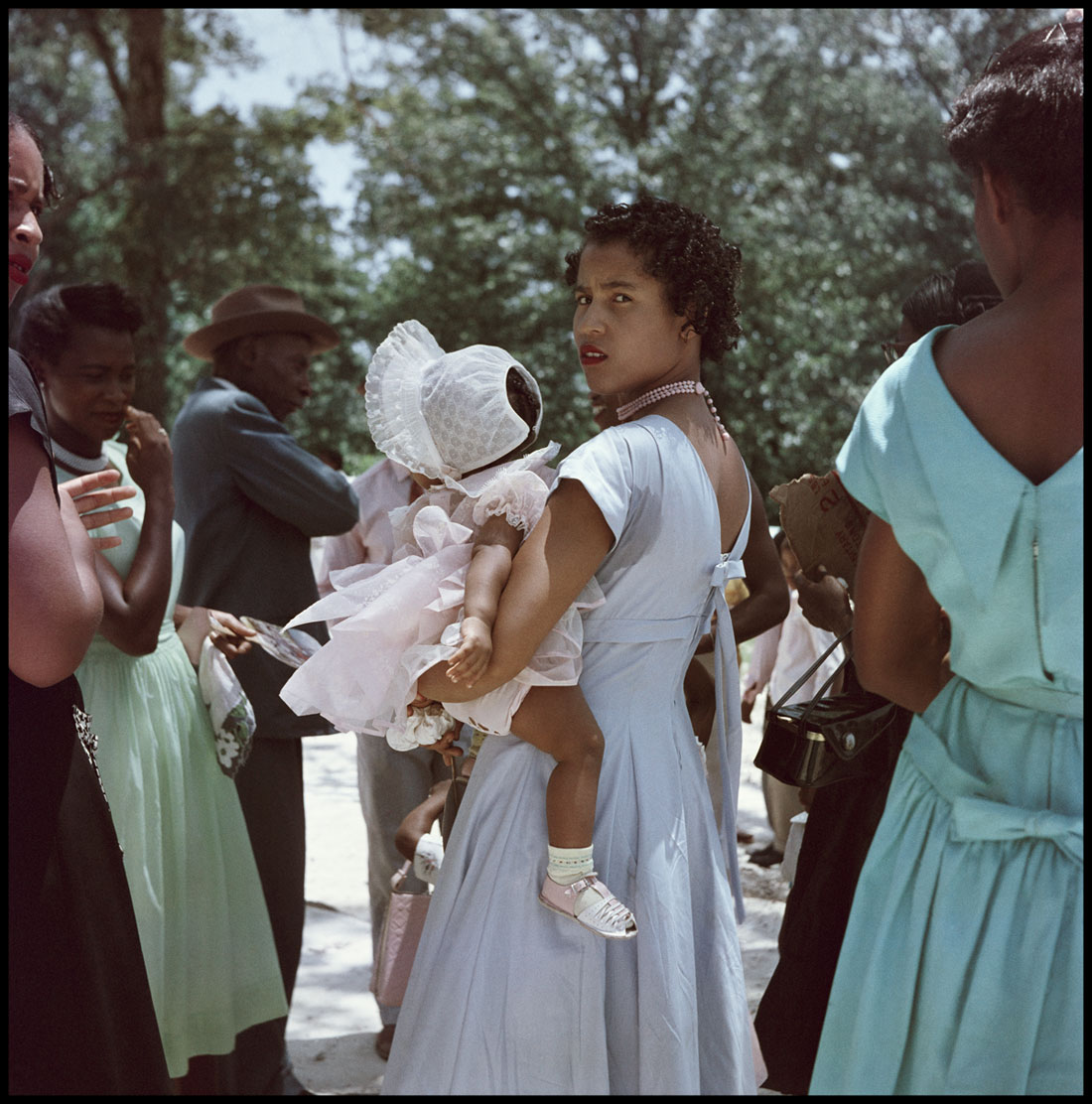
Gordon Parks (American, 1912-2006) 'Untitled, Shady Grove, Alabama' 1956


Gordon Parks (American, 1912-2006)
Untitled, Shady Grove, Alabama
1956
Collection of The Gordon Parks Foundation
Courtesy of and copyright The Gordon Parks Foundation


Gordon Parks (American, 1912-2006) 'Store Front, Mobile Alabama' 1956


Gordon Parks (American, 1912-2006)
Store Front, Mobile Alabama
1956
Collection of The Gordon Parks Foundation
Courtesy of and copyright The Gordon Parks Foundation


Gordon Parks (American, 1912-2006) 'Untitled, Shady Grove, Alabama' 1956


Gordon Parks (American, 1912-2006)
Untitled, Shady Grove, Alabama
1956
Collection of The Gordon Parks Foundation
Courtesy of and copyright The Gordon Parks Foundation


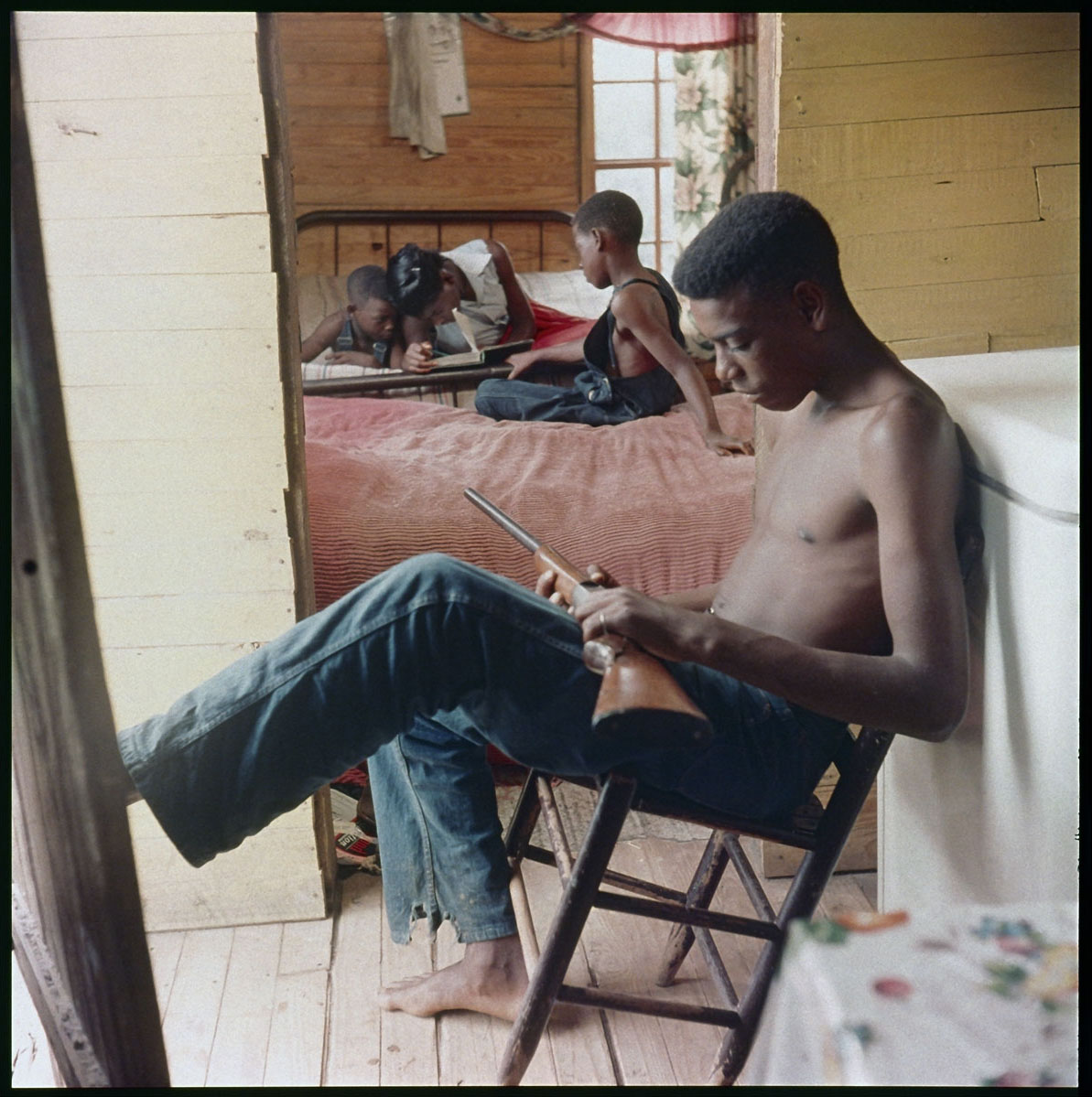
Gordon Parks (American, 1912-2006) 'Willie Causey, Jr., with Gun During Violence in Alabama, Shady Grove, Alabama' 1956


Gordon Parks (American, 1912-2006)
Willie Causey, Jr., with Gun During Violence in Alabama, Shady Grove, Alabama
1956
Collection of The Gordon Parks Foundation
Courtesy of and copyright The Gordon Parks Foundation


Gordon Parks (American, 1912-2006) 'Untitled, Shady Grove, Alabama' 1956


Gordon Parks (American, 1912-2006)
Untitled, Shady Grove, Alabama
1956
Collection of The Gordon Parks Foundation
Courtesy of and copyright The Gordon Parks Foundation


Gordon Parks (American, 1912-2006) 'Untitled, Shady Grove, Alabama' 1956


Gordon Parks (American, 1912-2006)
Untitled, Shady Grove, Alabama
1956
Collection of The Gordon Parks Foundation
Courtesy of and copyright The Gordon Parks Foundation


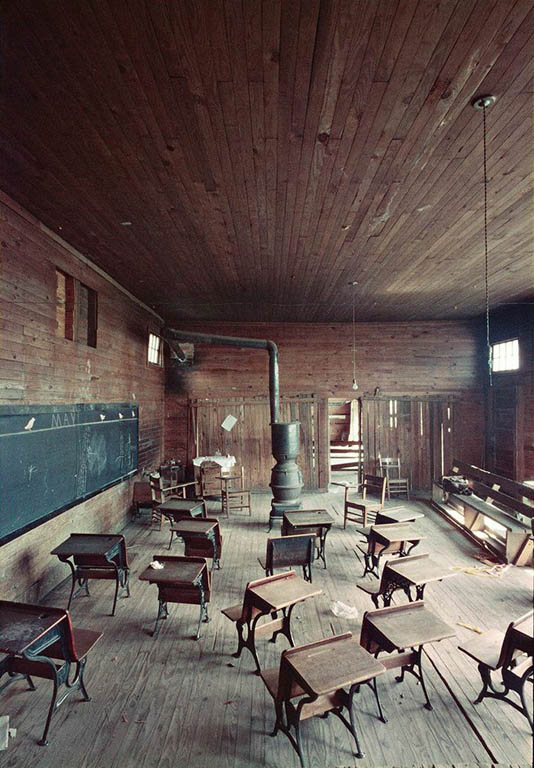
Gordon Parks (American, 1912-2006) 'Black Classroom, Shady Grove, Alabama' 1956


Gordon Parks (American, 1912-2006)
Black Classroom, Shady Grove, Alabama
1956
Promised gift of The Gordon Parks Foundation
Courtesy of and copyright The Gordon Parks Foundation


Although this photograph was taken in the 1950s, the wood-panelled interior, with a wood-burning stove at its centre, is reminiscent of an earlier time. Parks’s photograph of the segregated schoolhouse, here emptied of its students, evokes both the poetic and prosaic: springtime sunlight streams through the missing slats on the doors, while scraps of paper, rope, and other detritus litter the uneven floorboards. One of the Thorntons’ daughters, Allie Lee Causey, taught elementary-grade students in this dilapidated, four-room structure. After Parks’s article was published in Life, Mrs. Causey, who was quoted speaking out against segregation, was suspended from her job. She never held a teaching position again.


High Museum of Art
1280 Peachtree Street,
N.E. Atlanta, GA 30309

Opening hours:
Monday – Closed
Tuesday – Saturday 10am – 5pm
Sunday 12 – 5pm

High Museum of Art website

LIKE ART BLART ON FACEBOOK

Back to top

Exhibition: ‘The Social Medium’ at the deCordova Sculpture Park and Museum, Lincoln, MA

Exhibition dates: 31st October 2014 – 19th April 2015


Charles "Teenie" Harris (American, 1908-1998) 'Three men and three women, seated as couples in banquette in bar or restaurant advertising "Fried Shrimp Plate $.85" and "1/4 Fried Chicken $.70"' c. 1959; printed 2001


Charles “Teenie” Harris (American, 1908-1998)
Three men and three women, seated as couples in banquette in bar or restaurant advertising “Fried Shrimp Plate $.85” and “1/4 Fried Chicken $.70”
c. 1959; printed 2001
Silver gelatin print
Gift of Arlette and Gus Kayafas


Another fun posting to add to the archive!

Marcus


Many thankx to the deCordova Sculpture Park and Museum for allowing me to publish some of the photographs in the posting. Please click on the photographs for a larger version of the image.


Charles "Teenie" Harris (American, 1908-1998) 'Photographer taking picture of Muhammad Ali (Cassius Clay) possibly in Carlton House Hotel, Downtown' 1963; printed 2001


Charles “Teenie” Harris (American, 1908-1998)
Photographer taking picture of Muhammad Ali (Cassius Clay) possibly in Carlton House Hotel, Downtown
1963; printed 2001
Silver gelatin print
Gift of Arlette and Gus Kayafas


Charles “Teenie” Harris photographed the African-American community of his hometown of Pittsburgh, primarily for the Pittsburgh Courier, the preeminent national African-American newspaper (c. 1930-1960). Photographing community members, visiting political figures, athletes, and entertainers, Harris set out to balance negative views of African-Americans and their communities. Nicknamed “One-Shot,” Harris photographed confidently and with ease, rarely asking his subjects to pose more than once. The resulting 80,000 negatives make up one of the largest collections of photographs of a black urban community in the United States. Harris’ artistic output helps define photography as a tool for preserving the past, his photographs serving as invaluable documentation of the spirit of a particular time, place, and people.

Prefiguring the paparazzi images of celebrities that pervade contemporary media, Harris’ photographs of singer / actress Lena Horne and boxer Cassius Clay (Muhammad Ali) capture his famous subjects in relaxed settings that humanise them. Furthermore, Harris’ photograph of Clay shows the boxer having his portrait taken by another photographer, giving Harris’ image of a photograph-in-process an even greater behind-the-scenes feel.


Jules Aarons (American, 1921-2008) 'Untitled (Bronx)', from the portfolio 'In The Jewish Neighborhoods 1946-76' c. 1970; printed 2003


Jules Aarons (American, 1921-2008)
Untitled (Bronx), from the portfolio In The Jewish Neighborhoods 1946-76
c. 1970; printed 2003
Silver gelatin print, printer’s proof II
Gift of Arlette and Gus Kayafas


Jules Aarons was one of the most respected and prolific American social documentary photographers in the twentieth century. His street photography captured personal moments in the public eye within the urban neighbourhoods in which he lived: the Bronx, where he was born and raised, and Boston, where he spent the majority of his adult life. Shot with his twin lens Rolleiflex camera held at waist-level, Aarons’ images are casual, intimate, and lively. Although the artist did not personally know his subjects, his work does not exhibit the detachment found in earlier forms of social documentary photography. His deep associations with the places and people he photographed imbue his images with a warmth and familiarity.


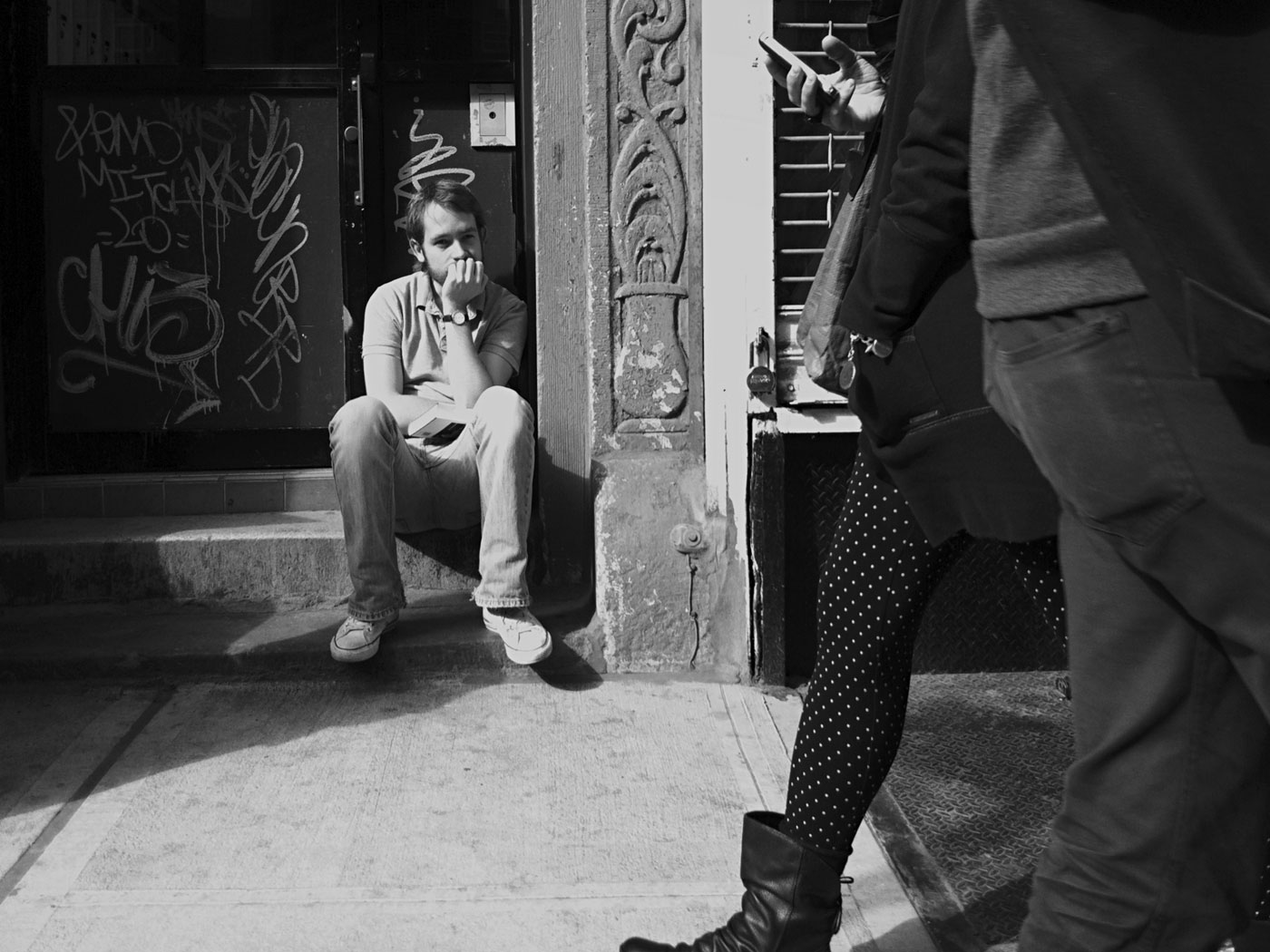
Greg Schmigel (American, b. 1969) 'Subway Triptych' 2011


Greg Schmigel (American, b. 1969)
Subway Triptych
2011
Digital photographic prints
Courtesy of the artist


Greg Schmigel (American, b. 1969) 'An Afternoon in the Sun' 2012


Greg Schmigel (American, b. 1969)
An Afternoon in the Sun
2012
Digital photographic prints
Courtesy of the artist


Greg Schmigel (American, b. 1969) 'Ideal Hosiery' 2013


Greg Schmigel (American, b. 1969)
Ideal Hosiery
2013
Digital photographic prints
Courtesy of the artist


Greg Schmigel (American, b. 1969) 'Late Day On Broadway' 2012


Greg Schmigel (American, b. 1969)
Late Day On Broadway
2012
Digital photographic prints
Courtesy of the artist


Greg Schmigel (American, b. 1969) 'This Isn't Fucking Paris' 2012


Greg Schmigel (American, b. 1969)
This Isn’t Fucking Paris
2012
Digital photographic prints
Courtesy of the artist


Greg Schmigel works in the vernacular of mid-twentieth century black and white street photography, capturing candid glimpses of everyday moments. While inspired by pioneering artists such as Jules Aarons, whose work is also on view in this gallery, Schmigel creates photographs with a decidedly twenty-first century quality. A mobile photographer since 2007, his device of choice is the most itinerant and convenient camera available: his iPhone. In his work, Schmigel emphasises that the production of a good photograph is due mainly to the eye of the photographer, and not necessarily dependent on the equipment he uses.

By producing black and white prints from his digital images, the artist casts a timeless aura over contemporary scenes. In photographs such as Ideal Hosiery, the faded signs of a New York City street corner provide an uncanny setting that could easily be found in a photograph taken many decades ago. In other images, however, the omnipresence of smartphones in the hands of pedestrians instantly signals the twenty-first century. In these photographs, Schmigel aptly captures the ironic isolation caused by the very technology created to increase interpersonal communication.


Presented at a time when the compulsion to digitally document and share human activity has increased exponentially, this exhibition features works from deCordova’s permanent collection that prefigure and inform current trends in social photography, as well as recent work by contemporary artists who utilise smartphones and social media to record the world around them. The Social Medium features work spanning from the mid-twentieth century to the present, and includes multiple photographic genres such as social documentary, street, society/celebrity, and portrait photography.

The Social Medium was largely inspired by a recent gift of one of Andy Warhol’s Little Red Books, which contains a set of colour Polaroids. With his camera, Warhol documented the events of his life – from glamorous celebrity parties to mundane occurrences. The arrival of these photographs, which record Warhol’s artistic and social milieu (or environment), created an opportunity to examine the work of other artists who also photograph social experience. Together, the images in this exhibition speak to the continued relevance of the photographic medium’s singular power to capture and preserve personal and societal histories, and provide a selective history of the camera’s role as an extension of memory and a tool that is at once a witness to and participant in human social activity.

Text from the deCordova Sculpture Park and Museum


Eugene Richards (American, b. 1944) 'First Communion, Dorchester' 1976


Eugene Richards (American, b. 1944)
First Communion, Dorchester
1976
Silver gelatin print
Gift of the artist


Eugene Richards captures a specific, local community in which he was embedded, to offer us uncanny views of small-town America. In the 1970s, Richards returned to his native Boston neighbourhood and produced photographs such as First Communion, which would later comprise his seminal book, Dorchester Days (1978). Richards documented a small section of urban Boston at a time when racial tensions and economic decline were defining Dorchester along with swaths of American cities and towns in similar states of transition and decline. First Communion captures a moment that nods towards social frictions at large, where religious traditions and street life converge in ambiguously innocent tension.


Larry Fink (American, 1941-2023) 'N.Y.C. Club Cornich', from the portfolio '82 Photographs 1974 to 1982' 1977; printed 1983


Larry Fink (American, 1941-2023)
N.Y.C. Club Cornich, from the portfolio 82 Photographs 1974 to 1982
1977; printed 1983
Silver gelatin print, 28/30
Gift of Diane and Eric Pearlman


Larry Fink (American, 1941-2023) 'N.Y.C. Club Cornich', from the portfolio '82 Photographs 1974 to 1982' 1977; printed 1983


Larry Fink (American, 1941-2023)
N.Y.C. Club Cornich, from the portfolio 82 Photographs 1974 to 1982
1977; printed 1983
Silver gelatin print, 28/30
Gift of Diane and Eric Pearlman


Larry Fink (American, 1941-2023) 'Peter Beard's, East Hampton', from the portfolio '82 Photographs 1974 to 1982' 1982; printed 1983


Larry Fink (American, 1941-2023)
Peter Beard’s, East Hampton, from the portfolio 82 Photographs 1974 to 1982
1982; printed 1983
Silver gelatin print, 28/30
Gift of Diane and Eric Pearlman


Larry Fink is a prominent American photographer who is best known for capturing images of high-profile social events. Fink’s images from the 1970s and 1980s capture individual vignettes within social gatherings, and nod to the development of documentary photography within the image-driven culture of the second half of the twentieth century. These photographs from Fink’s series 82 Photographs 1974 to 1982 and Making Out 1957-1980 depict scenes from clubs and parties in and around New York City. Fink’s subjects are caught off-guard by his camera, and their expressions provide windows into their weariness or giddy party euphoria. Capturing groups and individuals at surprisingly intimate and vulnerable moments, his photographs subtly reveal the disconnect often found between a subject’s public image and his or her inner self. For example, in Peter Beard’s, East Hampton, Fink captures a dynamic group of people in various levels of engagement with one another. While some are intertwined, others glance outward to the party beyond, having seemingly lost interest in the gathering at hand.


Tod Papageorge (American, b. 1940) 'Studio 54' 1977


Tod Papageorge (American, b. 1940)
Studio 54
1977
Silver gelatin print
Gift of Pete and Constance Kayafas


In this photograph, Tod Papageorge captures revellers in gritty black and white, employing straightforward photography to show significant, poetic moments from everyday life. Highlighted by the timeless quality of a silver gelatin print, his photograph of partygoers at the infamous New York City nightclub, Studio 54, captures such a scene. Dramatic without arranging its subjects, Papageorge’s photograph freezes the precise moment just before the woman’s upstretched hand makes contact with balloon floating wistfully above her head.


Phillip Maisel (American, b. 1981) 'Wall Photos', from the series 'A More Open Place' 2010


Phillip Maisel (American, b. 1981)
Wall Photos, from the series A More Open Place
2010
Archival inkjet print
Courtesy of the artist


Phillip Maisel (American, b. 1981) 'Profile Pictures (4702)', from the series 'A More Open Face' 2011


Phillip Maisel (American, b. 1981)
Profile Pictures (4702), from the series A More Open Face
2011
Archival inkjet print
Courtesy of the artist


Phillip Maisel’s photographs are layered, ethereal images that evoke the fleeting nature of memories. Though nostalgic in tone, these images derive from a very contemporary source. Setting long exposures on his camera, the artist captures the images appearing on his computer screen as he clicked through his friends’ Facebook albums. The resulting picture-of-pictures is twice removed from its source, emphasising the swollen state of image culture and the manner in which digital images are created, uploaded, and discarded at an ever increasing rate.

The title of these series derives from Facebook founder Mark Zuckerberg, who noted that, through the social media platform, he was trying “to make the world a more open place.” Facebook and other sites have certainly achieved that; however, this extreme openness, the compulsion to over-share personal images and information, creates a paradox given the subsequent lack of privacy inherent in these activities. Maisel’s work comments on this contemporary phenomenon in which individuals willingly share images of their private memories in public venues. Furthermore, by reducing a collection of images to a single photograph, the artist manifests the compression of time and space in the internet age. This layering of images is also a form of erasure; each new image obscures the last, consistently degrading the significance of each individual picture and memory.


Neal Slavin (American, b. 1941) 'Capitol Wrestling Corporation, Washington, D.C .,' from the portfolio 'Groups in America' 1979


Neal Slavin (American, b. 1941)
Capitol Wrestling Corporation, Washington, D.C ., from the portfolio Groups in America
1979
Color coupler print, 60/75
Gift of Stephen L. Singer and Linda G. Singer


Neal Slavin is acclaimed for his group portraits, which range from corporate associates to recreational cohorts to families. The photographs on display offer astute yet humorous studies of groups with specific shared interests that lay at the edges of societal norms. In Slavin’s images, no single member of the group pulls focus from the others and the ultimate personality of the portrait hinges upon the collective aura.


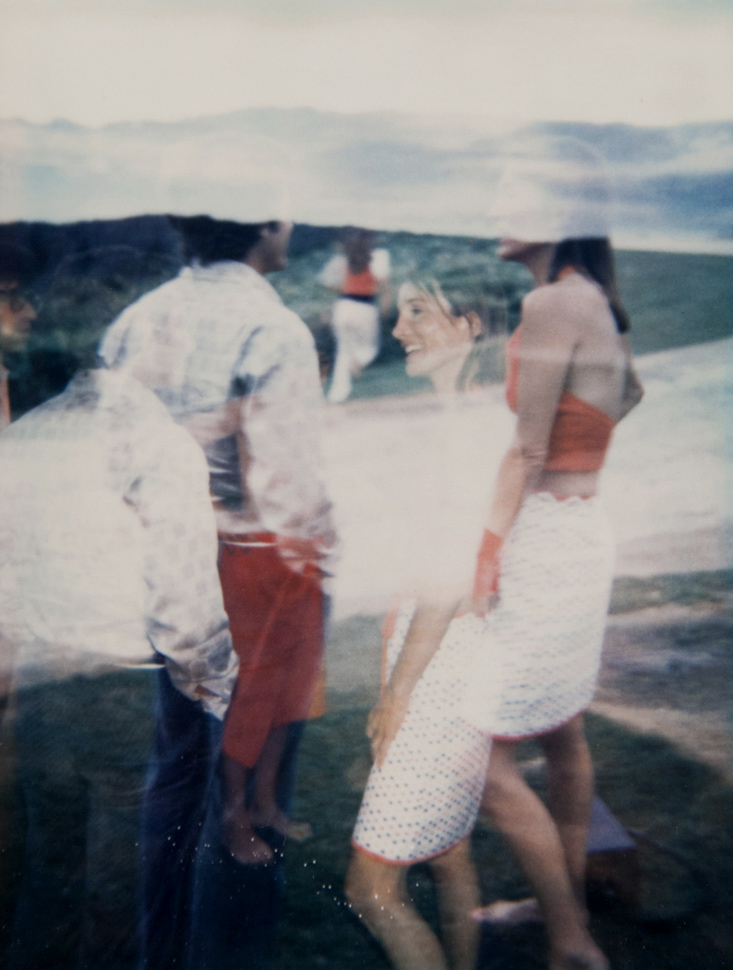
Andy Warhol (American, 1928-1987) 'The Little Red Book 128' 1972


Andy Warhol (American, 1928-1987)
The Little Red Book 128
1972
Twenty Polacolor Type 108 Polaroid prints
Gift of The Andy Warhol Foundation for the Visual Arts, Inc. 2014

Examples of Polaroids in book. 20 total.


During the 1970s and early 1980s, Andy Warhol used the Polaroid colour film camera. A then-novel technology which developed photographs in a matter of seconds, he employed it to document the events of his life – from the most glamorous celebrity parties to the most mundane and inconsequential occurrences. Warhol catalogued many of these photographs into small red Holston Polaroid albums, consequently known as Little Red Books. DeCordova’s Little Red Book 128, recently donated to the museum by The Warhol Foundation, features twenty photographs from a day in 1972 that Warhol shared with acclaimed writer Truman Capote, socialite Lee Radziwill and her family, and his business associates Vincent Fremont, Fred Hughes, and Jed Johnson. Consisting of both staged portraits and casual snapshots, the book is part paparazzi portfolio and part quaint family album.

Throughout the height of his fame, Andy Warhol was rarely without a camera in hand. The enigmatic artist often preferred social situations to be passively mitigated by his camera lens, rather than experienced physically and emotionally. In many ways, Warhol’s detachment mirrors a contemporary reliance on electronic forms of communication that limit human contact. Warhol once said, “In the future, everyone will be world – famous for 15 minutes.” Unsurprisingly, in all his work and in this collection of Polaroids, the artist blurs the lines between public / private and commoner / celebrity in a manner which is eerily prophetic of current social media platforms, such as Facebook, Twitter, Instagram, YouTube, among others, which allow anyone and everyone to have their Warholian 15 minutes of fame, or perhaps even just 15 seconds of infamy.


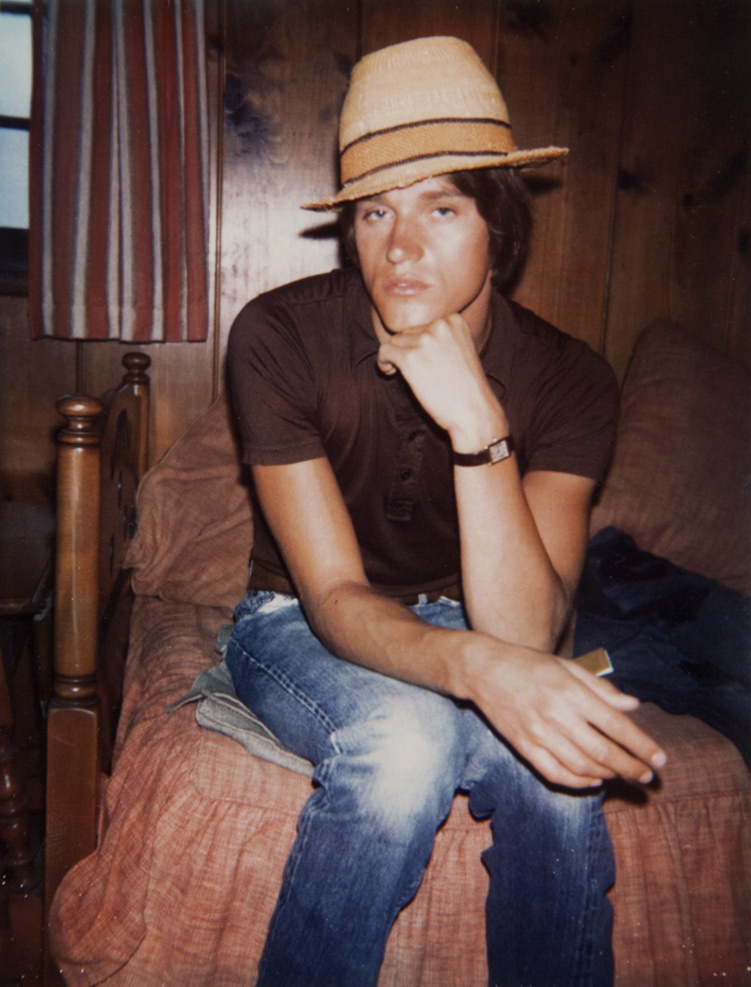
Andy Warhol (American, 1928-1987) 'Anthony Radziwill' 1972


Andy Warhol (American, 1928-1987)
Anthony Radziwill
1972
Polacolor Type 108 Polaroid print


Prince Anthony Stanislaw Albert Radziwill (4 August 1959 – 10 August 1999) was an American television executive and filmmaker.

Born in Lausanne, Switzerland, Radziwill was the son of socialite / actress Caroline Lee Bouvier (younger sister of First Lady Jacqueline Lee Bouvier) and Polish Prince Stanisław Albrecht Radziwiłł. He married a former ABC colleague, Emmy Award-winning journalist Carole Ann DiFalco, on 27 August 1994 on Long Island, New York.

As a member of the Radziwills, one of Central Europe’s noble families, Anthony Radziwill was customarily accorded the title of Prince and styled His Serene Highness, although he never used it. He descended from King Frederick William I of Prussia, King George I of Great Britain, and King John III Sobieski of Poland. The family’s vast hereditary fortune was lost during World War II, and Anthony’s branch of the family emigrated to England, where they became British subjects.

Radziwill’s career began at NBC Sports, as an associate producer. During the 1988 Summer Olympics in Seoul, he contributed Emmy Award-winning work. In 1989, he joined ABC News as a television producer for Prime Time Live. In 1990, he won the Peabody Award for an investigation on the resurgence of Nazism in the United States. Posthumously, Cancer: Evolution to Revolution was awarded a Peabody. His work was nominated for two Emmys.

Around 1989 he was diagnosed with testicular cancer, undergoing treatment which left him sterile, but in apparent remission. However, shortly before his wedding, new tumours emerged. Radziwill battled metastasising cancer throughout his five years of marriage, his wife serving as his primary caretaker through a succession of oncologists, hospitals, operations and experimental treatments. The couple lived in New York, and both Radziwill and his wife tried to maintain their careers as journalists between his bouts of hospitalisation. During this period, Radziwill became especially close to his aunt Jacqueline Kennedy Onassis, who was also terminally ill with cancer. He died on 10 August 1999, and was survived by his sister, Anna Christina Radziwill.

Text from the Wikipedia website


Andy Warhol (American, 1928-1987) 'Lee Radziwill' 1972


Andy Warhol (American, 1928-1987)
Lee Radziwill
1972
Polacolor Type 108 Polaroid print


Andy Warhol (American, 1928-1987) 'Jed Johnson' 1972


Andy Warhol (American, 1928-1987)
Jed Johnson
1972
Polacolor Type 108 Polaroid print


Jed Johnson (December 30, 1948 – July 17, 1996) was an American interior designer and film director. Initially hired by Andy Warhol to sweep floors at Warhol’s Factory, he subsequently moved in with Warhol and became his lover. As a passenger in the First Class cabin, he was killed when TWA Flight 800 exploded shortly after takeoff in 1996.


Andy Warhol (American, 1928-1987) 'Truman Capote' 1972


Andy Warhol (American, 1928-1987)
Truman Capote
1972
Polacolor Type 108 Polaroid print


deCordova Sculpture Park and Museum
51 Sandy Pond Rd, Lincoln, MA
01773, United States
Phone: +1 781-259-8355

Opening hours:
Summer
Every day
10am – 5pm

deCordova Sculpture Park and Museum website

LIKE ART BLART ON FACEBOOK

Back to top

Exhibition: ‘Walker Evans. A Life’s Work’ at Martin-Gropius-Bau Berlin

Exhibition dates: 25th July – 9th November 2014


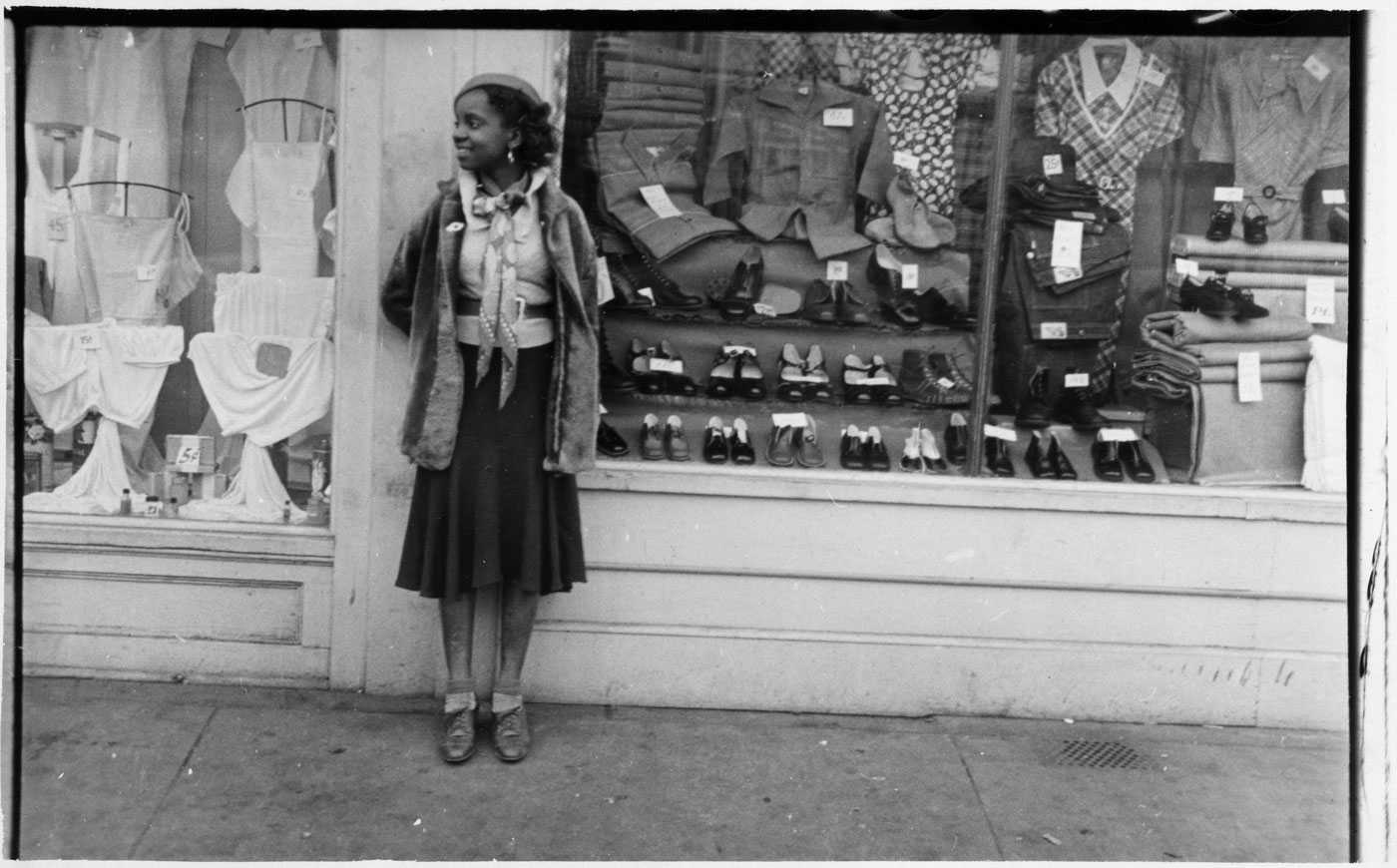
Walker Evans (American, 1903-1975) 'Young Women Outside Clothing Store' 1934-1935


Walker Evans (American, 1903-1975)
Young Women Outside Clothing Store
1934-1935
114 x 184mm
Lunn Gallery Stamp (1975)
© Walker Evans Archive, The Metropolitan Museum of Art


End of the week. Not a lot of energy or time to write an in depth piece on the wonders of Walker Evans, so just a few observations…

I like this photographer, I like him a lot. No histrionics, little subjectivity being thrown at the audience. The images are -just -so. The compositions are seemingly simple but are actually very complex. Only a skilled craftsman can make the difficult look simple. As Thomas Struth has said of his photography: ‘for me it is more interesting to try and find out something from the real than to throw something subjective in front of the audience.’

“The uninflected image gives no hints as to how it is to be interpreted, and the viewer is led to linger over what might otherwise seem an un-noteworthy, everyday vista.” It’s recognising that vista in the first place for what it is, and what else it can be, so that it ‘gives pause’ to the viewer.

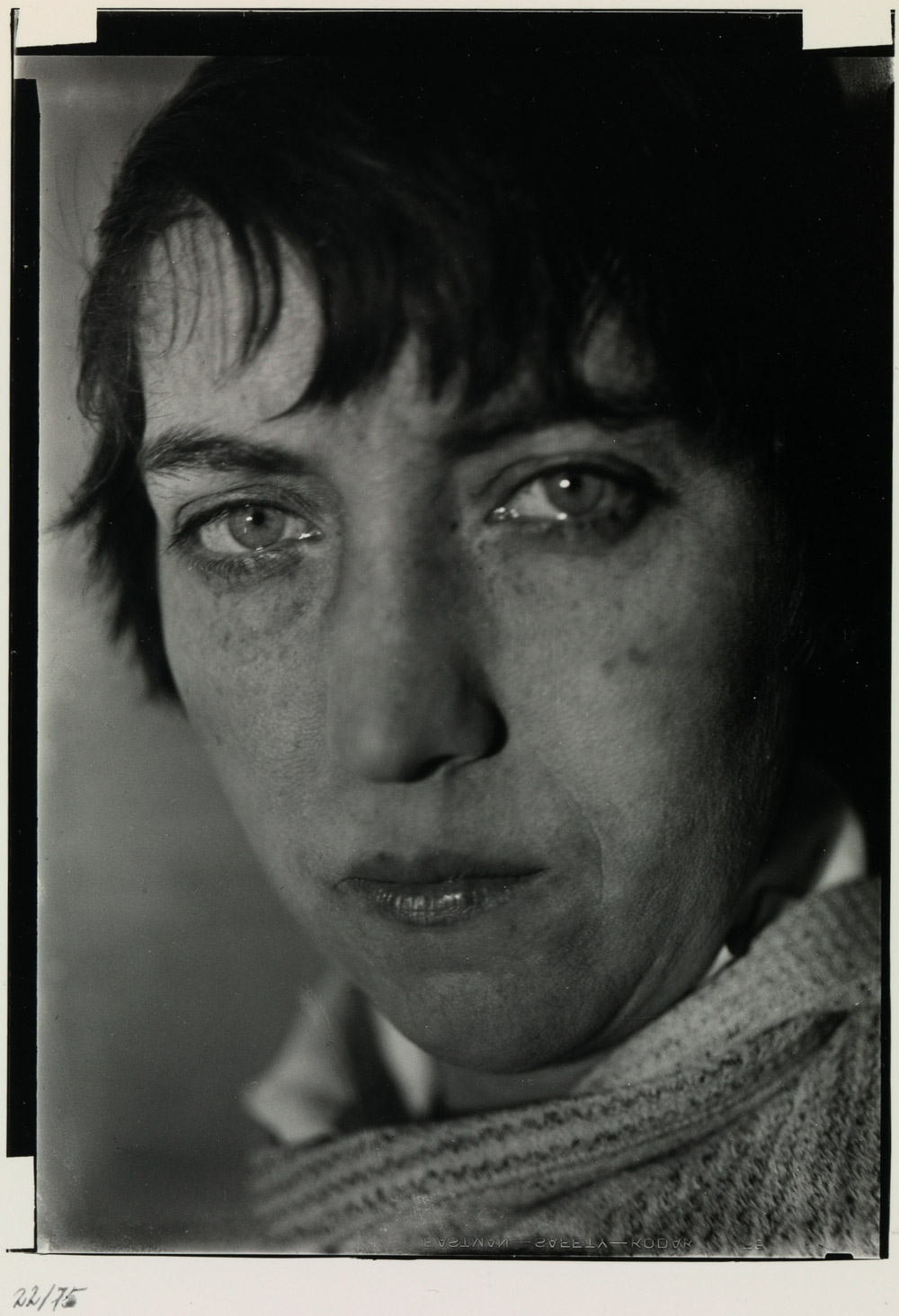
I really like the portrait of Berenice Abbott and it is also very educational. Look at the depth of field, with the view camera probably one stop past wide open. The sharpness plane is very tiny but look at the quality of the lens and how it renders the values that are slightly out of focus. What a very beautiful image and I suspect a top drawer lens. Notice also it is print 22. Walker Evans would keep a lot of prints and they were not the same. The next copy of this print might have been better (he might have worked out something to do) or it might be worse – the developer might have gone off. So it is not strictly an “edition” it is just the numbering of the prints he made.

He used every sort of camera: 8 x 10 and the smaller view formats, roll film cameras, Colour polaroid! hence the different sizes of his prints. Occasionally he did crop his images but on other occasions he took “a stance” where you knew he was about to perform and there would be no cropping. If you are really interested in this master photographer, the best Walker Evans book to get is First and Last (1978, available cheaply as a hardback on Amazon) which contains many pictures and “threads” that are dynamite… and the John Szarkowski book Walker Evans (1972) is a good one as well.

Dr Marcus Bunyan


Many thankx to Martin-Gropius-Bau for allowing me to publish the photographs in the posting. Please click on the photographs for a larger version of the image.


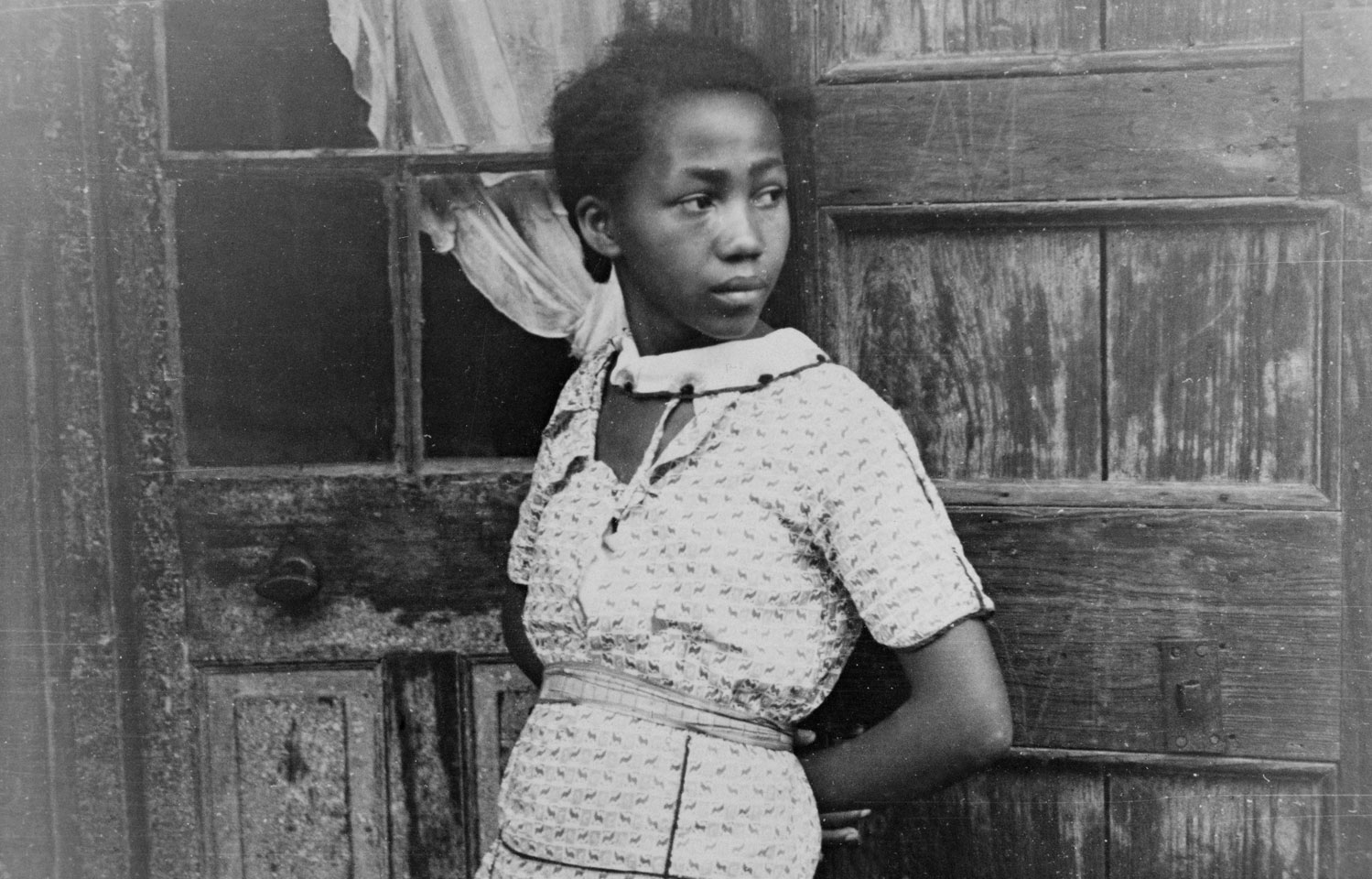
Walker Evans (American, 1903-1975) 'Two Women' Frenchquarter, New Orleans, February - March 1935


Walker Evans (American, 1903-1975)
Two Women
Frenchquarter, New Orleans, February – March 1935
155 x 219mm
Lunn Gallery Stamp (1975)
© Walker Evans Archive, The Metropolitan Museum of Art


Walker Evans (American, 1903-1975) 'Girl In French Quarter' New Orleans, February - March 1935


Walker Evans (American, 1903-1975)
Girl In French Quarter
New Orleans, February – March 1935
117 x 178mm
Lunn Gallery Stamp (1975)
© Walker Evans Archive, The Metropolitan Museum of Art


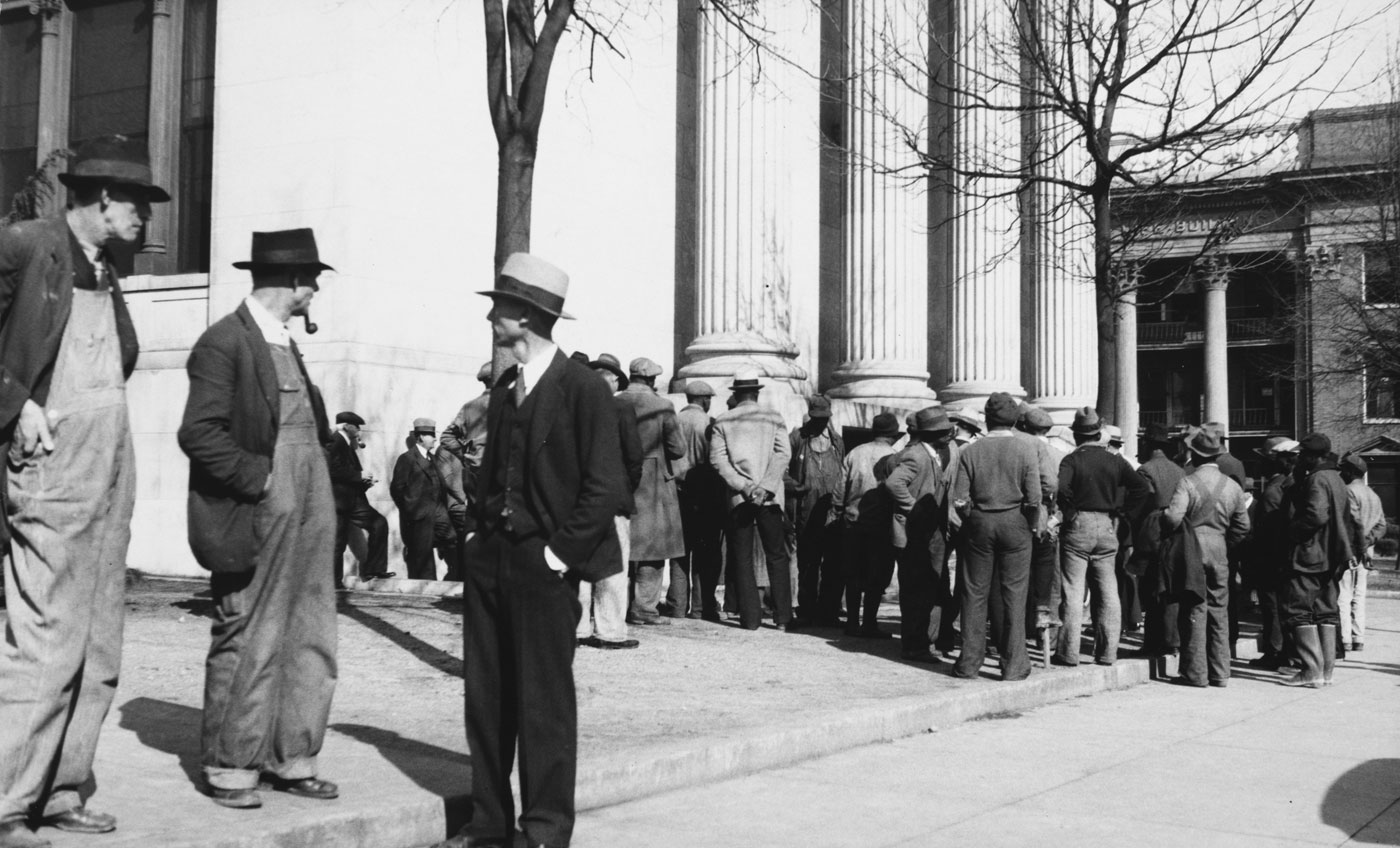
Walker Evans (American, 1903-1975) 'Crowd In Public Square' 1930s


Walker Evans (American, 1903-1975)
Crowd In Public Square
1930s
143 x 248mm
Lunn Gallery Stamp (1975)
© Walker Evans Archive, The Metropolitan Museum of Art


Walker Evans (American, 1903-1975) 'Berenice Abbott' 1929-1930


Walker Evans (American, 1903-1975)
Berenice Abbott
1929-1930
© Walker Evans Archive, The Metropolitan Museum of Art


Walker Evans (1903-1975) was one of the great personalities of 20th century photography, being an exponent of what is called the “documentary style”. His work, which spans a period of over fifty years, will be represented by well over 200 original prints from the years 1928 to 1974, taken mostly from the considerable private collection of Clark and Joan Worswick, but also from various German collections.

For decades, right up to the present, the prolific photographic oeuvre of Walker Evans has acquired an increasingly model character. In the half century of his creative activity the photographer documented in sober documentary fashion a uniquely authentic picture of America, and like no other before him showed a particular feel for both the everyday and the subtle – the American Vernacular – creating a sense of identity and historic significance.

Visitors follow both Evans’ biography and the changing face of America, from the Great Depression to the onset of stability and business as usual: early impressions of the 1920s from the New York neighbourhood he lived in; portraits of his friends and fellow artists which give some indication of the ramified cultural ambience he inhabited; specimens of 19th century architecture that have blended into the evolving cultural life about them; picture cycles from Tahiti and Cuba; images of African sculptures and masks commissioned by the New York Museum of Modern Art; and numerous photographs taken in the 1930s in the rural south of the USA, which contrast starkly with the lifestyles of those who may be seen promenading in the fashionable streets of cities like New York.

In addition to street scenes, American monuments and shop window displays far from the world of “big business”, examples of his significant subway photographs are to be seen, taken with a hidden camera. We also see interiors whose modest appointments tell of the life of those who live in them, pictures that inevitably recall Evans’ remark that “I do like to suggest people by absence”. Evans’ predilection for typography, advertising and mass-produced articles give rise to strangely fascinating shots which seem to anticipate the soon-to-emerge Pop Art and its assemblages.

While the exhibition shows icons in the history of photography, it also highlights some of the photographer’s lesser known motifs dating from the 1940s, 1950s and 1960s. These include works done for Fortune, the magazine founded by Henry Luce in 1930; pictures taken on trips to London from 1945 onwards for the periodical Architectural Forum; or during stays at Robert Frank’s Nova Scotia house in the late 1960s.

Text from the Martin-Gropius-Bau website


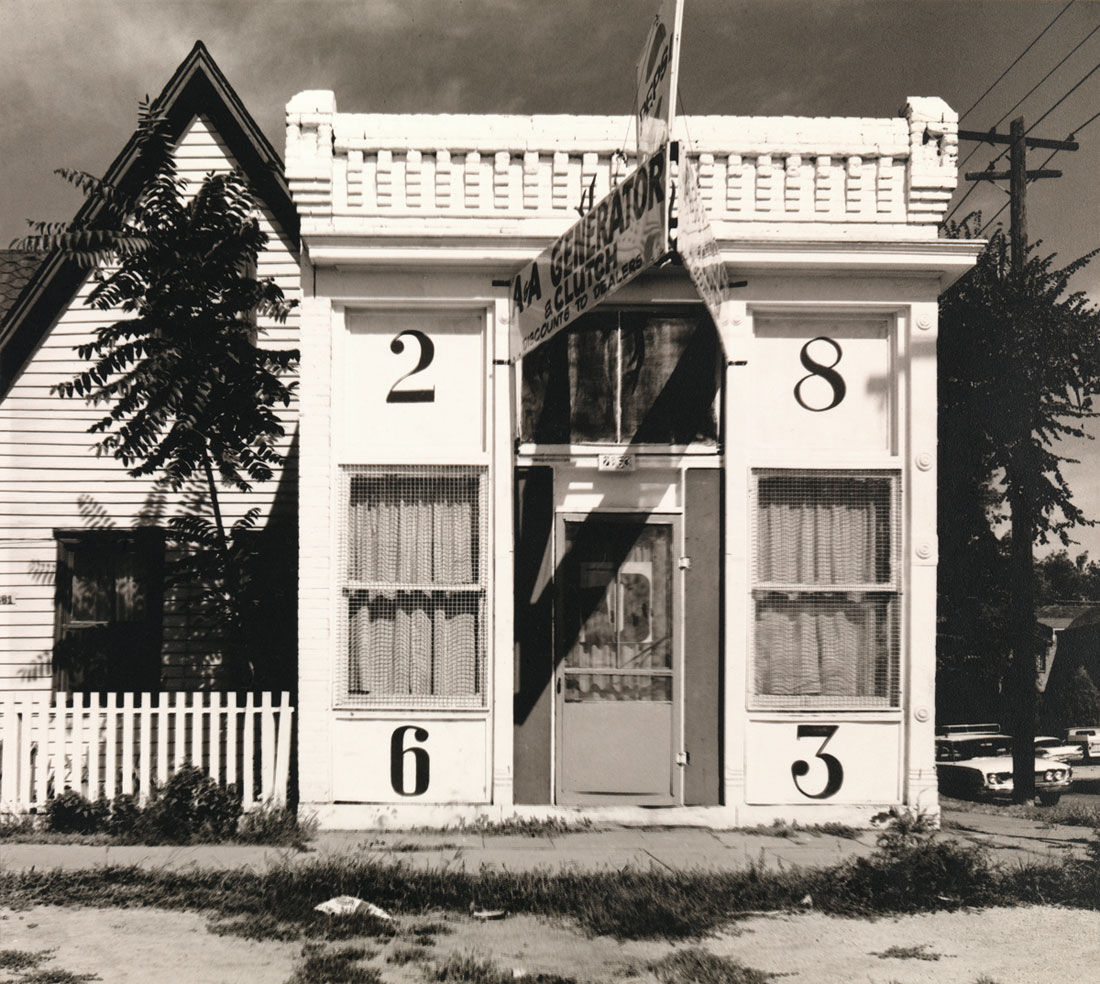
Walker Evans (American, 1903-1975) 'Façade of House with Large Numbers' Denver, Colorado, August 1967


Walker Evans (American, 1903-1975)
Façade of House with Large Numbers
Denver, Colorado, August 1967
Collection of Clark and Joan Worswick
© Walker Evans Archive, The Metropolitan Museum of Art


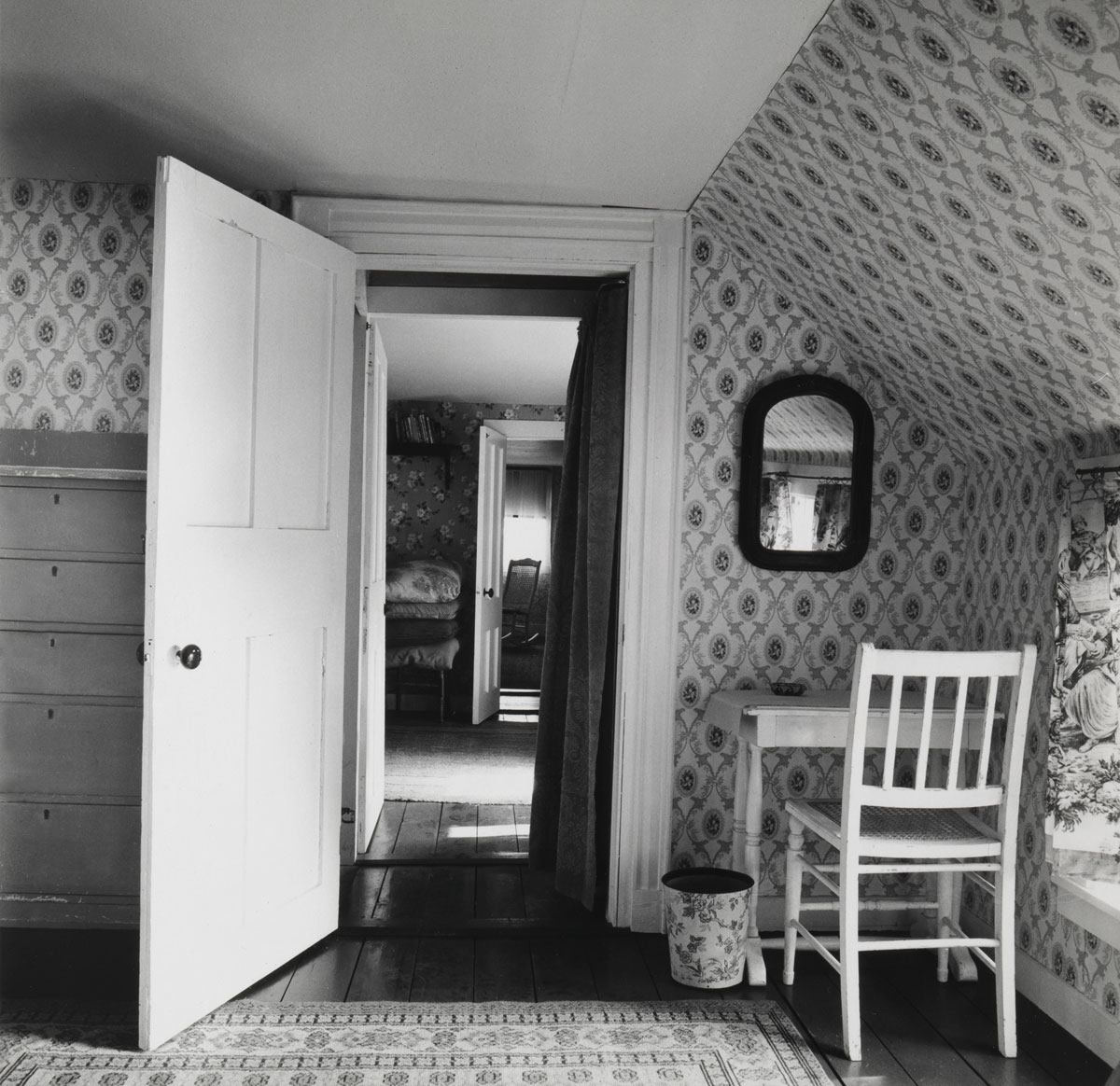
Walker Evans (American, 1903-1975) 'Interior View of Heliker/Lahotan House' Walpole, Maine, 1962


Walker Evans (American, 1903-1975)
Interior View of Heliker/Lahotan House
Walpole, Maine, 1962
Collection of Clark and Joan Worswick
© Walker Evans Archive, The Metropolitan Museum of Art


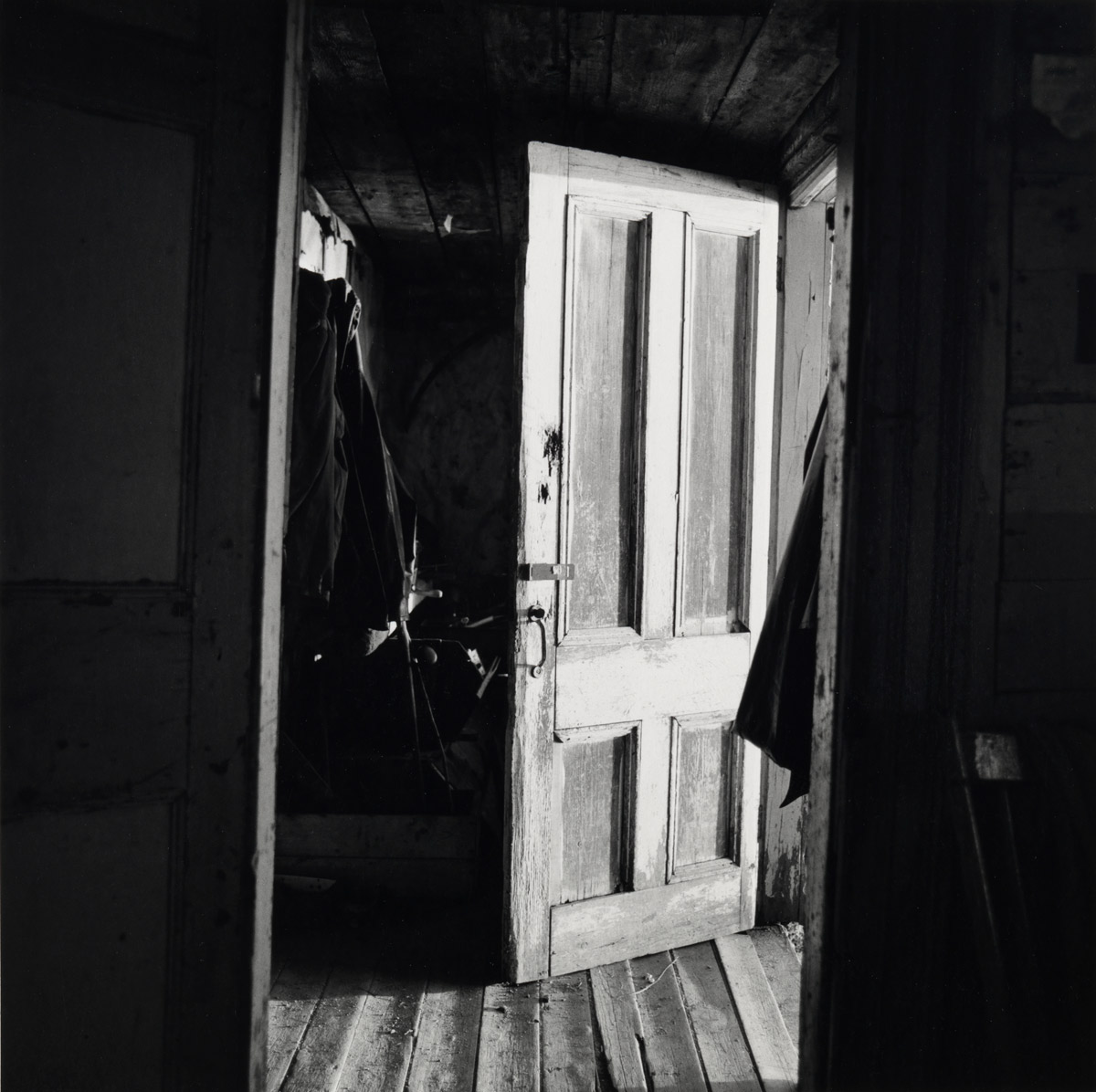
Walker Evans (American, 1903-1975) 'Interior View of Robert Frank’s House' Nova Scotia, 1969-1971


Walker Evans (American, 1903-1975)
Interior View of Robert Frank’s House
Nova Scotia, 1969-1971
Collection of Clark and Joan Worswick
© Walker Evans Archive, The Metropolitan Museum of Art


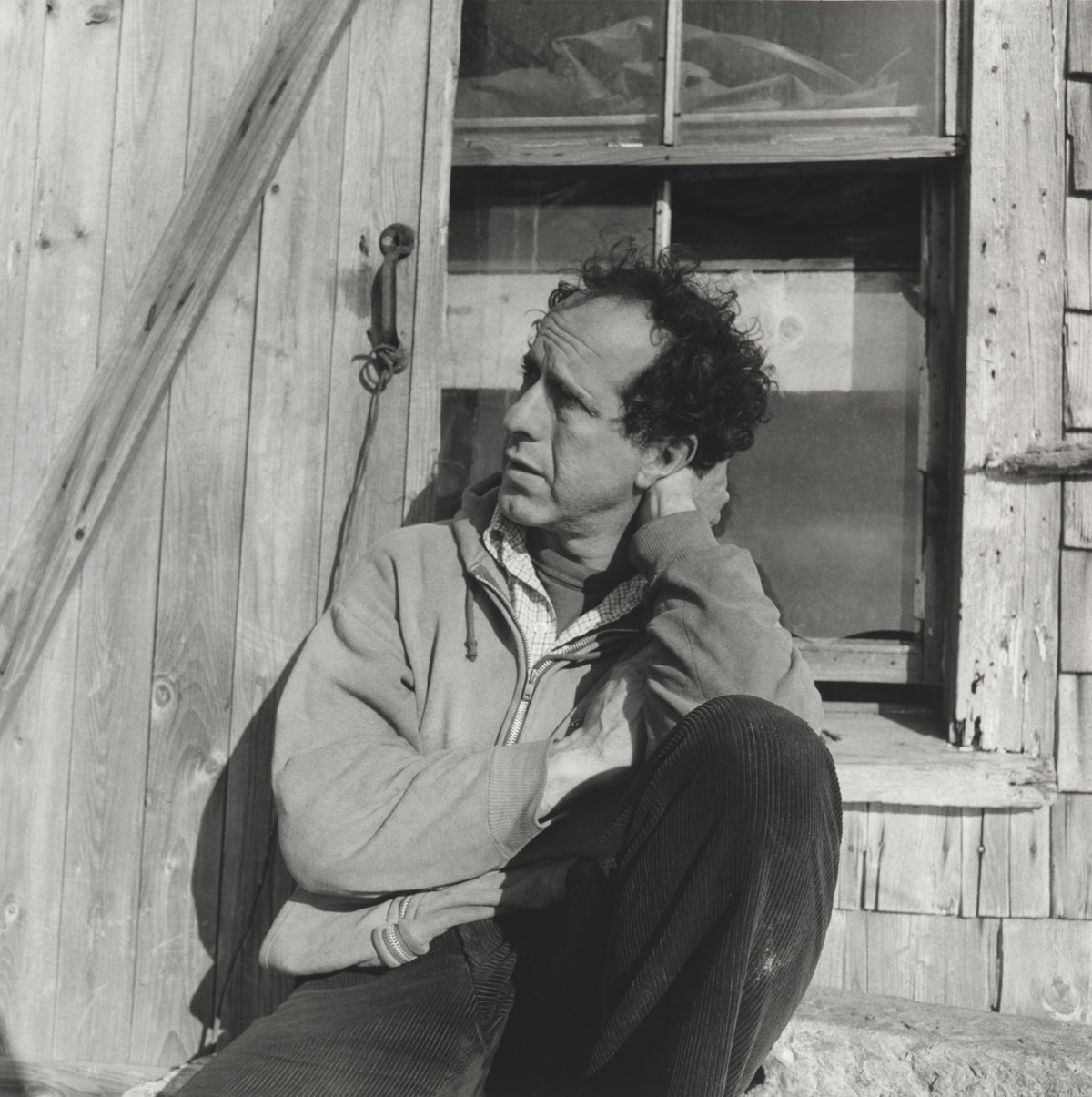
Walker Evans (American, 1903-1975) 'Robert Frank' Nova Scotia, 1969-1971


Walker Evans (American, 1903-1975)
Robert Frank
Nova Scotia, 1969-1971
Collection of Clark and Joan Worswick
© Walker Evans Archive, The Metropolitan Museum of Art


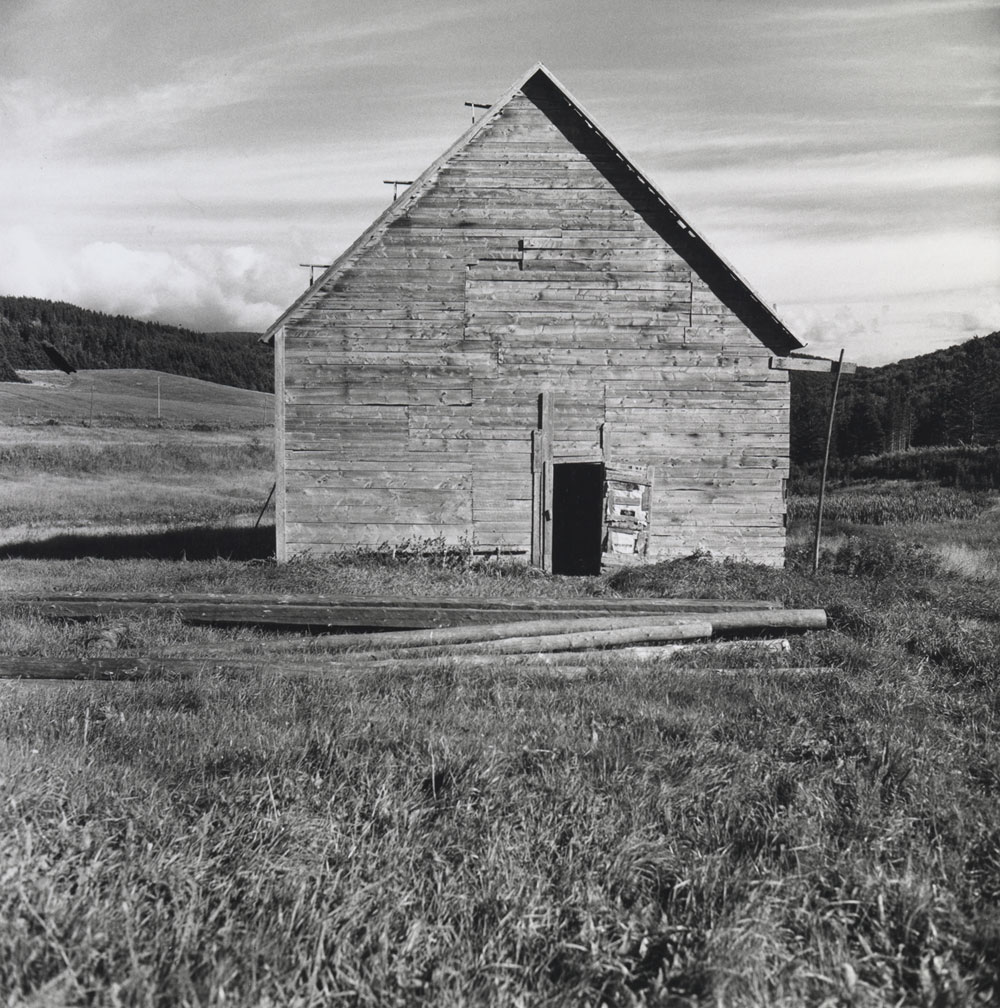
Walker Evans (American, 1903-1975) 'Barn' Nova Scotia, 1969-1971


Walker Evans (American, 1903-1975)
Barn
Nova Scotia, 1969-1971
Collection of Clark and Joan Worswick
© Walker Evans Archive, The Metropolitan Museum of Art


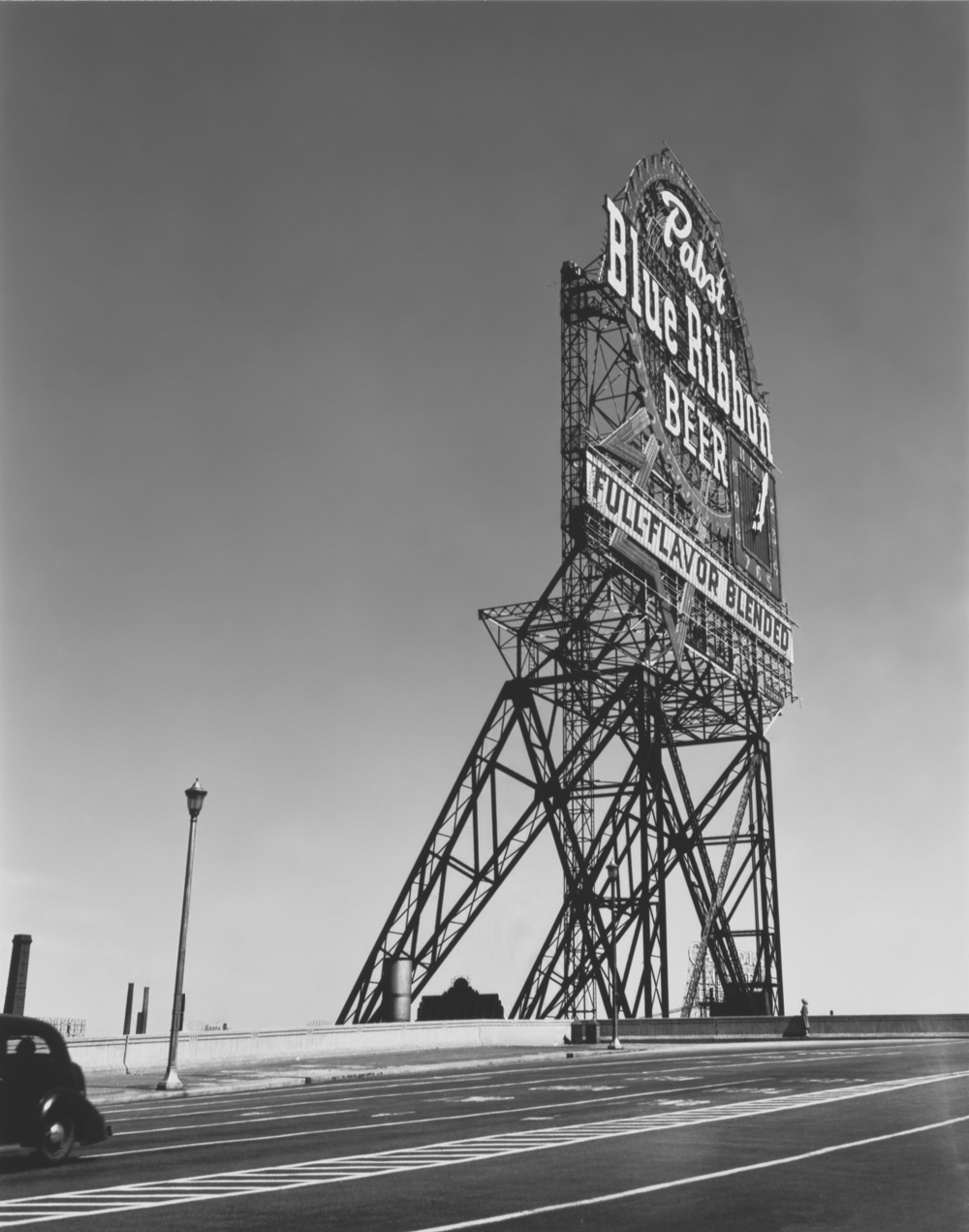
Walker Evans (American, 1903-1975) 'Pabst Blue Ribbon Sign' Chicago, Illinois, 1946


Walker Evans (American, 1903-1975)
Pabst Blue Ribbon Sign
Chicago, Illinois, 1946
Collection of Clark and Joan Worswick
© Walker Evans Archive, The Metropolitan Museum of Art


Martin-Gropius-Bau Berlin
Niederkirchnerstraße 7
Corner Stresemannstr. 110
10963 Berlin
Phone: +49 (0)30 254 86-0

Opening Hours:
Wednesday to Monday 10 – 19 hrs
Tuesday closed

Martin-Gropius-Bau website

LIKE ART BLART ON FACEBOOK

Back to top

Exhibition: ‘Garry Winogrand’ at the National Gallery of Art, Washington

Exhibition dates: 2nd March – 8th June 2014


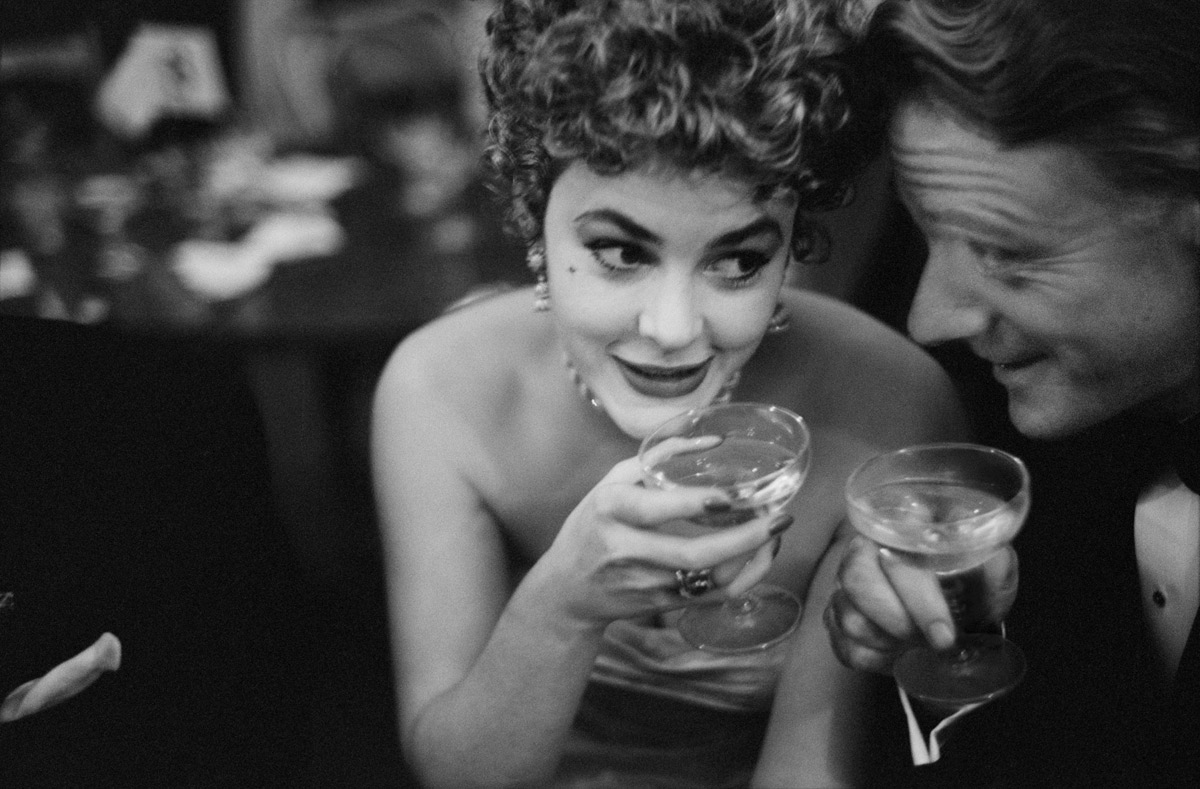
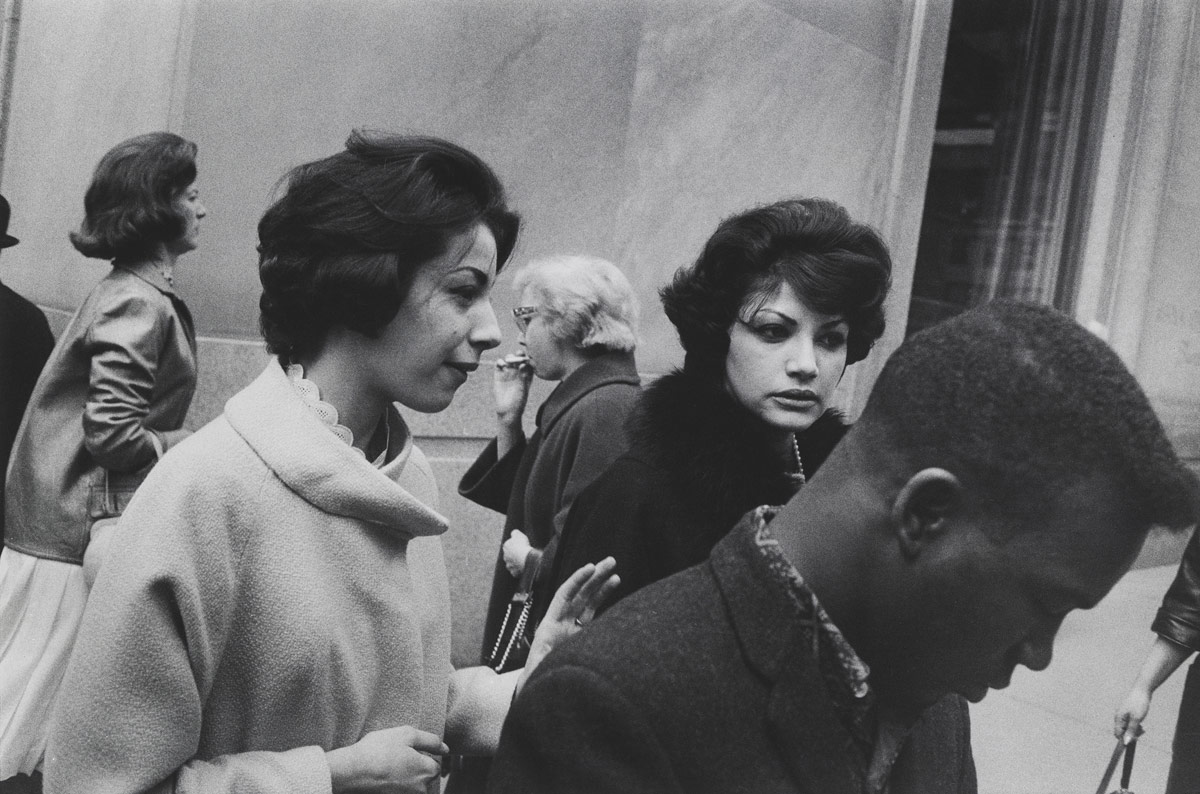
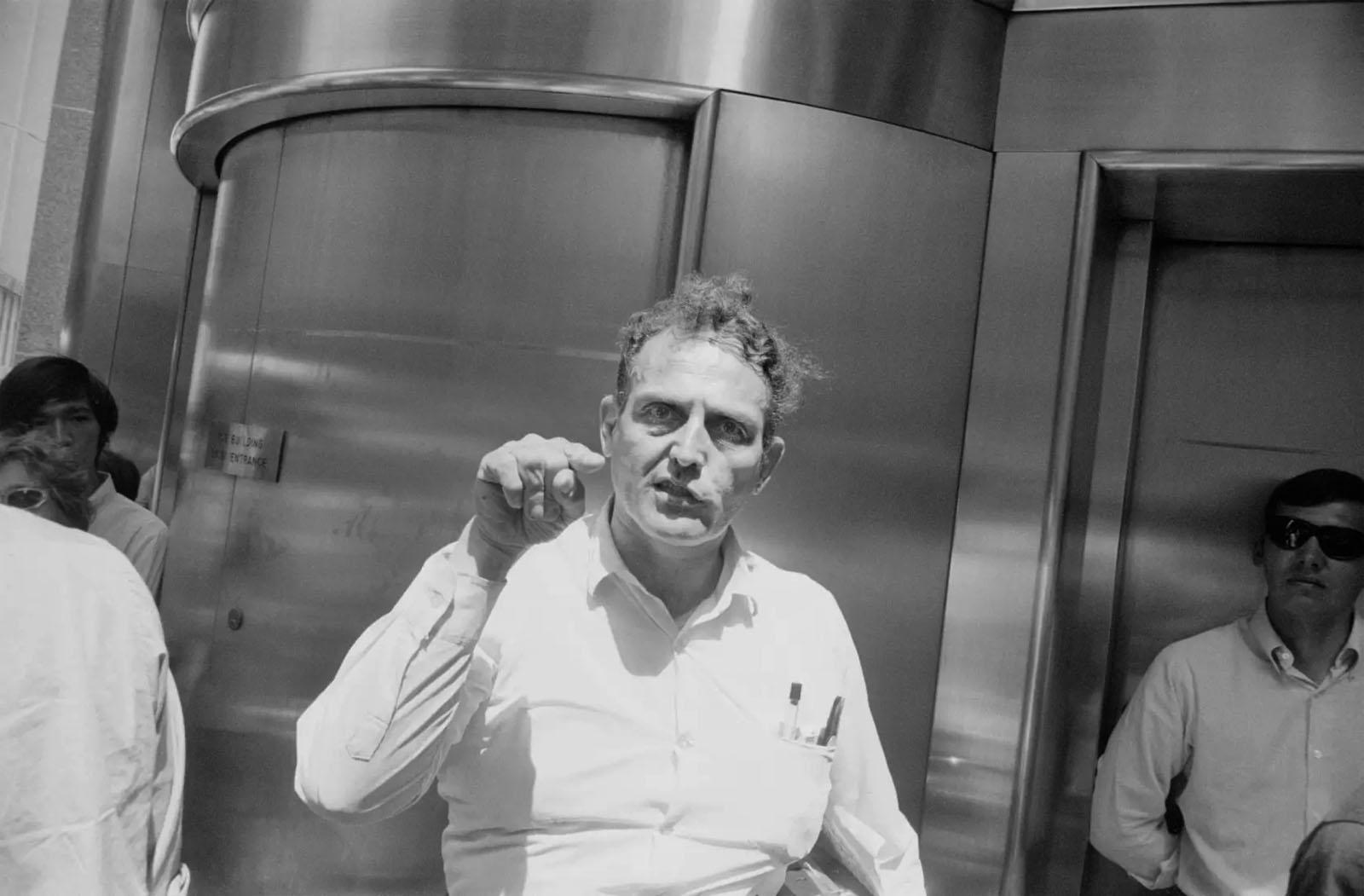
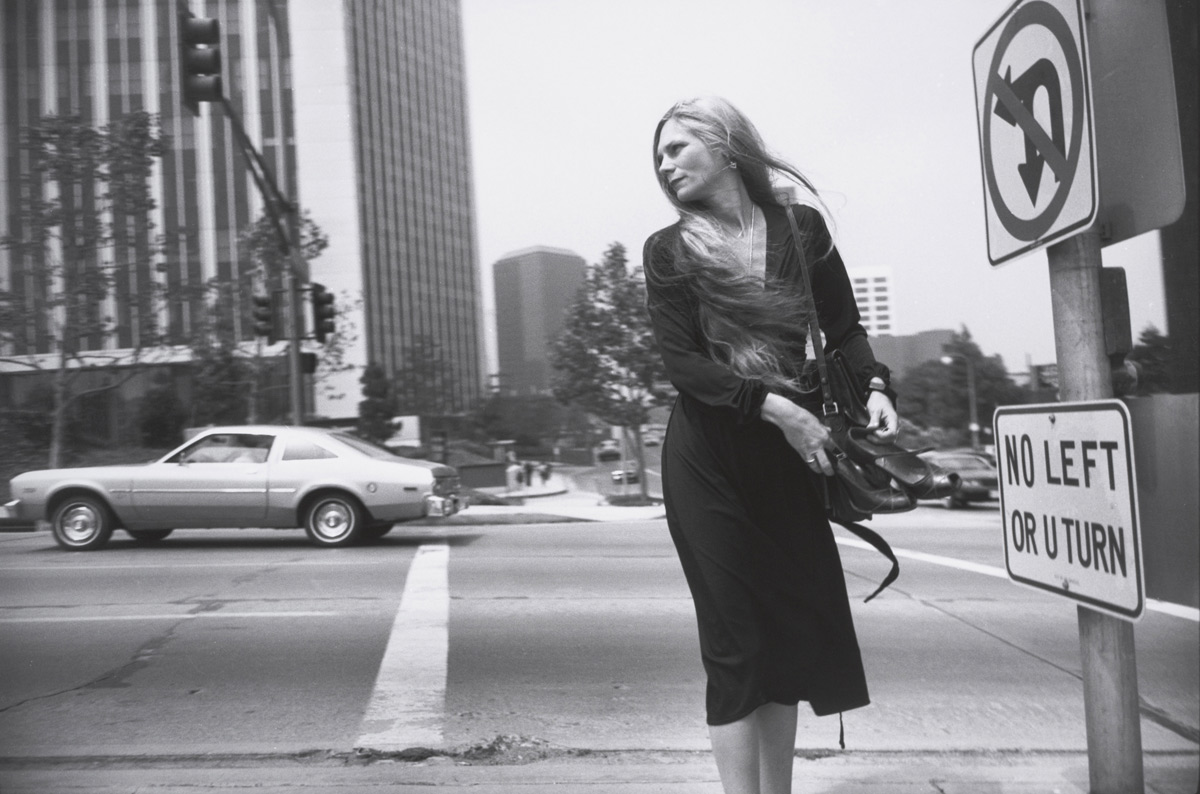
More photographs by Gary Winogrand.


Many thankx to the National Gallery of Art for allowing me to publish the photographs in the posting. Please click on the photographs for a larger version of the image.


Garry Winogrand (American, 1928-1984) 'New York' 1950


Garry Winogrand (American, 1928-1984)
New York
1950
Gelatin silver print
Framed: 40.64 x 50.8cm (16 x 20 in.)
San Francisco Museum of Modern Art, Fractional and promised gift of Carla Emil and Rich Silverstein
© The Estate of Garry Winogrand, courtesy Fraenkel Gallery, San Francisco


Garry Winogrand (American, 1928-1984) 'Coney Island, New York' c. 1952


Garry Winogrand (American, 1928-1984)
Coney Island, New York
c. 1952
Gelatin silver print
Framed: 40.64 x 50.8cm (16 x 20 in.)
The Museum of Modern Art, New York. Purchase and gift of Barbara Schwartz in memory of Eugene M. Schwartz
© The Estate of Garry Winogrand, courtesy Fraenkel Gallery, San Francisco


Garry Winogrand (American, 1928-1984) 'Richard Nixon Campaign Rally, New York' 1960


Garry Winogrand (American, 1928-1984)
Richard Nixon Campaign Rally, New York
1960
Gelatin silver print
Framed: 45.72 x 55.88cm (18 x 22 in.)
Posthumous print made from original negative on the occasion of the Garry Winogrand exhibition organised by the National Gallery of Art and the San Francisco Museum of Modern Art, courtesy Center for Creative Photography, The University of Arizona
© The Estate of Garry Winogrand, courtesy Fraenkel Gallery, San Francisco


Garry Winogrand (American, 1928-1984) 'John F. Kennedy, Democratic National Convention, Los Angeles' 1960


Garry Winogrand (American, 1928-1984)
John F. Kennedy, Democratic National Convention, Los Angeles
1960
Gelatin silver print
Framed: 45.72 x 55.88cm (18 x 22 in.)
Posthumous print made from original negative on the occasion of the Garry Winogrand exhibition organised by the National Gallery of Art and the San Francisco Museum of Modern Art, courtesy Center for Creative Photography, The University of Arizona
© The Estate of Garry Winogrand, courtesy Fraenkel Gallery, San Francisco


Garry Winogrand (American, 1928-1984) 'Metropolitan Opera, New York City' c. 1951


Garry Winogrand (American, 1928-1984)
Metropolitan Opera, New York City
c. 1951
Gelatin silver print
Framed: 45.72 x 55.88cm (18 x 22 in.)
Posthumous print made from original negative on the occasion of the Garry Winogrand exhibition organised by the National Gallery of Art and the San Francisco Museum of Modern Art, courtesy Center for Creative Photography, The University of Arizona
© The Estate of Garry Winogrand, courtesy Fraenkel Gallery, San Francisco


The first retrospective in 25 years of work by artist Garry Winogrand – renowned photographer of New York City and postwar American life – will be on view at the National Gallery of Art, Washington, March 2 through June 8, 2014. Revealing the full breadth of his art for the first time, Garry Winogrand brings together some 190 of the artist’s most iconic images – many never before exhibited or reproduced.

“Winogrand is widely recognised as one of the preeminent photographers of postwar America, though his work remains largely unexplored and incompletely published,” said Earl A. Powell III. “Building on several recent exhibitions of 20th-century American photographers, such as Robert Frank and Harry Callahan, the Gallery is proud to present another major American photographer to our visitors.”

The exhibition was on view at the San Francisco Museum of Modern Art (SFMOMA) from March 9 through June 2, 2013. After Washington, the exhibition will travel to the Metropolitan Museum of Art, New York (June 27 through September 21, 2014); the Jeu de Paume, Paris (October 14, 2014, through January 25, 2015); and the Fundación MAPFRE, Madrid (March 3 through May 10, 2015).

Exhibition highlights

Garry Winogrand (1928-1984), a New Yorker who roamed the United States during the postwar decades, left behind a sweeping portrait of American life. His photographs powerfully combine the hope and exhilaration as well as the anxiety and turbulence that characterised America during these vital years, revealing a country that glitters with possibility but threatens to spin out of control. From Fifth Avenue to Sunset Boulevard, from Cape Kennedy to the Texas State Fair, he made the American middle class the primary subject of his pictures. Endlessly curious, Winogrand scrutinised both cities and suburbs, always on the lookout for those instants when happenstance and optics might join to make a good picture that exposes some deep current in American culture.

Working in the tumultuous postwar decades, Winogrand captured moments of everyday American life, producing an expansive picture of a nation rich with possibility yet threatening to spin out of control. He did much of his best-known work in New York City in the 1960s, but he also traveled widely around the United States, from California and Texas to Miami and Chicago. Combining hope and buoyancy with anxiety and instability, his photographs trace the mood of the country itself, from the ebullience of the postwar optimism to the chaos of the 1960s and the gloom and depression of the post-Vietnam era.

When he died suddenly at age 56, Winogrand left behind thousands of rolls of exposed but undeveloped film and unedited contact sheets – some 250,000 frames in total. Many of these pictures have been printed for the first time for this long-awaited retrospective of his work. By presenting such archival discoveries alongside celebrated pictures, Garry Winogrand reframes a career that was, like the artist’s America, both epic and unresolved.

The exhibition is divided into three sections over seven galleries, each presenting a broad variety of subjects found in Winogrand’s art. “Down from the Bronx” presents photographs taken in New York City from his start in 1950 to 1971; “A Student of America” looks at work made in the same period during journeys outside New York; and “Boom and Bust” addresses Winogrand’s late period – from 1971, when he moved away from New York, to his death in 1984 – including photographs from Texas and Southern California, as well as Chicago, Washington, and Miami. The third section also presents a small number of Manhattan photographs made during Winogrand’s return visits; like much of his later work, they express a sense of desolation unprecedented in his earlier photographs.

Plunging headlong into his work, Winogrand preferred shooting film to editing his pictures or producing books and exhibitions. As a result, many of his strongest early photographs fell into obscurity as he matured, while numerous later ones remained unprocessed at his death. Winogrand never published or exhibited approximately one-third of the photographs presented here, and more than sixty have been printed for this exhibition and are being shown in public for the first time. By presenting such discoveries alongside his celebrated pictures, Garry Winogrand reinterprets a career that was, like the artist’s America, both epic and unresolved. A video of Winogrand at Rice University in the 1970s, edited for the exhibition, allows visitors to experience rare footage of the artist talking to students in a casual, extemporaneous manner.

Garry Winogrand (1928-1984)

Born in the Bronx, Winogrand is known primarily as a New York City street photographer, often associated with famed contemporaries Diane Arbus and Lee Friedlander. Exposing some 20,000 rolls of film in his short lifetime, Winogrand photographed business moguls, everyday women on the street, famous actors and athletes, hippies, politicians, antiwar demonstrators, soldiers, animals in zoos, rodeos, car culture, and airports. He was also an avid traveler who roamed around the United States to locations that included Los Angeles, San Francisco, Dallas, Houston, Chicago, Ohio, Colorado, and the open country of the Southwest.

After serving in the military as a weather forecaster, Winogrand began working as a photographer while studying painting on the G.I. Bill at Columbia University (1948-1951). He supplied commercial photographs to such general-interest magazines as Life, Look, Sports Illustrated, Collier’s, and Pageant. His career was further shaped by the decline of these popular magazines and the rise of a new culture of photography centred in the art world.

Although Winogrand was a prolific photographer throughout his career, he largely postponed printing and editing his work, especially at the end of his life. He published five books, but they contain only a fraction of his oeuvre. In his later years he spoke of reviewing and reediting all of his photographs, but he died abruptly, leaving behind more than 6,500 rolls of film (almost 250,000 images) that he had never seen, as well as proof sheets from his earlier years that he had marked but never printed. Winogrand’s archive, including his film and proof sheets, is now housed at the Center for Creative Photography of the University of Arizona, Tucson.

Press release from the National Gallery of Art website


Garry Winogrand (American, 1928-1984) 'New York' c. 1960


Garry Winogrand (American, 1928-1984)
New York
c. 1960
Gelatin silver print
Framed: 40.64 x 50.8cm (16 x 20 in.)
The Garry Winogrand Archive, Center for Creative Photography, The University of Arizona
© The Estate of Garry Winogrand, courtesy Fraenkel Gallery, San Francisco


Garry Winogrand (American, 1928-1984) 'Los Angeles' 1980-1983


Garry Winogrand (American, 1928-1984)
Los Angeles
1980-1983
Gelatin silver print
Framed: 40.64 x 50.8cm (16 x 20 in.)
The Garry Winogrand Archive, Center for Creative Photography, The University of Arizona
© The Estate of Garry Winogrand, courtesy Fraenkel Gallery, San Francisco


Garry Winogrand (American, 1928-1984) 'Los Angeles' 1980-1983


Garry Winogrand (American, 1928-1984)
Los Angeles
1980-1983
Gelatin silver print
Framed: 45.72 x 55.88cm (18 x 22 in.)
Posthumous print made from original negative on the occasion of the Garry Winogrand exhibition organised by the National Gallery of Art and the San Francisco Museum of Modern Art, courtesy Center for Creative Photography, The University of Arizona
© The Estate of Garry Winogrand, courtesy Fraenkel Gallery, San Francisco


Garry Winogrand (American, 1928-1984) 'Los Angeles' 1983


Garry Winogrand (American, 1928-1984)
Los Angeles
1983
Gelatin silver print
Framed: 45.72 x 55.88cm (18 x 22 in.)
Posthumous print made from original negative on the occasion of the Garry Winogrand exhibition organised by the National Gallery of Art and the San Francisco Museum of Modern Art, courtesy Center for Creative Photography, The University of Arizona
© The Estate of Garry Winogrand, courtesy Fraenkel Gallery, San Francisco


Garry Winogrand (American, 1928-1984) 'New York' 1961


Garry Winogrand (American, 1928-1984)
New York
1961
Gelatin silver print
Framed: 50.8 x 40.64cm (20 x 16 in.)
The Museum of Modern Art, New York. Purchase and gift of Barbara Schwartz in memory of Eugene M. Schwartz
© The Estate of Garry Winogrand, courtesy Fraenkel Gallery, San Francisco


Garry Winogrand (American, 1928-1984) 'Park Avenue, New York' 1959


Garry Winogrand (American, 1928-1984)
Park Avenue, New York
1959
Gelatin silver print
Framed: 40.64x 50.8cm (16 x 20 in.)
National Gallery of Art, Patrons’ Permanent Fund
© The Estate of Garry Winogrand, courtesy Fraenkel Gallery, San Francisco


National Gallery of Art
National Mall between 3rd and 7th Streets
Constitution Avenue NW, Washington

Opening hours:
Daily 10.00am – 5.00pm

National Gallery of Art website

LIKE ART BLART ON FACEBOOK

Back to top

Exhibition: ‘Manzanar: The Wartime Photographs Of Ansel Adams’ at the Jundt Art Gallery, Gonzaga University, Spokane, WA

Exhibition dates: 4th January – 29th March 2014


Ansel Adams (American, 1902-1984) 'Birds on wire, evening, Manzanar Relocation Center' 1943


Ansel Adams (American, 1902-1984)
Birds on wire, evening, Manzanar Relocation Center
1943
Silver gelatin print


Just a small celebration = this is the 900th posting on Art Blart since it started…

I sifted through all the photographs of the “war relocation center” (euphemism for concentration camp) named Manzanar that Ansel Adams took – over 220 photographs on the Library of Congress website – to bring you these, the best of the bunch. Adams wasn’t a particularly good documentary photographer and it was a struggle to come up with these images, but sprinkled in with the prosaic are some absolutely stunning landscape and still life images.

What is noteworthy however, is Adams moral stance towards the unlawful incarceration of Japanese Americans, something that went against everything American citizenship is supposed to stand for. In 1944 he published a book called Born Free and Equal which protests the treatment of these American citizens. Through photography and text he showed how they suffered under a great injustice – by portraying “Japanese American internees as loyal Americans going about their lives like regular citizens, not as dangerous aliens.”

As curator Robert Flynn Johnson notes, “Adams saved his harshest attack on their unjust imprisonment for the language of his book… In the text Adams struggled with the argument that the incarceration of these citizens was not just but justified by military necessity. However, he rejected that argument, clearly and forcefully articulating his opposition to the internment. The book was not well received. Adams was called a “Jap lover” and copies of the book were burned. To fully understand the “profiles in Courage” stand Ansel Adams took by publishing Born Free and Equal while the war was still raging, one must understand the emotionally volatile nature of those times in which it was published. Adams’s strong convictions are fully apparent when one reads his forceful words while viewing his beautiful photographic imagery…”

Can you imagine what courage it must have taken to publish a book in the middle of the Second World War – with all that was going on with America and the war in the Pacific against Japan – titled Born Free and Equal, a book that lays bare the hypocrisy of democracy as only contingent on those in power. This man and his supporters have my utmost admiration. In Australia it’s a pity – no, it’s shameful – that those elected people on both sides of major politics do not possess similar fortitude. The guts to stand up for justice and freedom against the evils of incarceration and oppression when they see it staring them in the face.

Dr Marcus Bunyan

PS. What is also interesting is how Adams laid out this work for exhibition in the camp itself. The size of the prints, how they are displayed both vertically and horizontally, and how they move up and down and are not hung ‘on the line’ – plus the artefacts they are also displayed with. Fascinating stuff.


These photographs were sourced from the Prints & Photographs Online Catalog of the Library of Congress. The online archive contains all of Ansel Adams photographs of Manzanar War Relocation Center to download in high resolution, with no known restrictions on publication. Please note: publication of these images in the posting does NOT mean that these images are in the exhibition.


Ansel Adams (American, 1902-1984) 'C.T. Hibino, artist, Manzanar Relocation Center' 1943


Ansel Adams (American, 1902-1984)
C.T. Hibino, artist, Manzanar Relocation Center
1943
Silver gelatin print


Ansel Adams (American, 1902-1984) 'Frank Hirosama [i.e., Hirosawa] in laboratory, Manzanar Relocation Center' 1943


Ansel Adams (American, 1902-1984)
Frank Hirosama [i.e., Hirosawa] in laboratory, Manzanar Relocation Center
1943
Silver gelatin print


Foreword to Born Free and Equal

“Moved by the human story unfolding in the encirclement of desert and mountains, and by the wish to identify my photography in some creative way with the tragic momentum of the times, I came to Manzanar with my cameras in the fall of 1943. For many years, I have photographed the Sierra Nevada, striving to reveal by the clear statement of the lens those qualities of the natural scene which claim the emotional and spiritual response of the people. In these years of strain and sorrow, the grandeur, beauty, and quietness of the mountains are more important to us than ever before. I have tried to record the influence of the tremendous landscape of Inyo on the life and spirit of thousands of people living by force of circumstance in the Relocation Center of Manzanar. …

I believe that the acrid splendour of the desert, ringed with towering mountains, has strengthened the spirit of the people of Manzanar. I do not say all are conscious of this influence, but I am sure most have responded, in one way or another, to the resonances of their environment. From the harsh soil they have extracted fine crops; they have made gardens glow in the firebreaks and between the barracks. Out of the jostling, dusty confusion of the first bleak days in raw barracks they have modulated to a democratic internal society and a praiseworthy personal adjustment to conditions beyond their control. The huge vistas and the stern realities of sun and wind and space symbolise the immensity and opportunity of America – perhaps a vital reassurance following the experience of enforced exodus. …

I trust the content and message of this book will suggest that the broad concepts of American citizenship, and of liberal, democratic life the world over, must be protected in the prosecution of the war, and sustained in the building of the peace to come.”

Ansel Adams, Foreword to Born Free and Equal, 1944


Library of Congress text

Well-known fine art and landscape photographer, Ansel Adams, took on several war-related assignments. When offering the Manzanar photos to the Library in 1965, Adams wrote in an accompanying letter, “The purpose of my work was to show how these people, suffering under a great injustice … had overcome the sense of defeat and dispair [sic] by building for themselves a vital community in an arid (but magnificent) environment.”

Summary: Photographs document the lives of Japanese Americans interned during World War II at the Manzanar Relocation Center, in Inyo County, California. There are numerous close-up and occupational portraits of individuals, including Roy Takeno, editor of the Manzanar Free Press, and photographer Tōyō Miyatake. Group portraits include families, women and children. Other photographs show people posed in their living quarters and engaged in indoor daily life such as shopping, religious services, health care, and education; more informal views portray outdoor agricultural scenes and sports and leisure activities. Landscape views feature the background mountains and desert as well as camp facilities and buildings.

Text from the Library of Congress website


Ansel Adams (American, 1902-1984) 'Manzanar street scene, spring, Manzanar Relocation Center' 1943


Ansel Adams (American, 1902-1984)
Manzanar street scene, spring, Manzanar Relocation Center
1943
Silver gelatin print


Ansel Adams (American, 1902-1984) 'Benji Iguchi driving tractor in field, Manzanar Relocation Center' 1943


Ansel Adams (American, 1902-1984)
Benji Iguchi driving tractor in field, Manzanar Relocation Center
1943
Silver gelatin print


“… that all Japanese, whether citizens or not, be placed in inland concentration camps. As justification for this, I submit that if an American born Japanese, who is a citizen, is really patriotic and wishes to make his contribution to the safety and welfare of this country, right here is his opportunity to do so, namely, by permitting himself to be placed in a concentration camp, he would be making his sacrifice. … Millions of other native-born citizens are willing to lay down their lives, which is a far greater sacrifice, of course, than being placed in a concentration camp.”


Secretary of War Henry Stinson, January 16, 1942


The Jundt Art Museum will display Manzanar: The Wartime Photographs of Ansel Adams in the Jundt Galleries Jan. 4 through March 29. The exhibition features 50 of the renowned photographer’s images of the Japanese-American relocation camp in Manzanar, Calif. during World War II. The photographs are included in the controversial book Born Free and Equal, which protests the treatment of these American citizens. The book was published in 1944 while the war was in progress. Also included in the exhibition are various photographs, documents and other works of art that further contextualise the images. Robert Flynn Johnson, curator emeritus for the Achenbach Foundation for Graphic Arts at the Fine Arts Museums of San Francisco, curated the exhibition.

Born in San Francisco, Adams was a visionary in nature photography and wilderness preservation. He has become an environmental folk hero for his work in conservation as well as a symbol of the American West, particularly for his photographs of Yosemite National Park. Adams’ Manzanar work is a departure from his signature style of landscape photography. Most of the Manzanar photographs are portraits, views of daily life, agricultural scenes, and sports and leisure activities. The Ansel Adams photographs taken between 1943-1944 are prints made from the original negatives in the Library of Congress. They were previously exhibited in the exhibition, Born Free and Equal: An Exhibition of Ansel Adams Photographs, organised by the Fresno Metropolitan Museum of Art, History and Science in 1984.

Robert Flynn Johnson, Curator Emeritus, Achenbach Foundation for Graphic Arts, Fine Arts Museums of San Francisco, in his essay for the exhibition writes, “This exhibition recounts one of the darkest moments in the history of the United States, one that the distinguished author John hersey referred to as ‘a mistake of terrifyingly horrible proportions.’ It is a story of ignorance and prejudice, but also a story of perseverance and nobility. What happened should never be forgotten so that it should never happen again.” Johnson continues, “This is not only an art exhibition, a history lesson, or a study in race relations; it is all three. My hope is that it educates us about an unfortunate moment in our country’s history that must be better understood. It also should serve as a warning as to what can occur when emotion and fear overwhelm clarity and courage.”

Also included in the exhibition is a first edition copy of Adams’s 1944 book, Born Free and Equal; a vintage gelatin silver print by Adams titled A Photograph of Yosemite, c. 1938; three reproductions of Dorothea Lange photographing Japanese-Americans being evacuated; a watercolour painting of a camp by an internee; an original 1942 poster of the Civilian Exclusion Order that announced that Japanese-Americans were to be rounded up for imprisonment; seven original magazine covers and a poster that documents the virulent anti-Japanese attitudes present at the time; a watercolour by Henry Minakata of one of the Relocation Camps; and three original drawings by the famous artist Chiura Obata, who was imprisoned in the Topaz Camp. The exhibition, which will tour museums in the United States over the next few years, was organised by Photographic Traveling Exhibitions of Los Angeles.”

Press release from the Jundt Art Gallery website


Ansel Adams (American, 1902-1984) 'Manzanar from guard tower, summer heat, view SW, Manzanar Relocation Center' 1943


Ansel Adams (American, 1902-1984)
Manzanar from guard tower, summer heat, view SW, Manzanar Relocation Center
1943
Silver gelatin print


Ansel Adams (American, 1902-1984) 'Manzanar from Guard Tower, view west (Sierra Nevada in background), Manzanar Relocation Center' 1943


Ansel Adams (American, 1902-1984)
Manzanar from Guard Tower, view west (Sierra Nevada in background), Manzanar Relocation Center
1943
Silver gelatin print


The first morning in Manzanar when I woke up and saw what Manzanar looked like, I just cried. And then I saw the high Sierra mountain, just like my native country’s mountain, and I just cried, that’s all.” Haruko Niwa, interned at Manzanar from 1942 until 1945.

Ten war relocation centres were built in remote deserts, plains, and swamps of seven states; Arkansas, Arizona, California, Colorado, Idaho, Utah, and Wyoming. Manzanar, located in the Owens Valley of California between the Sierra Nevada on the west and the Inyo mountains on the east, was typical in many ways of the 10 camps. About two-thirds of all Japanese Americans interned at Manzanar were American citizens by birth. The remainder were aliens, many of whom had lived in the United States for decades, but who, by law, were denied citizenship.

The first Japanese Americans to arrive at Manzanar, in March 1942, were men and women who volunteered to help build the camp. On June 1 the War Relocation Authority (WRA) took over operation of Manzanar from the U.S. Army. The 500-acre housing section was surrounded by barbed wire and eight guard towers with searchlights and patrolled by military police. Outside the fence, military police housing, a reservoir, a sewage treatment plant, and agricultural fields occupied the remaining 5,500 acres. By September 1942 more than 10,000 Japanese Americans were crowded into 504 barracks organised into 36 blocks. There was little or no privacy in the barracks – and not much outside. The 200 to 400 people living in each block, consisting of 14 barracks each divided into four rooms, shared men’s and women’s toilets and showers, a laundry room, and a mess hall. Any combination of eight individuals was allotted a 20-by-25-foot room. An oil stove, a single hanging light bulb, cots, blankets, and mattresses filled with straw were the only furnishings provided.

Coming from Los Angeles and other communities in California and Washington, Manzanar’s internees were unaccustomed to the harsh desert environment. Summer temperatures soared as high as 110ºF. In winter, temperatures frequently plunged below freezing. Throughout the year strong winds swept through the valley, often blanketing the camp with dust and sand. Internees covered knotholes in the floors with tin can lids, but dust continued to blow in between the floorboards until linoleum was installed in late 1942…

Two thirds of the Japanese Americans interned at Manzanar were under the age of 18. 541 babies were born at Manzanar. A total of 11,070 Japanese Americans were processed through Manzanar. From a peak of 10,046 in September 1942, the population dwindled to 6,000 by 1944. The last few hundred internees left in November 1945, three months after the war ended. Many of them had spent three-and-a-half years at Manzanar.

Anon. “Japanese Americans at Manzanar,” on the Manzanar National Historic Site (U. S. National Park Service) website [Online] Cited 08/03/2014


Ansel Adams (American, 1902-1984) 'Manzanar street scene, clouds, Manzanar Relocation Center' 1943


Ansel Adams (American, 1902-1984)
Manzanar street scene, clouds, Manzanar Relocation Center
1943
Silver gelatin print


Ansel Adams (American, 1902-1984) 'Manzanar street scene, winter, Manzanar Relocation Center' 1943


Ansel Adams (American, 1902-1984)
Manzanar street scene, winter, Manzanar Relocation Center
1943
Silver gelatin print


Ansel Adams (American, 1902-1984) 'View south from Manzanar to Alabama Hills, Manzanar Relocation Center' 1943


Ansel Adams (American, 1902-1984)
View south from Manzanar to Alabama Hills, Manzanar Relocation Center
1943
Silver gelatin print


Ansel Adams (American, 1902-1984) 'View SW over Manzanar, dust storm, Manzanar Relocation Center' 1943


Ansel Adams (American, 1902-1984)
View SW over Manzanar, dust storm, Manzanar Relocation Center
1943
Silver gelatin print


This exhibition recounts one of the darkest moments in the history of the United States, one that the distinguished author John Hersey referred to as “a mistake of terrifyingly horrible proportions.”1 It is a story of ignorance and prejudice, but it is also a story of perseverance and nobility. What happened should never be forgotten so that it should never happen again.

Background

In the aftermath of the Japanese surprise attack on Pearl Harbor and the subsequent declaration of war by the United States, a wave of fear and paranoia swept the western United States and the Hawaiian Islands. Anxiety over possible invasion by Japanese forces or sabotage by fifth columnist Japanese and Japanese Americans living amongst the general American population overrode common sense in Government circles. Despite the protestations of Attorney General Francis Biddle, Interior Secretary Harold Ickes, and even F.B.I. Director J. Edgar Hoover.

President Franklin Delano Roosevelt, in the most unfortunate act of an otherwise admirable presidency, allowed public opinion and biased, racist attitudes of elements within the U.S. Army to induce him into issuing on February 19, 1942, Executive Order 9066: the forced evacuation of persons of Japanese ancestry from the West Coast. This evacuation was done despite the fact that the F.B.I. had, within three days of Pearl Harbor, rounded up and arrested 857 Germans, 147 Italians, and 1,291 Japanese (367 in Hawaii and 924 on the mainland) for subversive activities. The government did not inter Germans, Italians, nor, with few exceptions, Japanese residing in Hawaii. Instead they rounded up Japanese and Japanese Americans residing in the western United States. In the end, these individuals were interred in ten camps spread over underpopulated areas of the West and in Arkansas in the Midwest…

The act of rounding up civilians and imprisoning them in camps had occurred in earlier centuries. The term “concentration camp” was first used to describe the actions of the British against the Boers during the Second Boer War (1899-1902), but today it is indistinguishable from the horrors of the extermination camps perpetrated by the Nazis against Jews, Russians, and other victims of the Reich in World War II. American authorities euphemistically labeled the Japanese internments as “war relocation centers,” but given the harsh conditions Japanese Americans suffered, a more appropriate term might be war relocation “camps.”

Mine Okubo describes the conditions: “The camps represented a prison: no freedom, no privacy, no America. Internment camps were also guarded by U.S. military personnel and had a barbed wire perimeter.”2

Manzanar

The brilliant social activist photographer Dorothea Lange (1895-1965) was hired by the U.S. government in the spring of 1942 to document this forced relocation. Her assignment included the camp at Manzanar, located in the remote Owens Valley in the northern reaches of Death Valley, California. However, when her photographs were submitted, they were viewed with alarm for showing the government in a bad light; the decision was made to impound (censor) her images until the end of the war.

It was only in 1943 that Ralph Merritt, the enlightened second director at Manzanar, invited his old friend Ansel Adams to come and photograph there. By that time, the internees had settled into their lives there coping as best they could. In 1942 a confrontation with camp guards had led to shots being fired, resulting in the deaths of two internees and the wounding of nine. There were no further incidents. Some historians have criticised Adams’s photographs, comparing them to the more politicised imagery of Lange. Linda Gordon wrote,

“Ansel Adams photographed at Manzanar a year after Lange did, producing work that, by contrast, reveals much about Lange’s perspective. He tried to walk a cramped line, opposing anti-Asian racism, but avoiding identification with the opposition to the internment. Adams’s pictures, primarily portraits – surprisingly for a landscape photographer – emphasised the internees’ stoic, polite, even cheerful making the best of it. His subjects were almost exclusively happy, smiling. His goal was to establish the internees as unthreatening, Americanised, open – scrutable rather than inscrutable. By making mainly individual portraits, he masked collective racial discrimination. The resultant hiding of the internment’s violation of human rights was not an unintended consequence of this goal, but an expression of Adams’s patriotism.”3

There is no question that Lange was the stronger documentary photographer. However, Adams was working out of his comfort zone as a landscape photographer and his point was not to use his images to indict the authorities. Instead, he wished to portray the Japanese American internees as loyal Americans going about their lives like regular citizens, not as dangerous aliens. Adams saved his harshest attack on their unjust imprisonment for the language of his book, Born Free and Equal, published the following year, 1944.

In the text Adams struggled with the argument that the incarceration of these citizens was not just but justified by military necessity. However, he rejected that argument, clearly and forcefully articulating his opposition to the internment. The book was not well received. Adams was called a “Jap lover” and copies of the book were burned. To fully understand the “profiles in Courage” stand Ansel Adams took by publishing Born Free and Equal while the war was still raging, one must understand the emotionally volatile nature of those times in which it was published. Adams’s strong convictions are fully apparent when one reads his forceful words while viewing his beautiful photographic imagery…

Conclusion

This is not only an art exhibition, a history lesson, or a study in race relations; it is all three. My hope is that it educates us about an unfortunate moment in our country’s history that must be better understood and should serve as a warning against allowing emotion, prejudice and fear to overwhelm clarity and courage. Harold L. Ickes, the Secretary of the Interior, in his 1944 foreword to Born Free and Equal sums up the essence of this human drama,

“It has long been my belief that the greatness of America has arisen in large part out of the diversity of her peoples. Before the war, peoples of Japanese ancestry were a small but valuable element in our population. Their record of law-abiding, industrious citizenship was surpassed by no other group. Their contributions to the arts, agriculture, and science were indisputable evidence that the majority of them believed in America and were growing with America.

Then war came with the nation of their parental origin. The ensuing two and a half years have brought heartaches to many in our population. Among the causalities of war has been America’s Japanese minority. It is my hope that the wounds which it has received in the great uprooting will heal. It is my prayer that other Americans will fully realise that to condone the whittling away of the rights of any one minority group is to pave the way for us all to lose the guarantees of the Constitution.”4

Robert Flynn Johnson
Curator Emeritus
Achenbach Foundation for Graphic Arts, Fine Arts Museums of San Francisco


1/ John Hersey, “A Mistake of Terrifically Horrible proportions,” in Manzanar, by John Armor and Peter Wright (New York Times Books, 1988)
2/ Sara Ann McGill, “Internment of Japanese Americans,” accessed May 3, 2010. No longer available online
3/ Linda Gordon and Gary Y. Okihiro, ed., Impounded: Dorothea Lange and the Censored Images of Japanese American Internment (New York: W. W. Norton and Co., 2006), 34
4/ Ansel Adams, Born Free and Equal: The Story of Loyal Japanese-Americans (New York: U.S. Camera, 1944), 7


Ansel Adams (American, 1902-1984) 'Pictures and mementoes on phonograph top - Yonemitsu home, Manzanar Relocation Center' 1943


Ansel Adams (American, 1902-1984)
Pictures and mementoes on phonograph top – Yonemitsu home, Manzanar Relocation Center
1943
Silver gelatin print


Ansel Adams (American, 1902-1984) 'Roy Takeno's desk, Manzanar Relocation Center' 1943


Ansel Adams (American, 1902-1984)
Roy Takeno’s desk, Manzanar Relocation Center
1943
Silver gelatin print


Ansel Adams (American, 1902-1984) 'Manzanar museum (Ansel Adams exhibit), Manzanar Relocation Center' 1943


Ansel Adams (American, 1902-1984)
Manzanar museum (Ansel Adams exhibit), Manzanar Relocation Center
1943
Silver gelatin print


Ansel Adams (American, 1902-1984) 'Line crew at work in Manzanar, Manzanar Relocation Center' 1943


Ansel Adams (American, 1902-1984)
Line crew at work in Manzanar, Manzanar Relocation Center
1943
Silver gelatin print


Jundt Art Gallery
502 East Boone Avenue
Spokane, WA 99258-0001
This is the main address for Gonzaga University

Opening hours:
Monday – Saturday 10am – 4pm

Jundt Art Gallery website

LIKE ART BLART ON FACEBOOK

Back to top

Exhibition: ‘Walker Evans American Photographs’ at The Museum of Modern Art (MoMA), New York

Exhibition dates: 19th July 2013 – 9th March 2014


Walker Evans (American, 1903-1975) 'City Lunch Counter, New York' 1929


Walker Evans (American, 1903-1975)
City Lunch Counter, New York
1929
Gelatin silver print
4 3/16 x 6 5/16″ (10.7 x 16.1cm)
Gift of the photographer
© 2013 Walker Evans Archive, Metropolitan Museum of Art


Picture this

That is what Walker Evans does in his unique, forthright way. He shows you what he is seeing in a very straight forward way – directly, purposefully, in images where the artist seems to have no presence, no ego to impart. As artist Chris Killip observes, “Walker Evans is serious and smart and purposeful. He is trying to show you very clearly what he is seeing. It is very unadorned, as if nobody had taken the photograph. He conveys what is in front of him as clearly as possible.”1

But further than this, Evans presents us with a photographic version of Tomas Tranströmer’s poems which were seen by his English admirers in terms of “deep image”, a vaguely Jungian concept which suggests that “poetry could state absolute truths if only the images poets evoked welled up from deep enough sources uncontaminated by history and the follies of reason.”2

Evans direct, plainspoken images picture reality whilst hovering above the void – flirting with the duality of absolute truth and metaphysical inquiry. Whether Evans was consciously aware of this elemental antinomy is unlikely. Nevertheless we can read it in his images, even if we cannot read it in his prosaic words. You only have to look at the jet-black trees on a rainy day in Main Street, Saratoga Springs, New York (1931, below), or the justly famous Sharecropper’s Family, Hale County, Alabama (March 1936, below).

The people in the photograph have been posed but there is an intimate relationship here between the artist and his subjects. It is a loving photograph, for Evans cares for the dignity of these people in their naked condition. The grandmother wary of the camera with clasped hands, the weary husband, stick thin with glazed eyes, the young girl child with sallow stare, and the pensive mother with sleeping baby staring directly into camera, all of them dirty and in rags. In this absolute reality there is a nobility to these people and there, buried in the image, a relationship to the metaphysical essence of what it is to be human – the pictures of children on the back wall with text I can’t quite make out; the glorious arrangement of feet that run along the bottom of the image in all different angles and positions, the mothers folded under her almost collapsing with the weight of her burden; and what is that black shape prostrate on the floor? A rag? death? No! A cat.

The blackest most thinnest small cat that you ever seen, lingering on the edge of starvation, hovering in the void of existence.

As Thomas Sleigh writes of his first meeting with Tomas Tranströmer as he stepped from a small plane onto the ground, “I don’t mind large planes or middle-sized planes (his English was slightly guttural, his intonations lilting in a mild brogue), but small planes – you feel too much of the air under you.”3

And so with Evans if you know where to look.

Dr Marcus Bunyan


PS. For a fascinating insight into how these photographs were hung in the 1938 exhibition at MoMA see installation views of “Walker Evans American Photographs” at the Museum of Modern Art, New York City, 1938 on the ASX website. Notice the smallness of the photographs, their different sizes, the juxtaposition of disparate images, some double or triple hung one above the other, some printed in the centre of white sheets of photographic paper, others displayed on dark walls. The image that I describe above, Sharecropper’s Family, Hale County, Alabama (March 1936) is shown in an installation photograph below. Notice how small the image is and what affect this size of image has on the viewer, its shear concentration and intensity.

A friend Christopher Young tells me, “The install was done by Evans himself the night before and very chaotically. I love the poetry of the 1938 opening in that he got to the front door and couldn’t enter the show. He instead circled the block a number of times before going home…” Sounds like my early exhibitions. I could be found next door in a cafe playing pinball, I couldn’t face the crowd!


Footnotes

1/ Interview with Chris Killip about his exhibition Work at Museo Nacional Centro de Arte Renia Sofia, October 2013 [Online] Cited 11/02/2021

2/ Sleigh, Tom. “Too Much of the Air: Tomas Tranströmer,” 2005, on the Poets.org website [Online] Cited 15/02/2014. No longer available online

3/ Ibid.,


Many thankx to The Museum of Modern Art for allowing me to publish the photographs in the posting. Please click on the photographs for a larger version of the image.


Installation view of "Walker Evans American Photographs" at the Museum of Modern Art, New York City, 1938

Installation view of "Walker Evans American Photographs" at the Museum of Modern Art, New York City, 1938


Installation views of “Walker Evans American Photographs” at the Museum of Modern Art, New York City, 1938 with at bottom right, Sharecropper’s Family, Hale County, Alabama (March 1936)
© Walker Evans Archive, The Metropolitan Museum of Art

Images used under conditions of fair use for the purpose of art criticism.


Walker Evans (American, 1903-1975) '42nd Street, New York' 1929


Walker Evans (American, 1903-1975)
42nd Street, New York
1929
Gelatin silver print
4 1/4 x 6 1/2″ (10.8 x 16.6cm)
Purchase
© 2013 Walker Evans Archive, Metropolitan Museum of Art


Walker Evans (American, 1903-1975) 'Church Organ and Pews, Alabama' 1936


Walker Evans (American, 1903-1975)
Church Organ and Pews, Alabama
1936
Gelatin silver print, printed 1970
7 9/16 x 9 1/8″ (19.2 x 23.2cm)
Printer: James Dow
Mr. and Mrs. John Spencer Fund


Walker Evans (American, 1903-1975) 'Sharecropper's Family, Hale County, Alabama' March 1936


Walker Evans (American, 1903-1975)
Sharecropper’s Family, Hale County, Alabama
March 1936
Gelatin silver print
7 5/8 x 9 5/8″ (19.4 x 24.4cm)
Gift of the Farm Security Administration


Walker Evans (American, 1903-1975) 'Sharecropper's Family, Hale County, Alabama' March 1936 (detail)


Walker Evans (American, 1903-1975)
Sharecropper’s Family, Hale County, Alabama (detail)
March 1936
Gelatin silver print
7 5/8 x 9 5/8″ (19.4 x 24.4cm)
Gift of the Farm Security Administration


Walker Evans (American, 1903-1975) 'Sharecropper's Family, Hale County, Alabama' (detail) March 1936


Walker Evans (American, 1903-1975)
Sharecropper’s Family, Hale County, Alabama (detail)
March 1936
Gelatin silver print
7 5/8 x 9 5/8″ (19.4 x 24.4cm)
Gift of the Farm Security Administration


This installation celebrates the 75th anniversary of the first one-person photography exhibition in MoMA’s history, and the accompanying landmark publication, which established the potential of the photographer’s book as an indivisible work of art. Through these projects Walker Evans created a collective portrait of the eastern United States during a decade of profound transformation – one that coincided with the flood of everyday images, both still and moving, from an expanding mass culture, and the construction of a Modernist history of photography. As Lincoln Kirstein wrote in his essay for the book, “After looking at these pictures with all their clear, hideous and beautiful detail, their open insanity and pitiful grandeur, compare this vision of a continent as it is, not as it might be or as it was, with any other coherent vision that we have had since the war. What poet has said as much? What painter has shown as much? Only newspapers, the writers of popular music, the technicians of advertising and radio have in their blind energy accidentally, fortuitously, evoked for future historians such a powerful monument to our moment. And Evans’s work has, in addition, logic, continuity, climax, sense and perfection.”

Comprising approximately 60 prints from the Museum’s collection that were included in the 1938 exhibition or the accompanying publication, the current installation maintains the bipartite presentation of the originals; the first section portrays American society through images of its individuals and social environments, while the second consists of photographs of the relics that constitute expressions of an American cultural identity – the architecture of Main streets, factory towns, rural churches, and wooden houses. The pictures provide neither a coherent narrative nor a singular meaning, but rather create connections through the repetition and interplay of pictorial structures and subject matter. Its placement on the fourth floor of the Museum – between galleries featuring the paintings of Robert Rauschenberg, Jasper Johns, Jackson Pollock, and Andy Warhol – underscores the continuation of prewar avant-garde practices in America and the unique legacy of Evans’s explorations of signs and symbols, commercial culture, and the vernacular. Their profound impact on not only photography, but also film, literature, and the visual arts, reverberates today.

Text from The Museum of Modern Art website


Walker Evans (American, 1903-1975) 'American Legionnaire' 1936


Walker Evans (American, 1903-1975)
American Legionnaire
1936
Gelatin silver print
5 3/4 x 5 1/8″ (14.6 x 13cm)
Gift of the Farm Security Administration


Walker Evans (American, 1903-1975) 'Interior Detail of Portuguese House' 1930


Walker Evans (American, 1903-1975)
Interior Detail of Portuguese House
1930
Gelatin silver print
7 15/16 x 6 1/8″ (20.2 x 15.5cm)
Purchase
© 2013 Walker Evans Archive, Metropolitan Museum of Art


Walker Evans (American, 1903-1975) 'Penny Picture Display, Savannah, Georgia' 1936


Walker Evans (American, 1903-1975)
Penny Picture Display, Savannah, Georgia
1936
Gelatin silver print
8 5/8 x 6 15/16″ (21.9 x 17.6cm)
Gift of Willard Van Dyke
© 2013 Walker Evans Archive, The Metropolitan Museum of Art


Walker Evans (American, 1903-1975) 'Main Street, Saratoga Springs, New York' 1931


Walker Evans (American, 1903-1975)
Main Street, Saratoga Springs, New York
1931
Gelatin silver print
7 1/16 x 5 9/16″ (18 x 14.2cm)
Gift of the photographer
© 2013 Walker Evans Archive, Metropolitan Museum of Art


Walker Evans (American, 1903-1975) 'Negro Church, South Carolina' 1936


Walker Evans (American, 1903-1975)
Negro Church, South Carolina
1936
Gelatin silver print
9 x 6 15/16″ (22.9 x 17.6cm)
Gift of Willard Van Dyke


The Museum of Modern Art
11 West 53 Street
New York, NY 10019
Phone: (212) 708-9400

Opening hours:
10.30am – 5.30pm
Open seven days a week

MoMA website

LIKE ART BLART ON FACEBOOK

Back to top

Exhibition: ‘Gordon Parks: The Making of an Argument’ at The New Orleans Museum of Art

Exhibition dates: 12th September 2013 – 12th January 2014


Gordon Parks (American, 1912-2006) 'Untitled, Harlem, New York' 1948


Gordon Parks (American, 1912-2006)
Untitled, Harlem, New York
1948
Gelatin silver print, printed later
Courtesy The Gordon Parks Foundation


Another great photographer with a social conscience. Fantastic to observe the dynamics of the proof sheets and how the images were cropped for final publication. The angles, the angles of Red’s young brother are illuminating, to see how the photographer framed his subject, what worked, what didn’t. There is a relatively new boxed set of the complete works of this artist published by Stiedl titled Gordon Parks Collected Works (2012).

Dr Marcus Bunyan


Many thankx to The New Orleans Museum of Art for allowing me to publish the photographs in the posting. Please click on the photographs for a larger version of the image.


“”The Making of an Argument” evaluates the editorial decisions made by the magazine and, in doing so, comments on how the context in which a picture is presented can drastically alter its message. “In order to meet the expectations set up by the subtitle and the opening text, an overwhelming majority of the pictures selected underscore violence, fear, frustration, aggression, or despair. Of the twenty-one images reproduced, only five strike a lighter note,” writes Russell Lord, the curator of photographs at NOMA. Lord also notes that the ways the images were cropped and darkened further functioned to convey the magazine’s intended message.”

Genevieve Fussell. “Gordon Parks: The Making of an Argument,” on The New Yorker website October 28, 2013 [Online] Cited 19/01/2021


Gordon Parks (American, 1912-2006) 'Untitled, Harlem, New York' 1948


Gordon Parks (American, 1912-2006)
Untitled, Harlem, New York
1948
Gelatin silver print, printed later
Courtesy The Gordon Parks Foundation


Gordon Parks (American, 1912-2006) 'Untitled, Harlem, New York' 1948


Gordon Parks (American, 1912-2006)
Untitled, Harlem, New York
1948
Gelatin silver print, printed later
Courtesy The Gordon Parks Foundation


Gordon Parks (American, 1912-2006) 'Untitled, Harlem, New York' 1948


Gordon Parks (American, 1912-2006)
Untitled, Harlem, New York
1948
Gelatin silver print, printed later
Courtesy The Gordon Parks Foundation


Gordon Parks (American, 1912-2006) 'Untitled, Harlem, New York' 1948


Gordon Parks (American, 1912-2006)
Untitled, Harlem, New York
1948
Gelatin silver print, printed later
Courtesy The Gordon Parks Foundation


This image shows both the full frame image that Gordon Parks shot and the cropped selection, framed in editor’s marking pen, that was ultimately published in Life magazine. The cropped version dramatically heightens the intensity of the image, bringing the viewer closer to the fight (see proof sheet below).


Gordon Parks (American, 1912-2006) 'Untitled, Harlem, New York' 1948


Gordon Parks (American, 1912-2006)
Untitled, Harlem, New York
1948
Gelatin silver print, printed later
Courtesy The Gordon Parks Foundation


Gordon Parks (American, 1912-2006) 'Untitled, Harlem, New York' 1948


Gordon Parks (American, 1912-2006)
Untitled, Harlem, New York
1948
Gelatin silver print, printed later
Courtesy The Gordon Parks Foundation


The opening spread of "Harlem Gang Leader," Life, November 1, 1948


The opening spread of “Harlem Gang Leader,” Life, November 1, 1948


This exhibition explores the making of Gordon Parks’ first photographic essay for Life magazine in 1948, “Harlem Gang Leader.” After gaining the trust of one particular group of gang members and their leader, Leonard “Red” Jackson, Parks produced a series of photographs that are artful, poignant, and, at times, shocking. From this large body of work (Parks made hundreds of negatives) the editors at Life selected twenty-one pictures to print in the magazine, often cropping or enhancing details in the pictures in the process. Gordon Parks: The Making of an Argument traces this editorial process and parses out the various voices and motives behind the production of the picture essay.

The exhibition considers Parks’ photographic practice within a larger discussion about photography as a narrative device. Featuring vintage photographs, original issues of Life magazine, contact sheets, and proof prints, the exhibition raises important questions about the role of photography in addressing social concerns, its use as a documentary tool, and its function in the world of publishing…

“This project raises important questions about the role of photography in addressing social concerns, its use as a documentary tool, and its function in the world of publishing,” said Susan M. Taylor, NOMA’s Director. “We are delighted to be working with The Gordon Parks Foundation on this exhibition since it is a project that addressed many of the major issues that Parks would explore throughout his career.”

In 1948, Gordon Parks began a professional relationship with Life magazine that would last twenty-two years. For his first project, he proposed a series of pictures about the gang wars that were then plaguing Harlem, believing that if he could draw attention to the problem then perhaps it would be addressed through social programs or government intervention. As a result of his efforts, Parks gained the trust of one particular group of gang members and their leader, Leonard “Red” Jackson, and produced a series of pictures of them that are artful, emotive, poignant, touching, and sometimes shocking. From this larger body of work, twenty-one pictures were selected for reproduction in a graphic and adventurous layout in Life magazine.

At each step of the selection process – as Parks chose each shot, or as the picture editors at Life re-selected from his selection – any intended narrative was complicated by another curatorial voice. Curator Russell Lord notes, “By the time the reader opened the pages of Life magazine, the addition of text, and the reader’s own biases further rendered the original argument into a fractured, multi-layered affair. The process leads to many questions: ‘What was the intended argument?’ and ‘Whose argument was it?’.”

Gordon Parks: The Making of an Argument examines these questions through a close study of how Parks’ first Life picture essay was conceived, constructed and received.”

Press release from the NOMA website


Gordon Parks (American, 1912-2006) 'Untitled, Harlem, New York' 1948


Gordon Parks (American, 1912-2006)
Untitled, Harlem, New York
1948
Gelatin silver print, printed later
Courtesy The Gordon Parks Foundation


Gordon Parks (American, 1912-2006) 'Untitled, Harlem, New York' 1948


Gordon Parks (American, 1912-2006)
Untitled, Harlem, New York
1948
Gelatin silver print, printed later
Courtesy The Gordon Parks Foundation


Gordon Parks (American, 1912-2006) 'Untitled, Harlem, New York' 1948


Gordon Parks (American, 1912-2006)
Untitled, Harlem, New York
1948
Gelatin silver print, printed later
Courtesy The Gordon Parks Foundation


Gordon Parks (American, 1912-2006) 'Untitled, Harlem, New York' 1948


Gordon Parks (American, 1912-2006)
Untitled, Harlem, New York
1948
Gelatin silver print, printed later
Courtesy The Gordon Parks Foundation


Gordon Parks (American, 1912-2006) 'Untitled, Harlem, New York' 1948


Gordon Parks (American, 1912-2006)
Untitled, Harlem, New York
1948
Gelatin silver print, printed later
Courtesy The Gordon Parks Foundation


Gordon Parks (American, 1912-2006) 'Untitled, Harlem, New York' 1948


Gordon Parks (American, 1912-2006)
Untitled, Harlem, New York
1948
Gelatin silver print, printed later
Courtesy The Gordon Parks Foundation


Gordon Parks (American, 1912-2006) 'Untitled, Harlem, New York' 1948


Gordon Parks (American, 1912-2006)
Untitled, Harlem, New York
1948
Gelatin silver print, printed later
Courtesy The Gordon Parks Foundation


Gordon Parks (American, 1912-2006) 'Untitled, Harlem, New York' 1948


Gordon Parks (American, 1912-2006)
Untitled, Harlem, New York
1948
Gelatin silver print, printed later
Courtesy The Gordon Parks Foundation


The New Orleans Museum of Art
One Collins Diboll Circle, City Park
New Orleans, LA 70124
Phone: (504) 658-4100

Opening hours:
Tuesday – Sunday 10am – 5pm
Closed Mondays

The New Orleans Museum of Art website

LIKE ART BLART ON FACEBOOK

Back to top

Exhibition: ‘Detroit 1968: Photographs by Enrico Natali’ at Joseph Bellows Gallery, La Jolla, CA – Part 2

Exhibition dates: 2nd November – 21st December 2013


Enrico Natali (American, b. 1933) 'Ford Motor Company press conference, Detroit, 1968' 1968


Enrico Natali (American, b. 1933)
Ford Motor Company press conference, Detroit, 1968
1968
Gelatin silver print


The second tranche of images from the artist Enrico Natali demonstrate his command of visual space. Groups of people face away from the camera, then towards it (image above and below), people clutch at each other or walk in opposite directions (next two images). There is the comparison of races, between abject poverty and young people dressed in fur going to the prom. There is the silence of the singular women in the office, and the (op)posed camaraderie of the Detroit Bolt and Nut Company workers (1968, below). Above all, there is light and shade coupled with a sensitive understanding of how human beings interact – with themselves and the camera. Newlywed couple, Detroit, 1968 (1968, below) is a case in point: the clock on the wall, the record player with single, the hand on the shoulder and the ash lengthening on the cigarette complement the presence of the couple and the wonderful look on their faces. Somehow Natali adds genuine charisma to these people, a dignity and poignancy that makes these photographs memorable.
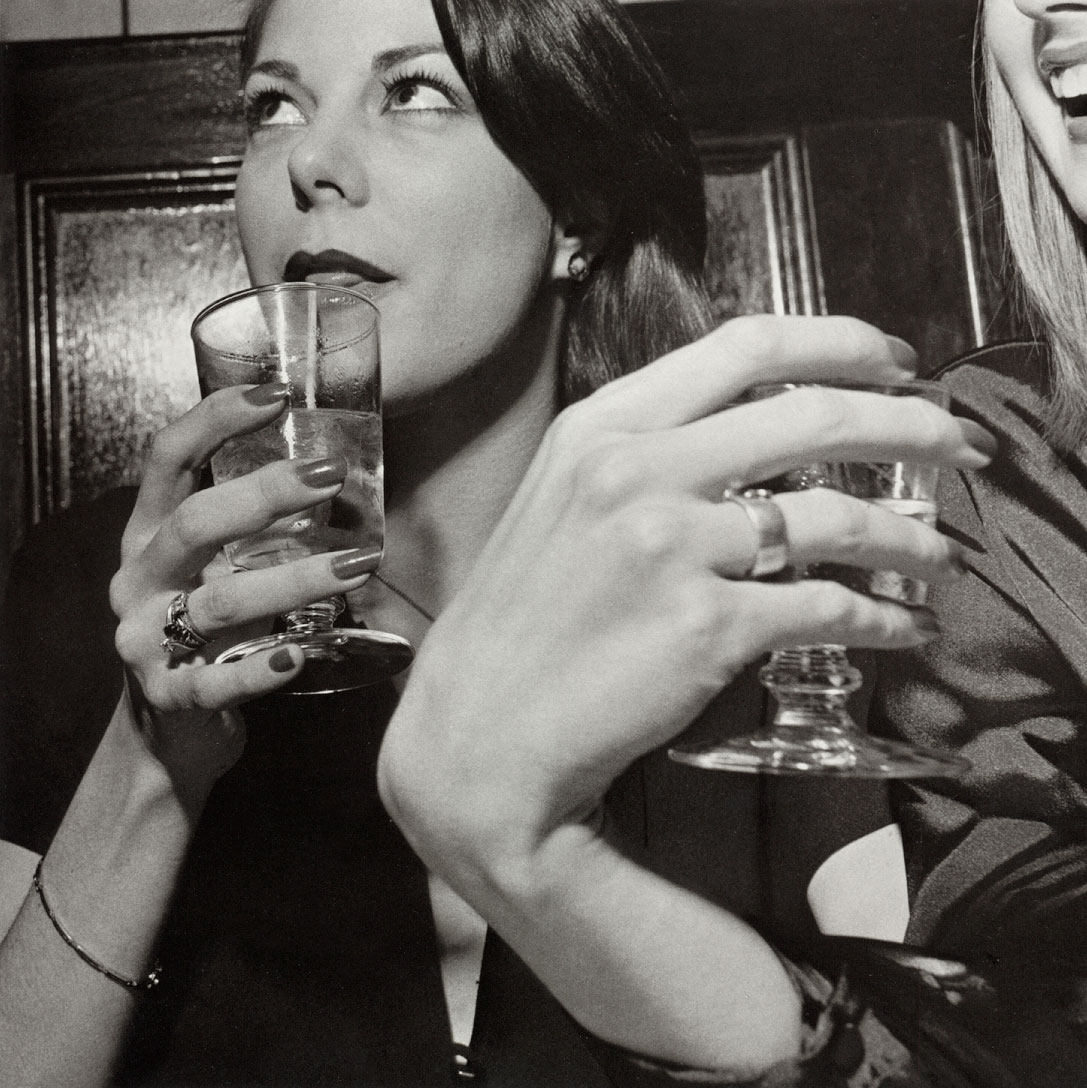
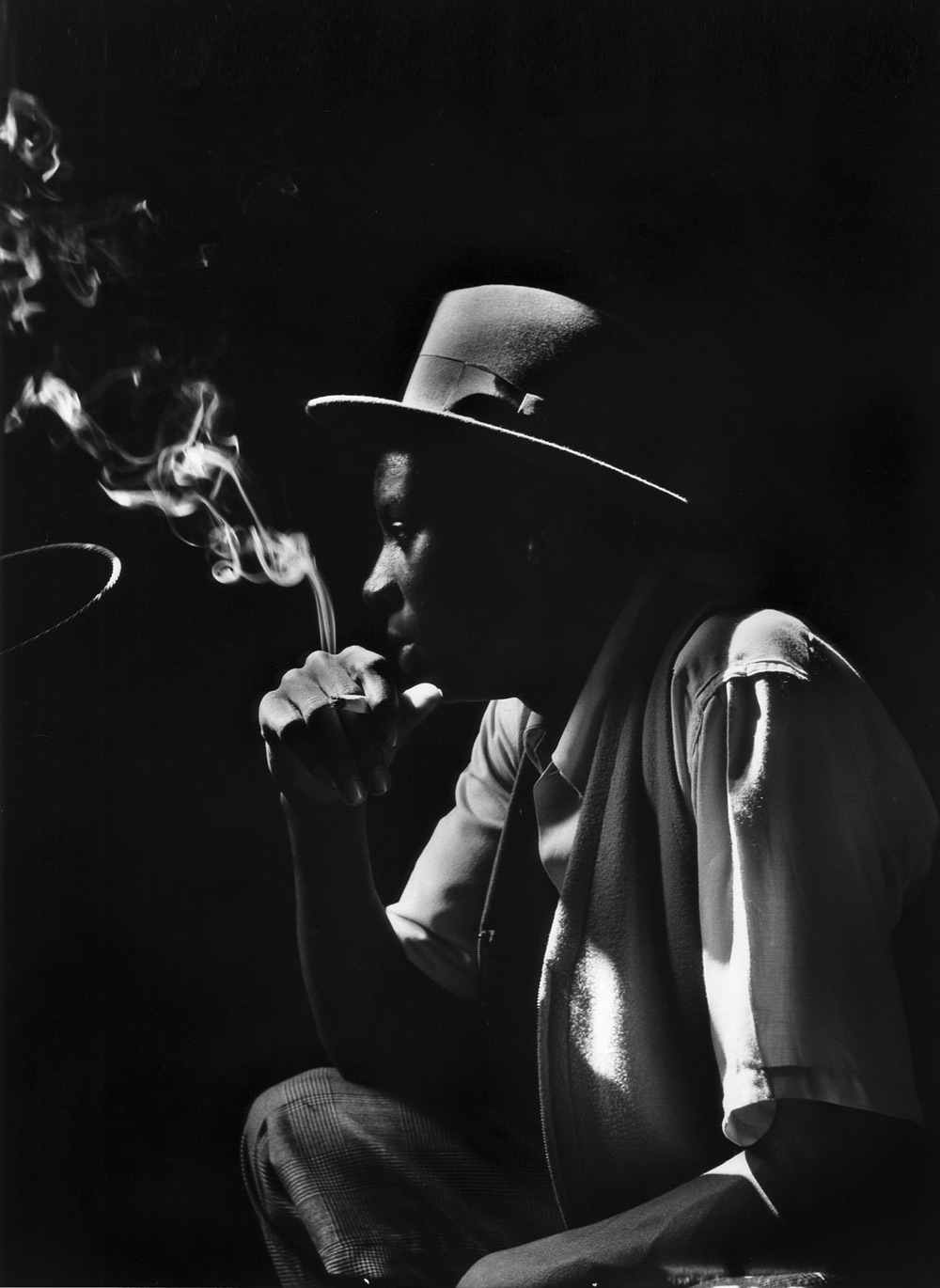
Dr Marcus Bunyan


Many thankx to Joseph Bellows Gallery for allowing me to publish the photographs in the posting. Please click on the photographs for a larger version of the image.


Enrico Natali (American, b. 1933) 'Office workers, Detroit, 1968' 1968


Enrico Natali (American, b. 1933)
Office workers, Detroit, 1968
1968
Gelatin silver print


Enrico Natali (American, b. 1933) 'Couple at Metropolitan Beach, Detroit, 1968' 1968


Enrico Natali (American, b. 1933)
Couple at Metropolitan Beach, Detroit, 1968
1968
Gelatin silver print


Enrico Natali (American, b. 1933) 'Pedestrians at the corner of Jefferson Avenue and Conners, Detroit, 1968' 1968


Enrico Natali (American, b. 1933)
Pedestrians at the corner of Jefferson Avenue and Conners, Detroit, 1968
1968
Gelatin silver print


Enrico Natali (American, b. 1933) 'High school prom, Detroit, 1968' 1968


Enrico Natali (American, b. 1933)
High school prom, Detroit, 1968
1968
Gelatin silver print


Enrico Natali (American, b. 1933) 'Secretary with abstract painting, Detroit, 1968' 1968


Enrico Natali (American, b. 1933)
Secretary with abstract painting, Detroit, 1968
1968
Gelatin silver print


Enrico Natali (American, b. 1933) 'Detroit Bolt and Nut Company workers, Detroit, 1968' 1968


Enrico Natali (American, b. 1933)
Detroit Bolt and Nut Company workers, Detroit, 1968
1968
Gelatin silver print


Enrico Natali (American, b. 1933) 'Computer room, Detroit, 1968' 1968


Enrico Natali (American, b. 1933)
Computer room, Detroit, 1968
1968
Gelatin silver print


Enrico Natali (American, b. 1933) 'Ann Davis at home with her daughter and son, Detroit, 1968' 1968


Enrico Natali (American, b. 1933)
Ann Davis at home with her daughter and son, Detroit, 1968
1968
Gelatin silver print


Enrico Natali (American, b. 1933) 'Couple at home with their daughter, Detroit, 1968' 1968


Enrico Natali (American, b. 1933)
Couple at home with their daughter, Detroit, 1968
1968
Gelatin silver print


Enrico Natali (American, b. 1933) 'Jim and Judy Yardley with their dogs, Sport and Barney, Detroit, 1968' 1968


Enrico Natali (American, b. 1933)
Jim and Judy Yardley with their dogs, Sport and Barney, Detroit, 1968
1968
Gelatin silver print


Enrico Natali (American, b. 1933) 'Pool player in an east side poolroom, Detroit, 1968' 1968


Enrico Natali (American, b. 1933)
Pool player in an east side poolroom, Detroit, 1968
1968
Gelatin silver print


Enrico Natali (American, b. 1933) 'Typesetter at work, Detroit, 1968' 1968


Enrico Natali (American, b. 1933)
Typesetter at work, Detroit, 1968
1968
Gelatin silver print


Enrico Natali (American, b. 1933) 'Dean Turner with his parents and cat, Detroit, 1968' 1968


Enrico Natali (American, b. 1933)
Dean Turner with his parents and cat, Detroit, 1968
1968
Gelatin silver print


Enrico Natali (American, b. 1933) 'Father and child at the Detroit Auto Show, Detroit, 1968' 1968


Enrico Natali (American, b. 1933)
Father and child at the Detroit Auto Show, Detroit, 1968
1968
Gelatin silver print


Enrico Natali (American, b. 1933) 'Enrico Natali's son, Vincenzo Natali, on the day of his birth, Detroit, 1968' 1968


Enrico Natali (American, b. 1933)
Enrico Natali’s son, Vincenzo Natali, on the day of his birth, Detroit, 1968
1968
Gelatin silver print


Enrico Natali (American, b. 1933) 'Suburban girls shopping in downtown Detroit, Detroit, 1968' 1968


Enrico Natali (American, b. 1933)
Suburban girls shopping in downtown Detroit, Detroit, 1968
1968
Gelatin silver print


Enrico Natali (American, b. 1933) 'Man with injured knee at the beach smoking, Detroit, 1968' 1968


Enrico Natali (American, b. 1933)
Man with injured knee at the beach smoking, Detroit, 1968
1968
Gelatin silver print


Enrico Natali (American, b. 1933) 'Beauty salon client smoking, Detroit, 1968' 1968


Enrico Natali (American, b. 1933)
Beauty salon client smoking, Detroit, 1968
1968
Gelatin silver print


Enrico Natali (American, b. 1933) 'Gala hostess, Detroit, 1968' 1968


Enrico Natali (American, b. 1933)
Gala hostess, Detroit, 1968
1968
Gelatin silver print


Enrico Natali (American, b. 1933) 'Woman outside a tire factory waiting for the bus, Detroit, 1968' 1968


Enrico Natali (American, b. 1933)
Woman outside a tire factory waiting for the bus, Detroit, 1968
1968
Gelatin silver print


Enrico Natali (American, b. 1933) 'Spectators at an Armed Forces Day parade, Detroit, 1968' 1968


Enrico Natali (American, b. 1933)
Spectators at an Armed Forces Day parade, Detroit, 1968
1968
Gelatin silver print


Enrico Natali (American, b. 1933) 'High school student in mini dress, Detroit, 1968' 1968


Enrico Natali (American, b. 1933)
High school student in mini dress, Detroit, 1968
1968
Gelatin silver print


Enrico Natali (American, b. 1933) 'Couple outside of an art museum, Detroit, 1968' 1968


Enrico Natali (American, b. 1933)
Couple outside of an art museum, Detroit, 1968
1968
Gelatin silver print


Enrico Natali (American, b. 1933) 'Woman at an art exhibition in Grosse Pointe, Detroit, 1968' 1968


Enrico Natali (American, b. 1933)
Woman at an art exhibition in Grosse Pointe, Detroit, 1968
1968
Gelatin silver print


Enrico Natali (American, b. 1933) 'Newlywed couple, Detroit, 1968' 1968


Enrico Natali (American, b. 1933)
Newlywed couple, Detroit, 1968
1968
Gelatin silver print


Joseph Bellows Gallery
7661 Girard Avenue
La Jolla, CA 92037
Phone: (858) 456-5620

Opening hours:
Tuesday – Saturday 11am – 5pm

Joseph Bellows Gallery website

LIKE ART BLART ON FACEBOOK

Back to top