
Exhibition dates: 26th June – 8th October, 2018
Curator: Jeff L. Rosenheim, Joyce Frank Menschel Curator in Charge of the Department of Photographs at The Met

Unknown American photographer
Studio Portrait
1940s-1950s
Gelatin silver print
The Metropolitan Museum of Art, New York, Twentieth-Century Photography Fund, 2015, 2017
Image courtesy The Metropolitan Museum of Art
“To the eye and spirit, pictures are just what poetry and music are to the ear and heart.”
“With the clear perception of things as they are, must stand the faithful rendering of things as they seem. The dead fact is nothing without the living expression.”
Frederick Douglass. “Pictures and Progress”
“True art, when it happens to us, challenges the ‘I’ that we are.”
Jeanette Winterson. “Art Objects,” in Art Objects: Essays on Ecstasy and Effrontery, 1996
Without worry … here ‘I am’
Part 2 of this glorious posting: mainly 1940s, African American “studio” portrait photography. Lets see what we can garner about these “studio” spaces by looking at the photographs. View Part 1 of the posting.
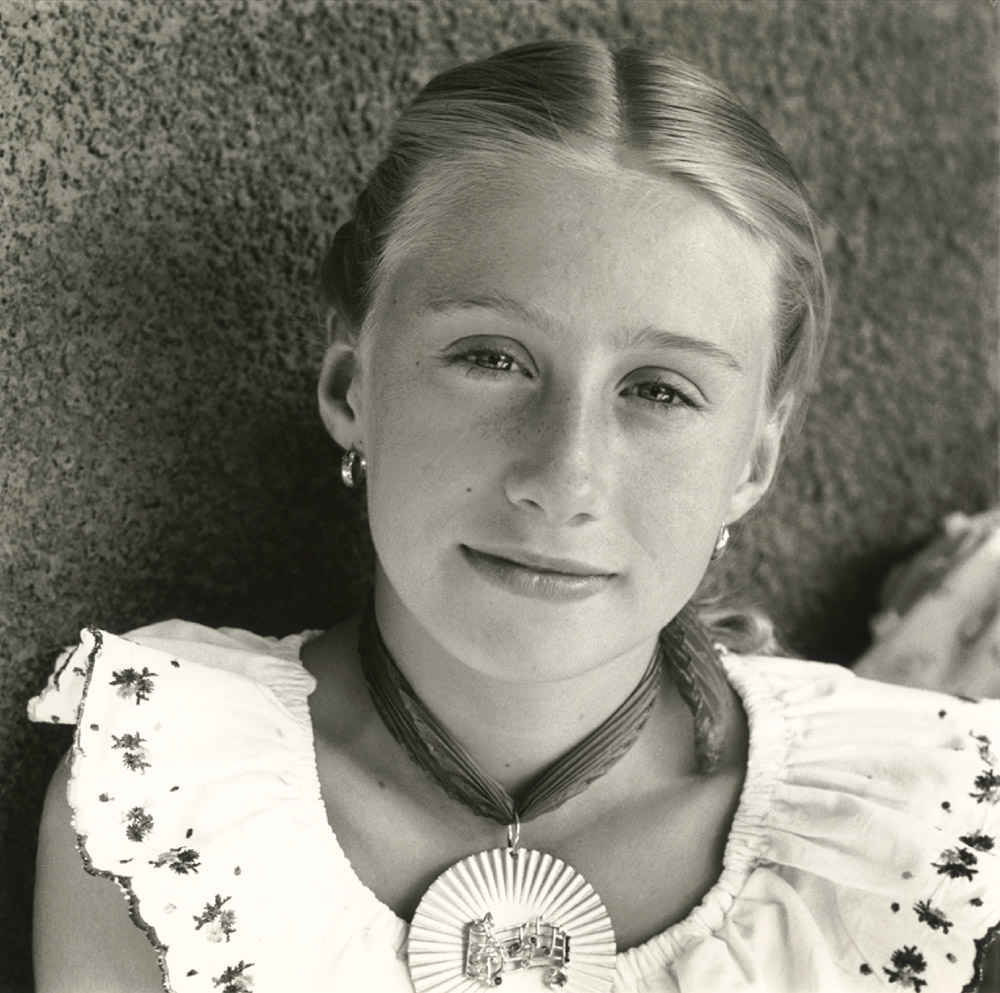
Firstly, they are very small, usually with bare floorboards, carpet or linoleum on the floor. Some (such as the photography of the man holding his child) are literally just big enough to pose and light the subject. As can be seen in the photograph of the lady holding a large handbag, the painted backdrops can be changed in and out, in this instance the scrim placed in front of another painted background. Notice also the worn lino in this photograph, where so many people have walked in an posed in this studio, in this very spot. Historically, painted backdrops have been used since the earliest days of photography, appearing in ambrotypes and tintypes of American Civil War soldiers. It would not surprise me is some of the studios from that time were still going in the 1940s.
Secondly, we can observe the lighting and depth of field. The lighting seems to be either by one or two lights (probably not moved between clients) that sit on axis, meaning there is a horizontal line between the light, the camera and the subject – a nearly horizontal light source. The depth of field is low, the camera probably pre-focused on the table, chair or pedestal within the studio space. Because of the small studio space, the subject placed up tight against the painted backdrop, and the low depth of field… there is a consequent flattening of the subject within the image plane. The photographs are either full figure standing, sitting or cropped closer at the waist.
While the idyllic painted backdrops add context to these studio portraits, it is the pose of the sitters that is so mesmerising in the photographs. These people were living in anxious, dangerous times – the Second World War, the Cold War, and the ever present racism against African Americans were some of the issues that they had to deal with – and yet they pose quite confidently for the camera, seemingly with no hidden agenda or deception. They are choosing to pose for their own reasons. As Jeff Rosenheim, the Met’s photography curator observes, “In these pictures, we see them in reflection of where they are and what their conditions are.”
I think there are a few things happening at once here. These studios give the impression that they are really joyous places. Is it the staff, or the need to document an important occasion like the birth of a child, a marriage, a graduation, or sisters, or is it something more intangible? The studios seem a great place to be. There is this JOY that seems to radiate off of the sitters and then there is a pride that is not referencing being accepted in a white community, but has layers of self containment / their own self, their friends, and something else.
“You live the life you’ve got.” So says a character from one of my favourite British TV series Vera. And that is what these photographs picture – the life they are living, the life they have got. In these photographs there is a direct vision, direct seeing… and looking, which is what makes them so powerful and effective. Unlike contemporary popular portraits, blasted over the airwaves on Instagram, Snapchat, Facebook, etc. there is a direct connection to the lives of these people. While they lived in anxious times, their representation by the camera is clear and focused. Today our anxiety is more prescient, more at the forefront of out consciousness, our identity formation, the way we interact with the world. Who is looking and who is watching, and what is our image. Selfies on sticks or images in front of mirrors step to the front.
When looking at these photographs I have to ask, is there something here that is gone? Something we can remember yet has been sneakily stolen from us?
In contemporary portrait photography what has been stolen from us is the sense of joy, happiness, and intimacy in our own self, and how devolved we have become from the essence of our own being. The “dead pan” looks on people’s faces, the anxiety to get the right shot, the hands in the air with mobile phones to capture anything that is seen as worthwhile (just because you can) has become ubiquitous the world over. We have gone through a recent period of devolution and may need to regain lost ground, for what makes these photographs special – magical in the truest sense sense of the word – is that they just are. No ego from subject or photographer, no prejudice encroaching from the outside world, these people and their photographic trace just capture the essence of their being. Without worry… here ‘I am’.
Dr Marcus Bunyan
Many thankx to the Metropolitan Museum of Art for allowing me to publish the photographs in the posting. Please click on the photographs for a larger version of the image.
This exhibition will present more than one hundred and fifty studio portraits of African Americans from the mid-twentieth century, part of an important recent acquisition by The Met. Produced by mostly unidentified makers, the photographs are a poignant, collective self portrait of the African American experience during the 1940s and 1950s – a time of war, middle-class growth, and seismic cultural change.
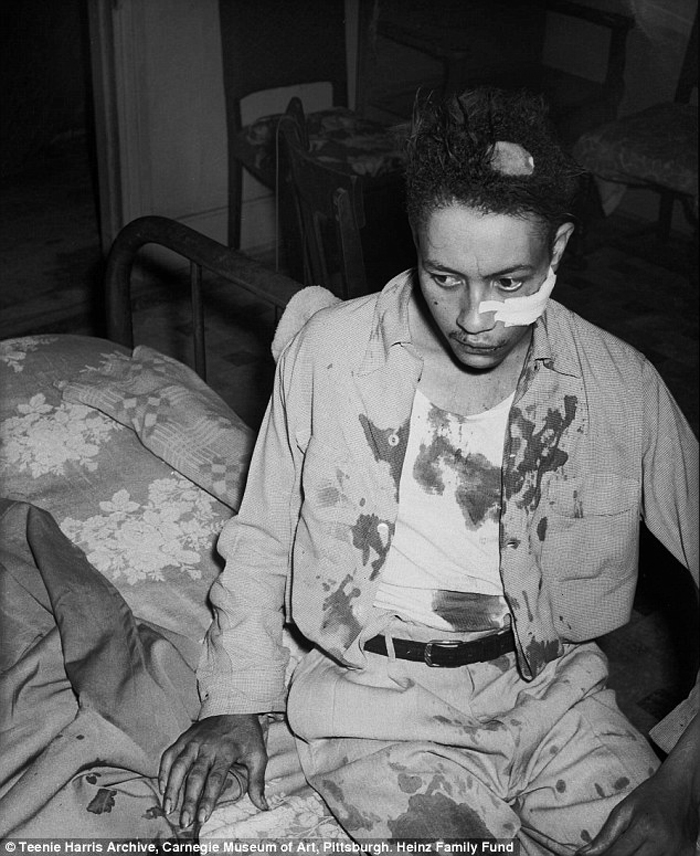
Charles “Teenie” Harris (American, 1908-1998)
John Davis after being beaten by police officer Dan McTague, in his home at 1303 Wylie Avenue, Hill District, August 1951
1951
Gelatin silver print
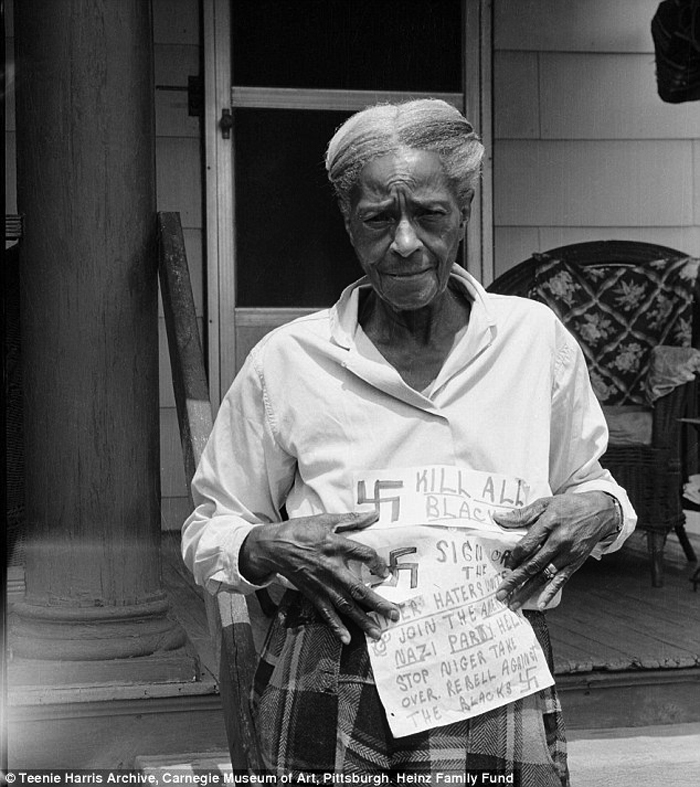
Charles “Teenie” Harris (American, 1908-1998)
Mary Reid holding threatening notes with swastikas and American Nazi Party propaganda, in July 1964
1964
Gelatin silver print

Unknown American photographer
Studio Portrait
1940s-1950s
Gelatin silver print
The Metropolitan Museum of Art, New York, Twentieth-Century Photography Fund, 2015, 2017
Image courtesy The Metropolitan Museum of Art

Unknown American photographer
Studio Portrait
1940s-1950s
Gelatin silver print
The Metropolitan Museum of Art, New York, Twentieth-Century Photography Fund, 2015, 2017
Image courtesy The Metropolitan Museum of Art
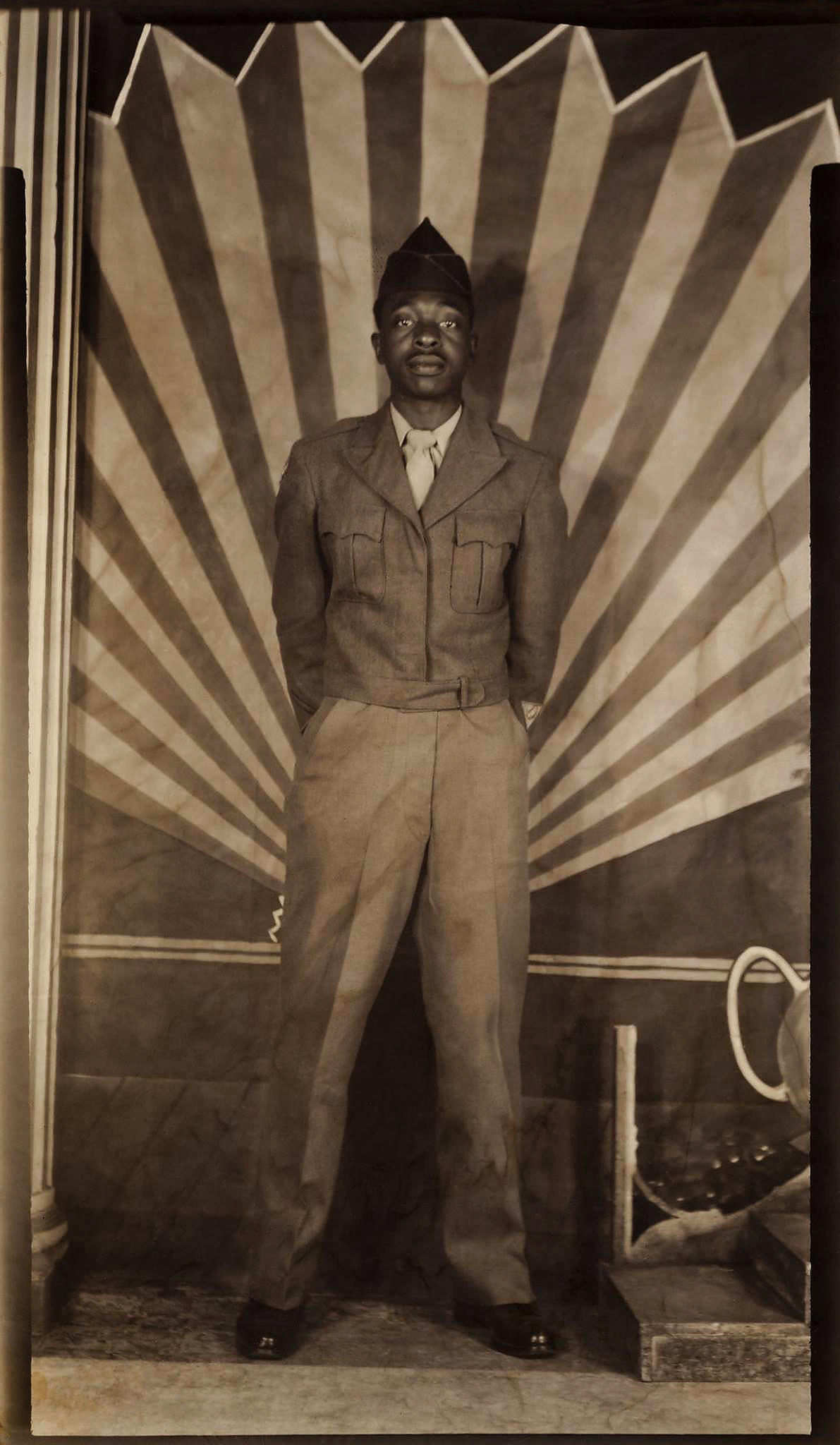
Unknown American photographer
Studio Portrait
1940s-1950s
Gelatin silver print
The Metropolitan Museum of Art, New York, Twentieth-Century Photography Fund, 2015, 2017
Image courtesy The Metropolitan Museum of Art

Unknown American photographer
Studio Portrait
1940s-1950s
Gelatin silver print
The Metropolitan Museum of Art, New York, Twentieth-Century Photography Fund, 2015, 2017
Image courtesy The Metropolitan Museum of Art

Unknown American photographer
Studio Portrait
1940s-1950s
Gelatin silver print
The Metropolitan Museum of Art, New York, Twentieth-Century Photography Fund, 2015, 2017
Image courtesy The Metropolitan Museum of Art

Unknown American photographer
Studio Portrait
1940s-1950s
Gelatin silver print
The Metropolitan Museum of Art, New York, Twentieth-Century Photography Fund, 2015, 2017
Image courtesy The Metropolitan Museum of Art
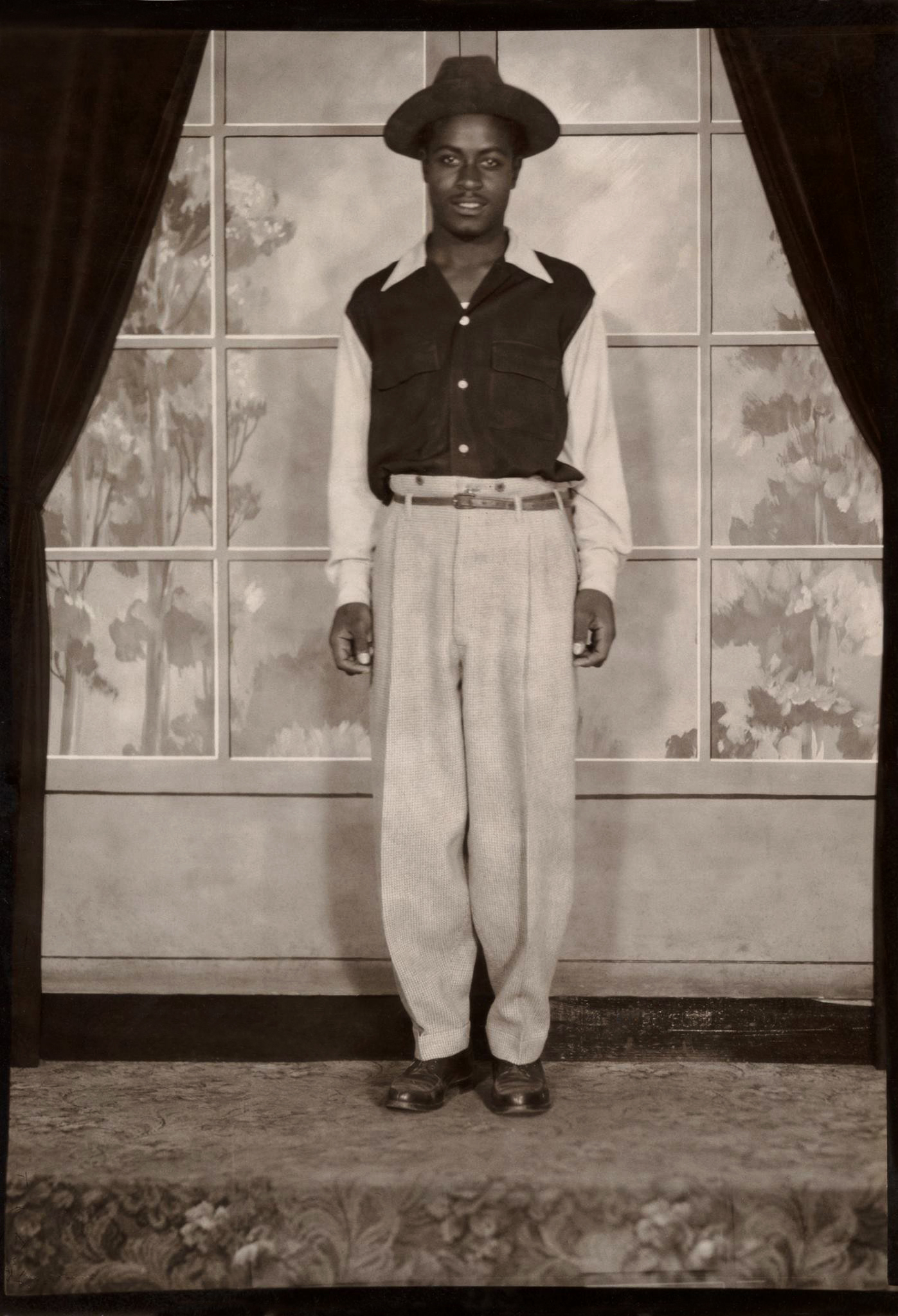
Unknown American photographer
Studio Portrait
1940s-1950s
Gelatin silver print
The Metropolitan Museum of Art, New York, Twentieth-Century Photography Fund, 2015, 2017
Image courtesy The Metropolitan Museum of Art
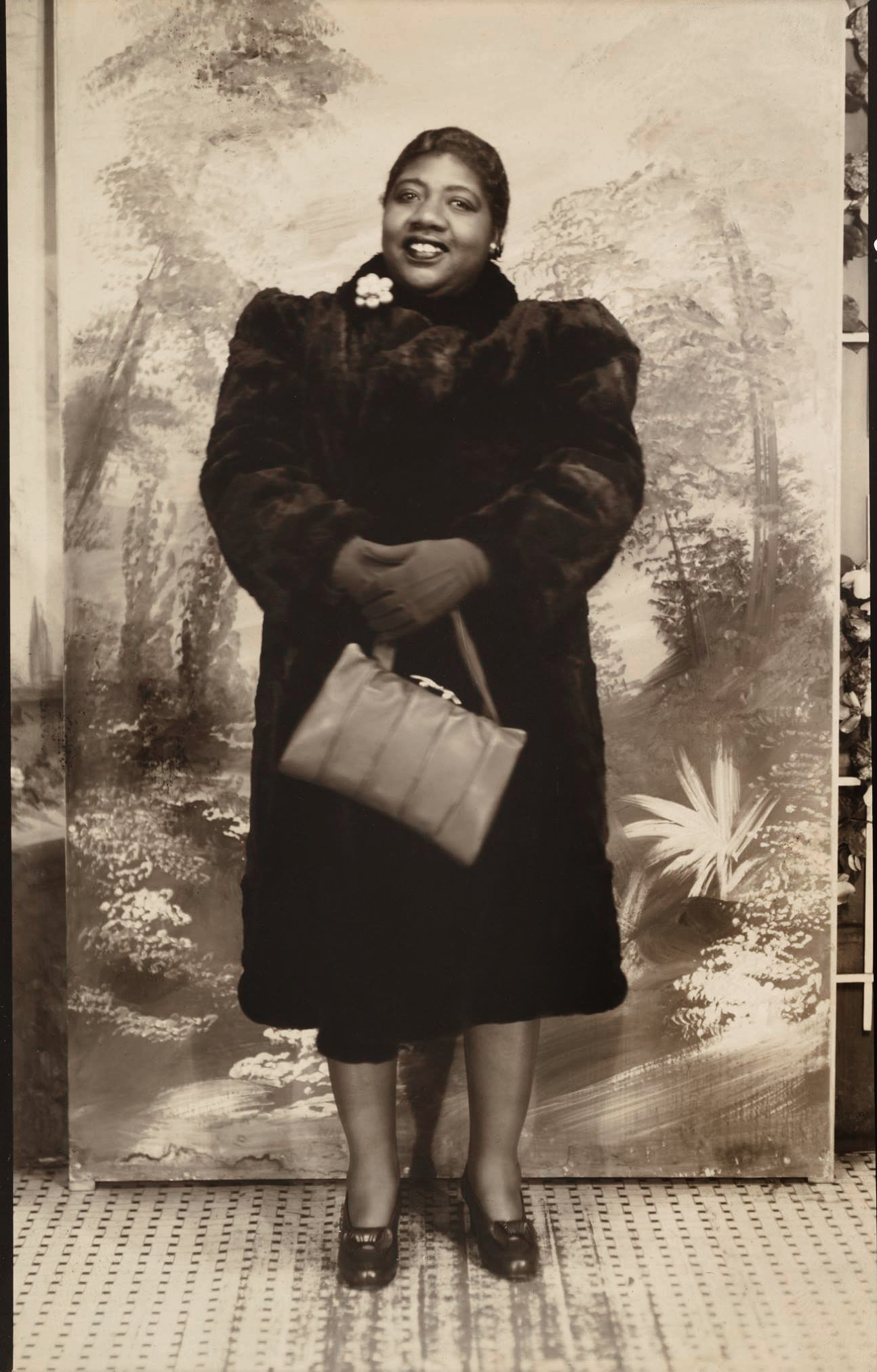
Unknown American photographer
Studio Portrait
1940s-1950s
Gelatin silver print
The Metropolitan Museum of Art, New York, Twentieth-Century Photography Fund, 2015, 2017
Image courtesy The Metropolitan Museum of Art

Unknown American photographer
Studio Portrait
1940s-1950s
Gelatin silver print
The Metropolitan Museum of Art, New York, Twentieth-Century Photography Fund, 2015, 2017
Image courtesy The Metropolitan Museum of Art
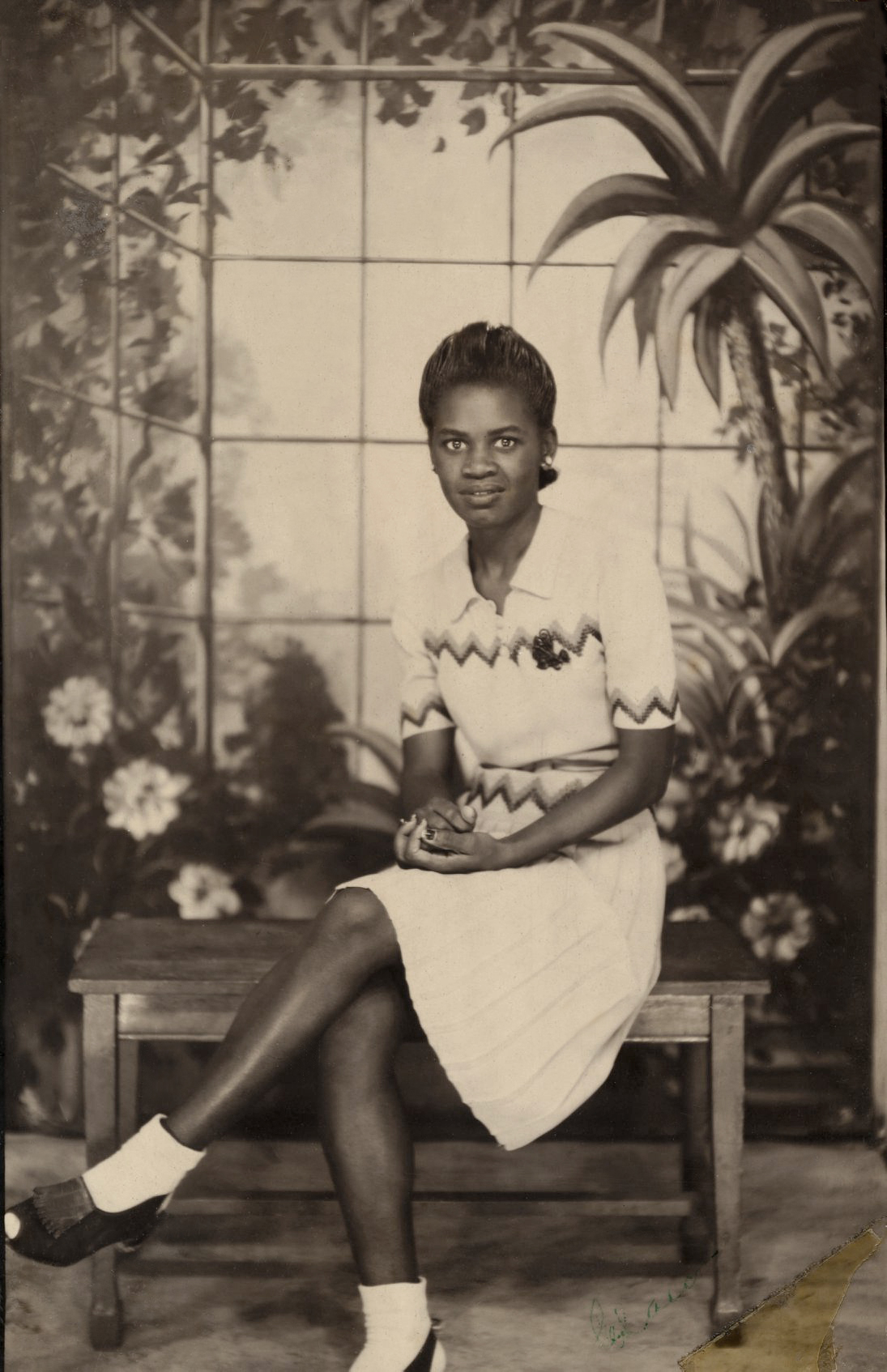
Unknown American photographer
Studio Portrait
1940s-1950s
Gelatin silver print
The Metropolitan Museum of Art, New York, Twentieth-Century Photography Fund, 2015, 2017
Image courtesy The Metropolitan Museum of Art
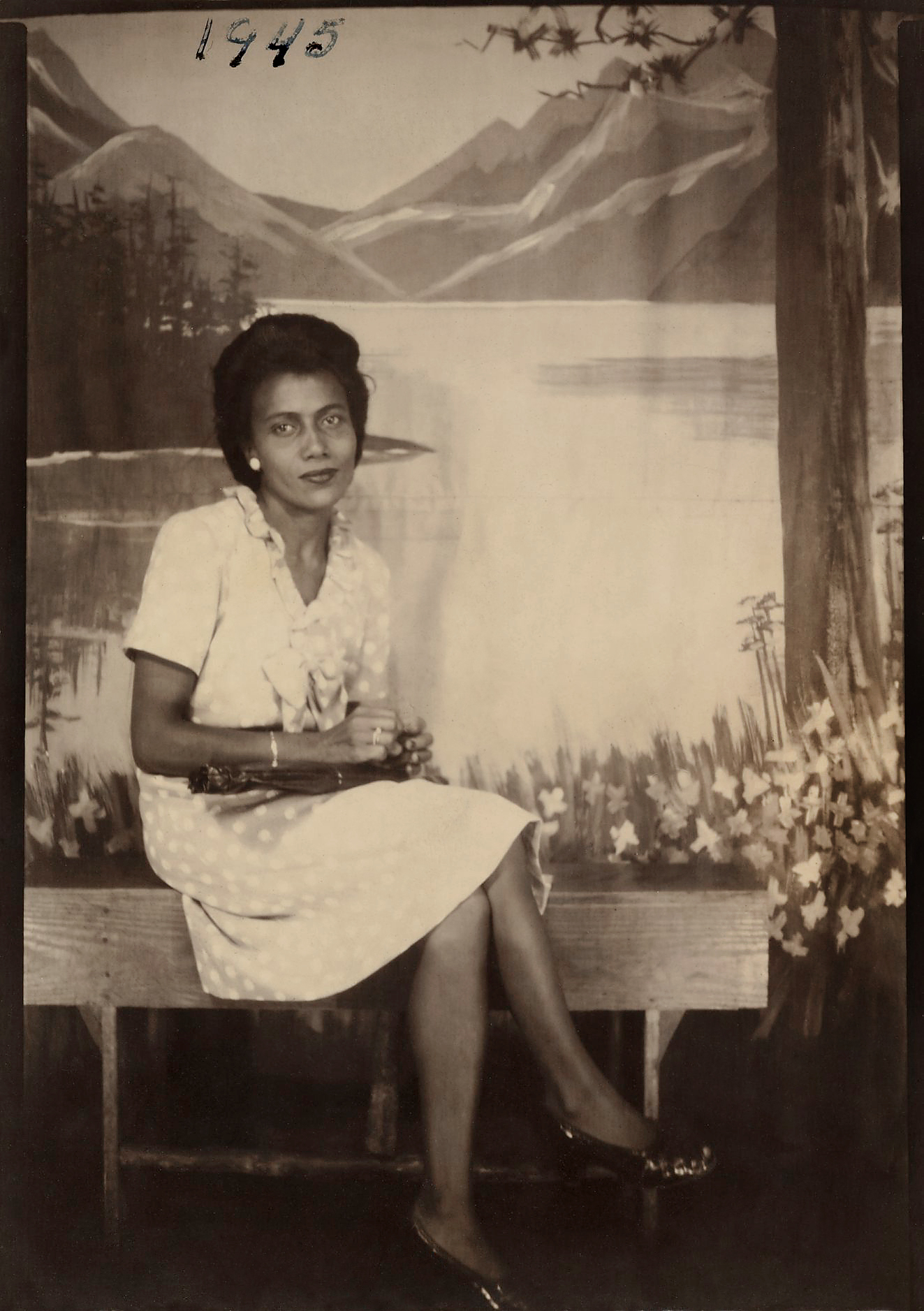
Unknown American photographer
Studio Portrait
1940s-1950s
Gelatin silver print
The Metropolitan Museum of Art, New York, Twentieth-Century Photography Fund, 2015, 2017
Image courtesy The Metropolitan Museum of Art
African American Portraits: Photographs from the 1940s and 1950s, on view June 26 through October 8, 2018, will present more than 150 studio portraits from the mid-20th century. The exhibition offers a seldom seen view of the African American experience in the United States during World War II and the following decade – a time of war, middle-class growth, and seismic cultural change. Part of an important acquisition made by The Met in 2015 and 2017, these photographs build on and expand the Museum’s strong holdings in portraiture from the beginning of photography in the 1840s to the present. The exhibition is made possible by the Alfred Stieglitz Society.
The portraits on view generally feature sitters in a frontal pose against a painted backdrop – soldiers and sailors model their uniforms, graduates wear their caps and gowns, lovers embrace, and new parents cradle their infants. Both photographers and subjects remain mostly unidentified.
In the wartime economy, photographic studios became hubs of activity for local and regional communities. Some studios were small and transient, others more established and identifiable, such as the Daisy Studio in Memphis, Tennessee. Using waterproof direct positive paper rather than film, the studios were able to offer their clientele high quality, inexpensive portraits in a matter of minutes. The poignancy of these small photographs lies in the essential respect the camera offers its subjects, who sit for their portraits as an act of self-expression.
African American Portraits: Photographs from the 1940s and 1950s is organised by Jeff L. Rosenheim, Joyce Frank Menschel Curator in Charge of the Department of Photographs at The Met.
Press release from the Metropolitan Museum of Art
SAME STUDIO AND PERSON
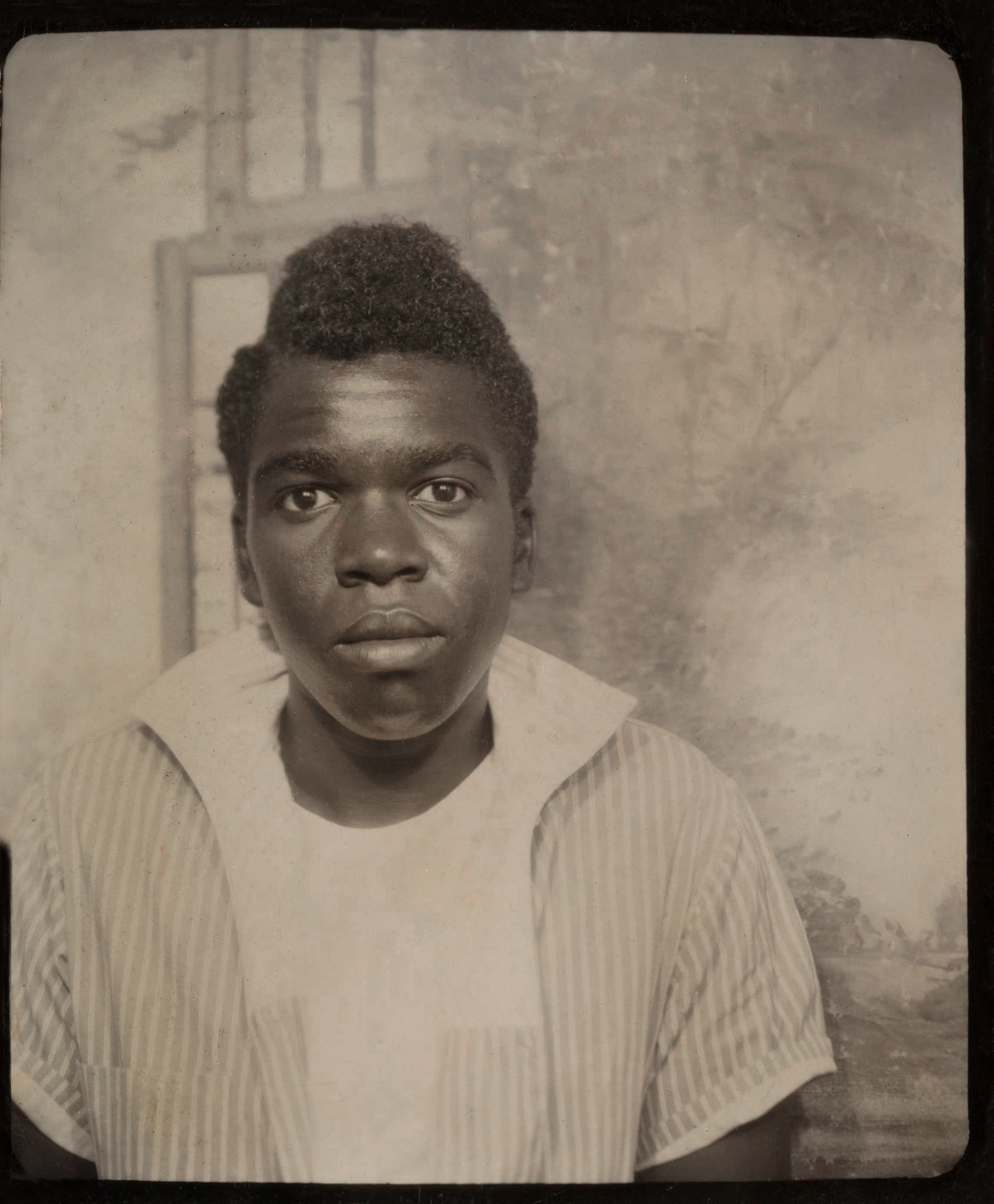
Unknown American photographer
Studio Portrait
1940s-1950s
Gelatin silver print
The Metropolitan Museum of Art, New York, Twentieth-Century Photography Fund, 2015, 2017
Image courtesy The Metropolitan Museum of Art
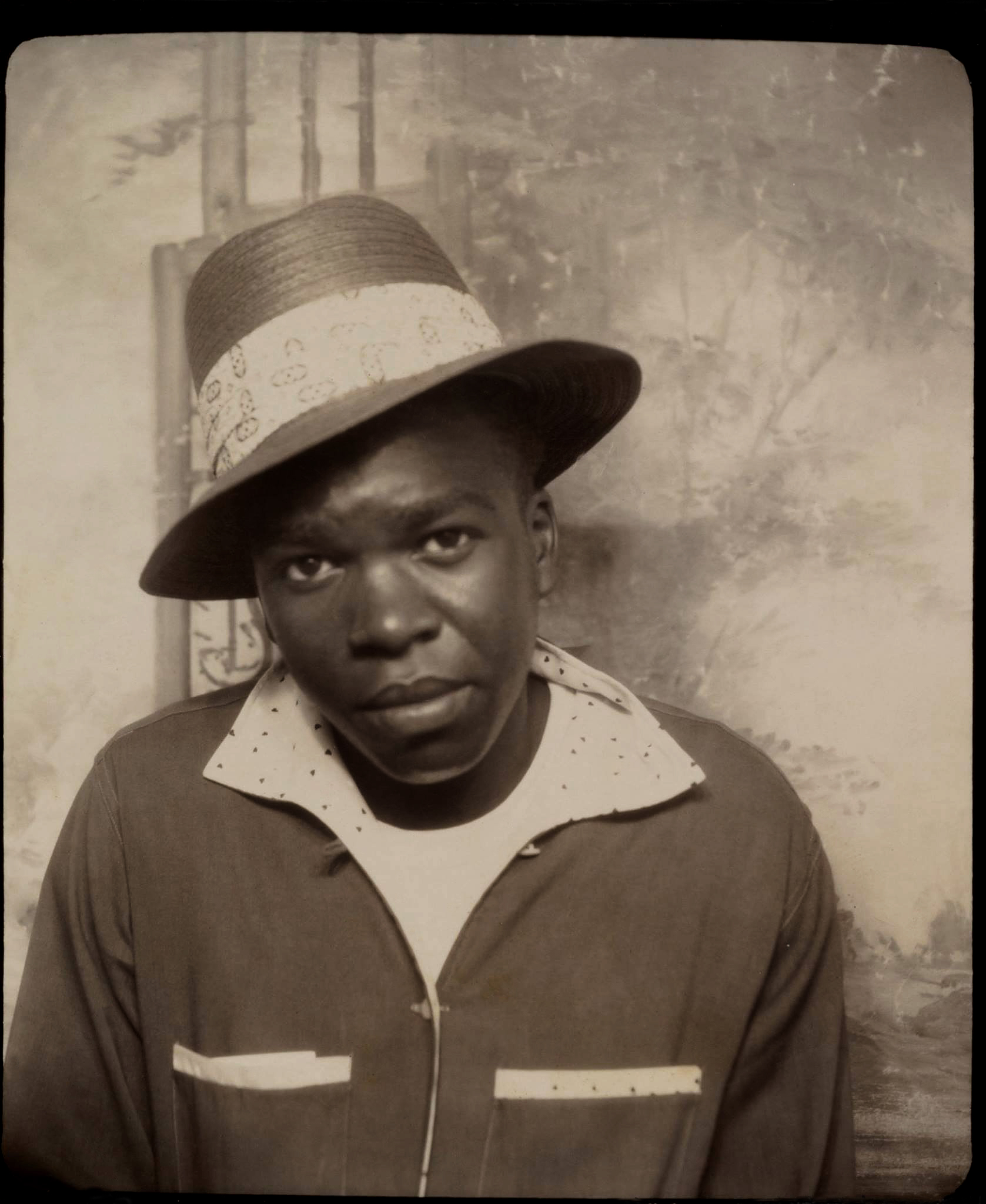
Unknown American photographer
Studio Portrait
1940s-1950s
Gelatin silver print
The Metropolitan Museum of Art, New York, Twentieth-Century Photography Fund, 2015, 2017
Image courtesy The Metropolitan Museum of Art
SAME STUDIO, SAME AND DIFFERENT BACKDROPS
You can tell by the legs of the seat.
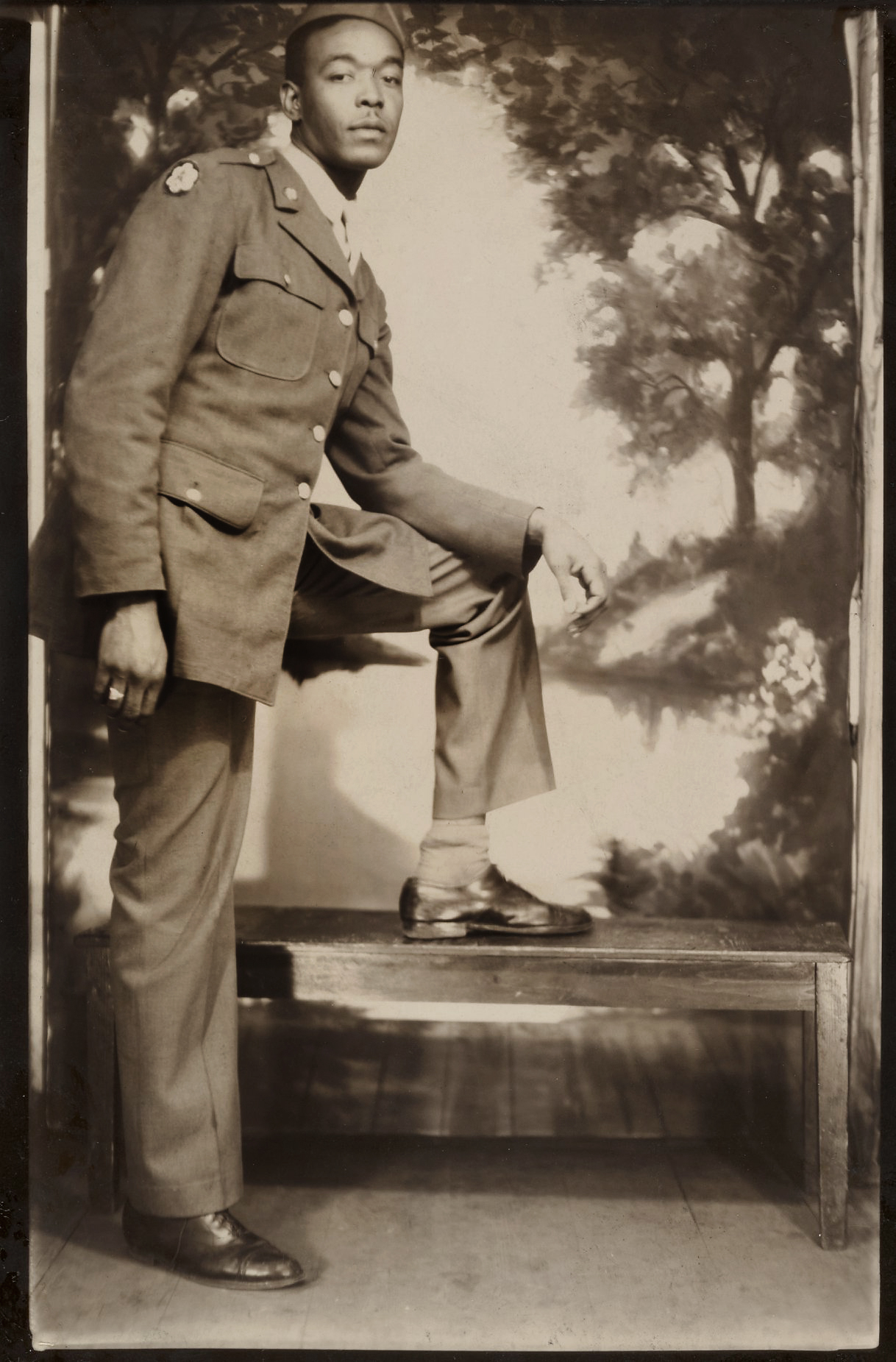
Unknown American photographer
Studio Portrait
1940s-1950s
Gelatin silver print
The Metropolitan Museum of Art, New York, Twentieth-Century Photography Fund, 2015, 2017
Image courtesy The Metropolitan Museum of Art
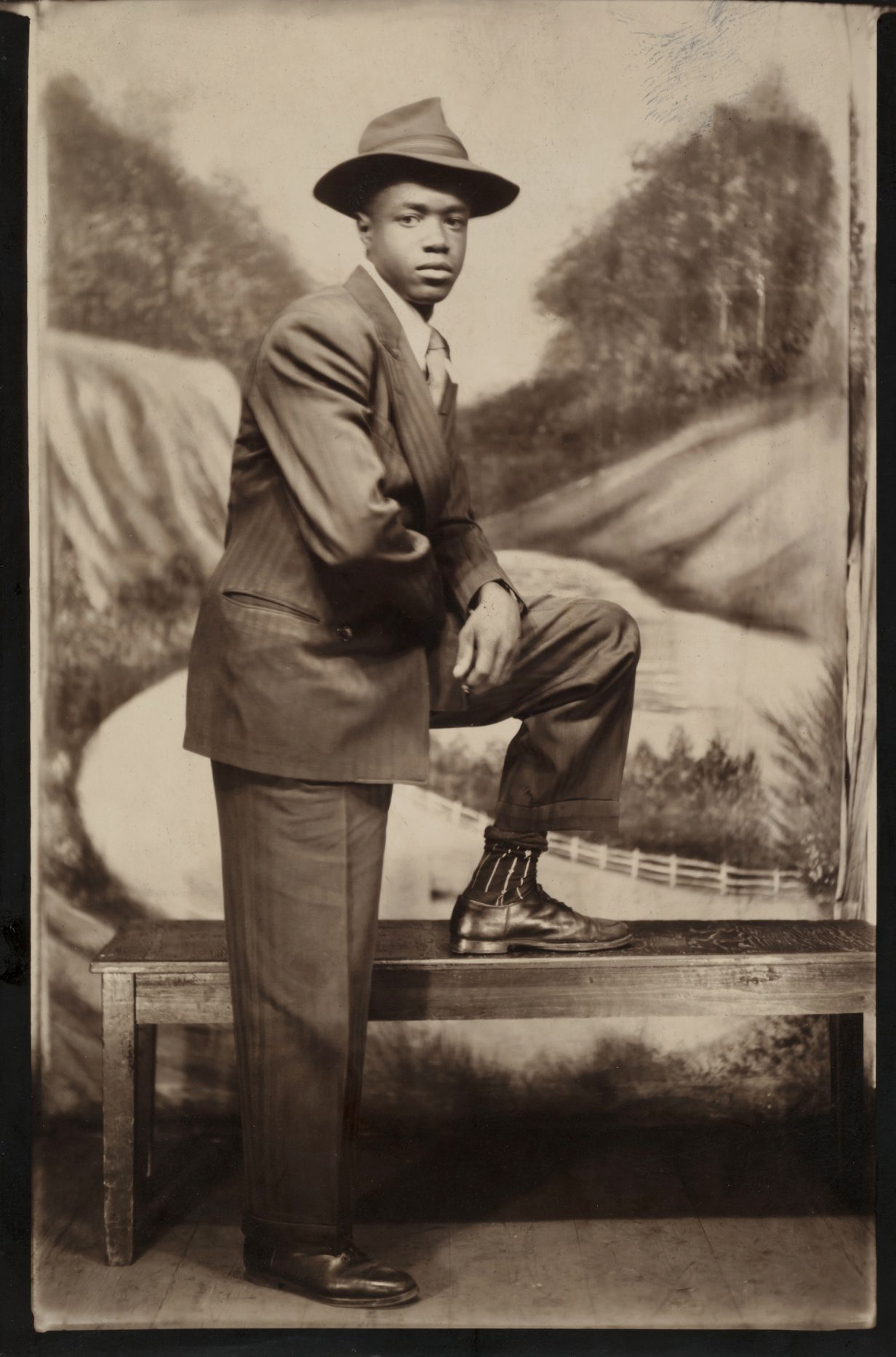
Unknown American photographer
Studio Portrait
1940s-1950s
Gelatin silver print
The Metropolitan Museum of Art, New York, Twentieth-Century Photography Fund, 2015, 2017
Image courtesy The Metropolitan Museum of Art

Unknown American photographer
Studio Portrait
1940s-1950s
Gelatin silver print
The Metropolitan Museum of Art, New York, Twentieth-Century Photography Fund, 2015, 2017
Image courtesy The Metropolitan Museum of Art
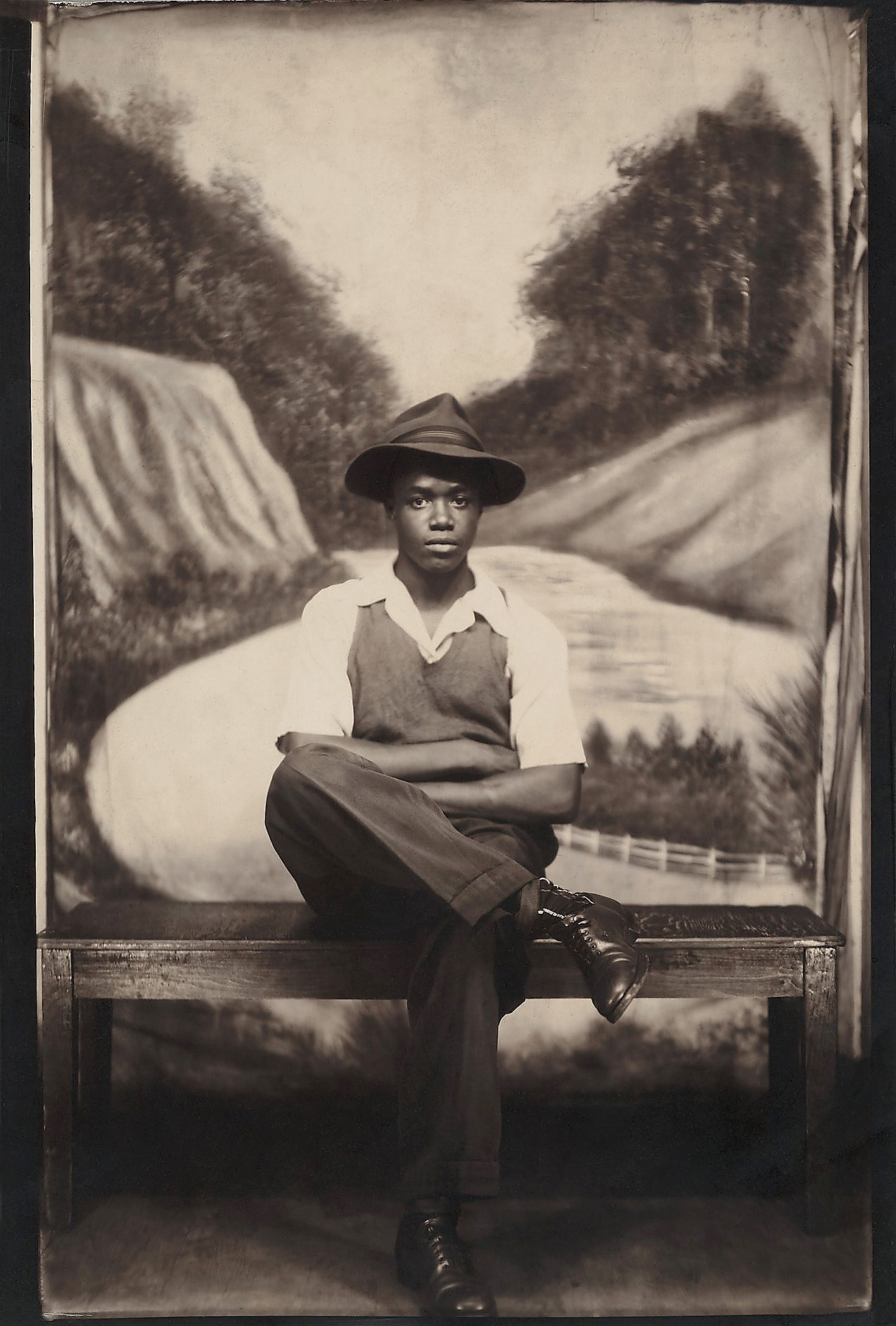
Unknown American photographer
Studio Portrait
1940s-1950s
Gelatin silver print
The Metropolitan Museum of Art, New York, Twentieth-Century Photography Fund, 2015, 2017
Image courtesy The Metropolitan Museum of Art
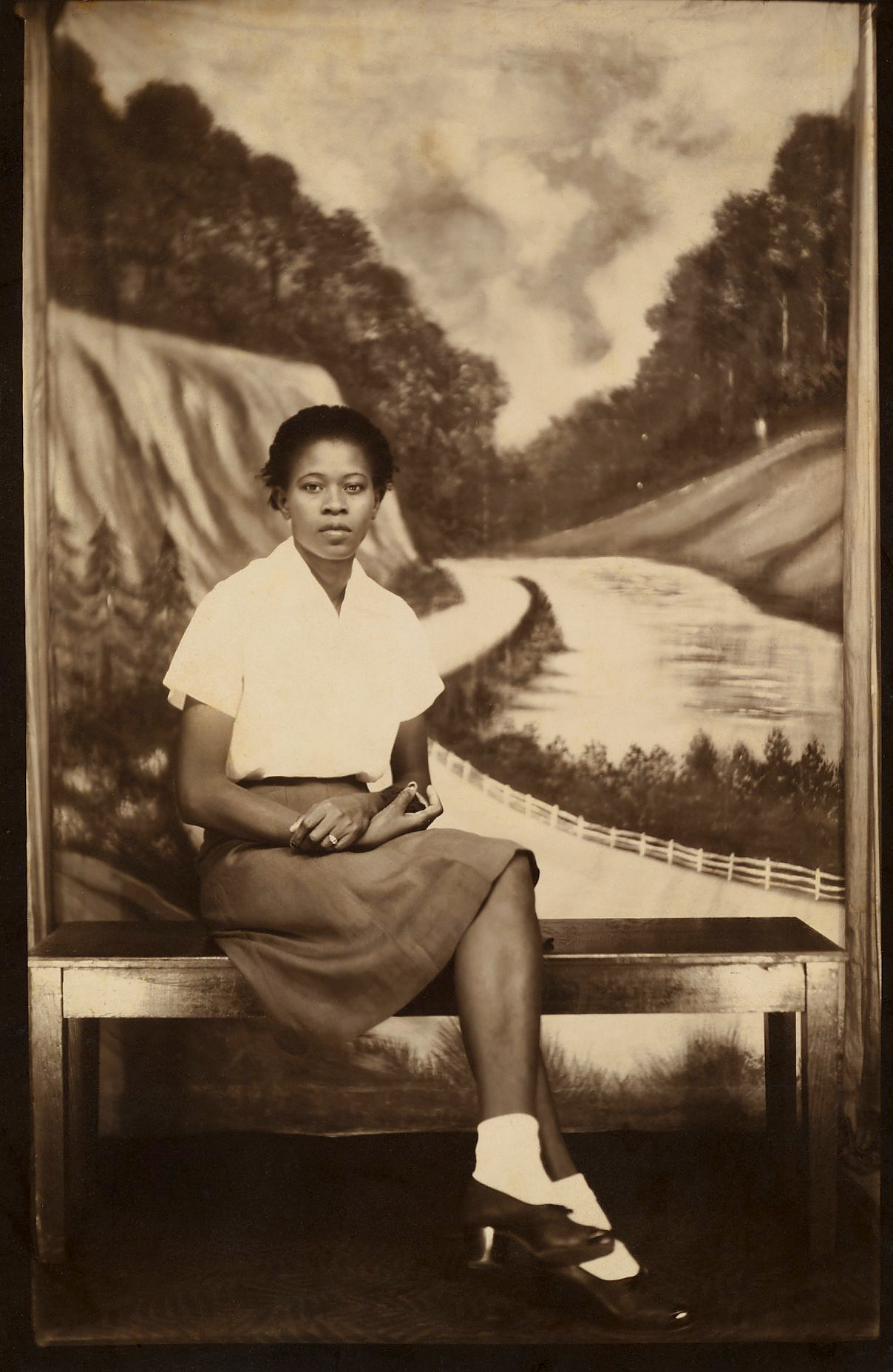
Unknown American photographer
Studio Portrait
1940s-1950s
Gelatin silver print
The Metropolitan Museum of Art, New York, Twentieth-Century Photography Fund, 2015, 2017
Image courtesy The Metropolitan Museum of Art
SAME STUDIO DIFFERENT BACKDROP
You can tell by the curtain at right, and the pedestal.
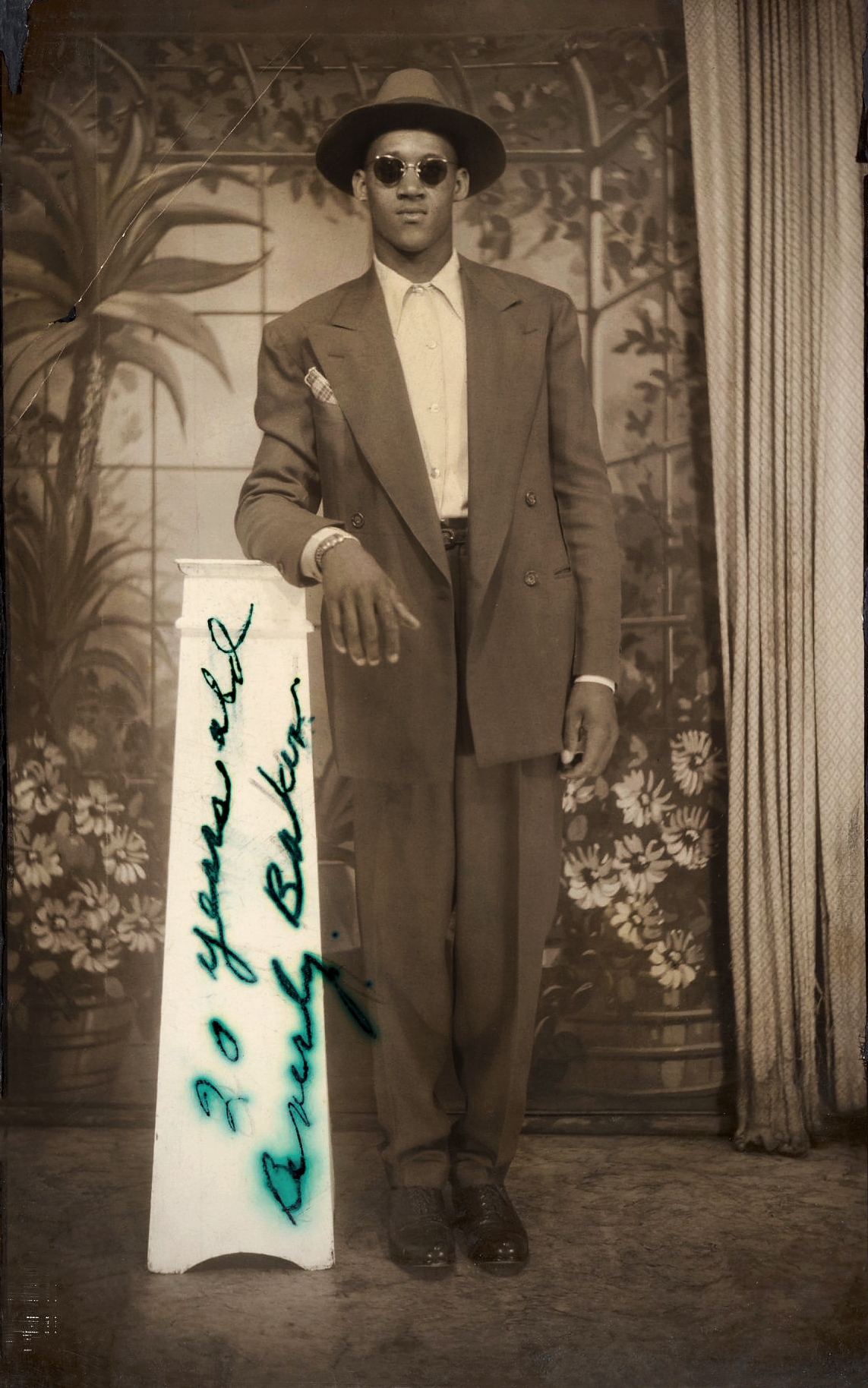
Unknown American photographer
Studio Portrait
1940s-1950s
Gelatin silver print
The Metropolitan Museum of Art, New York, Twentieth-Century Photography Fund, 2015, 2017
Image courtesy The Metropolitan Museum of Art
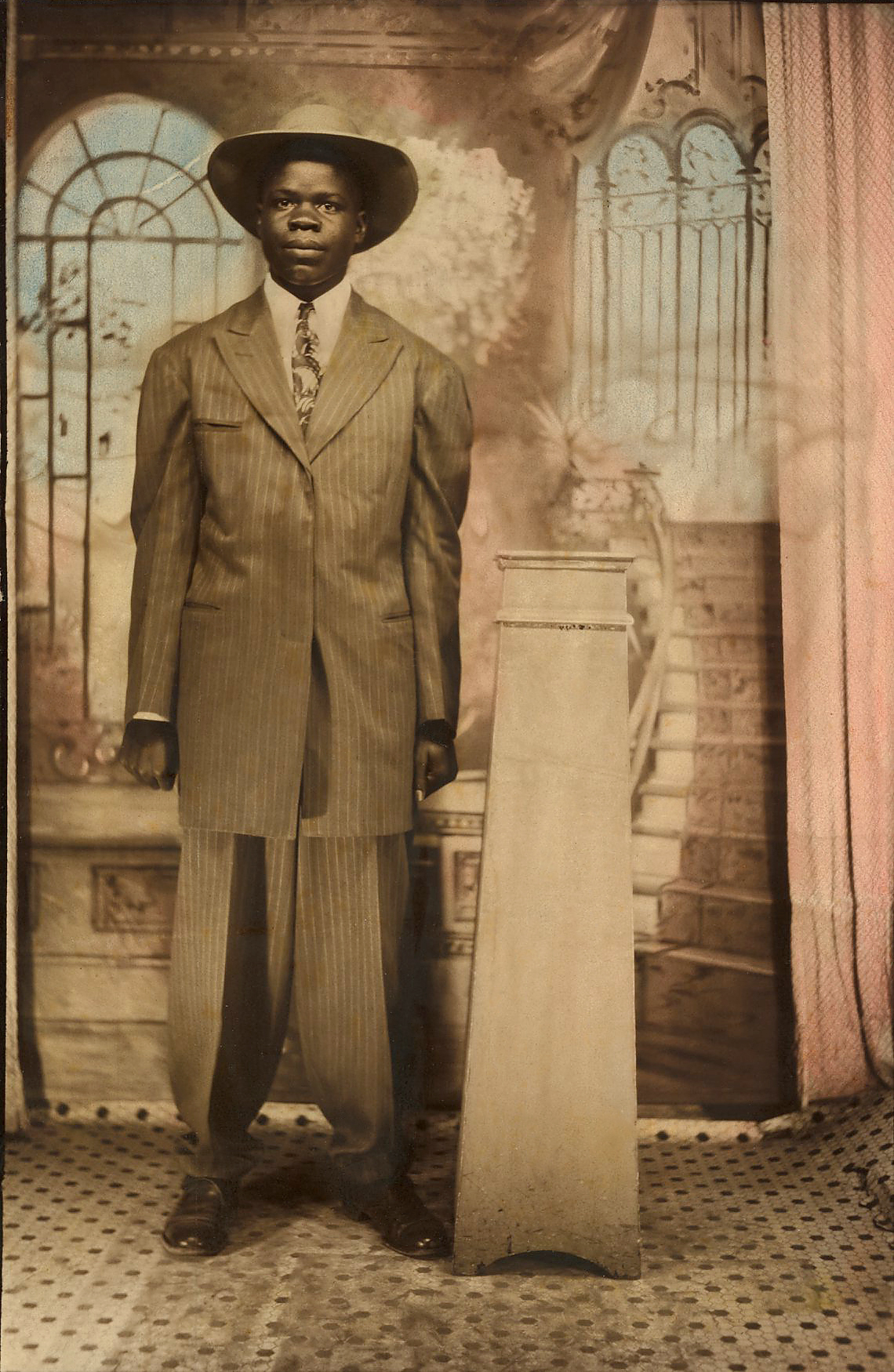
Unknown American photographer
Studio Portrait
1940s-1950s
Gelatin silver print with hand colouring
The Metropolitan Museum of Art, New York, Twentieth-Century Photography Fund, 2015, 2017
Image courtesy The Metropolitan Museum of Art
SAME STUDIO DIFFERENT BACKDROP
You can tell by the style of the painting, the positioning of the flowers, and the decoration on the carpet of the stairs.
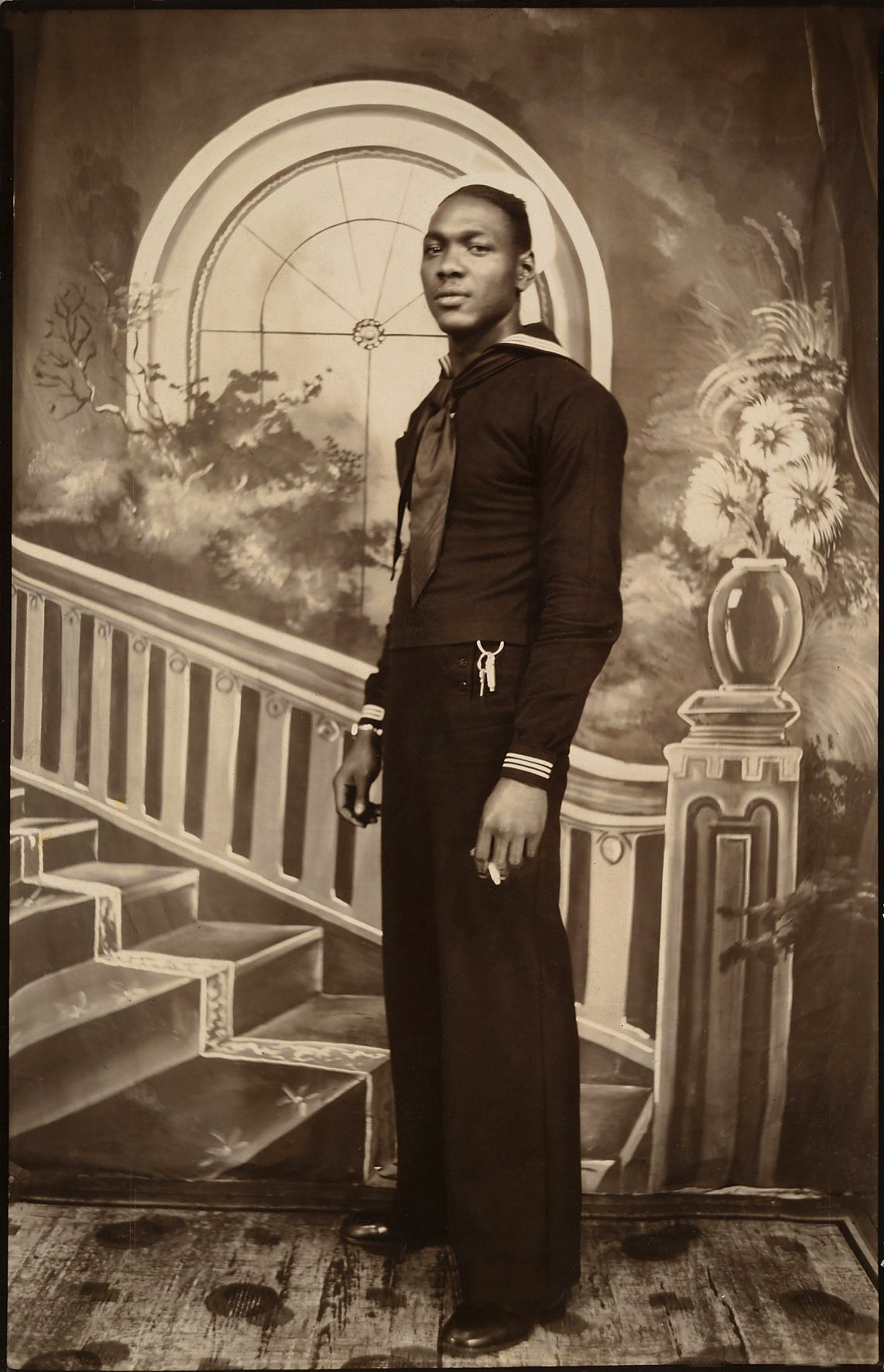
Unknown American photographer
Studio Portrait
1940s-1950s
Gelatin silver print
The Metropolitan Museum of Art, New York, Twentieth-Century Photography Fund, 2015, 2017
Image courtesy The Metropolitan Museum of Art
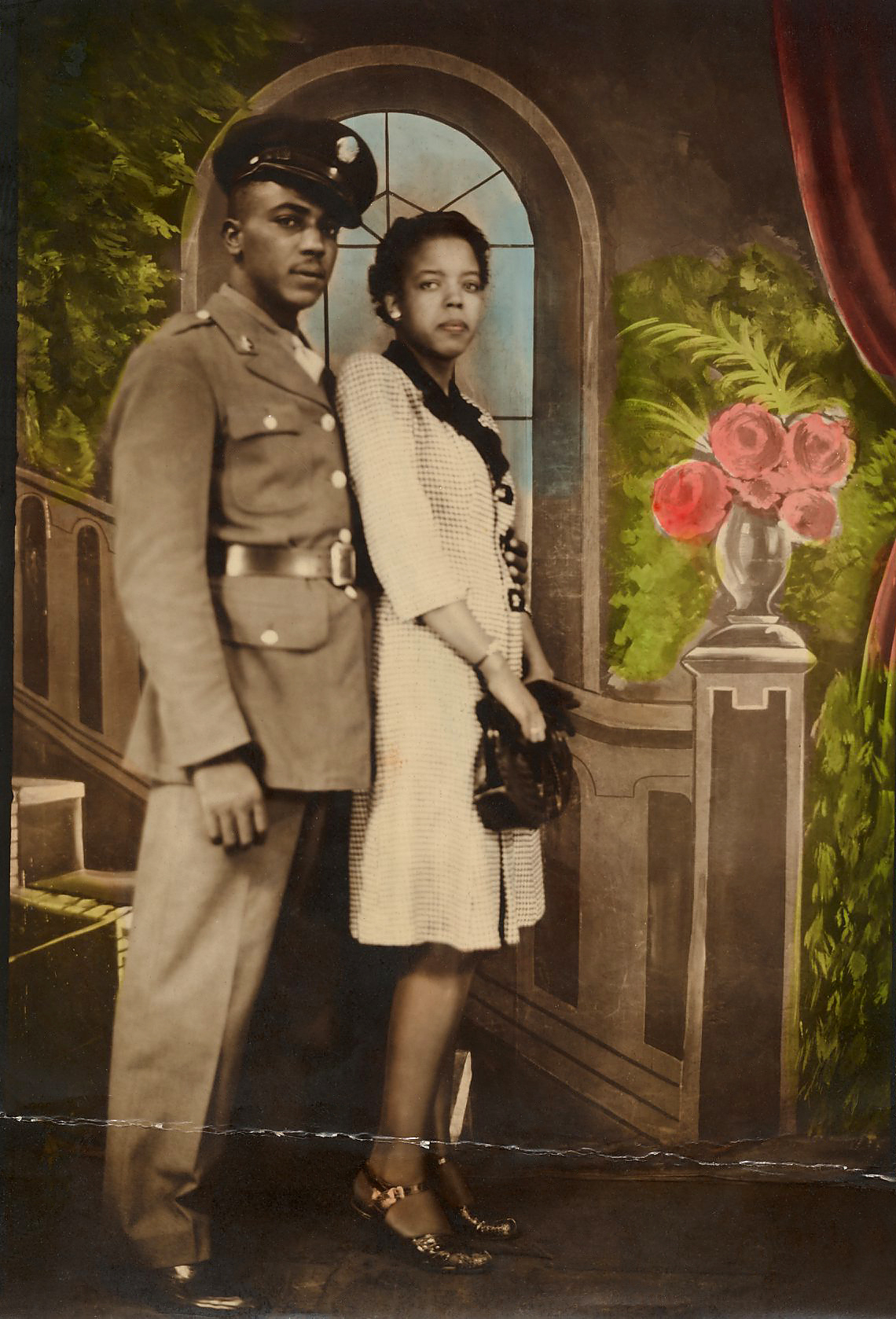
Unknown American photographer
Studio Portrait
1940s-1950s
Gelatin silver print with hand colouring
The Metropolitan Museum of Art, New York, Twentieth-Century Photography Fund, 2015, 2017
Image courtesy The Metropolitan Museum of Art
DAISY STUDIO
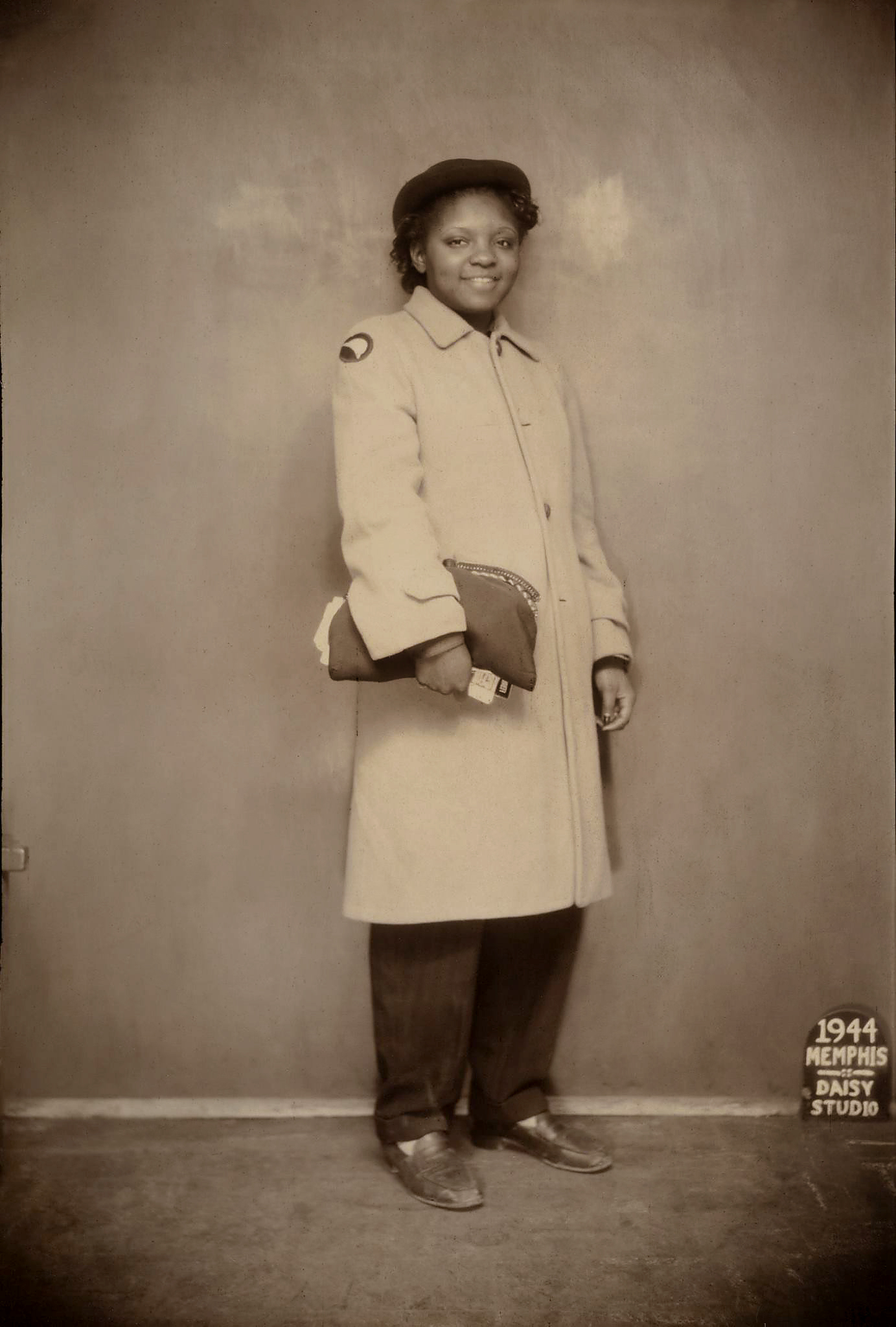
Daisy Studio (American, active 1940s)
Studio Portrait
1940s-1950s
Gelatin silver print
The Metropolitan Museum of Art, New York, Twentieth-Century Photography Fund, 2015, 2017
Image courtesy The Metropolitan Museum of Art
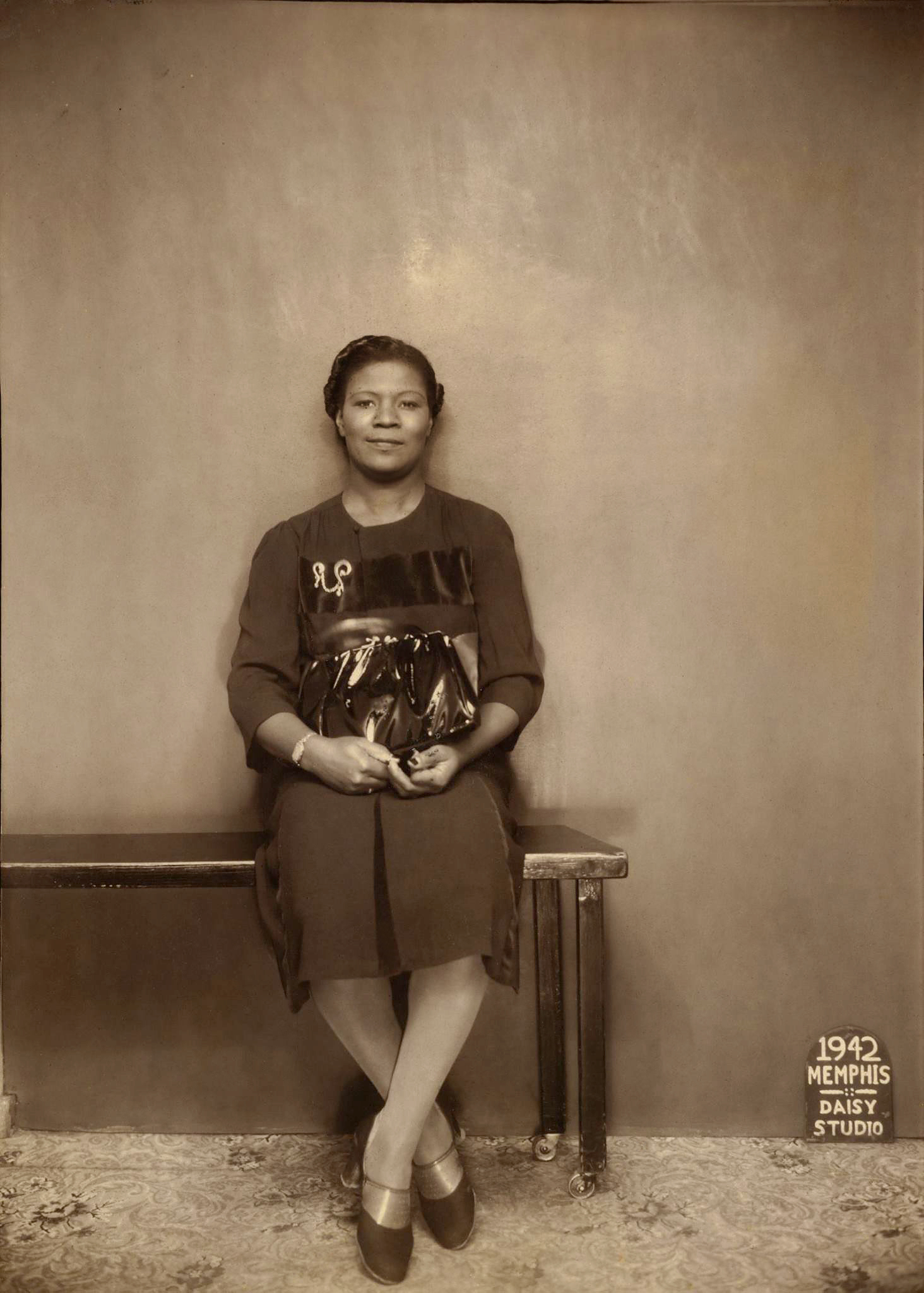
Daisy Studio (American, active 1940s)
Studio Portrait
1940s-1950s
Gelatin silver print
The Metropolitan Museum of Art, New York, Twentieth-Century Photography Fund, 2015, 2017
Image courtesy The Metropolitan Museum of Art
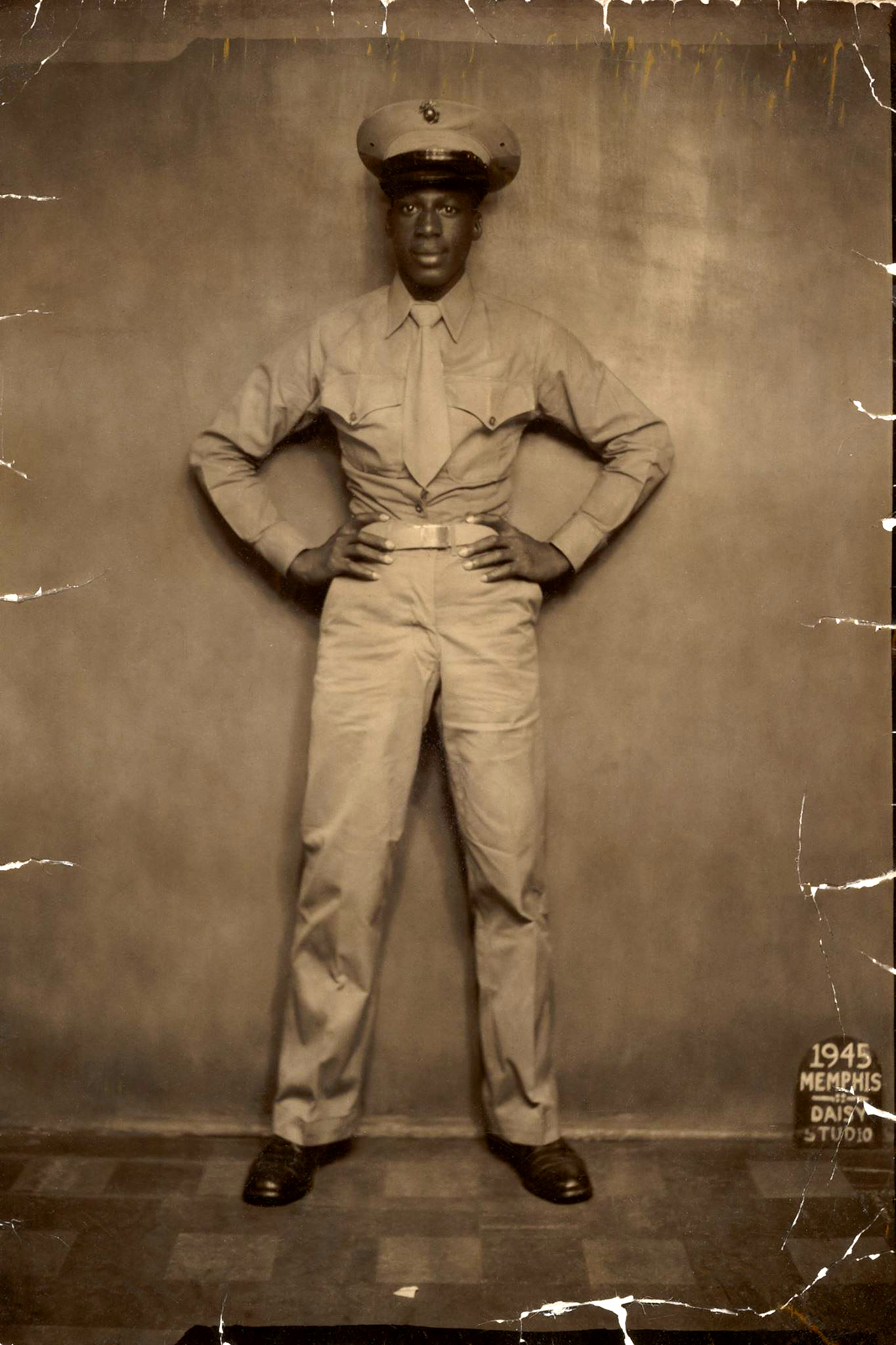
Daisy Studio (American, active 1940s)
Studio Portrait
1940s-1950s
Gelatin silver print
The Metropolitan Museum of Art, New York, Twentieth-Century Photography Fund, 2015, 2017
Image courtesy The Metropolitan Museum of Art
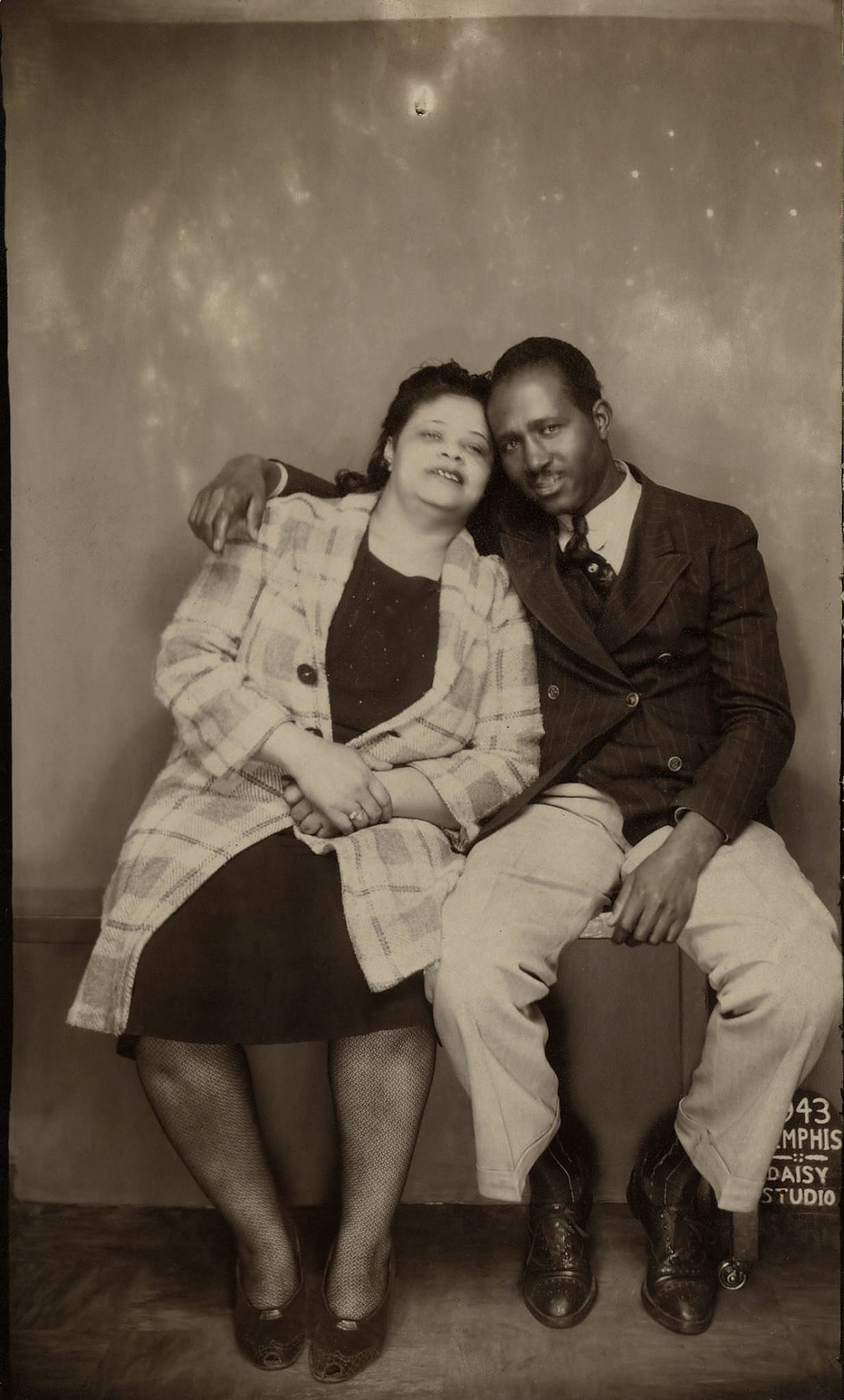
Daisy Studio (American, active 1940s)
Studio Portrait
1940s-1950s
Gelatin silver print
The Metropolitan Museum of Art, New York, Twentieth-Century Photography Fund, 2015, 2017
Image courtesy The Metropolitan Museum of Art
The Metropolitan Museum of Art
1000 Fifth Avenue at 82nd Street
New York, New York 10028-0198
Phone: 212-535-7710
Opening hours:
Sunday – Tuesday and Thursday: 10am – 5pm
Friday and Saturday: 10am – 9pm
Closed Wednesday
 Art Blart _ art and cultural memory archive
You must be logged in to post a comment.