Exhibition: ‘In Focus: Protest’ at the J. Paul Getty Museum, Los Angeles

Exhibition dates: 29th June – 10th October, 2021

Curator: Mazie Harris


David Wojnarowicz in 1988 wearing the "If I Die of AIDS" jacket


David Wojnarowicz in 1988
Please note, this photograph is not in the exhibition


Speaking up when others are silent

This one-room exhibition seems like a missed opportunity.

I note the observation of Anne Wallentine: “In Focus: Protest, a one-room exhibition at the Getty Center, focuses on palatable images of protest. There are no disturbing images of the police’s violent attacks on protesters during the June 2020 Black Lives Matter protests, for example, or of self-immolations protesting the Vietnam War. On the one hand, we don’t need to see violence to understand injustice. But this subject deserves a much deeper and broader show to explore the important power dynamics of protest – and of documenting it – than the Getty’s somewhat muddled march through the lowlights of American history.”1

Although I haven’t seen the exhibition I have been able to gather together numerous photographs from installation shots of the show. The exhibition focuses heavily on the civil rights photographs of the 1960s with sporadic abortion, women’s lib, Vietnam War, contemporary Black Lives Matter and metaphorical images standing in for actual protest photographs (such as the photographs of Robert Frank). As Wallentine observes, the subject deserves a much deeper and broader show to explore the important power dynamics of protest, and of documenting it.

America has a long history of protest stretching back to its very beginning, such as the Boston Tea Party in 1773. But thinking about the photography of protest in America – where are the cartes de visit of slavery abolitionists such as Sojourner Truth or Frederick Douglass, the photographs of protests for women’s suffrage, after the Stonewall Riots, against the lack of funding for HIV/AIDS, for gun legislation, photographs of protests for Native American enfranchisement, marches for equal rights, anti-nuclear protests, Iraq War protests, climate change protests, and the worldwide Occupy movement?

What are issues and the politics involved with documenting protest, both for an against, as an expression of the photographers own beliefs? How does the presence of photographers affect how people “play up” to the camera? Does the photographer participate in the protest or stand aside and just document? How is documenting a form of protest in itself? How are these images then made propaganda and to what ends? What is the difference between the vernacular photography of protest and that of a professional photojournalist? How are both disseminated and what is the difference of this impact?

How is the framing of protest photography undertaken in a system – and here I am thinking, for example, of the selective cropping, editing and addition of text in photo essays by professional photographers such as Gordon Parks for Life magazine – and how do we, as viewers, recognise that the systems in which the works are viewed often obscure the networks in which they are created and operate… that is, structures that sit around those pictures re/presentation in galleries or newspapers, journals.

Essentially, in the power of the image, what lies in and beyond the frame of reference – in terms of the technologies of production, technologies of sign systems, technologies of power and technologies of the self2 – has an “affect” upon the reception and interpretation of images, their inculcation in memory through repetition, their performativity, their intertextuality and their promulgation in the world as acts of resistance and freedom, both from the point of view of the photographer and the viewer.

The one image that is my favourite protest photograph “of all time” can be seen above. To my knowledge, this photograph is not included in the exhibition. Taken by an anonymous photographer in 1988 it shows an anonymous man at a protest rally (evidenced by the placard in the background top right) wearing a jacket emblazoned with words in white capital letters “IF I DIE OF AIDS – FORGET BURIAL – JUST DROP MY BODY ON THE STEPS OF THE F.D.A” over the pink triangle, symbol of homosexuals in the Nazi concentration camps later reclaimed as a positive symbol of self-identity for various LGBTQ identities. The F.D.A. referred to is the United States Food and Drug Administration which is responsible for protecting the public health by ensuring the safety, efficacy, and security of human and veterinary drugs and biological products… at the time dragging their feet over AIDS research.

The anonymous man is, in fact, American artist and activist David Wojnarowicz who died at the age of 37 in 1992, four years after the photograph was taken, of AIDS-related complications.

“… during the plague years, he watched his best friends die horribly, while religious leaders pontificated against safe-sex education and politicians mooted quarantine on islands.

It filled him with rage, the brutality and the waste. He writes: “I want to throw up because we’re supposed to quietly and politely make house in this killing machine called America and pay taxes to support our own slow murder, and I’m amazed that we’re not running amok in the streets and that we can still be capable of gestures of loving after lifetimes of all this.” …

“It is exhausting, living in a population where people don’t speak up if what they witness doesn’t directly threaten them,” he writes. Long before the word intersectionality was in common currency, Wojnarowicz was alert to people whose experience was erased by what he called “the pre‑invented world” or “the one-tribe nation”. Politicised by his own sexuality, by the violence and deprivation he had been subjected to, he developed a deep empathy with others, a passionate investment in diversity. During the course of Close to the Knives he touches repeatedly on other struggles, from fighting police brutality towards people of colour to standing up to the erosion of abortion rights. …

As the rallying cry of Aids activists made clear, “Silence = Death”. From the very beginning of his life Wojnarowicz had been subjected to an enforced silencing, first by his father and then by the society he inhabited: the media that erased him; the courts that legislated against him; and the politicians who considered his life and the lives of those he loved expendable.

In Knives he repeatedly explains his motivation for making art as an acute desire to produce objects that could speak, testifying to his presence when he no longer could. “To place an object or piece of writing that contains what is invisible because of legislation or social taboo into an environment outside myself makes me feel not so alone,” he writes. “It is kind of like a ventriloquist’s dummy – the only difference is that the work can speak by itself or act like that magnet to attract others who carried this enforced silence.””3


The jacket that he made and the photograph of it form an intertextual art work, one both (physically) sculptural and photographic, objects that could visibly speak in the world by transgressing the taboo of invisibility, of silence. The photograph was taken by an anonymous photographer of an initially (to the viewer) anonymous man. It then proceeds to transcend its subject … through the projection of the voice of the artist through time, through the knowledge of the story of his own vitality and resistance, now his absence/presence. His protest stands “in eternity” where there is no time. Standing with others, speaking up when others are silent. That is the essence of protest. I just wonder where that jacket is now?

Dr Marcus Bunyan


Footnotes

1/ Anne Wallentine. “A History of Protest Photography That Plays It Too Safe,” on the Hyperallergic website August 18, 2021 [Online] Cited 12/09/2021

2/ Michel Foucault, “Technologies of the Self,” quoted in Luther Martin, Huck Gutman, Patrick Hutton (eds.). Technologies of the Self: A Seminar with Michel Foucault. Tavistock Publications, London, 1988, p. 18.

3/ Olivia Laing. “David Wojnarowicz: still fighting prejudice 24 years after his death,” on the Guardian website, Friday 13 May 2016 [Online] Cited 12/09/2021


Many thankx to the J. Paul Getty Museum for allowing me to publish the photographs in the posting. Please click on the photographs for a larger version of the image.


We are reminded frequently of the power of photographs to propel action and inspire change. During demonstrations photographers take to the streets to record fast-moving events. At other times they bear witness to daily injustices, helping to make them more widely known. This exhibition of images made during periods of social struggle in the United States highlights the myriad roles protest photographs play in shaping our understanding of American life.


In Focus: Protest, a one-room exhibition at the Getty Center, focuses on palatable images of protest. There are no disturbing images of the police’s violent attacks on protesters during the June 2020 Black Lives Matter protests, for example, or of self-immolations protesting the Vietnam War. On the one hand, we don’t need to see violence to understand injustice. But this subject deserves a much deeper and broader show to explore the important power dynamics of protest – and of documenting it – than the Getty’s somewhat muddled march through the lowlights of American history. …

… depicting individuals carries new risks now. Contemporary protest photographers have to navigate the dangers of photo recognition technology for their subjects – notably, Kris Graves’s 2020 photo depicts a luminous memorial to George Floyd projected and graffitied onto a Confederate statue, rather than an image of identifiable marchers [see below]. At the very least, the issue deserves mention in the wall text to contextualize current photography amid this threat to human rights and the tricky role photographers have to navigate while recording and participating in protests. Documenting can be a form of protest, but it can be used against its subjects, too. The exhibition text, however, tends to swerve away from engaging with the complexities of history, mentioning the passage of the 19th Amendment and Voting Rights Act 1965 without referencing the continued struggles to ensure voting access in marginalized communities. It does provide images of counter-protest during the Vietnam War and women’s liberation movement of the 1970s, but these only sharpen the desire for a better understanding of the ebb and flow of human rights efforts into the present.


Anne Wallentine. “A History of Protest Photography That Plays It Too Safe,” on the Hyperallergic website August 18, 2021 [Online] Cited 12/09/2021


Underwood & Underwood (American, founded 1881, dissolved 1940s) '[Women's Campaign Train for Hughes]' 1916 from the exhibition 'In Focus: Protest' at the J. Paul Getty Museum, Los Angeles, June - Oct, 2021


Underwood & Underwood (American, founded 1881, dissolved 1940s)
[Women’s Campaign Train for Hughes]
1916
Gelatin silver print
18.7 × 24.9cm (7 3/8 × 9 13/16 in.)
The J. Paul Getty Museum, Los Angeles
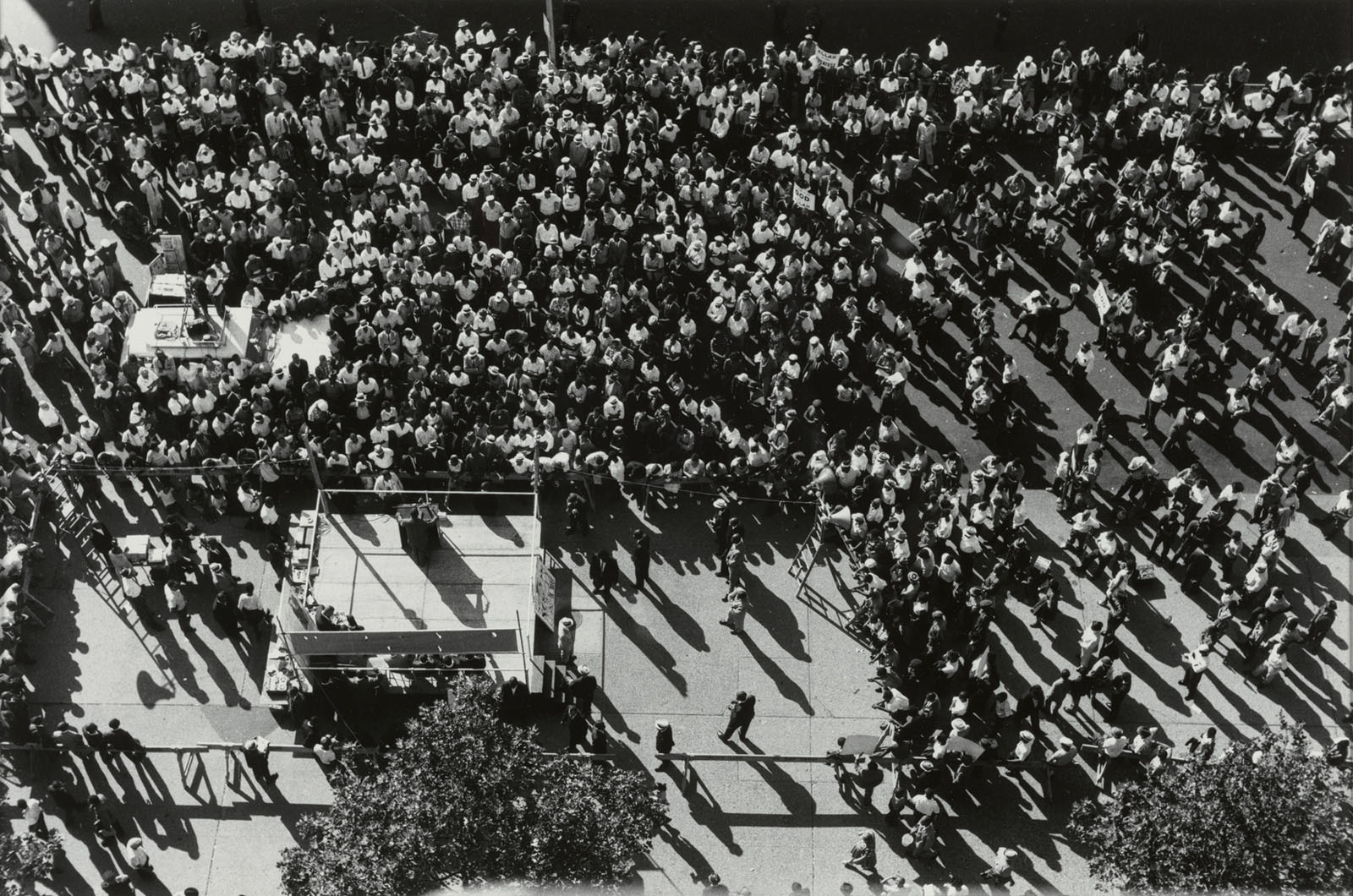
 

Adger Cowans (American, b. 1936) 'Malcolm X Speaks at a Rally in Harlem at 115th St. & Lennox Ave., New York' September 7, 1963 from the exhibition 'In Focus: Protest' at the J. Paul Getty Museum, Los Angeles, June - Oct, 2021


Adger Cowans (American, b. 1936)
Malcolm X Speaks at a Rally in Harlem at 115th St. & Lennox Ave., New York
September 7, 1963
Gelatin silver print
16.2 × 23.5cm (6 3/8 × 9 1/4 in.)
The J. Paul Getty Museum, Los Angeles
© Adger Cowans
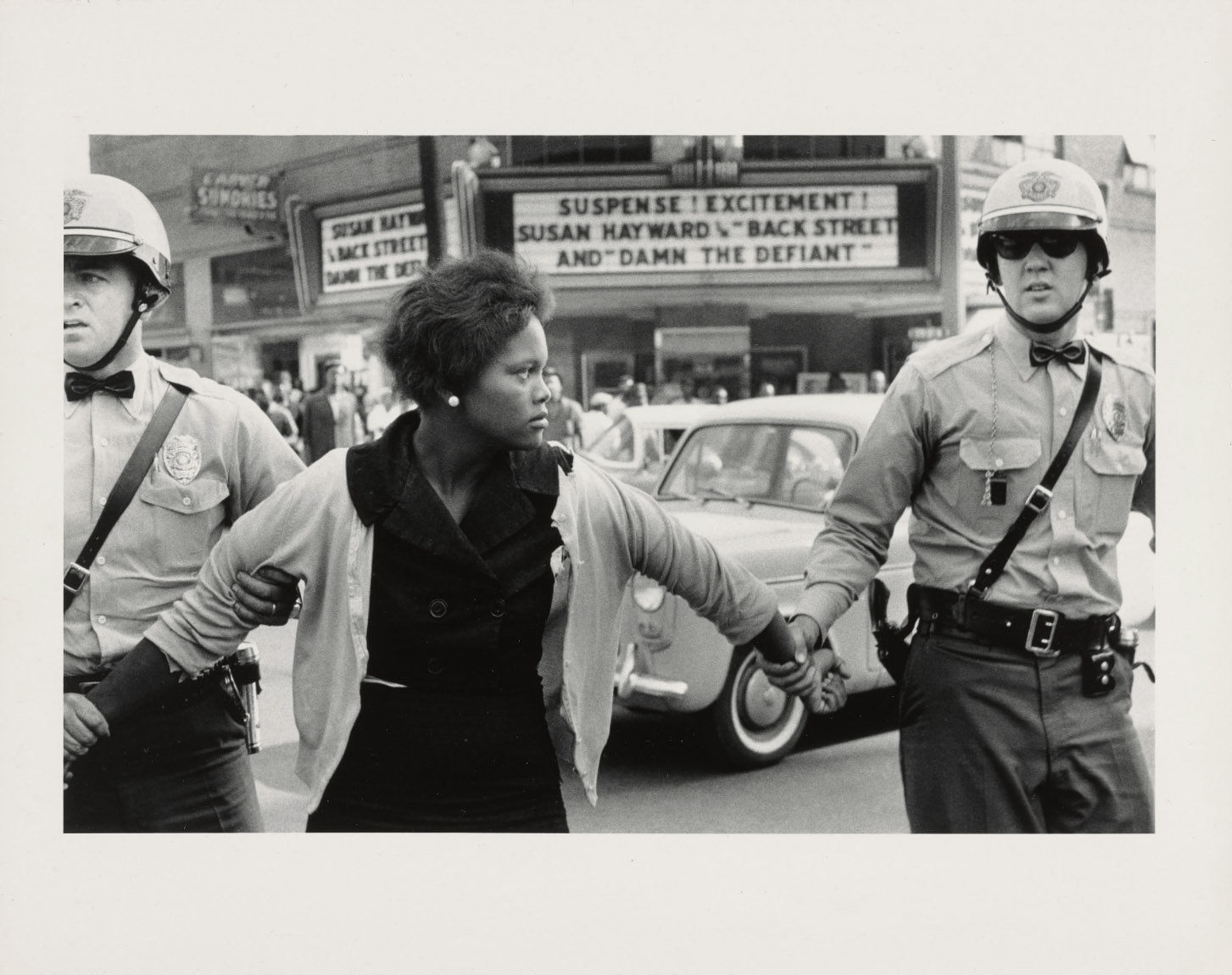
 

Bruce Davidson (American, born 1933) 'Birmingham, Alabama' Negative 1963; print 1970-1979


Bruce Davidson (American, born 1933)
Birmingham, Alabama
Negative 1963; print 1970-1979
Gelatin silver print
19.9 × 31.1 cm (7 13/16 × 12 1/4 in.)
The J. Paul Getty Museum, Los Angeles
© Bruce Davidson/Magnum Photos


An African-American woman is arrested by two Caucasian police officers, each holding her by her arms. In the background is a theatre marquee, bearing the signs for the movies, “Back Street” and “Damn the Defiant.”
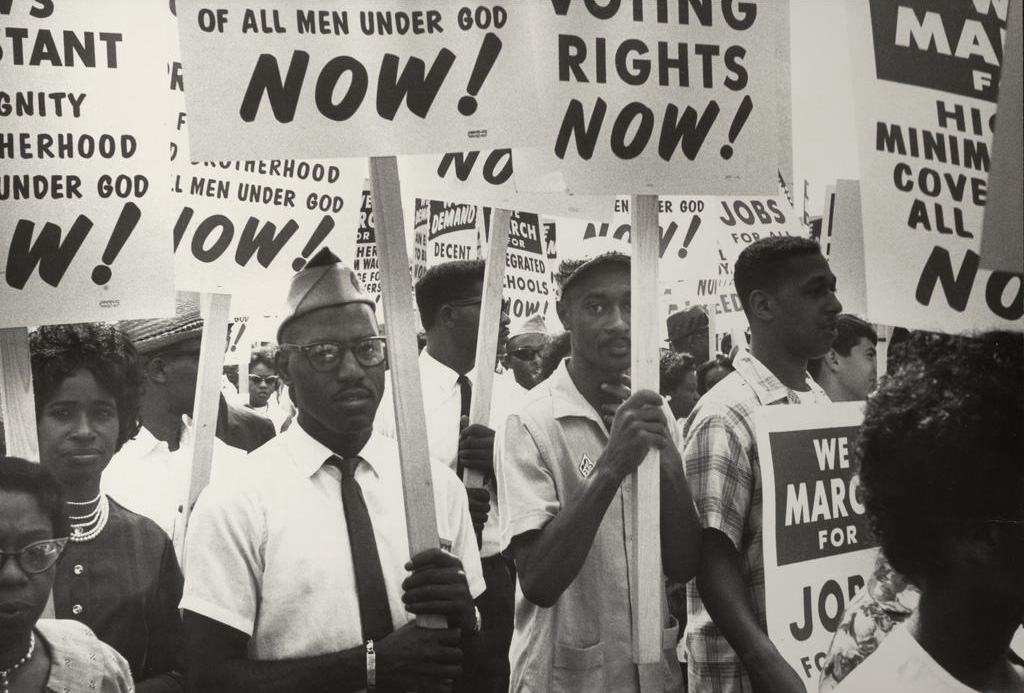
 

Leonard Freed (American, 1929-2006) 'March on Washington, Washington, D.C.' August 28, 1963


Leonard Freed (American, 1929-2006)
March on Washington, Washington, D.C.
August 28, 1963
Gelatin silver print
26.5 × 38.7cm (10 7/16 × 15 1/4 in.)
The J. Paul Getty Museum, Los Angeles
© Leonard Freed / Magnum Photos
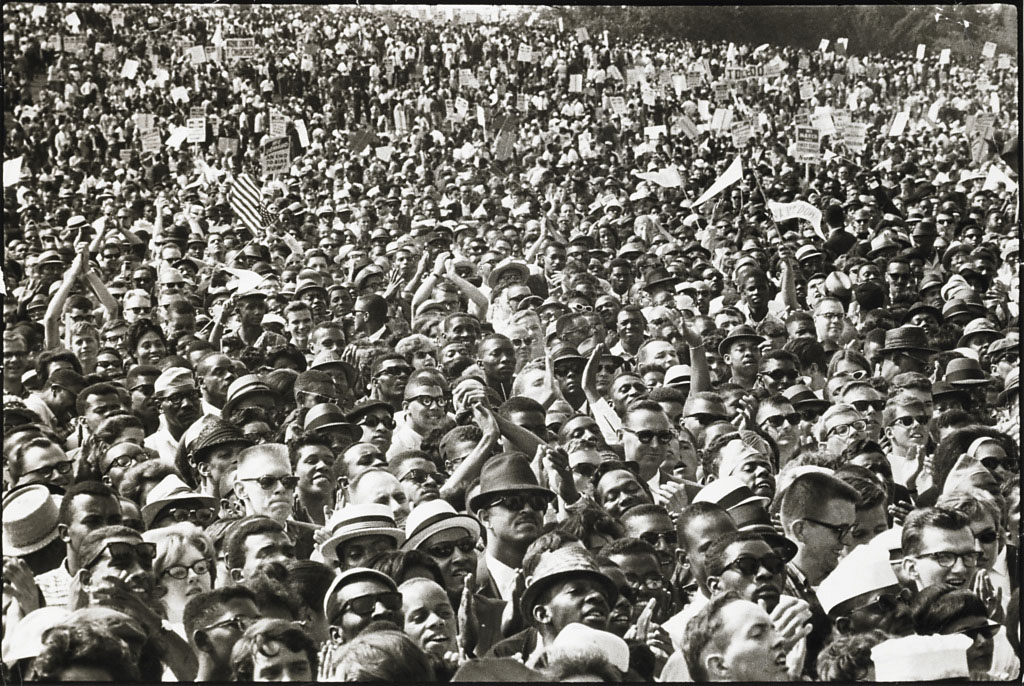
 

Robert (Bob) Adelman (American, 1930-2016) 'Washington, D.C., Cheering crowd during speeches at historic March on Washington' 1963


Robert (Bob) Adelman (American, 1930-2016)
Washington, D.C., Cheering crowd during speeches at historic March on Washington
1963
Gelatin silver print
27.9 × 35.6cm (11 × 14 in.)
The J. Paul Getty Museum, Los Angeles
© Bob Adelman/Magnum Photos
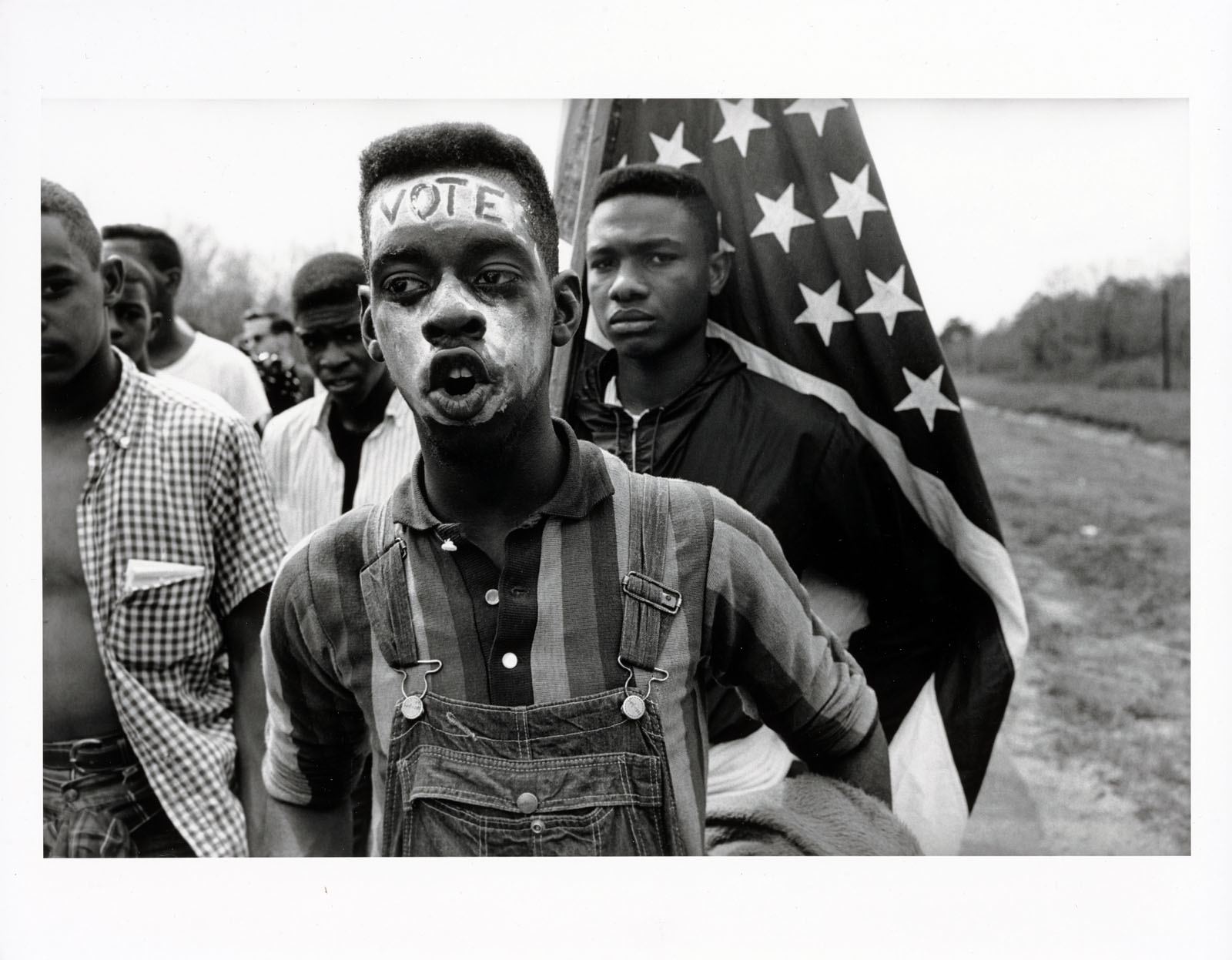
 

Bruce Davidson (American, b. 1933) 'March from Selma, Alabama' Negative 1965; printed later


Bruce Davidson (American, b. 1933)
March from Selma, Alabama
Negative 1965; printed later
Gelatin silver print
21.7 × 32.8cm (8 9/16 × 12 15/16 in.)
The J. Paul Getty Museum, Los Angeles
© Bruce Davidson/Magnum Photos


Photographs not only capture a nation’s values and beliefs but also help shape them. Camera in hand, photographers often take to the streets, recording protests and demonstrations or bearing witness to daily injustices to make them more widely known. Such images have inspired change for generations.

The late United States Congressman John Lewis emphasised the crucial role photography played in the civil rights struggles of the 1960s. “The unbelievable photographs published in newspapers and magazines… brought people from around the globe to small Southern towns to join the movement,” he said. “These photographs told us that those who expressed themselves by standing in unmovable lines… must be looked upon as the found mothers and fathers of a new America.”

This exhibition highlights how photographers have recorded periods of social struggle and transformation in the United States. Amid the country’s current and ongoing efforts to address and rectify injustice and systemic racism, and as the United States continues to grapple with how best to forge a new and better future, these images help us consider the myriad roles photography plays in shaping our understanding of American life.

Wall text from the exhibition


Voting Rights Act 1965

Voting Rights Act, U.S. legislation (August 6, 1965) that aimed to overcome legal barriers at the state and local levels that prevented African Americans from exercising their right to vote under the Fifteenth Amendment (1870) to the Constitution of the United States. The act significantly widened the franchise and is considered among the most far-reaching pieces of civil rights legislation in U.S. history.

In the 1950s and early 1960s the U.S. Congress enacted laws to protect the right of African Americans to vote, but such legislation was only partially successful. In 1964 the Civil Rights Act was passed and the Twenty-fourth Amendment, abolishing poll taxes for voting for federal offices, was ratified, and the following year Pres. Lyndon B. Johnson called for the implementation of comprehensive federal legislation to protect voting rights. The resulting act, the Voting Rights Act, suspended literacy tests, provided for federal approval of proposed changes to voting laws or procedures (“preclearance”) in jurisdictions that had previously used tests to determine voter eligibility (these areas were covered under Sections 4 and 5 of the legislation), and directed the attorney general of the United States to challenge the use of poll taxes for state and local elections. An expansion of the law in the 1970s also protected voting rights for non-English-speaking U.S. citizens. Sections 4 and 5 were extended for 5 years in 1970, 7 years in 1975, and 25 years in both 1982 and 2006.

The Voting Rights Act resulted in a marked decrease in the voter registration disparity between white and Black people. In the mid-1960s, for example, the overall proportion of white to Black registration in the South ranged from about 2 to 1 to 3 to 1 (and about 10 to 1 in Mississippi); by the late 1980s racial variations in voter registration had largely disappeared. As the number of African American voters increased, so did the number of African American elected officials. In the mid-1960s there were about 70 African American elected officials in the South, but by the turn of the 21st century there were some 5,000, and the number of African American members of the U.S. Congress had increased from 6 to about 40. In what was widely perceived as a test case, Northwest Austin Municipal Utility District Number One v. Holder, et al. (2009), the Supreme Court declined to rule on the constitutionality of the Voting Rights Act. In Shelby County v. Holder (2013), however, the Court struck down Section 4 – which had established a formula for identifying jurisdictions that were required to obtain preclearance – declaring it to be unjustified in light of changed historical circumstances. Eight years later, in Brnovich v. Democratic National Committee (2021), the Court further weakened the Voting Rights Act by finding that the law’s Section 2(a) – which prohibited any voting standard or procedure that “results in a denial or abridgement of the right of any citizen of the United States to vote on account of race or color” – was not necessarily violated by voting restrictions that disproportionately burden members of racial minority groups.

The Editors of Encyclopaedia Britannica. “Voting Rights Act,” on the Britannica website last updated July 30, 2021 [Online] Cited 12/09/2021.
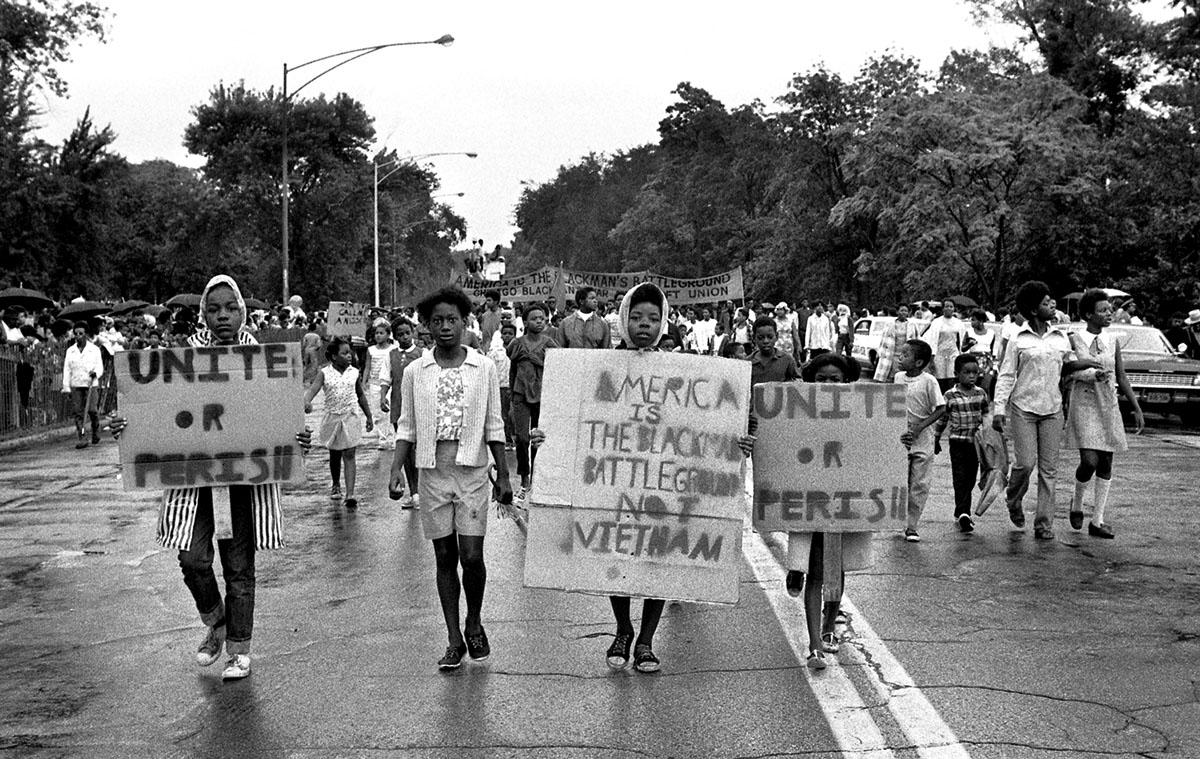
 

John Simmons (American, b. 1950) 'Unite or Perish, Chicago, Illinois' 1968


John Simmons (American, b. 1950)
Unite or Perish, Chicago, Illinois
1968
The J. Paul Getty Museum, Los Angeles
© John Simmons


Simmons began his career at 15 as a photographer for the oldest African American-owned newspaper, The Chicago Daily Defender in 1965. Over his decades long career, he’s photographed icons of the Civil Rights Movement, turbulent protests and demonstrations, famed musicians and poignant intimate moments of everyday life. “I’m glad to see photographs I took back in my teens are still relevant today,” he says. …

Two of Simmons’ photographs are featured in “In Focus: Protest,” “an exhibition featuring images made during periods of social struggle in the U.S. and highlighting the myriad roles protest photographs play in shaping our understanding of American life,” says Mazie Harris, assistant curator in the department of photographs at the J. Paul Getty Museum. “With this exhibition we aim to give visitors a place to think about some of the ways photographers have brought attention to efforts to address and rectify injustice.” …

“My position on protest is interesting,” says Simmons. “My father was much older than my mother and when Harriet Tubman died my father was around 12 or 13 so that puts me in close relationship to slavery and to people who were arounds slaves. My great grandmother saw Abraham Lincoln and my great aunt was babysat by former slaves. I picked up a camera in 1965, the first year African Americans were allowed to vote. That was behind those eyes the first day I pressed a shutter. So in reality, every photograph I take is a protest photo.”

John Simmons quoted in Steve Simmons. “Photographer John Simmons, ‘Chronicler Of The Civil Rights Movement,’​ Featured In Three Exhibits,” on the Linkedin website August 4, 2021 [Online] Cited 11/09/2021.
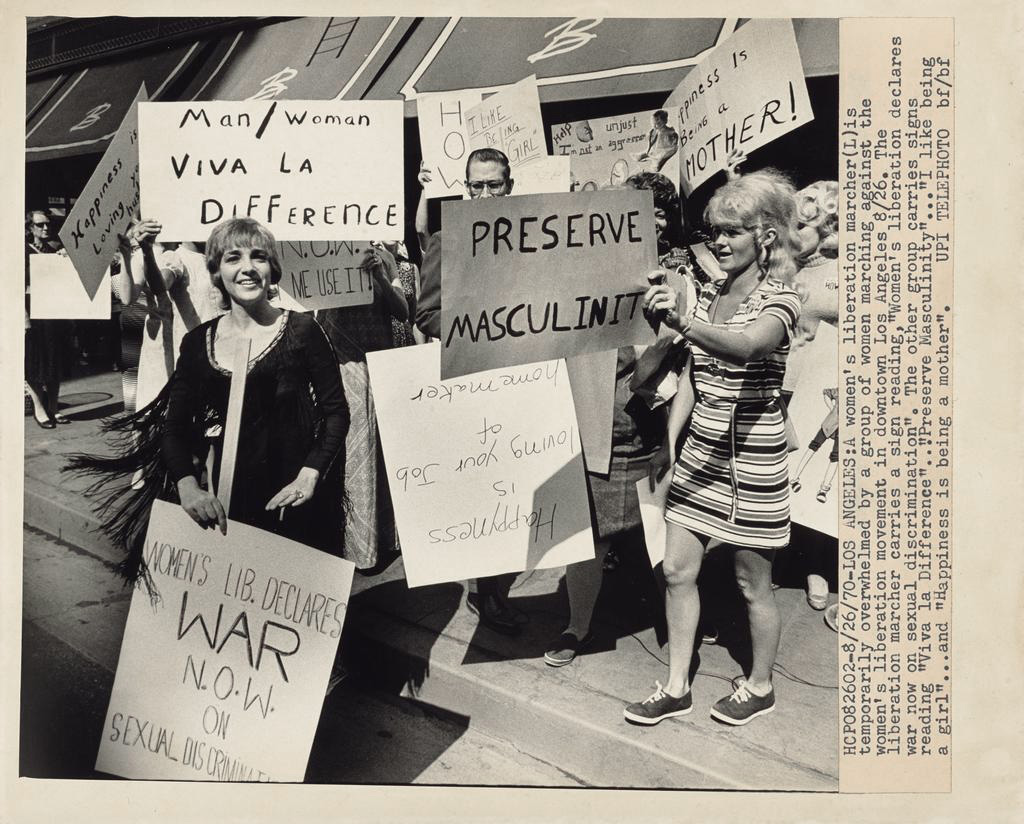
 

Robert Flora (American, 1929-1986) 'A Women's Liberation Marcher Is Temporarily Overwhelmed by a Group of Women Marching against the Women's Liberation Movement in Downtown Los Angeles' August 26, 1970


Robert Flora (American, 1929-1986)
A Women’s Liberation Marcher Is Temporarily Overwhelmed by a Group of Women Marching against the Women’s Liberation Movement in Downtown Los Angeles
August 26, 1970
Gelatin silver print with typed caption
The J. Paul Getty Museum, Los Angeles
Gift of the Flora Family
Reproduced with permission via Bettmann Archive/Getty Images
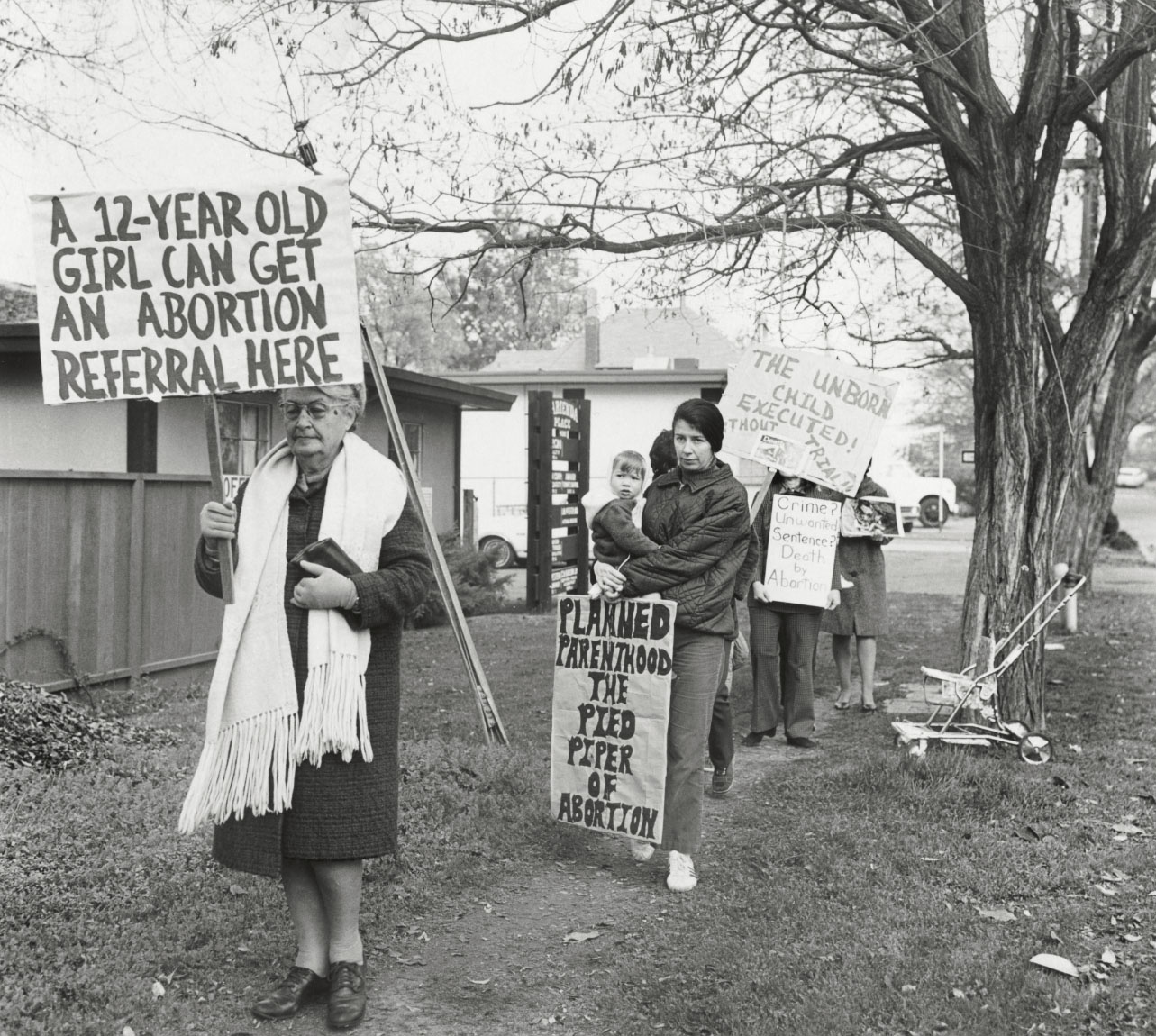
 

Bill Owens (American, born 1938) 'Untitled' early 1970s


Bill Owens (American, born 1938)
Untitled
early 1970s
Gelatin silver print
19.2 × 21.5cm (7 9/16 × 8 7/16 in.)
The J. Paul Getty Museum, Los Angeles
Gift of Robert Shimshak and Marion Brenner
© Bill Owens
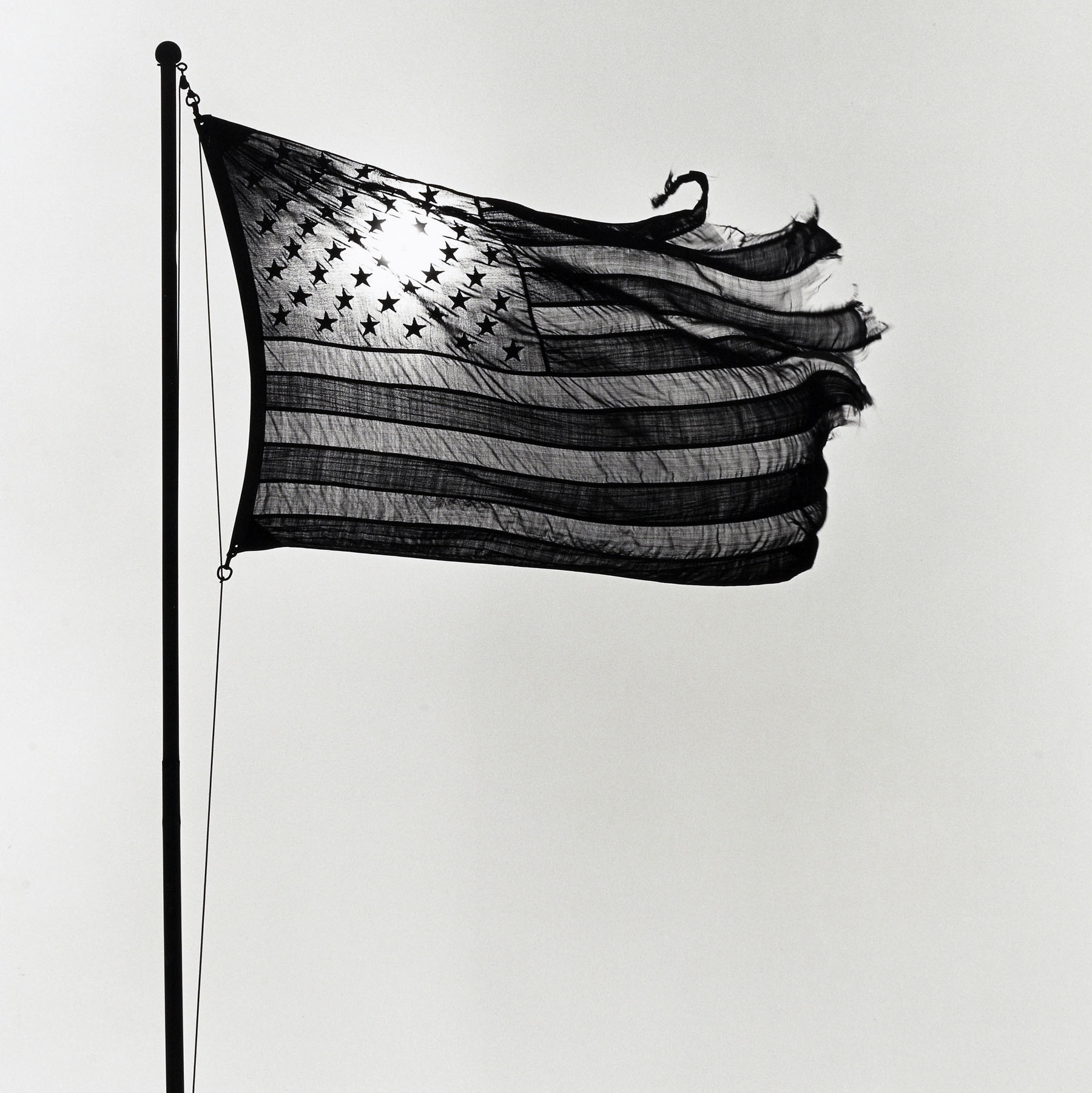
 

Robert Mapplethorpe (American, 1946-1989) 'American Flag' 1977


Robert Mapplethorpe (American, 1946-1989)
American Flag
1977
Gelatin silver print
35.3 × 35.3cm (13 7/8 × 13 7/8 in.)
Jointly acquired by the J. Paul Getty Trust and the Los Angeles County Museum of Art, with funds provided by the J. Paul Getty Trust and the David Geffen Foundation
© Robert Mapplethorpe Foundation


“Mapplethorpe evoked the frayed character of American ideals during a period when equal rights for gay men and women in the United States seemed nearly unimaginable.”


The J. Paul Getty Museum presents In Focus: Protest, an exhibition featuring images made during periods of social struggle in the United States, and highlighting the myriad roles protest photographs play in shaping our understanding of American life. The exhibition is on view at the Getty Center Museum June 29 – October 10, 2021.

Photographs not only capture a nation’s values and beliefs but also help shape them. Camera in hand, photographers often take to the streets, recording protests and demonstrations or bearing witness to daily injustices to make them more widely known. Such images have inspired change for generations.

In Focus: Protest reminds us of the ability of photographs to both document and propel action,” says Mazie Harris, assistant curator of photographs at the Museum. “With this exhibition we aim to give visitors a place to think about some of the ways that photographers have brought attention to efforts to address and rectify injustice.” Among the works on view are images by well-known artists including Dorothea Lange (American, 1895-1965), Robert Mapplethorpe (American, 1946-1989), and L.A.-based cinematographer and artist John Simmons (American, born 1950). The exhibition also includes resonant images by photographers Robert Flora (American, 1929-1986), William James Warren (American, born 1942), An-My Lê (American, born 1960), and a 2020 photograph by Kris Graves (American, born 1982).

Press release from the J. Paul Getty Museum
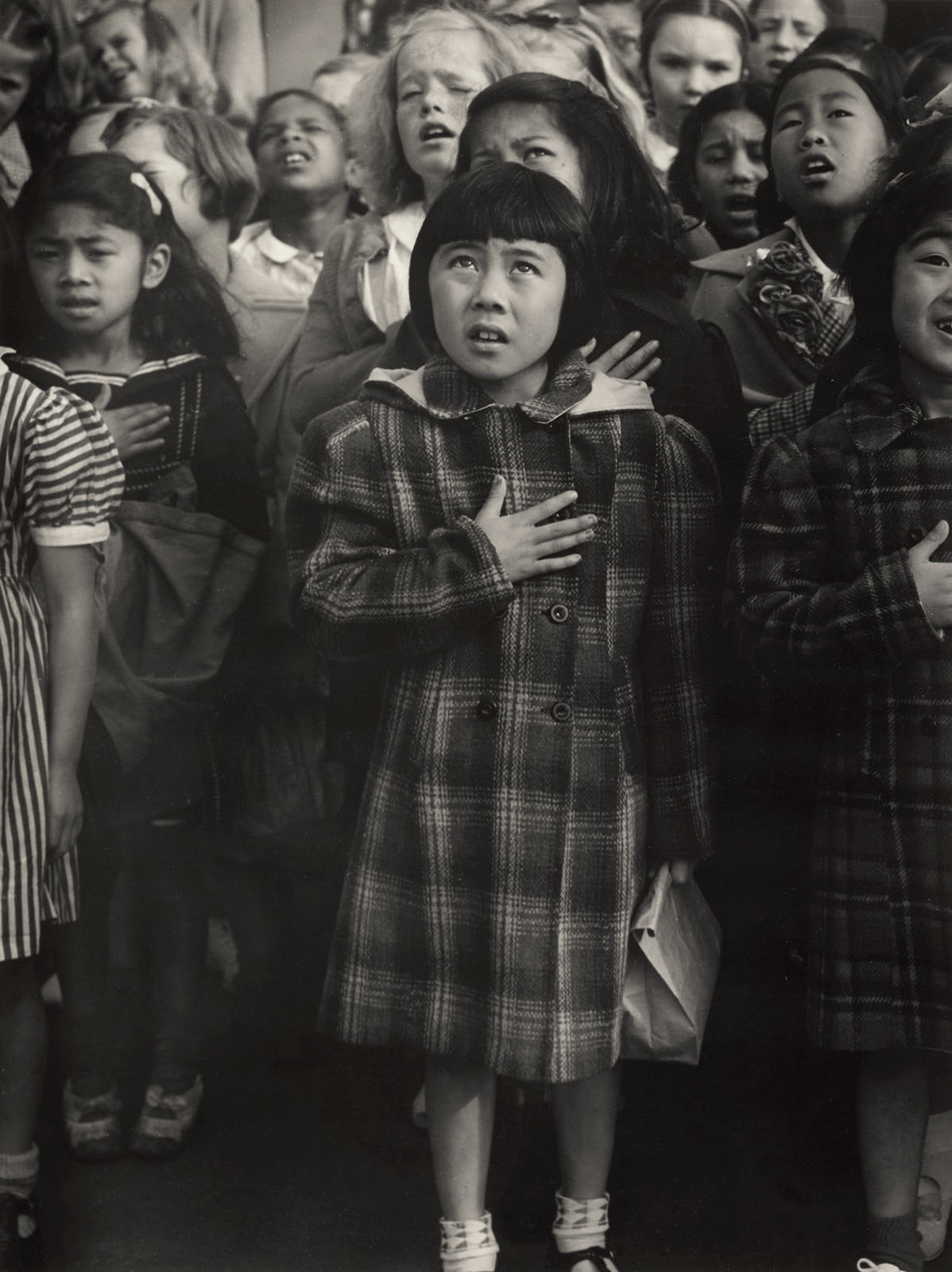
 

Dorothea Lange (American, 1895-1965) 'Pledge of Allegiance, Raphael Weill Elementary School, San Francisco' Negative April 20, 1942; print about 1960s


Dorothea Lange (American, 1895-1965)
Pledge of Allegiance, Raphael Weill Elementary School, San Francisco
Negative April 20, 1942; print about 1960s
Gelatin silver print
34 × 25.6cm (13 3/8 × 10 1/16 in.)
The J. Paul Getty Museum, Los Angeles


Children’s symbol of hope and innocence can also be tied to their shielding from the “outside world”. Here we have a young Japanese girl reciting the American pledge of allegiance with much determination and passion, all while the United States government would take Japanese Americans into internment camps weeks later, following the bombing of Pearl Harbor.


Robert Frank. 'Trolley – New Orleans' 1955


Robert Frank (Swiss-American, 1924-2019)
Trolley – New Orleans
1955
Gelatin silver print
The J. Paul Getty Museum, Los Angeles


“America is an interesting country… but there is a lot here that I do not like and that I would never accept. I am also trying to show this in my photos.” ~ Robert Frank
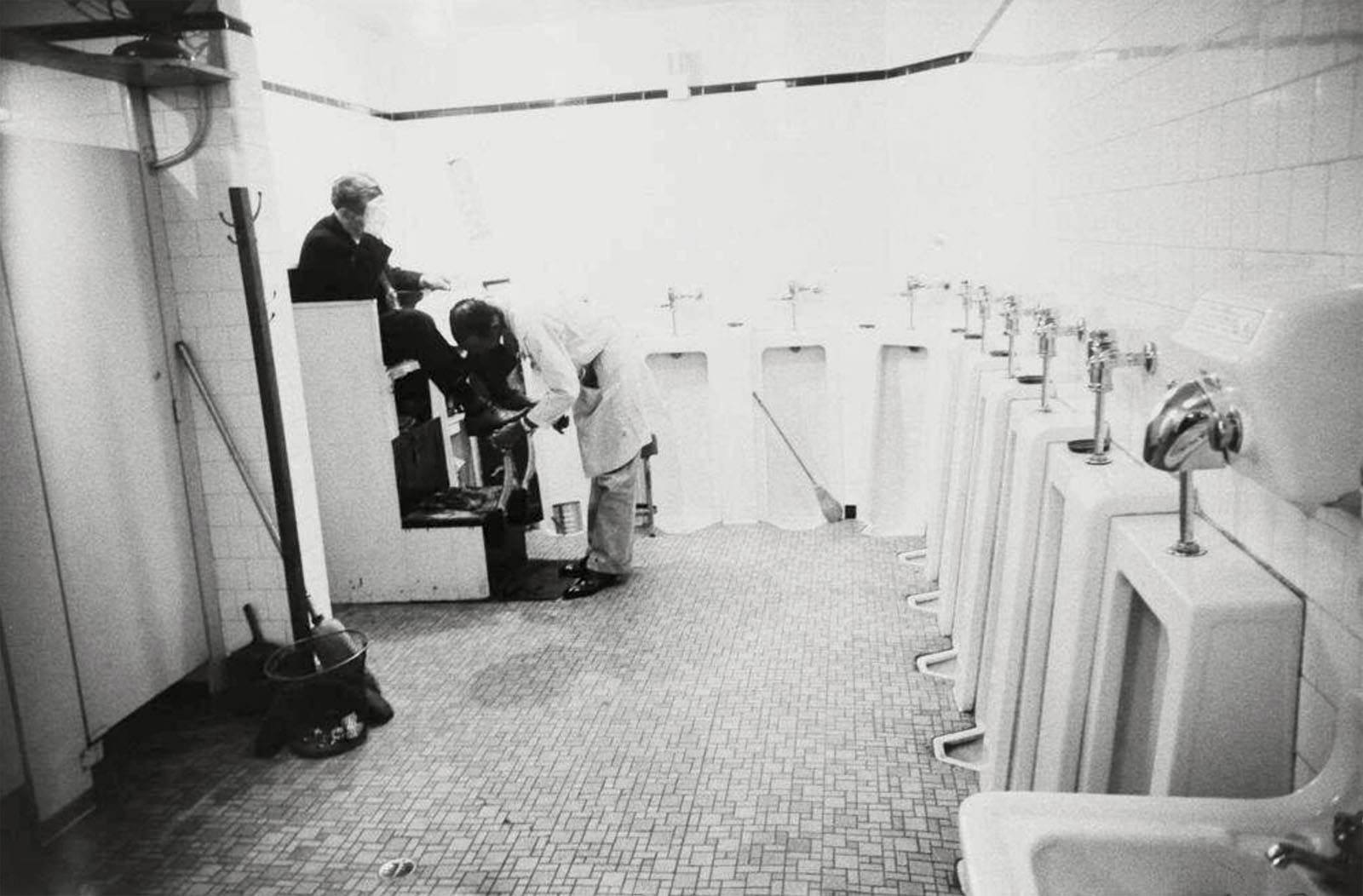
 

Robert Frank (American, 1924-2019) 'Railway Station, Memphis, Tennessee' 1955


Robert Frank (Swiss-American, 1924-2019)
Railway Station, Memphis, Tennessee
1955
Gelatin silver print
The J. Paul Getty Museum, Los Angeles
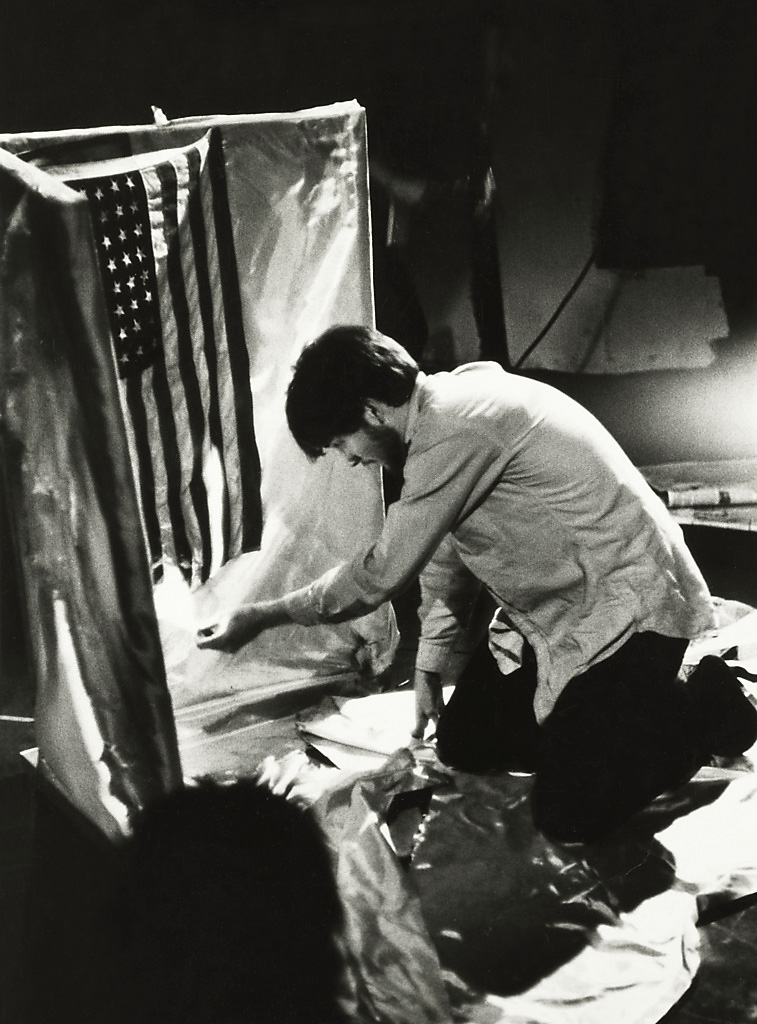
 

Fred W. McDarrah (American, 1926-2007) 'Jose Rodriguez-Soltero Burned a Flag in a New York Happening' April 8, 1966


Fred W. McDarrah (American, 1926-2007)
Jose Rodriguez-Soltero Burned a Flag in a New York Happening
April 8, 1966
Gelatin silver print
34.8 × 25.8cm (13 11/16 × 10 3/16 in.)
The J. Paul Getty Museum, Los Angeles
© Estate of Fred W. McDarrah
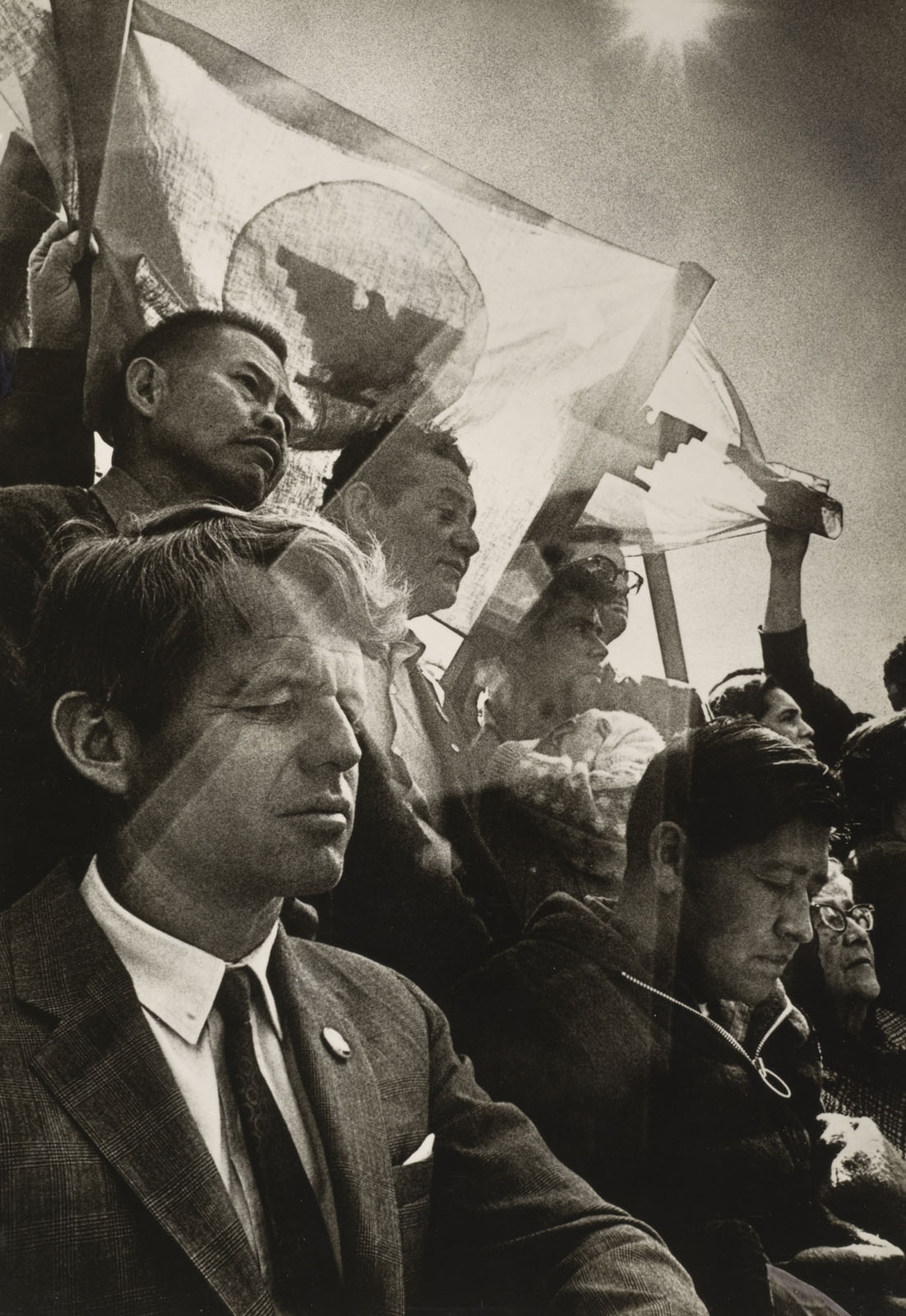
 

William James Warren (American, b. 1942) 'Robert F. Kennedy and César Chávez Celebrate Mass as Chávez Breaks a Twenty-Five Day Fast, Delano, California' 1968


William James Warren (American, b. 1942)
Robert F. Kennedy and César Chávez Celebrate Mass as Chávez Breaks a Twenty-Five Day Fast, Delano, California
1968
Gelatin silver print
31.2 × 21.6cm (12 5/16 × 8 1/2 in.)
The J. Paul Getty Museum, Los Angeles, Gift of William James Warren
© William James Warren
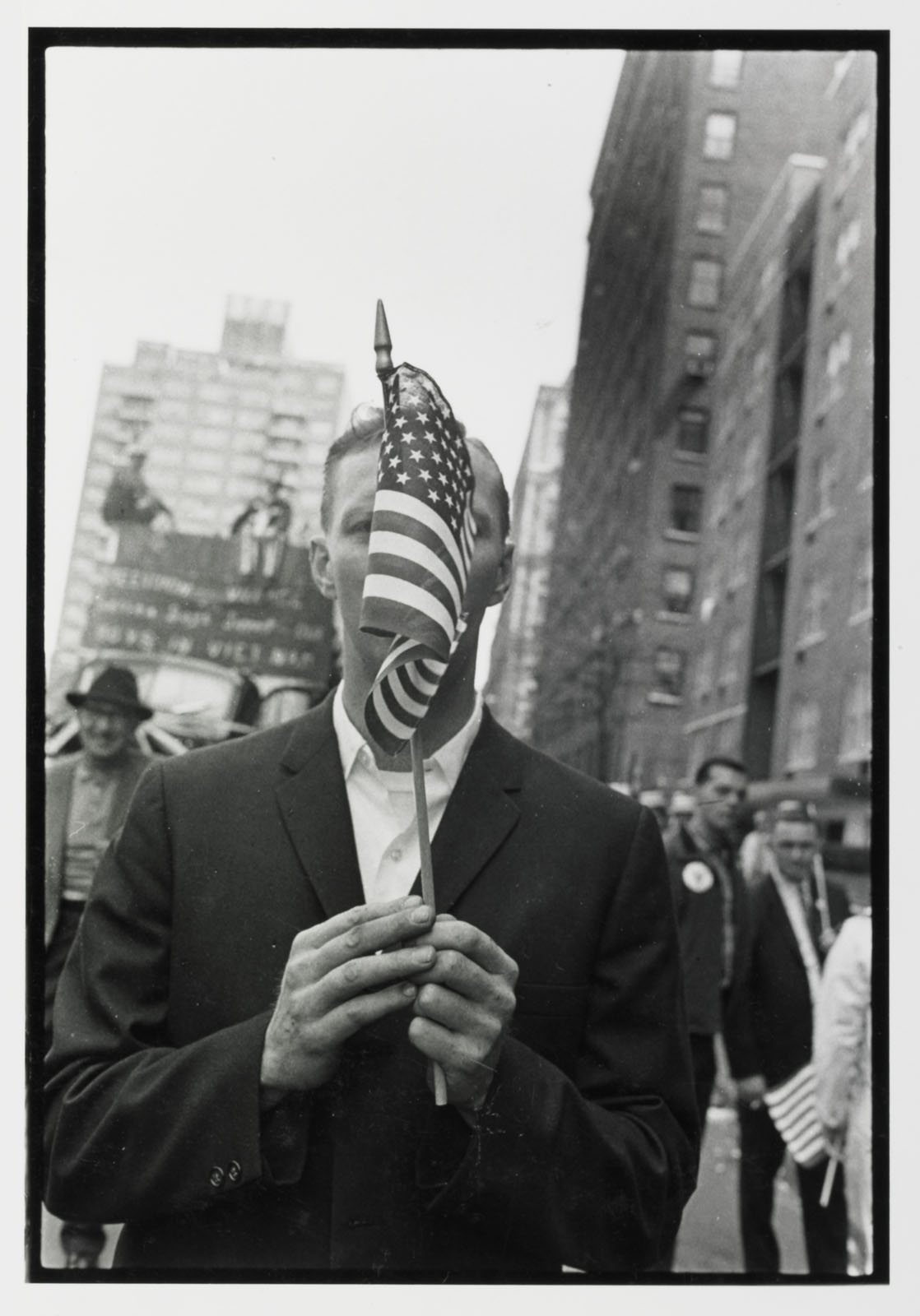
 

Mary Ellen Mark (American, 1940-2015) 'Vietnam Pro Demonstration' 1968


Mary Ellen Mark (American, 1940-2015)
Vietnam Pro Demonstration
1968
Gelatin silver print
24.3 × 16.7cm (9 9/16 × 6 9/16 in.)
The J. Paul Getty Museum, Los Angeles
© Mary Ellen Mark Foundation
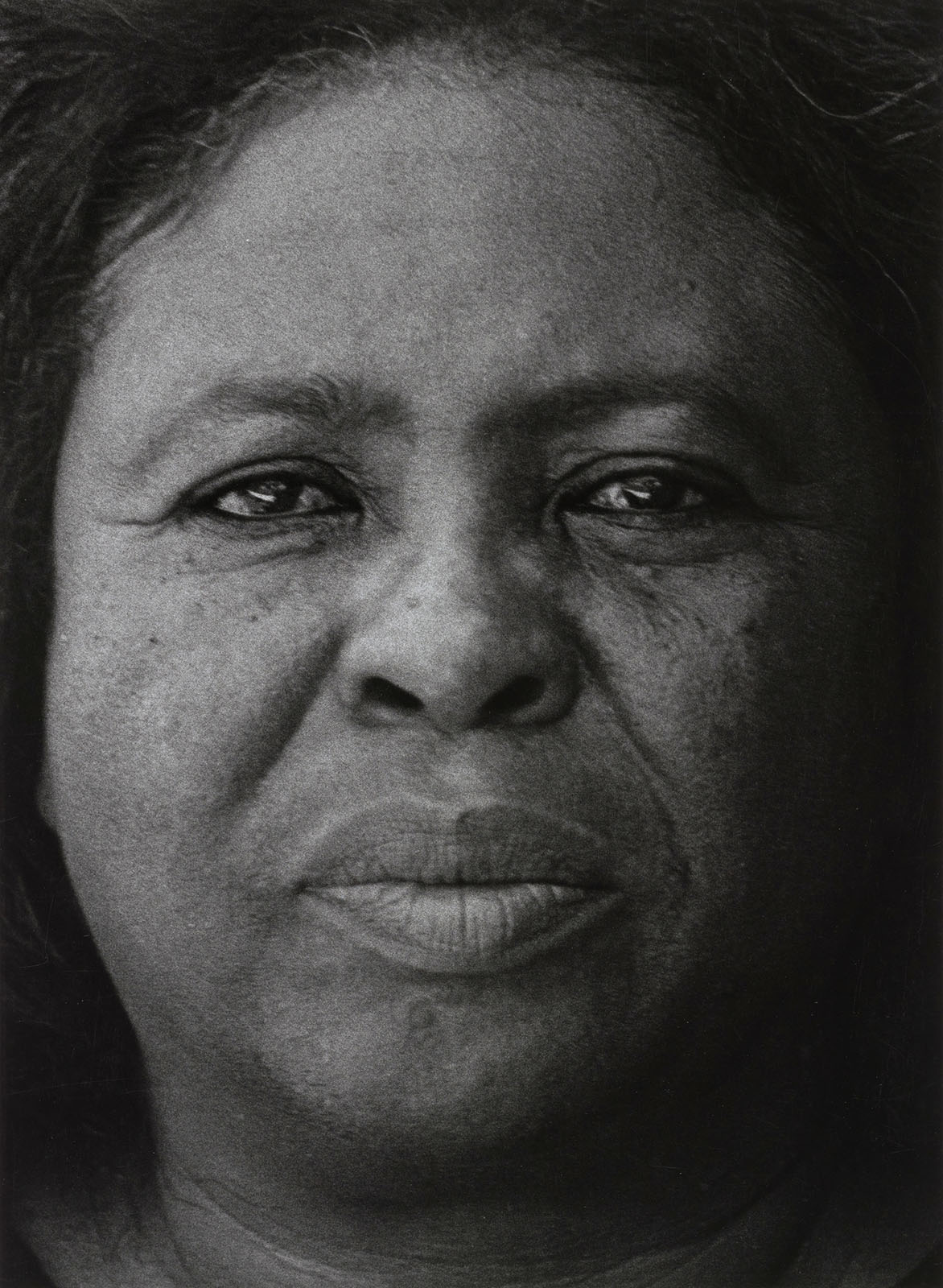
 

Louis Draper (American, 1935-2002) 'Fannie Lou Hamer, Mississippi' 1971


Louis Draper (American, 1935-2002)
Fannie Lou Hamer, Mississippi
1971
Gelatin silver print
22.86 × 15.56cm (9 × 6 1/8 in.)
The J. Paul Getty Museum, Los Angeles


In 1971 Essence magazine sent Draper on assignment to Mississippi to photograph civil rights activist Fannie Lou Hamer. This portrait appeared with the article “Fannie Lou Hamer Speaks Out,” in the October issue. Known for her fearlessness and strength in the midst of violence and intimidation, Hamer had been arrested and severely beaten by police in 1963 for her work on voter registration drives. She gained national attention when she returned to her activism in the mid-1960s, and this photograph visually distills her voice: “Today I don’t have any money, but I’m freer than the average white American ’cause I know who I am. I know what I’m about, and I know that I don’t have anything to be ashamed of.”

Anonymous text from the Virginia Museum of Fine Arts website
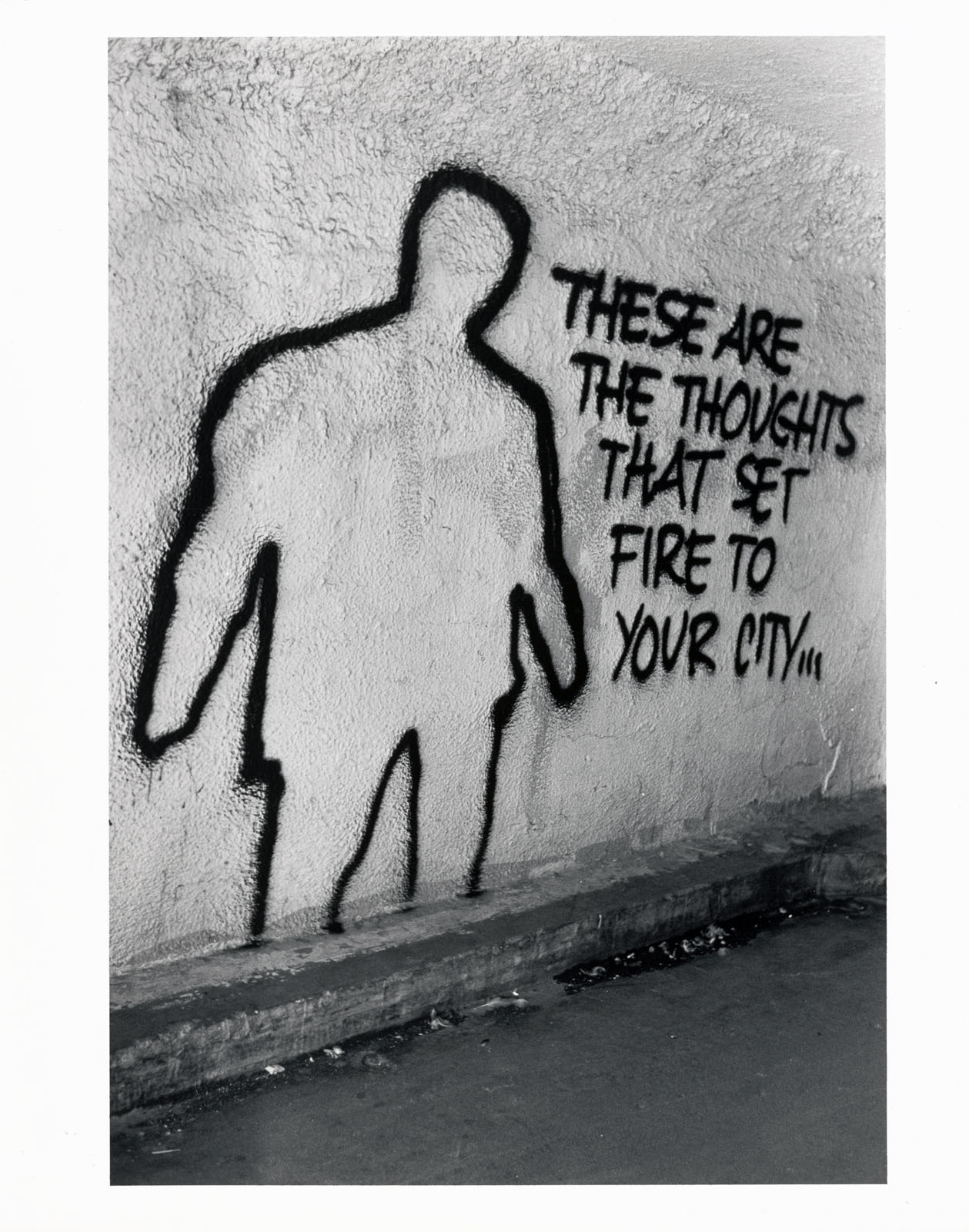
 

Anthony Friedkin (American, b. 1949) 'These Are the Thoughts that Set Fire to Your City' 1993


Anthony Friedkin (American, b. 1949)
These Are the Thoughts that Set Fire to Your City
1993
Gelatin silver print
32.6 × 22cm (12 13/16 × 8 11/16 in.)
The J. Paul Getty Museum, Los Angeles, Gift of Sue and Albert Dorskind
© Anthony Friedkin


This photograph was taken following the 1992 Rodney King Riots that happened across Los Angeles.


Rodney King (American, 1965-2012)

Rodney Glen King (April 2, 1965 – June 17, 2012) was an African-American man who was a victim of police brutality. On March 3, 1991, King was beaten by LAPD officers during his arrest, after a high-speed chase, for driving while intoxicated on I-210. An uninvolved individual, George Holliday, filmed the incident from his nearby balcony and sent the footage to local news station KTLA. The footage showed an unarmed King on the ground being beaten after initially evading arrest. The incident was covered by news media around the world and caused a public furor.

At a press conference, announcing the four officers involved would be disciplined, and three would face criminal charges, Los Angeles police chief Daryl Gates said: “We believe the officers used excessive force taking him into custody. In our review, we find that officers struck him with batons between fifty-three and fifty-six times.” The LAPD initially charged King with “felony evading”, but later dropped the charge. On his release, he spoke to reporters from his wheelchair, with his injuries evident: a broken right leg in a cast, his face badly cut and swollen, bruises on his body, and a burn area to his chest where he had been jolted with a stun gun. He described how he had knelt, spread his hands out, and slowly tried to move so as not to make any “stupid moves”, being hit across the face by a billy club and shocked. He said he was scared for his life as they drew down on him.

Four officers were eventually tried on charges of use of excessive force. Of these, three were acquitted, and the jury failed to reach a verdict on one charge for the fourth. Within hours of the acquittals, the 1992 Los Angeles riots started, sparked by outrage among racial minorities over the trial’s verdict and related, longstanding social issues. The rioting lasted six days and killed 63 people, with 2,383 more injured; it ended only after the California Army National Guard, the Army, and the Marine Corps provided reinforcements to re-establish control.

The federal government prosecuted a separate civil rights case, obtaining grand jury indictments of the four officers for violations of King’s civil rights. Their trial in a federal district court ended on April 16, 1993, with two of the officers being found guilty and sentenced to serve prison terms. The other two were acquitted of the charges. In a separate civil lawsuit in 1994, a jury found the city of Los Angeles liable and awarded King $3.8 million in damages.

Text from the Wikipedia website
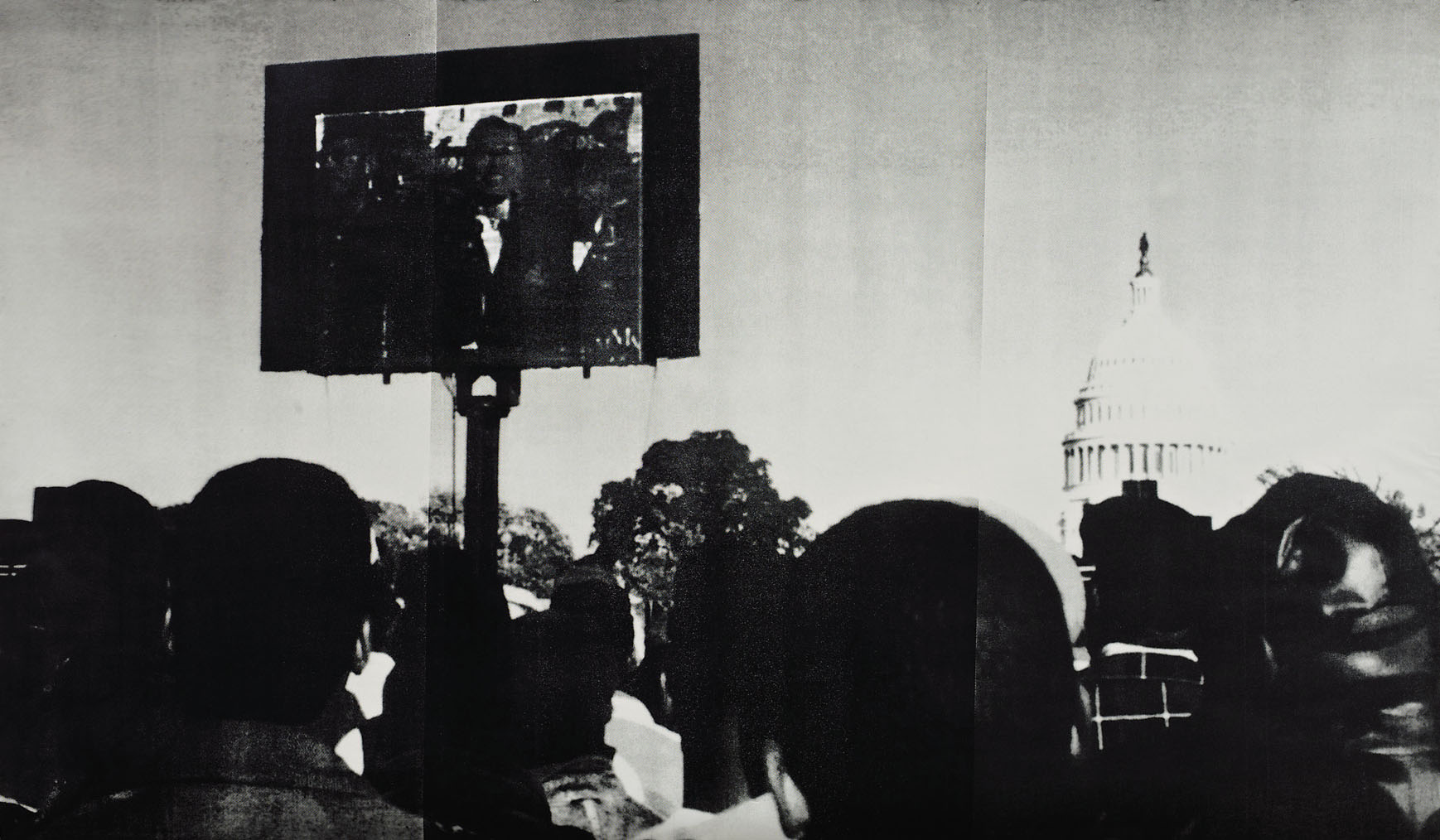
 

Glenn Ligon (American, b. 1960) 'Screen' 1996


Glenn Ligon (American, b. 1960)
Screen
1996
Silkscreen on canvas
213.36 x 365.76cm (84 x 144 in.)


Taking up an entire wall of a four-walled exhibit is Ligon’s “Screen”, where he took and enlarged a newspaper photograph from the Million Man March in Washington, DC. “Ligon has noted that while the march was meant to inspire African American unity, women and gay men were excluded,” says the photograph’s blurb. Ligon states, “I’m interested in what citizenship is in a democratic country… and the responsibilities that come with it.” On the video screen is Louis Farrakhan, a controversial organiser of the Million Man March.

Text from Julianna Lozada. “”In Focus Protest”: A Close Look at the New Getty Center Exhibit,” on the Karma Compass website July 14, 2021 [Online] Cited 11/09/2021


Million Man March

The Million Man March was a large gathering of African-American men in Washington, D.C., on October 16, 1995. Called by Louis Farrakhan, it was held on and around the National Mall. The National African American Leadership Summit, a leading group of civil rights activists and the Nation of Islam working with scores of civil rights organisations, including many local chapters of the National Association for the Advancement of Colored People (but not the national NAACP) formed the Million Man March Organizing Committee. The founder of the National African American Leadership Summit, Dr. Benjamin Chavis Jr. served as National Director of the Million Man March.

The committee invited many prominent speakers to address the audience, and African American men from across the United States converged in Washington to “convey to the world a vastly different picture of the Black male” and to unite in self-help and self-defence against economic and social ills plaguing the African American community.

The march took place in the context of a larger grassroots movement that set out to win politicians’ attention for urban and minority issues through widespread voter registration campaigns. On the same day, there was a parallel event called the Day of Absence, organised by women in conjunction with the March leadership, which was intended to engage the large population of black Americans who would not be able to attend the demonstration in Washington. On this date, all blacks were encouraged to stay home from their usual school, work, and social engagements, in favour of attending teach-ins, and worship services, focusing on the struggle for a healthy and self-sufficient black community. Further, organisers of the Day of Absence hoped to use the occasion to make great headway on their voter registration drive.

Text from the Wikipedia website
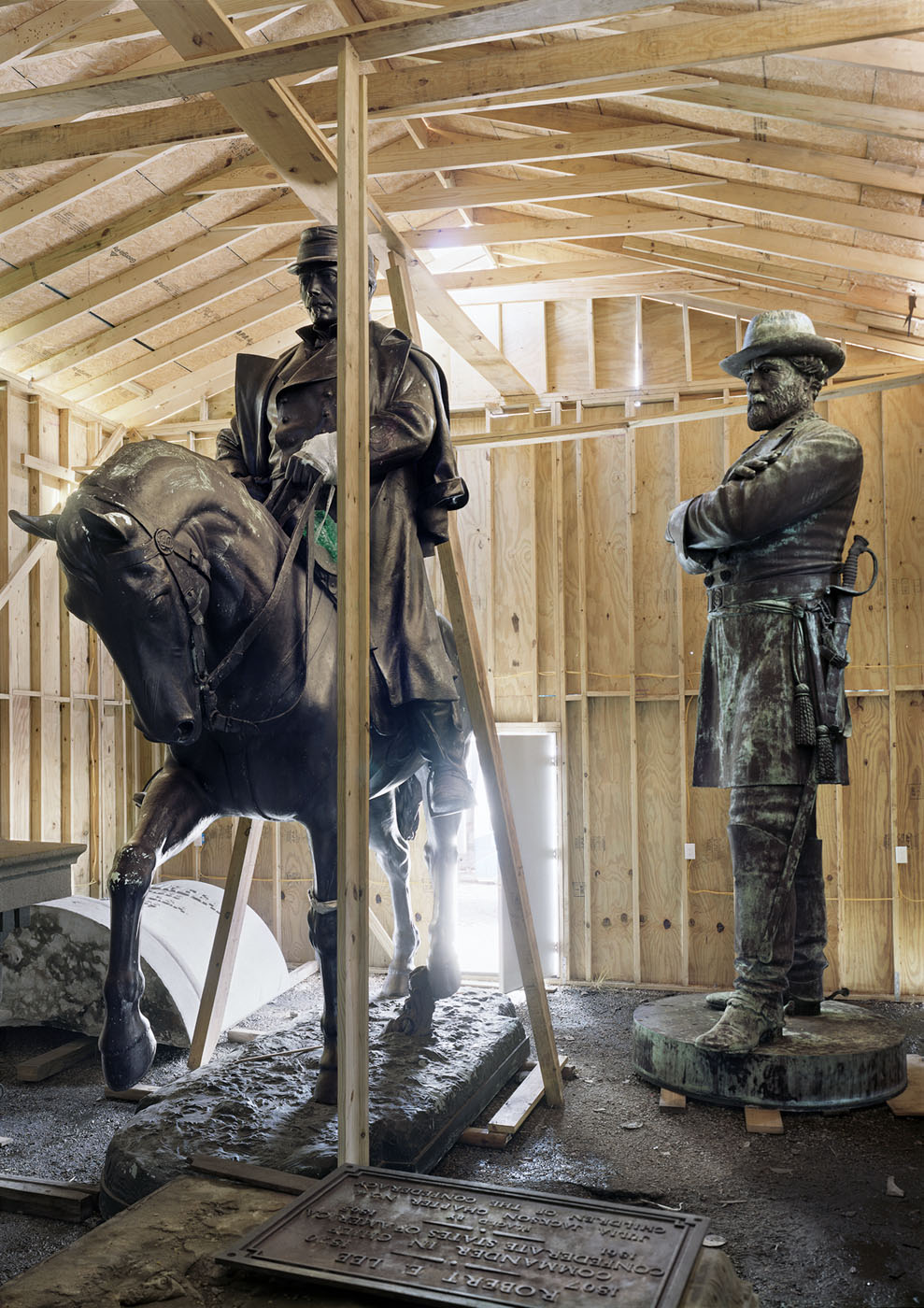
 

An-My Lê (American born Vietnam, b. 1960) 'Fragment VI: General Robert E. Lee and P.G.T. Beauregard Monuments, Homeland Security Storage, New Orleans, Louisiana' 2017


An-My Lê (American born Vietnam, b. 1960)
Fragment VI: General Robert E. Lee and P.G.T. Beauregard Monuments, Homeland Security Storage, New Orleans, Louisiana
2017
Inkjet print
142.2 × 100.3cm (56 × 39 1/2 in.)
Pier 24 Photography, San Francisco
© An-My Lê courtesy of the Artist and Marian Goodman Gallery
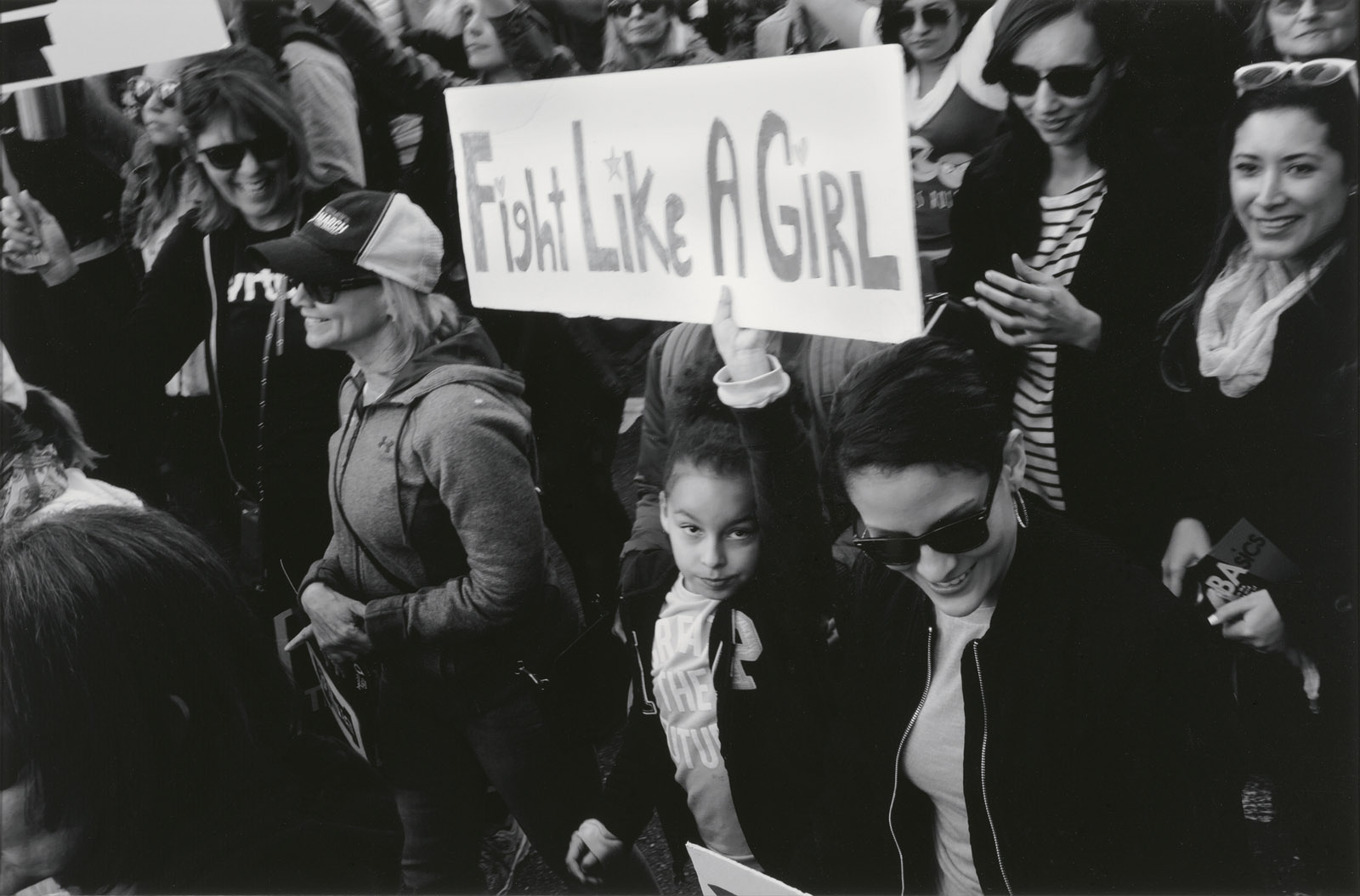
 

John Simmons (American, b. 1950) 'Fight Like a Girl, Los Angeles' Negative 2019; print 2020


John Simmons (American, b. 1950)
Fight Like a Girl, Los Angeles
Negative 2019; print 2020
Pigment print
24.1 × 38.1cm (9 1/2 × 15 in.)
The J. Paul Getty Museum, Los Angeles
© John Simmons
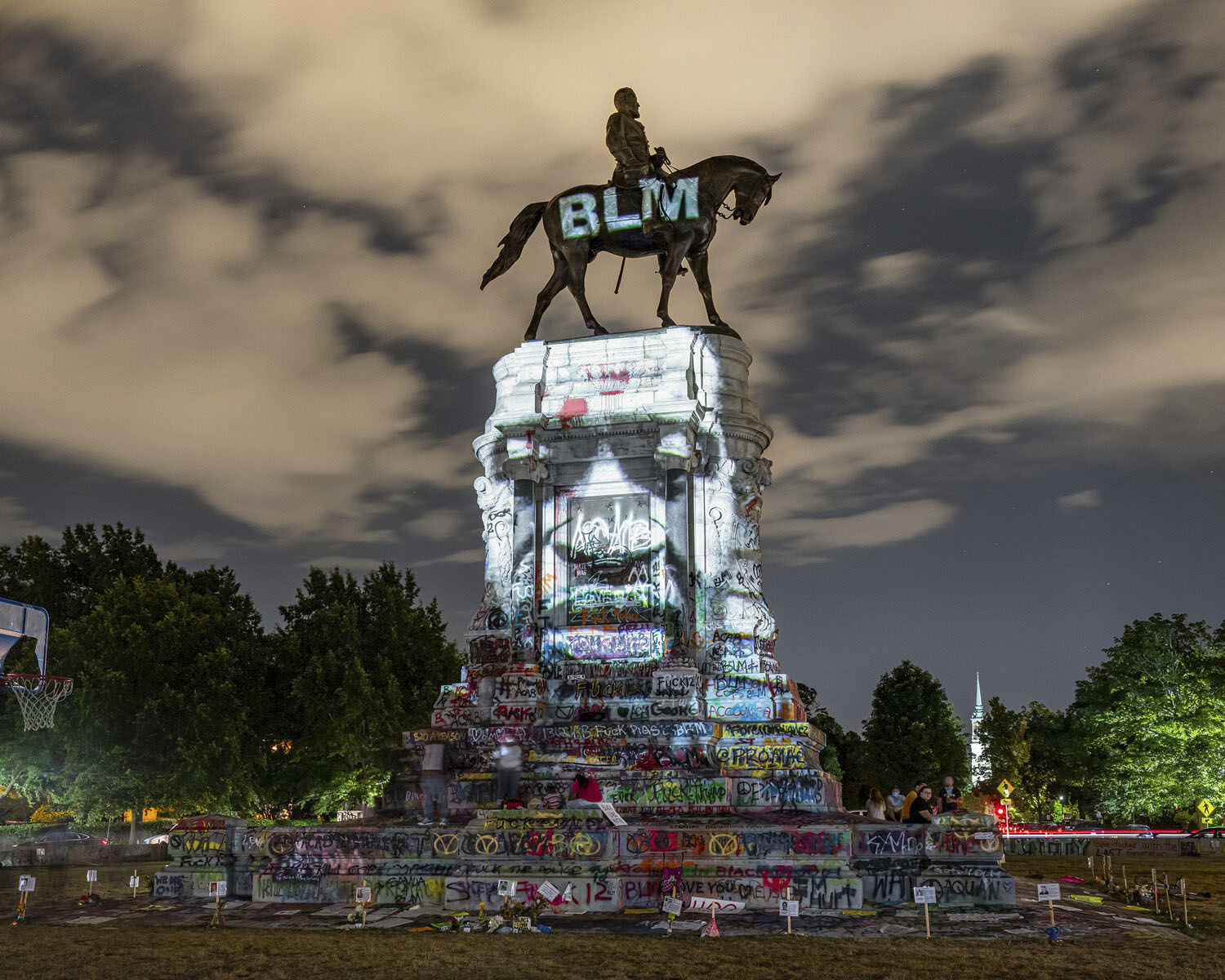
 

Kris Graves (American, b. 1982) 'George Floyd Projection, Richmond, Virginia' 2020


Kris Graves (American, b. 1982)
George Floyd Projection, Richmond, Virginia
2020
Inkjet print
40 × 50.1cm (15 3/4 × 19 3/4 in.)


The J. Paul Getty Museum
1200 Getty Center Drive
Los Angeles, California 90049

Opening hours:
Daily 10am – 5pm

The J. Paul Getty Museum website

LIKE ART BLACK ON FACEBOOK

Back to top

Exhibition: ‘Gordon Parks: Segregation Story’ at the High Museum of Art, Atlanta

Exhibition dates: 15th November 2014 – 21st June 2015


Gordon Parks (American, 1912-2006) 'Airline Terminal, Atlanta, Georgia' 1956


Gordon Parks (American, 1912-2006)
Airline Terminal, Atlanta, Georgia
1956
Courtesy of and copyright The Gordon Parks Foundation


The more I see of this man’s work, the more I admire it.

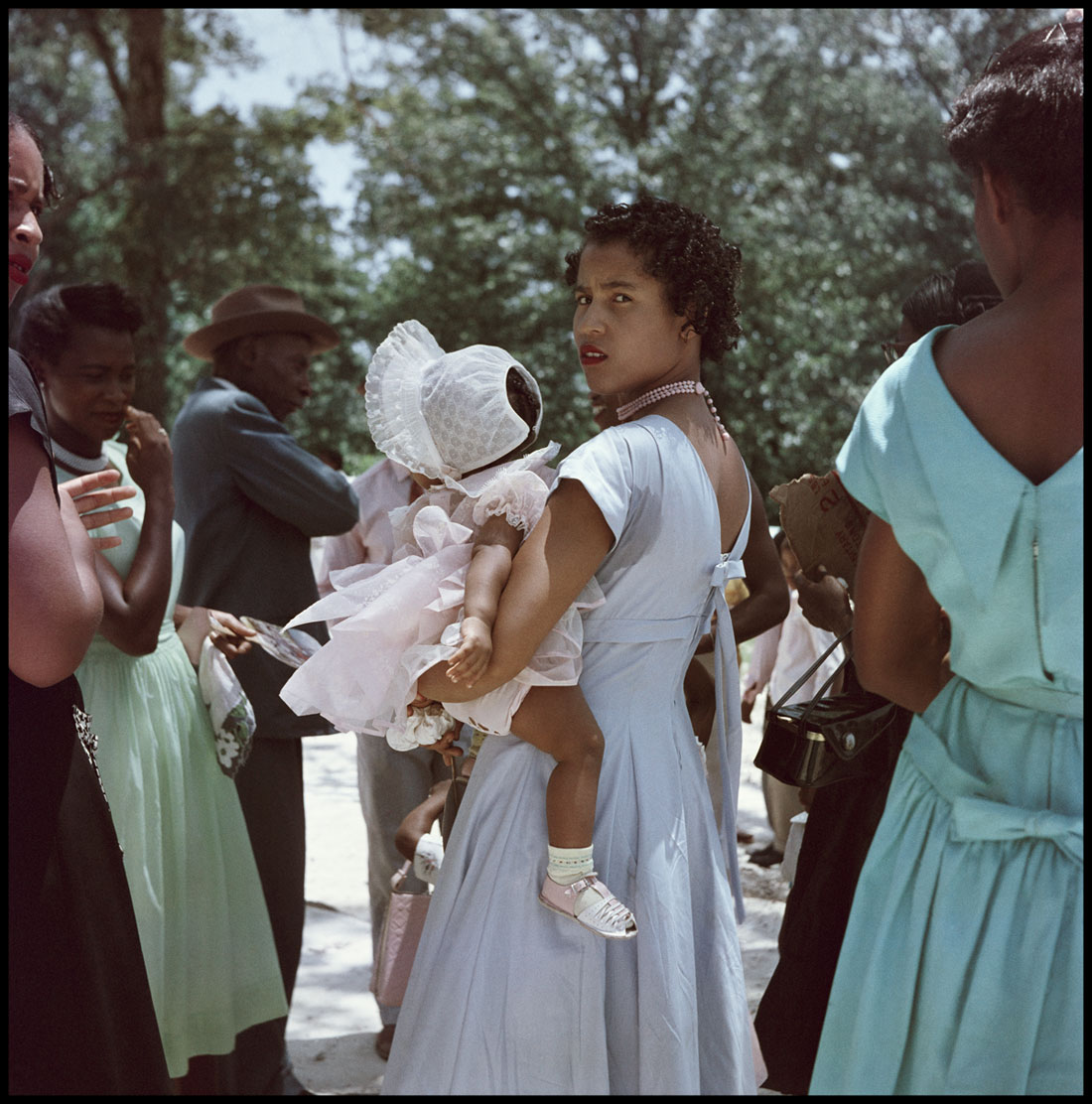
A sense of history, truth and injustice; a sense of beauty, colour and disenfranchisement; above all, a sense of composition and knowing the right time to take a photograph to tell the story. It’s all there, right in front of us, in almost every photograph. Photographs of institutionalised racism and the American apartheid, “the state of being apart”, laid bare for all to see.

From the languid curl and mass of the red sofa on which Mr. and Mrs. Albert Thornton, Mobile, Alabama (1956) sit, which makes them seem very small and which forms the horizontal plane, intersected by the three generations of family photos from top to bottom – youth, age, family … to the blank stare of the nanny holding the white child while the mother looks on in Airline Terminal, Atlanta, Georgia (1956). I love the amorphous mass of black at the right hand side of the this image. From the neon delightful, downward pointing arrow of ‘Colored Entrance’ in Department Store, Mobile, Alabama (1956) to the ‘WHITE ONLY’ obelisk in At Segregated Drinking Fountain, Mobile, Alabama (1956). And so the story flows on like some great river, unstoppable, unquenchable…

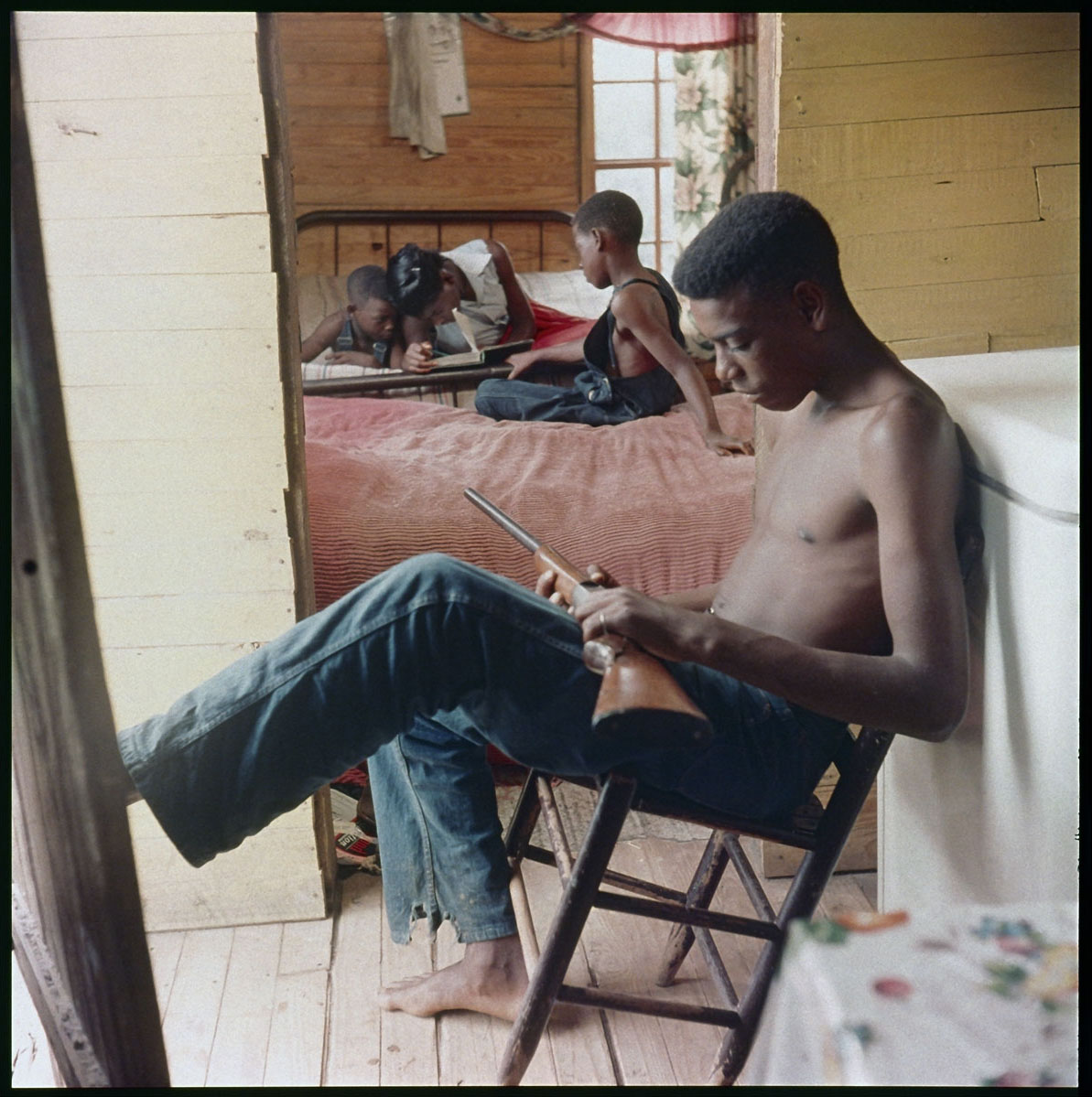
But then we have two of the most intimate moments of beauty that brings me to tears as I write this, the two photographs at the bottom of the posting Untitled, Shady Grove, Alabama (1956). Just look at the light that Parks uses, this drawing with light. And then the use of depth of field, colour, composition (horizontal, vertical and diagonal elements) that leads the eye into these images and the utter, what can you say, engagement – no – quiescent knowingness on the children’s faces (like an old soul in a young body). This is a wondrous thing.

Notice how the photographer has pre-exposed the sheet of film so that the highlights in both images do not blow out. Pre-exposing the film lessens the contrast range allowing shadow detail and highlight areas to be held in balance. Also notice how in both images the photographer lets the eye settle in the centre of the image – in the photograph of the boy, the out of focus stairs in the distance; in the photograph of the three girls, the bonnet of the red car – before he then pulls our gaze back and to the right of the image to let the viewer focus on the faces of his subjects. In both photographs we have vertical elements (a door jam and a telegraph post) coming out of the red colours in the images and this vertically is reinforced in the image of the three girls by the rising ladder of the back of the chair. Masterful image making, this push and pull, this bravura art of creation.

Surely, Gordon Parks ranks up there with the greatest photographers of the 20th century.

Dr Marcus Bunyan


Many thankx to the High Museum of Art for allowing me to publish the photographs in the posting. Please click on the photographs for a larger version of the image. Many thanx also to Carlos Eguiguren for sending me his portrait of Gordon Parks taken in New York in 1985, which reveals a wonderful vulnerability within the artist.


Carlos Eguiguren (Chile, b. 1955) 'Gordon Parks, New York' 1985


Carlos Eguiguren (Chile, b. 1955)
Gordon Parks, New York
1985
4 x 5″ transparency film
© Carlos Eguiguren


Gordon Parks (American, 1912-2006) 'Mr. and Mrs. Albert Thornton, Mobile, Alabama' 1956


Gordon Parks (American, 1912-2006)
Mr. and Mrs. Albert Thornton, Mobile, Alabama
1956
Promised gift of The Gordon Parks Foundation
Courtesy of and copyright The Gordon Parks Foundation


This portrait of Mr. and Mrs. Albert Thornton Sr., aged 82 and 70, served as the opening image of Parks’s photo essay. The well-dressed couple stares directly into the camera, asserting their status as patriarch and matriarch of their extensive Southern family. Photography is featured prominently within the image: a framed portrait, made shortly after the couple was married in 1906, hangs on the wall behind them, while family snapshots, including some of the Thorntons’ nine children and nineteen grandchildren, are proudly displayed on the coffee table in the foreground.


Gordon Parks (American, 1912-2006) 'Department Store, Mobile, Alabama' 1956


Gordon Parks (American, 1912-2006)
Department Store, Mobile, Alabama
1956
Promised gift of The Gordon Parks Foundation
Courtesy of and copyright The Gordon Parks Foundation


Joanne Wilson, one of the Thorntons’ daughters, is shown standing with her niece in front of a department store in downtown Mobile. The pair is impeccably dressed in light, summery frocks. The jarring neon of the “Colored Entrance” sign looming above them clashes with the two young women’s elegant appearance, transforming a casual afternoon outing into an example of overt discrimination. Notice the fallen strap of Wilson’s slip. Though this detail might appear discordant with the rest of the picture, its inclusion may have been strategic: it allowed Parks to emphasise the humanity of his subjects.


Gordon Parks (American, 1912-2006) 'Outside Looking In, Mobile, Alabama' 1956


Gordon Parks (American, 1912-2006)
Outside Looking In, Mobile, Alabama
1956
Promised gift of The Gordon Parks Foundation
Courtesy of and copyright The Gordon Parks Foundation


A group of children peers across a chain-link fence into a whites-only playground with a Ferris wheel. Although they had access to a “separate but equal” recreational area in their own neighbourhood, this photograph captures the allure of this other, inaccessible space. The children, likely innocent to the cruel implications of their exclusion, longingly reach their hands out to the mysterious and forbidden arena beyond. The pristinely manicured lawn on the other side of the fence contrasts with the overgrowth of weeds in the foreground, suggesting the persistent reality of racial inequality.


Gordon Parks (American, 1912-2006) 'At Segregated Drinking Fountain, Mobile, Alabama' 1956


Gordon Parks (American, 1912-2006)
At Segregated Drinking Fountain, Mobile, Alabama
1956
Promised gift of The Gordon Parks Foundation
Courtesy of and copyright The Gordon Parks Foundation


The Jim Crow laws established in the South ensured that public amenities remained racially segregated. These laws applied to schools, public transportation, restaurants, recreational facilities, and even drinking fountains, as shown here. The photograph documents the prevalence of such prejudice, while at the same time capturing a scene of compassion. Here, a gentleman helps one of the young girls reach the fountain to have a refreshing drink of water.


Gordon Parks (American, 1912-2006) 'Ondria Tanner and Her Grandmother Window-Shopping, Mobile, Alabama' 1956


Gordon Parks (American, 1912-2006)
Ondria Tanner and Her Grandmother Window-Shopping, Mobile, Alabama
1956
Promised gift of The Gordon Parks Foundation
Courtesy of and copyright The Gordon Parks Foundation


RARE PHOTOS BY GORDON PARKS PREMIERE AT HIGH MUSEUM OF ART

Featuring works created for Parks’ powerful 1956 Life magazine photo essay that have never been publicly exhibited.

The High Museum of Art presents rarely seen photographs by trailblazing African American artist and filmmaker Gordon Parks in Gordon Parks: Segregation Story on view November 15, 2014 through June 21, 2015.

The exhibition, presented in collaboration with The Gordon Parks Foundation, features more than 40 of Parks’ colour prints – most on view for the first time – created for a powerful and influential 1950s Life magazine article documenting the lives of an extended African-American family in segregated Alabama. The series represents one of Parks’ earliest social documentary studies on colour film. The High will acquire 12 of the colour prints featured in the exhibition, supplementing the two Parks works – both gelatin silver prints – already owned by the High. These works augment the Museum’s extensive collection of Civil Rights era photography, one of the most significant in the nation.

Following the publication of the Life article, many of the photos Parks shot for the essay were stored away and presumed lost for more than 50 years until they were rediscovered in 2012 (six years after Parks’ death). Though a small selection of these images has been previously exhibited, the High’s presentation brings to light a significant number that have never before been displayed publicly. As the first African-American photographer for Life magazine, Parks published some of the 20th century’s most iconic social justice-themed photo essays and became widely celebrated for his black-and-white photography, the dominant medium of his era. The photographs that Parks created for Life’s 1956 photo essay The Restraints: Open and Hidden are remarkable for their vibrant colour and their intimate exploration of shared human experience.

The images provide a unique perspective on one of America’s most controversial periods. Rather than capturing momentous scenes of the struggle for civil rights, Parks portrayed a family going about daily life in unjust circumstances. Parks believed empathy to be vital to the undoing of racial prejudice. His corresponding approach to the Life project eschewed the journalistic norms of the day and represented an important chapter in Parks’ career-long endeavour to use the camera as his “weapon of choice” for social change. The Restraints: Open and Hidden gave Parks his first national platform to challenge segregation. The images he created offered a deeper look at life in the Jim Crow South, transcending stereotypes to reveal a common humanity.

“Parks’ images brought the segregated South to the public consciousness in a very poignant way – not only in colour, but also through the eyes of one of the century’s most influential documentarians,” said Brett Abbott, exhibition curator and Keough Family curator of photography and head of collections at the High. “To present these works in Atlanta, one of the centres of the Civil Rights Movement, is a rare and exciting opportunity for the High. It is also a privilege to add Parks’ images to our collection, which will allow the High to share his unique perspective with generations of visitors to come.

A Day in the Life

For The Restraints: Open and Hidden, Parks focused on the everyday activities of the related Thornton, Causey and Tanner families in and near Mobile, Ala. The images present scenes of Sunday church services, family gatherings, farm work, domestic duties, child’s play, window shopping and at-home haircuts – all in the context of the restraints of the Jim Crow South.

Key images in the exhibition include:

~ Mr. and Mrs. Albert Thornton, Mobile Alabama (1956)
~ Outside Looking In, Mobile, Alabama (1956)
~ Department Store, Mobile Alabama (1956)
~ Airline Terminal, Atlanta, Georgia (1956)
~ Willie Causey, Jr., with Gun During Violence in Alabama, Shady Grove, Alabama (1956)

About Gordon Parks

Gordon Parks was born in Fort Scott, Kansas. He grew up poor and faced racial discrimination. Parks was initially drawn to photography as a young man after seeing images of migrant workers published in a magazine, which made him realise photography’s potential to alter perspective. Parks became a self-taught photographer after purchasing his first camera at a pawnshop, and he honed his skills during a stint as a society and fashion photographer in Chicago. After earning a Julius Rosenwald Fellowship for his gritty photographs of that city’s South Side, the Farm Security Administration hired Parks in the early 1940s to document the current social conditions of the nation.

By 1944, Parks was the only black photographer working for Vogue, and he joined Life magazine in 1948 as the first African-American staff photographer. In 1970, Parks co-founded Essence magazine and served as the editorial director for the first three years of its publication. Parks later became Hollywood’s first major black director when he released the film adaptation of his autobiographical novel The Learning Tree, for which he also composed the musical score, however he is best known as the director of the 1971 hit movie Shaft. Parks received the National Medal of Arts in 1988 and received more than 50 honorary doctorates over the course of his career. He died in 2006

About The Gordon Parks Foundation

The Gordon Parks Foundation permanently preserves the work of Gordon Parks, makes it available to the public through exhibitions, books, and electronic media and supports artistic and educational activities that advance what Gordon described as “the common search for a better life and a better world.” The Foundation is a division of The Meserve-Kunhardt Foundation.

Press release from the High Museum of Art


Gordon Parks (American, 1912-2006) 'Untitled, Alabama' 1956


Gordon Parks (American, 1912-2006)
Untitled, Alabama
1956
Collection of The Gordon Parks Foundation
Courtesy of and copyright The Gordon Parks Foundation


Gordon Parks (American, 1912-2006) 'Untitled, Shady Grove, Alabama' 1956


Gordon Parks (American, 1912-2006)
Untitled, Shady Grove, Alabama
1956
Collection of The Gordon Parks Foundation
Courtesy of and copyright The Gordon Parks Foundation


Gordon Parks (American, 1912-2006) 'Store Front, Mobile Alabama' 1956


Gordon Parks (American, 1912-2006)
Store Front, Mobile Alabama
1956
Collection of The Gordon Parks Foundation
Courtesy of and copyright The Gordon Parks Foundation


Gordon Parks (American, 1912-2006) 'Untitled, Shady Grove, Alabama' 1956


Gordon Parks (American, 1912-2006)
Untitled, Shady Grove, Alabama
1956
Collection of The Gordon Parks Foundation
Courtesy of and copyright The Gordon Parks Foundation


Gordon Parks (American, 1912-2006) 'Willie Causey, Jr., with Gun During Violence in Alabama, Shady Grove, Alabama' 1956


Gordon Parks (American, 1912-2006)
Willie Causey, Jr., with Gun During Violence in Alabama, Shady Grove, Alabama
1956
Collection of The Gordon Parks Foundation
Courtesy of and copyright The Gordon Parks Foundation


Gordon Parks (American, 1912-2006) 'Untitled, Shady Grove, Alabama' 1956


Gordon Parks (American, 1912-2006)
Untitled, Shady Grove, Alabama
1956
Collection of The Gordon Parks Foundation
Courtesy of and copyright The Gordon Parks Foundation


Gordon Parks (American, 1912-2006) 'Untitled, Shady Grove, Alabama' 1956


Gordon Parks (American, 1912-2006)
Untitled, Shady Grove, Alabama
1956
Collection of The Gordon Parks Foundation
Courtesy of and copyright The Gordon Parks Foundation


Gordon Parks (American, 1912-2006) 'Black Classroom, Shady Grove, Alabama' 1956


Gordon Parks (American, 1912-2006)
Black Classroom, Shady Grove, Alabama
1956
Promised gift of The Gordon Parks Foundation
Courtesy of and copyright The Gordon Parks Foundation


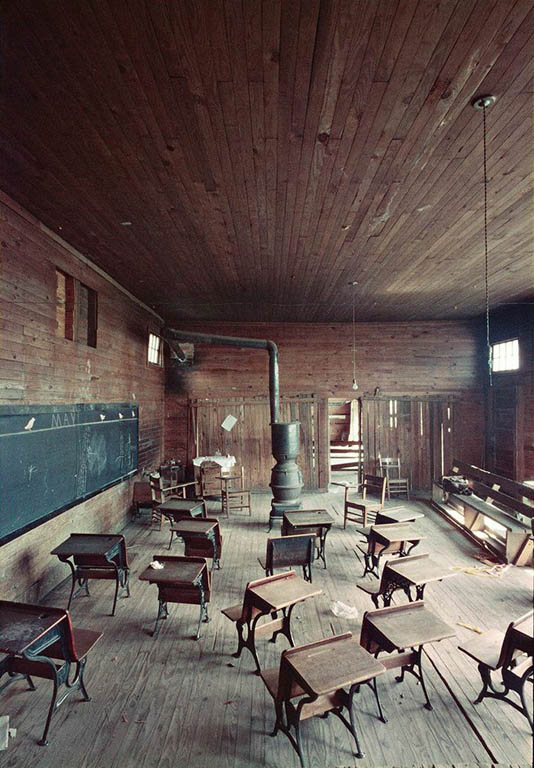
Although this photograph was taken in the 1950s, the wood-panelled interior, with a wood-burning stove at its centre, is reminiscent of an earlier time. Parks’s photograph of the segregated schoolhouse, here emptied of its students, evokes both the poetic and prosaic: springtime sunlight streams through the missing slats on the doors, while scraps of paper, rope, and other detritus litter the uneven floorboards. One of the Thorntons’ daughters, Allie Lee Causey, taught elementary-grade students in this dilapidated, four-room structure. After Parks’s article was published in Life, Mrs. Causey, who was quoted speaking out against segregation, was suspended from her job. She never held a teaching position again.


High Museum of Art
1280 Peachtree Street,
N.E. Atlanta, GA 30309

Opening hours:
Monday – Closed
Tuesday – Saturday 10am – 5pm
Sunday 12 – 5pm

High Museum of Art website

LIKE ART BLART ON FACEBOOK

Back to top

Exhibition: ‘Freedom Journey 1965: Photographs of the Selma to Montgomery March by Stephen Somerstein’ at the New-York Historical Society, New York

Exhibition dates: 16th January – 19th April 2015


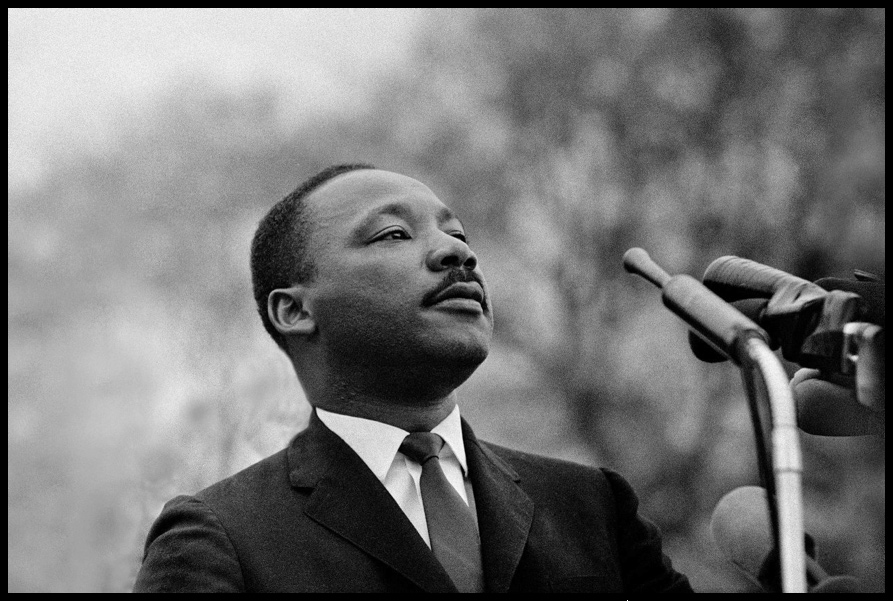
Stephen Somerstein (American, b. 1941) 'Dr. Martin Luther King, Jr. speaking to 25,000 civil rights marchers in Montgomery' 1965


Stephen Somerstein (American, b. 1941)
Dr. Martin Luther King, Jr. speaking to 25,000 civil rights marchers in Montgomery 
1965
Courtesy of the photographer


And still it goes on… whether it be so called Chelsea football “fans” singing racist songs and abusing a black man on the Paris Metro, the Australian government’s “intervention” in Aboriginal communities, or Channel Seven’s adverts for Australia: The Story of Us which states, “This is the story of how a bunch of convicts transformed Australia from a barren, frontier prison into one of the richest countries in the world.”

The use of the word “barren” insidiously supports the hidden tenants of racism, surreptitiously reaffirming the idea that Australia was a terra nullius when it was invaded. And for one of the richest countries in the world, the Aboriginal and refugee population is sure not seeing the benefits, both in terms of freedom (refugee children and Indigenous people from incarceration), health, education and life span.

When will the human race ever grow up? We have been fighting this stuff since time immemorial, or perhaps that should be time ‘in memoriam’ – in honour of those who have passed – and in honour of those that continue to suffer. In the end it all comes down to the intersectionality of power, race, religion, money, gender and place, a moveable and fluid feast of fear and loathing, possession and patriarchy. I don’t believe that it will ever change, unless something truly momentous happens to this world… the earth self regulates and rids itself of this disease, this human ‘race’. But we can and we will still fight the good fight, against bigotry, war, corporations and government surveillance, everywhere.

Dr Marcus Bunyan


Many thankx to the New York Historical Society Museum and Library for allowing me to publish the photographs in the posting. Please click on the photographs for a larger version of the image.


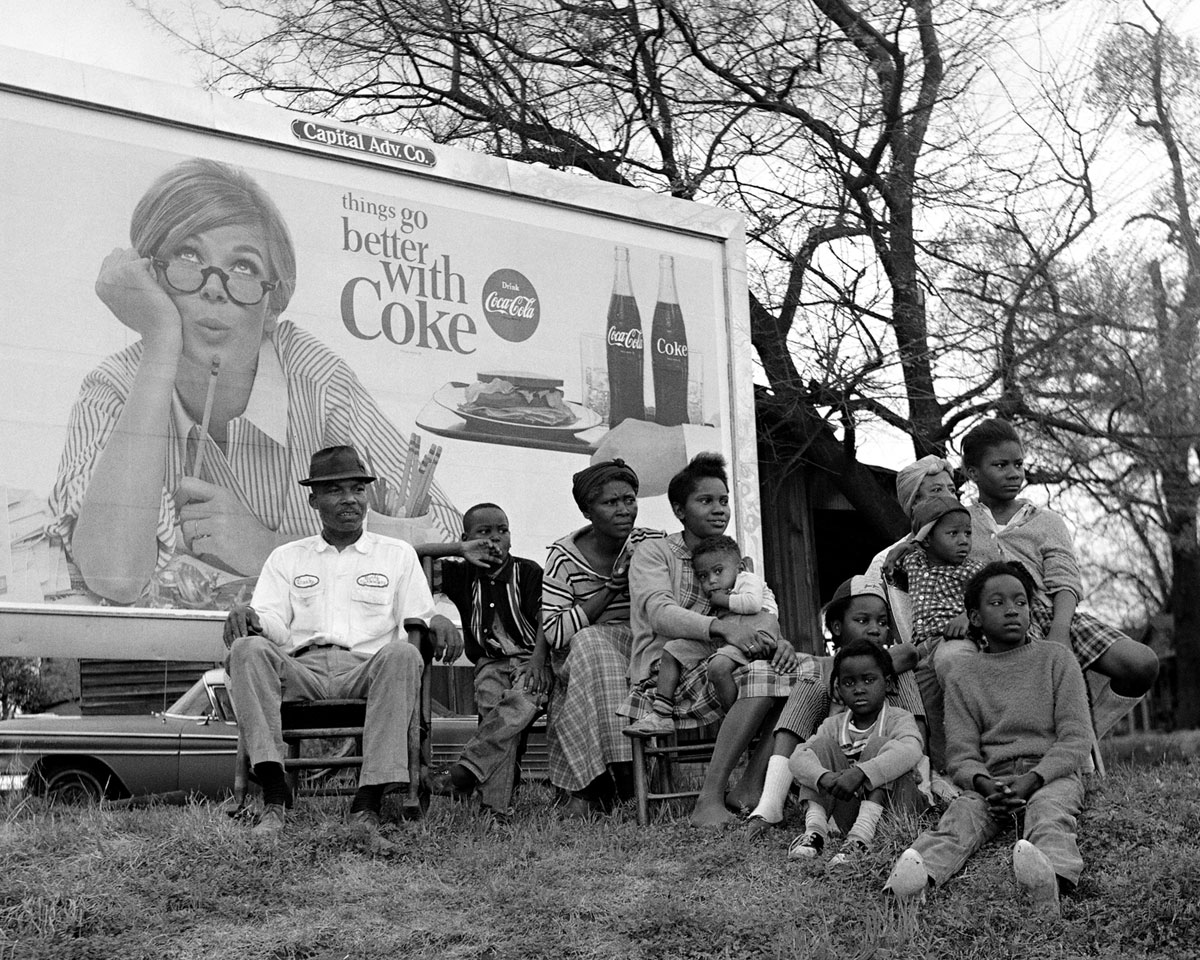
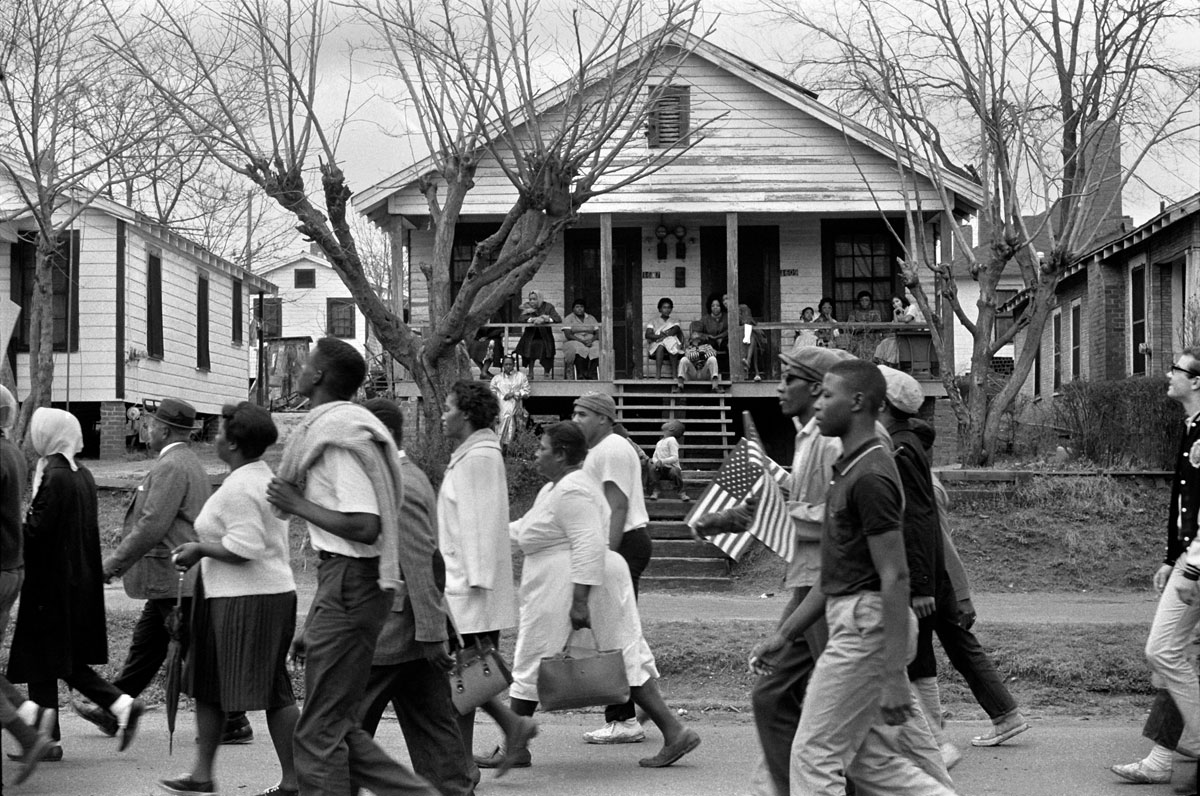
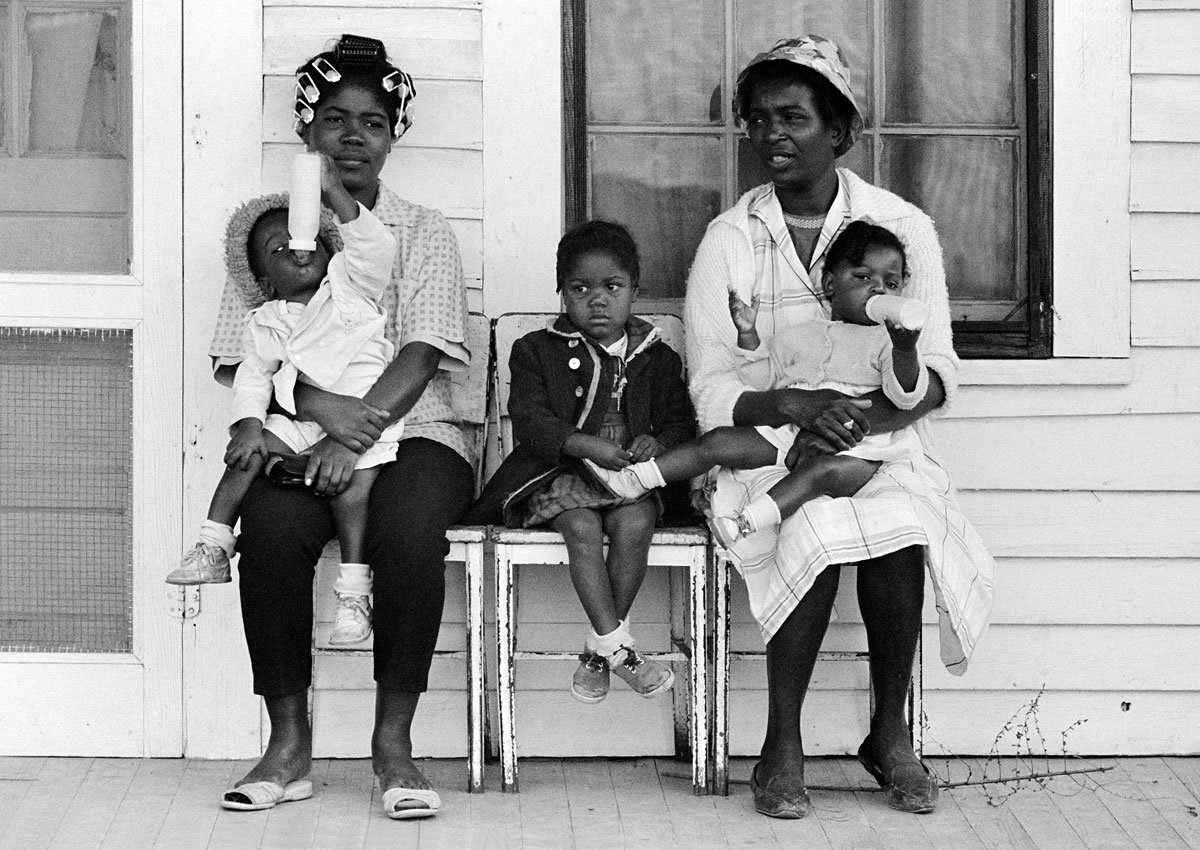
“All through the march I was thinking, ‘This is history in the making. Can I capture it? Can I give a sense to other people of what I am experiencing myself?’ That was the thread that always wove through the back of my mind. Am I up for the task?… I turned my camera most consciously to the people watching the march. It was meant to free them. The march was meant to give them voting rights. The march was meant to change their lives… I wanted the pictures to be a window for people to look back in time and see what it was like then. I needed to capture a sense of their vision.”


Stephen Somerstein


Stephen Somerstein (American, b. 1941) '"Things Go Better With Coke" sign and multi-generational family watching marchers' 1965


Stephen Somerstein (American, b. 1941)
“Things Go Better With Coke” sign and multi-generational family watching marchers
1965
Courtesy of the photographer


This is among Somerstein’s favourite shots from the march. “Only in this instant are they looking mostly in the same direction,” he said, recalling that a second shot he took just after lacked the “unity” of this composition.


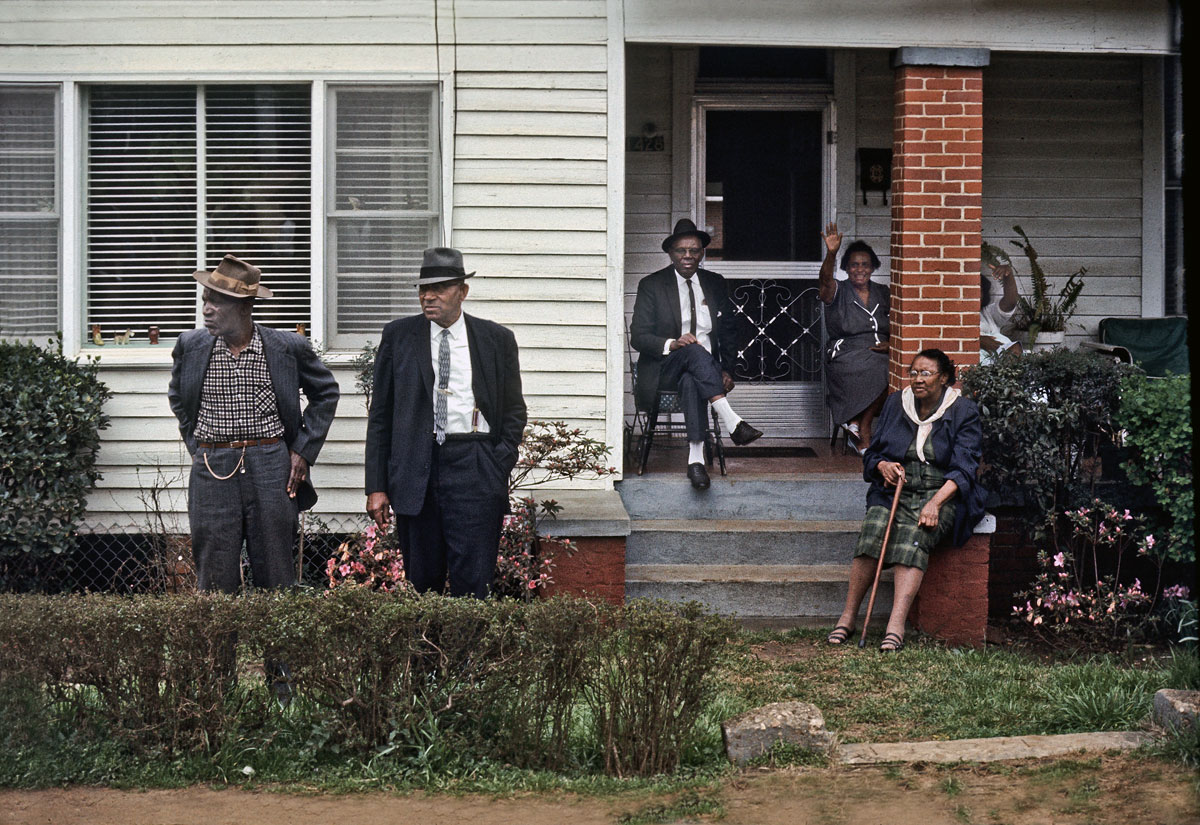
Stephen Somerstein (American, b. 1941) 'Marchers on the way to Montgomery as families watch from their porches' 1965


Stephen Somerstein (American, b. 1941)
Marchers on the way to Montgomery as families watch from their porches
1965
Courtesy of the photographer


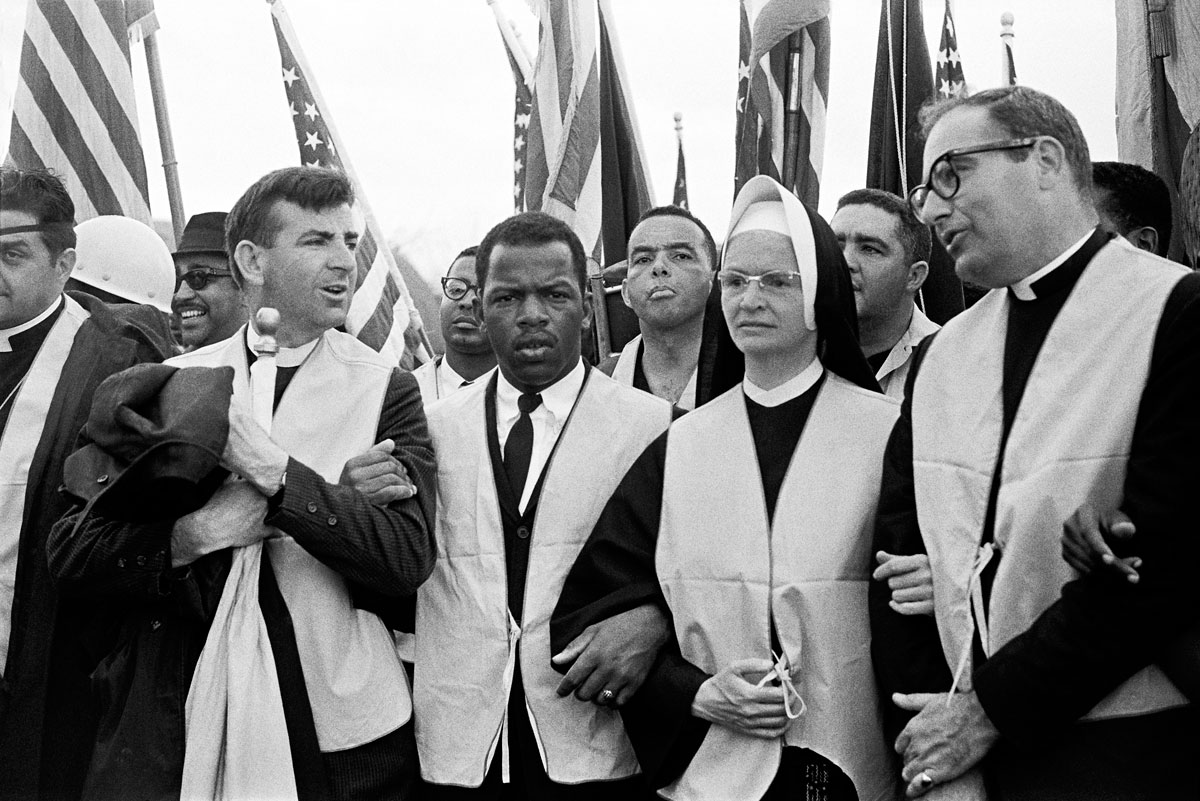
Stephen Somerstein (American, b. 1941) 'Nuns, priests, and civil rights leaders at the head of the march' 1965


Stephen Somerstein (American, b. 1941)
Nuns, priests, and civil rights leaders at the head of the march
1965
Courtesy of the photographer


Stephen Somerstein (American, b. 1941) 'Two mothers with children watching marchers' 1965


Stephen Somerstein (American, b. 1941)
Two mothers with children watching marchers
1965
Courtesy of the photographer


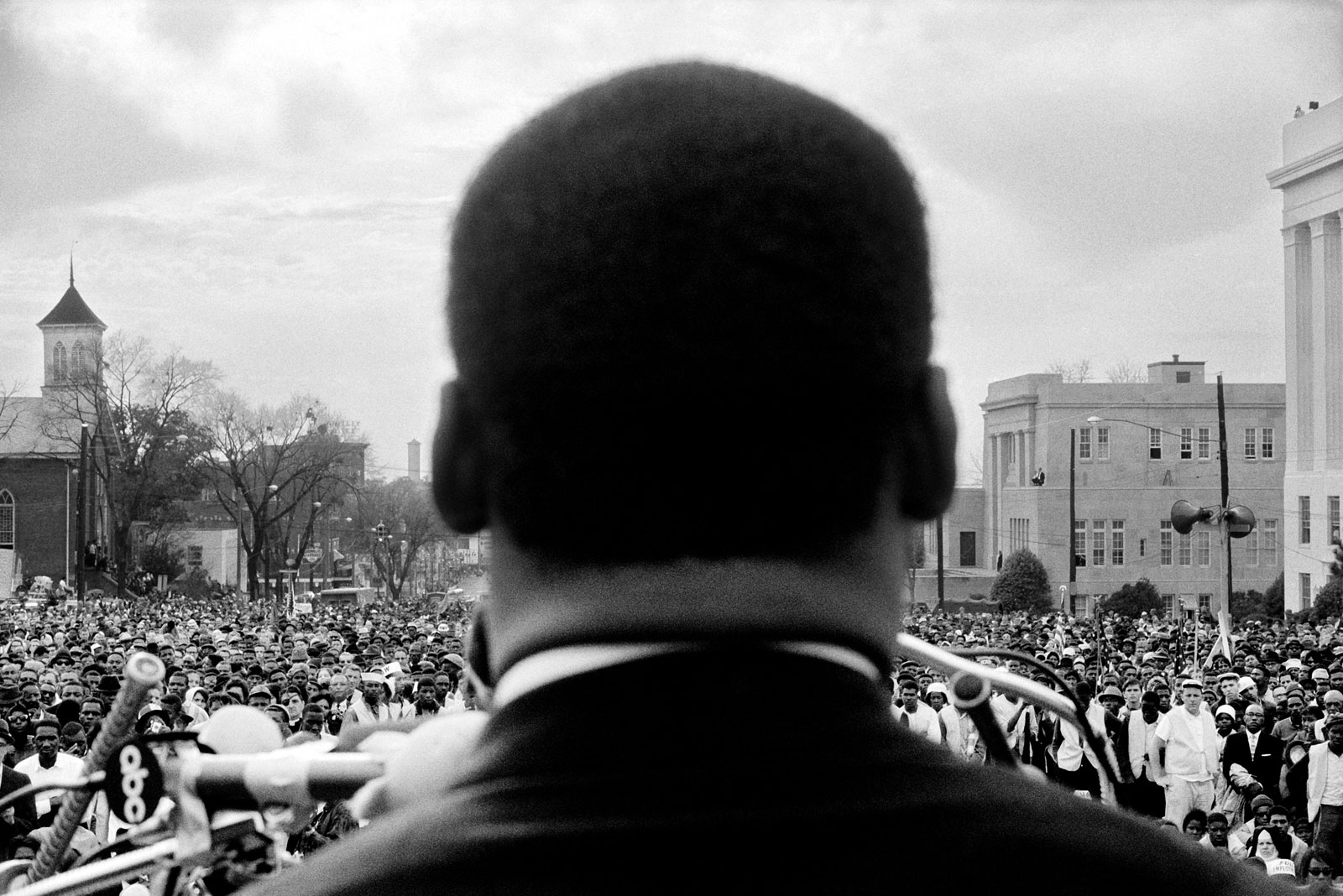
Stephen Somerstein (American, b. 1941) 'Dr. Martin Luther King, Jr. Looks out at crowd in Montgomery' 1965


Stephen Somerstein (American, b. 1941)
Dr. Martin Luther King, Jr. Looks out at crowd in Montgomery
1965
Courtesy of the photographer


“I had to be totally cool about it,” Somerstein said of getting this shot, taken from the platform where Martin Luther King was speaking. “You don’t ask people, you don’t discuss it, you just do it… I had 30 seconds to take the photograph.” This image inspired the poster for the current film Selma.

“Somehow, the photographer managed to position himself directly behind Dr. King as he delivered the sonorous “How Long? Not Long” speech: “Somebody’s asking, ‘How long will prejudice blind the visions of men, darken their understanding, and drive bright-eyed wisdom from her sacred throne?'” it began, ending, “Not long, because the arc of the moral universe is long, but it bends toward justice.” (Holland Cotter)

Iconic Photographs by Stephen Somerstein Capture the Spirit of the Civil Rights Movement

The New-York Historical Society showcases a powerful selection of photographs by Stephen Somerstein that chronicle the 1965 Selma-to-Montgomery Civil Rights March, honouring the 50th anniversary of the protest that changed the course of civil rights in America. On view from January 16 through April 19, 2015, the exhibition Freedom Journey 1965: Photographs of the Selma to Montgomery March by Stephen Somerstein will feature the work of the 24-year-old City College student, who felt he had to document “what was going to be a historic event.” He accompanied the marchers, gaining unfettered access to Dr. Martin Luther King, Jr., Coretta Scott King, Rosa Parks, James Baldwin, Joan Baez, and Bayard Rustin.

Through 55 black and white and colour photographs, Freedom Journey 1965 will document the quest for equality and social justice over the five-day march. Then the managing editor and picture editor of the City College newspaper, Stephen Somerstein recalls “When Dr. King called on Americans to join him in a massive protest march to Montgomery, I knew that important, nation-changing history was unfolding and I wanted to capture its power and meaning with my camera.”

The Selma-to-Montgomery March marked a peak of the American civil rights movement. From March 21 to March 25, 1965, hundreds of people marched from Selma to the State Capitol Building in Montgomery, Alabama to protest against the resistance that the Student Nonviolent Coordinating Committee (SNCC) and other groups had encountered in their mission to register black voters. By March 25, the group had grown to 25,000 people, which Dr. King addressed from the steps of the Montgomery State Capitol. Three months later, President Lyndon Johnson signed the Voting Rights Act of 1965.

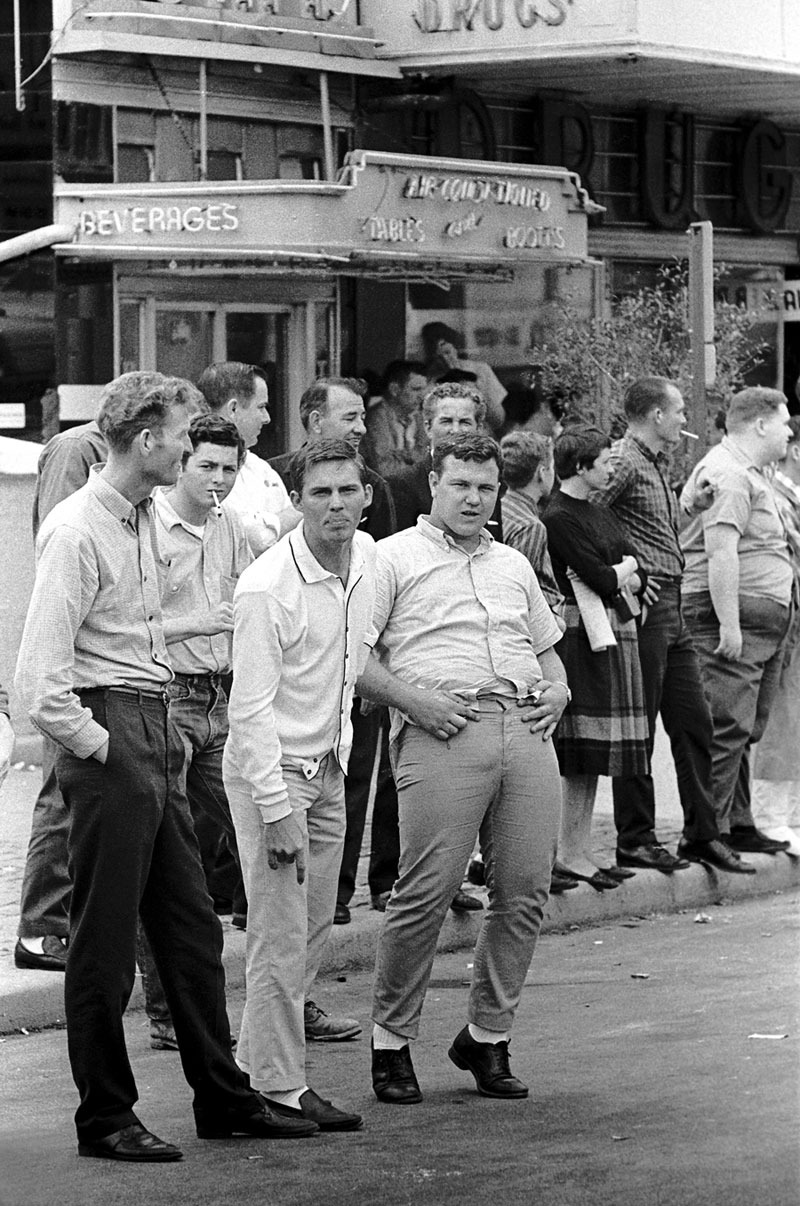
Somerstein took approximately 400 photographs over the five-day, 54 mile march. Exhibition highlights include images of Dr. Martin Luther King, Jr. addressing the crowd of 25,000 civil rights marchers in Montgomery; folk singer Joan Baez, standing before a line of state troopers blocking the entrance to the State Capitol; white hecklers yelling and gesturing at marchers; families watching the march from their porches; and images of young and old alike participating in the demonstration.

Somerstein pursued a career in physics, building space satellites at the Harvard Smithsonian Astrophysical Observatory and Lockheed Martin Co. Upon retiring, Somerstein revisited the Selma photographs. Though he had sold a few of them, the majority were not showcased until he participated in a civil rights exhibition at the San Francisco Art Exchange in 2010. “I realised that I had numerous iconic and historic photographs that I wanted to share with the public,” says Somerstein.

This exhibit features the stunning and historic photographs of Stephen Somerstein, documenting the Selma-to-Montgomery Civil Rights March in January 1965. Somerstein was a student in City College of New York’s night school and Picture Editor of his student newspaper when he traveled to Alabama to document the March.

He joined the marchers and gained unfettered access to everyone from Martin Luther King Jr. to Rosa Parks, James Baldwin, and Bayard Rustin. “I had five cameras slung around my neck,” he recalled. Over the five-day, 54-mile march, Somerstein took about four hundred photographs including poignant images of hopeful blacks lining the rural roads as they cheered on the marchers walking past their front porches and whites crowded on city sidewalks, some looking on silently-others jeering as the activists walked to the Alabama capital. Somerstein sold a few photographs to the New York Times Magazine, Public Television and photography collectors, but none were exhibited until 2010, when he participated in a civil rights exhibition at the San Francisco Art Exchange.

Rather than choosing photography as a career, Somerstein became a physicist and worked at the Harvard-Smithsonian Astrophysical Observatory and at Lockhead Martin Company. It was only after his retirement in 2008 that he returned to his photography remarking that he wanted “to have exhibitions of my work and that I realised that I had numerous iconic as well as historic photographs.” Among those photographs were his moving photographs of that memorable march to Montgomery in 1965.”

Press release from the New-York Historical Society Museum and Library


Selma – Montgomery March, 1965

A powerful and recently rediscovered film made during the 1965 Selma to Montgomery march for voting rights. Stefan Sharff’s intimate documentary reflects his youthful work in the montage style under the great Russian filmmaker Sergei Eisenstein. The film features moving spirituals. Marchers include Rev. Dr. Martin Luther King Jr. and his wife Coretta Scott King. (NJ state film festival)

Director: Stefan Sharff

Cameramen:
Stefan Sharff
Christopher Harris
Julian Krainin
Alan Jacobs
Norris Eisenbrey


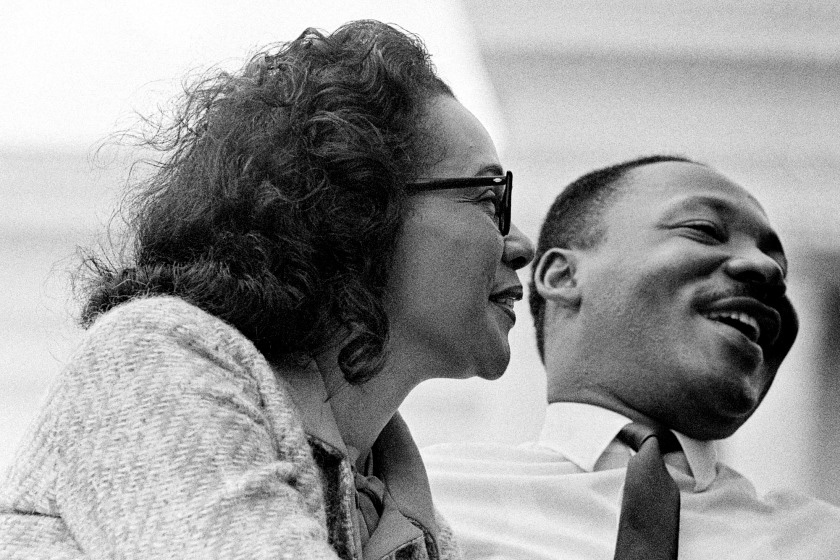
Stephen Somerstein (American, b. 1941) 'Coretta Scott King and husband civil rights leader Dr. Martin Luther King, Jr., on platform at end of 1965 Selma to Montgomery, Alabama Civil Rights March - March 25, 1965' 1965


Stephen Somerstein (American, b. 1941)
Coretta Scott King and husband civil rights leader Dr. Martin Luther King, Jr., on platform at end of 1965 Selma to Montgomery, Alabama Civil Rights March – March 25, 1965
1965
Courtesy of the photographer


It had taken them 54 miles on the march and their entire lives to reach their goal of voting rights for blacks. Somerstein, who took that photo as a CCNY student, says it’s one of his favourite images from that time.


Stephen Somerstein (American, b. 1941) 'Folk singer Joan Baez in Montgomery' 1965


Stephen Somerstein (American, b. 1941)
Folk singer Joan Baez in Montgomery
1965
Courtesy of the photographer


Stephen Somerstein (American, b. 1941) 'Hecklers yelling and gesturing at marchers' 1965


Stephen Somerstein (American, b. 1941)
Hecklers yelling and gesturing at marchers
1965
Courtesy of the photographer


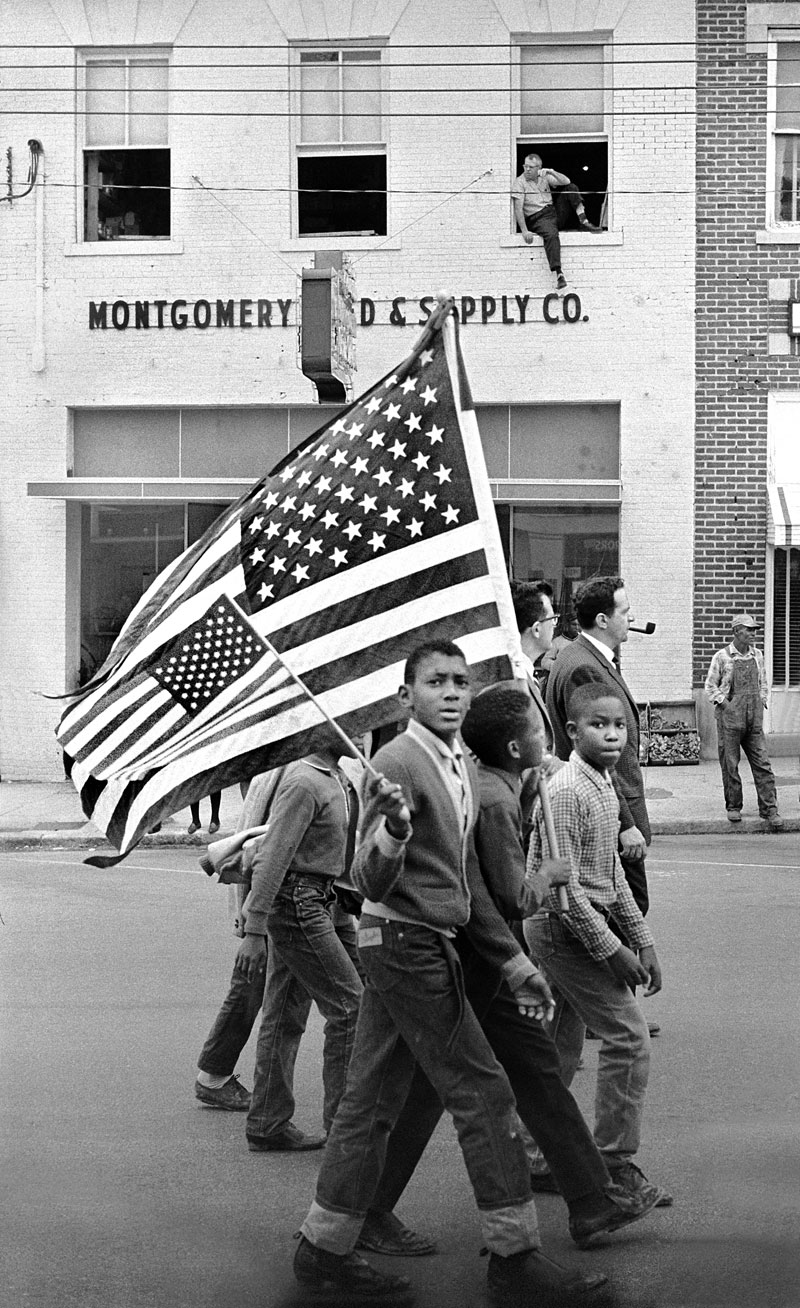
Stephen Somerstein (American, b. 1941) 'Young civil rights marchers with American flags march in Montgomery' 1965


Stephen Somerstein (American, b. 1941)
Young civil rights marchers with American flags march in Montgomery
1965
Courtesy of the photographer


For all involved, danger was ever-present. The march, which covered 54 miles and took five days, from March 21 to 25, had been preceded by two traumatic aborted versions. On March 7, 600 people trying to walk across the Edmund Pettus Bridge over the Alabama River leading out of Selma to Montgomery were accused by local law officials of gathering illegally and were savagely assaulted by state troopers. Two days later, a second group, this one led by Dr. King, approached the bridge, knelt to pray and turned back. If the retreat was intended as a symbolic rebuke to violence, it did no good. That night, a Unitarian minister from Boston named James J. Reeb, in town for the event, was beaten on the street by a group of Selma racists and died.

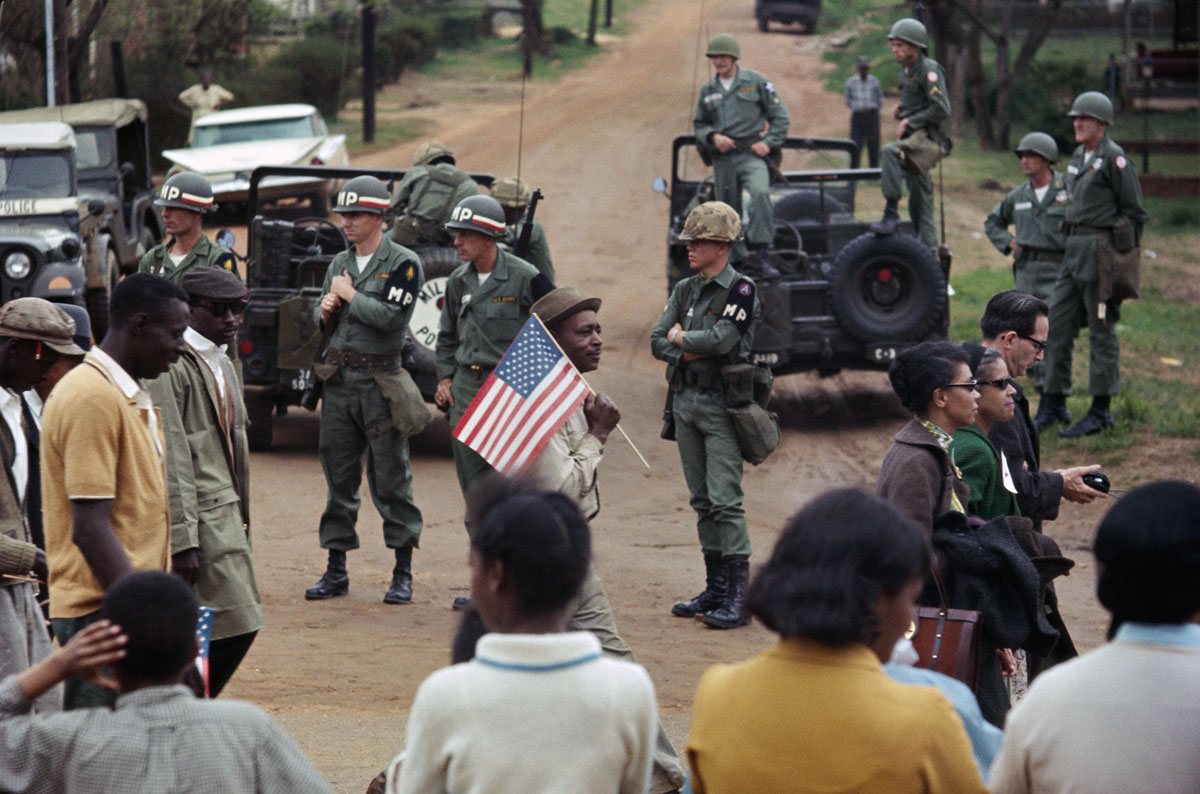
By the time of the third march, certain protective measures were in place. The force of public opinion was one. Pictures of the attack at the bridge had been widely seen in print and on national television: All eyes were on Selma now. An Alabama judge had finally granted legal permission for a march to proceed. Finally, President Lyndon B. Johnson, enraged at Gov. George C. Wallace’s refusal to shield the marchers, ordered federal troops to guard them…

Scads of photographers were on the job that day and, inevitably, certain subjects – political leaders, visiting celebrities – were the focus of many cameras, including Mr. Somerstein’s. Yet most of the people in his pictures are not stars; they’re rank-and-file participants. It’s from their perspective that we see the march. In one shot, we’re in the middle of it, surrounded by fellow walkers. In others, we’re looking out at bystanders who line the way: white office workers; hecklers; multiracial shoppers; African-American children on porches; women, dressed in Sunday best, on the steps of black churches.

This viewpoint subtly alters a standard account of the event, one perpetuated in Selma, which suggests that a small, elite band of high-level organisers were the heroes of the day. They were indeed heroes, but they were borne on the shoulders of the countless grass-roots organisers who paved the way for the march and the anonymous marchers, many of them women, who risked everything to walk the walk…

… in the film, the image [of the back of Dr King’s head] seems to be about the man and his drama; in Mr. Somerstein’s photograph, it seems to be about the crowd. For an account of this and other civil rights era events that balance symbols and facts, I look back to the documentary series Eyes on the Prize that ran on public television between 1987 and 1990. Its use of archival images and contemporary interviews with people involved in the Selma-to-Montgomery march gave equal time to personalities and larger realities. And its news clips of the bloody attack on citizens by the police on the bridge in Selma, despite being choppy and grainy, are to me far more wrenching in a you-are-there way than a Hollywood re-enactment, however spectacular. Mr. Somerstein’s quiet photographs are moving in a similar way.

Extracts from Holland Cotter. “A Long March Into History: Stephen Somerstein Photos in ‘Freedom Journey 1965’,” on the New York Times website [Online] Cited 19/02/2015. No longer available online


Stephen Somerstein (American, b. 1941) 'Family watching march' 1965


Stephen Somerstein (American, b. 1941)
Family watching march
1965
Courtesy of the photographer


Stephen Somerstein (American, b. 1941) 'Man with American flag and marchers walking past federal troops guarding crossroads' 1965


Stephen Somerstein (American, b. 1941)
Man with American flag and marchers walking past federal troops guarding crossroads
1965
Courtesy of the photographer


Martin Luther King Jr. (MLK) delivers his famous “How Long, Not Long” speech on the steps of the state capitol building in Montgomery, Alabama, 1965


Eyes On The Prize – (Part 6) Bridge to Freedom 1965


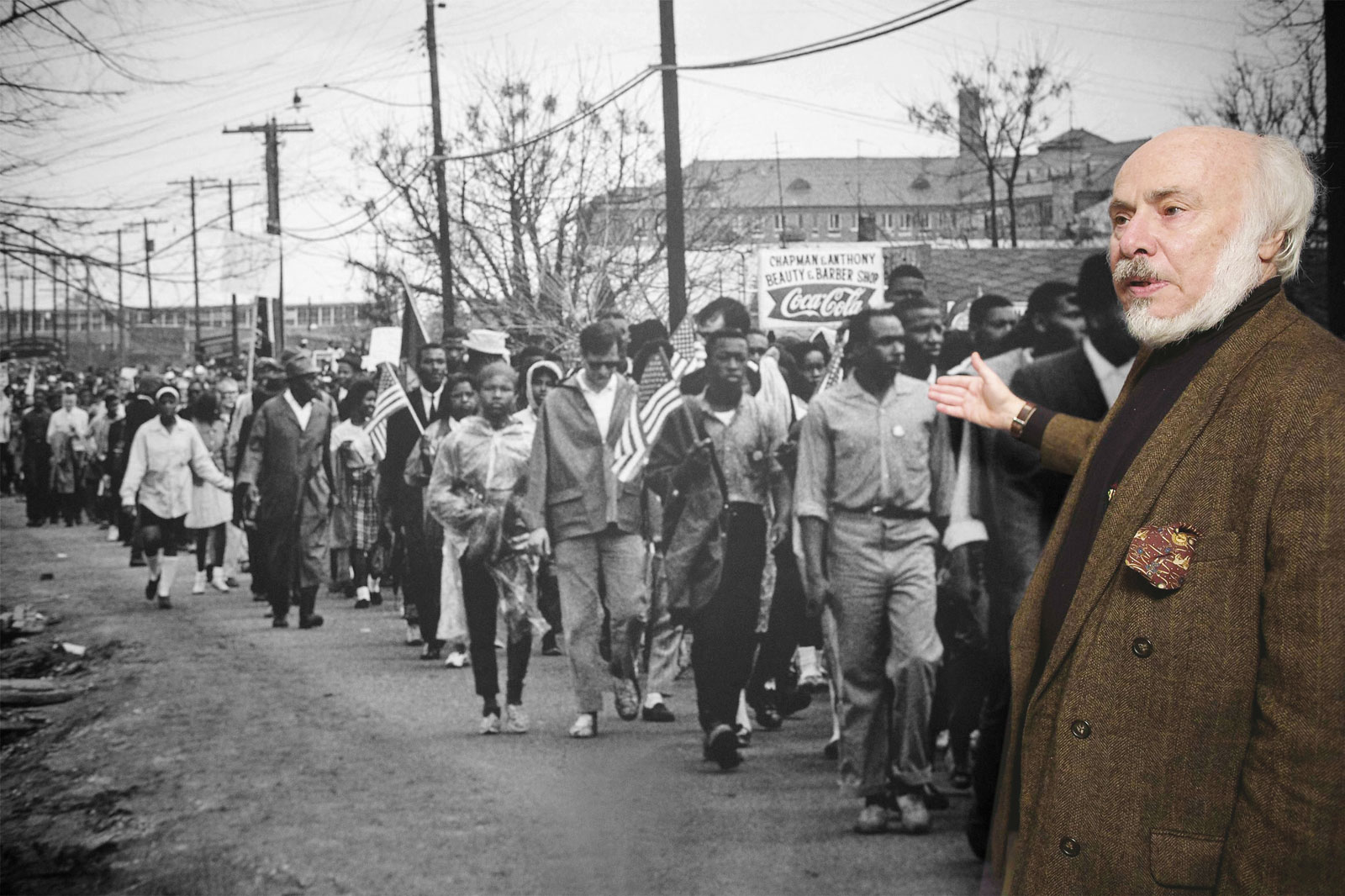
Stephen Somerstein talks about a photo he took during the famous 1965 Selma to Montgomery, Ala., march at the New-York Historical Society


Stephen Somerstein talks about a photo he took during the famous 1965 Selma to Montgomery, Ala., march at the New-York Historical Society on Wednesday. Somerstein was a 24-year-old college student when he photographed Dr. Martin Luther King Jr. and the march from Selma to Montgomery that changed the course of civil rights in the U.S. REUTERS


New-York Historical Society
170 Central Park West
at Richard Gilder Way (77th Street)
New York, NY 10024
Phone: (212) 873-3400

Opening hours:
Monday CLOSED
Tuesday – Thursday 11am – 5pm
Friday 11am – 8pm
Saturday – Sunday 11am – 5pm

New-York Historical Society website

LIKE ART BLART ON FACEBOOK

Back to top