
Exhibition dates: 1st August 2012 – 31st July 2013
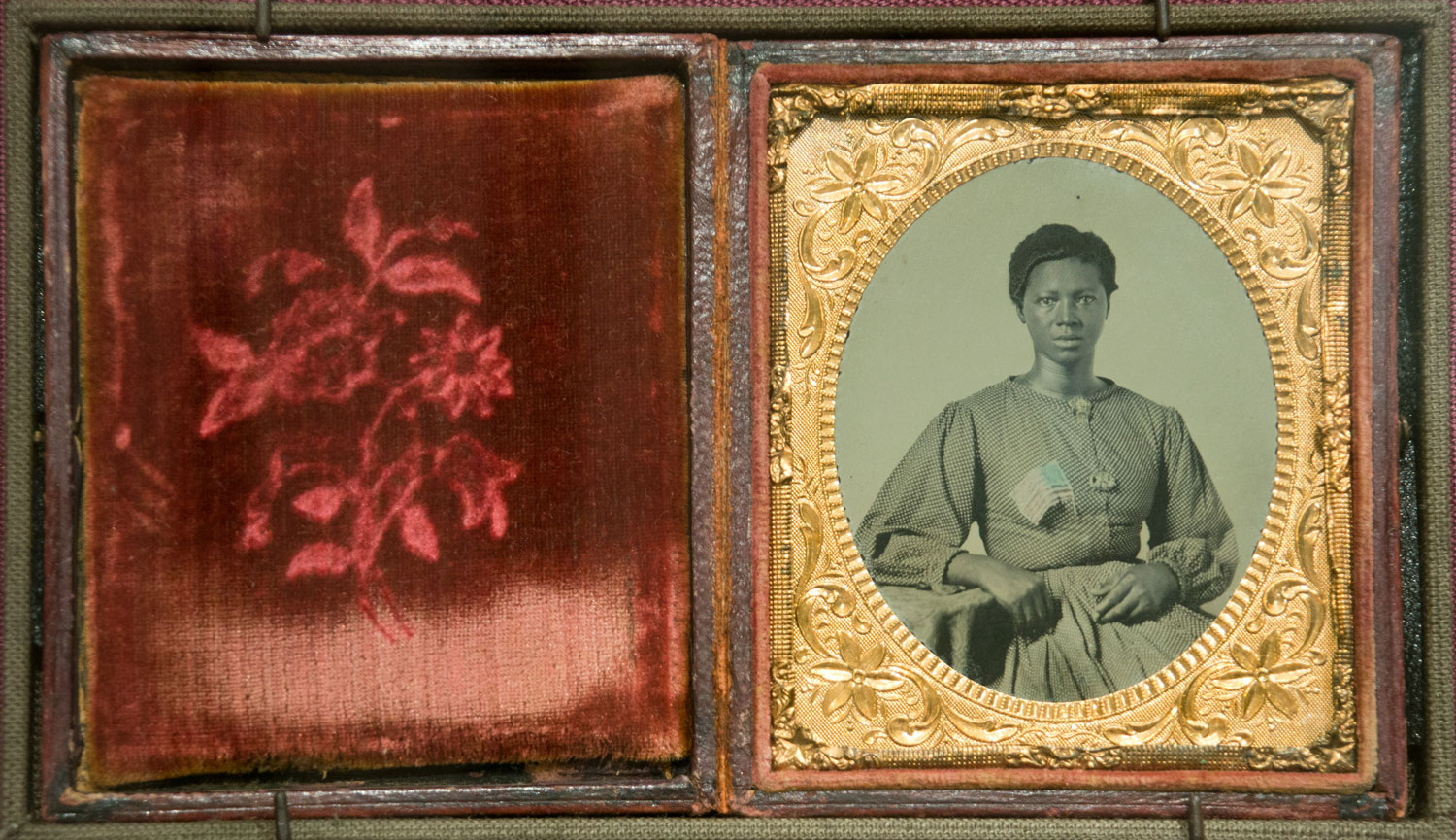
Anonymous photographer
Ambrotype of a washerwoman for the Union Army in Richmond
c. 1865
Photo: Brian Ireley, Smithsonian
Many thankx to the Smithsonian Castle for allowing me to publish the photographs in the posting. Please click on the photographs for a larger version of the image.
“It is very strange that I, a boy brought up in the woods, seeing as it were but little of the world, should be drifted into the very apex of this great event.”
Abraham Lincoln, on the Civil War, July 1864
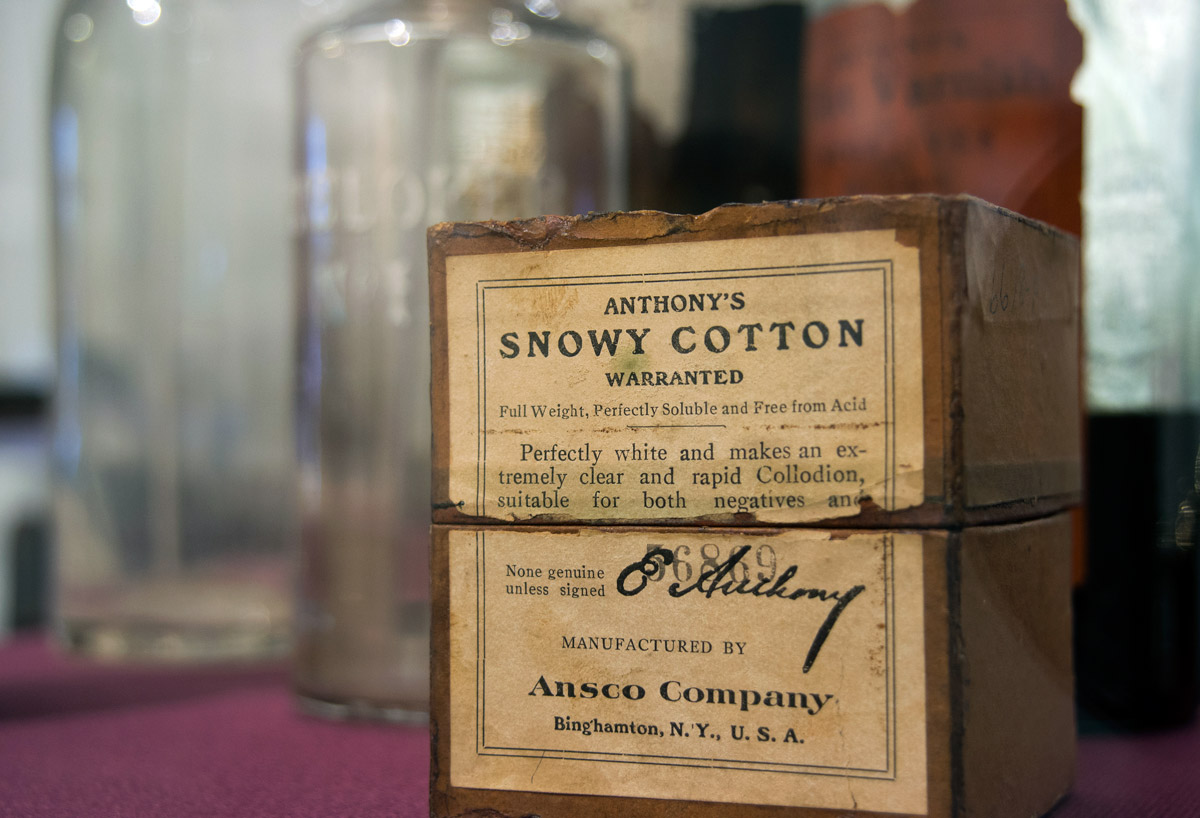
A box of gun cotton (cotton treated with nitric acid) carrying the brand name “Anthony’s Snowy Cotton,” a photo processing supply that a Civil War-era photographer might use in the field to create collodion photographs.
Photo: Brian Ireley, Smithsonian
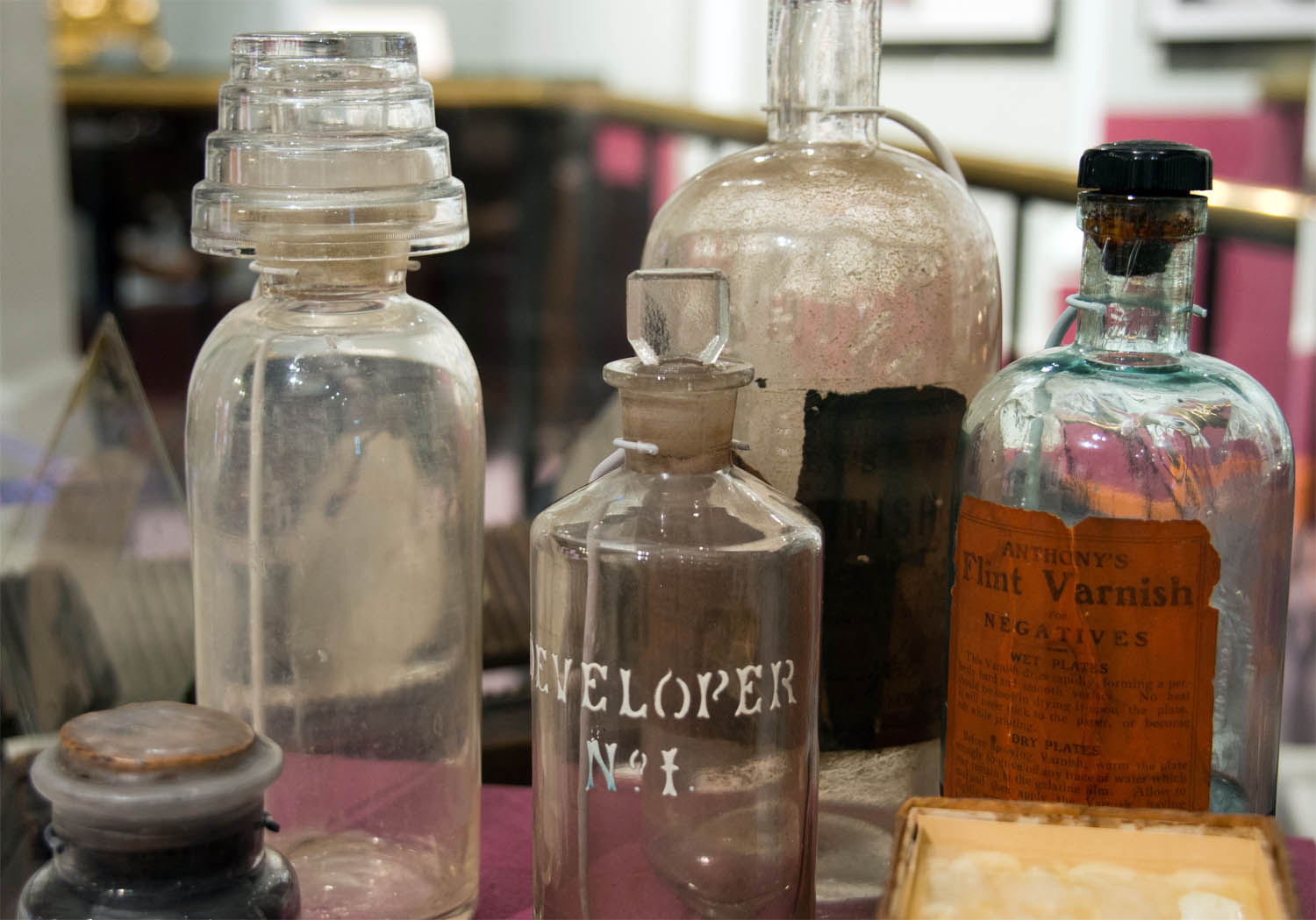
A sampling of photographic chemical bottles used for wet collodion photography during the Civil War
Photo: Brian Ireley, Smithsonian
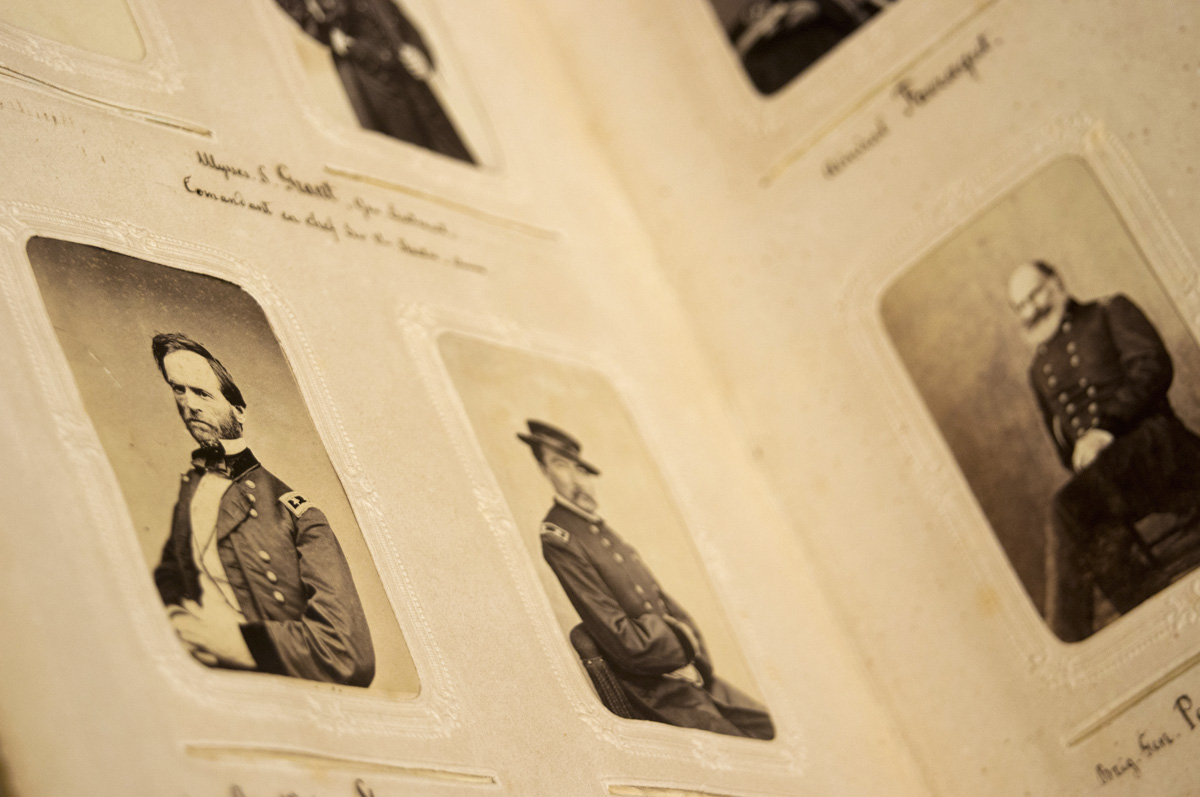
This Civil-war era photo album of American political and military figures was owned by Karl Schenk, president of Switzerland
1865
Photo: Brian Ireley, Smithsonian
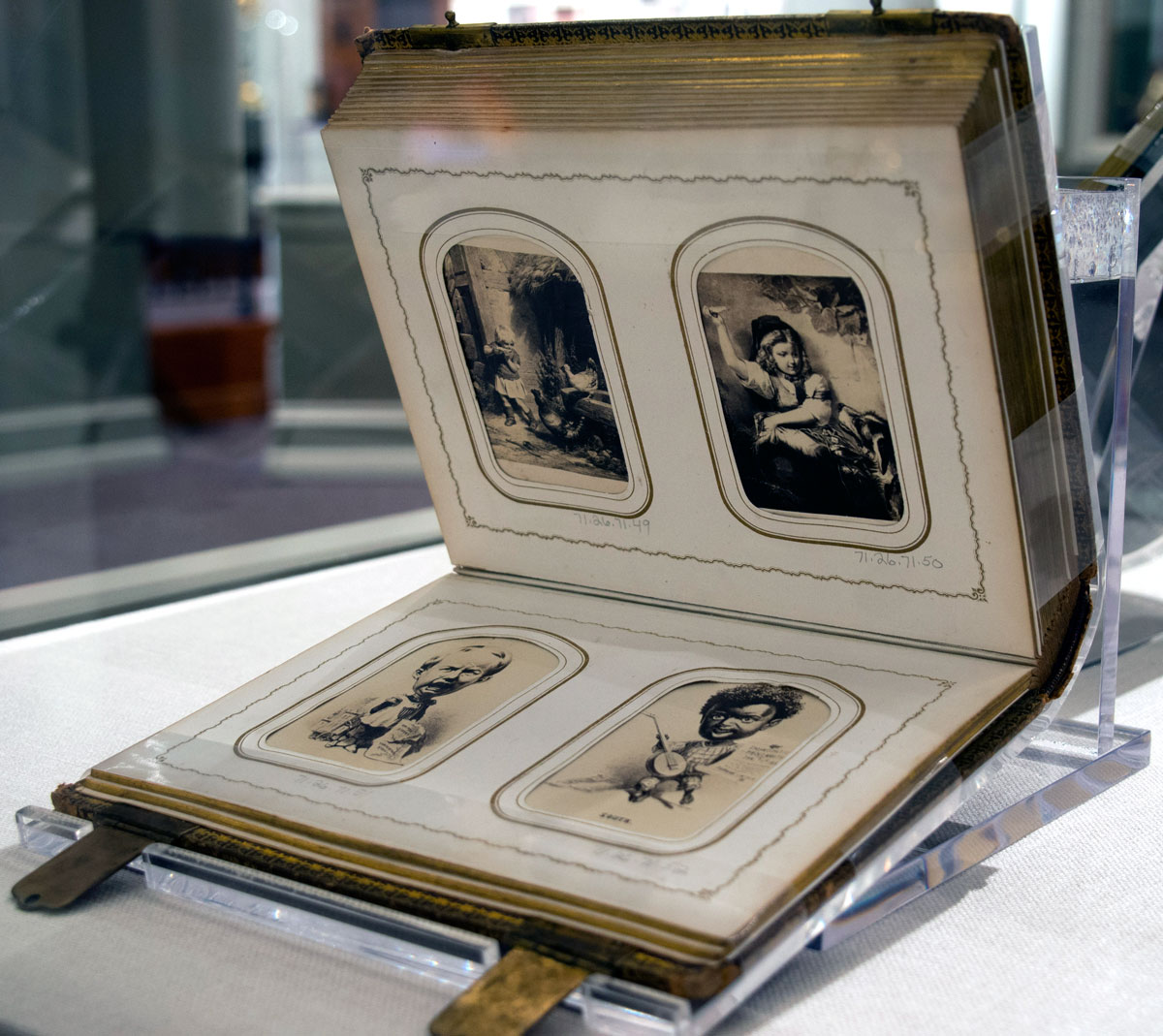
Anonymous photographer
A book of illustrated personal portraits from the Civil War era
c. 1861-1865
Photo: Brian Ireley, Smithsonian
A photo exhibit to commemorate the 150th anniversary of the Civil War, Experience Civil War Photography: From the Home Front to the Battlefront, opens in the Smithsonian Castle August 1st 2012 and it continues for a year. Advancements in photography brought the conflict close to home for many Americans and the exhibit features a stereoview and a carte-de-visite album of Civil War generals.
During the Civil War the Castle served as a home for the Smithsonian Secretary’s family and a place of learning and collecting. The exhibit displays excerpts from the diary from the daughter of the Secretary Joseph Henry. Mary Henry recorded the comings and goings of soldiers to the Castle use of its towers to observe advancing soldiers and the state of Washington after Lincoln’s assassination.
Also featured are Smithsonian employee Solomon Brown (1829-1906) and the lecture hall that hosted a series of abolitionist speakers; it was destroyed by fire in 1865. Stereoviews, a form of 3-D photography that blossomed during that era, daguerreotypes, tintypes and ambrotypes – all emerging types of photography – are highlighted in the exhibit to explore the ways photography was used to depict the war, prompt discussion and retain memories.
The exhibit features a range of Civil War-era photographic materials from Smithsonian collections, including cameras, stereoviewers, albums and portraits, alongside photographs of soldiers and battlefields. Highlights include an ambrotype portrait of an African American washerwoman, carte-de-visite (a type of small photo) album of Civil War generals, an 11-by-4-inch-view camera and equipment and an examination of the emergence of battlefield photography and photojournalism.
Experience Civil War Photography: From the Home Front to the Battlefront is a joint exhibition produced by the Smithsonian and the Civil War Trust and is sponsored by the History channel. For more information visit the Civil War website.
Press release from the Smithsonian Castle website
![Alexander Gardner (American born United Kingdom, 1821-1882) '[Gettysburg, Pennsylvania. Dead Confederate sharpshooter in "The devil's den."]' July 1863](https://artblart.com/wp-content/uploads/2013/04/gardner-sharpshooter-web.jpg "Alexander Gardner (American born United Kingdom, 1821-1882) '[Gettysburg, Pennsylvania. Dead Confederate sharpshooter in \"The devil's den.\"]' July 1863")
Alexander Gardner (American born United Kingdom, 1821-1882)
[Gettysburg, Pennsylvania. Dead Confederate sharpshooter in “The devil’s den”]
July 1863
![Alexander Gardner (American born United Kingdom, 1821-1882) '[Antietam, Md. President Lincoln with Gen. George B. McClellan and group of officers]' 3rd October 1862](https://artblart.com/wp-content/uploads/2013/04/abraham-lincoln-and-generals-web.jpg "Alexander Gardner (American born United Kingdom, 1821-1882) '[Antietam, Md. President Lincoln with Gen. George B. McClellan and group of officers]' 3rd October 1862")
Alexander Gardner (American born United Kingdom, 1821-1882)
[Antietam, Md. President Lincoln with Gen. George B. McClellan and group of officers]
3rd October 1862
![Alexander Gardner (American born United Kingdom, 1821-1882) '[Antietam, Md. President Lincoln with Gen. George B. McClellan and group of officers]' (detail) 3rd October 1862](https://artblart.com/wp-content/uploads/2013/04/abraham-lincoln-and-generals-detail.jpg "Alexander Gardner (American born United Kingdom, 1821-1882) '[Antietam, Md. President Lincoln with Gen. George B. McClellan and group of officers]' (detail) 3rd October 1862")
Alexander Gardner (American born United Kingdom, 1821-1882)
[Antietam, Md. President Lincoln with Gen. George B. McClellan and group of officers] (detail)
3rd October 1862
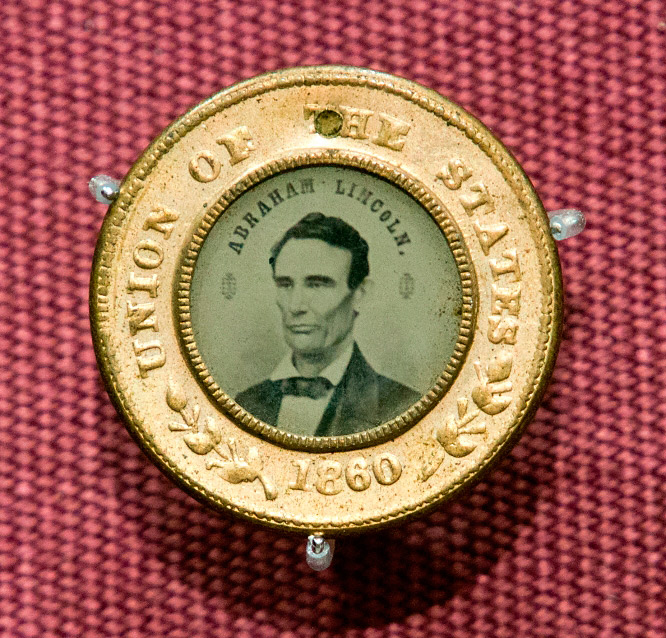
Abraham Lincoln’s presidential campaign was one of the first to use photography as a political tool
1860
Photo: Brian Ireley, Smithsonian
![Timothy H. O'Sullivan (American born Ireland, 1840-1882) '[Fort Pulaski, Ga. The "Beauregard" gun]' April 1862](https://artblart.com/wp-content/uploads/2013/04/big-gun-web.jpg "Timothy H. O'Sullivan (American born Ireland, 1840-1882) '[Fort Pulaski, Ga. The \"Beauregard\" gun]' April 1862")
Timothy H. O’Sullivan (American born Ireland, 1840-1882)
[Fort Pulaski, Ga. The “Beauregard” gun]
April 1862
1 negative (2 plates) : glass, stereograph, wet collodion
Two plates form left (LC-B811-0197A) and right (LC-B811-0197B) halves of a stereograph pair
Photograph of the Federal Navy, and seaborne expeditions against the Atlantic Coast of the Confederacy – specifically of Fort Pulaski, Ga., April 1862
![Alexander Gardner (American born United Kingdom, 1821-1882) '[Richmond, Va. Grave of Gen. J. E. B. Stuart in Hollywood Cemetery, with temporary marker]' Richmond, April-June 1865](https://artblart.com/wp-content/uploads/2013/04/general-stuart-web.jpg "Alexander Gardner (American born United Kingdom, 1821-1882) '[Richmond, Va. Grave of Gen. J. E. B. Stuart in Hollywood Cemetery, with temporary marker]' Richmond, April-June 1865")
Alexander Gardner (American born United Kingdom, 1821-1882)
[Richmond, Va. Grave of Gen. J. E. B. Stuart in Hollywood Cemetery, with temporary marker]
Richmond, April-June 1865
![James F. Gibson (American, 1828-1905) '[James River, Va. Deck and turret of U.S.S. Monitor seen from the bow (ie. stern)]' 9th July, 1862](https://artblart.com/wp-content/uploads/2013/04/james-river-va-deck-and-turret-of-uss-monitor-seen-from-the-bow-web.jpg "James F. Gibson (American, 1828-1905) '[James River, Va. Deck and turret of U.S.S. Monitor seen from the bow (ie. stern)]' 9th July, 1862")
James F. Gibson (American, 1828-1905)
[James River, Va. Deck and turret of U.S.S. Monitor seen from the bow (ie. stern)]
9th July, 1862
1 negative (2 plates): glass, stereograph, wet collodion
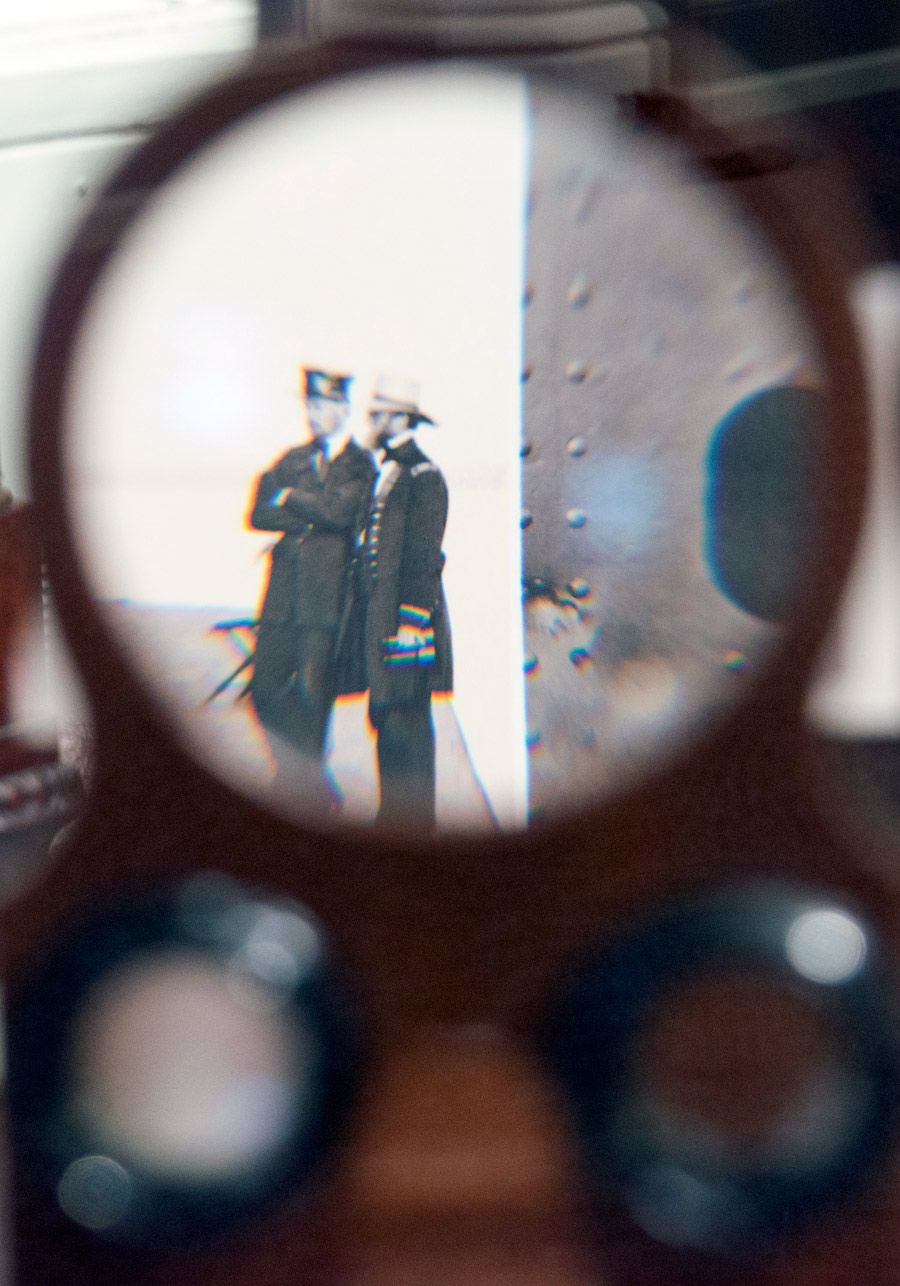
A magnified view of a photo looking through a single lens viewfinder of a Civil War-era stereoviewer (featuring an image in the same series as the one above)
Photo: Brian Ireley, Smithsonian
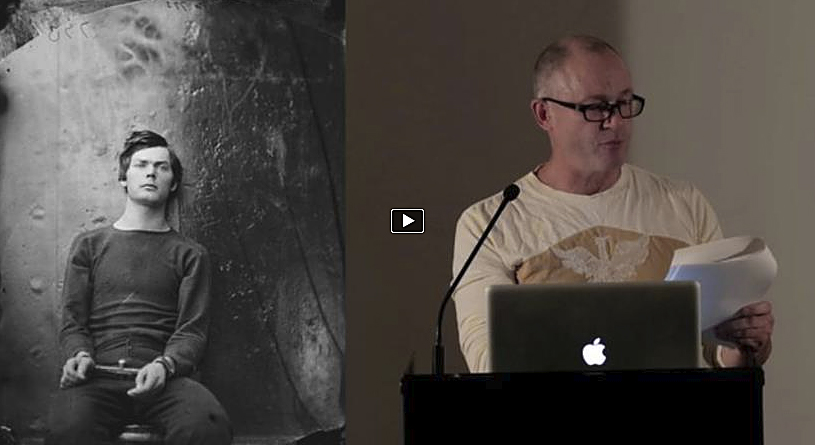
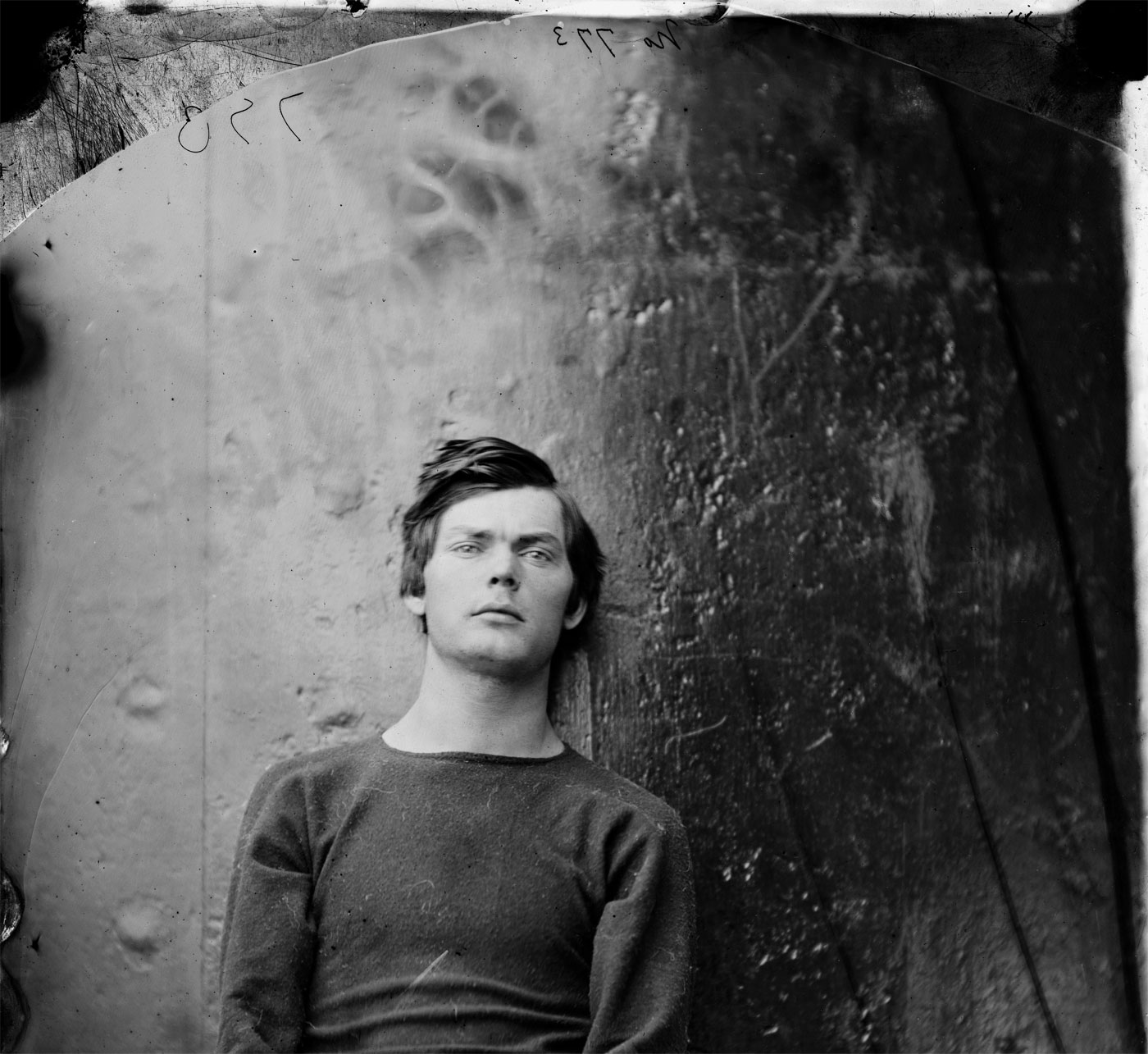
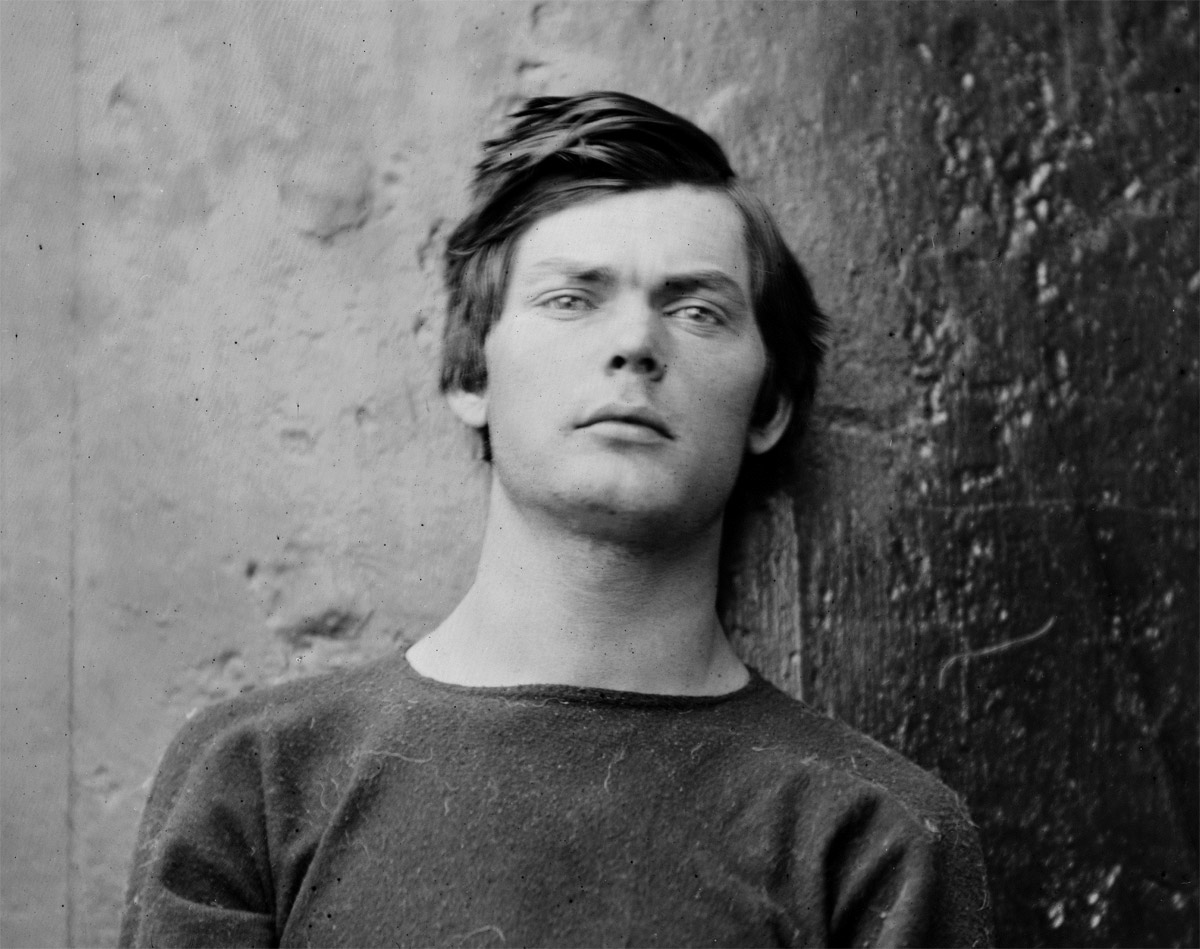
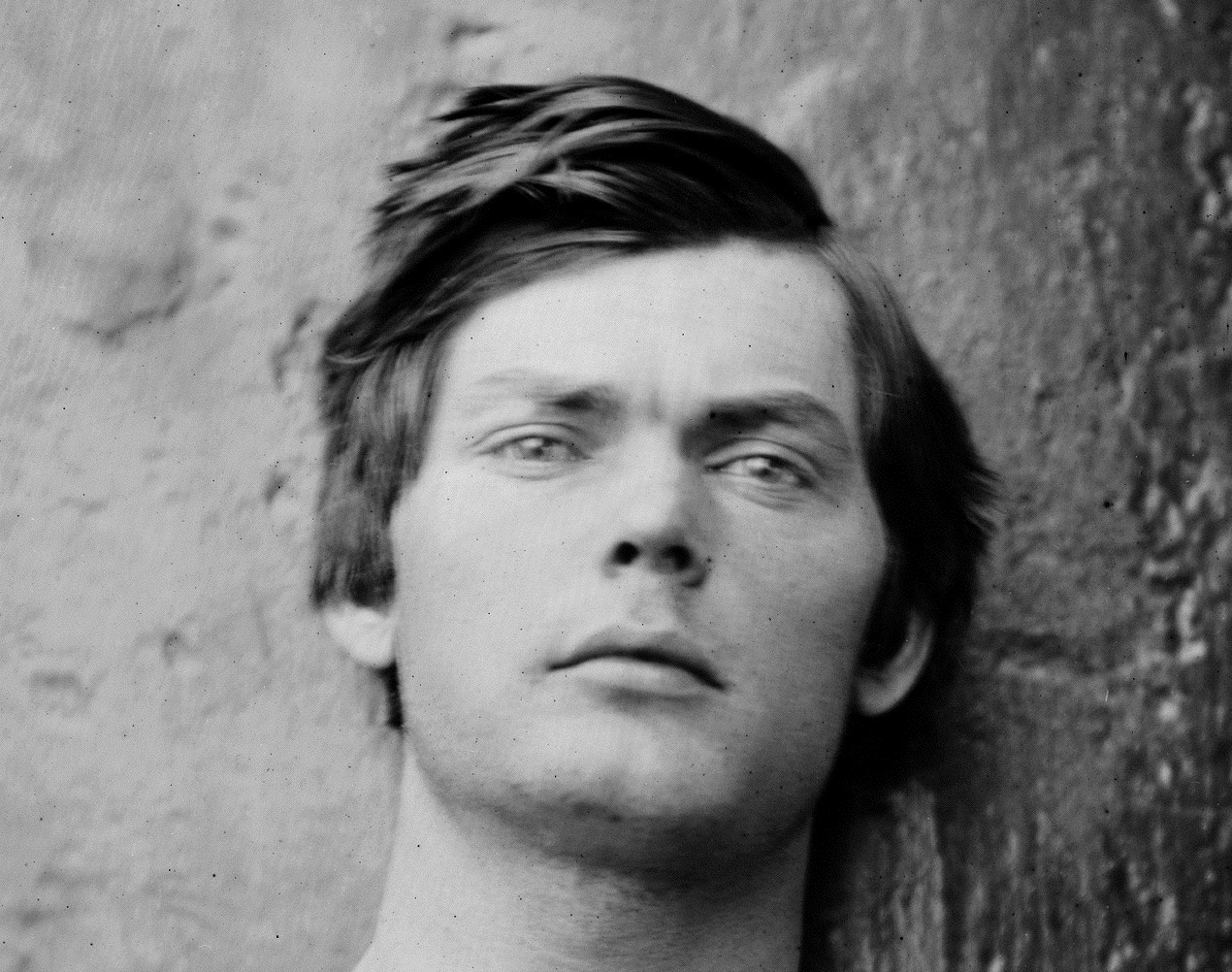
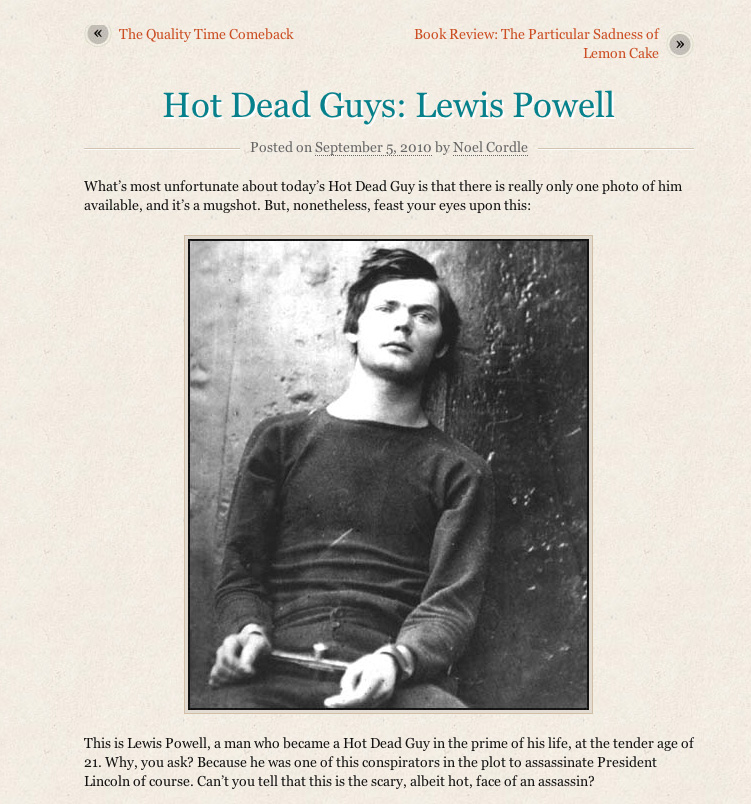
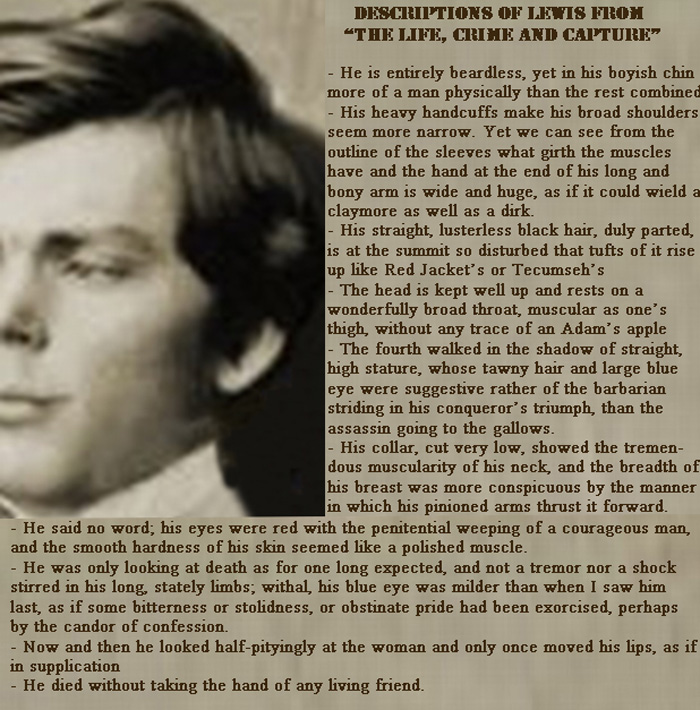
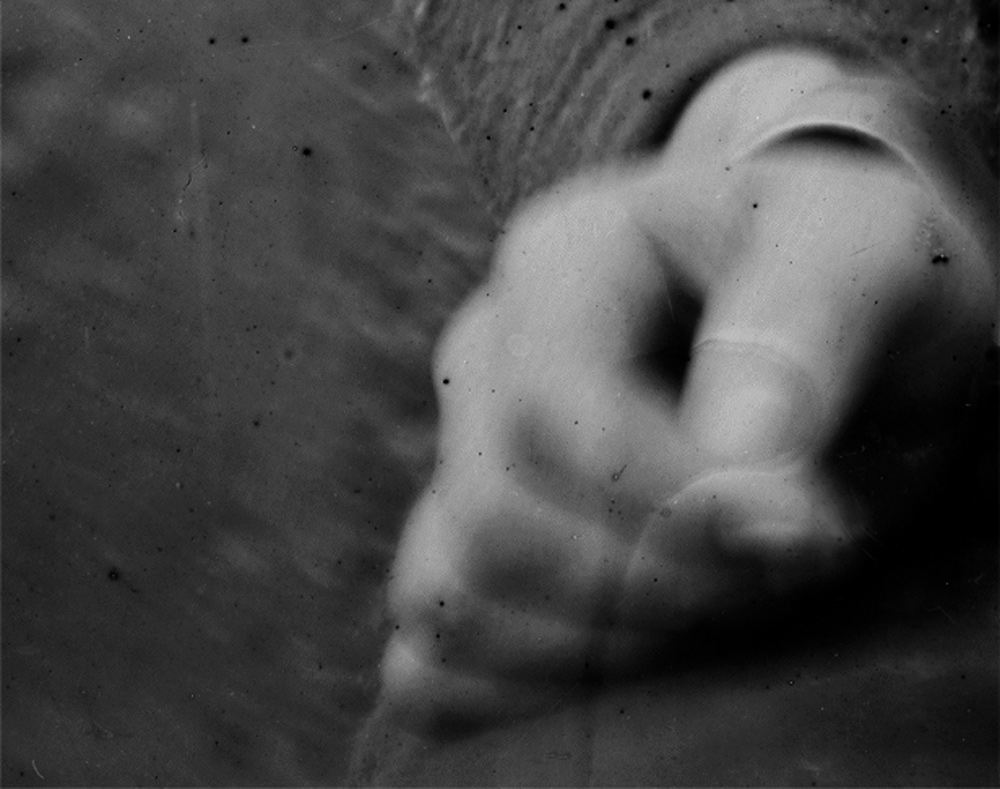
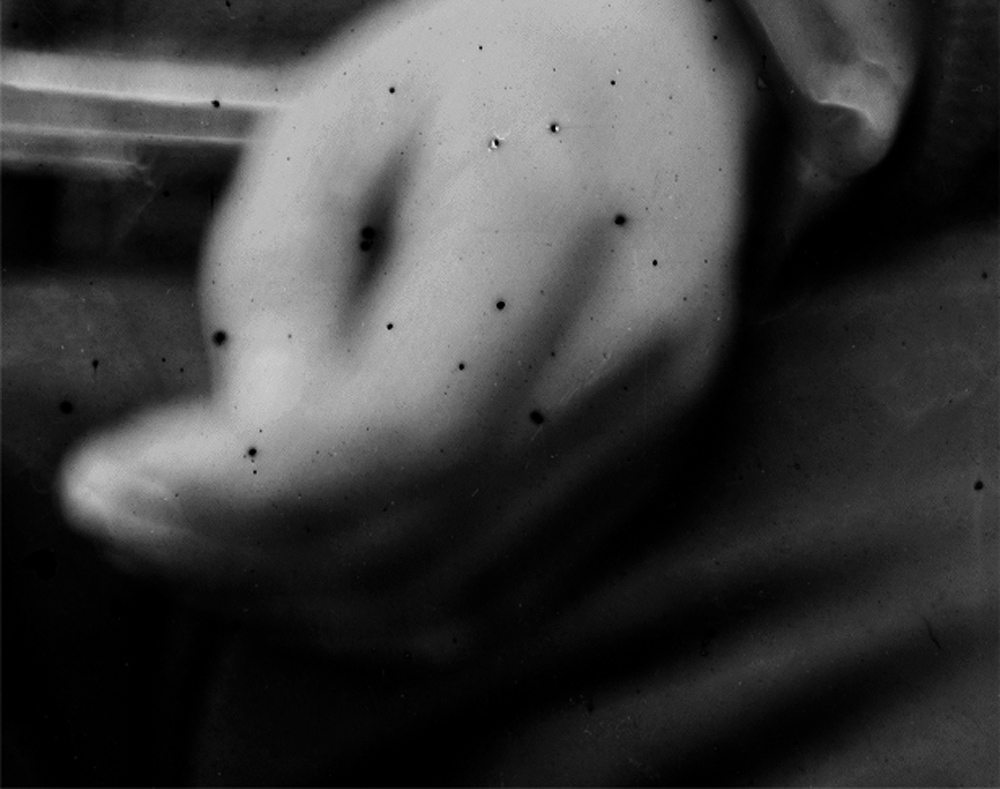
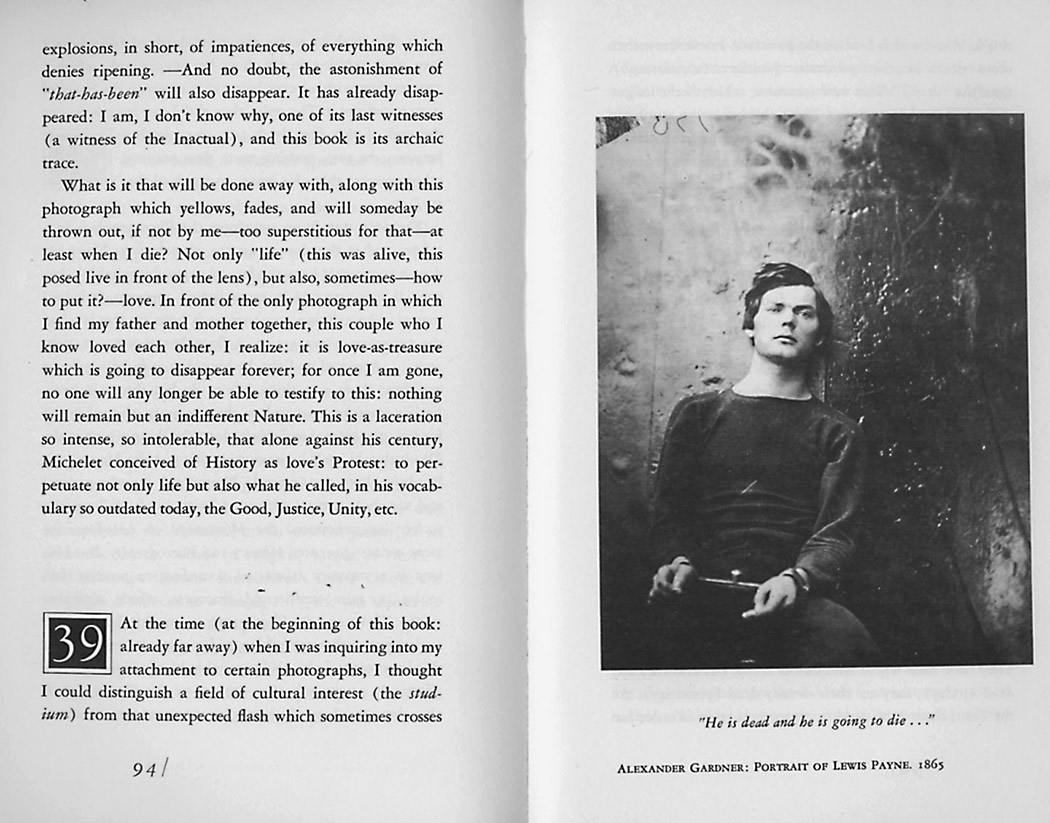
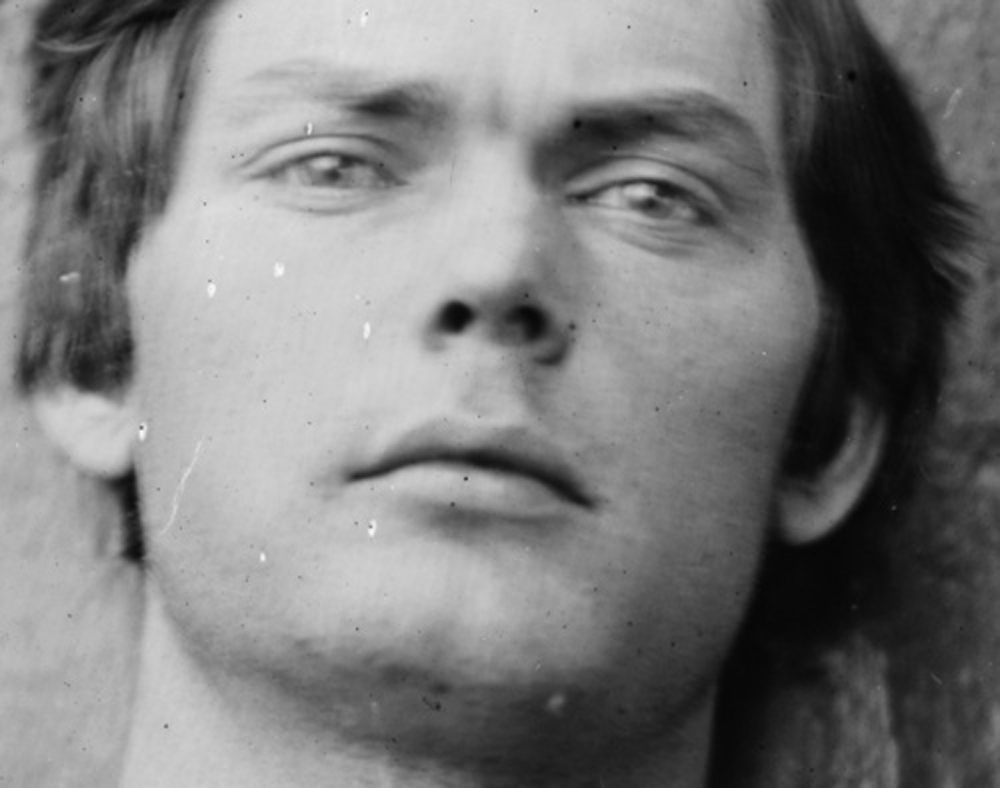
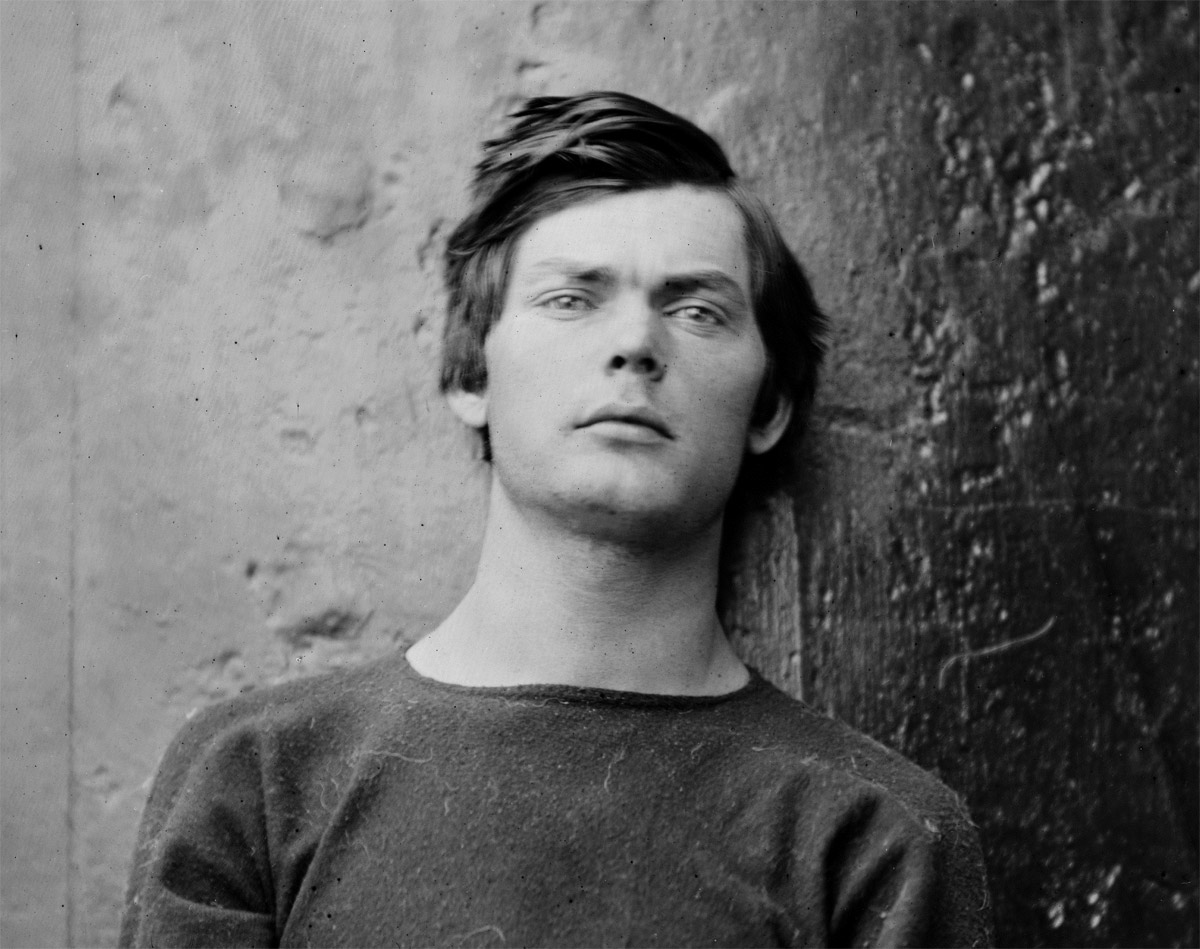
![Alexander Gardner (American born United Kingdom, 1821-1882) '[Washington Navy Yard, D.C. Lewis Payne, the conspirator who attacked Secretary Seward, standing in overcoat and hat]' April 1865](https://artblart.com/wp-content/uploads/2013/04/payne-a-web1.jpg "Alexander Gardner (American born United Kingdom, 1821-1882) '[Washington Navy Yard, D.C. Lewis Payne, the conspirator who attacked Secretary Seward, standing in overcoat and hat]' April 1865")
Alexander Gardner (American born United Kingdom, 1821-1882)
[Washington Navy Yard, D.C. Lewis Payne, the conspirator who attacked Secretary Seward, standing in overcoat and hat]
April 1865
Glass, wet plate colloidon
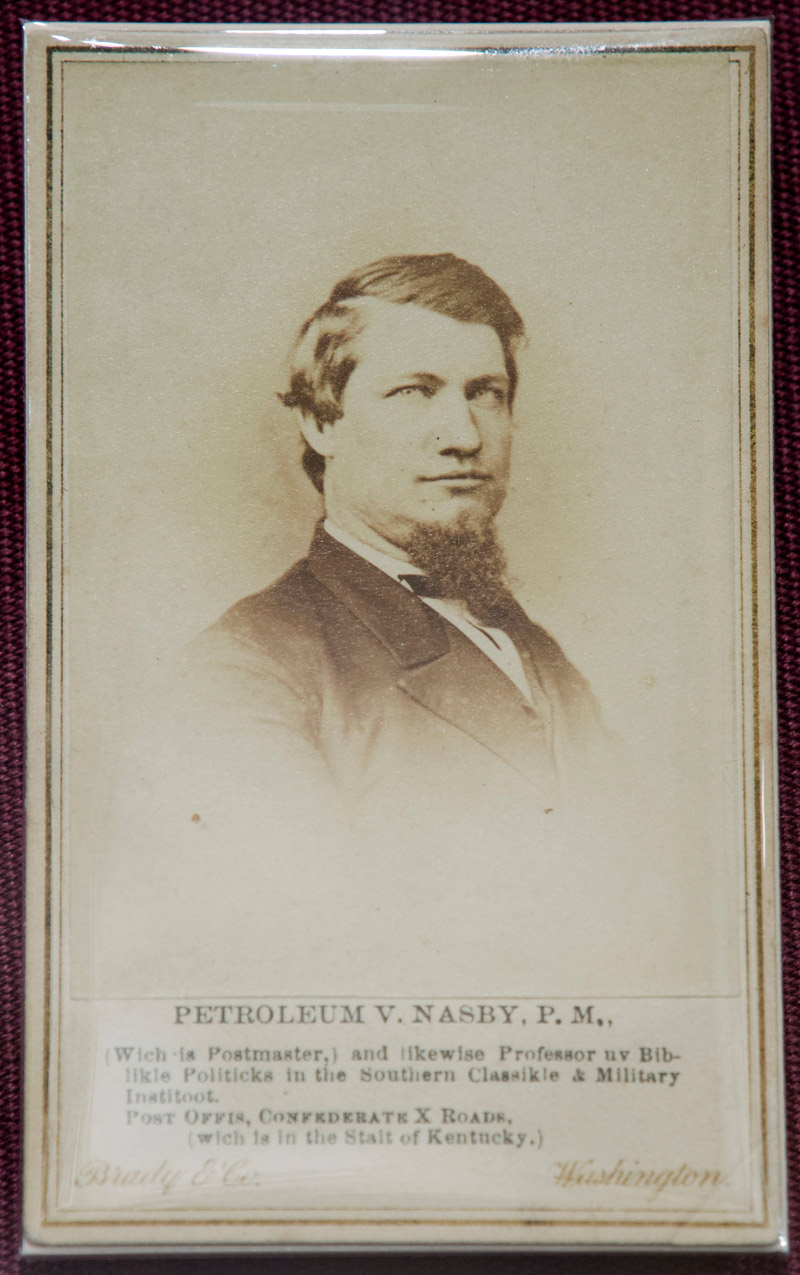
Matthew Brady & Co.,
Petroleum Nasby (David Ross Locke)
1865
Albumen photograph
An 1865 carte-de-visite portrait – a highly collectible albumen photograph on a small card – featuring American humorist Petroleum Nasby, pseudonym of David Ross Locke. Photo: Brian Ireley, Smithsonian
Smithsonian Castle
1000 Jefferson Dr SW
Washington, DC 20004, United States
Opening hours:
8.30am – 5.30pm daily


 Art Blart _ art and cultural memory archive
You must be logged in to post a comment.