Many thankx to the Blanton Museum of Art for allowing me to reproduce images from the exhibition in the post. Please click on the photographs for a larger version of the image.
Marcus
Olaf Breuning (Swiss, b. 1970) Brian 2008 C-print 60 x 70 inches Courtesy the artist and Metro Pictures, New York
Glenn Ligon (American, b. 1960) Lest We Forget 1998 Series including cast aluminium or bronze plaques, colour photographs of plaques on site Courtesy the artist and Luhring Augustine Gallery, New York
Valeska Soares (Brazilian, b. 1957) Duet 2008 Hand-carved white marble Installation dimensions variable Private Collection
Tracey Emin (English, b. 1963) You Should Have Loved Me 2008 Warm white neon Courtesy of Lehmann Maupin Gallery, New York
This February, The Blanton Museum of Art at The University of Texas at Austin investigates the notion of desire in an exhibition of the same name. Curated by Annette DiMeo Carlozzi, Blanton curator of American and contemporary art and director of curatorial affairs, the exhibition features over fifty works from an international group of contemporary artists working in all media, including Glenn Ligon, Marilyn Minter, Petah Coyne, Bill Viola, Tracey Emin, Isaac Julien and many others. The accompanying illustrated catalogue will contain texts by art critics, fiction writers, poets, performing and visual artists, all written in direct response to the works of art in the exhibition.
Carlozzi states, “”Desire” is a complex human emotion and a driving force in our lives from childhood through old age. We all can recall examples of literature, film, and music that are rife with expressions of physical desire, but how do contemporary visual artists portray it, and all its attendant psychological states – anticipation, arousal, longing, regret, and so on? “Desire” assembles a really broad range of compelling works that together present a surprisingly diverse portrait of the experience.”
One provocative aspect of the exhibition is not its imagery, per se, but the manner by which many of the works translate intimate experiences into art a public expression. Marilyn Minter’s Crystal Swallow would seem to capture a private moment of visceral response, yet in such detail and exaggerated scale that it becomes a grotesque advertisement for arousal. Glenn Ligon’s series, Lest We Forget, commemorates those flickers of romantic fantasy that sometimes occur while people watching. And Tracey Emin’s You Should Have Loved Me is an accusation from a lover scorned, created with the neon light of public signage as if to broadcast raw feeling to an uncaring world.
Works by Kalup Linzy, William Villalongo, Olaf Breuning, James Drake, Petah Coyne, Gajin Fugita, Georganne Deen, Adam Pendleton, Peter Saul, Valeska Soares, Danica Phelps, Miguel Angel Rojas, Mads Lynnerup, Rochelle Feinstein, Richard Prince, Laurel Nakadate, Jesse Amado, Isabell Heimerdinger, Alejandro Cesarco, Eve Sussman, Robert Kushner, Luisa Lambri, Chris Doyle, and a dozen others, provide an engaging multi-generational exploration of desire. In addition, an informed selection of works of art from The Blanton’s print collection will add a historic counterpoint to the contemporary works on view.
Will Villalongo (American, b. 1975) The Last Days of Eden 2009 Cut velour paper Courtesy the artist and Susan Inglett Gallery, New York
William Villalongo (born December 14, 1975 in Hollywood, Florida) is an American artist working in painting, printmaking, sculpture, and installation. Currently based in Brooklyn, New York, Villalongo is also a professor at the Cooper Union School of Art in New York.
Villalongo typically focuses in his works on the politics of historical erasure, with a particular focus on the artistic reassessment of Western, American, and African Art histories. The artist states that his intention toward these reassessments evolves in part from the West’s histories of “taking African art objects and placing them on the side of the sofa to decorate, although that is not their purpose. We are obsessed with fitting a narrative, a story.”
His works engage with the black body, examining the influences of socialisation, history, occupation, dress, and speech on it. In many of his portraits, bodies emerge from “a tumult of white negative space cut out of black velour paper,” in ways that evoke leaves, branches, feathers, or slashes.
Villalongo is also influenced by Pablo Picasso, who incorporated African masks into his primitivist works, and Aaron Douglas who he credits as inspiring him. Villalongo reexamines the power dynamics of history and representation in his own pieces. “It’s problematic and interesting, and I wanted to think about how to use it and tell a story.”
Petah Coyne (American, b. 1953) Untitled #1103 (Daphne) 2002-2003 Mixed media 77 x 83 x 86 inches Collection of Julie and John Thornton
Petah Coyne (born 1953) is an American sculptor and photographer. She is known for her large-scale sculptures composed of unconventional, and often organic, materials, such as clay, silk, wax, and hair.
Bill Viola (American, 1951-2024) Becoming Light (still) 2005 Colour High-Definition video on plasma display mounted on wall 47.6 in x 28.5 in x 4 in (121 x 72.5 x 10.2cm) Performers: John Hay, Sarah Steben Photo: Kira Perov Courtesy Bill Viola Studio
Marilyn Minter (American, b. 1948) Crystal Swallow 2006 Enamel on metal Promised gift of Jeanne and Michael Klein, 2007
Blanton Museum of Art MLK at Congress (200 East MLK) Austin, Texas 78701
Four interesting exhibitions in Albert Street, Richmond – from the beautiful, formed leather sculptures of Pamela Rataj to the wonderfully vibrant tropical bird, chair and decorative pattern paintings of Claudia Damichi; from the intensely observed canvas environments of Steve Randall to the post-photographic silk-screen textualisations of Robert Boynes. Well worth a visit on a Saturday afternoon!
As always, many thankx to the galleries for allowing me to publish the images in this posting. Please click on the images for a larger version.
~ Pamela Rataj. The Morphology of Forgetting at Anita Traverso Gallery. 7th April – 1st May 2010
~ Claudia Damichi. The Bitter Sweet at Sophie Gannon Gallery. 30th March – 25th April 2010
~ Steve Rendall. Security, Storage and Recreation at John Buckley Gallery. 8th April – 1st May 2010
~ Robert Boynes. Postscript at Karen Woodbury Gallery. 7th April – 1st May 2010
Pamela Rataj. The Morphology of Forgetting at Anita Traverso Gallery
7th April – 1st May 2010
Pamela Rataj (Australian) Tangent Bundle 2009
Pamela Rataj (Australian) Ravel 2009
Pamela Rataj (Australian) Kairos 2009
How to draw a boundary between self and other, past time and today?
Patterns and forms in nature often resemble one another, connecting life forms in unexpected ways. Tide lines left in the sand resemble the grains found in a piece of wood, and the veins in a leaf or those in a hand.
The age lines in the trunk of a tree form as each outer layer covers the one preceding it and echoes its shape. This makes me think of the way past experience resurfaces as memory, receding or becoming more important at different times in our lives, as each new experience envelopes our previous states of being and yet is shaped by them.
The wrapped and layered forms in The Morphology of Forgetting explore coexistence and connection.
I dedicate this exhibition to my parents, whose recent deaths have helped me appreciate memory as a way to connect through time.
Pamela Rataj 2010
Press release from the Anita Traverso Gallery website [Online] Cited 10/04/2010. No longer available online
Pamela Rataj (Australian) Faisceaux 1 2009
Pamela Rataj (Australian) Faisceaux 4 2009
Claudia Damichi. The Bitter Sweet at Sophie Gannon Gallery
30th March – 25th April 2010
Claudia Damichi (Australian, b. 1972) Birds eye 2010 Acrylic on canvas 46 x 41cm
Claudia Damichi (Australian, b. 1972) Star Gazer 2009 Acrylic on canvas 46 x 41cm
Claudia Damichi (Australian, b. 1972) Gridlock 2010 Acrylic on canvas 41 x 46cm
Claudia Damichi (Australian, b. 1972) Reading between the lines 2010 Acrylic on canvas 46 x 41cm
Claudia Damichi’s surrealist still life paintings are characterised by vivid colours, elaborate patterns and distorted spatial proportions. In her paintings of domestic interiors, flowers, birds and furniture, colour is inflated and scale is playfully manipulated – solitary domestic interiors are reconfigured into places of fantasy and illusion. Inspired by the enduring aesthetic of modern industrial design, her surreal and theatrically staged scenarios self-consciously conjure a sense of the absurd. Graphic patterning, high-croma colour and whimsical compositions foster worlds that are at once playful and claustrophobic, satirical and real, tapping into an ambiguous nostalgia that leaves the viewer feeling that anything is possible.
Claudia Damichi (Australian, b. 1972) Look out 2010 Acrylic on canvas 46 x 56cm
Steve Rendall. Security, Storage and Recreation at John Buckley Gallery
8th April – 1st May 2010
Steven Rendall (Australian born Britain, b. 1969; Australia from 2000) Archive 1 2010 Oil on linen
Steven Rendall (Australian born Britain, b. 1969; Australia from 2000) Archive 2 2010 Oil on linen
Citing the British artist Walter Sickert as an important influence on his painterly style, Rendall’s work displays a form and content that has attracted the attention of both critics and collectors. A key work in the exhibition is a large-scale painting on un-stretched linen titled Fountain (Rosemary’s Baby) that sprawls across 4.5m. Certain fountains, along with other apparently arbitrary images of television monitors, speedboats, clothing racks, shelving units and museum interiors are recurring motifs in Rendall’s paintings.
Rendall aims to ‘collect and synthesise’ images from around his home and en route to and from his Brunswick studio. Passing observations of window displays, charity shops and various light industrial warehouses are registered and recorded in conjunction with the accumulation of promotional flyers spruiking leisure activities and museum experiences. This shambolic collection of images is transcribed into an array of compositions in Rendall’s paintings. Images occasionally materialise in unlikely places, such as the spectral diver’s head that is resting on a warehouse shelf in the appropriately titled Storage.
In the exhibition Security, Storage and Recreation, you are invited to enter the image bank of Steven Rendall; a ‘wake in fright’ experience where one can become immersed and caught up in the maelstrom of the artist’s visual language – a sequence of painterly dreams each similar yet different to the last.”
Press release from the John Buckley Gallery website [Online] Cited 10/04/2010 no longer available online
Steven Rendall (Australian born Britain, b. 1969; Australia from 2000) Flat Screens (Green) 2010 Oil on linen
Steven Rendall (Australian born Britain, b. 1969; Australia from 2000) Pipes 2010 Oil on linen
Steven Rendall (Australian born Britain, b. 1969; Australia from 2000) Claustrophobia 2010 Oil on linen
Steven Rendall (Australian born Britain, b. 1969; Australia from 2000) Redacted 2 2010 Oil on linen
Robert Boynes. Postscript at Karen Woodbury Gallery
7th April – 1st May 2010
Robert Boynes (Australian, b. 1942) Street Runner 2010 Acrylic on canvas and velvet 120 x 242cm
Robert Boynes (Australian, b. 1942) Days that we forgot 2010 Acrylic on canvas
Robert Boynes (Australian, b. 1942) Signal Driver 2010 Acrylic on canvas and velvet 120 x 190cm
Postscript is Robert Boynes’ second solo exhibition with Karen Woodbury Gallery. This series continues with his exploration of urban themes, contemporary experience and experimentation into ways of using paint. In this most recent body of work Robert has employed the use of text in juxtaposition to various materials such as wood and velvet. The text conveys a feeling of noise and urban clatter, acting as a context and environment for the figures within the work.
His technique involves transferring photographic images to large silk screens and dragging paint through the mesh onto canvas. Robert thus has control in the manipulation of colour, density and translucency of the images. This process results in still moments that magnify and investigate everyday observable reality. The anonymous figures are juxtaposed with text and layering of saturated, contrasting colours, appearing objectified and ghostly.
These works embody a filmic quality, the multi-panelled paintings signify fragmented narratives and enquire into perceptions of time and space.
Text from the Karen Woodbury Gallery website [Online] Cited 10/04/2010 no longer available online
Robert Boynes (Australian, b. 1942) Body Type 2 2010 Acrylic on canvas
Robert Boynes (Australian, b. 1942) Body Type 3 2010 Acrylic on canvas
Robert Boynes (Australian, b. 1942) Things we leave behind 2009 Acrylic on canvas 120 x 180cm
Robert Boynes (Australian, b. 1942) The layered moment 2009 Acrylic on canvas
Robert Boynes (Australian, b. 1942) Postscript 2009 Acrylic on canvas 120 x 124cm
All galleries have closed except for Sophie Gannon Gallery, Richmond.
Sophie Gannon Gallery 2 Albert Street Richmond VIC 3121 Australia Phone: +61 3 9421 0857
Tom Moore Pondlurking installation photographs at Helen Gory Galerie, Prahran Photo: Marcus Bunyan
My apologies to readers for the paucity of reviews of exhibitions in Melbourne recently. It is not that I haven’t been circulating around town to lots of exhibitions, far from it. The fact is that nothing has really rocked my boat, including my visit to a disappointing New 010 exhibition at ACCA, an exhibition redeemed only by the marvellous magnetic levitations of Susan Jacobs installation titled Being under no illusion (2010). Compared to the wealth of interesting work in New 09, work that still resides in my consciousness, the art in the current exhibition seems bland, the work ultimately and easily forgettable (a case of conceptual constipation?). Even though the exhibition lauds the collaboration between artists, designers, curators, architects, trades people and the kitchen sink in the production of the work, nothing substantive or lasting emerges.
No such problem exists with the exhibition Pondlurking by Tom Moore at Helen Gory Galerie in Prahran. Wow, this show is good!
It produced in me an elation, a sense of exalted happiness, a smile on my dial that was with me the rest of the day. The installation features elegantly naive cardboard cityscape dioramas teeming with wondrous, whimsical mythological animals that traverse pond and undulating road. This bestiary of animals, minerals and vegetables (bestiaries were made popular in the Middle Ages in illustrated volumes that described various animals, birds and even rocks) is totally delightful. In the text Moving Right Along the curator Julie Ewington notes connections in Moore’s work to the Garden of Earthly Delights by Hieronymus Bosch, the porcelain monkey orchestras of Miessen, parti-coloured hose of Medieval costume, the animals from Dr Suess’s books for children and Venetian glass figurines to name but a few. Another curator Geoffrey Edwards notes Moore’s accomplished technical skill in glass making, his use of lattice and trellis work in the figures themselves, namely the use of vetro a fili (broadly spaced) and vetro a retorti (twisted spiral) glass cane patterns.
While all of this is true what really stands out is the presence of these objects, their joyousness. The technical and conceptual never get in the way of good art. The Surrealist imagining of a new world order (the destruction of traditional taxonomies) takes place while balanced on one foot (see the installation image at the top of the page). The morphogenesis of these creatures, as they build one upon another, turns the world upside down (as in Web Feet Duck Bum below). Multi-eyed potato cars, ducks with eyes wearing high heeled boots and three-legged devouring creatures segue from one state, condition, situation or element to another in a fluid condition of becoming. This morphogenesis is aided and abetted by the inherent fluidity of the glass medium itself skilfully used by Moore in the construction of his creatures. While the photographs below isolate the creatures within a contextless environment it is when the creatures are placed within the constructed environment so skilfully created by Moore that they come alive.
The interconnectedness of this fantastical world (the intertextual relationship of earth, water, air, life) seeks to break down the binaries of existence – good / bad, normal / mutation, presence / absence – until something else (e)merges. Through their metamorphosed presence in a carnivalesque world that is both weird and the wonderful, Moore’s creatures invite us to look at ourselves and our landscape more kindly, more openly and with a greater generosity of spirit.
Tom Moore Pondlurking installation photographs at Helen Gory Galerie, Prahran Photos: Marcus Bunyan
Tom Moore (Australian) Stylish Car 2008
Tom Moore (Australian) Birdboat with passenger with a vengeance (left) and Robot Island (right) 2010 and 2009
A candy striped fish pokes its head up, all lipstick-pink kissable lips as a voyaging duck sprouts tree-masts and becomes duck-ship-island captained by a lone gherkin boy. Delinquent birds rampage while a crested birdcar peacefully unfurls sweet green shoots. A cardboard city burns and there’s something odd lurking in the pond, metallic and curiously tuberous, it regards it all with a wary eye.
There’s a whole world at play here. Growing, flying and always moving, this isn’t ours turned upside down but something other, a unique universe bound together with a logic entirely its own. Tubers take to the air, birds grow wheels and everything overflows with energy, pushing out green tendrils toward each other.
Tom Moore’s gloriously appealing glass creatures spring from his own fantastical imagination and the rich seabeds of the mythical, imaginary and grotesque. From mediaeval bestiaries with their camel leopards and manticores, to misericord creatures through Lear and Seuss to Moore’s reimagining of an Colonial Australian epergne as a verdantly plumed robot bird with resplendent palm tree, his creatures reuse, recycle and recombine in their never ending metamorphoses.
There’s an irrepressible joyousness in these creatures constant flux as they burst the boundaries of animal / vegetable / mineral and do away with taxonomies and rationality, reinventing themselves in happy disregard of all humanity’s rules.
While lurking seems antithetical to all this busy-ness, to skylarking fatbirds and peripatetic potatoes, the will to knowledge at the core of all lurking is what propels this endless becoming. This insatiable urge to simply find out is the engine of this prolific universe. As duck becomes island and man becomes bird, Moore’s creatures ask an eternal ‘what if?’ and an insouciant ‘why not?’
This transformative energy inheres in the material itself, in the mutable and alchemical nature of glass, in the fusing and melding of forms as light is captured within and bounces off lustrous surfaces. As glass flows through its changeable states, like water, like rain, so do Moore’s folk transform and evolve.
It’s this continuous moving through forms that hints at other meanings. Sharing forms, being made as it were, of each other and sharing an essential nature, each creature reaches out to every other in a net of relations in an intricately connected universe. These deep bonds, seen in their loving regard for each other speak of the delicate structures and balance of ecosystems and an absolutely necessary attention to and care for the world.
For there are no humans here and it seems that it’s this carelessness, this lack of attention to the fragile connections between the world and its creatures that’s the reason. The cities burn and cars rightfully become compost.
This riotous parade has pulled the artist too into their exuberant tumble. Becoming man-bird and greeting the day with a drumming bird song he is the harbinger perhaps of a new order, one bright green and sparkling.
Jemima Kemp, 2010
Press release from the Helen Gory Galerie website [Online] 20/03/2010 no longer available online
Tom Moore (Australian) Web Feet Duck Bum 2009
Tom Moore (Australian) Tasty Eyes With Five Friends 2007
Tom Moore (Australian) Snarsenvorg the Devourer 2008
“Curiosity is a vice that has been stigmatized in turn by Christianity, by philosophy and even by a certain conception of science. Curiosity, futility. I like the word however. To me it suggests something all together different: it evokes concern; it evokes the care one takes for what exists or could exist; an acute sense of the real which, however, never becomes fixed; a readiness to find our surroundings strange and singular; a certain restlessness in ridding ourselves of our familiarities and looking at things otherwise; a passion for seizing what is happening now and what is passing away; a lack of respect for traditional hierarchies of the important and the essential.”
Michel Foucault 1
“Swallow is at his best when he’s exploring ways to communicate through the innate qualities of materials … This is always going to be more affecting than glib post-modernism, but he just can’t help himself sometimes. So my deep dislike for portentous and ironic titles bristled up immediately here. ‘Salad Days’ and ‘Killing Time’ are only two of the jokey puns, the problem is that art that simply supports two meanings isn’t very smart or complex. There’s no room for subtext. Irony is not the complex and neutral form that ambiguity is. It doesn’t invite engagement or interpretation. Art ought to aspire to infinite meanings, or maybe even only one. Irony doesn’t make for good art, when irony is the defense mechanism against meaning, masking an anxiety about sincerity.”
John Matthews 2
Let’s cut through the hyperbole. This is not the best exhibition since sliced bread (“the NGV highlight of 1609, 2009 and possibly 2109 too” says Penny Modra in The Age) and while it contains a few strong individual pieces this is not even a particularly good exhibition by Ricky Swallow at NGV Australia.
Featuring bronzes, watercolours and sculptures made from 2004-2009 that are sparingly laid out in the gallery space this exhibition comes as close to the National Gallery of Victoria holding a commercial show as you will find. Using forms such as human skeletons, skulls, balloons encrusted with barnacles, dead animals and pseudo death masks that address issues of materials and memory, time and space, discontinuity and death, Swallow’s sculptures are finely made. The craftsmanship is superb, the attention to detail magnificent and there is a feeling of almost obsessional perfectionism to the pieces. This much is given – the time and care taken over the construction, the hand of the maker, the presentation of specimen as momento mori is undeniable.
After seeing the exhibition three times the standout pieces for me are a life size dead sparrow cast in bronze (with the ironic title Flying on the ground is wrong 2006) – belly up, prostrate, feet curled under – that is delicate and poignant; Caravan (2008), barnacle encrusted bronze balloons that play with the ephemerality of life and form – a sculpture that is generous of energy and spirit, quiet yet powerful; Bowman’s record (2008), found objects of paper archery targets cast in bronze, the readymade solidified, the marks on paper made ambiguous hieroglyph of non-decaying matter, paper / bronze pierced by truth = I shot this, I was here (sometime); and Fig.1 (2008), a baby’s skull encased in a paper bag made of carved wood – the delicacy of surfaces, folds, the wooden paper collapsing into the skull itself creating the wonderful haunting presence of this piece. In these sculptures the work transcends the material state to engage the viewer in a conversation with the eternal beyond.
Swallow seeks to evidence the creation of meaning through the humblest of objects where the object’s fundamental beauty relies on the passing of time for its very existence. In the above work he succeeds. In other work throughout the exhibition he fails.
There seems to be a spare, international aesthetic at work (much like the aesthetic of the Ron Mueck exhibition at NGV International on St. Kilda Road). The art is so kewl that you can’t touch it, a dude-ish ‘Californication’ having descended on Swallow’s work that puts an emotional distance between viewer and object. No chthonic nature here, no dirt under the fingernails, no blood on the hands – instead an Apollonian kewlness, all surface and show, that invites reflection on life as discontinuous condition through perfect forms that seem twee and kitsch.
In Tusk (2007) two bronze skeletal arms hold hands in an undying bond but the sculpture simply fails to engage (the theme was brilliantly addressed by Louise Bourgeois in the first and only Melbourne Arts Biennale in 1999 with her carving in granite of two clasped hands); in History of Holding (2007) the icon of the Woodstock festival designed in 1969 is carved into a log of wood placed horizontally on the floor while a hand holding a peeled lemon (symbolising the passing of time in the still life genre) is carved from another log of wood placed vertically. One appreciates the craftmanship of the carving but the sentiments are too saccharin, the surfaces too shallow – the allegorical layering that Swallow seeks stymied by the objects iconic form. A friend of mine insightfully observed about the exhibition: “Enough of the blond wood thing – it’s so Space Furniture!”
As John Matthews opines in the above quotation from his review of the exhibition there seems to be a lack of sincerity and authenticity of feeling in much of Swallow’s work. Irony as evidenced in the two major pieces titled Salad Days (2005) and Killing Time (2003-2004) leaves little room for the layering of meaning: “Irony is not the complex and neutral form that ambiguity is. It doesn’t invite engagement or interpretation.” Well said.
Killing Time in particular adds nothing to the vernacular of Vanitas paintings of the 17th century, adds nothing to the mother tongue of contemporary concerns about the rape of the seas, fails to update the allegories of the futility of pleasure and the inevitability of death – in fact the allegories in Swallow’s sculpture, the way he tries to twist our conception of the real, seem to have lost the power to remind us of our doom. The dead wooden fish just stare back at us with doleful, hollow eyes. The stilted iconography has no layering; it does not destroy hierarchies but builds them up.
In his early work Swallow was full of curiosity, challenging the norms of culture and creation. I always remember his wonderful series of dioramas at the Melbourne Biennale that featured old record players and animated scenes (see the photograph of Rooftop shoot out with chimpanzee (1999) below). Wow they were hot, they were fun, they made you think and challenge how you viewed the world! As Foucault notes in his excellent quotation at the top of the posting, curiosity promotes “an acute sense of the real which, however, never becomes fixed; a readiness to find our surroundings strange and singular; a certain restlessness in ridding ourselves of our familiarities and looking at things otherwise; a passion for seizing what is happening now and what is passing away; a lack of respect for traditional hierarchies of the important and the essential.”
While Swallow’s ‘diverse gestures of memorialisation’ still address the fundamental concerns of Foucault’s quotation his work seems to have become fixed in an Apollonian desire for perfection. He has forgotten how his early work challenged traditional hierarchies of existence; now, even as he twists and turns around a central axis, the conceptualisation of life, memory and death, his familiarity has become facsimile (a bricoleur is a master of nothing, a tinkerer fiddling at the edges). His lack of respect has become sublimated (“to divert the expression of (an instinctual desire or impulse) from its unacceptable form to one that is considered more socially or culturally acceptable”), his tongue in cheek has become firmly fixed, his sculptures just hanging around not looking at things otherwise.
Dr Marcus Bunyan
1/ Foucault, Michel. “The Masked Philosopher” in Politics, philosophy, culture: interviews and other writings, 1977-1984. London: Routledge, 1988, p. 328
Ricky Swallow (born Australia 1974, lived in England 2003-06, United States 2006- ) Rooftop shoot out with chimpanzee 1999 From the series Even the odd orbit Cardboard, wood, plastic model figures and portable record player 53.0 h x 33.0 w x 30.0 d cm Collection of the National Gallery of Australia Gift of Peter Fay 2001
Please note: This art work is not in the exhibition
Ricky Swallow (born Australia 1974, lived in England 2003-06, United States 2006- ) Tusk (detail) 2007 Patinated bronze, brass Edition of 3 plus 1 Artist’s Proof 50 x 105 x 6cm National Gallery of Australia, Canberra Gift of the Prescott Family Foundation, 2008
Ricky Swallow (born Australia 1974, lived in England 2003-06, United States 2006- ) The Man from Encinitas 2009 Plaster, onyx, steel
Ricky Swallow’s sculptures address fundamental issues that lie at the core of who we are. Things have lives. We are our things. We are things. When all is said and done it is our things – our material possessions – that outlive us. Anyone who has lost a family member or close friend knows this: what we have before us once that person is gone are the possessions that formed a life. Just as we are defined and represented by the things that we collect over time, we are ultimately objects ourselves. When we are dead and decomposed what remains are our bones, another type of object. And then there is social science. Archaeology, a subfield of anthropology, is entirely based on piecing together narratives of human relations based on material culture, that is, objects both whole and fragmentary. It may seem obvious but it is worth stressing here that our understanding of cultures from the distant past, those that originated before the advent of writing, is entirely based on the study of objects and skeletal remains. Swallow’s art addresses these basic yet enduring notions and reminds us of our deep symbiotic relationship to the stuff of daily life.
Like the bricoleur put into popular usage by anthropologist Claude Levi-Strauss in his seminal book The Savage Mind, Ricky Swallow creates works of art often based on objects from his immediate surroundings. His method, however, is more of a second order bricolage: his sculptures are not assemblages of found objects, but rather elegantly crafted things. Handcarved from wood or plaster or cast in bronze, these humble objects are transformed into memorials to both the quotidian and the passage of time.
Still life
The still life has been an important touchstone throughout Swallow’s recent practice as it is an inspired vehicle for the exploration of how meaning is generated by objects. Several sculptures in the exhibition reference the still-life tradition in which Swallow updates and personalises this time-honoured genre, in particular the vanitas paintings of 17th century Holland. Vanitas still lifes, through an assortment of objects that had recognisable symbolism to a 17th-century viewer, functioned as allegories on the futility of pleasure and the inevitably of death. Swallow’s embrace of still life convention, however, is non-didactic, secular and open-ended. Swallow is not obsessed by death. On the contrary, his focus on objects is about salvaging them from the dust bin of history and honouring their continued resonance in his life. Killing time, 2003-2004, and Salad days, 2005, depict animals that Swallow and his family either found or caught when he was young and best highlight how the artist reclaims the still life genre to explore personal narrative. Killing time, which depicts a bounty of fish and crustaceans spread across a table modelled after the Swallow family kitchen table of the artist’s youth, is rife with autobiographical association. It not only references an object from Swallow’s past, but also the profession of his father, a fisherman, and the fact that Swallow was raised by the sea. Salad days is another autobiographical work depicting a range of animals such as birds, a rabbit, mice and a fox skull. Like many boys growing up in rural environments, Swallow recalls shooting magpies, encountering nesting birds in his garage or discovering dead lizards or trapping live ones in an attempt to keep them as pets.
While not an overt still life, History of holding, 2007, suggests the genre in its fragmentary depiction of a musical instrument and the appearance of a lemon with falling rind. The hand holding / presenting a peeled lemon as the rind winds around the wrist in bracelet-like fashion is based on a cast of Swallow’s own hand, insinuating himself into this antiquated tradition. It is as if Swallow is announcing to us his deep interest in the temporality of objects through the presentation of the peeled lemon, which symbolises the passing of time and also appears in Killing time. The second component of History of holding is a sculptural interpretation of the Woodstock music festival icon designed by Arthur Skolnick in 1969, which still circulates today. History of holding, then, also references music, a leitmotif in Swallow’s art that appears both within the work itself, and also through Swallow’s use of titles.
Body fragments
Tusk, 2007 among several other works in the exhibition, explores the theme of body as fragment. Much has been discussed about Swallow’s use of the skeleton as a form rich in meaning within both the traditions of art history as well as popular culture (references range from the Medieval dance macabre and the memento mori of the still life tradition to the skeleton in rock music and skateboard art iconography). Tusk represents two skeletal arms with the hands clasped together in eternal union. A poignant work, Tusk is a meditation on permanence: the permanence of the human body even after death; the permanence of the union between two people, related in the fusion of the hands into that timeless symbol of love, the heart.
Swallow calls his watercolours “atmospheric presentations,” in contradistinction to his obviously more physical sculptures, and he sees them as respites from the intensity of labour and time invested in the sculptural work. They also permit experimentation in ways that sculpture simply does not allow. One nation underground, 2007, is a collection of images based on rock / folk musicians, several who had associations to 1960s Southern California, Swallow’s current home. Most of the subjects Swallow has illustrated in this work are now deceased; several experienced wide recognition only after their deaths. Like many of his sculptures, this group of watercolours tenderly painted with an air of nostalgia has the sensibility of a memorial – or as Swallow has called it “a modest monument”. The title of the work is based on a record album by another under-heralded rock band from the 1960s, Pearls Before Swine, and is a prime example of Swallow’s belief in the importance of titles to the viewing experience as clues or layers of meaning. In this case, the title hints at the quasi-cult status of the musicians and singers depicted. The featured musicians are Chris Bell (Big Star), Karen Dalton (a folk singer), Tim Buckley (legendary singer whose style spanned several genres and father to the late Jeff Buckley), Denny Doherty (The Mamas & the Papas ), Judee Sill (folk singer), Brian Jones (Rolling Stones), Arthur Lee (Love), John Phillips (The Mamas & the Papas ), Skip Spence (Jefferson Airplane and Moby Grape) and Phil Ochs (folk singer).
Killing time, 2003-2004, and Salad days, 2005, depict animals that Swallow and his family either found or caught when he was young and best highlight how the artist reclaims the still life genre to explore personal narrative. Killing time, which depicts a bounty of fish and crustaceans spread across a table modelled after the Swallow family kitchen table of the artist’s youth, is rife with autobiographical association. It not only references an object from Swallow’s past, but also the profession of his father, a fisherman, and the fact that Swallow was raised by the sea. Salad days is another autobiographical work depicting a range of animals such as birds, a rabbit, mice and a fox skull. Like many boys growing up in rural environments, Swallow recalls shooting magpies, encountering nesting birds in his garage or discovering dead lizards or trapping live ones in an attempt to keep them as pets.
“I’ve always been interested in how an object can be remembered and how that memory can be sustained and directed sculpturally, pulling things in and out of time, passing objects through the studio as a kind of filter returning them as new forms.”
Ricky Swallow in Goth: Reality of the Departed World. Yokohama: Yokohama Museum of Art, 2007
A new exhibition featuring the work of internationally renowned Australian artist Ricky Swallow will open at The Ian Potter Centre: NGV Australia on 16 October 2009.
Ricky Swallow: The Bricoleur is the artist’s first major exhibition in Australia since 2006. This exhibition will feature several of the artist’s well‐known intricately detailed, carved wooden sculptures as well as a range of new sculptural works in wood, bronze and plaster. The exhibition will also showcase two large groups of watercolours, an aspect of Swallow’s practice that is not as well known as his trademark works.
Salad days (2005) and Killing time (2003‐2004), which were featured in the 2005 Venice Biennale and are considered Swallow icons, will strike a familiar chord with Melbourne audiences.
Sculptures completed over the past year include bronze balloons on which bronze barnacles seamlessly cling (Caravan, 2008); a series of cast bronze archery targets (Bowman’s Record, 2008) that look like desecrated minimalist paintings; and carved wooden sculpture of a human skull inside what looks like a paper bag.
A highlight of the show will be Swallow’s watercolour, One Nation Underground (2007), recently acquired by the NGV. The work presents a collection of images based on 1960s musicians including Tim Buckley, Denny Doherty, Brian Jones and John Phillips.
Alex Baker, Senior Curator, Contemporary Art, NGV said the works in this exhibition explore the themes of life and death, time and its passing, mortality and immortality.
“Swallow’s art investigates how memory is distilled within the objects of daily life. His work addresses the fundamental issues that lie at the core of who we are, reminding us of our deep symbiotic relationship to the stuff of everyday life.”
“The exhibition’s title The Bricoleur refers to the kind of activities performed by a handyman or tinkerer, someone who makes creative use of whatever might be at hand. The Bricoleur is also the title of one of the sculptures in the exhibition, which depicts a forlorn houseplant with a sneaker wedged between its branches,” said Dr Baker.
Gerard Vaughan, Director, NGV, said this exhibition reinforces the NGV’s commitment to exhibiting and collecting world‐class contemporary art.
“The NGV has enjoyed a long and successful relationship with Ricky Swallow, exhibiting and acquiring a number of his works over the years. His detailed and exquisitely crafted replicas of commonplace objects never fail to inspire visitors to the Gallery.”
Ricky Swallow was born in Victoria in 1974 and currently lives and works in Los Angeles, California. His career has enjoyed a meteoric rise since winning the NGV’s prestigious Contempora5 art prize in 1999. Since then, Swallow has exhibited in the UK, Europe and the United States, and represented Australia at the 2005 Venice Biennale.
Ricky Swallow (born Australia 1974, lived in England 2003-2006, United States 2006- ) The Bricoleur (detail) 2006 Jelutong (Dyera costulata) 122 x 25 x 25cm Private collection
The Ian Potter Centre: NGV Australia Federation Square Corner of Russell and Flinders Streets, Melbourne
Exhibition dates: October 15th, 2009 – April 11th, 2010
Many thankx to the Seattle Art Museum for allowing me to publish the art work in the posting. Please click on the photographs for a larger version of the image.
Marcus
Alexander Calder (American, 1898-1976) Form against Yellow (Yellow Panel) 1936
Alexander Calder (American, 1898-1976) Little Spider c. 1940
Alexander Calder (American, 1898-1976) Bracelet c. 1948 Silver, silver wire
Alexander Calder (American, 1898-1976) Louisa Calder’s 53rd Birthday Gift 1958 Pin Gold and steel wire
Alexander Calder (American, 1898-1976) The Y 1960
Alexander Calder (American, 1898-1976) Teodelapio [maquette II] 1962
Alexander Calder: A Balancing Act on view at the Seattle Art Museum (SAM) downtown October 15, 2009, to April 11, 2010, traces the master American sculptor’s work from the late 1920s to the 1970s. Organised by the Seattle Art Museum and curated by Michael Darling, SAM’s Jon and Mary Shirley Curator of Modern and Contemporary Art, the survey features his signature mobiles, stabiles, works on paper and jewellery. Drawn primarily from the Seattle area collection of Jon and Mary Shirley, the exhibition will showcase the wide range of Calder’s interests, abilities, materials and phases during his long and productive career. Accompanying the exhibition will be 44 photographs and a film by Calder’s contemporary Herbert Matter that show his working process in many different studios over the years.
“This will be a singular occasion to appreciate the work of one of the 20th century’s titans of modern art,” said Darling. “The Shirleys’ collection allows us to examine Calder’s variations on themes and scale in a depth that few museums have the opportunity to present.”
The title of the exhibition refers to the artist’s feats of artistry and engineering, as well as his ability to work in many different arenas, from pure abstraction to playful naturalism. Calder was one of the leaders in defining what mattered in 20th-century art, balancing delicacy and the handmade with industrial materials and processes.
Calder’s work is a crucial bridge between abstract painting and sculpture that was taking root in Europe in the first half of the twentieth century and the abstract language being embraced in the US after World War II. The mobiles, in particular, were a giant leap forward in the expansion of artistic possibilities, both for artists and audiences, as their moveable parts ensured that a work was never “finished.” They defy stasis and are constantly, emphatically alive. He also pushed the boundaries of pure colour and bold form to the forefront of aesthetic consideration.
Small-Scale Works in Wire and Metal
Alexander Calder: A Balancing Act features groupings of small standing mobiles that demonstrate how Calder played with variations on certain themes, such as red tripod bases with arcing cantilevers on top. When looking at works such as Black, White, Yellow and Brass on Red (1959) and Polychrome Dots and Brass on Red (1964, see image below), one can imagine them at a gigantic scale, but they are also satisfying at a diminutive size, where the hand-pounding and forming of metal is direct and evident. Some of these spirals and branching forms find direct complements in Calder’s jewellery creations, as well, revealing how fluid his approach was between the two genres. The exhibition includes examples of earrings, bracelets, necklaces, brooches, even a key ring designed and created by the artist. In addition, Alexander Calder: A Balancing Act features several of the artist’s delicate wire sculptures. Often compared to drawings that exist in three-dimensional space, these small-scale works demonstrate Calder’s acuity at balancing his keen artistic sense with playfulness and elegant craftsmanship.
Mobiles and Stabiles
Alexander Calder is perhaps most famous for having invented the fine art mobile. His mobiles and stabiles (or non-moving sculptures) are among his most recognised works, and a number of important pieces in these genres – from smaller maquettes to some of Calder’s largest, monumental works – will be on view in the exhibition. At about eight-feet across, Untitled, a mobile from about 1948, includes organic, leaf-like “paddles” or “leaves” that move gracefully on the breeze, alongside a dangling, abstract carved wood element and a bright yellow circle. The balance of organic and geometric forms makes one think of plants, astronomy or even microbiology, all at once.
Some of the recognised masterpieces in the show include the “standing mobile” (a piece that has moving parts but rests on the ground) Bougainvillier (1947, see image above), and the large-scale, 23-foot mobile Red Curly Tail (1970) from much later in the artist’s career. Eagle (1971) currently in SAM’s collection and on view at the Olympic Sculpture Park is a good example of the later, monumental variants of Calder’s stabiles. Eagle will be part of the exhibition Alexander Calder: A Balancing Act through a live-feed video from the sculpture park and on view in the downtown Seattle galleries.
Photographs and Film by Herbert Matter
Alexander Calder’s working process comes to life in the exhibition through photographs by Herbert Matter that document the artist in his studio. On loan from the Calder Foundation, the photographs span more than ten years in the 1930s and 40s and many different studios and working spaces, revealing the creative chaos of Calder’s working environment, the almost surreal abstraction of having all of that metal and curving wire around and the workmanlike, quasi-industrial feel to the artist’s processes and surroundings. The photographs also document some of his past exhibitions and give museum visitors a sense of how Calder himself liked to display his works. A full-colour film produced by Matter in 1951, with music by John Cage and narration by Burgess Meredith, also gives great insight into Calder’s Roxbury, Connecticut, studio.
Text from the Seattle Art Museum website [Online] Cited 06/02/2010. No longer available online
Alexander Calder (American, 1898-1976) The Spider 1940
Alexander Calder (American, 1898-1976) Blue Feather c. 1948
Alexander Calder (American, 1898-1976) Big Red 1959
Alexander Calder (American, 1898-1976) Polychrome Dots and Brass on Red 1964
Alexander Calder (American, 1898-1976) Eagle 1971 Photo: Ronincmc
Seattle Art Museum Downtown 1300 First Avenue , Seattle, WA 98101-2003 206.654.3100 TTY 206.654.3137
Opening hours: Wednesday – Sunday 10 am – 5 pm Closed Monday and Tuesday
Many thankx to the Palazzo delle Esposizioni for allowing me to publish the photographs in the posting. Please click on the photographs for a larger version of the image.
Marcus
Installation view of the exhibition Calder: Sculptor of Air at the Palazzo delle Esposizioni, Rome, October 2009 – February 2010 showing at centre, Calder’s The Spider 1940 (below) Photograph by Claudio Abate
Alexander Calder (American, 1898-1976) The Spider 1940 Sheet metal, wire, and paint 95″ × 99″ × 73″ Nasher Sculpture Center, Dallas
Alexander Calder (American, 1898-1976) Little Spider c. 1940 Media Sheet metal, rod, wire, and paint 55″ × 50″ National Gallery of Art, Washington, D.C. Gift of Mr. & Mrs. Klaus G. Perls, 1996
Alexander Calder (American, 1898-1976) Gibraltar 1936 Wood, wire, and paint Dimensions 51 7⁄8″ × 24 1⁄4″ × 11 3⁄8″ The Museum of Modern Art, New York; Gift of the Artist
Alexander Calder (American, 1898-1976) Cascading Flowers 1949
The City of Rome is to devote its first ever major exhibition to Alexander Calder. The exhibition is being organised by the Azienda Speciale Palaexpo to celebrate the famous US artist born in Lawnton, Pennsylvania, in 1898 and who died in New York in 1976. His Mobiles are some of the modern era’s most celebrated icons. Exuberance, happiness, vigour and a strong and lively sense of humour are features James J. Sweeney already attributed to Calder in the catalogue of a retrospective held at the Museum of Modern Art in New York in 1943. This was the exhibition that raised Calder to the level of one of the leading artists of the day. After majoring in engineering, being awarded a diploma at the Art Students’ League in New York and immersing himself fully in the Parisian Avant-Garde movement in the twenties, Calder went on in the following decade to produce his first Mobiles, as Marcel Duchamp was to christen them. In these sculptures, which were to become enormously popular, the artist harmonically fused shape, colour and movement into an essential whole, which he himself saw as a “universe” where “each element can move, shift and oscillate back and forth in a changing relationship with each of the other elements.”
The exhibition at the Palazzo delle Esposizioni – over 100 works from major public and private collections and the Calder Foundation itself – is set out in the form of a chronological journey designed to explore the artist’s entire creative cycle starting in the twenties. A large selection of his most important works will be on display, including some of the sculptures that were shown at the 1943 exhibition at the MoMa. The exhibition will also be taking a look at some of the lesser known aspects of his work, with groups of works that are rarely on display to the general public. The exhibition opens with his wire sculptures of acrobats, animals and portraits, most of which were created in Paris in the twenties. They include his first attempts to portray movement in a playful and wryly ironic mood.
A lesser known series of small bronze figures produced in 1930 showing contortionists and acrobats will allow the visitor to see how the artist resorted to different techniques to experiment in expressing the notion of movement. An important selection of works also illustrates the way in which Calder wholeheartedly embraced the Abstract movement after paying a visit to Mondrian’s studio in Paris. The visitor will also be able to track Calder’s surrealist vein and his interest in biomorphic shapes through a series of masterpieces produced in the mid-thirties including: Gibraltar, Tightrope, Yellow Panel and Orange Panel, all completed in 1936 (see images above).
The exhibition will be built around the Mobiles that the artist produced throughout his career, working industrial metal plates using a craftsman’s technique. Throughout the exhibition, visitors will be able to admire a selection of the most representative pieces from different periods: Arc of Petals, 1941 (see image below); Cascading Flowers, 1949 (see image above); Le 31 Janvier, 1950; and The Y, 1960 (see image below). The exhibition will also be hosting a significant selection of Stabiles, free-standing sculptures that were given their name by Hans Arp. The Stabiles on display will range from those produced in the mid-thirties, such as Black Beast and Hollow Egg (dated 1939), right up to the more recent Cactus, dated 1959, and La Grande Vitesse created in 1969 (see image below). The exhibition will also be exploring the chronological development of Calder’s painting, a branch of his art in which the artist resorted principally to the agile and dynamic method of gouache on paper. The exhibition will be accompanied by a catalogue published by Motta, with contributions from Alexander S. C. Rower and Giovanni Carandente as well as a broad anthology of texts by the artist himself and other authors, many of whose works will be appearing in Italian translation for the first time.
Press release from the Palazzo delle Esposizioni website [Online] Cited 01/09/2010. No longer available online
Alexander Calder (American, 1898-1976) Helen Wills 1927
Helen Newington Wills (October 6, 1905 – January 1, 1998), also known as Helen Wills Moody and Helen Wills Roark, was an American tennis player. She became famous around the world for holding the top position in women’s tennis for a total of nine years: 1927-33, 1935 and 1938. She won 31 Grand Slam tournament titles (singles, women’s doubles, and mixed doubles) during her career, including 19 singles titles.
Wills was the first American woman athlete to become a global celebrity, making friends with royalty and film stars despite her preference for staying out of the limelight. She was admired for her graceful physique and for her fluid motion. She was part of a new tennis fashion, playing in knee-length pleated skirts rather than the longer ones of her predecessors. Unusually, she practiced against men to hone her craft, and she played a relentless game, wearing down her female opponents with power and accuracy. In 1933 she beat the 8th-ranked US male player in an exhibition match.
Her record of eight wins at Wimbledon was not surpassed until 1990 when Martina Navratilova won nine. She was said to be “arguably the most dominant tennis player of the 20th century”, and has been called by some (including Jack Kramer, Harry Hopman, Mercer Beasley, Don Budge, and AP News) the greatest female player in history.
Alexander Calder (American, 1898-1976) Parasite 1947 Sheet metal, wire, and paint 41″ × 68″ × 28″ Calder Foundation, New York
Installation view of the exhibition Calder: Sculptor of Air at the Palazzo delle Esposizioni, Rome, October 2009 – February 2010 showing at left, Calder’s Mobile (Arc of Petals) 1941 (below) Photograph by Claudio Abate
Alexander Calder (American, 1898-1976) Mobile (Arc of Petals) 1941 Sheet metal, wire, rivets, and paint 94 1⁄2″ × 86 5⁄8″ × 35 7⁄16″ Solomon R. Guggenheim Foundation Peggy Guggenheim Collection, Venice, 1976
Alexander Calder (American, 1898-1976) The Y 1960 Sheet metal, rod, and paint Dimensions 98 13⁄16″ × 14’6 1⁄2″ × 66 3⁄8″ Collection The Menil Collection, Houston
Installation view of the exhibition Calder: Sculptor of Air at the Palazzo delle Esposizioni, Rome, October 2009 – February 2010 showing at centre, Calder’s La Grande vitesse (1:5 intermediate maquette) 1969 (below) Photograph by Claudio Abate
Alexander Calder (American, 1898-1976) La Grande vitesse (1:5 intermediate maquette) 1969 Sheet metal, bolts, and paint 8’6″ × 11’3″ × 93″ Calder Foundation, New York
Alexander Calder (American, 1898-1976) La Grande Vitesse 1969
Palazzo delle Esposizioni, Rome Via Nazionale, 194, and Via Milano, 9
Jenny Holzer (American, b. 1950) Projections Various dates With poetry by Wislawa Szymborska
“I draw from everything – from the National Security Archives collection to old material from the FBI’s website to postings by the ACLU. I concentrate on the content. It tends to be very rough material about what’s happened to soldiers in the field, about the good and bad choices they’ve been forced to make, and what has happened to detainees and civilians. I also go to material that’s almost completely gone, either whited out or blacked out, because that represents the issue. You don’t have to spill words when the page is completely black.”
Jenny Holzer
This is a patchy but ultimately redemptive exhibition by Jenny Holzer at the Australia Centre for Contemporary Art (ACCA), Melbourne. The main exhibition space at ACCA is filled with one installation created specifically for the space titled For ACCA (2009) that in essence is the same as the installation for The Massachusetts Museum of Contemporary Art (MASS MOCA)(see photographs above).
The work is projected by a Cameleon Teleprojecteur into the large space and features poems by Wislawa Szymborska with titles such as “The End and the Beginning”, “The Joy of Writing”, “Children of Our Age” and “The Terrorist, He’s Watching” scrolling a la Star Wars opening credits from the bottom upwards into the darkened space. The words that flow into the mis en scene are distorted at the edges like a fish eye lens distorts reality. EVERYTHING IS IN CAPITAL LETTERS TO EMPHASISE THE IMPORTANCE OF THE WORDS, JUST IN CASE WE MISSED THE POINT. It feels like you have been metaphorically hit over the head with the artist’s concern and frankly, I soon lost interest in the mobilisation of meaning:
“I don’t require changes from the surf, now diligent, now sluggish, obeying not me.”
“The Bomb in the bar will explode at thirteen twenty Now it’s just thirteen sixteen There’s still time for some to go in, and some to come out.”
“There’s one thing I won’t agree to: My own return. The privilege of presence – I give it up.”
“I survived you by enough, and only by enough, to contemplate from afar – “
“After Every War Someone has to tidy up. Things won’t pick themselves up, after all.”
More interesting are the 4 bean bags placed on the floor that are covered in matt grey heat sensitive fabric. As you sit in the bags your indentation heats up the fabric. Upon standing the mark of your body, your body temperature, forms silver Yves Klein-like paintings of glowing phosphorescence. Looking back into the projector from your recumbent position you get an eerie view of the words coming towards you on the floor and going away on the ceiling, your body illuminated in words. What spoils the installation for me is the didactic nature of the protestations, their proselytising soon wearing thin on a body more attuned to the pithy, insightful phrases of Barbara Kruger.
The electronic sculpture Torso (see image below) “emphatically addresses the private body enmeshed and lost in information and government operations.” (catalogue text). Featuring 10 doubled LED projectors programmed with case files of American soldiers accused of war crimes in the Middle East, abuse questions of detainees, ‘For Official Use Only’ texts and personal messages of love the sculpture is at first seen from a distance, framed by two rectangular doorways of the previous galleries. The mainly blue background and pink lettered light emanating from the sculpture is beautiful and quite magical and as one enters the empty space of the gallery the light focuses the eyes on the moving words, their repetition, their flashing, their running at different speeds and colours, all with the same message – words that seem to appear out of the wall and disappear back into it. The effect soon wears thin however; when you delve into the guts of the torso fascination begins to wane and you are left with repetition for repetition’s sake and with ‘pretty’ words that are just that: patterns of perniciousness displayed for our pleasure.
The reason that you must visit this exhibition is the last body of work. Working with declassified documents that relate to the wars in Iraq and Afghanistan Holzer’s Redaction paintings address the elemental force that is man’s (in)humanity to man (in the study of literature, redaction is a form of editing in which multiple source texts are combined (redacted) and subjected to minor alteration to make them into a single work).1 Silkscreen printed as oil on canvas these paintings are some of the most poignant, moving, terrifying, enraging pieces of art that I have seen in a long time. I was moved to tears. They are tough works and they deserve to be.
Autopsy reports, a “Wish List” for alternative interrogation techniques (Wish List/Gloves Off 2007), a handwritten letter from an Iraq student detailing his experience of torture (By the Name of God 2006) and palm prints – (some totally illegible as the censor eradicates human identity, erases with a double violence – to the person themselves, to the validation that they existed) – document a government’s malfeasance.
What a word malfeasance! Etymology: mal- + obsolete feasance doing, execution …
In these paintings the artist pulls back and lets the work speak for itself – and it is all the more powerful because of this. Using the physical process of the hand in the making of these images implicates every one of us in the complicities of the faceless bureaucrats and military personnel that hide behind blacked out names. The most moving of the hand prints are the partial prints taken after death where some ‘body’ has pressed down the deceased detainees hand to make an impression, mapping an identity already deleted (Faint Hand 2007 – unfortunately I don’t have any images of these paintings to show you). One is even presented as it was taken, upside down (Right Hand Down 2007). These are indescribable images, they tear you up inside.
I left the exhibition feeling shell-shocked after experiencing intimacy with an evil that leaves few traces. In the consciences of the perpetrators? In the hearts of the living! Oh, how I wish to see the day when the human race will truly evolve beyond. We live in hope and the work of Jenny Holzer reminds us to be vigilant, to speak out, to have courage in the face of the unconscionable.
Dr Marcus Bunyan
Many thankx to the Australia Centre for Contemporary Art for allowing me to publish the photographs in the posting. Please click on the photographs for a larger version of the image.
“Date of birth; 1947 Date/time of Death: 26 Nov 2003 Circumstances of Death: This Iraq _____ died in U.S. custody”
“We are American soldiers, heirs to a long tradition of staying on the high ground. We need to stay there.”
Jenny Holzer (American, b. 1950) Torso 2007 LED projectors
Holzer became well-known in the 1980s for her text-based works and public art. Her first series, Truisms (1977-1979), contains concise, aphoristic statements that reveal and question truths, beliefs, and ideologies. While Truisms first appeared on posters placed in the urban environment, Holzer’s texts later took a number of forms including light projections on high-profile public buildings, LED (light emitting diode) signs, stickers placed on surfaces such as parking metres and telephone booths, and public furniture such as marble and granite benches. While Holzer still at times relies on the thirteen texts she wrote from 1977-2001, her recent practice has turned to incorporating the writings of others, including works by internationally celebrated poets and declassified government documents. Like her own texts, the borrowed writings and documents address personal and public calamities in a range of voices and tones that approximates the complexity of daily life.
Though Holzer has used words and ideas in public spaces for the past thirty years, she has also created large-scale projects for prominent institutions such as the Guggenheim Museum (New York), the Guggenheim Museum (Bilbao), the Whitney Museum of American Art (New York), and the Centre Pompidou (Paris).
For ACCA’s main exhibition hall, Holzer will project poetry in the form of light onto the floors, ceilings, and walls, making the language something felt as well as read. In addition, she will display works from a series that began in 2005 where she translates declassified government documents into paintings. The documents are left exactly as they were found when rendered through silkscreen onto oil-painted grounds. The marks of a censor are seen in the text blocked out by a black scribble or box. These works come, as Holzer has said, from her “frantic worrying about the war and attendant changes in American society.” The projections and paintings will be supplemented by an LED installation titled Torso. In this work, Holzer stacks ten semi-circular signs that display in red, blue, white, and purple light the statements, investigation reports, and emails from case files of soldiers accused of various crimes in the Middle East. Providing these voices, part damning, contradictory, sympathetic, anecdotal, and evidentiary, Holzer layers accounts of abuse and blame.
“Jenny Holzer’s words ask us to consider our thoughts and actions in the world. This essentially humanist and philosophical project encourages us to seek self enlightenment through examining our prejudices, false beliefs, fall back positions, and habits, to reach a new level of tolerance, understanding and self awareness”
Juliana Engberg, ACCA’s Artistic Director
Text from the ACCA website [Online] Cited 01/06/2010. No longer available online
Jenny Holzer (American, b. 1950) Left Hand (Palm Rolled) 2007 Oil on linen 80 x 62 in. (203.2 x 157.5cm) Text: U.S. government document
What truly adds substance to the style are the Redaction Paintings. These blown-up pieces of censored materials, silk-screened on to stretched canvas, afford an unnerving glimpse at how we fight wars. Authored by countless bureaucratic functionaries, they feel both predictable and eye-opening.
All of the embedded journalists in the world couldn’t produce as clear a picture as the government did in documenting its own malfeasance. Many of these documents feature the blurred type of countless reproductions, a sign that time is burying these paperwork tragedies until they become illegible and unactionable.
Holzer didn’t have to doctor these documents for heightened effect; the black bars that enshroud the names of victims and their tormentors speak for themselves. One autopsy report describes the fatal suffocation of a prisoner of war forced to maintain a stress position. In some cases nearly whole documents are ominously blacked out, like a national Rorschach test.2
Jenny Holzer (American, b. 1950) DODDOACID 008769 2007 Oil on linen
Jenny Holzer (American, b. 1950) Right Hand (Palm Rolled) 2007 Oil on linen 80 x 62 in. (203.2 x 157.5cm) Text: U.S. government document
Jenny Holzer (American, b. 1950) Wish List/Gloves Off 2006 Oil on linen
“WISH LIST” document:
A captain in the US Army human intelligence division requested a “wish list” from subordinate interrogation teams for, “innovative interrogation techniques that will prove more successful than current methods.” One person interpreted this request to mean, “the captain wanted suggestions legal, illegal and somewhere in between.” The WISH LIST document is a summary of alternative interrogation techniques that the 4th Infantry Division, ICE, devised, including phone book strikes, low voltage electrocution and muscle fatigue inducement.
The document can no longer be found on the American Civil Liberties Union website. The “WISH LIST” is on p. 59.”3
Jenny Holzer (American, b. 1950) Right Hand DOD-044403 2007 Oil on linen
Footnotes
1/ Definition of redaction on Wikipedia website [Online] Cited 6 February 2010
2/ Arizona, Daniel. “Jenny Holzer and the Influence of Anxiety,” on More Intelligent Life.com website [Online] Cited January 2010. No longer available online
3/ Anon. “Jenny Holzer Projections.” on the MASS MOCA website [Online] Cited 17 January 2010. No longer available online
Australian Centre for Contemporary Art (ACCA) 111 Sturt Street Southbank Victoria 3006 Australia
Opening hours: Tuesday to Friday 10am – 5pm Weekends and Public Holidays 11am – 5pm Closed Monday Open all public holidays except Christmas Day and Good Friday
All images are featured in the exhibition. Many thankx to the Schirn Kunsthalle for allowing me to publish the photographs in the posting. Please click on the photographs for a larger version of the image.
The Hungarian artist László Moholy-Nagy (1895-1946) became known in Germany through his seminal work as a teacher at the Staatliches Bauhaus in Weimar and Dessau (1923-1928). His pioneering theories on art as a testing ground for new forms of expression and their application to all spheres of modern life are still of influence today. Presenting about 170 works – paintings, photographs and photograms, sculptures and films, as well as stage set designs and typographical projects – the retrospective encompasses all phases of his oeuvre. On the occasion of the ninetieth anniversary of the foundation of the Bauhaus, it offers a survey of the enormous range of Moholy-Nagy’s creative output to the public for the first time since the last major exhibition of his work in Kassel in 1991. Never having been built before 2009, the artist’s spatial design Raum der Gegenwart (Room of Today), which brings together many of his theories, will be realised in the context of the exhibition.
No other teacher at the Bauhaus in Weimar and Dessau, nor nearly any other artist of the 1920s in Germany, an epoch rich in utopian designs, developed such a wide range of ideas and activities as László Moholy-Nagy, who was born in Bácsborsód in Southern Hungary in 1895. His oeuvre bears evidence to the fact that he considered painting and film, photography and sculpture, stage set design, drawing, and the photogram to be of equal importance. He continually fell back upon these means of expression, using them alternately, varying them, and taking them up again as parts of a universal concept whose pivot was the alert, curious, and unrestrained experimental mind of the “multimedia” artist himself. Long before people began to talk about “media design” and professional “marketing,” Moholy-Nagy worked in these fields, too – as a guiding intellectual force in terms of new technical, design and educational instruments. “All design areas of life are closely interlinked,” he wrote about 1925 and was, despite his motto insisting on “the unity of art and technology,” no uncritical admirer of the machine age, but rather a humanist who was open-minded about technology. His basic attitude as an artist, which exemplifies the idealistic and utopian thinking of an entire era, may be summed up as aimed at improving the quality of life, avoiding specialisation, and employing science and technology for the enrichment and heightening of human experience.
After having graduated from high school, Moholy-Nagy began to study law in Budapest in 1913, but was drafted in 1915. During the war, he made his first drawings on forces mail cards and began dedicating himself exclusively to art after having been discharged from the army in 1918. Moholy-Nagy moved to Vienna in 1919 and to Berlin the following year, kept in close contact with Kurt Schwitters, Raul Hausmann, Theo van Doesburg, and El Lissitzky, and immersed himself in Merzkunst, De Stijl, and Constructivism. He achieved successes as an artist with his solo presentation in the Berlin gallery “Der Sturm” (1922), for example. In spring 1923, he was offered the post of a Bauhaus master in Weimar by Walter Gropius. Taking responsibility for the preliminary course and the metal workshop, he decisively informed the Constructivist and social reorientation of the Bauhaus. Interlinking art, life, and technology and underscoring the visual and the material aspects in design were key issues of his work and resulted in a modern, technology-oriented language of forms. His didactic approaches as a Bauhaus teacher still present themselves as up-to-date as his work as an artist. For him, education had to be primarily aimed at bringing up people to become artistically political and creative beings: “Every healthy person has a deep capacity for bringing to development the creative energies found in his/her nature … and can give form to his/her emotions in any material (which is not synonymous with ‘art’),” he wrote in 1929.
In spite of his manifold activities and inventions in the sphere of so-called applied art, Moholy-Nagy by no means advocated abolishing free art. Before, during, and long after his years at the Bauhaus, he produced numerous paintings, drawings, collages, woodcuts, and linocuts, as well as photographs and films as autonomous works of art. Like his design solutions, his works in the classical arts, in painting and sculpture, also reveal his aesthetically and conceptually radical approach. His Telephone Pictures, whose execution he controlled by telephone, exemplify this dimension: using a special graph paper and a colour chart, he worked out the composition and colours of the pictures and had them realised according to his telephonic instructions by technical assistants. He also pursued new paths with his famous Light-Space Modulator of 1930, conceiving his gesamtkunstwerk [“total work of art”] composed of colour, light, and movement as an “apparatus for the demonstration of the effects of light and movement.” It was equally new territory he conquered in the fields of photography and film: considering his cameraless photography, his photograms, and his abstract films such as Light Play Black, White, Gray (1930), Moholy-Nagy must still be regarded as one of the most important twentieth-century photographers and key figures for today’s media theories.
Thanks to his experiments with photography and the photogram, László Moholy Nagy was one of the first typographers of the 1920s to recognise the new possibilities offered by the combination of typeface, surface design, and pictorial signs with recent photographic techniques. As a Bauhaus teacher for typography, he designed almost all of the 14 Bauhaus books published between 1925 and 1929 and – besides co-editing them with Walter Gropius – took care of the entire presentation of the books’ contents and the organisation of their production. With its dynamic cycles and bars and concentration on a few, clear colours, their design resembled the Constructivist artists’ paintings and drawings. While Moholy-Nagy’s early typographic works are frequently still characterised by hand-drawn typefaces, he later strove for a “mechanized graphic design” also suited for commercial advertising through their systematisation and standardisation. After he had left the Bauhaus in 1928, he founded his own office in Berlin, where he, among other things, developed advertising solutions for Wilhelm Wagenfeld’s designs for the Jena Glassworks. Faced with the Nazis’ seizure of power, Moholy-Nagy emigrated to the United States via Amsterdam and Great Britain and founded the New Bauhaus in Chicago in 1937 and, after it had been closed, the Chicago School (and later Institute) of Design in 1939, where he continued to champion an integration of art, science, and technology. László Moholy-Nagy died of leukaemia in Chicago on 24 November 1946.
The exhibition at the Schirn also presents the Raum der Gegenwart (Room of Today), which offers a concise summary of Moholy-Nagy’s work. The sketches for this environment, which assembles many of his theories, date back as far as 1930. Not having been built before 2009, the Raum der Gegenwart (Room of Today) is now realised in the Schirn on the occasion of the Bauhaus anniversary 2009.
Press release from the Schirn Kunsthalle website [Online] Cited 20/01/2010. No longer available online
László Moholy-Nagy (Hungarian, 1895-1946) Light Play Black, White, Gray 1930
The sculpture Light-Space Modulator is a key work in the history of kinetic art and even the art of new media and, therefore, one of the most important works of art of its time. Conceived initially by Moholy-Nagy at the beginning of the twenties of the last century and built between 1928 and 1930…
Light-Space Modulator was exhibited in 1930 in a show organised in Paris on the work of the German Werkbund. From the point of view of the object, it forms a complex as well as beautiful set of elements of metal, plastic and glass, many of them mobile by the action of an electric motor, surrounded by a series of coloured lights.
Moholy-Nagy used it to produce light shows that he photographed or filmed, as in the case of the film shown here. Although in black and white, the film manages to capture the kinetic brightness of the sculpture.
László Moholy-Nagy (Hungarian, 1895-1946) Photogramm No.II 1929 Silver gelatin photograph 95.5 x 68.5cm Courtesy Galerie Berinson, Berlin Photo: Friedhelm Hoffmann, Berlin
László Moholy-Nagy (Hungarian, 1895-1946) Marseille, Port View 1929 Silver gelatin photograph 48.7 x 37.9cm Courtesy Collection of George Eastman House
Many thankx to the Stellan Holm Gallery for allowing me to publish the photographs in the posting. Please click on the photographs for a larger version of the image.
Marcus
David Levinthal (American, b. 1949) Untitled from the series IED 2008 Archival Pigment Print on Polyester Film
David Levinthal (American, b. 1949) Untitled from the series IED 2008 Archival Pigment Print on Polyester Film
Stellan Holm Gallery is presenting I.E.D.: War in Afghanistan and Iraq, an exhibition of photographs by David Levinthal. The exhibition runs through February 13, 2010. This is the first solo exhibition of works by David Levinthal on view at Stellan Holm Gallery.
I.E.D.: War in Afghanistan and Iraq features eighteen colour photographs by renowned photographer, David Levinthal, which seek to examine the way in which our society looks at war. The idea for this series was conceived when Levinthal recognised a flood of figurines and models available to the American consumer, depicting the ongoing conflicts in Iraq and Afghanistan. Through the use of these miniature soldiers, civilians and armoured vehicles, Levinthal constructs extremely realistic dioramas that recreate the horrors of contemporary warfare. However, these photographs do not simply recreate scenes from a foreign war. Instead they bring a new perspective to the discourse about war, how it is broadcast in real time and how it relates to American society as a whole. Without interjecting his own prejudgments, David Levinthal asks the viewer to reconsider their own perceptions of reality.
Released by powerHouse Books, the publication, I.E.D.: War in Afghanistan and Iraq, compiles the entirety of Mr. Levinthal’s series of photographs. The book features seventy colour photographs along with an introduction by the artist. It is accompanied by a series of writings culled by David Stanford, editor of The Sandbox, an online military blog that posts writings from troops deployed in Iraq and Afghanistan. This ‘boots-on-the-ground’ testimony adds a powerful voice to the compelling and harrowing photographs constructed by Levinthal.
Born in 1949 in San Francisco, CA, David Levinthal has been exploring and confronting various social issues through the playful use of toy figurines since 1972. He has released numerous publications including, Hitler Moves East: A Graphic Chronicle, 1941-43, Bad Barbie, and Blackface. He was the recipient of the John Simon Guggenheim Foundation Fellowship in 1995 and the National Endowment for the Arts, Visual Artists Fellowship in 1990-1991. His works are featured in numerous, notable public collections including the Whitney Museum of American Art, the Metropolitan Museum of Art, and the Museum of Modern Art.
Text from the Stellan Holm Gallery website [Online] Cited 16/01/2010 no longer available online
David Levinthal (American, b. 1949) Untitled from the series IED 2008 Archival Pigment Print on Polyester Film
David Levinthal (American, b. 1949) Untitled from the series IED 2008 Archival Pigment Print on Polyester Film
David Levinthal (American, b. 1949) Untitled from the series IED 2008 Archival Pigment Print on Polyester Film
Many thankx to Sue, Erin, Alison and all the crew at the National Gallery of Victoria for inviting me to the media opening (and for doing such a splendid job!) and to David Hurlston, Curator of Australian Art at the NGV, for allowing me to interview him.
The photographs of the exhibition proceed in chronological order. There are a couple of lovely photographs using long exposure (especially the very last photograph one of my favourites). Enjoy!
Mueck initially planned to make a figure who appeared confined, as if backed into a corner, but decided to make Wild Man after seeing an illustration of the colossal stone sculpture Appennino 1579-1580 (Villa di Pratolino, Vaglia, Italy) by the late Renaissance artist Giambologna. Appennino depicts a crouching hirsute river god, which inspired the oversized hairy ‘wild man’ of Mueck’s sculpture. The critic Anne Cranny-Francis notes that a wild man tends to be a reclusive individual afraid of human society and that this ‘might explain why [Mueck’s] large male figure – in one sense, the very image of the powerful white male – grips his chair, body rigid with tension, and stares over the heads of viewers in a paroxysm of fear’ (Cranny-Francis 2013, p. 6). The man’s nakedness adds to this sense of vulnerability, making him both physically and emotionally exposed.
Extract from Susan McAteer. “Ron Mueck: Wild Man,” on the Tate website February 2015 [Online] Cited 23/05/2019
Ron Mueck’s Two women is an uncanny sculptural representation of two elderly female figures. The disarming realism of the work invites close scrutiny from which the viewer discovers Mueck’s virtuoso skill in rendering human features, costume details and the idiosyncratic attributes that form personality. Huddled close together, as if gently bracing themselves from the cold, the women peer outward with expressions that suggest both suspicion and vulnerability.
A strong component of fantasy exists in Mueck’s work as he deliberately subverts conventional paradigms of scale. Much like the characters of Gulliver’s Travels, Mueck’s figures are monumentally increased or dramatically reduced in size. Mueck has explained, ‘I never made life-size figures because it never seemed to be interesting. We meet life-size people every day’ (S. Tanguy, ‘The progress of Big man: A conversation with Ron Mueck’, Sculpture, vol. 22, no. 6, 2003). The effect, as in the case of Two women, intensifies the physical and emotional aura of his figures. The minute stature of the women creates a tension between artifice and reality that elicits a viscerally empathetic response from the viewer. His creations appear seemingly trapped in introverted emotional states as their physical poses, gestures and facial expressions reflect the inner world of private feelings and thoughts. Mueck’s figurative sculptures often explore the timeless themes of birth, ageing and death.
The craftsmanship with which Mueck constructs his sculptures adds significant impact to our viewing experience. This is very much apparent in Two women where each strand of hair is individually inserted into the characters’ heads; the clothes are specifically tailored to fit their anatomically proportioned, yet miniature bodies. Mueck has carefully fabricated the eyes of the women creating a transparent lens over a coloured iris and deep black pupil to astounding effect.
Extract from Alex Baker. “Ron Mueck’s Two women,” in Art Bulletin of Victoria 48, 29 January 2014 [Online] Cited 25/05/2019
In January 2010, the National Gallery of Victoria will present a major exhibition of the work of internationally renowned sculptor Ron Mueck.
Known for his extraordinarily life-like creations, this exhibition will feature twelve sculptures by Mueck including four new works.
This will be the largest and most comprehensive Mueck exhibition ever to be held in Australia.
Frances Lindsay, NGV Deputy Director, said: “Since his dramatic entry onto the international art stage, Mueck has continued to astound audiences with his realistic, figurative sculptures and now occupies a unique and important place in the field of international contemporary art.”
David Hurlston, Curator Australian Art, said Ron Mueck’s poignant sculptures illustrate timeless human conditions from birth to demise.
“Mueck’s sculptures range from puckish portrayals of childhood innocence to acute observations of stages of life; from birth to adolescence, middle and old age, and even death. Many are solitary figures, psychological portraits of emotional intensity and of isolation,” said Mr Hurlston.
The exhibition will draw from Australian and international collections, highlights include: Mask II 2001/02, Man in a boat (2002), Old woman in bed (2000/02), Wild man (2005), Two women (2005), In bed (2005), and through the generosity of a private collector from the United States, the iconic work Dead Dad (1996/97).
In addition to these there will be a number of new works created specifically for this exhibition which will be unveiled for the first time in Melbourne.
In his early career Melbourne-born Mueck worked as a puppet maker, however since 1997 he has been entirely devoted to making sculpture. In 1996, he was ‘discovered’ by British advertising guru Charles Saatchi, who included Mueck’s Dead Dad as part of the history making Sensation exhibition the following year.
Mueck went on to represent Australia at the 2001 Venice Biennale, capturing worldwide attention for his 4.5 metre sculpture, Crouching Boy. Since then, he has become one of the most significant figures in the contemporary art world.
Ron Mueck will be on display at NGV International on St Kilda Road from 22 January until 18 April 2010.
Press release from the National Gallery of Victoria website [Online] Cited 20/01/2010. No longer available online


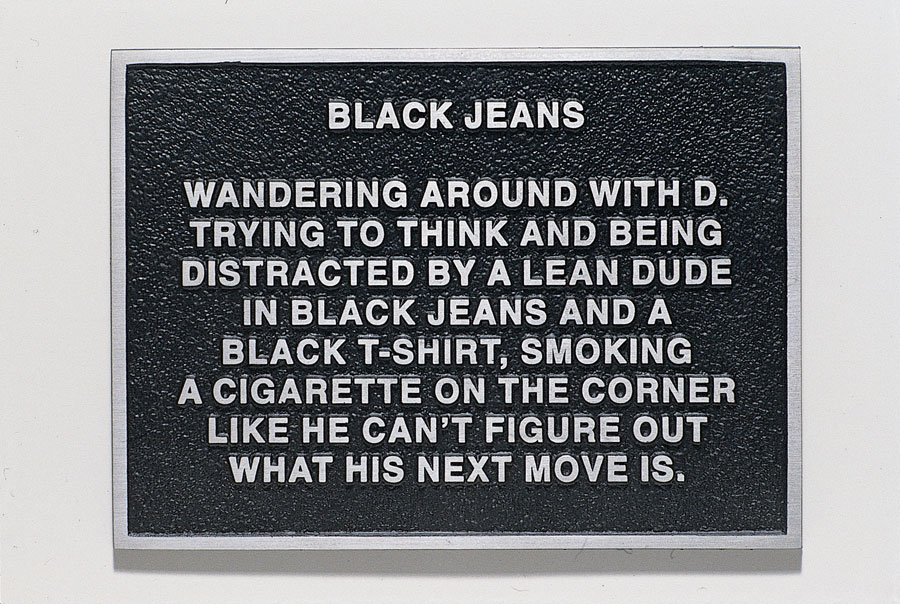
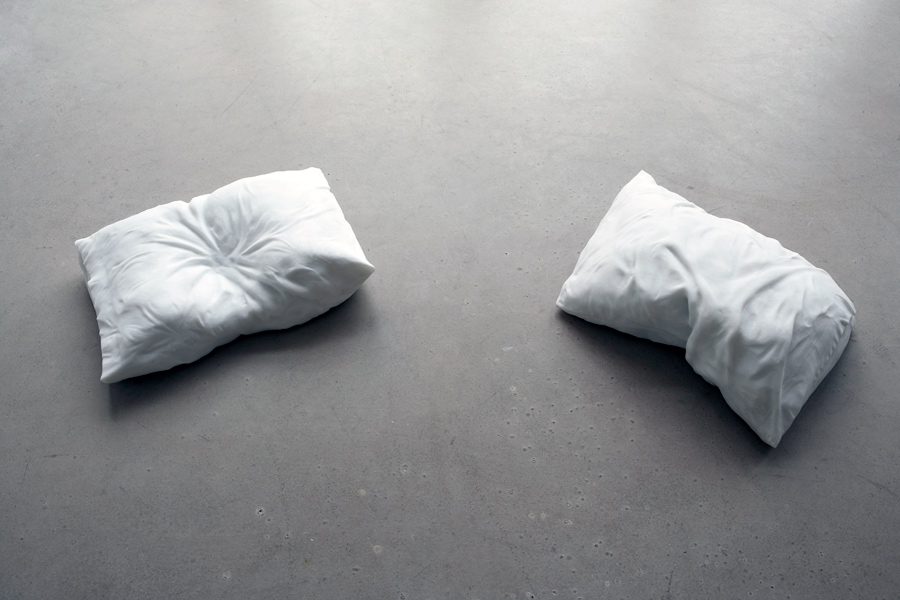

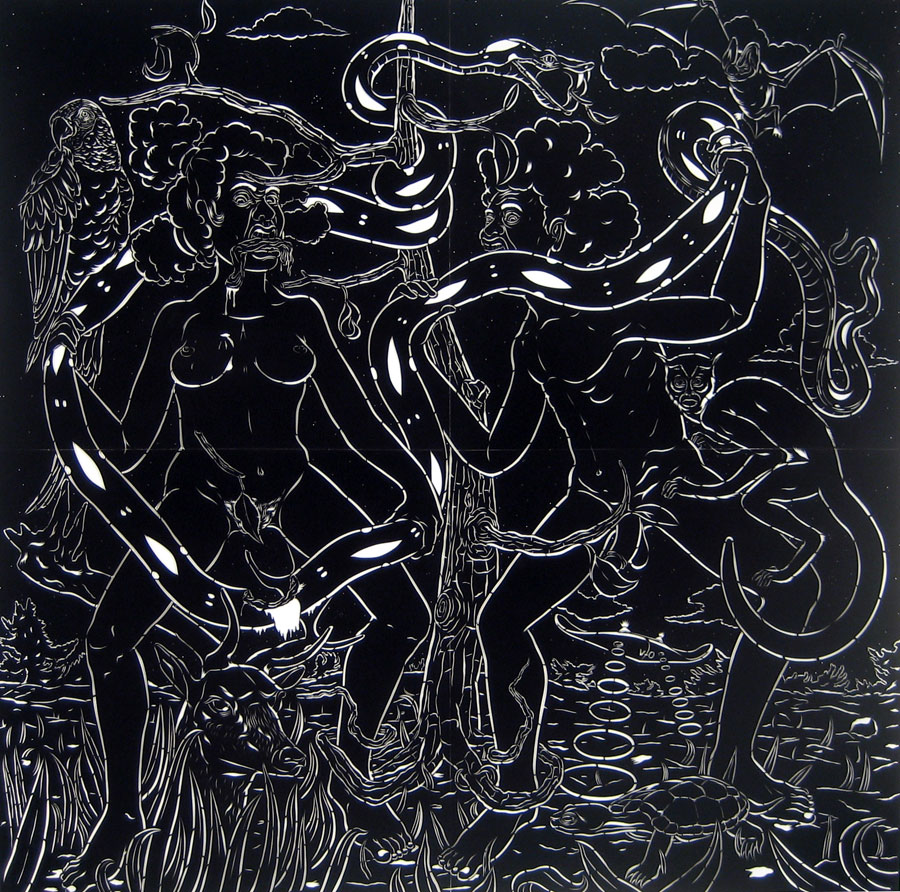
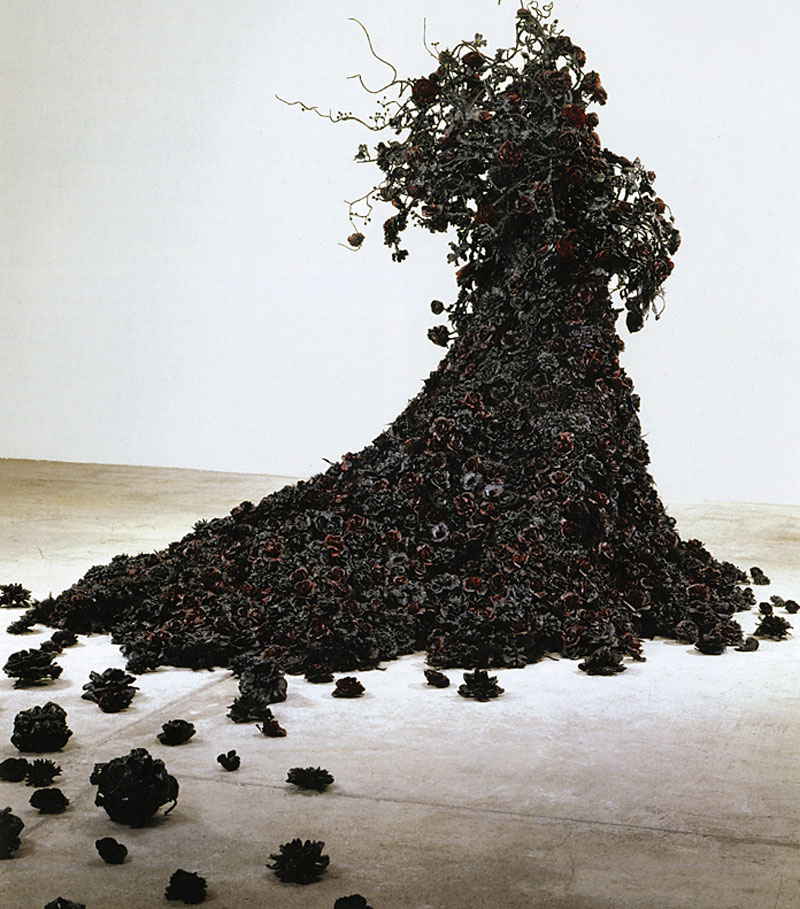
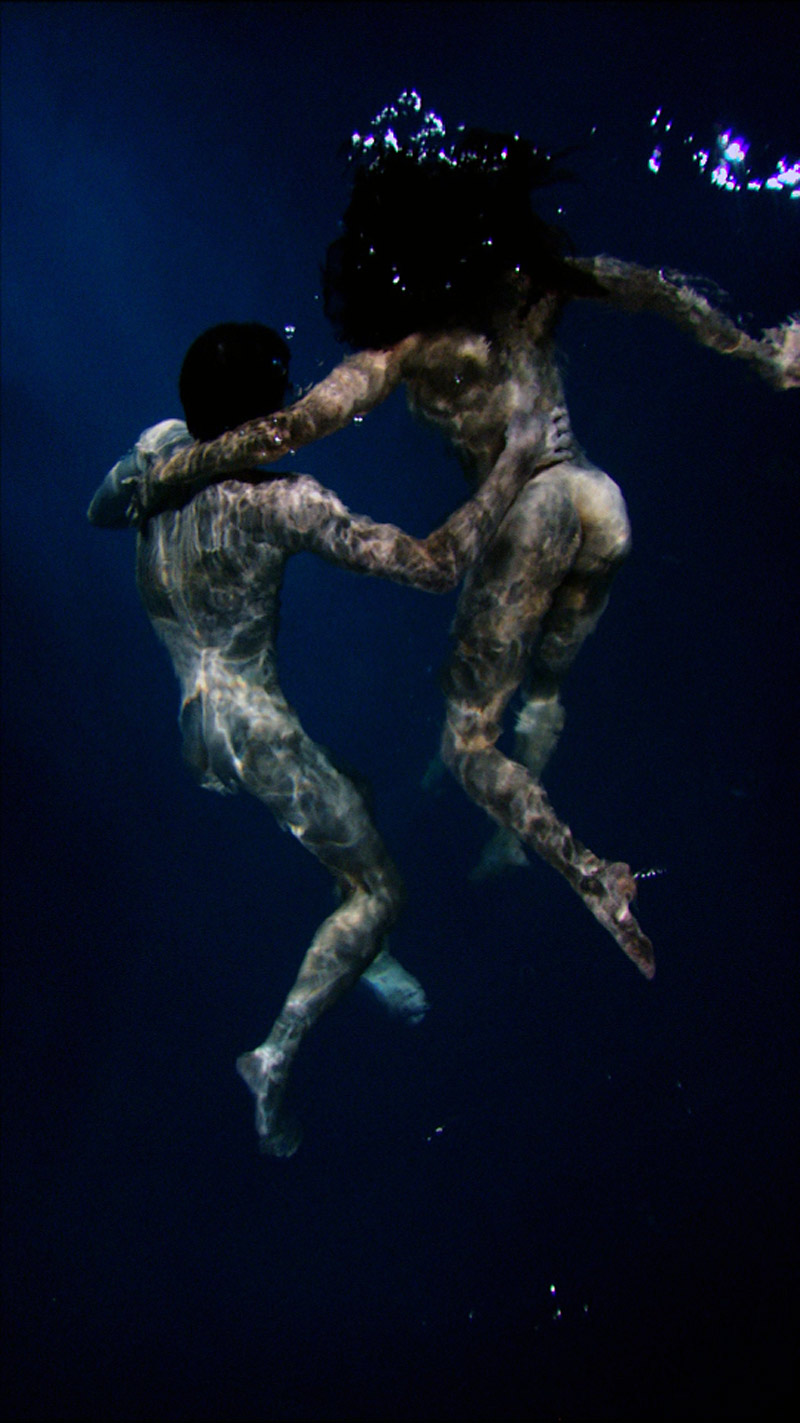

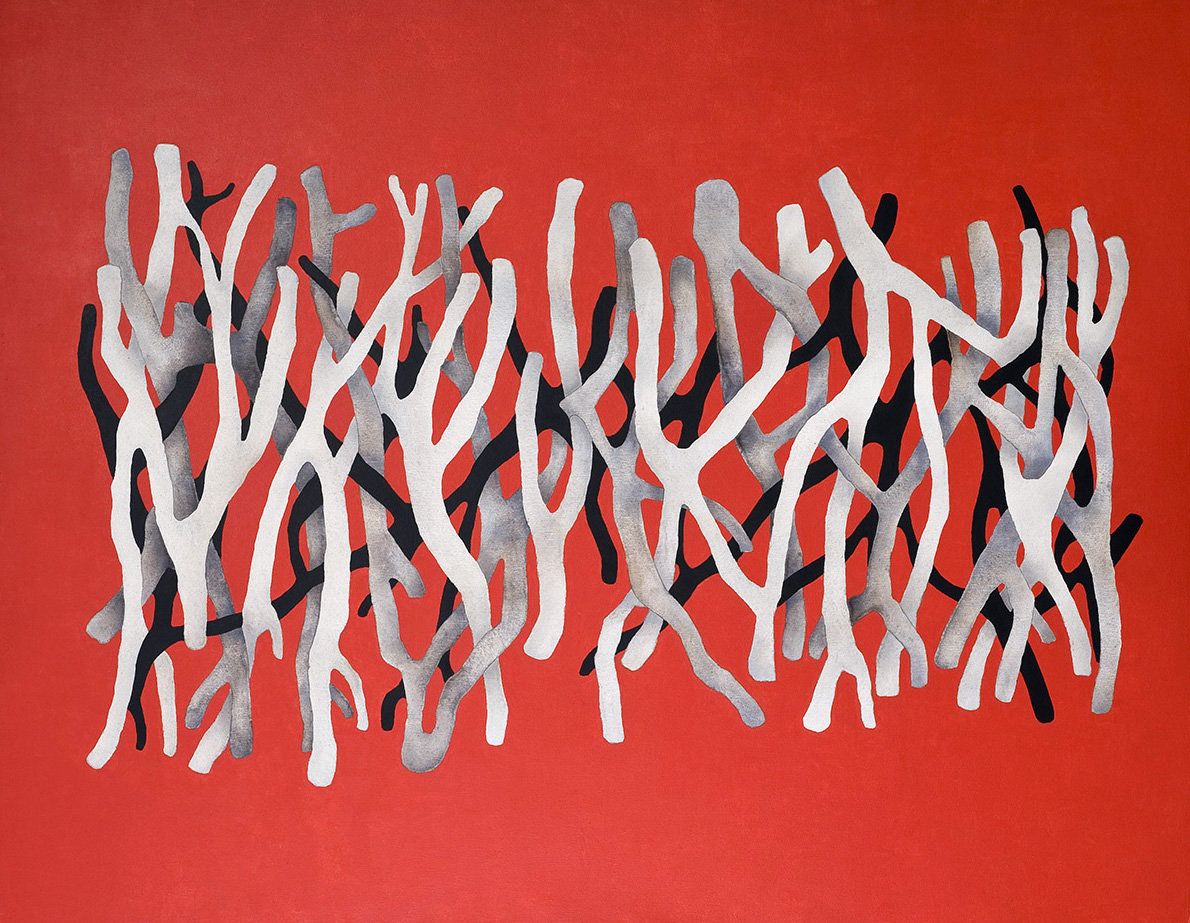
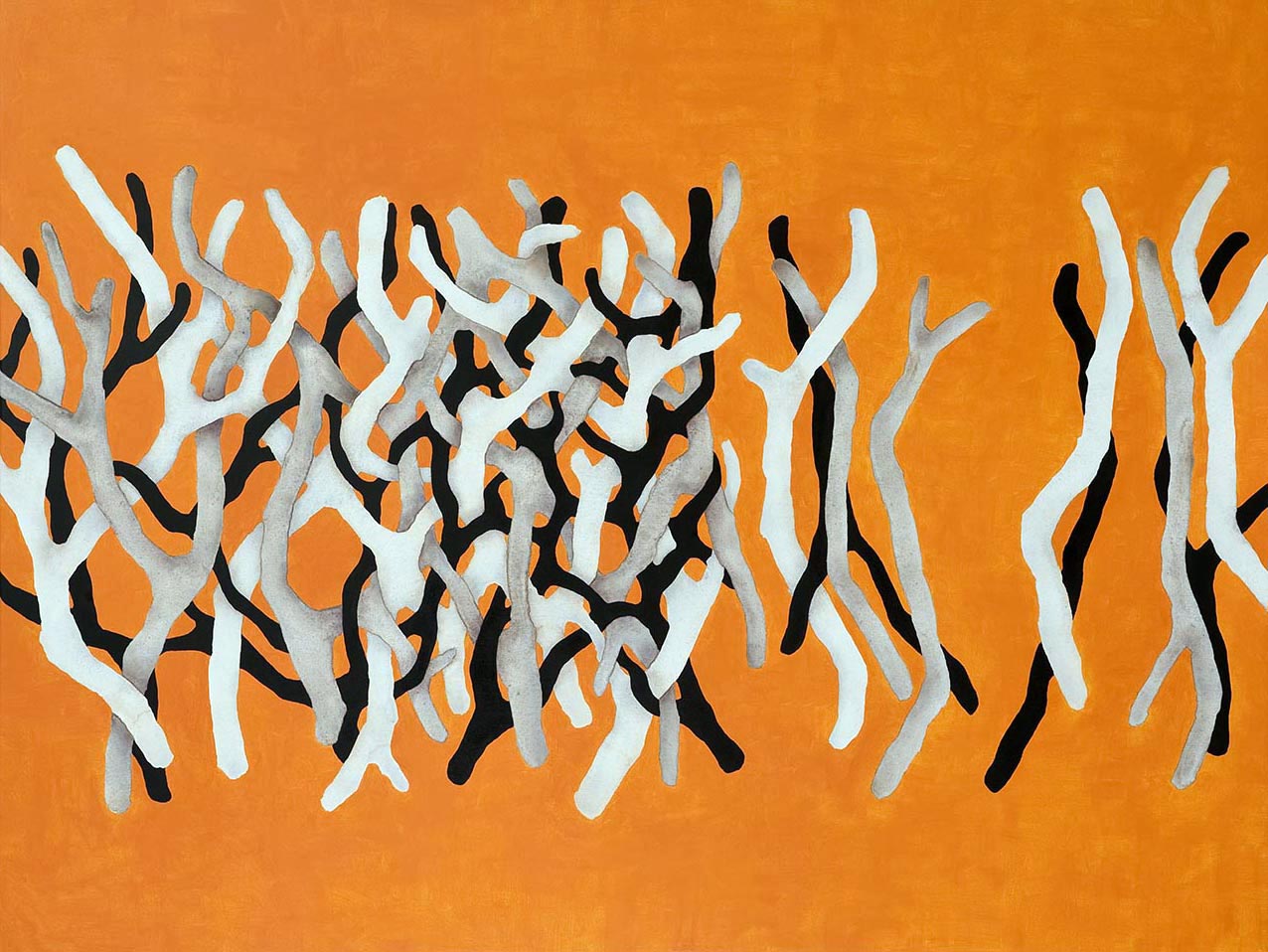
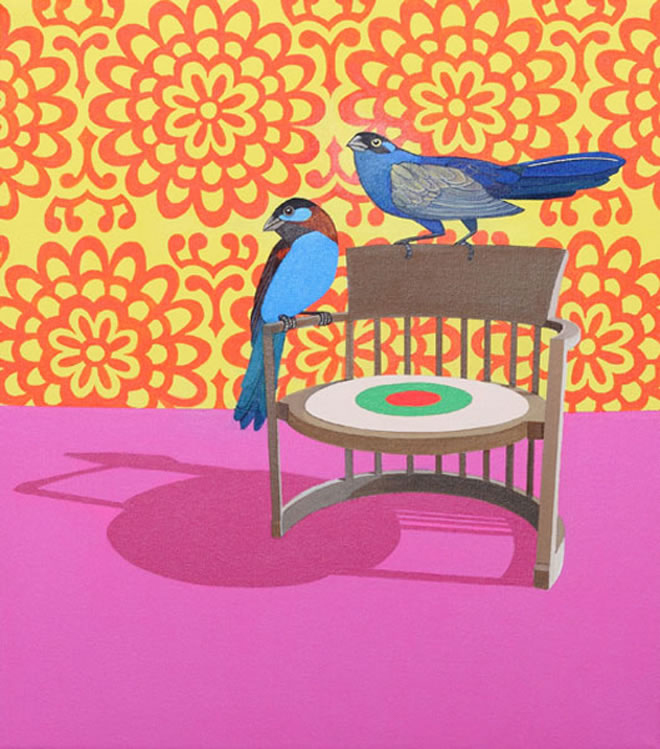
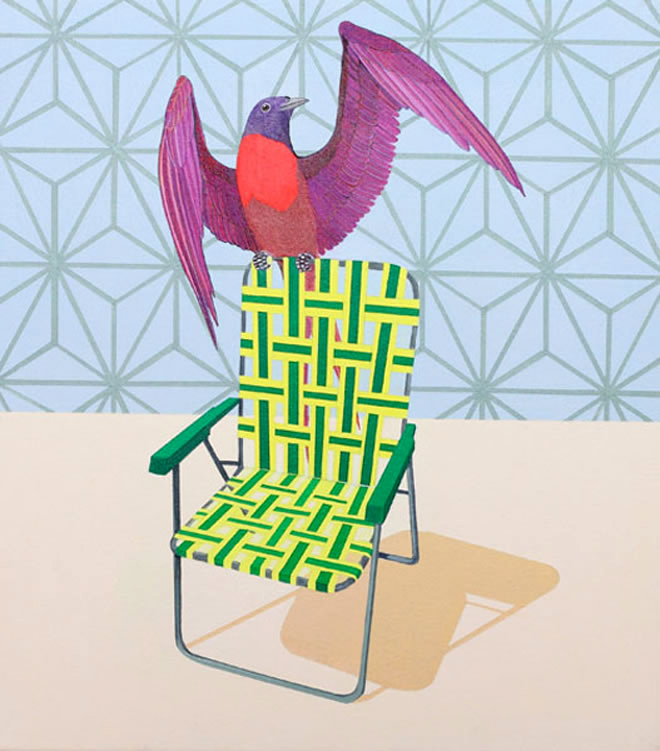
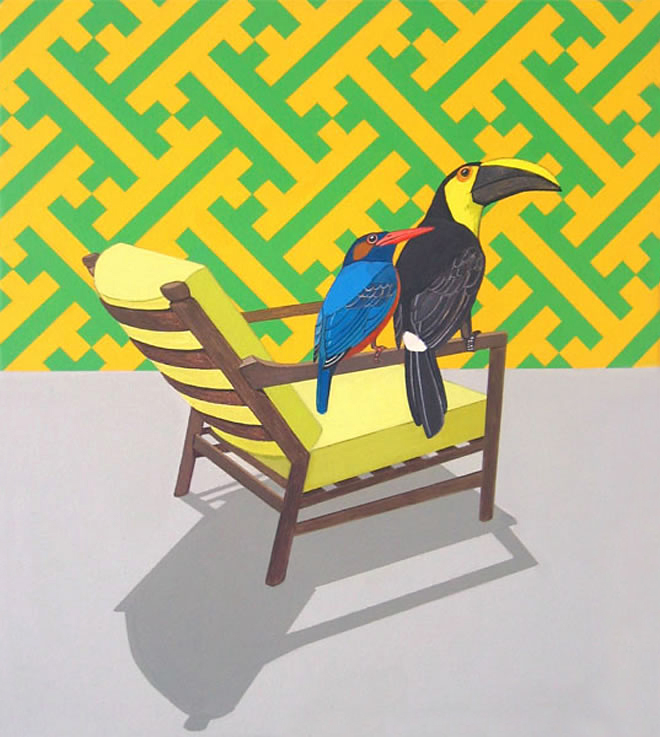
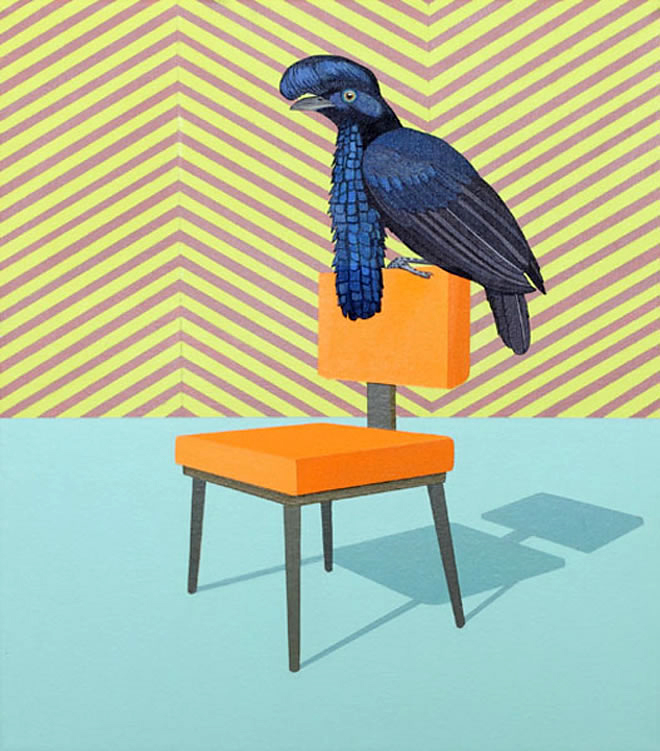
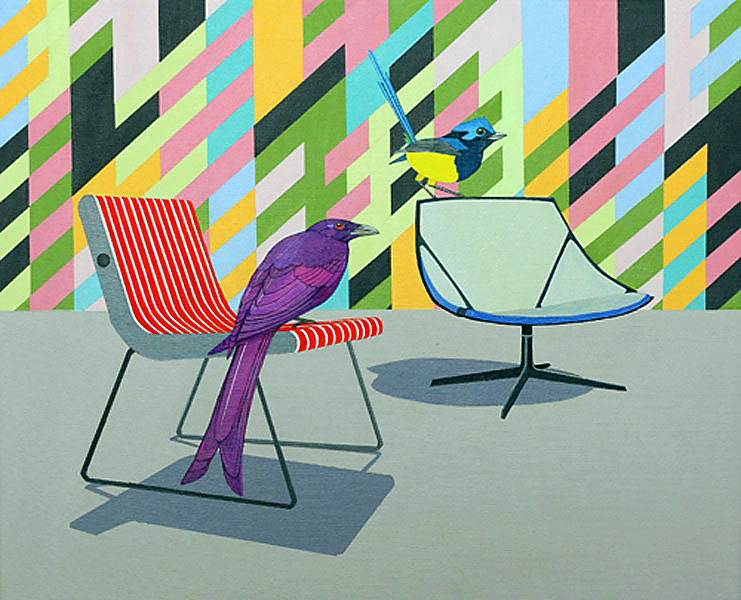
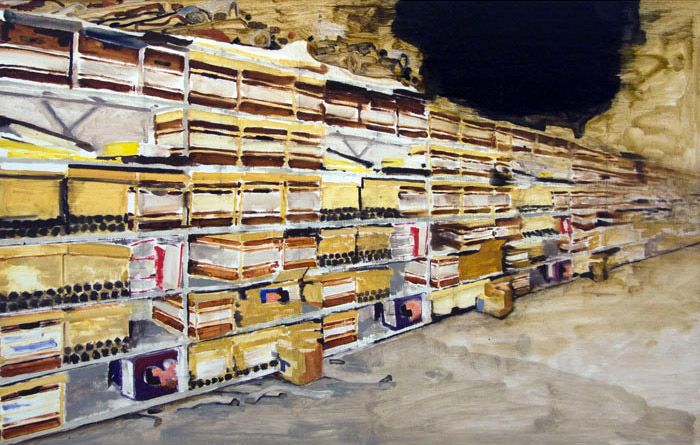
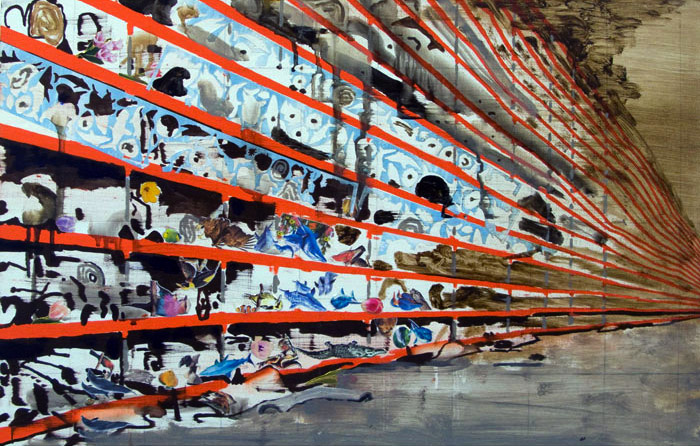
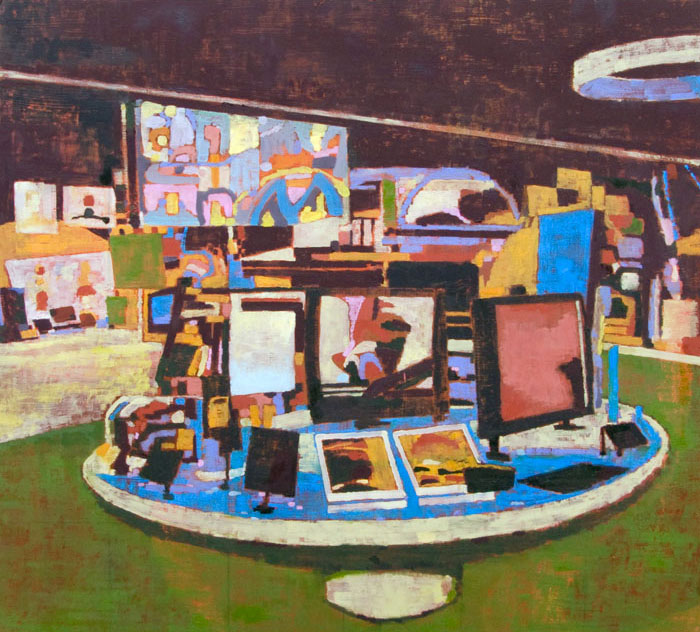
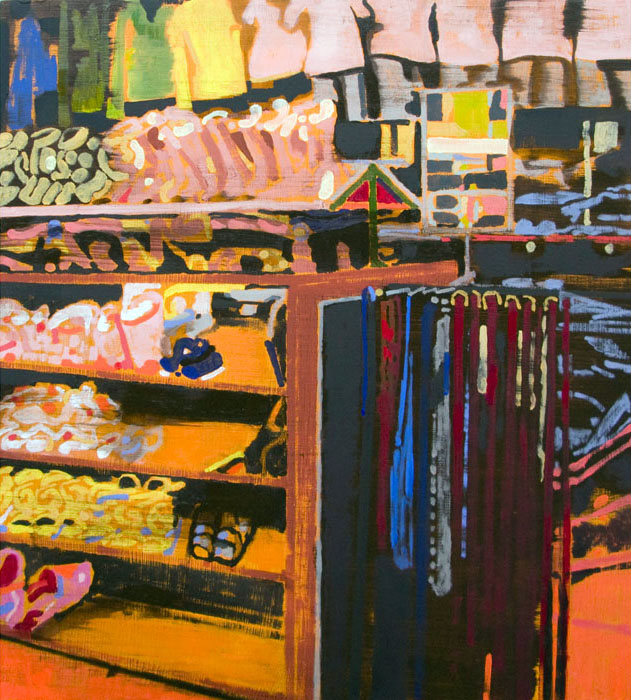
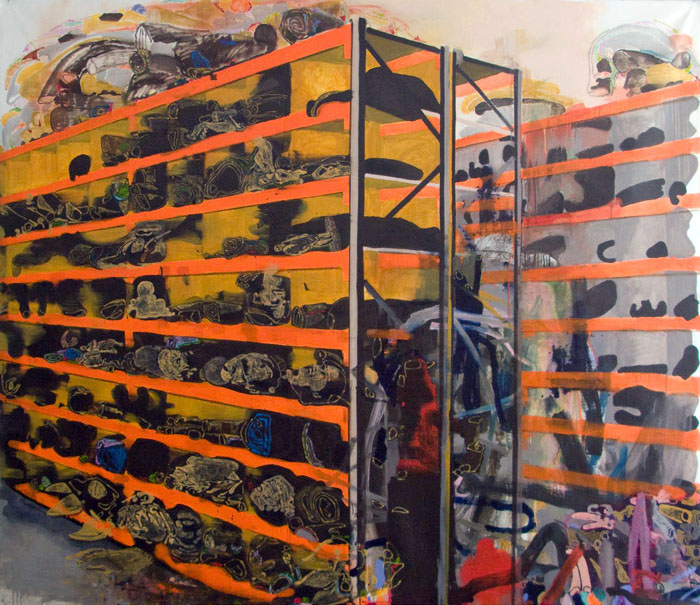
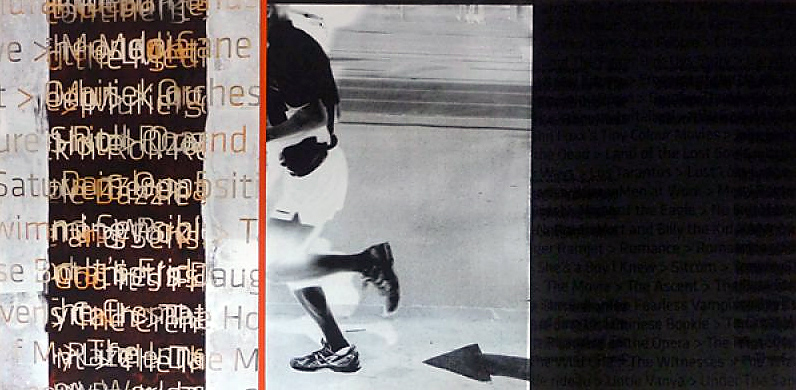

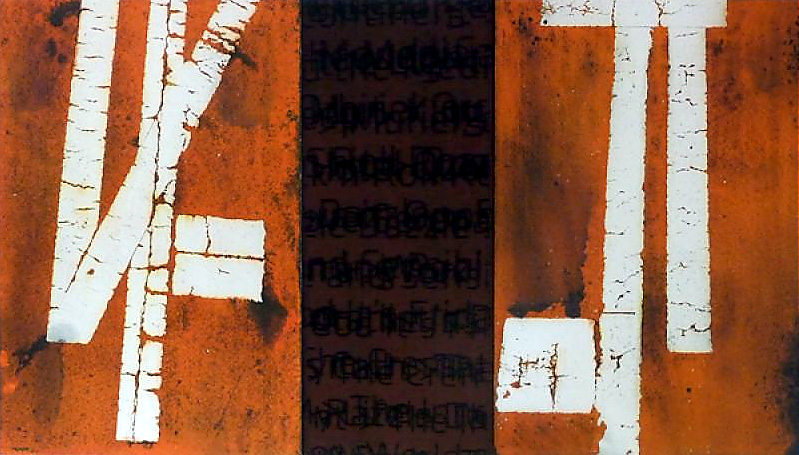
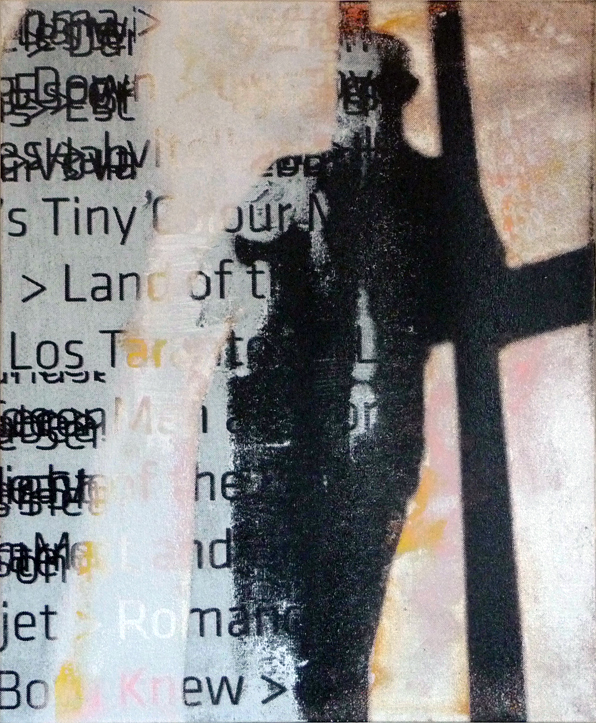
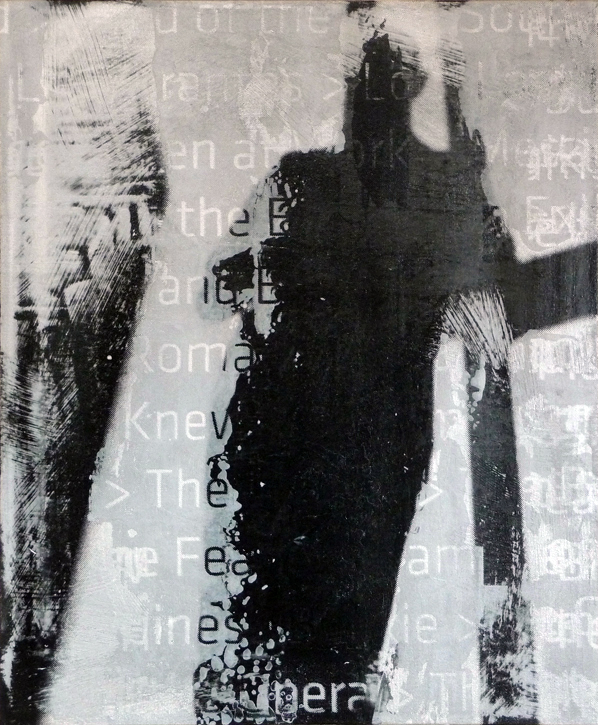

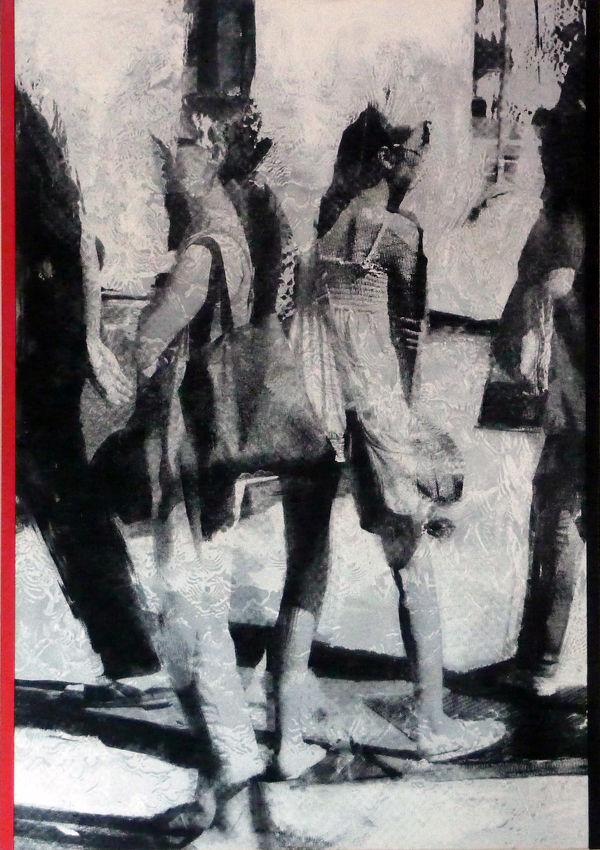
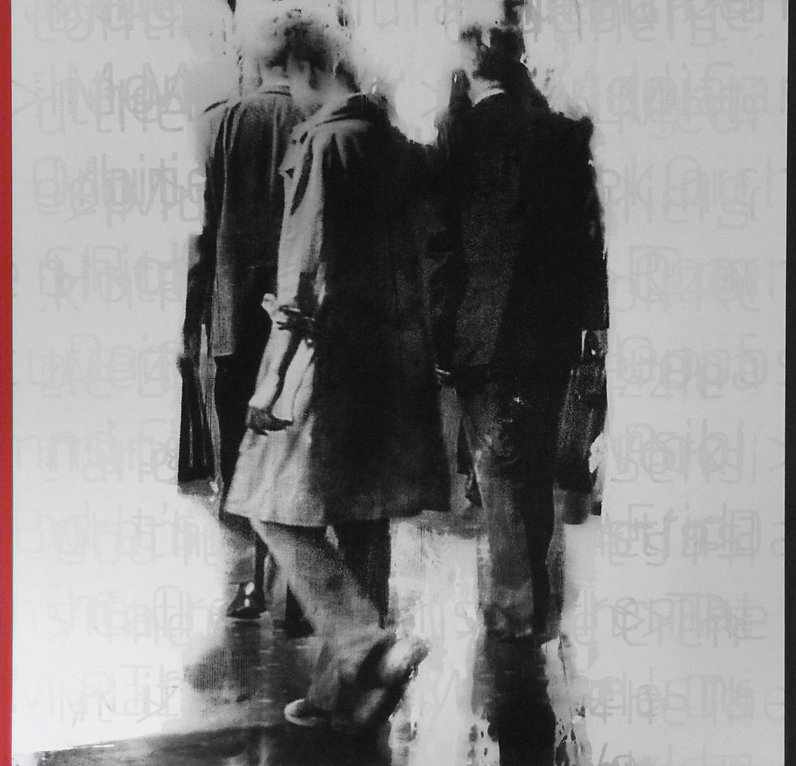

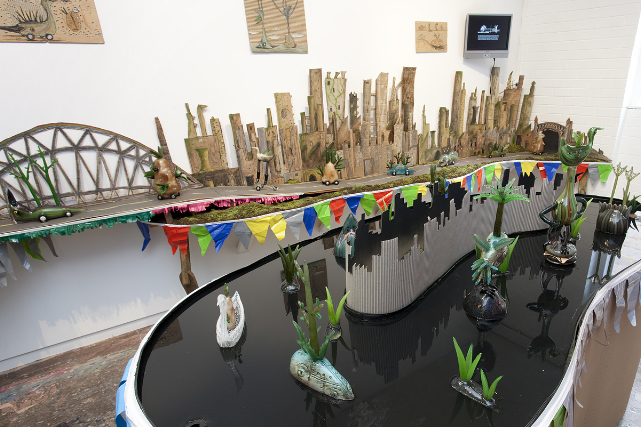
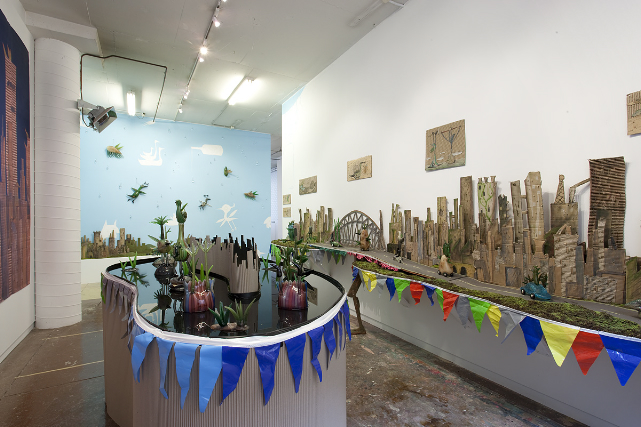
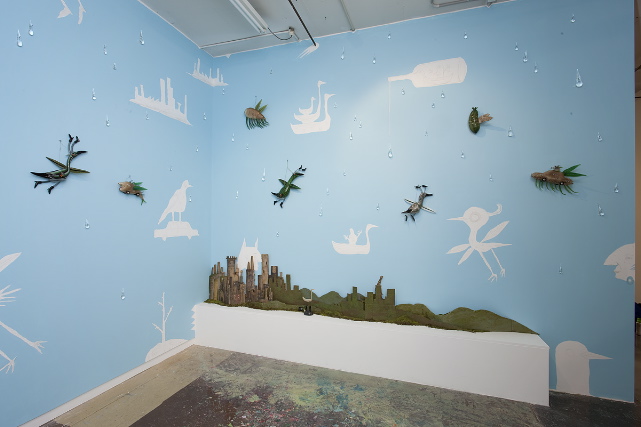
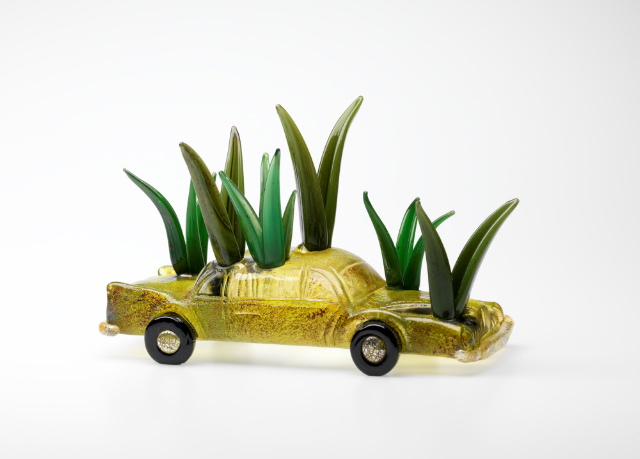
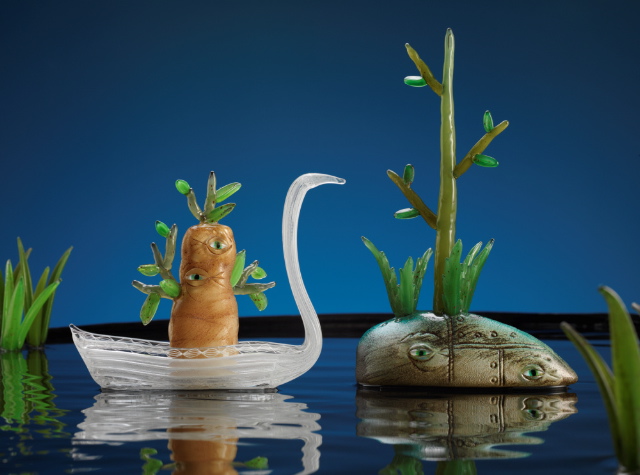
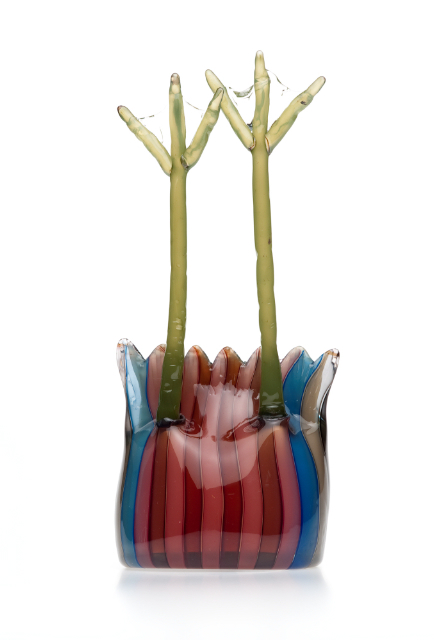
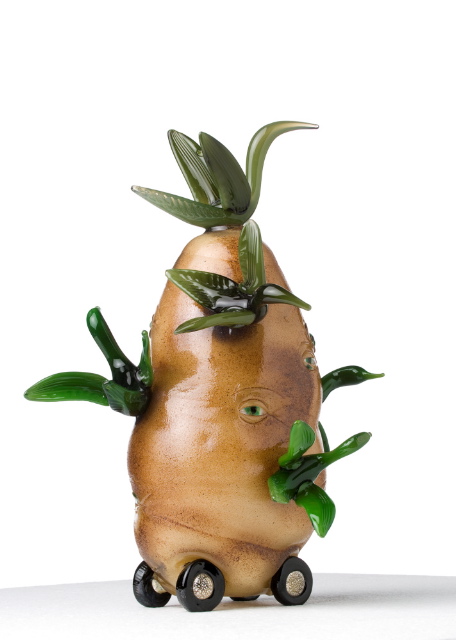
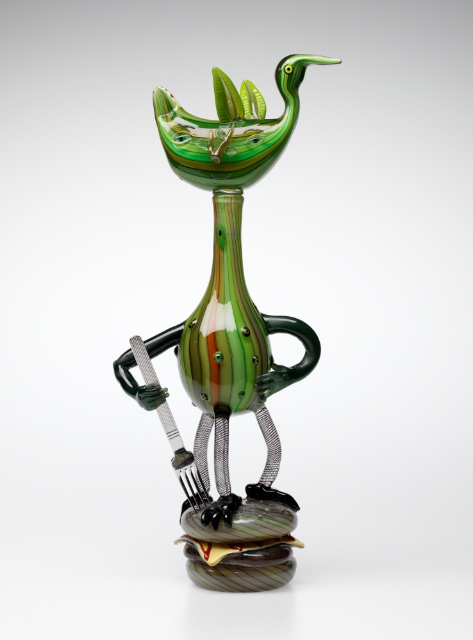
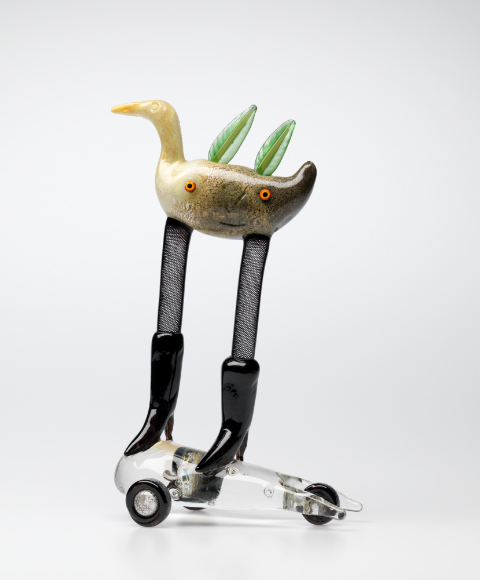
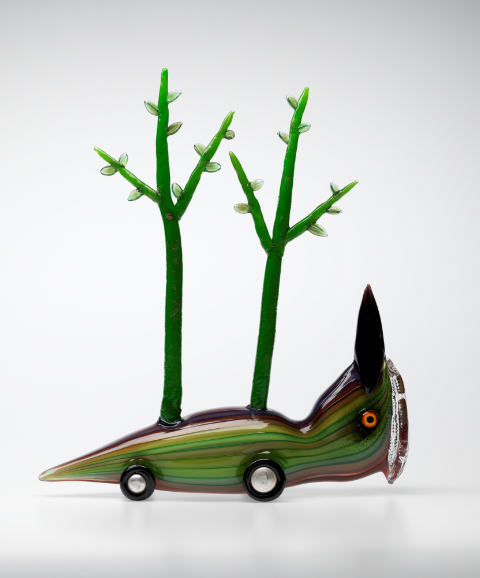
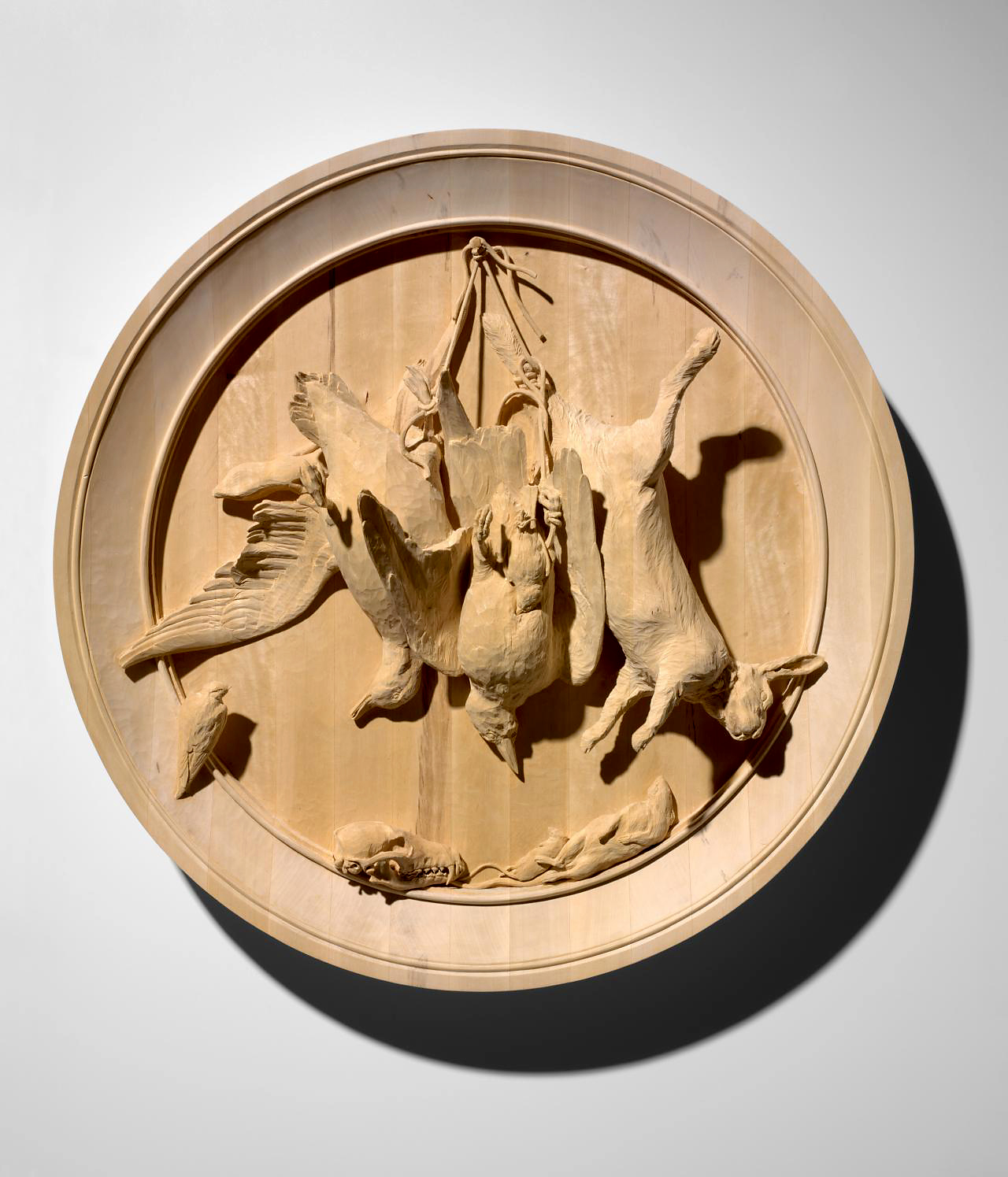

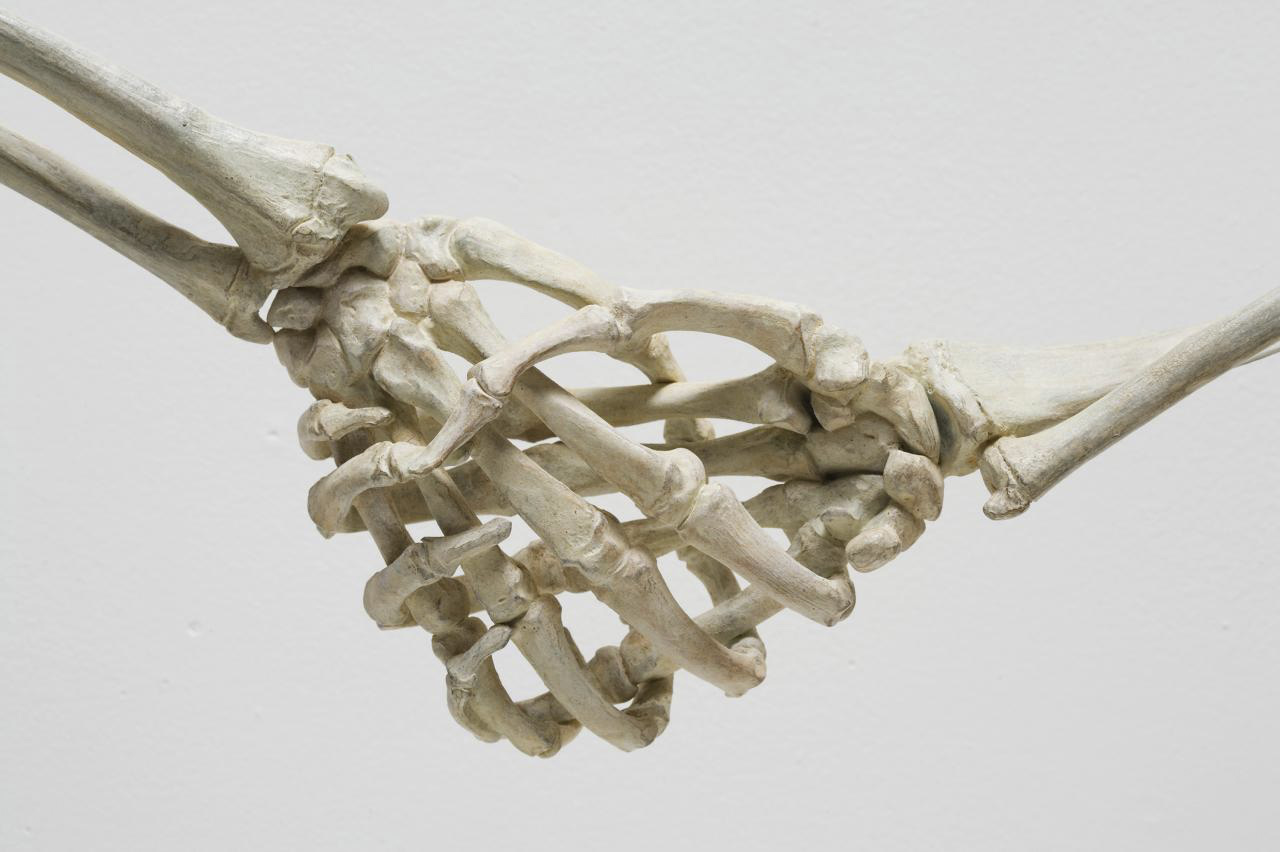


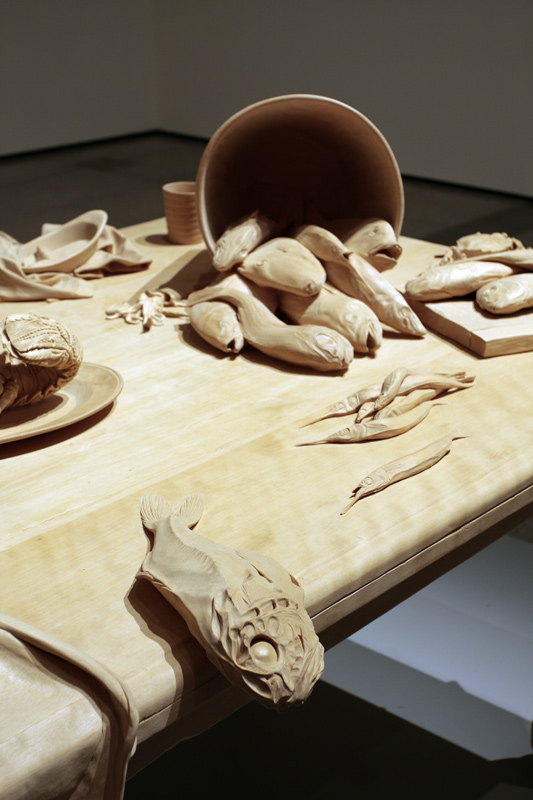

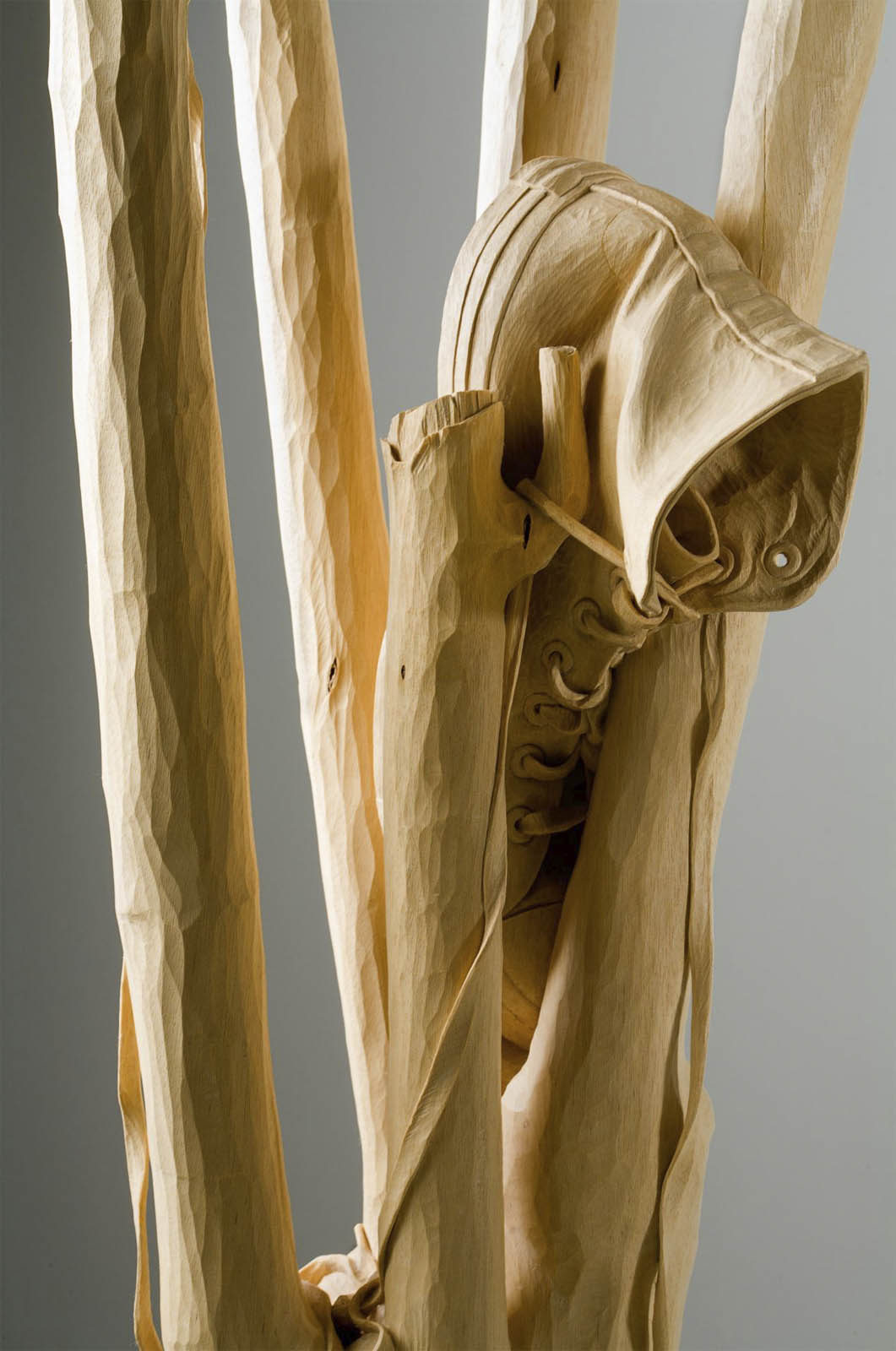
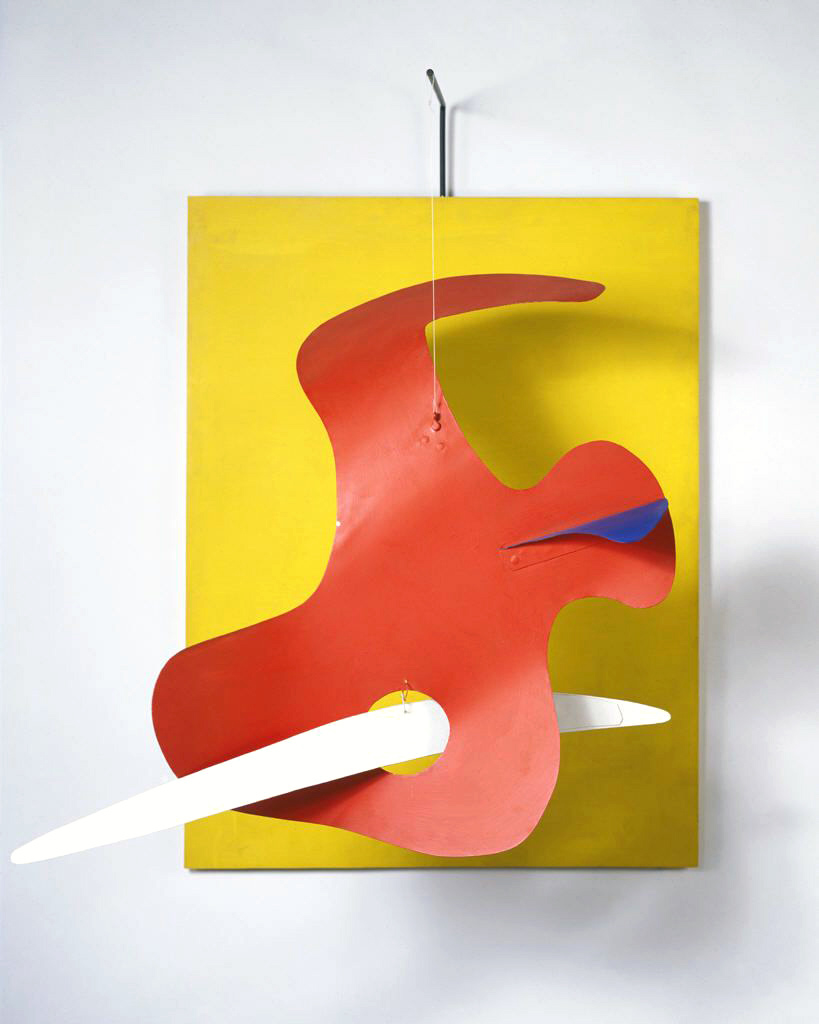
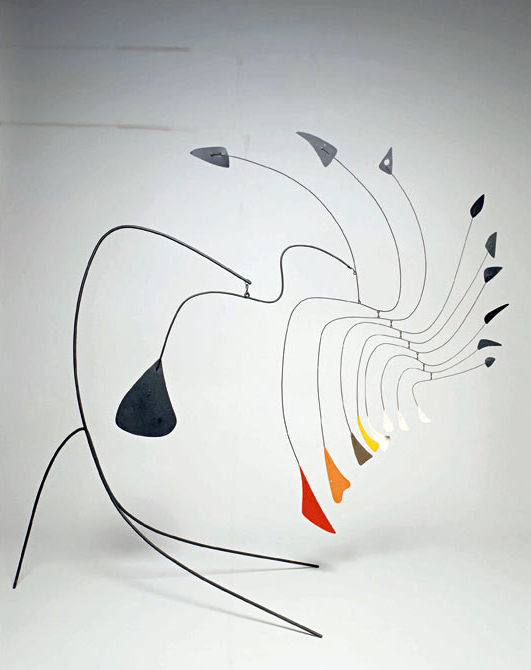
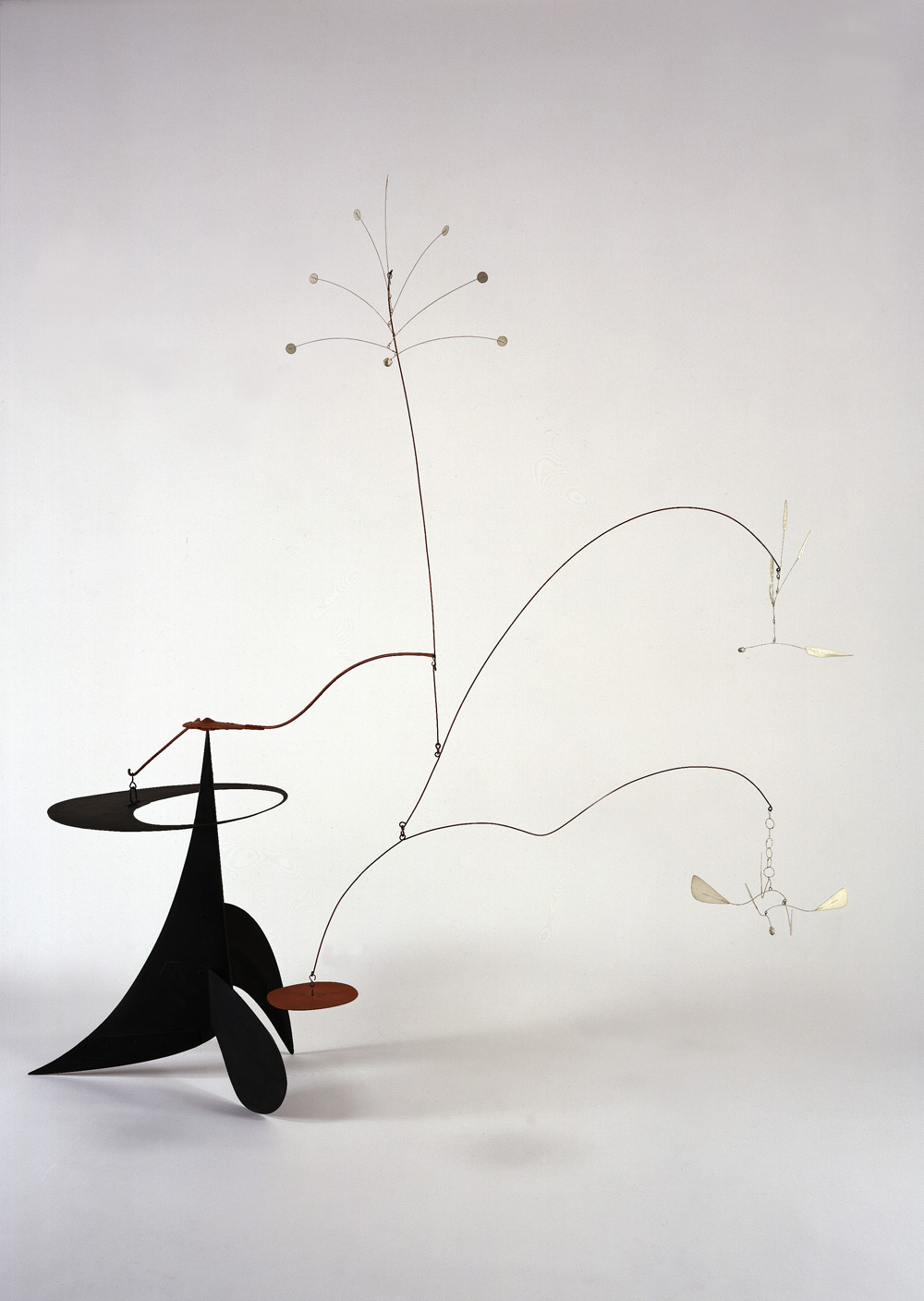
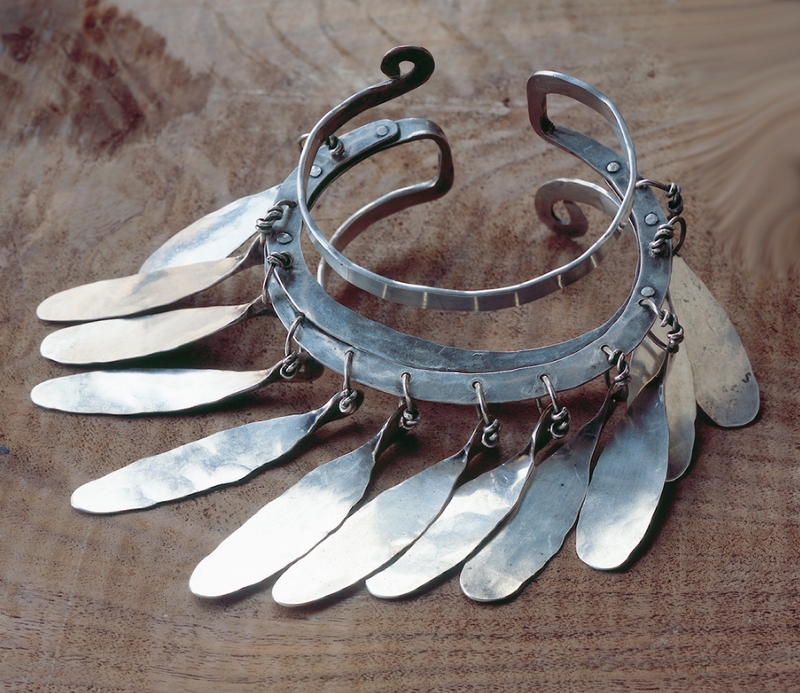
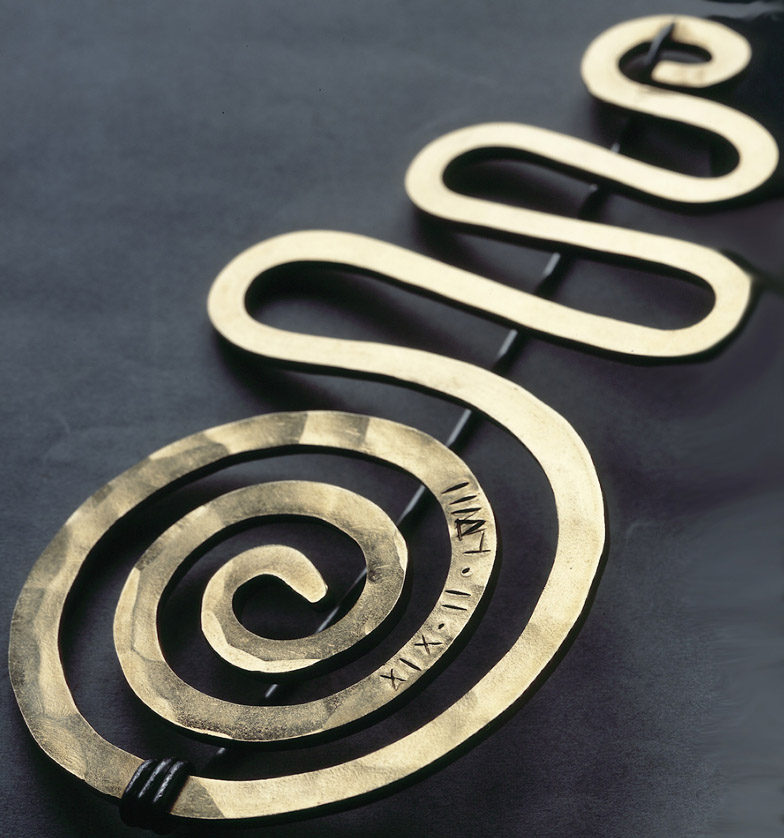
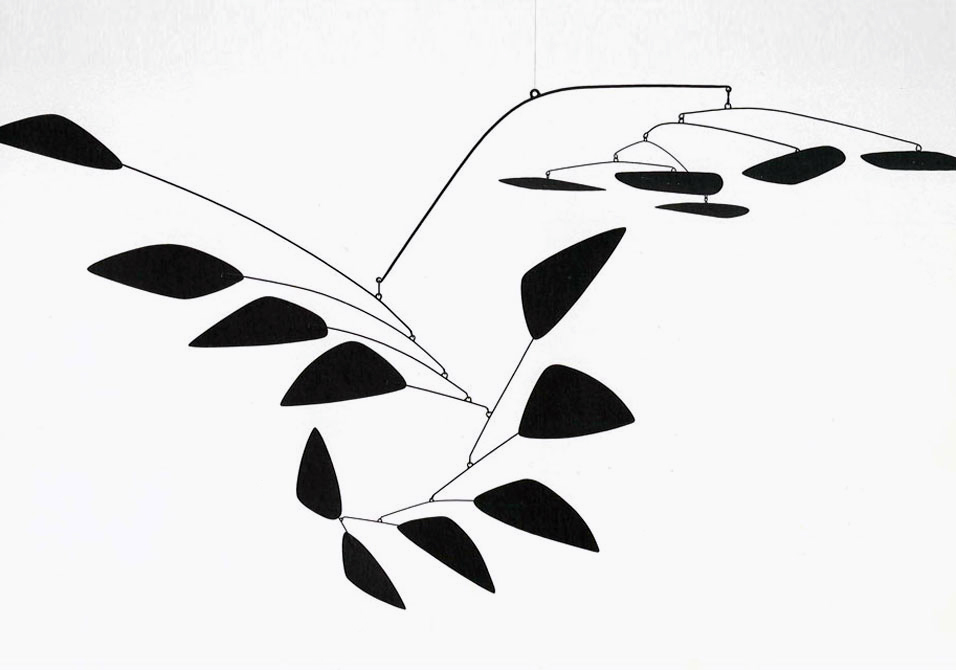
![Alexander Calder (American, 1898-1976) 'Teodelapio [maquette II]' 1962](https://artblart.com/wp-content/uploads/2010/02/calder-teodelapio.jpg "Alexander Calder (American, 1898-1976) 'Teodelapio [maquette II]' 1962")
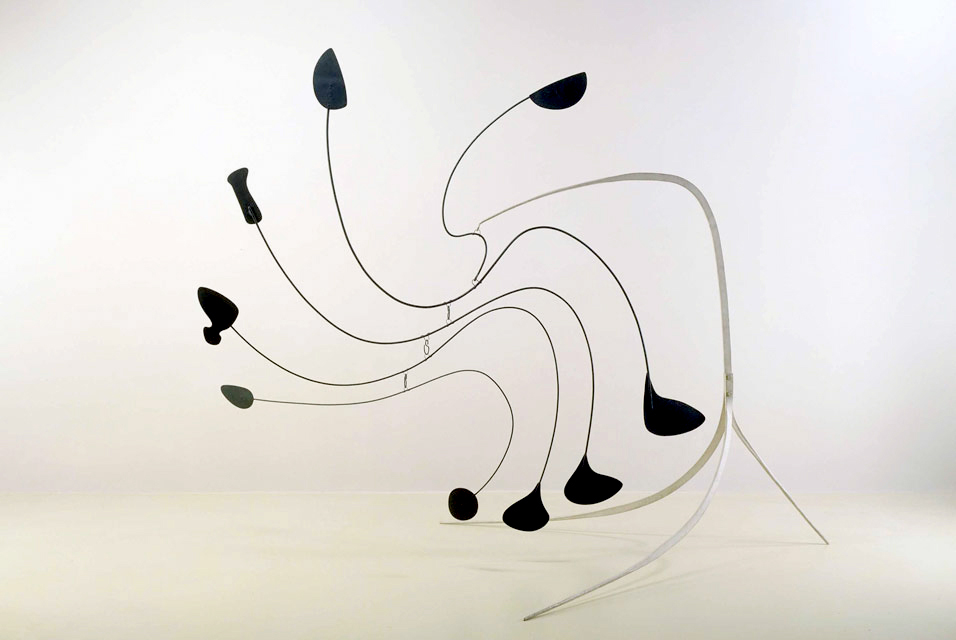
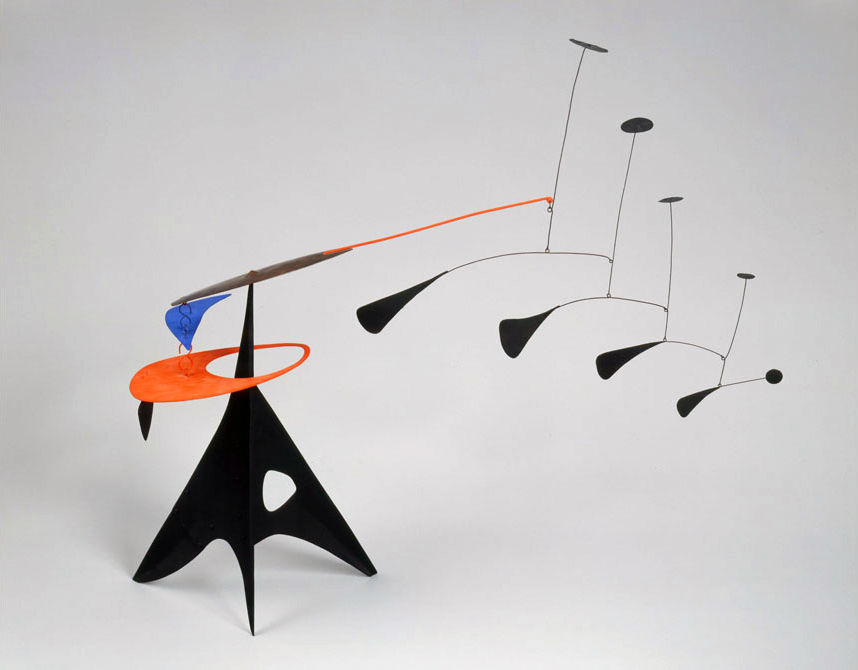
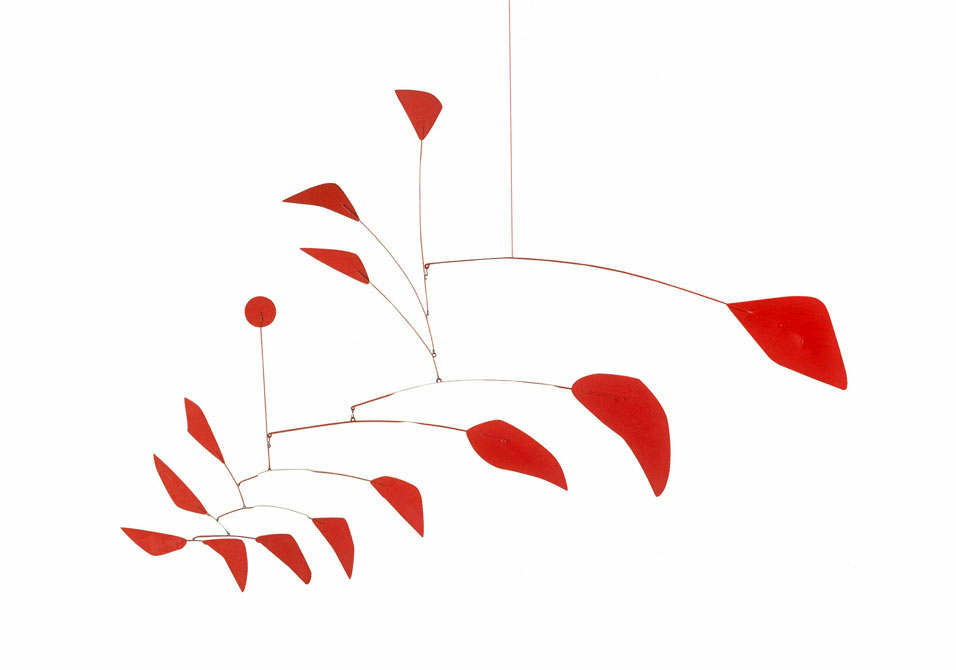
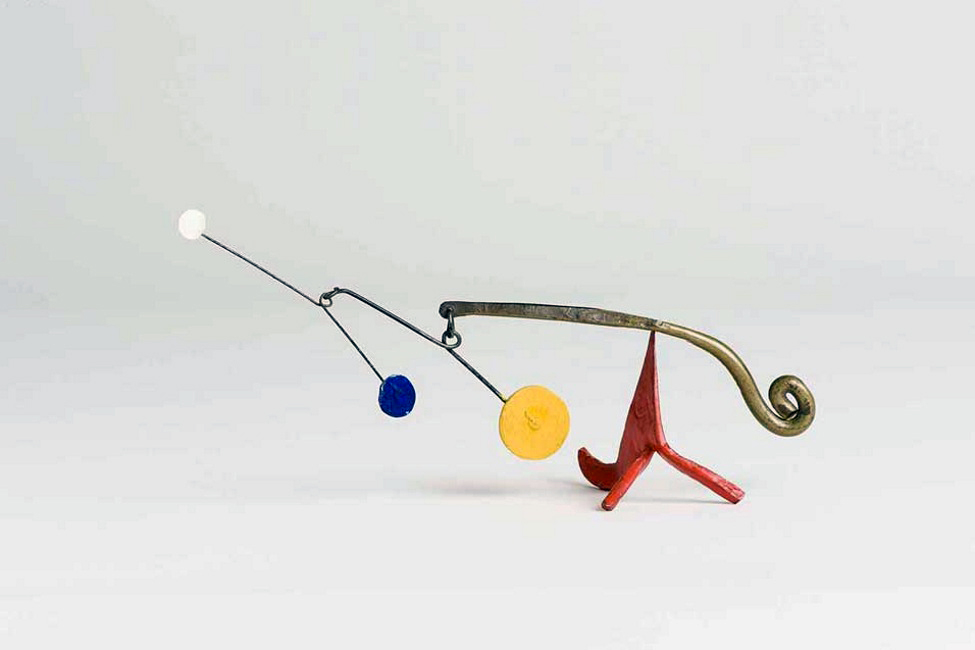
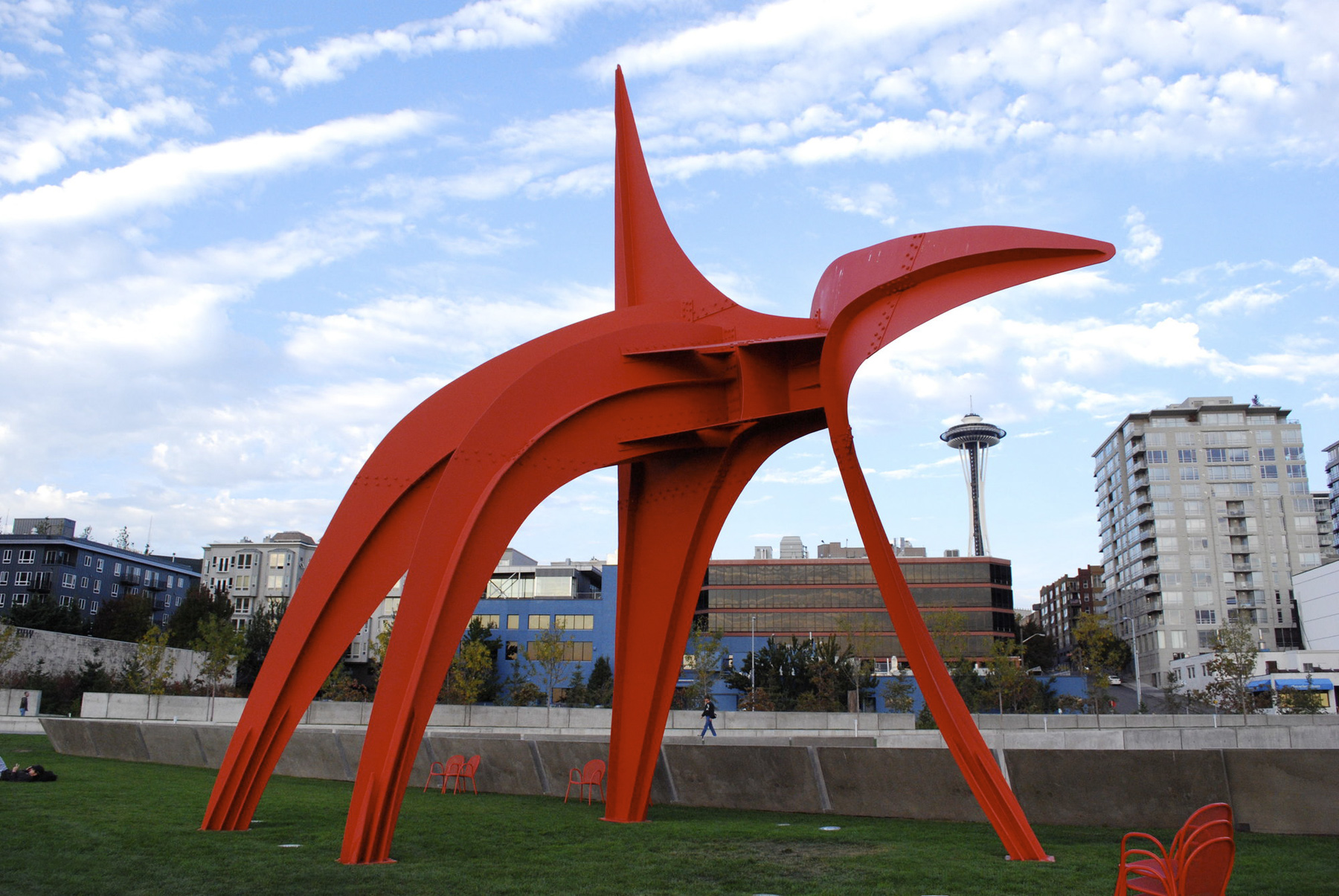
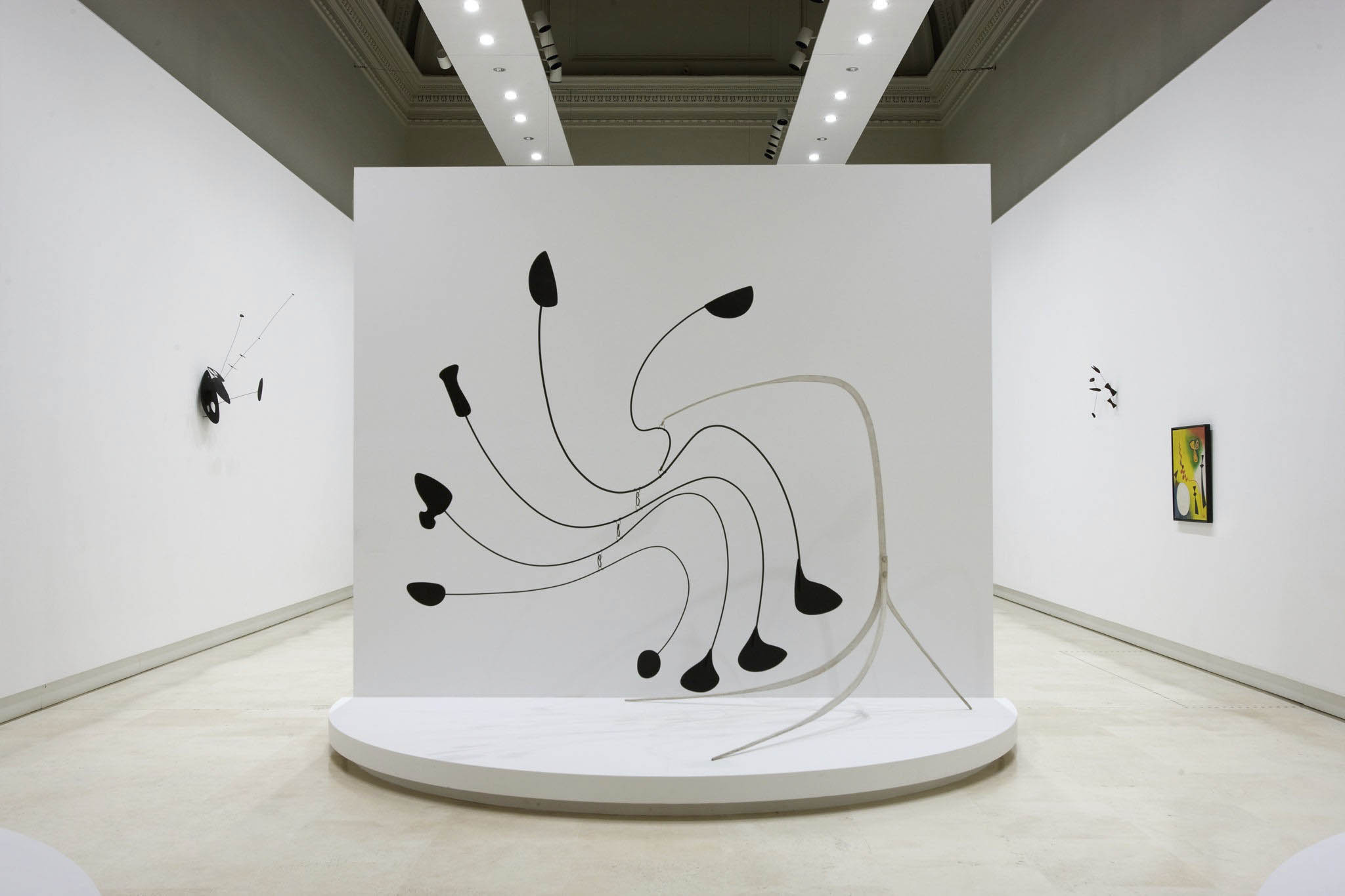
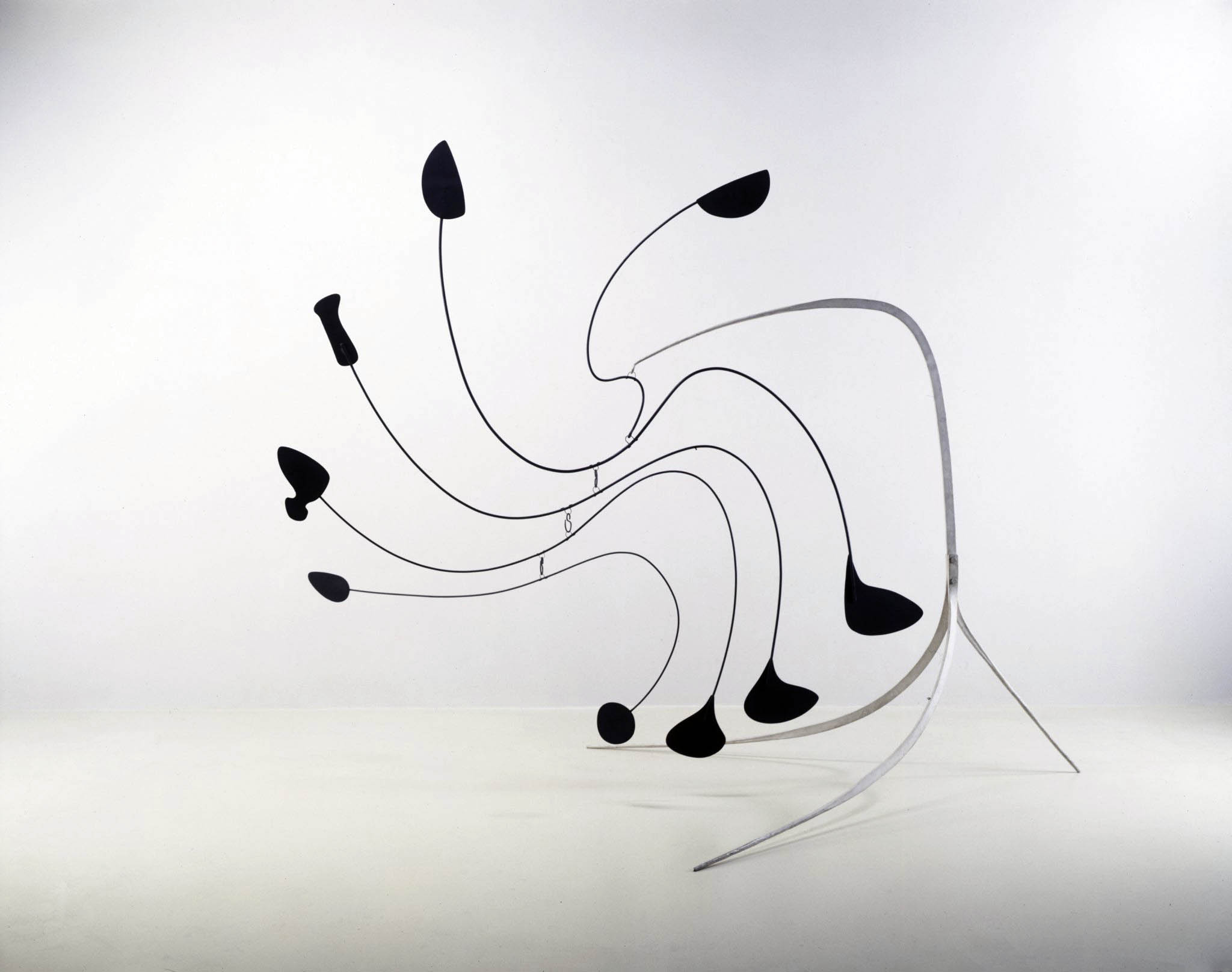
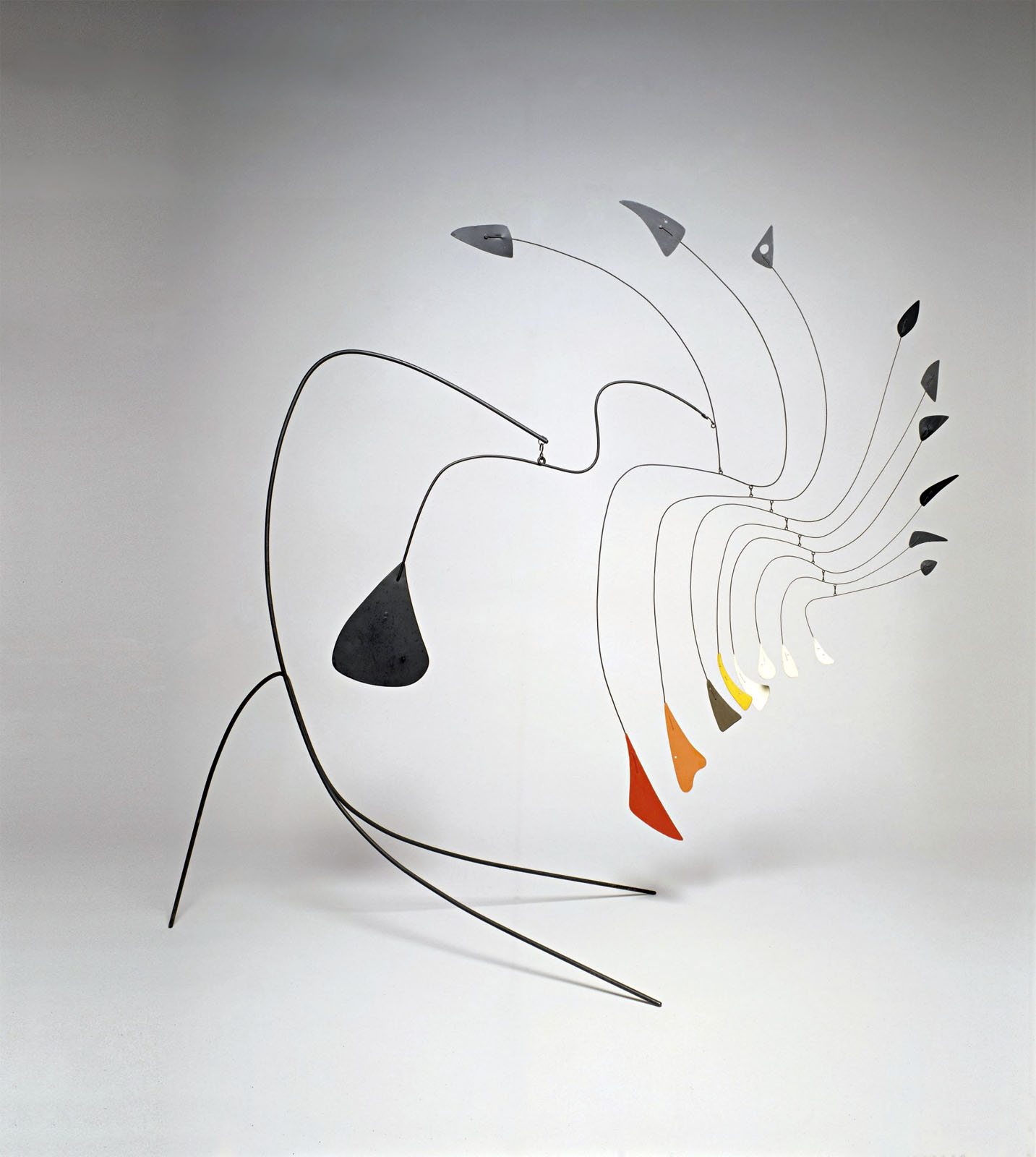
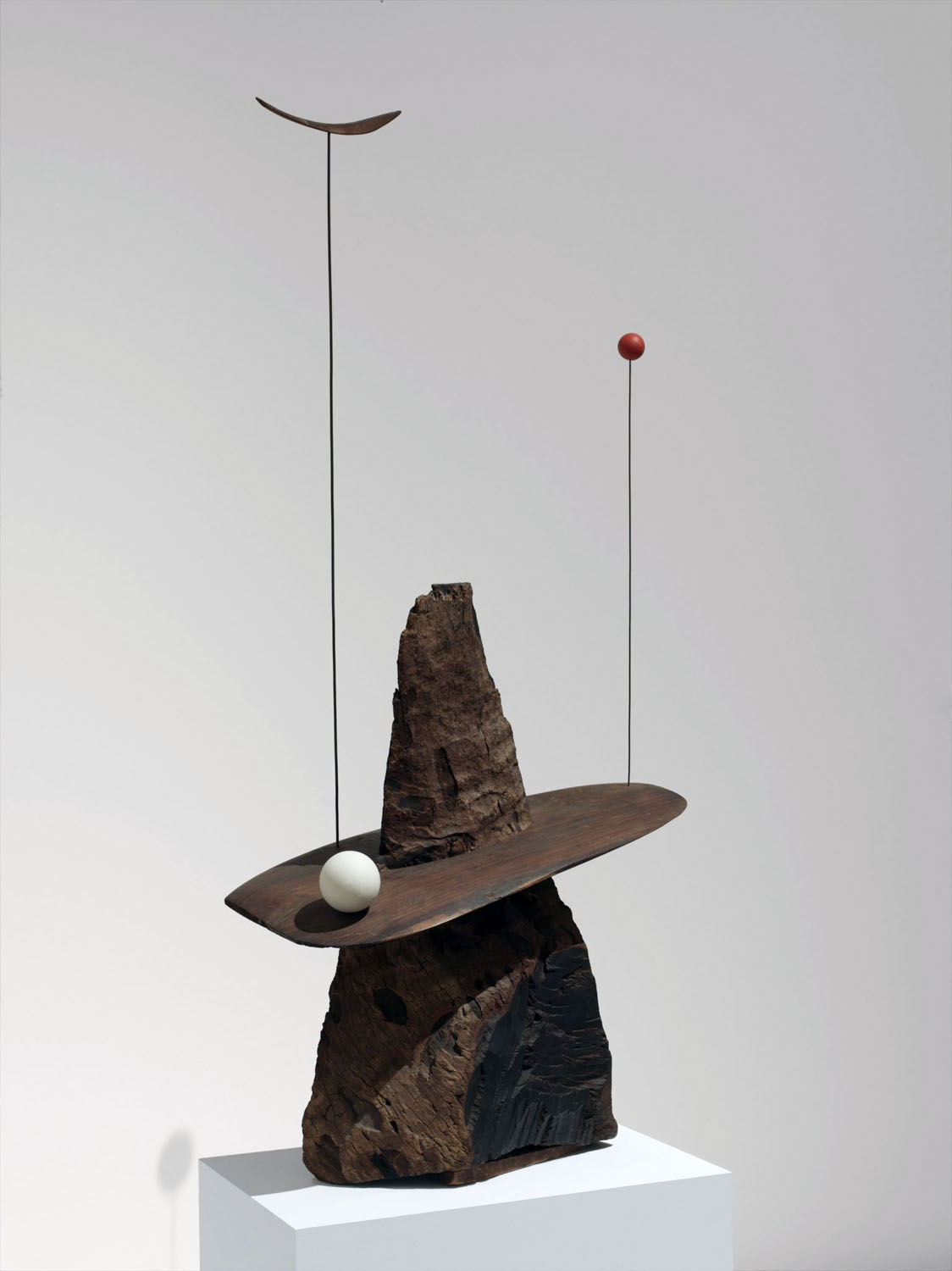


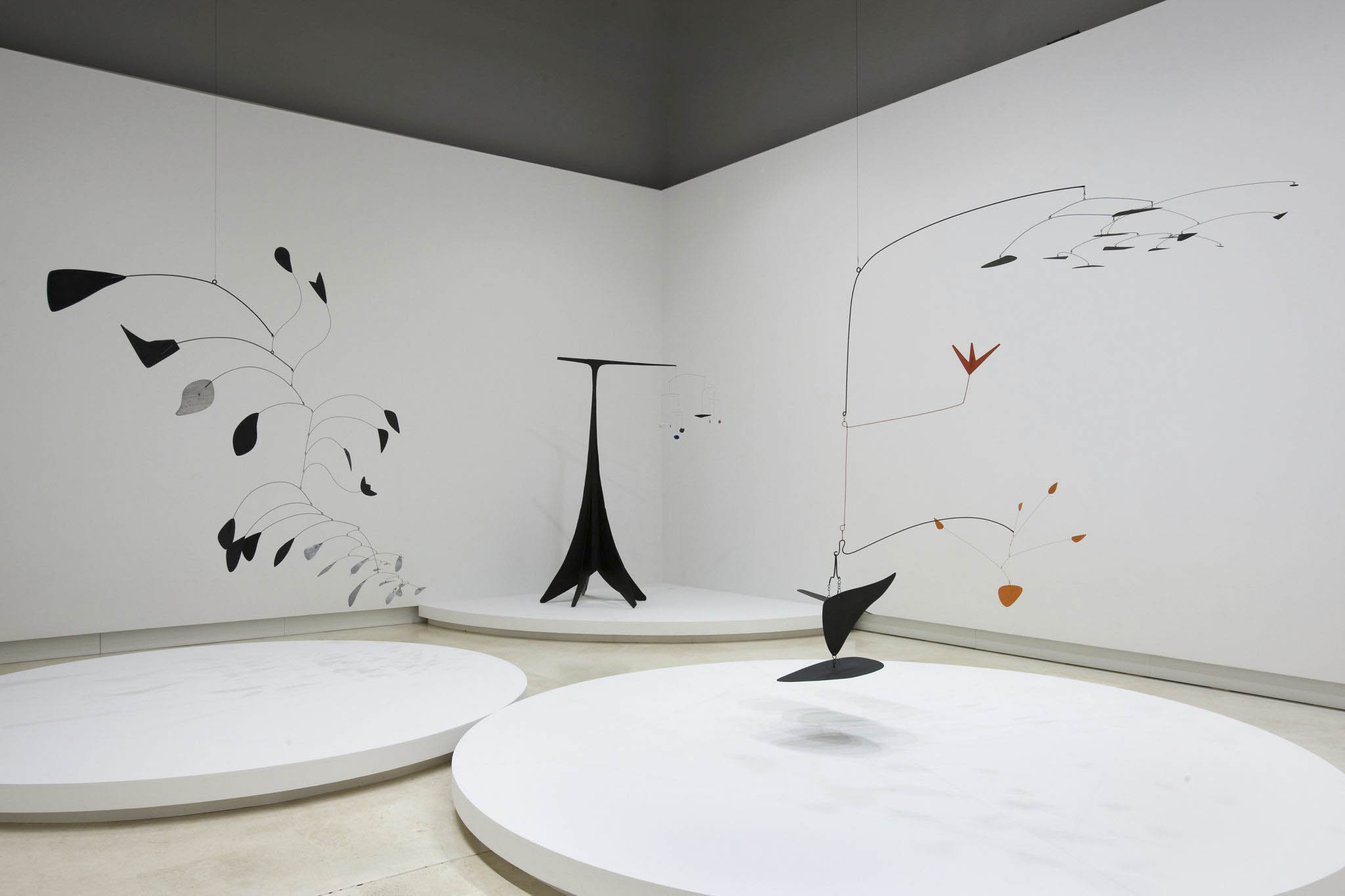
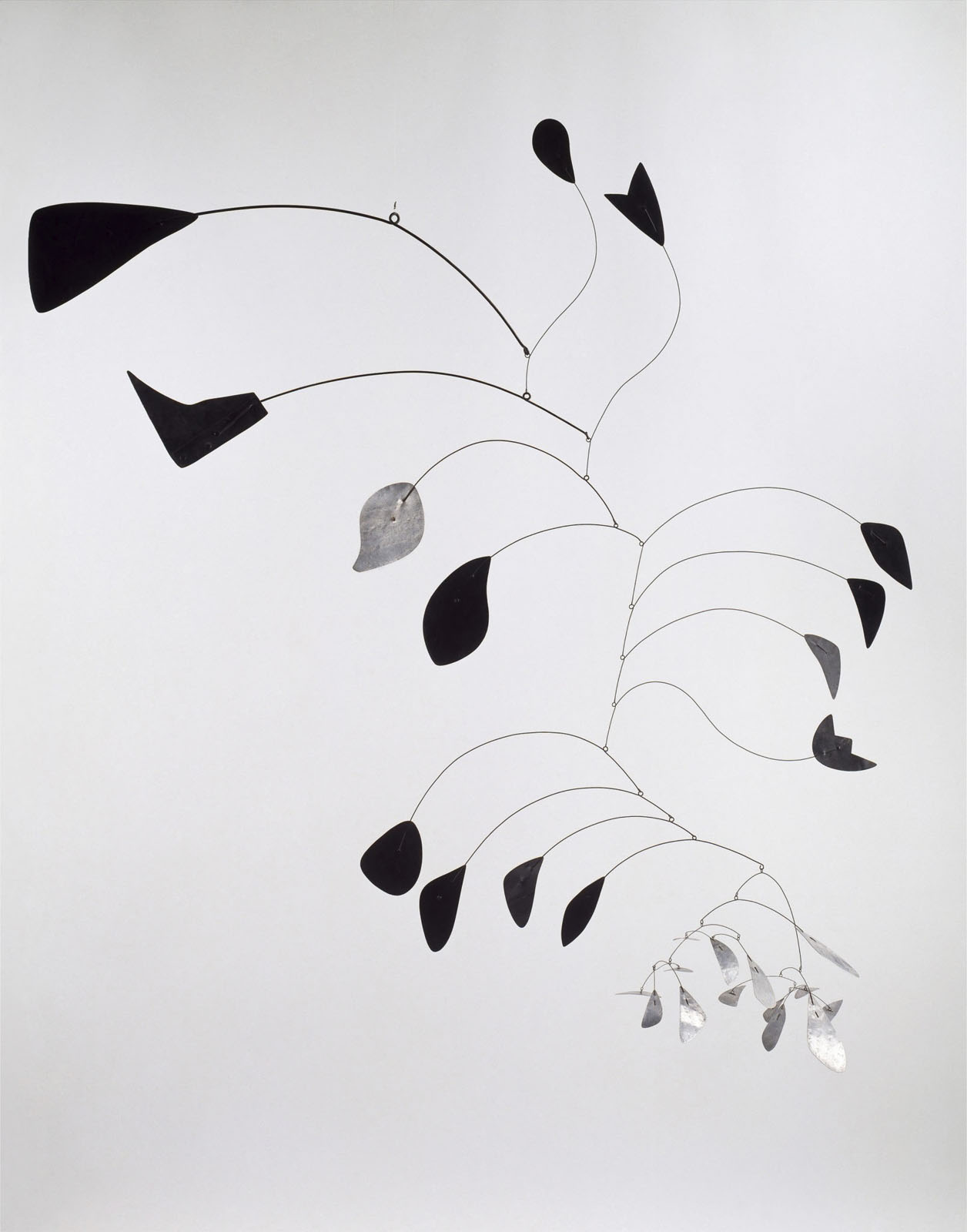
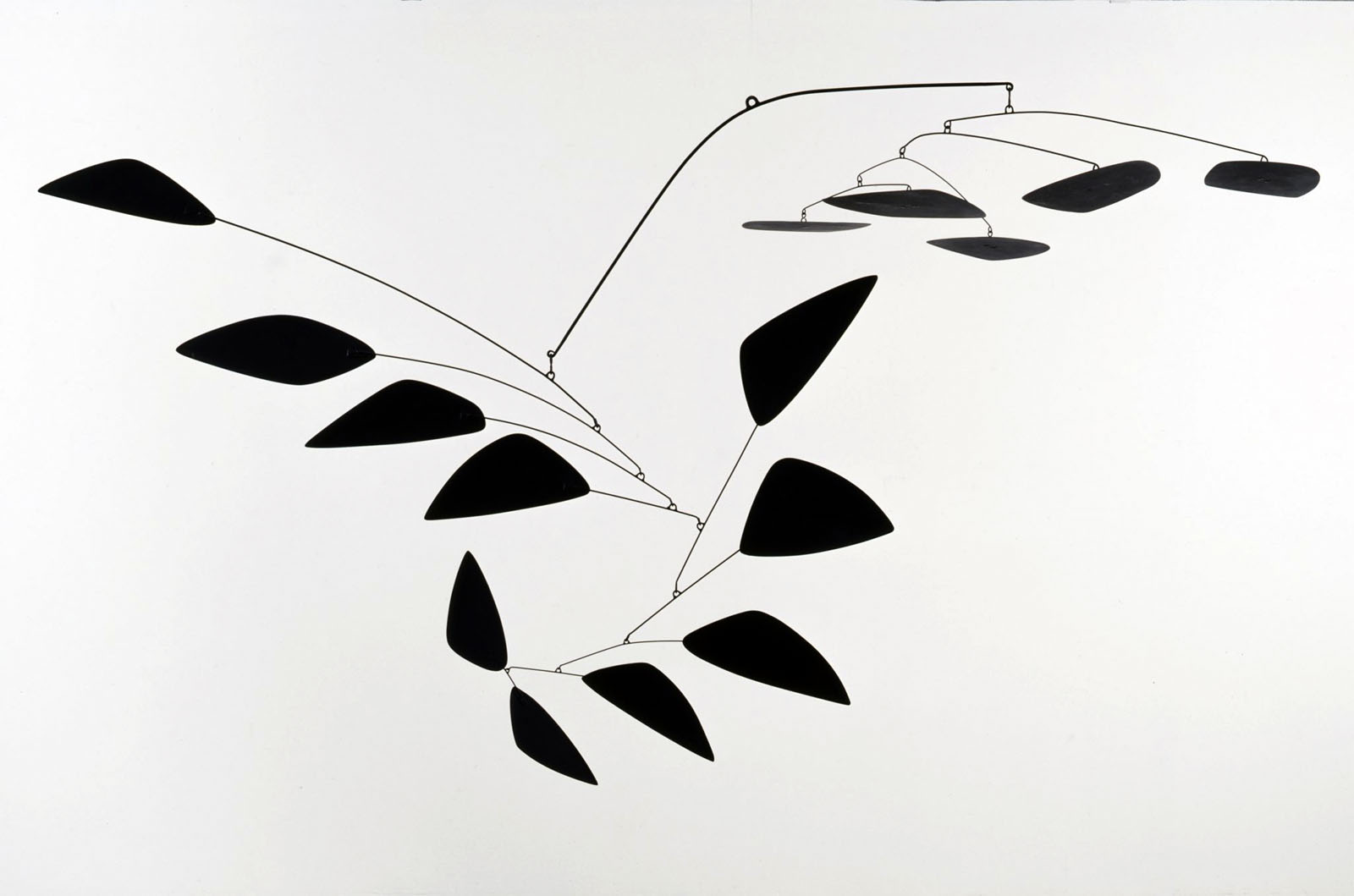
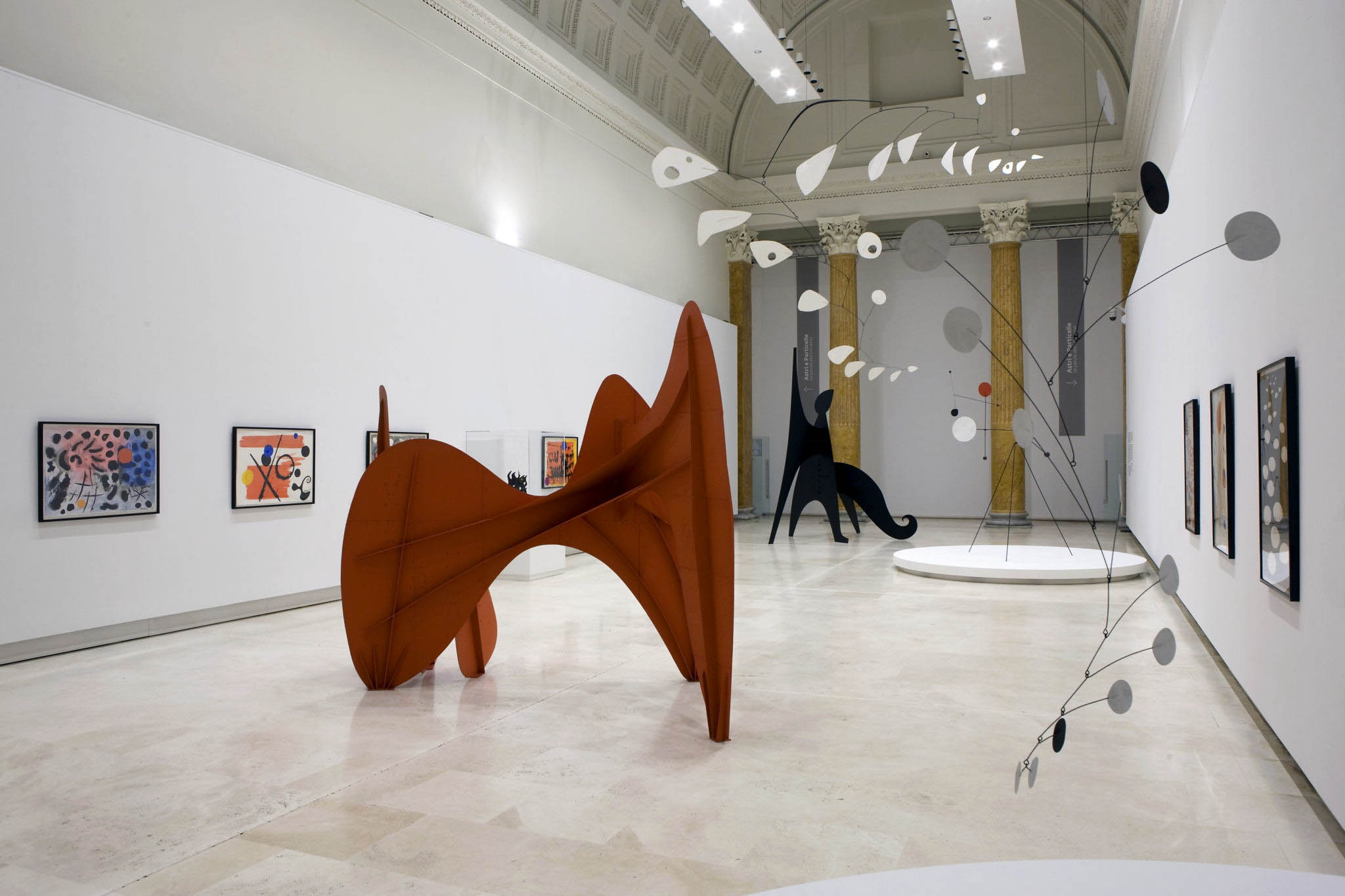
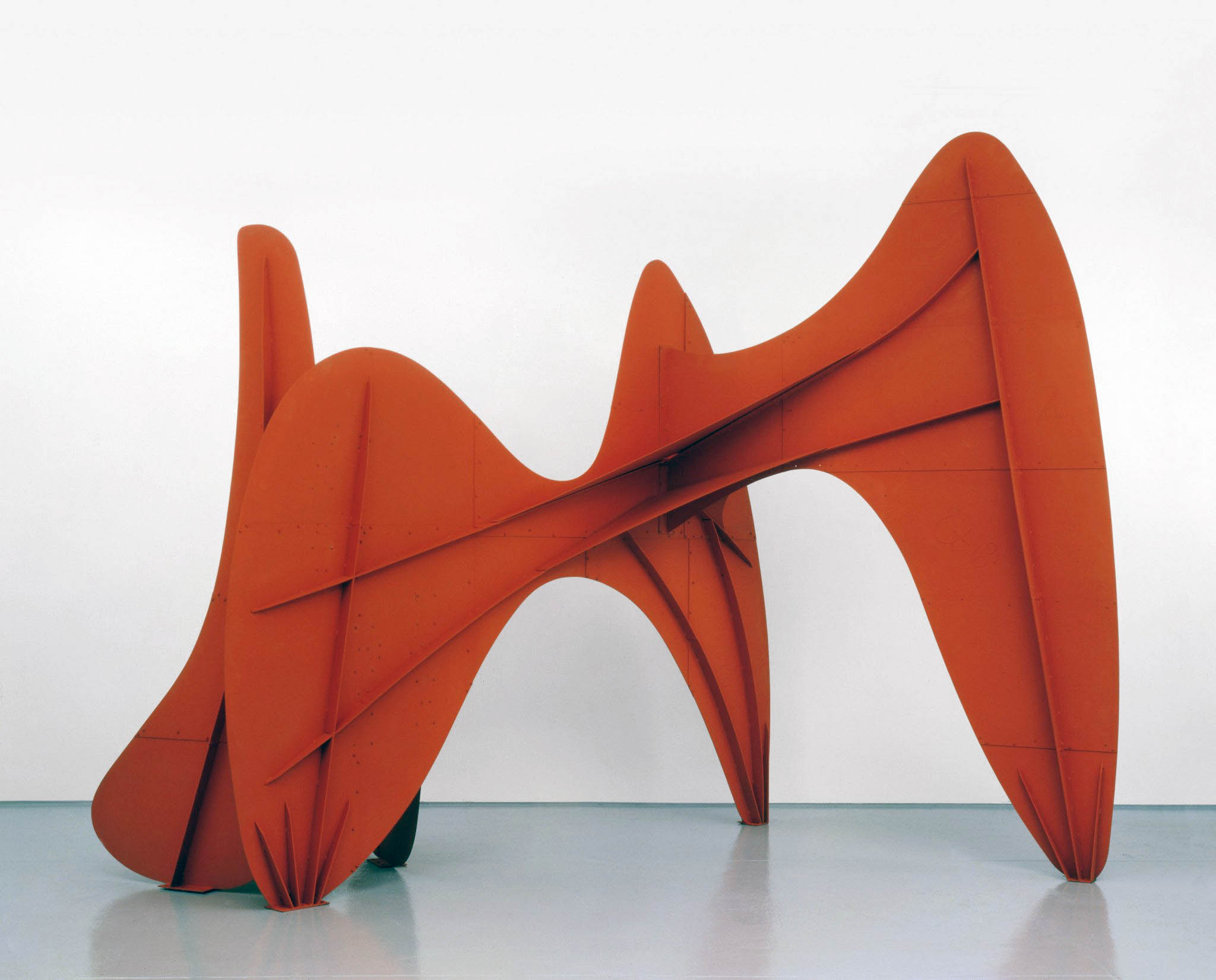

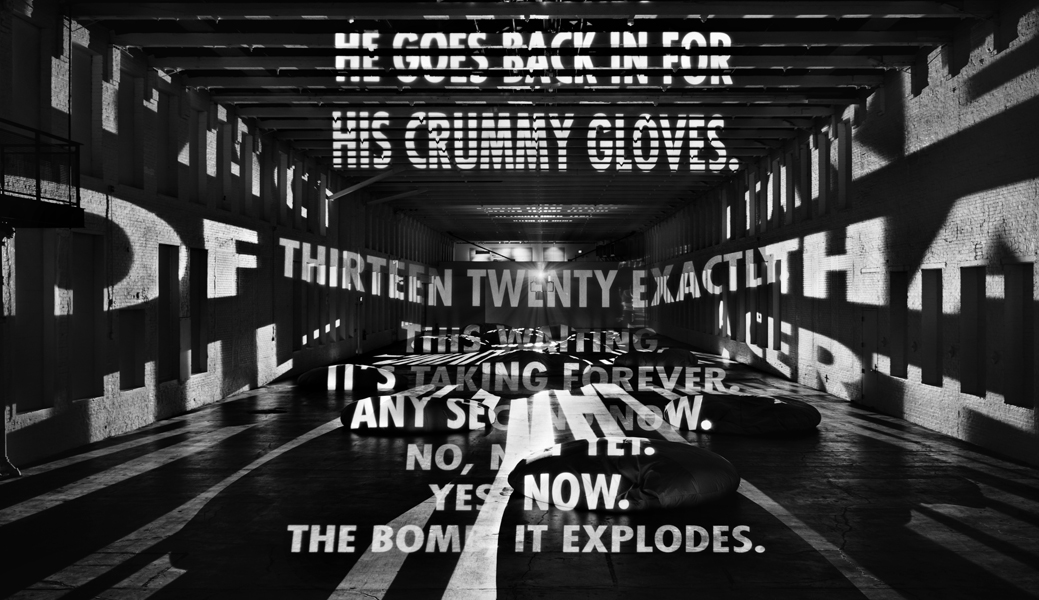
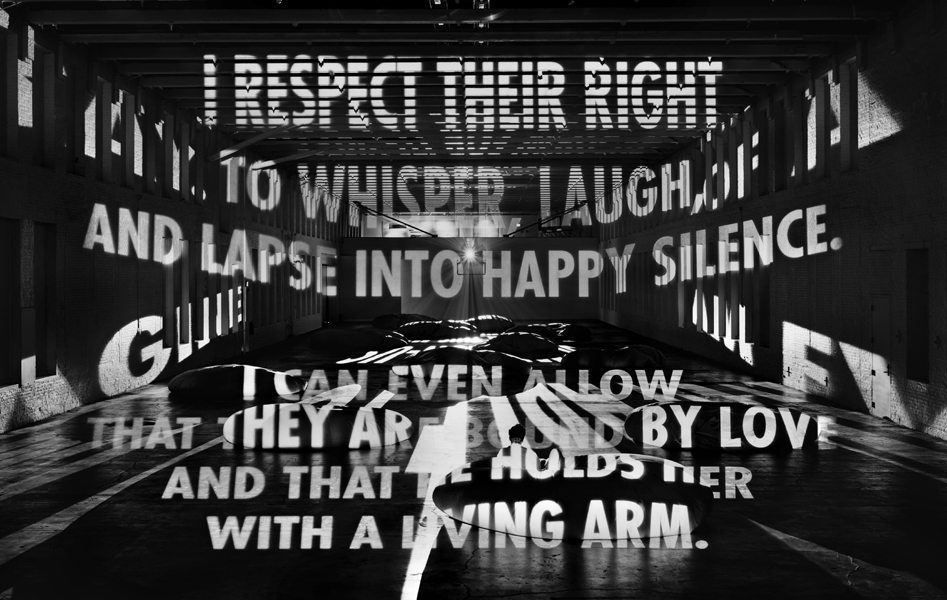
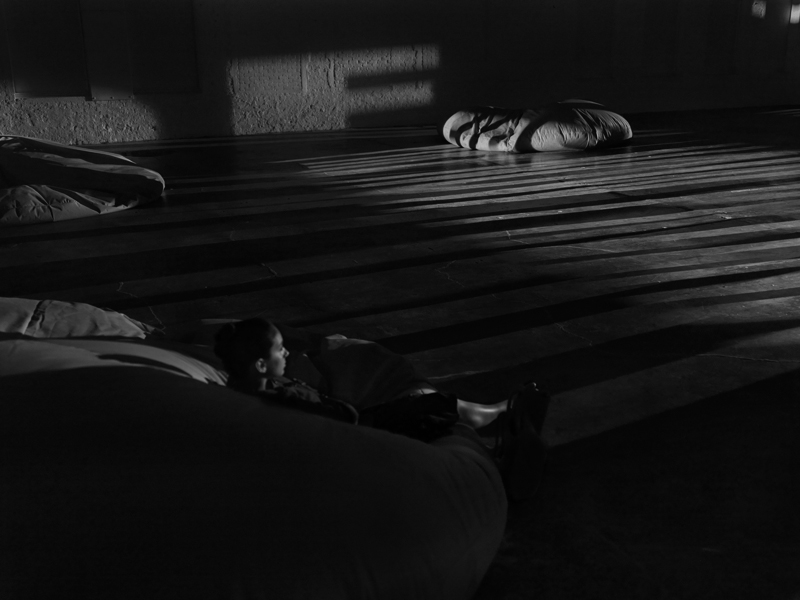
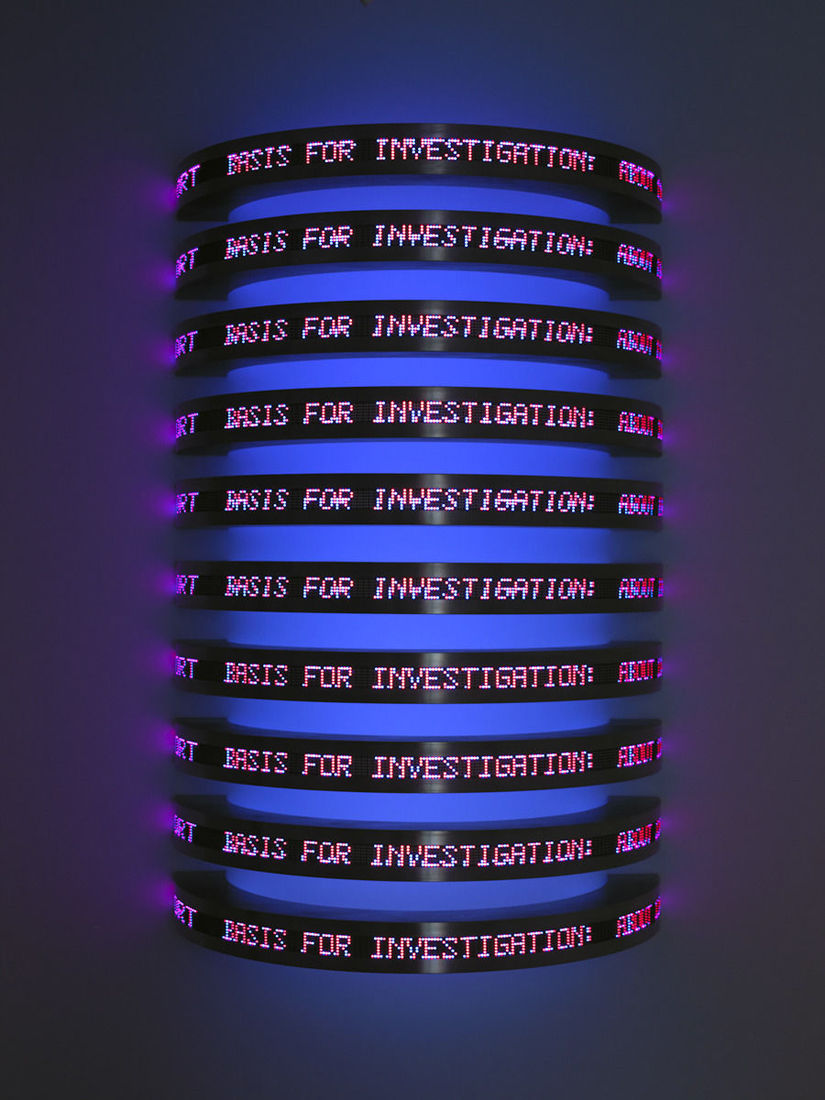
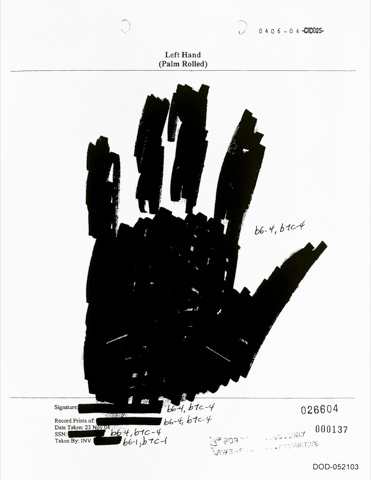
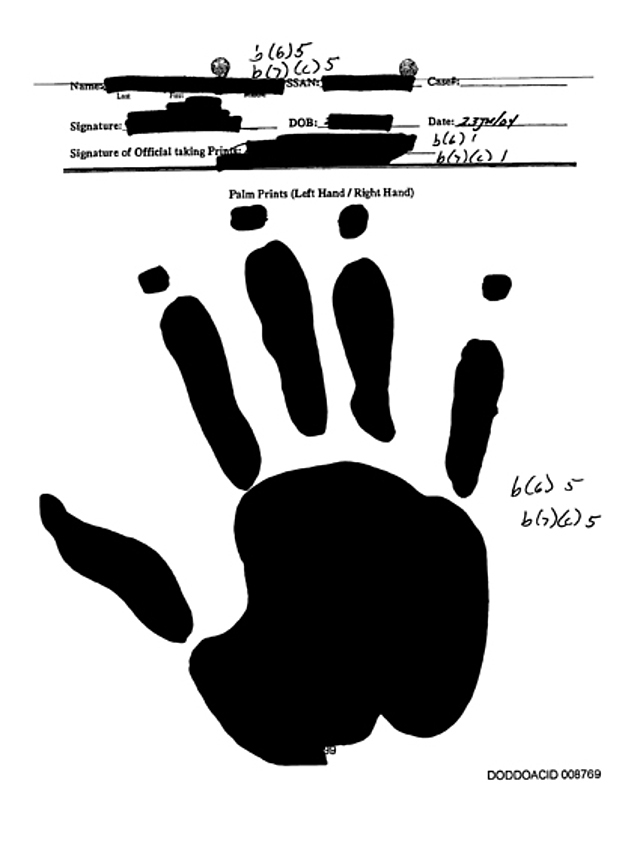
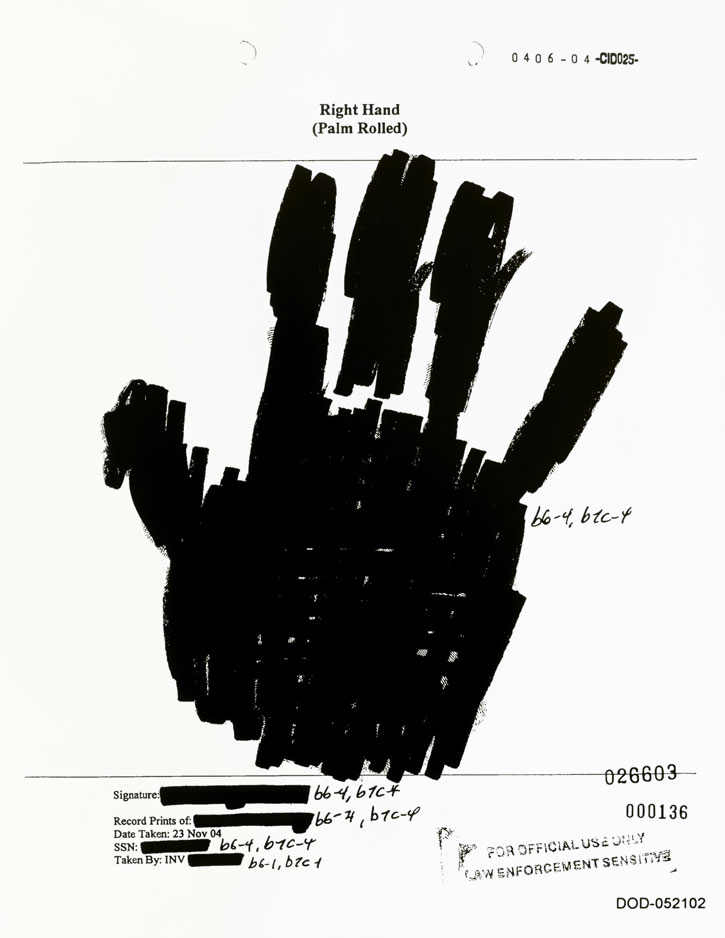
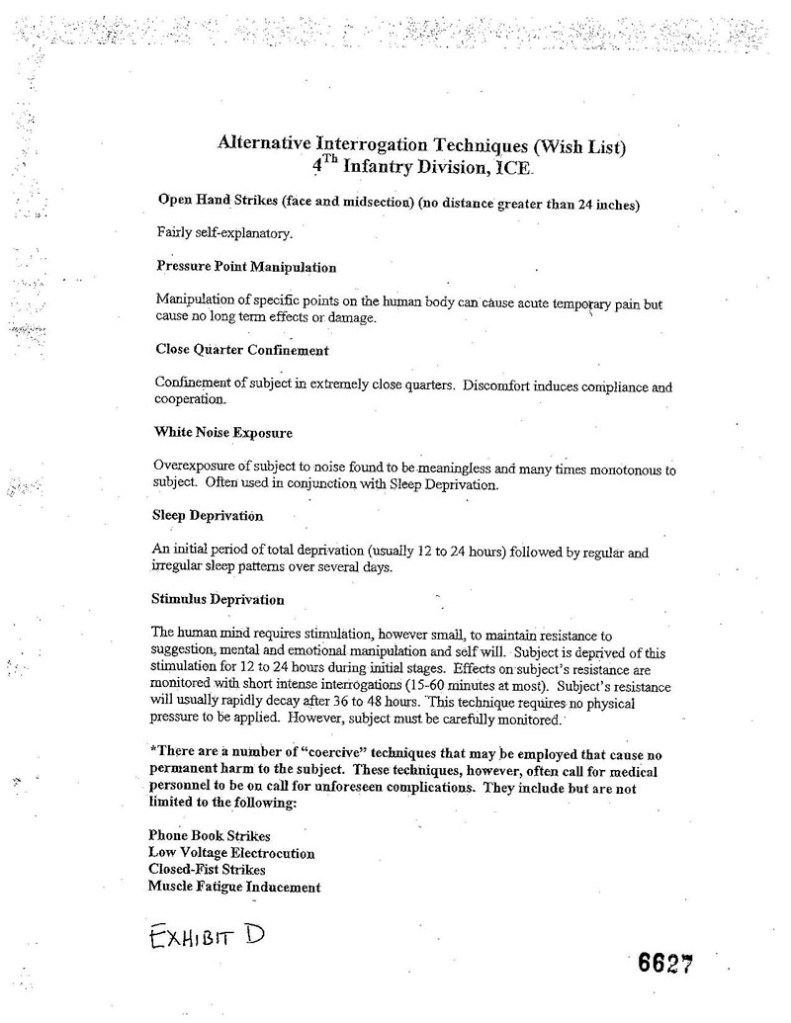
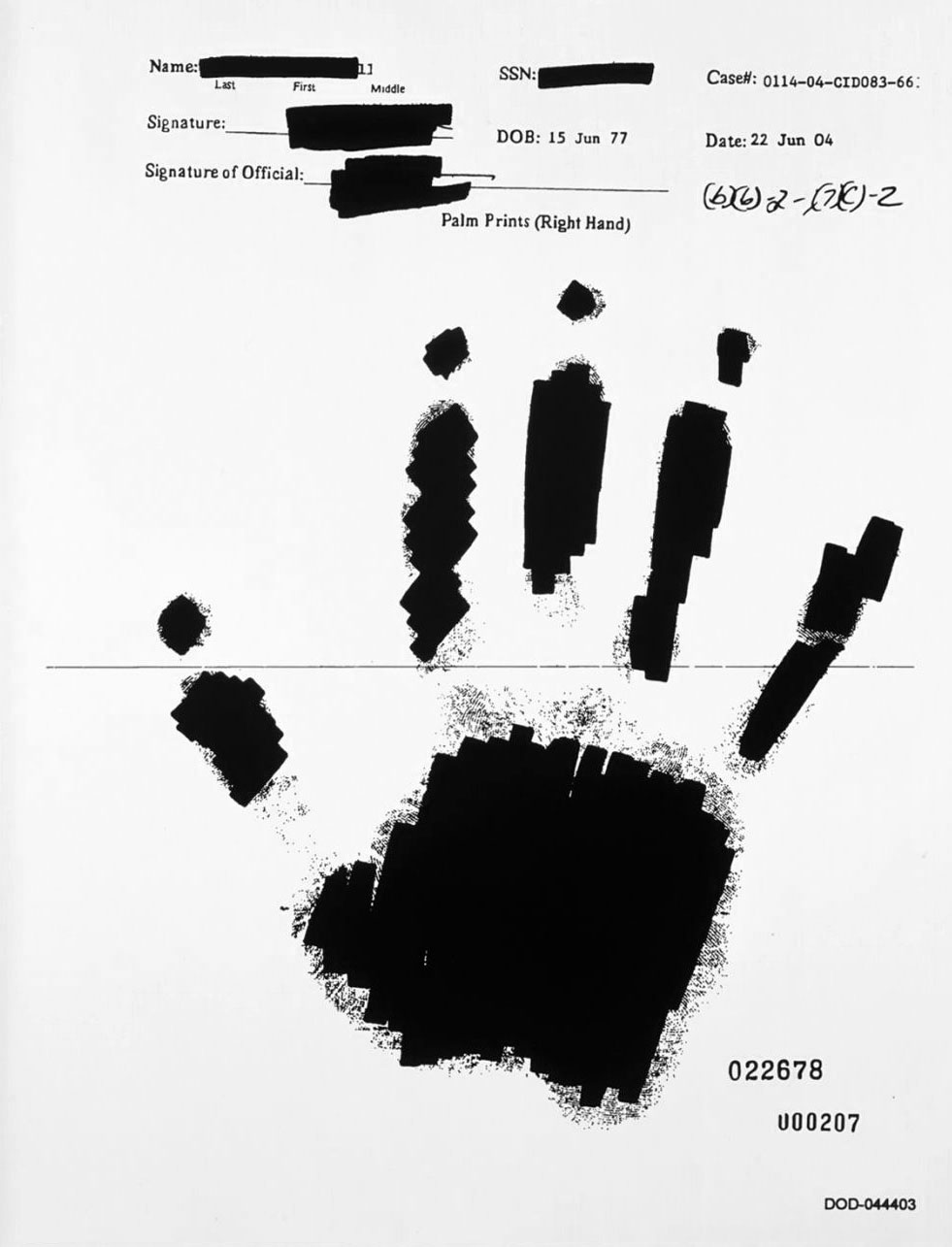


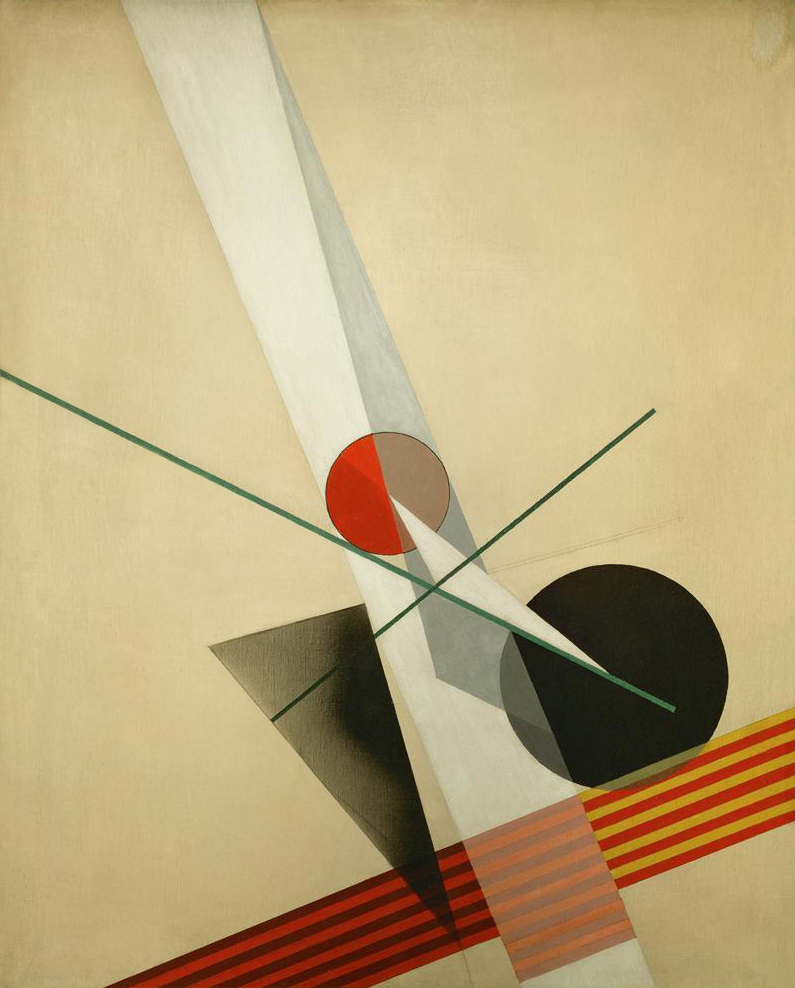
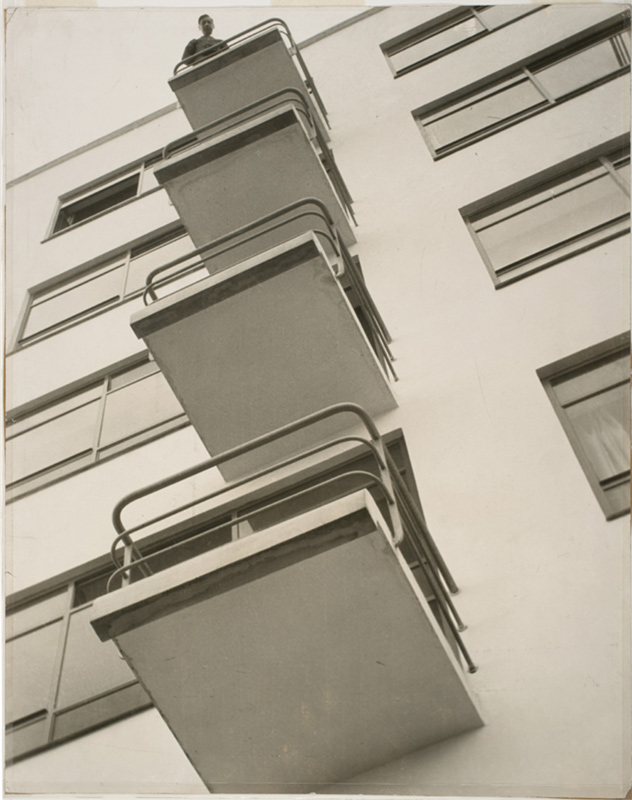
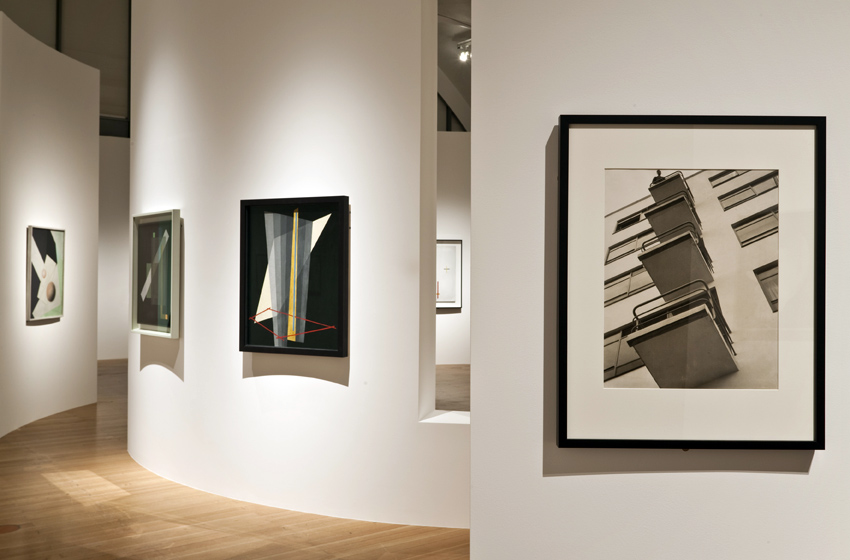
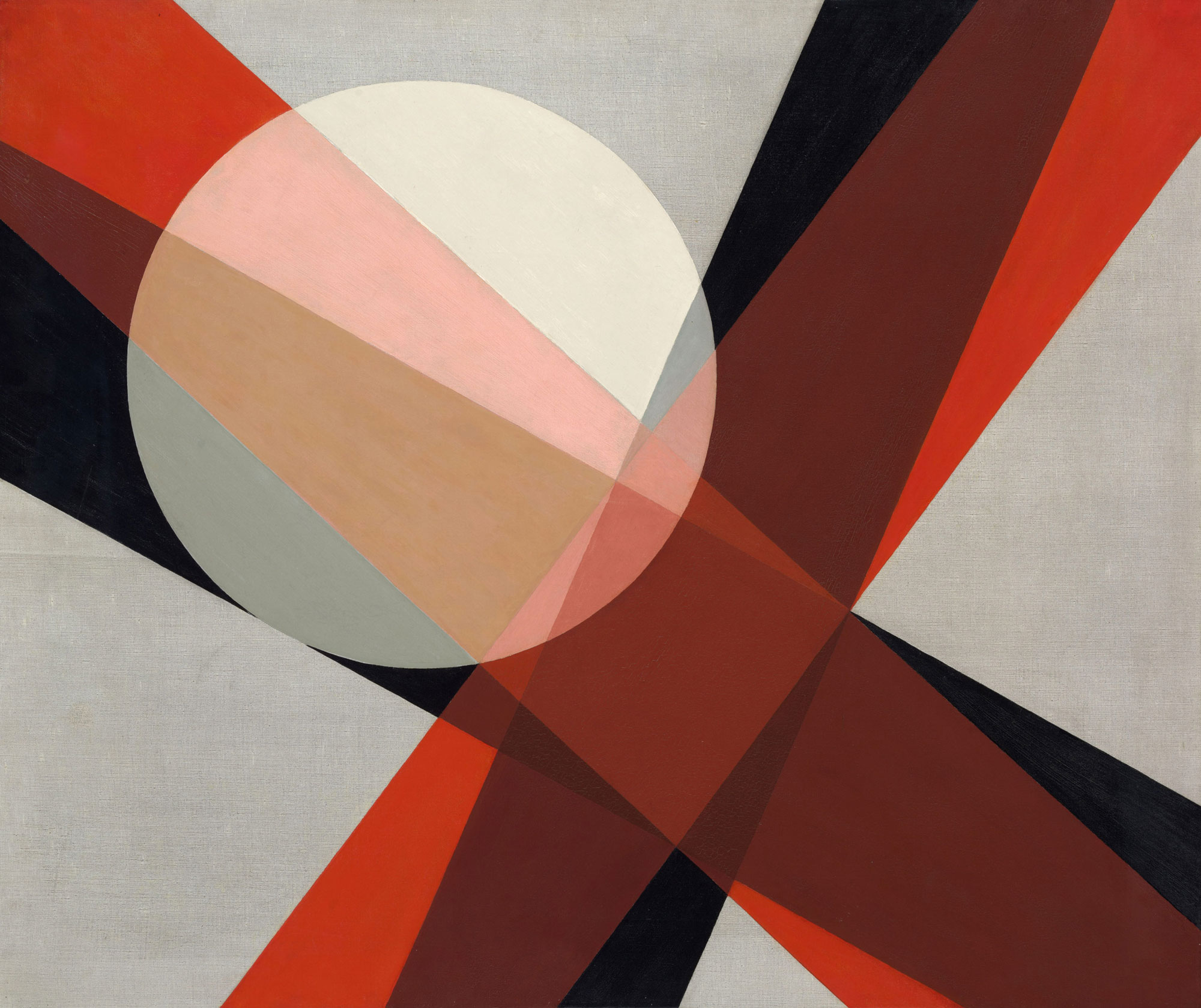
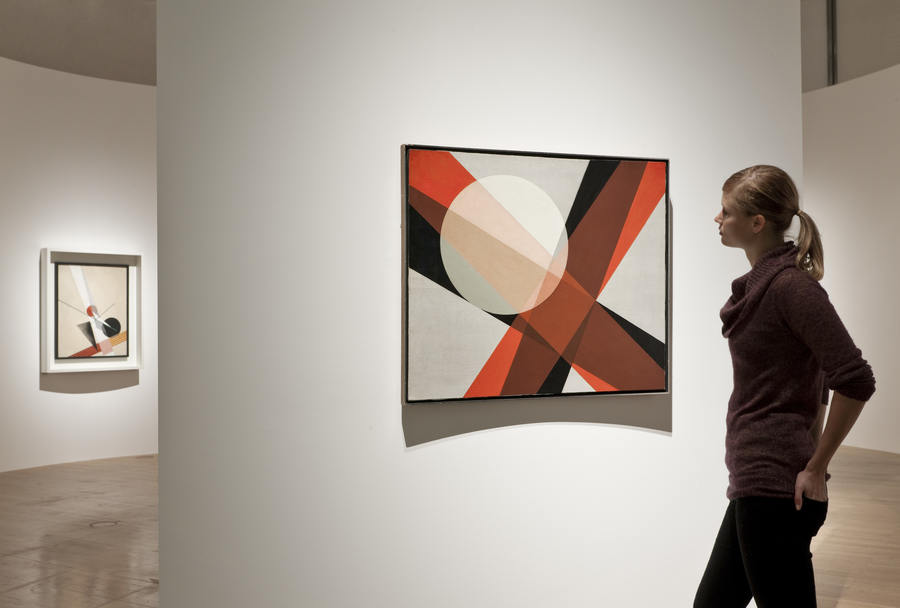
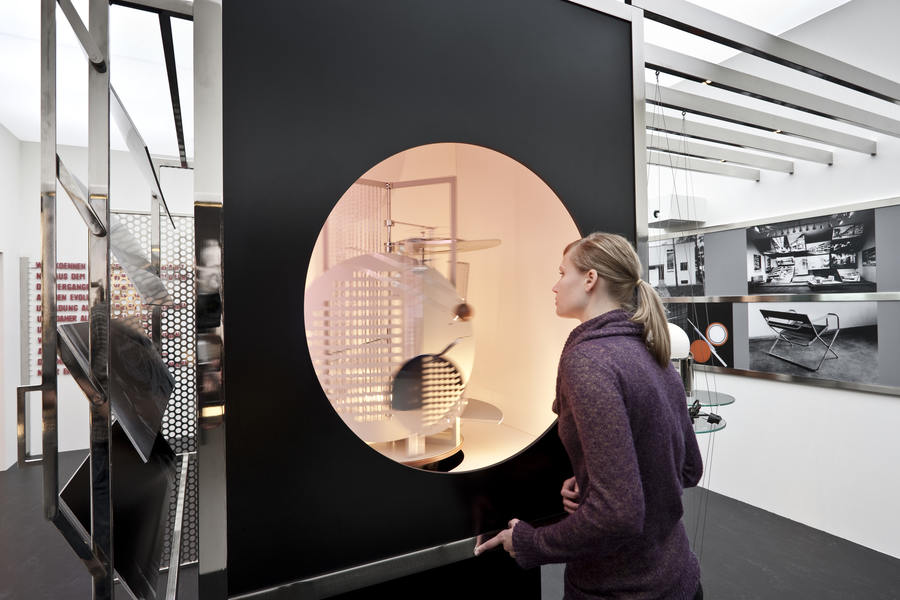

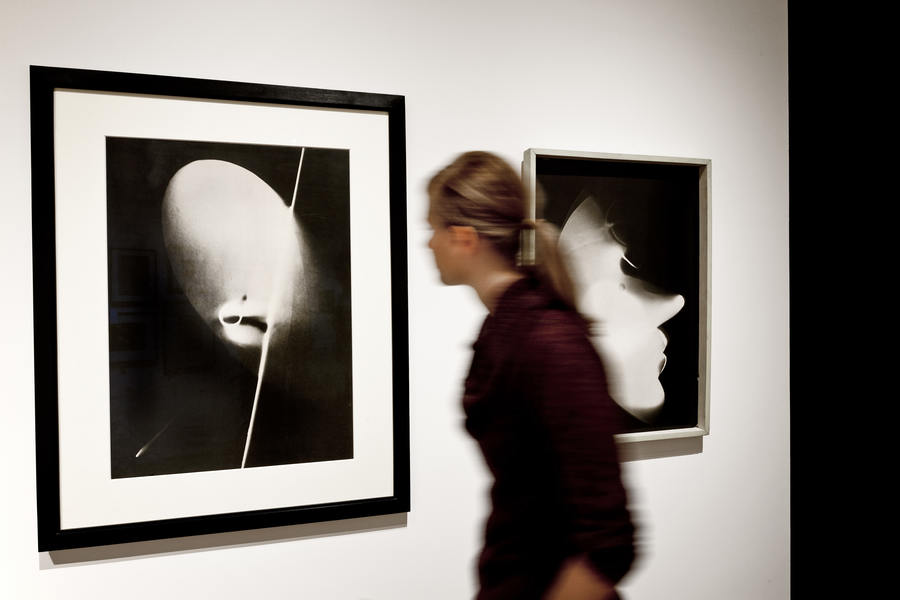


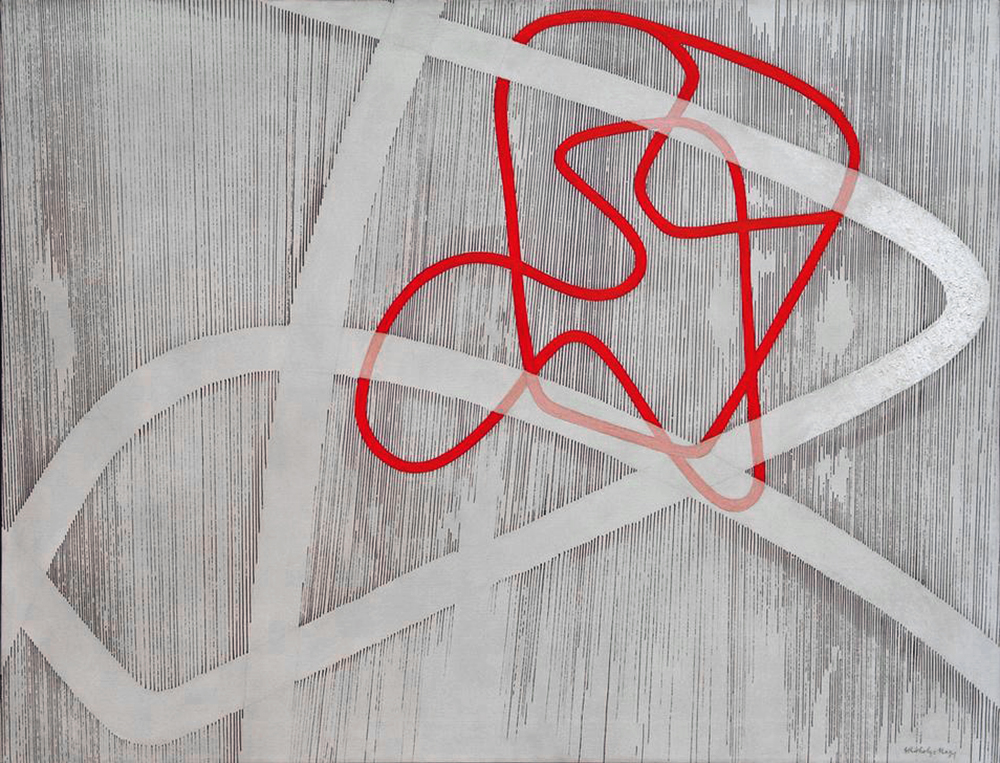


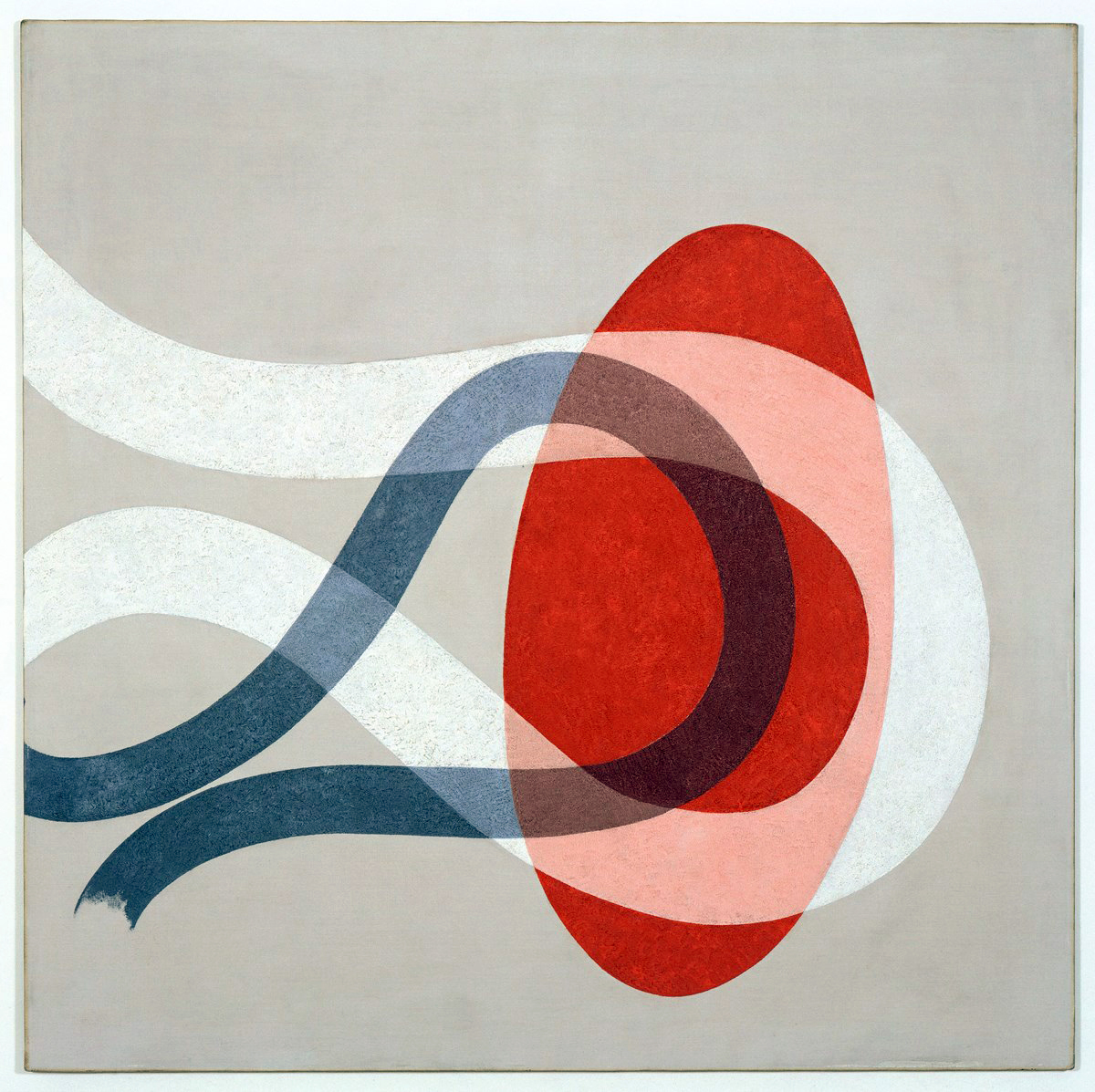
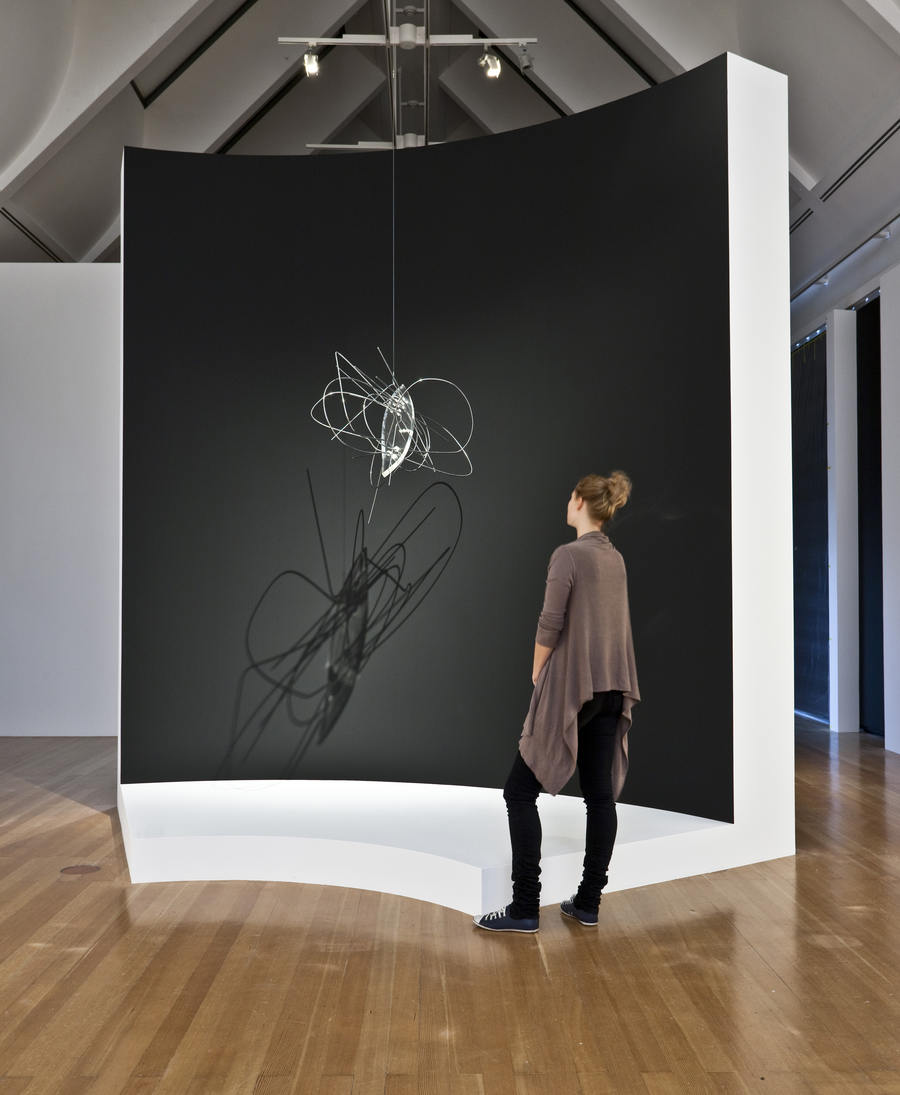
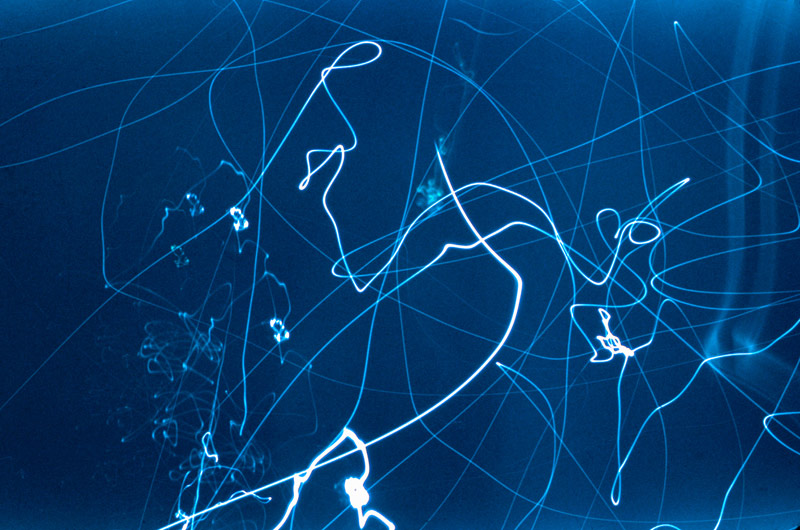
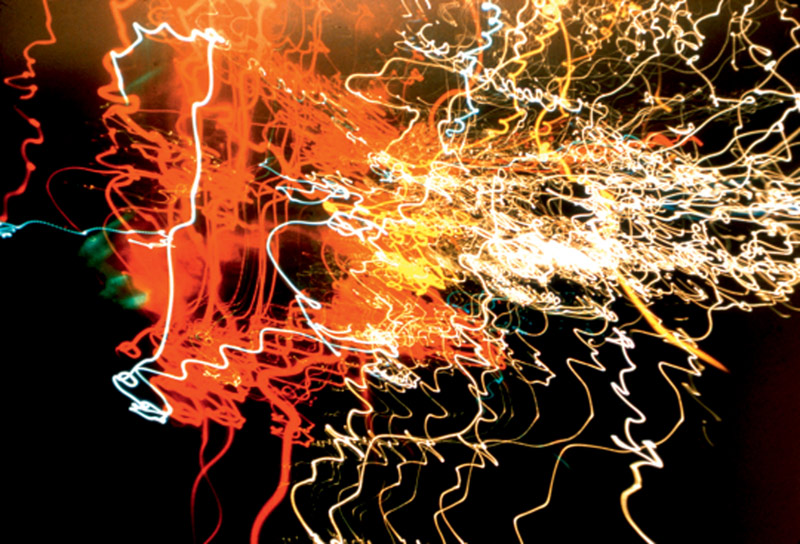
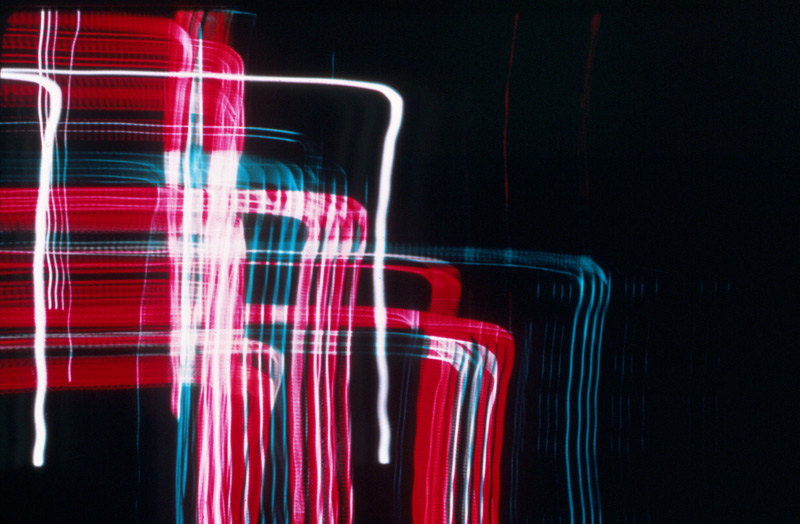
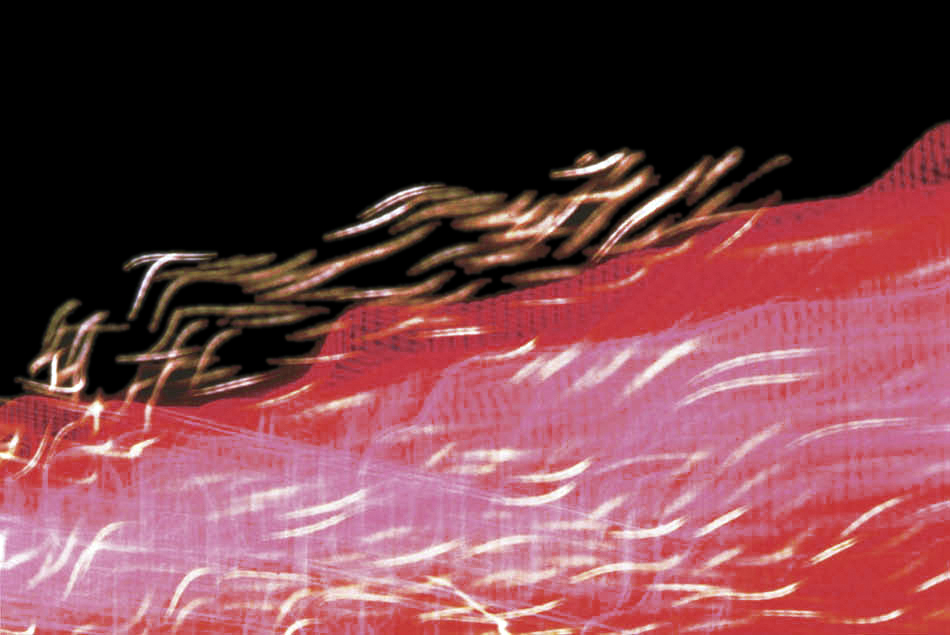


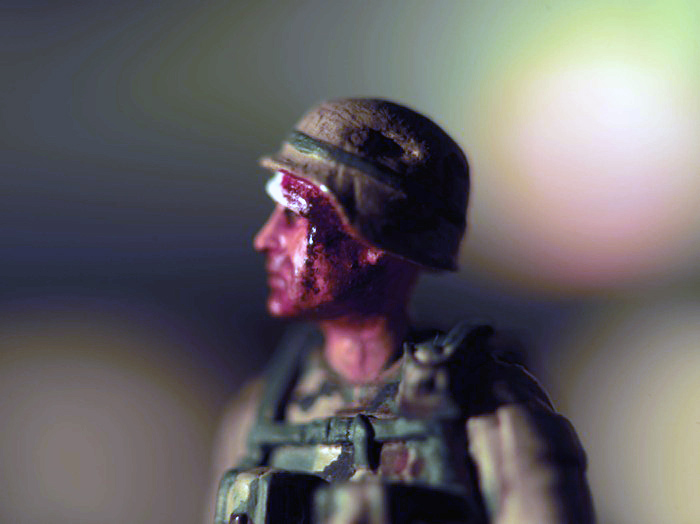
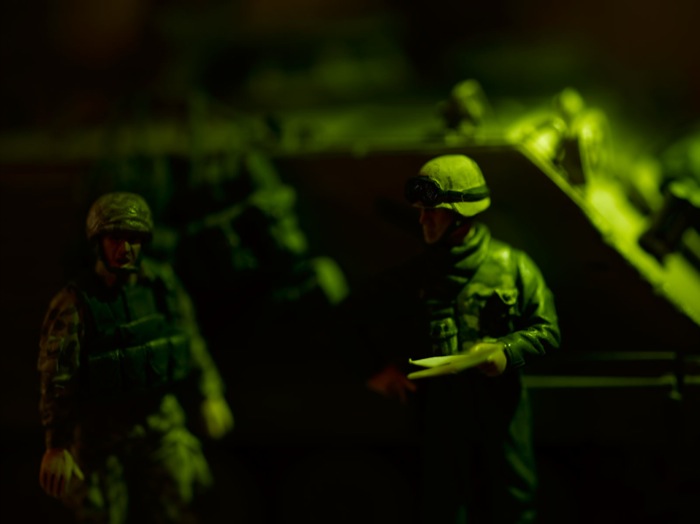

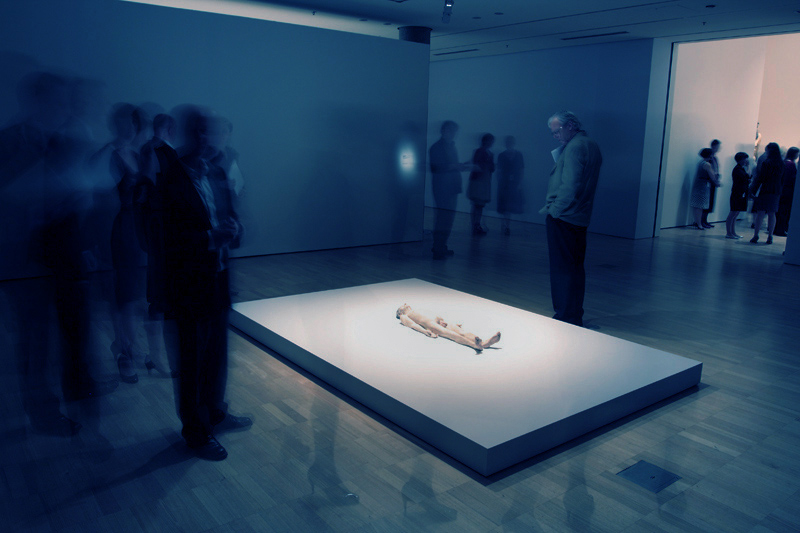










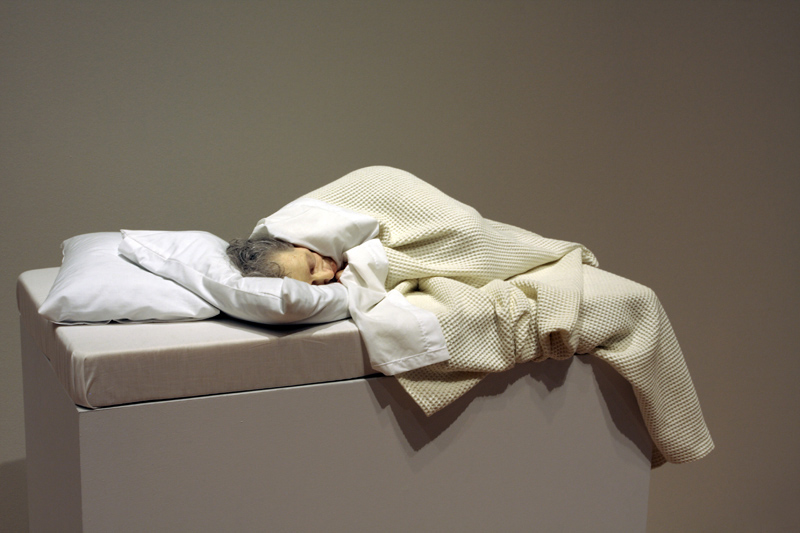

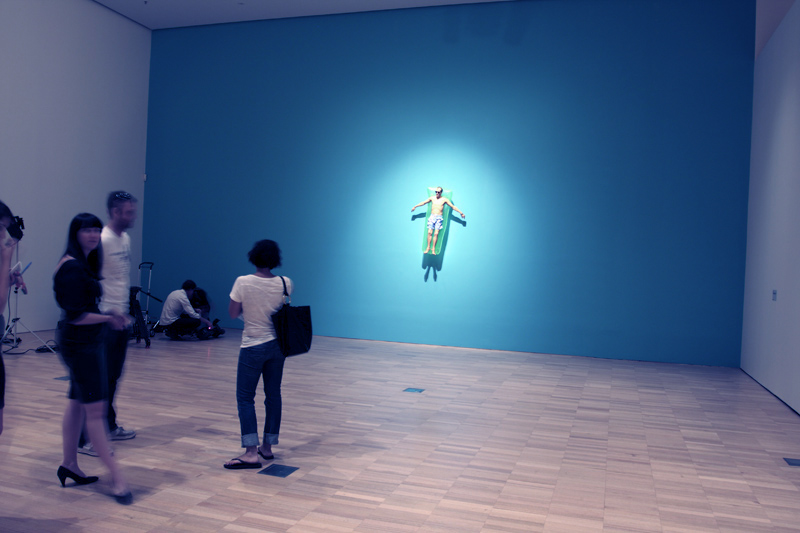
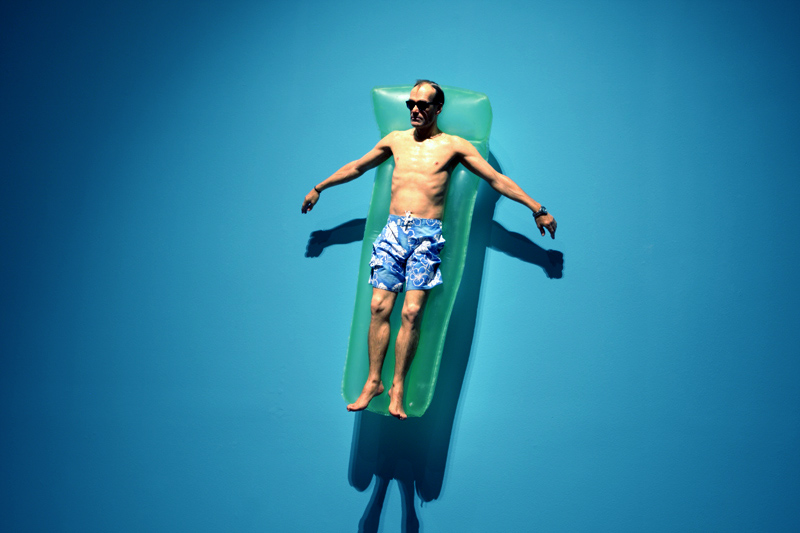
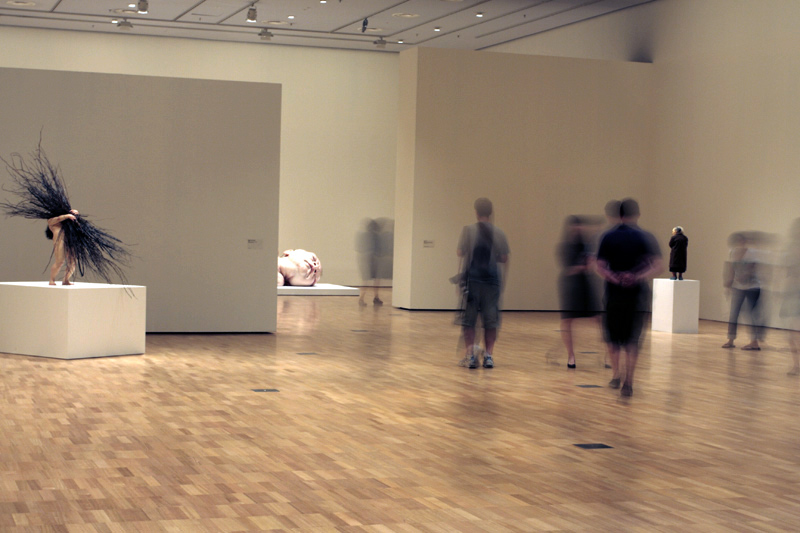
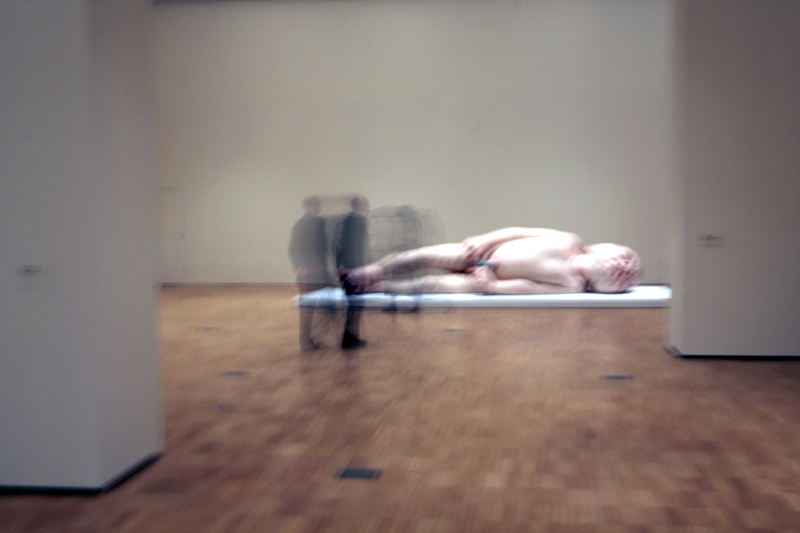
 Art Blart _ art and cultural memory archive
You must be logged in to post a comment.