Many thankx to Michaela Hille and Museum fur Kunst und Gewerbe Hamburg for allowing me to publish the photographs in the posting. Please click on the photographs for a larger version of the image.
Haus-Rucker-Co (Laurids Ortner, Gunter Zamp Kelp, Klaus Pinter) Flyhead (Environment Transformer) Vienna, 1968 Helmet consisting of two transparent green, symmetrical, hemispherical plastic fragments partially covered with foil. Inside the helmet, with the aid of a metal construction, audio-visual filters are arranged by means of which the normality of the surroundings is acoustically distorted and visually faceted. Photo: Ben Rose, New York
In view of the advancing climate change, the exhibition Climate Capsules: Means of Surviving Disaster at the Museum fur Kunst und Gewerbe Hamburg poses the question: “How do we want to live in the future?” and draws attention to the socio-political consequences of coexistence under new climatic conditions. In view of the fact that the politicians are hesitant to enforce strict measures for climate protection and the citizens very sluggish about changing their habits, the change appears inevitable. The world community is accordingly confronted with the challenge of investigating various possible means of adapting to the climate change. This exhibition is the first to bring together historical and current climate-related models, concepts, strategies, experiments and utopias from the areas of design, art, architecture and urban development – pursuing not the aim of stopping the climate change, but envisioning means of surviving after disaster has struck. More than twenty-five mobile, temporary and urban capsules intended to make human life possible independently of the surrounding climatic conditions will be on view – from floating cities and body capsules to concepts for fertilising sea water or injecting the stratosphere with sulphur. A symposium, film programme, readings, performances and workshops will revolve around the interplay between design processes and political factors such as migration, border politics and resource conflicts, and investigate the consequences for social and cultural partitioning and exclusion.
The public discussion on the climate change concentrates primarily on preventing change by reducing climate damaging emissions. This reduction is to be achieved through new means of obtaining energy as well as the optimisation of energy consumption. The consumption-oriented lifestyle of the industrial nations is also to become more “environmentally friendly”; the citizens are called upon to change their habits. Emerging nations are admonished to avoid the mistakes made by the West from the start. There is not the slightest guarantee, however, that enough nations and enough people around the world will participate in such reductions, and that a “low-carbon culture” will become the globally predominant lifestyle. Nor does anyone know for sure whether the reduction goals presently being discussed will suffice to delay or stop the climate change, which is already measurable today. In the search for alternative solutions, there is a category discussed substantially less often in public: adaptation. Here strategies are developed which aim not to slow or stop the climate change but to adapt to its expected consequences. They include protective measures against flooding and overheating as well as geo-engineering, i.e. large-scale interventions in the global climate.
These technologies are usually subjected only to critical discussion with regard to their technical feasibility. Until now, their possible socio-political effects have for the most part been ignored. Their impact on the structure of the global society, however, can hardly be overestimated: in the endeavour to make life possible independently of outward climatic conditions, these strategies encourage spatial, social and political isolation. Ostensibly motivated by climate-related considerations, they could well lead to inclusion and exclusion on all levels of life, from the interpersonal to the global. They create the conditions for social segregation and global polarisation.
The exhibition Climate Capsules: Means of Surviving Disaster will focus primarily on application-oriented projects for climatological capsules from the areas of design, art, architecture, urban development and geoengineering. The show will reflect on the (political, cultural, socio-spatial) impact of these current adaptation strategies on society by means of contemporary artistic approaches and avant-garde concepts of the twentieth century. Historical projects in the context of the climate change will thus assume new meaning. The current artistic projects question the positivist perspective of their counterparts of the past, and offer the exhibition visitor a further level of sensory experience. The exhibition objects can be divided into five types: body capsules, living capsules, urban capsules, nature capsules and atmosphere capsules.
Body capsules
The exhibition begins with the interactive installation La Parole by Pablo Reinoso. Two visitors at a time can poke their heads into the inflatable textile construction and share the air they breathe as well as a common visual and audio space. The experience of this work raises the question as to how people can protect their bodies from contaminated air, pollutants, storms and aggressive solar radiation. Again and again in the course of the show, the visitor encounters “body capsules” addressing the topic of clothing as bodily protection from climatic conditions.
Living capsules
The objects belonging to this group extend the encapsulated space from the body encasement to the immediate living space. Utopian designs for mobile capsules of the 1960s such as the Walking City by Ron Herron (Archigram) still figured in the discussion emphasising temporary and mobile structures as experimental free spaces after ideas introduced by such architects as Constant or Yona Friedman. Today mobility is no longer just a question of freedom – the counterpart to voluntary mobility is flight, the spatial equivalent the temporary camp. The visitor thus stumbles across Michael Rokowitz’s paraSITE, for example, an inflatable tent which the artist developed in collaboration with the homeless person Bill Stone. Like the other tents in the series, it is designed for use in an exhaust air shaft. It can dock onto a building as a temporary parasite. In this context of precarious modi vivendi – brought about not least of all by global inequality (which is further aggravated by the climate change) and the resulting mass migration – what were once visionary temporary living concepts appear in a new light. They are not spaces of liberation, but of isolation.
Urban capsules
Cities are the largest energy consumers, and urbanisation continues to increase worldwide. Zero waste, zero emission, zero energy are the creeds of the present. Already in the 1950s, Richard Buckminster Fuller and Shoji Sadao sketched the utopia of a climatically self-sufficient reorganisation of the city with their Dome over Manhattan. In this vision, a huge dome covers a large proportion of the island. Today, these encapsulations from the outside are already being realised in conjunction with the design of internal climate worlds, whether on the scale of large building complexes or energy-self-sufficient cities such as Masdar by Norman Foster. Other concepts show that, against the background of imminent climate disasters, the urban system is conceived of increasingly as an autarchic unit, sealed from the outside world, and confronted with the need for the self-contained management of its ecological resources. This debate is carried to the furthest extreme by Vincent Callebaut’s conception for a floating city – Lilypad – intended as a haven for climate refugees.
Nature capsules
Just as the city is to be protected from the climatologically changing environment, nature is also to be elevated into a sphere of safe artificiality and preserved in nature capsules. Ecosystems are replicated by human hand on the micro level and sealed off from the outside. A concept which initially presents itself as a protective mechanism robs the flora and fauna assembled within it of their connection to the macrolevel ecosystem: Earth. The question arises: can that which is being protected inside such a capsule still be thought of as nature? Or is it a deceptively genuine human artefact? These considerations are made very vivid in Ilkka Halso’s photo series Museum of Nature, consisting of digital montages which insert forests, lakes and rivers into imaginary museum buildings.
Atmosphere capsules
The maximum scale of adaptive design strategies is reached with geo-engineering. With chemical or physical interventions, attempts are made to control climatological, geochemical and biochemical systems actively on the global level, and thus to moderate the climate. The historical forerunners of this development are psychoanalyst Wilhelm Reich’s para-scientific Cloudbusters and the U.S. Army’s Project Cirrus, both of which sought to influence the weather technically by different means. Today, various well-known scientists and research institutes are working on large-scale interventions aiming to protect the global climate from negative influences. Utopian proposals are juxtaposed with feasible projects such as endeavours to reduce global warming through the use of reflective white paint on roofs and streets. To date it is impossible to calculate the consequences of such far-reaching interventions, and they are nowhere near realisation. Yet the fact that they are discussed seriously indicates how close climatological developments have already come to the point where emission-reduction strategies become obsolete.
Participating artists, designers and architects: Anderson Anderson Architecture (US), Ant Farm (US), Richard Buckminster Fuller (US), Vincent Callebaut (B), Juan Downey (US), David Greene (GB), Tue Greenfort (DK), Ilkka Halso (FI), Haus-Rucker-Co (AT), Ron Herron (GB), Kouji Hikawa (JP), Christoph Keller (D), Lawrence Malstaf (B), Gustav Metzger (D), N55 (DK), Lucy Orta (GB), Michael Rakowitz (US), Pablo Reinoso (ARG/F), Shoji Sadao (US), Tomás Saraceno (planet earth), Werner Sobek (D), Jan-Peter E.R. Sonntag (D), Matti Suuronen (FI), Ingo Vetter (D).
Press release from the Museum fur Kunst und Gewerbe website [Online] Cited 17/08/2010 no longer available online
Lucy Orta (English, b. 1966) Refuge Wear – Habitent 1992 Polyamide encased in aluminium, polar fleece, aluminium tent poles, whistle, lantern, compass 125 x 125 x 125cm Galleria Continua Photo: Galerie Anne de Villepoix, Courtesy Galleria Continua, San Gimignano / Beijing / Le Moulin
Artists: Justine Khamara, Lyndell Brown and Charles Green, Imants Tillers, Sam Shmith, Janet Laurence, Murray Fredericks and Huang Xu
Janet Laurence (Australian, b. 1947) Carbon Vein (installation view) 2008 Duraclear, oil pigment on acrylic 235 x 100cm Photo: Marcus Bunyan
This is an excellent group exhibition at Arc One Gallery, Melbourne. Together the works form a satisfying whole; individually there are some visually exciting works. There are two insightful paintings by Imants Tillers, Nature Speaks: BP (2009) and Blossoming 21 (2010), a digitally constructed landscape by Sam Shmith, Untitled (Passenger) (2010, below) that the online image doesn’t really do justice to, a large photographic landscape of a storm over Lake Eyre Salt 304 (2009, below) by Murray Fredericks and two layered transcapes by Janet Laurence (see image above) that just confirm the talent of this artist after the exciting installation of her work at the Melbourne Art Fair (I call them transcapes because they seem to inhabit a layered in-between space existing between dream and reality).
For me the three outstanding works were the large horizontal photograph Hair No.2 (2009, below) by Huang Xu, in which hair hangs like a delicate cloud on a dark background and his photograph Flower No. 1 (2008, below) in which the white petals of the chrysanthemum, symbol of death or lamentation and grief in some Western and Eastern countries in the world, seemingly turn to marble in the photographic print (you can see this online in the enlarged version of the image below). What a magnificent photograph this is – make sure that you don’t miss it because it is tucked away in the small gallery off the main gallery in the Arc One space. The third outstanding work is the sculpture you are a glorious, desolate prospect (2010) by Justine Khamara (see photographs below), a glorious magical mountain, twinkling in the light, all shards of reflectiveness, cool as ice. I would have loved to have seen this work without it’s protective case – in one sense the case works conceptually to trap the speaking of the mountain but in another it blocks access to the language of this work, the reflection of the light of the gallery, the light of the world bouncing off it’s surfaces.
This is not, of course, how nature speaks but how humans speak for nature – through image-ining and seeking to control and order the elemental forces that surround us. This construction of reality has a long tradition in the history of art, the mediation of the world through the hands, eyes and mind of the artist offering to the viewer, for however brief a moment, that sense of awakening to the possibilities of the world in which we all live.
Dr Marcus Bunyan
Many thankx to Angela and all at Arc One Gallery for allowing me to publish the photographs in the posting. Please click on the photographs for a larger version of the image.
Justine Khamara (Australian, b. 1971) you are a glorious, desolate prospect (installation view) 2010 Mirror, perspex, plinth 80 x 186cm Photo: Marcus Bunyan
Justine Khamara (Australian, b. 1971) you are a glorious, desolate prospect (installation view detail) 2010 Mirror, perspex, plinth 80 x 186cm Photo: Marcus Bunyan
Lyndell Brown (Australian, b. 1961) and Charles Green (Australian, b. 1961) Galatea Point 2005 Digital photograph on duraclear film edition of 5 112 x 112cm
Huang Xu (Chinese, b. 1968) Hair No.2 2009 Type C Photograph 120 x 245cm
Huang Xu (Chinese, b. 1968) Flower No.1 2008 Type C photograph 120 x 120cm
Huang Xu (Chinese, b. 1968) Flower No.2 2008 Type C Photograph 120 x 120cm
Murray Fredericks (Australian, b. 1970) Salt 304 2009 Pigment print on cotton rag 244 x 88cm
Sam Shmith (Australian, b. 1980) Untitled (Passenger) 2010 pigment print on archival rag 180 x 108cm
Arc One Gallery 45 Flinders Lane Melbourne, 3000 Phone: (03) 9650 0589
Many thankx to David Edghill and the National Portrait Gallery for allowing me to publish the photographs in the posting. Please click on the photographs for a larger version of the image.
Karen Sander (German, b. 1957) Herve Blechy 1:5 2008 3D Bodyscans of the living person (3D coordinates and colour texture), MPT (Miniaturised Projection Technology), rapid prototyping, 3D Inkjet printer, plaster material, pigment Courtesy of the artist, Berlin, and Galerie Nachst St. Stephan, Vienna, and Galerie Helga de Alvear, Madrid
Karen Sander (German, b. 1957) Herve Blechy 1:5 2008 3D Bodyscans of the living person (3D coordinates and colour texture), MPT (Miniaturised Projection Technology), rapid prototyping, 3D Inkjet printer, plaster material, pigment Courtesy of the artist, Berlin, and Galerie Nachst St. Stephan, Vienna, and Galerie Helga de Alvear, Madrid.
A good way of looking at the show as a whole is that it is about the interaction of new technologies with the traditional methods of portraiture – painting, sculpture and photography – which already have their own pre-established ‘grammars’… This show foregrounds the fundamental image-making actions which have now become proper to contemporary portraiture. No longer just the snap the of camera’s shutter or the incremental description of the painter’s brush, but now also the trundling progress of the flatbed scanner and the circular pan of the 3D scanner…
In the end this is a humanist show, about ghosts more than shells. It argues that despite all of the cold digital technology in the world portraits are still about the promise of finding the warm interior of a person via their exterior. The show’s inclusion of some three-dimensional ultrasound images of foetuses in the womb could have easily been over-the-top and obvious in its point about our intimate adoption of new imaging technologies. Until we see one intrauterine image of twins in which one foetus is caught sticking its toe into the eye of its sibling. A rivalry which, we think to ourselves, will no doubt continue for the rest of their lives.
Osang Gwon (Korean, b. 1974) Metabo 2009 C-prints, mixed media 130.0 x 80.0 x 105.0cm Courtesy of the artist and Arario Gallery, Seoul
Rineke Dijkstra (Dutch, b. 1959) Julie, Den Hagg, The Netherlands, February 29, 1994 1994 Courtesy of Marian Goodman Gallery and the artist
The masterful Dutch photographer Rineke Dijkstra provides the emotional centre of gravity for the show. Her simple nude photographs of startled young mothers clutching their newborn babies like bags of shopping about to burst remind us again of the power of the straight photo. But her stunning two-gun video installation, The Buzzclub, LiverpoolUK / Mysteryworld, Zaandam NL, also from the mid-nineties, confirms the pre-eminence of the video portrait. Dijkstra has, presumably, momentarily pulled young off-their-faces clubbers straight from the dance floors of the two clubs and put them in front of her video camera in a bare white space off to the side. But the laser lightshows and the duff duff are obviously still going on inside their skulls. As they continue to work their jaws and jig robotically we get full voyeuristic access to them and, even though their interior individualities have temporarily gone AWOL, we nonetheless feel an extraordinary tenderness welling up for them.
Rineke Dijkstra (Dutch, b. 1959) Tecla, Amsterdam, Netherlands, May 16 1994 1994 C-print on paper, mounted on aluminium
Dijkstra decided to make these portraits after witnessing the birth of a friend’s baby. She photographed three women, one hour (Julie), one day (Tecla) and one week (Saskia) after giving birth. The raw immediacy of these images captures something of the contradictions inherent in this common and yet most singular of human experiences. The women appear at once vulnerable and invincible, traumatised and self-composed.
Tate Gallery label, May 2010
Tecla, Amsterdam, Netherlands, May 16, 1994 (1994, above) Julie, Den Haag, Netherlands, February 29 1994 (1994, above) and Saskia, Harderwijk, Netherlands, March 16 1994 (Tate P78099) are three portraits of women made shortly after they had given birth. All the women were known to the artist – one was a personal friend and the other two were friends of friends. Dijkstra photographed the women in their homes because in Holland it is more common for women to give birth at home than in a hospital. While bearing signs of their recent ordeal – the medical pants and sanitary towel which Julie wears, a trickle of blood down the inside of Tecla’s left leg, the caesarean scar on Saskia’s belly – the women appear proud and happy. They hold their new babies turned away from the camera, protectively pressed against their bodies. Dijkstra has developed a way of combining natural light with flash which results in particular quality of soft, clear light. Julie’s left hand covers her baby’s eyes to protect them from the flash.
Dijkstra was inspired to make these portraits after watching the birth of a friend’s baby. She is interested in photographing people at a time when they do not have everything under control. She uses the device of the formally posed, full-length portrait to try to reveal something of what people carry inside them – the emotional intensity concealed behind the mask of the face and the body’s pose. The photographic portrait, titled with the date and place, records a specific moment in time in which the subject was undergoing a particular experience. Dijkstra has commented:
As a photographer you enlarge or emphasise a certain moment, making it another reality. For instance the portraits I made of women after giving birth: the reality of this experience is about the whole atmosphere, which is very emotional. In the photograph, you can scrutinise all the details, which makes it a bit harsh: you can see things you normally would not pay so much attention to. (Quoted in Douglas, p. 79.)
In the same year that Dijkstra photographed the new mothers, she photographed matadors in Portugal, just after they had come out of the ring. Like the new mothers, the bull-fighters had been in emotionally charged, potentially life-threatening situations. Both mothers and matadors are captured in a state of physical and emotional catharsis which contributes to the intensity of their engagement with the camera. Dijikstra uses 4 x 5 inch film to make her portraits, demanding time and concentration on the part of both artist and subject. She is sensitive to the vulnerability which her subjects give her access to and is careful not to abuse their trust. She has explained of the new mothers:
‘It’s amazing how they trust me, and I think that afterwards they understand that these photos are about something universal and that it’s not particularly about them …the first show I had in Amsterdam with these photos a lot of women came to me and said, you know it’s really great that you make these photographs because it’s really the way it is but nobody ever shows it, and I can recognise myself in it. And the men were all like, you can’t show a woman like that.’ (Quoted in unpublished interview with Tate Modern Curator Jane Burton, on the occasion of the exhibition Cruel and Tender,in 2003.)
The portrait is an art of surface predicated on a paradox – that the rendering of someone’s features will somehow ultimately reveal more than just their outward appearance. It reminds me of the twist at the core of Tarkovsky’s film Solaris, (one of the greatest films about identity and representation) where the sceptical psychologist is finally forced to conclude, despite his rationalism, that ‘we need secrets to preserve simple human truths’. But how can the secretive preserve the truthful? It’s a question that Dijkstra, in her portraits, attempts to answer, albeit enigmatically and allusively. A withholding of information and obsession with surface makes her portraits feel recognisably human. They’re so riddled with secrets they practically breathe.
Perhaps it’s to do with the scale of the images, which are large and impossible to overlook, and her palette, which is almost as subtle and perfect as her 17th- and 18th-century precursors. If the Dutch and Flemish portrait painters looked at the world with eyes that anticipated photography, it could be said that Dijkstra continues the cycle by looking at photography through the lens of historical painting. …
Dijkstra’s portraits of three young mothers (Julia, Saskia and Tecla, all 1994) holding their new born babies to their chests with absolute, exhausted tenderness, exemplifies the restraint and deceptive simplicity of her approach towards representing people whose lives have been touched by commonplace but monumental change. Replace the sand with a floor and the sky with a hospital wall and the only thing that separates these images from the beach series is the nature of the transition that these people are experiencing. Our culture’s puritanical fear of the body, so beautifully reflected for hundreds of years in scores of paintings of bloodless, saintly motherhood, is countered in these truthful, unflinching images. One mother stands in her underwear, her sanitary pad bulgingly visible. The other two women stand naked, swollen, scarred and bloody. They all, as well they might, look faintly triumphant.
I can’t remember a show where the audience stood for so long in front of a series of images of ordinary people. The same can be said of Dijkstra’s video in which she isolated teenagers against a white background in two night-clubs (The Buzz Club in Liverpool, England and Mystery World in Zaandam, Netherlands) and videoed them dancing, mainly alone, to the camera. Each of them, of course, responded differently to the absence of those clubbing staples, dim lights and crowds – they danced self-consciously and smoked defiantly. Some flirted with the camera, others looked almost annoyed. Most of them, despite trying very hard not to be, looked very young, rather forlorn, sweet even. The audience watched, riveted. The film was long and repetitive, but mysteriously and compulsively viewable.
Video of Rineke Dijkstra “The Buzzclub, Liverpool, UK / Mysteryworld, Zaandam, NL”, 1996-1997. Presented in exhibition at Mücsarnok, Budapest, “Coolhunters. Youth cultures between media and the market”, 23 March 2006 – 28 May 2006.
The video was recorded pulling people out of the dance floor of a nightclub and inserting it in a white cube. The behaviour on the dance floor as part of the group, here so isolated as a rare person, an indigenous moved to the museum space.
Robert Lazzarini (American, b. 1965) Skull 2000 Resin, bone, pigment 35.0 x 8.0 x 20.0cm Courtesy of the artist and Deitch Projects
Present Tense: An Imagined Grammar of Portraiture in the New Media Age is the principal exhibition in the National Portrait Gallery’s 2010 exhibition calendar. It will be displayed from 22 May to 22 August 2010. We are entering an exceptional time for portraiture and visual culture in general as the art world embraces the digital age. Traditional portraiture is responding to the application of new technologies and this imaging process is reshaping our interpretation and reading of the face.
Present Tense considers the alliance between portraiture and technology, showing how different ways of imaging in this contemporary, digital world reflect the way an individual is perceived and the various mechanisms of imaging that are used to manipulate that perception. The exhibition is comprised of works by Australian and international artists’ and includes examples of the informal and immediate images made on mobile phones, images recorded with sonograms that reveal faces that cannot be seen by the unaided eye, 2D and 3D portraits generated exclusively from binary code, as well as the more expected streaming digital works and manipulated photographs.
‘Some of the images in Present Tense are confronting and some are positively endearing’, said exhibition Curator Michael Desmond. ‘The exhibition surveys the possibilities of portraiture today, with the premise that the inhabitants’ of our digital society are pictured in a technological mirror’.
The use of digital technologies by artists is increasing, providing affordable alternatives to traditional media and offering a new tool set and the possibility of a new aesthetic. This is not to suggest that older media has been abandoned, or is associated only with conservative practice, rather that artists’ have greater choice in the materials that they use and the style that they wish to engage with. Chuck Close is one of artists’ in the exhibition who ignores the rising tide of digital imaging processes to favour old technology, creating powerful images with the archaic daguerreotype technique. Other artists’ in Present Tense include: Loretta Lux, Patrick Pound, Stelarc, Jonathon Nichols, Petrina Hicks, Ghostpatrol, Patricia Piccinini and more.
‘At one time, oil on canvas or bronze was the medium for portraits. The medium now is technology. In an inversion of one of Modernism’s classic aphorisms, digital technology allows function to follow form; the function of the portrait – to illustrate an individual’s character and physiognomy – is established by the stamp of the technology that created it’, said Michael Desmond.
Chuck Close (American, 1940-2021) Self portrait daguerreotype 2000 16.5 x 21.6cm each Courtesy of Pace/MacGill Gallery, New York
Patricia Piccinini (Australian, b. 1965) Psychogeography 1996 From the series Psycho Type C colour photograph 120.0 x 247.0cm Courtesy of the Parliament House Art Collection, Department of Parliamentary Services, Canberra
Stelarc (Australian born Cyprus, b. 1946) Stretched skin 2009 type C photograph 120.0 x 180.0cm Courtesy of the artist and Scott Livesey Galleries
Jonathan Nichols (Australian, b. 1956) Lucy 2001 Courtesy of James and Jacqui Erskine, Sydney
Petrina Hicks (Australian, b. 1972) Ghost in the Shell 2008 From the series The Descendents Courtesy of the artist and Stills Gallery, Sydney
There can be no doubt that we are entering an exceptional time for portraiture as the art world embraces the digital age. Traditional portraiture is responding to the application of new technologies and this imaging process is reshaping our interpretation and reading of the face.
The use of the computer and the internet at the most basic level to source or digitalise images is pervasive. Artists are using digital technologies as alternatives to traditional media and offering the possibility of a new aesthetic. The ease of manipulating an image is a prime aspect of portraiture in the digital age and equally important is the ease of distribution. Artists seek out images on the internet and send out or ‘post’ their own, setting up their own virtual galleries using social media such as Flickr, Facebook, YouTube, Twitter and Tumblr.
The National Portrait Gallery exhibition Present Tense: An imagined grammar of portraiture in the digital age considers the alliance between portraiture and technology and investigates how different ways of imaging reflect how the individual is perceived as well as how the various mechanisms of imaging that are used to manipulate that perception.
Present Tense includes examples of the informal and immediate digital snapshots made with mobile phones; images recorded with sonograms that reveal faces that cannot be seen by the unaided eye; 2d and 3d portraits generated exclusively from binary code; and the more expected videos and manipulated photographs. A number of artists in the exhibition ignore the rising tide of digital imaging processes to favour old technology and create powerful images with the archaic daguerreotype technique or cruder still, old-fashioned stencil.
Video is still the dominant filmic medium. It is a difficult medium for portraiture as the narrative is the signifying factor of this temporal medium. Artist Petrina Hicks tackles this directly in her video portraits. In Ghost in the shell 2008 there are no props to convey identity in a conventional sense; the video is a slow pan of objectivity across the visage of a girl, unimpeded by good manners or fear. The camera records every detail, as her head pivots though 360 degrees and we are able to study and scrutinise the face and enjoy the sheer beauty of youth. The scanning view and the model’s perfect features conjure up the notion of a computer-aided design program that displays the object created by a 3d graphic application. Exhaled smoke emerges from the girl’s mouth in Art Nouveau curls and undulating arabesques. The combination of stilled, unemotional beauty makes the mobile, insubstantial smoke a metaphor for the soul. This is the ghost of the title but also a portrait of the inner self that inhabits all of us. Hicks makes a poetic contrast between the mapped surface and the unseen interior.
Zombies, vampires and plagues that decimate humankind to a few survivors haunt the movie and television screens of this decade. They represent the uncomfortable intimacy and connectedness of contemporary society – the six degrees of separation. While Jonathan Nichols’ portraits Lucy 2001, Nina 2002, and Smiling 2003 are hardly ghoulish the aura of uneasiness that surrounds them derives from the sense of being connected. Using social networks we can connect with fame and celebrity and we are also able to broadcast ourselves. The biggest and most varied galleries of portraits today are websites such as Facebook. These portrait galleries are more likely to display the girl next door rather than the glamorous magazine cover girls. Exhibitionism and voyeurism are implicit in posting portraits online. The aesthetic is bland and gives away little. They are image of self that are safe to broadcast. Nichols uses images taken from the internet to test the ‘look’ of such portraits. There is the hint of smiles to break the passport photo impassiveness, neutrality with a touch of erotic potential, enough personality to separate these anonymous faces from the crowd, and perhaps the comfort of looking at a face and knowing we all are connected.
Ghostpatrol & Miso are street artists who work together creating an extended portrait of a place, the inner Melbourne suburb of Fitzroy. Their portrait layers the views and experiences of inner city living as a sensual rather than documentary composite. Fitzroy 2010 is an homage to the streets of Fitzroy that Ghostpatrol & Miso have explored, stencilled, pasted and postered. Fitzroy is their platform for communication and the multiple images in this work are a response to the streets and the urban network of windows, houses and streets. Fitzroy is a self portrait, illustrating the artists’ perspective and their story in the city.
James Dodd, like Ghostpatrol & Miso, makes the streets his gallery. His posters from Occupied territory 2003 return to an established way of broadcasting and connecting, not by phone or internet, but by placing his portrait posters in the natural nodes and pathways where people travel and congregate. His faces in the streets – George W Bush, Saddam Hussein, Elizabeth II, Osama Bin Laden, John Howard – are powerful individuals who literally occupy the territory as they do the media. Advertisement, wanted poster or propaganda, Dodd employs the hand-made look of stencil to equalise differences between world leaders and as a means to counter the ubiquitous urbane and subjective portraits presented by mainstream new media with a fresh alternative.
The idea of creating accurate three dimensional portraits has always fascinated humanity. Here are portraits that are inseparable from the technology that created it. Robert Lazzarini sculpts forms with the computer. In making Skull 2000 he had little or no contact with traditional art materials. Lazzarini uses materials as close as possible to the original – in this case the skull is bone, though reconstituted with a resin binder. Anamorphic forms like this are measured against an ideal or archetype. The distorted form plays on our ability to recognise common forms such as a face or death’s head and reconstruct them in the mind.
So, having considered Lazzarini’s computer created sculpture, is it Karin Sander or the machine that created Hervé Blechy 1:5 2008? The artist herself didn’t touch any art materials or intervene in the process which involves the subject being photographed from all angles by multiple cameras; the images sent to a computer application that creates 3d models from photos and the resultant model is then sent to a rapid prototyping machine which generates the model in white plastic. This, in turn, is painted by an assistant. In 1967 Sol LeWitt declared that ‘The idea becomes a machine that makes the art.’ Sander’s mini-monuments, which she refers to as ‘assisted self portraits’ are classic examples of conceptual art, but with the neat twist that if an idea is as ephemeral as data, then here, data takes on materiality.
Portraiture with its strict focus on the recognisable image of the individual face is resistant to change despite the many movements and styles in the twentieth century and adoption of new digital technologies in the last decade. And although more choices of media available to the artist who is now able to make portraits using digital photography, digital video or installation the effect of the digital age is probably less on form and more on society. The use of digital media is near ubiquitous in part of the portrait process today. Photography, once considered an objective record of a sitter, as digital photography has gained the persuasive power of painting to subtly alter features and flatter beyond candid or objective description. There is greater spread and distribution with the increasing emphasis on the photographic but this may be only temporary as other forms and hybrids come online with 2d and 3d computer applications.
There is an increasing separation from old materials that slop, mess, spill in favour of keyboards and mice and the artist’s studio is starting to look like an executive’s work space. Research is done online and sketches are made on the camera rather than drawn from life and art is accordingly mediated from the start. Medium is less important than media, and in fact the term ‘medium’ is already starting to be an art historical term. Today, technology is not merely the means of transmission, it is the medium of so much contemporary art. While technology changes, the human face is a constant, mediated by fashion, politics and technological change. It is rewarding to look at portraits in terms of the technology that made it.
Michael Desmond. “Technical Terminology,” on the National Portrait Gallery website, 1 June 2010 [Online] Cited 10/07/2022
Present Tense: An imagined grammar of portraiture in the digital age
Senior Curator Michael Desmond talks about the exhibition Present Tense held at the National Portrait Gallery, Canberra from 22 May – 22 August 2010.
James Dodd (Australian, b. 1977) Posters from Occupied Territory (installation view) 2010 Courtesy of the artist, Adelaide
GhostPatrol & Miso (David Booth and Stanislava Pinchuck) (Australian) Fitzroy (installation view) 2010 Courtesy of the artists, Melbourne
Aaron Seeto Oblivion 2006 From the series Oblivion Daguerreotype
Aaron Seeto makes alternate historical positions and experiences visible through an exploration of archives, family photo albums and photographic records. In recent bodies of work Fortress and Oblivion, Seeto has utilised the daguerreotype, one of the earliest and most primitive photographic techniques, to highlight the malleability of narratives within archive records. Not only is the chemical process itself highly toxic and temperamental but the daguerreotype’s mirrored surface means the image appears as both positive and negative, depending on the angle of view. For Seeto, this mutability captures the essence of our experience of history and memory, reflecting how images degrade, how stories are formed and privileged, how knowledge and history are written. …
For his ongoing series Oblivion Seeto sourced details from images of the Cronulla riots – beachside riots around race and territory – of 2005 found on the internet. In reproducing these as daguerrotypes he seeks less to represent the incident than to look at how it was reported, understood and remembered. The instability of the virtual information found online is echoed in the photographic process.
Text from the Stills Gallery website [Online] Cited 14/02/2019
National Portrait Gallery King Edward Terrace Parkes, Canberra
Bindi Cole Chocka (Australian, b. 1975) Bimbo 2009
The exhibition Sistagirls by Bind Cole at Nellie Castan Gallery contains some beautiful photographs and others that are less successful. The successful portraits the ones that depict the Sistagirls in a more natural, less stylised way – they are the more interesting photographs. The subjects seem to speak for themselves without restriction, to be not so beholden to the pose that photographer wishes them to assume and/or the pose they wish to impose on themselves.
For example, the photograph of Jemima (see below) is just stunning in it’s naturalness and beauty. The two photographs of Crystal and Patricia, where the transgendered person asked to be photographed in traditional body paint with traditional objects, are highly successful in their form, composition and in the ability of the photographs to challenge stereotypical notions of Aboriginal culture.
Other portraits are anachronistic and a little try hard, with the misplacing of persons and objects in regard to each other. The portrait of Bimbo (very top photograph) did not need the two objects placed on the beach next to the person to make it a successful photograph; the portrait of Frederina (below) had enough going on in the photograph without the seemingly gratuitous placement of traditional objects in the background. We get the point and there was really no need to labour it.
One of the problems, of course, of a ‘stylised’ portrait (Bind Cole’s word in her artist statement) is that the portrait can become a double forgery, that of the pose of the person and that of the photographer imposing the style …
” … in a sense, the posed photograph is a kind of forgery, an imposition of an artificial composition before the recording instrument. On the other hand, the photo of a posing subject captures the authenticity of the practice of posing. A version of a person’s image is still an image of that person …
We are confronted with the pose, the conscious composition of the image to be photographed, the inherent constructedness of the posed photograph. Our heretofore implicit faith in the photograph as an evidentiary document is shaken. This is not to imply an outright rejection of photography … the effect is more properly an inducement to engage the document directly, personally, and on its own terms.”1
As noted at the end of the quotation, we, the viewer, must cut through this com-pose-ition to address the document directly. We must cut away the appendages of style and view the person and the photograph on its own terms. This is why the simpler portraits in the exhibition have so much more power than the overly constructed ones – they reach for an intangible essence that Cole is seeking by dropping away style and surrendering to the ineffable, a recognition of the lightness and joy in just being.
Dr Marcus Bunyan
1/ Feiereisen, Florence and Pope, Daniel. “True Fiction and Fictional Truths: The Enigmatic in Sebald’s Use of Images in The Emigrants,” in Patt, Lise (ed.,). Searching for Sebald: Photography after W.G. Sebald. Los Angeles: The Institute of Cultural Inquiry, 2007, p. 175.
Bindi Cole Chocka (Australian, b. 1975) Buffy 2009
Bindi Cole Chocka (Australian, b. 1975) Crystal 2009
Bindi Cole Chocka (Australian, b. 1975) Frederina 2009
The term ‘Sistagirl’ is used to describe a transgender person in Tiwi Island culture. Traditionally, the term was ‘Yimpininni’. The very existence of the word provides some indication of the inclusive attitudes historically extended towards Aboriginal sexual minorities. Colonisation not only wiped out many indigenous people, it also had an impact on Aboriginal culture and understanding of sexual and gender expression. As Catholicism took hold and many traditions were lost, this term became a thing of the past. Yimpininni were once held in high regard as the nurturers within the family unit and tribe much like the Faafafine from Samoa. As the usage of the term vanished, tribes’ attitudes toward queer indigenous people began to resemble that of the western world and religious right. Even today many Sistergirls are excluded from their own tribes and suffer at the hands of others.
Within a population of around 2500, there are approximately 50 ‘Sistagirls’ living on the Tiwi Islands. This community contains a complex range of dynamics including a hierarchy (a queen Sistergirl), politics, and a significant history of pride and shame. The Sistagirls are isolated yet thriving, unexplored territory with a beauty, strength and diversity to inspire and challenge.
During August and September of 2009, I was fortunate enough to have the opportunity to spend a month living with the ‘Sistagirls’ on the Tiwi Islands creating a series of highly stylised portraits of them. I loaded a barge with a four wheel drive, lights, a generator, cameras and enough film to fill a suitcase. Each day brought an emotional roller coaster from moments of elation around what was being achieved with the images to complete anxiety from the many dramas that occurred. This time has affected me in a profound way. The ‘Sistagirls’ have touched my heart. I only hope that in some way I have captured the essence of who they are and the spirit of their community. I know that they will always be a part of me and that I will be a regular visitor to Tiwi to visit the ‘Sistagirl’ community for the rest of my life.
Artist statement from the Nellie Castan website [Online] Cited 22/07/2010 no longer available online
Bindi Cole Chocka (Australian, b. 1975) Jemima 2009
Bindi Cole Chocka (Australian, b. 1975) Patricia 2009
I have managed to track down the artist and author Pablo Helguera (after I quoted his words in the review on the work of Jill Orr) and obtain permission to publish his wonderful text How to Understand the light on a Landscape taken from a video work of 2005.
Many, many thankx to Pablo Helguera for allowing my to publish the text and photographs below. The permission is truly appreciated. The text is beautiful, insightful – a must for any artist who wishes to understand the condition of light on a landscape.
“‘How to Understand the Light on a Landscape’ (video, 15 min., 2005) is a work that simulates a scientific documentary about light to discuss the experiential aspects of light as triggered by memory. The images and text below, taken from the video, are part of the book published by the Institute of Cultural Inquiry, entitled Searching for Sebald: Photography After W.G. Sebald edited by Lise Patt, 2007, pp. 110-119.”
“To understand is to forget about loving.”
Fernando Pessoa
For Luis Ignacio Helguera Soiné (1926-2005)
LIGHT is understood as the electromagnetic radiation with a wavelength that is visible to the eye. Yet, the precise nature of light, and the way it affects matter, is one of the key questions of modern physics.
Due to wave-particle duality, light simultaneously exhibits properties of both waves and particles that affect a physical space. There are many sources of light. A body at a given temperature will emit a characteristic spectrum known as black body radiation. The conjunction of a body present in the landscape, along with the interaction of the light in the environment, produces an effect that in modern psychology we describe as experience.
The conjunction of a random site, the accumulated data in the body’s memory that is linked to emotion, and the general behaviour of light form experience. Experience is triggered by light, but not exclusively by the visible light of the electromagnetic spectrum. What the human eye is incapable to perceive is absorbed by other sensory parts of the body, which contribute to the perception that light causes an effect that goes beyond the merely visual.
In our life span, we witness only a few limited emission incidents of light that intersect with spontaneous receptivity of memory in specific places. They happen selectively and in rapid sequences, at night, when a door opens, when we are very young, when we drop off someone at the airport. They all, however, are inscribed by the behaviour of light. As we age and our receptivity declines, our eyes and body become denser material through which there is a reduction of the speed of light, known as a decline in the refractive index of memory.
The extent of the breeding behaviour of EXPERIENTIAL LIGHT is determined by the amount of cyclical phenomena we have experienced, such as the slight humidity that signals the transition of spring into summer. The refractive index of memory is mostly marked by the unusually happy or sad periods of our lives, and the slow decline that gradually dominates our perception. Forgetfulness gradually inhibits the experience of light, and cannot be reversed.
The glow of heaviness, commonly known as SOMBER LIGHT, appears in urban solitude and often towards the end of the day. It is a particularly cruel light to experience, as it stimulates attractive visions, like the singing of two women on a radiant evening but it then reveals hidden anxieties that we may have about the end of things, as Homer describes the fatal singing of the mermaids.
HOME LIGHT is too familiar to be seen. It is the kind of light that we first saw when we were born and we always recognize, but often take for granted. Home light is highly volatile light, and it often vanishes when it is named, as a dream that ends when we dream that we are dreaming. There is no point in explaining this light, because it is too familiar to the owner and too alien to all others. Yet a high experiential index is evident when it’s there, ready to envelop us when we encounter it again wherever we go. We can only know that we all have this kind of light in ourselves, as if in our pockets, ready to come out at a critical moment.
There is the shining of large breath, full of itself, that enters with grandeur into a landscape, uninvited, taking over the logic of everything, promoting the conjunction of belief and fragility. It creates mythologies, and the belief that there is something greater than us in a time that is ungraspable or far larger than our minuscule time in this world.
There is also a glow known as GHOST LIGHT that can only be seen, like some apparitions, in photographs, especially the snapshots taken by those who went through a long trip or extenuating circumstances in their lives, such as returning from a bloody war, escaping hunger and threat. It expresses an image of lonely liberty, where all is in order but there is little that can be enjoyed with that order, as if what happened before had affected the future of it all. It functions like a Swiss clock, harmonious but predictable.
There is the light of the deathbed, that lingers on for a long time after the incident, and often takes the appearance of a rainy day
There is the LIGHT OF THE DEATHBED, that lingers on for a long time after the incident, and often takes the appearance of a rainy day, even many years later, like the widow that will hold on to wearing black. It is a refracting light, the light of the permanent finality of the moment that often creates the impression of letting us know something that we didn’t know, just like an unopened letter found after many years. Its extremely old waves appear to have a cool breeze, as if ready to inspire a Flemish painting.
Those who once read long 19th century novels often recognize RAIN LIGHT. It is often seen from a train in motion, when it is arriving to a station that is not our destination, and yet we feel there is something we are leaving behind, as if we had indeed lived another life, or had developed a sense of belonging to those who we see getting off.
But there is also a tired glow on a cloudy summer afternoon right before or during lunchtime, one that emerges after strenuous work by others but that we see when we are doing nothing, or when we are resting. It is also similar to the light of the movie matinee that we see with the fascination of remembering that it is still daytime after we came from darkness. It also reminds us of food we ate a long time ago and the extinct products and fashions from the time when we were kids.
There is a PROTECTIVE LIGHT that reminds us of the womb, of the time where we were completely protected. This light inspires endless nostalgic yearning to attain that protection again. Our obsession with protective light prevents us from growing and makes us fear change. We wish we could be like that woman in a distant small city who was born, married, and died on the same street. It is true that no velocity and amount of experience can compare with the accumulated placement of experience in a single spot. But due to the impossibility of being able to replace protective light, these attempts derive in the light of the tourist, taking the same image all around the world, seeking comfort in every place when in reality there is no comfort to be had.
Another source of satisfaction is the working light that signals many events that take place on an everyday basis, like business lunches in city cafeterias, like going to the post office, like all the activity proper of the midday urban sprawl, a dynamic, powerful light, with the enthusiasm and perhaps strange mixture of happiness and melancholy we used to feel in school when we were finally off for vacations but we would not get to see our high school crush for the rest of the summer. We will know how to recognize this sunlight when we see it slowly crawl through the walls until it disappears completely.
There is of course the ARTIFICIAL LIGHT. It is a light for waiting, a transitory light that creates the impression that the actual moment doesn’t exist but rather a joining of procedures that take us from one place to another, which we call the obligations of life.
We wish we could be like that woman in a distant small city who was born, married, and died on the same street. It is true that no velocity and amount of experience can compare with the accumulated placement of experience in a single spot.
ARTIFICIAL LIGHT crawls into our lives, and we tend to also see it on the outdoors, sometimes exchanging it mentally for real sunlight. It makes us feel that every place is the same to us because we are the same. Under artificial light, the strangers that we see in the street soon start looking eerily familiar to us.
This is the LIGHT OF THE TRULY BLIND, where unreality is a perfectly kept lawn, an undisturbed peace, and an organized tour to an exotic location where nothing happens. This light constructed by official human communication is an empty airport, a constant waiting room full of scheduled departures with no one in the planes and plenty of flight simulations.
There is the LIGHT OF ADOLESCENCE, a blinding light that is similar to the one we feel when we are asleep facing the sun and we feel its warmth but don’t see it directly. Sometimes it marks the unplace, perhaps the commonality of all places or perhaps, for those who are pessimists, the unplaceness of every location.
There is a SUNDAY LIGHT, profoundly euphoric and unsettling, both because it reminds us of leisure but also of Monday’s obligations; it is the one we used to read comic strips with, while eating pancakes outdoors, or go to the store to buy coffee or watch the sports on TV, a trustworthy companion light that seems to last, creating clear shadows and warmth as well as a confident sense of the present – it is the only light that we enjoy regardless of our age and never want it to ever go away.
There is a HOTEL LIGHT, of transitory nature, that generates unexpected and intense responses especially to those whose happier memories have taken place at the garden or swimming pool of a hotel. It often talks of fantasy worlds that are real just because we let ourselves fall into the fantasy they offer, parentheses of light that can well be captured in a snapshot.
Sometimes we experience the LIGHT OF THE LAST DAY, a kind of light that takes form during farewells or moments of consciousness when we know that what we are looking at that moment shall never be repeated, and that years from now we will be recalling that moment. Moments of memory that are memories even in the moments when we live them.
There is USED LIGHT, light that has been lived by others, and we are always left with the impression that we missed something important, like listening only to the very end of a certain conversation, our constant expectation of a phone call that never arrived, or the obsessive possibilities of an unrequited love.
Or the NARRATED LIGHT, the one that we only know by description and think that we recognize it when we see it when it may always be an impossibility to get a glimpse of its wilderness. It is a light of induced learning, as when we inherit memories from others to the point of believing that they are memories of our own.
And it is in this light where that which is the farthest can suddenly appear very familiar, even if we are in a medieval museum entering into the least observed gallery, when we feel that we share a private life with the people from that time and we see them in our dreams as hybrid beings of flesh and the corroded wood of a sculpted saint.
Sometimes we experience the light of the last day … Moments of memory that are memories even in the moments when we live them.
With this light we can also recall the thousands of pictures taken by our grandparents during their honeymoon in Europe, landscapes and sunsets accumulated in tin boxes for half a century.
Few are able to perceive TRANSPARENT LIGHT, a light that hurts for unknown reasons, perhaps because it is so clear that it allows us to see too much or because it stings our consciousness, awakening images that we may prefer to forget.
And on the other end of the spectrum, there is the AFTER LIGHT, a light of the past, which are echoes from past experiences so intense that they sometimes appear in front of us in the form of unexpected shadows. They hide on clear days under the roofs of houses. It is believed to be the same light seen by people we knew many years ago that survives like a message in a bottle, but always in a precarious way and often vanishes into thin air.
Light likes to introduce trouble and ask questions, forcing us to reconcile our thoughts and decide how we feel – our mind makes photosynthesis out of its particles and we feel we grow or diminish with it, going to sleep when there is no light, waking up when the light comes back.
But ultimately, and given that our perception is generally faulty and dependent on random associations, it is useless to try to categorize the different species of light on the basis of personal experience as we do here, or to speak about a zoology of light that results from the conjunction of landscapes and moving observers.
There is no spirit, but rather a weak string of perceptions, a line of coded language that writes a book to be read only by ourselves, and be given meaning by ourselves and to ourselves.
The intersection of our body with the light and the landscape and the coded form of language that we have to construct by ourselves and explain to ourselves is our daily ordeal, and we are free to choose to ignore and live without it, because there is nothing we can do with this language other than talking to ourselves. There is no point in trying to explain it to others because it is not designed to be this way, other than remaining a remote, if equivalent, language.
Some for that reason prefer to construct empty spaces with nondescript imagery, and thus be free of the seductive and nostalgic undecipherability of the landscape and the light.
Or we may choose to openly embrace the darkness of light, and thus let ourselves through the great gates of placehood, where we can finally accept the unexplainable concreteness of our moments for what they are. There is no spirit, but rather a weak string of perceptions, a line of coded language that writes a book to be read only by ourselves, and be given meaning by ourselves and to ourselves.
When we know that we can’t truly speak about what we experience, we now arrive to the edge of our understanding and the edge of our meanings. While on the other side we may encounter others to talk to, they are much farther than we think, while we are firmly set in here, holding on perhaps to one single image of which we may only continue to hope to decode its meaning up to the very last day when our memory serves our mind, and our mind serves our feelings.
Peter Dreher (German, b. 1932) Schöne Tage im Hochschwarzwald 1999 Oil on canvas
Friederike Jokisch (German, b. 1981) Domizil 2009 Pastel
Josef Schulz (Polish, b. 1966) Felswand #3 2008 Type C print Diasec
Nature became landscape long ago. Since the Romantic period landscape has furthermore been an aesthetic position. But what is landscape for the modern human being? The thematic exhibition “Open Landscape” at the Galerie Wagner + Partner provides a juxtaposition of multigenerational photographic and pictorial approaches to this question. The reference point for all participating artists is the real landscape.
The works of Thomas Wrede and Joseph Schulz increase their charm through friction between photorealistic representation extended through staging and intervention. Wrede, in his series entitled “Real Landscapes” combines the natural beauty of landscape with constructed miniature models. The landscapes photographed in this way appear seductively plausible and exaggerate the romantic projection.
Schulz similarly aims for an aesthetic exaggeration and idealisation through digital intervention in his nature photographs of the series “Terraform”. Through the elimination of human traces he reconstructs the lost primordial state of nature and creates people’s “internal” images of the landscape.
Similarly originating from actual landscape, Peter Dreher’s “Schwarzwaldlandschaft” (Black Forest Landscape) appears idealistic. It almost appears to be based on the tradition of “Heimatmalerei” (patriotic landscape painting). Viewed in close proximity however, the picture’s elements are ordered according to days and time. Each single picture documents what the artist saw and captured at precisely this point in time. Only when viewed as a whole an abstract picture of landscape as space-time-construct appears.
The central theme of Neo Rauch-student Friederike Jokisch is the landscape beyond the established idyll. Her large format pastel paintings make the process of transformation from nature to landscape tangible. In striking pictures “landscape” is demystified and instead ruptures and alienations between culture and nature become central themes.
The exhibition consciously poses more questions, attempts to find fewer answers. At the same time it continues the theme of the previous exhibition “The Nightingale’s Secret Garden”.
Text from the Galerie Wagner + Partner website [Online] Cited 14/07/2010 no longer available online
Thomas Wrede (German, b. 1963) Drive In Theatre 2009 Lambda Print Diasec
Thomas Wrede (German, b. 1963) In the Tertiary Valley 2008 Lambda Print Diasec
Open Landscape exhibition view at Galerie Wagner + Partner, 2010
Anne Zahalka (Australian, b. 1957) National Portrait Gallery #1 1992/2010
A patchy exhibition by Anne Zahalka at Arc One Gallery, Melbourne. I can’t help feeling that we have seen this before, and done better, in the work of Candida Hofer and Thomas Struth.
Although the square photographs are taken by a medium format film camera (a Hasselblad I suspect) and printed as C-type prints (hence the lush colours) because the camera was handheld this means that, in some of the photographs, little is actually in focus. While this may add to the immediacy of the images, like a quick snapshot as Zahalka prowls the galleries, it detracts from the clarity of the previsualisation of the artist whilst also detracting from the visual depth of field that the subject matter needed.
On the positive side there are some lovely spatial relationships between the figures in the paintings and the busts on the pedestals: in one particular photograph (National Portrait Gallery #2, 2010) there is an almost symbiotic relationship between the man in the painting at left, the bust of the man on the pedestal and the man at the very left in the right hand painting. This arrangement is like a triple portrait of the same person. A similar understanding of the spatial relationships within the image frame can be seen in National Portrait Gallery #1 (see photograph above), one of the more successful photographs in the series, with it’s wonderful red flocked wallpaper and gilt frames.
On the right hand side of the gallery there are numerous vertical colour photographs taken on a 35mm camera that feature the back of people looking at a work of art (see National Gallery of Australia, Masters of Paris #5, 2010). These are basic photographs that seek to conceptualise the act of looking at art as a tourist industry to no great affect or insight into the condition being examined.
Dr Marcus Bunyan
Many thankx to Angela Connor and Arc One Gallery for allowing me to publish the photographs in the posting. Please click on the photograph for a larger version of the image.
Anne Zahalka (Australian, b. 1957) National Portrait Gallery #5 2010
Anne Zahalka (Australian, b. 1957) National Portrait Gallery #3 1992/2010
Anne Zahalka (Australian, b. 1957) Prado Museum, Madrid 1992/2010
Arc One Gallery 45 Flinders Lane Melbourne, 3000 Phone: +61 3 9650 0589
Bruno Cals (Brazilian, b. 1967) Avenida Paulista 01 2009
I love these photographs – the perspective, framing and lighting of a subject matter seen in a utterly unique way.
Marcus
Many thankx to Andrew Klug and 1500 Gallery for allowing me publish the photographs in the posting. Please click on the photographs for a larger version of the image.
Bruno Cals (Brazilian, b. 1967) Avenida Paulista 02 2009
Bruno Cals (Brazilian, b. 1967) Avenida Paulista 03 2009
Bruno Cals (Brazilian, b. 1967) Prada 2009
Bruno Cals (Brazilian, b. 1967) Hermès 2009
Horizons, a series of architectural photographs by Brazilian photographer Bruno Cals, will be on view at 1500 Gallery from May 6 – July 31, 2010. The photographs in the exhibition are part of a personal artistic project that Cals, a well-known fashion / advertising photographer based in Sao Paulo, Brazil, has been working on since 2008. There will be an opening reception at the gallery on May 13 from 6-8 pm.
The photographs in the Horizons series are suggestive of something beyond the record presented. The images of the buildings in São Paulo, Tokyo and Buenos Aires explore the limits of two-dimensionality, and articulate a radically different perspective on a commonplace visual scenario. In expressing this fresh point of view, Bruno Cals has invoked contrasting themes of possibility versus impossibility, presence versus emptiness, and search versus satisfaction.
About Bruno Cals
Bruno Cals was born in Rio de Janeiro in 1967. At age 19, Cals moved to Paris and began a successful career as a fashion model. At age 26, he decided that he wanted to be a photographer and returned to Brazil where he began shooting professionally. Initially a fashion photographer, Cals worked for Vogue and Elle and Visionaire. Since then, he has become a successful advertising photographer, working for the largest advertising agencies in Brazil. He has won several awards, including three at the Cannes Lions International Advertising Festival.
About 1500 Gallery
Alexandre Bueno de Moraes and Andrew S. Klug founded 1500 Gallery in 2010. The gallery specialises in Brazilian photography and is the first gallery in the world with this explicit focus. 1500 interprets the notion of “Brazilian photography” to comprise photography made by Brazilian photographers, as well as images bearing a conceptual or thematic relationship to Brazil. 1500 represents the work of 17 artists, both emerging and established: 6 of 1500’s photographers are represented in the Sao Paulo Museum of Art’s Collection of Photography. 1500’s collection of images includes both contemporary and vintage photography.
Text from the 1500 Gallery website [Online] 05/10/2010 no longer available online
Bruno Cals (Brazilian, b. 1967) Palermo 01 2009
Bruno Cals (Brazilian, b. 1967) Palermo 02 2009
Bruno Cals (Brazilian, b. 1967) Quartier 2009
Bruno Cals (Brazilian, b. 1967) Safra 2009
Bruno Cals (Brazilian, b. 1967) Tokyo Midtown 2009
Simryn Gill (Singapore, b. 1959) Pearls 1999 Private collection
This is a strong survey exhibition of the work of Simryn Gill at Heide Museum of Modern Art. Like most survey exhibitions it suffers from a slightly piecemeal approach, dipping in and out of various bodies of work to try to make up a holistic whole. Conceptually this is not a problem as the thematic development of Gill’s work, her narrative arc if you like, is evident throughout. Visually this causes some work to seem isolated and left me wanting more connection between pieces and rooms as you walk around.
Highlights included May 2006 (2006), Pearls (1999 – ongoing), Untitled (interiors) 2008 and Throwback (2007).
In May 2006 (2006) 817 silver gelatin photographs are mounted in columns of images, each column making up one of 30 rolls of film, one shot every day of a month photographing the artist’s immediate neighbourhood in Marrickville, Sydney, in the month in which the film expiration date occurred. Each column has a different number of images and are mounted along the one of the largest walls in the Heide galleries, producing an effect almost like a DNA sequence. Abstract scenes of pathways, fences, cars in streets, broken gutters, planes flying houses, trees, people walking, abandoned telephone directories, Hills hoists, coffee shops, windows, rooftops and factories inhabit the frame of reference – the environment seeming to be abandoned both literally and metaphorically. Empty chairs move from picture to picture. No Parking here!
There are some great angles in these photographs a la Robert Frank The Americans with excellent use of short depth of field shooting across tabletops for example. Above all there is a sense of abandonment, desolation and isolation in the intersection of spaces. Even in strong sunlight there is a strange, haunting melancholy present – an innate understanding of the subconsciously known archetype of space and place, that sense of belonging – and an absolute recognition in the viewer of that.
In Pearls (1999 – ongoing, see photograph above) friends provide Gill with a book of personal value, which she then transforms into beads of paper and then strings them together as necklaces which she then returns to the owner as a gift. The colours, length and heaviness of the necklace depends on the book chosen – the reconstructed text lying like pearls of wisdom against the skin of the giver / receiver, the meaning of the book transformed through the process. What a beautiful gift to receive.
Untitled (interiors) (2008), my second favourite work of the day, features bronze sculptures cast from the empty spaces created by dry cracks in the ground found near Nyngan and Lake George, New South Wales. The sculptures present the cracks inverted so they become like miniature mountain ranges, the cracks in the earth filled and metamorphosing until they thrust into the air, the empty spaces of the earth uplifted, negative / positive spaces interchangeable. This is a simple but beautifully resolved work. Unfortunately I do not have any photographs to show you of these sculptures.
Other work includes My own private Angkor (2007, see photograph above), photographs taken at a housing estate in Port Dickson that is becoming overgrown and returning to the surrounding landscape that Gill has made into her own Angkor Wat in reverse, featuring the detritus of a vanquished, constructed environment; four black and white photographs from Forest (1996) featuring text on leaves; a glass case of curiosities like the Victorian cabinet of curiosities that includes a jar of plastic cowboys and indians, a bowl of Mindanao pearls, found and made spherical objects, cast tin and mango seeds (Some of my best friends suck mangoes, 1998) and different noses of cast tin (Bouquet 1994); Untitled (1998 – ongoing), a glass case full of found and blunt objects arranged like a seismograph recording, small at the ends and big in the centre featuring scissors, clubs, spoons, knives, bottle top openers, tweezers, letter openers and salad servers!; and Paper boats (2008, see photographs below), table and floor covered by paper boats made from the torn out pages of Encyclopedia Britannica 1968 with the invitation to “Please make boats” with no explanation as to how, exactly, to make them – human knowledge as text, detritus, object, place, manufacture and commission.
The absolute star of the exhibition is the installation Throwback (2007, see photographs below). The installation features the interior parts of a Tata truck (the engine and axles) recast in termite mound soils, river clay, laterite, sea shells, fruit skins, coconut bark, resin, and fibre laid on a huge dissecting table (much like the body in Rembrandt’s painting The Anatomy Lesson of Dr Tulp (1632)) – the layout of the engine and axles evoking the spine and interior skeleton of the body. Unfortunately I do not have an overview photograph of the whole work but parts of the work can be seen in the photographs below. The Tata truck spent its working life plying the roads of the forests of Malaysia:
“With the rise of China and India, a voracious market for scrap metal has developed, hastening the disappearance of particular objects, Gill recovers the modern forms of the truck parts by casting them in natural materials found near her studio in Port Dickson.” (Wall text from the exhibition)
. This is an outstanding work that left me stunned with it’s beauty and insightfulness. It literally took my breath away and for that reason alone a visit to this exhibition at Heide is well worth the journey.
Dr Marcus Bunyan
Many thankx to Jade Enge and the Heide Museum of Modern Art for allowing me to publish the photographs in the posting. Please click on the photographs for a larger version of the image.
“The work of Simryn Gill considers questions of place and history, and how they might intersect with personal and collection experience … Using objects, language and photographs, her work conveys a deep interest in material culture, and in the ways that meaning can transform and translate in different contexts. Through the reinterpretation or alteration of existing objects, the photographing of specific locations, and the forming of collections, Gill contemplates how ideas and meanings are communicated between people, objects and sites.”
Wall text from the exhibition
Simryn Gill (Singapore, b. 1959) Untitled 1999 Gouache on National Geographic magazine pages (1970s) Courtesy of the artist, BREENSPACE, Sydney and Tracy Williams Ltd, New York
Simryn Gill (Singapore, b. 1959) Untitled 1999 Gouache on National Geographic magazine pages (1970s) Courtesy of the artist, BREENSPACE, Sydney and Tracy Williams Ltd, New York
Simryn Gill (Singapore, b. 1959) My own private Angkor 2007 Courtesy of the artist, BREENSPACE, Sydney and Tracy Williams Ltd, New York
Installation view of the exhibition Simryn Gill: Gathering at Heide Museum of Modern Art, Melbourne showing the work Throwback 2007
Simryn Gill (Singapore, b. 1959) Throwback (detail) 2007 Interior parts of Tata truck, termite mound soil, river clay, laterite, seashells, fruit skins, leaves, bark and fibre, flowers, glue, resin, milk Buxton Collection Melbourne Courtesy of the artist
Simryn Gill (Singapore, b. 1959) Throwback (detail) 2007 Interior parts of Tata truck, termite mound soil, river clay, laterite, seashells, fruit skins, leaves, bark and fibre, flowers, glue, resin, milk Buxton Collection Melbourne Courtesy of the artist
This exhibition (22 April – 18 July) presents the work of leading Sydney-based Malaysian artist, Simryn Gill. Featuring objects, books, collections, photographs and text pieces from the last six years of Gill’s practice, it explores the artist’s pursuit of meaning through materials, forms and ways of working, such as collecting, reading, archiving, arranging, casting and photographing.
Described in 2009 in the New Yorker as ‘quietly dazzling’, Gill’s work is internationally recognised. She has been honoured with solo exhibitions at the Tate Modern, London and the Smithsonian Institution, Washington DC, both in 2006. Born in Singapore in 1959, Gill lives and works in Sydney and Port Dickson, Malaysia, and has participated in significant exhibitions internationally, including documenta 12 in Kassel, Germany (2007), the Singapore Biennale (2006), the Biennale of Sydney (2002 and 2008), the São Paulo Biennial (2004) and the Venice Biennale (1999).
An MCA touring exhibition curated by Russell Storer, it has been expanded by Heide to include the Australian premiere of Gill’s major work Throwback, originally produced for the documenta 12 exhibition in Kassel, Germany, in 2007. Throwback reworks the inner machinery of a 1985 Tata truck that plied the roads of Malaysia. With the economic rise of China and India, a voracious market for scrap metal has developed, hastening the disappearance of particular objects. Gill recovers the modern forms of truck parts by casting them in natural materials – found near her studio in Malaysia – including river mud, coconut husks, reconstituted termite mounds and fruit skins.
Gill has also produced a new work, an artist’s book reflecting on the gardens at Heide.
Gill’s practice considers how we might experience place as an intersection of personal and collective histories and geographies. Through the reinterpretation or alteration of existing objects, the photographing of specific locations, and the forming of collections, Gill contemplates how ideas and meanings are communicated between people, objects, and sites.
Several works in the exhibition invite audience participation. Paper Boats invites visitors to add their own unique paper boat to the installation by tearing pages from a 1968 Encyclopaedia Britannica and using the sheet to make an origami boat. Another work, Garland (2006) encourages us to hold, touch and rearrange objects collected by Gill on the beaches of Port Dickson, Malaysia, and the islands off Singapore – fragments reshaped by sea and sand that take on almost organic form.
A selection of books, sketches, collections and experimental pieces from the early 1990s to the present, some produced for exhibitions and others never intended as artworks will also be presented as part of the exhibition. Together they offer an insight into Gill’s artistic processes and her interest in art-making as an active engagement with the world.”
Press release from the Heide Museum of Modern Art website [Online] Cited 01/10/2010 no longer available online
Simryn Gill (Singapore, b. 1959) Paper boats 2008 Encyclopaedia Britannica (1968 edition) Courtesy of the artist and BREENSPACE, Sydney
Simryn Gill (Singapore, b. 1959) Paper boats (detail) 2008 Encyclopaedia Britannica (1968 edition) Courtesy of the artist and BREENSPACE, Sydney
Addendum: A Pencil for Your Thoughts
Heide pencil, the confounding pencil
I love to visit Heide, the elegant buildings, the art, the cafe, a stroll in the gardens looking at the sculpture. What I don’t like is being accosted by gallery attendants on my last three visits, twice on the last visit alone to review the Simryn Gill exhibition – accost being not too harsh a word for some of the approaches. The request: to not write in the gallery with a pen but to use a pencil (rushed to the scene of the crime post haste!)
I don’t like writing with a pencil, they go blunt and I can’t read my notes. I like writing with a pen. This is a ridiculous state of affairs, the only gallery in Melbourne that I know of that has such a ‘nanny state’ rule.
Do they think that I am going to:
a) spear the pen into the gallery wall b) attack the attendant with the pen (after this last visit the thought did cross my mind!) or c) scribble all over the art work like a child …
The more we are treated like children the more child-like we become.
“Put the pen on the ground … Step away from the pen.”
Heide Museum of Modern Art 7, Templestowe Road Bulleen, Victoria 3105
Opening hours: (Heide II and Heide III) Tuesday – Sunday 10.00am – 5.00pm
Many thankx to Fenna Lampe and the Foam Fotografiemuseum Amsterdam for allowing me to publish the photographs in the post. Please click on the photographs for a larger version of the image.
a shimmer of possibility is the latest project by influential British photographer Paul Graham. This work was created during Graham’s many travels through the United States since 2002. a shimmer of possibility consists of twelve sequences varying in number: from just a few images to more than ten. Each sequence offers an informal look at the life of ordinary, individual Americans – from a woman eating to a man waiting for the bus. The sequences focus attention on very ordinary things, which Graham has photographed with affection and curiosity.
Each sequence is a short, casual encounter, where we consider for a moment something that attracts our attention. Then life goes on, full of new possibilities. The way Graham presents the diverse sequences in the exhibition is crucial. Instead of being shown in a linear fashion, a sequence fans out over the wall like a cloud. Due to the carefully considered and inventive structure, no viewing direction or predominant hierarchy is imposed on the individual images. The eye of the viewer wanders over the photos, offering the opportunity to make personal connections in an associative manner.
a shimmer of possibility can be seen as the ultimate antithesis of what Henri Cartier-Bresson called ‘the decisive moment’. This French master endeavoured to record exactly those moments where subject matter and formal aspects combined perfectly in a single image. Paul Graham, by contrast, defends how we normally look around us. We move through the world and look from left to right, see something that grabs our attention, move towards it, glance to the side while en route, pass that by and continue on our way. Observation is a never-ending series of ‘non-decisive moments’, full of potential for anyone who is open to see it.”
Text from the Foam website [Online] Cited 06/06/2010 no longer available online
Graham walked the streets of residential neighbourhoods in Massachusetts, Pennsylvania, and Louisiana, and the sidewalks of New Orleans, Las Vegas, and New York, and when he encountered someone who caught his eye, he photographed them: an older woman retrieving her mail; a young man and woman playing basketball at dusk; a couple returning from the supermarket. Graham followed people navigating their way through crowded city sidewalks, and tracked and photographed lone figures crossing a busy roadway, unaware of the camera.
Reviewing several trips’ worth of photographs on the large, flat screen of his computer, Graham realised that the more or less randomly gathered pictures could be united into multipart works. As in a poem, where language and rhythm organise words, lines, and stanzas into an imaginative interpretation of a subject, Graham’s imposed yet open-ended structures imply – through close-ups, crosscutting, and juxtapositions of people and nature-specific narratives and overarching ideas. Images of people placed in tandem with other people and with nature suggest the flow of life, pointing to the unknown and the possibility of change, with nature acting as a balm, whether as raindrops, trees silhouetted against a burning sunset, or the bright green grass on a highway meridian.
In his reconstruction of the world in pictures, Graham describes an America at odds with itself, filled with contradictions and inconsistencies. Yet, through the gloom, the small felicities of life peek through. Fluid, filled with desire, and marked by extremes, his view is what the late curator, critic, and photographer John Szarkowski called, in another context, a “just metaphor” for our times.
Inspired by Chekhov’s short stories – and by his own contagious joy in the book form – photographer Paul Graham has created A Shimmer of Possibility, comprised of 12 individual books, each a photographic short story of everyday life. Some are simple and linear – a man smokes a cigarette while he waits for a bus in Las Vegas, or the camera tracks an autumn walk in Boston. Some entwine two, three or four scenes – while a couple carry their shopping home in Texas, a small child dances with a plastic bag in a garden. Some watch a quiet narrative break unexpectedly into a sublime moment – as a man cuts the grass in Pittsburgh it begins to rain, until the low sun breaks through and illuminates each drop. Graham’s filmic haikus shun any forceful summation or tidy packaging. Instead, they create the impression of life flowing around and past us while we stand and stare, and make it hard not to share the artist’s quiet astonishment with its beauty and grace. The 12 books gathered here are identical in trim size, but vary in length from just a single photograph to 60 pages of images made at one street corner.
Text from the Mack website [Online] Cited 14/08/2019
a shimmer of possibility by Paul Graham 12 volumes 376 pages, 167 colour plates 24.2 cm x 31.8 cm 12 cloth covered hardbacks Limited edition of 1,000 sets MACK ISBN: 9783865214836 Publication date: October 2007

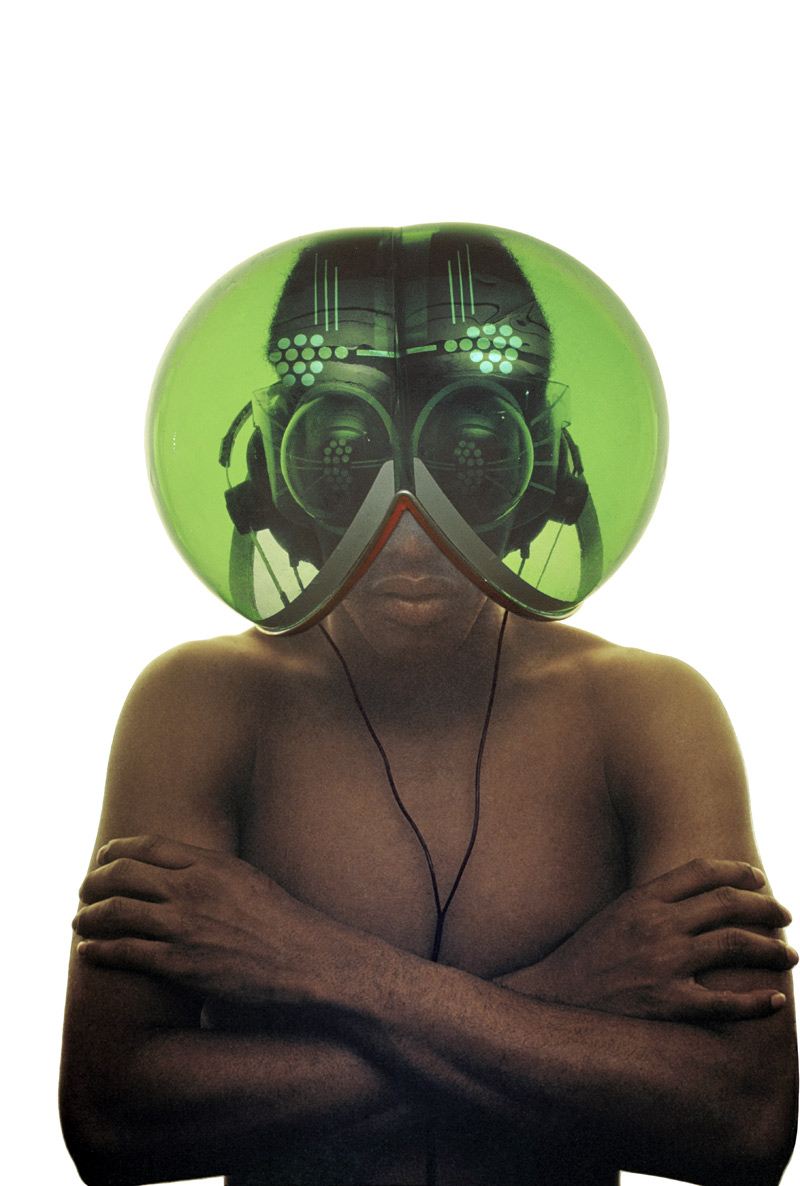
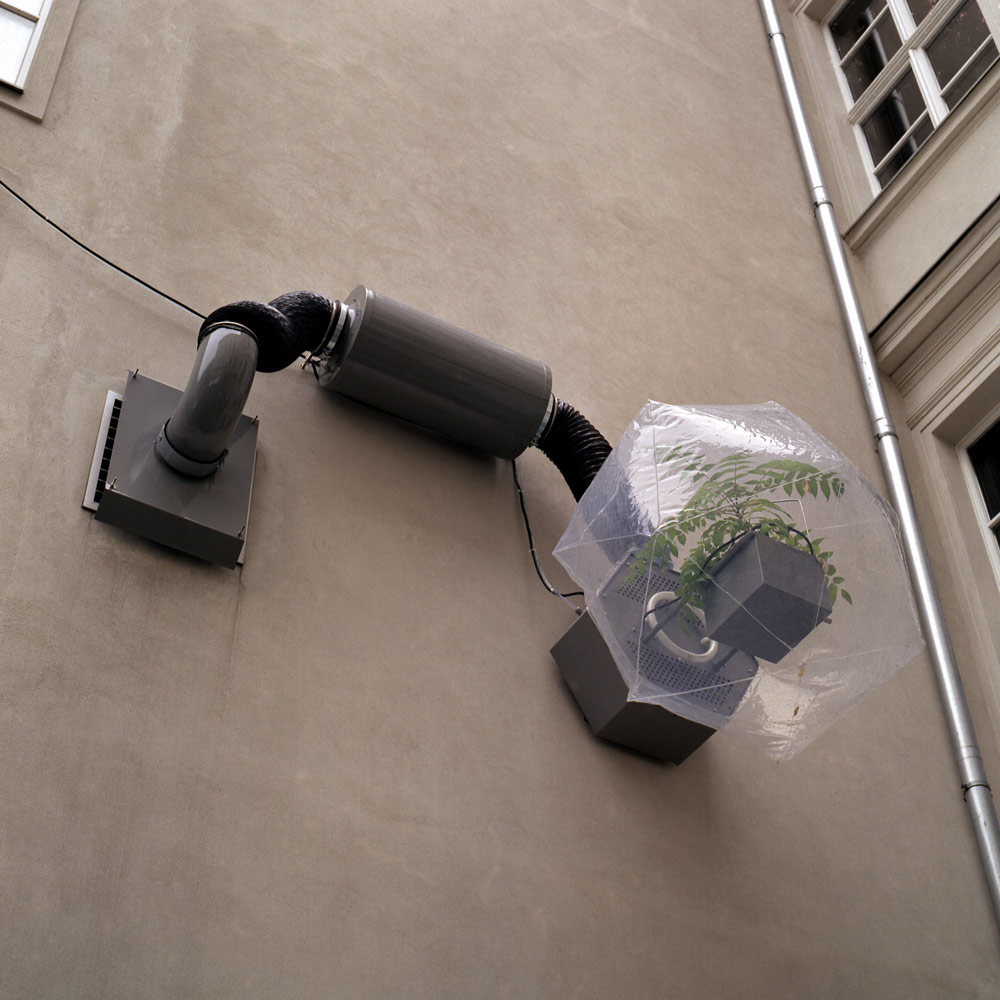
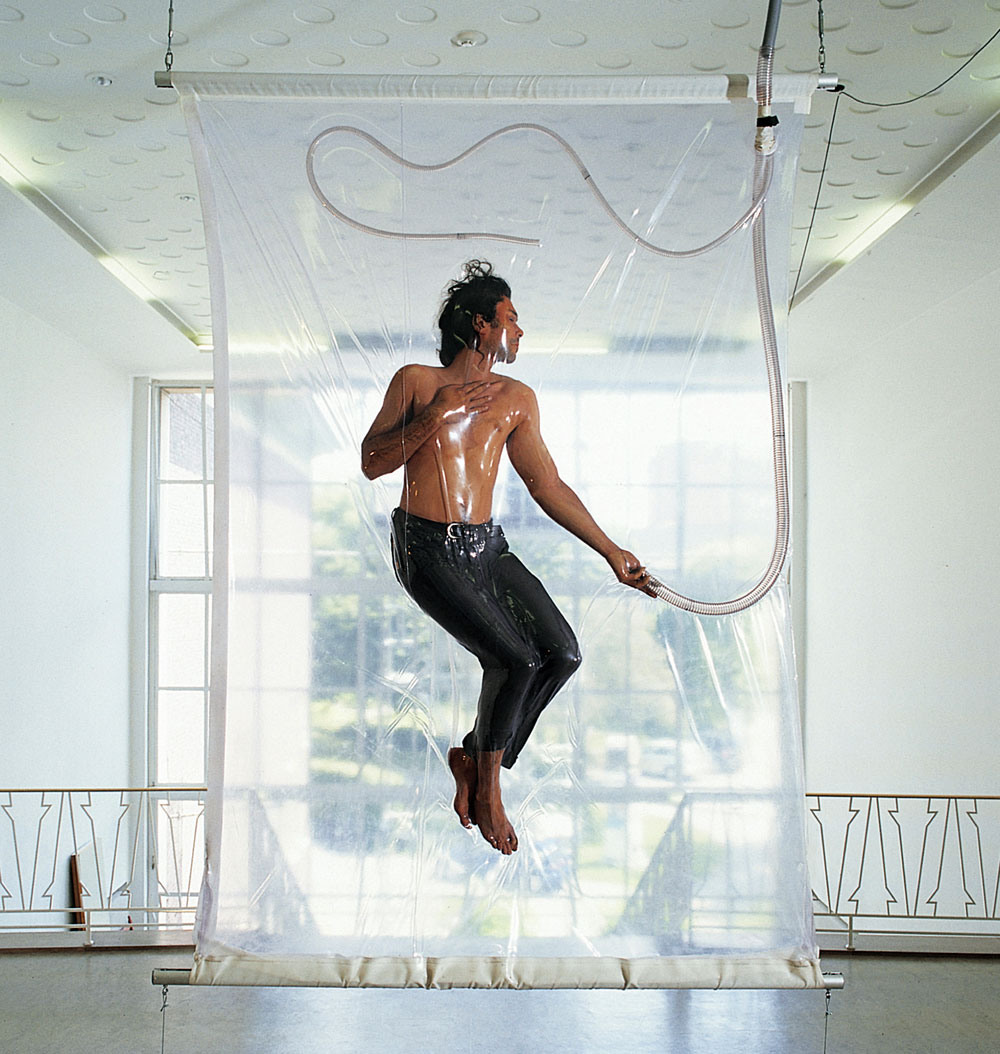
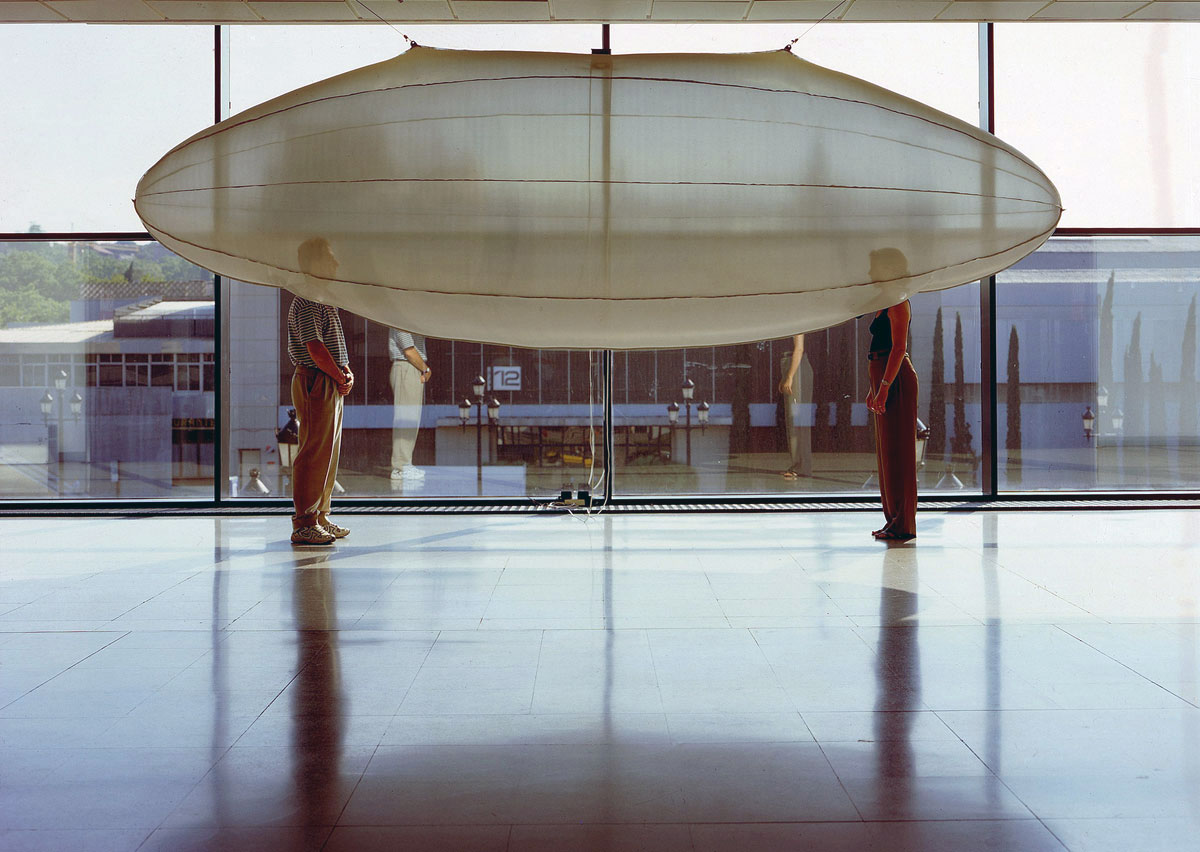
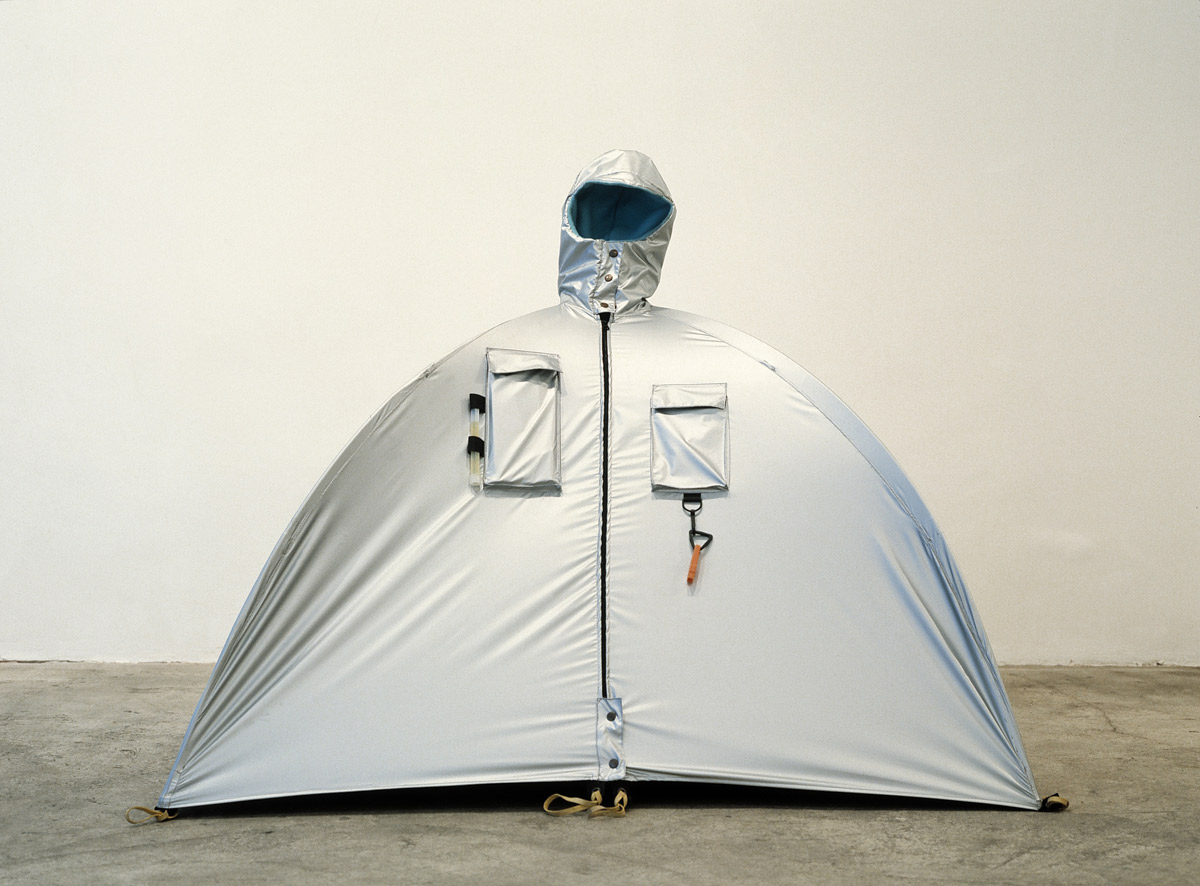
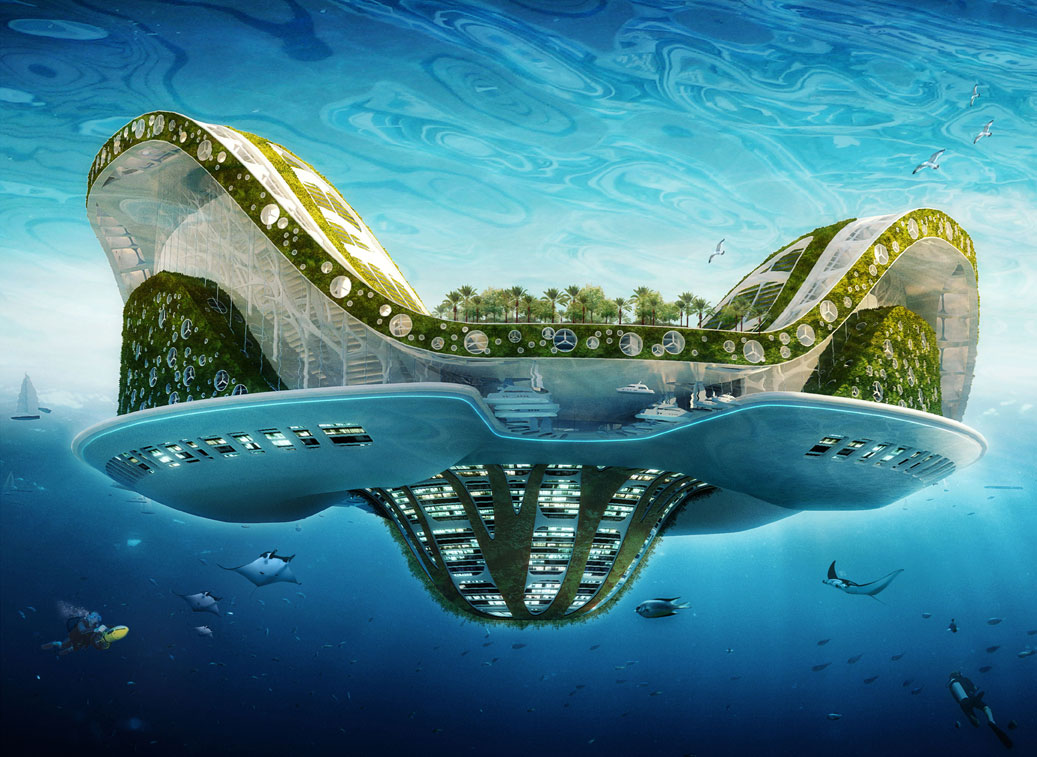
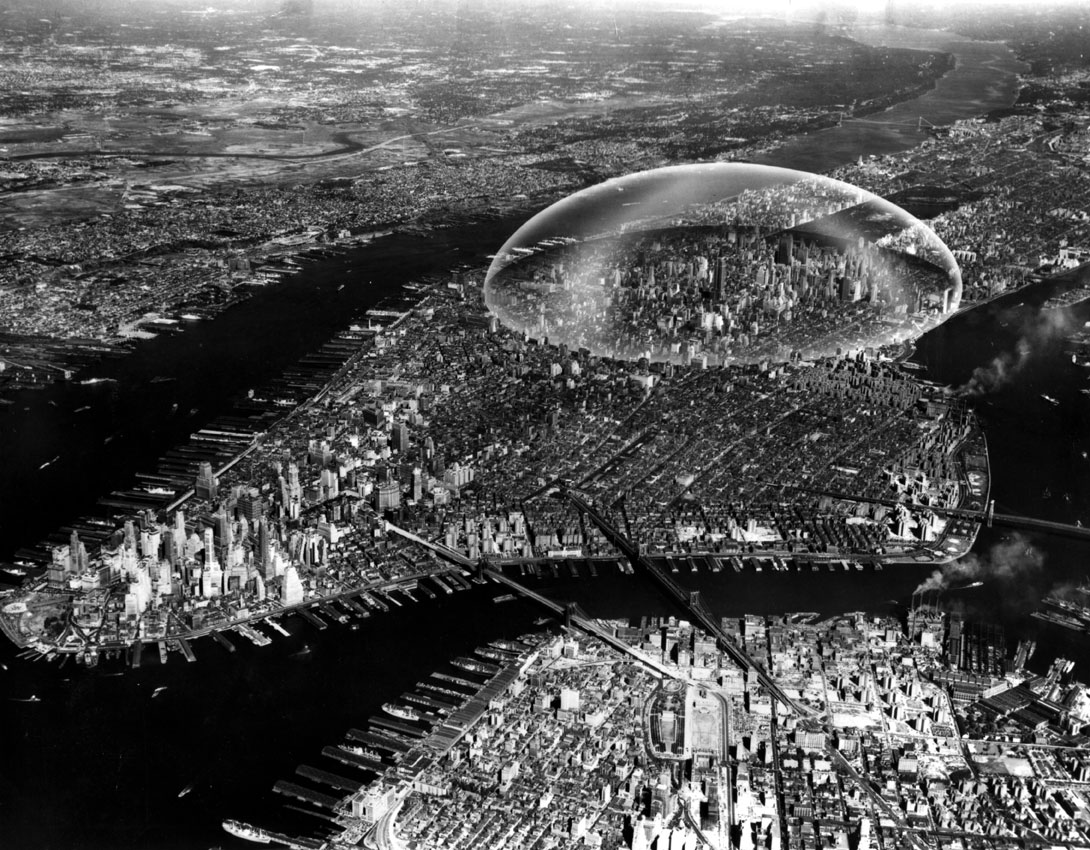
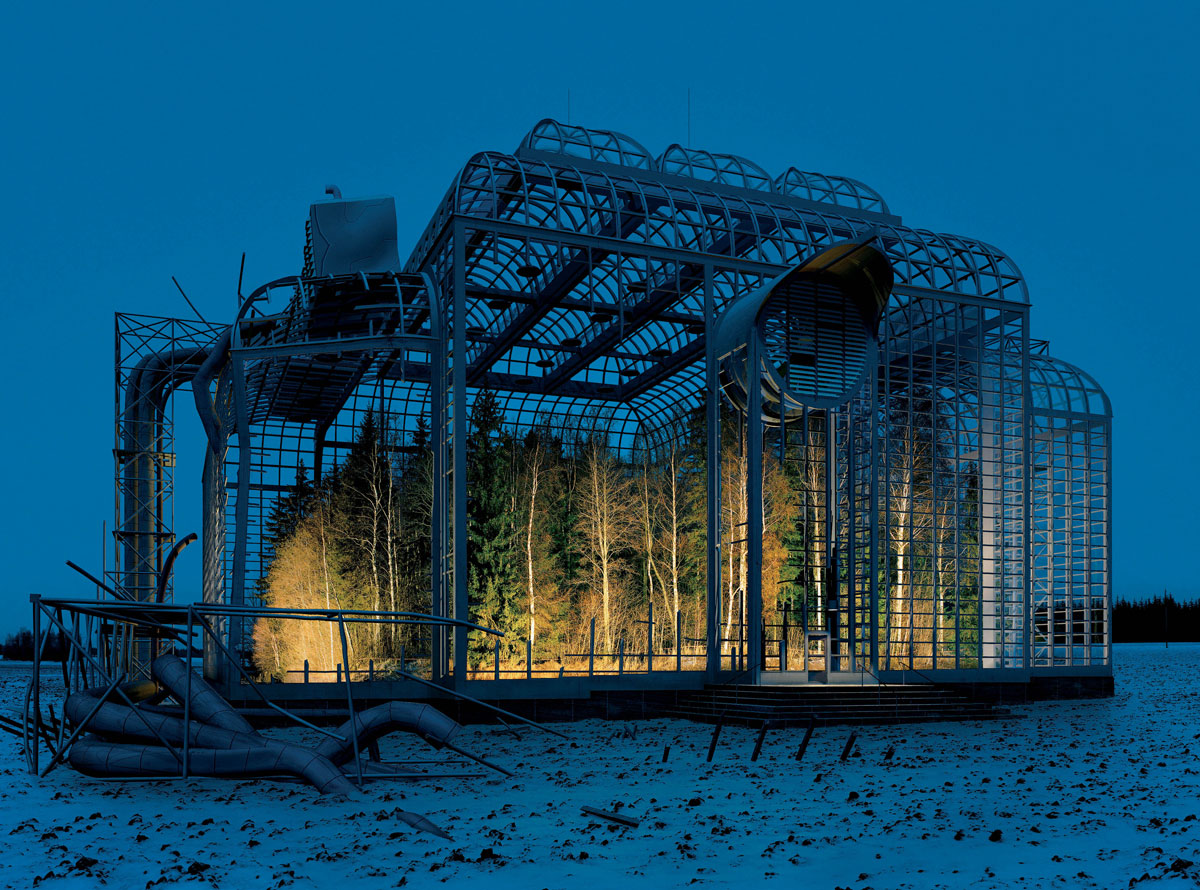


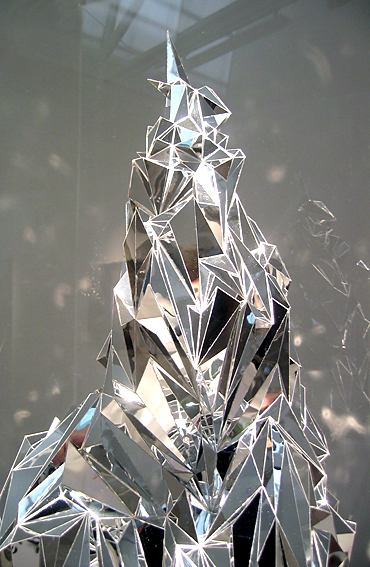

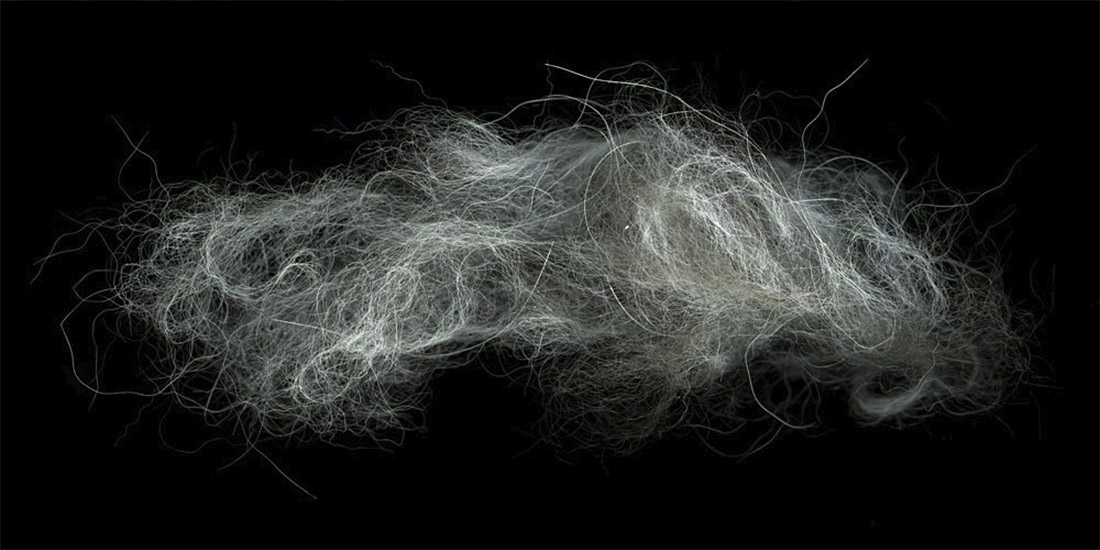

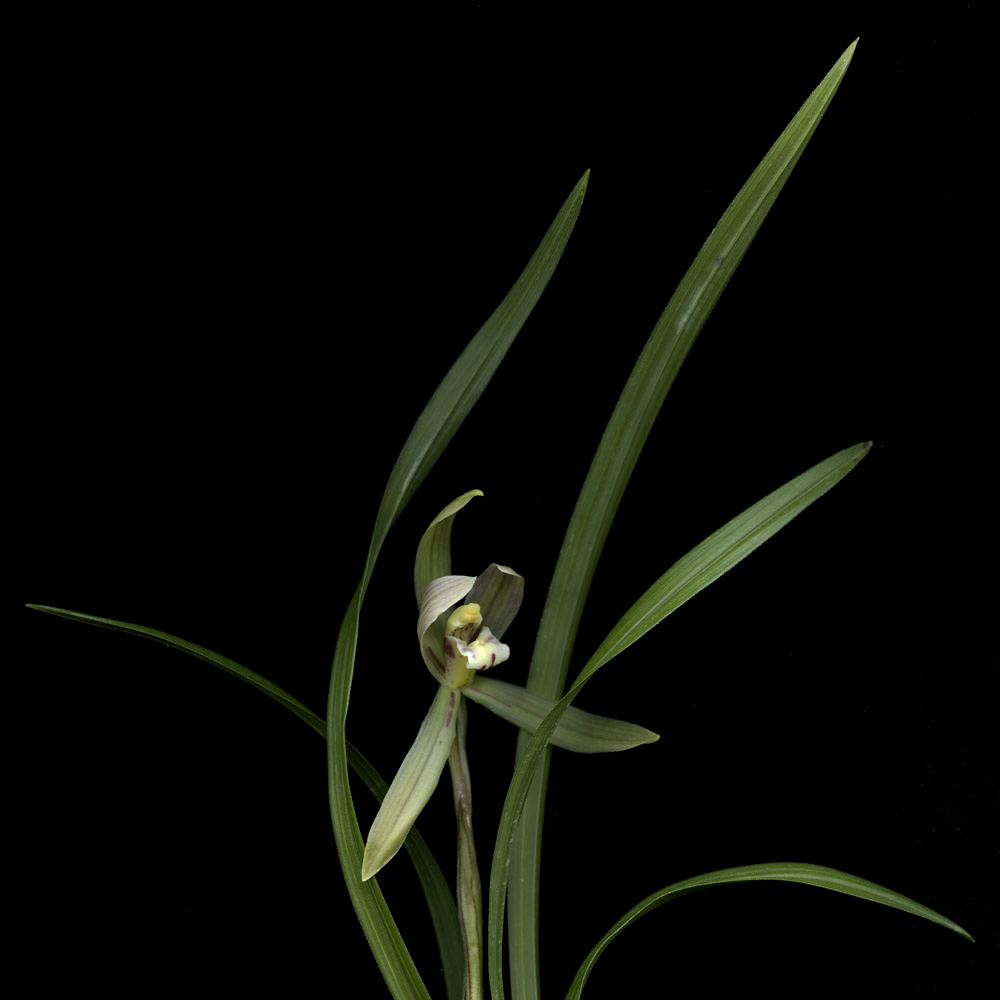

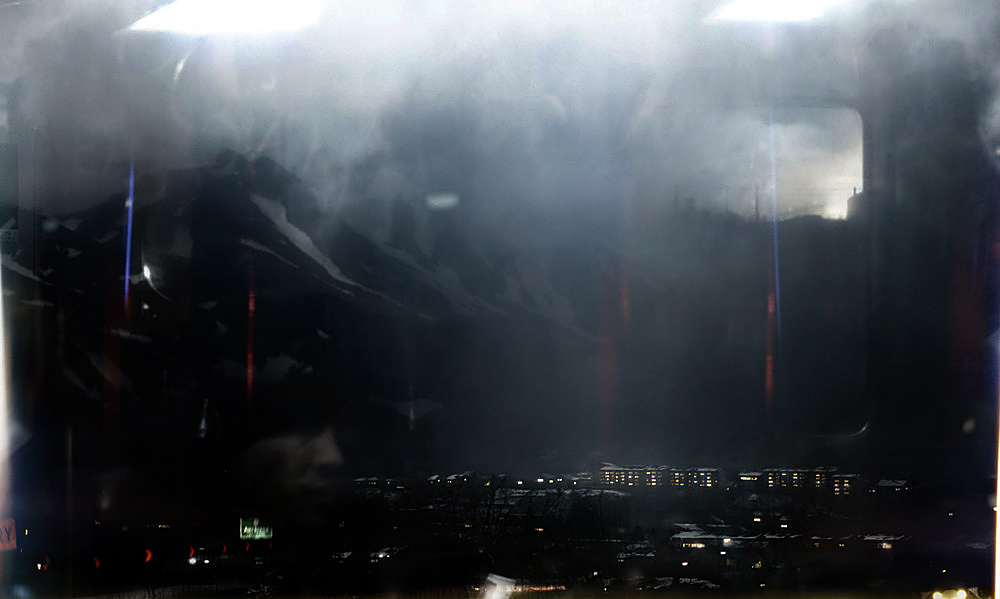

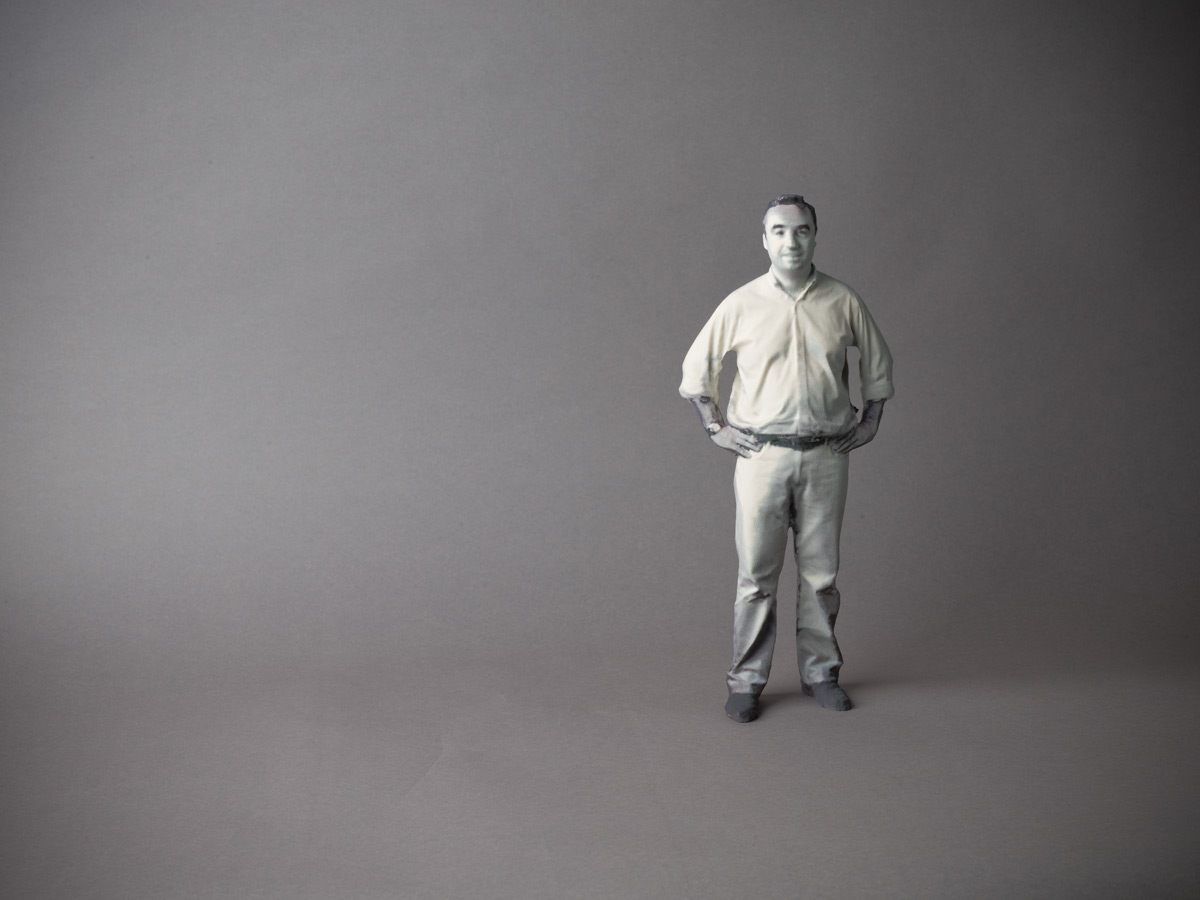
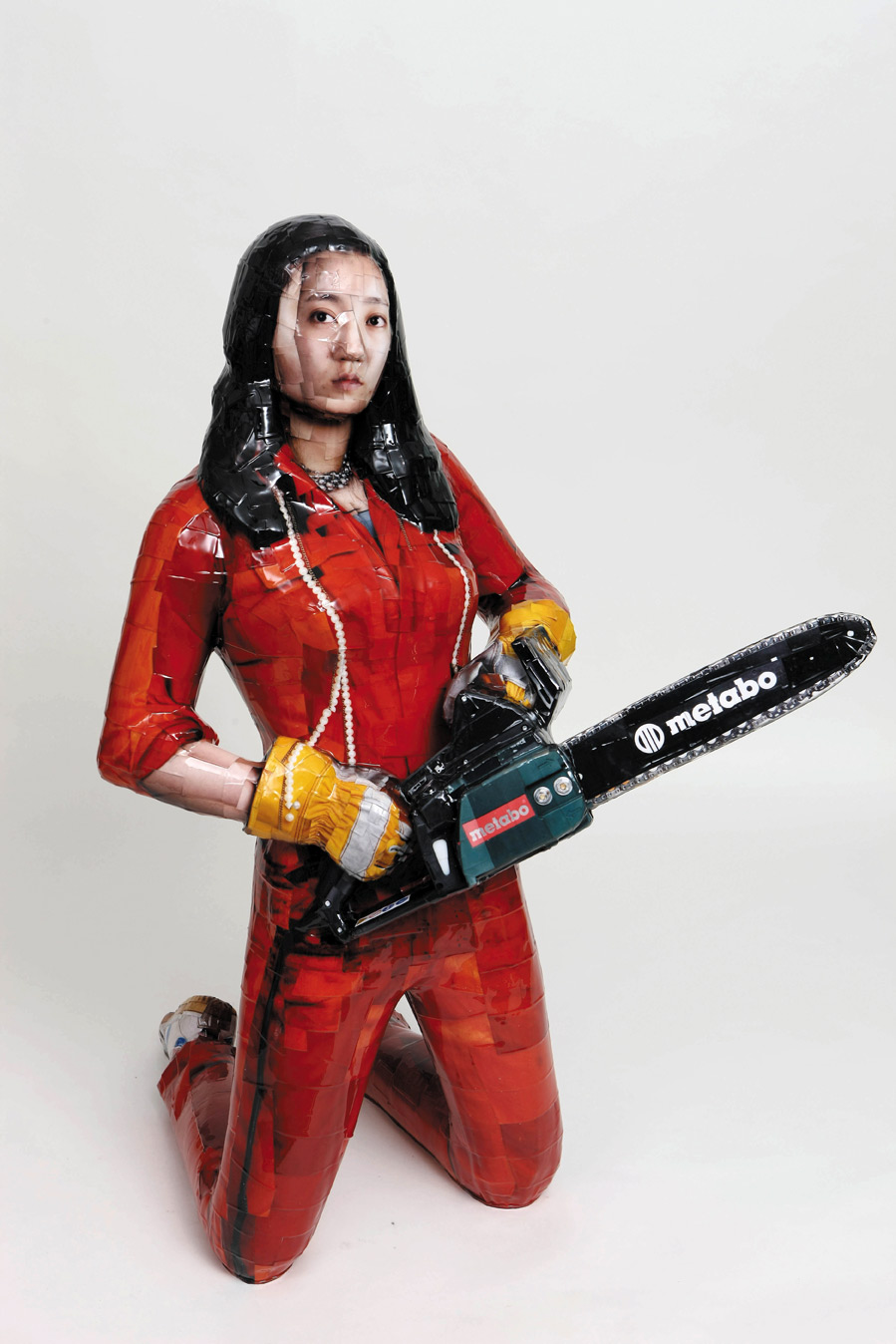
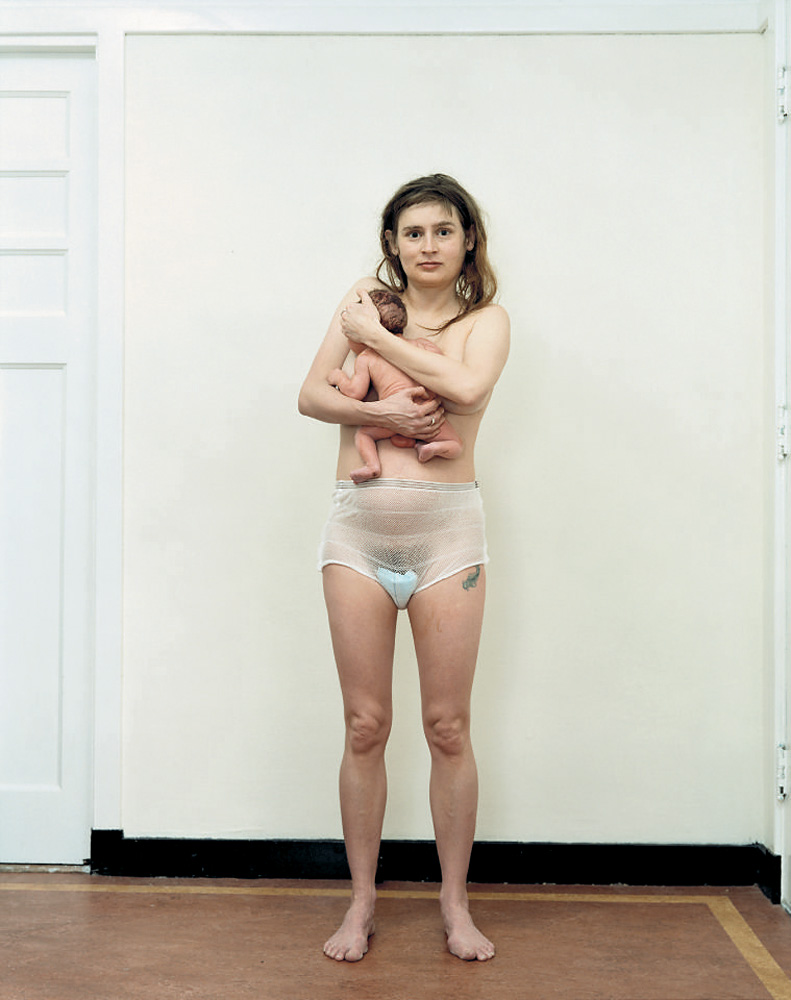
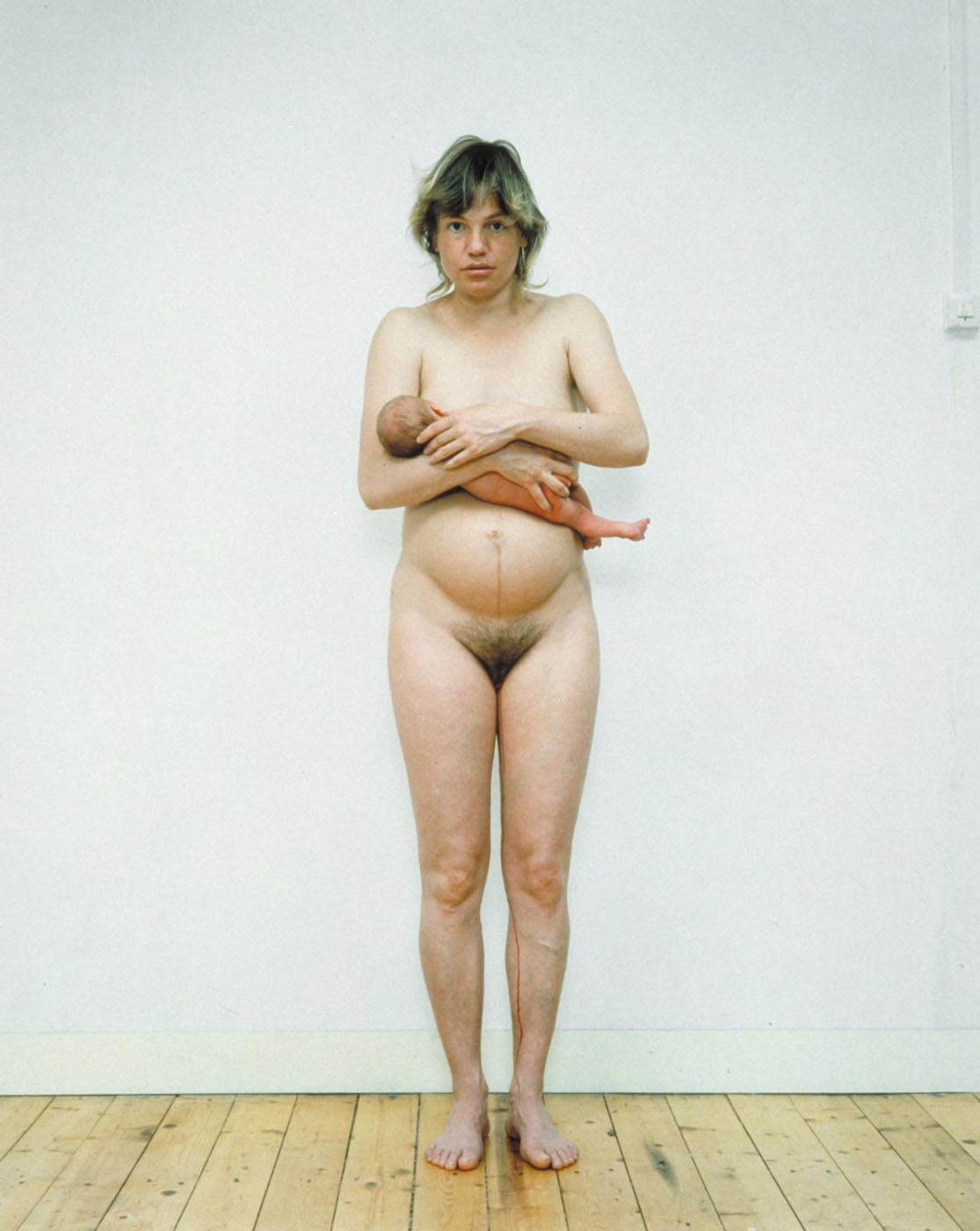


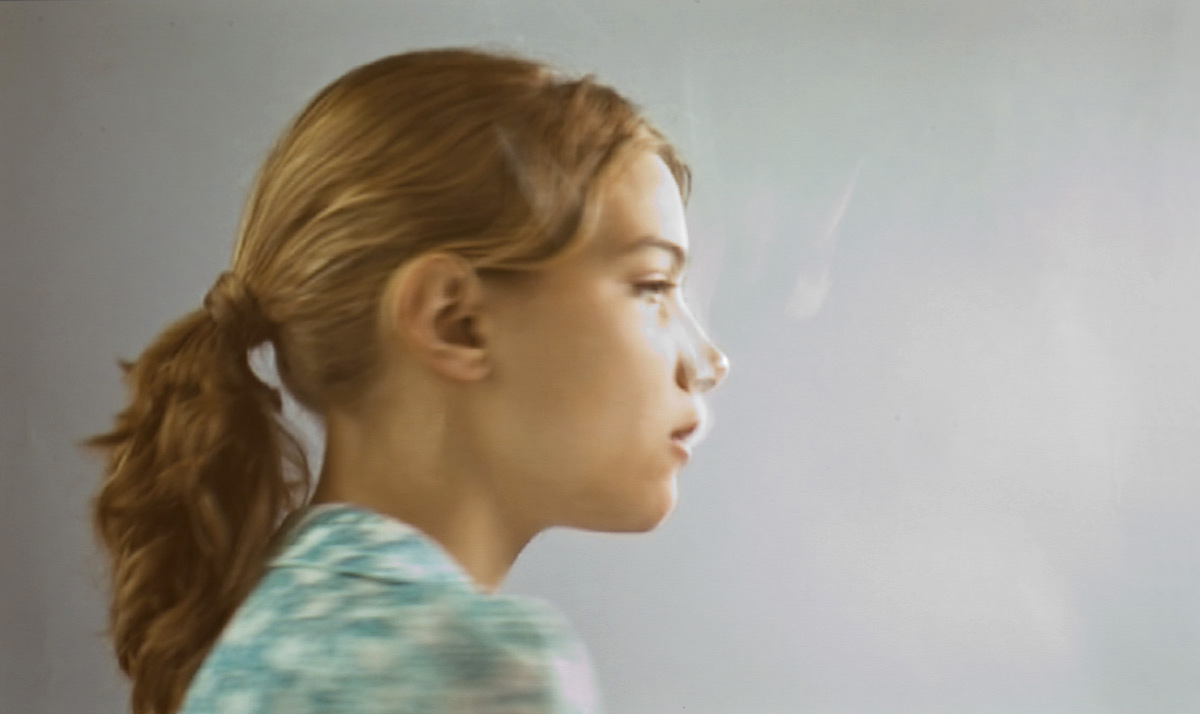
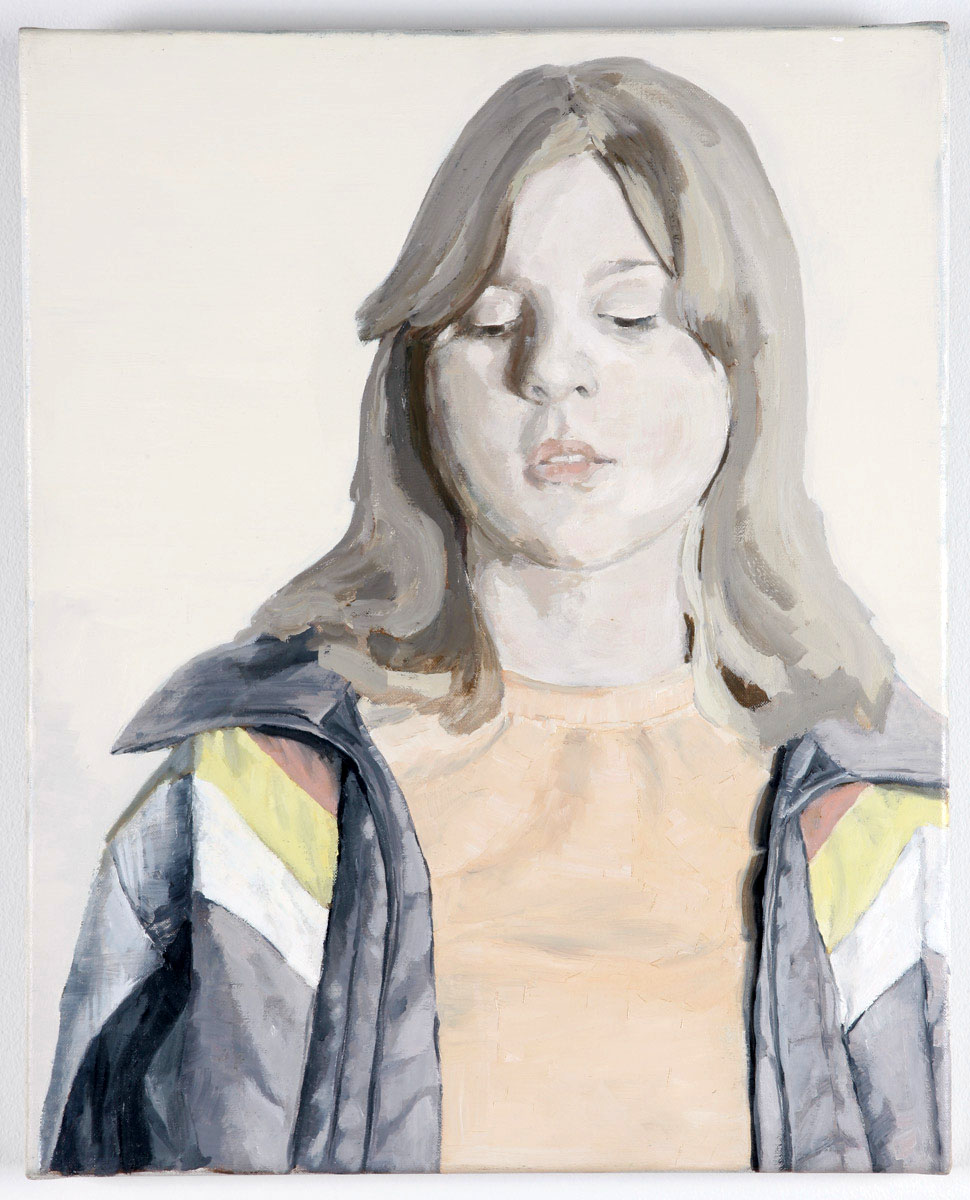
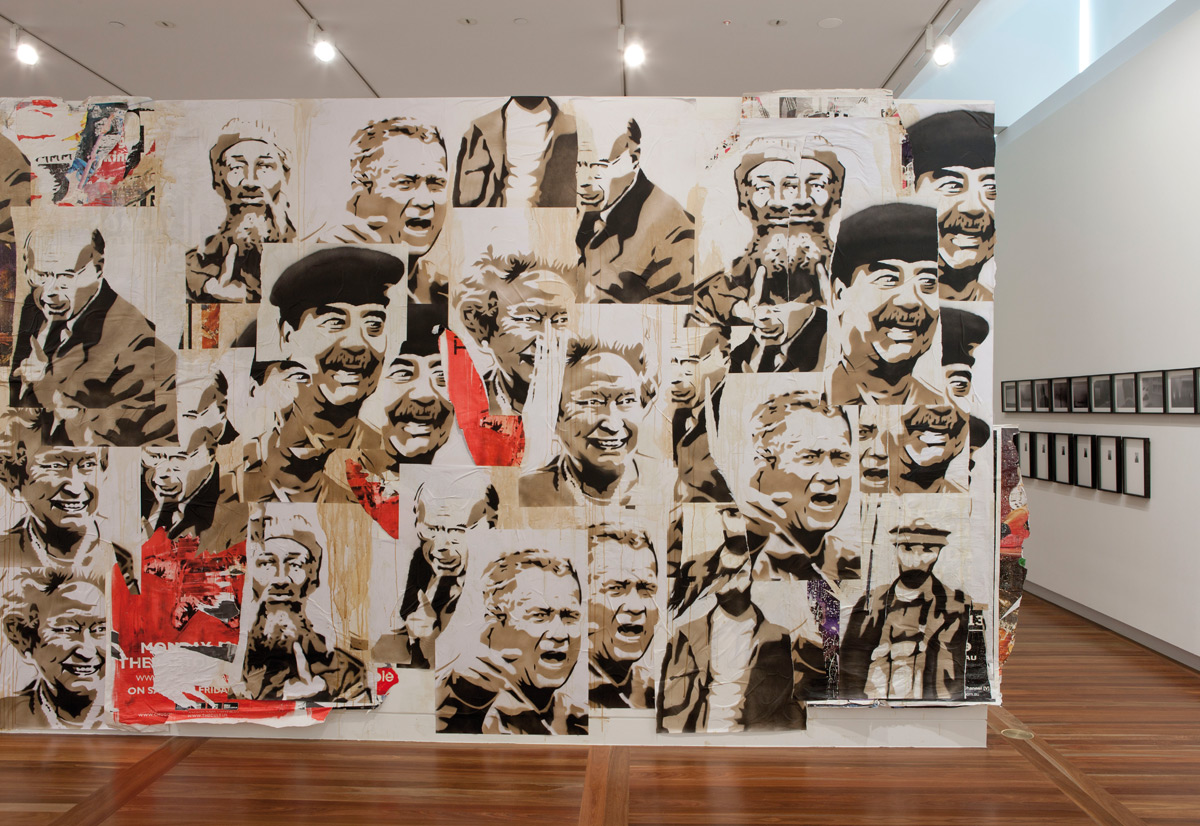


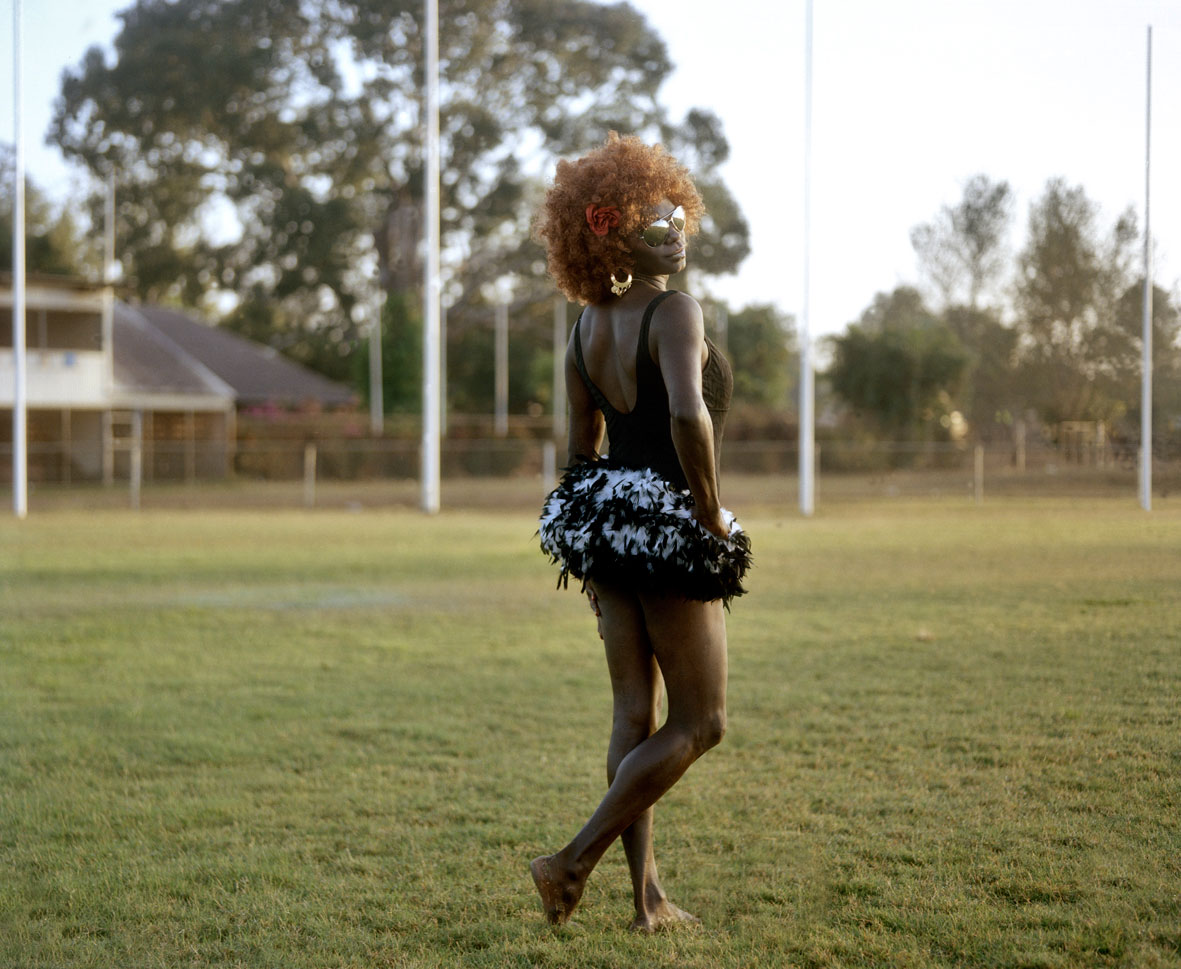
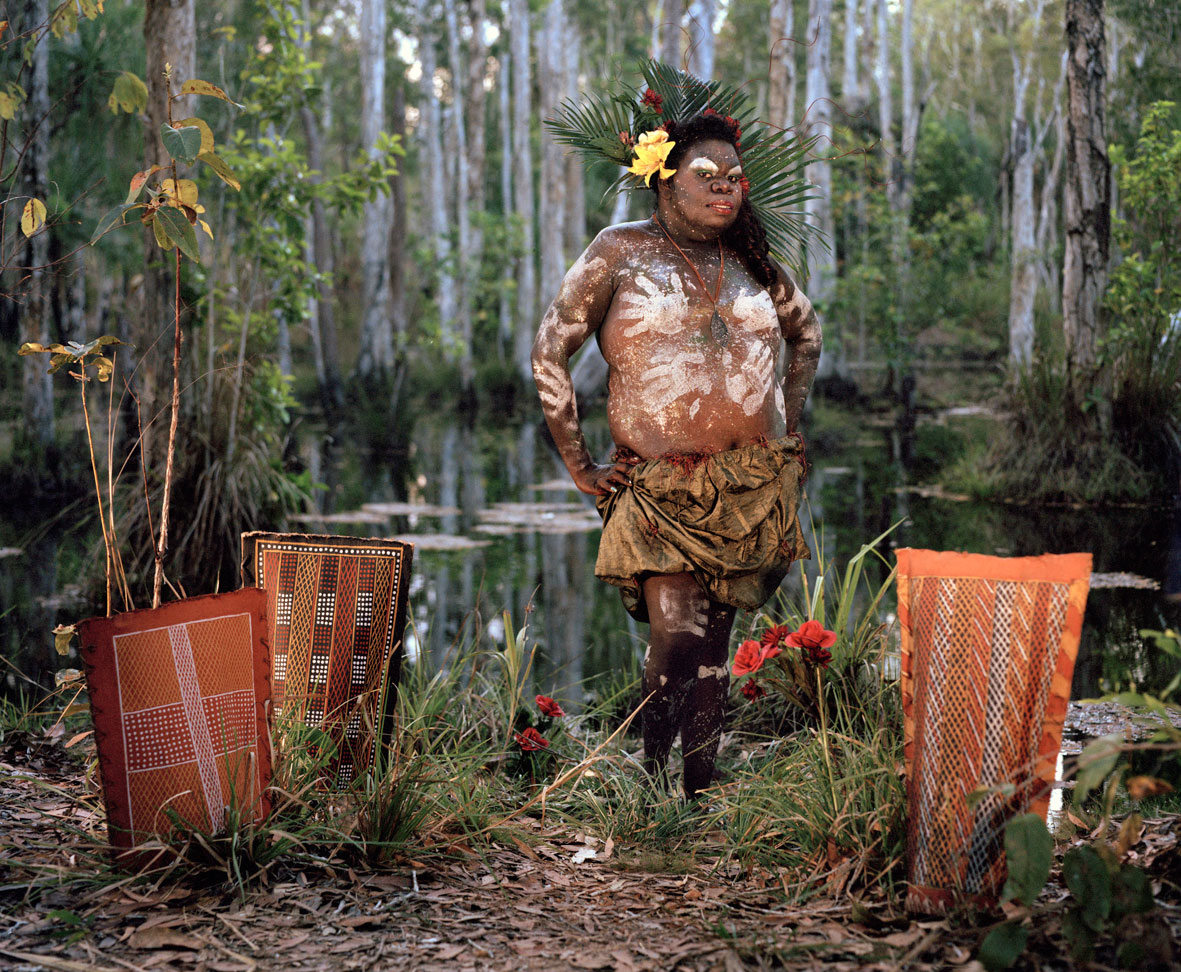
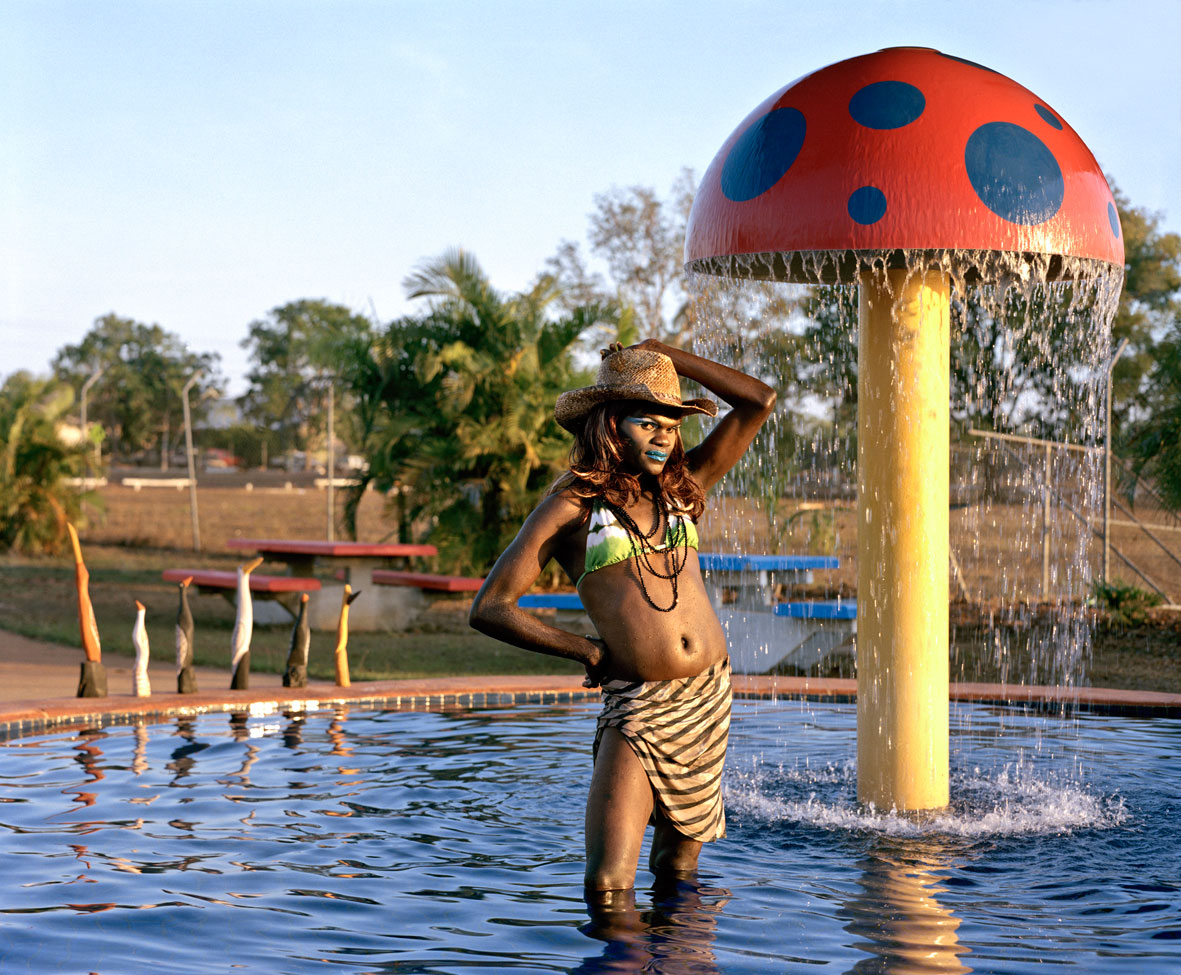
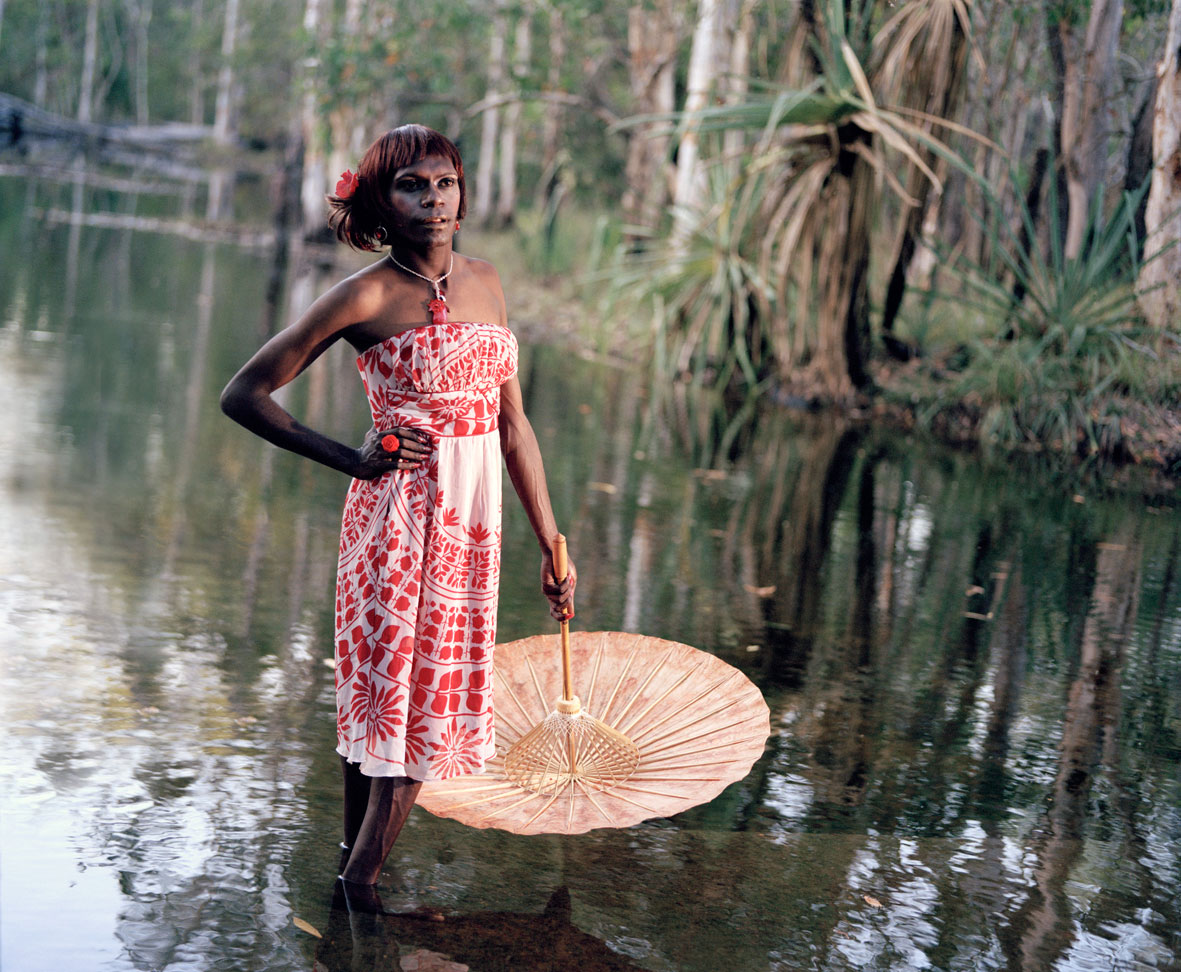
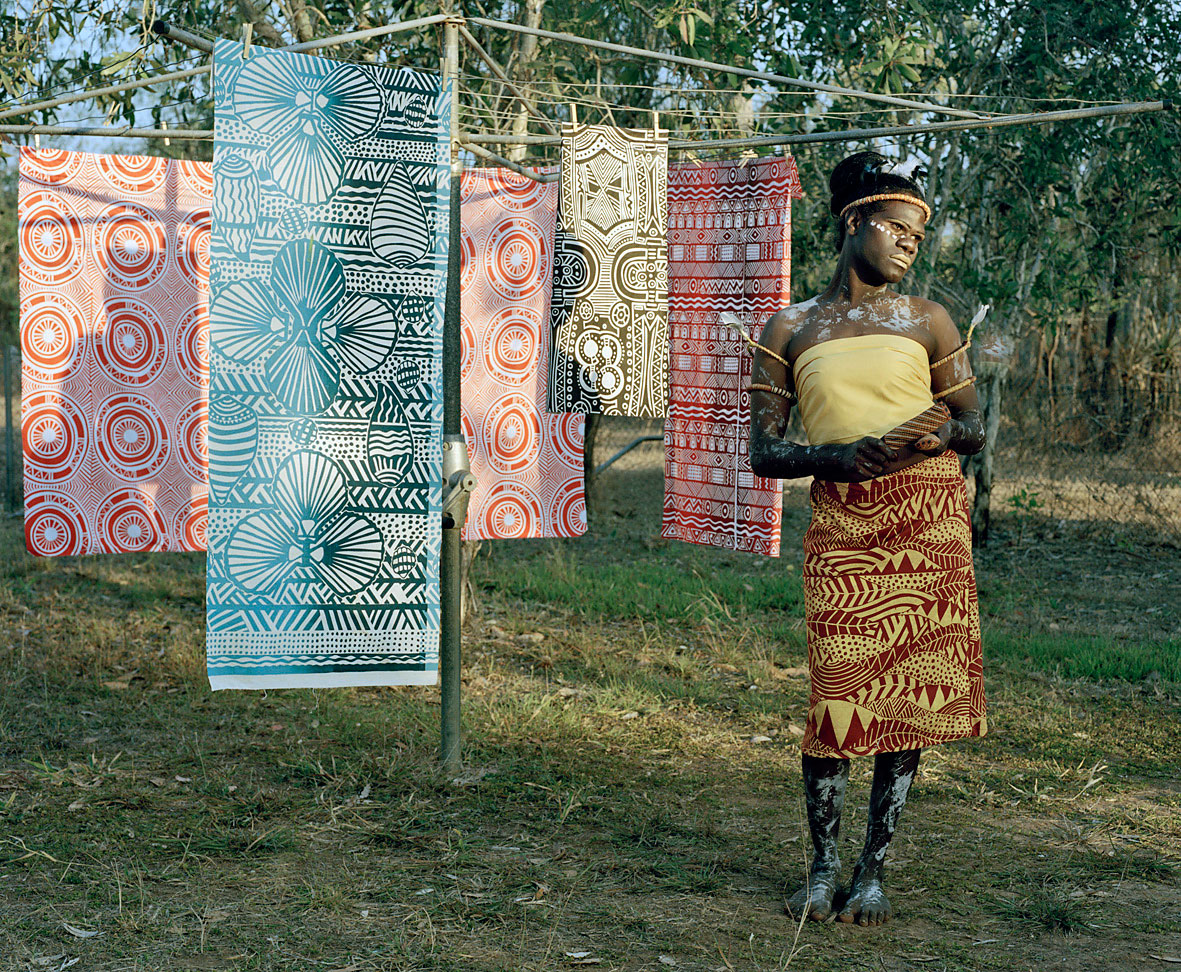



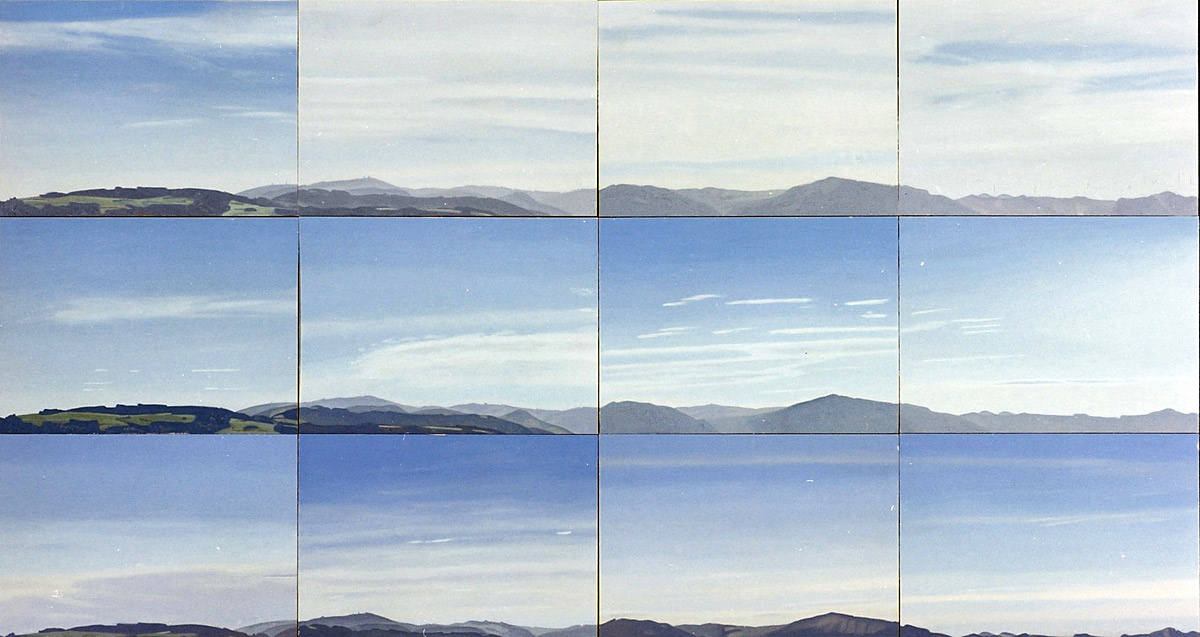
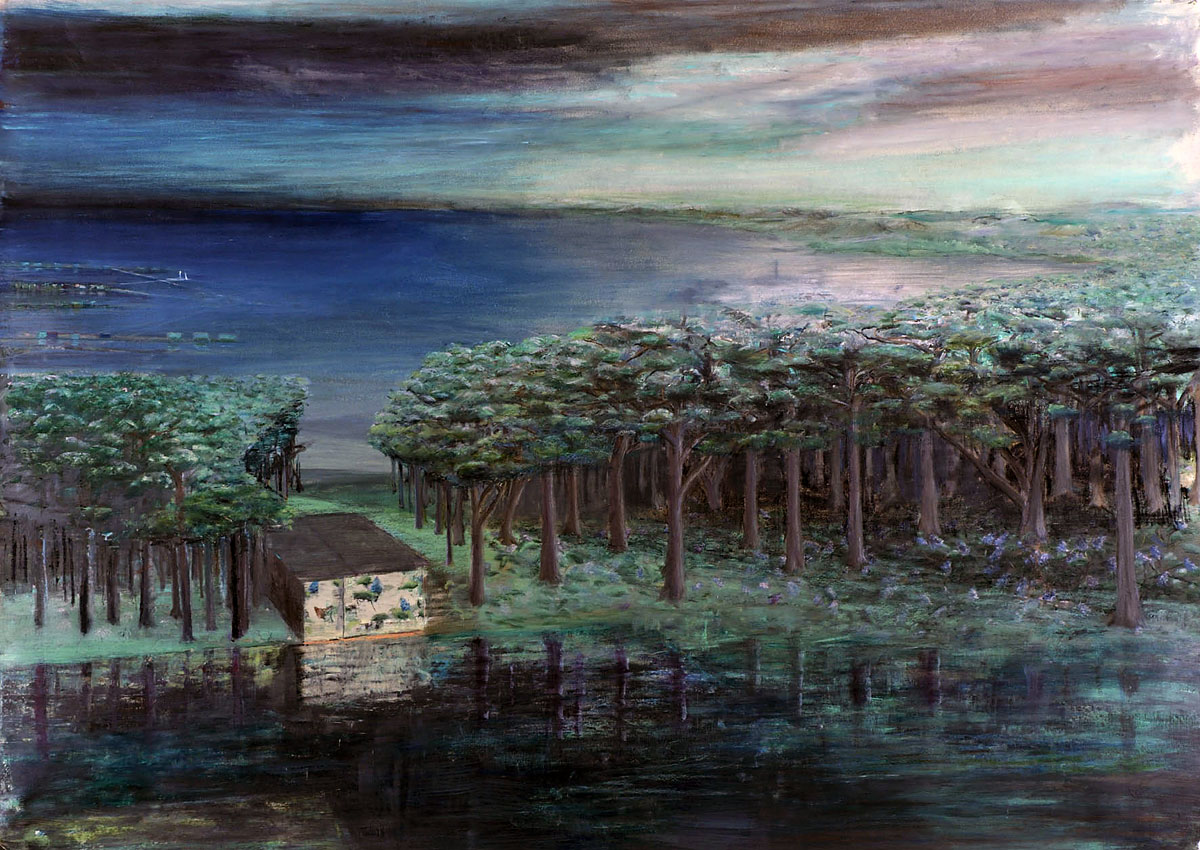
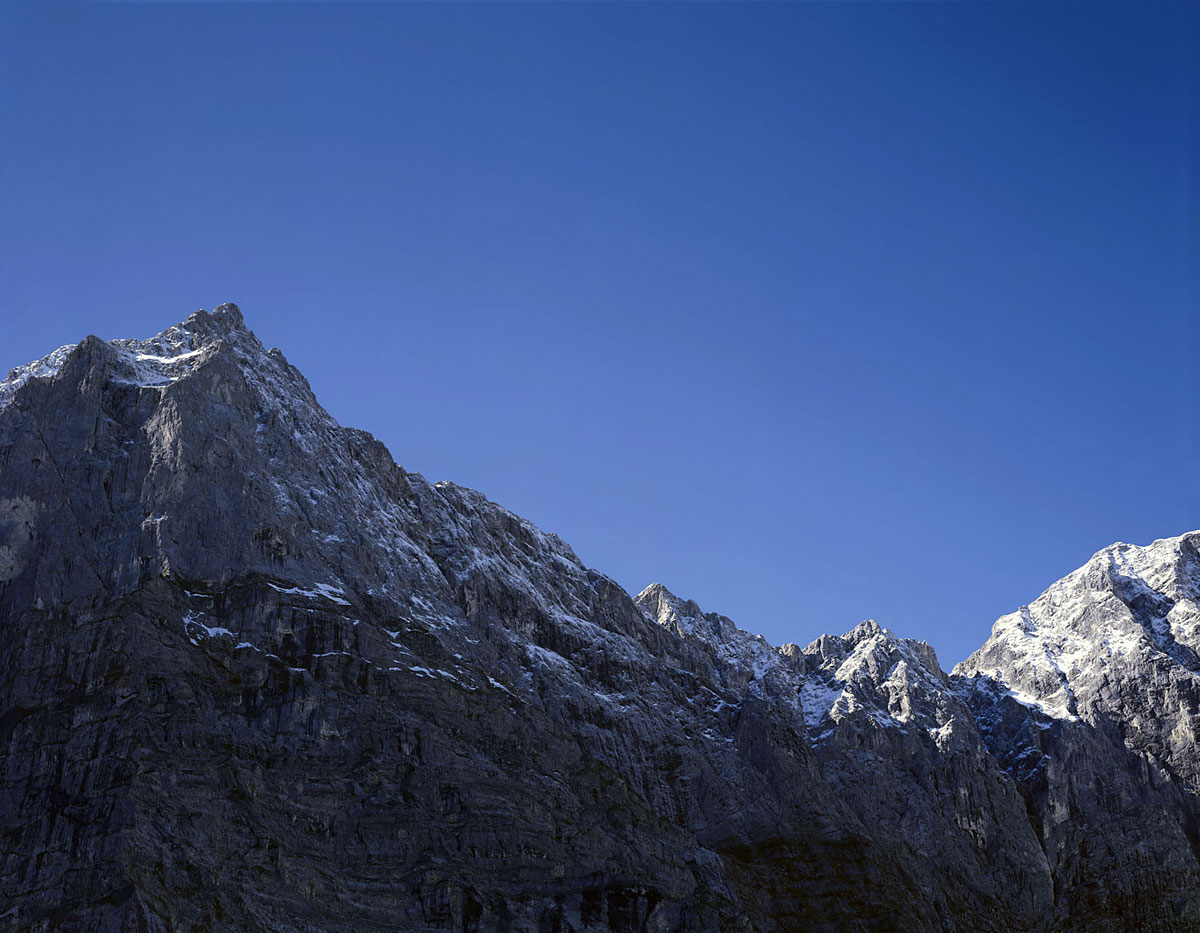


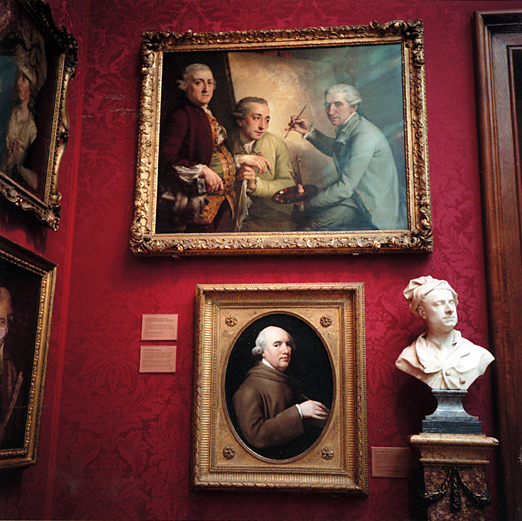
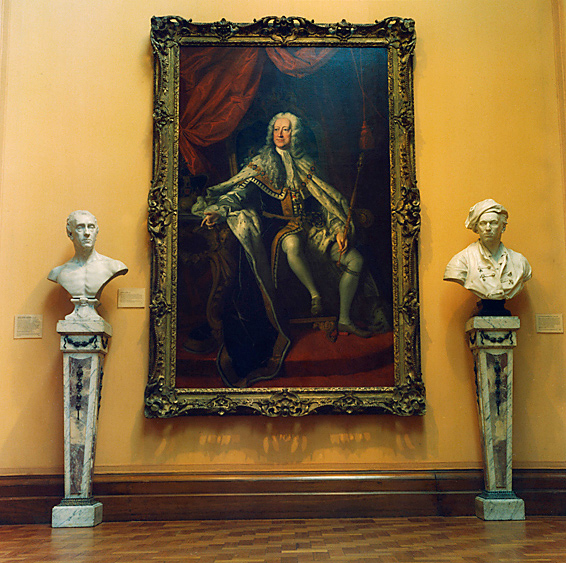


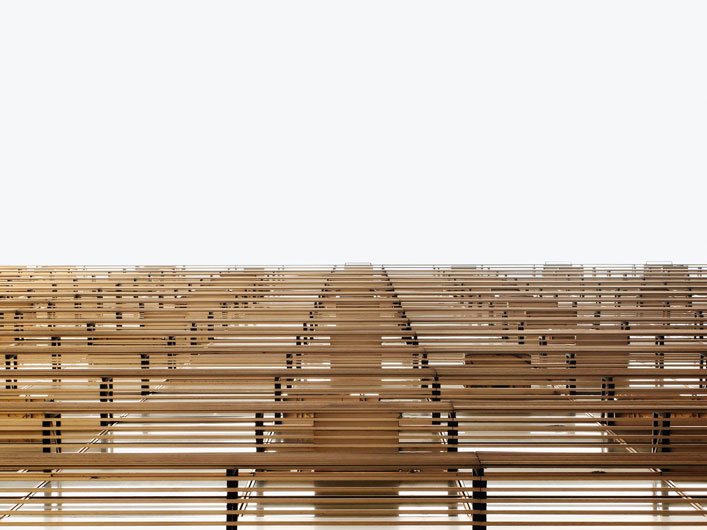
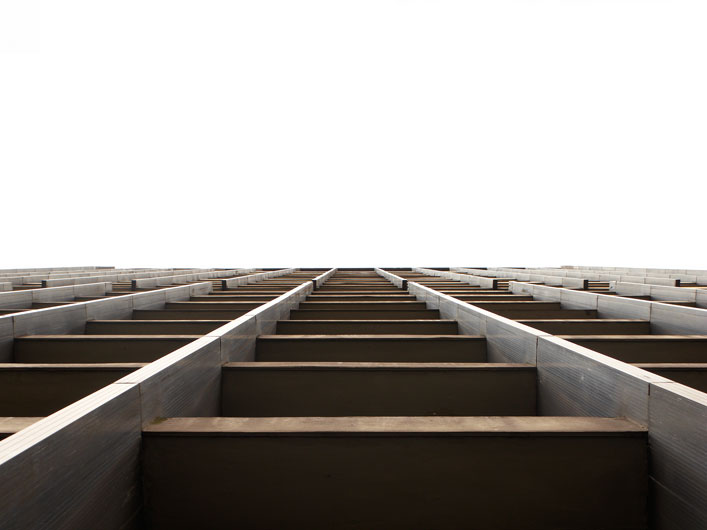
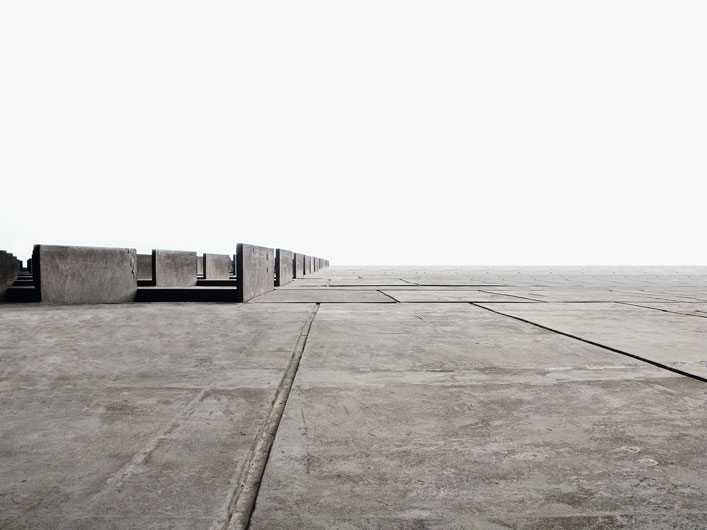
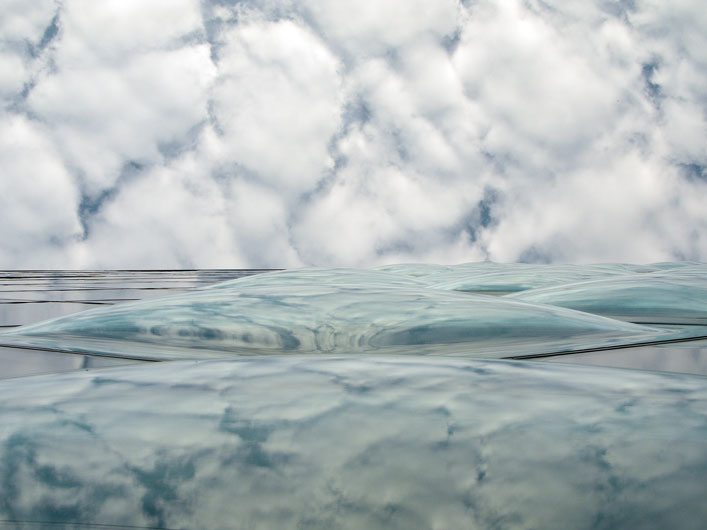
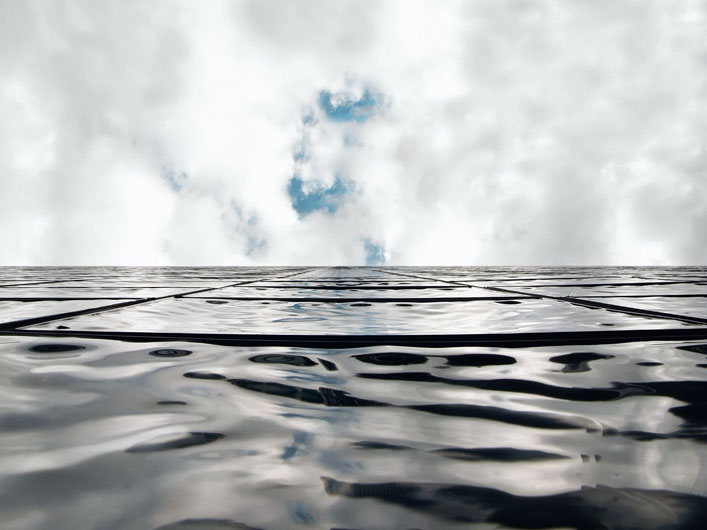
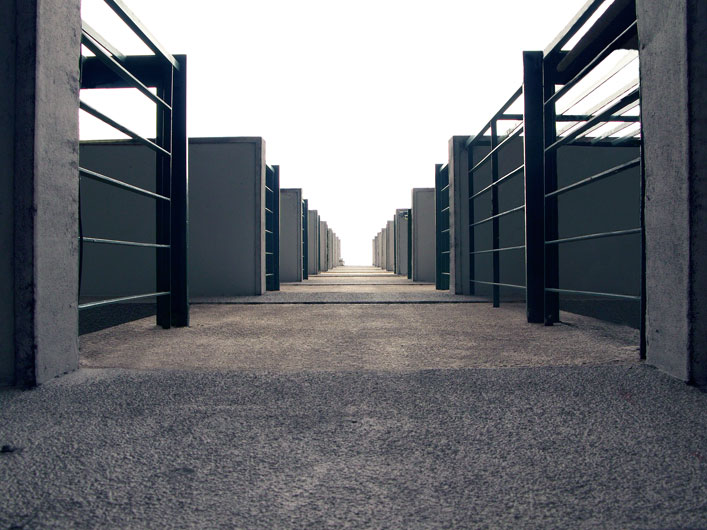
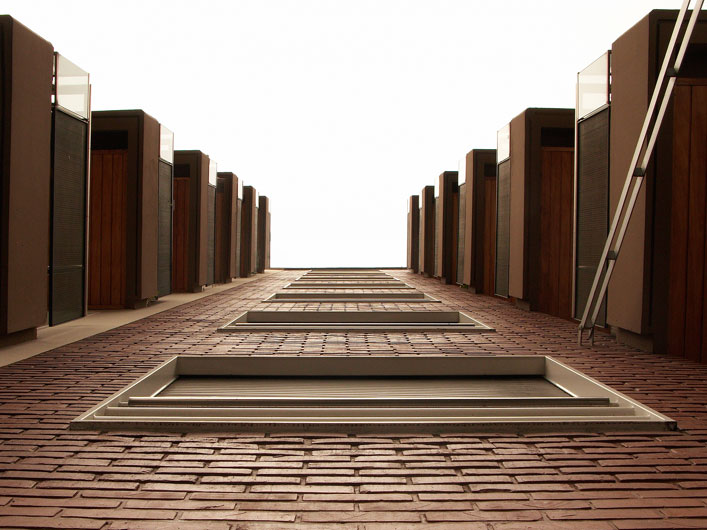

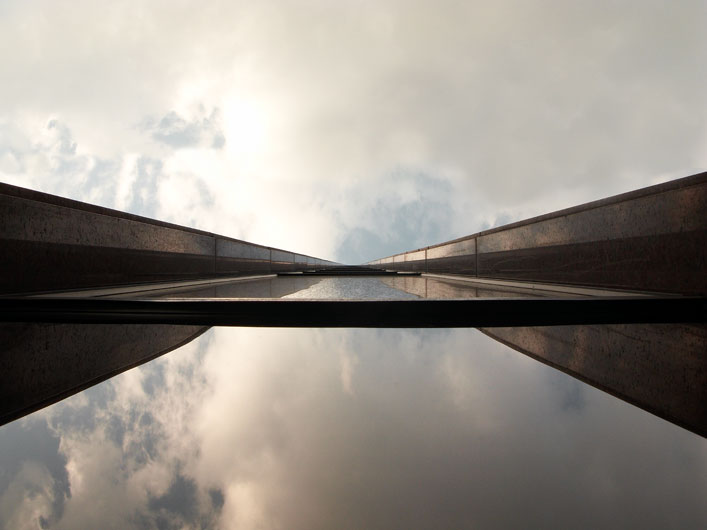
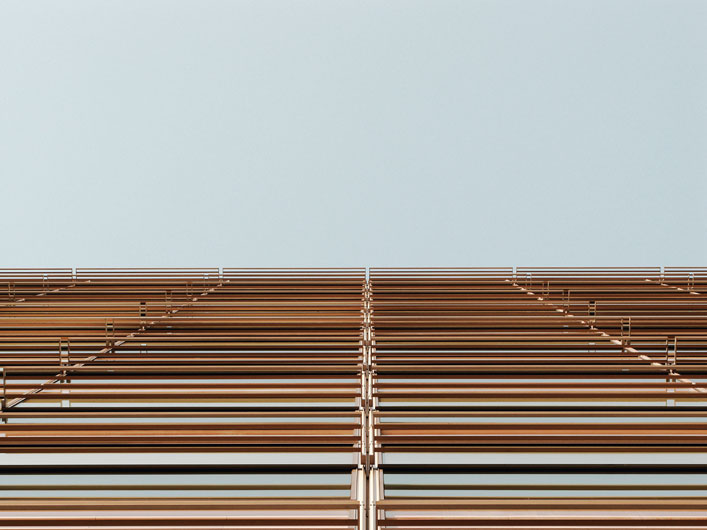


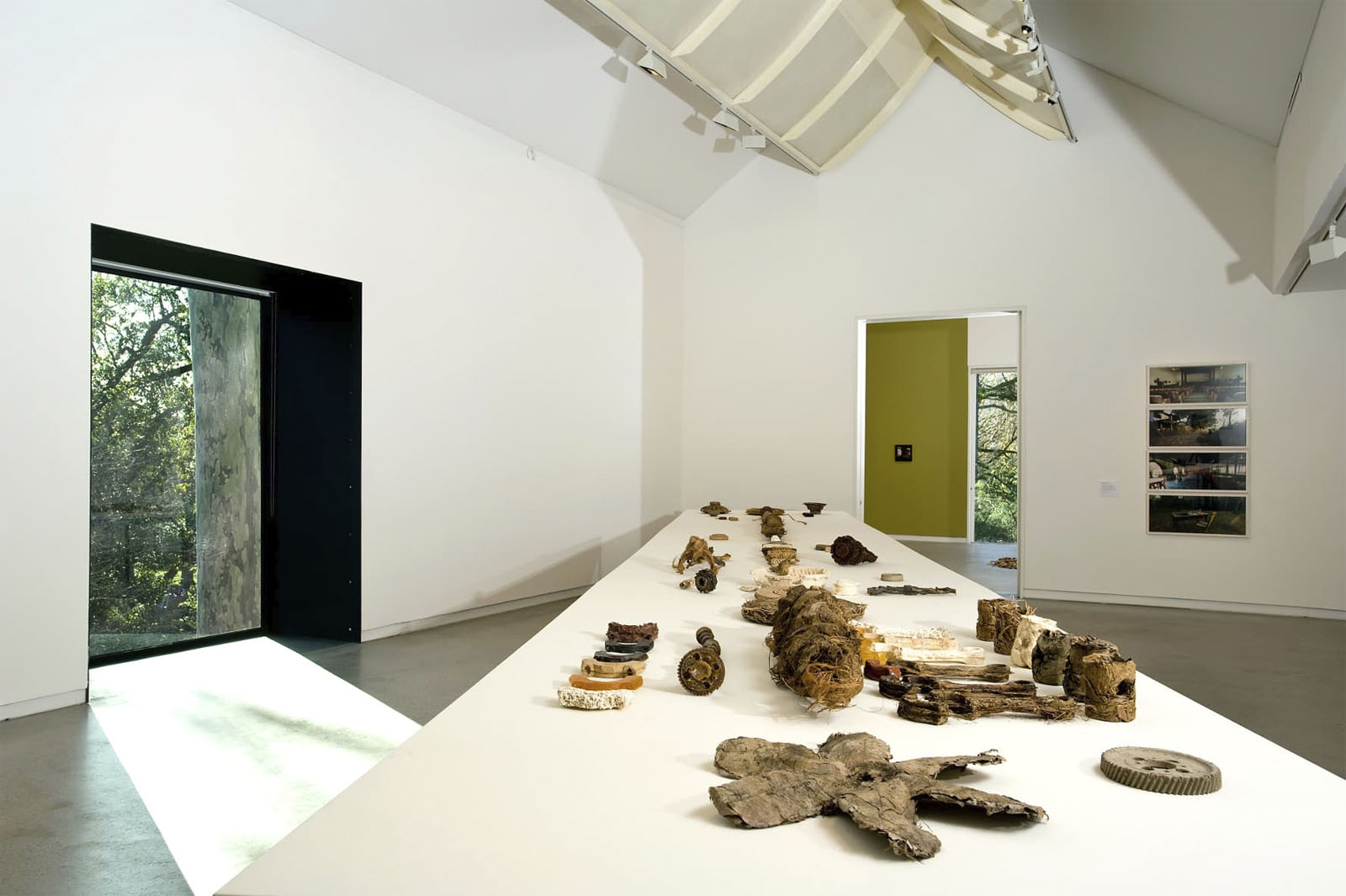


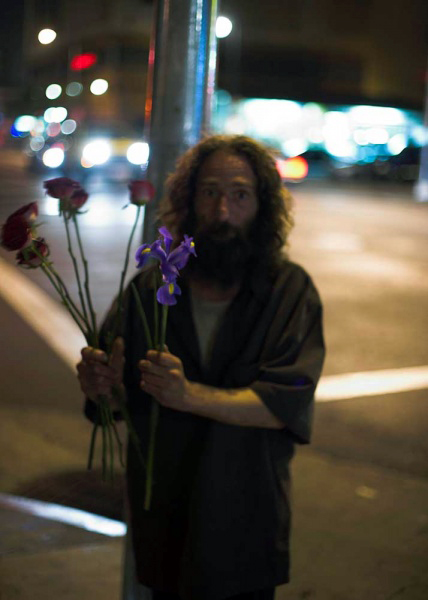
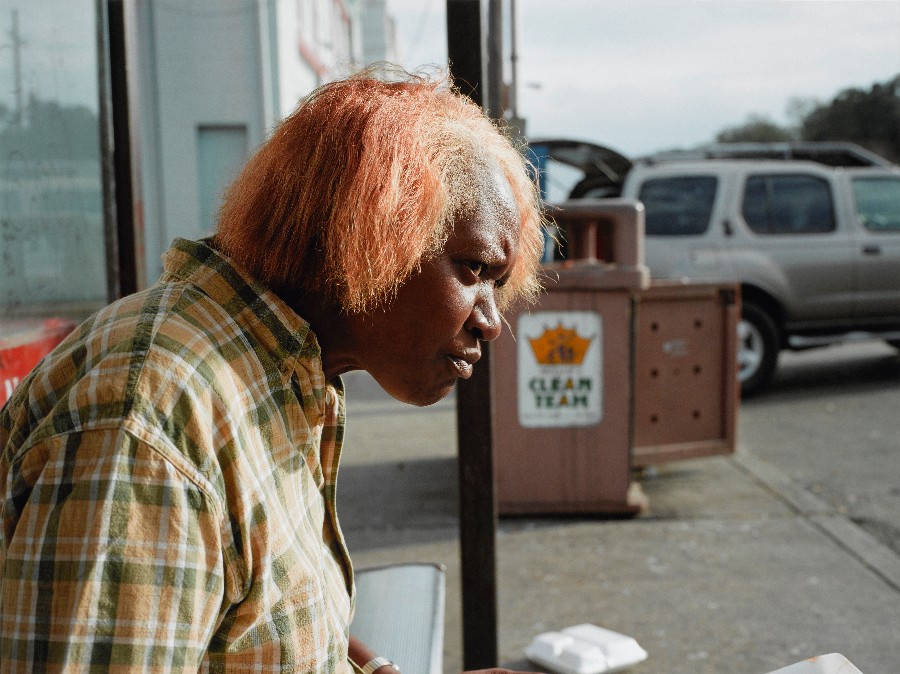
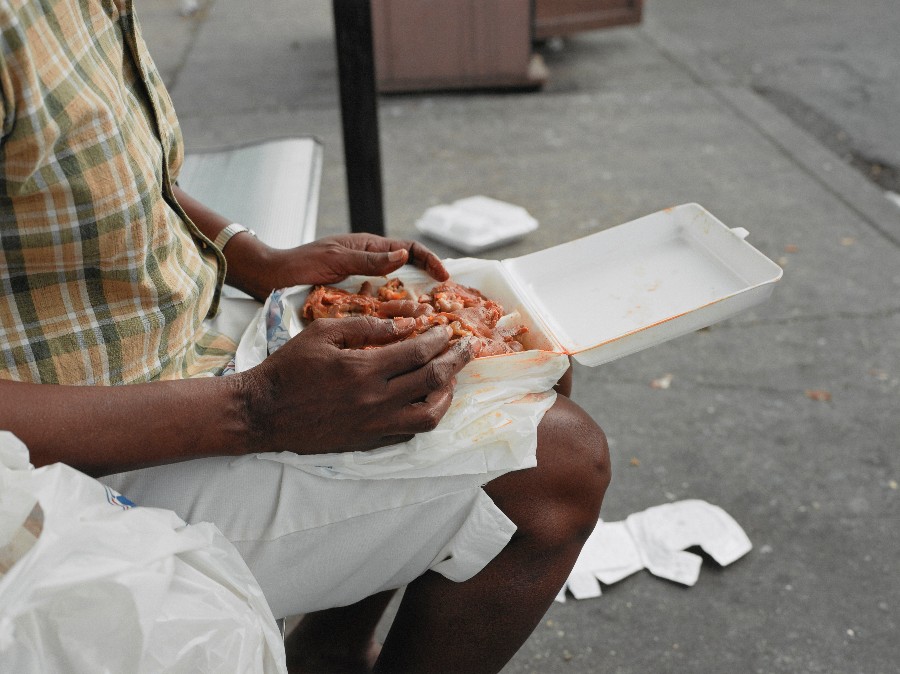
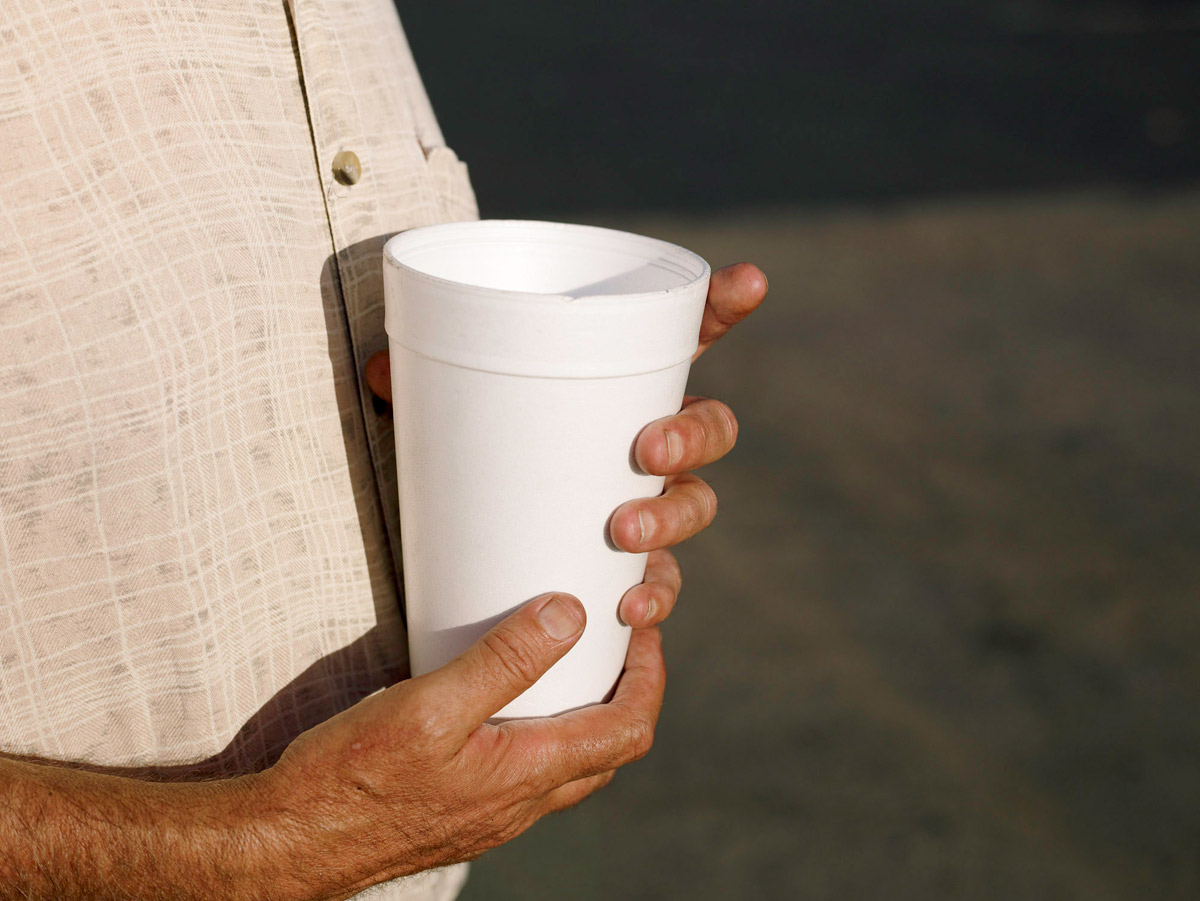
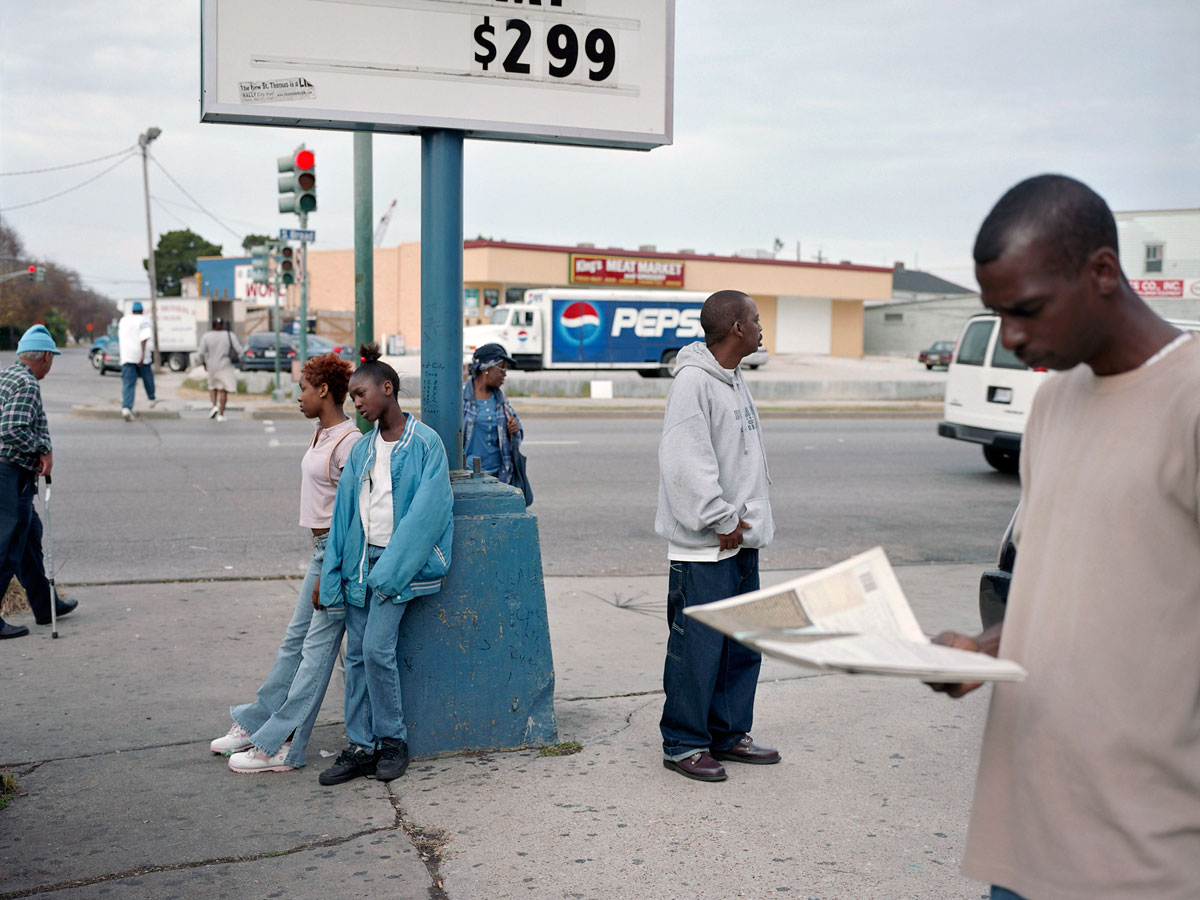
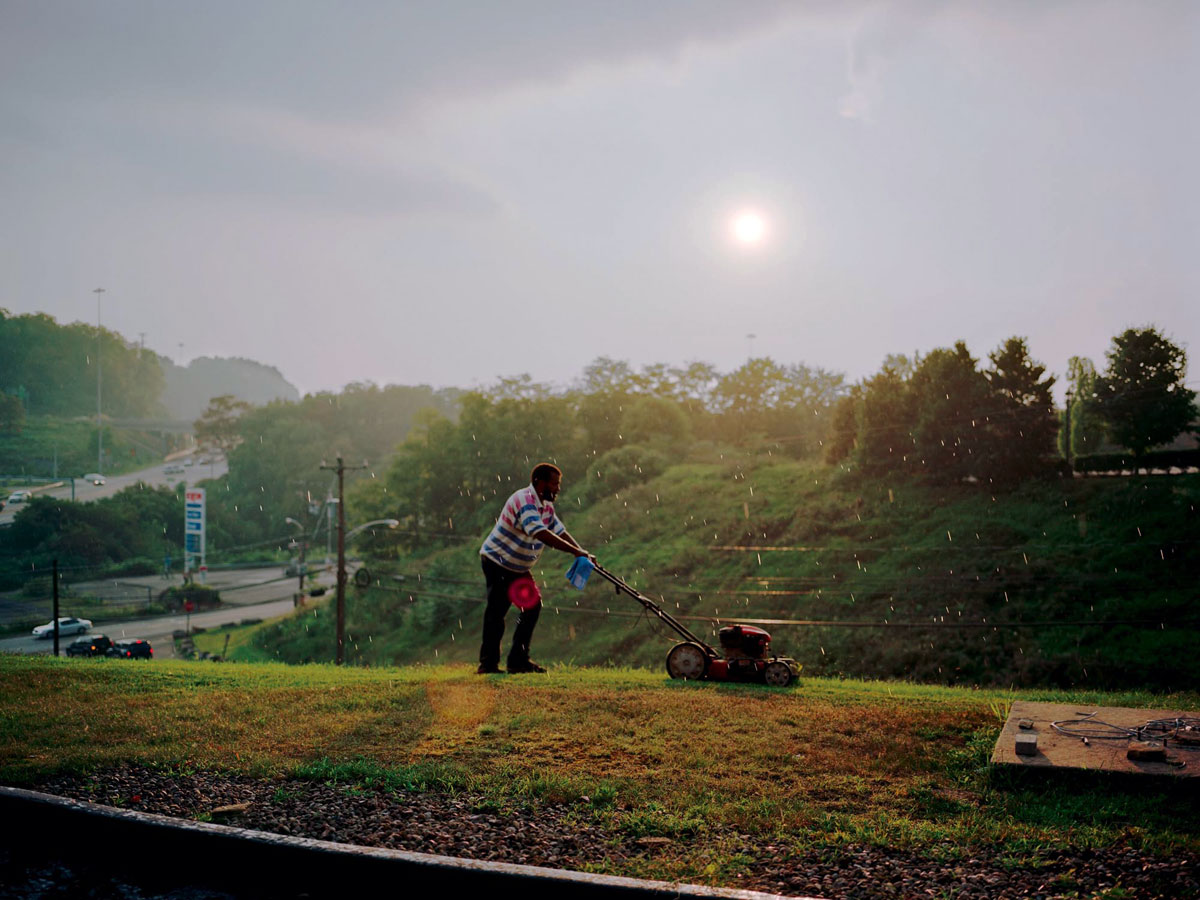
 Art Blart _ art and cultural memory archive
You must be logged in to post a comment.