
Exhibition dates: 20th May – 31st July, 2021

Herbert List (German, 1903-1975)
Orco, Sacro Bosco – Garden of Pier Francesco Orsini, Bomarzo, (Lazio), Italy
1952
Vintage gelatin silver print
30.4 x 24cm
© Herbert List Estate, Hamburg, Germany
Courtesy Galerie Karsten Greve, Cologne Paris St. Moritz
Every kind of pleasure
I feel that Herbert List is a very underrated photographer.
While celebrated socialites and fashion, architectural and urban(e) photographers in their day, the fame of List (together with his compatriots George Hoyningen-Huene and Horst P. Horst) has largely waned.
Is this because of the photographs aesthetic beauty and classical forms, their austerity and stillness, or their allusion to Romantic realism? Or is it because all three are gay and their homoerotic photographs of youthful masculinity still possess a residual stigma that clings to photographs of young men?
Whatever the reason this is a great pity for they are, all, superb photographers.
In his Self-Portrait in a Mirror, Rome, Italy (1955, below), List can be seen as an illusionist.
With seeming simplicity but utmost dexterity, List constructs magical spaces within the image plane – enchanted openings into other worlds that are actually present in the here and now: The Enchanted – At the Villa Magica, Rome Italy (1949, below); Painter in the Forum Romanum, Rome, Italy (1949, below).
His photographs play (there is the critical word) with how the camera pictures the reality of life on earth.
At a fundamental level of existence, this is magic (realism)1 played out on a global scale that investigates the fabric and structure of existence itself.
As a song I love titled “Dreams” by the group Nuages reflects:
“… and you understand black implies white
self implies other
life implies death
you can feel yourself
not as a stranger in the world
not as something here on probation
not as something that has arrived here by fluke
but you can begin to feel your own existence as absolutely fundamental
what you are basically
deep deep down
far far in
is simply the fabric and structure of existence itself.“
Dr Marcus Bunyan
1/ The existence of fantastic elements in the real world provides the basis for magical realism. Writers do not invent new worlds, but rather, they reveal the magical in the existing world, as was done by Gabriel García Márquez, who wrote the seminal work One Hundred Years of Solitude. In the world of magical realism, the supernatural realm blends with the natural, familiar world. List’s style of fotografia metafisica, which pictured dream states and fantastic imagery, is related to magic realism.
Many thankx to Galerie Karsten Greve for allowing me to publish the photographs in the posting. Please click on the photographs for a larger version of the image.
“The lens is not objective. Otherwise photography would be useless as an artistic medium.”
Herbert List. “Photografie als künstlerisches Ausdrucksmittel,” in List, H. (1985). Herbert List. München: Christian Verlag., p. 36.
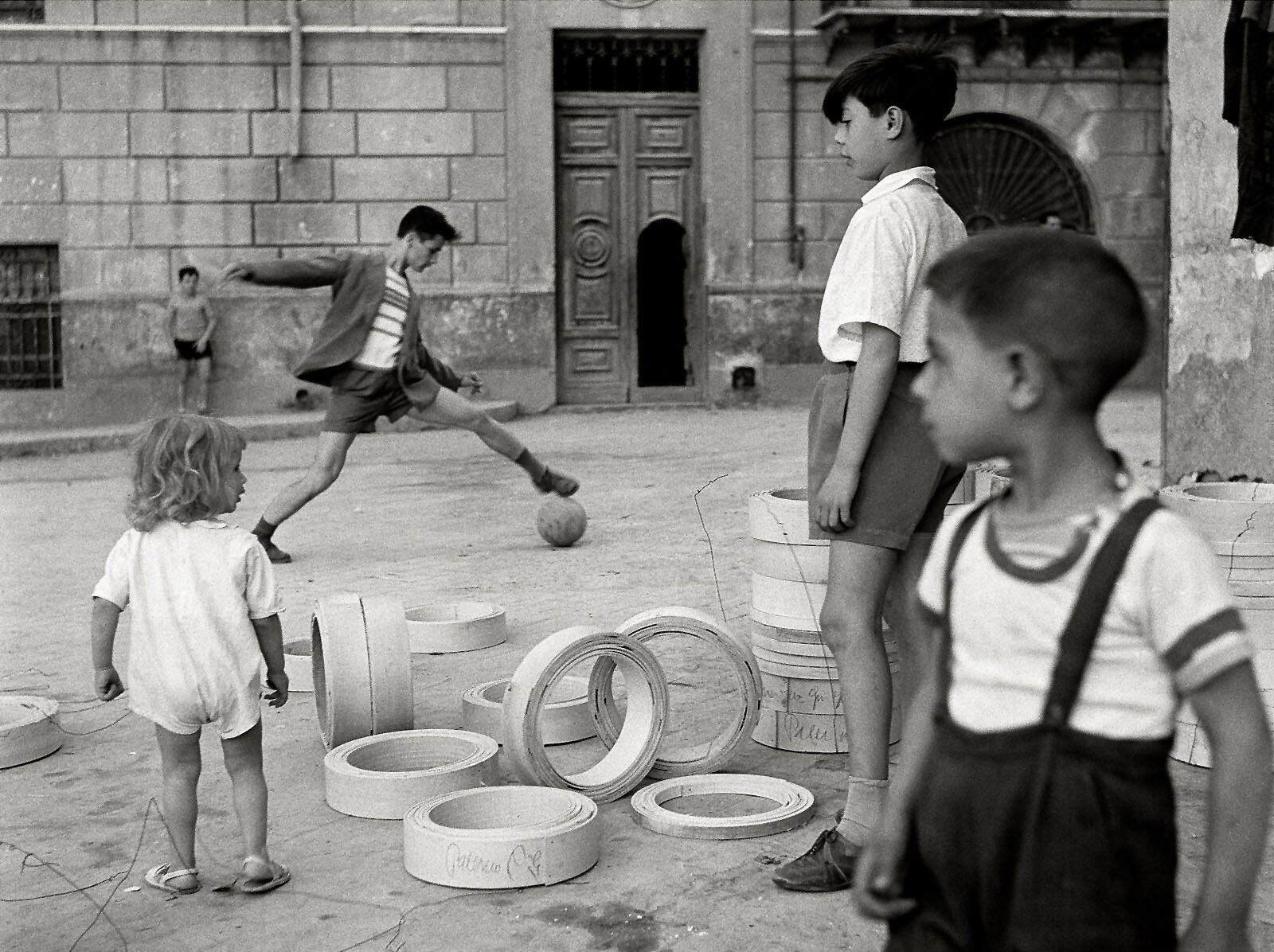
Herbert List (German, 1903-1975)
Boys Playing Soccer, Naples, Italy
1950
Vintage gelatin silver print
23 x 29.5cm
© Herbert List Estate, Hamburg, Germany
Courtesy Galerie Karsten Greve, Cologne Paris St. Moritz

Herbert List (German, 1903-1975)
Painter in the Forum Romanum, Rome, Italy
1949
Vintage gelatin silver print
29.1 x 22.4cm
© Herbert List Estate, Hamburg, Germany
Courtesy Galerie Karsten Greve, Cologne Paris St. Moritz
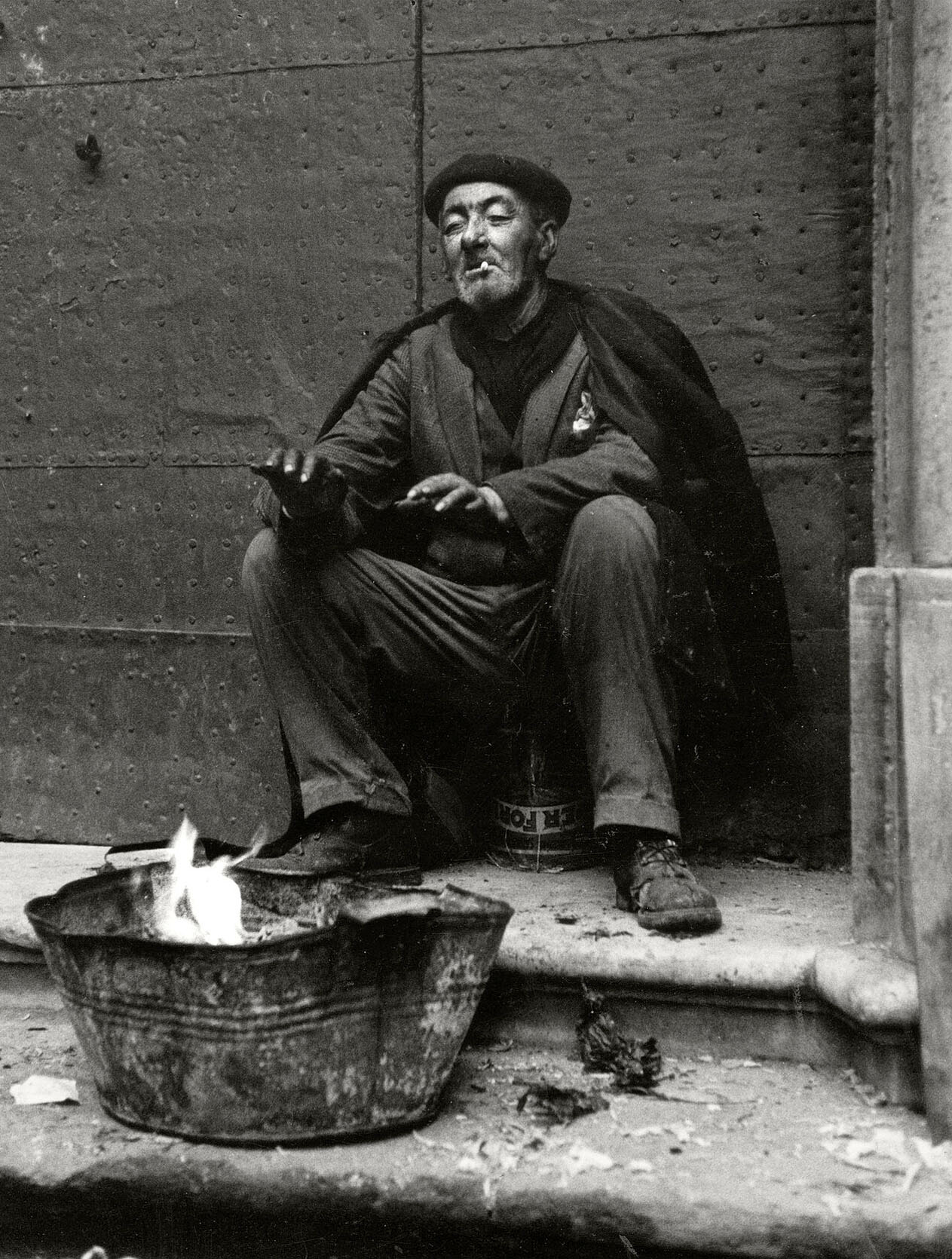
Herbert List (German, 1903-1975)
Ottavio Russo – The Vagabond, Naples, Italy
1961
Vintage gelatin silver print
29 x 22cm
© Herbert List Estate, Hamburg, Germany
Courtesy Galerie Karsten Greve, Cologne Paris St. Moritz
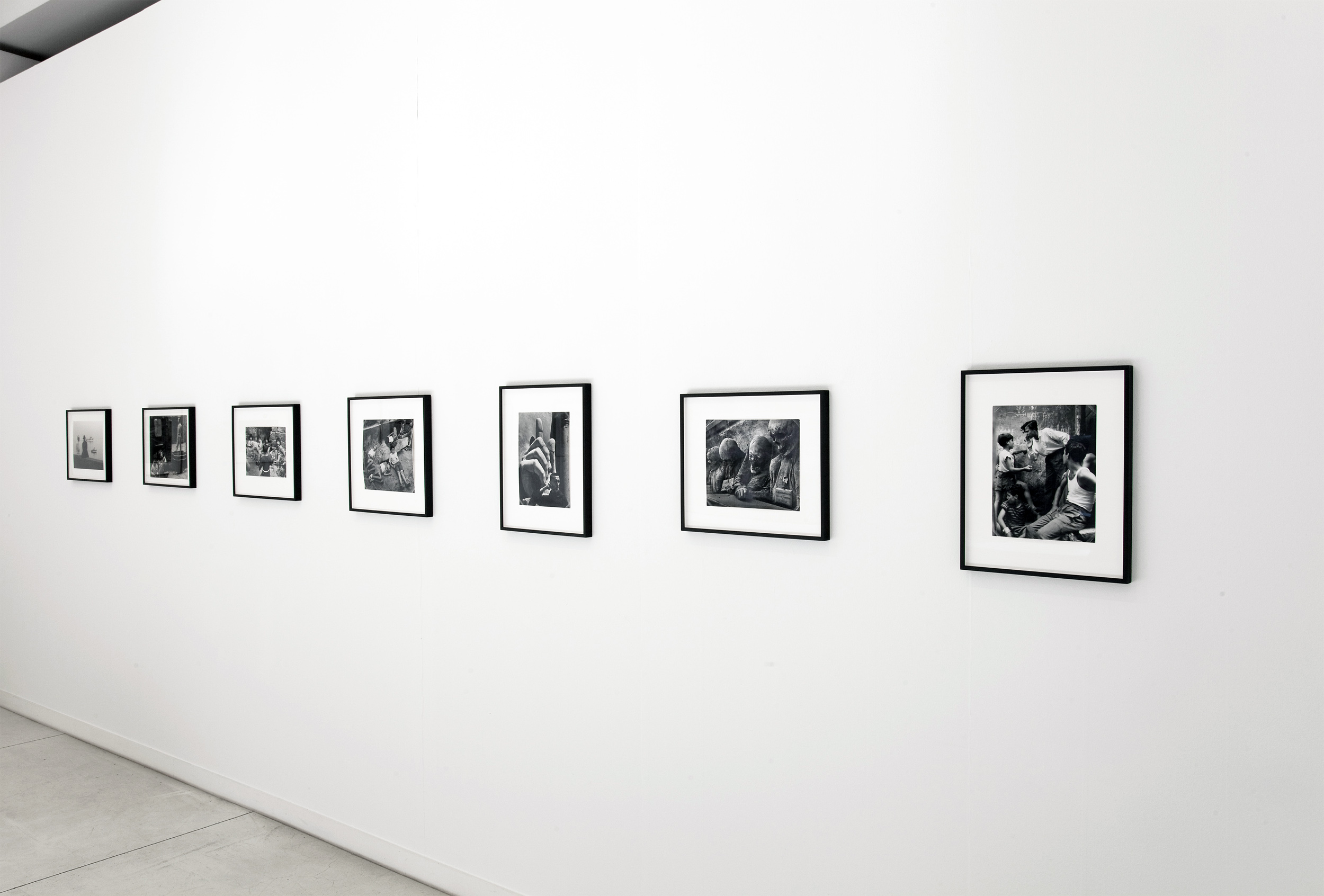
Installation view of the exhibition Herbert List: Italia at Galerie Karsten Greve, Cologne showing at right, Fight in Trastevere (1953)
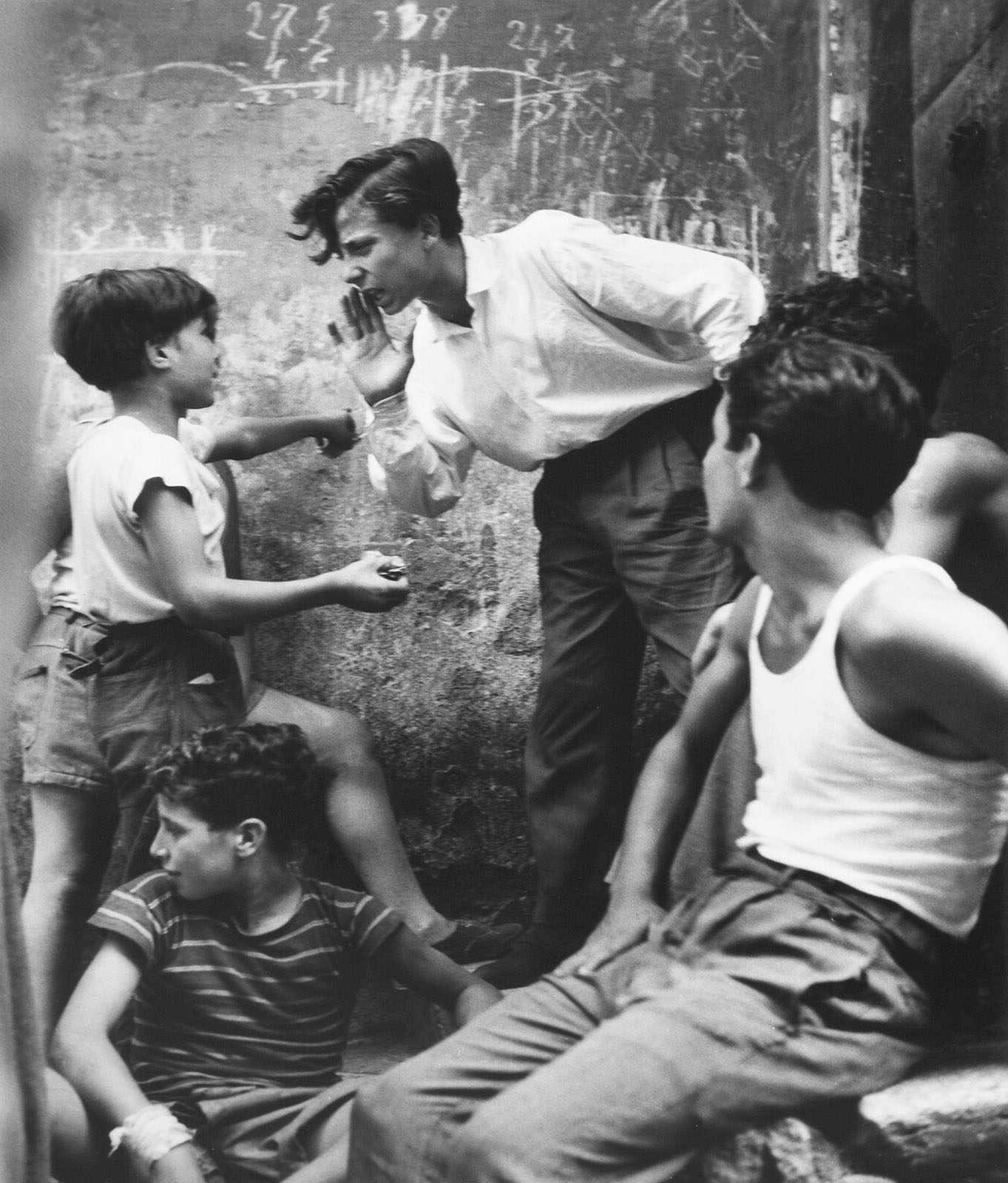
Herbert List (German, 1903-1975)
Fight in Trastevere, Trastevere, Rome, Italy
1953
Vintage gelatin silver print
29.3 x 23.2cm
Galerie Karsten Greve is presenting an exhibition dedicated to one of the major photographers of the 20th century: Herbert List Italia. This is a debut for Herbert List at Karsten Greve’s Cologne gallery space. Photo essays, photo reports, and portraits from the artist’s estate are on show, including around 80 vintage gelatin silver prints, based on photographs taken during Herbert List’s stays in Italy between 1934 and 1961. As much a bon vivant and educational traveler as an artist, professional photographer, and a collector of 16th to 18th-century Italian Old Master drawings, Herbert List felt closely connected to Italy.
Born in Hamburg in 1903, the son of Felix List of coffee importers List & Heineken, Herbert List started an apprenticeship with a Heidelberg coffee wholesaler in 1921 while studying art history and literature at Heidelberg University, attending lectures, for instance, given by Friedrich Gundolf, a professor of German philology, Goethe scholar, and member of the George circle. His encounter with photographer Andreas Feininger, who introduced him to the reflex camera (Rolleiflex), inspired Herbert List to take up photography in 1930. Influenced by Surrealism and the Bauhaus, he began shooting still life and portraits. In 1936, he emigrated to London and Paris; most of the time between 1937 and 1941, he spent in Greece. In 1941, to avoid internment, he fled to Munich where the American military government eventually admitted him as a photo reporter after he had been forbidden to officially publish or work in Germany. Being drafted into the Wehrmacht, the German armed forces, in 1944, he served in Norway until the end of the war. In 1946, he took photos of the ruins in bombed-out Munich. He became art editor of Heute magazine. In 1952, he joined Magnum, the international photographic cooperative, in Paris and traveled Italy. He completed several book projects. From the mid-1960s, he devoted himself almost entirely to his collection of Italian Old Master drawings. Herbert List died in Munich in 1975.
The artist’s estate, formerly in the care of Max Scheler from 1975 to 2003, is currently managed by Peer-Olaf Richter in Hamburg. Since Herbert List’s first solo exhibition in Paris in 1937, his oeuvre has been shown in numerous international exhibitions and published in internationally renowned magazines. His works are held in notable public collections, including the Metropolitan Museum of Art in New York, the Museum of Fine Art, Boston, Kunsthaus Zürich, the Photography Museum (now Photography Collection) at Münchner Stadtmuseum, Munich, the Museum für Kunst und Gewerbe Hamburg, Museum Ludwig in Cologne, and the Musée Picasso in Paris.
In the 1930s, creating works of homoerotic sensuality in line with classical aesthetics, Herbert List took photographs of vigorous boys worshiping the sun on the beaches and coasts of Liguria, and on the islands of Capri and Ischia. He dealt with age, loneliness, and death in a 1938 picture essay about Casa Verdi, the old age residence and final destination for many singers and musicians at La Scala in Milan. List’s photographs taken in the catacombs of Palermo’s Capuchin monastery (Le Catacombe dei Cappuccini) with skeletons wrapped in robes whose bizarre facial expressions gain an uncanny presence thanks to close vision and lighting effects, date from 1939. Another grotesque photographic essay shows the monster monuments overgrown with moss and leaves in the Sacro Bosco of Bomarzo (province of Viterbo, Lazio), which is used as a pasture and playground. In the jaws of Orcus, the personified throat of hell, stands a shepherd boy trying to survey his flock of grazing sheep. The ingenious gardens designed by architects Pirro Ligorio and Giacomo Barozzi da Vignola on behalf of the Roman condottiero and patron of the arts Pier Francesco (called Vicinio) Orsini between 1552 and 1585 are unique and full of puzzles.
Herbert List uncovers, and, at the same time, ironically comments on, the monumental character of architecture in Rome, the Eternal city, by juxtaposing it with people or animals: the giant marble hand of the Colossus of Emperor Constantine points its index finger towards Heaven behind a monk’s head; a cat poses under a monumental head of Jupiter. In 1952, the camera artist first used a 35 mm camera (Leica) with a telephoto lens to candidly capture events on the piazza in the Trastevere district for his View from a Window series. For a photo report about Naples, Herbert List went on photographic forays through the city starting in 1957. His sympathy was with the local residents: fishermen, traders, craftsmen, seamstresses, and laundresses, but also nuns and priests, idlers and singers, and, in particular, with the street urchins. A native of Naples, director and actor Vittorio De Sica interviewed the people List portrayed. Their collaboration resulted in Napoli, an illustrated book published in 1962; featuring photographs of authentic everyday occurrences and quotations from the people shown, it provides an overall picture of the southern Italian metropolis interspersed with social criticism.
As a specialty of Herbert List’s photography, the exhibition presents vintage gelatin silver prints of portraits of contemporary artists, writers, and intellectuals from List’s circle of acquaintances, including Giorgio de Chirico and Giorgio Morandi, Anna Magnani, Wystan H. Auden, Pier Paolo Pasolini and Benedetto Croce, to name just a few of these character studies that are considered among the outstanding achievements of 20th century portrait photography.
Accompanying the exhibition, a publication on Herbert List published by Galerie Karsten Greve is available: HERBERT LIST Italia, text: Matthias Harder, Galerie Karsten Greve, Paris, 2020, 12.00 euros.
Text from the Galerie Karsten Greve website
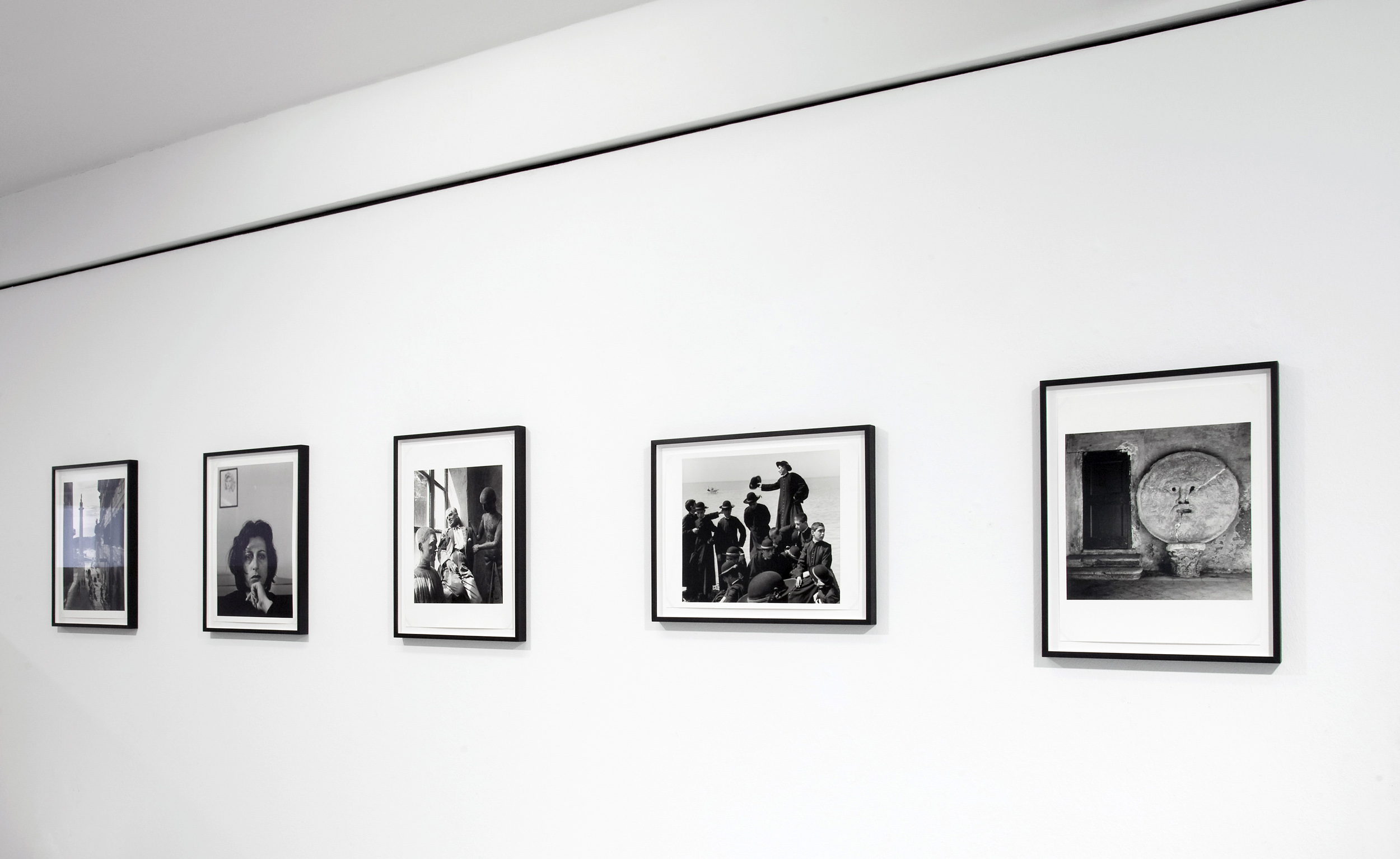

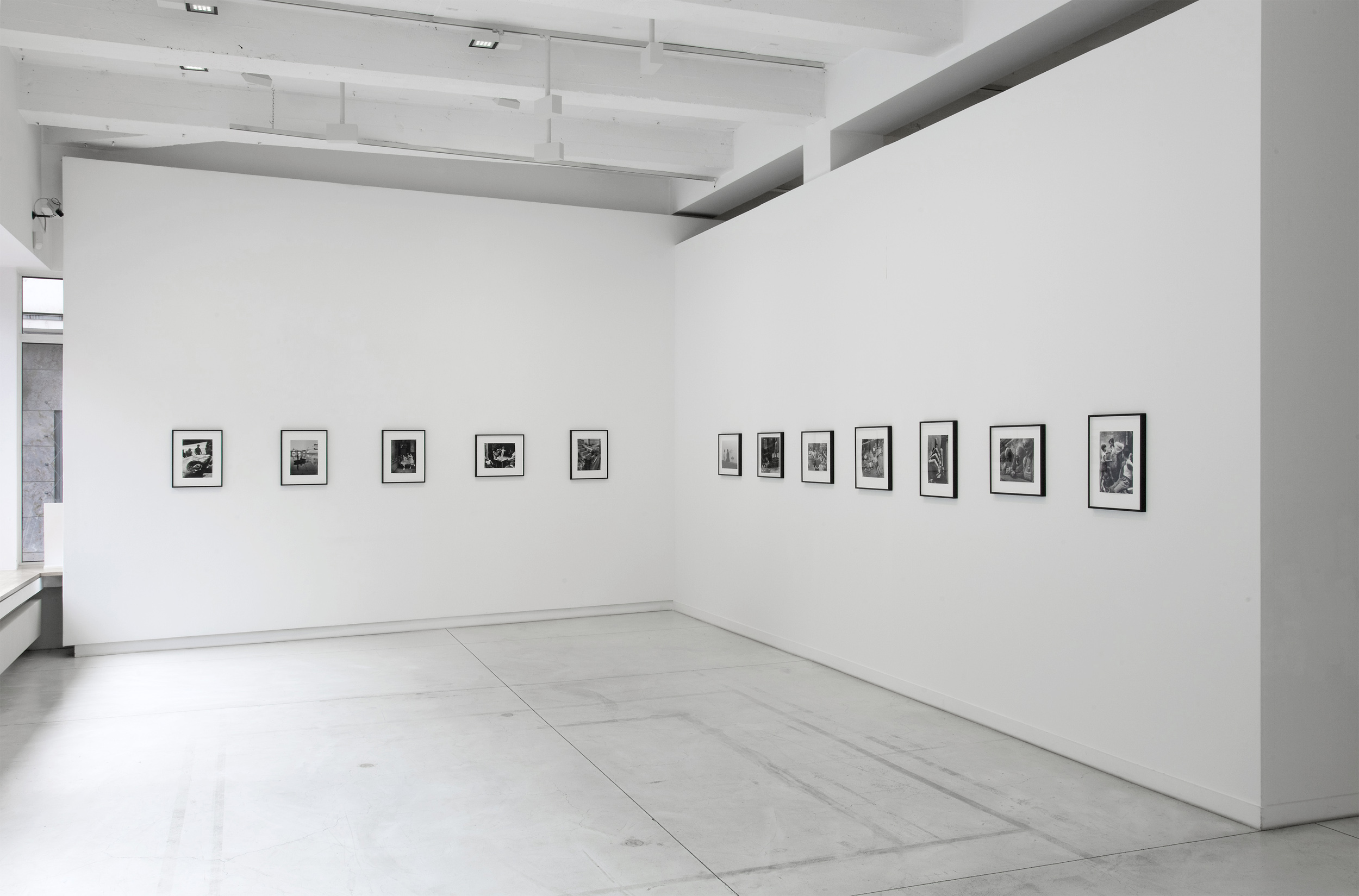

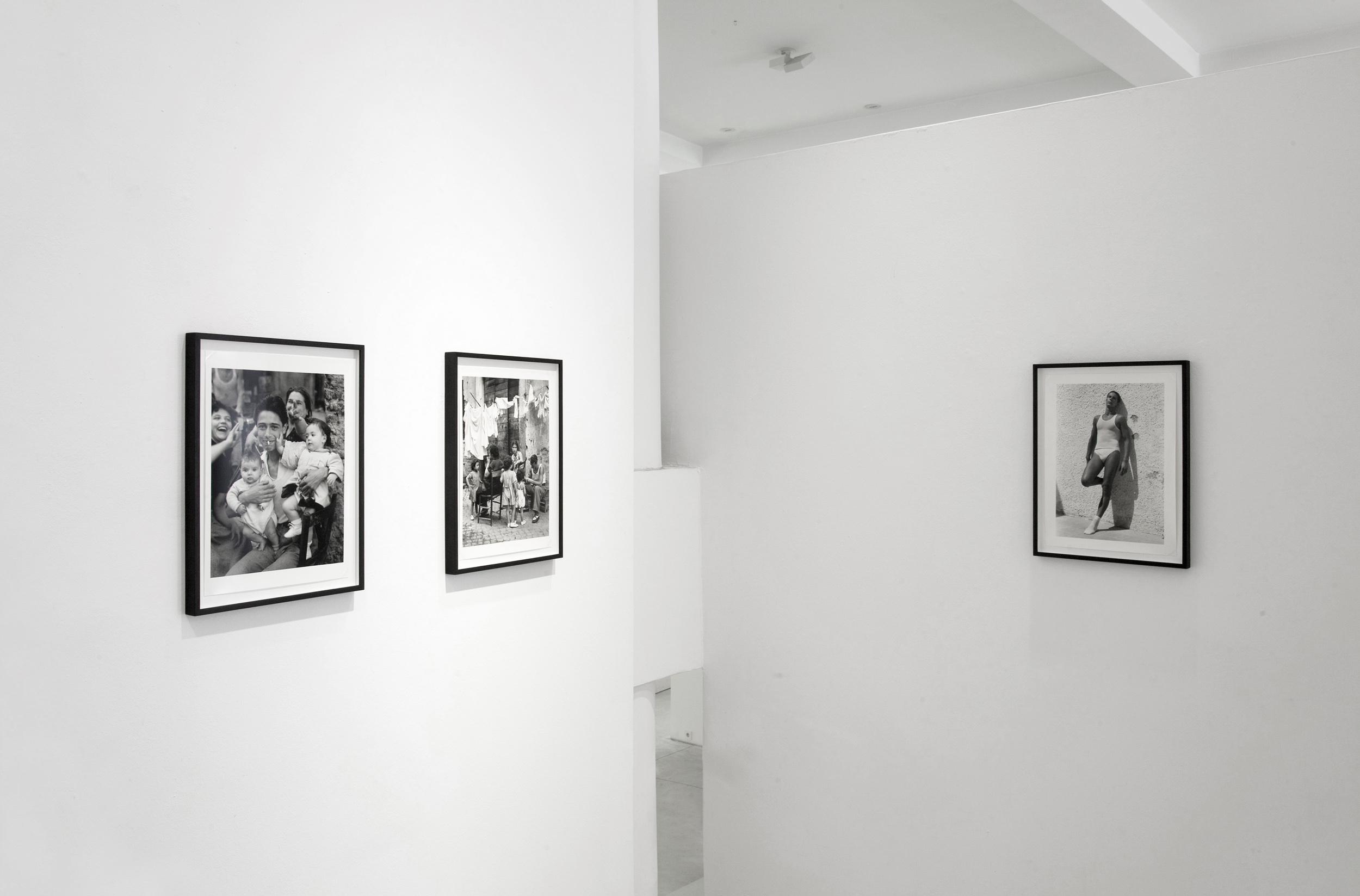


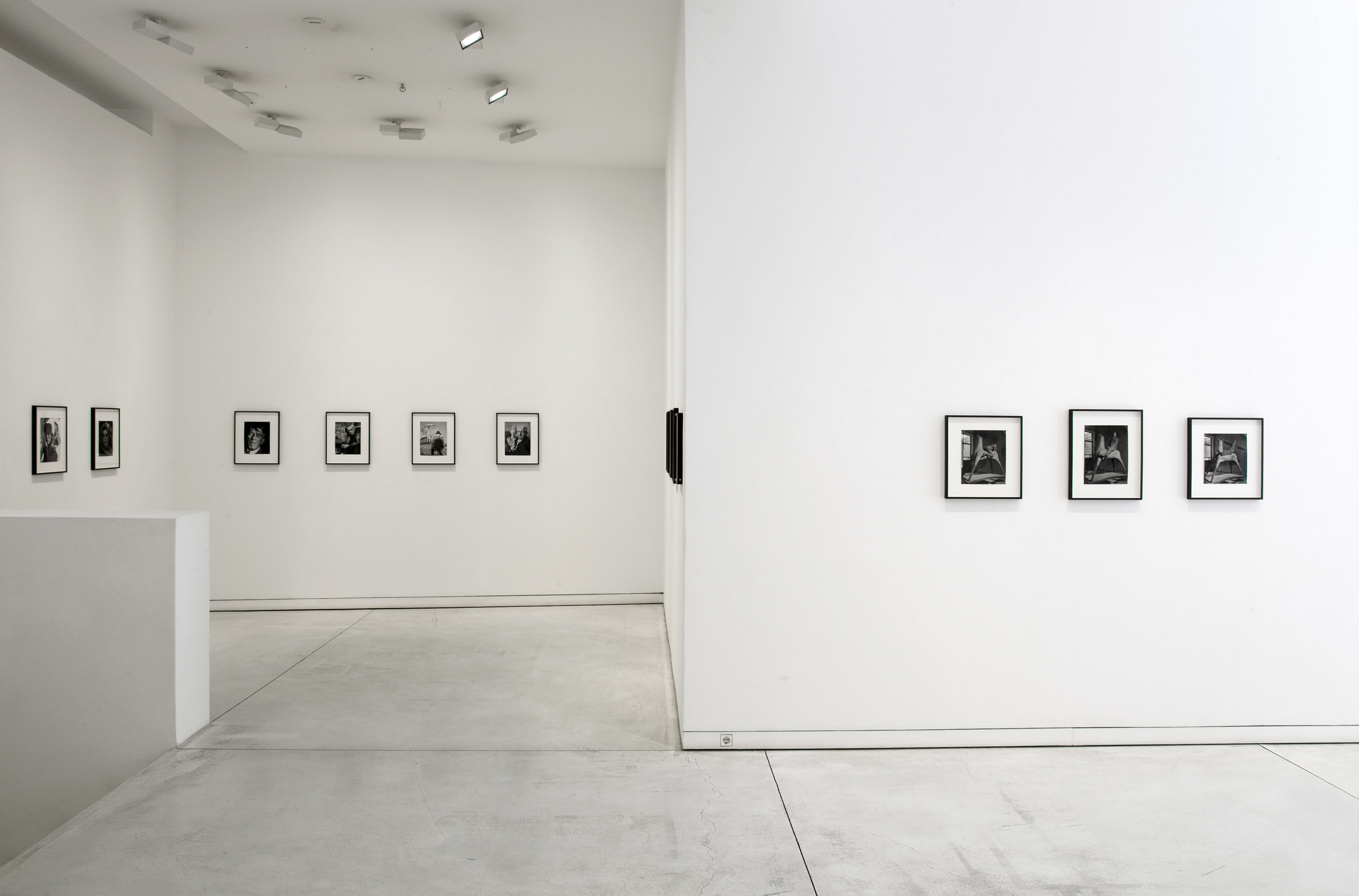
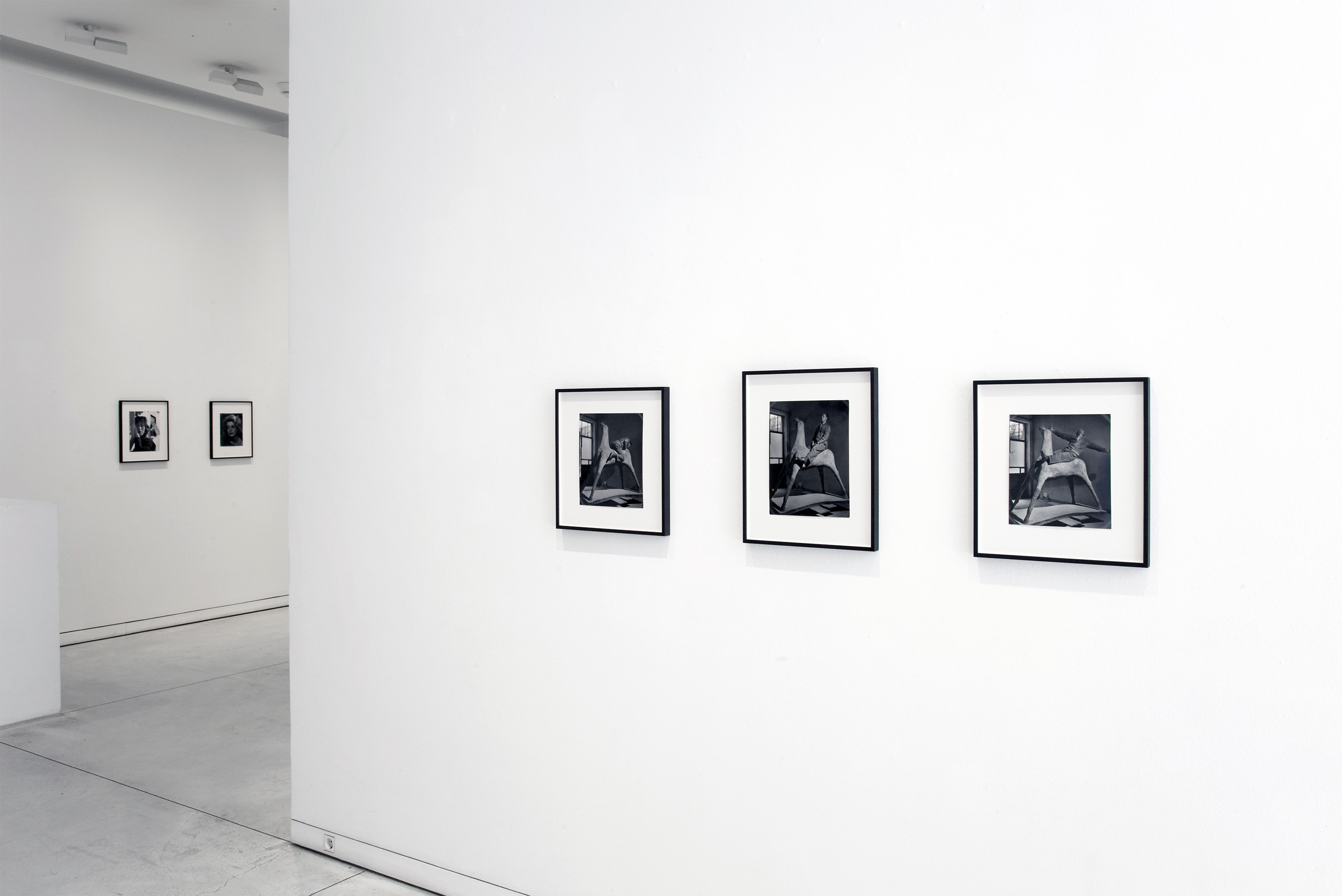
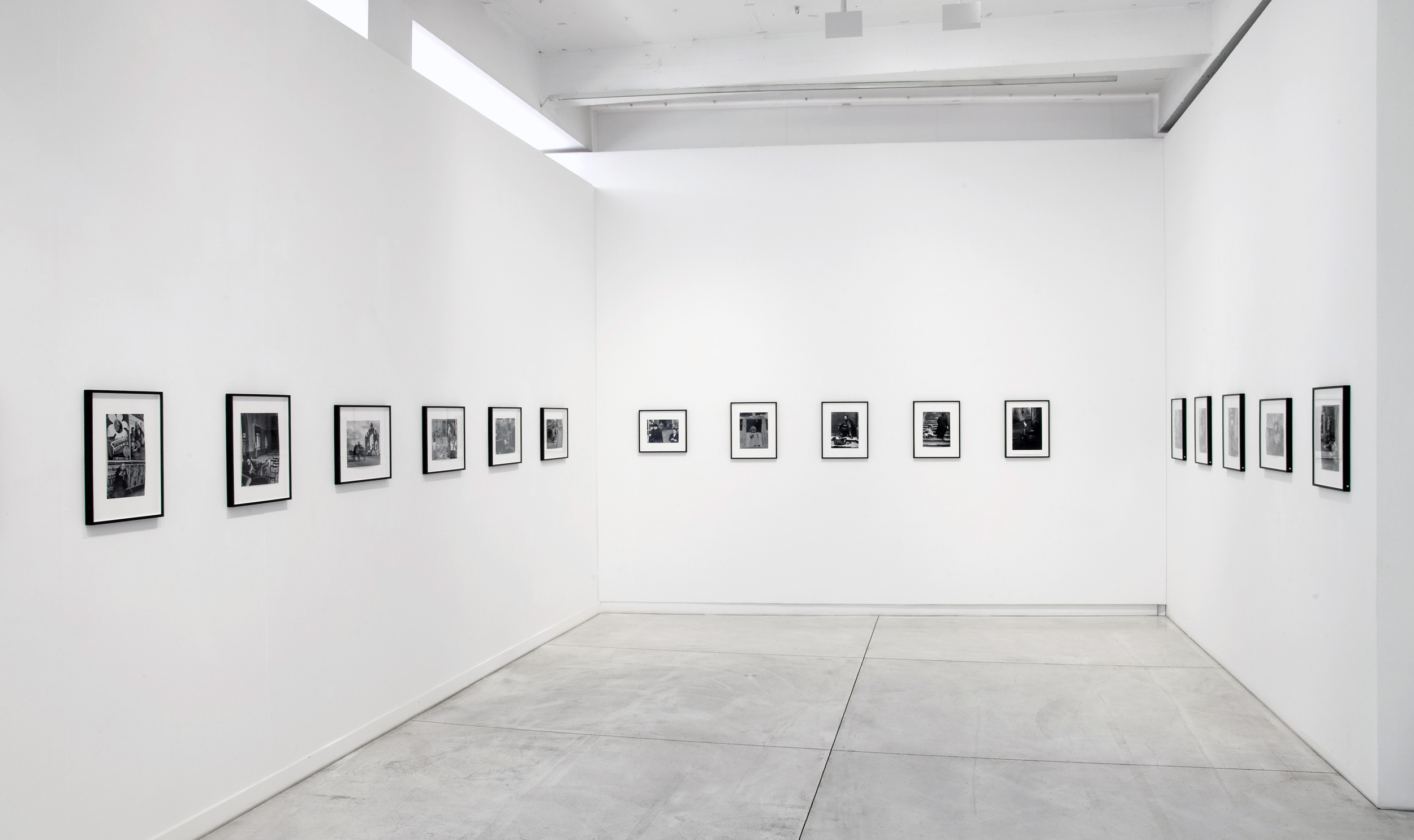
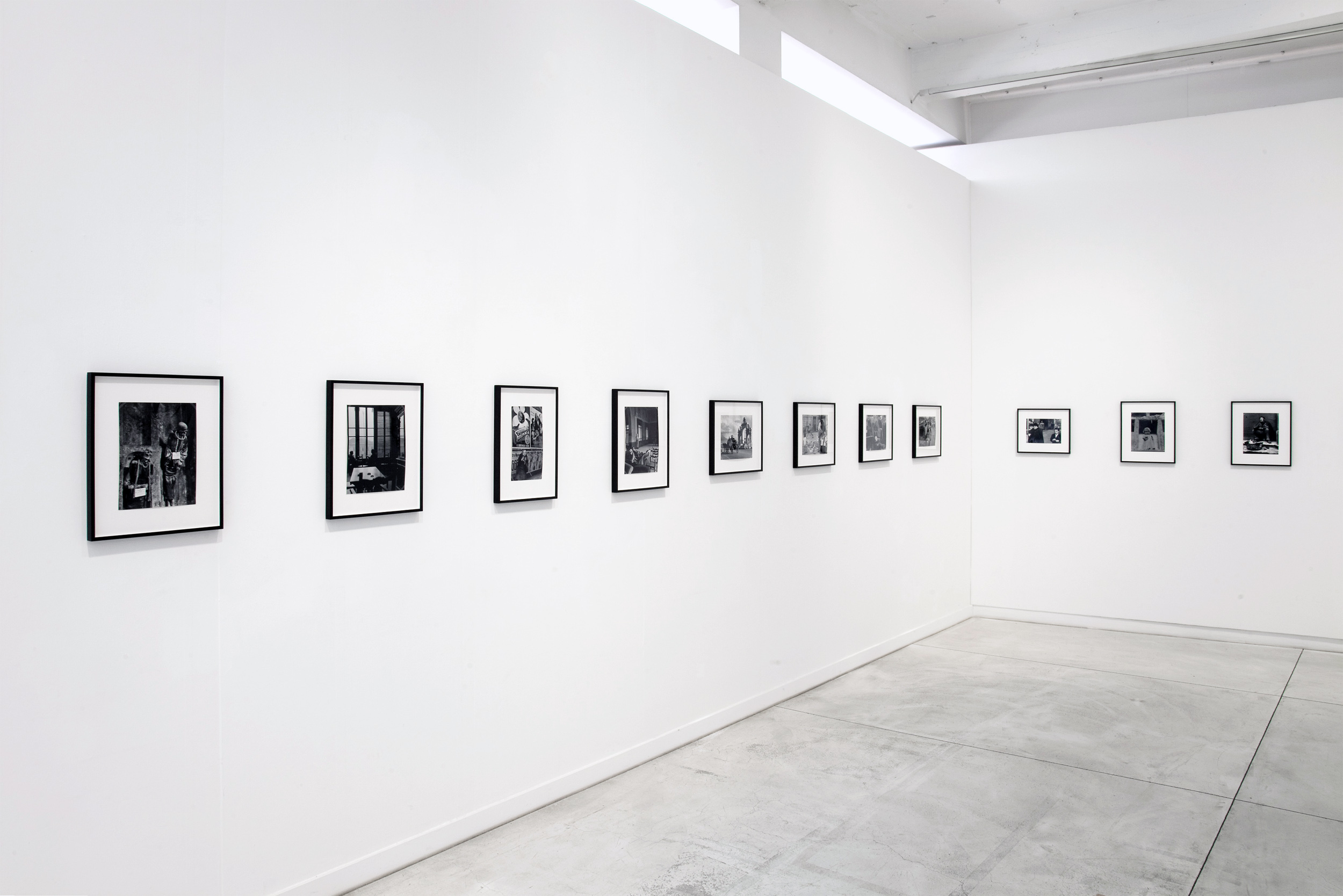
Installation views of the exhibition Herbert List: Italia at Galerie Karsten Greve, Cologne
Born in Hamburg in 1903, the son of Felix List of coffee importers List & Heineken, Herbert List started an apprenticeship with a Heidelberg coffee wholesaler in 1921 while studying art history and literature at Heidelberg University, attending lectures, for instance, given by Friedrich Gundolf, a professor of German philology, Goethe scholar, and member of the George circle. His encounter with photographer Andreas Feininger, who introduced him to the reflex camera (Rolleiflex), inspired Herbert List to take up photography in 1930. Influenced by Surrealism and the Bauhaus, he began shooting still life and portraits. In 1936, he emigrated to London and Paris; most of the time between 1937 and 1941, he spent in Greece. In 1941, to avoid internment, he fled to Munich where the American military government eventually admitted him as a photo reporter after he had been forbidden to officially publish or work in Germany. Being drafted into the Wehrmacht, the German armed forces, in 1944, he served in Norway until the end of the war. After his return to Germany, the American military government eventually admitted him as a photo reporter after he had been forbidden to officially publish or work in Germany. He became art editor of Heute magazine. In 1952, he joined Magnum, the international photographic cooperative, in Paris and traveled Italy. He completed several book projects. From the mid-1960s, he devoted himself almost entirely to his collection of Italian Old Master drawings. Herbert List died in Munich in 1975.
The artist’s estate, formerly in the care of Max Scheler from 1975 to 2003, is currently managed by Peer-Olaf Richter in Hamburg. Since Herbert List’s first solo exhibition in Paris in 1937, his oeuvre has been shown in numerous international exhibitions and published in internationally renowned magazines. His works are held in notable public collections, including the Metropolitan Museum of Art in New York, the Museum of Fine Art, Boston, Kunsthaus Zürich, the Photography Museum (now Photography Collection) at Münchner Stadtmuseum, Munich, the Museum für Kunst und Gewerbe Hamburg, Museum Ludwig in Cologne, and the Musée Picasso in Paris.
In the 1930s, creating works of homoerotic sensuality in line with classical aesthetics, Herbert List took photographs of vigorous boys worshiping the sun on the beaches and coasts of Liguria, and on the islands of Capri and Ischia. He dealt with age, loneliness, and death in a 1938 picture essay about Casa Verdi, the old-age residence and final destination for many singers and musicians at La Scala in Milan. List’s photographs taken in the catacombs of Palermo’s Capuchin monastery (Le Catacombe dei Cappuccini) with skeletons wrapped in robes whose bizarre facial expressions gain an uncanny presence thanks to close vision and lighting effects, date from 1939. Another grotesque photographic essay shows the monster monuments overgrown with moss and leaves in the Sacro Bosco of Bomarzo (province of Viterbo, Lazio), which is used as a pasture and playground. In the jaws of Orcus, the personified throat of hell, stands a shepherd boy trying to survey his flock of grazing sheep. The ingenious gardens designed by architects Pirro Ligorio and Giacomo Barozzi da Vignola on behalf of the Roman condottiero and patron of the arts Pier Francesco (called Vicinio) Orsini between 1552 and 1585 are unique and full of puzzles.
Herbert List uncovers, and, at the same time, ironically comments on, the monumental character of architecture in Rome, the Eternal city, by juxtaposing it with people or animals: the giant marble hand of the Colossus of Emperor Constantine points its index finger towards Heaven behind a monk’s head; a cat poses under a monumental head of Jupiter. In 1952, the camera artist first used a 35 mm camera (Leica) with a telephoto lens to candidly capture events on the piazza in the Trastevere district for his View from a Window series. For a photo report about Naples, Herbert List went on photographic forays through the city starting in 1957. His sympathy was with the local residents: fishermen, traders, craftsmen, seamstresses, and laundresses, but also nuns and priests, idlers and singers, and, in particular, with the street urchins. A native of Naples, director and actor Vittorio De Sica interviewed the people List portrayed. Their collaboration resulted in Napoli, an illustrated book published in 1962; featuring photographs of authentic everyday occurrences and quotations from the people shown, it provides an overall picture of the southern Italian metropolis interspersed with social criticism.
As a specialty of Herbert List’s photography, the exhibition presents vintage gelatin silver prints of portraits of contemporary artists, writers, and intellectuals from List’s circle of acquaintances, including Giorgio de Chirico and Giorgio Morandi, Anna Magnani, Wystan H. Auden, Pier Paolo Pasolini and Benedetto Croce, to name just a few of these character studies that are considered among the outstanding achievements of 20th century portrait photography.
Text from the Galerie Karsten Greve website

Installation view of the exhibition Herbert List: Italia at Galerie Karsten Greve, Cologne showing at right, Italian Painter Giorgio de Chirico #4 (1951)
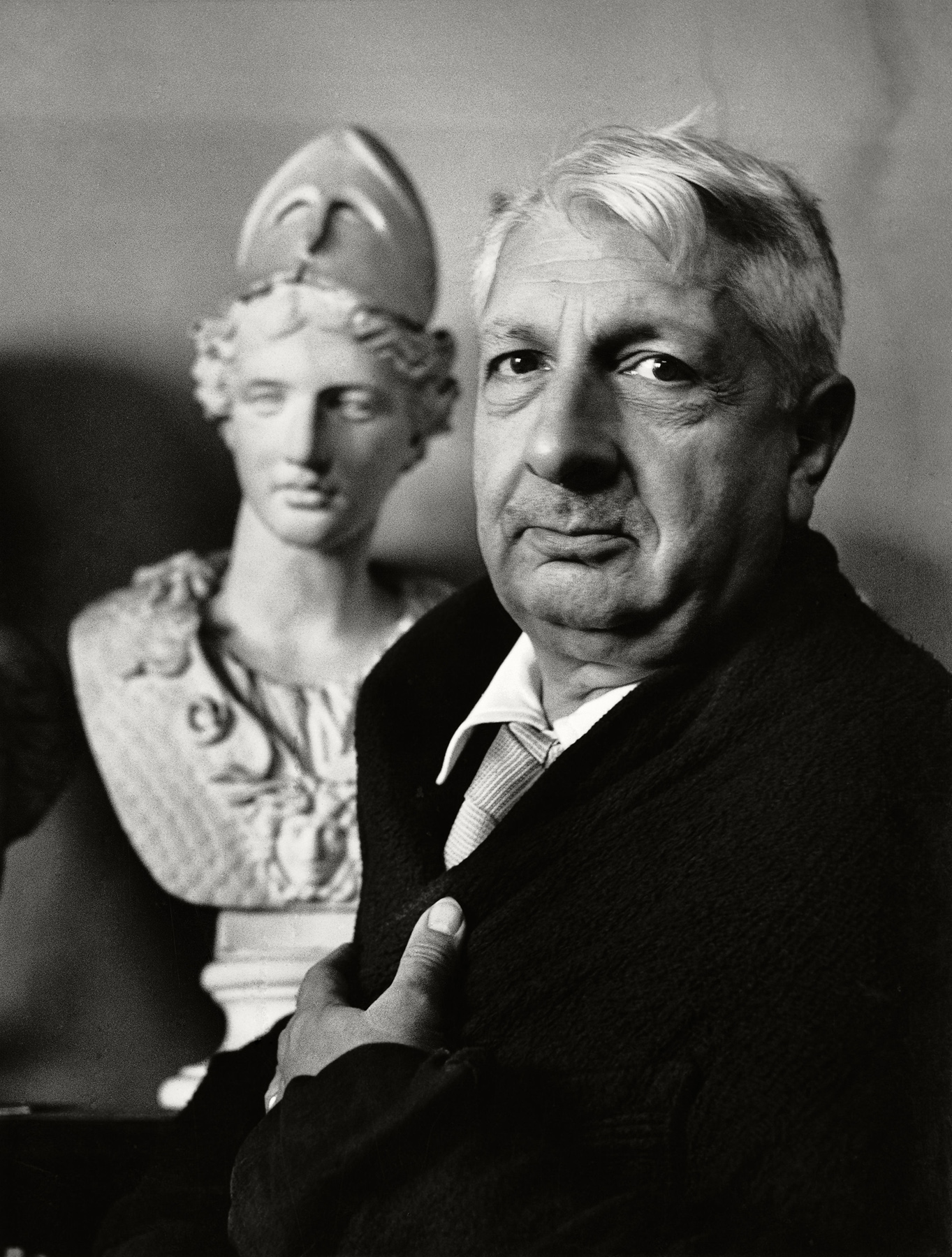
Herbert List (German, 1903-1975)
Italian Painter Giorgio de Chirico #4, Rome, Italy
1951
Vintage gelatin silver print
30 x 22 .7cm
© Herbert List Estate, Hamburg, Germany
Courtesy Galerie Karsten Greve, Cologne Paris St. Moritz
Italian Painter Giorgio di Chirico in his Atelier and Home at Piazza di Spagna

Herbert List (German, 1903-1975)
Girls playing in a Passageway, Naples, Italy
1959
Vintage gelatin silver print
28.9 x 21.6cm
© Herbert List Estate, Hamburg, Germany
Courtesy Galerie Karsten Greve, Cologne Paris St. Moritz
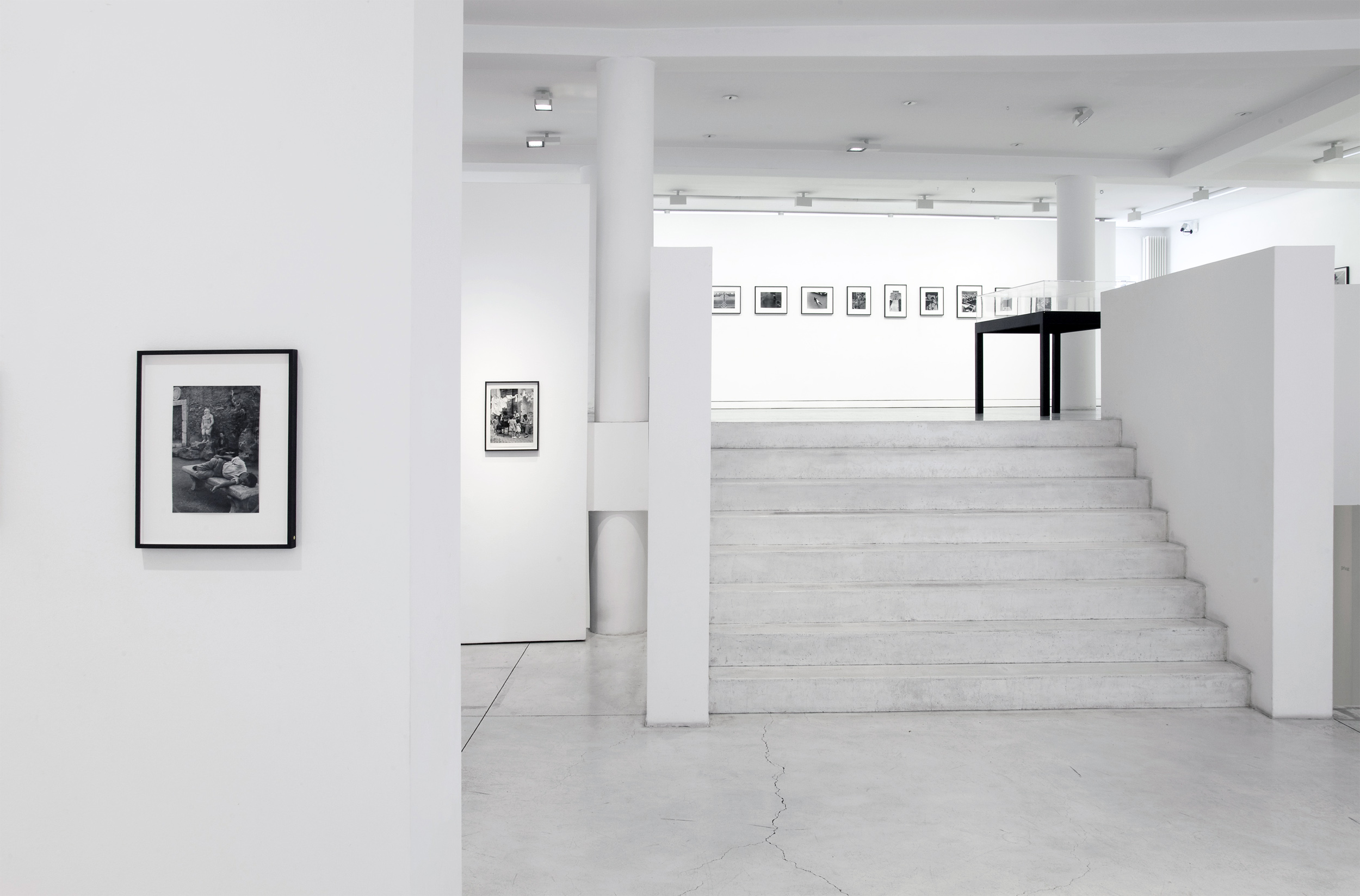
Installation view of the exhibition Herbert List: Italia at Galerie Karsten Greve, Cologne showing at left, The Enchanted – At the Villa Magica (1949)

Herbert List (German, 1903-1975)
The Enchanted – At the Villa Magica, Rome Italy
1949
Vintage gelatin silver print
29.4 x 23.8cm
© Herbert List Estate, Hamburg, Germany
Courtesy Galerie Karsten Greve, Cologne Paris St. Moritz
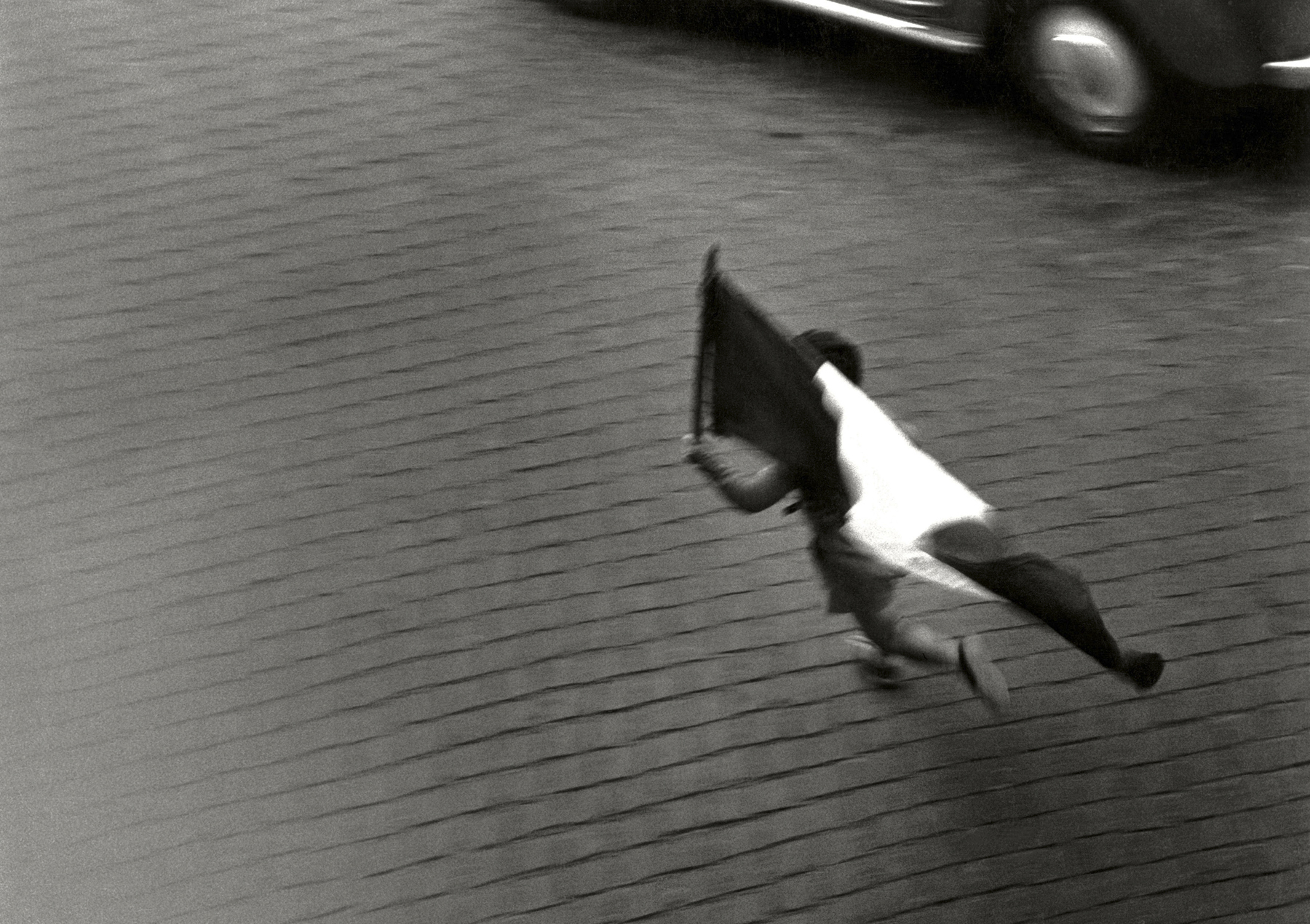
Herbert List (German, 1903-1975)
View from a window: Little Garibaldi – Boy with Italian flag, Rome, Trastevere, Italy
1953
Vintage gelatin silver print
22.5 x 29cm
© Herbert List Estate, Hamburg, Germany
Courtesy Galerie Karsten Greve, Cologne Paris St. Moritz
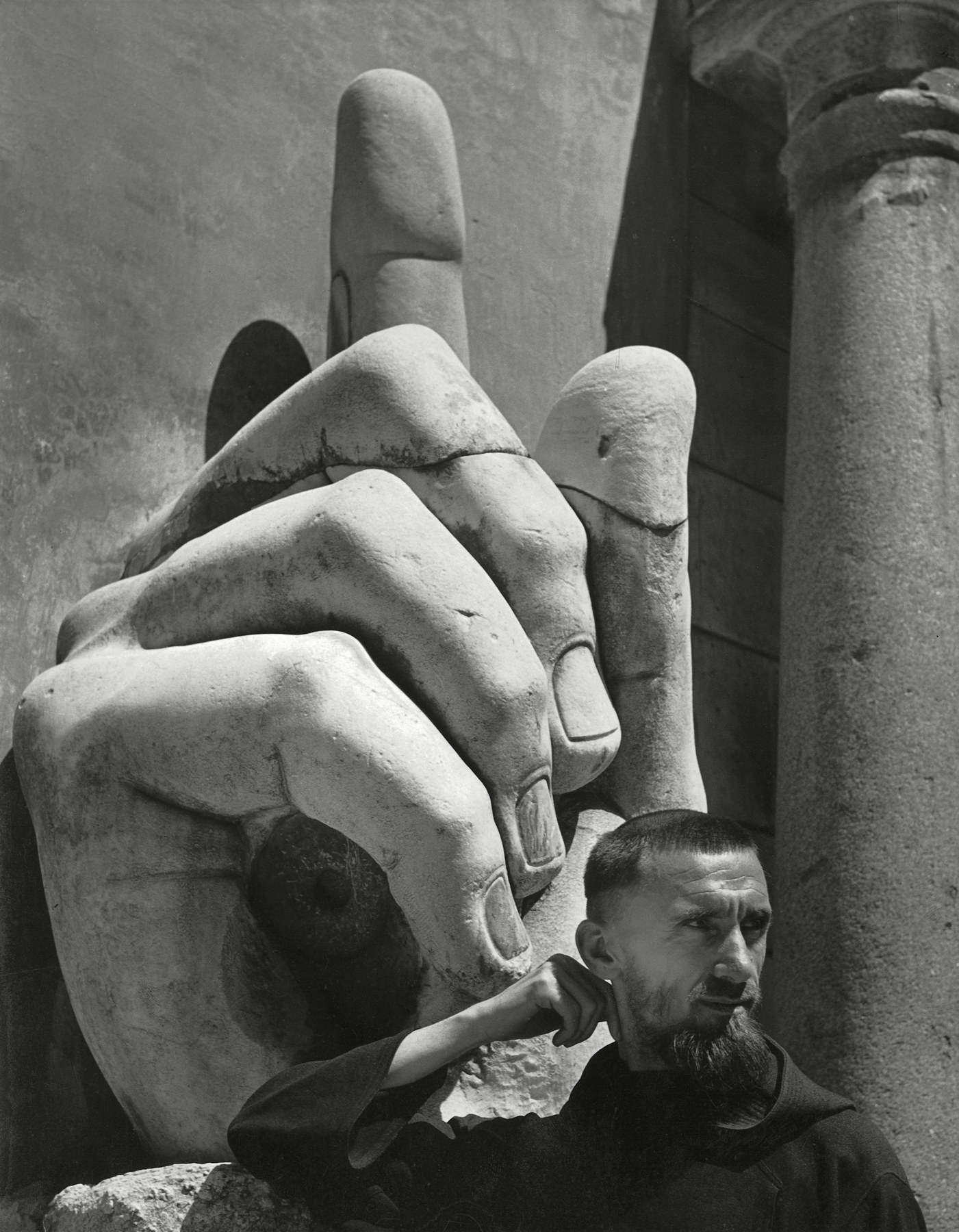
Herbert List (German, 1903-1975)
Finger of God – Capuchin Monk in front of a fragment of the Statua Colossale di Costantino, Italy, Rome
1949
Vintage gelatin silver print
28.8 x 22.2cm
© Herbert List Estate, Hamburg, Germany
Courtesy Galerie Karsten Greve, Cologne Paris St. Moritz

Herbert List (German, 1903-1975)
Balloons at the Trevi Fountain, Rome, Italy
1950
Vintage gelatin silver print
28.9 x 23.7cm
© Herbert List Estate, Hamburg, Germany
Courtesy Galerie Karsten Greve, Cologne Paris St. Moritz
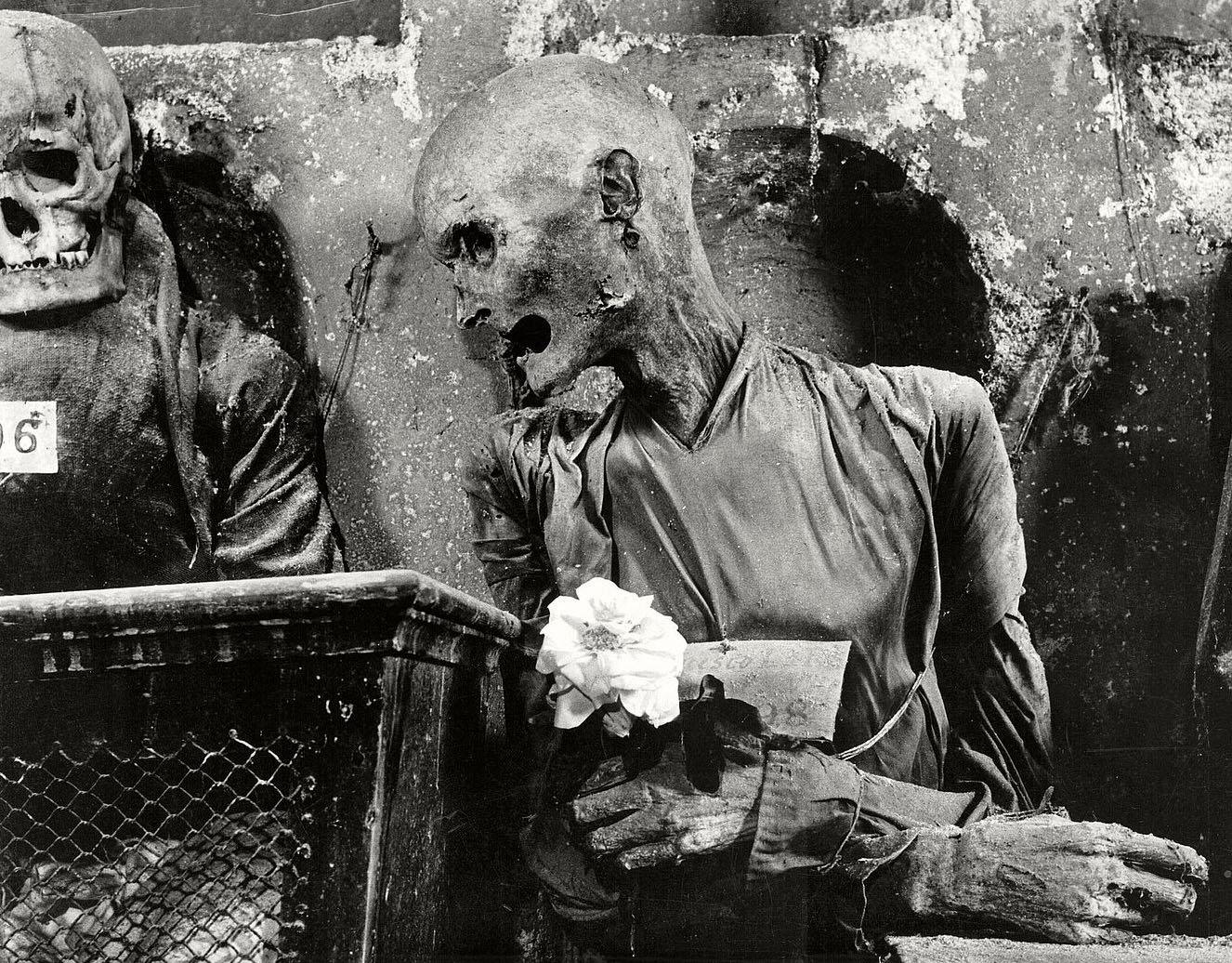
Herbert List (German, 1903-1975)
Conversation on a Rose
1950
Vintage gelatin silver print
Image: 23 x 29.6cm
Frame: 37.4 x 45.4 x 2.8cm
© Herbert List Estate, Hamburg, Germany
Courtesy Galerie Karsten Greve, Cologne Paris St. Moritz
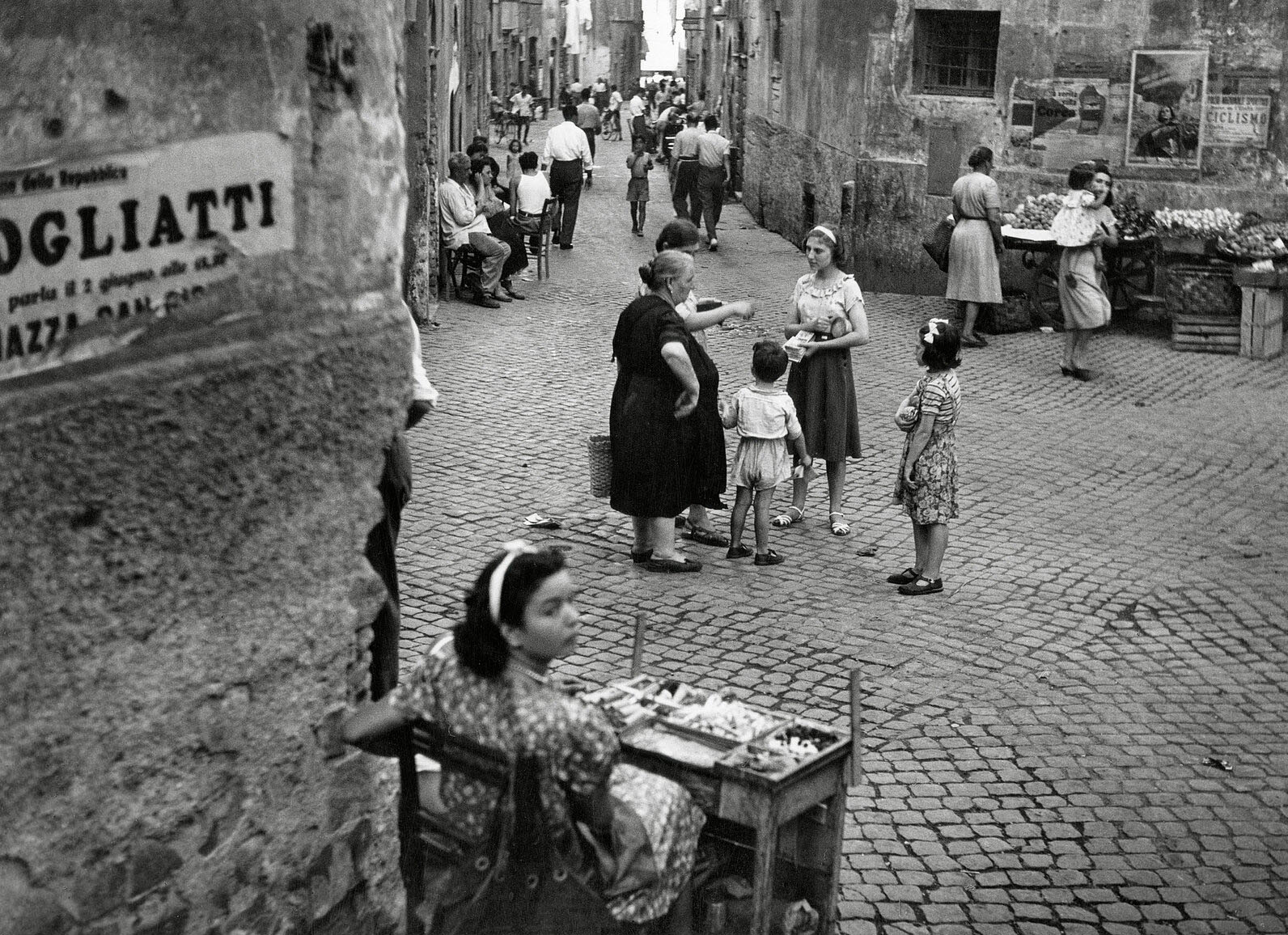
Herbert List (German, 1903-1975)
Togliatti Poster, Rome Trastevere, Italy
1953
Vintage gelatin silver print
Image: 21.3 x 29cm
Frame: 37.4 x 45.4 x 2.8cm
© Herbert List Estate, Hamburg, Germany
Courtesy Galerie Karsten Greve, Cologne Paris St. Moritz

Herbert List (German, 1903-1975)
View from the Window: Shadows of Houses, Rome Trastevere, Italy
1953
Vintage gelatin silver print
Image: 25.3 x 18.3cm
Frame: 39.4 x 34.4 x 2.8cm
© Herbert List Estate, Hamburg, Germany
Courtesy Galerie Karsten Greve, Cologne Paris St. Moritz

Herbert List (German, 1903-1975)
Self-Portrait in a Mirror, Rome, Italy
1955
Vintage gelatin silver print
15.9 x 21.6cm
© Herbert List Estate, Hamburg, Germany
Courtesy Galerie Karsten Greve, Cologne Paris St. Moritz
Galerie Karsten Greve
Drususgasse 1-5
50667 Cologne
Germany
Phone: +49 (0)221 257 10 12
Opening hours:
Tuesday – Friday 10am – 6.30pm
Saturday 10am – 6pm
 Art Blart _ art and cultural memory archive
You must be logged in to post a comment.