Exhibition: ‘Vanessa Winship’ at Fundación Mapfre, Madrid

Exhibition dates: 27th May – 31st August 2014


Vanessa Winship (British, b. 1960) 'Untitled' from the series 'Imagined States and Desires. A Balkan Journey' 1999-2002


Vanessa Winship (British, b. 1960)
Untitled from the series Imagined States and Desires. A Balkan Journey
1999-2002
© Vanessa Winship


“Young heart, old soul.” And then the vulnerability in those eyes… that burn right through you.

Such sensitivity, such presence. Glorious. All of them!

Marcus


Many thankx to Fundación Mapfre for allowing me to publish the photographs in the posting. Please click on the photographs for a larger version of the image.
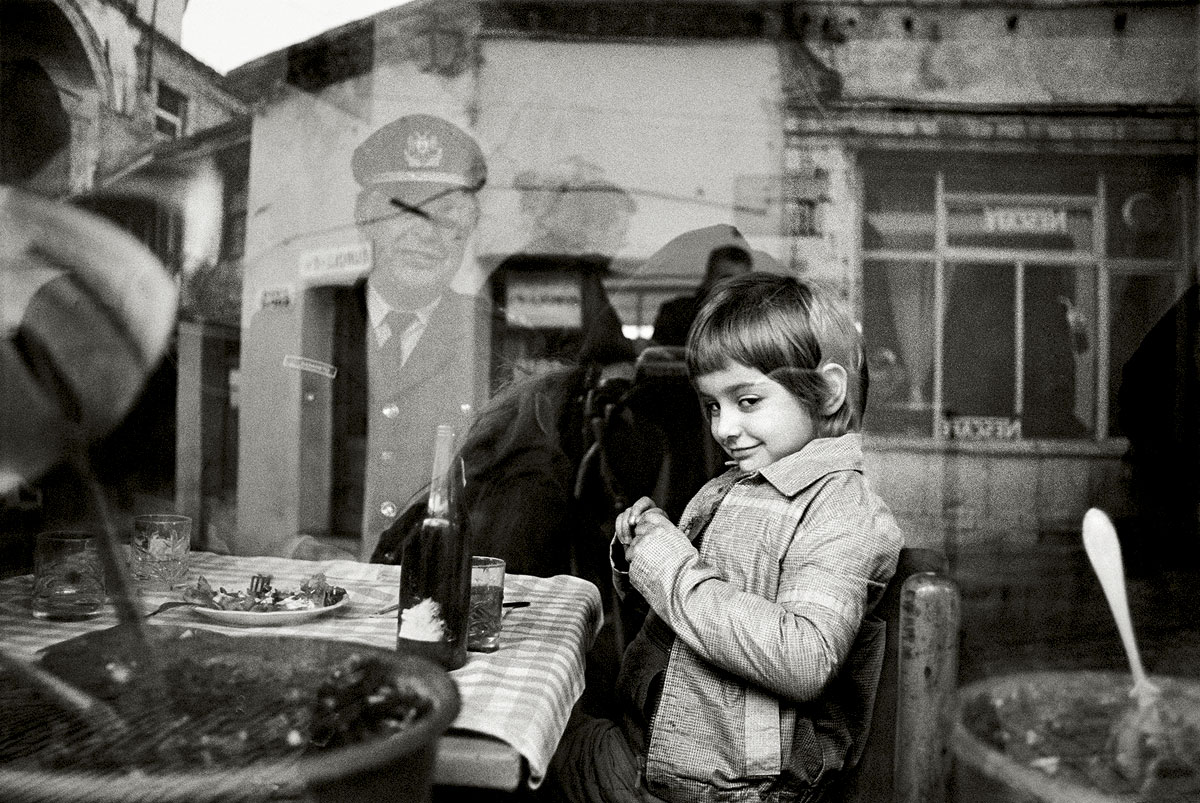


Vanessa Winship (British, b. 1960) 'Untitled' from the series 'Imagined States and Desires. A Balkan Journey' 1999-2002


Vanessa Winship (British, b. 1960)
Untitled from the series Imagined States and Desires. A Balkan Journey
1999-2002
© Vanessa Winship


Vanessa Winship (British, b. 1960) 'Untitled' from the series 'Imagined States and Desires. A Balkan Journey' 1999-2002


Vanessa Winship (British, b. 1960)
Untitled from the series Imagined States and Desires. A Balkan Journey
1999-2002
© Vanessa Winship


Vanessa Winship (British, b. 1960) 'Untitled' from the series 'Black Sea. Between Chronicle and Fiction' 2002-2010


Vanessa Winship (British, b. 1960)
Untitled from the series Black Sea. Between Chronicle and Fiction
2002-2010
© Vanessa Winship


Vanessa Winship (British, b. 1960) 'Untitled' from the series 'Black Sea. Between Chronicle and Fiction' 2002-2010


Vanessa Winship (British, b. 1960)
Untitled from the series Black Sea. Between Chronicle and Fiction
2002-2010
© Vanessa Winship
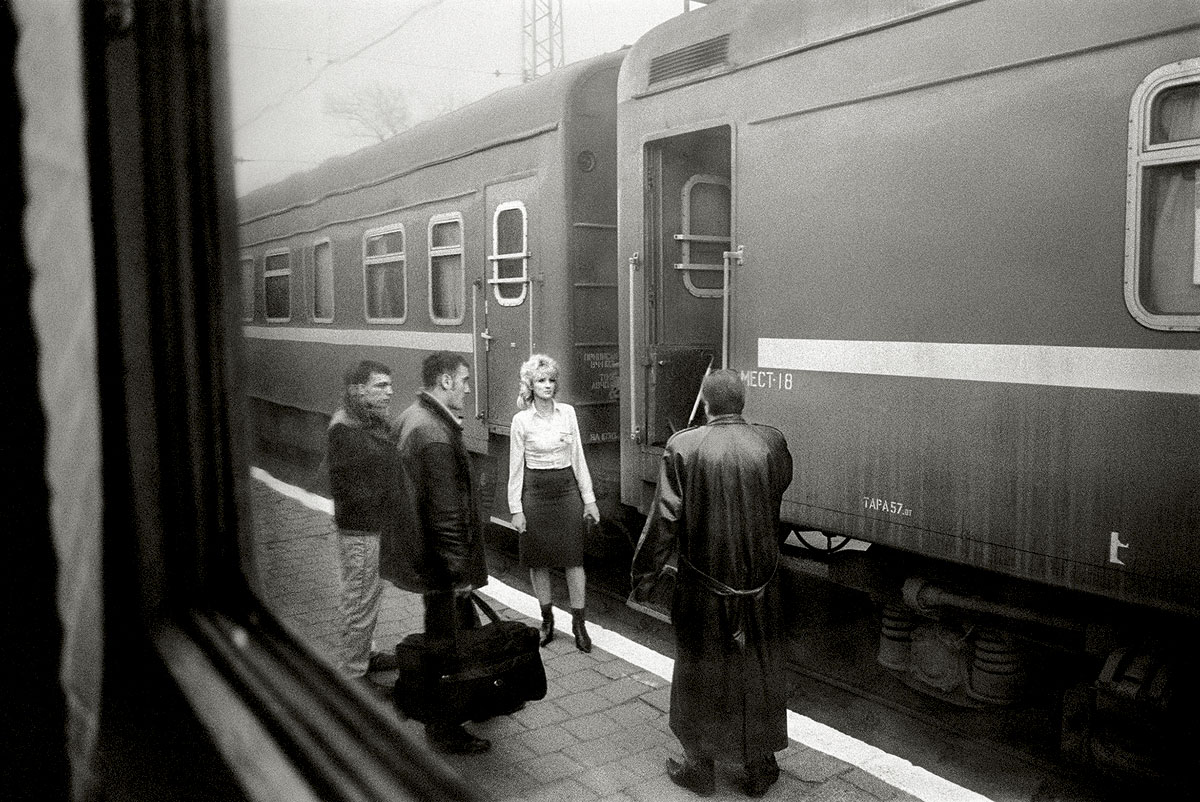
 

Vanessa Winship (British, b. 1960) 'Untitled' from the series 'Black Sea. Between Chronicle and Fiction' 2002-2010


Vanessa Winship (British, b. 1960)
Untitled from the series Black Sea. Between Chronicle and Fiction
2002-2010
© Vanessa Winship
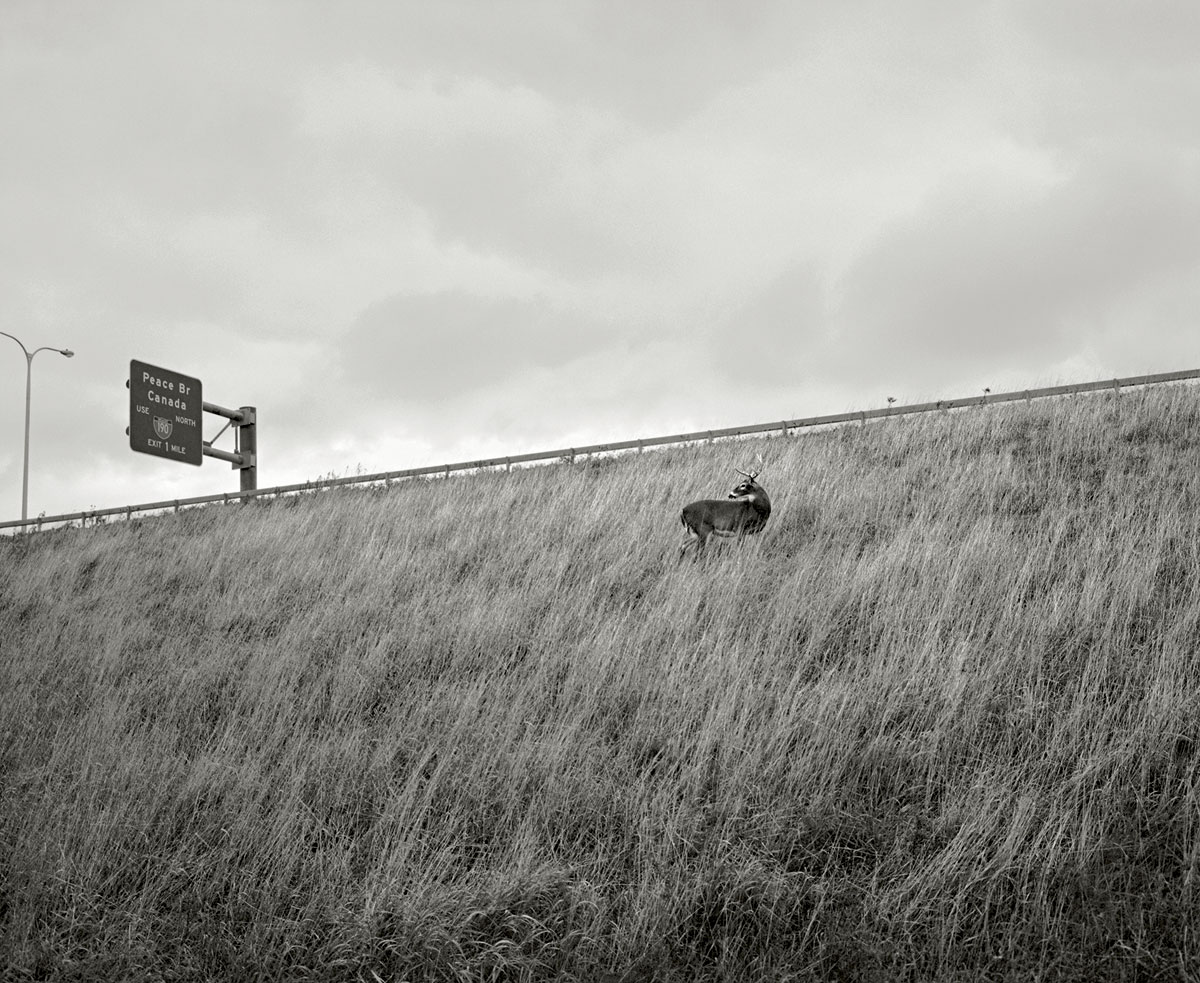
 

Vanessa Winship (British, b. 1960) 'Untitled' from the series 'she dances on Jackson. United States' 2011-2012


Vanessa Winship (British, b. 1960)
Untitled from the series she dances on Jackson. United States
2011-2012
© Vanessa Winship


Fundación Mapfre opens its new photography gallery at Paseo de Recoletos 27 with the first retrospective exhibition dedicated to the work of British photographer Vanessa Winship. Curated by Carlos Martín García, the show offers visitors a complete overview of Winship’s work, featuring a broad selection of photographs from all of her series, starting with her initial project in the Balkans and ending with her work in Almería this year, produced by Fundación Mapfre and due to receive its first public showing at this exhibition.

Vanessa Winship (Barton-upon-Humber, United Kingdom, 1960) studied at the Polytechnic of Central London during the 1980s at the time when postmodern theory was beginning to permeate the practice of photography and cultural studies. These ideas are reflected in the artist’s deliberate remove of all potential documentary content from her photography in order to concentrate instead on notions more related to identity, vulnerability and the body. Accordingly, since the 1990s Vanessa Winship has worked in regions which, in the collective imaginary, are associated with the instability and darkness of a recent past and with the volatile nature of borders and identities. Her images, in black and white, challenge the perception of photography’s immovable truth. Meanwhile, the formal choice of black and while reflects a deliberate shift from the photograph as narrative and constitutes, in the words of the artist herself, a “marvellous instrument of abstraction that enables us to move between time and memory.”

Vanessa Winship is one of the most renowned photographers on the contemporary international scene. In 2011 she was the first woman to win the prestigious Henri Cartier-Bresson (HCB) award. Her other distinctions include winning first prize in the Stories category of the World Press Photo awards in 1998 and 2008, the Descubrimientos award at PhotoEspaña in 2010, and the Godfrey Argent Prize in 2008, bestowed by the National Portrait Gallery in London.

A tour of the exhibition

“I lived and worked in the region of the Balkans, Turkey and the Caucasus for more than a decade. My work focuses on the junction between chronicle and fiction, exploring ideas around concepts of borders, land, memory, desire, identity and history. I am interested in the telling of history, and in notions around periphery and edge. For me photography is a process of literacy, a journey of understanding.”

Vanessa Winship


The Vanessa Winship exhibition adopts the form of a chronological journey through each of the series that make up her oeuvre, featuring a selection of 188 photographs.

Between 1999 and 2003 Vanessa Winship traveled through the regions of Albania, Serbia, Kosovo and Athens, coinciding with the armed conflict in the former Yugoslavia and resulting in her series Imagined States and Desires. A Balkan Journey. This project was a fundamental step in defining her photographic vision and in her decision to break with contemporary reportage and the traditional concept of the photojournalist. The images that make up this series mostly center on the tragedy of the exodus of Kosovar Albanian refugees from Serbia to neighbouring countries. They are a collection of snapshots that reflect the volatile nature of borders, ethnic groups and creeds while asserting that identity is not bestowed by territory but is ingrained in individuals, wherever they go. The fragmentary nature of the series, its condensation into micro-stories, lays the foundations for her future practice.

In 2002 Vanessa Winship moved to the Black Sea region and over the next eight years traveled through Turkey, Georgia, Russia, Ukraine, Romania and Bulgaria. Her work in this area gave rise to one of her most renowned series, Black Sea: Between Chronicle and Fiction. In this series, she presents her vision of the area and the residents of the regions around the shores of the Black Sea, which she presents as a natural border – challenging all notions of geopolitical or historically established limits – of the vital space of each nation, and even of the distinction between public and private space. Winship’s work therefore focuses on the aspects that endure beyond the action of politics: collective rituals, modes of transportation, recreational spaces, and the movement of human beings up and down the coastlines.

In Black Sea, portraits of Turkish wrestlers and Ukrainian wedding guests allow Winship to elaborate on her reflections and explore the concepts of sexual differentiation governing societies: on one hand, Turkish wrestling, a direct descendant of Greco-Roman wrestling and an icon of masculinity in the country; on the other, participation in a wedding ceremony as a means of self-presentation in society for young Ukrainian women.

In both of these series, the images are accompanied by brief notes written by the artist, either expressing a single thought or a short description, which create a deliberately incomplete narrative. For Winship, these notes are meant to remind us of the power of text to evoke an image.

Sweet Nothings: Schoolgirls of Eastern Anatolia (2007), produced during her travels through Eastern Europe, is a key project in Vanessa Winship’s evolution as a photographer. It is an almost serial collection of portraits of schoolgirls from the rural area of Eastern Anatolia, a region bordering with Georgia, Armenia, Azerbaijan and Iran where the plurality of ethnic groups is silenced by the proliferation of uniforms, of both schoolchildren and military personnel. On a certain level, the school uniforms recall the tools used by states to classify the population, to “mark” their territory and neutralise the plurality of areas, as in Eastern Anatolia where the ethnic and geographic borders are not as clearly defined as they are on maps. This fact – the presence of uniforms – represents a framework for action, a boundary for the project, and allows Winship to further develop her interest in faces, gestures, and the sense of belonging to a group or community.

Georgia, another region on the shores of the Black Sea, is the setting for the series produced by between 2008 and 2010, in which she mostly focuses on portraits. Georgia. Seeds Carried by the Wind is a detailed study of the faces the photographer came across. These are portraits of youths and children, mostly individuals who, when grouped together, appear almost without variation as same-sex pairs. The collection suggests an energetic, survivor country. These images are combined with a series of colored photographs (the only ones in Winship’s entire output) that accompany tombstones in a cemetery. The two collections establish an interesting dialogue between different generations of Georgians and, simultaneously, between the artist herself and the original anonymous photographer. Meanwhile, the landscapes and stones that complete the series evoke a premature death. By combining landscape and portrait as places where the traces of identity, history and present are imprinted, this series is a key project in Winship’s work as it prompts a debate about her practice and the issues posed by the two genres.

In 2011 Vanessa Winship received the prestigious Henri Cartier-Bresson (HCB) photography award. The project for she won the prize led to the series she Dances on Jackson. United States (2011-2012), produced in the United States, a country which she represents as of great uncertainty, where the weight of the recent past is manifested through public works and constructions which are either underused or have fallen into disuse, and where the faces of anonymous individuals and groups reveal their disillusionment with the promises of the American dream. This series also constitutes Winship’s definitive approach to landscape photography, a genre which has gained increasing prominence in her output. Short texts written by the author replace the gradual disappearance of the portrait, operating as narratives of the missing photographs. In she Dances on Jackson. United States the geographic leap to the other side of the Atlantic defines the characters that people Winship’s earlier photography.

Before embarking on her trip to the United States, Winship worked in her home town on the estuary of the Humber river (2010), for which this series is titled. In this project, we again witness the growing preeminence of landscape in her work. This process culminates masterfully in her most recent series, produced in Almería, which represents the reaffirmation of her work as a landscapist and the total absence of the human figure. In January 2014, for the purposes of this exhibition, the artist moved to Almería, a place marked by rootlessness and its border nature and geological diversity, to carry out her latest project. Winship has focused on photographing the geological formations along the coastline of Cabo de Gata and the devastation of the area following the proliferation of intensive agriculture based on greenhouse production. The land of gold, Spaghetti westerns and marble now appears as a land of plastic and, like all other places Winship has photographed, seems to be located in a place suspended in space and time. All of the images in this section of the show reflect the rapid transformation of the region following the introduction of greenhouses, a radical systemic change and altered coexistence brought about by the arrival of communities of immigrants and their access to consumer society customs. Almería, as Winship’s photographs clearly show, continues to be a fragmented landscape in which urban and rural collide and where the “non-place” that is the greenhouse acts as a metaphor for the area’s instability and vulnerability.

Catalogue

The exhibition will be accompanied by a catalogue featuring all the images on display and specially commissioned essays about the work of Vanessa Winship by Neil Ascherson, Stanley Wolukau-Wanambwa and Carlos Martín García. The catalog will also include two excerpts from Campos de Níjar (Níjar Country) and Coto Vedado (Forbidden Territory) by Juan Goytisolo, as well as a biography-timeline, an updated bibliography, and a selection of the texts the photographer uses to complement her series, in the manner of a “travel diary”. To date there are only two monographs on Winship, one devoted to the Black Sea series and one to Sweet Nothings, which means that this catalog will be the first and most incisive historiographical approximation to her entire oeuvre.”

Press release from Fundación Mapfre
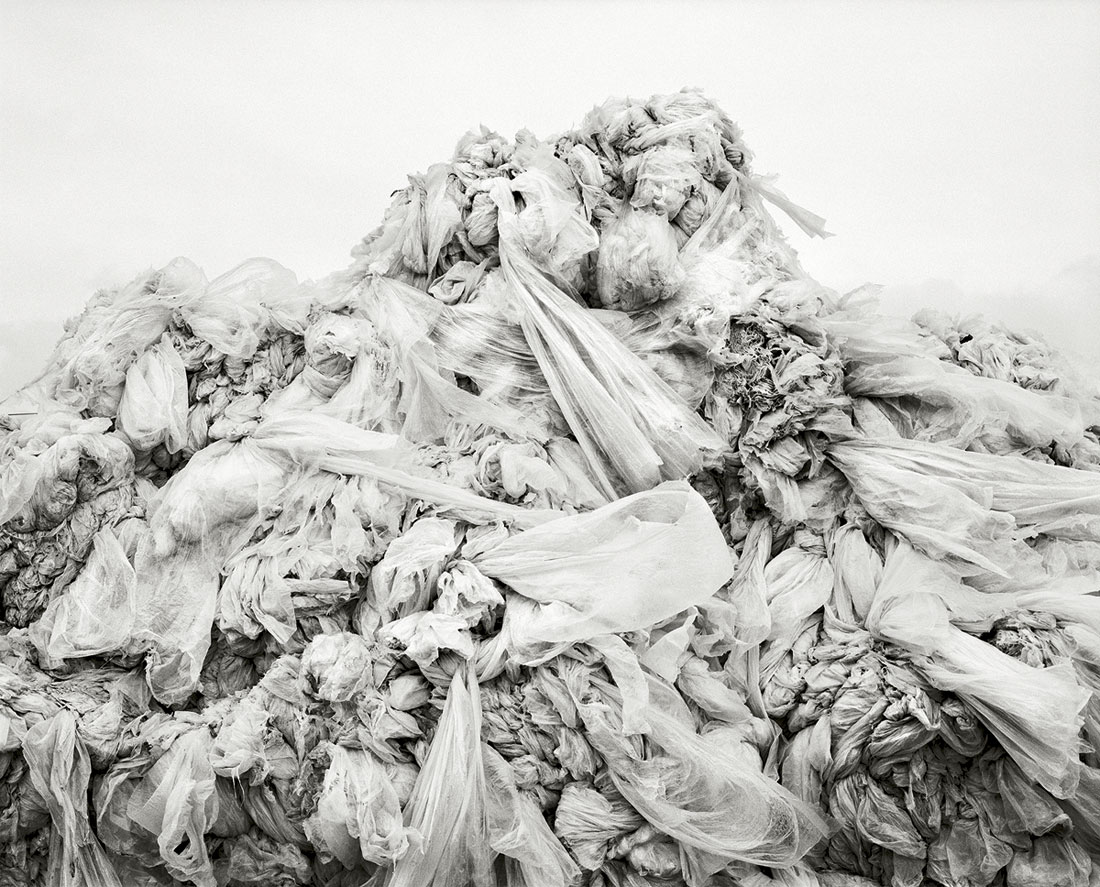
 

Vanessa Winship (British, b. 1960) 'Untitled' from the series 'Almería. Where Gold Was Found' 2014


Vanessa Winship (British, b. 1960)
Untitled from the series Almería. Where Gold Was Found
2014
© Vanessa Winship


Vanessa Winship (British, b. 1960) 'Untitled' from the series 'Almería. Where Gold Was Found' 2014


Vanessa Winship (British, b. 1960)
Untitled from the series Almería. Where Gold Was Found
2014
© Vanessa Winship


Vanessa Winship (British, b. 1960) 'Untitled' from the series 'Black Sea. Between Chronicle and Fiction' 2002-2010 © Vanessa Winship


Vanessa Winship (British, b. 1960)
Untitled from the series Black Sea. Between Chronicle and Fiction
2002-2010
© Vanessa Winship
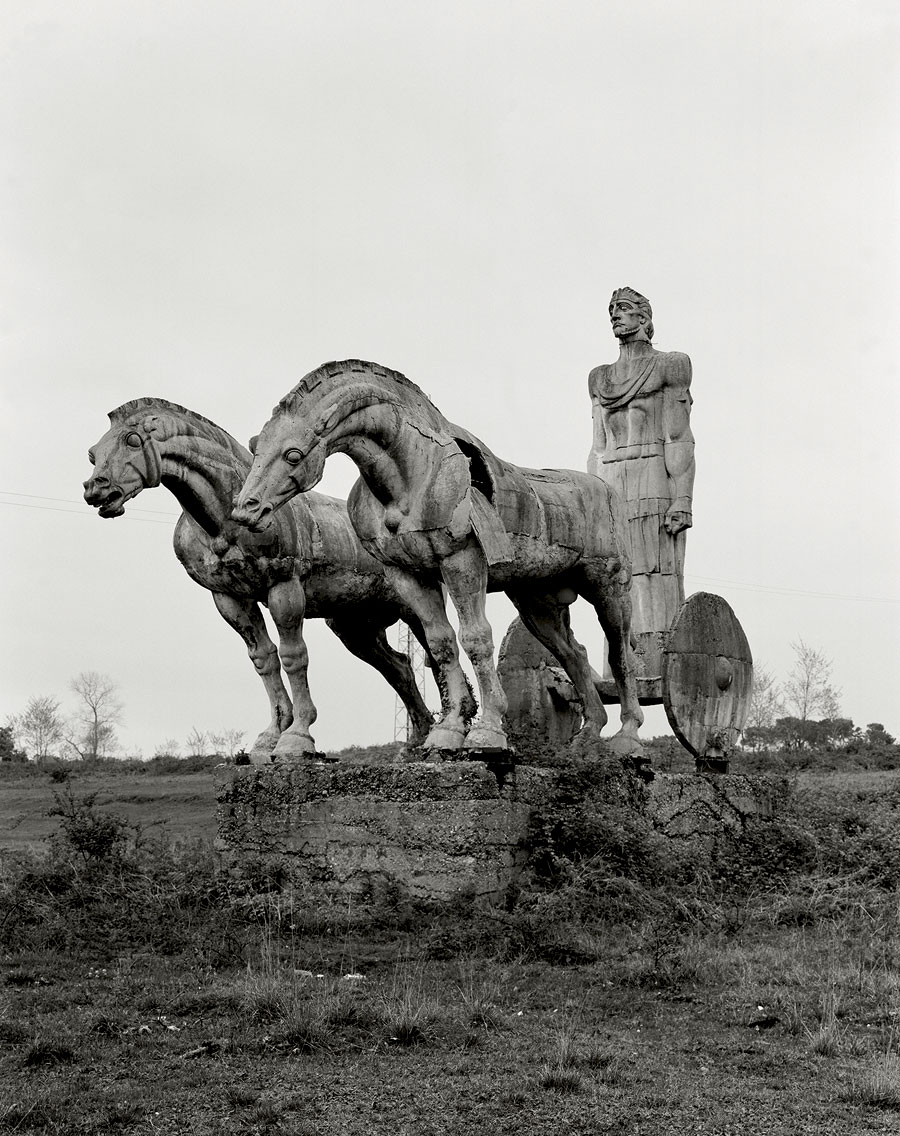
 

Vanessa Winship (British, b. 1960) 'Untitled' from the series 'Georgia. Seeds Carried by the Wind' 2008-2010 © Vanessa Winship


Vanessa Winship (British, b. 1960)
Untitled from the series Georgia. Seeds Carried by the Wind
2008-2010
© Vanessa Winship


Vanessa Winship (British, b. 1960) 'Untitled' from the series 'Sweet Nothings: Schoolgirls of Eastern Anatolia' 2007 © Vanessa Winship


Vanessa Winship (British, b. 1960)
Untitled from the series Sweet Nothings: Schoolgirls of Eastern Anatolia
2007
© Vanessa Winship


Vanessa Winship (British, b. 1960) 'Untitled' from the series 'Humber' 2010-2011 © Vanessa Winship


Vanessa Winship (British, b. 1960)
Untitled from the series Humber
2010-2011
© Vanessa Winship


Vanessa Winship (British, b. 1960) 'Untitled' from the series 'she dances on Jackson. United States' 2011-2012 © Vanessa Winship


Vanessa Winship (British, b. 1960)
Untitled from the series she dances on Jackson. United States
2011-2012
© Vanessa Winship


Vanessa Winship (British, b. 1960) 'Untitled' from the series 'Georgia. Seeds Carried by the Wind' 2008-2010 © Vanessa Winship


Vanessa Winship (British, b. 1960)
Untitled from the series Georgia. Seeds Carried by the Wind
2008-2010
© Vanessa Winship


FUNDACIÓN MAPFRE – Instituto de Cultura
Paseo de Recoletos, 23
28004 Madrid, Spain
Phone: +34 915 81 61 00

Opening hours:
Sunday 11.00am – 7.00pm
Monday 2.00 – 8.00pm
Tuesday 10.00am – 8.00pm
Wednesday 10.00am – 8.00pm
Thursday 10.00am – 8.00pm
Friday 10.00am – 8.00pm
Saturday 10.00am – 8.00pm

Fundación Mapfre website

LIKE ART BLART ON FACEBOOK

Back to top

Text: ‘Facile, Facies, Facticity’ by Dr Marcus Bunyan; Exhibition: ‘About Face: Contemporary Portraiture’ at the Nelson-Atkins Museum of Art, Kansas City

Exhibition dates: 9th August 2013 – 19th January 2014


Rachel Herman (American) 'Hannah and Tim' 2007


Rachel Herman (American)
Hannah and Tim
2007
Inkjet print (printed 2012)
Gift of the Hall Family Foundation


Facile, Facies, Facticity


“The structure of presentation – point-of-view and frame – is intimately implicated in the reproduction of ideology (the ‘frame of mind’ of our ‘points-of-view’). More than any other textual system, the photograph presents itself as ‘an offer you can’t refuse’.”


Victor Burgin 1


Facies simultaneously signifies the singular air of a face, the particularity of its aspect, as well as the genre or species under which this aspect should be subsumed. The facies would thus be a face fixed to a synthetic combination of the universal and the singular: the visage fixed to the regime of representation, in a Helgian sense.

Why the face? – Because in the face the corporeal surface makes visible something of the movements of the soul, ideally. This also holds for the Cartesian science of the expression of the passions, and perhaps also explains why, from the outset, psychiatric photography took the form of an art of the portrait.”


Georges Didi-Huberman 2


How shallow contemporary portrait photography has become when compared to the sensual portraits of Julia Margaret Cameron, the grittiness of Gordon Parks or the in your face style of Diane Arbus. I think the word facile (from Latin facilis ‘easy’, from facers ‘do, make’) with its link to the etymologically similar word ‘face’ (Old Latin facies) is a good way to describe most of the photographs in this posting. These simplistic, nihilistic portraits, with their contextless backgrounds and head on frontally (also the name of an insipid Australian portrait photography prize), are all too common in contemporary portraiture. People with dead pan expressions stare at the camera, stare off camera. The photographs offer little insight and small engagement for the viewer. If these photographs are representative of the current ‘frame of mind’ of our ‘points-of-view’ vis a vis the construction of identity then the human race is in deep shit indeed. As we accept an offer that we can’t refuse – the reflexivity of selfies, an idealised or passive image of ourselves reflected back through the camera lens º we uncritically accept the mirror image, substituting passive receptivity for active (critical) reading. We no longer define and engage critically with something we might call ‘photographic discourse’:

“A discourse can be defined as an arena of information exchange, that is, as a system of relations between parties engaged in communicative activity. In a very important sense the notion of discourse is a notion of limits. That is, the overall discourse relation could be regarded as a limiting function, one that establishes a bounded arena of shared expectations as to meaning. It is this limiting function that determines the very possibility of meaning. To raise the issue of limits, of the closure affected from within any given discourse situation, is to situate oneself outside, in a fundamentally metacritical relation, to the criticism sanctioned by the logic of the discourse…

A discourse, then, can be defined in rather formal terms as the set of relations governing the rhetoric of related utterances. The discourse is, in the most general sense, the context of the utterance, the conditions that constrain and support its meaning, that determine its semantic target.”3

These photographs have few conditions that support their meaning. The context of their utterances is constrained by their own efficacy and passivity. Paul Virilio, speaking of contemporary images, describes them as ‘viral’. He suggests that they communicate by contamination, by infection. In our ‘media’ or ‘information’ society we now have a ‘pure seeing’; a seeing without knowing.4 A seeing without knowing… quite appropriate for these faceless images, images that contaminate how we observe humans living in the world. Of course, one can be involved in logical criticism of the discourse from within but that still gives the discourse power. By situating yourself outside the conditions that constrain the discourse, you can criticise from a different perspective, “seeing something new” as an active, temporal protension of seeing. “Such is the fundamental instability of the pleasure of seeing, of Schaulust, between memory and threat.”5 We may glance, instead of staring (as the subject of these portraits blankly stare back) – the glance becoming a blow of the eye, the acting-out of seeing.6

Here is a possible way forward for contemporary photographic portraiture: a description of the states of the body and the air of the face through a subtle and constant art of the recovering of surfaces, an inquiry that always seeks depth – conceptual depth – in the filmy fabric or stratum of the cameras imaging of the constructed subject. In other words an inquiry into the source, the etiology and logic of the subjects own being – through the glance, not the passive gaze. Even as the object of knowledge is photographically detained for observation, fixed to objectivity, that knowledge can slip away from itself into what Georges Didi-Huberman calls the paradox of photographic resemblance.7

“Thus photography is ultimately an uncertain technique (see Barthes. Camera Lucida. p. 18), changeable and ill-famed, too. Photography stages bodies: changeability. And at one moment or another, subtly, it belies them (invents them), submitting them instead to figurative extortion. As figuration, photography always poses the enigma of the “recumbence of the intelligible body,” even as it lends itself to some understanding of this enigma, and even as this understanding is suffocated…

And when one comes to pose oneself, before a photograph, paradoxical questions: whom does this photographed face resemble? Exactly whose face is being photographed? In the end, doesn’t a photograph resemble just anyone? Well, one cannot, for all that, simply push resemblance aside like a poorly posed problem. Rather, one points a finger at Resembling as an unstable, vain, and phantasmatic temporal motion. One interrogates the drama of imaginary evidence.

For “to resemble,” or Resembling, is the name for a major concern about time in the visible. This is precisely what exposes all photographic evidence to anxiety, and beyond it, to staging, compromises, twisted meanings, and simulacra. And this is how photography circumvents itself – in its own sacrilege. It blasphemes it own evidence because evidence is diabolical. It ruins evidence, from a theater.”8

Only through slippage may we stumble upon the uncertainty of the soul in the uncertainty of the photographic technique. Only through the facticity of the face, the “thrownness” – Heidegger’s Geworfen, which denotes the arbitrary or inscrutable nature of Dasein, being there or presence, that connects the past with the present, just as photographs do – of the individual rendered in the lines of the human face can we engage with the intractable conditions of human existence. Not a bland resemblance-filled anxiety (the hair covering the face, the face in suburban ephemera, the compressed face pressed up against the condensation-filled window), but an unstable signification that has been passionately re(as)sembled in the anxiety of photographic evidence. Only then can contemporary portrait photography make visible something of the movements of the soul, ideally.


“Into this world we’re thrown /
Like a dog without a bone”
(Jim Morrison, Riders on the Storm, 1971)


Dr Marcus Bunyan


Endnotes

1/ Burgin, Victor (ed.,). Thinking Photography. Basingstoke: Macmillan, 1982, p. 146
2/ Didi-Huberman, Georges. Invention of Hysteria: Charcot and the Photographic Iconography of the Salpetriere (trans. Alisa Hartz). Cambridge, Mass.: MIT Press, 2003, p. 49
3/ Burgin, pp. 84-85
4/ Virilio, Paul. “The Work of Art in the Electronic Age,” in Block No. 14, Autumn, 1988, pp. 4-7 quoted in McGrath, Roberta. “Medical Police,” in Ten.8 No. 14, 1984 quoted in Watney, Simon and Gupta, Sunil. “The Rhetoric of AIDS,” in Boffin, Tessa and Gupta, Sunil (eds.,). Ecstatic Antibodies: Resisting the AIDS Mythology. London: Rivers Osram Press, 1990, p. 143
5/ Didi-Huberman, op. cit., pp. 27-28
6/ Ibid., “Coup d’oeil, signifying “glance,” literally means the “blow of an eye.” Here as elsewhere, Didi-Huberman draws on the notion of the glance as a blow. He also works with the various meanings of trait, including trait, line, draught, and shaft of an arrow” – Translator
7/ Didi-Huberman, op. cit., p. 59
8/ Didi-Huberman, op. cit., p. 65


Many thankx to The Nelson-Atkins Museum of Art for allowing me to publish the photographs in the posting. Please click on the photographs for a larger version of the image.


Anna Shteynshleyger, (Russian, b. 1977) 'City of Destiny (Covered)' 2007


Anna Shteynshleyger, (Russian, b. 1977)
City of Destiny (Covered)
2007
Inkjet print
Gift of the Hall Family Foundation


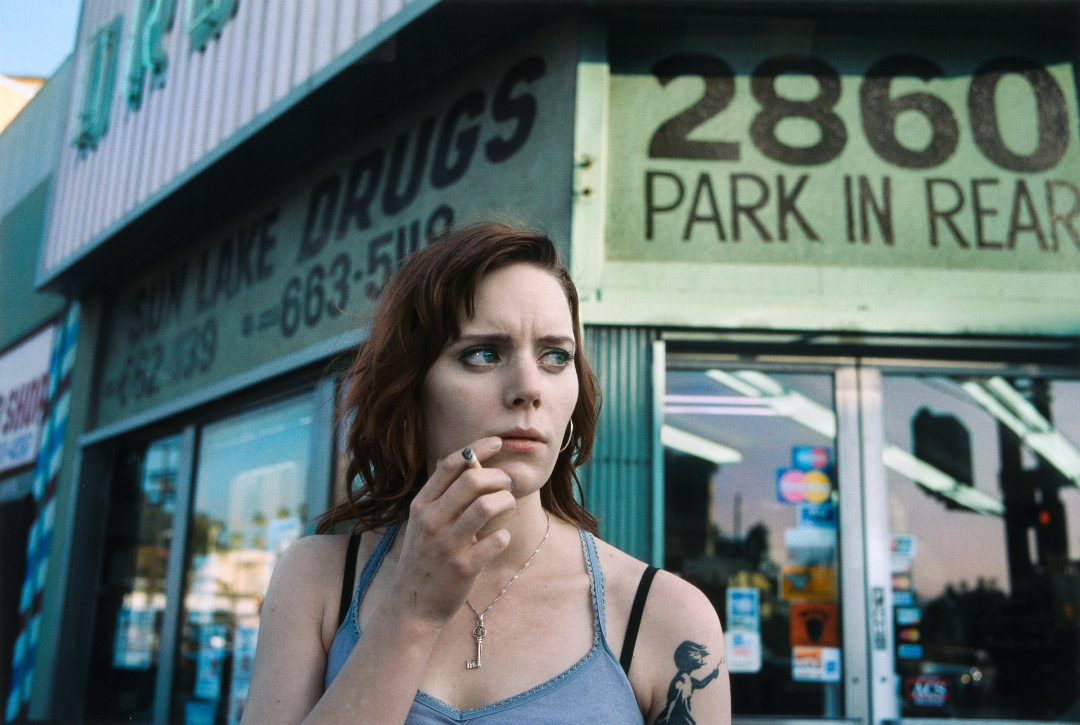
Lise Sarfati (French, b. 1958) 'Emily, 2860 Sunset Blvd.' 2012


Lise Sarfati (French, b. 1958)
Emily, 2860 Sunset Blvd.
2012
Chromogenic print
Gift of the Hall Family Foundation


Alec Soth (American, b. 1969) 'Mother and daughter, St. Paul, Minnesota, 1999' 1999


Alec Soth (American, b. 1969)
Mother and daughter, St. Paul, Minnesota, 1999
1999


LaToya Ruby Frazier (American, b. 1982) 'Momme' 2008


LaToya Ruby Frazier (American, b. 1982)
Momme
2008
Gelatin silver print
Gift of the Hall Family Foundation


This exhibition will explore the breadth and global diversity of contemporary photographic portraiture since 2000, highlighting recent acquisitions to the museum’s permanent collection.

About Face will include works by twenty-nine artists from the United States, England, Canada, France, Germany, Russia, Japan, Iran and South Africa. Though each of these photographers approaches portrait-making differently, certain thematic threads resonate throughout the show, including questions of racial, cultural, ethnic, class and gender identity; the relationship between individuals and typologies; the way photographic processes themselves inform meaning; the relevance of historical precedents to contemporary practice; and the impact of media stereotypes on self-presentation. Considered collectively, the works in About Face offer a provocative and engaging forum for considering the question: how do we define portraiture today?

The project will present two distinct, simultaneous exhibitions: About Face, our in-gallery exhibition at the Nelson-Atkins, and Making Pictures of People, a digital exhibition presented online for web-based audiences worldwide. Visitors will be able to access the Flak Photo exhibition via touch screens in the gallery and on mobile devices outside the museum. The goal of our collaboration is twofold: to celebrate the complementary experiences of engaging with photographs as objects and as images, and to connect museum visitors in Kansas City with an international community deeply engaged in thinking about portraiture and contemporary photographic practice.

“Contemporary photographers approach portraiture from multiple perspectives, and this show reflects that diversity,” said April M. Watson, who co-curated this exhibition with Jane L. Aspinwall (both are Associate Curators of Photography). “Some portraits emphasise the construction of identity through race, gender and class, while others question the relationship between individuality and typology, or the impact of the media on self-presentation. At the core is the relationship between the photographer and his or her subject, and how that interaction translates in the final portrait.” Adds Aspinwall: “Some of these photographers use antiquated processes such as the daguerreotype and tintype to make portraits of contemporary subjects. These historical resonances add an interesting dimension to the show.

Press release from the  Nelson-Atkins Museum of Art website


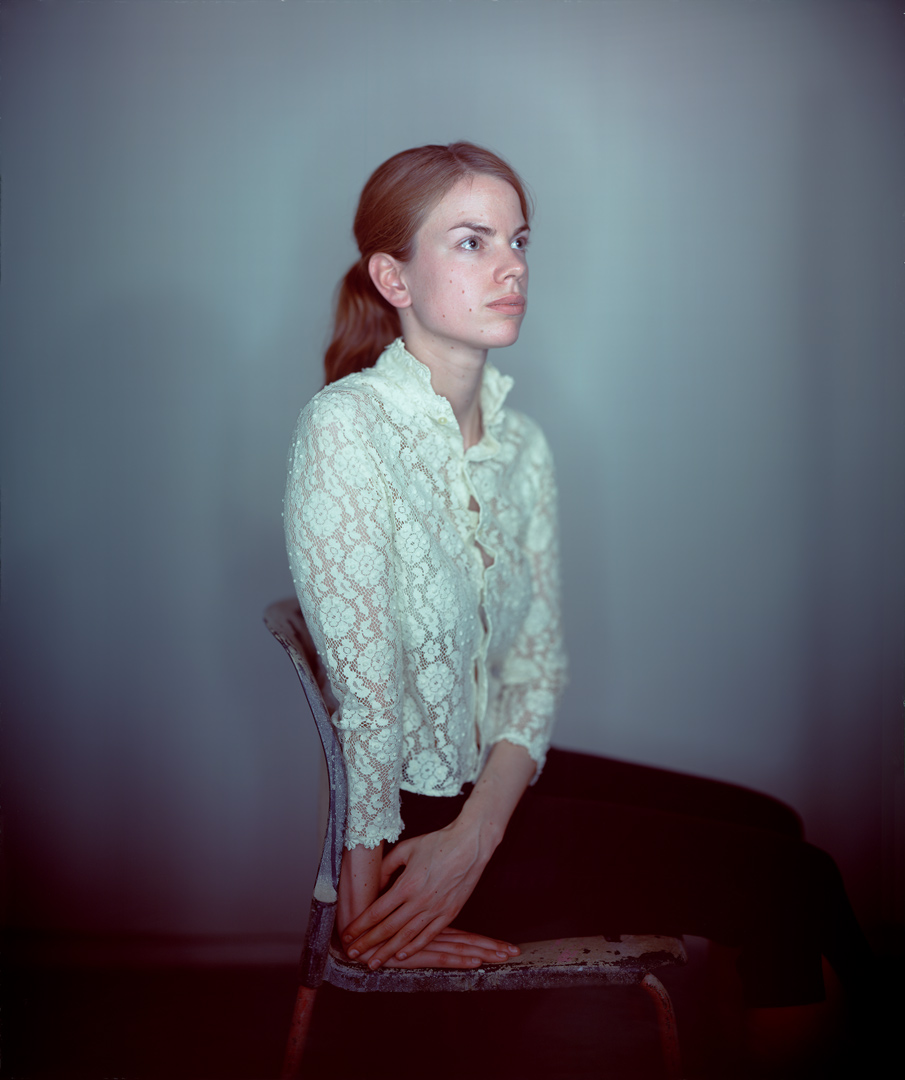
Richard Learoyd (English, b. 1966) 'Erika' 2007


Richard Learoyd (English, b. 1966)
Erika
2007
Ilfachrome print
Gift of the Hall Family Foundation in honour of the 75th anniversary of The Nelson-Atkins Museum of Art


Jocelyn Lee (American born Italy, b. 1962) 'Untitled (Julia and Greenery)' 2005


Jocelyn Lee (American born Italy, b. 1962)
Untitled (Julia and Greenery)
2005
Chromogenic print
Gift of the Hall Family Foundation


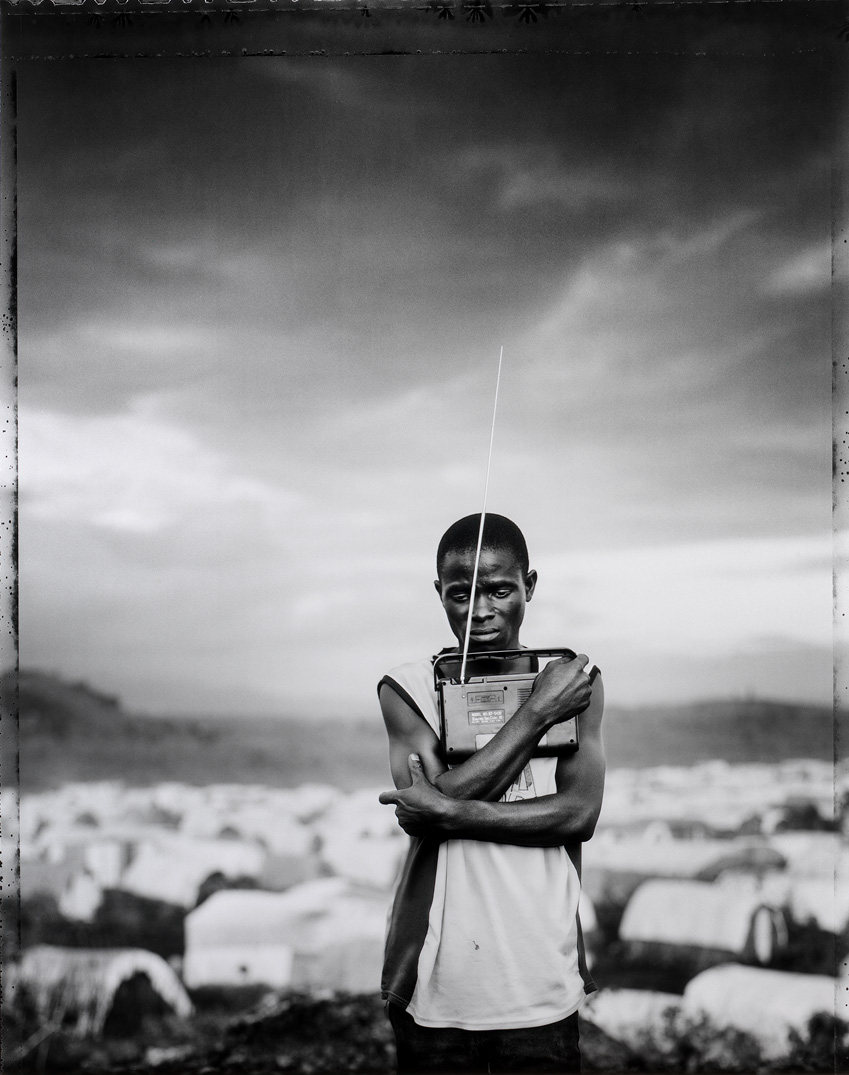
Jim Goldberg (American, b. 1953) 'Prized Possession, Democratic Republic of Congo' 2008


Jim Goldberg (American, b. 1953)
Prized Possession, Democratic Republic of Congo
2008
Gelatin silver print
Gift of the Hall Family Foundation


Vanessa Winship (British, b. 1960) 'Hakkari 8' 2007-2008


Vanessa Winship (British, b. 1960)
Hakkari 8
2007-2008
Inkjet print (printed 2008)
Gift of the Hall Family Foundation


Pieter Hugo (South African, b. 1976) 'Annebelle Schreuders (1)' 2012


Pieter Hugo (South African, b. 1976)
Annebelle Schreuders (1)
2012
Inkjet print
Gift of the Hall Family Foundation


Sage Sohier (American, b. 1954) '12-Year Old Boy with His Father' 2009


Sage Sohier (American, b. 1954)
12-Year Old Boy with His Father
2009
Inkjet print
Gift of the Hall Family Foundation


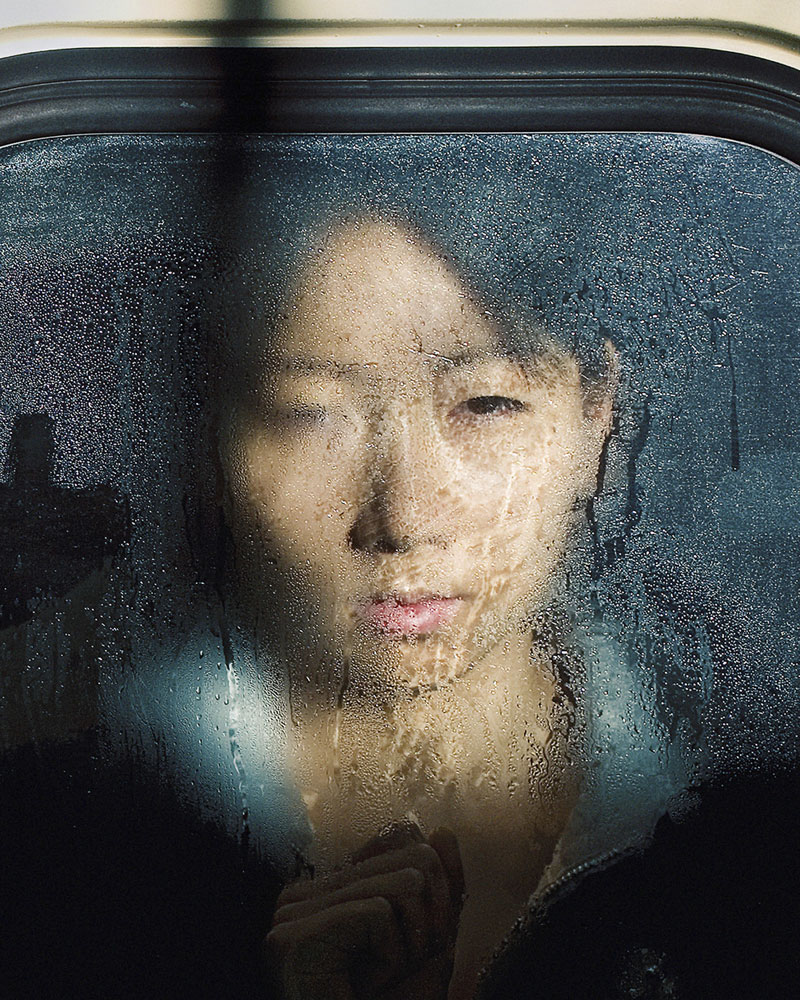
Michael Wolf (American, b. 1954) 'Tokyo Compression #18' 2010


Michael Wolf (American, b. 1954)
Tokyo Compression #18
2010
Inkjet print
Gift of the Hall Family Foundation


Tomoko Sawada (Japanese, b. 1977) 'Recruit/BLACK' 2006


Tomoko Sawada (Japanese, b. 1977)
Recruit/BLACK
2006
Chromogenic print
Purchase: acquired through the generosity of the Photography Society


The Nelson-Atkins Museum of Art
4525 Oak Street
Kansas City, MO 64111

Opening hours:
Thursday – Monday 10am – 5pm
Closed Tuesdays and Wednesdays

The Nelson-Atkins Museum of Art website

LIKE ART BLART ON FACEBOOK

Back to top