Exhibition: ‘The Gender Show’ at George Eastman House, Rochester, New York

Exhibition dates: 15th June – 13th October 2013
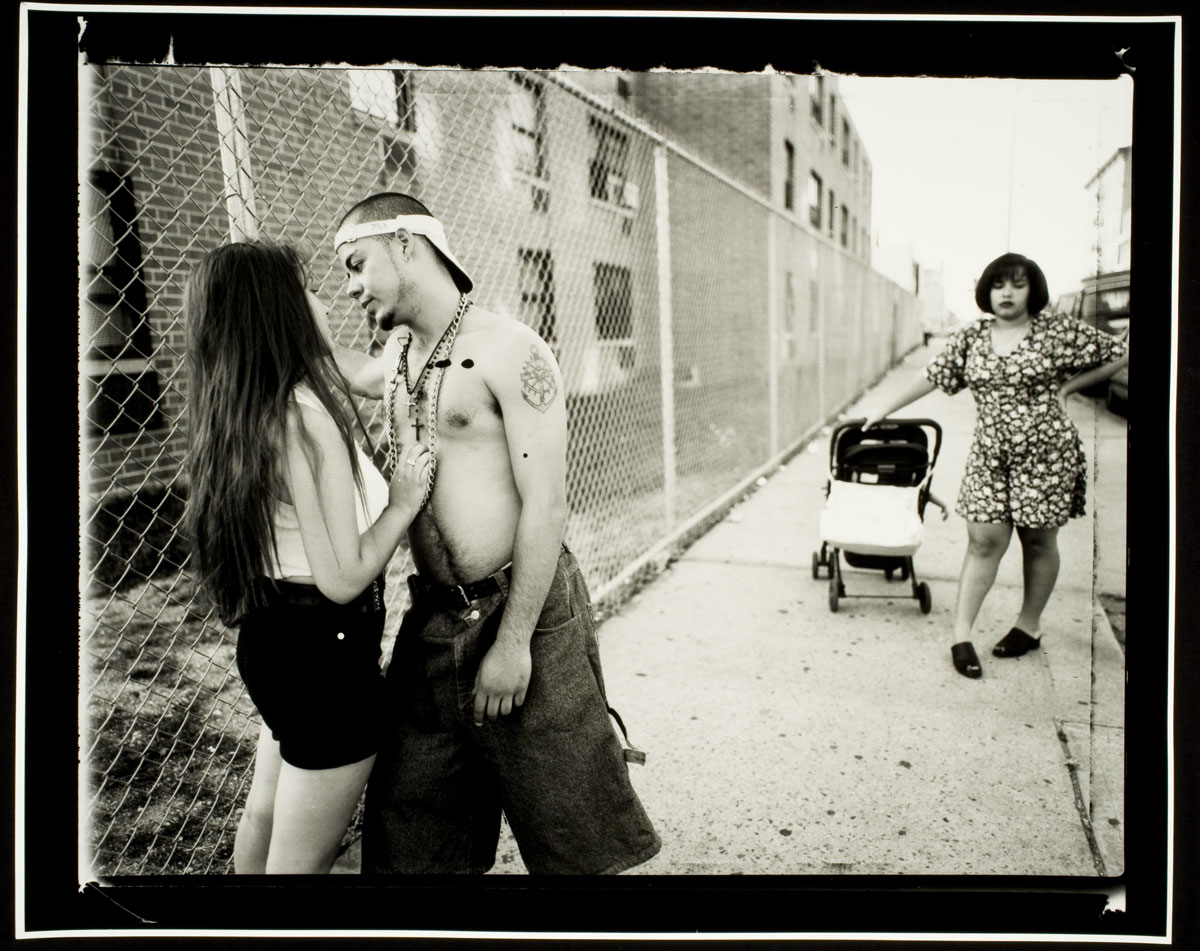
 

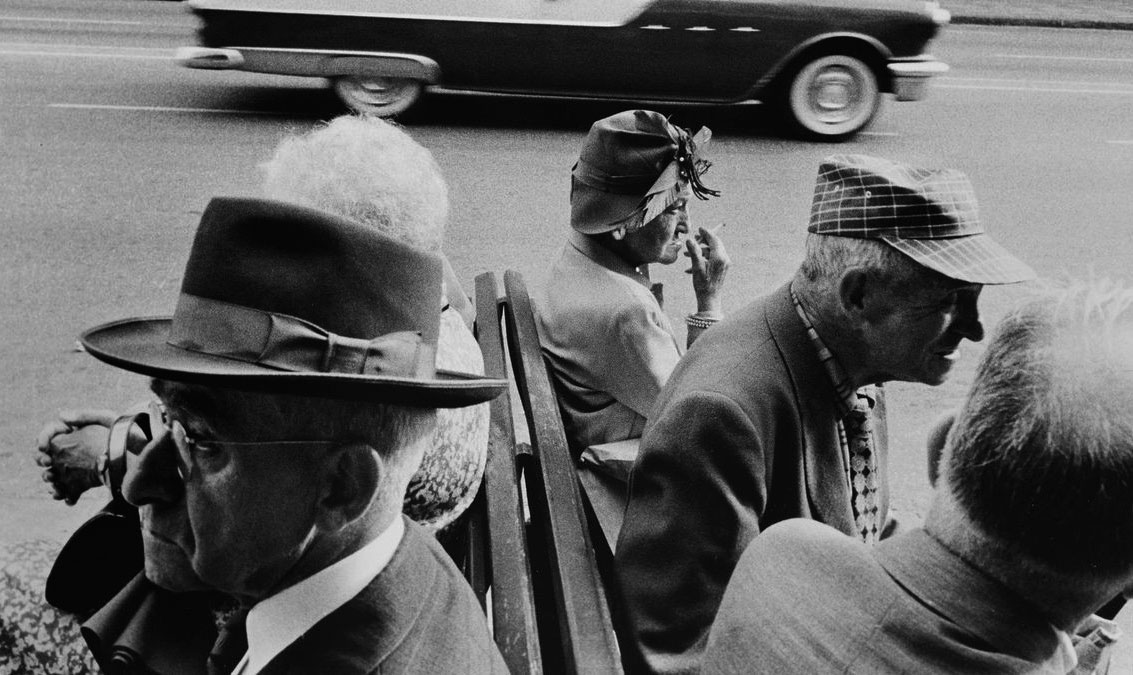
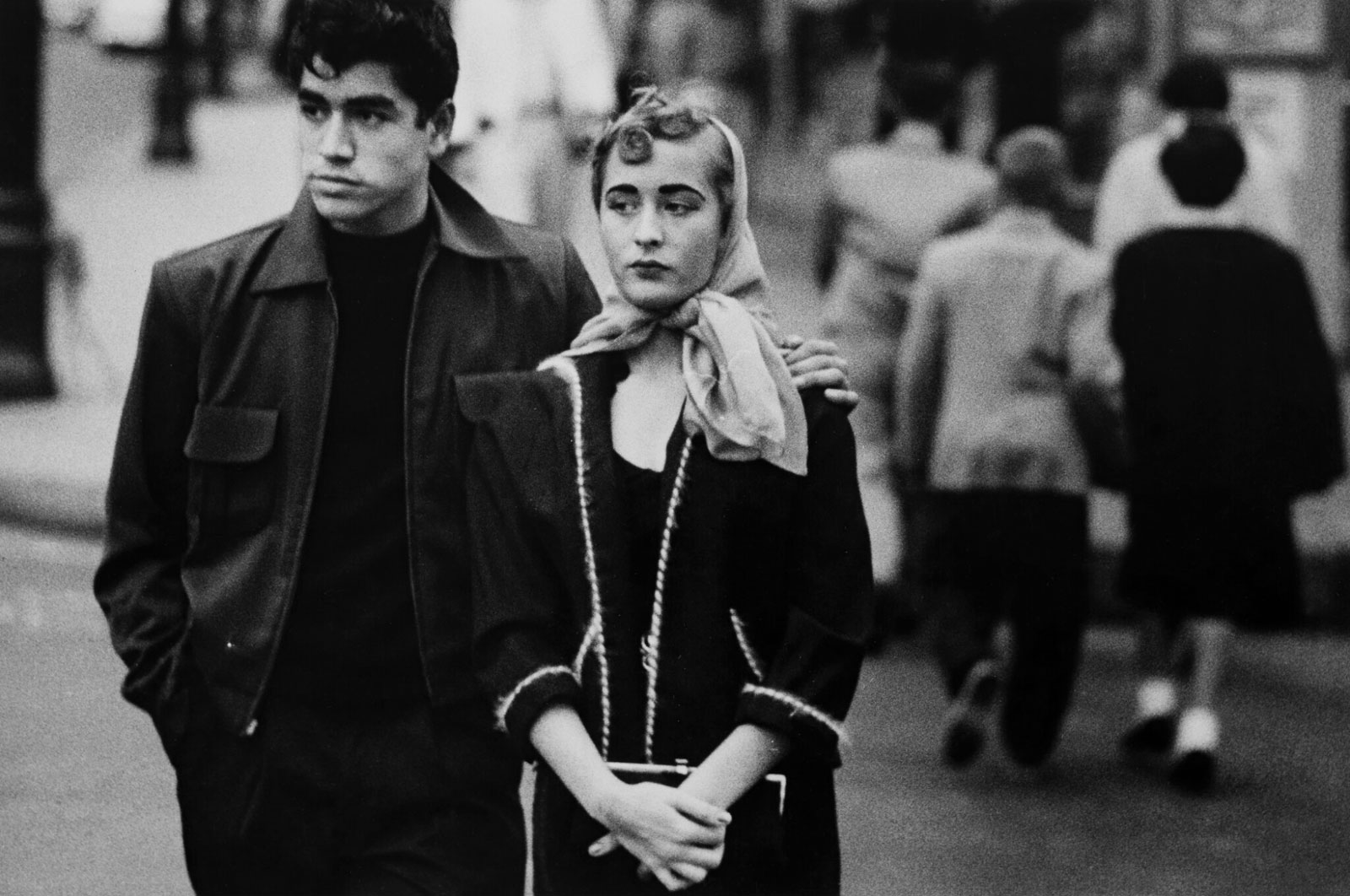
Vincent Cianni (American, b. 1952) 'Anthony hitting on Giselle, Vivien waiting, Lorimer Street, Williamsburg, Brooklyn' From the series 'We Skate Hardcore' 1996


Vincent Cianni (American, b. 1952)
Anthony hitting on Giselle, Vivien waiting, Lorimer Street, Williamsburg, Brooklyn
1996
From the series We Skate Hardcore
Gelatin silver print
Purchased with funds from Mary Cianni
© Vincent Cianni


I am so sick of museums and art galleries not allowing me to publish photographs that I collect freely available elsewhere on the web to illustrate their exhibitions.

1/ I am promoting the exhibition free for them to over 9,000 people over 3 days
2/ The images are freely available elsewhere on the web
3/ I am promoting artists so that the work is more widely known, and that can only be a positive for the artist (and the price of their art through greater recognition)
4/ The images are 72dpi jpg – what do they think, that people are going to rip them off. They are such low quality anyway who cares!


If artist’s are so precious about their work, even when someone is trying to promote it, then perhaps they should stop making art. Or perhaps it’s the archives and institutions, the patriarchies, that are just too protective of their precious mother-load.

Photography and photographs are ubiquitous. They are taken in the world and live in that world, not stuffed in some curators drawer or surrounded by a circle under the letter ©


This exhibition seems to have a finger in every gender pie without going hard core or in depth at anything. There seems to be no rhyme or reason, no catalogue to the exhibition (as far as I can ascertain), and no indication on how the exhibition is structured, even in the press release. How you would hope to cover such a broad topic in one exhibition is beyond me. That given, there are some fascinating photographs from the exhibition in this posting. My personal favourites in the posting are:

~ Donald York, Jr. standing beside his father’s wrecker, Millerton, New York by Mark Goodman (1974, below). Ah, the jouissance of youth (jouissance means enjoyment, in terms both of rights and property, and of sexual orgasm). Here “junior” is possessing the masculinity of his father’s truck while at the same time emphasising his youthful sexuality with short shorts, naked body, tilt of the hips, pose of the arm and slight cock of the head replete with hair falling over the eyes. There is a certain prepossession about this Donald York, a sexual knowing as he flirts with the camera. Beautiful image

~ Greta Garbo by Edward Steichen (1928, below). My god, how would you be as a photographer looking in the ground glass to see this visage staring back at you. Strength of character, vulnerability and eyes that seem to bore right through you. Face framed with black surmounted by pensive hands. A masterpiece

~ Ophelia Study No. 2 by Julia Margaret Cameron (1867, below). What an impression. Wistful, delicate, a ghostly slightly mad presence with hardly an existence but oh so memorable (Ophelia is a fictional character in the play Hamlet by William Shakespeare that suffers from “erotomania, a malady conceived in biological and emotional terms which is a type of delusion in which the affected person believes that another person, usually a stranger, high-status or famous person, is in love with him or her.”(Wikipedia)) Madness and sexuality. The divine Miss Julia does it again…

Dr Marcus Bunyan


Please click on the photographs for a larger version of the image.


Mark Goodman (American b. 1946) 'Donald York, Jr. standing beside his father's wrecker, Millerton, New York' 1974


Mark Goodman (American, b. 1946)
Donald York, Jr. standing beside his father’s wrecker, Millerton, New York
1974
Gelatin silver print
Gift of Dr and Mrs Maurice Miller
© Mark Goodman
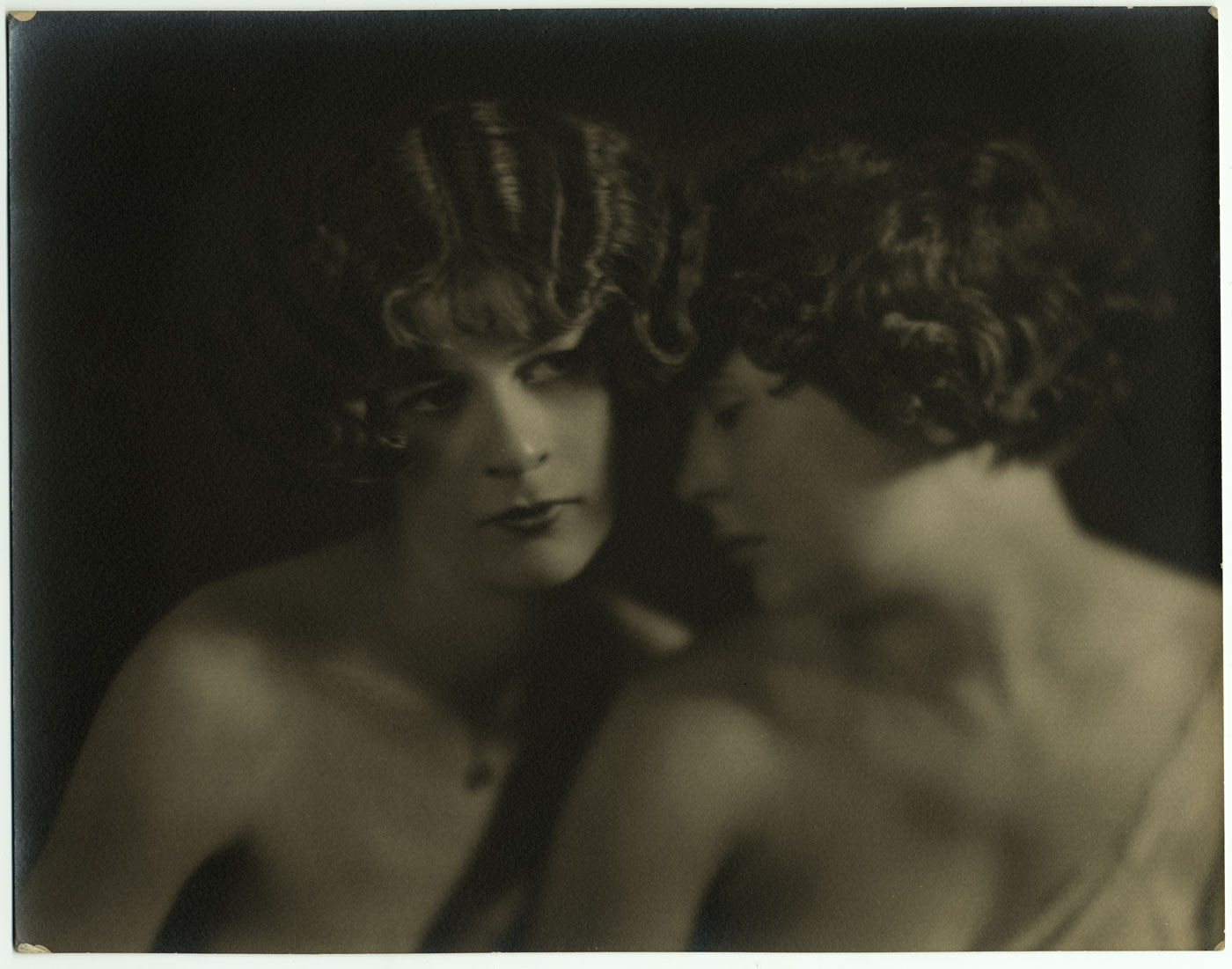
 

Elias Goldensky (American born Russia, 1867-1943) 'Head and shoulders study' c. 1920


Elias Goldensky (American born Russia, 1867-1943)
Head and shoulders study
c. 1920
Gelatin silver print
Gift of 3M Company
Ex-collection of Louis Walton Sipley


Lewis W. Hine (American, 1874-1940) 'Greek Wrestling Club' c. 1910


Lewis W. Hine (American, 1874-1940)
Greek Wrestling Club
c. 1910
From the series Hull House, Chicago
Gelatin silver print
Transfer from Photo League Lewis Hine Memorial Committee; ex-collection of Corydon Hine


Nickolas Muray (American born Hungary, 1892-1965) 'Douglas Fairbanks, Jr. & Joan Crawford' c. 1930


Nickolas Muray (American born Hungary, 1892-1965)
Douglas Fairbanks, Jr. & Joan Crawford
c. 1930
Gelatin silver print
Gift of Mrs. Nickolas Muray
© Nickolas Muray Archives


Victor Keppler (American, 1904-1987) 'First Hair Cut' 1943


Victor Keppler (American, 1904-1987)
First Hair Cut
1943
Gelatin silver print
Gift of the photographer
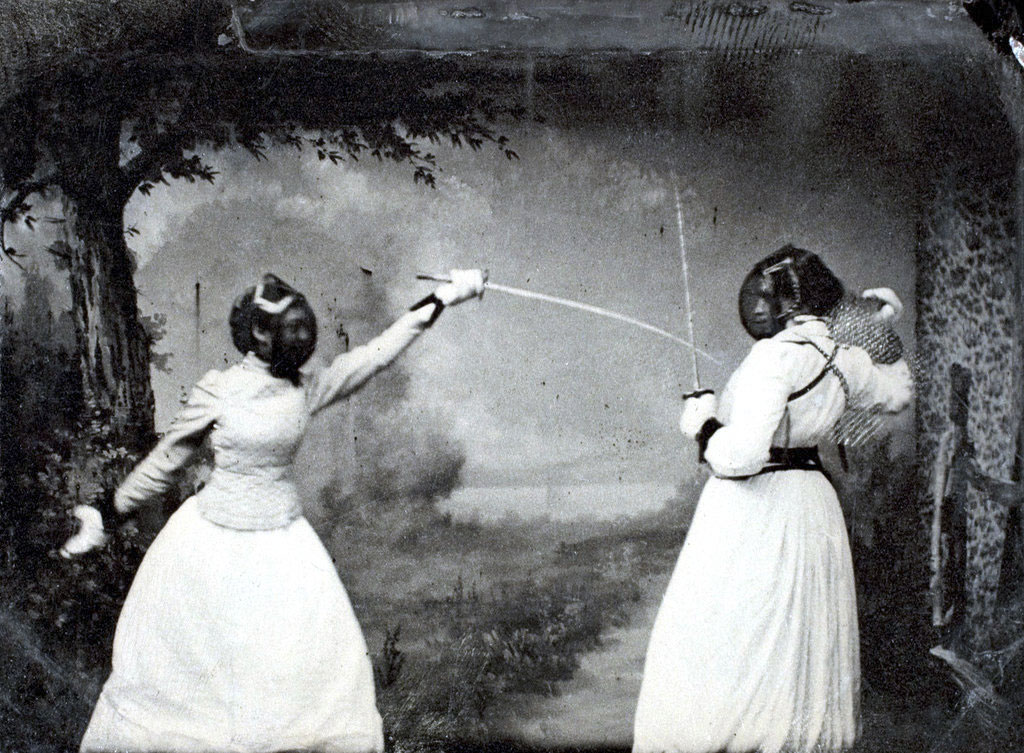
 

Unidentified Photographer. 'Two women fencing' June 16, 1891


Unidentified Photographer
Two women fencing
June 16, 1891
Tintype
Museum Collection


Lewis W. Hine (American, 1874-1940) 'The boys learn to cook' c. 1935


Lewis W. Hine (American, 1874-1940)
The boys learn to cook
c. 1935
From the series The Ethical Culture Schools NYC
Gelatin silver print
Transfer from Photo League Lewis Hine Memorial Committee
Ex-collection of Corydon Hine


Mary Ellen Mark (American, 1940-2015) 'Hispanic Girl with Her Brother, Dallas, Texas' 1987


Mary Ellen Mark (American, 1940-2015)
Hispanic Girl with Her Brother, Dallas, Texas
1987, print c. 1991 by Sarah Jenkins
From the series Urban Poverty
Gelatin silver print
Gift of the photographer
© Mary Ellen Mark


In common use, the word gender may refer to biological sex, self-identity, perceived identity, or imposed identity. Gender can be both fluid and ambiguous. Many of the ways we express and identify gender are based on visual clues. George Eastman House is proud to present The Gender Show, an exhibition that explores ways gender has been presented in photographs, ranging from archetypal to non-traditional to subversive representations, with a special emphasis on the performances that photography can encourage or capture.

With a collection that spans over 170 years of photography, Eastman House is uniquely able to thoughtfully examine our changing cultural and social landscape, in which evolving ideas of gender are framed as photographic images. The Gender Show offers the opportunity to see important photographs from our collection in a new context. The Gender Show sets the stage for a lively discussion of both photographic and cultural conventions and can be enjoyed by a variety of audiences for both its subject matter and content. Those interested in material, visual, and popular culture; gender, identity, and equality; and photographic history will find this exhibition captivating.

George Eastman House’s exhibition The Gender Show will explore how photographs, from the mid-19th century to today, have portrayed gender – from archetypal to non-traditional to subversive representations – with a special emphasis on the performances that the act of photographing or being photographed can encourage or capture. The Gender Show, presenting over 200 works, draws primarily from the Eastman House collection, which spans more than 170 years, and also features contemporary art photographs and videos on loan from artists and private collectors. The exhibition will be on view from June 15 through October 13, 2013.

The Gender Show is the first major Eastman House exhibition organised under the direction of Dr. Bruce Barnes, who assumed the role of Ron and Donna Fielding Director last October. “This exhibition is an extraordinary survey of how photographers and their subjects have presented gender over the course of more than 150 years,” said Barnes. “George Eastman House is uniquely able to review the ever-changing cultural and social landscape through depictions of gender ranging from innocent assertion to elaborate masquerade.”

From the Eastman House collection are photographs by many of the biggest names in the history of the medium – including Julia Margaret Cameron, August Sander, Edward Steichen, Nickolas Muray, Brassaï, Robert Frank, Andy Warhol, Barbara Norfleet, Mary Ellen Mark, Cindy Sherman, and Chuck Samuels – as well as rarely seen vernacular photographs, in the form of cabinet cards depicting early vaudeville and music-hall stars. The exhibition will also present works by contemporary artists, including photographs by Janine Antoni, Rineke Dijkstra, Debbie Grossman, Catherine Opie, and Gillian Wearing, and videos by artists Jen DeNike, Kalup Linzy, and Martha Rosler.

“Since before Duchamp photographed Rrose Sélavy, his female alter-ego, artists have used photography to explore issues of identity, sex and gender,” said Barnes. “In recent decades, the artist’s identity and gender have been an increasingly prominent theme within photography. This exhibition offers a unique opportunity to see works by leading contemporary artists in the context of photographs from our world-class collection.”

Included in The Gender Show are tintypes and daguerreotypes by unknown artists; advertising images; self-portraits by artists, sometimes in disguise; and portraits of celebrities who in their time were a paragon of their own gender or of androgyny. Subjects include Sarah Bernhardt, Joan Crawford and Douglas Fairbanks Jr., Marlene Dietrich, Greta Garbo, Marilyn Monroe, Paul Newman, and Arnold Schwarzenegger. Additional famous subjects presented in the show include Frida Kahlo, Auguste Rodin, Franklin Roosevelt with Winston Churchill and Joseph Stalin, and Andy Warhol.

Press release from the George Eastman House website


B. J. Falk (American, 1853-1925) 'Verona Jarbeau' c. 1885


B. J. Falk (American, 1853-1925)
Verona Jarbeau
c. 1885
Albumen print
Museum Collection


Cabinet card of 19th century burlesque artist Verona Jarbeau. Comedienne Verona Jarbeau dressed in masculine costume, and carrying a big stick.


Nickolas Muray (American born Hungary, 1892-1965) 'Gloria De Haven' 1947


Nickolas Muray (American born Hungary, 1892-1965)
Gloria De Haven
1947
Carbro print
Gift of Mrs. Nickolas Muray
© Nickolas Muray Archives


Nickolas Muray (American born Hungary, 1892-1965) 'Torso' c. 1927


Nickolas Muray (American born Hungary, 1892-1965)
Torso
c. 1927
Descriptive Title: Torso, Hubert Julian Stowitts
Gelatin silver print
Gift of Mrs. Nickolas Muray
© Nickolas Muray Archives


Lewis W. Hine (American, 1874-1940) 'Guiding a beam' From the series 'Empire State building' c. 1931


Lewis W. Hine (American, 1874-1940)
Guiding a beam
From the series Empire State building
c. 1931
Gelatin silver print
Transfer from Photo League Lewis Hine Memorial Committee
Ex-collection of Corydon Hine


Debbie Grossman (American, b. 1977) 'Jessie Evans-Whinery, homesteader, with her wife Edith Evans-Whinery and their baby' From the series 'My Pie Town'


Debbie Grossman (American, b. 1977)
Jessie Evans-Whinery, homesteader, with her wife Edith Evans-Whinery and their baby
Nd
From the series My Pie Town
Collection of the Artist, courtesy of Julie Saul Gallery
© Debbie Grossman


Debbie Grossman’s series My Pie Town reworks and re-imagines a body of images of Pie Town, New Mexico, originally photographed by Russell Lee for the United States Farm Security Administration in 1940. Using Photoshop to modify Lee’s pictures, Debbie Grossman has created an imaginary, parallel world – a Pie Town populated exclusively by women.


Jessica Todd Harper (American, b. 1976) 'Self-Portrait With Christopher and My Future In-Laws' 2001, print 2013


Jessica Todd Harper (American, b. 1976)
Self-Portrait With Christopher and My Future In-Laws
2001, print 2013
Inkjet print
Gift of the photographer
© Jessica Todd Harper


Lejaren à Hiller (American, 1880-1969) 'Men posed in front of backdrop with ship' c. 1950


Lejaren à Hiller (American, 1880-1969)
Men posed in front of backdrop with ship
c. 1950
Carbro print
Gift of 3M Company, ex-collection Louis Walton Sipley
© Visual Studies Workshop


Melissa Ann Pinney (American, b. 1953) 'Bat Mitzvah Dance, Knickerbocker Hotel, Chicago' 1991, print 2003


Melissa Ann Pinney (American, b. 1953)
Bat Mitzvah Dance, Knickerbocker Hotel, Chicago
1991, print 2003
Chromogenic print
Gift of Richard S. Press
© Melissa Ann Pinney
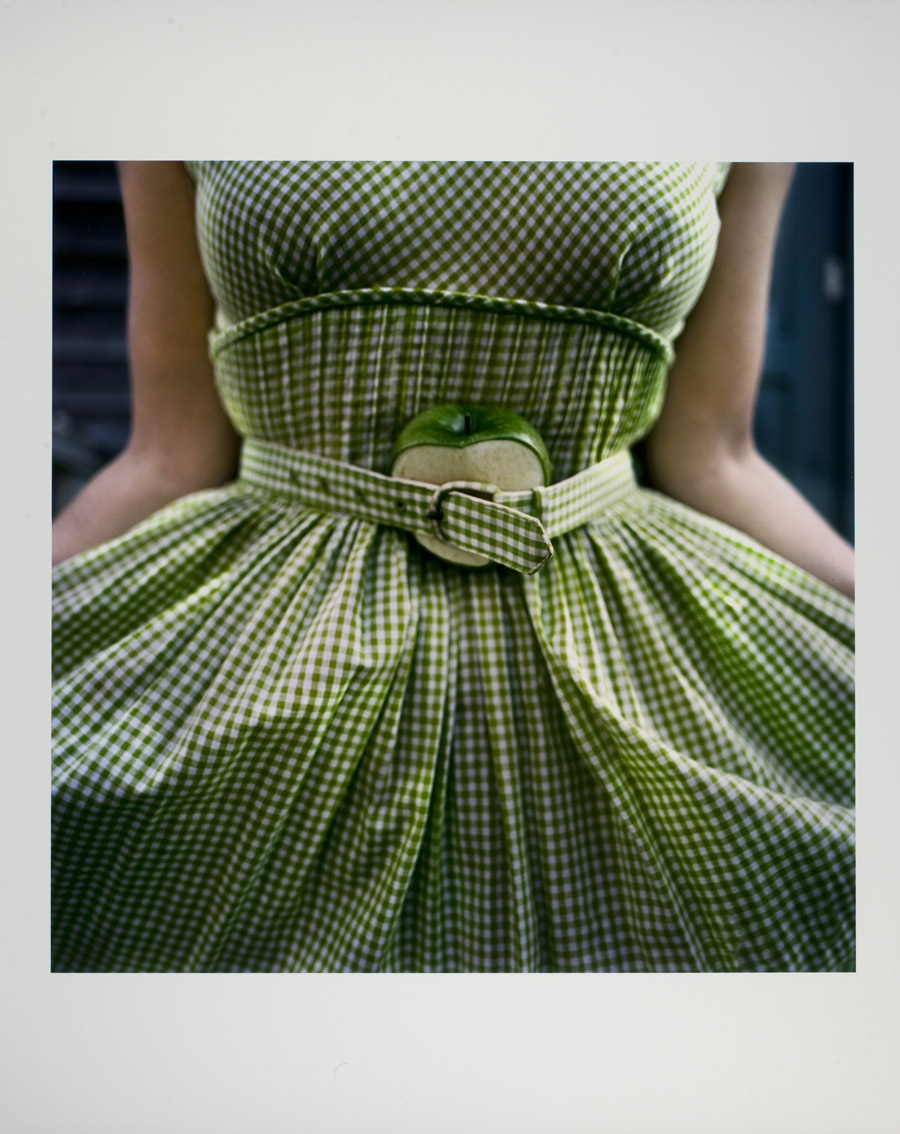
 

Cig Harvey (British, b. 1973) 'Gingham Dress with Apple' c. 2003


Cig Harvey (British, b. 1973)
Gingham Dress with Apple
c. 2003
Chromogenic print
Gift of the photographer
© Cig Harvey
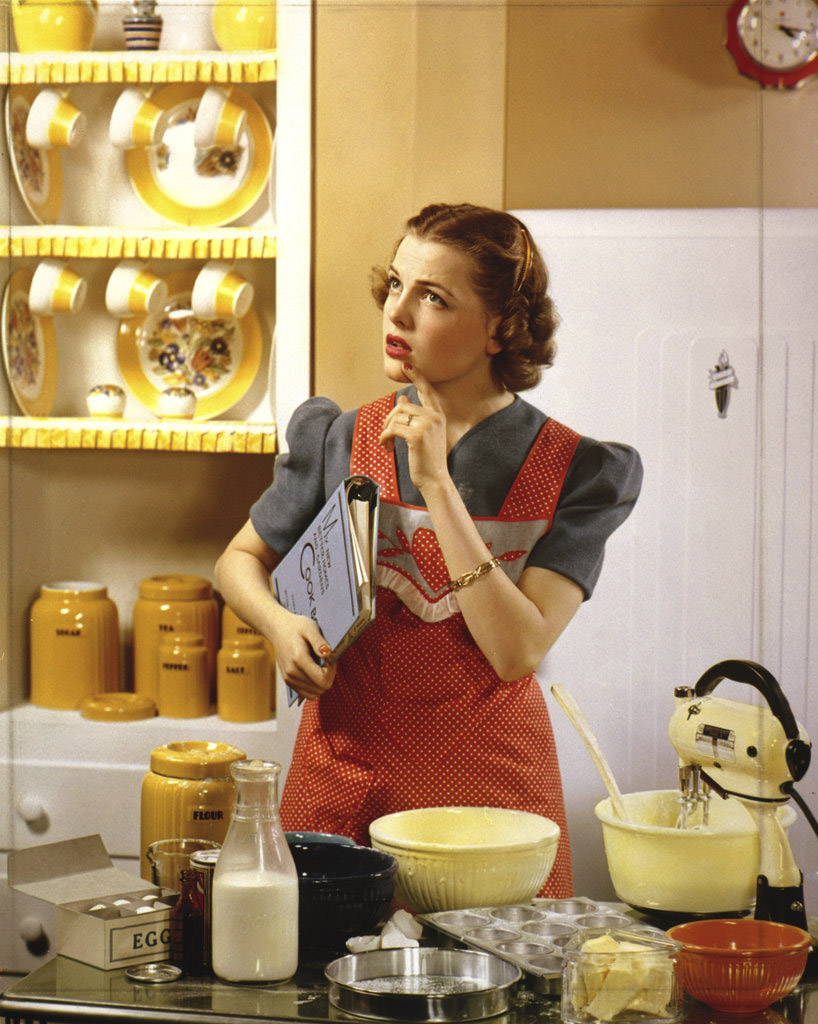
 

Victor Keppler (American, 1904-1987) 'Housewife in Kitchen' 1939


Victor Keppler (American, 1904-1987)
Housewife in Kitchen
1939
Digital Inkjet reproduction, 2012


Julia Margaret Cameron (British, 1815-1879) 'Ophelia Study No. 2' 1867


Julia Margaret Cameron (British, 1815-1879)
Ophelia Study No. 2
1867
Albumen print
Gift of Eastman Kodak Company
Ex-collection Gabriel Cromer


James Jowers (American, 1938-2009) 'New Orleans' 1970


James Jowers (American, 1938-2009)
New Orleans
1970
Gelatin silver print
Gift of the photographer
© George Eastman House


William Mortensen (American, 1897-1965) 'Preparing for the Sabbot' c. 1926


William Mortensen (American, 1897-1965)
Preparing for the Sabbot
c. 1926
Gelatin silver print
Gift of Dr. C.E.K. Mees
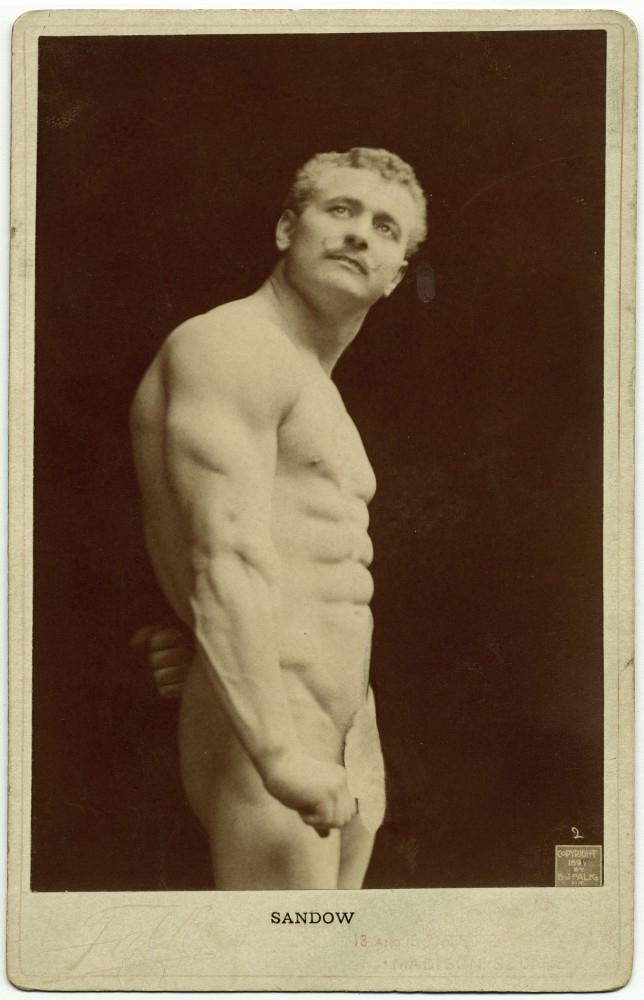
 

B. J. Falk (American, 1853-1925) 'Sandow' c. 1895


B. J. Falk (American, 1853-1925)
Sandow
c. 1895
Albumen print
Gift of Charles Carruth


Baron Wilhelm von Gloeden (German, 1856-1931) 'Youth with wreath on head' c. 1900


Baron Wilhelm von Gloeden (German, 1856-1931)
Youth with wreath on head
c. 1900
Albumen print
Anonymous gift
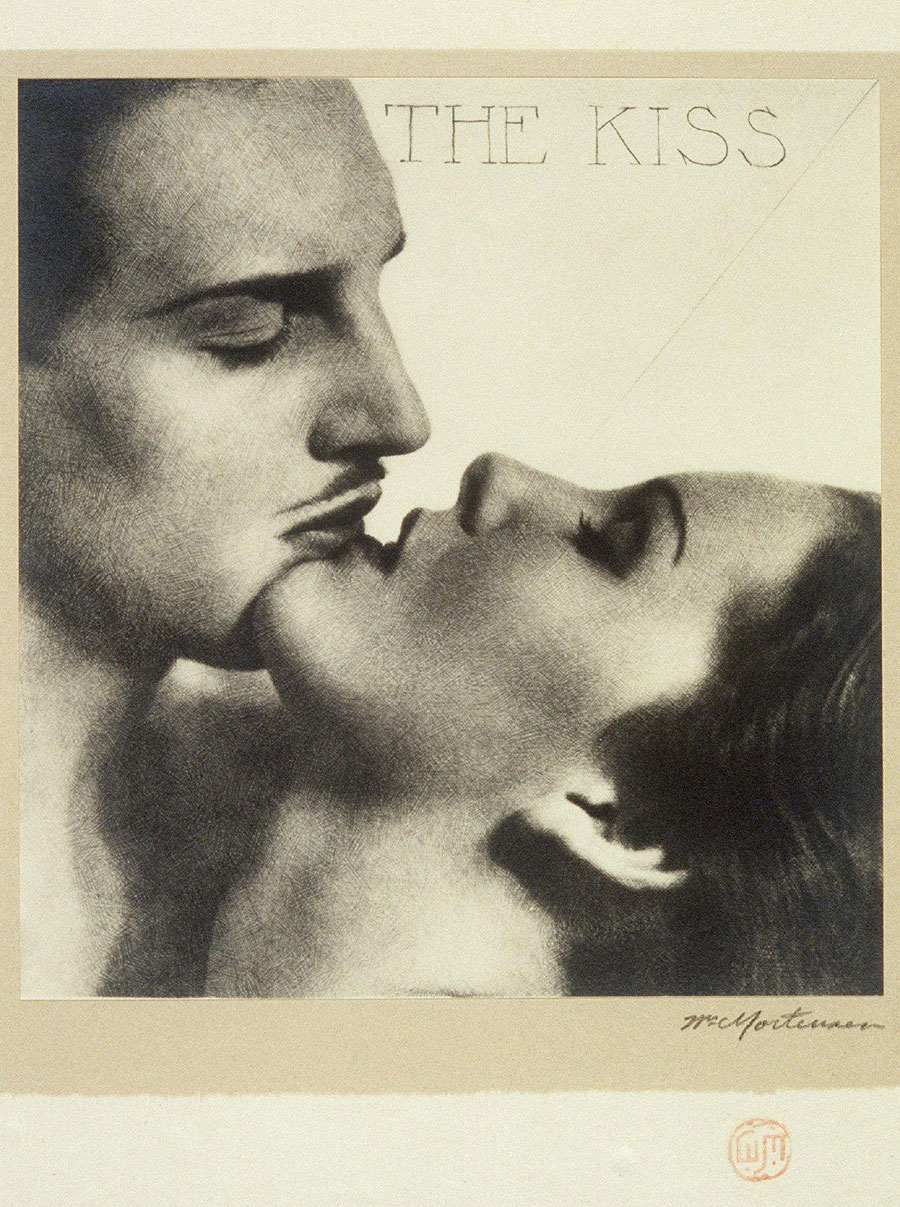
 

William Mortensen (American, 1897-1965) 'The Kiss' From the portfolio 'Pictorial Photography' c. 1930


William Mortensen (American, 1897-1965)
The Kiss
c. 1930
From the portfolio Pictorial Photography
Gelatin silver print
Gift of Dr. C.E.K. Mees


Anne Noggle (American, 1922-2005) 'Lois Hollingsworth Zilner, Woman Air force Service Pilot, WWII' 1984, print 1986


Anne Noggle (American, 1922-2005)
Lois Hollingsworth Zilner, Woman Air force Service Pilot, WWII
1984, print 1986
Gelatin silver print
Purchased with funds from Charina Foundation
© Anne Noggle


Edward Steichen (American born Luxembourg, 1879-1973) 'Marlene Dietrich, The Teuton Siren' 1931


Edward Steichen (American born Luxembourg, 1879-1973)
Marlene Dietrich, The Teuton Siren
1931
Gelatin silver contact print
Bequest of Edward Steichen by direction of Joanna T. Steichen
© Estate of Edward Steichen


Nickolas Muray (American born Hungary, 1892-1965) 'Marilyn Monroe .... Actress' 1952


Nickolas Muray (American born Hungary, 1892-1965)
Marilyn Monroe … Actress
1952
Carbro print
Gift of Michael Brooke Muray, Nickolas Christopher Muray, and Gustav Schwab
© Nickolas Muray Archives


George Eastman House
900 East Avenue
Rochester, NY 14607

Opening hours:
Tues – Sat 10am – 5pm
Sunday 11am – 5pm
Closed Mondays
George Eastman House website

LIKE ART BLART ON FACEBOOK

Back to top

Exhibition: ‘Detroit Experiences: Robert Frank Photographs, 1955’ at Detroit Institute of Arts, Detroit

Exhibition dates: 3rd March – 4th July, 2010


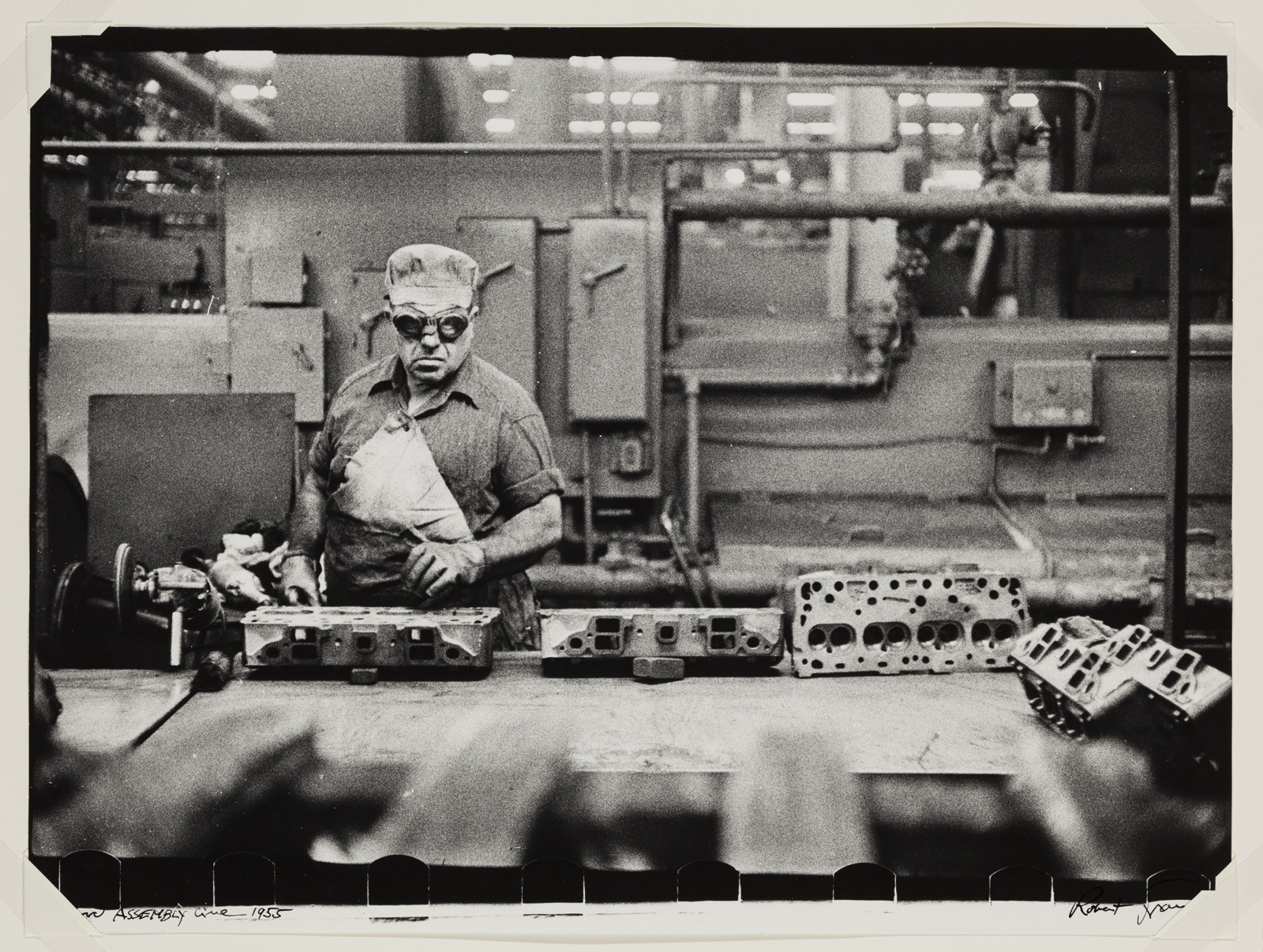
Robert Frank (Swiss-American, 1924-2019) 'Assembly Plant, Detroit' 1955 from the exhibition 'Detroit Experiences: Robert Frank Photographs, 1955' at Detroit Institute of Arts, Detroit, March - July, 2010


Robert Frank (Swiss-American, 1924-2019)
Assembly Plant, Detroit
1955
Gelatin silver print
8 7/8 × 13 1/8 inches (22.5 × 33.3cm)
Founders Society Purchase, Coville Photographic Fund
© Robert Frank, from The Americans. Detroit Institute of Arts


Many thankx to Pamela Marcil and the Detroit Institute of Arts for allowing me to reproduce the photographs in the posting. Please click on the photographs for a larger version of the image.

Marcus


“I am always looking outside, trying to look inside, trying to say something that is true. But maybe nothing is really true. Except what’s out there. And what’s out there is constantly changing.”


Robert Frank, 1985


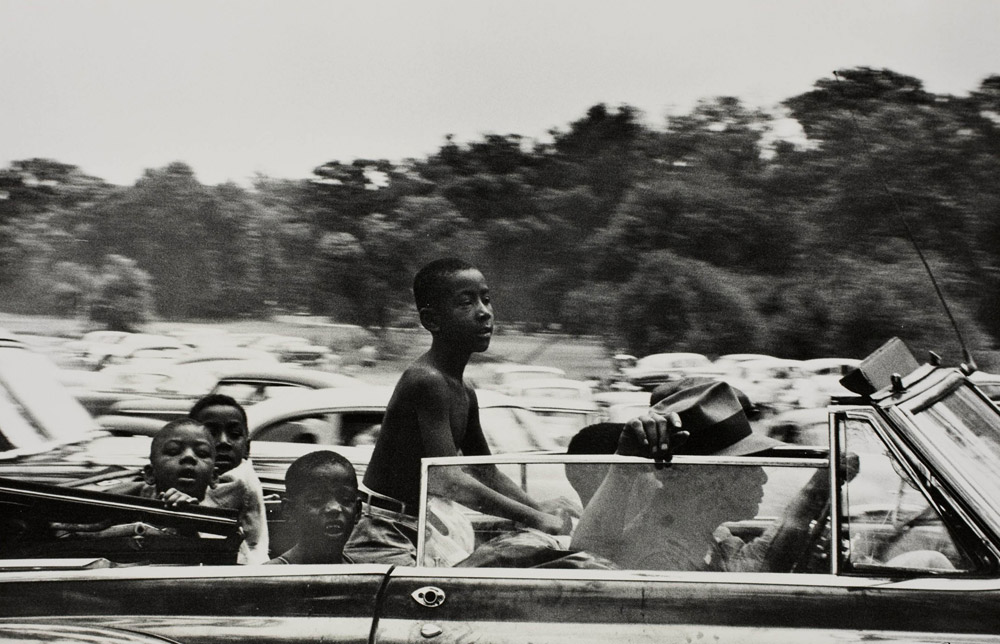
Robert Frank (Swiss-American, 1924-2019) 'Belle Isle' 1955 from the exhibition 'Detroit Experiences: Robert Frank Photographs, 1955' at Detroit Institute of Arts, Detroit, March - July, 2010


Robert Frank (Swiss-American, 1924-2019)
Belle Isle – Detroit
1955, printed between 1966-1968
Gelatin silver print
12 5/8 × 18 7/8 inches (32.1 × 47.9cm)
Museum Purchase, Ernest and Rosemarie Kanzler Foundation Fund, Forum for Prints, Drawings, and Photographs Purchase Fund, and General Art Purchase Fund
© Robert Frank, from The Americans. Detroit Institute of Arts


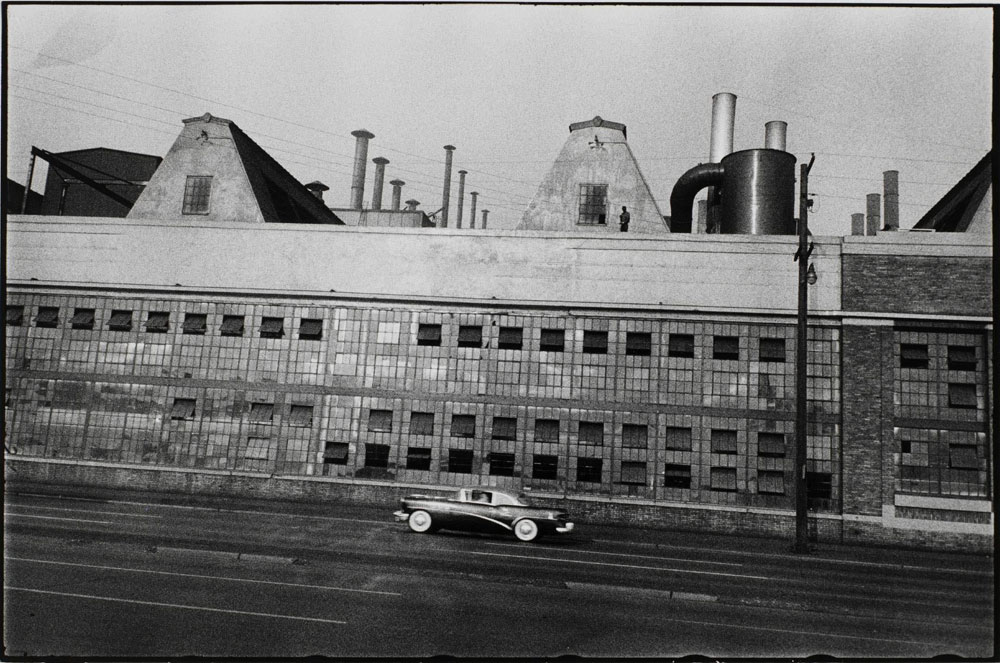
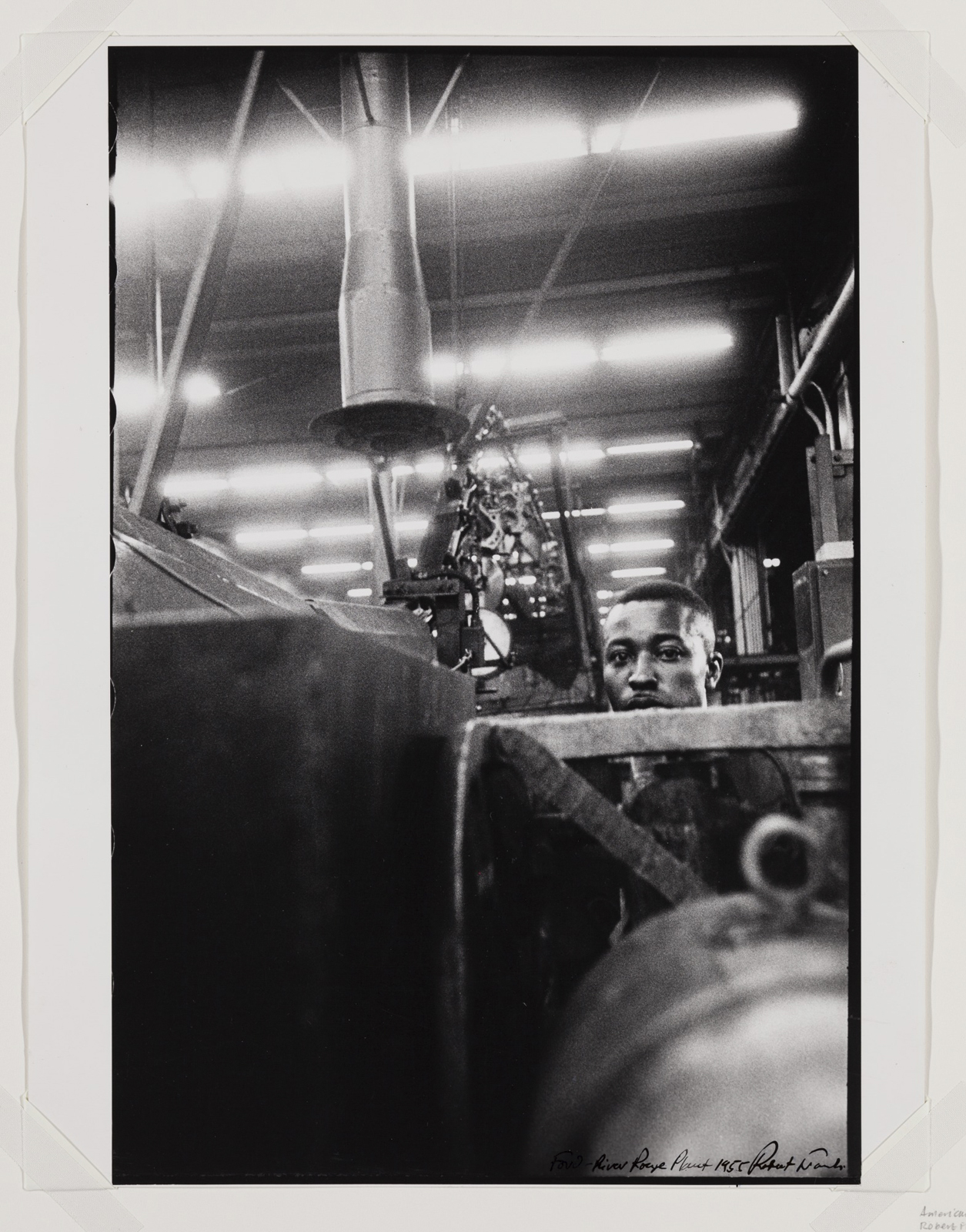
Robert Frank (Swiss-American, 1924-2019) 'Detroit River Rouge Plant' 1955 from the exhibition 'Detroit Experiences: Robert Frank Photographs, 1955' at Detroit Institute of Arts, Detroit, March - July, 2010


Robert Frank (Swiss-American, 1924-2019)
Detroit River Rouge Plant
1955, printed 1970s
Gelatin silver print
9 1/8 × 13 7/8 inches (23.2 × 35.2cm)
Founders Society Purchase, Coville Photographic Fund
© Robert Frank. Detroit Institute of Arts


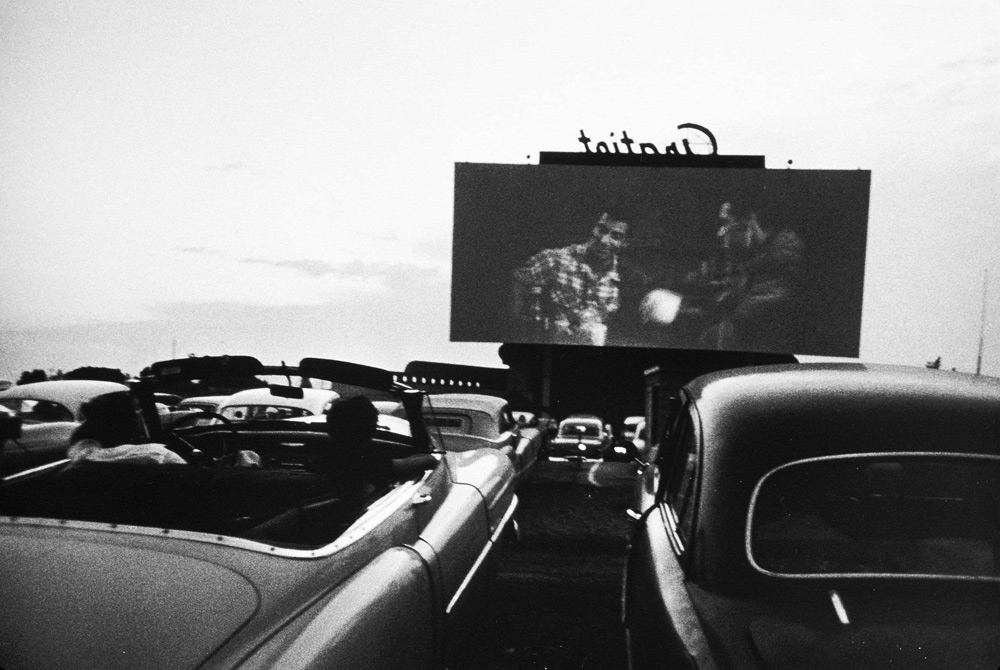
Robert Frank (Swiss-American, 1924-2019) 'Drive-In Movie, Detroit' 1955


Robert Frank (Swiss-American, 1924-2019)
Drive-In Movie, Detroit
1955, printed 1977
Gelatin silver print
8 1/4 × 12 1/2 inches (21 × 31.8cm)
Founders Society Purchase, Tina and Lee Hills Graphic Arts Fund
© Robert Frank, from The Americans. Detroit Institute of Arts.


Detroit Experiences: Robert Frank Photographs, 1955 showcases more than 50 rare and many never-before-seen black-and-white photographs taken in Detroit by legendary artist Robert Frank. The exhibition will be on view at the Detroit Institute of Arts (DIA) March 3 – July 4, 2010. The exhibition is free with museum admission.

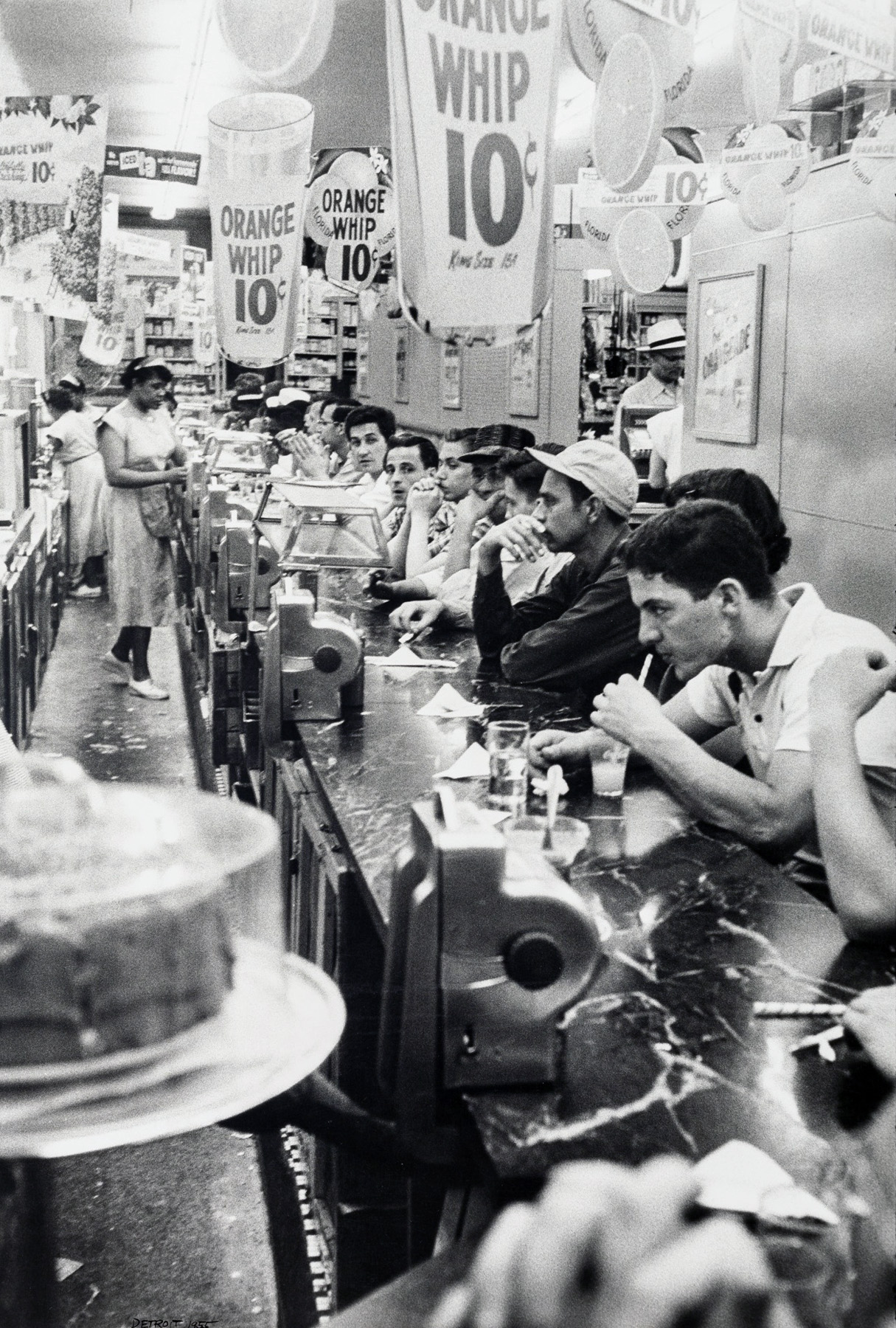
In 1955 and 1956 Robert Frank traveled the U.S. taking photographs for his groundbreaking book The Americans, published in 1958. With funding from a prestigious Guggenheim grant, he set out to create a large visual record of America, and Detroit was one of his early stops. Inspired by autoworkers, the cars they made, along with local lunch counters, drive-in movies and public parks such as Belle Isle, Frank transformed everyday experiences of Detroiters into an extraordinary visual statement about American life.

According to Frank, The Americans included “things that are there, anywhere, and everywhere … a town at night, a parking lot, the man who owns three cars and the man who owns none … the dream of grandeur, advertising, neon lights … gas tanks, post offices and backyards …” The exhibition includes nine Detroit images that were published in The Americans, as well as, for the first time, an in-depth body of work representative of Frank’s Detroit, its working-class culture and automotive industry.

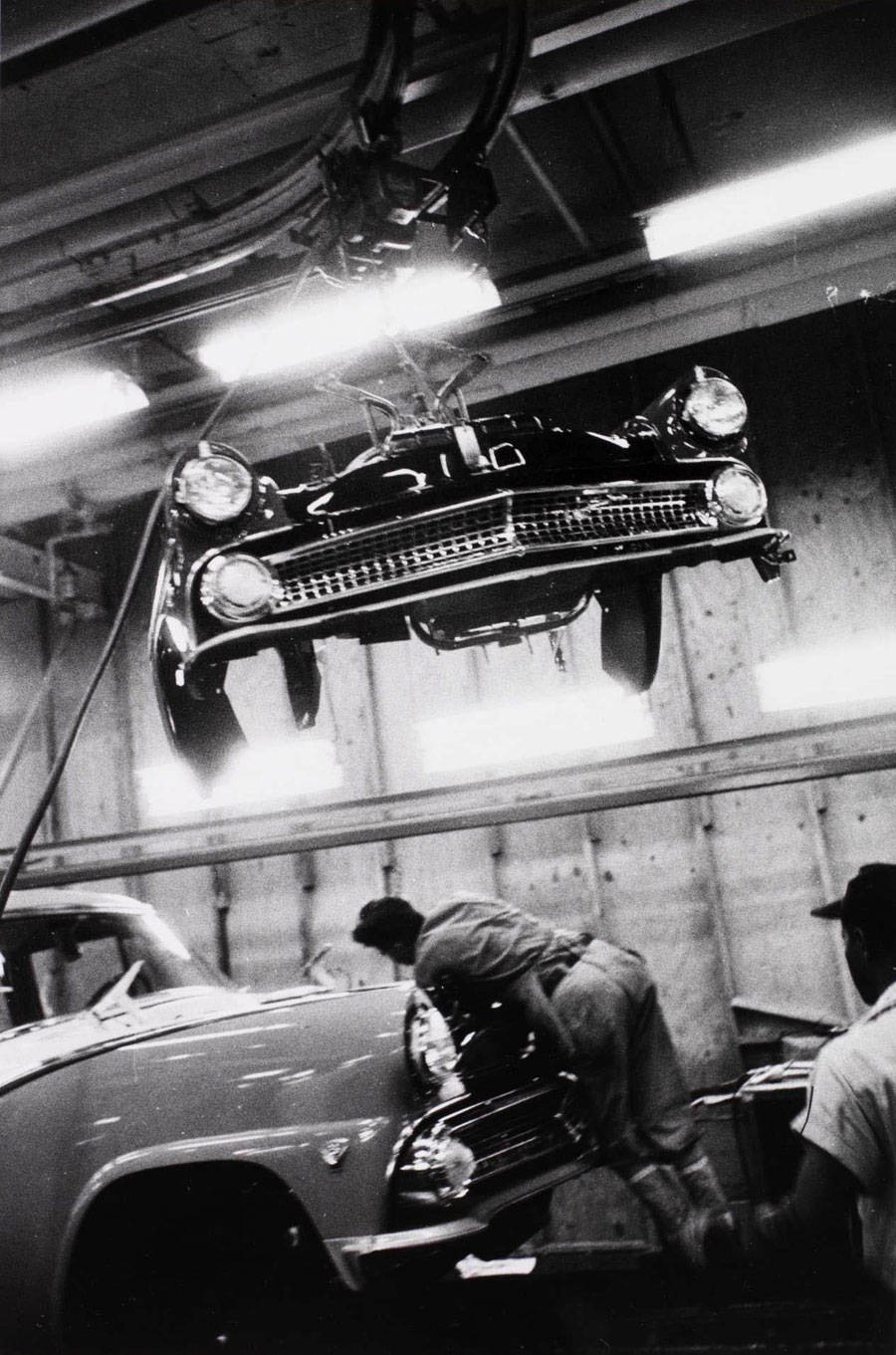
Frank was drawn to Detroit partly by a personal fascination with the automobile, but also saw its presence and effect on American culture as essential to his series. Frank was one of the few photographers allowed to take photographs at the famous Ford Motor Company River Rouge factory, where he was amazed to witness the transformation of raw materials into fully assembled cars. In a letter to his wife he wrote, “Ford is an absolutely fantastic place … this one is God’s factory and if there is such a thing – I am sure that the devil gave him a helping hand to build what is called Ford’s River Rouge Plant.” Frank spent two days taking pictures at the Ford factory, photographing workers on the assembly lines and manning machines by day, and following them as they ventured into the city at night.
Whether in the disorienting surroundings of a massive factory or during the solitary and alienating moments of individuals in parks and on city streets, the Swiss-born photographer looked beneath the surface of life in the U.S. and found a culture that challenged his perceptions and popular notions of the American Dream. Further accentuating his view of America, Frank developed an unconventional photographic style innovative and controversial in its time. Photographing quickly, Frank sometimes tilted and blurred compositions, presenting people and their surroundings in fleeting and fragmentary moments with an unsentimental eye.

Beat poet Jack Kerouac expressed the complex nature of the artist and his work in a passage from his introduction to The Americans stating, “Robert Frank, Swiss, unobtrusive, nice, with that little camera that he raises and snaps with one hand he sucked a sad poem right out of America onto film, taking rank among the tragic poets of the world.”

Born in 1924 in Zurich, Switzerland, Frank emigrated to the U.S. in 1947. He worked on assignments for magazines from 1948–53, but his photographic books garnered the highest acclaim. After publishing The Americans, he began filmmaking and directed the early experimental masterpiece Pull My Daisy, in collaboration with Jack Kerouac in 1959. Frank continues to work in both film and photography and has been the subject of many traveling exhibitions in recent years. The National Gallery of Art, Washington, D.C. established Frank’s photographic archive in 1990 and organised his first traveling retrospective, “Moving Out, in 1995” as well as a 2009 exhibition “Looking In: Robert Frank’s “The Americans”.” Frank lived in Mabou, Nova Scotia, and New York City with his wife, artist June Leaf.

Press release from the Detroit Institute of Arts website [Online] Cited 24/06/2019 no longer available online


Robert Frank (Swiss-American, 1924-2019) 'Untitled' 1955


Robert Frank (Swiss-American, 1924-2019)
Untitled
1955, printed c. 1970s
Gelatin silver print
10 3/4 × 15 7/8 inches (27.3 × 40.3cm)
Founders Society Purchase with funds from Founders Junior Council
© Robert Frank, from The Americans. Detroit Institute of Arts


Robert Frank (Swiss-American, 1924-2019) 'Ford River Rouge Plant' 1955, printed c. 1970s


Robert Frank (Swiss-American, 1924-2019)
Ford River Rouge Plant
1955, printed c. 1970s
Gelatin silver print
13 13/16 × 9 1/8 inches (35.1 × 23.2cm)
Founders Society Purchase, Coville Photographic Fund
© Robert Frank. Detroit Institute of Arts


Robert Frank (Swiss-American, b. 1924) 'Assembly Plant, Ford, Detroit' 1955


Robert Frank  (Swiss-American, 1924-2019)
Assembly Plant, Ford, Detroit
1955, printed c. 1960s
Gelatin silver print
12 7/8 × 8 1/2 inches (32.7 × 21.6cm)
Founders Society Purchase, Coville Photographic Fund
© Robert Frank. Detroit Institute of Arts


Robert Frank (Swiss-American, 1924-2019) 'Drugstore, Detroit' 1955


Robert Frank (Swiss-American, 1924-2019)
Drugstore, Detroit
1955, printed c. 1960s
Gelatin silver print
23 1/4 × 15 3/4 inches (59.1 × 40cm)
Founders Society Purchase, with funds from the Founders Junior Council
© Robert Frank, from The Americans. Detroit Institute of Arts


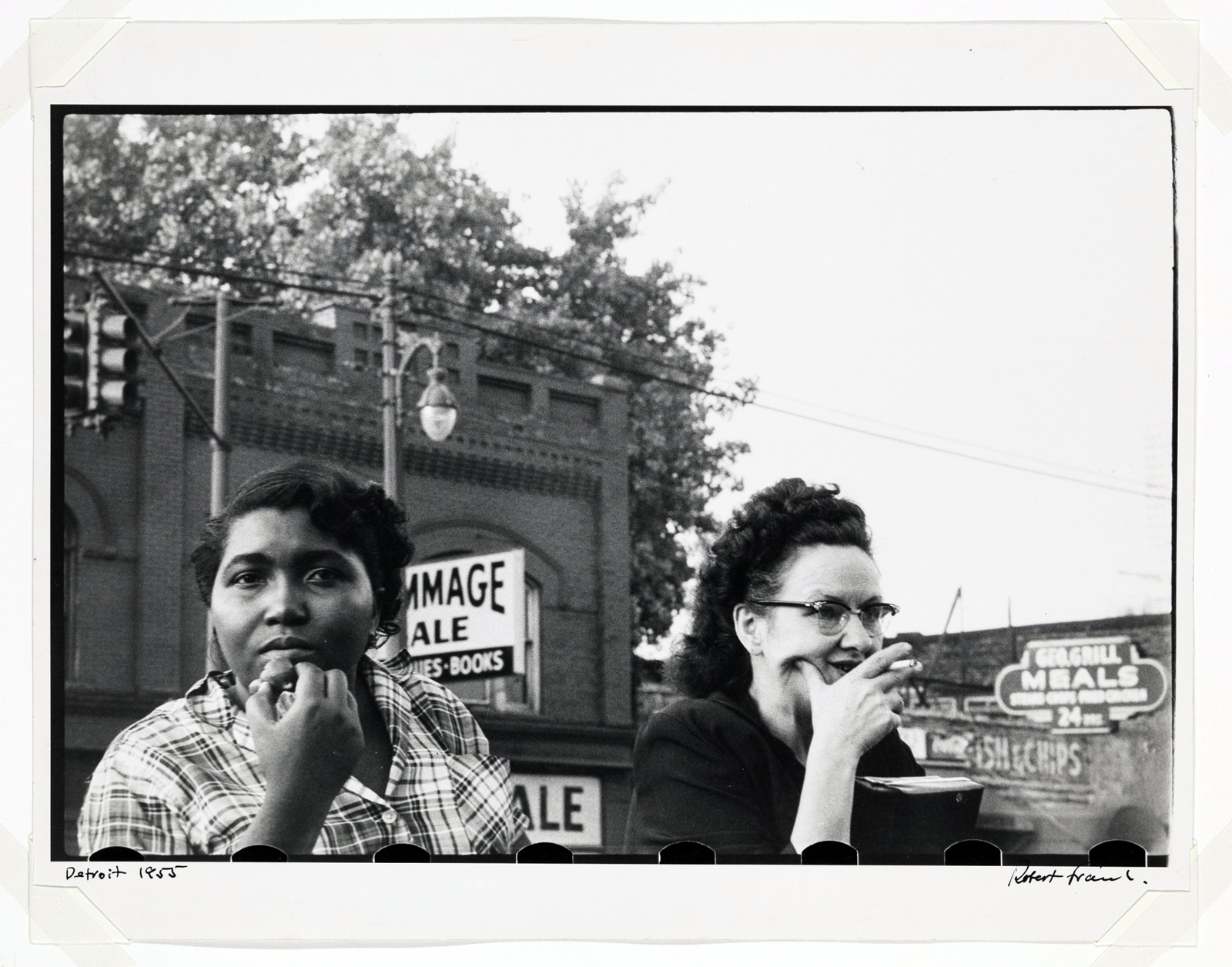
Robert Frank (Swiss-American, 1924-2019) 'Detroit' 1955


Robert Frank (Swiss-American, 1924-2019)
Detroit
1955, printed c. 1960s
Gelatin silver print
9 1/16 × 13 1/2 inches (23 × 34.3cm)
Founders Society Purchase, Coville Photographic Fund
© Robert Frank, from The Americans. Detroit Institute of Arts


Robert Frank (Swiss-American, 1924-2019) 'Detroit - Belle Isle' 1955


Robert Frank (Swiss-American, 1924-2019)
Belle Isle – Detroit
1955, printed between 1960 and 1979
Gelatin silver print
12 1/2 × 18 3/4 inches (31.8 × 47.6cm)
Museum Purchase, Ernest and Rosemarie Kanzler Foundation Fund, Forum for Prints, Drawings, and Photographs Purchase Fund, and General Art Purchase Fund
© Robert Frank, from The Americans. Detroit Institute of Arts


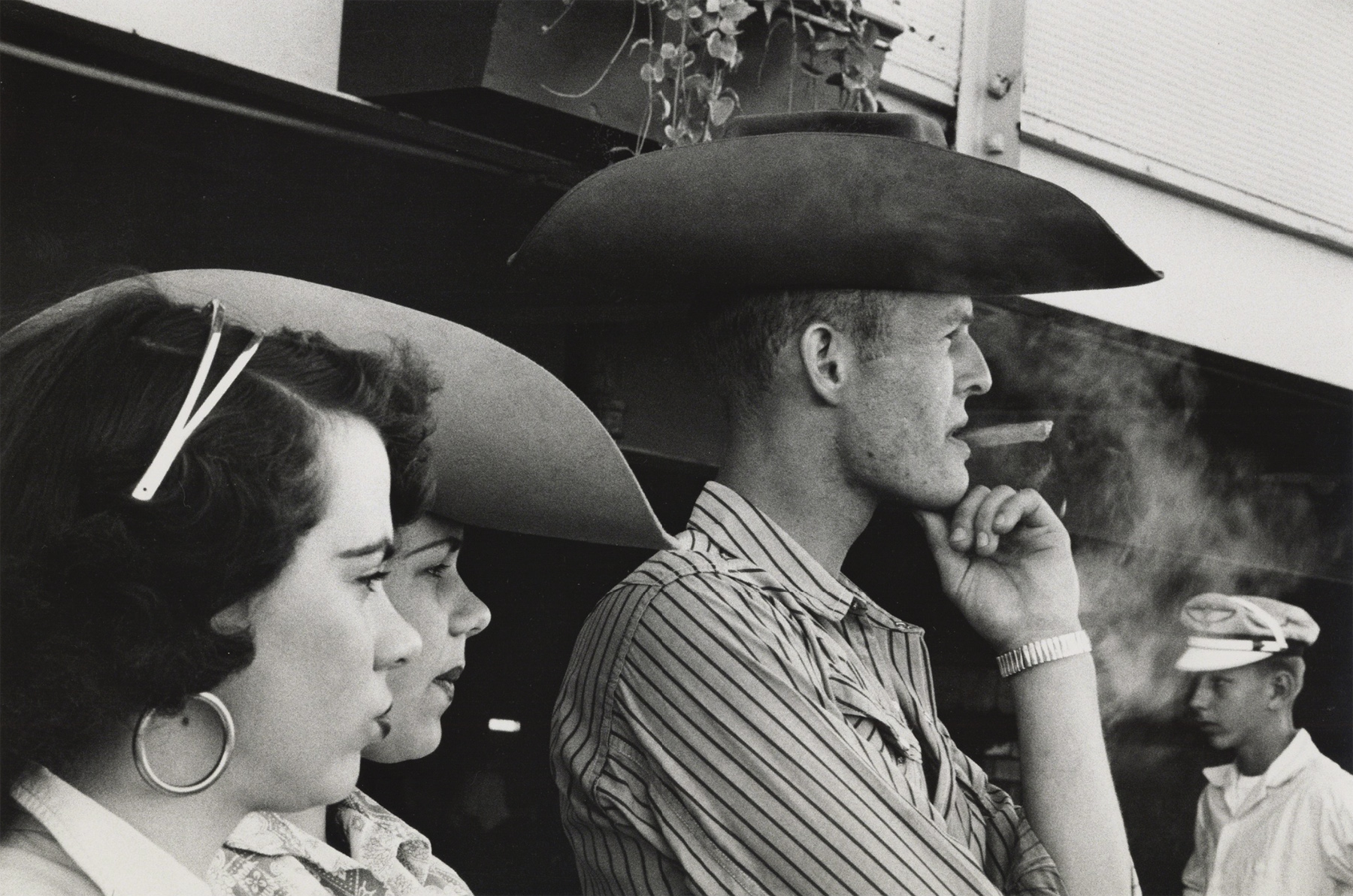
Robert Frank (Swiss-American, 1924-2019) 'Rodeo - Detroit' 1955


Robert Frank (Swiss-American, 1924-2019)
Rodeo – Detroit
1955, printed 1960s
Gelatin silver print
6 1/2 × 9 7/8 inches (16.5 × 25.1cm)
Museum Purchase, Ernest and Rosemarie Kanzler Foundation Fund, Forum for Prints, Drawings, and Photographs Purchase Fund, and General Art Purchase Fund
© Robert Frank, from The Americans. Detroit Institute of Arts


In 1955, Swiss-born photographer Robert Frank traveled across the United States photographing how Americans live, work, and spend their leisure time. Detroit was a critical stop on his itinerary, as the Motor City was world renowned for its automobiles along with its factories and labor force. Frank spent several days in Detroit at its legendary Ford Motor Company Rouge Plant and visited dime-store lunch counters, drive-ins, and public parks as well. He may have found Stetson-wearing spectators at a local rodeo an unlikely and uncharacteristic subject for Detroit – a large, industrial, midwestern city. Nonetheless he included Rodeo – Detroit, in addition to eight other photographs taken in the city, as part of the 83 images found in his ground-breaking photo book The Americans from 1958. The book brought Frank great acclaim for his critical commentary on America during the boom years following World War II.

From Bulletin of the Detroit Institute of Arts 89 (2015)


Robert Frank (Swiss-American, 1924-2019) 'Detroit' 1956


Robert Frank (Swiss-American, 1924-2019)
Detroit
1956
Gelatin silver print
© Robert Frank, from The Americans. Detroit Institute of Arts


Detroit Institute of Arts
5200 Woodward Avenue
Detroit, Michigan 48202
Main Line: 313.833.7900

Opening hours:
Monday Closed
Tuesday – Thursday 9am – 4pm
Friday 9am – 9pm
Saturday – Sunday 10am – 5pm

Detroit Institute of Arts website

LIKE ART BLART ON FACEBOOK

Back to top

Exhibition: ‘Looking In: Robert Frank’s The Americans’ at The National Gallery of Art, Washington

Exhibition dates: National Gallery of Art, January 18 – April 26, 2009; San Francisco Museum of Modern Art, May 16 – August 23, 2009; Metropolitan Museum of Art, September 22 – December 27, 2009


Robert Frank (Swiss-American, 1924-2019) 'The Americans' New York: Grove Press 1959 front cover from the exhibition Exhibition: 'Looking In: Robert Frank's The Americans' at The National Gallery of Art, Washington, Jan - April, 2009

Robert Frank (Swiss-American, 1924-2019) 'The Americans' New York: Grove Press 1959 back cover from the exhibition Exhibition: 'Looking In: Robert Frank's The Americans' at The National Gallery of Art, Washington, Jan - April, 2009


Robert Frank (Swiss-American, 1924-2019)
The Americans
New York: Grove Press
1959


One of the seminal photography books of the twentieth century, Robert Frank’s The Americans changed photography forever, changed how America saw itself and became a cult classic. Like Eugene Atget’s positioning of the camera in an earlier generation Frank’s use of camera position is unique; his grainy and contrasty images add to his outsider vision of a bleak America; his sequencing of the images, like the cadences of the greatest music, masterful. One of the easiest things for an artist to do is to create one memorable image, perhaps even a group of 4 or 5 images that ‘hang’ together – but to create a narrative of 83 images that radically alter the landscape of both photography and country is, undoubtedly, a magnificent achievement.

The photographs in the posting appear by number order that they appear in the book.

Dr Marcus Bunyan


Many thankx to the National Gallery of Art for allowing me to publish the photographs in the posting. Please click on the photographs for a larger version of the image.


Robert Frank (Swiss-American, 1924-2019) The Americans 1 'Parade - Hoboken, New Jersey' 1955


Robert Frank (Swiss-American, 1924-2019)
The Americans 1
Parade – Hoboken, New Jersey
1955
Gelatin silver print
Image: 21.3 x 32.4cm (8 3/8 x 12 3/4 in.)
Private collection, San Francisco
Photograph © Robert Frank, from The Americans


Released at the height of the Cold War, The Americans was initially reviled, even decried as anti-American. Yet during the 1960s, many of the issues that Frank had addressed – racism, dissatisfaction with political leaders, skepticism about a rising consumer culture – erupted into the collective consciousness. The book came to be regarded as both prescient and revolutionary and soon was embraced with a cult-like following.

First published in France in 1958 and in the United States in 1959, Robert Frank’s The Americans is widely celebrated as the most important photography book since World War II. Including 83 photographs made largely in 1955 and 1956 while Frank (1924-2019) travelled around the United States, the book looked beneath the surface of American life to reveal a profound sense of alienation, angst, and loneliness. With these prophetic photographs, Frank redefined the icons of America, noting that cars, jukeboxes, gas stations, diners, and even the road itself were telling symbols of contemporary life. Frank’s style – seemingly loose, casual compositions, with often rough, blurred, out-of-focus foregrounds and tilted horizons – was just as controversial and influential as his subject matter. The exhibition celebrates the 50th anniversary of the book’s publication by presenting all 83 photographs from The Americans in the order established by the book, and by providing a detailed examination of the book’s roots in Frank’s earlier work, its construction, and its impact on his later art.

Anonymous text from The National Gallery of Art website [Online] Cited 06/03/2009. No longer available online


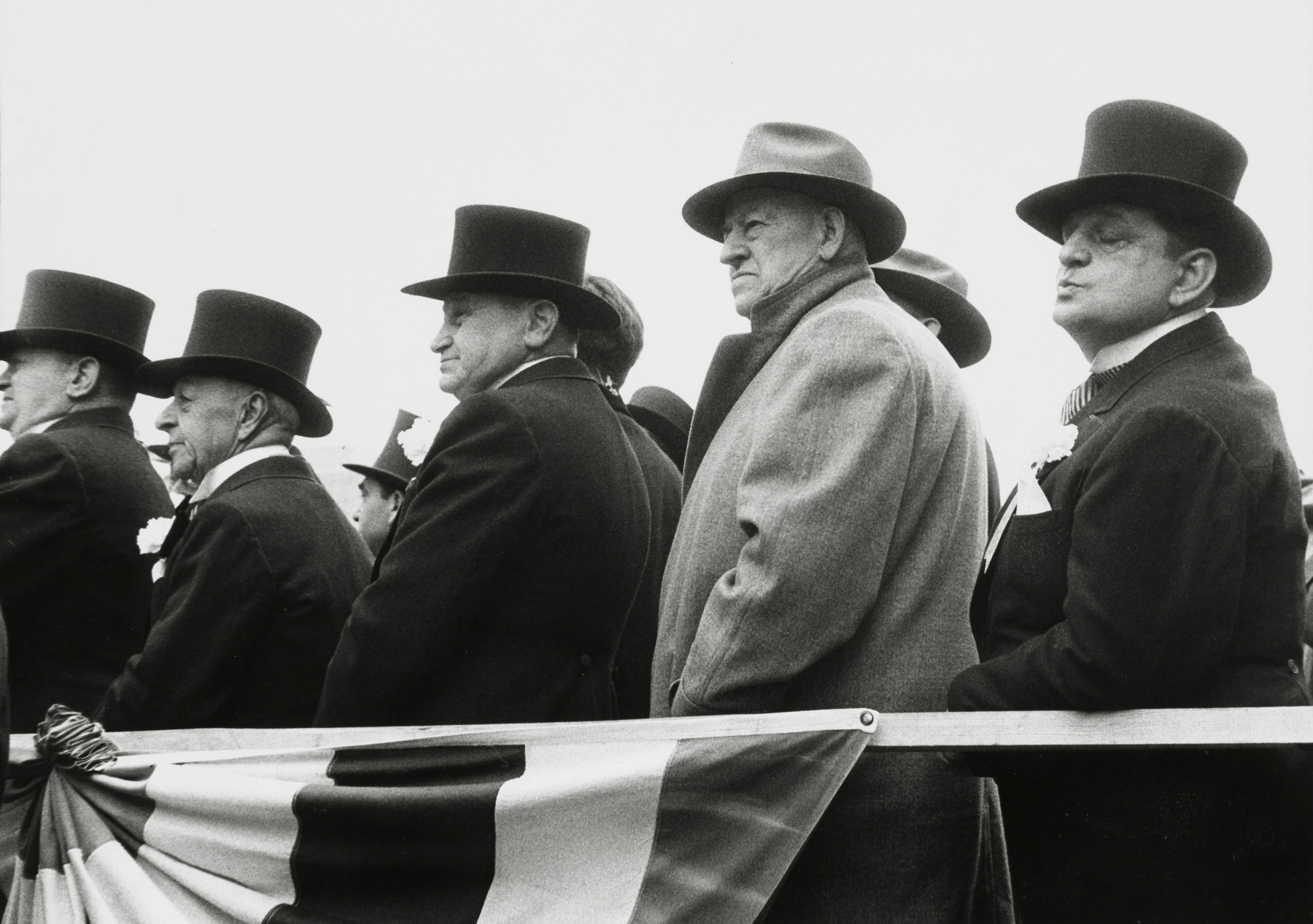
Robert Frank (Swiss-American, 1924-2019) The Americans 2 'City fathers – Hoboken, New Jersey' 1955


Robert Frank (Swiss-American, 1924-2019)
The Americans 2
City fathers – Hoboken, New Jersey
1955
Gelatin silver print
Image: 41.9 x 57.8cm (16 1/2 x 22 3/4 in.)
Susan and Peter MacGill
Photograph © Robert Frank, from The Americans


Robert Frank (Swiss-American, 1924-2019) The Americans 3. 'Political Rally - Chicago' 1956


Robert Frank (Swiss-American, 1924-2019)
The Americans 3
Political Rally – Chicago
1956
Gelatin silver print
Image and sheet: 57.8 x 39.4cm (22 3/4 x 15 1/2 in.)
Susan and Peter MacGill
Photograph © Robert Frank, from The Americans


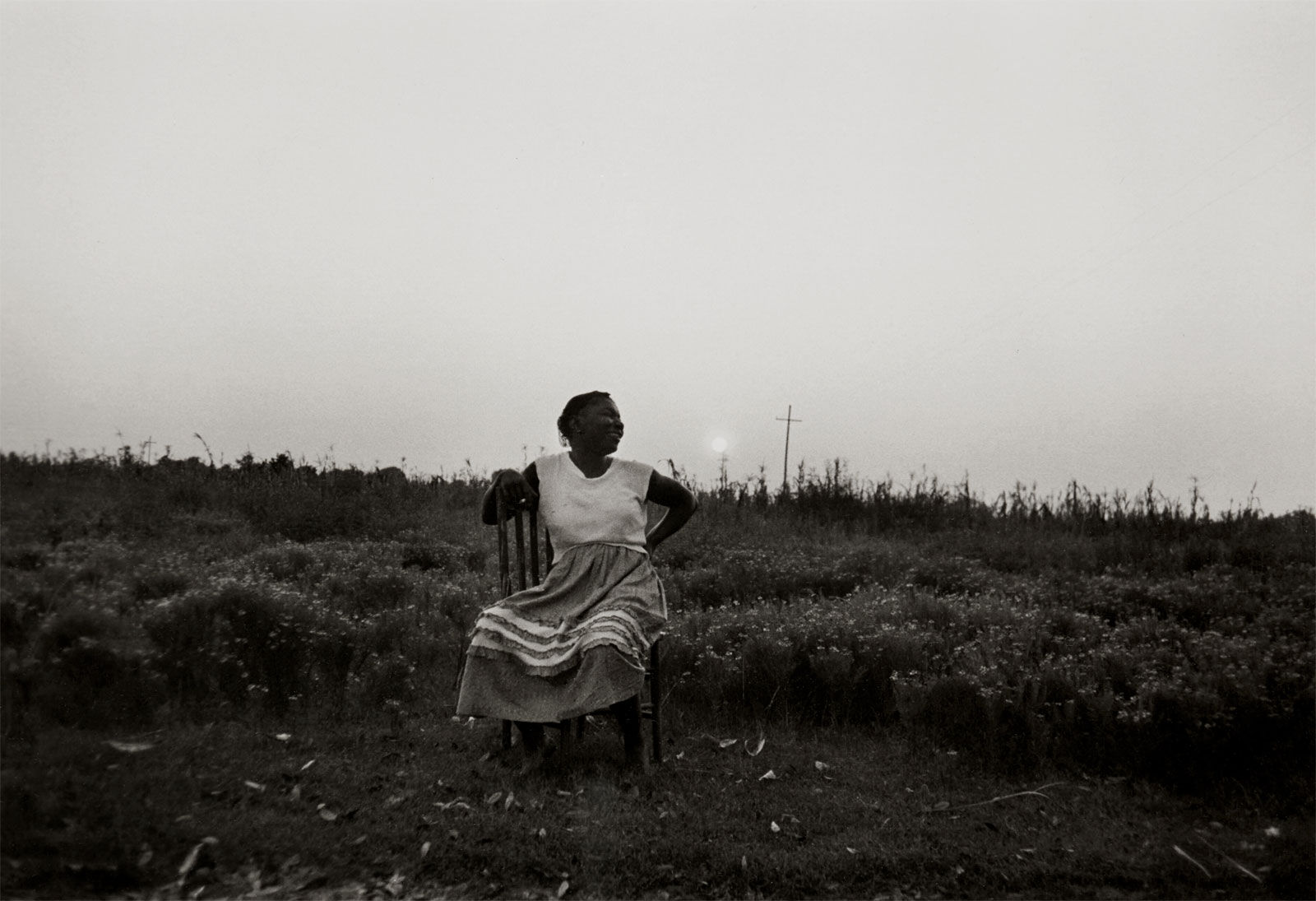
Robert Frank (Swiss-American, 1924-2019) The Americans 4 'Funeral, St. Helena, South Carolina' 1955-1956


Robert Frank (Swiss-American, 1924-2019)
The Americans 4
Funeral – St. Helena, South Carolina
1955
Gelatin silver print
Image and sheet: 39.7 x 58.1cm (15 5/8 x 22 7/8 in.)
Susan and Peter MacGill
Photograph © Robert Frank, from The Americans


“The photos revealed a bleaker, more dislocated view of America than Americans were used to (at least in photography). Frank’s “in-between moments” demonstrated that disequilibrium can seem more revealing, seeming to catch reality off-guard. In doing so the collection also announced to the world that photos with a completely objective reference / referent could be subjective, lyrical, reveal a state-of-mind. Looser framing, more forced or odd juxtapositions, “drive-by” photos and other elements offer a sense of the process that has produced the photos”

Lloyd Spencer on Discussing The Americans in Hardcore Street Photography

I couldn’t have put it better myself!


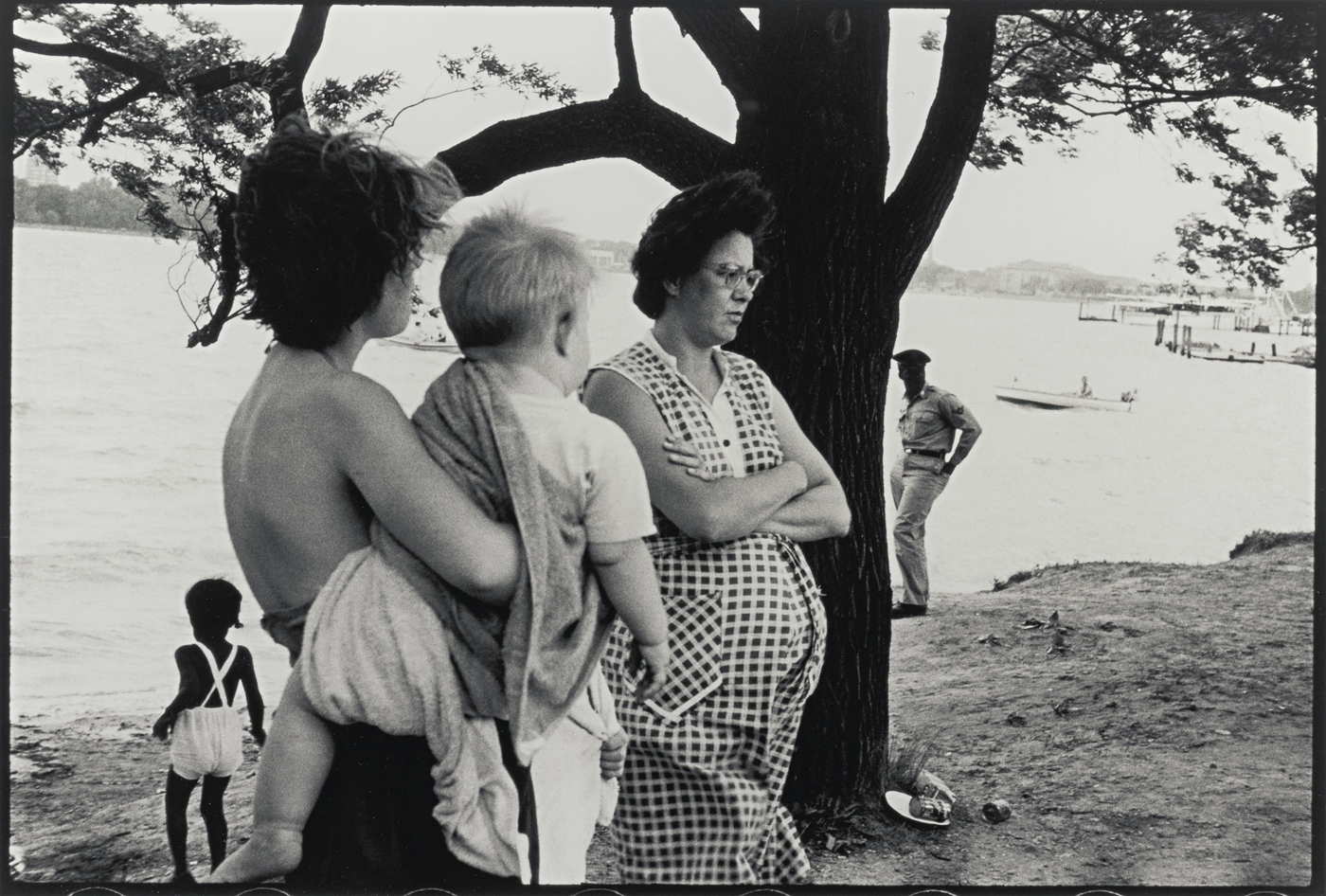
Robert Frank (Swiss-American, 1924-2019) The Americans 13 'Charleston, South Carolina' 1955


Robert Frank (Swiss-American, 1924-2019)
The Americans 13
Charleston, South Carolina
1955
Gelatin silver print
Image: 41.3 x 59.1cm (16 1/4 x 23 1/4 in.)
Susan and Peter MacGill
Photograph © Robert Frank, from The Americans


Robert Frank (Swiss-American, 1924-2019) The Americans 14 'Ranch Market, Hollywood' 1955-1956


Robert Frank (Swiss-American, 1924-2019)
The Americans 14
Ranch Market – Hollywood
1956
Gelatin silver print
Image: 31.4 x 48.3cm (12 3/8 x 19 in.)
Danielle and David Ganek
Photograph © Robert Frank, from The Americans


Robert Frank (Swiss-American, 1924-2019) The Americans 15 'Butte, Montana' 1956


Robert Frank (Swiss-American, 1924-2019)
The Americans 15
Butte, Montana
1956
Gelatin silver print
Overall: 20 x 30.2cm (7 7/8 x 11 7/8 in.)
The Museum of Modern Art, New York, Acquired through the generosity of the Young family in honour of Robert B. Menschel, 2003
Photograph © Robert Frank, from The Americans


Robert Frank (Swiss-American, 1924-2019) The Americans 18 'Trolley - New Orleans' 1955


Robert Frank (Swiss-American, 1924-2019)
The Americans 18
Trolley – New Orleans
1955
Gelatin silver print
Image: 40.6 x 57.8cm (16 x 22 3/4 in.)
Susan and Peter MacGill
Photograph © Robert Frank, from The Americans


Robert Frank (Swiss-American, 1924-2019) Contact sheets for 'The Americans'


Robert Frank (Swiss-American, 1924-2019)
Contact sheets for The Americans
Photograph © Robert Frank, from The Americans


“Frank’s contact sheets take us back to the moment he made the photographs for The Americans. They show us what he saw as he traveled around The United States and how he responded to it. These sheets are not carefully crafted objects; in his eagerness to see what he had captured, Frank did not bother to order his film strips numerically or even to orientate them all in the same direction.”


Robert Frank (Swiss-American, 1924-2019) Sequencing of 'The Americans' numbers 32-36


Robert Frank (Swiss-American, 1924-2019)
Sequencing of
The Americans numbers 32-36
Photograph © Robert Frank, from The Americans


“Almost halfway through the book Frank created a sequence united by the visual repetition of the car and the suggestion of its movement.”


Robert Frank (Swiss-American, 1924-2019) The Americans 32 'U.S. 91, Leaving Blackfoot, Idaho' 1956


Robert Frank (Swiss-American, 1924-2019)
The Americans 32
U.S. 91, Leaving Blackfoot, Idaho
1956
Gelatin silver print
Image: 28.9 x 42.2cm (11 3/8 x 16 5/8 in.)
Collection of Barbara and Eugene Schwartz
Photograph © Robert Frank, from The Americans


Robert Frank (Swiss-American, 1924-2019) The Americans 33 'St. Petersburg, Florida' 1955


Robert Frank (Swiss-American, 1924-2019)
The Americans 33
St. Petersburg, Florida
1955
Gelatin silver print
Sheet: 22.2 x 33.7cm (8 3/4 x 13 1/4 in.)
Collection of Barbara and Eugene Schwartz
Photograph © Robert Frank, from The Americans


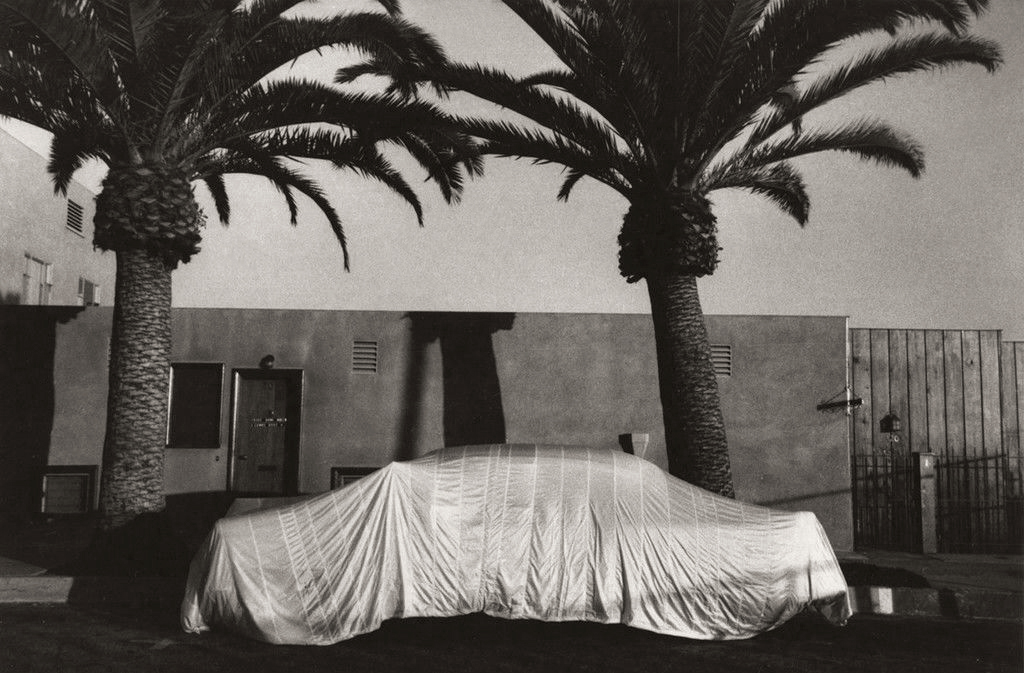
Robert Frank (Swiss-American, 1924-2019) The Americans 34 'Covered Car - Long Beach, California' 1956


Robert Frank (Swiss-American, 1924-2019)
The Americans 34
Covered Car – Long Beach, California
1956
Gelatin silver print
Image: 21.4 x 32.7cm (8 7/16 x 12 7/8 in.)
Lent by The Metropolitan Museum of Art, Gilman Collection, Purchase, Ann Tenenbaum and Thomas H. Lee Gift, 2005
Photograph © Robert Frank, from The Americans


Robert Frank (Swiss-American, 1924-2019) The Americans 35 'Car accident, US 66 between Winslow and Flagstaff, Arizona' 1955-1956


Robert Frank (Swiss-American, 1924-2019)
The Americans 35
Car accident, US 66 between Winslow and Flagstaff, Arizona
1955-1956
Gelatin silver print
Image: 31 x 47.5cm (12 3/16 x 18 11/16 in.)
Philadelphia Museum of Art, Promised gift of Susan and Peter MacGill in honour of Anne d’Harnoncourt
Photograph © Robert Frank, from The Americans


Robert Frank (Swiss-American, 1924-2019) The Americans 36 'U.S. 285, New Mexico' 1955


Robert Frank (Swiss-American, 1924-2019)
The Americans 36
U.S. 285, New Mexico
1955
Gelatin silver print
Image: 33.7 x 21.9cm (13 1/4 x 8 5/8 in.)
Mark Kelman, New York
Photograph © Robert Frank, from The Americans


Robert Frank (Swiss-American, 1924-2019) The Americans 37 'Bar, Detroit' 1955-1956


Robert Frank (Swiss-American, 1924-2019)
The Americans 37
Bar – Detroit
1955
Gelatin silver print
Overall: 39.4 x 57.8cm (15 1/2 x 22 3/4 in.)
Sherry and Alan Koppel
Photograph © Robert Frank, from The Americans


The 50th anniversary of a groundbreaking publication will be celebrated in the nation’s capital with the exhibition Looking In: Robert Frank’s The Americans, premiering January 18 through April 26, 2009, in the National Gallery of Art’s West Building ground floor galleries. In 1955 and 1956, the Swiss-born American photographer Robert Frank (b. 1924) traveled across the United States to photograph, as he wrote, “the kind of civilisation born here and spreading elsewhere.” The result of his journey was The Americans, a book that looked beneath the surface of American life to reveal a culture on the brink of massive social upheaval and one that changed the course of 20th-century photography.

First published in France in 1958 and in the United States in 1959, The Americans remains the single most important book of photographs published since World War II. The exhibition will examine both Frank’s process in creating the photographs and the book by presenting 150 photographs, including all of the images from The Americans, as well as 17 books, 15 manuscripts, and 28 contact sheets. In honour of the exhibition, Frank has created a film and participated in selecting and assembling three large collages. The exhibition will travel to the San Francisco Museum of Modern Art from May 17 through August 23, 2009, and The Metropolitan Museum of Art from September 22 through December 27, 2009.

The Americans is as powerful and provocative today as it was 50 years ago,” said Earl A. Powell III, director, National Gallery of Art. “We are immensely grateful to Robert Frank and his wife, June Leaf, for their enthusiastic participation and assistance in all aspects of this exhibition and its equally ambitious catalogue. We also wish to thank Robert Frank for his donation of archival material related to The Americans, in addition to gifts of his photographs and other exhibition prints to the National Gallery of Art in 1990, 1994, and 1996, all of which formed the foundation of the project.”

Press release from the National Gallery of Art


Robert Frank (Swiss-Americans, 1924-2019) The Americans 44 'Elevator - Miami Beach' 1955


Robert Frank (Swiss-Americans, 1924-2019)
The Americans 44
Elevator – Miami Beach
1955
Gelatin silver print
Image: 31.4 x 47.8cm (12 3/8 x 18 13/16 in.)
Philadelphia Museum of Art, Purchased with funds contributed by Dorothy Norman, 1969
Photograph © Robert Frank, from The Americans


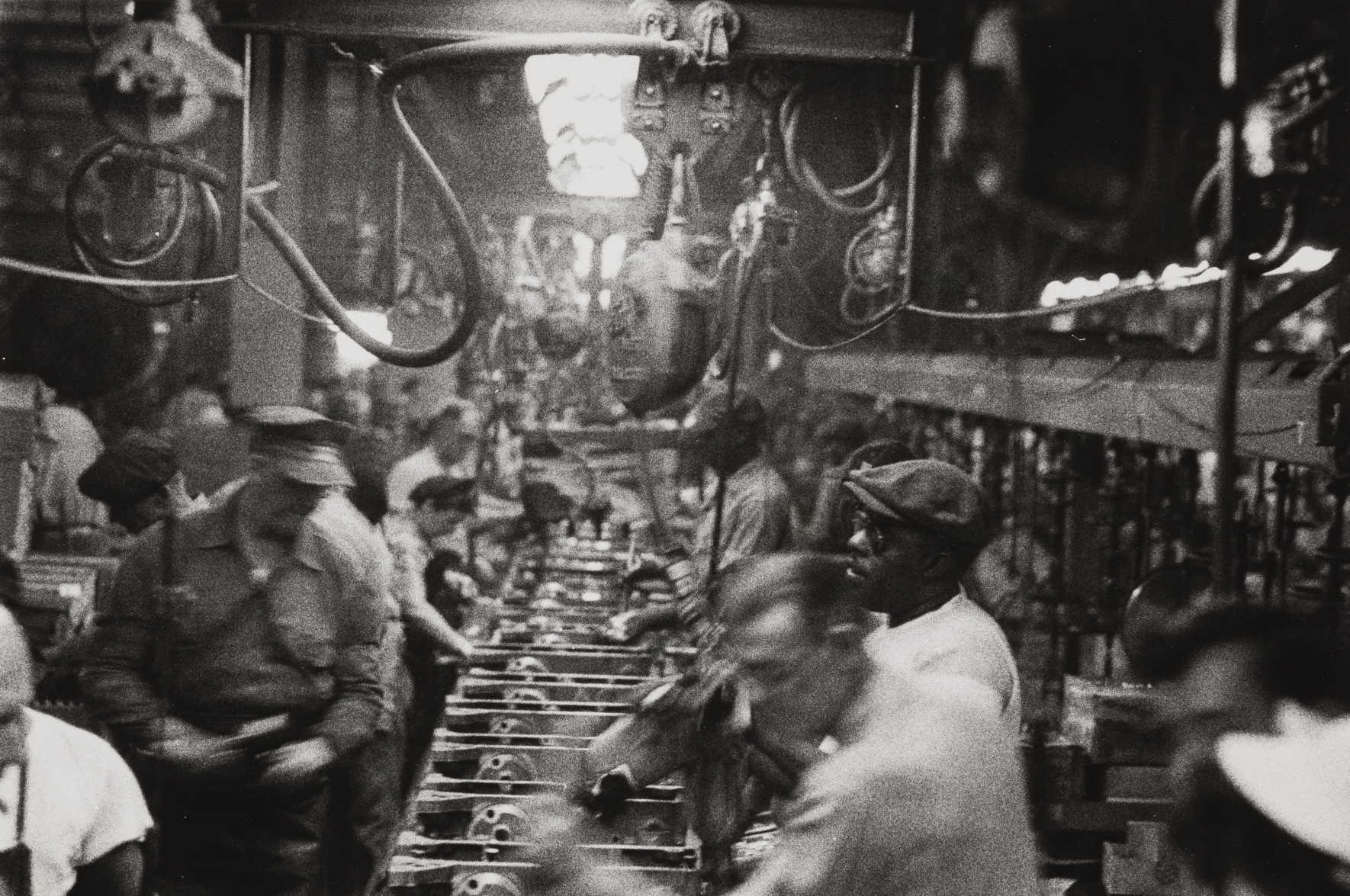
Robert Frank (Swiss-American, 1924-2019) The Americans 50 'Assembly line, Detroit' 1955-1956


Robert Frank (Swiss-American, 1924-2019)
The Americans 50
Assembly line – Detroit
1955
Gelatin silver print
21.4 x 32.1cm (8 7/16 x 12 5/8 in.)
The Museum of Modern Art, New York, Purchase, 1959
Photograph © Robert Frank, from The Americans


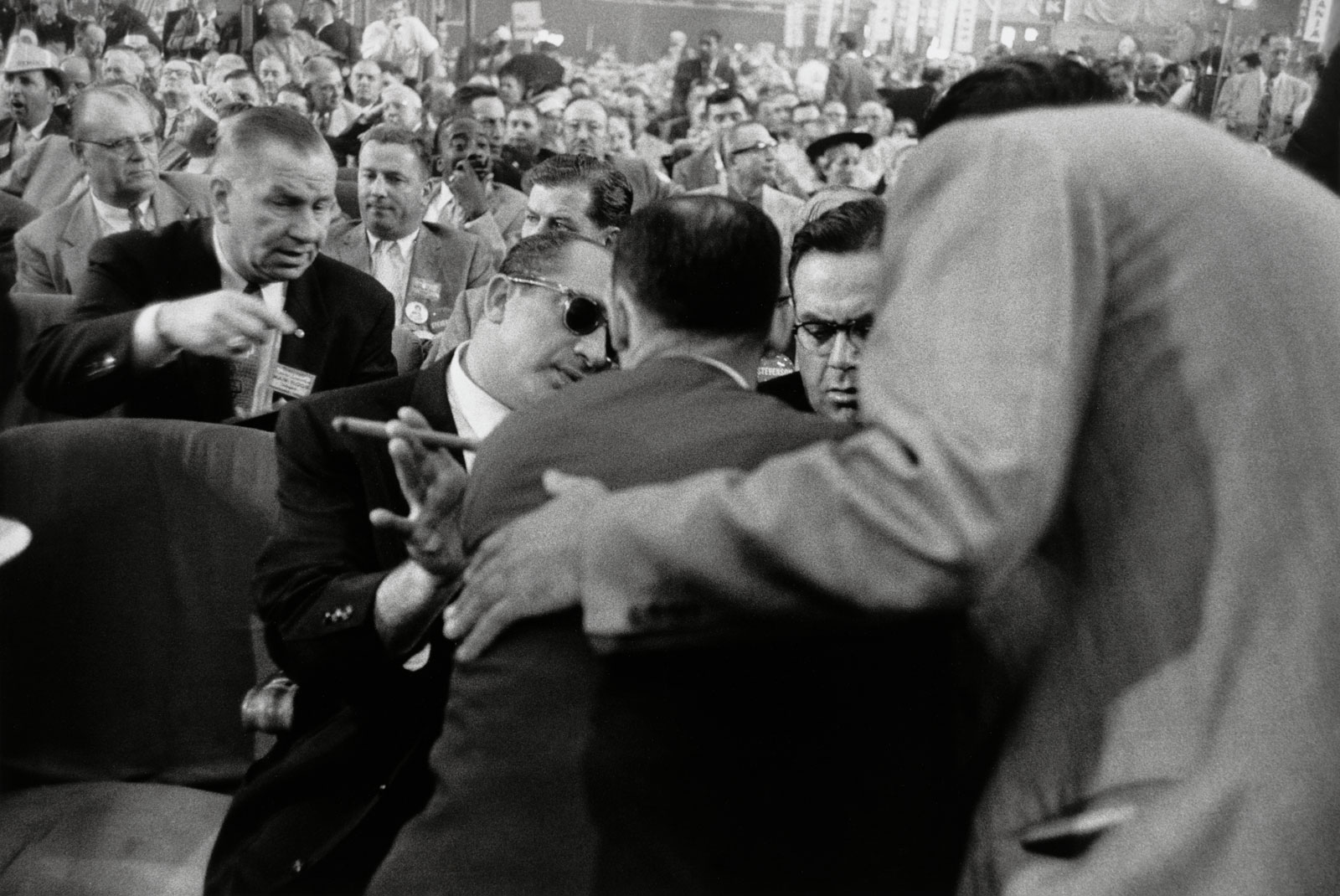
Robert Frank (Swiss-American, 1924-2019) The Americans 51 'Convention hall, Chicago' 1956


Robert Frank (Swiss-American, 1924-2019)
The Americans 51
Convention hall – Chicago
1956
Gelatin silver print
Image: 22.5 x 34.1cm (8 7/8 x 13 7/16 in.)
Addison Gallery of American Art, Phillips Academy, Andover, Museum Purchase
Photograph © Robert Frank, from The Americans


Robert Frank (Swiss-American, 1924-2019) The Americans 55 'Beaufort, South Carolina' 1955-1956


Robert Frank (Swiss-American, 1924-2019)
The Americans 55
Beaufort, South Carolina
1955
Gelatin silver print
Image and sheet: 31.1 x 47.6cm (12 1/4 x 18 3/4 in.)
Private collection
Photograph © Robert Frank, from The Americans


Robert Frank (Swiss-American, 1924-2019) The Americans 58 'Political rally – Chicago' 1956


Robert Frank (Swiss-American, 1924-2019)
The Americans 58
Political rally – Chicago
1956
Gelatin silver print
Image: 59.1 x 36.5cm (23 1/4 x 14 3/8 in.)
Betsy Karel
Photograph © Robert Frank, from The Americans


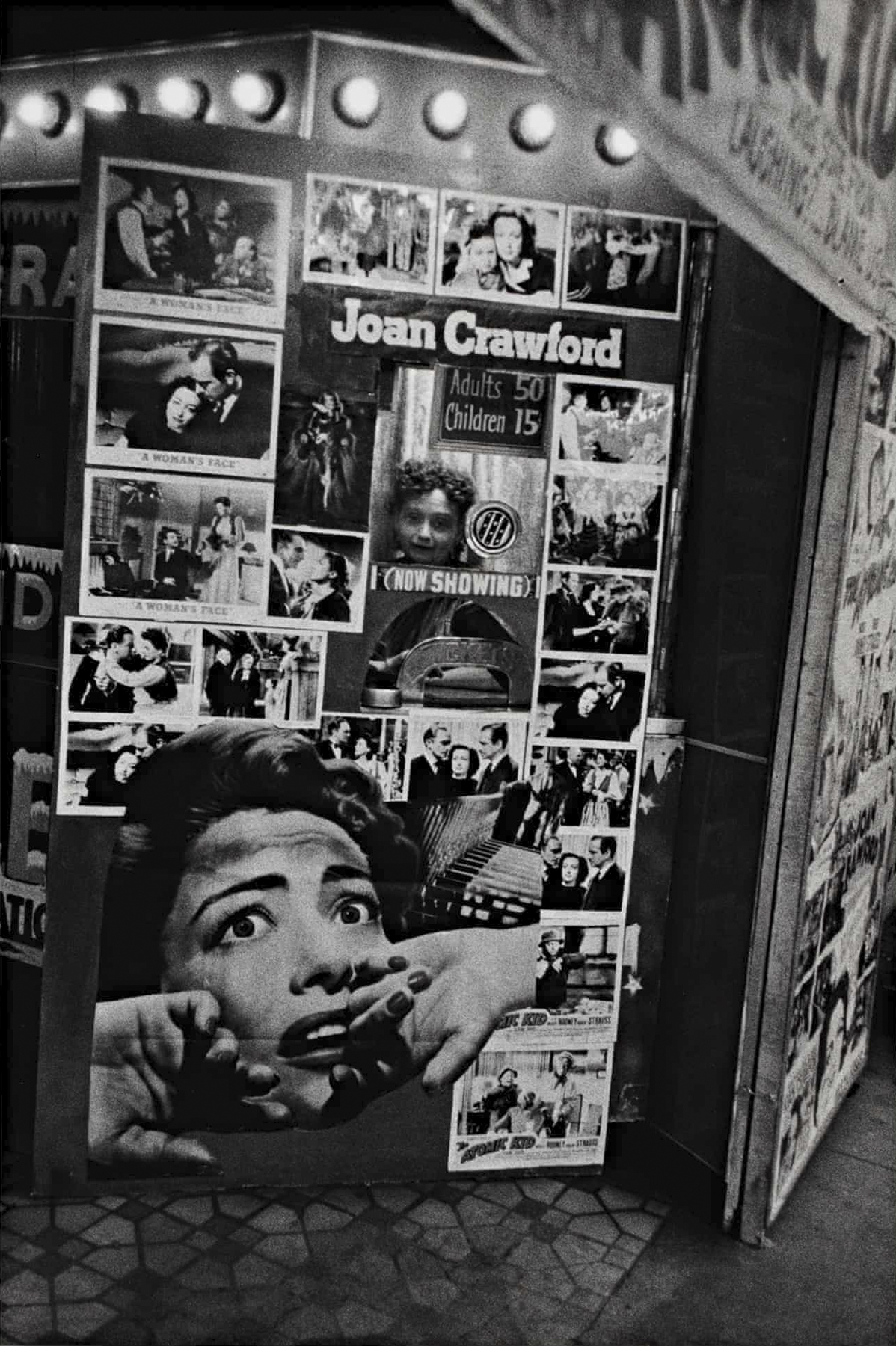
Robert Frank (Swiss-American, 1924-2019) The Americans 70 'Coffee shop, railway station – Indianapolis' 1956


Robert Frank (Swiss-American, 1924-2019)
The Americans 70
Coffee shop, railway station – Indianapolis
1956
Gelatin silver print
Overall (image): 22.9 x 34.6cm (9 x 13 5/8 in.)
The Museum of Modern Art, New York, Acquired through the generosity of Carol and David Appel, 2003
Photograph © Robert Frank, from The Americans


Robert Frank (Swiss, 1924-2019) The Americans 71 'Chattanooga, Tennessee' 1955


Robert Frank (Swiss, 1924-2019)
The Americans 71
Chattanooga, Tennessee
1955
Gelatin silver print
Image: 20.8 x 29.5cm (8 3/16 x 11 5/8 in.)
Private collection
Photograph © Robert Frank, from The Americans


“It’s hard to stress how different The Americans was. Over the course of those 83 pictures – shot from Detroit to San Francisco to Chattanooga, Tennessee – Frank captured the country in images that were intentionally unglamorous. On a technical level, he brazenly tossed out an adherence to traditional ideas of composition, framing, focus, and exposure.”

Sarah Greenough, Senior Curator of Photography at the National Gallery of Art in Washington


Robert Frank (Swiss-American, 1924-2019) The Americans 73 'Detroit - Belle Isle' 1955


Robert Frank (Swiss-American, 1924-2019)
The Americans 73
Belle Isle – Detroit
1955
Gelatin silver print
Sheet: 29.2 x 42.5cm (11 1/2 x 16 3/4 in.)
Collection of Barbara and Eugene Schwartz
Photograph © Robert Frank, from The Americans


Robert Frank (Swiss-American, 1924-2019) The Americans 81 'City Hall – Reno, Nevada' 1956


Robert Frank (Swiss-American, 1924-2019)
The Americans 81
City Hall – Reno, Nevada
1956
Gelatin silver print
Image: 20.3 x 32.4cm (8 x 12 3/4 in.)
Private collection
Photograph © Robert Frank, from The Americans


Robert Frank (Swiss-American, 1924-2019) The Americans 83 'US 90 on route to Del Rio, Texas' 1955-1956


Robert Frank (Swiss-American, 1924-2019)
The Americans 83
U.S. 90, en route to Del Rio, Texas
1955
Gelatin silver print
Image (and board): 47.6 x 31.1cm (18 3/4 x 12 1/4 in.)
Private collection, courtesy Hamiltons Gallery, London
Photograph © Robert Frank, from The Americans


National Gallery of Art
National Mall between 3rd and 7th Streets
Constitution Avenue NW, Washington

Opening hours:
Daily 10.00am – 5.00pm

National Gallery of Art website

LIKE ART BLART ON FACEBOOK

Back to top

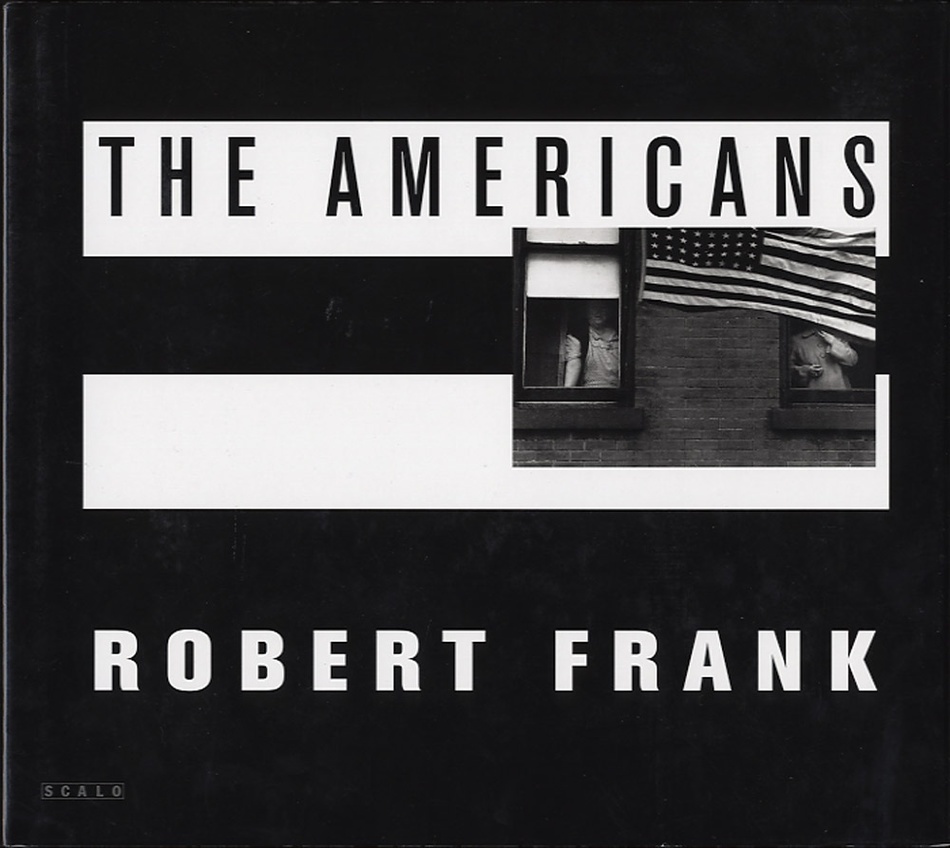
Book: Robert Frank ‘The Americans’ (1st Scalo edition)

December 2008


'The Americans. Photographs by Robert Frank' Introduction by Jack Kerouac. Scalo, Zürich/D.A.P., New York, 1993 (1st Scalo edition)


The Americans. Photographs by Robert Frank. Introduction by Jack Kerouac. Scalo, Zürich/D.A.P., New York, 1993.
First Scalo edition. 179 pp. Oblong quarto. Hardbound in photo-illustrated dust jacket. Black-and-white reproductions.


WOW! One of the seminal books of photography and signed as well.

“It was Frank’s The Americans that made the photographic book into an art form in its own right. Frank was following a lead set by [Wright] Morris’ book (The Inhabitants) and, especially, by Evans’ American Photographs, both of which are designed to let pictures play off each other in a way that controls and reinforces their effect on the viewer. Even Klein’s New York book displays this tendency. But Frank’s goes much further, creating a denser, richer, deeper structure of images than any book before it.”
Colin Westerbeck in Michel Frizot, et. al., The New History of Photography.

Estimated: $1200-1400


photoeye auctions

LIKE ART BLART ON FACEBOOK

Back to top

Photographer: Alec Soth

November 2008


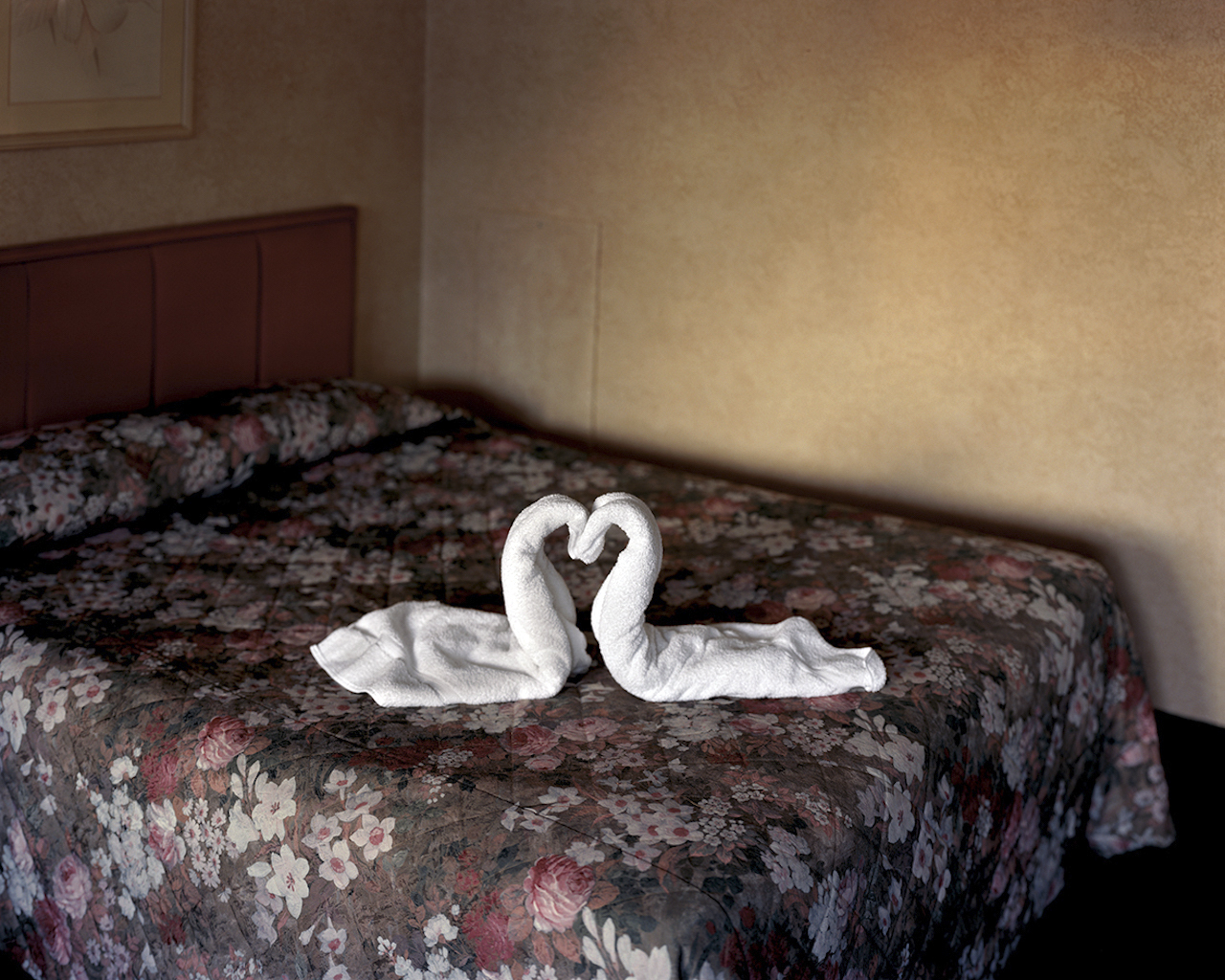
Alec Soth (American, b. 1969) 'Two Towels' 2004


Alec Soth (American, b. 1969)
Two Towels
2004
From the series Niagara (2006)


Minneapolis-based photographer Alec Soth has attained international recognition for his photographic series. Notable are the two series Sleeping by the Mississippi (1999-2004) portraying the river and the life along it’s banks and Niagara (2006) where Soth focuses his large format camera on the hotels, residents loves and lives and the environs around Niagara Falls.

His work is firmly rooted in the documentary traditions of Walker Evans and Robert Frank but pushes the documentary form. Whereas Frank used a foreigners eye and ‘snapshot’ photography to challenge traditional notions of American culture in his seminal book The Americans (1958), Soth photographs everyday events of American life – home, romance, religion, bliss, heartbreak and agony – and constructs his vision of the land and people in poetic form. His use of handwritten notes is especially poignant.

His view of America is both narrative, truth and epic construction. Working in a serial form, Soth builds the themes within his series. The connections between people living their lives and facing their plight together – with dignity – becomes fully evident.

Dr Marcus Bunyan


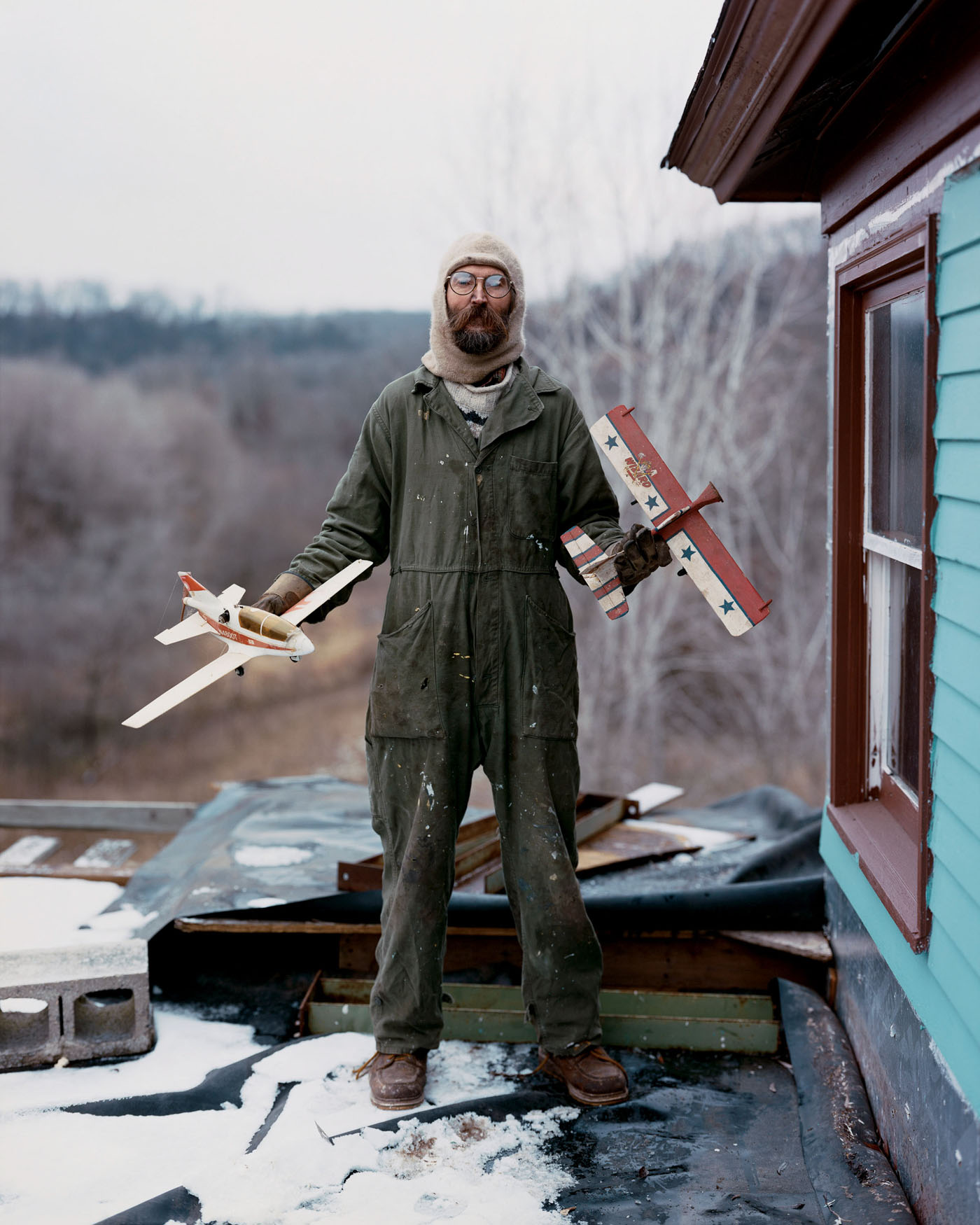
Alec Soth (American, b. 1969) 'Charles, Vasa, Minnesota' 2002


Alec Soth (American, b. 1969)
Charles, Vasa, Minnesota
2002
From the series Sleeping by the Mississippi (1999-2004)


Alec Soth website

LIKE ART BLART ON FACEBOOK

Back to top