Exhibition: ‘Japan’s Modern Divide: The Photographs of Hiroshi Hamaya and Kansuke Yamamoto’ at the J. Paul Getty Museum, Los Angeles

Exhibition dates: 26th March – 25th August 2013
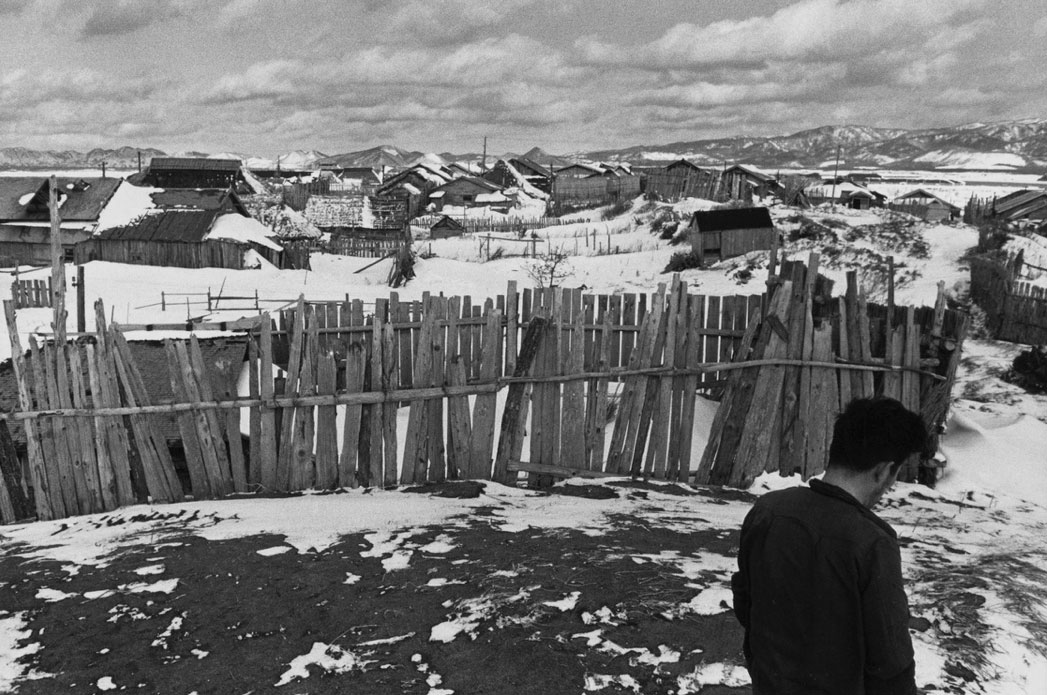
 

Hiroshi Hamaya (Japanese, 1915-1999) 'The Village up on a Cay, Aomori Prefecture' 1955


Hiroshi Hamaya (Japanese, 1915-1999)
The Village up on a Cay, Aomori Prefecture
1955
Gelatin silver print
The J. Paul Getty Museum, Los Angeles
© Keisuke Katano


According to the press release, “Hamaya focused inward toward rural life on the back coast of Japan, [while] Yamamoto found inspiration in the art of European Surrealists,” the two artists responding differently to upheaval in their country in two different ways.  While Yamamoto is more obviously influenced by the Surrealists, almost becoming the Japanese version of Man Ray, for me Hamaya’s photographs are equally if more subtly influenced by the cultural movement. Observe Woman Planting Rice, Toyama Prefecture (1955, below). I relate this image to the atomisation of bodies during the conflagration of Hiroshima, however subconsciously the artist is expressing this feeling. Similarly, the faceless humans in Rice Harvesting, Yamagata Prefecture (1955, below), blind musicians, disembodied man in a raincoat or poet thinking the void all have an essential quality, that of a disturbing psychological undertow which juxtaposes two more or less distant realities – reality and dream – to form images of great emotional and poetic power.

Dr Marcus Bunyan


Many thankx to the J. Paul Getty Museum, Getty Center for allowing me to publish the photographs in the posting. Please click on the photographs for a larger version of the image.


Hiroshi Hamaya (Japanese, 1915-1999) 'The United States-Japan Security Treaty Protest, Tokyo, May 20, 1960' 1960


Hiroshi Hamaya (Japanese, 1915-1999)
The United States-Japan Security Treaty Protest, Tokyo, May 20, 1960
1960
Gelatin silver print
The J. Paul Getty Museum, Los Angeles
© Keisuke Katano
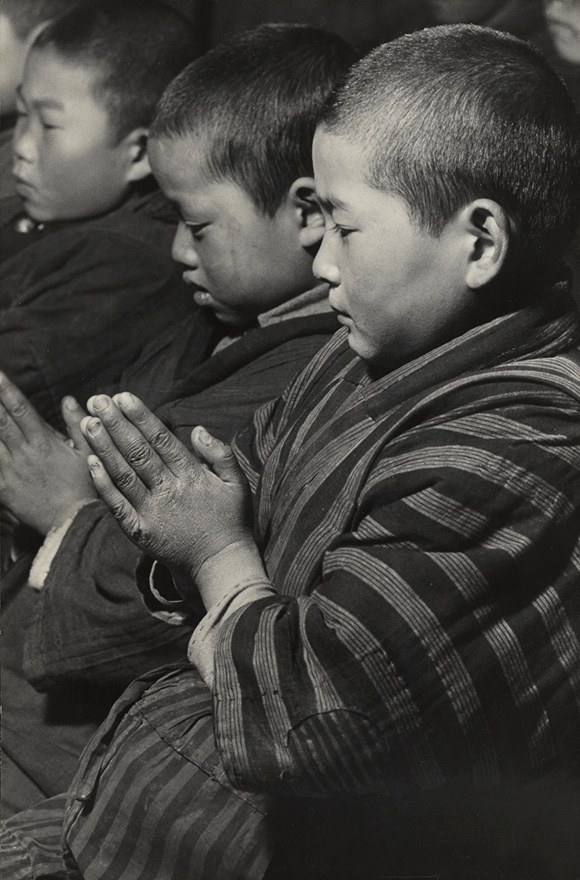
 

Hiroshi Hamaya (Japanese, 1915-1999) 'New Year's Ritual, Niigata Prefecture' 1940-1946


Hiroshi Hamaya (Japanese, 1915-1999)
New Year’s Ritual, Niigata Prefecture
1940-1946
Gelatin silver print
30.6 x 20.2cm
The J. Paul Getty Museum, Los Angeles
© Keisuke Katano


Japan’s Black Coast

“Knowledge of the back coast, along the Sea of Japan, is somewhat vague to those not living there, and in the minds of most people it is a country obscured by snow. In Japan, the back coast is where the old era still lingers on… The supporting industries of this back coast are primitive – agriculture, forestry, and fishing. The work involved is backbreaking physical labor. A narrow land, a heavy population, and climatic drawbacks invite a vicious circle of poverty. The basic Japanese foods are fish and rice. And they are obtained by these people only through hard labor.”

Hiroshi Hamaya, Ura Nihon (Japan’s Back Coast), 1957

A Chronicle of Grief and Anger

In 1959 the proposed ten-year renewal of the United States-Japan Security Treaty of 1952 meant the continuation of the presence of U.S. troops and the persistence of U.S. political and cultural influence. When Prime Minister Nobusuke Kishi, with the aid of the police, forced the Japanese parliament to ratify the treaty in May 1960, the public upheaval was immense. Hamaya, a pacifist living outside Tokyo, entered the fray with his camera, chronicling the demonstrations. His pictures were published both individually and in the form of a quickly assembled paperback under the title Ikari to kanashimi no kiroku (A Chronicle of Grief and Anger).

Portraiture

Japanese society had a pronounced respect for artists, authors, craftsmen, and scholars. As a freelance photographer, Hamaya was often enlisted to make portraits of them for publication. He compiled a selection of these portraits made since the 1940s for the 1983 book Japanese Scholars and Artists, which included the renowned poet, art historian, and calligrapher Yaichi Aizu. Hamaya also produced a series of genre studies that featured his wife, Asa Hamaya, who was a skilled master of the tea ceremony. After her death in 1985 Hamaya prepared a memorial to her in the form of a portfolio of prints, titled Calendar Days of Asa Hamaya, following the earlier ukiyo-e tradition of woodblock series such as bijin-ga (pictures of beautiful women).

Observing Nature

“I spent three years and four months on an extended walking tour to observe nature in Japan, from the drifting ice packs off the Shiretoko Peninsula to the coral reefs of Okinawa … Nature breathed, sometimes deeply and sometimes violently, with the climatic changes of the seasons, and with the changing face of daily weather, humidity, seasonal winds, and typhoons. In particular, the distribution of plants from the subarctic to the subtropical zones, and of lichen and mosses, was both complex and varied… I came to realise that natural features in Japan, like the nature of its people, were extremely diversified and complex. I intended to investigate this conclusion with my own eyes.”

Hiroshi Hamaya, My Fifty Years of Photography, 1982


Hiroshi Hamaya (Japanese, 1915-1999) 'Woman Planting Rice, Toyama Prefecture' 1955


Hiroshi Hamaya (Japanese, 1915-1999)
Woman Planting Rice, Toyama Prefecture
1955
Gelatin silver print
42.1 x 28cm
The J. Paul Getty Museum, Los Angeles
© Keisuke Katano


Hiroshi Hamaya (Japanese, 1915-1999) 'Rice Harvesting, Yamagata Prefecture' 1955


Hiroshi Hamaya (Japanese, 1915-1999)
Rice Harvesting, Yamagata Prefecture
1955
Gelatin silver print print
29.5 x 19.7cm (11 5/8 x 7 3/4 in.)
The J. Paul Getty Museum, Los Angeles
© Keisuke Katano


Hiroshi Hamaya (Japanese, 1915-1999) 'Blind Musicians, Niigata Prefecture' 1956


Hiroshi Hamaya (Japanese, 1915-1999)
Blind Musicians, Niigata Prefecture
1956
Gelatin silver print print
30.1 x 20cm (11 7/8 x 7 7/8 in.)
The J. Paul Getty Museum, Los Angeles
© Keisuke Katano


Hiroshi Hamaya (Japanese, 1915-1999) 'Man in a Traditional Minobashi Raincoat, Niigata Prefecture' 1956


Hiroshi Hamaya (Japanese, 1915-1999)
Man in a Traditional Minobashi Raincoat, Niigata Prefecture
1956
Gelatin silver print print
30.6 x 19.8cm (12 1/16 x 7 13/16 in.)
The J. Paul Getty Museum, Los Angeles
© Keisuke Katano


Hiroshi Hamaya (Japanese, 1915-1999) 'Yaichi Aizu, Poet, Calligrapher, and Japanese Art Critic' 1947


Hiroshi Hamaya (Japanese, 1915-1999)
Yaichi Aizu, Poet, Calligrapher, and Japanese Art Critic
1947
Gelatin silver print print
24 x 16cm (9 7/16 x 6 5/16 in.)
Estate of Hiroshi Hamaya, Oiso, Japan
© Keisuke Katano


The Taishō era (1912-1926) was a brief but dynamic period in Japan’s history that ushered in a modern state with increased industrialisation, shifting political parties, radical fashions, and liberal thinking in many areas. However, this era of heightened experimentation ended with the arrival of an international depression, the promotion of ultranationalism, and the country’s entry into what would become the Greater East Asia War.

Reflecting both sides of this dramatic transition, two disparate representations of modern Japan will be displayed together in Japan’s Modern Divide: The Photographs of Hiroshi Hamaya and Kansuke Yamamoto, on view March 26 – August 25, 2013, at the J. Paul Getty Museum, Getty Center. Curated by Judith Keller, senior curator of photographs, and Amanda Maddox, assistant curator of photographs, the exhibition includes photographs from the Getty Museum’s permanent collection, the Toyko Metropolitan Museum of Photography, the estate of Hiroshi Hamaya, the Nagoya City Art Museum, and other public and private lenders.

Born during the Taishō era, photographers Hiroshi Hamaya (1915-1999) and Kansuke Yamamoto (1914-1987) responded to Japan’s rapidly-changing sociopolitical climate in very different ways. While Hamaya focused inward toward rural life on the back coast of Japan, Yamamoto found inspiration in the art of European Surrealists. As the ebb and flow of Japan’s political, economic, and social structures persisted across the 20th century, Hamaya and Yamamoto continued to pursue divergent paths, thus embodying both sides of modern Japanese life: the traditional and the Western, the rural and the urban, the oriental and the occidental.

“Much is known about the Surrealists living and working in Europe, as well as the celebrated documentary tradition of 20th-century photography, but the Japanese artists who embraced these movements remain relatively unknown in the West,” says Timothy Potts, director of the J. Paul Getty Museum. “This exhibition illuminates the extraordinary work of two artists who responded to upheaval in their country in two different, but equally powerful ways.”

Hiroshi Hamaya

The son of a detective, Hamaya grew up in Tokyo’s Ueno neighbourhood during the rise and decline of the Taishō era. After attending Kanto Junior College, he began his photographic career by taking aerial images for the Practical Aeronautical Institute. He later photographed downtown Tokyo from street level, and provided images of daily city life and local events to a number of magazines. In 1939, an assignment that took him to Ura Nihon, or the rural back coast of the Sea of Japan, changed his view of photography and society.

Known for its unforgiving winter snowstorms and the difficult lives of its impoverished inhabitants, Ura Nihon was a mystery to most of Japan and the world. Moved by the customs and lifestyles of a much older era, Hamaya shifted from journalism toward a more humanistic and ethnographic approach to photography, capturing the everyday life of the region’s residents. This included documenting labourers in fields and at sea, as fish and rice were the primary sources of nourishment throughout the year.

From 1940 to 1955 Hamaya pursued a long-term personal interest in the region of Echigo (now known as Niigata Prefecture). He recorded the people, traditions, and landscape of a district that was, at the time, Japan’s chief rice-producing region in spite of a four-month long snow season. Among his many subjects, Hamaya focused on the winter in Kuwatoridani, a small agricultural village that practiced elaborate, long-standing New Year’s Eve rituals. In New Year’s Ritual, Niigata Prefecture (1940-1946), boys in the village are seated with their hands clasped and their eyes closed in prayer. The close-up of the boys’ faces in deep concentration emphasises the respect for customs of the region.

In late 1959, the proposed ten-year renewal of the United States-Japan Security Treaty of 1952 raised doubts about Japan’s sovereignty and its future prosperity. When Prime Minister Nobusuke Kishi, with the aid of police, forced the Japanese parliament to ratify the treaty in May 1960, the political upheaval was immense. While Hamaya was a pacifist, he felt obligated to return to his journalistic roots and entered the fray with his camera. He chronicled the demonstrations day by day, sometimes hour by hour.

“These demonstrations profoundly affected Hamaya, causing him, in the 1960s, to turn from the social landscape to an investigation of nature,” explains Judith Keller. “His disillusionment with Japan’s political apparatus provoked a rejection of the human subject. Much of the work he created in his late career depicts the volcanoes, seas, mountains, forests, and other natural wonders of Japan and other small island nations.”

Hamaya’s career also included portraiture of noted artists and scholars. As a freelance photographer, he was often enlisted to make portraits of well-known men and women, and in 1983 published Japanese Scholars and Artists, a book that included prominent novelist Junichiro Tanizaki, woodcut artist Shiko Manakata, literary critic Kenichi Yoshida, and renowned poet, art historian, and calligrapher Yaichi Aizu. He also documented the daily life of his beloved wife, Asa, and upon her death in 1985 created a portfolio of these sensitive photographs, Calendar Days of Asa Hamaya.

Kansuke Yamamoto

Kansuke Yamamoto (1914-1987) learned about photography from his father, an amateur pictorialist photographer and owner of the first photo supply store in the city of Nagoya. His interest in photography developed at a time when two movements based on experimentation and new modes of expression – Shinkō Shashin (New Photography) and Zen’ei Shashin (avant-garde photography) – were dominant. However, it was Surrealism – particularly Surrealist artists and writers such as René Magritte, Paul Éluard, Yves Tanguy, and Man Ray that appears to have made the most profound impact on his work.

Yamamoto was an influential figure in the avant-garde photography movement in Japan in the 1930s, helping to establish the group Nagoya Foto Avant-Garde by the end of that decade. In 1938 he created a journal, Yoru no Funsui (The Night’s Fountain), which promoted Surrealist poems, literature, ideas, and art in Japanese.

His first photographs date to the early 1930s and reveal an interest in myriad techniques and subjects, including abstract architectural studies, still life, and collage. From the outset, he created work suffused with mystery, provocation, and humour. He often utilised photography as a means to address controversial issues or express avant-garde ideas. For example, in Buddhist Temple’s Birdcage (1940), the telephone enclosed in the cage is possibly a metaphor for the control exercised by the Japanese government during the Showa Era (1926-1989), a theme that reappears in work produced throughout his career. The experience of being interrogated by the Tokkō (Thought Police) in 1939 for his journal, Yoru no Funsui, and its potentially subversive content made a profound impact on Yamamoto, but never deterred his avant-garde spirit.

Yamamoto remained part of the artistic vanguard in Japan during the 1940s and 1950s. He was a member of VOU, a club founded by poet Katue Kitasono that organised exhibitions and published a journal promoting visual “plastic” poetry, photography, literature, and other arts. In 1947 Yamamoto founded VIVI, a collective in Nagoya that allowed further dissemination and promotion of avant-garde ideologies. Yamamoto continued to produce innovative work during this period, experimenting with colour photography, combination printing, photograms, and sculpture.

“At the end of his career in the 1970s, Yamamoto maintained his ardent nonconformist spirit, employing art as a means of criticism, dialogue, and rebellion,” explains Amanda Maddox. “He never failed to generate provocative imagery in an effort to represent his convictions concerning war, liberty, and avant-garde ideologies.”

Press release from the J. Paul Getty Museum website


Kansuke Yamamoto (Japanese, 1914-1987) 'My Thin-aired Room' 1956


Kansuke Yamamoto (Japanese, 1914-1987)
My Thin-aired Room
1956
Gelatin silver print print
34.9 x 42.9cm (13 3/4 x 16 7/8 in.)
Private collection, entrusted to Tokyo Metropolitan Museum of Photography
© Toshio Yamamoto


Kansuke Yamamoto (Japanese, 1914-1987) 'Rose and Shovel' 1956


Kansuke Yamamoto (Japanese, 1914-1987)
Rose and Shovel
1956
Gelatin silver print print
31.9 x 34.9cm (12 9/16 x 13 3/4 in.)
© Toshio Yamamoto
Private collection, entrusted to Tokyo Metropolitan Museum of Photography


Kansuke Yamamoto (Japanese, 1914-1987) 'A Forgotten Person' 1958


Kansuke Yamamoto (Japanese, 1914-1987)
A Forgotten Person
1958
Chromogenic print
46.2 x 33cm (18 3/16 x 13 in.)
© Toshio Yamamoto
The J. Paul Getty Museum, Los Angeles
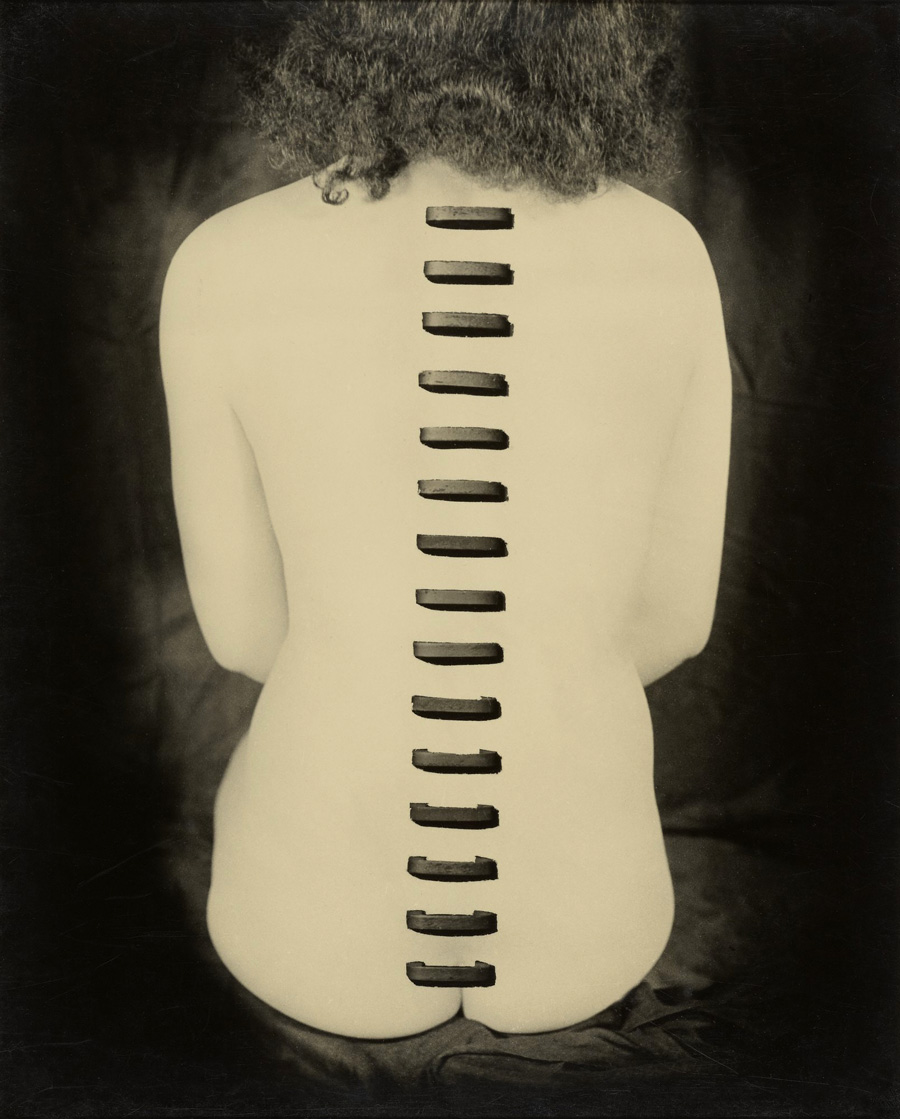
 

Kansuke Yamamoto (Japanese, 1914-1987) 'Stapled Flesh' 1949


Kansuke Yamamoto (Japanese, 1914-1987)
Stapled Flesh
1949
Gelatin silver print print
31.1 x 24.8cm (12 1/4 x 9 3/4 in.)
© Toshio Yamamoto
From the Collection of Gloria Katz and Willard Huyck


Kansuke Yamamoto (Japanese, 1914-1987) 'Buddhist Temple's Bird Cage' 1940


Kansuke Yamamoto (Japanese, 1914-1987)
Buddhist Temple’s Bird Cage
1940
Gelatin silver print
© Toshio Yamamoto
Private collection, entrusted to Tokyo Metropolitan Museum of Photography
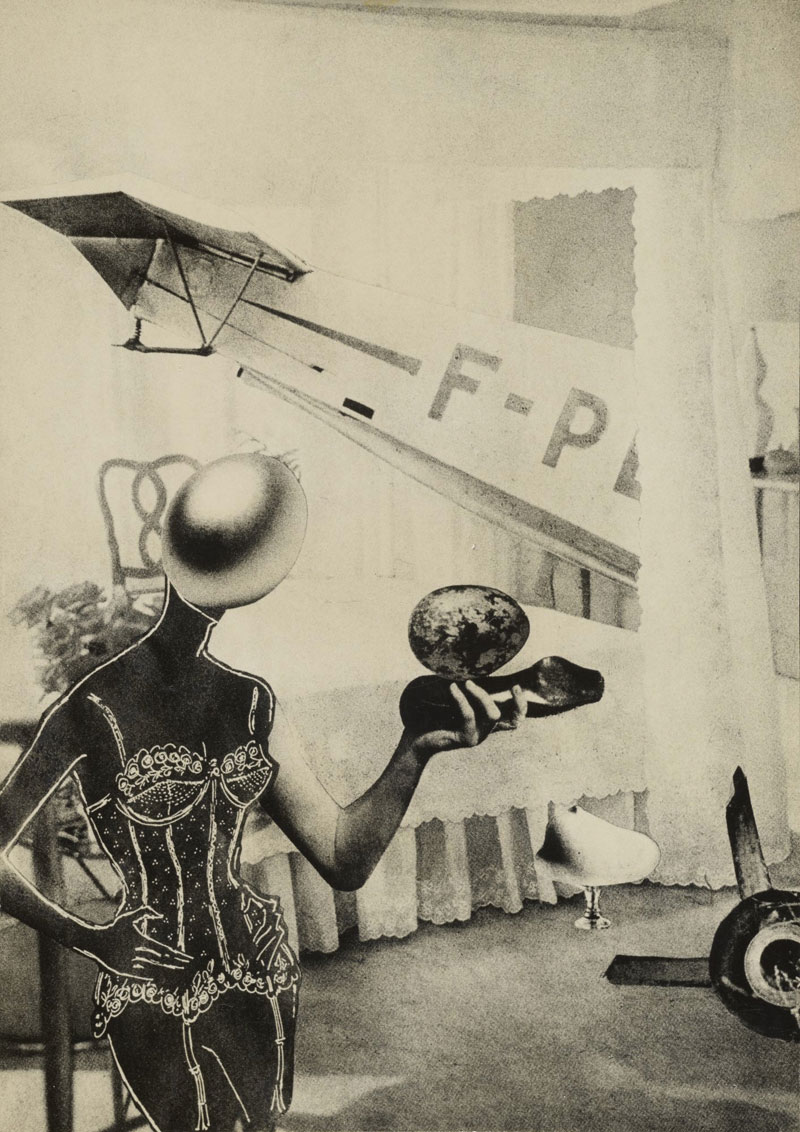
 

Kansuke Yamamoto (Japanese, 1914-1987) 'Butterfly' 1970


Kansuke Yamamoto (Japanese, 1914-1987)
Butterfly
1970
Gelatin silver print print
16.4 x 11.4cm (6 7/16 x 4 1/2 in.)
© Toshio Yamamoto
Private collection, entrusted to Tokyo Metropolitan Museum of Photography


Kansuke Yamamoto (Japanese, 1914-1987) 'A Chronicle of Drifting' 1949


Kansuke Yamamoto (Japanese, 1914-1987)
A Chronicle of Drifting
1949
Collage print
30 x 24.8cm (11 13/16 x 9 3/4 in.)
© Toshio Yamamoto
Private collection, entrusted to Tokyo Metropolitan Museum of Photography


The J. Paul Getty Museum
1200 Getty Center Drive
Los Angeles, California 90049

Opening hours:
Tues – Friday 10am – 5.30pm
Saturday 10am – 8pm
Sunday 10am – 5.30pm
Monday closed
The J. Paul Getty Museum website

LIKE ART BLART ON FACEBOOK

Back to top

Exhibition: ‘A World of Bonds: Frederick Sommer’s Photography and Friendships’ at the National Gallery of Art, Washington

Exhibition dates: 16th June – 4th August 2013


Frederick Sommer (American, 1905-1999) 'Moon Culmination' 1951


Frederick Sommer (American, 1905-1999)
Moon Culmination
1951
gelatin silver print
24.2 x 19.2cm (9 1/2 x 7 9/16 in.)
Gift of Frederick Sommer


Frederick Sommer is not as well known as others in the famous quintet (the others being Ansel Adams, Edward Weston, Minor White and Paul Strand). He is the (slightly) forgotten master. But for those that know his work, Frederick Sommer is the photographer’s photographer.

There is a visual and intellectual alchemy transmitted through his work. It is as if he was a magician, producing images out of thin air: paper cuts, smoke on glass, collage, found objects, rites, passages, cleavages, heroes, occultism (Paracelsus was a Renaissance physician, botanist, alchemist, astrologer, and general occultist). From the few photographs I have seen in the flesh his prints, like his thinking, have a volume to them that few other photographers can match. Here I must cede to the knowledge of my friend and photographer Ian Lobb who visited Sommer at his home in Prescott, Arizona.


“You will notice with FS prints that the only date given is the date of the negative. This is not unusual of course, but one of FS strengths is being interested in returning to a negative and print it with enthusiasm after looking at other versions for a very long time.

Another strength is a really simple strong way of working – according to Les Walkling, FS had a block of wood the same size as an 8 x 10 contact print. By placing the print on this base as he spotted, the print was always raised above his work environment and the chance of an accident was reduced. So simple – so elegant. I see this state of mind repeated – eg when he was out photographing with Siskind and he found a pile of X-rays and said that this was his work for the day.
Caponigro and Sommer are the ones that make their technical skill communicate in very unique ways. By chronology, Sommer is the first one who found that something beyond the f/64 Group vocabulary could be said. Whereas Edward Weston and Paul Strand are working at about 3/10 for their prints, Sommer is working at 9/10. He doesn’t always get there in every print but when he succeeds the results are beyond what any other classical photographer ever achieved in the physical presence of the photograph.

Venus, Jupiter and Mars was the first extended viewing of Sommer that arrived here (in Australia). It would have been at the Printed Image (bookshop) in 1981.”

Ian Lobb


Many thankx to the National Gallery of Art for allowing me to publish the photographs in the posting. Please click on the photographs for a larger version of the image.


Frederick Sommer (American, 1905-1999) 'Venus, Jupiter and Mars' 1949


Frederick Sommer (American, 1905-1999)
Venus, Jupiter and Mars
1949
Gelatin silver print
23.8 x 19.1cm (9 3/8 x 7 1/2 in.)
National Gallery of Art, Washington, Gift of Frederick Sommer


Frederick Sommer (American, 1905-1999) 'Valise d'Adam' 1949


Frederick Sommer (American, 1905-1999)
Valise d’Adam
1949
Gelatin silver print
23.9 x 18.9cm (9 7/16 x 7 7/16 in.)
National Gallery of Art, Washington, Gift of Frederick Sommer


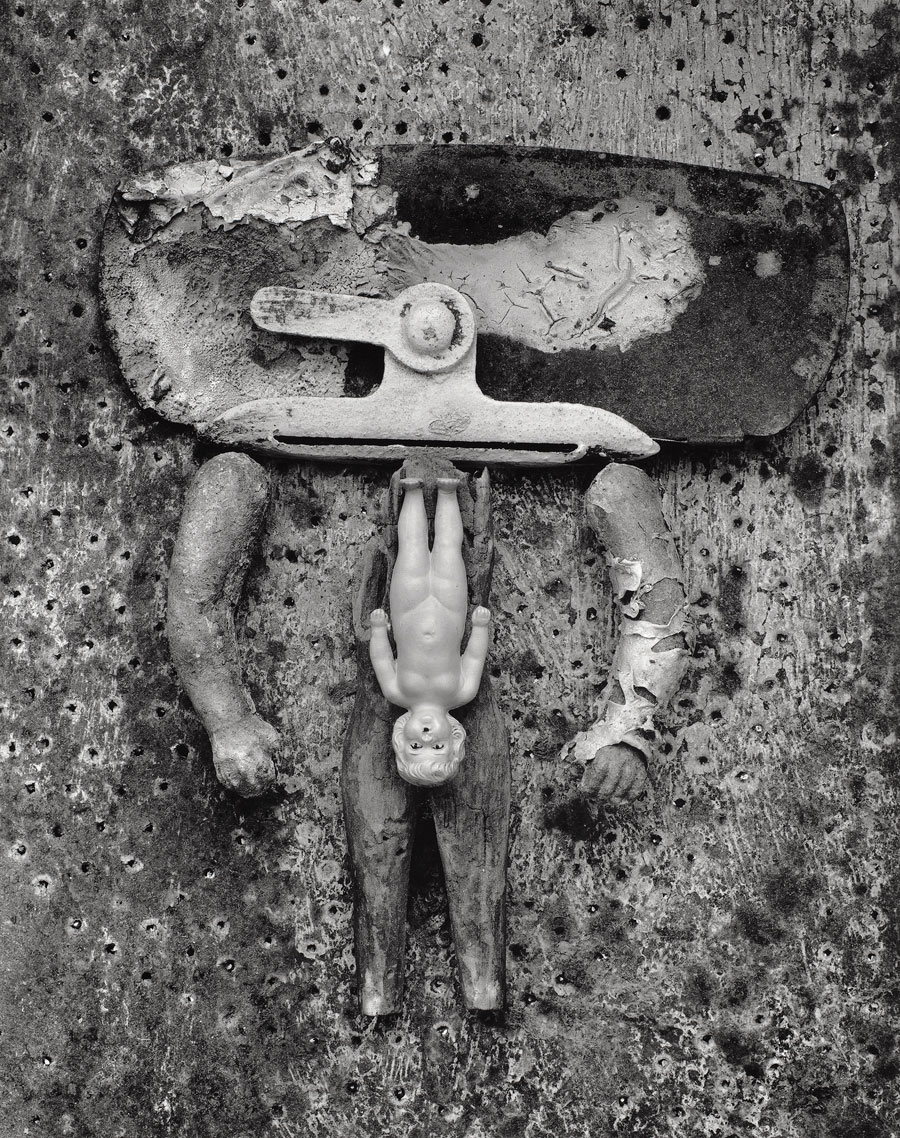
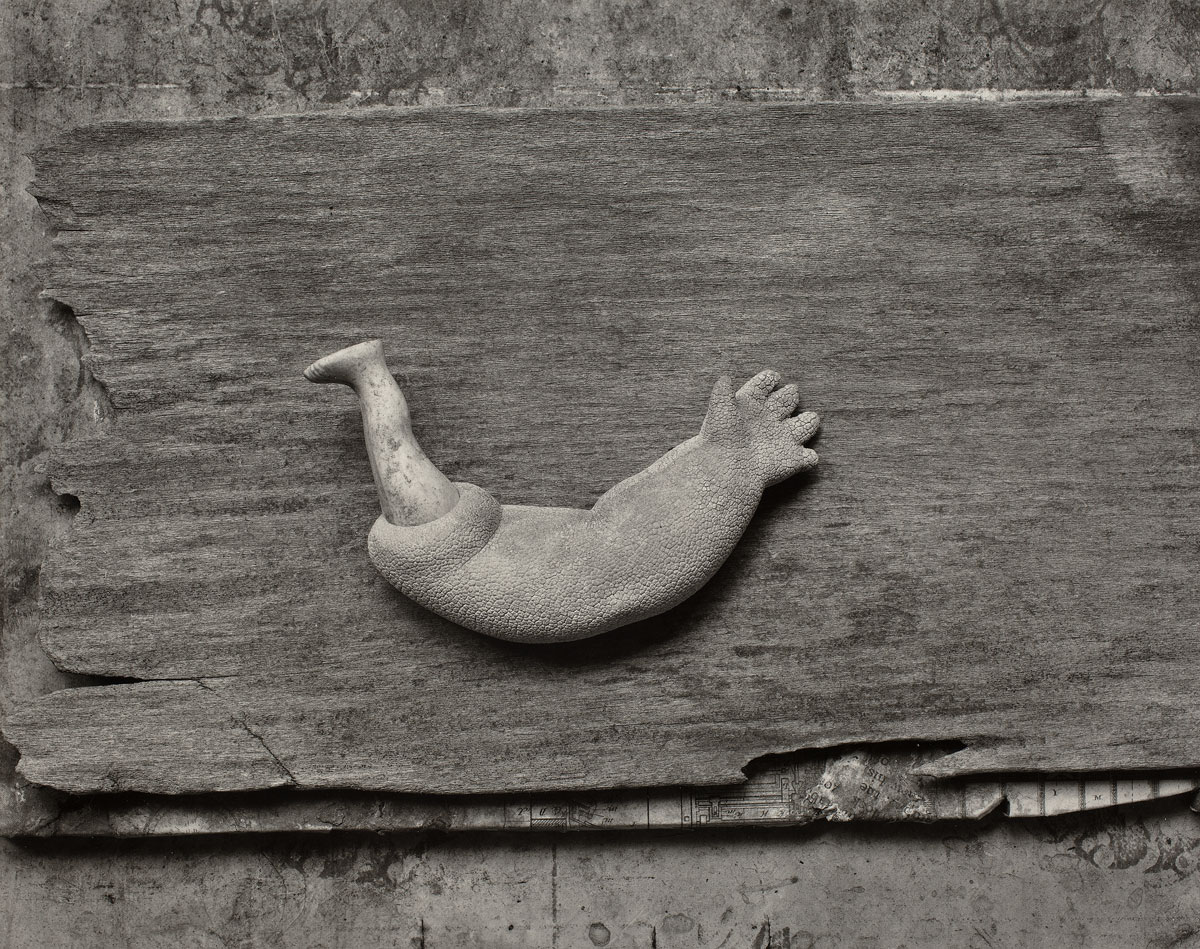
Against a backdrop of rusting metal, Frederick Sommer arranged a grouping of found objects. A clipboard clamp represents a head and shoulders while dirty, cracking doll’s arms and legs provide more literal context, defining the object as a human body. Within that fragmented body, Sommer places a complete doll with its head pointed downward, as if ready to be born. The photograph’s French title, Valise d’Adam, or as Sommer translated it, Adam’s Traveling Case, is a sly reference to the idea that man travels through woman into the world, and perhaps, woman even carries man through life.


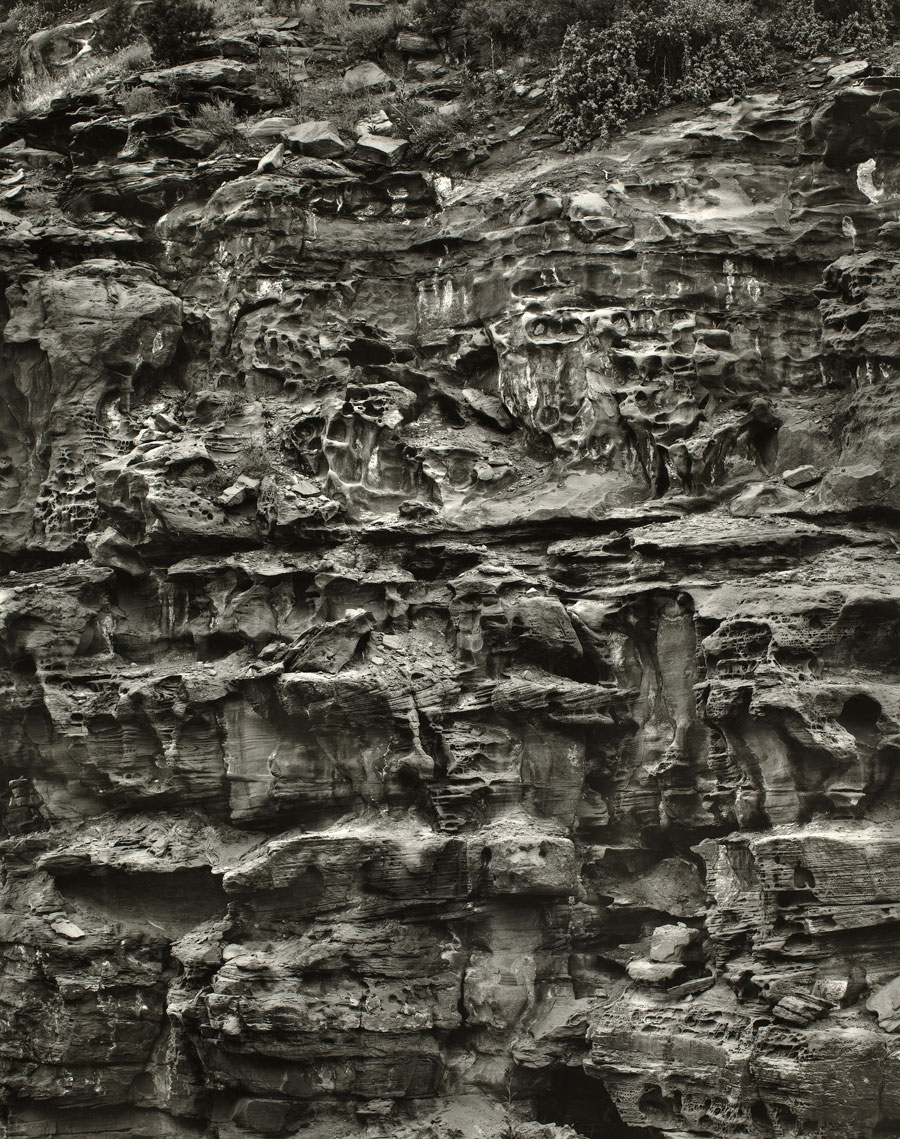
Frederick Sommer (American, 1905-1999) 'Manzanillo, Mexico' 1955


Aaron Siskind (American, 1903-1991)
Manzanillo, Mexico
1955
Gelatin silver print
35.6 x 27.8cm (14 x 10 15/16 in.)
National Gallery of Art, Washington, René Huyghe Collection
Image courtesy of the Aaron Siskind Foundation


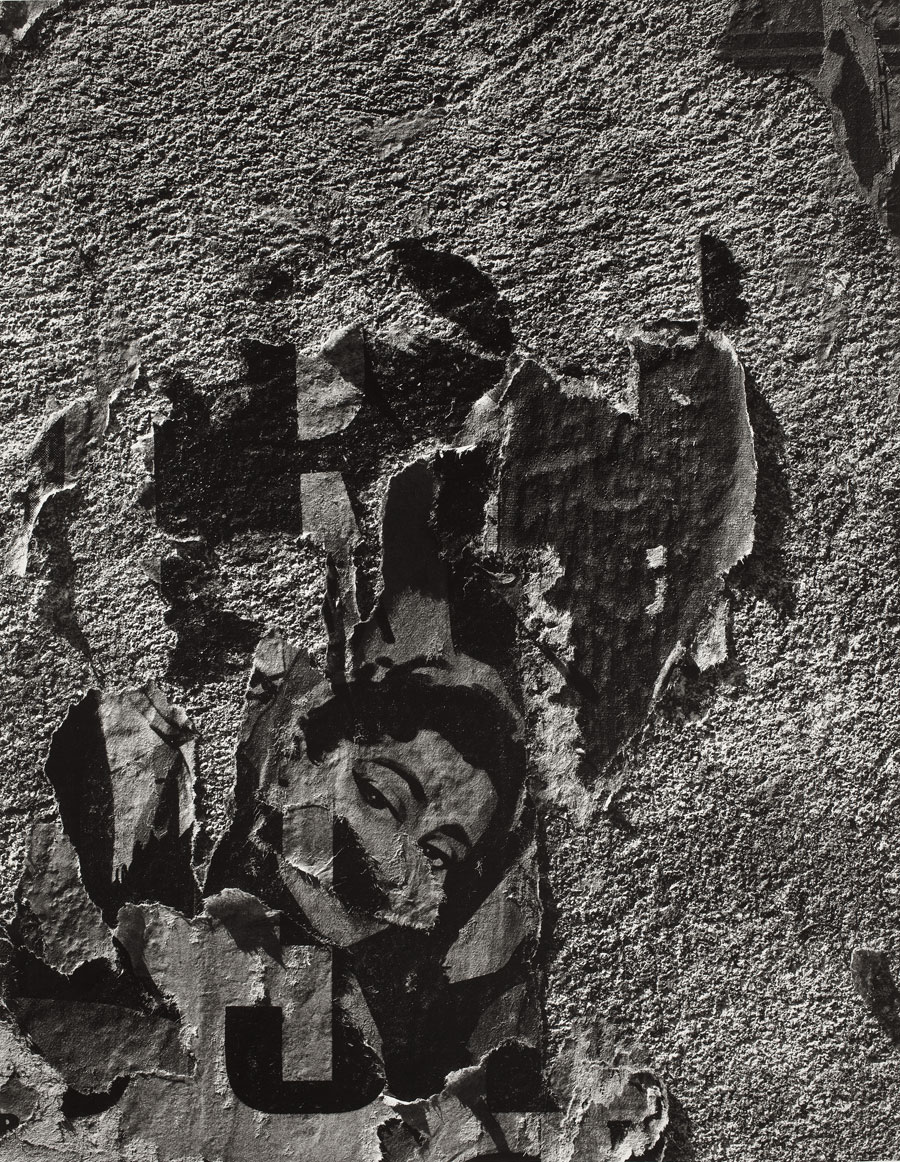
Frederick Sommer (American, 1905-1999) 'Untitled' 1947


Frederick Sommer (American, 1905-1999)
Untitled
1947
Gelatin silver print
24.2 x 19.1cm (9 1/2 x 7 1/2 in.)
National Gallery of Art, Washington, Gift of Frederick Sommer


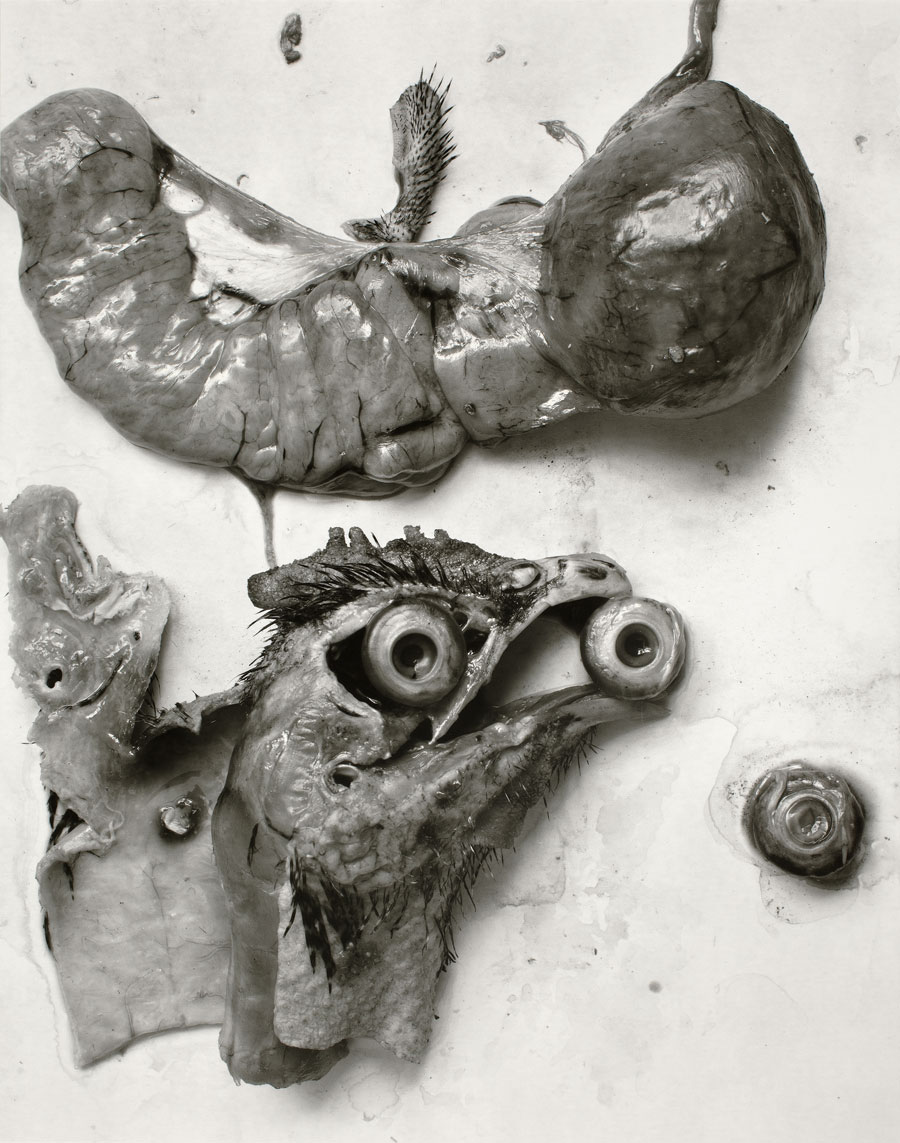
Frederick Sommer (American, 1905-1999) 'The Anatomy of a Chicken' 1939


Frederick Sommer (American, 1905-1999)
The Anatomy of a Chicken
1939
Gelatin silver print mounted on paperboard
24.1 x 19cm (9 1/2 x 7 1/2 in.)
National Gallery of Art, Washington, Gift of Frederick Sommer


Frederick Sommer (American, 1905-1999) 'Paracelsus' 1957


Frederick Sommer (American, 1905-1999)
Paracelsus
1957
Gelatin silver print
34.3 x 25.6cm (13 1/2 x 10 1/16 in.)
National Gallery of Art, Washington, Gift of Frederick Sommer


Paracelsus (1493/1494 – 24 September 1541), born Theophrastus von Hohenheim (full name Philippus Aureolus Theophrastus Bombastus von Hohenheim), was a Swiss physician, alchemist, lay theologian, and philosopher of the German Renaissance.

He was a pioneer in several aspects of the “medical revolution” of the Renaissance, emphasising the value of observation in combination with received wisdom. He is credited as the “father of toxicology”. Paracelsus also had a substantial impact as a prophet or diviner, his “Prognostications” being studied by Rosicrucians in the 1600s. Paracelsianism is the early modern medical movement inspired by the study of his works.

Text from the Wikipedia website


Frederick Sommer (American, 1905-1999) 'Cut Paper' 1980


Frederick Sommer (American, 1905-1999)
Cut Paper
1980
gelatin silver print
24.2 x 18.7cm (9 1/2 x 7 3/8 in.)
National Gallery of Art, Washington, Gift of Frederick Sommer


The National Gallery of Art explores the continuities in Frederick Sommer’s varied body of work and demonstrates the influence of his friendships with fellow artists in the exhibition A World of Bonds: Frederick Sommer’s Photography and Friendships, on view in the East Building from June 16 to August 4, 2013. Drawn from the Gallery’s significant holdings, which include a major 1995 gift from the artist himself, the exhibition showcases 27 works by Sommer, Edward Weston, Max Ernst, Man Ray, Aaron Siskind, and Charles Sheeler, including three pieces on loan from other museums and private collections.

“The Gallery is privileged to display this influential body of work, which illuminates Frederick Sommer’s interactions with his fellow artists,” said Earl A. Powell III, director, National Gallery of Art. “In addition to photographs drawn from our permanent collection, we are grateful to the lenders who have assisted us in revealing the continuities in Sommer’s broad range of work, as well as The Robert Mapplethorpe Foundation for its generous support.”

About the exhibition

The exhibition showcases the beauty and diversity of Sommer’s striking images and places them in the context of his formative friendships with such prominent contemporaries as Edward Weston, Max Ernst, Man Ray, Charles Sheeler, and Aaron Siskind.

As an artist, Frederick Sommer notoriously defies classification. Over the span of more than 60 years, he created paintings, drawings, and photographs, as well as collages, musical scores, poetry, and theoretical texts. Today, Sommer is best known for his photography, the medium in which he produced his most inventive visual experiments and which best suited the breadth of his visual interests. These ranged from disorienting desert landscapes to surrealistic arrangements of found objects, and to abstractions that brought together drawing and photography.

“All rare things should be lent away / and I have borrowed very freely,” Sommer wrote of his art. He also asserted that “the world is not a world of cleavages, it is a world of bonds.” This exhibition examines both claims, offering a glimpse into the ways in which Sommer shared ideas with his contemporaries while simultaneously creating a body of work uniquely his own.

About the artist

Just as he defied the bounds of medium and genre, Sommer, who lived in the small town of Prescott, Arizona, also never fully belonged to any artistic group or movement. His work reflects both wide-ranging personal interests and a broad scope of artistic affinities with artists as divergent as the surrealists and the members of the f/64 group of West Coast photographers.

Sommer’s circle of close artist-friends and mentors helps explain his idiosyncratic sensibilities. This circle included the photographer Edward Weston, whose precise attention to the details of the natural world inspired Sommer’s turn to photography. Equally important to Sommer, however, was his friendship with Max Ernst, the surrealist whose automatic painting techniques and uncanny imagery encouraged Sommer to reconfigure familiar objects into strange new creations. Aaron Siskind was yet another close friend and peer with whom Sommer shared a fascination with the abstract textures of everyday materials. Other artists represented in the exhibition who influenced Sommer’s approach to photographing assemblages and his exploration of photographic abstraction include Man Ray and Charles Sheeler.

Text from the National Gallery of Art website


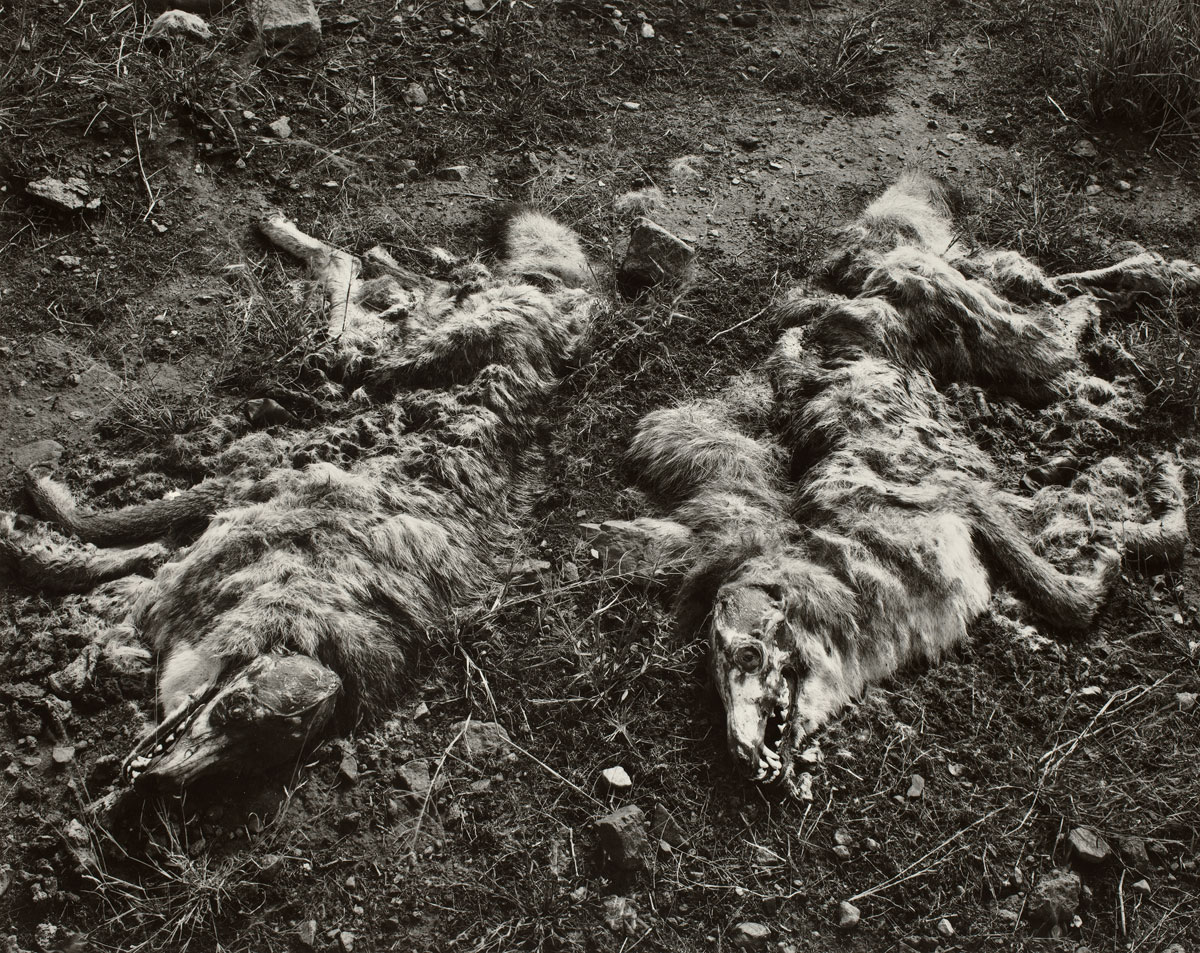
Frederick Sommer (American, 1905-1999) 'Coyotes' 1945


Frederick Sommer (American, 1905-1999)
Coyotes
1945
Gelatin silver print mounted on paperboard
19 x 24.2cm (7 1/2 x 9 1/2 in.)
National Gallery of Art, Washington, Gift of Frederick Sommer


Frederick Sommer (American, 1905-1999) 'Man tracks #9R' from the 'Mantracks' series 1978-83


John Cato (Australian, 1926-2011)
Man tracks #9R
from the Mantracks series 1978-83
Gelatin silver photograph
42.9 x 35.2cm


Frederick Sommer (American, 1905-1999) 'Ondine' 1950


Frederick Sommer (American, 1905-1999)
Ondine
1950
Gelatin silver print mounted on paperboard
19.2 x 24.3cm (7 9/16 x 9 9/16 in.)
National Gallery of Art, Washington, Gift of Frederick Sommer


The nymph Ondine was an immortal water spirit who became human after falling in love for a man, marrying him, and having a baby. In one of the versions of the tale, when she caught her husband sleeping with another woman, she cursed him to remain awake in order to control his own breathing.


Frederick Sommer (American, 1905-1999) 'Taylor, Arizona' 1945


Frederick Sommer (American, 1905-1999)
Taylor, Arizona
1945
Gelatin silver print
19.2 x 24.2cm (7 9/16 x 9 1/2 in.)
National Gallery of Art, Washington, Gift of Frederick Sommer


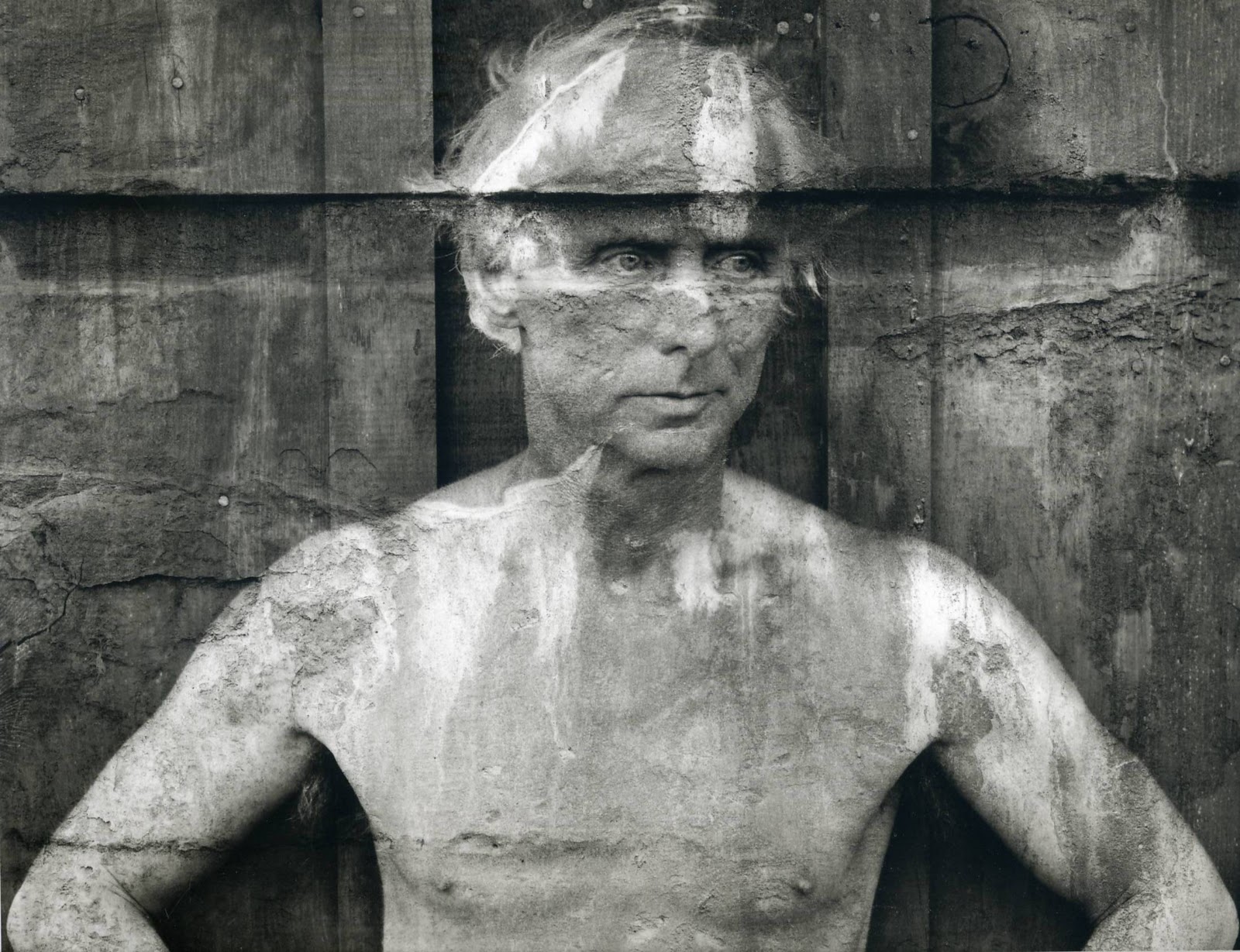
Frederick Sommer (American, 1905-1999) 'Max Ernst' 1946


Frederick Sommer (American, 1905-1999)
Max Ernst
1946
Gelatin silver print
19.05 x 24.13cm (7 1/2 x 9 1/2 in.)
Collection of Susan and Peter MacGill
Frederick & Frances Sommer Foundation


Frederick Sommer (American, 1905-1999) 'Untitled' 1947


Frederick Sommer (American, 1905-1999)
Untitled
1947
Gelatin silver print
19 x 24cm (7 1/2 x 9 7/16 in.)
National Gallery of Art, Washington, Gift of Frederick Sommer


Frederick Sommer (American, 1905-1999) 'Coyotes' 1941


Frederick Sommer (American, 1905-1999)
Coyotes
1941
Gelatin silver print
19.1 x 24.1cm (7 1/2 x 9 1/2 in.)
National Gallery of Art, Washington, Gift of Frederick Sommer


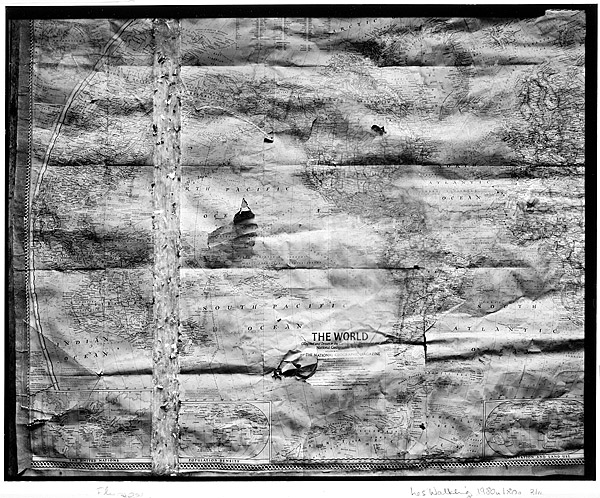
Les Walkling (Australia, b. 1953) 'Flypaper' 1980


Les Walkling (Australia, b. 1953)
Flypaper
1980
Gelatin silver photograph
19.1 x 24.3cm
Gift of the Philip Morris Arts Grant 1982
© Les Walkling


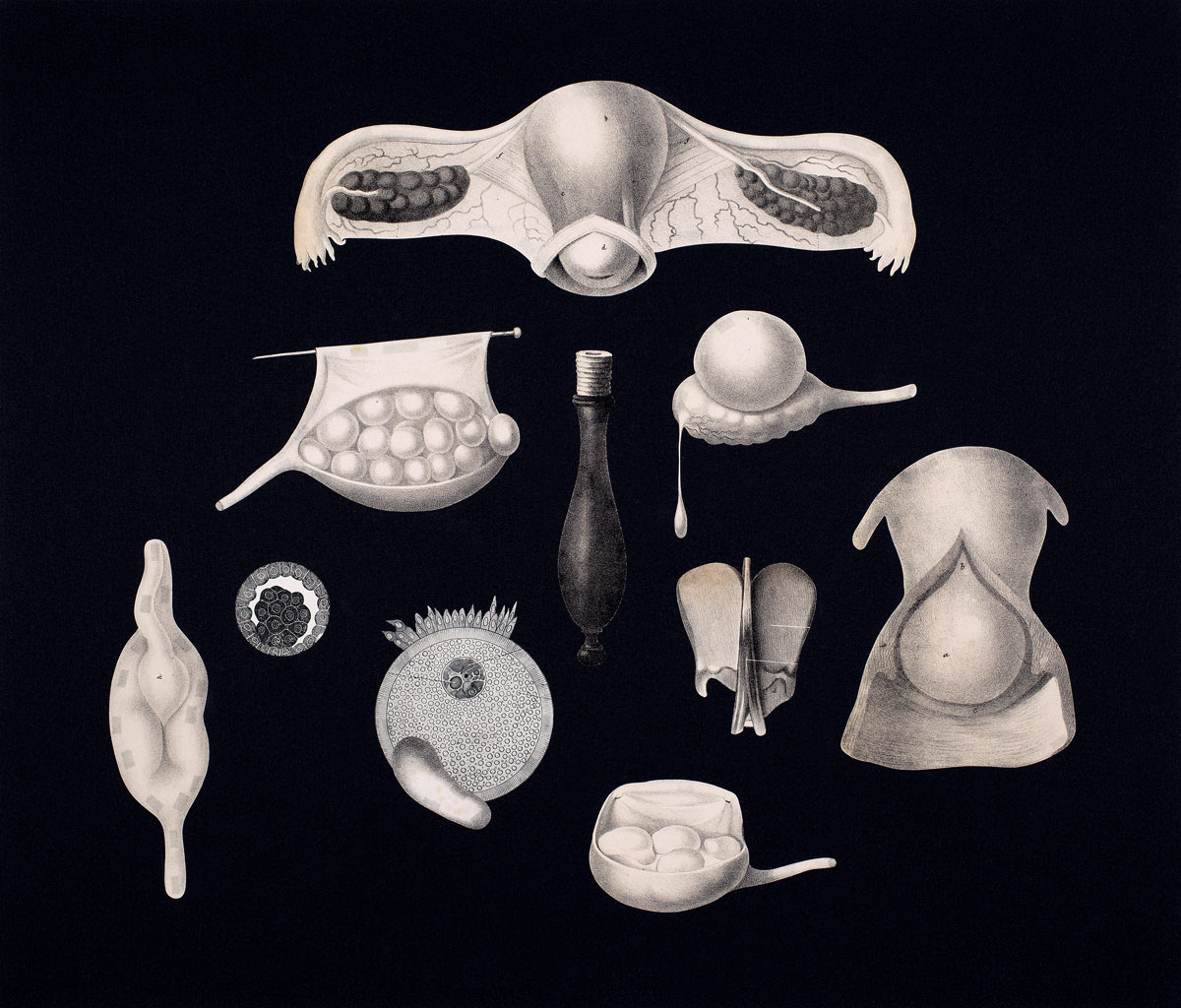
Frederick Sommer (American, 1905-1999) 'Lacryma' 1992


Frederick Sommer (American, 1905-1999)
Lacryma
1992
Collage of photomechanical reproductions of lithographic, relief and intaglio prints on
heavyweight wove paper
36 x 42.4cm (14 3/16 x 16 11/16 in.)
National Gallery of Art, Washington, Gift of Frederick Sommer


Lacryma, alternative form of lacrima – a tear (drop of liquid from crying)


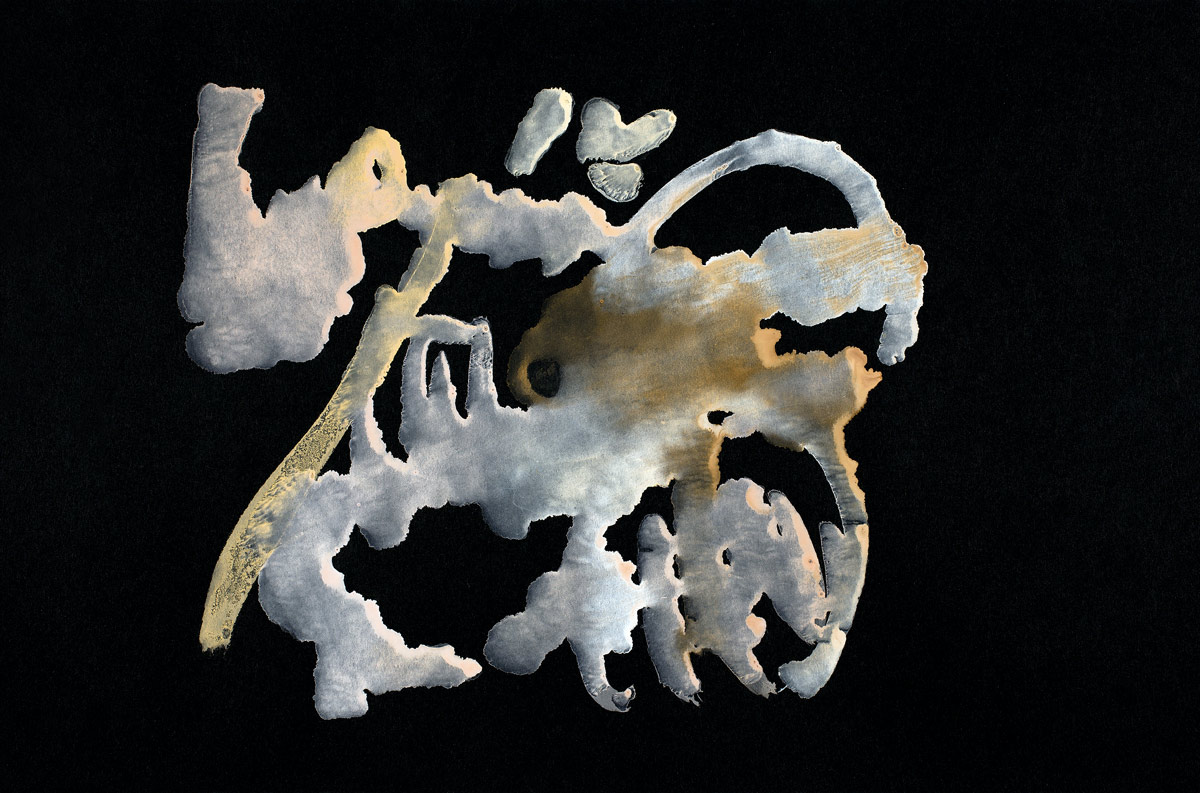
Frederick Sommer (American, 1905-1999) 'Drawing' 1948


Frederick Sommer (American, 1905-1999)
Drawing
1948
Tempera on black wove paper
30.4 x 46.9cm (11 15/16 x 18 7/16 in.)
National Gallery of Art, Washington, Gift of Frederick Sommer


Frederick Sommer (American, 1905-1999) 'The Queen of Sheba' 1992


Frederick Sommer (American, 1905-1999)
The Queen of Sheba
1992
Collage of photomechanical reproductions of relief and intaglio prints on heavyweight wove
paper
21.8 x 31.8cm (8 9/16 x 12 1/2 in.)
National Gallery of Art, Washington, Gift of Frederick Sommer


Fiona Hall (Australian, b. 1953) 'Envy, Seven Deadly Sins' 1985


Fiona Hall (Australian, b. 1953)
Envy, Seven Deadly Sins
1985
Polaroid photograph
61 × 50.8cm
© Fiona Hall


National Gallery of Art
National Mall between 3rd and 7th Streets
Constitution Avenue NW, Washington

Opening hours:
Daily 10.00am – 5.00pm

National Gallery of Art website

Frederick Sommer website

LIKE ART BLART ON FACEBOOK

Back to top

Exhibition: ‘Two of a Mind’ at the Laurence Miller Gallery, New York

Exhibition dates: 12th September – 17th November, 2012

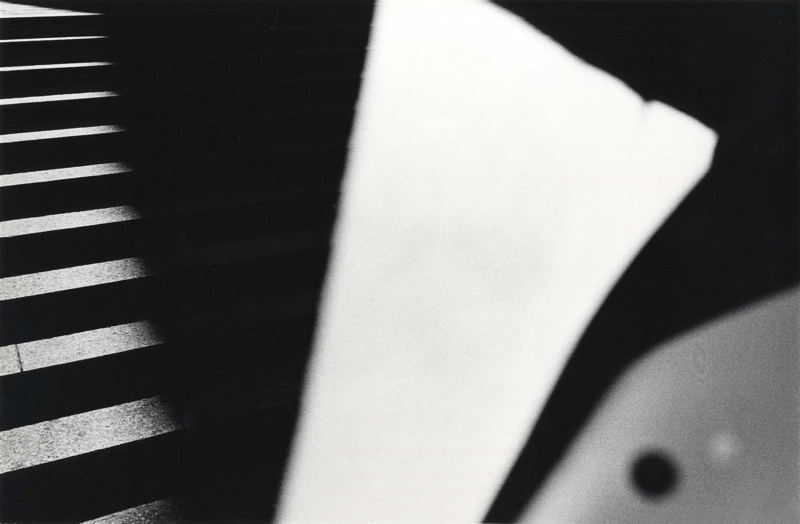
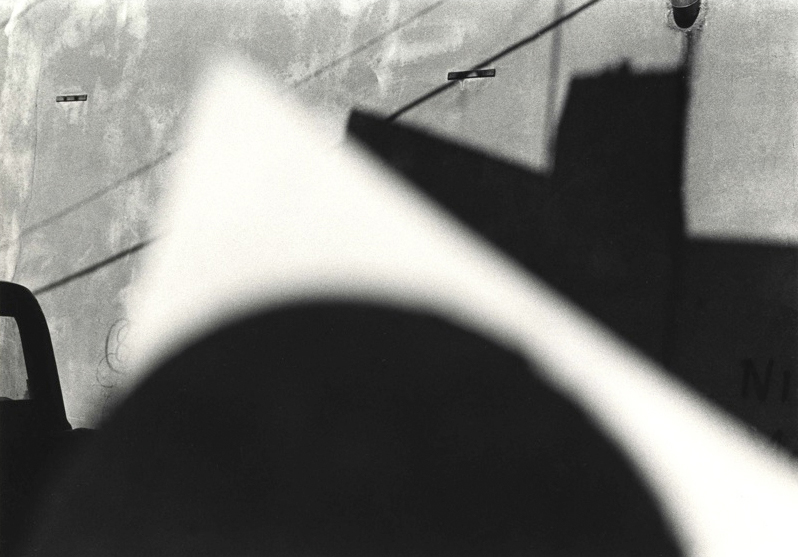
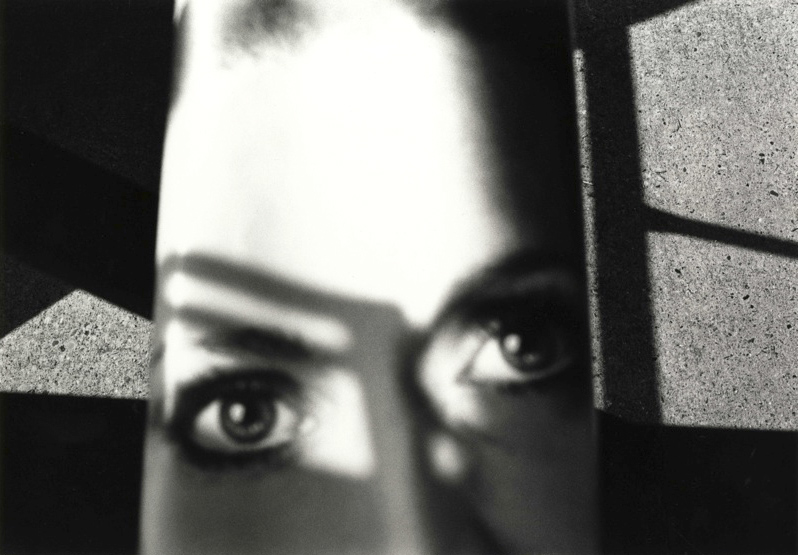
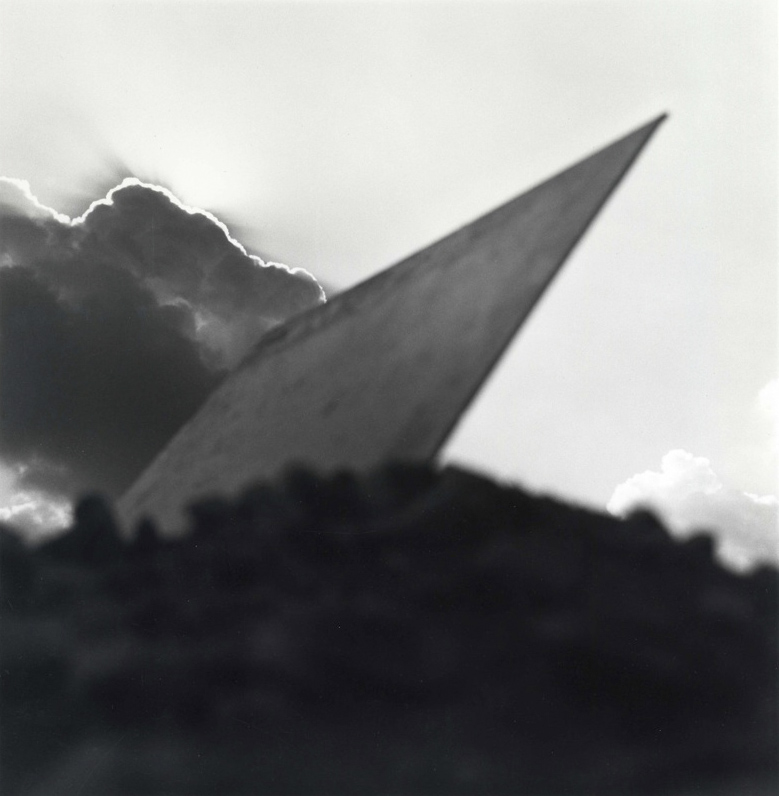
RAY K. METZKER: Pictus Interruptus
RUTH THORNE-THOMSEN: Expeditions


Ray K. Metzker (American, 1931-2014) 'Pictus Interruptus (77EY24)' 1977


Ray K. Metzker (American, 1931-2014)
Pictus Interruptus (77EY24)
1977
Gelatin silver print


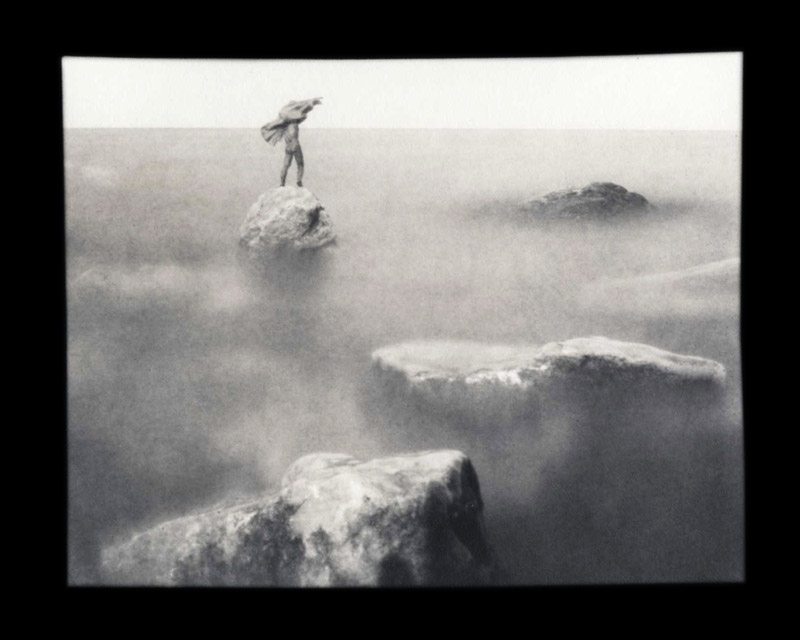
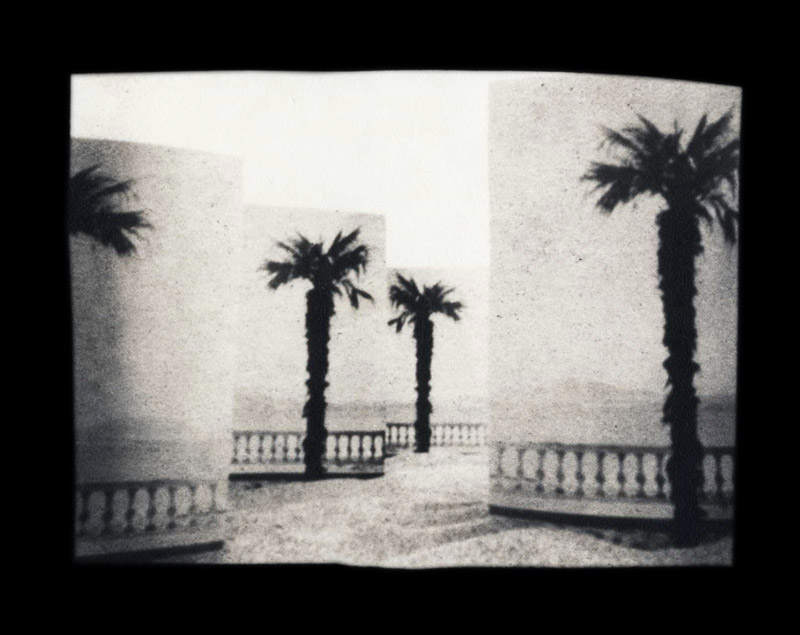
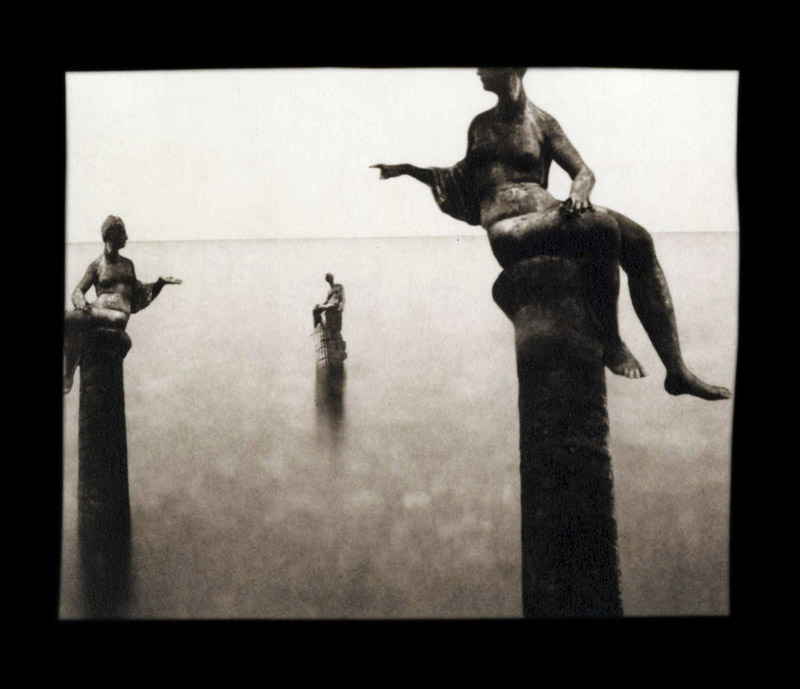
I like both these bodies of work but it is the enigmatic Expeditions that leave the most lasting impression on my subconscious, out imagining the abstract distortions of Metzker in my mind’s eye. While the images of Pictus Interruptus are interesting in a textural way, the photographs of Thorne-Thomsen are truly magical – like a photographic version of Joseph Cornell’s boxes they engage you wistfully, holding you in a quiet, silent, attentive dreamspace. Some of the photographs are almost Jungian in their holistic balance. Photographs such as Levitating Man and Trio are truly memorable, and in our over saturated media environment it is wonderful to find images that make us slow down and inhale their aura. You contemplate these images: that is the word, contemplation. Enjoy.


PS. Prima Materia, a title of one of Thorne-Thomsen’s series, “is, according to alchemists, the alleged primitive formless base of all matter, given particular manifestation through the influence of forms… The alchemical operation consists essentially in separating the prima materia, the so-called Chaos, into the active principle, the soul, and the passive principle, Mind-body dichotomy, the body. They are then reunited in personified form in the coniunctio, the ritual combination of sol and Luna, which yields the magical child – filius philosophorum – the reborn self, known as the ultima materia.” (Wikipedia)

Jung undertook an analysis of the ritual and processes of alchemy and found that while the alchemists were trying to turn lead into gold by melting the lead down and reforming it as gold, what they were actually doing was letting go of their old identity and reforming it anew. This could be seen as an early form of psychoanalysis that encouraged the process of what Jung calls individuation, the emergence of a new identity as the ego dissolves into the Self. “The symbols of the individuation process… mark its stages like milestones’, prominent among them for Jungians being ‘”the shadow, the Wise Old Man… and lastly the anima (female) in man and the animus (male) in woman”‘. Thus ‘there is often a movement from dealing with the persona at the start… to the ego at the second stage, to the shadow as the third stage, to the anima or animus, to the self as the final stage. Some would interpose the Wise Old Man and the Wise Old Woman as spiritual archetypes coming before the final step of the Self’.” (Wikipedia)

I see elements of this inner work in the art of Ruth Thorne-Thomsen.

Dr Marcus Bunyan


Many thankx to the Laurence Miller Gallery for allowing me to publish the photographs in the posting. Please click on the photographs for a larger version of the image.


Ray K. Metzker (American, 1931-2014) 'Pictus Interruptus (77FK42)' 1977


Ray K. Metzker (American, 1931-2014)
Pictus Interruptus (77FK42)
1977
Gelatin silver print


Ray K. Metzker (American, 1931-2014) 'Pictus Interruptus (78AD23)' 1978


Ray K. Metzker (American, 1931-2014)
Pictus Interruptus (78AD23)
1978
Gelatin silver print


Ray K. Metzker (American, 1931-2014) 'Pictus Interruptus (78BW19)' 1978


Ray K. Metzker (American, 1931-2014)
Pictus Interruptus (78BW19)
1978
Gelatin silver print


Ray K. Metzker (American, 1931-2014) 'Pictus Interruptus (80FP9a)' 1980


Ray K. Metzker (American, 1931-2014)
Pictus Interruptus (80FP9a)
1980
Gelatin silver print


Ray K. Metzker (American, 1931-2014) 'Pictus Interruptus (77FK28)' 1977


Ray K. Metzker (American, 1931-2014)
Pictus Interruptus (77FK28)
1977
Gelatin silver print


Ray K. Metzker (American, 1931-2014) 'Pictus Interruptus (77FW60)' 1977


Ray K. Metzker (American, 1931-2014)
Pictus Interruptus (77FW60)
1977
Gelatin silver print


Ray K. Metzker (American, 1931-2014) 'Pictus Interruptus (76EO4)' 1976


Ray K. Metzker (American, 1931-2014)
Pictus Interruptus (76EO4)
1976
Gelatin silver print


Laurence Miller Gallery is pleased to present Two of a Mind, photographs by Ray K. Metzker and Ruth Thorne-Thomsen, made between 1976 and 1991. Presently husband and wife, these two influential photographers independently created innovative and highly personal work that challenge our willingness to believe and stimulate our need to imagine.

Both achieved this by inserting images and objects into the view of the camera, turning reality on its head. Ray Metzker’s Pictus Interruptus series, made between 1976 and 1981, offers us inexplicable images – landscapes and cityscapes disrupted by abstract forms that combine, complement, and contrast with recognisable elements of the city or the land. Coat hangers, magazine images, folded paper and board were some of the items placed before the camera lens. Ruth Thorne-Thomsen’s Expeditions and Door series, as well as Prima Materia and Songs of the Sea, made between 1976 and 1991, also utilised the insertion of objects in front of her pin-hole camera, things like plastic and metal toys, children’s charms, ornaments and trinkets. The resulting images feel like poems come to life – credible enough to seem real, yet imaginary enough to seem like dreams.

Ray (1931-2014) and Ruth (born 1943) met in Chicago in 1980, and immediately felt a kinship of spirit and mind. Each had been pursuing a personal photographic vision which took reality as a starting point and then explored the world of the imagination to challenge the general belief that what a photograph presents is truth. Metzker was more intrigued by the possibilities of form and space, while Thorne-Thomsen pursued the possibilities of mythology and dreams. For each artist, reality and artifice became intertwined and inseparable. This is the first exhibition in which their photographs are presented together. This showing of Metzker’s images also coincides with a major retrospective of his work at the J. Paul Getty Museum in Los Angeles, opening September 25th and continuing through February 24, 2013.

Text from the Laurence Miller Gallery website


Ruth Thorne-Thomsen (American, b. 1943) 'Echo Wisconsin' 1991


Ruth Thorne-Thomsen (American, b. 1943)
Echo Wisconsin
1991
From the series Songs of the Sea
Gelatin silver print


Ruth Thorne-Thomsen (American, b. 1943) 'Icarus Figure Wisconsin' 1993


Ruth Thorne-Thomsen (American, b. 1943)
Icarus Figure Wisconsin
1993
From the series Songs of the Sea
Gelatin silver print


Ruth Thorne-Thomsen (American, b. 1943) 'Paper Palms California' 1981


Ruth Thorne-Thomsen (American, b. 1943)
Paper Palms California
1981
From the Expeditions Series
Gelatin silver print


Ruth Thorne-Thomsen (American, b. 1943) 'Trio Wisconsin' 1991


Ruth Thorne-Thomsen (American, b. 1943)
Trio Wisconsin
1991
From the series Songs of the Sea
Gelatin silver print


Ruth Thorne-Thomsen (American, b. 1943) 'Levitating Man Wisconsin' 1983


Ruth Thorne-Thomsen (American, b. 1943)
Levitating Man Wisconsin
1983
From the Door Series
Gelatin silver print


Ruth Thorne-Thomsen (American, b. 1943) 'Chair Over Point Wisconsin' 1983


Ruth Thorne-Thomsen (American, b. 1943)
Chair Over Point Wisconsin
1983
From the Door Series
Gelatin silver print


Laurence Miller Gallery

There is no longer a physical exhibition space for this gallery. Laurence Miller Gallery currently operates as a private fine art photography dealer.

Opening hours:
We are open by appointment only, with locations in New Hope, Pa. and New York City.

Laurence Millery Gallery website

LIKE ART BLART ON FACEBOOK

Back to top