Exhibition dates: 3rd October – 30th December, 2022
Curator: Thomas O’Callaghan, Image Specialist for Spanish Art, National Gallery of Art, Department of Image Collections
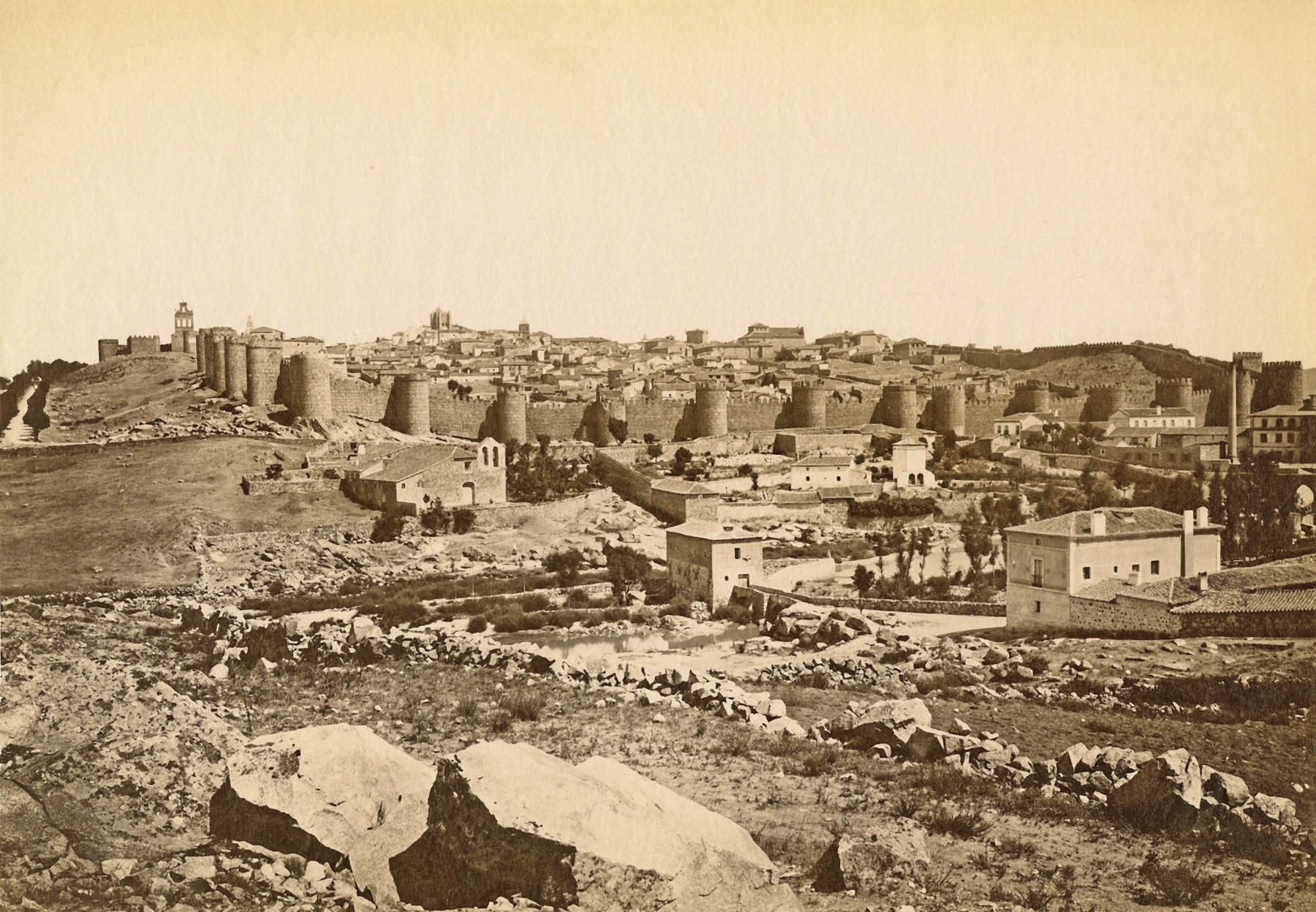
Juan Laurent (1816-1886, photographer) Panorama of Ávila c. 1870 Albumen silver photograph Madrid: J. Laurent (firm) National Gallery of Art Library, Department of Image Collections
Another eclectic posting… this time, wonderful early photographs of the people and places of Spain.
Dr Marcus Bunyan
Many thankx to the National Gallery of Art for allowing me to publish the photographs in the posting. Please click on the photographs for a larger version of the image.
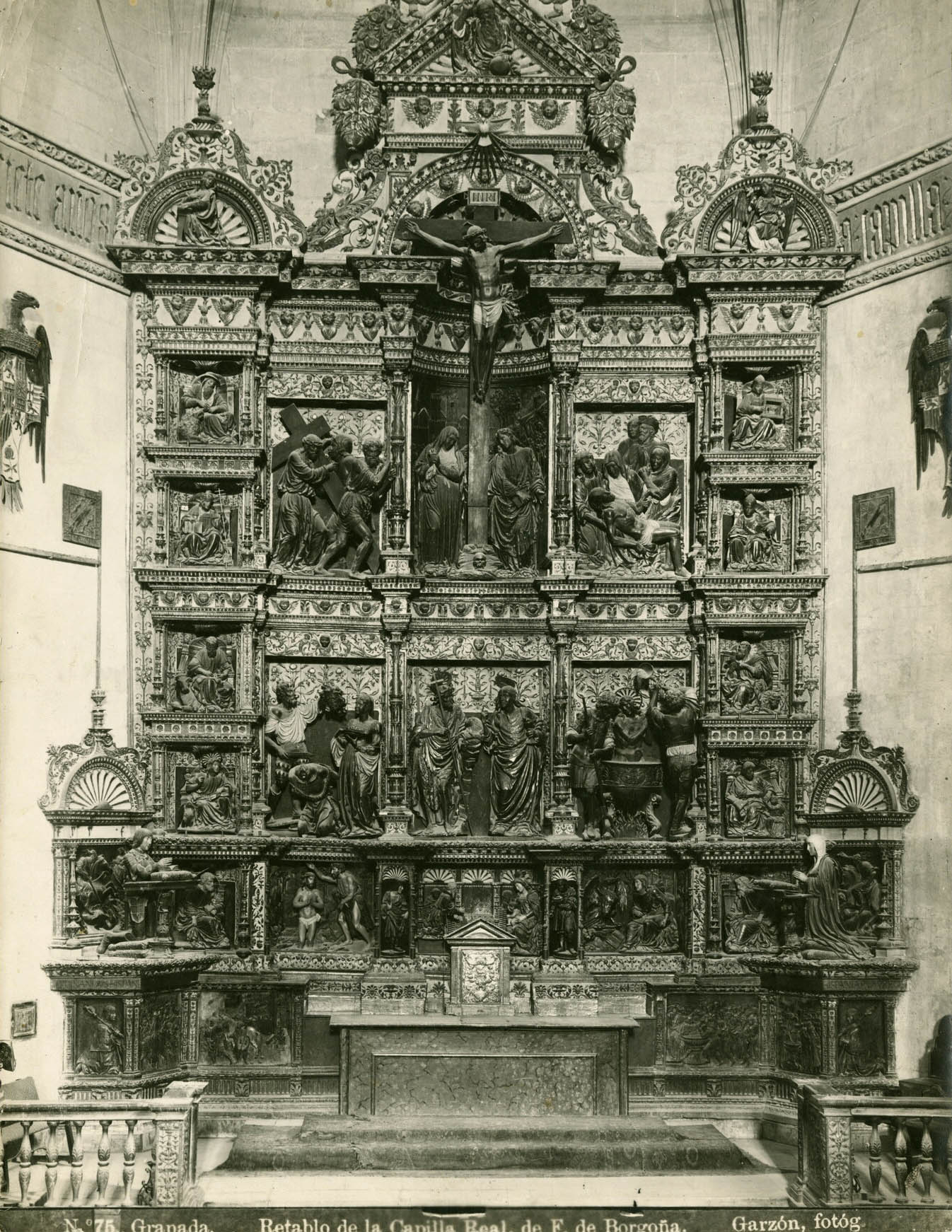
Rafael Garzón Rodríguez (1863-1923, photographer) Retablo (Altar) by F. de Borgoña, Capilla Real, Granada c. 1890 Gelatin silver DOP photograph Granada: Rafael Garzón (firm) National Gallery of Art Library, Department of Image Collections
A distant land celebrated for its fusion of cultures, Spain in the time of John Singer Sargent (1856-1925) fascinated many. As railroads began crisscrossing the sun-drenched countryside, more visitors could reach more places. Artists like Sargent went to explore: he studied works by Spanish masters, viewed architecture and gardens – with their rich blend of influences, and encountered a land and people that fuelled his creative imagination. A craze for all things Spanish ensued, especially in the United States, where many Spanish artworks entered private collections.
A vibrant visual culture emerged in Spain as commercial photographers such as Juan Laurent established studios that catered to the influx of visitors. As this imagery was collected and dispersed, it entered the popular imagination and defined the region in ways that still influence us today. These materials – the period postcards, fine photographs, and albums – allow us to see Spain as Sargent did, from its landscapes, architecture, and art to its music, dance, and costumes.
Photography and Travel in Sargent’s Spain draws upon photographs and printed matter in the Department of Image Collections of the National Gallery of Art Library. This exhibition is held in conjunction with Sargent and Spain.
Organised by the National Gallery of Art, Washington
This exhibition is curated by Thomas O’Callaghan, Image Specialist for Spanish Art, National Gallery of Art, Department of Image Collections.
Text from the National Gallery of Art website
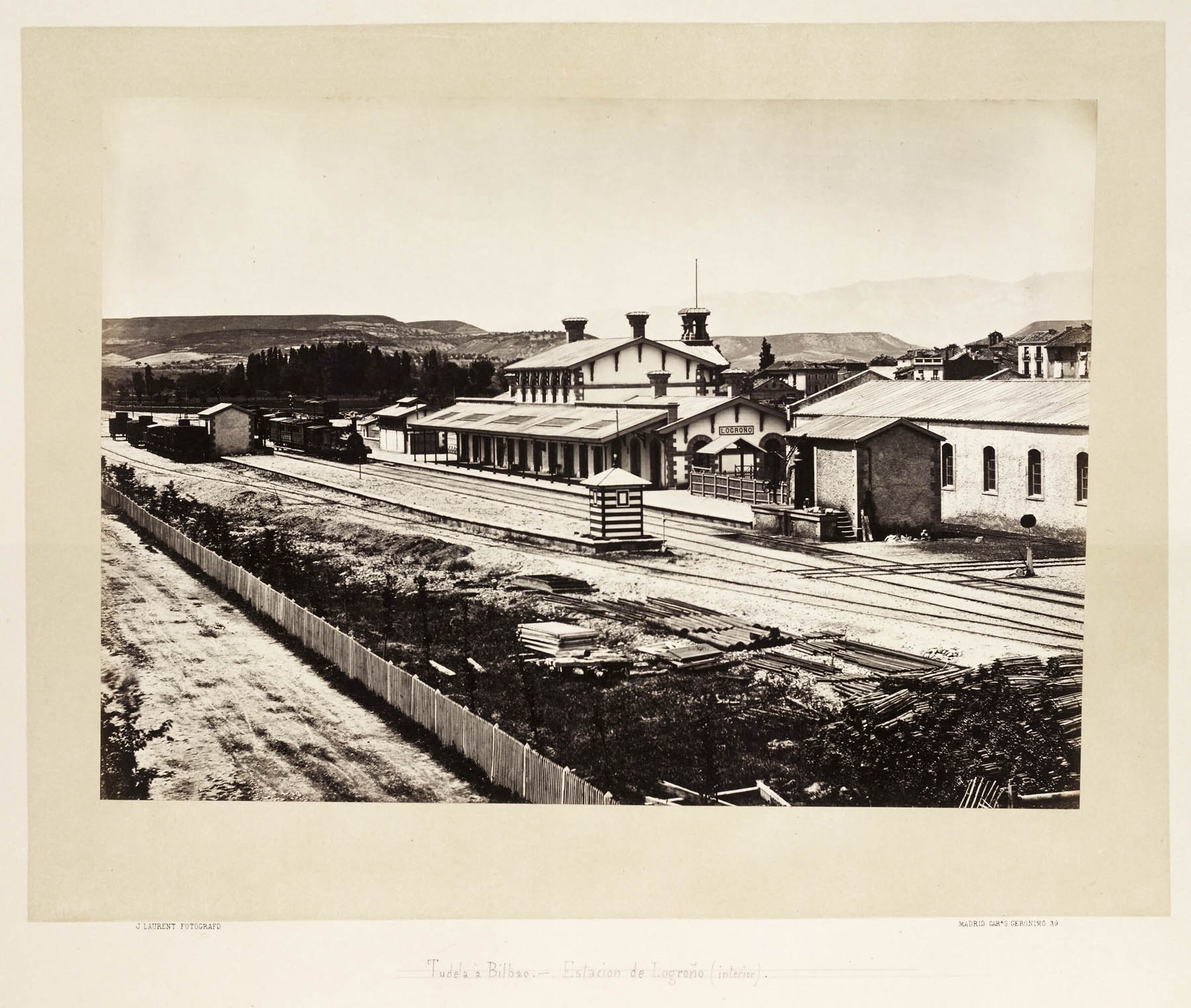
Juan Laurent (1816-1886, photographer) Tudela to Bilbao: Logroño Railway Station 1865 Albumen silver photograph Madrid: J. Laurent (firm) National Gallery of Art Library, Department of Image Collections
The Compañia de Ferrocarril de Tudela a Bilbao began construction of this railway line in northern Spain in 1857 and finished it in 1863. Two years later, the company commissioned Juan Laurent to document the newly completed line. Laurent photographed the iron tracks, viaducts and rural stations, including this view of the Logroño station, during the two-month-long project that culminated in a final presentation album for the company. With the arrival of the first railroads in Spain in 1848, the Spanish writer Modesto Lafuente (1806-1866) observed: “There is poetry in the little stations where a slow train stops for a long time, on a scorching summer morning; the sun fills everything and blinds the distances; everything is still; some birds sing in the acacias in front of the station; down the lonely, dusty road, a solitary carriage makes for the town, which stands out for its pointed bell tower with a black slate roof. Those other stations near the old cities have poetry, to which on Sunday afternoons, during the twilight, the girls go out for a walk and wander slowly along the platform, arm in arm, peering curiously at the passengers from other places inside the cars. Finally, the arrival of the train, at dawn, at a station in the provincial capital has poetry; after the first moment of arrival, the travellers who were waiting comfortably amid a profound silence, the snort of the locomotive is once again heard; a long voice sounds; the train starts moving again; and there, in the distance, in the darkness of the night, in these dense and deep hours of the morning, the dim, mysterious flicker of the little lights that shine in the sleeping city can be glimpsed: an old city, with narrow alleys, with a vast cathedral, with a dilapidated inn, into which now, rousing the waiter from his drowsiness, a newly arrived traveler is about to enter, while we ride the train away through the black countryside, contemplating the flickering of those little lights that lose themselves and arise anew, and end up completely disappearing.” (quoted in José Martínez Ruiz (Azorín), Castilla, Editorial Biblioteca Nueva, 1912, pp. 37-38)
Juan Laurent, noted French photographer, established a studio in Madrid in 1856. He is recognised for his architectural and landscape scenes of Spain and Portugal as well as his extensive documentation of the collections of the Prado Museum and the Royal Armory in Madrid. By the 1860s he was the proprietor of Laurent y Cia, the largest photographic publishing house in Spain. Laurent’s prints and albums were marketed to a wealthy clientele through his gallery in Paris and distributed in England by Marion & Co. of London. (Hannavy, Encyclopedia of Nineteenth-Century Photography, vol. 2, pp. 829-830).
This mounted photograph may have been sold from one of Laurent’s sales outlets for inclusion in an album. Laurent later commercialised this image in stereoscopic view and large format.
Text from the National Gallery of Art Library
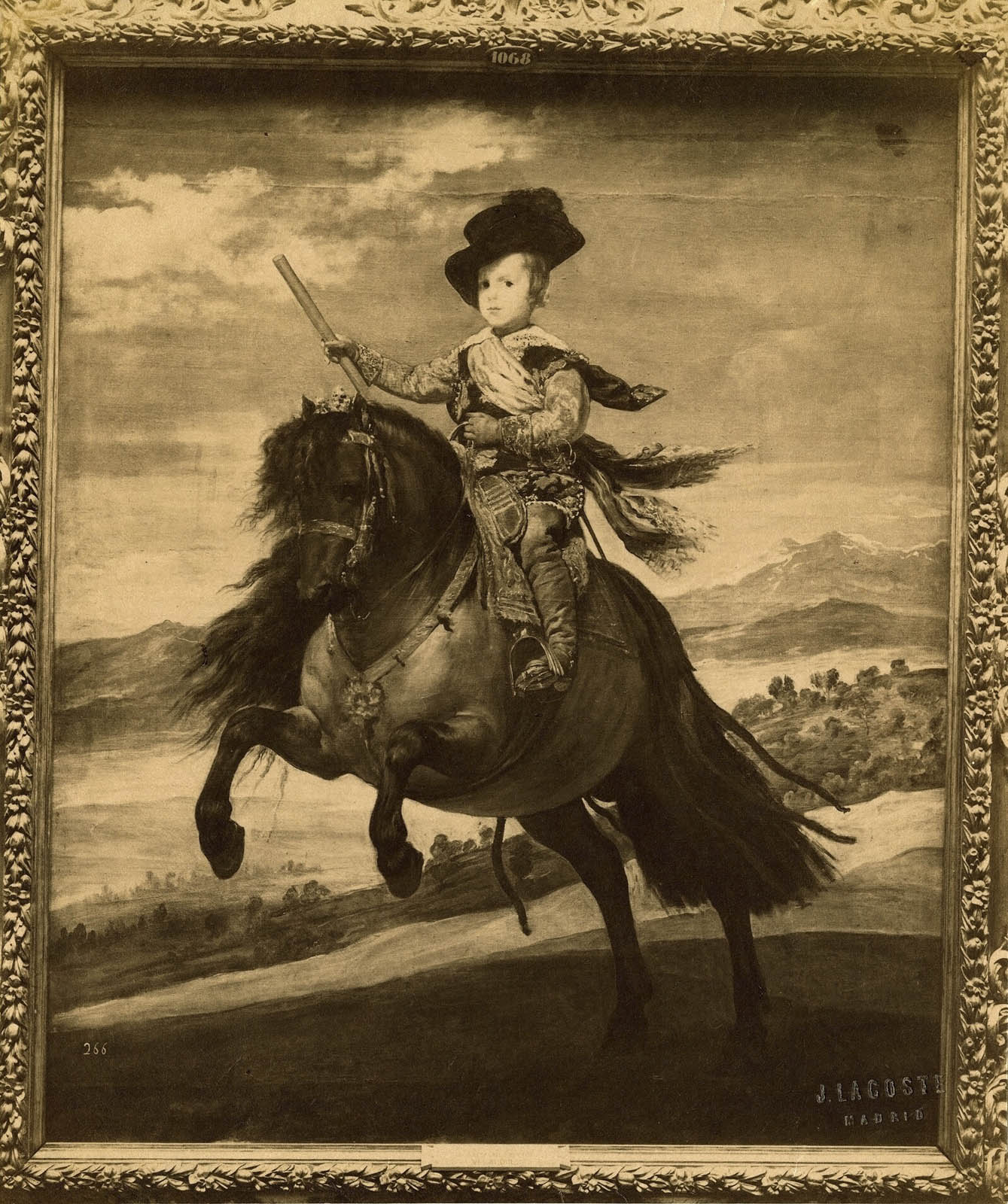
Joseph Lacoste (1872 – c. 1930, photographer) Albumen silver photograph of Diego Velázquez’s Prince Baltasar Carlos on Horseback (1635-1636) 1900/1915 Madrid: J. Lacoste (firm) National Gallery of Art Library, Department of Image Collections
Baltasar Carlos gallops through the rolling Guadarrama mountain landscape near Madrid with an aristocratic bearing befitting a crown prince of the Spanish empire. Starting with the shocks of the empire’s dissolution, however, Spanish intellectuals of the 1860s and 1890s embraced Velázquez and Goya for being the first artists to paint the natural landscape of Castille. For these scholars, the arid landscape revealed the very heart of Spanish identity. Moreover, it was the key to Spain’s revitalisation, especially after the heartbreaking losses of the Spanish-American War of 1898. As a result of the newfound reclamation, the Spanish reformed Free Institution of Education (ILE) began emphasising the study of landscape painting and scientific disciplines like geography and geology. In addition, it encouraged the students to make excursions into nature. Likewise, it offered new art history courses that celebrated Velázquez and Goya for significantly including the Guadarrama mountains of central Spain in their paintings.
Joseph Jean Marie Lacoste y Borde was a French-born photographer who moved to Spain in 1894. He took over Laurent y Cía. from Juan Laurent’s stepdaughter Catalina Dosch de Roswag in 1900, and ran it up to the First World War, when he was drafted by the French armed forces. During the time he ran the company, he was, like Juan Laurent before him, an important photographer at the Museo del Prado. Many early Prado catalogues are printed with Lacoste images. Though he now controlled all the old Laurent negatives of the museum’s collections, Lacoste photographed the collections again, using the new gelatin dry plate process for his negatives. The dry plate process more faithfully rendered the true colours of the paintings in the scale of grey values than the old collodion wet plate process. The collodion process reproduced reds in nature, for example, as dark grey, even black. The smaller scale of this photograph as well as the more faithful reproduction of grey values suggest that it was printed from a gelatin negative made by Lacoste sometime after 1900.
Juan Laurent, noted French photographer who resided in Spain for 43 years, established a studio in Madrid in 1856. He is recognised for his architectural and landscape scenes of Spain and Portugal as well as his extensive documentation of the collections of the Prado Museum and the Royal Armory in Madrid. By the 1860s he was the proprietor of Laurent y Cia, the largest photographic publishing house in Spain. Laurent’s prints and albums were marketed to a wealthy clientele through his gallery in Paris and distributed in England by Marion & Co. of London. (Hannavy, Encyclopedia of Nineteenth-Century Photography, vol. 2, pp. 829-830).
This rare photograph is from A222, vol. 6. (loose photographs only). The six volumes comprising A222 have photographs of paintings, sculpture, architecture, archeological sites, streetscapes and landscapes of Italy and elsewhere on the “Grand Tour.” 514 are mounted in albums, and 59 are individually matted. Of these 59, many, like this albumen silver print of the Velázquez painting in the Prado, are dry-stamped “J. Lacoste – Madrid”, and two (of Murillo paintings) are dry-stamped with an interlaced J L & C monogram, which was an earlier iteration used by the Lacoste company.
Text from the National Gallery of Art Library
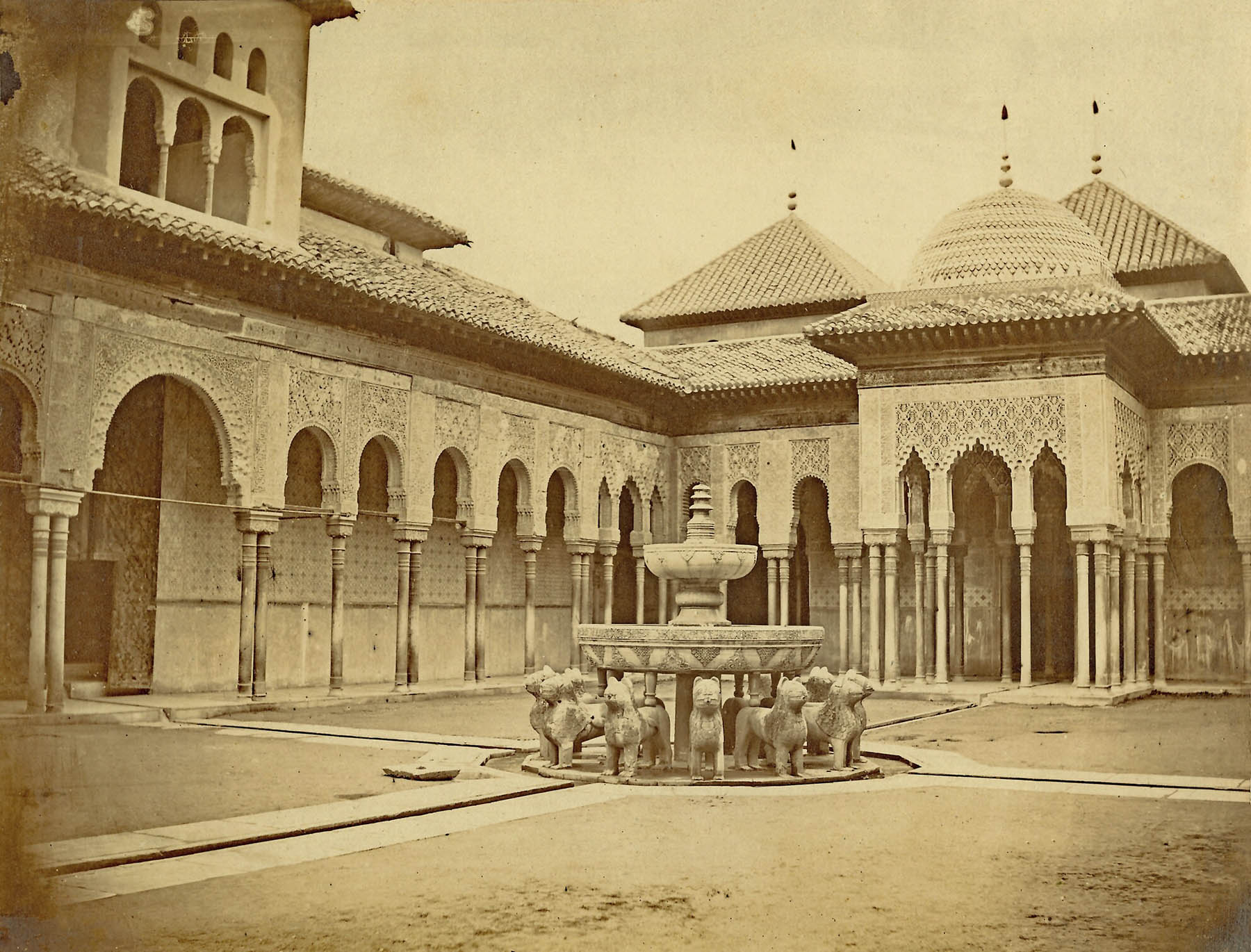
Charles Mauzaisse (1823-1885, photographer) The Court of the Lions, Alhambra, Granada 1862 Albumen silver photograph National Gallery of Art Library, Department of Image Collections
The Nasrid sultan Muhammad V (died 1391) conceived the Court of the Lions in his Garden Palace in the Alhambra as a paradisal garden, with sunken flowerbeds and waterways symbolising the rivers of Paradise, and pillars representing palm trees growing in an oasis. The court with its alabaster fountain supported by twelve stone lions taken from a Caliphal palace in Córdoba has become synonymous with the Alhambra.
Charles Mauzaisse was a French painter and the son of a painter. He emigrated to Spain in 1857 and signed the visitors’ log at the Alhambra on the 29th of January. After a peripatetic period traveling through southern Spain, he settled in Granada permanently, becoming one of the city’s few foreigners to become a local professional photographer. As a portrait photographer, he offered his clientele their likenesses on oilcloth, paper, glass, and ivory. He soon expanded his repertoire to views of the city and its architectural monuments, especially the Alhambra, catering to foreign visitors’ whims and custom requests and the booming tourist trade. In 1862, he returned from a visit to France with the latest advances in the photographic field.
From this date to the beginning of the 1880s, he made many photographs. However, their dispersal has left scant remnants in public collections. The Royal Palace in Madrid owns an album with 40 of Mauzaisse’s photos. He dedicated it to María de las Mercedes de Orleans y Bórbon on her marriage in 1878 to King Alfonso XII of Spain. Mauzaisse’s photography conjoined with his activity as a painter. Art deeply entered him as the son of Jean-Baptiste Mauzaisse (1784-1844), a prolific if minor French artist. By 1870, Charles established himself as a painter as well as a photographer in the Alhambra. He reportedly maintained close contact with French artists like Henry Regnault (1843-1871), whom he entertained on his way to Morocco. Recent research has shown that Gustave Doré used photos by Mauzaisse as the basis for his engraved illustrations in several publications.
In July 1871, Mauzaisse photographed the Fortuny-Madrazo family in the Alhambra when they gathered in Granada to celebrate the birth of Fortuny’s son, Mariano Fortuny y Madrazo. Unfortunately, Charles Mauzaisse may have died in the cholera epidemic that swept through Andalucía in 1885.
Text from the National Gallery of Art Library
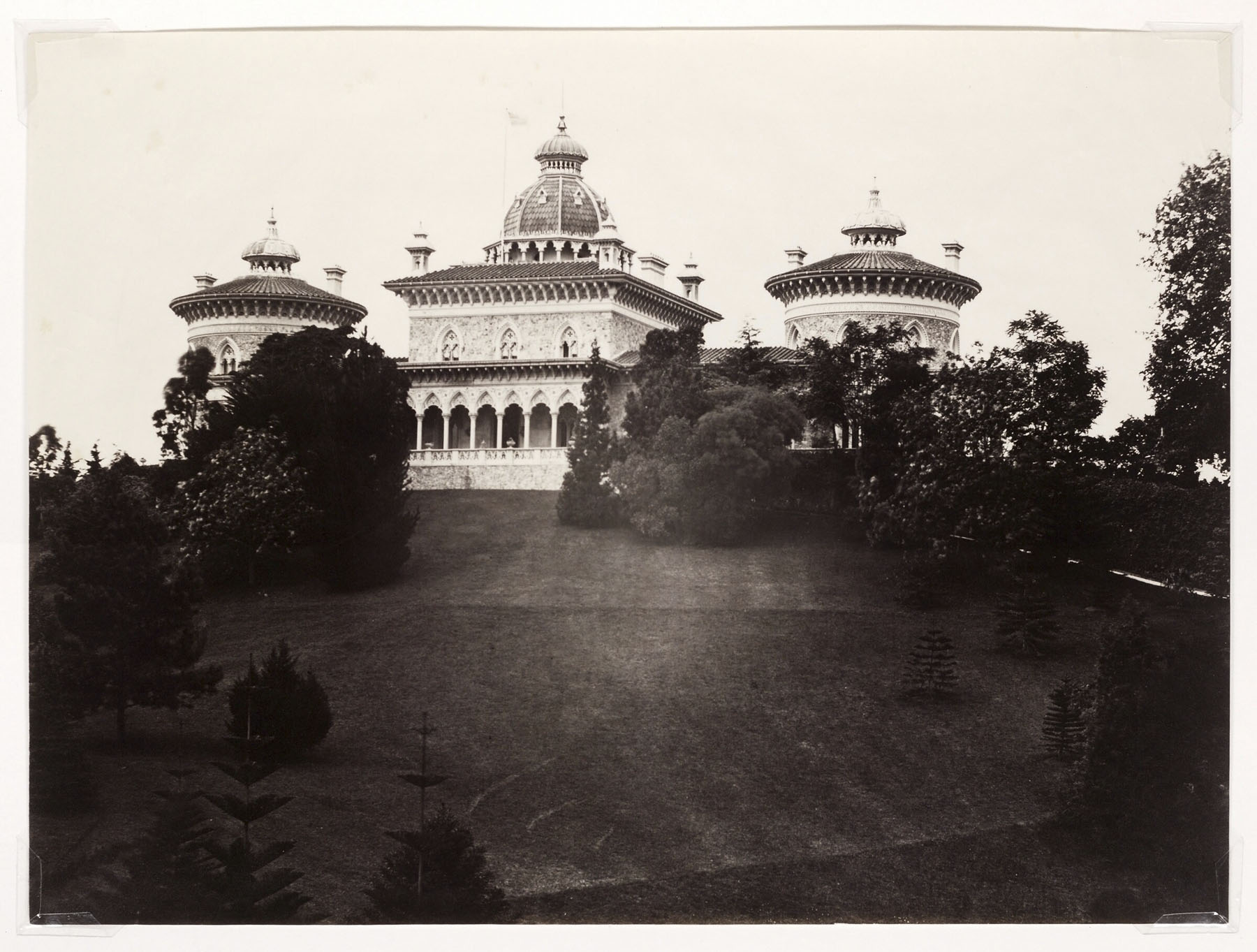
Juan Laurent (1816-1886, photographer) The Palace of Monserrate, Sintra, Portugal 1869 Albumen silver photograph Madrid: J. Laurent (firm) National Gallery of Art Library, Department of Image Collections
“Sargent swept over America in a cloud of glory, and the dust never settled; it was stirred up even more, eagerly anticipating his return when he left for Spain. He wrote to Mrs. Gardner from Madrid (16 June [1903]), ‘I am leaving Madrid for Portugal and out of the way places and am not likely to be back for three weeks or a month’.” (Stanley Olson, John Singer Sargent: His Portrait, New York, St. Martin’s Press, 2001, p. 227)
Architect James Knowles designed this eclectic palace in 1858 for Francis Cook, the 1st Viscount of Monserrate, a wealthy British textile merchant, industrialist, and great art collector. Knowles modified an existing Neo-Gothic mansion built in the late 18th century on the ruins of an ancient chapel and added a curious mixture of Neo-Manueline, Neo-Mudéjar, Neo-Mughal, and Neo-Renaissance design elements. The result is an example of the innovative Romantic architecture that thrived in Sintra. The Portuguese court established a luxurious summer retreat in Sintra with views of the Atlantic from the cool foothills north of Lisbon. In 1809, the poet Byron visited the site of the future palatial villa and published his impressions of its natural beauty in his poem Childe Harold’s Pilgrimage. Francis Cook installed a large botanical garden on the property that is still renowned for its diverse and exotic plants and trees. In the Laurent photo, the tops of Araucaria conifers native to Chile rise in the lower left corner.
Juan Laurent, noted French photographer, established a studio in Madrid in 1856. He is recognised for his architectural and landscape scenes of Spain and Portugal as well as his extensive documentation of the collections of the Prado Museum and the Royal Armory in Madrid. By the 1860s he was the proprietor of Laurent y Cia, the largest photographic publishing house in Spain. Laurent’s prints and albums were marketed to a wealthy clientele through his gallery in Paris and distributed in England by Marion & Co. of London. (Hannavy, Encyclopedia of Nineteenth-Century Photography, vol. 2, pp. 829-830).
The collodion glass negative used to print this photograph is in the Ruiz Vernacci photo archive in the Spanish Culture Ministry in Madrid; VN-06923.
Text from the National Gallery of Art Library
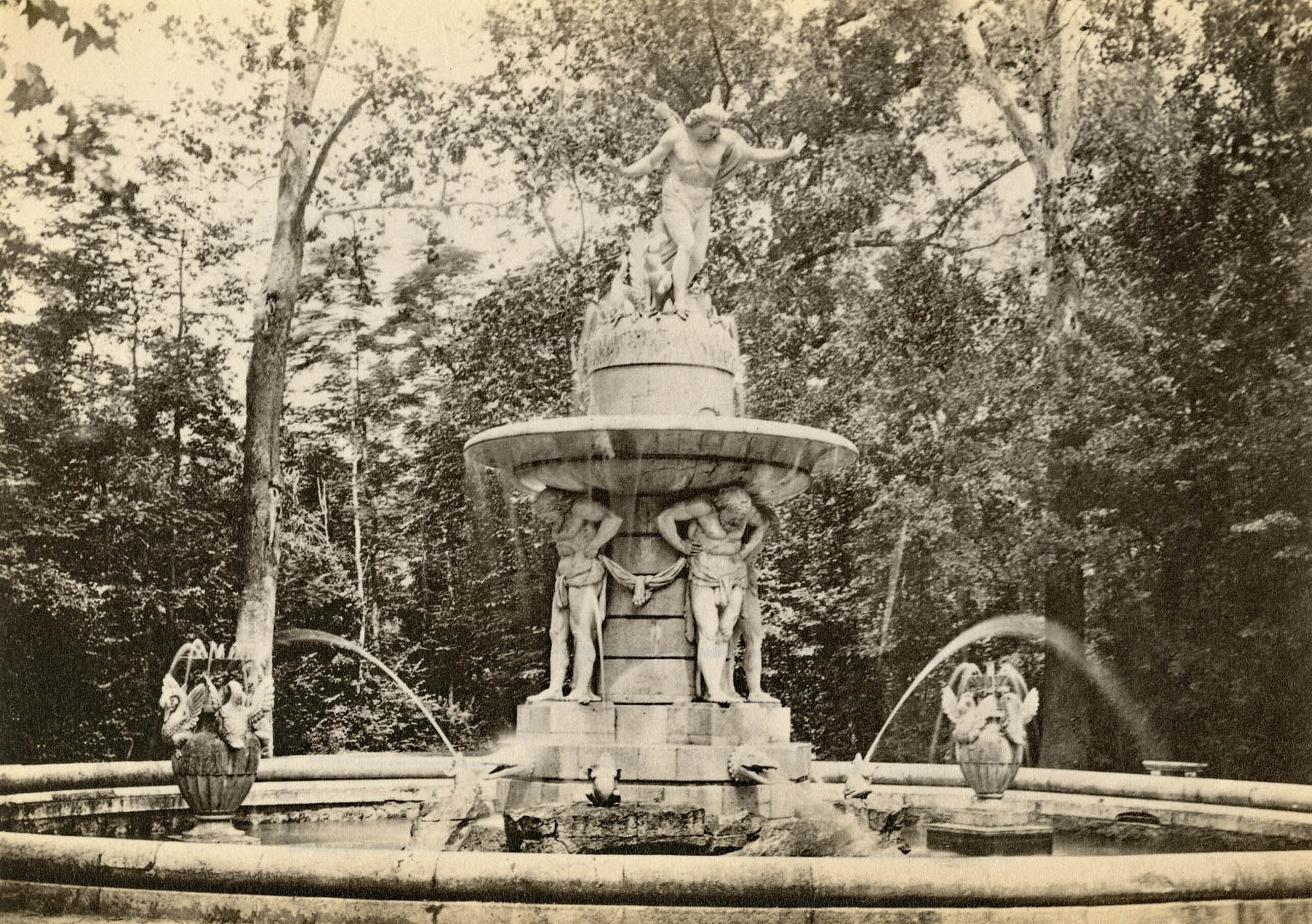
Juan Laurent (1816-1886, photographer) The Fountain of Narcissus, Garden of the Prince, Palace of Aranjuez c. 1880s Albumen silver photograph printed from a Gramstorff collodion negative Boston: Soule later Gramstorff Art Publishing (firm) copying 1863 photograph by J. Laurent National Gallery of Art Library, Department of Image Collections
This small nineteenth-century albumen print is from the Gramstorff Collection. The department of image collections also has the collodion glass plate negative used to print it (Gramstorff 5754). The Soule (later Gramstorff) Art Publishing Company of Boston (active 1859 – c. 1906) was a purveyor of art, architecture, and topographical photographs specialising in Europe and the American West. The Soule Company acquired original photos from American and European art publishers and then copied them in their Boston workrooms for distribution in the United States. This small-format photograph is a copy by Soule of a larger albumen photograph by the Juan Laurent company of Madrid and Paris. However, the Madrid company may not have authorised Soule’s copies of original Laurent photographs for sale in the United States.
Photographers during this period followed murky standards, and John Soule appears to have been no exception, publishing images by other American photographers without crediting them. The Laurent company found it necessary to file a legal injunction to remedy a piracy case in Cádiz in 1883. Glass negative 5754, like many others in the Gramstorff Collection, is double printed with the same image.
Juan Laurent, noted French photographer who resided in Spain for 43 years, established a studio in Madrid in 1856. He is recognised for his architectural and landscape scenes of Spain and Portugal as well as his extensive documentation of the collections of the Prado Museum and the Royal Armory in Madrid. By the 1860s he was the proprietor of Laurent y Cia., the largest photographic publishing house in Spain. Laurent’s prints and albums were marketed to a wealthy clientele through his gallery in Paris and distributed in England by Marion & Co. of London. (Hannavy, Encyclopedia of Nineteenth-Century Photography, vol. 2, pp. 829-830).
During Laurent’s 1863 photographic campaign in Aranjuez, he remembered that earlier French travel writers had considered the gardens of the royal palace there particularly lovely. In 1855, author Antoine de Latour described the palace as the ‘Versailles of Madrid’ and its gardens as spring oases. In his photo of the Garden of the Prince, Laurent seems to signal its similarity with French palace gardens.
Text from the National Gallery of Art Library
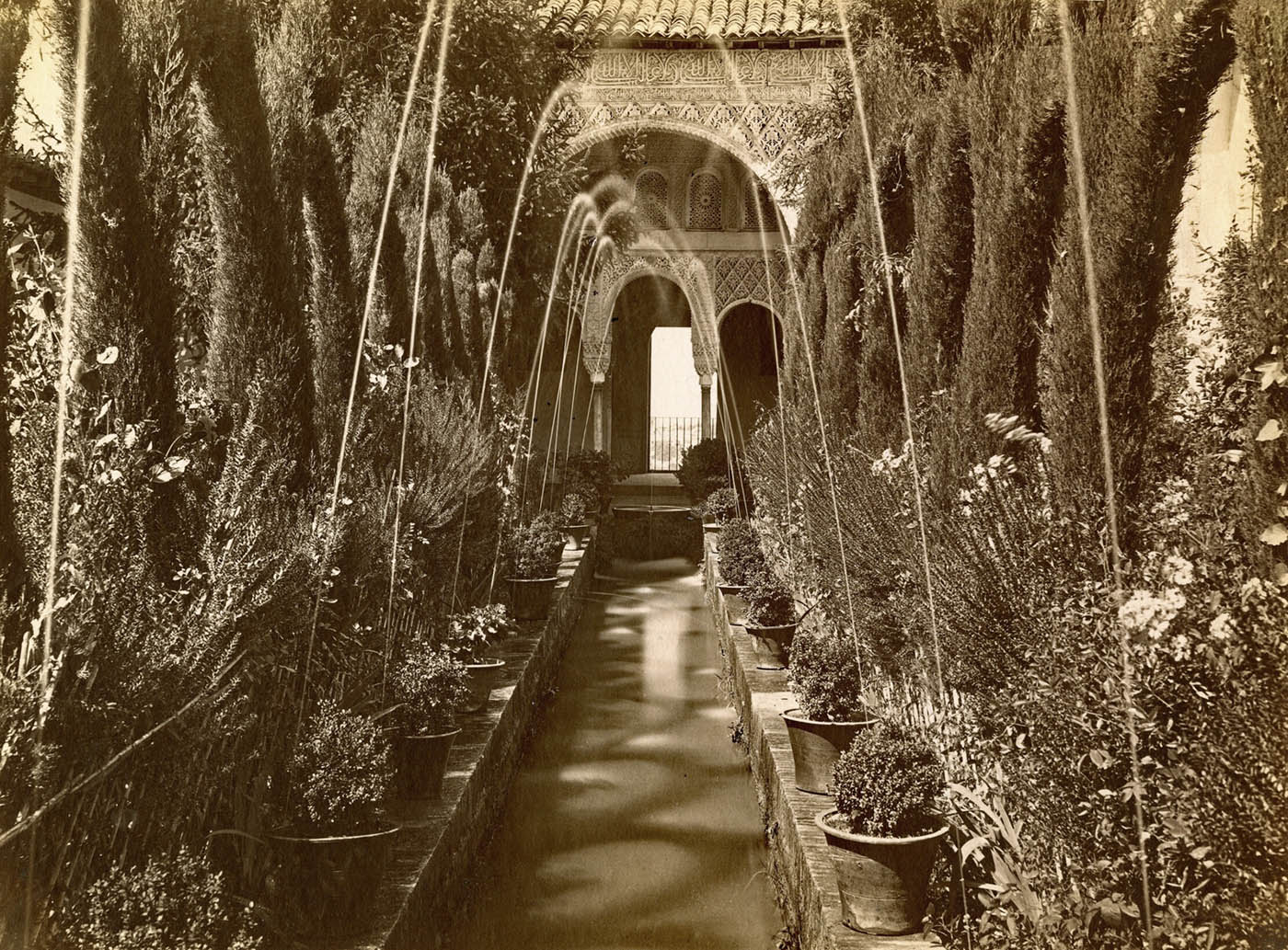
Juan Laurent (1816-1886, photographer) Patio of the Acequia in the Generalife, Granada c. 1881 Albumen silver photograph Madrid: J. Laurent (firm) National Gallery of Art Library, Department of Image Collections
The narrow rectangular canal (acequia) with water jets pictured in this photograph was one of the primary conduits for the Alhambra’s water supply. The Nasrids, after diverting water from the Darro River six kilometres away, brought it by aqueduct to the Generalife, the summer palace in the cool woods above the Alhambra. From its entry point in the Generalife, the water fell to the main complex of palaces, buildings, and gardens below. The system was a marvel of Arab hydraulic engineering.
Text from the National Gallery of Art Library
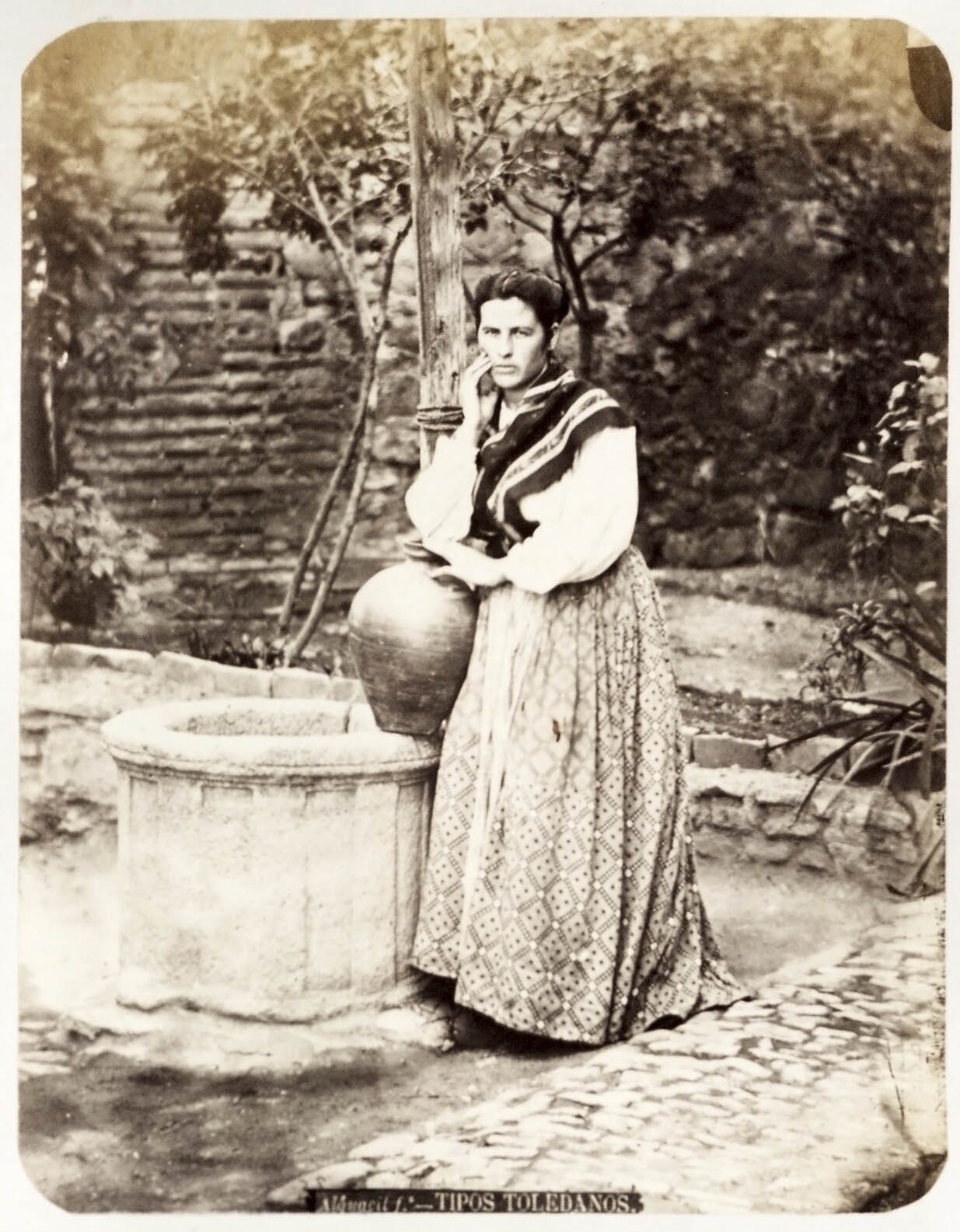
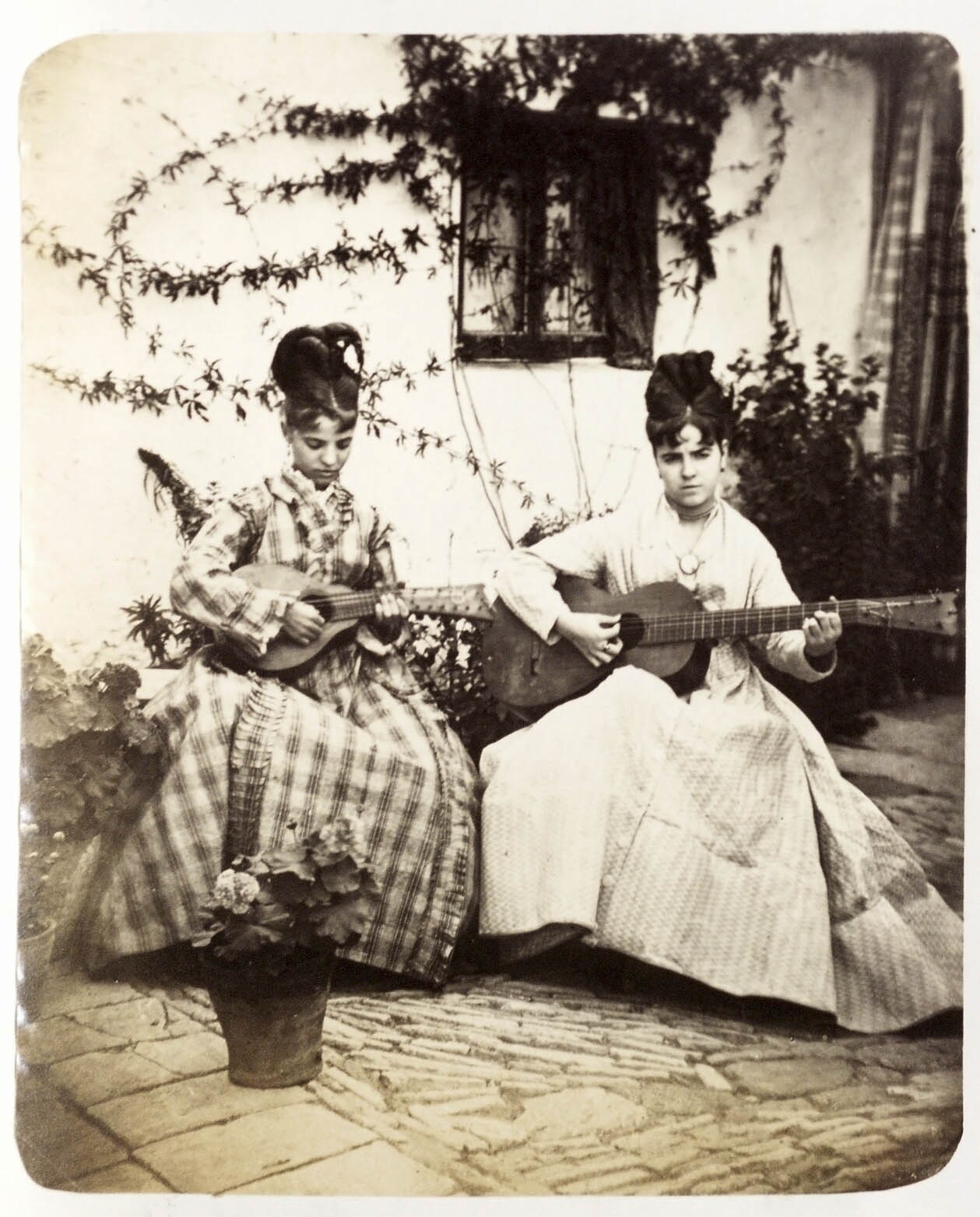
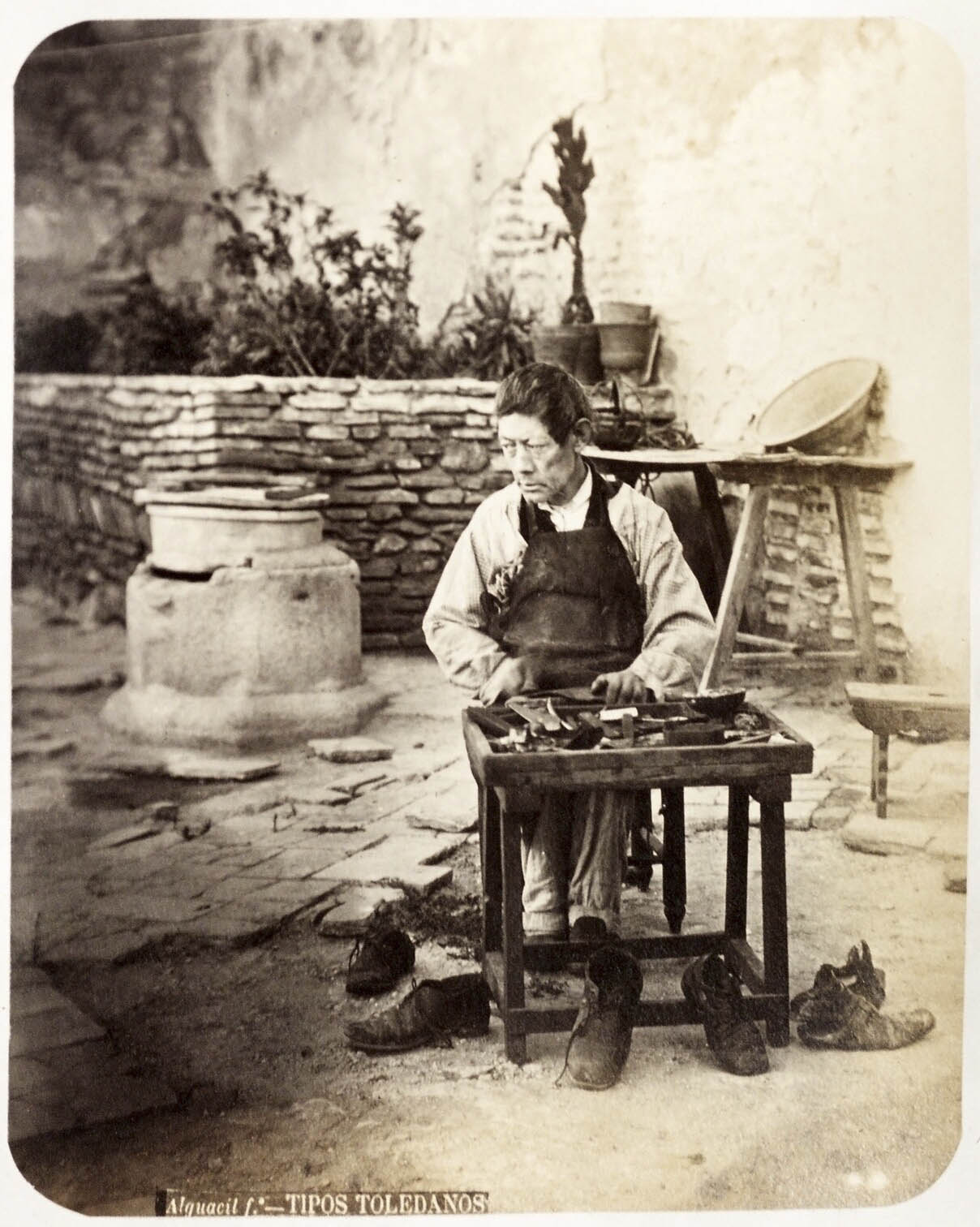
Casiano Alguacil Blázquez (1832-1914, photographer) Inhabitants of Toledo c. 1880s in Spain: Toledo, Cordova, Granada, Seville, Valencia, Barcelona (1879/1894?), plate 23 from first of two albums of 189 albumen silver photographs Madrid: J. Laurent (firm) National Gallery of Art Library, Department of Image Collections
Casiano Alguacil Blázquez (1832-1914, photographer) Inhabitants of Toledo c. 1880s in Spain: Toledo, Cordova, Granada, Seville, Valencia, Barcelona (1879/1894?), plate 24 from first of two albums of 189 albumen silver photographs Madrid: J. Laurent (firm) National Gallery of Art Library, Department of Image Collections
Casiano Alguacil Blázquez (1832-1914, photographer) Inhabitants of Toledo c. 1880s in Spain: Toledo, Cordova, Granada, Seville, Valencia, Barcelona (1879/1894?), plate 25 from first of two albums of 189 albumen silver photographs Madrid: J. Laurent (firm) National Gallery of Art Library, Department of Image Collections
Casiano Alguacil Blázquez (1832-1914, photographer) Inhabitants of Toledo c. 1880s in Spain: Toledo, Cordova, Granada, Seville, Valencia, Barcelona (1879/1894?), plate 58 from first of two albums of 189 albumen silver photographs Madrid: J. Laurent (firm) National Gallery of Art Library, Department of Image Collections
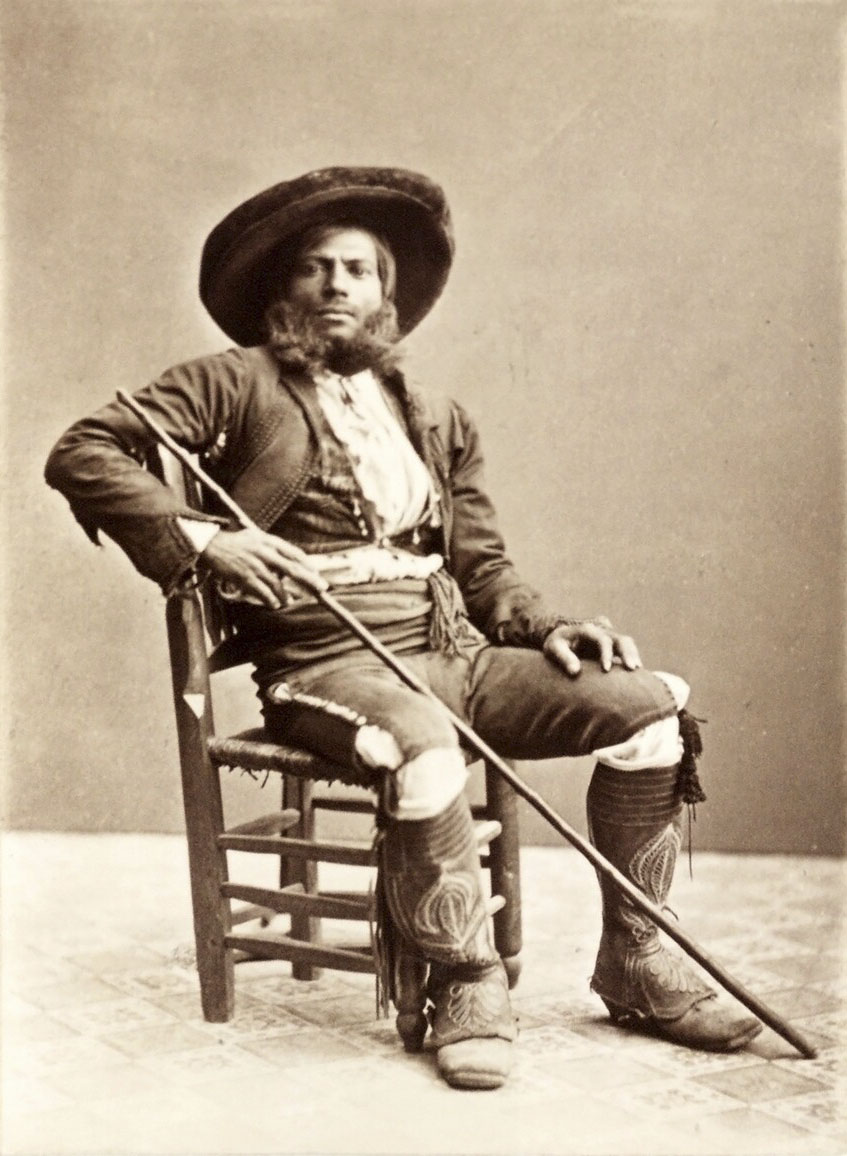
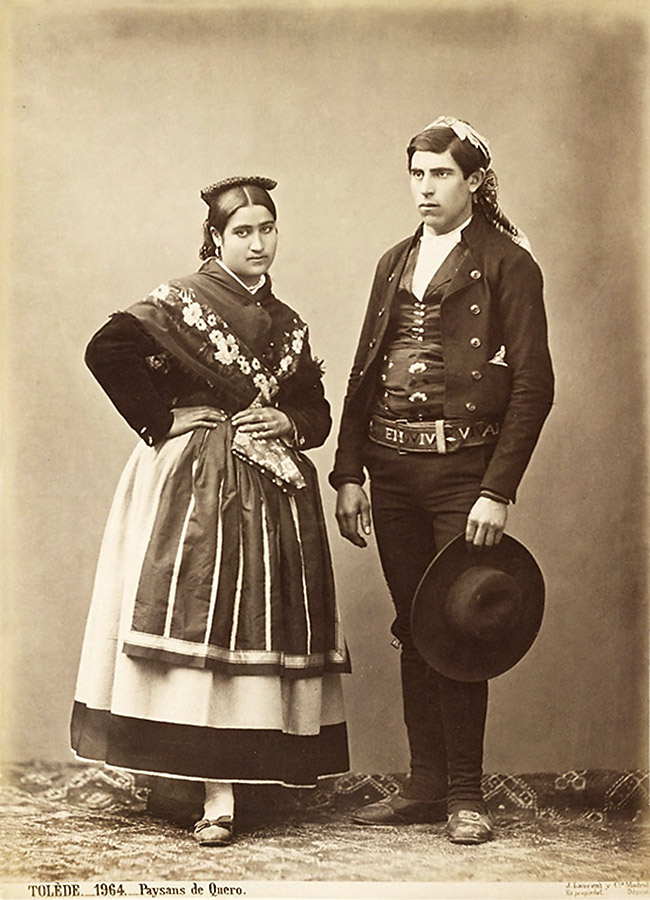
Juan Laurent (1816-1886, photographer) Inhabitants of Quero, Toledo Province 1878 in Burgos, Madrid, Toledo, Escorial, Cordoba y Sevilla (1878/1890), plate 58 from album of 103 albumen silver photographs Madrid: J. Laurent (firm) National Gallery of Art Library, Department of Image Collections
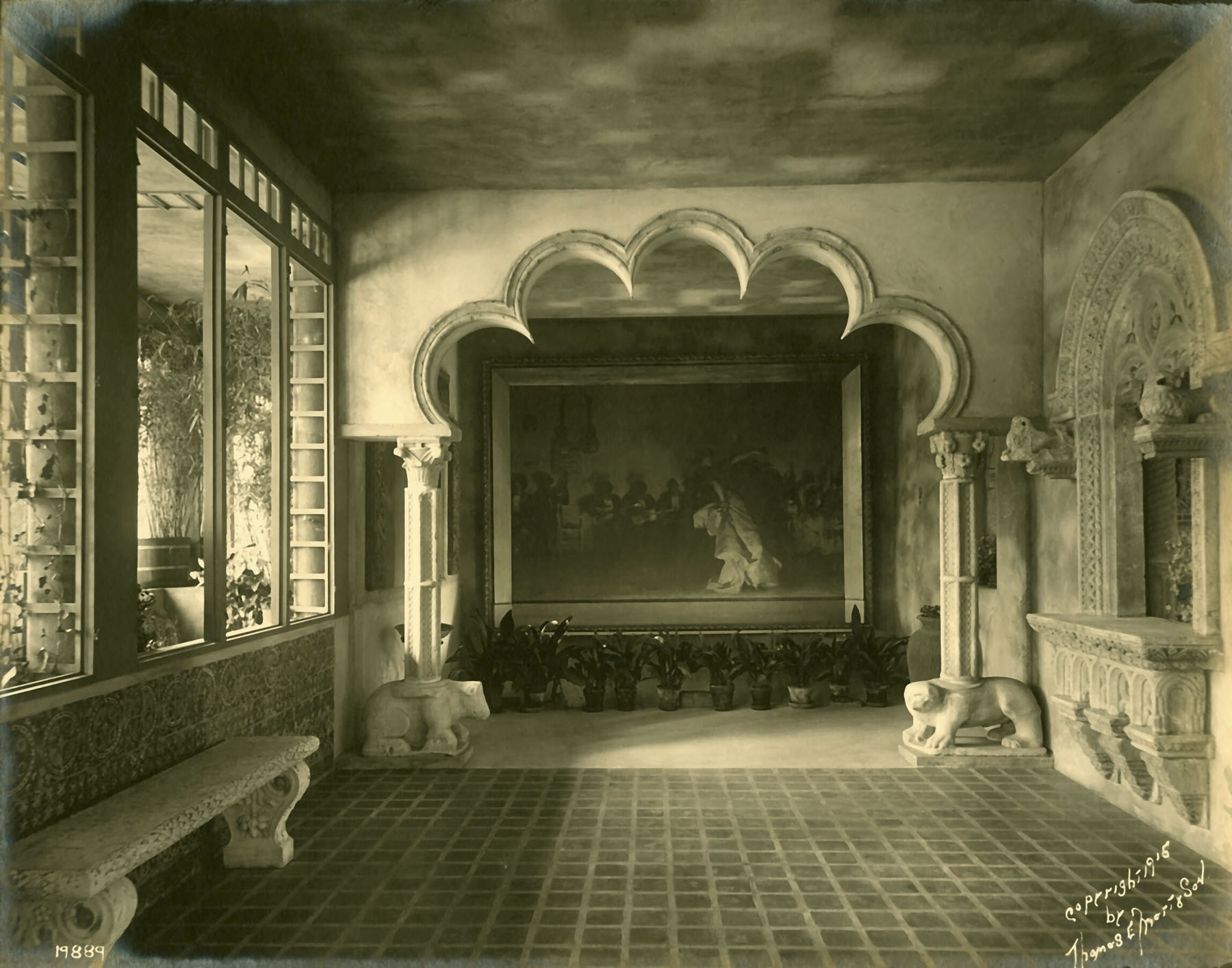
T. E. Mott (active 1910s – 1920s, photographer) John Singer Sargent’s “El Jaleo” (1882) in the Spanish Cloister, Fenway Court c. 1922 Gelatin silver DOP photograph from an album of 55 views of the Isabella Stewart Gardner Museum, Boston Boston: Thomas E. Mott & Son (firm) National Gallery of Art Library, Department of Image Collections
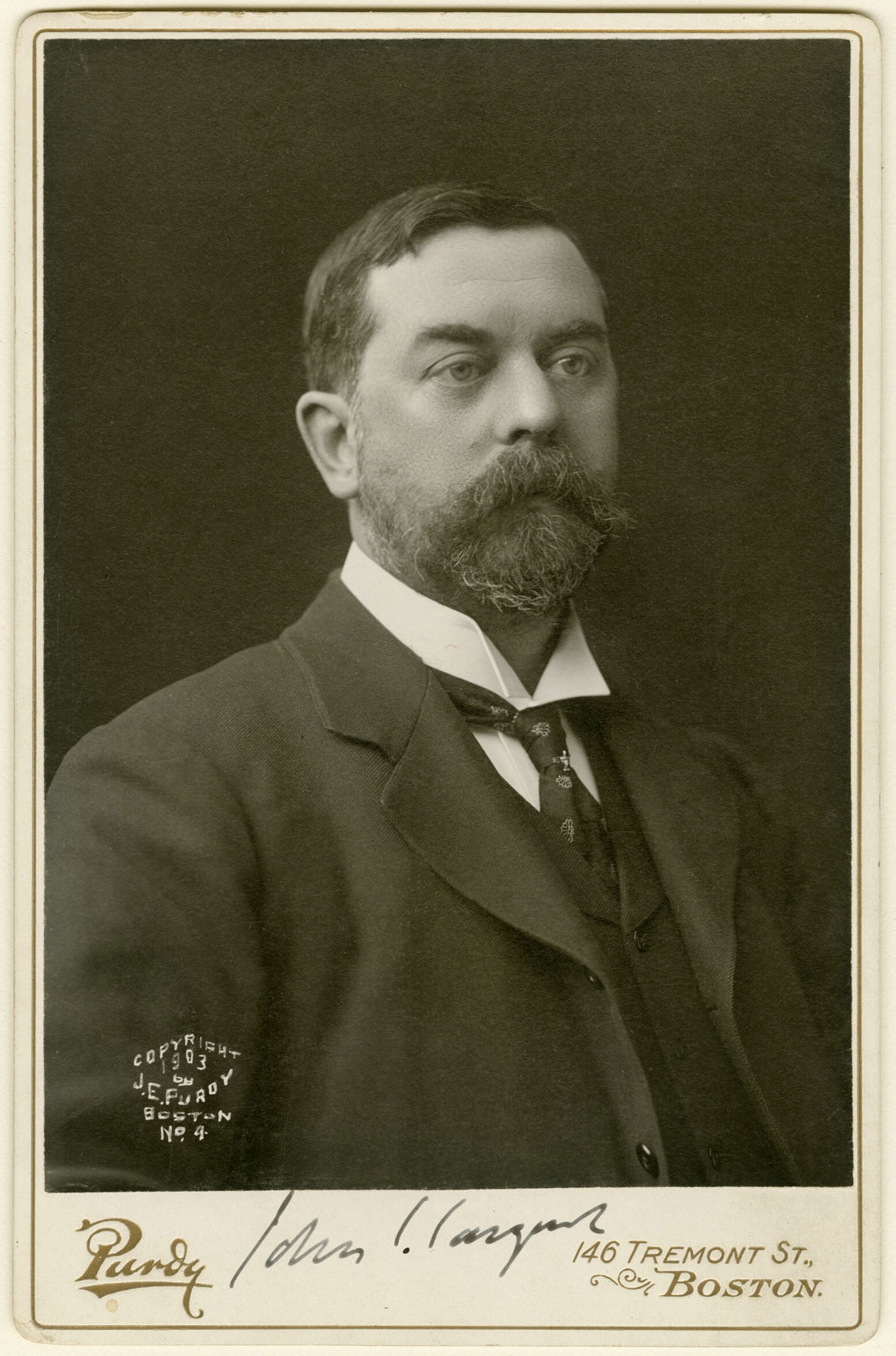
J. E. Purdy (1859-1933, photographer) John Singer Sargent 1903 Cabinet card-mounted gelatin silver DOP photograph Boston: J. E. Purdy (firm) National Gallery of Art Library, Department of Image Collections Hertzmann Collection of Photographs of American Artists
National Gallery of Art National Mall between 3rd and 7th Streets Constitution Avenue NW, Washington
At the moment I’m still recovering from my appendicitis operation… slowly, slowly.
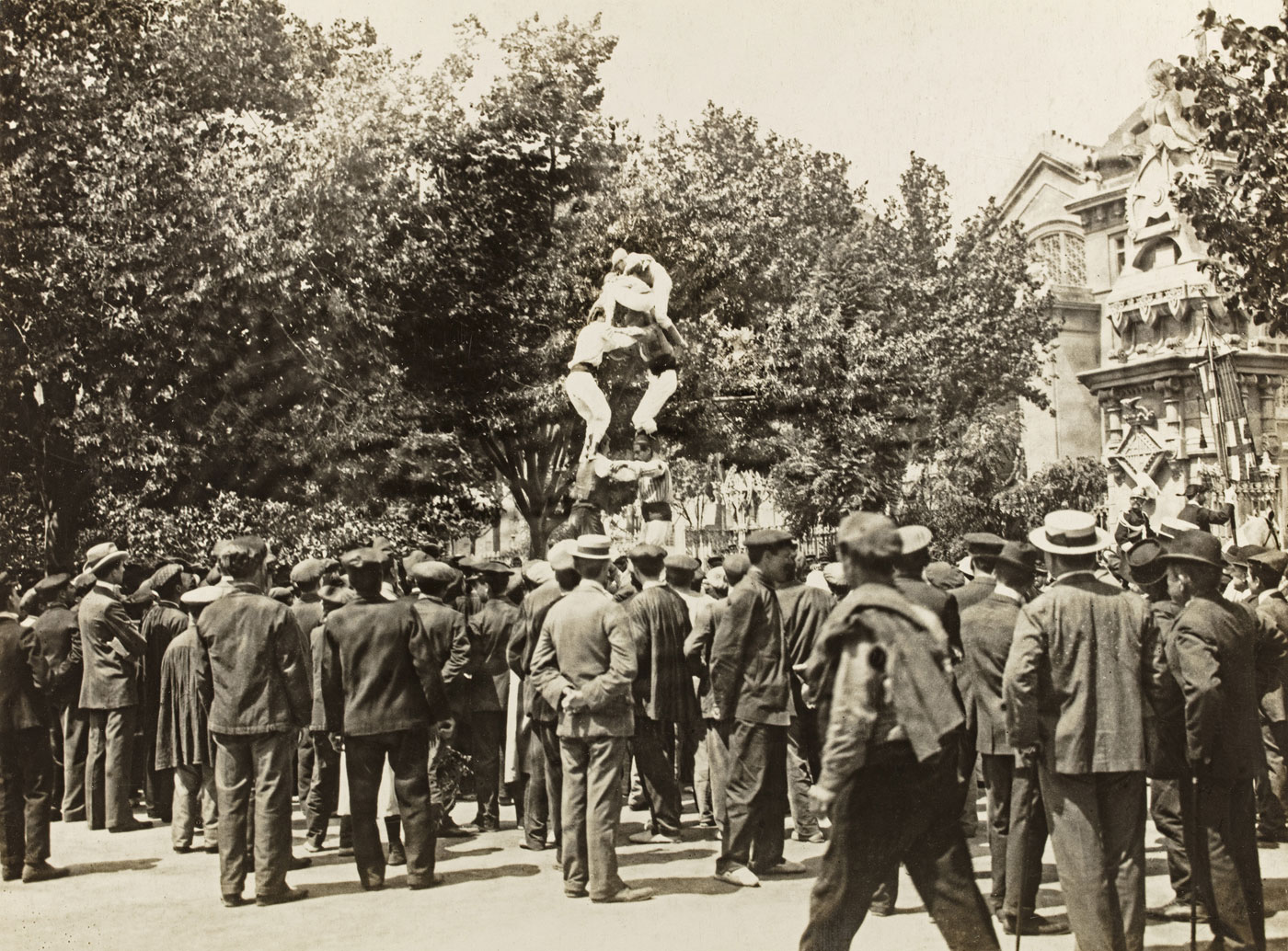
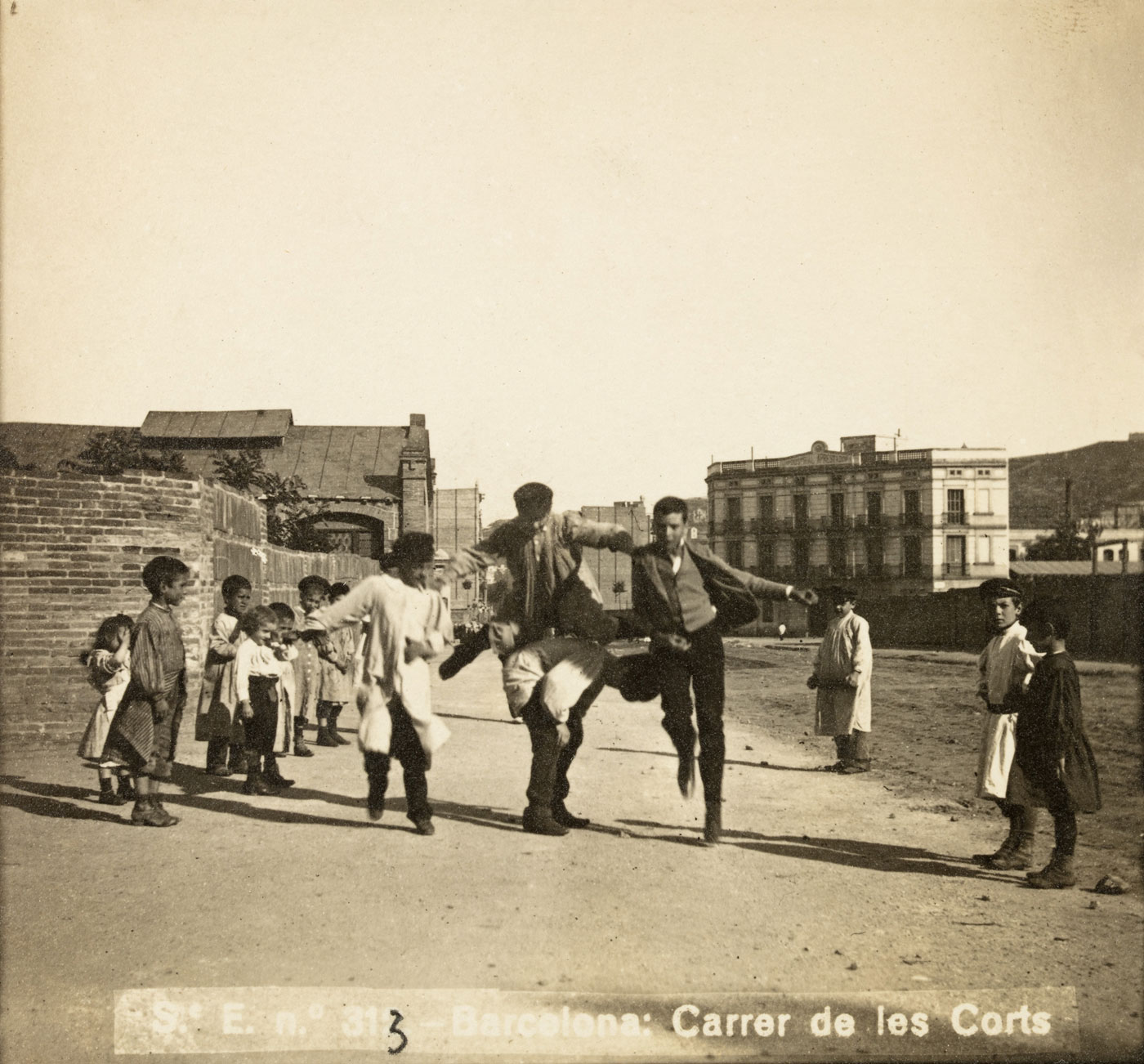
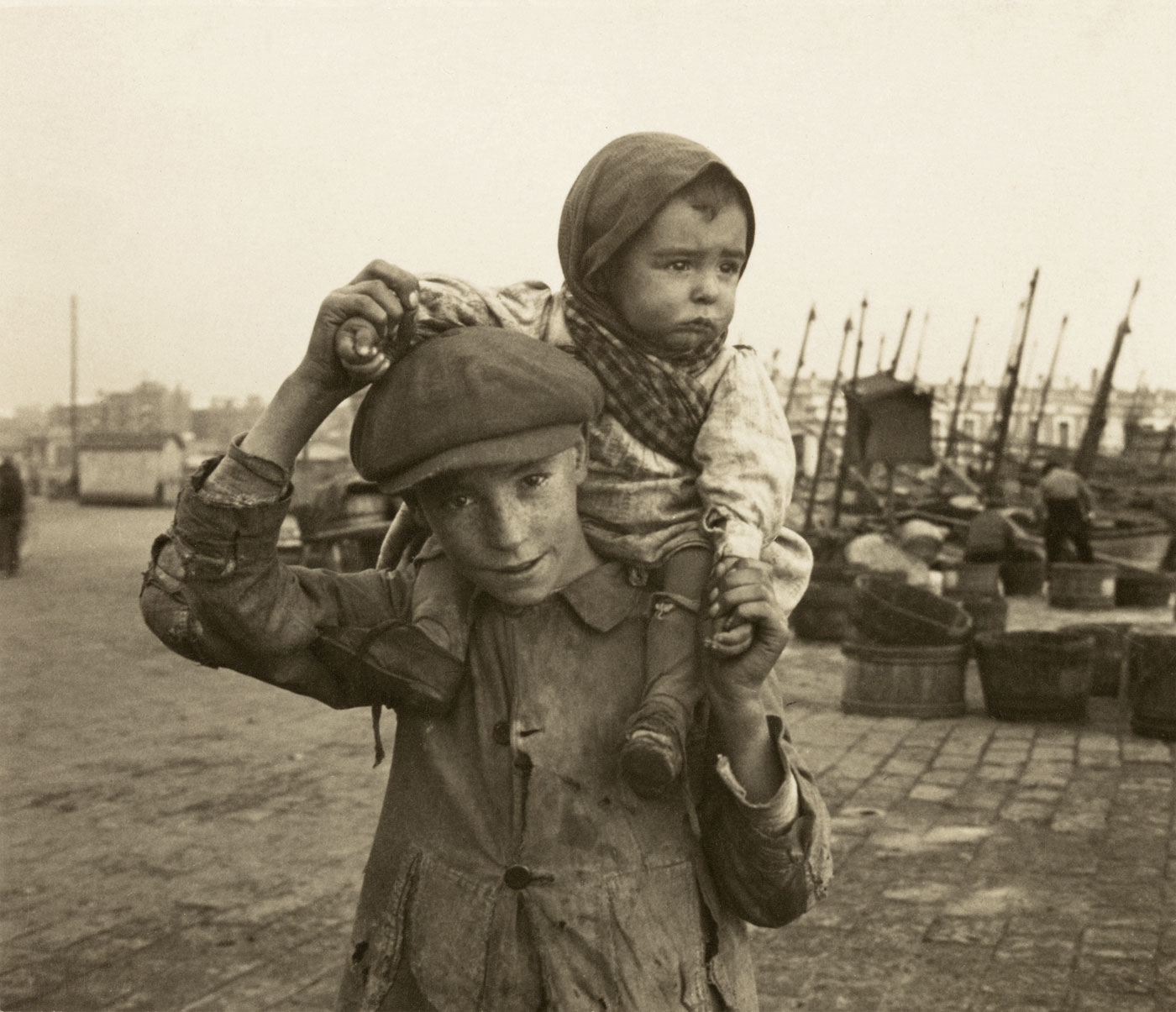
While Adolf Mas is certainly not in the league of the great Eugène Atget in terms of his importance to the history of art photography1, nor are his photographs of Barcelona to the standard of the latter’s “records of a rare and subtle perception” – vis a vis Atget’s subtle placement of the camera and his visionary, almost hallucinatory, renditions of Old Paris – the documentary photographs by Mas of the old and new city have a certain, stimulating, viscerality to them (a quality of being related to the physical as opposed to the virtual or imaginary world or reality).
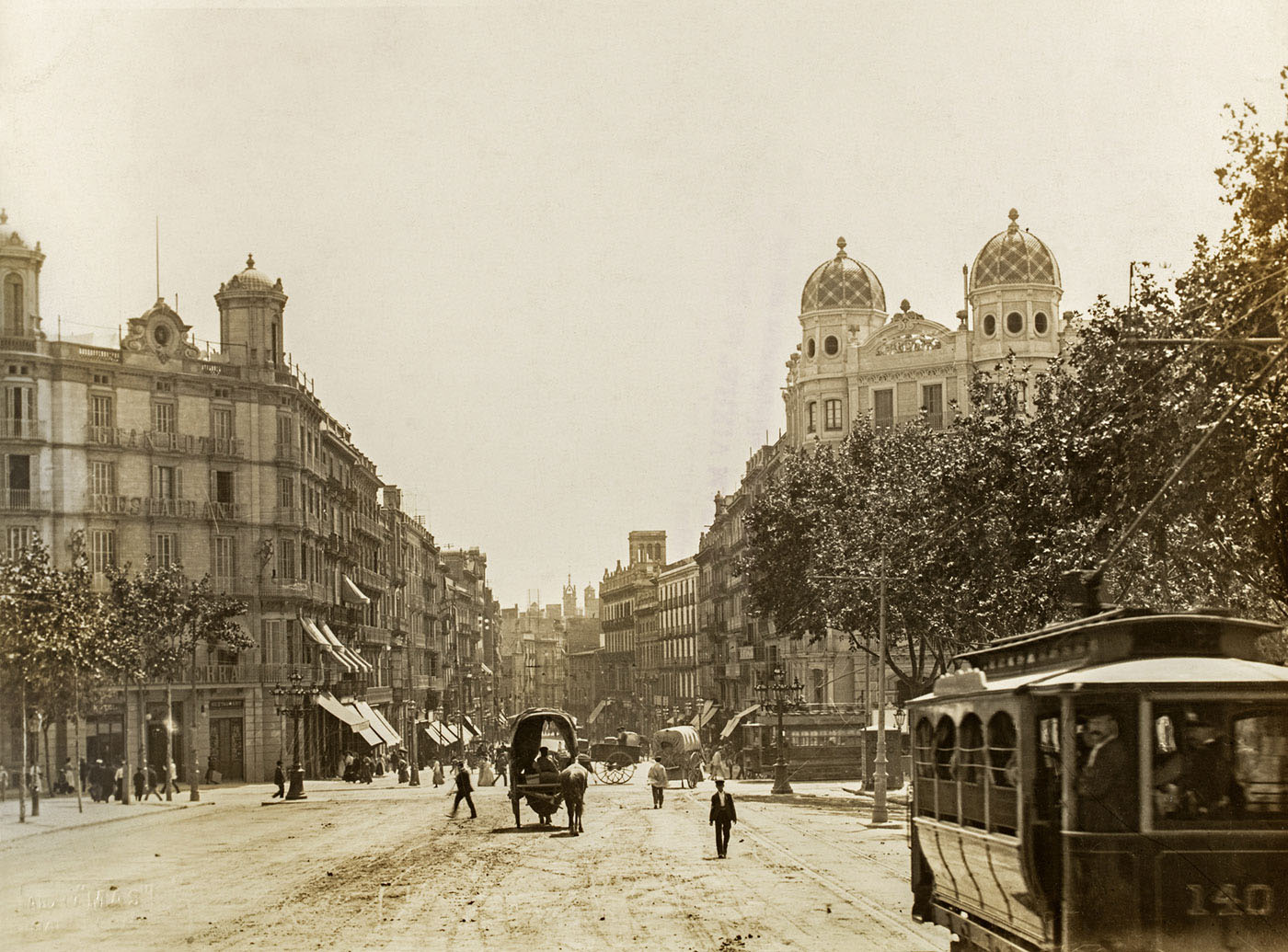
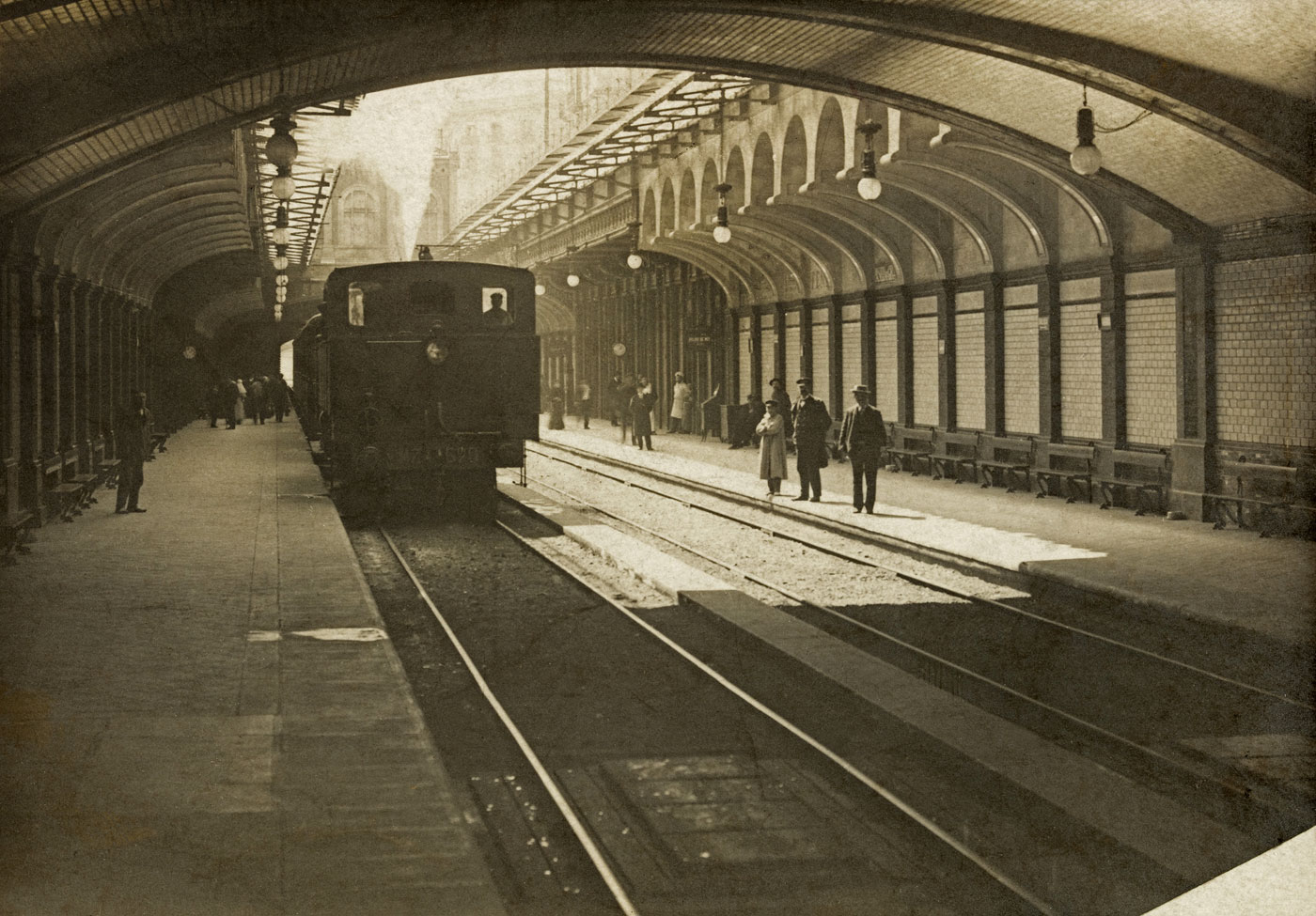
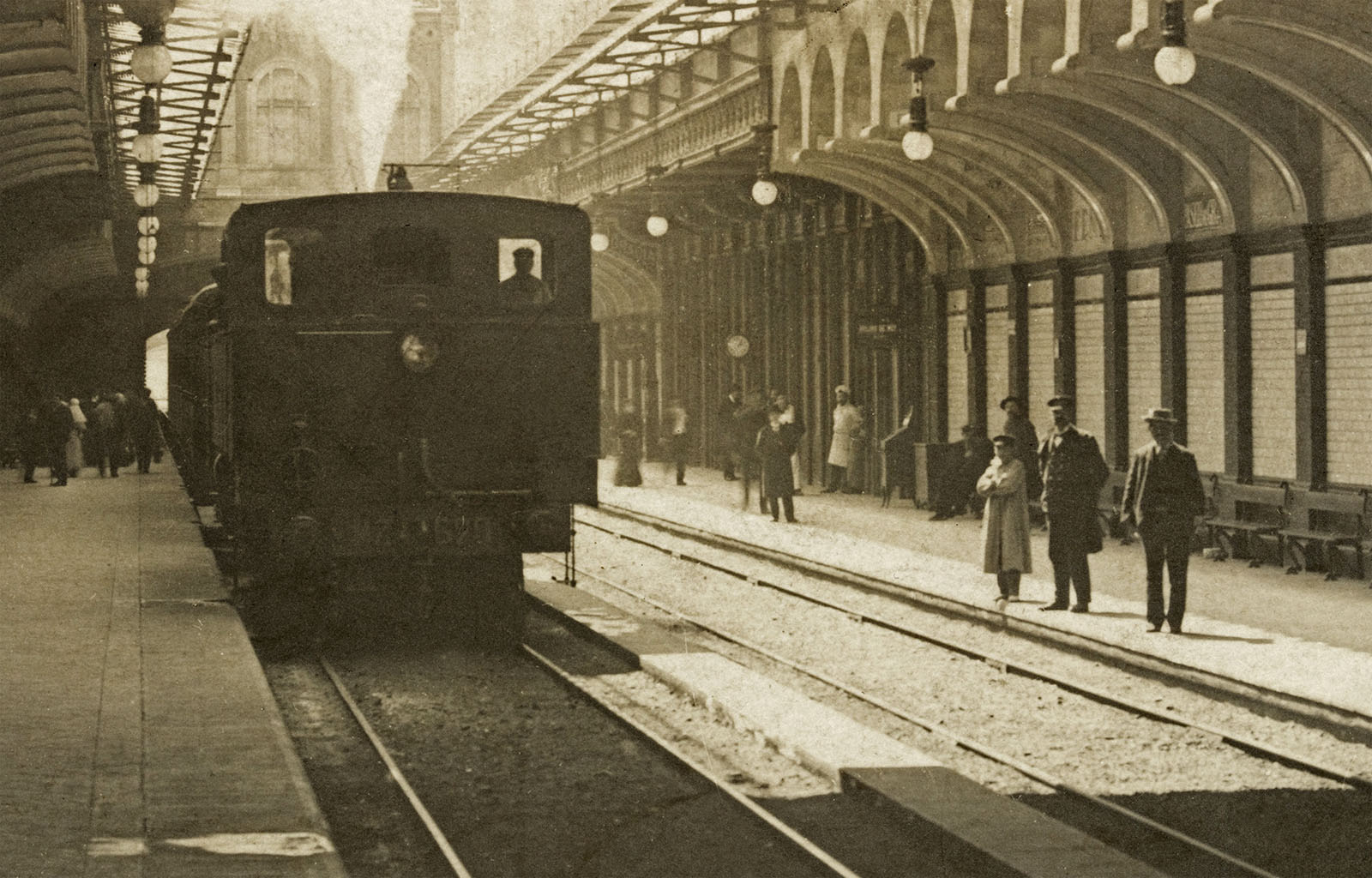
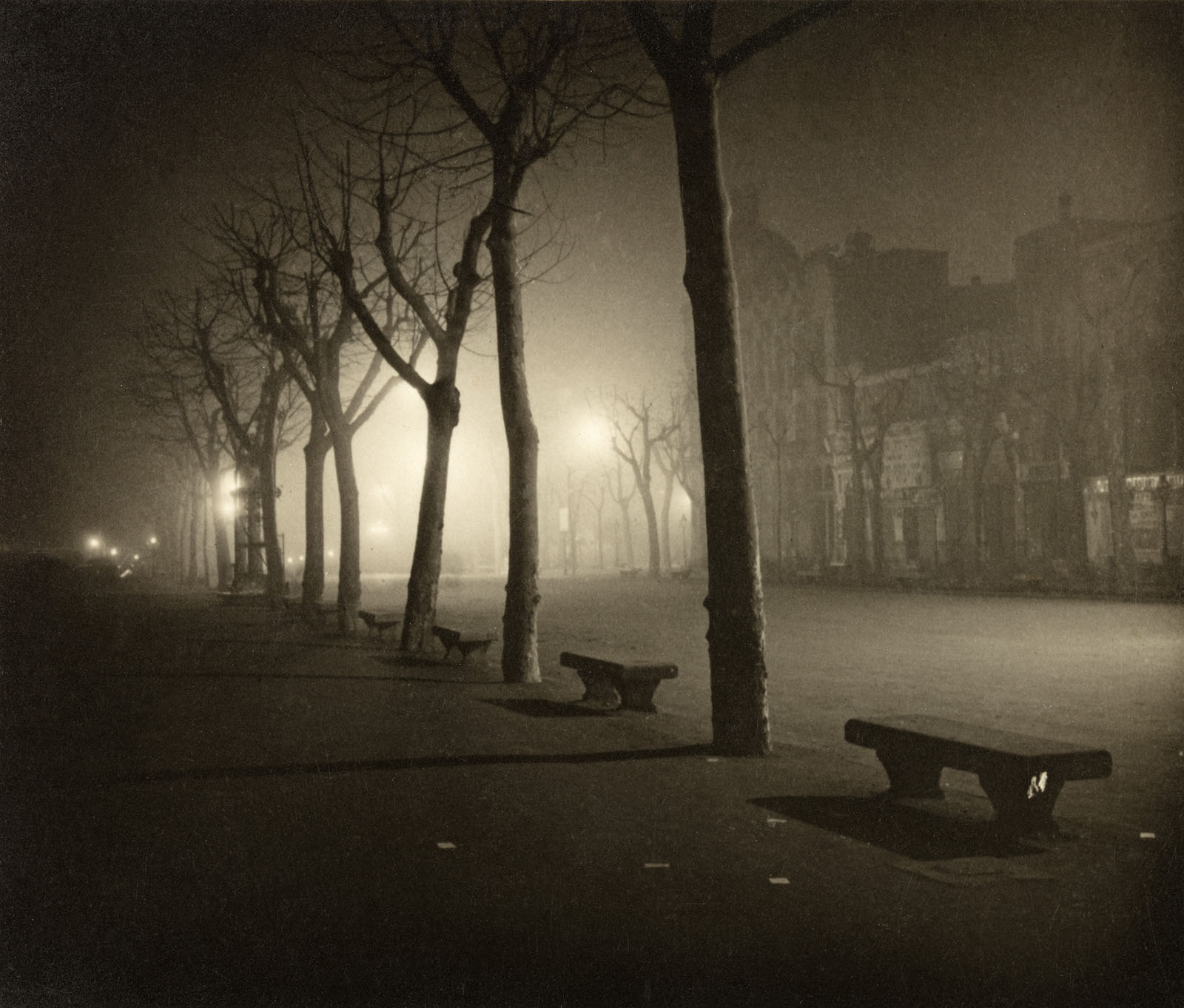
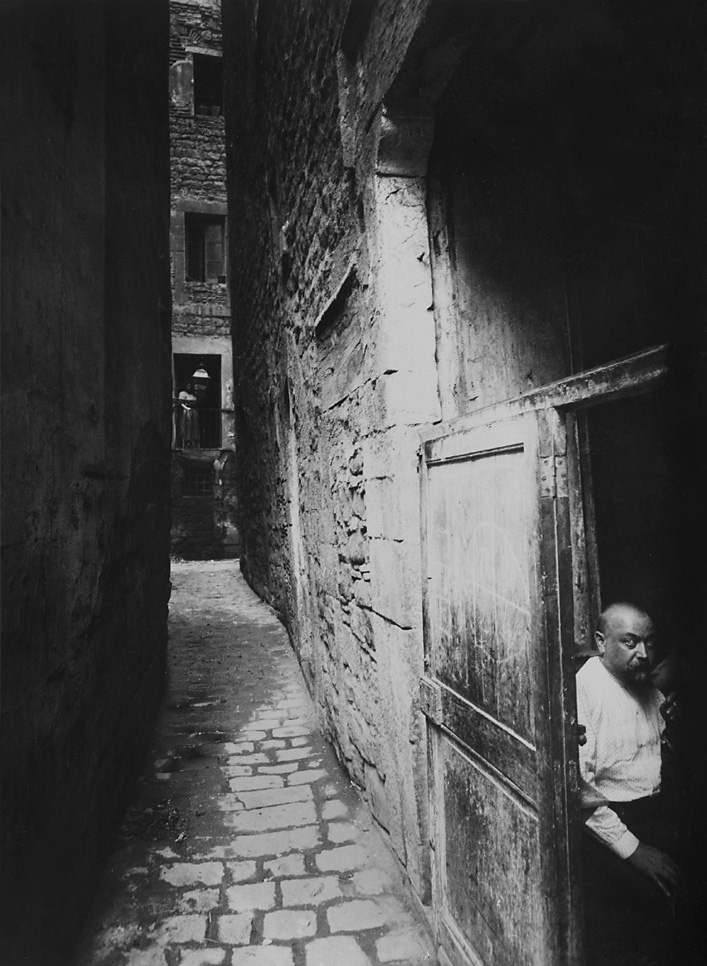
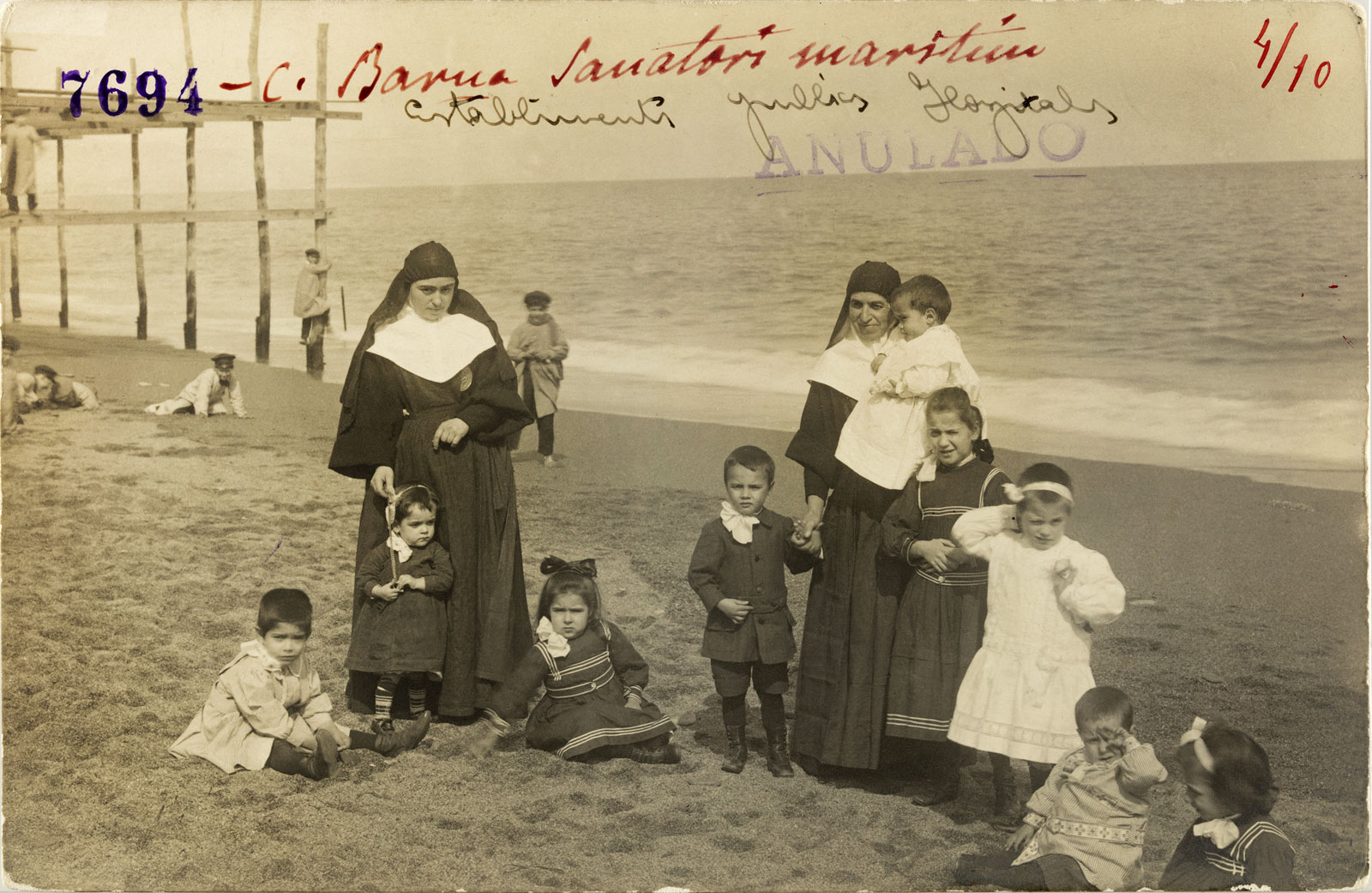
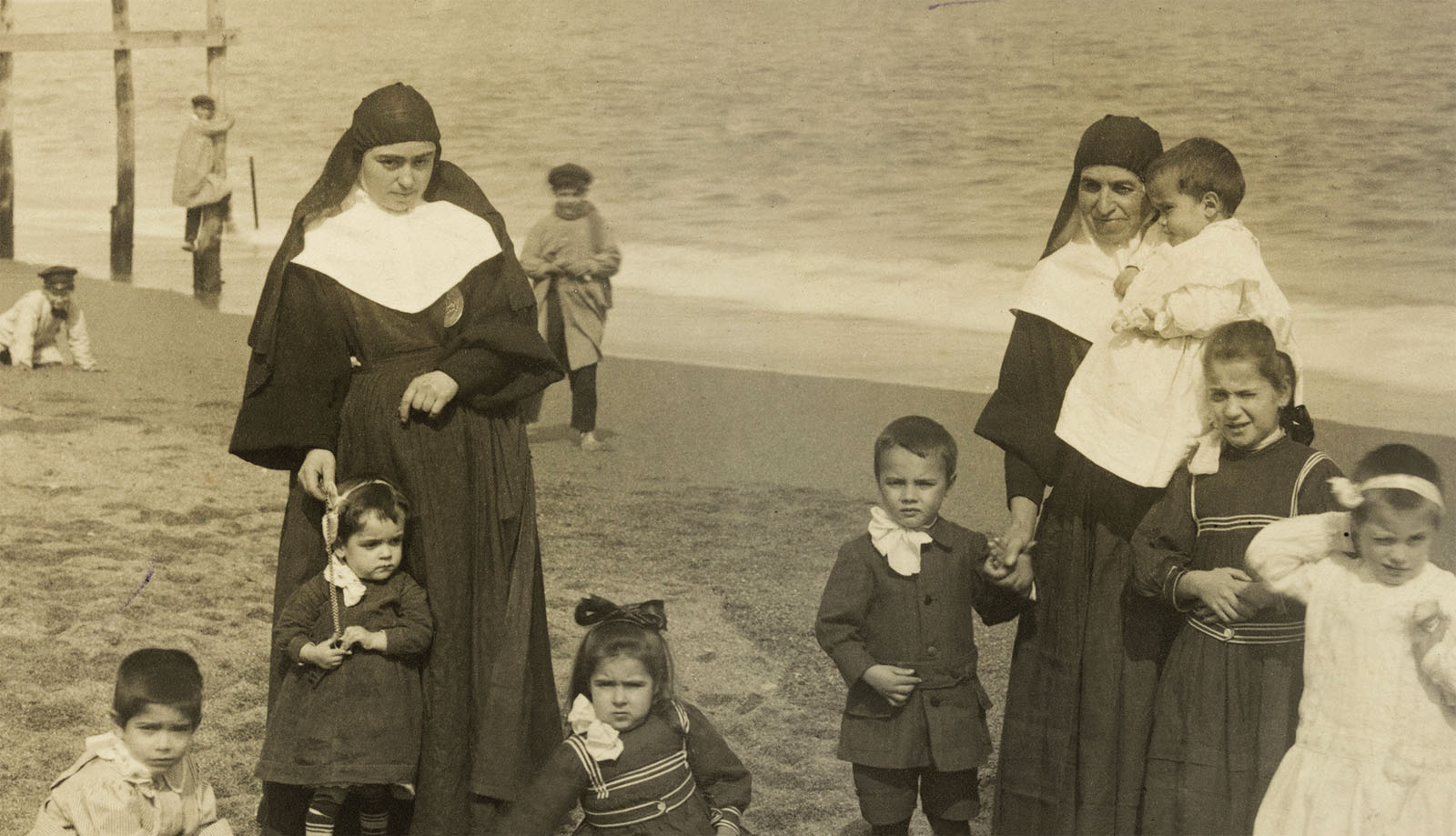
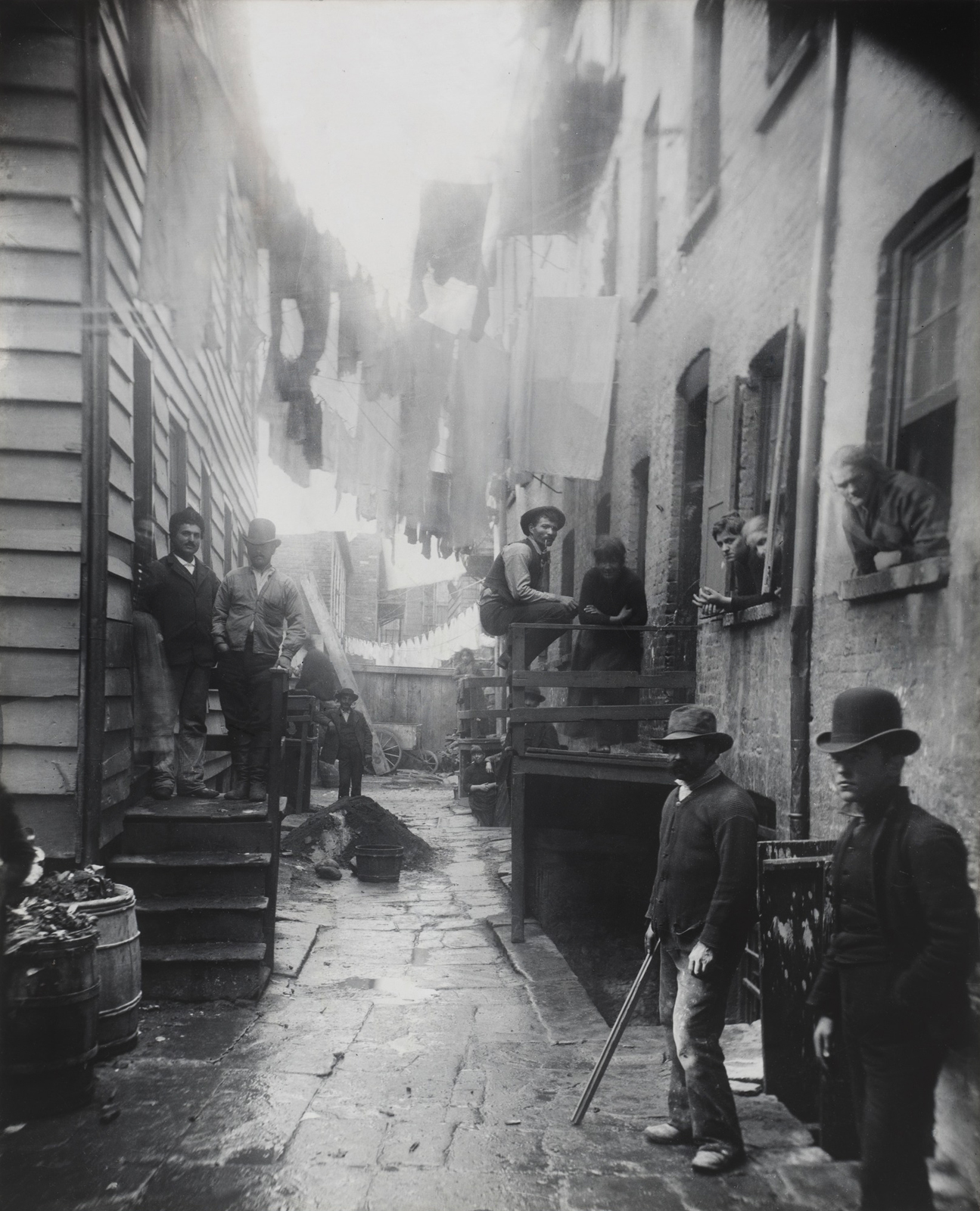
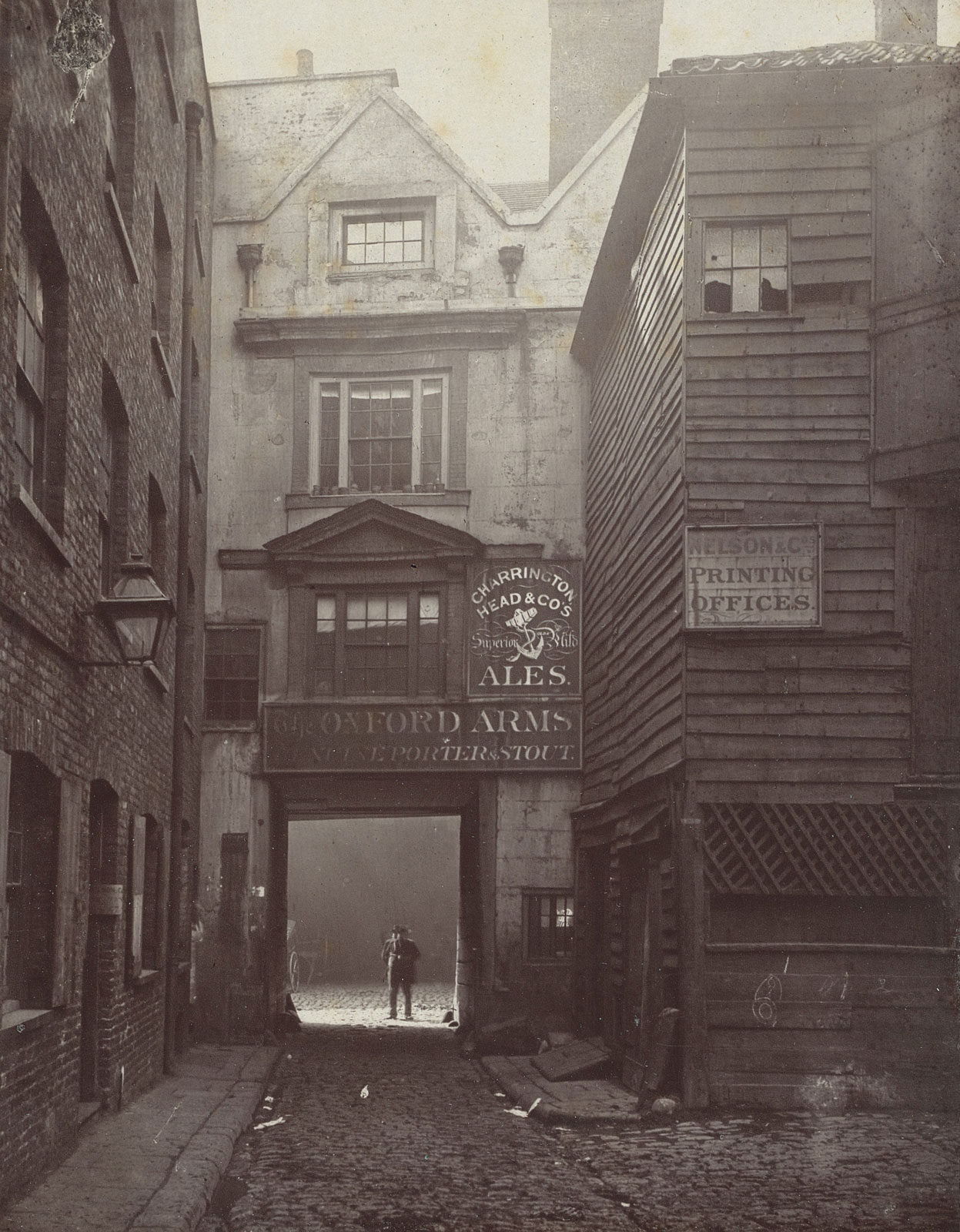
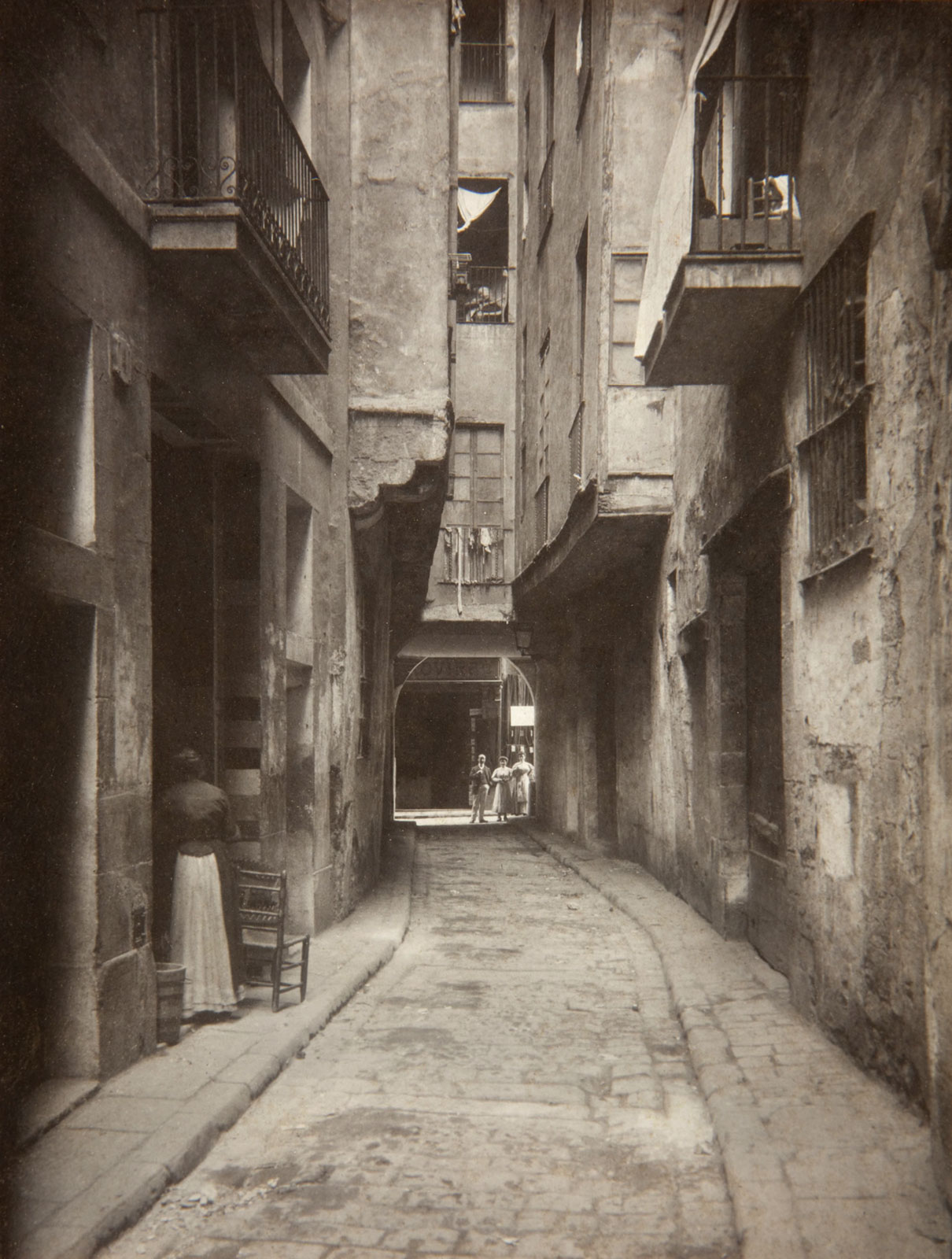
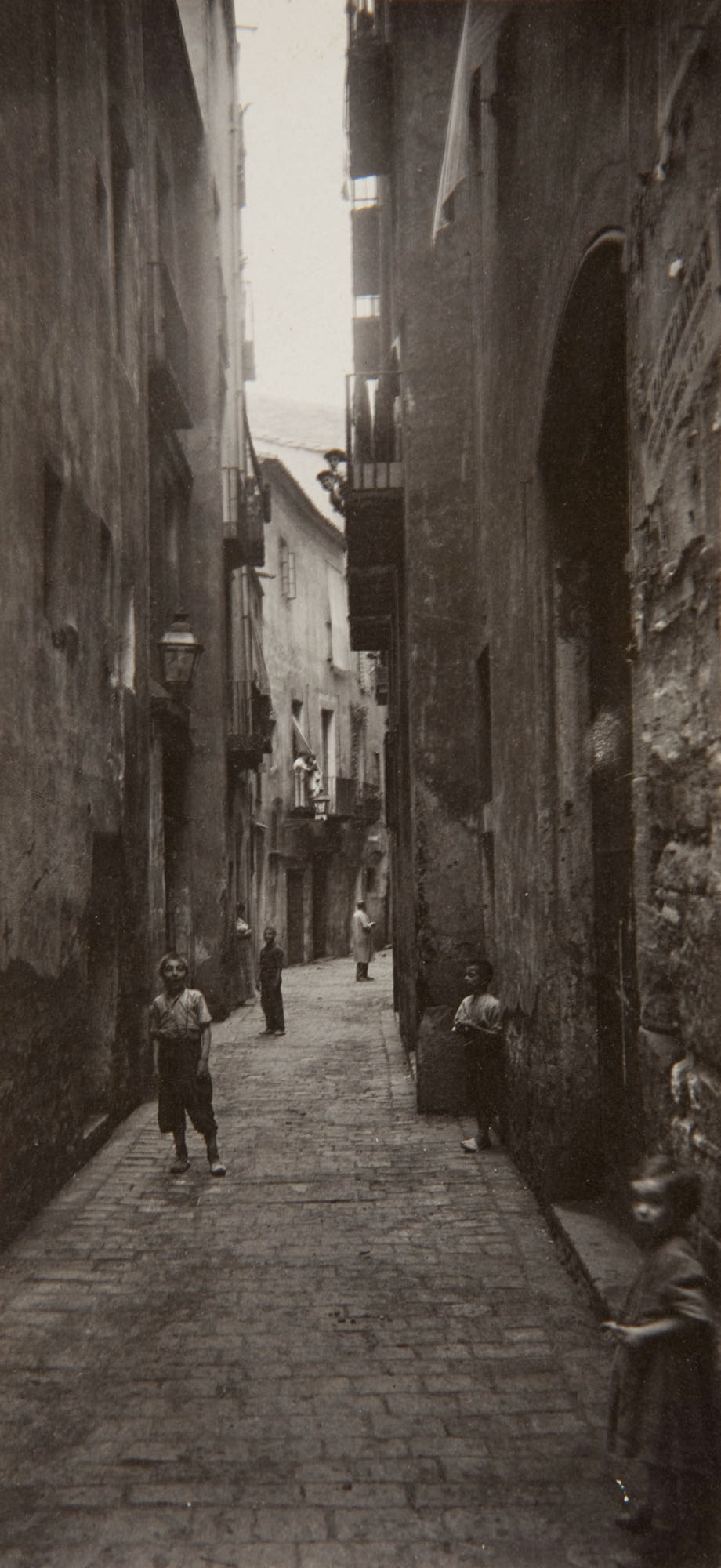
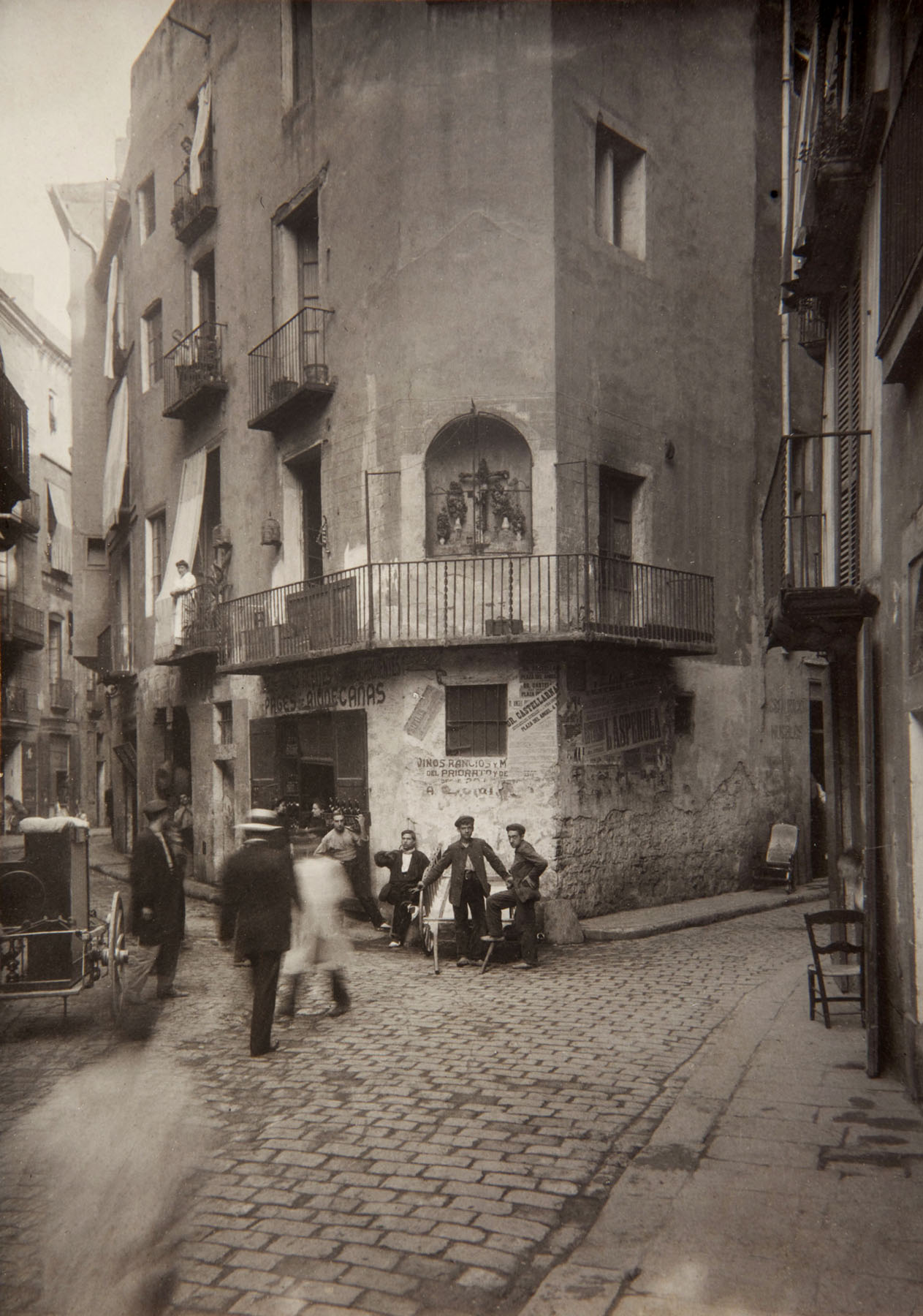
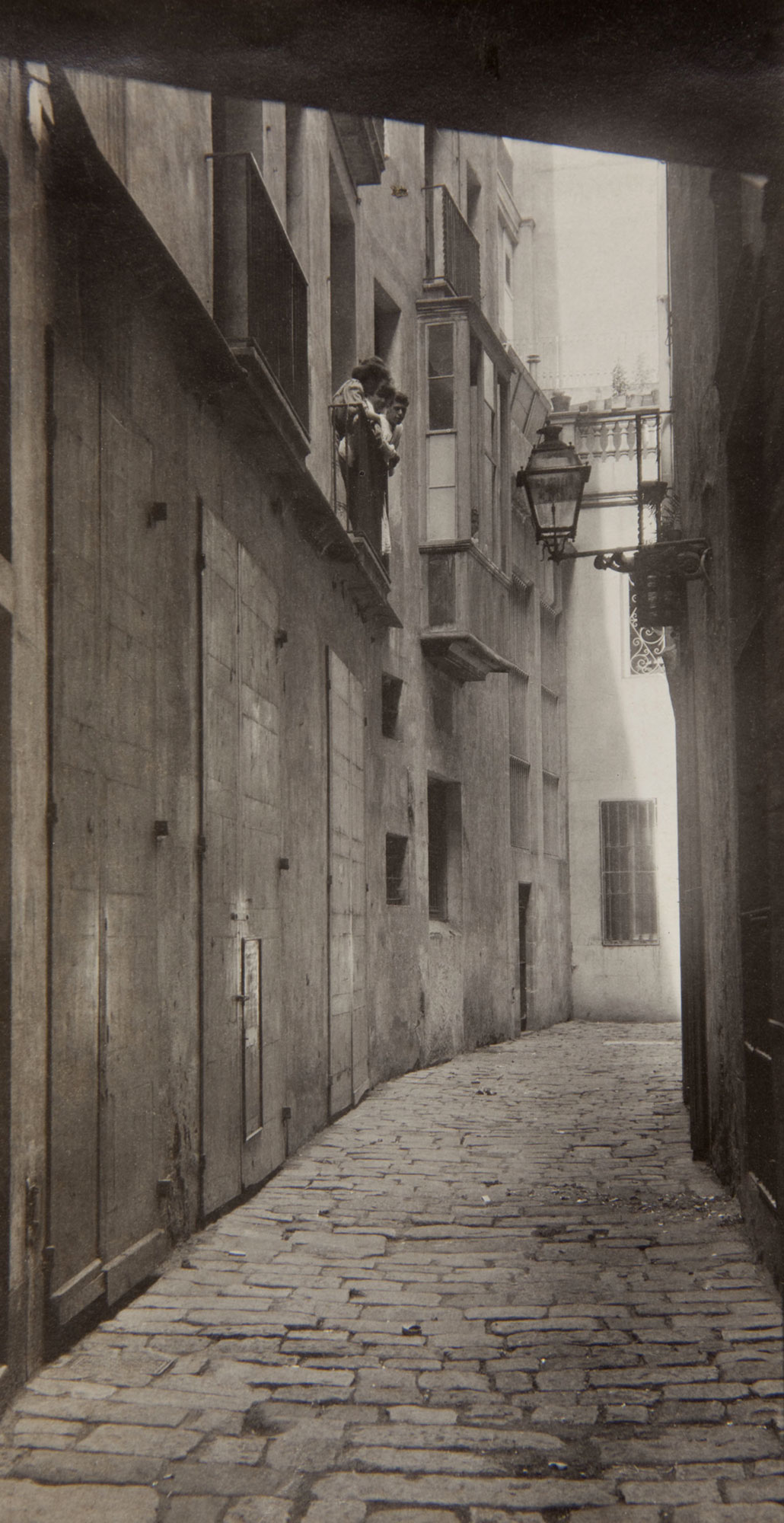
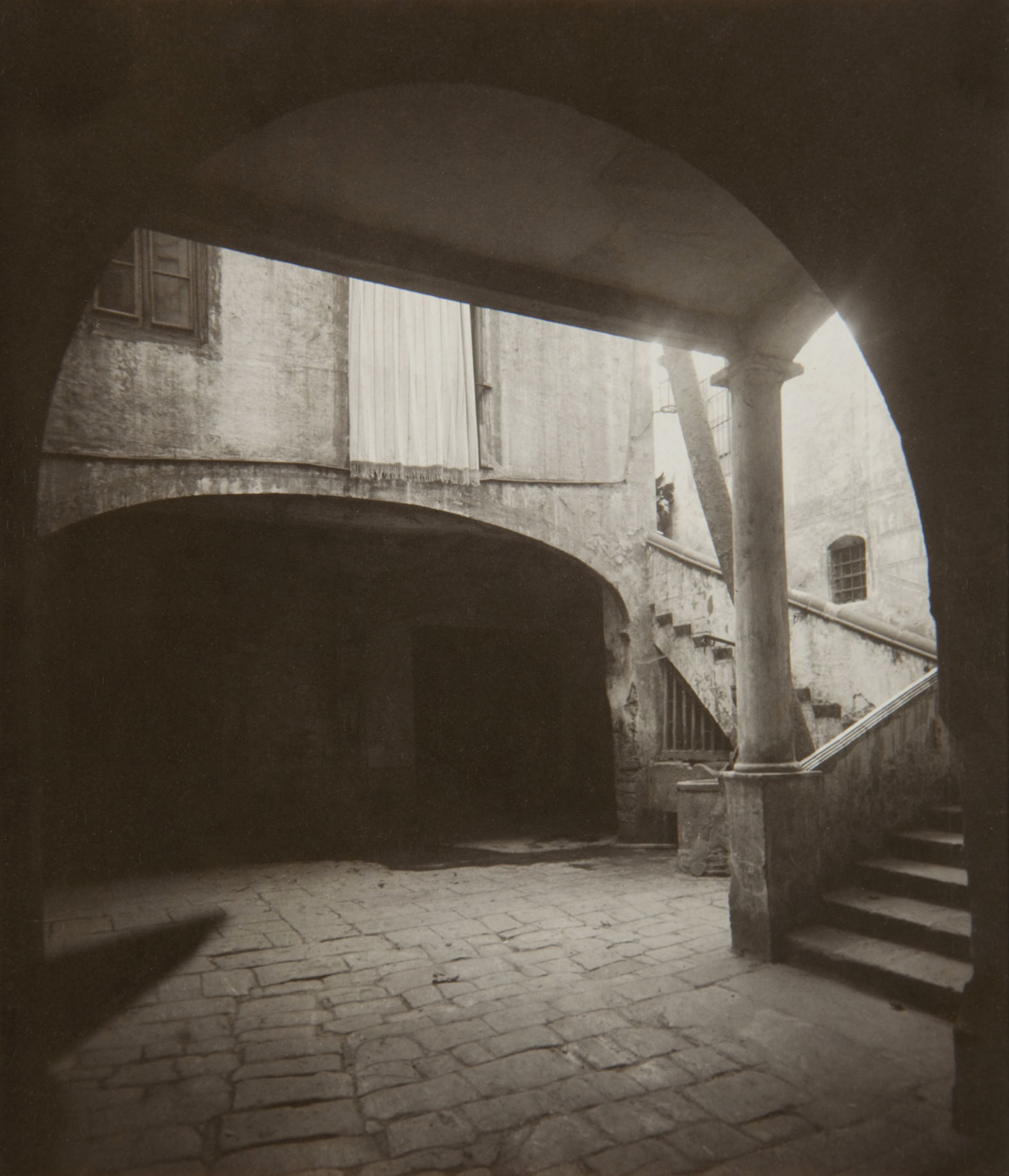
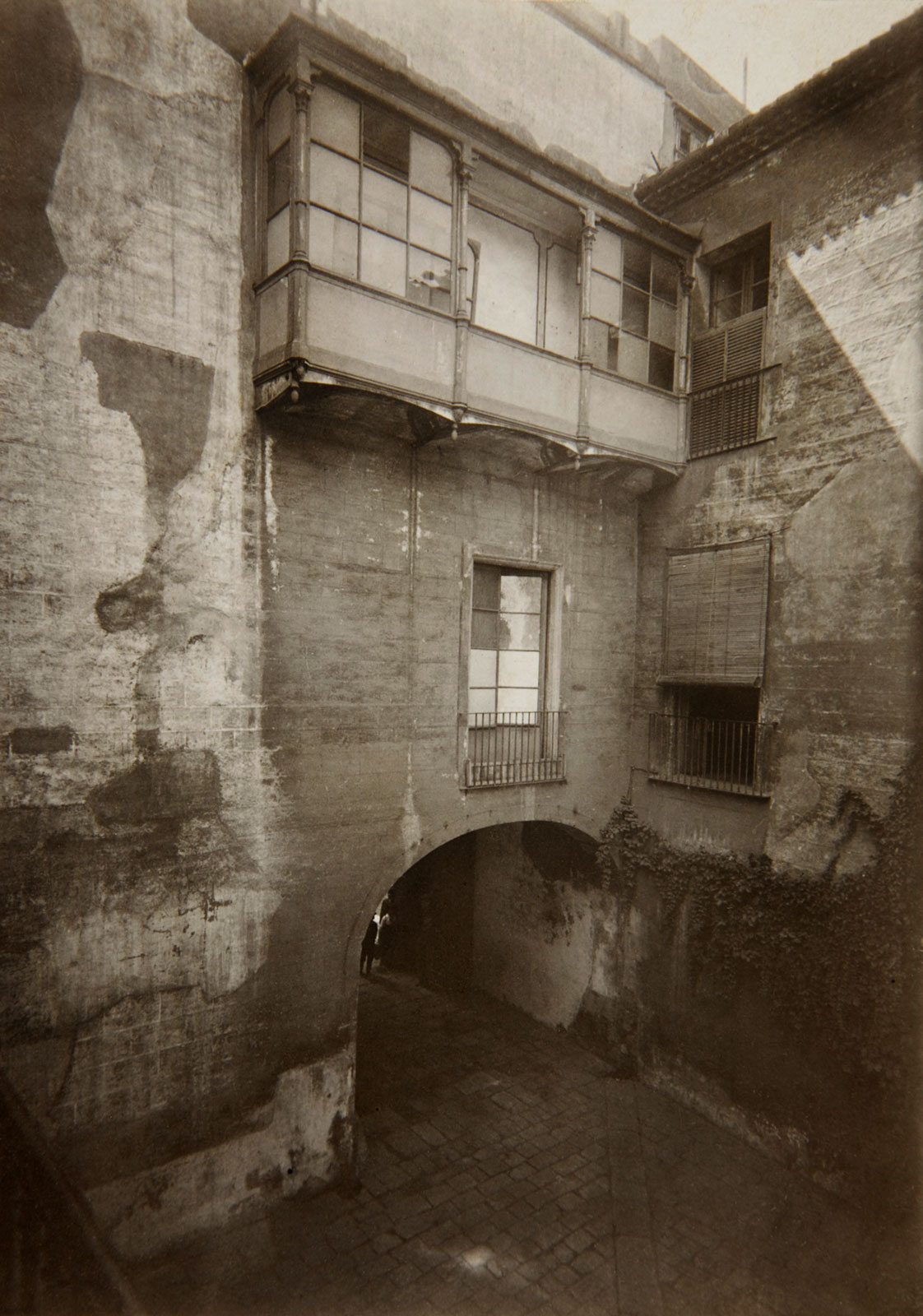
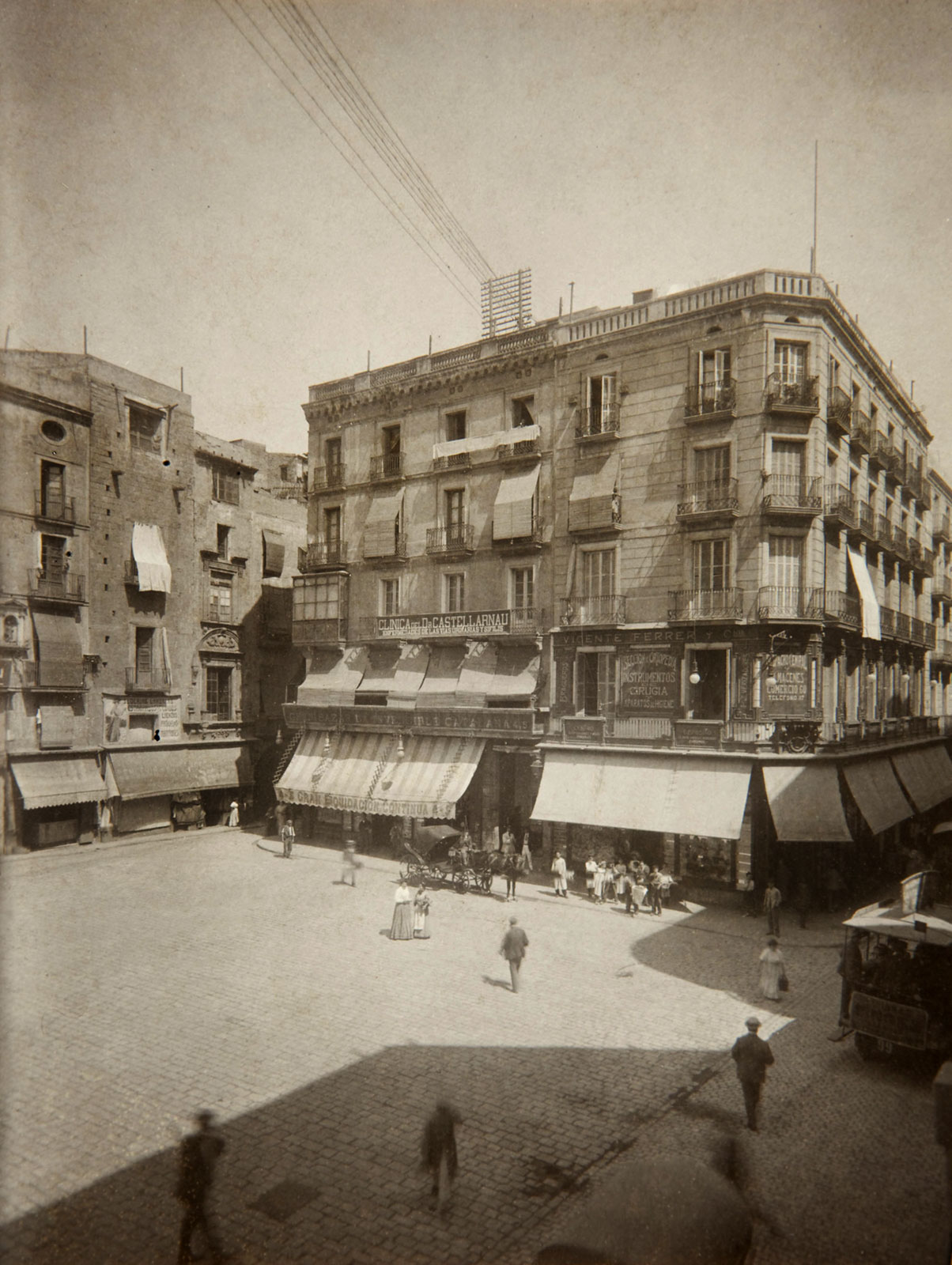
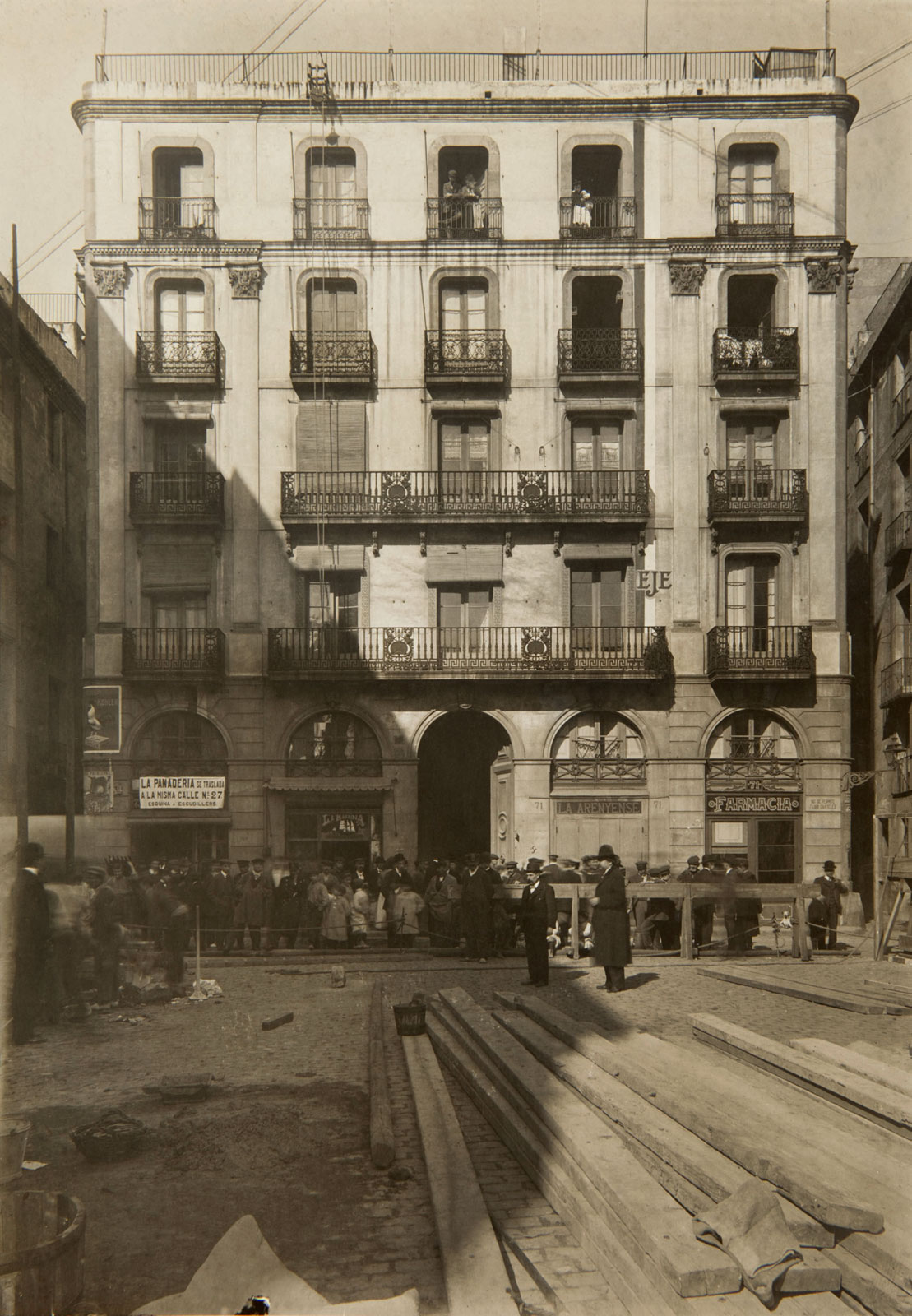
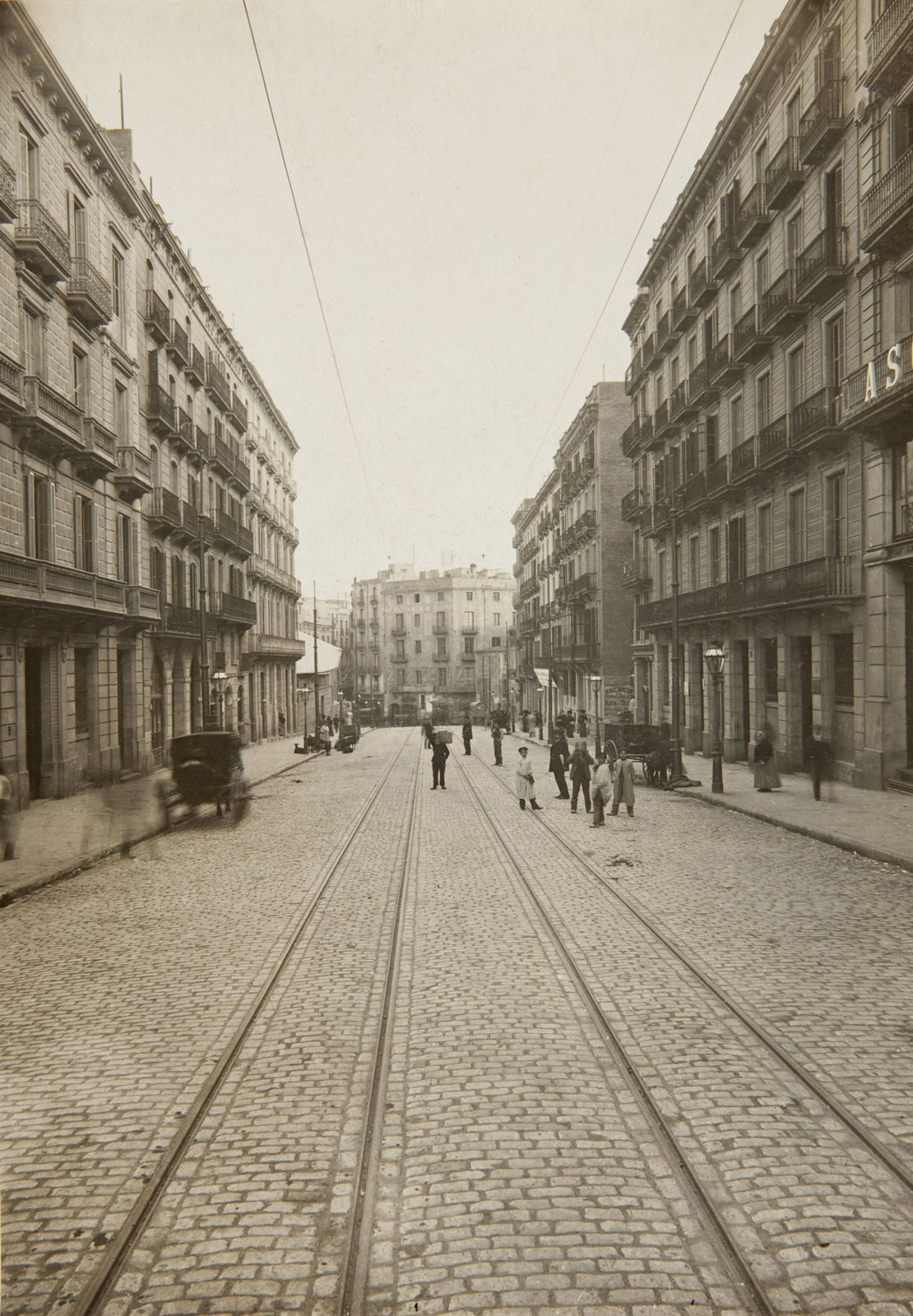
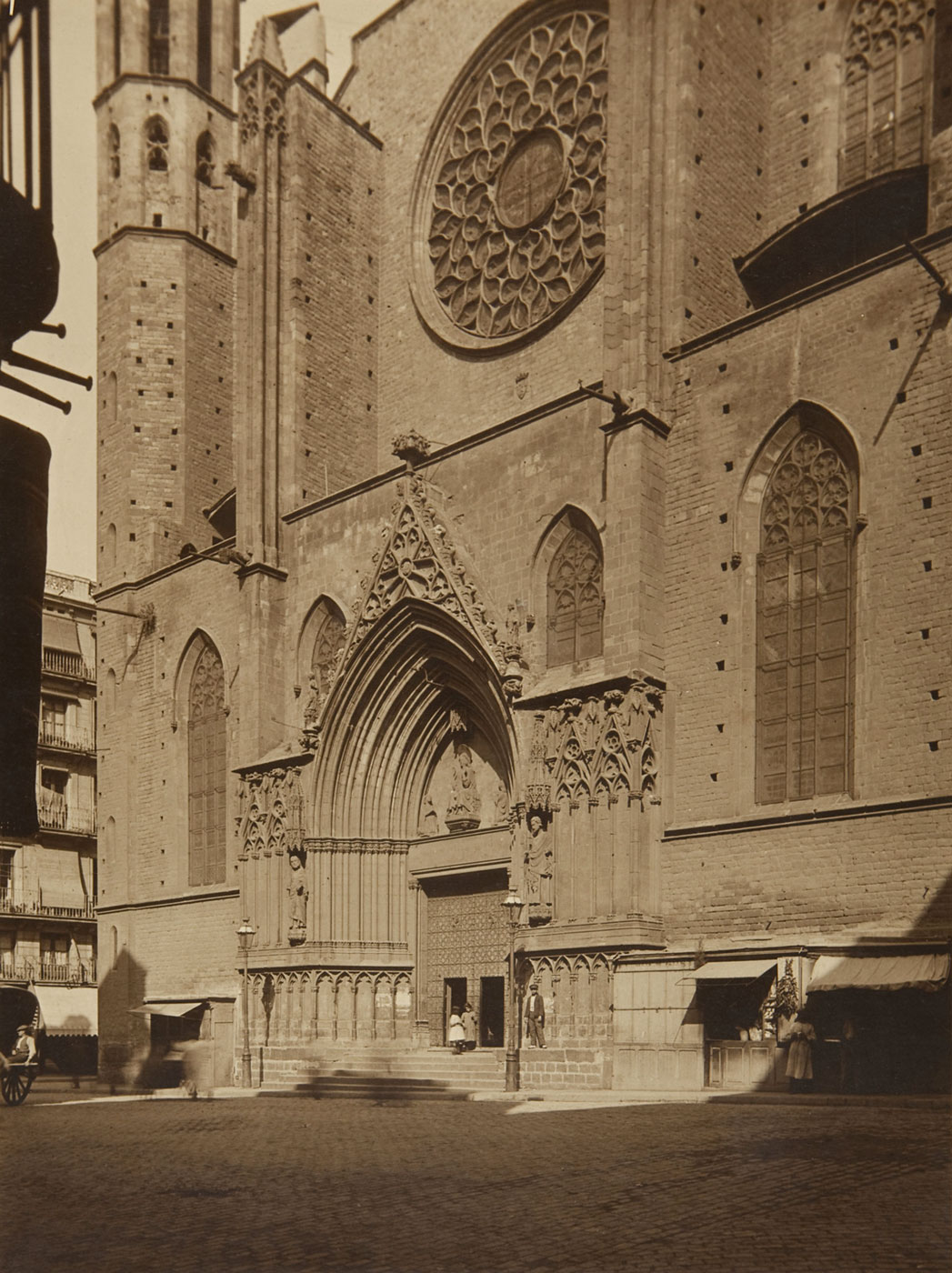
Unlike Atget’s photographs of a deserted Paris, it is wonderful to see Mas’ early photographs of Barcelona grounded in the people who lived in the city: playing games, watching entertainment, waiting for a train and, in groups (mainly children), watching the performance of the photographer with unabashed inquisitiveness. Mas’ city photographs are more reminiscent of the photographs of an earlier era (notably those of the Danish-American social documentary photographer Jacob Riis and those taken by the photographers of the Society for Photographing Relics of Old London directed by Alfred Marks) than those of Atget. They are direct and frontal but still possess a delightful “atmosphere”. Just look at the light in Carrer del Sant Crist de l’Argenteria des del carrer Argenteria (before 1911, below) and Pati de la casa núm. 25 del carrer dels Mercaders (before 1911, below) and tell me this man didn’t know his business.
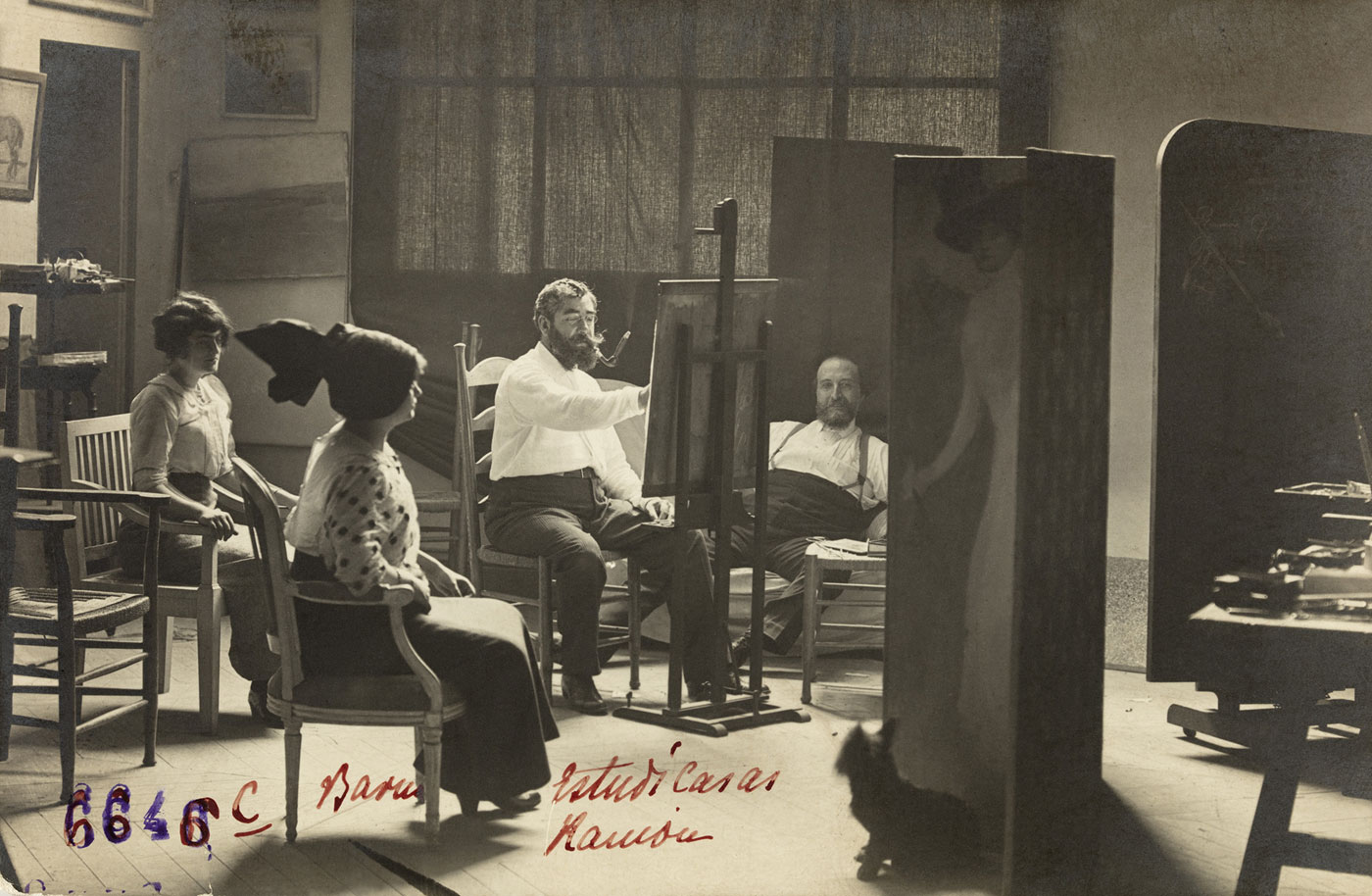
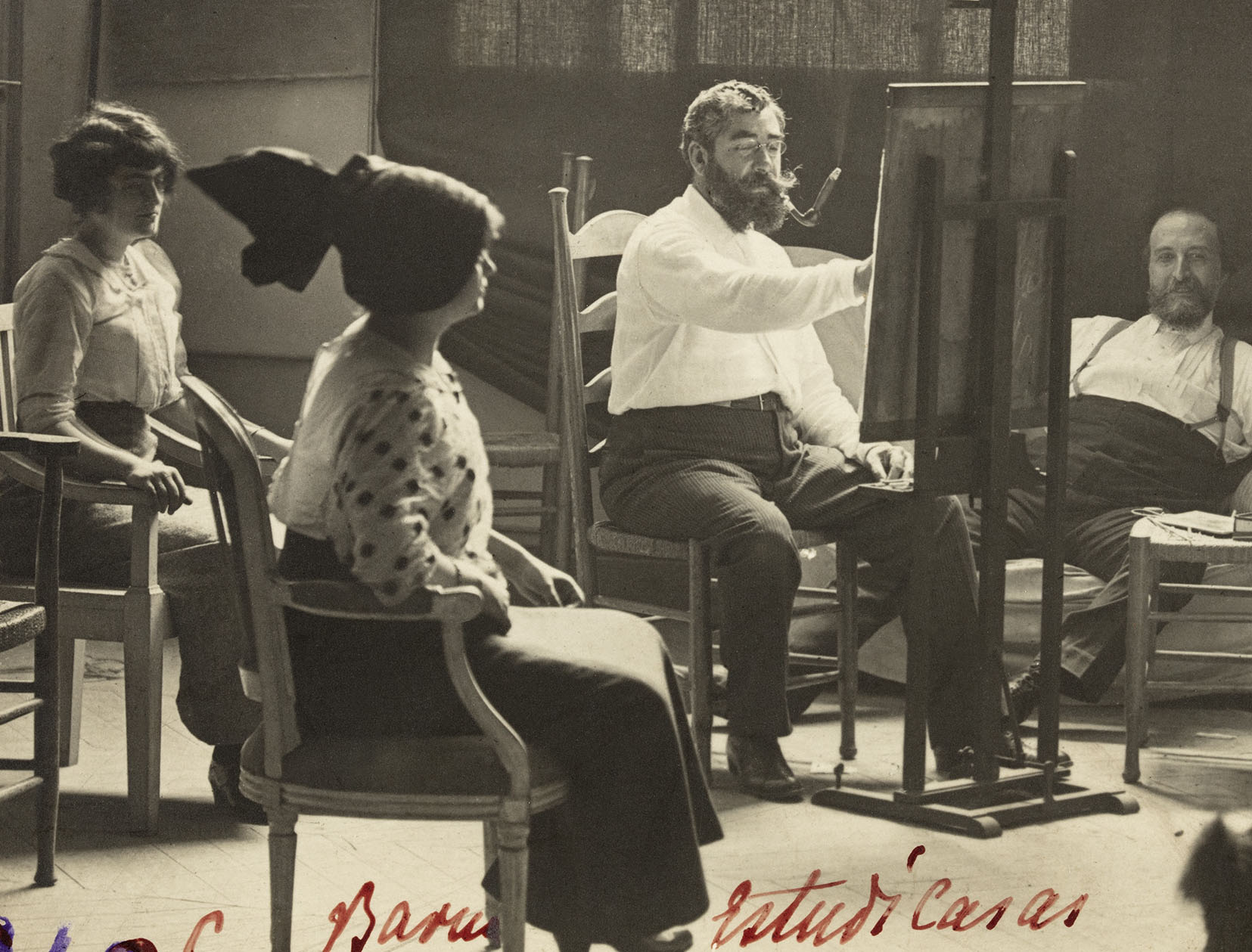
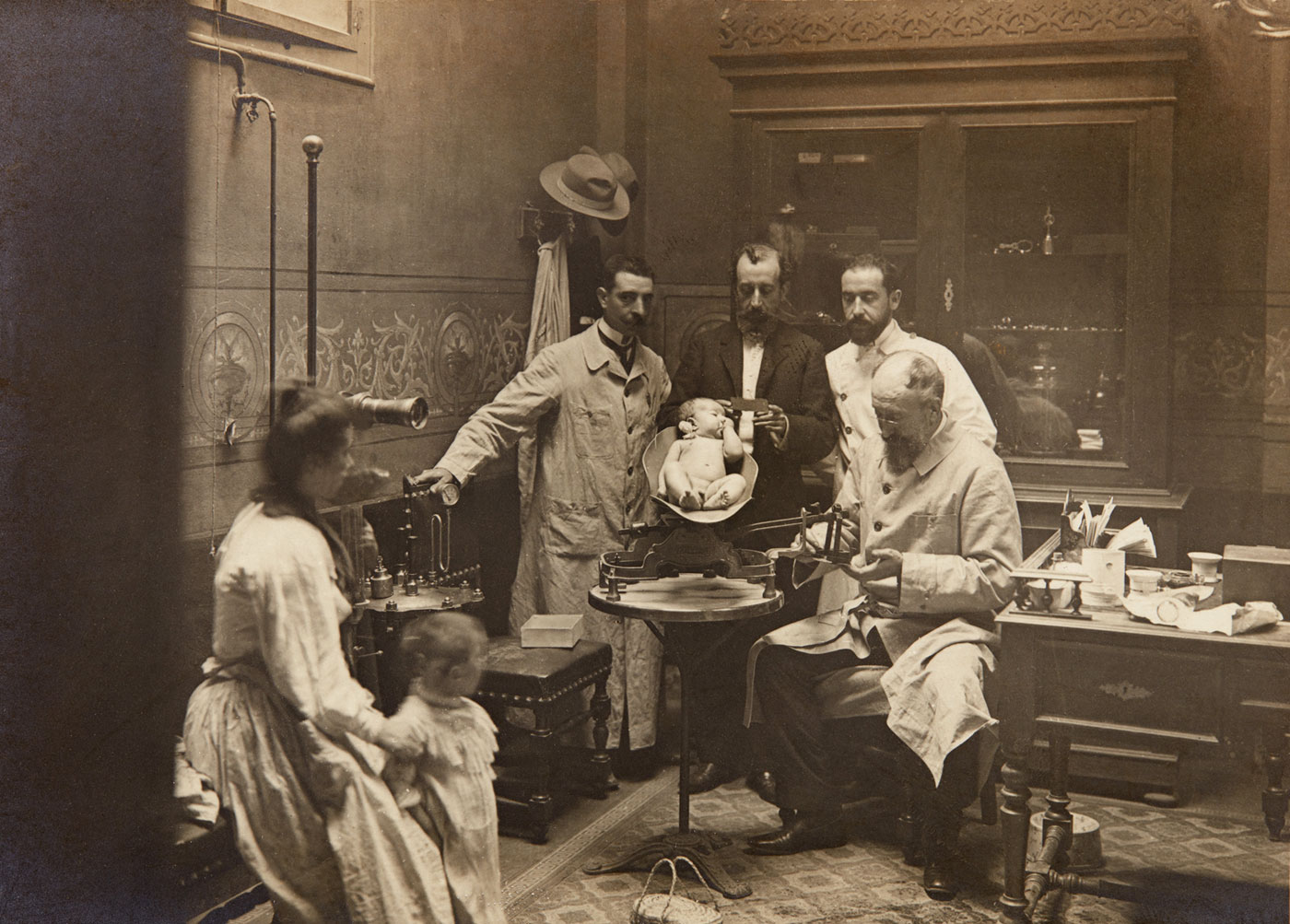
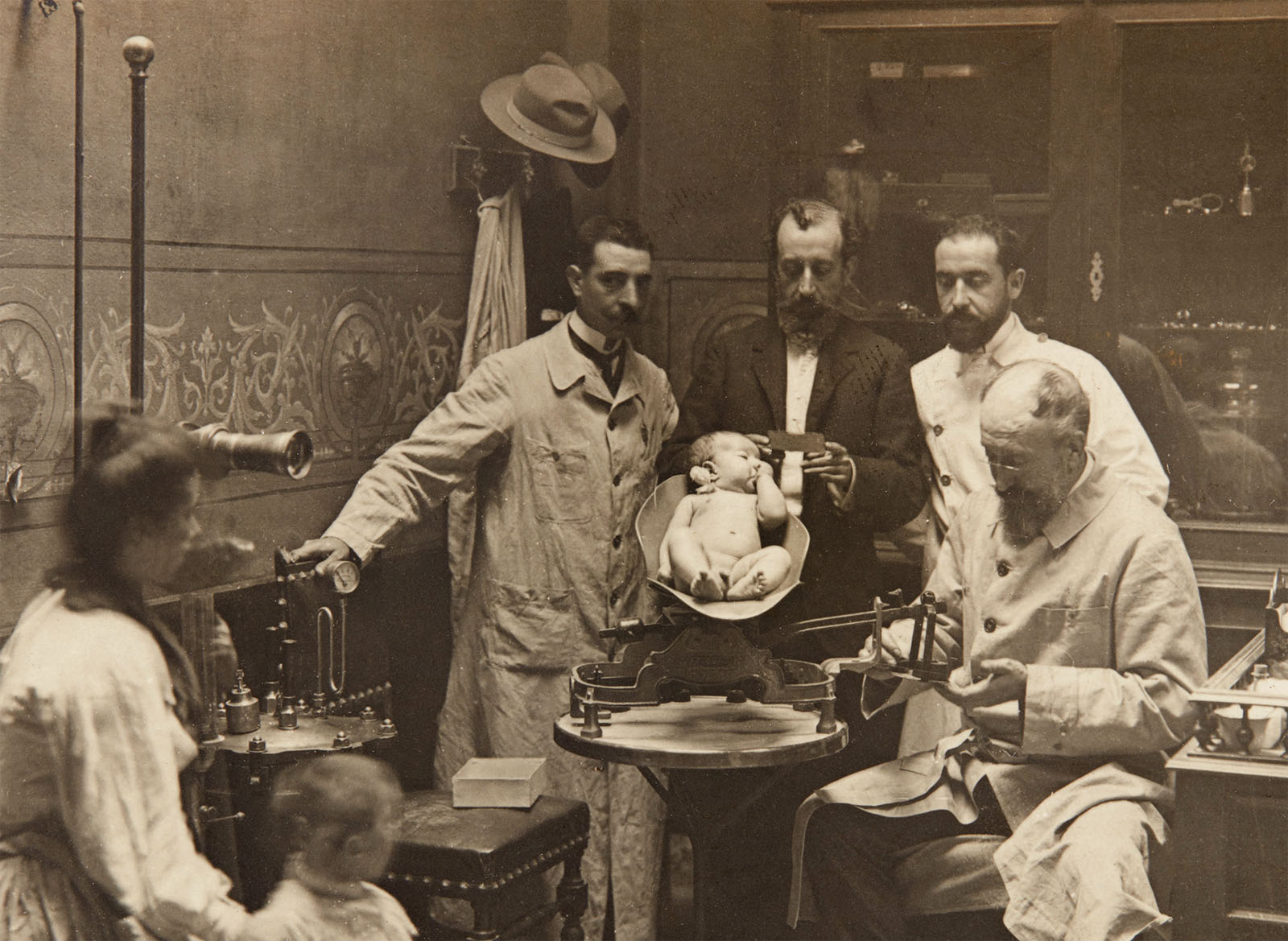
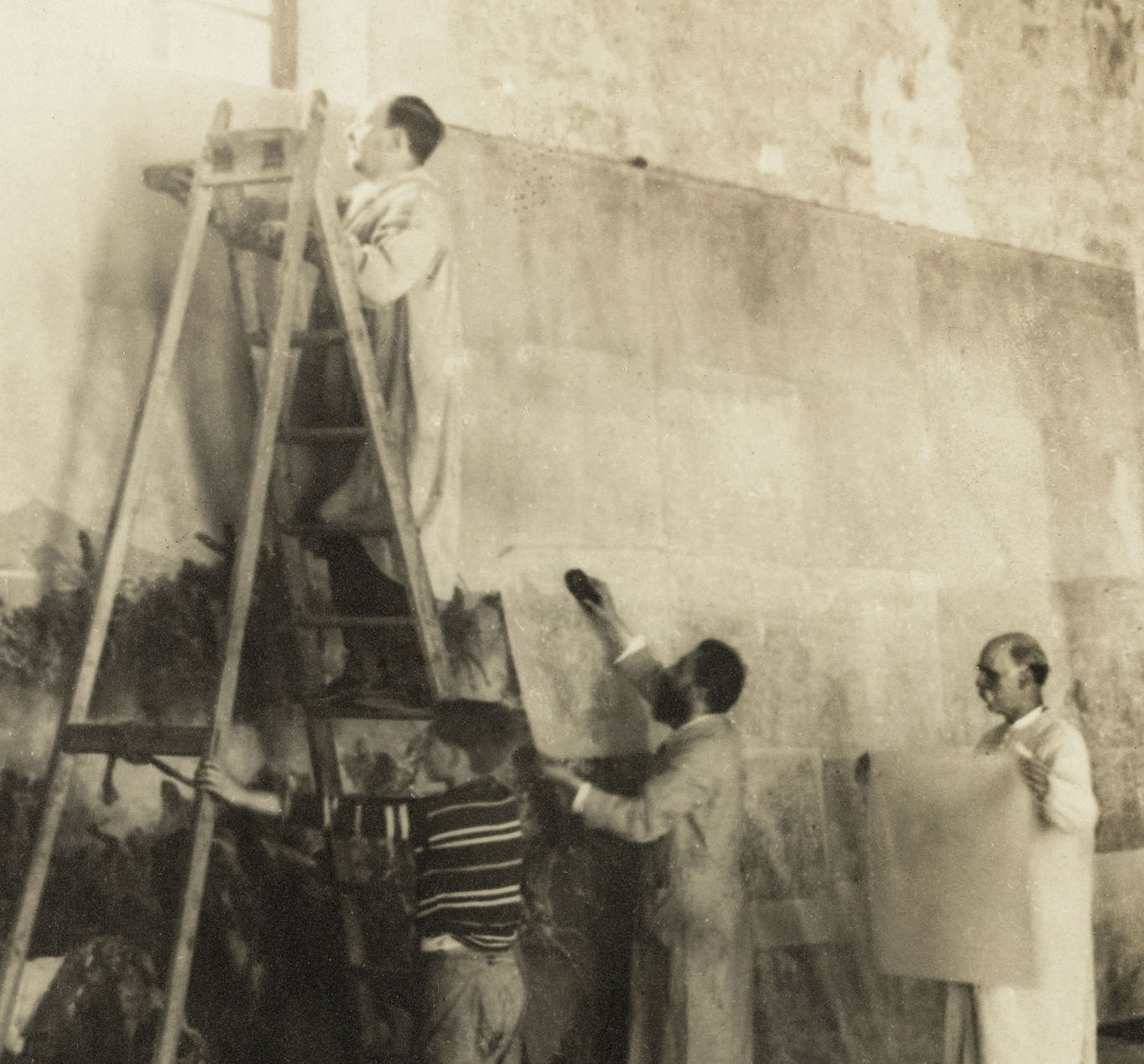
Just as impressive are Mas’ staged mise-en-scène group portraits such as Ramon Casas painting Júlia and Flora Peraire in the presence of Adolf Mas (1912, below) and Lactation House (1903, below). The formal arrangement of figures is like a piece of music as it rises and falls: chairs to people to easels to screens or, the curve of the adult figures as they spiral in towards the baby on the weighing apparatus. The men have an almost idealistic, Rembrandt-esque feel to them, such as the figures in The Anatomy Lesson of Dr. Nicolaes Tulp (1632) … surrounded by Baroque chairs, cupboards of instruments and the mechanics of medicine. And the light, the light!
If ever there were such a thing, I wonder whether Mas died at the right time (1936). Although I don’t know his political values any artist who produces an extraordinary record of the intellectual and artistic circles of his time would surely have been dismayed, had he lived, at the outcome of the Spanish Civil War, with the “long Spanish postwar recovery during the 1940s and 1950s creating a cultural wasteland within the destroyed, hungry and isolated Spain, exacerbated by repression, the ‘purification’ of the educational system and cultural institutions, the purges of books, and widespread censorship. Compared with the preceding period, called the Silver Age (la Edad de Plata), shows one of the clearest contrasts in the cultural history of Spain.”2
It’s such a pity, with 100,000 negatives to play with, that there aren’t other photographs available to publish online. I would have liked to have seen more of this artist’s work.
Dr Marcus Bunyan
1/ Atget’s documentary vision proved highly influential, first on the Surrealists, in the 1920s, who found his pictures of deserted streets and stairways, street life, and shop windows beguiling and richly suggestive (these were published in La Révolution surréaliste in 1926, with a fourth, of a crowd gathered to watch an eclipse, on the cover); and then on two generations of American photographers, from Walker Evans to Lee Friedlander … In 1931, four years after Atget’s death, the American photographer Ansel Adams wrote, “The Atget prints are direct and emotionally clean records of a rare and subtle perception, and represent perhaps the earliest expression of true photographic art.” Ansel Adams, in The Fortnightly (San Francisco) 1, no. 5 (Nov. 5, 1931), 25 quoted in Natalie Dupêcher. “Eugène Atget,” on the MoMA website 2017 [Online] Cited 23/04/2022.
Many thankx to Fundación MAPFRE for allowing me to publish the photographs in the posting. Please click on the photographs for a larger version of the image.
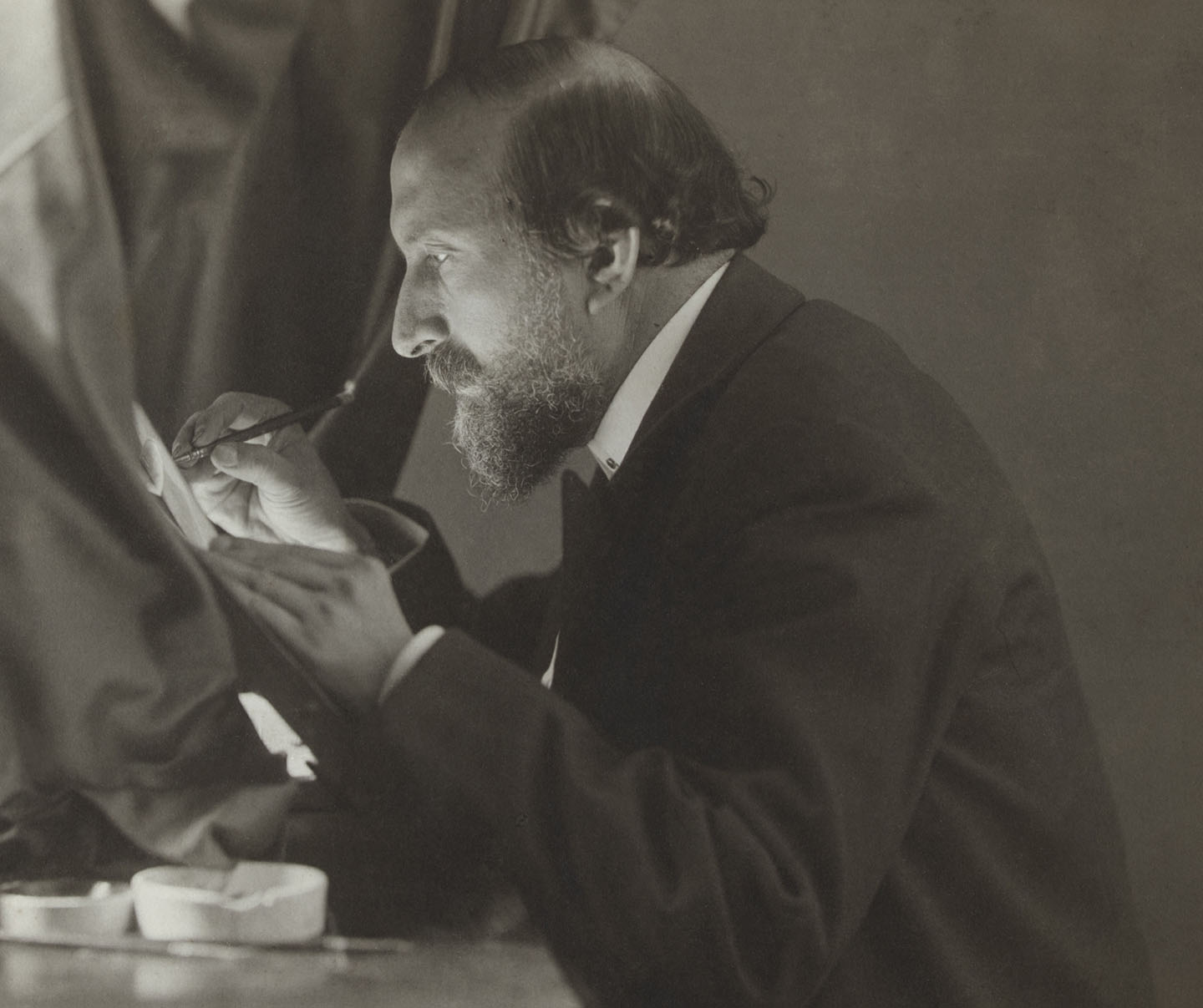
Born in Solsona (Lérida) on September 28, 1860, Adolf Mas moved to Barcelona shortly before 1890. He left his hometown and a job as a solicitor for an uncertain future in the big city and initially made a niche for himself in the textile industry. A few years later he frequented the local Els Quatre Gats, where he established relationships with intellectuals and artists of the time. After his training as a photographer, in 1901 he founded his first establishment selling photographic material, which would become, a few years later, the “Estudio de Fotografía A. Mas”, the predecessor of “Archivo Mas”.
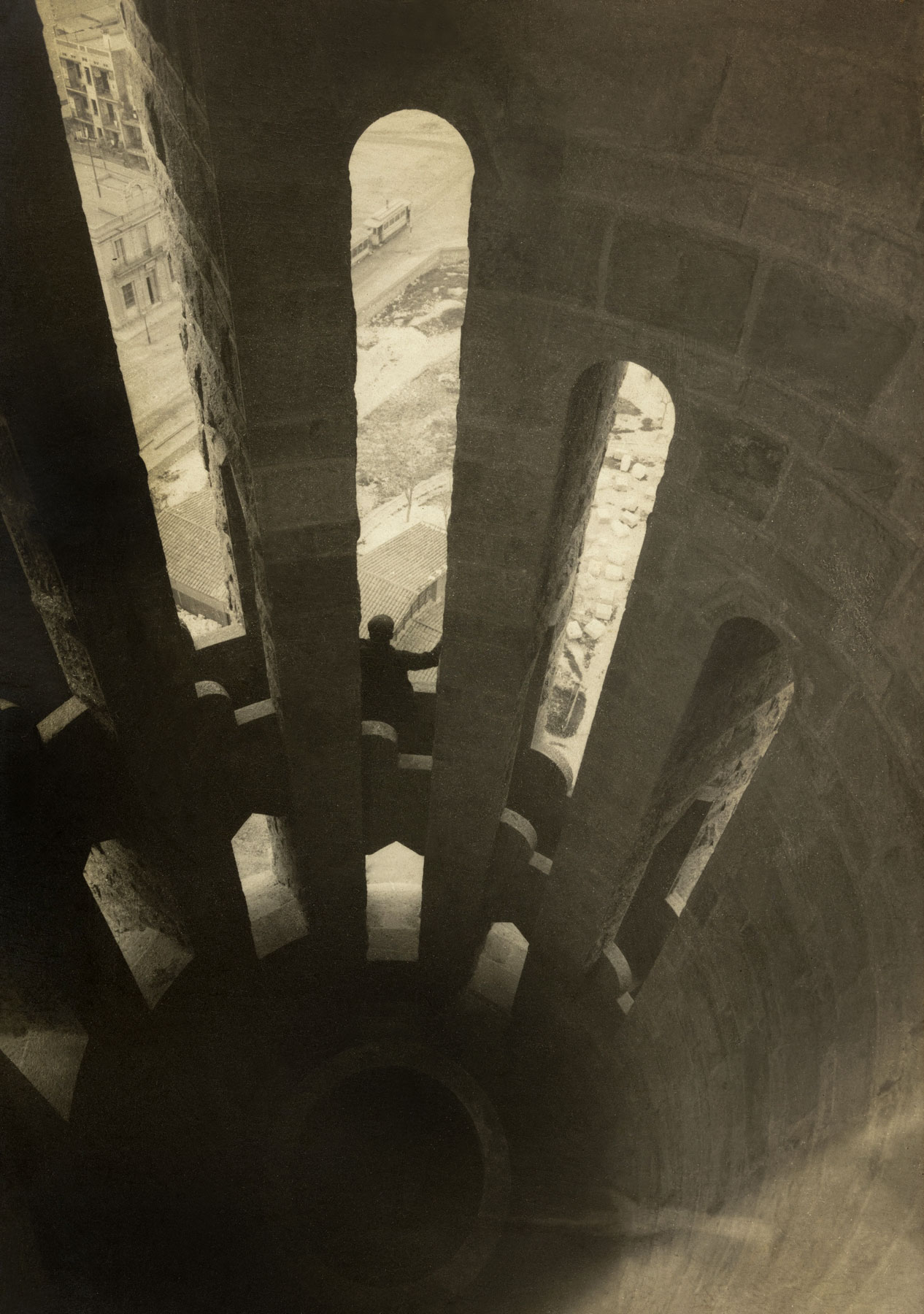
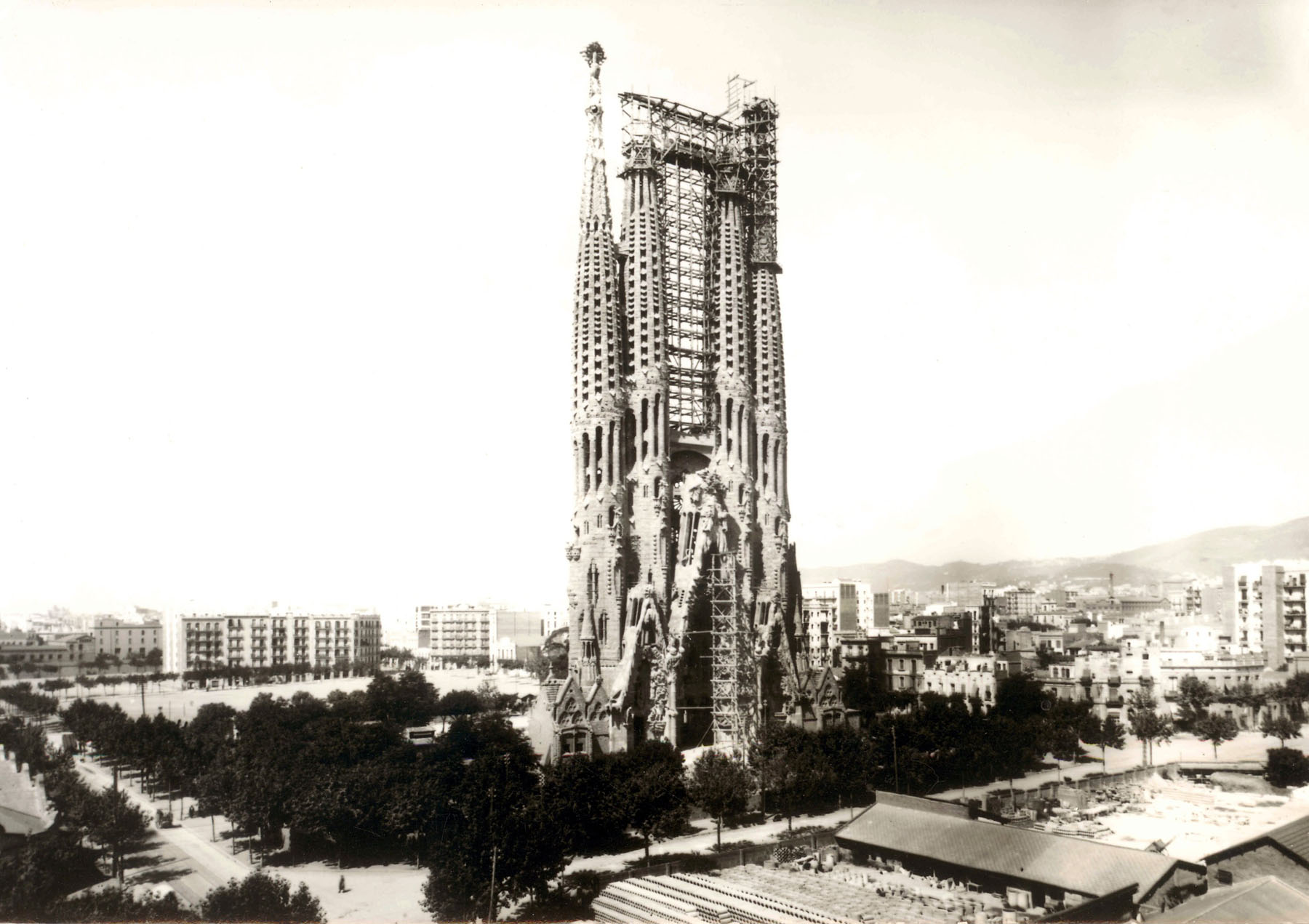
Mas established himself as the photographer of reference for architects such as Josep Puig i Cadafalch, who hired him to photograph their buildings as an inventory. The author produced a wide range of reports, most notably images of the Sagrada Familia.
A pioneer of photojournalism in Catalonia at the beginning of the 20th century, his commissioned portraits for illustrated magazines are an extraordinary record of the intellectual circles of the time. From 1910 onwards, his production focused on recording artistic and monumental heritage, especially after being commissioned to compile an iconographic catalogue of Spain in 1915. His work therefore focused on the administration of a powerful archival structure for public consultation which, in 1936, the year of his death, contained approximately 100,000 negatives.
In collaboration with the Mas Archive of the Fundació Institut Amatller d’Art Hispànic, Fundacion MAPFRE presents Adolf Mas: The Eyes of Barcelona, a journey through the work of this Catalan photographer, recognised for his major contribution to the field of heritage photography, and a figure of paramount importance for understanding the social transformation of Barcelona during the early 20th century.
Born in Solsona (Lleida) on September 28, 1860, Adolf Mas moved to Barcelona prior to 1890. He left his hometown and his work as a solicitor for an uncertain future in the Condal city, initially making his way in the textile industry. A few years later, he became a regular at the Els Quatre Gats café where he established contacts with the intellectuals and artists of the day. In 1901, after training as a photographer, he founded his first business selling photographic materials, a business that years later would become the “Estudi de Fotografía A. Mas” (the A. Mas Studio of Photography), the predecessor of the “Mas Archive.”
Mas became the main photographer for architects such as Josep Puig i Cadafalch, who commissioned him to photograph his buildings, as if he were compiling an inventory. He also produced a repertoire of other images, of which those of the Sagrada Familia stand out.
A pioneer of photojournalism in Catalonia, he documented a wide range of cultural and current events, as well as the new infrastructures and healthcare initiatives that were flourishing in Barcelona in the early 20th century. His commissioned portraits produced for illustrated magazines are an extraordinary testimony of the intellectual circles of the time.
From 1910 his production was centred on compiling a registry of artistic and monumental heritage, and in 1915 he received a commission to produce an iconographic repertoire of Spain. From this time on his work would focus on the administration of an impressive archival resource which was intended for public consultation; by 1936, the year of his death, it consisted of approximately 100,000 negatives.
“The photographs by Adolf Mas portray Barcelona in the midst of a socio-cultural, artistic, political, and urban transformation. The graphic narrative constructed by the photographer allows us to explore a reality that was rapidly changing, and understanding his photographic legacy is fundamental for the correct interpretation of the dynamics linked to early 20th-century Barcelona.
Adolf Mas is mainly known for the creation and consolidation of the renowned Mas Archive and for being one of the first heritage photographers in Catalonia. However, he is also a more complex photographer. His beginnings as a photojournalist ran in parallel with something akin to artistic photography, which became apparent in his portraits. These were not traditional, and brought his work closer to the artistic circles of the time. Although Mas’s production cannot be included in the movement known as pictorialism, it undoubtedly goes beyond what was being done in other contemporary photographic studios, and it is an aspect of his work that this exhibition highlights.
Over the years, many national and international exhibitions covering a wide range of topics have included works by Adolf Mas and other photographers. However, Adolf Mas. The Eyes of Barcelona is a monographic project that aims to present him in the round, as a photographer and as manager of one of the most important photographic archives in Spain.”
Adolf Mas: The Eyes of Barcelona offers a broad overview of the work of this key figure in Catalan Noucentista photography through 200 photographs and a wide range of documentary material that are divided into four thematic sections and address the main aspects of his career.
The core of the show includes the author’s photographic production centring on the city of Barcelona. Adolf Mas captured the architectural, social and cultural changes in the city through images that combine aspects of documentary recording with the aesthetic concerns of contemporary European artistic movements. Barcelona was a city of contrasts, ranging from the slums on the periphery to the mansions of the Eixample district; and from the luxurious cafés frequented by the bourgeoisie to the shanty towns built by panhandlers in the Barceloneta area.
The exhibition ends with a section dedicated to the campaigns on heritage indexing undertaken by Adolf Mas and the articulation of what has been recognised as the most important photographic archive on Spanish heritage in Europe: the Mas Archive.
Works by artists such as Ramon Casas, Alexandre de Riquer, and Eusebi Arnau produced in the context of Adolf Mas’s photographic studio business will be on display along with the author’s photographs.
The exhibition is part of the program Fundación MAPFRE has established at KBr Barcelona Photo Center in collaboration with Catalan institutions dedicated to preserving Catalonia’s rich photographic heritage. On this occasion, the exhibition has been organised in collaboration with Fundació Institut Amatller d’Art Hispànic. It has been supported by the Diputació de Barcelona. Arxiu General; the Biblioteca Nacional de Catalunya in Barcelona; the Arxiu Històric de la Ciutat de Barcelona; the Arxiu Fotogràfic de Barcelona, Barcelona City Hall; the MAE-Theater Institute; and the private collection of the Pasans Bertolin Family, who have all generously loaned their works.
Adolf Mas: The Eyes of Barcelona brings together the extraordinary visual landscape and collective memory of early 20th-century Barcelona as seen through the eyes of Adolf Mas, one of the key figures in the history of modern photography in Spain.
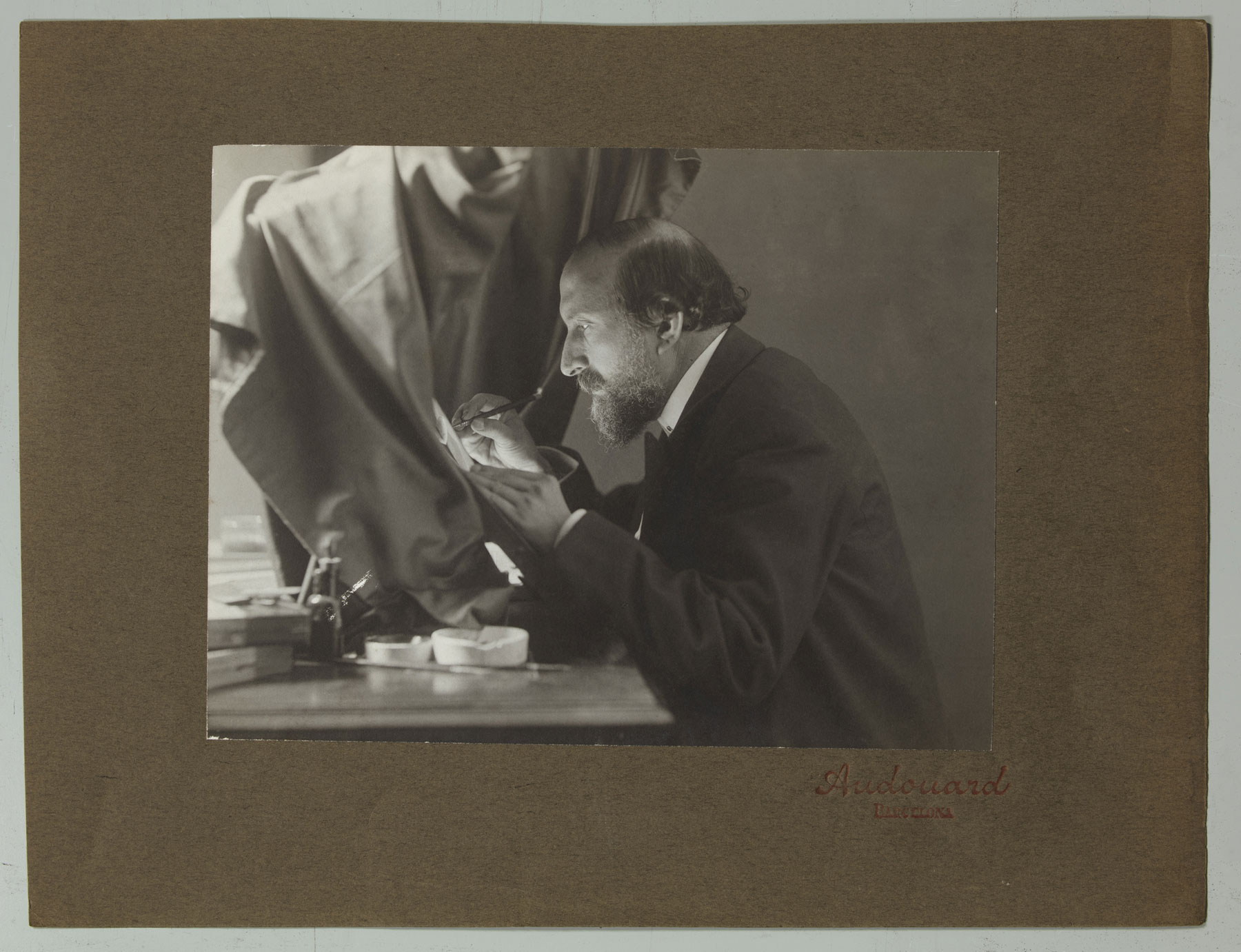
Pau Audouard (1857-1918) was a photographer active in Barcelona, Catalonia, Spain at the end of the 19th century.
Adouard was born in Havana, Cuba. He moved with his family to Barcelona in 1879, where he opened a studio. He became one of the most important photographers in Spain in the late 19th century, winning two gold medals for his work from the Real Sociedad Económica Aragonesa in 1886. Two years later, he was appointed official photographer of the 1888 Barcelona World’s Fair. Adouard was a member of the French Société française de photographie from 1879 to 1894. From 1905 to 1915, he lived and worked in the Casa Lleó Morera, built by architect Lluís Domènech i Montaner.
The exhibition Adolf Mas. Los ojos de Barcelona traces the work of this key figure in Catalan noucentista photography, through 200 photographs and diverse documentary material, divided into four thematic sections that deal with the central aspects of his career.
The central core of the exhibition features the photographs taken by the author in the context of Barcelona. Adolf Mas captures the architectural, social and cultural changes of the city in images that interweave a documentary record with the aesthetic lines of contemporary European artistic tendencies: a Barcelona of contrasts, stratified between the barraca shacks in the suburbs and the mansions of the Eixample, between the luxurious cafés in the centre for the pleasure of the bourgeoisie and the shantytowns built by beggars in Barceloneta.
The exhibition is part of the program that Fundación MAPFRE has initiated in Barcelona in collaboration with Catalan institutions that house a rich photographic heritage. On this occasion, the exhibition has been organised in collaboration with the Fundació Institut Amatller d’Art Hispànic. We have also benefited from the generosity of the Diputació de Barcelona. Arxiu General; Biblioteca de Catalunya. Barcelona; the Arxiu Històric de la Ciutat de Barcelona; the Arxiu Fotogràfic de Barcelona. Barcelona City Hall; the MAE-Institut del Teatre; and the Familia Pasans Bertolin private collection, who have altruistically lent their works.
Four key features
Archivo Mas
Created by Adolf Mas in 1900 for the purpose of inventorying the iconographic catalog of Catalonia and, subsequently, the whole of Spain, this is the most important photographic archive in Europe on Spanish heritage. A monumental work developed over more than thirty years in which an avant-garde idea, conceived originally for commercial purposes, materialised without losing sight of the importance of documenting and disseminating a shared cultural heritage. After the Spanish Civil War, the Archivo Mas was acquired by Teresa Amatller in 1941, and is now part of the holdings of the Institut Amatller d’Art Hispànic.
Els Quatre Gats
On June 12, 1897, Els Quatre Gats, designed by a young Josep Puig i Cadafalch, opened its doors on the first floor of the Casa Martí on Carrer Montsió in Barcelona. A famous café that was modelled after Le Chat Noir in Paris, as intended by its founders: Ramon Casas, Pere Romeu, Santiago Rusiñol and Miquel Utrillo. Over the six year period that it was active, the celebrated café was a landmark in Catalan modernism. A catalyst of ideas and trends in Barcelona’s artistic and intellectual scene, the place was frequented by figures such as Antoni Gaudí, Isidre Nonell and Pablo Picasso. Adolf Mas documented its interior from 1900 onwards and forged important links with the artists associated with the establishment, in particular with Ramon Casas, whose friendship would continue over the years.
Artistic competition on old Barcelona
In 1908, the construction of the future Via Laietana, foreseen by the great urban reform implemented by the “Pla Cerdà” plan, led to the demolition of a densely populated area in Barcelona’s old town. The city council, at the request of the Barcelona artists’ union, organised a competition to document the architectural heritage destined to be torn down. The initiative was very successful and 38 series of drawings and photographs were submitted. Adolf Mas was one of the most decorated artists. His images, reminiscent of Eugène Atget’s photographs of Old Paris, show the presence of people who humanise the architectural vistas, in a clear attempt to dignify the history of those buildings, as well as their inhabitants, in the face of their imminent disappearance.
Photographs of spectacle
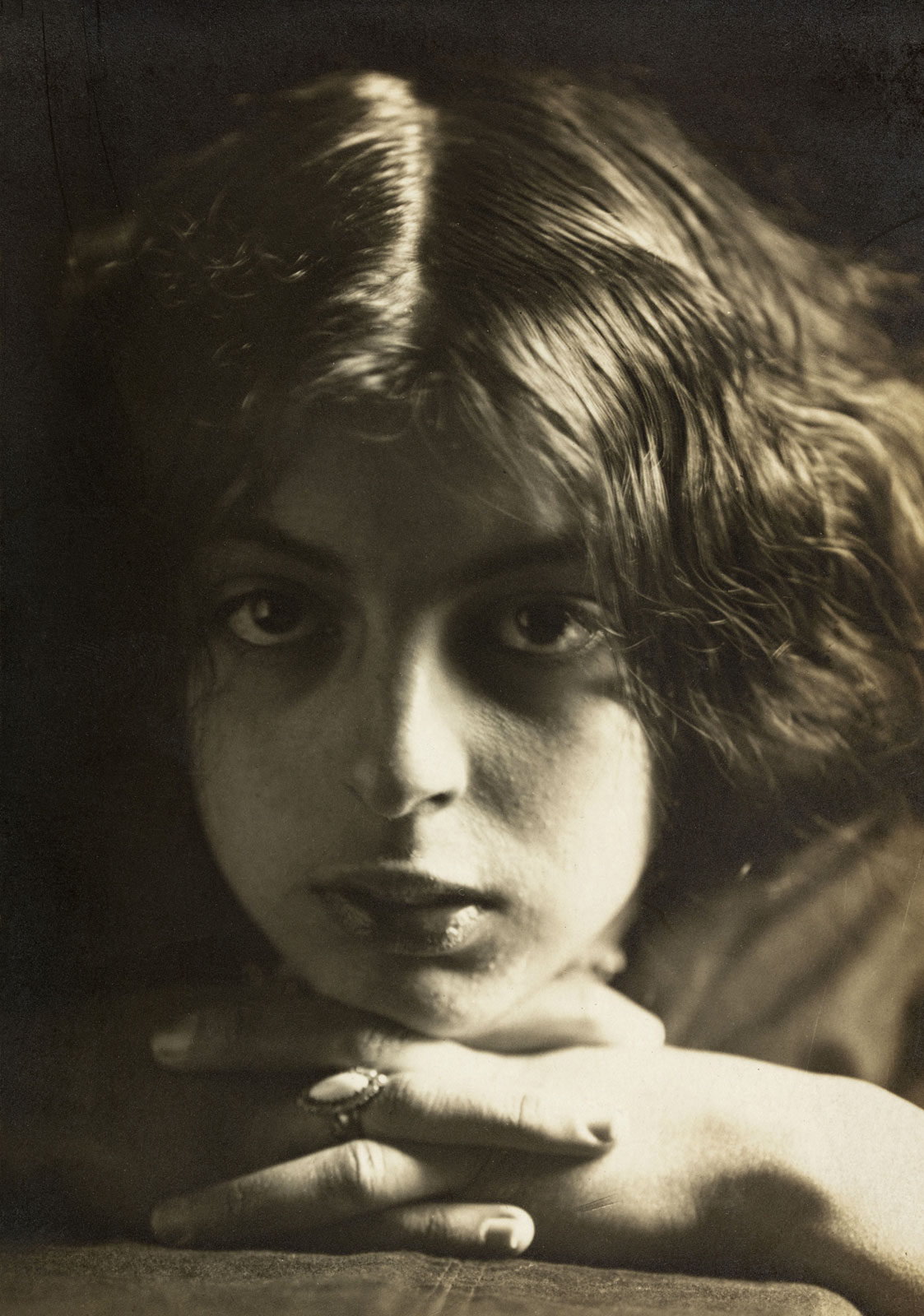
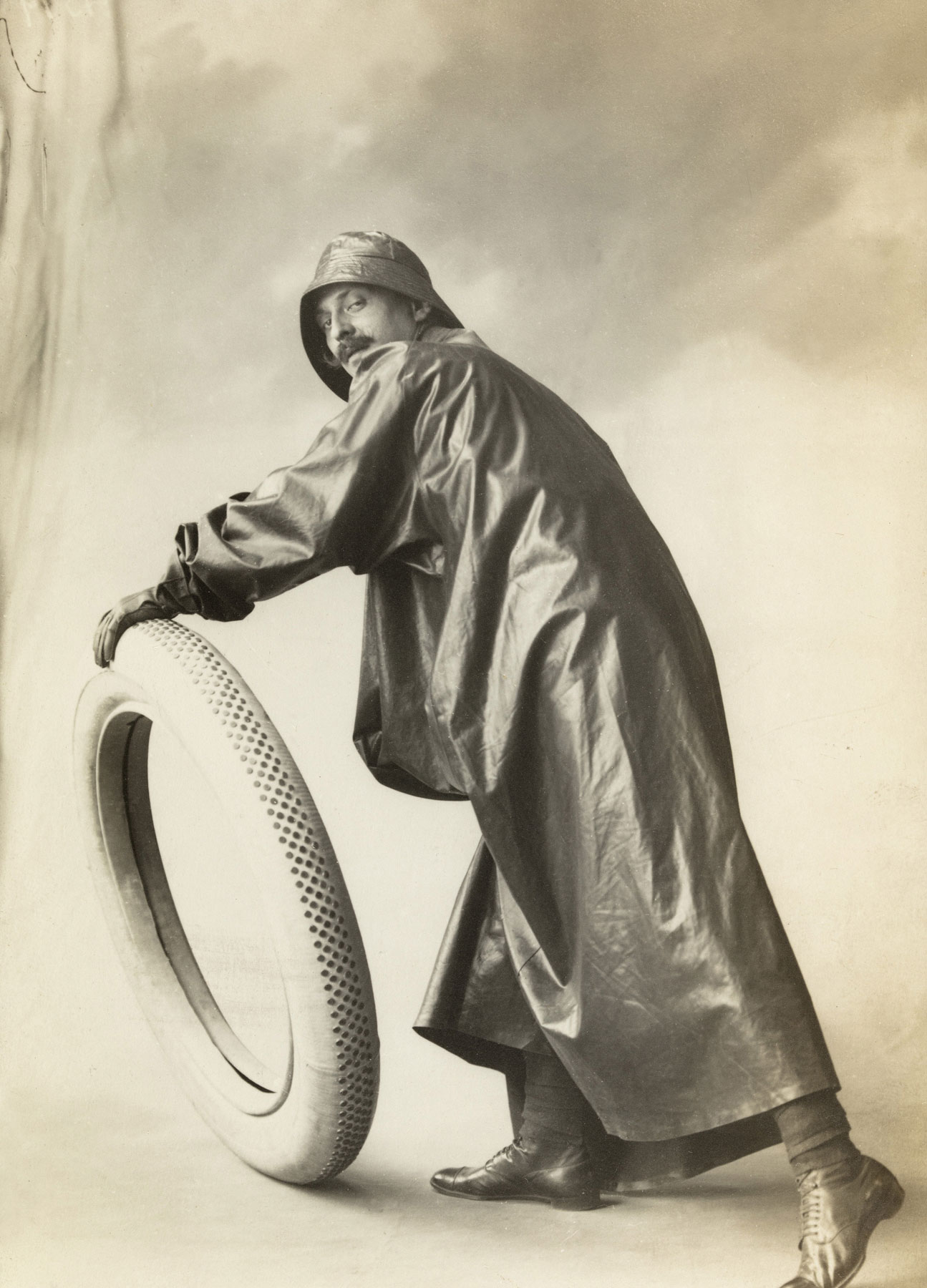
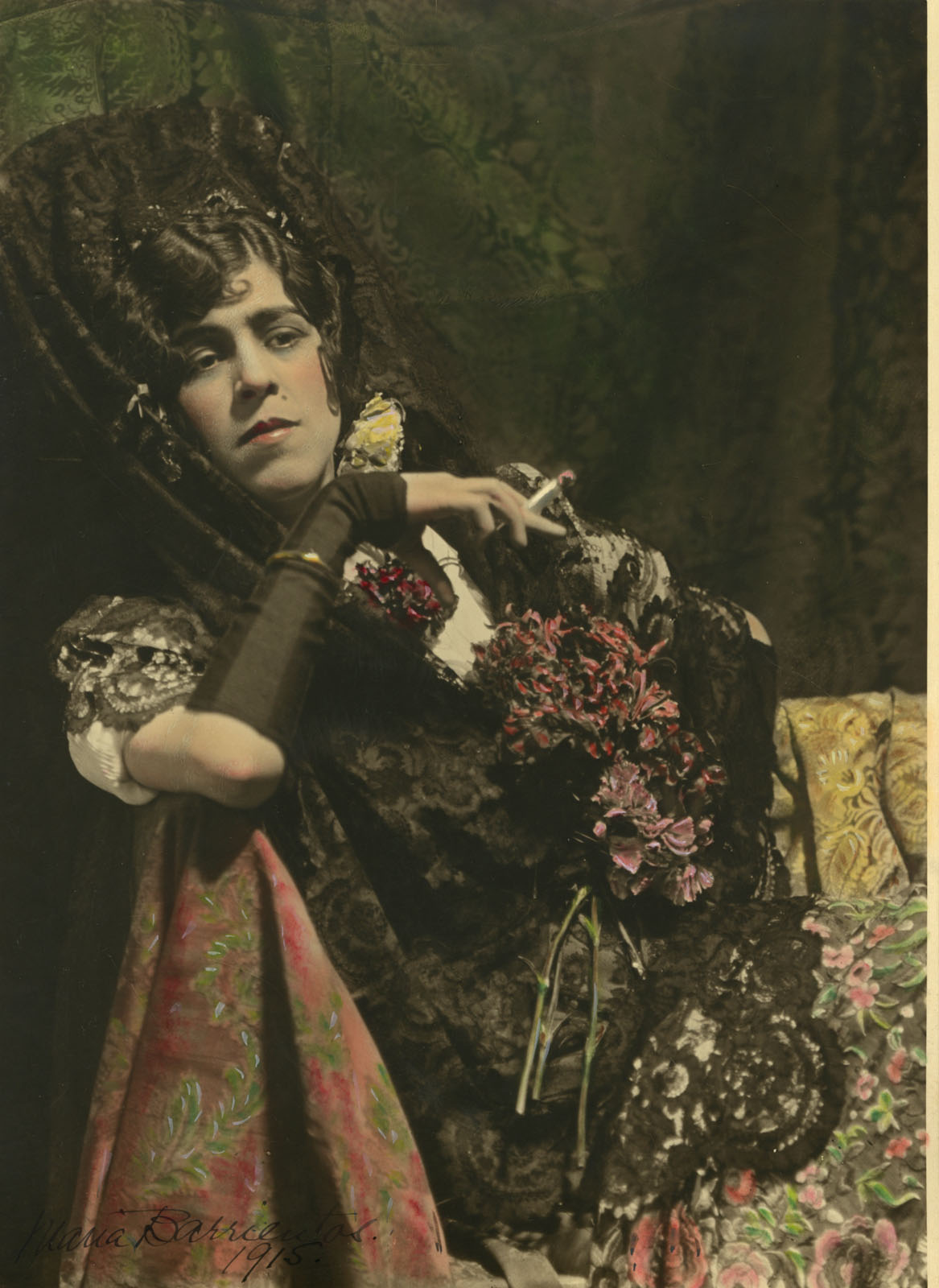
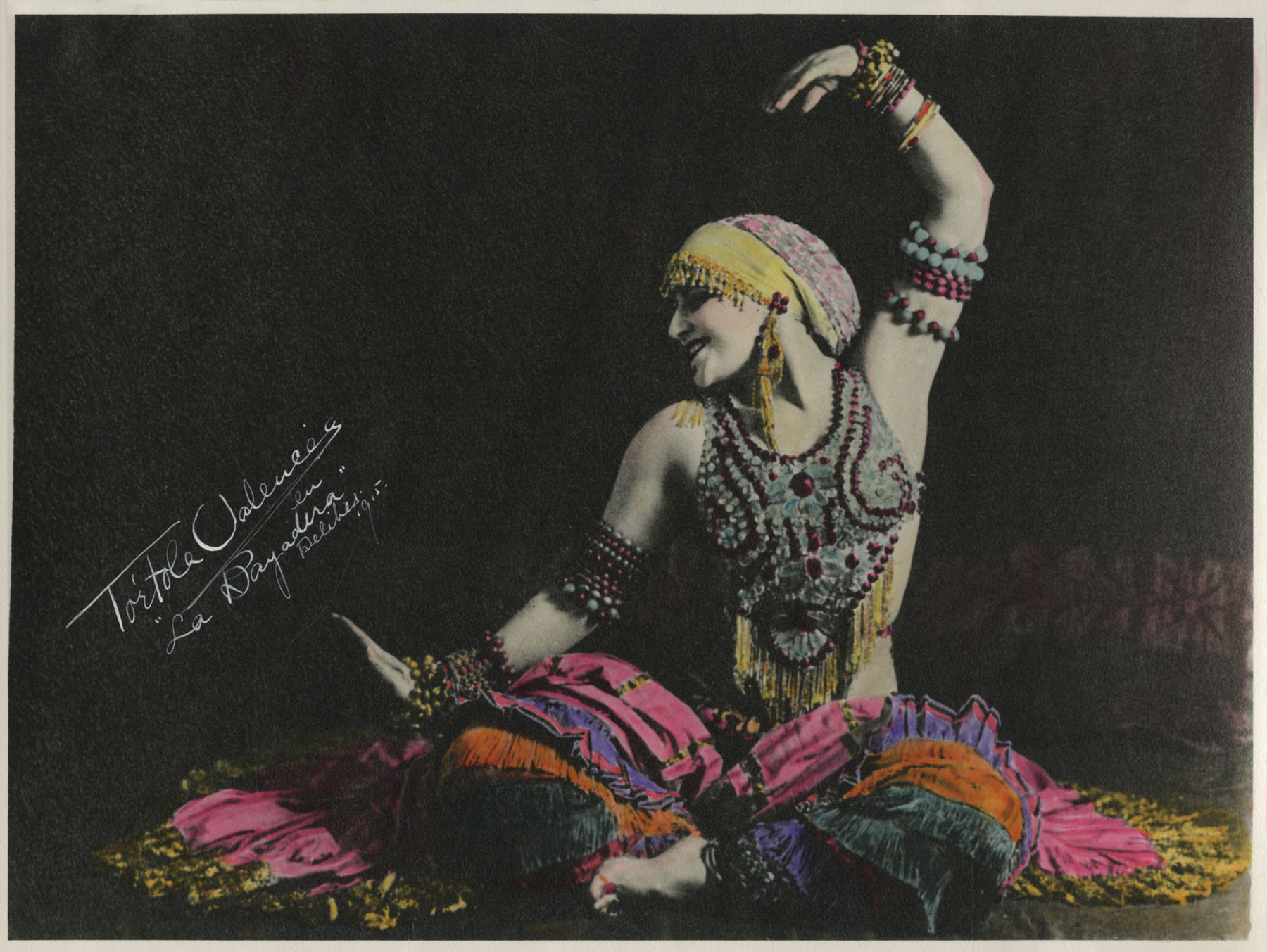
Within the framework of his activity as a portraitist, Mas developed a range of works specifically linked to the show business sector. Examples of this activity include the reports made between 1914 and 1915 dedicated to two iconic figures of the time: the dancer Tórtola Valencia (1882-1955) and the soprano María Barrientos (1884-1946). The spectacular nature of the images in these series, in which technical execution and the charisma of the artists themselves are undoubtedly fundamental, is highlighted by a striking chromaticism that references an interest in the exotic.
Ramon Casas i Carbó (Catalan pronunciation: [rəˈmoŋ ˈkazəs]; 4 January 1866 – 29 February 1932) was a Catalan artist. Living through a turbulent time in the history of his native Barcelona, he was known as a portraitist, sketching and painting the intellectual, economic, and political elite of Barcelona, Paris, Madrid, and beyond. He was also known for his paintings of crowd scenes ranging from the audience at a bullfight to the assembly for an execution to rioters in the Barcelona streets (El garrot). Also a graphic designer, his posters and postcards helped to define the Catalan art movement known as modernisme.
Marià Josep Maria Bernat Fortuny i Marsal (Catalan pronunciation: [məɾiˈa ʒuˈzɛb məˈɾi.ə βəɾˈnat fuɾˈtuɲ i məɾˈsal]; Spanish: Mariano José María Bernardo Fortuny y Marsal; June 11, 1838 – November 21, 1874), known more simply as Marià Fortuny or Mariano Fortuny, was the leading Spanish painter of his day, with an international reputation. His brief career encompassed works on a variety of subjects common in the art of the period, including the Romantic fascination with Orientalist themes, historicist genre painting, military painting of Spanish colonial expansion, as well as a prescient loosening of brush-stroke and colour. …
Legacy
Fortuny paintings are colorful, with a vivacious iridescent brushstroke that at times recalls the softness of Rococo painting but also anticipates impressionist brushwork. Richard Muther states:
his marvellously sensitive eye … discerned the stalls of Moorish carpet-sellers, with little figures swarming, and the rich display of woven stuffs of the East; the weary attitude of old Arabs sitting in the sun; the sombre, brooding faces of strange snake-charmers and magicians. This is no Parisian East… every one here speaks Arabic.
Fortuny often painted scenes where contemporary life had still not shaken off the epaulets and decorations of ancient traditions such as the “Burial of a matador” and couples signing marriage contracts (La Vicaria). Each has the dazzle of bric-a-brac ornament, but as in his painting of the Judgement of the Model, that painterly decorative air of Rococo and Romanticism was fading into academicism and left to confront the naked reality of the represented object. He inherited Goya’s eye for the paradox of ceremony and reality.
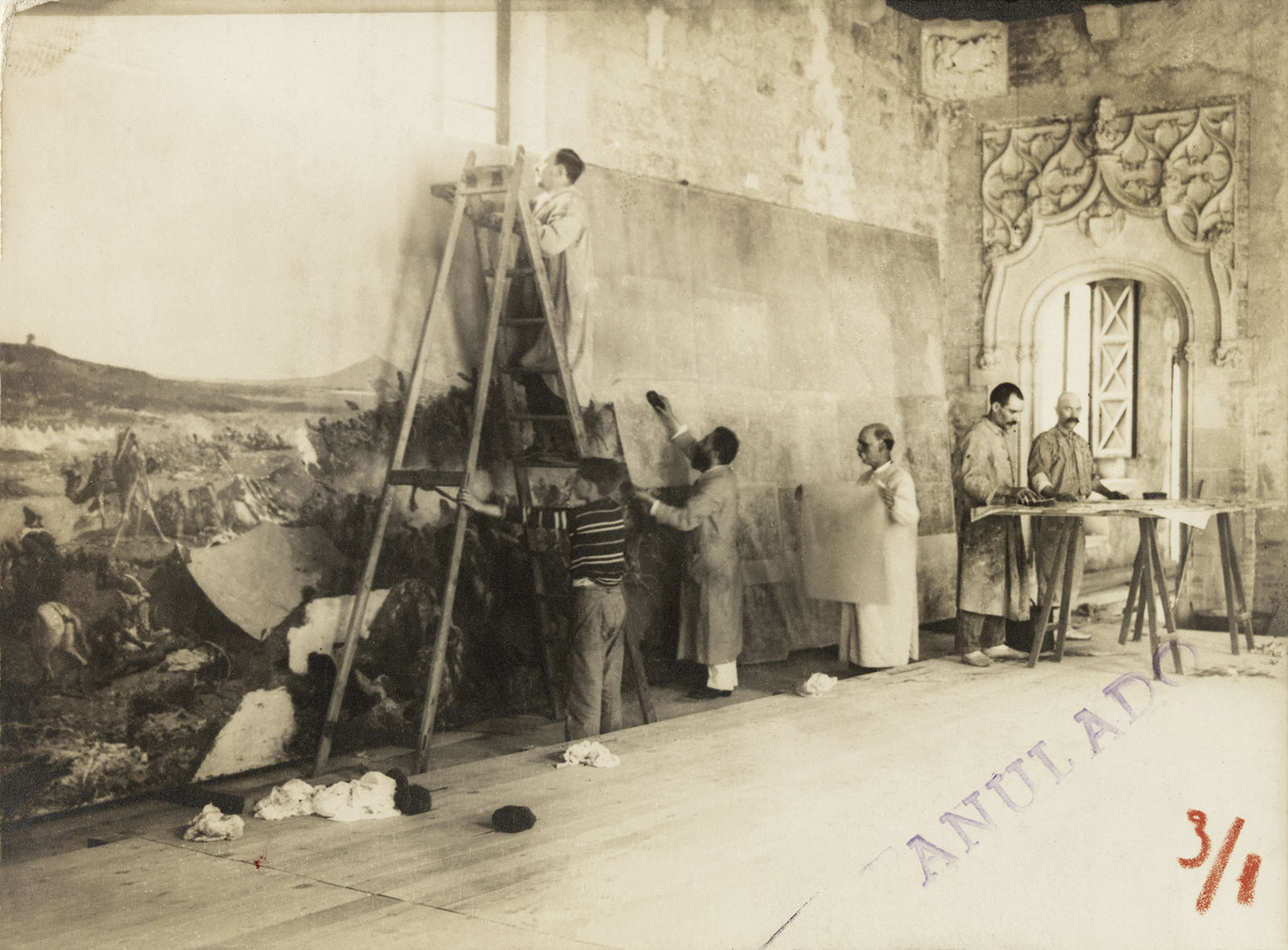
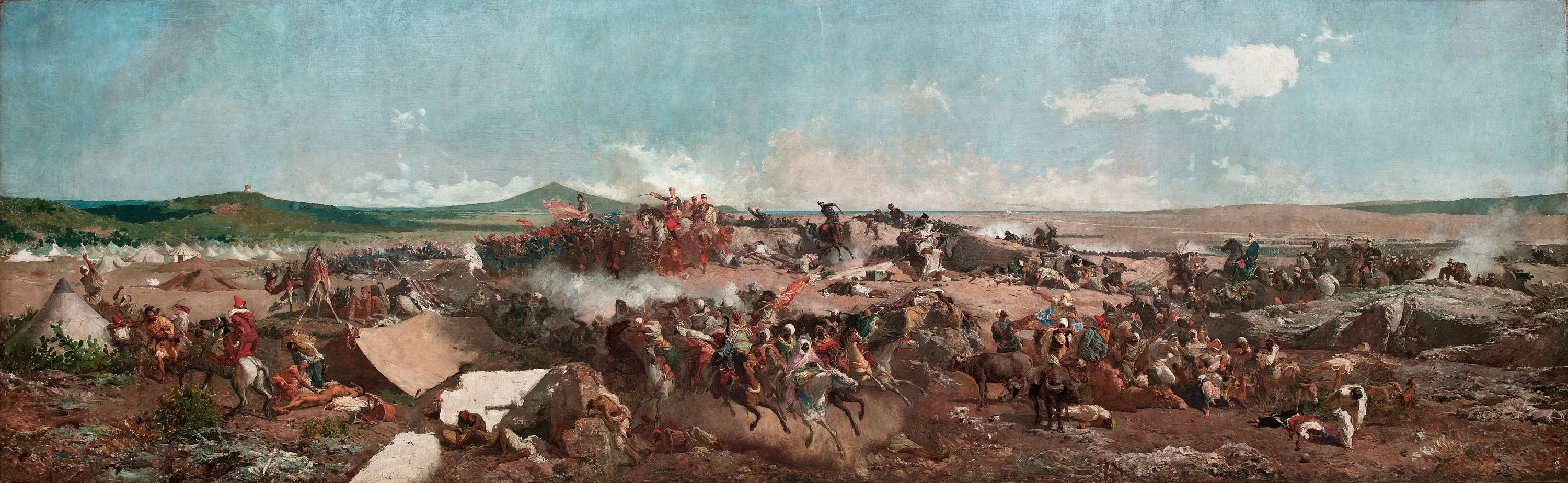
Marià Fortuny Marsal (Spanish, 1838–1874) La Batalla de Tetuan Between 1862 and 1864 Oil on canvas 300cm (118.1 in) x 972cm (10.6 yd) Museu Nacional d’Art de Catalunya
When ADOLF MAS GINESTÀ (1860-1936) – solicitor by obligation and photographer by vocation – journeyed through the streets of Barcelona in around 1900, the city’s walls had already disappeared decades ago and its urban layout was being enriched by the effervescence of Modernism. The city was changing and the people of Barcelona were witnessing the establishment of new social infrastructures.
At that time, camera in hand, Mas captured in his photographs a profound and simultaneously dynamic vision of a city that had just shed its provincial reputation. His eyes became a vehicle through which to approach this new reality. The illustrated press found its way into people’s homes, and so did the photographer’s reportages. His photographs provided insight into a new urban, social, and institutional reality by portraying current and public events, as well as the city’s new infrastructures. The paths he traced between the broad arteries of the Eixample district and the narrow alleys of the city’s old quarter – sometimes awaiting their imminent demolition – configured a collective memory of early 20th century Barcelona.
But Mas’s photographic work went beyond urban reportage. The relationships he established with important architects and art historians of the time led to his specialisation in the subject of heritage. In 1907 his participation in the mission set up by the Institut d’Estudis Catalans with the objective of documenting Pyrenean artistic heritage signified a turning point for his career and for his business; indeed his business would go on to become the main photographic archive in Europe specialising in Spanish heritage.
Carmen Perrotta, curator of the exhibition
Adolf Mas Ginestà was one of the key figures in the field of Catalan photography in the early 20th century. Born into a wealthy family from Solsona (Lleida), he renounced a stable job as a solicitor in order to move to Barcelona, the city where he trained as a photographer. He must have arrived in the city before 1890, because that year he married Apolonia Castañeda de Ortega (1866-1954), a young seamstress from Itero de la Vega (Palencia) with whom he had two children: Pelai (1891-1954) and Màrius (1896-1902).
Although evidence exists of his activity as a photographer during the last decade of the 19th century, it was not until the early 20th century that his first reportages were published in the press. In 1901, as the director of Helius, he combined his role as manager of the business with that of a photojournalist. From 1905 Helius, a newly renamed commercial enterprise, would become known as Etablissements “MASS” (also Estudi de Fotografia A. Mas, Estudio de Fotografia A. Mas and Photographic Studio A. Mas). In the decade of 1910 further restructuring of the business would lead to the consolidation of the Mas Archive as we know it today. In 1924 the business moved its commercial headquarters located on Carrer del Rosselló to Carrer de la Freneria, leaving the recently renovated Eixample district behind and taking over a space in the old quarter that had once belonged to two important figures in Catalan art nouveau, Alexandre de Riquer and Miquel Utrillo.
Mas’s ties to the cultural and artistic circles of the time were reflected in his photographic repertoires – which ranged from artists’ studios to portraits of the musicians, poets and intellectuals of the time – and also in the graphic and advertising materials produced for the business from its early beginnings as Helius until its final years as the Mas Archive. Ramon Casas, a friend of the photographer and a great exponent of Catalan art nouveau, was one of the renowned artists Mas commissioned to produce emblematic logos for the business.
The famous café Els Quatre Gats (1897-1903), located on the ground floor of Casa Martí on Carrer del Montsió and designed by Josep Puig I Cadafalch, was an important catalyst in Mas’s relationship with the artistic trends linked to Barcelona. A drawing by Ricard Opisso from 1900 is proof that Adolf Mas was a regular visitor at the café, possibly since it first opened. His familiarity with the cultural circles linked to the establishment undoubtedly allowed him to come into contact with the great figures of the time, such as Santiago Rusiñol and Ramon Casas. The reportages he produced in the company of the most important artists of his generation give a perspective on the interiors of the main studios operating at the time, from the studio of Lluís Masriera to that of Manuel Cano de Castro, and from the studio of Salvador Alarma to that of Félix Urgellés de Tovar.
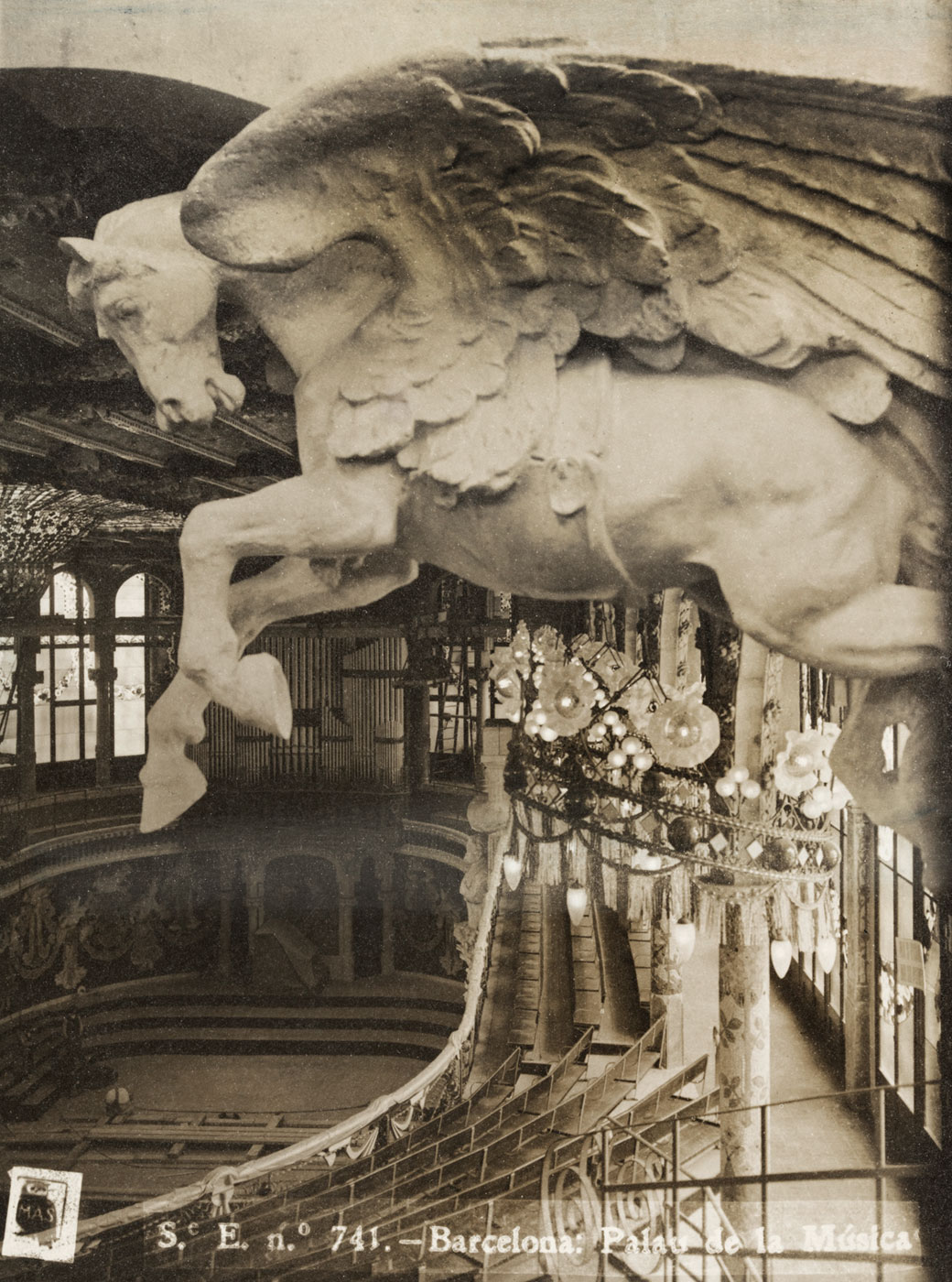
The elite of early 20th century Catalan society – painters, architects, sculptors, musicians, dancers, singers, intellectuals, collectors and politicians, among others – posed in front of Mas’s camera at some point during their time in the limelight. These images were mostly unpublished portraits and allow an even more precise understanding of Mas’s position in contemporary artistic circles, while also revealing a previously unknown aspect – one that was far from the kind of documentary photography with which he is generally associated. Although he cannot be directly linked to pictorialism, his portraits were reminiscent of an aesthetic search and his use of formal devices such as blurring, contrasts in lighting, and the representation of introspective states of mind sets them apart from the structure of conventional portraiture; in this way they are similar to the artistic movement known as pictorialism which clearly influenced Mas. The interplay of light and shadow, and the use of extreme close-ups on the subjects’ faces, give the portraits a strength and intensity and in some cases a resemblance to phantasmagoric apparitions.
The first reportages by Adolf Mas were set in Barcelona, a city that from a social, cultural and urban planning perspective was undergoing a radical change. Assignments produced for illustrated magazines such as Los Deportes, Álbum Salón, Ilustració Catalana, Femina and Ilustración Artística, among others, led to the substantial growth of Mas’s photographic repository. His collaboration with the publishers Editorial López, at the time managed by Antoni López i Benturas, resulted in his reportages being circulated in the main journalistic outlets of the day. Mas began to make his way in photojournalism and was one of the first photojournalists of his generation in Catalonia.
Among his first repertoires are those of the main sporting events that took place in the early 20th century, such as the celebrations of the Spanish Gymnastics Federation (1900); the grand political events linked to the Liga Regionalista, among others; and a wide range of recreational events like the Fiesta de las Palomas, organised by the Real Sociedad Colombófila de Cataluña (1904), and the traditional Batalla de Flores (1907).
Mas also participated in the documentation of ambitious urban projects like the construction of Via Layetana, and took part in the Old Barcelona artistic competition (1908).
In 1909 his camera bore witness to the dramatic event of the Semana Trágica. In addition to his documentation of the destruction suffered by ecclesiastical heritage, there were other images related to a wide range of motifs such as his portrayal of the Compañía Barcelonesa de Electricidad, which he photographed after the building had been raided. Within the framework of his production, it is also important to note Mas’s documentation of the avant-garde infrastructures that were being implemented by a number of institutions at this time. These included social initiatives promoted by the Diputació de Barcelona and led to a turning point in welfare practices. Early 20th century Barcelona cannot be properly understood without the photographic repertoires of Adolf Mas: his wide-ranging body of work not only encompasses images of recreational, political, and religious events, but also documents Spain’s cultural heritage.
Perfumería Ideal and Bar Torino
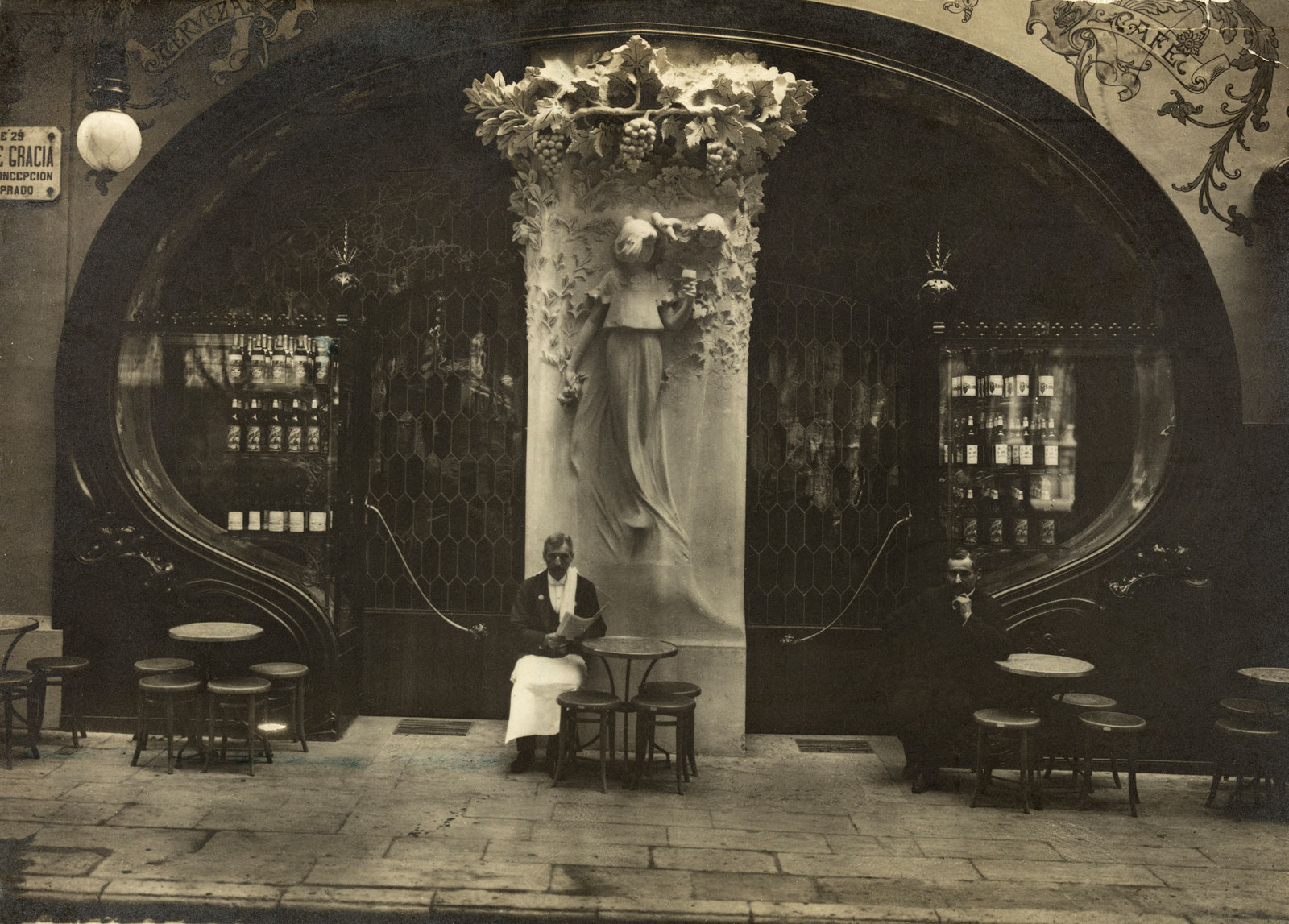
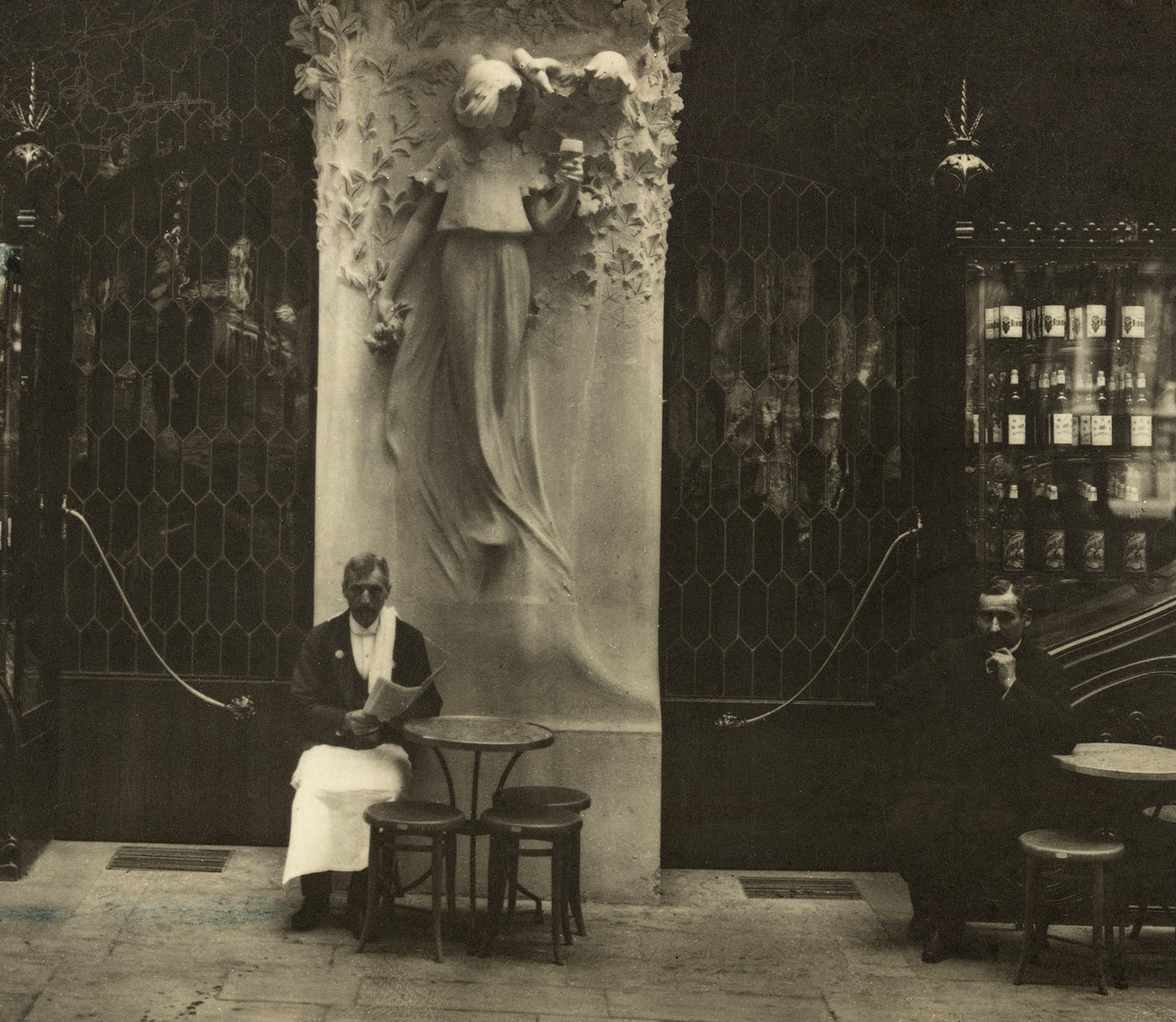
Perfumería Ideal (established by Teodoro Sánchez Illá at number 642 Gran Vía de les Corts Catalanes) and bar Torino (founded at number 18 Passeig de Gràcia by Faminio Mezzalama, the representative of Martini & Rossi vermouth in Barcelona) [see photograph below] were the finalists of the first annual competition for urban buildings and businesses awarded by Barcelona City Hall in 1902, in the new category for best decorated business opened that year. Both were included in the Anuario estadístico de la ciudad de Barcelona (1903), which highlighted Perfumería Ideal’s “ostentatious richness […] boasting its grandiose construction and splendid decorations” while Bar Torino’s “flattering simplicity and its fine and aristocratic elegance […] surpass anything seen before.” Ultimately, the latter – which was the work of Ricard Capmany, Antoni Gaudí, Pere Falqués, Josep Puig I Cadafalch, Eusebi Arnau, and Ricard Urgell, among others – became the winner of the competition.
Photography and Press
Photography became fully integrated into the Spanish press from the 1890s, when the great illustrated magazines – such as Blanco y Negro, which stands out for its track record – began to appear. At the turn of the century, the growing demand for photographic repertoires by newspapers, magazines, and large editorial projects, which illustrated their pages with photographs, consolidated the profession of the photojournalist. It was during the first three decades of the century that Spanish photojournalism achieved a high degree of professionalism, and photographic techniques advanced considerably. Text and photography began to be regarded as an informative unicum and Noucentista reporters were faced with readers who were eager to consume eloquent and immediate images capable of relaying information while remaining clear and understandable. The binary relationship between press and photography allowed public figures to enter readers’ homes enabling their deferred participation in the most contemporary current affairs.
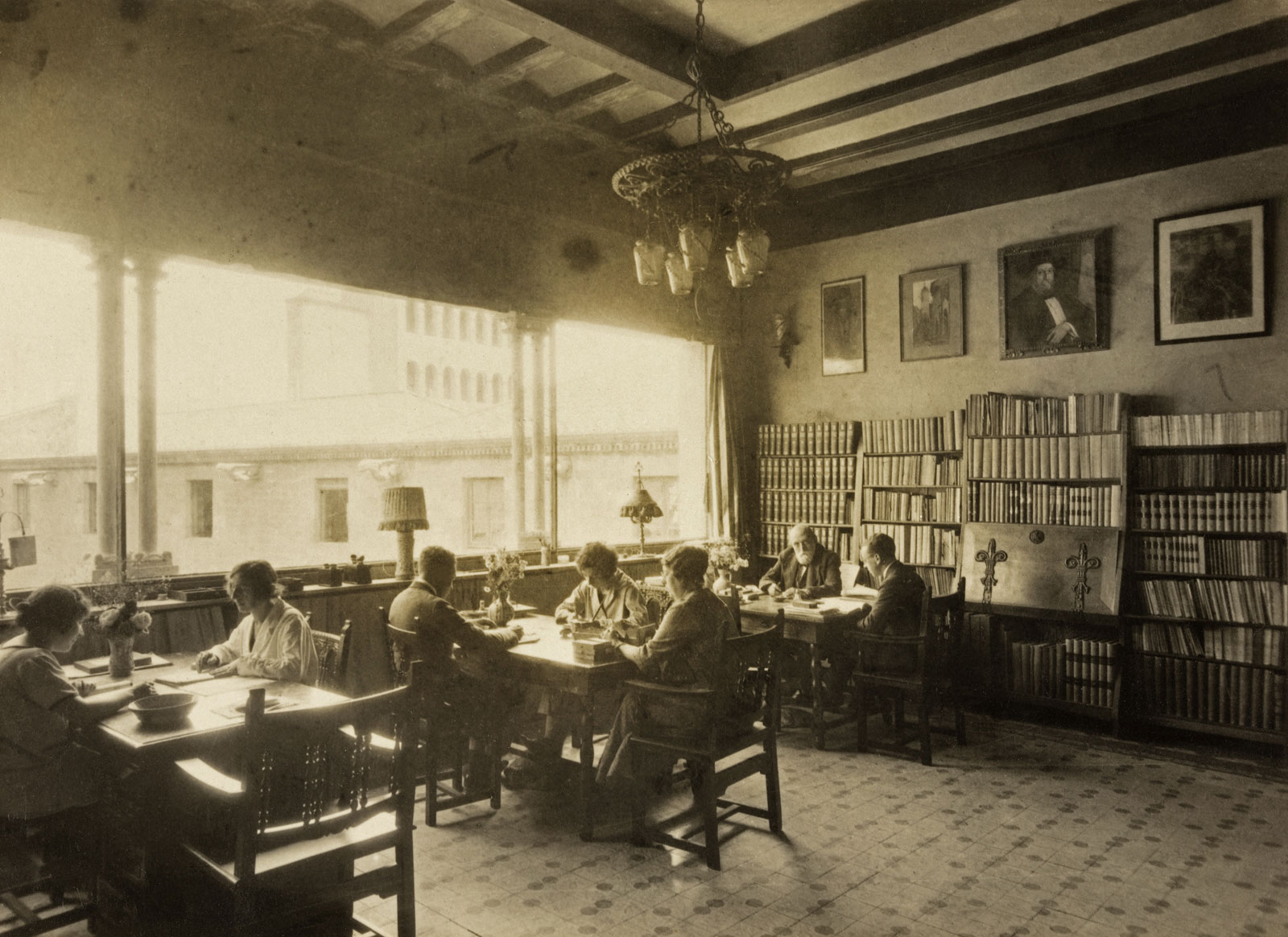
The legacy of Adolf Mas goes beyond his work as a photographer. In order to fully understand his oeuvre one must look at the photographic repository and business model he established, which was unlike any other at that time. The innovative nature of this enterprise, on which Mas spent nearly twenty years, was based on a hybrid formula offering both the sale of photographic materials and the possibility of consulting the collections on-site, following the model of a public archive. Anyone interested in consulting the photographic materials at the archives could do so in dedicated rooms by means of “graphic cards”. These were presented in the form of postcards printed directly onto photographic paper which showed an image of the subject on the front and provided basic information on the location and characteristics of the subject on the back. The system was unique in Europe and Mas took advantage of the 1925 VI Congrès International de Photographie in Paris to reveal it to an international audience.
At this point Mas’s business had already moved toward a specialisation in heritage photography. Its participation in the expedition organised by the Institut d’Estudis Catalans with the object of documenting Pyrenean heritage would be another turning point. In 1915 Adolf Mas was commissioned to compile an iconographic repertoire of Spain for what would become the 1929 Barcelona International Exhibition. The scope of the project led him to expand the number of staff photographers as his son Pelai, who had been officially working alongside his father since 1907, was no long able to cover all the business’s production requirements.
The success of the Mas Archive, which survives today as part of the repository at the Institut Amatller d’Art Hispànic, must be understood as the result of the work of its founder Adolf Mas, his wife Apolonia, and their son Pelai. It is also important to highlight the work of archive staff, a team comprising apprentices, archivists, typists, photographers, officers and lab directors.
María Alejandra Barrientos Llopis (4 March 1884 – 8 August 1946) was a Spanish opera singer, a light coloratura soprano.
Barrientos was born in Barcelona on 4 March 1884. She received a thorough musical education (piano and violin) at the Municipal Conservatory of Barcelona, before turning to vocal studies with Francisco Bonet. She made her debut at the Teatro Novedades in Barcelona, as Ines in L’Africaine, on March 10, 1898, aged only 15, quickly followed by the role of Marguerite de Valois in Les Huguenots.
She was immediately invited to all the major opera houses of Europe, singing in Italy, Germany, England, France, to great acclaim. It is however in South America, especially at the Teatro Colón in Buenos Aires, that she enjoyed her greatest triumphs. Her career was temporarily interrupted in 1907 by her marriage and the birth of a son, the union did not prove a happy one and she returned to the stage in 1909.
Barrientos made her Metropolitan Opera debut on January 31, 1916, in the title role of Lucia di Lammermoor with Giovanni Martinelli as Edgardo, Pasquale Amato as Enrico, and Gaetano Bavagnoli conducting. She remained committed to that house through 1920 where her other roles included Adina in L’elisir d’amore, Amina in La sonnambula, Elvira in I puritani, Gilda in Rigoletto, Rosina in The Barber of Seville, and the title roles in Lakmé and Mireille. She notably portrayed The Queen of Shemakha in Nikolai Rimsky-Korsakov’s The Golden Cockerel for the opera’s United States premiere on March 6, 1918. Her Met career came to an end on May 1, 1920 with a tour performance of L’elisir d’amore opposite Enrico Caruso.
Barrientos continued appearing on stage in standard coloratura roles until 1924. She then restricted herself to recitals, and became an admired interpreter of French and Spanish songs.
Barrientos was a singer with a voice of almost instrumental limpidity. She made a valuable set of recordings for Fonotipia Records and Columbia Records. She retired to the south-west of France, where she became an enthusiastic bridge player. She died at Ciboure on 8 August 1946.
Carmen Tórtola Valencia (June 18, 1882 – February 13, 1955) was a Spanish early modern dancer, choreographer, costume designer, and painter, who generally performed barefoot. Tórtola Valencia is said to have been the inspiration for Rubén Darío’s poem, La bailarina de los pies desnudos (“The Barefoot Dancer”).
Biography
Born in Seville to a Catalan father (Florenç Tórtola Ferrer, d. 1891) and Andalusian mother (Georgina Valencia Valenzuela, d. 1894), she was three years old when her family emigrated to London. In his book Tortola Valencia and Her Times (1982), Odelot Sobrac, one of her early biographers, said Tórtola Valencia developed a style that expressed emotion through movement and that she was inspired by Isadora Duncan. A member of Generación del 13, her costumes are part of the collection of Centre de Documentació i Museu de les Arts Escèniques. Her Spanish modernismo style enabled a career as a solo concert dance artist who performed classic, Oriental, and Spanish pieces. She made her debut at the Gaiety Theatre in London (1908), appearing at the Berlin Wintergarten theatre and the Folies Bergère of Paris in the same year. She performed in Nuremberg and London in 1909. One of the people she taught was the Anglo-Indian dancer Olive Craddock aka Roshanara. In 1911, she made her Spanish debut at the Romea Theatre of Madrid. She was at the Ateneo de Madrid in 1913.
The feminist
Tórtola Valencia was also a “pioneer Spanish feminist of the 20th century”. Being gay and having leftist ideas, Tórtola Valencia was jailed at the end of the Spanish Civil War. In 1928, she met Magret Angeles-Vila and they were inseparable thereafter. She danced for the last time in 1930 in Quito. She began painting in Barcelona where she died in 1955 and is buried at Poblenou Cemetery.
La Bayadère (“the temple dancer”) (ru. «Баядерка», Bayaderka) is a ballet, originally staged in four acts and seven tableaux by French choreographer Marius Petipa to the music of Ludwig Minkus. The ballet was staged especially for the benefit performance of the Russian Prima ballerina Ekaterina Vazem, who created the principal role of Nikiya. La Bayadère was first presented by the Imperial Ballet at the Imperial Bolshoi Kamenny Theatre in St. Petersburg, Russia, on 4 February [O.S. 23 January] 1877. From the first performance the ballet was universally hailed by contemporary critics as one of the choreographer Petipa’s supreme masterpieces, particularly the scene from the ballet known as The Kingdom of the Shades, which became one of the most celebrated pieces in all of classical ballet. By the turn-of-the 20th century, The Kingdom of the Shades scene was regularly extracted from the full-length work as an independent showpiece, and it has remained so to the present day.
Nearly all modern versions of La Bayadère are derived from the Kirov Ballet’s production of 1941, which was a severely redacted edition staged by Vakhtang Chabukiani and Vladimir Ponomarev in Leningrad in 1941. Natalia Makarova’s 1980 production of La Bayadère for American Ballet Theatre was the first full-length production to find a permanent place in the repertories of western ballet troupes, having been staged by several theatres throughout the world. Makarova’s version is itself derived from Chabukiani and Ponomarev’s 1941 redaction for the Mariinsky Theatre.
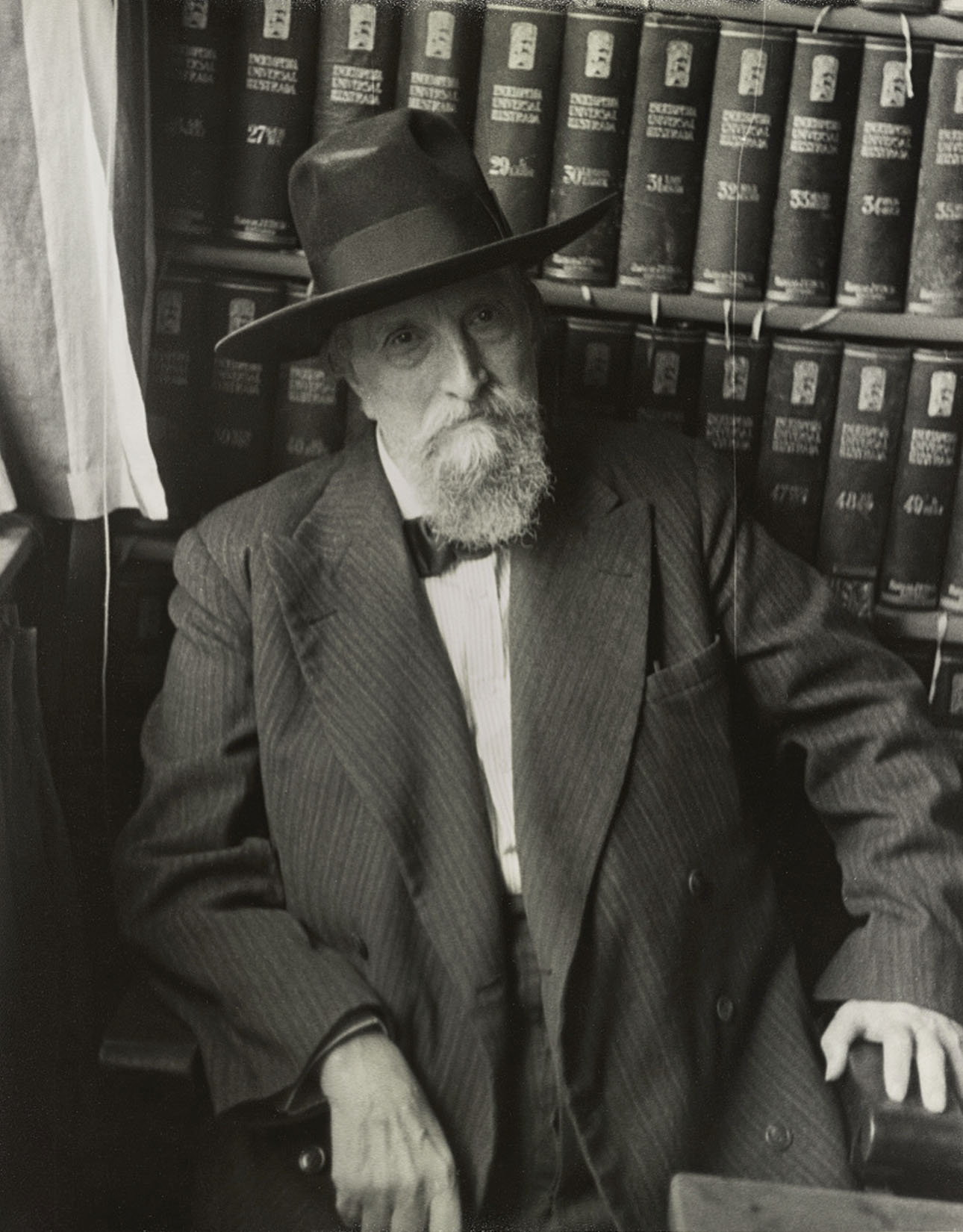
Carl Van Vechten (American, 1880-1964) (Portrait of Adolfo Mas, Barcelona) June 17, 1935 Gelatin silver print Library of Congress
Jacob Riis (1849-1914) Bandits’ Roost, 59 1/2 Mulberry Street 1888 Gelatin silver print, printed 1958 Museum of Modern Art Public domain
Jacob August Riis (May 3, 1849 – May 26, 1914) was a Danish-American social reformer, “muckraking” journalist and social documentary photographer. He contributed significantly to the cause of urban reform in America at the turn of the twentieth century. He is known for using his photographic and journalistic talents to help the impoverished in New York City; those impoverished New Yorkers were the subject of most of his prolific writings and photography. He endorsed the implementation of “model tenements” in New York with the help of humanitarian Lawrence Veiller. Additionally, as one of the most famous proponents of the newly practicable casual photography, he is considered one of the fathers of photography due to his very early adoption of flash in photography.
While living in New York, Riis experienced poverty and became a police reporter writing about the quality of life in the slums. He attempted to alleviate the bad living conditions of poor people by exposing their living conditions to the middle and upper classes.
Alfred and John Bool were a pair of British brothers who photographed 19th century London. Alfred Henry Bool (1844-1926) and John James Bool (1850-1933) were both born in London. They opened a photo studio together in Pimlico in the 1860s, and John Bool worked there until 1918.
In 1875 the brothers were hired by Alfred Marks, the director of the Society for Photographing Relics of Old London, and would go on to photograph historic buildings including the Oxford Arms Inn, Lincoln’s Inn, the Smithfield area, Temple Bar, Gray’s Inn, St. Bartholomew’s and the Cloth Fair. The album prints were made by the brothers in the company of Henry Dixon.
[Alfred] Marks was well-positioned for such nostalgia. He was an antiquarian scholar, and his father had been a coach builder, which may explain his particular attachment to the Oxford Arms. When he heard the building was to be demolished, Marks raised money from a few friends. He hired Alfred and John Bool, a father-son photography team best known for their landscapes, to take photos of the Arms. He then started looking for others who felt the same way he did, and might want to buy the work. “Should any readers … interested in London antiquities desire to join the subscription, I shall be happy to hear from them,” he announced in the London Times.
The Society launched “one of the first efforts” to use photography to document endangered buildings, says Foote. It was also special in that its photos were meant to be collected, like fine art. All were printed in carbon – an expensive process – to ensure they wouldn’t fade.
The first photograph set, released in 1875, consisted of six different views of the Oxford Arms, including the entrance, the yard, and the galleries. The second, which came a year later, focused on old houses and inns near Wynch Street and Drury Lane. In 1878, Marks doubled his production speed, going from six photos per year to 12. Three years later, he began writing up short texts about the buildings, printing them out, and issuing them to subscribers along with the photographs.
“The project became much bigger than he originally intended,” says Chitra Ramalingam, the Assistant Curator of Photography at the Yale Center for British Art, which exhibited SPROL’s photographs in 2016. Still, Marks ran the show, choosing which buildings to focus on, and particular details to highlight. (Despite its name, there’s no evidence the Society ever met up in real life, or had any true members besides Marks.) …
Marks gave such scrupulous instructions to the Bools – as well as to Henry and Thomas James Dixon, who he hired to replace them in 1879 – that each photograph was effectively “a collaboration between Marks and the photographer,” says Ramalingam. …
Marks disbanded his Society in 1886, 11 years after he’d started it. By this point, he had released 120 photographs, in 12 sets, and had enjoyed a certain amount of commercial success, selling over 100 subscriptions. “It is not suggested that the subject has been exhausted,” he wrote at the time, “but it is hoped that the work may be regarded as fairly complete within the lines at first marked out.”

 Art Blart _ art and cultural memory archive
You must be logged in to post a comment.