Exhibition: ‘Apartheid and After’ at Huis Marseille – Museum for Photography, Amsterdam

Exhibition dates: 15th March – 8th June 2014

Curators: Els Barents, David Goldblatt

Artists: David Goldblatt met Paul Alberts, Pieter Hugo, Santu Mofokeng, Sabelo Mlangeni, Zanele Muholi, Jo Ractliffe, Michael Subotzky, Guy Tillim, Graeme Williams and others, and the Market Photo Workshop in Johannesburg


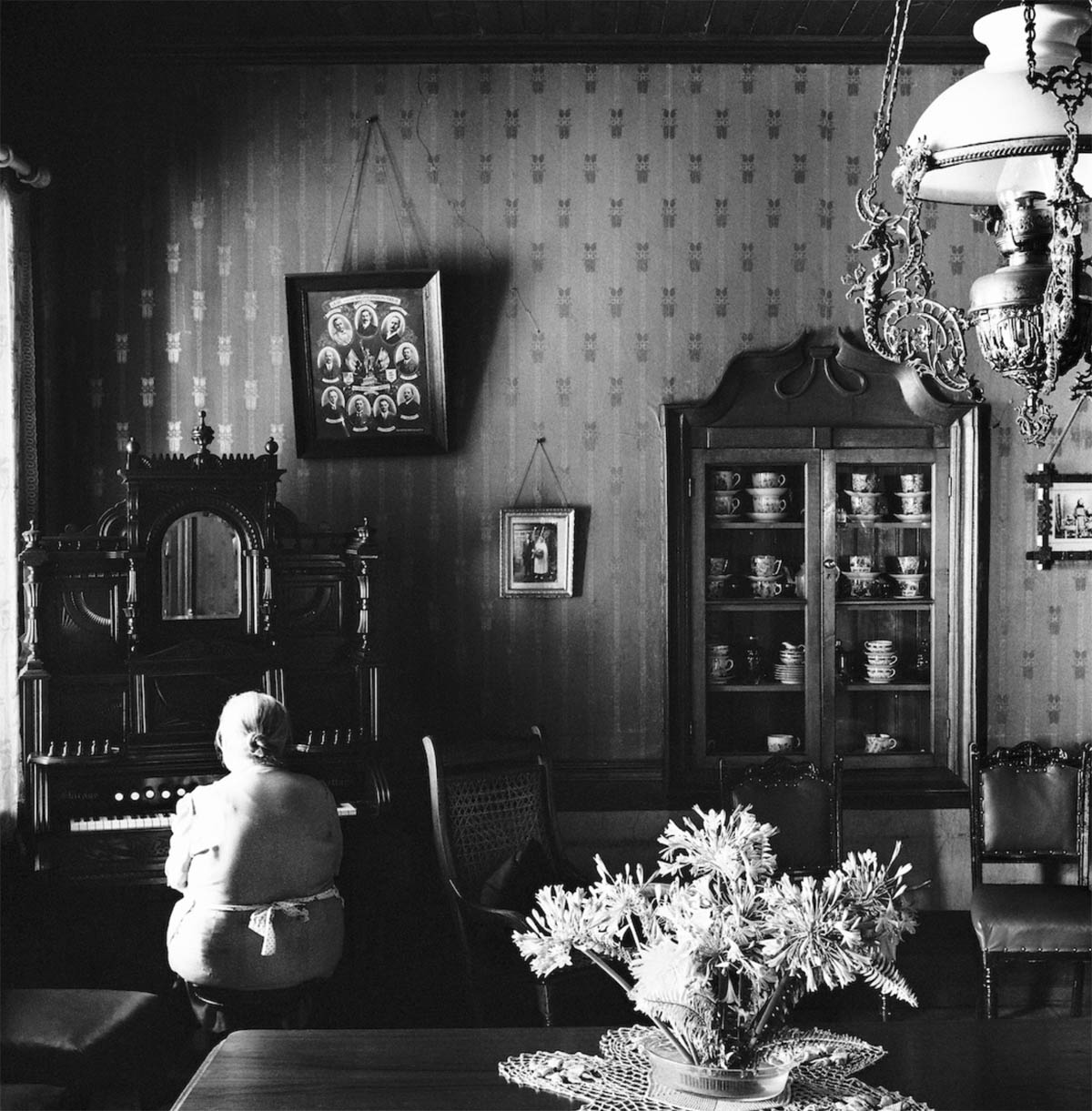
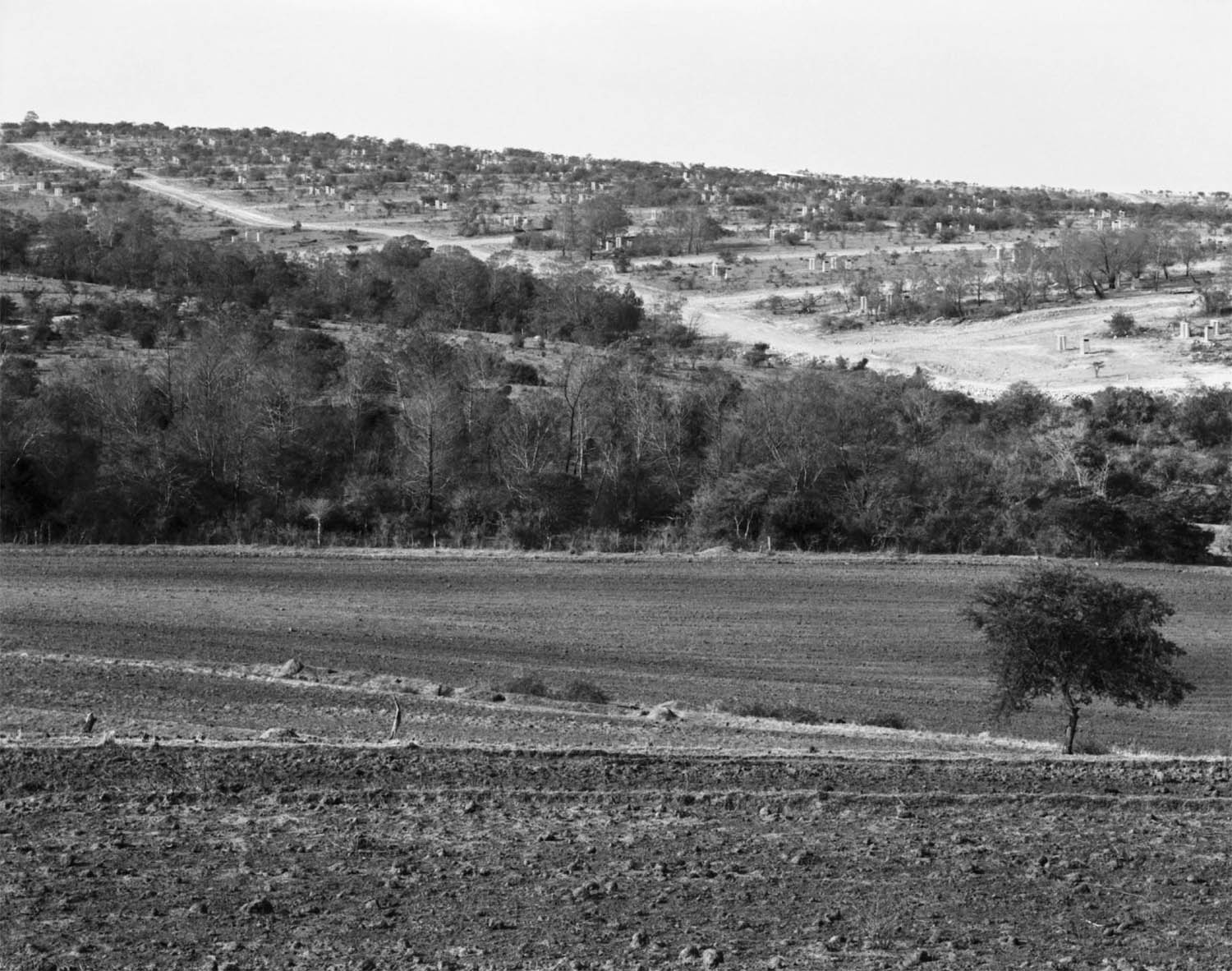
Santu Mofokeng (South African, 1956-2020) 'Sunflowers harvest, Vaalrand farm, Bloemhof' 1988


Santu Mofokeng (South African, 1956-2020)
Sunflowers harvest, Vaalrand farm, Bloemhof
1988
From the Bloemhof Series, 1988-1989, 1994


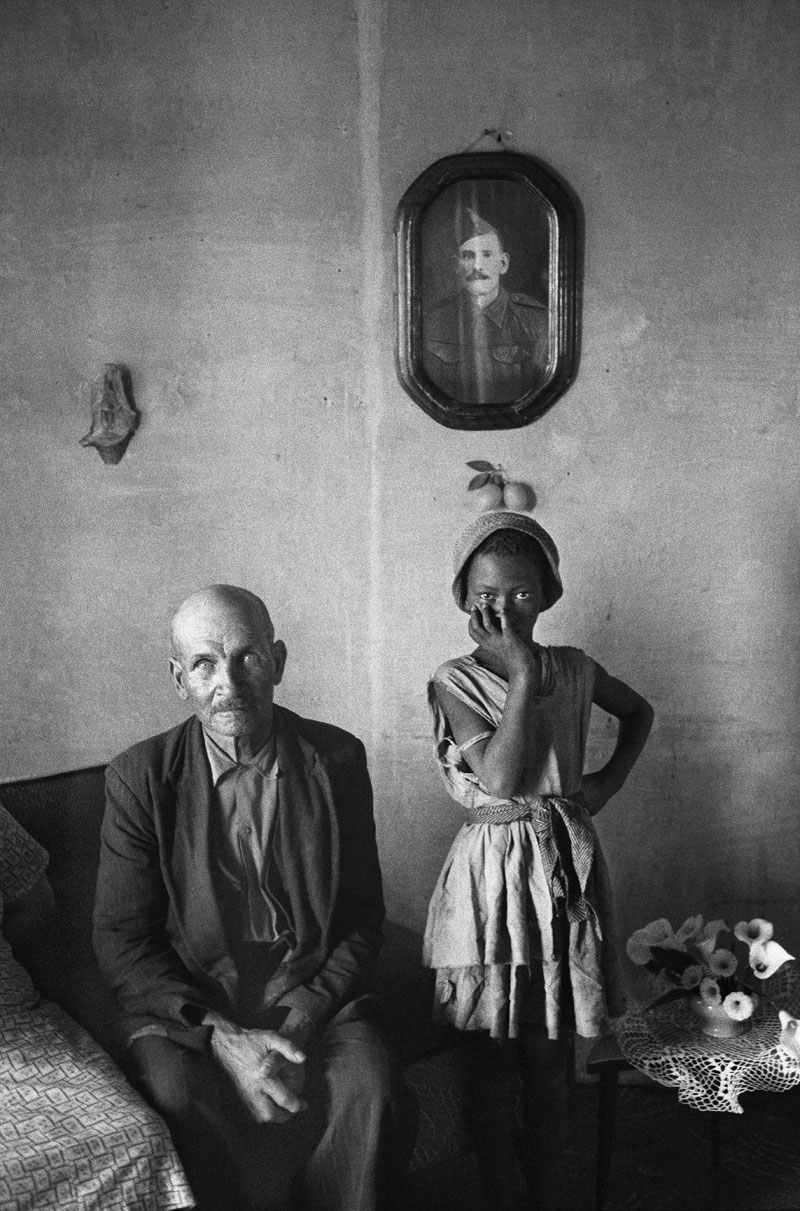
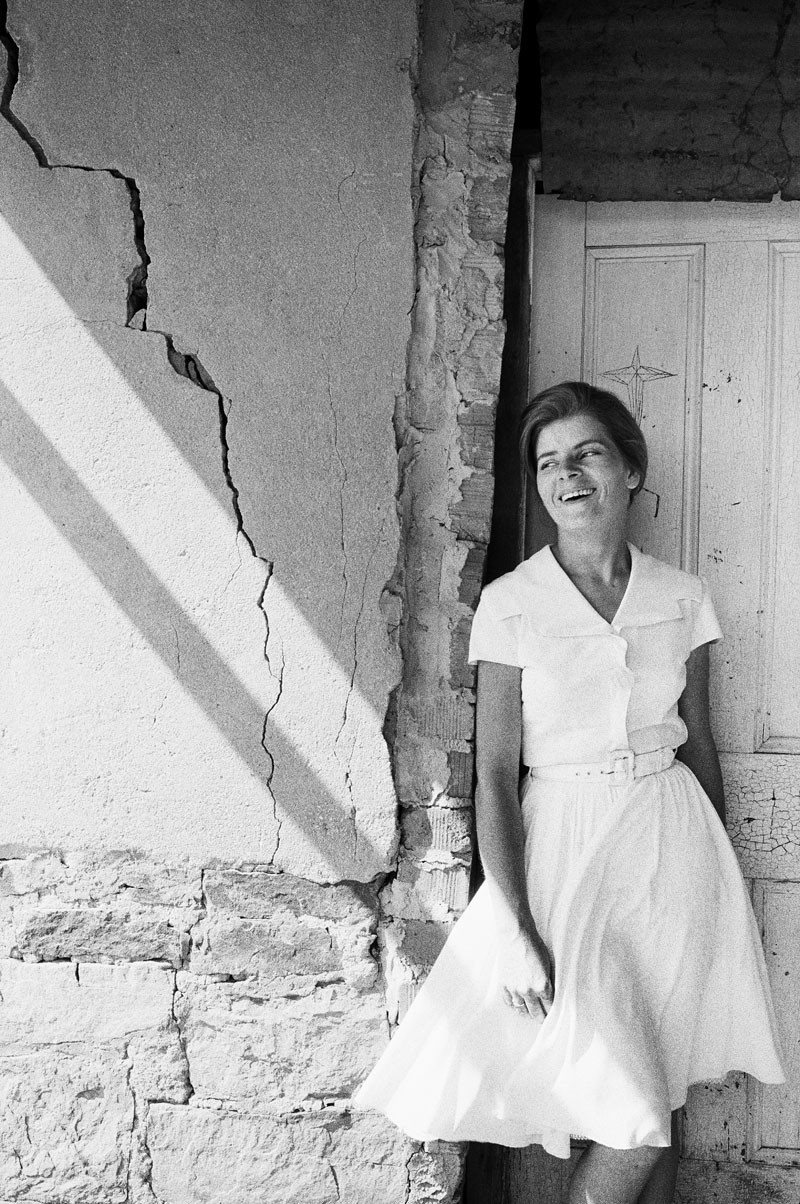
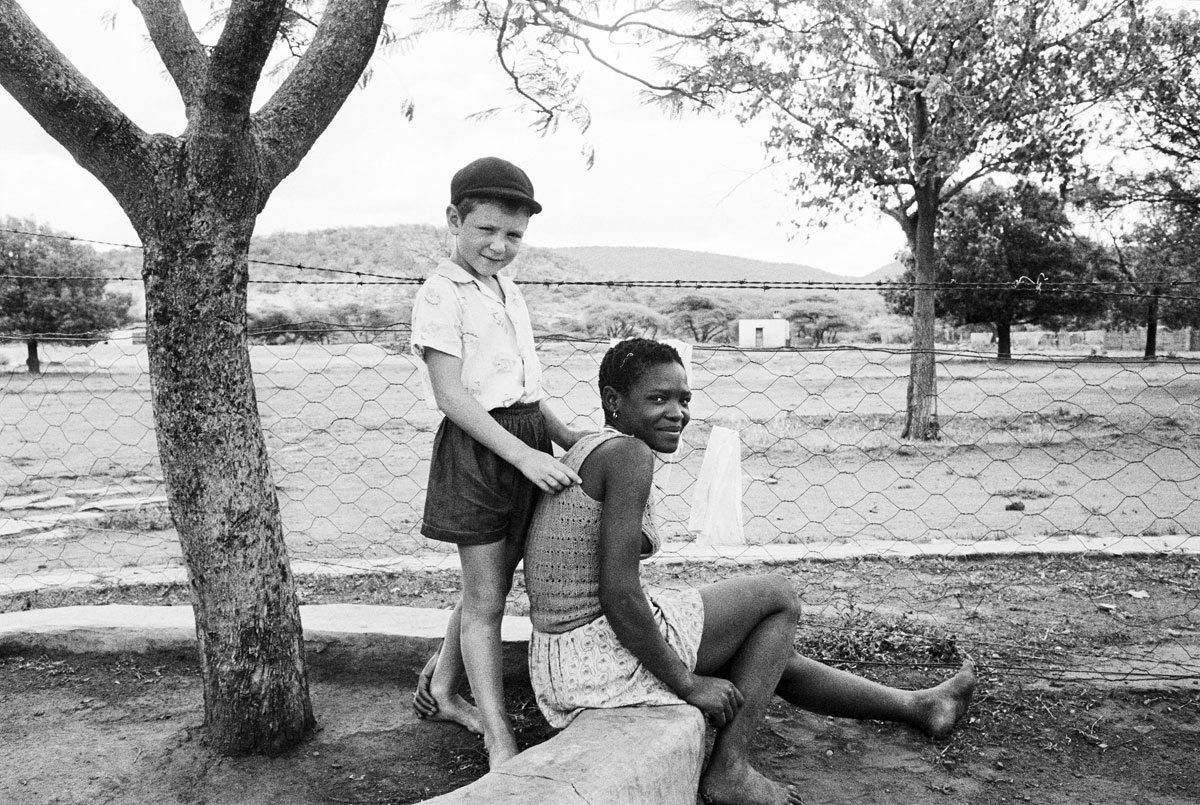
A raft of exhibitions finishing on the 8th June 2014 means a lot of postings over the next few days. This posting continues my fascination with African photography. The two excellent photographs by David Goldblatt are the stand out here, along with the portrait by Mikhael Subotzky.

Marcus


Many thankx to Huis Marseille for allowing me to publish the photographs in the posting. Please click on the photographs for a larger version of the image.


Santu Mofokeng (South African, 1956-2020) 'Windmill, Vaalrand' 1988


Santu Mofokeng (South African, 1956-2020)
Windmill, Vaalrand
1988
From the Bloemhof Series, 1988-1989, 1994


Jo Ractliffe (South African, b. 1961) 'Military watchtower in a domestic garden, Riemvasmaak' 2013


Jo Ractliffe (South African, b. 1961)
Military watchtower in a domestic garden, Riemvasmaak
2013
From The Borderlands (2011-2013)


Jo Ractliffe (South African, b. 1961) 'Playing soccer with marbles, Platfontein' 2012


Jo Ractliffe (South African, b. 1961)
Playing soccer with marbles, Platfontein
2012
From The Borderlands (2011-2013)


Graeme Williams (South African, b. 1958) 'Kempton Park' Nd


Graeme Williams (South African, b. 1958)
Kempton Park
Nd
From Previously Important Places series 1990s -2013


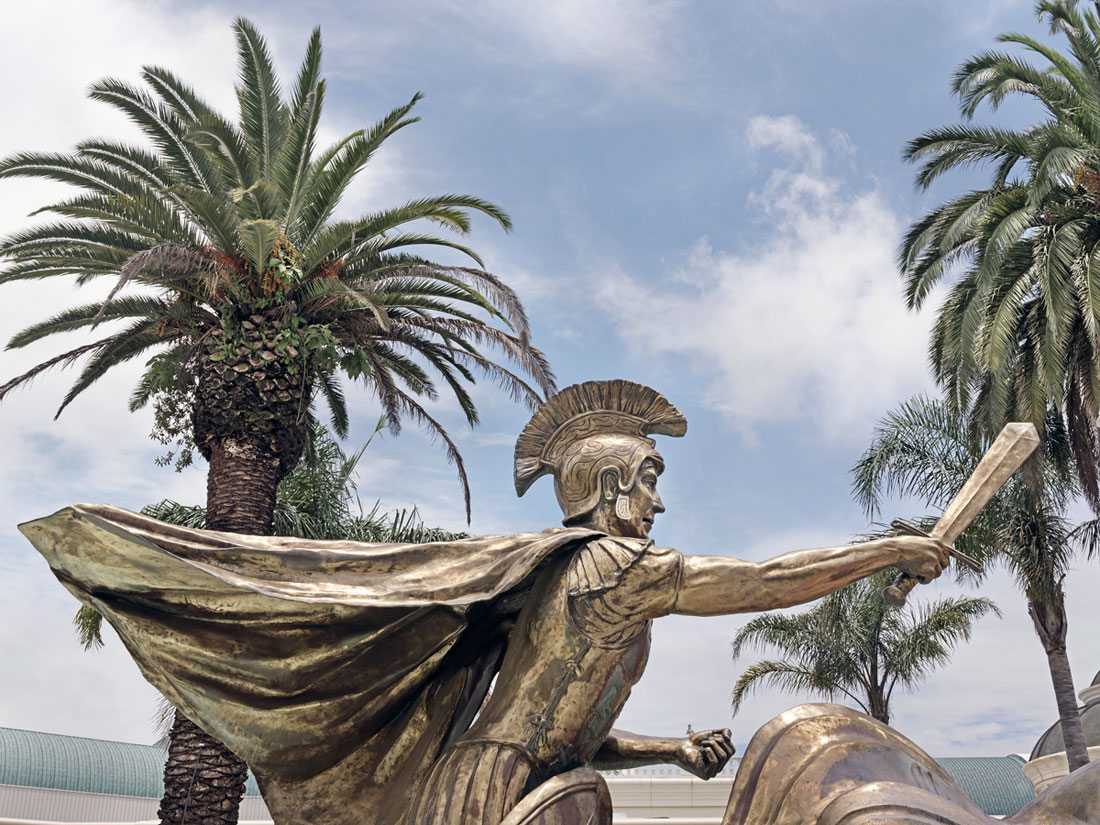
The Emperors Palace Casino and Chariots Entertainment World was build on the site [ in… add please date and place… ]? were the negotiations leading up to the Convention for a Democratic South Africa (CODESA) took place. Now, at the very same place  a statue of the Roman Emperor Caesar Augustus greets visitors at the entrance of the afore mentioned  entertainment centre.


Pieter Hugo (South African, b. 1976) 'In Sipho Ntsibande's Home, Soweto' 2013


Pieter Hugo (South African, b. 1976)
In Sipho Ntsibande’s Home, Soweto
2013
from the series Kin, 2013


Guy Tillim (South African, b. 1962) 'Neri James, Petros Village, Malawi' 2006


Guy Tillim (South African, b. 1962)
Neri James, Petros Village, Malawi
2006
from the series Petros Village, 2006


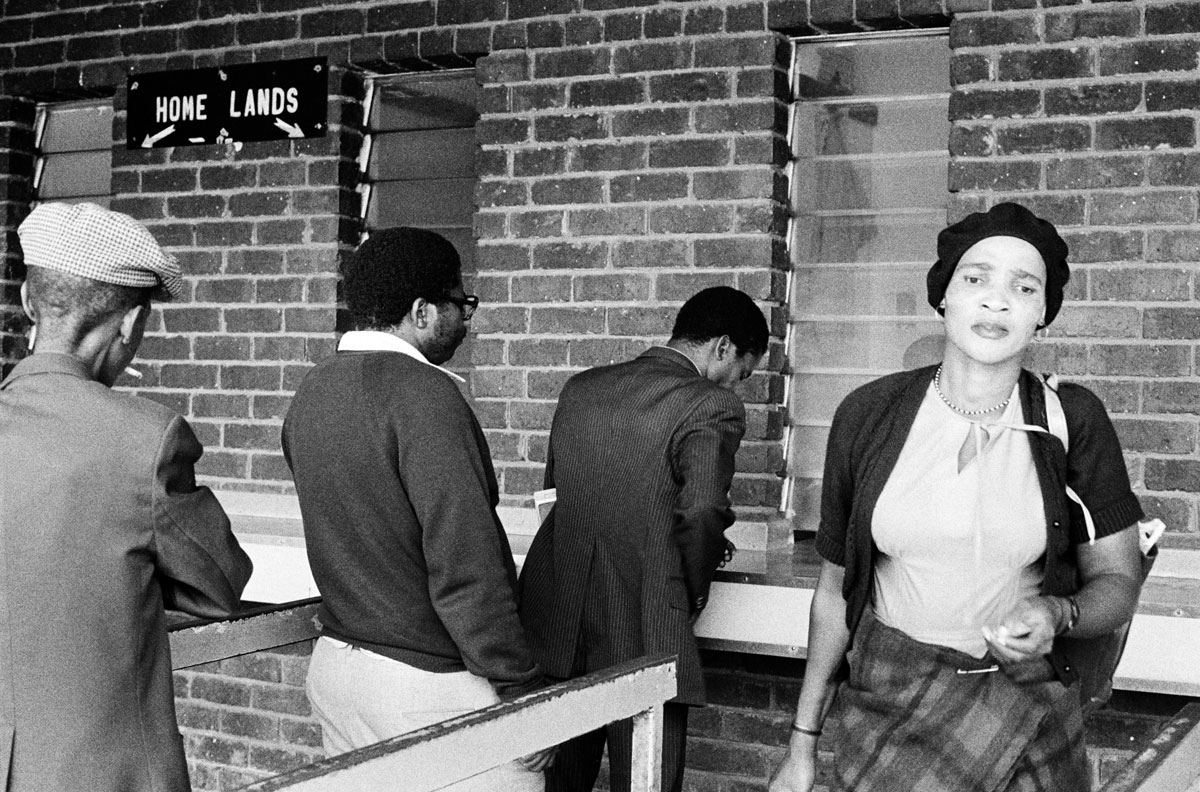
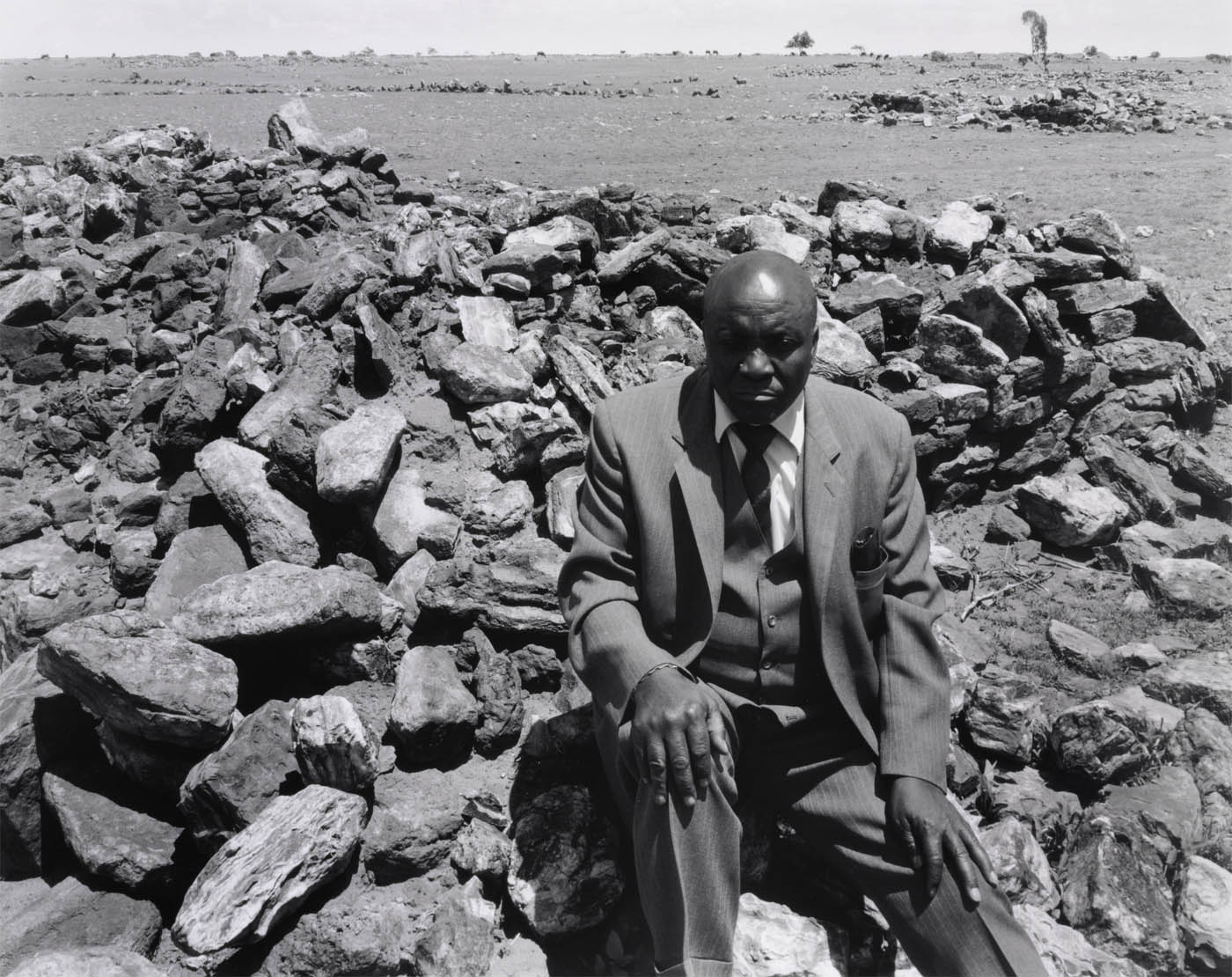
“The scars left in South Africa’s collective memory by its apartheid regime were also inscribed visually on its collective retina. There is less consensus, however, on the period of ‘truth and reconciliation’ after political apartheid came to an end in South Africa in 1990. The exhibition Apartheid and After addresses the question: where did photographers whose earlier work had opposed the apartheid regime point their cameras after 1980?

They include David Goldblatt, for instance, now an éminence grise of South African photography whose exhibition Cross Sections hung in Huis Marseille and others. Has South African democracy been given a face? Where is the real development happening? And where are the scars? Has South African national identity got stuck on a runaway merry-go-round, as the South African visual artist William Kentridge has suggested? One thing is clear: after apartheid, most South African photographers continued to make their own country their work domain, and in doing so they have gained a considerable international reputation.”


“It is astonishing to think that until the beginning of the 1990s, merely two decades ago, modern and contemporary African photography was largely in the shadows.”

Okwui Enwezor in Events of the Self: Portraiture and Social Identity: Contemporary African Photography from the Walther Collection, Steidl, 2013, p. 23.


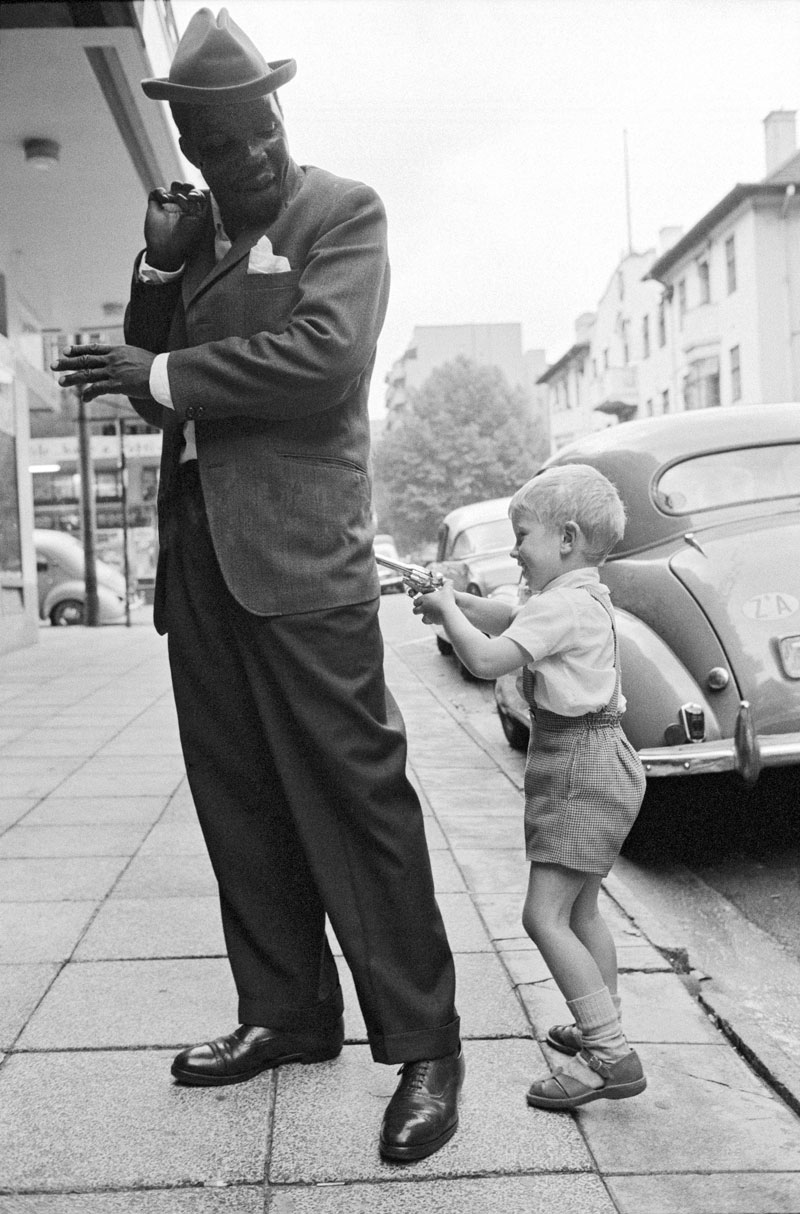
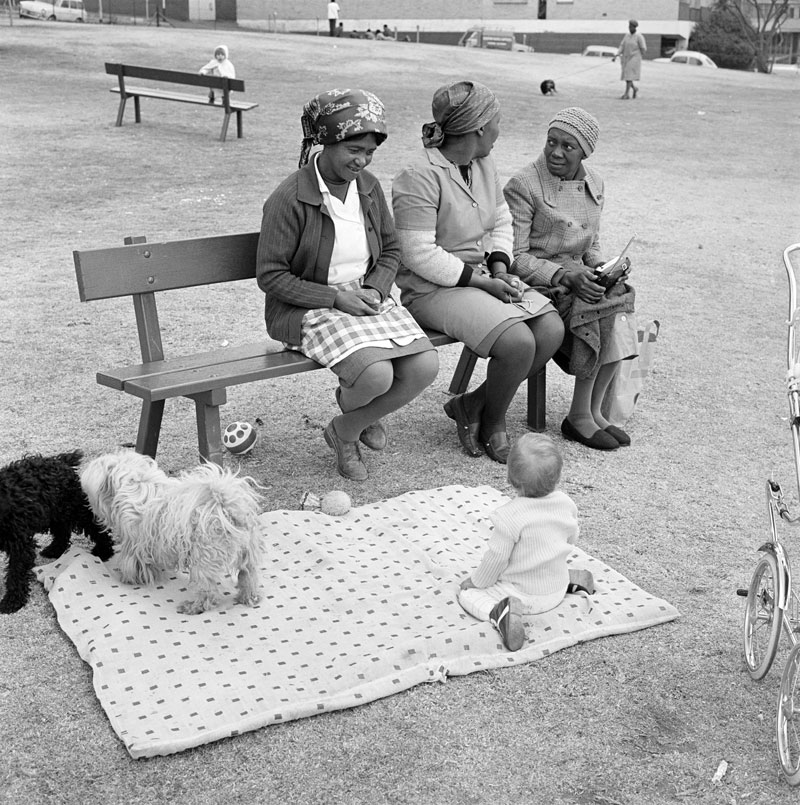
David Goldblatt (South African, 1930-2018) 'Child minder, Joubert Park, Johannesburg, 1975 (no.11)' 1975


David Goldblatt (South African, 1930-2018)
Child minder, Joubert Park, Johannesburg, 1975 (no.11)
1975
From the series Particulars, 2003 (publishing date)


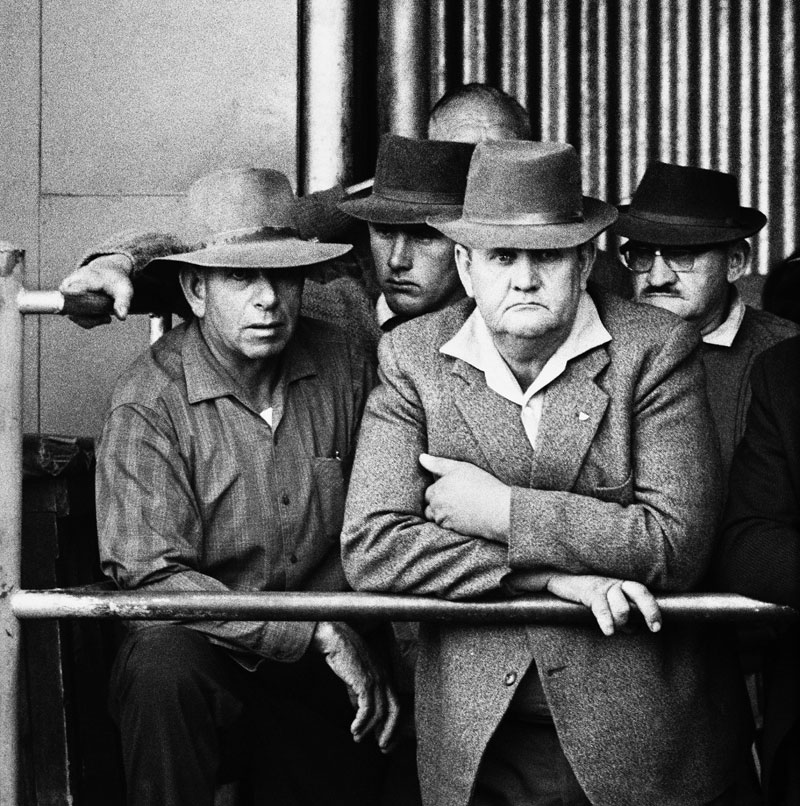
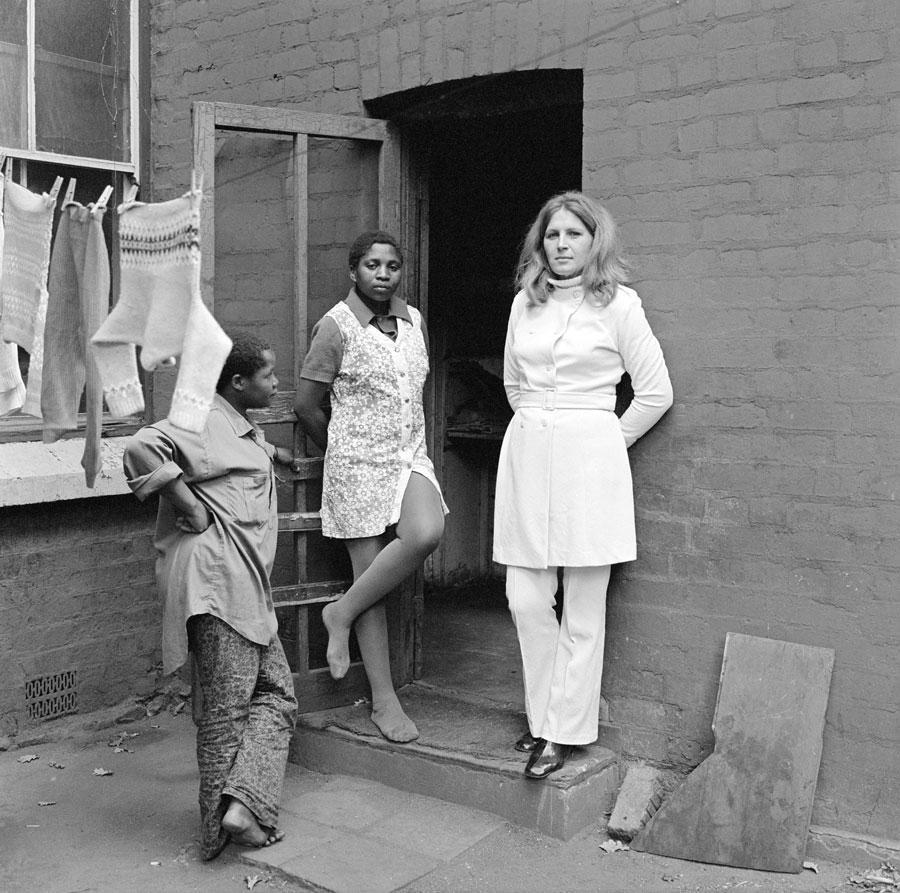
David Goldblatt (South African, 1930-2018) 'Man on a beach, Joubert Park, Johannesburg, 1975 (no. 2)' 1975


David Goldblatt (South African, 1930-2018)
Man on a beach, Joubert Park, Johannesburg, 1975 (no. 2)
1975
From the series Particulars, 2003 (publishing date)


Sabelo Mlangeni (South African, b. 1980) 'Coming to Johannesburg I, January, 2011' 2011


Sabelo Mlangeni (South African, b. 1980)
Coming to Johannesburg I, January, 2011
2011


Sabelo Mlangeni (South African, b. 1980) 'Coming to Johannesburg I, January, 2011' 2011


Sabelo Mlangeni (South African, b. 1980)
Coming to Johannesburg I, January, 2011
2011


Daniel Naudé (South African, b. 1984) 'Africanis 23. Richmond, Northern Cape, 298 January 2009' 2009


Daniel Naudé (South African, b. 1984)
Africanis 23. Richmond, Northern Cape, 298 January 2009
2009


Mikhael Subotzky (South African, b. 1981) 'Joseph Dlamini (Eye test), Matsho Tsmombeni squatter camp' 2012


Mikhael Subotzky (South African, b. 1981)
Joseph Dlamini (Eye test), Matsho Tsmombeni squatter camp
2012
From the series Retinal Shift


Graeme Williams (South African, b. 1958) 'Nelson Mandela speaks at CODESA, 199..?' Nd


Graeme Williams (South African, b. 1958)
Nelson Mandela speaks at CODESA, 199..?
Nd
From Previously Important Places series 1990s-2013


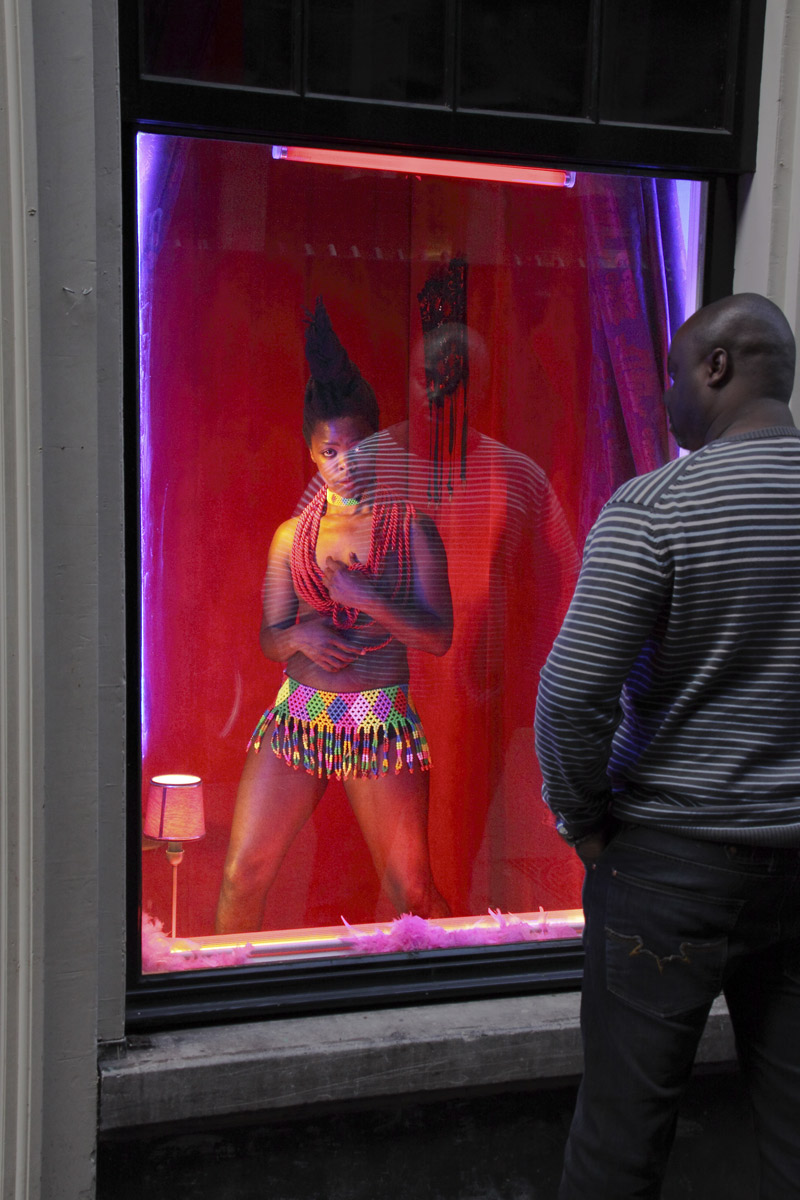
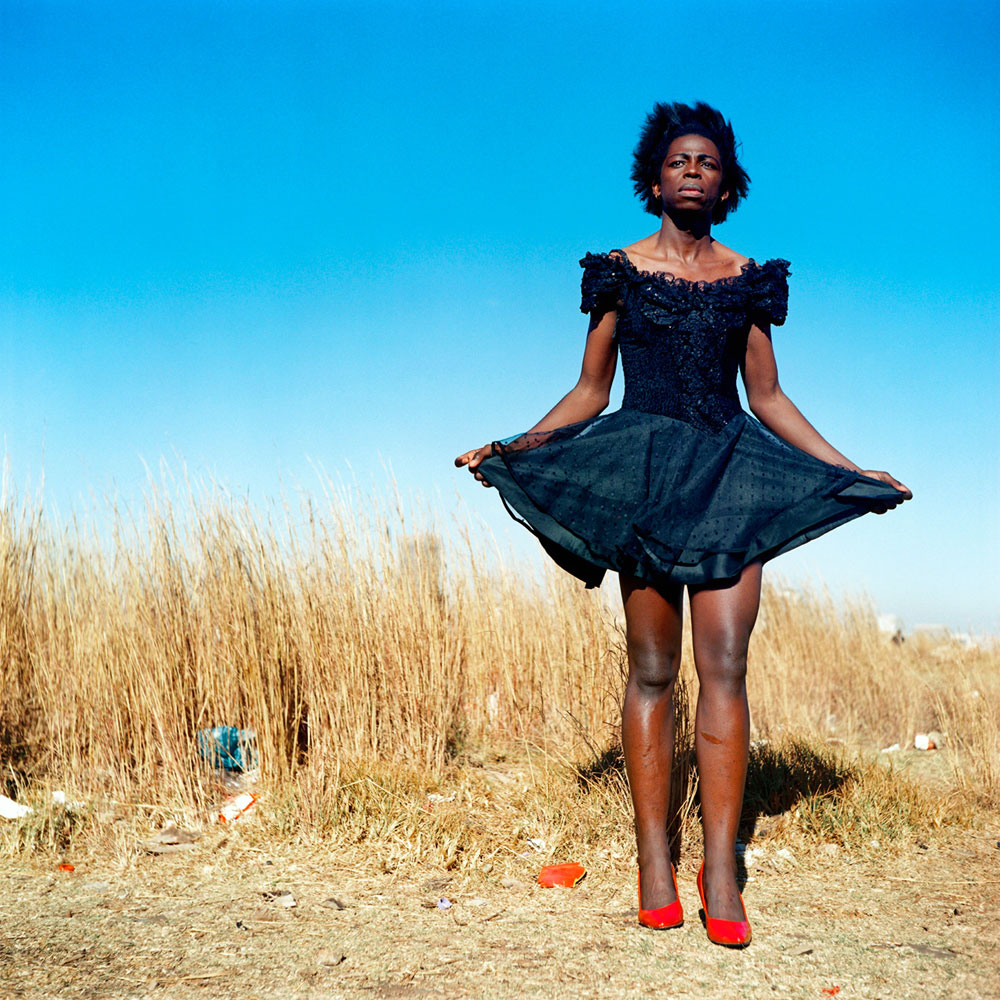
Zanele Muholi (South African, b. 1972) 'Being (T)here (Amsterdam)' 2009

Zanele Muholi (South African, b. 1972) 'Being (T)here (Amsterdam)' 2009

Zanele Muholi (South African, b. 1972) 'Being (T)here (Amsterdam)' 2009


Zanele Muholi (South African, b. 1972)
Being (T)here (Amsterdam)
2009


This slideshow requires JavaScript.


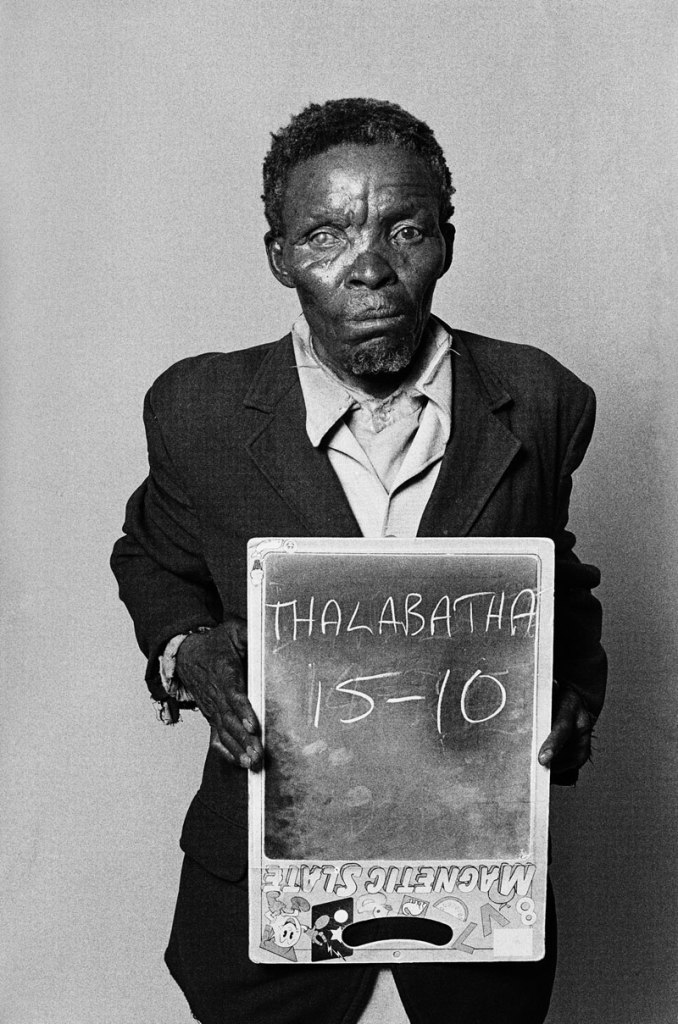
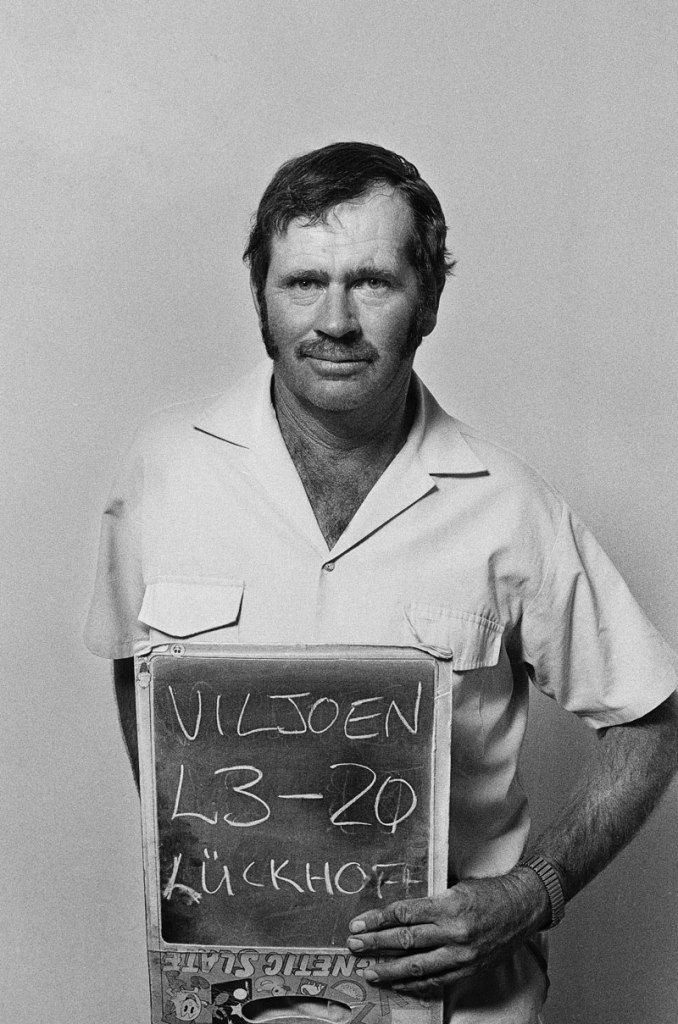
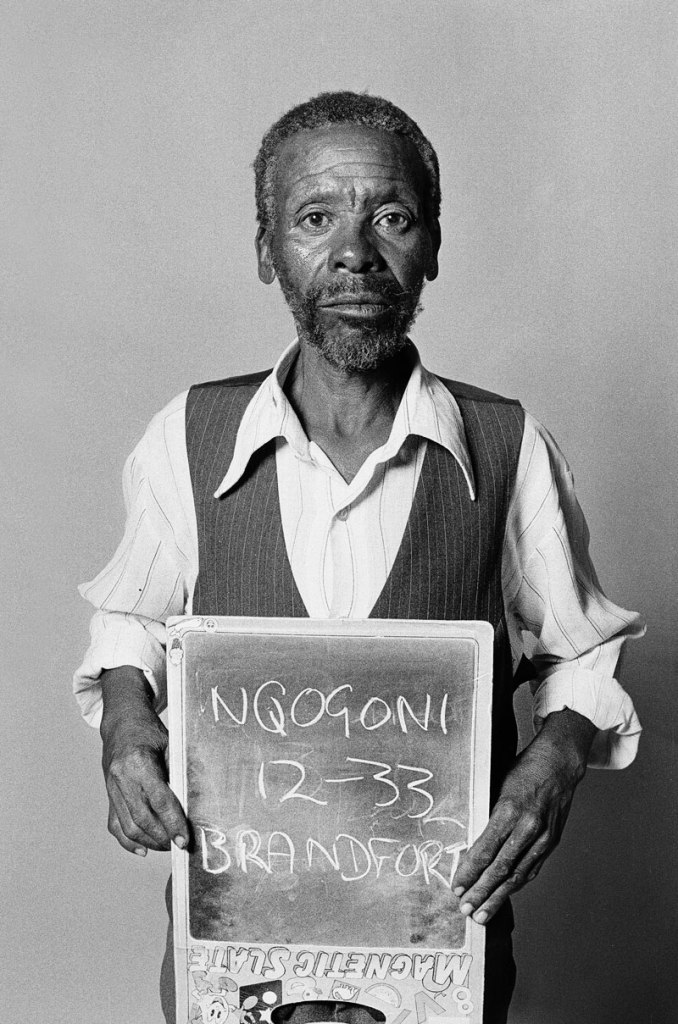
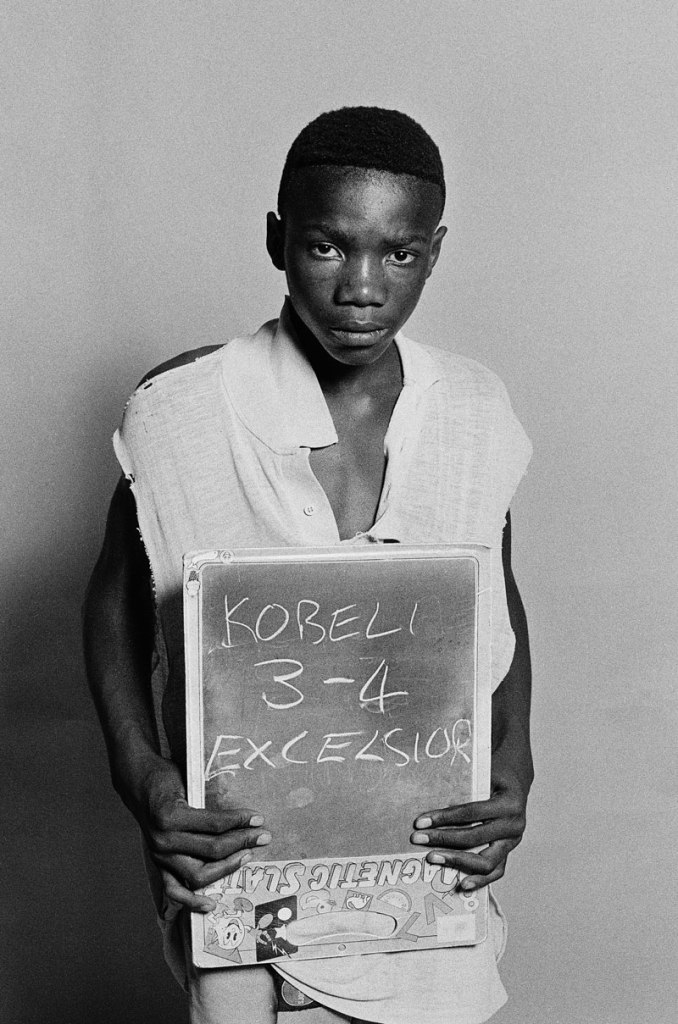
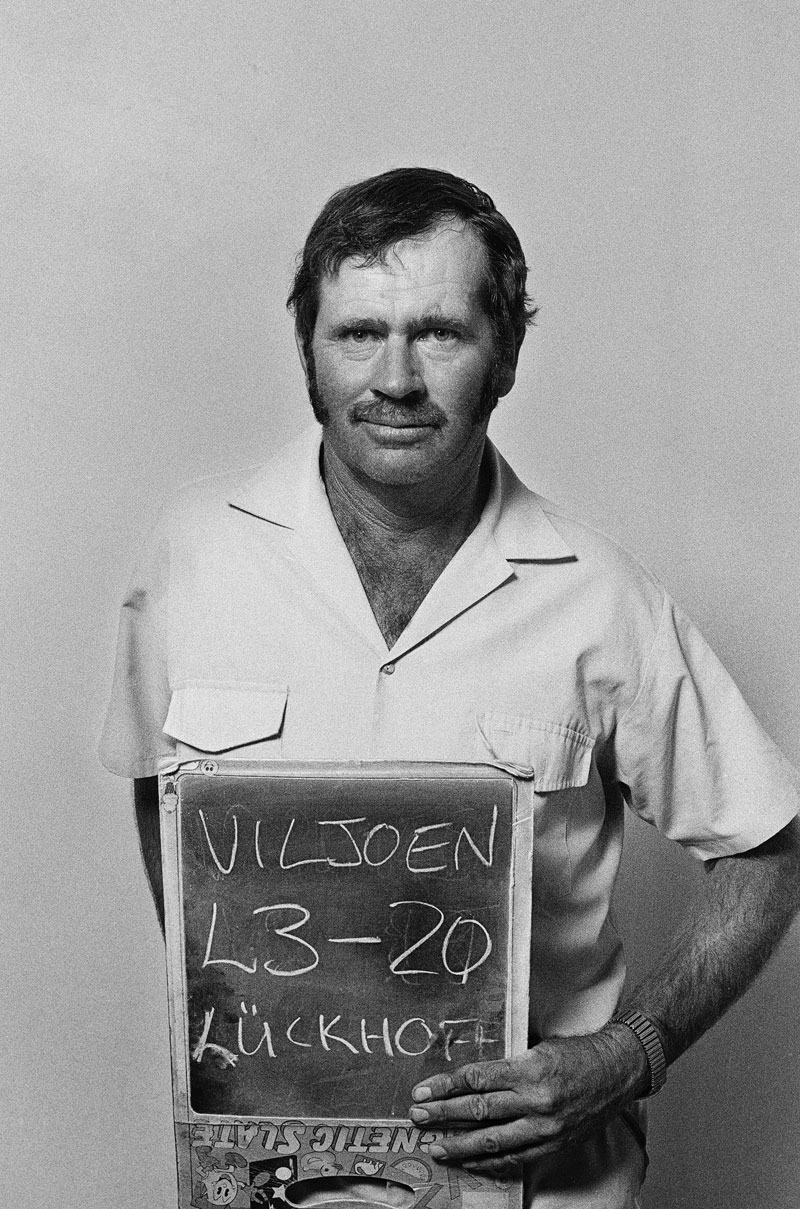
Paul Alberts (South African, 1946-2010) 'The portraits of the applicants' 1994

Paul Alberts (South African, 1946-2010) 'The portraits of the applicants' 1994

Paul Alberts (South African, 1946-2010) 'The portraits of the applicants' 1994

Paul Alberts (South African, 1946-2010) 'The portraits of the applicants' 1994


Paul Alberts (South African, 1946-2010)
The portraits of the applicants
1994


As the 1994 election approached in South-Africa many blacks living in small towns and rural areas had never been officially identified. In order to speed up these otherwise slow procedures, Charmaine and Paul Alberts set up an official, but temporary office and studio to process applications. The portraits of the applicants were taken before a paper back drop in the community hall of Majwemasweu. Each person held a slate with a number that corresponded to the number of the film and exposure, plus their name and place where they lived.


Huis Marseille – Museum for Photography
Keizersgracht 401
1016 EK Amsterdam

Opening hours:
Daily 10am – 6pm
Thursday 10am – 9pm

Huis Marseille – Museum for Photography website

LIKE ART BLART ON FACEBOOK

Back to top

Exhibition: ‘Distance and Desire: Encounters with the African Archive Part II’ at The Walther Collection, Neu-Ulm, Germany

Exhibition dates: 9th June 9 2013 – 17th May 2015


Sammy Baloji (Congolese, b. 1978) 'Untitled 7' 2006


Sammy Baloji (Congolese, b. 1978)
Untitled 7
2006
From Mémoires


This is the last in my trilogy of postings on exhibitions titled Distance and Desire which have featured African art from The Walther Collection, this time focusing on contemporary art.

It is quite instructive to compare this posting with the last, the exhibition My Country, I Still Call Australia Home: Contemporary Art from Black Australia at The Gallery of Modern Art (GOMA), Brisbane. I feel (a critical word) that there is a completely different atmosphere to most of this contemporary art when compared to the Australian iteration. Despite both groups surviving horrendous experiences and the ongoing memories of those acts, there seems to be a lightness of spirit to most of the contemporary African art, a delightful irony, a self deprecating humour, a less backward looking sadness than evidenced in the Australian work.

Of course there are intense moments when contemporary artists mine (and that is an appropriate word, for many Africans worked in servitude in the mines during the Apartheid period) the colonial archive, such as Carrie Mae Weems blood red tondos, You Became a Scientific Profile / An Anthropological Debate / A Negroid Type / A Photographic Subject (1995-1996, below) but what is more in evidence here is a dramatic sense of fashion and the performative and playful manner in which contemporary African identities are explored coupled with a strength in the representation of these identities. These are strong, forthright individuals not hidden off camera or dressed up in European dreamings imagin(in)g utopian “what ifs”; not the obvious crosses on black chests or deleted, delineated faces made of gum blossoms – but vital, alive, present human beings. While both groups of artists use traditional symbology to explore issues of identity and representation, the Australian version often seems dragged down by the portrayed dichotomy between past and present, traditional and contemporary / subversive, as though there must always be a reckoning, a longing, a sadness constantly reiterated in / with the past.

Dr Marcus Bunyan


Many thankx to The Walther Collection for allowing me to publish the photographs in the posting. Please click on the photographs for a larger version of the image. All images Courtesy of The Walther Collection.


Part II: Contemporary Reconfigurations


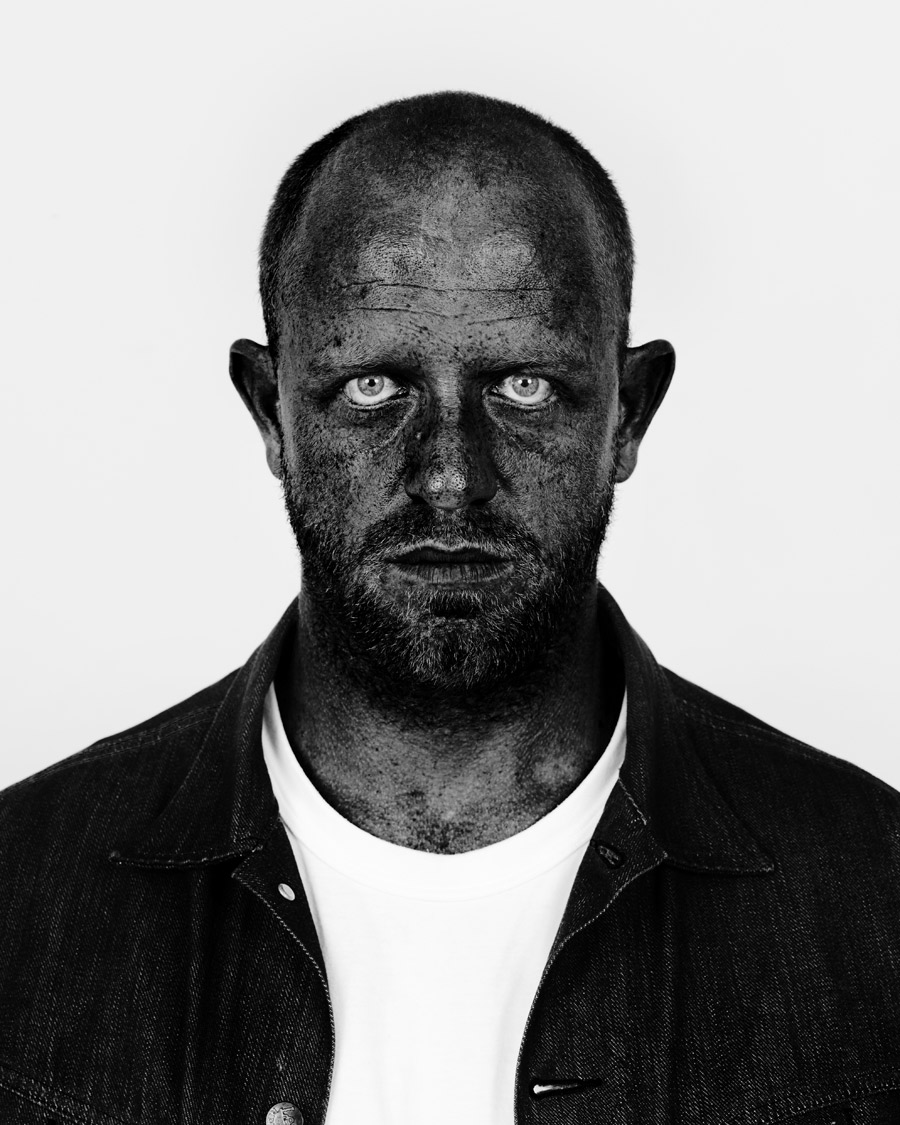
Pieter Hugo (South African, b. 1976) 'Nandipha Mntambo, Cape Town' 2012


Pieter Hugo (South African, b. 1976)
Nandipha Mntambo, Cape Town
2012
From There’s a Place in Hell for Me and My Friends


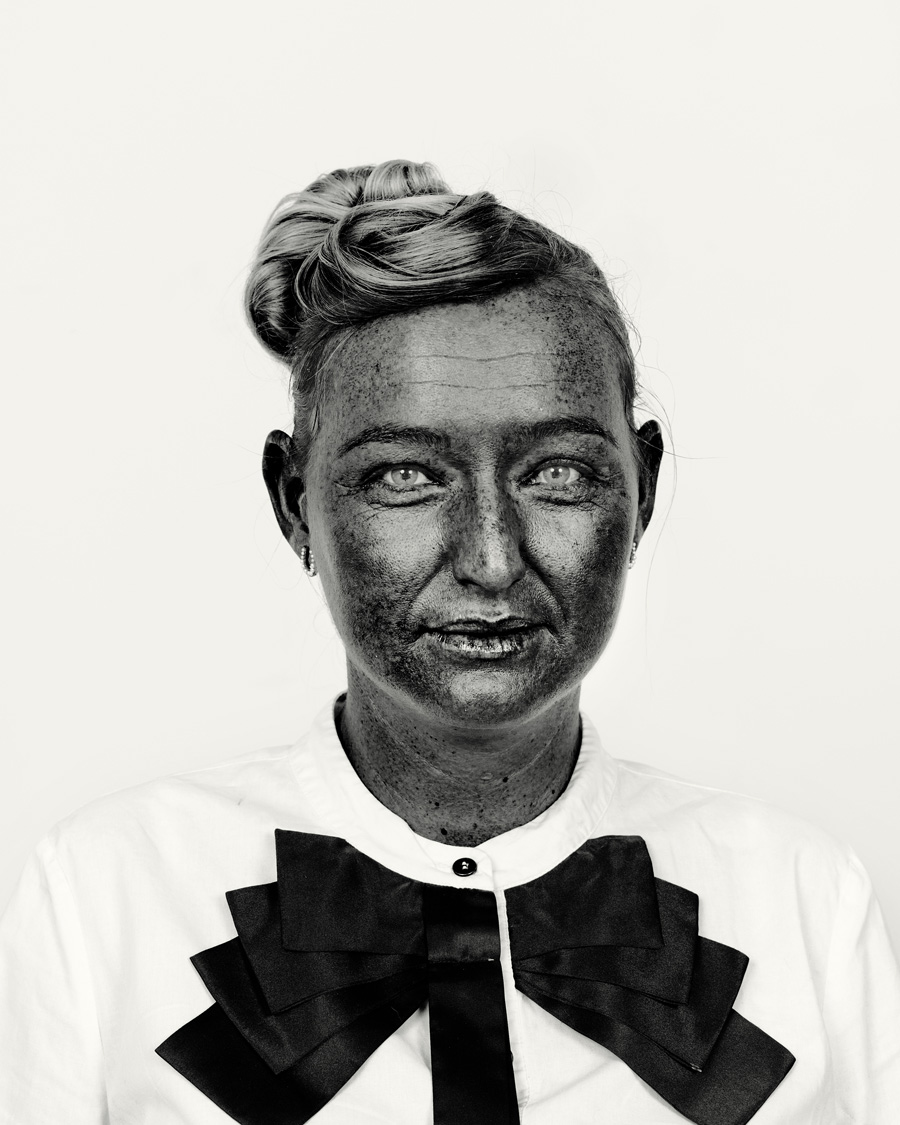
Pieter Hugo’s There’s a Place in Hell for Me and My Friends is a series of close-up portraits of the artist and his friends, all of whom call South Africa home. Through a digital process of converting colour images to black and white while manipulating the colour channels, Hugo emphasises the pigment (melanin) in his sitters’ skins so they appear heavily marked by blemishes and sun damage. The resulting portraits are the antithesis of the airbrushed images that determine the canons of beauty in popular culture, and expose the contradictions of racial distinctions based on skin colour. As the critic Aaron Schuman writes, “although at first glance we may look ‘black’ or ‘white’, the components that remain ‘active’ beneath the surface consist of a much broader spectrum. What superficially appears to divide us is in fact something that we all share, and like these photographs, we are not merely black and white – we are red, yellow, brown, and so on; we are all, in fact, coloured.

Text from the Stevenson Gallery website [Online] Cited 01/10/2013 no longer available online


Sabelo Mlangeni (South African, b. 1980) 'Outside King Mswati's palace' 2011


Sabelo Mlangeni (South African, b. 1980)
Outside King Mswati’s palace
2011
From Iimbali


Sabelo Mlangeni (South African, b. 1980) 'Imbali' 2011


Sabelo Mlangeni (South African, b. 1980)
Imbali
2011
From Iimbali


David Goldblatt (South African, 1930-2018) 'Mineworkers in their hostel, Western Deep Levels, Carletonville' 1970


David Goldblatt (South African, 1930-2018)
Mineworkers in their hostel, Western Deep Levels, Carletonville
1970


Pieter Hugo (South African, b. 1976) 'Yasser Booley, Cape Town' 2011


Pieter Hugo (South African, b. 1976)
Yasser Booley, Cape Town
2011
From There’s a Place in Hell for Me and My Friends


Pieter Hugo (South African, b. 1976) 'Pieter Hugo, Cape Town' 2011


Pieter Hugo (South African, b. 1976)
Pieter Hugo, Cape Town
2011
From There’s a Place in Hell for Me and My Friends


Pieter Hugo (South African, b. 1976) 'Themba Tshabalala, Cape Town' 2011


Pieter Hugo (South African, b. 1976)
Themba Tshabalala, Cape Town
2011
From There’s a Place in Hell for Me and My Friends


Guy Tillim (South African, b. 1962) 'Mai Mai militia in training near Beni, eastern DRC, for immediate deployment with the APC (Armée Populaire du Congo), the army of the RCD-KIS-ML - Portraits I and II' December 2002

Guy Tillim (South African, b. 1962) 'Mai Mai militia in training near Beni, eastern DRC, for immediate deployment with the APC (Armée Populaire du Congo), the army of the RCD-KIS-ML - Portraits I and II' December 2002


Guy Tillim (South African, b. 1962)
Mai Mai militia in training near Beni, eastern DRC, for immediate deployment with the APC (Armée Populaire du Congo), the army of the RCD-KIS-ML – Portraits I and II
December 2002


Sabelo Mlangeni (South African, b. 1980) 'Lwazi Mtshali, "Bigboy"' 2009


Sabelo Mlangeni (South African, b. 1980)
Lwazi Mtshali, “Bigboy”
2009
From Country Girls


Sabelo Mlangeni (South African, b. 1980) 'Xolani Ngayi, eStanela' 2009


Sabelo Mlangeni (South African, b. 1980)
Xolani Ngayi, eStanela
2009
From Country Girls


Zanele Muholi (South African, b. 1972) 'Amogelang Senokwane, District Six, Cape Town' 2009


Zanele Muholi (South African, b. 1972)
Amogelang Senokwane, District Six, Cape Town
2009
From Faces and Phases


Zanele Muholi (South African, b. 1972) 'Sishipo Ndzuzo, Embekweni, Paarl' 2009


Zanele Muholi (South African, b. 1972)
Sishipo Ndzuzo, Embekweni, Paarl
2009
From Faces and Phases


The Walther Collection is pleased to announce Part II of Distance and Desire: Encounters with the African Archive, a three-part exhibition series curated by Tamar Garb. “Contemporary Reconfigurations” offers new perspectives on the African photographic archive, reimagining its diverse histories and changing meanings. The exhibition centres on photography and video by African and African American artists who engage critically with the archive through parody, appropriation, and reenactment.

Carrie Mae Weems introduces the themes of “Contemporary Reconfigurations” with her powerful series From Here I Saw What Happened And I Cried, a revision of nineteenth and twentieth-century anthropometric photographs of African Americans, overlaid with texts by the artist. Sammy Baloji, Candice Breitz, Zwelethu Mthethwa, and Zanele Muholi rethink the ethnographic archive in large-scale colour prints, while Samuel Fosso and Philip Kwame Apagya create exuberant studio portraiture.

Sabelo Mlangeni’s black and white photo-essay, Imbali, documents the reed dances of KwaZulu-Natal, showing the display of virgins vying to be chosen as brides. Pieter Hugo’s series There’s a Place in Hell for Me and My Friends examines ethnicity and skin tonalities through anthropological mug shots. Working in video, Berni Searle performs as a statuesque deity engaged in domestic labor in “Snow White,” and Andrew Putter gives an indigenous voice to the effigy of Marie van Riebeeck, wife of the first Dutch settler in the area known today as Cape Town, in “Secretly I Will Love You More.”

For this group of artists, a stereotype or ethnographic vision in one era may provide material for quotation, irreverent reworking, or satirical performance in another. Illustrating how the African archive – broadly understood as an accumulation of representations, images, and objects – figures in selected contemporary lens-based practices, the exhibition stages a dialogue between the distance of the past and the desiring gaze of the present.

Press release from The Walther Collection website


Zwelethu Mthethwa (South African, b. 1960) 'Untitled' 2010


Zwelethu Mthethwa (South African, b. 1960)
Untitled
2010
From The Brave Ones
Courtesy of Jack Shainman Gallery, New York


Samuel Fosso (Cameroonian, b. 1962) 'La femme américaine libérée des années 70' 1997


Samuel Fosso (Cameroonian, b. 1962)
La femme américaine libérée des années 70
1997


Samuel Fosso (Cameroonian, b. 1962) 'Le Chef qui a vendu l'Afrique aux colons' 1997


Samuel Fosso (Cameroonian, b. 1962)
Le Chef qui a vendu l’Afrique aux colons
1997


Zanele Muholi (South African, b. 1972) 'Miss D'vine I' 2007


Zanele Muholi (South African, b. 1972)
Miss D’vine I
2007


Zanele Muholi (South African, b. 1972) 'Miss D'vine II' 2007


Zanele Muholi (South African, b. 1972)
Miss D’vine II
2007


Candice Breitz (South African, b. 1972) 'Ghost Series #9' 1994-1996


Candice Breitz (South African, b. 1972)
Ghost Series #9
1994-1996


Candice Breitz (South African, b. 1972) 'Ghost Series #4' 1994-1996


Candice Breitz (South African, b. 1972)
Ghost Series #4
1994-1996


Carrie Mae Weems (American, b. 1953) 'You Became a Scientific Profile / An Anthropological Debate / A Negroid Type / A Photographic Subject' 1995-1996


Carrie Mae Weems (American, b. 1953)
You Became a Scientific Profile / An Anthropological Debate / A Negroid Type / A Photographic Subject
1995-1996
From From Here I Saw What Happened and I Cried
Courtesy of Jack Shainman Gallery, New York


Andrew Putter (South African, b. 1965) 'Secretly I Will Love You More' 2007 (video still)


Andrew Putter (South African, b. 1965)
Secretly I Will Love You More (video still)
2007
Courtesy of the artist and Stevenson, Cape Town and Johannesburg


Sue Williamson (South African, b. 1941) 'Helen Joseph' 1983


Sue Williamson (South African, b. 1941)
Helen Joseph
1983
from A Few South Africans


Helen Beatrice Joseph (née Fennell) (8 April 1905 – 25 December 1992) was a South African anti-apartheid activist.

Helen Joseph was born in Eastbourne near Midhurst West Sussex, England and graduated from King’s College London, in 1927. After working as a teacher in India for three years, Helen came to South Africa in 1931, where she met and married a dentist, Billie Joseph. In 1951 Helen took a job with the Garment Workers Union, led by Solly Sachs. She was a founder member of the Congress of Democrats, and one of the leaders who read out clauses of the Freedom Charter at the Congress of the People in Kliptown in 1955. Appalled by the plight of black women, she was pivotal in the formation of the Federation of South African Women and with the organisation’s leadership, spearheaded a march of 20,000 women to the Union Buildings in Pretoria to protest against pass laws on August 9, 1956. This day is still celebrated as South Africa’s Women’s Day.

She was a defendant at the 1956 Treason Trial. She was arrested on a charge of high treason in December 1956, then banned in 1957. The treason trial dragged on for four years but she was acquitted in 1961. In spite of her acquittal, in 13 October 1962, Helen became the first person to be placed under house arrest under the Sabotage Act that had just been introduced by the apartheid government. She narrowly escaped death more than once, surviving bullets shot through her bedroom and a bomb wired to her front gate. Her last banning order was lifted when she was 80 years old. Helen had no children of her own, but frequently stood in loco parentis for the children of comrades in prison or in exile. Among the children who spent time in her care were Winnie and Nelson Mandela’s daughters Zinzi and Zenani and Bram Fischer’s daughter Ilsa. Helen Joseph died on the 25 December 1992 at the age of 87.

Text from Wikipedia website


Sue Williamson (South African, b. 1941) 'Miriam Makeba' 1987


Sue Williamson (South African, b. 1941)
Miriam Makeba
1987
From A Few South Africans


Miriam Makeba (4 March 1932 – 9 November 2008), nicknamed Mama Africa, was a Grammy Award-winning South African singer and civil rights activist.

In the 1960s, she was the first artist from Africa to popularise African music around the world. She is best known for the song “Pata Pata”, first recorded in 1957 and released in the U.S. in 1967. She recorded and toured with many popular artists, such as Harry Belafonte, Paul Simon, and her former husband Hugh Masekela. Makeba campaigned against the South African system of apartheid. The South African government responded by revoking her passport in 1960 and her citizenship and right of return in 1963. As the apartheid system crumbled she returned home for the first time in 1990. Makeba died of a heart attack on 9 November 2008 after performing in a concert in Italy organised to support writer Roberto Saviano in his stand against the Camorra, a mafia-like organisation local to the region of Campania.

Text from Wikipedia website


Kudzanai Chiurai (Zimbabwean, b. 1981) 'The Black President' 2009


Kudzanai Chiurai (Zimbabwean, b. 1981)
The Black President
2009


Zanele Muholi (South African, b. 1972) 'Ms Le Sishi I, Glebelands, Durban' January 2010


Zanele Muholi (South African, b. 1972)
Ms Le Sishi I, Glebelands, Durban
January 2010
From Beulahs (Beauties)


Zanele Muholi (South African, b. 1972) 'Martin Machapa' 2006


Zanele Muholi (South African, b. 1972)
Martin Machapa
2006
From Beulahs (Beauties)


Philip Kwame Apagya (Ghanaian, b. 1958) 'Come on Board' 2000


Philip Kwame Apagya (Ghanaian, b. 1958)
Come on Board
2000


Philip Kwame Apagya (Ghanaian, b. 1958) 'After the Funeral' 1998


Philip Kwame Apagya (Ghanaian, b. 1958)
After the Funeral
1998


The Walther Collection
Reichenauer Strasse 21
89233 Neu-Ulm, Germany

Opening hours:
Thurs – Sunday by appointment and with guided tour only
Public tours Saturday and Sunday at 3pm by appointment only

The Walther Collection website

LIKE ART BLART ON FACEBOOK

Back to top

Exhibition: ‘Pieter Hugo: This Must Be The Place – Selected Works 2003-2012’ at the Ludwig Museum of Contemporary Art, Budapest

Exhibition dates: 24th May – 11th August 2013


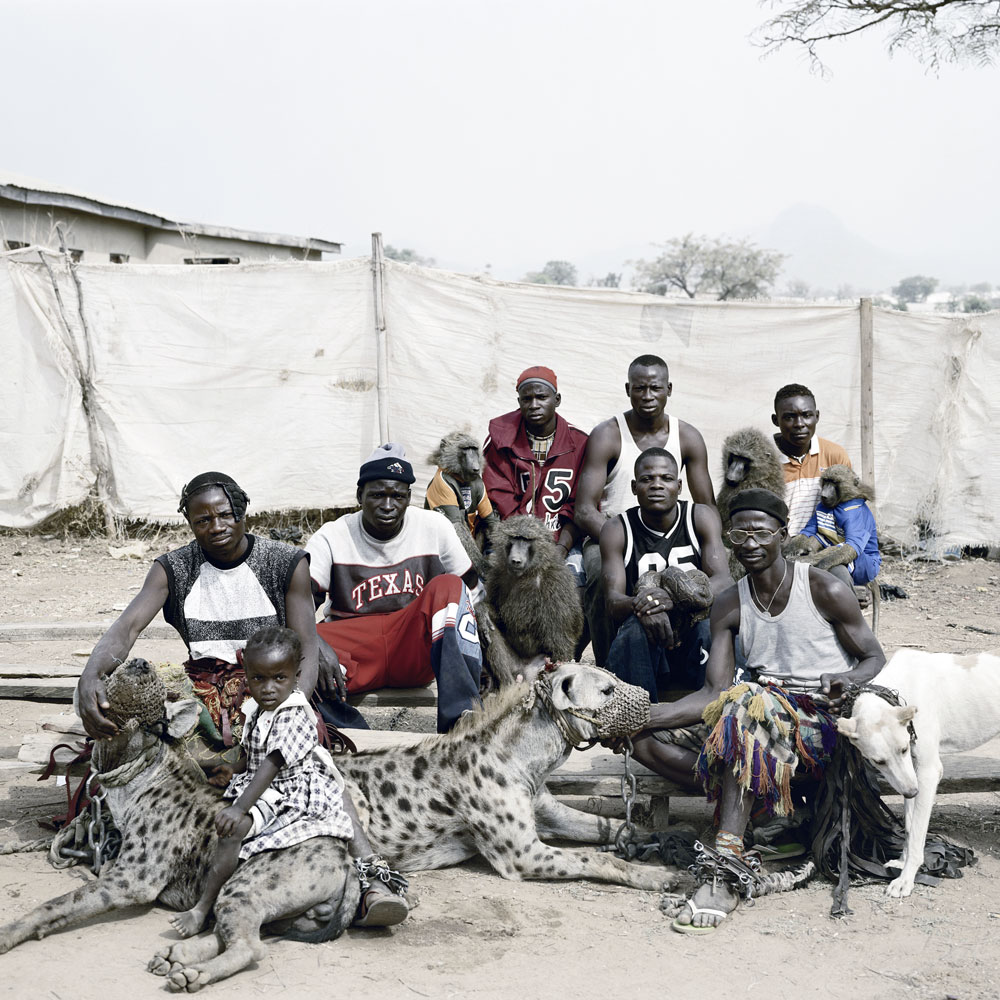
Pieter Hugo (South African, b. 1976) 'The Hyena Men of Abuja, Nigeria' 2005


Pieter Hugo (South African, b. 1976)
The Hyena Men of Abuja, Nigeria
2005
From the series The Hyena & Other Men
© Pieter Hugo
Courtesy of Stevenson, Cape Town/Johannesburg and Yossi Milo, New York


I have not seen enough of the other series of Pieter Hugo to make an informed decision, but work from the The Hyena & Other Men (2005-2007) and Permanent Error (2009-2010) series, the most often reproduced, is certainly strong. Whether I am fully convinced by his singular frontality is another matter…

Dr Marcus Bunyan

Many thankx to the Ludwig Museum of Contemporary Art for allowing me to publish the photographs in the posting. Please click on the photographs for a larger version of the image.


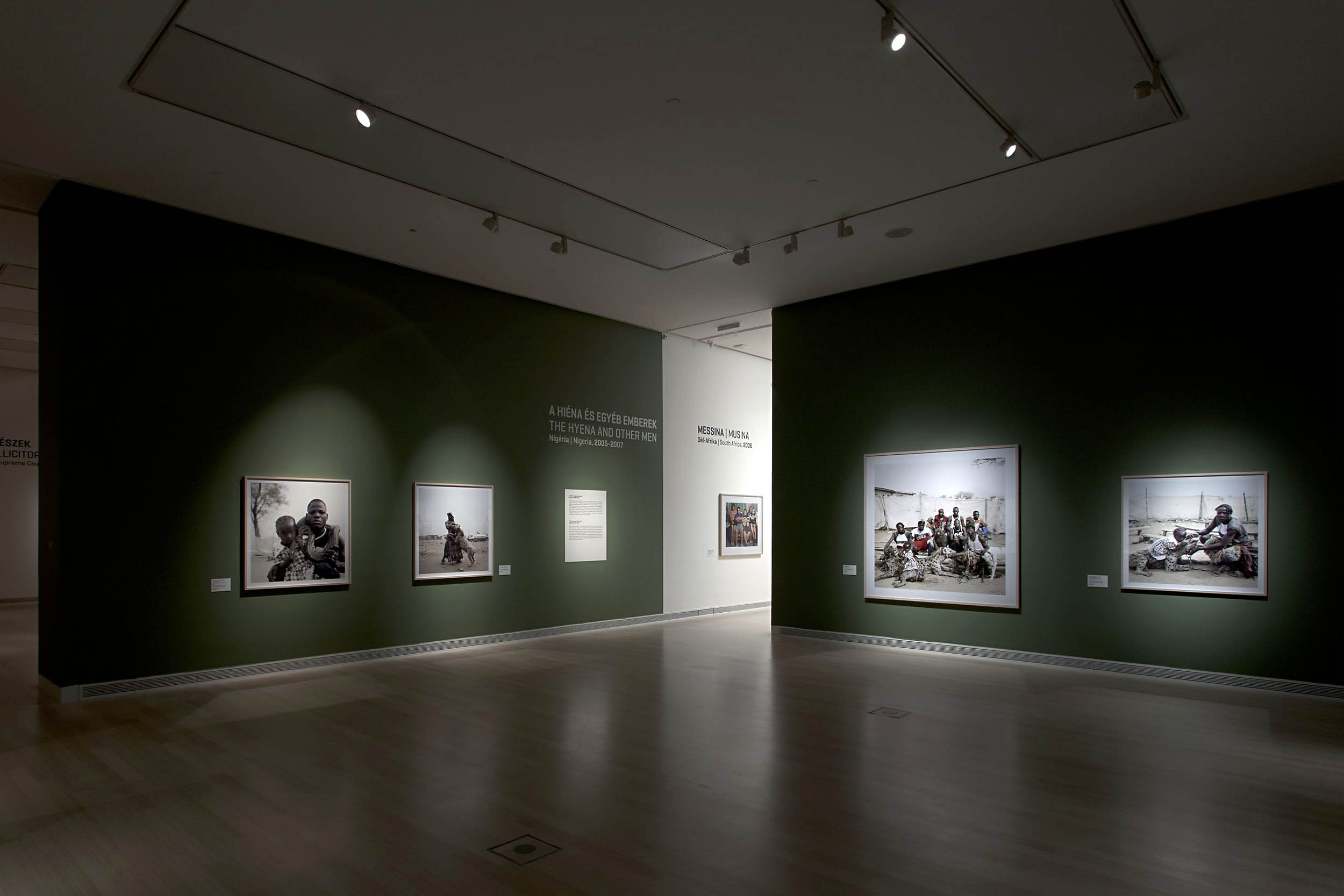
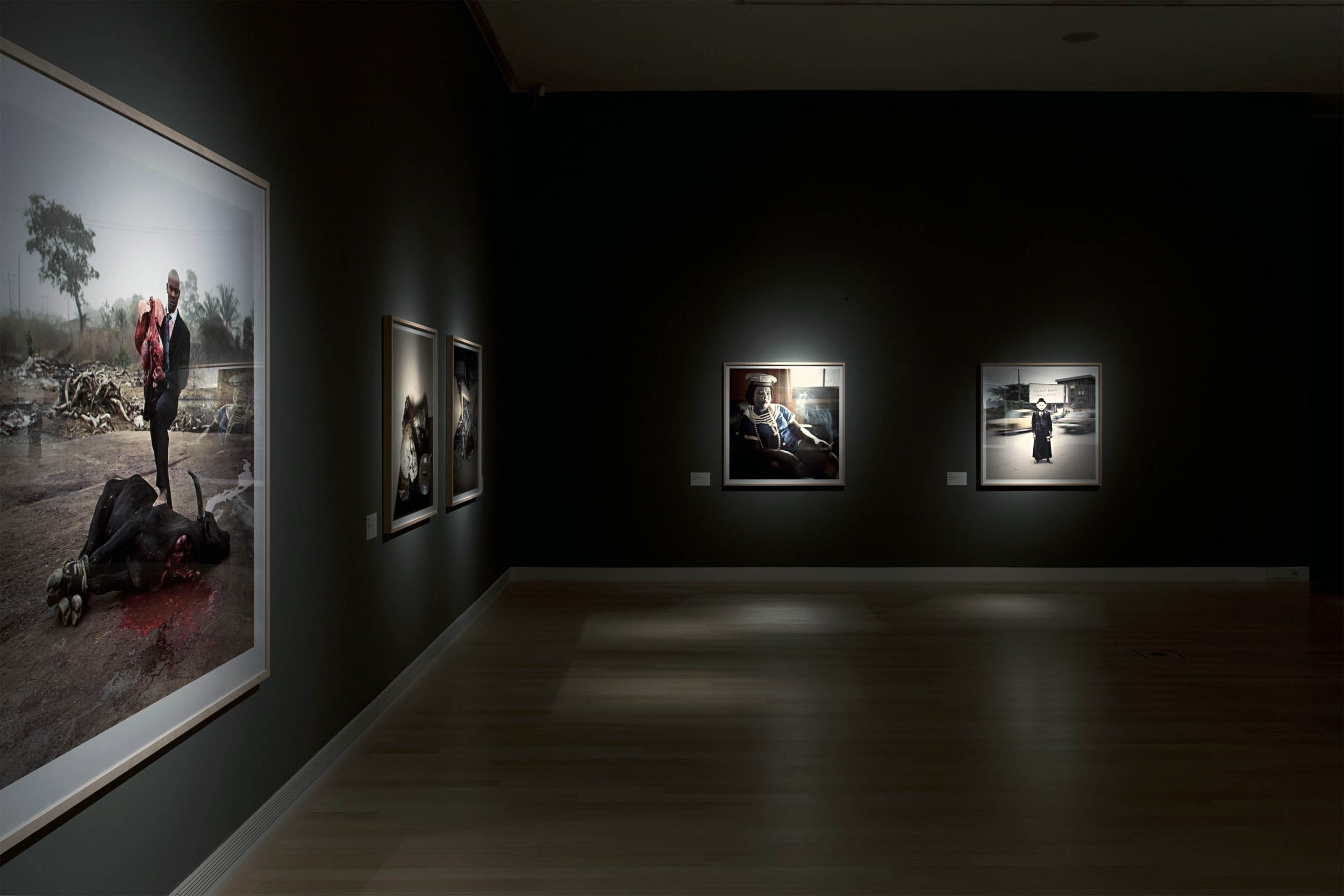
Installation view of the exhibition 'Pieter Hugo: This Must Be The Place – Selected Works 2003-2012' at the Ludwig Museum of Contemporary Art, Budapest showing work from Hugo's 'The Hyena and Other Men' Nigeria, 2005-2007 


Installation view of the exhibition Pieter Hugo: This Must Be The Place – Selected Works 2003-2012 at the Ludwig Museum of Contemporary Art, Budapest showing work from Hugo’s The Hyena and Other Men Nigeria, 2005-2007
Exhibition view © Tamás Bujnovszky / Ludwig Museum – Museum of Contemporary Art, Archives


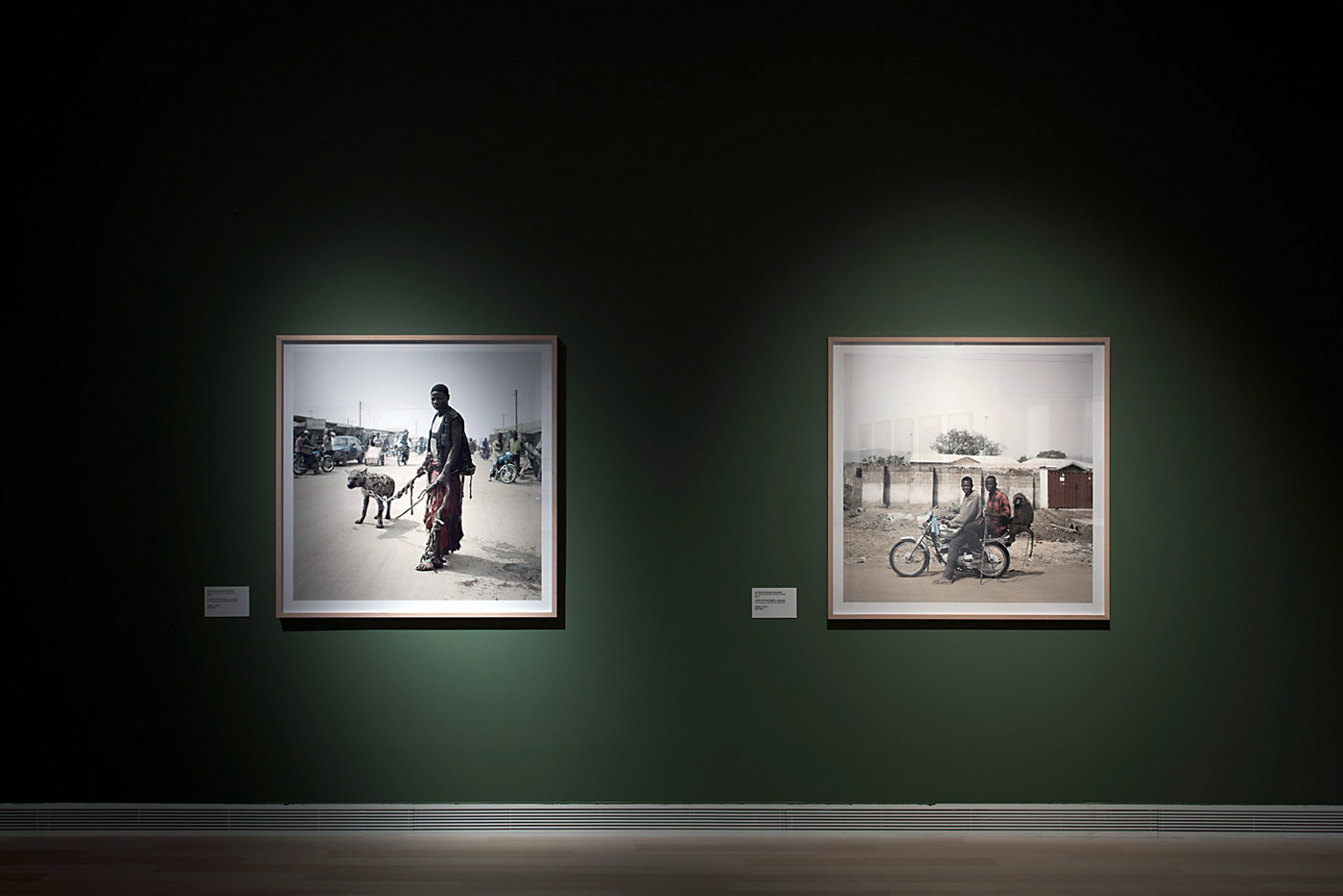
Installation view of the exhibition 'Pieter Hugo: This Must Be The Place – Selected Works 2003-2012' at the Ludwig Museum of Contemporary Art, Budapest showing work from Hugo's 'The Hyena and Other Men' Nigeria, 2005-2007 


Installation view of the exhibition Pieter Hugo: This Must Be The Place – Selected Works 2003-2012 at the Ludwig Museum of Contemporary Art, Budapest showing work from Hugo’s The Hyena and Other Men Nigeria, 2005-2007
Exhibition view © Tamás Bujnovszky / Ludwig Museum – Museum of Contemporary Art, Archives


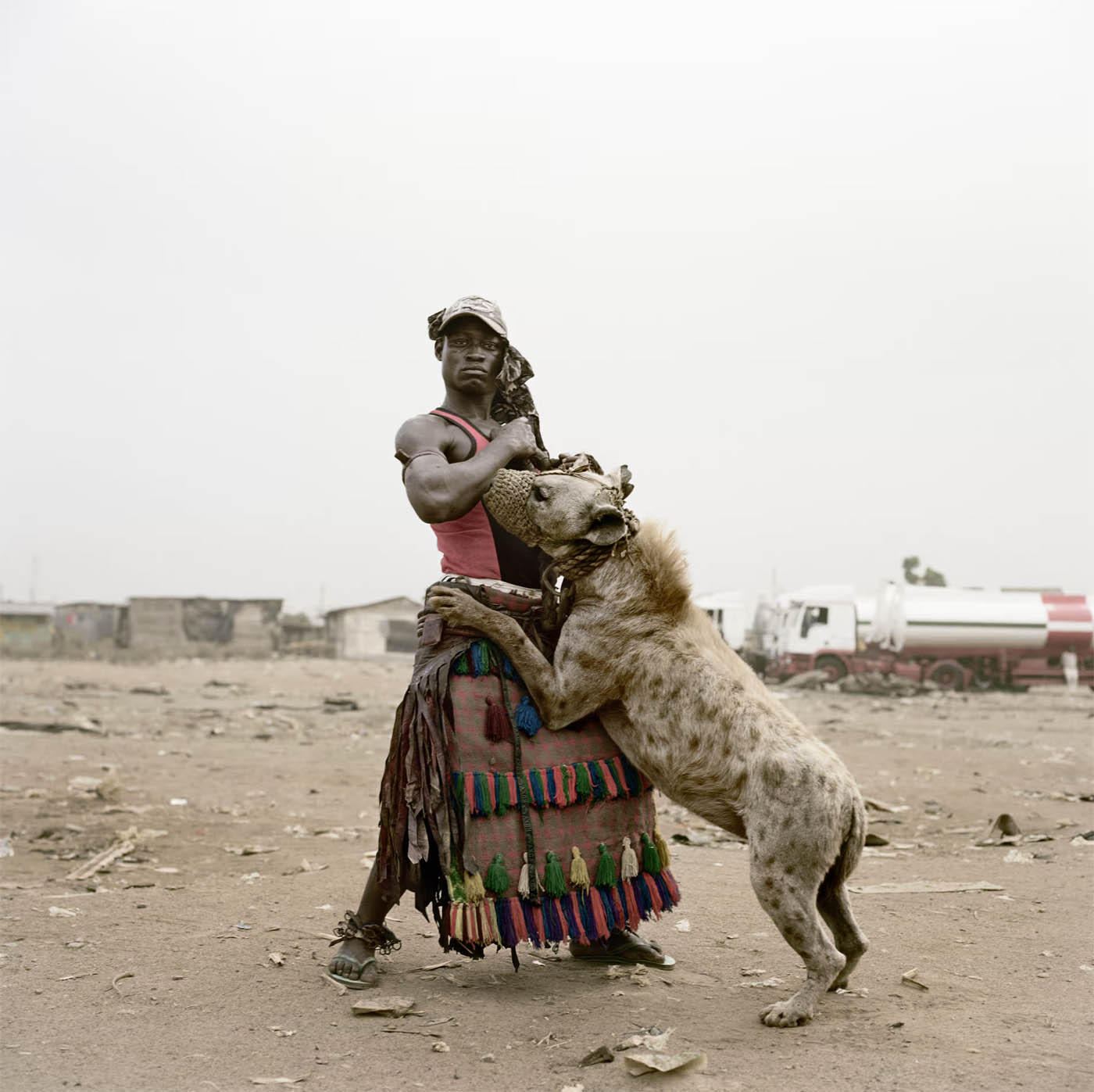
Pieter Hugo (South African, b. 1976) 'The Hyena Men of Abuja, Nigeria' 2005


Pieter Hugo (South African, b. 1976)
The Hyena Men of Abuja, Nigeria
2005
From the series The Hyena & Other Men
© Pieter Hugo
Courtesy of Stevenson, Cape Town/Johannesburg and Yossi Milo, New York


The hyena men are itinerants: they never spend more than two days anywhere. I found them in a shanty town near Abuja, the capital. Despite the language barrier we got to know each other pretty quickly. Outside of Lagos and Port Harcourt, I didn’t see a single white person in Nigeria. So I probably seemed as odd to them as a guy walking a hyena in the street seemed to me.

We smoked some weed to break the ice. It turned out they weren’t debt collectors – they were more like town criers, traditional storytellers who performed in the streets and sold potions after their shows. It reminded me of stories I’d read about eastern European circus troupes in the 1930s – except instead of bears, these guys had hyenas, baboons and pythons.

Seeing them perform was unforgettable. It was a huge spectacle. They would beat drums to draw in the crowds, then take the muzzles off the hyenas. Next they’d put their arms and even their heads between the animals’ jaws. The aim was to convince the audience they had special powers, and that the audience could acquire them too, if they bought their potions.

At first I tried photographing the street shows, but there was just too much going on. Then I realised that the relationship between man and beast was more interesting than all the fireworks of the performance. There was something very strange going on between the guys and the hyenas, bordering on sadomasochism. These animals had been taken out of the wild as pups. They couldn’t return. They were entirely dependent on these guys for food. And these men were dependent on the animals for their livelihoods. They needed each other, but it wasn’t an easy symbiosis. …

I love how confrontational this shot is. At no point did I tell him how to pose. It’s all him. He flexed his bicep, stared straight at me, while his hyena jumped all over him. Then in the background, there’s this kind of Mad Max landscape strewn with broken-down trucks, though you can hardly see them because of the light. It was Harmattan season, a time between November and March when the sands of the Sahara blow over western Africa creating this murky, diffused lighting, which I love. It’s a simple shot with an incredible economy. I wish I could take more like it.

Interview by Edward Siddons. “Pieter Hugo’s best photograph: the hyena men of Nigeria,” on the Guardian website Thursday 19 Jul 2018 [Online] Cited 09/07/2024


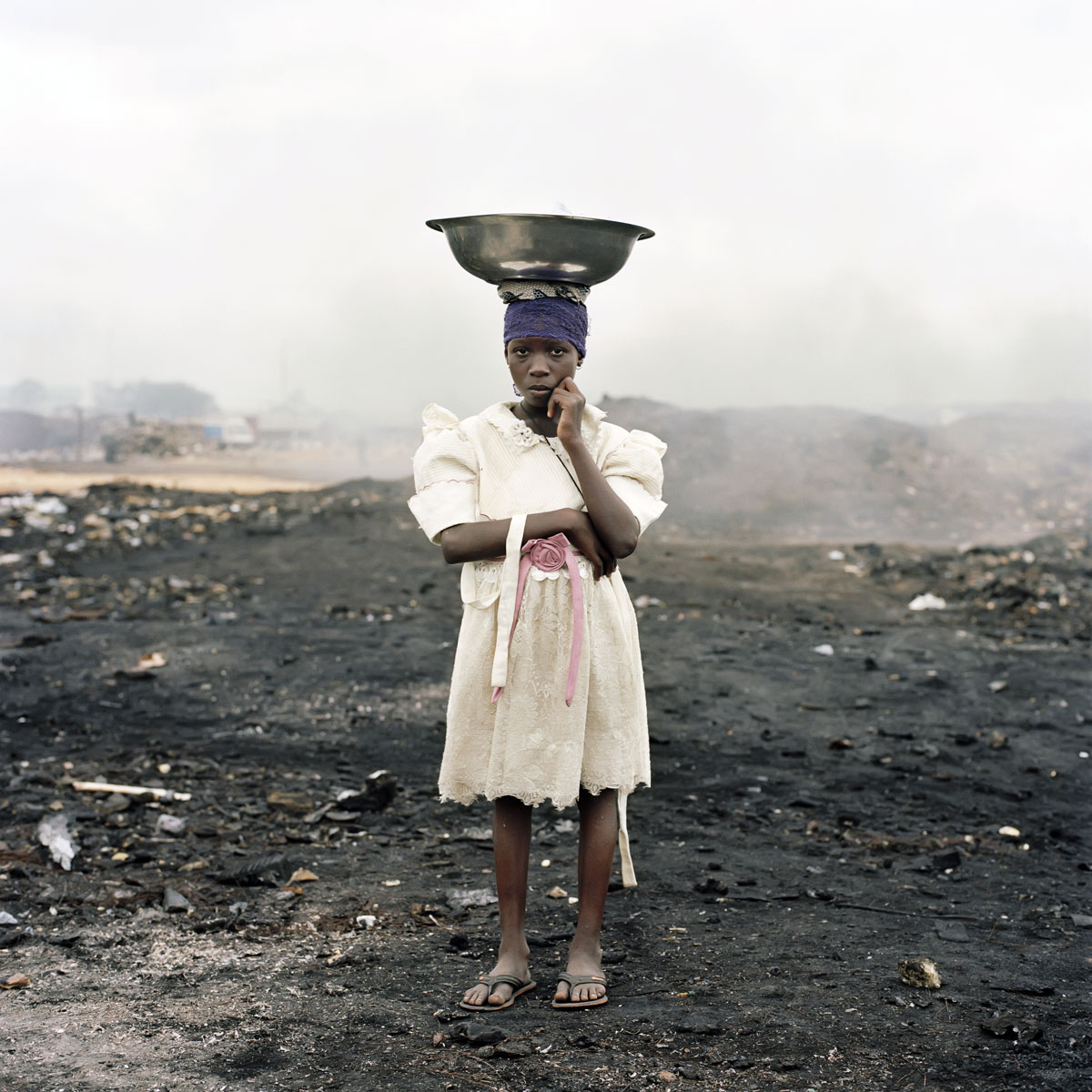
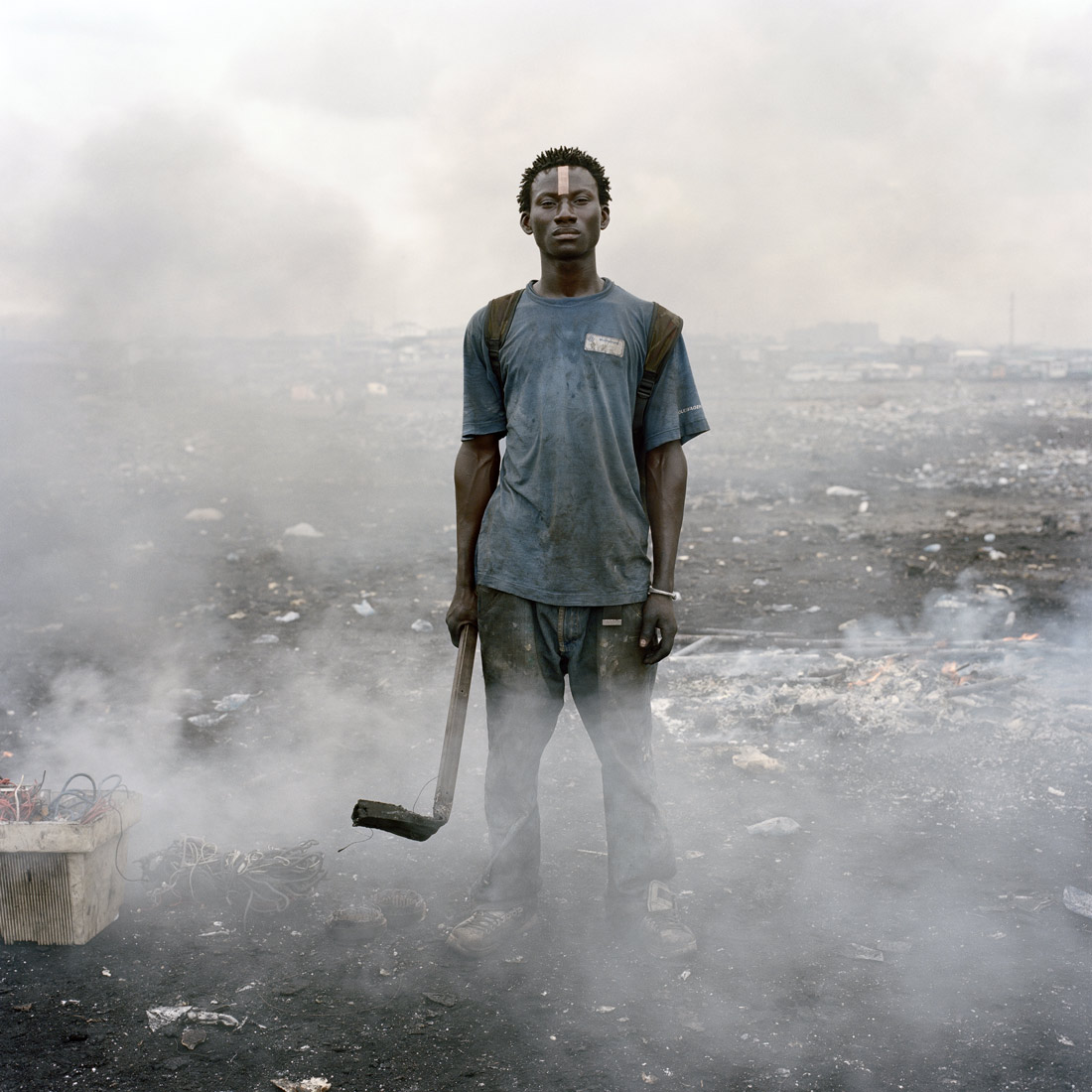
Pieter Hugo (South African, b. 1976) 'Naasra Yeti, Agbogbloshie Market, Accra, Ghana' 2009


Pieter Hugo (South African, b. 1976)
Naasra Yeti, Agbogbloshie Market, Accra, Ghana
2009
From the series Permanent Error (2009-2010)
© Pieter Hugo
Courtesy of Stevenson, Cape Town/Johannesburg and Yossi Milo, New York


Pieter Hugo (South African, b. 1976) 'Aissah Salifu, Agbogbloshie Market, Accra, Ghana' 2010


Pieter Hugo (South African, b. 1976)
Aissah Salifu, Agbogbloshie Market, Accra, Ghana
2010
From the series Permanent Error (2009-2010)
© Pieter Hugo
Courtesy of Stevenson, Cape Town/Johannesburg and Yossi Milo, New York


Installation view of the exhibition Pieter Hugo: This Must Be The Place – Selected Works 2003-2012 at the Ludwig Museum of Contemporary Art, Budapest showing at second right, Hugo's 'Obechukwu Nwoye, Enugu' 2008-2009; and at right, 'Escort Kama. Enugu, Nigeria' 2008 (below) both from the series 'Nollywood' (2008-2009)


Installation view of the exhibition Pieter Hugo: This Must Be The Place – Selected Works 2003-2012 at the Ludwig Museum of Contemporary Art, Budapest showing at second right, Hugo’s Obechukwu Nwoye, Enugu 2008-2009; and at right, Escort Kama. Enugu, Nigeria 2008 (below) both from the series Nollywood (2008-2009)
Exhibition view © Tamás Bujnovszky / Ludwig Museum – Museum of Contemporary Art, Archives


Pieter Hugo (South African, b. 1976) 'Escort Kama. Enugu, Nigeria' 2008


Pieter Hugo (South African, b. 1976)
Escort Kama. Enugu, Nigeria
2008
From the series Nollywood (2008-2009)
© Pieter Hugo
Courtesy of Stevenson, Cape Town/Johannesburg and Yossi Milo, New York


Pieter Hugo (South African, b. 1976) 'Chris Nkulo and Patience Umeh. Enugu, Nigeria' 2008


Pieter Hugo (South African, b. 1976)
Chris Nkulo and Patience Umeh. Enugu, Nigeria
2008
From the series Nollywood (2008-2009)
© Pieter Hugo
Courtesy of Stevenson, Cape Town/Johannesburg and Yossi Milo, New York


Pieter Hugo’s (b. Johannesburg, 1976) career is quite young, yet his photography is already so comprehensive that we can rightly speak of a consistent oeuvre. Since 2003 Hugo has photographed people and themes exclusively in sub-Saharan Africa. Daily life in post-colonial Africa, the complex conditions after the end of apartheid in his own land and the impact of global trade and commerce are themes that circulate throughout his intriguing series.

Pieter Hugo spends long periods of time photographing his extensive series in order to capture intimate and often bizarre moments. His use of a large-format camera requires patience and trust between photographer and subject, which is visible in straightforward expressions and candid interactions. There is a moment of calm and even timelessness in these works that allows the viewer to engage more fully with the subject matter.

The political diversity of a continent that is rapidly transforming – some note that Africa will be a global economic power of the future – is portrayed by Pieter Hugo with the clarity of familiar painting genres such as landscape, portraiture, group portraiture and still life. The subjects of his photography: the elderly, the poor, the blind, street artists, soap actors, close family and friends – form a social tableau that is at once personalised while also presenting a more universal image of Africa at the beginning of the twenty first century.

The initial motivation for the series The Hyena & Other Men (2005-2007) comes from a cell phone camera image Pieter Hugo discovered on the internet. The image concerns a group of performers who travel throughout Nigeria with tamed hyenas and other wild animals and collect money from their choreographed public performances. Hugo embarked on two separate trips to document this remarkable nomadic group up close. Hugo presents the complex relationship between animal and owner, capturing moments of calm and tenderness amidst situations full of drama and spectacle.

The Agbogbloshie market on the outskirts of Accra (Ghana) is the thematic of the Permanent Error series (2009-2010), which is mainly a dumping site for the technological waste of the western world. Here computers and other electronic equipment are collected and burned by inhabitants, often children, to extract precious raw materials. These machines formerly representing prosperity and progress are here transformed into only noxious and life threatening vapours. The charred ground, grey sky and scattered groups of foragers and cattle seem isolated from the world, but are in fact one of the last links in a chain of global commerce. Despite the harsh surroundings, the subjects stand tall, identified by full name and framed in the style of classical portraiture.

Nollywood (2008-2009) is the third largest film industry in the world, releasing between 500 and 1,000 movies each year. It produces movies on its own terms, telling stories that appeal to and reflect the lives of its public: it is a rare instance of self-representation on such a scale in Africa. The continent has a rich tradition of story-telling that has been expressed abundantly through oral and written fiction, but has never been conveyed through the popular media before. Stars are local actors; plots confront the public with familiar situations of romance, comedy, witchcraft, bribery, prostitution. The narrative is overdramatic, deprived of happy endings, tragic. The aesthetic is loud, violent, excessive; nothing is said, everything is shouted.

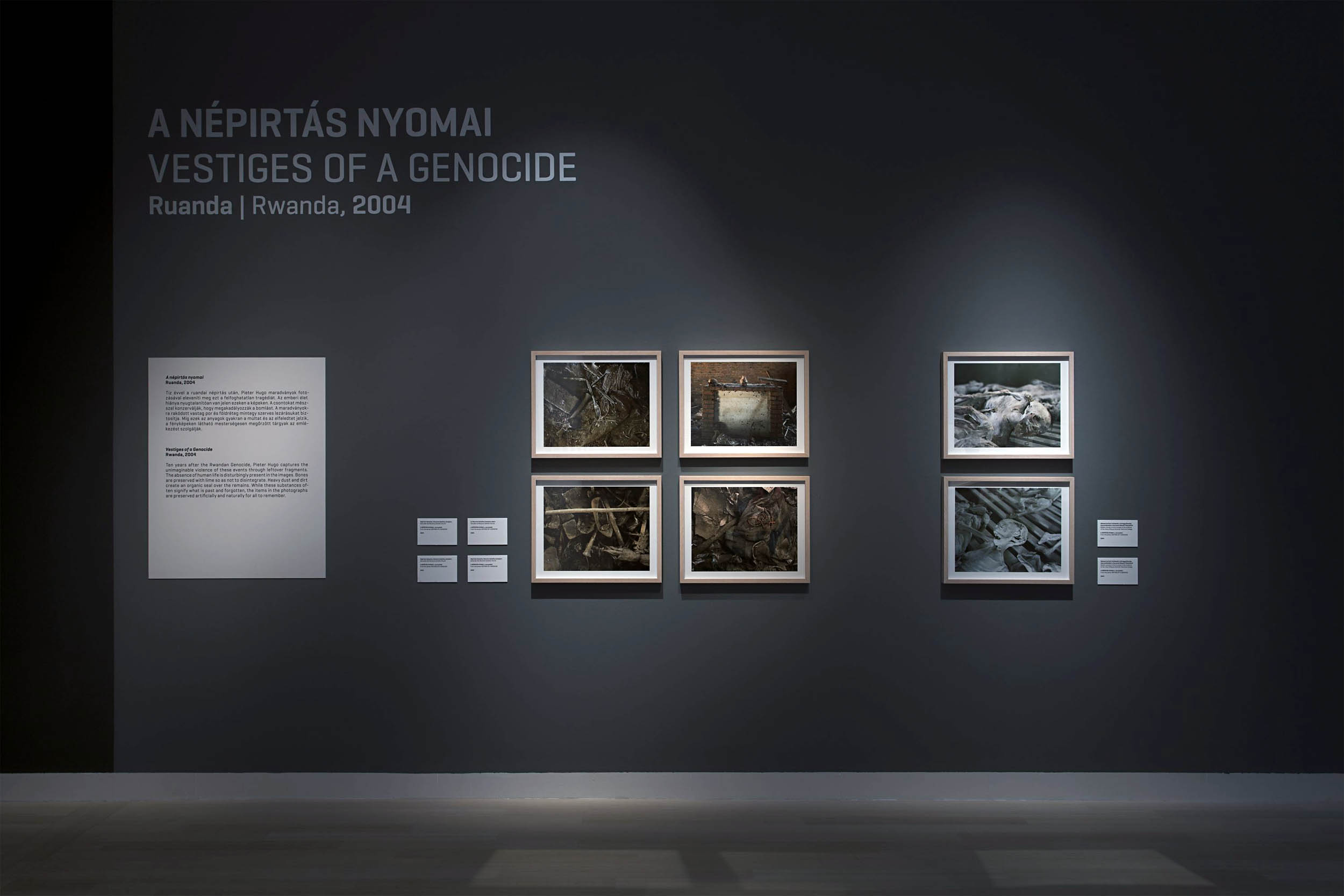
At a morgue in the township of Khayelitsha in Cape Town, Pieter Hugo turns his camera to individuals who have died of AIDS related illnesses. In The Bereaved (2005) as with many of his other series, Hugo gives first and last names of his subjects. Such a personal statement challenges the anonymity of AIDS statistics in South Africa. Ten years after the Rwandan Genocide, Pieter Hugo captures the unimaginable violence of these events through leftover fragments (Vestiges of a Genocide, 2004). The absence of human life is disturbingly present in the images. Bones are preserved with lime so as not to disintegrate. Heavy dust and dirt create an organic seal over the remains. While these substances often signify what is past and forgotten, the items in the photographs are preserved artificially and naturally for all to remember.

The series entitled Messina / Musina (2006) deals with the inhabitants of a small town on the border of Zimbabwe in South Africa’s Limpopo Province. The title reflects the correction of an earlier colonial misspelling of the town’s name (Messina), as well as the transition taking place at this geographical and social periphery.

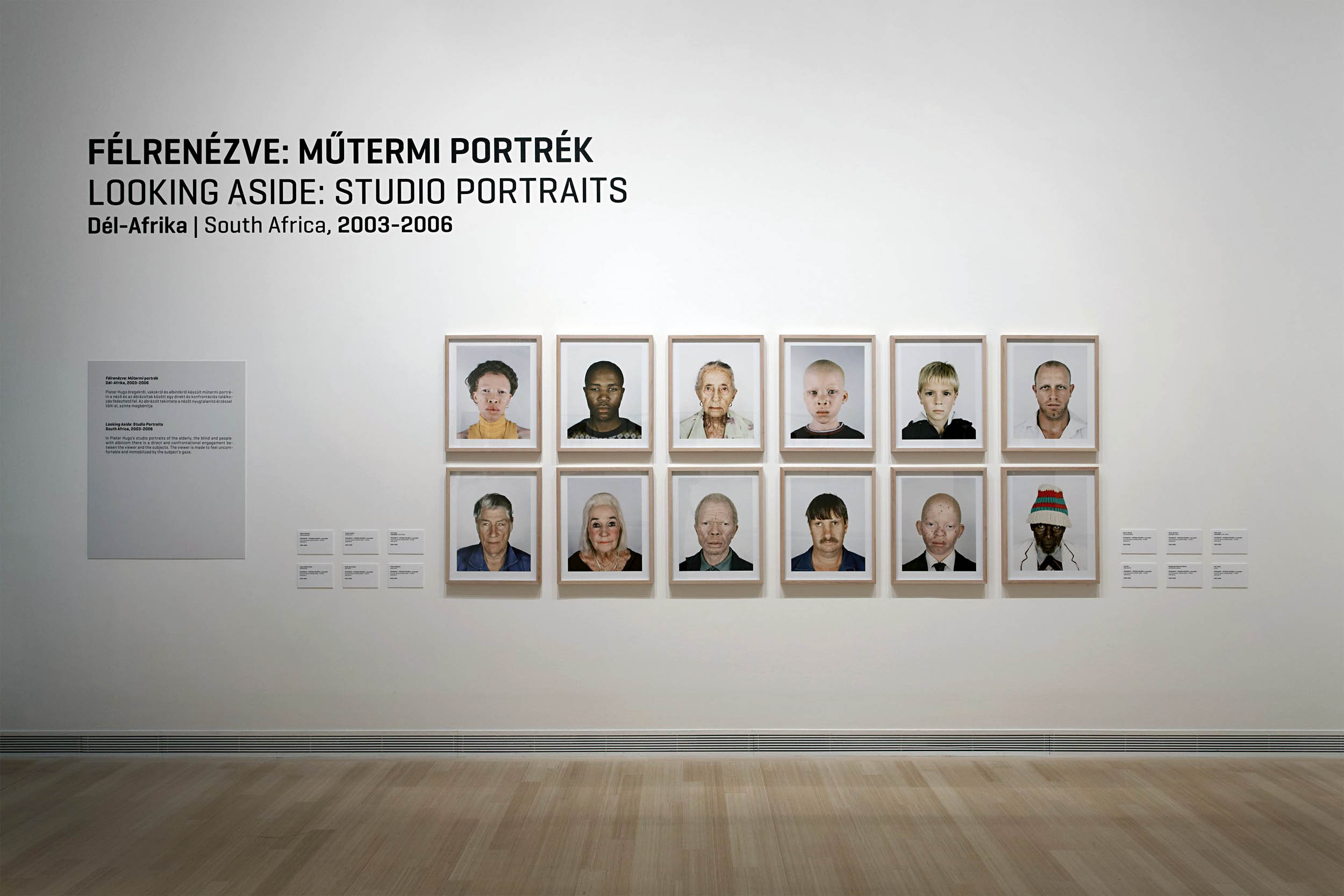
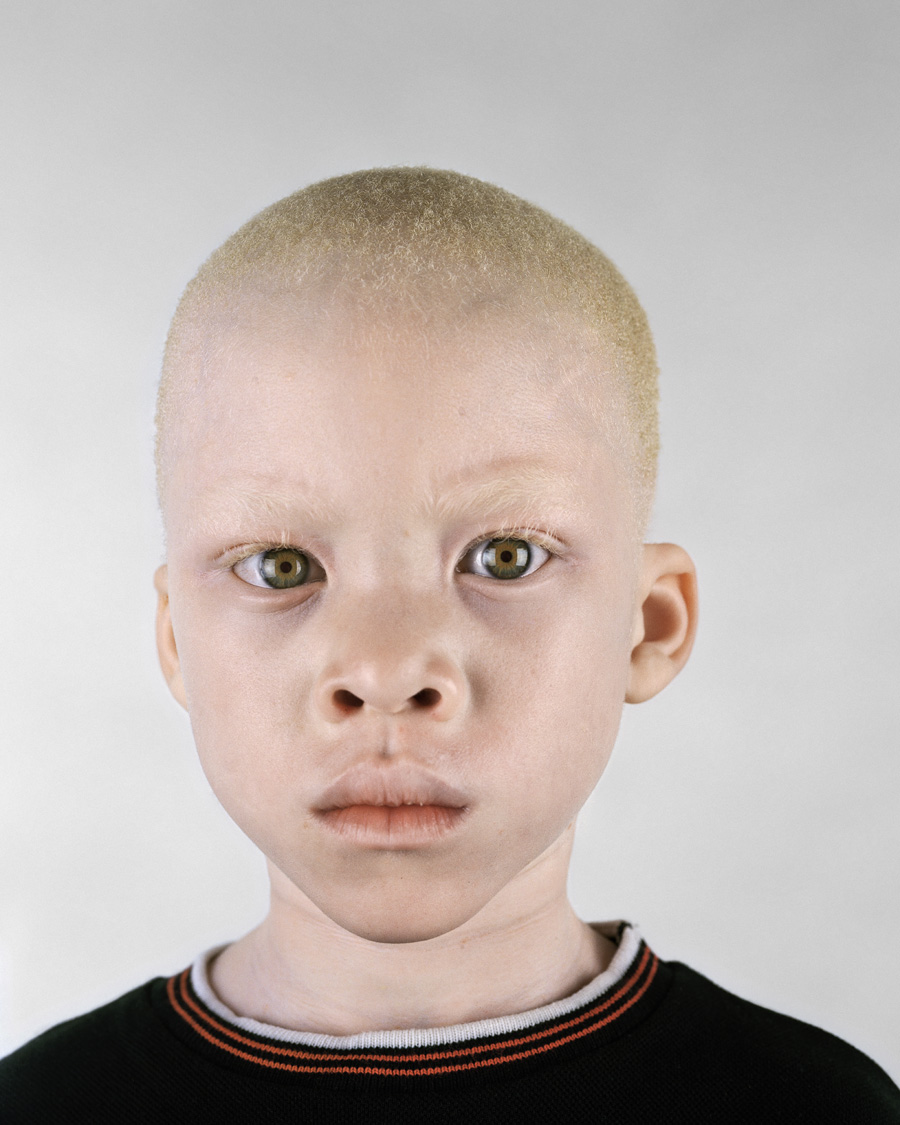
In Pieter Hugo’s studio portraits of the elderly, the blind and people with albinism – Looking Aside, 2003-2006 – there is a direct and confrontational engagement between the viewer and the subjects. The viewer is made to feel uncomfortable and immobilised by the subject’s gaze. In There’s a Place in Hell for Me and My Friends (2011) – a recent series of portraits realised in the same spirit and adopting a stripped back, close-up and confrontationally direct approach – Hugo explores similar territory [to his earlier series Looking Aside] but from practically the opposite angle. In this case, the subjects are simply the photographer and his friends, who represent an array of ethnicities but are not particularly atypical, abnormal or ‘unusual’ in a genetic sense. Instead they are rendered unusually, portrayed in a heightened monotone with their skin transformed into a range of exaggerated black spots and dark tones.

With Kin (2011), his most autobiographical series to date, Pieter Hugo reflects on his own family and deep ambivalence towards the notion of home. Personal moments such as the pregnancy of his wife, the birth of their child and an operation of his mother are interspersed with national icons: open landscapes, anthropological museums and references to historical places and figures in South Africa. The recent and historical, private and public, rich and poor, ugly and beautiful interact closely in this series and represent the social complexities of post-apartheid South Africa.

Press release from the Ludwig Museum of Contemporary Art website


Installation view of the exhibition 'Pieter Hugo: This Must Be The Place – Selected Works 2003-2012' at the Ludwig Museum of Contemporary Art, Budapest showing work from Hugo's 'Vestiges of a Genocide' Rwanda, 2004


Installation view of the exhibition Pieter Hugo: This Must Be The Place – Selected Works 2003-2012 at the Ludwig Museum of Contemporary Art, Budapest showing work from Hugo’s Vestiges of a Genocide Rwanda, 2004
Exhibition view © Tamás Bujnovszky / Ludwig Museum – Museum of Contemporary Art, Archives

Vestiges of a Genocide

Rwanda, 2004

Ten years after the Rwandan Genocide, Pieter Hugo captures the unimaginable violence of these evens through leftover fragments. The absence of human life is disturbingly person in the images. Bones are preserved with lime so as not to disintegrate. Heavy dust and dirt create an organic seal over the remains. While these substances often signify what is past and forgotten, the items in the photographs are preserved artificially and naturally for all to remember.

Wall text from the exhibition


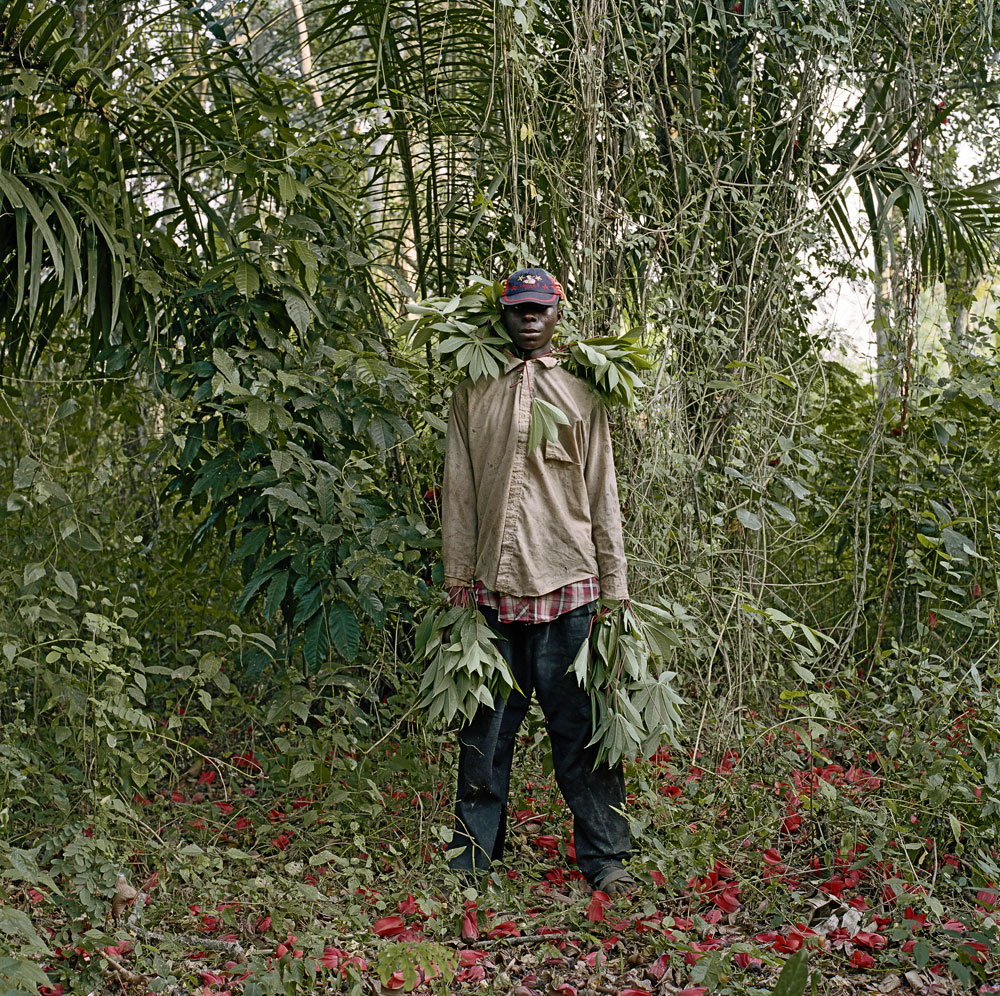
Pieter Hugo (South African, b. 1976) 'John Kwesi, Wild Honey Collector, Techiman District, Ghana' 2005


Pieter Hugo (South African, b. 1976)
John Kwesi, Wild Honey Collector, Techiman District, Ghana
2005
From the series Wild Honey Collectors Ghana 2005
© Pieter Hugo
Courtesy of Stevenson, Cape Town/Johannesburg and Yossi Milo, New York


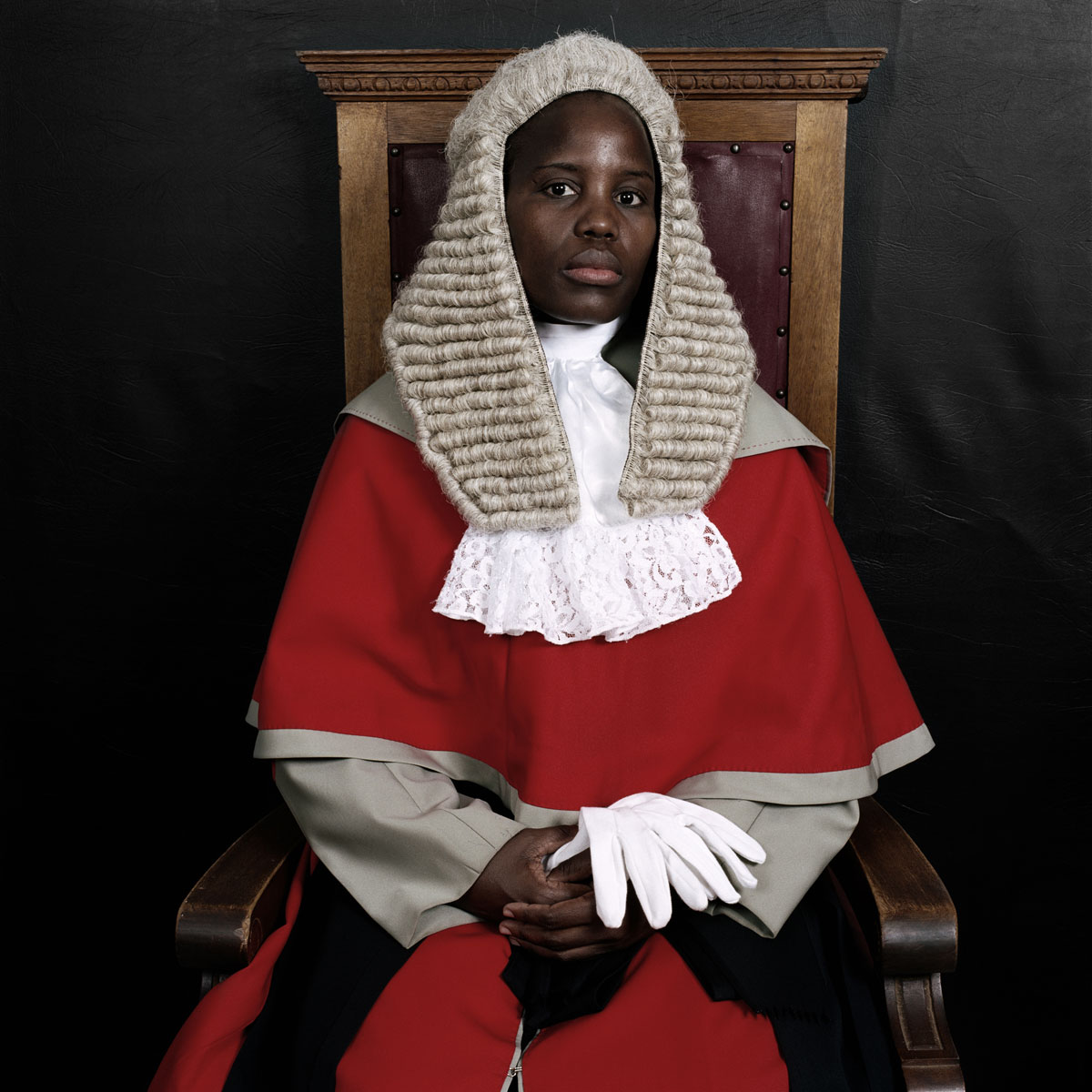
Pieter Hugo (South African, b. 1976) 'The Honourable Justice Unity Dow' 2005


Pieter Hugo (South African, b. 1976)
The Honourable Justice Unity Dow
2005
© Pieter Hugo
Courtesy of Stevenson, Cape Town/Johannesburg and Yossi Milo, New York


Installation view of the exhibition 'Pieter Hugo: This Must Be The Place – Selected Works 2003-2012' at the Ludwig Museum of Contemporary Art, Budapest showing work from Hugo's 'Looking Aside: Studio Portraits' South Africa, 2003-2006


Installation view of the exhibition Pieter Hugo: This Must Be The Place – Selected Works 2003-2012 at the Ludwig Museum of Contemporary Art, Budapest showing work from Hugo’s Looking Aside: Studio Portraits South Africa, 2003-2006
Exhibition view © Tamás Bujnovszky / Ludwig Museum – Museum of Contemporary Art, Archives


Looking Aside: Studio Portraits

South Africa, 2003-2006

In Pieter Hugo’s studio portraits of the elderly, the blind and people with albinism there is a direct and confrontational engagement between the viewer and the subjects. The viewer is made to feel uncomfortable and immobilised by the subject’s gaze.

Wall text from the exhibition


Pieter Hugo (South African, b. 1976) 'Steven Mohapi, Johannesburg' 2003


Pieter Hugo (South African, b. 1976)
Steven Mohapi, Johannesburg
2003
From the series Looking Aside: Studio Portraits South Africa, 2003-2006
© Pieter Hugo
Courtesy of Stevenson, Cape Town/Johannesburg and Yossi Milo, New York


Pieter Hugo (South African, b. 1976) 'Themba Tshabalala, Cape Town' 2011


Pieter Hugo (South African, b. 1976)
Themba Tshabalala, Cape Town
2011
From the series There’s a Place in Hell for Me and My Friends
© Pieter Hugo
Courtesy of Stevenson, Cape Town/Johannesburg and Yossi Milo, New York


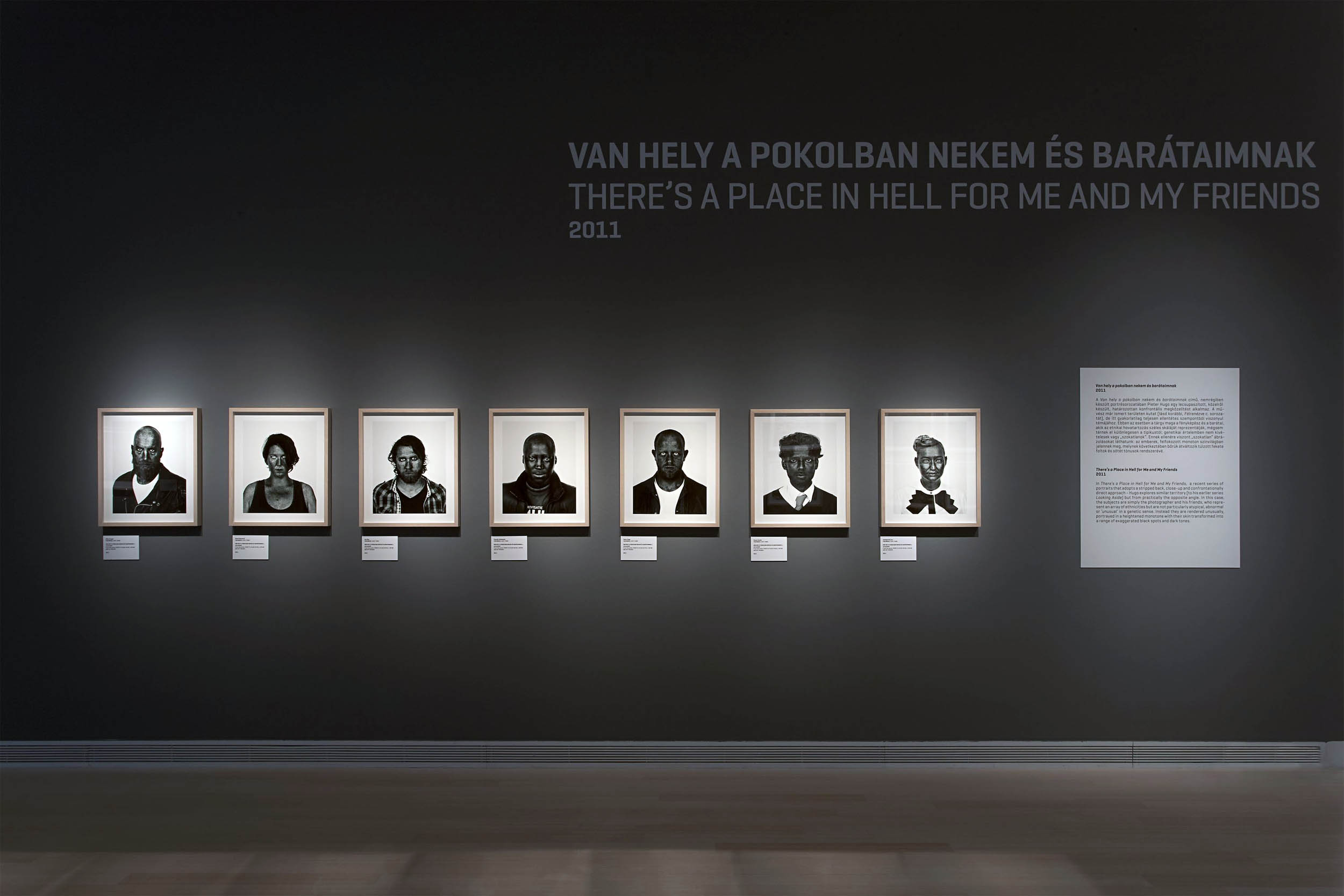
Installation view of the exhibition 'Pieter Hugo: This Must Be The Place – Selected Works 2003-2012' at the Ludwig Museum of Contemporary Art, Budapest showing work from Hugo's 'There's a Place in Hell for Me and My Friends', 2011


Installation view of the exhibition Pieter Hugo: This Must Be The Place – Selected Works 2003-2012 at the Ludwig Museum of Contemporary Art, Budapest showing work from Hugo’s There’s a Place in Hell for Me and My Friends, 2011
Exhibition view © Tamás Bujnovszky / Ludwig Museum – Museum of Contemporary Art, Archives


There’s a Place in Hell for Me and My Friends

2011

In There’s a Place in Hell for Me and My Friends, a recent series of portraits that adopts a stripped back, close-up confrontationally direct approach – Hugo explores similar territory (to his earlier series Looking Aside, above) but from practically the opposite angle. In this case the subjects are simply the photographer and his friends, who represent an array of ethnicities but are not particularly atypical, abnormal or ‘unusual’ in a genetic sense. Instead they are rendered unusually, portrayed in a heightened monotone with their skin transformed into a range of exaggerated black spots and dark tones.

Wall text from the exhibition


Pieter Hugo (South African, b. 1976) 'Ashleigh McLean' 2011


Pieter Hugo (South African, b. 1976)
Ashleigh McLean
2011
From the series There’s a Place in Hell for Me and My Friends
© Pieter Hugo
Courtesy of Stevenson, Cape Town/Johannesburg and Yossi Milo, New York


Pieter Hugo (South African, b. 1976) 'Yasser Booley, Cape Town' 2011


Pieter Hugo (South African, b. 1976)
Yasser Booley, Cape Town
2011
From the series There’s a Place in Hell for Me and My Friends
© Pieter Hugo
Courtesy of Stevenson, Cape Town/Johannesburg and Yossi Milo, New York


Ludwig Museum of Contemporary Art
1095 Budapest Komor Marcell Street 1
Hungary 06 1 555-3444

Opening hours:
Tuesday – Sunday: 10.00 – 18.00
Closed on Mondays

Ludwig Museum of Contemporary Art website

LIKE ART BLART ON FACEBOOK

Back to top

Exhibition: ‘Distance and Desire: Encounters with the African Archive Part I’ at The Walther Collection, Neu-Ulm, Germany

Exhibition dates: 9th June 2013 – 17th May 2015


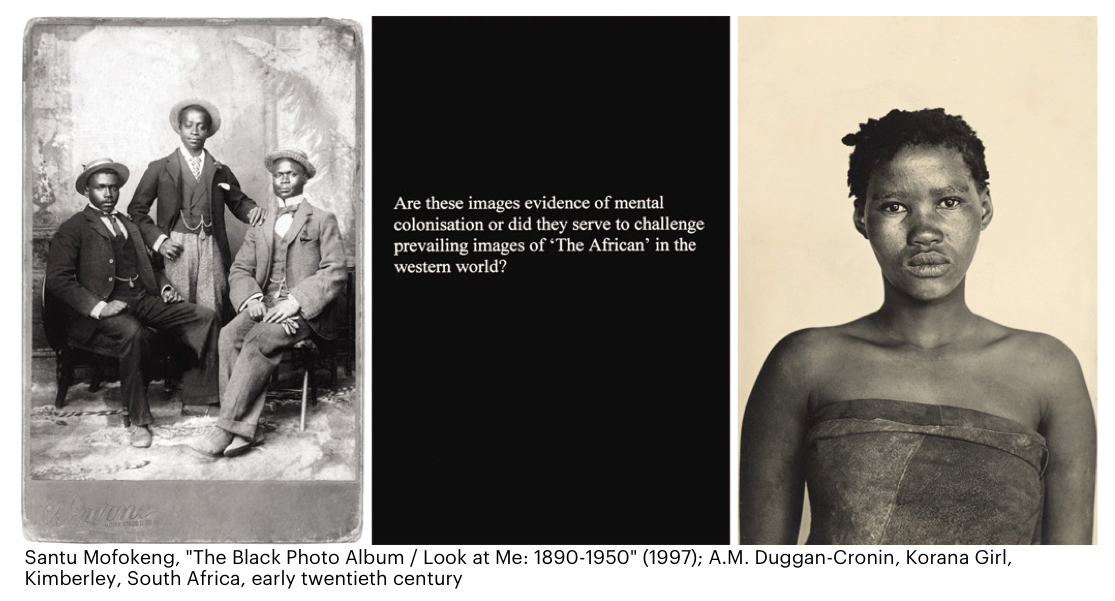
Santu Mofokeng (South African, 1956-2020) 'The Black Photo Album / Look at me: 1890-1950' 1997


Santu Mofokeng (South African, 1956-2020)
The Black Photo Album / Look at me: 1890-1950
1997
© Santu Mofokeng / Courtesy of Lunetta Bartz, MAKER, Johannesburg


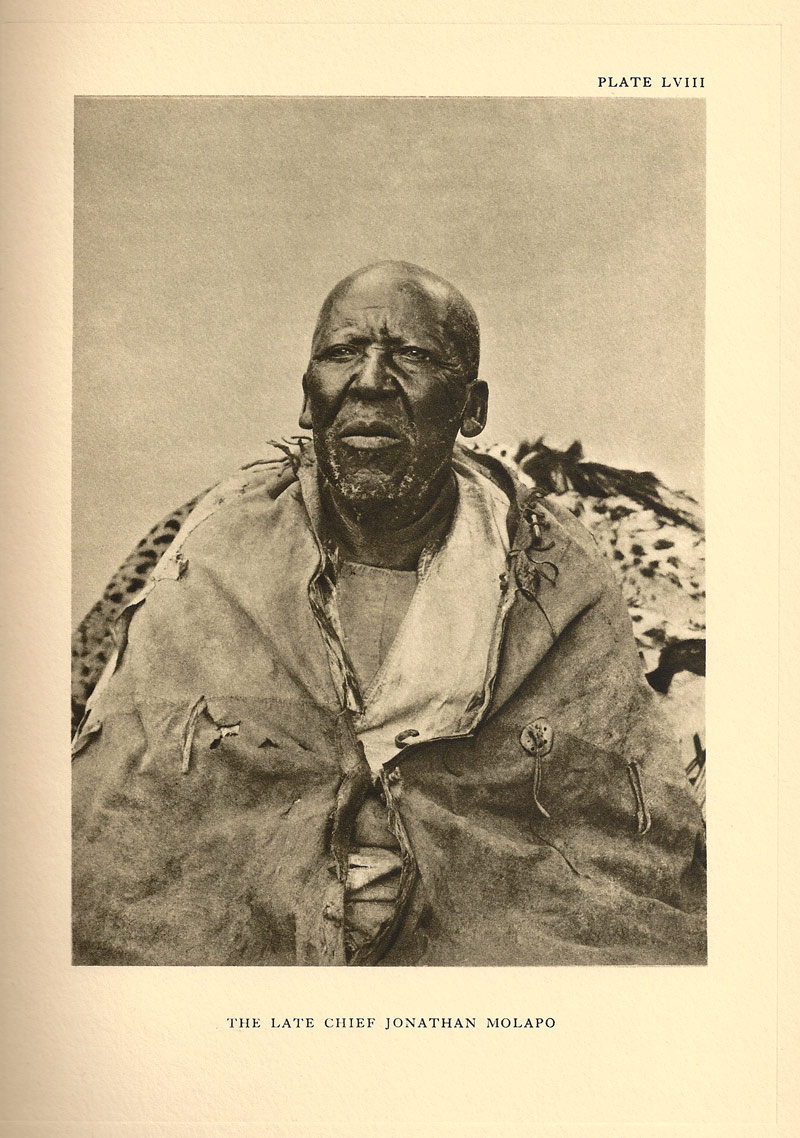
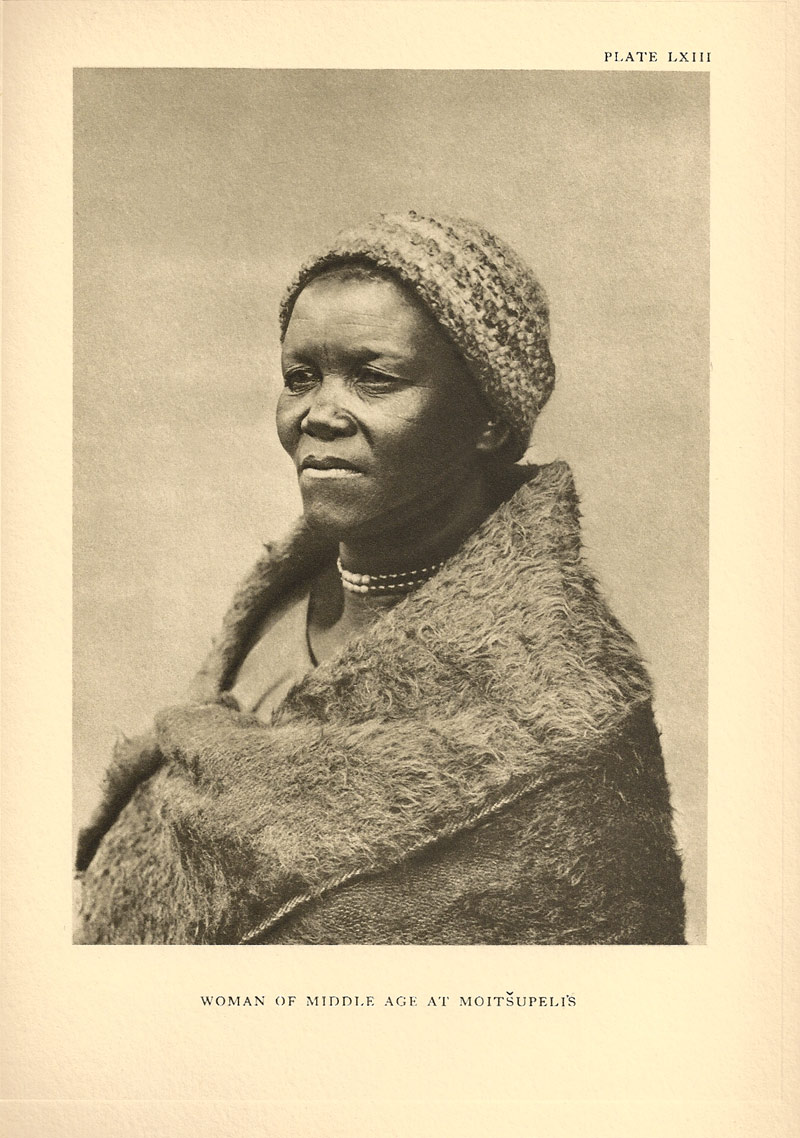
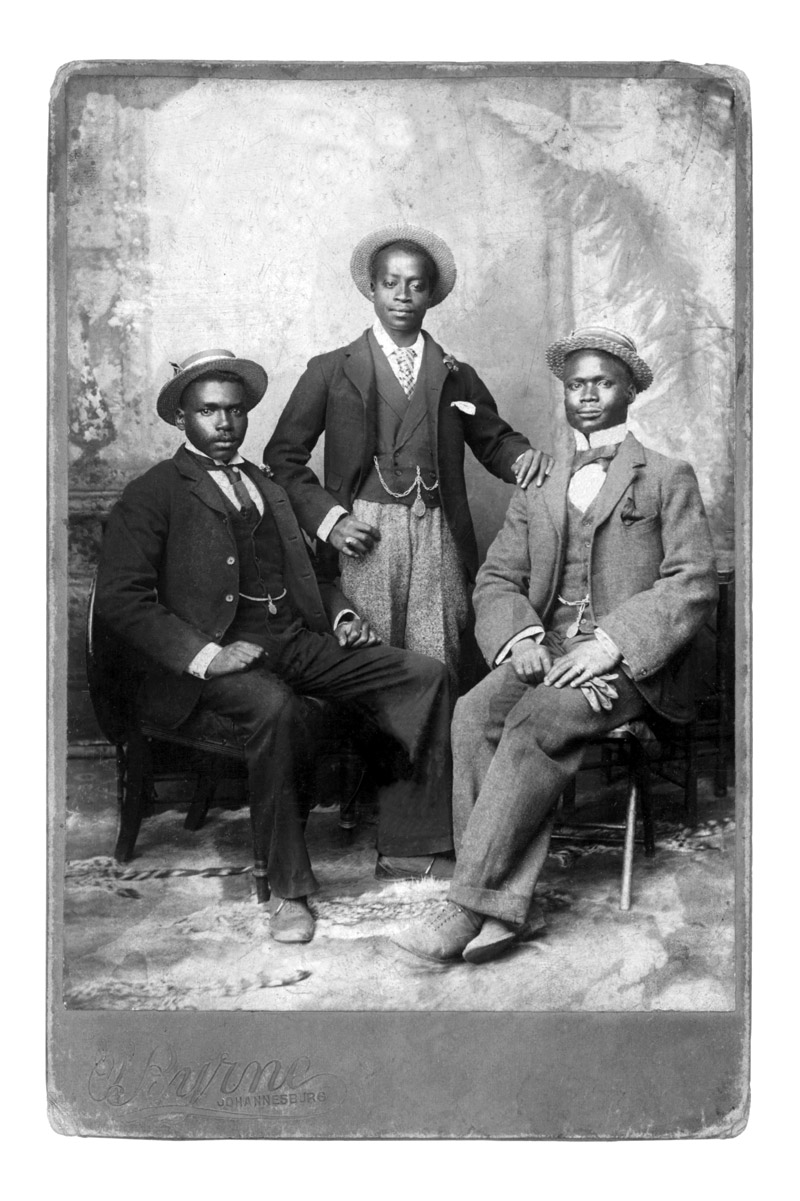
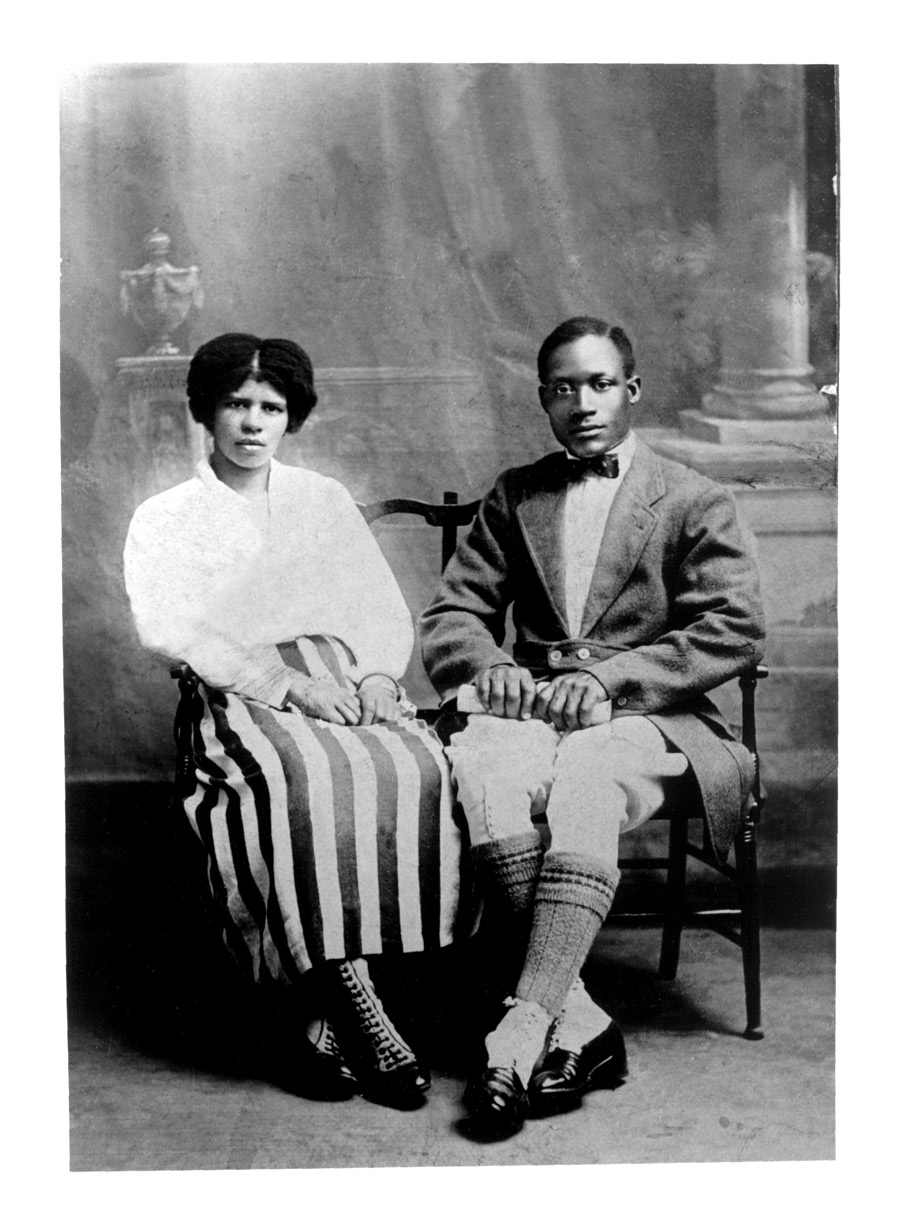
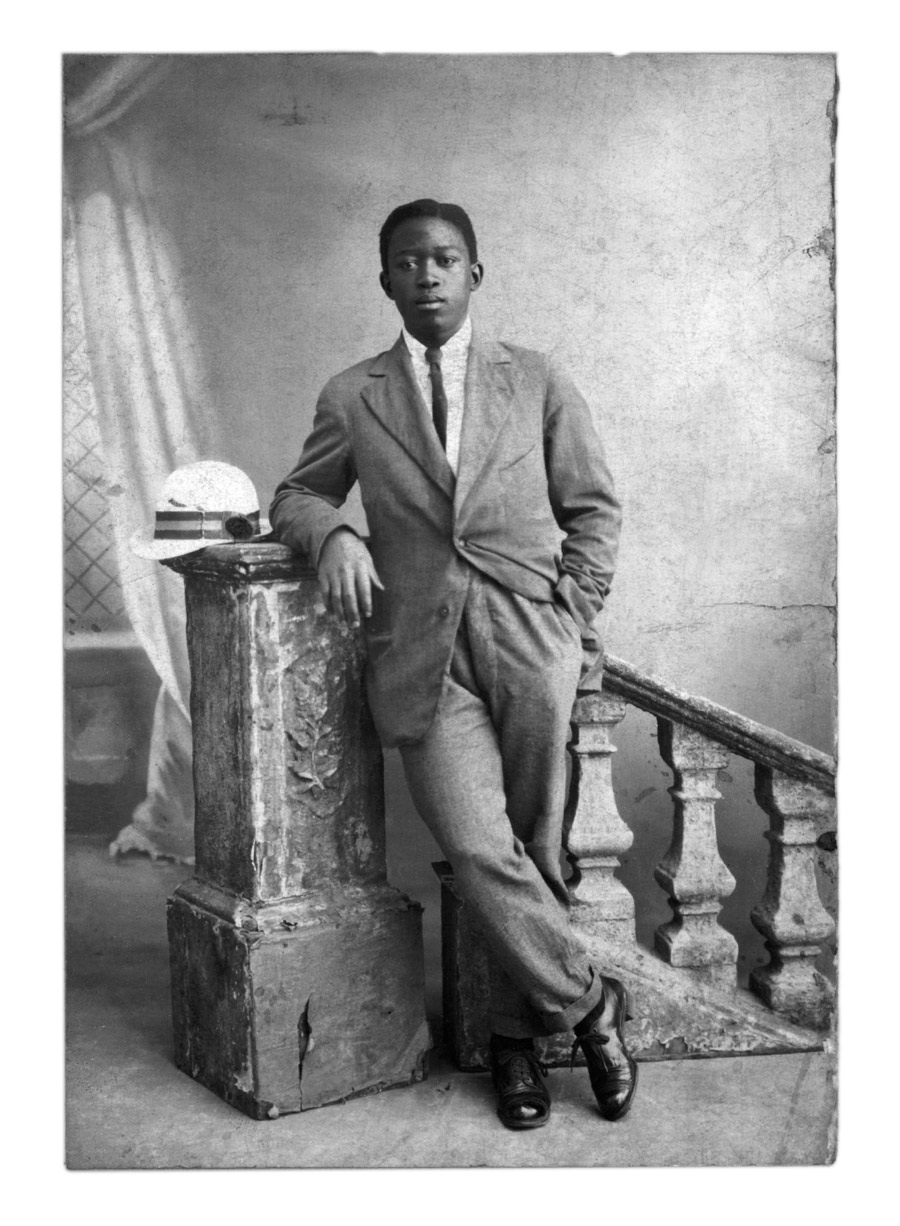
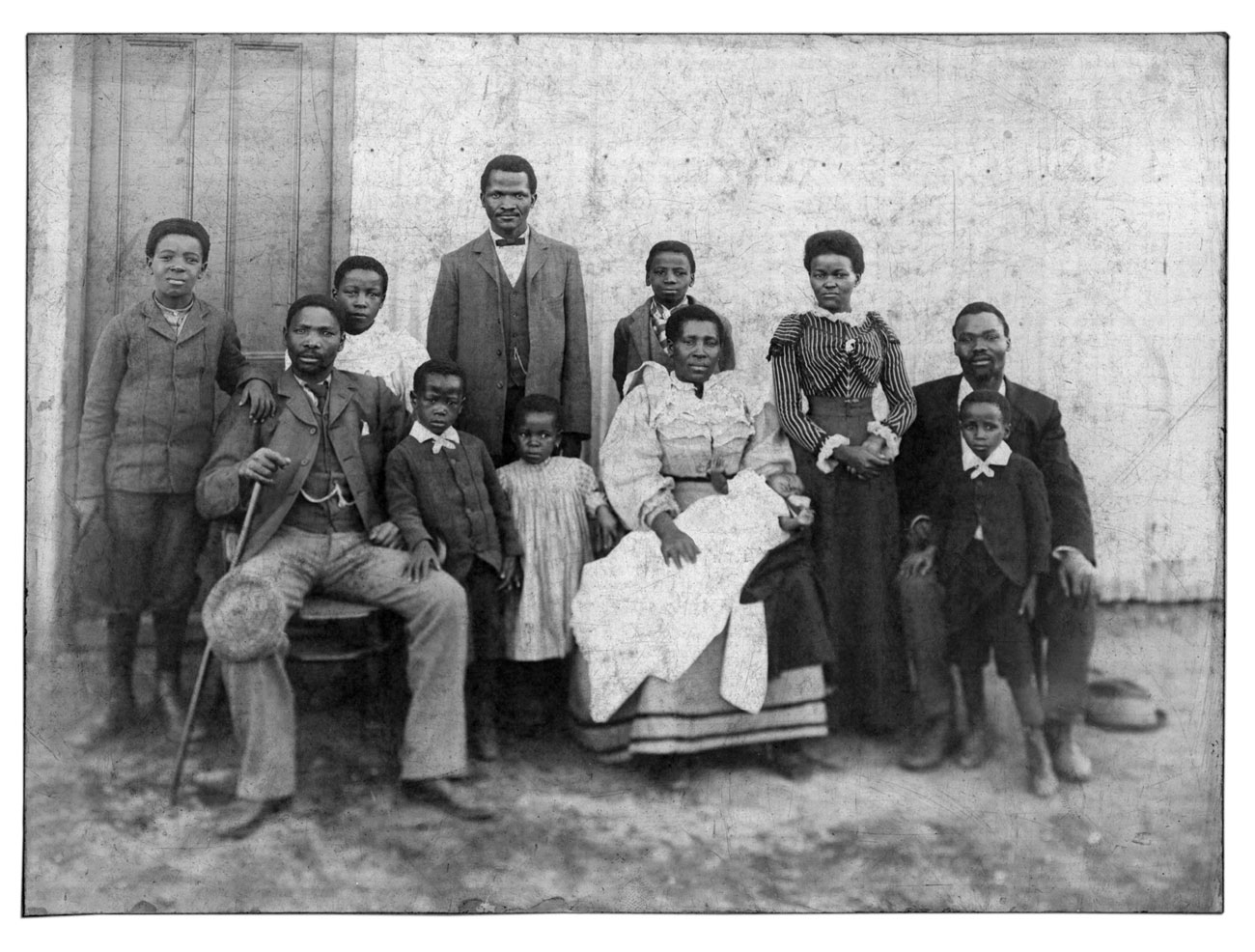
Another group of interesting colonial African photographs from The Walther Collection. Similar in scope to the 20 volume series The American Indian (1906-1930) by ethnologist and photographer Edward S. Curtis which “documented as much American Indian (Native American) traditional life as possible before that way of life disappeared,” (Wikipedia), A. M. Duggan-Cronin’s 11 volume series The Bantu Tribes of South Africa (1928-1954), “set out to depict what he considered the disappearing indigenous populations of South Africa.” Disappearance and loss are the all to ready themes of these recorders of vanishing races.

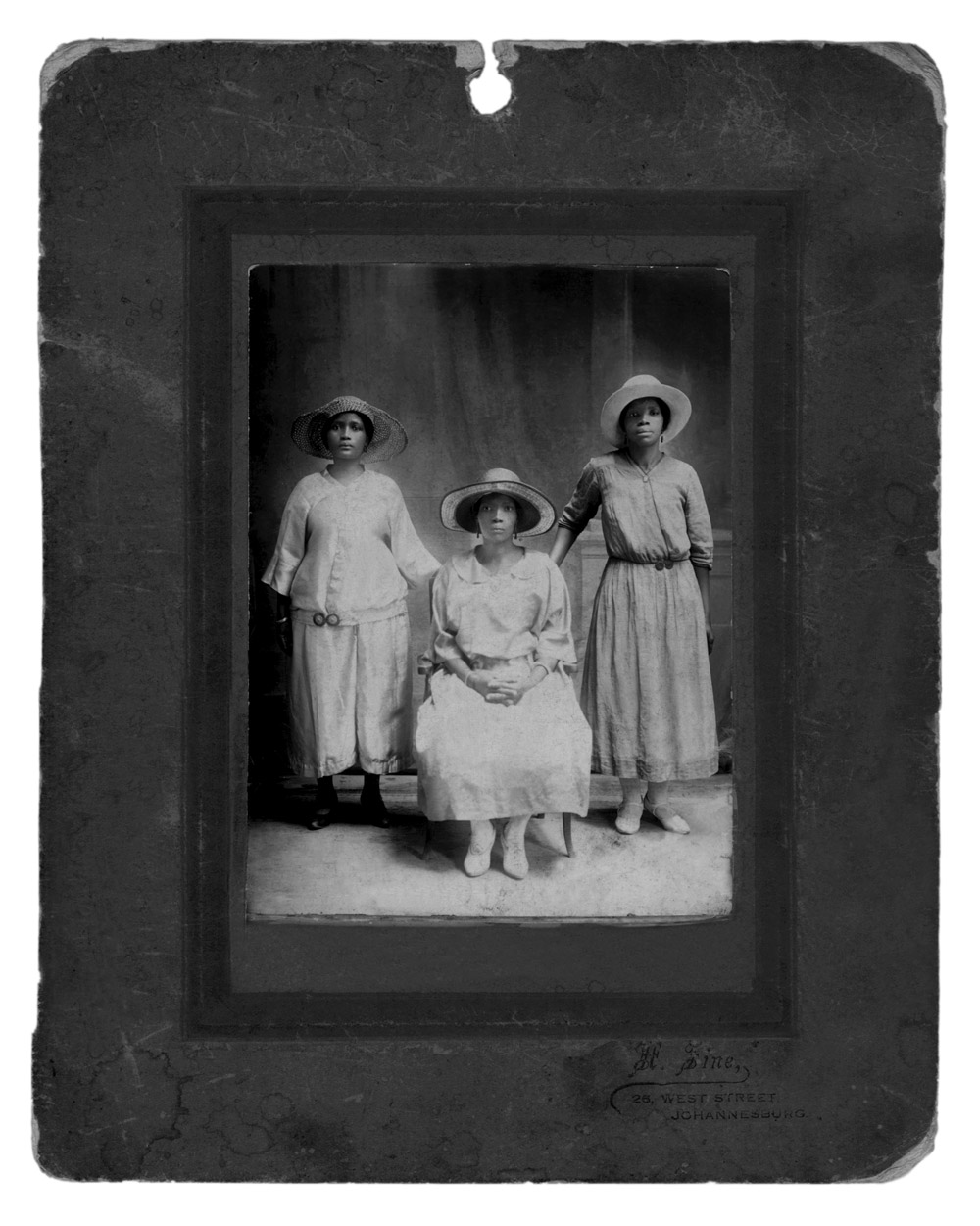
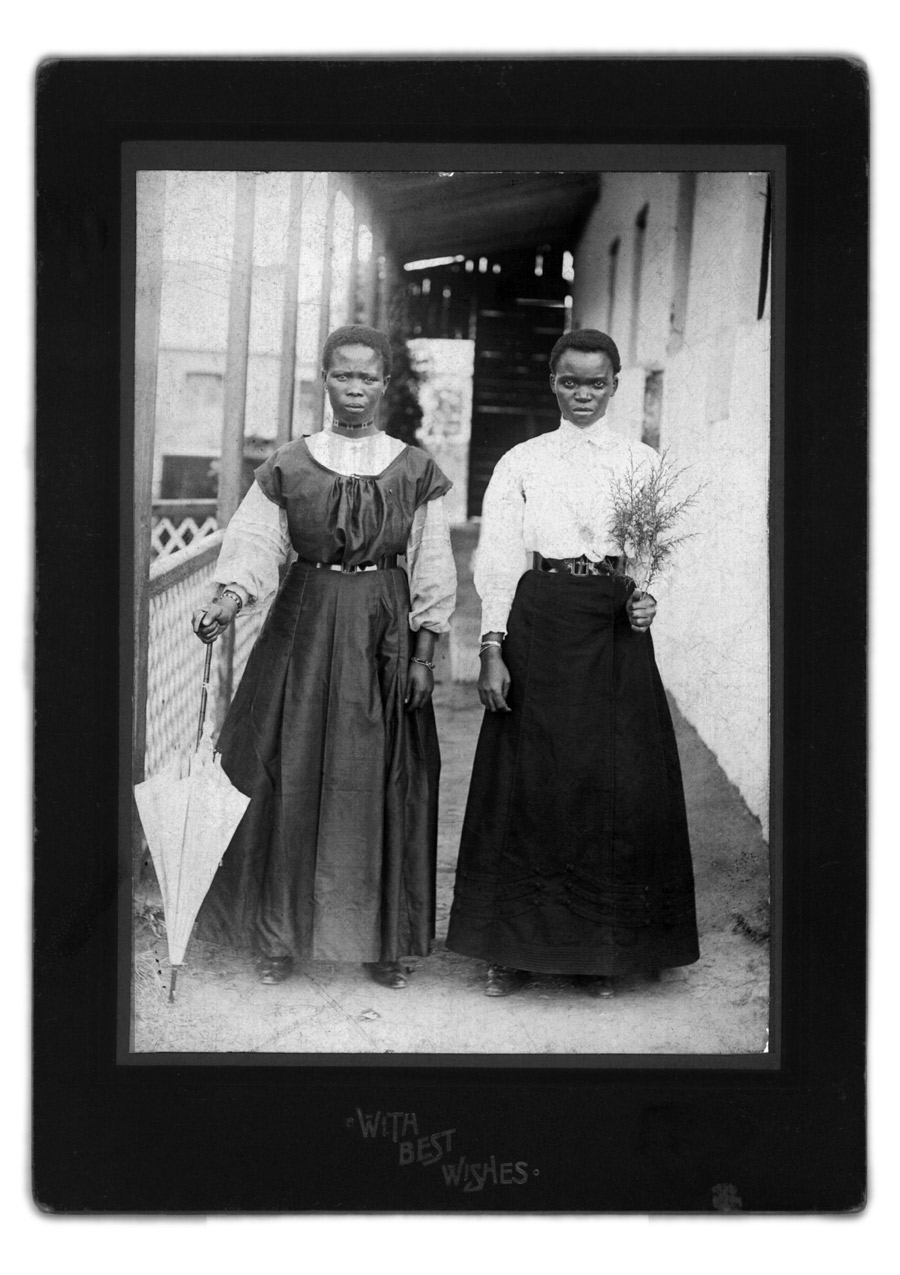
“Santu Mofokeng’s The Black Photo Album / Look at Me: 1890-1950 introduces the concept of the photographic archive as both a repository of documents and an assemblage of representations ” (media release). In this work Mofokeng juxtaposes images of “civilised” natives – images urban black working- and middle-class families had commissioned, requested, or tacitly sanctioned without evidence of coercion – with text that spurns, questions or challenges official integrationist policies taking their model from colonial officials and settlers. “The images depicted here reflect their sensibilities, aspirations and their self-image.”

The artist asks:

“Are these mere solemn relics of disrupted narratives or are these images expressive of the general human predicament?”

“Who is gazing”

“Who are these people?”

“What were their aspirations?”

“Did these images serve to challenge prevailing western perceptions of the African?”

“Do these images serve as testimony of mental colonisation?”


Dr Marcus Bunyan


Many thankx to The Walther Collection for allowing me to publish the photographs in the posting. Please click on the photographs for a larger version of the image.


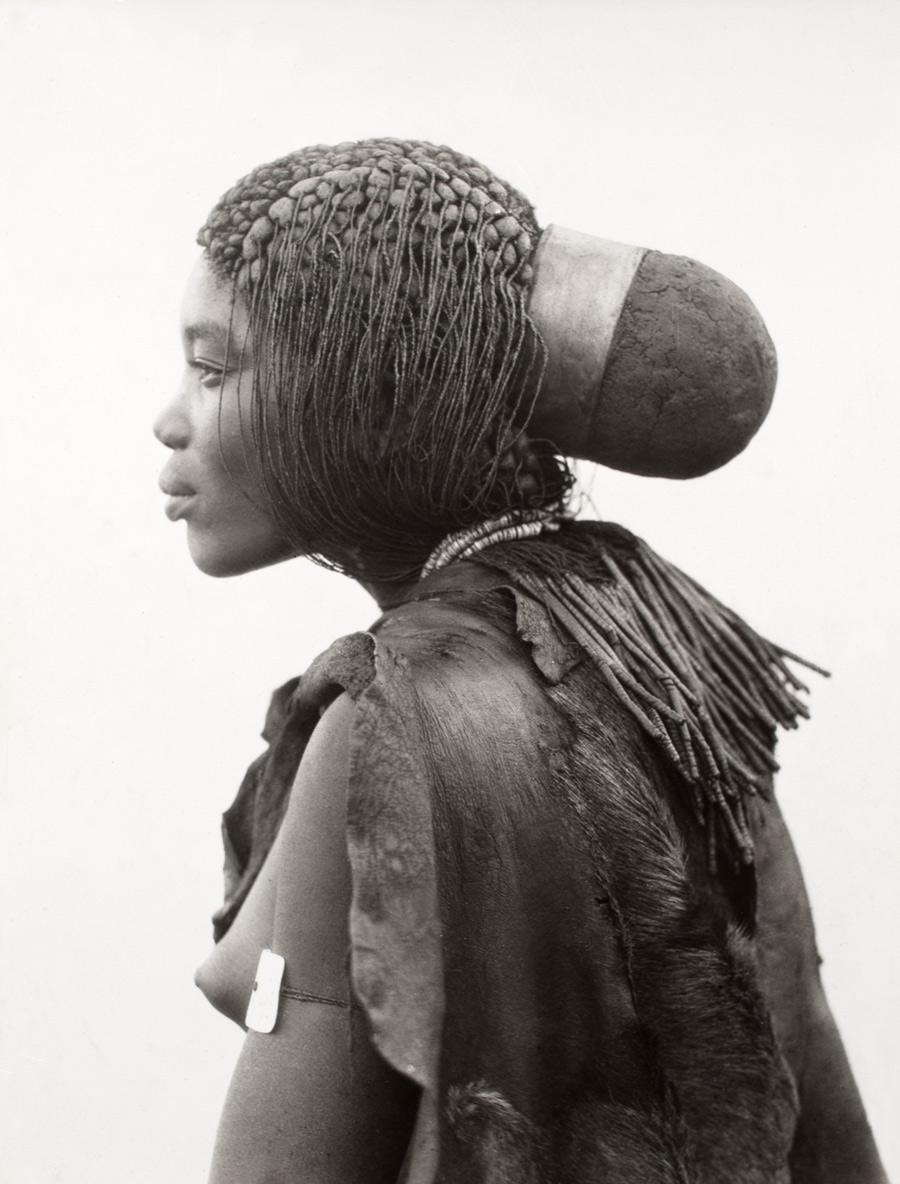
A.M. Duggan-Cronin (South African born Ireland, 1874-1954) 'Korana Girl, Kimberley, South Africa' c. 1900-1930


A.M. Duggan-Cronin (South African born Ireland, 1874-1954)
Korana Girl, Kimberley, South Africa
c. 1900-1930
Gelatin-silver developed-out print
Paper: 5.67 x 3.86 inches (14.4 x 9.8cm)
The Walther Collection


Part I: The Black House: Santu Mofokeng and A.M. Duggan-Cronin

A juxtaposition of A. M. Duggan-Cronin’s The Bantu Tribes of South Africa and Santu Mofokeng’s The Black Photo Album / Look at Me: 1890-1950 introduces the concept of the photographic archive as both a repository of documents and an assemblage of representations. Duggan-Cronin, an Irish South African who lived in the mining town of Kimberley, set out to depict what he considered the disappearing indigenous populations of South Africa. His monumental study, entitled The Bantu Tribes of South Africa, published between 1928-1954, includes photographs, descriptive captions, and anthropological essays. In addition to presenting all eleven Bantu Tribes books, a complete sequence of photogravure plates from The Nguni: Baca, Hlubi, Xesibe (1954) will be on view, alongside a selection of vintage gelatin-silver prints by Duggan-Cronin, which had previously circulated as individual objects.

In contrast to Duggan-Cronin’s renowned and contested ethnographic vision of African heritage, Santu Mofokeng’s The Black Photo Album / Look at Me: 1890-1950 portrays the modern self-representation of African subjects. In the early 1990s, the artist collected family studio portraits from late-nineteenth and early-twentieth century South Africa and transformed the images into a slide show, complete with narratives about the sitters. He also produced a series of gelatin-silver print reproductions of the portraits, which are on view together with a selection of the project’s original vintage prints and Mofokeng’s research notes. Envisioned as a “counter-archive,” The Black Photo Album challenges fixed ideas most often associated with images of Africans.

By placing these two bodies of work alongside one another, Part I of Distance and Desire opens up the question of the “African Archive,” understood here not so much as an official repository of documents and objects but as a contested assemblage of representations that have helped to construct and project a dominant image of Africans that is now under pressure and revision.

Press release from The Walther Collection website


A.M. Duggan-Cronin (South African born Ireland, 1874-1954) 'The Late Chief Jonathan Molapo' South Africa, early twentieth century


A.M. Duggan-Cronin (South African born Ireland, 1874-1954)
The Late Chief Jonathan Molapo
South Africa, early twentieth century
The Walther Collection


A.M. Duggan-Cronin (South African born Ireland, 1874-1954) 'Woman of Middle Age at Moitšupeli’s' South Africa, early twentieth century


A.M. Duggan-Cronin (South African born Ireland, 1874-1954)
Woman of Middle Age at Moitšupeli’s
South Africa, early twentieth century
The Walther Collection


Alfred Martin Duggan-Cronin was an Irish-born South African photographer who undertook several photographic and collecting expeditions in South Africa and adjacent territories between 1919 and 1939, in the course of which he documented people and rural life throughout the subcontinent. Based in Kimberley, it was while working in the mine compounds that he initially encountered African migrant workers, stimulating an interest in ethnographic subjects. Duggan-Cronin was born on 17 May 1874 in Innishannon, County Cork, Ireland, and died on 25 August 1954 in Kimberley, South Africa. …

Duggan-Cronin embarked on the first of his major ethnographic endeavours in 1919 when he went to the Langeberg to photograph the San people living there – the first of many expeditions into Kimberley’s Southern African hinterland. Between the world wars he travelled some 128 000 kilometres, making at least 18 expeditions to photograph the peoples of southern Africa. He was accompanied by his Mfengu assistant, Richard Madela, on some of these expeditions.

A significant number of his photographs were published in The Bantu Tribes of South Africa: Reproductions of Photographic Studies by A.M. Duggan-Cronin, eleven volumes of which appeared under the imprint of the McGregor Memorial Museum, Kimberley, between 1928 and 1954. In 1925 he opened his first ‘Bantu Gallery’ at his home on Kimberley’s outskirts, his collection of some 8,000 photographs and ethnographic objects being more permanently housed at what was named the Duggan-Cronin Bantu Gallery at The Lodge in Kimberley from the late 1930s.

Text from the Wikipedia website


A.M. Duggan-Cronin (South African born Ireland, 1874-1954) 'A Morolong Youth' South Africa, early twentieth century


A.M. Duggan-Cronin (South African born Ireland, 1874-1954)
A Morolong Youth
South Africa, early twentieth century
The Walther Collection


A.M. Duggan-Cronin (South African born Ireland, 1874-1954) 'Bomvana Initiates' 1930


A.M. Duggan-Cronin (South African born Ireland, 1874-1954)
Bomvana Initiates
1930
The Walther Collection


Bomvana

According to their own tradition, the Bomvana originate from the AmaNgwane people of KwaZulu-Natal. The AmaBomvana are descended from Nomafu, the first of the AmaNgwana tribe and from Bomvu, who gave rise to the AmaBomvu tribe. Bomvu’s Great Son, Nyonemnyam, carried on the Bomvu dynasty. His son Njilo is the progenitor of the AmaBomvana. The AmaBomvana people left Natal in 1650 to settle in Pondoland after a dispute over cattle. After the death of Njilo’s wife, their grandson Dibandlela refused to send, in accordance with custom, the isizi cattle to his grandfather. This led to an open dispute. Dibandlela fled with his supporters and their cattle to settle in Pondoland.

The AmaBomvana remained in Pondoland until 1837. After experiencing two centuries of tribal wars, the amaBomvana were driven out of Pondoland into the area east of the Mbashe river, including the present-day Cwebe reserve and they put themselves under the wing of the Gcaleka, with permission from King Hintsa, who was the Paramount of all states in the Eastern Cape.

They are historically related and share a common lineage with the AmaMpondomise, AmaXesibe, AbakwaMkhize, AmaBomvu and AmaMpondo as they all have related cultural similarities. The passing of four centuries since their division and the influence of neighboring tribal groups have brought about the linguistic and cultural differences, and differences in their rituals and rites of passage that we observe today.

Text from the Wikipedia website


A.M. Duggan-Cronin (South African born Ireland, 1874-1954) 'Ovambo (Ogandjera) Woman' 1936


A.M. Duggan-Cronin (South African born Ireland, 1874-1954)
Ovambo (Ogandjera) Woman
1936
The Walther Collection


Ongandjera

Ongandjera (from “aagandji yiiyela”, place of gold metal thread beads) is a tribal area near Okahao in the Omusati Region in northern Namibia. Ongandjera is the birthplace of Sam Nujoma, the country’s first president, and of Pendukeni Iivula-Ithana who was the secretary-general of South West Africa People’s Organisation (SWAPO) from 2007 to 2012.

Historically part of Ovamboland, Ongandjera is the seat of a traditional kingship, the Ongandjera Traditional Authority. In 1917, South Africa stripped the rulers of seven kingships, including Ongandjera, of their authority to rule their territory. Nevertheless, the position of King of the Ongandjera was continued. Following Namibia’s independence, the king of Ongandjera declared the royal family restored.

Text from the Wikipedia website


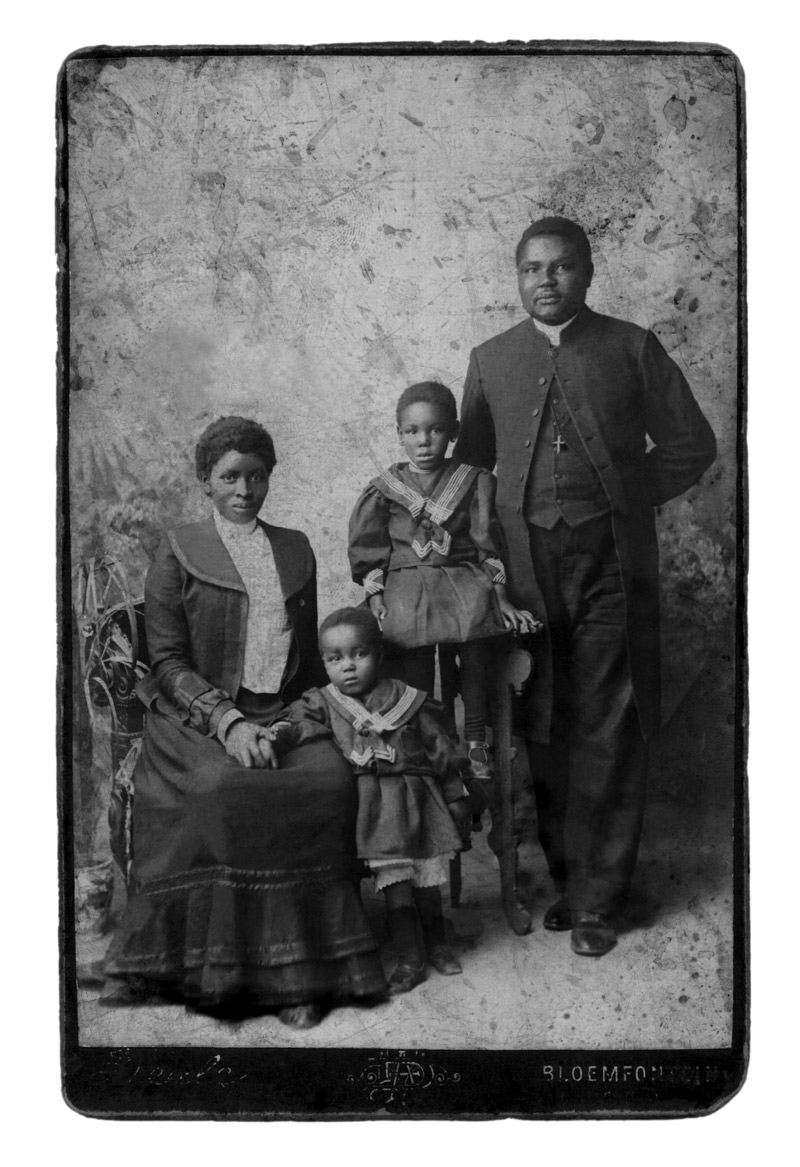
Santu Mofokeng (South African, 1956-2020) 'The Black Photo Album / Look at Me: 1890-1950' 1997


Santu Mofokeng (South African, 1956-2020)
The Black Photo Album / Look at Me: 1890-1950
1997
(Bishop Jacobus G. Xaba and his family? Photographer: Deale, Bloemfontein, Orange River Colony, c. 1890s)
© Santu Mofokeng / Courtesy of Lunetta Bartz, MAKER, Johannesburg


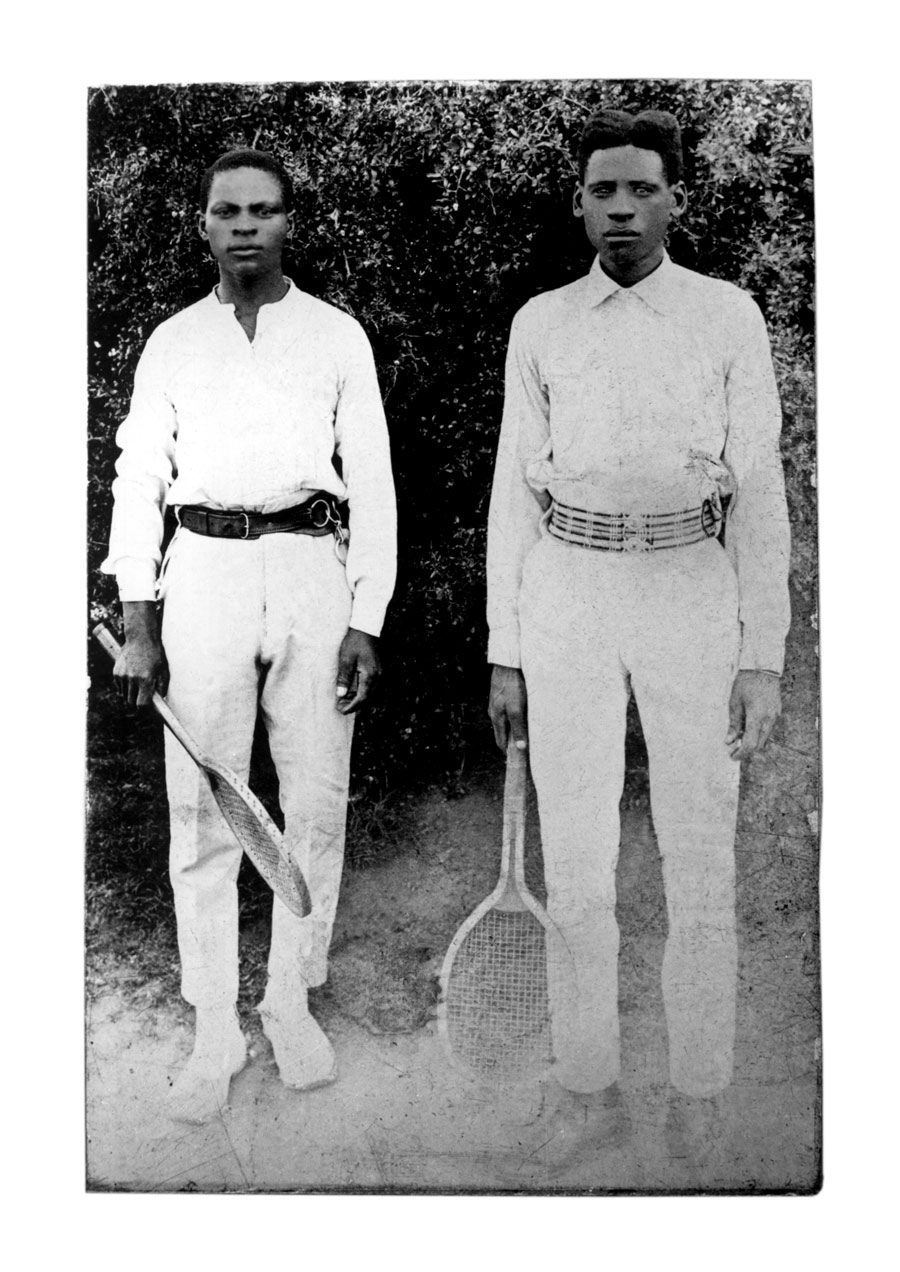
Santu Mofokeng (South African, 1956-2020) 'The Black Photo Album / Look at Me: 1890-1950' 1997


Santu Mofokeng (South African, 1956-2020)
The Black Photo Album / Look at Me: 1890-1950
1997
(Unidentified photographer, Moeti and Lazarus Fume)
© Santu Mofokeng / Courtesy of Lunetta Bartz, MAKER, Johannesburg


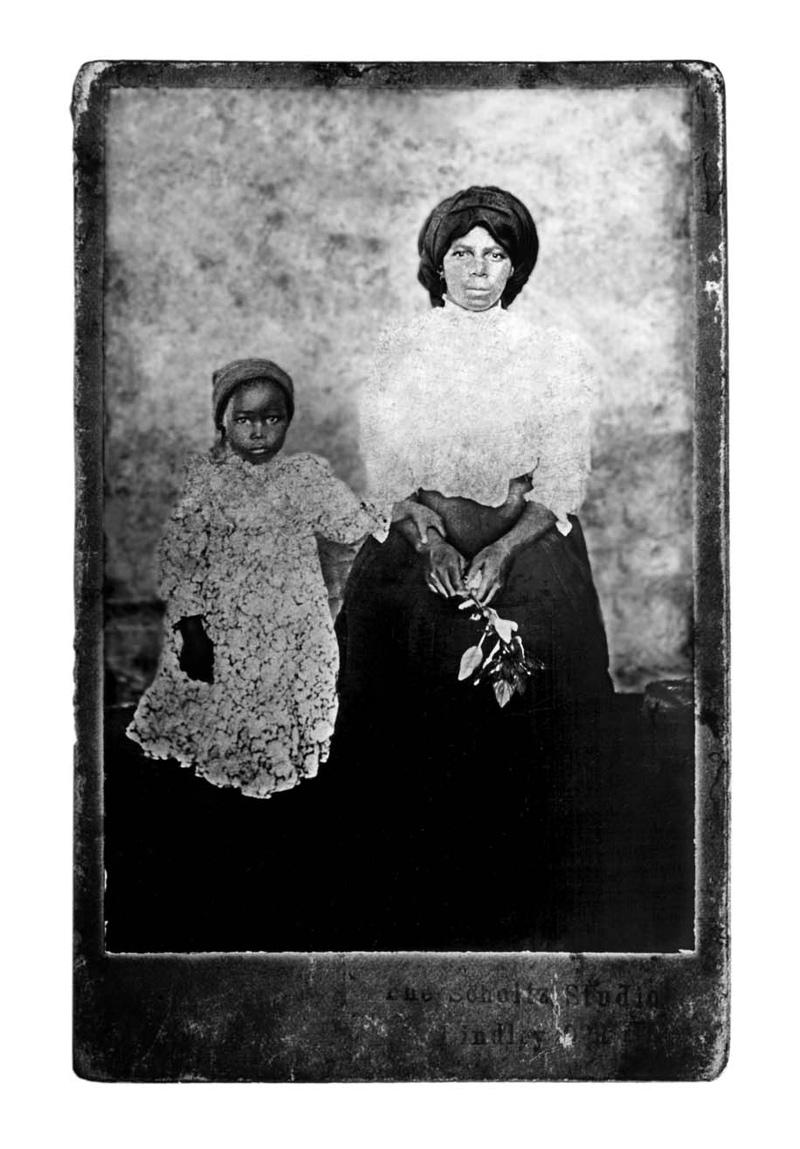
Santu Mofokeng (South African, 1956-2020) 'The Black Photo Album / Look at Me: 1890-1950' 1997


Santu Mofokeng (South African, 1956-2020)
The Black Photo Album / Look at Me: 1890-1950
1997
(Scholtz Studio, Lindley, Ouma Maria Letsipa, née van der Merwe, with her daughter Minkie, Orange River Colony, c. 1900s)
© Santu Mofokeng / Courtesy of Lunetta Bartz, MAKER, Johannesburg


Santu Mofokeng (South African, 1956-2020) 'The Black Photo Album / Look at Me: 1890-1950' 1997


Santu Mofokeng (South African, 1956-2020)
The Black Photo Album / Look at Me: 1890-1950
1997
(Unidentified photographer, South Africa, early twentieth century)
© Santu Mofokeng / Courtesy of Lunetta Bartz, MAKER, Johannesburg


Santu Mofokeng (South African, 1956-2020) 'The Black Photo Album / Look at Me: 1890-1950' 1997


Santu Mofokeng (South African, 1956-2020)
The Black Photo Album / Look at Me: 1890-1950
1997
(Unidentified photographer, Elizabeth and Jan van der Merwe, Johannesburg, c. 1900s)
© Santu Mofokeng / Courtesy of Lunetta Bartz, MAKER, Johannesburg


Santu Mofokeng (South African, 1956-2020) 'The Black Photo Album / Look at Me: 1890-1950' 1997


Santu Mofokeng (South African, 1956-2020)
The Black Photo Album / Look at Me: 1890-1950
1997
(Unidentified photographer, Elliot Phakane, Bethlehem Location, c. 1900s)
© Santu Mofokeng / Courtesy of Lunetta Bartz, MAKER, Johannesburg


Santu Mofokeng (South African, 1956-2020) 'The Black Photo Album / Look at Me: 1890-1950' 1997


Santu Mofokeng (South African, 1956-2020)
The Black Photo Album / Look at Me: 1890-1950
1997
(Unidentified photographer, c. 1900s)
© Santu Mofokeng / Courtesy of Lunetta Bartz, MAKER, Johannesburg


Santu Mofokeng (South African, 1956-2020) 'The Black Photo Album / Look at Me: 1890-1950' 1997


Santu Mofokeng (South African, 1956-2020)
The Black Photo Album / Look at Me: 1890-1950
1997
(Unidentified photographer, c. 1900s)
© Santu Mofokeng / Courtesy of Lunetta Bartz, MAKER, Johannesburg


Santu Mofokeng (South African, 1956-2020) 'The Black Photo Album / Look at Me: 1890-1950' 1997


Santu Mofokeng (South African, 1956-2020)
The Black Photo Album / Look at Me: 1890-1950
1997
(Unidentified subjects, Clifton Studio, Braamfontein c.1900s)
© Santu Mofokeng / Courtesy of Lunetta Bartz, MAKER, Johannesburg


The Walther Collection
Reichenauer Strasse 21
89233 Neu-Ulm, Germany

Opening hours:
Thurs – Sunday 2 – 5pm

The Walther Collection website

LIKE ART BLART ON FACEBOOK

Back to top

Exhibition: ‘Rise and Fall of Apartheid: Photography and the Bureaucracy of Everyday Life’ at Haus der Kunst, Munich

Exhibition dates: 15th February – 26th May 2013


Eli Weinberg (South African born Latvia, 1908-1981) 'Crowd near the Drill Hall on the opening day of the Treason Trial, Johannesburg, 19. December 1956' 1956


Eli Weinberg (South African born Latvia, 1908-1981)
Crowd near the Drill Hall on the opening day of the Treason Trial, Johannesburg, 19. December 1956
1956
Times Media Collection, Museum Africa, Johannesburg


NEVER AGAIN!


Many thankx to Haus der Kunst for allowing me to publish the photographs in the posting. Please click on the photographs for a larger version of the image.


Gille de Vlieg (South African born England, b. 1940) 'Coffins at the mass funeral held in KwaThema, Gauteng, July 23, 1985' 1985


Gille de Vlieg (South African born England, b. 1940)
Coffins at the mass funeral held in KwaThema, Gauteng, July 23, 1985
1985


Gille de Vlieg (born 26 July 1940) is a photographer and anti-apartheid activist. She was born in England and moved to South Africa with her mother when she was 3 years old. During apartheid she was a member of both the Black Sash and one of the few women members of the Afrapix photography collective. Her images have been published in newspapers, magazines and books nationally and internationally. Unlike many of her counterparts, de Vlieg received little public acclaim for her work up until recently. About her work, she says, “I wanted to make a contribution to an alternative view of South Africa, a view not seen on the South African TV screen then.” Her images cover the following topics: land removals, rural lifestyle, township lifestyle, gender lifestyle, United Democratic Front (UDF), anti-harassment campaign, police violence, protests against death penalty, funerals, Black Sash, protests against incorporation into Bophuthatswana; Release Mandela Campaign, End Conscription Campaign (ECC), conscientious objectors, African National Congress (ANC) Welcome Home Rally, Day of the Vow (Geloftedag), street children, and homeless people.

Text from the Wikipedia website


Gille de Vlieg (South African born England, b. 1940) 'Pauline Moloise (mother of Ben), two women & Winnie Madikizela Mandela mourn at the Memorial Service for Benjamin Moloise, who was hanged earlier that morning. Khotso House, Johannesburg, October 18, 1985' 1985


Gille de Vlieg (South African born England, b. 1940)
Pauline Moloise (mother of Ben), two women & Winnie Madikizela Mandela mourn at the Memorial Service for Benjamin Moloise, who was hanged earlier that morning. Khotso House, Johannesburg, October 18, 1985
1985


“All the armies that ever marched, all the parliaments that ever sat, have not affected the life of man on earth as that one solitary life… I am proud of what I am… The storm of oppression will be followed by the rain of my blood. I am proud to give my life, my one solitary life.”


Moloise, Benjamin (18 October 1985). “All the armies that ever marched”. Weekly Mail. p. 1


Malesela Benjamin Moloise (c.  1955 – 18 October 1985) was a South African poet and political activist who came to international attention following his arrest and subsequent execution by the government of South Africa. From Soweto, Moloise worked as an upholsterer before turning to poetry during his time on death row. In 1983, Moloise was arrested for the 1982 murder of Phillipus Selepe, a black security policeman who assisted in capturing three African National Congress (ANC) members. Although he initially confessed to the murder, he later retracted the statement during his trial. Moloise’s death sentence sparked national and international outrage and was seen as emblematic of South Africa’s brutal crackdown on anti-apartheid activists.

Throughout Moloise’s trial, allegations arose about the legitimacy of the evidence against him, the veracity of his confession, and the overall fairness of the process. Following a refusal of clemency or retrial by President P. W. Botha, Moloise was executed in 1985. His execution sparked riots in Johannesburg, protests in major world cities, and a flurry of diplomatic condemnations. The legacy of Moloise’s life, death, and anti-apartheid poems penned during his time on death row transcended South Africa, manifesting in global displays of solidarity and streets named in his honor.

Text from the Wikipedia website


Jodi Bieber (South African, b. 1966) 'Protest against Chris Hani's assassination' 1993


Jodi Bieber (South African, b. 1966)
Protest against Chris Hani’s assassination
1993
© Goodman Gallery Johannesburg


Chris Hani (28 June 1942 – 10 April 1993), born Martin Thembisile Hani SSA, SBS, CLS, DMG, MMS, was the leader of the South African Communist Party and chief of staff of uMkhonto we Sizwe, the armed wing of the African National Congress (ANC). He was a fierce opponent of the apartheid government, and was assassinated by Janusz Waluś, a Polish immigrant and sympathiser of the Conservative opposition on 10 April 1993, during the unrest preceding the transition to democracy.

Text from the Wikipedia website


Complex, vivid, evocative, and dramatic, Rise and Fall of Apartheid: Photography and the Bureaucracy of Everyday Life represents the most comprehensive exhibition of its kind, attempting to formulate an understanding of apartheid’s legacy in South Africa through visual records. These images responded to the procedures and processes of the apartheid state from its beginning in 1948 to the first non-racial democratic elections that attended its demise in 1994. Featuring more than 600 documentary photographs, artworks, films, newsreel footage, books, magazines, and assorted archival documents, the exhibition will fill more than 2,000 square meters of the East Wing of Haus der Kunst. Starting in the entrance gallery (where two film clips are juxtaposed; one from 1948 showing the victorious Afrikaner National Party’s celebration rally, and another of President F. W. De Klerk in February 1990 announcing Nelson Mandela’s release from prison) the exhibition offers an absorbing exploration of one of the twentieth century’s most contentious historical eras.

The exhibition highlights the different strategies adopted by photographers and artists; from social documentary to reportage, photo essays to artistic appropriation of press and archival material. Through these polysemic images, the exhibition embarks on a tour of how photographers and artists think with pictures, the questions these images pose, and the issues of social justice, resistance, civil rights and the actions of opposition to apartheid raise. In so doing, The Rise and Fall of Apartheid brings together many iconic photographs that have rarely been shown before, to propose a fresh historical overview of the photographic and artistic responses to apartheid.

A fundamental argument of the exhibition is that the rise of the Afrikaner National Party to political power and its introduction of apartheid as the legal foundation of governance in 1948 changed the country’s pictorial perception from a “relatively benign colonial space based on racial segregation to a highly contested space in which the majority of the population struggled for equality, democratic representation, and civil rights” (Okwui Enwezor). From the moment apartheid was introduced, photographers in South Africa were immediately aware of how these changes taking place in politics and society accordingly affected photography’s visual language: The medium was transformed from a purely anthropological tool into a social instrument. No one photographed the struggle against apartheid better, more critically, and incisively than South African photographers. For that reason, with the notable exception of a few Western photographers and artists, including Ian Berry, Dan Weiner, Margaret Bourke-White, Hans Haacke, Adrian Piper, and others, the works in the exhibition are overwhelmingly produced by South African photographers.

Resisting the easy dichotomy of victims and oppressors, the photographers’ images present the reading of an evolving dynamic of repression and resistance. Ranging in approach between “engaged” photography of photo essays to the “struggle” photography of social documentary which was aligned with activism, to photojournalistic reportage, the photographers did not only show African citizens as victims, but more importantly as agents of their own emancipation. Included in the exhibition are seminal works by Leon Levson, Eli Weinberg, David Goldblatt and members of Drum magazine, such as Peter Magubane, Jürgen Schadeberg, Alf Kumalo, Bob Gosani, G.R. Naidoo, and others in the 1950s. Also represented are the investigative street photography of Ernest Cole and George Hallett in the 1960s, the reportage of Sam Nzima, Noel Watson, and protest images of the Black Consciousness movement, and student marches in the 1970s to those of the Afrapix Collective in the 1980s, as well as reportages by the members of the so-called Bang Bang Club in the 1990s. The exhibition concludes with works by a younger generation of South African photographers, such as Sabelo Mlangeni and Thabiso Sekgale, and the collective Center for Historical Reenactments, whose projects offer subtle reappraisals of the after effects of apartheid still felt today.

These South African photographers represented a clear political belief. They were opponents of the apartheid regime, and they employed photography as an instrument to overcome it. The independent photo agency Afrapix, founded in 1982 by Omar Badsha and Paul Weinberg, saw itself as a group of “cultural workers”. They believed political convictions came first, and that photography, like writing or acting, was part of the anti-apartheid movement. This attitude was supported by photographers such as Peter McKenzie, who – at a cultural conference organised by the ANC (African National Congress) in Gabarone, Botswana in 1982 – argued that the work of cultural producers is necessarily part of the struggle against apartheid. McKenzie’s argument stood in sharp contrast to that of David Goldblatt, who had the opinion that photographers should report on events with as much inner distance as they can muster.

On the other end of the spectrum, the so-called “struggle” or “frontline photography” is characterised by immediacy, giving the impression of being in the middle of the action. “If you want a picture, you get that picture, under all circumstances” was the leitmotif of one of the leading figures, Peter Magubane.

The photographs’ subjects are different historical events. These include the “Treason Trial” of 1956-1961, which ended with the acquittal of 156 anti-apartheid activists, including Nelson Mandela; the Sharpeville massacre of 1960, in which police shot 69 demonstrators dead; Mandela’s release in 1990 after 27 years in prison; and the civil war between opposing political factions during the 1994 election. Yet this exhibition is not a history of apartheid itself. Instead it aims to critically interrogate the normative symbols and signs of the photographic and visual responses to apartheid. For example, ritualised gestures were also part of the apartheid imagery. The “thumbs up” as a sign of solidarity among activists belonged to the movement’s nonviolent start when civil disobedience and strikes were still regarded as effective agents. After the Sharpeville massacre of 1960, the resistance became militarised. The cherished “thumbs up” was transformed into the upraised fist, the general symbol of black power. Since the burial of the Sharpeville massacre’s victims, black South Africans expressed their sense of community and identity at funerals. Their public mourning thus became a ritualised form of mass mobilisation and defiance.

From the ordinary and mundane to the bureaucratic and institutional, the corrosive effects of the apartheid system on everyday life are explored in the multiplicity of public signage that drew demarcating lines of segregation between whites, Africans, and non-Europeans. For example, Ernest Cole engaged in a sustained study of apartheid signage at train stations, banks, buses, taxi ranks, and throughout the streets of cities like Johannesburg and Pretoria in the early to mid-1960s. Another exemplary image is a photo from 1956 taken by Peter Magubane. It draws attention to the fact that racial segregation restricted movement in both private and public space. The image shows a young white girl sitting on a bench with the inscription “Europeans only” as her black nanny strokes her neck, but must do so from the back bench.

However, the everyday was not limited to the humiliations of policed segregation. “Drum” magazine, one of the most important media outlets for African social life, combined the gritty realism of reportage and the fantasy of normality in the self-constructions of non-European dandies, beauty queens, and the exuberance of township life. Its pages offered images of entertainment, representations of leisure, cultural events, and celebrity portraits. The magazine encompassed a full range of motifs, from relentless documentary photography to fashion shoots, dance revues, and concerts. Through the magazine, photographs found an audience that was politically sensitive and attentive; it also gave South African photographers the opportunity to exchange ideas with colleagues from other African countries, India, and Europe for the first time.

In 1990, the interest of the international press was focused on Mandela’s imminent release. Photographs from South Africa had finally prepared the ground for the participation of world opinion in shaping the country’s future. In this context, the exhibition also asks whether photography can help inform the political face of the world.

Press release from the Haus der Kunst website


Jurgen Schadeberg (South African born Germany, 1931-2020) 'The 29 ANC Women’s League women are being arrested by the police for demonstrating against the permit laws, which prohibited them from entering townships without a permit, 26th August 1952' 1952


Jurgen Schadeberg (South African born Germany, 1931-2020)
The 29 ANC Women’s League women are being arrested by the police for demonstrating against the permit laws, which prohibited them from entering townships without a permit, 26th August 1952
1952
Courtesy the artist


Jurgen Schadeberg (South African born Germany, 1931-2020) '20 defiance campaign Leaders appear in the Johannesburg Magistrates Court on a charge of contravening the Suppression of Communism Act, August 26, 1952' 1952


Jurgen Schadeberg (South African born Germany, 1931-2020)
20 defiance campaign Leaders appear in the Johannesburg Magistrates Court on a charge of contravening the Suppression of Communism Act, August 26, 1952
1952
Courtesy the artist


Jurgen Schadeberg (South African born Germany, 1931-2020) 'Nelson Mandela, Treason Trial' 1958


Jurgen Schadeberg (South African born Germany, 1931-2020)
Nelson Mandela, Treason Trial
1958
Courtesy the artist


Eli Weinberg (South African born Latvia, 1908-1981) 'Nelson Mandela portrait wearing traditional beads and a bed spread. Hiding out from the police during his period as the "black pimpernel," 1961' 1961


Eli Weinberg (South African born Latvia, 1908-1981)
Nelson Mandela portrait wearing traditional beads and a bed spread. Hiding out from the police during his period as the “black pimpernel,” 1961
1961
Courtesy of IDAFSA


Ranjith Kally (South African, 1925-2017) 'Chief Albert Luthuli, former President General of the African National Congress, Rector of Glasgow University and 1960 Nobel Peace Prize Winner, gagged by the government from having any of his words published in his country, confined to small area around his home near Stanger in Natal, April 1964' 1964


Ranjith Kally (South African, 1925-2017)
Chief Albert Luthuli, former President General of the African National Congress, Rector of Glasgow University and 1960 Nobel Peace Prize Winner, gagged by the government from having any of his words published in his country, confined to small area around his home near Stanger in Natal, April 1964
1964
© Bailey’s Archives


Greame Williams (South African, b. 1961) 'Nelson Mandela and Winnie Mandela as he is released from the Victor Vester Prison' 1990


Greame Williams (South African, b. 1961)
Nelson Mandela and Winnie Mandela as he is released from the Victor Vester Prison
1990
Courtesy the artist
© Greame Williams


Haus der Kunst
Prinzregentenstraße 1
80538 Munich
Germany
Phone: +49 89 21127 113

Opening hours:
Monday, Wednesday  -  Sunday 10 am  -  8pm
Thursday 10am  -  10pm
Closed Tuesdays

Haus der Kunst website

LIKE ART BLART ON FACEBOOK

Back to top

Exhibition: ‘Distance and Desire: Encounters with the African Archive Part III: Poetics and Politics’ at The Walther Collection Project Space, New York: Part 2

Exhibition dates: 22nd March – 18th May 2013

PLEASE NOTE: THIS POSTING CONTAINS PHOTOGRAPHS OF FEMALE NUDITY – IF YOU DO NOT LIKE PLEASE DO NOT LOOK, FAIR WARNING HAS BEEN GIVEN


Unidentified photographer. 'Dressing hair. Women of the E. Coast. Africa' Tanzania, early twentieth century


Unidentified photographer, inscribed:
Dressing hair. Women of the E. Coast. Africa
Tanzania, early twentieth century
Gelatin or collodion printed-out print mounted on album page


“Distance invokes travel, geographic dichotomies, estrangement, otherness, and separation in time. Whereas desire implies proximity, closeness, affect, and unfulfilled longing.”


Part 2 of the posting about the exhibition Distance and Desire: Encounters with the African Archive Part III. I have added notes under some of the photographs to give context to the tribes, the people and the titles of the photographs. For more information see The New Yorker: Photo Booth’s interview with curator South African scholar Tamar Garb.

See Part 1 of the posting.

Dr Marcus Bunyan


Many thankx to The Walther Collection for allowing me to publish the photographs in the posting. Please click on the photographs for a larger version of the image.


Samuel Baylis Barnard (English, 1841-1916) 'Damara Servant Girl, S. Africa' South Africa, late nineteenth century


Samuel Baylis Barnard (English, 1841-1916), inscribed:
Damara Servant Girl, S. Africa
South Africa, late nineteenth century
Albumen print


Unidentified photographer. 'Photograph of a young woman' East Africa, Early twentieth century


Unidentified photographer
Photograph of a young woman
East Africa, Early twentieth century
Gelatin-silver developed-out print


Samuel Baylis Barnard (English, 1841-1916) 'Zulu Kaffir' South Africa, late nineteenth century


Samuel Baylis Barnard (English, 1841-1916), inscribed:
Zulu Kaffir
South Africa, late nineteenth century
Albumen print


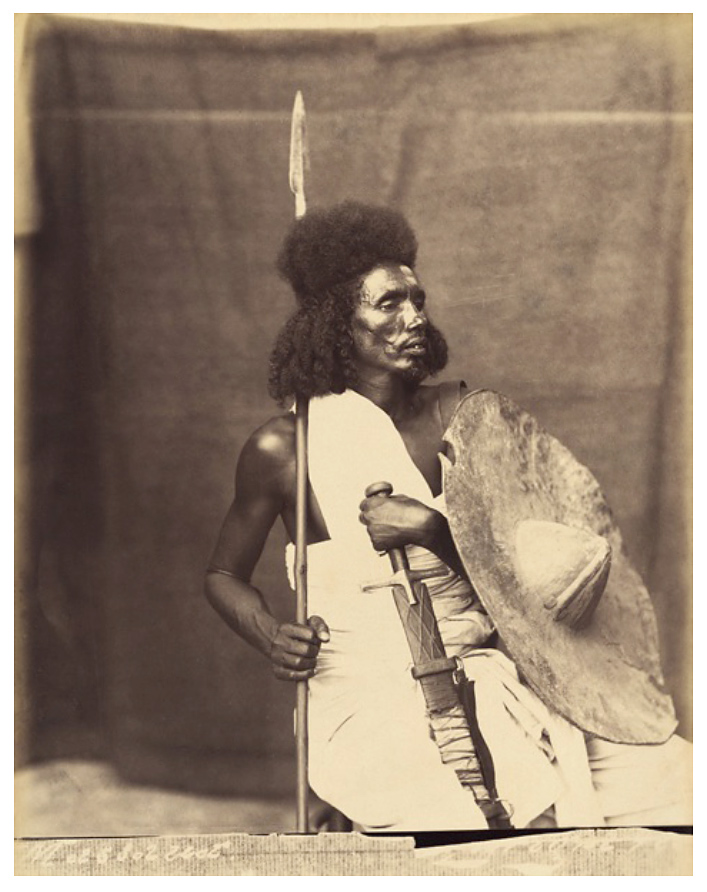
Unidentified photographer. 'Studio photograph of a man' East Africa, late nineteenth century


Unidentified photographer
Studio photograph of a man
East Africa, late nineteenth century
Albumen print


This man is from the Hadendowa tribe, eastern Sudan.

Hadendoa (or Hadendowa) is the name of a nomadic subdivision of the Beja people, known for their support of the Mahdiyyah rebellion during the 1880s to 1890s. The area historically inhabited by the Hadendoa is today parts of Sudan, Egypt and Eritrea.


Unidentified photographer. 'Monsiga Chief of Mafeking' South Africa, late nineteenth century


Unidentified photographer, inscribed:
Monsiga Chief of Mafeking
South Africa, late nineteenth century
Gelatin or collodion printed-out print mounted on album page


Mahikeng – formerly, and still commonly, known as Mafikeng and historically Mafeking in English – is the capital city of the North-West Province of South Africa. It is best known internationally for the Siege of Mafeking, the most famous engagement of the Second Boer War.

Located close to South Africa’s border with Botswana, Mahikeng is 1,400 km (870 mi) northeast of Cape Town and 260 km (160 mi) west of Johannesburg. In 2001, it had a population of 49,300. In 2007, Mafikeng was reported to have a population of 250,000 of which the CBD constitutes between 69,000 and 75,000. It is built on the open veld at an elevation of 1,500 m (4,921 ft), by the banks of the Upper Molopo River. The Madibi goldfields are some 15 km (9.3 mi) south of the town.


A. James Gribble. 'Masupa. Kaffir Chief & sons. Basutoland' South Africa, late nineteenth century


A. James Gribble, inscribed:
Masupa. Kaffir Chief & sons. Basutoland
South Africa, late nineteenth century
Albumen print


Basutoland or officially the Territory of Basutoland, was a British Crown colony established in 1884 after the Cape Colony’s inability to control the territory. It was divided into seven administrative districts; Berea, Leribe, Maseru, Mohales Hoek, Mafeteng, Qacha’s Nek and Quthing.

Basutoland was renamed the Kingdom of Lesotho upon independence from the United Kingdom on October 4, 1966.


W. Rausch (South African, 1862-1900) 'Indaba of Induna Chiefs, Buluwayo' Zimbabwe, 1890s


W. Rausch (South African, 1862-1900), inscribed:
Indaba of Induna Chiefs, Buluwayo
Zimbabwe, 1890s
Gelatin or collodion printed-out print mounted on card


InDuna (plural: izinDuna) is a Zulu title meaning advisor, great leader, ambassador, headman, or commander of group of warriors. It can also mean spokesperson or mediator as the izinDuna often acted as a bridge between the people and the king. The title was reserved for senior officials appointed by the king or chief, and was awarded to individuals held in high esteem for their qualities of leadership, bravery or service to the community. The izinDuna would regularly gather for an indaba to discuss important issues. An indaba is an important conference held by the izinDuna (principal men) of the Zulu or Xhosa peoples of South Africa. (Text from Wikipedia)

William Rausch was born in Cape Colony, South Africa in 1862. Eventually he made his way to Bulawayo where established himself as a photographer. His earliest photos date from 1895. He is one of four photographers listed in Matabeleland during this time: C. Hines, C. H. Newberry, J. Parkin, and W. Rausch. The Rhodesia Scientific Association (1899) lists Rausch as having won a prize for his Rhodesian photographs. He died of pneumonia at Memorial Hospital on 24 September, 1900. H. A. de Beers was appointed as executor and his estate was finalised 24 January 1901.


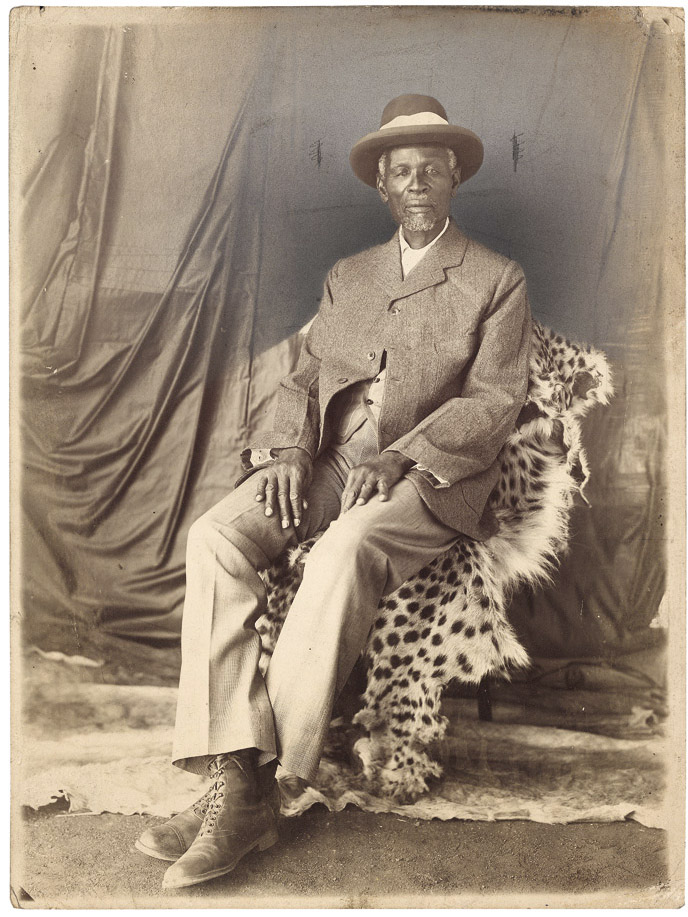
Unidentified photographer. 'Studio photograph of a man' South Africa, late nineteenth century


Unidentified photographer
Studio photograph of a man
South Africa, late nineteenth century
Carte de visite


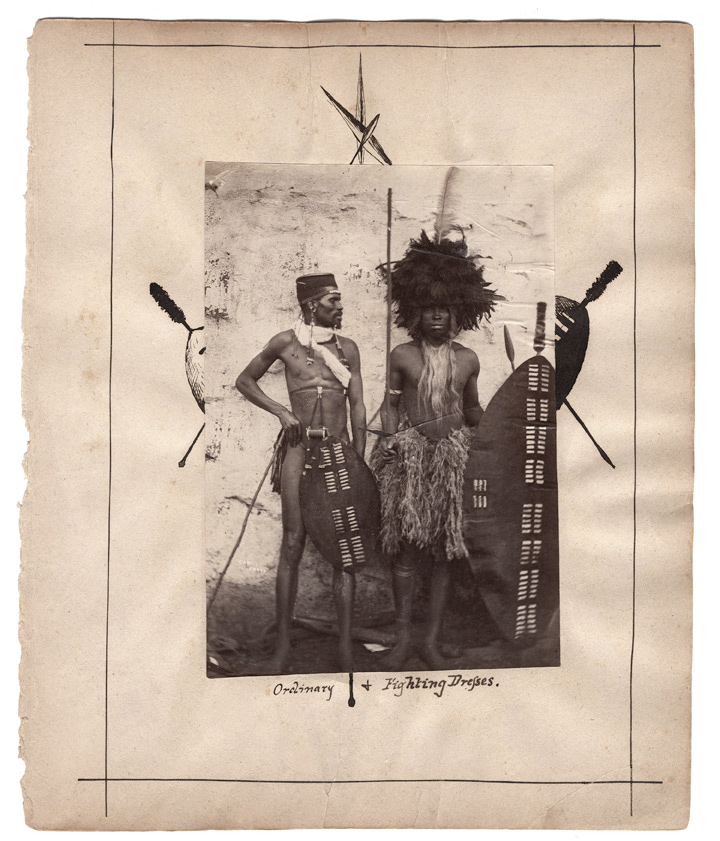
Gray Brothers (Diamond Fields) 'Zulu / Young Warrior in fighting order, and in skin Kaross. Armed with hatchet and assegai' South Africa. c. 1870s


Gray Brothers (Diamond Fields), inscribed:
Zulu / Young Warrior in fighting order, and in skin Kaross. Armed with hatchet and assegai
South Africa. c. 1870s
Carte de visite


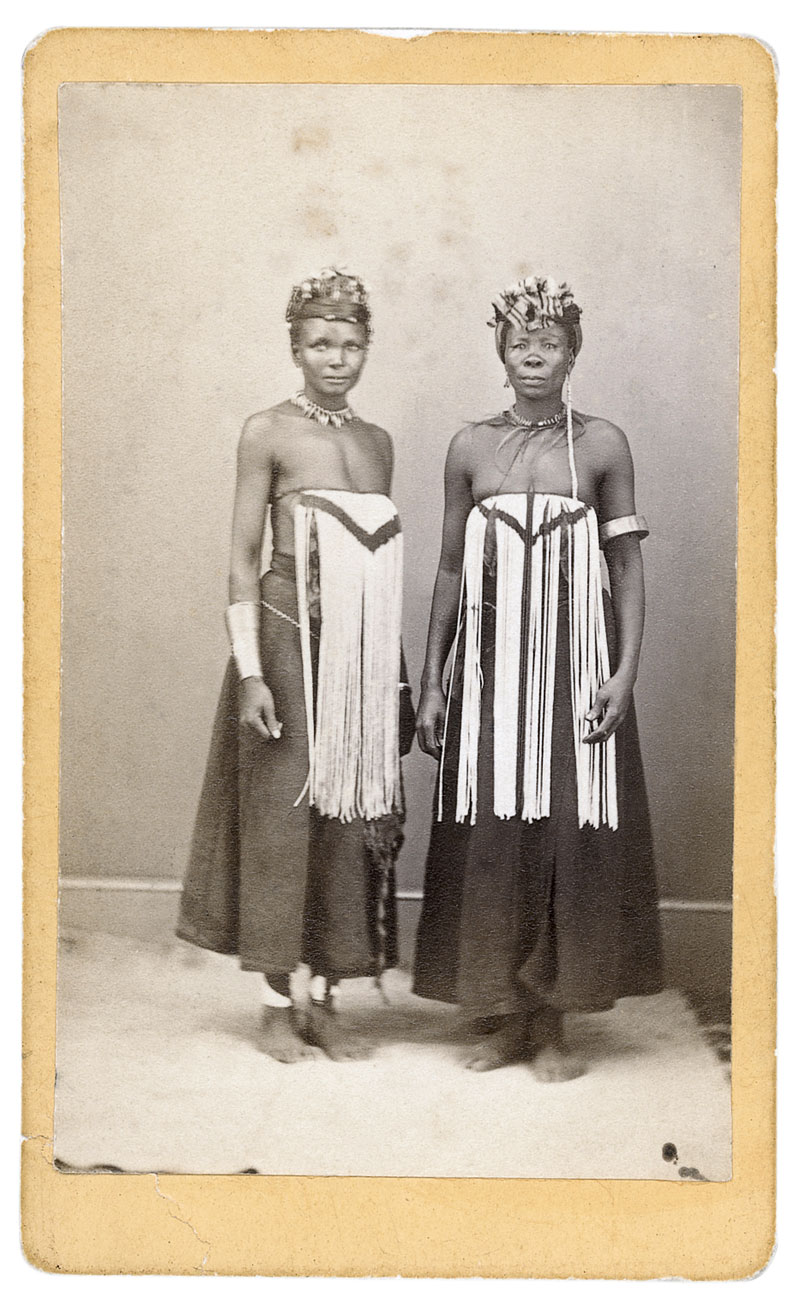
G. F. Williams. 'Studio photograph of two women' South Africa, c. 1870s


G. F. Williams
Studio photograph of two women
South Africa, c. 1870s
Carte de visite


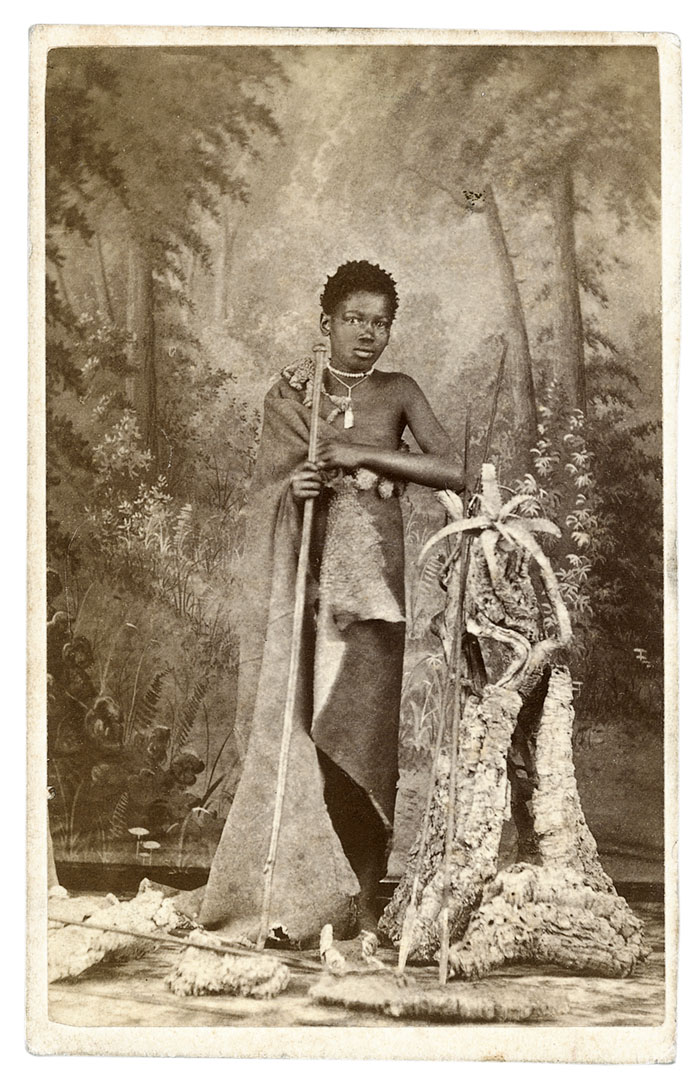
Lawrence Brothers, Cape Town (attr.). 'Kaffir girl' South Africa, c. 1870s


Lawrence Brothers, Cape Town (attr.), inscribed:
Kaffir girl
South Africa, c. 1870s
Carte de visite


The partners of Lawrence Bros. were James Lawrence and Colin Gibb Lawrence and they were doing business from Ashley street, Cape Town in 1864. Left for England in 1865. James employed his brothers Alexander and Colin Gibb as his assistants and later joined with Colin in a partnership.

Kaffir (/ˈkæfər/,Afrikaans: “kaffer”, Sarnami: “kafri”) is an ethnic slur which is used in reference to black Africans in South Africa. Derived from the Arabic word Kafir meaning “nonbeliever”, particularly of Islam.


Unidentified photographer. 'Portrait of King Khama III' South Africa, early twentieth century


Unidentified photographer
Portrait of King Khama III
South Africa, early twentieth century


Khama III (1837?-1923), also known as Khama the Good, was the kgosi (meaning chief or king) of the Bamangwato people of Bechuanaland (now Botswana), who made his country a protectorate of the United Kingdom to ensure its survival against Boer and Ndebele encroachments.

After Khama became king in 1875, after overthrowing his father Sekgoma and elbowing away his brother Kgamane his ascension came at a time of great dangers and opportunities. Ndebele incursions from the north (from what is now Zimbabwe), Boer and “mixed” trekkers from the south, and German colonialists from the West, all hoping to the seize his territory and its hinterlands. He answered these challenges by aligning his state with the administrative aims of the British, which provided him with cover and support, and, relatedly, by energetically expanding his own control over a much wider area than any “kgosi” before him. Khama converted to Christianity, which moved him to criminalise sectarianism and to deprecate the institutions favoured by traditionalists. At Khama’s request stringent laws were passed against the importation of alcohol.

Text from the Wikipedia website


G. T. Ferneyhough (attr.) and unidentified photographers. 'Albumen prints mounted to album page' South Africa, last third of the nineteenth century


G. T. Ferneyhough (attr.) and unidentified photographers
Albumen prints mounted to album page
South Africa, last third of the nineteenth century


G. T. Ferneyhough (attr.), Crewes & Van Laun (attr.), H. F. Gros (attr.), and unidentified photographers. 'Album page with photographs of Cetshwayo and his family, Chief Sekhukhune, and unidentified persons' South Africa, last third of the nineteenth century


G. T. Ferneyhough (attr.), Crewes & Van Laun (attr.), H. F. Gros (attr.), and unidentified photographers
Album page with photographs of Cetshwayo and his family, Chief Sekhukhune, and unidentified persons
South Africa, last third of the nineteenth century


The bottom right hand text says, “Cetshwayo’s wives who came to England.” Obviously on the ship that took the King to England in 1882 (see below)


Invading Zululand

Lieutenant-General Sir Frederic Thesiger, 2nd Baron Chelmsford, led the invasion of Zululand on 11 January, with British centre column crossing at Rorke’s Drift. Additional British forces massed at Lower Drift on the Thukela River, near the coast, and on the north-western border near Utrecht.

Isandlawana and Rorke’s Drift

Despite an early success at Isandlwana (22 January) where 24,000 Zulu warriors overran the British camp of 1,700 – over 1,300 British and Imperial troops were annihilated (only 60 of the survivors were Europeans). That evening the small garrison at Rorke’s Drift regained British self-respect by defending the (hospital) station against a force of more than 3,000 Zulu warriors.

Defeat at Ulundi

Cetshwayo’s army was finally defeated at oNdini (Ulundi) on 4 July 1879 and his royal homestead burnt to the ground. Although Cetshwayo escaped from oNdini, he was soon captured in the Ngome Forest by British dragoons (28 August). He was informed by Shepstone that he was to be exiled from Zululand and that the nation would be divided into 13 independent chiefdoms under the authority of the British.

Exile

On 15 September 1879 Cetshwayo was dispatched to Cape Town. He was held as a prisoner of war until February 1881 when he was transferred from the castle to Oude Molen, a farm on the Cape Flats.

“In 1882 Cetshwayo was permitted to travel to England for audience with Queen Victoria – he petitioned for his return to Zululand as ruler. He was a hit amongst London society and became a favourite of the public.”

Cetshwayo was returned in secret to Zululand on 10 January 1883. He was met at Port Durnford by Sir Theophilus Shepstone (who was brought out of retirement for the process). Shepstone arranged the details of Cetshwayo’s restoration (29 January), but he was not permitted an army to defend his somewhat reduced ‘nation’ – part of the arrangement was that the north of Zululand was to be put under the control of his rival, Zibhebhu kaMaphitha.

Defeat and Retreat

By March 1883 Zibhebhu was moving against Cetshwayo’s supporters in his assigned northern territory and Cetshwayo’s uSuthu marched against him. The uSuthu were defeated and driven into Transvaal and back south to oNdini. The civil war between Cetshwayo and Zibhebhu ranged across the Mahlabathini plain and the uSuthu was once again defeated. Whilst Cetshwayo and his 15-year old heir, Dinizulu, were able to escape the capital of oNdini and hide out in the Nkandla forest, theuSuthu leadership was decimated. Cetshwayo was escorted to Eshowe by Henry Francis Fynn jr, the British Resident in Zululand, on the 15 October 1883.

A Disputed Cause of Death

On the afternoon of 8 February 1884 Cetshwayo died. Although officially recorded as a heart attack (Surgeon Scott, the resident military medical officer, was refused permission to do an autopsy and so could record no other cause). However an abortive assassination attempt (by poison) was made against Mnyamana kaNgqengelele, chief of the Buthelezi and Cetshwayo’s chief inDuna, around the same so time it seems likely that Cetshwayo was also poisoned.

Text from the African History website [Online] Cited 11/05/2013 no longer available online


Unidentified photographers. 'Albumen prints mounted to album page' South Africa, late nineteen century


Unidentified photographers
Albumen prints mounted to album page
South Africa, late nineteen century


Unidentified Photographer. 'Native Policemen' South Africa, late nineteen century


Unidentified photographer
Native Policemen
South Africa, late nineteen century
from Albumen prints mounted to album page


Unidentified Photographer. 'Portrait of a Man' (detail) South Africa, late nineteen century


Unidentified Photographer
Portrait of a Man (detail)
South Africa, late nineteen century
from Albumen prints mounted to album page


Notice how the white spots have been painted on by the photographer after exposure, presumably to “exoticise” the noble savage.


Unidentified photographers. 'Album page' South Africa, late nineteenth century


Unidentified photographers
Album page
South Africa, late nineteenth century


The Walther Collection Project Space
Suite 718, 508-526 West 26th Street
New York
Phone: +1 212 352 0683

Opening hours:
Wednesday – Saturday 12pm – 6pm

The Walther Collection website

LIKE ART BLART ON FACEBOOK

Back to top

Exhibition: ‘Distance and Desire: Encounters with the African Archive Part III: Poetics and Politics’ at The Walther Collection Project Space, New York: Part 1

Exhibition dates: 22nd March – 18th May 2013


Unidentified photographer. 'Photograph of a man' South Africa, late nineteenth century


Unidentified photographer
Photograph of a man
South Africa, late nineteenth century
Gelatin or collodion printed-out print


Undertaking research in to the work of South African photographer Ernest Cole, I wanted to know more about “South African colonial photography” pre-Apartheid. If you type the phrase into Google images there is absolutely nothing online about this historical archive. So it is a great privilege that The Walther Collection has allowed me to publish nearly 40 photographs over two postings on Art Blart. What a honour to be the first online space to promote this important historical record.

It is vital that colonial photographs such as these are visible in contemporary society for they bare witness to the conditions of the past and provide a visual language to textualise our experience and thereby make it available for interpretation and closure – for people of all colours and races. This is particularly true for a post-colonial country such as South Africa where the history of the nation must be examined impartially no matter how painful the subject matter in order to understand how the actions of the past influence the present and will continue to be re/sighted in the future. Through continual re/citation by being present in the public sphere for all to see (not hidden away offline) these images will become a source of pride (for person, family, tribe, country) – for these were strong human beings that survived the vicissitudes of colonialism to form the history and lineage of a nation.

We must thank numerous private collectors that have saved many of these photographs from the rubbish tip when no public institution was interested in collecting them. Interesting books about the South African archive include Surviving the Lens: Photographic Studies of South and East African People, 1870-1920 by Michael Graham Stewart (2001) and Contemporary African Photography from the Walther Collection. Events of the Self, Portraiture and Social Identity by Okwui Enwezor (ed.) Göttingen, Steidl, 2010.

See Part 2 of the posting.

Dr Marcus Bunyan


Many thankx to The Walther Collection for allowing me to publish the photographs in the posting. Please click on the photographs for a larger version of the image.


Caney Brothers, inscribed: 'Ordinary & Fighting Dresses.' South Africa, late nineteenth century


Caney Brothers, inscribed:
Ordinary & Fighting Dresses.
South Africa, late nineteenth century
Albumen print


Henri Noyer (attr.), inscribed: 'Taisaka Spearsmen No. 2' Madagascar, early twentieth century


Henri Noyer (attr.), inscribed:
Taisaka Spearsmen No. 2
Madagascar, early twentieth century
Gelatin or collodion printed-out print


The Taisaka come from the South-East coast of the island of Madagascar.


Unidentified photographer. 'Mouv, Nthaka warrior' East Africa, early twentieth century


Unidentified photographer
Mouv, Nthaka warrior
East Africa, early twentieth century
Gelatin or collodion developed out print


The Ameru had an age set system which provided the community with warriors for defence. Boys are circumcised and become Nthaka (warriors). They stay in a Gaaru and learn to defend the community and take care of their families. The warriors were called Nthaka and were isolated from the community for military training


Unidentified photographer. 'Studio photograph of a man' South Africa, late nineteenth century


Unidentified photographer
Studio photograph of a man
South Africa, late nineteenth century


Unidentified photographer. 'Studio photograph of a man' South Africa, late nineteenth century


Unidentified photographer
Studio photograph of a man
South Africa, late nineteenth century


J. E. Middlebrook (South African, active 1870s-1900s) inscribed: 'A Zulu girl. Hair strung with beads' South Africa, late nineteenth century


J. E. Middlebrook (South African, active 1870s-1900s) (attr.), inscribed:
A Zulu girl. Hair strung with beads
South Africa, late nineteenth century
Gelatin-silver printed-out print


The Zulu (Zulu: amaZulu) are the largest South African ethnic group, with an estimated 10-11 million people living mainly in the province of KwaZulu-Natal. Small numbers also live in Zimbabwe, Zambia and Mozambique. Their language, Zulu, is a Bantu language; more specifically, part of the Nguni subgroup. The Zulu Kingdom played a major role in South African history during the 19th and 20th centuries. Under apartheid, Zulu people were classed as third-class citizens and suffered from state-sanctioned discrimination. They remain today the most numerous ethnic group in South Africa, and now have equal rights along with all other citizens.

J. E. Middlebrook. Late 19th-century South African photographer. The flourishing diamond mines in Kimberley brought hundreds of workers and photographers to the area beginning in 1867. J. E. Middlebrook followed soon thereafter in the early 1870s, and set up his photography studio, The Premier Studio, on West Street West ; he had a second studio in Durban, “Opposite the Club.” Middlebrook photographed the landscape, farms, cities, and people of South Africa. His photographs of the Zulu people are considered to be theatrical, deliberating portraying the native people in an idyllic, romantic, and exotic light. He took photographs during the South African war (1899-1902). A number of well-known photographers were based at the studio, including C. Evans, Wunsch, Atkinson and Dyer, who documented Kimberley’s early days. By 1906, Middlebrook’s was bought by Frank Hancox and when German, Charles Seidenstucker, arrived in South Africa, he promptly became the studio’s new owner.


A. James Gribble (South African, 1863-1943) inscribed: 'Kaffer woman' South Africa, late nineteenth century


A. James Gribble (South African, 1863-1943), inscribed:
Kaffer woman
South Africa, late nineteenth century
Albumen print


The word kaffer is a word that is used widely in South Africa and is a derogatory word for a black person. Used mainly by Afrikaans people. In old Dutch it means unbeliever (in God), so should not necessarily mean black, but just unholy or non-Christian. Boers gave the name in early South African history as native Africans did not believe in Jesus. Name came after Bantu – which means the same thing, but was banned as it was discriminatory.


Unidentified photographer. 'Zulu mothers' South Africa, late nineteenth century


Unidentified photographer, inscribed:
Zulu mothers
South Africa, late nineteenth century
Gelatin-silver printed out print


Samuel Baylis Barnard (English, 1841-1916) 'Hottentott S. Africa [Portait of /A!kunta]' South Africa, early 1870s


Samuel Baylis Barnard (English, 1841-1916), inscribed
Hottentott S. Africa [Portait of /A!kunta]
South Africa, early 1870s
Albumen print


The word ‘Hottentots’ was a name disparagingly used to refer to the Khoikhoi people that lived in the southern parts of the African continent as early as the 5th century AD and continued to live till the first colonists arrived in the middle of the seventeenth century. The Dutch colonists called them Hottentots. It means ‘stammerer’ in Dutch. Khoikhoi means ‘people people’. The word Hottentot is no longer used to describe the people.


The Walther Collection is pleased to announce Poetics and Politics, the third and last exhibition in the series Distance and Desire: Encounters with the African Archive, curated by Tamar Garb. Poetics and Politics presents an extraordinary range of previously unseen vintage portraits, cartes de visite, postcards, and album pages from Southern and Eastern Africa, produced from the 1870s to the early twentieth century. The exhibition makes visible both the ideological frameworks that prevailed during the colonial period in Africa and the exceptional skill of photographers working in the studio and landscape.

The culmination of Distance and DesirePoetics and Politics offers a remarkable opportunity to view the narratives that emerge from this African photographic archive, describing in particular the experience of the studio – the curiosity between subject and photographer, the negotiations of costume and pose, and the will for self-representation. The exhibition investigates typical European depictions of Africans, from scenes in nature, to sexualised images of semi-nude models, to modern sitters posing in elaborate studios, critically addressing the politics of colonialism and the complex issues of gender and identity.

Among over 75 vintage prints, Poetics and Politics includes a selection of elegant studio portraits by Samuel Baylis Barnard, one of Cape Town’s most prominent nineteenth century photographers. Original album pages of landscapes and ethnographic imagery are displayed alongside a series of carte de visite portraits of Africans, created in the 1870s in the Diamond Fields of Kimberley, South Africa. The exhibition also features several double-sided displays of album pages, showing striking combinations of personal and stock images, and the juxtapositions of prominent figures in both African and Western contexts.

Distance and Desire is accompanied by an extensive catalogue, published by The Walther Collection and Steidl, and edited by Tamar Garb. Including twelve original essays, the catalogue offers new perspectives by contemporary artists and scholars on the African archive, reimagining its diverse histories and changing meanings. On June 8, 2013 the expanded exhibition incorporating all three parts of Distance and Desire: Encounters with the African Archive will open at The Walther Collection in Neu-Ulm, Germany. The Walther Collection is a private non-profit foundation dedicated to researching, collecting, exhibiting, and publishing modern and contemporary photography and video art, based in Neu-Ulm, Germany and New York. Distance and Desire is part of the collection’s multi-year investigation of African photography and video.

Press release from the Walther Collection website


Unidentified photographer. 'Native Police' South Africa, Late nineteenth century


Unidentified photographer, inscribed:
Native Police
South Africa, Late nineteenth century
Albumen print mounted on album page


Kimberley Studio (New Rush, Diamond Fields). 'Zulu / Warrior in skin kaross, armed with assegais' and 'Guerrier Zulu a manteau de fourrure et armé de piques' South Africa, c. 1870s


Kimberley Studio (New Rush, Diamond Fields), inscribed:
Zulu / Warrior in skin kaross, armed with assegais and Guerrier Zulu a manteau de fourrure et armé de piques
South Africa, c. 1870s
Carte de visite


John Salmon. 'Basuto' South Africa, c. 1870s


John Salmon, inscribed:
Basuto
South Africa, c. 1870s
Carte de visite


See Sotho people on Wikipedia


Samuel Baylis Barnard (English, 1841-1916) 'Photograph of a woman' South Africa, late nineteenth century


Samuel Baylis Barnard (English, 1841-1916)
Photograph of a woman
South Africa, late nineteenth century
Carte de visite


William Moore (attr.), 'Macomo and his chief wife [Portrait of Maqoma and his wife Katyi]' South Africa, c. 1869


William Moore (attr.), inscribed:
Macomo and his chief wife [Portrait of Maqoma and his wife Katyi]
South Africa, c. 1869
Albumen print


G. F. Williams. 'Studio photograph of a man' South Africa South Africa, late nineteenth century


G. F. Williams
Studio photograph of a man, South Africa
South Africa, late nineteenth century
Carte de visite


Unidentified photographer. 'Fingo swells' South Africa, late nineteenth century


Unidentified photographer, inscribed:
Fingo swells
South Africa, late nineteenth century
Gelatin or collodion printed-out print


The Fengu (plural amaFengu) are a Bantu people; originally closely related to the Zulu people, but now often considered to have assimilated to the Xhosa people whose language they now speak. Historically they achieved considerable renown for their military ability in the frontier wars. They were previously known in English as the “Fingo” people, and they gave their name to the district of Fingoland (Mfenguland), the South West portion of the Transkei division, in the Cape Province.


M. Veniery. 'Choubouk' Sudan, early twentieth century


M. Veniery, inscribed:
Choubouk
Sudan, early twentieth century
Gelatin or collodion printedout print mounted on card


Unidentified photographer. 'Bushman' South Africa, late nineteenth century


Unidentified photographer, inscribed:
Bushman
South Africa, late nineteenth century
Gelatin or collodion printed-out print


The San peoples, also known as the Bushmen, are members of various Khoe, Tuu, or Kx’a-speaking indigenous hunter-gatherer groups that are the first nations of Southern Africa, and whose territories span Botswana, Namibia, Angola, Zambia, Zimbabwe, Lesotho and South Africa. In 2017, Botswana was home to approximately 63,500 San people, which is roughly 2.8% of the country’s population, making it the country with the highest population of San people. “Bushmen” is now considered derogatory by many South Africans.


A.C. Gomes & Son. 'Views in Zanzibar – Natives Hairdressing' Tanzania Late nineteenth century


A.C. Gomes & Son, inscribed:
Views in Zanzibar – Natives Hairdressing, Tanzania
Late nineteenth century
Gelatin or collodion printed-out print mounted to album page


A. C. Gomes established a photo studio in Zanzibar perhaps as early as 1868. He had a brief partnership with J. B. Coutinho in the 1890s. His son P. F. Gomes continued the family business in Zanzibar for many years, he died in 1932. Over those years both have left us with some marvellous images.


The Walther Collection Project Space
Suite 718, 508-526 West 26th Street
New York
Phone: +1 212 352 0683

Opening hours:
Wednesday – Saturday from 12pm – 6pm

The Walther Collection website

LIKE ART BLART ON FACEBOOK

Back to top

Exhibition: ‘South Africa in Apartheid and After: David Goldblatt, Ernest Cole, Billy Monk’ at the San Francisco Museum of Modern Art (SFMOMA)

Exhibition dates: 1st December 2012 – 5th March 2013


Ernest Cole (South African, 1940-1990) 'A student who said he was going to fetch his textbook is pulled in. To prove he was still in school he showed his fountain pen and ink-stained fingers. But that was not enough; in long pants he looked older than sixteen' 1960–1966


Ernest Cole (South African, 1940-1990)
A student who said he was going to fetch his textbook is pulled in. To prove he was still in school he showed his fountain pen and ink-stained fingers. But that was not enough; in long pants he looked older than sixteen
1960-1966
Gelatin silver print
8 11/16 x 12 5/8 in. (22 cm x 32cm)
Courtesy of the Hasselblad Foundation, Gothenburg, Sweden
© The Ernest Cole Family Trust


It is the work of Billy Monk that is most impressive in this posting. Photographed in the rowdy Cape Town nightclub The Catacombs in the 1960s, Monk’s photographs of the racially mixed clientele portray them in extraordinary intimacy in all their states of joy and sadness. While his protagonists take centre stage within his photographs there is a wonderful spatial openness to Monk’s 35mm flash images photographed with a slightly wide angle 35mm lens. Monk does not fill the pictorial frame; he allows his images to breathe. Witness (and that is what he did) the moment of stasis before kiss of The Catacombs, 30 September 1967 (below), the intensity of the man’s passionate embrace, gaze, the sublime distance between bottle at right and bottle top, the image replete with blank, contextless wall behind. There is passion and hilarity here coupled with a feeling of infinite sadness – the squashed faces of The Catacombs, 31 July 1967, the convivial happiness of the couple in The Catacombs, 5 February 1968 (he with his stained trouser leg) counterbalanced by the desolate looking man behind them and the mute expression on the trapped go-go dancers face in The Balalaika, December 1969 as the man reaches his hand through the bars towards her.

Observe the masterpiece that is The Catacombs, 21 November 1967 (below). The cheap Formica bench top and empty Coca-Cola bottle with straw, a half smoked cigarette pointing out of the photograph at bottom right. If the cigarette wasn’t there the image would fall away in that corner: it HAS to be there, and Monk’s eye knew it. The women, standing, singing? holding two bottles of liquor in her out thrust arms, her eyes and hair mimicking the patterns of the painted Medusa behind her. And the young man dressed in jacket and time, one arm outstretched and resting on the bench, the other resting curled up next to his mouth and cheek. It’s his look that gets you – she, declamatory; he, lost in melancholic reverie, with the troubles of the world on his shoulders totally oblivious to her performance. The emotional distance between the two, as the distance between his resting hand and the empty Coke bottle, is enormous, insurmountable. Such a profound and troubling image of a society in hedonistic denial. His look is the look of loneliness, anguish and despair.

These photographs that are the eye of Billy Monk, these slivers of possibility, should not be regarded as a “what if he had lived” sliver, but the silver possibility of what he did see when he was alive. They are a celebration of his informed eye and a recognition of his undoubted talent. I am moved by their pathos and humanity.

Dr Marcus Bunyan


Many thankx to the San Francisco Museum of Modern Art for allowing me to publish the text and photographs in the posting. Please click on the photographs for a larger version of the image.


“We were insiders, all three of us: Ernest Cole, Billy Monk, and me. We each photographed from the inside what we most intimately knew.

Cole was born Ernest Levi Tsoloane Kole in 1940, to a working-class Black family in a Black township outside the city of Pretoria. Growing into that society he came to know, with a depth of understanding that only belonging could bring, both its richness and the hardship and humiliation imposed by apartheid. As a boy he photographed people in the township for a shilling a time. By the age of eighteen he had begun to work as a photojournalist, and within a few years he was deeply committed to his essay on what it meant to be Black under apartheid. At age twenty-six, to escape the Security Police and to publish his seminal book, House of Bondage, he went into bitter and destructive exile. Cancer killed him in 1990. Apartheid destroyed him.

Billy Monk’s photographs have the frank and warm intimacy that comes to someone who was completely trusted by his subjects. They are of a tiny splinter of another way of being: a place in apartheid South Africa of neither Black nor White but of somewhere not quite in between. Not quite, because while Blacks would not have gained participatory entrance to the Catacombs nightclub, people “of colour” did, and mixed there freely with Whites. It was a question of bending the law – within limits. Here you were judged not by your conformity with the pathological rigidities of Calvinism gone mad, but by your immersion in the conviviality of brandy and Coke. We will never know what might have become of the eye of Billy Monk, for in 1982 he died at age forty-five in a brawl while on his way to the first exhibition of his work. He has left us what the photographer Paul Graham might describe as a sliver of possibility.

My series In Boksburg tells of what it meant to be White in a middle-class South African community during the years of apartheid. It was a place of quiet respectability such as might be found in innumerable towns around the world. Except that Blacks were not of it. They were the largest component of its population; they served it, traded with it, received charity from it, and were ruled, rewarded, and punished by its precepts. Some, on occasion, were its privileged guests. But all who went there did so by permit or invitation, never by right. White and Black: locked into a system of manic control and profound immorality. Simply to draw breath was to be complicit. Heroism or emigration seemed to offer the only escape.

That’s how it was and is no longer.”


David Goldblatt


Ernest Cole (South African, 1940-1990) 'After processing they wait at railroad station for transportation to mine. Identity tag on wrist shows shipment of labor to which man is assigned' 1960-1966


Ernest Cole (South African, 1940-1990)
After processing they wait at railroad station for transportation to mine. Identity tag on wrist shows shipment of labor to which man is assigned
1960-1966
Gelatin silver print
8 11/16 x 12 5/8 in. (22 x 32cm)
Courtesy of the Hasselblad Foundation, Gothenburg, Sweden
© The Ernest Cole Family Trust
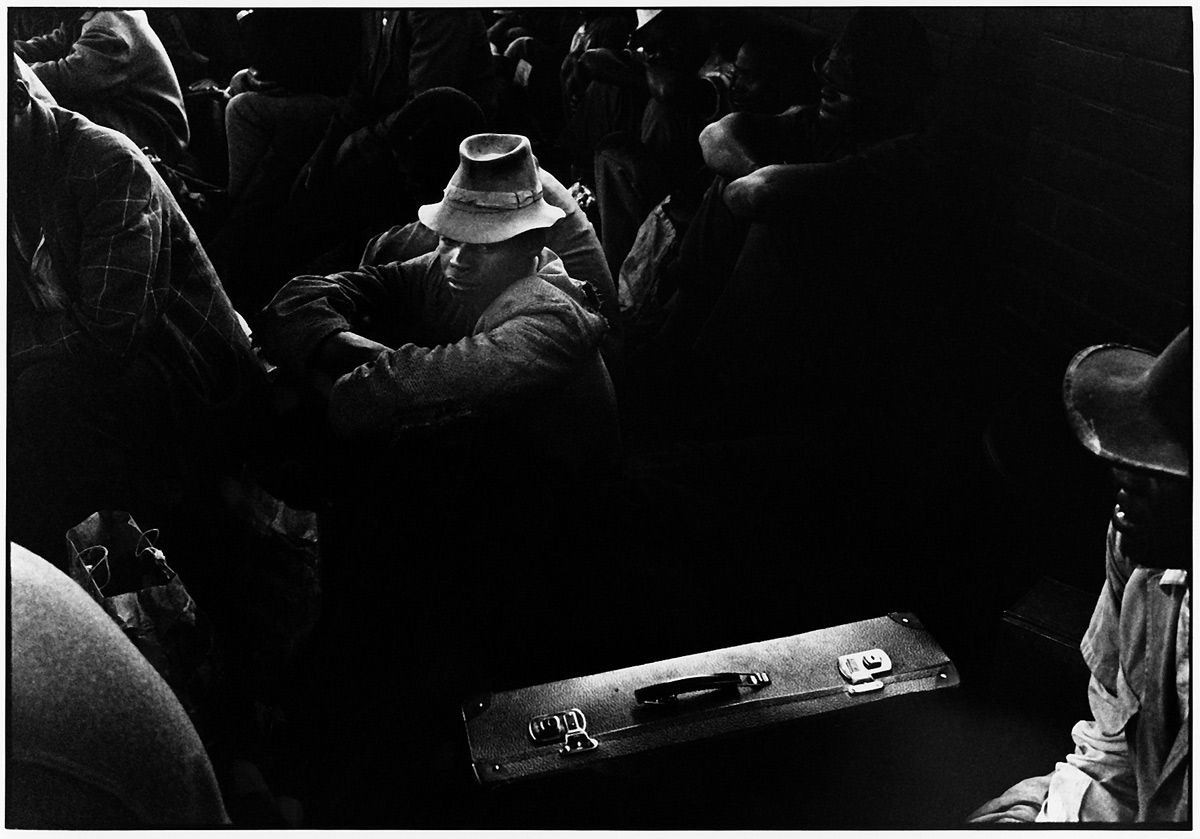
 

Ernest Cole (South African, 1940-1990) 'Africans throng Johannesburg station platform during late afternoon rush' 1960–1966


Ernest Cole (South African, 1940-1990)
Africans throng Johannesburg station platform during late afternoon rush
1960-1966
Gelatin silver print
8 11/16 x 12 5/8 in. (22 x 32cm)
Courtesy of the Hasselblad Foundation, Gothenburg, Sweden
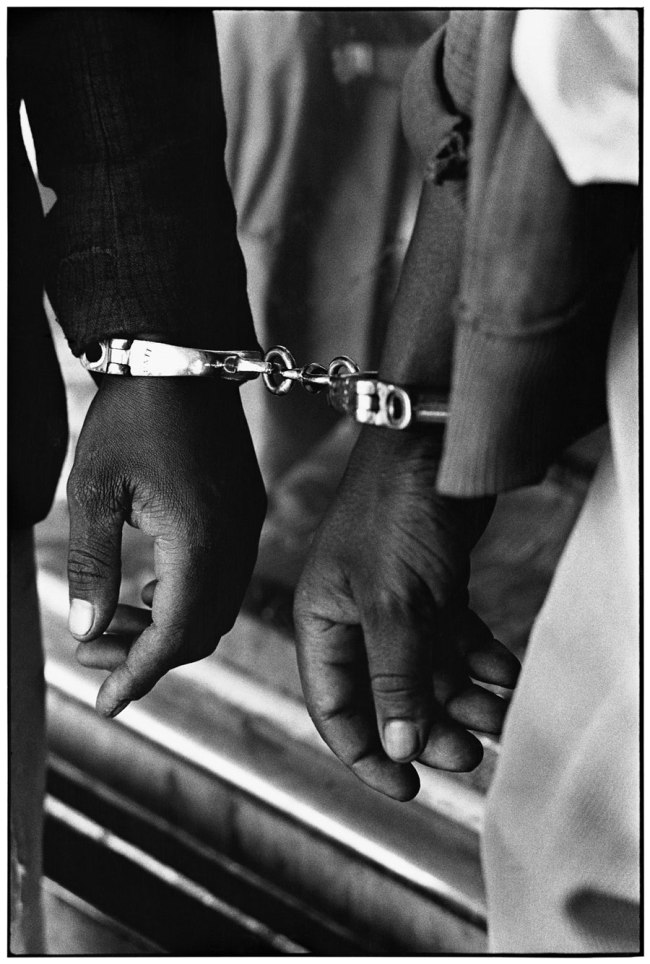
© The Ernest Cole Family Trust


Ernest Cole (South African, 1940-1990) 'Every African must show his pass before being allowed to go about his business. Sometimes check broadens into search of a man's person and belongings' 1960-1966


Ernest Cole (South African, 1940-1990)
Every African must show his pass before being allowed to go about his business. Sometimes check broadens into search of a man’s person and belongings
1960-1966
Gelatin silver print
8 11/16 x 12 5/8 in. (22 x 32cm)
Courtesy of the Hasselblad Foundation, Gothenburg, Sweden
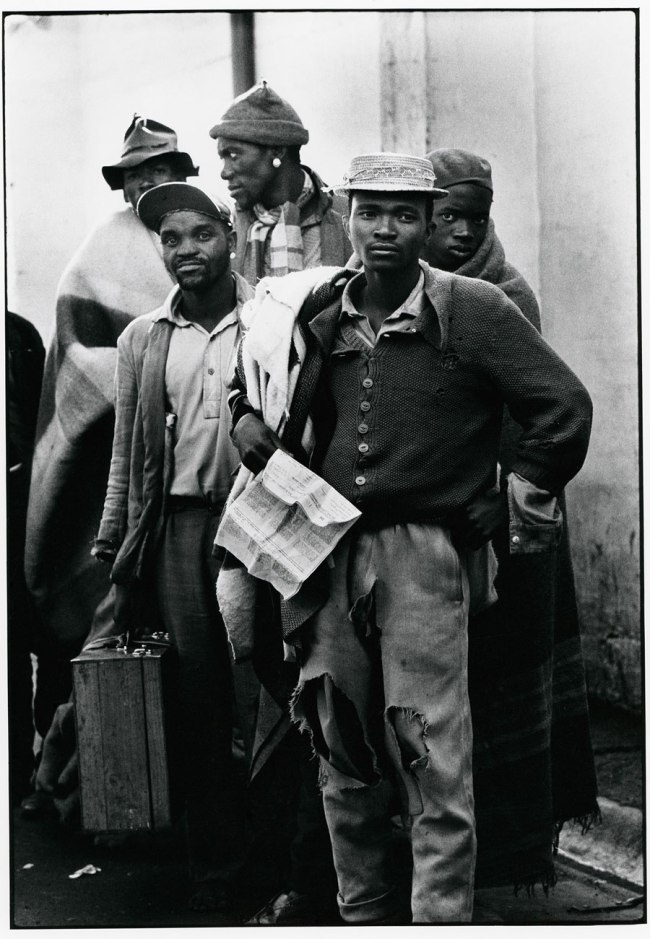
© The Ernest Cole Family Trust


Ernest Cole (South African, 1940-1990) 'Untitled [White Washroom]' 1960-1966


Ernest Cole (South African, 1940-1990)
Untitled [White Washroom]
1960-1966
Gelatin silver print
12 5/8 x 8 11/16 in. (32 x 22cm)
Courtesy of the Hasselblad Foundation, Gothenburg, Sweden
© The Ernest Cole Family Trust


Ernest Cole (South African, 1940-1990) 'Newspapers are her carpet, fruit crates her chairs and table' 1960-1966


Ernest Cole (South African, 1940-1990)
Newspapers are her carpet, fruit crates her chairs and table
1960-1966
Gelatin silver print
12 5/8 x 8 11/16 in. (32 x 22cm)
Courtesy of the Hasselblad Foundation, Gothenburg, Sweden
© The Ernest Cole Family Trust


From December 1, 2012, through March 5, 2013, the San Francisco Museum of Modern Art (SFMOMA) presents South Africa in Apartheid and After: David Goldblatt, Ernest Cole, Billy Monk, featuring work by three photographers that illuminates a rich and diverse photographic tradition as well as a vital, difficult, and contested period in the history of South Africa. The exhibition continues the museum’s longstanding commitment to documentary photography, showcasing the greatest breadth of each artist’s work ever shown in San Francisco, and in the U.S. for Cole and Monk. Organised by Sandra S. Phillips, SFMOMA’s senior curator of photography, South Africa in Apartheid and After brings together more than 120 photographs.

“South Africa is proving to be a very fertile and active area for contemporary photography, to which David Goldblatt’s contributions and longstanding concerns have contributed significantly,” notes Phillips. “With this show we hope to show some of this rich and varied activity.”

The internationally recognised artist David Goldblatt (1930-2018) has created an immense and powerful body of work depicting his native South Africa for a half century. The exhibition features photographs from Goldblatt’s early project In Boksburg (1982), which portrays a suburban white community near Johannesburg shaped by what the artist calls “white dreams and white proprieties.” Losing its distinctiveness in the accelerated growth of development, Boksburg could almost be mistaken for American suburbia in Goldblatt’s pictures, made in 1979 and 1980. In them, the quaintness of small-town life in South Africa is startlingly set against the increasing entrenchment of racial inequality in the country under apartheid.

Offering multiple perspectives on South Africa during this period, the work of Ernest Cole and Billy Monk are presented in the exhibition at Goldblatt’s suggestion. Adding an important dimension to Goldblatt’s Boksburg project is the work of Cole (1940-1990), a black South African photographer who documented the other side of the racial divide until he was forced to leave his country in 1966. The following year, his project was published in the United States as the book, House of Bondage, and immediately banned in South Africa; this major critique of apartheid has hardly been seen in his own country. In 2006, Goldblatt received the Hasselblad Award and became aware of Cole’s original, uncropped prints. Goldblatt was instrumental in helping bring Cole’s work to international prominence, assisting in organising a retrospective tour of the work, and championing an accompanying book project, Ernest Cole Photographer (2010). Selected works from the publication are included in the SFMOMA exhibition, featuring pictures that are eloquent, tragic, and deeply humane without a trace of sensationalism. Billy Monk (1937-1982) was a gregarious self-taught photographer who worked as a bouncer in the rowdy Cape Town nightclub The Catacombs in the 1960s. His work, recovered and reprinted posthumously by South African photographer Jac de Villiers, exists as a raw and beautiful record of the port city’s racially mixed population. These three groups of pictures are complemented by a selection of Goldblatt’s post-apartheid photographs, including large colour triptychs of beautiful and sober yet hopeful records of an imperfect, still evolving democracy.

The work of all three photographers are also featured in the exhibition Rise and Fall of Apartheid: Photography and the Bureaucracy of Everyday Life at the International Center of Photography, New York (September 14, 2012 – January 6, 2013), and Goldblatt and Cole are included in Everything Was Moving: Photography from the 60s and 70s at Barbican Art Gallery, London (September 13, 2012 – January 13, 2013).


David Goldblatt

Born in Randfontein, South Africa, Goldblatt first started photographing his native country in 1948, the same year the National Party came to power and instituted the policy of apartheid. Since then, he has devoted himself to documenting the South African people, landscape, and cities. Goldblatt photographed exclusively in black and white until the late 1990s. Following the end of apartheid and South Africa’s democratic elections in 1994, he looked for new expressive possibilities for his work and turned to colour and digital photography. This transition only took place after developments in scanning and printing technology allowed Goldblatt to achieve the same sense of depth in his colour work as in his black and white photographs.

In 1989 Goldblatt founded the Market Photography Workshop in Johannesburg with “the object of teaching visual literacy and photographic skills to young people, with particular emphasis on those disadvantaged by apartheid,” he has said. In 1998 he was the first South African to be given a solo exhibition at the Museum of Modern Art (MoMA), New York. That year, the retrospective David Goldblatt, Fifty-one Years began its international tour, traveling to New York, Barcelona, Rotterdam, Lisbon, Oxford, Brussels, Munich, and Johannesburg. He was also one of the few South African artists to exhibit at Documenta 11 (2002) and Documenta 12 (2007) in Kassel, Germany. In addition to numerous other solo and group exhibitions, Goldblatt was featured recently in solo shows at the New Museum (2009), the Jewish Museum (2010) in New York – which also traveled to the South African Jewish Museum – and the Victoria and Albert Museum (2011).

Ernest Cole

Cole left school at 16 as the Bantu education for black South Africans during apartheid prepared them only for menial jobs. Essentially self taught, Cole worked early on as a layout and darkroom assistant for Drum Magazine, a publication loosely inspired by Life magazine and directed toward the native African population. Cole was relatively mobile due to his racial reclassification as “coloured,” the designation for mixed race, that likely stemmed from his ability to speak Afrikaans, the language of Afrikaners. However, Cole was closely surveilled and had to photograph covertly, so he always worked at the risk of being arrested and jailed. He believed passionately in his mission to tell the world in photographs what it was like and what it meant to be black under apartheid, and identified intimately with his own people in photographs. With imaginative daring, courage, and compassion, he portrayed the full range of experience of black people as they negotiated their lives through apartheid.

In 1966, Cole decided to leave South Africa with a dream of making a book; House of Bondage was eventually published in the U.S. in 1967. The book, and Cole himself, were immediately banned in South Africa, and Cole passed away after more than 23 years of painful exile, never returning to his home country and leaving no known negatives and few prints of his monumental work. Tio fotografer, an association of Swedish photographers with whom Cole worked from 1970 to 1975 while living in Stockholm, received a collection of his prints, and these were later donated to the Hasselblad Foundation in Sweden.When David Goldblatt received the Hasselblad award in 2006, he viewed the works and then collaborated with the foundation to bring Cole’s work to light. Many of the prints were shown publicly for the first time in the traveling 2010 retrospective Ernest Cole Photographer, which offered new insights to the complex interaction between Cole’s unflinching revelations of apartheid at work and the power, yet subtlety and even elegance, of his photographic perspective. Ernest Cole Photographer has only been seen in South Africa and Sweden. Approximately one-third of Cole’s photographs on view in the SFMOMA exhibition have never been shown before.

Billy Monk

Using a Pentax camera with 35mm lens, Monk photographed the nightclub revellers of The Catacombs and sold the prints to his subjects. His close friendships with many of the people in the pictures allowed him to photograph them with extraordinary intimacy in all their states of joy and sadness. His pictures of nightlife seem carefree and far away from the scars and segregation of apartheid that fractured this society in the daylight.

In 1969, Monk stopped taking photographs at the club. A decade later his contact sheets and negatives were discovered in a studio by photographer Jac de Villiers, who recognised the significance of his work and arranged the first exhibition of Monk’s work in 1982 at the Market Gallery in Johannesburg. Monk could not attend the opening, and two weeks later, en route to seeing the exhibition, he was tragically shot dead in a fight. From 2010 to 2011, De Villiers revisited Monk’s contact sheets and curated an exhibition at the  Stevenson Gallery in Cape Town, including works that had never been shown before, accompanied by a publication.

Press release from the SFMOMA website


Billy Monk (South African, 1937-1982) 'The Catacombs, 30 September 1967' 1967


Billy Monk (South African, 1937-1982)
The Catacombs, 30 September 1967
1967, printed 2011
Gelatin silver print
10 1/16 x 14 15/16 in. (25.56 x 37.94cm)
Collection SFMOMA, Accessions Committee Fund purchase
© Estate of Billy Monk


Billy Monk (South African, 1937-1982) 'The Catacombs, 31 July 1967' 1967


Billy Monk (South African, 1937-1982)
The Catacombs, 31 July 1967
1967, printed 2011
Gelatin silver print; 11 x 16 in. (27.94 x 40.64cm)
Courtesy of Stevenson, Cape Town and Johannesburg
© Estate of Billy Monk


Billy Monk (South African, 1937-1982) 'The Catacombs, 5 February 1968' 1968


Billy Monk (South African, 1937-1982)
The Catacombs, 5 February 1968
1968, printed 2011
Gelatin silver print
11 x 16 in. (27.94 x 40.64cm)
Courtesy of Stevenson, Cape Town and Johannesburg
© Estate of Billy Monk


Billy Monk (South African, 1937-1982) 'The Catacombs, 1968' 1968


Billy Monk (South African, 1937-1982)
The Catacombs, 1968
1968, printed 2011
Gelatin silver print
11 x 16 in. (27.94 x 40.64cm)
Collection SFMOMA, Accessions Committee Fund purchase
© Estate of Billy Monk


Billy Monk (South African, 1937-1982) 'The Balalaika, December 1969' 1969


Billy Monk (South African, 1937-1982)
The Balalaika, December 1969
1969, printed 2011
Gelatin silver print
16 x 11 in. (40.64 x 27.94cm)
Courtesy of Stevenson, Cape Town and Johannesburg
© Estate of Billy Monk


Billy Monk (South African, 1937-1982) 'The Catacombs, 21 November 1967' 1967


Billy Monk (South African, 1937-1982)
The Catacombs, 21 November 1967
1967, printed 2011
Gelatin silver print
15 x 10 in. (38.1 x 25.4cm)
Collection SFMOMA, Accessions Committee Fund purchase
© Estate of Billy Monk


David Goldblatt (South African, 1930-2018) 'At a meeting of Voortrekkers in the suburb of Witfield' 1979-1980


David Goldblatt (South African, 1930-2018)
At a meeting of Voortrekkers in the suburb of Witfield
1979-1980
Gelatin silver print
14 9/16 x 14 9/16 in. (37 x 37cm)
Courtesy of the artist and Goodman Gallery, South Africa
© David Goldblatt


David Goldblatt (South African, 1930-2018) 'Eyesight testing at the Vosloorus Eye Clinic of the Boksburg Lions Club' 1980


David Goldblatt (South African, 1930-2018)
Eyesight testing at the Vosloorus Eye Clinic of the Boksburg Lions Club
1980
Gelatin silver print
19 11/16 x 19 11/16 in. (50 x 50cm)
Courtesy of the artist and Goodman Gallery, South Africa
© David Goldblatt


David Goldblatt (South African, 1930-2018) 'Saturday afternoon in Sunward Park' 1979


David Goldblatt (South African, 1930-2018)
Saturday afternoon in Sunward Park
1979
Gelatin silver print
6 7/8 x 6 7/8 in. (17.5 x 17.5cm)
Collection SFMOMA, purchase through a gift of Mark McCain and the Accessions Committee Fund
© David Goldblatt


San Francisco Museum of Modern Art
151 Third Street
San Francisco, CA 94103

Opening hours:
Monday – Tuesday: 10am – 5pm
Wednesday: Closed
Thursday: 1 – 8pm
Fri – Sun: 10am – 5pm

San Francisco Museum of Modern Art website

LIKE ART BLART ON FACEBOOK

Back to top

Exhibition: ‘South African Photographs: David Goldblatt’ at The Jewish Museum, New York

Exhibition dates: 2nd May – 19th September 2010


David Goldblatt (South Africa, 1930-2018) 'Steven with Sight Seeing Bus, Doornfontein, Johannesburg, 1960' from the exhibition 'South African Photographs: David Goldblatt' at The Jewish Museum, New York, May - Sept, 2010


David Goldblatt (South Africa, 1930-2018)
Steven with Sight Seeing Bus, Doornfontein, Johannesburg, 1960
1960
Silver gelatin print on fiber-pressed paper
Courtesy of David Goldblatt and the Goodman Gallery, Johannesburg


2019

Now that he has gone, these seem, if possible, more powerful, poignant and prescient / ancient than ever.

Marcus


Many thankx to the Jewish Museum in New York for allowing me to publish the photographs in the posting. Please click on the photographs for a larger version of the image.


David Goldblatt (South Africa, 1930-2018) 'Holdup in Hillbrow, Johannesburg, November 1963' from the exhibition 'South African Photographs: David Goldblatt' at The Jewish Museum, New York, May - Sept, 2010


David Goldblatt (South Africa, 1930-2018)
Holdup in Hillbrow, Johannesburg, November 1963
1963
Silver gelatin print on fibre-pressed paper
Courtesy of David Goldblatt and the Goodman Gallery, Johannesburg


David Goldblatt (South Africa, 1930-2018) 'A plot-holder with the daughter of a servant, Wheatlands, Randfontein, September 1962' from the exhibition 'South African Photographs: David Goldblatt' at The Jewish Museum, New York, May - Sept, 2010


David Goldblatt (South Africa, 1930-2018)
A plot-holder with the daughter of a servant, Wheatlands, Randfontein, September 1962
1962
Silver gelatin print on fibre-pressed paper
Courtesy of David Goldblatt and the Goodman Gallery, Johannesburg


David Goldblatt (South Africa, 1930-2018) 'The farmer's wife, Fochville, 1965'


David Goldblatt (South Africa, 1930-2018)
The farmer’s wife, Fochville, 1965
1965
Silver gelatin print on fibre-pressed paper
Courtesy of David Goldblatt and the Goodman Gallery, Johannesburg


David Goldblatt (South African, 1930-2018) '"Boss Boy" detail, Battery Reef, Randfontein Estates Gold Mine' 1966


David Goldblatt (South African, 1930-2018)
“Boss Boy” detail, Battery Reef, Randfontein Estates Gold Mine
1966
Silver gelatin print on fibre-pressed paper
Courtesy of David Goldblatt and the Goodman Gallery, Johannesburg


The Jewish Museum currently offers visitors an opportunity to see 150 black-and-white silver gelatin prints taken between 1948 and 2009 in South African Photographs: David Goldblatt. The photographs on display focus on South Africa’s human landscape in the apartheid and post-apartheid eras and are accompanied by Goldblatt’s own written commentary. Growing up in segregated South Africa, he witnessed the deep humiliation and discrimination suffered by blacks and experienced anti-Semitism personally.

Goldblatt’s photographs expose the complex and evolving nature of apartheid through the diversity and subtlety of his approach while instilling “… emotional complexity that rewards repeated viewing” (The New Yorker). Instead of documenting major political events or horrifying incidents of violence, he focuses on the details of daily life and the world of ordinary people, a world where the apartheid system penetrates every aspect of society. In his photographs you will find “great beauty and the most profound humanity” (The Wall Street Journal).

For more than half a century, David Goldblatt has been photographing his native South Africa, documenting the social, cultural and economic divides that characterise the country. Recipient of the 2009 Henri Cartier-Bresson Award and the prestigious 2006 Hasselblad Foundation International Award in Photography, David Goldblatt is his country’s most distinguished photographer.

Goldblatt’s photographs expose the complex and evolving nature of apartheid through the diversity and subtlety of his approach. He has not documented major political events or horrifying incidents of violence. Instead, he focuses on the details of daily life and the world of ordinary people, a world where the apartheid system penetrates every aspect of society. He is constantly searching for the substance beneath the surface of human situations. As Nadine Gordimer comments in the exhibition audio guide, Goldblatt captures “… these moments when everything that has happened to an individual is somehow in that image at that time. All the person has felt and known is contained, indeed, in the way he comports himself, the way he’s sitting, the way he looks, and the kind of setting in which he is.” Goldblatt frequently addresses a complex question in his work: how is it possible to be reasonable, decent, and law-abiding, and at the same time, complicit in and even actively supportive of a system that is fundamentally immoral and evil? Each photograph in this exhibition is an intimate portrayal of a culture living with racism and injustice.

David Goldblatt has used his camera to explore South Africa’s mines; the descendants of seventeenth-century Dutch settlers called Afrikaners who were the architects of apartheid; life in Boksburg, a small middle-class white community; the Bantustans or “puppet states” in which blacks were forced to live; structures built for purposes ranging from shelter to commemoration; and Johannesburg, the city in which Goldblatt lives.

The photographer once wrote, “I am neither an activist nor a missionary. Yet I had begun to realise an involvement with this place and the people among whom I lived that would not be stilled and that I needed to grasp and probe. I wanted to explore the specifics of our lives, not in theories but in the grit and taste and touch of things, and to bring those specifics into that particular coherence that the camera both enables and demands.”

David Goldblatt has been photographing the changing political landscape of his country for more than five decades. He is descended from Lithuanian Jews who fled Europe in the 1890s to escape religious persecution. His father passed on to him, the artist said, “a strong sense of outrage at anything that smacked of racism.” Growing up in segregated South Africa, he witnessed the deep humiliation and discrimination suffered by blacks and experienced anti-Semitism personally. These experiences have informed his work.

Goldblatt’s written commentary is an essential part of his work and is presented throughout the exhibition in the texts and labels that accompany the photographs. A context room in the exhibition features a timeline juxtaposing events in South African history and David Goldblatt’s life; books published by the photographer; photography magazines that inspired him; a large map of South Africa; and a 22-minute excerpt of David Goldblatt: In Black and White, a 1985 film originally aired on Channel 4 Television in Great Britain.

The exhibition has been organised by The Jewish Museum’s Senior Curator, Susan Tumarkin Goodman. All the works in the exhibition are silver gelatin prints on fibre-pressed paper.

About David Goldblatt

David Goldblatt was born in 1930, the youngest of the three sons of Eli and Olga Goldblatt. His grandparents arrived in South Africa from Lithuania around 1893, having fled the persecution of Jews in the Baltic countries. David’s paternal grandfather owned a general store in Randfontein, a gold-mining town near Johannesburg. Eli Goldblatt built the business into a respected men’s clothing store and for some years David assisted with the running of the shop when his father’s poor health necessitated it. But he was only biding his time. He had become interested in photography in high school, and after his father’s death in 1962, he sold the business to devote all of his time to being a photographer.

Press release from The Jewish Museum website [Online] Cited 13/09/2010 no longer available online


David Goldblatt (South Africa, 1930-2018) 'Farmers at a cattle auction, Vryburg, 1965'


David Goldblatt (South Africa, 1930-2018)
Farmers at a cattle auction, Vryburg, 1965
1965
Silver gelatin print on fibre-pressed paper
Courtesy of David Goldblatt and the Goodman Gallery, Johannesburg


David Goldblatt (South Africa, 1930-2018) 'On an ostrich farm near Oudtshoorn, Cape Province (Western Cape)' 1967
Screenshot


David Goldblatt (South Africa, 1930-2018)
On an ostrich farm near Oudtshoorn, Cape Province (Western Cape)
1967
From the series Some Afrikaners Photographed
Silver gelatin print on fibre-pressed paper
Courtesy of David Goldblatt and the Goodman Gallery, Johannesburg


David Goldblatt (South Africa, 1930-2018) 'Baby with childminders and dogs in the Alexandra Street Park, Hillbrow, Johannesburg, 1972'


David Goldblatt (South Africa, 1930-2018)
Baby with childminders and dogs in the Alexandra Street Park, Hillbrow, Johannesburg, 1972
1972
Silver gelatin print on fibre-pressed paper
Courtesy of David Goldblatt and the Goodman Gallery, Johannesburg


David Goldblatt (South Africa, 1930-2018) 'Three women at 39 Soper Road, Berea, Johannesburg, May 1972'


David Goldblatt (South Africa, 1930-2018)
Three women at 39 Soper Road, Berea, Johannesburg, May 1972
1972
Silver gelatin print on fibre-pressed paper
Courtesy of David Goldblatt and the Goodman Gallery, Johannesburg


David Goldblatt (South Africa, 1930-2018) 'A farmer's son with his nursemaid, Heimweeberg, Nietverdiend, 1964'


David Goldblatt (South Africa, 1930-2018)
A farmer’s son with his nursemaid, Heimweeberg, Nietverdiend, 1964
1964
Silver gelatin print on fibre-pressed paper
Courtesy of David Goldblatt and the Goodman Gallery, Johannesburg


David Goldblatt (South Africa, 1930-2018) 'Landscape with 1500 lavatories, Frankfort, Ciskei' 12 July 1983


David Goldblatt (South Africa, 1930-2018)
Landscape with 1500 lavatories, Frankfort, Ciskei
12 July 1983
From the series Bantustans
Silver gelatin print on fibre-pressed paper
Courtesy of David Goldblatt and the Goodman Gallery, Johannesburg


David Goldblatt (South African, 1930-2018) '9:00 Going home: Marabastad-Waterval bus: For most of the people in this bus the cycle will start again tomorrow at between 2:00 and 3:00 a.m.' 1983-1984


David Goldblatt (South African, 1930-2018)
9:00 Going home: Marabastad-Waterval bus: For most of the people in this bus the cycle will start again tomorrow at between 2:00 and 3:00 a.m.
1983-1984
From the series The Transported of KwaNdebele. A South African Odyssey 
Silver gelatin print on fibre-pressed paper
Courtesy of David Goldblatt and the Goodman Gallery, Johannesburg


David Goldblatt (South Africa, 1930-2018) 'Travellers from KwaNdebele buying their weekly tickets at the bus depot in Marabastad, Pretoria, February 1984'


David Goldblatt (South Africa, 1930-2018)
Travellers from KwaNdebele buying their weekly tickets at the bus depot in Marabastad, Pretoria, February 1984
1984
Silver gelatin print on fibre-pressed paper
Courtesy of David Goldblatt and the Goodman Gallery, Johannesburg


David Goldblatt (South Africa, 1930-2018) 'Luke Kgatitsoe at His House, Magopa, Ventersdorp District, Western Transvaal' 21 October 1986


David Goldblatt (South Africa, 1930-2018)
Luke Kgatitsoe at His House, Magopa, Ventersdorp District, Western Transvaal
21 October 1986
Silver gelatin print on fibre-pressed paper
Courtesy of David Goldblatt and the Goodman Gallery, Johannesburg


The Jewish Museum
1109 5th Ave at 92nd St
New York NY 10128

Exhibition galleries opening hours:
Sunday 11am – 6pm
Monday 11am – 6pm
Tuesday Closed
Wednesday Closed
Thursday 11am – 6pm
Friday 11am – 6pm
Saturday 11am – 6pm

The Jewish Museum website

LIKE ART BLART ON FACEBOOK

Back to top