
Exhibition dates: 20th March – 31st July, 2016
Curator: Britt Salvesen, Curator and Head of the Wallis Annenberg Photography Department and the Department of Prints and Drawings at LACMA

Robert Mapplethorpe (American, 1946-1989)
Self-portrait
c. 1970
Paint, canvas, and stickers on fiver-based gelatin silver print
6/5/16 x 9 1/4 in. (16 x 23.5cm)
Gift of The Robert Mapplethorpe Foundation to the J. Paul Getty Trust and the Los Angeles County Museum of Art
© Robert Mapplethorpe Foundation
Robert Mapplethorpe is a formalist.
Apollonian and Dionysian ideals are two sides of the same coin.
Dr Marcus Bunyan
Many thankx to the Los Angeles County Museum of Art for allowing me to publish the photographs in the posting. Please click on the photographs for a larger version of the image.
An extract from one of my earliest piece’s of research and writing (1996)
“In the work of the American photographer Robert Mapplethorpe, we can see the formalised classical aesthetic of beauty combined with content which many people are repelled by (pornography, sexuality, violence, power) creating work which is both Apollonian and Dionysian.14 Peoples’ disgust at the content of some of Mapplethorpe’s images is an Apollonian response, an aesthetic judgement, a backing away from a connection to ‘nature’, meaning ‘that which is born’. Mapplethorpe said, “I’ve done everything I show in my photographs,”15 revealing a connection to an inner self, regardless of whether he intended to shock. Those seeking suppression of Mapplethorpe’s photographs, mainly conservative elements of society, cite the denigration of moral values as the main reason for their attacks. However Mapplethorpe’s S&M photographs sought to re-present the identity of a small subculture of the gay community that exists within the general community and by naming this subculture he sought to document and validate its existence. The photograph can and does lie but here was the ‘truth’ of these Dionysian experiences, which conservative bigots could not deny – that they exist.
In the NEA/Cincinnati Contemporary Arts Center controversy surrounding Mapplethorpe16 his work was defended on aesthetic grounds, not on the grounds of homoerotic content, of freedom of expression or artistic freedom. The classical Apollonian form of his images was emphasised. As one juror put it, “Going in, I would never have said the pictures have artistic value. Learning as we did about art, I and everyone else thought they did have some value. We are learning about something ugly and harsh in society.”17 Ugly and harsh. To some people in the world S&M scenes are perfectly natural and beautiful and can lead to the most transcendent experience that a human being can ever have in their life. Who is to decide for the individual his or her freedom to choose?
This Apollonian fear of the Dionysian ‘Other’, the emotional chaotic self, was found to involve fear of that which is potentially the ‘same as’ – two sides of the same coin. This fear of ‘the same’, or of the proximity of the same, or of the threat of the same, can lead to violence, homophobia, racism and bigotry. Mapping out sexual identities’ toleration of difference, which is ‘the same as’, recognises that there are many different ways of being, and many truths in the world.”
Extract from Marcus Bunyan. “The defining of Apollonian and Dionysian ideals in images of the male body,” (1996 Master of Arts exegesis) published September 2012 on Art Blart.
Footnotes
14/ Danto, Arthur C. Mapplethorpe – Playing With The Edge. Essay. London: Jonathon Cape, 1992, p. 331
15/ Interview with Robert Mapplethorpe quoted in Cooper, Emmanuel. The Sexual Perspective. London: Routledge, 1986, p. 286
16/ Ellenzweig, p. 205, Footnote 1
17/ Cembalest, Robin. “The Obscenity Trial: How They Voted To Acquit,” in Art News December 1990 89 (10), p. 141 quoted in Ellenzweig, Allan. The Homoerotic Photograph. New York: Columbia University, 1992, p. 208

Robert Mapplethorpe (American, 1946-1989)
Leatherman #1
1970
9 7/16 x 6 3/4 in. (23.97 x 17.15cm)
Jointly acquired by the J. Paul Getty Trust and the Los Angeles County Museum of Art; partial gift of The Robert Mapplethorpe Foundation; partial purchase with funds provided by the J. Paul Getty Trust and the David Geffen Foundation
© Robert Mapplethorpe Foundation
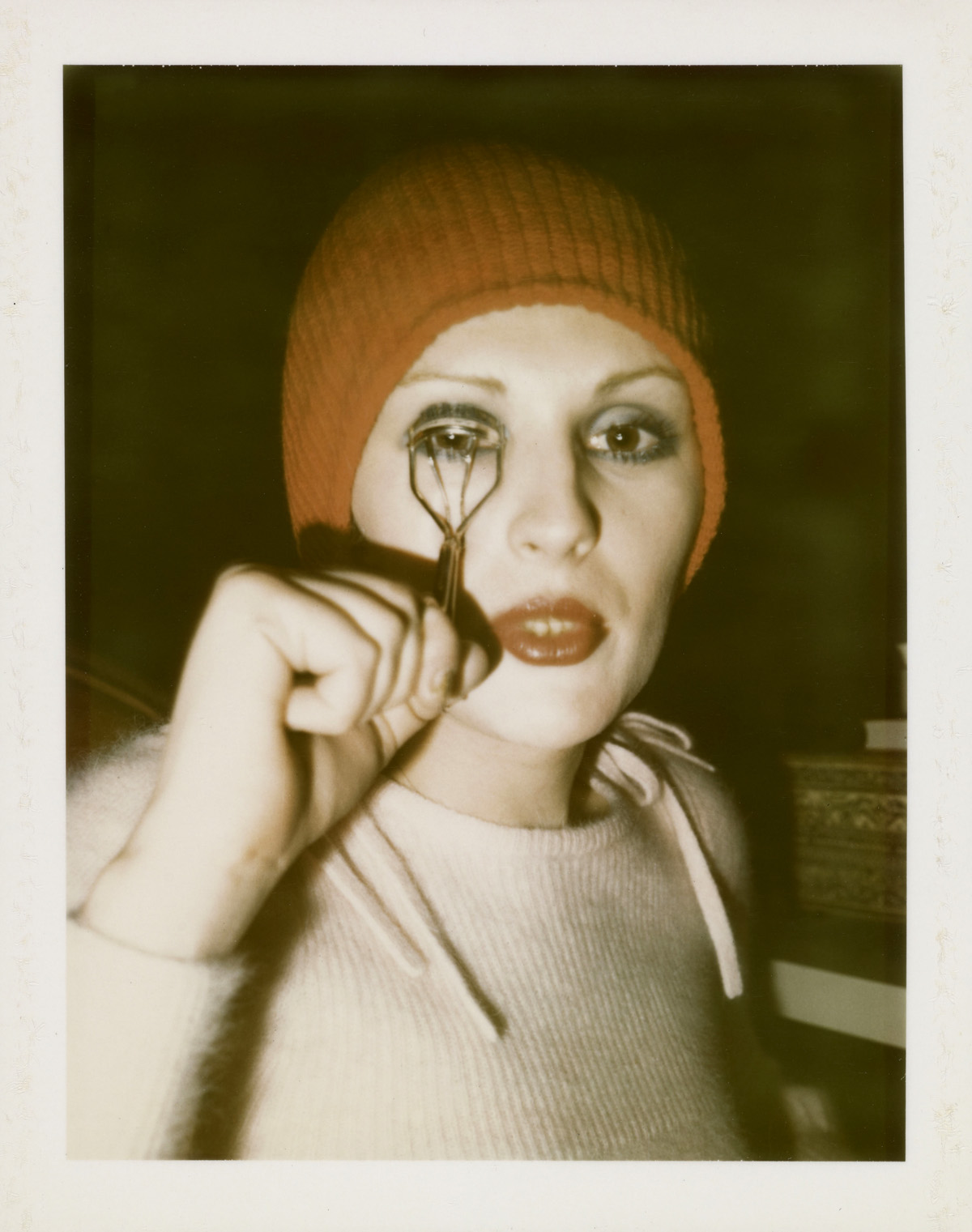
Robert Mapplethorpe (American, 1946-1989)
Candy Darling
1972
Dye diffusion transfer print, cardboard
3/34 x 2 7/8 in. (9.6 x 7.3cm)
Gift of The Robert Mapplethorpe Foundation to the J. Paul Getty Trust and the Los Angeles County Museum of Art
© Robert Mapplethorpe Foundation
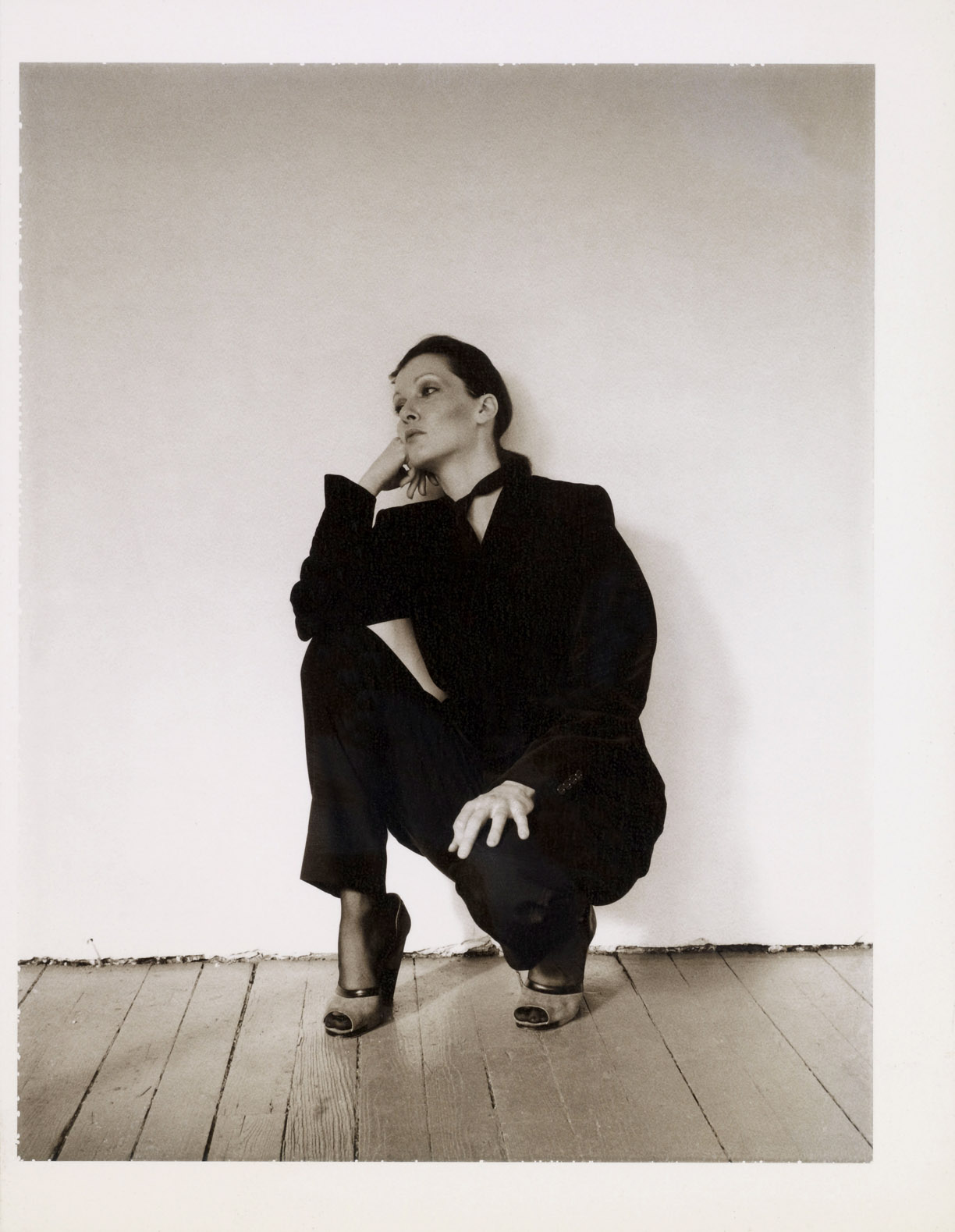
Robert Mapplethorpe (American, 1946-1989)
Untitled (Nancy Nortia/Dugan)
c. 1974
4 1/2 x 5 1/8 in. (11.4 x 13cm)
Gift of The Robert Mapplethorpe Foundation to the J. Paul Getty Trust and the Los Angeles County Museum of Art
© Robert Mapplethorpe Foundation
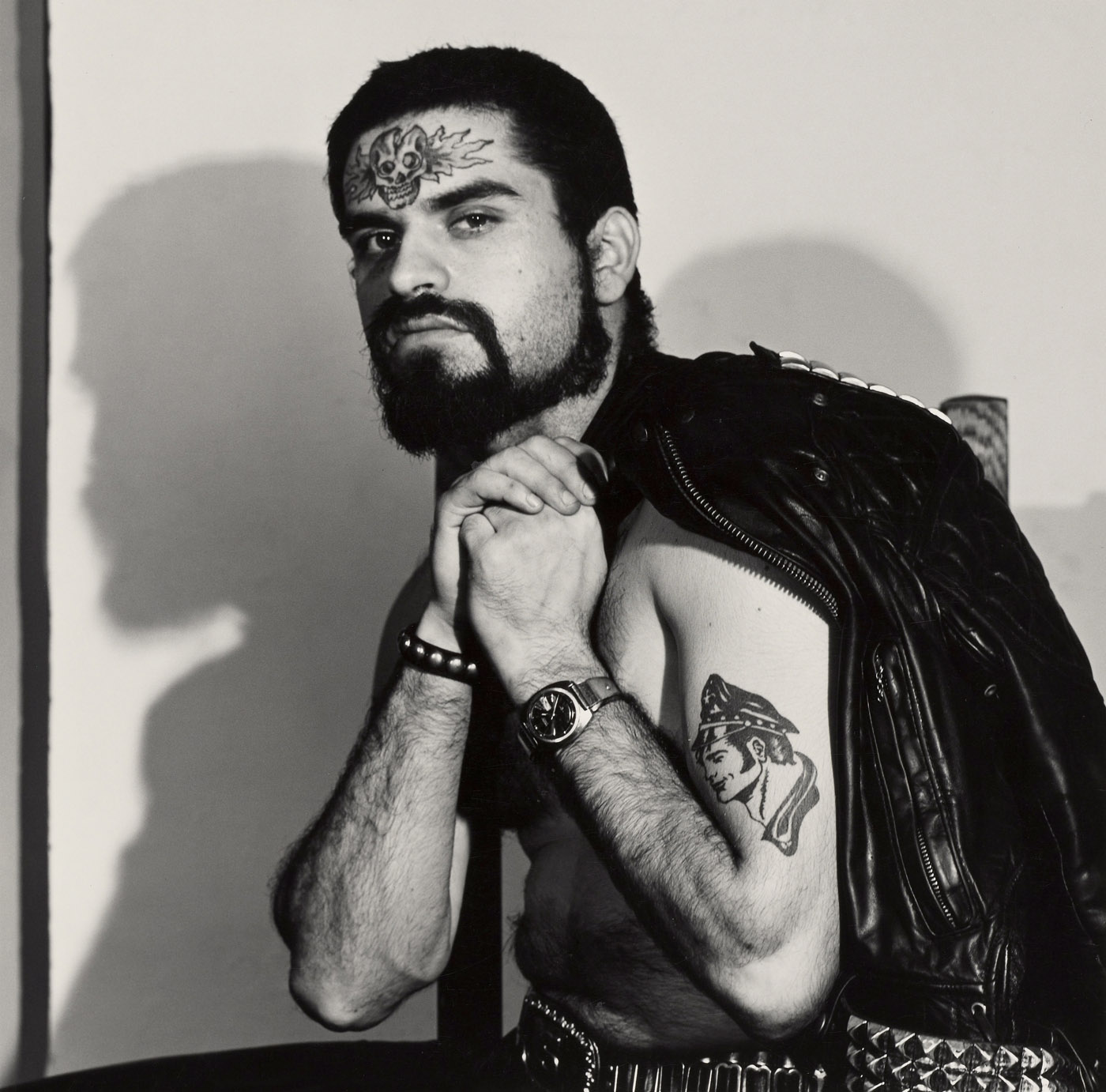
Robert Mapplethorpe (American, 1946-1989)
Nick
1977
Gelatin silver print
14 x 14 1/16 in. (35.56 x 35.72cm)
Promised Gift of The Robert Mapplethorpe Foundation to the J. Paul Getty Trust and the Los Angeles County Museum of Art
© Robert Mapplethorpe Foundation
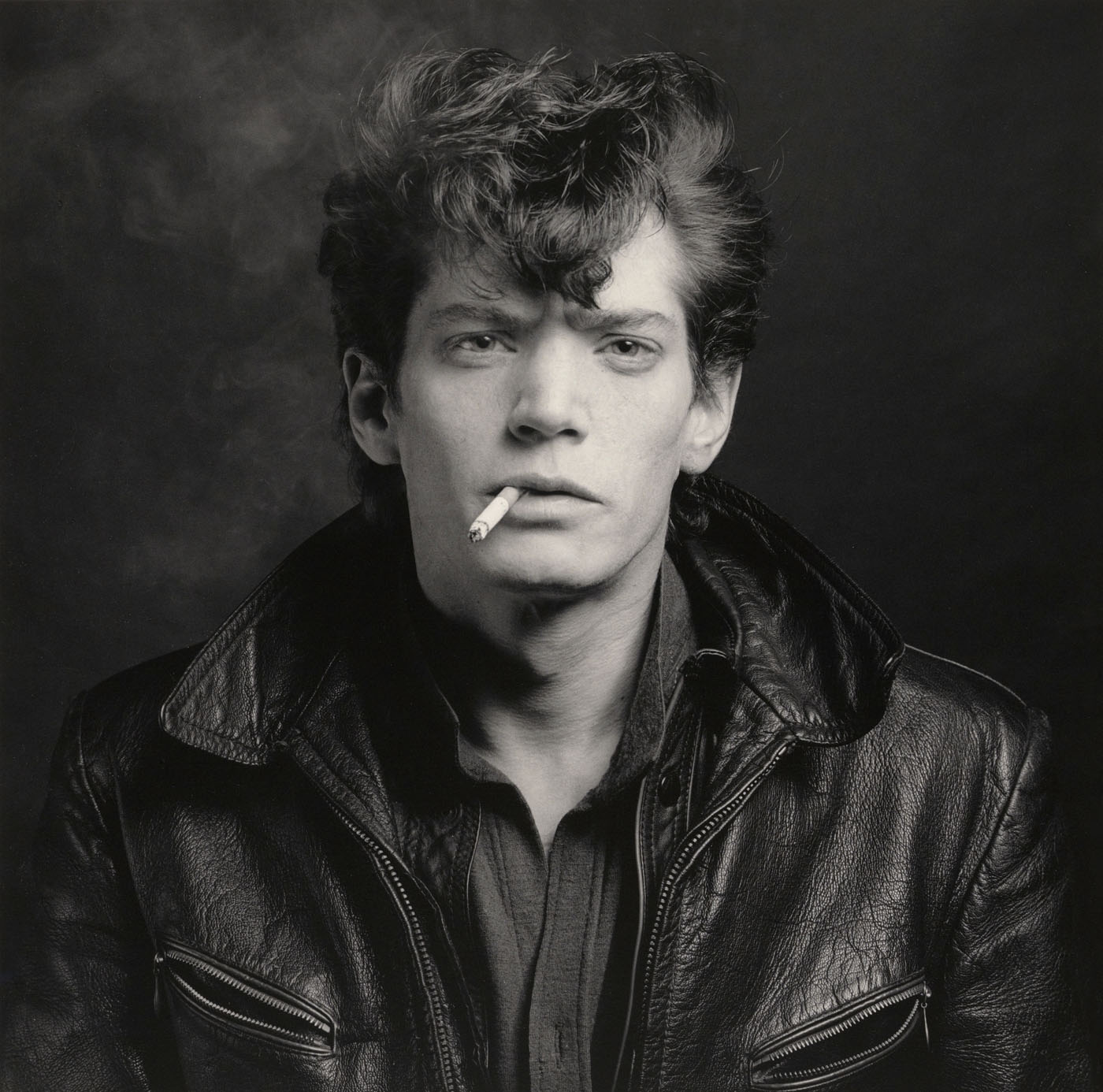
Robert Mapplethorpe (American, 1946-1989)
Self-portrait
1980
13 3/4 x 13 3/4 in. (34.93 x 34.93cm)
Promised Gift of The Robert Mapplethorpe Foundation to the J. Paul Getty Trust and the Los Angeles County Museum of Art
© Robert Mapplethorpe Foundation
The Los Angeles County Museum of Art (LACMA) presents Robert Mapplethorpe: The Perfect Medium, a major retrospective examining the work and career of one of the most influential visual artists of the 20th century. Robert Mapplethorpe: The Perfect Medium is co-organised by LACMA and the J. Paul Getty Museum. In a historic collaboration, the two institutions will trace the artist’s working methods and materials, presenting the improvisational, experimental aspects of his practice alongside the refined perfection of his prints. The works on display provide new context for understanding the key genres that Mapplethorpe pursued: portraiture, the nude, and still life. His personal connections to sitters, his ability to manage a successful studio, and his ambition to elevate photography to the status of contemporary art will be demonstrated through rarely seen correspondence, books, and other ephemera, including those from the artist’s archive held by the Getty Research Institute.
LACMA’s presentation (March 20 – July 31, 2016) focuses on Mapplethorpe’s working methods, sources, and creative processes – the experimental and performative aspects of his work – while the J. Paul Getty Museum (March 15 – July 31, 2016) highlights the artist’s disciplined studio practice, figure studies, and legacy. Between the two museums, more than 300 works by Mapplethorpe will be on view, making this one of the largest-ever presentations of his work. The objects on view in Robert Mapplethorpe: The Perfect Medium are drawn almost entirely from the landmark joint acquisition of art and archival materials made in 2011 by the J. Paul Getty Trust and LACMA from The Robert Mapplethorpe Foundation.
“4 years ago LACMA and the Getty came together to jointly acquire the art and archives of Robert Mapplethorpe,” said Michael Govan, LACMA CEO and Wallis Annenberg Director. “It has been an exciting collaboration ever since, as our researchers, conservators, and curators have all spent time with this trove of Mapplethorpe’s art. Now, we are glad to present this large-scale joint exhibition to Los Angeles and the world.”
“Through this historic collaboration, the LACMA and J. Paul Getty Museum exhibitions offer a new perspective on this influential artist,” said Britt Salvesen, curator and head of the Wallis Annenberg Photography department. “Robert Mapplethorpe: The Perfect Medium reveals the rich resources of the Mapplethorpe archive, which provides a broader context for the iconic images that brought him fame. Mapplethorpe’s refined style challenged viewers to consider his portraits, flowers, and sexually explicit images as equal expressions of a personal vision. His drive to capture the perfect moment is the core of his art.”
Following its Los Angeles debut, Robert Mapplethorpe: The Perfect Medium will travel internationally beginning with the Montreal Museum of Fine Arts in Canada (September 10, 2016 – January 15, 2017), the Art Gallery of New South Wales, Sydney, Australia, (October 28, 2017 – February 4, 2018), and another international venue. This will be the first major traveling retrospective in North America since the landmark exhibition The Perfect Moment, organized in 1988 by the Institute of Contemporary Art in Philadelphia.
The exhibition is accompanied by a fully illustrated book, Robert Mapplethorpe: The Photographs, co-published by LACMA and the J. Paul Getty Museum. A comprehensive guide to the artist’s work and career, this publication will feature an introduction by co-curators Britt Salvesen and Paul Martineau, five scholarly essays, an illustrated chronology, and a selected exhibition history and bibliography.
Exhibition organisation
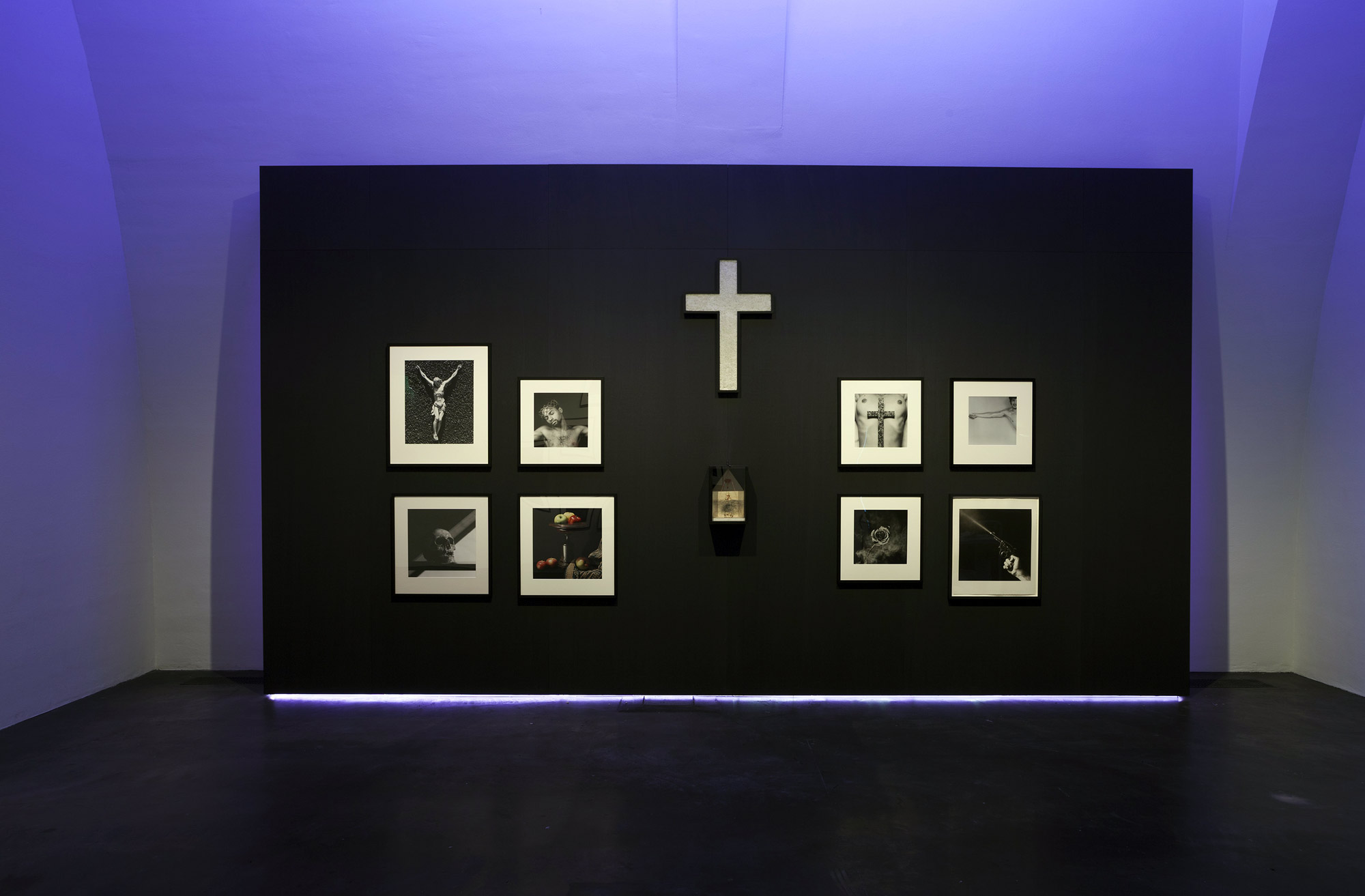
The LACMA presentation is organised in five thematic sections. The first gallery establishes Mapplethorpe in the milieu of 1970s and 1980s urban gay culture, depicting himself and his models openly declaring their sexuality through clothing, body adornment, and gesture. The second gallery highlights the work Mapplethorpe created in the late 1960s and early 1970s before he took up photography in earnest. As a student of graphic design at the Pratt Institute, he demonstrated an early facility for draftsmanship and a penchant for geometric composition. He designed jewellery and temporary assemblages using items of clothing. Inspired by Andy Warhol, Jasper Johns, and Robert Rauschenberg, he also experimented with collages and constructions, often incorporating Catholic iconography and appropriated imagery from homosexual periodicals.
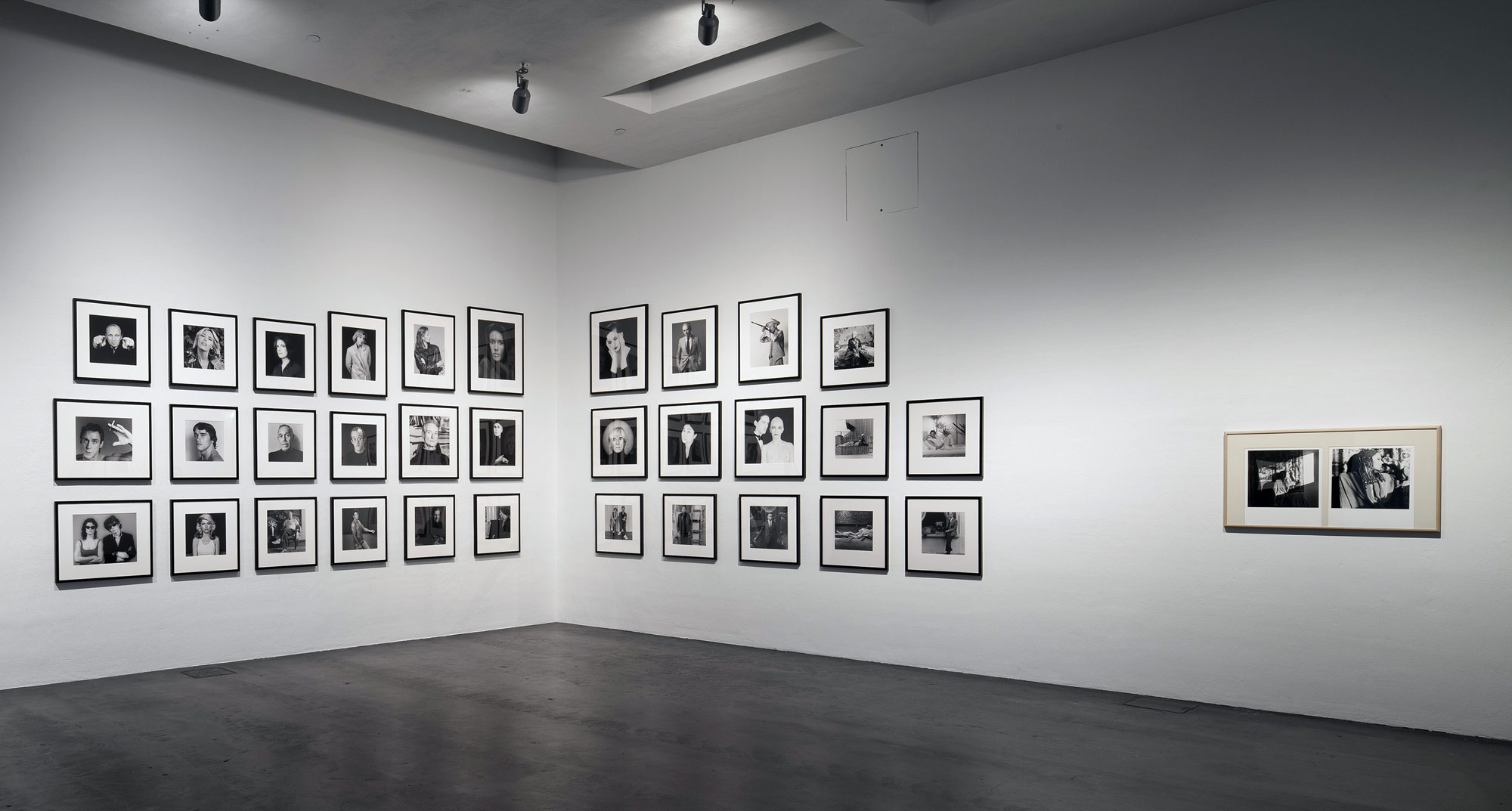
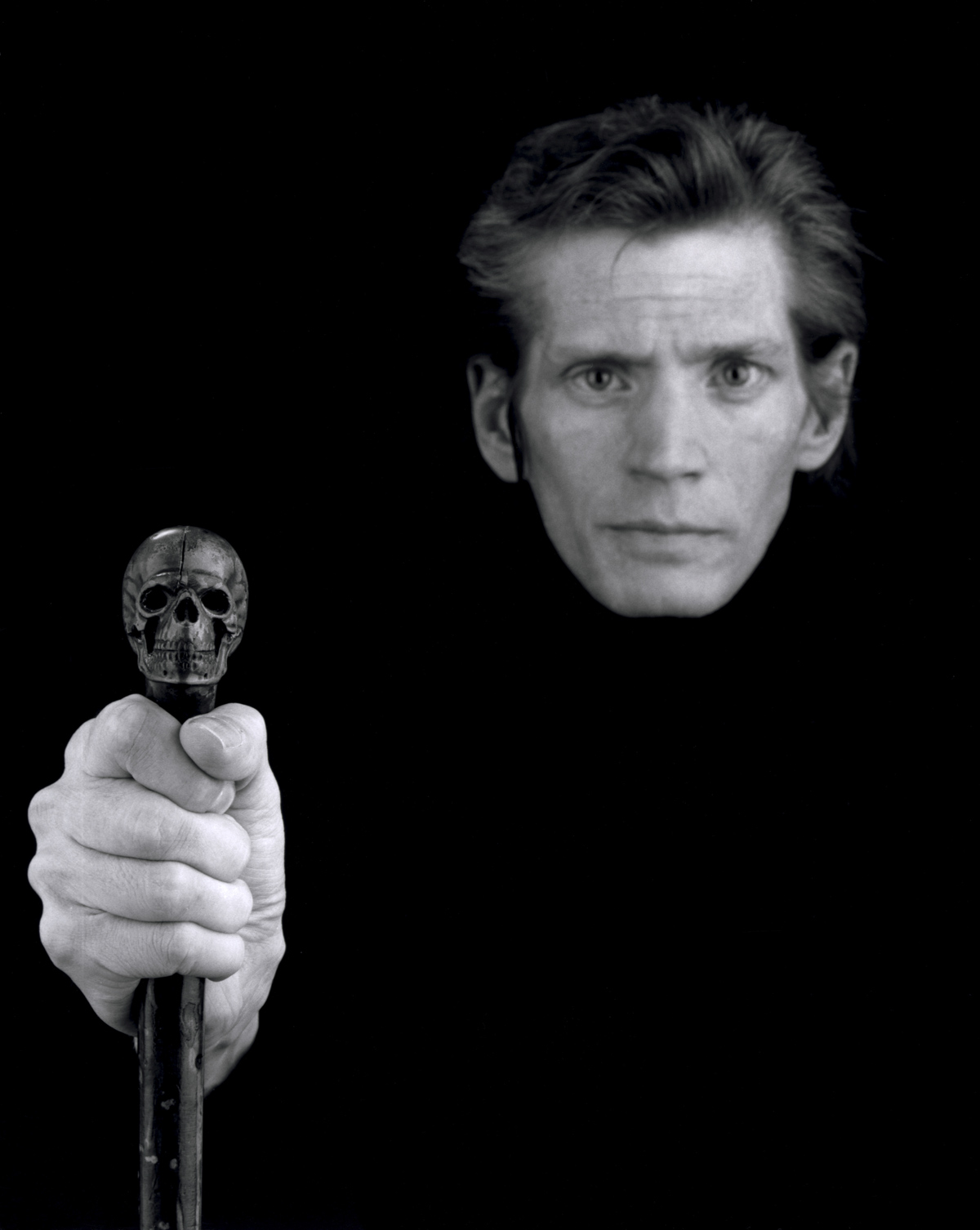
Mapplethorpe borrowed a Polaroid camera from a friend in 1970 and, over the course of the next year, honed his vision as a photographer. These early unique images, installed in the third gallery, reveal his observational acuity and his ability to be in the moment. Mapplethorpe was one of his own best subjects, as his many self-portraits attest, and he was open about being a participant in the scenarios he depicted. The fourth gallery focuses on Mapplethorpe’s engagement with the leather and bondage community, his appropriation of pornographic source material, and his exploration of the African American male nude. Additionally, this gallery features ephemera relating to Mapplethorpe’s first breakout exhibitions in New York, including a joint exhibition at The Kitchen and Holly Solomon Gallery in 1977. The fifth gallery presents work from the mid-1980s, when Mapplethorpe was running a successful studio and producing many commissioned portraits. Among his favourite subjects were the artists, musicians, and other performers he first encountered in the downtown art scene in the ’70s. He commented that photography was “the perfect medium for the 70s and 80s, when everything was fast. If I were to make something that took two weeks to do, I’d lose my enthusiasm. It would become an act of labor and the love would be gone.”
Exhibition highlights
Self-portrait (1980)
Mapplethorpe’s turn to photography in the early 1970s coincided with his embrace of New York’s leather subculture, and, throughout the decade, he explored the potential of both forms of expression simultaneously. His 1980 self-portrait as a surly, smoking leatherman captures the hyper masculine posturing that was concomitant with the choice of leather as a fashion statement and as a sexual fetish. Staring defiantly into the camera, Mapplethorpe declares his participation in the leather community. At the same time, the photograph expresses the playful and performative aspects of his studio practice. An element of dress-up and theater is evident in much of his portraiture. This self-portrait shows the artist posing in the role of an archetypal tough-guy – a greaser complete with popped collar, a lit cigarette dangling from his lip, and hair styled into a pompadour.
Patti Smith (1978)
Mapplethorpe was studying art at the Pratt Institute, in Brooklyn, when he met Patti Smith in spring 1967. Mapplethorpe and Smith spent the next decade in close proximity, inspiring one another’s artistic aspirations. Mapplethorpe chose photography as his medium in the early 1970s, whereas Smith gravitated toward poetry and music, and the two collaborated in a number of portrait sessions. Here, Smith poses in the act of cutting her hair, a gesture of defiance. As she explained in a 1975 interview, she didn’t “want to walk around New York looking like a folk-singer. I like rock ‘n’ roll. So I got hundreds of pictures of Keith Richards, and I hung them up and then just took scissors and chopped away until I had a real Rolling Stones haircut.” Mapplethorpe captured Smith’s androgynous style, composing the photograph to emphasise contrasts of black and white in Smith’s features and wardrobe, in the background, and even in the cat.
Lisa Lyon (1982)
Mapplethorpe met Lisa Lyon at a party in 1979, and he would go on to produce nearly 200 photographs of her over the next several years. The first woman to win the International Federation of Body Builders female competition, Lyon had an androgynous, muscular physique that appealed to Mapplethorpe’s interest in the sculptural body. “I’d never seen anybody that looked like that before,” he said. “Once she took her clothes off it was like seeing something from another planet.” The pinnacle of their collaboration came with the release of the book Lady (1983), a series of portraits of Lyon. In this portrait, Mapplethorpe captures Lyon in her work-out attire, a nod to her role as an early advocate for fitness and weight training, which came to be a defining feature of early and mid-1980s American culture.
Complementary exhibition
The LACMA exhibition will also be accompanied by the installation Physical: Sex and the Body in the 1980s, which will feature roughly 30 works from the museum’s permanent collection. Placing Mapplethorpe’s work in dialogue with his contemporaries, the installation examines the cultural and artistic upheavals of a pivotal decade in the history of American art and society. Featured artists include Bruce Weber, Kiki Smith, Sarah Charlesworth, Laura Aguilar, and Marina Abramovic, among others. Physical: Sex and the Body is curated by Ryan Linkof, assistant curator of the Wallis Annenberg Photography department.
Press release from the Los Angeles County Museum of Art

Robert Mapplethorpe (American, 1946-1989)
Parrot Tulips
1988
Dye imbibition print
20 11/16 x 26 in. (52.55 x 66.04cm)
Jointly acquired by the J. Paul Getty Trust and the Los Angeles County Museum of Art; partial gift of The Robert Mapplethorpe Foundation; partial purchase with funds provided by the J. Paul Getty Trust and the David Geffen Foundation
© Robert Mapplethorpe Foundation

Robert Mapplethorpe (American, 1946-1989)
Joe, N.Y.C.
1978
Gelatin silver print
7 11/16 x 7 5/8 in.
Jointly acquired by the J. Paul Getty Trust and the Los Angeles County Museum of Art; partial gift of The Robert Mapplethorpe Foundation; partial purchase with funds provided by the J. Paul Getty Trust and the David Geffen Foundation
© Robert Mapplethorpe Foundation
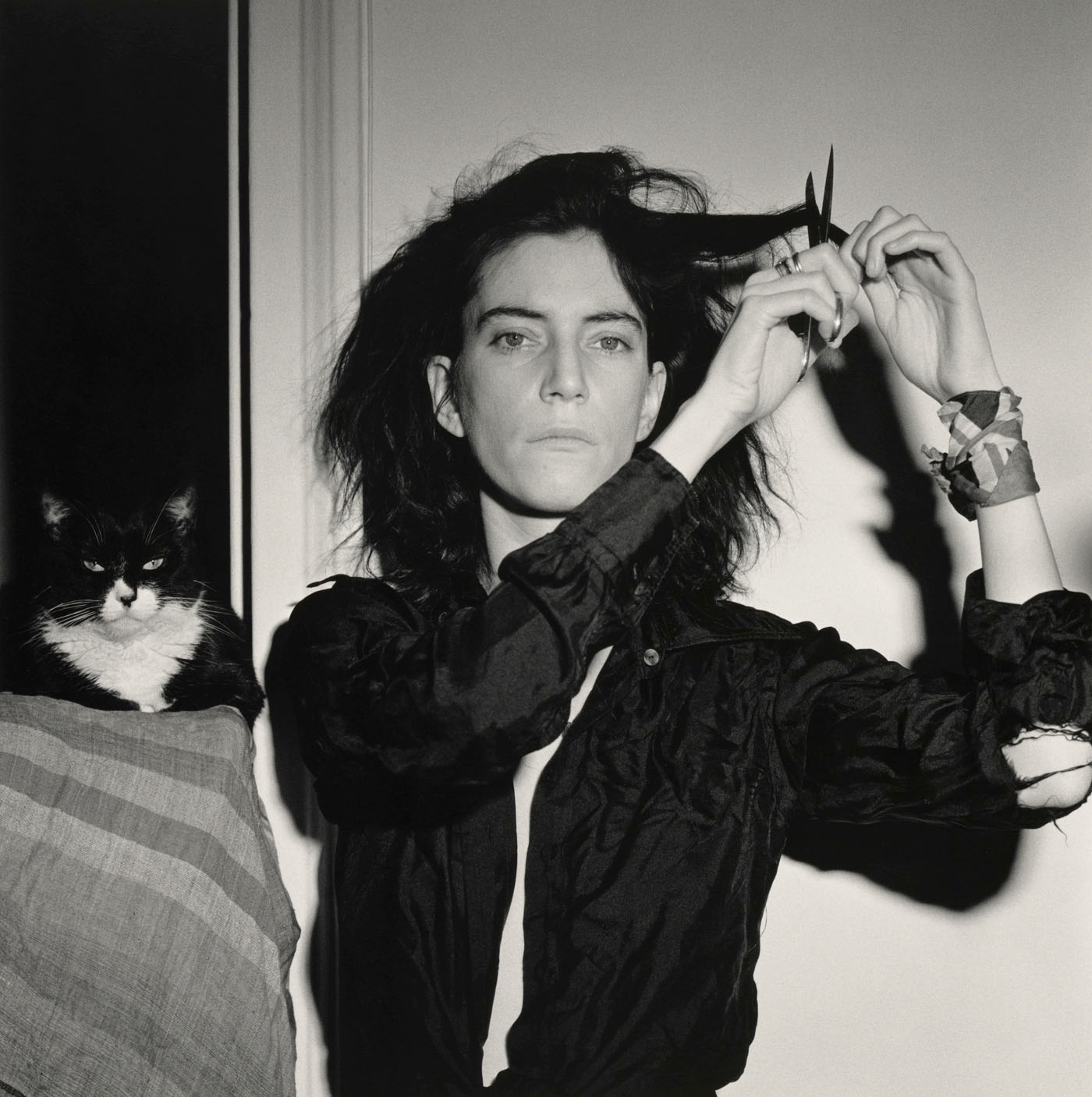
Robert Mapplethorpe (American, 1946-1989)
Patti Smith
1978
Gelatin silver print
13 7/8 x 13 3/4 in. (35.24 x 34.93cm)
Jointly acquired by the J. Paul Getty Trust and the Los Angeles County Museum of Art; partial gift of The Robert Mapplethorpe Foundation; partial purchase with funds provided by the J. Paul Getty Trust and the David Geffen Foundation
© Robert Mapplethorpe Foundation
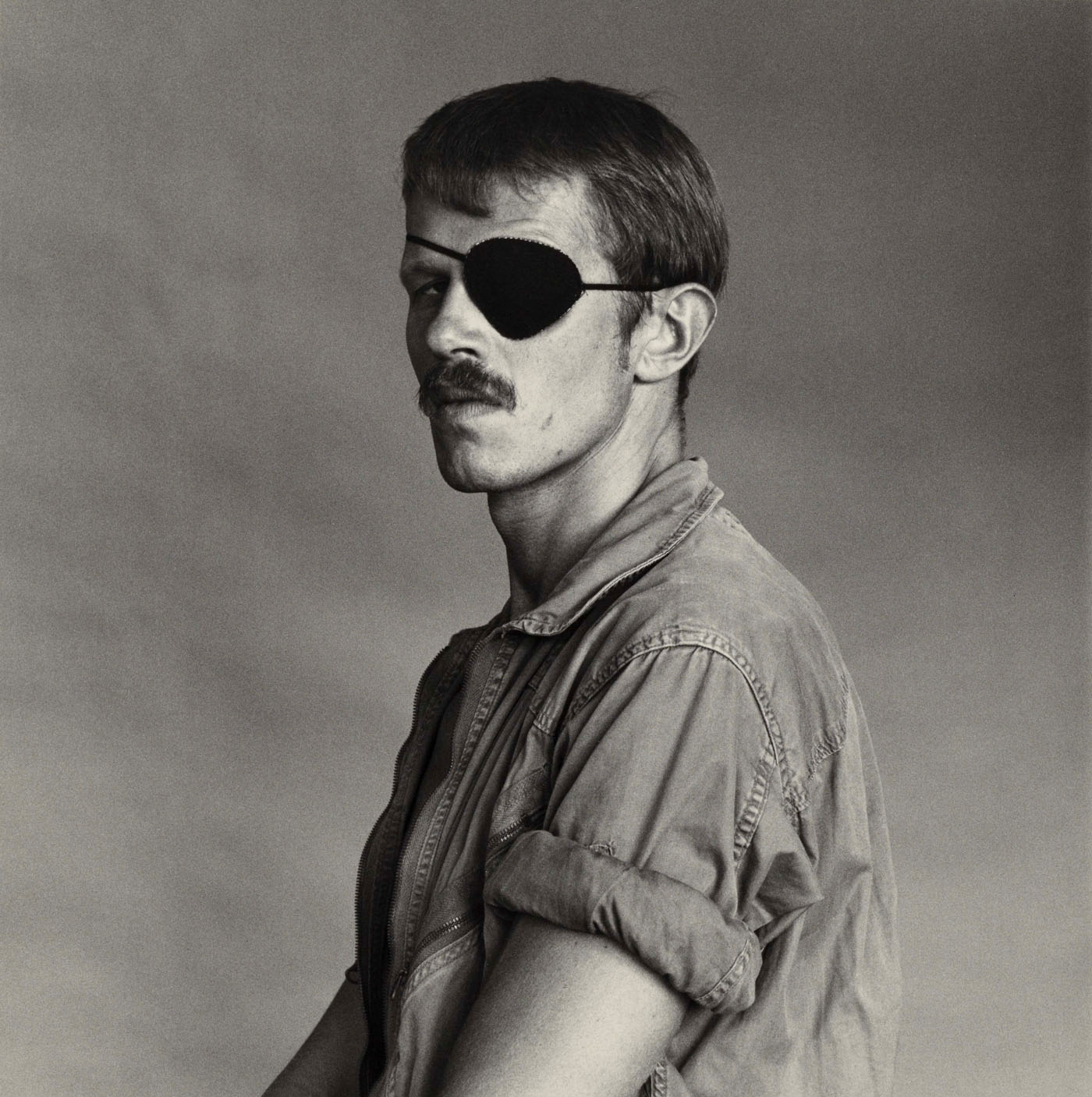
Robert Mapplethorpe (American, 1946-1989)
Keso Dekker
1979
Gelatin silver print
14 x 13 13/16 in. (35.56 x 35.08cm)
Promised Gift of The Robert Mapplethorpe Foundation to the J. Paul Getty Trust and the Los Angeles County Museum of Art
© Robert Mapplethorpe Foundation
Keso Dekker, Dutch-born visual artist (b. 1946), has designed sets and costumes for over 500 theatre productions, with some 70 directors and choreographers across Europe and the United States. Initially a painter, designer of private and public spaces and museum exhibitions, he also taught, published and wrote for television and organised exhibitions – always on the subjects of design, fashion, dance and the visual arts, plus their histories.
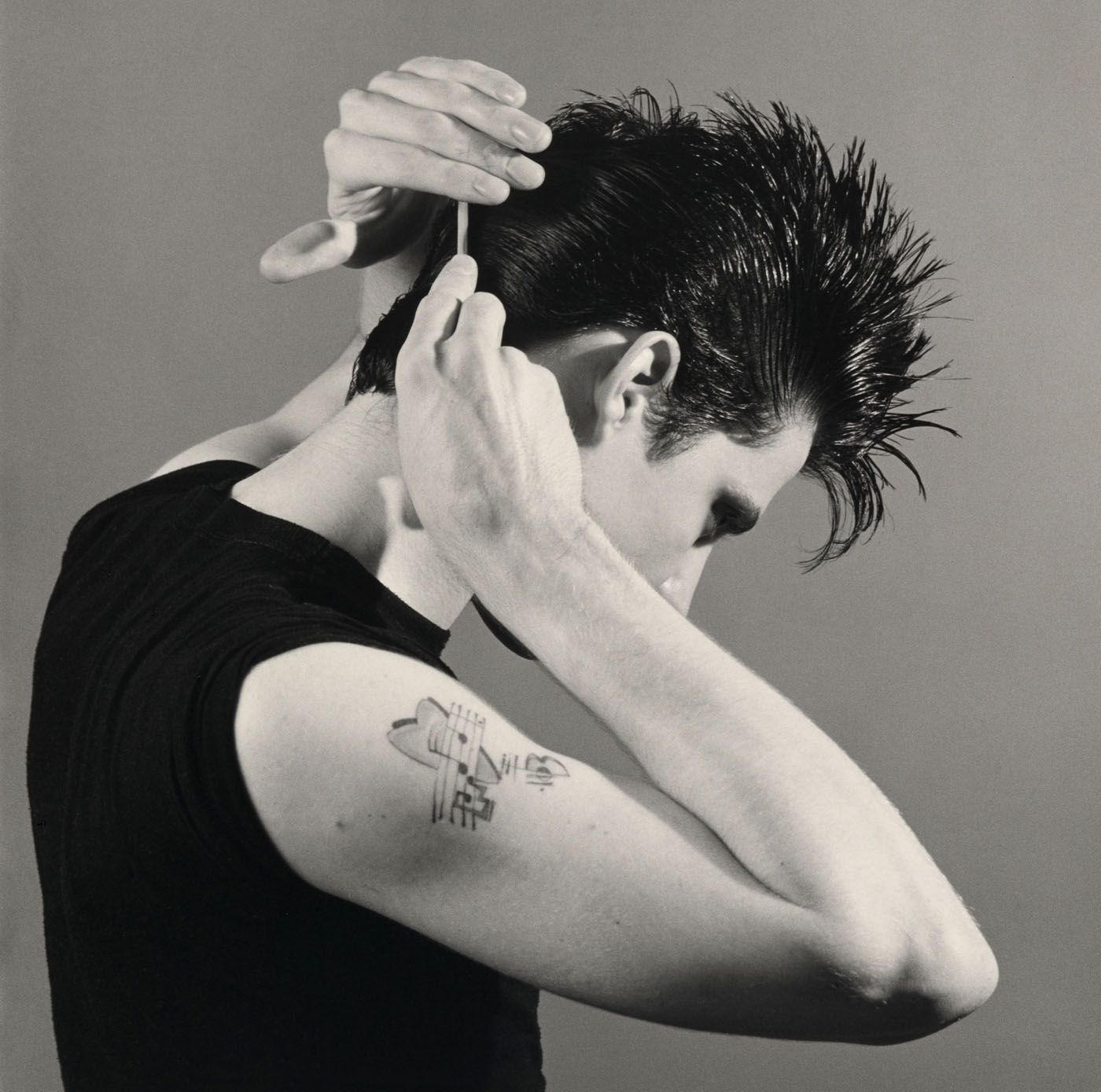
Robert Mapplethorpe (American, 1946-1989)
Tim Scott
1980
Gelatin silver print
13 15/16 x 14 in. (35.4 x 35.56cm)
Promised Gift of The Robert Mapplethorpe Foundation to the J. Paul Getty Trust and the Los Angeles County Museum of Art
© Robert Mapplethorpe Foundation
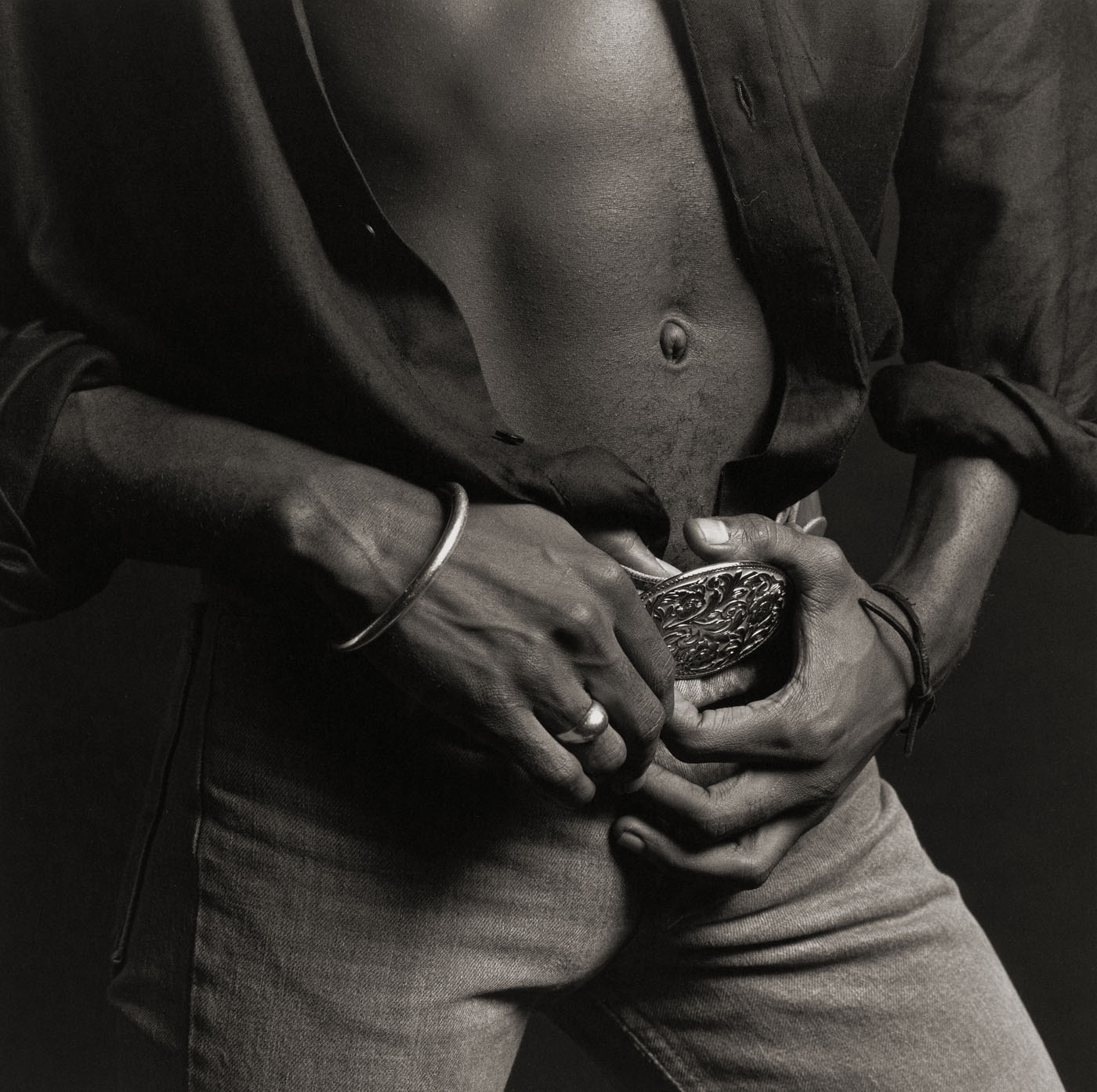
Robert Mapplethorpe (American, 1946-1989)
Phillip Prioleau
1980
Gelatin silver print
13 13/16 x 13 13/16 in. (35.08 x 35.08cm)
Promised Gift of The Robert Mapplethorpe Foundation to the J. Paul Getty Trust and the Los Angeles County Museum of Art
© Robert Mapplethorpe Foundation
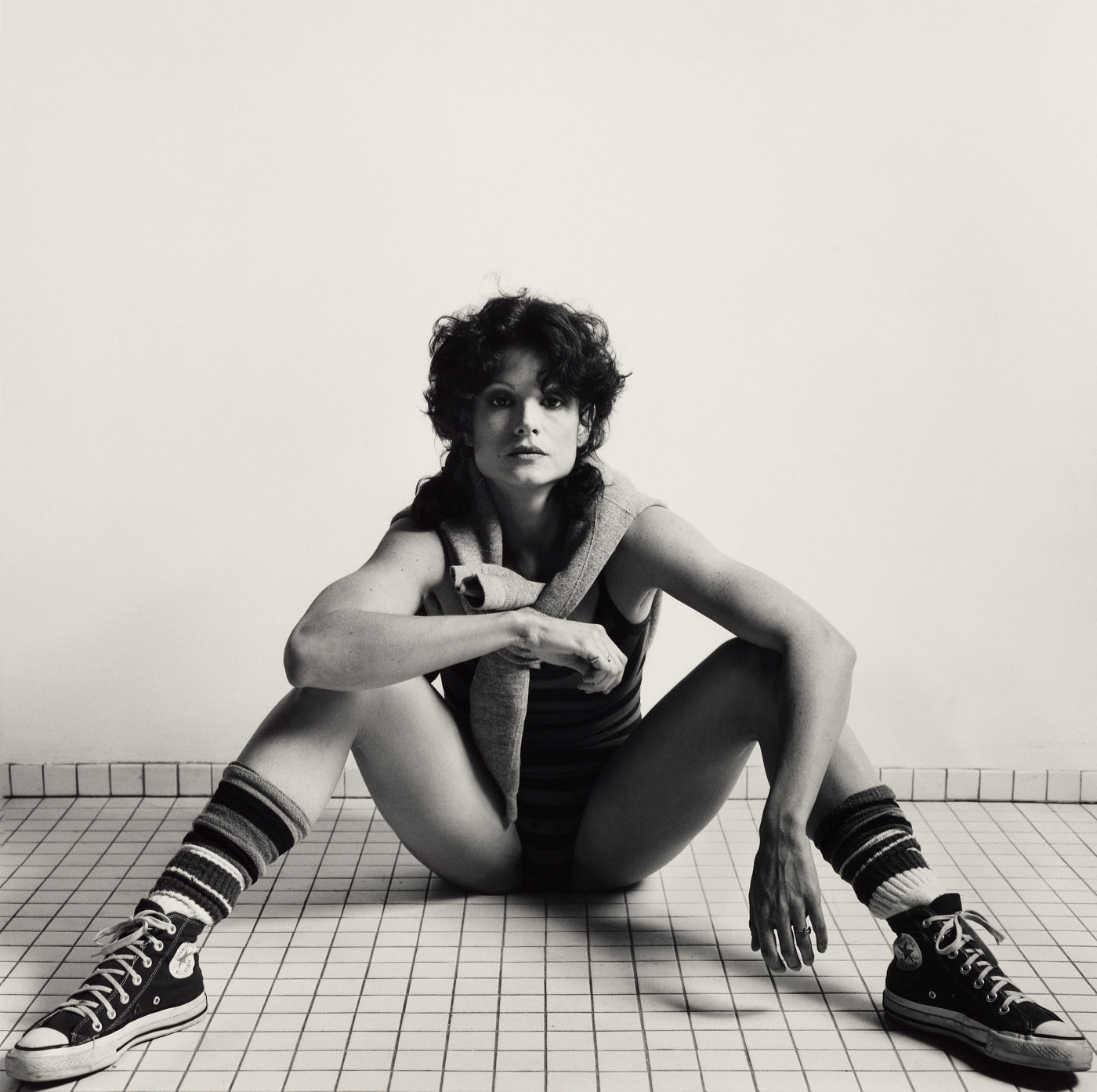
Robert Mapplethorpe (American, 1946-1989)
Lisa Lyon
1982
Gelatin silver print
15 3/16 x 16 3/16 in. (38.58 x 38.58cm)
Promised Gift of The Robert Mapplethorpe Foundation to the J. Paul Getty Trust and the Los Angeles County Museum of Art
© Robert Mapplethorpe Foundation
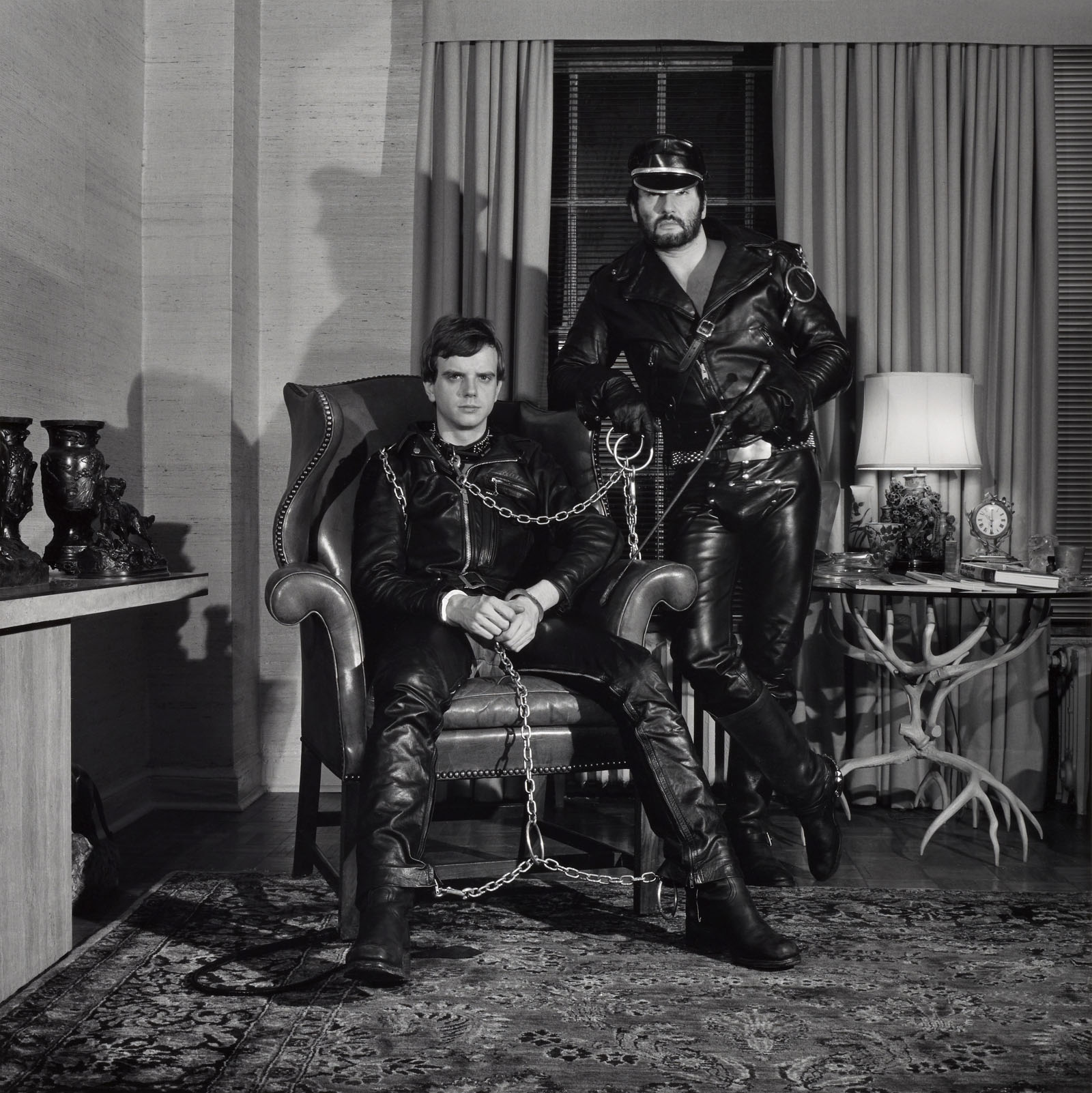
Robert Mapplethorpe (American, 1946-1989)
Brian Ridley and Lyle Heeter
1979
Gelatin silver print
14 x 14 in. (35.56 x 25.56cm)
Promised Gift of The Robert Mapplethorpe Foundation to the J. Paul Getty Trust and the Los Angeles County Museum of Art
© Robert Mapplethorpe Foundation
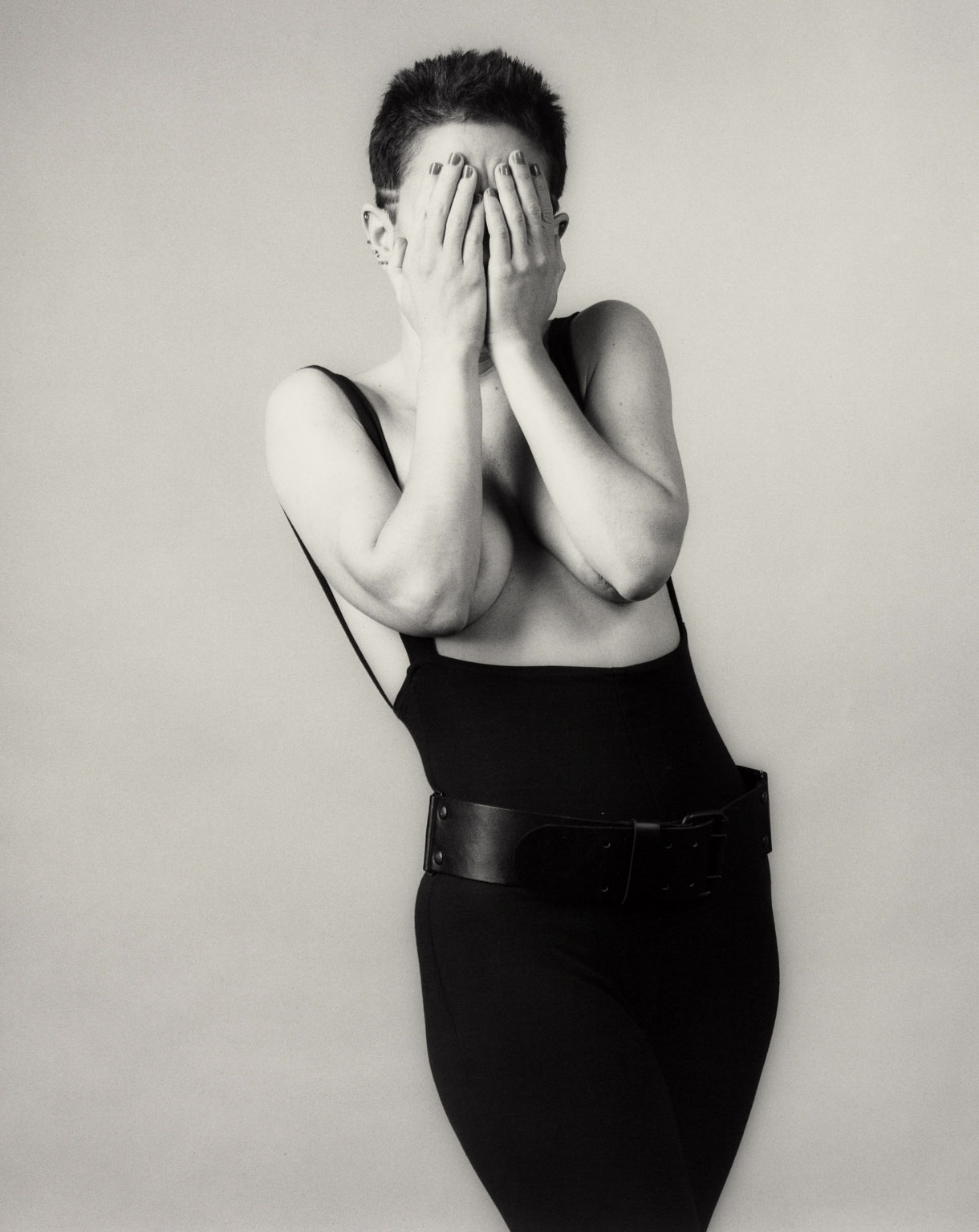
Robert Mapplethorpe (American, 1946-1989)
Kathy Acker
1983
Gelatin silver print
Promised Gift of The Robert Mapplethorpe Foundation to the J. Paul Getty Trust and the Los Angeles County Museum of Art
© Robert Mapplethorpe Foundation
Kathy Acker (1947-1997) was an American experimental novelist, poet, playwright, essayist, critic, performance artist, and postmodernist writer, known for her idiosyncratic and transgressive writing that dealt with complex themes such as childhood trauma, sexuality, language, identity, and rebellion.
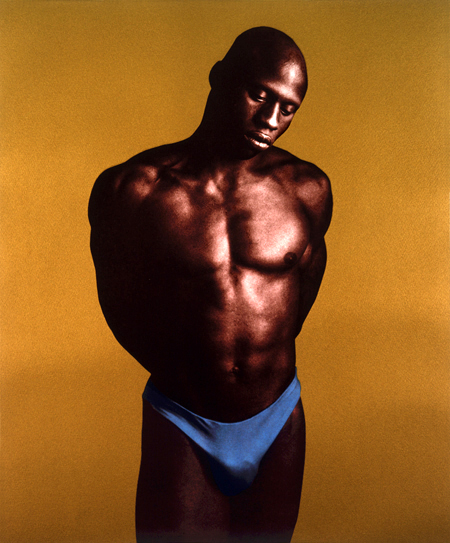
Robert Mapplethorpe (American, 1946-1989)
Ken Moody
1985
© Robert Mapplethorpe Foundation
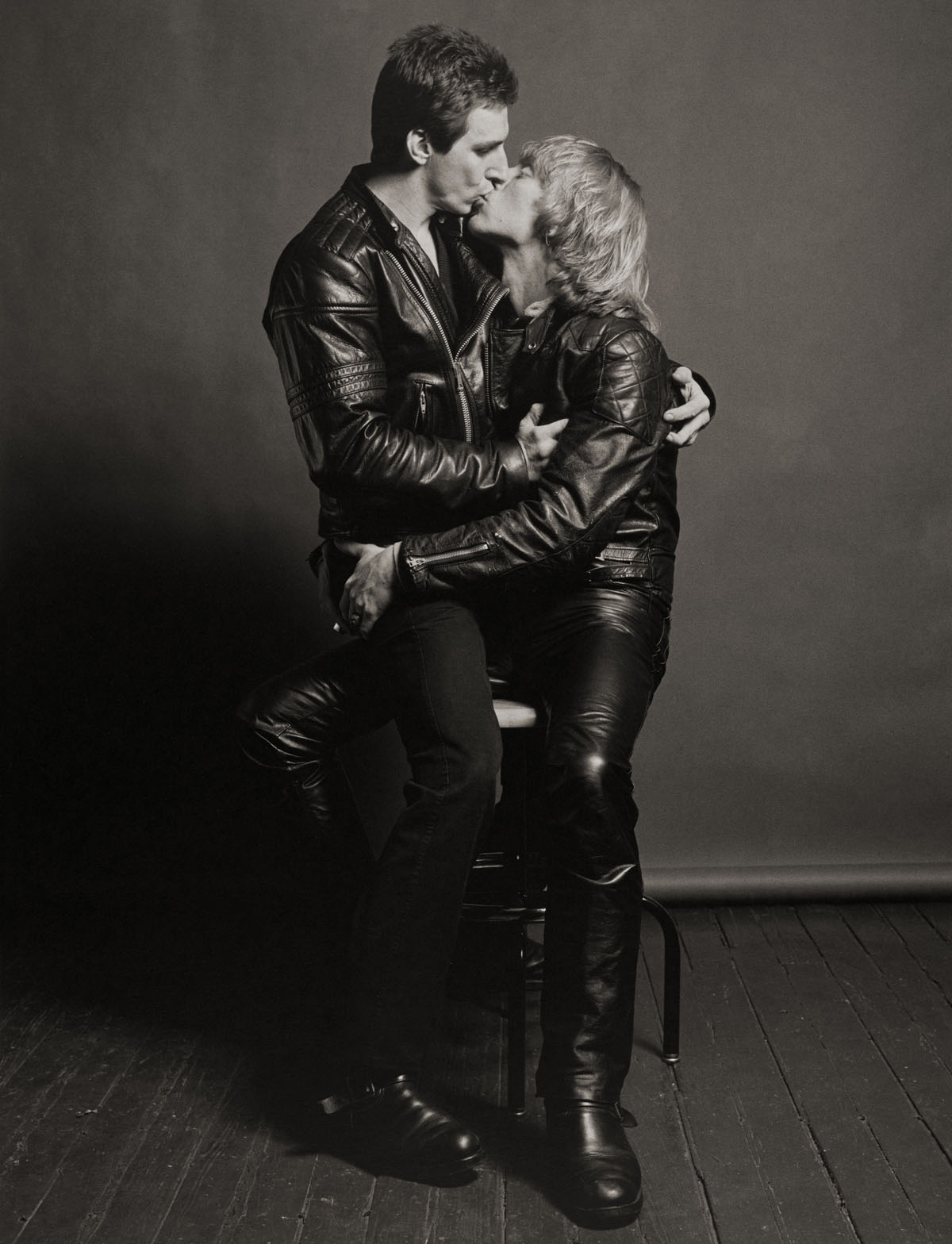
Robert Mapplethorpe (American, 1946-1989)
Larry and Bobby Kissing
1979
Gelatin silver print
17 13/16 x 13 11/16 in. (45.24 x 34.77cm)
Promised Gift of The Robert Mapplethorpe Foundation to the J. Paul Getty Trust and the Los Angeles County Museum of Art
© Robert Mapplethorpe Foundation
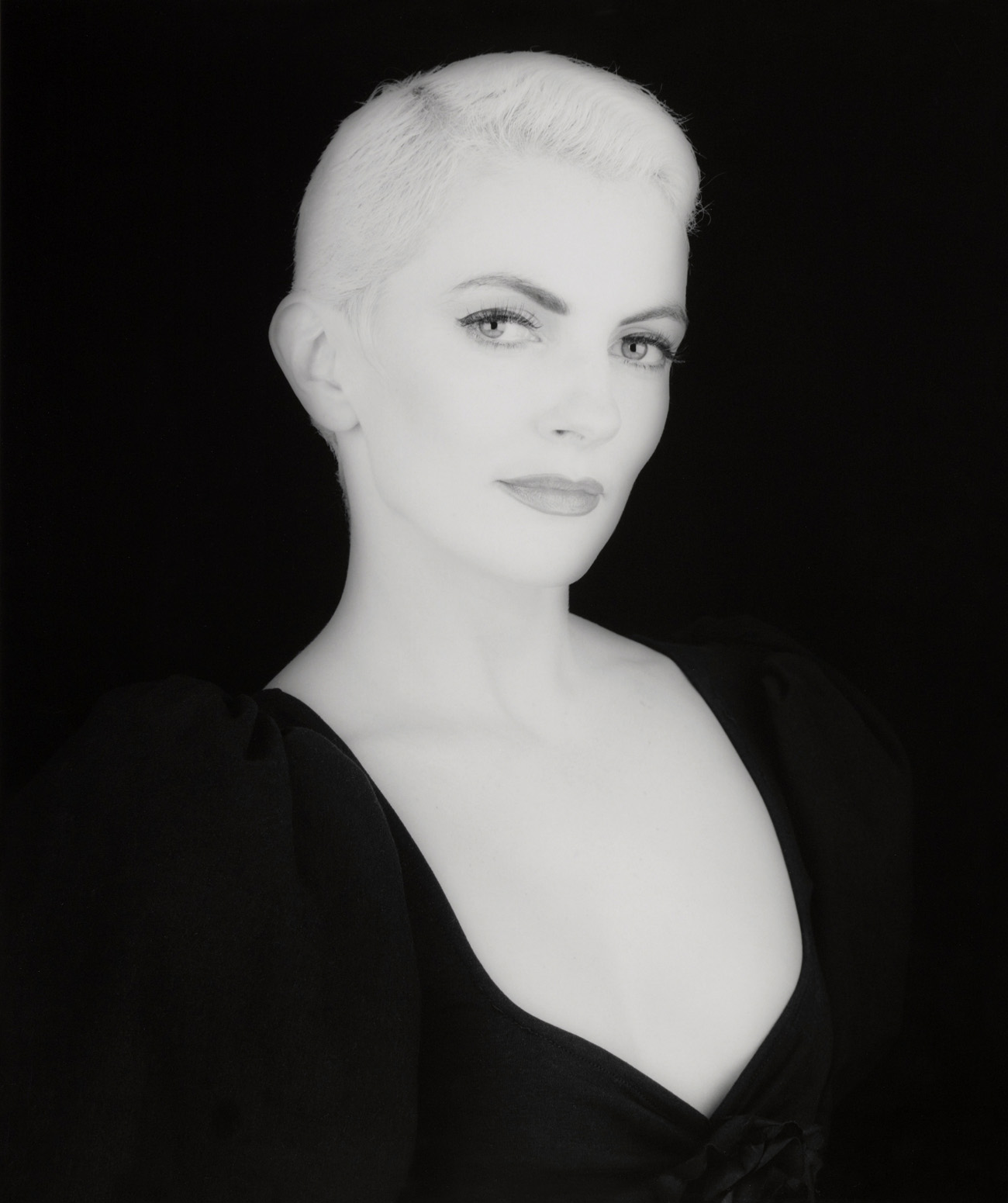
Robert Mapplethorpe (American, 1946-1989)
Melody Danielson
1987
Gelatin silver print
23 3/16 x 19 5/16 in. ( 58.9 x 49.05cm)
Promised Gift of The Robert Mapplethorpe Foundation to the J. Paul Getty Trust and the Los Angeles County Museum of Art
© Robert Mapplethorpe Foundation
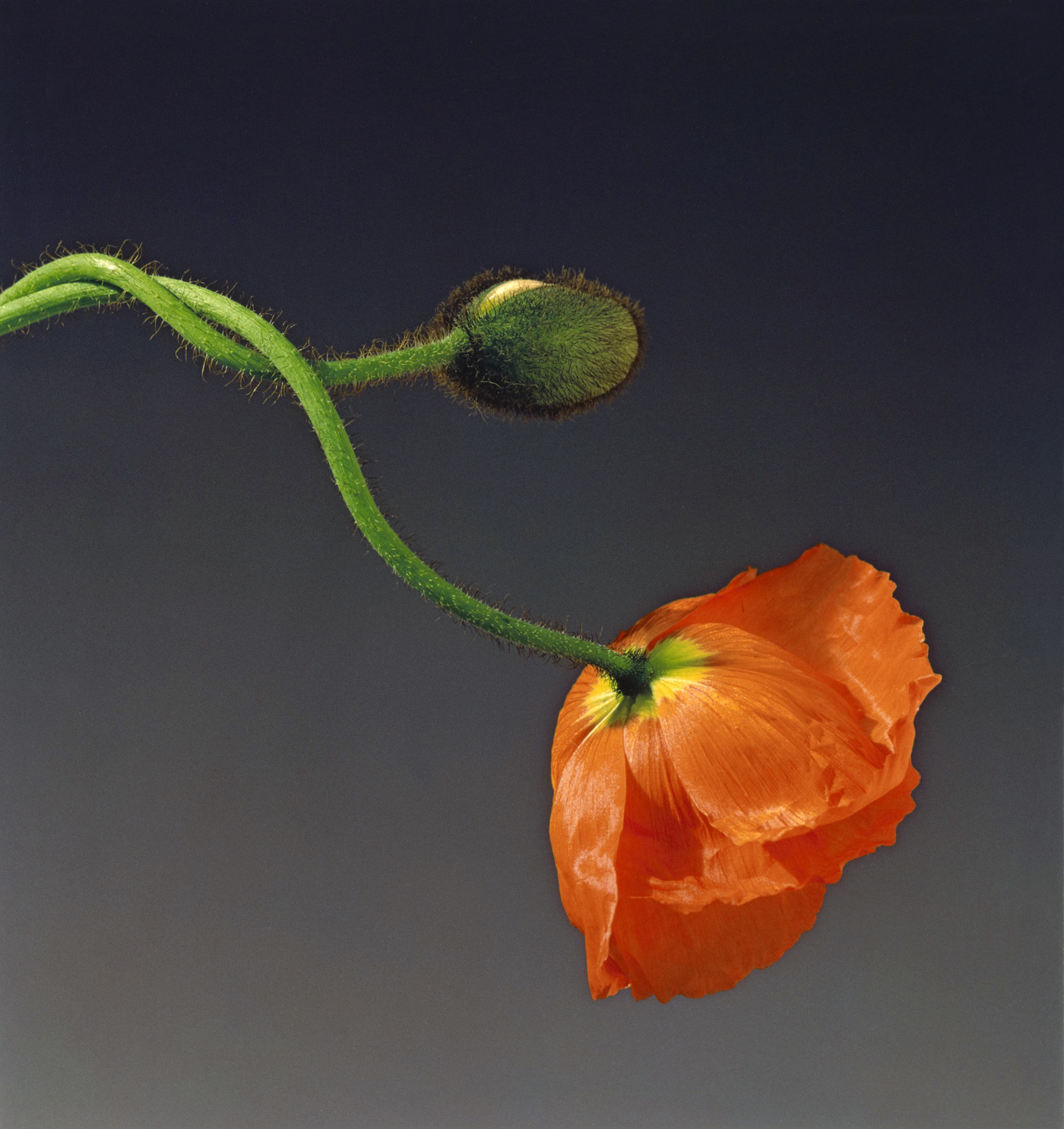
Robert Mapplethorpe (American, 1946-1989)
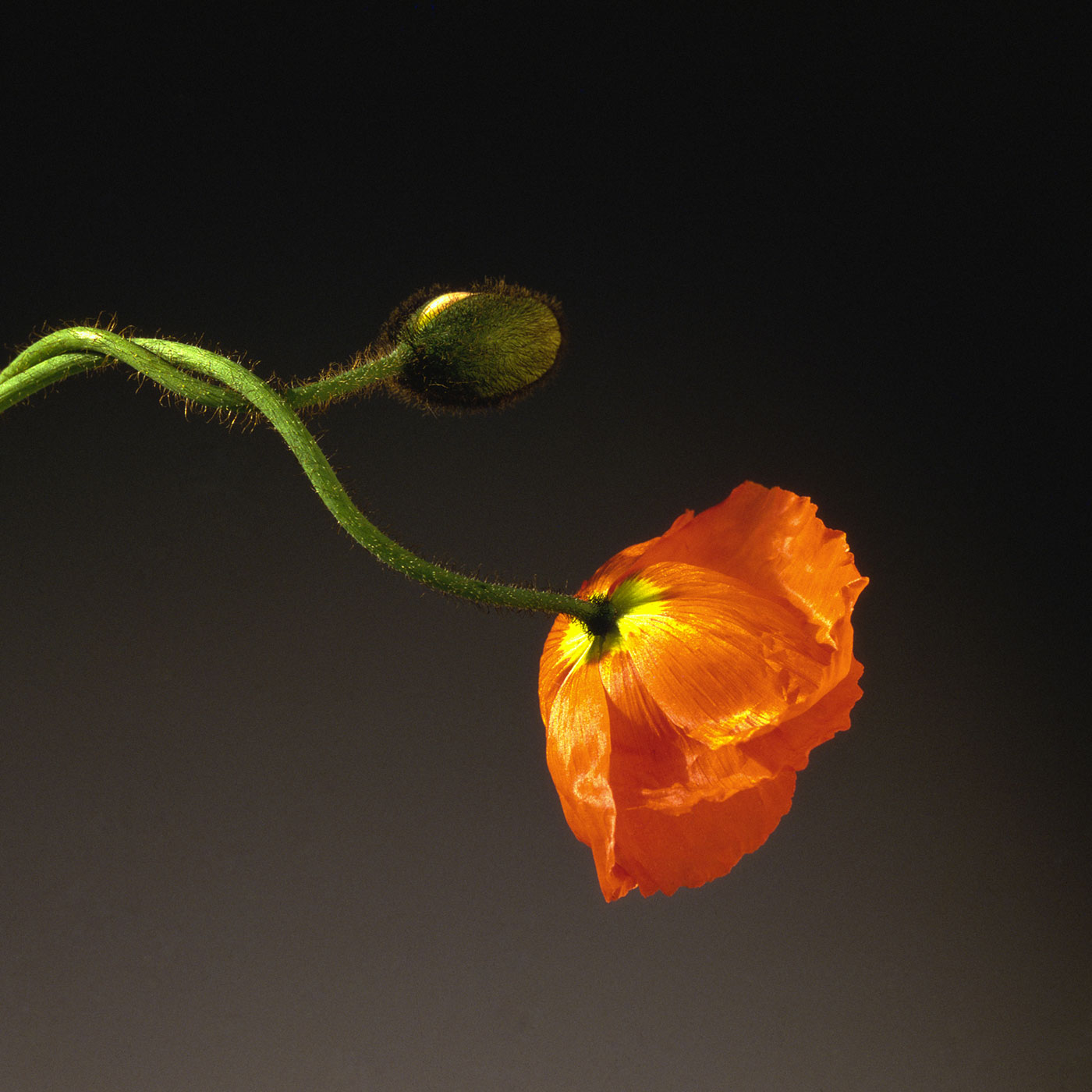
Poppy
1988
Dye imbibition print
19 13/16 x 18 11/16 in. (50.32 x 47.47cm)
Jointly acquired by the J. Paul Getty Trust and the Los Angeles County Museum of Art; partial gift of The Robert Mapplethorpe Foundation; partial purchase with funds provided by the J. Paul Getty Trust and the David Geffen Foundation
© Robert Mapplethorpe Foundation
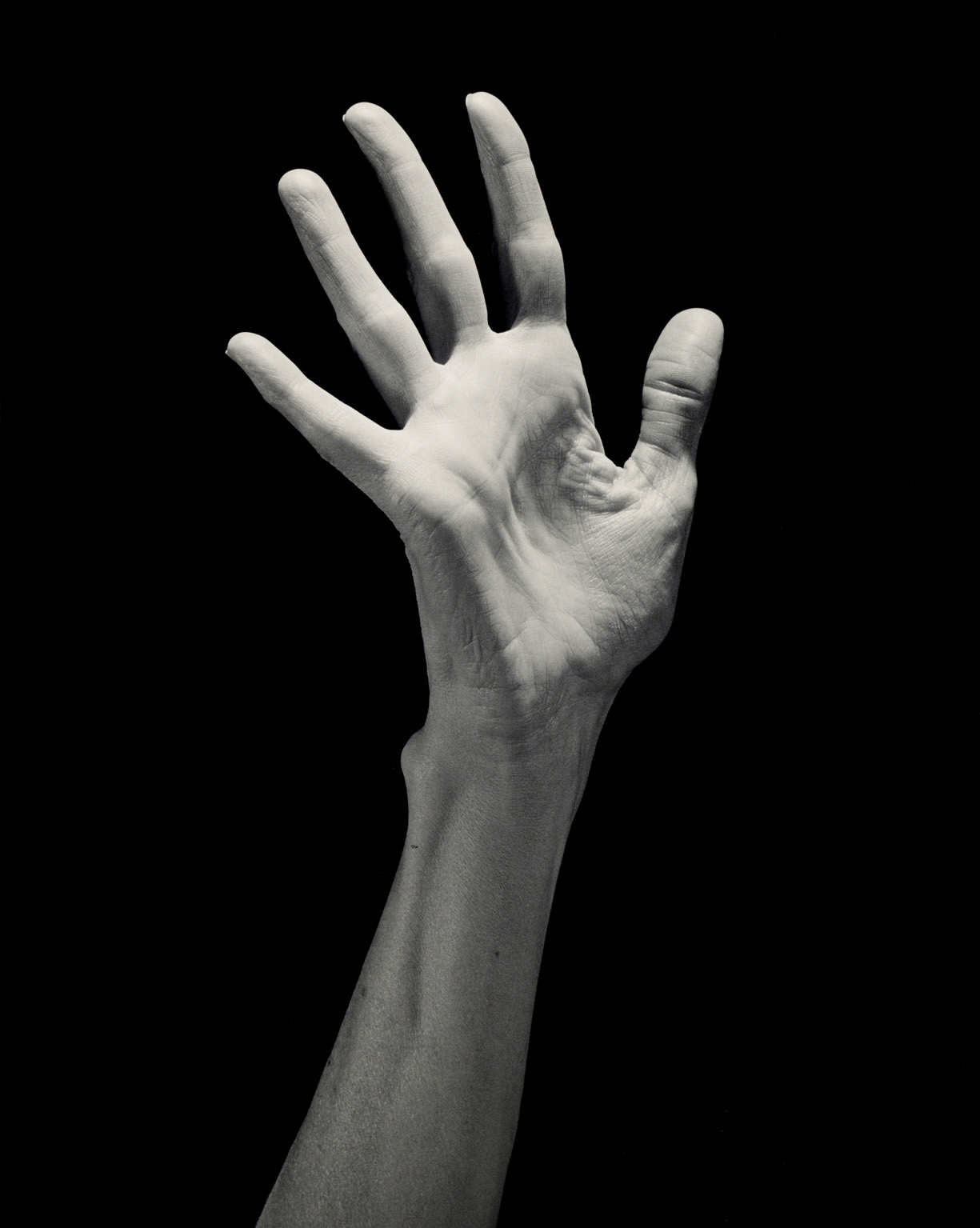
Robert Mapplethorpe (American, 1946-1989)
Lucinda’s Hand
1985
Gelatin silver print
19 3/16 x 15 1/4 in. (48.74 x 38.74cm)
Promised Gift of The Robert Mapplethorpe Foundation to the J. Paul Getty Trust and the Los Angeles County Museum of Art
© Robert Mapplethorpe Foundation
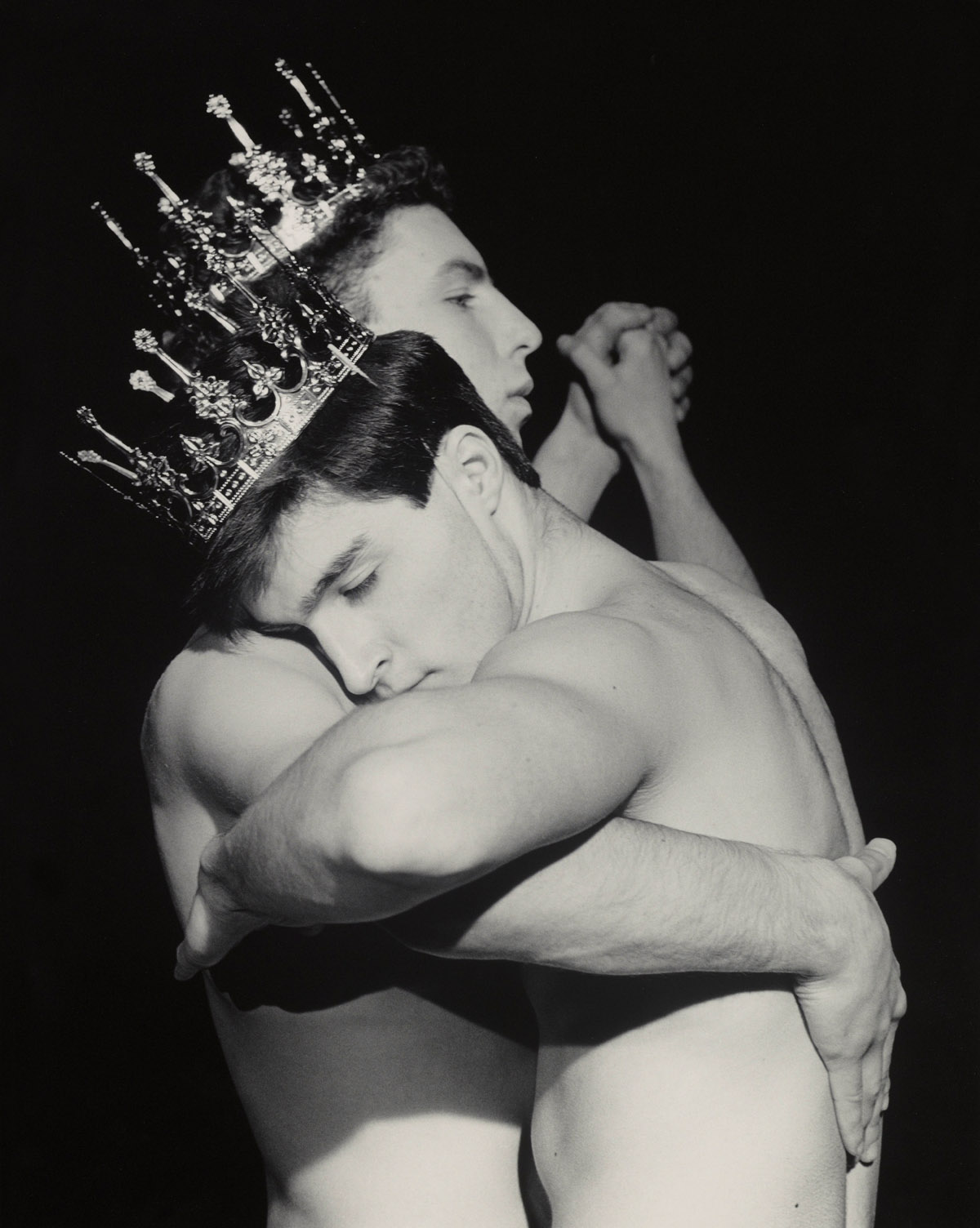
Robert Mapplethorpe (American, 1946-1989)
Two Men Dancing
1984
Gelatin silver print
19 1/8 x 15 3/16 in. (72.4 x 59.7cm)
Promised Gift of The Robert Mapplethorpe Foundation to the J. Paul Getty Trust and the Los Angeles County Museum of Art
© Robert Mapplethorpe Foundation
Los Angeles County Museum of Art (LACMA)
5905 Wilshire Boulevard (at Fairfax Avenue)
Los Angeles, CA, 90036
Phone: 323 857 6000
Opening hours:
Thursday – Tuesday 10am – 6pm
Closed Wednesday







 Art Blart _ art and cultural memory archive
You must be logged in to post a comment.