Exhibition: ‘RealSurreal. Masterpieces of Avant-Garde Photography Das Neue Sehen 1920-1950. Siegert Collection’ at the Kunstmuseum Wolfsburg

Exhibition dates: 15th November 2014 – 6th April 2015

The artists: Eugène Atget – Herbert Bayer – Hans Bellmer – Aenne Biermann – Brassaï – František Drtikol – Jaromír Funke – Florence Henri – André Kertész – Germaine Krull – Herbert List – Man Ray – László Moholy-Nagy – Albert Renger-Patzsch – August Sander – Josef Sudek – Maurice Tabard – Raoul Ubac – Umbo – Wols – and others


Albert Renger-Patzsch (German, 1897-1966) 'Self-Portrait' 1926/1927


Albert Renger-Patzsch (German, 1897-1966)
Self-Portrait
1926/1927
Gelatin silver paper
16.9 x 22.8cm
Photo: Christian P. Schmider, Munich
© Albert Renger-Patzsch Archiv / Ann and Jürgen Wilde / VG Bild-Kunst, Bonn 2014


Thought photography

Here are some names to conjure with (above). And what an appropriate word “conjure” is to illuminate these images:

: to charge or entreat earnestly or solemnly

: to summon by or as if by invocation or incantation

: to affect or effect by or as if by magic

: to practice magical arts

: to use a conjurer’s tricks

: to make you think of (something)

: to create or imagine (something)


For what is photography, if not magic?

These images are conjured from both the imagination of the artist… and reality itself. One cannot live, be magical, without the other. “Beneath the surface of visible things the irrational, the magical, and the contradictory could be discovered and explored.”

Still waters run deep.

Dr Marcus Bunyan


Many thankx to the Kunstmuseum Wolfsburg for allowing me to publish the photographs in the posting. Please click on the photographs for a larger version of the image.
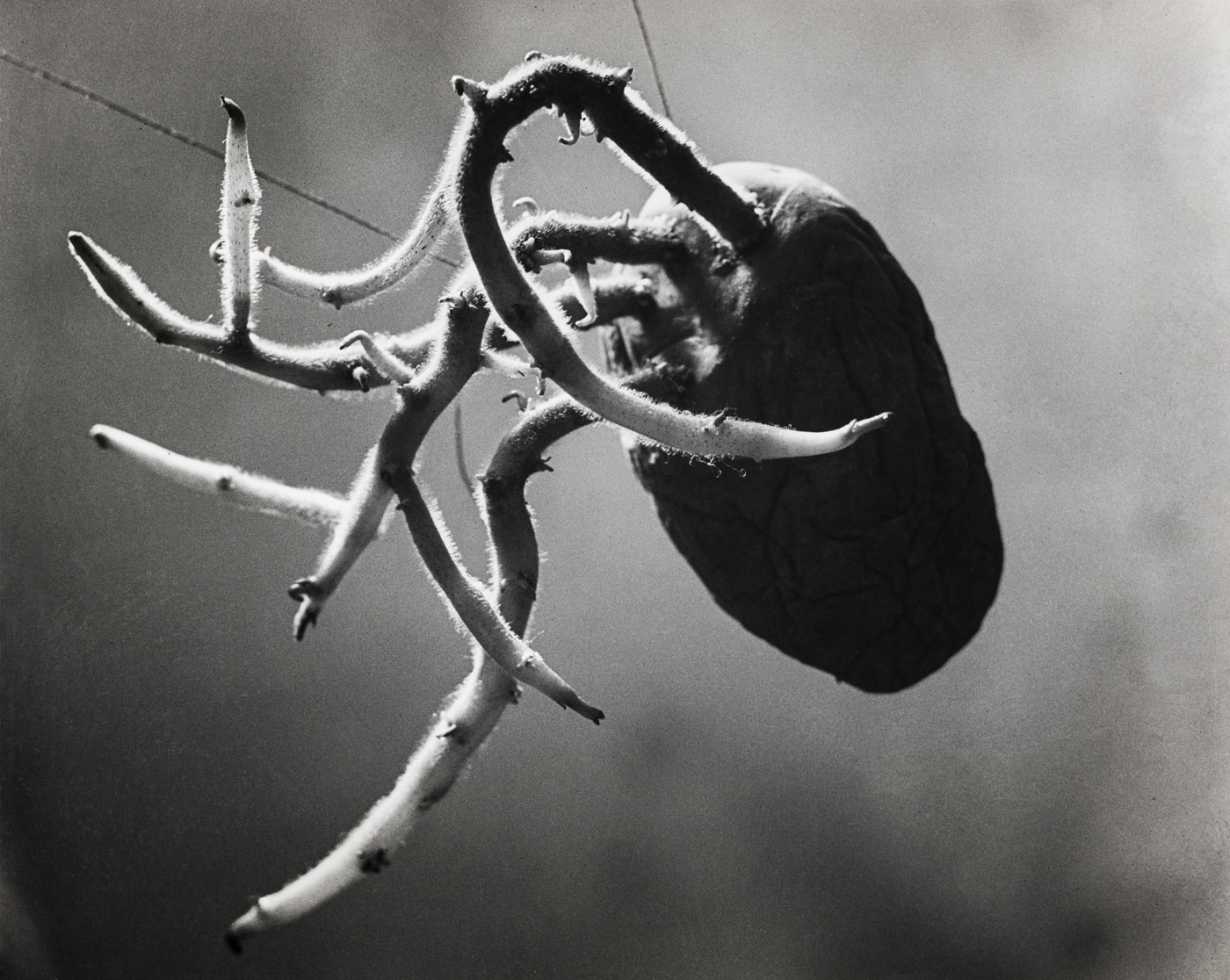


Brassaï (Hungarian-French, 1899-1984) 'Occasional Magic (Sprouting Potato)' 1931


Brassaï (Hungarian-French, 1899-1984)
Occasional Magic (Sprouting Potato)
1931
Gelatin silver paper
28.8 x 23cm
Photo: Christian P. Schmider, Munich
© ESTATE BRASSAÏ – RMN


František Drtikol (Czech, 1883-1961) 'Circular Segment (Arc)' 1928


František Drtikol (Czech, 1883-1961)
Circular Segment (Arc)
1928
Carbon print
21.3 x 28.7cm
Photo: Christian P. Schmieder, Munich
© František Drtikol – heirs, 2014


Hans Bellmer (German, 1902-1975) 'The Doll' 1935


Hans Bellmer (German, 1902-1975)
The Doll
1935
Gelatin silver paper
17.4 x 17.9cm
Photo: Christian P. Schmieder, Munich
© VG Bild-Kunst, Bonn 2014


Grete Stern (German-Argentine, 1904-1999) 'The Eternal Eye' c. 1950


Grete Stern (German-Argentine, 1904-1999)
The Eternal Eye
c. 1950
Photomontage on gelatin silver paper
39.5 x 39.5cm
Photo: Christian P. Schmieder, Munich
© Estate of Grete Stern courtesy Galería Jorge Mara – La Ruche, Buenos Aires, 2014


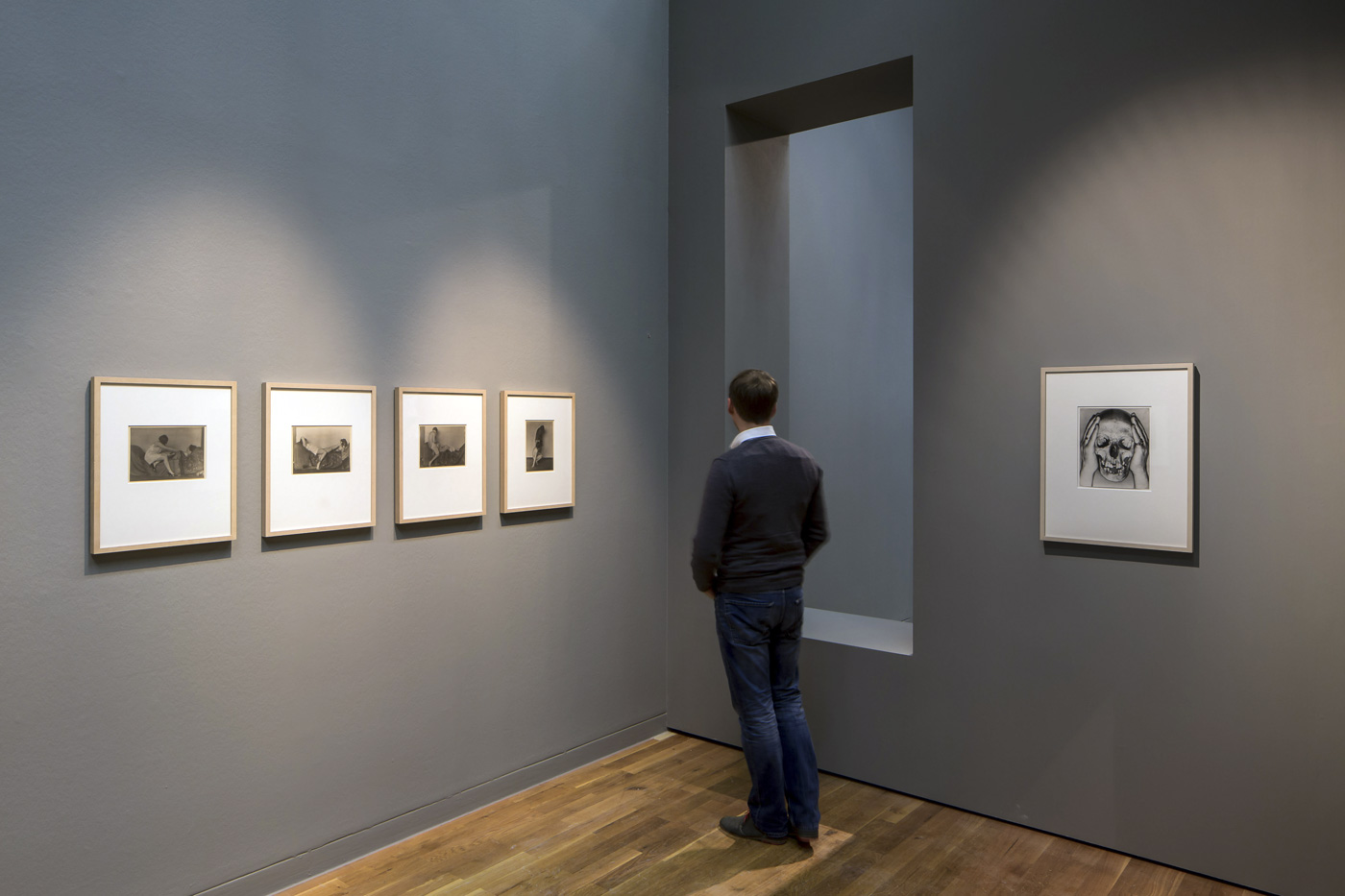
Installation view of the exhibition 'RealSurreal' at the Kunstmuseum Wolfsburg

Installation view of the exhibition 'RealSurreal' at the Kunstmuseum Wolfsburg

Installation view of the exhibition 'RealSurreal' at the Kunstmuseum Wolfsburg

Installation view of the exhibition 'RealSurreal' at the Kunstmuseum Wolfsburg


Installation views of the exhibition RealSurreal at the Kunstmuseum Wolfsburg showing at bottom right in the bottom image, Erwin Blumenfeld’s Skull 1932/1933


Is a photograph a true-to-life reproduction of reality, or is it merely a staged image? This year – the 175th anniversary of the invention of photography – the Kunstmuseum Wolfsburg responds to this question with a comprehensive survey of avant-garde photography between 1920 and 1950. The exhibition RealSurreal presents around 200 masterpieces from the eminent Siegert Collection in Munich. This collection, which has never been shown in its entirety, contains photographs from the Neues Sehen (New Vision) movement, covering everything from New Objectivity to Surrealism in Germany, France, and Czechoslovakia.

Das Neue Sehen (New Vision)

Notions about photography’s visual veracity are as old as the art itself. As early as the nineteenth century there were arguments as to whether or not photography – with its mechanical ability to record ‘reality’ – was better suited to portray life more comprehensively and truthfully than other visual arts of the period. An inevitable reaction to what were considered photography’s shortcomings was Pictorialism, which approached photography according to the conventions of painting, in an attempt to lend it more artistic credibility. But around 1920 a new generation of international photographers began reconsidering the specific characteristics of photography as tools for developing it into a more modern method of appropriating reality. Rapid progress in technologising modern society affected the adoption of and attitudes toward photography: convenient cameras that used rolls of film came onto the market in greater numbers, making it easy for even the greenest of amateurs to take photographs. Photographs were increasingly used as illustrations in mass media, and in advertising, leading to a rising demand for accomplished images and professional image makers. These developments also changed the public’s visual habits, so that the New Vision arose as an expression of the perception of this new media-fabricated reality. Positions ranged from the precise recordings of what was seen in portrait and industrial photography, via the use of new framings and perspectives at the Bauhaus, all the way to the photomontage and technical experiments such as the photogram and solarisation, as well as Surrealism’s staged images.

The Mechanical Eye

Photographers of the Neue Sachlichkeit (New Objectivity) movement wanted to show the world as it was. For Albert Renger-Patzsch, photography was the “most dependable tool” for objectively reproducing the visible things of this world, especially the results of modern technology, and in this respect, it was superior to the subjective perception of the human eye. László Moholy-Nagy went a step further, with his famous verdict that “the illiterate of the future will be the person ignorant of the use of the camera as well as the pen.” To the camera he attributed the crucial function of technically expanding human perception. Whilst adequately depicting machines, mass society, and modern metropolitan life: “the photographic apparatus can perfect or supplement our Photographs were increasingly used as illustrations in mass media.” Unusual aspects and viewpoints led to striking images. From a bird’s-eye perspective, buildings and streets became compositions made up of lines and planes, while a low-angle shot could create an unforeseen dynamic and greatly enlarging an object resulted in magical dissociations.

The Real and the Surreal

Ultimately, the Surrealists identified in the “realistic” recording tool of photography yet another artistic means of “écriture automatique,” which André Breton also described as “thought photography.” Beneath the surface of visible things the irrational, the magical, and the contradictory could be discovered and explored. Documentary photographers such as Eugène Atget and Karl Blossfeldt became inspirational figures in this movement. Their work was printed in the Surrealist magazines, because a plant, staged and isolated in a photograph, could trigger all kinds of magical associations beyond its botanical context. Meanwhile manipulated and staged photographs benefitted from the truthfulness of “this is the way it was,” since they could only reinforce their mysterious statements. One of Surrealism’s most important artistic means – the combinatory creation (including, of course, the photomontage) – was particularly effective because heterogeneous visual elements were joined to form new, surprising contexts of meaning. Like Brassaï’s photographs of a nocturnal Paris, Karel Teige’s collages have a surreal quality which can also be found in a different form in Man Ray’s dreamlike photograms. Both staged photography and – with many experiments with photographic techniques, such as multiple exposures, negative printing, and solarisation – strove to achieve the melding of dream and reality, a goal postulated by Breton in his first Surrealist manifesto. In New Vision photography this could generally result in images that could “go either way,” depending on the viewpoint of the real/surreal photographer and observer; they could be seen as sober, objective reproductions of the visible world, or as imaginary, subjective reflections of reality.

The exhibition RealSurreal leads the visitor through Neues Sehen in Germany, Surrealism in Paris, and the avant-garde in Prague, alongside themes such as portraits, nudes, objects, architecture, and experimental. Opening with a prologue of exemplary nineteenth-century photographs which are compared and contrasted with Neues Sehen, one can literally experience the Neues Sehen in the Kunstmuseum Wolfsburg via rare original prints by notable photographers, while rediscovering the broad spectrum and complexity of photographs from real to surreal. Besides approximately 200 photographs, the exhibition contains historical photography books and magazines, as well as rare artists’ books and examples of avant-garde cover design, making it possible to experience this new view of the world.

RealSurreal also features several famous clips from key films by Luis Buñuel, László Moholy-Nagy, Hans Richter, and others, shown continuously in a 45-minute loop, which highlight the fruitful interplay between avant-garde photography and the-then contemporary cinema. Important photographs and photo installations by Nobuyoshi Araki, Gilbert & George, Paul Graham, Andreas Gursky, Cindy Sherman, Jeff Wall, and James Welling, from the Kunstmuseum Wolfsburg’s collection, will also demonstrate that the artistic questions posed by Neues Sehen are still relevant today.

Press release from the Kunstmuseum Wolfsburg website


Erwin Blumenfeld (American born Germany, 1897-1969) 'Skull' 1932/33


Erwin Blumenfeld (American born Germany, 1897-1969)
Skull
1932/1933
Solarisation on gelatin silver paper
29.6 x 24cm
Photo: Christian P. Schmieder, Munich
© The Estate of Erwin Blumenfeld
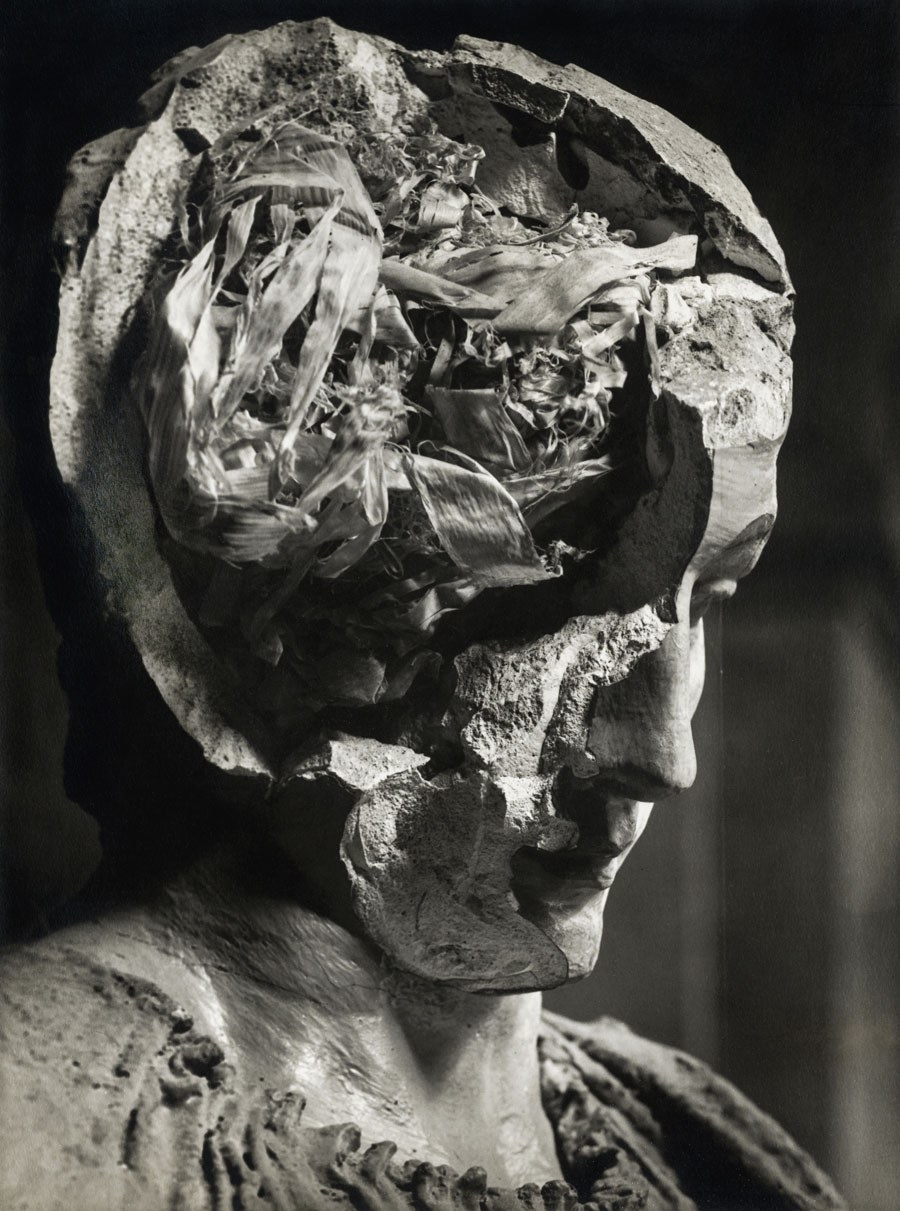
 

Josef Sudek (Czech. 1896-1976) 'Plaster Head' c. 1947


Josef Sudek (Czech. 1896-1976)
Plaster Head
c. 1947
Gelatin silver paper
23.5 x 17.5cm
Photo: Christian P. Schmieder, Munich
© Estate of Josef Sudek


Herbert Bayer (Austrian, 1900-1985) 'Lonely Metropolitan' 1932/1969


Herbert Bayer (Austrian, 1900-1985)
Lonely Metropolitan
1932/1969
Photomontage on gelatin silver paper
35.3 x 28cm
Photo: Christian P. Schmieder, Munich
© VG Bild-Kunst, Bonn 2014
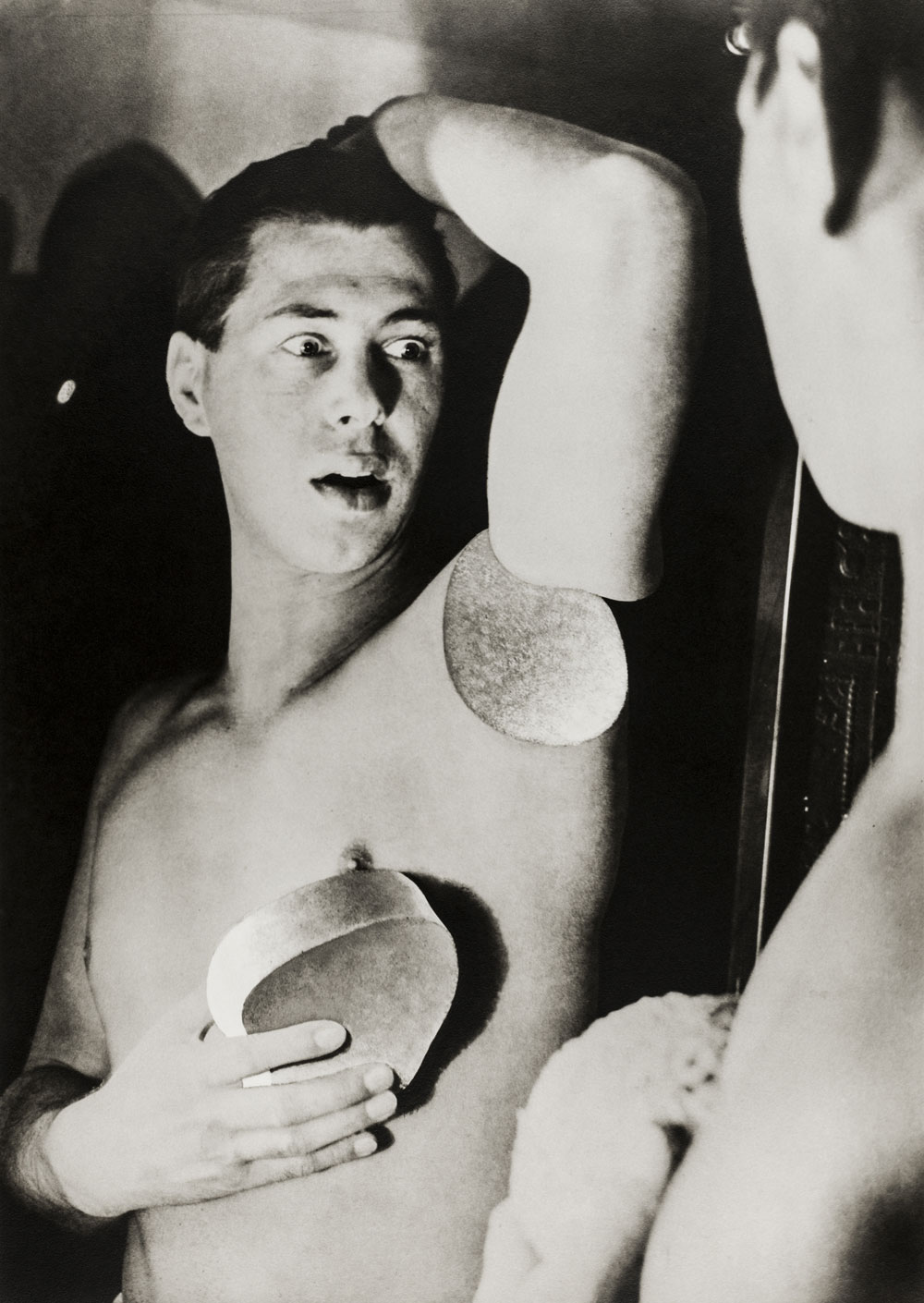
 

Herbert Bayer (Austrian, 1900-1985) 'Self-Portrait' 1932


Herbert Bayer (Austrian, 1900-1985)
Self-Portrait
1932
Photomontage on gelatin silver paper
35.3 x 27.9cm
Photo: Christian P. Schmieder, Munich
© VG Bild-Kunst, Bonn, 2014


Man Ray (American, 1890-1976) 'Electricity' 1931


Man Ray (American, 1890-1976)
Electricity
1931
Photogravure
26 x 20.6cm
Photo: Christian P. Schmieder, Munich
© Man Ray Trust, Paris/ VG Bild-Kunst, Bonn 2014


Man Ray (American, 1890-1976) 'Rayography (spiral)' 1923


Man Ray (American, 1890-1976)
Rayography (spiral)
1923
Photogram on gelatin silver paper
26.6. x 21.4cm
Photo: Christian P. Schmieder, München
© Man Ray Trust, Paris/ VG Bild-Kunst, Bonn 2014
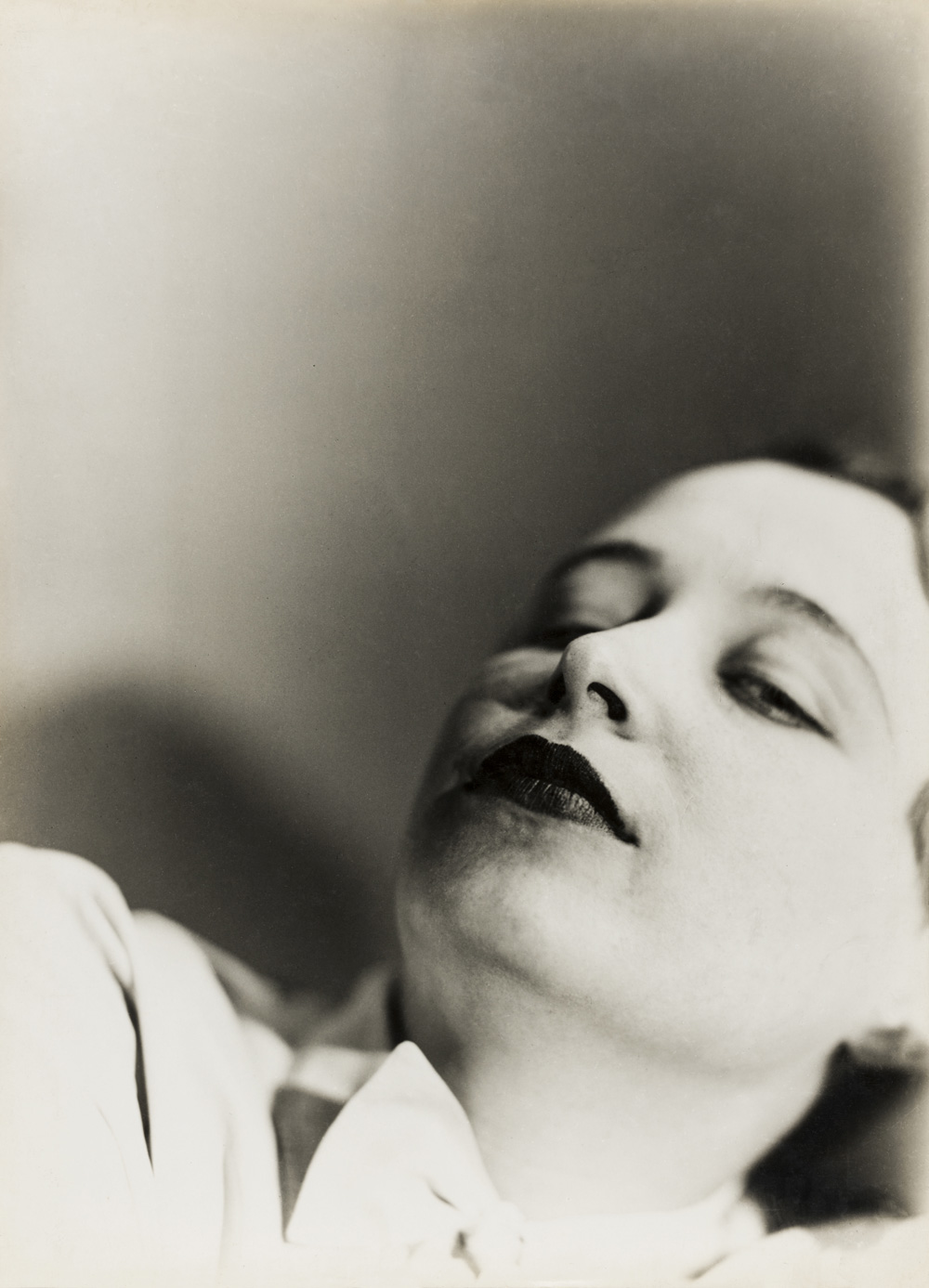
 

Florence Henri (European born America, 1893-1982) 'Portrait Composition (Erica Brausen)' 1931


Florence Henri (European born America, 1893-1982)
Portrait Composition (Erica Brausen)
1931
Gelatin silver paper
39.9 x 29cm
Photo: Christian P. Schmieder, Munich
© Galleria Martini & Ronchetti, Genova, Italy


Atelier Manassé. 'My Little Bird' c. 1928


Atelier Manassé
My Little Bird
c. 1928
Gelatin silver paper
21 x 16cm
Photo: Christian P. Schmieder, Munich
© IMAGNO/Austrian Archives


Genia Rubin (Russian, 1906-2001) 'Lisa Fonssagives. Gown: Alix (Madame Grès)' 1937


Genia Rubin (Russian, 1906-2001)
Lisa Fonssagives. Gown: Alix (Madame Grès)
1937
Gelatin silver paper
30.3 x 21.5cm
Photo: Christian P. Schmieder / Siegert Collection, Munich
© Sheherazade Ter-Abramoff, Paris


Kunstmuseum Wolfsburg
Abteilung Kommunikation
Hollerplatz 1 38440
Wolfsburg
Phone: +49 (0)5361 2669 69

Opening hours:
Tuesday – Sunday 11am – 6pm
Monday closed
Kunstmuseum Wolfsburg website

LIKE ART BLART ON FACEBOOK

Back to top

Exhibition: ‘Sharp, Clear Pictures: Edward Steichen’s World War 1 and Condé Nast Years’ at The Art Institute of Chicago

Exhibition dates: 24th June – 13th October 2014


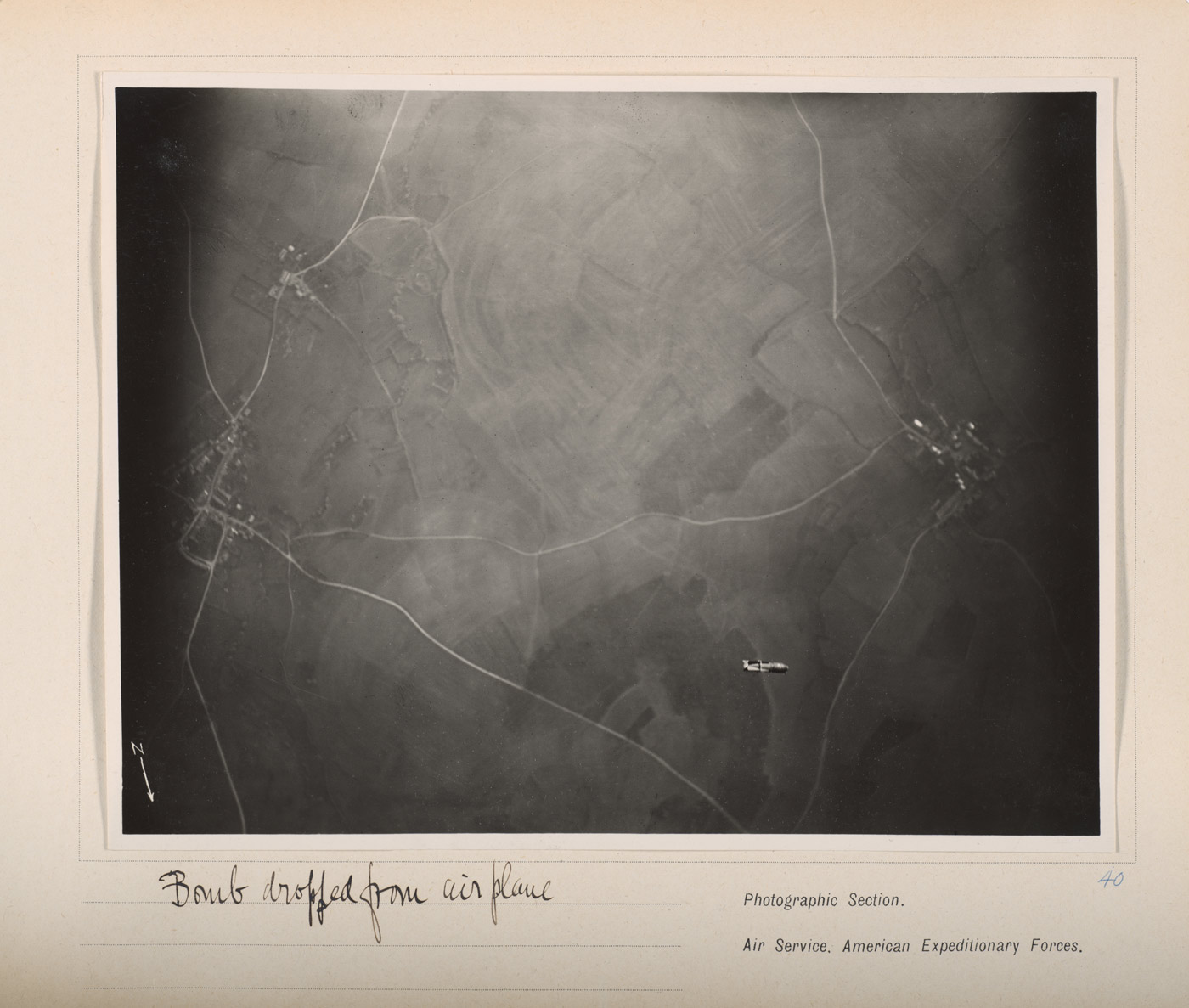
Photographic Section, U.S. Air Service, American Expeditionary Forces (AEF) and Major Edward J. Steichen, A.S.A. 'Bomb Dropped From Airplane' 1918


Photographic Section, U.S. Air Service, American Expeditionary Forces (AEF) and Major Edward J. Steichen, A.S.A.
Bomb Dropped From Airplane
1918
Gelatin silver print, from loose-leaf album of aerial photographs from the Photographic Section, Air Service, American Expeditionary Forces, World War I
The Art Institute of Chicago, gift of William Kistler
© 2014 The Estate of Edward Steichen/Artists Rights Society (ARS), New York.


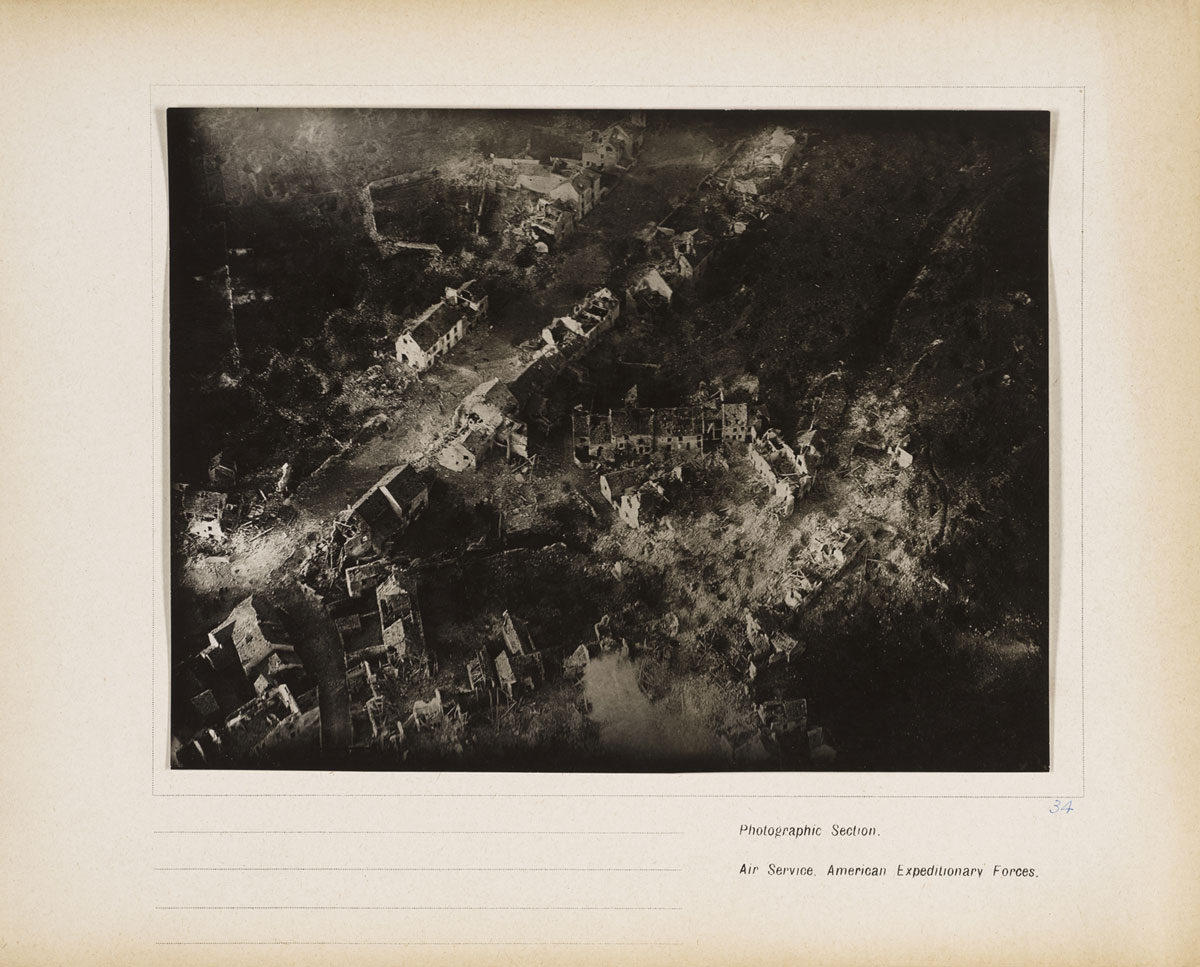
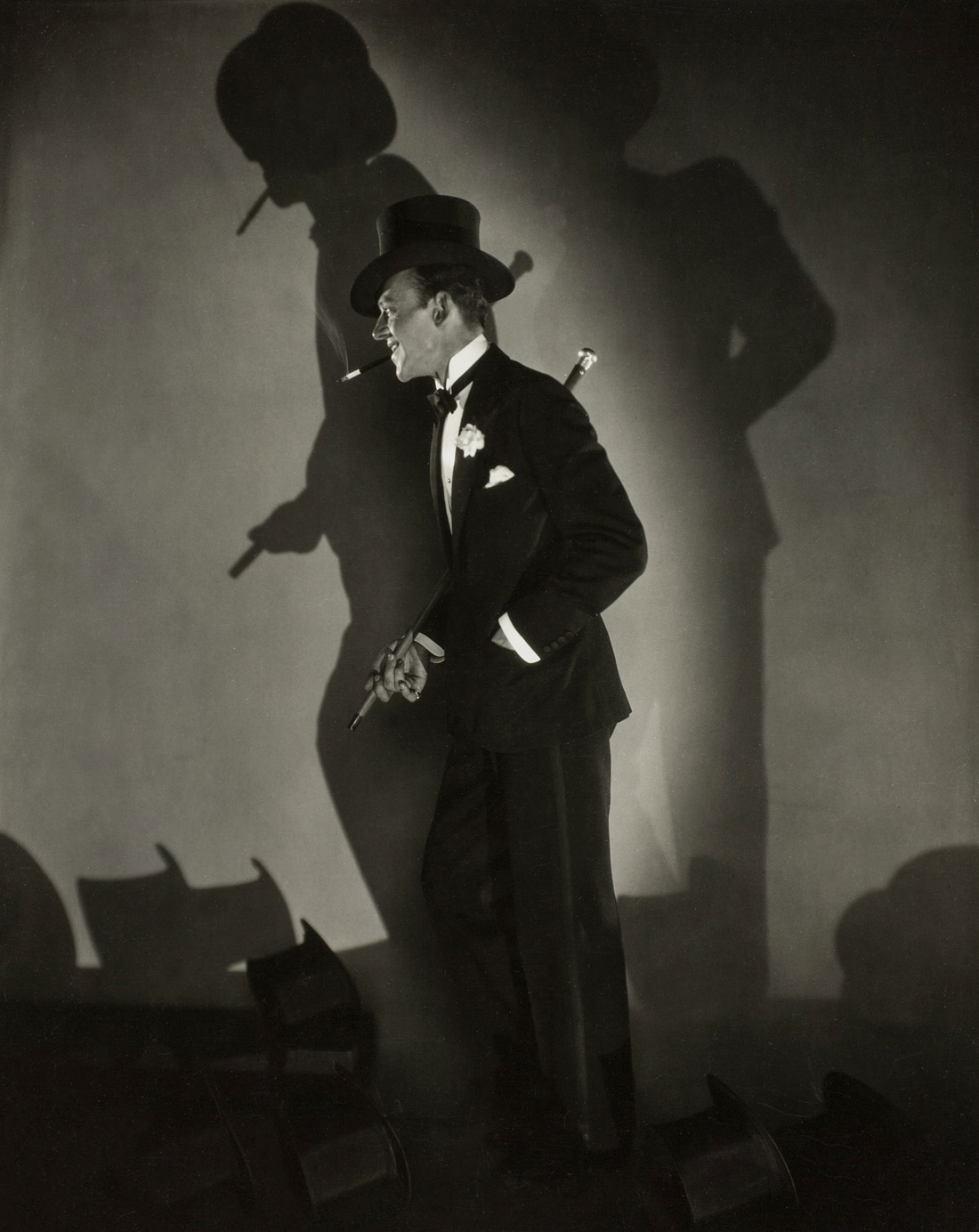
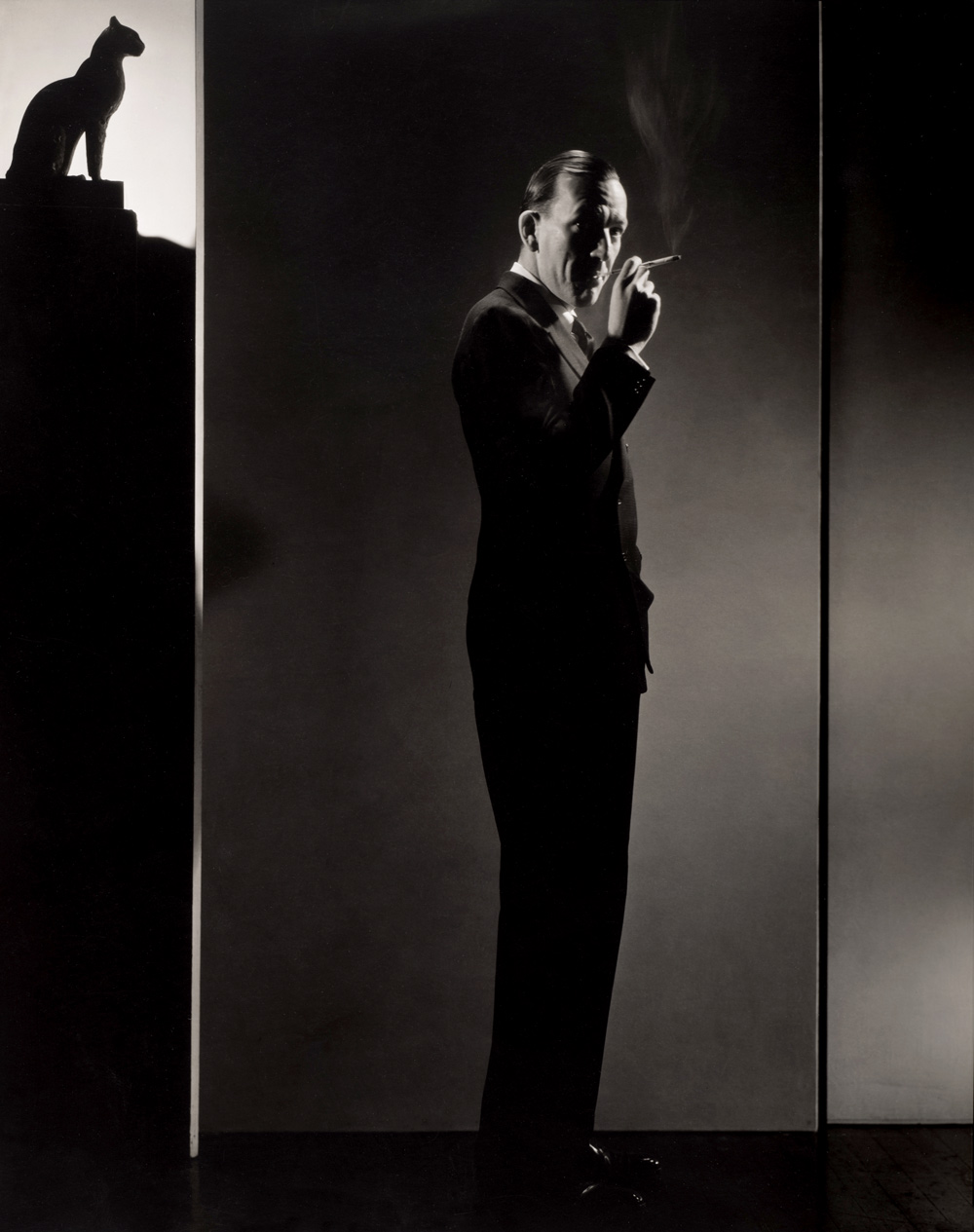
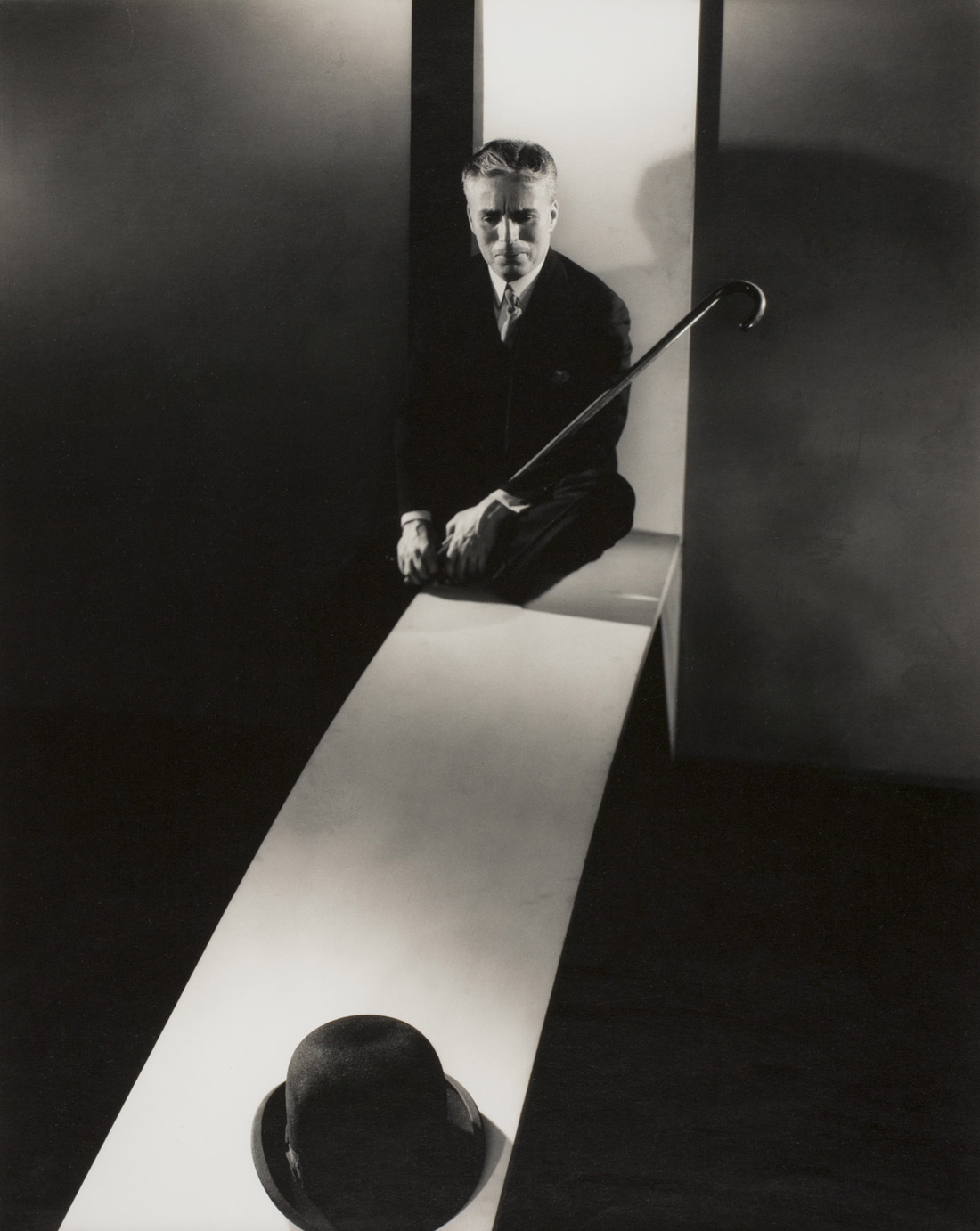
Brave man, hanging over the side of a rickety biplane at 15,000 feet taking aerial photographs during World War One but just look at the images he brought back, especially the hellish Untitled (Vaux) (1918-1919, below). I’m still not that convinced by his portraiture. The technical proficiency is magnificent (lighting, set, costume) but they are just too styled for me – the cat in the top left corner of Noel Coward (1932, below), the bowler hat of Charles Chaplin (1931, below) and the double shadow of Fred Astaire in Funny Face (1927, below) coupled with bands of light/dark and tons of “atmosphere” (certainly not sharp and clear!) which echo the mannerisms of Pictorialism. I see little modernist aesthetics and advertising tactics in these photographs. They are beautiful but they leave me unengaged. I much prefer the advertising photography in the next posting, much more angular and modern. You will have to wait and see what it is!

Dr Marcus Bunyan


Many thankx to The Art Institute of Chicago for allowing me to publish the photographs in the posting. Please click on the photographs for a larger version of the image.


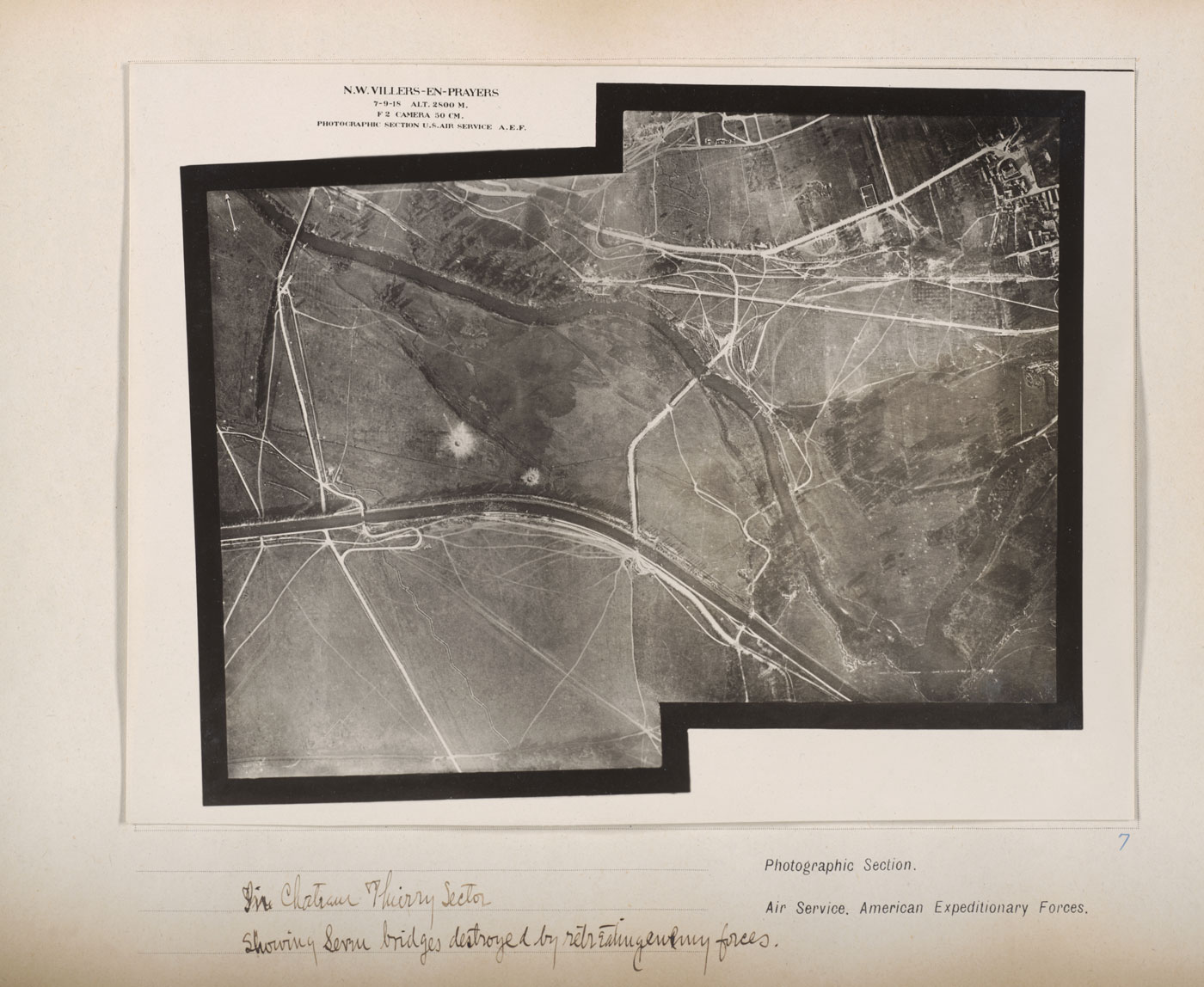
Photographic Section, U.S. Air Service, American Expeditionary Forces (AEF) and Major Edward J. Steichen, A.S.A. 'In Chateau Thierry Sector showing service bridges destroyed by retreating enemy forces' September 7, 1918


Photographic Section, U.S. Air Service, American Expeditionary Forces (AEF) and Major Edward J. Steichen, A.S.A.
In Chateau Thierry Sector showing service bridges destroyed by retreating enemy forces
September 7, 1918
Gelatin silver print, from loose-leaf album of aerial photographs from the Photographic Section, Air Service, American Expeditionary Forces, World War I
The Art Institute of Chicago, gift of William Kistler
© 2014 The Estate of Edward Steichen/Artists Rights Society (ARS), New York


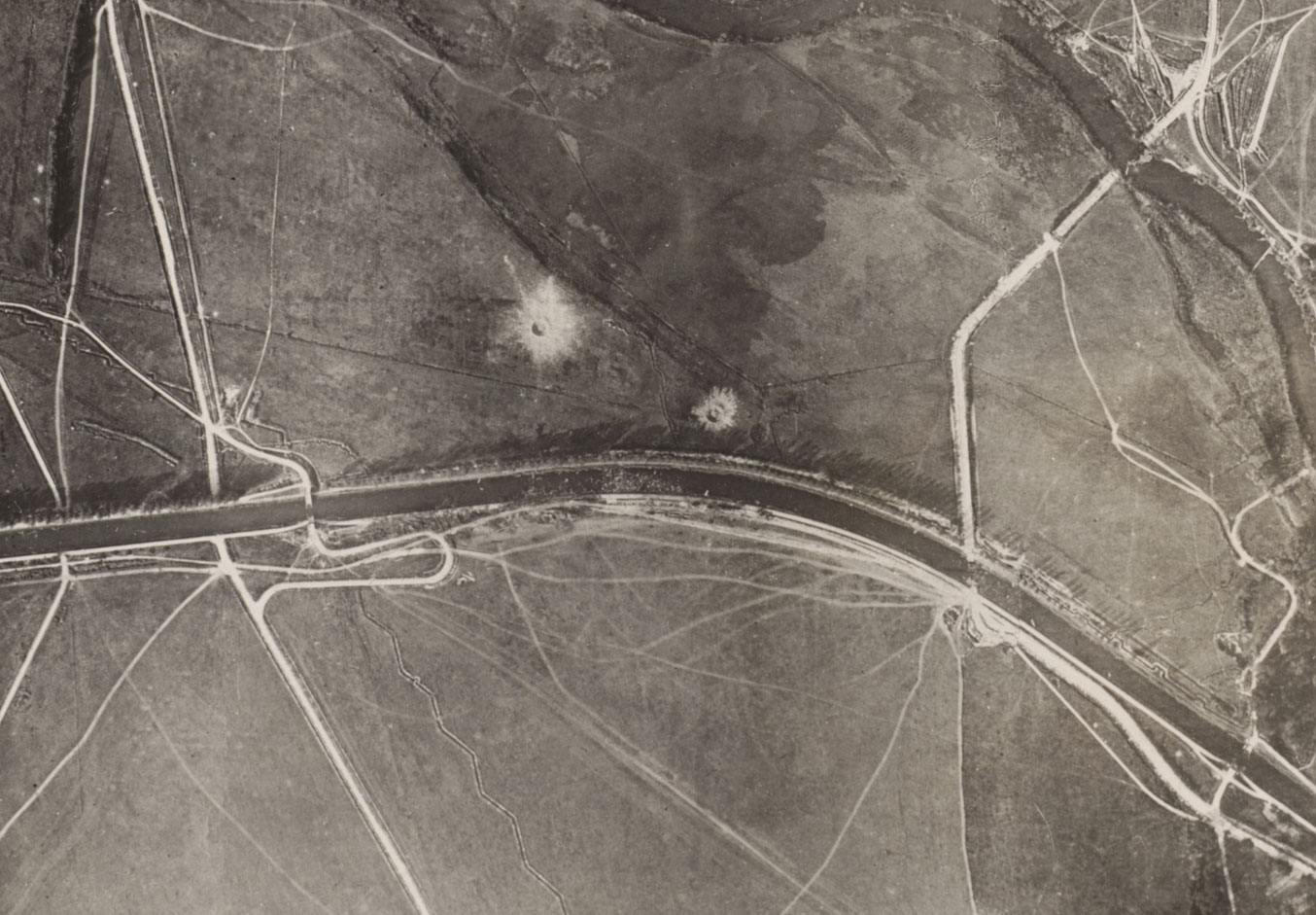
Photographic Section, U.S. Air Service, American Expeditionary Forces (AEF) and Major Edward J. Steichen, A.S.A. 'In Chateau Thierry Sector showing service bridges destroyed by retreating enemy forces' (detail) September 7, 1918 (detail)


Photographic Section, U.S. Air Service, American Expeditionary Forces (AEF) and Major Edward J. Steichen, A.S.A.
In Chateau Thierry Sector showing service bridges destroyed by retreating enemy forces (detail)
September 7, 1918
Gelatin silver print, from loose-leaf album of aerial photographs from the Photographic Section, Air Service, American Expeditionary Forces, World War I
The Art Institute of Chicago, gift of William Kistler
© 2014 The Estate of Edward Steichen/Artists Rights Society (ARS), New York


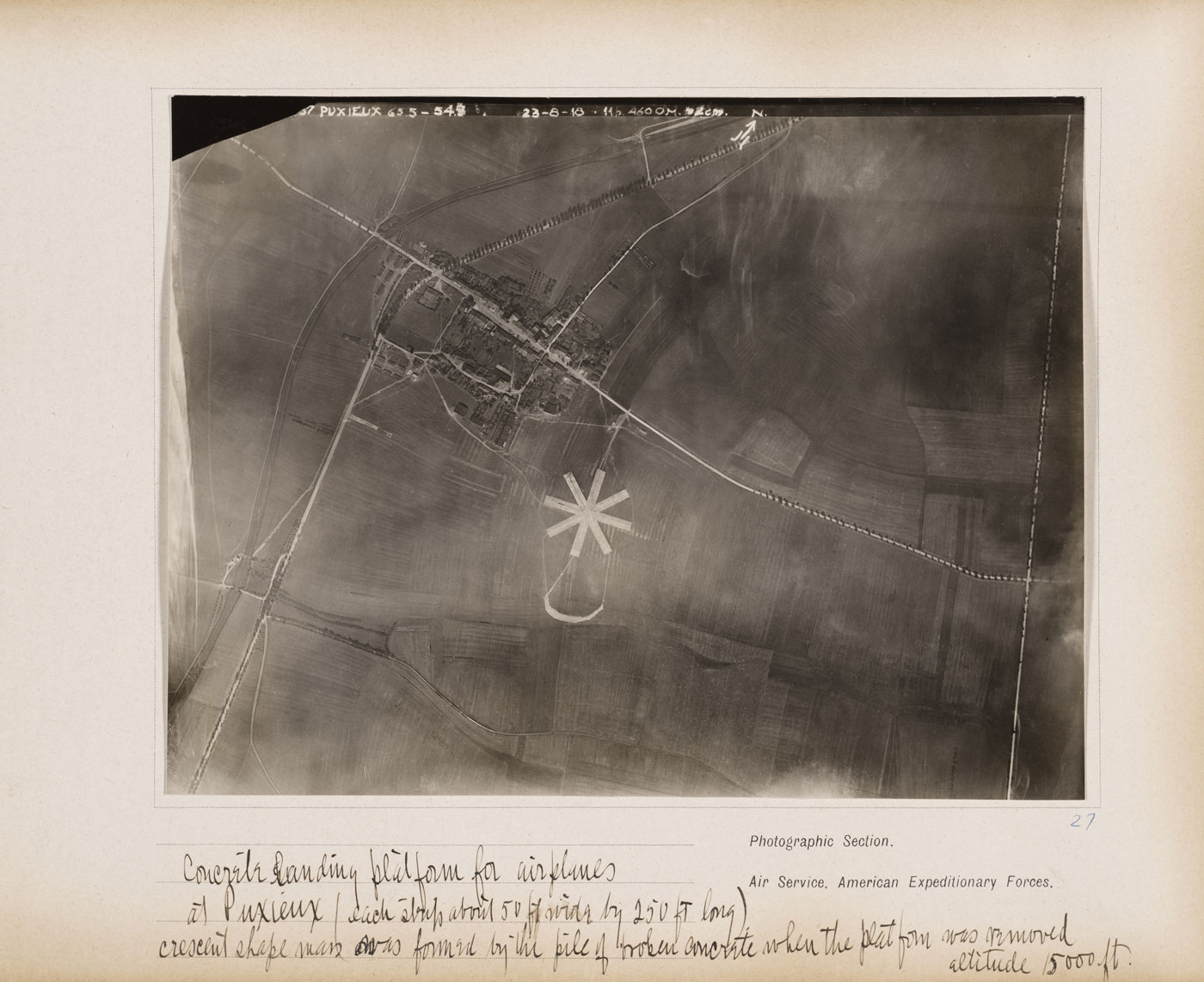
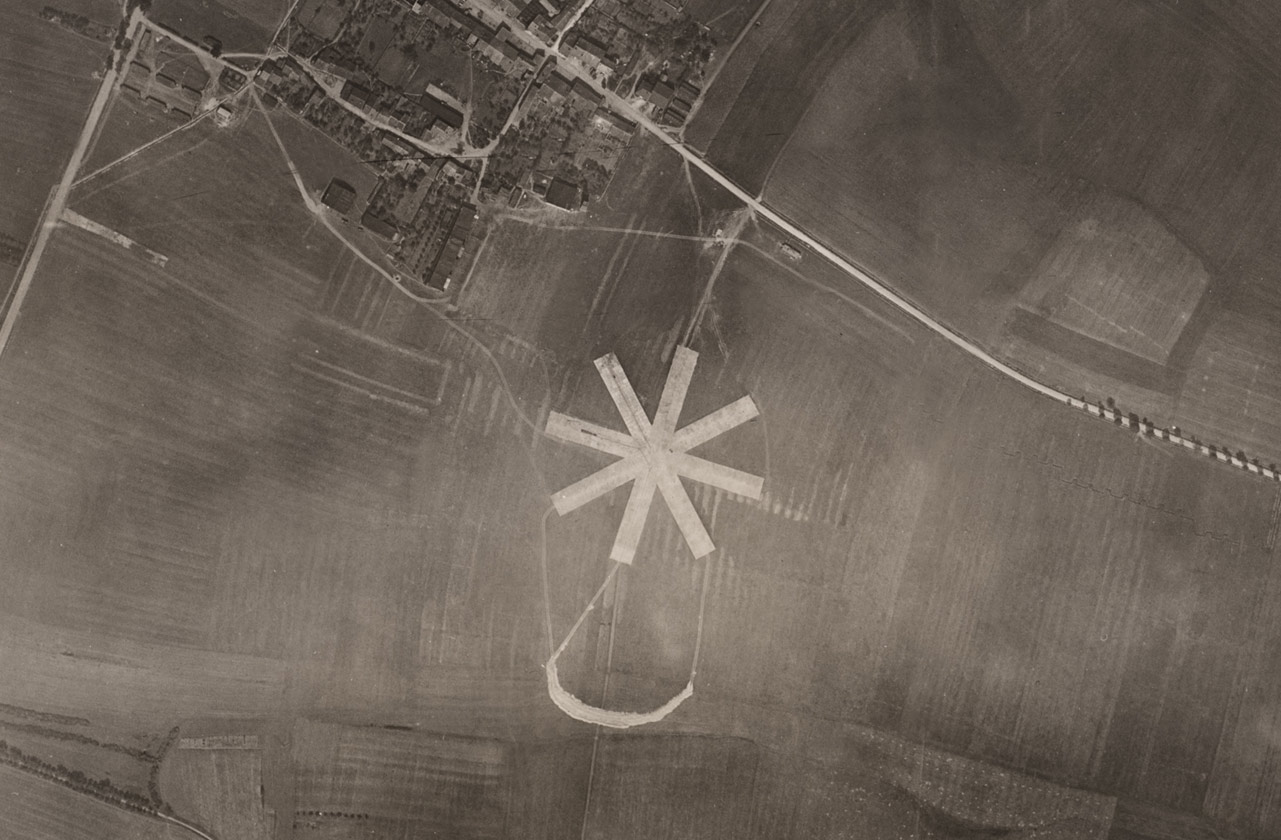
Photographic Section, U.S. Air Service, American Expeditionary Forces (AEF) and Major Edward J. Steichen, A.S.A. 'Concrete landing platform for airplanes at Puxieux (each strip about 50 ft. wide by 250 ft long), crescent shape mass was formed by the pile of broken concrete when the platform was removed, altitude 15,000 ft.,' August 23, 1918


Photographic Section, U.S. Air Service, American Expeditionary Forces (AEF) and Major Edward J. Steichen, A.S.A.
Concrete landing platform for airplanes at Puxieux (each strip about 50 ft. wide by 250 ft long), crescent shape mass was formed by the pile of broken concrete when the platform was removed, altitude 15,000 ft.,
August 23, 1918
Gelatin silver print, from loose-leaf album of aerial photographs from the Photographic Section, Air Service, American Expeditionary Forces, World War I
The Art Institute of Chicago, gift of William Kistler
© 2014 The Estate of Edward Steichen/Artists Rights Society (ARS), New York


Photographic Section, U.S. Air Service, American Expeditionary Forces (AEF) and Major Edward J. Steichen, A.S.A. 'Concrete landing platform for airplanes at Puxieux (each strip about 50 ft. wide by 250 ft long), crescent shape mass was formed by the pile of broken concrete when the platform was removed, altitude 15,000 ft.,' (detail) August 23, 1918 (detail)


Photographic Section, U.S. Air Service, American Expeditionary Forces (AEF) and Major Edward J. Steichen, A.S.A.
Concrete landing platform for airplanes at Puxieux (each strip about 50 ft. wide by 250 ft long), crescent shape mass was formed by the pile of broken concrete when the platform was removed, altitude 15,000 ft., (detail)
August 23, 1918
Gelatin silver print, from loose-leaf album of aerial photographs from the Photographic Section, Air Service, American Expeditionary Forces, World War I
The Art Institute of Chicago, gift of William Kistler
© 2014 The Estate of Edward Steichen/Artists Rights Society (ARS), New York


Photographic Section, U.S. Air Service, American Expeditionary Forces (AEF) and Major Edward J. Steichen, A.S.A. 'Untitled (Vaux)' 1918/1919


Photographic Section, U.S. Air Service, American Expeditionary Forces (AEF) and Major Edward J. Steichen, A.S.A.
Untitled (Vaux)
1918-1919
Gelatin silver print, from loose-leaf album of aerial photographs from the Photographic Section, Air Service, American Expeditionary Forces, World War I
The Art Institute of Chicago, gift of William Kistler
© 2014 The Estate of Edward Steichen/Artists Rights Society (ARS), New York


At the start of World War I in 1914, Edward Steichen was a pioneering champion of art photography – catapulting to fame as a leading member of the Photo Secessionists and as cofounder of the trailblazing magazine Camera Work. Yet by the early 1920s, Steichen had rejected the soft focus, dreamy landscapes and portraits of his early years in favour of realist photographs made for informational purposes or popular consumption. This turning point was first marked by his role in World War I as chief of the Photographic Section of the American Expeditionary Forces from 1917 to 1919; and was fully realised in his subsequent work as lead photographer at Condé Nast publications from 1923 to 1937.

While on military duty, Steichen helped adapt aerial photography for intelligence purposes, implementing surveillance programs that had a lasting impact on modern warfare. He later reflected: “The wartime problem of making sharp, clear pictures from a vibrating, speeding airplane ten to twenty thousand feet in the air had brought me a new kind of technical interest in photography… Now I wanted to know all that could be expected from photography.” Steichen began to value photography’s capacity to transmit and encode information, and he soon proved his savvy as a collaborator and producer rather than a solitary auteur – new skills that enabled his subsequent groundbreaking career in magazines. Upon his return to New York in 1923, Steichen joined Condé Nast publications, creating iconic fashion photographs and celebrity portraits for Vogue and Vanity Fair. Over a period of nearly 15 years he created images that redefined the field through their clever use of modernist aesthetics and advertising tactics, becoming an influential impresario who promoted photography as a mass-media tool.

Focusing on rarely seen Steichen photographs drawn from the Art Institute’s collection, this exhibition includes a unique album of over 80 World War I aerial photographs assembled and annotated by Steichen himself as well as a group of iconic glamour portraits and fashion photographs done for Condé Nast, featuring notable figures such as Greta Garbo, Fred Astaire, and Gloria Swanson.

Text from The Art Institute of Chicago website


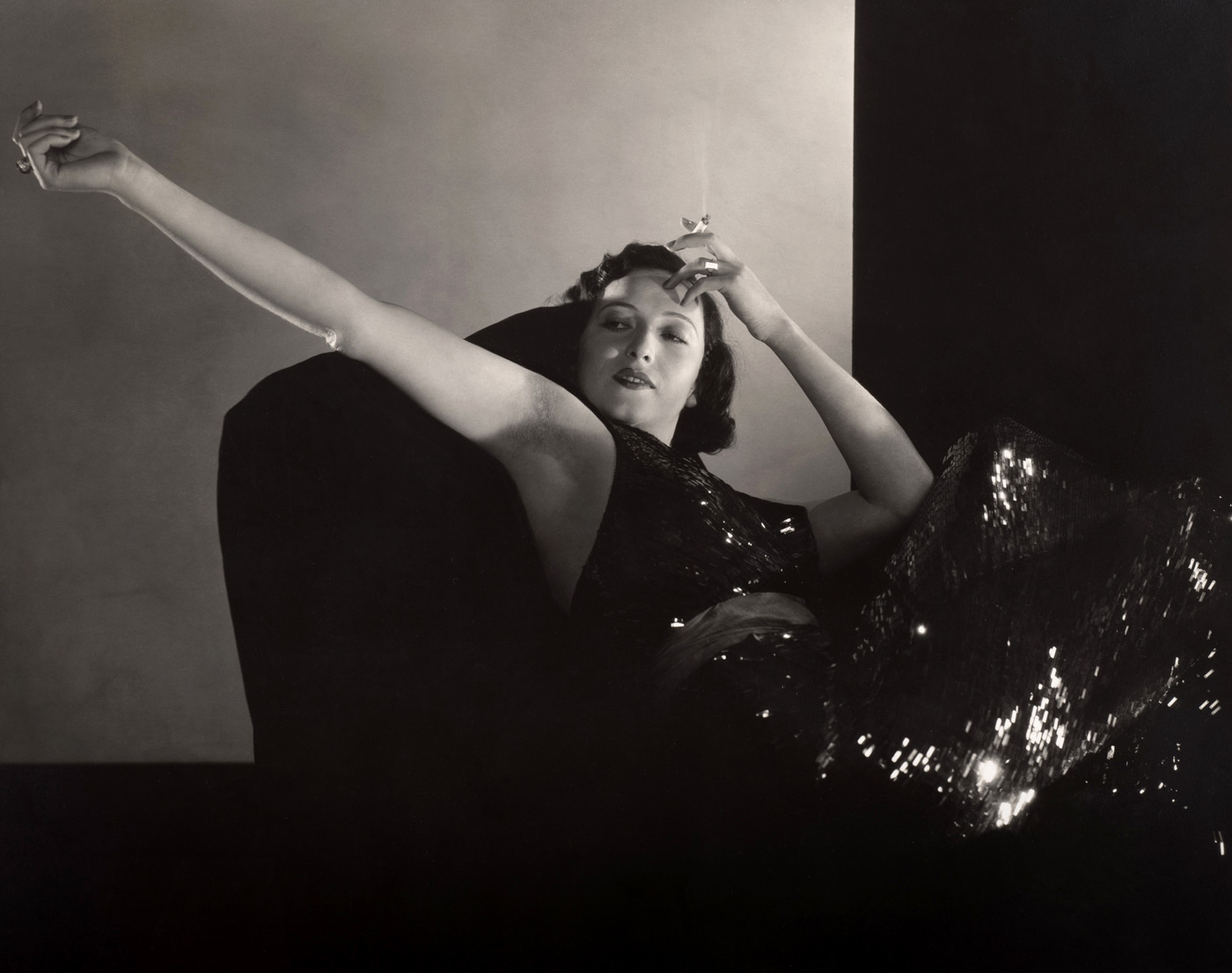
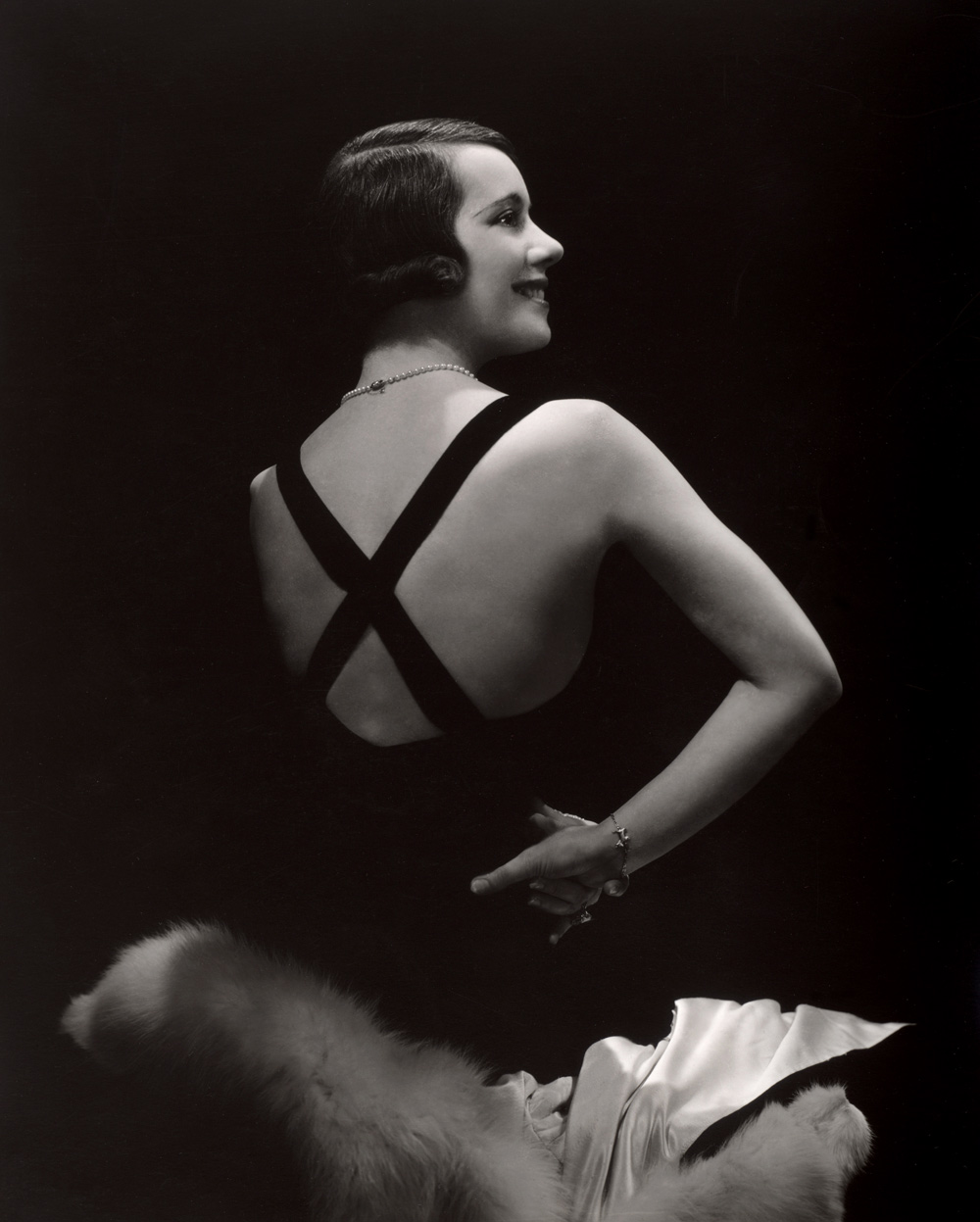
Edward Steichen (American, 1879-1973) 'Mary Duncan in "Lilly,"' 1931


Edward Steichen (American, 1879-1973)
Mary Duncan in “Lilly”
1931
The Art Institute of Chicago, bequest of Edward Steichen by direction of Joanna T. Steichen and George Eastman House
© 2014 The Estate of Edward Steichen/Artists Rights Society (ARS), New York


Throughout his extensive career, famed photographer Edward Steichen (1879-1973) championed photography’s multiple roles – from his earliest efforts to promote American photography as an equal among the modern fine arts, to his groundbreaking work for the magazine industry. A new exhibition at the Art Institute of Chicago, Sharp, Clear Pictures: Edward Steichen’s World War I and Condé Nast Years, on view from June 28 – September 28, 2014, in Galleries 1-4, examines a crucial period in Steichen’s career, when he rejected the painterly Pictorialist aesthetic of his early years in favor of a straight, information-based approach. This turning point was first signalled by Steichen’s role in World War I, as chief of the Photographic Section of the American Expeditionary Forces from 1917 to 1919, and was fully realised in his work as lead photographer at Condé Nast Publications from 1923 to 1937.

Focusing on rarely seen Steichen photographs drawn from the Art Institute’s collection, this exhibition includes a unique album of over 80 World War I aerial photographs assembled and annotated by Steichen himself as well as a group of iconic glamour portraits and fashion photographs done for Condé Nast, featuring such early Hollywood royalty as Mary Pickford, Greta Garbo, Fred Astaire, Charlie Chaplin and Gloria Swanson, as well as key historical figures like Winston Churchill.

Prior to WWI, Edward Steichen was a pioneering champion of art photography – he had a leading reputation in the Photo Secession movement in New York, and, along with his mentor Alfred  Stieglitz, had cofounded its trail-blazing fine-art journal Camera Work. Together, they opened the Little Galleries of the Photo-Secession, later 291, which first presented Picasso, Bråncusi, and a range of progressive photographers to the American public. In 1906, seeking a change, Steichen moved to Voulangis, France, with his family, where he immersed himself in European modern art. They remained there until the outbreak of the war in 1914, when, under the threat of advancing German troops, they fled home to the United States.

In July 1917, Steichen entered active duty with the goal of becoming “a photographic reporter, as Mathew Brady had been in the Civil War,” but he quickly abandoned this romantic notion to help implement the newest weapon of war – aerial photography. While on military duty, Steichen helped adapt aerial photography for intelligence purposes, implementing surveillance programs that had a lasting impact on modern warfare. He later reflected: “The wartime problem of making sharp, clear pictures from a vibrating, speeding airplane ten to twenty thousand feet in the air had brought me a new kind of technical interest in photography… Now I wanted to know all that could be expected from photography.” Steichen began to value photography’s capacity to transmit and encode information, and he soon proved his savvy as a collaborator and producer rather than a solitary auteur – new skills that enabled his subsequent groundbreaking career in magazines.

Following his military discharge in 1919, Steichen returned to Voulangis, where for a period of three years he created work that embraced clear focus, close cropping, and other techniques of modernist photography. Upon his return to New York in 1923, Steichen joined Condé Nast Publications, creating iconic fashion photographs and celebrity portraits for Vogue and Vanity Fair. In undertaking this challenging endeavour, the organisational and technical skills Steichen gained during his time in the military and in Voulangis proved invaluable.

Steichen championed the cultural and economic potential of celebrity, fashion, and advertising photography, creating images that became the foundation for contemporary magazine photography. Over a period of nearly 15 years he created images that redefined the field through their clever use of modernist aesthetics and advertising tactics, becoming an influential impresario who promoted photography as a mass-media tool.

Press release from The Art Institute of Chicago website


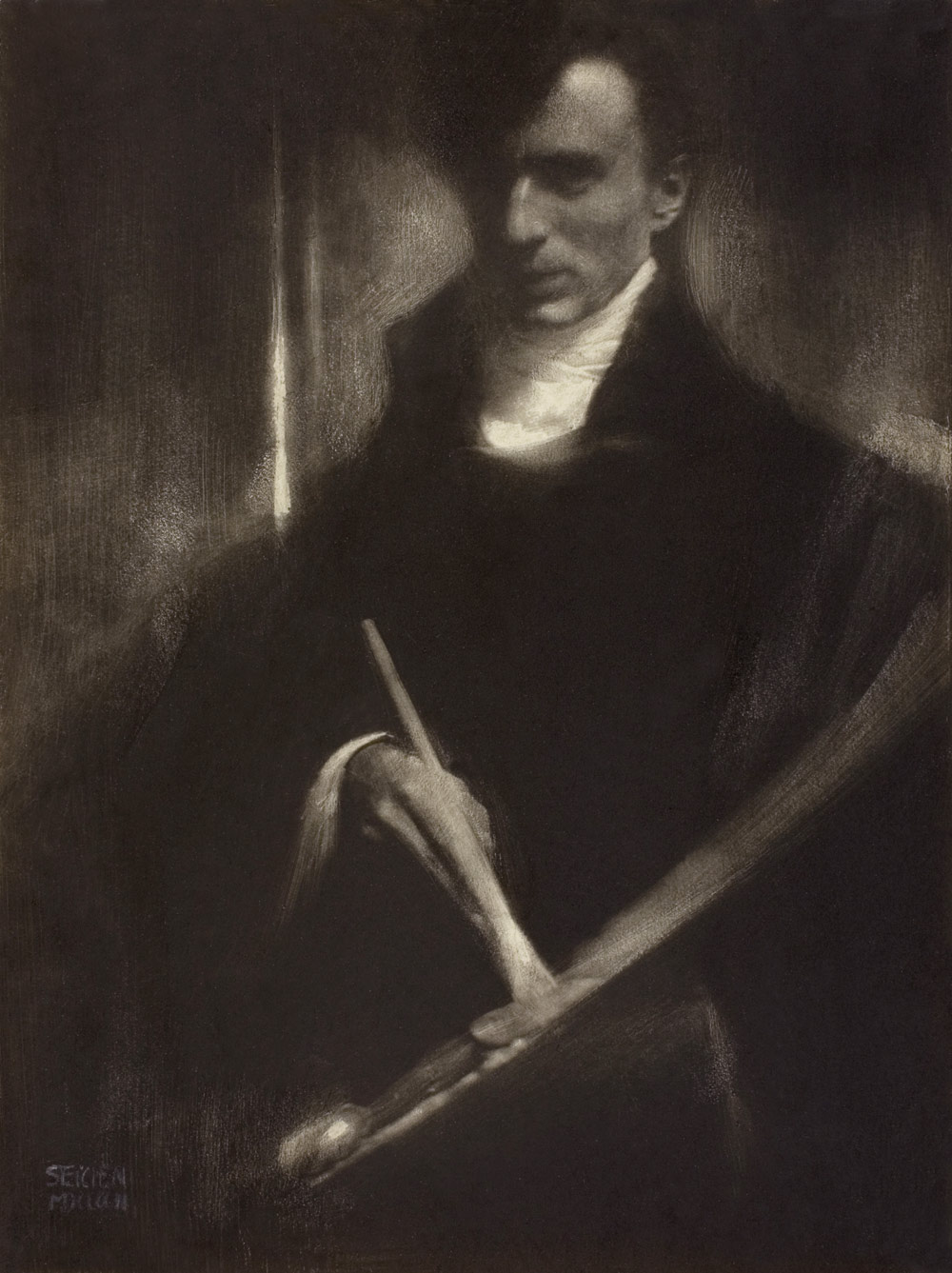
Edward Steichen (American, 1879-1973) 'Self-Portrait with Brush and Palette' 1902


Edward Steichen (American, 1879-1973)
Self-Portrait with Brush and Palette
1902
The Art Institute of Chicago, Alfred Stieglitz Collection
© 2014 The Estate of Edward Steichen/Artists Rights Society (ARS), New York


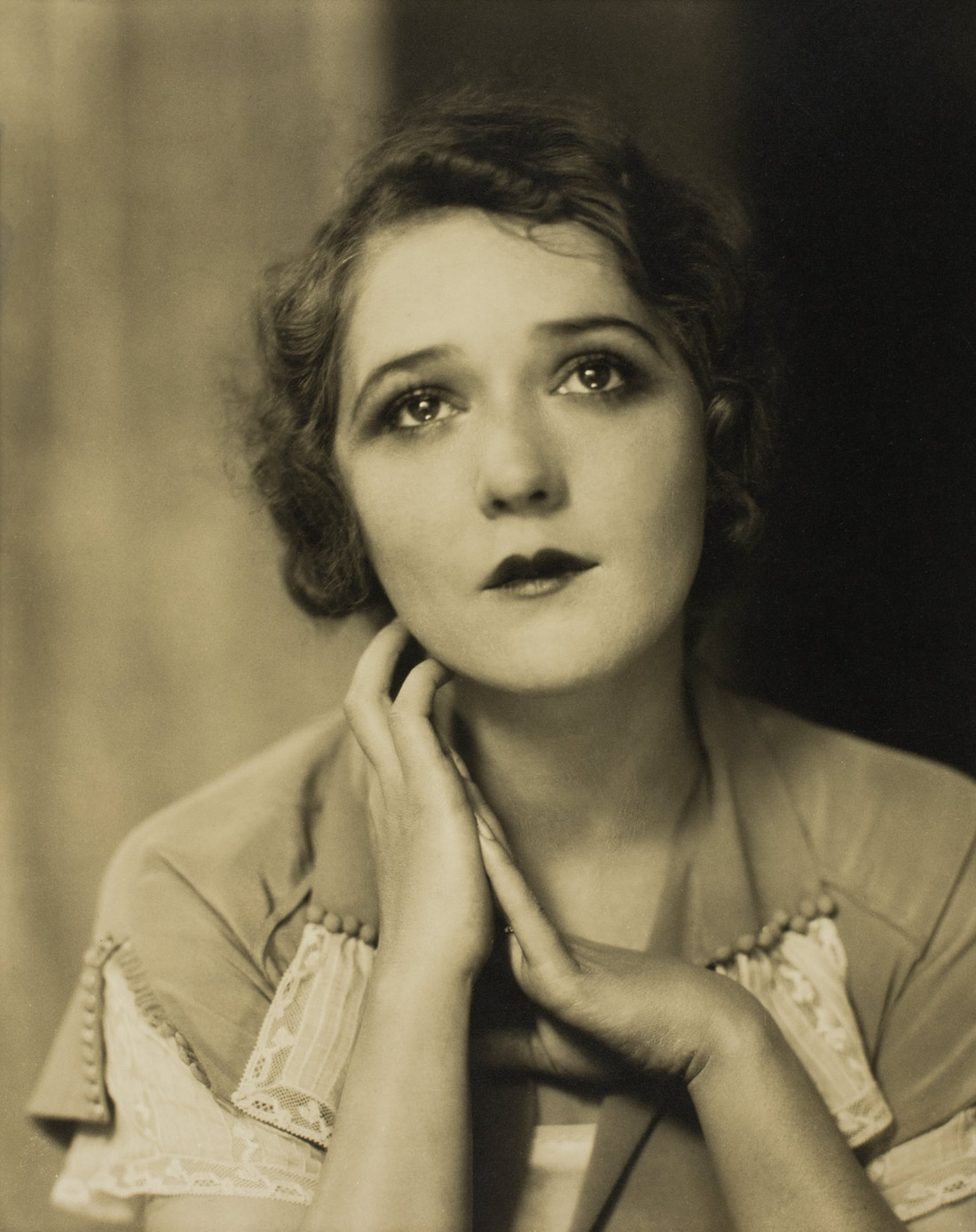
Edward Steichen (American, 1879-1973) 'Mary Pickford' 1924


Edward Steichen (American, 1879-1973)
Mary Pickford
1924
The Art Institute of Chicago, Bequest of Edward Steichen by direction of Joanna T. Steichen and George Eastman House
© 2014 The Estate of Edward Steichen/Artists Rights Society (ARS), New York


Edward Steichen (American, 1879-1973) 'Fred Astaire in Funny Face' 1927


Edward Steichen (American, 1879-1973)
Fred Astaire in Funny Face
1927
The Art Institute of Chicago, Bequest of Edward Steichen by direction of Joanna T. Steichen and George Eastman House
© 2014 The Estate of Edward Steichen/Artists Rights Society (ARS), New York


Edward Steichen (American, 1879-1973) 'Noel Coward' 1932


Edward Steichen (American, 1879-1973)
Noel Coward
1932
The Art Institute of Chicago, bequest of Edward Steichen by direction of Joanna T. Steichen and George Eastman House
© 2014 The Estate of Edward Steichen/Artists Rights Society (ARS), New York


Edward Steichen (American, 1879-1973) 'Charles Chaplin' 1931


Edward Steichen (American, 1879-1973)
Charles Chaplin
1931
The Art Institute of Chicago, Bequest of Edward Steichen by direction of Joanna T. Steichen and George Eastman House
© 2014 The Estate of Edward Steichen/Artists Rights Society (ARS), New York


Edward Steichen (American, 1879-1973) 'Lily Pons' 1932


Edward Steichen (American, 1879-1973)
Lily Pons
1932
The Art Institute of Chicago, bequest of Edward Steichen by direction of Joanna T. Steichen and George Eastman House
© 2014 The Estate of Edward Steichen/Artists Rights Society (ARS), New York


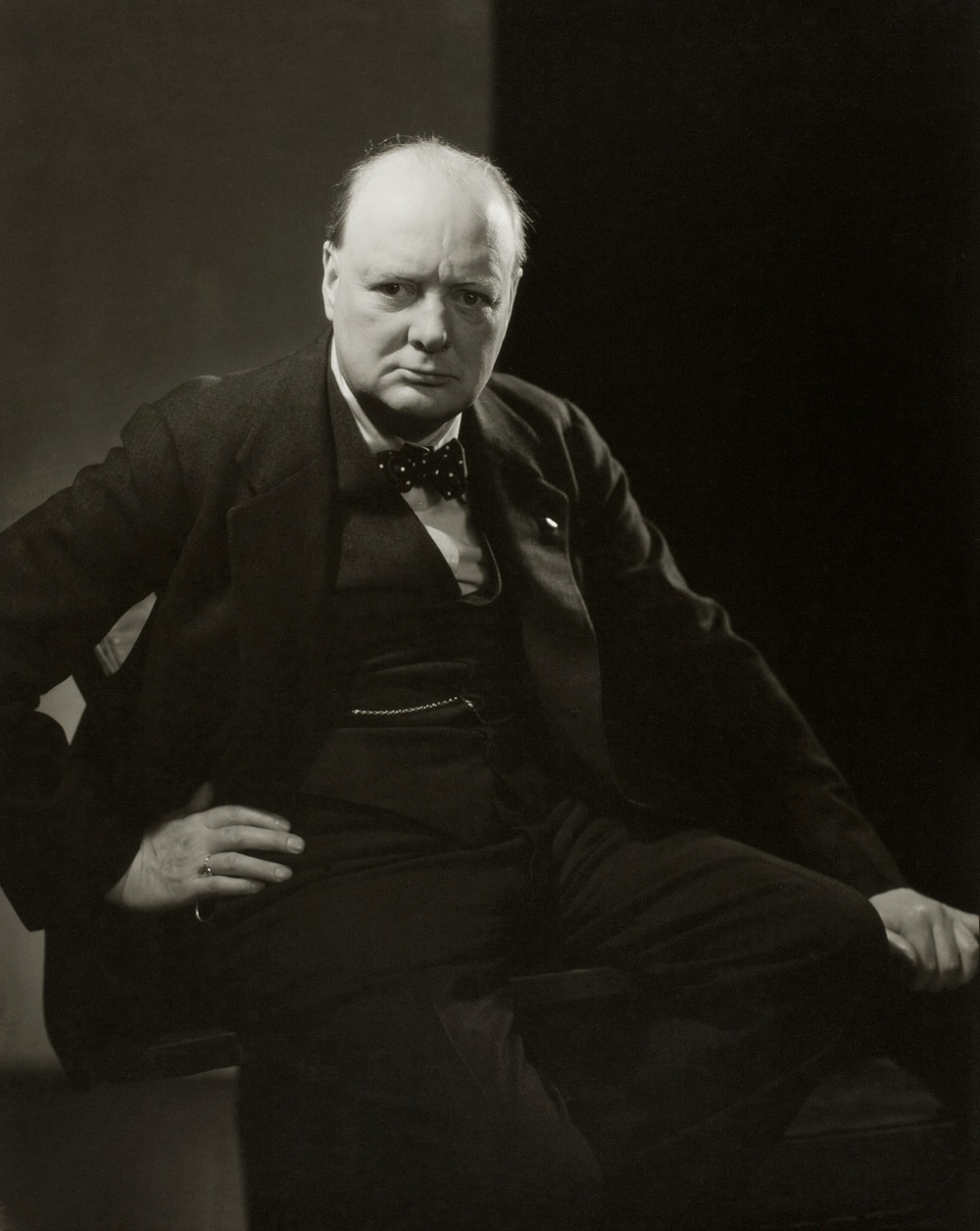
Edward Steichen (American, 1879-1973) 'Winston Churchill' 1932


Edward Steichen (American, 1879-1973)
Winston Churchill
1932
The Art Institute of Chicago, Bequest of Edward Steichen by direction of Joanna T. Steichen and George Eastman House
© 2014 The Estate of Edward Steichen/Artists Rights Society (ARS), New York


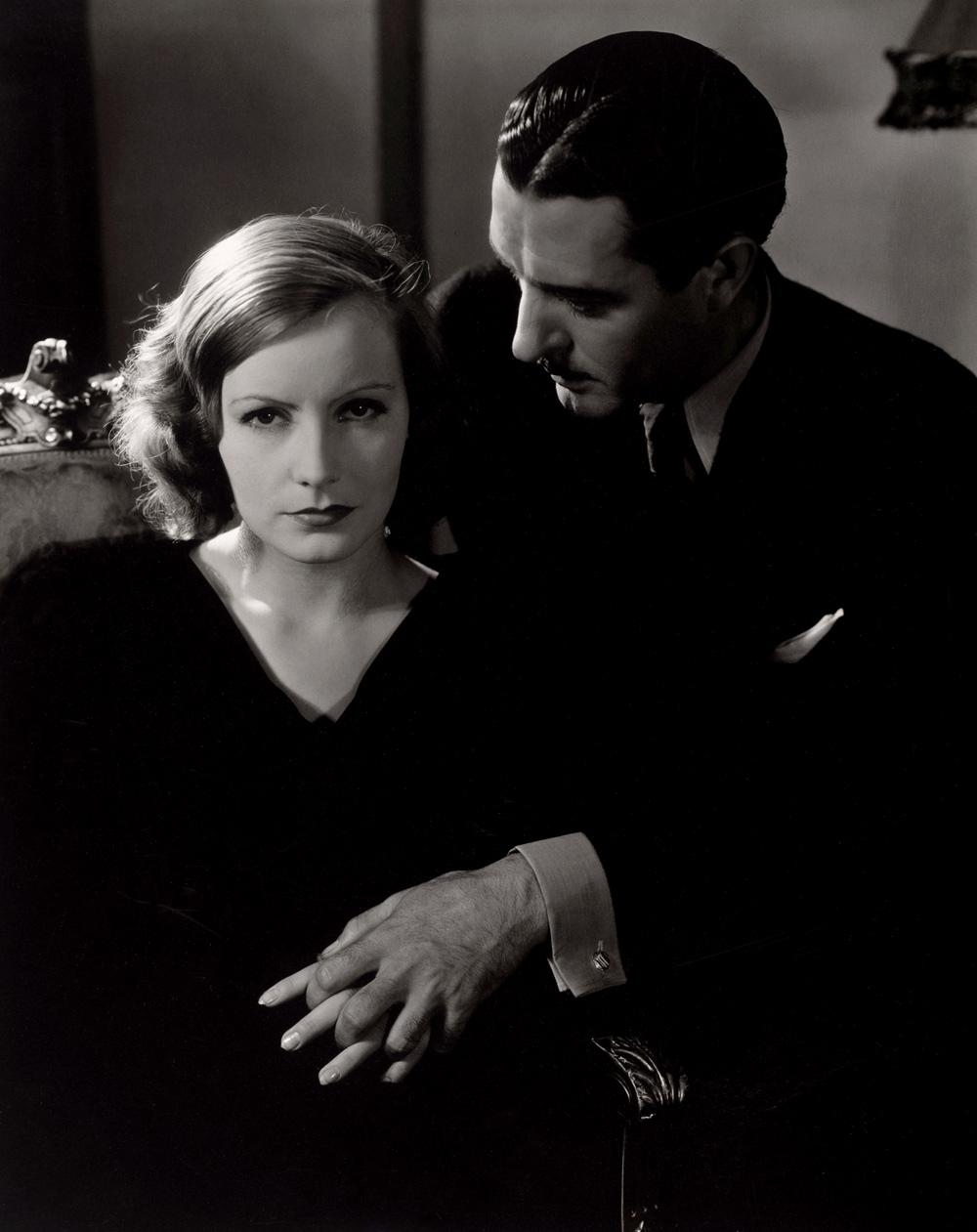
Edward Steichen (American, 1879-1973) 'Greta Garbo and John Gilbert' 1928


Edward Steichen (American, 1879-1973)
Greta Garbo and John Gilbert
1928
The Art Institute of Chicago, bequest of Edward Steichen by direction of Joanna T. Steichen and George Eastman House
© 2014 The Estate of Edward Steichen/Artists Rights Society (ARS), New York


The Art Institute of Chicago
111 South Michigan Avenue
Chicago, Illinois 60603-6404
Phone: (312) 443-3600

Opening hours:
Thursday – Monday 11am – 5pm
Closed Tuesday and Wednesday

The Art Institute of Chicago website

LIKE ART BLART ON FACEBOOK

Back to top