What can I say … more from that ecstatic photographer Peter Hujar. One of my top ten photographers of all time.
I can’t get enough of his uncomplicated, fleeting photographs of people who have the bravery to be themselves. Photographs that haunt my memory.
A big thank you to Nick Henderson for allowing me to use the photographs that he took of the exhibition in the posting.
Dr Marcus Bunyan
Many thankx to the Art Institute of Chicago for allowing me to publish some of the photographs in the posting. Please click on the photographs for a larger version of the image. All installation images courtesy of and with thankx to Nick Henderson.
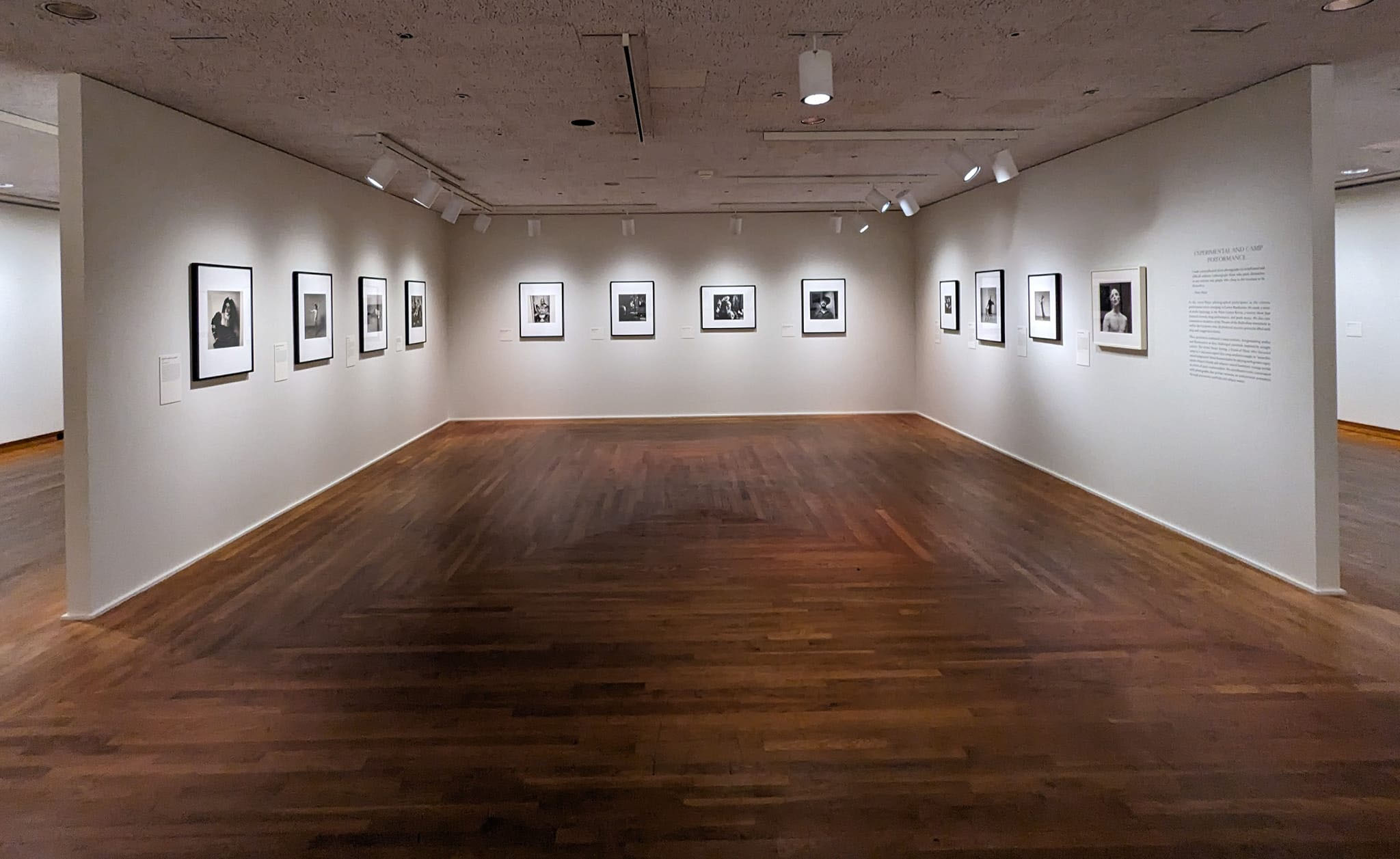
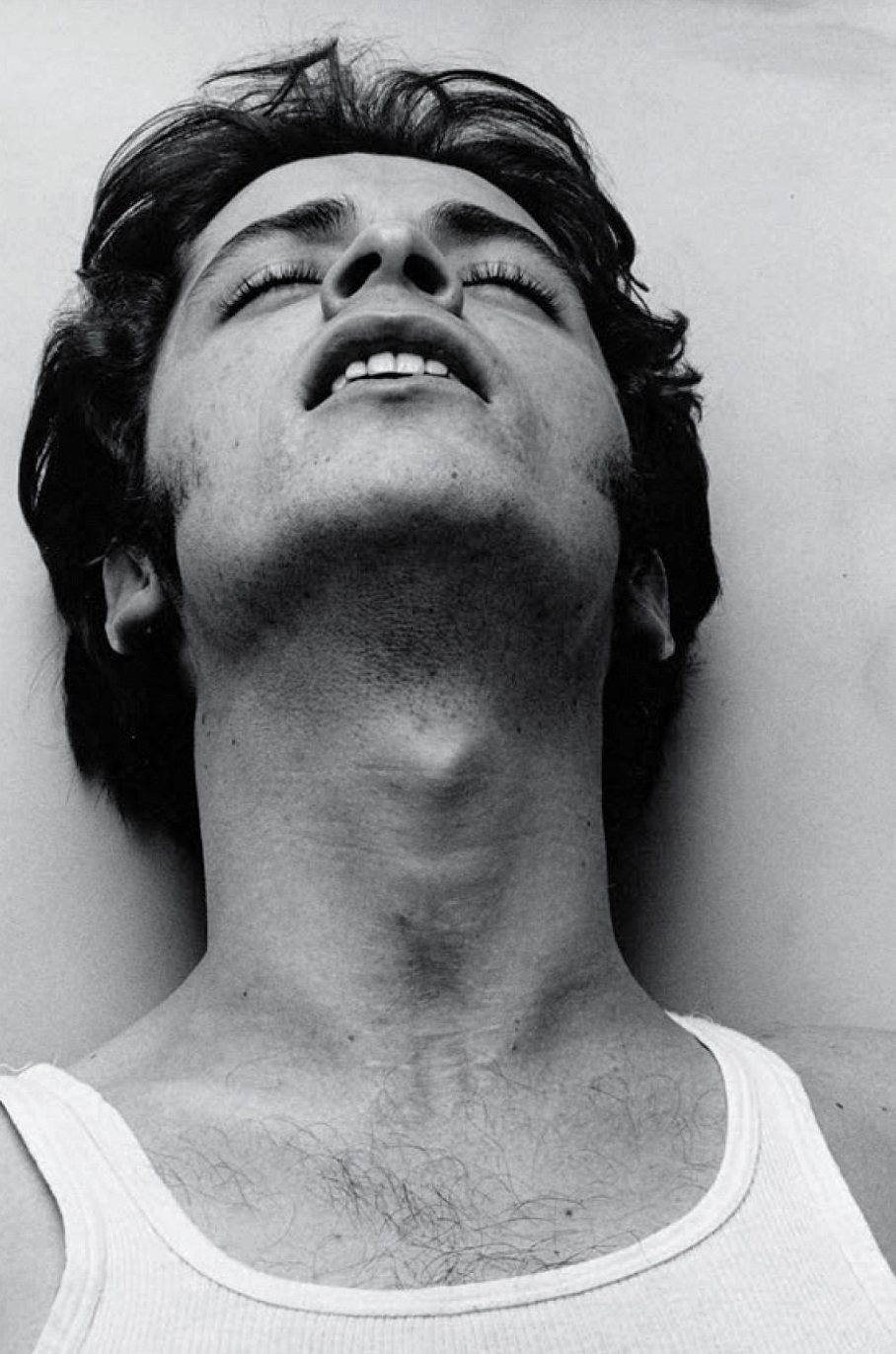
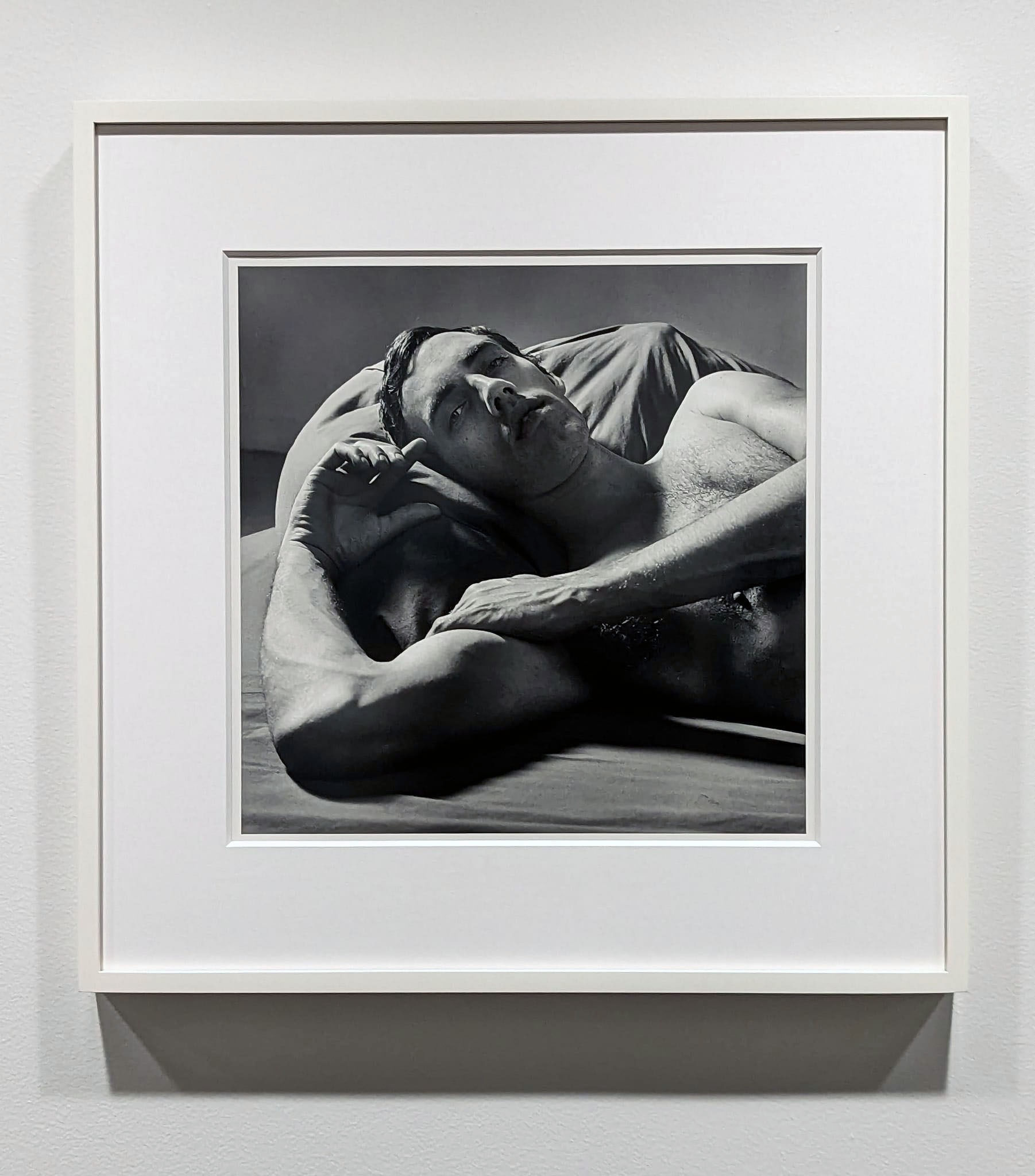
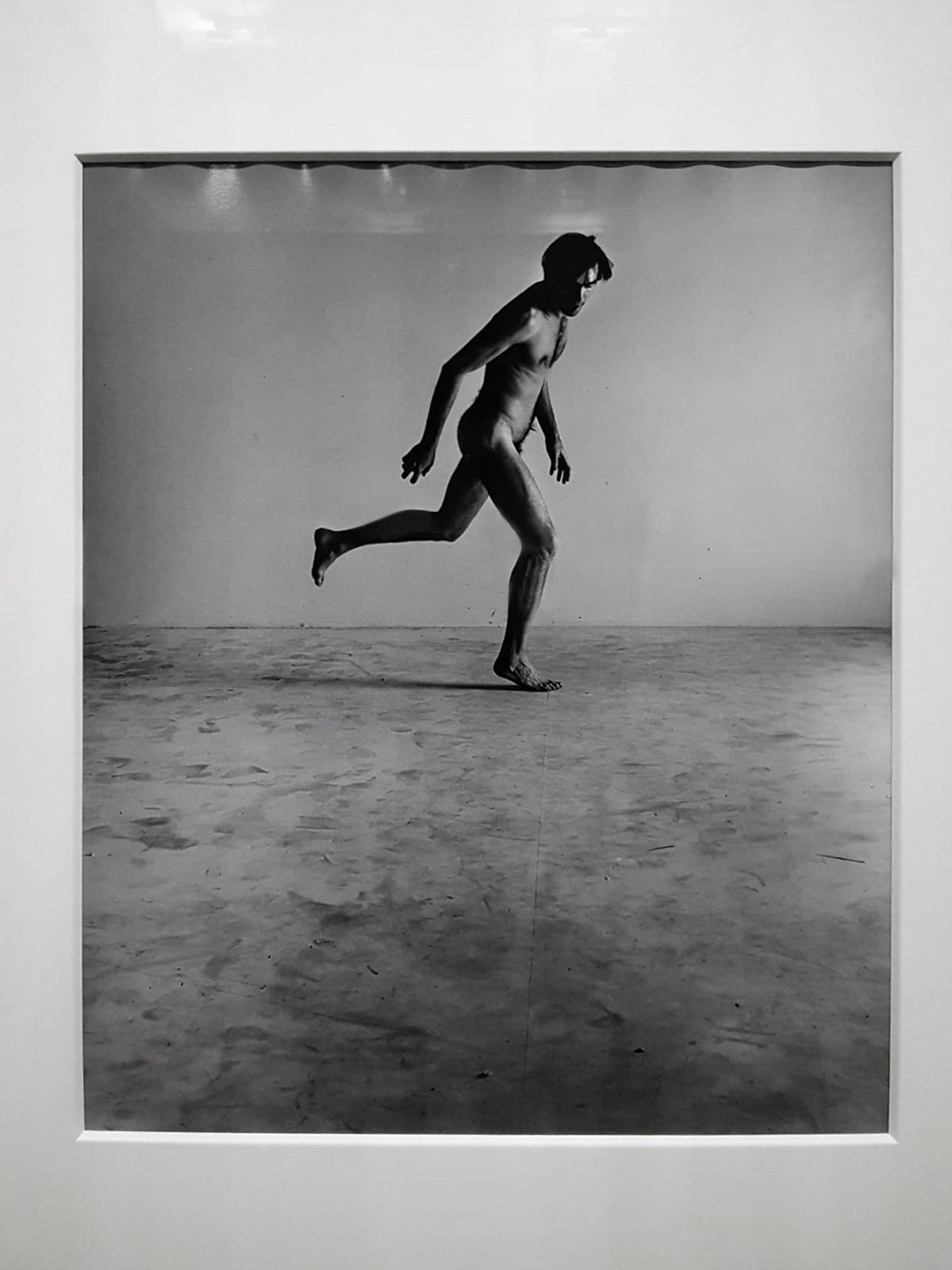
Installation view of the exhibition Peter Hujar: Performance and Portraiture at the Art Institute of Chicago showing Hujar’s Nude Self-Portrait Series #5 (1967, above) Photo: Nick Henderson
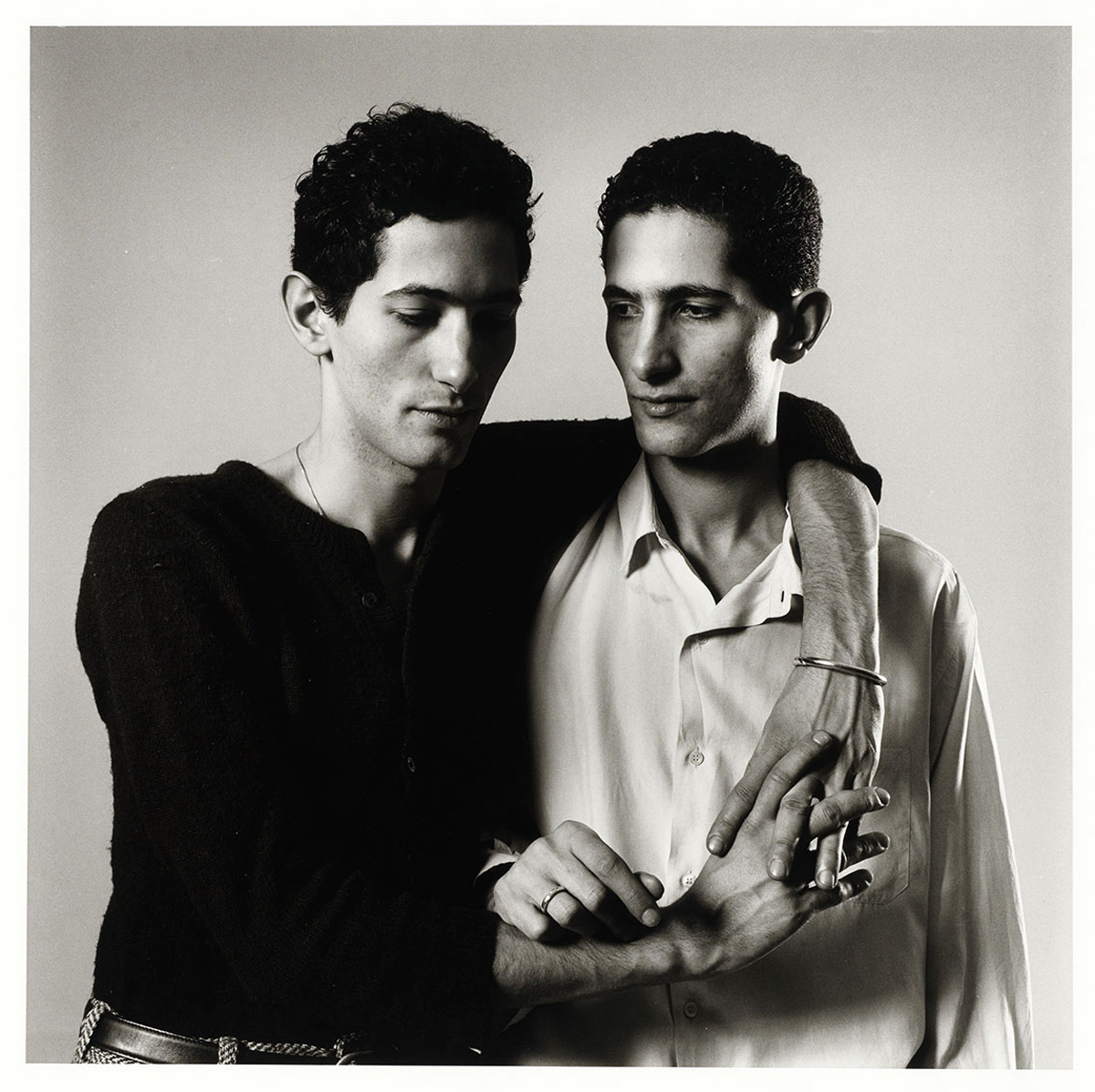
While photography has long been associated with documentation and memory, Peter Hujar (American, 1934-1987) sought to produce images that construct a new reality through subtle exchanges between himself and his subjects. He created direct yet enigmatic portraits of people and animals, pictures of performers, and sexually charged male nudes. These were influenced by various dimensions of his experience, including a childhood spent on his grandparents’ farm, a lifelong interest in dance and theatre, and his identity as a gay man.
In the early 1970s Hujar lived in a loft in downtown Manhattan, amid numerous performers, choreographers, and playwrights who were exploring new approaches to representation. Operating in modes ranging from experimental dance to drag, they challenged the distinction between art and everyday life. Hujar created portraits of many members of these creative communities, and his work embodies the same sense of experimentation that his subjects pursued in their live and performance.
Hujar sought not to document a person or moment but instead to create a reality that exists only within the photograph. This exhibition connects these new realities with the worlds their subjects were making through performance. In keeping with the spirit of collaboration and exchange that typified the downtown New York scene, this exhibition also includes artwork by some of those in his circle.
Wall text from the exhibition
Installation view of the exhibition Peter Hujar: Performance and Portraiture at the Art Institute of Chicago showing Hujar’s Nude Self-Portrait Series #5 (1967, above) Photo: Nick Henderson
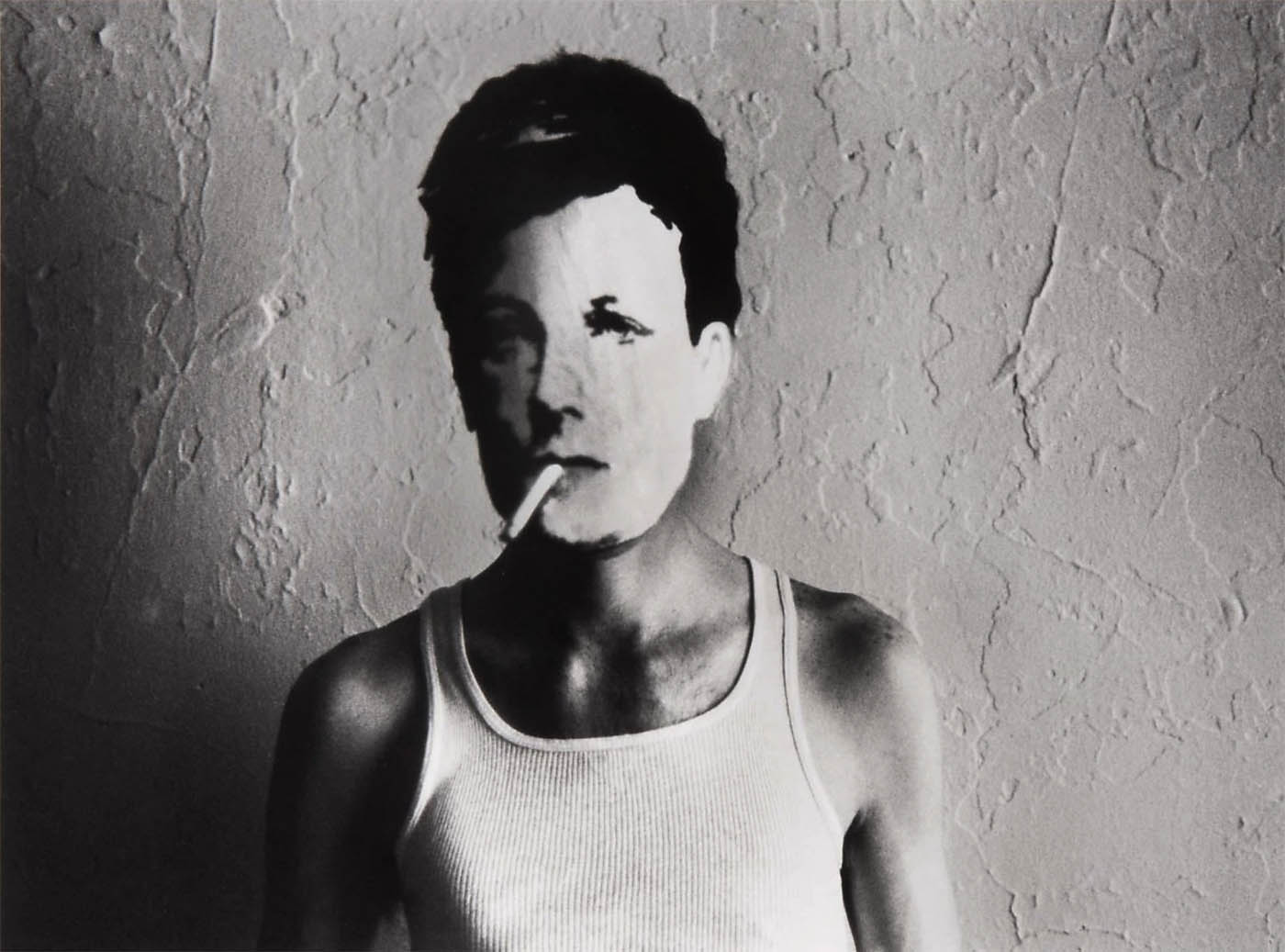
Installation view of the exhibition Peter Hujar: Performance and Portraiture at the Art Institute of Chicago showing at left, Gary in Contortion (2) (1979, below), and at second right Gary Indiana Veiled (1981, below) Photo: Nick Henderson
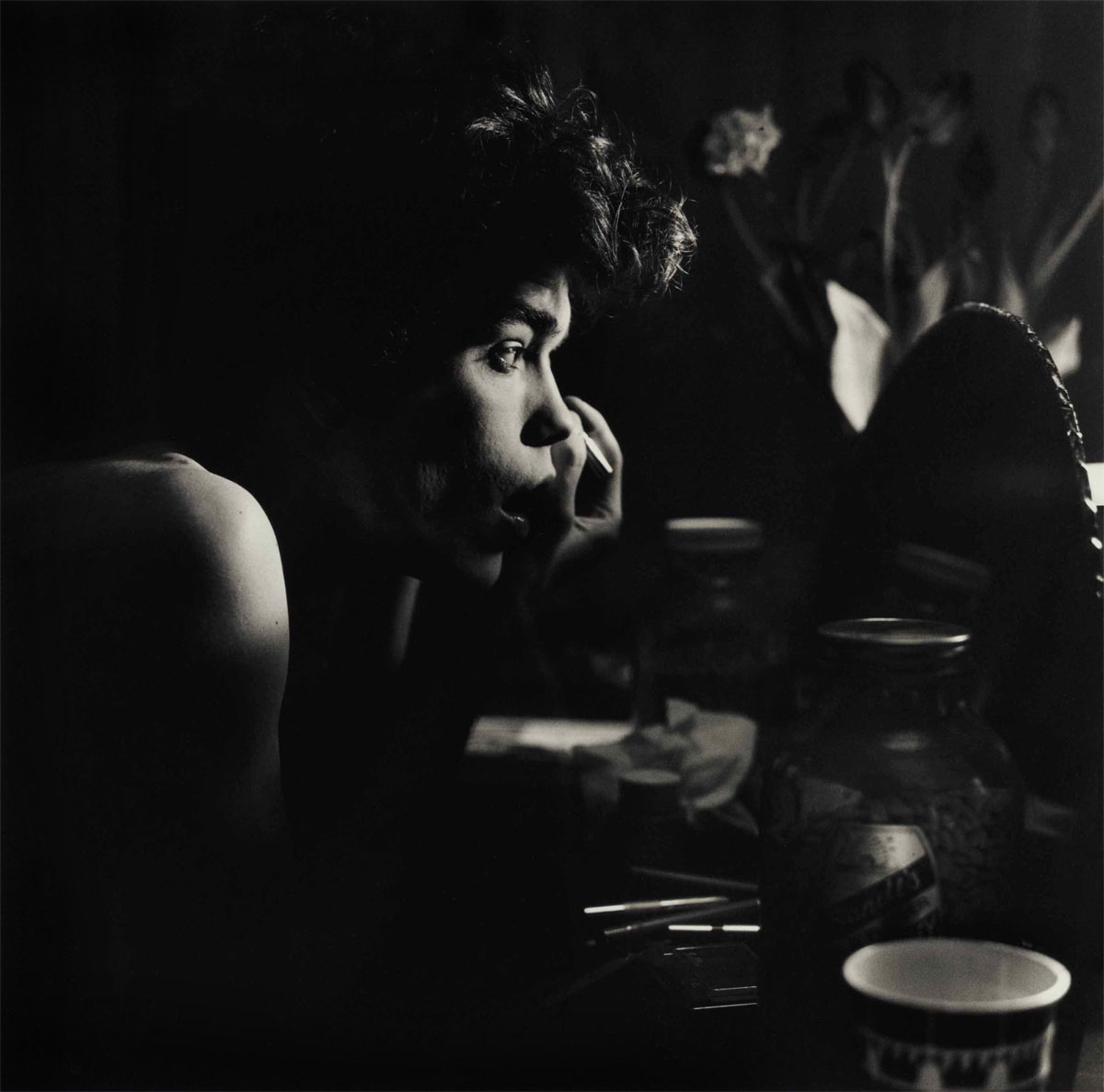
Installation view of the exhibition Peter Hujar: Performance and Portraiture at the Art Institute of Chicago showing at fifth from left, Hujar’s John Flowers Backstage at the Palm Casino Revue (1974, below); and at right, Hujar’s Larry Ree Backstage (1974, below) with ‘Experimental and Camp Performance’ exhibition text to the extreme right Photo: Nick Henderson
Wall text from the exhibition Photo: Nick Henderson
Wall text from the exhibition Photo: Nick Henderson
While photography has long been associated with documentation and memory, Peter Hujar (American, 1934-1987) sought to produce images that construct a new reality through subtle exchanges between himself and his subjects.
He created direct yet enigmatic portraits of people and animals, pictures of performers, and sexually charged male nudes in close dialogue with the performance and movement study scene emerging in New York’s East Village in the 1970s. His subject matter was influenced by various dimensions of his experience, including a childhood spent on his grandparents’ farm, a lifelong interest in dance and theatre, and his identity as a gay man.
In the early 1970s, Hujar was living in a loft in lower Manhattan as, nearby, Robert Wilson founded the Byrd Hoffman School of Byrds, a performance group dedicated to exploring new approaches to theatre and choreography. Byrd Hoffman is just one of the groups Hujar would go on to photograph extensively, along with the Ridiculous Theatrical Company, an absurdist project founded by Charles Ludlam, and The Cockettes, a psychedelic theatre troupe based in San Francisco. Hujar photographed performances by these companies but often paid more attention to capturing the actors and dancers backstage, in moments of transition – as they put on their costumes and make-up, preparing to embody the characters they would play.
This exhibition connects both the experimentation Hujar and his subjects pursued and the new realities they each created – whether through photographs or performance. The presentation includes over 60 works by Hujar, and in keeping with the spirit of collaboration and exchange that typified the downtown New York scene, also includes artwork by some of the artists and performers in his circle, including works by Greer Lankton, Sheryl Sutton, and David Wojnarowicz.
Hujar’s representation of artist Greer Lankton’s legs evokes tropes of feminine glamor and imagery such as fashion photographs and pin-ups, while also recalling the fragmentation of the body Lankton effected in her sculptures.
Installation view of the exhibition Peter Hujar: Speed of Life at Jeu de Paume, Paris
“I photograph those who push themselves to any extreme, and people who cling to the freedom to be themselves.”
Peter Hujar
Free your mind
A huge posting to finish what has been a bumper year on Art Blart: two book chapters published, a photographic research trip to Europe in which I saw some incredible exhibitions and took over 7000 photographs for my art work, lots of postings and writing and, sadly, the loss of two friends – my mother in Australia, the bohemian photographer and poet Joyce Evans and vision impaired photographer Andrew Follows.
I couldn’t think of a better posting to finish the year than with a photographer who put it all on the line: Peter Hujar. Not for him the world of Apollonian perfection, wishing for fortune and fame, relying on some big time backer to promote him. Hujar stuck to his craft, carving images, performances if you like, from dystopian contexts and Dionysian revellers. “Hujar was the instigator of the performances captured in his portraits, as much as a director as a photographer.”
Paraphrasing Mark Durant, we might say that Hujar was a poet of the urban nocturne, a photographer of subjective desire known for his gritty, erotic, sentimental yet (im)personal images. Philip Gefter observes that, “A hallmark of Hujar’s portraiture is the invisibility of technique – a kind of visual innocence – as if the camera were not present and the subject had been happened upon.” Richard Woodward says that Hujar, “observed his companions in this outlaw life with what might be called warm objectivity.” Photographer Duane Michals says that, “Hujar was a pioneer, years ahead of Mapplethorpe in his sexual candor, as well as an artist whose photographs are less swank and less affected.”
Ah! what a time it was to be an artist and to be gay in New York, with the likes of Hujar, Warhol, Mapplethorpe, Wojnarowicz, Haring, Arthur Tress, and Duane Michals, to name but a few. A time of sexual liberation, followed by a period of disease and death. Hujar pictures this “scene” – the flowering of gay life and then the AIDS crisis of the 1980s. He pictures the constellations as they swirl around him. He allows the viewer to enter his world without judgement, just showing it how it was – a world of avant-garde dance, music, art, and drag performance; “glowing skyscrapers, assorted rubble, discarded rugs, boys in drag, and girls passed out in his doorway.” This is it he is saying, this is how I live, this is who surrounds me, suck it up and breathe it in. He allows the viewer to enter his world of ideas and possible metaphors. No judgement is offered nor accepted.
As my appreciation of his photographs grows, I reflect on the skill that it takes to make these photographs look effortless. Hujar, “a student of Lisette Model, admirer of August Sander, and friend of Diane Arbus, made his photographs distinctly his own: a perfect and unmistakable mirror of his own body and milieu.” A mirror of strength and determination / of friendship / of love – his pictures gather, together, a feeling for – the freedom of people, and places, to be themselves. Do places have feelings? yes they do! (I remember visiting the Coliseum in Rome and having to leave after 20 minutes the energy of the place was so bad; and then visiting the Loretta Sanctuary in Prague and feeling, such calm and peace in that place, that I have rarely felt before).
Hujar’s photographs are memorable. Nan Goldin and Vince Aletti said that his work, “like that of so few photographers, can’t be forgotten and becomes even deeper and more compelling over time.” His work is so compelling it’s like you can’t take tear your eyes away from the photographs. They demand repeat viewing. They seem possessed of an awareness of their own making. That is Hujar’s music, his signature.
Like any great artist, his images reveal themselves over time, expounding his love of life and his intimate and free engagement with the world. Hujar was, is, and always will be… a watcher, a dreamer, a cosmic spirit.
Dr Marcus Bunyan
Many thankx to Jeu de Paume for allowing me to publish the photographs in the posting. Many thankx to David for the iPhone installation images. Please click on the photographs for a larger version of the image.
The life and art of Peter Hujar (1934-1987) were rooted in downtown New York. Private by nature, combative in manner, well-read, and widely connected, Hujar inhabited a world of avant-garde dance, music, art, and drag performance. His mature career paralleled the public unfolding of gay life between the Stonewall uprising in 1969 and the AIDS crisis of the 1980s.
In his loft studio in the East Village, Hujar focused on those who followed their creative instincts and shunned mainstream success. He made, in his words, “uncomplicated, direct photographs of complicated and difficult subjects,” immortalising moments, individuals, and subcultures passing at the speed of life.
What was Hujar’s truth, his photographic truth? Hujar understood and utilized photography’s tension between document and theatricality. In the act of photographing there is a performance, not only on the part of the subject, but for the photographer as well. For Hujar, to photograph was a balancing act between fierce observation and manifesting his devotion. As Jennifer Quick observes in her essay for the catalogue, This Will Have Been: Art, Love & Politics in the 1980s, “While Arbus and Mapplethorpe are known for their detached postures, Hujar’s silent, tacit presence pervades his work. Like Avedon, Hujar was the instigator of the performances captured in his portraits, as much as a director as a photographer.” That Hujar is considered in the same company of Avedon, Arbus, and Mapplethorpe, reminds us that the retrospective Speed of Life is long overdue.
Hujar’s restlessness led him to wander beyond the confines of the studio. Like Brassai, Hujar was a poet of the urban nocturne, prowling the streets with his camera as the day unraveled. Brassai’s Paris is gritty, erotic, sentimental, yet impersonal. Hujar’s photographs of New York’s streets at night embrace emptiness and furtive gestures, glowing skyscrapers, assorted rubble, discarded rugs, boys in drag, and girls passed out in his doorway. His nighttime images of the Hudson river are disquieting, suggesting powerful currents not fully understood by the dappled surfaces. The thrill and danger of an anonymous sexual encounter is manifested in the 1981 image, Man Leaning Against Tree. It is the moment for Hujar to surveille and assess, when the object of desire is seen but has not yet turned his head to return the gaze. There is a little bit of softness in the image, due, perhaps, to the dim light or the camera moving while the shutter remained open. This image is as much a document of Hujar’s habits of looking as it is about the man leaning against the tree. Despite claims of photography’s objectivity or passive observation, the photographer, consciously or not, visually manifests subjective desire, and Hujar was masterful in this regard. …
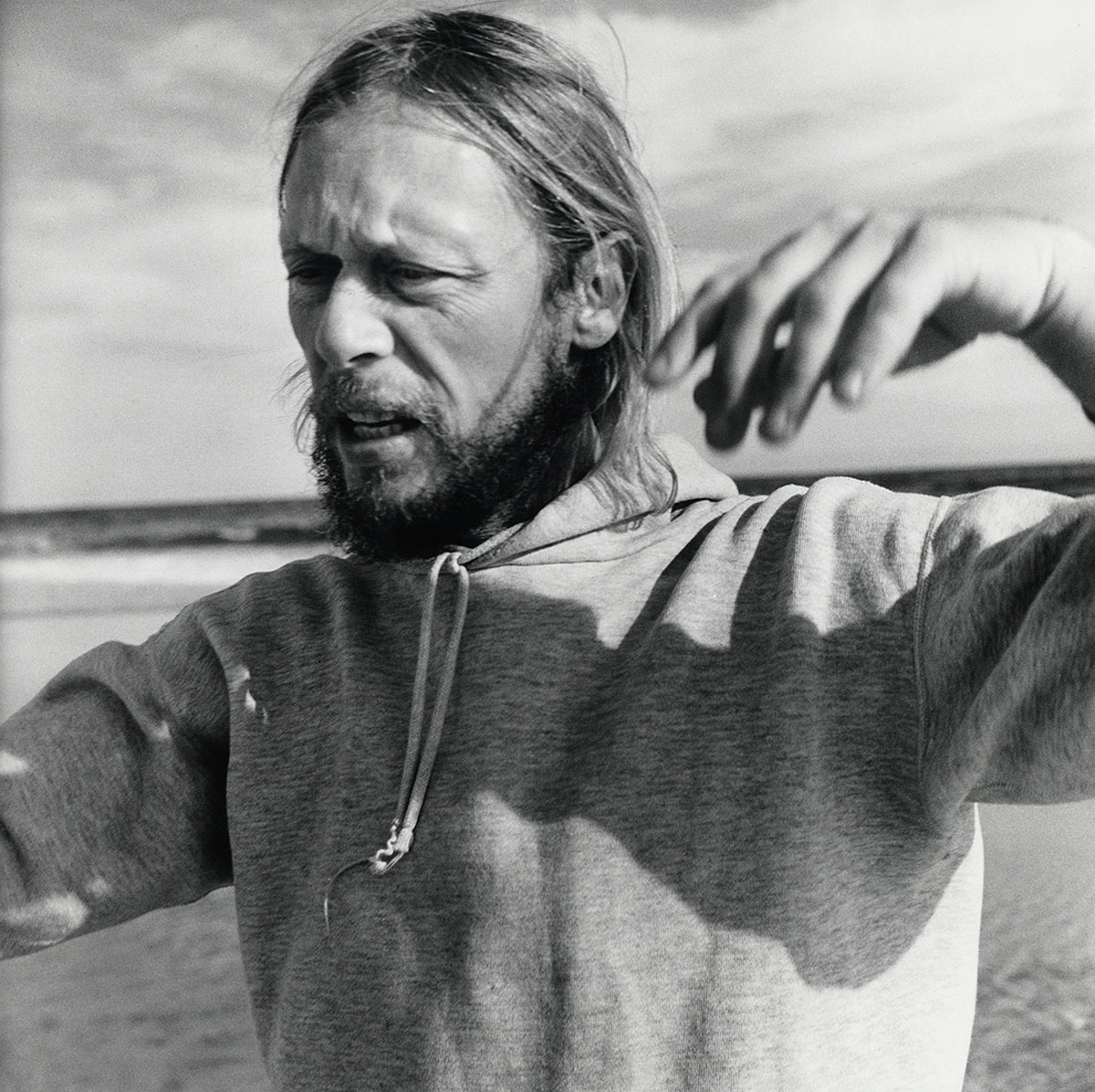
While all photographs are tethered to mortality, there is something exemplary in Hujar’s cool acceptance of our temporality. He was fully engaged with his moment yet unsentimental in his attachment. Whether he was photographing a lover or an abandoned dog as elegant as it is scruffy, we can sense that Hujar’s interest was intellectual and physical in equal measure. He may not have been comfortable with the world as it was, but he embraced and even loved what was in front of his camera. “My work comes out of my life, the people I photograph are not freaks or curiosities to me,” he said. “I like people who dare.”
Hujar put his art to political use in 1969. In late June, a police raid inspired fierce resistance from the patrons of the Stonewall Inn, in the West Village. Hujar’s boyfriend at the time, Jim Fouratt, arrived on the scene to organise for the Gay Liberation Front (GLF), the first political group to cite homosexuality in its name. Hujar agreed to make a photograph for a GLF poster. Early one Sunday morning that fall, members of the group assembled and ran back and forth past the photographer on Nineteenth Street, west of Broadway. The poster, bearing the slogan COME OUT!!, appeared in late spring 1970 in advance of the gay liberation march that marked the first anniversary of Stonewall.
In September 1973, transgender Warhol Superstar Candy Darling (born James Lawrence Slattery) was hospitalised for lymphoma. She asked Hujar to make a portrait of her “as a farewell to my fans.” Out of several dozen exposures, Hujar chose to print this languorous pose. As rendered in the print, Candy’s banal, fluorescent-lit hospital room looks as elegant as the studio props in a Hollywood starlet’s portrait. Hujar later wrote that his style cues came from Candy, who was “playing every death scene from every movie.” The image, first seen in print in the New York Post after Candy’s death six months later, became the most widely reproduced of Hujar’s works during his lifetime.
Jeu de Paume presents a selection of 150 photographs of this singular artist from October 15th, 2019 to January 19th, 2020. The exhibition follows Hujar’s work from the beginnings mid 1950 until the 1980s, shaping a portrait of the underground New York City.
The life and art of Peter Hujar (1934-1987) were rooted in downtown New York. Private by nature, combative in manner, well-read, and widely connected, Hujar inhabited a world of avant-garde dance, music, art, and drag performance. His mature career paralleled the public unfolding of gay life between the Stonewall uprising* in 1969 and the AIDS crisis of the 1980s.
After graduating from high school in 1953, Hujar worked as an assistant to commercial photographers until 1968. Five years of contributing features to mass-market magazines convinced him that a fashion career “wasn’t right for me” and in 1973 he opted for an autonomous, near-penniless life as an artist. In his loft studio above a theater in the East Village, Hujar focused on those who obeyed their creative instincts and shunned mainstream success.
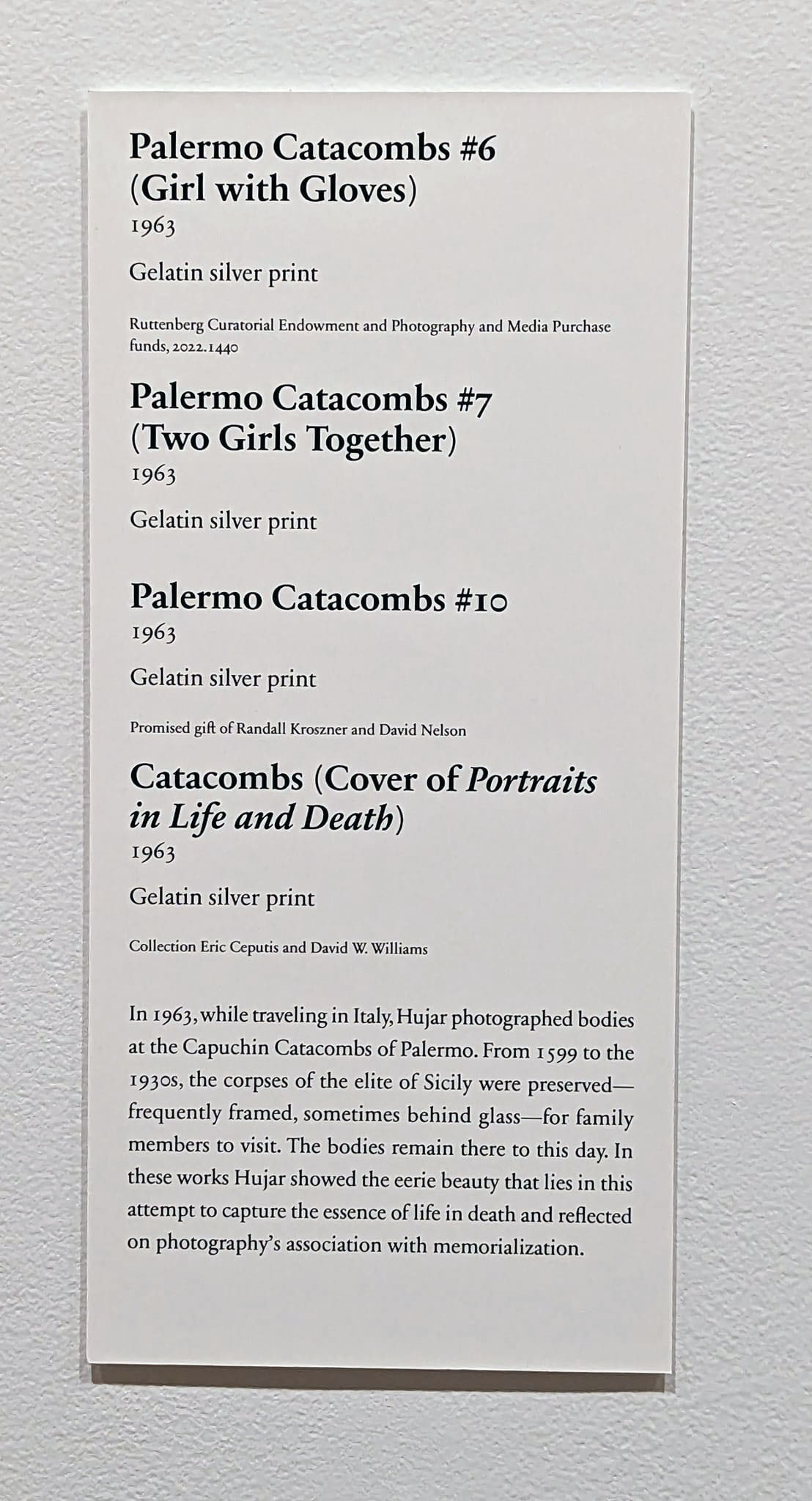
At age forty-two, he published his only monograph, Portraits in Life and Death, and opened his first solo gallery show. The searching intimacy he achieved as a portraitist carried over into unsentimental photographs of animals and plants, landscapes, buildings, and the unique features of nude bodies.
Hujar’s brief affair in 1981 with the young artist David Wojnarowicz evolved into a mentoring bond that changed both their lives. On their excursions to blighted areas around New York, Hujar crafted the portrait of a city in free fall, complementing Wojnarowicz’s dark vision of Reagan-era America.
Peter Hujar died of AIDS-related pneumonia in November 1987.
Press release from Jeu de Paume
Early years
In 1953, Peter Hujar finished high school in Manhattan, where he had studied photography. He then worked for some fifteen years as an assistant to commercial photographers. Punctuating those years were two long periods in Italy, buoyed by scholarships – a first one that was obtained by a boyfriend (1958-1959) and then his own (1962-1963). From 1968 to 1972, he tried to make it as a freelancer in the mass-market world of fashion, music, and advertising photography. The hustle “wasn’t right for me,” and he turned his back on the commercial mainstream. From this time on he lived on almost nothing, squeaking by on small jobs, taking paying jobs only when necessary and focusing on the subjects he found compelling. In 1973, he moved to the crumbling East Village, into a loft that would become the setting for his mature studio work, most notably the vast majority of his portraits.
Portraits
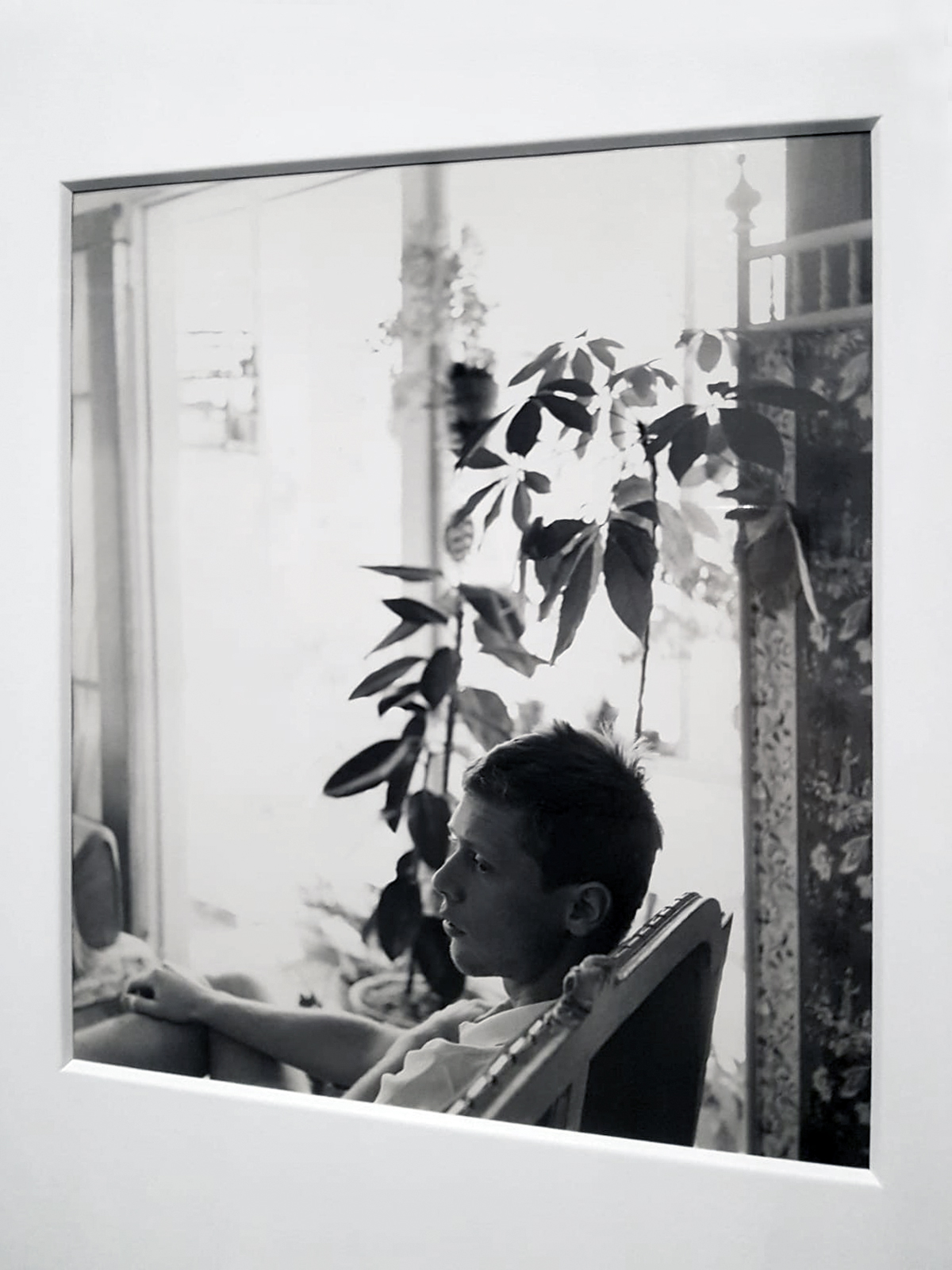
Portraiture was central to Hujar’s practice. The subjects of his art, Hujar wrote, were “those who push themselves to any extreme” and those who “cling to the freedom to be themselves.” “In a sense, I am still a fashion photographer. These people are chic but in a dark kind of way. Most of them are unknown or maybe known to just a few, but they have all been creative adventurers and possess a certain spirit.”
Most of his portraits were posed, but Hujar often expected his models to perform in front of the camera, which made many of the shoots truly collaborative ventures. Disguises and props were often incorporated, and his subjects were sometimes veiled, simultaneously revealing and masking themselves.
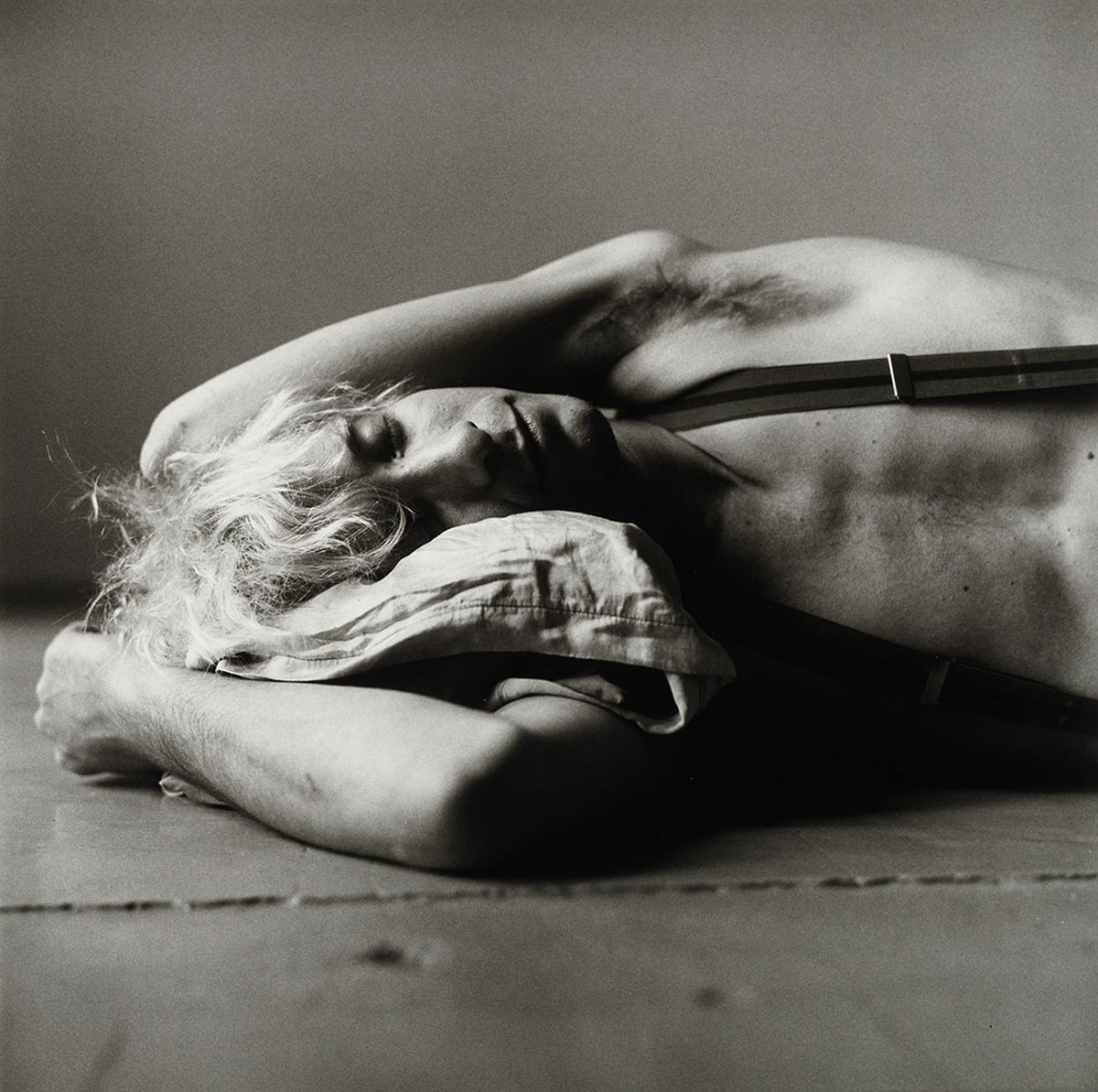
The reclining portrait is a photographic genre Hujar made his own. The pose features extensively in his 1976 monograph Portraits in Life and Death, and he continued to rely on it as a means of capturing something unique in his sitter: to face a camera lens from a reclining position is an unfamiliar and provoking experience.
New York
“The happiest times with Peter, when he wasn’t photographing, were walking around Manhattan, looking at the crowns of buildings, and the fantasies about ‘living there,'” remembers Gary Schneider, one of his close friends.
Born in New Jersey, Hujar spent all his life in New York, and more specifically in Manhattan, whose buildings, streets, and piers he started photographing more extensively in the second half of the 1970s. Divided between Downtown’s derelict areas and Midtown’s skyscrapers, Hujar’s New York is often a nocturnal city: a place of abandoned structures, night-time cruising, and early-dawn vistas. A few journeys outside New York, during the summer months, to the beaches of Fire Island in the Hamptons, and, in the early 1980s, to the countryside around Germantown, forty miles north of New York, along the Hudson River, offer other glimpses of Peter Hujar’s personal geography, testifying to the variety of subjects that he found worth photographing.
Bodies
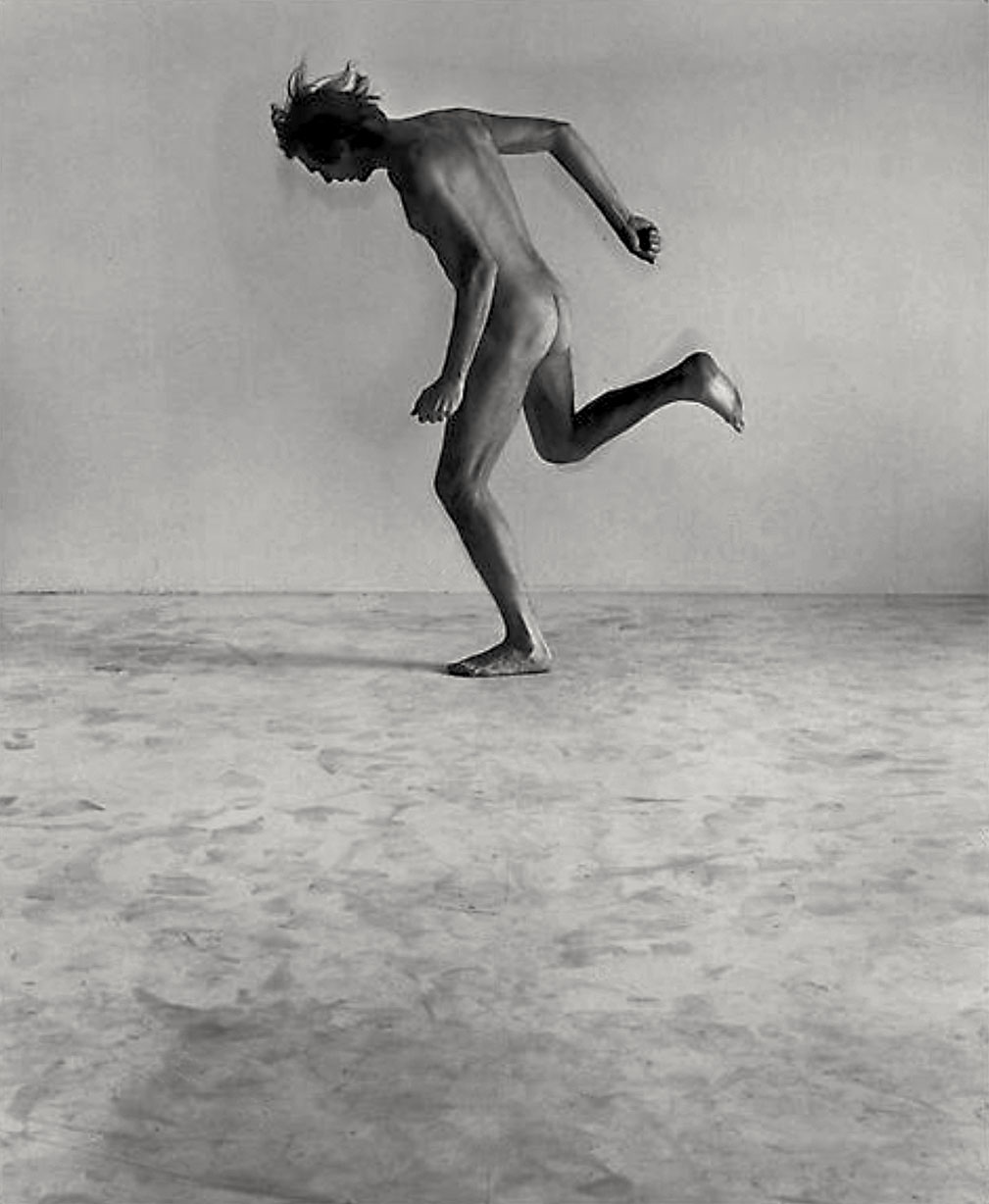
Portraiture of bodies was another focal point of Hujar’s last decade of work. In 1978, some of his works were included in The Male Nude: A photographic Survey at the Marcuse Pfeifer Gallery in New York.
Bodies, he suggested, could be read as freely as faces for character, emotion, or life story.
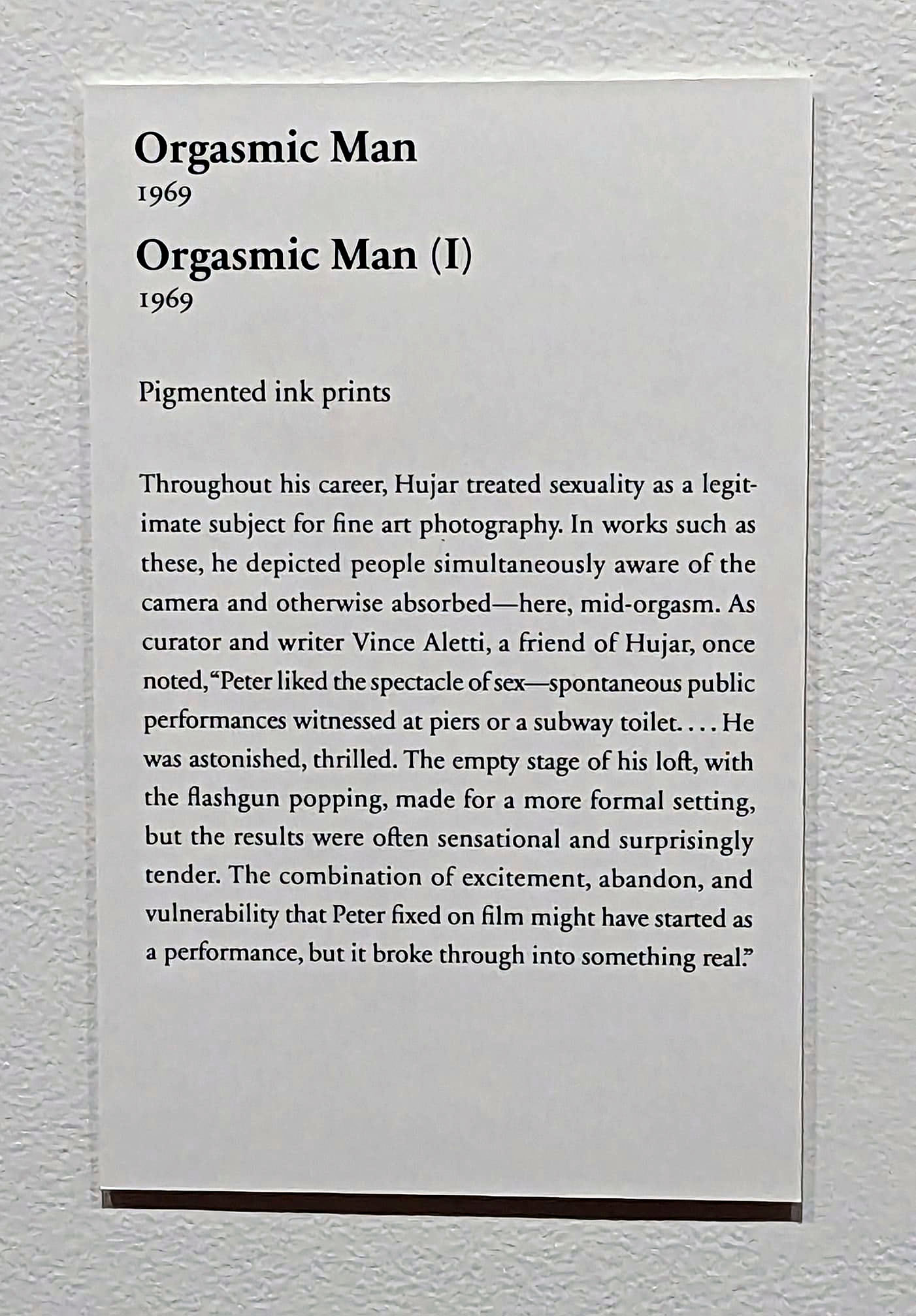
He photographed bodies in the extremes of youth and old age, bodies displaying unique features, and bodies in transient states, notably pregnancy and arousal.
Whether photographing faces or bodies, Hujar was attentive to the characteristics conferred by time and experience, such as Manny Vasquez’s spinal tap scar and the imprint left by socks on Randy Gilberti’s ankles. “I want people to feel the picture and smell it,” he said of his nudes, which he contrasted to the idealised bodies in Robert Mapplethorpe’s work.
Gracie Mansion Gallery, 1986
When exhibiting his work, Hujar employed two distinct methods. He displayed prints either in isolation (notably in his loft, where just one photograph at a time was on view) or in large groupings, two images high, as on this wall. For the last exhibition during his lifetime, in January 1986 in New York, Hujar covered the walls of the Gracie Mansion Gallery with a frieze of seventy photographs in no apparent order. He fine-tuned the layout for days until no one type of image (portrait, nude, animal, still life, landscape, cityscape) appeared twice consecutively. Each of his subjects thus preserved its own identity and singularity rather than serving as a variation on an imposed theme.
The arrangement highlighted his inventive range, created echoes among seemingly unrelated images, and drew attention to preoccupations that had recurred throughout his career. The display in this room centres on images taken in the 1980s and is freely inspired by that 1986 exhibition.
Andy Warhol
In 1964 Peter Hujar was a regular visitor to The Factory, Andy Warhol’s studio at 231 East 47th Street in New York. He posed four times for Screen Tests, brief portraits filmed by Warhol and screened in slow motion. Together with his friend Paul Thek, Hujar was chosen as one of the “Thirteen Most Beautiful Boys”, whose film portraits were regularly shown at the Factory and at parties and events elsewhere. Among the other personalities figuring in the Screen Tests in 1964-1965 were the actor-directors Dennis Hopper and Jack Smith, together with writer-critic Susan Sontag and poet John Ashbery – both of whom would later pose for Hujar.
A hallmark of Hujar’s portraiture is the invisibility of technique – a kind of visual innocence – as if the camera were not present and the subject had been happened upon, discovered there, as Ludlam appears to be, in medias res.
“Hermetic appeal and an identification with psychic damage came together in Hujar’s last important relationship, with the meteoric younger artist David Wojnarowicz, who was a ravaged hustler when they met at a bar in late 1980 and who died from AIDS in 1992. They were lovers briefly, then buddies and soul mates. Wojnarowicz said that Hujar “was like the parent I never had, like the brother I never had.” In return, he inspired fresh energies in Hujar’s life and late work. In a breathtakingly intimate portrait of Wojnarowicz with a cigarette and tired eyes, from 1981, the young man’s gaze meets that of the camera, with slightly wary – but willing and plainly reciprocated – devotion: love, in a way. Their story could make for a good novel or movie – as it well may, in sketched outline in your mind, while you navigate this aesthetically fierce, historically informative, strangely tender show.”
Hujar observed his companions in this outlaw life with what might be called warm objectivity. Whatever the portrait subject – doll maker and transgender pioneer Greer Lankton, model Bruce St. Croix sitting naked on a chair and handling his huge erection, Warhol superstar Candy Darling on her death bed, or a pair of cows in a muddy field – he photographed them directly with his 2 1/4, often at close range, without props or gauzy lighting.
He began as a street photographer, on the prowl for unrehearsed gestures, as can be seen in a 1958 picture in Italy of a well-dressed young man touching his thick coif of dark hair and standing next to a pudgy boy in a cap who has his hands in his pockets.
Hujar’s indelible portraits of famous avant-garde artists and drag queens, and his curiously gothic landscapes and animal pictures, are so fastidiously exquisite, so fussily exact, so representative of a period past (“Speed of Life” is a very odd title) that they immediately summon the ratty hauteur, the necessary obsessions, and the cold-eyed dignity that helped most gay men survive, and not survive, in the early gay lib and AIDS years. …
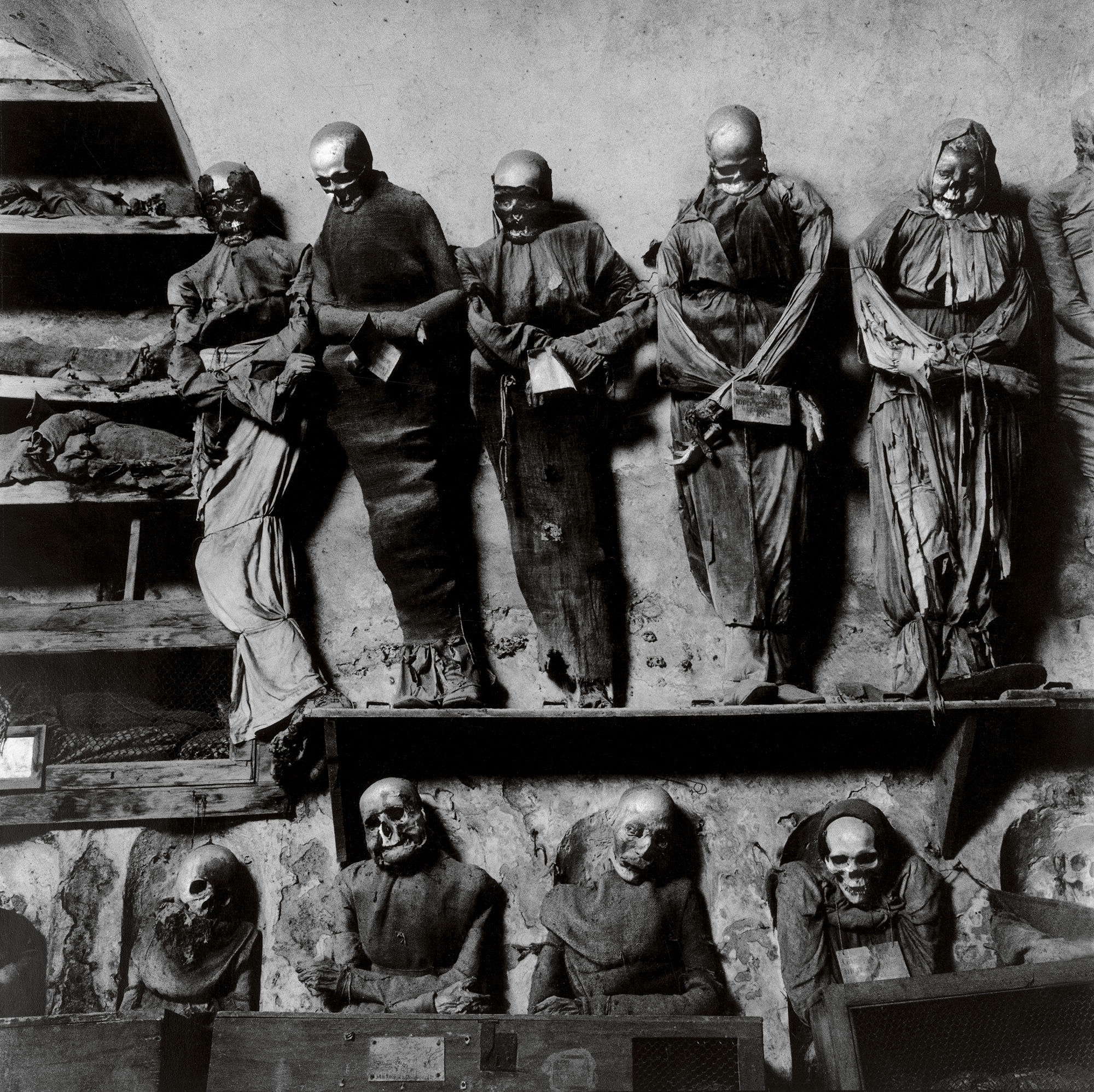
… His portraits often combine the freakish curiosity of Arbus and the monumental candidness of his mentor Richard Avedon into something resembling momento mori portraits suitable for displaying atop a casket. They are unmistakably contemporary but they feel historic, as if burned to silver plates. (Not for nothing did Hujar make his own display prints.) That doesn’t mean there’s no life in those portraits; far from it, these are the essences of his subjects so well-distilled that there’s really no need to go on. We see nostalgia washing over the present.




























 Art Blart _ art and cultural memory archive
You must be logged in to post a comment.