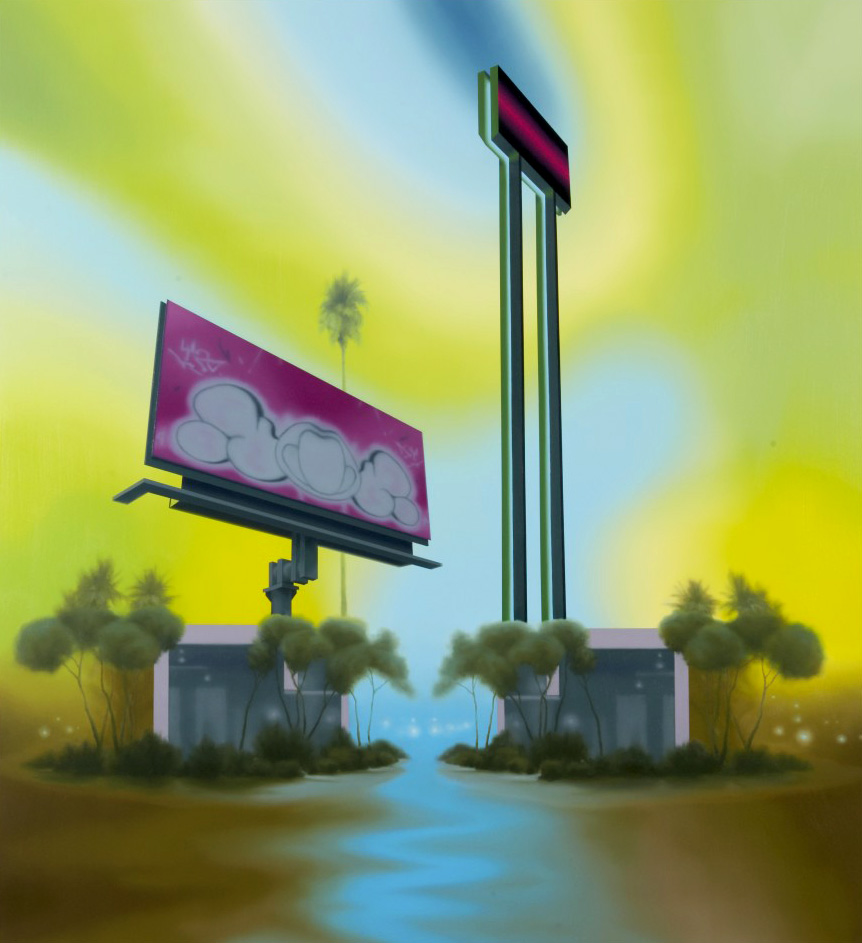
Review: ‘Penelope Davis: Smack’ at Nellie Castan Gallery, Melbourne

Exhibition dates: 12th May – 11th June 2011


Penelope Davis (Australian, b. 1963) 'Smack' installation 2011


Penelope Davis (Australian, b. 1963)
Smack installation
2011
Silicone, nylon thread
Dimensions variable


A beautiful, hypnotic installation; one outstanding photograph (out of four); and a distance between elements, installation and photographs that, in the gallery space, seemed almost insurmountable.

The installation is intoxicating, taking the viewer into a world outside of reality – inverted, convoluted creatures “after the things of nature” (me ta physika) – in this case mobile phones, camera lenses and electrical plugs and leads, the skin of these objects flayed, extruded and made in silicone. These filamentary ‘jellies’ are wondrous. As Susan Fereday observes they are like detached skin, which “can become a kind of negative, a reversed memory, a perverse relic of its previously animated form … Detached, distraught, dangling. But there is also something slippery in these forms, something visceral, uterine, umbilical …”. The installation reminded me of the chthonian nature of the womb, our birth and that first gasp of breath – do you remember? was it all that you ever needed?

Water, blood, the detritus of birth and the emergence of life into light. Floating, gliding to the surface.

Only one photograph, Fluther (2011, below), approaches this detachment. A beauty it is too. The other three photographs felt more like addendum than adding anything further to the work and failed to achieve a ‘presence’ when compared to the installation. I suspect one of the problems was the scale of the three photographs and the fact that they are so tightly framed. Evidence of this can be seen in the installation shot below, the photograph of the blue ‘jellie’ so tightly prescribed and enclosed so as to not allow any interaction between installation and photograph. Perhaps making the photographs slightly larger and face mounting them behind PlexiGlass would have softened the edges of the photographs allowing a malleable (meta)physical air to breathe across the gallery space.

The highlight is the installation. Go and see, it is well worth the visit.

Dr Marcus Bunyan


Many thankx to Nellie Castan Gallery for allowing me to publish the text and the photographs in the posting. Please click on the photographs for a larger version of the image. All photographs courtesy and © the artist and Nellie Castan Gallery.


Penelope Davis (Australian, b. 1963) 'Smack' installation 2011


Penelope Davis (Australian, b. 1963)
Smack installation
2011
Silicone, nylon thread
Dimensions variable


Stretched Skin

“Where my inside meets the outside, where my body’s surfaces curve or stretch, dimple or fold, they create sensory cavities that are designed to respond to the outside world, at least to some degree. More difficult to resolve is the place that’s made when my inside turns out and there and no pickets to hide the private things – things I don’t want to look at myself, things too fleshy for the world to see, too soft, raw and pink to be exposed. Bringing the inside out, I am turned outside in and where does that leave me? In the edgeless space of the everyday saturated by grief.

Penelope Davis’ ‘jellies’ make me think about how a person’s skin can record their body’s history through marks – scars, distentions, swellings, bruises and wrinkles – just as a photograph can record a body’s outward appearance through light. We could say that skin is an index to its experiences, but it is not iconic. Skin does not reproduce the body’s image the way a photograph does, unless the skin is lifted to make a new shape. Then, just as hot wind can suck the life out of a fallen leaf and turn its veins into a street map, or sun and sea can batter a plastic bottle into a miraculous Marian figurine, detached skin can become a kind of negative, a reversed memory, a perverse relic of its previously animated form.

That’s what the ‘jellies’ look like: skin, turned inside out, photographic skin turned outside in. Detached, distraught, dangling. But there is also something slippery in these forms, something visceral, uterine, umbilical …”

Except from pamphlet text by artist and writer Susan Fereday, March 2011


Penelope Davis (Australian, b. 1963) 'Fluther' 2011


Penelope Davis (Australian, b. 1963)
Fluther
2011
Type C photograph
120 x 100cm


In Smack, Penelope Davis’ latest body of work, jellyfish-like forms have been assembled from a collage of components. These elements include the detritus of contemporary technologies. Among these are cameras, computer parts, mobile phones, wiring and electrical parts. Organic source materials such as leaves and seaweed (many sourced from the community garden plots surrounding Davis’ studio) are cast and intermixed with these forms. After being cast in silicone, the works are sewn together to create forms that resemble jellyfish. The resulting swarm – or smack, as the collective noun is properly known – is displayed as an installation of semi transparent, suspended forms.

A selection of these ‘jellies’ have also been placed in the digital scanner and ‘photographed’. Some digital post-production work is also employed to create large scale photographic images.

The materials and techniques used allow Penelope Davis to play with some of the procedures and assumptions central to photographic practice. The central motif of the jellyfish is a vehicle to examine critical contemporary issues of consumption and environmental degradation.

Text from the Nellie Castan website [Online] Cited 28/05/2011 no longer available online
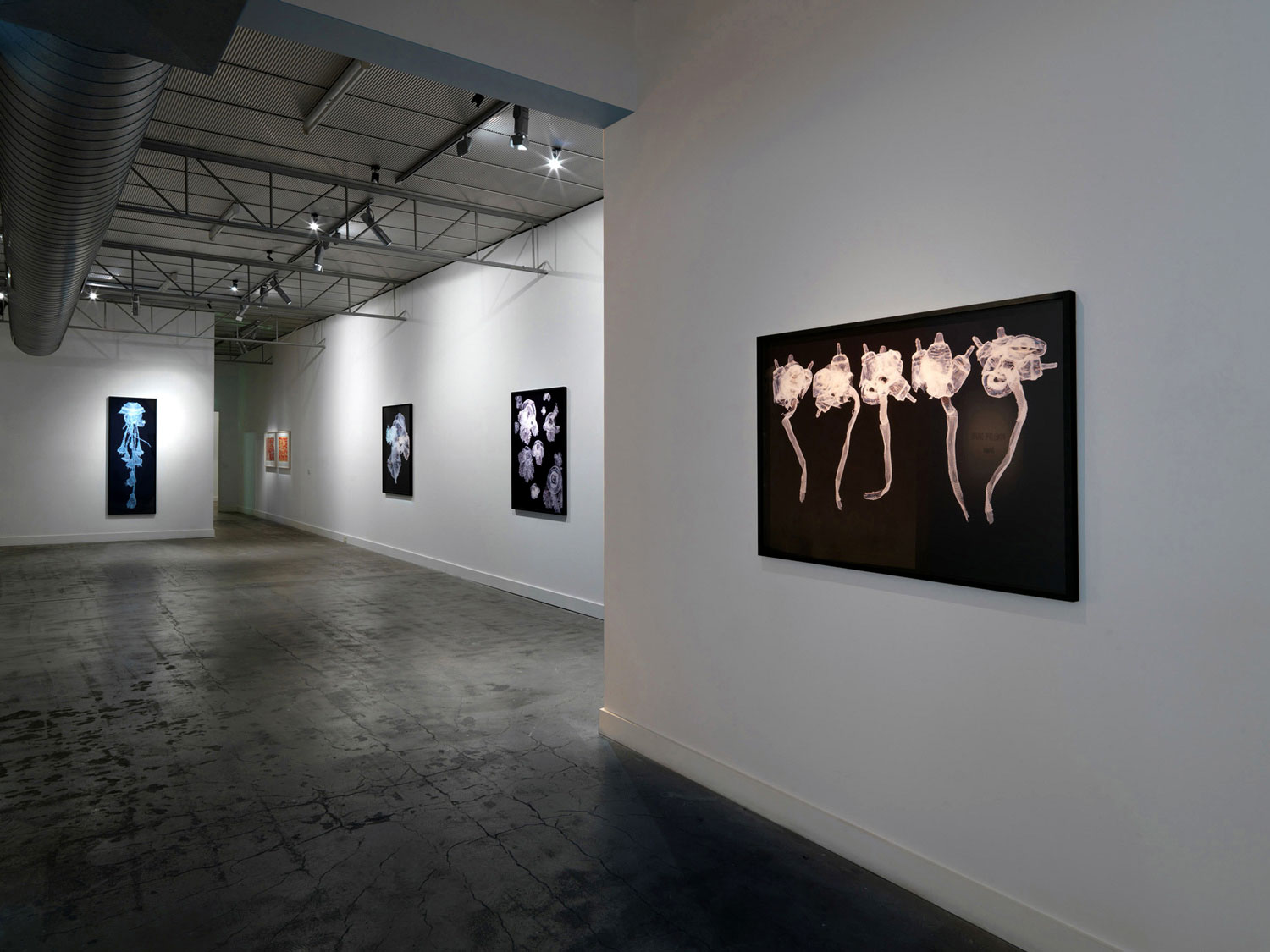
 

Installation view of the exhibition 'Penelope Davis: Smack' at Nellie Castan Gallery, Melbourne showing at right the photograph 'Bloom' (2011)


Installation view of the exhibition Penelope Davis: Smack at Nellie Castan Gallery, Melbourne showing at right the photograph Bloom (2011, below)
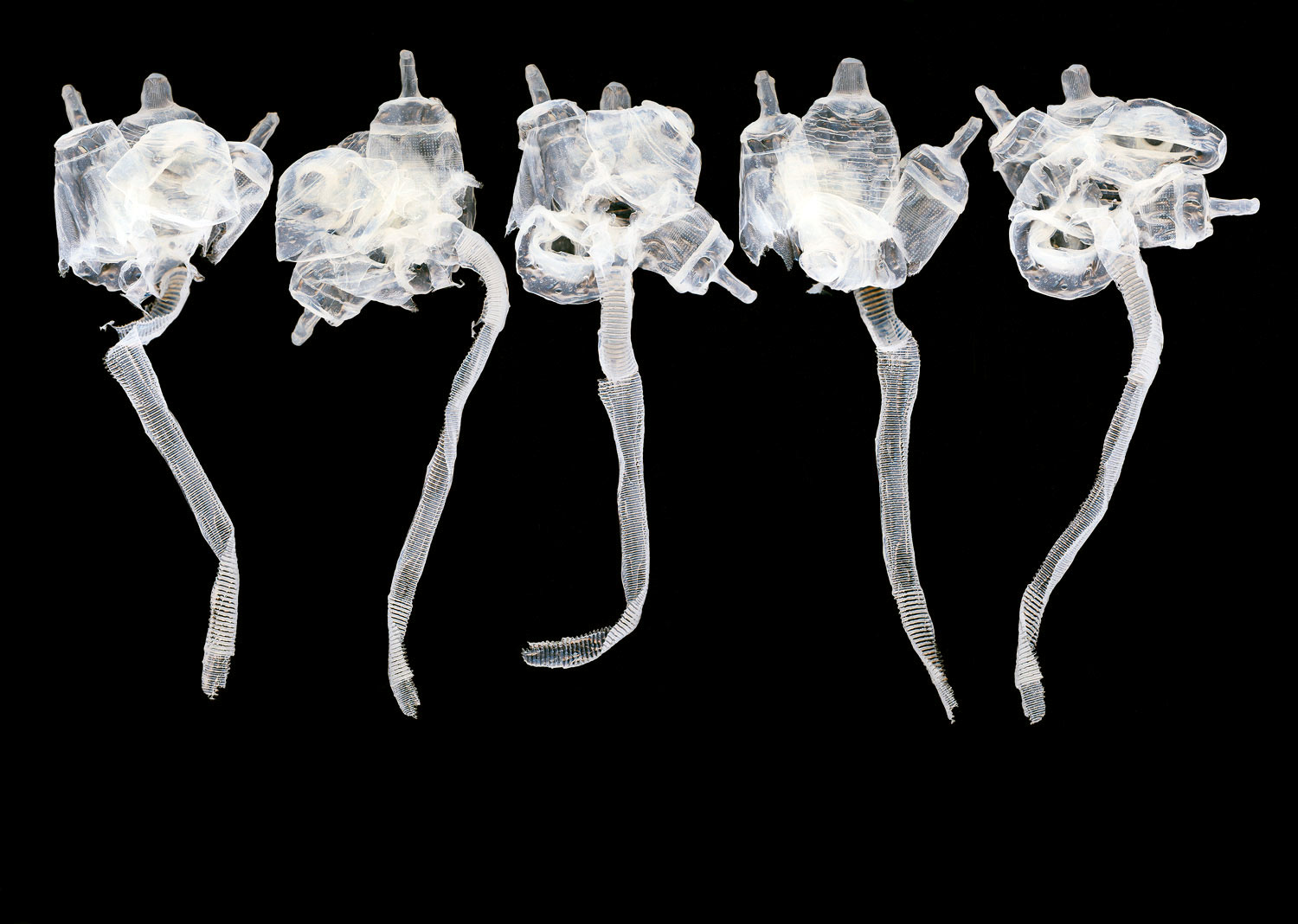
  

Penelope Davis (Australian, b. 1963) 'Bloom' 2011


Penelope Davis (Australian, b. 1963)
Bloom
2011
Type C photograph
120 x 100cm
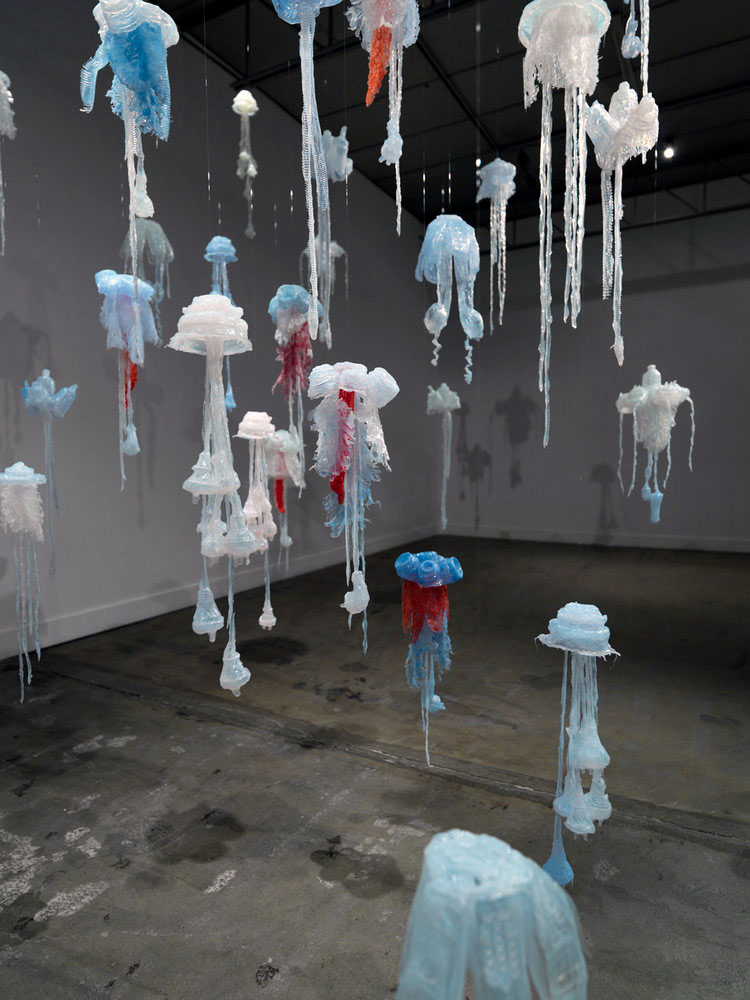
 

Penelope Davis (Australian, b. 1963)
'Smack' installation 2011 (detail)


Penelope Davis (Australian, b. 1963)
Smack installation (detail)
2011
Silicone, nylon thread
Dimensions variable


Nellie Castan Gallery

This gallery has now closed

LIKE ART BLART ON FACEBOOK

Back to top

Review: ‘Sistagirls’ by Bindi Cole at Nellie Castan Gallery, Melbourne

Exhibition dates: 8th July – 31st July, 2010


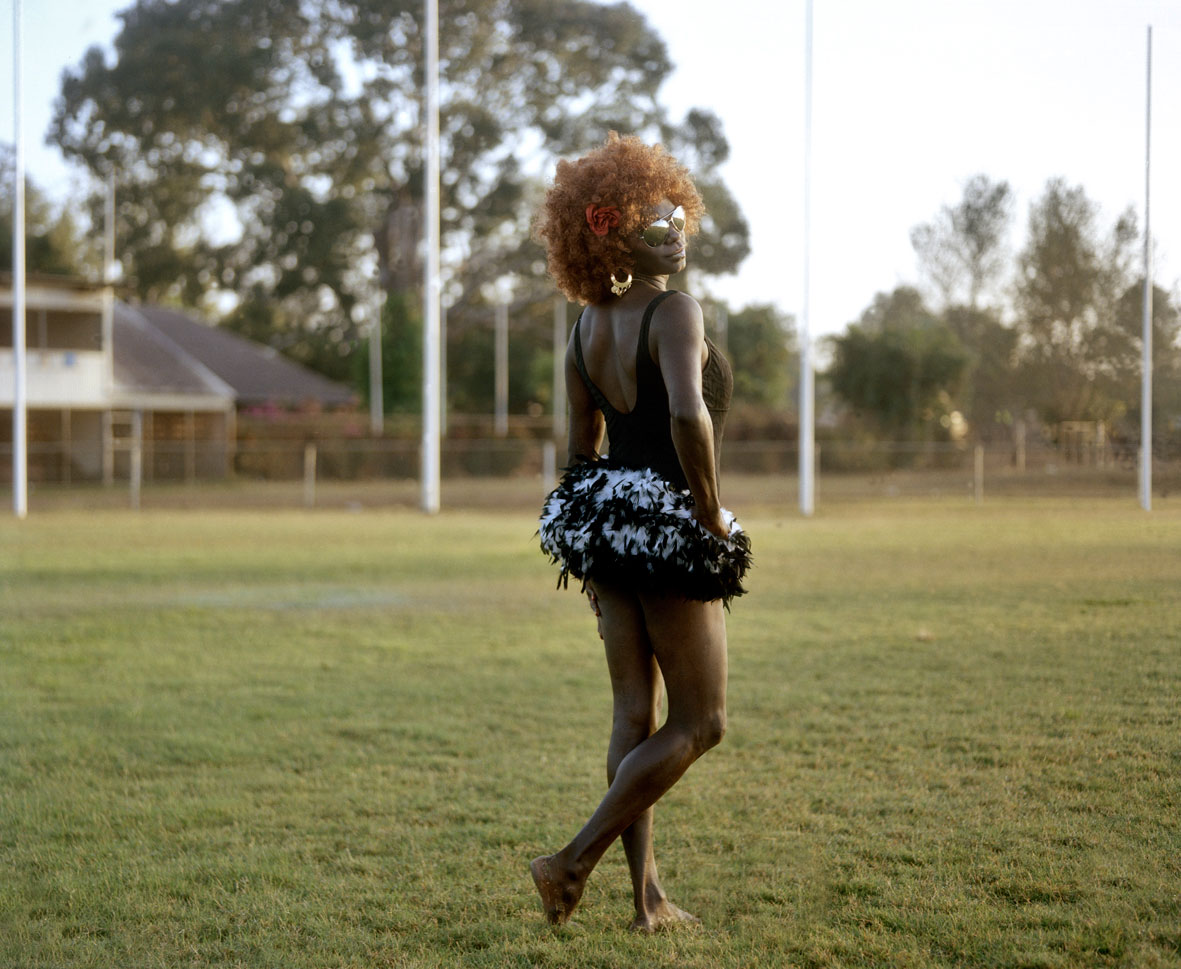
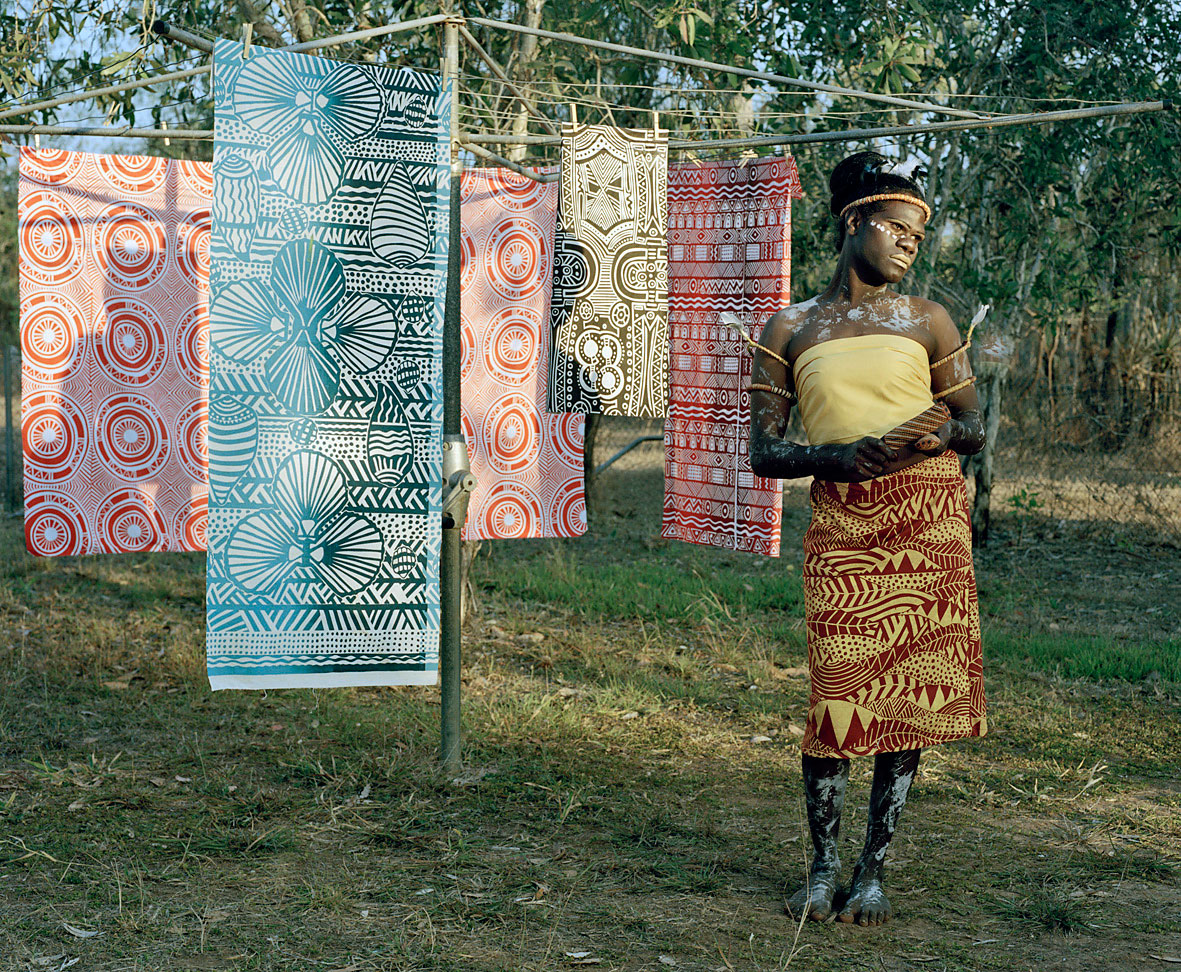
Bindi Cole Chocka (Australian, b. 1975) 'Bimbo' 2009 from the exhibition 'Sistagirls' by Bindi Cole at Nellie Castan Gallery, Melbourne, July 2010


Bindi Cole Chocka (Australian, b. 1975)
Bimbo
2009


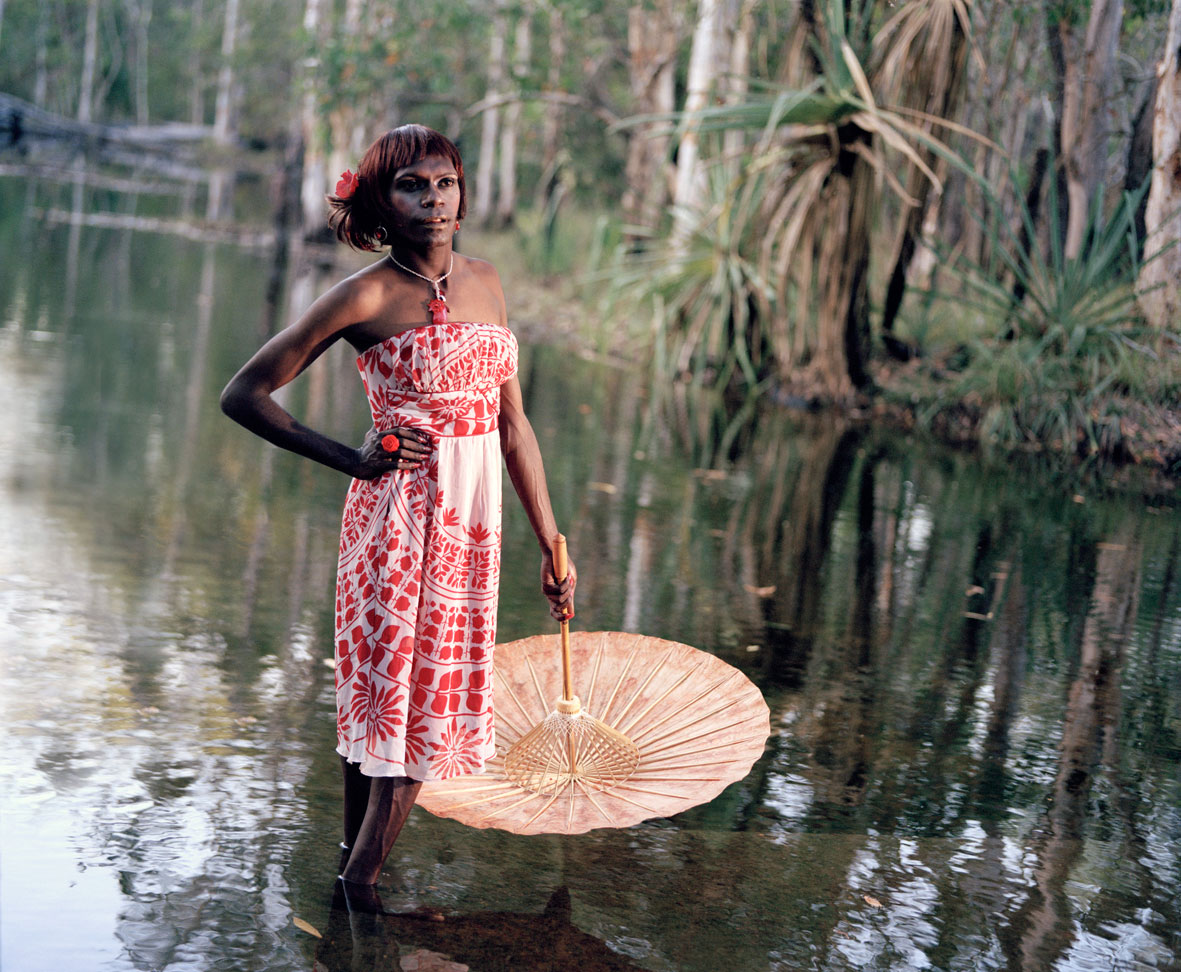
The exhibition Sistagirls by Bind Cole at Nellie Castan Gallery contains some beautiful photographs and others that are less successful. The successful portraits the ones that depict the Sistagirls in a more natural, less stylised way – they are the more interesting photographs. The subjects seem to speak for themselves without restriction, to be not so beholden to the pose that photographer wishes them to assume and/or the pose they wish to impose on themselves.

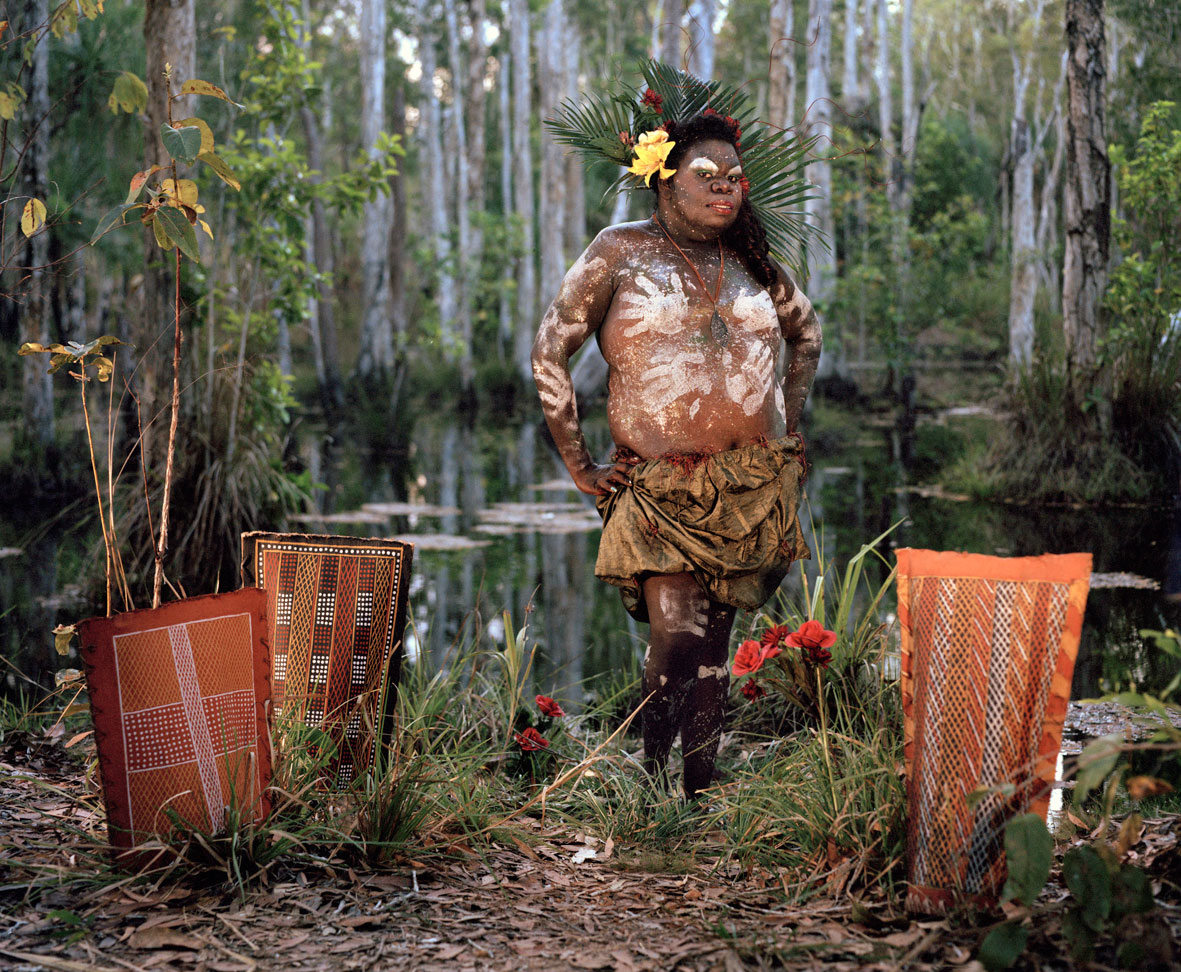
For example, the photograph of Jemima (see below) is just stunning in it’s naturalness and beauty. The two photographs of Crystal and Patricia, where the transgendered person asked to be photographed in traditional body paint with traditional objects, are highly successful in their form, composition and in the ability of the photographs to challenge stereotypical notions of Aboriginal culture.

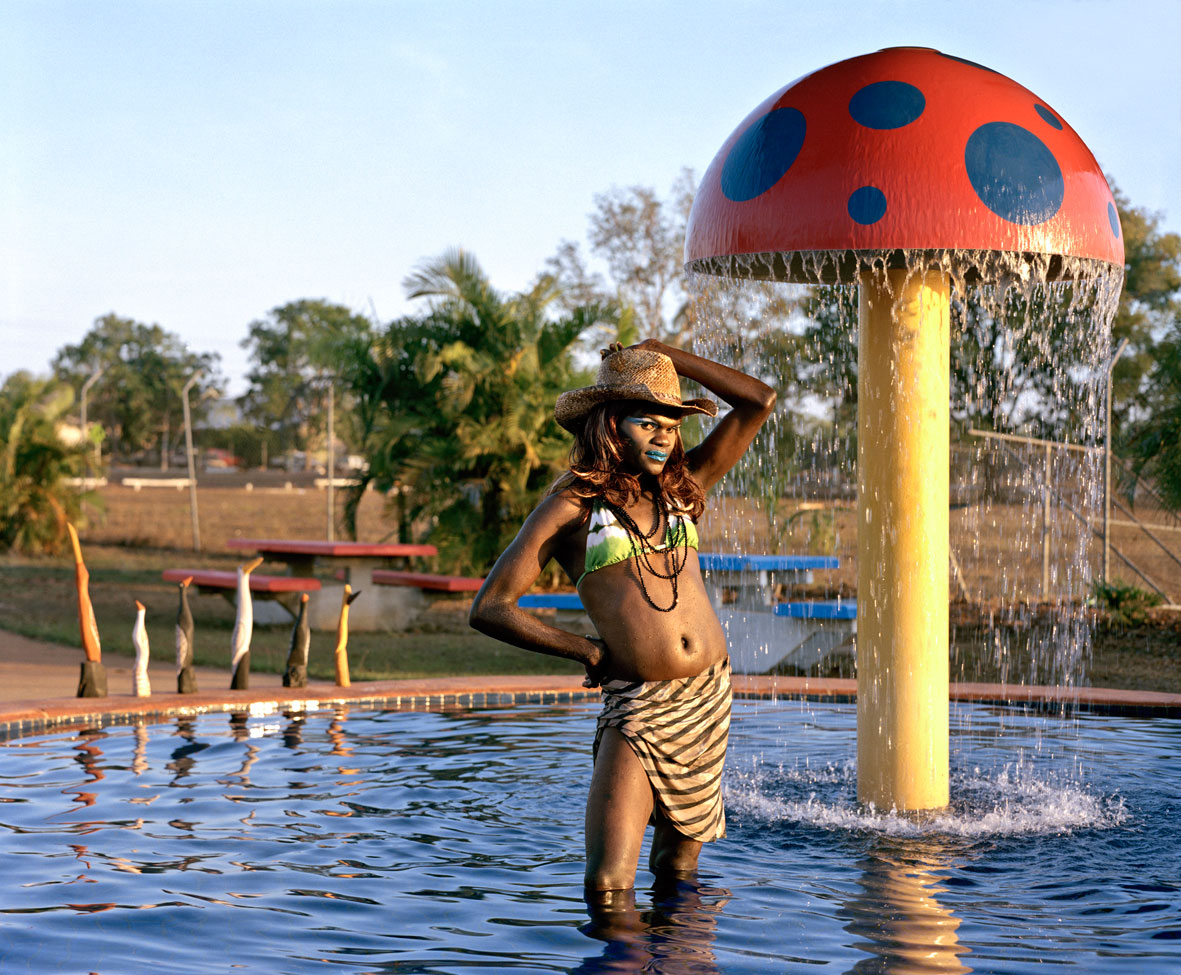
Other portraits are anachronistic and a little try hard, with the misplacing of persons and objects in regard to each other. The portrait of Bimbo (very top photograph) did not need the two objects placed on the beach next to the person to make it a successful photograph; the portrait of Frederina (below) had enough going on in the photograph without the seemingly gratuitous placement of traditional objects in the background. We get the point and there was really no need to labour it.

One of the problems, of course, of a ‘stylised’ portrait (Bind Cole’s word in her artist statement) is that the portrait can become a double forgery, that of the pose of the person and that of the photographer imposing the style …

” … in a sense, the posed photograph is a kind of forgery, an imposition of an artificial composition before the recording instrument. On the other hand, the photo of a posing subject captures the authenticity of the practice of posing. A version of a person’s image is still an image of that person …

We are confronted with the pose, the conscious composition of the image to be photographed, the inherent constructedness of the posed photograph. Our heretofore implicit faith in the photograph as an evidentiary document is shaken. This is not to imply an outright rejection of photography … the effect is more properly an inducement to engage the document directly, personally, and on its own terms.”1


As noted at the end of the quotation, we, the viewer, must cut through this com-pose-ition to address the document directly. We must cut away the appendages of style and view the person and the photograph on its own terms. This is why the simpler portraits in the exhibition have so much more power than the overly constructed ones – they reach for an intangible essence that Cole is seeking by dropping away style and surrendering to the ineffable, a recognition of the lightness and joy in just being.

Dr Marcus Bunyan


1/ Feiereisen, Florence and Pope, Daniel. “True Fiction and Fictional Truths: The Enigmatic in Sebald’s Use of Images in The Emigrants,” in Patt, Lise (ed.,). Searching for Sebald: Photography after W.G. Sebald. Los Angeles: The Institute of Cultural Inquiry, 2007, p. 175.


Many thankx to Olivia Poloni and Nellie Castan Gallery for allowing me to publish the photographs in the posting. The permission is most appreciated. Please click on the photographs for a larger version of the image. All photographs © Bind Cole, courtesy of the artist and Nellie Castan Gallery.


Bindi Cole Chocka (Australian, b. 1975) 'Buffy' 2009 from the exhibition 'Sistagirls' by Bindi Cole at Nellie Castan Gallery, Melbourne, July 2010


Bindi Cole Chocka (Australian, b. 1975)
Buffy
2009


Bindi Cole Chocka (Australian, b. 1975) 'Crystal' 2009 from the exhibition 'Sistagirls' by Bindi Cole at Nellie Castan Gallery, Melbourne, July 2010


Bindi Cole Chocka (Australian, b. 1975)
Crystal
2009


Bindi Cole Chocka (Australian, b. 1975) 'Frederina' 2009


Bindi Cole Chocka (Australian, b. 1975)
Frederina
2009


The term ‘Sistagirl’ is used to describe a transgender person in Tiwi Island culture. Traditionally, the term was ‘Yimpininni’. The very existence of the word provides some indication of the inclusive attitudes historically extended towards Aboriginal sexual minorities. Colonisation not only wiped out many indigenous people, it also had an impact on Aboriginal culture and understanding of sexual and gender expression. As Catholicism took hold and many traditions were lost, this term became a thing of the past. Yimpininni were once held in high regard as the nurturers within the family unit and tribe much like the Faafafine from Samoa. As the usage of the term vanished, tribes’ attitudes toward queer indigenous people began to resemble that of the western world and religious right. Even today many Sistergirls are excluded from their own tribes and suffer at the hands of others.

Within a population of around 2500, there are approximately 50 ‘Sistagirls’ living on the Tiwi Islands. This community contains a complex range of dynamics including a hierarchy (a queen Sistergirl), politics, and a significant history of pride and shame. The Sistagirls are isolated yet thriving, unexplored territory with a beauty, strength and diversity to inspire and challenge.

During August and September of 2009, I was fortunate enough to have the opportunity to spend a month living with the ‘Sistagirls’ on the Tiwi Islands creating a series of highly stylised portraits of them. I loaded a barge with a four wheel drive, lights, a generator, cameras and enough film to fill a suitcase. Each day brought an emotional roller coaster from moments of elation around what was being achieved with the images to complete anxiety from the many dramas that occurred. This time has affected me in a profound way. The ‘Sistagirls’ have touched my heart. I only hope that in some way I have captured the essence of who they are and the spirit of their community. I know that they will always be a part of me and that I will be a regular visitor to Tiwi to visit the ‘Sistagirl’ community for the rest of my life.

Artist statement from the Nellie Castan website [Online] Cited 22/07/2010 no longer available online


Bindi Cole Chocka (Australian, b. 1975) 'Jemima' 2009


Bindi Cole Chocka (Australian, b. 1975)
Jemima
2009


Bindi Cole Chocka (Australian, b. 1975) 'Patricia' 2009


Bindi Cole Chocka (Australian, b. 1975)
Patricia
2009


Nellie Castan Gallery

This gallery is no longer open.

LIKE ART BLART ON FACEBOOK

Back to top

Opening 2: ‘Colour, Time’ by David Thomas at Nellie Castan Gallery, Melbourne

Exhibition dates: 2nd April – 2nd May, 2009

Opening: Thursday 2nd April 2009


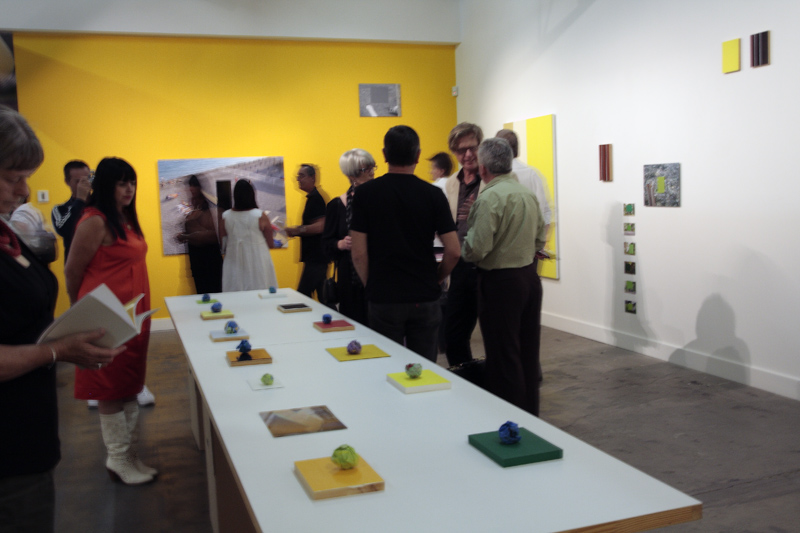
Opening night crowd at 'Colour, Time' by David Thomas at Nellie Castan Gallery, Melbourne, 2nd April, 2009


Opening night crowd at Colour, Time by David Thomas with from right to left Farbenfreude Series: Movement of Colour, Heart (Large) 2008; Farbenfreude Series: Amid Dark and Light (Dark Painting) 2008; and Farbenfreude Series: A Gentle Pasing (Large) 2008 on back wall
Photo: Marcus Bunyan


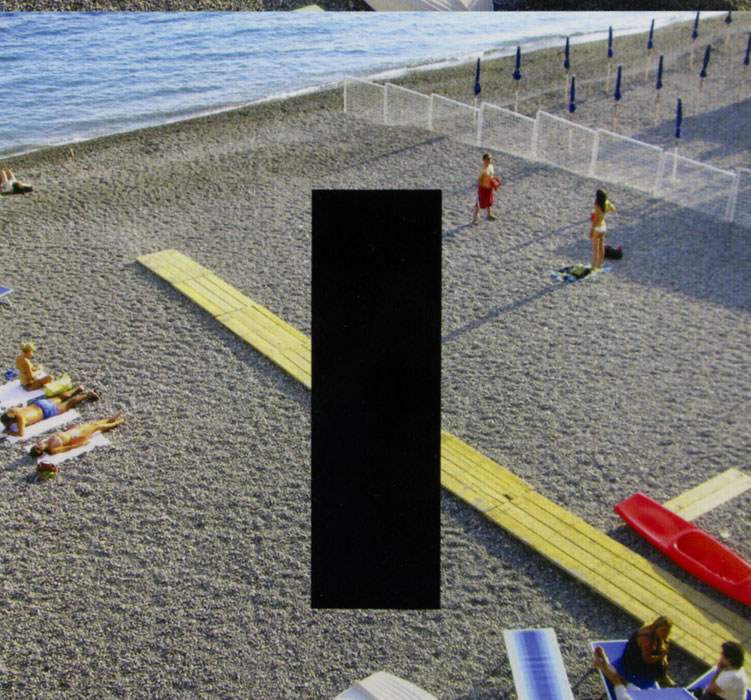
“A photographed real space and an expanding undefinable painting space (the non-figurative form) confront each other. The result is a coexistence of various models of space, a coexistence and entanglement of inconsistent things.”


Christoph Dahlhausen. David Thomas EIKON nr 53, Vienna, Austria, 2006


A slow burn painting, photography and composites show at Nellie Castan Gallery. Minimalist grid paintings combine with squares of colour taken out of photographs (again! as at the recent Richard Grigg show at Block Projects). This supposedly imparts profundity to insubstantial and mundane photographs that aim to comment on the existential nature of our being through the presence / absence of the missing spatio-temporal slice. This exhibition just didn’t hit the spot for me. Nice to catch up with Jason Smith Director of Heide Museum of Modern Art who was in attendance.

Dr Marcus Bunyan


Many thankx to Nellie Castan Gallery for allowing me to publish the photographs in the posting. Please click on the photographs for a larger version of the image.


Opening night crowd at 'Colour, Time' by David Thomas at Nellie Castan Gallery, Melbourne, 2nd April, 2009


Opening night crowd at Colour, Time by David Thomas with the series Length of Time 2009 on table
Photo: Marcus Bunyan


David Thomas (Australian born Northern Ireland, b. 1951) 'Length of Time Series: Blue tape on red monochrome' 2009


David Thomas (Australian born Northern Ireland, b. 1951)
Length of Time Series: Blue tape on red monochrome
2009
Photo: Marcus Bunyan


David Thomas (Australian born Northern Ireland, b. 1951) 'End of Summer: Homage a Tati (small splash) 2009


David Thomas (Australian born Northern Ireland, b. 1951)
End of Summer: Homage a Tati (small splash)
Enamel on photograph
2009


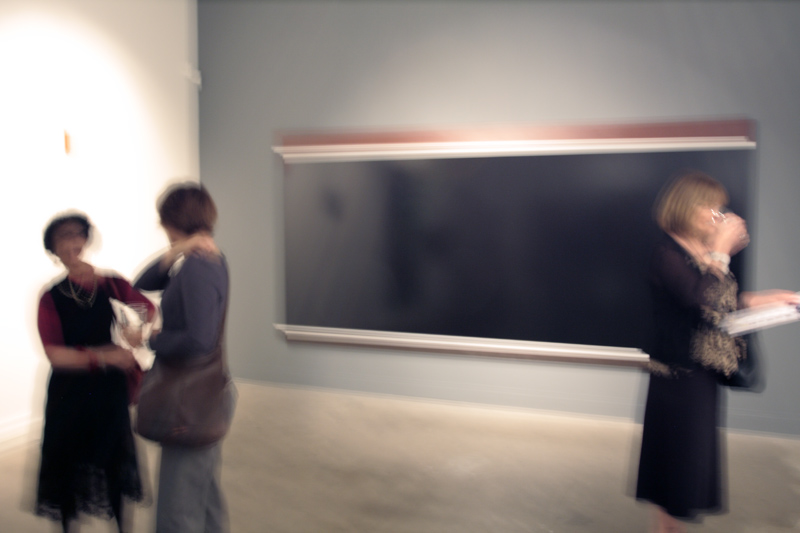
Opening night crowd in front of David Thomas' 'Black Reflection Painting: For William Barak' 2009


Opening night crowd in front of David Thomas’ Black Reflection Painting: For William Barak 2009
Photo: Marcus Bunyan


Nellie Castan Gallery

This gallery closed in 2013.

LIKE ART BLART ON FACEBOOK

Back to top

Opening 3: Review: ‘Show Court 3’ and ‘Mood Bomb’ by Louise Paramor at Nellie Castan Gallery, Melbourne

Exhibition dates: 5th March – 28th March, 2009

Opening: Thursday 5th March, 2009


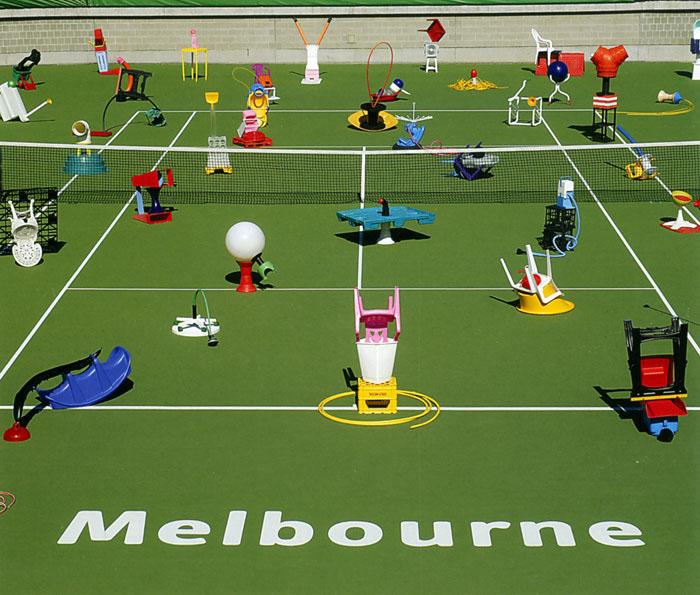
Louise Paramor (Australian, b. 1964) 'Show Court 3 (II)' 2009


Louise Paramor (Australian, b. 1964)
Show Court 3 (II)
2009


Boarding a train at Flinders Street we emerge at South Yarra station to stroll down to River Street for our third opening of the night at Nellie Castan Gallery. We are greeted by the ever gracious Nellie Castan who has just returned from an overseas trip to Europe where she was soaking up the wonders of Rome amongst other places. For the latest exhibition in the gallery Louise Paramor is presenting two bodies of work: Show Court 3 and Mood Bomb (both 2009). Lets look at Show Court 3 first as this work has older origins.

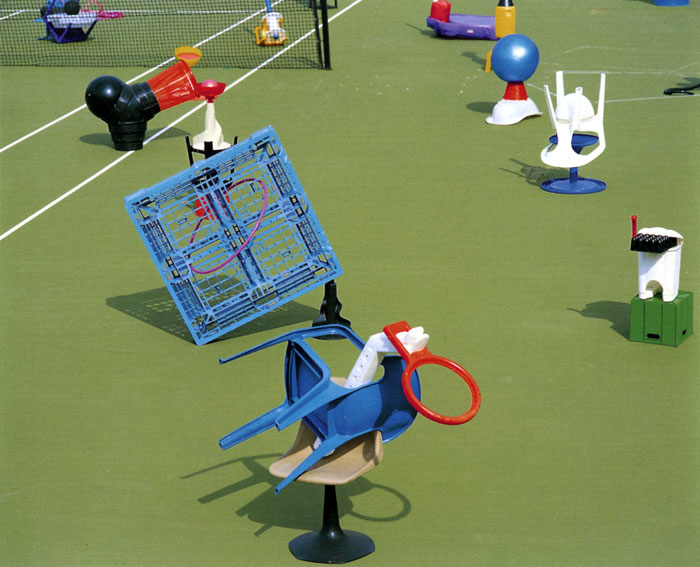
Originally exhibited in 2006 at Nellie Castan under the title Jam Session the sculptures from this exhibition and many more beside (75 in all) were then installed in 2007 on show court 3 at Melbourne & Olympic Parks, hence the title of the installation. In the smaller gallery in 2009 we have six Lambda photographic prints that are records of this installation plus a video of the installation and de-installation of the work.

While interesting as documentary evidence of the installation these photographs are thrice removed from the actual sculptures – the sculptures themselves, the installation of the sculptures on court and then the photographs of the installation of the sculptures. The photographs lose something in this process – the presence or link back to the referentiality of the object itself. There is no tactile suggestiveness here, no fresh visual connections to be made with the materials, no human interaction. The intertextual nature of the objects, the jamming together of found pieces of bright plastic to make seductive anthropomorphic creatures that ‘play’ off of each other has been lost.

What has been reinforced in the photographs is a phenomena that was observed in the actual installation.

“The sculptures created a jarring visual disruption when placed in a location normally associated with play and movement. The stadium seating surrounding the tennis court incited an expectation of entertainment; a number of viewers sat looking at the sculptures, as though waiting for them to spin and jump around. But mostly, the exhibition reversed the usual role of visitors to place where one sits and watches others move; here the objects on the tennis court were static and the spectators moved around.” (2007)1

In the photographs of these objects and in the installation itself what occurs is an inversion of perception, a concept noted by the urbanist Paul Virilio.2 Here the objects perceive us instead of us perceiving the object: they stare back with an oculocentric ‘suggestiveness’ which is advertising’s raison d’être (note the eye sculpture above). In particular this is what the photographs suggest – a high gloss surface, an advertising image that grabs our attention and forces us to look but is no longer a powerful image.

In the main gallery was the most interesting work of the whole night – experiments of abstraction in colour “inspired by the very substance of paint itself.” Made by pouring paint onto glass and then exhibiting the smooth reverse side, these paintings are not so much about the texture of the surface (as is Dale Frank’s work below) but a more ephemeral thing: the dreamscapes of the mind that they promote in the viewer, the imaginative connections that ask the viewer to make. Simpler and perhaps more refined than Frank’s work (because of the smooth surface, the lack of the physicality of the layering technique? because of the pooling of amoebic shapes produced, not the varnish that accumulates and recedes?) paint oozes, bleeds, swirls, drips upwards and blooms with a sensuality of intense love. They are dream states that allow the viewer to create their own narrative with the title of the works offering gentle guides along the way: Girl with Flowers, Lovers, Mood Bomb, Emerald God, Mama, and Animal Dreaming to name just a few. To me they also had connotations of melted plastic, almost as if the sculptures of Show Court 3 had dissolved into the glassy surface of a transparent tennis court.

These are wonderfully evocative paintings. I really enjoyed spending time with them.

Dr Marcus Bunyan


1/ O’Neill, Jane. Louise Paramor: Show Court 3. Melbourne: Nellie Castan Gallery, 2009

2/ Virilio, Paul. The Vision Machine. (trans. Julie Rose). Bloomington: Indiana University Press, 1994, pp. 62-63


Many thankx to Nellie Castan Gallery for allowing me to publish the photographs in the posting. Please click on the photographs for a larger version of the image.


Louise Paramor (Australian, b. 1964) 'Show Court 3 (VI)' 2009


Louise Paramor (Australian, b. 1964)
Show Court 3 (VI)
2009


Louise Paramor (Australian, b. 1964) 'Show Court 3' 2009 (detail)


Louise Paramor (Australian, b. 1964)
Show Court 3 (detail)
2009


Louise Paramor (Australian, b. 1964) 'Show Court 3' 2009 (detail)


Louise Paramor (Australian, b. 1964)
Show Court 3 (detail)
2009


Louise Paramor (Australian, b. 1964) Opening night crowd in front of 'Sky Pilot' (left) and 'Mama' (right) 2009


Louise Paramor (Australian, b. 1964)
Opening night crowd in front of Sky Pilot (left) and Mama (right)
2009
Paint on glass


Louise Paramor (Australian, b. 1964) Opening night crowd in front of 'Green Eyed Monster' (right) and 'Sky Pilot' (right) 2009


Louise Paramor (Australian, b. 1964)
Opening night crowd in front of Green Eyed Monster (right) and Sky Pilot (right)
2009
Paint on glass


Louise Paramor (Australian, b. 1964) Opening night crowd in front of 'Pineapple Express' 2009


Louise Paramor (Australian, b. 1964)
Opening night crowd in front of Pineapple Express
2009
Paint on glass


Louise Paramor (Australian, b. 1964) 'A Dog and His Master' 2009 (detail)


Louise Paramor (Australian, b. 1964)
A Dog and His Master (detail)
2009
Paint on glass


Louise Paramor (Australian, b. 1964) 'Lovers' 2009


Louise Paramor (Australian, b. 1964)
Lovers
2009
Paint on glass


Dale Frank (Australian, b. 1959) '2. One conversation gambit you hear these days: 'Do you rotate?' An interesting change of tack? No suck luck. 'Do you rotate?' simply fishes for information about the extent of your collection. Do you have enough paintings to hang a different one in your dining room every month?' 2005


Dale Frank (Australian, b. 1959)
2. One conversation gambit you hear these days: ‘Do you rotate?’ An interesting change of tack? No suck luck. ‘Do you rotate?’ simply fishes for information about the extent of your collection. Do you have enough paintings to hang a different one in your dining room every month?
2005


Louise Paramor (Australian, b. 1964) 'Mood Bomb' 2009


Louise Paramor (Australian, b. 1964)
Mood Bomb
2009
Paint on glass


Louise Paramor (Australian, b. 1964) 'Slippery Slope' 2009 (detail)


Louise Paramor (Australian, b. 1964)
Slippery Slope (detail)
2009
Paint on glass


Louise Paramor (Australian, b. 1964) 'Green Eyed Monster' 2009 (detail)


Louise Paramor (Australian, b. 1964)
Green Eyed Monster (detail)
2009
Paint on glass


Nellie Castan Gallery, Melbourne

This gallery closed in December 2013

LIKE ART BLART ON FACEBOOK

Back to top

Quotation: The virtual and the real

December 2008


“As actual space is increasingly made to resemble virtual constructions, so too does the virtual become more real. People go on about computer graphics and simulation programs achieving an ever greater degree of realism, but I think it is not because the programs are getting better at emulating the world but because the real world is increasingly based on these programs.”


Stephen Haley. ‘Place into Space’. Melbourne: Nellie Castan Gallery, 2008, p. 19. Exhibition catalogue.


LIKE ART BLART ON FACEBOOK

Back to top

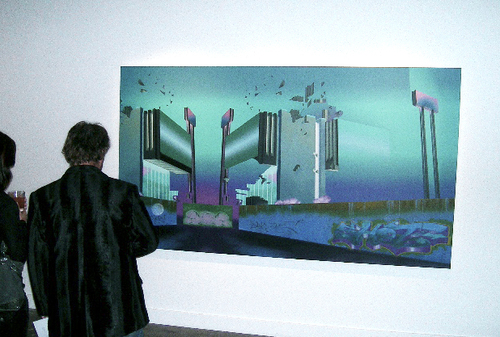
Opening: Darren Wardle ‘Soft Target’ at Nellie Castan Gallery, Melbourne

Exhibition dates: 7th November – 29th November, 2008

Opening: Friday 7th November, 2008


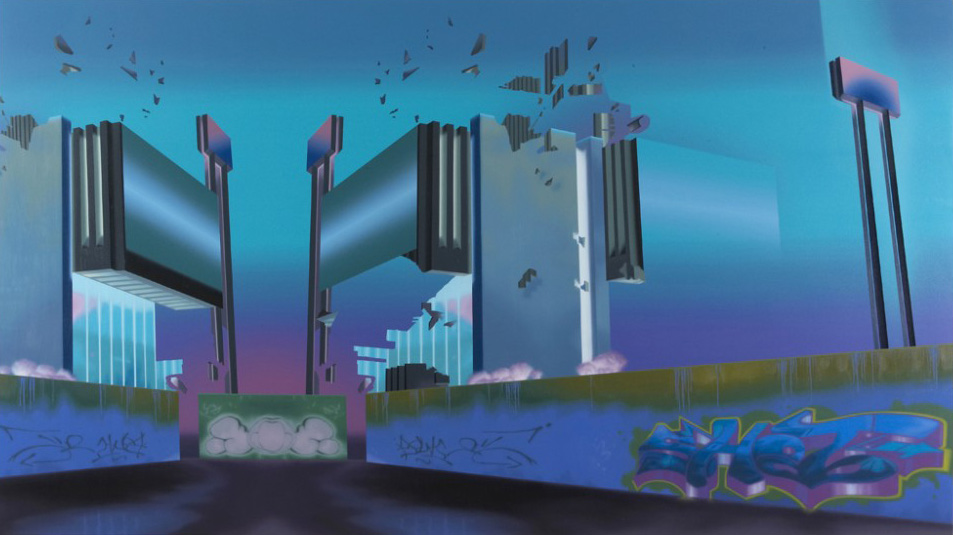
Darren Wardle (Australian, b. 1969) 'Frontier Psychology' 2008 from the exhibition Opening: Darren Wardle 'Soft Target' at Nellie Castan Gallery, Melbourne, Nov 2008


Darren Wardle (Australian, b. 1969)
Frontier Psychology
2008
Oil and acrylic on linen
153cm x 274cm
Private collection


Six luminous oil and acrylic paintings by Darren Wardle greeted viewers in the front gallery at Nellie Castan in South Yarra. In his apocalyptic fractured pop coloured landscapes objects elide, disintegrate and vanish into thin air. Buildings, empty screens and advertising hoardings become the target of lost innocence, a metaphor for the dis-ease and disintegration of consumer society, a portent of things to come.

The titles of the paintings (such as Tipping Point, Faultline and Slanted) perfectly describe the conceptual themes explored in the work. Slinks of dripping paint pour down the canvas, canvases are cut in three through the use of fractured planes like a double exposure in photography and vegetation becomes purple and white, mutated and x-rayed. Some of the paint almost has a crystalline nature to it’s surface, a ‘surface tension’ that contrasts with flat gradated areas of colour in the backgrounds, as though the world is solidifying, cracking and about to fall apart.

An excellent show that is well hung: so many exhibitions have too many objects, too much noise crowding the walls. Here the work is given space to breathe and live and looks all the better for it. Highly recommended.

Dr Marcus Bunyan


Darren Wardle (Australian, b. 1969) 'Faultline' 2008 (installation view)


Darren Wardle (Australian, b. 1969)
Faultline (installation view)
2008
Oil and acrylic on canvas


Darren Wardle (Australian, b. 1969) 'Faultline' 2008 from the exhibition Opening: Darren Wardle 'Soft Target' at Nellie Castan Gallery, Melbourne, Nov 2008


Darren Wardle (Australian, b. 1969)
Faultline
2008
Oil and acrylic on canvas
153cm x 274cm
Private collection


Darren Wardle (Australian, b. 1969) 'Inland Empire' 2008


Darren Wardle (Australian, b. 1969)
Inland Empire
2008
Oil and acrylic on linen
183cm x 167cm
Private collection


Nellie Castan Gallery

This gallery is no longer open

LIKE ART BLART ON FACEBOOK

Back to top