Photographs: ‘The War at Home: Farm Security Administration / Office of War Information Color Photographs’ by Alfred Palmer Part 2

October 2013


Alfred Palmer (American, 1906-1993) 'Large pipe elbows for the Army are formed at Tube Turns, Inc.,' 1941


Alfred Palmer (American, 1906-1993)
Large pipe elbows for the Army are formed at Tube Turns, Inc., by heating lengths of pipe with gas flames and forcing them around a die, in Louisville, Kentucky, in 1941
1941
4 x 5 Kodachrome transparency
Alfred Palmer/OWI/LOC


Kodachrome sheets 1941-1943

This is the second of a two-part posting on the large format Kodachrome colour transparency photographs of the American photographer Alfred Palmer taken during 1941-1943.

This man was a true master of his craft. Look at the lighting in the first three photographs. Palmer really understood the theatre of the scene he was photographing. The first photograph, an inanimate object picturing an elemental force, brings me to tears when looking at it. Too sentimental, too emotional? I don’t think so… just an amazing experience from a magnificent photograph.

See Part 1 of the posting.

Dr Marcus Bunyan


Please click on the photographs for a larger version of the image. Many thankx to the Library of Congress for allowing me to publish the photographs in the posting. No known copyright restrictions on any of the photographs.


Alfred Palmer (American, 1906-1993) 'Casting a billet from an electric furnace, Chase Brass and Copper Co., Euclid, Ohio' February 1942


Alfred Palmer (American, 1906-1993)
Casting a billet from an electric furnace, Chase Brass and Copper Co., Euclid, Ohio. Modern electric furnaces have helped considerably in speeding the production of brass and other copper alloys for national defense. Here the molten metal is poured or cast from the tilted furnace into a mold to form a billet. The billet later is worked into rods, tubes, wires or special shapes for a variety of uses
February 1942
4 x 5 Kodachrome transparency
Alfred Palmer/OWI/LOC


Alfred Palmer (American, 1906-1993) 'Crane operator at Tennessee Valley Authority's Douglas Dam' June 1942


Alfred Palmer (American, 1906-1993)
Crane operator at Tennessee Valley Authority’s Douglas Dam
June 1942
4 x 5 Kodachrome transparency
Alfred Palmer/OWI


Alfred Palmer (American, 1906-1993) 'An employee in the drill-press section of North American's huge machine shop runs mounting holes in a large dural casting, in Inglewood, California, in October of 1942' October 1942


Alfred Palmer (American, 1906-1993)
An employee in the drill-press section of North American’s huge machine shop runs mounting holes in a large dural casting, in Inglewood, California, in October of 1942
October 1942
4 x 5 Kodachrome transparency
Alfred Palmer/OWI/LOC


Alfred Palmer (American, 1906-1993) 'North American Aviation drill operator in the control surface department assembling horizontal stabilizer section of an airplane. Inglewood, California' October 1942


Alfred Palmer (American, 1906-1993)
North American Aviation drill operator in the control surface department assembling horizontal stabilizer section of an airplane. Inglewood, California
October 1942
4 x 5 Kodachrome transparency
Alfred Palmer/OWI


Alfred Palmer (American, 1906-1993) 'Here's our mission. A combat crew receives final instructions just before taking off in a mighty YB-17 bomber from a bombardment squadron base at the field, in Langley Field, Virginia, in May of 1942' May 1942


Alfred Palmer (American, 1906-1993)
Here’s our mission. A combat crew receives final instructions just before taking off in a mighty YB-17 bomber from a bombardment squadron base at the field, in Langley Field, Virginia, in May of 1942
May 1942
4 x 5 Kodachrome transparency
Alfred Palmer/OWI/LOC


Alfred Palmer (American, 1906-1993) 'Hitler would like this man to go home and forget about the war. A good American non-com at the side machine gun of a huge YB-17 bomber is a man who knows his business and works hard at it' May 1942


Alfred Palmer (American, 1906-1993)
Hitler would like this man to go home and forget about the war. A good American non-com at the side machine gun of a huge YB-17 bomber is a man who knows his business and works hard at it
May 1942
4 x 5 Kodachrome transparency
Alfred Palmer/OWI/LOC


Alfred Palmer (American, 1906-1993) 'Young woman employee of North American Aviation working over the landing gear mechanism of a P-51 fighter plane. Inglewood, California' October 1942


Alfred Palmer (American, 1906-1993)
Young woman employee of North American Aviation working over the landing gear mechanism of a P-51 fighter plane. Inglewood, California. 
October 1942
4 x 5 Kodachrome transparency
Alfred Palmer/OWI


Alfred Palmer (American, 1906-1993) 'Working on the horizontal stabilizer of a "Vengeance" dive bomber at the Consolidated-Vultee plant in Nashville' February 1943


Alfred Palmer (American, 1906-1993)
Working on the horizontal stabilizer of a “Vengeance” dive bomber at the Consolidated-Vultee plant in Nashville
February 1943
4 x 5 Kodachrome transparency
Alfred Palmer/OWI


Alfred Palmer (American, 1906-1993) 'Testing electric wiring at Douglas Aircraft Company. Long Beach, California' October 1942


Alfred Palmer (American, 1906-1993)
Testing electric wiring at Douglas Aircraft Company. Long Beach, California
October 1942
4 x 5 Kodachrome transparency
Alfred Palmer/OWI


Alfred Palmer (American, 1906-1993) 'Truck driver at the Tennessee Valley Authority's Douglas Dam' June 1942


Alfred Palmer (American, 1906-1993)
Truck driver at the Tennessee Valley Authority’s Douglas Dam
June 1942
4 x 5 Kodachrome transparency
Alfred Palmer/OWI


Alfred Palmer (American, 1906-1993) 'Experimental staff at the North American Aviation plant in Inglewood, Calif. , observing wind tunnel tests on a model of the B-25 ("Billy Mitchell") bomber' October 1942


Alfred Palmer (American, 1906-1993)
Experimental staff at the North American Aviation plant in Inglewood, Calif., observing wind tunnel tests on a model of the B-25 (“Billy Mitchell”) bomber
October 1942
4 x 5 Kodachrome transparency
Alfred Palmer/OWI


Alfred Palmer (American, 1906-1993) 'An experimental scale model of the B-25 plane is prepared for wind tunnel tests in the plant of the North American Aviation, Inc., Inglewood, California' October 1942


Alfred Palmer (American, 1906-1993)
An experimental scale model of the B-25 plane is prepared for wind tunnel tests in the plant of the North American Aviation, Inc., Inglewood, California. The model maker holds an exact miniature reproduction of the type of bomb the plane will carry
October 1942
4 x 5 Kodachrome transparency
Alfred Palmer/OWI/LOC


Alfred Palmer (American, 1906-1993) 'Parris Island S.C., barrage balloon' May 1942


Alfred Palmer (American, 1906-1993)
Parris Island S.C., barrage balloon
May 1942
4 x 5 Kodachrome transparency
Alfred Palmer/OWI


Alfred Palmer (American, 1906-1993) 'Women are trained as engine mechanics in thorough Douglas training methods, at the Douglas Aircraft Company in Long Beach, California, in October of 1942' October 1942


Alfred Palmer (American, 1906-1993)
Women are trained as engine mechanics in thorough Douglas training methods, at the Douglas Aircraft Company in Long Beach, California, in October of 1942
October 1942
4 x 5 Kodachrome transparency
Alfred Palmer/OWI/LOC


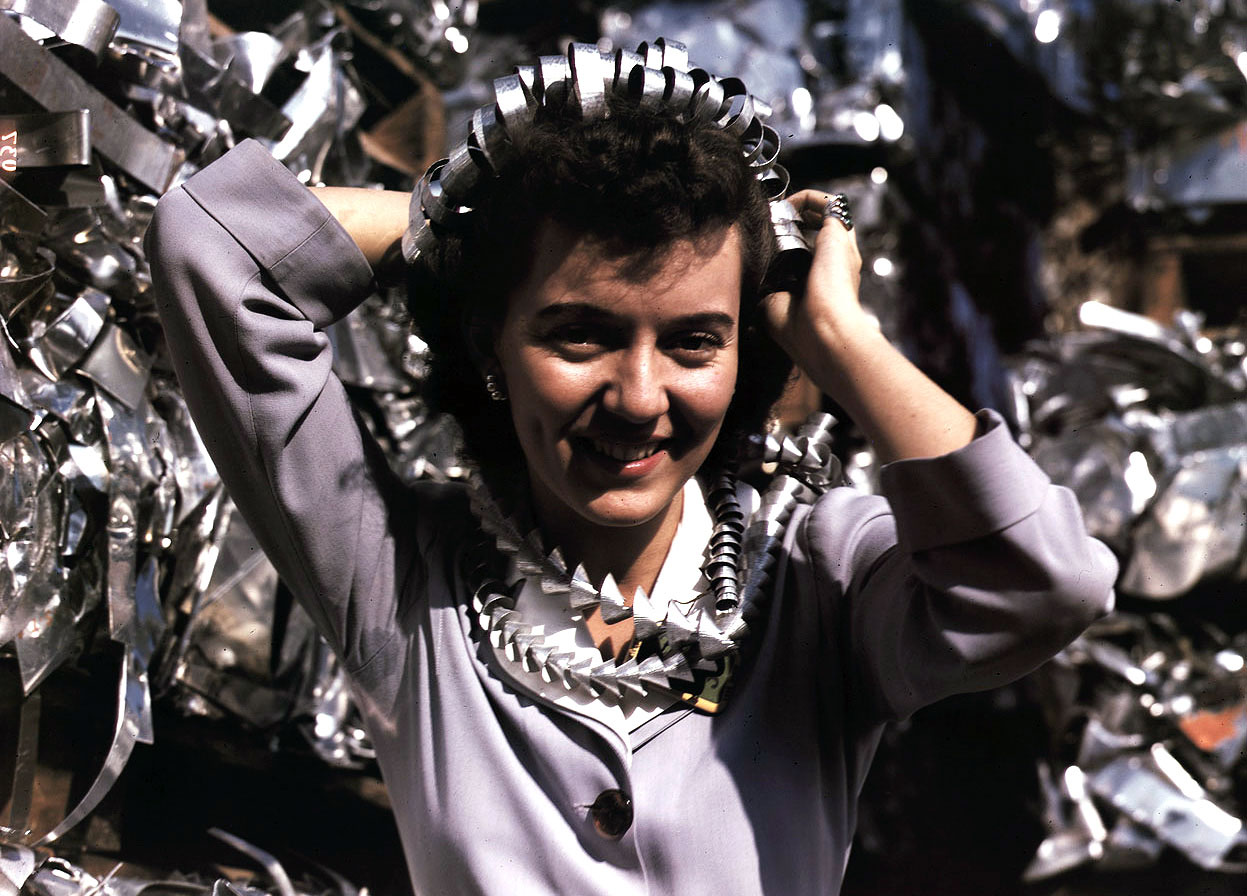
Alfred Palmer (American, 1906-1993) 'Annette del Sur publicizes a salvage campaign in yard of Douglas Aircraft Company, in Long Beach, California, in October of 1942' October 1942


Alfred Palmer (American, 1906-1993)
Annette del Sur publicizes a salvage campaign in yard of Douglas Aircraft Company, in Long Beach, California, in October of 1942
October 1942
4 x 5 Kodachrome transparency
Alfred Palmer/OWI/LOC


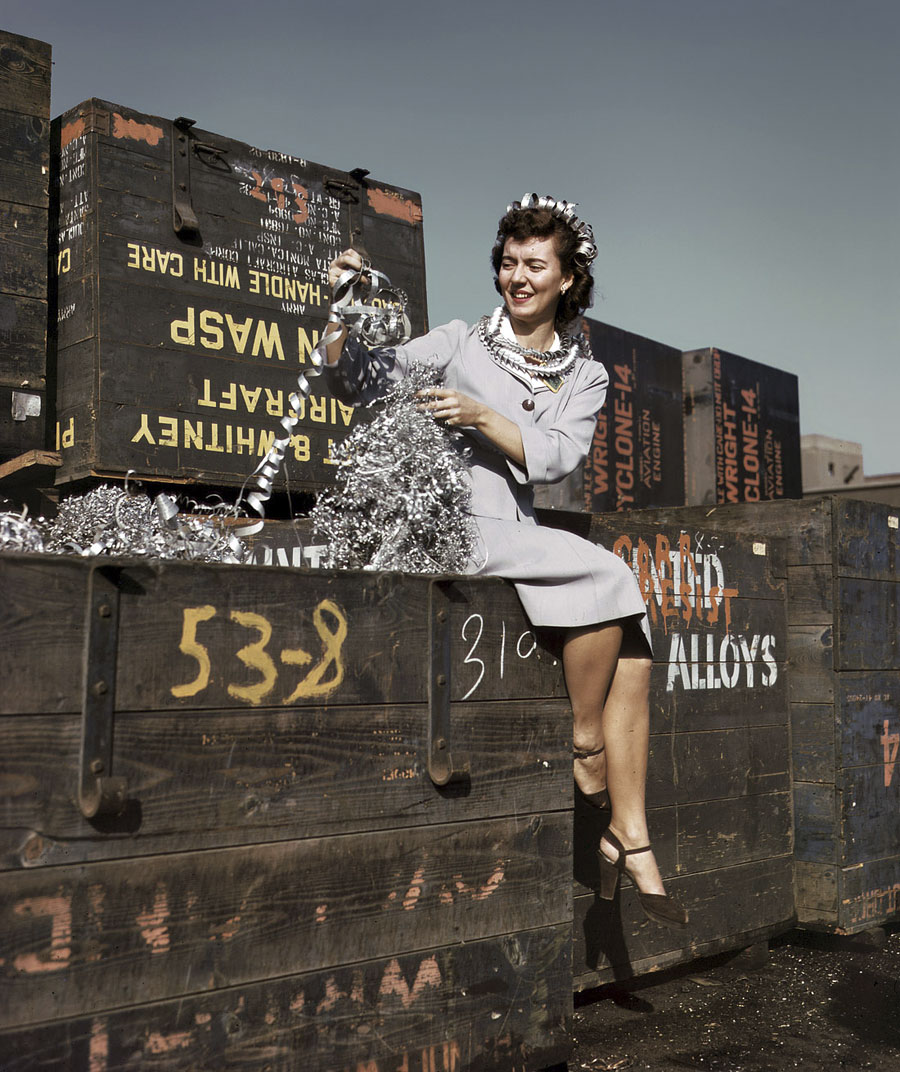
Alfred Palmer (American, 1906-1993) 'Annette del Sur publicizing salvage campaign in yard of Douglas Aircraft Company. Long Beach, California' October 1942


Alfred Palmer (American, 1906-1993)
Annette del Sur publicizing salvage campaign in yard of Douglas Aircraft Company. Long Beach, California
October 1942
4 x 5 Kodachrome transparency
Alfred Palmer/OWI


Alfred Palmer (American, 1906-1993) 'Engine installers at Douglas Aircraft in Long Beach, California' October 1942


Alfred Palmer (American, 1906-1993)
Engine installers at Douglas Aircraft in Long Beach, California
October 1942
4 x 5 Kodachrome transparency
Alfred Palmer/OWI


LIKE ART BLART ON FACEBOOK

Back to top

Photographs: ‘The War at Home: Farm Security Administration / Office of War Information Color Photographs’ by Alfred Palmer Part 1

October 2013


Alfred Palmer (American, 1906-1993) 'P-51 "Mustang" fighter plane in construction, at North American Aviation, Inc., in Los Angeles, California' c. 1942


Alfred Palmer (American, 1906-1993)
P-51 “Mustang” fighter plane in construction, at North American Aviation, Inc., in Los Angeles, California
c. 1942
4 x 5 Kodachrome transparency
Alfred Palmer/OWI/LOC


Kodachrome sheets 1941-1943

This is the first of a two-part posting on the large format Kodachrome colour transparency photographs of the American photographer Alfred Palmer taken during 1941-1943. I absolutely adore these photographs. While today they might seem overly posed and almost surreal in their depiction of men and women at work in the factories of the home front during the Second World War, these are epic canvases of colour, light and form. While Eugène Atget’s photographs may well have been “Documents for artists”, I believe that Alfred Palmer’s photographs can be seen as “Documents for photographers.” They teach later generations the value of craft, of an understanding of the technical aspects of the medium (both camera and film) coupled with the imaginative use and capture of light, colour and pose. Look at the photograph Noontime rest for an assembly worker at the Long Beach (October 1942, below) – have you ever seen such use of colour in the 1940s: red socks, blue slacks, beige shirt, green lunch box and silver background. Like one of those old films in Technicolor, just so beautiful!

While these photographs are masterpieces of formalism, lighting, tone, texture and control, they also transcend their subject matter. Observe the image P-51 “Mustang” fighter plane in construction, at North American Aviation, Inc., in Los Angeles, California (c. 1942, above) for example, to comprehend how this master photographer saw this image, how he understood the potential of the subject matter to shine (on so many levels) and then was able to capture it and let it speak for itself. Considering the conditions under which he would have been working (in cramped factories) and the fact that he would have had to light everything himself, Palmer has recorded a remarkable body of work. All captured on the wonderful Kodachrome film in large format 4″ x 5″ sheets. What a loss to photography this film is.

These photographs deserve to be more widely known and appreciated than they are at present. Love em, love em, love them!

See Part 2 of the posting.

Dr Marcus Bunyan


Many thankx to the Library of Congress for allowing me to publish the photographs in the posting. No known copyright restrictions on any of the photographs.


Alfred Palmer (American, 1906-1993) 'A view of the B-25 final assembly line at North American Aviation's Inglewood, California, plant' Photo published in 1942


Alfred Palmer (American, 1906-1993)
A view of the B-25 final assembly line at North American Aviation’s Inglewood, California, plant
Photo published in 1942
4 x 5 Kodachrome transparency
Alfred Palmer/OWI/LOC


Alfred Palmer (American, 1906-1993) 'B-25 bomber plane at North American Aviation being hauled along an outdoor assembly line. Kansas City, Kansas.' October 1942


Alfred Palmer (American, 1906-1993)
B-25 bomber plane at North American Aviation being hauled along an outdoor assembly line. Kansas City, Kansas

October 1942
4 x 5 Kodachrome transparency
Alfred Palmer/OWI


Alfred Palmer (American, 1906-1993) 'Servicing an A-20 bomber, Langley Field, Va.' July 1942


Alfred Palmer (American, 1906-1993)
Servicing an A-20 bomber, Langley Field, Va.
July 1942
4 x 5 Kodachrome transparency
Alfred Palmer/OWI


Alfred Palmer (American, 1906-1993) 'P-51 "Mustang" fighter in flight' October 1942


Alfred Palmer (American, 1906-1993)
P-51 “Mustang” fighter in flight, Inglewood, California, The Mustang, built by North American Aviation, Incorporated, is the only American-built fighter used by the Royal Air Force of Great Britain
October, 1942
4 x 5 Kodachrome transparency
Alfred Palmer/OWI/LOC


Alfred Palmer (American, 1906-1993) 'Sunset silhouette of a flying fortress, at Langley Field, Virginia, in July, 1942' July 1942


Alfred Palmer (American, 1906-1993)
Sunset silhouette of a flying fortress, at Langley Field, Virginia, in July, 1942
July 1942
4 x 5 Kodachrome transparency
Alfred Palmer/OWI/LOC


Alfred Palmer (American, 1906-1993) 'Light tank going through water obstacle. Fort Knox, June 1942' June 1942


Alfred Palmer (American, 1906-1993)
Light tank going through water obstacle. Fort Knox, June 1942
June 1942
4 x 5 Kodachrome transparency
Alfred Palmer/OWI
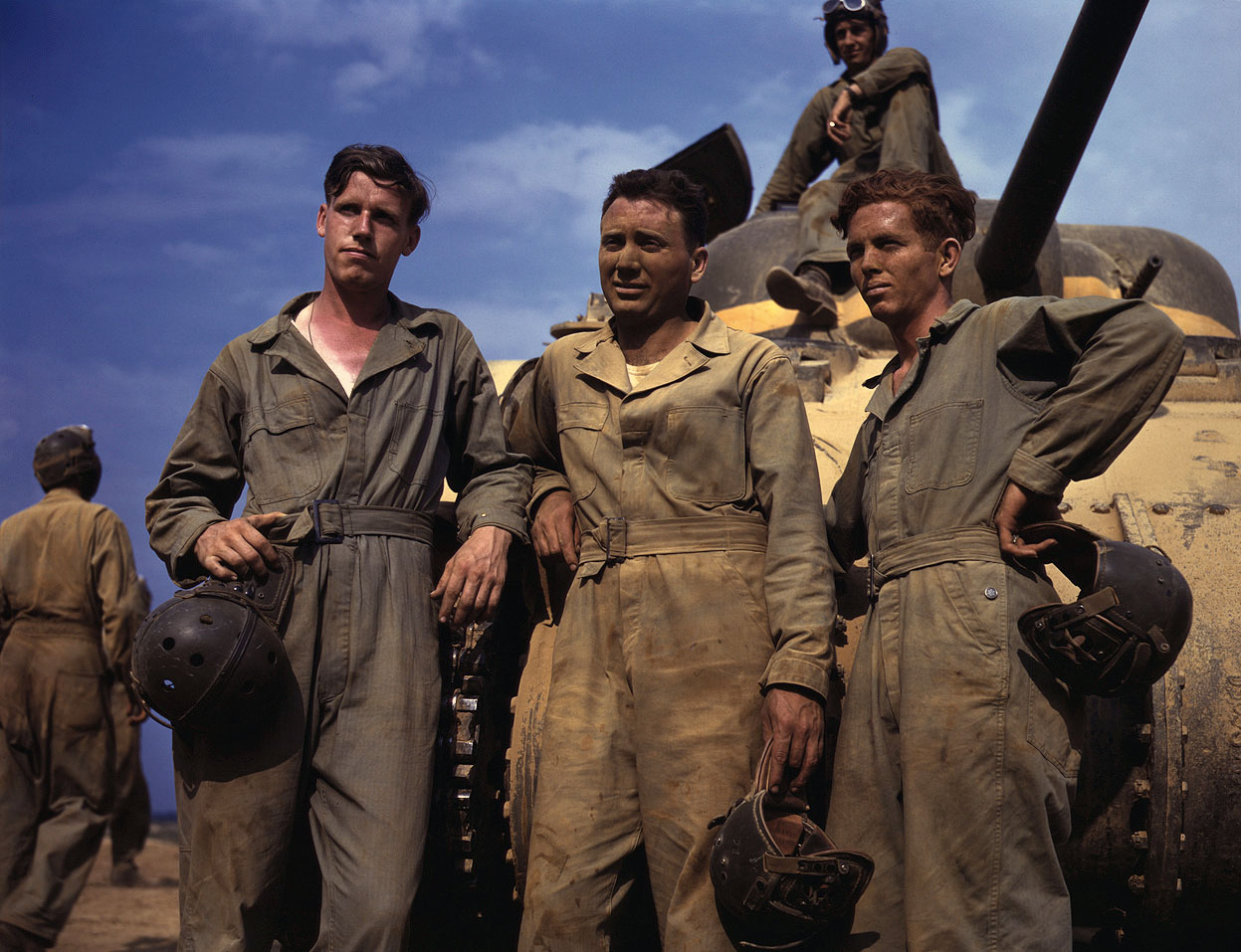
 

Alfred Palmer (American, 1906-1993) 'Tank crew standing in front of M-4 tank, Ft. Knox, Kentucky, June, 1942' June, 1942


Alfred Palmer (American, 1906-1993)
Tank crew standing in front of M-4 tank, Ft. Knox, Kentucky, June, 1942
June, 1942
4 x 5 Kodachrome transparency
Alfred Palmer/OWI/LOC


Alfred Palmer (American, 1906-1993) 'Army tank driver at Fort Knox , Kentucky' June 1942


Alfred Palmer (American, 1906-1993)
Army tank driver at Fort Knox, Kentucky
June 1942
4 x 5 Kodachrome transparency
Alfred Palmer/OWI


Alfred Palmer (American, 1906-1993) 'Lieutenant "Mike" Hunter, Army pilot assigned to Douglas Aircraft Company, Long Beach, Calif.' October 1942


Alfred Palmer (American, 1906-1993)
Lieutenant “Mike” Hunter, Army pilot assigned to Douglas Aircraft Company, Long Beach, Calif.
October 1942
4 x 5 Kodachrome transparency
Alfred Palmer/LOC
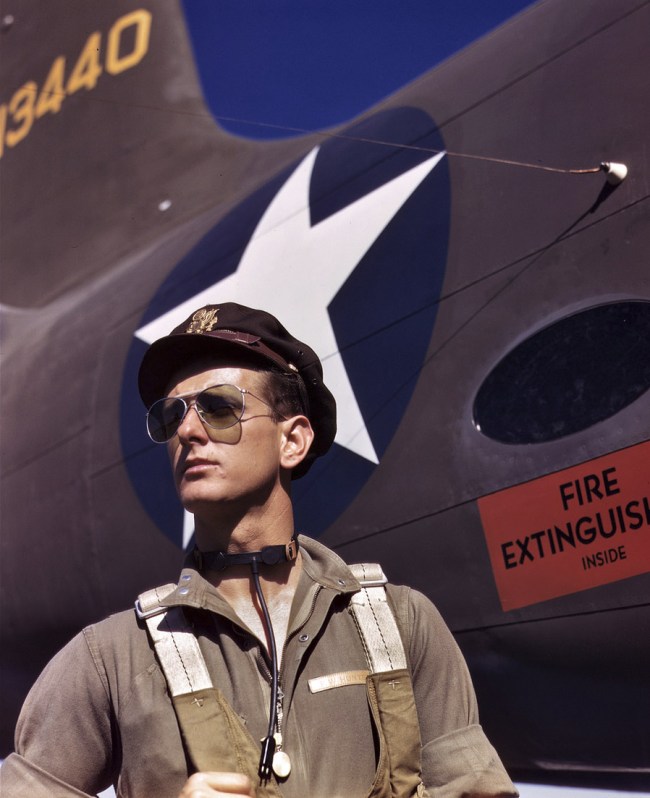
 

Alfred Palmer (American, 1906-1993) 'Lieutenant 'Mike' Hunter, Army test pilot assigned to Douglas Aircraft Company, Long Beach, California' October 1942


Alfred Palmer (American, 1906-1993)
Lieutenant ‘Mike’ Hunter, Army test pilot assigned to Douglas Aircraft Company, Long Beach, California
October 1942
4 x 5 Kodachrome transparency
Alfred Palmer/OWI


Alfred T. Palmer 1906-1993

Born in San Jose, California, Palmer was an avid photographer from an early age, meeting the young Ansel Adams in Yosemite in 1916. He was hired on as a cadet on the Dollar Lines President Monroe. He was 19 years old. This would be the first of his 23 trips around the world in the next 32 years. Palmer became the official photographer and worked aboard Dollar Line, Matson and Moore-McCormack Lines ships around the world shooting 100s of images with his Graflex camera. He would trade with other crew members for daytime shifts so he could go ashore and photograph everything he saw.

In 1938, he packed cameras and darkroom equipment into his car and set out across America documenting everything that captured his interest from cows and pigs and corn to towns, cities, people and industry. He would develop the film in the bathrooms of the tourist homes and auto courts every night. He sold the negatives for a dollar each for use in educational books. He made contact prints of each one which are included in his vast portfolio of work.

In 1939 when Hitler attacked Poland the United States ranked twentieth as a world military power. In June of 1940 President Roosevelt and Congress passed a bill for the building of a major two ocean navy. At that time Roosevelt formed the National Defense Advisory Commission of the Office of Emergency Management (OEM) and Palmer was chosen to head the photography department. To rally and inform citizens about the use of their tax dollars and resources, Palmer was sent out to photograph Americans building what Roosevelt termed the Arsenal of Democracy. Aware of the power of mass media, the OEM wanted to provide images which would vividly convey their story in high contrast photos for magazines and newspapers. At the OEM, Palmer’s boss, Robert Horton, would brainstorm assignments, sending him into restricted industrial and military facilities. Once in the field, Palmer worked independently. He developed a style of quickly seeing the picture and catching the essence. Through this style he was able to convey the gritty texture and geometry of industrial form combined with the strong emotion of men and women attentive to their work. His dramatic tonal ranges and sharp focus approach reflect the early influence of his mentor, Ansel Adams.

In 1941, after the bombing of Pearl Harbor, Palmer became official photographer for the newly formed Office of War Information (OWI). He also served as technical expert with final say on photographic equipment and processes. Now his images had to illustrate all aspects of the war effort, from industrial workers to conservation of resources and citizen participation. Palmer’s emphasis was on the typical American hard at work on the home front. His photographs were also an integral part of the “women power” campaign to change the public attitude toward women joining the work force. He showed women as patriotic, glamorous and capable, working on fighter planes as well as assembly lines. Palmer also focused on the dedication and dignity of the black labor force and worked with the chief of the News Bureau Negro Press.

In 1942, the Farm Security Administration (FSA) was added as a joint agency with the OWI. Palmer and Roy Stryker shared creativity and conflict during those years in the dissident approaches to portraying America to herself. While Stryker’s unit showed a national self scrutiny of post depression America, Palmer sought to emphasise a moral building role through his photography. Palmer’s deep belief in promoting the spiritual strength of people permeates his entire career as photographer and filmmaker.

During his years with OWI Palmer worked with a number of significant photographers such as Esther Bubbly, Howard Leiberman, Gordon Parks, Dorothea Lang and Edward Steichen. Palmer’s artistic style was recognised by Steichen, who featured his photographs in the historic traveling exhibit “Road to Victory”, which opened at the Museum of Modern Art in 1942. Alfred Palmer generated thousands of photographs that were widely published in the major magazines and newspapers in the United States and abroad. His works were praised for their exceptional symbolic power and striking use of intense contrasts conveying the courage and determination that Roosevelt sought to arouse in the nation. Much of the vast collection of Palmer’s photographs (including rare colour transparencies) is housed in the National Archives and the Library of Congress.

Alfred Palmer passed away in 1993, leaving a legacy of life work that is unique in its very essence. This extensive collection of photographs and 16mm colour film encompassing five decades of world cultures, World War II history and America’s maritime heritage becomes increasingly significant as a testimony to our humanity.

Text from the Alfred T. Palmer website [Online] Cited 13/10/2013 no longer available online


A Kodachrome sheet film box that held 2 x half a dozen sheets of film in 2 sheet packages, from around the time Alfred Palmer would have been using the same film. Notice the ISO/ASA rating of 10. Expiry date of October 1944


A Kodachrome sheet film box that held 2 x half a dozen sheets of film in 2 sheet packages, from around the time Alfred Palmer would have been using the same film. Notice the ISO/ASA rating of 10. Expiry date of October 1944.


Alfred Palmer (American, 1906-1993) 'American mothers and sisters, like these women at the Douglas Aircraft Company plant in Long Beach , California , give important help in producing dependable planes for their men at the front' October 1942


Alfred Palmer (American, 1906-1993)
American mothers and sisters, like these women at the Douglas Aircraft Company plant in Long Beach, California, give important help in producing dependable planes for their men at the front
October 1942
4 x 5 Kodachrome transparency
Alfred Palmer/OWI


Alfred Palmer (American, 1906-1993) 'Assembling switchboxes on the firewalls of B-25 bombers at North American Aviation's Inglewood, California, factory' October 1942


Alfred Palmer (American, 1906-1993)
Assembling switchboxes on the firewalls of B-25 bombers at North American Aviation’s Inglewood, California, factory
October 1942
4 x 5 Kodachrome transparency
Alfred Palmer/OWI


Alfred Palmer (American, 1906-1993) 'Workers installing fixtures and assemblies in the tail section of a B-17F bomber at the Douglas Aircraft Company plant in Long Beach , California' October 1942


Alfred Palmer (American, 1906-1993)
Workers installing fixtures and assemblies in the tail section of a B-17F bomber at the Douglas Aircraft Company plant in Long Beach, California
October 1942
4 x 5 Kodachrome transparency
Alfred Palmer/OWI


Alfred Palmer (American, 1906-1993) 'Engine inspector for North American Aviation at Long Beach, California' June 1942


Alfred Palmer (American, 1906-1993)
Engine inspector for North American Aviation at Long Beach, California
June 1942
4 x 5 Kodachrome transparency
Alfred Palmer/OWI


Alfred Palmer (American, 1906-1993) 'Punching rivet holes in a frame member for a B-25 bomber at North American Aviation. Inglewood, California' June 1942


Alfred Palmer (American, 1906-1993)
Punching rivet holes in a frame member for a B-25 bomber at North American Aviation. Inglewood, California 
June 1942
4 x 5 Kodachrome transparency
Alfred Palmer/OWI


Alfred Palmer (American, 1906-1993) 'Inglewood, California. Riveting team working on the cockpit shell of a C-47 heavy transport at North American Aviation' 1942


Alfred Palmer (American, 1906-1993)
Inglewood, California. Riveting team working on the cockpit shell of a C-47 heavy transport at North American Aviation.
“The versatile C-47 performs many important tasks for the Army. It ferries men and cargo across the oceans and mountains, tows gliders and brings paratroopers and their equipment to scenes of action.”
1942
4 x 5 Kodachrome transparency
Alfred Palmer/OWI


Alfred Palmer (American, 1906-1993) 'Noontime rest for an assembly worker at the Long Beach, Calif., plant of Douglas Aircraft Company. Nacelle parts for a heavy bomber form the background' October 1942


Alfred Palmer (American, 1906-1993)
Noontime rest for an assembly worker at the Long Beach, Calif., plant of Douglas Aircraft Company. Nacelle parts for a heavy bomber form the background
October 1942
4 x 5 Kodachrome transparency
Alfred Palmer/OWI
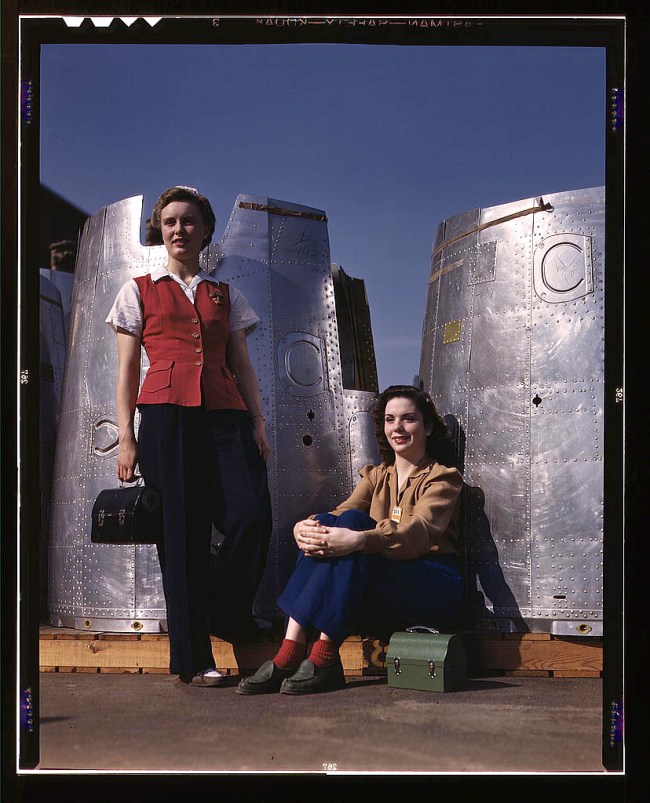
 

Alfred Palmer (American, 1906-1993) 'Two assembly line workers at the Long Beach, Calif., plant of Douglas Aircraft Company enjoy a well-earned lunch period, Long Beach, Calif. Nacelle parts of a heavy bomber form the background' October 1942


Alfred Palmer (American, 1906-1993)
Two assembly line workers at the Long Beach, Calif., plant of Douglas Aircraft Company enjoy a well-earned lunch period, Long Beach, Calif. Nacelle parts of a heavy bomber form the background
October 1942
4 x 5 Kodachrome transparency
LOC


LIKE ART BLART ON FACEBOOK

Back to top

Exhibition: ‘Un/Natural Color’ at the Santa Barbara Museum of Art, Santa Barbara, CA

Exhibition dates: 7th July – 29th September 2013


Many thankx to the Santa Barbara Museum of Art for allowing me to publish the photographs in the posting. Please click on the photographs for a larger version of the image.


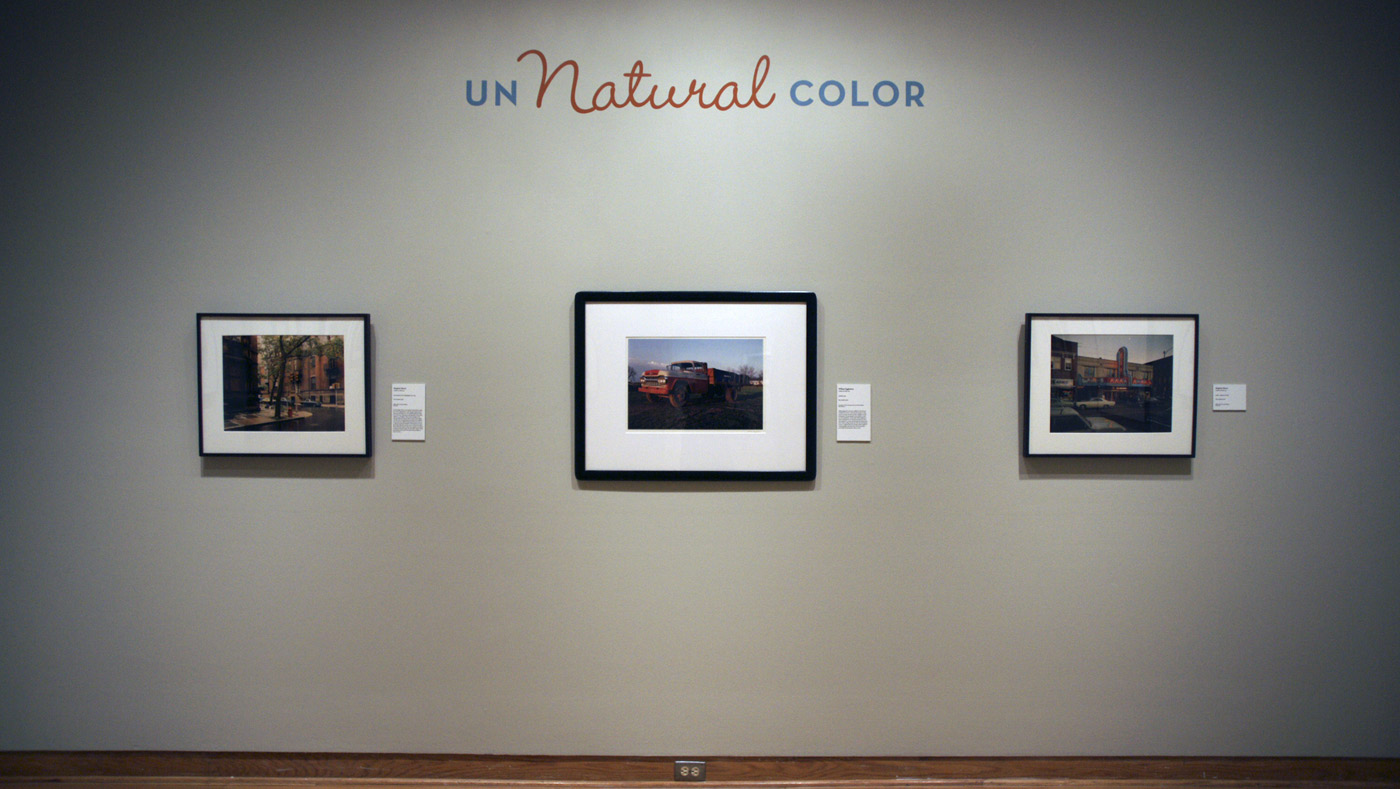
Installation photograph of the exhibition 'Un/Natural Color' at the Santa Barbara Museum of Art

Installation photograph of the exhibition 'Un/Natural Color' at the Santa Barbara Museum of Art

Installation photograph of the exhibition 'Un/Natural Color' at the Santa Barbara Museum of Art


Installation photographs of the exhibition Un/Natural Color at the Santa Barbara Museum of Art


This exhibition looks at the powerful relationship between colour and memory by considering photographs and the ways in which their unique colour palettes evoke specific moments of the historical past. From the pastel hues of 19th-century hand-painted portraits, to the vibrant colours of late-1930s Kodachrome transparencies, and the faded, shifted tones of snapshots from the 1970s, different kinds of colour reproduction are closely associated with the time periods that they most frequently represent. Each experiment in colour photography was originally meant to convey a sense of the natural hues of the world, but as our expectations for realistic representation have evolved, these earlier technologies for representing colour have also taken on new meaning. Today, the distinctive colours found in many vintage photographs speak as loudly to contemporary viewers about the period in which they were made as the content that they render visible. The exhibition suggests that the aesthetics of colour are closely related to the evolution of photographic technology over the past 100 years, and encourages visitors to rethink the significance of colour in contemporary photography through the lens of its multi-coloured past. This exhibition was organised by Kim Beil, an art historian who teaches at the University of California, Santa Cruz.

Text from the Santa Barbara Museum of Art website


Jack Delano (American, 1914-1997) 'Barker at the Grounds of the Vermont State Fair, Rutland' 1941, printed 1983


Jack Delano (American, 1914-1997)
Barker at the Grounds of the Vermont State Fair, Rutland
1941, printed 1983
Dye transfer print
Santa Barbara Museum of Art, Gift of the Bruce Berman and Nancy Goliger Berman Collection


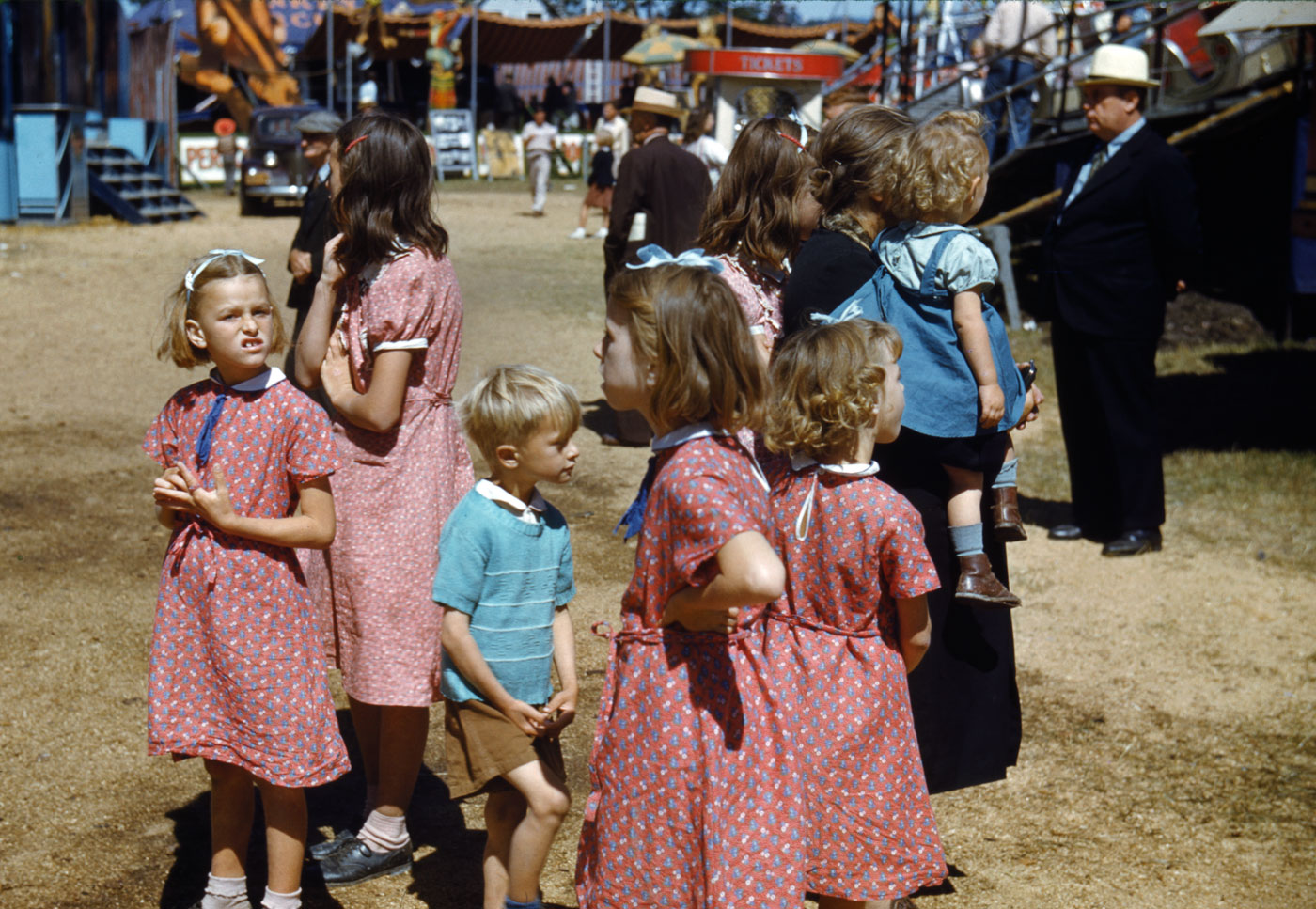
Jack Delano (American, 1914-1997) 'At the Vermont State Fair, Rutland' 1941, printed 1985


Jack Delano (American, 1914-1997)
At the Vermont State Fair, Rutland
1941, printed 1985
Dye transfer print
Santa Barbara Museum of Art, Gift of the Bruce Berman and Nancy Goliger Berman Collection


William Eggleston (American, b. 1939) 'Farm truck, Memphis, Tennessee' 1972


William Eggleston (American, b. 1939)
Farm truck, Memphis, Tennessee
1972
Dye-transfer print


Leroy Grannis (American, 1917-2011) 'Greg Noll Surf Team at Duke Kahanamoku Invitational, Sunset Beach' 1966, printed 2005


Leroy Grannis (American, 1917-2011)
Greg Noll Surf Team at Duke Kahanamoku Invitational, Sunset Beach
1966, printed 2005
C-print, ed. 1/9
Santa Barbara Museum of Art, Museum purchase with funds provided by Janet and Michael G. Wilson


LeRoy “Granny” Grannis (August 12, 1917 – February 3, 2011) was a veteran photographer. His portfolio of photography of surfing and related sea images from the 1960s enjoys a reputation that led The New York Times to dub him “the godfather of surfphotography.”


Un/Natural Color, an exhibition of colour photography from the Santa Barbara Museum of Art’s (SBMA) permanent collection, illustrates the history of colour photography since the 19th century and examines how the shifted or faded colours of old photographs can evoke moments in the historical past. Responding to the widespread use of nostalgic filters in popular photography and social media apps, such as Instagram and Twitter, this presentation enables visitors to see first-hand the historical processes that inspired the aesthetics of these digital manipulations. Despite their reputation for preserving memories and stopping time, photographs themselves are susceptible to material changes over time. These changes are often most visible in the radical colour shifts seen in old photographs, from the characteristic pink hue of snapshots from the 1950s to the yellowed borders and cool cast of prints from the 1970s. These changes also serve to complicate any simple belief in the ability of photography to faithfully represent the natural colours of the world.

While the exhibition includes a number of experimental early processes, including the chromolithographically-derived Photochrom process as well as an early Autochrome, the bulk of the imagery is drawn from the decades following the pivotal invention of Kodachrome, the first colour slide film, which was made commercially available in 1936. Because this film, as well as Kodacolor negative film (1942), was sent back to Eastman-Kodak for processing, photographers’ control over their imagery was greatly reduced, leading many art photographers to resist the transition to colour until decades later.

Un/Natural Color includes rarely-seen colour work by two notable documentary photographers of the Depression era, Jack Delano and Marion Post Wolcott. Both worked for the Farm Security Administration (a government program associated with the New Deal) and made limited use of colour film while on assignment documenting the effects of the Great Depression on rural American. Very few (if any) of these images were reproduced in the popular press, however, owing to the difficulty and cost of reproducing colour photographs, and to colour photography’s overwhelming association with commercial advertising at this time (as in Elmar Ludwig and Edmund Nägele’s image of the popular resort chain, Butlin’s).

The art establishment at large expressed little interest in colour photography until the mid-1970s, following the inclusion of colour work in two groundbreaking exhibitions: Stephen Shore’s vernacular landscapes in New Topographics: Photographs of a Man-Altered Landscape at the George Eastman House in Rochester, NY (1975) and the solo exhibition of William Eggleston’s colour photography at the Museum of Modern Art, NY (1976). Both of these important photographers are represented in Un/Natural Color, as well as work by photographers exploring similar uses of colour to record everyday American scenes, including Jeff Brouws, Jim Dow, and Joel Meyerowitz.

Prior to the 1970s, some tentative forays into colour photography were made by art photographers primarily known for their work in black-and-white (notably Harry Callahan), but colour was more often derided for its populist associations and was typically allied with either snapshot photography or advertising and Hollywood. The negative connotation that colour photography had acquired over the years in the art world was critical to its adoption by photographers like Shore and Eggleston, who used it to challenge conventional expectations for photographic art and to force viewers to look with new eyes at the familiar world around them.

An image such as Greg Noll Surf Team at Duke Kahanamoku Invitational, Sunset Beach by Leroy Grannis highlights the powerful ability of colour photography to summon a unique historical moment. It is not just the classic haircut and short surf trunks sported by the surf legend, Greg Noll, that situates this photograph in the 1960s. Colour photography at this time typically recorded colour in a highly saturated, though fairly uniform manner, leaving some aspects of this photograph looking flat, rather than mimicking the subtle modulation of tone that is more commonly associated with the perception of depth by human vision.

The characteristic manner by which different colour processes represent the colours of the world, as well as the changes that such colour photographs suffer over time, are powerful indicators of the photograph’s history. When we look at colour photographs, all of these markers are brought to bear on our interpretation of their subjects, leading us to question: what is natural colour anyway?

Press release from the Santa Barbara Museum of Art website


Roman Freulich (American born Poland, 1898-1974) 'Gloria Swanson' Nd


Roman Freulich (American born Poland, 1898-1974)
Gloria Swanson
Nd
Dye transfer print
Santa Barbara Museum of Art, Gift of Judith Caditz, Allan M. Caditz, Ellen Joan Abramson and Norman Abramson


Roman Freulich (1898-1974) was a photographer in the United States known for his movie stills and glamour shots. He immigrated from Poland.


William Edwin Gledhill (Canadian, 1888-1976) 'Amanda Duff' 1935


William Edwin Gledhill (Canadian, 1888-1976)
Amanda Duff
1935
Dye transfer print
Santa Barbara Museum of Art, Gift of Keith Gledhill


In 1907, the recently married Carolyn and Edwin Gledhill opened their first portrait studio on Chapala Street [Santa Barbara], one block from the luxurious oceanfront Potter Hotel, a destination for wealthy and prominent visitors at the time. During an era of extensive industrial growth and expansion for many burgeoning California cities, Santa Barbarans instead made the collective choice to focus on the city’s architecture, civic value and pageantry, making it an ideal haven for a diverse and growing community of artists and professionals. This unique social climate allowed the Gledhills access to the cultural elite, both visitors and residents alike, from which they chose the subjects of their portraits.

The Gledhills were fairly radical for their time, which was reflected both in their craft and in their personal life. At the time of their marriage, Edwin was only 19, while Carolyn was already in her 30s. This age disparity, which might be viewed as unorthodox today, was borderline scandalous in the early 20th century.

Carolyn Gledhill also showed a propensity for early feminism in her work. Before her untimely death in 1935, she would pose many of her female subjects in subtly defiant ways, reflecting the fundamental shift in the paradigm of women’s roles in America during the 1920s.

Following Carolyn’s death, Edwin continued his work as a photographer and preservationist of Santa Barbara’s historic resources; he even served for many years as the executive director of the Santa Barbara Historical Museum, helping build it into the cultural institution it is today.

Anonymous. “Portraits in Paradise: The Photography of Carolyn and Edwin Gledhill, 1906-1944,” on the Santa Barbara Historical Museum website Nd [Online] Cited 03/07/2024


Elmar Ludwig and Edmond Nagele. 'The Indoor-Heated Pool, Butlin’s Mosney' Nd


Elmar Ludwig (German, b. 1935) and Edmund Nägele (German, b. 1942)
The Indoor-Heated Pool, Butlin’s Mosney
Nd


Elmar Ludwig (born 1935) is a German photographer. Ludwig was born in Halle in 1935. In 1961, John Hinde recruited two German photographers, Ludwig (as head of photographic department) and Edmund Nägele, and one British, David Noble to expand his eponymous postcard business. Ludwig travelled the world for John Hinde, before establishing his own Munich studio at the end of the 1960s, focused on architecture, product and advertising photography.

Text from the Wikipedia website

Edmund Nägele FRPS is a German photographer. Nägele started his career in a Munich advertising studio, before relocating to Ireland. In 1962, John Hinde recruited two German photographers, Elmar Ludwig and Edmund Nägele and one British, David Noble to expand his eponymous postcard business. John Hinde Ltd. sent Nägele to Cyprus around 1969, where he recorded the life and scenery of this beautiful island. Large format film was used to produce postcard subjects, with colour separation and other post-processing being done in Milan – this included removing telegraph poles, television aerials and adding bright colours to vehicles and peoples clothing. Nägele is remembered for his elaborately staged, colour-saturated images of Butlin’s holiday camps taken in the 1960s.

Text from the Wikipedia website


William Henry Jackson (American, 1843-1942) 'Colorado Railway Mountain View' 1898


William Henry Jackson (American, 1843-1942)
Colorado Railway Mountain View
1898
Photochrom
Santa Barbra Museum of Art, Museum purchase


William Henry Jackson (American, 1843-1942) 'Colorado Grand Canyon of the Arkansas' 1898


William Henry Jackson (American, 1843-1942)
Colorado Grand Canyon of the Arkansas
1898
Photochrom
Santa Barbara Museum of Art, Museum purchase


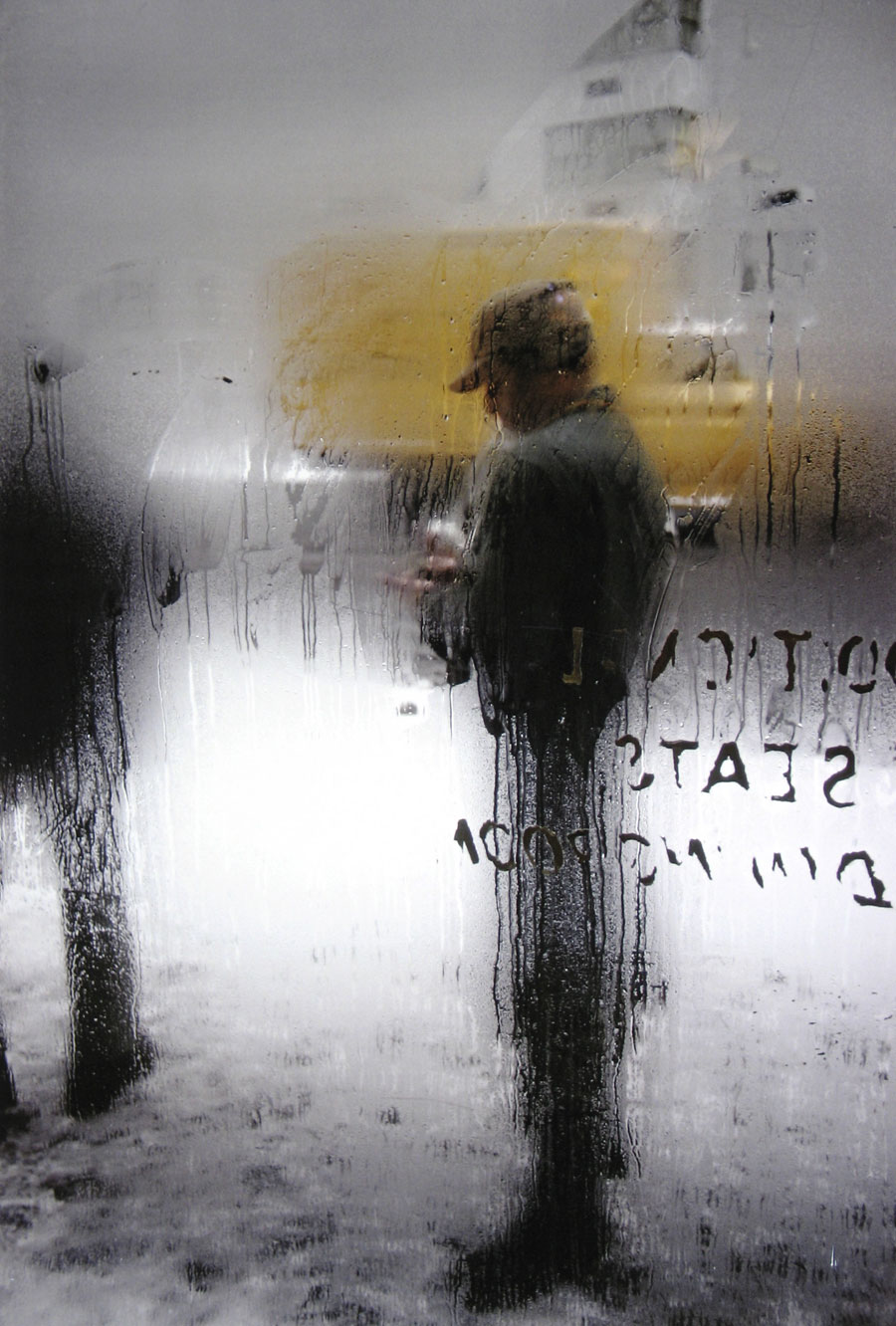
Saul Leiter (American, 1923-2013) 'Snow' 1960


Saul Leiter (American, 1923-2013)
Snow
1960


Santa Barbara Museum of Art
1130 State Street, Santa Barbara, CA

Opening hours:
Tuesday – Sunday 11am – 5pm
Thursday Evenings 5 – 8pm

Santa Barbara Museum of Art website

LIKE ART BLART ON FACEBOOK

Back to top