Exhibition: ‘The Polaroid Project’ at the Museum für Kunst und Gewerbe Hamburg

Exhibition dates: 16th March – 17th June, 2018


Anna Reynolds. 'Marcus / Mutilation of the Soul' October 1992


Anna Reynolds
Marcus / Mutilation of the soul
October 1992
Phillip Institute, Melbourne
Polaroid


I love Polaroid photography. As “instant” photography it can have immediacy, but it can also be used for conceptual work as can be see in this posting. You can manipulate the image while it is still developing, and you can also later reclaim the negative from the Polaroid itself, providing a useful scannable or printable negative for further experimentation.

The idea of “instant” photography bemuses me. Nothing is ever “instant”. For example, in the Polaroid image of me above (and in all of the images below), there was thought, an idea, a process, and imagination going on well before the photograph was taken, and during its development (the manipulation of the Polaroid around the figure). Even a simple, vernacular photograph of a family scene contains the fact that the person behind the camera made a conscious decision to capture something that they saw, and press the shutter at a particular moment. It is never a “snapshot” for the process of taking a photograph is always a sub / conscious, imaginative, exclamation of choice.

So there is this space and time of in/decision; there is also the space and time of waiting (and manipulating if so desired) for the Polaroid to develop. That is the magical part for me… to see the image develop not in the drip tray of the darkroom, but holding the image in your hand, watching it emerge from the ether right in front of your eyes. Instant no, unforgettable, yes.

Dr Marcus Bunyan


Many thankx to the Museum für Kunst und Gewerbe Hamburg for allowing me to publish the photographs in the posting. Please click on the photographs for a larger version of the image.


The Polaroid Project will shed light on the broad aesthetic spectrum made possible by the groundbreaking technology of instant photography, showcasing around 220 works by over 100 artists. Polaroid – a brand that has long since become a legend – revolutionised photography in a way that can still be felt today and which lives on in photo apps and on Instagram. The exhibition was developed by the Foundation for the Exhibition of Photography, Minneapolis / New York / Paris / Lausanne, the MIT Museum in Cambridge (Massachusetts), and WestLicht. Schauplatz für Fotografie (Vienna), in cooperation with MKG, and will be shown at numerous international museums.
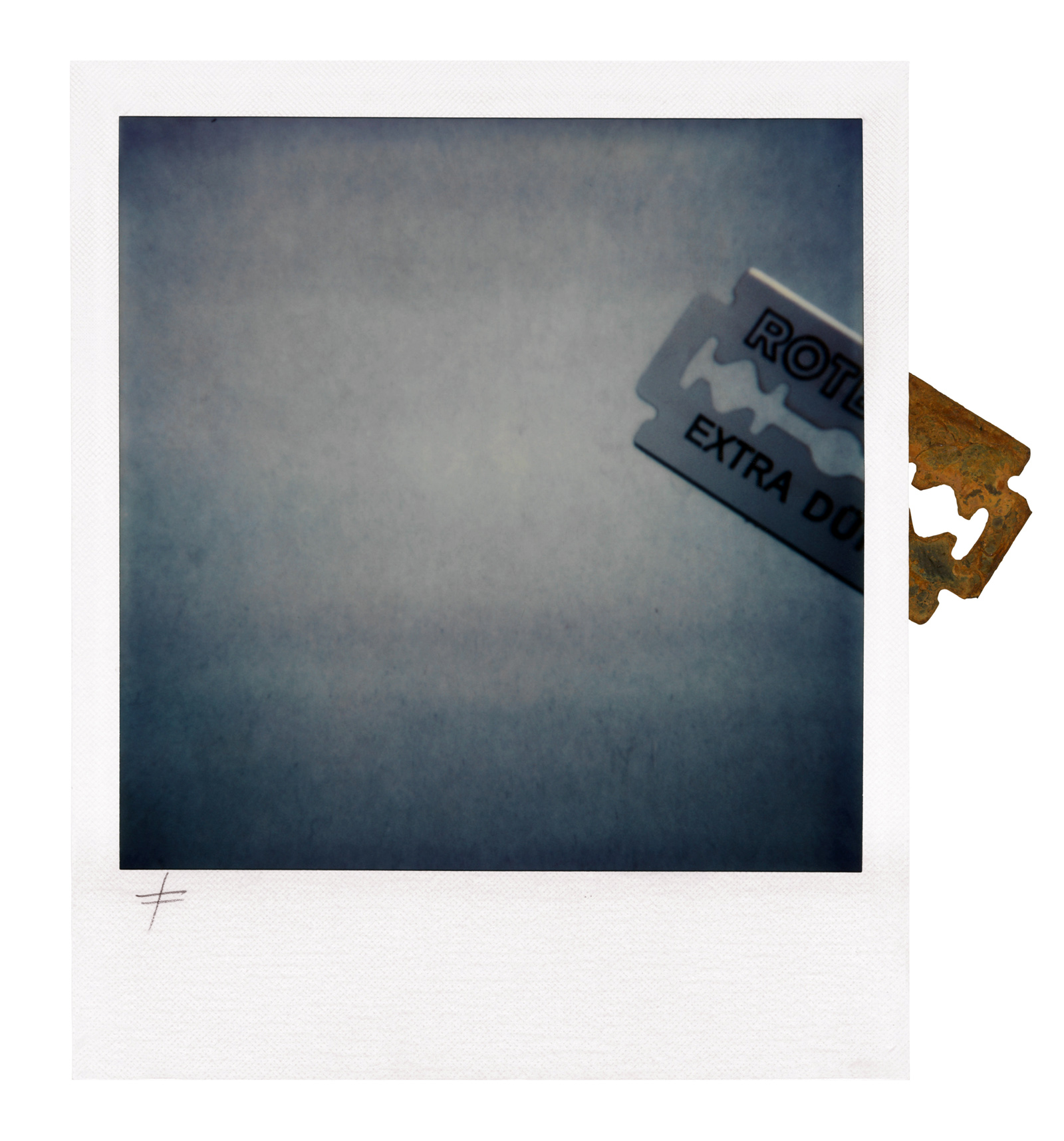
 

James Nitsch. 'Razor Blade' 1976 from the exhibition 'The Polaroid Project' at the Museum für Kunst und Gewerbe Hamburg, March - June, 2017


James Nitsch
Razor Blade
1976
Polaroid SX-70 assemblage with razor blade
10.7 x 8.8cm
© James Nitsch


Guy Bourdin (French, 1928-1991) 'Charles Jourdan' 1978 from the exhibition 'The Polaroid Project' at the Museum für Kunst und Gewerbe Hamburg, March - June, 2017


Guy Bourdin (French, 1928-1991)
Charles Jourdan 1978
1978
C-Print
88.9 x 116.8cm
© The Guy Bourdin Estate 2017 / Courtesy of Louise Alexander Gallery


André Kertész (Hungarian, 1894-1985) 'August 13' 1979


André Kertész (Hungarian, 1894-1985)
August 13, 1979
1979
Polaroid SX-70
10.7 x 8.8cm
© The Estate of André Kertész, courtesy Stephen Bulger Gallery
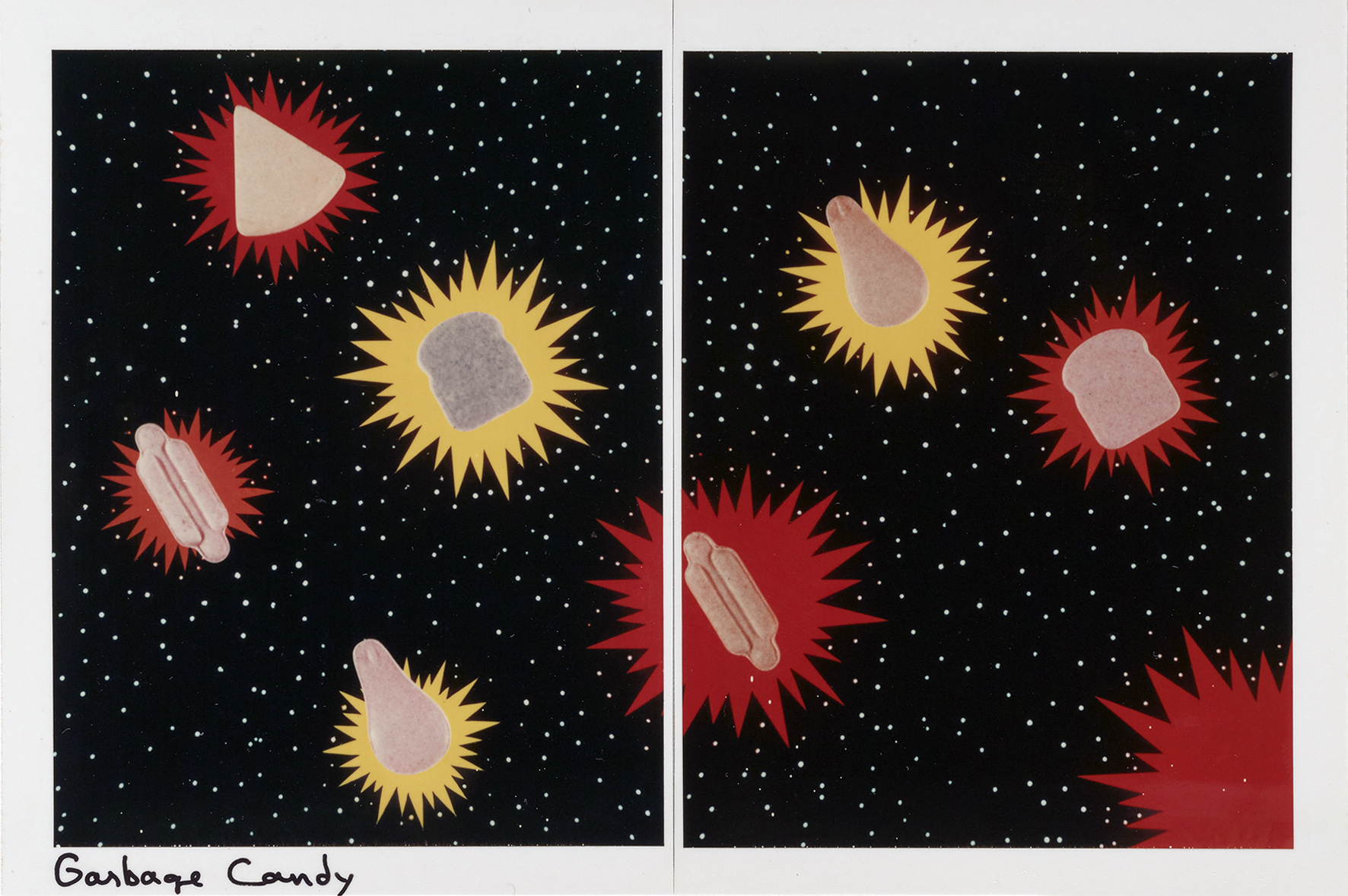
 

Victor Landweber (American, b. 1943) 'Garbage Candy' 1979


Victor Landweber (American, b. 1943)
Garbage Candy
1979
Polaroid Polacolor Type 669 composite, bound in a book
10.8 x 16.1cm
© Victor Landweber, Collection Center for Creative Photography, The University of Arizona
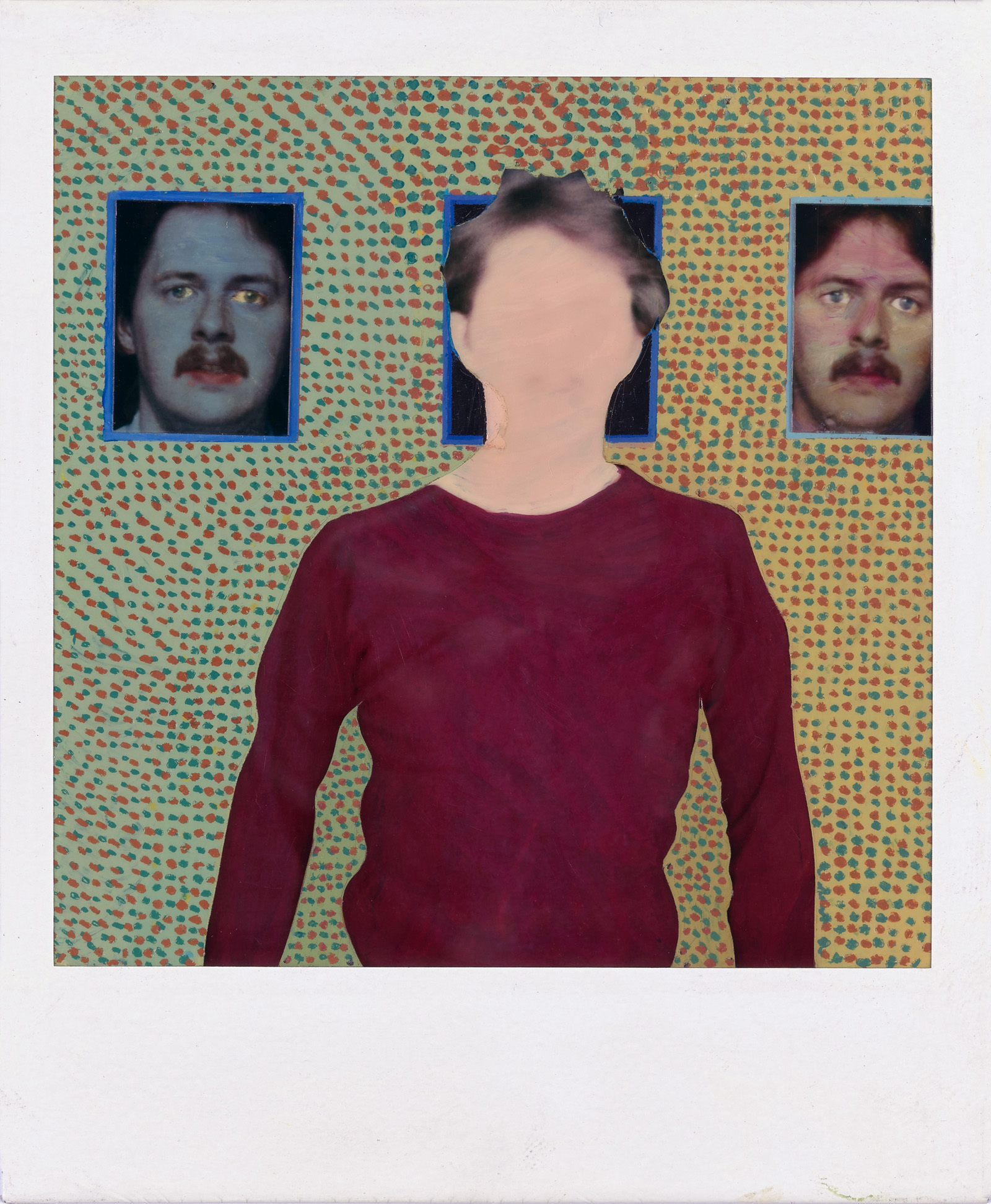
 

Bruce Charlesworth (American, b. 1950) 'Untitled' 1979


Bruce Charlesworth (American, b. 1950)
Untitled
1979
Hand-painted Polaroid SX-70
10.7 x 8.8cm
© Bruce Charlesworth 1979
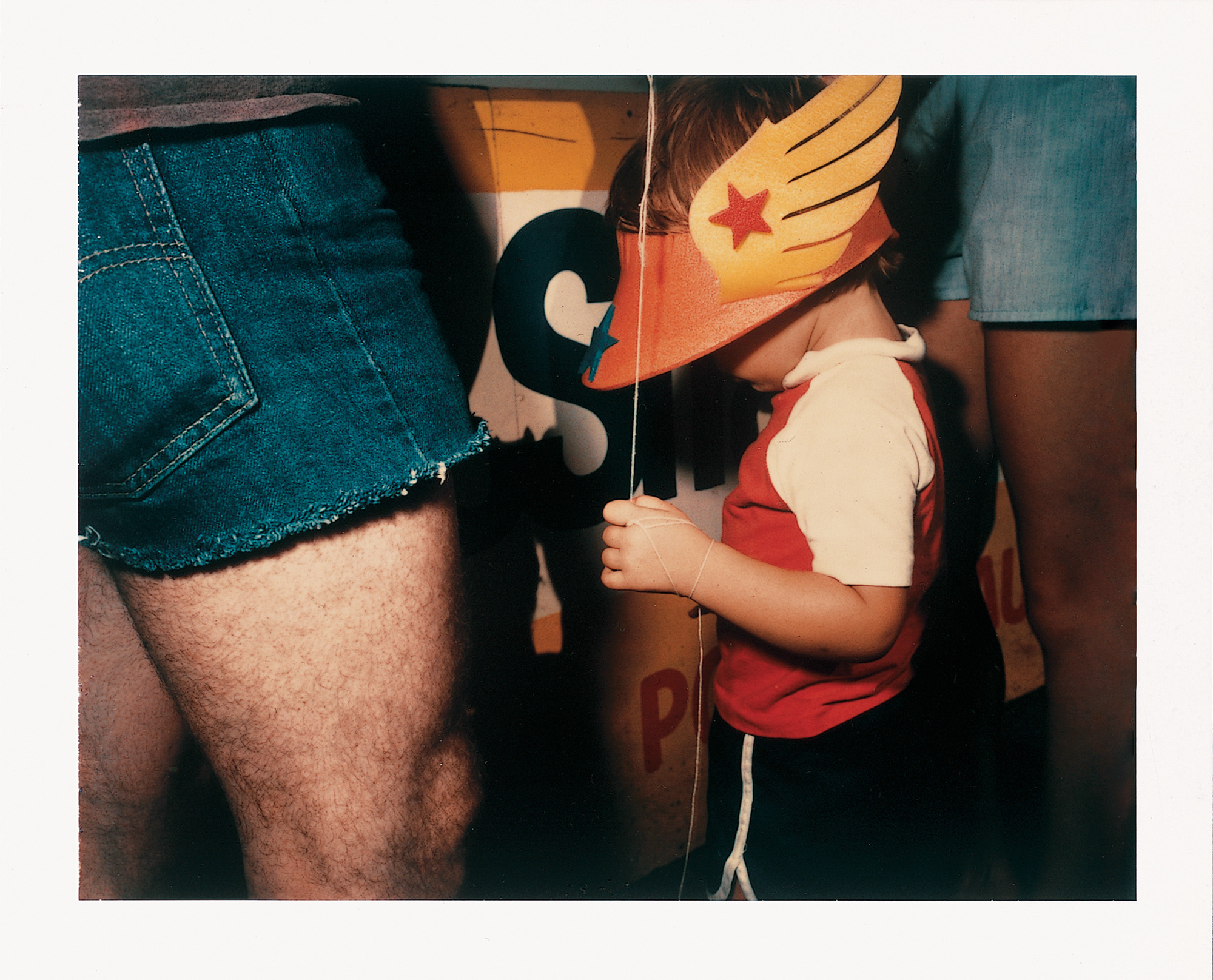
 

Barbara Crane (American, 1928-2019) 'Private Views' 1981


Barbara Crane (American, 1928-2019)
Private Views
1981
Polaroid Polacolor 4×5 Type 58
10.2 x 12.7cm
© Barbara Crane
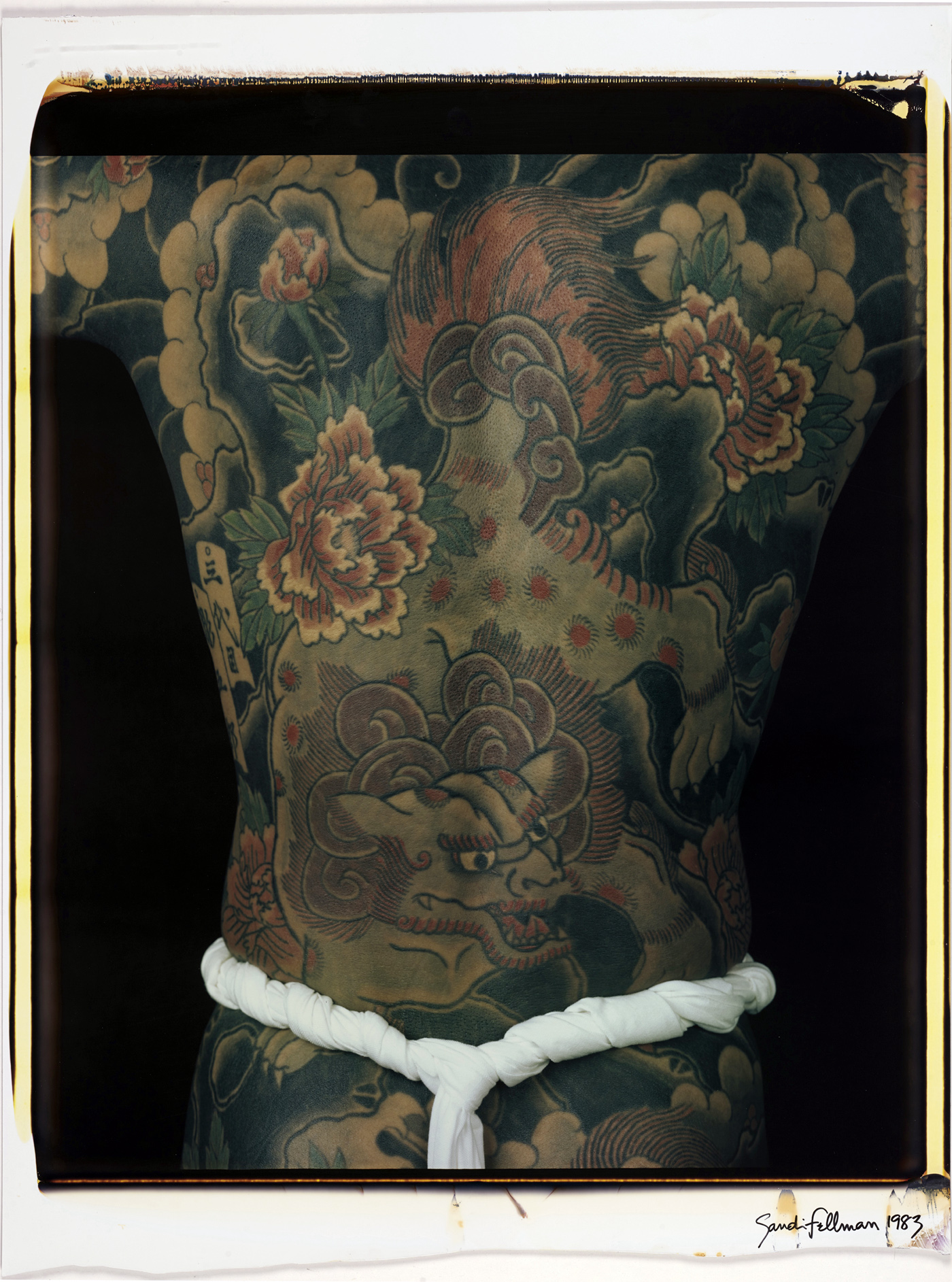
 

Sandi Fellman (American, b. 1952) 'Grey Lion, Tokyo, Japan' 1983


Sandi Fellman (American, b. 1952)
Grey Lion, Tokyo, Japan
1983
Polaroid 20 x 24 Polacolor
73.7 x 56cm
© Sandi Fellman
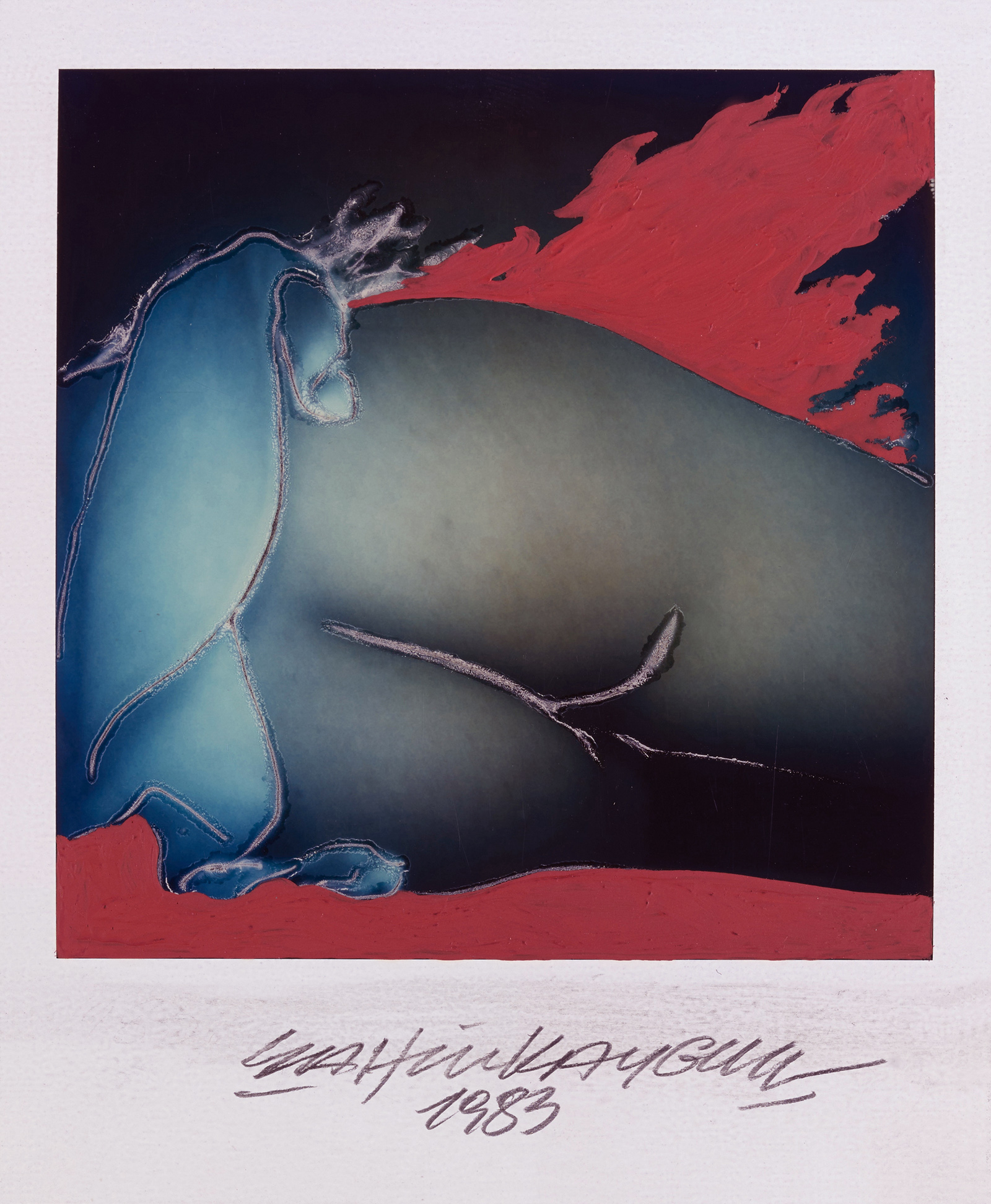
 

Şahin Kaygun (Turkish, 1951-1992) 'Buttock' 1983


Şahin Kaygun (Turkish, 1951-1992)
Buttock
1983
Hand coloured, manipulated Polaroid Type 600 High Speed
10.7 x 8.8cm
© Şahin Kaygun
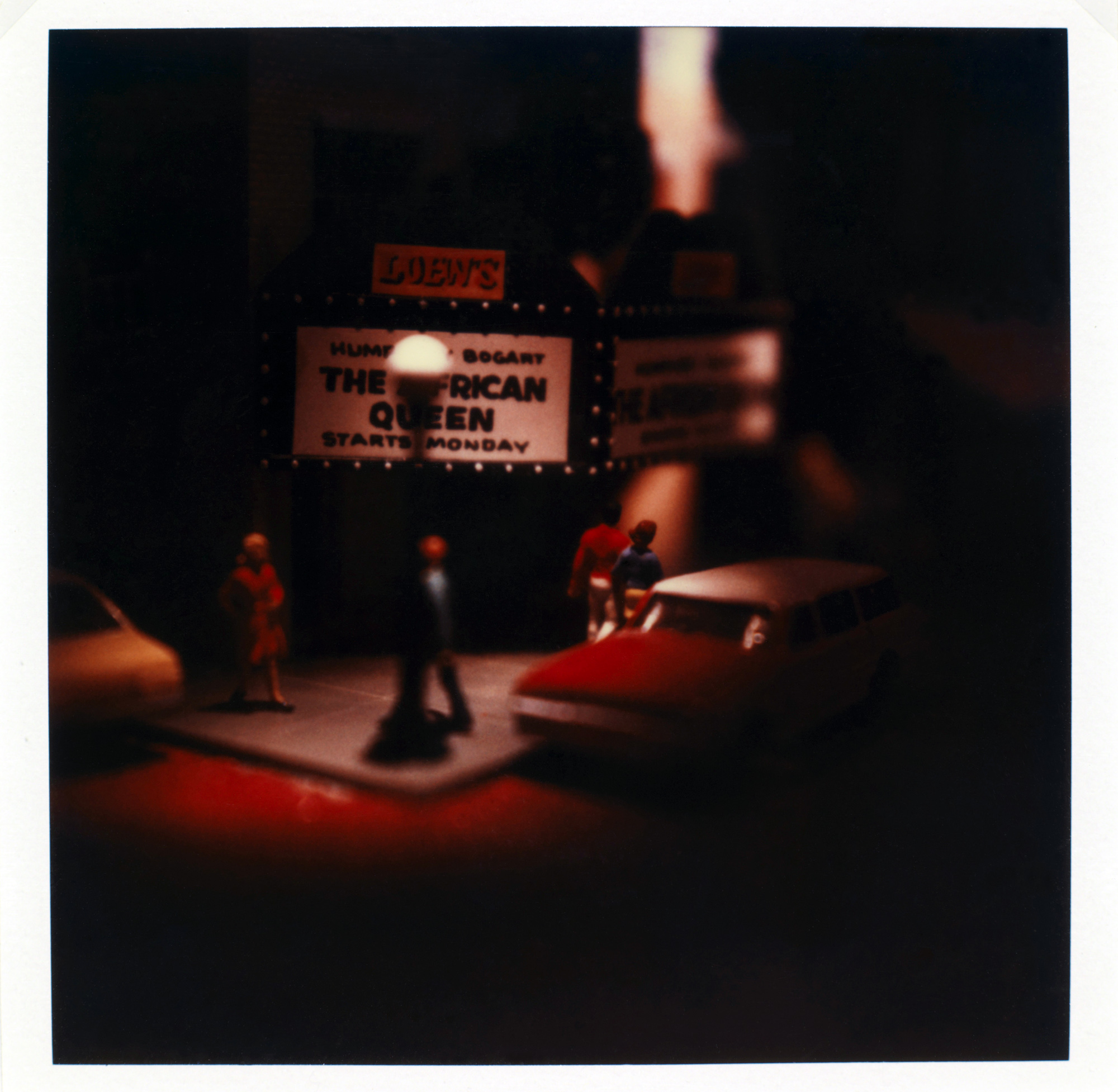
 

David Levinthal (American, b. 1949) 'Untitled' 1983-1985


David Levinthal (American, b. 1949)
Untitled from the series Modern Romance
1983-1985
Polaroid SX-70
10.7 x 8.8cm
© David Levinthal, ARS, NY and DACS, London 2017


In the exhibition The Polaroid Project, the Museum für Kunst und Gewerbe Hamburg presents for the first time the full scope of the phenomenon of the Polaroid photograph. Based on some 220 photos by over 100 artists, as well as 90 camera models and prototypes, the show sheds light on the whole aesthetic spectrum of instant photography and on the innovative technology that made this visual revolution possible. Polaroid stands for a technology, an industry, a company, and its products. Presented to the public for the first time in 1947 by Edwin Land in New York, instant camera film made the photo lab superfluous. As if by magic, the picture gradually appears before the eyes of the photographer and subject. Polaroid – a brand that has long since attained legendary status – thus transformed our handling of photography in a way that is still pervasive today, living on in photo apps and Instagram. In the heyday of the company in the mid-20th century, Polaroid sold its cameras and film to millions of amateurs and professionals. The technical and aesthetic qualities of the new medium, and above all the immediacy and spontaneity of the photos, made it an exciting field of experimentation for artists as well.

Polaroid itself has worked closely with photographers from the start. One of the earliest advisors to Edwin Land, inventor and founder of the Polaroid Corporation, was Ansel Adams, the godfather of American landscape photography. In its Artist Support Program, the company provides film and cameras to both established figures and nascent talents in the art and photography scene. In return, it receives not only feedback on its products but also selected works for the company collection. For artists, the inventions from Land’s company offer a playground for their own discoveries, one that provides fresh inspiration for their photography. It thus came about that the exponents of Pop Art – chief among them Andy Warhol – raised the status of the Polaroid photo to a whole new level with their excessive use of the medium, securing for it a place in the artistic sphere.

Press release from the Museum für Kunst und Gewerbe Hamburg
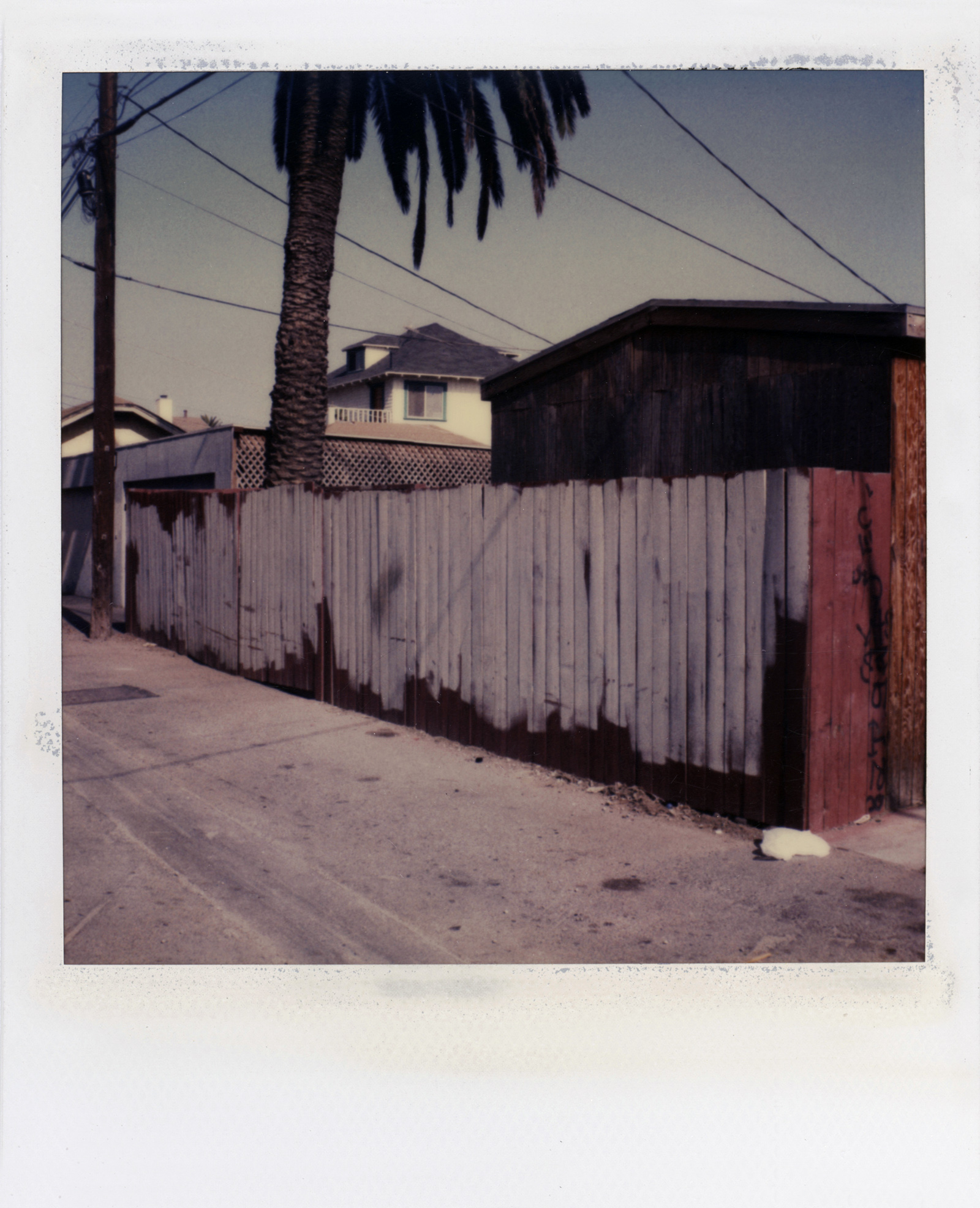
 

Dennis Hopper (American, 1936-2010) 'Los Angeles, Back Alley' 1987


Dennis Hopper (American, 1936-2010)
Los Angeles, Back Alley
1987
Polaroid SX-70
10.7 x 8.8cm
© Dennis Hopper, Courtesy of The Hopper Art Trust
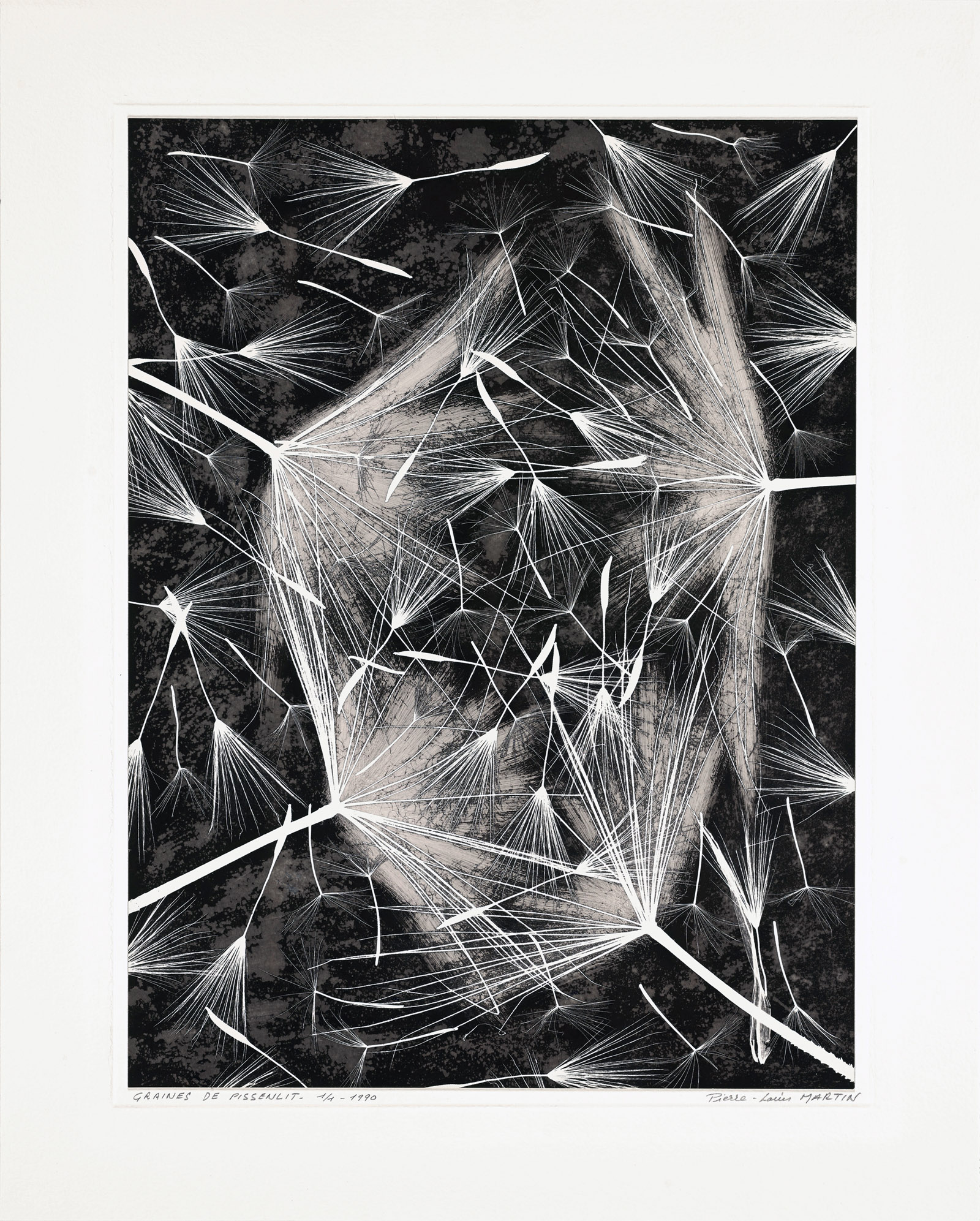
 

Pierre-Louis Martin. 'Graines de Pissenlit' 1990


Pierre-Louis Martin
Graines de Pissenlit
1990
Gelatin silver print from Polaroid-Film Type 55
48.9 x 40cm
© Pierre-Louis Martin


Shelby Lee Adams (American, b. 1950) 'Esther and Bee Jay' 1991


Shelby Lee Adams (American, b. 1950)
Esther and Bee Jay
1991
Polaroid Polapan 4×5 Type 52
12.7 x 10.2cm
© Shelby Lee Adams
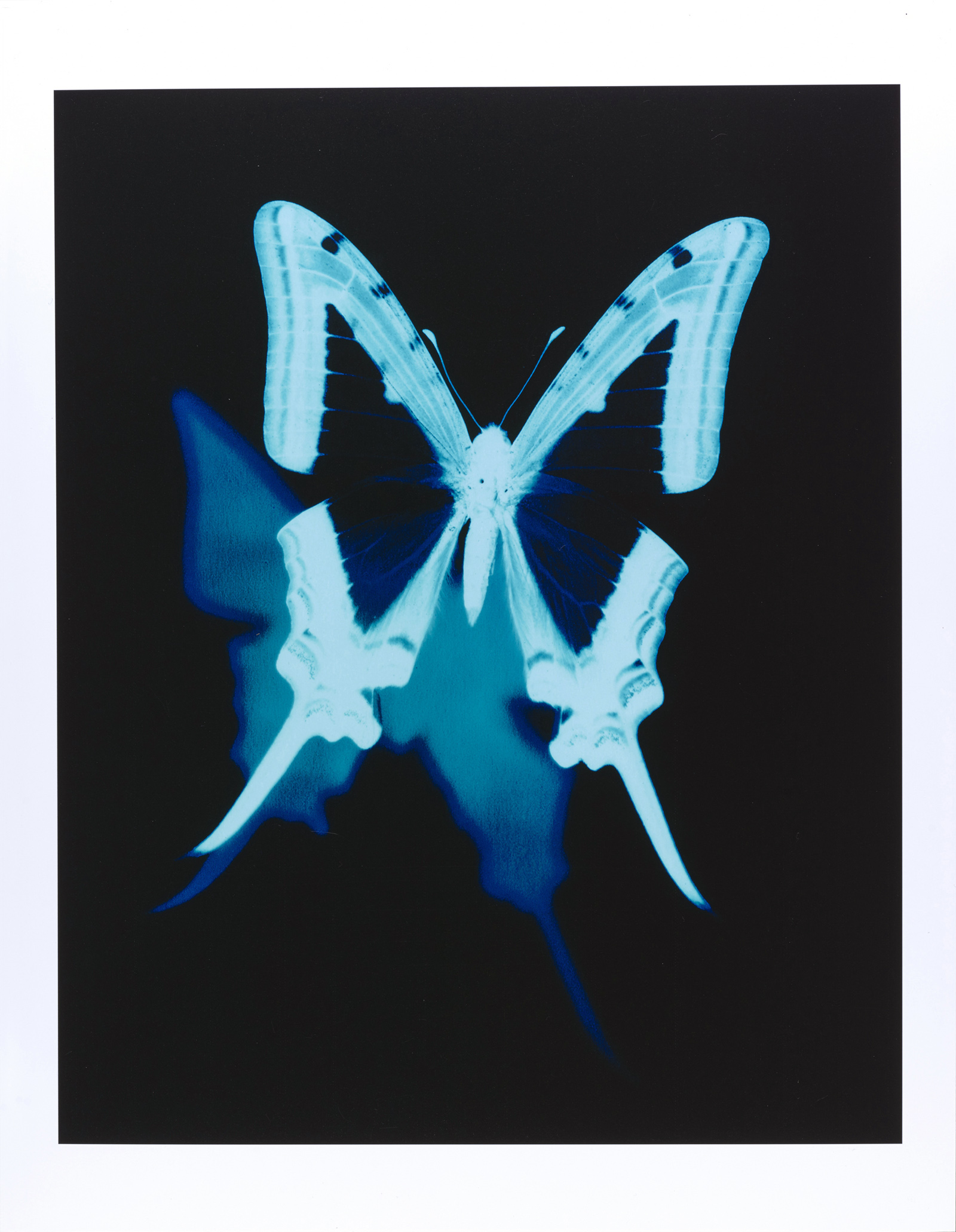
 

Kunihiro Shinohara (Japanese, b. 1948) 'Cosmic #9' 1993-2000


Kunihiro Shinohara (Japanese, b. 1948)
Cosmic #9
1993-2000
Inkjet print from Polaroid-Film Type 55
29.8 x 22.3cm
© Kunihiro Shinohara


Mark Klett (American, b. 1952) 'Contemplating the View at Muley Point, Utah' 1994


Mark Klett (American, b. 1952)
Contemplating the View at Muley Point, Utah
1994
Gelatin silver print from Polaroid-Film Type 55
40.6 x 50.8cm
© Mark Klett


Ellen Carey (American, b. 1952) 'Pulls (CMY)' 1997


Ellen Carey (American, b. 1952)
Pulls (CMY)
1997
Polaroid 20 x 24 Polacolor-Montage
210.8 x 167.6cm
© Ellen Carey, Jayne H. Baum Gallery, NYC, NY and M+B Gallery, LA, CA


Timothy White (American, b. 1956) 'Untitled' 1998


Timothy White (American, b. 1956)
Untitled
1998
Inkjet print from Polaroid-Film Type 665
50.8 x 40.6cm
© Timothy White
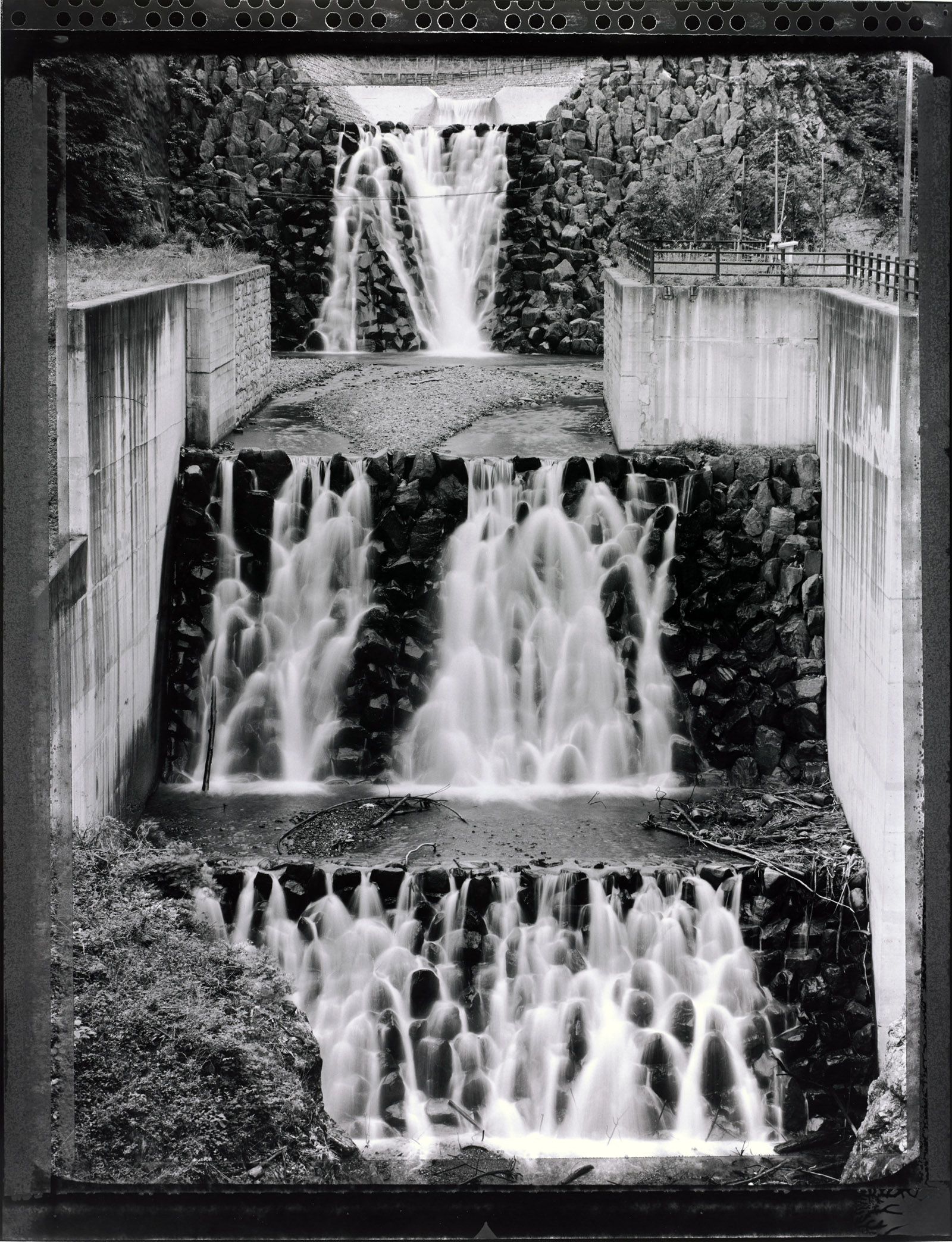
 

Toshio Shibata (Japanese, b. 1949) 'Untitled (# 228)' 2003


Toshio Shibata (Japanese, b. 1949)
Untitled (#228)
2003
Gelatin silver print from Polaroid-Film, Type 55
61 x 50.8cm
© Toshio Shibata
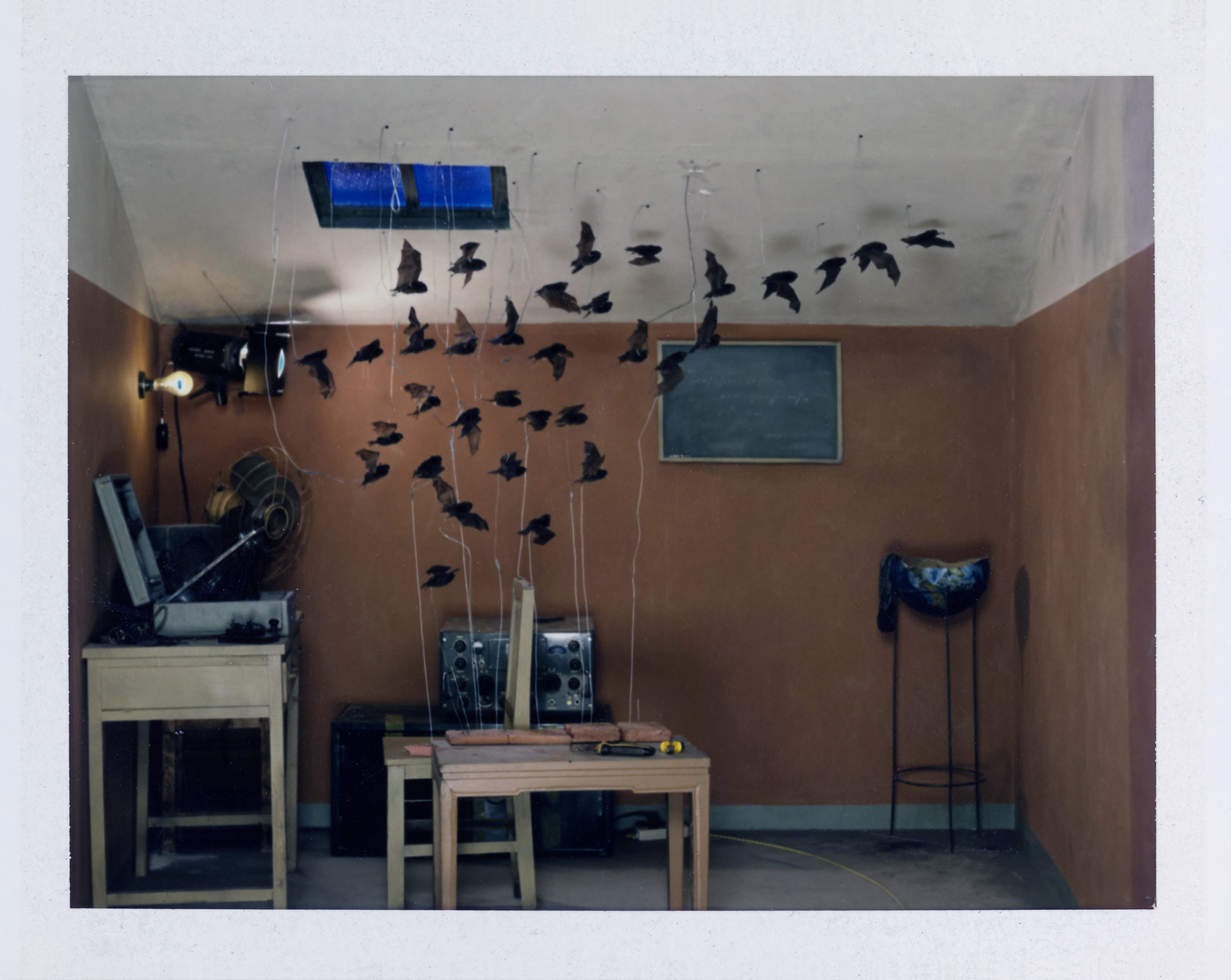
 

Chen Wei (Chinese, b. 1980) 'Everlasting Radio Wave-Test #5' 2008


Chen Wei (Chinese, b. 1980)
Everlasting Radio Wave-Test #5
2008
Fujifilm FP-100C
8.5 x 10.8cm
© Chen Wei
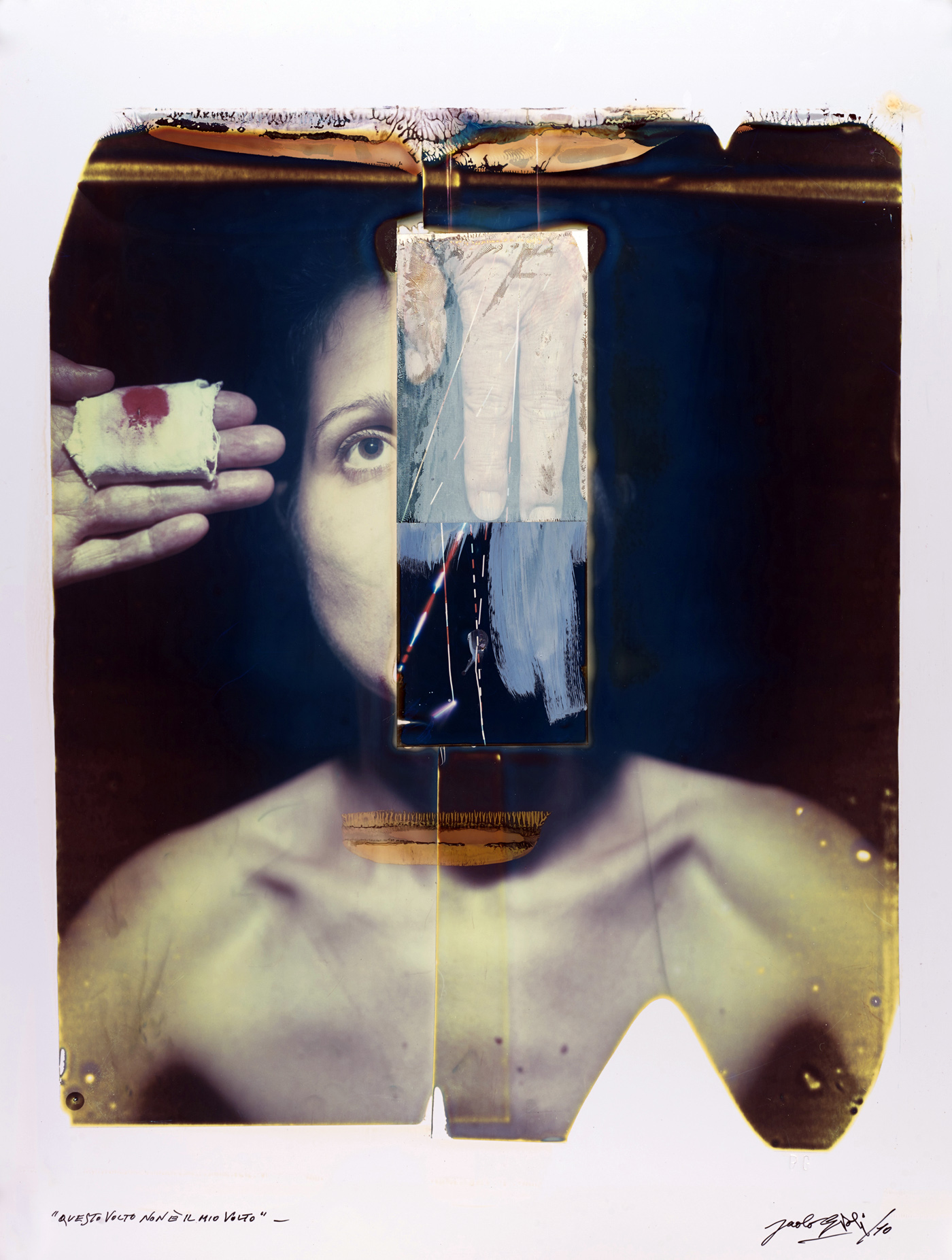
 

Paolo Gioli (Italian, 1942-2022) 'This Is Not My Face' 2010


Paolo Gioli (Italian, 1942-2022)
Questo volto non è il mio volto (This Face Is Not My Face)
2010
Polaroid 20 x 24 Polacolor and Polacolor transfer on acrylic
71 x 55cm
© Paolo Gioli


Museum für Kunst und Gewerbe Hamburg
Steintorplatz, 20099 Hamburg

Opening hours:
Tuesday to Sunday 10am – 6pm
Thursday 10am – 9pm
Closed Mondays

Museum fur Kunst und Gewerbe Hamburg website

LIKE ART BLART ON FACEBOOK

Back to top

Exhibition: ‘Hyper’ by Denis Darzacq at Australian Centre for Photography (ACP), Sydney

Exhibition dates: 13th March – 12th April, 2009


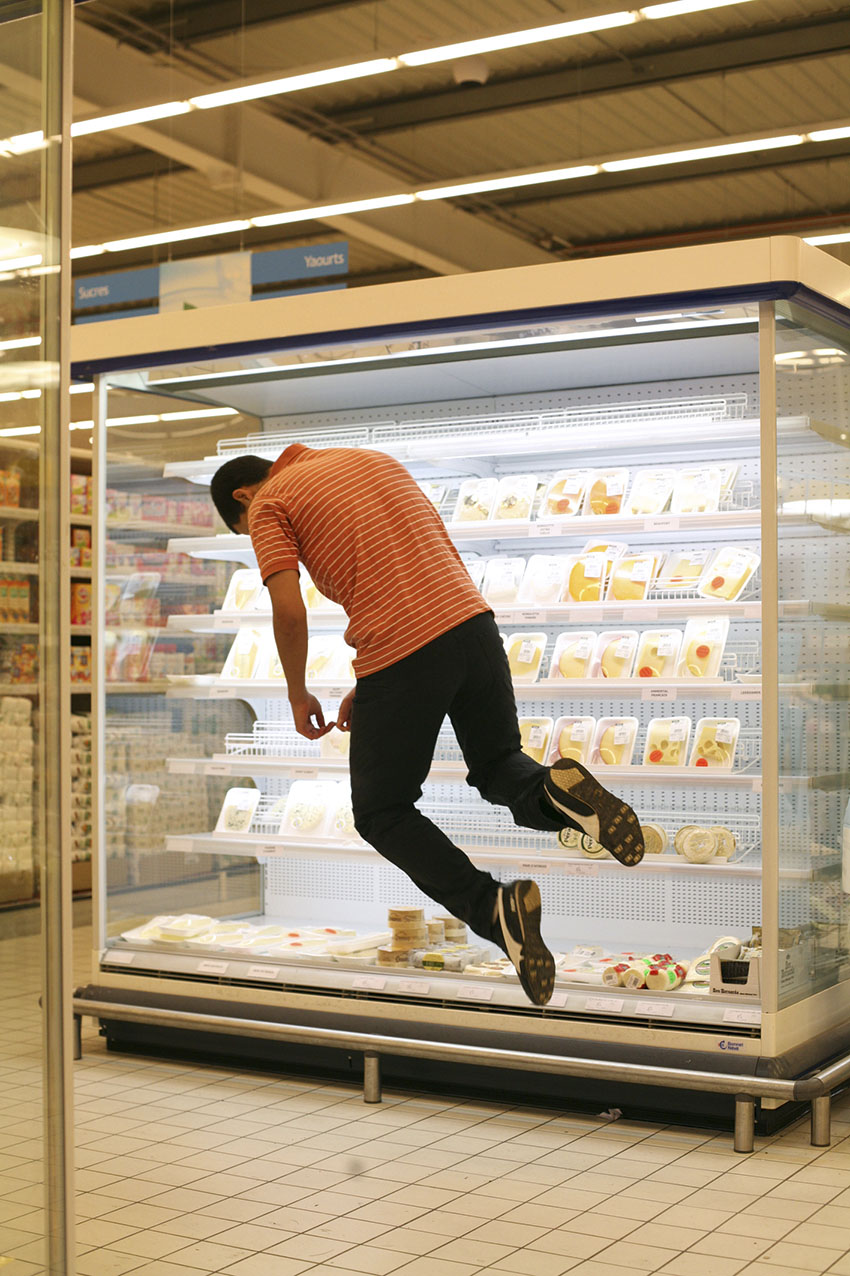
Denis Darzacq (French, b. 1961) 'Hyper #4' 2007 from the exhibition 'Hyper' by Denis Darzacq at Australian Centre for Photography (ACP), Sydney, March - April, 2009


Denis Darzacq (French, b. 1961)
Hyper #4
2007


These images form an interesting body of work: levitating bodies suspended between heaven and earth, neither here nor there, form a hyper-real image grounded in the context of the fluorescent isles of French supermarkets. The mainly anonymous humans look like mannequins in their inertness, frozen at the moment of throwing themselves/being thrown into the consumer environment. After his brilliant series La Chute (The Fall) Darzacq has taken people gathered in a casting call from around the town of Rouen and made their frozen bodies complicit in the mass production of the supermarket and the mass consumption of the image as tableaux vivant: the mise en scène directed by the photographer to limited effect. There is something unsettling about these images but ultimately they are unrewarding, as surface as the environment the bodies are suspended in, and perhaps this is the point.

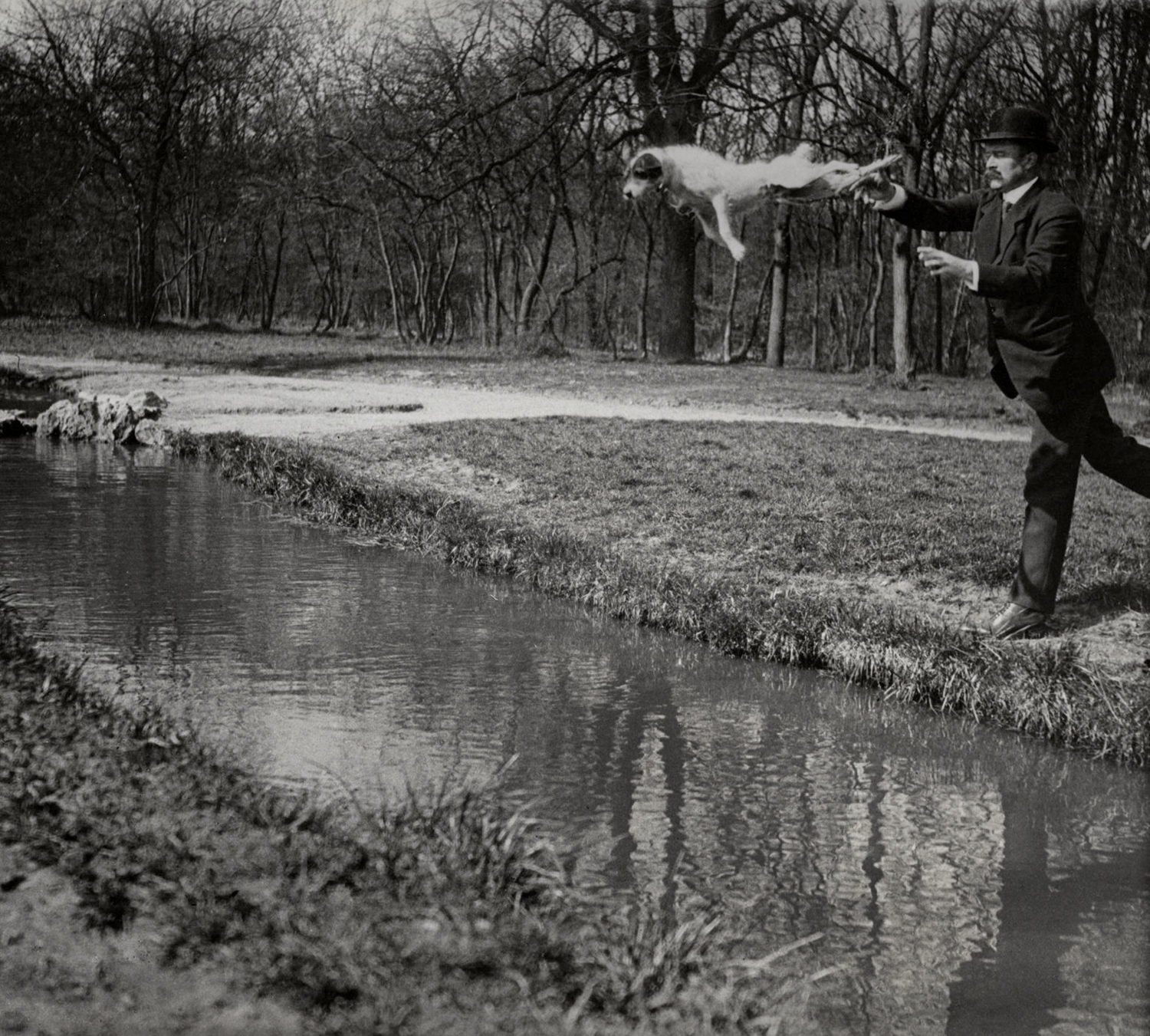
Suspension of bodies is not a new idea in photography. Jacques Henri Lartigue used the freeze frame to good effect long before Henri Cartier-Bresson came up with his ‘decisive moment’: playing with the effect of speed and gravity in an era of Futurism, Lartigue used the arrested movement of instant photography then afforded by smaller cameras and faster film to capture the spirit of liberation in the ‘Belle Epoque’ period before the First World War.

“All the jumping and flying in Lartigue’s photographs, it looks like the whole world at the turn of the century is on springs or something. There’s a kind of spirit of liberation that’s happening at the time and Lartigue matches that up with what stop action photography can do at the time, so you get these really dynamic pictures. And for Lartigue part of the joke, most of the time, is that these people look elegant but they are doing these crazy stunts.”1


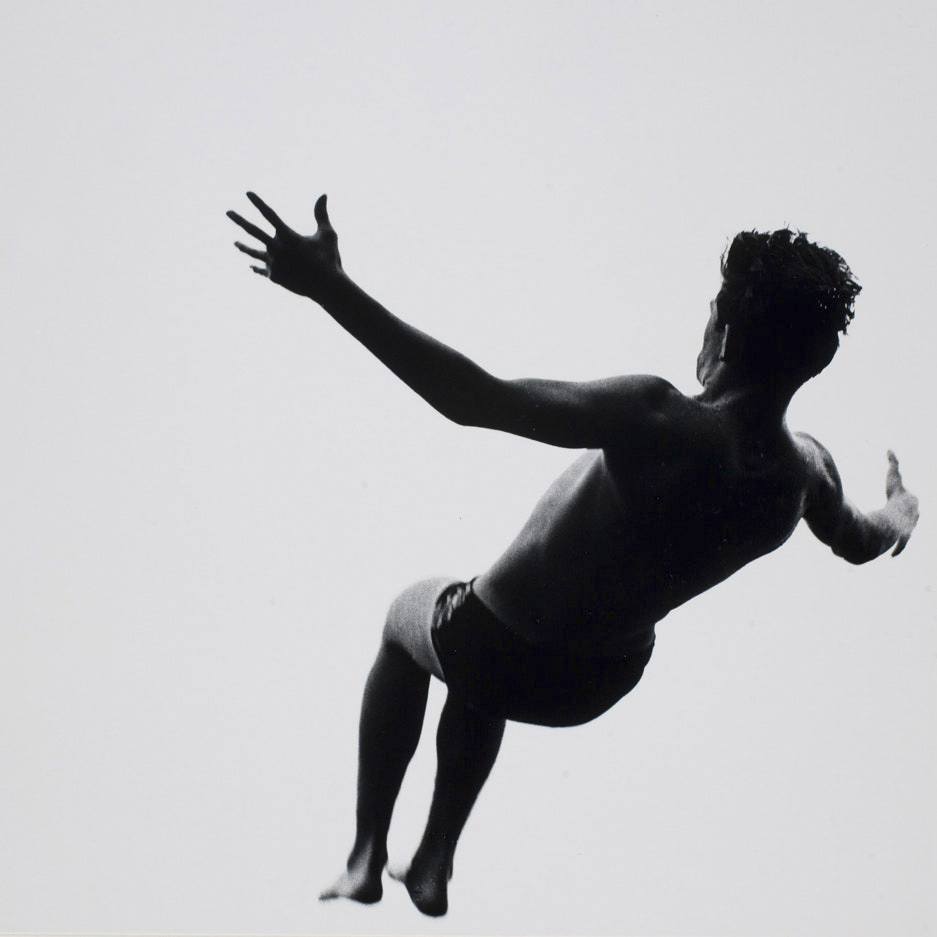
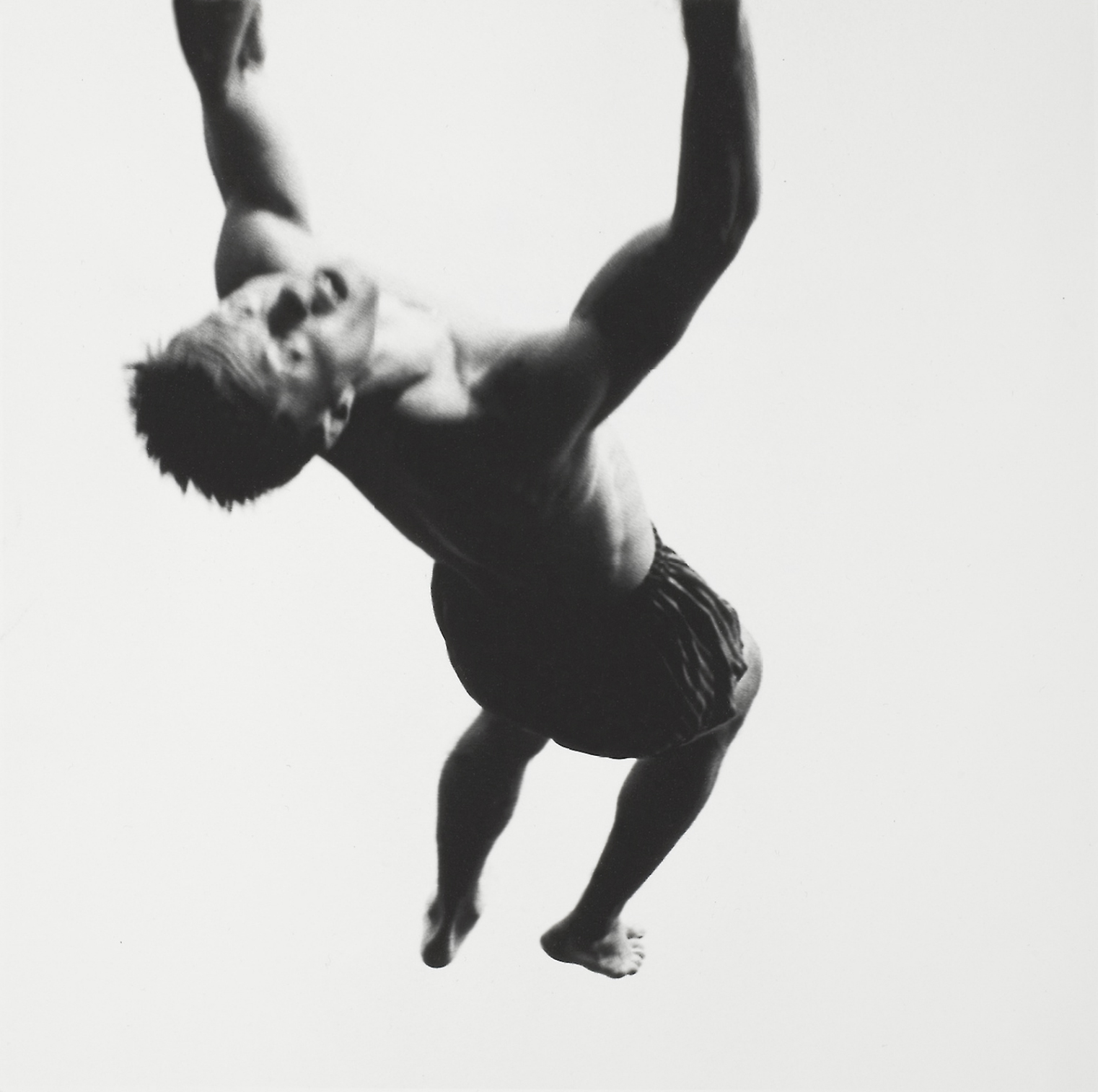
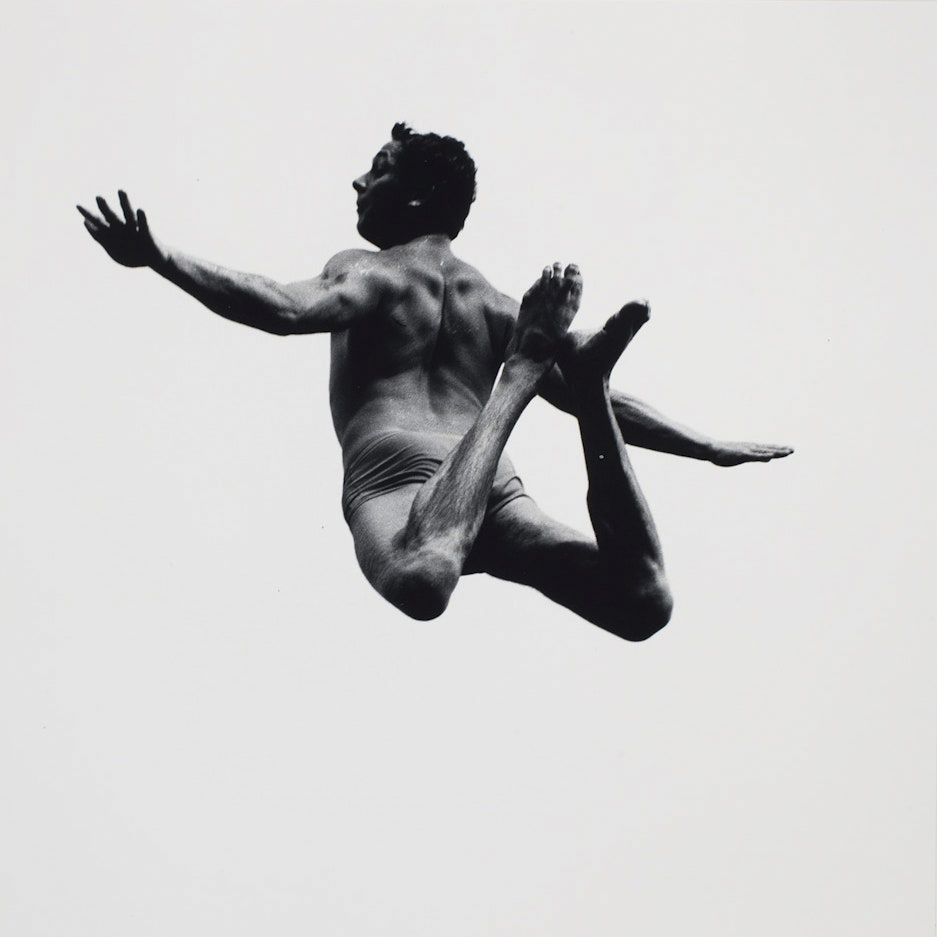
One of the greatest, if not the greatest ever, series of photographs of levitating bodies is that by American photographer Aaron Siskind. Called Pleasures and Terrors of Levitation (sometimes reversed as Terrors and Pleasures of Levitation as on the George Eastman House website) the images feature divers suspended in mid-air with the sky as their blank, background canvas. The images formal construction makes the viewer concentrate on the state of the body, its positioning in the air, and the look on the face of some of the divers caught between joy and fear.

“Highly formal, yet concerned with their subject as well as the idea they communicate, the ‘Pleasures and Terrors of Levitation’ photographs depict the dark shapes of divers suspended mid-leap against a blank white sky. Shot with a hand-held twin-lens reflex camera at the edge of Lake Michigan in Chicago, the balance and conflict suggested by the series’ title is evident in the divers’ sublime contortions.”2


Perhaps because of their air of balance and conflict we can return to these vibrant images again and again and they never loose their freshness, intensity and wonder. The same cannot be said of Denis Darzacq’s Hyper photographs. Slick and surface like the consumer society on which they comment the somnambulistic bodies are more like floating helium balloons, perhaps even tortured souls leaving the earth. Reminiscent of the magicians trick where the girl is suspended and a hoop passed around her body to prove the suspension is real these photographs really are more smoke and mirrors than any comment on the binary between being and having as some commentators (such as Amy Barrett-Lennard, Director Perth Institute of Contemporary Arts) have suggested. There is no spirit of liberation here, no sublime revelation as the seemingly lifeless bodies are trapped between the supermarket shelves, as oblivious to and as anonymous as the products that surround them. The well shot images perhaps possess a sense of fun, if I am being generous, as Darzacq plays with our understanding of reality… but are they more than that or is the Emperor just wearing very thin consumer clothing?

Dr Marcus Bunyan


1/ Kevin Moore (Lartigue biographer) quoted in “Genius of Photography,” on the BBC website [Online] Cited 15/03/2009

2/ Text from the Museum of Contemporary Photography website [Online] Cited 15/03/2009 (no longer available)


Many thankx to the Australian Centre for Photography for allowing me to publish the Darzacq photographs in the posting. Please click on the photographs for a larger version of the image. All other images are used under “fair use” for the purpose of education, research and critical discourse.


    Denis Darzacq (French, b. 1961) 'Hyper #8' 2007 from the exhibition 'Hyper' by Denis Darzacq at Australian Centre for Photography (ACP), Sydney, March - April, 2009


    Denis Darzacq (French, b. 1961)
    Hyper #8
    2007


    “The astonishing photographs that make up Hyper involve no digital manipulation, just close collaboration between young dancers and sportspeople as they jump for the camera to form strange, exaggerated poses and body gestures. Denis Darzacq was drawn to the trashy, consumerist nature of the French Hypermarkets (the equivalent of our supermarkets) and the hyper coloured backgrounds they provided. These supermarkets offered a sharp juxtaposition to the sublime, almost-spiritual bodies that appear to float in their aisles.

    Hyper is the latest series of works by French photographer Denis Darzacq, who continues to explore the place of the individual in society, a theme which has been crucial to his work in the last few years.”

    Text from the ACP website [Online] Cited 15/03/2009. No longer available online


    Jacques Henri Lartigue (French, 1894-1986) 'L'envol de Bichonnade' 1905


    Jacques Henri Lartigue (French, 1894-1986)
    Bichonnade, 40, Rue Cortambert, Paris
    1905
    Gelatin silver print


    Jacques Henri Lartigue (French, 1894-1986) 'Mr Folletete (Plitt) et Tupy, Paris, March 1912' 1912


    Jacques Henri Lartigue (French, 1894-1986)
    Mr Folletete (Plitt) et Tupy, Paris, March 1912
    1912
    Gelatin silver print


    Jacques Henri Lartigue (French, 1894-1986) 'Fuborg' 1929


    Jacques Henri Lartigue (French, 1894-1986)
    Fuborg
    1929
    Gelatin silver print


    Herni Cartier-Bresson (French, 1908-2004) 'Behind Saint Lazare Station, Paris, France' 1932


    Herni Cartier-Bresson (French, 1908-2004)
    Behind Saint Lazare Station, Paris, France
    1932
    Gelatin silver print


    Aaron Siskind (American, 1903-1991) 'Pleasures and Terrors of Levitation #37' 1954


    Aaron Siskind (American, 1903-1991)
    Pleasures and Terrors of Levitation #37
    1956
    Gelatin silver print


    Aaron Siskind (American, 1903-1991) 'Pleasures and Terrors of Levitation #47' 1954


    Aaron Siskind (American, 1903-1991)
    Pleasures and Terrors of Levitation #47
    1954
    Gelatin silver print


    Aaron Siskind (American, 1903-1991) 'Pleasures and Terrors of Levitation #93' 1961


    Aaron Siskind (American, 1903-1991)
    Pleasures and Terrors of Levitation #93
    1961
    Gelatin silver print


    Aaron Siskind (American, 1903-1991) 'Pleasures and Terrors of Levitation #99' 1953


    Aaron Siskind (American, 1903-1991)
    Pleasures and Terrors of Levitation #99
    1956
    Gelatin silver print


    Aaron Siskind (American, 1903-1991) 'Pleasures and Terrors of Levitation #491' 1954


    Aaron Siskind (American, 1903-1991)
    Pleasures and Terrors of Levitation #491
    1956
    Gelatin silver print


    Denis Darzacq (French, b. 1961) 'Hyper #3' 2007


    Denis Darzacq (French, b. 1961)
    Hyper #3
    2007


    Hyper picks up on La Chute while explicitly focusing the artist’s message on the consumerism which hovered in the background of several previous series. In Casques de Thouars Darzacq explored the connecting power and the limits of a consumer product; here the critique is more biting. Hyper opposes bodies in movement and the saturated, standardised space of mass distribution outlets. In this totally commercial setting, the body’s leap expresses the freedom and unhampered choice of its movement. It is a clear challenge to the marketing strategies which seek to control our behaviour. Some of the figures, glowing with an aura, impose glory and give off a sense of spirituality in total contrast with the temples of consumption in which they are found.

    “Hyper 1, 2007-2010,” on the Denis Darzacq website Nd [Online] Cited 13/06/2022


    Denis Darzacq (French, b. 1961) 'Hyper #14' 2007


    Denis Darzacq (French, b. 1961)
    Hyper #14
    2007


    Australian Centre for Photography

    This gallery has now closed

    Denis Darzacq website

    Denis Darzacq Hyper images

    LIKE ART BLART ON FACEBOOK

    Back to top

    Exhibition: ‘Polaroids and Portraits: A Photographic Legacy of Andy Warhol’ at the Krannert Art Museum, Champaign IL

    Exhibition dates: 30th January – 24th May, 2009

    Curator: Kathryn Koca


    Many thank to the Krannert Art Museum, Champaign IL for allowing me to publish the photographs in the posting. Please click on the photographs for a larger version of the image.


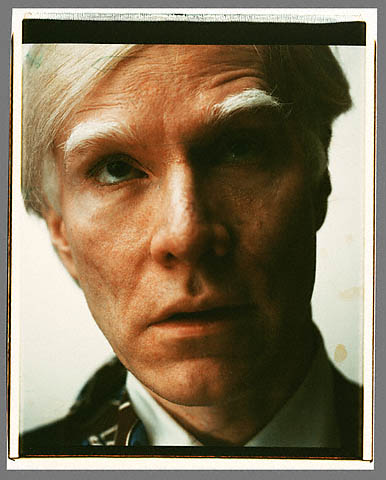
    Andy Warhol (American, 1928-1987) 'Self portrait' Polaroid 1979 from the exhibition 'Polaroids and Portraits: A Photographic Legacy of Andy Warhol' at the Krannert Art Museum, Champaign IL, jan - May, 2009


    Andy Warhol (American, 1928-1987)
    Self portrait
    1979
    Polaroid


    Polaroids and Portraits presents a selection of the 152 photographs that the Krannert Art Museum graciously received from the Andy Warhol Photographic Legacy Program. Established in 2007 to commemorate the Warhol Foundation’s twentieth anniversary, the Legacy Program gifted over 28,500 original photographs to 183 college and university museums and galleries across the country with the hope of enabling wider access to these more seldom seen works. This exhibition displays both Polaroid and silver gelatin portraits of celebrities, socialites, and unknowns, all photographed with varying degrees of wit, humour, and intimacy. These photographs complicate our notion of the artist’s persona as wholly immersed in this world of glamour, presenting Warhol as not only a prolific photographer, but a man grappling with his own identity as a famous artist.

    Text from the Krannert Art Museum website


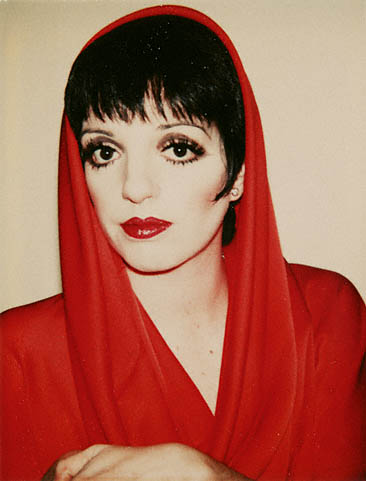
    Andy Warhol (American, 1928-1987) 'Liza Minnelli' Polaroid 1977 from the exhibition 'Polaroids and Portraits: A Photographic Legacy of Andy Warhol' at the Krannert Art Museum, Champaign IL, jan - May, 2009


    Andy Warhol (American, 1928-1987)
    Liza Minnelli
    1977
    Polaroid


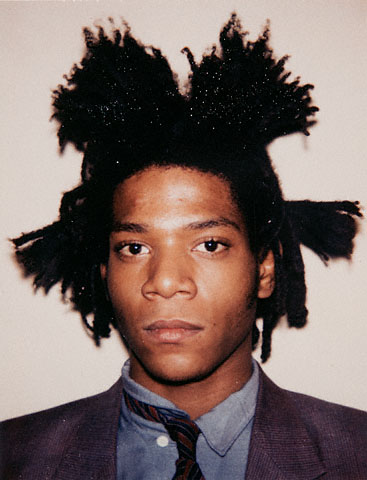
    Andy Warhol (American, 1928-1987) 'Jean-Michel Basquiat' Polaroid 1982


    Andy Warhol (American, 1928-1987)
    Jean-Michel Basquiat
    1982
    Polaroid


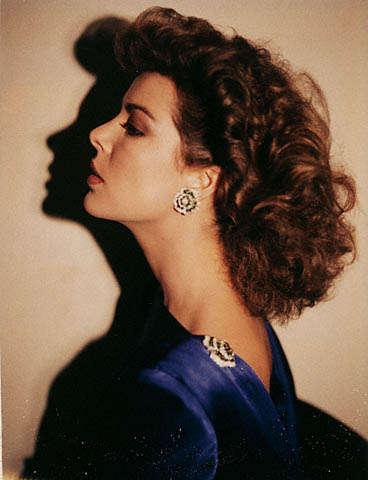
    Andy Warhol (American, 1928-1987) 'Princess Caroline of Monaco' Polaroid 1981


    Andy Warhol (American, 1928-1987)
    Princess Caroline of Monaco
    1981
    Polaroid


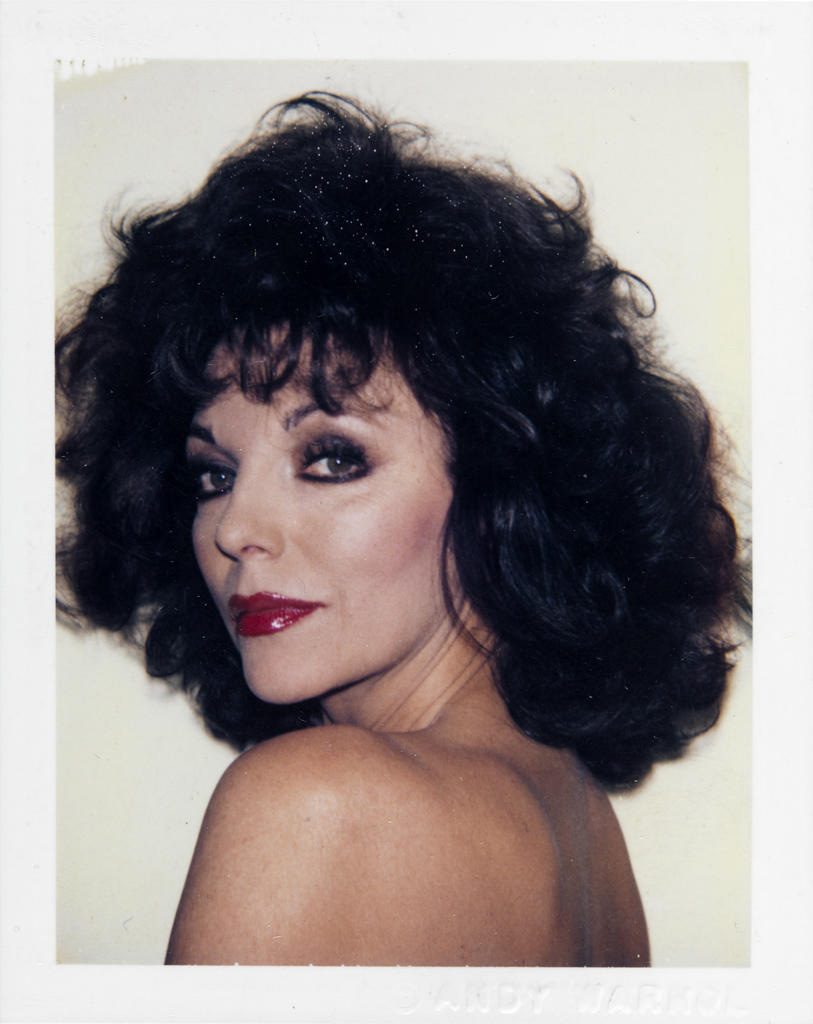
    Andy Warhol (American, 1928-1987) 'Joan Collins' 1985


    Andy Warhol (American, 1928-1987)
    Joan Collins
    1985
    Polaroid


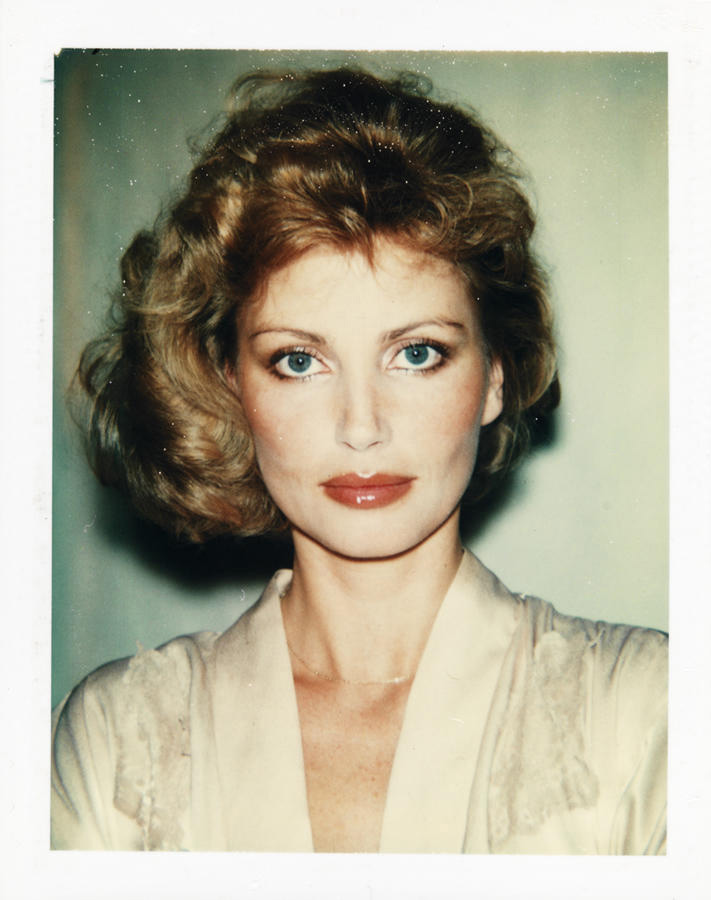
    Andy Warhol (American, 1928-1987) 'Evelyn Kuhn' 1978


    Andy Warhol (American, 1928-1987)
    Evelyn Kuhn
    1978
    Polaroid


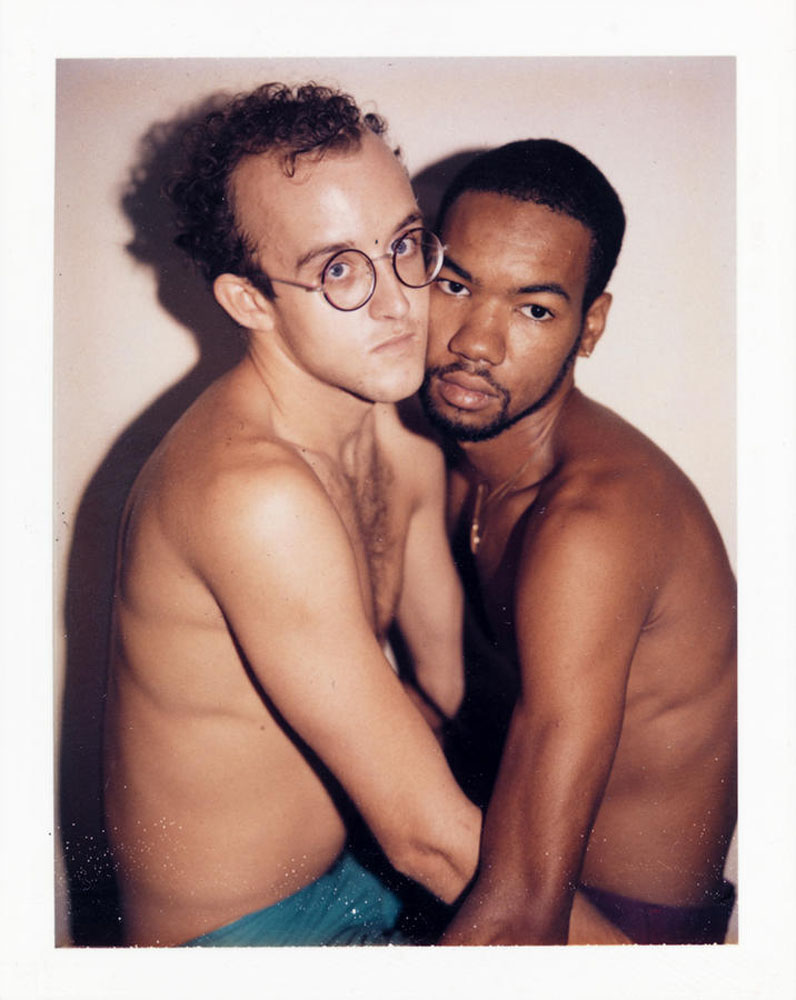
    Andy Warhol (American, 1928-1987) 'Keith Haring and Juan Dubose' 1983


    Andy Warhol (American, 1928-1987)
    Keith Haring and Juan Dubose
    1983
    Polaroid


    Krannert Art Museum
    500 East Peabody Drive
    Champaign, Illinois 61820
    United States
    Phone: (217) 244-0516

    Opening hours:
    Tuesday – Saturday 10am – 4pm
    Thursday open until 8pm when classes are in session
    Closed Sunday and Monday

    The Krannert Museum of Art website

    LIKE ART BLART ON FACEBOOK

    Back to top