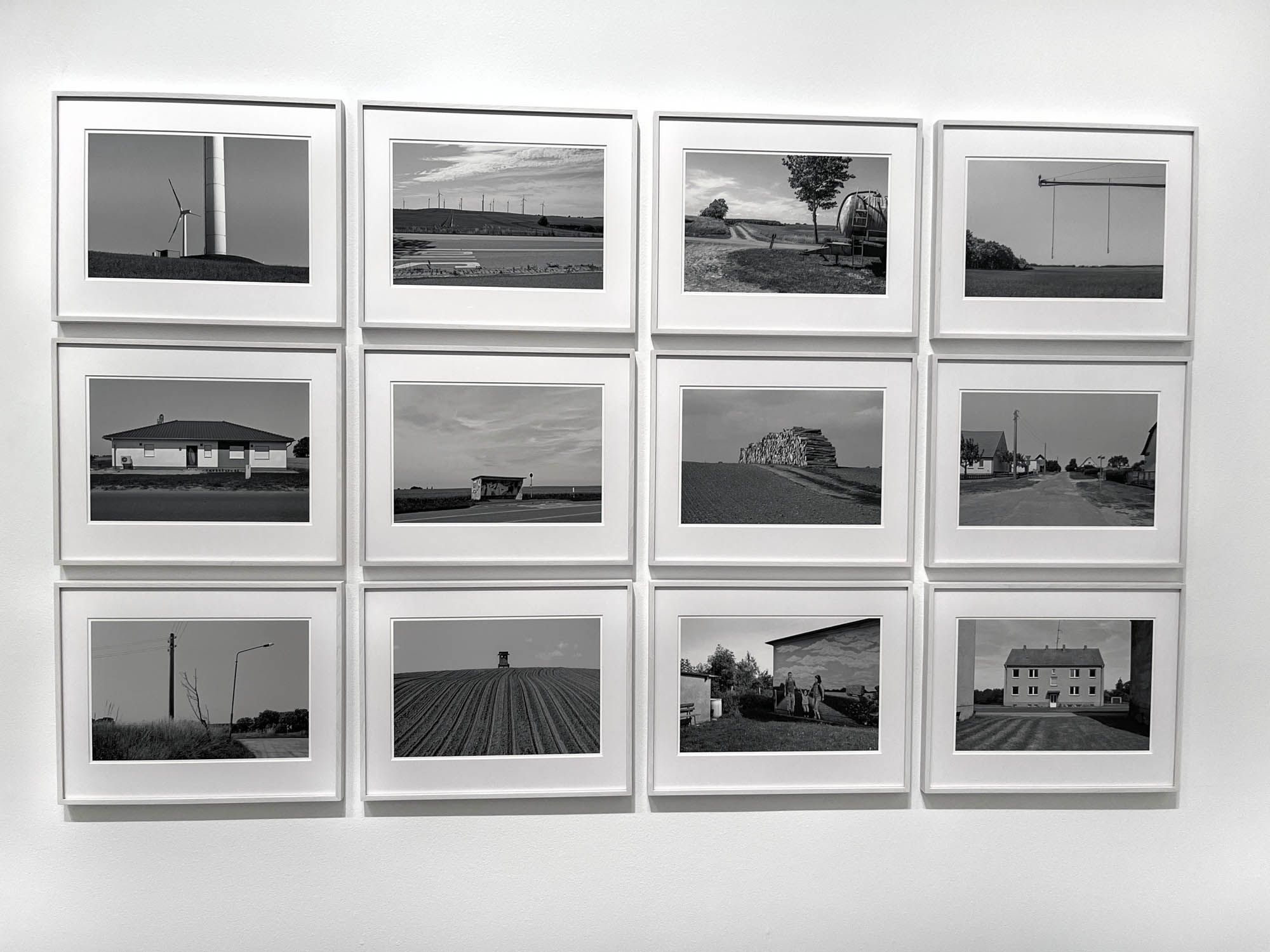
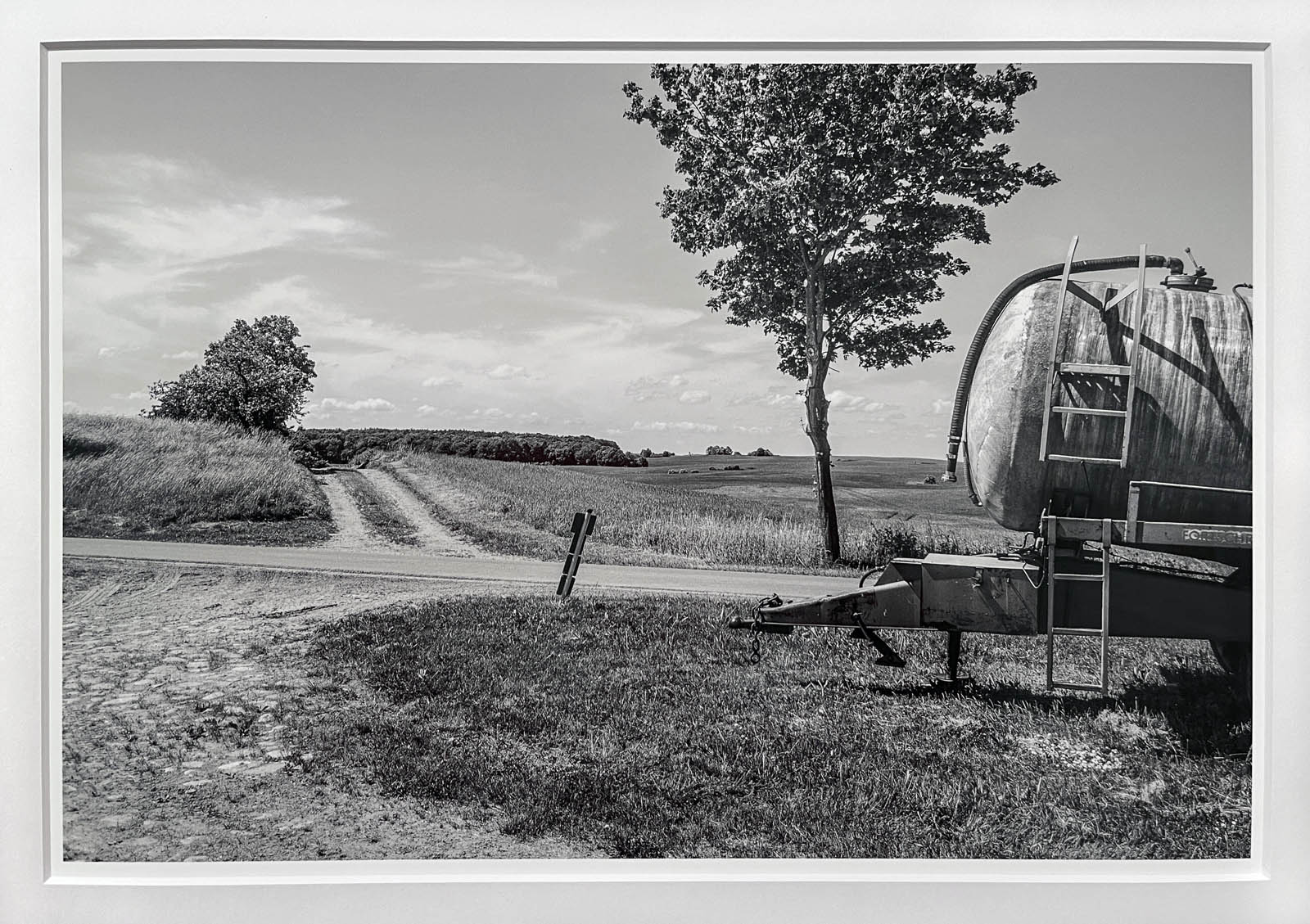
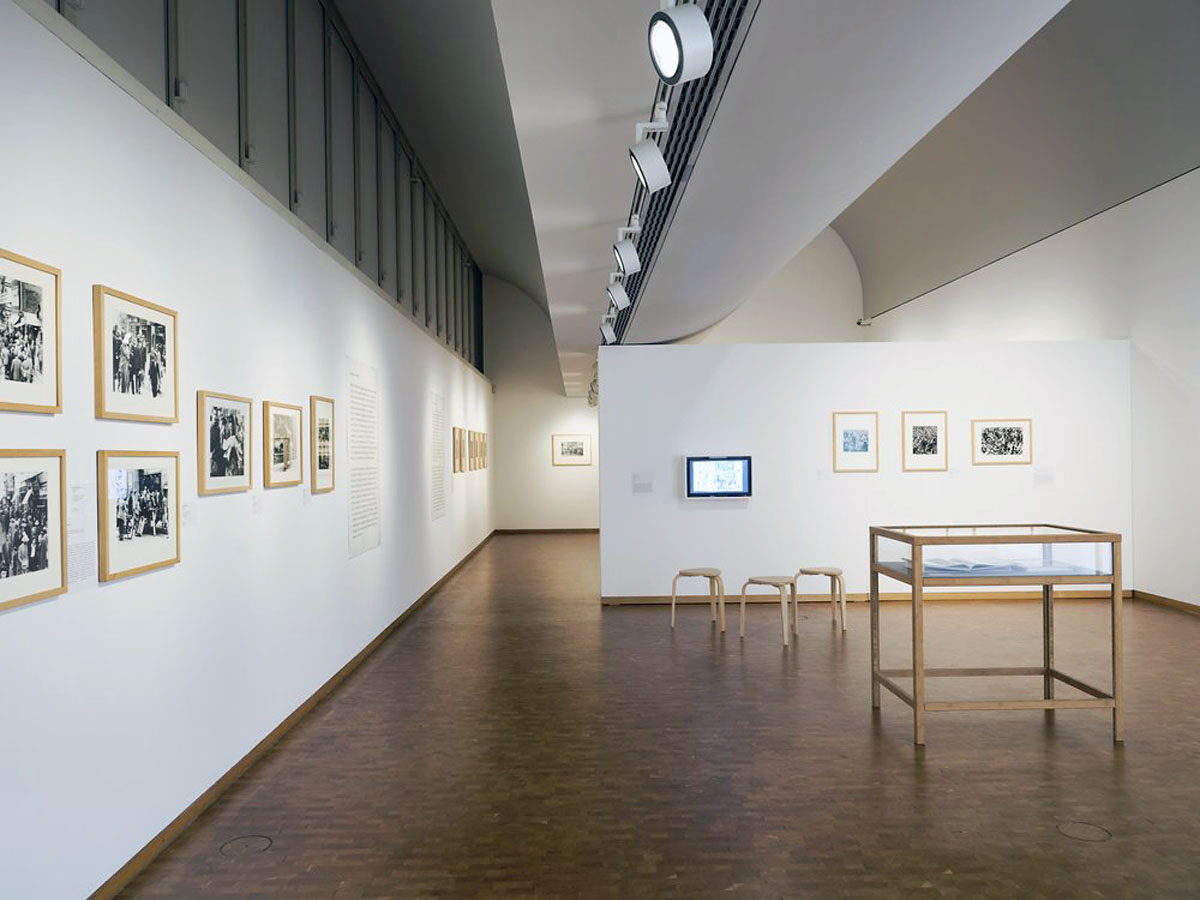
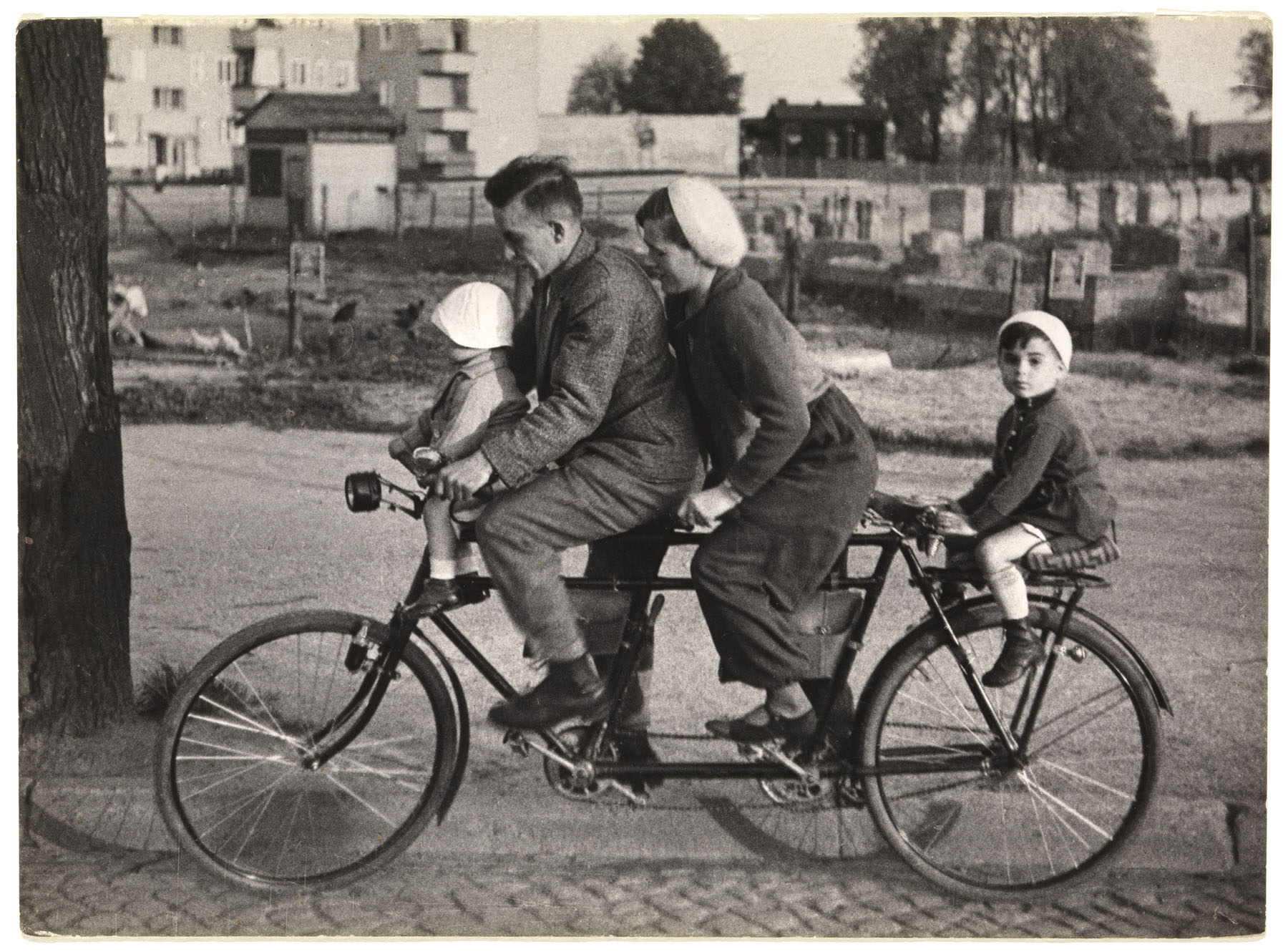
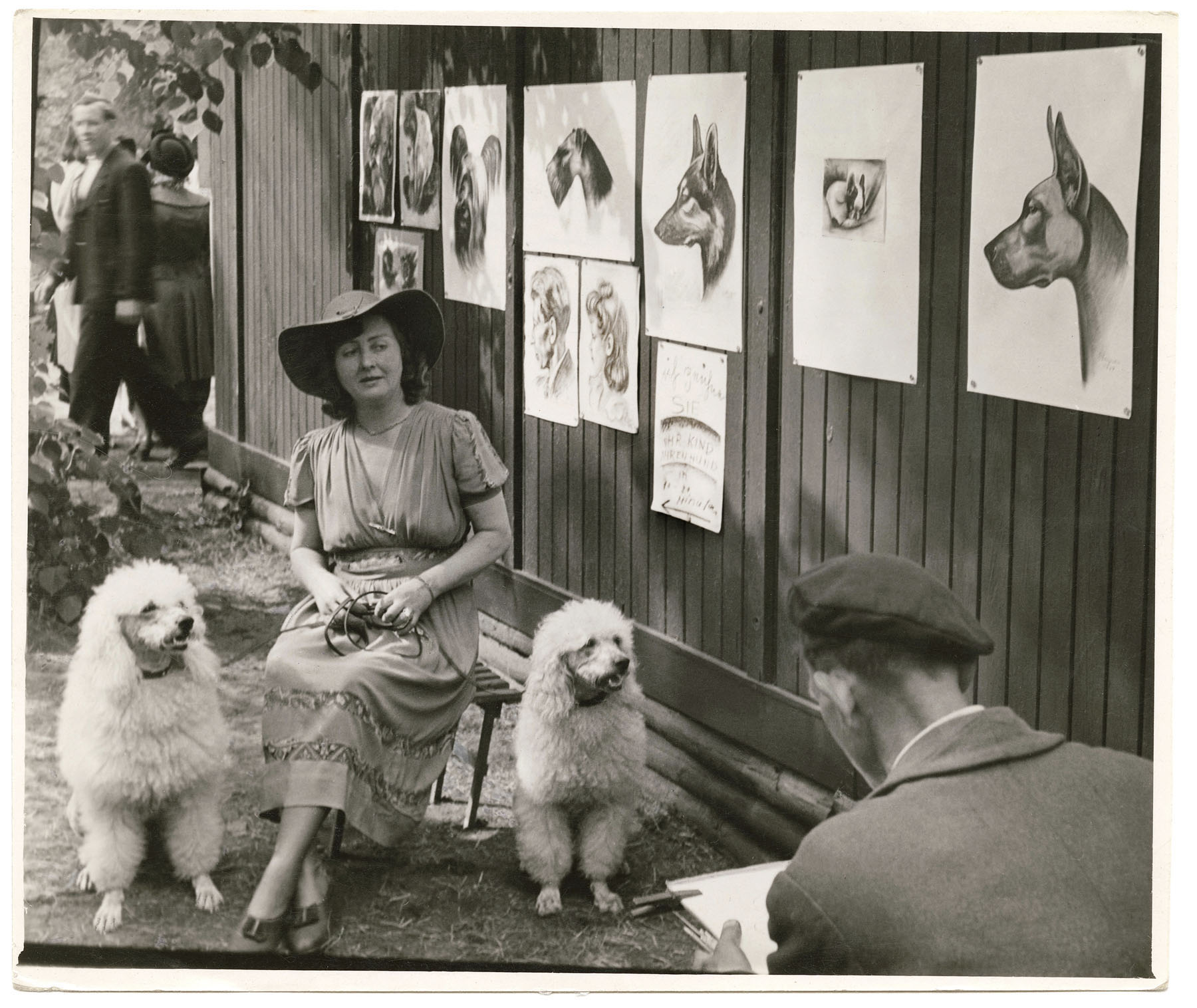
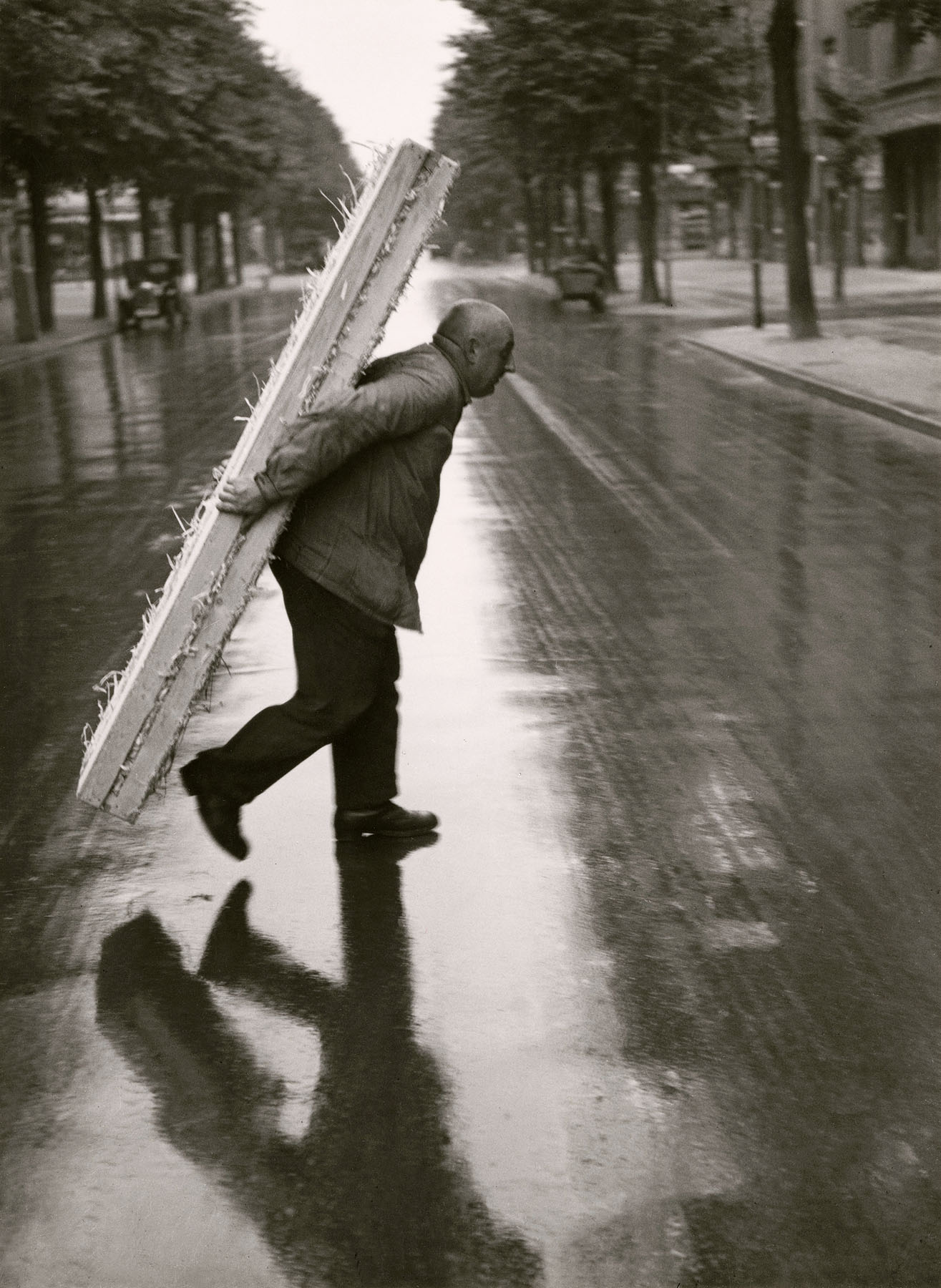
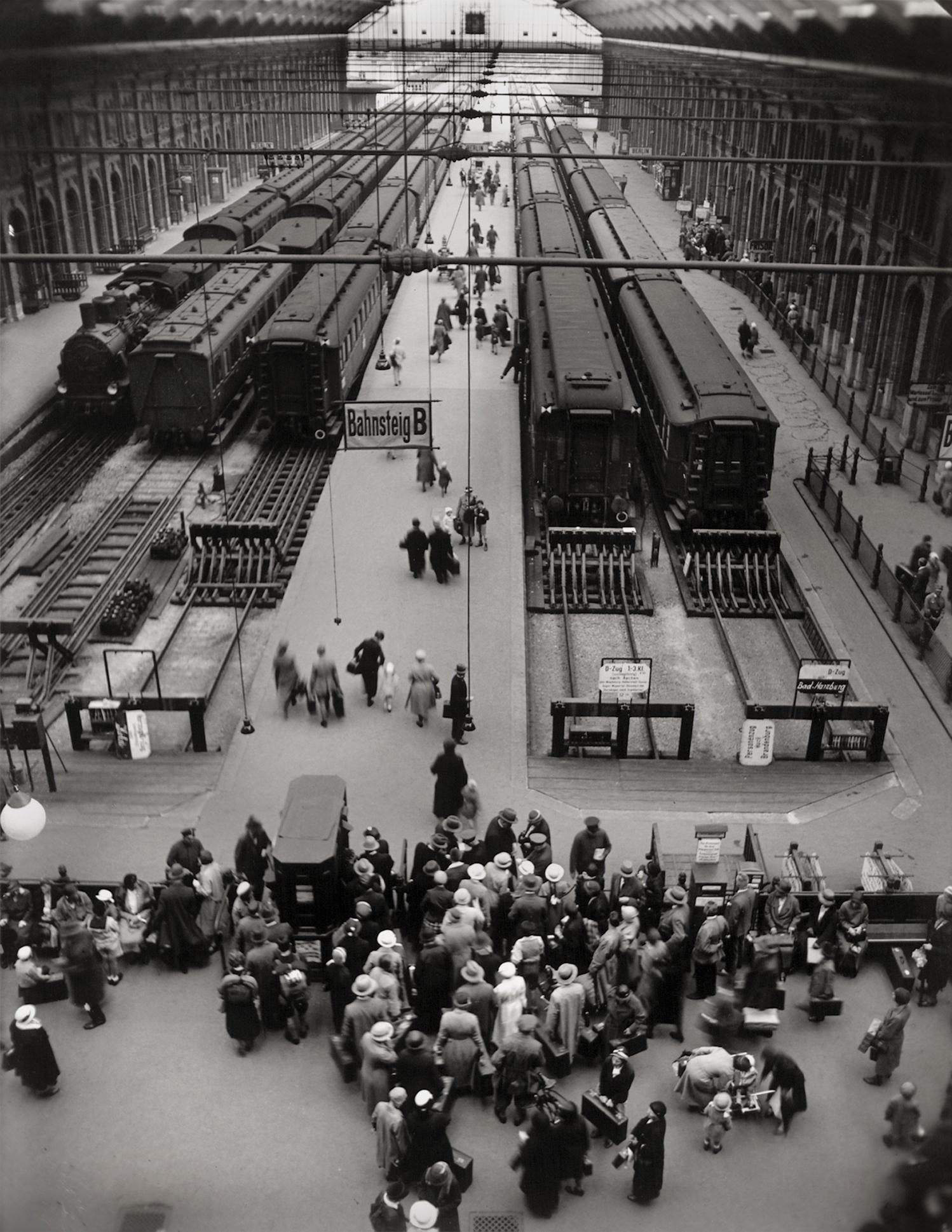
Exhibition: ‘Barbara Klemm. ­Light and Dark. Photographs from Germany’ at the Galerie für Zeitgenössische Kunst, Leipzig from ifa – Institut für Auslandsbeziehungen

Exhibition dates: 30th November, 2024 – 23rd March, 2025


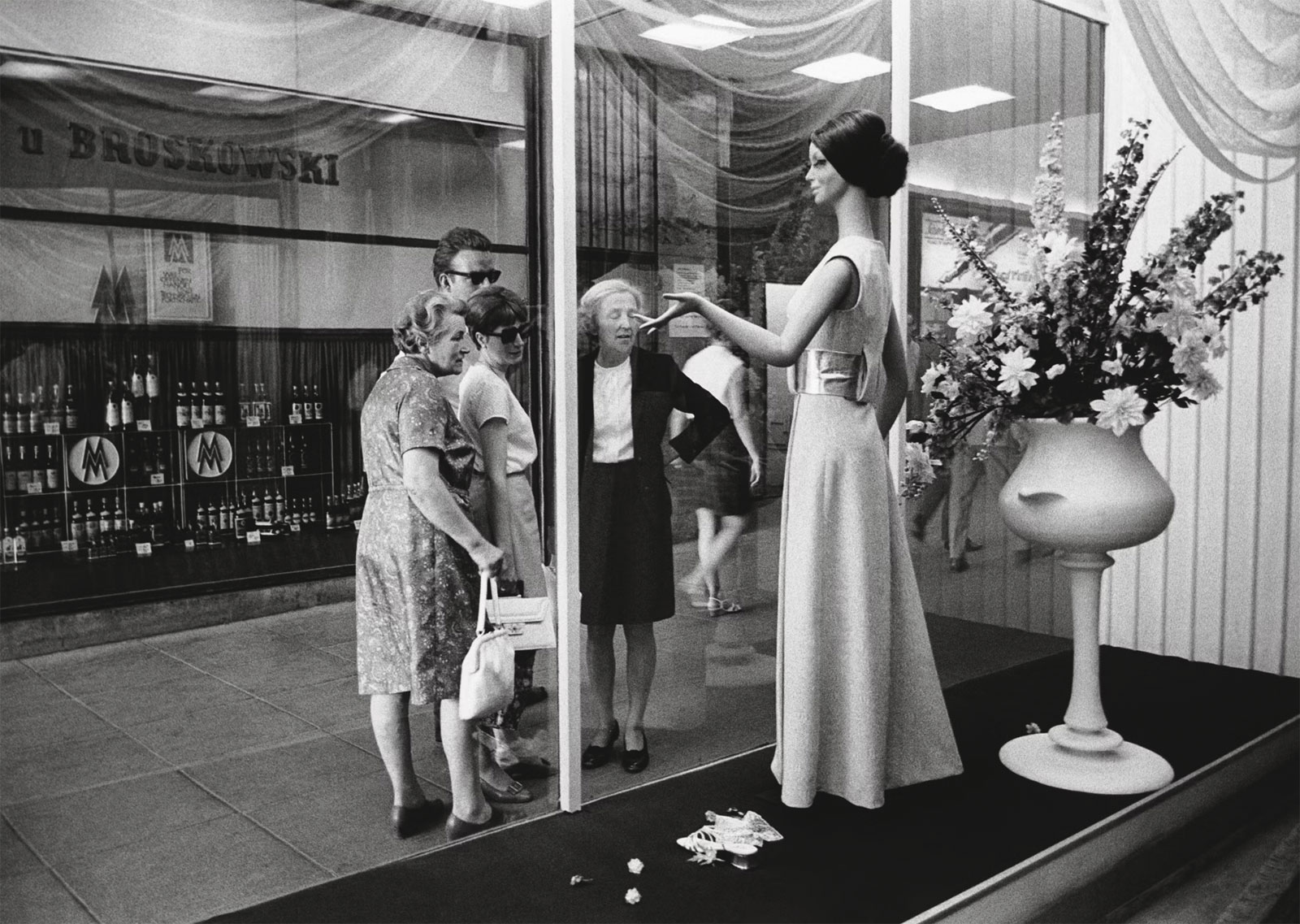
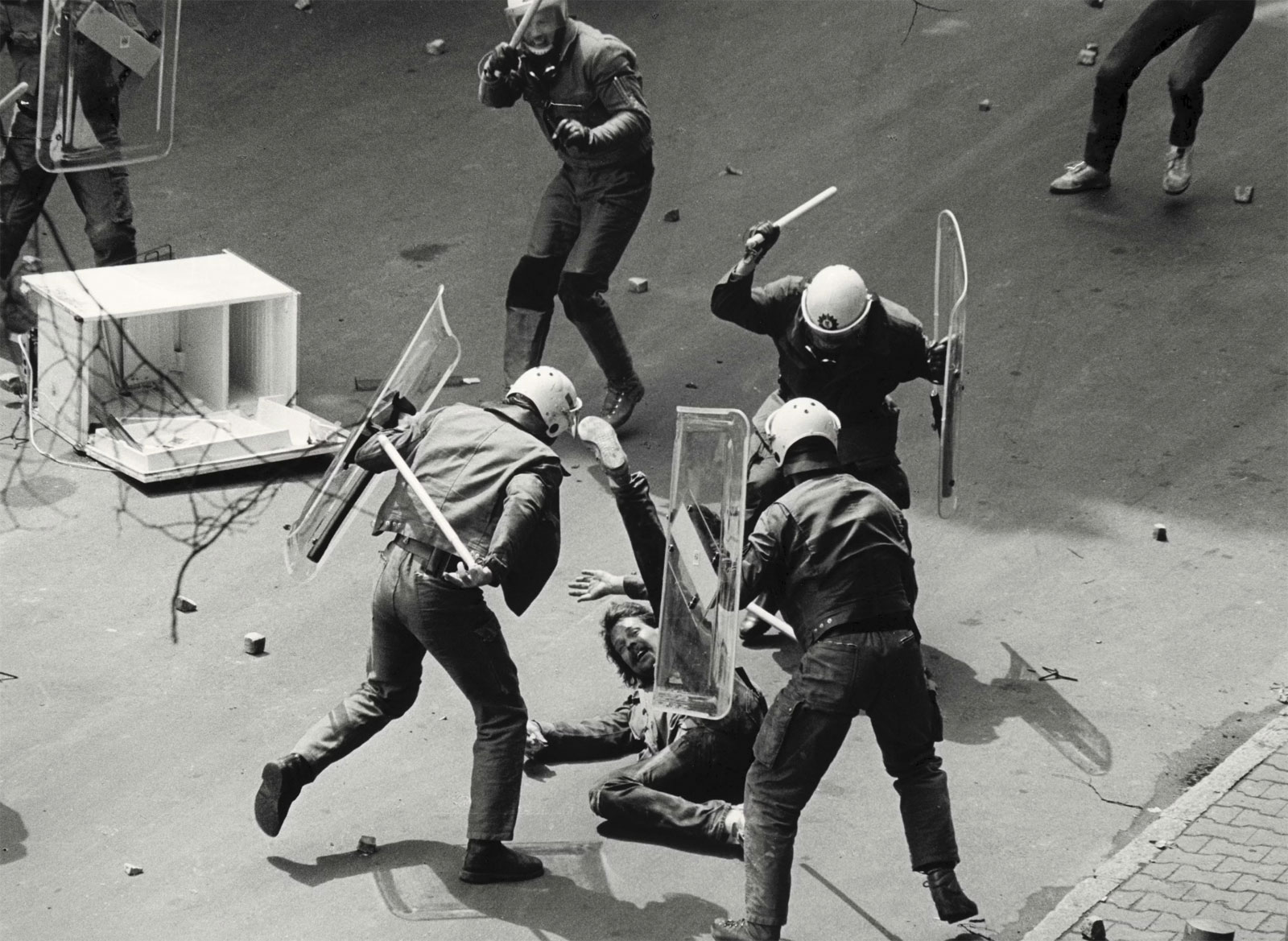
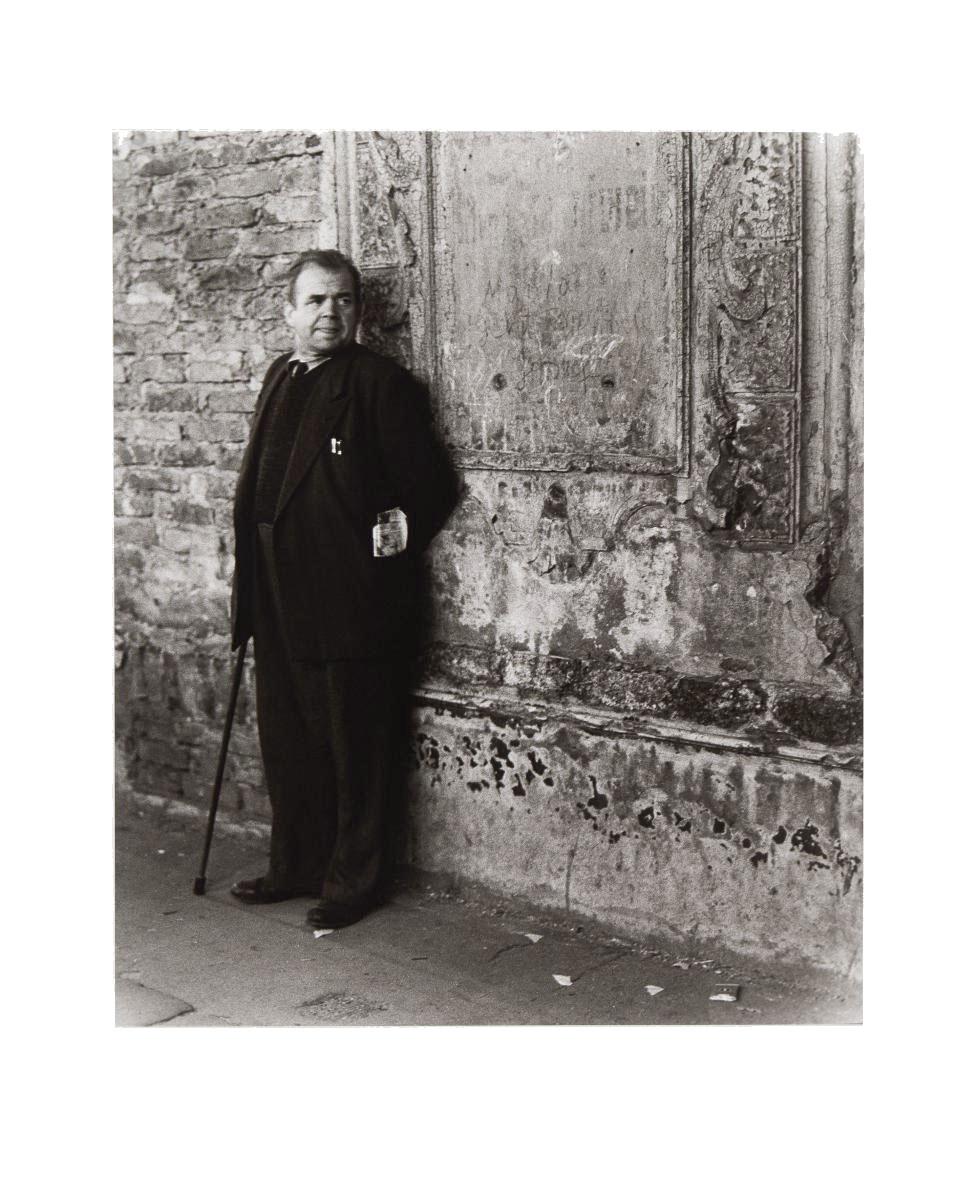
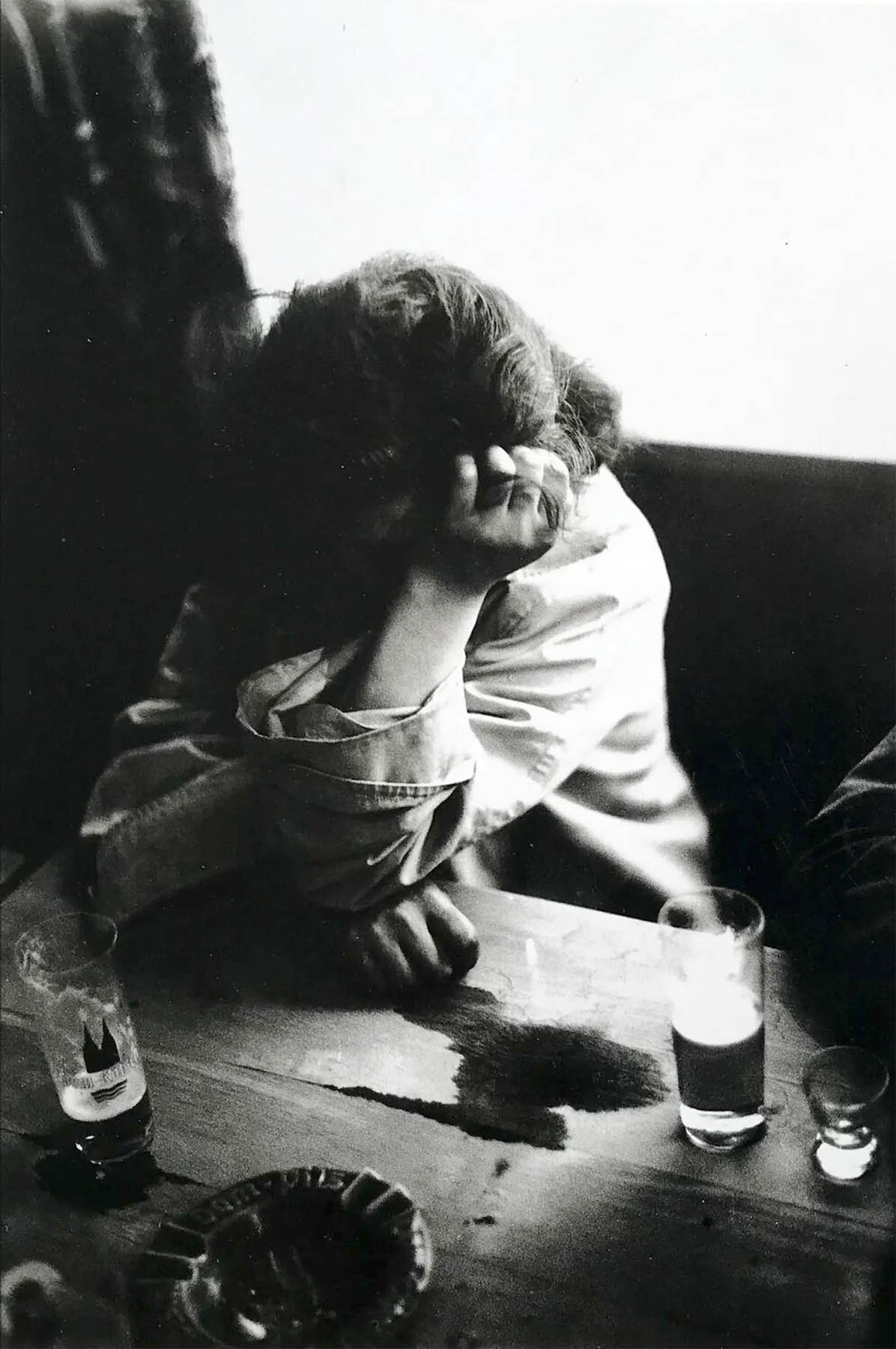
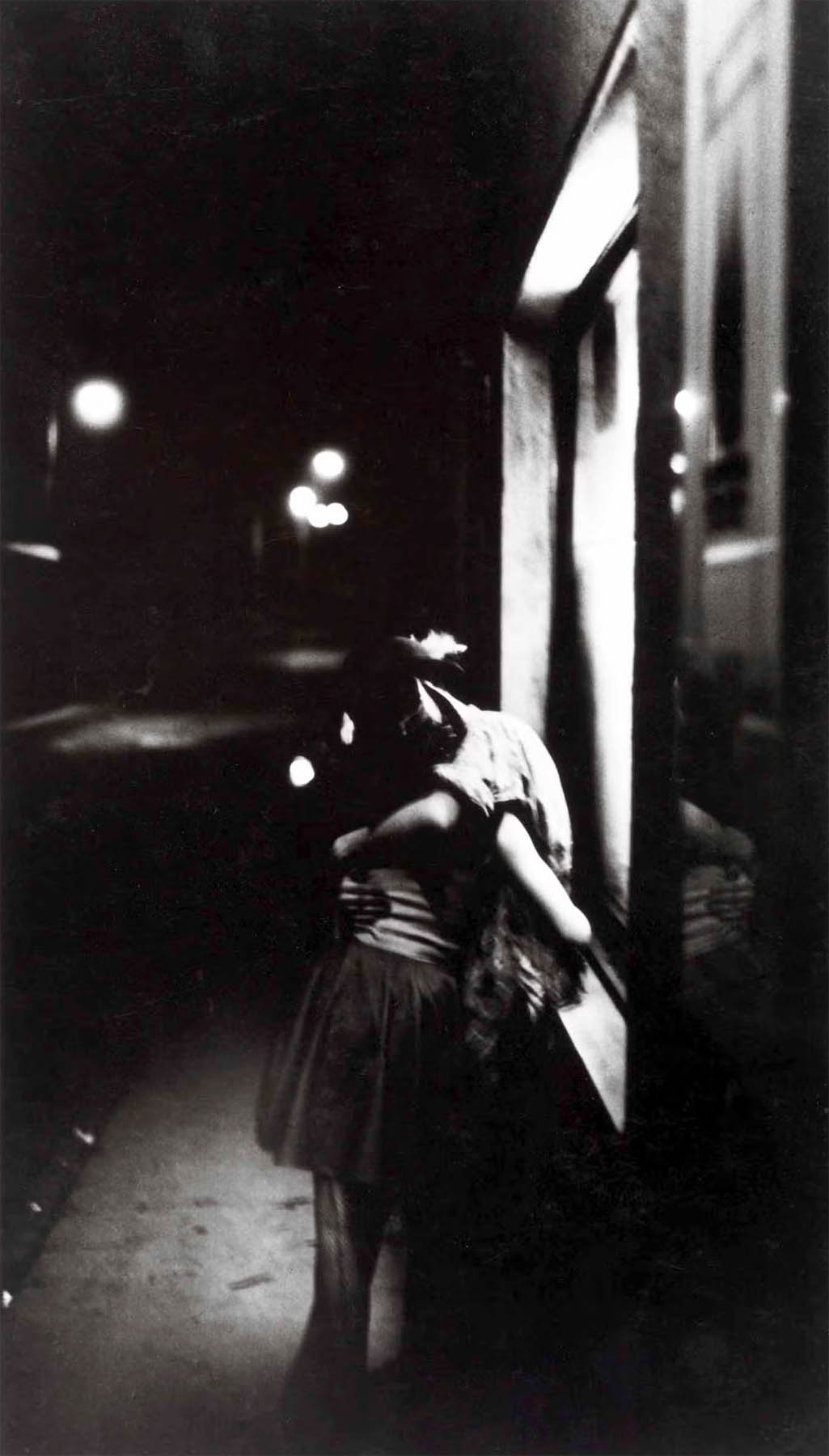
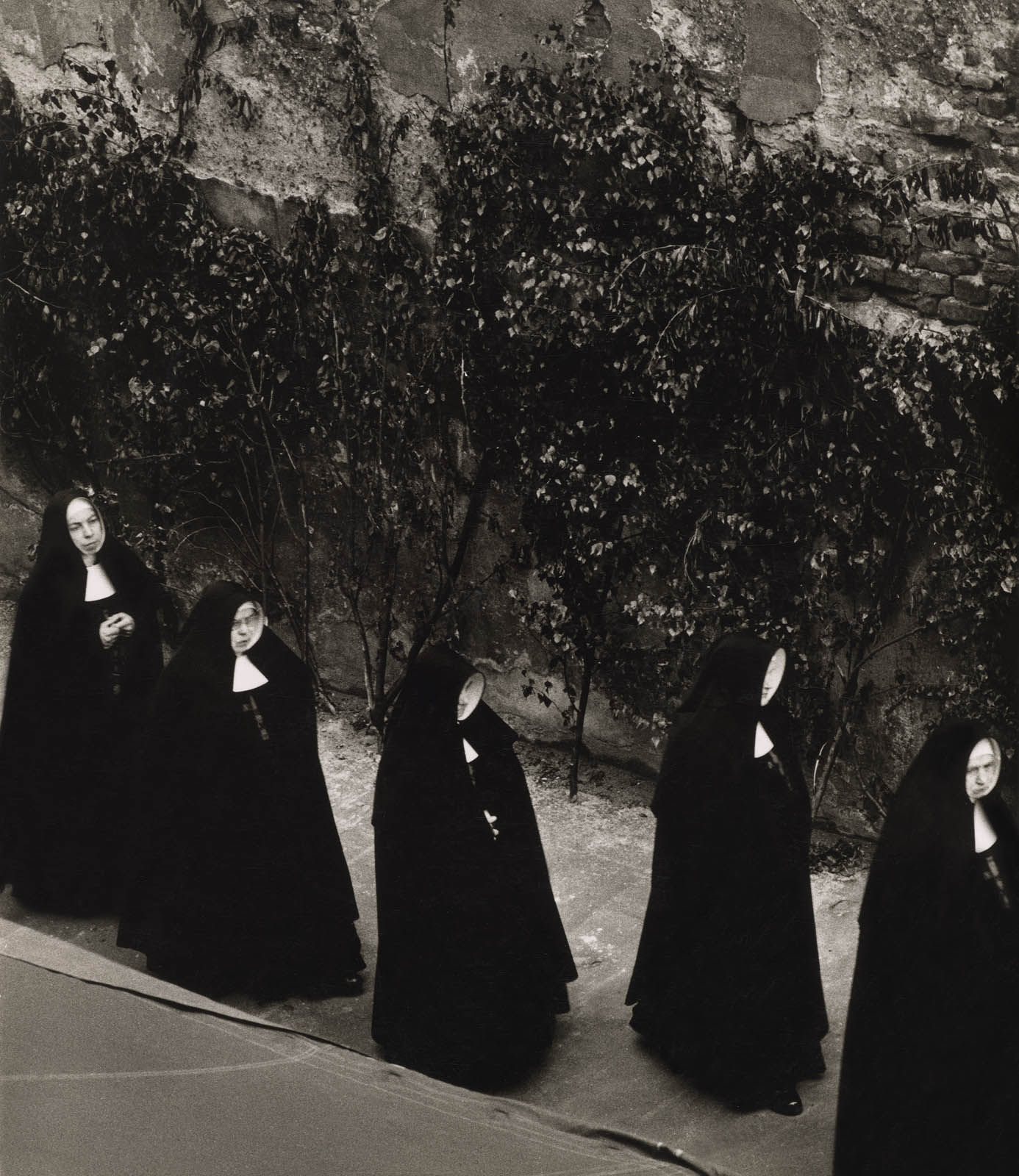
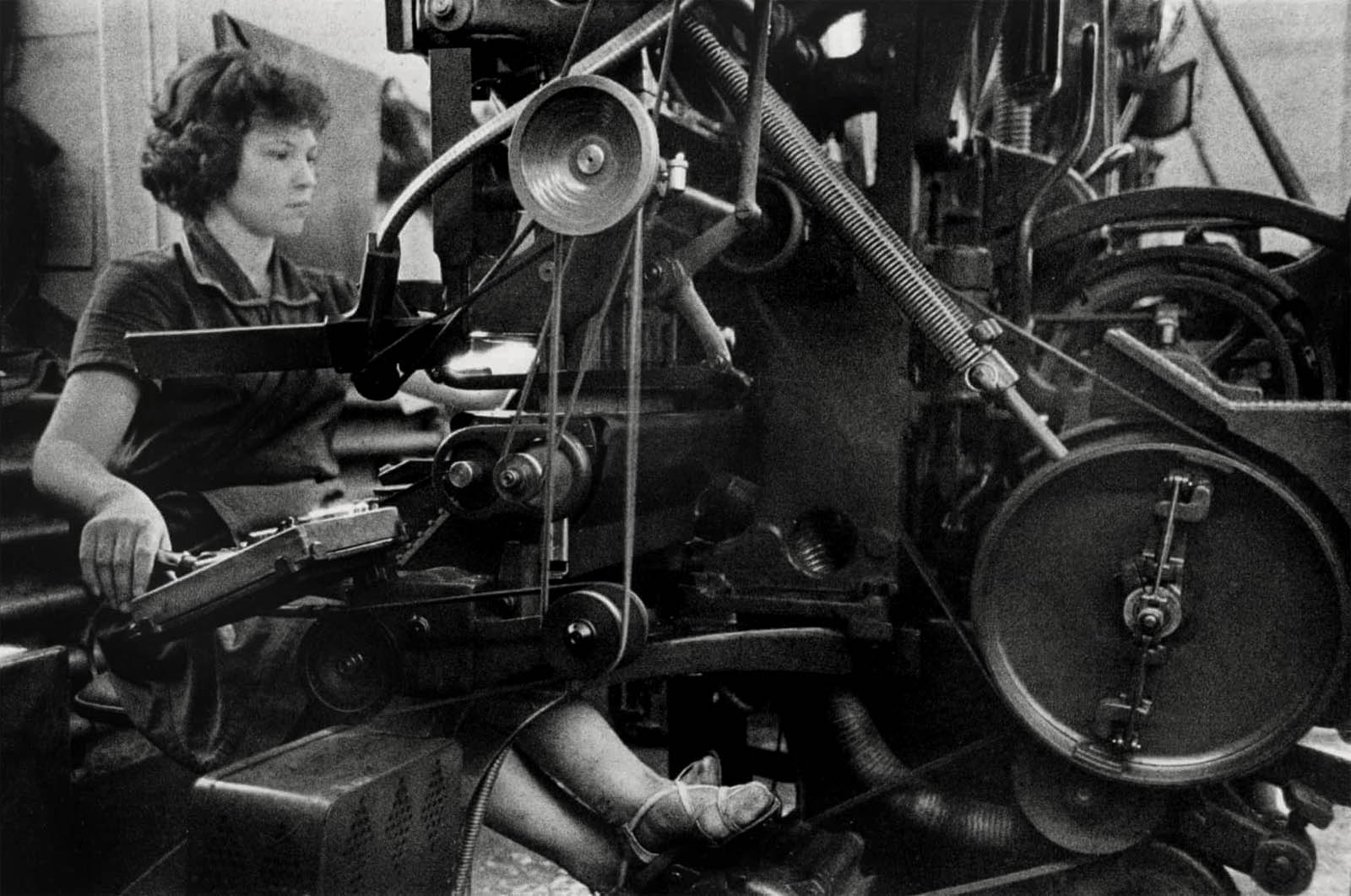
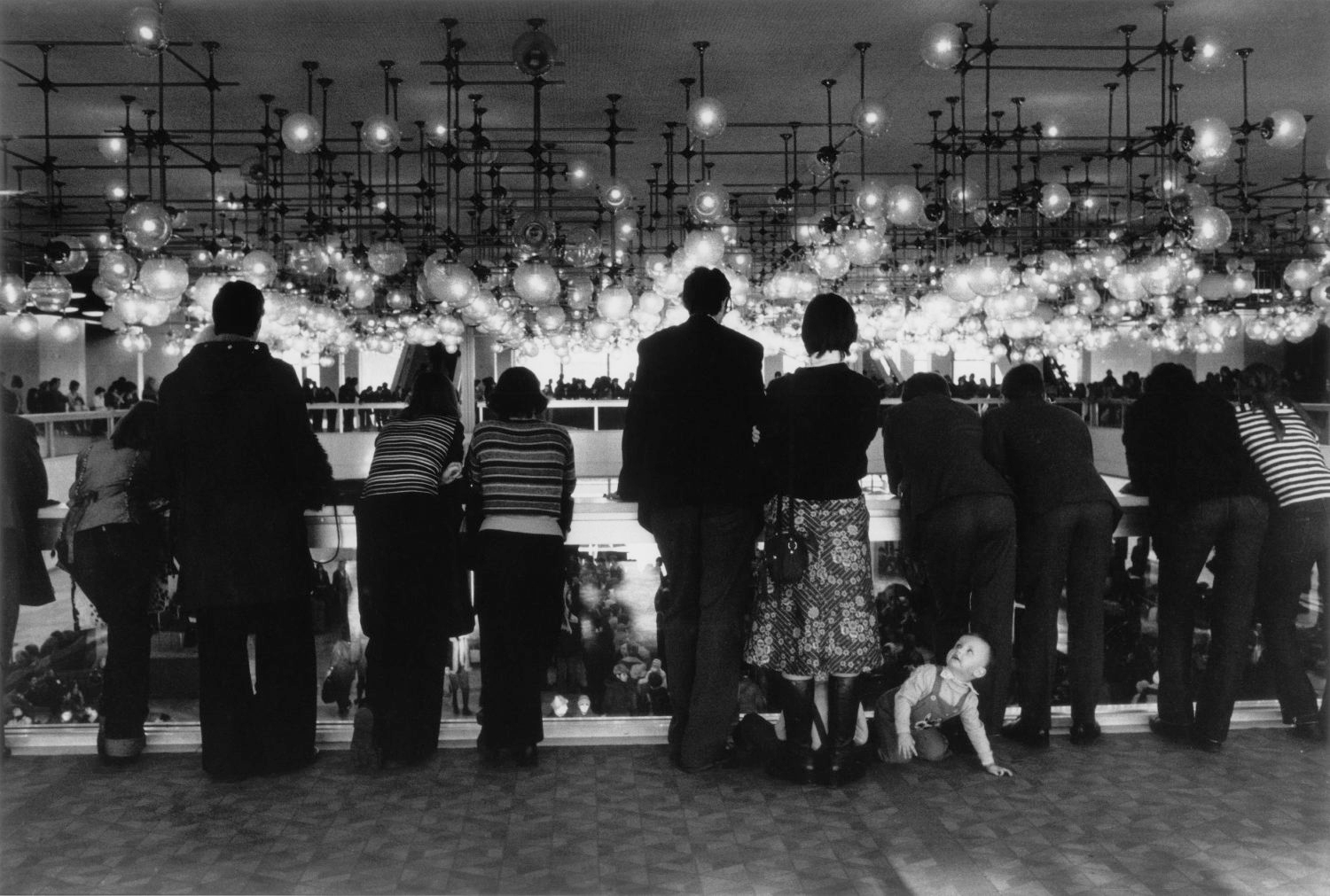
Barbara Klemm (German, b. 1939) 'Offenbach' 1968


Barbara Klemm (German, b. 1939)
Offenbach
1968
Black and white photograph on baryta paper
300 × 400 mm
© Barbara Klemm, Institut für Auslandsbeziehungen e. V.


Apparently, “the exhibition presents photography by one of Germany’s most important artists.”

Until recently I had never heard of this artist and I have been studying photography for over 35 years.

Allegedly, “many of Klemm’s photographs have become “icons of contemporary history” and have shaped the cultural memory of several generations.”

What does that even mean – “icons of contemporary history” – it’s just art speak that means absolutely nothing!

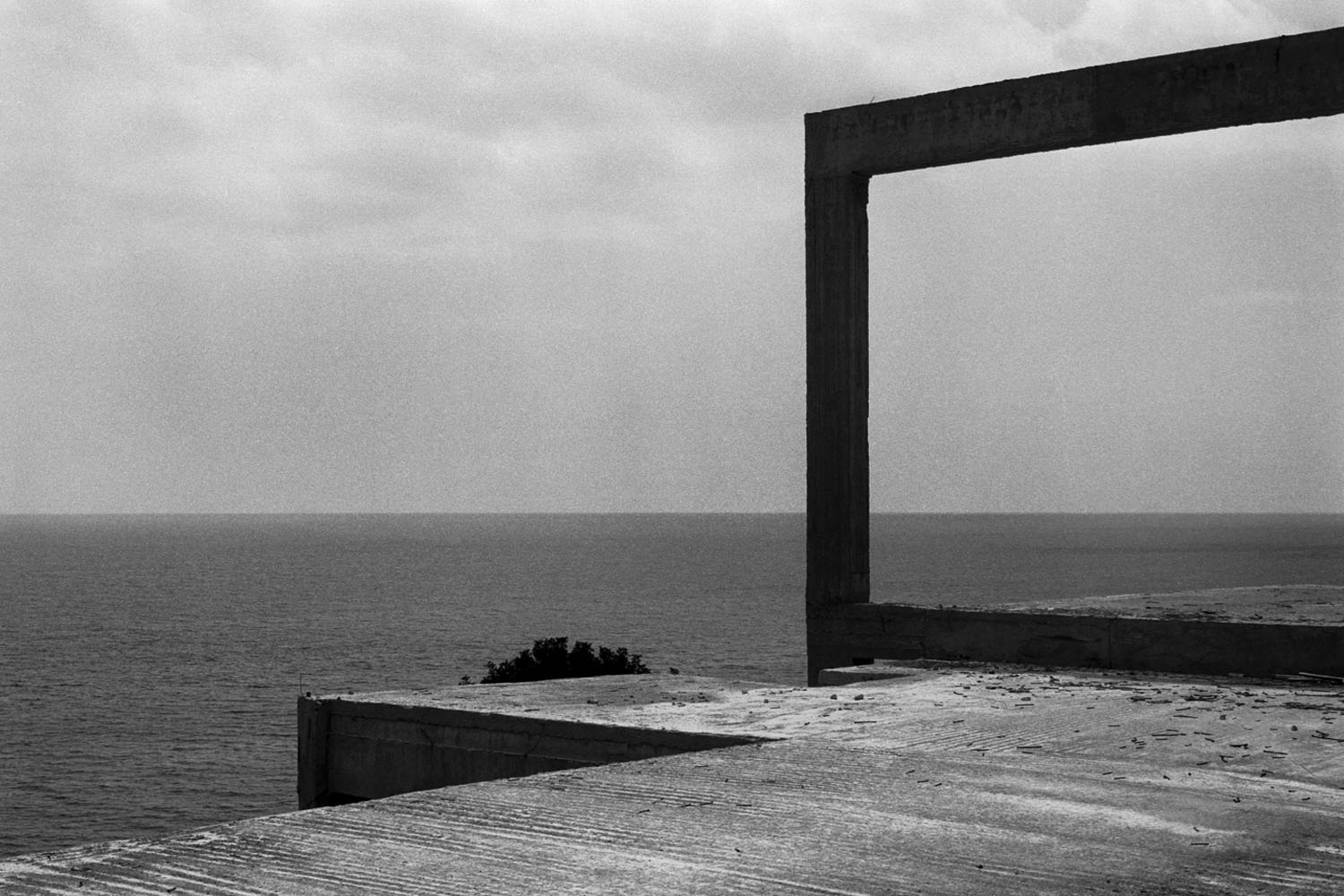
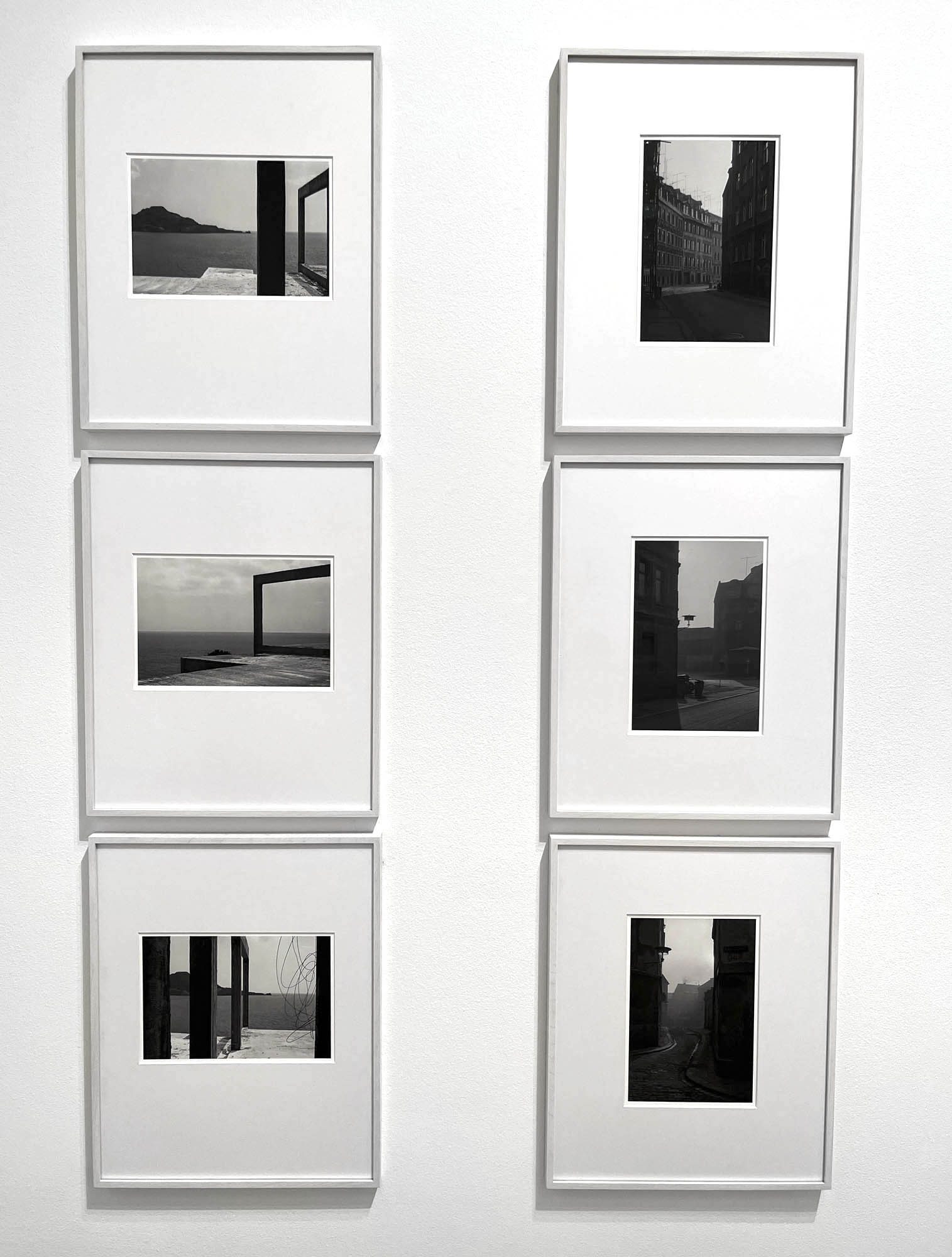
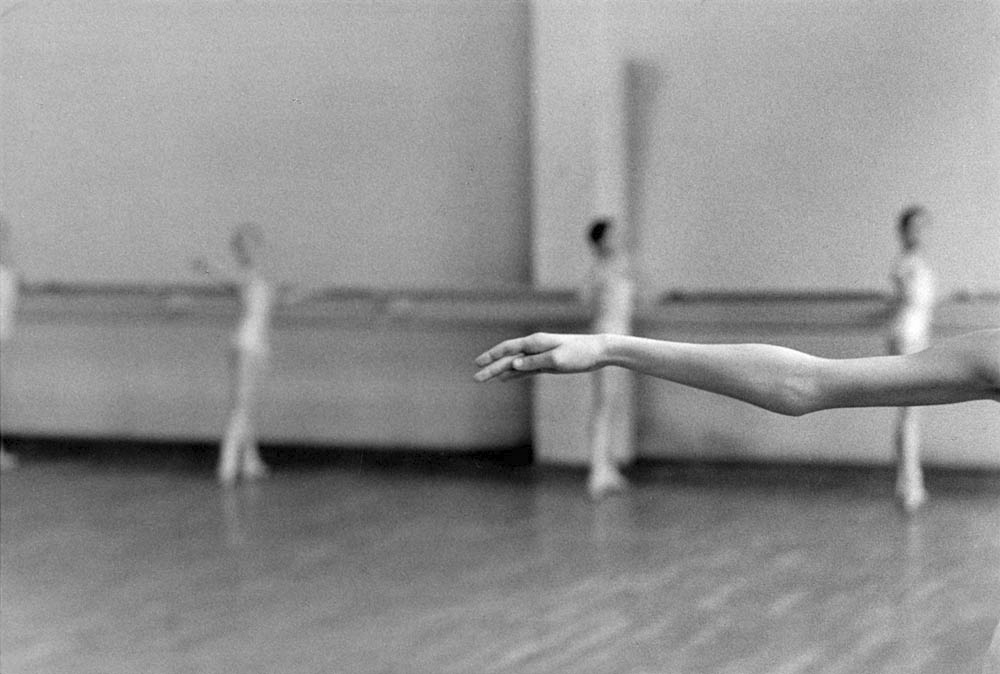
If we actually look at the work there are some really strong photographs here that form a cohesive body of work which interrogates the reality of a country that was divided for decades, which examine the postwar formation of German culture and identity.

“[The exhibition] includes pictures from every sphere of society: from politics, culture and the economy, photos that capture unique and often tense moments as well as plain everyday life, photos of demonstrations, protests, and of immigrants, of cultural events, mass gatherings, and urban spaces.” (Text from ifa website)

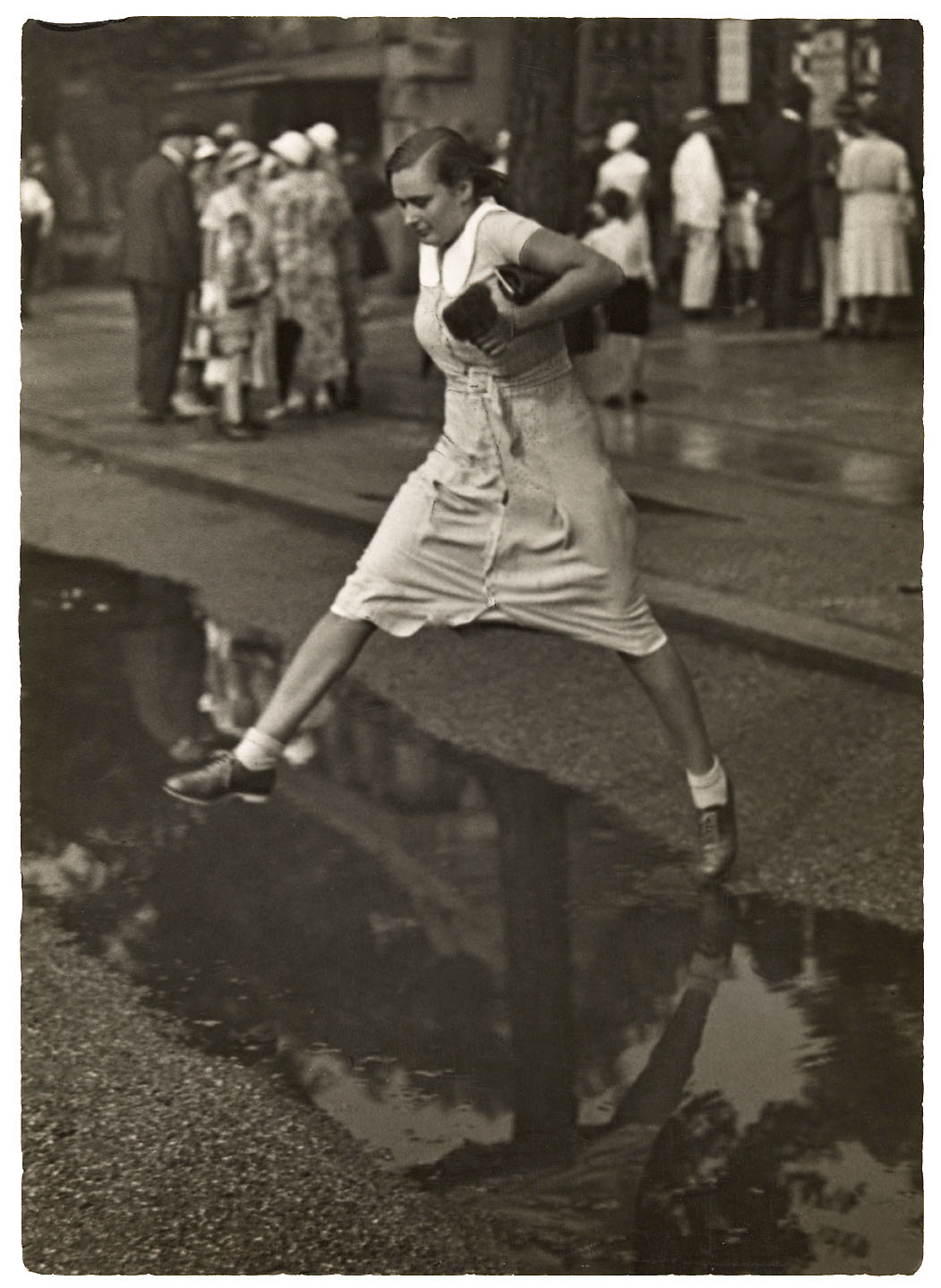
While Klemm’s photographs combine the documentary and the artistic in German press photography, her artistic voice is not a lone voice in the wilderness documenting Germany before and after reunification. Variously (but not exclusively) we have from the 1930s onwards and reaching its social reality apotheosis in the 1970s-1980s artists such as Friedrich Seidenstücker, Benjamin Katz, Chargesheimer, Michael Schmidt, Helga Paris, Günter Zint, Wendelin Bottländer, Andreas Horlitz, Christa Mayer, Sibylle Bergemann, Tata Ronkholz, Thomas Struth, Wilhelm Schürmann, Volker Döhne, Elfriede Mejchar, Hildegard Heise, and Timm Rautert.

At their best Klemm’s photographs are essential – (in the sense ‘in the highest degree’): from late Latin essentialis, from Latin essentia (see essence) – which is, the intrinsic nature or indispensable quality of something … which determines its character. That is what Klemm so vibrantly and insightfully captures, the true essence of an event which is then marked down in history. “Her sure sense of the true essence of an event allows her to capture moments that tell stories far beyond what the pictures seem to show at first glance.” In the highest degree, Klemm’s photographs “offer an insight into the most significant aspects of social life in both the Federal Republic of Germany and the GDR”

But she is not alone in this endeavour and to argue that her photographs are “icons of history” and that she is one of Germany’s most important artists is pure hokum. Why curators and/or media people continue to write this stuff is beyond me…

Just let the artist tell her stories and the photographs will speak for themselves.

Strength, insight, essence.

Dr Marcus Bunyan


Many thankx to the Galerie für Zeitgenössische Kunst for allowing me to publish the photographs in the posting. Please click on the photographs for a larger version of the image.


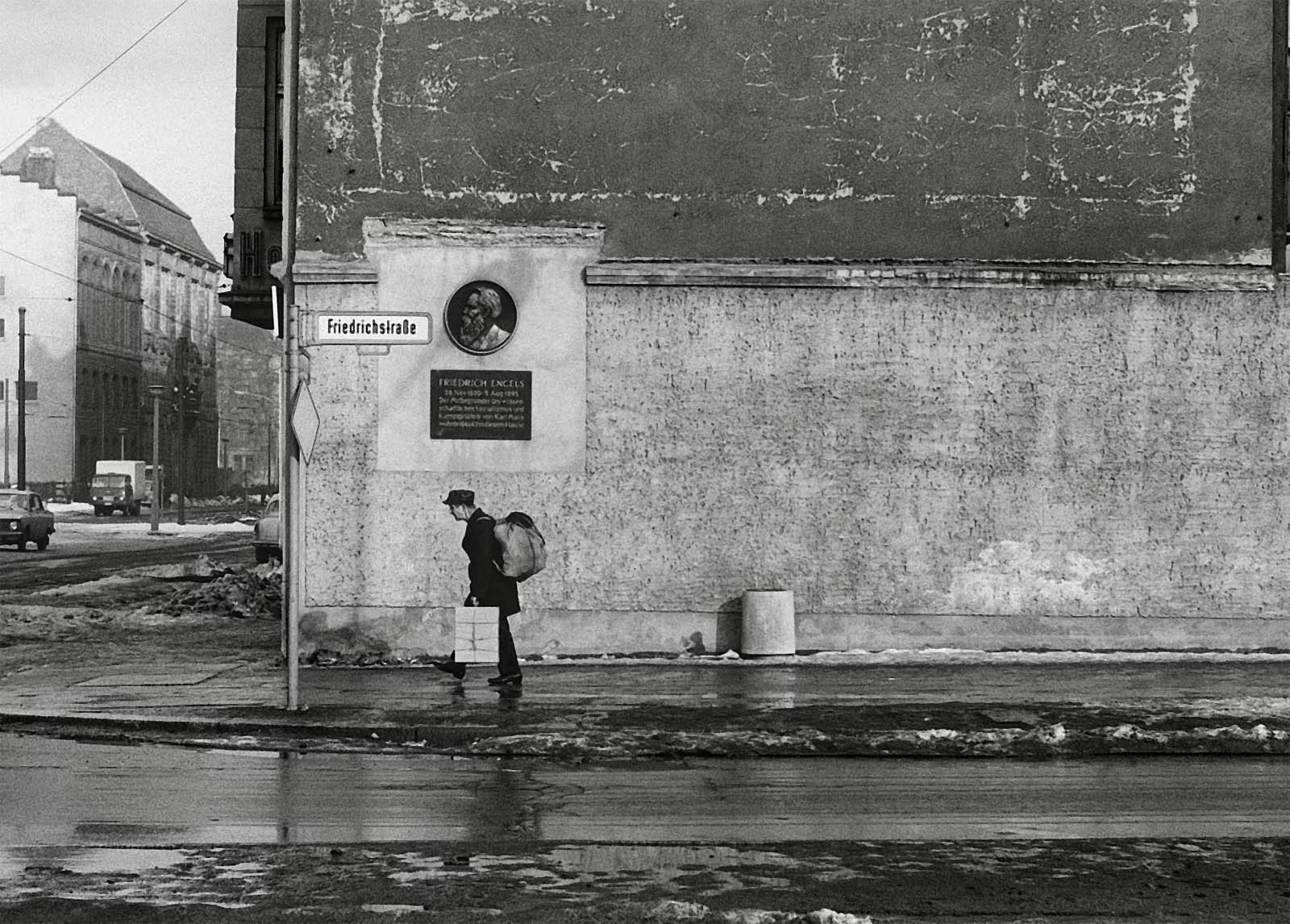
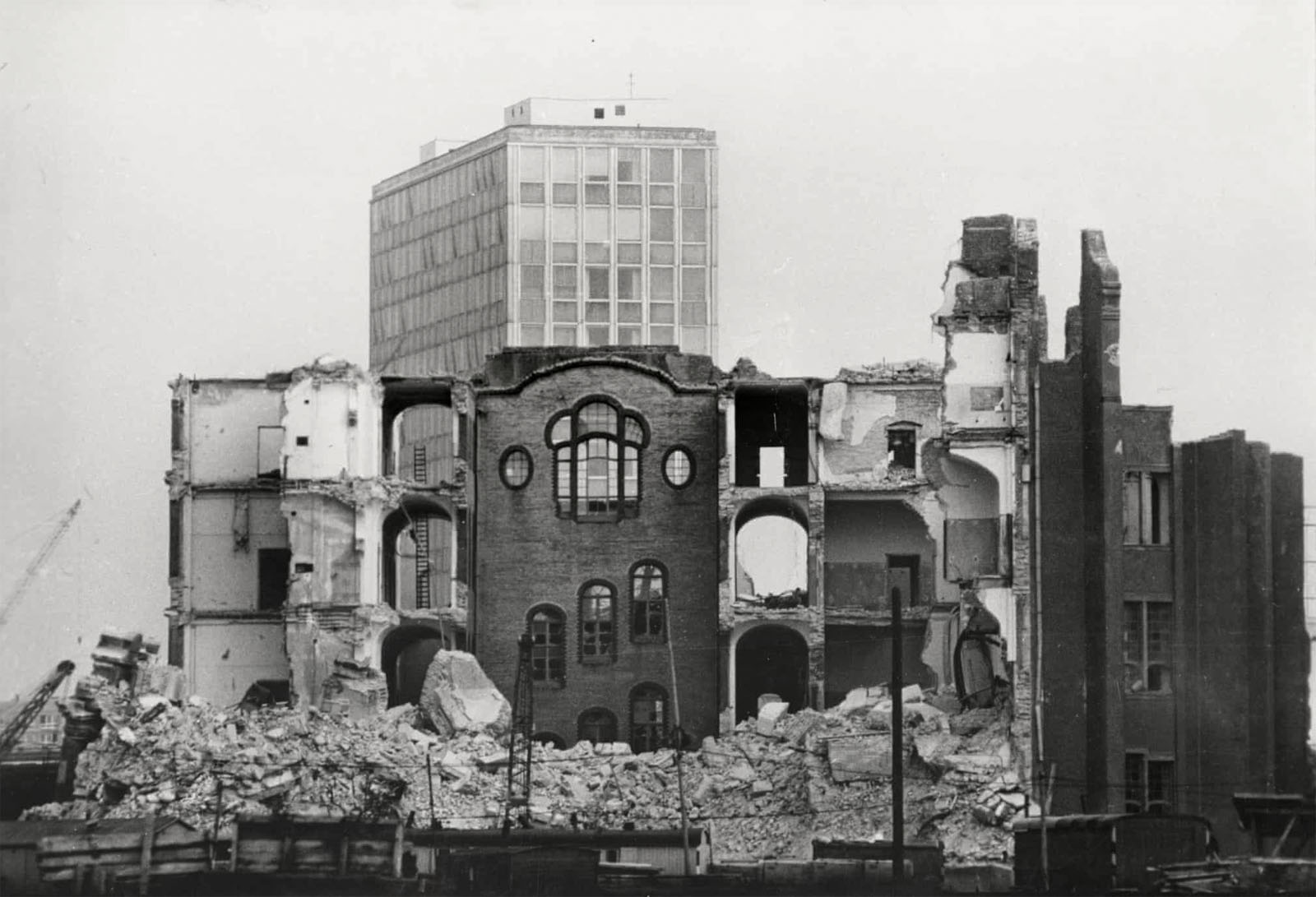
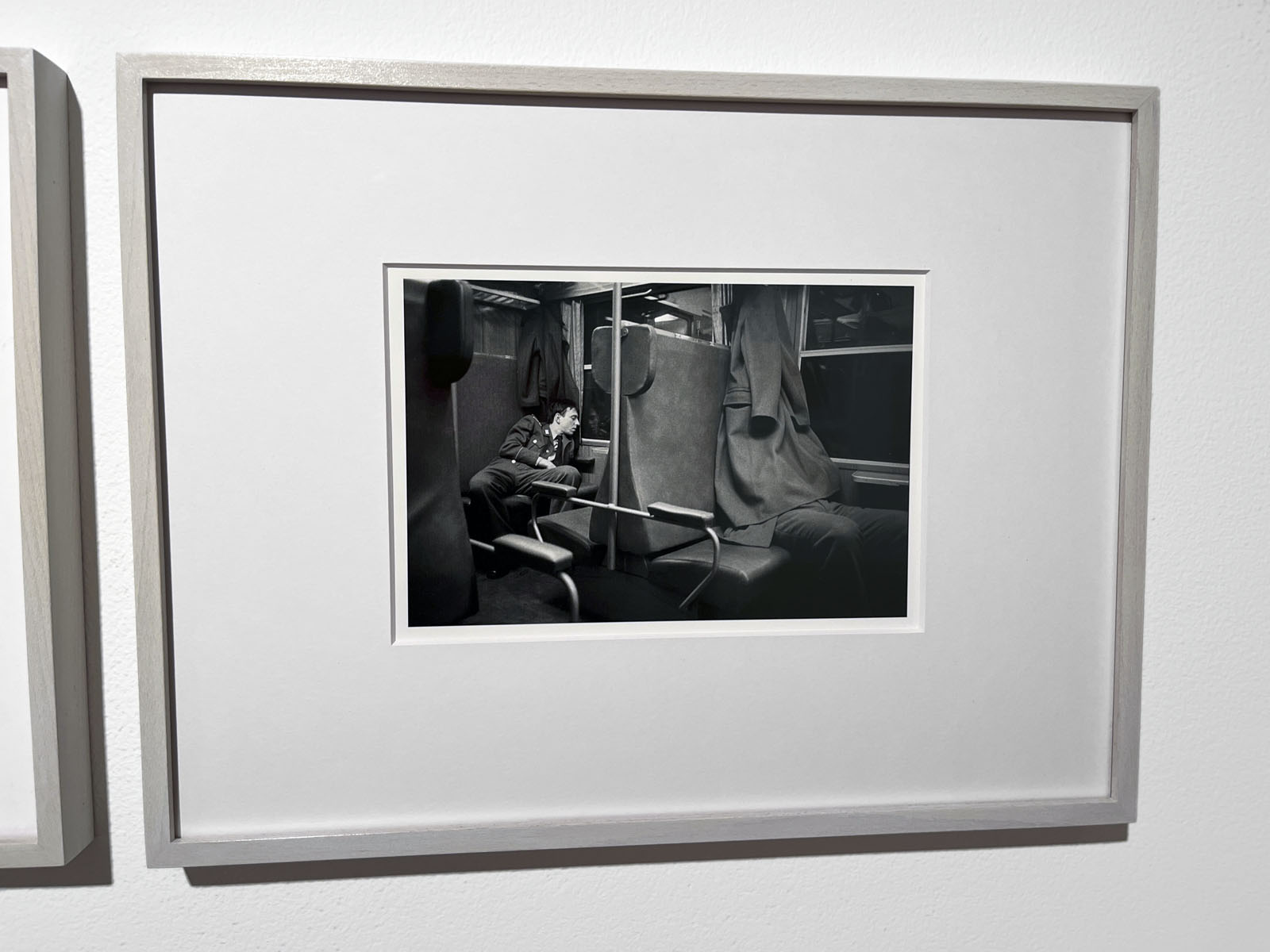
Barbara Klemm (German, b. 1939) 'Friedrichstrasse, East Berlin' 1970


Barbara Klemm (German, b. 1939)
Friedrichstrasse, East Berlin
1970
Black and white photograph on baryta paper
300 × 400 mm
© Barbara Klemm, Institut für Auslandsbeziehungen e. V.


The exhibition presents photography by one of Germany’s most important artists. Barbara Klemm’s work, spanning forty years, bears witness to the historical development and present-day reality of a country that was divided for decades. Many of her pictures have become icons of contemporary history, shaping the cultural memory of several generations.

An exhibition by ifa – Institut für Auslandsbeziehungen e. V. ifa is funded by the German Federal Foreign Office, the state of Baden-Württemberg, and the city of Stuttgart.


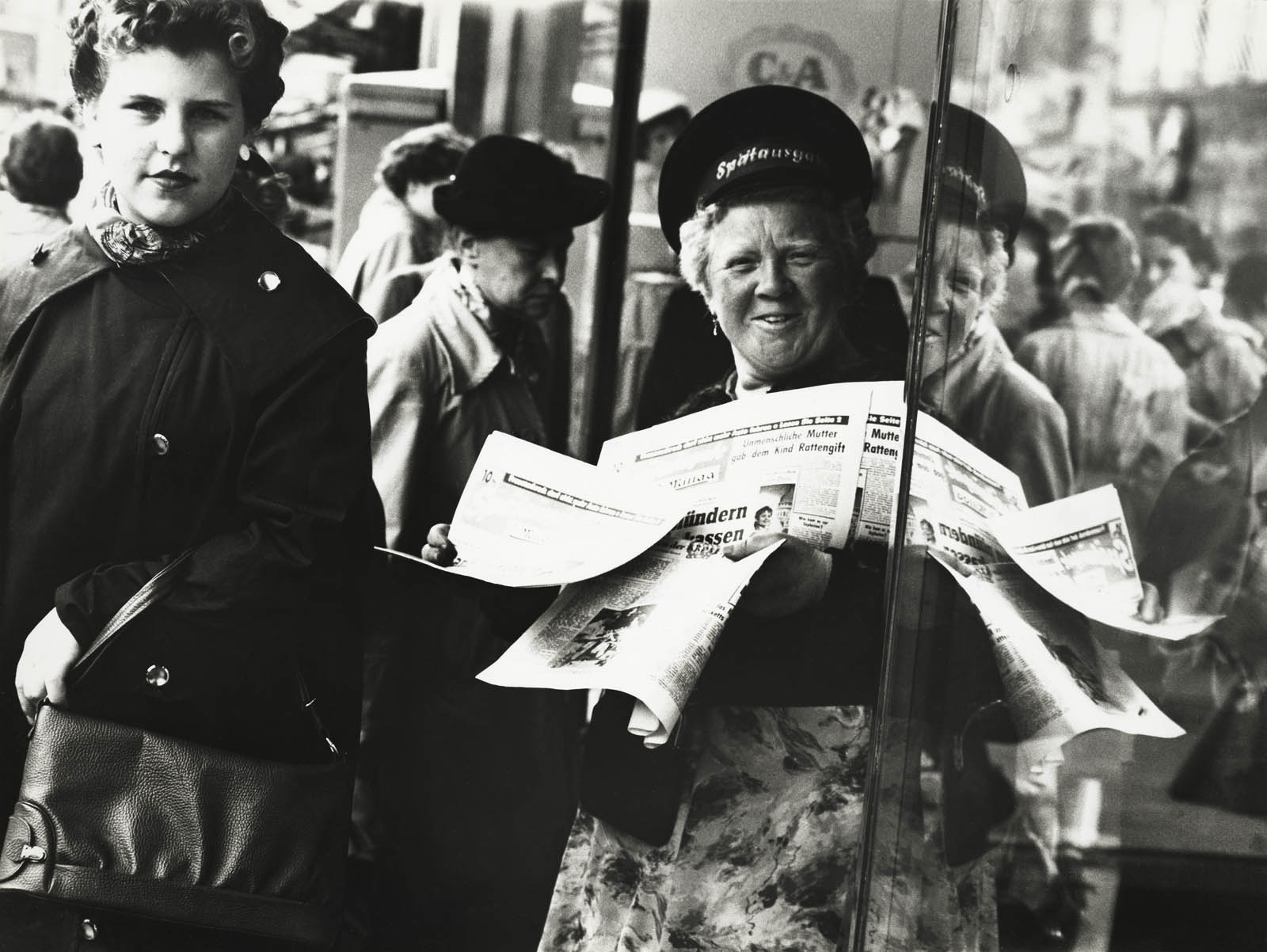
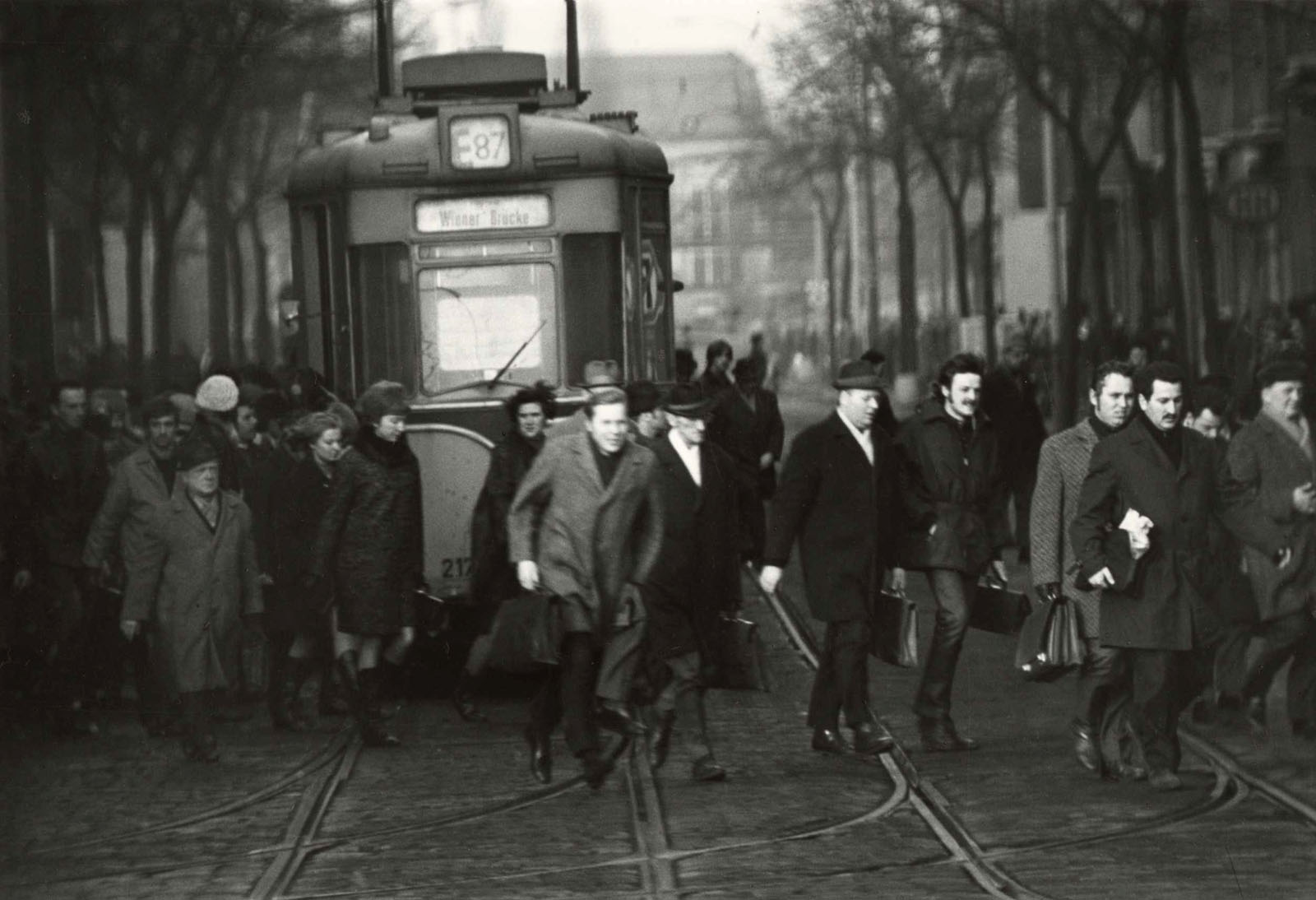
Barbara Klemm (German, b. 1939) 'Leipzig' 1970


Barbara Klemm (German, b. 1939)
Leipzig
1970
Black and white photograph on baryta paper
300 × 400 mm
© Barbara Klemm, Institut für Auslandsbeziehungen e. V.


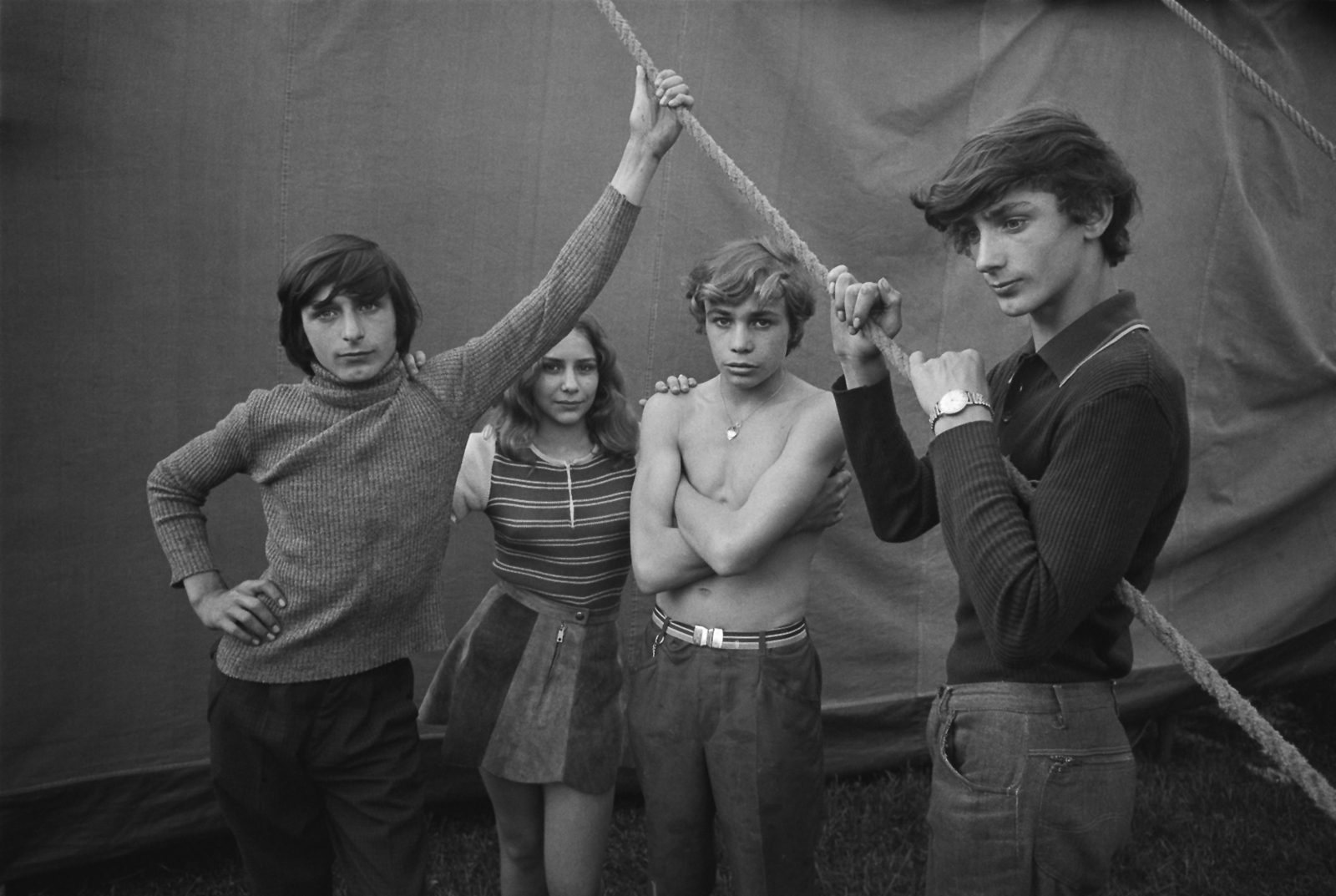
Barbara Klemm (German, b. 1939) 'Leipzig' 1970


Barbara Klemm (German, b. 1939)
Leipzig
1970
Black and white photograph on baryta paper
300 × 400 mm
© Barbara Klemm, Institut für Auslandsbeziehungen e. V.


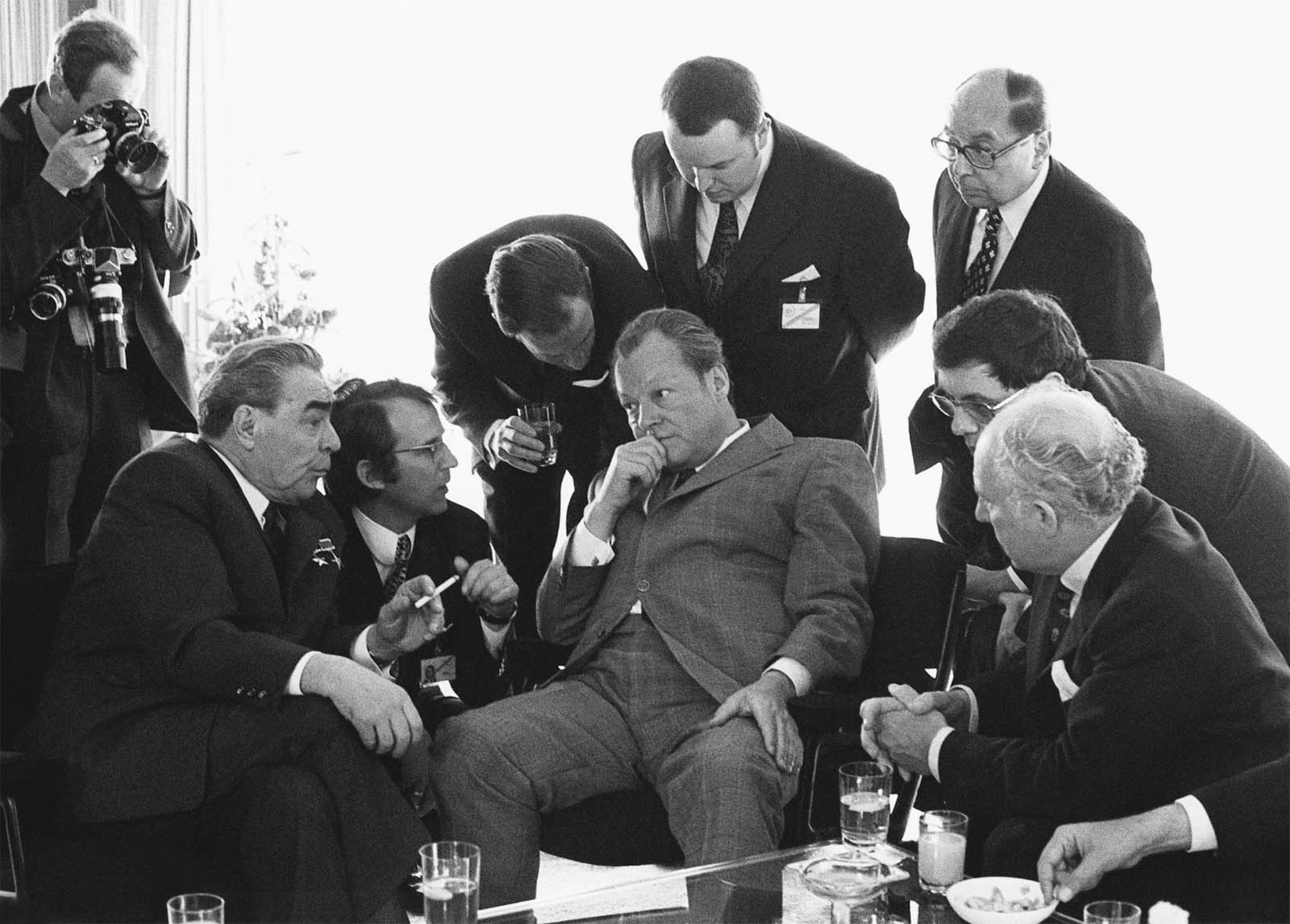
Barbara Klemm (German, b. 1939) 'Leonid Brezhnev, Willy Brandt, Bonn' 1973


Barbara Klemm (German, b. 1939)
Leonid Brezhnev, Willy Brandt, Bonn
1973
Gelatin Silver Print
© Barbara Klemm, Institut für Auslandsbeziehungen e. V.


Barbara Klemm (German, b. 1939) 'Psychiatric Clinic, Bethel' 1973


Barbara Klemm (German, b. 1939)
Psychiatric Clinic, Bethel
1973
Gelatin Silver Print
© Barbara Klemm, Institut für Auslandsbeziehungen e. V.


Barbara Klemm (German, b. 1939) 'Rostock' 1974


Barbara Klemm (German, b. 1939)
Rostock
1974
Gelatin Silver Print
© Barbara Klemm, Institut für Auslandsbeziehungen e. V.


Barbara Klemm (German, b. 1939) 'Frankfurt am Main' 1974


Barbara Klemm (German, b. 1939)
Frankfurt am Main
1974
Black and white photograph on baryta paper
300 × 400 mm
© Barbara Klemm, Institut für Auslandsbeziehungen e. V.


Barbara Klemm (German, b. 1939) 'Frauendemonstration gegen § 218' / Women Demonstration against Abortion Laws, Frankfurt am Main 1974


Barbara Klemm (German, b. 1939)
Frauendemonstration gegen § 218 / Women Demonstration against Abortion Laws, Frankfurt am Main
1974
Black and white photograph on baryta paper
400 x 300 mm
© Barbara Klemm, Institut für Auslandsbeziehungen e. V.


Barbara Klemm’s works bear witness to the historical development and present-day reality of a country that was divided for decades. Many of her pictures have become icons of contemporary history, shaping the cultural memory of several generations. It is a body of photographic work that blends documentation and artistic inspiration in a way that is rarely encountered in the German press.

With the exhibition Barbara Klemm: Light and Dark. Photographs from Germany, the ifa – Institut für Auslandsbeziehungen presents photographs by one of Germany’s leading photographers. At GfZK, they will be shown in Germany for the first time in 15 years

Most of the photographs shown in the exhibition were taken for the Frankfurter Allgemeine Zeitung. Starting in 1959, Barbara Klemm began her career at this newspaper working as a laboratory assistant and in plate production. From 1970, she became an editorial photographer focusing primarily on political and feature photography. However, her photographs are far more than coverage photos taken for the moment. They offer an insight into the most significant aspects of social life in both the Federal Republic of Germany and the GDR. A central focus of the exhibition is on photographs taken in East and West Germany before and after reunification. These images portray diverse aspects of social life, including politics, culture, and business. They depict a wide range of social realities – precarious and everyday situations, demonstrations, protests, migrant life, as well as cultural events, mass gatherings and urban space.

With an unerring instinct for the essence of a situation, the photographer captures moments that reveal far more than what is portrayed on the surface. Her photographs, as Barbara Klemm herself describes, reveal the “distillation of an action” – and, in doing so, the distillation of history itself.

 Text from the GfZK website


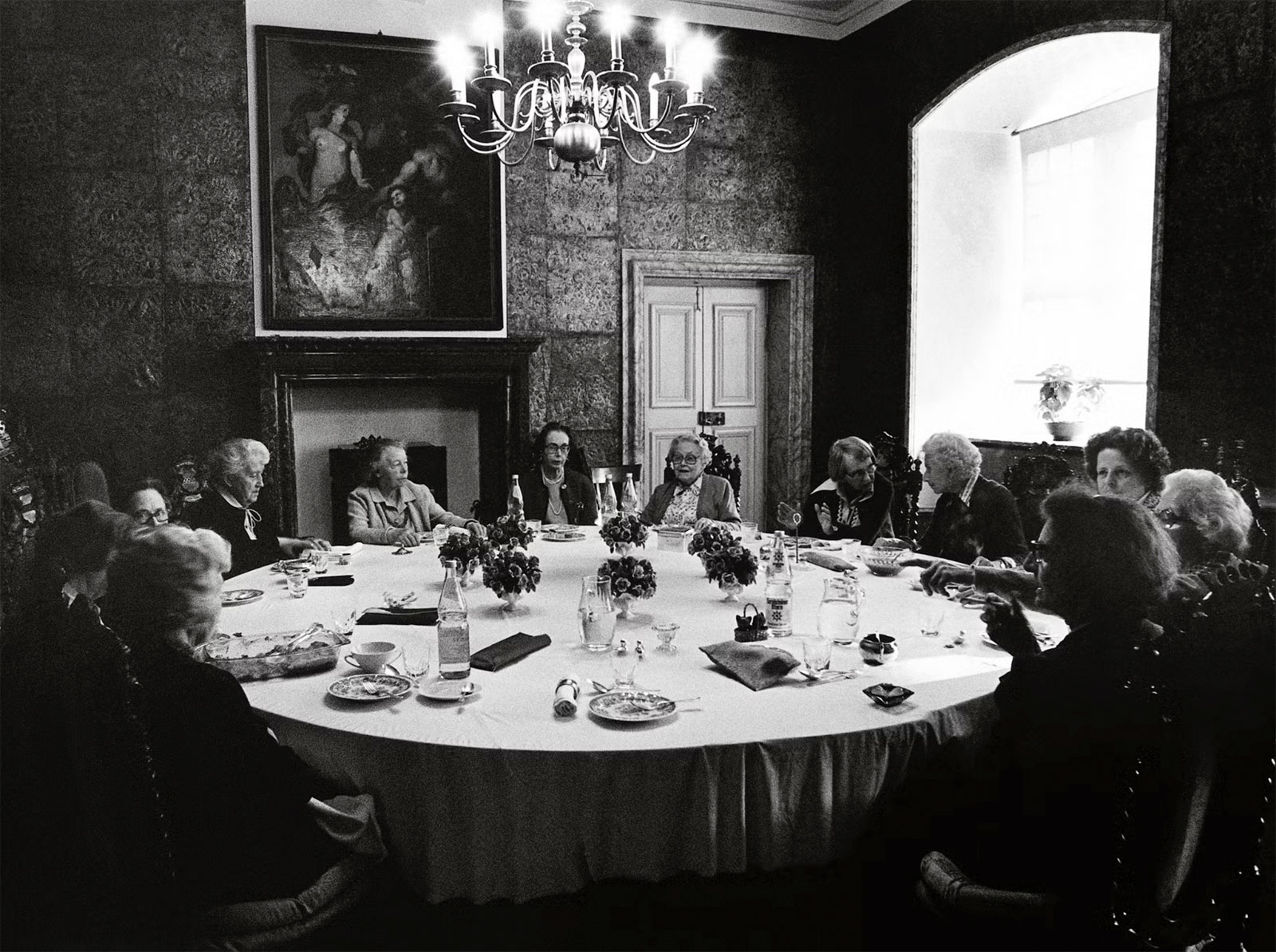
Barbara Klemm (German, b. 1939) 'Stift Ehreshoven, Loope' 1977


Barbara Klemm (German, b. 1939)
Stift Ehreshoven, Loope
1977
Black and white photograph on baryta paper
300 × 400 mm
© Barbara Klemm, Institut für Auslandsbeziehungen e. V.


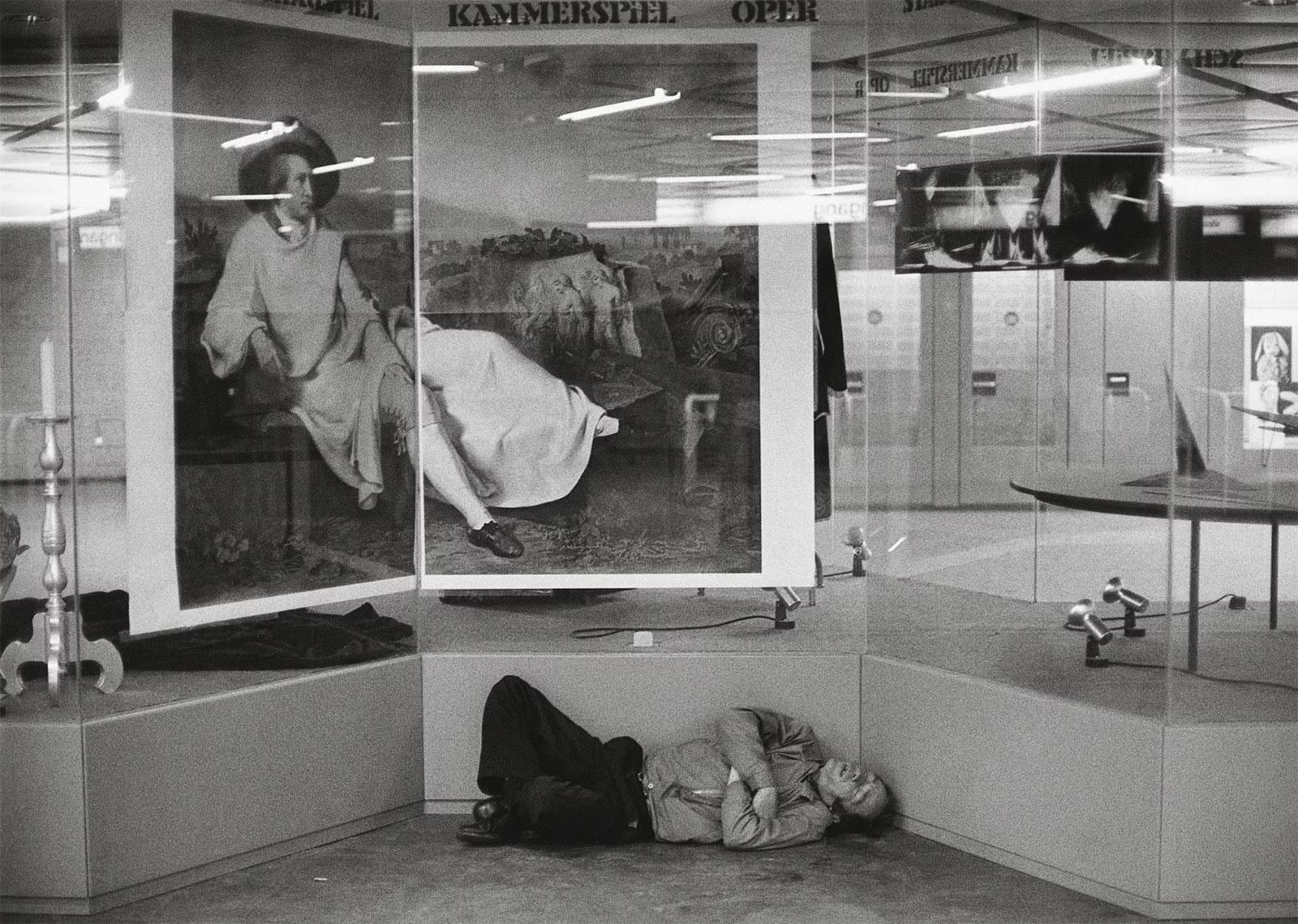
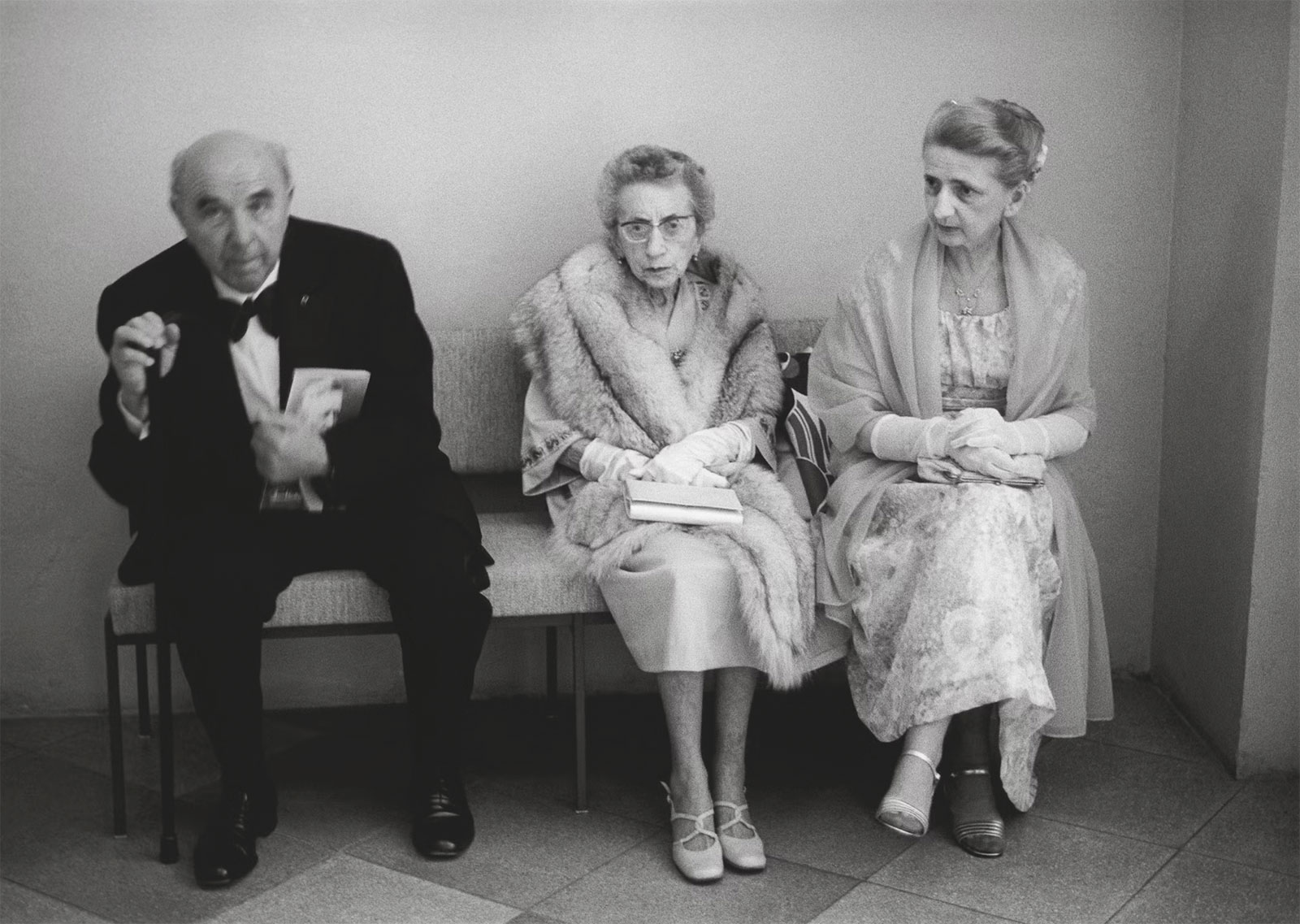
Barbara Klemm (German, b. 1939) 'Bayreuth' 1977


Barbara Klemm (German, b. 1939)
Bayreuth
1977
Black and white photograph on baryta paper
300 × 400 mm
© Barbara Klemm, Institut für Auslandsbeziehungen e. V.


Barbara Klemm (German, b. 1939) 'Ronald Reagan Visits, West Berlin' 1982


Barbara Klemm (German, b. 1939)
Ronald Reagan Visits, West Berlin
1982
Black and white photograph on baryta paper
300 × 400 mm
© Barbara Klemm, Institut für Auslandsbeziehungen e. V.


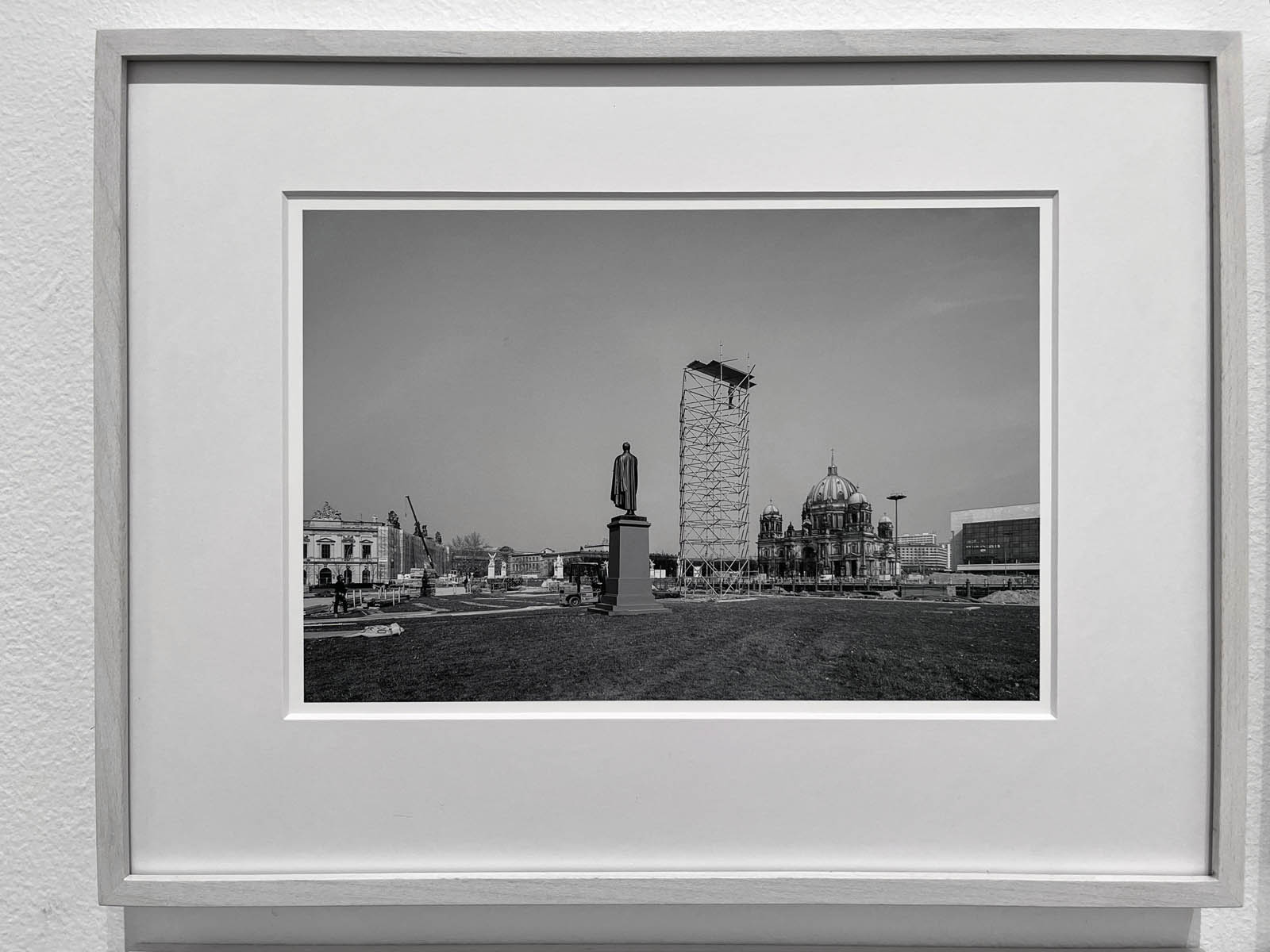
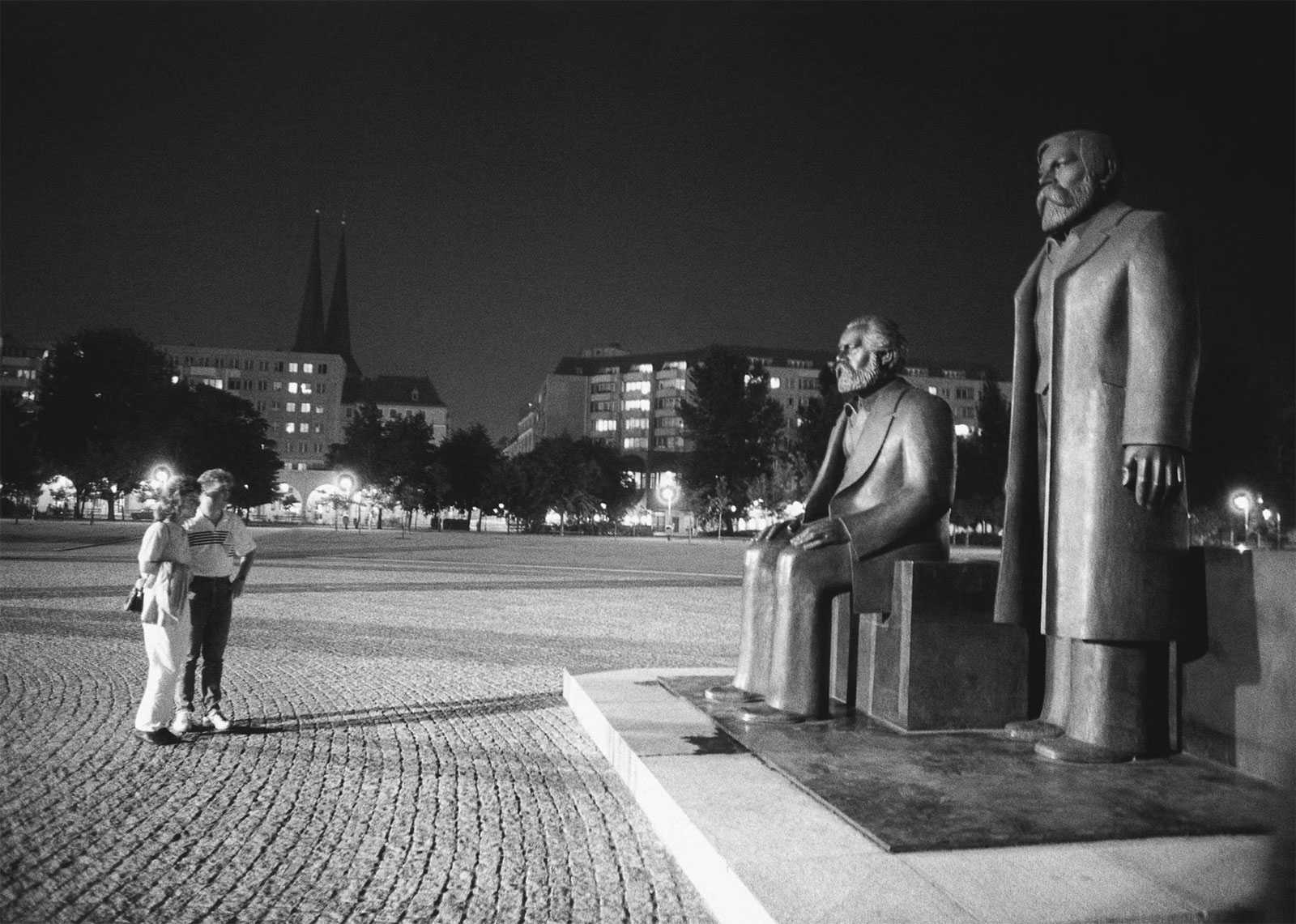
Barbara Klemm (German, b. 1939) 'Monument to Marx and Engels, East Berlin' 1987


Barbara Klemm (German, b. 1939)
Monument to Marx and Engels, East Berlin
1987
Black and white photograph on baryta paper
300 × 400 mm
© Barbara Klemm, Institut für Auslandsbeziehungen e. V.


Barbara Klemm (German, b. 1939) 'At the Reichstag, West Berlin' 1987


Barbara Klemm (German, b. 1939)
At the Reichstag, West Berlin
1987
Gelatin Silver Print
© Barbara Klemm, Institut für Auslandsbeziehungen e. V


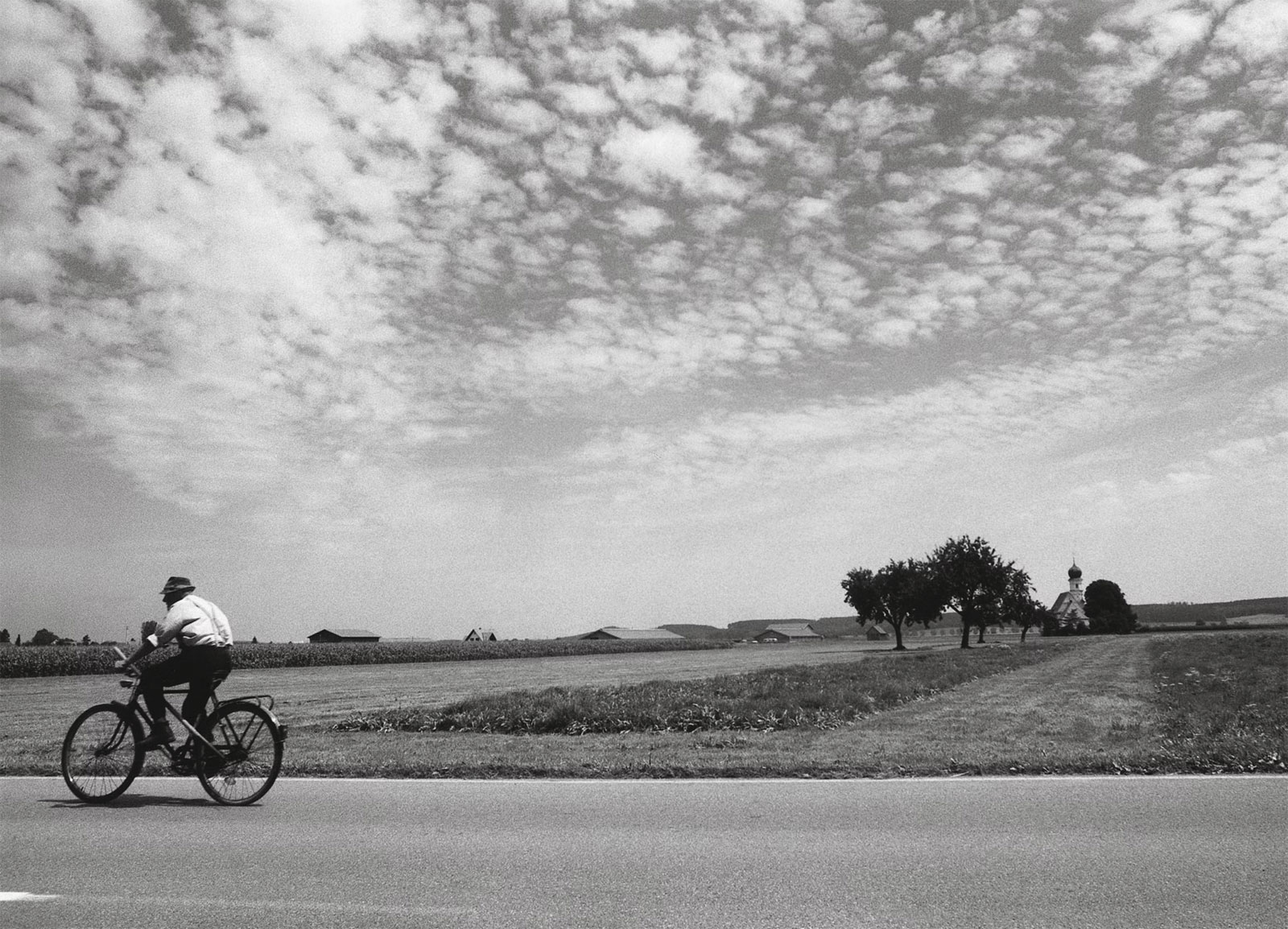
Barbara Klemm (German, b. 1939) 'Hawangen' 1988


Barbara Klemm (German, b. 1939)
Hawangen
1988
Black and white photograph on baryta paper
300 × 400 mm
© Barbara Klemm, Institut für Auslandsbeziehungen e. V.


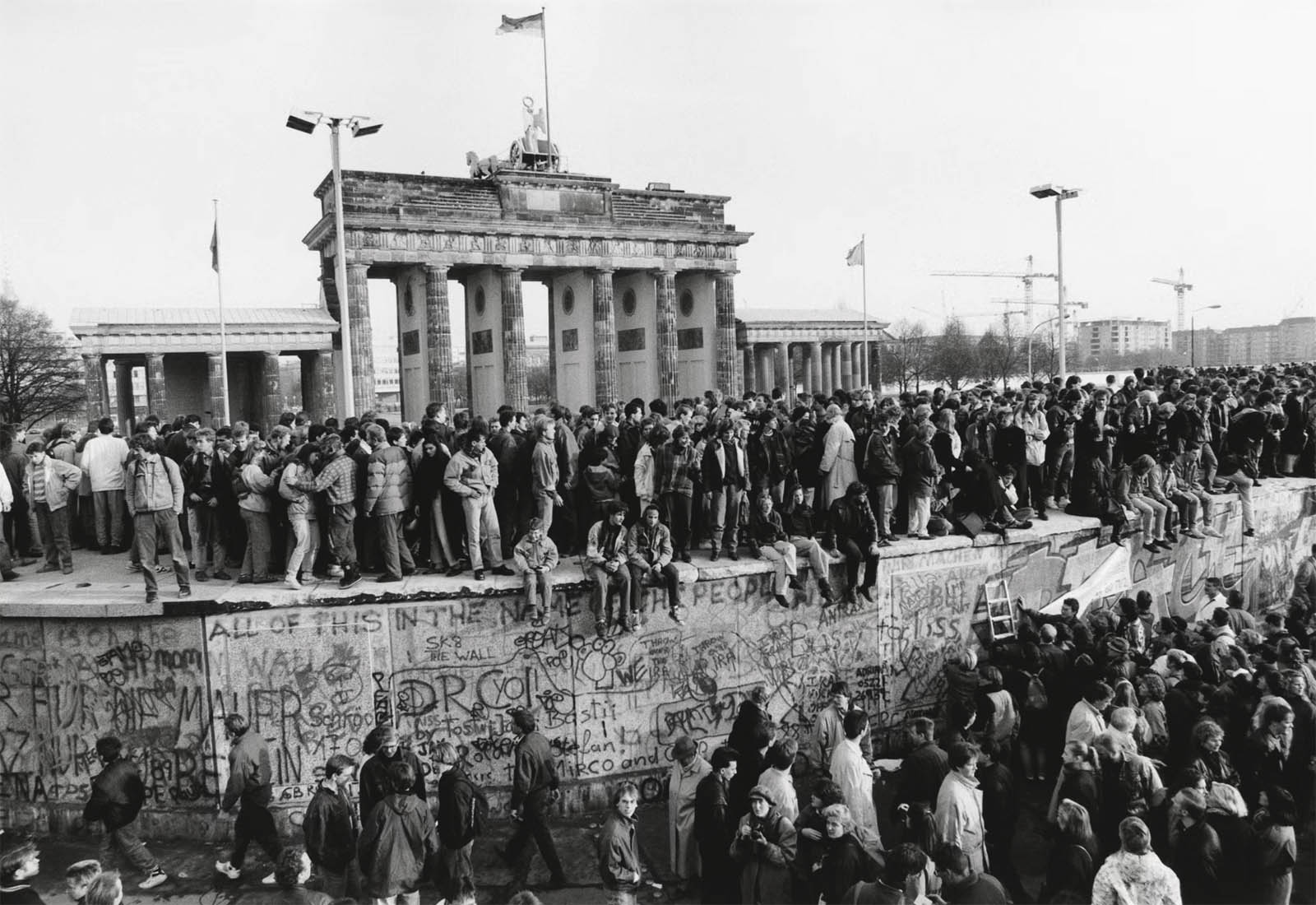
Barbara Klemm (German, b. 1939) 'The Fall of the Wall, Berlin, 10 November 1989' 1989


Barbara Klemm (German, b. 1939)
The Fall of the Wall, Berlin, 10 November 1989
1989
Gelatin Silver Print
© Barbara Klemm, Institut für Auslandsbeziehungen e. V


Photography as documentation and artistic inspiration

Many of Klemm’s photographs have become “icons of contemporary history” and have shaped the cultural memory of several generations. It is a photographic work that combines documentation and artistic inspiration in a way rarely found in the German press. Barbara Klemm adds her own perspective to the supposedly objective documentary and follows the design rules of art in her image compositions.

Although these photographs were mostly commissioned by the Frankfurter Allgemeine Zeitung – for which Barbara Klemm worked from 1959 as a laboratory assistant and in cliché production, and from 1970 as an editorial photographer specialising in politics and the arts section – they are far more than reportage images made for the day.

Social insights from East and West Germany before and after reunification

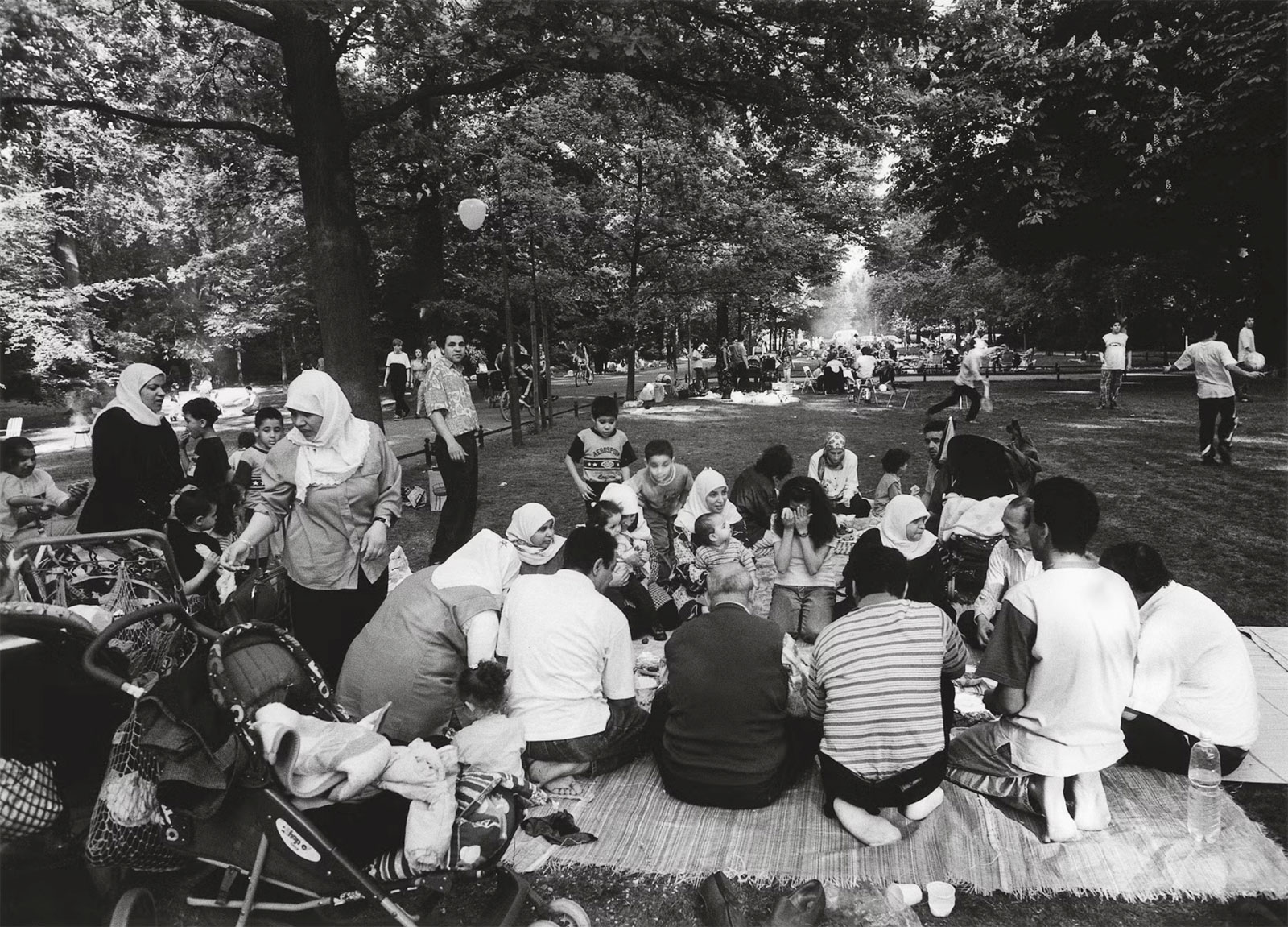
The images show the most important areas of social life in the Federal Republic of Germany and the GDR. A clear focus of the exhibition is on photographs taken in East and West Germany before and after reunification. There are pictures from all areas of social life – from politics, culture and the economy – of precarious and everyday situations of social reality, of demonstrations, protests and the lives of immigrants as well as of cultural events, mass events and urban spaces.

About the exhibition

Many of her pictures have become “icons of contemporary history”, shaping the cultural memory of several generations. She has created a body of photographs which combine the documentary and the artistic in a manner seldom encountered in German press photography. She adds her own perspective to the documentary genre, following artistic principles of composition. Although the majority of these photos were commissioned for the daily newspaper Frankfurter Allgemeine Zeitung they represent far more than coverage of the day’s events. Barbara Klemm first joined the newspaper in 1959, working in the photo lab and producing photographic plates, before becoming a photographer on the editorial board for art, culture and politics in 1970. Her commissioned work for the newspaper took her to many of the most important events and places in the Federal Republic of Germany, the German Democratic Republic and in numerous other countries. Photos of East and West Germany before and after unification are clearly the focus of this exhibition. It includes pictures from every sphere of society: from politics, culture and the economy, photos that capture unique and often tense moments as well as plain everyday life, photos of demonstrations, protests, and of immigrants, of cultural events, mass gatherings, and urban spaces. And again and again, Barbara Klemm portrays people in those rare moments of being that make life so special.

Barbara Klemm’s photographs stand for concrete social reality. Her sure sense of the true essence of an event allows her to capture moments that tell stories far beyond what the pictures seem to show at first glance. These photos are “action in condensed form”, as Klemm puts it, and thus also a condensed image of history. Her photos of the fall of the Berlin Wall are a dramatic climax to her own narrative of history, and in retrospect, her earlier photos from both sides of the Wall seem to be tracing the two Germanies on their path towards reunification, while her later photos closely observe the consequences of the new order.

Text from ifa – Institut für Auslandsbeziehungen website


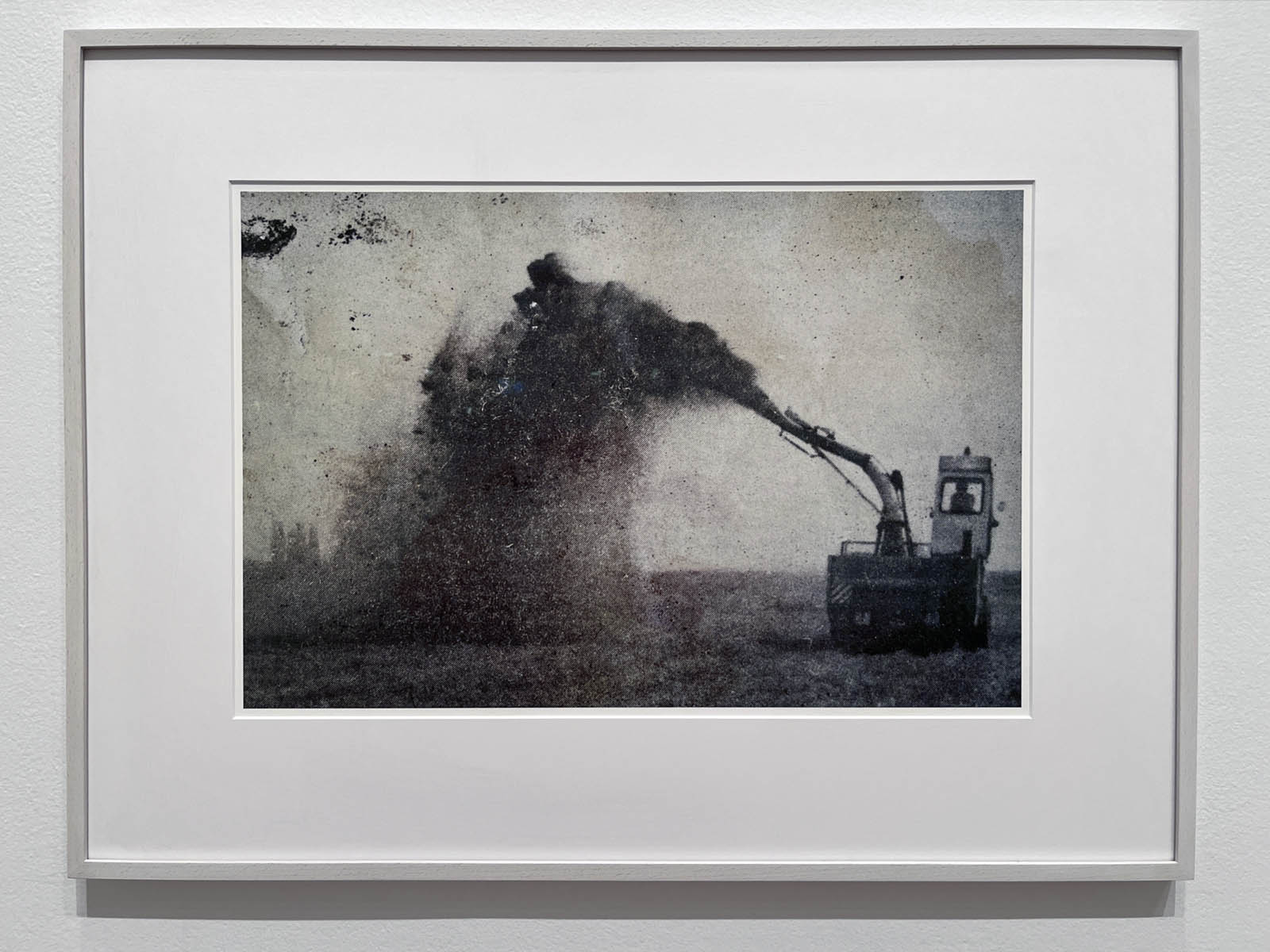
Barbara Klemm (German, b. 1939) 'Braunkohleabbau bei Leipzig' / Lignite Mining near Leipzig 1990


Barbara Klemm (German, b. 1939)
Braunkohleabbau bei Leipzig / Lignite Mining near Leipzig
1990
Black and white photograph on baryta paper
300 × 400 mm
© Barbara Klemm, Institut für Auslandsbeziehungen e. V.


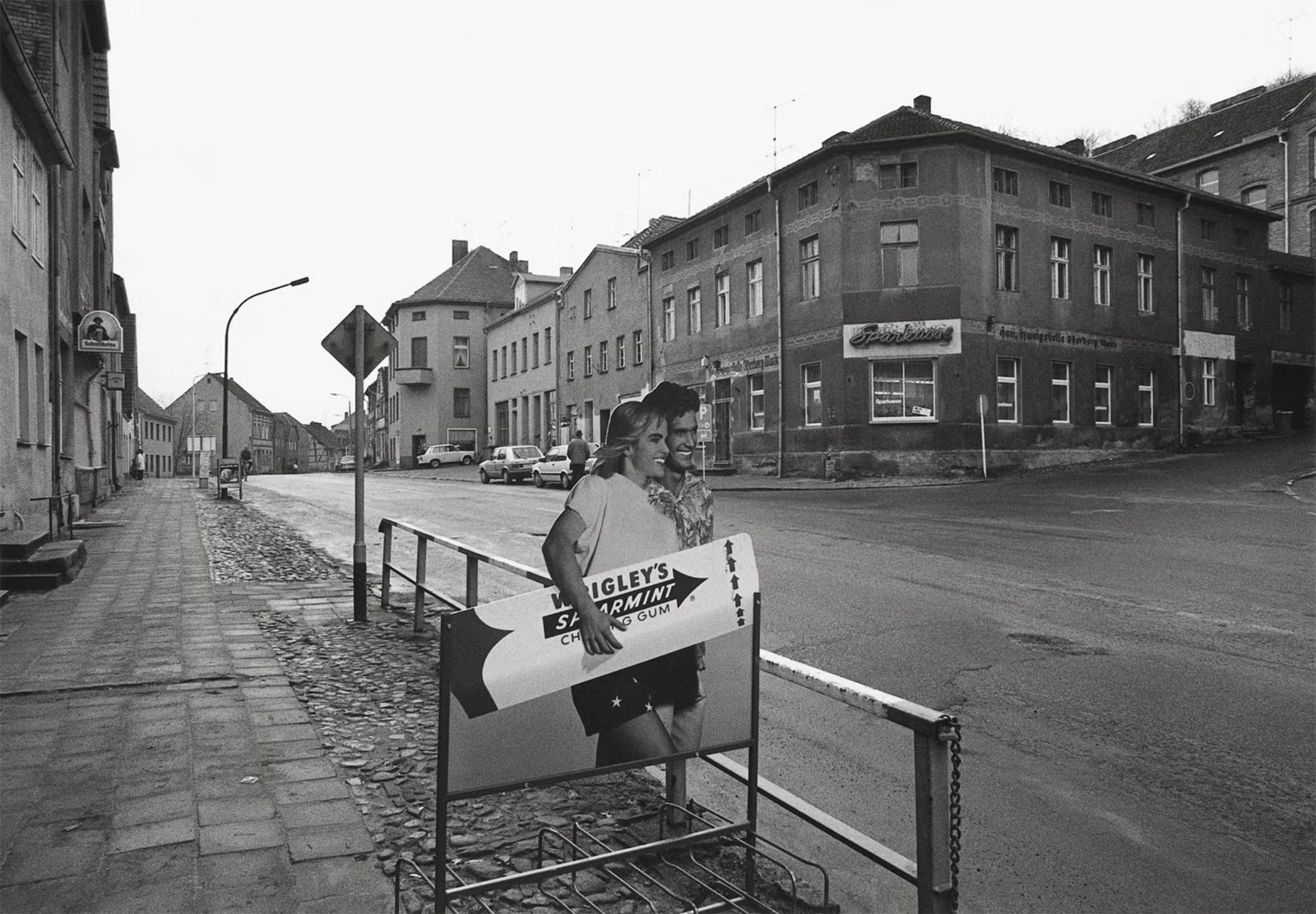
Barbara Klemm (German, b. 1939) 'Oderberg, Oderbruch' 1990


Barbara Klemm (German, b. 1939)
Oderberg, Oderbruch
1990
Black and white photograph on baryta paper
300 × 400 mm
© Barbara Klemm, Institut für Auslandsbeziehungen e. V.


Barbara Klemm (German, b. 1939) 'Remnants of the Wall near Lübars, Berlin' 1990


Barbara Klemm (German, b. 1939)
Remnants of the Wall near Lübars, Berlin
1990
Black and white photograph on baryta paper
300 × 400 mm
© Barbara Klemm, Institut für Auslandsbeziehungen e. V.


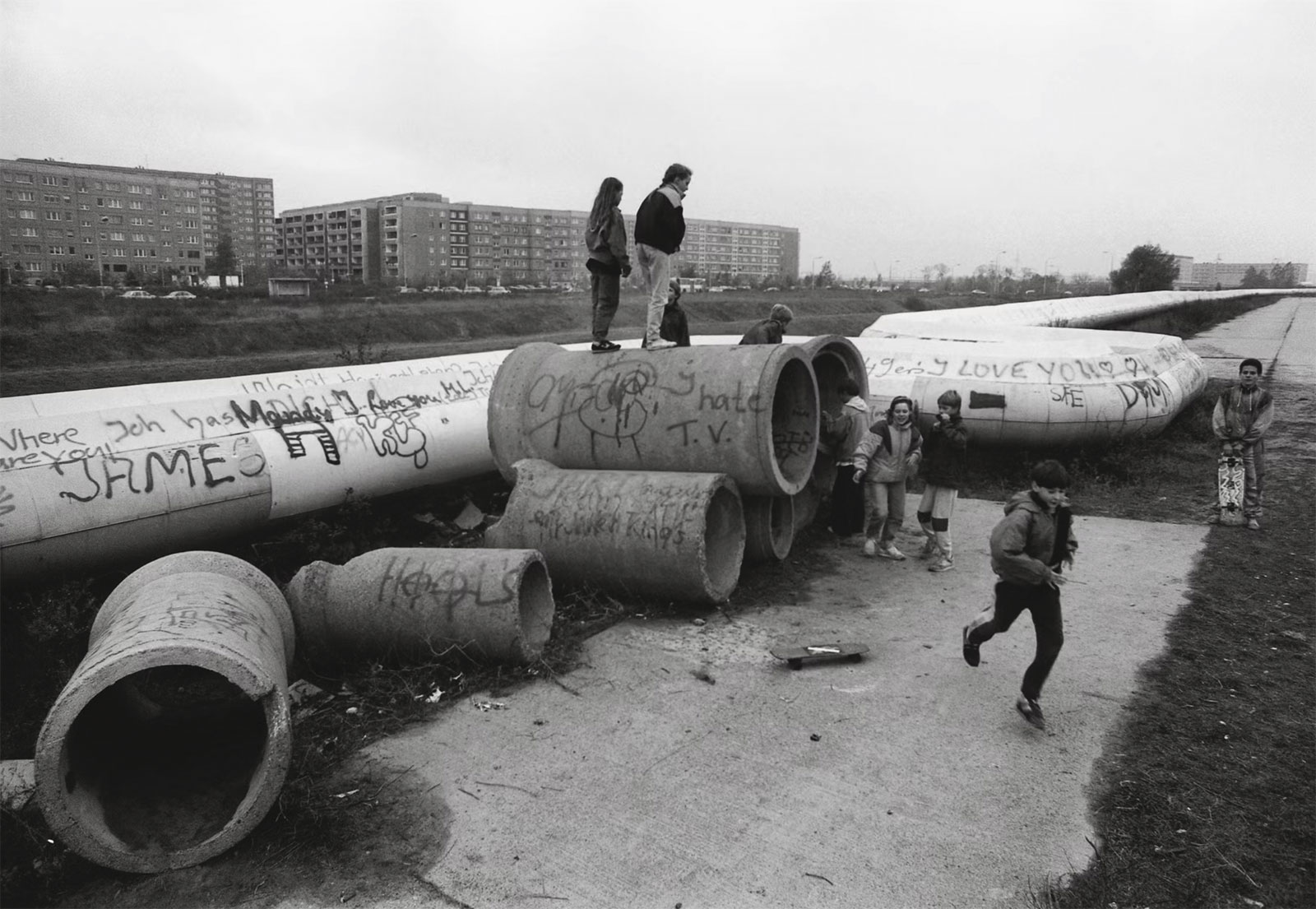
Barbara Klemm (German, b. 1939) 'Berlin-Marzahn' 1991


Barbara Klemm (German, b. 1939)
Berlin-Marzahn
1991
Black and white photograph on baryta paper
300 × 400 mm
© Barbara Klemm, Institut für Auslandsbeziehungen e. V.


Barbara Klemm (German, b. 1939) 'Frankfurt am Main' 1993


Barbara Klemm (German, b. 1939)
Frankfurt am Main
1993
Black and white photograph on baryta paper
300 × 400 mm
© Barbara Klemm, Institut für Auslandsbeziehungen e. V.


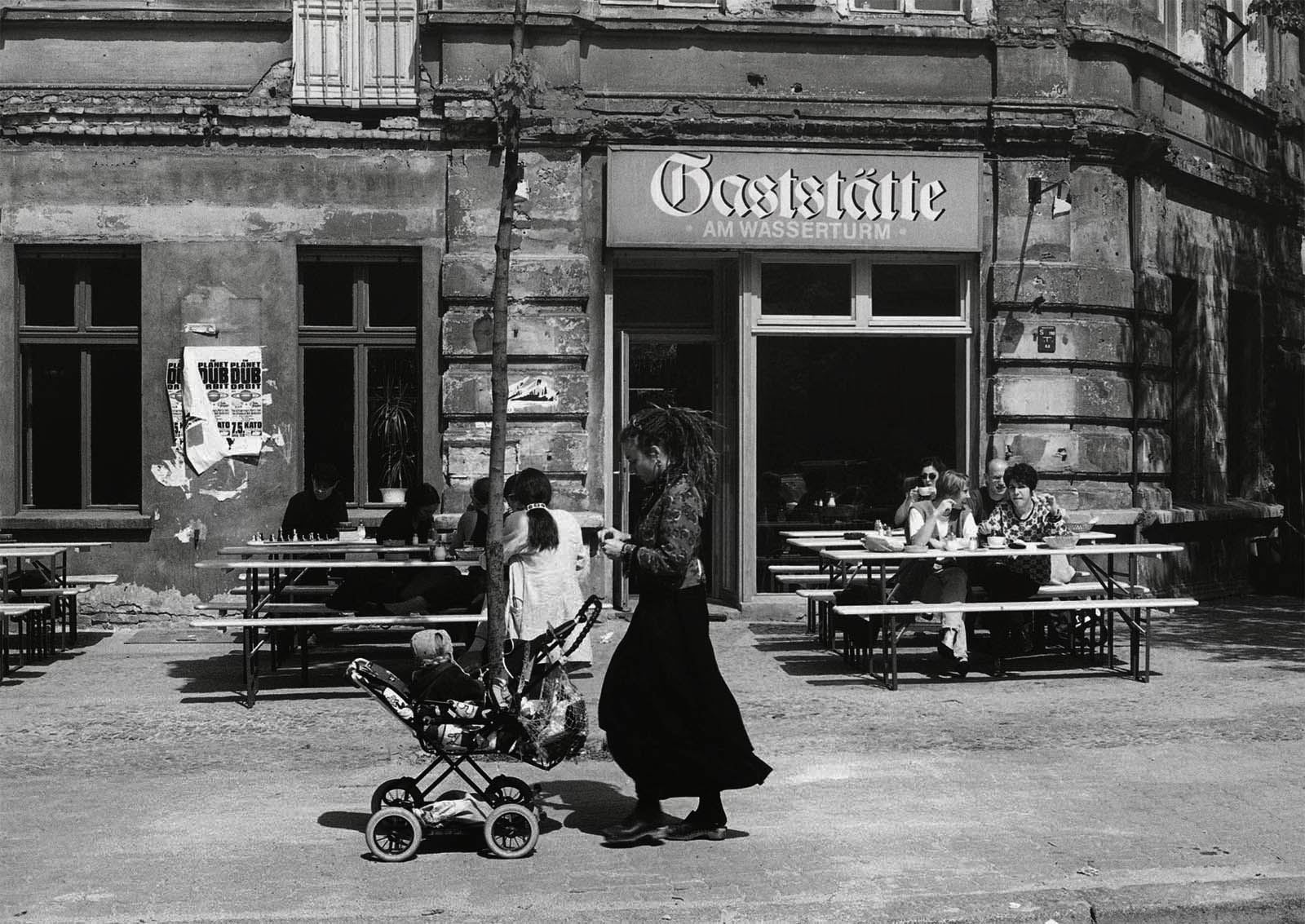
Barbara Klemm (German, b. 1939) 'Prenzlauer Berg, Berlin' 1994


Barbara Klemm (German, b. 1939)
Prenzlauer Berg, Berlin
1994
Black and white photograph on baryta paper
300 × 400 mm
© Barbara Klemm, Institut für Auslandsbeziehungen e. V.


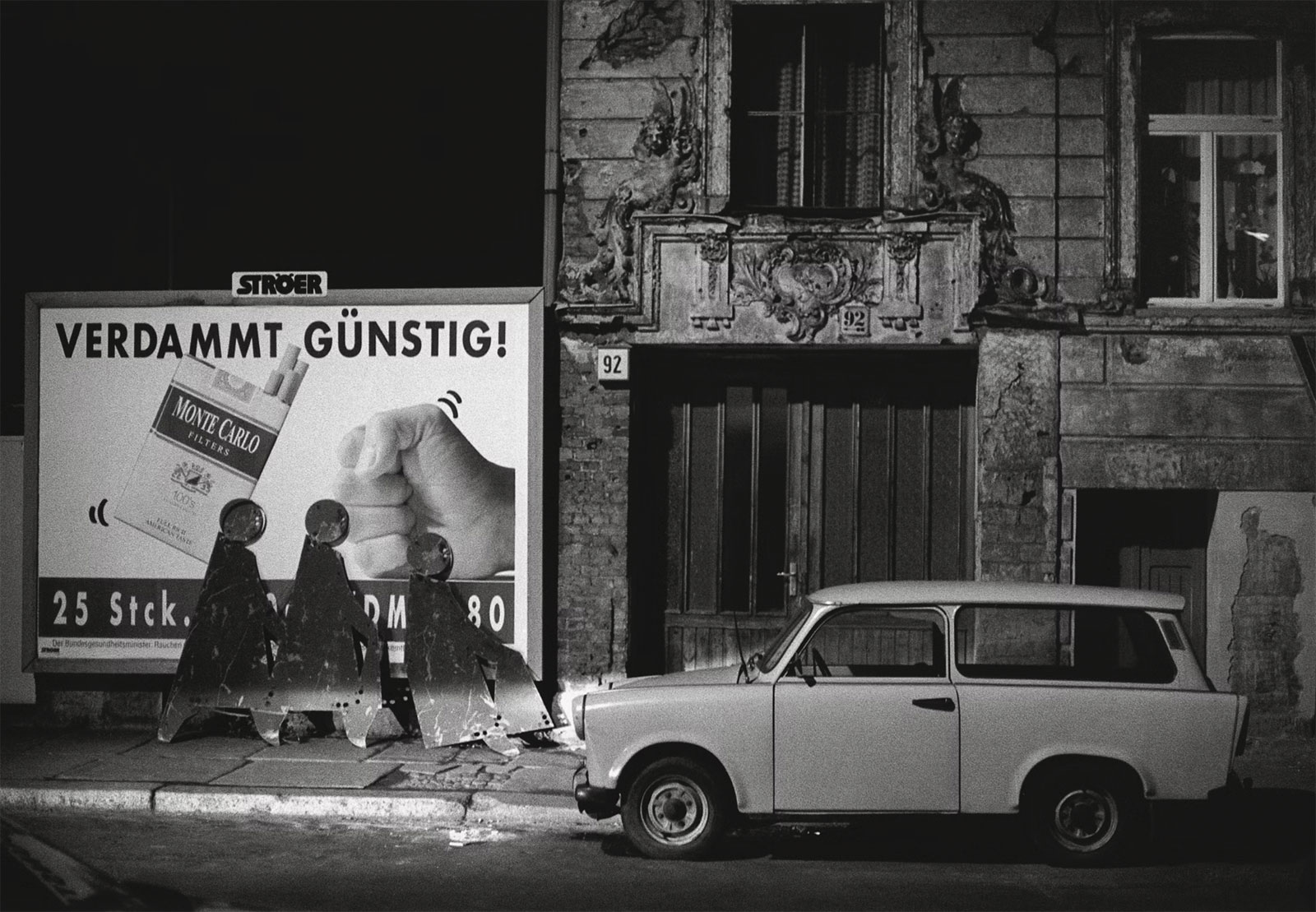
Barbara Klemm (German, b. 1939) 'Oranienburger Straße, Berlin' 1994


Barbara Klemm (German, b. 1939)
Oranienburger Straße, Berlin
1994
Black and white photograph on baryta paper
300 × 400 mm
© Barbara Klemm, Institut für Auslandsbeziehungen e. V.


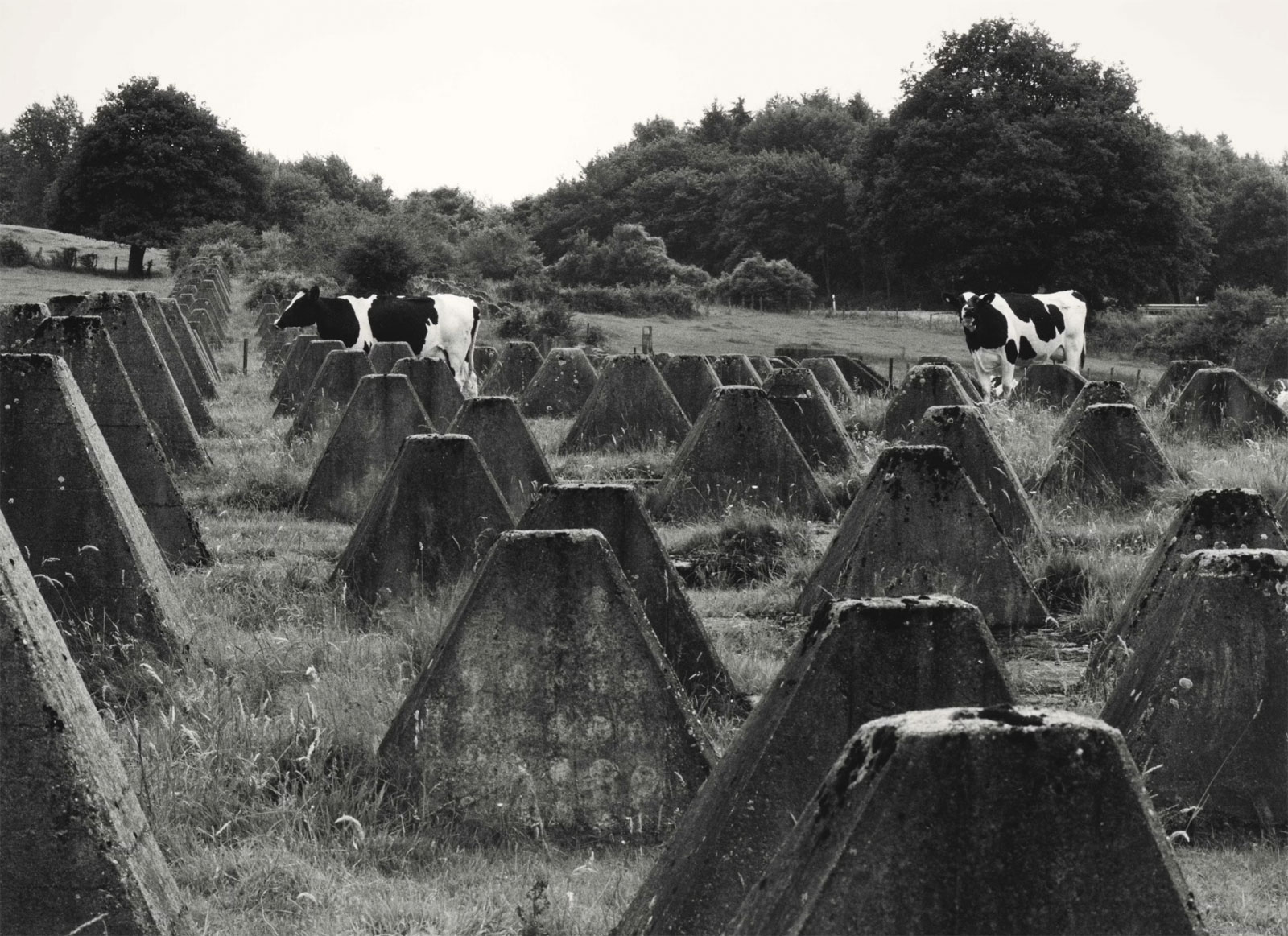
Barbara Klemm (German, b. 1939) 'West Wall, near Aachen' 1998


Barbara Klemm (German, b. 1939)
West Wall, near Aachen
1998
Black and white photograph on baryta paper
300 × 400 mm
© Barbara Klemm, Institut für Auslandsbeziehungen e. V.


Barbara Klemm (German, b. 1939) 'Berlin' 1998


Barbara Klemm (German, b. 1939)939)
Berlin
1998
Black and white photograph on baryta paper
300 × 400 mm
© Barbara Klemm, Institut für Auslandsbeziehungen e. V.


GfZK-Villa
Karl-Tauchnitz-Str. 11
04107 Leipzig

Opening hours:
Tue - Fri: 2pm – 7pm
Sat - Sun: 12am – 6pm

GfZK-Villa website

Arc One Gallery website

LIKE ART BLART ON FACEBOOK

Exhibition: ‘Chargesheimer’ at Museum Ludwig, Cologne, Germany

Exhibition dates: 27th April – 10th November, 2024

Presentation in the Photography Room

Cu­ra­tor: Bar­bara En­gel­bach


Chargesheimer (Carl-Heinz Hargesheimer, German 1924-1971) '77. Deutscher Katholikentag, Köln' (German Catholic Day) 1956 from the exhibition 'Chargesheimer' at Museum Ludwig, Cologne, Germany


Chargesheimer (Carl-Heinz Hargesheimer, German 1924-1971)
77. Deutscher Katholikentag, Köln (German Catholic Day)
1956
Gelatin silver paper
29.6 x 39.6cm
Museum Ludwig, Cologne
Reproduction: Rheinisches Bildarchiv Köln


A special event in Cologne was the 77th Catholic Day in 1956. It attracted over 800,000 people to the closing rally. Konrad Adenauer gave a speech at the time as Chancellor of the Federal Republic of Germany. Chargesheimer does not show the reason for the crowd, but the mass that forms an uncanny formation when it raises its right hand in greeting. In other photographs, the crowd appears to consist of individual people in random constellations.


I was born in 1958. Britain was still recovering from the privations of the Second World War with rationing not ending until mid-1954. Germany was a divided country, West and East, with communism an ever present threat across the border. The Iron Curtain.

Chargesheimer’s objective street photographs picture a Germany which remembers (is embedded in) the horrors of the past even as it strives to create a new future. His images document the immediacy of this world of darkness and light in dystopian and utopian scenes… as though people are dreamt into strange, fractured cities.

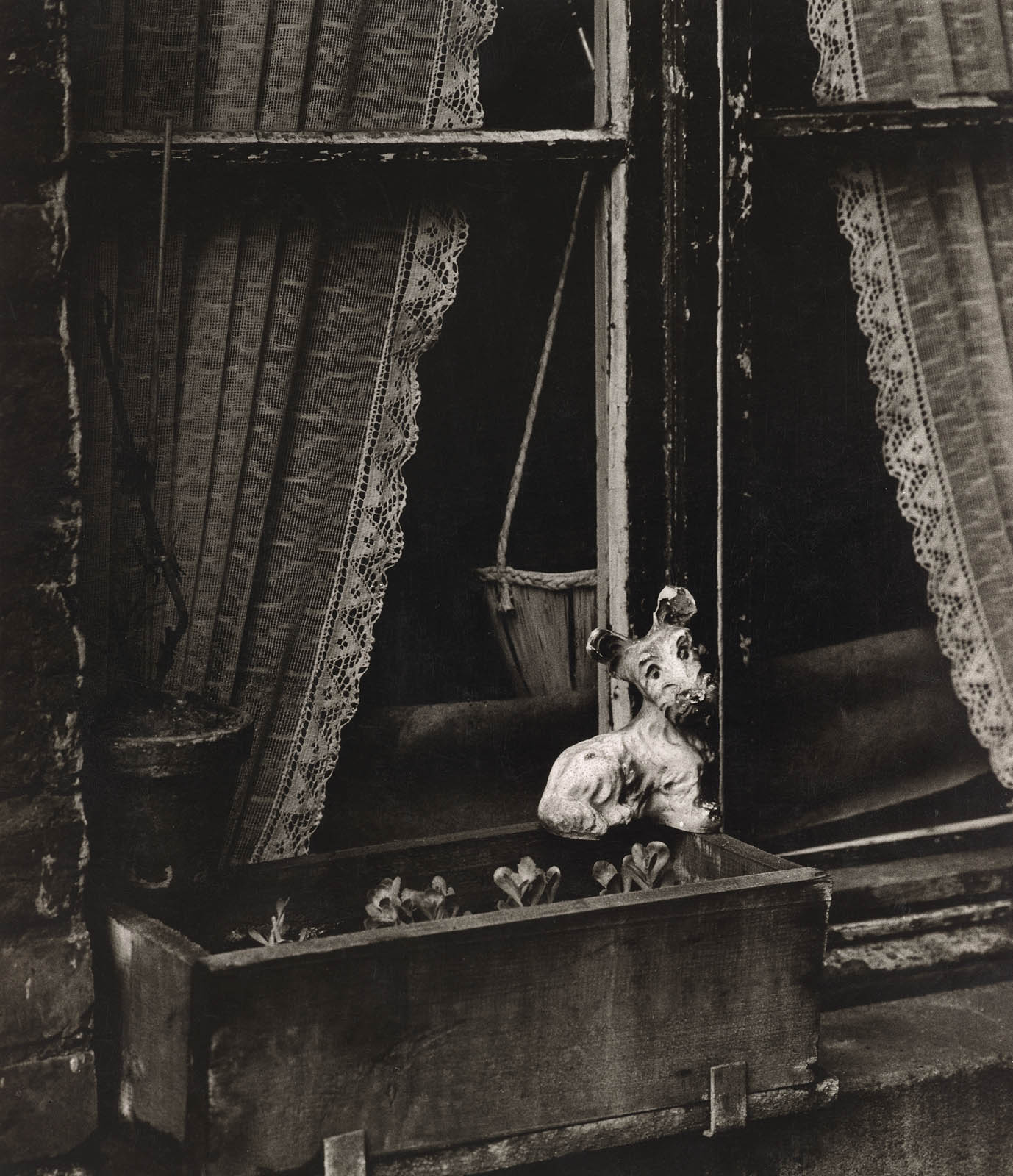
In dystopian photographs such as Hinterhof, Cologne (Around 1957, below) and Unter Krahnenbäumen, Cologne (Before 1958, below), Chargesheimer “captured the mountains of rubble in expressionistic images; the bombed-out ruins of houses radiate a gloomy blackness. Dark backgrounds and harsh contrasts can also be found in his portrait photos.” Illicit, fleeting intimacies and remembrances stain the photographs.

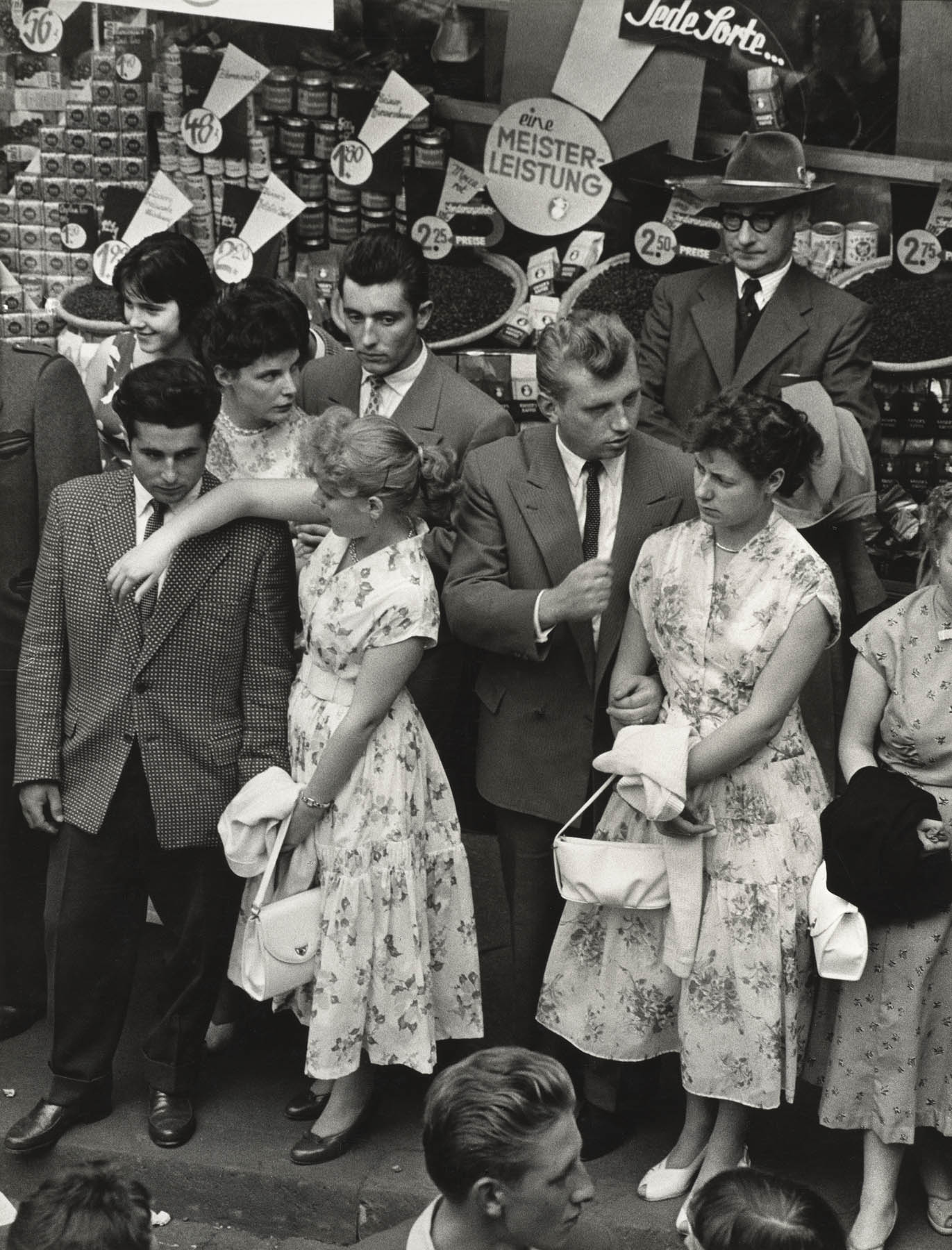
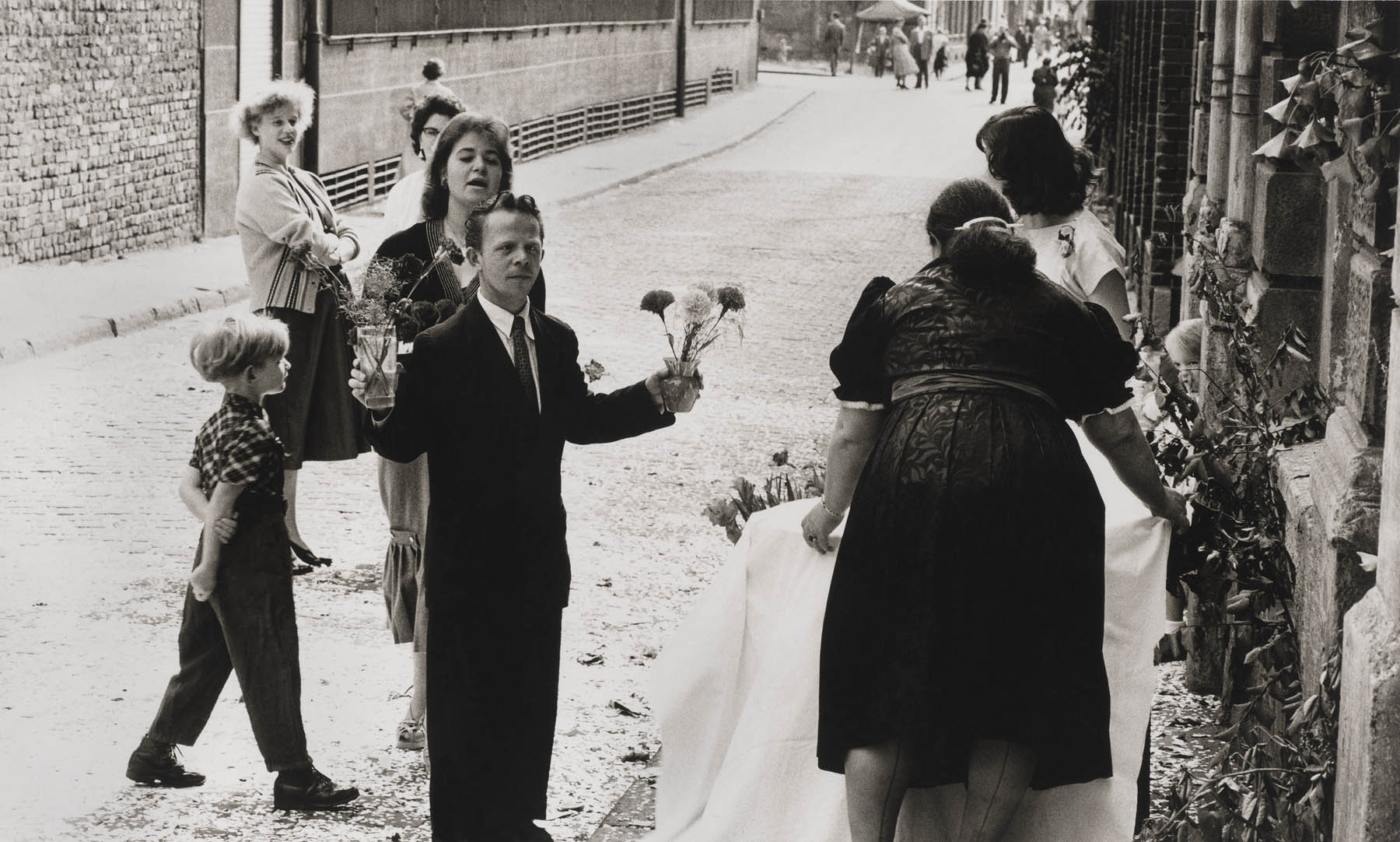
In seemingly mundane utopian photographs, Chargesheimer’s charged eye observes the conflation of the everyday and the absurd: the conformity of suit, tie, dress and handbag in Cologne (Around 1957, below) or the shredded paper being spread by the woman for the celebration of Corpus Christi in Ohne Titel (Konfetti streuendes Mädchen) (c. 1956-1957, below) in an almost empty street, the vanishing point leading off into an interminable, indeterminate distance.

“Chargesheimer takes an interest in people and their lives. This is reflected in the long series of images of individual people and their situations. He photographs a boisterous woman in a top hat in a bar, a couple with a dog in an inn, people decorating the street with flowers and shredded paper for Corpus Christi. Chargesheimer’s careful selection and editing bring the photographs to life. You can immerse yourself in them like in a neo-realist film from the 1950s.” (Text from Museum Ludwig)

Chargesheimer’s documentary visual style (his everyday language of light and life) has a hard cutting edge, sharpened by Germany’s political and social situation – that macrocosmos reduced and intensified in the microcosmic theatre of the street. His photographs alter both spatial and temporal perceptions through their “topographic immediacy… plung[ing] viewers into the nearly real-time plight of believable and flawed protagonists.”1

The drama of the streets. Dark and light. Such is life.

Dr Marcus Bunyan


1/ Ara H. Merjian, Rhiannon Noel Welch. “It’s a Neorealist World,” on the Art In America website September 22, 2020 [Online] Cited 01/11/2024


Many thankx to Museum Ludwig for allowing me to publish the photographs in the posting. Please click on the photographs for a larger version of the image.


“Durch Straßen wie diese führte mein Schulweg, sieben Jahre lang; viele tausend Male bin ich durch solche Straßen gegangen, aber nie in sie eingedrungen; erst viel später – in der Erinnerung begriff ich, was Straßen wie diese bedeuten, ich begriff es, wie man plötzlich Träume begreift, wenn ich in fremden Städten stundenlang durch Straßen ging und eine wie diese suchte, aber nicht fand.”

“My way to school led through streets like these for seven years; I walked through such streets many thousands of times, but never entered them; only much later – in memory – did I understand what streets like these meant, I understood it in the way one suddenly understands dreams when I walked for hours through streets in strange cities and looked for one like this but did not find it.”


Heinrich Böll Streets Like These (1958) from Unter Krahnenbäumen. Bilder aus einer Straße. Mit einem Text von Heinrich Böll (Unter Krahnenbäumen. Pictures from a street. With a text by Heinrich Böll) (Google Translate of the German)


Intimate moments and the rough Rhineland: under the pseudonym Chargesheimer, Carl-Heinz Hargesheimer became a photography legend in post-war Cologne. The Museum Ludwig celebrates the 100th birthday of the former citizen.

He captured the mountains of rubble in expressionistic images; the bombed-out ruins of houses radiate a gloomy blackness. Dark backgrounds and harsh contrasts can also be found in his portrait photos. For example, on the famous “Spiegel” cover photo from 1956 with a portrait of Chancellor Konrad Adenauer, which for some was all too diabolical and therefore damaging to the election campaign. Romy Schneider and Jean-Paul Belmondo were later better off.

His early death remains a mystery to this day. Chargesheimer died on New Year’s Eve 1971, probably taking his own life. He was only 47 years old.


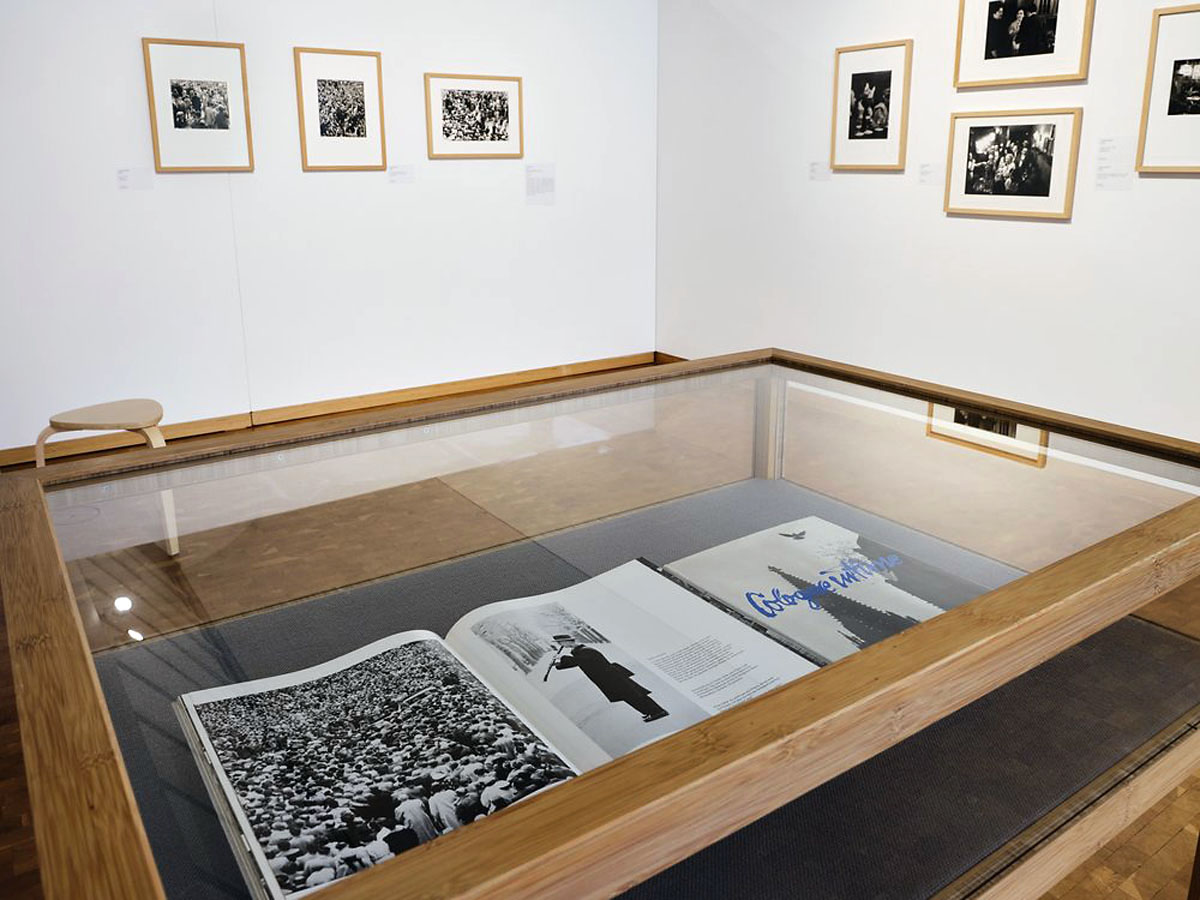
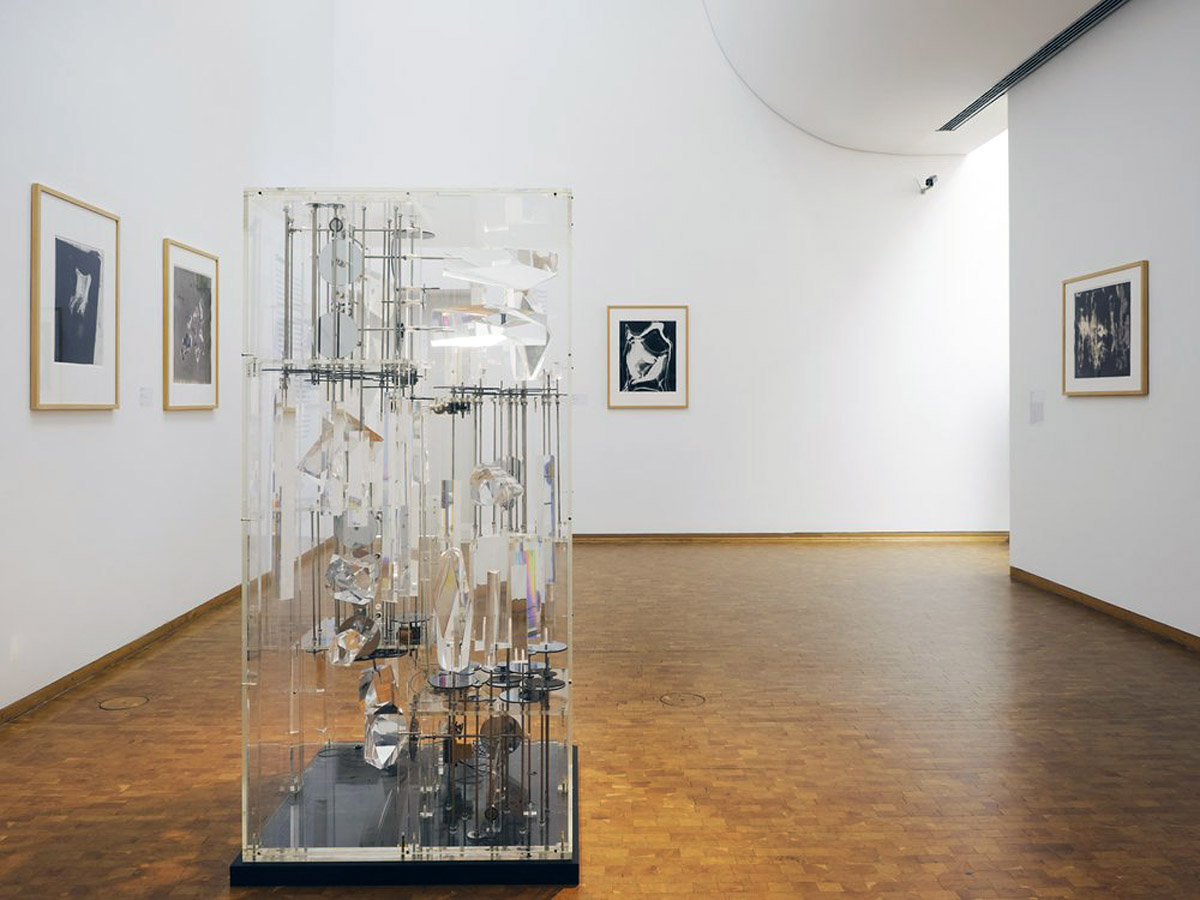
Installation view of the exhibition 'Chargesheimer', Museum Ludwig, Köln 27. 4. - 10.11.2024

Installation view of the exhibition 'Chargesheimer', Museum Ludwig, Köln 27. 4. - 10.11.2024

Installation view of the exhibition 'Chargesheimer', Museum Ludwig, Köln 27. 4. - 10.11.2024 showing Chargesheimer's 'Große Vitrine (Gebetsmühle)' (Large display case (prayer wheel)) Nd


Installation views of the exhibition Chargesheimer, Museum Ludwig, Köln 27. 4. – 10.11.2024 showing in the bottom image Chargesheimer’s Große Vitrine (Gebetsmühle) (Large display case (prayer wheel)) Nd
Photo: Rheinisches Bildarchiv Köln/Marc Weber


On May 19, 2024, Cologne pho­to­g­ra­pher Karl Heinz Hargesheimer, who was known as Chargesheimer (1924-1971), would have turned one hun­dred. To cele­brate the cen­te­nary of his birth, Museum Lud­wig will dis­play a se­lec­tion of around fif­ty of his works in the Pho­tog­ra­phy Room. Chargesheimer rose to fame with his pho­to books Cologne in­time and Un­ter Krah­nen­bäu­men, both of which fo­cus on ev­ery­day life in Cologne. The pre­sen­ta­tion in­cludes for­ty-three pic­tures tak­en within the con­text of th­ese two se­ries. Two videos allow vis­i­tors to ac­cess the con­tents of the pho­to books. In ad­di­tion, the presen­ta­tion in­cludes three of Chargesheimer’s lesser-known sculptures called Med­i­ta­tions­mühlen (Med­i­ta­tion Wheels) and six of his abstract photograph­ic ex­per­i­ments.

In 1957 Chargesheimer’s pho­to­graphs were pub­lished in Cologne in­time, a pho­to book or­ganised by Hans Sch­mitt-Rost, the then di­rec­tor of the Nachricht­e­namt, or news agen­cy, in Cologne. Chargesheimer was tasked with tak­ing rep­re­sen­ta­tive images of the re­con­struc­tion of the ci­ty, which had been re­duced to ruins in the war, as well as de­pict­ing the “typ­i­cal” residents of Cologne. The pho­to­graphs contribut­ed by Chargesheimer reflect his unu­su­al, di­rect view of ev­ery­day life. In his 1958 book, Un­ter Krah­nen­bäu­men, which he or­ganised him­self as an inde­pen­dent pro­ject, he jux­ta­posed sim­i­lar pho­to­graphs in stark­ly con­trast­ing se­ries of mo­tifs. This doc­u­men­ta­tion tells the un­var­nished truth while af­fec­tio­nate­ly ex­plor­ing the street in Cologne whose name is fea­tured in the book’s ti­tle. Chargesheimer shows life in the streets and in the bars of a live­ly Cologne neigh­bour­hood that was still in­tact. Ger­man writ­er Hein­rich Böll wrote in the fore­word to this publi­ca­tion, “Streets like this one are per­haps the on­ly places where peo­ple re­al­ly live.”

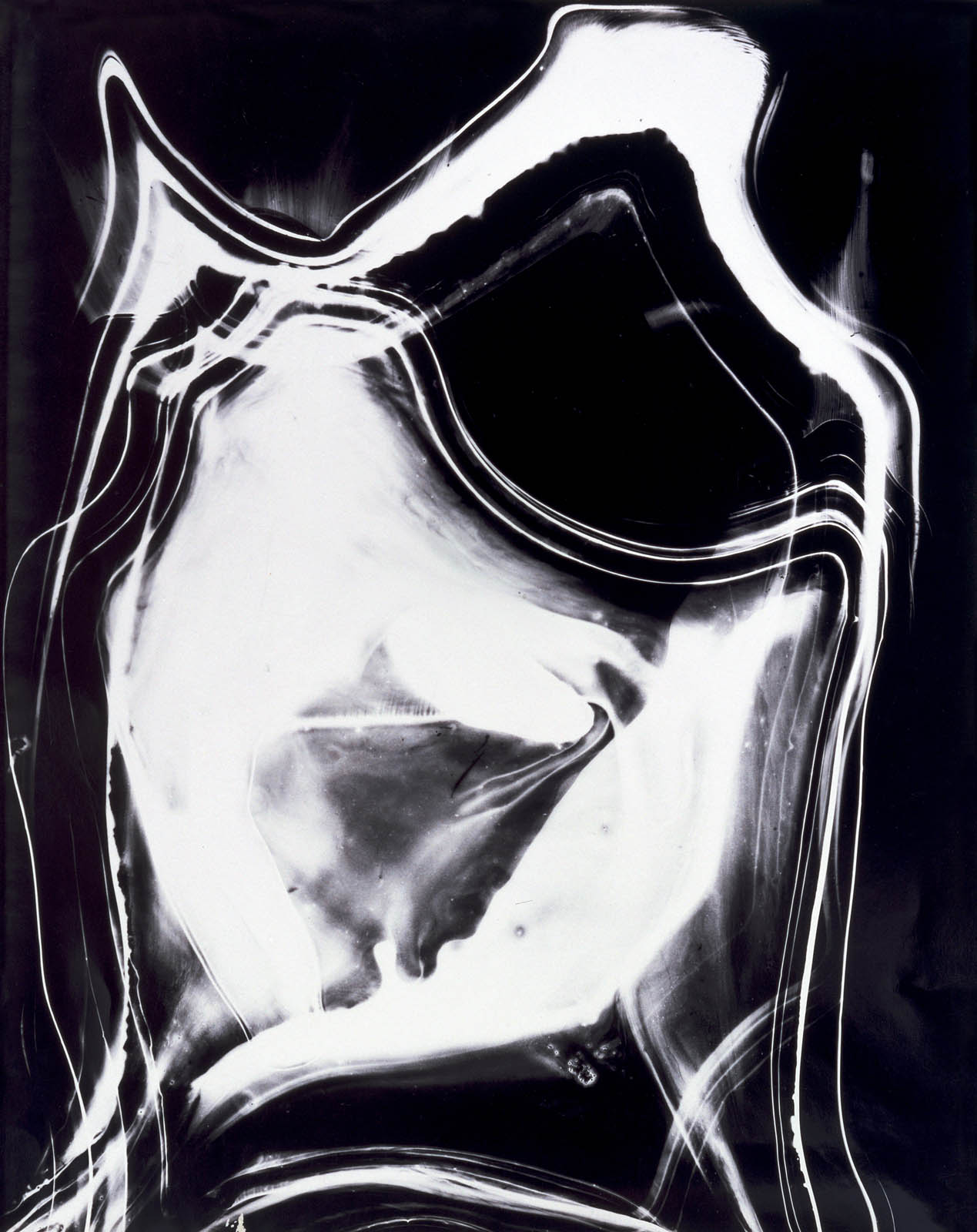
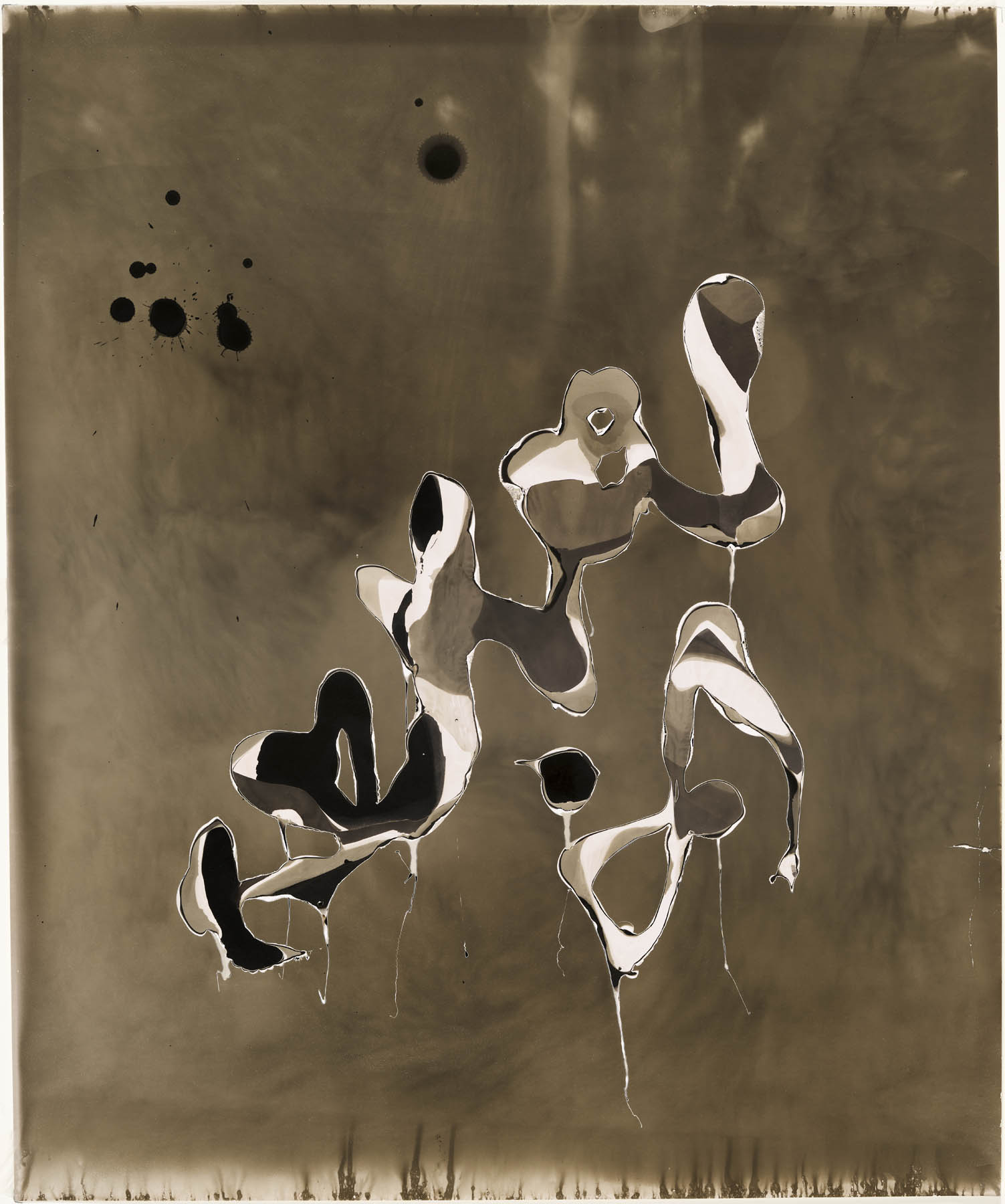
Chargesheimer pur­sued many in­ter­ests. Along­side his doc­u­men­tary studies, he in­vesti­gat­ed pho­tog­ra­phy as an im­age-pro­duc­ing medi­um. In the late 1940s, he be­gan ex­per­i­ment­ing with light graph­ics and pho­to­chem­i­cal process­es and cre­at­ing pho­to­graphs with­out a cam­era. Chargesheimer described his ex­per­i­ments with pho­to­graph­ic plates and neg­a­tives in a text ac­com­pany­ing his first ex­hi­bi­tion in Mi­lan in 1950: “Pan­n­ing, wip­ing, scrap­ing, cool­ing, burn­ing – ad­d­ing acids, bas­es, col­ours, and var­nish­es.” Th­ese ex­per­i­ments re­sult­ed in pain­ter­ly works in the style of Art In­formel that was pre­va­lent at the time.

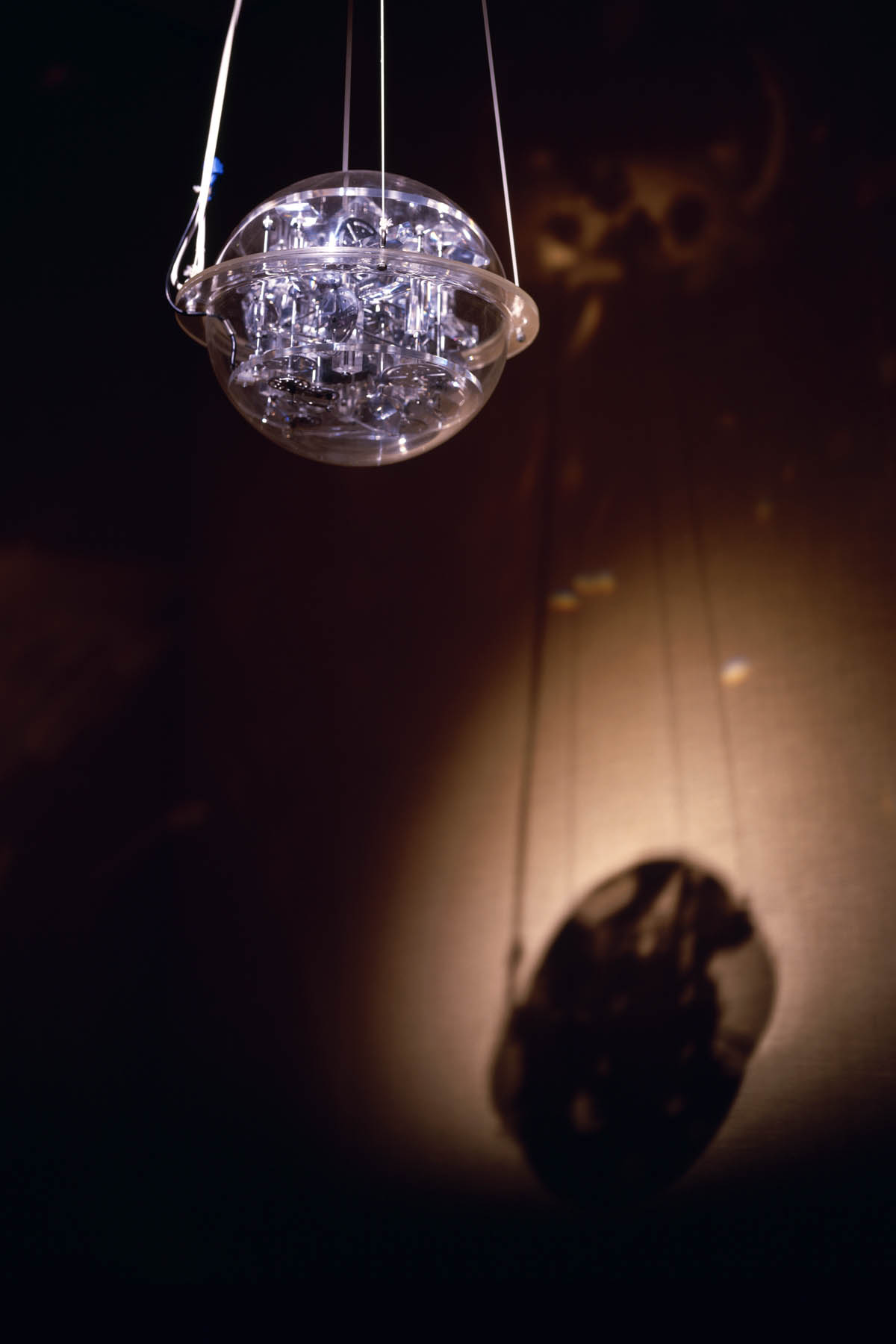
In 1967 Chargesheimer be­gan cre­at­ing ki­net­ic works called Med­i­ta­tions­mühlen (Med­i­ta­tion Wheels) made of Plexi­glas. Three of th­ese works from the col­lec­tion of the Mu­se­um Lud­wig will be pre­sent­ed in the ex­hi­bi­tion for the first time in thir­ty years. Con­sist­ing of mul­ti­ple lev­els of crys­tal­line elements made of Plexi­glas, the dome-shaped con­struc­tions are put in­to motion through a com­plex sys­tem of gears. The be­wilder­ing va­ri­e­ty of light re­flex­es from Plexi­glas prisms cre­ates an unu­su­al con­trast to the pre­cise me­chan­ics of the gears. Chaos and con­trol seem to com­ple­ment one another here.

Chargesheimer

On May 19, 2024, the Cologne photographer Chargesheimer (1924-1971), born Karl Heinz Hargesheimer, would have celebrated his hundredth birthday. To mark the occasion, the Museum Ludwig is showing a selection of around fifty of his works. Chargesheimer rose to fame with his photobooks Cologne intime and Unter Krahnenbäumen, which are dedicated to the city of Cologne. In them, he casts a singular and incisive gaze on everyday events. These images convey the artist’s attentive and empathetic approach to photographing the day-to-day lives of people in the various neighbourhoods he documented.

Chargesheimer explored photography’s diverse possibilities. In addition to his documentary work, he utilised photography’s potential as a pictorial medium. In the late 1940s, he began experimenting with light graphics and photochemical processes to produce cameraless photographs. The resulting images are painterly and abstract. From 1967, Chargesheimer also created kinetic sculptures made of Plexiglas, which he called Meditation Wheels.

Press release from Museum Ludwig


Chargesheimer (Carl-Heinz Hargesheimer, German 1924-1971) 'Formlose Mitte' (Shapeless Center) 1949 'Chargesheimer' at Museum Ludwig, Cologne, Germany


Chargesheimer (Carl-Heinz Hargesheimer, German 1924-1971)
Formlose Mitte (Shapeless Center)
1949
Gelatin silver paper, light graphics
59.6 x 47.7cm
Museum Ludwig, Cologne
Reproduction: Rheinisches Bildarchiv Köln


Chargesheimer (Carl-Heinz Hargesheimer, German 1924-1971) 'Untitled' Around 1950


Chargesheimer (Carl-Heinz Hargesheimer, German 1924-1971)
Untitled
Around 1950
Gelatin silver paper, light graphics, mixed media
59.8 x 49.7cm
Museum Ludwig, Cologne
Reproduction: Rheinisches Bildarchiv Köln


Chargesheimer (Karl-Heinz Hargesheimer, German 1924-1971) 'Untitled (girl scattering confetti)' c. 1956-1957 'Chargesheimer' at Museum Ludwig, Cologne, Germany


Chargesheimer (Karl-Heinz Hargesheimer, German 1924-1971)
Ohne Titel (Konfetti streuendes Mädchen)
Untitled (girl scattering confetti)
c. 1956-1957
Museum Ludwig, Cologne


Chargesheimer (Karl-Heinz Hargesheimer, German 1924-1971) 'Fußballplatz' (Football field) 1957 'Chargesheimer' at Museum Ludwig, Cologne, Germany


Chargesheimer (Karl-Heinz Hargesheimer, German 1924-1971)
Fußballplatz (Football field)
1957
From: Im Ruhrgebiet (In the Ruhr area)
Museum Ludwig, Cologne
Reproduction: Rheinisches Bildarchiv, Köln


Cologne intime, 1957

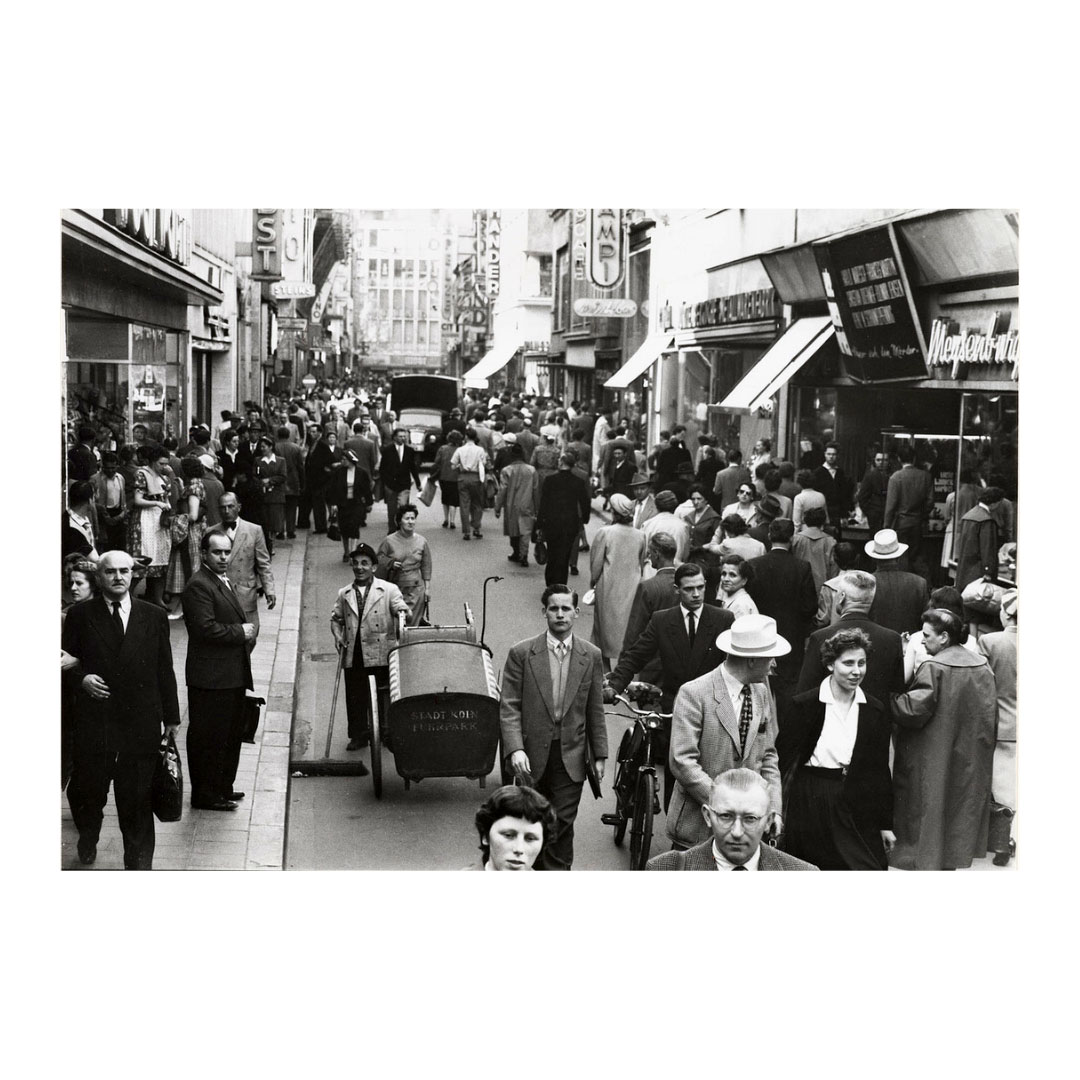
In the mid-1950s, Chargesheimer photographed different views of Cologne for his photobook Cologne intime. Hans Schmitt-Rost, then head of the municipal news agency in Cologne, had commissioned him to document the successful reconstruction of the city. At the same time, he was to capture images of “typical” local residents. Chargesheimer photographed streets with empty properties cleared of rubble and the prominent new buildings in the city centre. His photographs show crowds of people on the main shopping streets, at the 77th Catholic Convention in Deutz in 1956, and at the Federal Garden Show in 1957. Chargesheimer enlarged details to show particular individuals going about their day. He focused on their distinctiveness, the quality that made them stand out in the crowd.

Hans Schmitt-Rost (1901-1978), who designed the book, uses his evaluative comments to dictate how the photographs should be read. He headed the Cologne City Intelligence Office from 1945 to 1966. In this role, he played a key role in shaping Cologne’s self-portrayal as a city removed from contemporary history, whose actual history is rooted in the Middle Ages. He excluded the Nazi era or relativized it as something foreign to the people of Cologne.

Text from Museum Ludwig


Chargesheimer (Carl-Heinz Hargesheimer, German 1924-1971) 'Schildergasse, Cologne' Before 1957 'Chargesheimer' at Museum Ludwig, Cologne, Germany


Chargesheimer (Carl-Heinz Hargesheimer, German 1924-1971)
Schildergasse, Cologne
Before 1957
Gelatin silver paper
29.8 x 39.7cm
Museum Ludwig, Cologne
Reproduction: Rheinisches Bildarchiv, Köln


Chargesheimer (Carl-Heinz Hargesheimer, German 1924-1971) 'Cologne' Before 1957


Chargesheimer (Carl-Heinz Hargesheimer, German 1924-1971)
Cologne
Before 1957
Gelatin silver paper
29.9 x 39.7cm
Museum Ludwig, Cologne
Reproduction: Rheinisches Bildarchiv, Köln


Chargesheimer (Carl-Heinz Hargesheimer, German 1924-1971) 'Hohe Straße, near Große Budengasse, Cologne' Before 1957


Chargesheimer (Carl-Heinz Hargesheimer, German 1924-1971)
Hohe Straße, near Große Budengasse, Cologne
Before 1957
Gelatin silver paper
Museum Ludwig, Cologne
Reproduction: Rheinisches Bildarchiv Köln


Chargesheimer captured Hohe Straße from a distance. But he wasn’t concerned with the distance to the action, because he highlighted individual people. They stand out in the crowd because they make eye contact with him or speak to him.

The Hohe Straße in Cologne is an important motif for the publication. The filled shop windows and the streams of passers-by represent the economic boom after the currency reform in 1948… The Hohe Straße was already an important shopping street at the end of the 19th century. The Tietz department store, built in 1895, was also famous. Its owner, Alfred Leonhard Tietz, was forced during the Nazi era to sell the department store chain to Commerzbank, Deutsche Bank and Dresdner Bank for well below market value. He was robbed of his assets and had to flee. The department store was renamed Westdeutsche Kaufhof AG and continued to operate under this name after 1945.

Text from Museum Ludwig


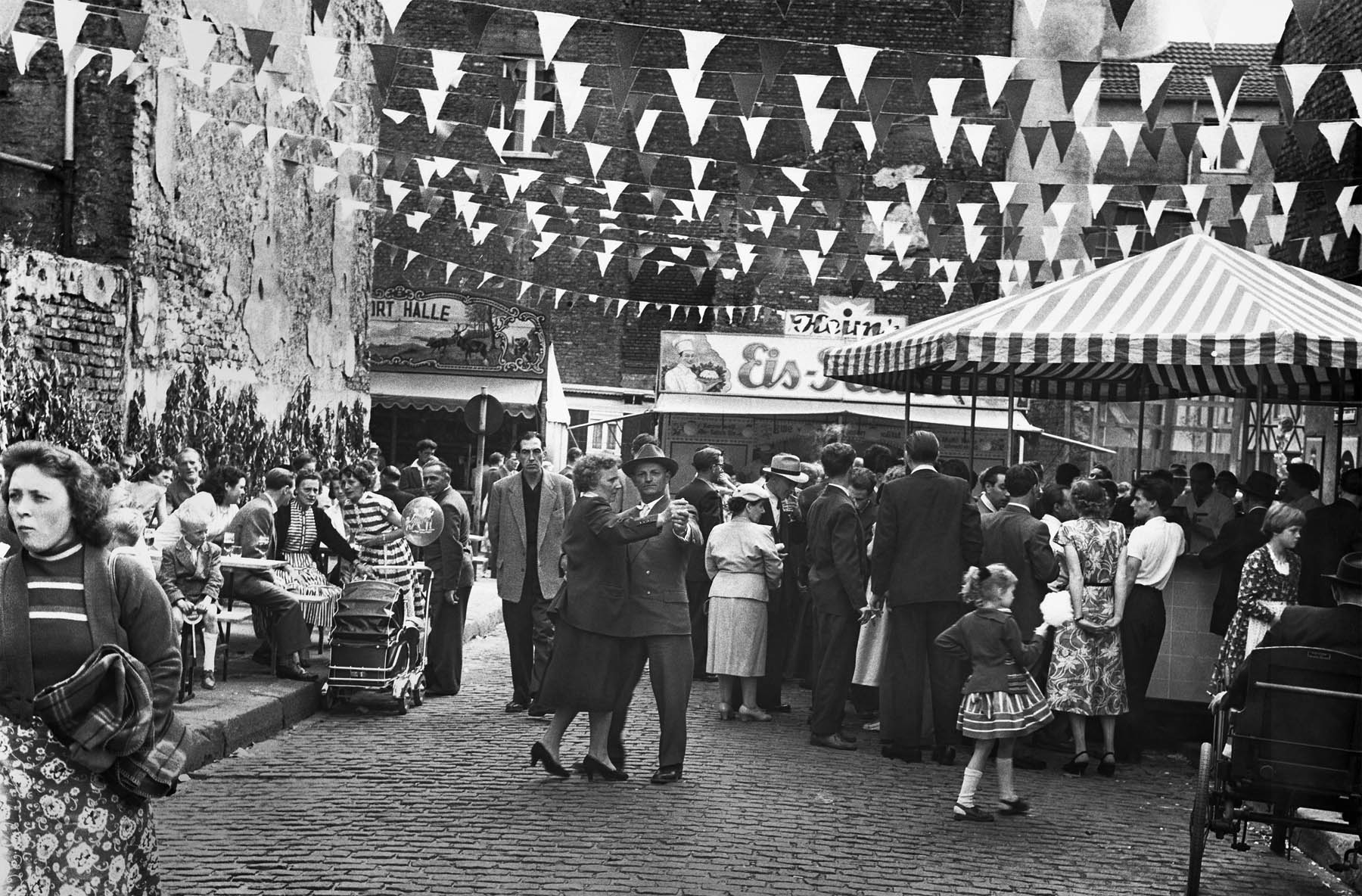
Chargesheimer (Carl-Heinz Hargesheimer, German 1924-1971) 'Kirmes Unter Krahnenbäumen' Before 1957


Chargesheimer (Carl-Heinz Hargesheimer, German 1924-1971)
Kirmes Unter Krahnenbäumen
Before 1957
Gelatin silver paper
26.3 x 39.8 cm
Museum Ludwig, Cologne
Reproduction: Rheinisches Bildarchiv Köln


Chargesheimer (Carl-Heinz Hargesheimer, German 1924-1971) 'Kirmes Unter Krahnenbäumen' Around 1957


Chargesheimer (Carl-Heinz Hargesheimer, German 1924-1971)
Kirmes Unter Krahnenbäumen
Around 1957
Gelatin silver paper
26.3 x 39.8cm
Museum Ludwig, Cologne
Reproduction: Rheinisches Bildarchiv, Köln


Chargesheimer (Carl-Heinz Hargesheimer, German 1924-1971) 'Autobahnzubringer im Rechtsrheinischen' (Motorway feeder road on the right bank of the Rhine) Around 1957


Chargesheimer (Carl-Heinz Hargesheimer, German 1924-1971)
Autobahnzubringer im Rechtsrheinischen (Motorway feeder road on the right bank of the Rhine)
Around 1957
Gelatin silver paper
39.7 x 29.8cm
Museum Ludwig, Cologne
Reproduction: Rheinisches Bildarchiv Köln


Chargesheimer (Carl-Heinz Hargesheimer, German 1924-1971) 'Hinterhof, Cologne' Around 1957


Chargesheimer (Carl-Heinz Hargesheimer, German 1924-1971)
Hinterhof, Cologne
Around 1957
Gelatin silver paper
24.7 x 19.6cm
Museum Ludwig, Cologne
Reproduction: Rheinisches Bildarchiv Köln


Away from the rebuilt city centre, Chargesheimer photographed intimate neighbourhoods for the photo book Cologne, which were characterised by old buildings, small shops and ruined properties. He also photographed Cologne’s nightlife in bars, workers’ pubs and restaurants with prostitutes without making any judgments.


Chargesheimer (Carl-Heinz Hargesheimer, German 1924-1971) 'Cologne' Around 1957


Chargesheimer (Carl-Heinz Hargesheimer, German 1924-1971)
Cologne
Around 1957
Gelatin silver paper
30.4 x 23.3cm
Museum Ludwig, Cologne
Reproduction: Rheinisches Bildarchiv Köln


Chargesheimer (Carl-Heinz Hargesheimer, German 1924-1971) 'Cologne' 1957


Chargesheimer (Carl-Heinz Hargesheimer, German 1924-1971)
Cologne
1957
Gelatin silver paper
30.4 x 23.3cm
Museum Ludwig, Cologne
Reproduction: Rheinisches Bildarchiv Köln


Chargesheimer (Carl-Heinz Hargesheimer, German 1924-1971) 'Unter Krahnenbäumen, Cologne' Before 1958


Chargesheimer (Carl-Heinz Hargesheimer, German 1924-1971)
Unter Krahnenbäumen, Cologne
Before 1958
Gelatin silver paper
Museum Ludwig, Cologne
Reproduction: Rheinisches Bildarchiv Köln


Unter Krahnenbäumen, 1958

A year after Cologne intime was published by Greven Verlag, they invited Chargesheimer to realise another photobook. This time, the selection and arrangement of the photographs were placed firmly in his hands. He dedicated the book to the small street of Unter Krahnenbäumen in Cologne. The opening pages present everyday life on the street, documenting people working or chatting with neighbours. These are followed by images of Carnival, which is celebrated on the street and in pubs until late into the night. Pages dedicated to children and the elderly mark a change in theme, while those devoted to the funfair or preparations for the Corpus Christi procession show a mix of generations. On the final pages, photographs of locals dancing and laughing on Unter Krahnenbäumen and inside its pubs reveal the year-round liveliness of the street.

Chargesheimer takes an interest in people and their lives. This is reflected in the long series of images of individual people and their situations. He photographs a boisterous woman in a top hat in a bar, a couple with a dog in an inn, people decorating the street with flowers and shredded paper for Corpus Christi. Chargesheimer’s careful selection and editing bring the photographs to life. You can immerse yourself in them like in a neo-realist film from the 1950s.

Text from Museum Ludwig


Chargesheimer (Carl-Heinz Hargesheimer, German 1924-1971) 'Unter Krahnenbäumen, Cologne' Before 1958


Chargesheimer (Carl-Heinz Hargesheimer, German 1924-1971)
Unter Krahnenbäumen, Cologne
Before 1958
Gelatin silver paper
Museum Ludwig, Cologne
Reproduction: Rheinisches Bildarchiv Köln


Chargesheimer (Carl-Heinz Hargesheimer, German 1924-1971) 'Unter Krahnenbäumen, Cologne' Before 1958


Chargesheimer (Carl-Heinz Hargesheimer, German 1924-1971)
Unter Krahnenbäumen, Cologne
Before 1958
Gelatin silver paper
Museum Ludwig, Cologne
Reproduction: Rheinisches Bildarchiv Köln


Chargesheimer (Carl-Heinz Hargesheimer, German 1924-1971) 'Unter Krahnenbäumen, Cologne' Around 1958


Chargesheimer (Carl-Heinz Hargesheimer, German 1924-1971)
Unter Krahnenbäumen, Cologne
Around 1958
Gelatin silver paper
24.7 x 21.3cm
Museum Ludwig, Cologne
Reproduction: Rheinisches Bildarchiv Köln


The Eigelsteinviertel was a lively and diverse neighbourhood in the 1920s. That changed under National Socialism, when the SA (Storm Division) and later the Gestapo (Secret State Police) persecuted communists. When the Nazis seized power, Jewish residents were expropriated, deported and murdered; Roma families living in Stavenhof, Unter Krahnenbäumen and on Gereonswall were deported to Auschwitz by the Cologne criminal police in the 1940s. After the war, the construction of the Nord-Süd-Fahrt marked a turning point in urban development. In 1957, the master plan for reconstruction came into force, which formed the basis of urban planning until the 1970s. He envisaged a 34-meter-wide lane for the north-south route across the district, which today also cuts through Unter Krahnenbäumen. The street had already been planned in this form during the National Socialist era. Even before the war began, the Nazi city administration had bought up land on both sides of the planned route.

Text from Museum Ludwig


Chargesheimer (Carl-Heinz Hargesheimer, German 1924-1971) 'Unter Krahnenbäumen, Cologne' Around 1958


Chargesheimer (Carl-Heinz Hargesheimer, German 1924-1971)
Unter Krahnenbäumen, Cologne
Around 1958
Gelatin silver paper
24.8 x 21.3cm
Museum Ludwig, Cologne
Reproduction: Rheinisches Bildarchiv Köln


Chargesheimer (Carl-Heinz Hargesheimer, German 1924-1971) 'Unter Krahnenbäumen, Cologne' Around 1958


Chargesheimer (Carl-Heinz Hargesheimer, German 1924-1971)
Unter Krahnenbäumen, Cologne
Around 1958
Gelatin silver paper
24.9 x 21.3cm
Museum Ludwig, Cologne
Reproduction: Rheinisches Bildarchiv Köln


Chargesheimer (Carl-Heinz Hargesheimer, German 1924-1971) 'Unter Krahnenbäumen, Cologne' 1958


Chargesheimer (Carl-Heinz Hargesheimer, German 1924-1971)
Unter Krahnenbäumen, Cologne
1958
Gelatin silver paper
17.9 x 29.8cm
Museum Ludwig, Cologne
Reproduction: Rheinisches Bildarchiv Köln


Chargesheimer’s work with the unwieldy large format camera Linhof Super Technika meant that he spent a while in each location. He became part of the situation because the residents turned to him and started talking to him. Many of the photos were taken on the Catholic holiday of Corpus Christi. The residents decorated the street with green leaves, house altars and shredded paper for the procession.


Chargesheimer (Carl-Heinz Hargesheimer, German 1924-1971) 'Kleine runde Meditationsmühle' (Small round meditation mill) 1968 /1969


Chargesheimer (Carl-Heinz Hargesheimer, German 1924-1971)
Kleine runde Meditationsmühle (Small round meditation mill)
1968 /1969
Acrylic, metal, machine part
Diameter: 34cm
Museum Ludwig, Cologne
Photo: Rheinisches Bildarchiv Köln


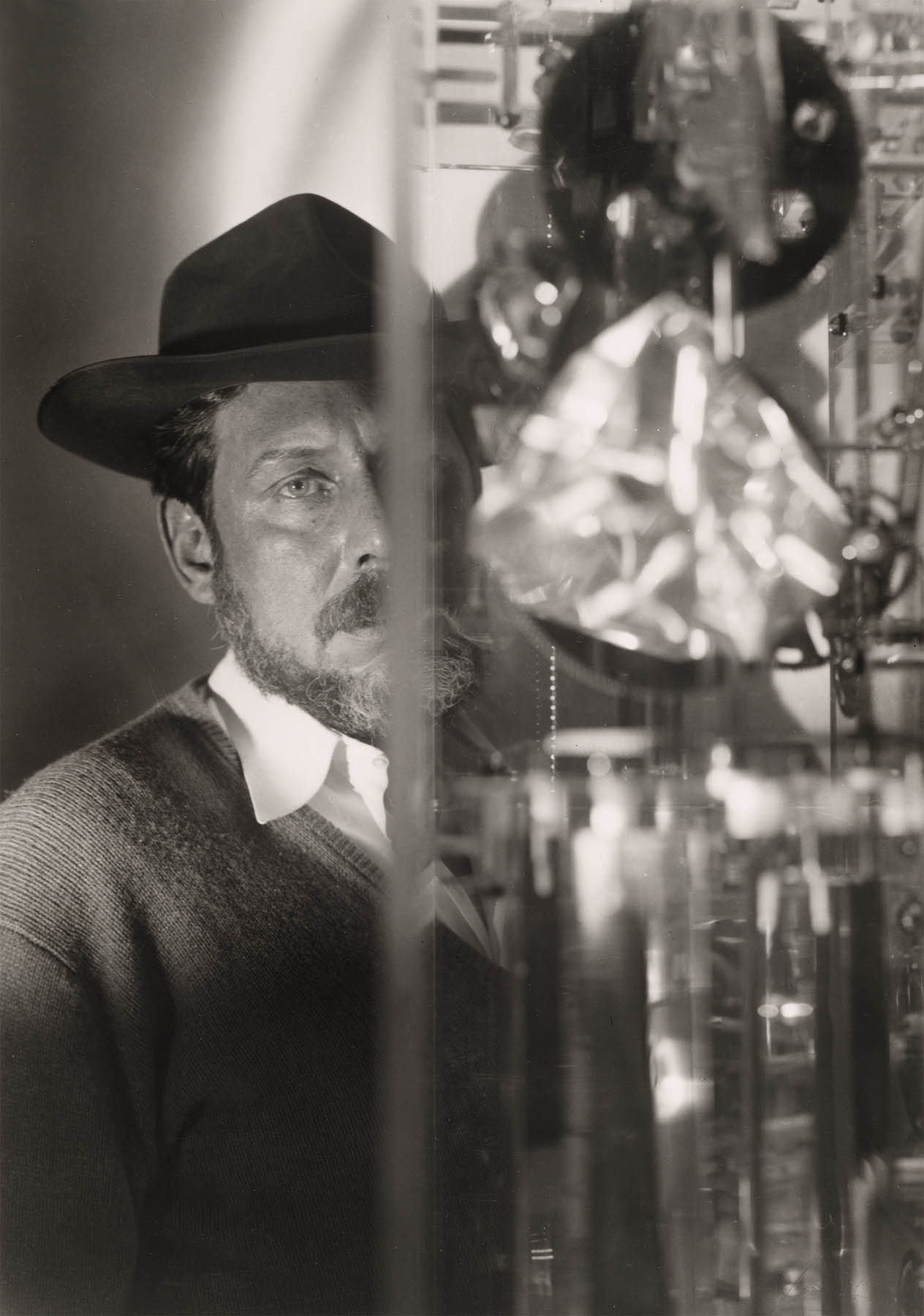
Gerd Sander (German, b. 1940) 'Portrait of Chargesheimer' 1969


Gerd Sander (German, b. 1940)
Portrait of Chargesheimer
1969
Gelatin silver paper
27 x 19cm
Museum Ludwig, Cologne
© Gerd Sander, courtesy of Galerie Julian Sander, Köln
Reproduction: Rheinisches Bildarchiv Köln


Museum Ludwig
Heinrich-Böll-Platz, 50667 Köln, Germany

Opening hours:
Tues­­day through Sun­­day: 10am – 6pm

Museum Ludwig website

LIKE ART BLART ON FACEBOOK

Back to top

Review: ‘Wanderings About History. The Photography of Ulrich Wüst’ at the RMIT Gallery, Melbourne

Exhibition dates: 1st March – 20th April, 2024

Curator: Matthias Flügge


Ulrich Wüst (German, b. 1949) 'Dodendorfer Straße' 1998 From the series 'Morgenstraße. Magdeburg 1998-2000'


Ulrich Wüst (German, b. 1949)
Dodendorfer Straße
1998
Aus der Serie: Morgenstraße. Magdeburg 1998-2000
From the series: Morgenstraße. Magdeburg 1998-2000
B/w archival pigment print
18 x 27cm
© Ulrich Wüst; ifa


Wondering through history


Wonder noun. a feeling of amazement and admiration, caused by something beautiful, remarkable, or unfamiliar.


As enunciated by Jake Wilson in The Age newspaper in a review of the film La Chimera, “ultimately, the problem dramatised here is the same one faced by any modern artist: how do you retain a meaningful link to your predecessors while shaping something new?”1

Further, my mentor and friend Ian Lobb would often challenge me to define what I was adding to the artistic dialogue of photography instead of repeating the language of a previous era, and I would spar with him asking him was it really necessary to constantly reinvent the wheel, was it not enough to see and feel with clarity and humour those precious moments that surround us, and insightfully photograph them. These are the questions that enliven life: is it always necessary to shape something new, or is it enough to be attentive to the moment – of your mind, heart and vision – to create spellbinding photographs that carry your own interpretation of a certain reality.

Such is the case with the stimulating, two-room exhibition of the German photographer Ulrich Wüst at RMIT Gallery, Melbourne.

Wüst’s photography shows great affinity with the work of Bernd and Hiller Becher and the Becher and Dusseldorf Schools of photography which would have been known in East Germany by the time Wüst shot the 1980s series Stadtbilder. 1979-1985 (Cityscapes. 1979-1985) that first brought Wüst to international attention (the border was very permeable to artistic ideas from the West reaching East Germany).2 Indeed, most of Wüst’s oeuvre has direct links to the aesthetic of the Bechers (with their attention to detail and “devotion to the 1920s German tradition of Neue Sachlichkeit (New Objectivity”) and photographers such as Thomas Ruff (with their surreal enlargement of scale and “fundamentally sceptical attitude towards photography’s claim to truth and documentation”).

I believe that referencing and riffing off that aesthetic as Wüst does is no bad thing … for it forms the basis for the photographer’s further take on reality. But there are plenty of other forces at play in his photographs. I observe traces of August Sander, Berenice Abbott, Robert Frank, Michael Schmidt and Eugène Atget among others, especially with the latter in the positioning of Wüst’s camera.

As he observes, “When shooting I often find that if I move just fraction away from the more customary perspective a subtle heightening of tension with take place within the image. It’s no accident that I and my camera frequently get suspicious looks when the angle of the lens shifts away from the perspective found in souvenirs and postcards.” (Wall text from the exhibition)

And this is exactly what Atget did, he moved his camera from the “normal” point of view ever so slightly so that there immediately becomes this tension within the image plane coupled to the possibility of a magical revelation of space, an ironic comment on construction, or a grotesque play of opposites. As Wüst says, his vision, his observation, contains “plenty that is comic, grotesque, ironic” which many people do not see.


If we think about the supposedly objective work of the Bechers, which they insisted was all about documenting the object and not about any type of emotion, we fail to consider, as Julia Curl opines, “that this “objectivity” is only surface-level – that the work is deeply personal, even if its apparent uniformity claims otherwise.”3 Personally, I have never bought into the cool objectification of the Becher’s work for the photographers made defined choices as to how they depicted their constructed realities, each iteration of a water tower, gravel plant or cooling tower different from the other (fragments of a whole). This was deeply personal vision of how the world is perceived.

The same can be said of the photographs of Ulrich Wüst. His photographs are entirely personal, fragmentary excavations of history. In Wüst’s works by series, his photographs – surreal, sculptural scenes absent of people, full of elemental beauty – are not just the flawed humanity of our creation / the creation of our flawed humanity … but the creation and imagination of the human mind captured by the eye of the camera. Wüst’s photographs challenge us to look closer at the reality around us not accepting the status quo, the postcard view, not walking the city as if unaware of the vistas around us, feeling the “traces, injuries, missing and empty spaces in the image, so that things begin to speak of themselves…”4

As the art historian Matthias Flügge states, Wüst’s photographs are “images of intellectual-spatial situations,” wholly a creation, an accretion, on existing forms of photography. Not something new, which is ultimately unnecessary, but a growth in “wondering” – not wandering – achieved through the gradual accumulation of additional layers of beauty, feeling, knowledge so that we are informed and fully aware of our (un)familiar surroundings.

The photographs tell a powerful story of Germany before and after the fall of communism whilst instilling in the viewer a wondering, an accumulation and visual nourishment for the senses.

Such is the photography of Ulrich Wüst.

Dr Marcus Bunyan

PS. The only down side to this exhibition is that all the black and white photographs are modern archival ink jet prints. Call me old fashioned but these pigment prints have no real “presence”. It’s like the difference between an LP and a CD, or a movie in Technicolor or 5K. One has “atmosphere”, one has mood and aura and the other just sits there in all its perfection like a dog with a bone waiting for you to go “oooh, ahhh”. There are people that say you can’t tell the difference between the two. Rubbish. Give me gelatin silver prints any day of the week.


1/ Jake Wilson. “Lost and Found while digging up the cinematic past,” in The Age newspaper, 11 April 2024, p. 24.

2/”Huyssen reveals the complexity of artistic development on both sides of the Wall and notes that “the borders between East and West became porous during the 1970s as a result of treaties between the GDR and the FRG.” His focus in this regard, however, is on those artists who left the East for the West and made an impact there, such as Georg Baselitz and Gerhard Richter; he does not acknowledge the extent to which ideas and influences went in both directions. … While it is true that West German artists showed little interest in exhibiting in the East or in the art that was created there, East German artists tended to be well informed about Western artistic developments…” p. 598

April A. Eisman. “East German Art and the Permeability of the Berlin Wall,” in German Studies Review, Vol. 38, No. 3 (October 2015), pp. 597-616. Published by The Johns Hopkins University Press on behalf of the German Studies Association

3/ Julia Curl. “Bernd and Hilla Becher’s Misunderstood Oeuvre,” on the Hyperallergic website November 2, 2022 [Online] Cited 11/04/2024

4/ Jacek Slaski. “Ulrich Wüst – Stadtbilder 1979–1985: Zwischen Kunst und Dokumentation,” on the tipBerlin website 03/02/2022 [Online] Cited 08/04/2024. Translated from the German by Google Translate


Many thankx to the RMIT Gallery and the ifa for allowing me to publish the photographs in the posting. Please click on the photographs for a larger version of the image.

An exhibition by ifa – Institut für Auslandsbeziehungen e.V., Stuttgart – in partnership with the Goethe-Institut. This project is an official exhibition of PHOTO 2024 International Festival of Photography.


“Most viewers, unfortunately, are so dreadfully serious when they look at the pictures. I have to “hammer it home” incredibly hard before anyone will allow themselves to laugh. In my works there is simply – perhaps a bit hidden – plenty that is comic, grotesque, ironic.”


~ Ulrich Wüst, wall text from the exhibition


“I’m sure I do give those power symbols the aesthetic treatment, otherwise it’s unlikely that I would have any desire or energy to photograph them. But it would also be unfair to say that these objects do not hold their own innate aesthetic fascination. All I can do is try to describe how I am torn between spontaneous fascination and rational rejection, aiming to convey that experience and make it understandable. When shooting I often find that if I move just fraction away from the more customary perspective a subtle heightening of tension with take place within the image. It’s no accident that I and my camera frequently get suspicious looks when the angle of the lens shifts away from the perspective found in souvenirs and postcards. People are very attuned to that sort of shift.”


~ Ulrich Wüst, wall text from the exhibition


Installation view, Ulrich Wüst, 'Flatland. Schönhof', 2013 (centre), 'The Pomp of Power', 1983-1990 (left) and 'Red October', 2018 (right) from the exhibition 'Wanderings About History. The Photography of Ulrich Wüst', RMIT Gallery, Melbourne, 2024


Installation view, Ulrich Wüst, Flatland. Schönhof, 2013 (centre), The Pomp of Power, 1983-1990 (left) and Red October, 2018 (right) from the exhibition Wanderings About History. The Photography of Ulrich Wüst, RMIT Gallery, Melbourne, 2024
Photo: Christian Capurro


Ulrich Wüst’s photographic work captures his wanderings through German history, portraying the social and urban transformations from the GDR and its disintegration, through the German reunification to the present day. Wüst revives the German history in a new static way, where the past and present clash in a dynamic and ever-changing environment.

Wanderings About History. The Photography of Ulrich Wüst shows a selection of nine suites taken between 1978 and 2019. Ulrich Wüst’s photographic work can be contemplated from different perspectives. While the observations captured here are rooted in Germany’s division and its mending, at the same time they always relate to universal phenomena of social change and its material manifestations. The seemingly terse images, extremely precise in their composition, are the fruits of lengthy visual wanderings through present sites of recent history.
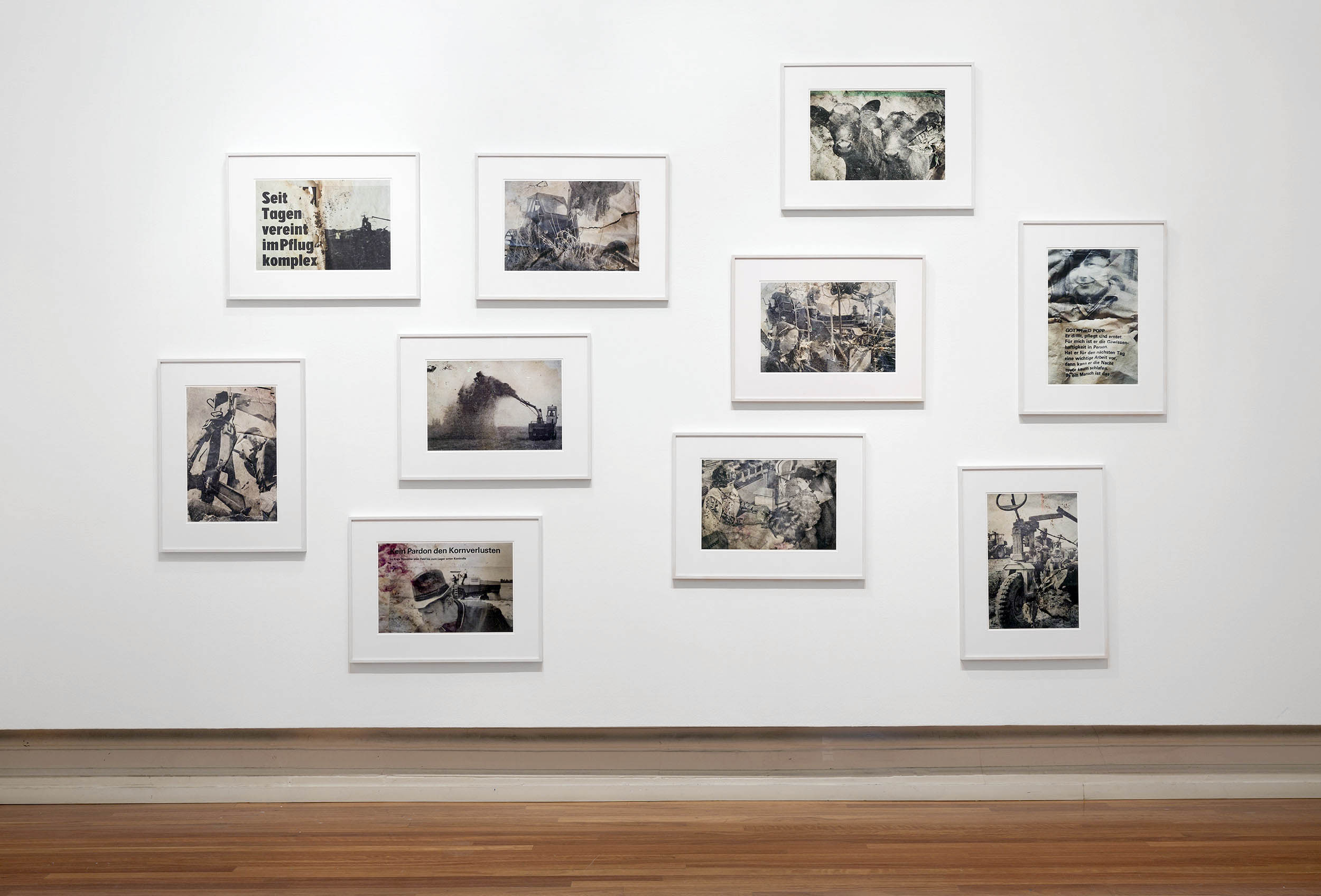
Ulrich Wüst’s photographic Å“uvre, which explores Eastern Germany in the broader sense, is not confined to the sunken GDR. It might be described as a pictorial archaeology of our present day. These pictures reveal the finds from his “excavations” and are at the same time tools of their conservation. Wüst has an infallible feel for the graphic quality of everyday situations, objects and materials, but also for the deeper layers of significance associated with found images. Examples are the enlarged details from East German press products that demonstrate a manipulative use of photography.

Ulrich Wüst’s photographic work can be contemplated from different perspectives. While the observations captured here are essentially rooted in Germany’s division and its mending, at the same time they always relate to universal phenomena of social change and its material manifestations. The seemingly terse images, extremely precise in their composition, are the fruits of lengthy visual wanderings through present sites of recent history.


Installation view, Ulrich Wüst, 'Flatland. Schönhof', 2013, from the exhibition 'Wanderings About History. The Photography of Ulrich Wüst', RMIT Gallery, Melbourne, 2024


Installation view, Ulrich Wüst, Flatland. Schönhof, 2013, from the exhibition Wanderings About History. The Photography of Ulrich Wüst, RMIT Gallery, Melbourne, 2024
Photo: Christian Capurro


Ulrich Wüst (German, b. 1949) From the series 'Flatland. Schönhof' 2013


Ulrich Wüst (German, b. 1949)
Aus der Serie: Flatland. Schönhof
From the series: Flatland. Schönhof
2013
Colour photograph, archival pigment print
57 × 38cm
© Ulrich Wüst; ifa

 

Ulrich Wüst (German, b. 1949) From the series 'Flatland. Schönhof' 2013 (installation view)

Ulrich Wüst (German, b. 1949) From the series 'Flatland. Schönhof' 2013 (installation view)


Ulrich Wüst (German, b. 1949)
Aus der Serie: Flatland. Schönhof
From the series: Flatland. Schönhof (installation views)
2013
Colour photograph, archival pigment print
57 × 38cm
© Ulrich Wüst; ifa
Photos: Marcus Bunyan


“These photographs of newspapers and magazines were taken in the countryside, things that I found within a very small radius. Previously I had always done that urban stuff but then I would go looking for contrasts, because after a while your eye becomes tired.”


~ Ulrich Wüst, wall text from the exhibition


Installation view, Ulrich Wüst, 'Cityscapes, 1979-1985' (left) and 'Wiegmann Legacy. Bülowssiege, 1991-1992' (right) from the exhibition 'Wanderings About History. The Photography of Ulrich Wüst', RMIT Gallery, Melbourne, 2024


Installation view, Ulrich Wüst, Cityscapes 1979-1985 (left) and Wiegmann Legacy. Bülowssiege 1991-1992 (right) from the exhibition Wanderings About History. The Photography of Ulrich Wüst, RMIT Gallery, Melbourne, 2024
Photo: Christian Capurro


Ulrich Wüst’s photos are “images of mental-spatial situations”

In every city there are places that have been photographed thousands of times. From tourists, amateurs and professionals. Always captured on paper or the digital matrix. Big Ben, Eiffel Tower, Alexanderplatz in the heart of Berlin. Thousands, even millions of looks at the striking symbols of a metropolis that want to capture the essence of the city. Ulrich Wüst was far away from such direct concepts. His view of Alexanderplatz is almost shy, more of a cautious approach, and yet he gets a grip on the place. But it’s not primarily about Berlin. Wüst’s city images are less studies of specific cities than “images of intellectual-spatial situations,” as the art historian and rector of the Dresden University of Fine Arts Matthias Flügge states in his insightful text for the photo book Ulrich Wüst – Stadtbilder 1979-1985 (Ulrich Wüst – City Images 1979-1985).

If you read Flügge’s text, it becomes clear once again that a picture is not just a picture and that it requires more than a fleeting observation, especially with a subject like the cityscape. Because you could easily come to the conclusion that you immediately understand the motif at hand, after all, you yourself are a city dweller and are aware of your habitat. But a photograph is also a starting point for deeper reflections. Wüst’s photographs of prefabricated buildings in East Berlin, vacancies in Magdeburg, and the central square in Karl-Marx-Stadt are not unseen motifs. Rather, they are all too well known. Such urban constellations should not be foreign to anyone who lived in the GDR in the 1970s and 1980s, or even those born later or socialised in the West. …

“Determining the status quo of the constructed, shaped, printed or otherwise produced objective world with all its traces, injuries, missing and empty spaces in the image, so that things begin to speak of themselves,” is what Wüst does, writes Flügge.

Jacek Slaski. “Ulrich Wüst – Stadtbilder 1979–1985: Zwischen Kunst und Dokumentation,” on the tipBerlin website 03/02/2022 [Online] Cited 08/04/2024. Translated from the German by Google Translate


Ulrich Wüst (German, b. 1949) 'Berlin' 1982 From the series 'Cityscapes. 1979-1985'


Ulrich Wüst (German, b. 1949)
Berlin
1982
Aus der Serie: Stadtbilder. 1979-1985
From the series: Cityscapes. 1979-1985
B/w archival pigment print
16 x 24cm
© Ulrich Wüst; ifa


“For me it had always been about the built environment. […] And then I started on those rather dry Cityscapes, which always seems so objective, even though they never were and never tried to be. I wanted to take a concentrated, analytical look at the city. Back then I had a strong sense of mission; I really did want to achieve something. And the things I wanted to say about the city as space I also wanted to tell people who weren’t at all interested in photography or urban space. In some respects it was definitely intended to enlighten. Ultimately I wanted to provoke a debate about what we imagine a “city” to be and what this environment does to us.”


~ Ulrich Wüst, wall text from the exhibition


Axel Hütte (b. 1951) 'James Hammett House' 1982-1984


Axel Hütte (German, b. 1951)
James Hammett House
1982-1984
Silver gelatin print on baryte paper
66 x 80cm
Loan of the artist
 

Ulrich Wüst (German, b. 1949) From the series 'Cityscapes. 1979-1985' (installation view)

Ulrich Wüst (German, b. 1949) From the series 'Cityscapes. 1979-1985' (installation view)

Ulrich Wüst (German, b. 1949) From the series 'Cityscapes. 1979-1985' (installation view)


Ulrich Wüst (German, b. 1949)
Aus der Serie: Stadtbilder. 1979-1985
From the series: Cityscapes. 1979-1985 (installation views)
B/w archival pigment print
16 x 24cm
© Ulrich Wüst; ifa
Photos: Marcus Bunyan


The work of Ulrich Wüst might best be described as a pictorial archaeology of recent German history. With an unsentimental precision these photographic ‘excavations’ pivot around moments of social change; those points in history when the old and the new collide, when the seemingly endless cycle of destruction and construction can so easily relegate the present to the oblivion of the past.

Initially photographing life in the former East Germany, Wüst’s oeuvre grew to include the documentation of everyday situations, objects and materials; expanding further with the addition of found images, cropped and rephotographed by Wüst to reveal alternative readings.

In his sparse black and white Cityscapes, the 1980s series that first brought Wust to international attention, we find images of East German cities and towns still carrying scars from the Second World War – an environment formed through the combination of unchecked decay and Soviet-era reconstruction. With an interest in the absurd – those visual anomalies that arrive through accident or misguided intent – Wüst has forged a unique, non-ideological representation of that time. In a similar manner but on a different scale, Wüst’s Wiegmann Legacy. Bülowssiege (1991-1992) – a photo inventory of objects left behind by the former owner of his house – engages us with the incidental nature of history. Intimate and fragile, these ordinary objects are made monumental through Wüst’s lens, yet these discarded possessions have the same precariousness as the hastily built architecture of cities in perpetual change.

Ulrich Wüst’s photographic work exists as a registry of everyday images. It could be considered akin to the personal archive of a once divided country mending itself, wandering through time, settling upon moments and fragments that also speak to the wider, universal phenomena of social change and its material manifestations.

Wall text from the exhibition


Installation view, Ulrich Wüst, 'Cityscapes, 1979-1985' (right), 'Morgenstraße. Magdeburg, 1998-2000' (second right), 'Wiegmann Legacy. Bülowssiege, 1991-1992' (third right) and 'Red October', 2018 (left) from the exhibition 'Wanderings About History. The Photography of Ulrich Wüst', RMIT Gallery, Melbourne, 2024


Installation view, Ulrich Wüst, Cityscapes, 1979-1985 (right), Morgenstraße. Magdeburg, 1998-2000 (second right), Wiegmann Legacy. Bülowssiege, 1991-1992 (third right) and Red October, 2018 (left) from the exhibition Wanderings About History. The Photography of Ulrich Wüst, RMIT Gallery, Melbourne, 2024
Photo: Christian Capurro


Installation view, Ulrich Wüst, 'Morgenstraße. Magdeburg, 1998-2000' (right), 'Wiegmann Legacy. Bülowssiege, 1991-1992' (centre left) from the exhibition 'Wanderings About History. The Photography of Ulrich Wüst', RMIT Gallery, Melbourne, 2024


Installation view, Ulrich Wüst, Morgenstraße. Magdeburg, 1998-2000 (right), Wiegmann Legacy. Bülowssiege, 1991-1992 (centre left) from the exhibition Wanderings About History. The Photography of Ulrich Wüst, RMIT Gallery, Melbourne, 2024
Photo: Christian Capurro
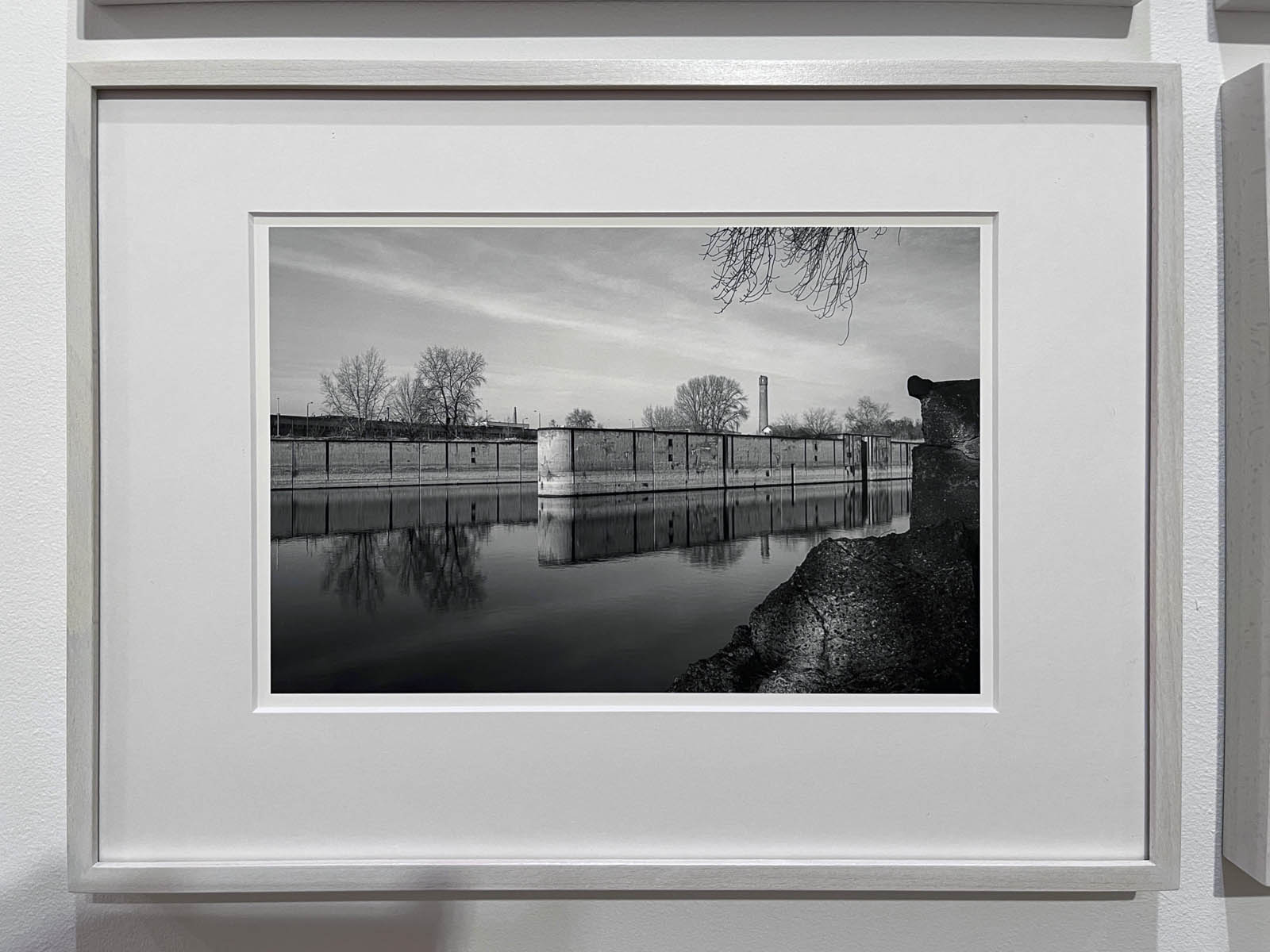
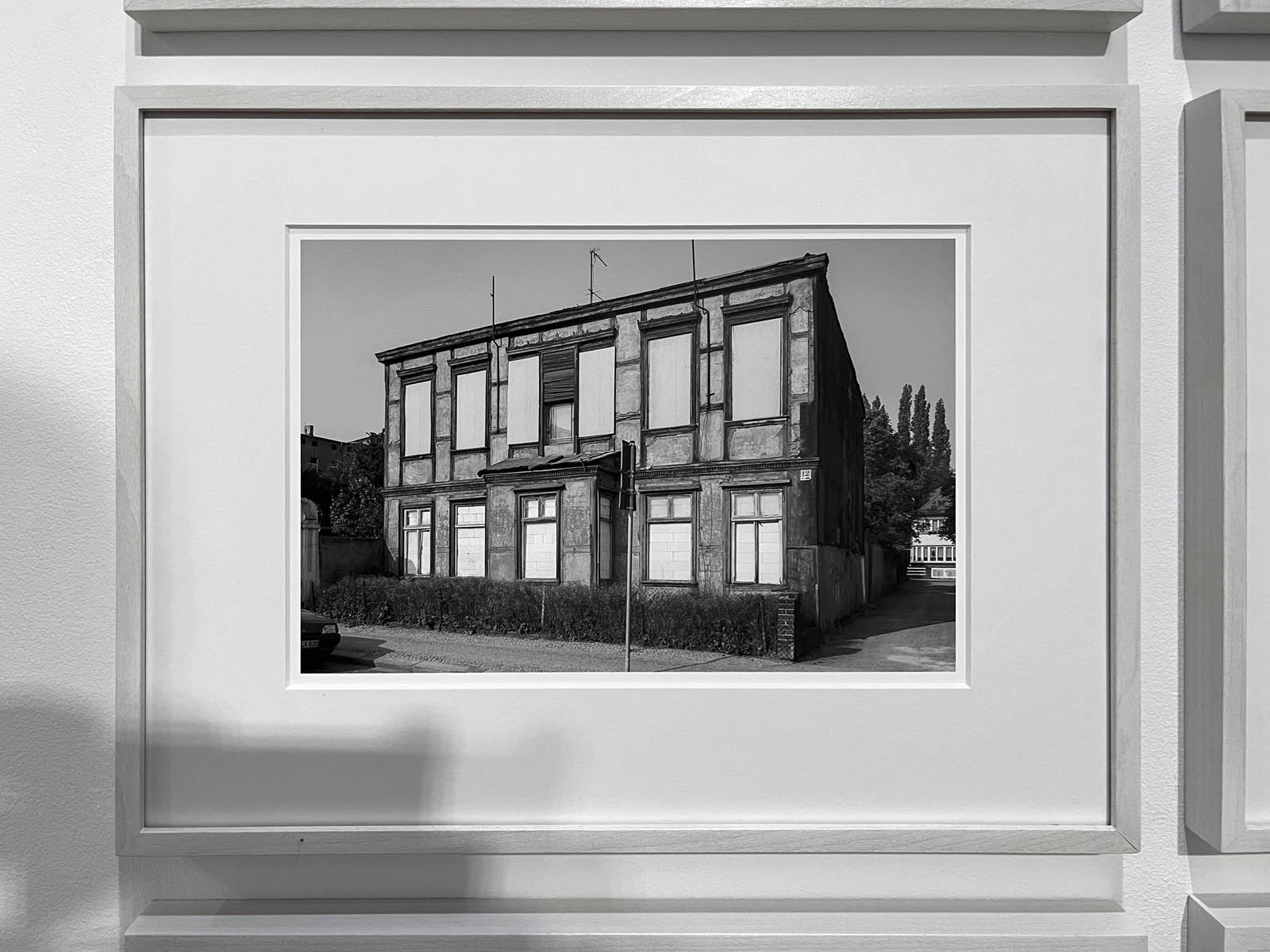
 

Ulrich Wüst (German, b. 1949) From the series 'Morgenstraße. Magdeburg' 1998-2000 (installation view)

Ulrich Wüst (German, b. 1949) From the series 'Morgenstraße. Magdeburg' 1998-2000 (installation view)


Ulrich Wüst (German, b. 1949)
Aus der Serie: Morgenstraße. Magdeburg 1998-2000
From the series: Morgenstraße. Magdeburg 1998-2000 (installation views)
B/w archival pigment print
18 x 27cm
© Ulrich Wüst; ifa
Photos: Marcus Bunyan


“As soon as we see people in pictures, we focus on those people. We seem to be fixated on that somehow and we stare at the figures depicted, however small they may be. But as I wanted to steer attention to the built environment, to what we have built for ourselves, I quite simply decided to leave the people out. If there a no people in sight in the pictures, then for one thing nobody can look at them and for another the effect is disconcerting. Disconcertion is a good opening gambit.”


~ Ulrich Wüst, wall text from the exhibition


Berenice Abbott (American, 1898-1991) 'Fifth Avenue, Nos. 4, 6, 8, Manhattan' March 20, 1936


Berenice Abbott (American, 1898-1991)
Fifth Avenue, Nos. 4, 6, 8, Manhattan
March 20, 1936
Gelatin silver print
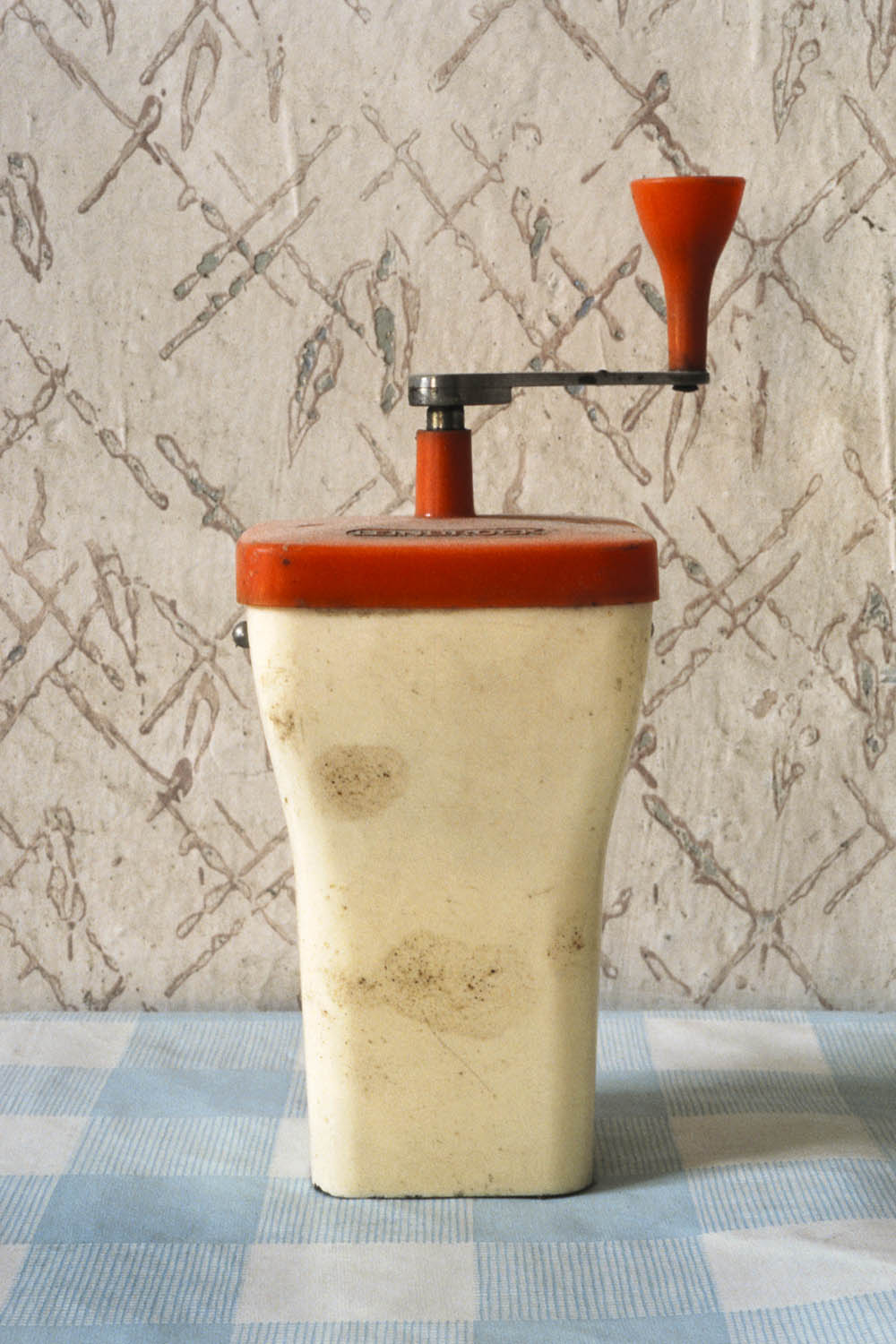
 

Ulrich Wüst (German, b. 1949) 'Kaffemühle' (Coffee grinder) From the series 'Wiegmann Legacy. Bülowssiege 1991-1992'


Ulrich Wüst (German, b. 1949)
Kaffemühle (Coffee grinder) 
Aus der Serie: Nachlass Wiegmann. Bülowssiege 1991-1992
From the series: Wiegmann Legacy. Bülowssiege 1991-1992
Colour photograph, archival pigment print
105 cm x 70cm
© Ulrich Wüst; ifa


“I make a point of calling myself a photographer, because then the art question usually no longer arises. But if others still want to see me as an artist, I can (happily) live with that. Personally I don’t want to think about that question. The only thing I do want to stress is that my work is not documentary. I use documentary technique as a form, as a means, and in certain works I am also looking for documentary precision.”


~ Ulrich Wüst, wall text from the exhibition


Installation view, Ulrich Wüst, 'Wiegmann Legacy. Bülowssiege, 1991-1992' from the exhibition 'Wanderings About History. The Photography of Ulrich Wüst', RMIT Gallery, Melbourne, 2024


Installation view, Ulrich Wüst, Wiegmann Legacy. Bülowssiege, 1991-1992 from the exhibition Wanderings About History. The Photography of Ulrich Wüst, RMIT Gallery, Melbourne, 2024
Photo: Christian Capurro


Ulrich Wüst (German, b. 1949) From the series 'Wiegmann Legacy. Bülowssiege 1991-1992' (installation view)


Ulrich Wüst (German, b. 1949)
Aus der Serie: Nachlass Wiegmann. Bülowssiege 1991-1992
From the series: Wiegmann Legacy. Bülowssiege 1991-1992 (installation view)
Colour photograph, archival pigment print
105 cm x 70cm
© Ulrich Wüst; ifa
Photo: Marcus Bunyan


Installation view, Ulrich Wüst, 'Cityscapes, 1979-1985' (left) and 'Wiegmann Legacy. Bülowssiege, 1991-1992' (right) from the exhibition 'Wanderings About History. The Photography of Ulrich Wüst', RMIT Gallery, Melbourne, 2024


Installation view, Ulrich Wüst, Cityscapes, 1979-1985 (left) and Wiegmann Legacy. Bülowssiege, 1991-1992 (right) from the exhibition Wanderings About History. The Photography of Ulrich Wüst, RMIT Gallery, Melbourne, 2024
Photo: Christian Capurro
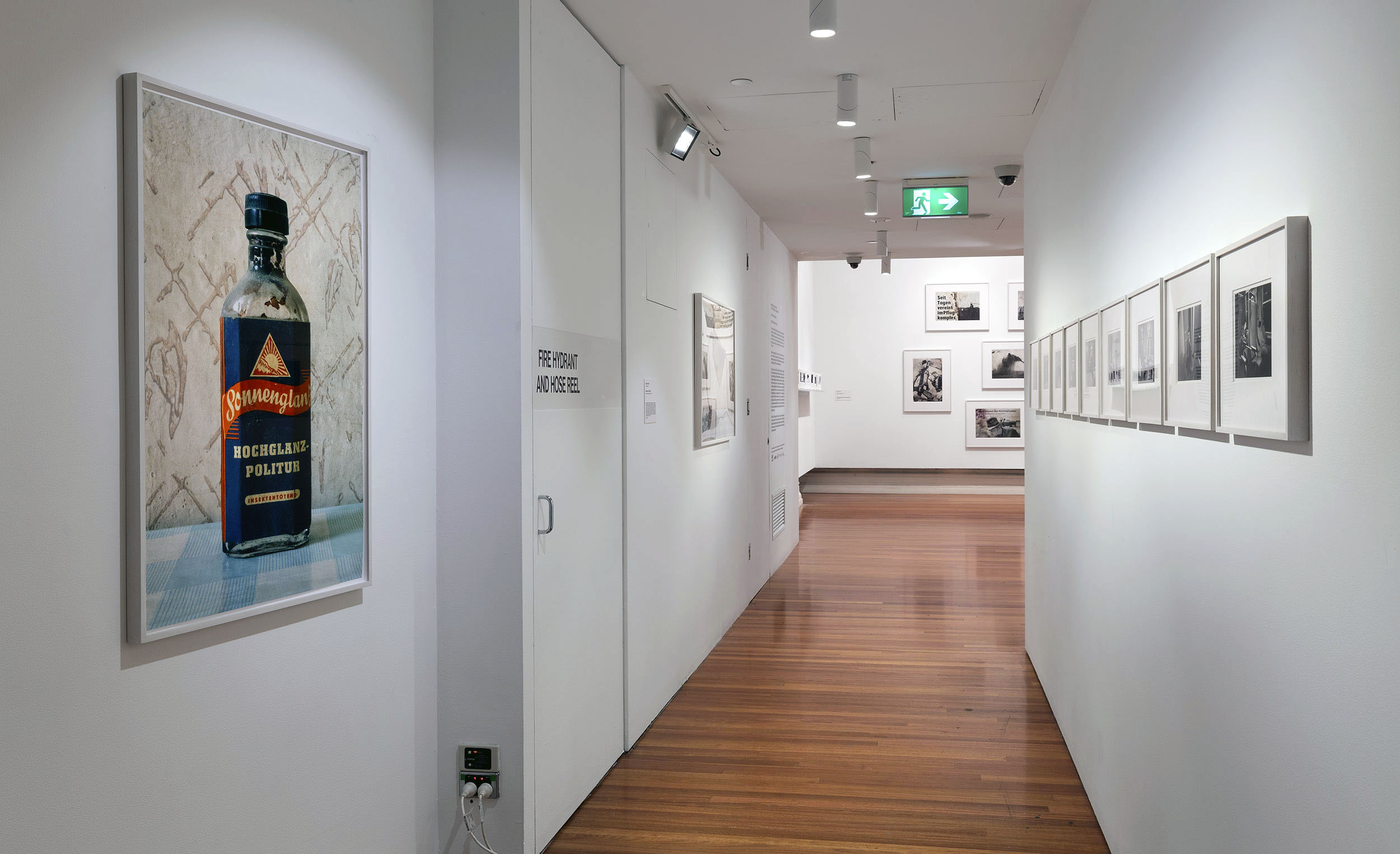
 

Installation view, Ulrich Wüst, 'Wiegmann Legacy. Bülowssiege, 1991-1992' (left) and 'Notations 1984-1986' (right) from the exhibition 'Wanderings About History. The Photography of Ulrich Wüst', RMIT Gallery, Melbourne, 2024


Installation view, Ulrich Wüst, Wiegmann Legacy. Bülowssiege, 1991-1992 (left) and Notations 1984-1986 (right) from the exhibition Wanderings About History. The Photography of Ulrich Wüst, RMIT Gallery, Melbourne, 2024
Photo: Christian Capurro
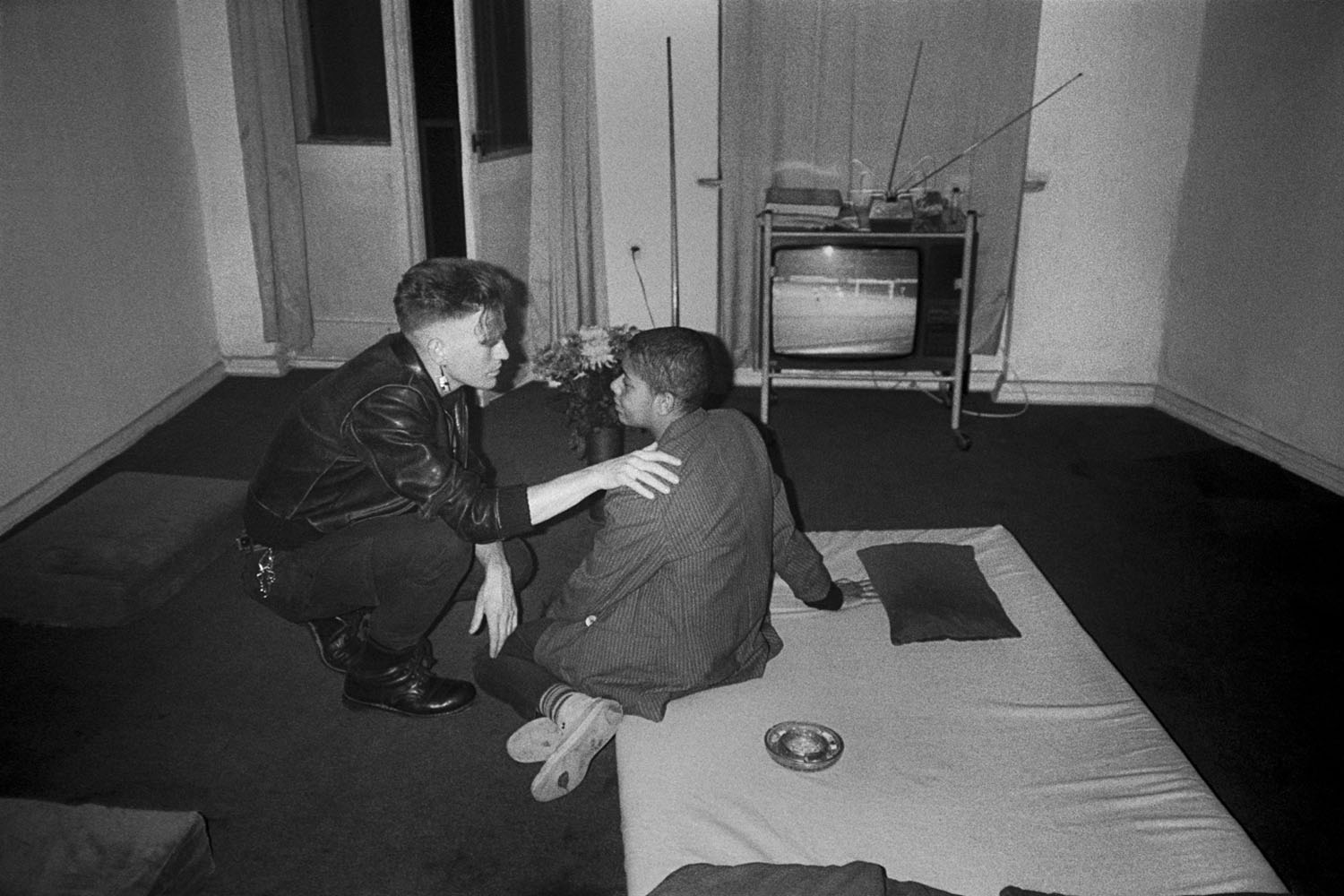
 

Ulrich Wüst (German, b. 1949) 'Berlin, Pappelallee' September 1984 From the series 'Notations. 1984-1986'


Ulrich Wüst (German, b. 1949)
Berlin, Pappelallee
September 1984
Aus der Serie: Notizen. 1984-1986
From the series: Notations. 1984-1986
B/w archival pigment print
14 x 21cm
© Ulrich Wüst; ifa


Ulrich Wüst (German, b. 1949) From the series 'Notations. 1984-1986' (installation view)

Ulrich Wüst (German, b. 1949) From the series 'Notations. 1984-1986' (installation view)

Ulrich Wüst (German, b. 1949) From the series 'Notations. 1984-1986' (installation view)


Ulrich Wüst (German, b. 1949)
Aus der Serie: Notizen. 1984-1986
From the series: Notations. 1984-1986 (installation views)
B/w archival pigment print
14 x 21cm
© Ulrich Wüst; ifa
Photos: Marcus Bunyan


“While I was still busy fine-tuning my technical skills for Cityscapes, over in West Germany very small automatic rangefinders were coming onto the market. That was in the early 1980s. […] I got hold of one of those and suddenly I could carry a camera with me all the time, take it anywhere, and I started using it like an “extended eye”. The little camera allowed me to take more intimate, more “personal” works. For me that meant talking about my own life. That was the beginning of the series Notations, as I later called it. I focused on my circle of friends and my immediate environment. And so the Notations came about and that was what I wanted to achieve, as a conscious antithesis to other series like the Cityscapes.”


~ Ulrich Wüst, wall text from the exhibition
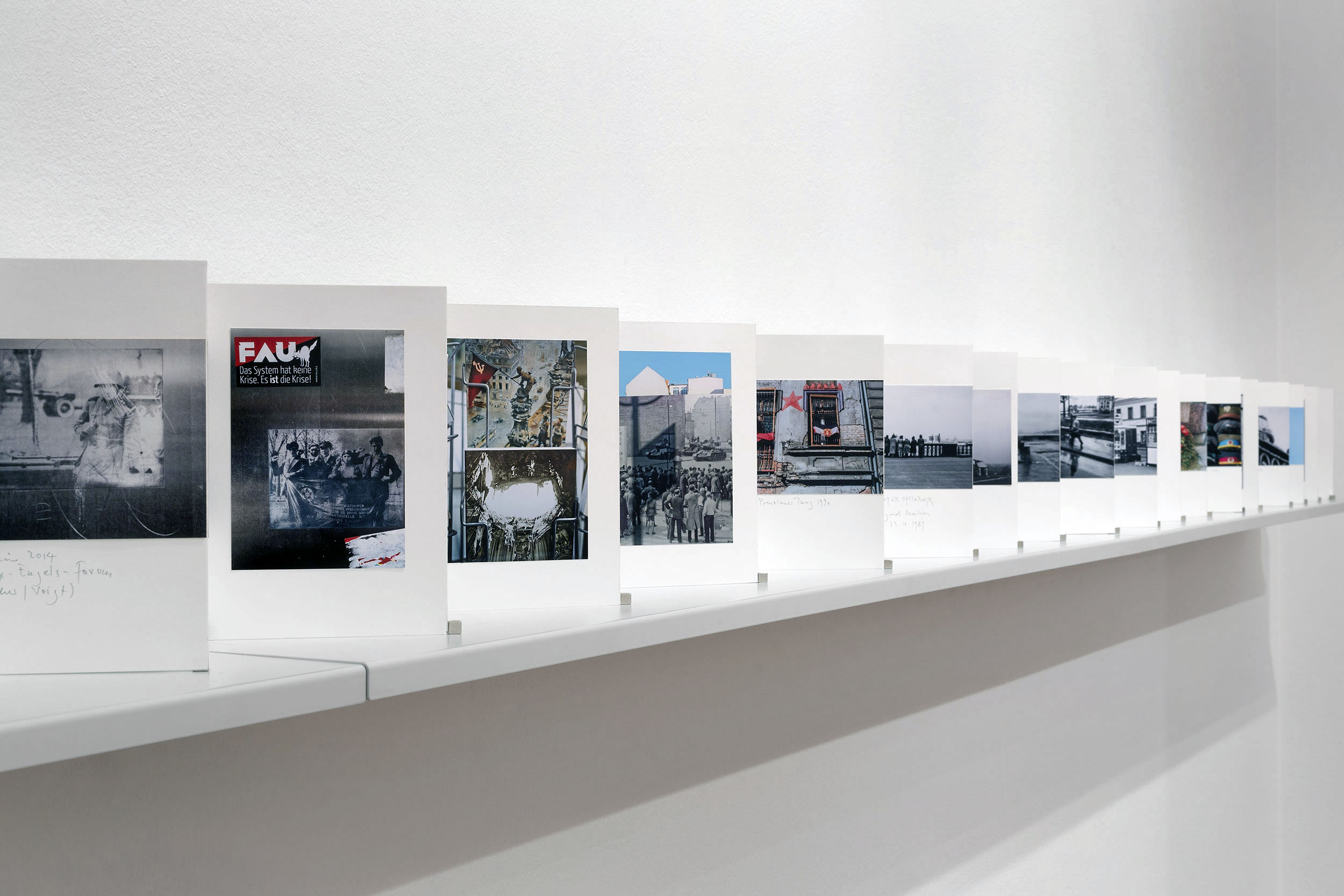
 

Installation view, Ulrich Wüst, 'Red October' 2018, from the exhibition Wanderings About History – The Photography of Ulrich Wüst, RMIT Gallery, Melbourne, 2024


Installation view, Ulrich Wüst, Red October 2018, from the exhibition Wanderings About History. The Photography of Ulrich Wüst, RMIT Gallery, Melbourne, 2024
Photo: Christian Capurro
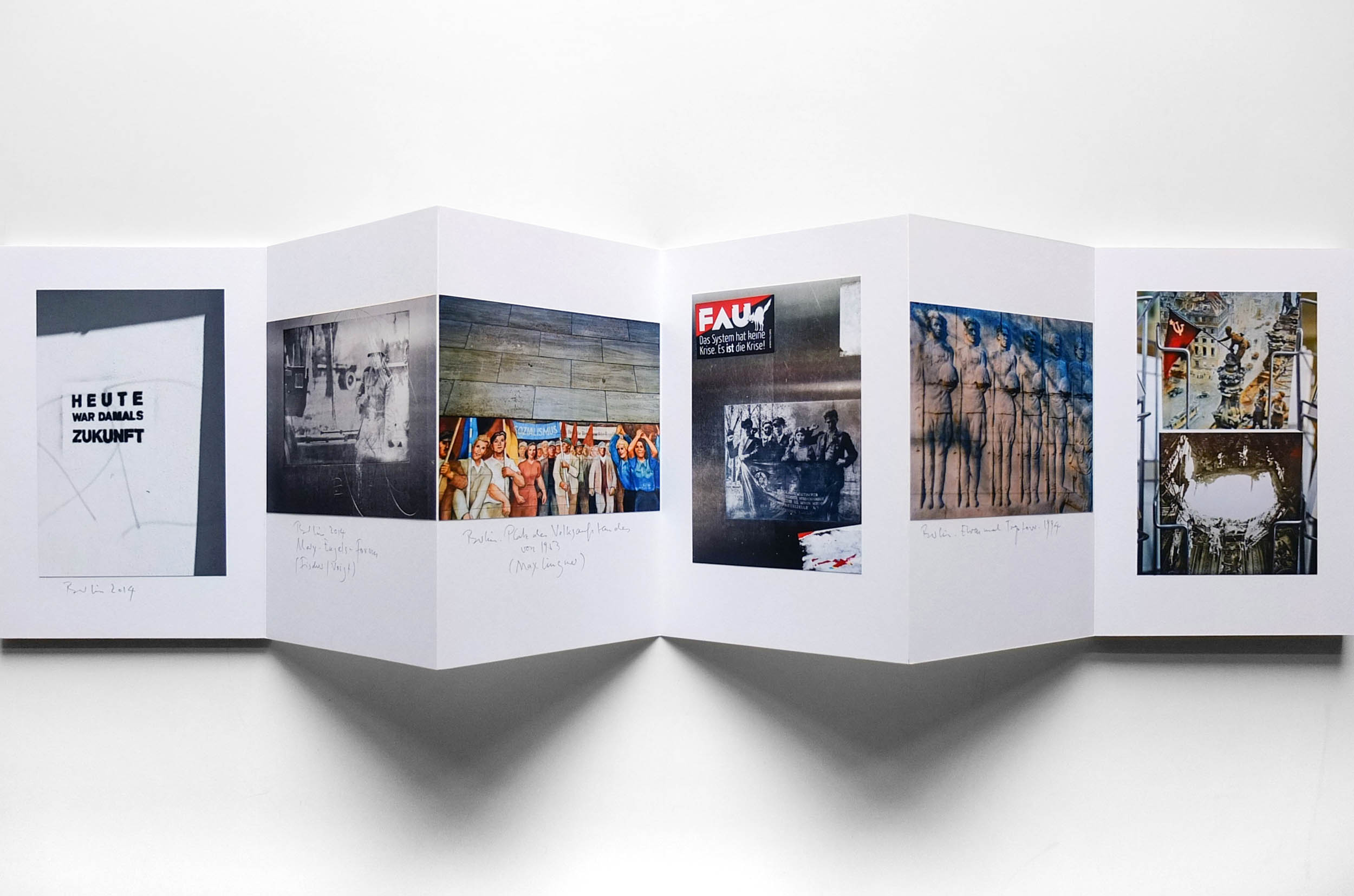
 

Ulrich Wüst (German, b. 1949) 'Roter Oktober' (Red October) 2018


Ulrich Wüst (German, b. 1949)
Roter Oktober (Red October)
2018
Leporello with 45 b/w and colour photographs mounted on cardboard
14.8 × 21.0 × 2.0cm
© Ulrich Wüst; ifa


Michael Schmidt (German, 1945-2014) 'Müller-Ecke Seestrasse, Berlin-Wedding' (Berlin-Wedding) 1976-1978


Michael Schmidt (German, 1945-2014)
Müller-Ecke Seestrasse, Berlin-Wedding (Berlin-Wedding)
1976-1978
© Michael Schmidt, Foundation for Photography and Media Art with the Michael Schmidt Archive
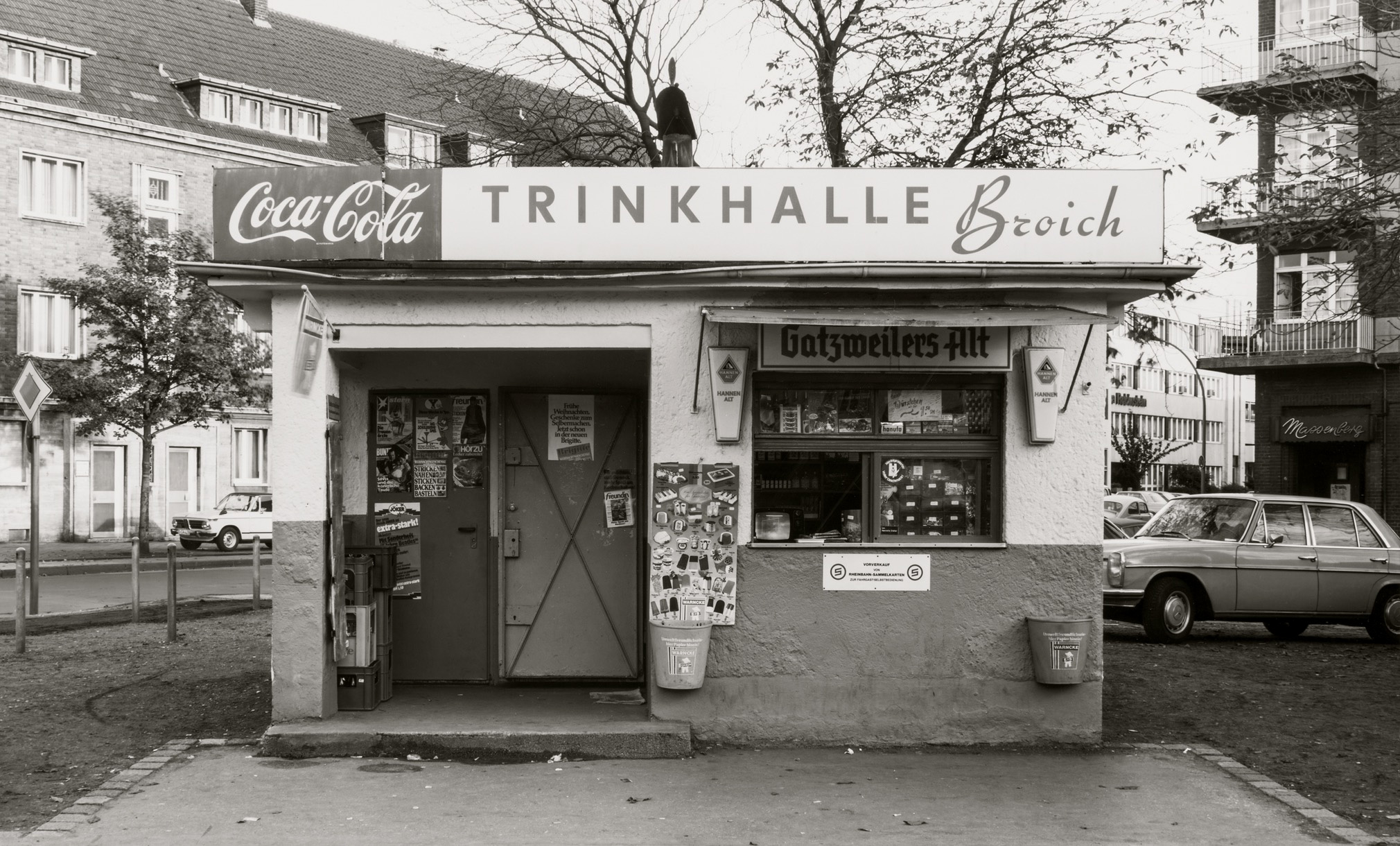
 

Tata Ronkholz (1940-1997) 'Dusseldorf, Sankt-Franziskusstraße 107' 1977


Tata Ronkholz (German, 1940-1997)
Dusseldorf, Sankt-Franziskusstraße 107
1977
Silver gelatin print on baryta paper
41.2 × 51.2cm
Courtesy The Photographische Sammlung / SK Stiftung Kultur, Cologne / Permanent Loan of the Sparkasse KölnBonn


Ulrich Wüst (German, b. 1949) 'Roter Oktober' (Red October) 2018 (installation view)

Ulrich Wüst (German, b. 1949) 'Roter Oktober' (Red October) 2018 (installation view)


Ulrich Wüst (German, b. 1949)
Roter Oktober (Red October) (installation views)
2018
Leporello with 45 b/w and colour photographs mounted on cardboard
14.8 × 21.0 × 2.0cm
© Ulrich Wüst; ifa
Photos: Marcus Bunyan


“Photographers love to complain about the chaos they work in and how that prevents them from keeping tabs on what they do. At some point I realised that the concertinas were a fantastic tool for tracing and recoding the progress of my work. Above all, they enabled me to locate my negatives, because I used very simple but precise captions with the place and date of the picture. I always liked the versatility of the concertina. Now, whenever I need to find a negative, I take one of these booklets of the shelf and look for the photograph. They have become a means to communicate with myself about my work and I miss them when they are being exhibition and I haven’t got them at home.”


~ Ulrich Wüst, wall text from the exhibition


Installation view, Ulrich Wüst, 'The Pomp of Power. 1983-1990' from the exhibition 'Wanderings About History. The Photography of Ulrich Wüst', RMIT Gallery, Melbourne, 2024


Installation view, Ulrich Wüst, The Pomp of Power. 1983-1990, from the exhibition Wanderings About History. The Photography of Ulrich Wüst, RMIT Gallery, Melbourne, 2024
Photo by Christian Capurro
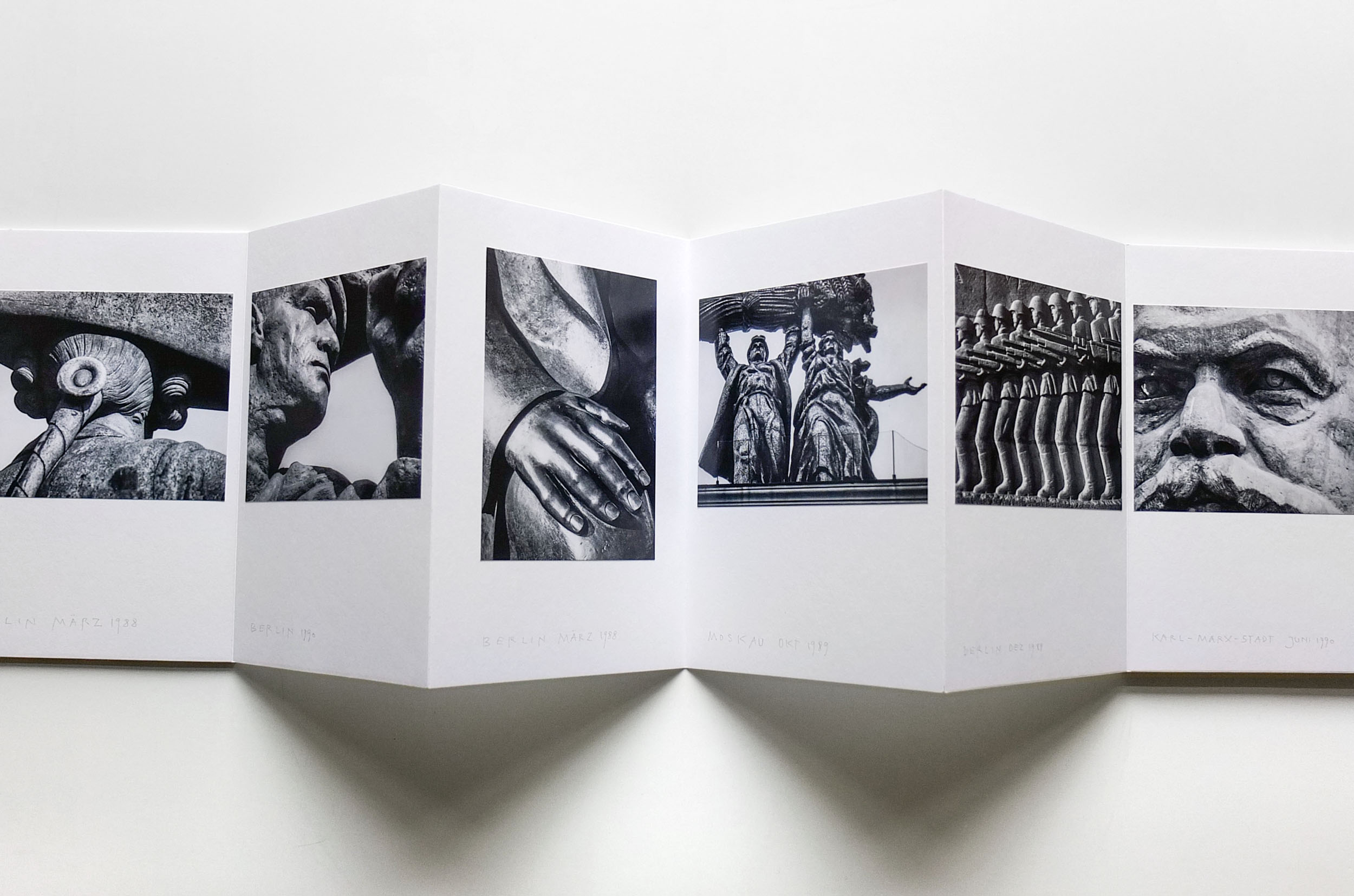
 

Ulrich Wüst (German, b. 1949) 'The Pomp of Power. 1983-1990'


Ulrich Wüst (German, b. 1949)
Die Pracht der Macht. 1983-1990
The Pomp of Power. 1983-1990
Leporello with 30 b/w photographs mounted on cardboard
14.8 × 21.0 × 1.5cm
© Ulrich Wüst; ifa


Ulrich Wüst (German, b. 1949) 'The Pomp of Power. 1983-1990' (installation view)

Ulrich Wüst (German, b. 1949) 'The Pomp of Power. 1983-1990' (installation view)


Ulrich Wüst (German, b. 1949)
Die Pracht der Macht. 1983-1990
The Pomp of Power. 1983-1990 (installation views)
Concertina booklet with 30 b/w photographs mounted on cardboard
14.8 × 21.0 × 1.5cm
© Ulrich Wüst; ifa
Photos: Marcus Bunyan


Clarity and compositional elegance

It may also have been his professional disposition that led him to pay particular attention to the GDR city. After all, he was an expert. Wüst was an expert in the field of urban development; he knew exactly what he was photographing. In the midst of the “leaden times” of the GDR, an era shortly before the collapse in which hardly anything seemed to be moving. Mid-1970s to mid-1980s. Urban and housing construction has long since said goodbye to the promising ideals of a better, because socialist, promise. The reality was pragmatic and merciless. Dilapidated old building and decaying substance on one side and serial prefabricated building on the other.

Wüst’s pictures, which sometimes develop a peculiar irony in their clarity and compositional elegance, can also be understood as political statements. “They searched for clues in a way that was unusual in the GDR as a way of ascertaining the real perceived state of the present,” writes Flügge about the photographer, who knew exactly what he wanted to find and capture. Even the depiction of reality could be considered subversive in the workers’ and farmers’ state. It wasn’t appropriate to show things as they were. Rather, you should show things as they should be. …

By “limiting the image section, he forces reality to formulate its own,” summarizes Flügge.

Jacek Slaski. “Ulrich Wüst – Stadtbilder 1979–1985: Zwischen Kunst und Dokumentation,” on the tipBerlin website 03/02/2022 [Online] Cited 08/04/2024. Translated from the German by Google Translate


Installation view, Ulrich Wüst, 'Village Edge. The Municipality of Nordwestuckermark, 2014-2019' from the exhibition 'Wanderings About History. The Photography of Ulrich Wüst', RMIT Gallery, Melbourne, 2024


Installation view, Ulrich Wüst, Village Edge. The Municipality of Nordwestuckermark, 2014-2019 from the exhibition Wanderings About History. The Photography of Ulrich Wüst, RMIT Gallery, Melbourne, 2024
Photo: Christian Capurro
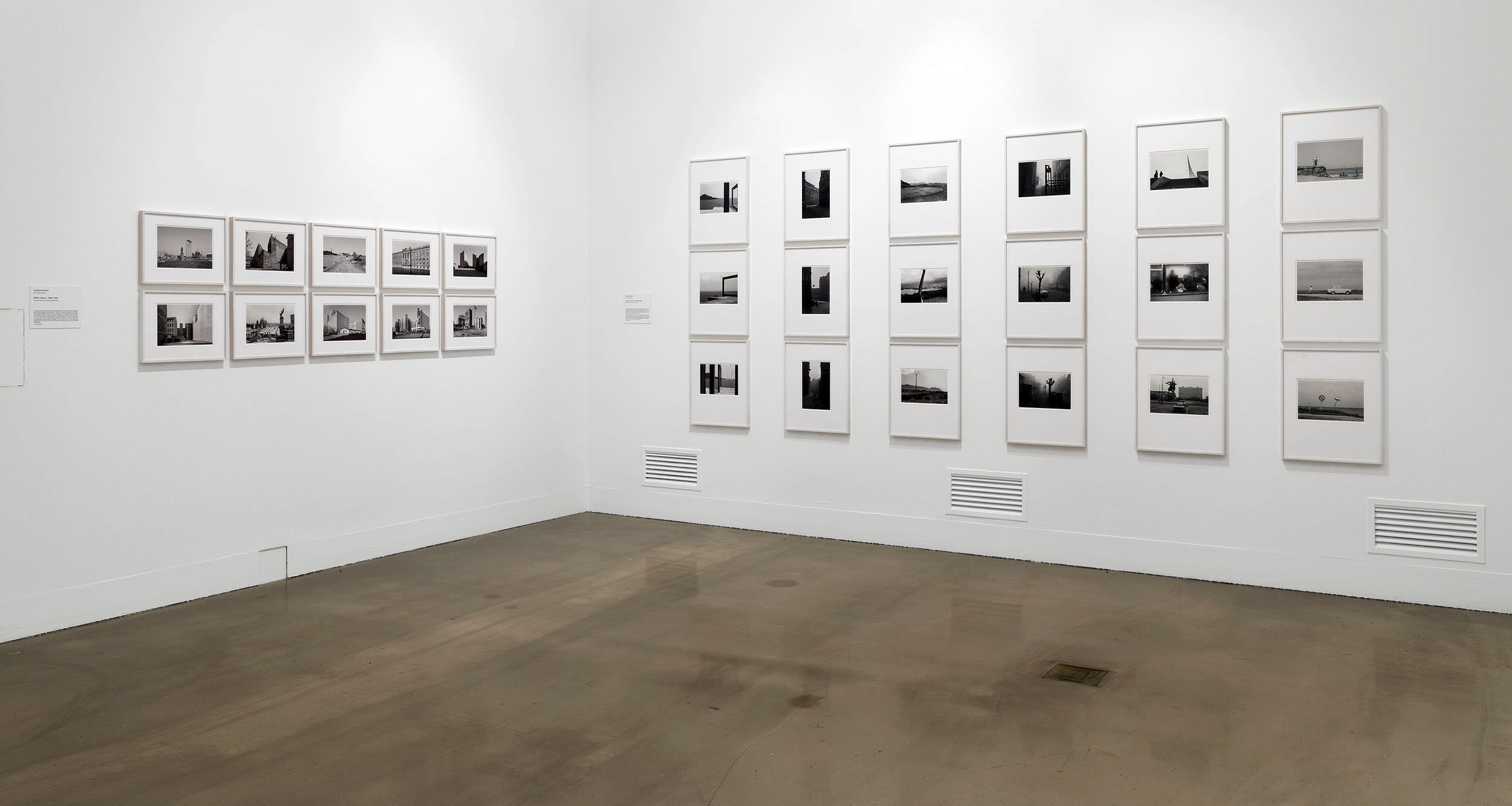
 

Installation view, Ulrich Wüst, 'Book of the Years. 1978-2008' (right) and 'Mitte. Berlin 1994-1997' (left) from the exhibition 'Wanderings About History. The Photography of Ulrich Wüst', RMIT Gallery, Melbourne, 2024


Installation view, Ulrich Wüst, Book of the Years. 1978-2008 (right) and Mitte. Berlin, 1994-1997 (left) from the exhibition Wanderings About History. The Photography of Ulrich Wüst, RMIT Gallery, Melbourne, 2024
Photo: Christian Capurro


Ulrich Wüst (German, b. 1949) 'Schützenstraße / Jerusalemer Straße' 1996 From the series: 'Mitte. Berlin 1995-1997'


Ulrich Wüst (German, b. 1949)
Schützenstraße / Jerusalemer Straße
1996
Aus der Serie: Mitte. Berlin 1995-1997
From the series: Mitte. Berlin 1995-1997
B/w archival pigment print
18 x 27cm
© Ulrich Wüst; ifa


The different historical eras come together in his pictures. Relics from the pre-war period, often ruins, alongside the proud examples of Eastern Modernism from the post-war period, and finally the cheap and quickly built architecture of the present day. These photos are still important today, and not just for architectural historians and photography connoisseurs. Wüst’s pictures of the GDR city are visual findings about the condition of its residents, even if the people in them are absent. In his text, Flügge quotes from Alexander Mitscherlich’s book Die Unwirtlichkeit unserer Städte. Anstiftung zum Unfrieden (The inhospitability of our cities. Incitement to Discord), in which the doctor, psychoanalyst and writer examined the West German city as early as 1965: “This city shape is regressively shaping the character of its residents.” In his book, Mitscherlich hoped that the city would one day become a “biotope for free people”. It didn’t quite turn out that way, but in a certain sense Mitscherlich wasn’t entirely wrong either. The GDR would soon disappear and with it the GDR city.

Jacek Slaski. “Ulrich Wüst – Stadtbilder 1979–1985: Zwischen Kunst und Dokumentation,” on the tipBerlin website 03/02/2022 [Online] Cited 08/04/2024. Translated from the German by Google Translate


Ulrich Wüst (German, b. 1949) From the series 'Mitte. Berlin 1995-1997' (installation view)

Ulrich Wüst (German, b. 1949) From the series 'Mitte. Berlin 1995-1997' (installation view)

Ulrich Wüst (German, b. 1949) From the series 'Mitte. Berlin 1995-1997' (installation view)

Ulrich Wüst (German, b. 1949) From the series 'Mitte. Berlin 1995-1997' (installation view)

Ulrich Wüst (German, b. 1949) From the series 'Mitte. Berlin 1995-1997' (installation view)


Ulrich Wüst (German, b. 1949)
Aus der Serie: Mitte. Berlin 1995-1997
From the series: Mitte. Berlin 1995-1997 (installation views)
B/w archival pigment print
18 x 27cm
© Ulrich Wüst; ifa
Photos: Marcus Bunyan


I am well aware of how ambivalent photography is. And just because photographs have a documentary air about them, I find it to some extent dubious to slap a documentary label on them. If, ten centimetres from the edge of my picture, the whole content is counteracted by something completely different, then I can no longer claim to be doing serious documentary work. Documentation as a form, in my view, is just a way to explore a theme – a means. I only want to photograph and not distort things. It’s true that there is a documentary background, but what I do with it is always something of my own and totally subjective.


Ulrich Wüst, wall text from the exhibition


Installation view, Ulrich Wüst, 'Mitte. Berlin 1994-1997' (right) and 'Prentzlow. Prenzlau', 2018 (left) from the exhibition 'Wanderings About History. The Photography of Ulrich Wüst', RMIT Gallery, Melbourne, 2024


Installation view, Ulrich Wüst, Mitte. Berlin 1994-1997 (right) and Prenzlau, 2018 (left) from the exhibition Wanderings About History. The Photography of Ulrich Wüst, RMIT Gallery, Melbourne, 2024
Photo: Christian Capurro


Installation view, Ulrich Wüst, 'Prenzlau', 2018, from the exhibition 'Wanderings About History. The Photography of Ulrich Wüst', RMIT Gallery, Melbourne, 2024


Installation view, Ulrich Wüst, Prenzlau, 2018, from the exhibition Wanderings About History. The Photography of Ulrich Wüst, RMIT Gallery, Melbourne, 2024
Photo: Christian Capurro


Ulrich Wüst (German, b. 1949) From the series ‘Prenzlau’ 2018


Ulrich Wüst (German, b. 1949)
Aus der Serie: Prenzlau
From the series: Prenzlau
2018
Colour photograph, archival pigment print
45 × 30cm
© Ulrich Wüst; ifa


Ulrich Wüst (German, b. 1949) From the series 'Prenzlau' 2018 (installation view)

Ulrich Wüst (German, b. 1949) From the series 'Prenzlau' 2018 (installation view)

Ulrich Wüst (German, b. 1949) From the series 'Prenzlau' 2018 (installation view)


Ulrich Wüst (German, b. 1949)
Aus der Serie: Prenzlau
From the series: Prenzlau (installation views)
2018
Colour photograph, archival pigment print
45 × 30cm
© Ulrich Wüst; ifa
Photos: Marcus Bunyan


Installation view, Ulrich Wüst, 'Wiegmann Legacy. Bülowssiege 1991-1992' (right) and 'Book of the Years. 1978-2008' (left), from the exhibition 'Wanderings About History. The Photography of Ulrich Wüst', RMIT Gallery, Melbourne, 2024


Installation view, Ulrich Wüst, Wiegmann Legacy. Bülowssiege, 1991-1992 (right) and Book of the Years. 1978-2008 (left), from the exhibition Wanderings About History. The Photography of Ulrich Wüst, RMIT Gallery, Melbourne, 2024
Photo: Christian Capurro


Ulrich Wüst (German, b. 1949) 'Kreta' (Crete) 1997 From the series 'Book of the Years. 1978-2008'


Ulrich Wüst (German, b. 1949)
Kreta (Crete)
1997
Aus der Serie: Jahrebuch. 1978-2008
From the series: Book of the Years. 1978-2008
B/w archival pigment print
18 x 27cm
© Ulrich Wüst; ifa


Ulrich Wüst (German, b. 1949) From the series 'Book of the Years. 1978-2008' (installation view)

Ulrich Wüst (German, b. 1949) From the series 'Book of the Years. 1978-2008' (installation view)


Ulrich Wüst (German, b. 1949)
Aus der Serie: Jahrebuch. 1978-2008
From the series: Book of the Years. 1978-2008 (installation views)
B/w archival pigment print
18 x 27cm
© Ulrich Wüst; ifa
Photos: Marcus Bunyan


Robert Frank (Swiss-American, 1924-2019) 'London' 1951


Robert Frank (Swiss-American, 1924-2019)
London
1951
Gelatin silver print


Ulrich Wüst (German, b. 1949) From the series 'Book of the Years. 1978-2008' (installation view)


Ulrich Wüst (German, b. 1949)
Aus der Serie: Jahrebuch. 1978-2008
From the series: Book of the Years. 1978-2008 (installation view)
B/w archival pigment print
18 x 27cm
© Ulrich Wüst; ifa
Photo: Marcus Bunyan


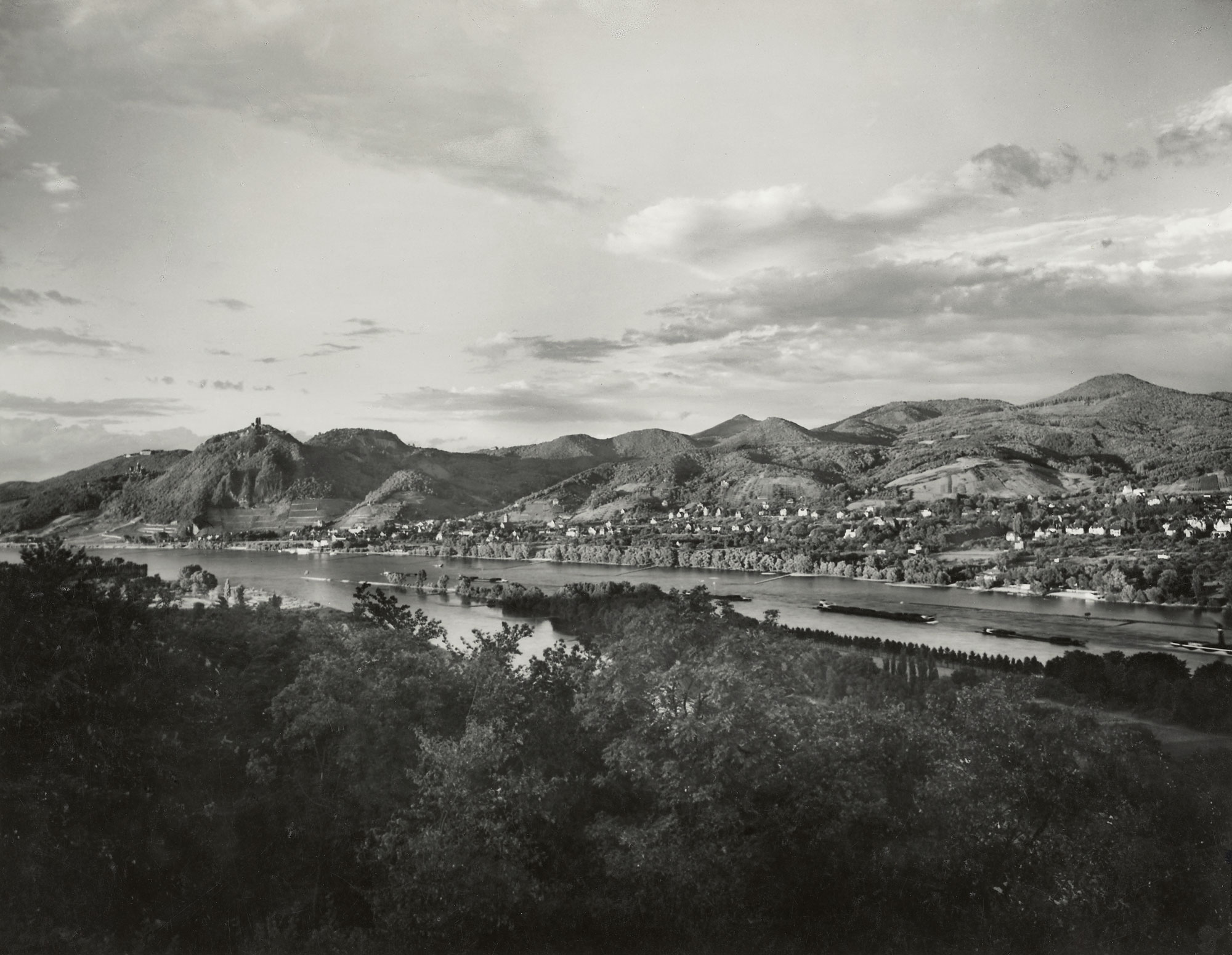
August Sander (German, 1876-1964) 'Das Siebengebirge von der unteren Terrasse hin zur Löwenburg' 1922


August Sander (German, 1876-1964)
Das Siebengebirge von der unteren Terrasse hin zur Löwenburg
The Siebengebirge from the lower terrace towards the Löwenburg castle

1922
Gelatin silver print
© Die Photographische Sammlung/SK Sitftung Kultur – August Sander Archiv, Köln; VG Bild-Kunst, Bonn, 2022


Ulrich Wüst (German, b. 1949) From the series 'Book of the Years. 1978-2008' (installation view)


Ulrich Wüst (German, b. 1949)
Aus der Serie: Jahrebuch. 1978-2008
From the series: Book of the Years. 1978-2008 (installation view)
B/w archival pigment print
18 x 27cm
© Ulrich Wüst; ifa
Photo: Marcus Bunyan


A collection/compilation. A great deal of chance and responding to mood. The urban excursions, by contrast, followed a strict pattern. There it was about the grey cityscapes, grey “Mitte” and grey “Morgenstraße”. And yet all of them were taken in bright sunlight! Without the weather forecast promising a safe sunny day, I would probably never have been brave enough to set out on wanderings that did not augur much solace.

Most of the pictures in the book of the Years, on the other hand, really were taken in grey weather. They were done over a period of thirty years, mostly without any particular intention, straight from the experience. Later I gathered them into a kind of melancholy section through times and places. The pictures say: I was here. And I was in this or that mood. They are mood! And sometimes they flirt with the mood as well. That can happen.

~ Ulrich Wüst, wall text from the exhibition


Installation view, Ulrich Wüst, 'Mitte. Berlin 1994-1997' (right), 'Village Edge. The Municipality of Nordwestuckermark, 2014-2019' (left) and 'Prentzlow. Prenzlau', 2018 (centre) from the exhibition 'Wanderings About History. The Photography of Ulrich Wüst', RMIT Gallery, Melbourne, 2024


Installation view, Ulrich Wüst, Mitte. Berlin 1994-1997 (right), Village Edge. The Municipality of Nordwestuckermark, 2014-2019 (left) and Prentzlow. Prenzlau, 2018 (centre) from the exhibition Wanderings About History. The Photography of Ulrich Wüst, RMIT Gallery, Melbourne, 2024
Photo: Christian Capurro


Ulrich Wüst’s photographic work captures his wanderings through German history, portraying the social and urban transformations from the GDR and its disintegration, through the German reunification to the present day. Wüst revives the German history in a new static way, where the past and present clash in a dynamic and ever-changing environment.

Wanderings About History. The Photography of Ulrich Wüst shows a selection of nine suites taken between 1978 and 2019. Ulrich Wüst’s photographic work can be contemplated from different perspectives. While the observations captured here are rooted in Germany’s division and its mending, at the same time they always relate to universal phenomena of social change and its material manifestations. The seemingly terse images, extremely precise in their composition, are the fruits of lengthy visual wanderings through present sites of recent history.

An exhibition by ifa – Institut für Auslandsbeziehungen e.V., Stuttgart – in partnership with the Goethe-Institut. This project is an official exhibition of PHOTO 2024 International Festival of Photography.

Text from the RMIT Gallery website


Installation view, Ulrich Wüst, 'Wiegmann Legacy. Bülowssiege, 1991-1992' (left) and 'Village Edge. The Municipality of Nordwestuckermark, 2014-2019' (right) from the exhibition 'Wanderings About History. The Photography of Ulrich Wüst', RMIT Gallery, Melbourne, 2024


Installation view, Ulrich Wüst, Wiegmann Legacy. Bülowssiege, 1991-1992 (left) and Village Edge. The Municipality of Nordwestuckermark, 2014-2019 (right) from the exhibition Wanderings About History. The Photography of Ulrich Wüst, RMIT Gallery, Melbourne, 2024
Photo: Christian Capurro


Ulrich Wüst (German, b. 1949) From the series 'Village Edge. The Municipality of Nordwestuckermark 2014-2019' (installation view)


Ulrich Wüst (German, b. 1949)
Aus der Serie: Randlage. Die Gemeinde Nordwestuckermark 2014-2019
From the series: Village Edge. The Municipality of Nordwestuckermark 2014-2019 (installation view)
B/w archival pigment print
26 x 39cm
© Ulrich Wüst; ifa
Photo: Marcus Bunyan


Ulrich Wüst (German, b. 1949) 'Parmen' 2016 From the series 'Village Edge. The Municipality of Nordwestuckermark 2014-2019'


Ulrich Wüst (German, b. 1949)
Parmen
2016
Aus der Serie: Randlage. Die Gemeinde Nordwestuckermark 2014-2019
From the series: Village Edge. The Municipality of Nordwestuckermark 2014-2019
B/w archival pigment print
26 x 39cm
© Ulrich Wüst; ifa


“In the last few years I started taking pictures in the countryside again. The idea was to have photographs of villages and landscapes that were just as “dry” as my cityscape series, like Berlin, or Magdeburg. The resulting work is far removed from any sort of rural idyll, but equally as far removed from the affection I have from these landscapes. I chose not to give too much away.”


~ Ulrich Wüst, wall text from the exhibition


Ulrich Wüst (German, b. 1949) From the series 'Village Edge. The Municipality of Nordwestuckermark 2014-2019' (installation view)

Ulrich Wüst (German, b. 1949) From the series 'Village Edge. The Municipality of Nordwestuckermark 2014-2019' (installation view)


Ulrich Wüst (German, b. 1949)
Aus der Serie: Randlage. Die Gemeinde Nordwestuckermark 2014-2019
From the series: Village Edge. The Municipality of Nordwestuckermark 2014-2019 (installation views)
B/w archival pigment print
26 x 39cm
© Ulrich Wüst; ifa
Photos: Marcus Bunyan


RMIT Gallery
344 Swanston Street, Melbourne

Opening hours:
Tuesday to Friday 11am – 5pm
Saturday 12.30pm – 5pm

RMIT Gallery website

LIKE ART BLART ON FACEBOOK

Back to top

Exhibition: ‘Friedrich Seidenstücker – Life in the City: Photographs from the 1920s to 1940s’ at the Käthe Kollwitz Museum, Cologne

Exhibition dates: 21st May – 15th August, 2021


Friedrich Seidenstücker (German, 1882-1966) 'Family tandem' 1947 from the exhibition 'Friedrich Seidenstücker – Life in the City: Photographs from the 1920s to 1940s' at the Käthe Kollwitz Museum, Cologne, May - Aug, 2021


Friedrich Seidenstücker (German, 1882-1966)
Family tandem
1947
© Stiftung Ann und Jürgen Wilde, Bayerische Staatsgemäldesammlungen, München


Recognising small diversions

A photographer I knew nothing about. Now I do.

The museum supplied me with 15 media images – hardly enough to give an overview of a life’s work – so I have supplemented them with more images, the best I could find, to give a broader idea of this artist’s work. Unfortunately, there are hardly any large photographs of his nudes or his important photographs of the destruction of Berlin directly after the war online.

An anonymous text on the The Wall Street Journal website (see below) observes that Seidenstücker’s pre- and post war photographs of Berlin “can seem a bit like moral disengagement when one recalls that the era saw the Nazis’ rise, World War II and the dismembering of Berlin itself… Even his shots of postwar rubble work hard to avoid the abyss. Kids and picnickers make the best of the ruins, napping amid the broken bricks or heaping them into playful piles.”

This is hardly true from the photographs I have seen. With a twinkle in his eye and a delicious sense of humour, Seidenstücker documents the mass and form of “the hardships and travail, but also of the longings, the small diversions, and the pleasures of life in the city.” Here is hard work and exhaustion, happiness and poverty, beauty and the ungainly. Impoverished Jewish women gather while coal porters trudge… and in the small photographs of his postwar ‘ruins’ work that I have viewed, hardly a picnicker can be observed.

Seidenstücker was a ‘Momentknipser’ (capturer of the moment) who “documents people in the social fabric of the modern metropolis with an attentive eye and keen intuition”. Which poses the question… does every photograph have to be political? Does every photograph have to be reinterpreted many years later for hidden ‘manifestations of will’ in which the artist knowingly or unknowingly made decisions about what, and who, to photograph?

Or can a photograph exist not only in the moment it was taken, but in the extension of that moment into present and future time just as it is? Can we simply accept that the artist captured what he was interested in through a process of Purpose – Aim – Goal – Valuation – Motivation – Intention, in “empathy, that is, the capacity to enter, so to speak, into the skin of others, and by means of intuitive imagination, become aware of the effects our words and acts may produce.”

Photographs are declarative, they make information known. To take a photograph of the world is not to image in reduction, in simplification – everything is political – for this act in itself is a form of interpretive fascism. Thus, we cannot prescribe a way for them to be interpreted much as we cannot prescribe a way for them to be taken.

As he strolls through the city Seidenstücker’s considered urges to action (the taking of photographs) arrive in the form of superconscious “illuminations” of everyday life. Through his intuitions and inspirations he records ostensibly incidental events and occurrences. These incidental events and occurrences, these puddle jumpers, can only be seen if the mind and will of the excursionist (those that run) are attuned and receptive, are empathetic to the wor(l)ds of others.

Dr Marcus Bunyan


Many thankx to the Käthe Kollwitz Museum for allowing me to publish the photographs in the posting. Please click on the photographs for a larger version of the image.


Friedrich Seidenstücker (German, 1882-1966) 'Stettiner Bahnhof railway station' 1930 from the exhibition 'Friedrich Seidenstücker – Life in the City: Photographs from the 1920s to 1940s' at the Käthe Kollwitz Museum, Cologne, May - Aug, 2021


Friedrich Seidenstücker (German, 1882-1966)
Stettiner Bahnhof railway station
1930
© Stiftung Ann und Jürgen Wilde, Bayerische Staatsgemäldesammlungen, München


“Friedrich Seidenstücker (1882-1966) is the flaneur among Berlin photographers. As a 22 year-old trained mechanical engineer, he came to the German capital where he worked as an airplane constructor with Zeppelin AG in Potsdam during the First World War. He cultivated his eye for detail in another regard as well, as a precise chronicler with the camera. At 32, he began another course of studies in sculpture, but always kept turning back to his other passion, photography, which he finally made a profession in 1930 upon signing a contract with Ullstein publishing. From then on, he worked for magazines such as Der Querschnitt (The Profile), Illustrierte Zeitung (Illustrated Newspaper), UHU, Die Neue Linie (The New Line), Die Dame (The Lady) and Die Woche (The Weekly). Above all, Seidenstücker became famous for his awareness of every day life, pictures from the Berliner zoo and nude photographs. Similar to Herbert List in Munich, Richard Peter in Dresden or Hermann Claasen in Cologne, he strikingly documented the post-war ruins of Berlin. What interested him overridingly was the unspectacular, the charm of the second glance.”

Dr Boris von Brauchitsch. “Friedrich Seidenstücker,” on the Lumas website [Online] Cited 20/06/2021


“Friedrich Seidenstücker (1882-1966) didn’t sell his first photograph until he was 46. Trained as a sculptor, he never lost his eye for mass and form. His photographs of Berlin daily life during the 1920s, ’30s and ’40s freeze passersby in poses either accidentally graceful or, more frequently, droll and ungainly. In Shine (1925), four women clamber out of a swimming pool; the title refers to the wet gleam of the fabric on their behinds… Seidenstücker relished confounding man and beast, as in the image of a curious rhino peering at a seemingly captive zookeeper. On a trip to Copenhagen, he snapped a man whose splay-footed waddle evokes nothing so much as a penguin – indeed, he is dragging a box of fish down the sidewalk. But the irony on display … can seem a bit like moral disengagement when one recalls that the era saw the Nazis’ rise, World War II and the dismembering of Berlin itself. ‘This entire period did not agree with me’ was Seidenstücker’s understated explanation – though during the war he sustained a Jewish friend with gifts of food. Even his shots of postwar rubble work hard to avoid the abyss. Kids and picnickers make the best of the ruins, napping amid the broken bricks or heaping them into playful piles.”

Anonymous. “Photo-Op: Zoo View,” on The Wall Street Journal website [Online] Cited 20/06/2021


Friedrich Seidenstücker (1882-1966) is one of the most important chroniclers of everyday life in Berlin during the Weimar Republic. His atmospheric photographs, mostly taken on his strolls through the city, tell of ostensibly incidental events and occurrences: of Sunday fun and everyday work, of children playing in the street and the goings-on at railway stations and in the zoo. Seidenstücker shows – often from a humorous perspective – the people and life in the metropolis. At the same time, his photographs make the hardships of big-city existence visible and, in the background, repeatedly allow the contrasts of social reality in the interwar years to shine through.

The exhibition featuring 100 works from the Ann and Jürgen Wilde Foundation, Bavarian State Painting Collections, Munich, invites you to follow Friedrich Seidenstücker on his walks through Berlin 100 years ago.

The art of the moment

With few exceptions, the ‘Momentknipser’ (capturer of the moment), as he called himself, found his motifs outside on the street. As visual metaphors, his famous photographs of ‘Pfützenspringerinnen’ (puddle-leapers) represent metropolitan modernity and urban life. With a portable camera and a light-sensitive lens, he instinctively documented many other scenes and figures – including small tradesmen such as porters, coachmen, and travelling salesmen, as well as nannies, rubbish collection workers, and newspaper vendors – in their daily activities, but also while waiting or resting.

“I am an excursionist / I’m a day tripper

Seidenstücker characterised himself thusly and set out to accompany his models to the Wannsee beach or to see the cherry blossoms in Werder. His favourite place, however, was the Berlin Zoological Garden. In his photographs taken here, it is not only the enthusiasm of the zoo visitors that becomes visible – occasionally, the observer and the observed seem to reverse their roles: Are the animals also interested in the people?

Seidenstücker’s photographs from the 1920s to the ’40s are images of everyday life, early street photography that documents people in the social fabric of the modern metropolis with an attentive eye and keen intuition. With a twinkle in his eye, he created images that give us today an idea of the hardships and travail, but also of the longings, the small diversions, and the pleasures of life in the city.

The exhibition was organised in special cooperation and with the scientific support of the Ann and Jürgen Wilde Foundation, Bavarian State Painting Collections, Munich.

Press release from Käthe Kollwitz Museum translated from the German by Google Translate
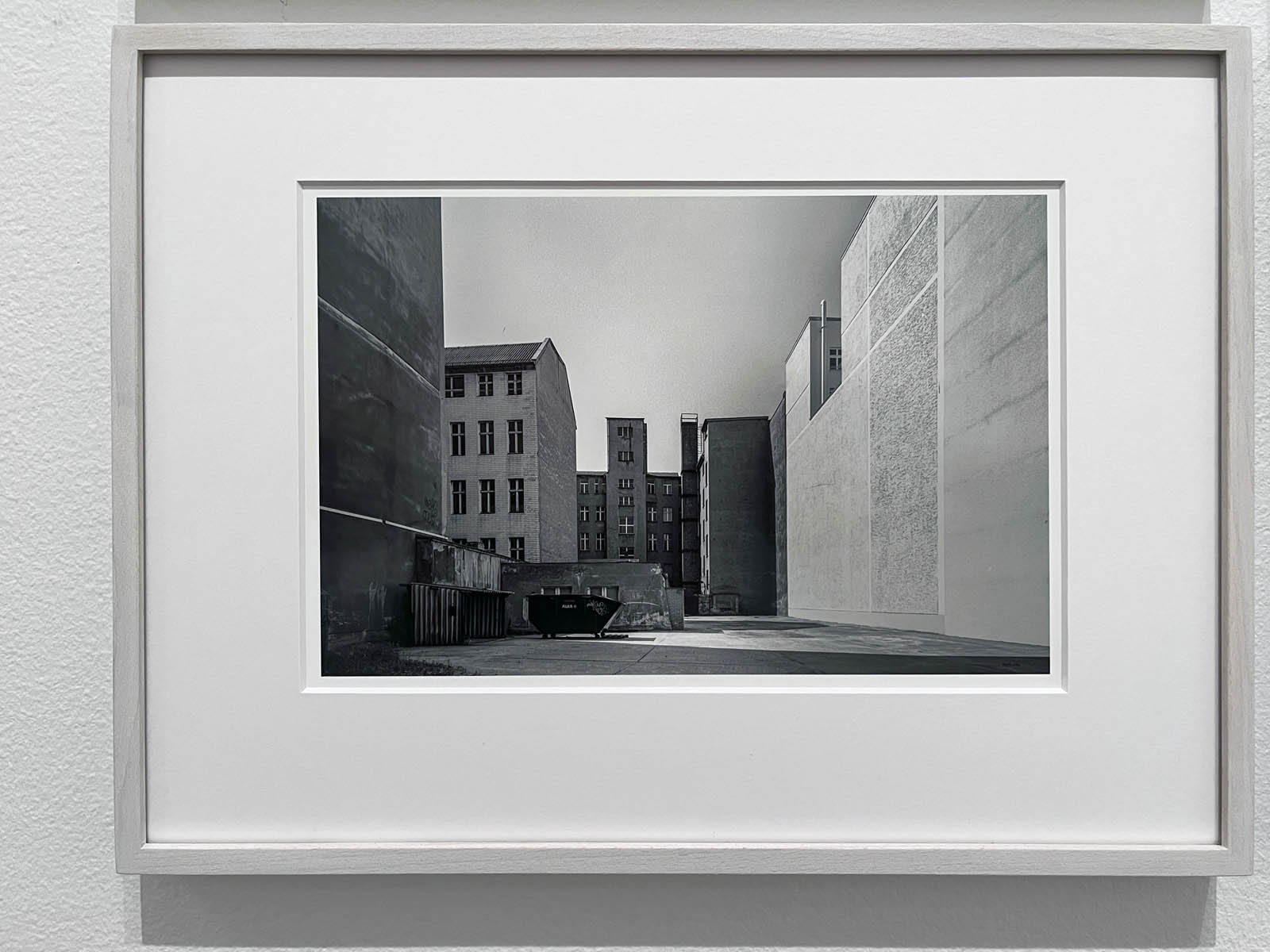
 

Friedrich Seidenstücker (German, 1882-1966) 'Puddle jumpers' 1925


Friedrich Seidenstücker (German, 1882-1966)
Puddle jumpers
1925
© Stiftung Ann und Jürgen Wilde, Bayerische Staatsgemälde, München


Friedrich Seidenstücker (German, 1882-1966) 'Children in the city' 1928


Friedrich Seidenstücker (German, 1882-1966)
Children in the city
1928
© Stiftung Ann und Jürgen Wilde, Bayerische Staatsgemäldesammlungen, München


Friedrich Seidenstücker (German, 1882-1966) 'Dog painter' 1928


Friedrich Seidenstücker (German, 1882-1966)
Dog painter
1928
© Stiftung Ann und Jürgen Wilde, Bayerische Staatsgemäldesammlungen, München


Friedrich Seidenstücker (German, 1882-1966) 'Encounters in the zoo' 1926


Friedrich Seidenstücker (German, 1882-1966)
Encounters in the zoo
1926
© Stiftung Ann und Jürgen Wilde, Bayerische Staatsgemäldesammlungen, München


Friedrich Seidenstücker (German, 1882-1966) 'Lastenträger' (Load carrier) 1928


Friedrich Seidenstücker (German, 1882-1966)
Lastenträger (Load carrier)
1928
© Stiftung Ann und Jürgen Wilde, Bayerische Staatsgemäldesammlungen, München


Friedrich Seidenstücker (German, 1882-1966) 'Hotel servant' 1930


Friedrich Seidenstücker (German, 1882-1966)
Hotel servant
1930
© Stiftung Ann und Jürgen Wilde, Bayerische Staatsgemäldesammlungen, München


Friedrich Seidenstücker (German, 1882-1966) 'Potsdamer Platz' After 1931


Friedrich Seidenstücker (German, 1882-1966)
Potsdamer Platz
After 1931
© Stiftung Ann und Jürgen Wilde,
Bayerische Staatsgemäldesammlungen, München


Friedrich Seidenstücker (German, 1882-1966) 'Celebrities snapped, Berlin Zoological Garden' 1930


Friedrich Seidenstücker (German, 1882-1966)
Celebrities snapped, Berlin Zoological Garden
1930
© Stiftung Ann und Jürgen Wilde, Bayerische Staatsgemäldesammlungen, München


Friedrich Seidenstücker (German, 1882-1966) 'Photo school' 1920-1930s


Friedrich Seidenstücker (German, 1882-1966)
Photo school, amateur photographers, Berlin
1920-1930s
© Stiftung Ann und Jürgen Wilde, Bayerische Staatsgemäldesammlungen, München


Friedrich Seidenstücker (German, 1882-1966) 'Berlin Nord im Wedding' 1923


Friedrich Seidenstücker (German, 1882-1966)
Berlin Nord im Wedding
1923
© Stiftung Ann und Jürgen Wilde, Bayerische Staatsgemäldesammlungen, München


Friedrich Seidenstücker (German, 1882-1966) 'Zebras' 1920-1930s


Friedrich Seidenstücker (German, 1882-1966)
Zebras
1920-1930s
© Stiftung Ann und Jürgen Wilde, Bayerische Staatsgemäldesammlungen, München


Friedrich Seidenstücker (German, 1882-1966) 'In his father's trousers' c. 1950


Friedrich Seidenstücker (German, 1882-1966)
In his father’s trousers
c. 1950
© Stiftung Ann und Jürgen Wilde, Bayerische Staatsgemäldesammlungen, München


Friedrich Seidenstücker (German, 1882-1966) 'Self-portrait with camera' c. 1925


Friedrich Seidenstücker (German, 1882-1966)
Self-portrait with camera
c. 1925
© Archiv Ann und


Seidenstücker poster for the special exhibition


Poster for the special exhibition
Design: Michael Krupp
Motif: Friedrich Seidenstücker, family tandem, 1947
© Ann and Jürgen Wilde Foundation, Bayerische Staatsgemäldesammlungen, Munich


More photographs


Friedrich Seidenstücker (German, 1882-1966) 'Untitled (Sch)' 1930


Friedrich Seidenstücker (German, 1882-1966)
Untitled (Sch)
1930


Friedrich Seidenstücker. 'Untitled' c. 1930


Friedrich Seidenstücker (1882-1966)
Untitled
c. 1930
Vintage print
6 15/16 x 5 1/16 in. (17.6 x 12.9cm)
Galerie Berinson, Berlin
Photo: Galerie Berinson, Berlin


Friedrich Seidenstücker (1882-1966) is noted for his atmospheric photographs of everyday life in Berlin during the Weimar Republic. Thanks to his compassionate studies of animals, he has an almost legendary reputation among animal and zoo lovers, and his haunting pictures of Berlin in ruins are a precious source of material for historians. His images seem to be spontaneous, sympathetic examples of the kind of photography that excels at capturing the moment. They are free of any exaggeration or extravagance, and display a sense of humour rarely found in photography. His work is buoyed by a fundamental optimism, yet it does not ignore the harshness, poverty, and suffering that prevailed at that time.


Friedrich Seidenstücker (German, 1882-1966) 'Potsdamer Bahnhof, Berlin' 1932


Friedrich Seidenstücker (German, 1882-1966)
Potsdamer Bahnhof, Berlin
1932


Friedrich Seidenstücker (German, 1882-1966) 'Alexanderplatz, Berlin' 1928


Friedrich Seidenstücker (German, 1882-1966)
Alexanderplatz, Berlin
1928


Friedrich Seidenstücker (1882-1966) 'Two walruses emerging from water' 1925-1935


Friedrich Seidenstücker (German, 1882-1966)
Two walruses emerging from water
1925-1935


Friedrich Seidenstücker (1882-1966) 'Polar bear, Berlin Zoo' 1929


Friedrich Seidenstücker (German, 1882-1966)
Polar bear, Berlin Zoo
1929


Polar bear perspective: who is actually behind bars here? Photographer Seidenstücker often seemed to have been closer to animals than to humans – this is the impression made by many of his photographs, such as those from 1929 at the Berlin Zoo.


Friedrich Seidenstücker (1882-1966) 'Pelican, Berlin Zoo' 1928


Friedrich Seidenstücker (German, 1882-1966)
Pelican, Berlin Zoo
1928


Friedrich Seidenstücker (1882-1966) 'Berlin Zoo' 1933


Friedrich Seidenstücker (German, 1882-1966)
Berlin Zoo
1933


Friedrich Seidenstücker (1882-1966) 'Berlin Zoo' 1936


Friedrich Seidenstücker (German, 1882-1966)
Berlin Zoo
1936


Friedrich Seidenstücker (1882-1966) 'Curious goat' 1920s-1930s


Friedrich Seidenstücker (German, 1882-1966)
Curious goat
1920s-1930s


Friedrich Seidenstücker (1882-1966) 'Monday morning, Oberbaumbrücke, Berlin' 1930


Friedrich Seidenstücker (German, 1882-1966)
Monday morning, Oberbaumbrücke, Berlin
1930


Friedrich Seidenstücker (1882-1966) 'Posing javelin thrower' 1932-1938


Friedrich Seidenstücker (German, 1882-1966)
Posing javelin thrower
1932-1938


Friedrich Seidenstücker (1882-1966) 'Berlin' 1925


Friedrich Seidenstücker (German, 1882-1966)
Berlin
1925


Friedrich Seidenstücker (1882-1966) 'Kleines Mädchen malt mit Kreide auf den Straßenasphalt' (Little girl paints with chalk on the asphalt road) 1925-1930


Friedrich Seidenstücker (German, 1882-1966)
Kleines Mädchen malt mit Kreide auf den Straßenasphalt (Little girl paints with chalk on the asphalt road)
1925-1930


Friedrich Seidenstücker (1882-1966) 'Elderly couple in Berlin' 1929


Friedrich Seidenstücker (German, 1882-1966)
Elderly couple in Berlin
1929


Friedrich Seidenstücker (1882-1966) 'At the Waterpump' 1927


Friedrich Seidenstücker (German, 1882-1966)
At the Waterpump
1927


Friedrich Seidenstücker (1882-1966) 'Woman Jumping Puddle, Berlin' 1925


Friedrich Seidenstücker (German, 1882-1966)
Woman Jumping Puddle, Berlin
1925


Friedrich Seidenstücker (1882-1966) 'Puddle Jumper' 1925


Friedrich Seidenstücker (German, 1882-1966)
Puddle Jumper
1925


Friedrich Seidenstücker (1882-1966) 'Puddle Jumpers' 1930


Friedrich Seidenstücker (German, 1882-1966)
Puddle Jumpers
1930


Friedrich Seidenstücker (1882-1966) 'Faschingsfigur' (Carnival figure) 1925


Friedrich Seidenstücker (German, 1882-1966)
Faschingsfigur (Carnival figure)
1925


Friedrich Seidenstücker (1882-1966) 'The front stairs are scrubbed' 1928


Friedrich Seidenstücker (German, 1882-1966)
The front stairs are scrubbed
1928


Friedrich Seidenstücker (1882-1966) 'Vor dem Bäckerladen' 1929


Friedrich Seidenstücker (German, 1882-1966)
Vor dem Bäckerladen
1929


Friedrich Seidenstücker (1882-1966) 'Ice cream after school' 1931


Friedrich Seidenstücker (German, 1882-1966)
Ice cream after school
1931


Friedrich Seidenstücker (1882-1966) 'Verarmte Jüdinnnen in de Grenadierstraße' (Impoverished Jewish women in de Grenadierstrasse) c. 1930


Friedrich Seidenstücker (German, 1882-1966)
Verarmte Jüdinnnen in de Grenadierstraße (Impoverished Jewish women in de Grenadierstrasse)
c. 1930


Friedrich Seidenstücker (1882-1966) 'Konzentration vor dem Abschuß des Pfeils' (Concentration before the arrow is fired) 1932


Friedrich Seidenstücker (German, 1882-1966)
Konzentration vor dem Abschuß des Pfeils (Concentration before the arrow is fired)
1932


Friedrich Seidenstücker (1882-1966) 'Stove-fitter' 1930-1935


Friedrich Seidenstücker (German, 1882-1966)
Stove-fitter
1930-1935


Friedrich Seidenstücker (1882-1966) 'Coal porter' 1930


Friedrich Seidenstücker (German, 1882-1966)
Coal porter
1930


Friedrich Seidenstücker (1882-1966) 'Next to Wertheim' c. 1935


Friedrich Seidenstücker (German, 1882-1966)
Next to Wertheim
c. 1935


Friedrich Seidenstücker (1882-1966) 'Jungfernbrücke an der Friedrichsgracht' (Maiden Bridge on the Friedrichsgracht) 1946


Friedrich Seidenstücker (German, 1882-1966)
Jungfernbrücke an der Friedrichsgracht (Maiden Bridge on the Friedrichsgracht)
1946


Friedrich Seidenstücker (1882-1966) 'Ein rollstuhlfahrer passiert die ruine des stadtschlosses' (A wheelchair user passes the ruins of the city palace) 1947


Friedrich Seidenstücker (1882-1966)
Ein rollstuhlfahrer passiert die ruine des stadtschlosses (A wheelchair user passes the ruins of the city palace)
1947


The Hohenzollern residence, located in the eastern sector, bore the legend, “remove war criminals from all positions!!!”


Friedrich Seidenstücker (1882-1966) 'Untitled (Bismarck)' 1946


Friedrich Seidenstücker (German, 1882-1966)
Untitled (Bismark)
1946


Friedrich Seidenstücker (1882-1966) 'The Twins, Hilde und Helga Fischer' 1948


Friedrich Seidenstücker (1882-1966)
The Twins, Hilde und Helga Fischer
1948


Friedrich Seidenstücker (1882-1966) 'Aufstieg der Begabten, Berlin' (Rise of the gifted, Berlin) 1950


Friedrich Seidenstücker (German, 1882-1966)
Aufstieg der Begabten, Berlin (Rise of the gifted, Berlin)
1950


Friedrich Seidenstücker (German, 1882-1966) 'Pachyderms: Zoo visitors at the elephant enclosure in Berlin' 1950


Friedrich Seidenstücker (German, 1882-1966)
Pachyderms: Zoo visitors at the elephant enclosure in Berlin
1950


Friedrich Seidenstücker (German, 1882-1966) 'Autumn in the Zoo, African Rhinoceros' c. 1955


Friedrich Seidenstücker (German, 1882-1966)
Autumn in the Zoo, African Rhinoceros
c. 1955


Friedrich Seidenstücker (1882-1966) 'Nude' Nd


Friedrich Seidenstücker (German, 1882-1966)
Nude
Nd


Friedrich Seidenstücker (German, 1882-1966) 'Untitled (Self-portrait with dove)' 1952


Friedrich Seidenstücker (German, 1882-1966)
Untitled (Self-portrait with dove)
1952


Käthe Kollwitz Museum Köln
Neumarkt 18-24 / Neumarkt Passage
50667 Köln
Phone: +49 (0)221 227 2899
Phone: +49 (0)221 227 2602

Opening hours:
Tuesday – Sunday 11am – 6pm

Käthe Kollwitz Museum Cologne website

LIKE ART BLART ON FACEBOOK

Back to top

Exhibition: ‘East Side Stories. German Photographs 1950s-1980s’ at Kicken Berlin

Exhibition dates: 16th January – 17th April 2010


Sibille Bergemann (German, b. 1941) 'Untitled (Kirsten, Hoppenrade)' 1975 from the exhibition 'East Side Stories. German Photographs 1950s-1980s' at Kicken Berlin, January - April, 2010


Sibille Bergemann (German, b. 1941)
Untitled (Kirsten, Hoppenrade)
1975
Gelatin silver print


Many thankx to Kicken Berlin for allowing me to publish the photographs in this post. Please click on the photographs for a larger version of the image.

Marcus


Ute Mahler (German, b. 1949) 'Untitled' from the series 'Living Together' 1973 from the exhibition 'East Side Stories. German Photographs 1950s-1980s' at Kicken Berlin, January - April, 2010


Ute Mahler (German, b. 1949)
Untitled from the series Living Together
1973
Gelatin silver print, printed c. 1973
30.5 x 45.5cm
© Ute Mahler, Ostkreuz/Courtesy Kicken Berlin


Mahler was born in 1949 in Bad Berka, Thuringia. She studied at the School for Graphic and Book Arts in Leipzig and has been a professor at the University of Applied Sciences in Hamburg since 2000. She lives in Hamburg and Lehnitz, near Berlin


Sibille Bergemann (German, b. 1941) 'Gummlin, Usedom' 1984, printed c. 1988 from the exhibition 'East Side Stories. German Photographs 1950s-1980s' at Kicken Berlin, January - April, 2010


Sibille Bergemann (German, b. 1941)
Gummlin, Usedom
1984, printed c. 1988
From the series The Monument, 1975-1986
Gelatin silver print
30 x 45cm
© Sibylle Bergemann, Ostkreuz/Courtesy Kicken Berlin


Kicken Berlin will devote its first exhibition of 2010 to a selection of East German photographers. Represented in East Side Stories: German Photographs 1950s-1980s are Ursula Arnold, Sibylle Bergemann, Arno Fischer, Ute und Werner Mahler, Roger Melis, Helga Paris, Evelyn Richter as well as Gundula Schulze Eldowy – committed art photographers who achieved their own modes of expression outside the official aesthetic. F.C. Gundlach’s fashion photography from 1950s and 1960s West Berlin will be on view in the exhibition space Kicken II.

Up until the early 1970s, the cultural officers of the German Democratic Republic viewed photography not as an art medium but rather as a means of providing affirmative and idealised images of life. Personal viewpoints were not welcome. Photography that forcefully “grew out of the self-assigned task of documenting what (one) felt was worth capturing,” as Evelyn Richter put it, had to remain secret.

Arno Fischer (1927-2011) and Evelyn Richter (1930-2021) belong to those who pointed the way toward a subjective-narrative, human-centered photography in the 1950s. Key figures in the East German art photography scene, opinion shapers, and teachers at Leipzig’s Hochschule für Grafik und Buchkunst / Academy of Visual Arts, they influenced a form of art photography oriented toward the social-documentary “human interest” tradition. Their stance combined social participation with a commitment to critical observation from a personal point of view – as in Fischer’s series Situation Berlin (1953-1960), with its symbolically dense snapshots of the divided city.

Important influences on the development of independent photography in East Germany included the work of the Magnum agency (from 1947 on), Edward Steichen’s exhibition The Family of Man (1955) as well as Robert Frank’s radically subjective street photography.

Pictures of people and portraits are at the exhibition’s core. Ursula Arnold (1929-2012) observed her sometimes melancholy, sometimes odd contemporaries on the streets of Berlin and Leipzig, and on Berlin’s S-Bahn. She gave up working as a photojournalist early in order to avoid having to make concessions to the dictates for enthusiasm imposed from above. Helga Paris (b. 1938) took portraits of rebellious Berliner Jugendliche / Berlin Youths (1981-1982), approaching her subjects with seriousness and thoughtfulness, and concentrating fully on them as individuals. She, too, had the self-professed goal of depicting people authentically in their everyday contexts.

Sibylle Bergemann (1941-2010) made a name for herself as a sensitive portraitist, fashion photographer, and observer of the urban landscape. Das Denkmal / The Monument (1977-1986), her long-term study of the assembly of the Marx-Engels sculpture, appears, with its hovering, headless sculptural fragments to emblematically anticipate the collapse of communism.

In the Berlin of the late 1970s and early 1980s Gundula Schulze Eldowy (b. 1954) found the setting for scenes that are as drastic as they are quotidian in the series Berlin. In einer Hundenacht / Berlin: in a Dog’s Night (1977-1989) and Aktportraits / Nude Portraits (1983-1986), as no other East German photographer before her, she shows with unsparing frankness the loneliness and vulnerability of her subjects but also their dignity and self confidence. Her early photographs reveal an aesthetic and thematic debt to the work of Diane Arbus.

Independent of each other, Ute and Werner Mahler turned their unpretentious gazes on the East German way of life. Ute Mahler (b. 1949) thematised family arrangements and group dynamics in her series Zusammen Leben / Living Together (1972-1986). Werner Mahler (b. 1950) documented a year in the Thuringian village Berka (1977) – and repeated his studies in the late 1990s after reunification. An additional focus of both photographers was fashion photography (published for the most part in the magazine for fashion and culture Sibylle) that offered opportunities for “productively expanding the genre” (Bernd Lindner).

In the 1950s and 1960s in Berlin and Hamburg, F.C. Gundlach achieved a modern way to stage fashion in pictures. A small selection from the great fashion photographer’s oeuvre, F.C. Gundlach, will be on view in the exhibition space Kicken II and coincides with the comprehensive retrospective at the Martin Gropius Bau.

Press release from the Kicken Berlin website [Online] Cited 04/04/2010 no longer available online


Evelyn Richter (German, 1930-2021) 'ND (Neues Deutschland) print shop' c. 1960-1962


Evelyn Richter (German, 1930-2021)
ND (Neues Deutschland) print shop
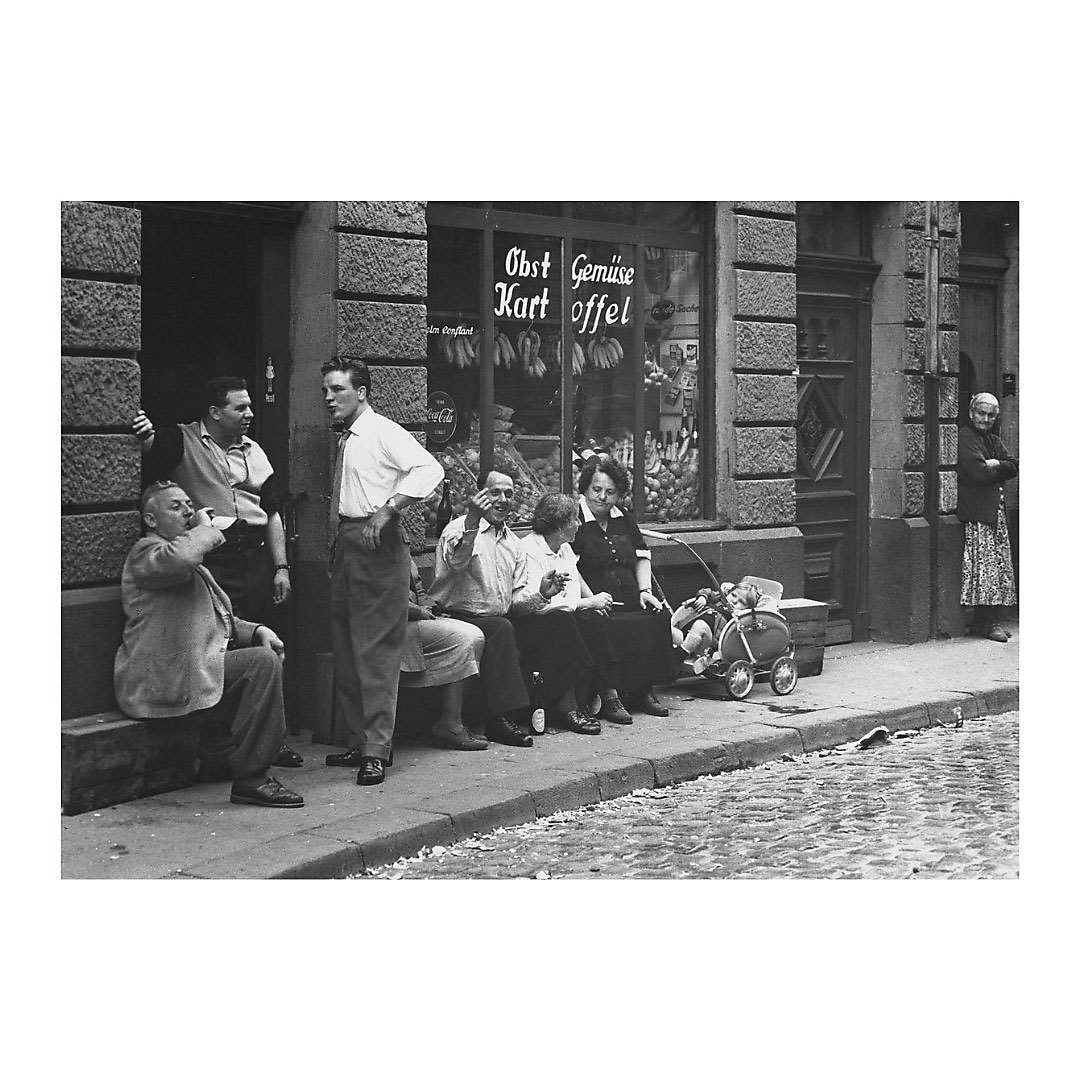
c. 1960-1962
Gelatin silver print
Evelyn Richter Archiv der Ostdeutschen


Ursula Arnold (German, 1929-2012) 'Berlin, S-Bahn' 1965


Ursula Arnold (German, 1929-2012)
Berlin, S-Bahn
1965
Gelatin silver print


Sibylle Bergemann (German, 1941-2010) 'Alexanderplatz, Berlin' 1967


Sibylle Bergemann (German, 1941-2010)
Alexanderplatz, Berlin
1967
Gelatin silver print


Sibylle Bergemann (German, 1941-2010) 'Schöneweide, Berlin' 1972


Sibylle Bergemann (German, 1941-2010)
Schöneweide, Berlin
1972
Gelatin silver print, printed c. 1972
22.8 x 34cm


Ute Mahler (German, b. 1949) 'Untitled' from the series 'Living Together' 1973


Ute Mahler (German, b. 1949)
Untitled from the series Living Together
1973
Gelatin silver print
© Ute Mahler, Ostkreuz/Courtesy Kicken Berlin


Mahler started her project Zusammenleben (‘living together’) to move away from set photography. She said: ‘I carried out this work freely, at liberty; it was very personal in nature and not commissioned’.

Zusammenleben was started more than 45 years ago. Through it, Mahler intended to depict the unsaid in a subtle way. Zusammenleben subtly depicted the reality of everyday life in the communist state of East Germany. 


Evelyn Richter. 'Pförtnerin im Rathaus, Leipzig' (Receptionist in the Town Hall, Leipzig), c. 1975


Evelyn Richter (German, 1930-2021)
Pförtnerin im Rathaus, Leipzig (Receptionist in the Town Hall, Leipzig)
c. 1975
Gelatin silver print


Sibylle Bergemann (German, 1941-2010) 'Berlin, Palast der Republik' 1978


Sibylle Bergemann (German, 1941-2010)
Berlin, Palast der Republik
1978
Gelatin silver print


Gundula Schulze Eldowy (German, b. 1954) 'Berlin' 1989


Gundula Schulze Eldowy (German, b. 1954)
Berlin
1989
Gelatin silver print


F.C. Gundlach (German, b. 1926) 'Judy Dent mit Saga-Nerz auf der Avus' 1962


F.C. Gundlach (German, 1926-2021)
Judy Dent mit Saga-Nerz auf der Avus
1962
Vintage gelatin silver print
39.8 x 30cm
© F.C. Gundlach/Courtesy Kicken Berlin


Helga Paris (German, b. 1938) 'Pauer' from the series 'Berlin Teenagers' 1982


Helga Paris (German, b. 1938)
Pauer from the series Berlin Teenagers
1982
Gelatin silver print, printed c. 1982
31.7 x 21.1cm
© Helga Paris/Courtesy Kicken Berlin


Kicken Berlin
Kaiserdamm 118
14057 Berlin

Tuesday – Friday 2 – 6pm & by appointment

Kicken Berlin website

LIKE ART BLART ON FACEBOOK

Back to top