“Sometimes theory leads to an over determination. Something is gained but at a price. Finding images that evoke a sound can only be saved by paying the higher price of remembering how images look when their sound is removed.”
~ Ian Lobb
From my knowledge of photography, I have added further images that I can hear … but not in the exhibition that I know of. You may like to recall other photographs that you could include in the exhibition.
Dr Marcus Bunyan
Many thankx to the J. Paul Getty Museum for allowing me to publish the photographs in the posting. Please click on the photographs for a larger version of the image.
Though photographs are silent, photographers have long conjured sound in their images. Whether depicting crowded urban spaces, musicians performing, people engaged in conversations, or even more abstract depictions of sound, the pictures in this exhibition show photography’s power to communicate beyond the visual. The images date from the 19th century to the recent past, and in each, the audible plays as much of a role as the visual. As you look at these photographs, you are invited to imagine what you might “hear” as well.
Photographs may be silent, but photographers have long conjured sound in their images.
Whether depicting crowded urban spaces, musicians performing, or people engaged in conversation, the pictures in this exhibition prove photography’s power to communicate beyond the visual.
Drawn from Getty’s permanent collection, In Focus: Sound, on view June 28 through September 2, 2022, unites two sensory perceptions – sight and sound – in photographs that record the visual while also imitating the audible.
“Photography and sound have more in common than one might expect,” says Karen Hellman, curator of the exhibition. “Photographs can evoke a sensory perception that they cannot actually depict. Looking at photographs while thinking about sound could provide a new way of viewing and appreciating photography.”
The 19th century saw a keen scientific and philosophical interest in reproducing ephemeral phenomena. This led to the development of the photograph as well as the phonograph. This interlinked history perhaps explains photography’s connection to sound and why photographers, even subconsciously, have endeavoured to picture it. In each image in this exhibition, which date from the 19th century to the recent past, the audible plays as much of a role as the visual.
This exhibition includes works by known and lesser-known makers from the 19th century to the recent past, including Julia Margaret Cameron, Walker Evans, Man Ray, Graciela Iturbide, Marco Breuer, Naoya Hatakeyama, and Christian Marclay.
In Focus: Sound will be on view June 28 through September 2, 2022, at the Getty Center.
“Bowery old-timers claim her voice has had no match for power and ferocity since Maggie Cline used to stun with “Knock ‘Em Down McCloskey”.”
The uncredited text, referring to this photograph of the bar singer known as “Tillie,” accompanied a group of Lisette Model’s photographs made at Sammy’s Bar that were reproduced in the September 1994 Harper’s Bazaar magazine. Taken from below and at a slight diagonal angle, the image captures the vitality and vibrancy of the performer belting it out on the stage at Sammy’s, a local favourite in the Bowery district of New York, also visited by photographers Weegee and Diane Arbus. The angle from which the photograph was made also emphasises the gleaming microphone, which seem to rise up to meet the challenge of projecting Tillie’s already powerful voice.
Larry Fink (American, 1941-2023) Studio 54, New York City May 1977 Silver gelatin print
Alfred Stieglitz (American, 1864-1946) Songs of the Sky 1924 Gelatin silver print
Alfred Stieglitz (American, 1864-1946) Songs of the Sky 1924 Gelatin silver print
Eva Besnyö (Dutch, 1910-2003) Boy With Cello, Balaton, Hungary 1931 Gelatin silver print 42.5 x 39.2cm (16.7 x 15.4 in)
Arnold Newman (American, 1918-2006) Igor Stravinsky 1945 Gelatin silver contact sheet
Santu Mofokeng (South African, b. 1956) Opening Song, Hand Clapping and Bells 1986 From the series Train Church Gelatin silver print Image: 19 x 28.5cm
Platt D Babbitt (American, 1822-1879) Niagara Falls from the American side c. 1855 Whole plate daguerreotype
Platt D Babbitt (American, 1822-1879) [Scene at Niagara Falls] c. 1855 Daguerreotype
Platt D Babbitt (American, 1822-1879) Niagara Falls c. 1860 Daguerreotype
Henri Huet (French, 1927-1971)/AP ‘Life’ magazine photographer Larry Burrows (far left) struggles through elephant grass and the rotor wash of an American evacuation helicopter as he helps GIs carry a wounded soldier on a stretcher from the jungle to the chopper in Mimot, Cambodia 4 May 1970 Gelatin silver print
Henri Huet (French, 1927-1971) The body of an American paratrooper killed in action in the jungle near the Cambodian border is raised up to an evacuation helicopter, Vietnam 1966 Gelatin silver print
James Barnor (Ghanian, b. 1929) E. K. Nyame, the legendary Ghanaian musician, photographed for a record cover, Accra c. 1975 Gelatin silver print
Roger Scott (Australian, b. 1944) Ghost train 1972 Gelatin silver print
Diane Arbus (American, 1923-1971) The House of Horrors 1961 Gelatin silver print
Robert H. Jackson (American, b. 1934) FATAL BULLET HITS OSWALD. Jack Ruby fires bullet point blank into the body of Lee Harvey Oswald at Dallas Police Station. Oswald grimaces in agony November 24, 1963
Robert H. Jackson (American, b. 1934) Jack Ruby (52) shoots Lee Harvey Oswald (24) 24 November 1963
Originally published in the Dallas Times Herald, November 25, 1963. Cropped from the source image to the portion that was published in 1963. Winner of the 1964 Pulitzer Prize for Photography.
Unknown photographer Survivors of the atomic bomb attack of Nagasaki walk through the destruction as fire rages in the background Aug. 9 1945 1945
John Williams (Australian, 1933-2016) Open Air Shower, Bronte Beach 1964 Gelatin silver print
Dorothea Lange (American, 1895-1965) Man Stepping from Cable Car, San Francisco 1956 Gelatin silver print
Kaho Yu (Australian) Untitled from the series Infinitesimal Residual Vibration of An Unknown Sound 2009-2011
Kaho Yu (Australian) Untitled from the series Infinitesimal Residual Vibration of An Unknown Sound 2009-2011
The photographs in this series were taken during a period when I was feeling existentially bored. Instead of distracting myself with activities and accumulating new sensations, I decided to “look” at boredom, to study, and perhaps to understand it. The most natural strategy was to observe the immediate environments where my daily activities take place – train stations, cubicles, copy machines room, etc. I carried a medium format camera on a tripod and spent the odd hours wandering alone through those familiar spaces.
My “study” did not lead me to any revelation or answer. Instead, I found myself spending a lot of time waiting in a long silence, between the opening and the closing of the camera shutter.
Charles Babbage, a scientist in 1837, postulated that every voice and sound, once imparted on the air particles, does not dissipate but remains in the diffused movements of all the particles in the atmosphere. Thus, there might one day come a person equipped with the right mathematical knowledge of these motions who will be able to capture the infinitesimal vibrations and to trace back to their ultimate source.
Taking a long exposure, letting the light slowly accumulate an image on the celluloid surface, to me, is not unlike a sound seeker searching in the air particles, for the tiny residual movements that have been conveyed through the history of mankind, from the beginning of time.
Kaho Yu artist statement
… i listen to the wind that obliterates my traces
… i listen to the wind that obliterates my traces brings together a collection of early photographs related to music, a group of 78rpm recordings, and short excerpts from various literary sources that are contemporary with the sound and images. It is a somewhat intuitive gathering, culled from artist Steve Roden’s collection of thousands of vernacular photographs related to music, sound, and listening. The subjects range from the PT Barnum-esque Professor McRea – “Ontario’s Musical Wonder” (pictured with his complex sculptural one man band contraption) – to anonymous African-American guitar players and images of early phonographs. The images range from professional portraits to ethereal, accidental, double exposures – and include a range of photographic print processes, such as tintypes, ambrotypes, cdvs, cabinet cards, real photo postcards, albumen prints, and turn-of-the-century snapshots.
The two CDs display a variety of recordings, including one-off amateur recordings, regular commercial releases, and early sound effects records. there is no narrative structure to the book, but the collision of literary quotes (Hamsun, Lagarkvist, Wordsworth, Nabokov, etc.). Recordings and images conspire towards a consistent mood that is anchored by the book’s title, which binds such disparate things as an early recording of an American cowboy ballad, a poem by a Swedish Nobel laureate, a recording of crickets created artificially, and an image of an itinerant anonymous woman sitting in a field, playing a guitar. The book also contains an essay by Roden.
Text from the Dust to Digital website Nd [Online] Cited 23/07/2022. Published by Dust-to-Digital, 2011. The book is out of stock but available on Abe.com website.
… i listen to the wind that obliterates my traces book cover (2011)
The J. Paul Getty Museum 1200 Getty Center Drive Los Angeles, California 90049
A busy time with postings on the archive over the next week with a lot of exhibitions finishing on the 18th May 2014. The posting about this artist is one of the best of them. I have been wanting to show this artist on this site since it started, nearly 6 years ago. Finally, I get my chance!
I ask the question:
Who are the interesting photographers anywhere who are alive now?
That is – by looking at the ideas that are present in poetry, music, philosophy or even politics – who is there that is truly taking these ideas forward (or ideas that are as interesting). Or, who is arranging images with the elegance of a Sommer or an Atget or the dynamics of Arbus.
In other words whose acts am I hanging upon, so that I am waiting with great anticipation to see what they are going to do next?
Which living photographers would I walk over broken glass to see their work? = some
If I was being essential (and if you were walking over glass you would be), the list would be very short:
What both these image makers – for they are not photographers in the traditional sense – do, is problematise and reconfigure narration and visualisation in the conceptualisation of subject. Tillmans experiments with a sensory experiential backdrop against and within which the photographs are produced. Modes of perception and the regimes of emotion are inducted into the aesthetics of production and meaning so that, “the pictures communicate with each other in a way that is not bound to the pattern of a closed narrative or any particular line of argument.” The mobilisation and reversal of value and meaning are central strategies in Tillmans’ praxis, where realistic and abstract elements are never intentionally separated from each other, and where the physicality and space of the photographs is also acknowledged in the installation of the work.
A similar sensory experience can be observed in the work of Carrie Mae Weems, only this artist invites contemplation of issues surrounding race, gender, and class inequality – bringing to light the voices of marginalised and oppressed people and histories – through a multidimensional picture of history and humanity, intended to spur greater cultural awareness and compassion. As the press release observes, “Although her subjects are often African American, Weems wants “people of color to stand for the human multitudes” and for her art to resonate with audiences of all backgrounds… Weems often appropriates words and images, re-presenting them to viewers as biting reminders of the persistence of bigoted attitudes in the United States.”
This is the power of both artists work, the creation of open ended narratives, multidimensional pictures of history and humanity which allows the viewer to create a space beyond the art works.
Using ekphrasis – the structuring patterns of language, in Weems’ case emphasising the role of both spoken and written narrative – to vividly represent a wide range of perceptual experiences, she creates a complementary space outside of the art work in the reader’s mind. The author creates links, “designating the paths along which the reader may travel, and thus, in a much freer manner than modernist authors, structures the network of allusions, parallelisms, and juxtapositions that contribute to the sense of textual space.”1 This allows the viewer to create a language of personal associations and engages in them an autonomy of experience, one encouraged by the products, the texts and images that these authors create.
These thoughts come to mind. Some things we interpret and then remember that interpretation, but we are no longer involved in the actual act of interpretation – and there are other, probably fewer things that continue to involve us – where we never finish the first way of looking at them, we are always coming to them and not arriving. Unfortunately, I find a lot of things in the first group, and as much as theoreticians try to inspire me to re-interpret, the work they have done often only works as an adjunct to something that has settled.
The art of Weems and Tillmans resides, lives and breathes of the second category, for we can never be sure of the pattern of narrative, the form of aesthetic and thematic interaction and the specificity of the marginalised histories they examine. These histories apply to all of us.
Many thankx to The Solomon R. Guggenheim Museum for allowing me to publish the photographs in the posting. Please click on the photographs for a larger version of the image.
“Over the past thirty years, Carrie Mae Weems has yearned to insert marginalized peoples into the historical record. She does this not only to bring ignored or erased experiences to light but to provide a more multidimensional picture of humanity as a whole, a picture that ultimately will spur greater awareness and compassion. Weems believes deeply that “my responsibility as an artist is to … make art. beautiful and powerful, that adds and reveals; to beautify the mess of a messy world, to heal the sick and feed the helpless; to shout bravely from the roof-tops and storm barricaded doors and voice the specifics of our historic moment.””
Carrie Mae Weems quoted in Kathryn E. Delmez. “Introduction,” from Kathryn E. Delmez (ed.,). Carrie Mae Weems: Three Decades of Photography and Video. Yale University Press 2012, p. 1.
“Weems [work] exist at the intersection of photography and race, image and text.”
John Pultz
“Belying the myth that conceptual artists disdain the old-fashioned notion of aesthetics, Weems has long been consumed and galvanized by the idea of beauty. The notion of beauty encompasses and reaches beyond aesthetics. It is not a simple concept, as often there are unspoken political implications in her use. Beauty is a powerful adjective in her hands and an important tool in her work. Her work is always about beauty and purposely so. She seduces the viewer through the very process of creating luscious prints, or beautiful images, without ever using beauty purely to seduce. But no matter what one encounters within the text or within one’s own revelations about what the texts ultimately say, the religion of beauty always undergirds Weem’s vision and informs her work.”
Thelma Golden. “Some Thoughts on Carrie Mae Weems,” in Golden, T. and Piché Jr., T. Carrie Mae Weems: Recent Work, 1992-1998. New York: George Braziller, 1998, p. 32 quoted in Deborah Willis. “Photographing between the Lines: Beauty, Politics, and the Poetic Vision of Carrie Mae Weems,” in Kathryn E. Delmez (ed.,). Carrie Mae Weems: Three Decades of Photography and Video. Yale University Press 2012, p. 33.
The Solomon R. Guggenheim Museum presents Carrie Mae Weems: Three Decades of Photography and Video, the first major New York museum retrospective devoted to this socially motivated artist. Weems has long been acclaimed as one of the most eloquent and respected interpreters of African American experiences, and she continues to be an important influence for many young artists today. Featuring more than 120 works – primarily photographs, but also texts, videos, and an audio recording – as well as a range of related educational programs, this comprehensive survey offers an opportunity to experience the full breadth of the artist’s oeuvre and gain new insight into her practice.
Carrie Mae Weems: Three Decades of Photography and Video is organised by the Frist Center for the Visual Arts, Nashville, Tennessee. The exhibition has been curated by Kathryn Delmez, the Frist Center, where it opened in September 2012. The Solomon R. Guggenheim Museum presentation is organised by Jennifer Blessing, Senior Curator, Photography, with Susan Thompson, Assistant Curator. This exhibition is supported in part by The Robert Mapplethorpe Foundation. The Leadership Committee for Carrie Mae Weems: Three Decades of Photography and Video is also gratefully acknowledged for its support, including Jo Carole and Ronald S. Lauder, Robert Menschel Vital Projects, and Jack Shainman Gallery, as well as Henry Buhl, Crystal R. McCrary and Raymond J. McGuire, Beth Rudin DeWoody, Rhona Hoffman Gallery, Toby Devan Lewis, Louise and Gerald W. Puschel, and Miyoung Lee and Neil Simpkins. Additional funding is provided by the William Talbott Hillman Foundation and the New York State Council on the Arts.
The work of Carrie Mae Weems (b. 1953, Portland, Oregon) invites contemplation of issues surrounding race, gender, and class inequality. Over the past thirty years, Weems has used her art to bring to light the ignored or erased experiences of marginalised people. Her work proposes a multidimensional picture of history and humanity, intended to spur greater cultural awareness and compassion. Although her subjects are often African American, Weems wants “people of colour to stand for the human multitudes” and for her art to resonate with audiences of all backgrounds.
Organised in a loosely chronological order throughout two of the museum’s Annex Levels, the exhibition begins on Level 2 with the series Family Pictures and Stories (1978-1984). This series, like many of Weems’s early works, explores matters relating to contemporary black identity, highlighting individuals in social contexts – including in this case her own kin. Her landmark Kitchen Table Series (1990) employs text and photography to explore the range of women’s roles within a community, pointedly situating the photographs’ subject within a domestic setting. Selections from Weems’s Sea Islands Series (1991-1992), Africa (1993), and Slave Coast (1993) demonstrate her ongoing interest in language and storytelling. These works, made during the artist’s travels to the titular locales, pair images with evocative vernacular texts or etymological investigations that trace English words to African roots. The artist’s practice emphasises the role of both spoken and written narrative, reflecting her graduate studies in folklore.
Weems often appropriates words and images, re-presenting them to viewers as biting reminders of the persistence of bigoted attitudes in the United States. Her renowned series From Here I Saw What Happened and I Cried (1995-1996), presented on Annex Level 4, layers new text over found historical imagery to critique and lament prejudiced attitudes toward African Americans throughout the nineteenth and twentieth centuries. A yearning to investigate the underlying causes and effects of racism, slavery, and imperialism has spurred Weems to travel widely throughout the United States, Africa, Europe, and the Caribbean. During extended visits to these places, depicted in series such as Dreaming in Cuba (2002), The Louisiana Project (2003), and Roaming (2006), all represented in the exhibition, she looks to the surrounding land and architecture in order to foster communion with inhabitants past and present.
Video is a natural extension of Weems’s narrative photographic practice, also providing an opportunity for the artist to include music in her work. Although she worked in film during her undergraduate years at the California Institute of the Arts, Weems’s first major endeavour in the medium came in 2003-2004 with Coming Up for Air, a work comprised of series of poetic vignettes that will be screened in the New Media Theater in the Guggenheim’s Sackler Center for Arts Education. Other video works, including Italian Dreams (2006), Afro Chic (2009), and Constructing History: A Requiem to Mark the Moment (2008) will be integrated into the exhibition near related photographs.
Press release from The Solomon R. Guggenheim Museum website
Curators: Sarah Greenough, Senior Curator and head of the department of photographs, and Nancy Anderson, head of the department of American and British paintings
William Earle Williams (American, b. 1950) Folly Beach, South Carolina, 1999 1999 Gelatin silver print Image: 19.05 x 19.05cm (7 1/2 x 7 1/2 in.) National Gallery of Art, Washington, Mary and Dan Solomon Fund
This photograph is part of William Earle Williams’ series Unsung Heroes: African American Soldiers in the Civil War, depicting locations where black troops served, fought, and died.
“A man’s face as a rule says more, and more interesting things, than his mouth, for it is a compendium of everything his mouth will ever say, in that it is the monogram of all this man’s thoughts and aspirations.”
Arthur Schopenhauer
Now this is portrait photography, and all done with relatively long exposures. By god did they know how to take a photograph that has some presence, some frame of mind that evidences a distinct point of view. I had the best fun assembling this posting, even though it took me many hours to do so. The details are exquisite – the hands clasped on the lap, the hands holding the pipe and, best of all, the arched hand with the fingers gently touching the patterned fabric – such as you don’t observe today. The research to find out as much as I could about these people was both fascinating and tragic: “Abraham Brown accidentally killed himself while cleaning his gun on July 11, 1863.”
It is interesting to see the images without an over-mat so that you can observe the backdrop and props in the photographers studio, captured on the whole plate. The narrative external to the matted image, outside the frame. But this view of the image gives a spurious reading of the structure and tension points of the photograph. Any photographer worth his salt previsualises the image and these photographers would have been no different. They would have known their studio, their backdrops and props, and would have known which over-mat they were going to place the finished image in (chosen by themselves or the client). Look at any of the images I have over-matted in white and see how the images come alive in terms of their tension points and structure. How the body takes on a more central feature of the image. How props such as the American flag in Private Abraham F. Brown (1863, below) form a balancing triangle to the figure using the flag, the chair and the trunk as anchor points. This is how these images were intended to be seen and it is this form that gives them the most presence and power.
While it is intriguing to see what lies beyond the over-mat this continuum should not be the centre of our attention for it is the histories, subjectivities and struggles of these brave men that should be front and centre, just as they appear within this cartouche of their life.
Dr Marcus Bunyan
PS. I have just noticed that the Ambrotype by an unknown photographer Unidentified Private, Company I, 54th Massachusetts Regiment (1863, below) and the Albumen print by an unknown photographer Private James Matthew Townsend (1863, below) are taken in the same studio – notice the table and fabric and the curtain at right hand side. They were probably taken at the same sitting when both men were present. One obviously chose an Ambrotype and the other an Albumen print, probably because of cost?
Many thankx to the National Gallery of Art, Washington for allowing me to publish the photographs in the posting. Please click on the photographs for a larger version of the image.
Unknown photographer Unidentified Private, Company I, 54th Massachusetts Regiment (details) 1863 Ambrotype Overall: 11.2 x 8.6cm (4 7/16 x 3 3/8 in.) Image: 8.7 x 6.4cm (3 7/16 x 2 1/2 in.) The Gilder Lehrman Institute of American History
Unknown photographer Private Abraham F. Brown 1863 Tintype Mat: 17.8 x 12.7cm (7 x 5 in.) Image: 8 x 7cm (3 1/8 x 2 3/4 in.) Courtesy of the Massachusetts Historical Society
This photograph depicts Private Abraham F. Brown, a member of Company E, part of the 54th Massachusetts Volunteer Infantry Regiment, the first black regiment raised in the North during the Civil War.
Unknown photographer Private Abraham F. Brown(with over-mat) 1863 Tintype
Portrait as it would have originally been mated. The outline of the original mat can be seen in the image above.
Unknown photographer Private Abraham F. Brown (inverted with over-mat to show background extraneous to portrait) 1863 Tintype
Obscured image without overmat in order to show the original painted backdrop behind the figure in isolation.
Unknown photographer Private Abraham F. Brown (detail) 1863 Tintype
Obscured image without overmat in order to show the original painted backdrop behind the figure in isolation – detail of writing on wheel
Unknown photographer Private Abraham F. Brown 1863 Tintype Mat: 17.8 x 12.7cm (7 x 5 in.) Image: 8 x 6.5cm (3 1/8 x 2 9/16 in.) Courtesy of the Massachusetts Historical Society
Abraham F. Brown (American, b. c. 1833-1863)
Private Abraham F. Brown probably had his portrait made shortly after the 54th arrived in SC in June 1863. A sailor born in Toronto, Canada, Abraham Brown accidentally killed himself while cleaning his gun on July 11, 1863, on James Island, northwest of Fort Wagner.
During the Civil War, he served as a Private in Company E of the 54th Massachusetts Volunteer Infantry of the Union Army, the first regiment in the United States made up entirely of enlisted men of color. He was about 30 years old, single and working as a seaman when he enlisted on 4 April 1863 from Toronto, New York [sic]. He was killed on 11 July 1863 “accidentally by himself” on James Island in South Carolina one week before the Second Battle of Fort Wagner.
Unknown photographer Private Abraham F. Brown (with over-mat) 1863 Tintype
Portrait as it would have originally been mated. The outline of the original mat can be seen in the image above.
Unknown photographer Private Richard Gomar c. 1880 Tintype Mat: 17.8 x 12.7cm (7 x 5 in.) Image: 8.5 x 6cm (3 3/8 x 2 3/8 in.) Courtesy of the Massachusetts Historical Society
Richard Gomar (aka Gomes) (American, 1846-1895)
Richard Gomar enlisted in Company H on 17 April 1863 at the age of seventeen and was mustered in on 13 May. He was a labourer from Battle Creek, Michigan. He was mustered out after the regiment’s return to Boston on 20 August 1865. He received a state bounty of $50, and his last known address was Cedar Rapids, Iowa.
Portrayed here in a half-length study, Gomar is in civilian clothes and on his waistcoat is wearing a membership badge of the Grand Army of the Republic, the Union veterans’ organisation. This version of the badge was adopted in 1880. According to regulation, Gomar wears the badge on the left breast of his waistcoat, but the tintype process has reversed the image.
Richard Gomar (aka Gomes) was born on August 12, 1846 in Battle Creek Michigan to Joseph Gomar and Hannah Teabelt. He was working as a laborer before traveling to Boston to enlist on April 17, 1863, and was mustered in as a Private in Company H, 54th Massachusetts Infantry on May 13, 1863, receiving a state bounty of $50. The regiment fought famously at Fort Wagner on James Island, South Carolina where they suffered over 300 casualties, but they also fought bravely in the Battles of Olustee, Florida, Honey Hill, South Carolina, and Boykin’s Mills, South Carolina, as well as many other skirmishes in Florida and South Carolina. Private Gomar was sick at Morris Island, South Carolina from January to March 1865. He mustered out with his company on August 20, 1865 at Mount Pleasant, South Carolina.
Gomar enlisted in Troop K, 10th U.S. Cavalry, one of the original “Buffalo Soldier” regiments on August 14, 1867, at Fort Riley, Kansas serving through his discharge on August 14, 1872. The regiment transferred HQ to Fort Gibson, Indian Territory (present day Oklahoma), fighting during the Indian Wars, including against Black Kettle’s band of Cheyenne, and the Comanches out of Camp Wichita.
Following his service in the 10th U.S. Cavalry, he moved to Cedar Rapids, Iowa where he worked as a janitor, married Amelia Kelly in 1886 and they adopted a son. Richard Gomar passed away on July 28, 1895 in Cedar Rapids, Iowa.
David Lay. “Richard Gomar,” on the Stories of the United States Colored Troops Facebook page December 18, 2023 [Online] Cited 24/03/2026. Used under fair use conditions for the purposes of education and research
H. C. Foster (?) Private John Gooseberry, musician 1864 Tintype Mat: 17.8 x 12.7cm (7 x 5 in.) Image: 10 x 6.8cm (3 15/16 x 2 2/3 in.) Plate: 10.7 x 8.1cm (4 3/16 x 3 3/16 in.) Courtesy of the Massachusetts Historical Society
John Gooseberry (American, c. 1838-1876)
One of the twenty-one Black recruits from Canada, twenty-five-pear-old Goosberry, a sailor of St. Catharines, Ontario, was mustered into Company E on July 16, 1863, just two days before the fateful assault on Fort Wagner. He was mustered out of service on August 20, 1865, at the disbanding of the regiment. Born in New Orleans, he survived the war but died destitute at about age 38.
Goosberry appears in this full-length photograph wearing his uniform as a company musician, holding a fife and standing before a plain backdrop. The buttons and buckle of the uniform have been hand coloured, and there is an impression remaining on the tintype from an earlier oval frame.
H. C. Foster (?) Private John Gooseberry, musician (detail) 1864 Tintype
H. C. Foster (?) Private Alexander H. Johnson, musician 1864 Tintype Mat: 17.8 x 12.7cm (7 x 5 in.) Image: 8 x 6.5cm (3 1/8 x 2 9/16 in.) Courtesy of the Massachusetts Historical Society
Johnson served as a musician in Co. C. of the 54th Massachusetts Volunteer Infantry Regiment. Colonel Shaw referred to Private Alexander Johnson, a 16-year-old recruit from New Bedford, Massachusetts, as the “original drummer boy.” He was with Shaw when the colonel died at Fort Wagner and carried important messages to other officers during the battle.
Alexander H. Johnson enlisted at the age of 16 as a drummer boy in the 54th Massachusetts Infantry. He was the first black musician to enlist during the Civil War, and is depicted as the drummer leading the column of troops on the memorial honouring Colonel Shaw and the 54th Massachusetts in front of the Massachusetts state house in Boston. Alex was adopted by William Henry Johnson, the second black lawyer in the United States and close associate of Frederick Douglass. Johnson’s original surname was Howard and his mother was a Perry. His grandfather was Peter Perry, a native Hawaiian whaler who married an Indian woman.
After the war, Alex Johnson was a member of both the Grand Army of the Republic General George H. Ward Post #10 and of the Sons of Union Veterans of the Civil War in Worcester, Massachusetts. He is frequently mentioned in the book We All Got History by Nick Salvatore. Alexander Johnson died 19 March 1930, at the age of 82, just a few weeks after the 67th anniversary of his enlistment in the 54th.
H. C. Foster (?) Private Alexander H. Johnson, musician(detail) 1864 Tintype
Alexander H. Johnson (American, 1846-1930)
Of all the pictures of 54th Regiment soldiers that we exhibited, the tintype of Private Alexander Howard Johnson, who played the drum, was one of the most haunting. He looks so young, vulnerable, and hesitant. Only 17 years old when he enlisted in 1863, he was, like many other drummers, younger than the regulation minimum age of 18. But the army, desperate for recruits, turned a blind eye.
Although today we tend to think of drummers in their ceremonial role, leading troops in parade, in fact they served a critical function in battle. During the deafening noise and chaos, when it was often impossible to hear an officer’s commands, the drummers issued orders through different drumbeats – one sequence for advance, another for attack, and still others to signal retreat and imminent danger. They also helped carry wounded soldiers to field hospitals and aided medical personnel in amputations and other procedures.
Despite his youth, Private Johnson was probably well prepared to assume such an important and dangerous job. Born Alexander Howard in New Bedford, Massachusetts, he was, for unknown reasons, separated from his parents before the age of five and adopted by William Henry Johnson, a local, influential Black man. Before he enlisted, Alexander was a seaman, another perilous profession that required physical strength along with the ability to work well with others and quickly assess rapidly changing situations. This experience served Private Johnson well. Colonel Shaw singled him out in his letters as “the original drummer boy,” and he was with the colonel when he died in the Battle of Fort Wagner. Private Johnson went on to participate in several other battles, including Major General William Tecumseh Sherman’s infamous March to the Sea.
Unlike many of his comrades, Private Johnson survived the Civil War and returned home to New Bedford. A few years later he moved to Worcester, Massachusetts, where he married Mary Johnson in 1870. They had 17 children, but sadly only five survived into adulthood – a troubling indication of the poor healthcare afforded to African Americans. In 1907 Private Johnson was honored by a local newspaper that proclaimed him one of the best drummers in Massachusetts and noted that there was “hardly a drummer who marches the streets of Worcester who has not received instruction from him.” When Johnson died in 1930, another newspaper noted that he had been an active member of the Grand Army of the Republic, a fraternal order of Union army veterans and one of the first advocacy groups to support voting rights for Black veterans. The obituary also referenced his nickname. While African Americans had not been allowed to be officers during the Civil War, Johnson had always worn a military cap, prompting his neighbours to call him Major.
In 1904 Private Johnson, along with other members of the Grand Army of the Republic, visited the bronze version of The Shaw 54th Regiment Memorial installed across from the State House in Boston, Massachusetts. All agreed that the drummer in the memorial strongly resembled Private Johnson, even though he had never posed for Saint-Gaudens.
They also recognised, as so many others have before and since, that the figure of the drummer – the first in line, the smallest in stature, and the youngest in age – was a compelling symbol of the bravery of even the most vulnerable in the fight for freedom. If not in fact, then in spirit, The Shaw 54th Regiment Memorial is a commanding monument to the heroism of Private Alexander Howard Johnson and all the soldiers of the 54th Massachusetts Volunteer Infantry.
Sarah Greenough. “Remembering Private Alexander Howard Johnson,” on the National Gallery of Art website, November 9, 2021 [Online] Cited 24/03/2026. Used under fair use conditions for the purposes of education and research
Unknown photographer Private William J. Netson, musician c. 1863-1864 Tintype Mat: 17.8 x 12.7cm (7 x 5 in.) Image: 8.5 x 6.5cm (3 3/8 x 2 9/16 in.) Courtesy of the Massachusetts Historical Society
William J. Netson (American, b. c. 1836 – 1912)
Netson served as a Musician, in Co. E, of the 54th Massachuetts Volunteer Infantry Regiment.
Born about 1836, Netson enlisted in the 54th Massachusetts on April 4, 1863. He served in Company E as a musician. While helping a wounded soldier at the Battle of Olustee, horses pulling an artillery caisson knocked him over. Netson sustained an injury to his left eye and back that bothered him for the rest of his life. He died in 1912 in Connecticut.
William Netson was born at sea about 1836. His father was born in the West Indies.
During the Civil War, he was a private in the all Black 54th Massachusetts Volunteer Infantry, Company K. Enlisted on 4 April 1863 from Niagara, New York. He was 27 years old, single and working as a labourer when he enlisted. Mustered out 20 August 1865 and settled in Norwich, Connecticut.
Unknown photographer Private William J. Netson, musician (with over-mat) c. 1863-1864 Tintype
Portrait as it would have originally been mated. The outline of the original mat can be seen in the image above.
Unknown photographer Private Charles A. Smith c. 1880 Tintype Overall: 8.7 x 6.2cm (3 7/16 x 2 7/16 in.) Image: 8.7 x 6cm (3 7/16 x 2 3/8 in.) Courtesy of the Massachusetts Historical Society
Charles A. Smith (American, b. c. 1844 – d. unknown)
Smith served as a Private in Co. C. of the 54th Massachuetts Volunteer Infantry Regiment.
During the Civil War, he served as a Private in Company C of the 54th Massachusetts Volunteer Infantry of the Union Army, the second regiment in the United States made up entirely of enlisted men of color. He was about 19 years old, single and working as a laborer when he enlisted. Mustered out 20 August 1865 with his regiment.
Company C participated in the Second Battle of Fort Wagner on 18 July 1863, the Battle of Olustee on 20 February 1864, and picketed at the Coosawhatchie crossroads during the Battle of Honey Hill.
Unknown photographer Sergeant Henry F. Steward 1863 Ambrotype Mat: 17.8 x 12.7cm (7 x 5 in.) Image: 10.5 x 8cm (4 1/8 x 3 1/8 in.) Courtesy of the Massachusetts Historical Society
A twenty-three year old farmer from Adrian, Michigan, Henry Steward enlisted on 4 April 1863 and was mustered in on April 23. As a non-commissioned officer, as were all Black officers, Steward was actively engaged in the recruiting of soldiers for the regiment. He died of disease at the regimental hospital on Morris Island, South Carolina, on 27 September 1863, and his estate was paid a $50 state bounty. Standing at attention with his sword drawn in this full-length study, Steward is posed in front of a plain backdrop, but a portable column has been wheeled in to add detail on the left. Hand-coloured trousers and buttons highlight the uniform in this Ambrotype of Sergeant Steward.
Beginning in March 1863, African American recruits streamed into Camp Meigs on the outskirts of Boston, eager to enlist in the 54th. By May, the regiment numbered more than 1,000 soldiers. Most were freemen working as farmers or labourers; some were runaway slaves. Many of the new enlistees, proud of their professions and uniforms, had photographs of themselves taken. Their pictures recall Frederick Douglass’ 1863 speech before an audience of potential recruits: “Once let the black man get upon his person the brass letters, U.S.; let him get an eagle on his button and a musket on his shoulder and bullets in his pocket, and there is no power on the earth or under the earth which can deny that he has earned the right of citizenship in the United States.”
Henry F. Steward, shown here, actively recruited for the 54th in Michigan. He had been promoted to sergeant soon after he arrived at Camp Meigs and probably had this portrait made shortly after he received his rifle and uniform. Proud of his new career, Stewart paid an extra fee to have the photographer tint his cap, sword, breastplate, and pants with paint to highlight their importance. Steward survived the Battle of Fort Wagner but died just over two months later, most likely of dysentery.
Unknown photographer Sergeant Henry F. Steward (with over-mat) 1863 Ambrotype
Portrait as it would have originally been mated. The outline of the original mat can be seen in the image above.
Continuing its year-long celebration of African American history, art, music, and culture, the National Gallery of Art announces a major exhibition honouring one of the first regiments of African Americans formed during the Civil War. Tell It with Pride: The 54th Massachusetts Regiment and Augustus Saint-Gaudens’ Shaw Memorial will be on view in the American galleries on the West Building’s Main Floor from September 15, 2013, through January 20, 2014. The 54th Massachusetts fought in the Battle of Fort Wagner, South Carolina, on July 18, 1863, an event that has been documented and retold in many forms, including the popular movie Glory, released in 1989.
“Then, as today, the soldiers of the 54th Massachusetts Regiment captured the imagination: they were common men propelled by deep moral principles, willing to sacrifice everything for a nation that had taken much from them but now promised liberty,” said Earl A. Powell III, director, National Gallery of Art. “This exhibition celebrates the brave members of the 54th, Augustus Saint-Gaudens’ Shaw Memorial commemorating their heroism, and the works of art they and the monument continue to inspire.”
The magisterial Shaw Memorial (1900) by Augustus Saint-Gaudens (1848-1907), on long-term loan to the Gallery from the U.S. Department of the Interior, the National Park Service, and the Saint-Gaudens National Historic Site, is considered by many to be one of the finest examples of 19th-century American sculpture. This monument commemorates the July 18, 1863, storming of Fort Wagner by Colonel Robert Gould Shaw and the 54th Massachusetts, a troop of African American soldiers led by white officers that was formed immediately after President Abraham Lincoln signed the Emancipation Proclamation. Although one-third of the regiment was killed or wounded in the assault, including Shaw himself, the fierce battle was considered by many to be a turning point in the war: it proved that African Americans could be exemplary soldiers, with a bravery and dedication to country that equaled the nation’s most celebrated heroes.
Part of the exhibition’s title, “Tell It with Pride,” is taken from an anonymous letter written to the Shaw family announcing the death of Robert Gould Shaw. The letter is included in the exhibition and the catalogue accompanying the show.
When Saint-Gaudens created the figures in the memorial, he based his depiction of Shaw on photographs of the colonel, but he hired African American models, not members of the 54th Massachusetts, to pose for the other soldiers. This exhibition seeks to make real the anonymous African American soldiers of the 54th, giving them names and faces where possible. The first section of the exhibition shows vintage photographic portraits of the soldiers, the people who recruited them – including the noted abolitionists Frederick Douglass, Wendell Phillips, Charles Lenox Remond, and Sojourner Truth – and the women who nursed, taught, and guided them, such as Clara Barton, Charlotte Forten, and Harriet Tubman. In addition, the exhibition presents a copy of the Emancipation Proclamation, a recruiting poster, a letter written by a soldier, Corporal James Henry Gooding, to President Lincoln arguing for equal pay, and the Medal of Honor awarded to the first African American to earn this distinction, Sergeant William H. Carney, as well as other documents related to both the 54th Massachusetts and the Battle of Fort Wagner. Together, these works of art and documents detail critical events in American history and highlight both the sacrifices and the valour of the individual soldiers.
The second half of the exhibition looks at the continuing legacy of the 54th Massachusetts, the Battle of Fort Wagner, and the Shaw Memorial. By presenting some of the plaster heads Saint-Gaudens made in preparation for his work on the Shaw Memorial, the exhibition discusses its development from 1883, when Saint Gaudens’ concept began to take shape, through the installation of the bronze monument on Boston Common in 1897, to the artist’s final re-working in the late 1890s of the original plaster now on view at the National Gallery of Art. The exhibition concludes by showing how the Shaw Memorial remains a deeply compelling work that continues to inspire artists as diverse as Lewis Hine, Richard Benson, Carrie Mae Weems, and William Earle Williams, who have reflected on these people, the event, and the monument itself in their own art.”
For over a century, the 54th Massachusetts, its famous battle at Fort Wagner, and the Shaw Memorial have remained compelling subjects for artists. Poets such as Paul Laurence Dunbar and Robert Lowell praised the bravery of these soldiers, as did composer Charles Ives. Artists as diverse as Lewis Hine, Richard Benson, Carrie Mae Weems, and William Earle Williams have highlighted the importance of the 54th as a symbol of racial pride, personal sacrifice, and national resilience. These artists’ works illuminate the enduring legacy of the 54th Massachusetts in the American imagination and serve as a reminder, as Ralph Ellison wrote in an introduction to Invisible Man, “that war could, with art, be transformed into something deeper and more meaningful than its surface violence.
Press release from the National Gallery of Art website
Unknown photographer Private Charles H. Arnum 1864 Tintype Mat: 17.8 x 12.7cm (7 x 5 in.) Image: 10 x 6.5cm (3 15/16 x 2 9/16 in.) Courtesy of the Massachusetts Historical Society
Charles H. Arum (American, b. c. 1843 – 1943)
Listed as a teamster and a resident of Springfield, Massachusetts, the twenty-one year old Arnum enlisted at Littleton and was mustered in as a private into Company E on November 4, 1863. He served with the regiment until it was disbanded on August 20, 1865. He received $325 as a state bounty, and his last known address was North Adams, Massachusetts.
This full-length study of Arnum shows him in uniform with his hand resting upon the American flag, which is draped over a table in the foreground. Behind him is a painted backdrop representing a seashore military camp.
Unknown photographer Second Lieutenant Ezekiel G. Tomlinson, Captain Luis F. Emilio, and Second Lieutenant Daniel Spear October 12, 1863 Tintype Overall: 8.6 x 6.5cm (3 3/8 x 2 9/16 in.) Image: 8.3 x 6.2cm (3 1/4 x 2 7/16 in.) Library of Congress, Prints and Photographs Division
Ezekiel G. Tomlinson (American, 1841-1885)
Born to John and Catherine Tomlinson within the Quaker faith, Ezekiel, along with his 9 siblings grew up without a Father, as John died about 1850. To assist support of his family, he enlisted as a Seaman in the Port of Philadelphia at the age of 18. Ezekiel volunteered early during the Civil War and enlisted as First Sergeant and then Sergeant Major, 29th Penn Infantry July 9, 1861. This was followed by being mustered in to the 54th Massachusetts Infantry as a 2nd Lieutenant on 15 September 1863. He was quickly recommended for promotion to 1st Lieutenant by the Governor of Massachusetts, taking effect 6 January 1864. During the Florida campaign, he was injured and resigned (disability) May 3, 1864.
During the Civil War, he served as a white commissioned officer – Second Lieutenant – in the 54th Massachusetts Volunteer Infantry of the Union Army, the second regiment in the United States made up entirely of enlisted men of color. He was about 23 years old, single and working as a sailmaker when he enlisted as a Second Lieutenant on 19 July 1863 from Boston, Massachusetts. He did not muster, however, until 13 March 1864. Resigned 12 June 1865.
Prior to his service with the 54th, he also served in Company H of the 24th Massachusetts in 1861 and again briefly at the beginning of 1864.
John Adams Whipple (American, 1822-1891) Colonel Robert Gould Shaw 1863 Albumen print Image: 8.4 x 5.8cm (3 5/16 x 2 5/16 in.) Boston Athenaeum
Death at the Battle of Fort Wagner
The 54th Regiment was sent to Charleston, South Carolina to take part in the operations against the Confederates stationed there. On July 18, 1863, along with two brigades of white troops, the 54th assaulted Confederate Battery Wagner. As the unit hesitated in the face of fierce Confederate fire, Shaw led his men into battle by shouting, “Forward, Fifty-Fourth, forward!” He mounted a parapet and urged his men forward, but was shot through the heart and died almost instantly. According to the Colors Sergeant of the 54th, he was shot and killed while trying to lead the unit forward and fell on the outside of the fort.
The victorious Confederates buried him in a mass grave with many of his men, an act they intended as an insult. Following the battle, commanding Confederate General Johnson Hagood returned the bodies of the other Union officers who had died, but left Shaw’s where it was. Hagood informed a captured Union surgeon that “had he been in command of white troops, I should have given him an honourable burial; as it is, I shall bury him in the common trench with the niggers that fell with him.” Although the gesture was intended as an insult, it came to be seen as an honour by Shaw’s friends and family that he was buried with his soldiers.
Efforts were made to recover Shaw’s body (which had been stripped and robbed prior to burial), but his father publicly proclaimed that he was proud to know that his son was interred with his troops, befitting his role as a soldier and a crusader for emancipation. In a letter to the regimental surgeon, Lincoln Stone, Frank Shaw wrote:
“We would not have his body removed from where it lies surrounded by his brave and devoted soldiers… We can imagine no holier place than that in which he lies, among his brave and devoted followers, nor wish for him better company – what a body-guard he has!”
Annie Haggerty Shaw, a widow at the age of 28, never remarried. She lived with her family in New York, Lenox and abroad, a revered figure and in later years an invalid. She died in 1907 and is buried at the cemetery of Church-on-the Hill in Lenox.
John Adams Whipple (September 10, 1822 – April 10, 1891) was an American inventor and early photographer. He was the first in the United States to manufacture the chemicals used for daguerreotypes; he pioneered astronomical and night photography; he was a prize-winner for his extraordinary early photographs of the moon; and he was the first to produce images of stars other than the sun (the star Vega and the Mizar-Alcor stellar sextuple system), which was thought to be a double star until 2009.
Unknown photographer Captain Luis F. Emilio c. 1863-1865 Tintype Overall: 12.7 x 7.62cm (5 x 3 in.) Image: 6.6 x 5.33cm (2 5/8 x 2 1/8 in.) Pamplin Historical Park and The National Museum of the Civil War Soldier
Luis F. Emilio (American, 1844-1918)
Luis F. Emilio (December 22, 1844 – September 16, 1918) was a Captain in the 54th Massachusetts Volunteer Infantry, an American Civil War Union regiment. Emilio was born on December 22, 1844 in Salem, Massachusetts, the son of a Spanish immigrant who made his living as a music instructor. Although the minimum age for service in the Union army was 18, in 1861 – at age 16 – Emilio gave his age as 18 and enlisted in Company F of the 23rd Massachusetts Volunteer Infantry. He was noticeably brave and steadfast, and by September, 1862 he had been promoted to the rank of Sergeant.
Emilio was among the group of original officers of the 54th selected by Massachusetts War Governor John Albion Andrew. He mustered in as a 2nd Lieutenant on March 30, 1863. Two weeks later, he was promoted to 1st Lieutenant, and on May 27, he was made Captain of Company E. Captain Emilio emerged from the ferocious assault on Fort Wagner on July 18, 1863 as the regiment’s acting commander, since all of the other ranking officers had been killed or wounded. He fought with the 54th for over three years of dangerous combat, mustering out of the Union army on March 29, 1865, still not yet 21 years old.
Following the war, he went into the real estate business, first in San Francisco, and later in New York. After assisting two old comrades documenting the history of the 23rd Massachusetts regiment in the mid-1880s, he began work on his own documentation of the 54th, publishing the first edition of Brave Black Regiment in 1891, and the revised edition in 1894. He died in New York on September 16, 1918 after a long illness, and was buried in the Harmony Grove Cemetery in Salem, Massachusetts.
Unknown photographer Unidentified Private, Company I, 54th Massachusetts Regiment 1863 Ambrotype Overall: 11.2 x 8.6cm (4 7/16 x 3 3/8 in.) Image: 8.7 x 6.4cm (3 7/16 x 2 1/2 in.) The Gilder Lehrman Institute of American History
Major J. W. Appleton (American, 1832–1913) Diary of Major J. W. Appleton open to tintype of Private Samuel J. Benton c. 1865-1885 Handwritten journal with clippings, drawings, and photographic prints Page size: 35.56 x 20.96 cm (14 x 8 1/4 in.) Image: 6.5 x 5.2cm (2 9/16 x 2 1/16 in.) West Virginia University Libraries, West Virginia and Regional History Collection
John W.M. Appleton (1832–1913) was a prominent Union officer in the American Civil War, best known as a captain (later Major) in the 54th Massachusetts Infantry, the first African American regiment recruited in the North. He led Company A in key combat actions across South Carolina, Georgia, and Florida.
Samuel J. Benton (b. c. 1845 – d. unknown) was a private in Company A of the 54th Massachusetts Volunteer Infantry of the Union Army, the first regiment in the United States made up entirely of enlisted men of color. He was about 18 years old, single and working as a waiter when he enlisted on 11 March 1863 in New York, New York. On 30 April 1863, during a private quarrel, he shot and killed Corporal William Wilson. He was tried and sentenced to imprisonment or hanging commuted to ten years imprisonment and served time until December 1865 when he was pardoned by order of the War Department. Discharged 4 December 1865 from Boston, Massachusetts.
On March 11, 1863, eighteen-year-old Samuel J. Benton enlisted in the 54th Massachusetts Infantry Regiment. Benton was from Charlton, New York, a small farming community in Saratoga County. The 54th Massachusetts began recruiting in Boston in mid-February, however more soldiers were needed and recruiters turned their attention to states throughout the Northeast and Midwest and even into Canada to locate enough eligible black men to fill the regiment. At the time of his enlistment, Benton was working as a waiter in New York City, and was recruited by Lieutenant John W.M. Appleton. (For his efforts, Appleton was promoted and given command of Company A of the 54th Massachusetts.)
About a month later, William Wilson, a twenty-nine-year-old laborer, also enlisted in the 54th Massachusetts in Indianapolis, Indiana. Wilson joined Benton as a private in Company “A” of the regiment, and was soon promoted to corporal. Together they went off to war after the regiment was fully recruited on May 14, 1863. After a period of intense training under Colonel Robert G. Shaw, the 54th Massachusetts experienced its first heavy combat in July 1863 at Battery Wagner, at the tip of Morris Island, South Carolina. As members of Company “A”, Private Benton, Corporal Wilson, and Captain Appleton were in the thick of the fighting, which cost Colonel Shaw his life, and resulted in 281 casualties for the regiment.
Captain Appleton, who was wounded twice in the fighting at Battery Wagner, was promoted and sent to recuperate in a hospital in Boston. (He eventually resigned his commission in November 1864 due his wounds.) Benton and Wilson survived the battle unscathed, and continued to campaign in Florida and South Carolina with the 54th Massachusetts until April 1865. Their last campaign, commanded by General Edward E. Potter, consisted of raid through South Carolina’s Low Country, from their base in Georgetown towards Camden. The 54th Massachusetts was tasked with destroying railroads and capturing the “vast amount of rolling stock” that had been trapped during Sherman’s March to the Sea. Sherman’s instructions were blunt, “[The] food supplies in that section should be exhausted [and] those cars and locomotives should be destroyed if to do it costs you 500 men.”
Potter’s Raid began on April 5, 1865, and continued until April 21st, when news of a general cease fire was received. Potter’s Raid consisted of some of the last engagements of the Civil War, including a battle at Boykin’s Mill on April 18th. The 54th Massachusetts lost two men killed and 13 wounded in the fighting, including Private James P. Johnson, a twenty-one-year-old from Owego, New York, and Company “A” commander Lieutenant Edward L. Stevens, who was the last Union officer killed in action during the war. (Stevens had replaced Lieutenant Frederick Rogers as Company “A” commander, who was wounded earlier in the raid. Stevens was killed by a fourteen-year-old Confederate Home Guardsman.) Upon their return to Georgetown, on March 25th, Potter reported that his men had marched over 300 miles, destroyed 16 locomotives and 245 rail cars, burned 51,000 bales of cotton, and liberated approximately 5,000 slaves. The war for the 54th Massachusetts, was over.
A few days after their return, the troops in Georgetown began to depart for other posts. Unfortunately, the end of the war did not mean the end of the killing. On March 30th, in what was described officially as a “private quarrel,” Private Benton shot and killed Corporal Wilson. Benton was court-martialed and sentenced to be hanged. (There is no record of where Wilson was buried.) Shortly afterwards, Benton’s sentence was commuted to ten years imprisonment. In August 1865, Benton and eight other civilian inmates of the Charleston Jail escaped. However, he was swiftly recaptured and sent to Fort Delaware, on Pea Patch Island in the Delaware River, in September 1865. Benton also had friends at the Convent of Our Lady of Mercy in Charleston, as Mother Superior Teresa Barry and Sister Xavier Dunn wrote a letter on October 16, 1865, asking for a “pardon of Samuel J. Benton, colored, 54th Massachusetts Volunteers, imprisoned in Fort Delaware for the crime of murder.”
Edward Townsend, the acting Adjutant General of the U.S. Army replied to the letter from the Sisters of Our Lady of Mercy, assuring him that the “release of Benton” had been ordered “by letter from this office.” However, what Townsend didn’t reveal was that on December 4th, the War Department had directed the “release and discharge without pay” of all the convicts at Fort Delaware. (The War Department wanted to close Fort Delaware to save money.) As a result, Benton was returned to Boston and officially discharged by the State of Massachusetts in January 1866. The last known information about Benton is from the 1870 Census, where Benton is listed as a boat porter in Ward 10 of New Orleans, Louisiana.
Anonymous text from the This Week in the Civil War Facebook page, March 12, 2025 [Oline] Cited 24/03/2026. Used under fair use conditions for the purposes of education and research
Unknown photographer Sergeant Major John Wilson June 3, 1864 Albumen print Image: 9.1 x 5.8cm (3 9/16 x 2 5/16 in.) West Virginia University Libraries, West Virginia and Regional History Collection
John Wilson, a painter from Cincinnati, Ohio, had this portrait made a month after he was promoted to sergeant major in May 1864. One of only five African American non-commissioned officers in the regiment at the time, Wilson proudly displayed his stripes and cap with its horn and the number “54.”
Unknown photographer Private James Matthew Townsend 1863 Albumen print Image: 8.6 x 5.8cm (3 3/8 x 2 5/16 in.) Collection of Greg French
Abraham Bogardus (American, 1822-1902) Major Martin Robison Delany c. 1865 Albumen print Image: 8.6 x 5.3cm (3 3/8 x 2 1/16 in.) Courtesy of the National Park Service, Gettysburg National Military Park
Martin Robison Delany (May 6, 1812 – January 24, 1885) was an African-American abolitionist, journalist, physician, and writer, arguably the first proponent of American black nationalism. He was one of the first three blacks admitted to Harvard Medical School. Trained as an assistant and a physician, he treated patients during the cholera epidemics of 1833 and 1854 in Pittsburgh, when many doctors and residents fled the city. Active in recruiting blacks for the United States Colored Troops, he was commissioned as a major, the first African-American field officer in the United States Army during the American Civil War.
Abraham Bogardus (November 29, 1822 – March 22, 1908) was an American Daguerreotypist and photographer who made some 200,000 daguerreotypes during his career.
Unknown photographer Captain Norwood P. Hallowell c. 1862-1863 Albumen print Overall: 10.16 x 6.35cm (4 x 2 1/2 in.) Image: 8.8 x 5.9cm (3 7/16 x 2 5/16 in.) Pamplin Historical Park and The National Museum of the Civil War Soldier Courtesy of Pamplin Historical Park & The National Museum of the Civil War Soldier
Norwood Penrose “Pen” Hallowell (April 13, 1839 – April 11, 1914) was an officer in the Union Army during the American Civil War. One of three brothers to serve with distinction during the war, he and his brother Edward Needles Hallowell both became commanders of the first all-black regiments. He is also remembered for his close friendship with and influence upon future Supreme Court justice Oliver Wendell Holmes, Jr., who was his classmate at Harvard and his comrade during the war.
Hallowell’s fervent abolitionism led him to volunteer for service in the Civil War, and he inspired Holmes to do the same. He was commissioned a first lieutenant on July 10, 1861, joining the 20th Massachusetts Volunteer Infantry with his brother, Edward, and Holmes. Hallowell fought in the Battle of Ball’s Bluff on October 21, 1861, in which he distinguished himself by leading a line of skirmishers to hold off Confederate forces. Hallowell then swam across the Potomac River, constructed a makeshift raft, and made several trips to the Virginia bank to rescue trapped Union soldiers before his raft fell apart. Hallowell was promoted to captain on November 26, 1861. He was wounded in the Battle of Glendale on June 30, 1862, and suffered more severe wounds in the Battle of Antietam on September 17. His left arm was shattered by a bullet but later saved by a surgeon; Holmes was shot in the neck. Both took refuge in a farmhouse (a historic site now known as the Royer-Nicodemus House and Farm) and were eventually evacuated.
On April 17, 1863, he was promoted to lieutenant colonel, as second-in-command (after Colonel Robert Gould Shaw) of the 54th Massachusetts, one of the first all-black regiments in the U.S. On May 30, he accepted Governor John A. Andrew’s personal request that he be made colonel in command of the 55th Massachusetts, another all-black regiment. He and his regiment were stationed at Charleston Harbor and participated in the siege and eventual taking of Fort Wagner; Hallowell was one of the first to enter the fort after its abandonment. Hallowell faced continuing disability due to his wounds, and was discharged on November 2, 1863.
J. E. Farwell and Co. To Colored Men. 54th Regiment! Massachusetts Volunteers, of African Descent 1863 Ink on paper Overall: 109.9 x 75.2cm (43 1/4 x 29 5/8 in.) Courtesy of the Massachusetts Historical Society
The Massachusetts 54th Regiment was the first military unit consisting of black soldiers to be raised in the North during the Civil War. Prior to 1863, no concerted effort was made to recruit black troops as Union soldiers. At the beginning of the war, black men offered to serve as soldiers for the Union cause, however these offers were rejected by the military establishment and the country as a whole. A few makeshift regiments were raised – including the First South Carolina Regiment with whom the 54th Regiment would serve at Fort Wagner – however most were raised in the South and consisted primarily of escaped and abandoned slaves. (Footnote 1) The passage of the Emancipation Proclamation in December of 1862 provided the impetus for the use of free black men as soldiers and, at a time when state governors were responsible for the raising of regiments for federal service, Massachusetts was the first to respond with the formation of the 54th Regiment. (Footnote 2)
Soon after Governor John A. Andrew was allowed to begin recruiting black men for his newly formed 54th Regiment, Andrew realised the financial costs involved in such an undertaking and set out to raise money. He appointed George L. Stearns as the leader of the recruiting process, and also appointed the so-called “Black Committee” of prominent and influential citizens. The committee and those providing encouragement included Frederick Douglass, Amos A. Lawrence, William Lloyd Garrison, and Wendell Phillips, and $5000 was quickly raised for the cause. Newly appointed officers in the regiment also played an active part in the recruiting process. (Footnote 3)
An advertisement was placed in the Boston Journal for February 16, 1863 addressed “To Colored Men” recruiting “Good men of African descent.” It, like the recruiting posters, offered a “$100 bounty at the expiration of the term of service, pay $13 per month, and State aid for families”; it was signed by Lieutenant William J. Appleton of the 54th. (Footnote 4) Twenty-five men enlisted quickly, however the arrival of men at the recruiting stations and at Camp Meigs, Readville, soon slowed down. Stearns soon became aware that Massachusetts did not have enough eligible black men to fill a regiment and recruiters were sent to states throughout the North and South, and into Canada.
Pennsylvania proved to he a fertile source for recruits, with a major part of Company B coming from Philadelphia, despite recent race riots there. New Bedford and Springfield, Massachusetts, blacks made up the majority of Company C, while approximately seventy men recruited from western Massachusetts and Connecticut formed much of Company D. (Footnote 5) Stearns’s line of recruiting stations from Buffalo to St. Louis produced volunteers from New York, Illinois, Indiana, Ohio, Pennsylvania, and Canada. Few of the men were former slaves; most were freemen working as seamen, farmers, labourers, or carpenters. By May 1863, the regiment was full with 1000 enlisted men and a full complement of white officers. The remaining recruits became the nucleus of the 55th Massachusetts Regiment, commanded by Norwood P. Hallowell, who, for a short time, had served as second-in-command to Robert Gould Shaw of the 54th. (Footnote 6)
The question of pay to the volunteers became an important issue, even before the regiment’s departure from Boston on May 18. When Governor Andrew first proposed the idea to Edwin M. Stanton, Secretary of War, Andrew was assured that the men would be paid, clothed, and treated in the same way as white troops. As the recruiting posters and newspaper advertisements stated, this included a state bounty and a monthly pay of $13. In July of 1863, an order was issued in Washington fixing the compensation of black soldiers at the labourers’ rate of $10 per month. This amount was offered on several occasions to the men of the 54th, but was continually refused. Governor Andrew and the Massachusetts legislature, feeling responsible for the $3 discrepancy in pay promised to the troops, passed an act in November of 1863 providing the difference from state funds. The men refused to accept this resolution, however, demanding that they receive full soldier pay from the federal government. It was not until September of 1864 that the men of the 54th received any compensation for their valiant efforts, finally receiving their full pay since the time of enlistment, totalling $170,000. (Footnote 7) Each soldier was paid a $50 bounty before leaving Camp Meigs and this is the extent of the bounty that many received. By a later law, $325 was paid to some men, however most families received no State aid. (Footnote 8)
Although the Massachusetts 54th Regiment was the first to enlist black men as soldiers in the North, it was only the beginning for blacks as Union soldiers. By the end of the war, a total of 167 units, including other state regiments and the United States Colored Troops, were raised, totalling 186,097 men of African descent recruited into federal service. (Footnote 9)
Text from the project “Witness to America’s Past” on the Massachusetts Historical Society Collections Online website [Online] Cited 15/01/2014. No longer available online. Used under fair use conditions for the purposes of education and research
Footnotes
1/ Burchard, Peter. One Gallant Rush: Robert Gould Shaw and His Brave Black Regiment. New York: St. Martin’s Press, 1965, p. xi.
2/ Hargrove, Hondon B. Black Union Soldiers in the Civil War. Jefferson, N.C.: McFarland, 1988, p. xi.
3/ Ibid., pp. 77-78.
4/ Emilio, Luis F. History of the fifty-fourth Regiment of Massachusetts Volunteer Infantry, 1863-1865. 2nd ed. Boston Boston Book Co., 1894, pp. 8-9.
5/ Ibid., pp. 9-10.
6/ Burchard, Peter. One Gallant Rush: Robert Gould Shaw and His Brave Black Regiment. New York: St. Martin’s Press, 1965, pp. 83-90.
7/ Massachusetts Soldiers, Sailors, and Marines in the Civil War.. 8 vols. Norwood, Mass.: Printed at The Norwood Press, 4:657.
8/ Emilio, Luis F. History of the fifty-fourth Regiment of Massachusetts Volunteer Infantry, 1863-1865. 2d ed. Boston Boston Book Co., pp. 327-328.
9/ Hargrove, Hondon B. Black Union Soldiers in the Civil War. Jefferson, N.C.: McFarland, 1988, p. 2.
Augustus Saint-Gaudens (American, 1848-1907) Shaw Memorial 1900 Patinated plaster Overall (without armature or pedestal): 368.9 x 524.5 x 86.4cm (145 1/4 x 206 1/2 x 34 in.) Overall (with armature & pedestal): 419.1 x 524.5 x 109.2cm (165 x 206 1/2 x 43 in.) U.S. Department of the Interior, National Park Service, Saint-Gaudens National Historic Site, Cornish, New Hampshire, on long-term loan to the National Gallery of Art
Even before the war’s end in April 1865, the courage and sacrifice that the 54th Massachusetts demonstrated at Fort Wagner inspired artists to commemorate their bravery. Two artists working in Boston, Edward Bannister and Edmonia Lewis, were among the first to pay homage to the 54th in works they contributed to a fair that benefited African American soldiers. Yet it was not until the late 19th century that Augustus Saint-Gaudens’ Shaw Memorial solidified the 54th as an icon of the Civil War in the American consciousness.
Commissioned by a group of private citizens, Saint-Gaudens first conceived the memorial as a single equestrian statue of Colonel Shaw, following a long tradition of military monuments. Shaw’s family, however, uncomfortable with the portrayal of their 25-year-old son in a fashion typically reserved for generals, urged Saint-Gaudens to rework his design. The sculptor revised his sketch to honour both the regiment’s famed hero and the soldiers he commanded – a revolutionary conception at the time. Saint-Gaudens worked on his memorial for 14 years, producing a plaster and a bronze version.
When the bronze was dedicated on Boston Common on Memorial Day 1897, Booker T. Washington declared that the monument stood “for effort, not victory complete.” After inaugurating the Boston memorial, Saint-Gaudens continued to modify the plaster, reworking the horse, the faces of the soldiers, and the appearance of the angel above them. The success of his final plaster earned the artist the grand prize for sculpture when it was shown at the 1900 Universal Exposition in Paris. It was installed at the National Gallery of Art in 1997, on long-term loan from the U.S. Department of the Interior, the National Park Service, and the Saint-Gaudens National Historic Site in Cornish, New Hampshire.
In 1973 Richard Benson and Lincoln Kirstein published Lay This Laurel, a book with photographs by Benson, an essay by Kirstein, and poems and writings by Emily Dickinson, Frederick Douglass, and Walt Whitman, among others. It was intended to focus renewed attention on the bronze version of the Shaw Memorial on Boston Common, which had fallen into disrepair.
Carrie Mae Weems (American, b. 1953) Restless After the Longest Winter You Marched & Marched & Marched From the series, From Here I Saw What Happened and I Cried 1995-1996 Chromogenic colour print with etched text on glass Overall: 67.31 x 57.79cm (26 1/2 x 22 3/4 in.) Courtesy of the artist and Jack Shainman Gallery, New York
In this piece Carrie Mae Weems appropriated and altered one of Richard Benson’s photographs of the Shaw Memorial. Printed with a blood red filter, it is placed beneath glass etched with words that allude to African Americans’ quest for freedom and equal rights as well as their long struggle to attain them.
National Gallery of Art National Mall between 3rd and 7th Streets Constitution Avenue NW, Washington
Sammy Baloji (Congolese, b. 1978) Untitled 7
2006
From Mémoires
This is the last in my trilogy of postings on exhibitions titled Distance and Desire which have featured African art from The Walther Collection, this time focusing on contemporary art.
It is quite instructive to compare this posting with the last, the exhibition My Country, I Still Call Australia Home: Contemporary Art from Black Australia at The Gallery of Modern Art (GOMA), Brisbane. I feel (a critical word) that there is a completely different atmosphere to most of this contemporary art when compared to the Australian iteration. Despite both groups surviving horrendous experiences and the ongoing memories of those acts, there seems to be a lightness of spirit to most of the contemporary African art, a delightful irony, a self deprecating humour, a less backward looking sadness than evidenced in the Australian work.
Of course there are intense moments when contemporary artists mine (and that is an appropriate word, for many Africans worked in servitude in the mines during the Apartheid period) the colonial archive, such as Carrie Mae Weems blood red tondos, You Became a Scientific Profile / An Anthropological Debate / A Negroid Type / A Photographic Subject (1995-1996, below) but what is more in evidence here is a dramatic sense of fashion and the performative and playful manner in which contemporary African identities are explored coupled with a strength in the representation of these identities. These are strong, forthright individuals not hidden off camera or dressed up in European dreamings imagin(in)g utopian “what ifs”; not the obvious crosses on black chests or deleted, delineated faces made of gum blossoms – but vital, alive, present human beings. While both groups of artists use traditional symbology to explore issues of identity and representation, the Australian version often seems dragged down by the portrayed dichotomy between past and present, traditional and contemporary / subversive, as though there must always be a reckoning, a longing, a sadness constantly reiterated in / with the past.
Dr Marcus Bunyan
Many thankx to The Walther Collection for allowing me to publish the photographs in the posting. Please click on the photographs for a larger version of the image. All images Courtesy of The Walther Collection.
Part II: Contemporary Reconfigurations
Pieter Hugo (South African, b. 1976) Nandipha Mntambo, Cape Town
2012
From There’s a Place in Hell for Me and My Friends
Pieter Hugo’s There’s a Place in Hell for Me and My Friends is a series of close-up portraits of the artist and his friends, all of whom call South Africa home. Through a digital process of converting colour images to black and white while manipulating the colour channels, Hugo emphasises the pigment (melanin) in his sitters’ skins so they appear heavily marked by blemishes and sun damage. The resulting portraits are the antithesis of the airbrushed images that determine the canons of beauty in popular culture, and expose the contradictions of racial distinctions based on skin colour. As the critic Aaron Schuman writes, “although at first glance we may look ‘black’ or ‘white’, the components that remain ‘active’ beneath the surface consist of a much broader spectrum. What superficially appears to divide us is in fact something that we all share, and like these photographs, we are not merely black and white – we are red, yellow, brown, and so on; we are all, in fact, coloured.
Text from the Stevenson Gallery website [Online] Cited 01/10/2013 no longer available online
Sabelo Mlangeni (South African, b. 1980) Outside King Mswati’s palace
2011
From Iimbali
Sabelo Mlangeni (South African, b. 1980) Imbali
2011
From Iimbali
David Goldblatt (South African, 1930-2018) Mineworkers in their hostel, Western Deep Levels, Carletonville
1970
Pieter Hugo (South African, b. 1976) Yasser Booley, Cape Town
2011
From There’s a Place in Hell for Me and My Friends
Pieter Hugo (South African, b. 1976) Pieter Hugo, Cape Town
2011
From There’s a Place in Hell for Me and My Friends
Pieter Hugo (South African, b. 1976) Themba Tshabalala, Cape Town
2011
From There’s a Place in Hell for Me and My Friends
Guy Tillim (South African, b. 1962) Mai Mai militia in training near Beni, eastern DRC, for immediate deployment with the APC (Armée Populaire du Congo), the army of the RCD-KIS-ML – Portraits I and II December 2002
Sabelo Mlangeni (South African, b. 1980) Lwazi Mtshali, “Bigboy”
2009
From Country Girls
Sabelo Mlangeni (South African, b. 1980) Xolani Ngayi, eStanela
2009
From Country Girls
Zanele Muholi (South African, b. 1972) Amogelang Senokwane, District Six, Cape Town
2009
From Faces and Phases
Zanele Muholi (South African, b. 1972) Sishipo Ndzuzo, Embekweni, Paarl
2009
From Faces and Phases
The Walther Collection is pleased to announce Part II of Distance and Desire: Encounters with the African Archive, a three-part exhibition series curated by Tamar Garb. “Contemporary Reconfigurations” offers new perspectives on the African photographic archive, reimagining its diverse histories and changing meanings. The exhibition centres on photography and video by African and African American artists who engage critically with the archive through parody, appropriation, and reenactment.
Carrie Mae Weems introduces the themes of “Contemporary Reconfigurations” with her powerful series From Here I Saw What Happened And I Cried, a revision of nineteenth and twentieth-century anthropometric photographs of African Americans, overlaid with texts by the artist. Sammy Baloji, Candice Breitz, Zwelethu Mthethwa, and Zanele Muholi rethink the ethnographic archive in large-scale colour prints, while Samuel Fosso and Philip Kwame Apagya create exuberant studio portraiture.
Sabelo Mlangeni’s black and white photo-essay, Imbali, documents the reed dances of KwaZulu-Natal, showing the display of virgins vying to be chosen as brides. Pieter Hugo’s series There’s a Place in Hell for Me and My Friends examines ethnicity and skin tonalities through anthropological mug shots. Working in video, Berni Searle performs as a statuesque deity engaged in domestic labor in “Snow White,” and Andrew Putter gives an indigenous voice to the effigy of Marie van Riebeeck, wife of the first Dutch settler in the area known today as Cape Town, in “Secretly I Will Love You More.”
For this group of artists, a stereotype or ethnographic vision in one era may provide material for quotation, irreverent reworking, or satirical performance in another. Illustrating how the African archive – broadly understood as an accumulation of representations, images, and objects – figures in selected contemporary lens-based practices, the exhibition stages a dialogue between the distance of the past and the desiring gaze of the present.
Press release from The Walther Collection website
Zwelethu Mthethwa (South African, b. 1960) Untitled
2010
From The Brave Ones
Courtesy of Jack Shainman Gallery, New York
Samuel Fosso (Cameroonian, b. 1962) La femme américaine libérée des années 70
1997
Samuel Fosso (Cameroonian, b. 1962) Le Chef qui a vendu l’Afrique aux colons
1997
Zanele Muholi (South African, b. 1972) Miss D’vine I
2007
Zanele Muholi (South African, b. 1972) Miss D’vine II
2007
Candice Breitz (South African, b. 1972) Ghost Series #9
1994-1996
Candice Breitz (South African, b. 1972) Ghost Series #4
1994-1996
Carrie Mae Weems (American, b. 1953) You Became a Scientific Profile / An Anthropological Debate / A Negroid Type / A Photographic Subject
1995-1996
From From Here I Saw What Happened and I Cried
Courtesy of Jack Shainman Gallery, New York
Andrew Putter (South African, b. 1965) Secretly I Will Love You More (video still)
2007
Courtesy of the artist and Stevenson, Cape Town and Johannesburg
Sue Williamson (South African, b. 1941) Helen Joseph
1983
from A Few South Africans
Helen Beatrice Joseph (née Fennell) (8 April 1905 – 25 December 1992) was a South African anti-apartheid activist.
Helen Joseph was born in Eastbourne near Midhurst West Sussex, England and graduated from King’s College London, in 1927. After working as a teacher in India for three years, Helen came to South Africa in 1931, where she met and married a dentist, Billie Joseph. In 1951 Helen took a job with the Garment Workers Union, led by Solly Sachs. She was a founder member of the Congress of Democrats, and one of the leaders who read out clauses of the Freedom Charter at the Congress of the People in Kliptown in 1955. Appalled by the plight of black women, she was pivotal in the formation of the Federation of South African Women and with the organisation’s leadership, spearheaded a march of 20,000 women to the Union Buildings in Pretoria to protest against pass laws on August 9, 1956. This day is still celebrated as South Africa’s Women’s Day.
She was a defendant at the 1956 Treason Trial. She was arrested on a charge of high treason in December 1956, then banned in 1957. The treason trial dragged on for four years but she was acquitted in 1961. In spite of her acquittal, in 13 October 1962, Helen became the first person to be placed under house arrest under the Sabotage Act that had just been introduced by the apartheid government. She narrowly escaped death more than once, surviving bullets shot through her bedroom and a bomb wired to her front gate. Her last banning order was lifted when she was 80 years old. Helen had no children of her own, but frequently stood in loco parentis for the children of comrades in prison or in exile. Among the children who spent time in her care were Winnie and Nelson Mandela’s daughters Zinzi and Zenani and Bram Fischer’s daughter Ilsa. Helen Joseph died on the 25 December 1992 at the age of 87.
Sue Williamson (South African, b. 1941) Miriam Makeba
1987
From A Few South Africans
Miriam Makeba (4 March 1932 – 9 November 2008), nicknamed Mama Africa, was a Grammy Award-winning South African singer and civil rights activist.
In the 1960s, she was the first artist from Africa to popularise African music around the world. She is best known for the song “Pata Pata”, first recorded in 1957 and released in the U.S. in 1967. She recorded and toured with many popular artists, such as Harry Belafonte, Paul Simon, and her former husband Hugh Masekela. Makeba campaigned against the South African system of apartheid. The South African government responded by revoking her passport in 1960 and her citizenship and right of return in 1963. As the apartheid system crumbled she returned home for the first time in 1990. Makeba died of a heart attack on 9 November 2008 after performing in a concert in Italy organised to support writer Roberto Saviano in his stand against the Camorra, a mafia-like organisation local to the region of Campania.



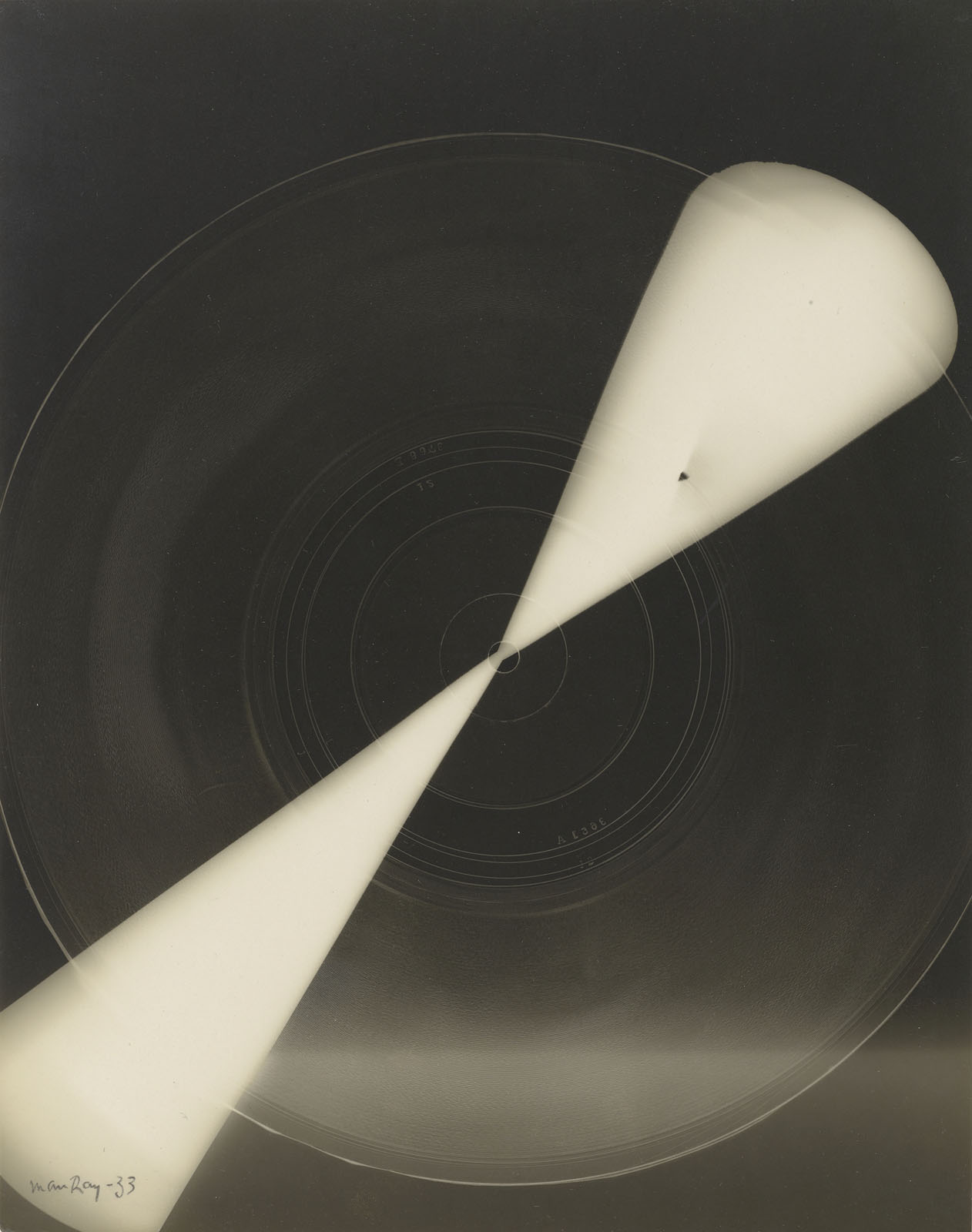


![Lisette Model (American born Austria, 1901-1983) '[Singer, Sammy's Bar, New York]' about 1940-1944](https://artblart.com/wp-content/uploads/2022/07/model-singer-sammys-bar-new-york.jpg "Lisette Model (American born Austria, 1901-1983) '[Singer, Sammy's Bar, New York]' about 1940-1944")


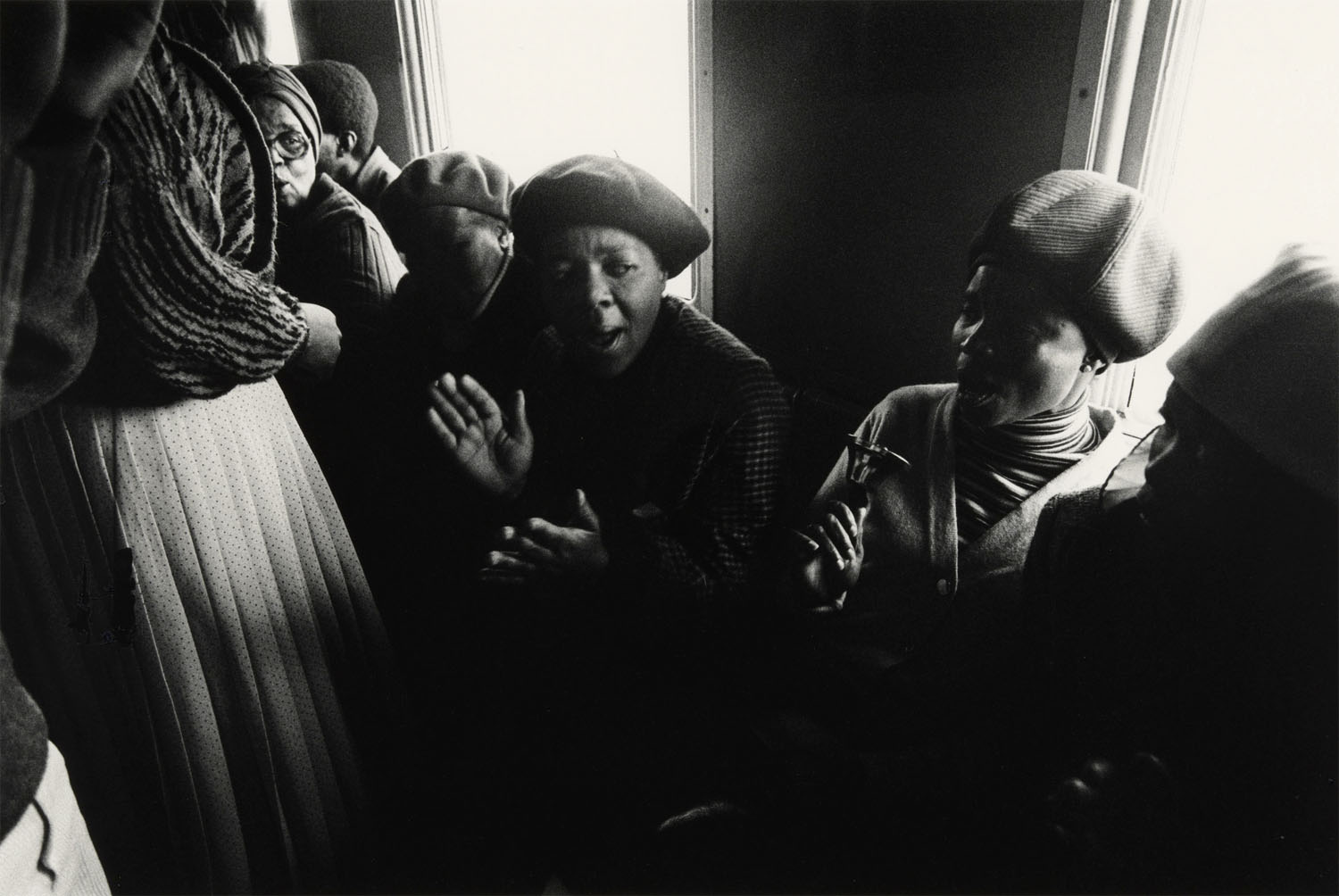


![Platt D. Babbitt. '[Scene at Niagara Falls]' c. 1855](https://artblart.com/wp-content/uploads/2015/03/platt_d_babbitt_scene_at_niagara_falls-web.jpg "Platt D. Babbitt. '[Scene at Niagara Falls]' c. 1855")
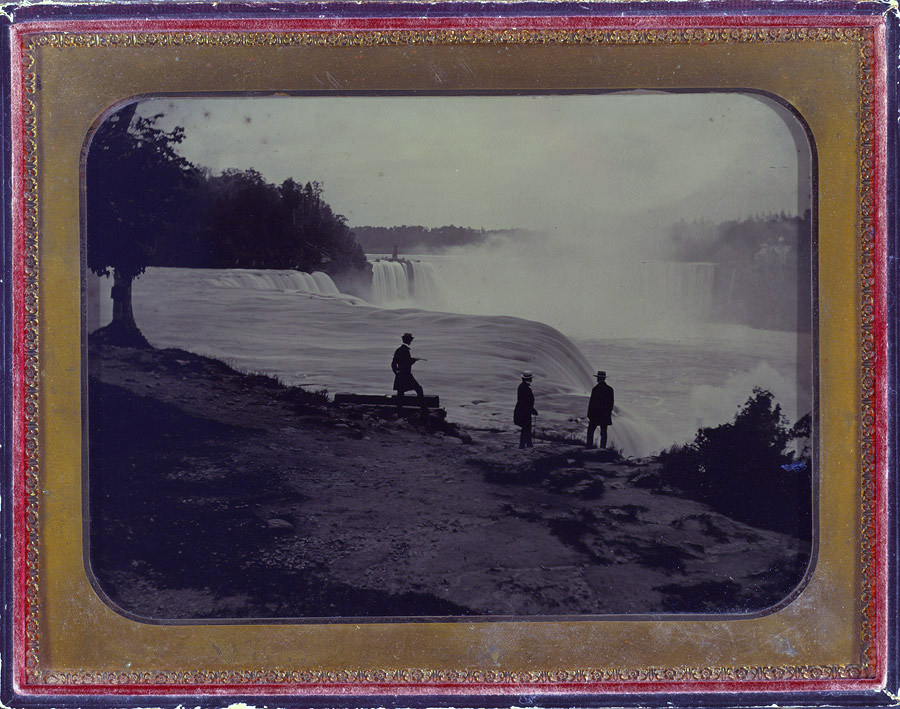


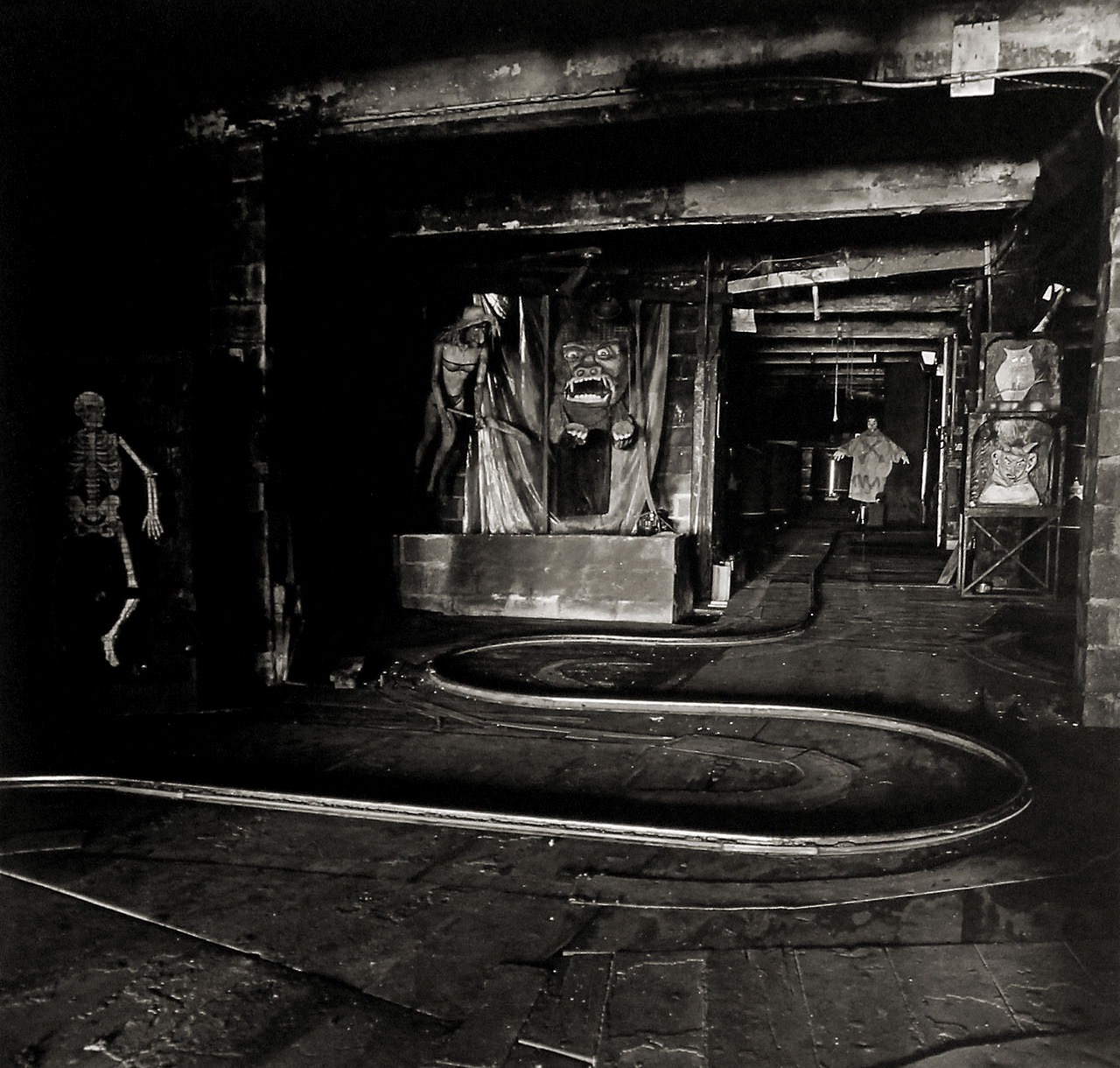


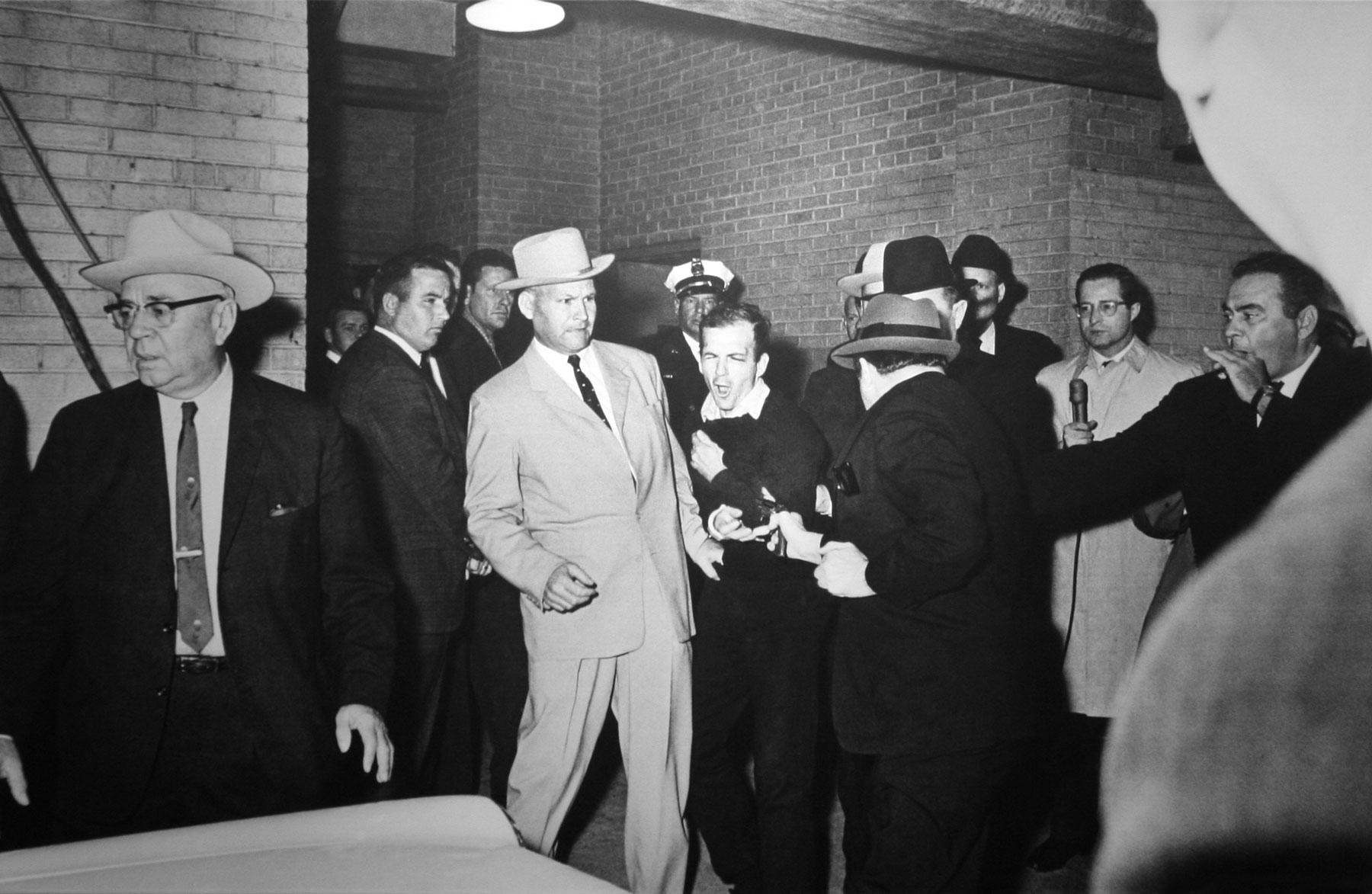
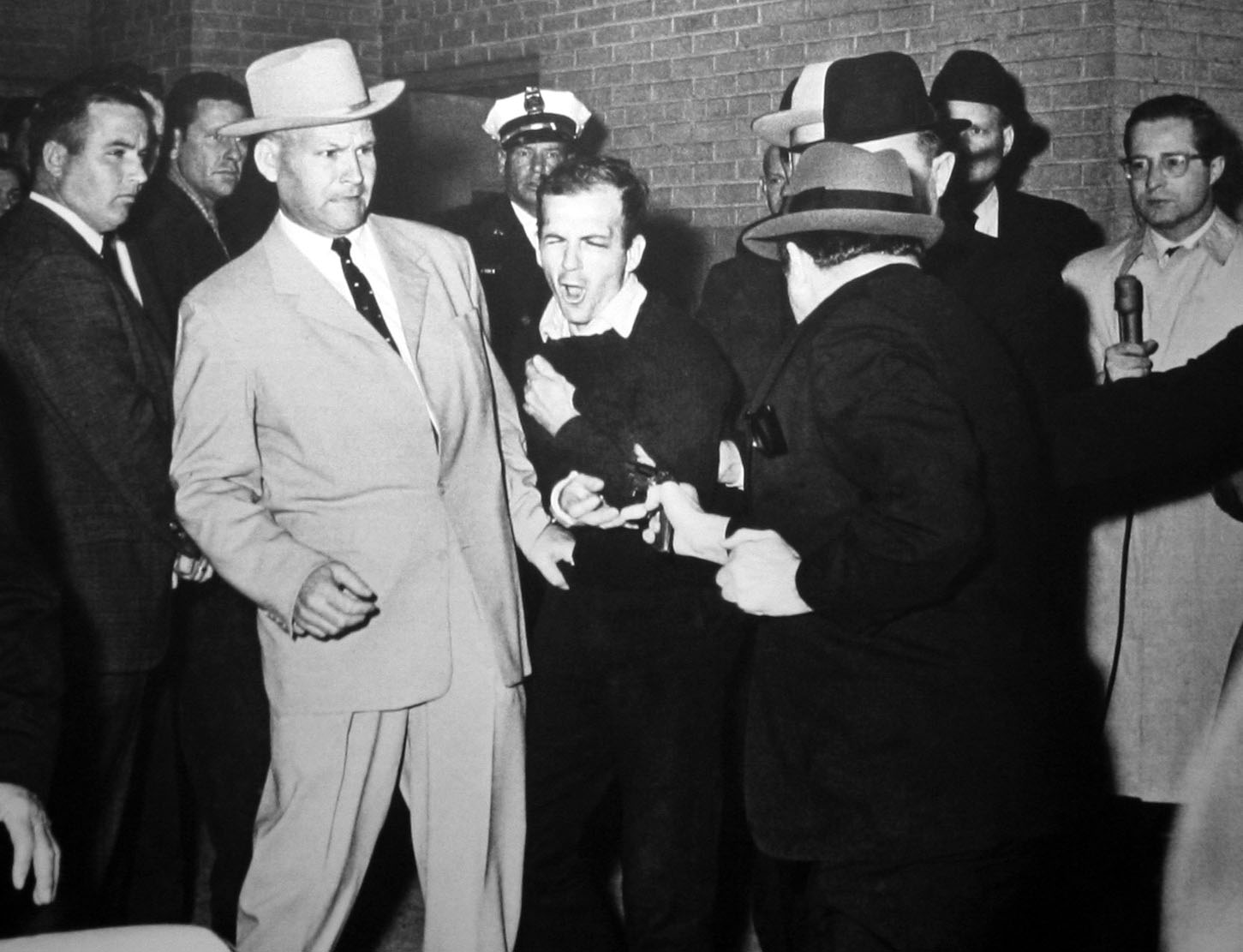
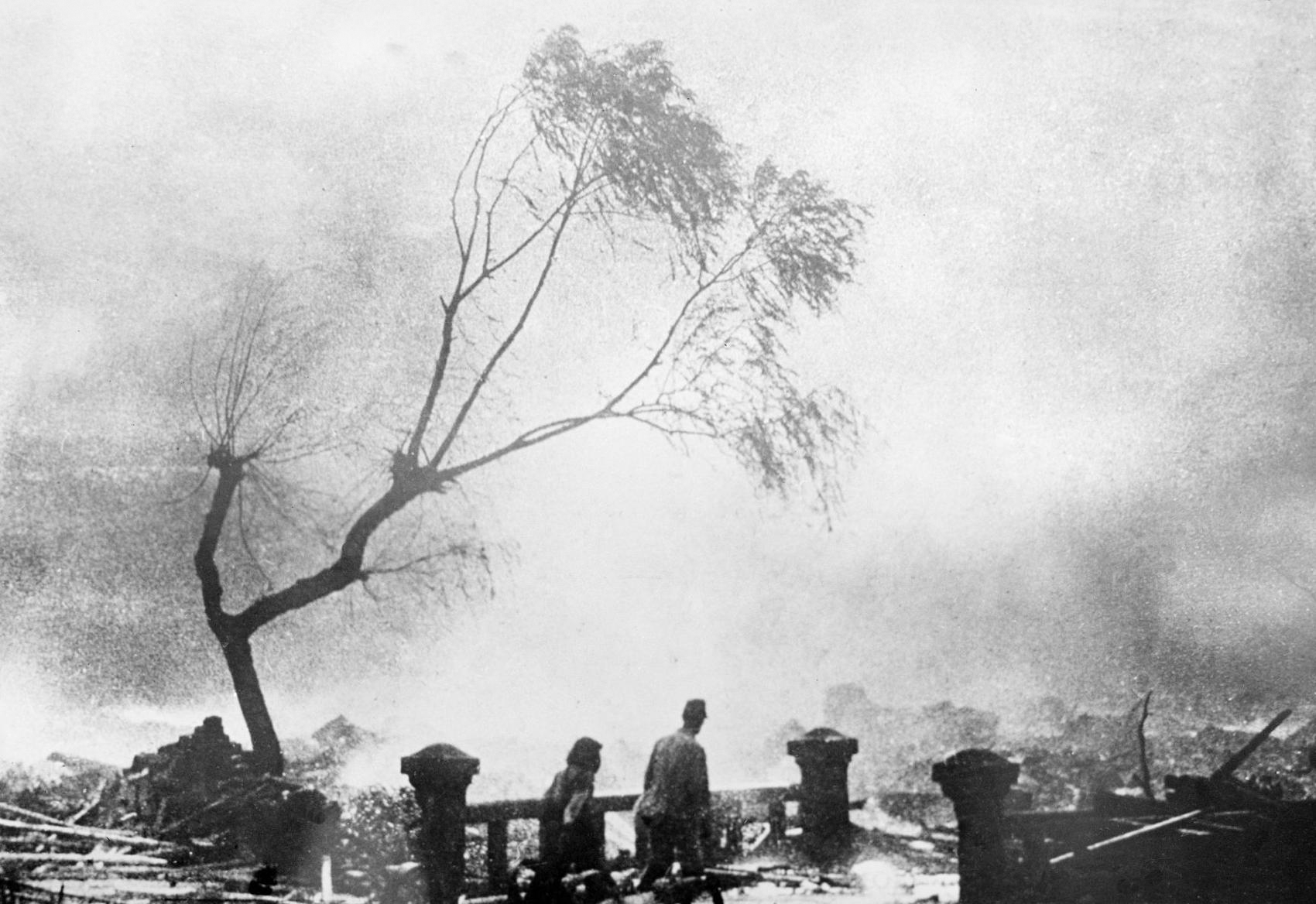


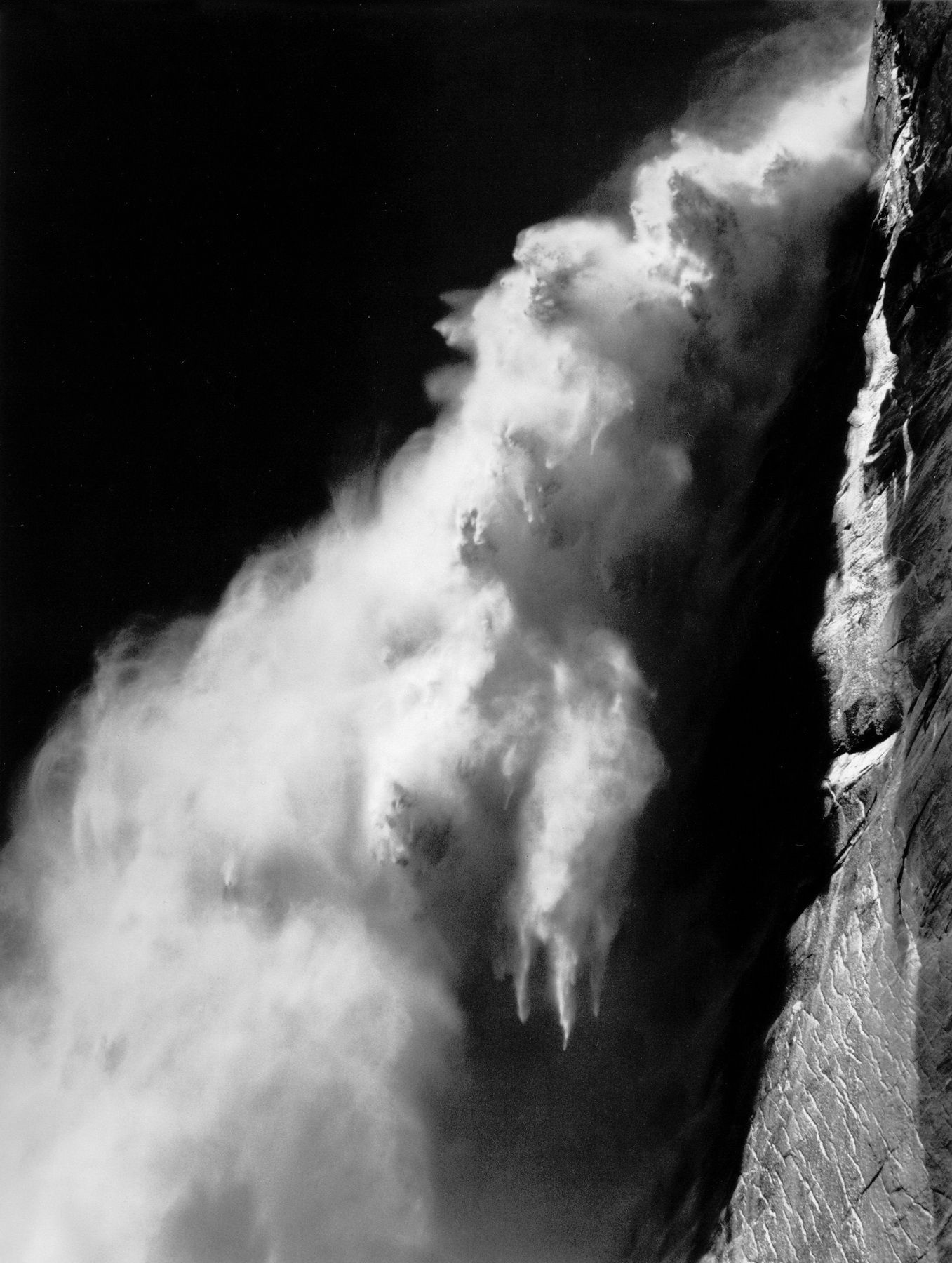


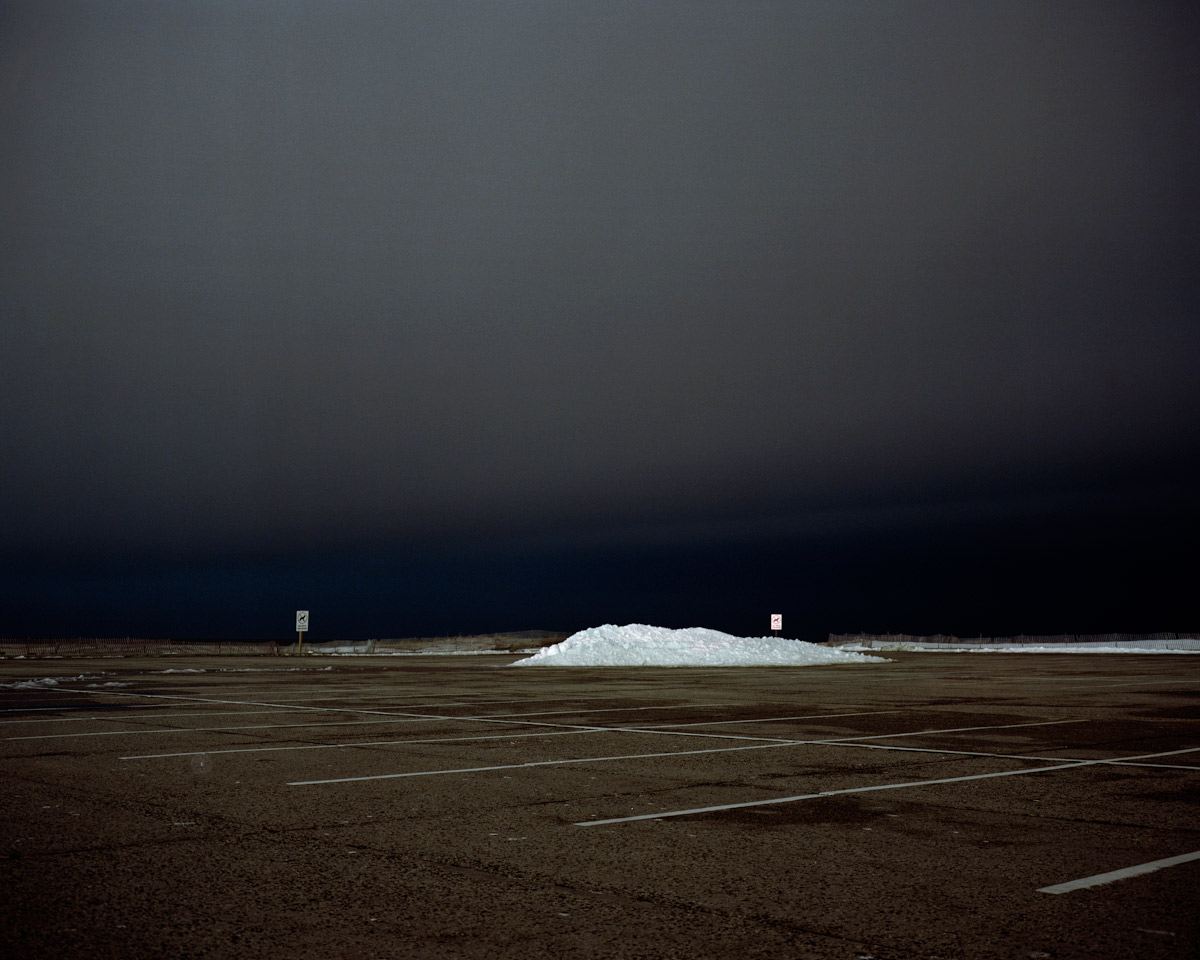

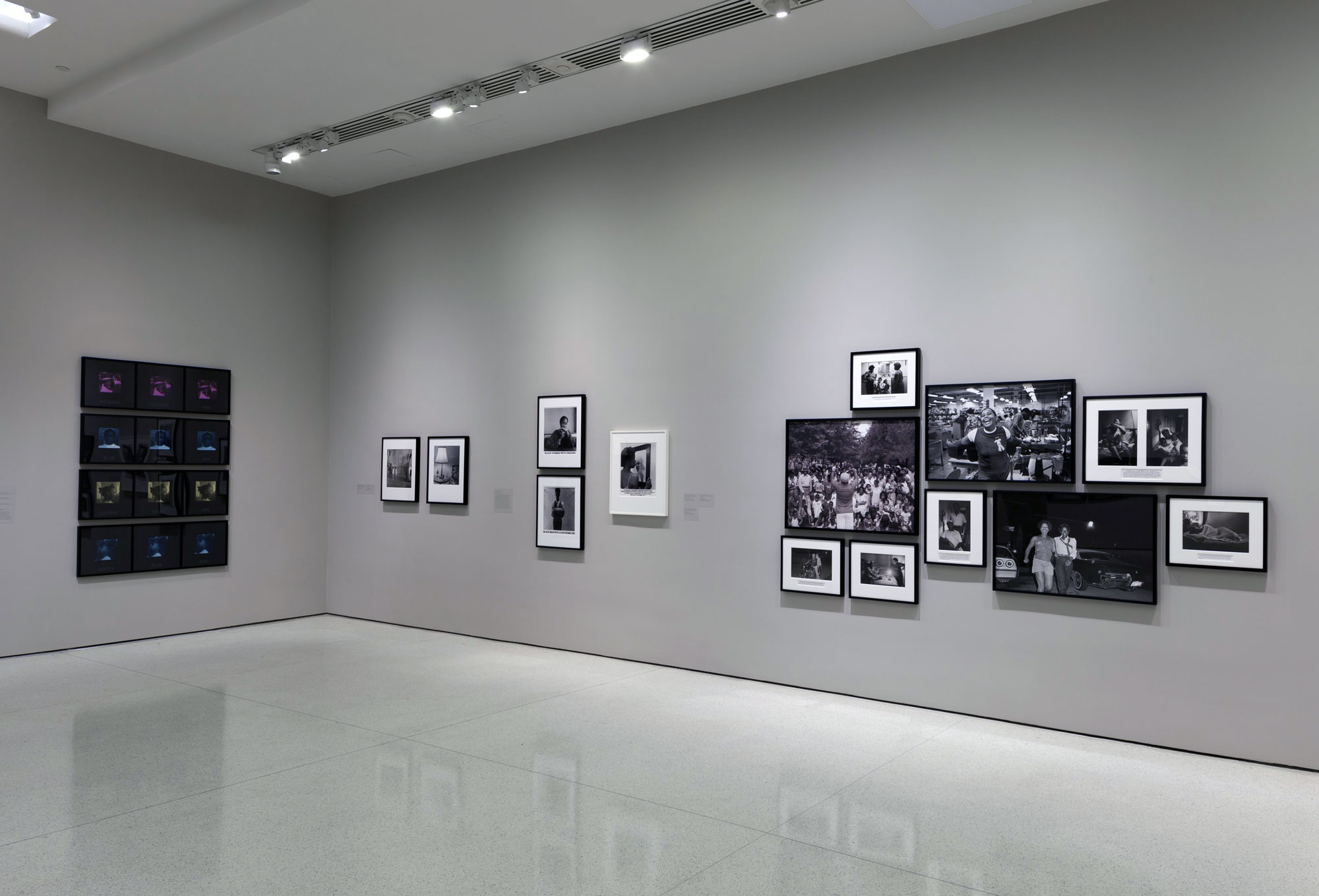
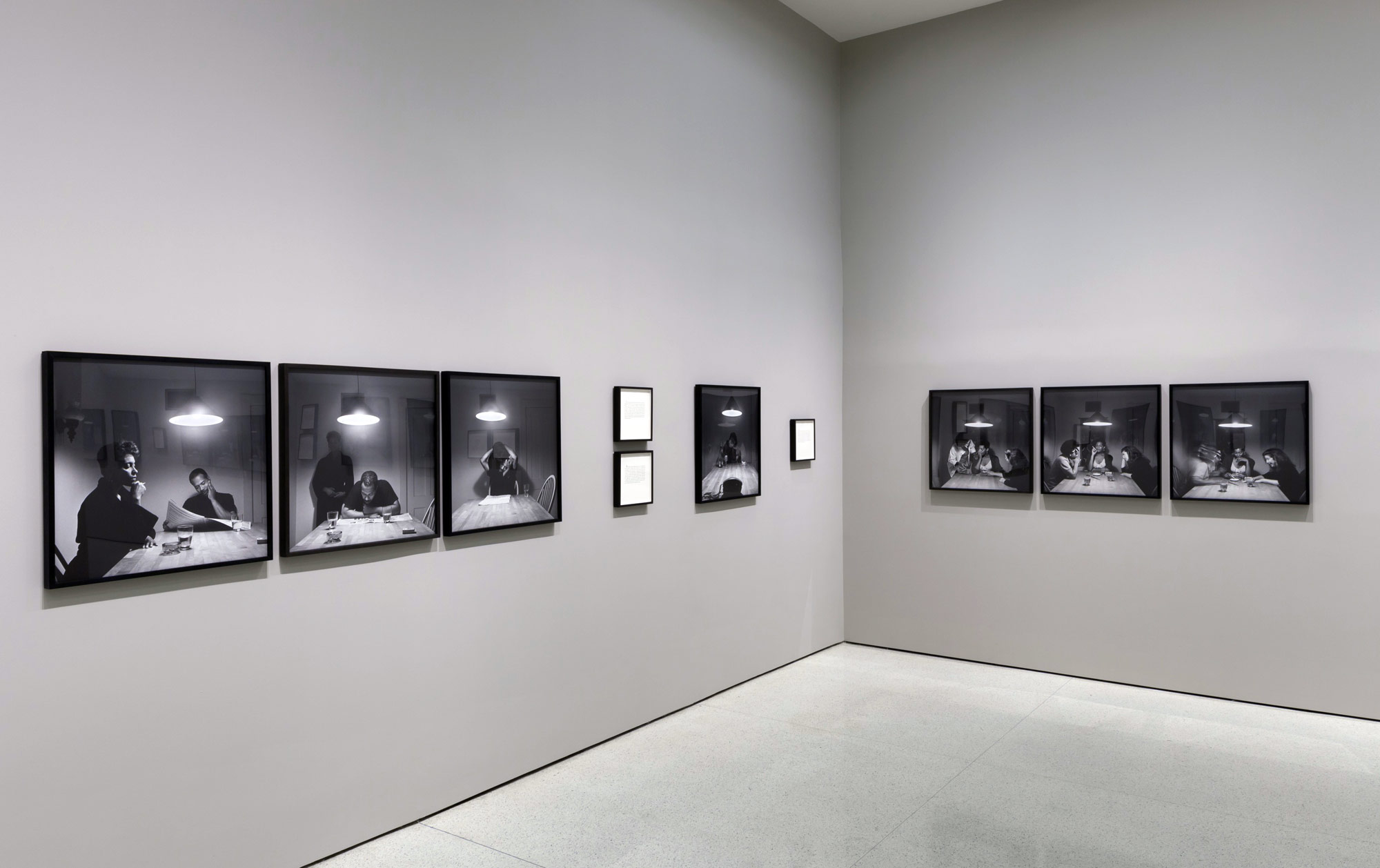
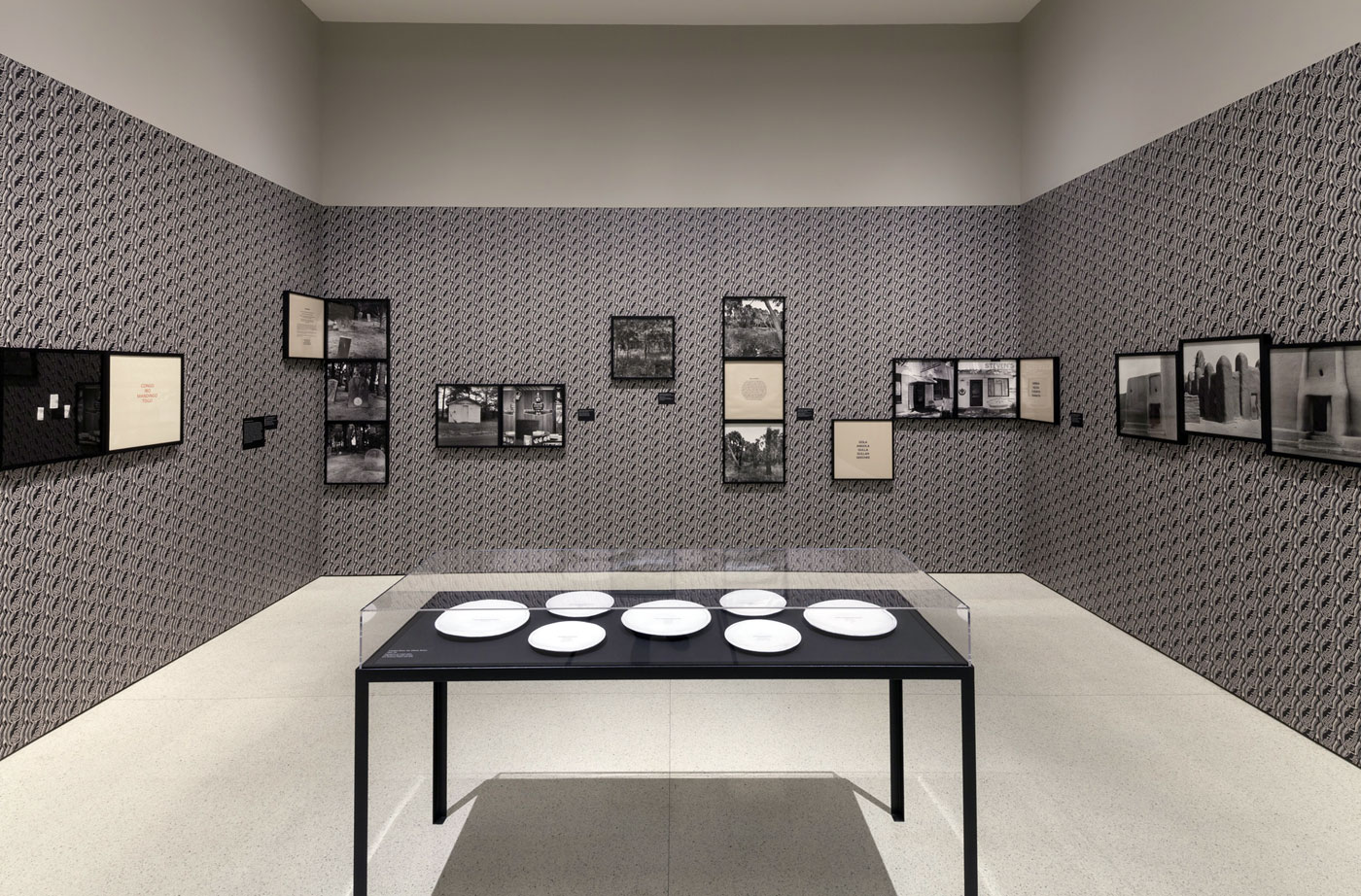
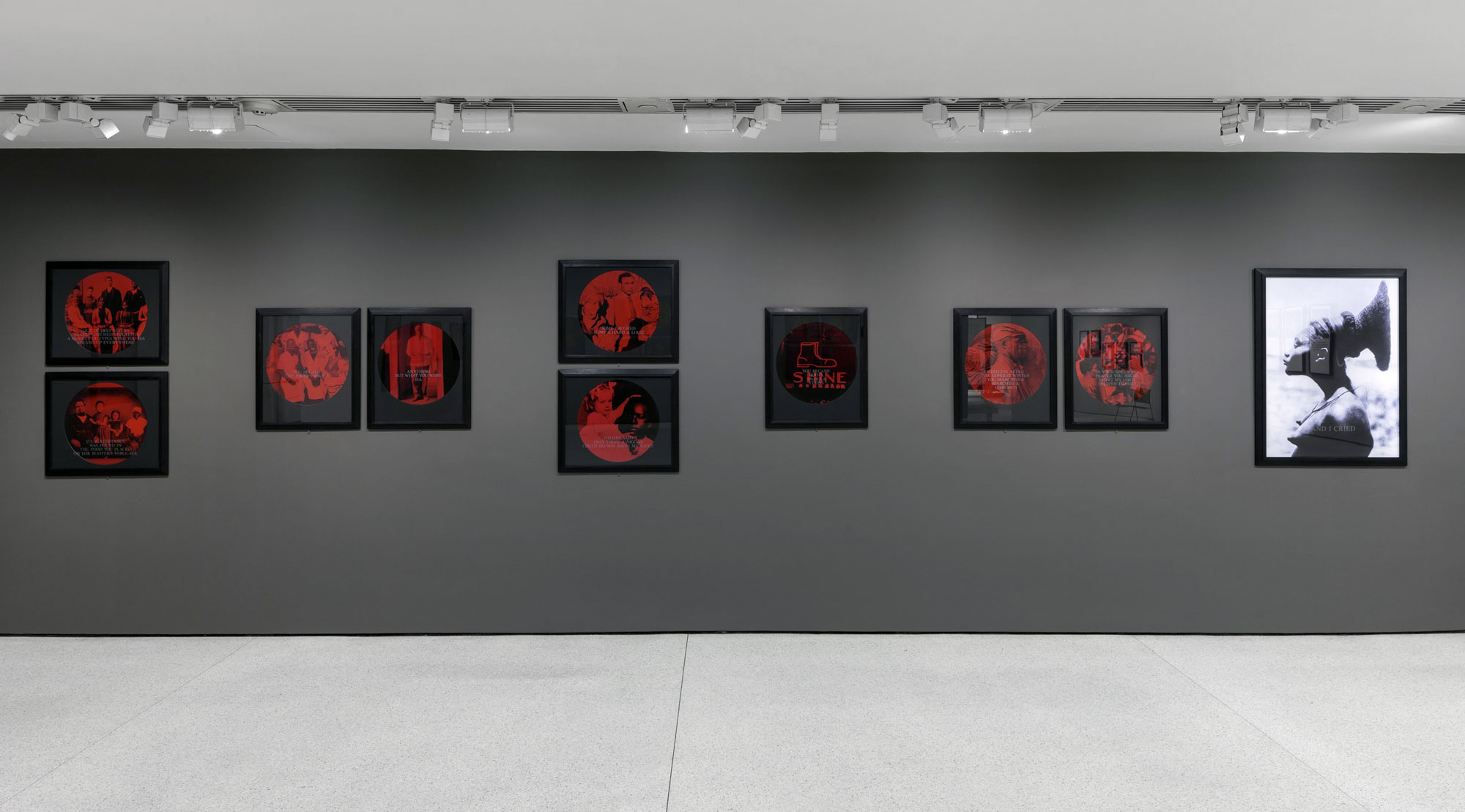
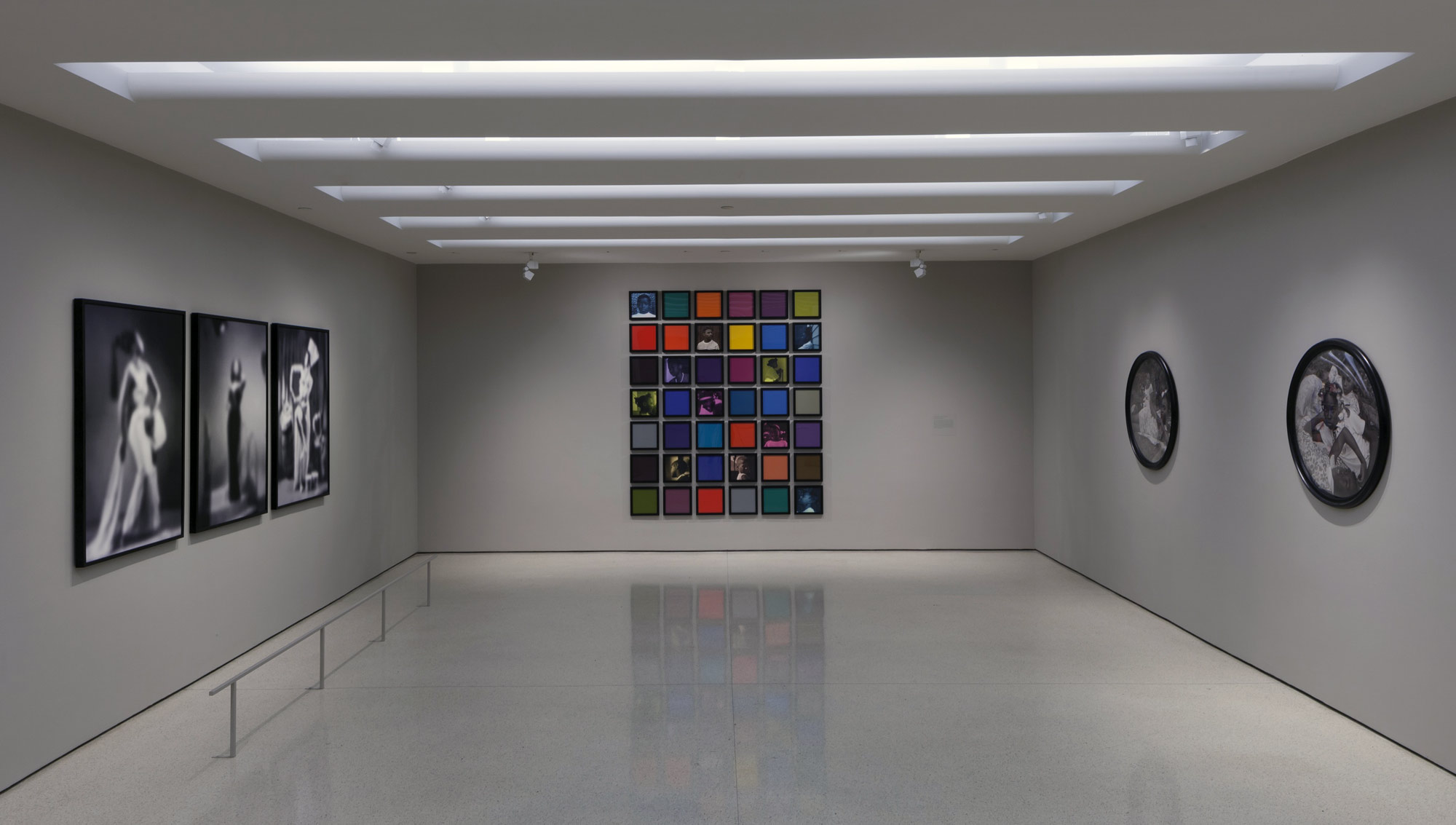
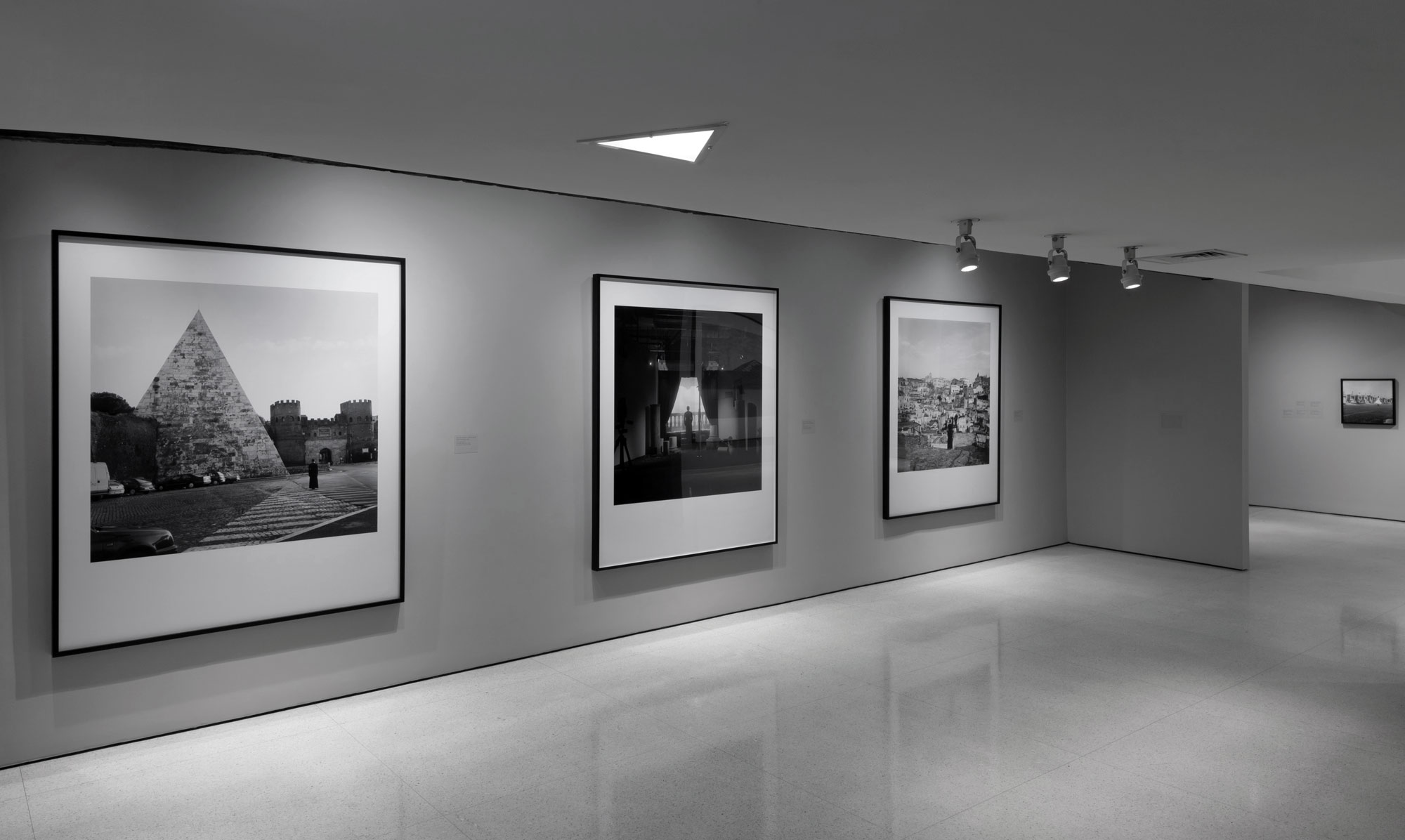
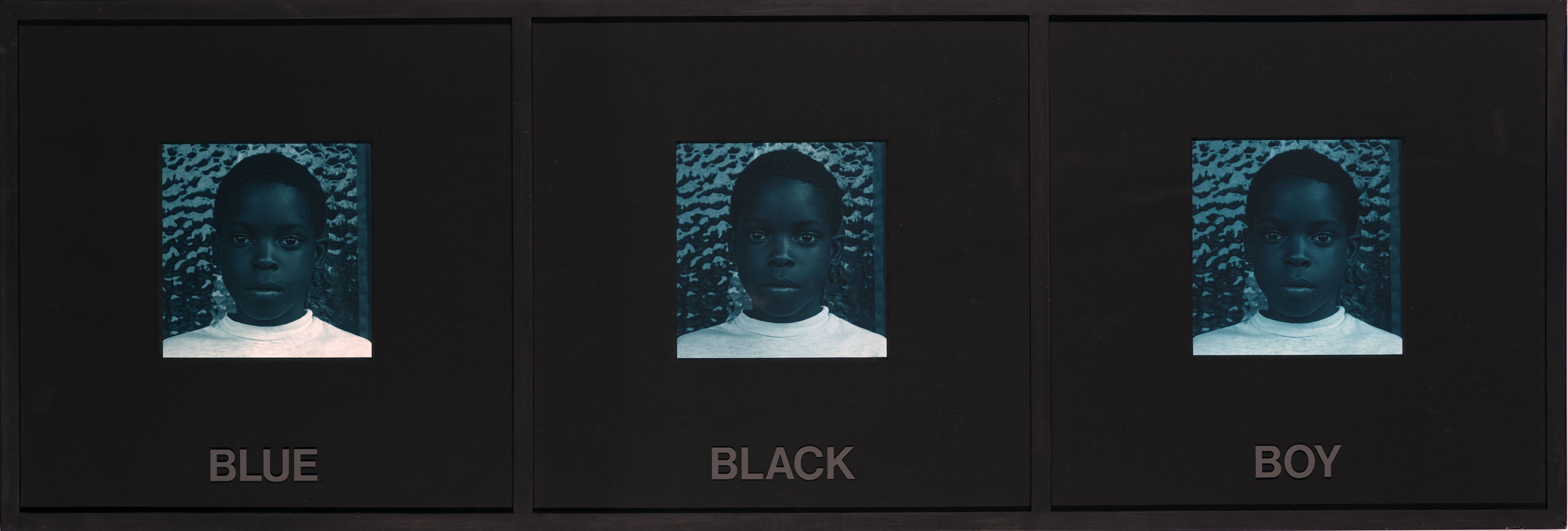
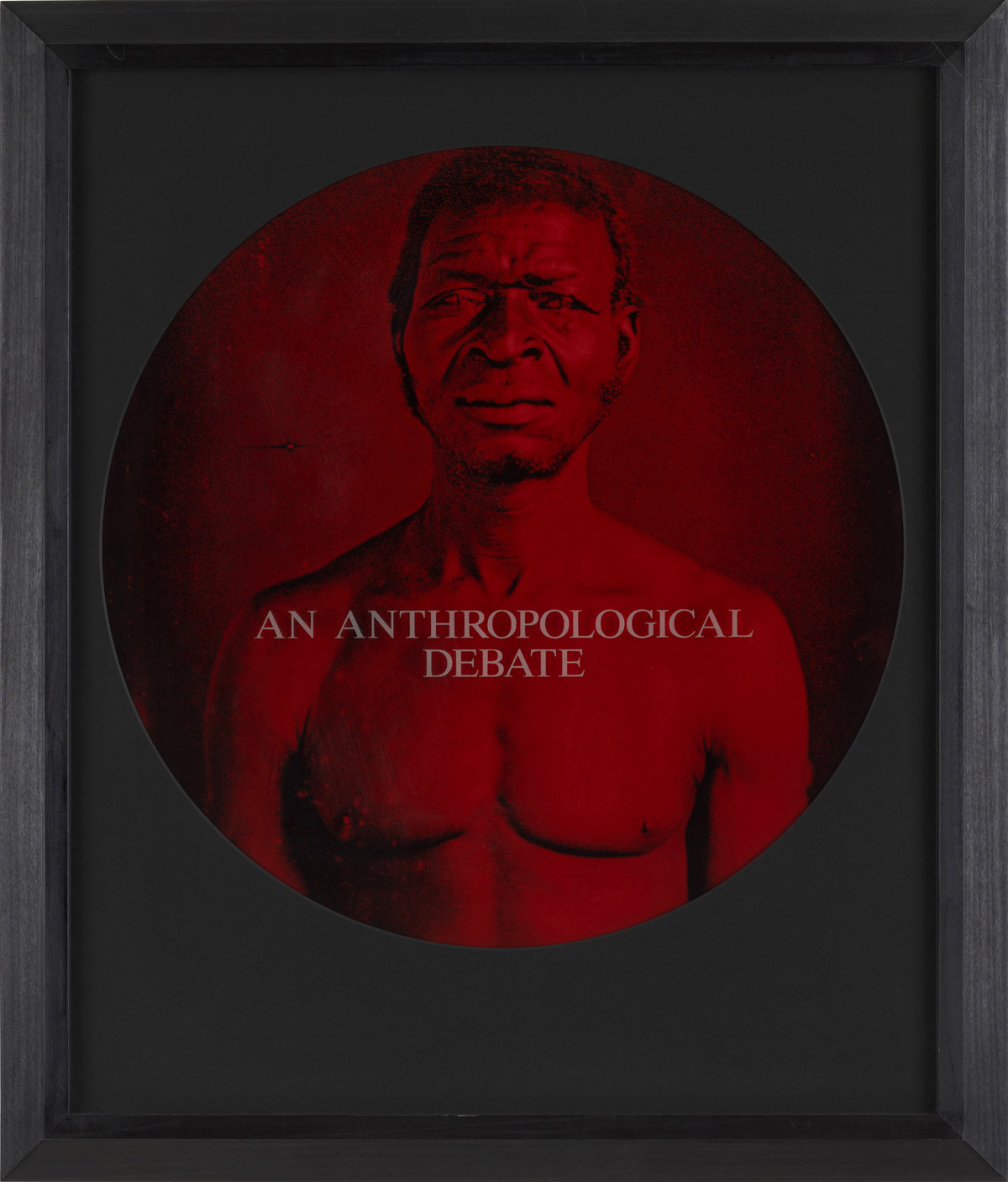
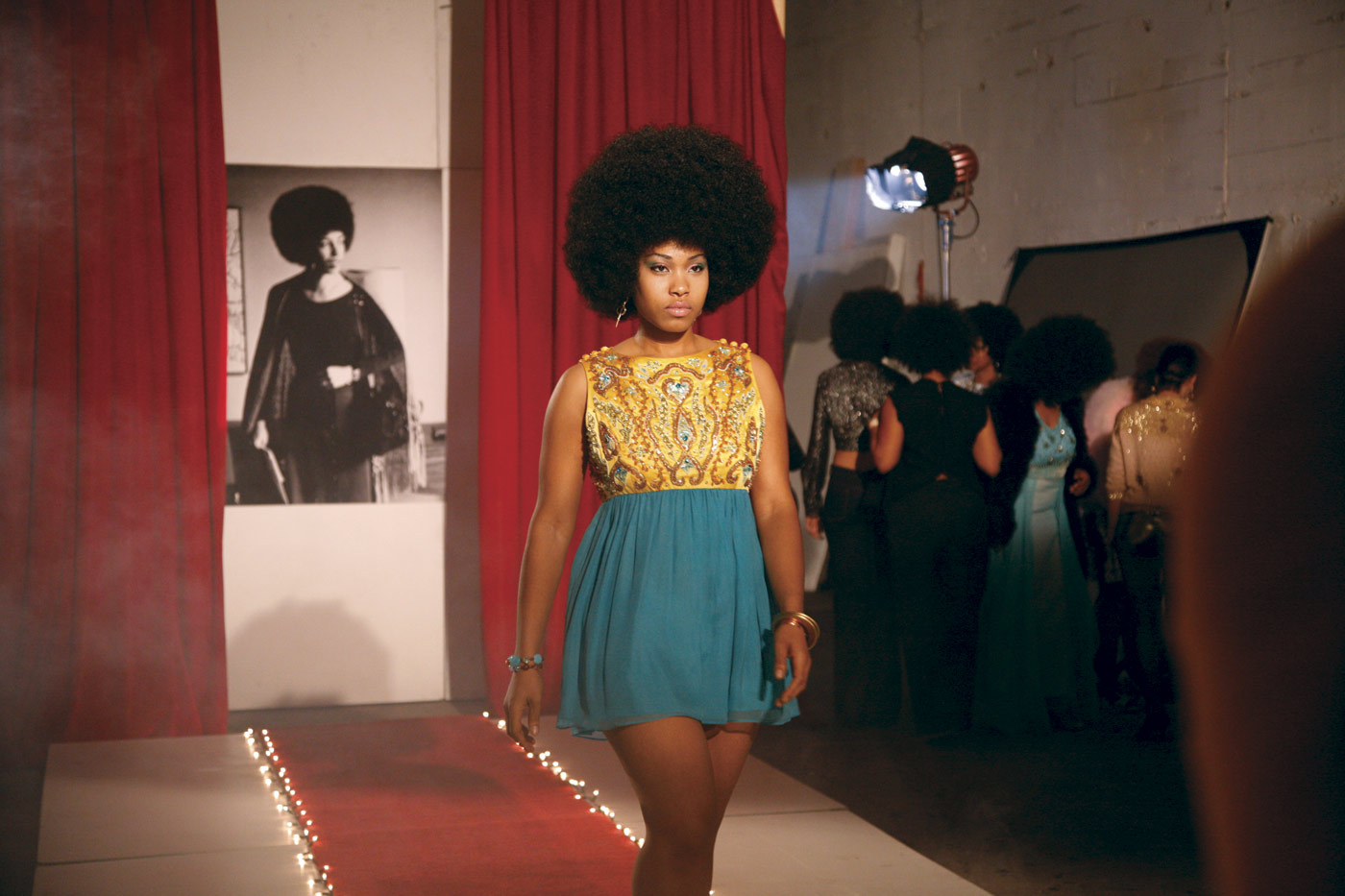
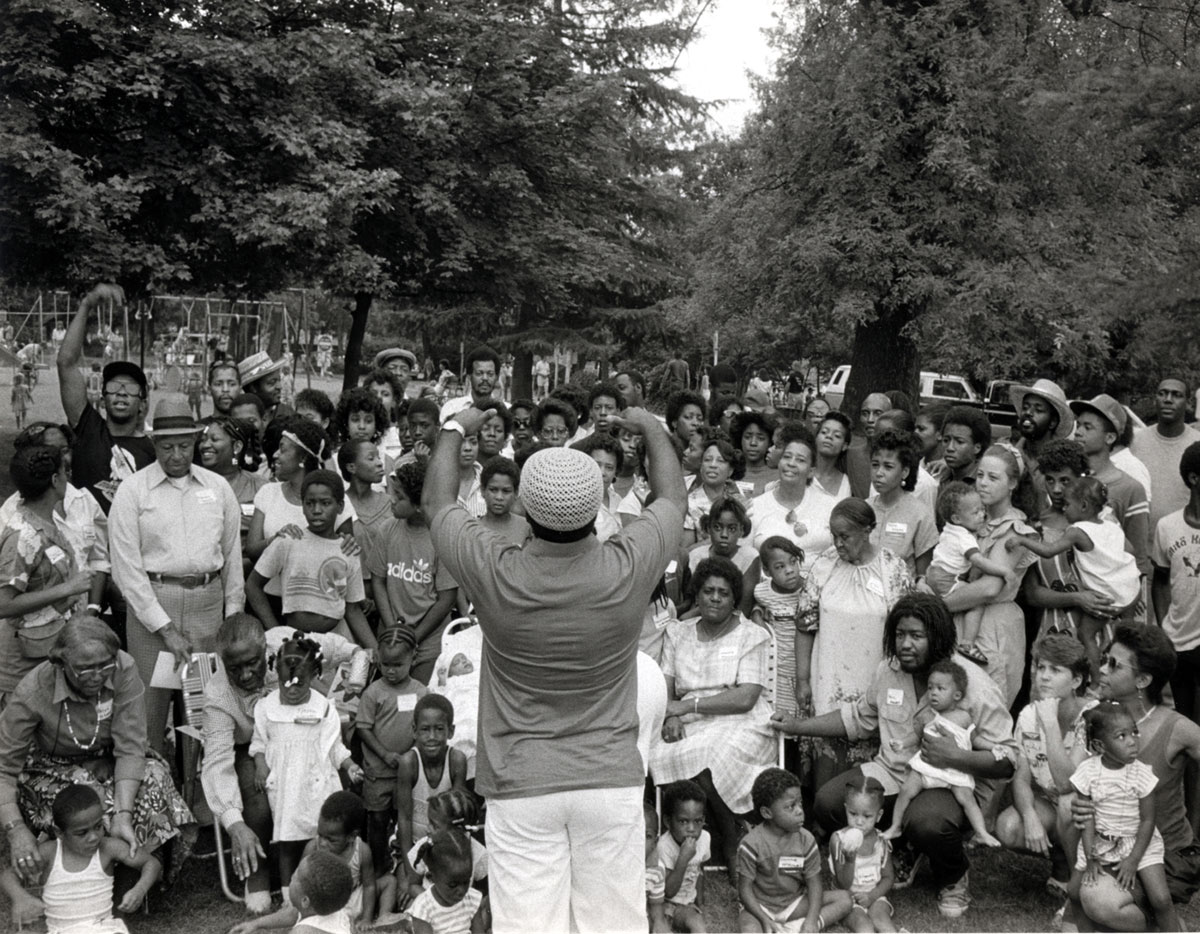
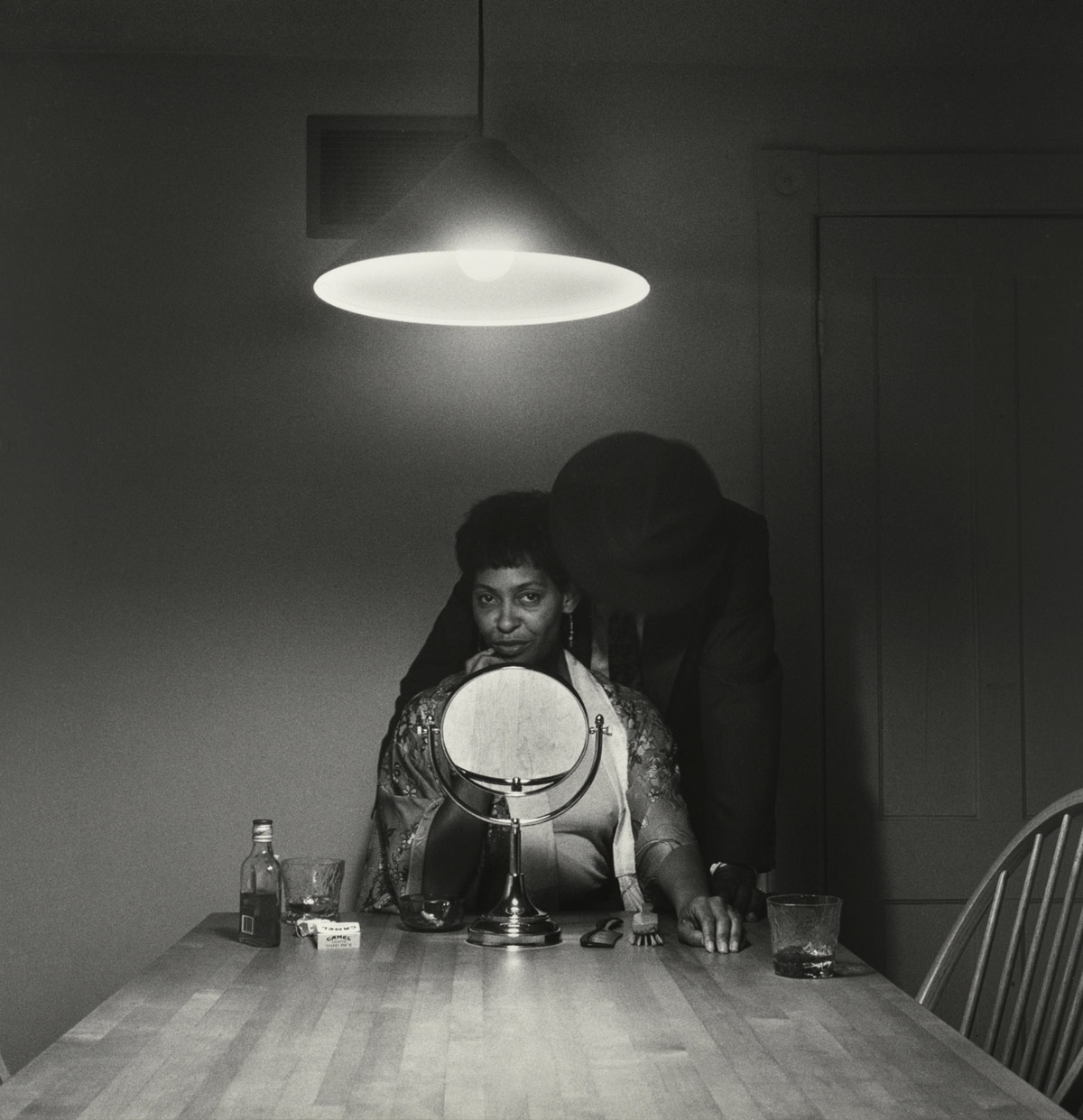
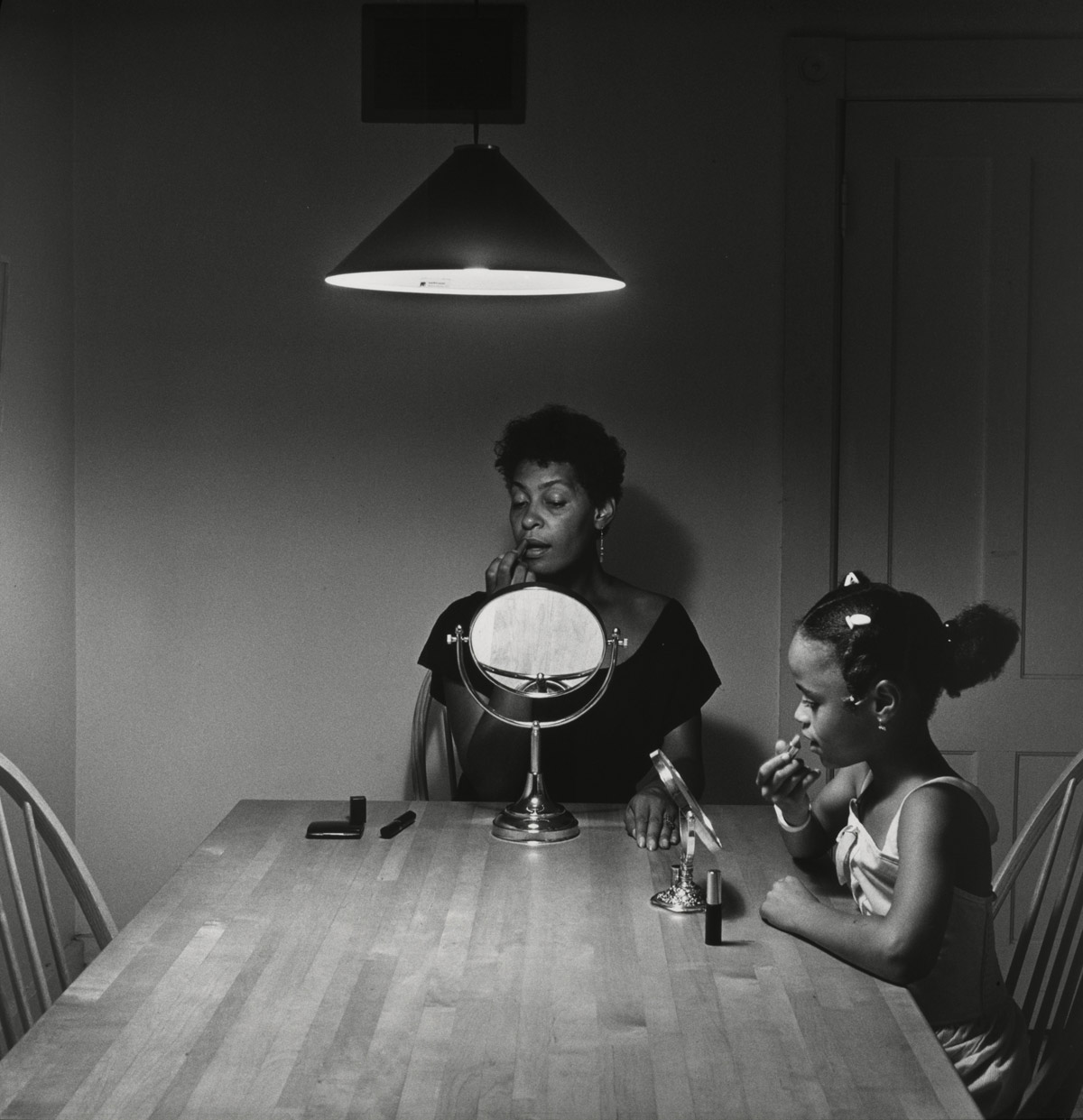
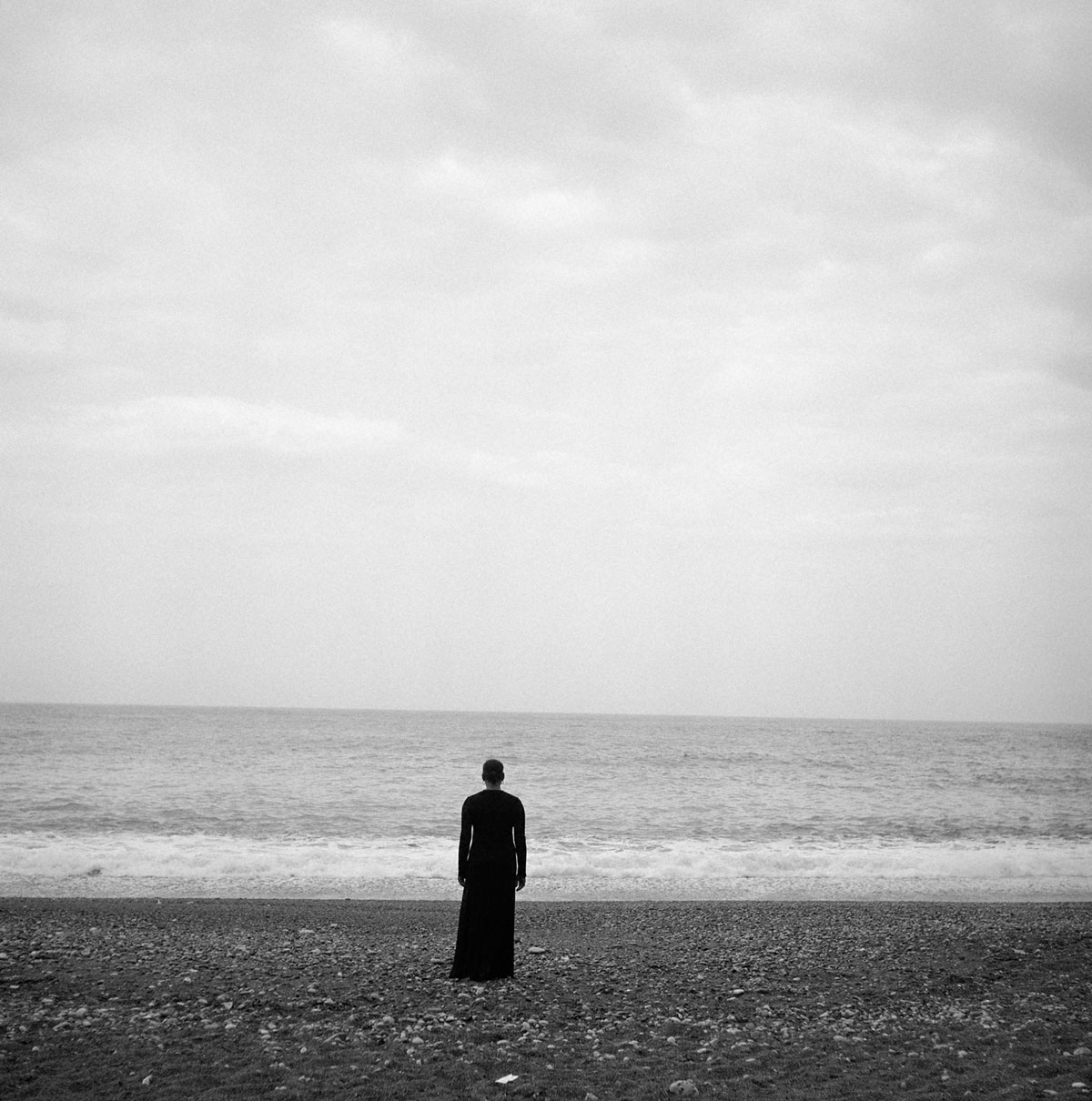
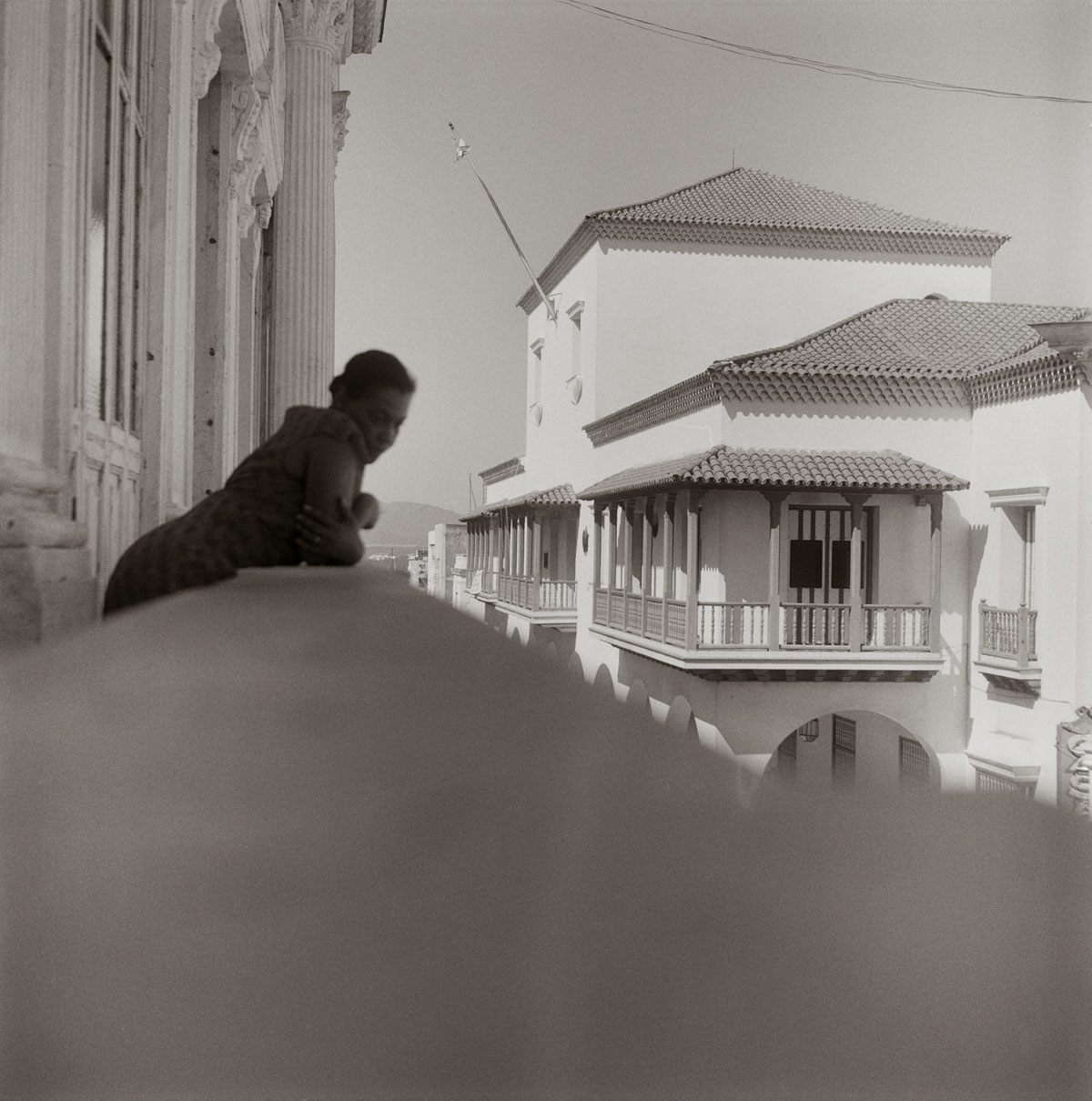
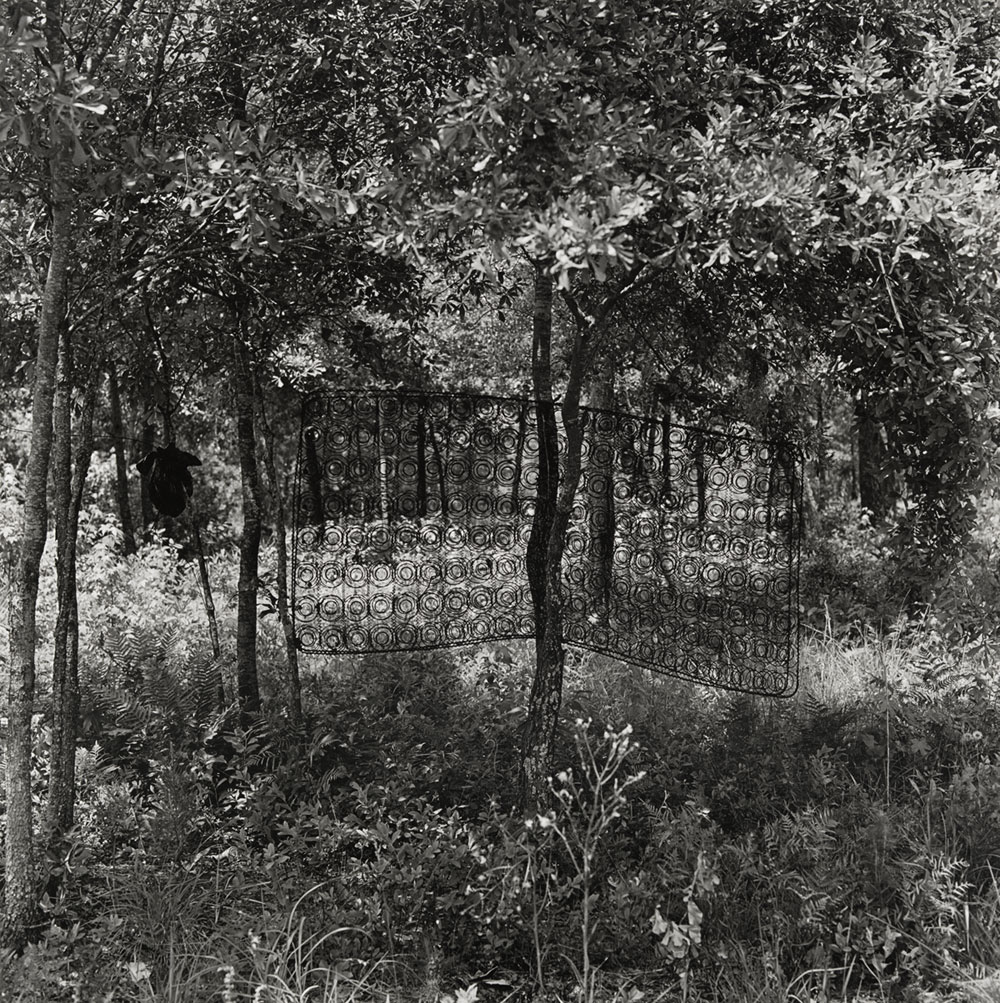
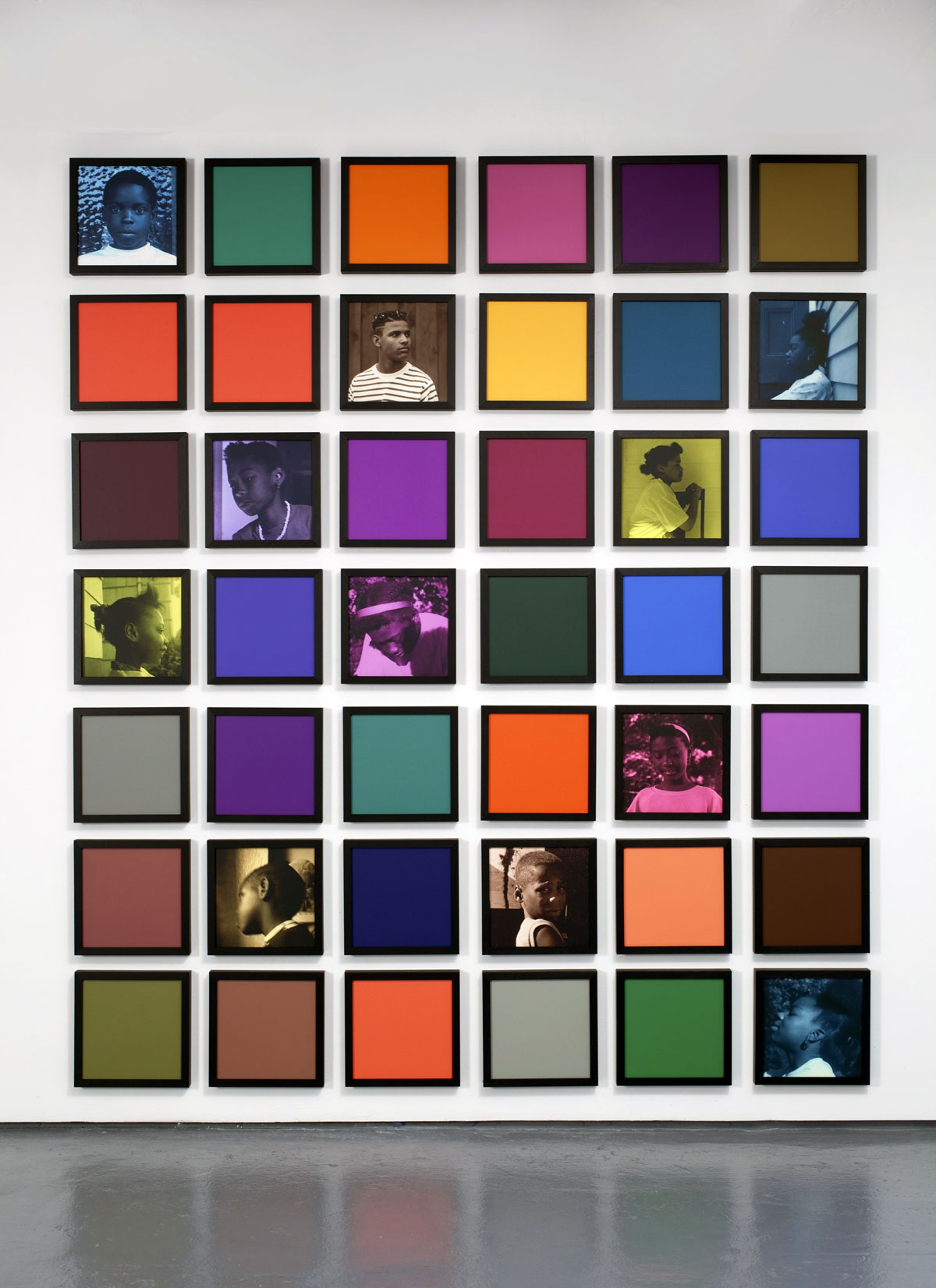
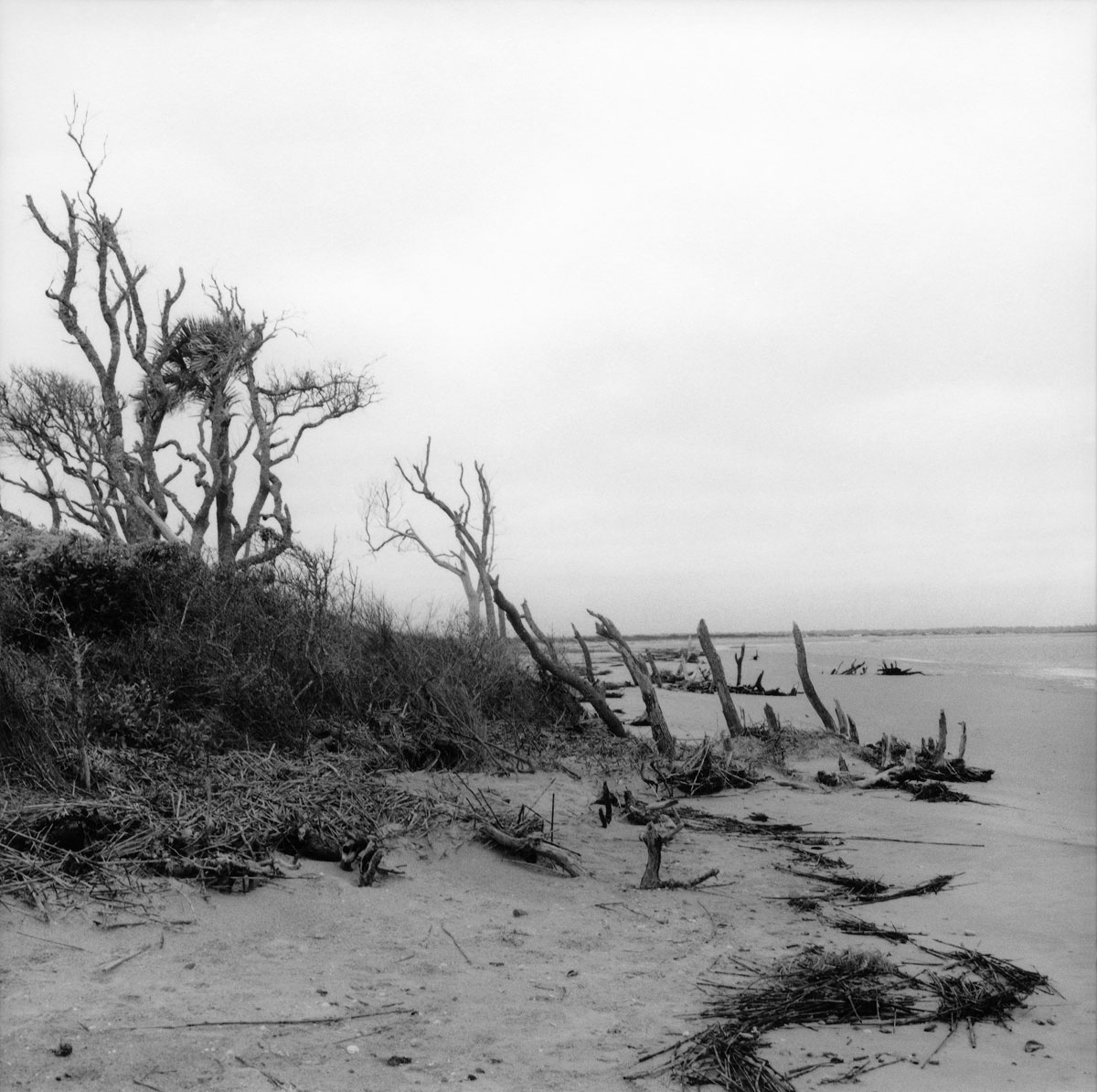


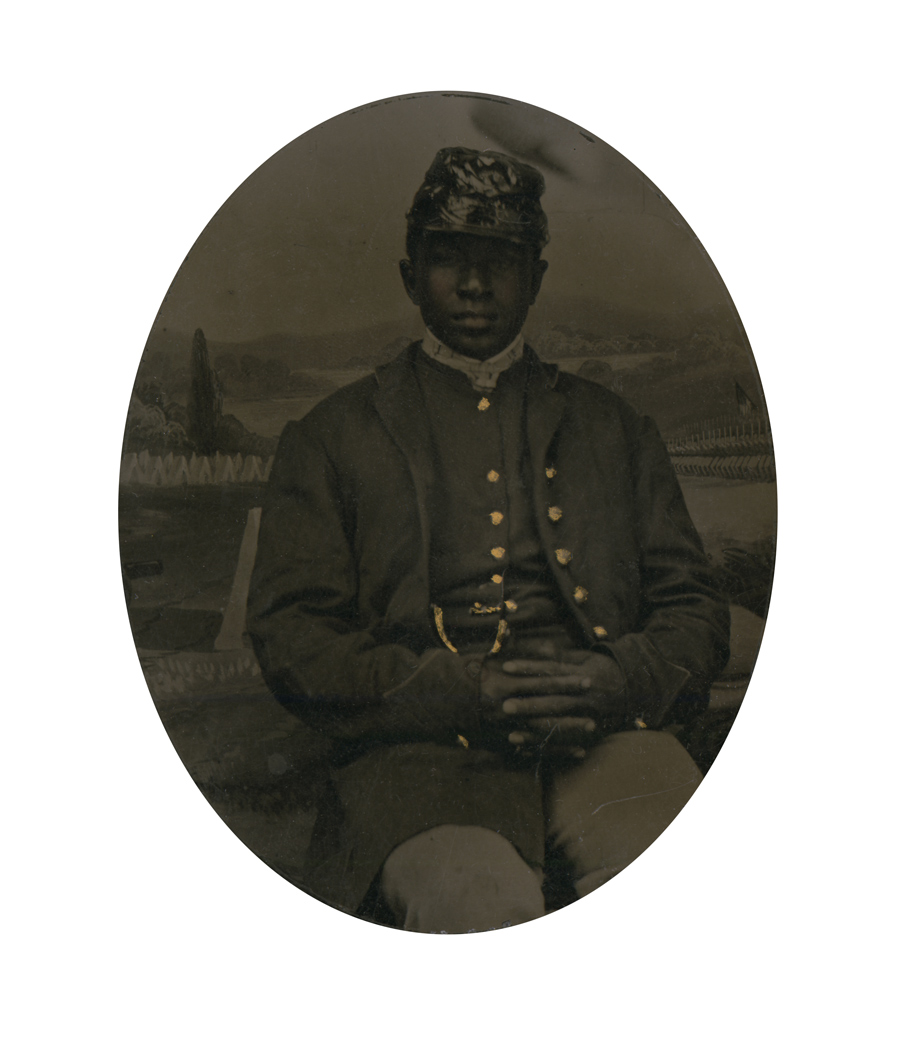

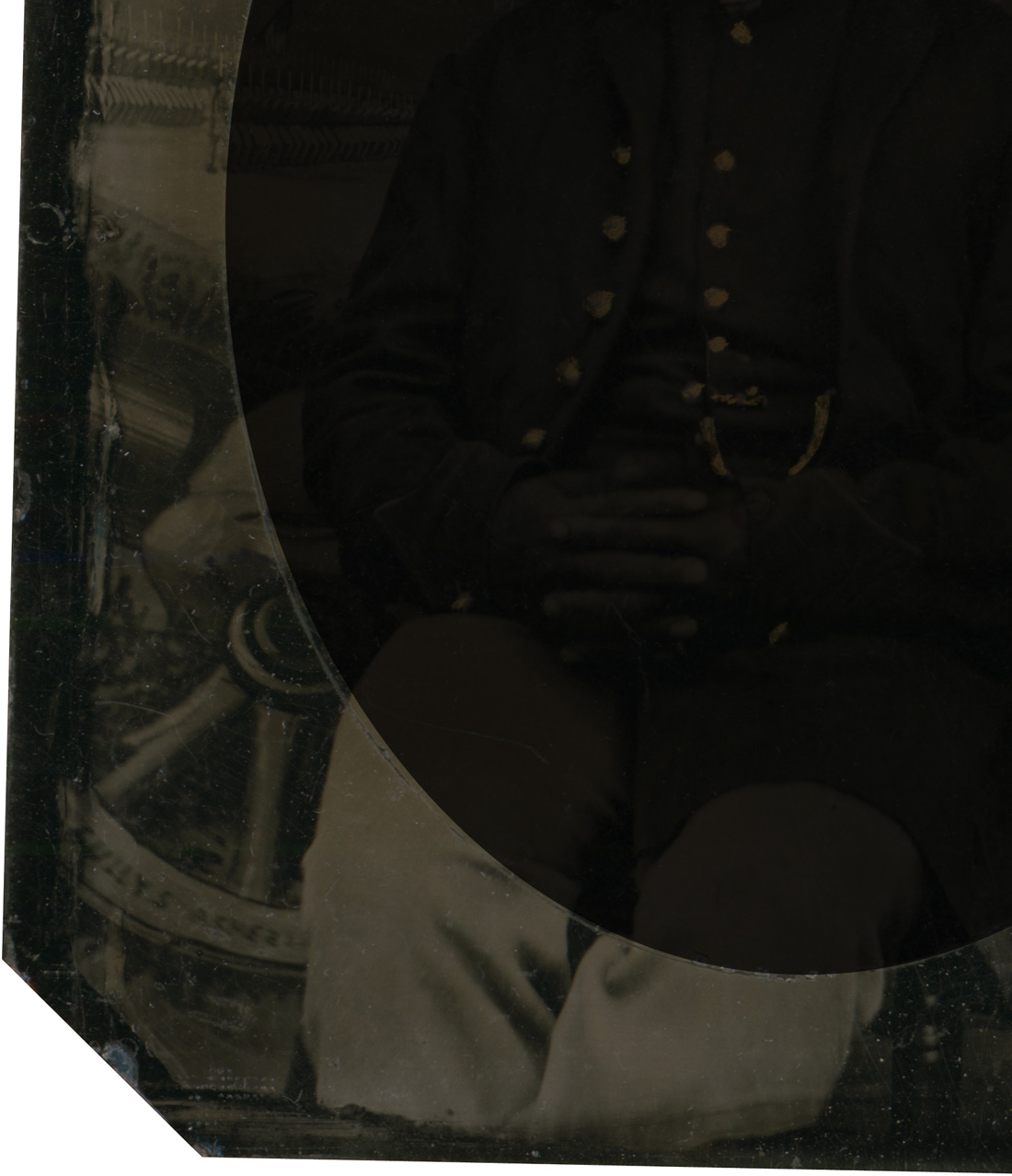


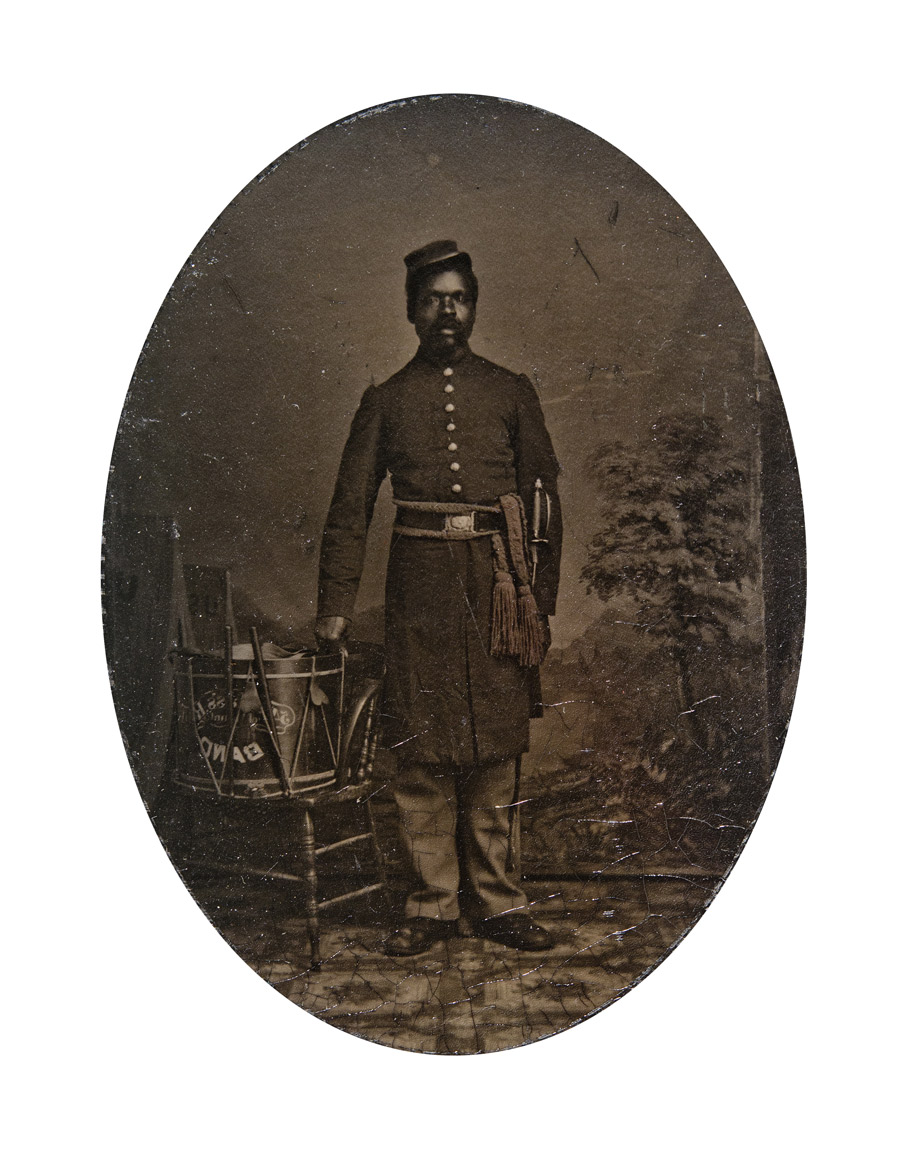


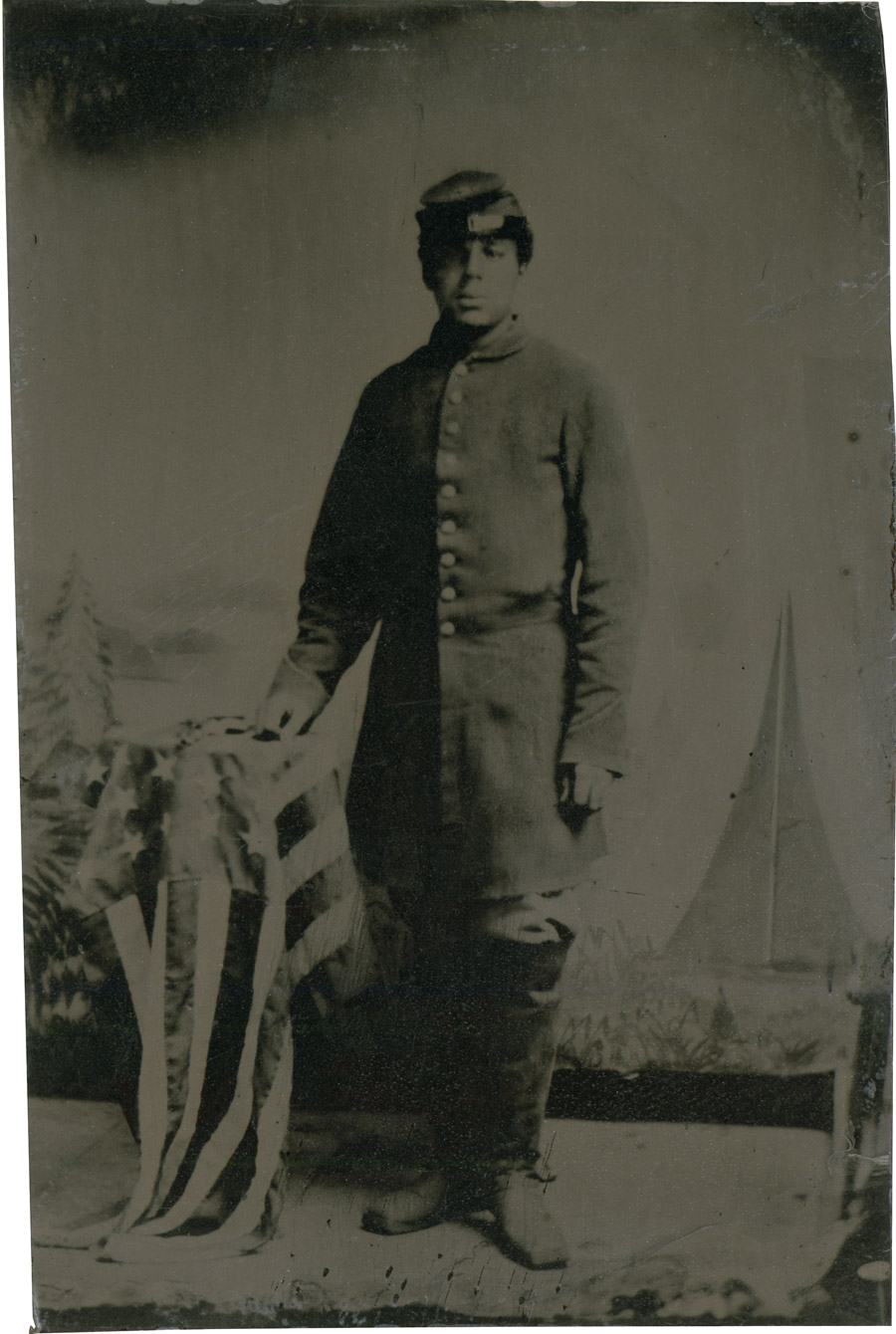


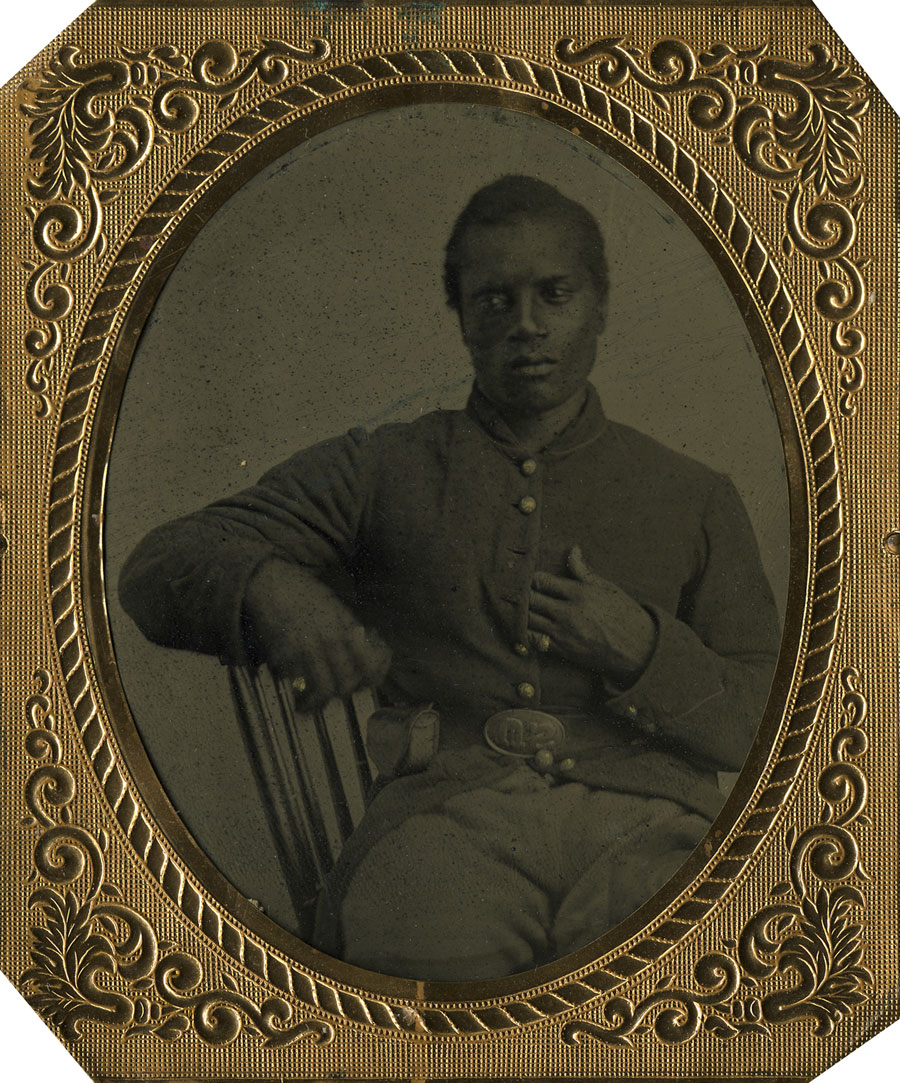


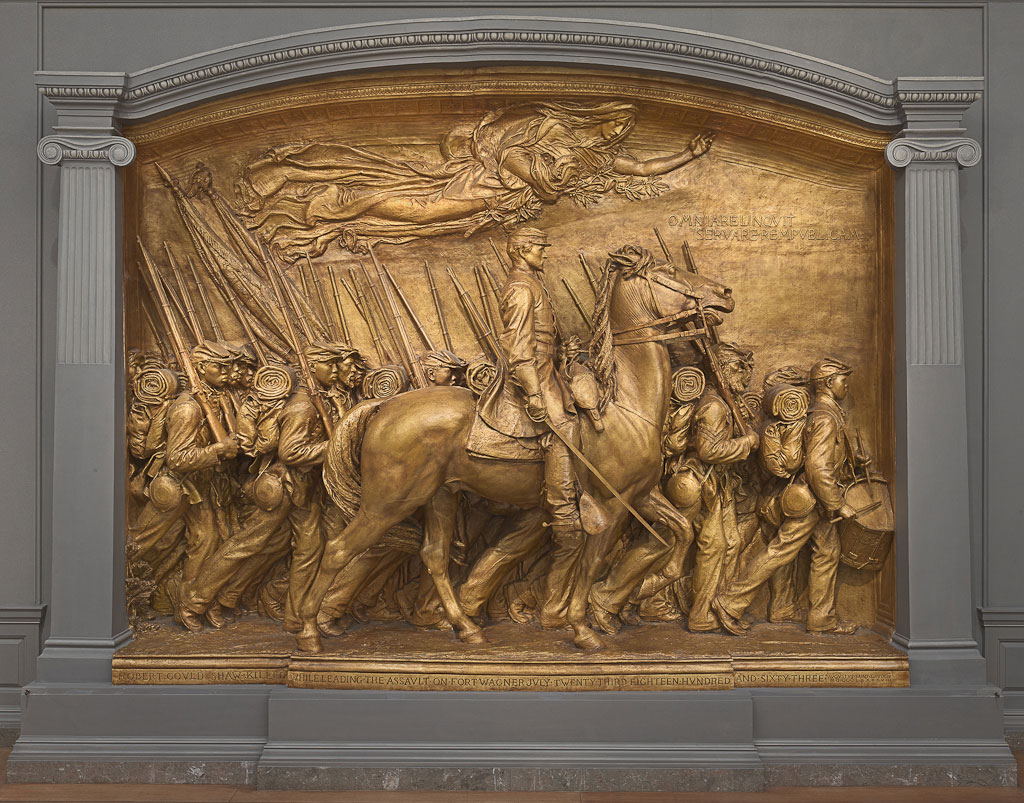


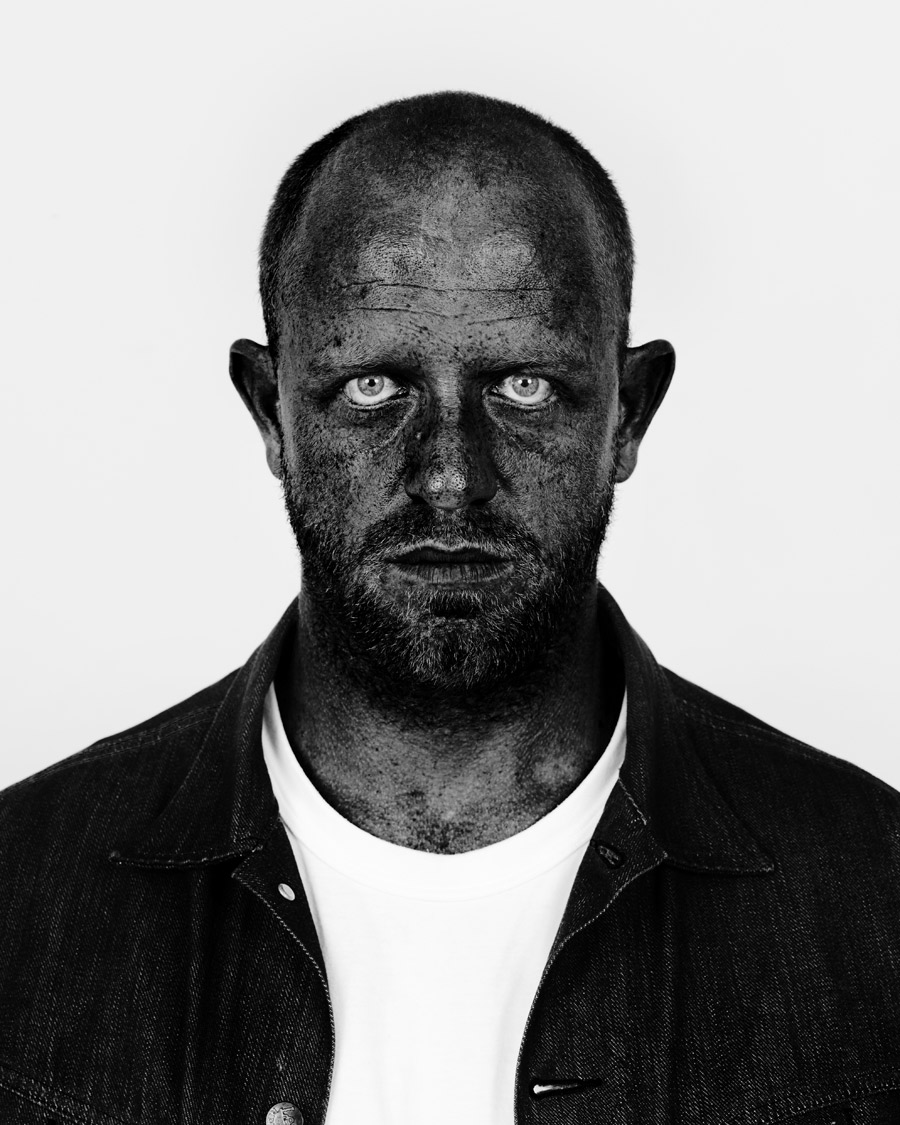


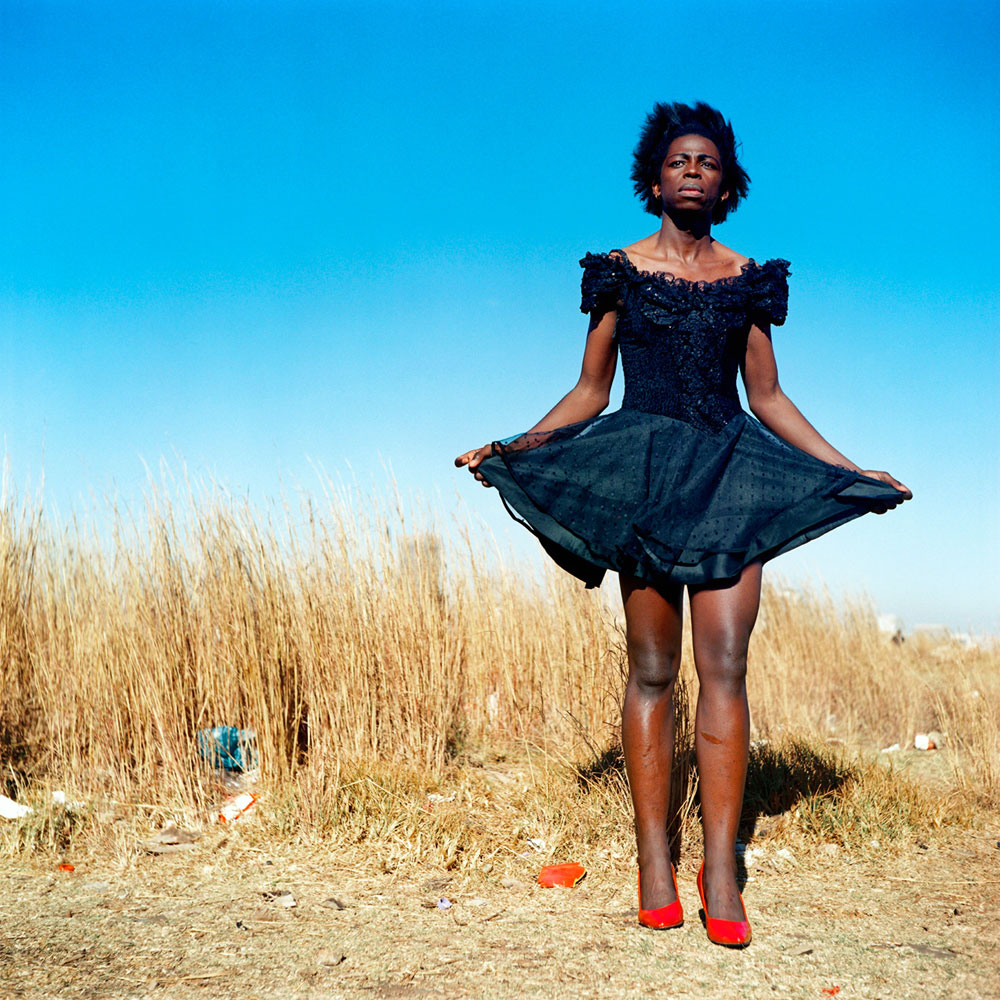


 Art Blart _ art and cultural memory archive
You must be logged in to post a comment.