Exhibition: ‘Hunted and Gathered: Photographs’ from the Private Collection of Robert Flynn Johnson at Modernism, San Franciso

Exhibition dates: 9th July – 29th August, 2009


Many thankx to Modernism for allowing me to publish the photographs in the posting. Please click on the photographs for a larger version of the image.

Dr Marcus Bunyan
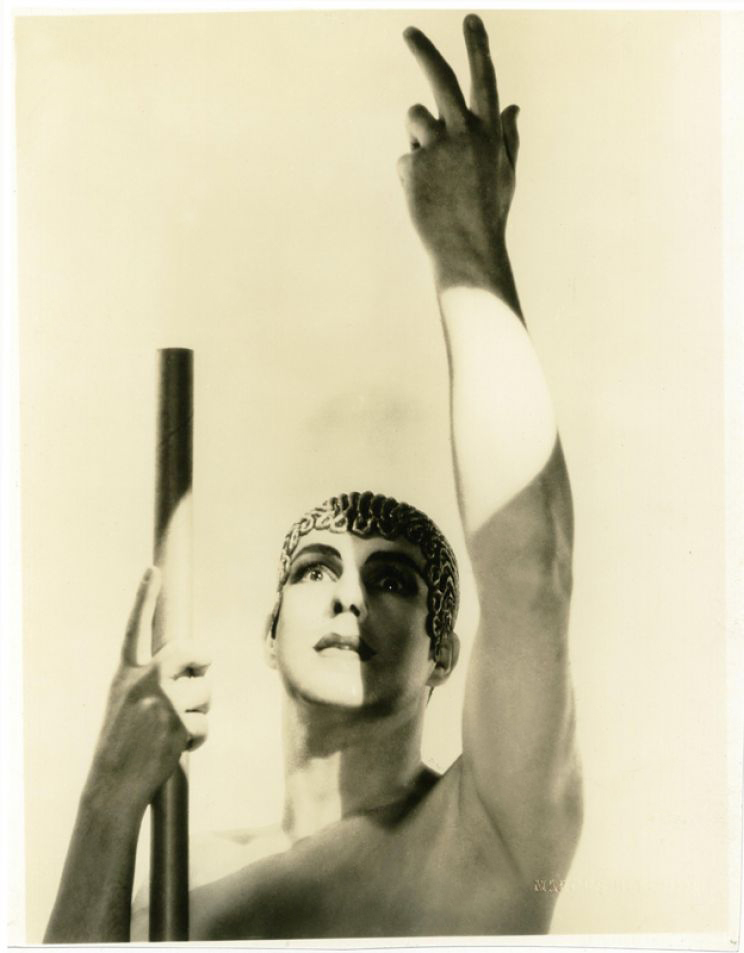
 

Anonymous photographer. 'The Dancer, Ted Shawn, Boston Dance Theater' 1929 from the exhibition 'Hunted and Gathered: Photographs' from the Private Collection of Robert Flynn Johnson at Modernism, San Franciso, July - August, 2009


Anonymous photographer
The Dancer, Ted Shawn, Boston Dance Theater
1929
Vintage gelatin silver print
9 5/8 x 7 1/4″
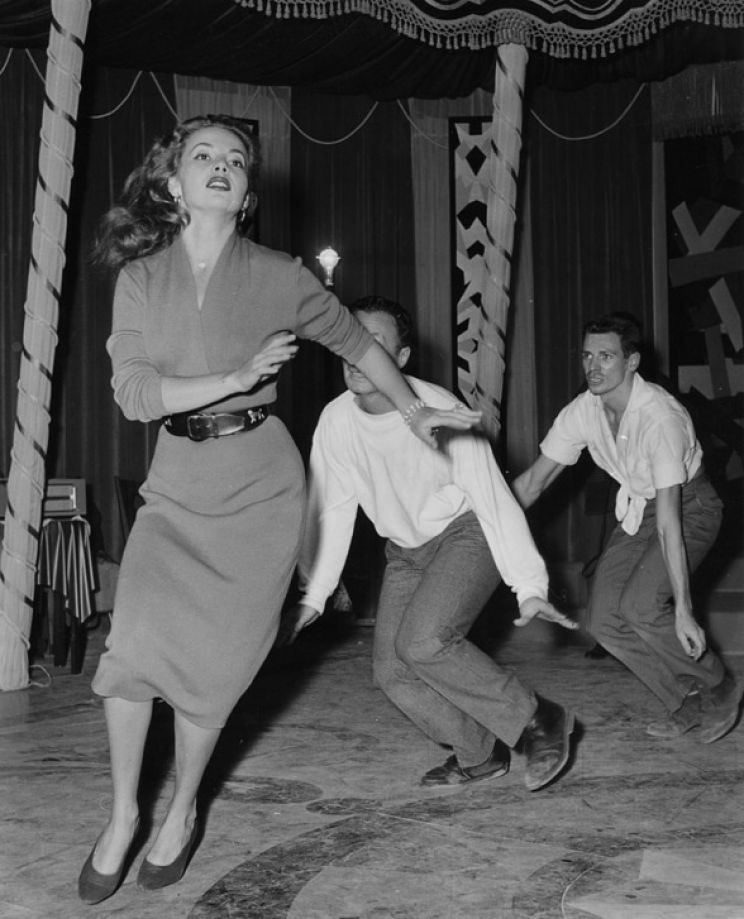
 

Gérard Decaux. 'Abbe Lane' Rome, c. 1955 from the exhibition 'Hunted and Gathered: Photographs' from the Private Collection of Robert Flynn Johnson at Modernism, San Franciso, July - August, 2009


Gérard Decaux
Abbe Lane
Rome, c. 1955
Vintage gelatin silver print
10 1/4 x 8 1/2″
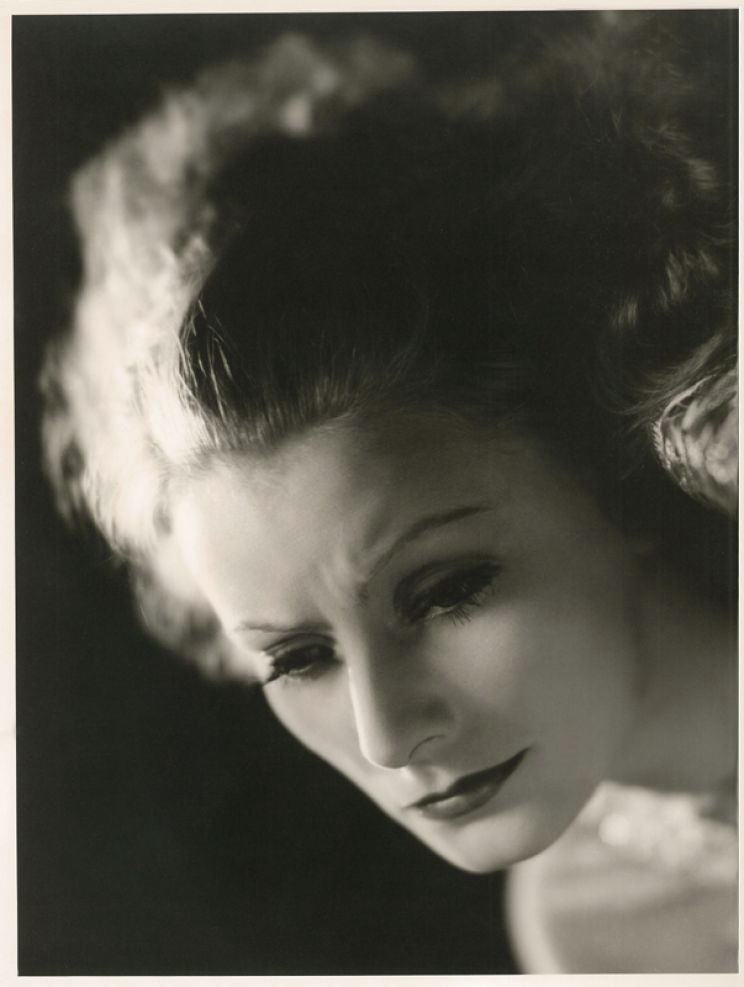
 

Clarence Sinclair Bull (American, 1896-1979) 'Greta Garbo' c. 1935 from the exhibition 'Hunted and Gathered: Photographs' from the Private Collection of Robert Flynn Johnson at Modernism, San Franciso, July - August, 2009


Clarence Sinclair Bull (American, 1896-1979)
Greta Garbo
c. 1935
Gelatin silver print, printed later
14 x 11″


Clarence Sinclair Bull was born in Sun River, Montana in 1896. His career began when Samuel Goldwyn hired him in the 1920 to photograph publicity stills of the MGM stars. He is most famous for his photographs of Greta Garbo taken during the years of 1926-1941. Bull’s first portrait of Garbo was a costume study for the Flesh and the Devil, in September 1926.

Bull was able to study with the great Western painter, Charles Marion Russell. He also served as an assistant cameraman in 1918. Bull was skilled in the areas of lighting, retouching, and printing. He was most commonly credited as “C.S. Bull.” Bull died on June 8, 1979 in Los Angeles, California, aged 83.

Text from the Wikipedia website
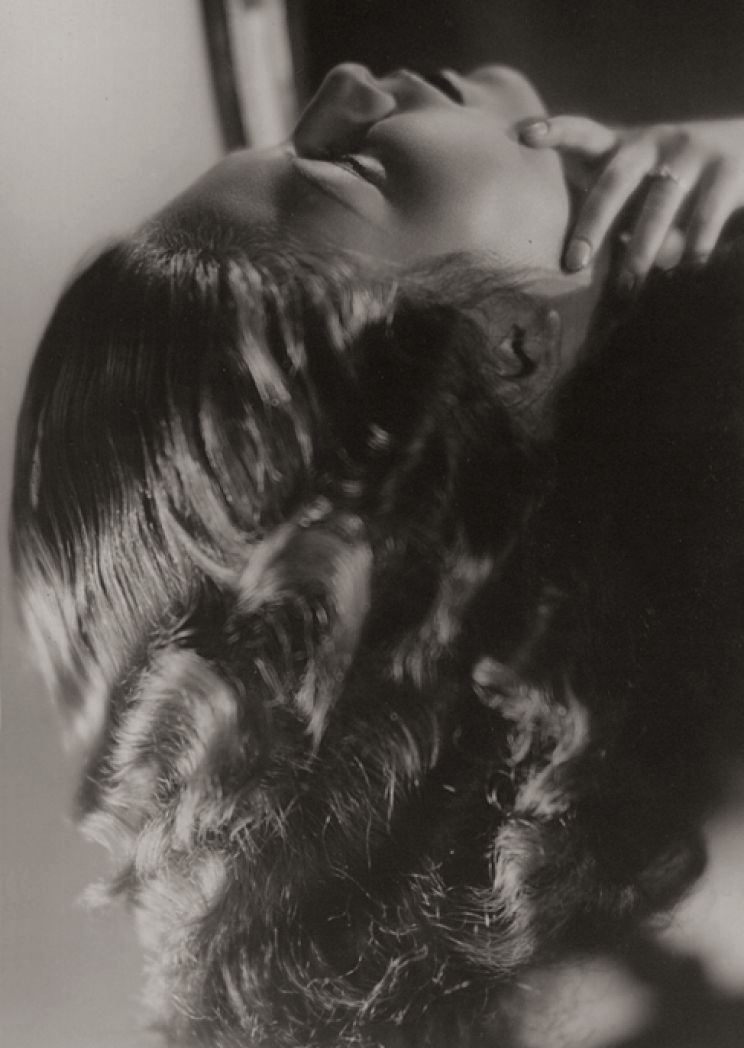
 

Laure Albin Guillot (French, 1879-1962) 'La Flamme (Woman's Head)' c. 1935


Laure Albin Guillot (French, 1879-1962)
La Flamme (Woman’s Head)
c. 1935
Vintage gelatin silver print
6 3/8 x 4 3/8″
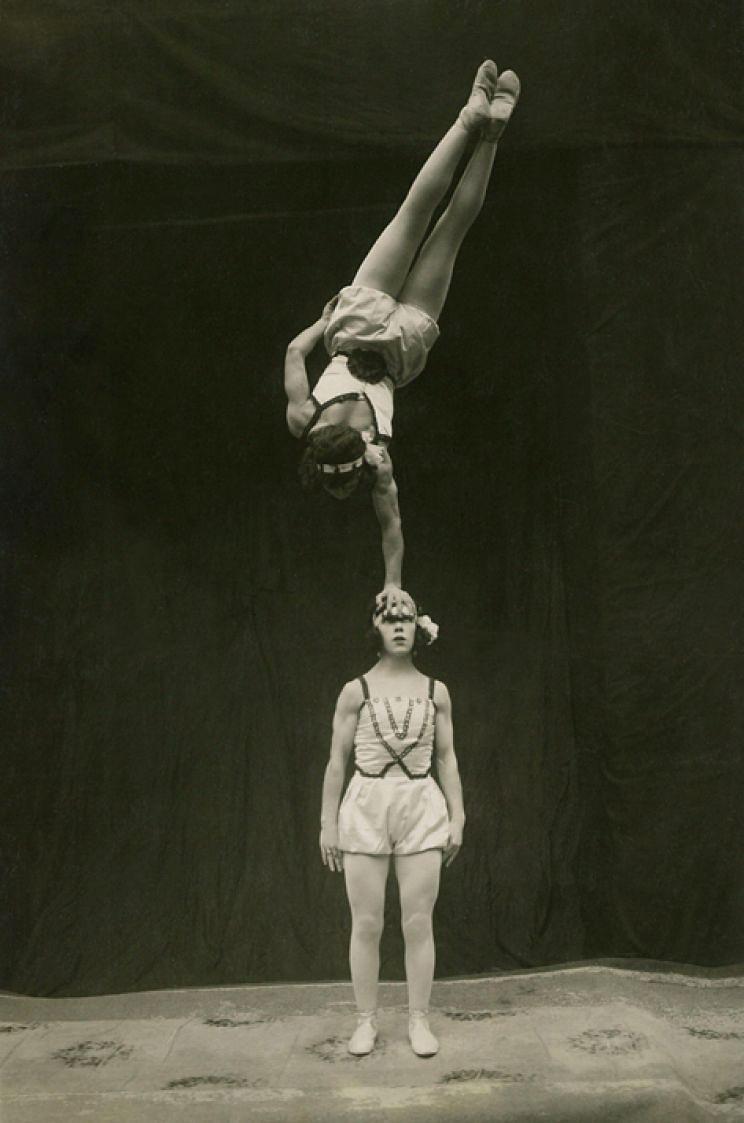
 

Anonymous photographer. 'Acrobats' c. 1920


Anonymous photographer
Acrobats
c. 1920
Vintage gelatin silver print
8 5/8 x 5 5/8″
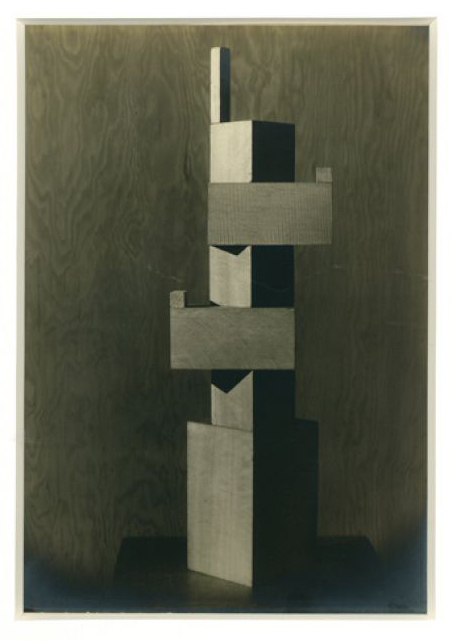
 

Pierre Nobel. 'Still Life' c. 1935


Pierre Nobel
Still Life
c. 1935
Vintage gelatin silver print mounted on paper
9 1/4 x 6 3/4″


Charles Jones (English, 1866-1959) 'Plum, Laxton Early Red' c. 1910


Charles Jones (English, 1866-1959)
Plum, Laxton Early Red
c. 1910
Vintage gelatin silver print from a glass plate negative
6 x 4 1/4″


Modernism presents a wonderful and intriguing selection of photographs from the private collection of Robert Flynn Johnson. Robert Flynn Johnson is emeritus faculty in the Printmaking department. He is the curator in charge of the Achenbach Foundation for Graphic Arts at the Fine Arts Museums of San Francisco, a position he has held since 1975.

This exhibition coincides with the publication of his second book on vernacular photography, The Face in the Lens: Anonymous Photographs (University of California Press).

“When I am asked what it takes to become an accomplished collector, it is not the qualities of knowledge, judgment or that elusive term “taste” that comes to mind. Instead, it is the ability to be curious that is the crucial element in the makeup of a true collector – the ability to ask questions, to learn, and to get answers regarding works of art that catch your eye and move your emotions,” Robert Flynn Johnson said.

He added, “For more than thirty-five years I have followed my curiosity in passionately seeking out photographs that have stirred my imagination. Some of them have been by great artistic masters of the medium, while others have been anonymous photographic orphans that have nothing going for them but the image itself. Both types of photographs are included in this exhibition.”

“I have made a varied, and some may say eccentric, selection of images. From a heart-stopping snapshot of acrobats posed in a three-man handstand perched on the ledge of the 108th floor of the Empire State building, to a tender portrait of Marilyn Monroe and Joe DiMaggio that captures the instant before their lips meet in their first kiss as a married couple, They these pictures are a true reflection of my collecting philosophy that is attracted to profound, beautiful, humorous, and absurd aspects of life and art.”

“Nevertheless, I hope they these works convey some of the visual surprise and delight to you that I felt when I first saw each and every one of them.”

Oscar Wilde once said that the only person that liked all art equally was an auctioneer! I do not expect viewers to appreciate all the photographs in this exhibition, but through my visual curiosity in collecting them over time, I did, and that is why they are here together today.

Text from Artdaily.org website
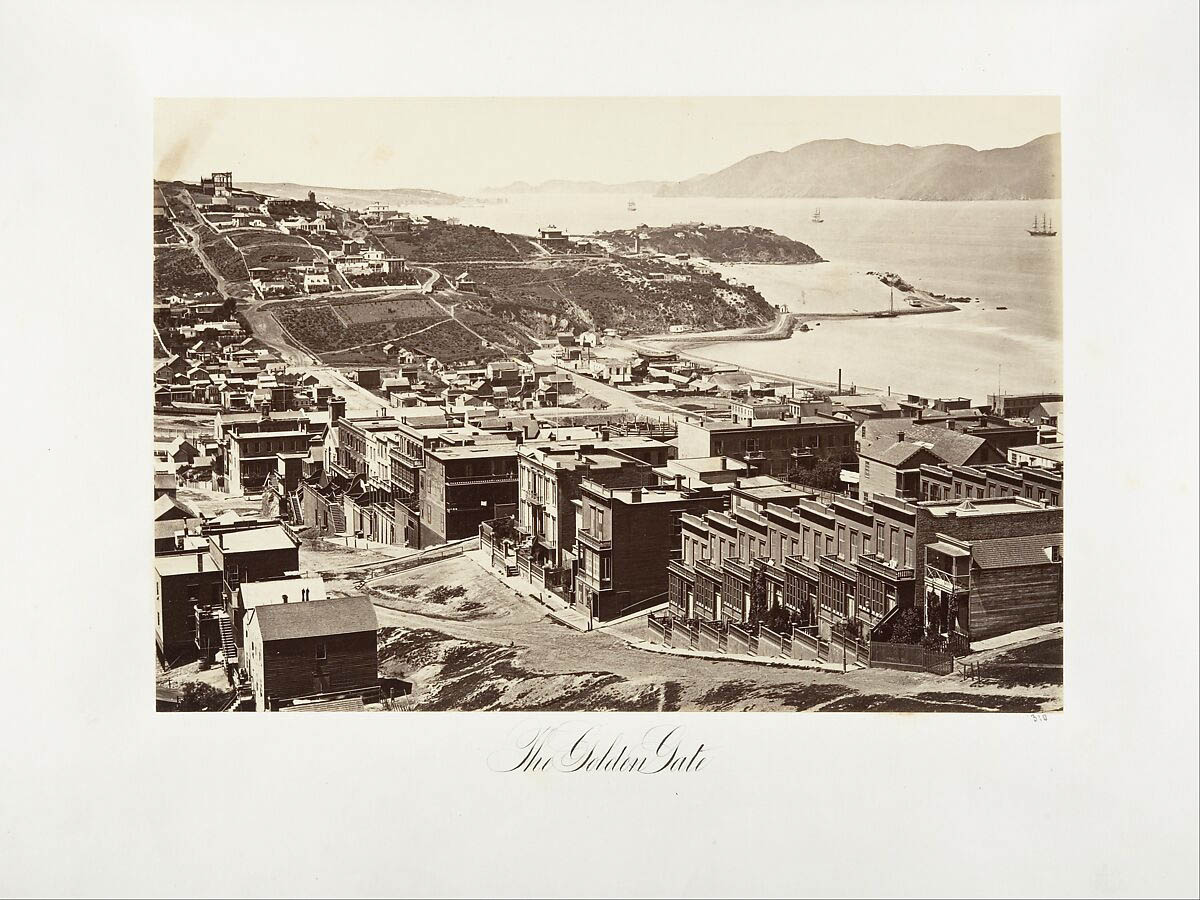
 

Carelton Watkins (American, 1829-1916) 'San Francisco' c. 1868


Carelton Watkins (American, 1829-1916)
San Francisco
c. 1868
Vintage albumen print
8 x 12 1/8″


Mammoth-plate photograph of San Francisco taken from the top of Telegraph Hill showing the Golden Gate in the background.


Eugène Atget (French, 1857-1927)
'Landscape, Environs of Paris (Étang, Ville-d'Avray)' 1917


Eugène Atget (French, 1857-1927)
Landscape, Environs of Paris (Étang, Ville-d’Avray)
1917
vintage albumen print
7 x 9 1/4″


Anonymous photogapher (Czechoslovakia). 'Train' c. 1930


Anonymous photographer (Czechoslovakia)
Train
c. 1930
Vintage gelatin silver print
9 1/4 x 11 5/8″


Anonymous photographer (United Kingdom). 'Train' c. 1930


Anonymous photographer (United Kingdom)
Train
c. 1930
Vintage gelatin silver print
9 1/2 x 11 1/2″
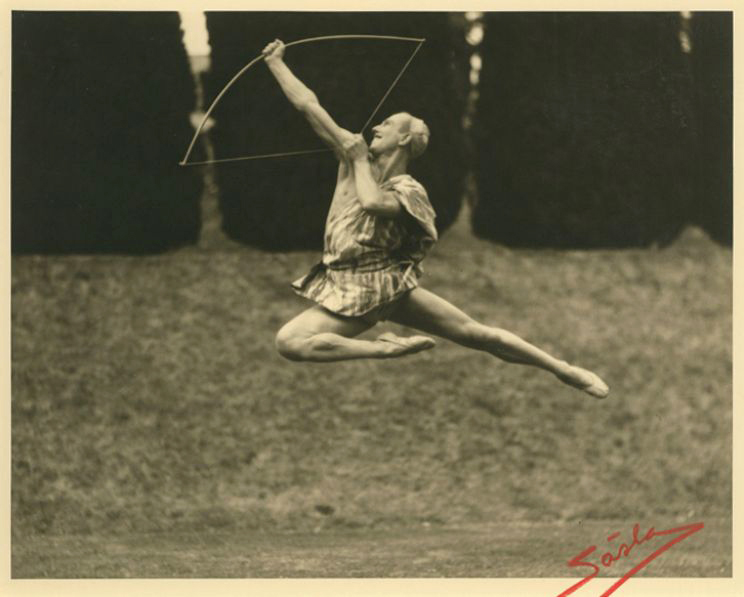
 

Sasha. 'Archer Leaping Through the Air' c. 1930


Sasha
Archer Leaping Through the Air
c. 1930
Vintage gelatin silver print
7 3/8 x 9 3/8″
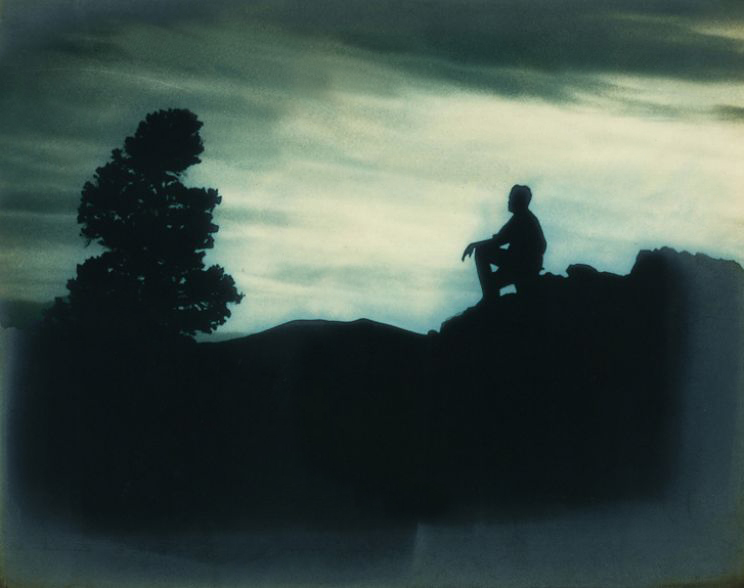
 

Leopold Hugo (American born Poland, 1866-1933) 'Craters of the Moon, Idaho' 1920


Leopold Hugo (American born Poland, 1866-1933)
Craters of the Moon, Idaho
1920
Tinted vintage gelatin silver print
7 3/8 x 9 3/8″
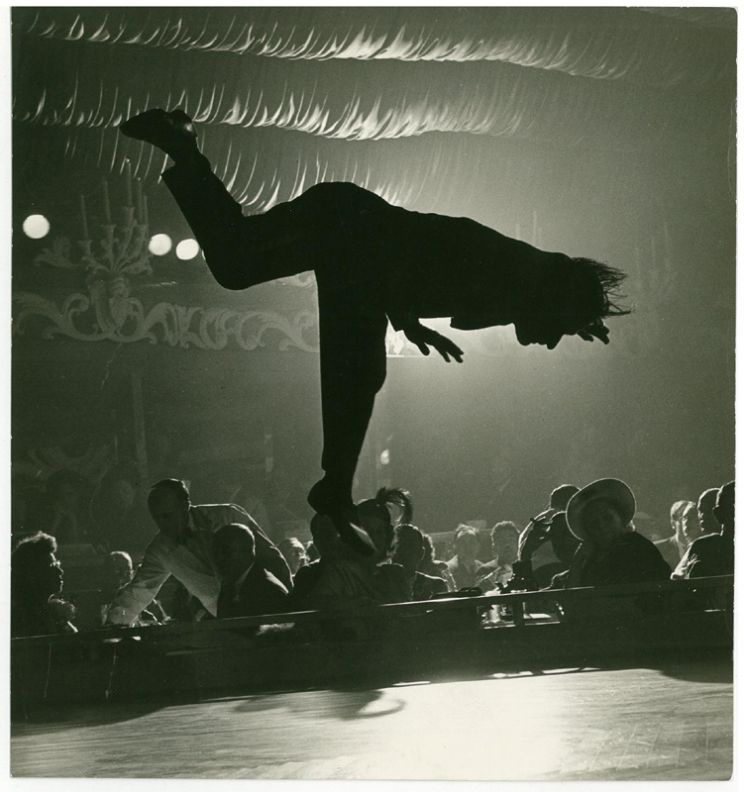
 

Anonymous. 'Acrobat Piroska at the Latin Quarter (Published in Life Magazine)' c. 1945


Anonymous photographer
Acrobat Piroska at the Latin Quarter (Published in ‘Life Magazine’)
c. 1945
Vintage gelatin silver print
9 5/8 x 9″
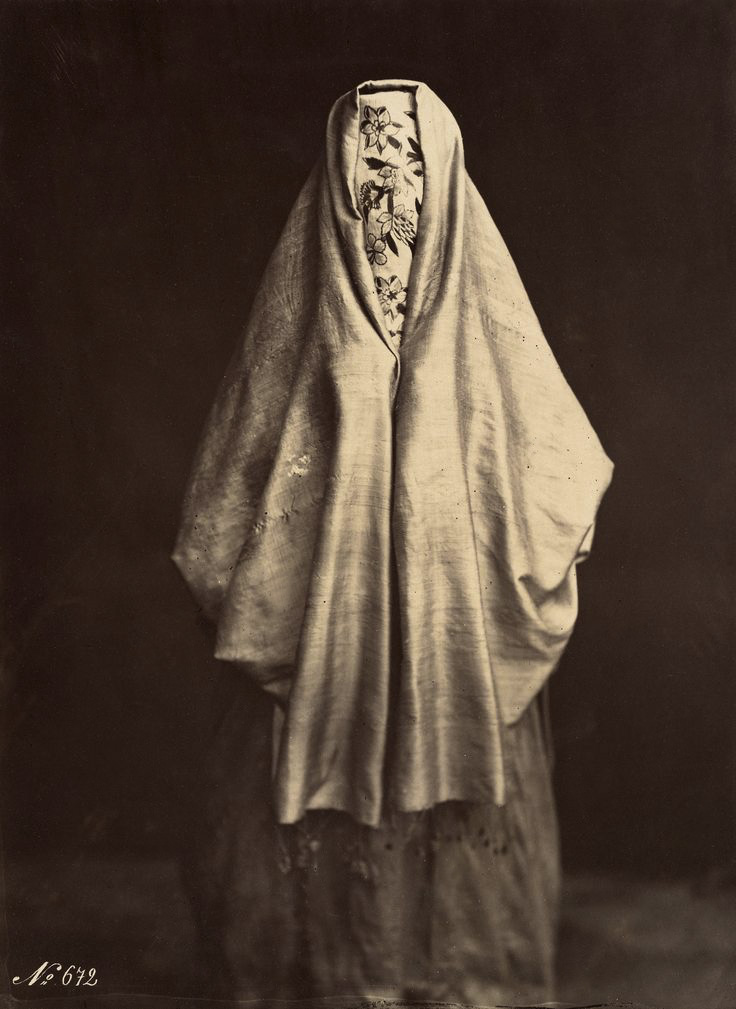
 

Felix Bonfils (French, 1831-1885) 'Woman in Burka' c. 1870


Felix Bonfils (French, 1831-1885)
Woman in Burka
c. 1870
vintage albumen print
8 3/4 x 6 5/8″


Modernism
724 Ellis Street
San Francisco, CA 94109

Opening Hours:
Tuesday – Saturday, 10am – 5:30pm
Modernism website

LIKE ART BLART ON FACEBOOK

Back to top

The work of Eric Tabuchi

April 2009


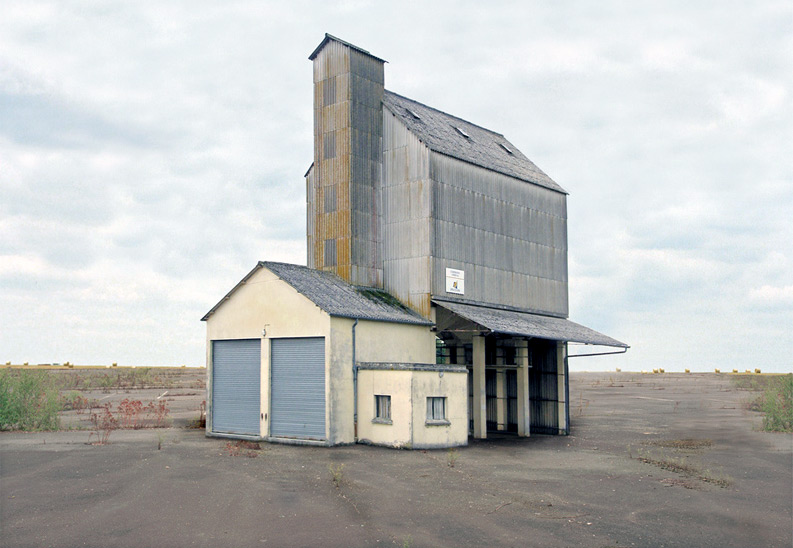
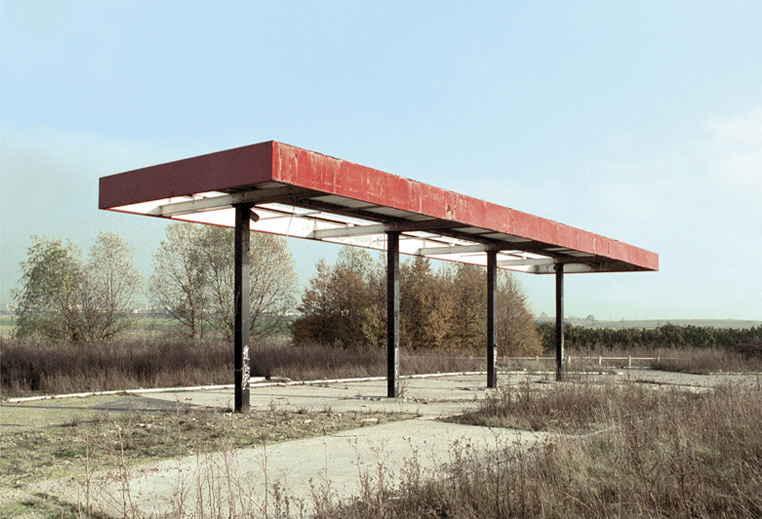
Eric Tabuchi (French, b. 1959) 'Station #1' 2002


Eric Tabuchi (French, b. 1959)
Station #1 from the book Twentysix Abandoned Gas Stations
2002


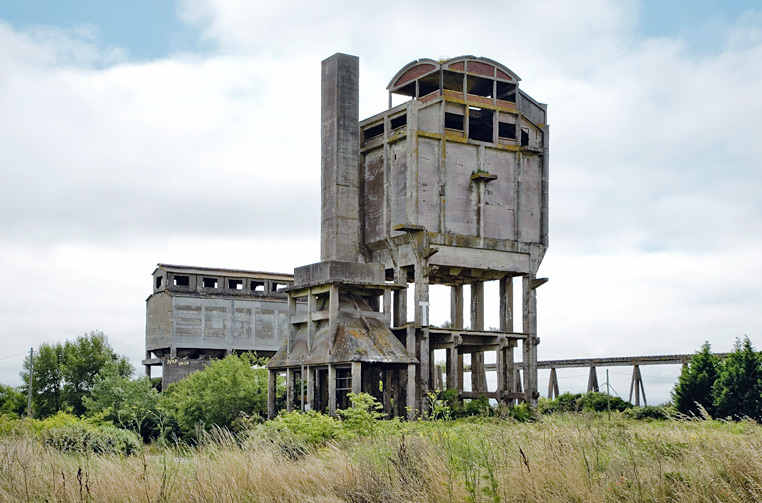
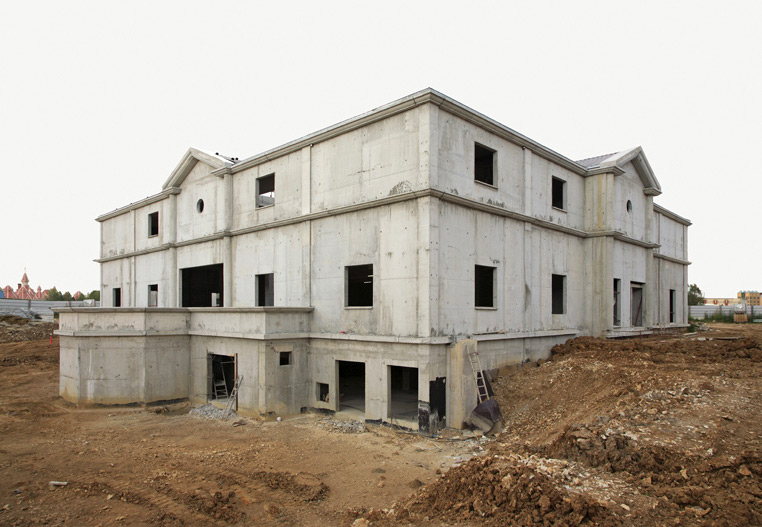
One of my favourite artists at the moment is Frenchman Eric Tabuchi. I don’t know a lot about him as there is only an exhibition list on his website and no other details but this does not matter. His work speaks for him. Taken in simple formalist objective style his colour photographs tell it like it is, speaking the images of existence in a clear and precise manner. His work ‘en serie’ are conceptually based but the images themselves are straight forward, images that depict the ironies and degradations of environments and artefacts without moral judgement. His photographs have links back to the formalist style of the German Bernd and Hiller Becher whose work has influenced many contemporary photographers (including Andreas Gursky, Candid Hofer, Thomas Ruff and Thomas Struth amongst others).

Tabuchi’s latest artist book Twentysix Abandoned Gas Stations is a contemporary reprise on the very first modern artist’s book Twentysix Gasoline Stations produced by Ed Ruscha in 1963. Using minimalist notions of repetitive sequence and seriality Tabuchi addresses a contemporary landscape full of abandoned technologies, toxic environments and architectural wastelands foretelling the badlands of future worlds. As in all his bodies of work the body of the human is absent, the sense of corporeal distance from object to viewer devastating. His constructions, both photographic and environmental, speak eloquently to the human present, presence absence.

He is a photographer to remember.

Dr Marcus Bunyan


Many thankx to Eric Tabuchi for allowing me to publish the photographs in the posting. Please click on the photographs for a larger version of the image.


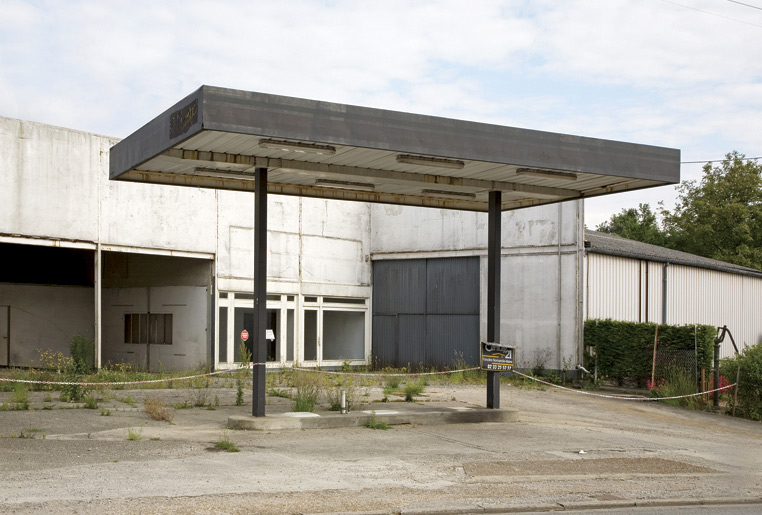
Eric Tabuchi (French, b. 1959) 'Station #21' 2008


Eric Tabuchi (French, b. 1959)
Station #21 from the book Twentysix Abandoned Gas Stations
2008


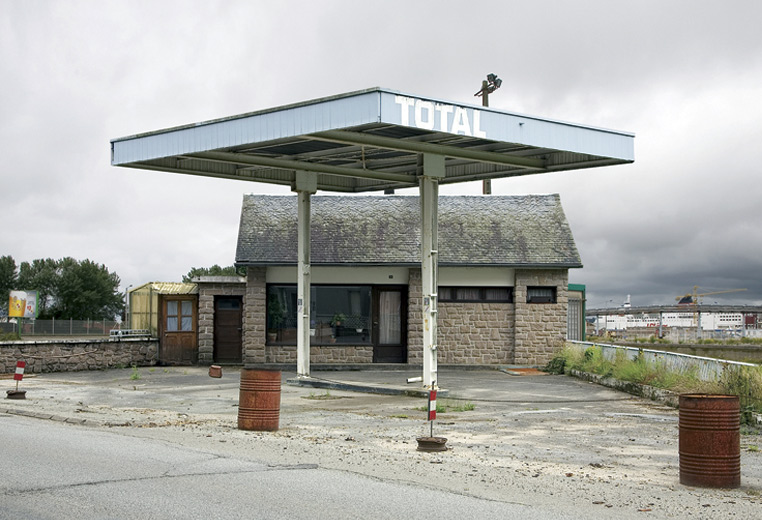
Eric Tabuchi (French, b. 1959) 'Station #22' 2006


Eric Tabuchi (French, b. 1959)
Station #22 from the book Twentysix Abandoned Gas Stations
2006


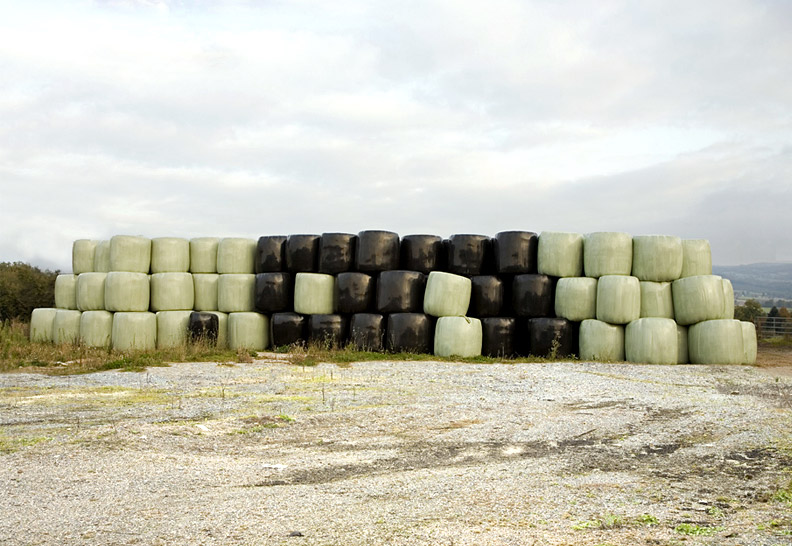
Eric Tabuchi (French, b. 1959) 'Stock Options #3' from the 'Monument' series 2007


Eric Tabuchi (French, b. 1959)
Stock Options #3 from the Monument series
2007


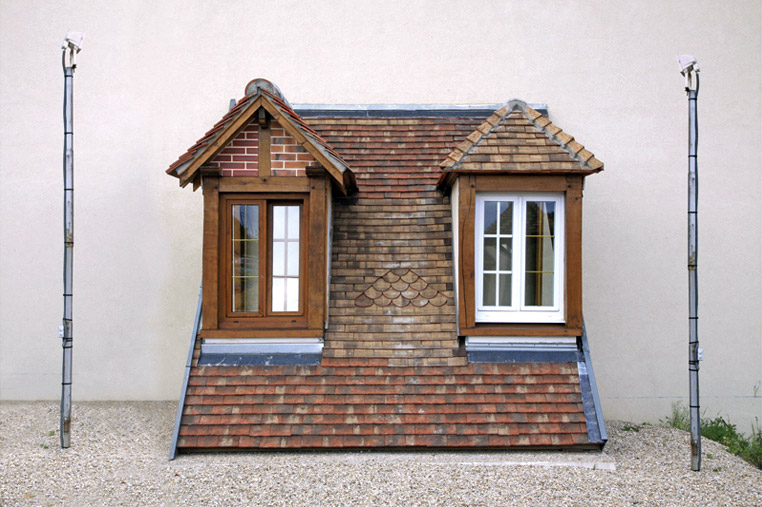
Eric Tabuchi (French, b. 1959) 'Two Windows' from the 'Road Signs' series 2006


Eric Tabuchi (French, b. 1959)
Two Windows from the Road Signs series
2006


Eric Tabuchi (French, b. 1959) 'Untitled' from the 'Untitled Landscape' series 2005


Eric Tabuchi (French, b. 1959)
Untitled from the Untitled Landscape series
2005


Eric Tabuchi (French, b. 1959) 'Untitled' from the 'Various Ruins' series 2007


Eric Tabuchi (French, b. 1959)
Untitled from the Various Ruins series
2007


Eric Tabuchi (French, b. 1959) 'Untitled' from the 'Work in Progress' series 2007


Eric Tabuchi (French, b. 1959)
Untitled from the Work in Progress series
2007


Eric Tabuchi website

LIKE ART BLART ON FACEBOOK

Back to top

Exhibition: ‘Hyper’ by Denis Darzacq at Australian Centre for Photography (ACP), Sydney

Exhibition dates: 13th March – 12th April, 2009


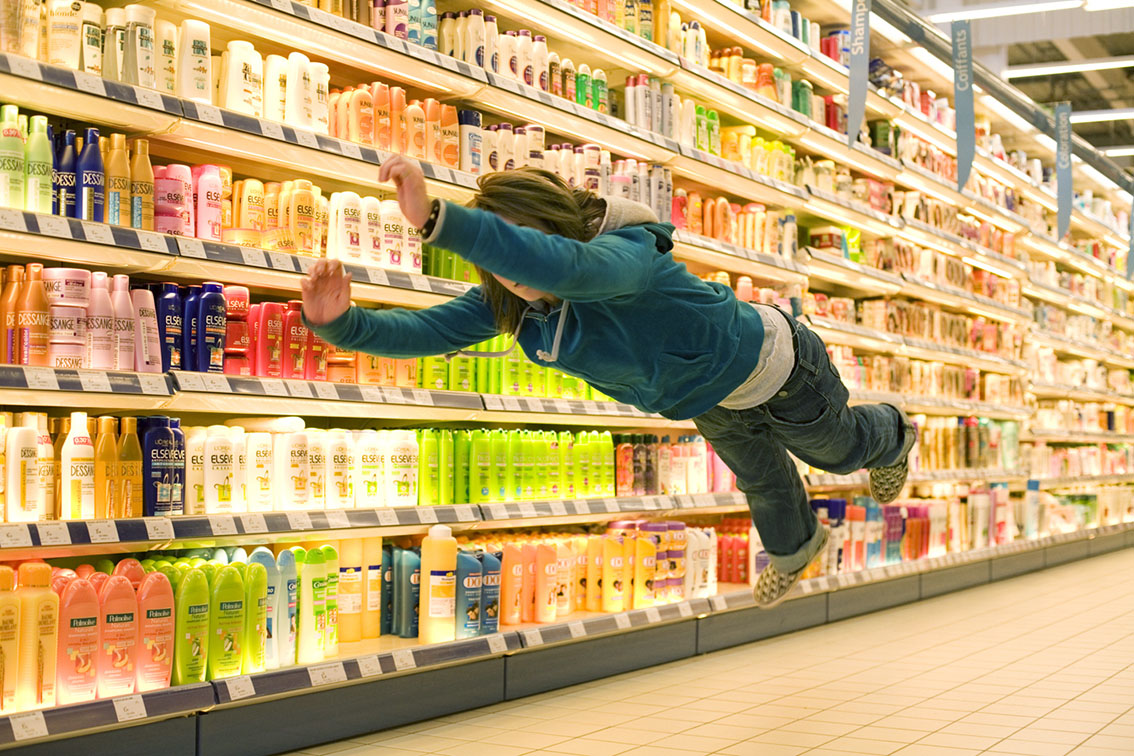
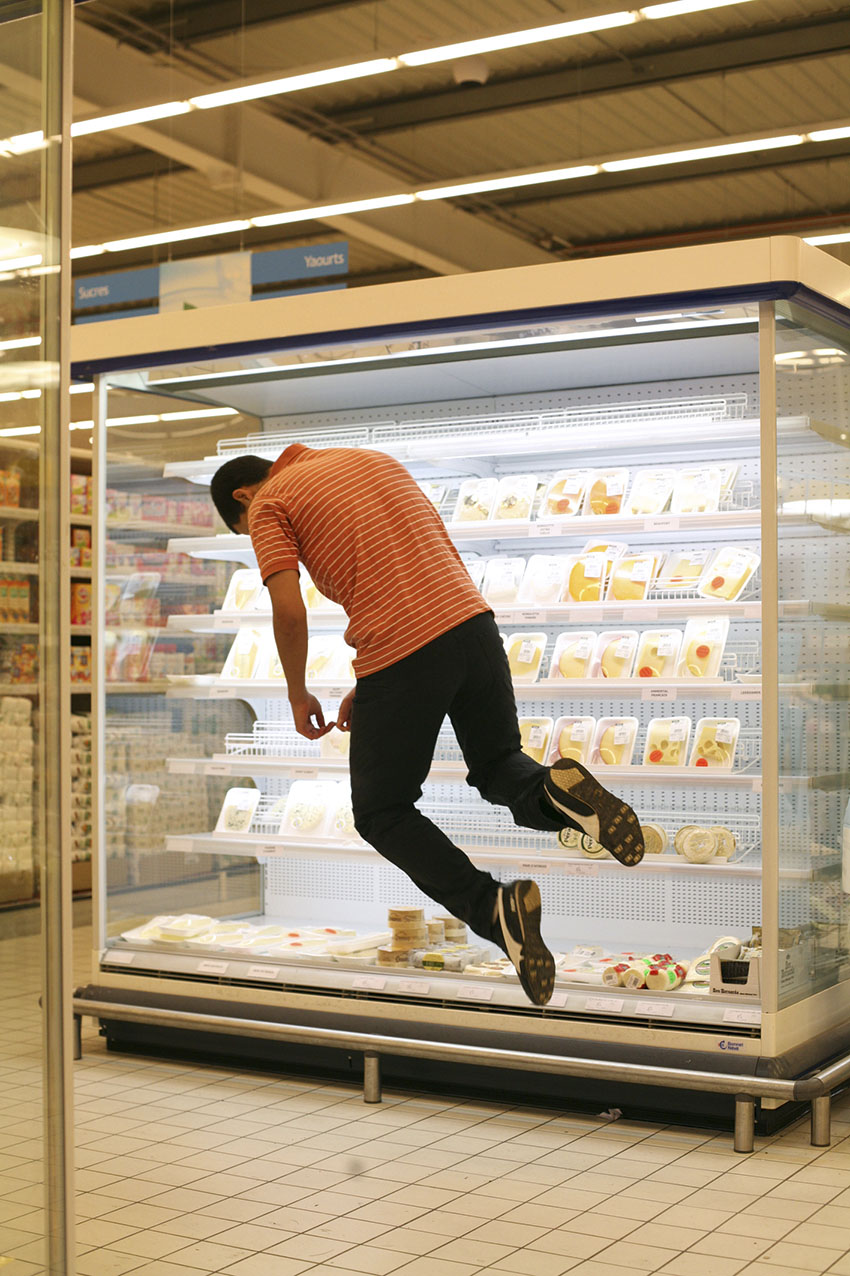
Denis Darzacq (French, b. 1961) 'Hyper #4' 2007 from the exhibition 'Hyper' by Denis Darzacq at Australian Centre for Photography (ACP), Sydney, March - April, 2009


Denis Darzacq (French, b. 1961)
Hyper #4
2007


These images form an interesting body of work: levitating bodies suspended between heaven and earth, neither here nor there, form a hyper-real image grounded in the context of the fluorescent isles of French supermarkets. The mainly anonymous humans look like mannequins in their inertness, frozen at the moment of throwing themselves/being thrown into the consumer environment. After his brilliant series La Chute (The Fall) Darzacq has taken people gathered in a casting call from around the town of Rouen and made their frozen bodies complicit in the mass production of the supermarket and the mass consumption of the image as tableaux vivant: the mise en scène directed by the photographer to limited effect. There is something unsettling about these images but ultimately they are unrewarding, as surface as the environment the bodies are suspended in, and perhaps this is the point.

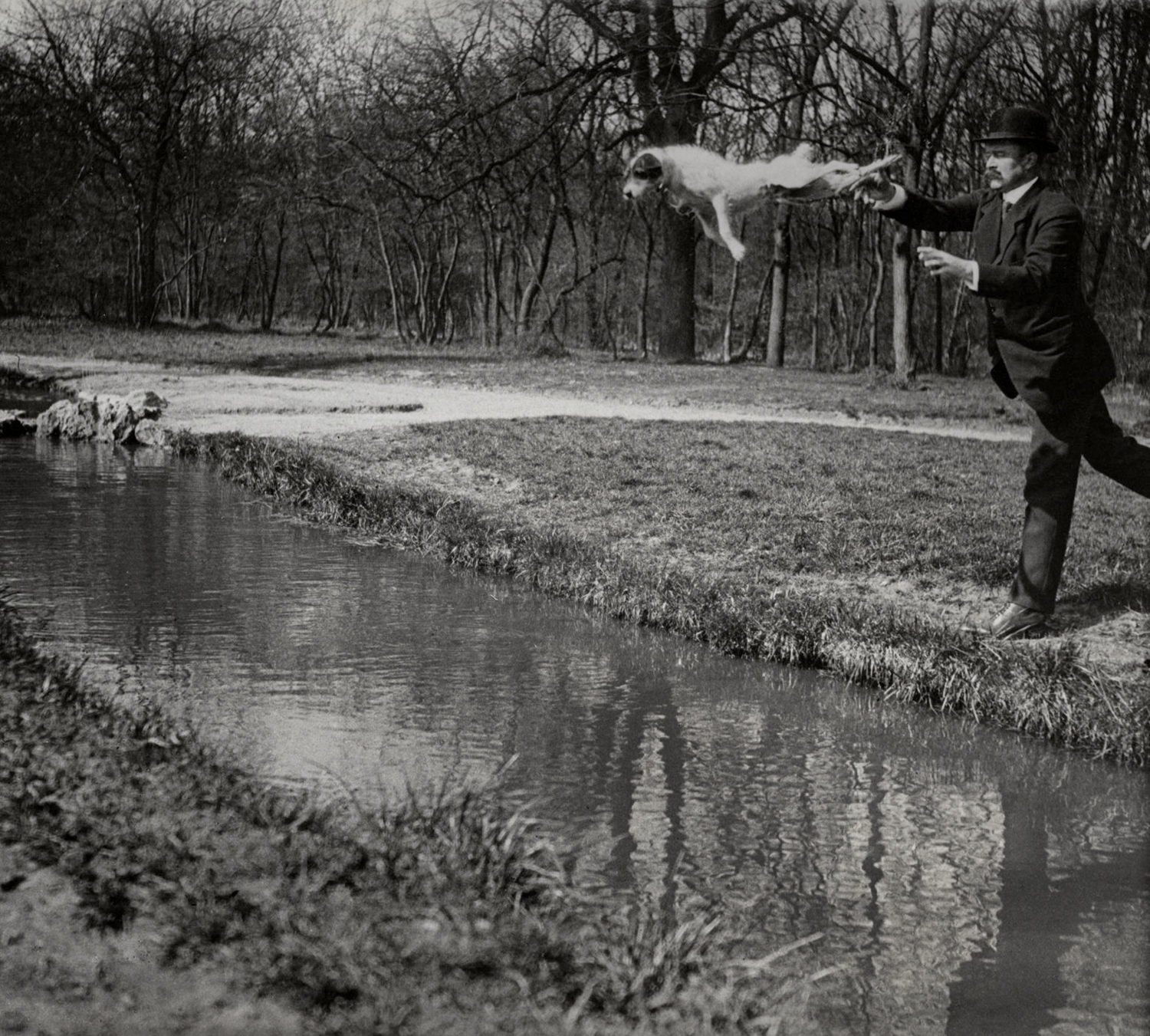
Suspension of bodies is not a new idea in photography. Jacques Henri Lartigue used the freeze frame to good effect long before Henri Cartier-Bresson came up with his ‘decisive moment’: playing with the effect of speed and gravity in an era of Futurism, Lartigue used the arrested movement of instant photography then afforded by smaller cameras and faster film to capture the spirit of liberation in the ‘Belle Epoque’ period before the First World War.

“All the jumping and flying in Lartigue’s photographs, it looks like the whole world at the turn of the century is on springs or something. There’s a kind of spirit of liberation that’s happening at the time and Lartigue matches that up with what stop action photography can do at the time, so you get these really dynamic pictures. And for Lartigue part of the joke, most of the time, is that these people look elegant but they are doing these crazy stunts.”1


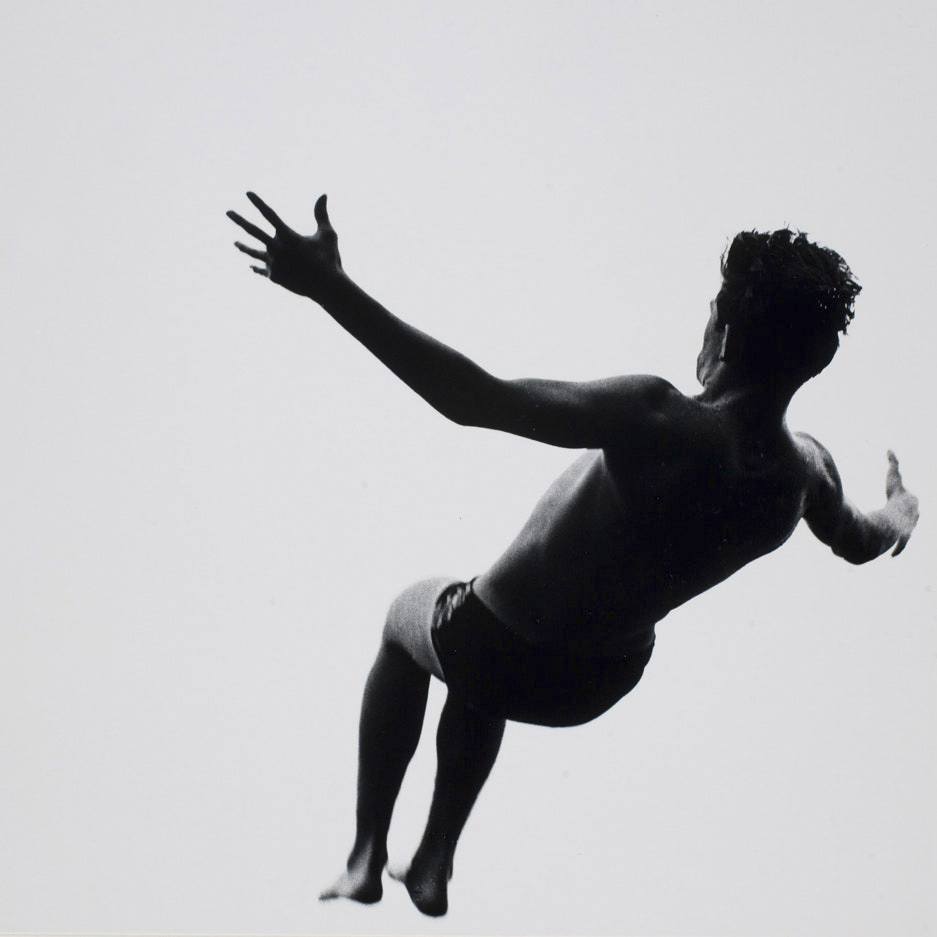
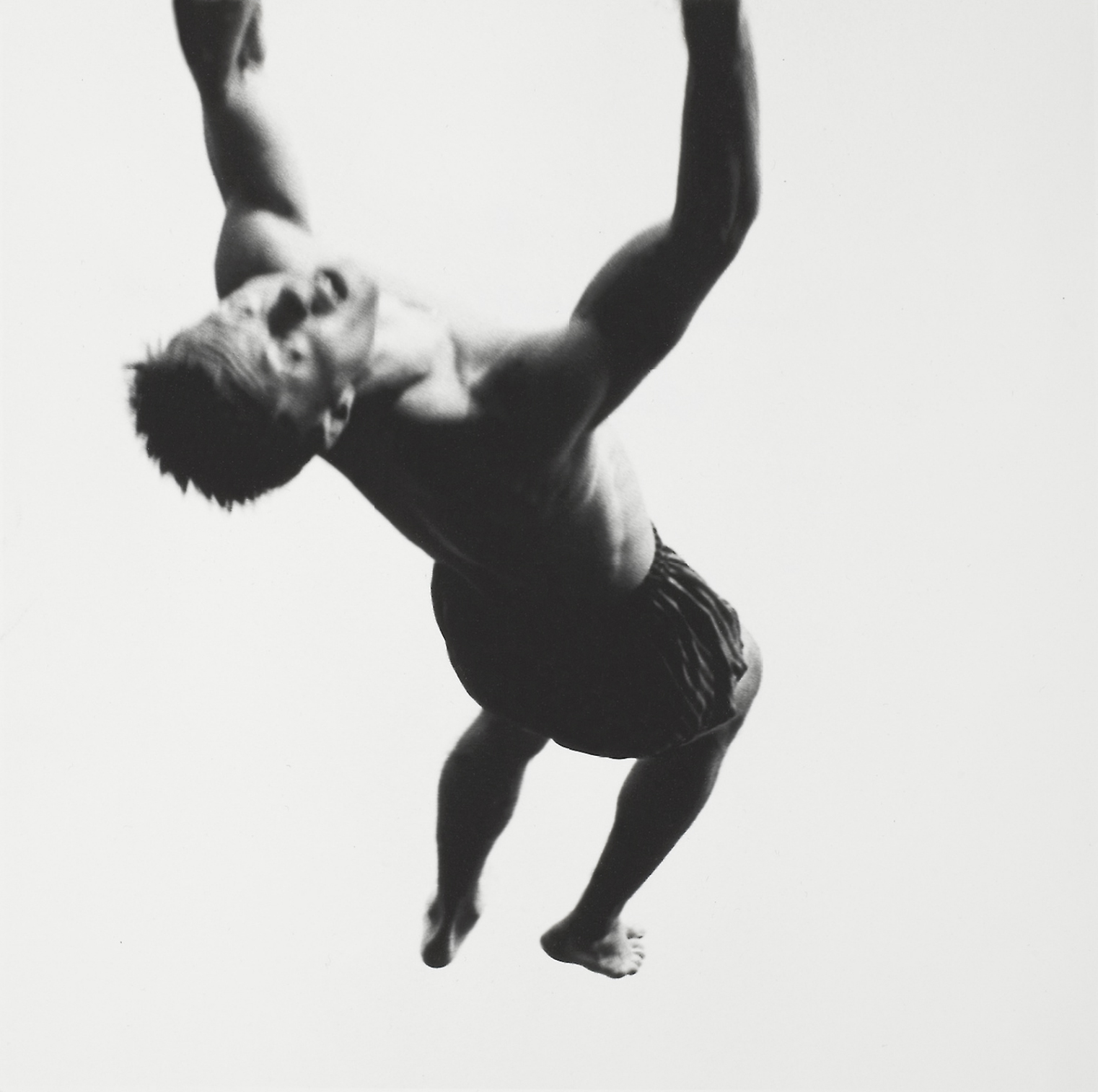
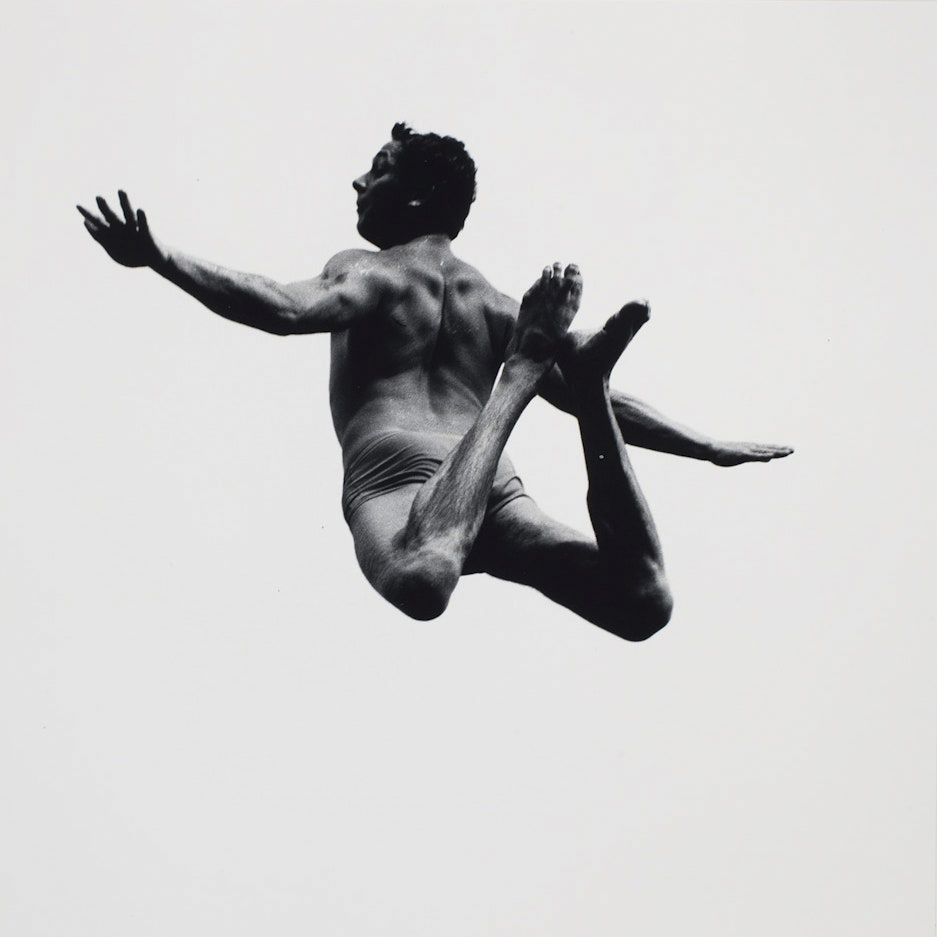
One of the greatest, if not the greatest ever, series of photographs of levitating bodies is that by American photographer Aaron Siskind. Called Pleasures and Terrors of Levitation (sometimes reversed as Terrors and Pleasures of Levitation as on the George Eastman House website) the images feature divers suspended in mid-air with the sky as their blank, background canvas. The images formal construction makes the viewer concentrate on the state of the body, its positioning in the air, and the look on the face of some of the divers caught between joy and fear.

“Highly formal, yet concerned with their subject as well as the idea they communicate, the ‘Pleasures and Terrors of Levitation’ photographs depict the dark shapes of divers suspended mid-leap against a blank white sky. Shot with a hand-held twin-lens reflex camera at the edge of Lake Michigan in Chicago, the balance and conflict suggested by the series’ title is evident in the divers’ sublime contortions.”2


Perhaps because of their air of balance and conflict we can return to these vibrant images again and again and they never loose their freshness, intensity and wonder. The same cannot be said of Denis Darzacq’s Hyper photographs. Slick and surface like the consumer society on which they comment the somnambulistic bodies are more like floating helium balloons, perhaps even tortured souls leaving the earth. Reminiscent of the magicians trick where the girl is suspended and a hoop passed around her body to prove the suspension is real these photographs really are more smoke and mirrors than any comment on the binary between being and having as some commentators (such as Amy Barrett-Lennard, Director Perth Institute of Contemporary Arts) have suggested. There is no spirit of liberation here, no sublime revelation as the seemingly lifeless bodies are trapped between the supermarket shelves, as oblivious to and as anonymous as the products that surround them. The well shot images perhaps possess a sense of fun, if I am being generous, as Darzacq plays with our understanding of reality… but are they more than that or is the Emperor just wearing very thin consumer clothing?

Dr Marcus Bunyan


1/ Kevin Moore (Lartigue biographer) quoted in “Genius of Photography,” on the BBC website [Online] Cited 15/03/2009

2/ Text from the Museum of Contemporary Photography website [Online] Cited 15/03/2009 (no longer available)


Many thankx to the Australian Centre for Photography for allowing me to publish the Darzacq photographs in the posting. Please click on the photographs for a larger version of the image. All other images are used under “fair use” for the purpose of education, research and critical discourse.


    Denis Darzacq (French, b. 1961) 'Hyper #8' 2007 from the exhibition 'Hyper' by Denis Darzacq at Australian Centre for Photography (ACP), Sydney, March - April, 2009


    Denis Darzacq (French, b. 1961)
    Hyper #8
    2007


    “The astonishing photographs that make up Hyper involve no digital manipulation, just close collaboration between young dancers and sportspeople as they jump for the camera to form strange, exaggerated poses and body gestures. Denis Darzacq was drawn to the trashy, consumerist nature of the French Hypermarkets (the equivalent of our supermarkets) and the hyper coloured backgrounds they provided. These supermarkets offered a sharp juxtaposition to the sublime, almost-spiritual bodies that appear to float in their aisles.

    Hyper is the latest series of works by French photographer Denis Darzacq, who continues to explore the place of the individual in society, a theme which has been crucial to his work in the last few years.”

    Text from the ACP website [Online] Cited 15/03/2009. No longer available online


    Jacques Henri Lartigue (French, 1894-1986) 'L'envol de Bichonnade' 1905


    Jacques Henri Lartigue (French, 1894-1986)
    Bichonnade, 40, Rue Cortambert, Paris
    1905
    Gelatin silver print


    Jacques Henri Lartigue (French, 1894-1986) 'Mr Folletete (Plitt) et Tupy, Paris, March 1912' 1912


    Jacques Henri Lartigue (French, 1894-1986)
    Mr Folletete (Plitt) et Tupy, Paris, March 1912
    1912
    Gelatin silver print


    Jacques Henri Lartigue (French, 1894-1986) 'Fuborg' 1929


    Jacques Henri Lartigue (French, 1894-1986)
    Fuborg
    1929
    Gelatin silver print


    Herni Cartier-Bresson (French, 1908-2004) 'Behind Saint Lazare Station, Paris, France' 1932


    Herni Cartier-Bresson (French, 1908-2004)
    Behind Saint Lazare Station, Paris, France
    1932
    Gelatin silver print


    Aaron Siskind (American, 1903-1991) 'Pleasures and Terrors of Levitation #37' 1954


    Aaron Siskind (American, 1903-1991)
    Pleasures and Terrors of Levitation #37
    1956
    Gelatin silver print


    Aaron Siskind (American, 1903-1991) 'Pleasures and Terrors of Levitation #47' 1954


    Aaron Siskind (American, 1903-1991)
    Pleasures and Terrors of Levitation #47
    1954
    Gelatin silver print


    Aaron Siskind (American, 1903-1991) 'Pleasures and Terrors of Levitation #93' 1961


    Aaron Siskind (American, 1903-1991)
    Pleasures and Terrors of Levitation #93
    1961
    Gelatin silver print


    Aaron Siskind (American, 1903-1991) 'Pleasures and Terrors of Levitation #99' 1953


    Aaron Siskind (American, 1903-1991)
    Pleasures and Terrors of Levitation #99
    1956
    Gelatin silver print


    Aaron Siskind (American, 1903-1991) 'Pleasures and Terrors of Levitation #491' 1954


    Aaron Siskind (American, 1903-1991)
    Pleasures and Terrors of Levitation #491
    1956
    Gelatin silver print


    Denis Darzacq (French, b. 1961) 'Hyper #3' 2007


    Denis Darzacq (French, b. 1961)
    Hyper #3
    2007


    Hyper picks up on La Chute while explicitly focusing the artist’s message on the consumerism which hovered in the background of several previous series. In Casques de Thouars Darzacq explored the connecting power and the limits of a consumer product; here the critique is more biting. Hyper opposes bodies in movement and the saturated, standardised space of mass distribution outlets. In this totally commercial setting, the body’s leap expresses the freedom and unhampered choice of its movement. It is a clear challenge to the marketing strategies which seek to control our behaviour. Some of the figures, glowing with an aura, impose glory and give off a sense of spirituality in total contrast with the temples of consumption in which they are found.

    “Hyper 1, 2007-2010,” on the Denis Darzacq website Nd [Online] Cited 13/06/2022


    Denis Darzacq (French, b. 1961) 'Hyper #14' 2007


    Denis Darzacq (French, b. 1961)
    Hyper #14
    2007


    Australian Centre for Photography

    This gallery has now closed

    Denis Darzacq website

    Denis Darzacq Hyper images

    LIKE ART BLART ON FACEBOOK

    Back to top