Exhibition: ‘A World Apart: Photographing Change in London’s East End 1970-76’ at Four Corners, London

Exhibition dates: 24th October – 6th December, 2025
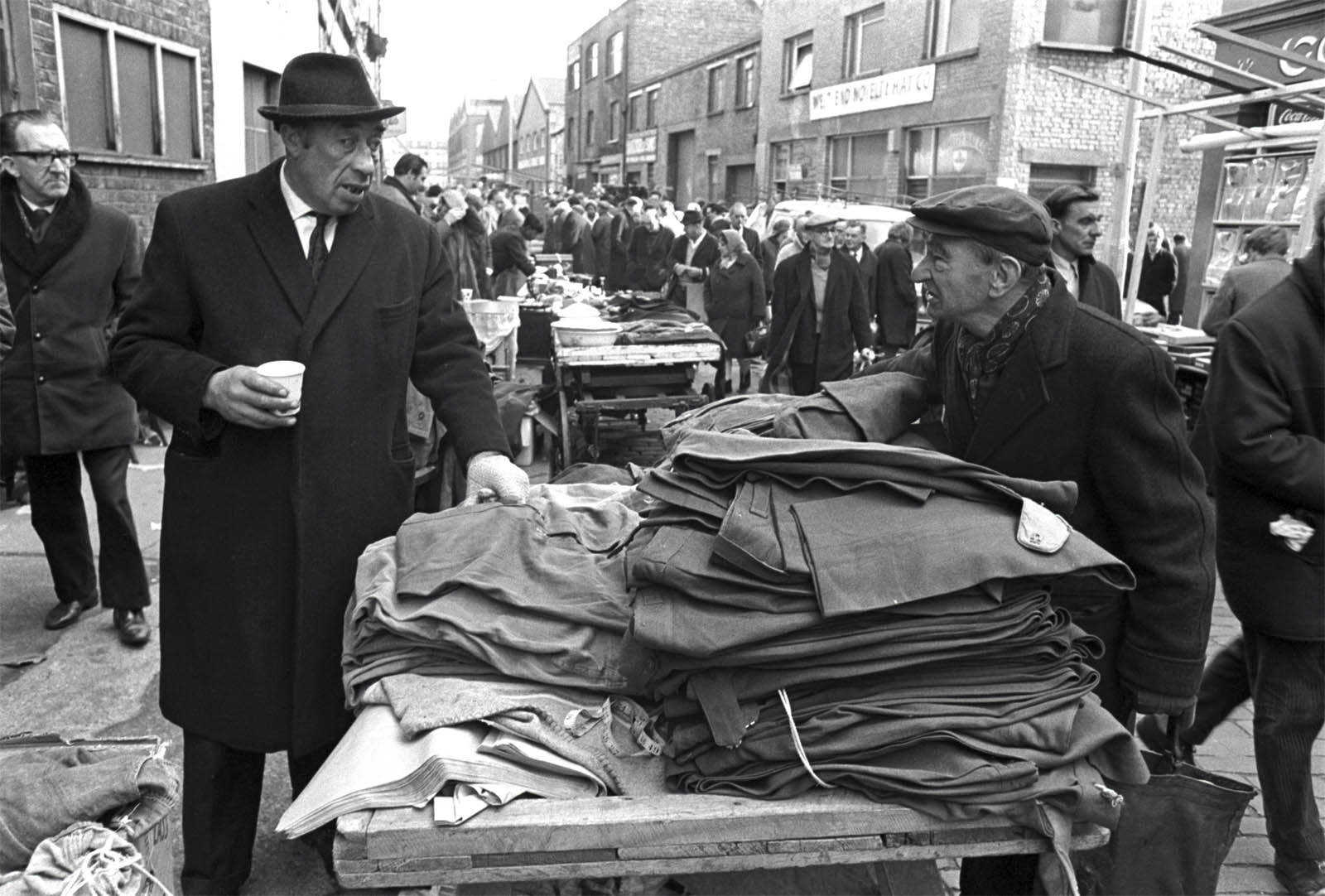


Val Perrin (English) 'Brick Lane market' 1970 or 1972 from the exhibition 'A World Apart: Photographing change in London's East End 1970-76' at Four Corners, Oct - Dec, 2025


Val Perrin (English)
Brick Lane market
1970 or 1972
Gelatin silver print
© Val Perrin


The heroes of this posting (I don’t know about the exhibition for I haven’t seen it!) are the photographs of Ron McCormick (English, b. 1947) which are deeply rooted in the traditions of photography and the community from which they emanate.

They picture an era of change in the East End of London in the 1970s with all the working class grittiness that area was renowned for. I remember going to Brick Lane market in the mid-1970s and it was a rough area. At that time, the East Enders seemed to be a throw back to a vanishing race born out of the Second World War: flat hats, heavy overcoats and a toughness to just carry on regardless. But things were changing.

“As the docks closed, and wholesale slum clearance replaced old neighbourhoods, many communities were being transformed beyond recognition… Yet a different East End was also coming into being, as new migrant communities created a space for themselves,” one that has become equally as British as previous white iterations. The narrow definition of an “East Ender” was gradually replaced with something more multicultural.

McCormick’s photographs picture such a transformation: Jewish, White, Muslim, Indian, Black, etc., all mixing together in a potpourri of ethnicities, “a vibrant cultural landscape with a variety of traditions, languages, and backgrounds existing together,” while his photographs are rooted in strong social documentary traditions.

In his work I can feel (the critical observation) the influence of Lewis Hine and Walker Evans, more recently that of Lisette Model and the interior photographs of Diane Arbus, Roman Vishniac’s photographs of Jewish life in Eastern Europe between the two World Wars, possibly even the contemporaneous portraits by Milton Rogovin.

Undoubtedly this blending of influences in his photographs ultimately reveals McCormick’s insightful eye and generous spirit: his love for the people he is photographing and his embeddedness in local social networks, deeply influenced by the social and cultural environment from which they emerge – a community in a time of rapid transition and social change.

Dr Marcus Bunyan


Many thankx to Four Corners for allowing me to publish the photographs in the posting. Please click on the photographs for a larger version of the image.
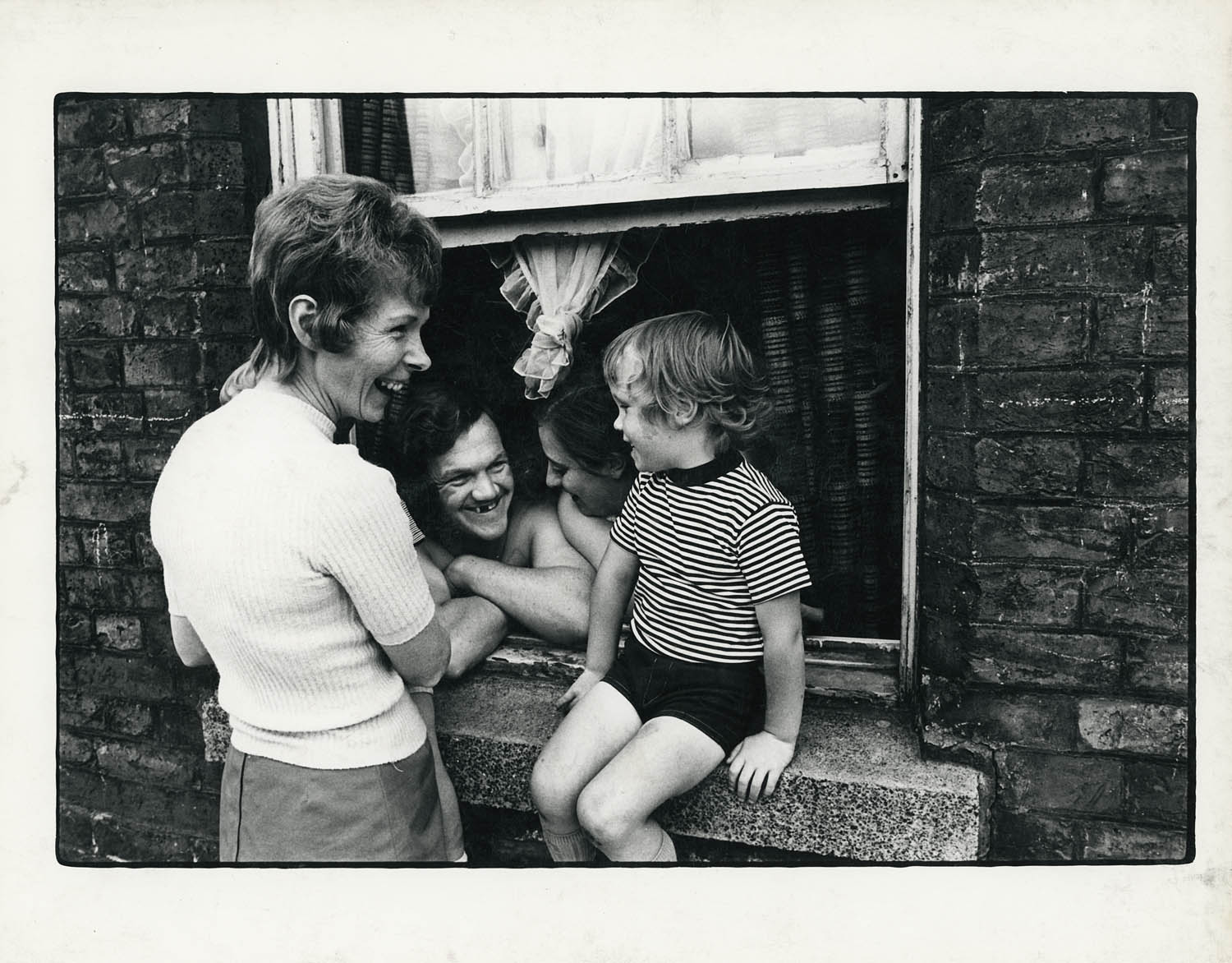


Paul Trevor (English, b. 1947) 'Wapping family at window' 1973 from the exhibition 'A World Apart: Photographing change in London's East End 1970-76' at Four Corners, Oct - Dec, 2025


Paul Trevor (English, b. 1947)
Wapping family at window
1973
Gelatin silver print
© Paul Trevor


Paul Trevor (English, b. 1947) 'Mr and Mrs Kelleher in members pub' 1973


Paul Trevor (English, b. 1947)
Mr and Mrs Kelleher in members pub
1973
Gelatin silver print
© Paul Trevor
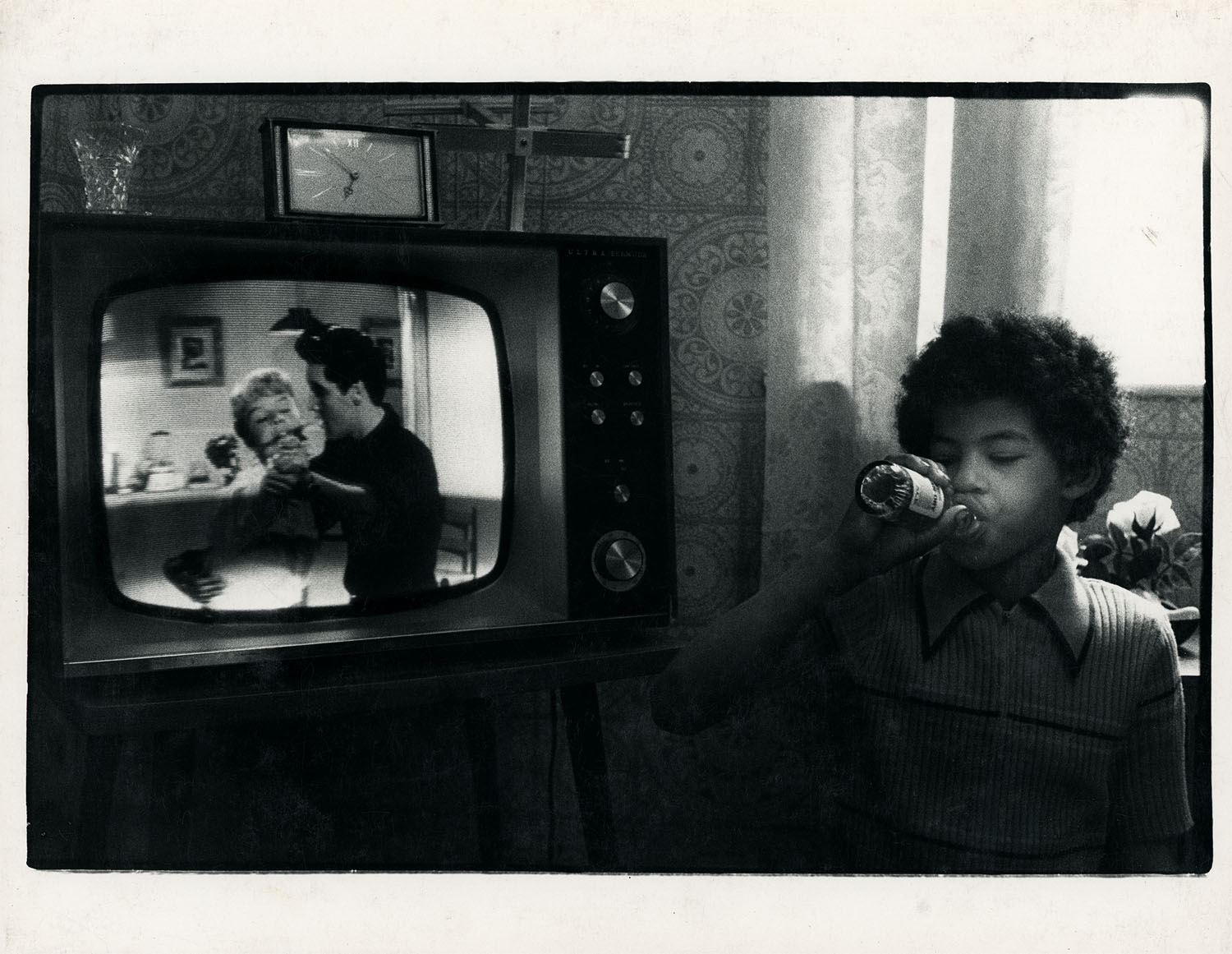
 

Nicholas Battye (British, 1950-2004) / Exit Photography. 'Floyd Wilson' 1973


Nicholas Battye (British, 1950-2004) / Exit Photography
Floyd Wilson
1973
Gelatin silver print
© Nicholas Battye/Exit Photography
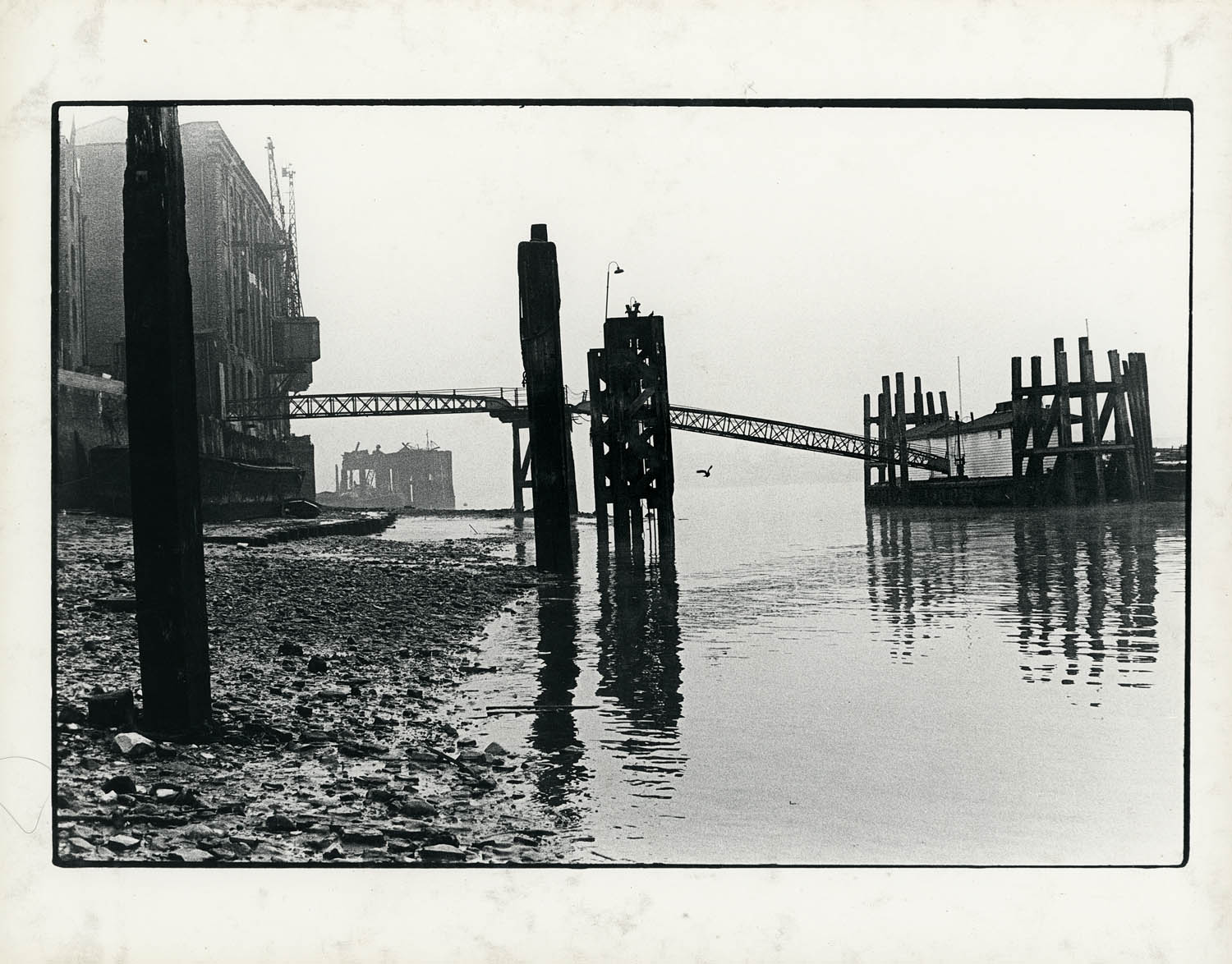
 

Exit Photography. 'Wapping pier' 1973


Exit Photography
Wapping pier
1973
Gelatin silver print
© Exit Photography
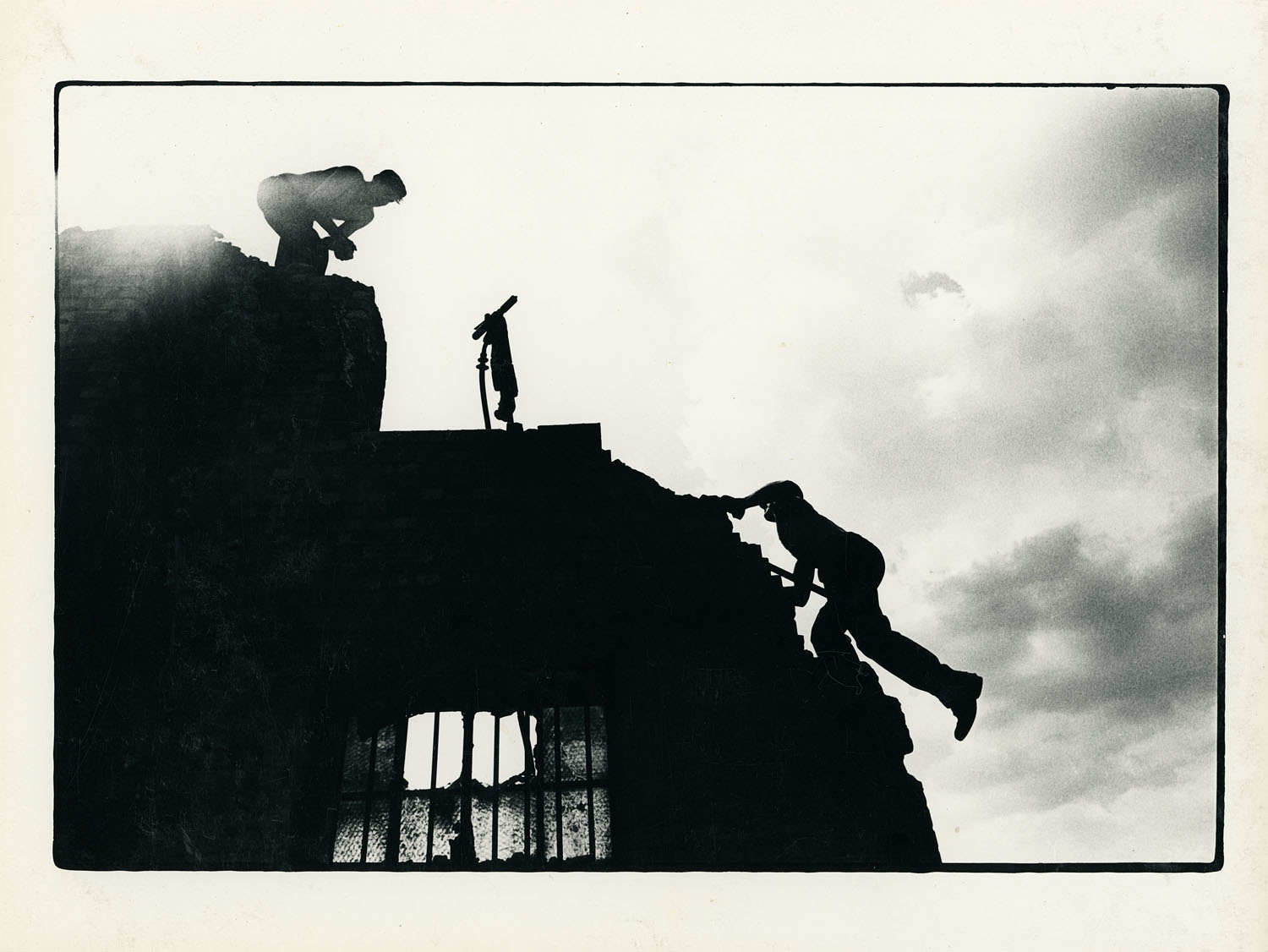
 

Exit Photography. 'Demolition at Colonial Wharf' 1973


Exit Photography
Demolition at Colonial Wharf
1973
Gelatin silver print
© Exit Photography


Four Corners’ autumn exhibition captures a unique moment of change in London’s East End.

As the docks closed, and wholesale slum clearance replaced old neighbourhoods, many communities were being transformed beyond recognition. Yet a different East End was also coming into being, as new migrant communities created a space for themselves.

­­A new generation of photographers were drawn to document ordinary people’s lives and give visibility to working-class experiences. They showed their photographs in everyday spaces where local people could view images of themselves and their own communities.

The exhibition features remarkable photographs by Ron McCormick and the Exit Photography collective of Nicholas Battye, Diane Bush, Alex Slotzkin, and Paul Trevor, alongside work by Ian Berry, John Donat, David Hoffman, Jessie Ann Matthews, Dennis Morris, Val Perrin, and Ray Rising.

With many thanks to Tower Hamlets Local History Library and Archives, Hackney Museum, the Royal Institute of British Architects, and Spectrum Photographic.

Text from the Four Corners website
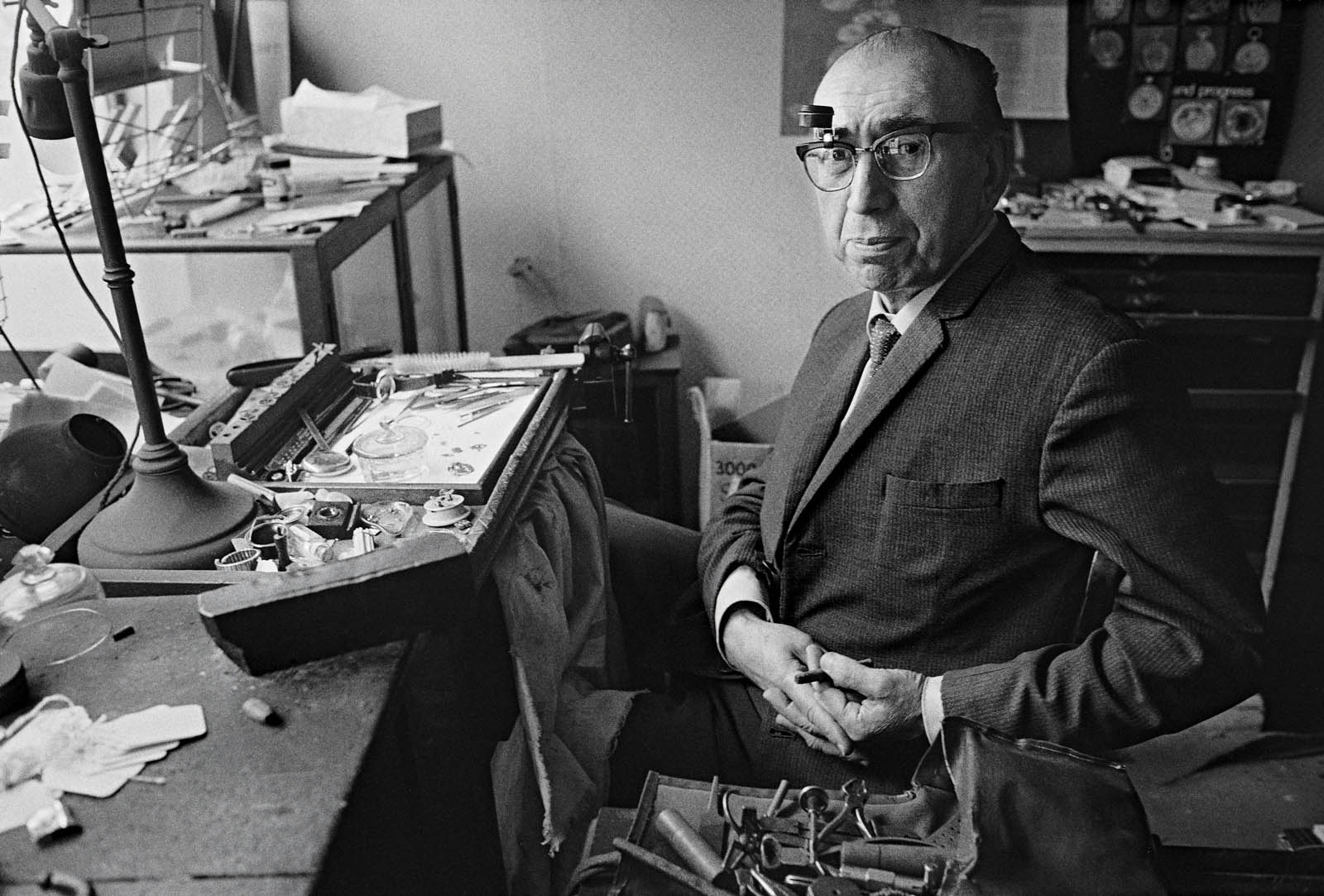
 

Ron McCormick (English, b. 1947) 'Watch repairer, Black Lion Yard, Whitechapel' 1973 from the exhibition 'A World Apart: Photographing change in London's East End 1970-76' at Four Corners, Oct - Dec, 2025


Ron McCormick (English, b. 1947)
Watch repairer, Black Lion Yard, Whitechapel
1973
Gelatin silver print
© Ron McCormick
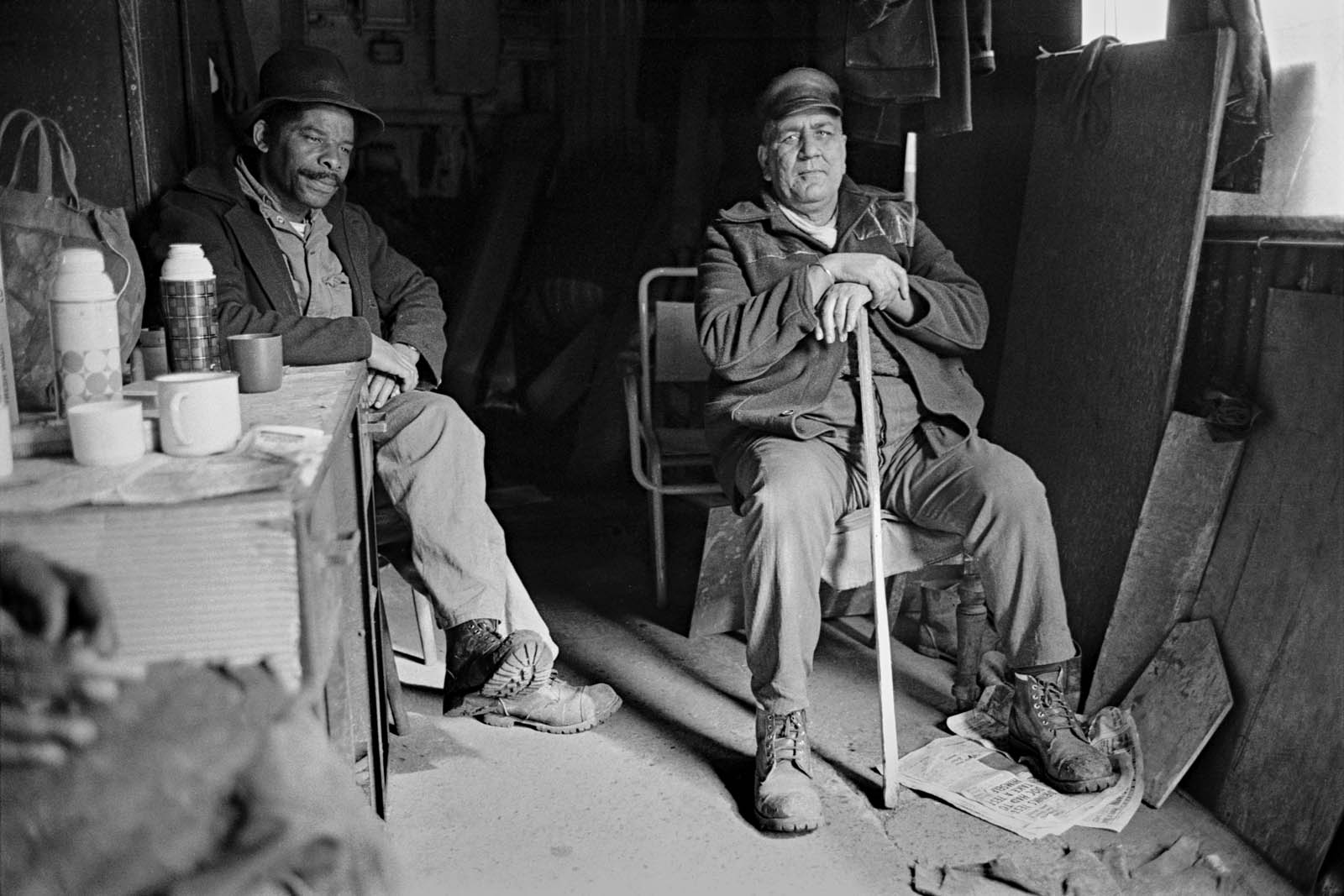
 

Ron McCormick (English, b. 1947) 'Tea break, P & L Engineering, Heneage Street, East London' 1973


Ron McCormick (English, b. 1947)
Tea break, P & L Engineering, Heneage Street, East London
1973
Gelatin silver print
© Ron McCormick
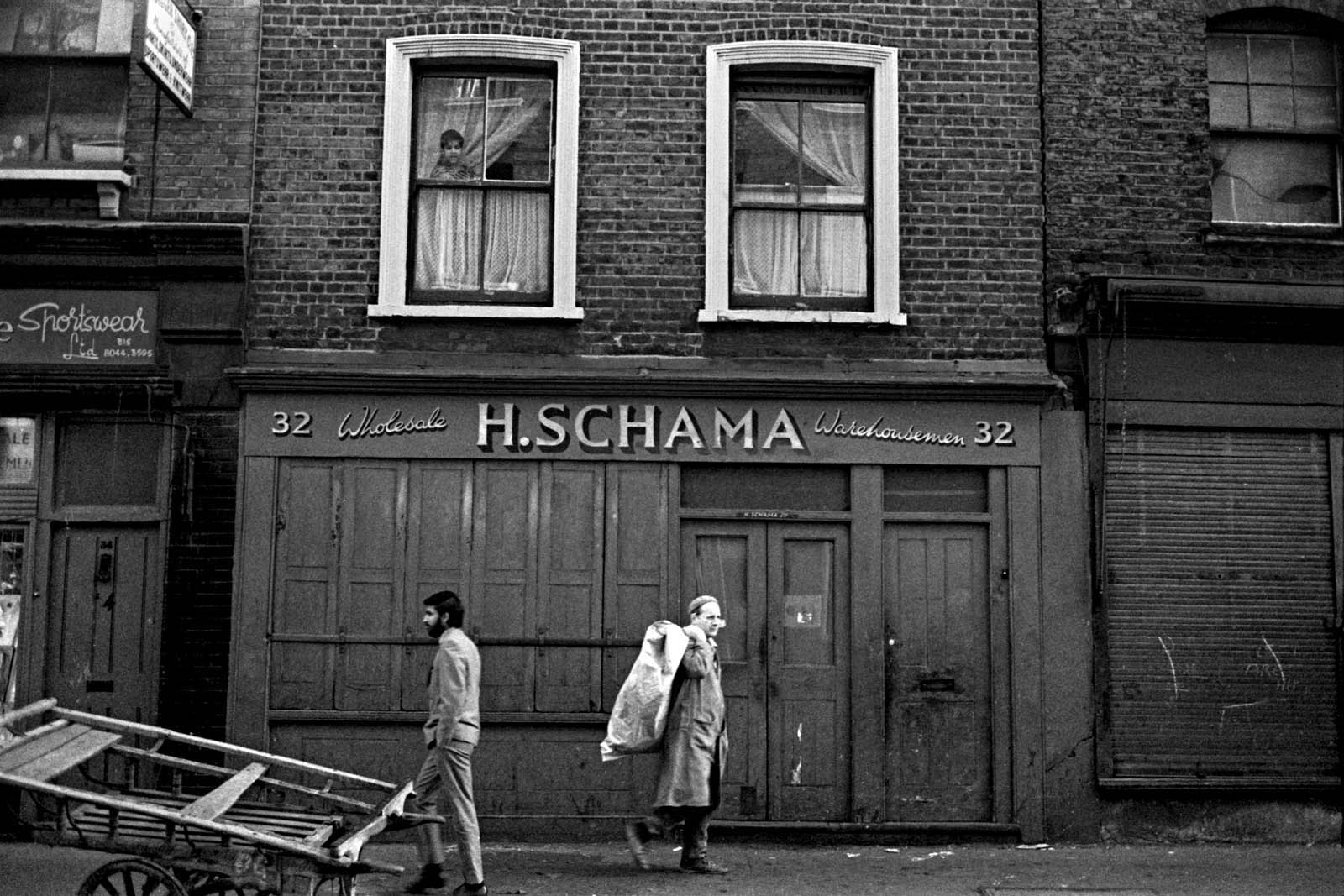
 

Ron McCormick (English, b. 1947) 'Street scene Spitalfields' 1971


Ron McCormick (English, b. 1947)
Street scene Spitalfields
1971
Gelatin silver print
© Ron McCormick
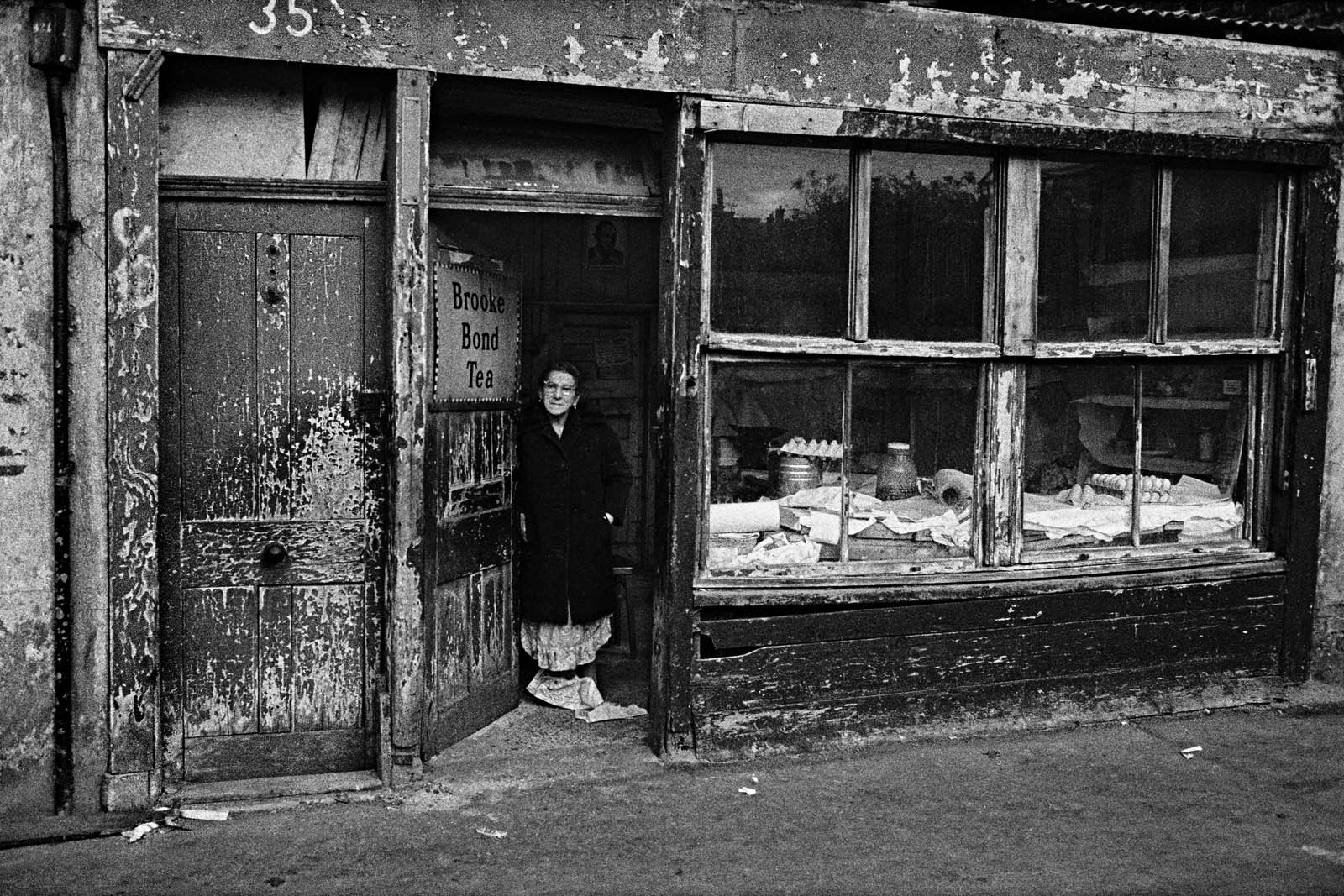
 

Ron McCormick (English, b. 1947) 'Schmaltz herring shop, 35 Old Montague Street' 1971


Ron McCormick (English, b. 1947)
Schmaltz herring shop, 35 Old Montague Street
1971
Gelatin silver print
© Ron McCormick
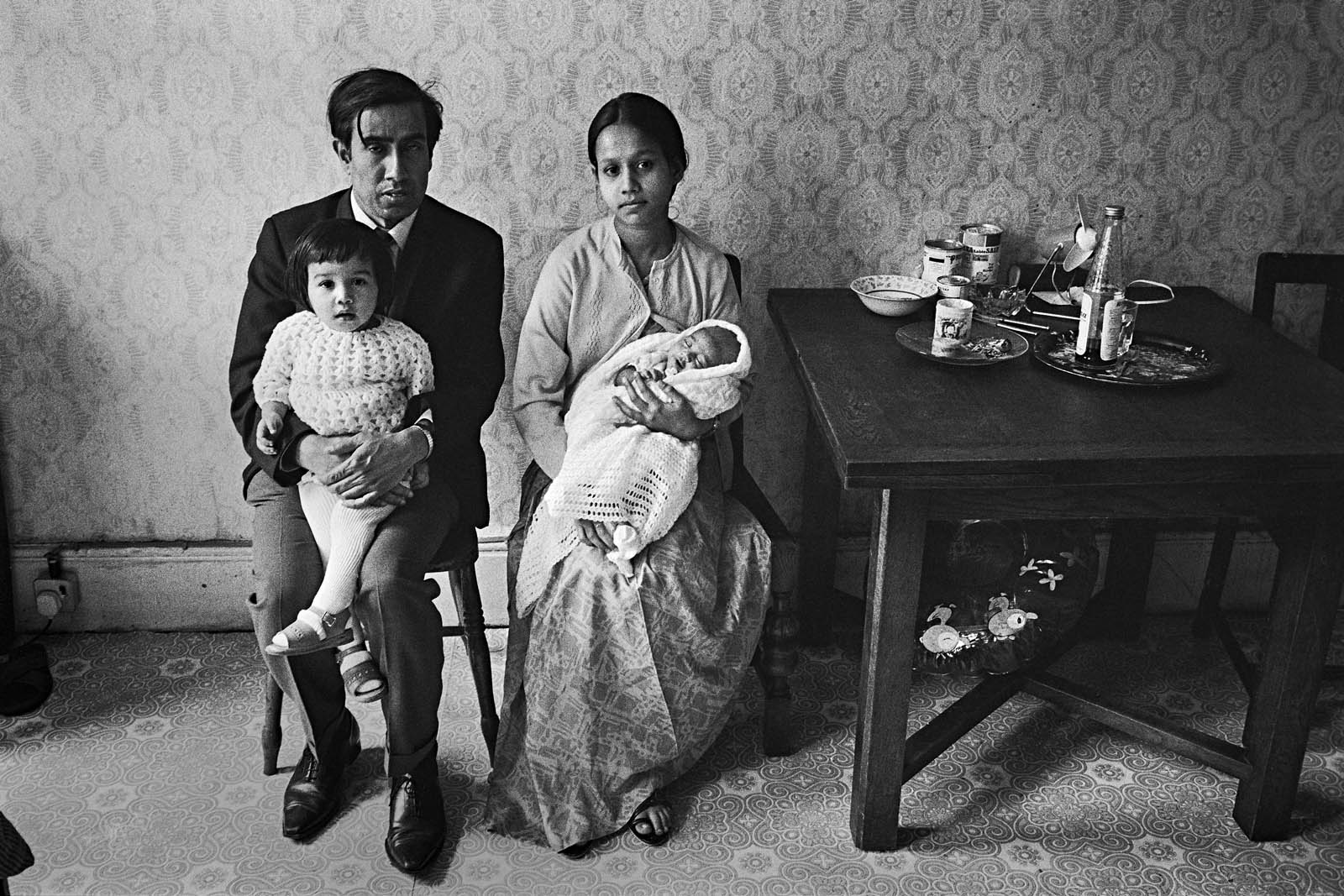
 

Ron McCormick (English, b. 1947) 'Mr and Mrs Ali, Brick Lane' 1973


Ron McCormick (English, b. 1947)
Mr and Mrs Ali, Brick Lane
1973
Gelatin silver print
© Ron McCormick
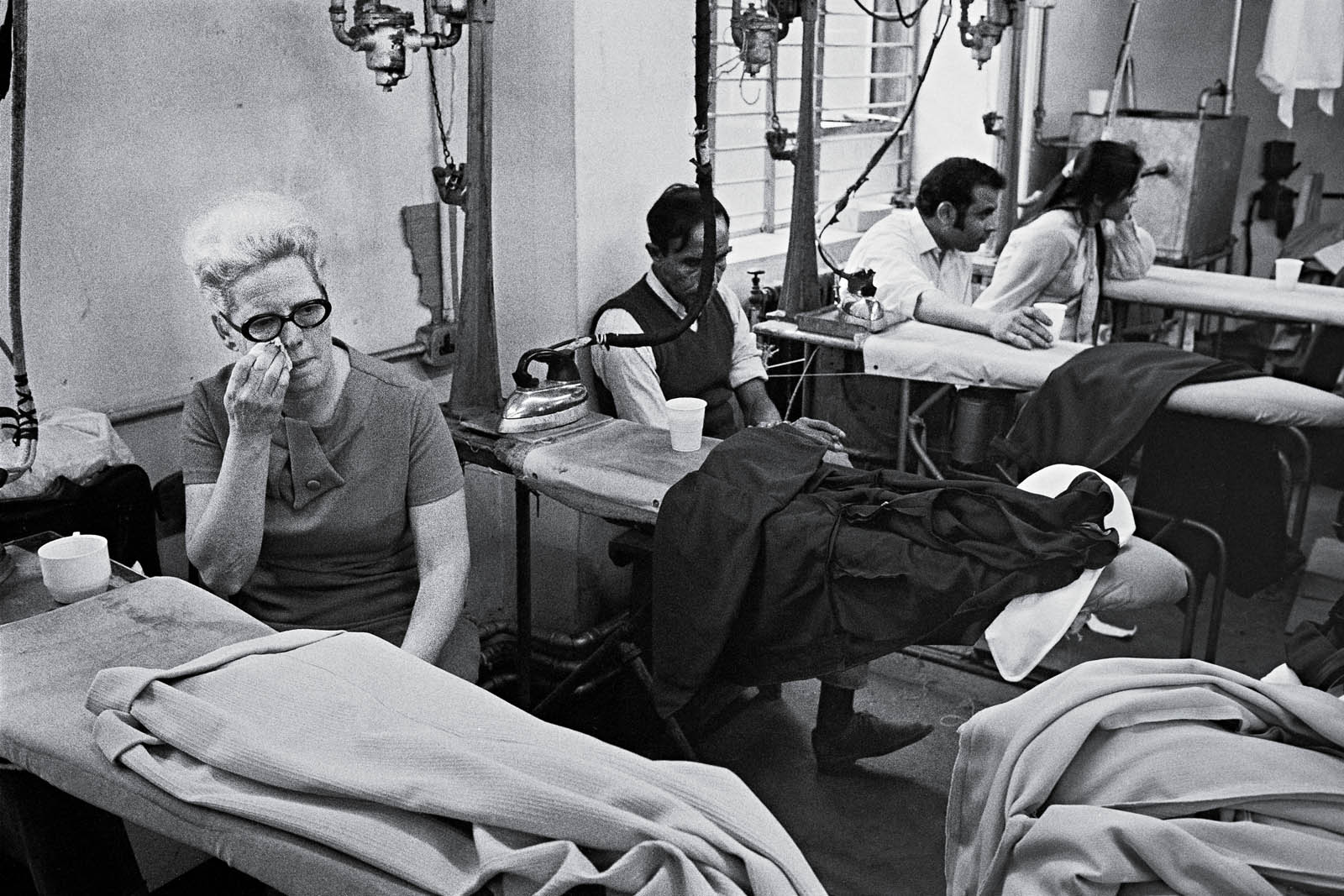
 

Ron McCormick (English, b. 1947) 'Clothing sweatshop in Whitechapel' 1973


Ron McCormick (English, b. 1947)
Clothing sweatshop in Whitechapel
1973
Gelatin silver print
© Ron McCormick
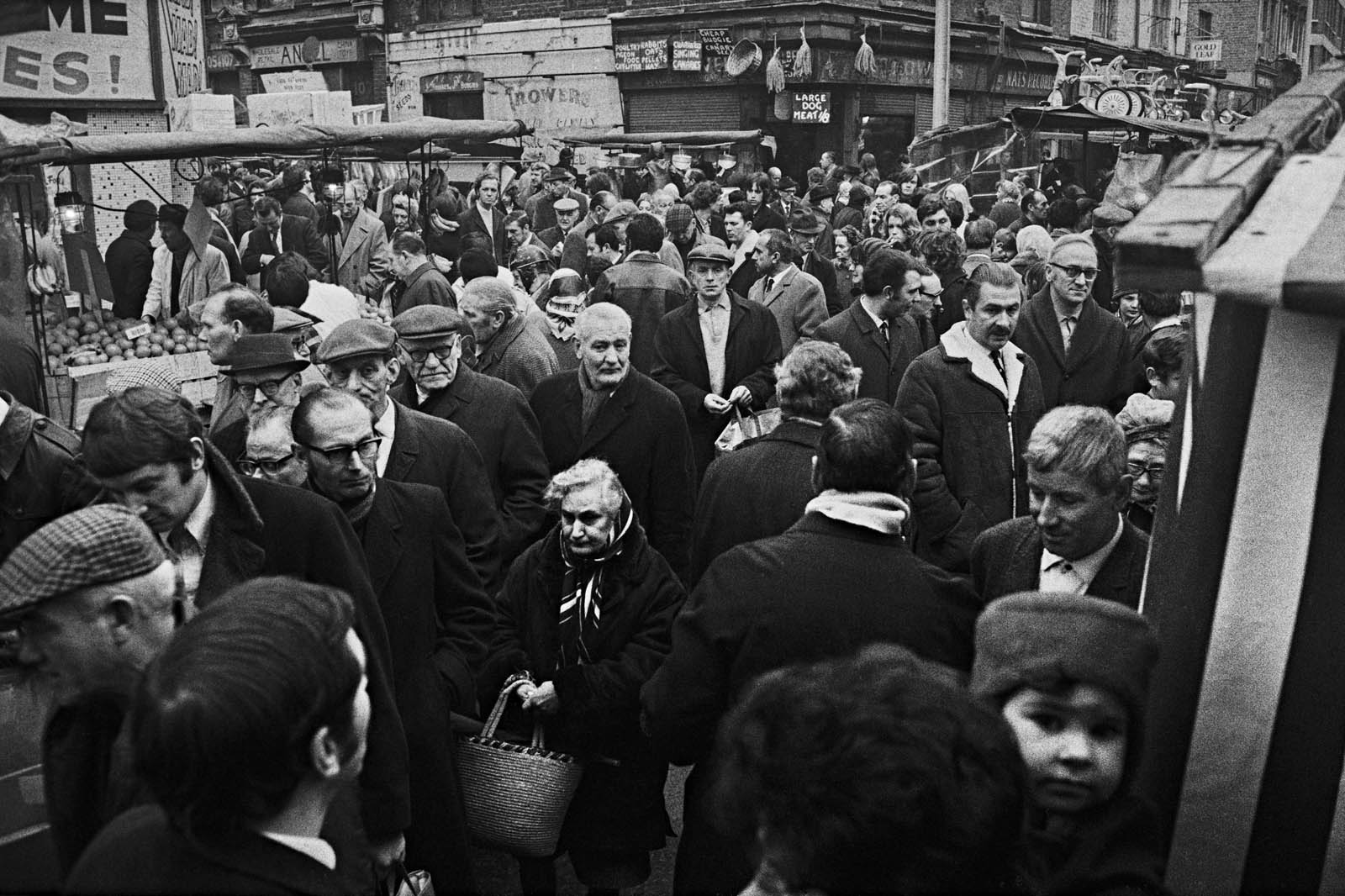
 

Ron McCormick (English, b. 1947) 'Brick Lane Sunday market' 1971


Ron McCormick (English, b. 1947)
Brick Lane Sunday market
1971
Gelatin silver print
© Ron McCormick
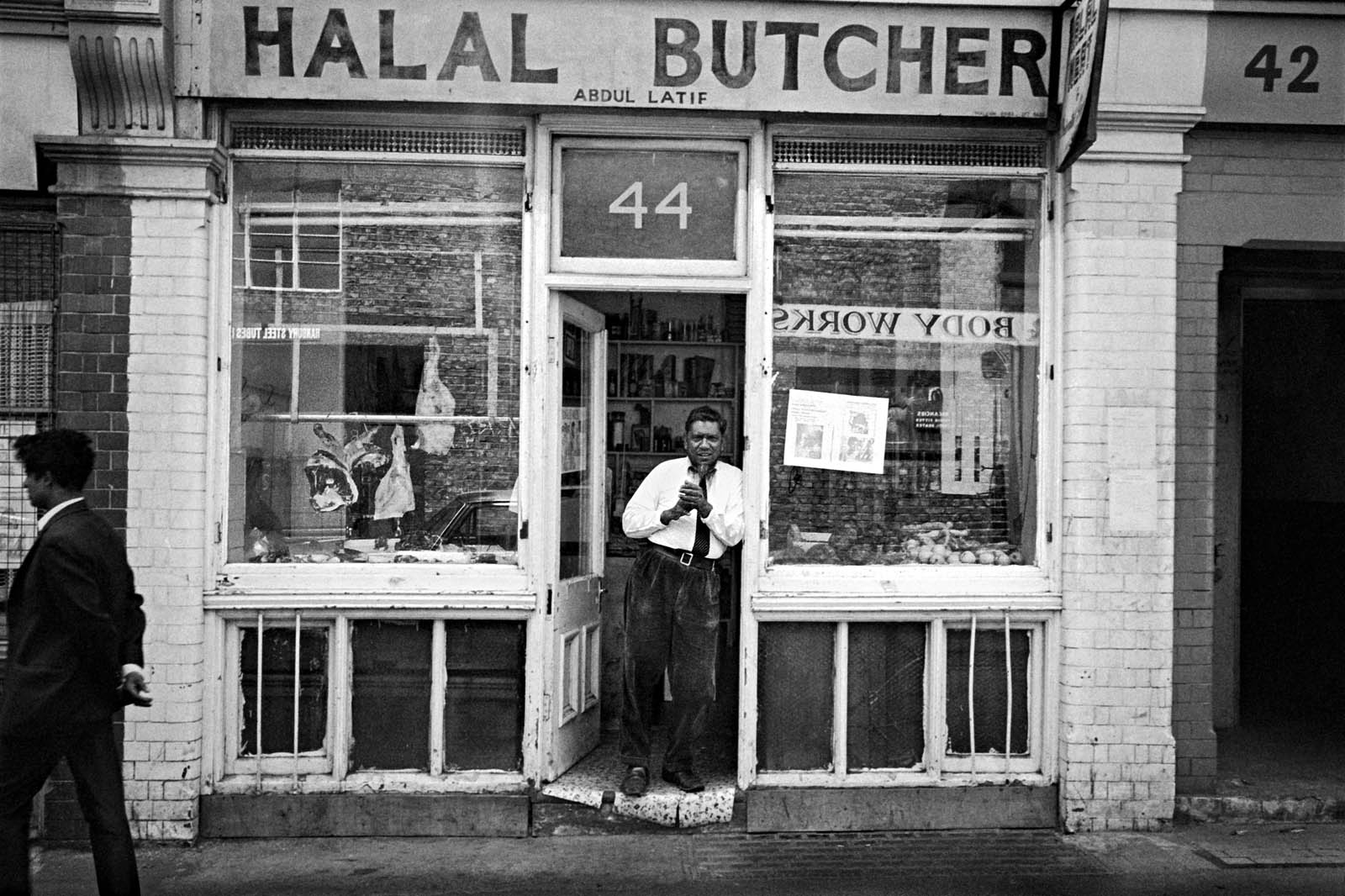
 

Ron McCormick (English, b. 1947) 'Abdul Latif, Halal butcher, 44 Brick Lane' 1973


Ron McCormick (English, b. 1947)
Abdul Latif, Halal butcher, 44 Brick Lane
1973
Gelatin silver print
© Ron McCormick
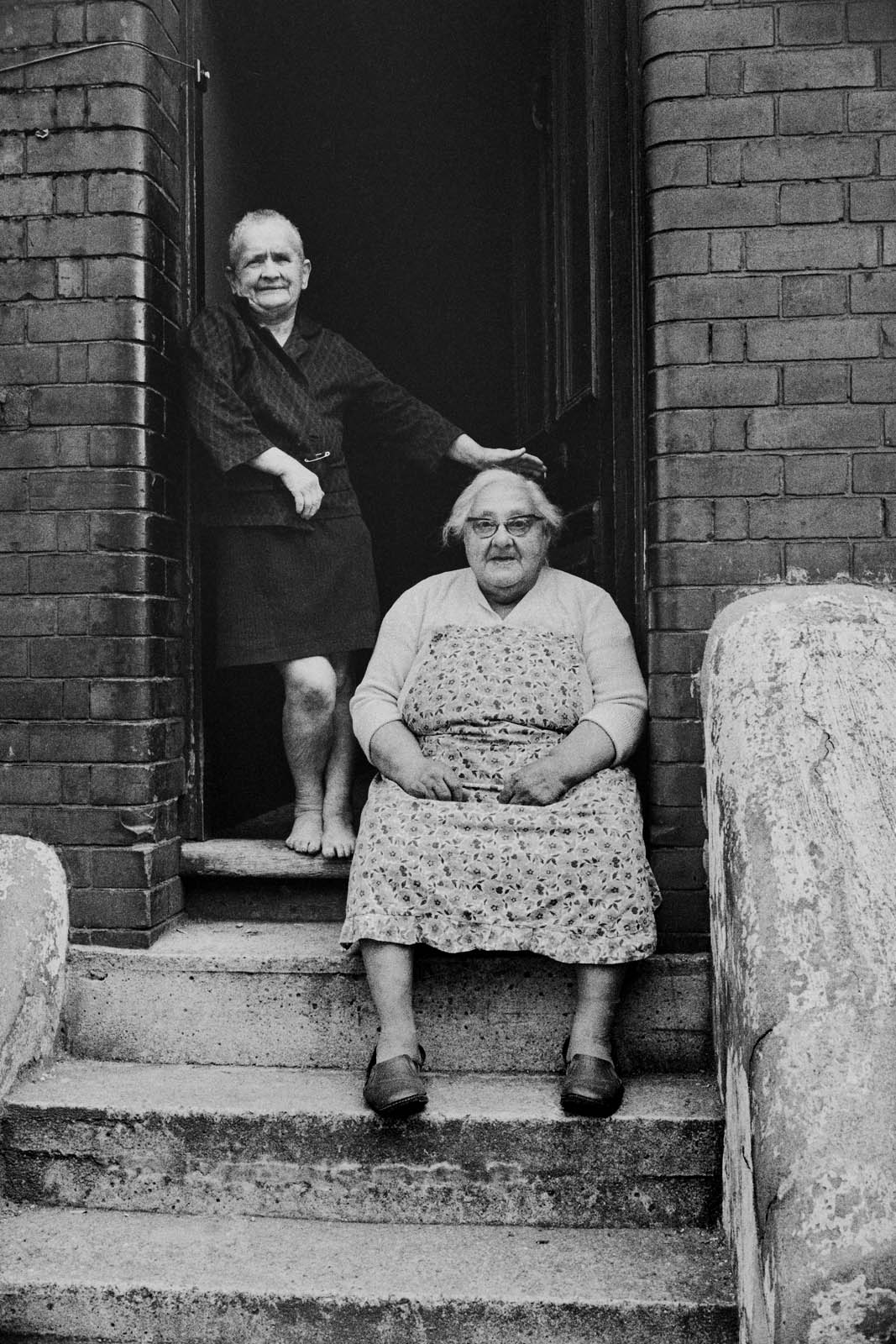
 

Ron McCormick (English, b. 1947) 'Mother and daughter, Fieldgate Street, Whitechapel' 1971


Ron McCormick (English, b. 1947)
Mother and daughter, Fieldgate Street, Whitechapel
1971
Gelatin silver print
© Ron McCormick
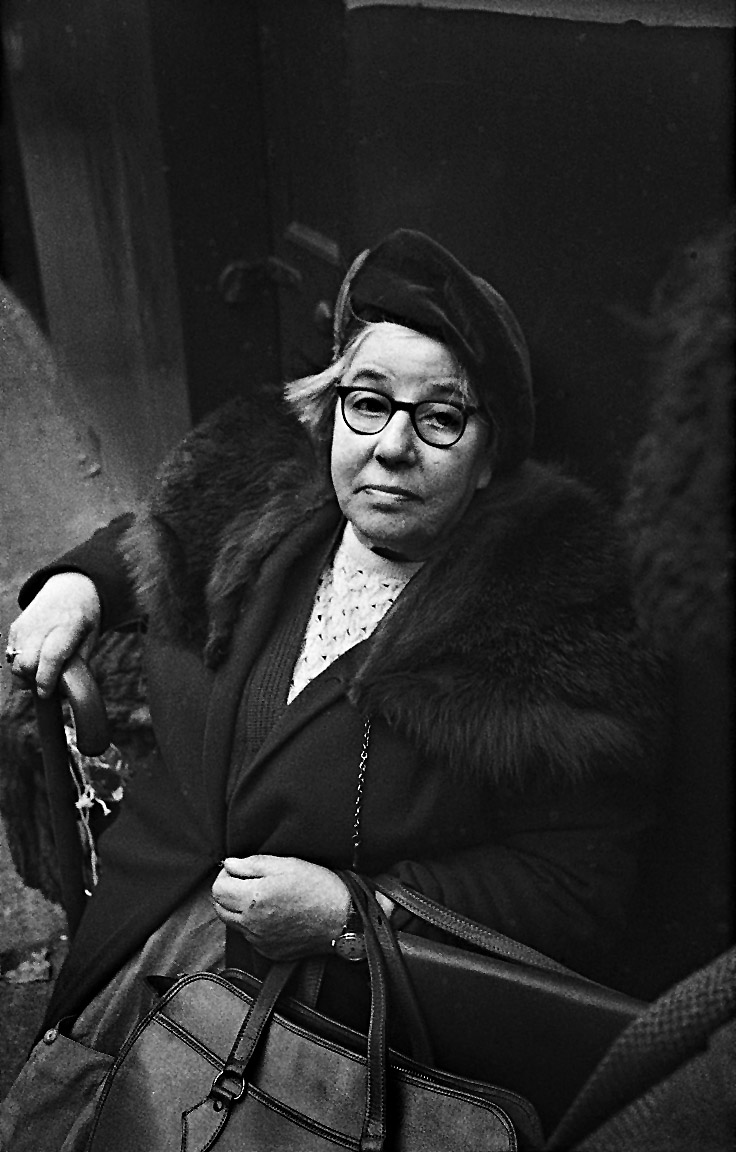
 

Ron McCormick (English, b. 1947) 'Lady in Sunday best Brick Lane market' 1970


Ron McCormick (English, b. 1947)
Lady in Sunday best Brick Lane market
1970
Gelatin silver print
© Ron McCormick
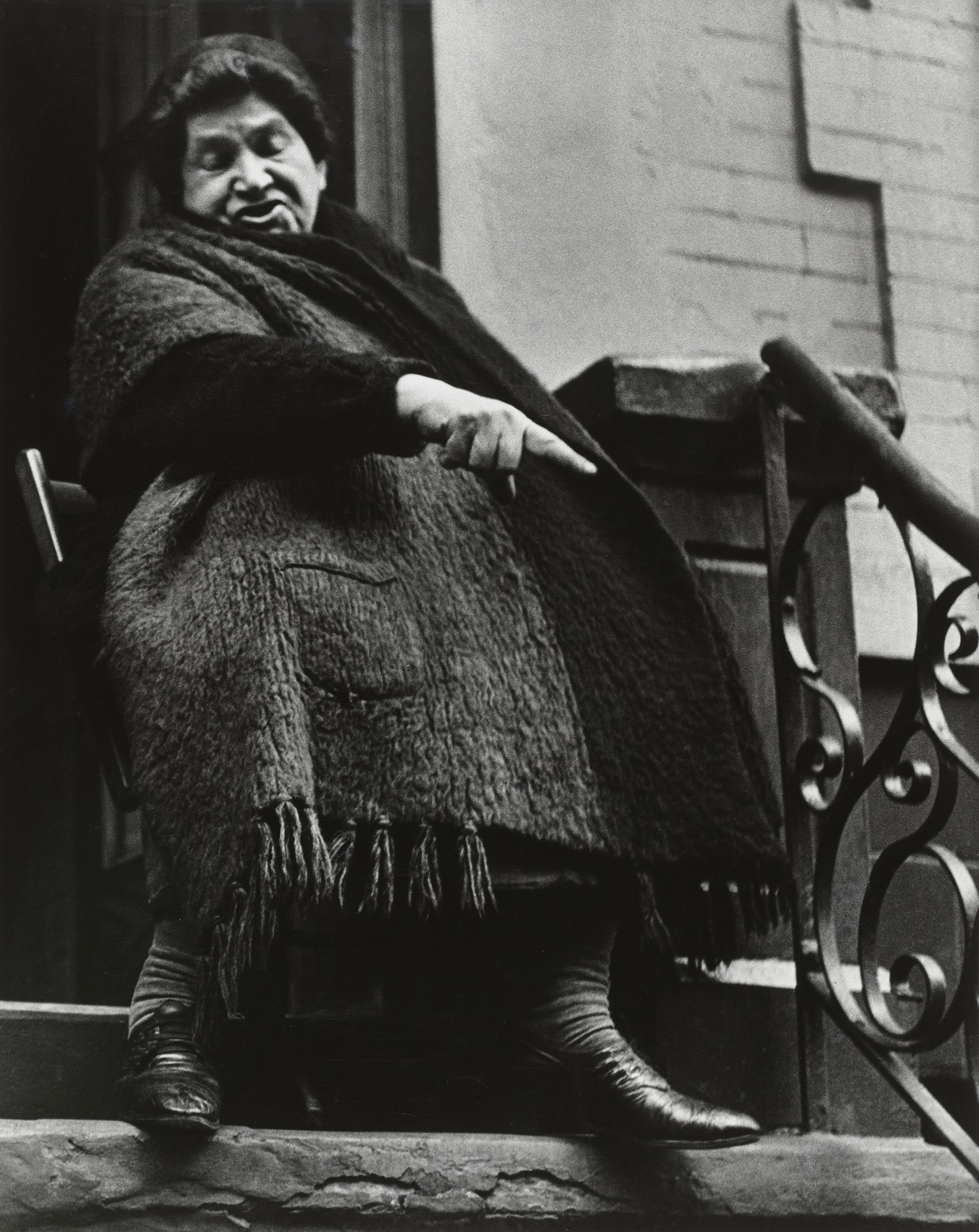
 

Lisette Model (American, born Austria 1901-1983) 'Lower East Side' c. 1942


Lisette Model (American, born Austria 1901-1983)
Lower East Side
c. 1942
Gelatin silver print
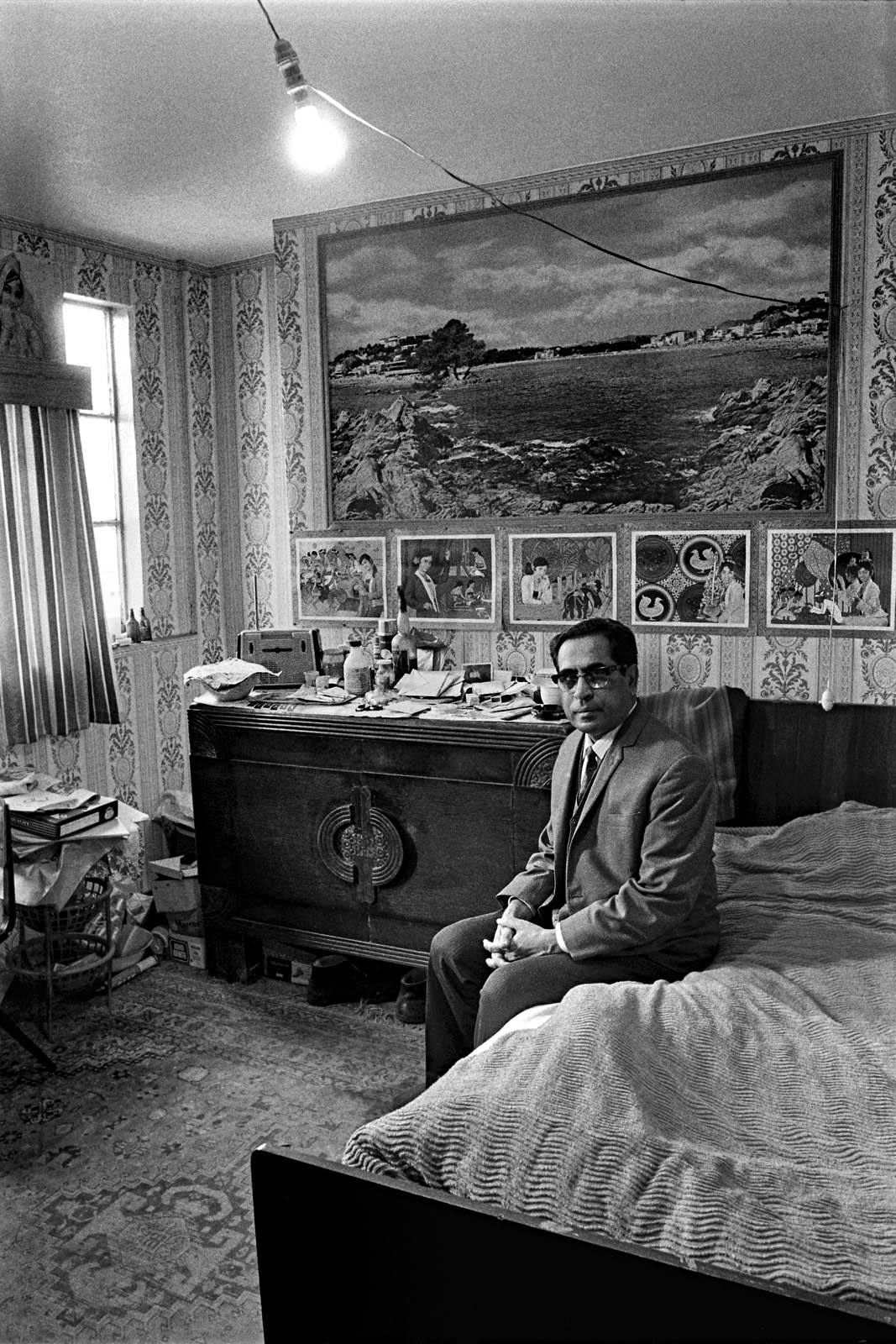
 

Ron McCormick (English, b. 1947) 'Mohamhed Truffant in his bedsit, Hanbury Street, Spitalfields' 1973


Ron McCormick (English, b. 1947)
Mohamhed Truffant in his bedsit, Hanbury Street, Spitalfields
1973
Gelatin silver print
© Ron McCormick
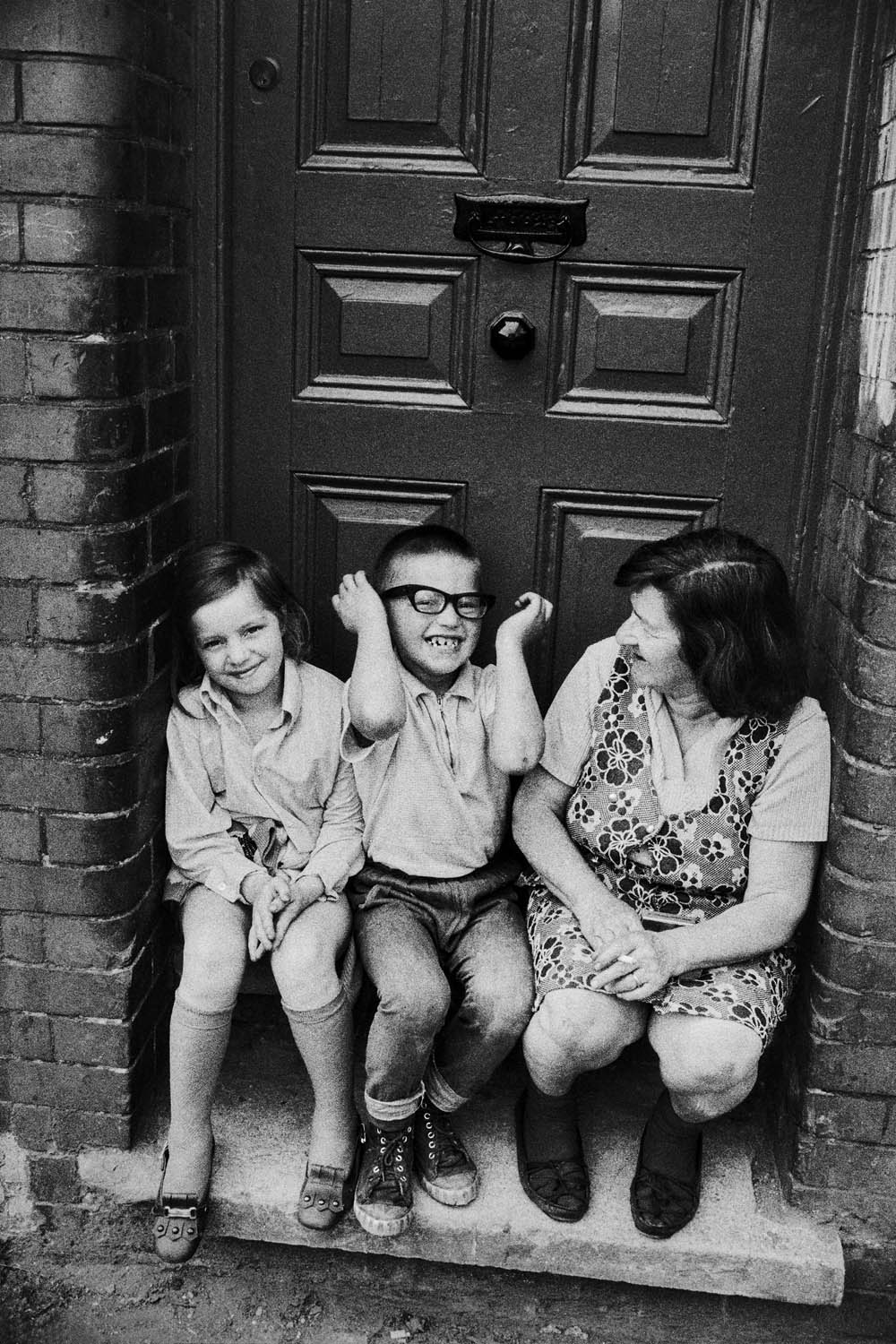
 

Ron McCormick (English, b. 1947) 'Family group, Settle Street, Whitechapel' 1971


Ron McCormick (English, b. 1947)
Family group, Settle Street, Whitechapel
1971
Gelatin silver print
© Ron McCormick
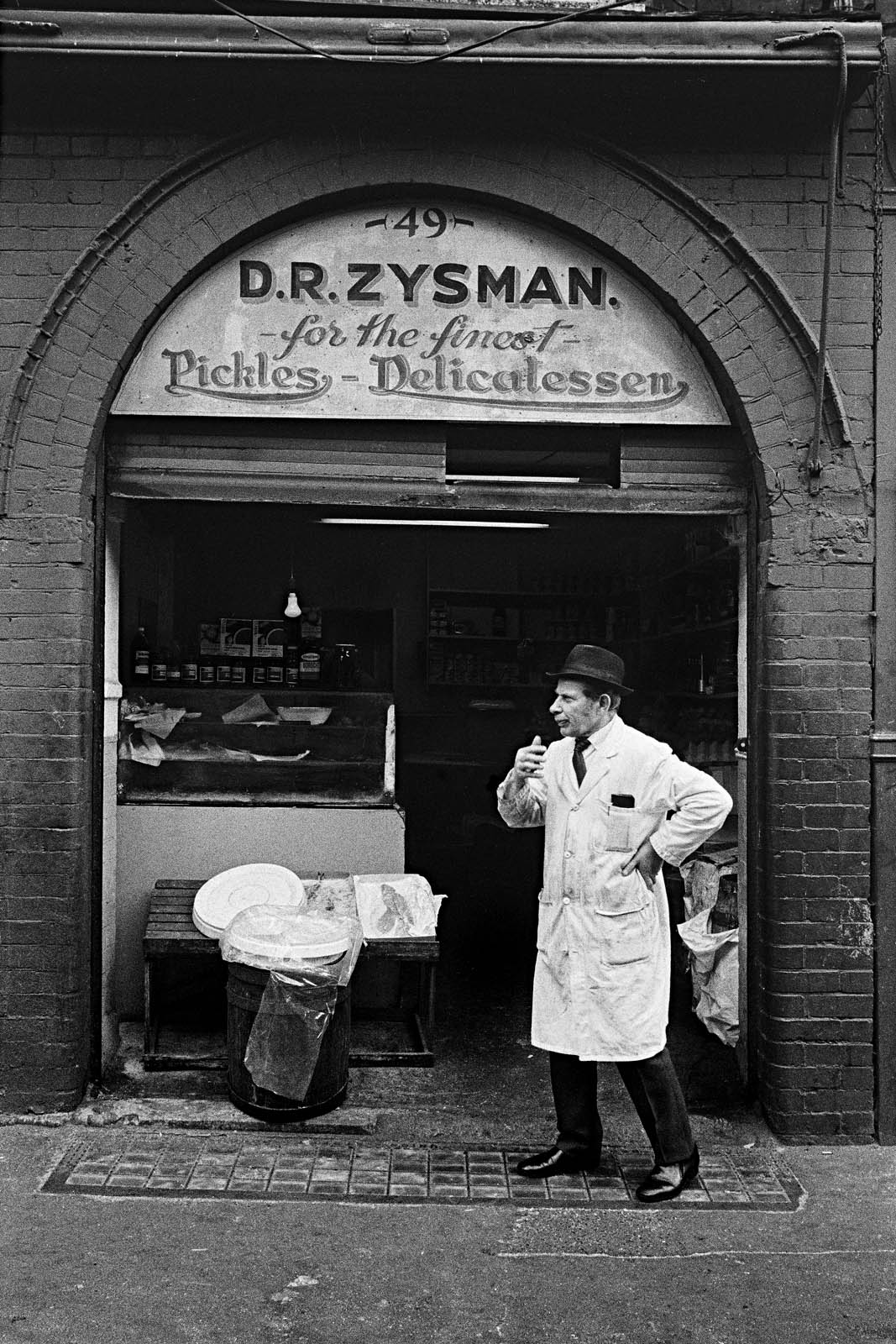
 

Ron McCormick (English, b. 1947) 'Zysman's delicatessan and pickle shop, 49 Hessel Street' 1973


Ron McCormick (English, b. 1947)
Zysman’s delicatessan and pickle shop, 49 Hessel Street
1973
Gelatin silver print
© Ron McCormick


Brought together for the first time, these rarely seen photographs document a now-disappeared world. Bengali migrants live side-by-side with elderly Jewish shopkeepers and artisans, dockers socialise in Wapping’s clubs and pubs, neighbours and children celebrate at a raucous, multicultural Stepney festival. 

But the images reveal streetscapes and communities in upheaval. Desolation hangs over the soon-to-be demolished streets, dock cranes stand lifeless over empty quays awaiting speculative redevelopment. Amid this apparent wasteland a different East End was coming into being. New migrant communities were creating a space for themselves as economic decline displaced earlier neighbourhoods. 

A young generation of photographers were drawn to record ordinary people’s lives at this moment of rapid transition and to advocate for social change. Their exhibitions at the Half Moon Gallery attracted people to view images of themselves and their neighbours. At a time when photography was largely unrecognised by the art world, these photographers mounted ‘guerrilla’ exhibitions in launderettes, on estate walls, and even on portable sandwich boards. They were part of a flourishing community arts scene that gave a voice to local people, including at pioneering shows at the Whitechapel Art Gallery. 

A World Apart features photographs by Ron McCormick and Exit Photograph – Nicholas Battye, Diane Bush, Alex Slotzkin, and Paul Trevor – alongside work by Ian Berry, John Donat, David Hoffman, Jessie Ann Matthews, Dennis Morris, Val Perrin, and Ray Rising. 

These remarkable photographs celebrate the people of the East End, an area whose identity has been defined by centuries of migration. In an age of increasing social division and intolerance, its strong community history is ever more important today. 

A World Apart is made possible through a National Lottery Heritage Fund project, which is helping build Four Corners’ archive collection and opening up its history to new audiences. The exhibition celebrates the early history of the Half Moon Gallery, Britain’s second independent photography gallery, as part of Four Corners 50th anniversary programme in 2025. 

Photographers 

Ron McCormick is a self-taught photographer who has exhibited and published for fifty years. His early photographs of Whitechapel were first shown alongside the poetry of east London schoolchildren in the controversial book Stepney Words produced by school teacher Chris Searle. He taught at the renowned School of Documentary Photography in Newport, where he ran the NEWPORT SURVEY, an annual record of the community life. A dynamic contributor to the revitalisation of British photography of the 1970s and 1980s, he was the second director the Half Moon Gallery, and the founding director of Side Gallery, Newcastle on Tyne. He runs Communimedia, a community design and production enterprise in South Wales. He has exhibited widely at the Institute of Contemporary Art, Whitechapel Art Gallery, Serpentine Gallery, Photographers Gallery, Barbican, MIT Cambridge USA; La Photo Galeria, Madrid, among others. 

Exit was a collective of four photographers, Nicholas Battye, Diane Bush, Alex Slotzkin, and Paul Trevor. Their first project, Down Wapping, focused on Wapping’s working class community that was threatened by the closure of the docks and imminent redevelopment. It was shown at the E1 Festival in Stepney in 1973, and at the Photographers Gallery later that year. A booklet of the photographs was designed by Exit and published by the East End Docklands Action Group in 1974. After some changes, Paul Trevor, Nicholas Battye and Chris Steele-Perkins went on to create Survival Programmes from 1974-79, a significant study of social and economic poverty in Britain’s inner-cities. A with. Side Gallery in Newcastle toured the exhibition around the country, and a book of the work was published by Open University Press in 1982. Find out more 

Ian Berry is a Magnum photojournalist who worked for Drum magazine in South Africa, where he was the only photographer to document the Sharpeville massacre in 1960. In 1972 he was commissioned by the Whitechapel Art Gallery to photograph the changing local community, creating work which contributed to his book The English (1978). He has worked internationally, covering the invasion of Czechoslovakia, the Irish Troubles, famine in Ethiopia, and conflicts in Israel, Vietnam, and the Democratic Republic of Congo. His work is represented in Black and Whites: L’Afrique du Sud (1988) and Living Apart (1996). His project Water focused on the disaster of climate change, and was published by GOST in 2023. 

John Donat (1933-2004) was one of Britain’s foremost architectural photographers of his generation. After studying architecture, he took up photography full-time. His early images can be seen in Crete 1960 (Crete University Press, 1999). Donat captured the built environment with a social documentary, almost photojournalistic approach. He was commissioned by the Whitechapel Art Gallery to capture change taking place in the area for the exhibition This is Whitechapel in 1972, although the focus of the show became the work of another important photographer, Ian Berry. 

David Hoffman is a documentary photographer of protest and social issues. Living in a squat in Fieldgate Mansions, east London in the 1970s, he recorded homelessness, anti-racism and protest. In particular, he documented homeless people at St Botolph’s refuge in Aldgate. He has covered many of the key moments in contemporary British protest – from Brixton in 1981 and Broadwater Farm in 1985, to the poll tax riots and the Occupy movement. Recent books are A Place to Live, Endurance and Joy in Whitechapel, published by Spitalfields Life Books and accompanied by a exhibition at The Museum of the Home in 2024; and Protest!, published by Image and Reality, 2025.

Jessie Ann Matthew was born in 1952 and educated at the Central School of Art and Design, London. She worked as a portrait photographer for the Scottish National Portrait Gallery, including The Seven Poets (1981) with paintings by Alexander Moffat. She participated in Men Photographed by Women at Half Moon Gallery in 1975, and Gaining Momentum: 8 women photograph women, a Half Moon touring show in 1981. More recently, Matthew has been making with texiles, in particular wall-hangings and paintings. 

British-Jamaican photographer Dennis Morris is world-renowned for his images of music icons such as Bob Marley and Marianne Faithfull. Growing up in Dalston, east London, he started his career aged just eleven. His early documentary photographs include powerful work such as Growing Up Black, Southall and This Happy Breed, images that show everyday life and Black British culture which capturing the pride and resilience of London’s communities. While still a teenager, he showed his early work, Dalston Photographs at the Half Moon Gallery in 1973.

Ray Rising is an ex-docker and self-taught photographer, whose exhibition Redundant River was shown at the Half Moon Gallery in 1973. He went on to be a reportage photographer for Report Digital, covering issues such as the 1984 miners’ strike, the death of Colin Roach in police custody in 1983, anti-racist protests, CND campaigns, among others. 

Press release from Four Corners
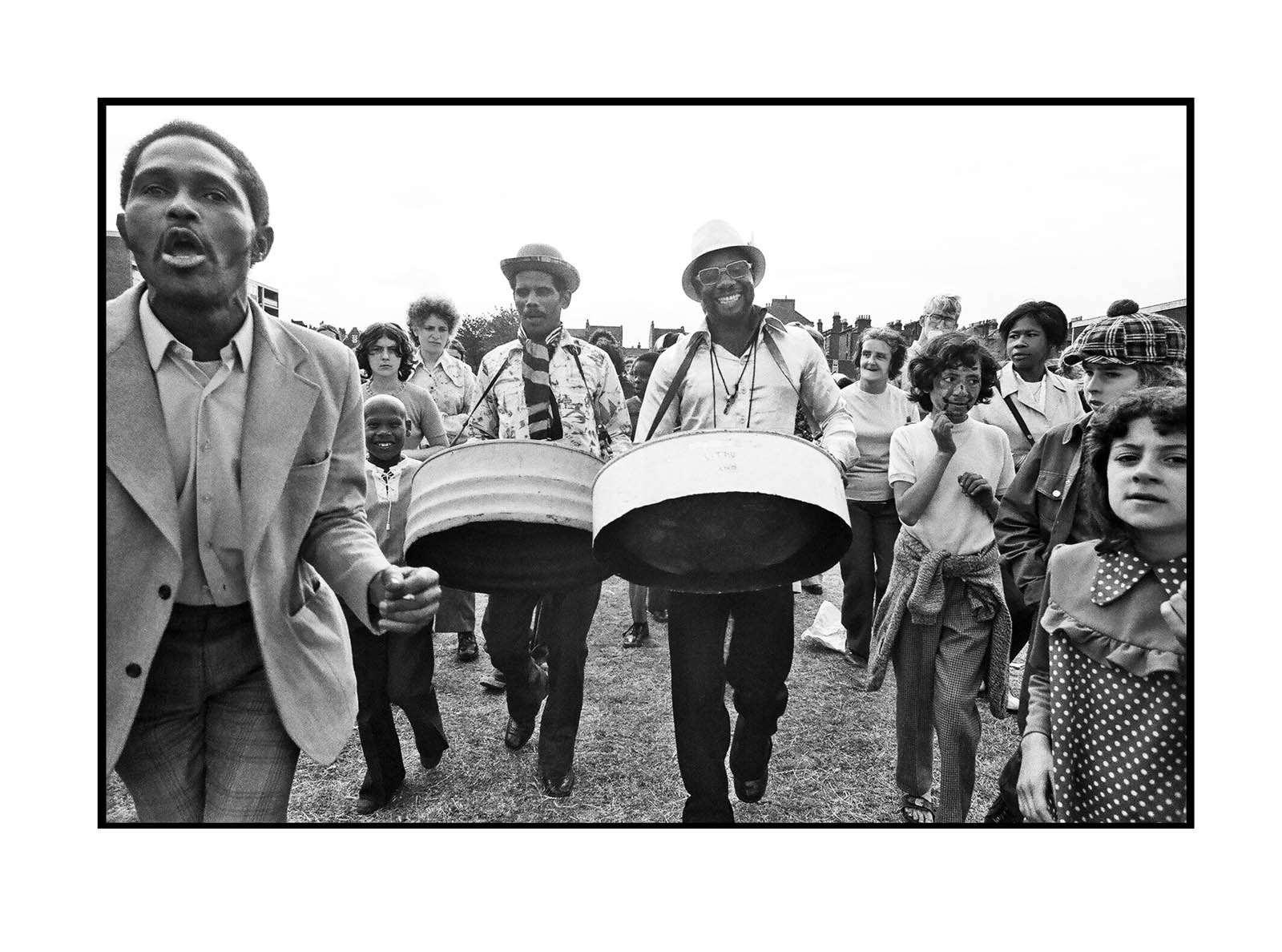
 

Diane Bush (British born America, b. 1947) 'E1 Festival steel band performers' Early 1970s


Diane Bush (British born America, b. 1947)
E1 Festival steel band performers
Early 1970s
Gelatin silver print
© Diane Bush
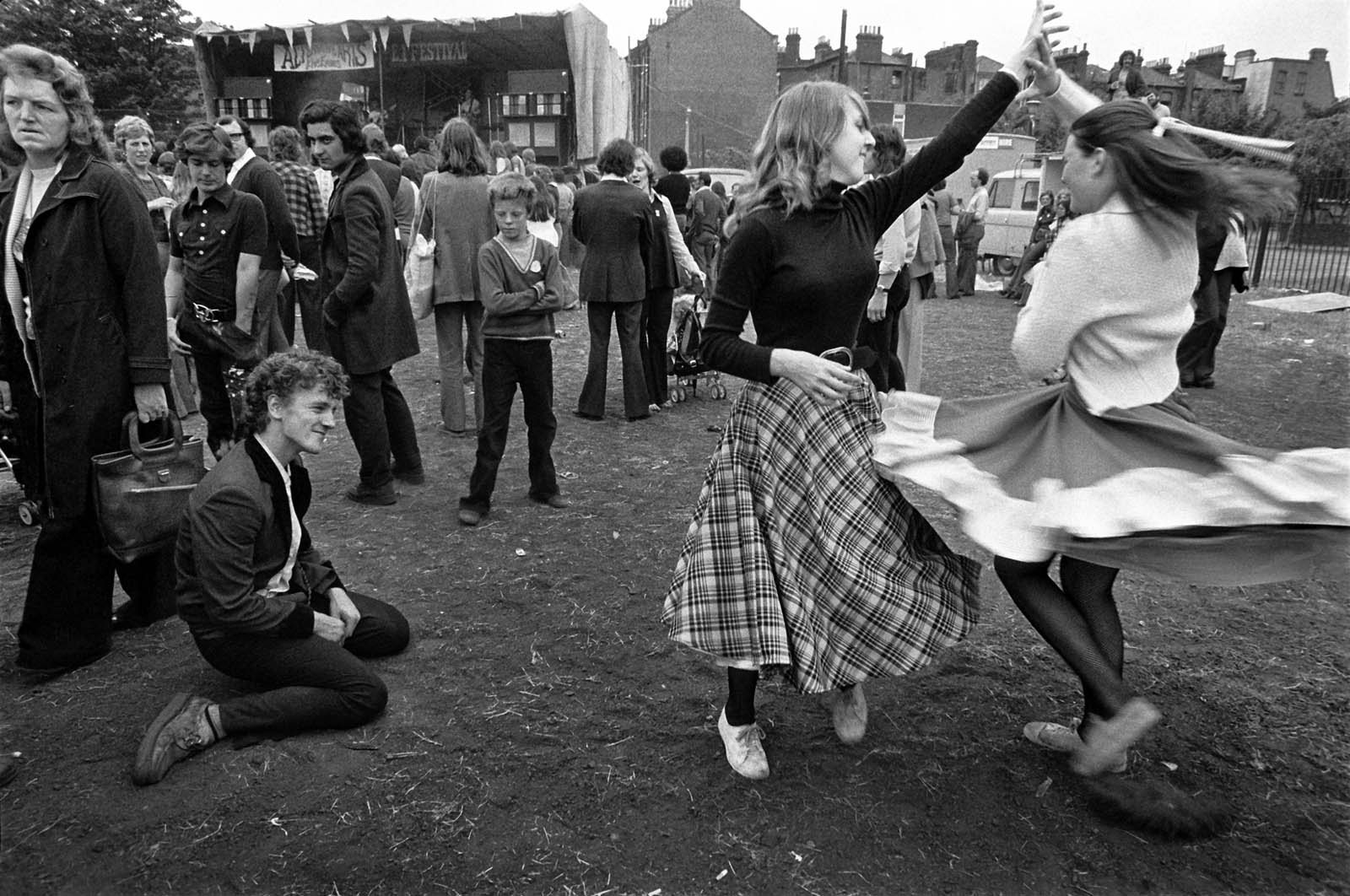
 

David Hoffman (British, b. 1946) 'Dancing at E1 Festival' 1975


David Hoffman (British, b. 1946)
Dancing at E1 Festival
1975
Gelatin silver print
© David Hoffman


David Hoffman (British, b. 1946) 'One of the last remaining shops in Hessel Street, Whitechapel' c. 1972


David Hoffman (British, b. 1946)
One of the last remaining shops in Hessel Street, Whitechapel
c. 1972
Gelatin silver print
© David Hoffman
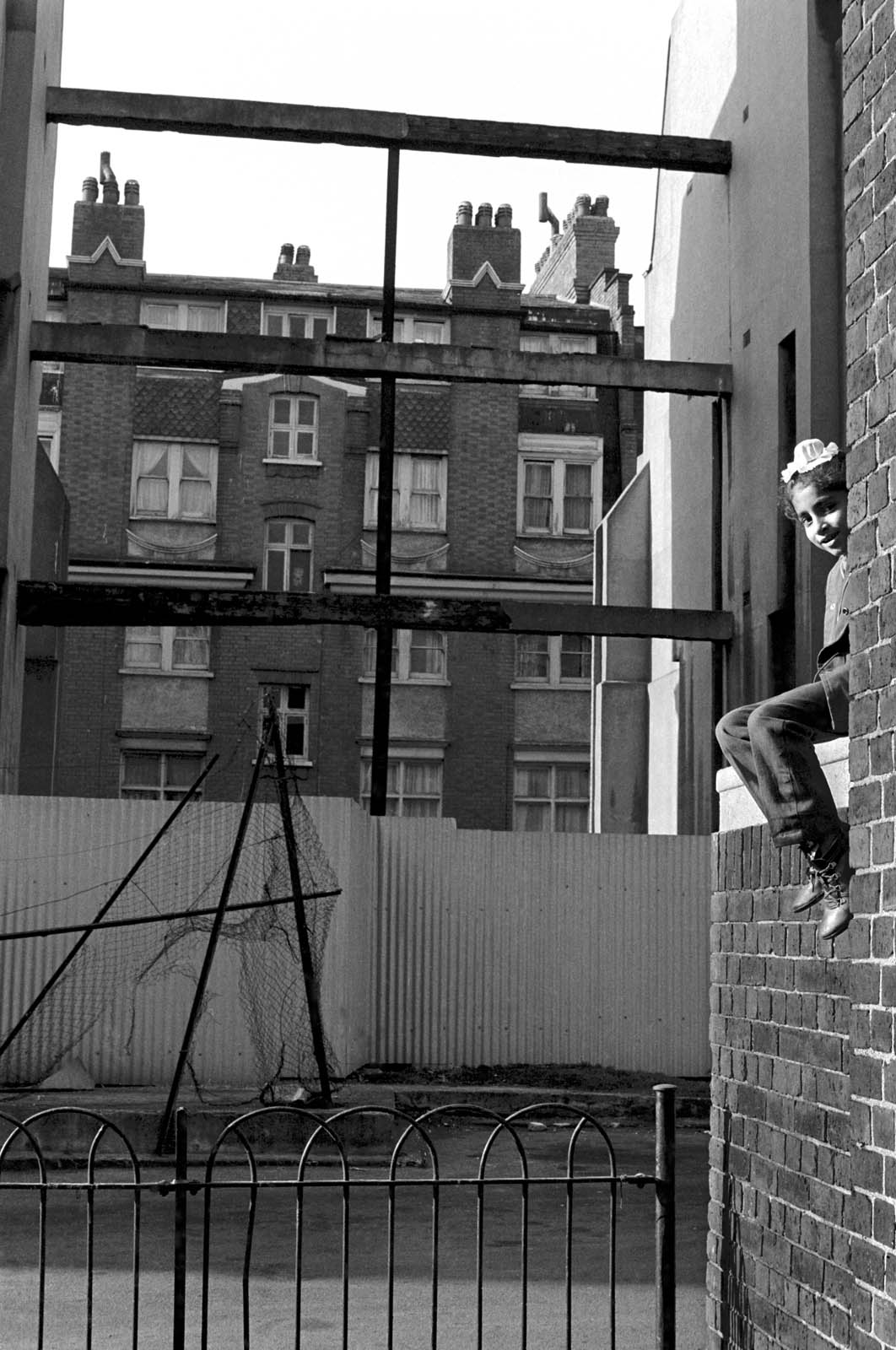
 

David Hoffman (British, b. 1946) 'Child playing in tenement block, Whitechapel or Wapping' 1972


David Hoffman (British, b. 1946)
Child playing in tenement block, Whitechapel or Wapping
1972
Gelatin silver print
© David Hoffman


Four Corners
121 Roman Road, Bethnal Green
London E2 0QN
Phone: 020 8981 6111

Opening hours:
Wednesday – Saturday 11am – 6pm

Four Corners website

LIKE ART BLART ON FACEBOOK

Back to top

Exhibition: ‘Don McCullin: A Retrospective’ at the National Gallery of Canada, Ottawa

Exhibition dates: 1st February – 14th April 2013


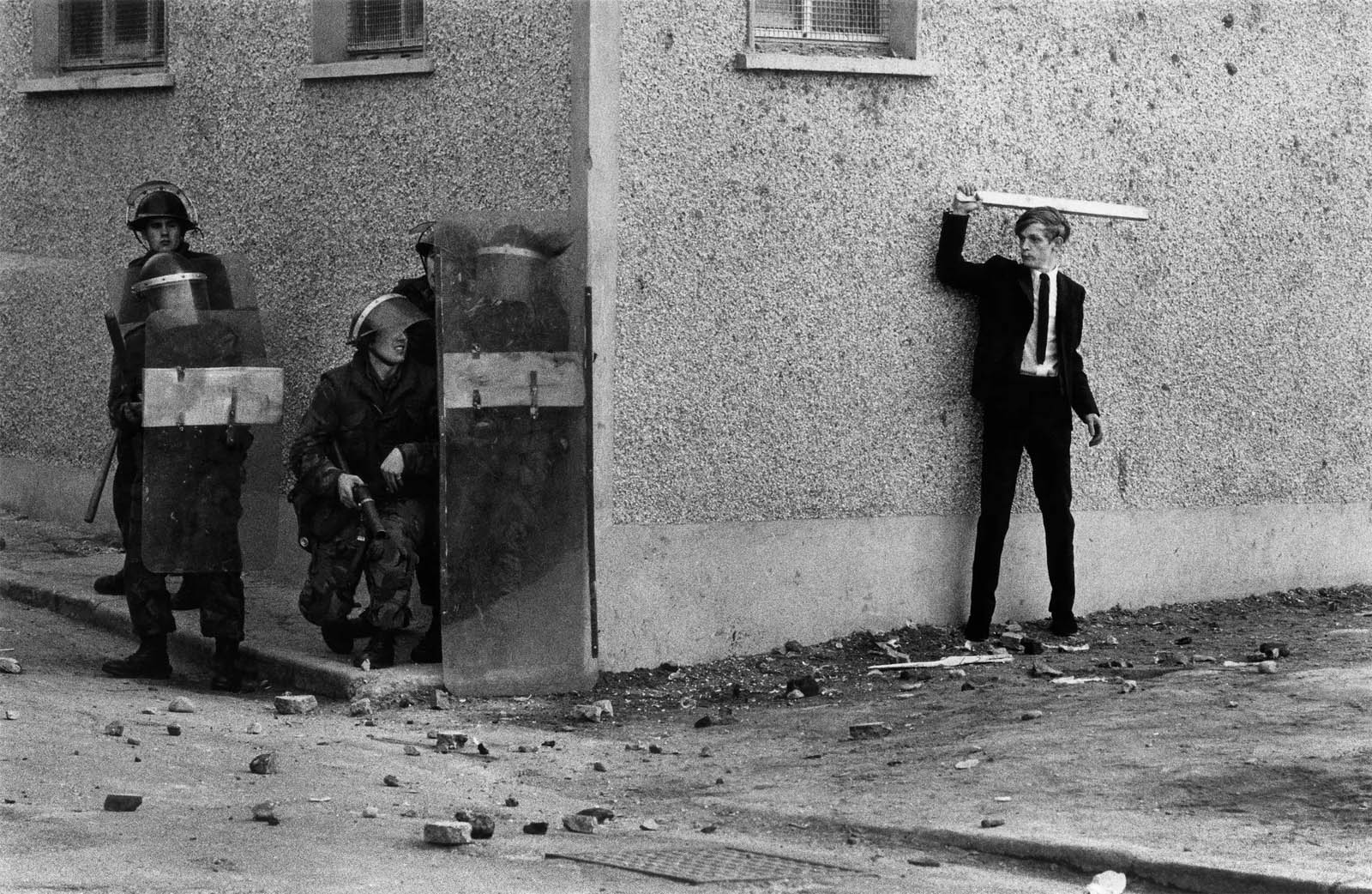
Don McCullin (British, b. 1935) 'Catholic youth escaping a CS gas assault in the Bogside, Londonderry, Northern Ireland' 1971


Don McCullin (British, b. 1935)
Catholic youth escaping a CS gas assault in the Bogside, Londonderry, Northern Ireland
1971
Gelatin silver print
© Don McCullin / Contact Press Images


“Photography for me is not looking, it’s feeling. If you can’t feel what you’re looking at, then you’re never going to get others to feel anything when they look at your pictures”

“You do not go away from here without carrying a huge burden, if you are a decent human being and you have a conscience.”

“I photograph the humble, the anonymous, who are spontaneous and mirror all of us.”


Don McCullin, Sleeping With Ghosts: A Life’s Work in Photography


Many thankx to the National Gallery of Canada for allowing me to publish the photographs in the posting. Please click on the photographs for a larger version of the image.


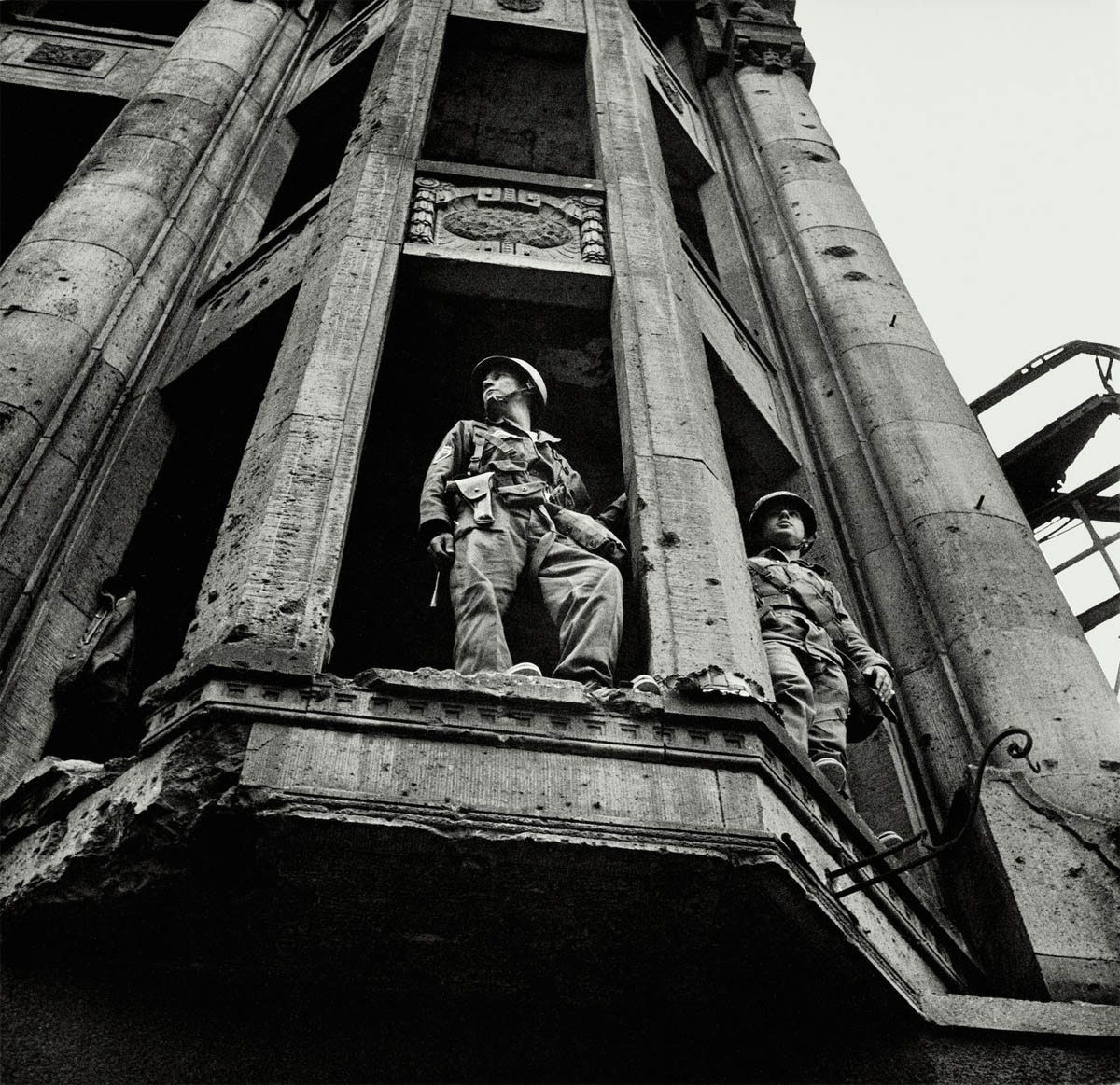
Don McCullin (British, b. 1935) 'American soldiers, Checkpoint Charlie, West Berlin' August 1961


Don McCullin (British, b. 1935)
American soldiers, Checkpoint Charlie, West Berlin
August 1961
Gelatin silver print
© Don McCullin / Contact Press Images


Don McCullin (British, b. 1935) 'American Troops Looking across the Wall, Berlin' 1961


Don McCullin (British, b. 1935)
American Troops Looking across the Wall, Berlin
1961
Gelatin silver print
© Don McCullin / Contact Press Images


Don McCullin (British, b. 1935) 'Protester, Cuban missile crisis, Whitehall, London' 1962


Don McCullin (British, b. 1935)
Protester, Cuban missile crisis, Whitehall, London
1962
Gelatin silver print
© Don McCullin / Contact Press Images


Don McCullin (British, b. 1935) 'Turkish defender leaving the side-entrance of a cinema, Limassol, Cyprus' 1964


Don McCullin (British, b. 1935)
Turkish defender leaving the side-entrance of a cinema, Limassol, Cyprus
1964
Gelatin silver print
© Don McCullin / Contact Press Images


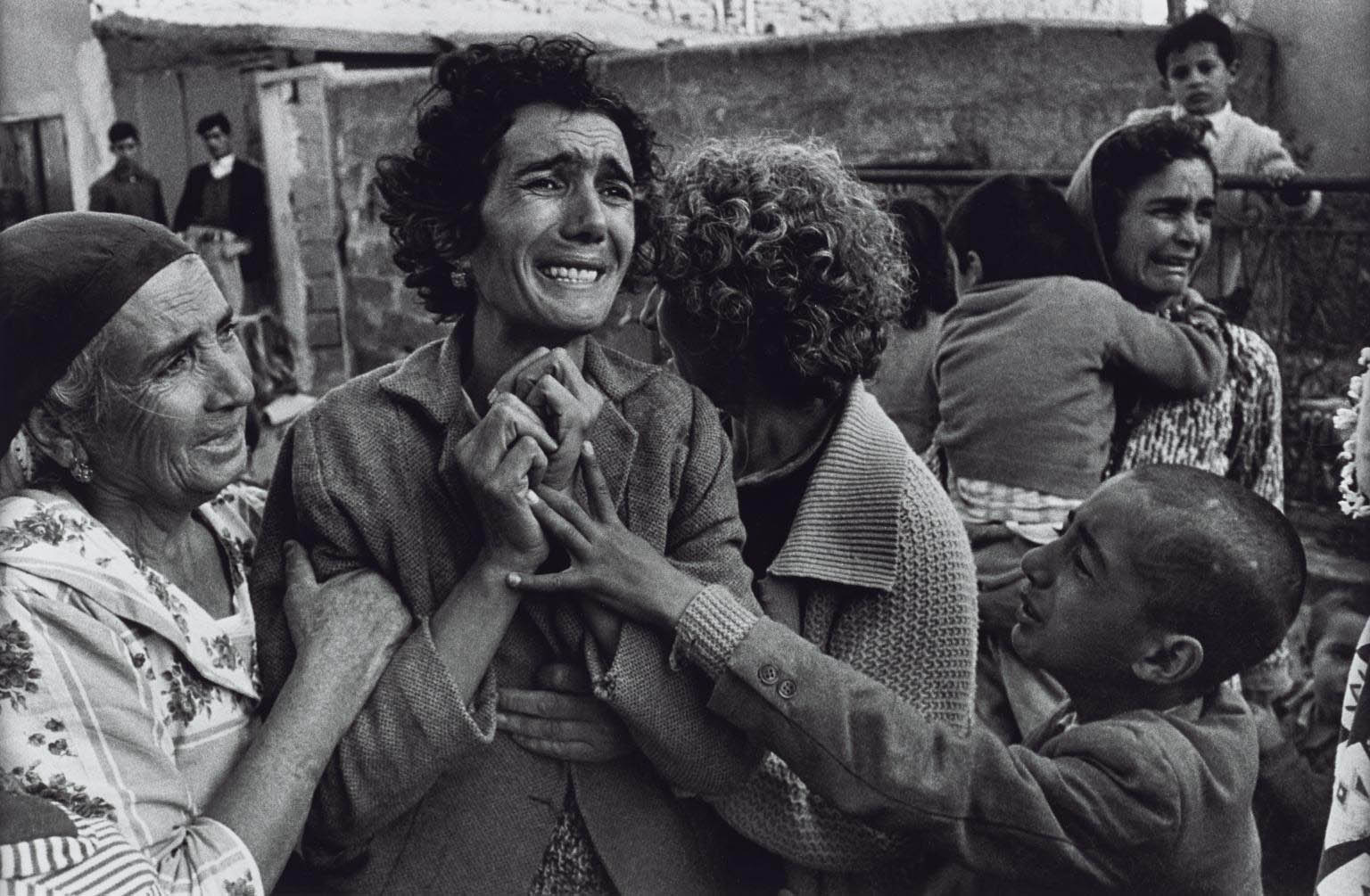
Don McCullin (British, b. 1935) 'Turkish woman mourning the death of her husband killed by Greek forces during the Civil War, Limassol, Cyprus' 1964


Don McCullin (British, b. 1935)
Turkish woman mourning the death of her husband killed by Greek forces during the Civil War, Limassol, Cyprus
1964
Gelatin silver print
© Don McCullin / Contact Press Images


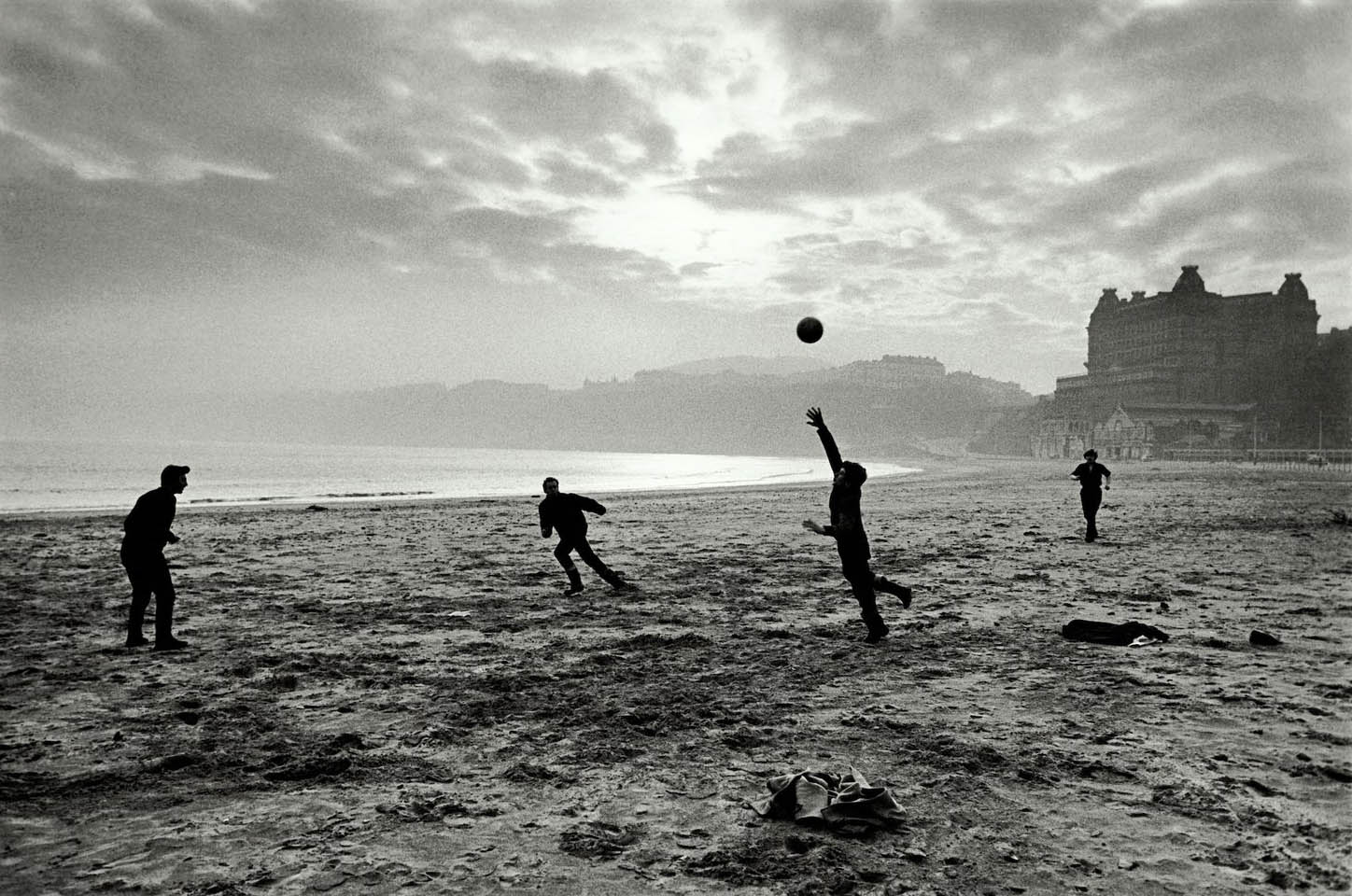
Don McCullin (British, b. 1935) 'Fishermen playing during their lunch break, Scarborough, Yorkshire' 1967


Don McCullin (British, b. 1935)
Fishermen playing during their lunch break, Scarborough, Yorkshire
1967
Gelatin silver print
© Don McCullin / Contact Press Images


Don McCullin (British, b. 1935) 'US marine throwing grenade, Tet Offensive, Hué, South Vietnam' February 1968


Don McCullin (British, b. 1935)
US marine throwing grenade, Tet Offensive, Hué, South Vietnam
February 1968
Gelatin silver print
© Don McCullin / Contact Press Images


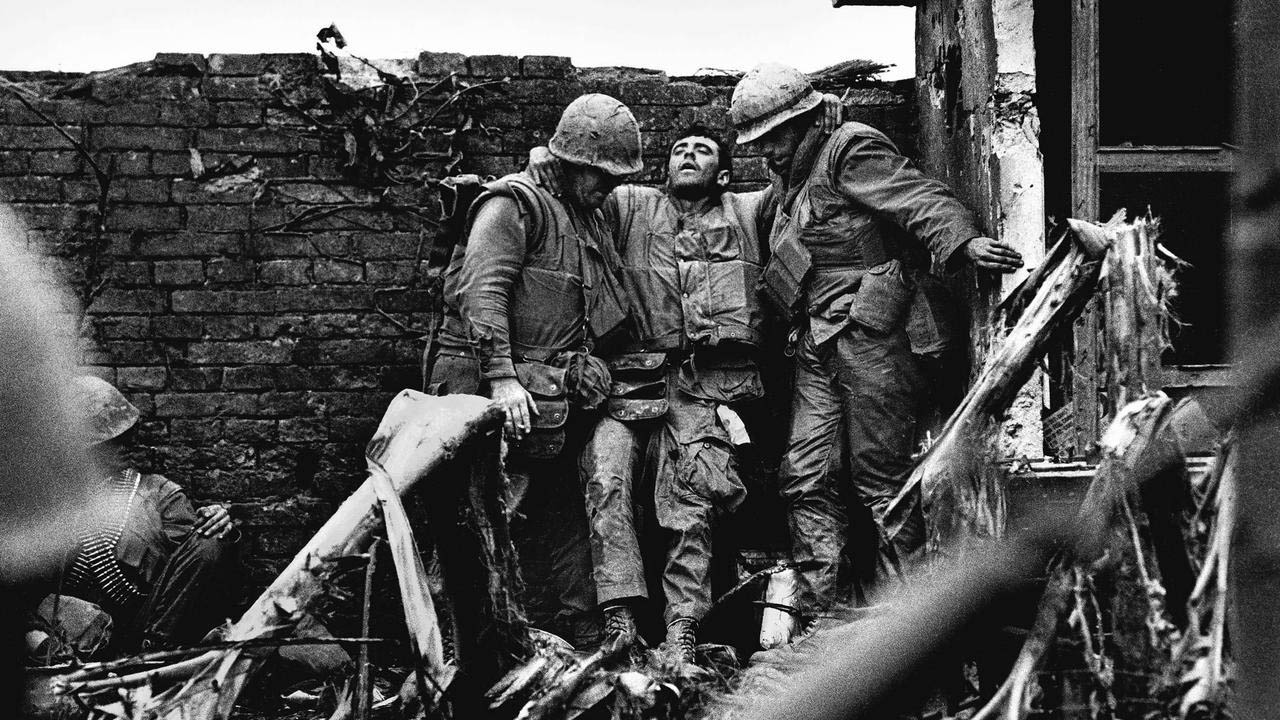
Don McCullin (British, b. 1935) 'U.S. Marines with wounded soldier, the Citadel, Hue' 1968


Don McCullin (British, b. 1935)
U.S. Marines with wounded soldier, the Citadel, Hue
1968
Gelatin silver print
35.7 x 54.7cm
© Don McCullin / Contact Press Images


Don McCullin (British, b. 1935) 'The Bogside, Northern Ireland, Londonderry' 1971


Don McCullin (British, b. 1935)
The Bogside, Northern Ireland, Londonderry
1971
Gelatin silver print
© Don McCullin / Contact Press Images


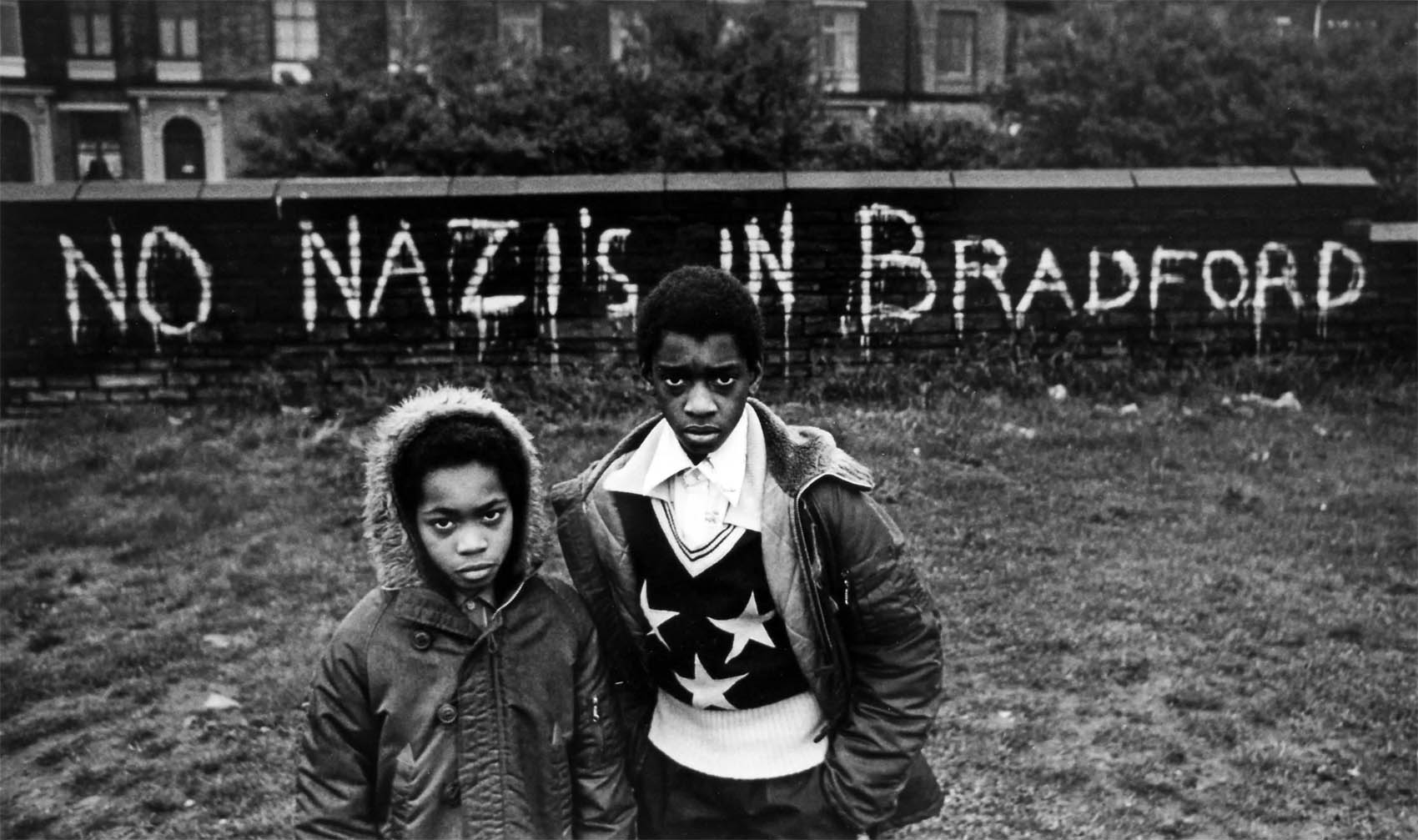
Don McCullin (British, b. 1935) 'Two local boys in Bradford / No Nazis in Bradford, England' 1972


Don McCullin (British, b. 1935)
Two local boys in Bradford / No Nazis in Bradford, England
1972
Gelatin silver print
© Don McCullin / Contact Press Images


For the first time ever, the National Gallery of Canada is organising an monographic exhibition dedicated to the work of a contemporary British photographer. Don McCullin: A Retrospective features a collection of 134 exceptional black-and-white photographs taken by McCullin, an unflinching photojournalist best known for his coverage of the world’s most dangerous conflict zones. His photographs have been published in major newspapers and magazines, including The Observer, The Sunday Times and The Daily Telegraph. McCullin has also created an important body of social documentary work and a series of lyrical landscapes in his native Britain. Several of these photographs are included in the exhibition, which will be on display until April 14, 2013 in the NGC’s Prints, Drawings and Photographs Galleries. “McCullin’s photographs belong in an art gallery because they consistently bring clarity and compositional grace to their compelling subject matter. These pictures are both hard to look at and hard not to,” said NGC director and CEO Marc Mayer.

Don McCullin: A Retrospective highlights works from all of McCullin’s major series: portraits of the poor and the homeless in London and northern England (1950s to 1980s); the construction of the Berlin Wall (1961); war and famine in Cyprus, the Congo, Biafra, Vietnam, Bangladesh, Cambodia, Lebanon and Northern Ireland (1964-1982); peoples of Southeast Asia and Africa (1988-2004); and landscapes in Somerset, England, and northern France (1970-2011). In this exhibition, the artist’s journey from working class England to the killing fields and to the landscape of Arthurian myth reveals his searing outrage and profound compassion. Also included are magazines and newspapers relating to past assignments.

McCullin covered war zones on four continents, primarily from the 1960s to the 1980s. His photographs from the battlefields belong to a tradition of war art practiced by Francisco de Goya, Otto Dix and photographer Robert Capa, artists who, like himself, sought to communicate in images the horrors of human conflict. Particularly compelling for their narrative depth, sombre lighting and powerful composition, McCullin’s photographs convey the intensity and intimacy of his human encounters. His landscapes, although also dark and brooding, speak to his desire to distance himself from the subject of human suffering.

Although, McCullin did travel to Syria recently for The Times on one final war assignment (these photographs are not included in the exhibition), his exposure to the worst human atrocities took such a toll on him that he more or less retreated from conflict zones beginning in the 1980s. McCullin does not like being called a war photographer. Nor does he think of himself as an artist, but rather as a photojournalist, or simply, a photographer. In her insightful essay in the exhibition catalogue, Sobey Curatorial Assistant Katherine Stauble writes of the war photographs: “Likely (these images) were not meant to hang on a gallery wall, but rather, to communicate information, to reveal truths and to mobilise action. Now that McCullin has escaped the battlefield and for the past twenty years has been focusing his lens on landscape and still life, one might expect the artist moniker to sit more comfortably with him.”

Press release from the National Gallery of Canada website


Don McCullin (British, b. 1935) 'The Guvnors, Finsbury Park, London' 1958


Don McCullin (British, b. 1935)
The Guvnors, Finsbury Park, London
1958
Gelatin silver print
© Don McCullin / Contact Press Images


Don McCullin (British, b. 1935) 'At a café in Finsbury Park, London' 1958


Don McCullin (British, b. 1935)
At a café in Finsbury Park, London
1958
Gelatin silver print
© Don McCullin / Contact Press Images
Photo © NGC


Don McCullin (British, b. 1935) 'Old Vietnamese man, Tet Offensive, Hué, South Vietnam' February 1968


Don McCullin (British, b. 1935)
Old Vietnamese man, Tet Offensive, Hué, South Vietnam
February 1968
Gelatin silver print
© Don McCullin / Contact Press Images


Don McCullin (British, b. 1935) 'Homeless Irishman, Aldgate, East End, London' 1970


Don McCullin (British, b. 1935)
Homeless Irishman, Aldgate, East End, London
1970
Gelatin silver print
© Don McCullin / Contact Press Images


Don McCullin (British, b. 1935) 'Jean, a homeless woman, Aldgate, East End, London' 1984, printed c. 1985


Don McCullin (British, b. 1935)
Jean, a homeless woman, Aldgate, East End, London
1984, printed c. 1985
Gelatin silver print
© Don McCullin / Contact Press Images


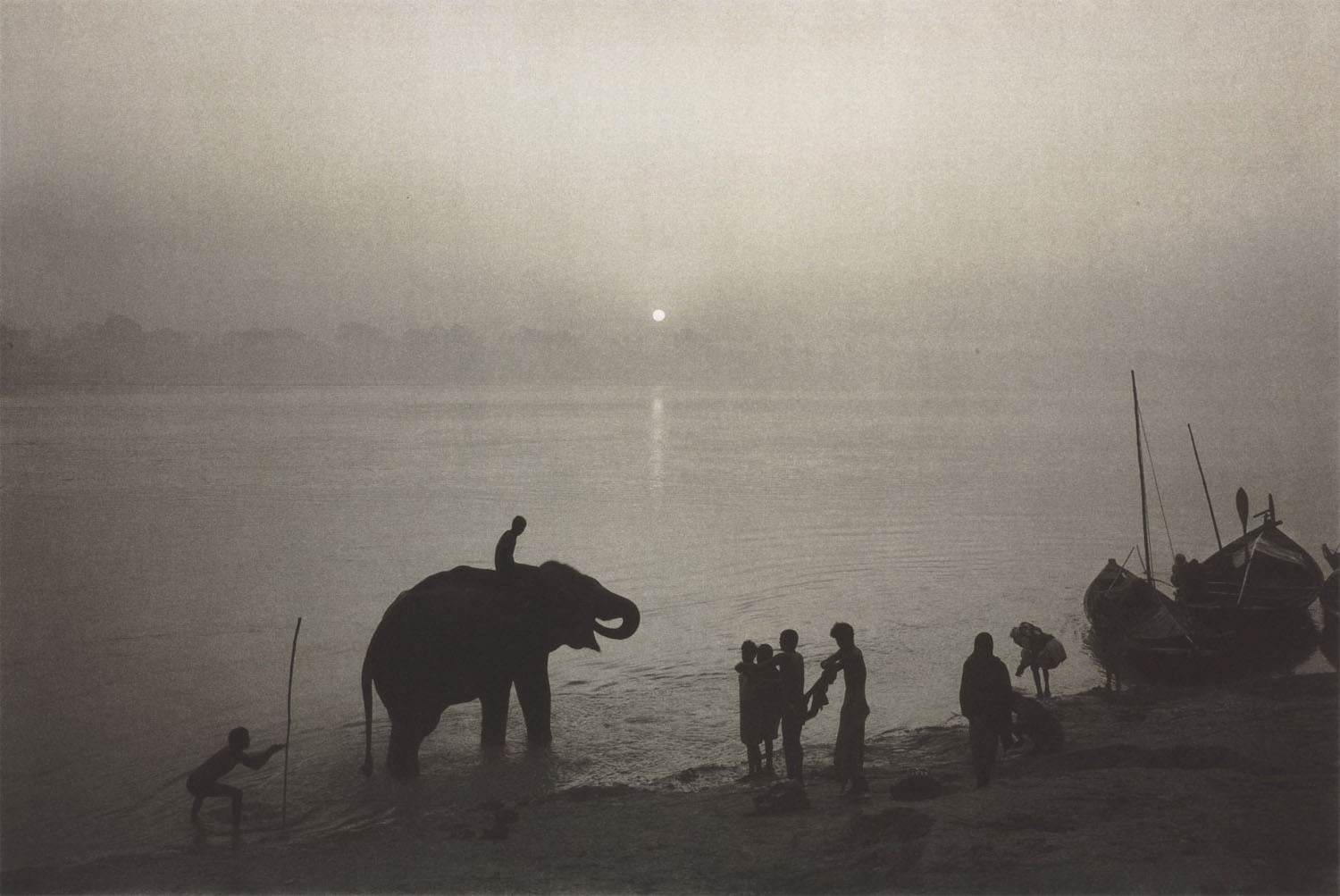
Don McCullin (British, b. 1935) 'Along the Ganges during the Sonepur Mela festival, Bihar, India' 1993


Don McCullin (British, b. 1935)
Along the Ganges during the Sonepur Mela festival, Bihar, India
1993
Platinum print
Gelatin silver print
© Don McCullin / Contact Press Images


National Gallery of Canada
380 Sussex Dr  Ottawa
ON K1N 9N4, Canada
Phone: +1 613-990-1985

Opening hours:
Tuesday – Sunday 10am – 5pm
Closed Mondays

National Gallery of Canada website

LIKE ART BLART ON FACEBOOK

Back to top

Exhibition: ‘Gilbert & George: Jack Freak Pictures’ at Deichtorhallen Hamburg

Exhibition dates: 25th February – 22nd May 2011


Gilbert & George standing in front of ‘Metal Jack’ (2008) from the series ‘Jack Freak Pictures’ on show at Deichtorhallen Hamburg


Gilbert & George standing in front of Metal Jack (2008) from the series Jack Freak Pictures on show at Deichtorhallen Hamburg
Photo: Fred Dott © Deichtorhallen Hamburg/Fred Dott


“We are unhealthy, middle-aged, dirty-minded, depressed, cynical, empty, tired-brained, seedy, rotten, dreaming, badly-behaved, ill-mannered, arrogant, intellectual, self-pitying, honest, successful, hard-working, thoughtful, artistic, religious, fascistic, blood-thirsty, teasing, destructive, ambitious, colourful, damned, stubborn, perverted and good. We are artists.”


Gilbert & George, 1980


More from the Jack Freak picture show!

Marcus


Many thankx to Deichtorhallen Hamburg for allowing me to publish the photographs in the posting. Please click on the photographs for a larger version of the image.


Installation view of ‘Jack Freak Pictures’ by Gilbert & George at Deichtorhallen Hamburg

Installation view of ‘Jack Freak Pictures’ by Gilbert & George at Deichtorhallen Hamburg


Installation views of Jack Freak Pictures by Gilbert & George at Deichtorhallen Hamburg
Photos: Fred Dott © Deichtorhallen Hamburg/Fred Dott


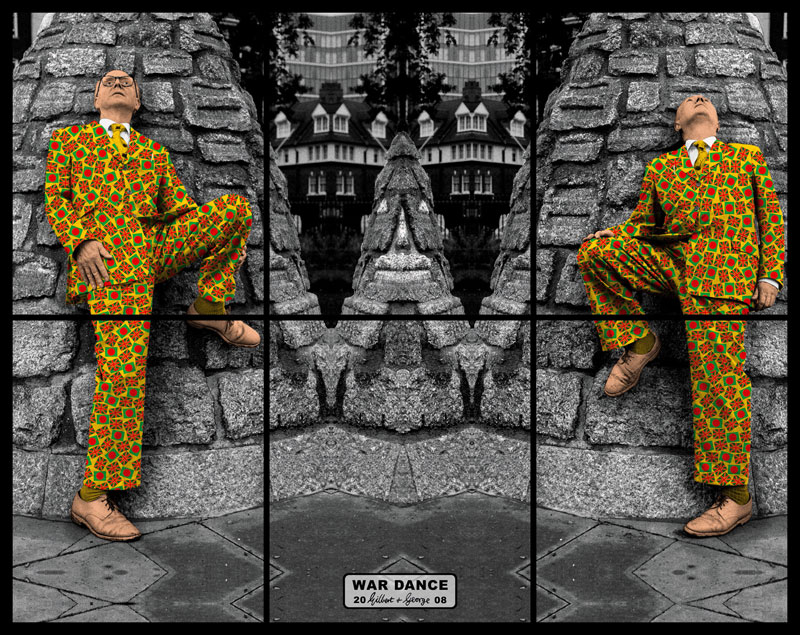
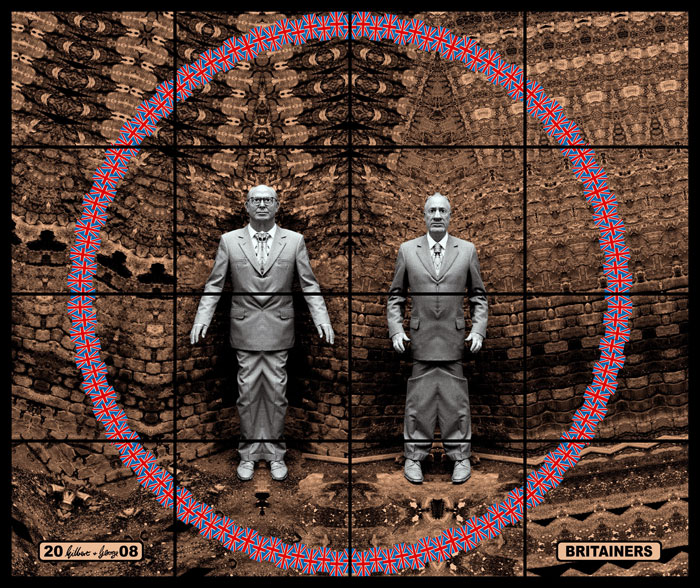
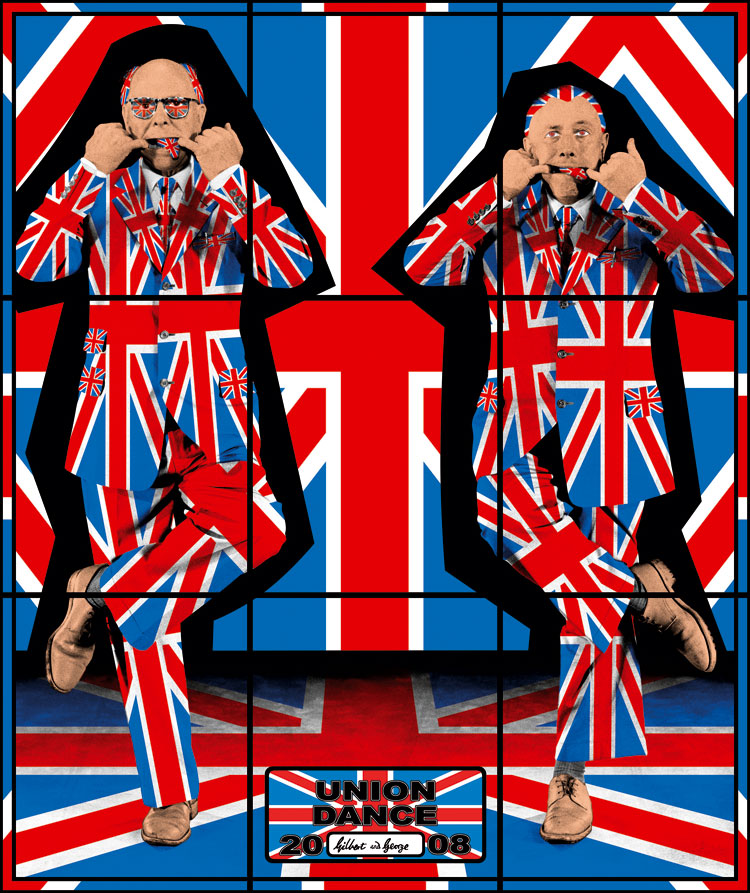
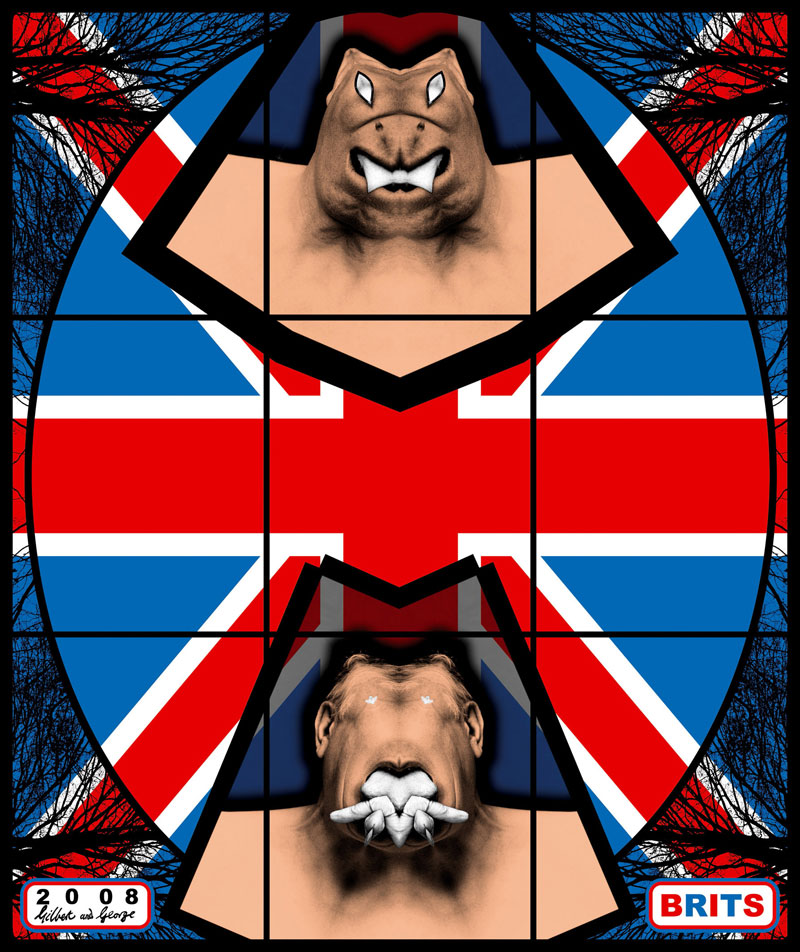
According to the writer Michael Bracewell, “the Jack Freak Pictures are among the most iconic, philosophically astute and visually violent works that Gilbert & George have ever created.” The dominant pictorial element is the Union Jack, itself an internationally familiar, abstract, geometric pattern and a socially and politically charged symbol whose significance spans the cultural spectrum from contemporary fashion to aggressive national pride. Equally prominent, and linking the Jack Freak Pictures to almost every work previously created by the artists, are Gilbert & George themselves in a variety of guises: dancing, gurning, howling, watching, waiting. Sometimes their bodies seem complete; other times they have been fragmented or contorted. Invariably they feature as both subject and object, artwork and artist; they are players in the epic and complex pictorial drama they have created.

Set in the East End of London where Gilbert & George have lived and worked for over forty years, the Jack Freak Pictures bring numerous aspects of the modern world to life. Medals, flags, maps, street-signs, graffiti and other less immediately obvious motifs jostle for attention with the brickwork, buildings and even foliage of the contemporary urban environment in works that are densely layered and complexly nuanced to evoke (and sometimes conflate) a sense of past, present and future. They raise fundamental and rudimentary questions about religion, identity, politics, economics, sexuality and death. The Jack Freak Pictures reaffirm Gilbert & George’s status as pre-eminent Modernists and underline Robert Rosenblum’s observation that “of the singularity of their duality in life as art, there is little doubt.” Michael Bracewell’s view that they are “visionary artists in the lineage of William Blake” rings truer now than ever before.

Text from the White Cube website [Online] Cited 12/05/2011 no longer available online


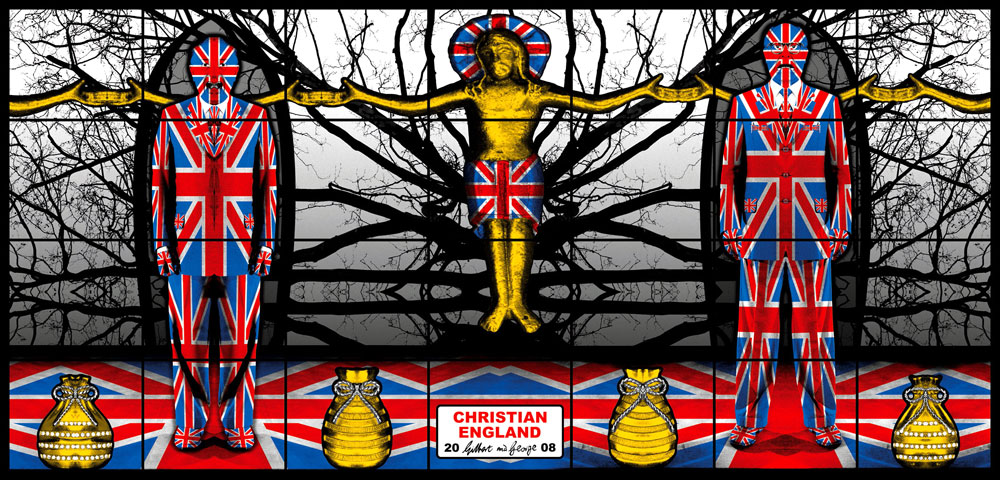
Gilbert & George. ‘Christian England’ from the series ‘Jack Freak Pictures’ 2008


Gilbert & George
Christian England from the series Jack Freak Pictures
2008
254 x 528 cm
© Gilbert & George


Gilbert & George. ‘Frigidarium’ from the series ‘Jack Freak Pictures’ 2008


Gilbert & George (British)
Frigidarium from the series Jack Freak Pictures
2008
381 x 604cm
© Gilbert & George


Gilbert & George. ‘Street Party’ from the series ‘Jack Freak Pictures’ 2008


Gilbert & George (British)
Street Party from the series Jack Freak Pictures
2008
381 x 604cm
© Gilbert & George


With its major spring show, Deichtorhallen Hamburg is once again bringing stars of the international art world to Hamburg. Gilbert & George (born 1943 and 1942) have long since been acknowledged icons of contemporary art.

The exhibition will present the latest, wide-ranging group of pictures they have ever created. Called the “Jack Freak Pictures”. They will be on display in the cathedral-like setting of the large Deichtorhalle from February 25 to May 22, 2011 for the first time more or less in its entirety – some 120 pictures will be on view.

Gilbert & George’s large-format pictures present decidedly sacred and secular themes. In this case, Gilbert & George have created a group around the British national symbol, the Union Jack, with all its different connotations, from symbol of national pride through to the cult symbol of the British Pop Music world and countercultures. Surrounded by medals and amulets, the streets of London and the red, blue and white design of the British flag, as in their previous art here Gilbert & George are not only the creators of their own world of images, but also act as protagonists in it.

The “Jack Freak Pictures” are among the most symbolic, philosophically most elaborate and visually striking art Gilbert & George have ever created. Within Gilbert & George’s oeuvre as a whole they constitute the powerful concentration of the themes and emotions that the artists have now been exploring in their art for more than 40 years. In these pictures, the artists play the roles of both victim and monster, puppets of a cosmic revue, sleepless guardians of empty big-city streets and crazy-looking talking heads, as Michael Bracewell outlines in his essay in the exhibition catalog. The large pictures, do not address the individual constitution of the two artists but instead point up states of human existence and can be read as a description of the modern world from the artists’ point of view.

The exhibition is being organised by Deichtorhallen Hamburg and the British Council and will move on from Hamburg, albeit it on a smaller scale, to Lentos Kunstmuseum, Linz, Austria. Hatje Cantz Verlag has brought out a catalog with an essay by Michael Bracewell and colour illustrations of all 153 works in the series.

Text from the Deichtorhallen Hamburg website


Gilbert & George. ‘War Dance’ from the series ‘Jack Freak Pictures’ 2008


Gilbert & George (British)
War Dance from the series Jack Freak Pictures
2008
151 x 190cm
© Gilbert & George


Gilbert & George. ‘Britainers’ from the series ‘Jack Freak Pictures’ 2008


Gilbert & George (British)
Britainers from the series Jack Freak Pictures
2008
254 x 302cm
© Gilbert & George


Gilbert & George. ‘Stuff Religion’ from the series ‘Jack Freak Pictures’ 2008


Gilbert & George (British)
Stuff Religion from the series Jack Freak Pictures
2008
317 x 302cm
© Gilbert & George


Gilbert & George. ‘Union Dance’ from the series ‘Jack Freak Pictures’ 2008


Gilbert & George (British)
Union Dance from the series Jack Freak Pictures
2008
© Gilbert & George


Gilbert & George. ‘Brits’ from the series ‘Jack Freak Pictures’ 2008


Gilbert & George (British)
Brits from the series Jack Freak Pictures
2008
226 x 190cm
© Gilbert & George


Deichtorhallen Hamburg
Deichtorstrasse 1-2
20095 HAMBURG
Phone: +49 (0)40 32103-0

Opening hours:
Tuesday – Sunday 11am – 6pm
Closed on Mondays

Deichtorhallen Hamburg website

LIKE ART BLART ON FACEBOOK

Back to top