Exhibition: ‘Dawoud Bey: Street Portraits’ at the Denver Art Museum

Exhibition dates: 17th November, 2024 – 11th May, 2025


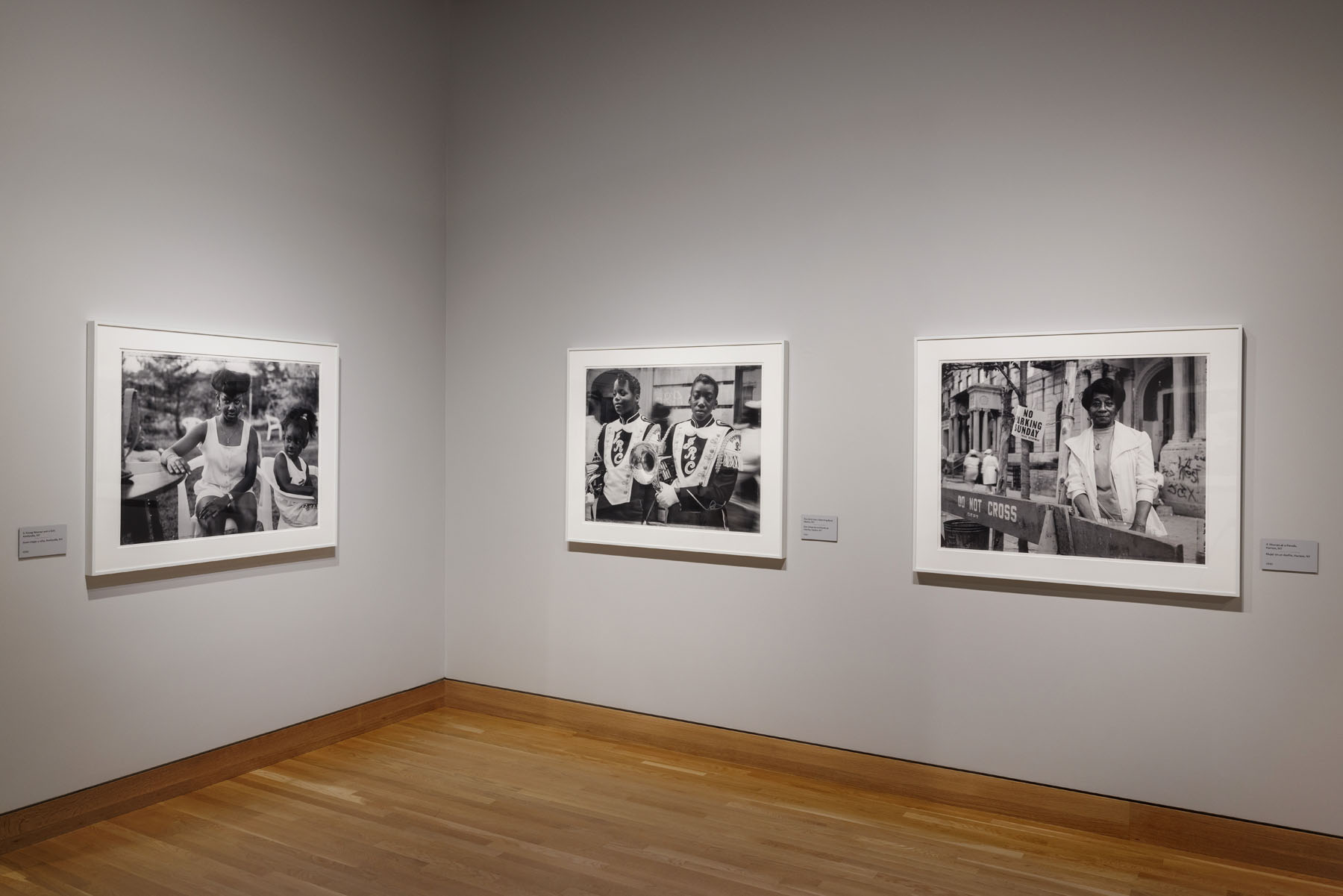
Dawoud Bey (American, b. 1953) 'Two Girls from a Marching Band, Harlem, NY' 1990


Dawoud Bey (American, b. 1953)
Two Girls from a Marching Band, Harlem, NY
1990
Pigment print
Courtesy the artist and Stephen Daiter Gallery, Chicago
Ā© Dawoud Bey


Street cred

I have posted twice before on Art Blart on Dawoud Bey’s An American Project exhibition – once when it was at the High Museum of Art (November 2020 – March 2021) and then the Whitney Museum of American Art (April – October, 2021)

I waxed lyrical about his photographs which I greatly admire.

“From formal to informal portraiture, through conceptual “bodies”, Bey’s work visualises Black American history in the present moment, not by using the trope of reusing colonial photographs or memorabilia, but by presenting afresh the history of injustice enacted on a people and a culture, picturing their ongoing pain and disenfranchisement – in the here and now – through powerful and deeply political photographs…

From his early street photographs through the later large format Polaroid work and on to the conceptual series, Bey’s photographs have an engaging directness and candour to them. There are no photographic or subjective histrionics here, just immensely rich social documentary photographs that speak truth to subject. The subjects stare directly at the camera and reveal themselves with a poignant honesty.”

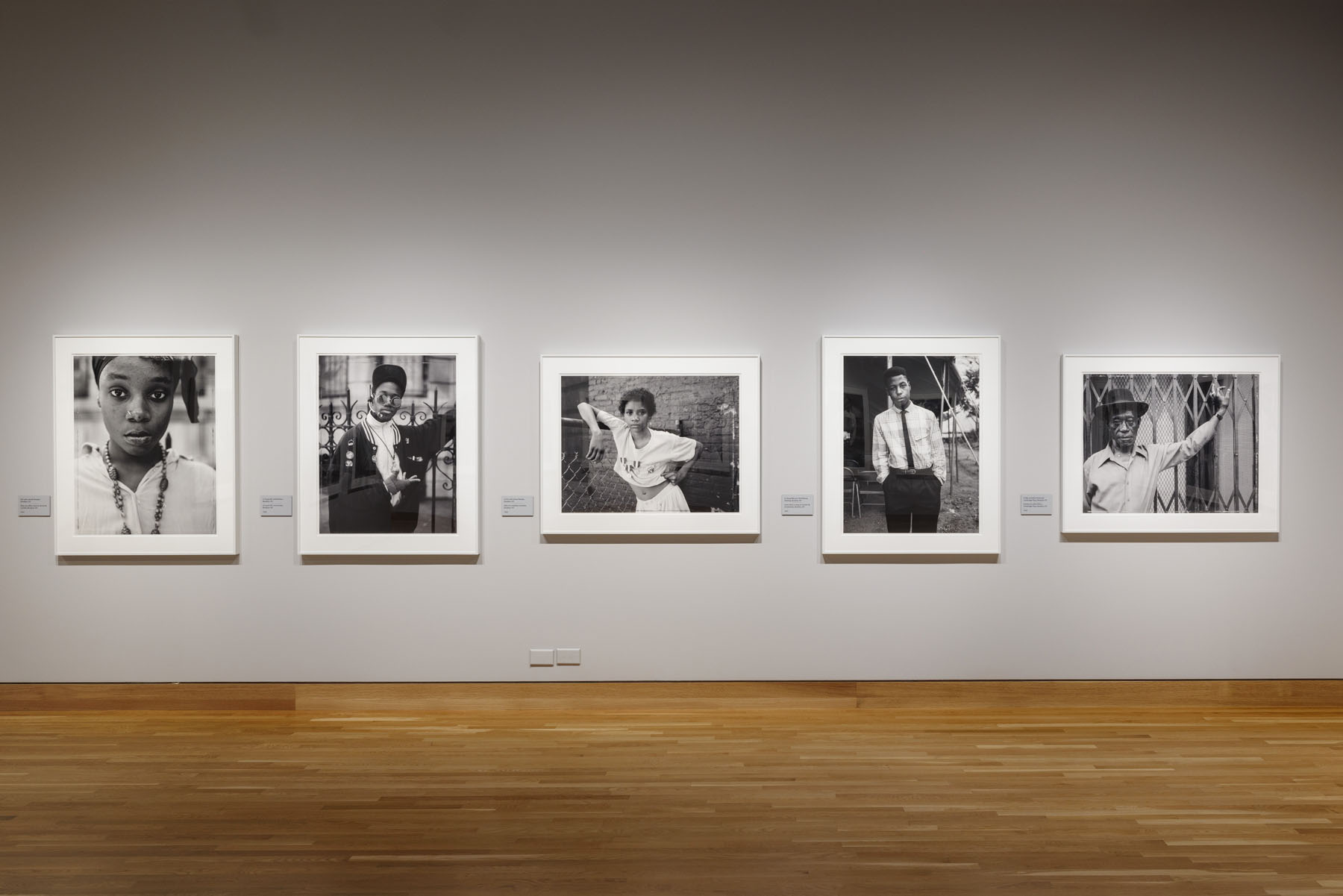
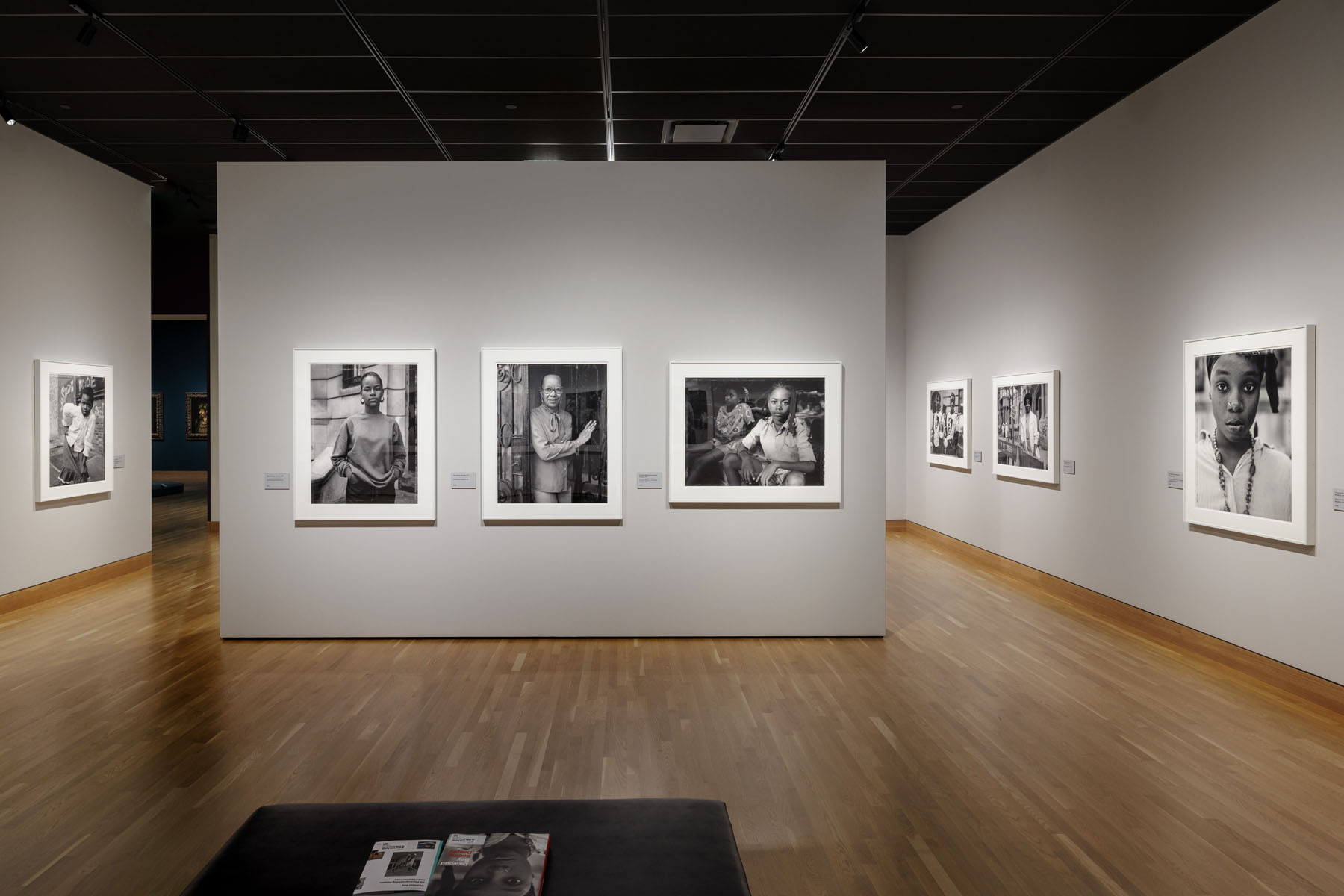
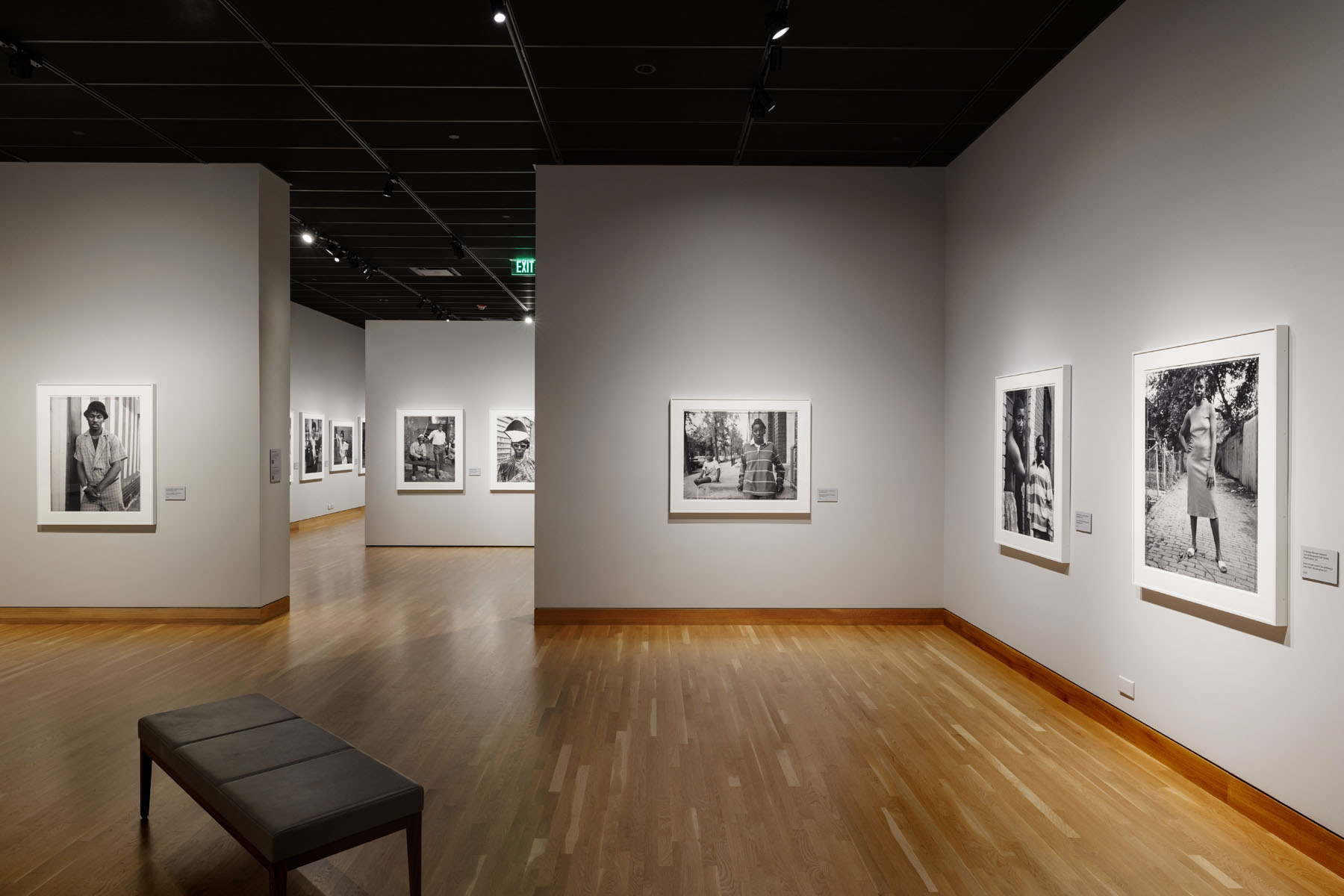
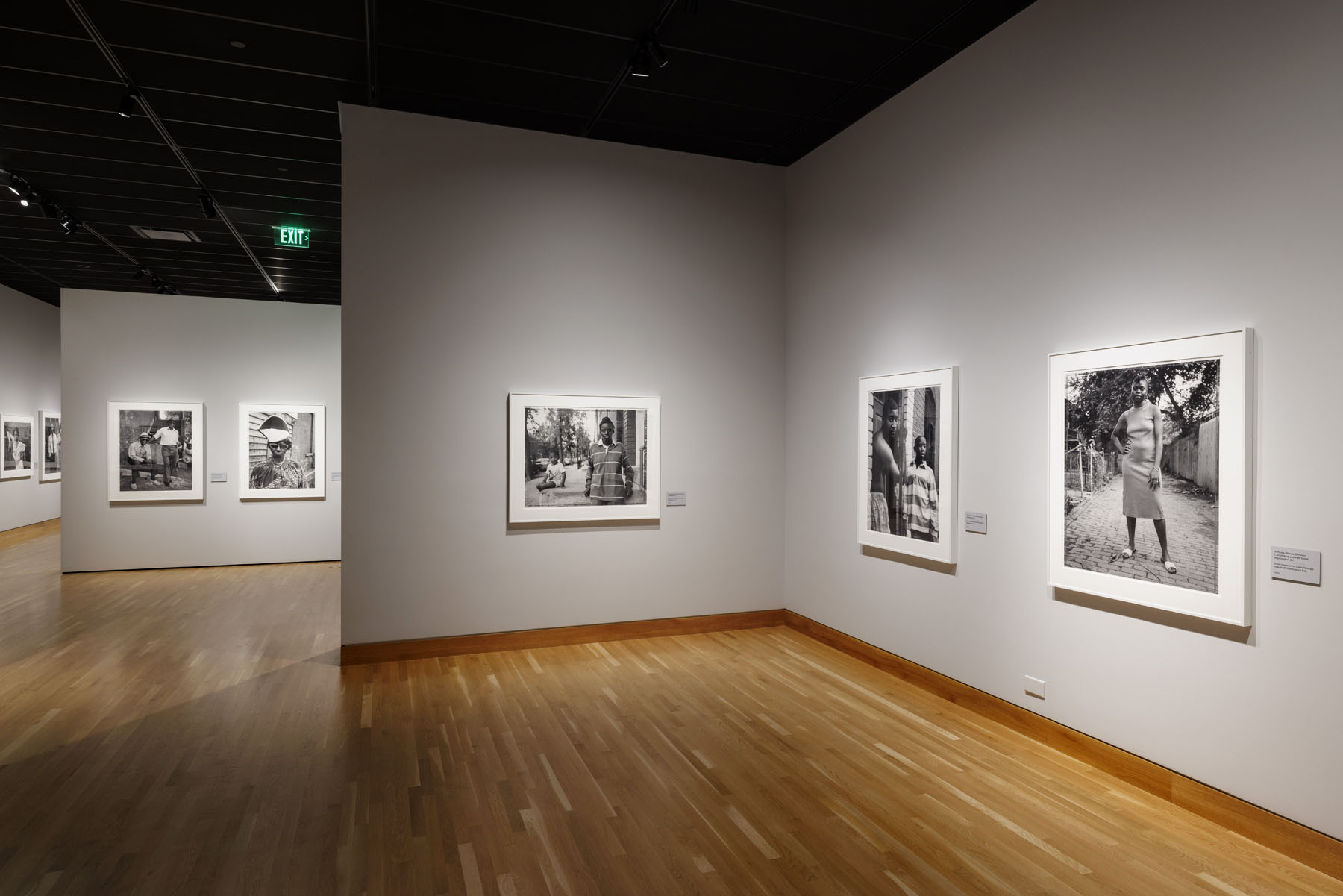
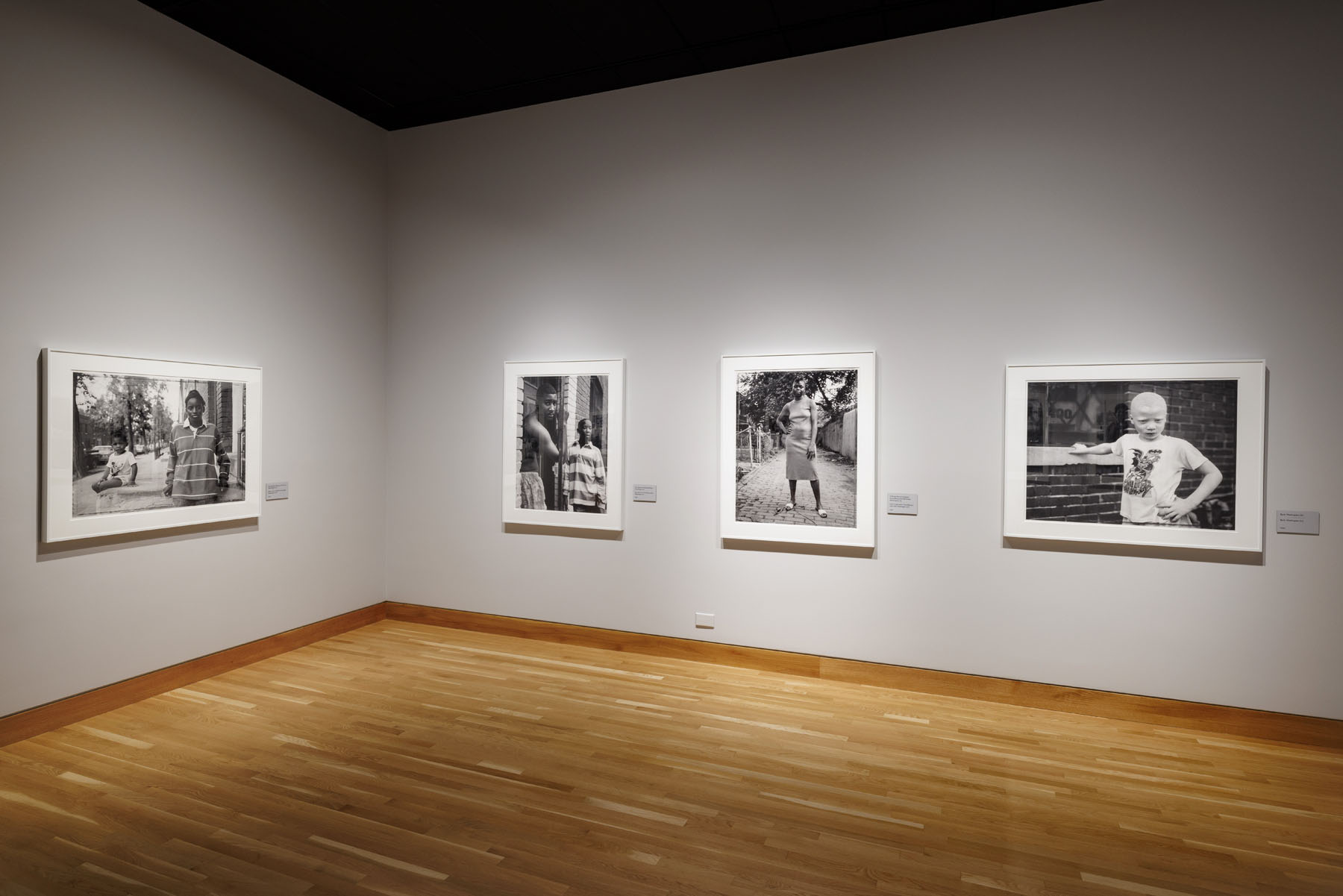
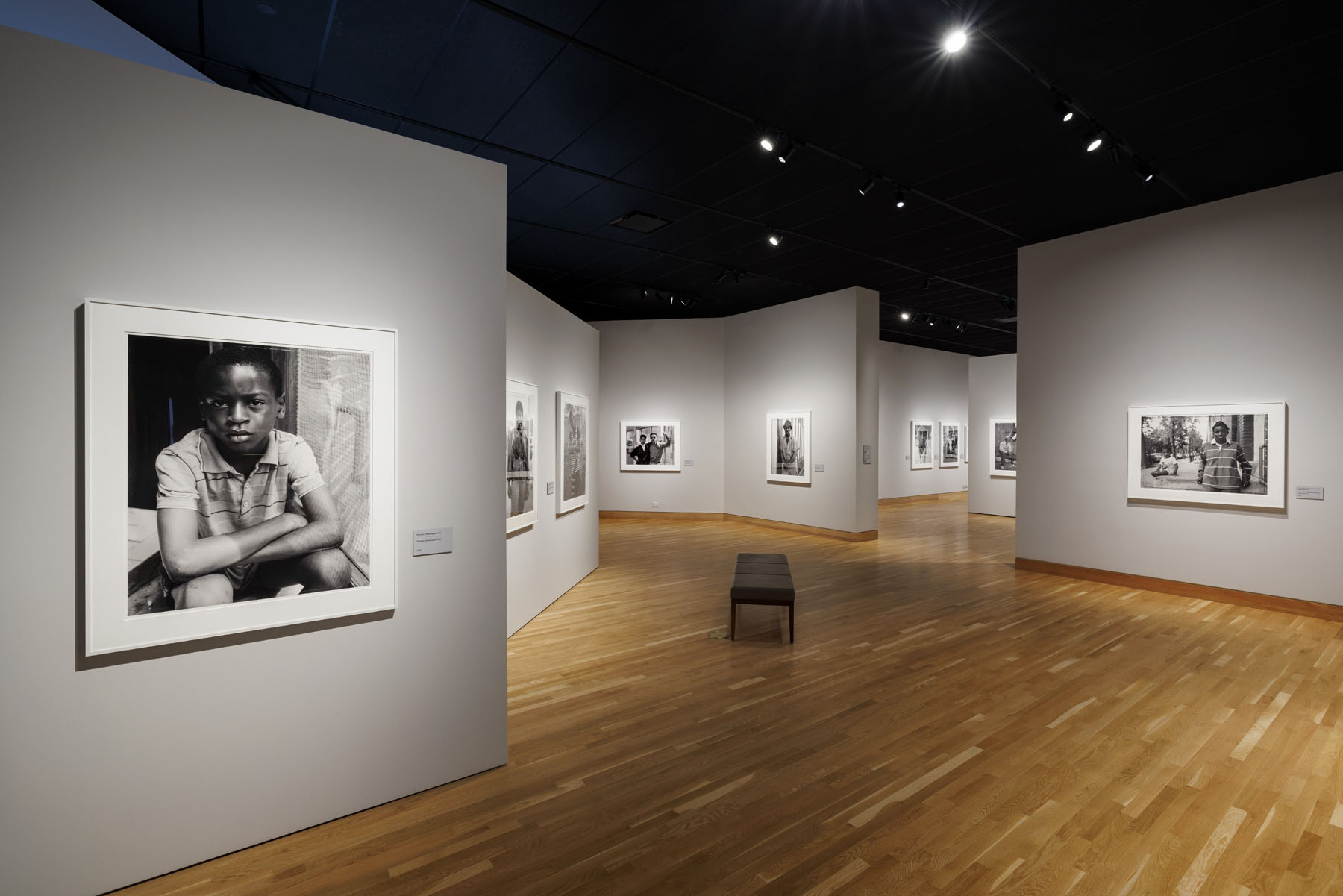
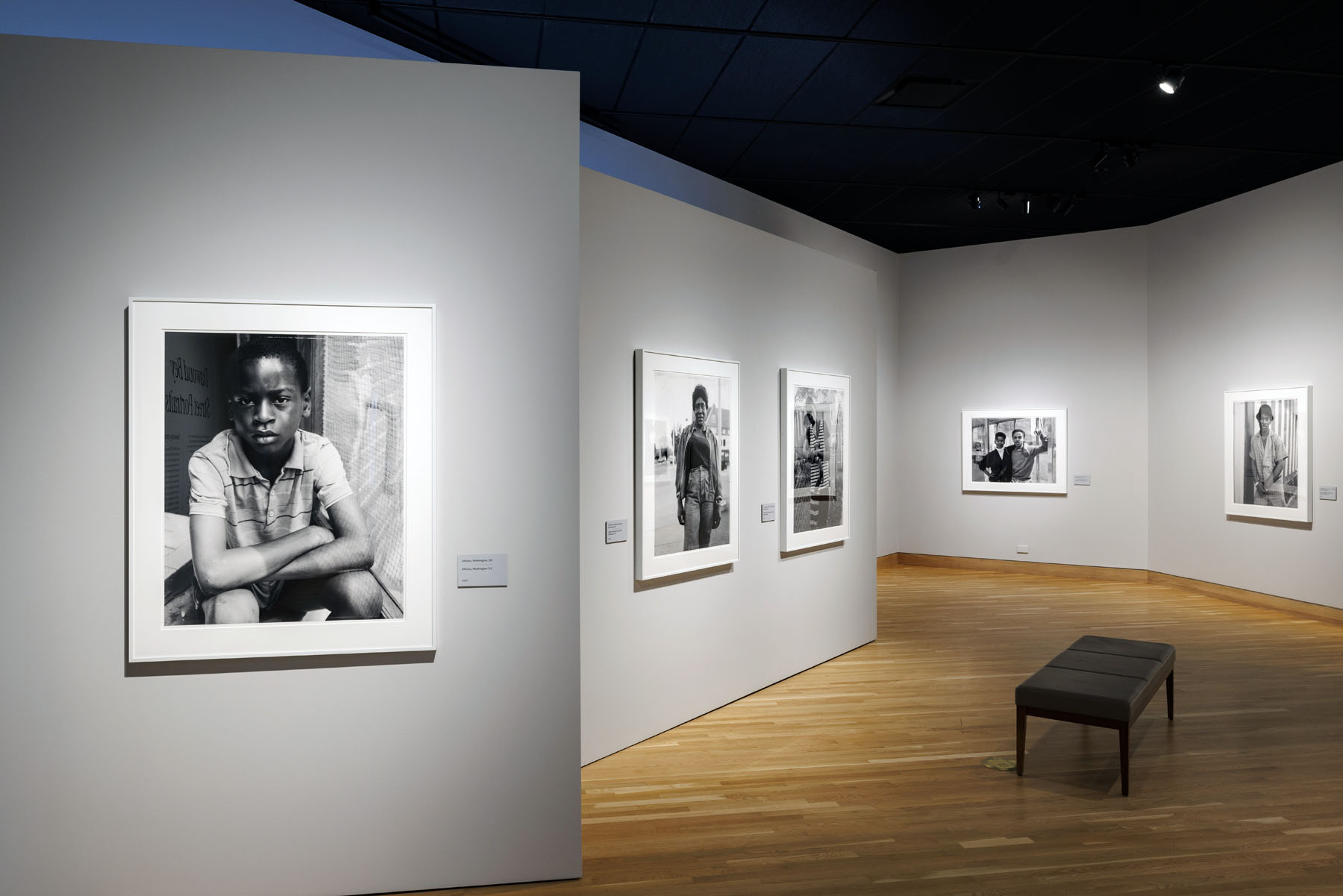
If you look at the installation photographs of both postings you will notice the small-scale prints of his notable black and white large-format (4 Ɨ 5-inch) camera and Polaroid Type 55 film photographs. But in this exhibition, Dawoud Bey: Street Portraits at the Denver Art Museum, Bey has used the large format negatives “to make large-scale, highly detailed prints that could be enlarged to create monumental portraits.”

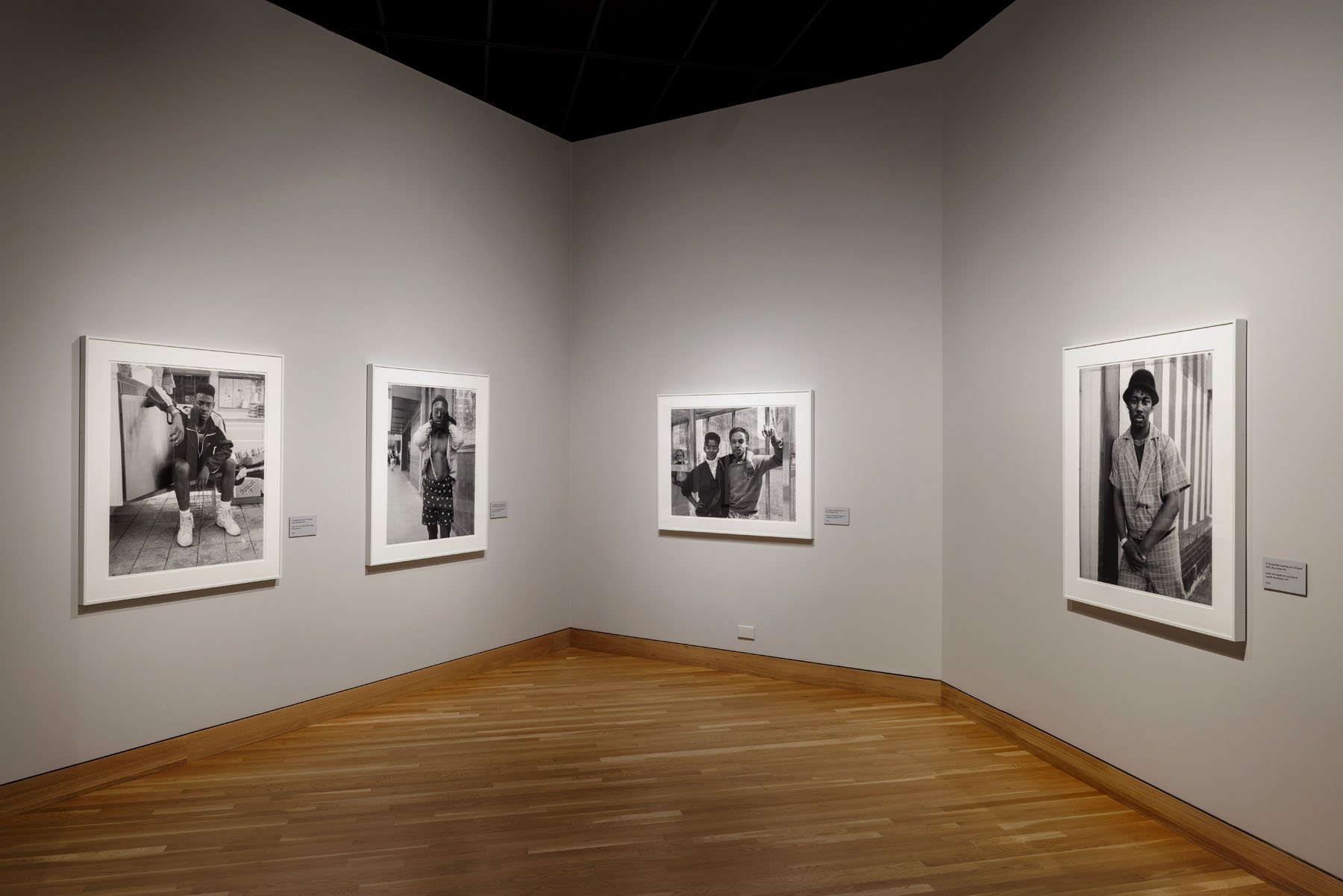
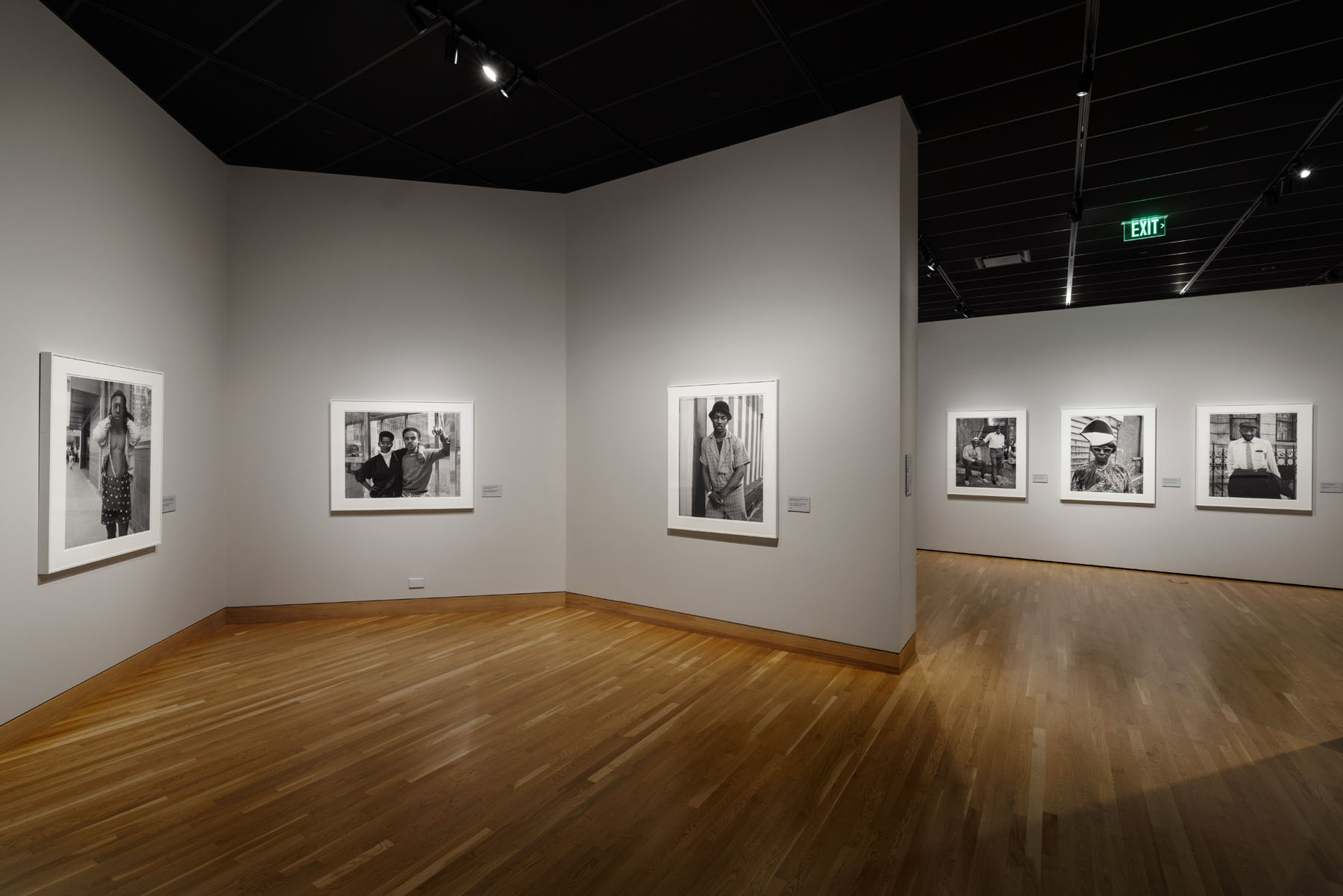
To my eye and mind, these monumental portraits simply don’t work … on many levels.

Firstly, the size seems totally inappropriate as a form of theatre (for that is what Bey is making them at this size) and as a photographic document to the honest representation of these people – to me, completely at odds with the spirit of the subject being captured.

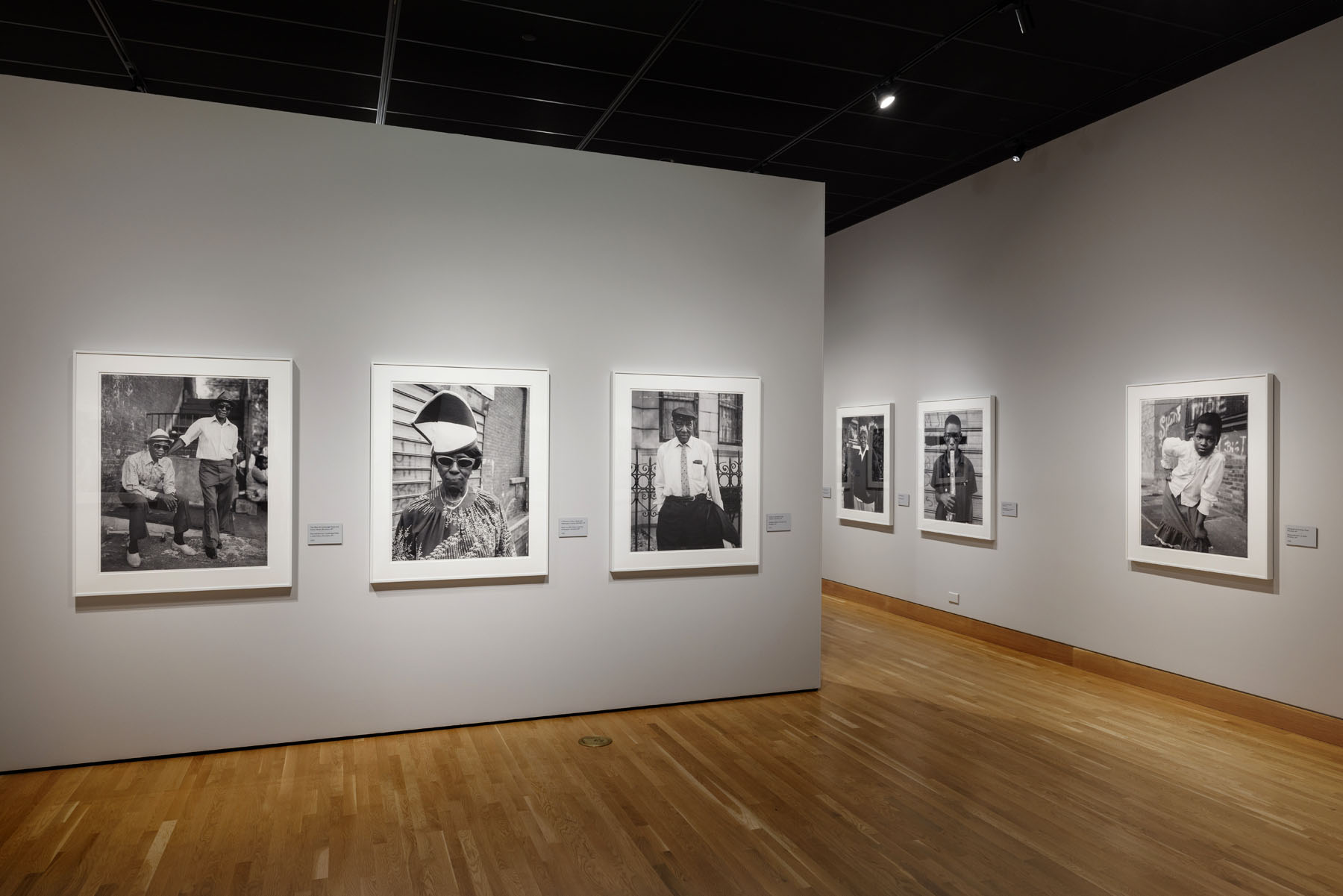
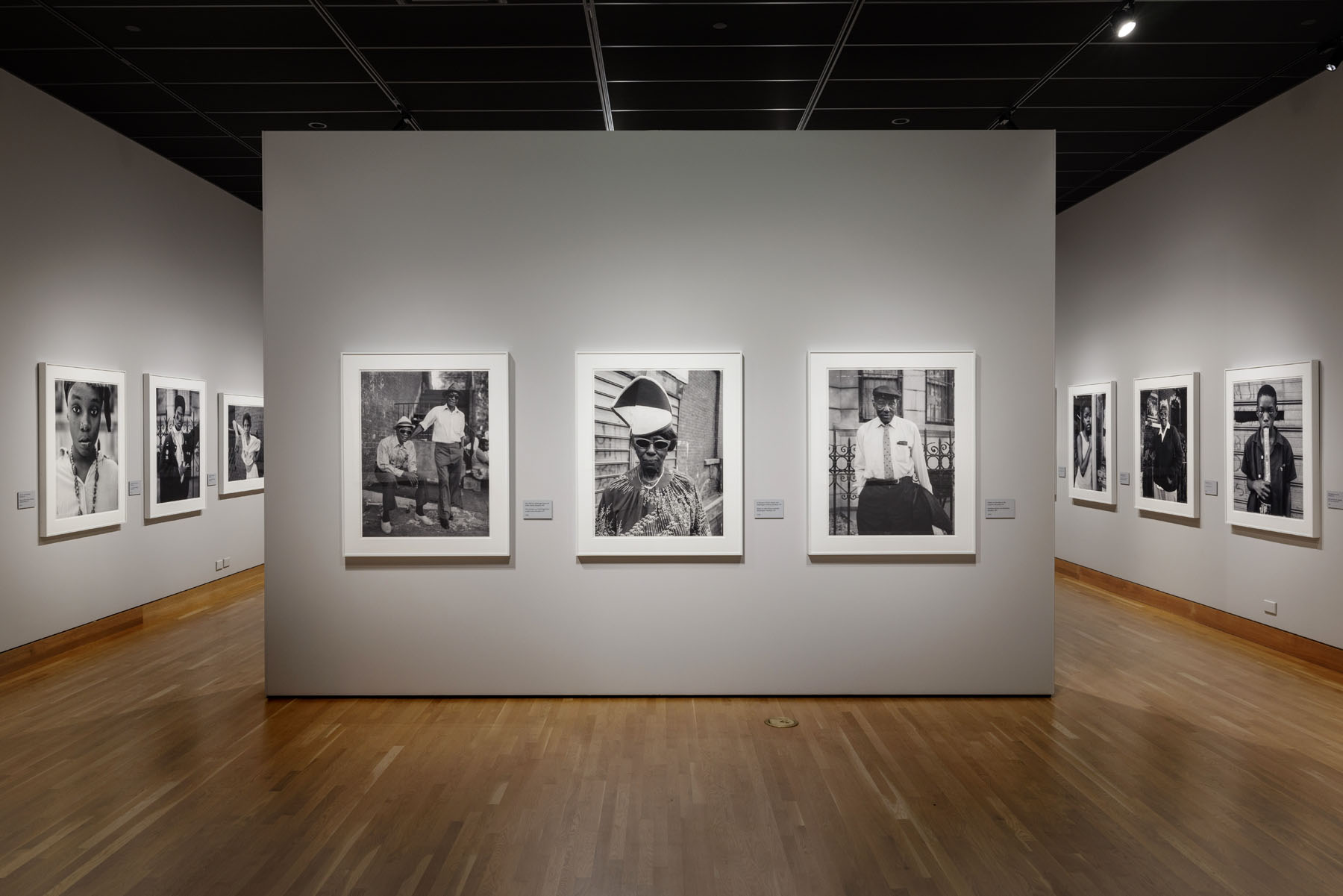
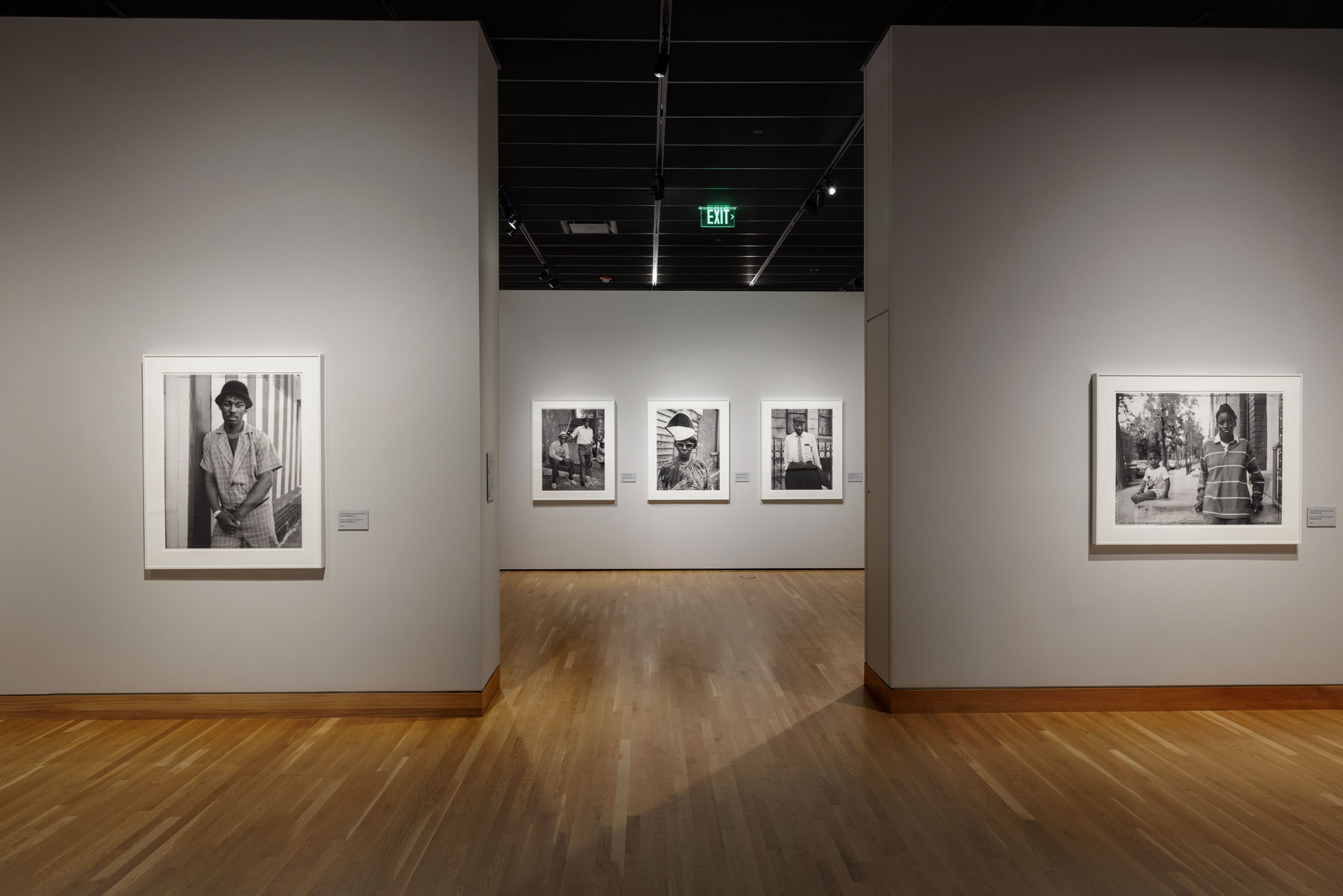
Secondly – and remembering that I have not seen the exhibition or walked through it but I am using the numerous installation photographs as my guide – there seems to be little flow to the images, installed as they are cheek by jowl, on the line, with no groupings or spacing, facing off against each other, face after face – with seemingly no understanding by curator or artist of Minor White’s idea of ice/fire, or the space between, the frisson that is generated between two or more images, in conversation, in sequence. Even the lines of sight between exhibition spaces leave little to be discovered afresh.

I have never understood this need for “monumentalism” in contemporary photography especially when the work does not need it and the energy of the work does not support it.

The advent of digital printing and large scale printers have enabled the production of gigantic contemporary photographs. “Large-scale photography challenges traditional notions of what constitutes a photograph and can be seen as a way to engage with the history of painting and cinema… Large-scale photography allows artists to explore the relationship between the overall composition and the individual details within the image. This can create a sense of both macro and micro, where the viewer can zoom in and out to appreciate different aspects of the image… Large-scale photography is used by many artists to explore themes related to identity, technology, consumerism, and environmental issues. The size of the prints can be a way to amplify these themes and create a more impactful visual statement. Large-scale photographs are well-suited for exhibition spaces where they can be displayed in a way that maximizes their impact. The large size of the prints can also create a sense of awe and wonder for the viewer.” (Generative AI on Google)

“In the 1990s, the group most commonly associated with large-scale photography, and in many ways responsible for the worldwide popularity of the technique, were the students of Bernd and Hilla Becher at the Kunstakademie Düsseldorf, including Thomas StruthAndreas GurskyCandida Hƶfer, and Thomas Ruff.” (Artsy website) With the work of artist’s such as Jeff Wall or Gregory Crewdson we become immersed in their cinematically constructed, staged fantasy worlds through the sheer scale of the photographs. With the gigantic portraits of Thomas Ruff it is not so much about the individual persona in the photograph as their every pore, a scientific examination of the surface micro death contained within every image.

Of course, I understand the desire for large photographs in creating a sense of immersion and exploring themes related to scale, power, identity and the human experience … but I don’t necessarily agree with the conditions of their becoming, nor do I think scale necessarily works for every photographic image. A photograph can be printed so that it has many sizes where it “speaks” to you and the viewer, but not every size works. I vividly remember seeing the exhibition Richard Avedon People at The Ian Potter Museum of Art, Melbourne in 2015 and observing that Avedon’s reaction to the ever expanding size of postmodern “gigantic” photography were floor to ceiling photographs, vertiginous overblown edifices which fell as flat as a tack.

I get the same feeling here.

Impact not intimacy, (visually) overwhelming not (visually) engaging.

Fundamentally, these “monumental” photographs by Dawoud Bey are no longer “street portraits” for they lack the intimacy and intensity of that style, becoming something rather less … beguiling, in the process.

Dr Marcus Bunyan


Many thankx to the Denver Art Museum for allowing me to publish the photographs in the posting. Please click on the photographs for a larger version of the image.
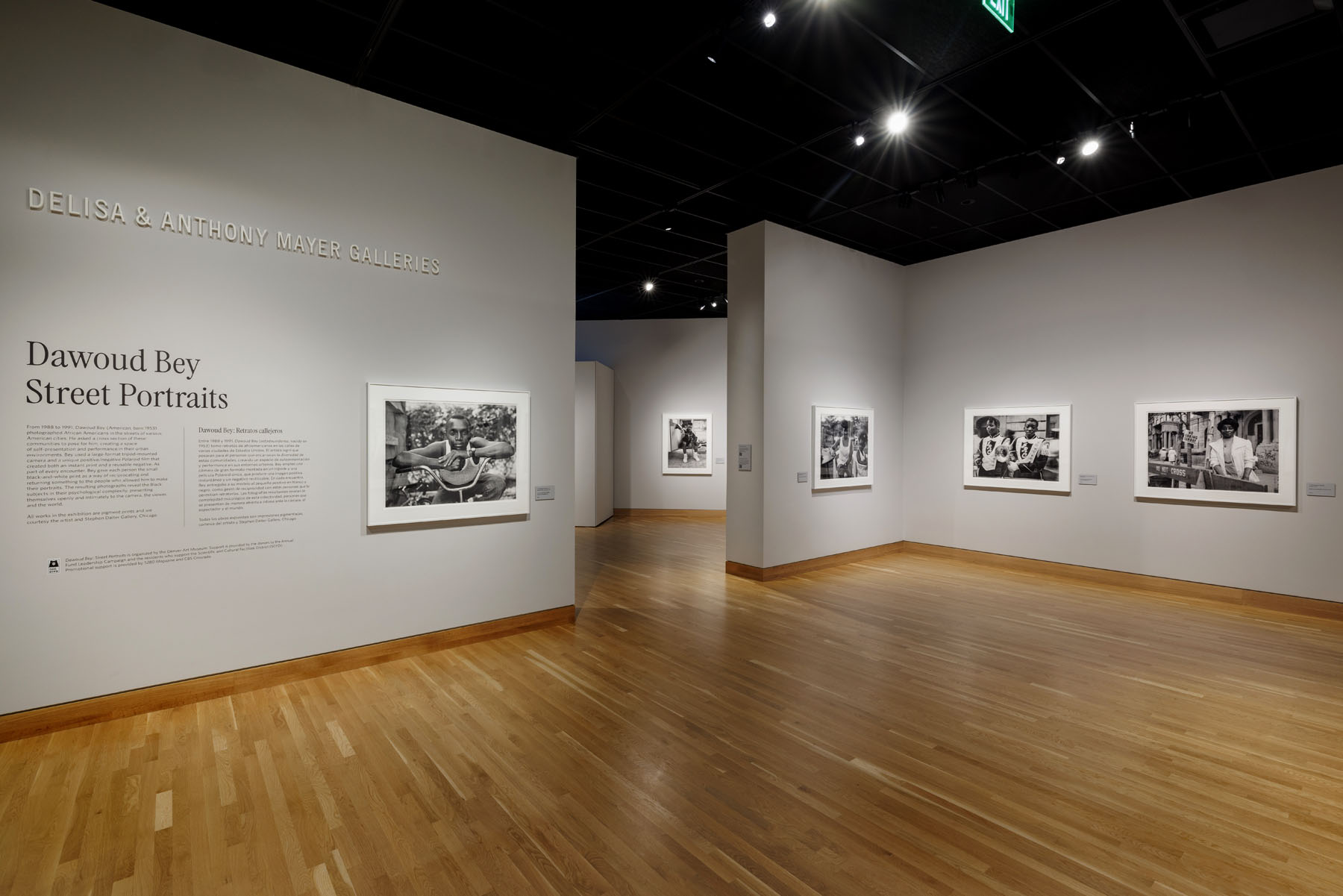
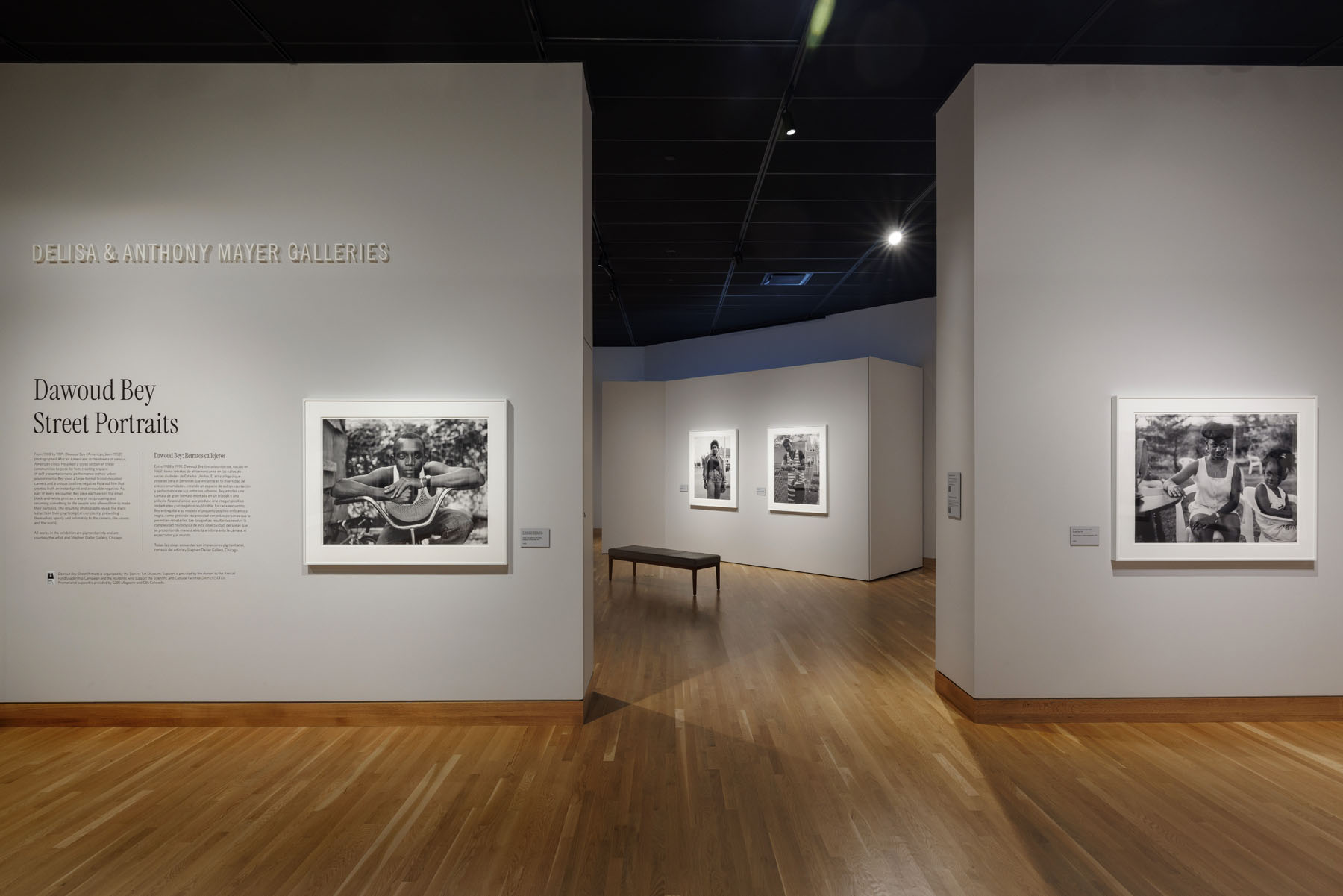


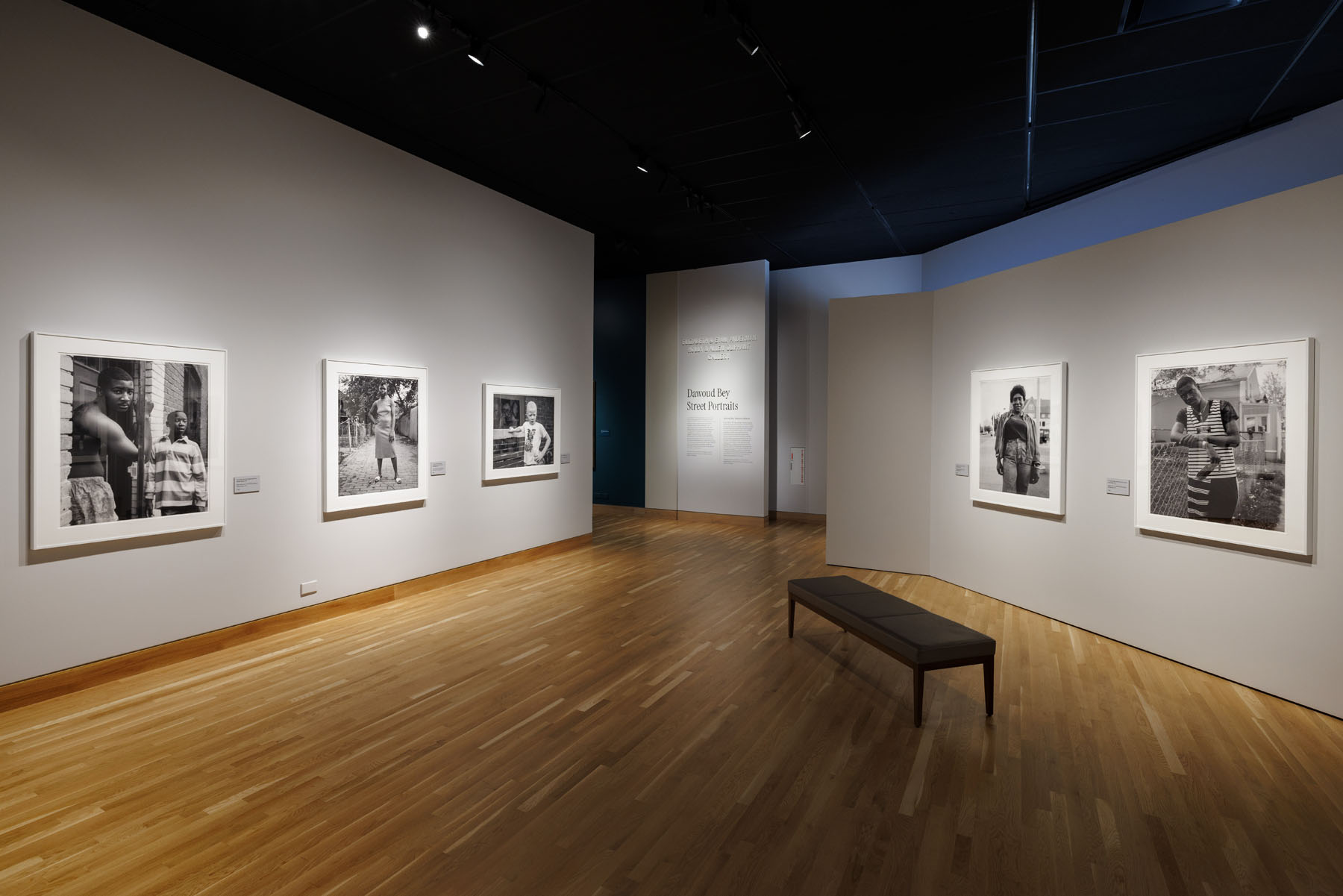
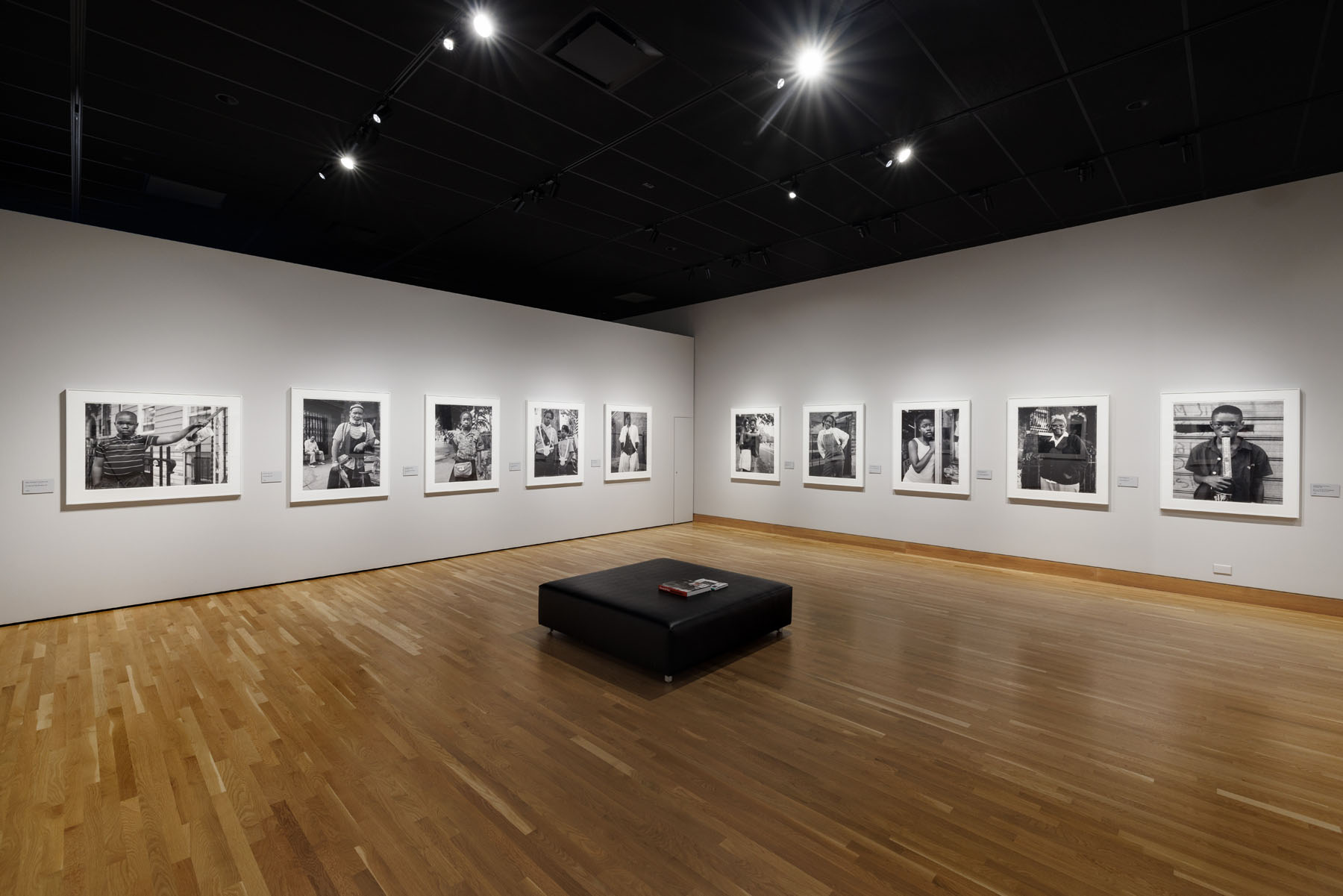
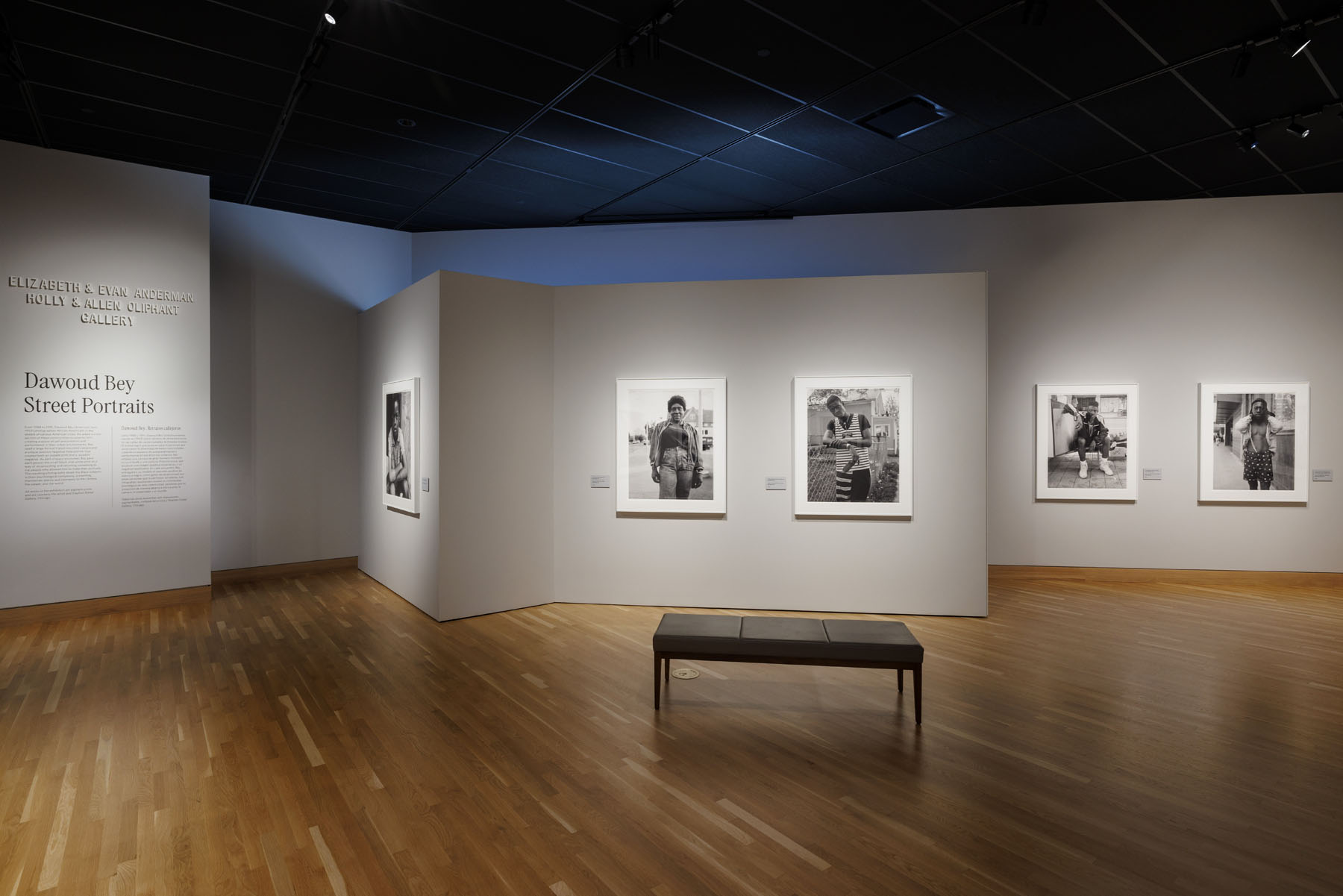
Installation view of the exhibition 'Dawoud Bey: Street Portraits' at the Denver Art Museum


Installation views of the exhibition Dawoud Bey: Street Portraits at the Denver Art Museum


From 1988 to 1991, Dawoud Bey (American, born 1953) photographed African Americans in the streets of various American cities. He asked a cross section of these communities to pose for him, creating a space of self-presentation and performance in their urban environments. Bey used a large format tripod-mounted camera and a unique positive/negative Polaroid film that created both an instant print and a reusable negative. As part of every encounter, Bey gave each person the small black-and-white print as a way of reciprocating and returning something to the people who allowed him to make their portraits. The resulting photographs reveal the Black subjects in their psychological complexity, presenting themselves openly and intimately to the camera, the viewer, and the world.


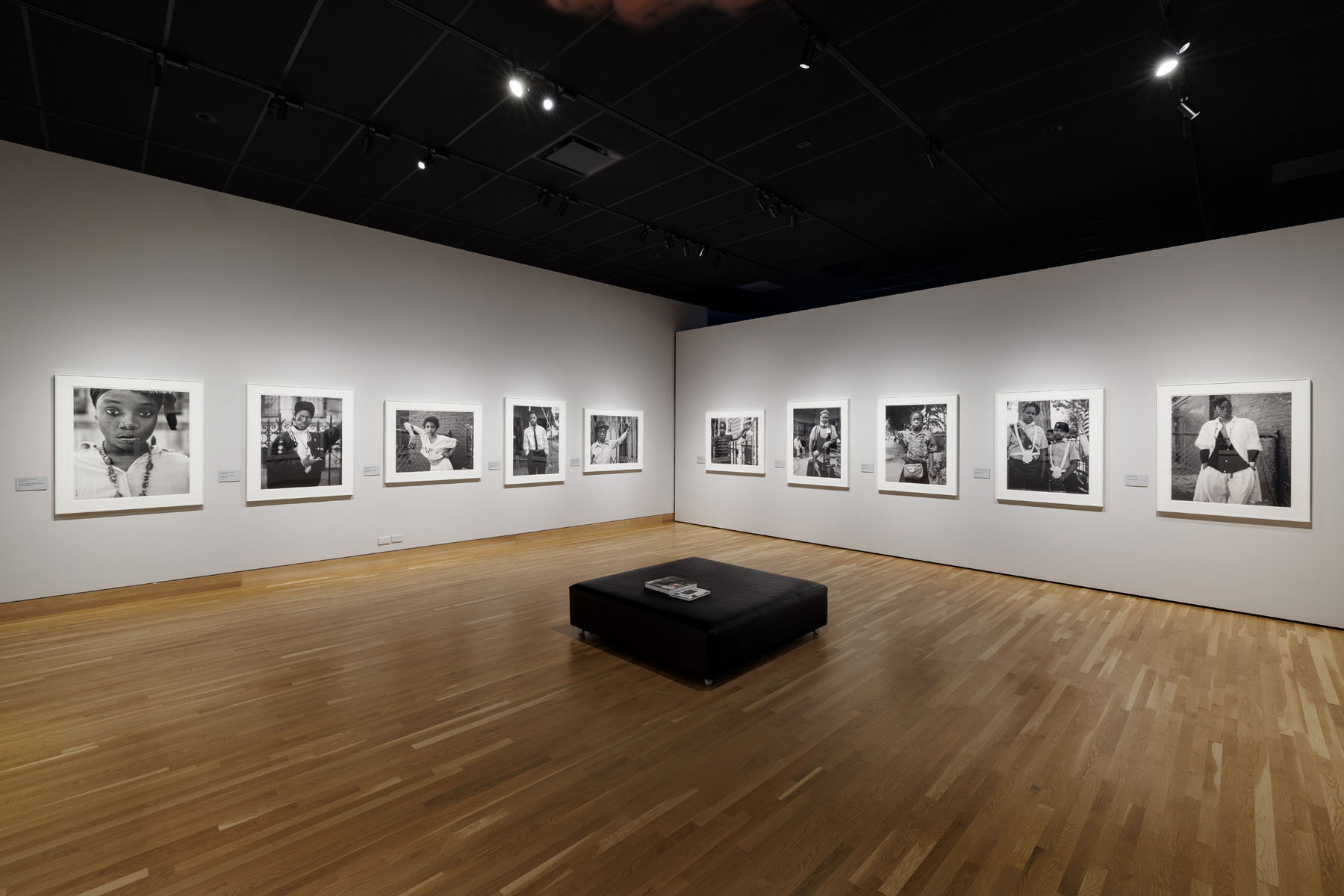
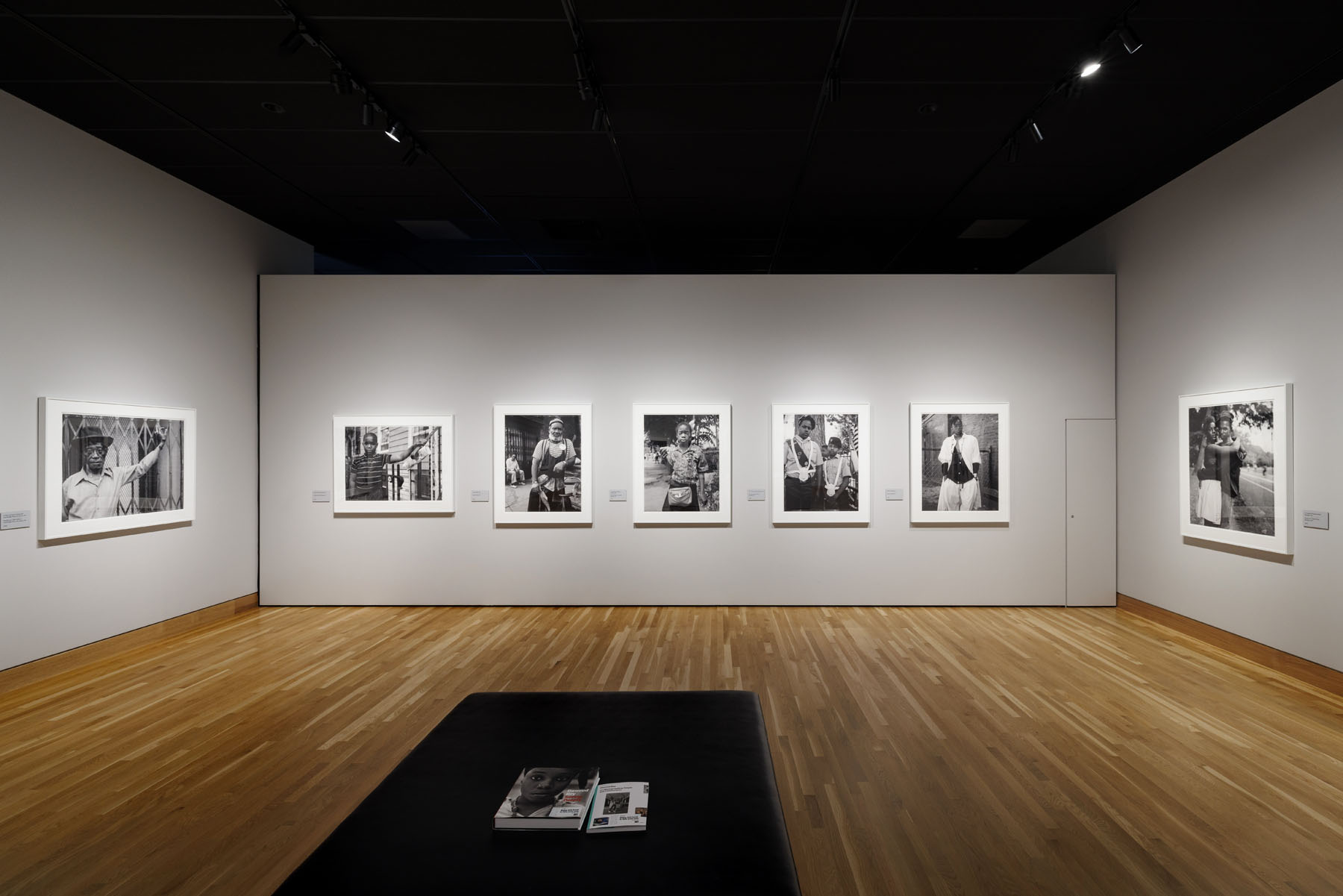
Installation view of the exhibition 'Dawoud Bey: Street Portraits' at the Denver Art Museum


Installation views of the exhibition Dawoud Bey: Street Portraits at the Denver Art Museum


Dawoud Bey: Street Portraits is the first standalone museum show to explore a transformational phase of the celebrated photographer and 2017 MacArthur Fellow Dawoud Bey’s work. The show features 37 portraits he made between 1988 and 1991, when he collaborated with Black Americans of all ages whom he met on the streets of various American cities. He asked a cross section of people in these communities to pose for him, creating a space of self-presentation and performance in their urban environments.

Bey used a large format tripod-mounted camera and a unique positive/negative Polaroid film that created both an instant print and a reusable negative. Bey considers photography an ethical practice that requires collaboration with his subjects. As part of every encounter, he gave each person a small black-and-white Polaroid print as a way of reciprocating and returning something to the people who allowed him to make their portrait.

Street Portraits is organised by the community the photographs were made in: Brooklyn; Washington, D.C.; Rochester; Amityville; and Harlem. Bey defies racial stereotypes by encouraging Black people to present themselves openly and intimately to the camera, the viewer, and the world.

Text from the Denver Art Museum website


Dawoud Bey (American, b. 1953) 'A Young Man Resting on an Exercise Bike, Amityville, NY' 1988


Dawoud Bey (American, b. 1953)
A Young Man Resting on an Exercise Bike, Amityville, NY
1988
Pigment print
Courtesy the artist and Stephen Daiter Gallery, Chicago
Ā© Dawoud Bey


Dawoud Bey (American, b. 1953)
'Sunshine Bracey and Friend, Brooklyn, NY' 1990


Dawoud Bey (American, b. 1953)
Sunshine Bracey and Friend, Brooklyn, NY
1990
Pigment print
Courtesy the artist and Stephen Daiter Gallery, Chicago
Ā© Dawoud Bey


Dawoud Bey (American, b. 1953)
'A Girl with School Medals, Brooklyn, NY' 1988


Dawoud Bey (American, b. 1953)
A Girl with School Medals, Brooklyn, NY
1988
Pigment print
Courtesy the artist and Stephen Daiter Gallery, Chicago
Ā© Dawoud Bey


Dawoud Bey (American, b. 1953)
'A Couple at a Main Street Bus Stop, Rochester, NY' 1989


Dawoud Bey (American, b. 1953)
A Couple at a Main Street Bus Stop, Rochester, NY
1989
Pigment print
Courtesy the artist and Stephen Daiter Gallery, Chicago
Ā© Dawoud Bey


Dawoud Bey (American, b. 1953)
'A Young Woman and a Girl, Amityville, NY'
1988


Dawoud Bey (American, b. 1953)
A Young Woman and a Girl, Amityville, NY
1988
Pigment print
Courtesy the artist and Stephen Daiter Gallery, Chicago
Ā© Dawoud Bey


Dawoud Bey (American, b. 1953)
'Peg's Grandson, Brooklyn, NY' 1988


Dawoud Bey (American, b. 1953)
Peg’s Grandson, Brooklyn, NY
1988
Pigment print
Courtesy the artist and Stephen Daiter Gallery, Chicago
Ā© Dawoud Bey


Dawoud Bey (American, b. 1953)
'Peg, Brooklyn, NY' 1988


Dawoud Bey (American, b. 1953)
Peg, Brooklyn, NY
1988
Pigment print
Courtesy the artist and Stephen Daiter Gallery, Chicago
Ā© Dawoud Bey


 The Denver Art Museum (DAM) is proud to present Dawoud Bey: Street Portraits, featuring 37 portraits by celebrated photographer and 2017 MacArthur Fellow Dawoud Bey (American, born 1953). 

From 1988 to 1991, Bey collaborated with Black Americans of all ages whom he met on the streets of various American cities. He asked a cross section of people in these communities to pose for him, creating a space of self-presentation and performance in their urban environments. 

“We’re pleased to present the first standalone museum show of this important work,” said Eric Paddock, Curator of Photography for DAM. “Dawoud Bey’s Street Portraits mark a turning point where the deliberate, closely observed portraits he had been making with a handheld camera began to contain what he has called ‘the kind of lush physical description’ he wanted his pictures to convey – and that is a consistent part of all the work he has made since. The slower process of working with a camera on a tripod invited collaboration between the artist and his subjects, making each picture both an experiment and a discovery.” 

Bey used a large format tripod-mounted camera and a unique positive/negative Polaroid film that created both an instant print and a reusable negative. Bey considers photography an ethical practice that requires collaboration between the artist and his subjects. As part of every encounter, he gave each person a small black-and-white Polaroid print as a way of reciprocating and returning something to the people who allowed him to make their portrait. 

The exhibition is organised by the community the photographs were taken in: Brooklyn; Washington, D.C.; Rochester; Amityville; and Harlem. Defying racial stereotypes, the resulting photographs reveal the Black subjects in all of their psychologically rich complexity, presenting themselves openly and intimately to the camera, the viewer, and the world. 

Press release from the Denver Art Museum


Dawoud Bey (American, b. 1953)
'Mrs. Bracey, Brooklyn, NY' 1988


Dawoud Bey (American, b. 1953)
Mrs. Bracey, Brooklyn, NY
1988
Pigment print
Courtesy the artist and Stephen Daiter Gallery, Chicago
Ā© Dawoud Bey


Dawoud Bey (American, b. 1953)
'A Young Man Leaning on a Striped Wall' 1989


Dawoud Bey (American, b. 1953)
A Young Man Leaning on a Striped Wall
1989
Pigment print
Courtesy the artist and Stephen Daiter Gallery, Chicago
Ā© Dawoud Bey


Dawoud Bey (American, b. 1953)
'A Young Man in a Bandana and Swimming Trunks, Rochester, NY' 1989


Dawoud Bey (American, b. 1953)
A Young Man in a Bandana and Swimming Trunks, Rochester, NY
1989
Pigment print
Courtesy the artist and Stephen Daiter Gallery, Chicago
Ā© Dawoud Bey


Dawoud Bey (American, b. 1953)
'A Young Man with His Hotdog Cart, Rochester, NY' 1989


Dawoud Bey (American, b. 1953)
A Young Man with His Hotdog Cart, Rochester, NY
1989
Pigment print
Courtesy the artist and Stephen Daiter Gallery, Chicago
Ā© Dawoud Bey


Dawoud Bey (American, b. 1953)
Two Boys on 'Carrollsburg Place, Washington, DC' 1989


Dawoud Bey (American, b. 1953)
Two Boys on Carrollsburg Place, Washington, DC
1989
Pigment print
Courtesy the artist and Stephen Daiter Gallery, Chicago
Ā© Dawoud Bey


Dawoud Bey (American, b. 1953) 'Young Man at a Tent Revival, Brooklyn, NY' 1989, printed 2019


Dawoud Bey (American, b. 1953)
A Young Man at a Tent Revival Meeting, Brooklyn, NY
1989
Pigment print
Courtesy the artist and Stephen Daiter Gallery, Chicago
Ā© Dawoud Bey


Dawoud Bey (American, b. 1953) 'A Boy Eating a Foxy Pop, Brooklyn, NY' 1988, printed 2019


Dawoud Bey (American, b. 1953)
A Boy Eating a Foxy Pop, Brooklyn, NY
1988
Pigment print
Courtesy the artist and Stephen Daiter Gallery, Chicago
Ā© Dawoud Bey


Dawoud Bey (American, b. 1953) 'A Cute Couple in Prospect Park, Brooklyn, NY' 1990


Dawoud Bey (American, b. 1953)
A Cute Couple in Prospect Park, Brooklyn, NY
1990
Pigment print
Courtesy the artist and Stephen Daiter Gallery, Chicago
Ā© Dawoud Bey


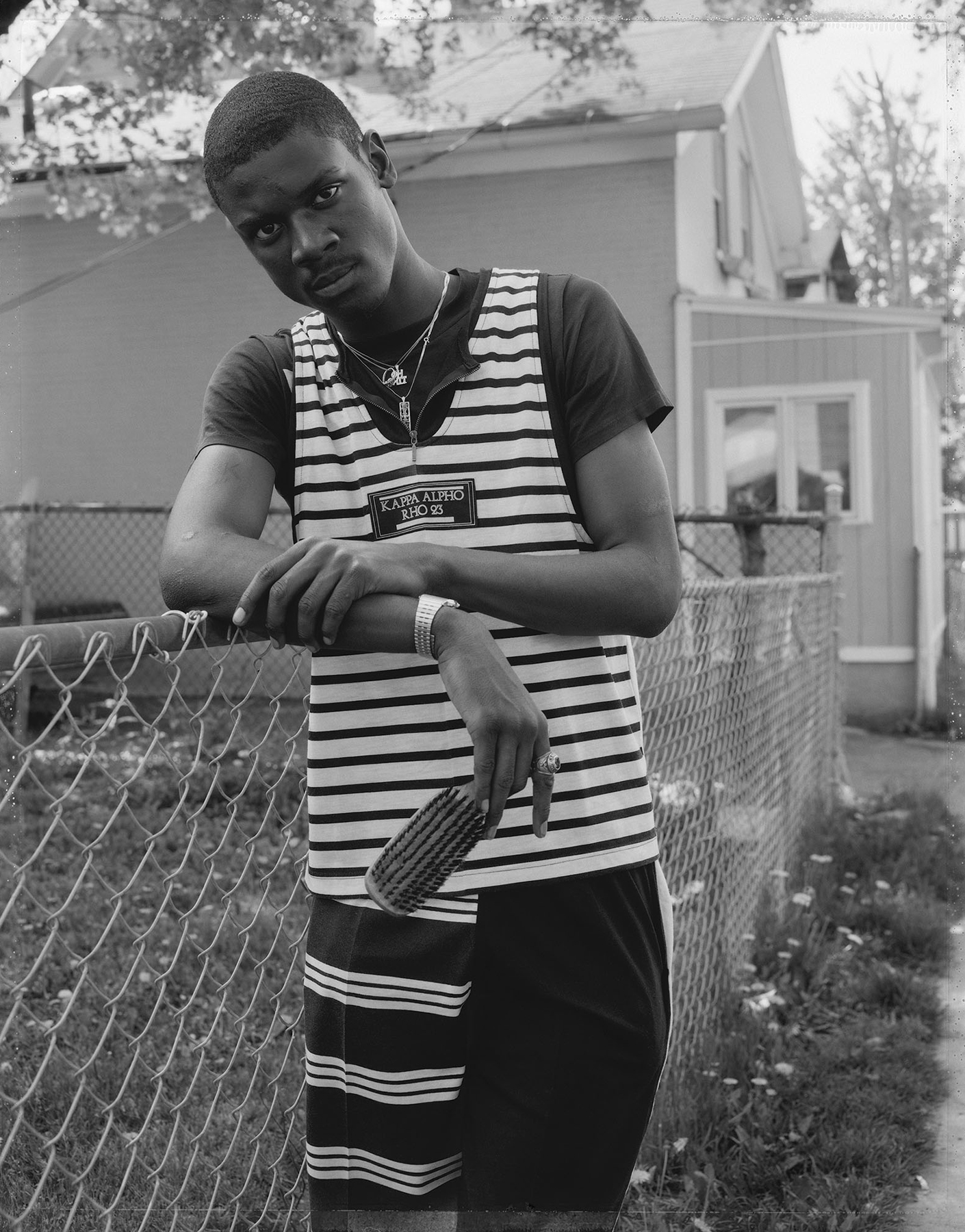
Dawoud Bey (American, b. 1953) 'A Young Man with His Hair Brush, Rochester, NY' 1989


Dawoud Bey (American, b. 1953)
A Young Man with His Hair Brush, Rochester, NY
1989
Pigment print
Courtesy the artist and Stephen Daiter Gallery, Chicago
Ā© Dawoud Bey


Dawoud Bey (American, b. 1953) 'A Woman Wearing Denim, Rochester, NY' 1989


Dawoud Bey (American, b. 1953)
A Woman Wearing Denim, Rochester, NY
1989
Pigment print
Courtesy the artist and Stephen Daiter Gallery, Chicago
Ā© Dawoud Bey


Dawoud Bey (American, b. 1953) 'A Woman at Fulton Street and Washington Avenue, Brooklyn, NY, 1988' 1988


Dawoud Bey (American, b. 1953)
A Woman at Fulton Street and Washington Avenue, Brooklyn, NY, 1988
1988
Pigment print
Courtesy the artist and Stephen Daiter Gallery, Chicago
Ā© Dawoud Bey


Denver Art Museum
100 W 14th Ave Pkwy,
Denver, CO 80204, United States
Phone: (720) 865-5000

Opening hours:
Open daily from 10am – 5pm, 10am – 8pm on Tuesdays

Denver Art Museum website

LIKE ART BLART ON FACEBOOK

Back to top

Exhibition: ‘Fazal Sheikh: Thirst | Exposure | In Place’ at the Denver Art Museum

Exhibition dates: 10th March – 20th October, 2024

Curators: Curator of Photography, Eric Paddock, in collaboration with Kimberly Roberts, Denver Art Museum Curatorial Associate, and Lauren Thompson, Senior Interpretive Specialist


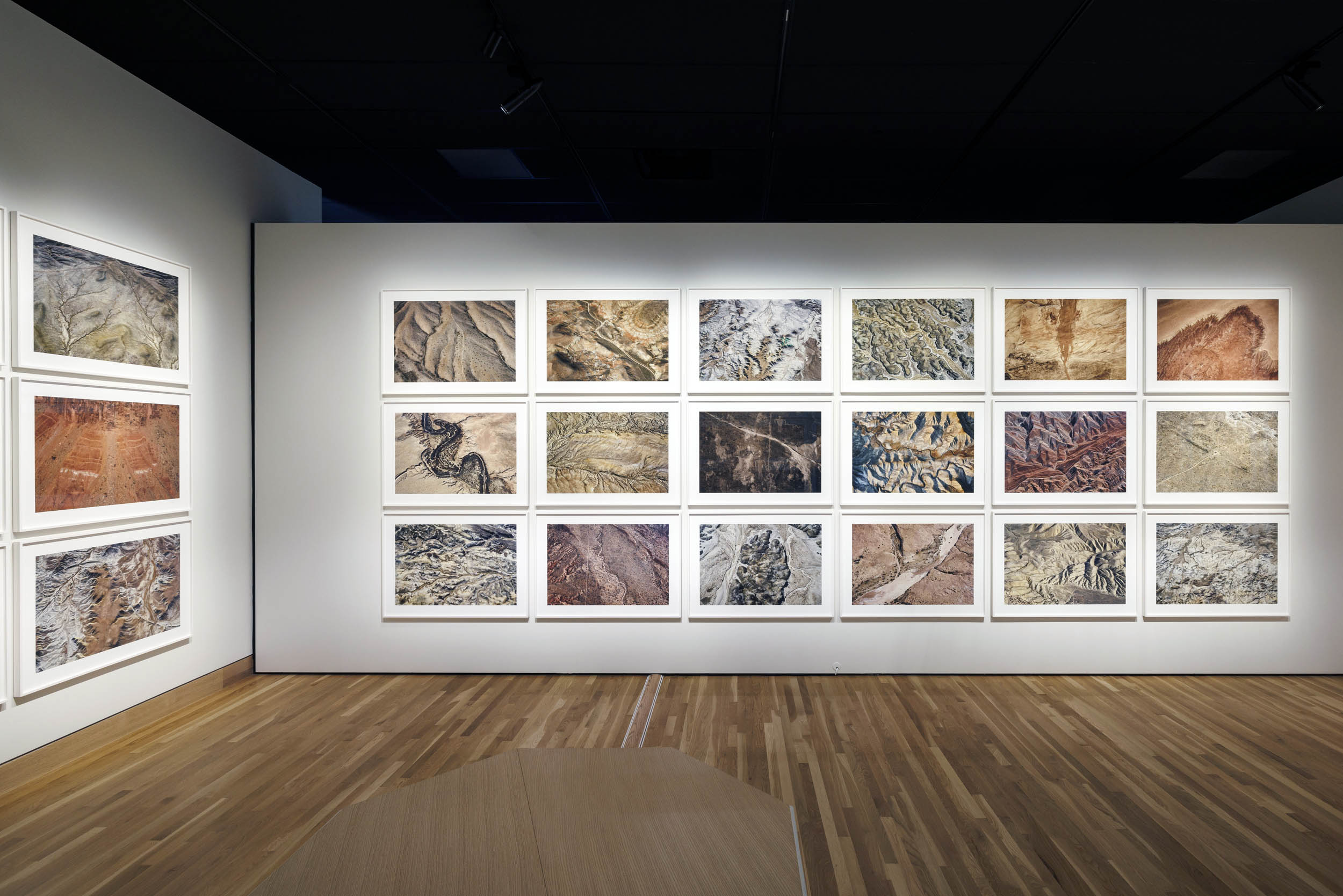
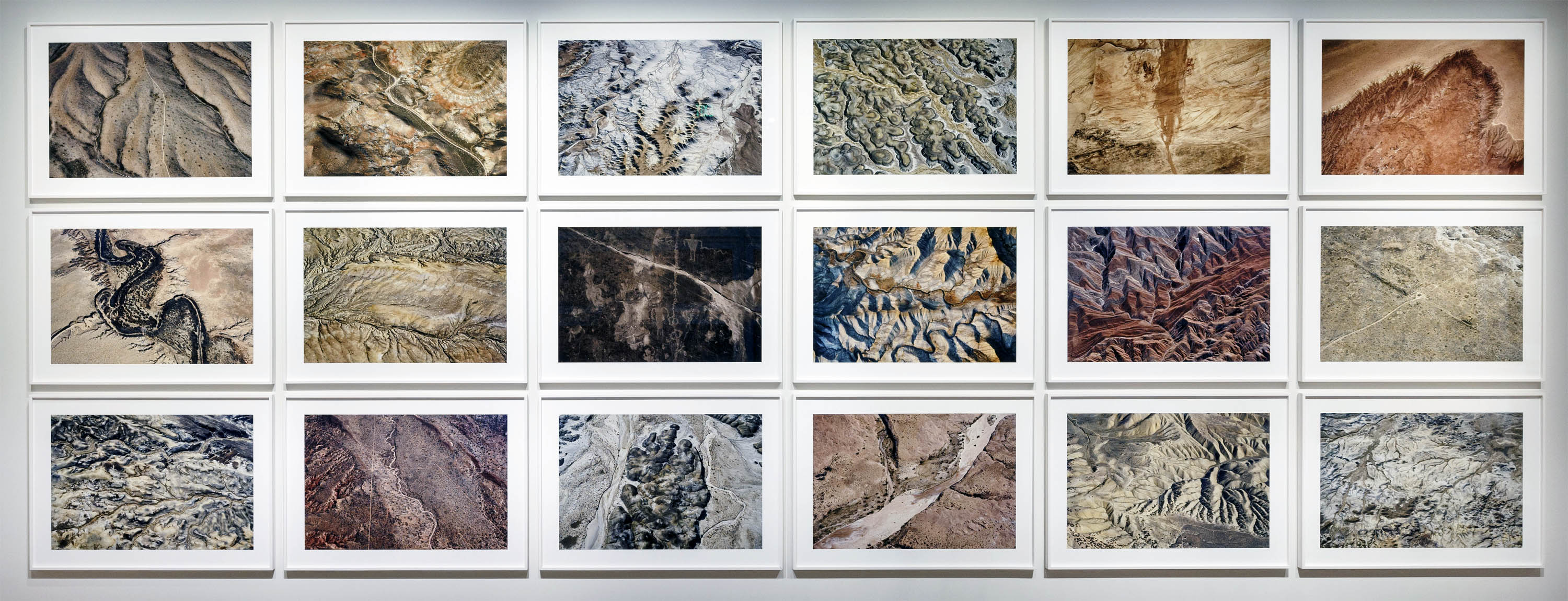
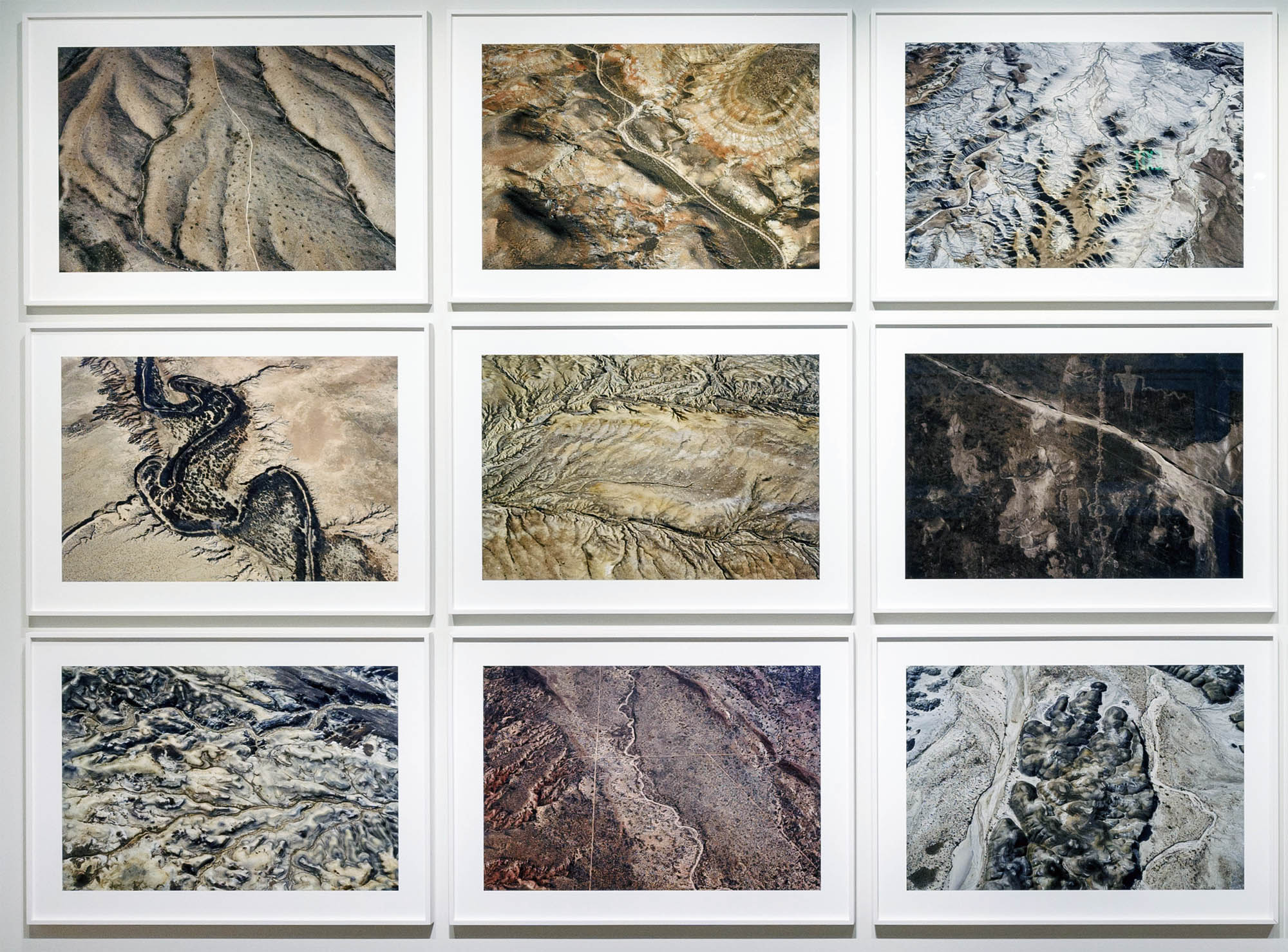
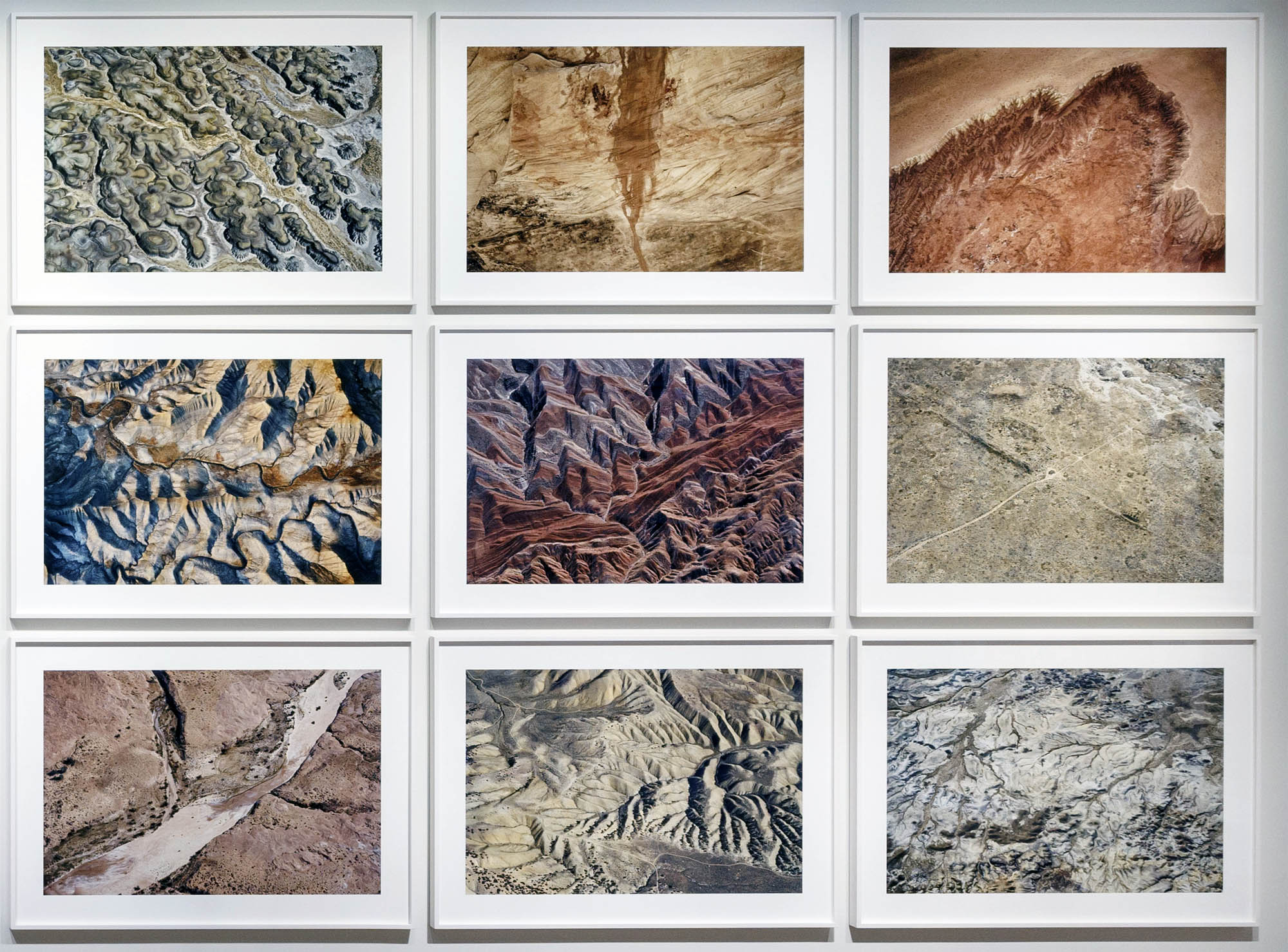
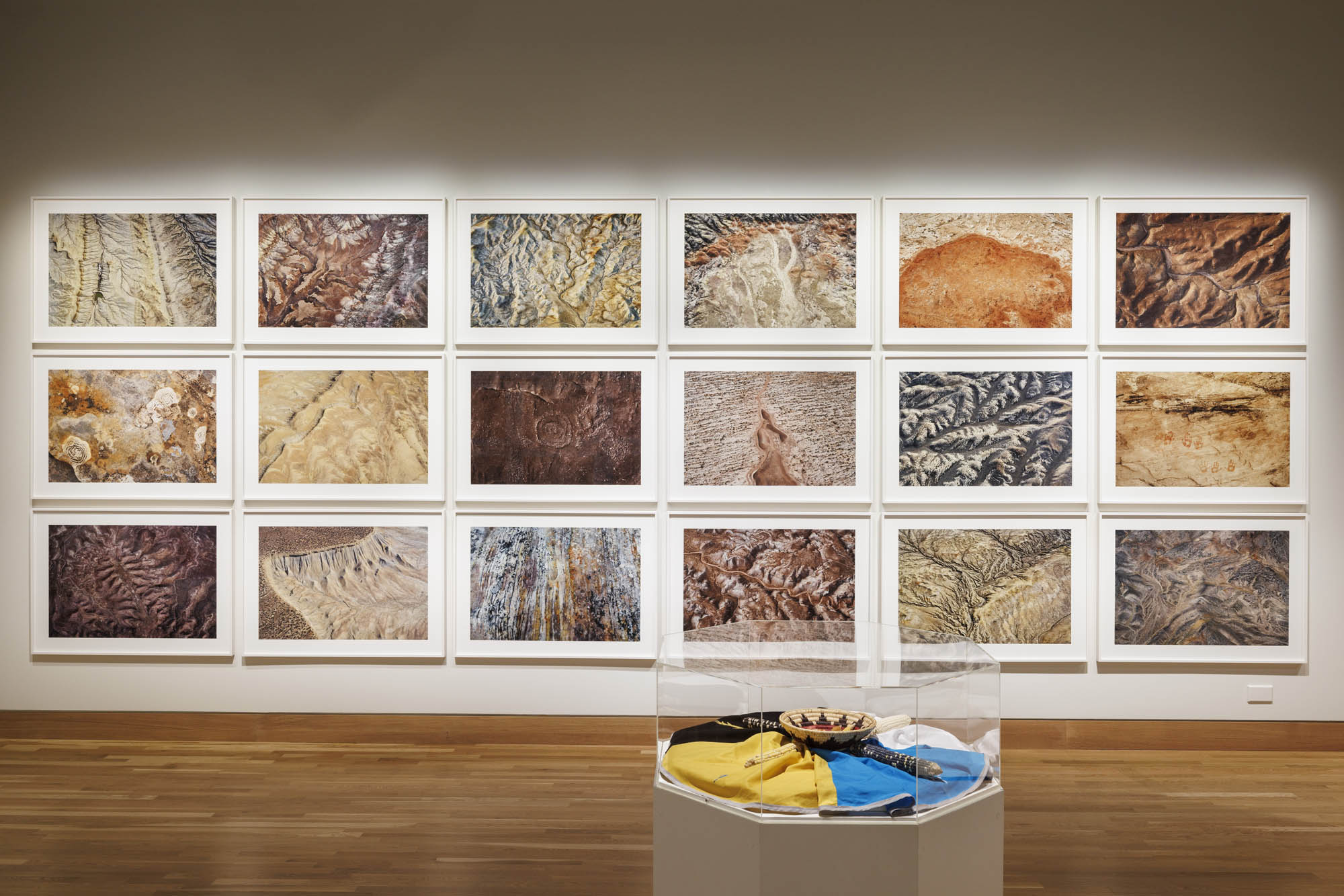
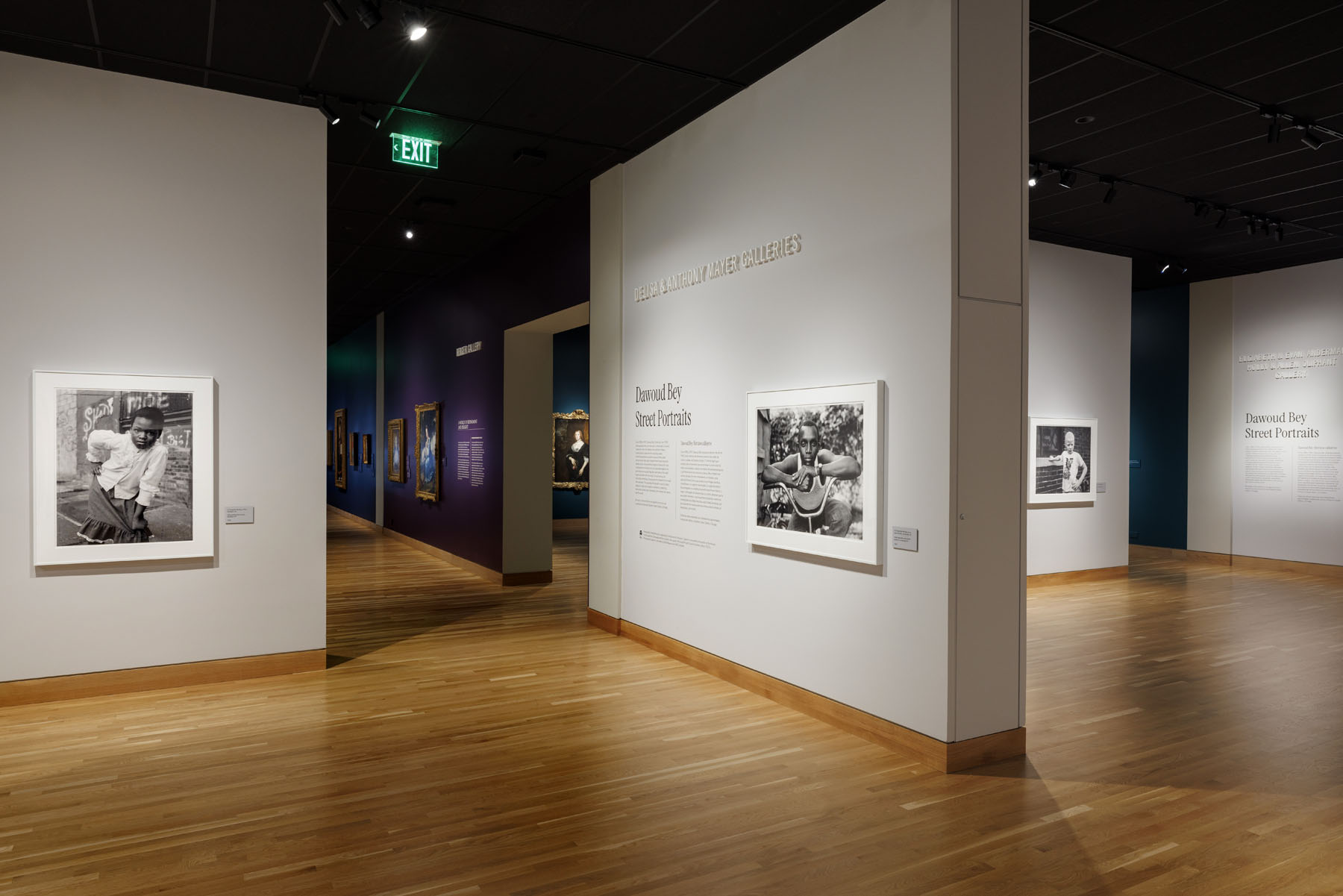
Fazal Sheikh (American, b. 1965) From the installation 'In Place (Utah, Arizona, and New Mexico, Four Corners Region)' 2017-2020


Fazal Sheikh (American, b. 1965)
From the installation In Place (Utah, Arizona, and New Mexico, Four Corners Region)
2017-2020
Pigmented inkjet print
Ā© and courtesy Fazal Sheikh


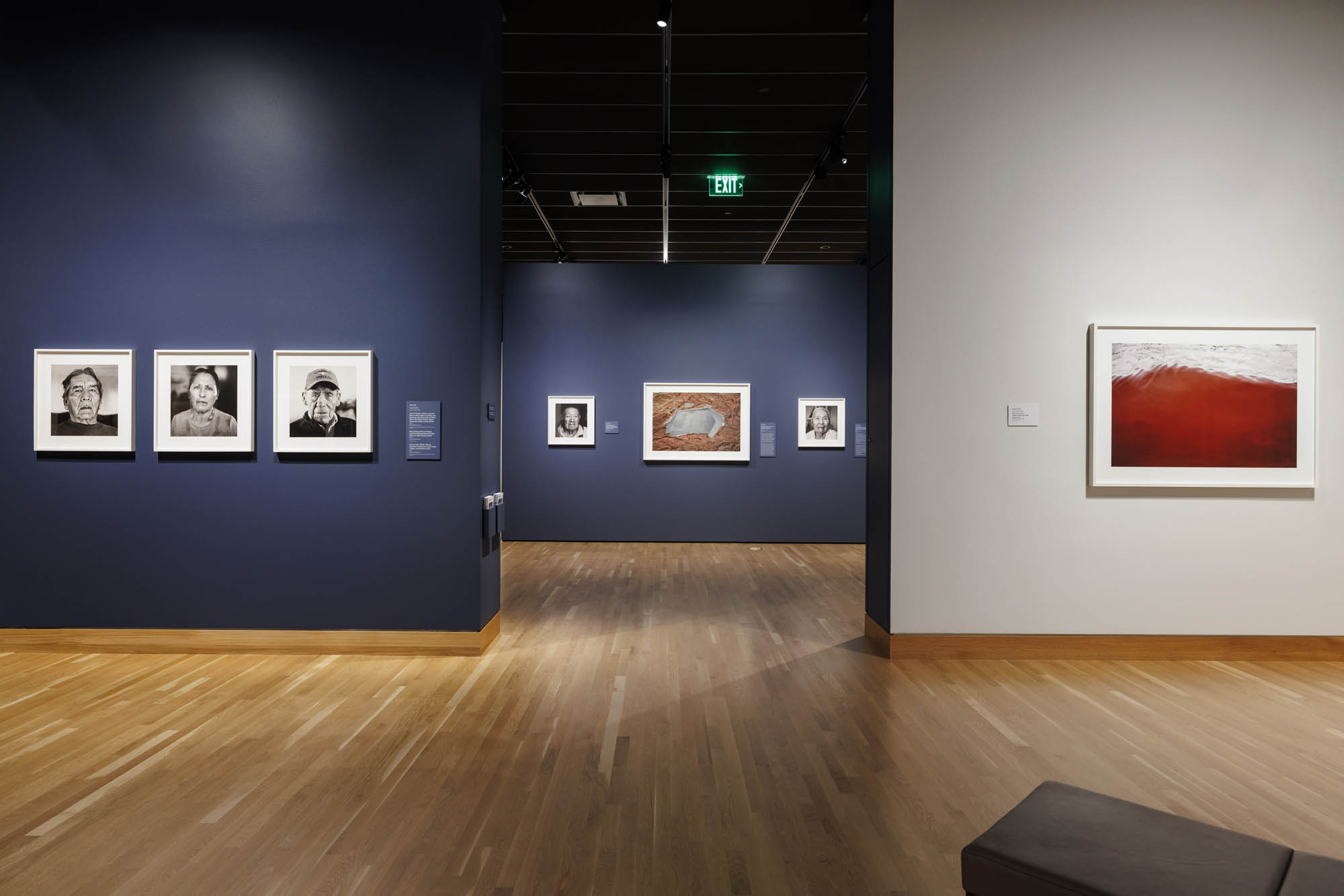
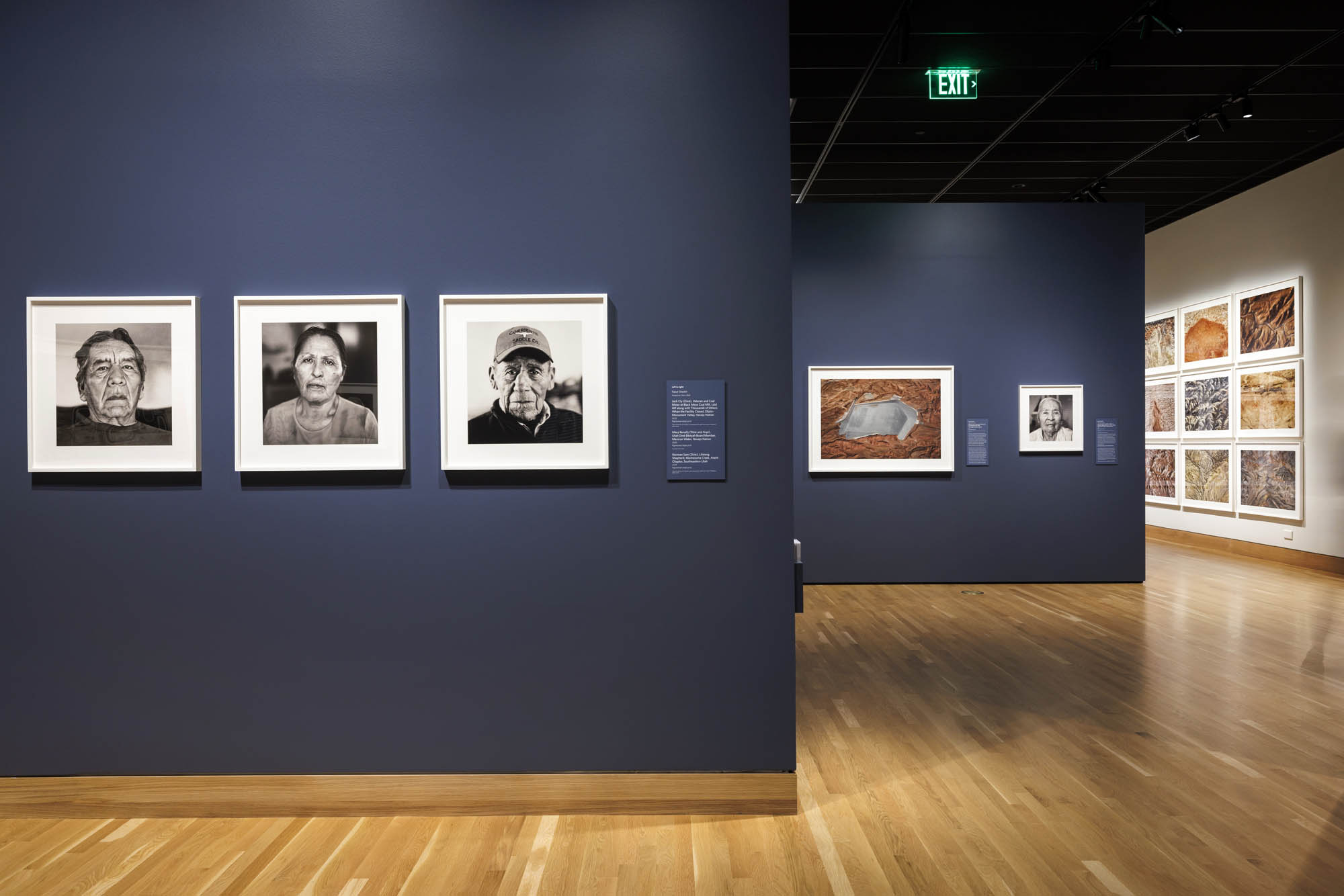
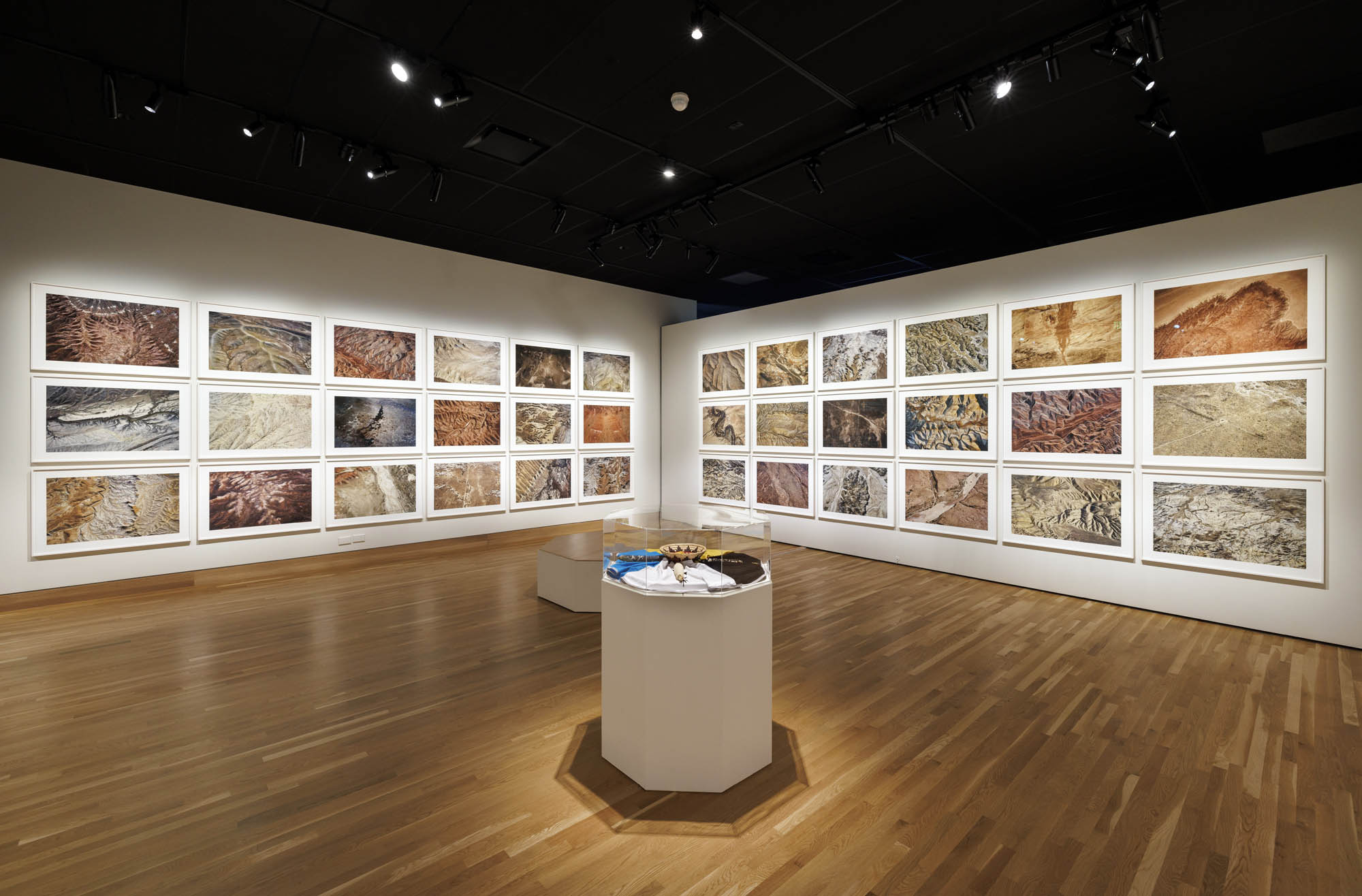
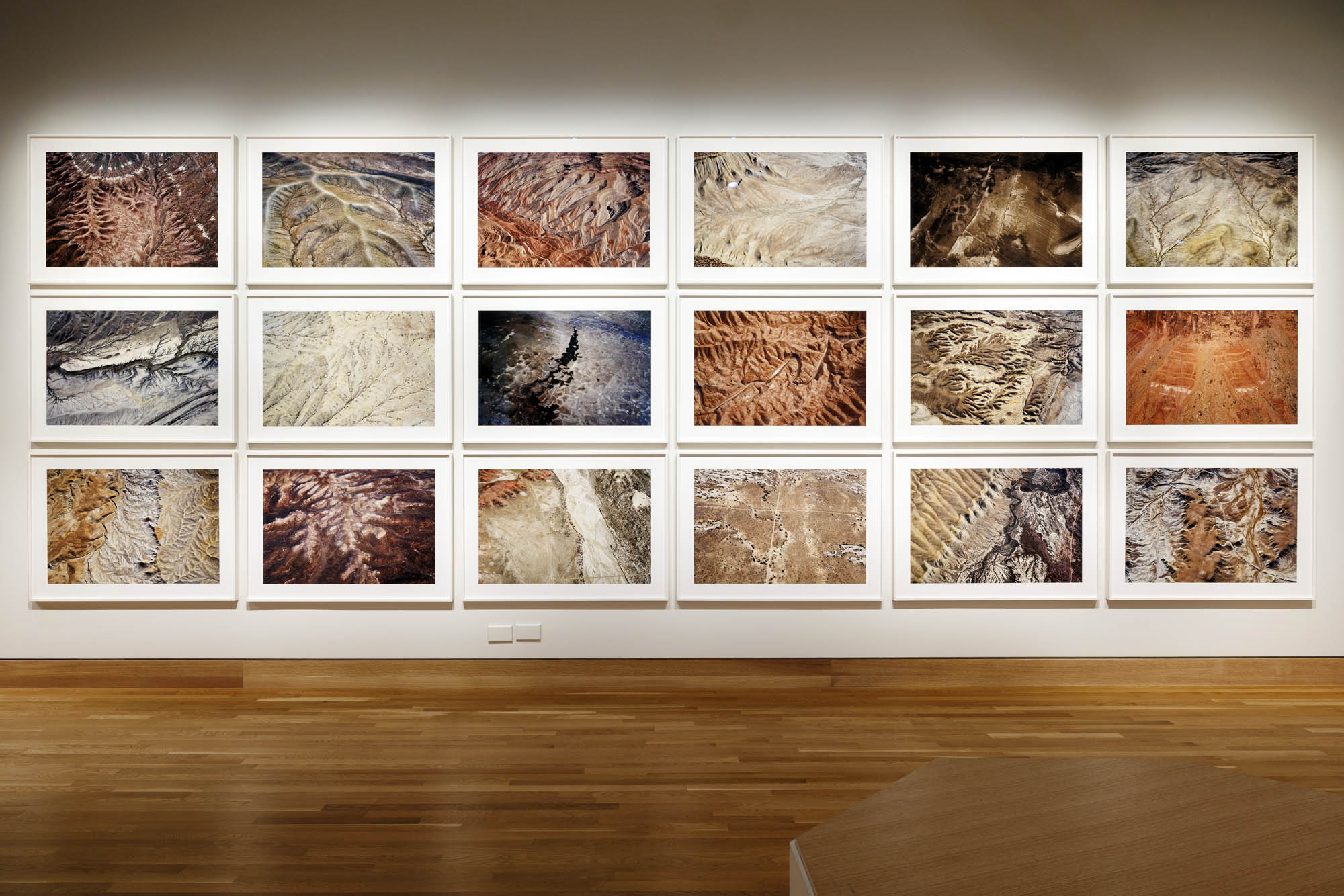
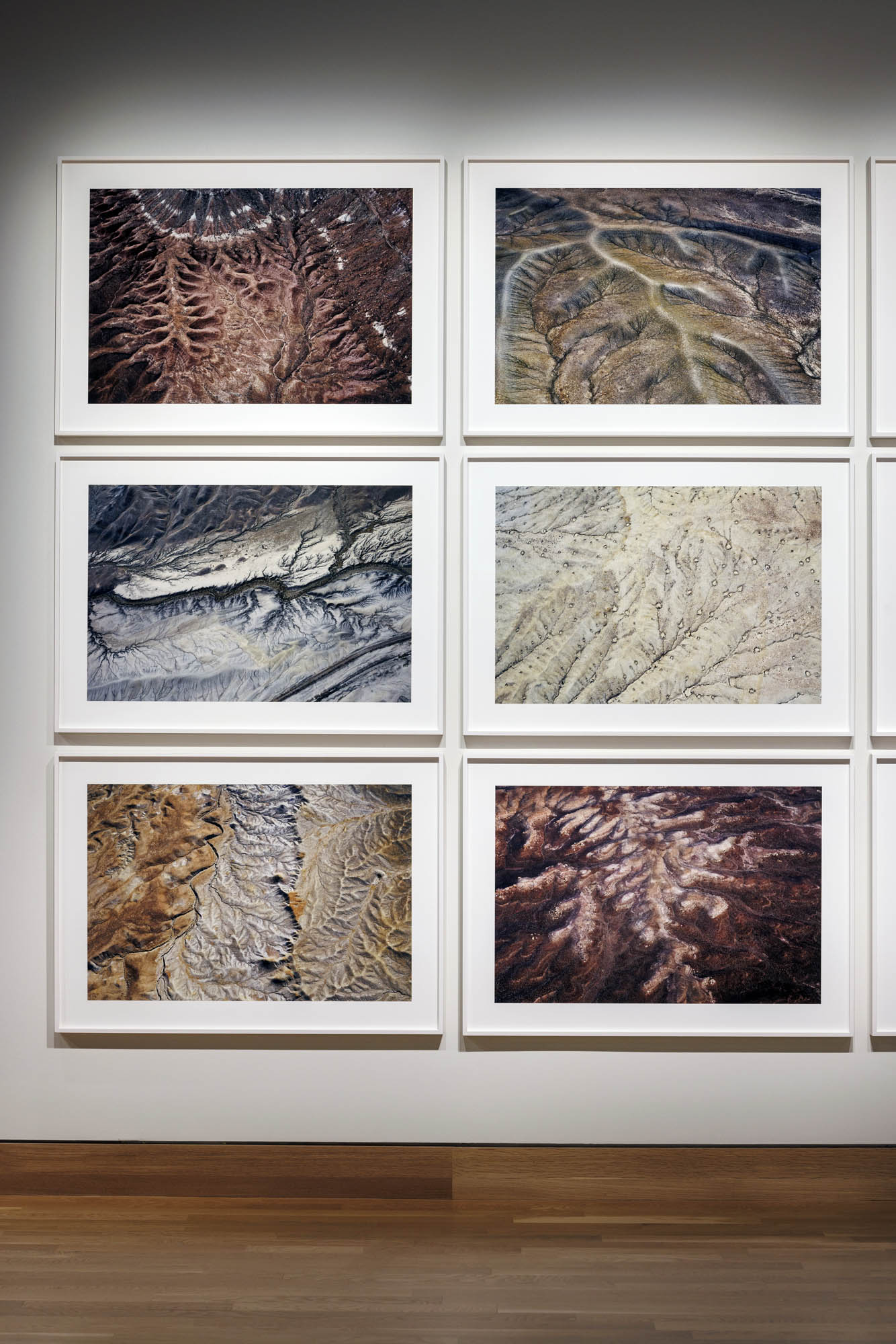
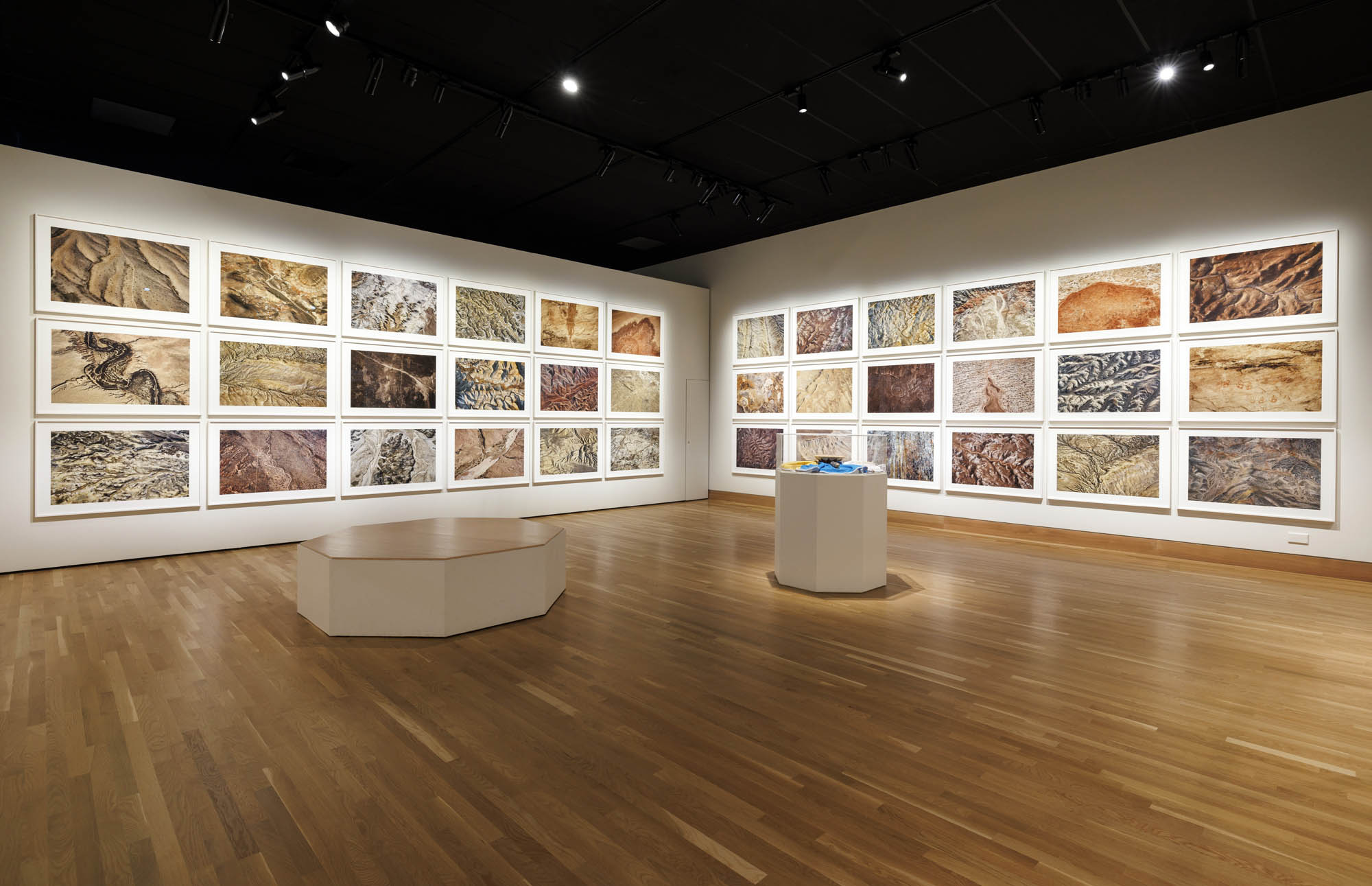
There are some stunning photographs in this exhibition but their “formula” is well known – aerial photographs of the blighted landscape etched by both geological and human forces (a la Edward Burtynsky, Richard Woldendorp et al) paired with objective, frontal “dead pan” portrait photographs (a la Thomas Ruff, Rineke Dijkstra et al), both forms of topographical mapping (of the land and of the face… as is the regulated presentation) – images which attempt to interrogate “the impact of uranium, coal, oil, and natural-gas extraction on the American Southwest and its Indigenous inhabitants.”

This is strong work but it begs the question: what fresh insight are these photographs giving us into the object of the photographers attention, other than the specifics of “American Southwest” and “Indigenous inhabitants” which turn out to be conceptually and visually generic? Is it necessary for everything to be new again or can work such as this stand in its own right and not just be an echo of what has come before. For the general public the work might seem fresh and new but for the informed observer this is well trodden, indeed trampled ground.

The press release states that “The project reflects on the resilience of Indigenous people in the face of threats to the culture, spirituality, and health.” I don’t feel that with these photographs. Where is the art that expresses through a partnership with the photographer the eloquent, unique voice of the Indigenous inhabitants of this ancestral landscape, its spirit and its fire?

As with any art please make up your own mind.

Dr Marcus Bunyan


Many thankx to the Denver Art Museum for allowing me to publish the photographs in the posting. Please click on the photographs for a larger version of the image.


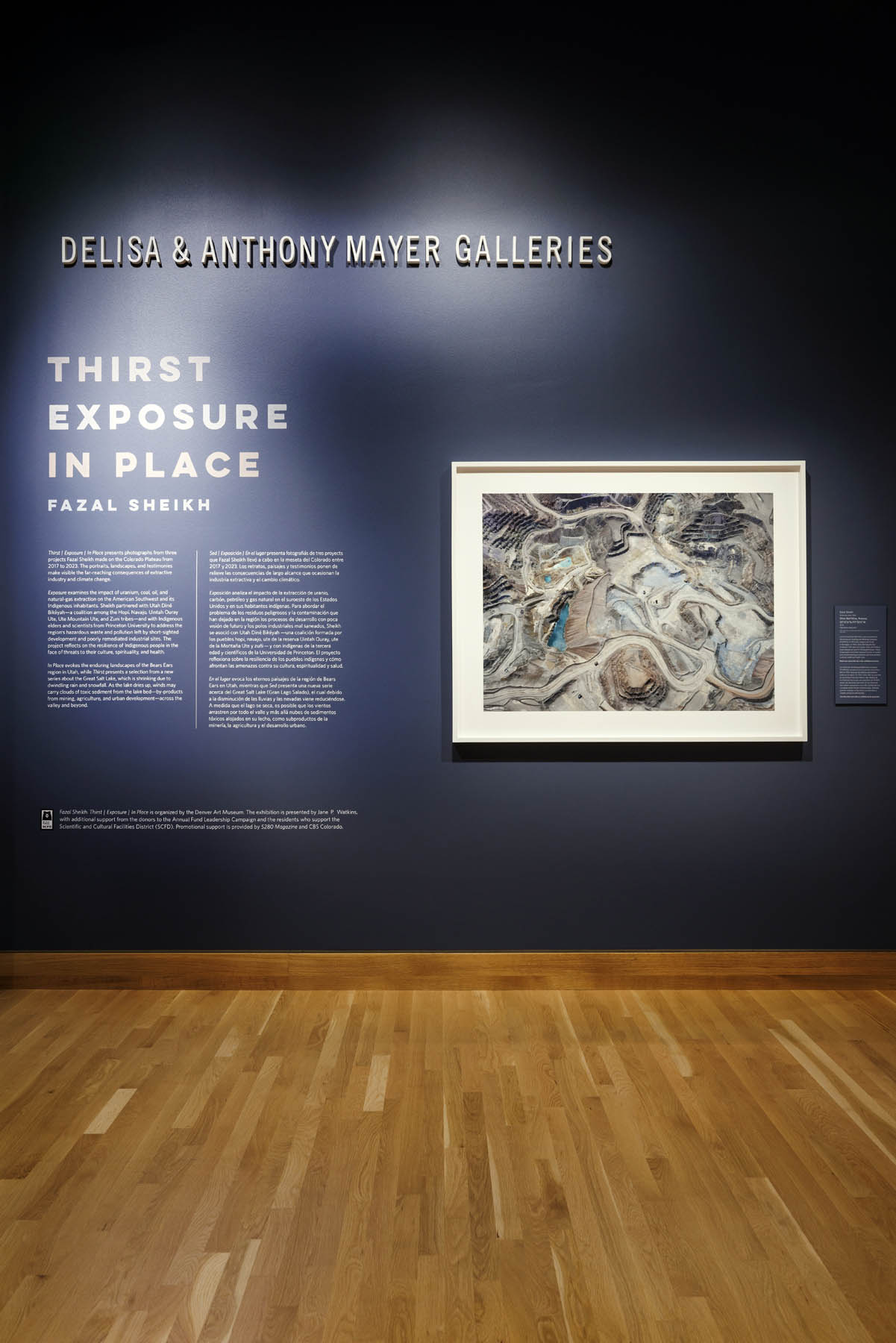
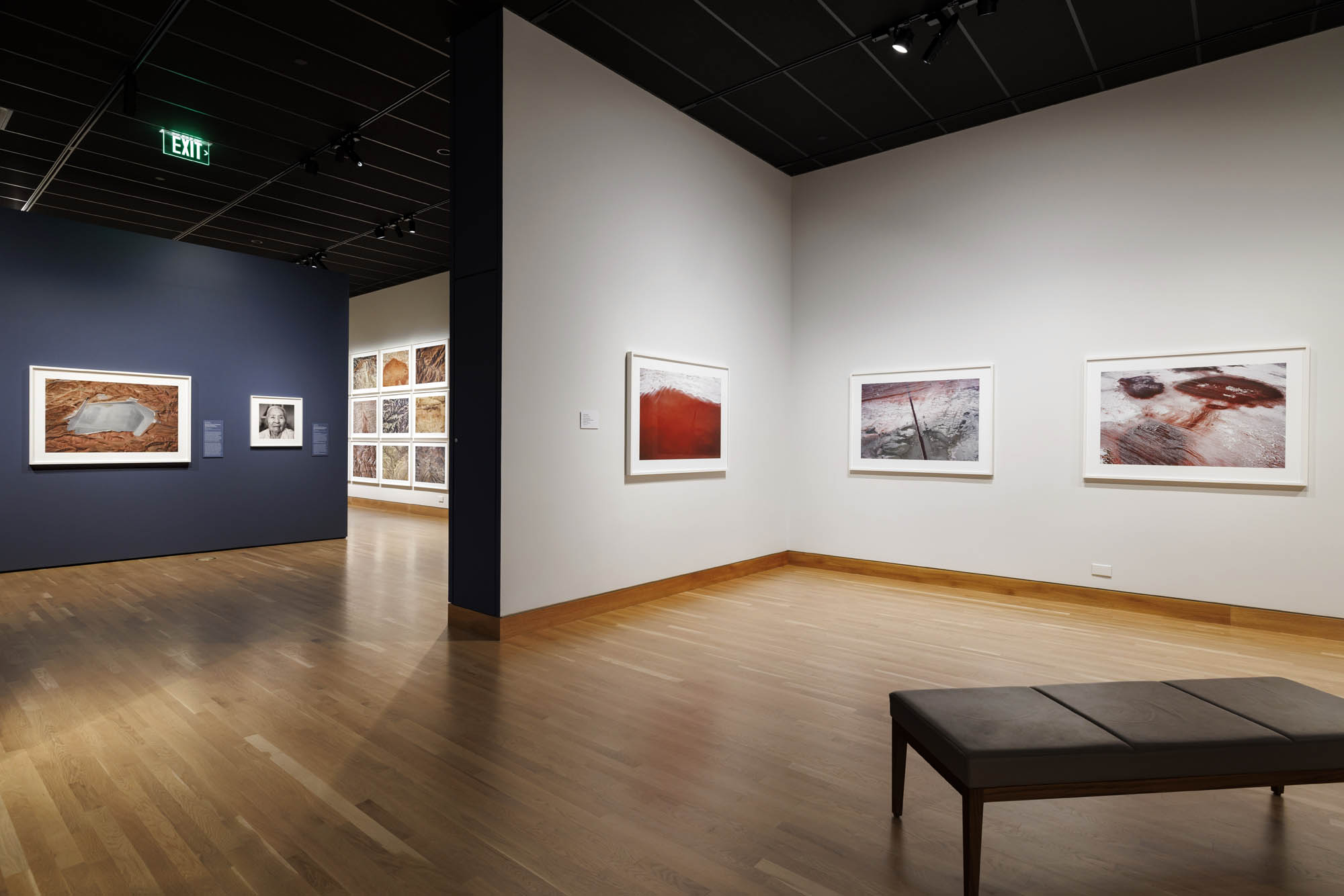
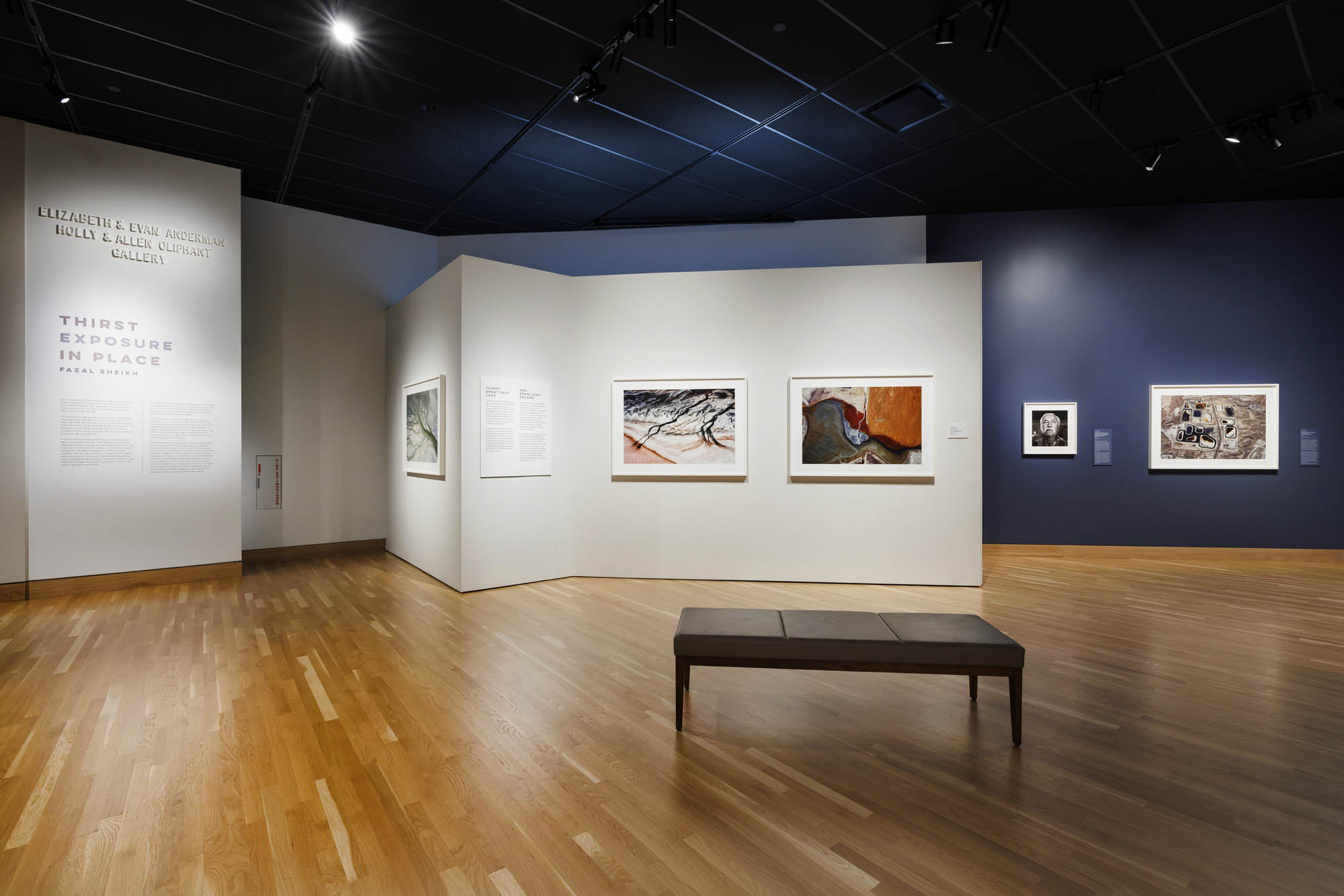
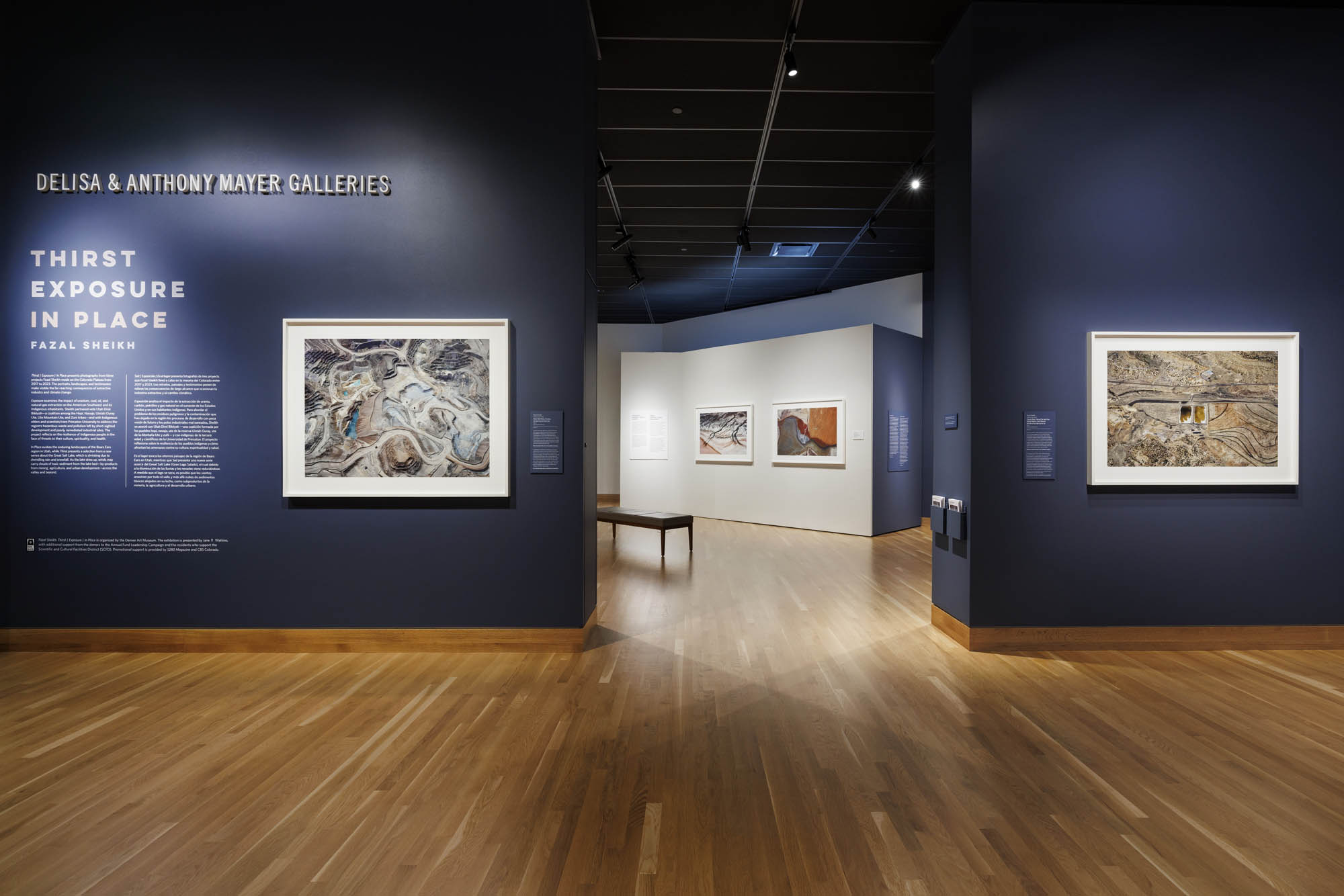
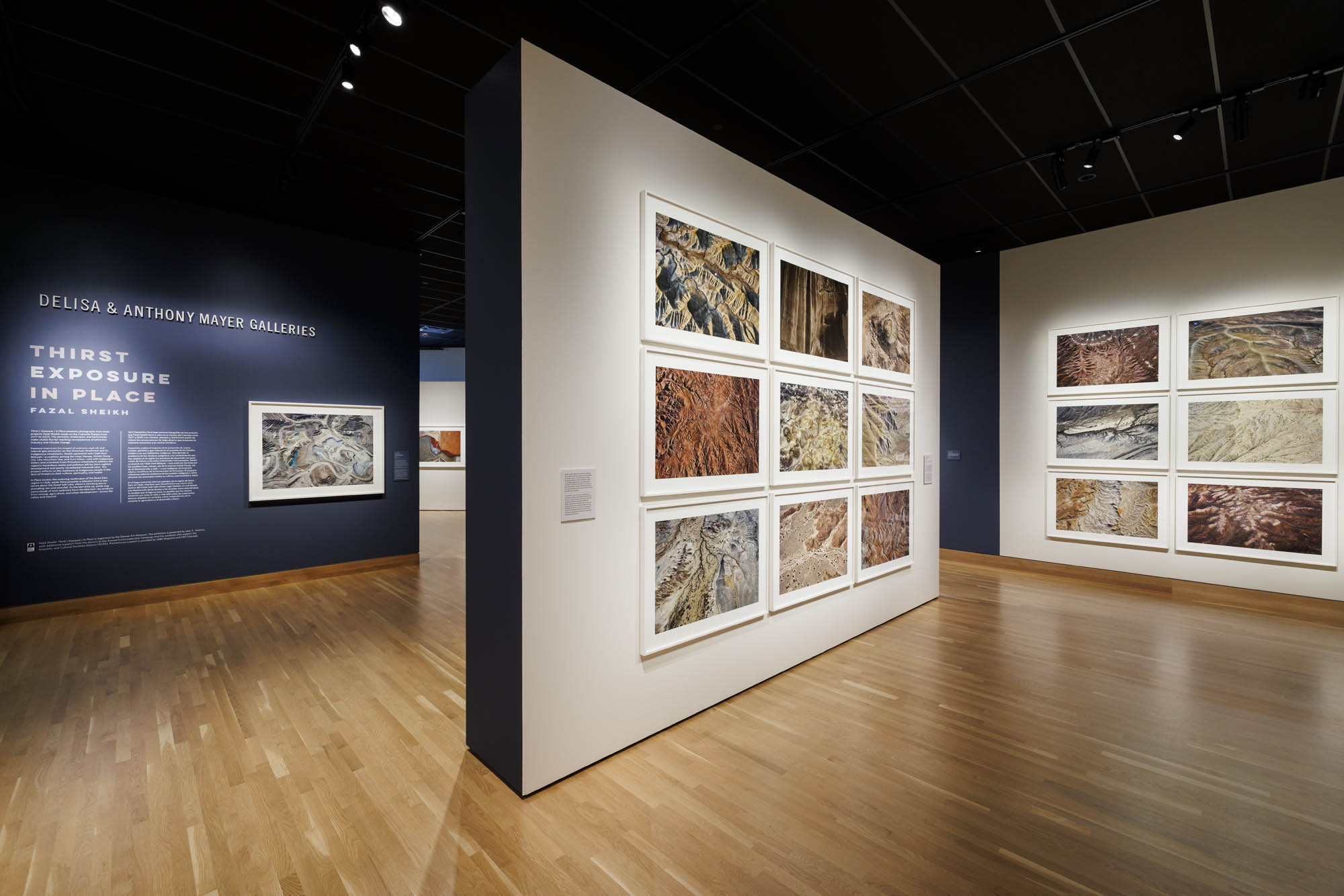
Installation view of the exhibition 'Fazal Sheikh: Thirst | Exposure | In Place' at the Denver Art Museum showing the opening wall text

Installation view of the exhibition 'Fazal Sheikh: Thirst | Exposure | In Place' at the Denver Art Museum showing the opening wall text


Installation views of the exhibition Fazal Sheikh: Thirst | Exposure | In Place at the Denver Art Museum showing the opening wall text (below)


Thirst | Exposure | In Place presents photographs from three projects Fazal Sheikh made on the Colorado Plateau from 2017 to 2023. The portraits, landscapes, and testimonies make visible the far-reaching consequences of extractive industry and climate change.

Exposure examines the impact of uranium, coal, oil, and natural-gas extraction on the American Southwest and its Indigenous inhabitants. Sheikh partnered with Utah Dine Bikeyah – a coalition among the Hopi, Navajo, Uintah Ouray Ute, Ute Mountain Ute, and Zuni tribes – and with Indigenous elders and scientists form Princeton University to address the region’s hazardous waste and pollution left by short-sighted development and poorly remediated industrial sites. The project reflects on the resilience of Indigenous people in the face of threats to the culture, spirituality, and health.

In place evokes the enduring landscape of the Bears Ears region in Utah, while Thirst presents a selection from a new series about the Great Salt Lake, which is shrinking due to dwindling rain and snowfall. As the lake dries up, winds may carry clouds of toxic sediment from the lake bed – by-products from mining, agriculture, and urban development – across the valley and beyond.

Opening wall text from the exhibition


Denver Art Museum Talk with Fazal Sheikh March 9, 2024

Photographer Fazal Sheikh speaks about his recent work in the Four Corners region and at the Great Salt Lake, in connection with his exhibition Fazal Sheikh: Thirst | Exposure | In Place. His photographs address the consequences of industrial land use, engage questions about water use and climate change, and reflect on the ongoing relationship between people and nature. Sheikh discusses the origin of each series, his immersion in the landscapes and communities he photographed, and his collaborations with writers, scientists, and Indigenous community members that are woven throughout this work.


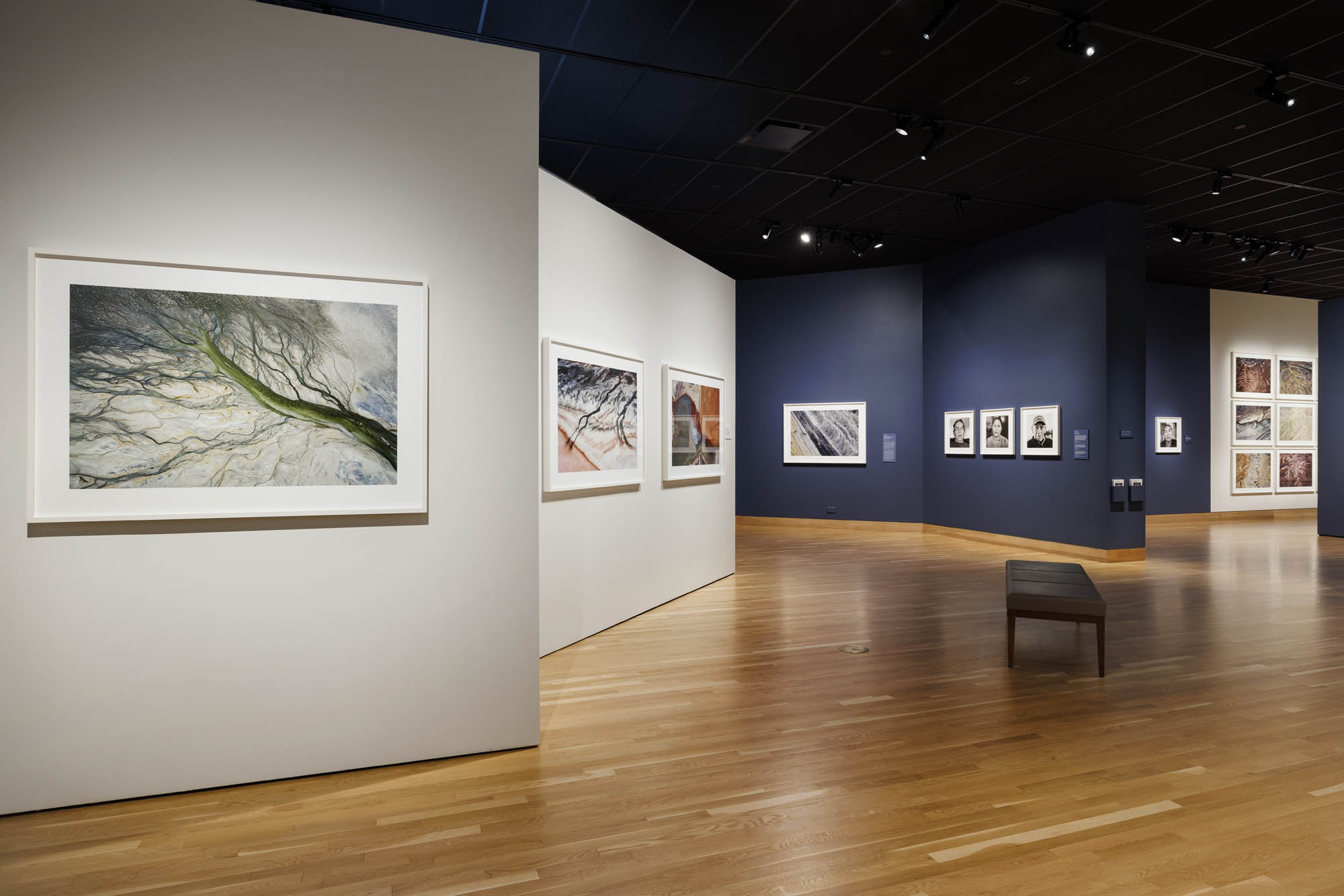
Installation view of the exhibition 'Fazal Sheikh: Thirst | Exposure | In Place' at the Denver Art Museum showing work from the series 'Thirst: Great Salt Lake' 2022

Installation view of the exhibition 'Fazal Sheikh: Thirst | Exposure | In Place' at the Denver Art Museum showing work from the series 'Thirst: Great Salt Lake' 2022

Installation view of the exhibition 'Fazal Sheikh: Thirst | Exposure | In Place' at the Denver Art Museum showing work from the series 'Thirst: Great Salt Lake' 2022

Installation view of the exhibition 'Fazal Sheikh: Thirst | Exposure | In Place' at the Denver Art Museum showing work from the series 'Thirst: Great Salt Lake' 2022


Installation view of the exhibition Fazal Sheikh: Thirst | Exposure | In Place at the Denver Art Museum showing work from the series Thirst: Great Salt Lake 2022


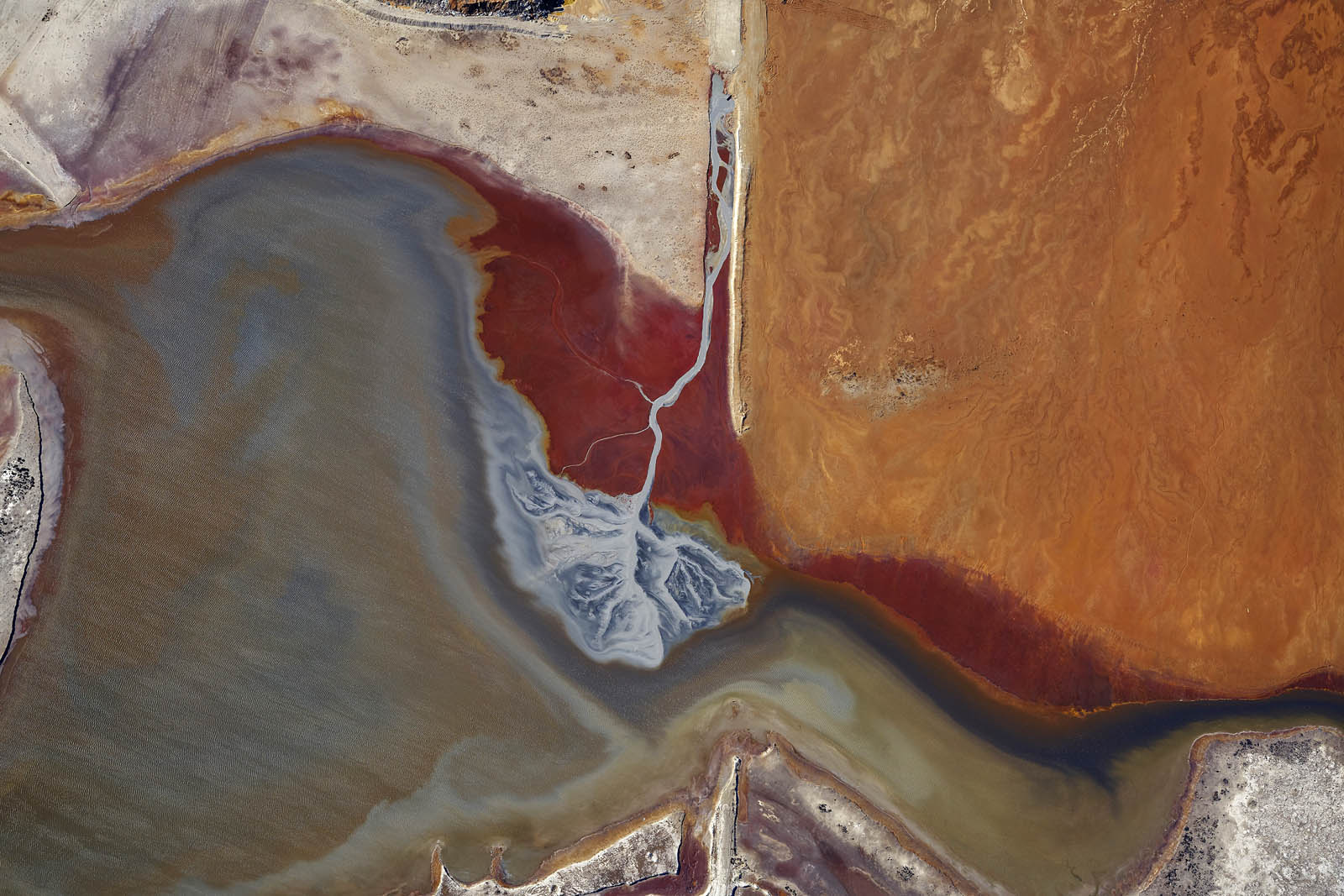
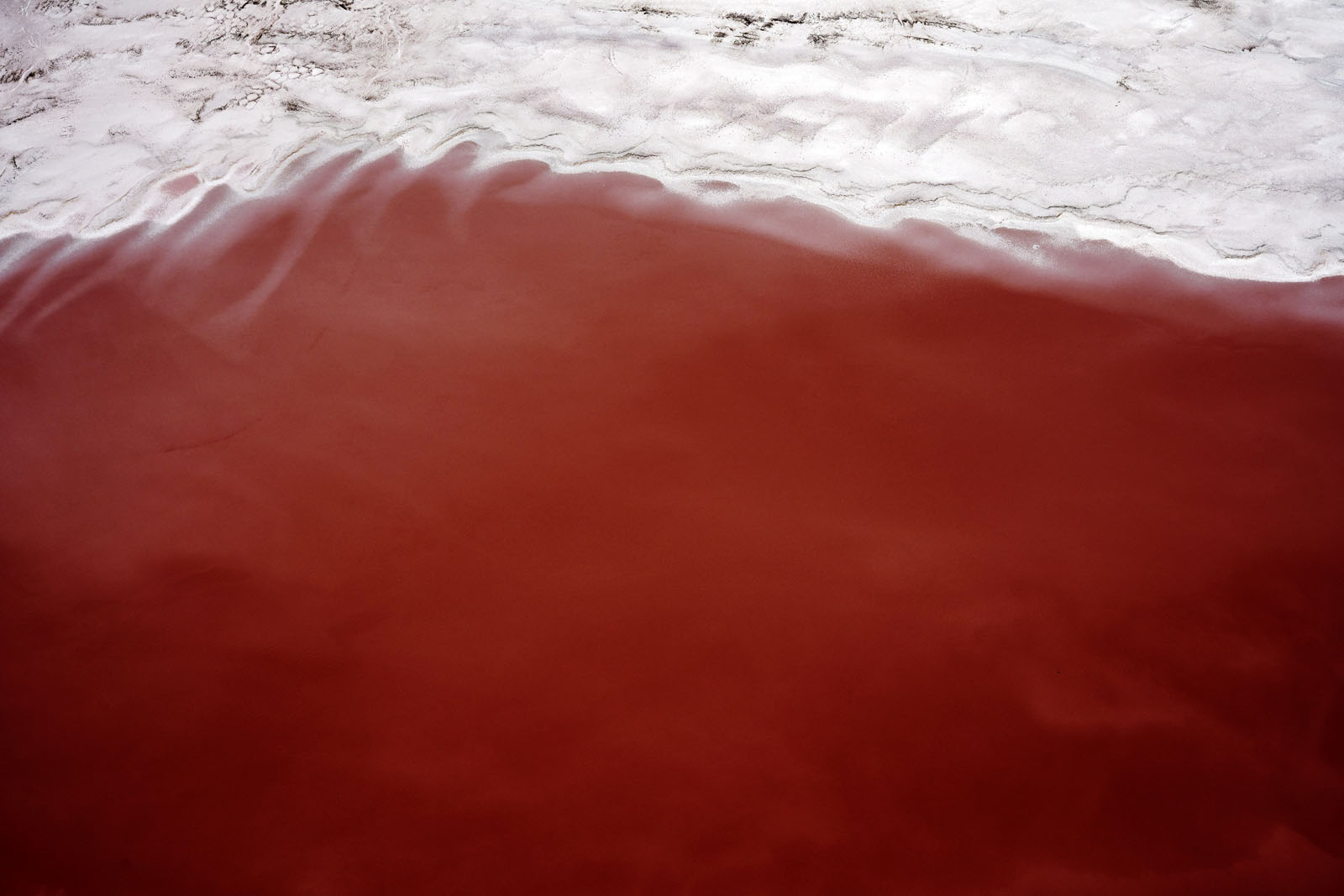
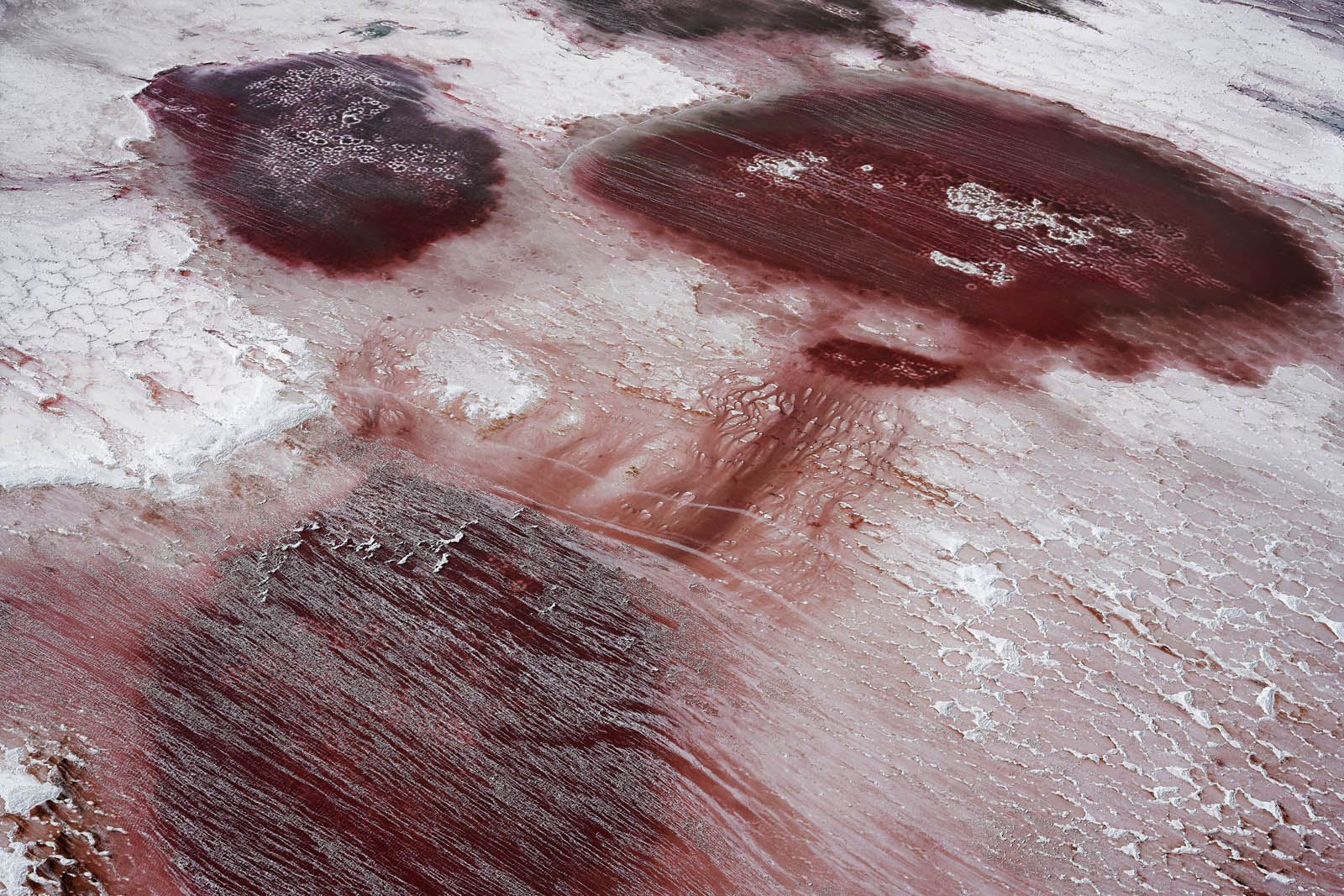
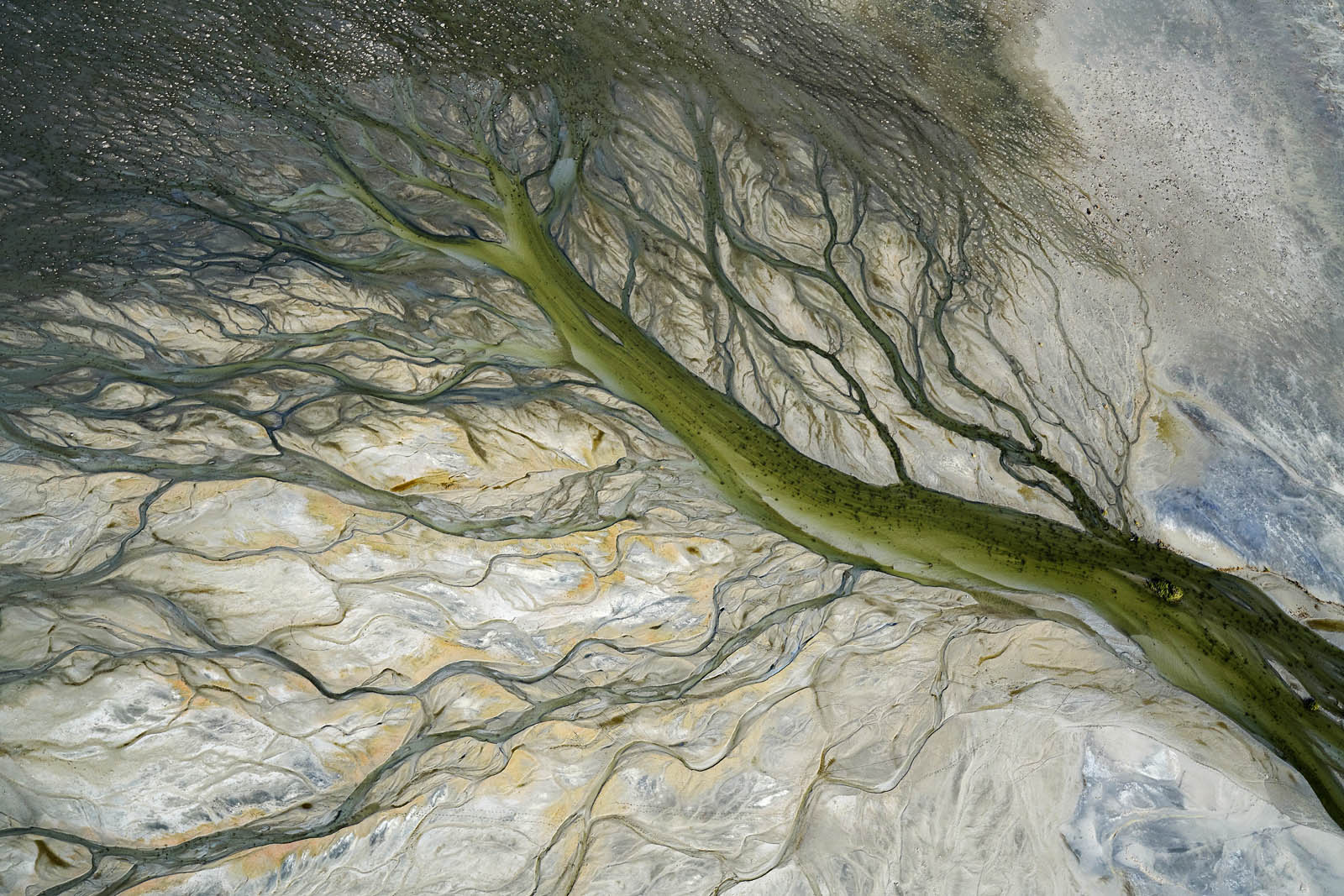
Fazal Sheikh (American, b. 1965) From the series 'Thirst: Great Salt Lake' November 2022


Fazal Sheikh (American, b. 1965)
From the series Thirst: Great Salt Lake
November 2022
Pigmented inkjet print
Ā© and courtesy Fazal Sheikh


Fazal Sheikh (American, b. 1965) From the series 'Thirst: Great Salt Lake' November 2022


Fazal Sheikh (American, b. 1965)
From the series Thirst: Great Salt Lake
November 2022
Pigmented inkjet print
Ā© and courtesy Fazal Sheikh


Fazal Sheikh (American, b. 1965) From the series 'Thirst: Great Salt Lake' November 2022


Fazal Sheikh (American, b. 1965)
From the series Thirst: Great Salt Lake
November 2022
Pigmented inkjet print
Ā© and courtesy Fazal Sheikh


Fazal Sheikh (American, b. 1965) From the series 'Thirst: Great Salt Lake' November 2022November 2022


Fazal Sheikh (American, b. 1965)
From the series Thirst: Great Salt Lake
November 2022
Pigmented inkjet print
Ā© and courtesy Fazal Sheikh


Fazal Sheikh: Thirst | Exposure | In Place is an exhibition created from three projects photographer Fazal Sheikh made on the Colorado Plateau from 2017 to early 2023. Sheikh’s portraits and landscapes shed light on the far-reaching consequences of extractive industry and climate change.

Born in 1965 in New York City, Sheikh creates images of displaced communities and marginalised people that prompt awareness of the world beyond the museum. The photographs in Thirst ǀ Exposure ǀ In Place expose indelible marks on the Colorado Plateau and American Southwest landscape that have been etched by both geological and human forces. Through this beautiful and sometimes frightening new work, Sheikh encourages viewers to witness the consequences of the past and imagine the shape of the future.

The exhibition presents Sheikh’s recent work in three interrelated sections: Thirst is a new series of aerial photographs that document the decline of the Great Salt Lake in northeast Utah, which is shrinking due to overconsumption and dwindling rain and snowfall. Exposure examines the impacts of uranium, coal, oil and natural-gas extraction on the American Southwest and on its Indigenous inhabitants. In Place evokes the enduring landscapes of the Bears Ears region in Utah, bringing Sheikh’s photographs together with contributions from scientists and Indigenous communities in and around Bears Ears in southeastern Utah.

Visitors will reflect upon the transformation – and often devastation – of these landscapes in the context of the past, present and future, while considering the juxtaposition of beauty and catastrophe, as well as intimate, human-scale stories and those spanning vast geological eras and changes.

Text from the Denver Art Museum website


Installation view of the exhibition 'Fazal Sheikh: Thirst | Exposure | In Place' at the Denver Art Museum

Installation view of the exhibition 'Fazal Sheikh: Thirst | Exposure | In Place' at the Denver Art Museum showing work from the series 'Exposure' 2019Ā 

Installation view of the exhibition 'Fazal Sheikh: Thirst | Exposure | In Place' at the Denver Art Museum showing work from the series 'Exposure' 2019Ā 

Installation view of the exhibition 'Fazal Sheikh: Thirst | Exposure | In Place' at the Denver Art Museum showing work from the series 'Exposure' 2019Ā 


Installation view of the exhibition Fazal Sheikh: Thirst | Exposure | In Place at the Denver Art Museum showing work from the series Exposure 2019


Fazal Sheikh (American, b. 1965) 'Mexican Hat Uranium Mill Disposal Cell, Mexican Hat, Utah, 37°8'0.88"N/109°52'28"W' From the series 'Exposure' 2017


Fazal Sheikh (American, b. 1965)
Mexican Hat Uranium Mill Disposal Cell, Mexican Hat, Utah, 37°8’0.88″N/109°52’28″W
From the series Exposure 2017
Pigmented inkjet print
Yale University Art Gallery, purchased with a gift from Jane P. Watkins, M.P.H. 1979
Image courtesy and Ā© Fazal Sheikh


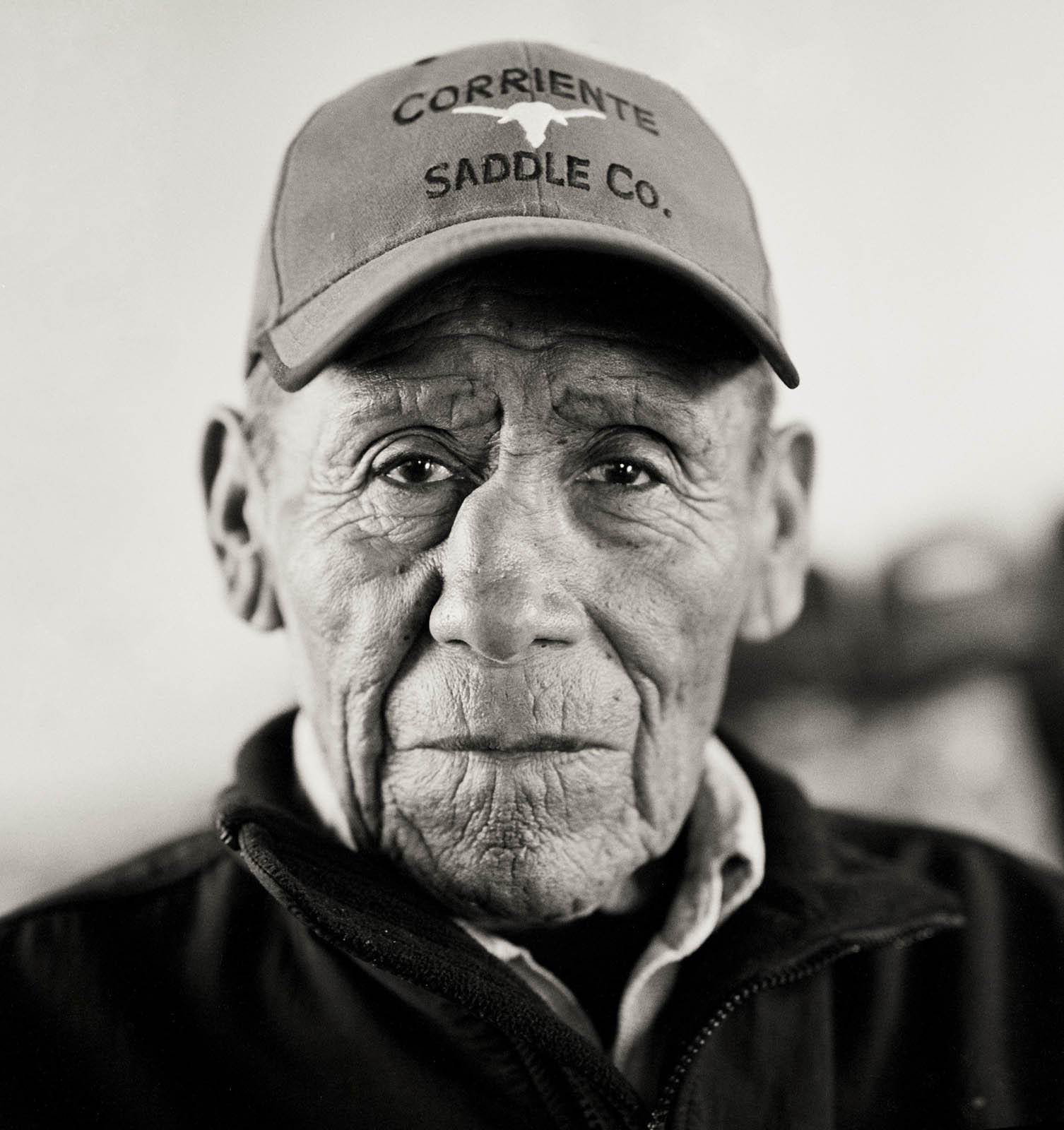
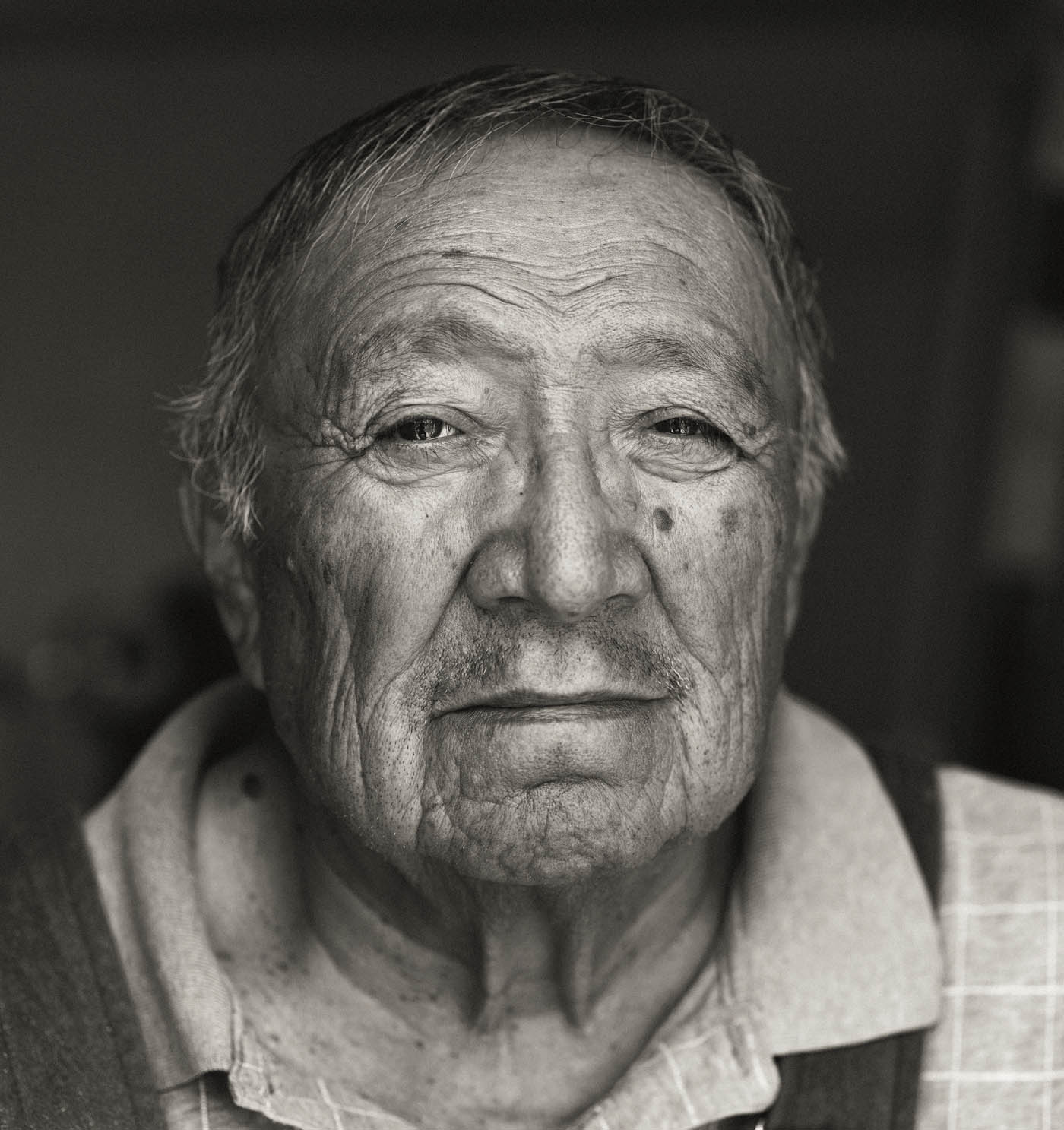
Fazal Sheikh (American, b. 1965) 'Norman Sam (DinƩ), Lifelong Shepherd, Montezuma Creek, Aneth Chapter, Southeastern Utah' From the series 'Exposure' 2019


Fazal Sheikh (American, b. 1965)
Norman Sam (DinƩ), Lifelong Shepherd, Montezuma Creek, Aneth Chapter, Southeastern Utah
From the series Exposure 2019
Pigmented inkjet print. Yale University Art Gallery, purchased with a gift from Jane P. Watkins, M.P.H. 1979
Image courtesy and Ā© Fazal Sheikh


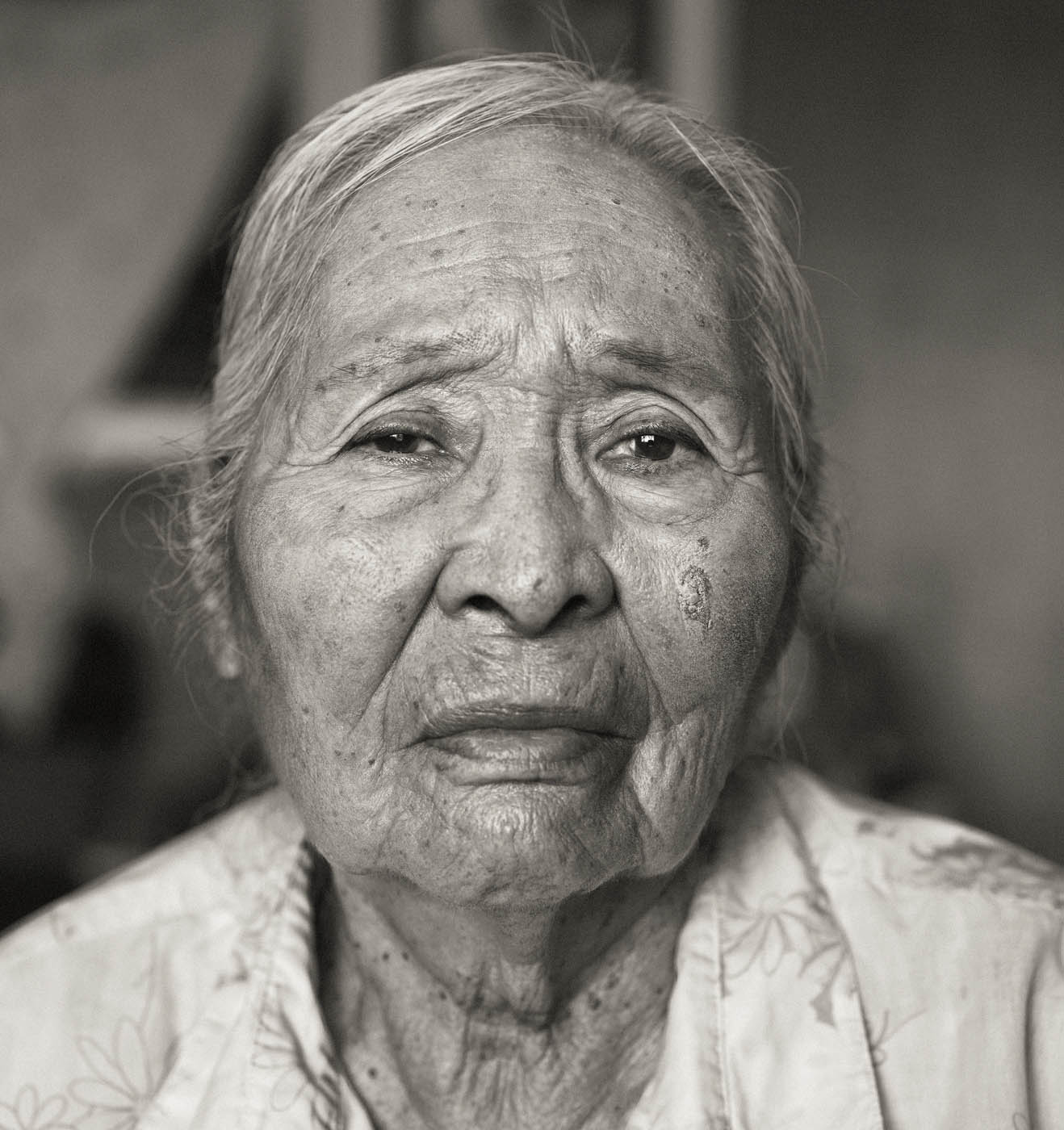
Fazal Sheikh (American, b. 1965) 'Lola Yellowman (DinĆ©), Widow of Uranium Miner John Guy, Cane Valley–Monument Valley, Navajo Nation' From the series 'Exposure' 2019


Fazal Sheikh (American, b. 1965)
Lola Yellowman (DinĆ©), Widow of Uranium Miner John Guy, Cane Valley–Monument Valley, Navajo Nation
From the series Exposure 2019
Pigmented inkjet print
Yale University Art Gallery, purchased with a gift from Jane P. Watkins, M.P.H. 1979
Image courtesy and Ā© Fazal Sheikh


Lola Yellowman’s Testimony

“The medicine men told our men not to work in the mines, that it was dangerous, but the men needed to support their families and had no choice … My husband, John Guy, worked in the mines like my father. He would arrive home during his lunch break with his clothes caked in uranium dust, and I cleaned those clothes in our home every day. The children played on the tailings pile, but no one from the company ever told us the dangers they were being exposed to.”

Wall text from the exhibition


Fazal Sheikh (American, b. 1965) 'Chapita Wells Oil and Gas Field, Uintah Range, Utah, 40°4'10"N/109°27'26"W' From the series 'Exposure' 2017


Fazal Sheikh (American, b. 1965)
Chapita Wells Oil and Gas Field, Uintah Range, Utah, 40°4’10″N/109°27’26″W
From the series Exposure 2017
Pigmented inkjet print
Yale University Art Gallery, purchased with a gift from Jane P. Watkins, M.P.H. 1979
Image courtesy and Ā© Fazal Sheikh


Fazal Sheikh (American, b. 1965) 'Jonah Yellowman (DinĆ©), Spiritual Advisor to Utah DinĆ© BikĆ©yah, Cane Valley – Monument Valley, Navajo Nation' From the series 'Exposure' 2022


Fazal Sheikh (American, b. 1965)
Jonah Yellowman (DinĆ©), Spiritual Advisor to Utah DinĆ© BikĆ©yah, Cane Valley – Monument Valley, Navajo Nation
From the series Exposure 2022
Pigmented inkjet print
Image courtesy and Ā© Fazal Sheikh


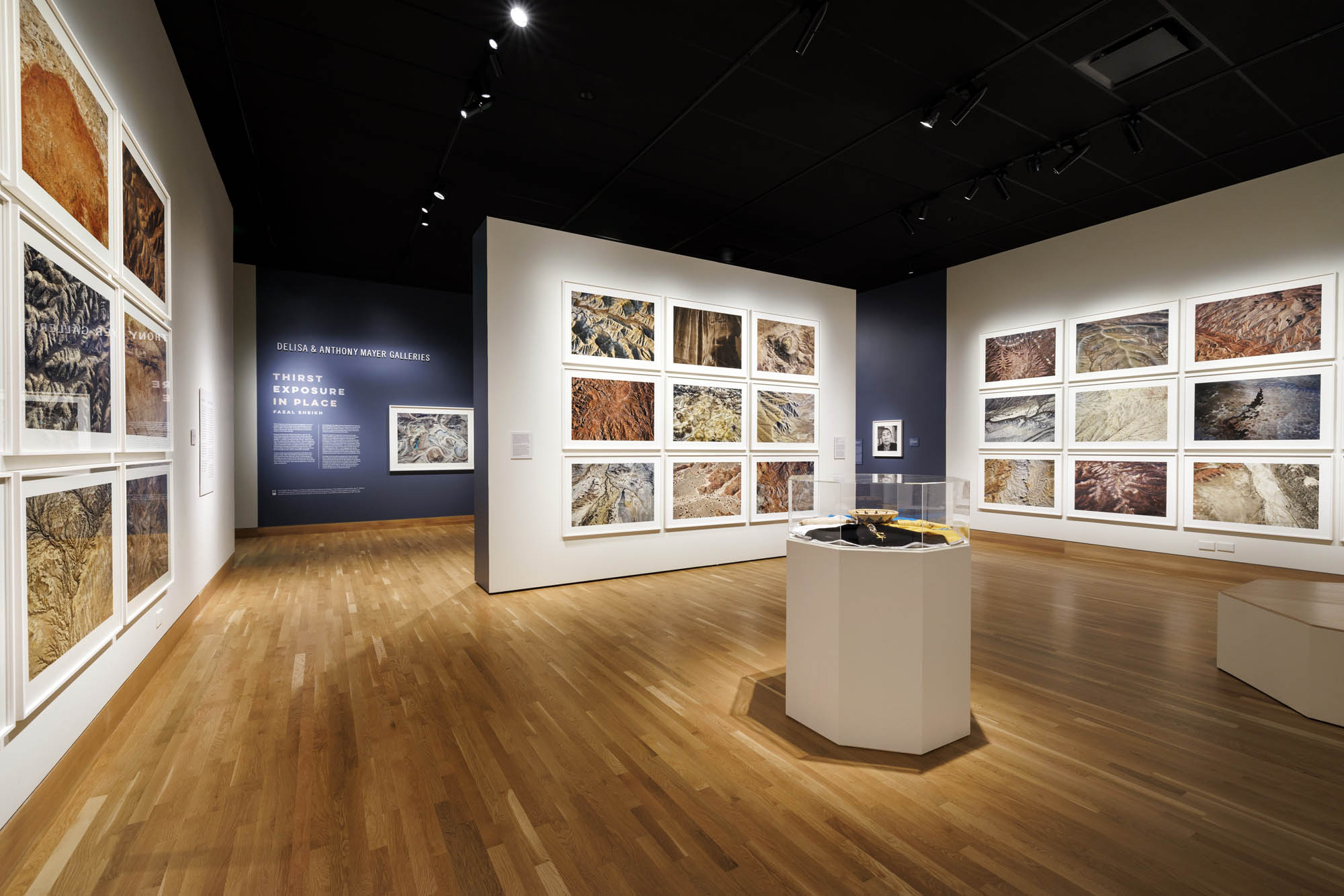
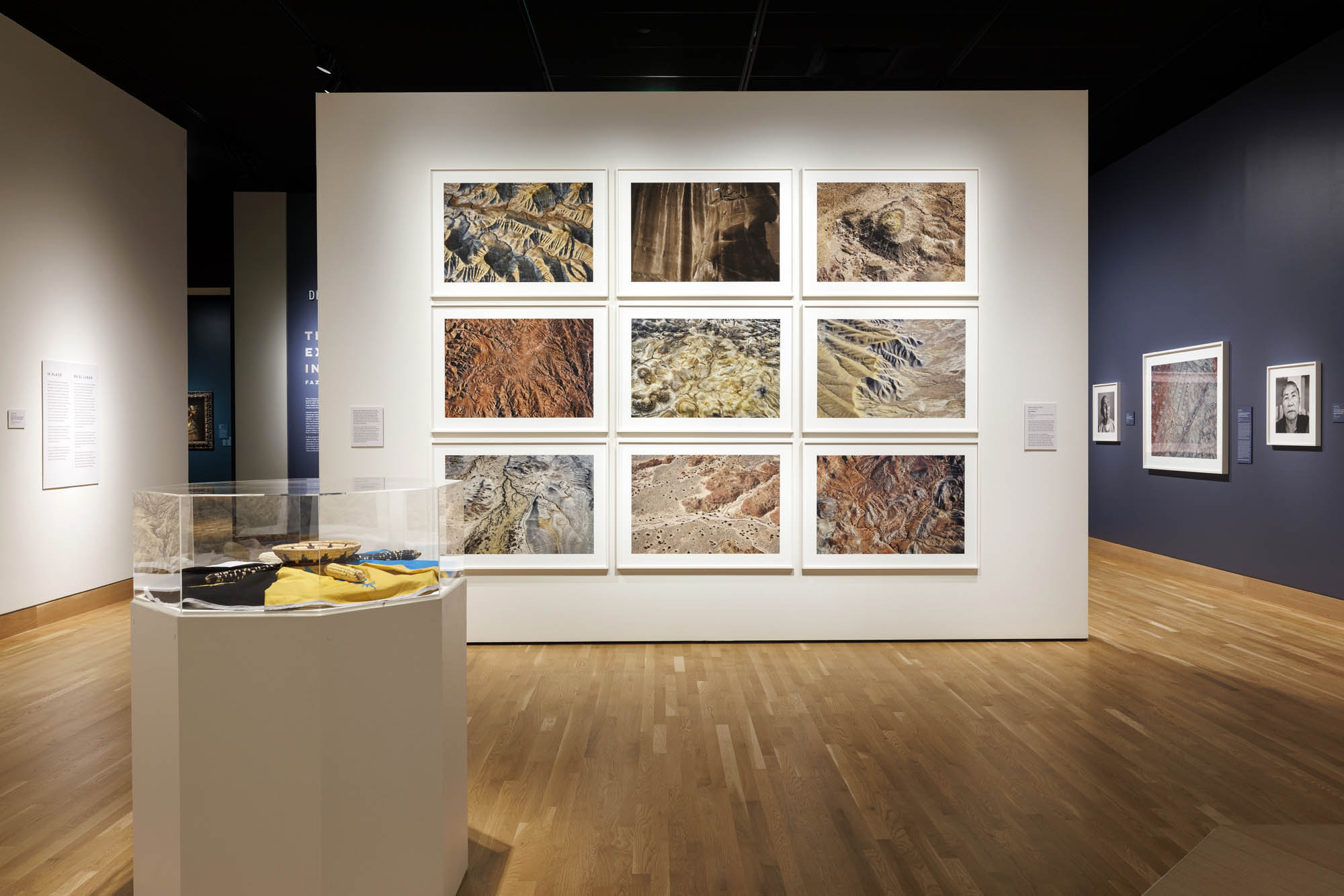
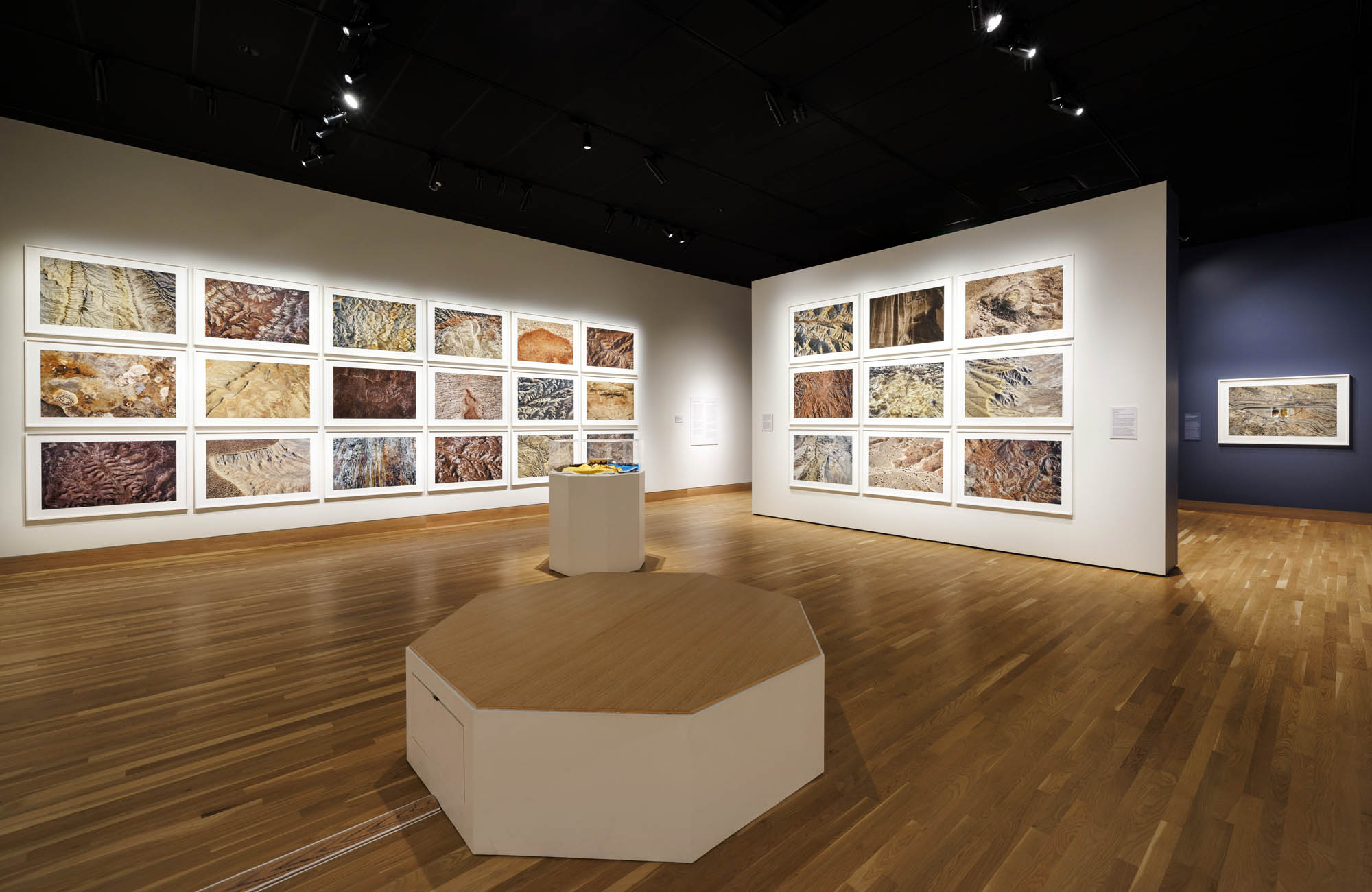
Installation view of the exhibition 'Fazal Sheikh: Thirst | Exposure | In Place' at the Denver Art Museum showing work from the series 'In Place (Utah, Arizona, and New Mexico, Four Corners Region)' 2017-2020

Installation view of the exhibition 'Fazal Sheikh: Thirst | Exposure | In Place' at the Denver Art Museum showing work from the series 'In Place (Utah, Arizona, and New Mexico, Four Corners Region)' 2017-2020

Installation view of the exhibition 'Fazal Sheikh: Thirst | Exposure | In Place' at the Denver Art Museum showing work from the series 'In Place (Utah, Arizona, and New Mexico, Four Corners Region)' 2017-2020

Installation view of the exhibition 'Fazal Sheikh: Thirst | Exposure | In Place' at the Denver Art Museum showing work from the series 'In Place (Utah, Arizona, and New Mexico, Four Corners Region)' 2017-2020

Installation view of the exhibition 'Fazal Sheikh: Thirst | Exposure | In Place' at the Denver Art Museum showing work from the series 'In Place (Utah, Arizona, and New Mexico, Four Corners Region)' 2017-2020

Installation view of the exhibition 'Fazal Sheikh: Thirst | Exposure | In Place' at the Denver Art Museum showing work from the series 'In Place (Utah, Arizona, and New Mexico, Four Corners Region)' 2017-2020

Installation view of the exhibition 'Fazal Sheikh: Thirst | Exposure | In Place' at the Denver Art Museum showing work from the series 'In Place (Utah, Arizona, and New Mexico, Four Corners Region)' 2017-2020

Installation view of the exhibition 'Fazal Sheikh: Thirst | Exposure | In Place' at the Denver Art Museum showing work from the series 'In Place (Utah, Arizona, and New Mexico, Four Corners Region)' 2017-2020

Installation view of the exhibition 'Fazal Sheikh: Thirst | Exposure | In Place' at the Denver Art Museum showing work from the series 'In Place (Utah, Arizona, and New Mexico, Four Corners Region)' 2017-2020

Installation view of the exhibition 'Fazal Sheikh: Thirst | Exposure | In Place' at the Denver Art Museum showing work from the series 'In Place (Utah, Arizona, and New Mexico, Four Corners Region)' 2017-2020

Installation view of the exhibition 'Fazal Sheikh: Thirst | Exposure | In Place' at the Denver Art Museum showing work from the series 'In Place (Utah, Arizona, and New Mexico, Four Corners Region)' 2017-2020Installation view of the exhibition 'Fazal Sheikh: Thirst | Exposure | In Place' at the Denver Art Museum showing work from the series 'In Place (Utah, Arizona, and New Mexico, Four Corners Region)' 2017-2020

Installation view of the exhibition 'Fazal Sheikh: Thirst | Exposure | In Place' at the Denver Art Museum showing work from the series 'In Place (Utah, Arizona, and New Mexico, Four Corners Region)' 2017-2020

Installation view of the exhibition 'Fazal Sheikh: Thirst | Exposure | In Place' at the Denver Art Museum showing work from the series 'In Place (Utah, Arizona, and New Mexico, Four Corners Region)' 2017-2020


Installation view of the exhibition Fazal Sheikh: Thirst | Exposure | In Place at the Denver Art Museum showing work from the series In Place (Utah, Arizona, and New Mexico, Four Corners Region), 2017-2020


The Denver Art Museum (DAM) presents Fazal Sheikh: Thirst | Exposure | In Place, an exhibition created from three projects photographer Fazal Sheikh made on the Colorado Plateau from 2017 to early 2023. Sheikh’s portraits and landscapes shed light on the far-reaching consequences of extractive industry and climate change. Thirst Ē€ Exposure Ē€ In Place will open March 10, 2024, and will be on view through October 20, 2024, in the museum’s Photography galleries, located on level 6 of the Martin Building, and will be included with general admission.

Born in 1965 in New York City, Sheikh creates images of displaced communities and marginalised people that prompt awareness of the world beyond the museum. The photographs in Thirst ǀ Exposure ǀ In Place expose indelible marks on the Colorado Plateau and American Southwest landscape that have been etched by both geological and human forces. Through this beautiful and sometimes frightening new work, Sheikh encourages viewers to witness the consequences of the past and imagine the shape of the future.

“Through expansive aerial shots and intimate portraits, Fazal Sheikh documents these regions and their people with solidarity and honesty,” said Christoph Heinrich, Frederick and Jan Mayer Director of the Denver Art Museum. “The Colorado Plateau is a region deeply impacted by climate change and economic development. This exhibition offers a nuanced view into the past, present and future lives of its inhabitants.”

Sheikh is best known for his deeply humane photographs of refugees and migrants displaced by war and famine. Focusing on the United States for the first time, Sheikh explores how Indigenous people and the lands they call home have been affected by industrial growth and government policy.

“The aerial photographs in this exhibition remind us of the great age and natural beauty of the Colorado Plateau,” said Eric Paddock, Curator of Photography at the DAM and curator of this exhibition for Denver. “They create an awareness of deep human and geological time and raise questions about the future of the region. In that context, Sheikh’s portraits and accompanying text affirm local communities’ need to protect their sacred spaces and encourage wider recognition of that need.”

The DAM exhibition presents Sheikh’s recent work in three interrelated sections:

Thirst is a new series of aerial photographs that document the decline of the Great Salt Lake in northeast Utah, which is shrinking due to overconsumption and dwindling rain and snowfall. As the lake dries up, winds carry clouds of toxic sediment – by-products from mining, agriculture and urban development – from the lakebed, across the valley and beyond.

Exposure examines the impacts of uranium, coal, oil and natural-gas extraction on the American Southwest and on its Indigenous inhabitants. Sheikh partnered with Utah DinĆ© BikĆ©yah – a coalition among the Hopi, Navajo, Uintah Ouray Ute, Ute Mountain Ute and Zuni tribes – and with Indigenous elders and scientists from Princeton University – to address hazardous waste and pollution left across the region by short-sighted development and poorly remediated industrial sites. The project reflects on the resilience of Indigenous people in the face of threats to their culture, spirituality and health.

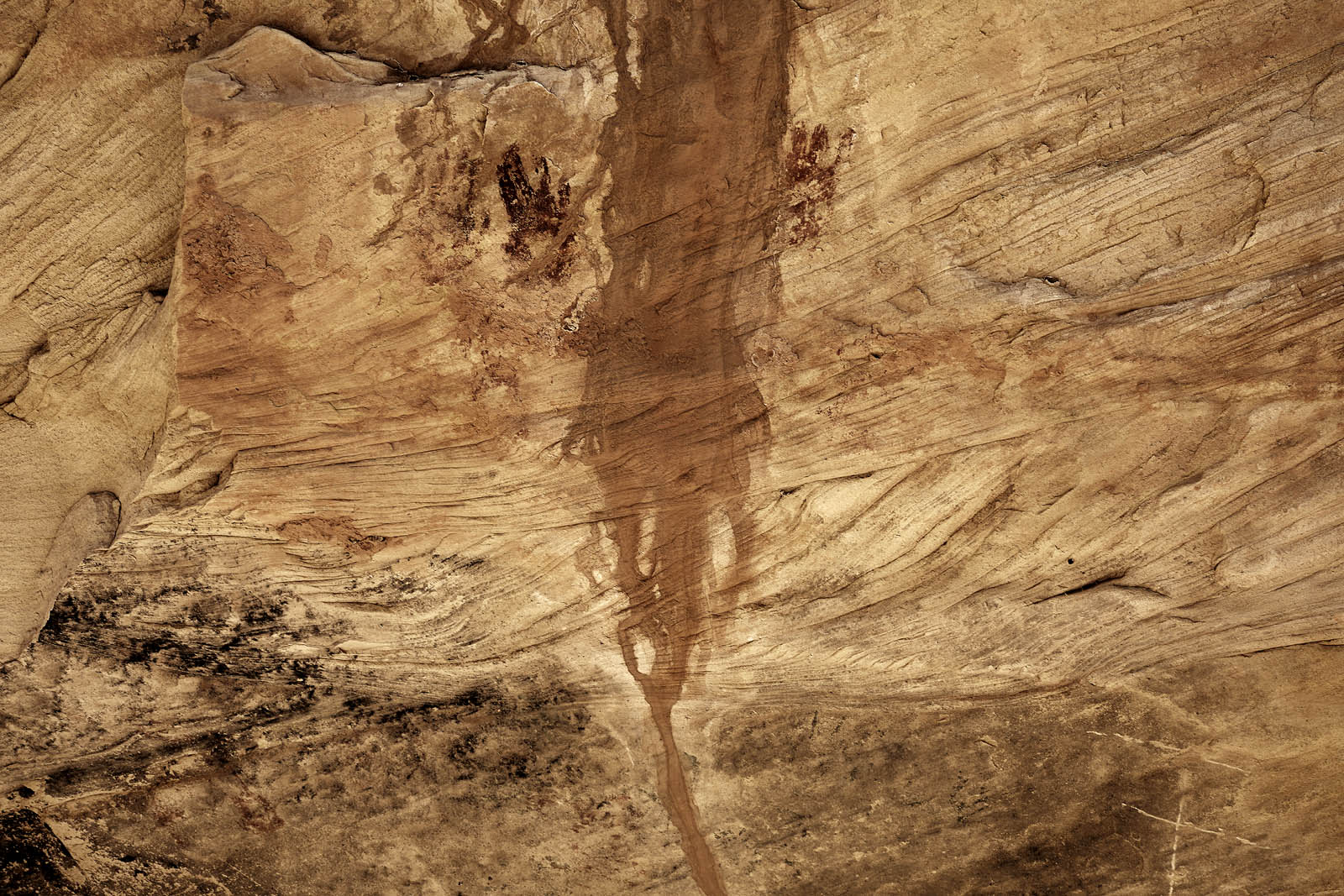
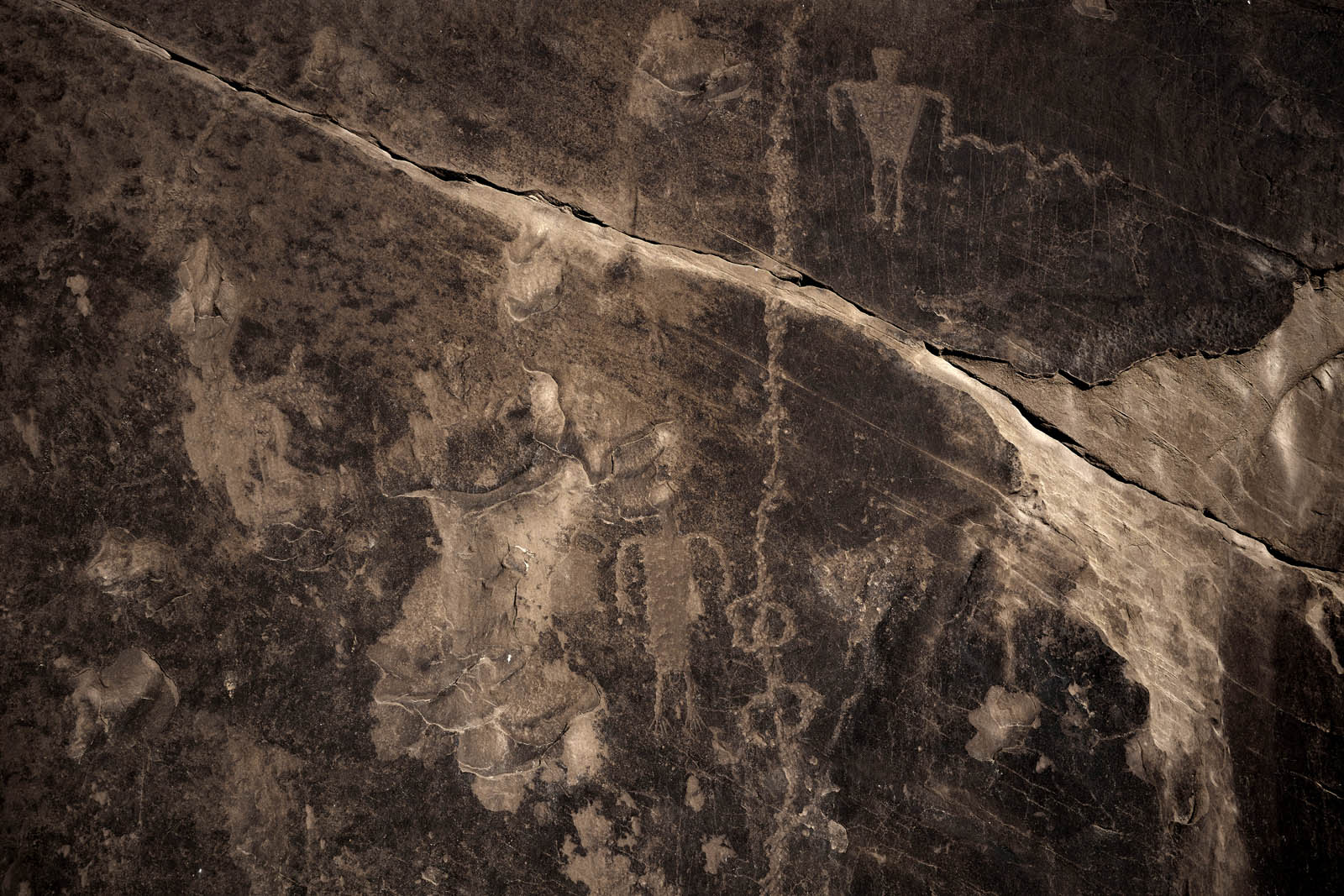
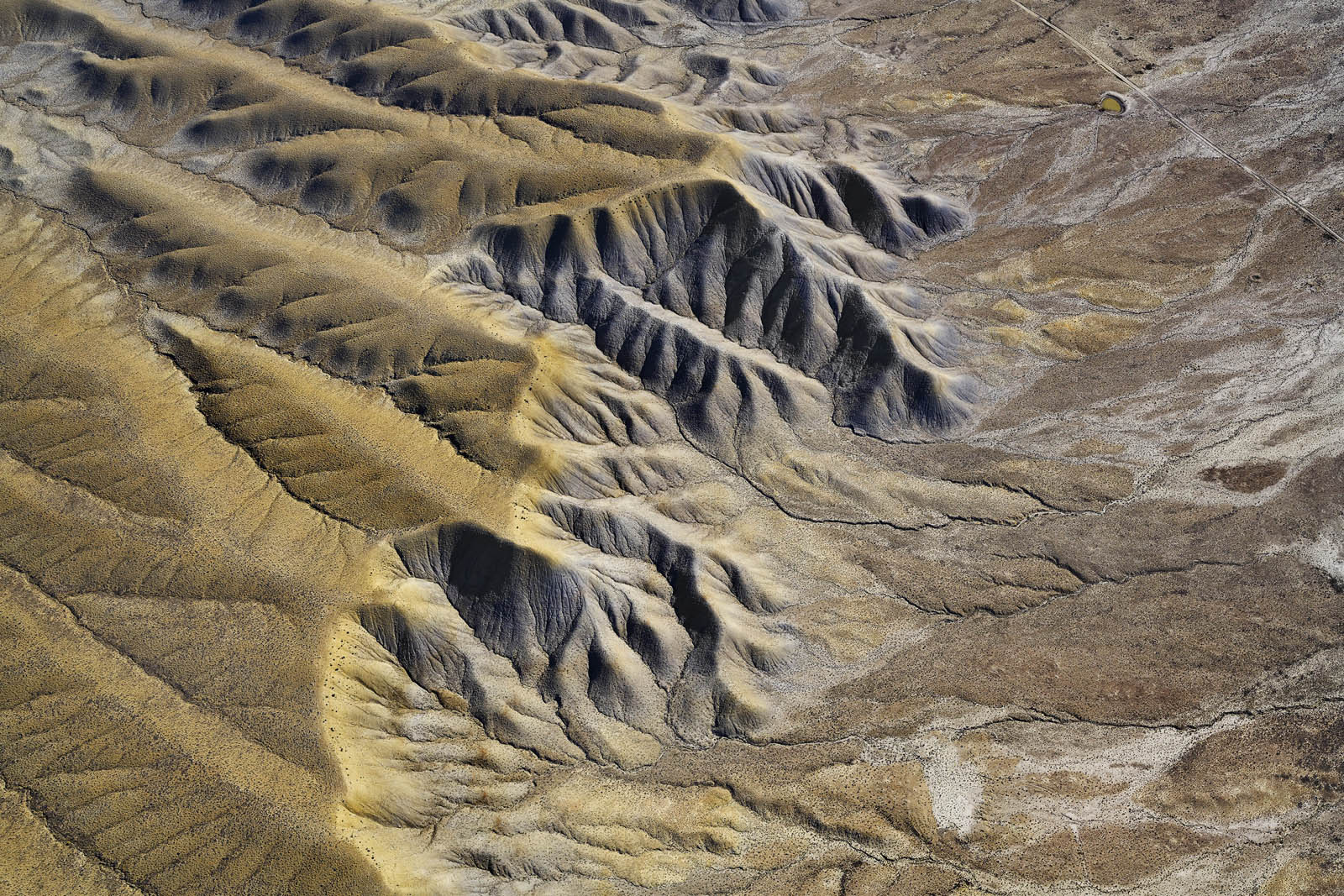
In Place evokes the enduring landscapes of the Bears Ears region in Utah, bringing Sheikh’s photographs together with contributions from scientists and Indigenous communities in and around Bears Ears in southeastern Utah. Visitors are surrounded by images made at a close distance and from high in the air. Sixty-three large colour photographs show the tremendous geological variety and the long cultural continuities of the Four Corners region.

Visitors will reflect upon the transformation – and often devastation – of these landscapes in the context of the past, present and future, while considering the juxtaposition of beauty and catastrophe, as well as intimate, human-scale stories and those spanning vast geological eras and changes.

Jonah Yellowman, spiritual advisor for the Utah DinƩ BikƩyah intertribal coalition and one of its founding members, will present an offering that represents his Navajo (DinƩ) spirituality and a deep connection to the land. This offering will be present in the gallery during the run of the exhibition.

Sound recordings taken from seismometer readings by University of Utah geologist Jeffrey Ralston Moore will resonate throughout the gallery space. They represent the otherwise inaudible vibrations of rock formations on the Colorado Plateau.

Taken together, the photographs and collaborations in Thirst | Exposure | In Place lay bare the indelible marks etched on the landscape by geological and human forces. Sheikh asks us to witness the consequences of what has passed and imagine what is yet to come.

Sheikh will speak about his recent work in the Four Corners region and at the Great Salt Lake, in connection with his exhibition in a lecture event at the DAM on March 9, 11am – 12pm. The lecture will take place in the Sharp Auditorium, in the lower level of the museum’s Hamilton Building. Sheikh will discuss the origin of each series, his immersion in the landscapes and communities he photographed and his collaborations with writers, scientists and Indigenous community members that are woven throughout this work. This exhibition follows the Denver Art Museum’s 2017 presentation of Common Ground: Photographs by Fazal Sheikh, 1989-2013.

Fazal Sheikh: Thirst | Exposure | In Place is organised by the Denver Art Museum. The exhibition is presented by Jane Watkins, with additional support from the donors to the Annual Fund Leadership Campaign and the residents who support the Scientific and Cultural Facilities District (SCFD). Promotional support is provided by 5280 Magazine and CBS Colorado.

The exhibition was curated in Denver by Curator of Photography, Eric Paddock, in collaboration with Kimberly Roberts, Denver Art Museum Curatorial Associate, and Lauren Thompson, Senior Interpretive Specialist.


Fazal Sheikh (American, b. 1965) From the installation 'In Place (Utah, Arizona, and New Mexico, Four Corners Region)' 2017-2020


Fazal Sheikh (American, b. 1965)
From the installation In Place (Utah, Arizona, and New Mexico, Four Corners Region)
2017-2020
Pigmented inkjet print
Ā© and courtesy Fazal Sheikh


Fazal Sheikh (American, b. 1965) From the installation 'In Place (Utah, Arizona, and New Mexico, Four Corners Region)' 2017-2020


Fazal Sheikh (American, b. 1965)
From the installation In Place (Utah, Arizona, and New Mexico, Four Corners Region)
2017-2020
Pigmented inkjet print
Ā© and courtesy Fazal Sheikh


Fazal Sheikh (American, b. 1965) From the installation 'In Place (Utah, Arizona, and New Mexico, Four Corners Region)' 2017-2020


Fazal Sheikh (American, b. 1965)
From the installation In Place (Utah, Arizona, and New Mexico, Four Corners Region)
2017-2020
Pigmented inkjet print
Ā© and courtesy Fazal Sheikh


Denver Art Museum
100 W 14th Ave Pkwy,
Denver, CO 80204, United States
Phone: (720) 865-5000

Opening hours:
Open daily from 10am – 5pm, 10am – 8pm on Tuesdays
Denver Art Museum website

LIKE ART BLART ON FACEBOOK

Back to top

Exhibition: ‘Robert Adams: The Place We Live, A Retrospective Selection of Photographs’ at the The Denver Art Museum (DAM)

Exhibition dates:Ā Ā 25th September 2011 – 1st January 2012


Many thankx to The Denver Art Museum for allowing me to publish the photographs in the posting. Please click on the photographs for a larger version of the image.


Robert AdamsĀ (American, b. 1937) 'Burning oil sludge, north of Denver, Colorado' 1973-1974


Robert AdamsĀ (American, b. 1937)
Burning oil sludge, north of Denver, Colorado
1973-1974
Gelatin silver print
Yale University Art Gallery, purchased with a gift from Saundra B. Lane, a grant from the Trellis Fund and the Janet and Simeon Braguin Fund


Robert AdamsĀ (American, b. 1937) 'North of Keota, Colorado' 1973


Robert AdamsĀ (American, b. 1937)
North of Keota, Colorado
1973 printed 1989
Gelatin silver print
Yale University Art Gallery, purchased with a gift from Saundra B. Lane, a grant from the Trellis Fund and the Janet and Simeon Braguin Fund


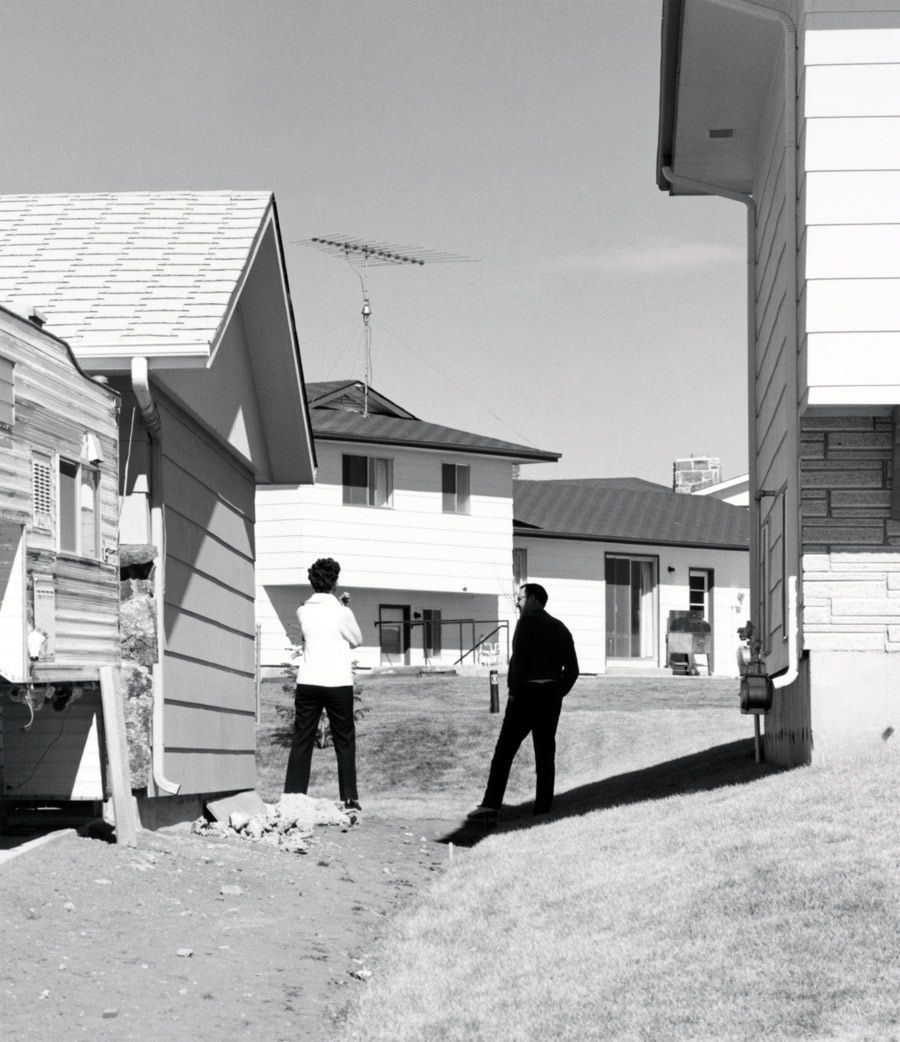
Robert AdamsĀ (American, b. 1937) 'Mobile home park, north edge of Denver, Colorado' 1973-1974


Robert AdamsĀ (American, b. 1937)
Mobile home park, north edge of Denver, Colorado
1973-1974
Gelatin silver print
Yale University Art Gallery, purchased with a gift from Saundra B. Lane, a grant from the Trellis Fund and the Janet and Simeon Braguin Fund


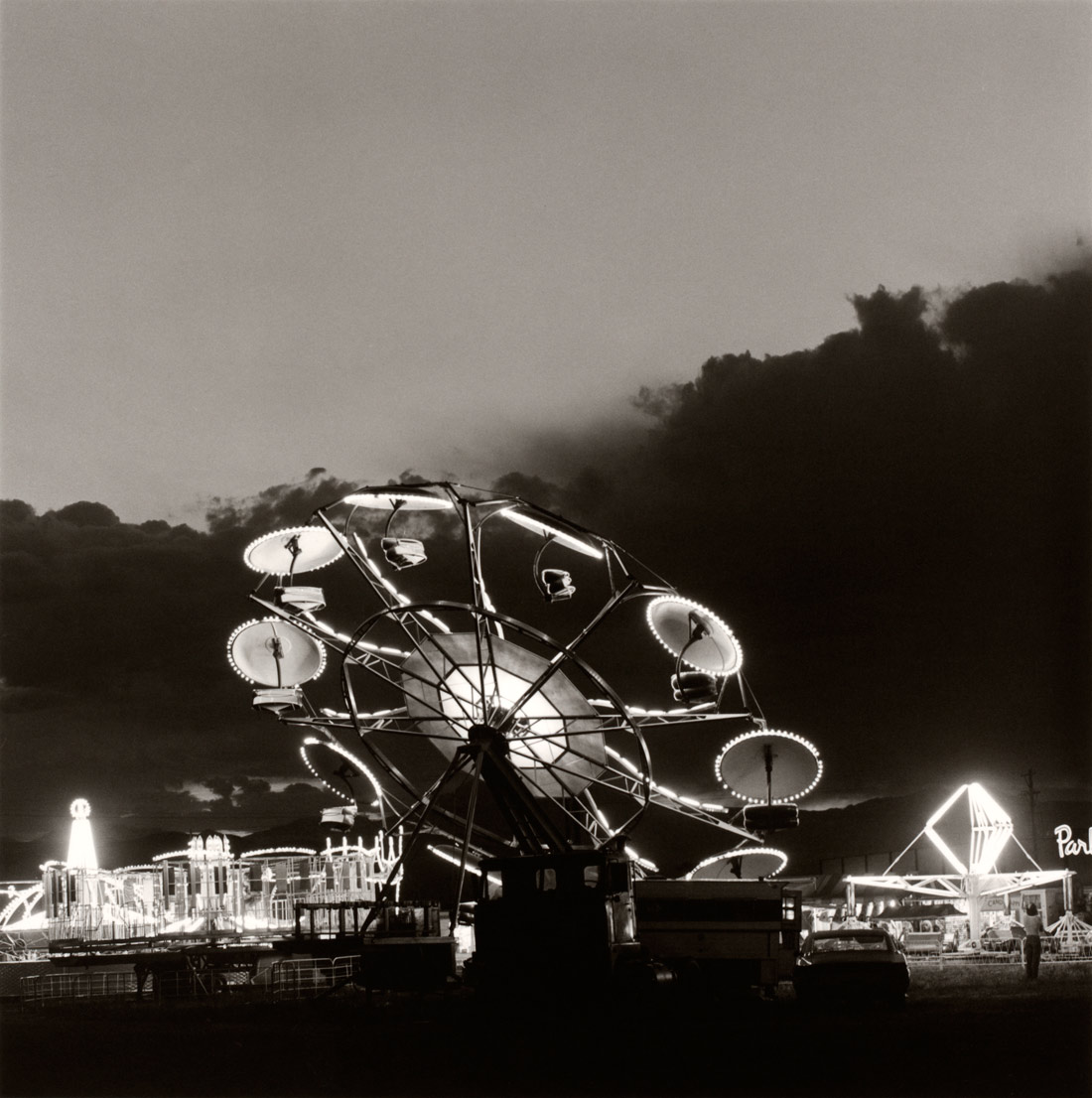
The Denver Art Museum (DAM) is the first U.S. venue for Robert Adams: The Place We Live, A Retrospective Selection of Photographs. The exhibition features more than 200 black-and-white photos spanning Adams’s 45-year career, showcasing the artistic legacy of the American photographer and his longstanding engagement with the contemporary Western landscape. Adams lived and worked in Colorado for nearly 30 years. Many of his most acclaimed images were taken in the Rocky Mountain region and will strike a familiar chord with visitors. The exhibition, organised by the Yale University Art Gallery, will be on view September 25, 2011 – January 1, 2012 in the museum’s Gallagher Family Gallery.

“We’re excited to host the work of one of the foremost photographers of our time,” said Eric Paddock, the DAM’s curator of photography. “Robert Adams’s striking yet quiet photos provoke thought about current economic, political and environmental issues Westerners confront every day. We think visitors will see something very familiar in his work.”

Since becoming a photographer in the mid-1960s, Adams has been widely regarded as one of the most significant and influential chroniclers of the American West. Adams’s photographs and writing insist that the realities of everyday landscapes are as beautiful as idealised scenes from nature. They ask questions about the ways people change and interact with nature, and what it means to live simply and quietly in today’s world. This commitment earned Adams prominence in photography’s “New Topographics” movement of the late 20th century and lends authority to his ongoing work. His photographs of Colorado suburban growth and clear cut forests in the Pacific Northwest, for example, express shock at mainstream social and economic values.
“The Denver Art Museum is pleased to be the first U.S. venue for The Place We Live, showcasing our continued commitment to our photography program,” said Christoph Heinrich, Frederick and Jan Mayer Director of the DAM. “Colorado has a rich photography history and we’re excited to have visitors engage with these artworks that provide a narrative to the American experience and take a fresh look at their surroundings.”

Featuring more than 200 gelatin silver prints, The Place We Live weaves together four decades of Adam’s work into a cohesive, epic narrative of American experience in the late 20th and early 21st centuries. Each of the photographer’s major projects is represented, from early pictures of quiet buildings and monuments erected by prior settlers of his native Colorado to his most recent images of forests and migratory birds in the Pacific Northwest.

Biography

Born in Orange, N.J., in 1937, Robert Adams moved with his family from Madison, Wis., to Denver, Colo., at the age of 15. He earned a doctorate degree from the University of Southern California and, intent on pursuing an academic career, returned to Colorado in 1962 as an assistant professor of English at Colorado College. Disturbed by the rapid transformation of the Colorado Springs and Denver areas, Adams began photographing a landscape transformed by tract housing, highways, strip malls and gas stations. “The pictures record what we purchased, what we paid and what we could not buy,” Adams wrote. “They document a separation from ourselves, and in turn from the natural world that we professed to love.” Since 1997, he has lived and worked in Oregon.”

Press release from The Denver Art Museum


Robert AdamsĀ (American, b. 1937) 'Lakewood, Colorado' 1968-1971


Robert AdamsĀ (American, b. 1937)
Lakewood, Colorado
1968-1971
Gelatin silver print
Yale University Art Gallery, purchased with a gift from Saundra B. Lane, a grant from the Trellis Fund and the Janet and Simeon Braguin Fund


Robert Adams (American, b. 1937) 'In a New Subdivision, Colorado Springs, Colorado' 1969


Robert AdamsĀ (American, b. 1937)
In a New Subdivision, Colorado Springs, Colorado
1969
Gelatin silver print
Yale University Art Gallery, purchased with a gift from Saundra B. Lane, a grant from the Trellis Fund and the Janet and Simeon Braguin Fund


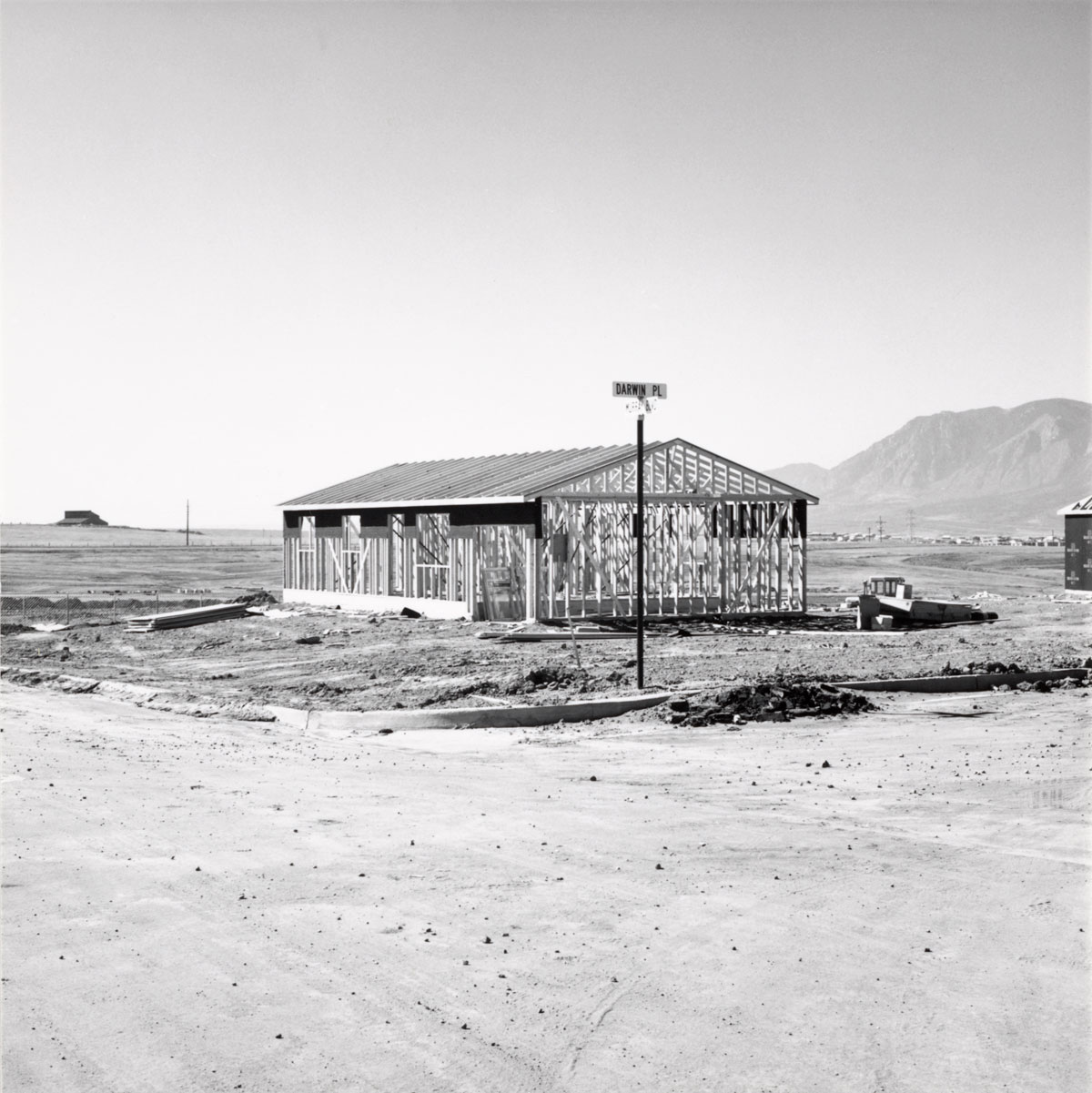
Robert Adams (American, b. 1937) 'Frame for a Tract House, Colorado Springs, Colorado' 1969


Robert AdamsĀ (American, b. 1937)
Frame for a Tract House, Colorado Springs, Colorado
1969
Gelatin silver print
Yale University Art Gallery, purchased with a gift from Saundra B. Lane, a grant from the Trellis Fund and the Janet and Simeon Braguin Fund


Robert AdamsĀ (American, b. 1937) 'Pikes Peak, Colorado Springs, Colorado' 1969


Robert AdamsĀ (American, b. 1937)
Pikes Peak, Colorado Springs, Colorado
1969
Gelatin silver print
Yale University Art Gallery, purchased with a gift from Saundra B. Lane, a grant from the Trellis Fund and the Janet and Simeon Braguin Fund


Robert AdamsĀ (American, b. 1937) 'Denver, Colorado' c. 1970


Robert AdamsĀ (American, b. 1937)
Denver, Colorado
c. 1970
Gelatin silver print
Yale University Art Gallery, purchased with a gift from Saundra B. Lane, a grant from the Trellis Fund and the Janet and Simeon Braguin Fund


Robert AdamsĀ (American, b. 1937) 'Longmont, Colorado' 1973-1974, printed 2007


Robert AdamsĀ (American, b. 1937)
Longmont, Colorado
1973-1974, printed 2007
Gelatin silver print
Yale University Art Gallery, purchased with a gift from Saundra B. Lane, a grant from the Trellis Fund and the Janet and Simeon Braguin Fund


Robert AdamsĀ (American, b. 1937) 'Eden, Colorado' 1968


Robert AdamsĀ (American, b. 1937)
Eden, Colorado
1968
Gelatin silver print
Yale University Art Gallery
Purchased with a gift from Saundra B. Lane, a grant from the Trellis Fund and the Janet and Simeon Braguin Fund


Robert Adams (American, b. 1937) 'Colorado Springs, Colorado' 1974


Robert AdamsĀ (American, b. 1937)
Colorado Springs, Colorado
1968
Gelatin silver print
Yale University Art Gallery
Purchased with a gift from Saundra B. Lane, a grant from Trellis Fund, and the Janet and Simeon Braguin Fund


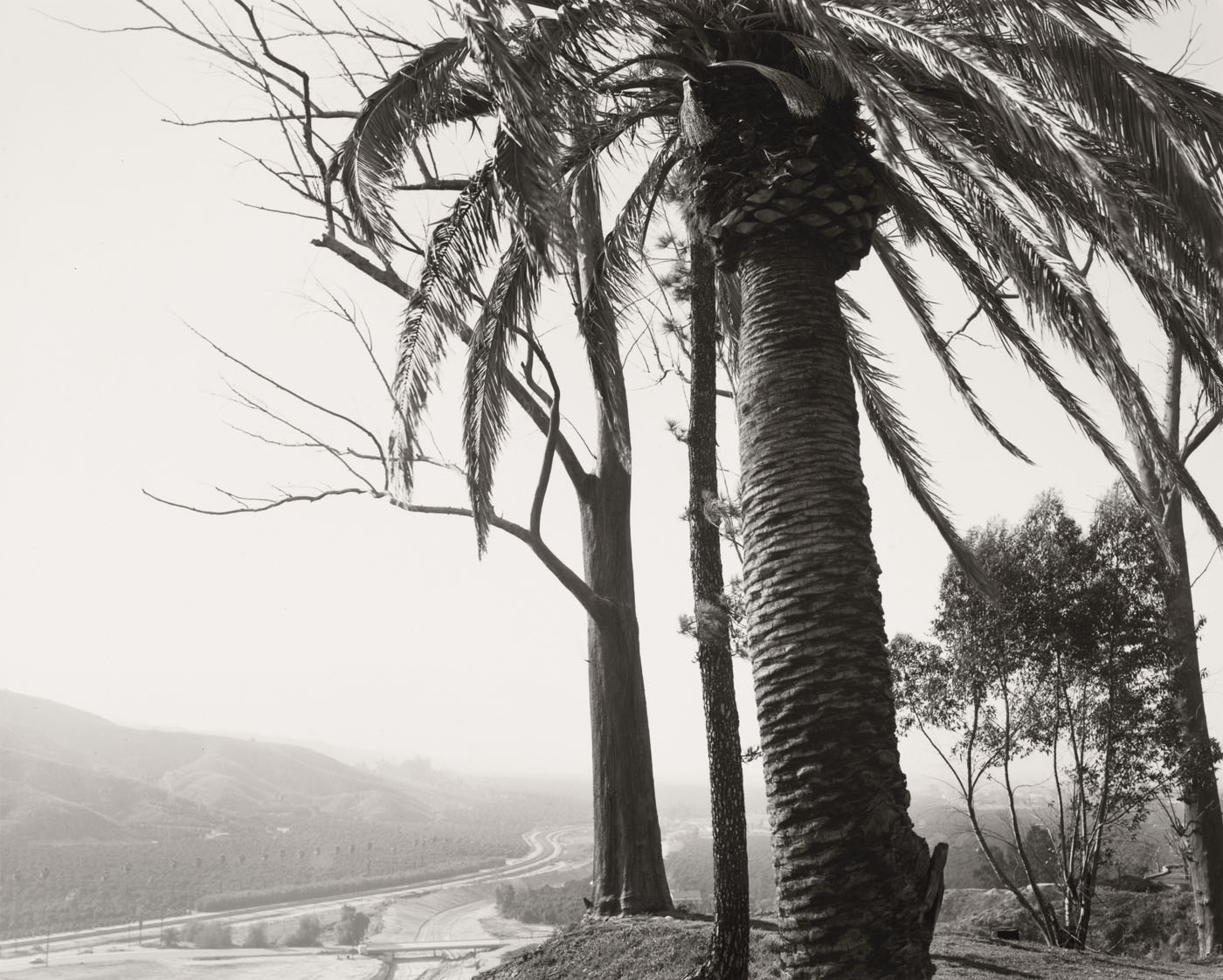
Robert Adams (American, b. 1937) 'Edge of San Timoteo Canyon, Redlands, California' 1978


Robert AdamsĀ (American, b. 1937)
Edge of San Timoteo Canyon, looking toward Los Angeles, Redlands, California
1978
Gelatin silver print
Yale University Art Gallery
Purchased with a gift from Saundra B. Lane, a grant from the Trellis Fund and the Janet and Simeon Braguin Fund


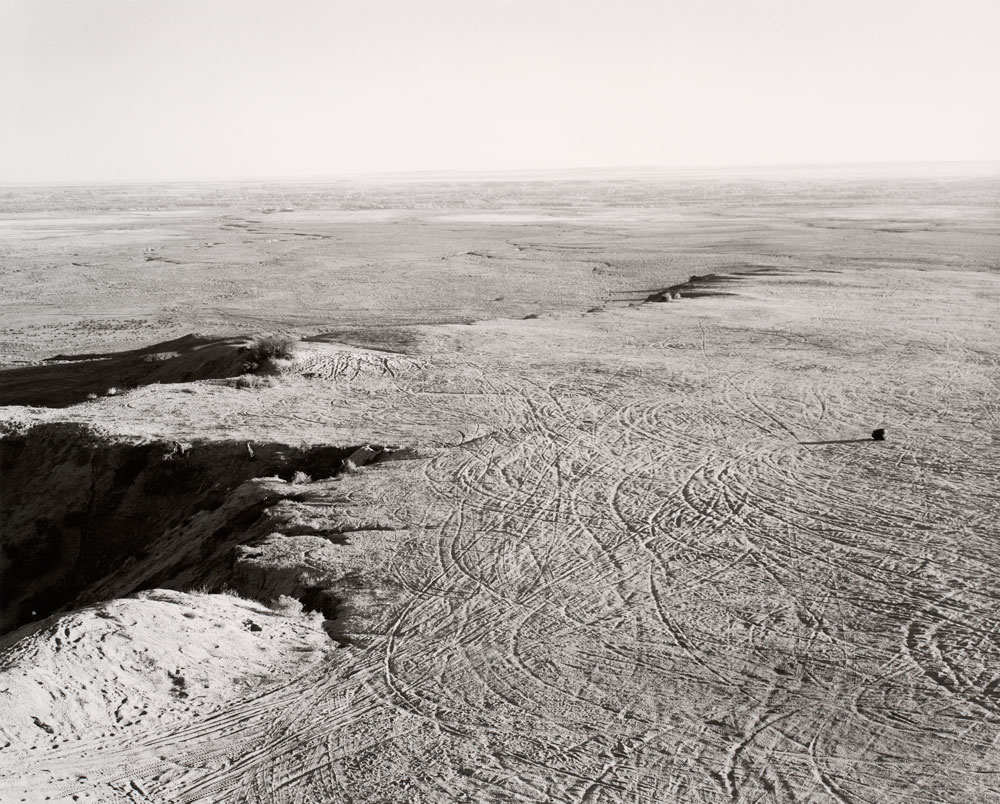
Robert Adams (American, b. 1937) 'Quarried Mesa Top, Pueblo County, Colorado' 1978


Robert AdamsĀ (American, b. 1937)
Quarried Mesa Top, Pueblo County, Colorado
1978
Gelatin silver print
Yale University Art Gallery
Purchased with a gift from Saundra B. Lane, a grant from Trellis Fund, and the Janet and Simeon Braguin Fund


Robert Adams (American, b. 1937) 'Longmont, Colorado' 1979, printed 1985


Robert Adams (American, b. 1937)
Longmont, Colorado
1979, printed 1985
Gelatin silver print
Yale University Art Gallery, purchased with a gift from Saundra B. Lane, a grant from the Trellis Fund and the Janet and Simeon Braguin Fund


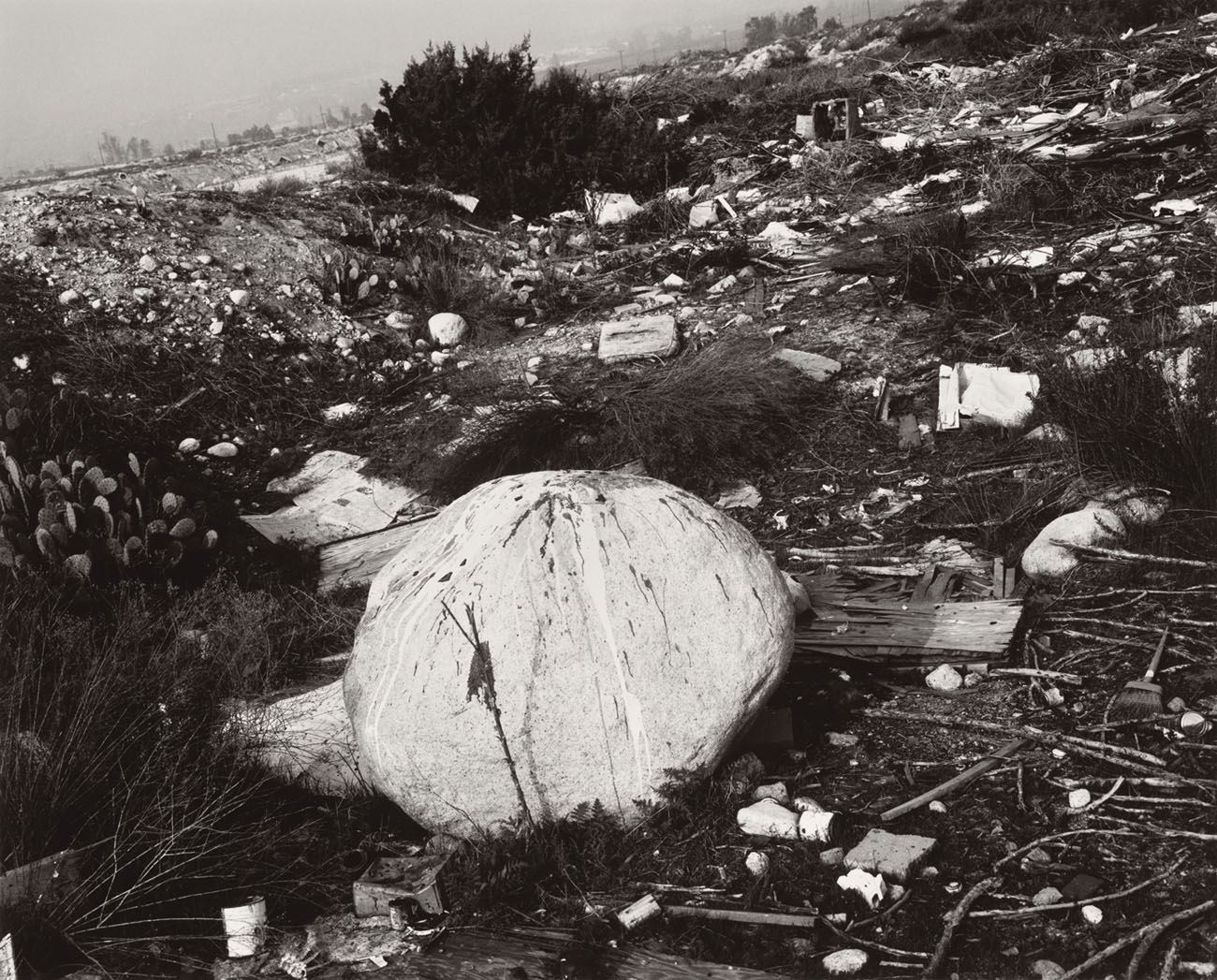
Robert Adams (American, b. 1937) 'Santa Ana Wash, Redlands, California' 1982


Robert Adams (American, b. 1937)
Santa Ana Wash, Redlands, California
1983, printed 1991
Gelatin silver print
Yale University Art Gallery, purchased with a gift from Saundra B. Lane, a grant from the Trellis Fund and the Janet and Simeon Braguin Fund


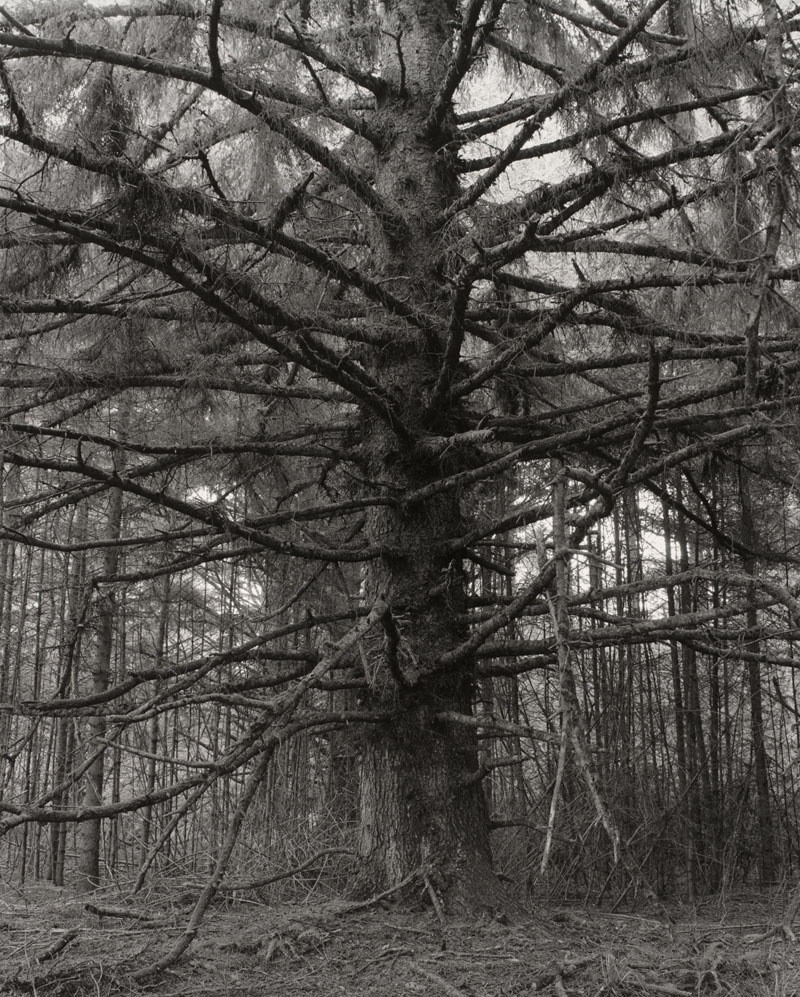
Robert Adams (American, b. 1937) 'Sitka spruce, Cape Blanco State Park, Curry County, Oregon' 1999-2000


Robert Adams (American, b. 1937)
Sitka spruce, Cape Blanco State Park, Curry County, Oregon
1999-2000
Gelatin silver print
Yale University Art Gallery, purchased with a gift from Saundra B. Lane, a grant from the Trellis Fund and the Janet and Simeon Braguin Fund


The Denver Art Museum
Civic Center Cultural Complex
located on 13th Avenue between Broadway and Bannock in downtown Denver

Opening hours:
Daily 10am – 5pm

The Denver Art Museum website

LIKE ART BLART ON FACEBOOK

Back to top