Curator: Lauren Hinkson, Associate Curator of Collections at the Guggenheim Museum in New York
Organised by The Solomon R. Guggenheim Foundation, New York
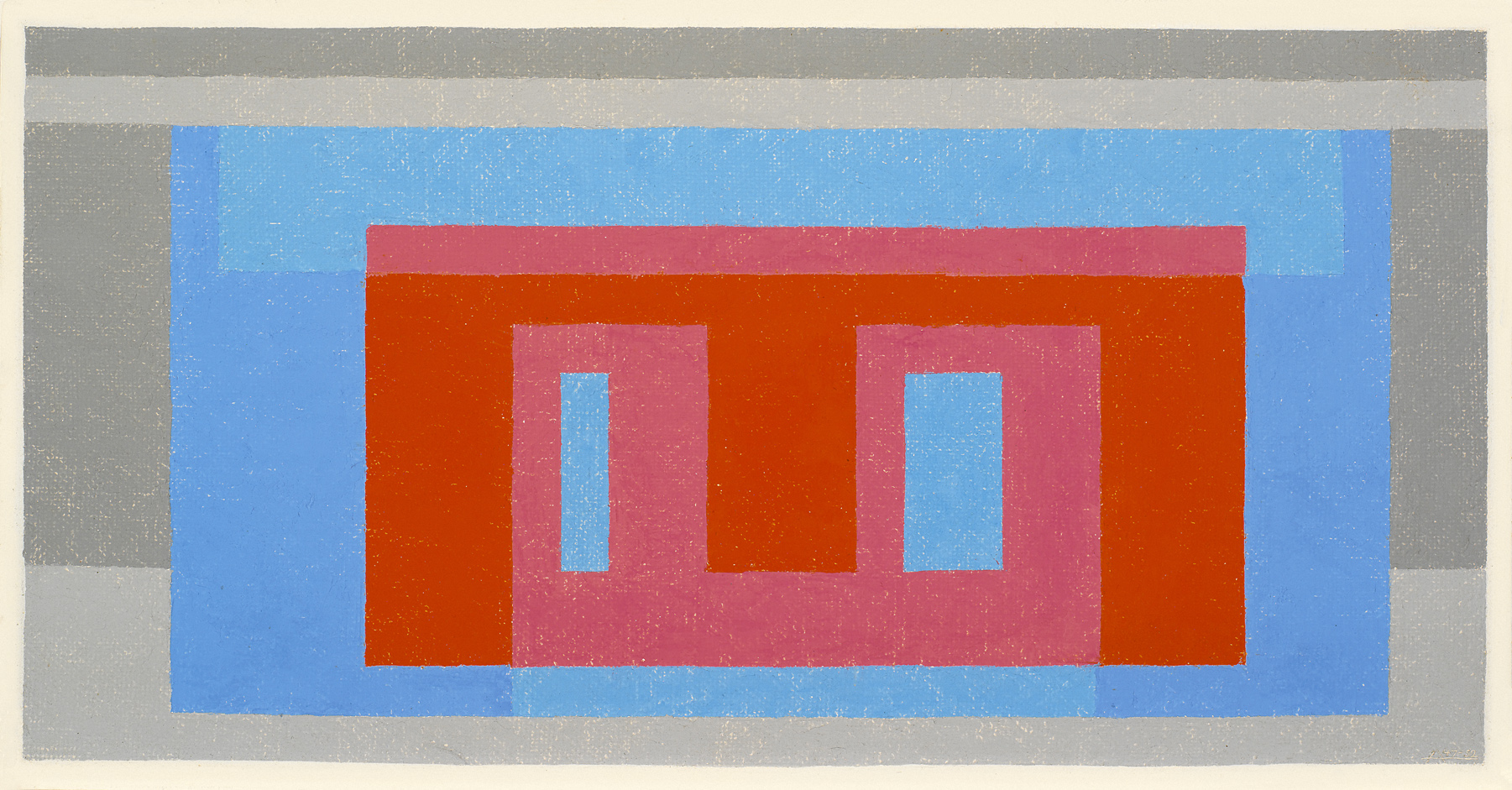
Josef Albers (American born Germany, 1888-1976) Study for Homage to the Square, Closing 1964 Acrylic on Masonite Solomon R. Guggenheim Museum, New York, Gift, The Josef Albers Foundation, Inc., 1996
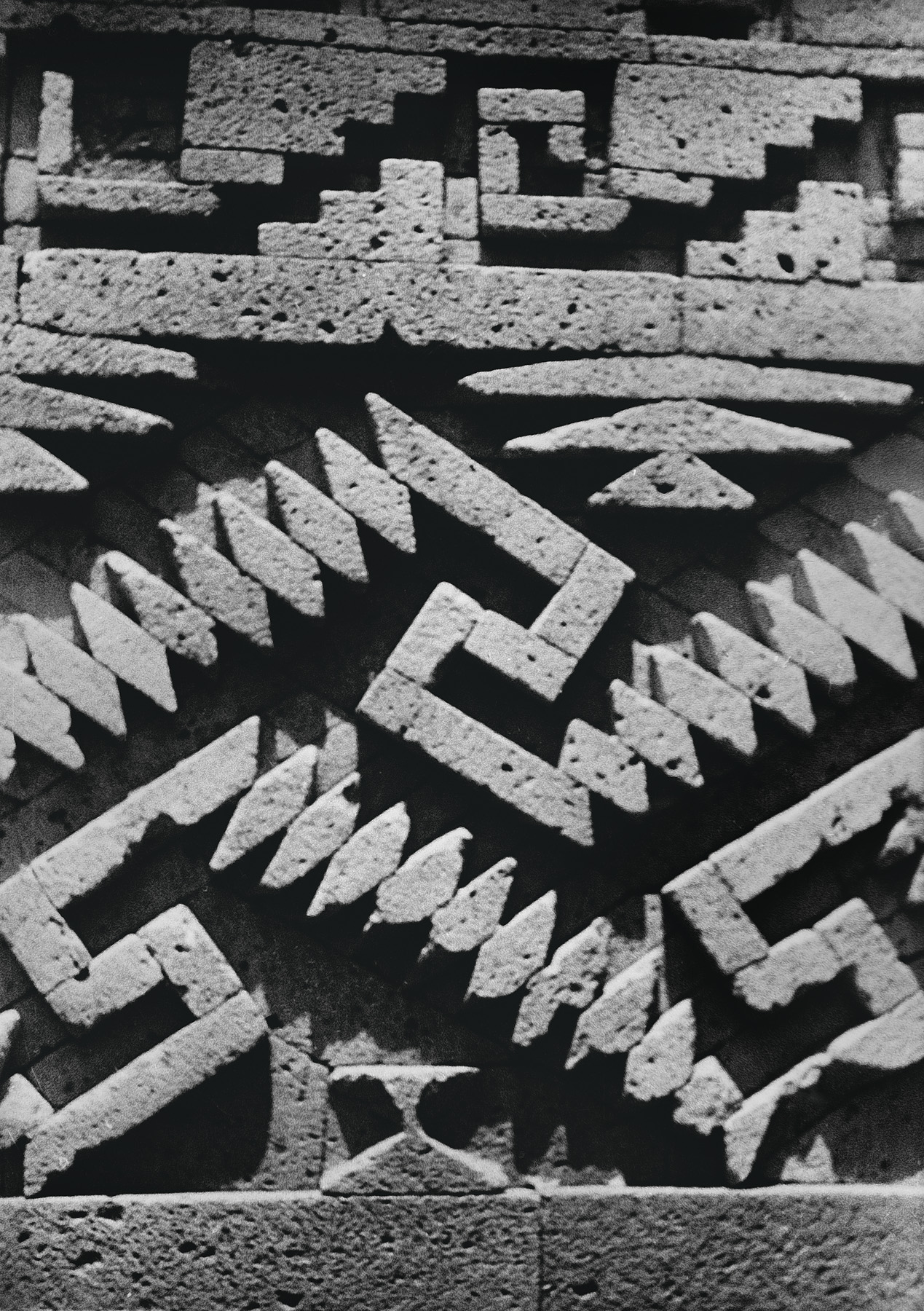
It is fascinating to see “the influence and connectivity between the work of Josef Albers and the abstracted geometric vocabulary of pre-Columbian art, architecture and material culture” … and the press release might add, between Albers, architecture and the flattened, geometric vocabulary of his photographs.
The lesser-known photographs and collages are “a visual conversation Albers created in response to his frequent visits to Mexico to view archaeological sites as early as the 1930s, illustrating the nuanced relationship between the geometry and design elements of pre-Columbian monuments and the artist’s iconic abstract canvases and works on paper.”
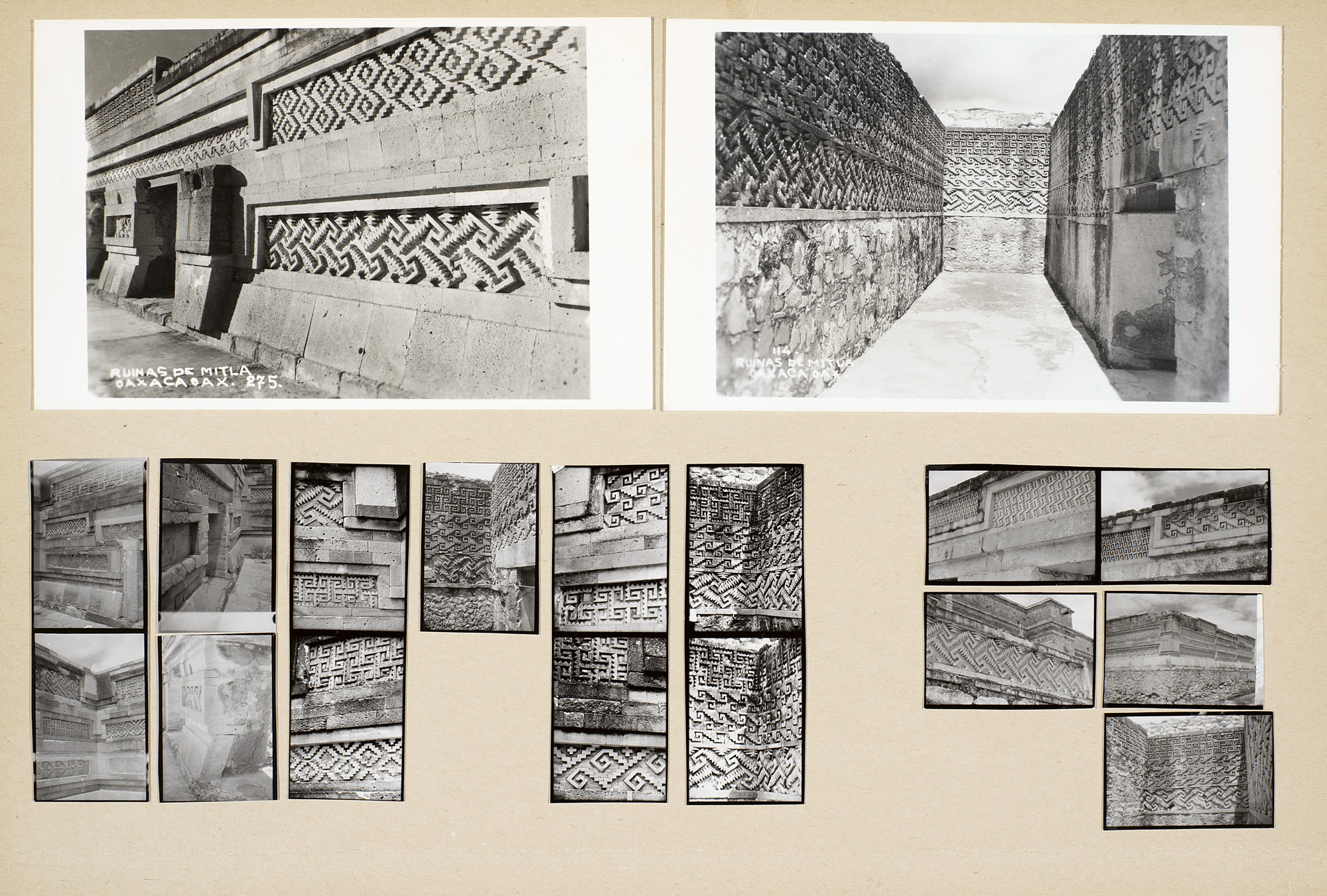
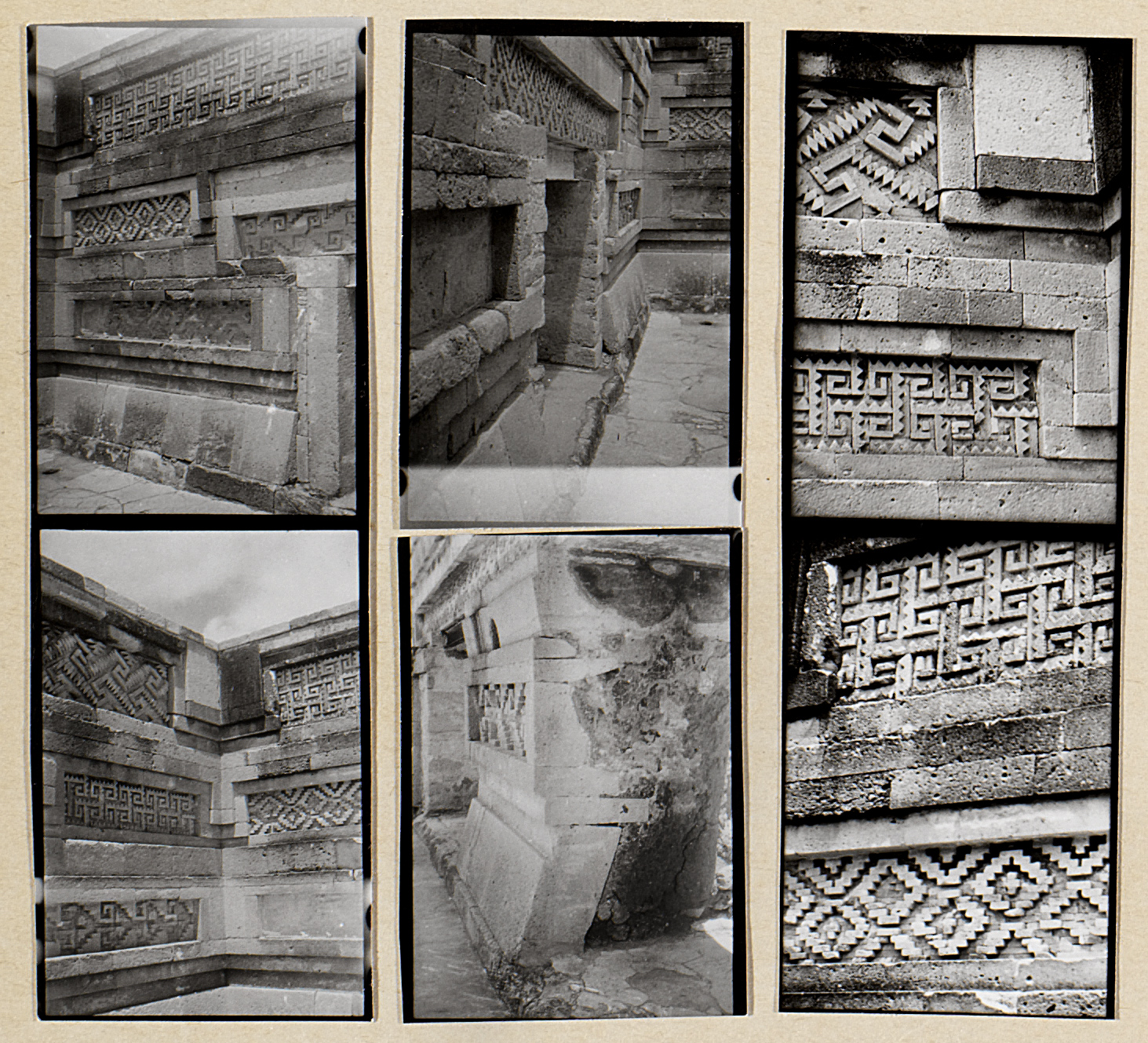
But these photographic collages stand as works of art in their own right, for they are music not just notation. Just look at the elegance and tension between the lower images in Mitla (1956, below). You don’t group photographs together like this so that they sing, so that the ‘ice-fire’ as Minor White would say (that space between each image that acts as tension between two or more images), enacts powerful attractors of light, form and energy (or spirit, if you like) … without knowing what you are doing, without feeling the presence of what you are photographing.
While artists have used photographs as “models” for other forms of art for years (for example Atget’s “documents for artists”), and we acknowledge that purpose, these images stand on their own two feet as visually nuanced, cerebral and finished works of art.
Dr Marcus Bunyan
Many thankx to the Heard Museum for allowing me to publish the photographs in the posting. Please click on the photographs for a larger version of the image.
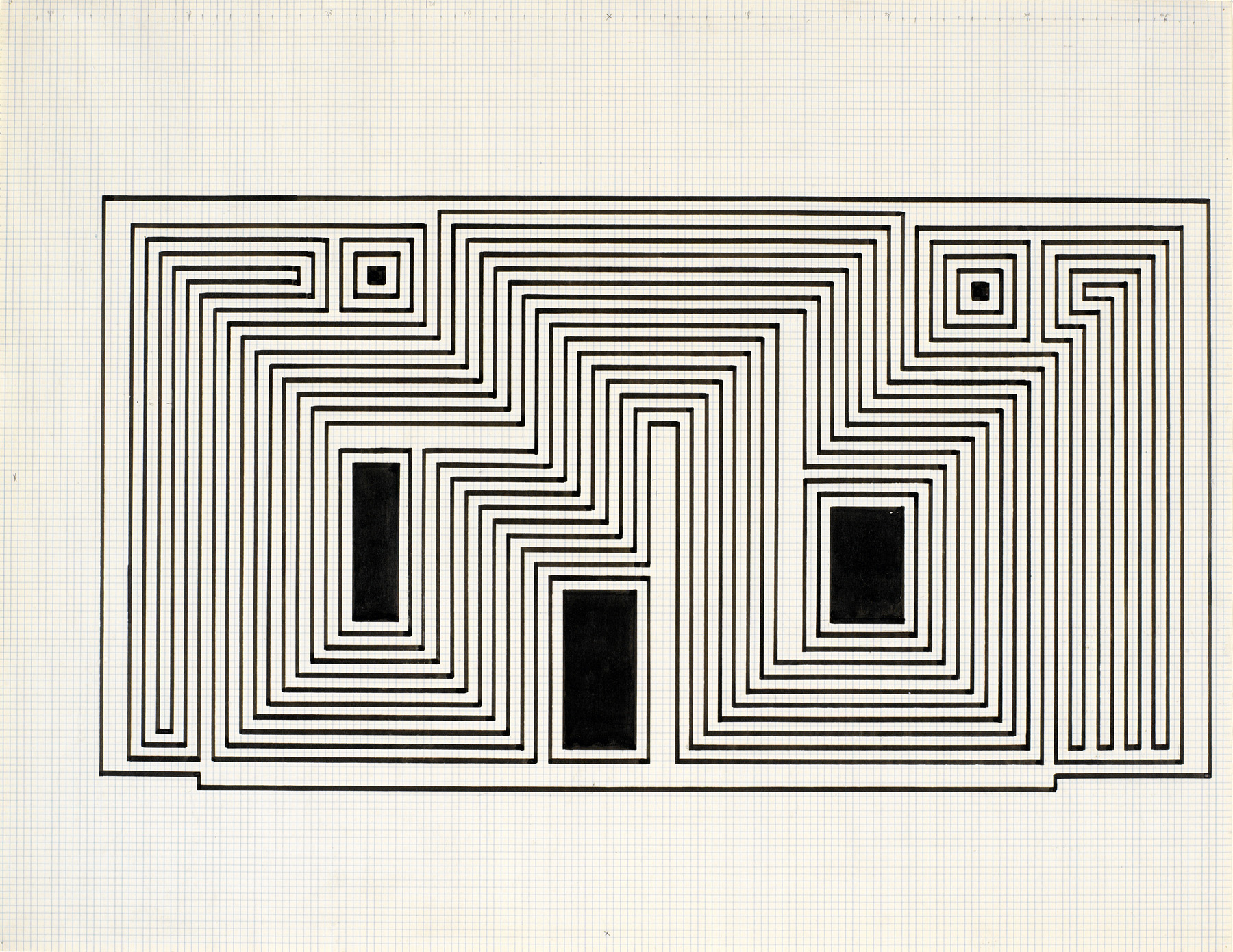
Josef Albers (American born Germany, 1888-1976) Study for Sanctuary 1941-1942 Ink on paper The Josef and Anni Albers Foundation, Bethany, Connecticut, 1976
Josef Albers (American born Germany, 1888-1976) Ballcourt at Monte Alban, Mexico c. 1936-1937 Gelatin silver print The Josef and Anni Albers Foundation, Bethany, Connecticut, 1976
Josef Albers (American born Germany, 1888-1976) Tenayuca I 1942 Oil on Masonite The Josef and Anni Albers Foundation, Bethany, Connecticut, 1976
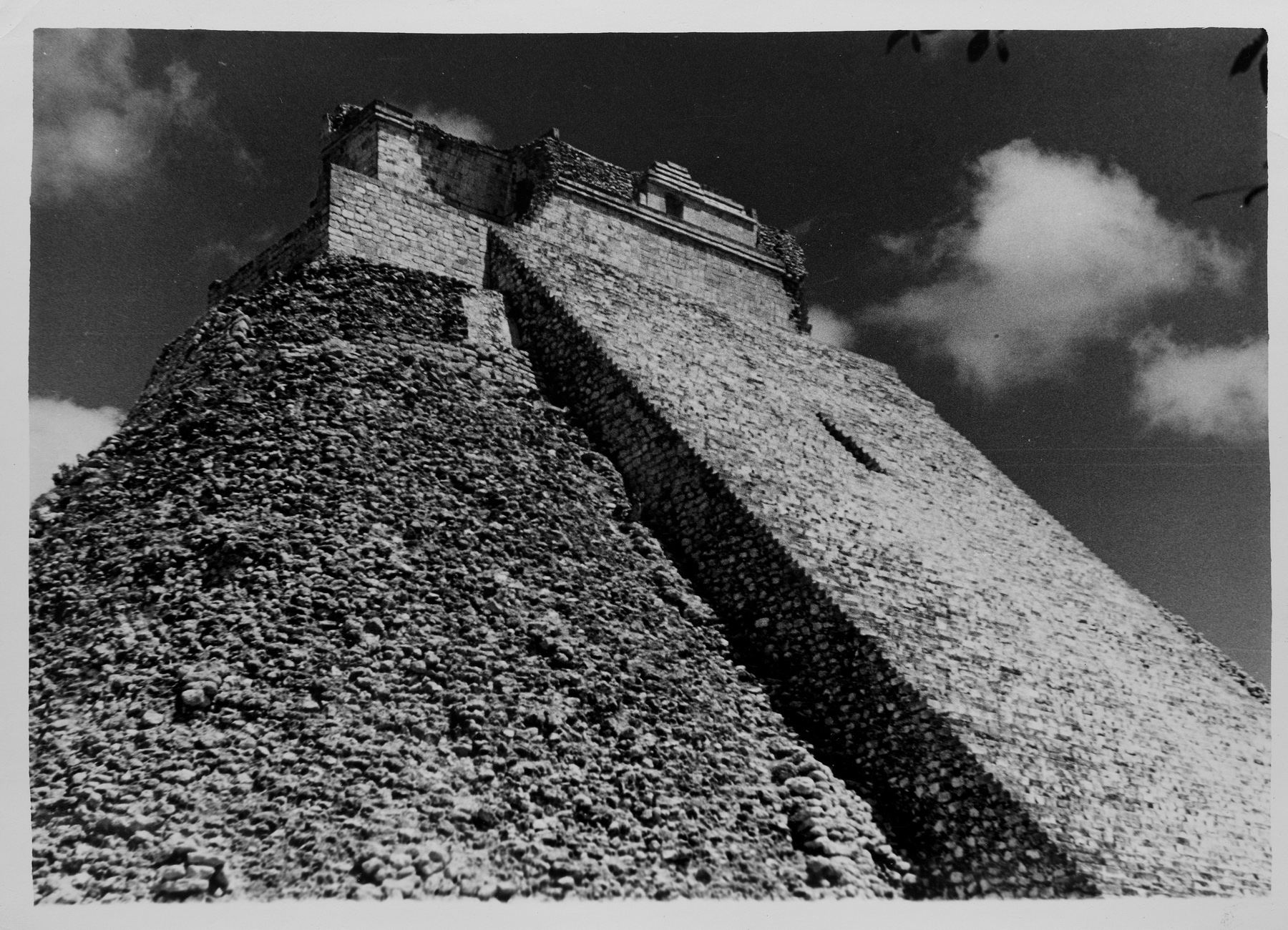
Josef Albers (American born Germany, 1888-1976) The Pyramid of the Magician, Uxmal 1950 Gelatin silver print Solomon R. Guggenheim Museum, New York, Gift, The Josef Albers Foundation, Inc., 1996
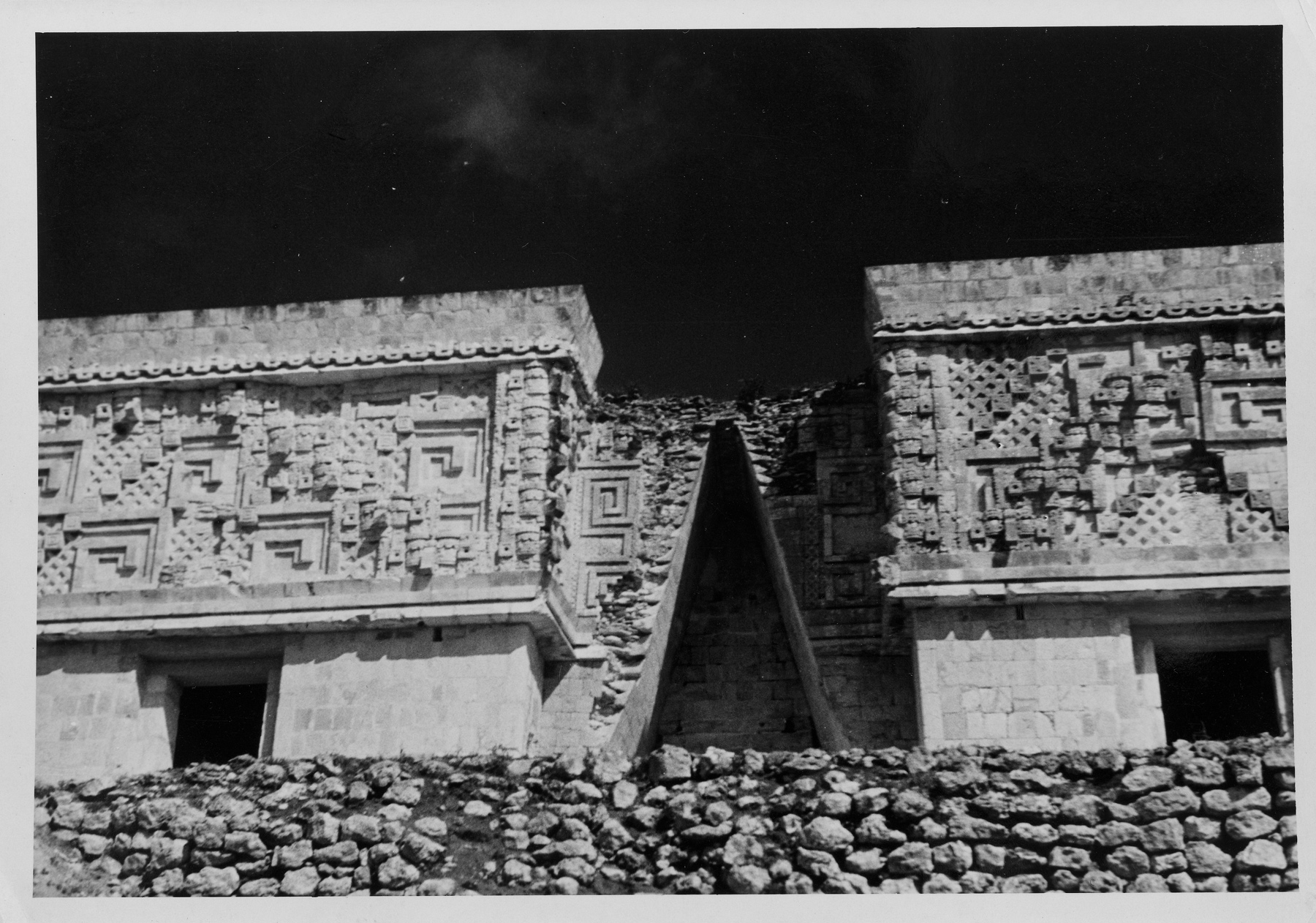
Josef Albers (American born Germany, 1888-1976) Governor’s Palace, Uxmal 1952 Gelatin silver print Solomon R. Guggenheim Museum, New York, Gift, The Josef Albers Foundation, Inc., 1996
Josef Albers (American born Germany, 1888-1976) Luminous Day 1947-1952 Oil on Masonite The Josef and Anni Albers Foundation, Bethany, Connecticut, 1976
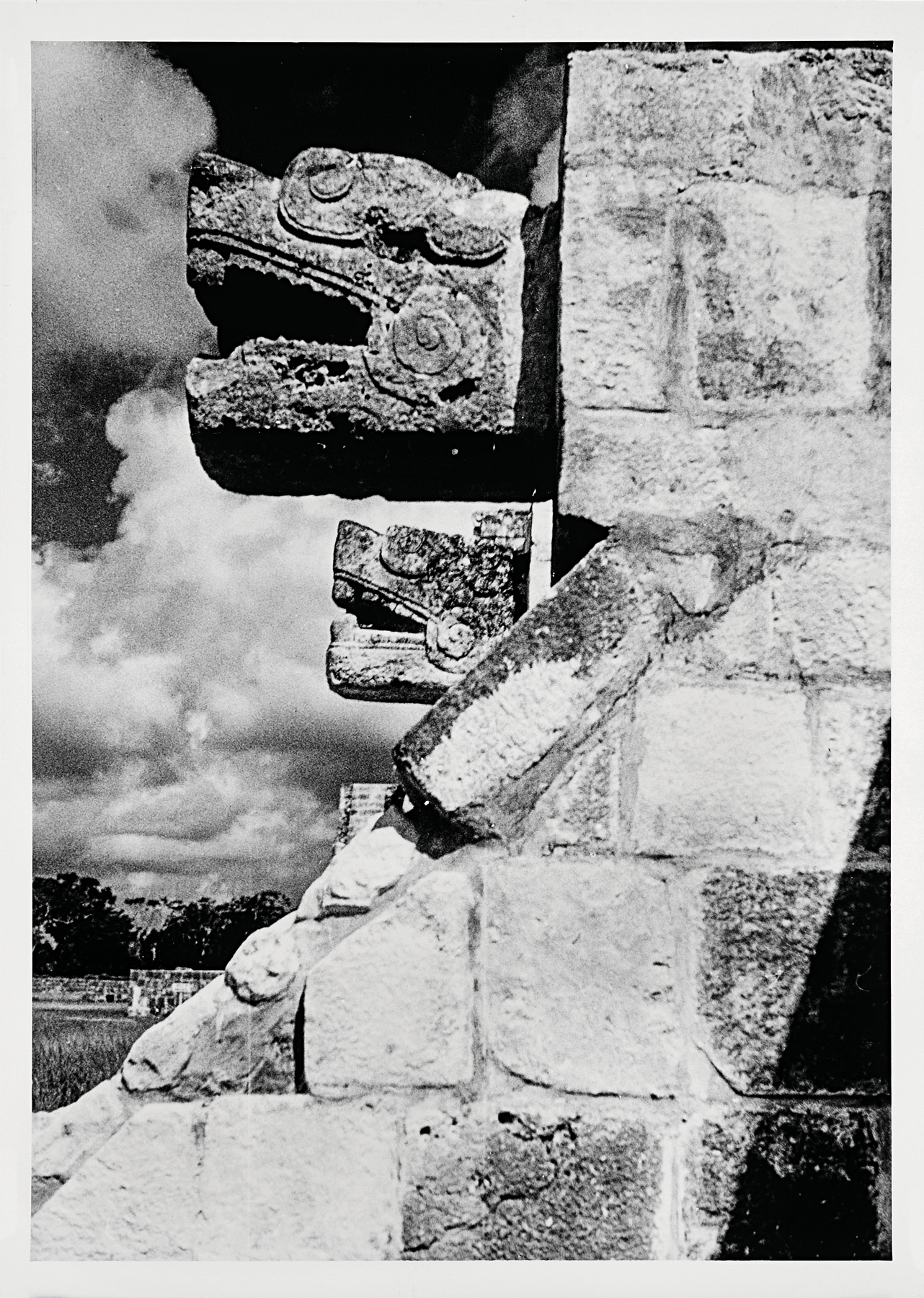
Josef Albers (American born Germany, 1888-1976) Platform of the Eagles, Chichen Itza 1952 Gelatin silver print The Josef and Anni Albers Foundation, Bethany, Connecticut, 1976
The Heard Museum is presenting Josef Albers in Mexico. The exhibition demonstrates the influence and connectivity between the work of Josef Albers (German, 1888-1976) and the abstracted geometric vocabulary of pre-Columbian art, architecture and material culture. The Heard Museum is the third and final stop of the exhibition which opened in New York in 2017 then traveled to the Peggy Guggenheim Collection in Venice in 2018.
Josef Albers in Mexico is organised by the Solomon R. Guggenheim Foundation, and curated by Lauren Hinkson, Associate Curator of Collections at the Guggenheim Museum in New York. Drawing from the collections of the Solomon R. Guggenheim Museum and the Josef and Anni Albers Foundation, Josef Albers in Mexico presents an opportunity to learn about a little-known aspect of the artist’s practice and the influences he absorbed in his travels.
“Through his close attention to ancient architecture, Josef Albers developed new modes of seeing the modern world,” says Lauren Hinkson. “This exhibition of his celebrated paintings, along with lesser-known photographs and collages, reveals the complex and often surprising roles of place, time, and spirituality in Albers’s body of work.”
Included in the exhibition are rarely seen early paintings by Albers, including Homage to the Square and Variant / Adobe series, works on paper, and a rich selection of photographs and photocollages, many of which have never before been on view. The photographic works reveal a visual conversation Albers created in response to his frequent visits to Mexico to view archaeological sites as early as the 1930s, illustrating the nuanced relationship between the geometry and design elements of pre-Columbian monuments and the artist’s iconic abstract canvases and works on paper. Accompanying the artworks are a series of letters, personal photographs, studies and other ephemera.
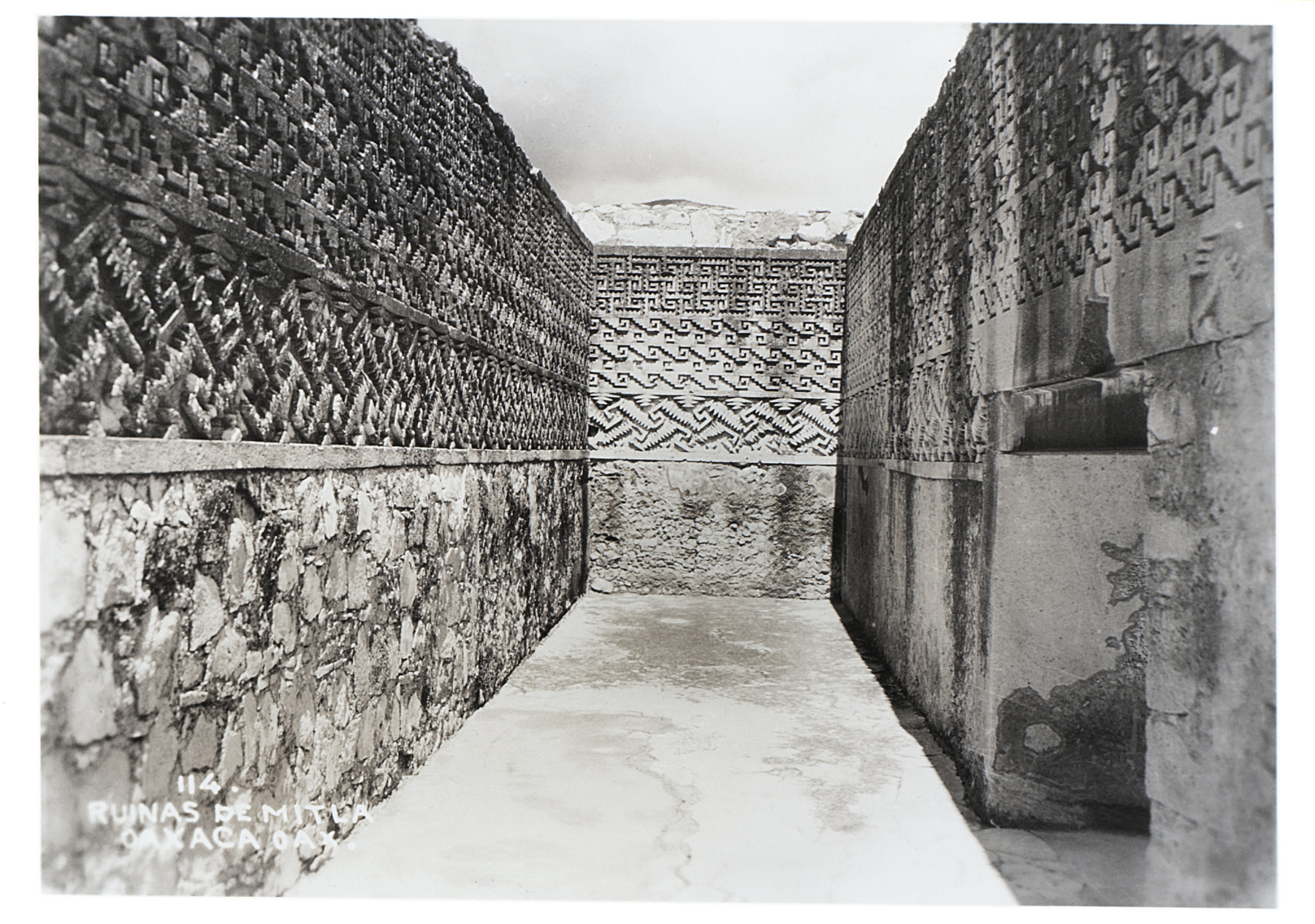
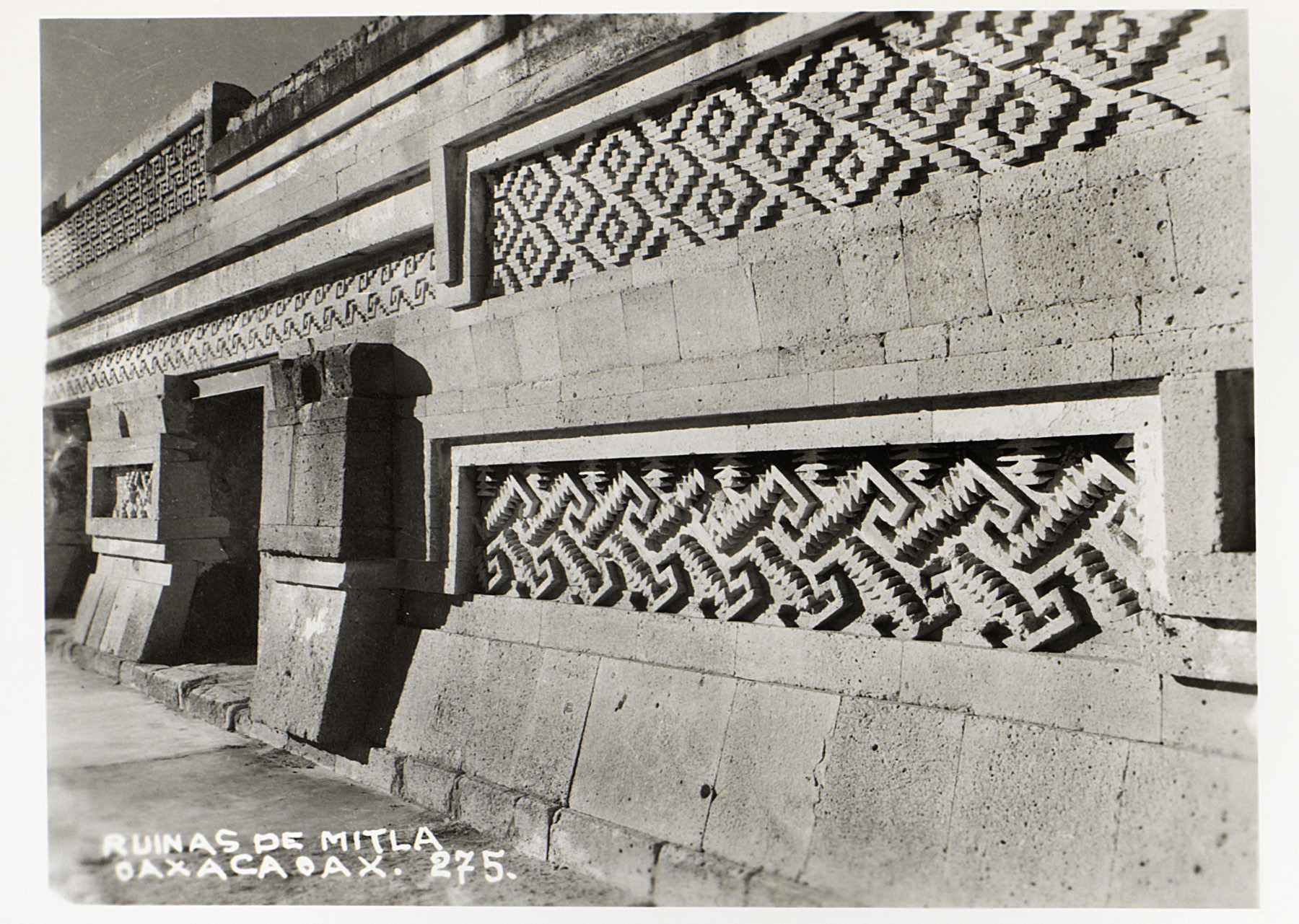
Josef Albers was born in Bottrop, Germany in 1888 and was a fixture at the pioneering school of art, architecture, and design, the Bauhaus, until its forced closure by the Nazis. Albers and his wife, Anni Albers (1899-1994), an accomplished artist and textile designer, relocated to the United States in 1933, where he first accepted a position as head of the department of art at Black Mountain College outside of Asheville, North Carolina, a position he held until 1949. He then went on to be the head of the design department at Yale University in New Haven, Connecticut. Josef and Anni Albers traveled often to Latin America with particular interest in Mexico – visiting the country more than a dozen times from the 1930s to the 1960s. Albers’ fascination with the visual culture of Mexico left an indelible mark on his own artistic production and methodology, with sites like Teotihuacán, Chichén Itza, Monte Albán, and Mitla resonating within his paintings and stimulating new experiments in his photography.
The Heard also produced a series of public programs co-curated by the Heard Museum’s Fine Arts Curator, Erin Joyce. Topics include explorations of colour theory with some of todays’ leading artists, designers, and architects; the influence of Indigenous art and aesthetics on broader visual art, the role it has on informing artistic production and investigations into formalism and politics. Josef Albers in Mexico runs through Monday, May 27, 2019 at the Heard Museum.
Press release from the Heard Museum website [Online] Cited 25/02/2019
Josef Albers (American born Germany, 1888-1976) Mitla 1956 Gelatin silver prints and postcards, mounted to paperboard The Josef and Anni Albers Foundation, Bethany, Connecticut, 1976
Josef Albers (American born Germany, 1888-1976) Mitla (detail) 1956 Gelatin silver prints and postcards, mounted to paperboard The Josef and Anni Albers Foundation, Bethany, Connecticut, 1976
Josef Albers (American born Germany, 1888-1976) Mitla (detail) 1956 Gelatin silver prints and postcards, mounted to paperboard The Josef and Anni Albers Foundation, Bethany, Connecticut, 1976
Josef Albers (American born Germany, 1888-1976) Mitla (detail) 1956 Gelatin silver prints and postcards, mounted to paperboard The Josef and Anni Albers Foundation, Bethany, Connecticut, 1976
Josef Albers (American born Germany, 1888-1976) Mitla (detail) 1956 Gelatin silver prints and postcards, mounted to paperboard The Josef and Anni Albers Foundation, Bethany, Connecticut, 1976
Anni Albers (American born Germany, 1899-1994) Josef Albers, Mitla 1935-1939 The Josef and Anni Albers Foundation, Bethany, Connecticut, 1976
Heard Museum 2301 N. Central Avenue Phoenix, Arizona 85004
Aubrey Beardsley and “The Yellow Book,” Art Nouveau and the Vienna Secession, Josef Albers, Dada, Surrealism, William Blake (a favourite of mine), photography, typography and graphic design. You couldn’t ask for more… except for those psychedelic colours!
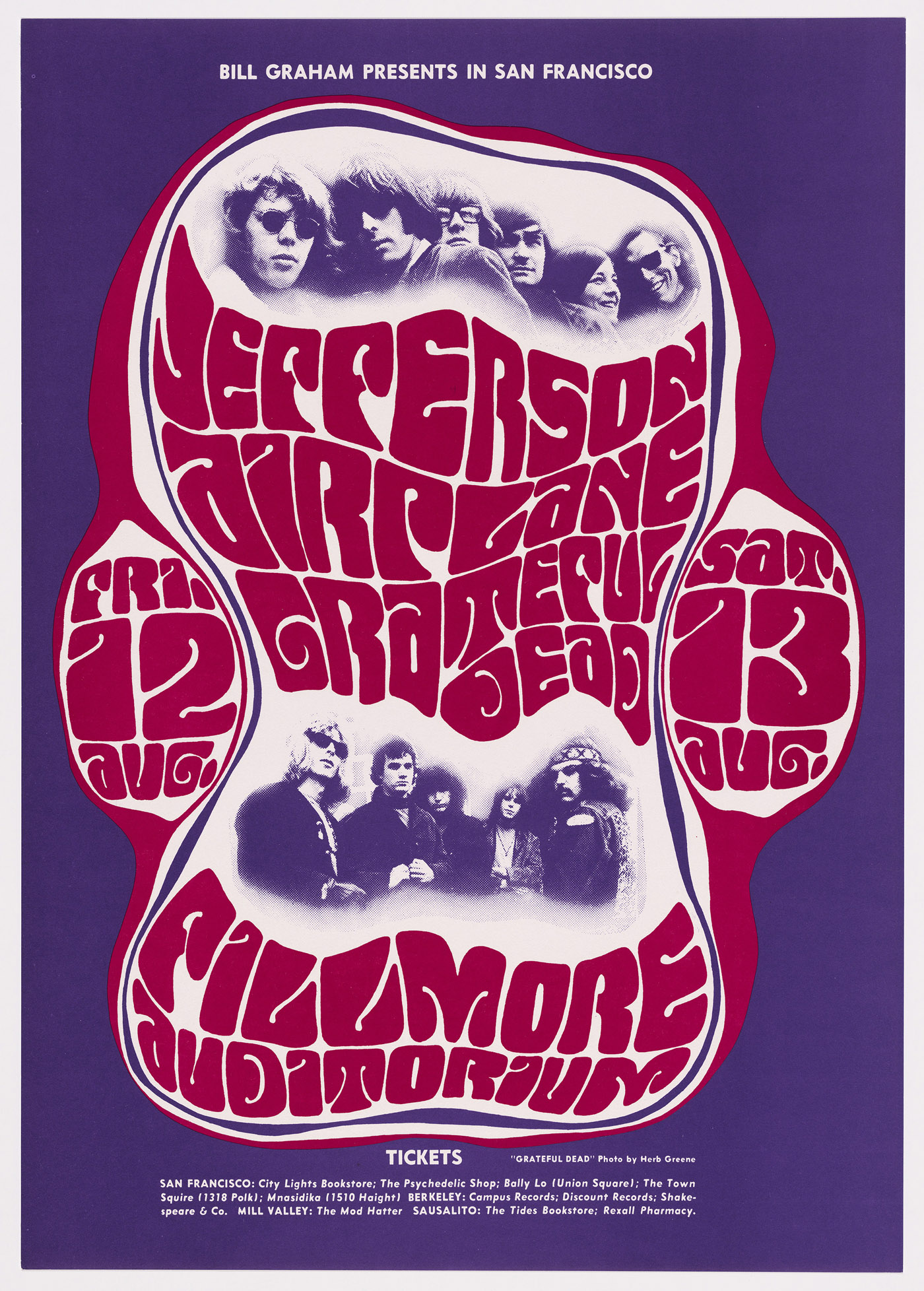
As a friend of mine observed of the Grateful Dead, Oxford Circle (1966) poster – look where the tickets were sold: psychedelic shops, book stores, record shops and coffee houses. He actually saw the Grateful Dead play live while he was in America, and he said it was quite a trip. As Mark Feeney keenly observes, this art was “liberation in two dimensions.”
He is correct, for these posters and record covers reflect the cultural era from which they emerge – the official beginnings of Gay Liberation, Feminism, student revolt, protests against war and racism, civil rights, drugs, free love and peace. They are powerful and eloquent works of art that summon the noisy spirit of the age, a riotous poltergeist hell bent on change.
And all these years later, they still look as fresh and as relevant (perhaps even more so in this conservative world), as they day they were created. Just fab!
Dr Marcus Bunyan
PS. It always amazes me the cultural contexts in which photography can be put to use.
Many thankx to the Museum of Fine Arts, Boston for allowing me to publish the photographs in the posting. Please click on the photographs for a larger version of the image.
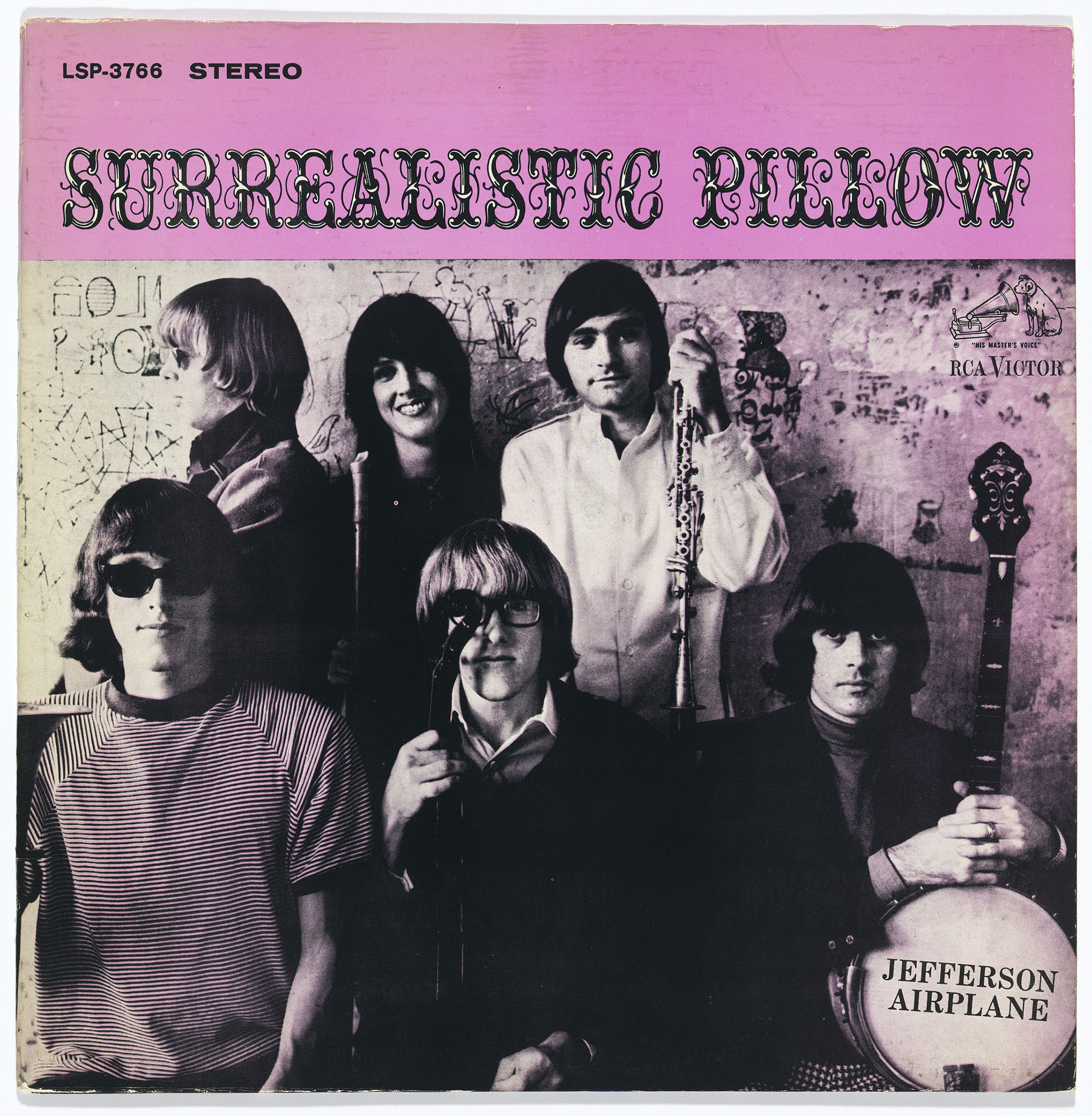
“What’s fascinating is how the graphic designs manage to have a kind of coherence despite being such a jumble. Certain principles recur: curves, yes, angles, no; a pugilistic employment of colour (psychedelia really did look … psychedelic); legibility as afterthought. So do certain influences: Aubrey Beardsley and “The Yellow Book,” Art Nouveau and the Vienna Secession, Dada, Surrealism (among the album covers on display is, yes, the Jefferson Airplane’s “Surrealistic Pillow”). The presiding spirit is William Blake: “The road of excess leads to the palace of wisdom.” The last thing the Haight cared about was history, but history’s hand lay all over it.
The look of these designs is assaultive, overly busy, restrained only by the confines of poster size or album cover. That look still feels exhilarating: liberation in two dimensions. It must have felt close to Martian back then. NASA wanted to put a man on the moon. Why stop there? Gravity was just another law to flout. One of the 32 Herb Greene photographs in “The Summer of Love” shows Airplane lead singer Grace Slick looking at the camera and flipping the bird. Maybe that image, even more than Blakean excess, is the presiding spirit.”
Mark Feeney. “The MFA celebrates San Francisco’s Summer of Love,” on the Boston Globe website July 6th 2017 [Online] Cited 02/01/2022. No longer available online
Victor Moscoso (born Galicia in 1936) is a Spanish-American artist best known for producing psychedelic rock posters, advertisements, and underground comix in San Francisco during the 1960s and 1970s.
Moscoso was the first of the rock poster artists of the 1960s era with formal academic training and experience. After studying art at Cooper Union in New York City and at Yale University, he moved to San Francisco in 1959. There, he attended the San Francisco Art Institute, where he eventually became an instructor. Moscoso’s use of vibrating colours was influenced by painter Josef Albers, one of his teachers at Yale. He was the first of the rock poster artists to use photographic collage in many of his posters.
Professional success came in the form of the psychedelic rock and roll poster art created for San Francisco’s dance halls and clubs. Moscoso’s posters for the Family Dog dance-concerts at the Avalon Ballroom and his Neon Rose posters for the Matrix resulted in international attention during the 1967 Summer of Love.
Stanley Miller (Mouse) (American, b. 1940) and Alton Kelley (American, 1940-2008) Moby Grape, Sparrow, The Charlatans (Avalon Ballroom, 13-14 January 1967) 1967 Poster, offset lithograph Collection of Patrick Murphy Courtesy, Museum of Fine Arts, Boston
Bonnie MacLean, also known as Bonnie MacLean Grahamis an American artist known for her classic rock posters. In the 1960s and 1970s she created posters and other art for the promotion of rock and roll concerts managed by Bill Graham, using the iconic psychedelic art style of the day. MacLean went on to continue her art as a painter focusing mostly of nudes, still lifes and landscapes.
Fillmore posters
Artist Wes Wilson was the main poster artist for the Fillmore Auditorium when he and Bill Graham had a “falling out” and Wilson quit. MacLean had been painting noticeboards at the auditorium in the psychedelic style, and took up the creation of the posters after Wilson left, creating about thirty posters, most in 1967. MacLean’s posters are included in many museum collections including at the Brooklyn Museum, the Fine Arts Museums of San Francisco collection and at the DeYoung museum. A few examples of her posters are in the San Francisco Museum of Modern Art collection.
Stanley George Miller (born October 10, 1940), better known as Mouse and Stanley Mouse, is an American artist, notable for his 1960s psychedelic rock concert poster designs for the Grateful Dead and Journey albums cover art as well as many others.
Psychedelic posters
In 1965, Mouse travelled to San Francisco, California with a group of art school friends. Settling initially in Oakland, Mouse met Alton Kelley. Kelley, a self-taught artist, had recently arrived from Virginia City, Nevada, where he had joined a group of hippies who called themselves the Red Dog Saloon gang. Upon arrival in San Francisco Kelley and other veterans of the gang renamed themselves The Family Dog, and began producing rock music dances. In 1966, when Chet Helms assumed leadership of the group and began promoting the dances at the Avalon Ballroom, Mouse and Kelley began working together to produce posters for the events. Later the pair also produced posters for promoter Bill Graham and for other events in the psychedelic community.
In 1967, Mouse collaborated with artists Kelley, Rick Griffin, Victor Moscoso and Wes Wilson to create the Berkeley Bonaparte Distribution Agency. Mouse and Kelley also worked together as lead artists at Mouse Studios and The Monster Company – producing album cover art for the bands Journey and Grateful Dead. The Monster Company also developed a profitable line of T-shirts, utilising the four colour process for silk screening.
The psychedelic posters Mouse and Kelley produced were heavily influenced by Art Nouveau graphics, particularly the works of Alphonse Mucha and Edmund Joseph Sullivan. Material associated with psychedelics, such as Zig-Zag rolling papers, were also referenced. Producing posters advertising for such musical groups as Big Brother and the Holding Company, Quicksilver Messenger Service, and Grateful Dead led to meeting the musicians and making contacts that were later to prove fruitful.
Alton Kelley (June 17, 1940 in Houlton, Maine – June 1, 2008 in Petaluma, California) was an American artist best known for his psychedelic art, in particular his designs for 1960s rock concerts and albums. Along with artists Rick Griffin, Stanley Mouse, Victor Moscoso and Wes Wilson, Kelley founded the Berkeley Bonaparte distribution agency in order to produce and sell psychedelic poster art.
Along with fellow artist Stanley Mouse, Kelley is credited with creating the wings and beetles on all Journey album covers as well as the skull and roses image for the Grateful Dead. Kelley’s artwork on the 1971 self-titled live album, Grateful Dead, incorporated a black and white illustration of a skeleton by Edmund Sullivan, which originally appeared in a 19th-century edition of the Rubáiyát of Omar Khayyám.
In celebration of the Summer of Love’s 50th anniversary, this exhibition explodes with a profusion of more than 120 posters, album covers and photographs from the transformative years around 1967. That summer, fuelled by sensational stories in the national media, San Francisco’s Haight-Ashbury neighbourhood became a mecca for thousands seeking an alternative to the constrictions of postwar American society. A new graphic vocabulary emerged in posters commissioned to advertise weekly rock concerts at the Fillmore Auditorium and the Avalon Ballroom, with bands such as Jefferson Airplane, the Grateful Dead, and the Janis Joplin-led Big Brother & The Holding Company.
A group of more than 50 concert posters highlights experiments with psychedelic graphic design and meandering typography – often verging on the illegible. These include works by Wes Wilson, who took inspiration from earlier art movements such as the Vienna Secession, and Victor Moscoso, whose studies of colour theory with Josef Albers at Yale University translated into striking use of bright, saturated colours in his own designs. A grid of 25 album covers traces the influence of the famously amorphous lettering in the Beatles’ 1965 album Rubber Soul on countless covers and posters from later in the decade.
At the heart of the exhibition is a group of 32 photographs by Herb Greene, a pioneering member of the Haight-Ashbury counterculture and now a resident of Massachusetts. Many of his iconic images document the city’s burgeoning music scene, while a selection from a newly published portfolio offers a glimpse at everyday life in the Haight during the fabled summer of 1967.
Text from the Museum of Fine Arts website
Herb Greene (American, 1942-2025) Ohio to San Fransico: Haight Street 1967 (Plate 17) 1967, printed 2013 Photograph, gelatin silver print Private collection Courtesy, Museum of Fine Arts, Boston
Herb Greene (American, 1942-2025) Ohio to San Fransico: Haight Street 1967 (Plate 20) 1967, printed 2013 Photograph, gelatin silver print Private collection Courtesy, Museum of Fine Arts, Boston
Herb Greene (American, 1942-2025) Ohio to San Fransico: Haight Street 1967 (Plate 30) 1967, printed 2013 Photograph, gelatin silver print Private collection Courtesy, Museum of Fine Arts, Boston
Herb “Herbie” Greene (born April 3, 1942 – March 3, 2025) was an American photographer best known for his portraits of The Grateful Dead, the iconic psychedelic rock band led by Jerry Garcia. Over 50 years, Greene’s photographs traced the band’s evolution from its roots in San Francisco’s psychedelic underground to global stardom.
His portraits of other rock and roll luminaries – including Janis Joplin, Grace Slick, Led Zeppelin, Rod Stewart, Jeff Beck, The Pointer Sisters, Carlos Santana, Sly Stone, and more – have been regularly featured in Rolling Stone magazine and several books documenting the music of the 1960s counterculture.
Known as “Herbie” by his friends, Greene won high praise for his ability to capture intimate portraits of the most revered figures in rock. That access was largely due to his relationships with the bands he photographed. Although he refers to himself as “just the guy with the long hair and the camera,” Greene lived in San Francisco during the 1960s rock revolution and was friends with renowned musicians, promoters, and artists.
1960s San Francisco
In 1961, Greene took photography classes at City College of San Francisco and later enrolled at San Francisco State University, where he majored in anthropology and communications. After moving into an apartment near the famed Haight-Ashbury district, he met Jerry Garcia at a bluegrass café called the Fox and Hound. The two became friends and Greene booked his first gig, a portrait session with Garcia’s band, The Warlocks. (The band would eventually change its name to The Grateful Dead).
As Greene’s reputation grew, some of the decade’s most iconic performers came to him for portraits and album covers. He photographed Big Brother and the Holding Company and its lead singer, Janis Joplin. He shot the cover for the Jefferson Airplane’s second album, Surrealistic Pillow, and captured rare portrait sessions with Rod Stewart, Jeff Beck, Led Zeppelin, Jethro Tull, Procol Harem and others. His portfolio landed him a job as a fashion photographer with Joseph Magnin and Co, a prominent San Francisco department store. Greene began to split his time between San Francisco and a new studio in Los Angeles. As the 1960s came to a close, his work with The Grateful Dead and other iconic rockers continued.
Greene and The Grateful Dead
Greene first met Jerry Garcia in 1963 at The Fox and Hound, a bluegrass café on North Beach in San Francisco. Both were just 21 years old, and Garcia had not yet formed The Warlocks, the band that would eventually become The Grateful Dead. He was playing as part of the Sleepy Hollow Hog Stompers, a folk trio. After one of the Garcia’s sets, Greene introduced himself. It was the start of a lifelong friendship. The pair remained friends until Garcia’s death in August 1995.
While many photographers have captured The Grateful Dead on film, Greene is widely regarded as the group’s unofficial photographer. Over 50 years, he shot just 10 sit-down sessions with the band, but his images’ intimacy offer a rare glimpse into the band’s evolution from a fledgling group to international stars.
Photography style and equipment
Despite ample opportunities, Greene did not photograph musicians on stage. Instead, he shot portraits of his subjects in his studios, backstage, and in his home. His pieces include both one-on-one and group shots, and he is renowned for his ability to capture intimate expressions from revered musical figures.
Green’s portraits were shot in both colour and black-and-white, and the bulk of his work was captured on Kodak Tri-X 120-roll film, using D76 developer. His go-to cameras were a Hasselblad and Mamiya RB67.
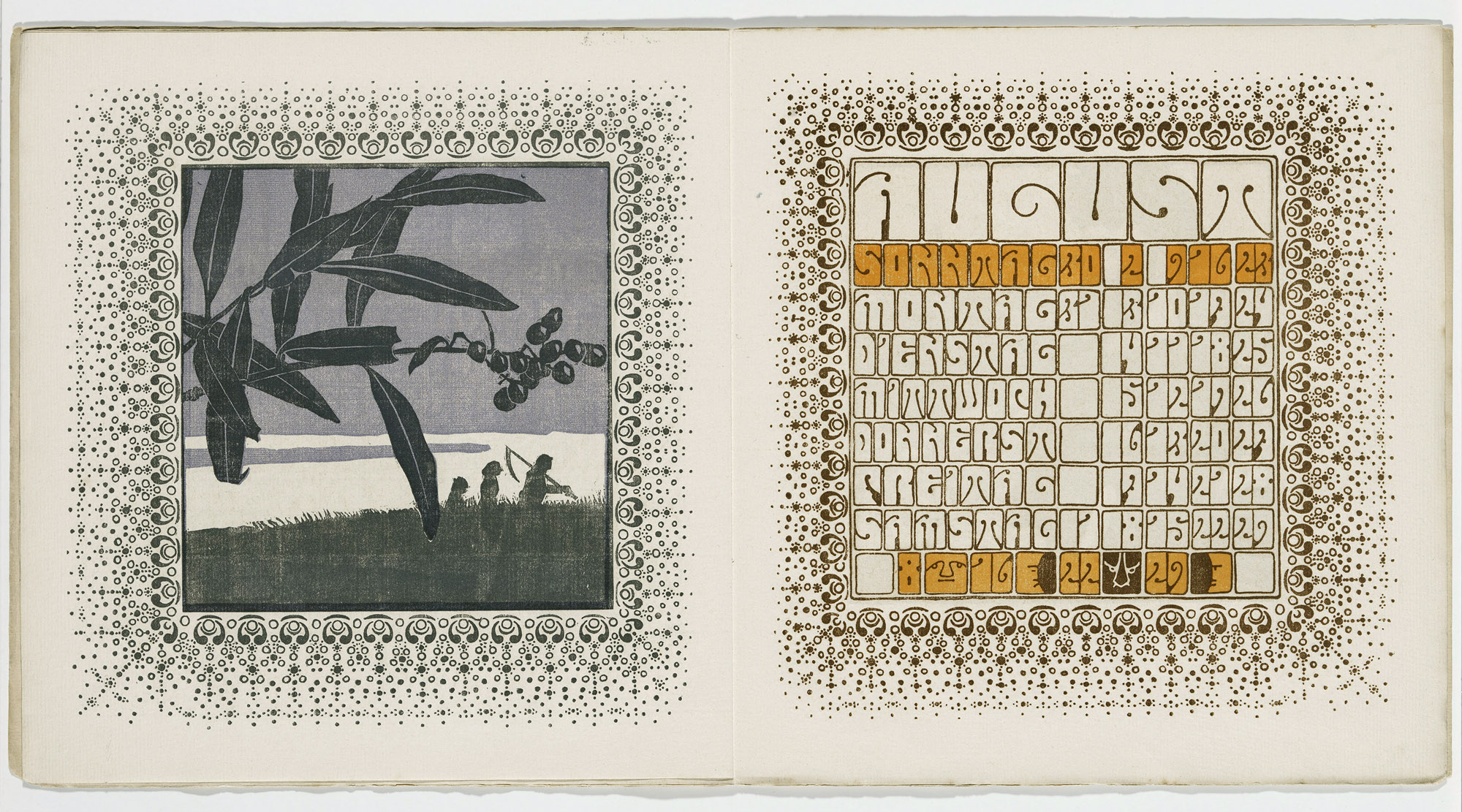
Alfred Roller (2 October 1864 – 21 June 1935) was an Austrian painter, graphic designer, and set designer.
Roller was born in Brünn (Brno), Moravia. He at first studied painting at the Academy of Fine Arts in Vienna under Christian Griepenkerl and Eduard Peithner von Lichtenfels, but eventually became disenchanted with the Academy’s traditionalism. In 1897 he co-founded the Viennese Secession with Koloman Moser, Joseph Maria Olbrich, Josef Hoffmann, Gustav Klimt, and other artists who rejected the prevalent academic style of art. He became a professor of drawing at the University of Applied Arts Vienna (Kunstgewerbeschule) in 1899, and president of the Secession in 1902.
In his early career Roller was very active as a graphic designer and draughtsman. He designed numerous covers and vignettes for the pages the Secessionist periodical Ver Sacrum, as well as the posters for the fourth, fourteenth, and sixteenth Secession exhibitions. He also designed the layout of the exhibitions themselves.
In 1902 Roller was introduced to the composer Gustav Mahler by Carl Moll. Roller expressed an interest in stage design and showed Mahler several sketches he had made for Wagner’s Tristan und Isolde. Mahler was impressed and decided to employ Roller to design the sets for a new production of the piece. The production, which premiered in February 1903, was a great critical success. Roller continued to design sets for Mahler’s productions. Eventually Roller left the Secession and his teaching post at the Kunstgewerbeschule to be appointed chief stage designer to the Vienna State Opera, a position he held until 1909. He died in Vienna in 1935.
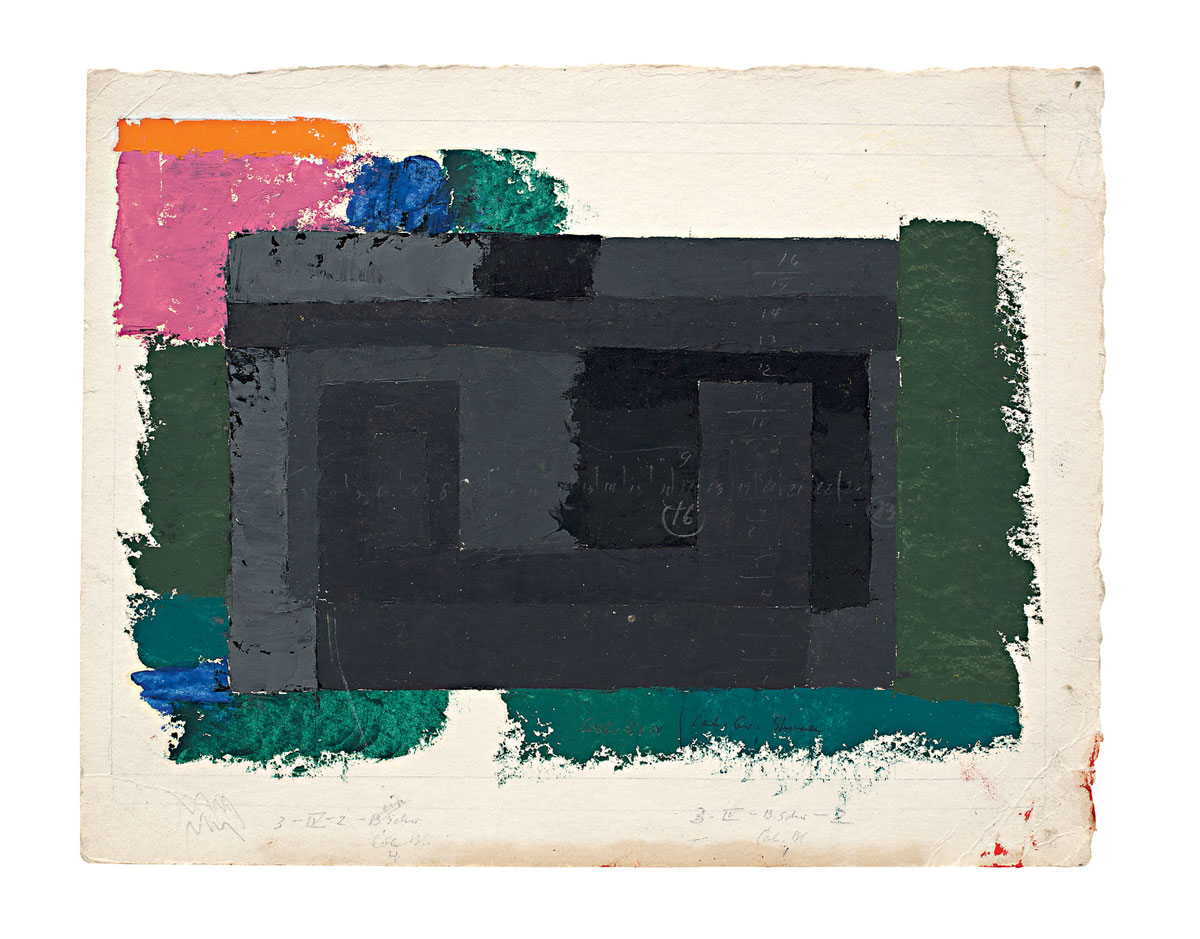
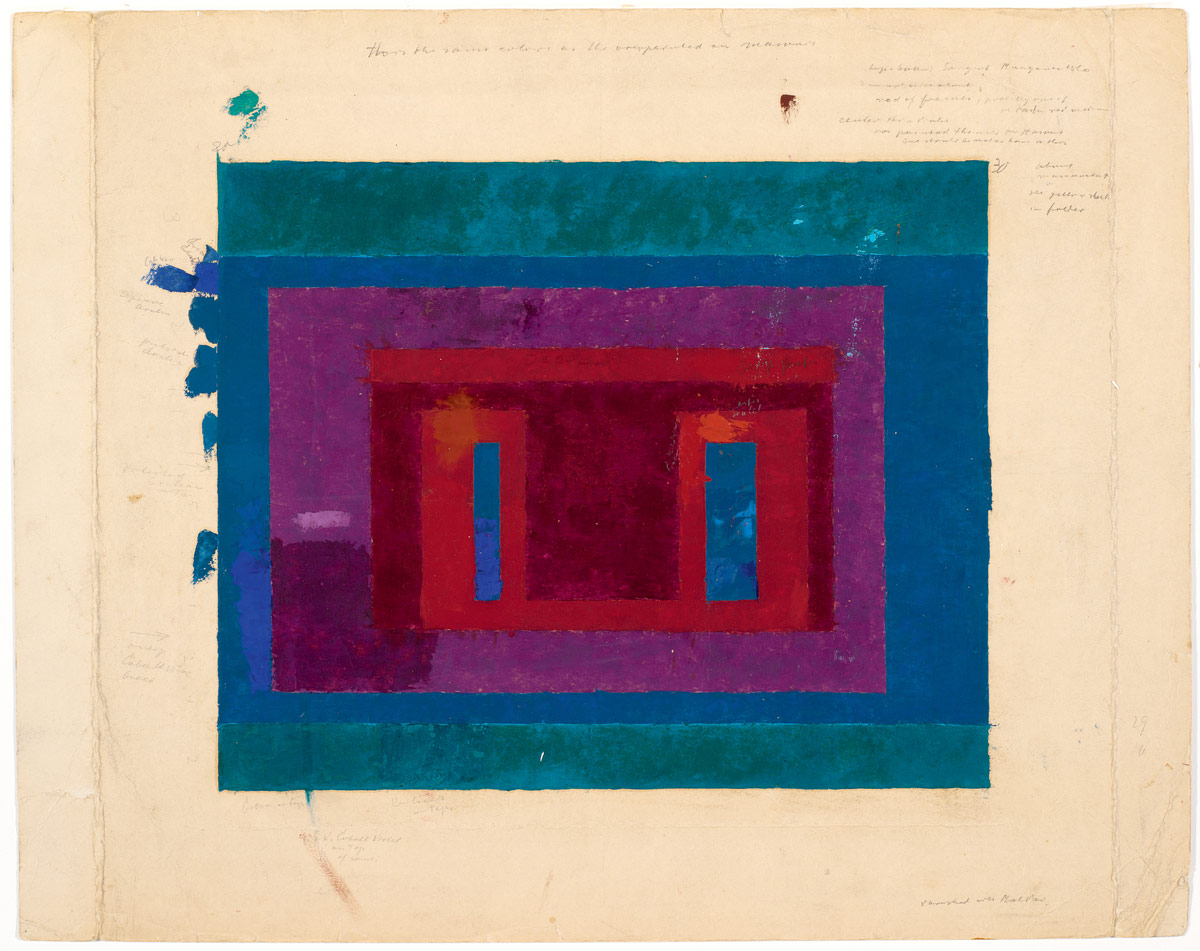
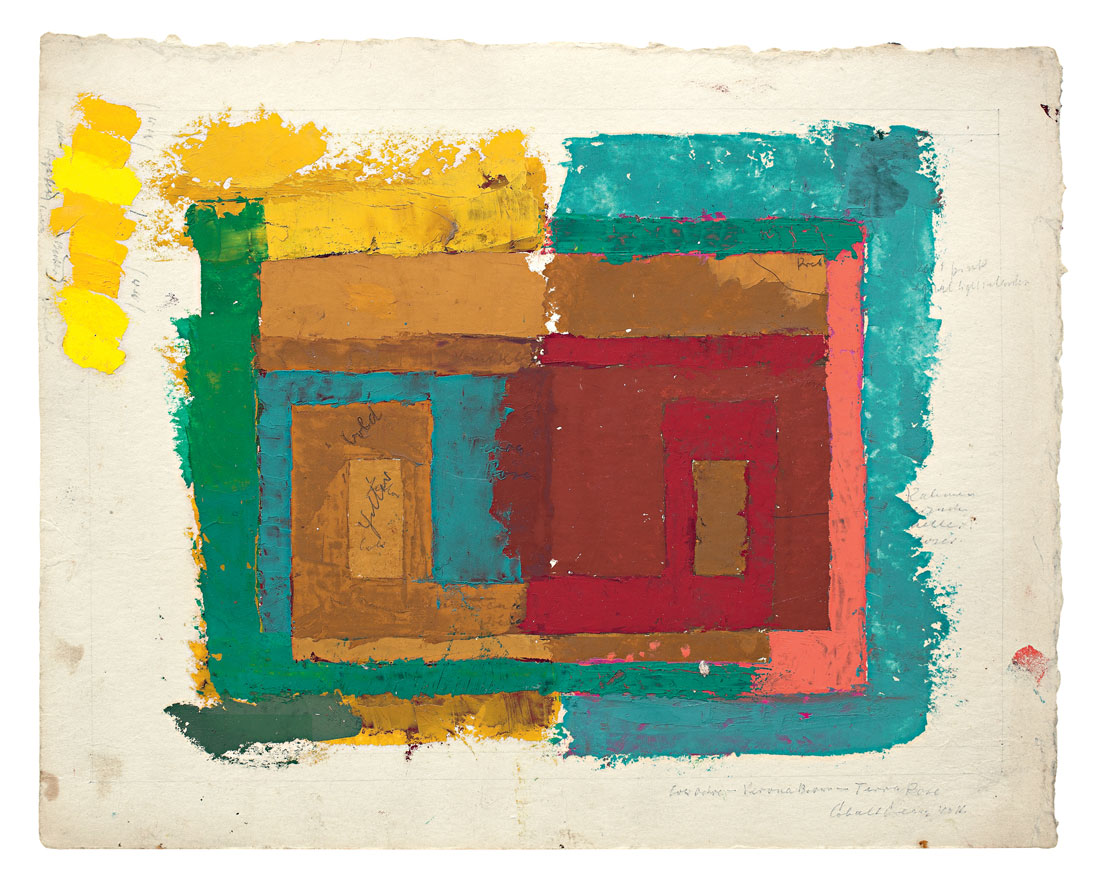
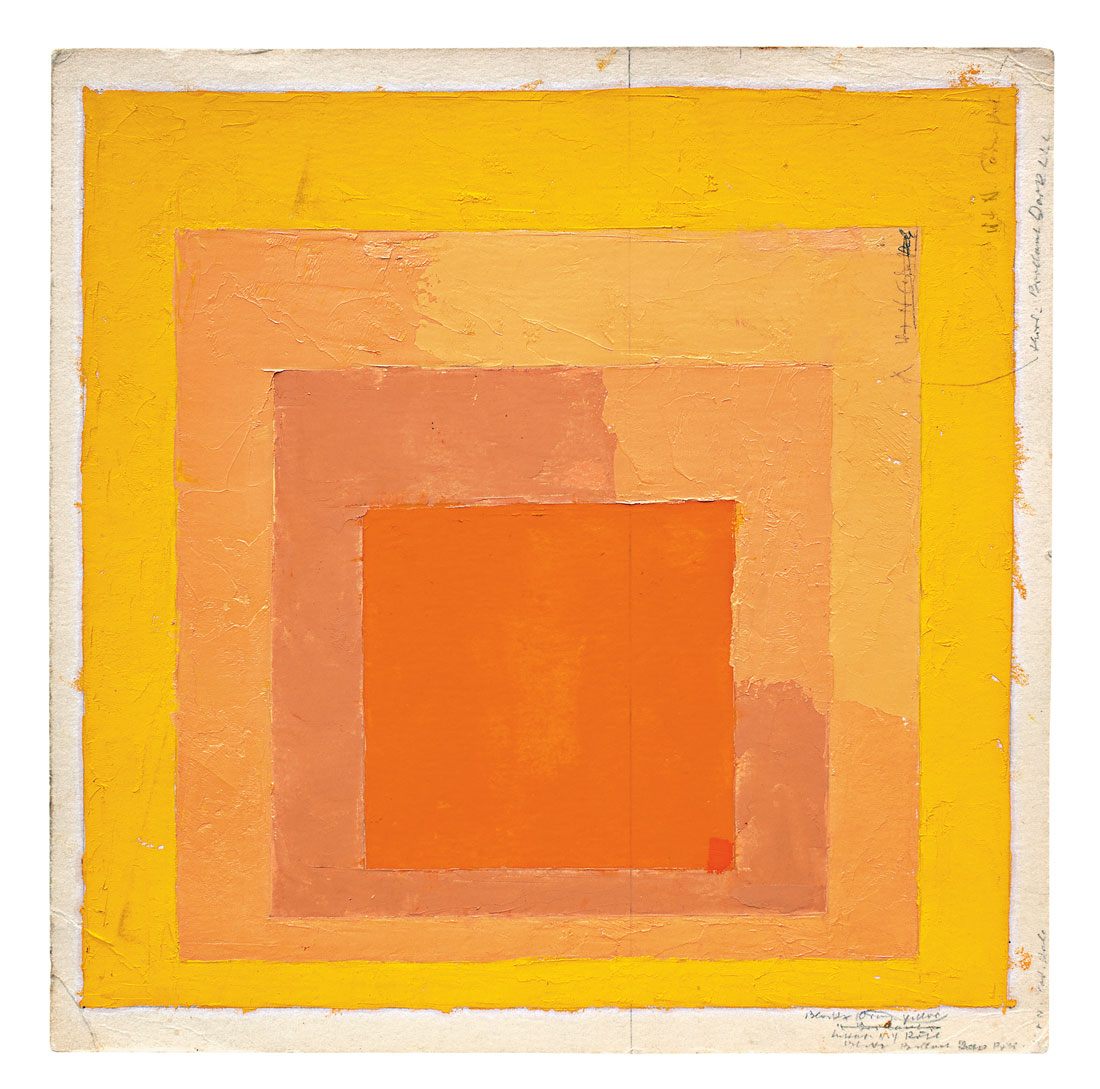
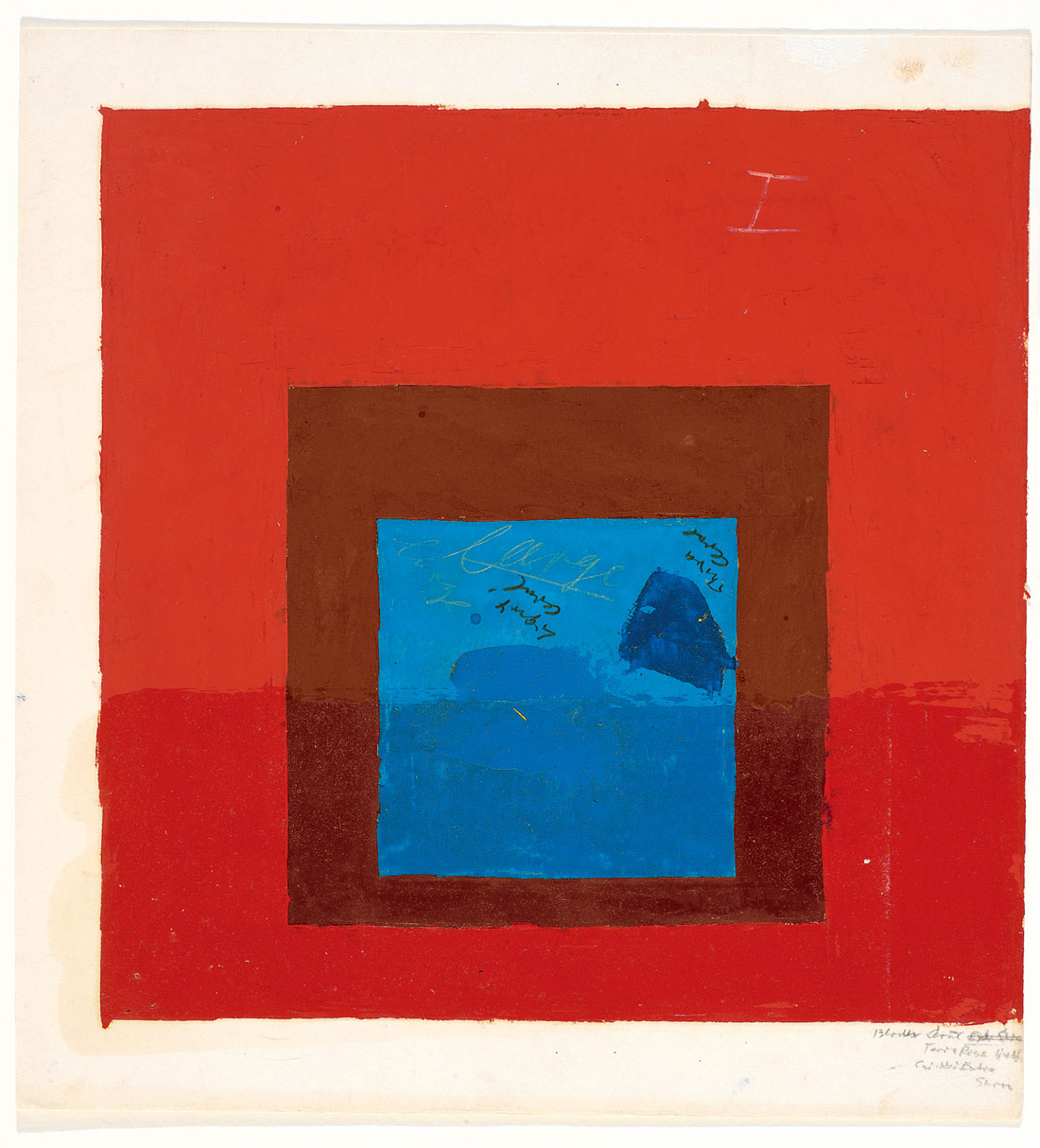
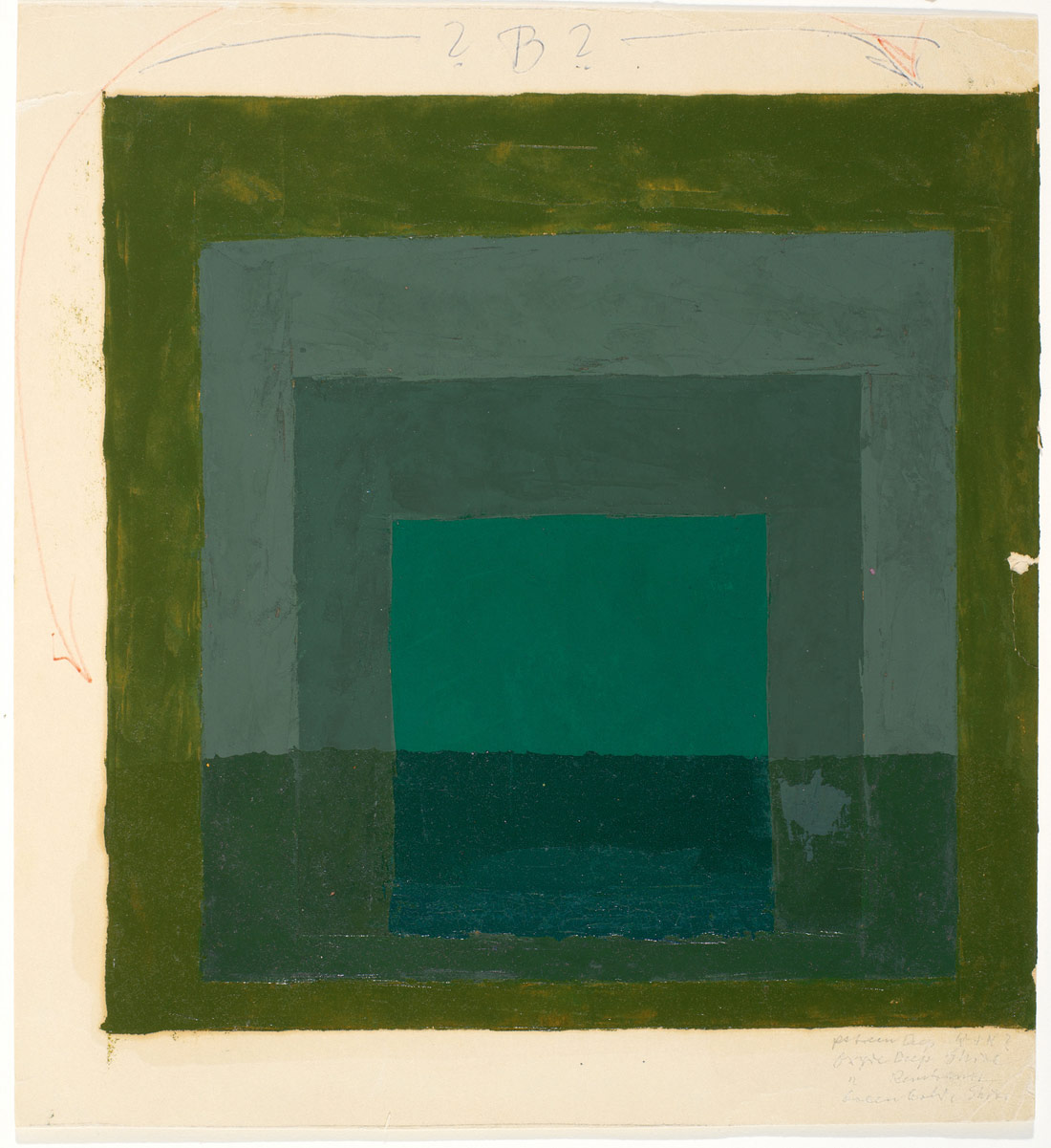
I really like the work of Josef Albers and these paintings on paper, studies for later work, give insight into that rare quality of Albers – his ability to mould, no that’s not the right word – his ability to accrete colours and spaces together, to build tectonic plates of colour that collide and burst against each other forming an “osmosis of plane and space.” These harmonic oscillations of vibrant colour form a pleasing equilibrium in the mind, freeing the viewer from conceptual thought and allowing us to enter a different state of being. It is fascinating to me that he painted these studies on blotting paper as the paper seems to soak up the colours, intensifying their existence.
Dr Marcus Bunyan
Many thankx to Pinakothek der Moderne for allowing me to publish the photographs of the art in the posting. Please click on the photographs for a larger version of the image.
The exhibition is the first to show such a concentration of paintings on paper by Josef Albers, some of which will be completely unknown to the general public. Works in oil on paper, painted by the artist since the 1940s in preparation for the Adobe and Variant series in particular, are presented together with a large group related to his principal work “Homage to the Square” from the artist’s late period, that he focused on from 1950 until his death in 1976.
Josef Albers was only able to fully develop into an important artist and influential teacher after emigrating to the USA. From around 1940 onwards, Albers was inspired by Mexico’s pre-Columbian architecture, sculpture and textile art that boosted his sense for the aesthetic and led to idiosyncratic, radiant colour compositions, the likes of which had never been seen at that time in European modern art. Around 1950, Albers discovered what was for him the ideal formal shape of colour – the square.
The works exhibited surprise the viewer with their spontaneity, their search for immediacy and the extraordinary delicacy of their colours. Albers studied the interaction of colours like virtually no other. Through his works on paper in particular it can be seen in detail how the artist achieved such a thorough osmosis of plane and space through increasing the density of the colours used.








 Art Blart _ art and cultural memory archive
You must be logged in to post a comment.