Exhibition: ‘American Photography’ at Rijksmuseum, Amsterdam

Exhibition dates: 7th February – 9th June, 2025


Amanda López (American, b. 1982) 'Homegirls, San Francisco' 2008 from the exhibition 'American Photography' at Rijksmuseum, Amsterdam, Feb - June, 2025


Amanda López (American, b. 1982)
Homegirls, San Francisco
2008
Inkjet print
320 x 435 mm
National Museum for American History, Washington (DC)
© Amanda López


Let’s get down to brass tacks.

While I haven’t physically seen this exhibition – according to Rijksmuseum “the Netherlands’ first major survey exhibition of American photography… the first comprehensive survey of American photography in Europe … reflect[ing] the rich and multifaceted history of photography in the United States. The exhibition presents the country as seen through the eyes of American photographers, and shows how the medium has permeated every aspect of our lives: in art, news, advertising and everyday life” – you can glean a lot about an exhibition from the installation photographs.

The feeling I get from the installation photographs is of a particularly meagre offering – gallery halls with minimal photographs, huge empty spaces (just look at the installation photograph Curio box made of cigarette packets with portraits of roommates, late 1960s below) – and to then consider this is supposed to be “the first comprehensive survey of American photography in Europe” and reflect the large photographic holdings of the Rijksmuseum. Really? You wouldn’t really know it from looking at “the show”.

Perhaps the problem stems from the rationale of the exhibition:

“There is no hierarchy to the selection. A sequence of rooms present numerous fields – portraiture, landscape, advertising work, art photography – like chapters in a novel. “We tried to find surprising images and things we’ve never seen before,” says Boom. The result is a broad mix, shaped with co-curator Hans Rooseboom, of anonymous photography, commercial work, news coverage, medical prints and propaganda, presented in tandem with masterpieces such as Robert Frank’s enigmatic picture of a woman watching a New Jersey parade in 1955, her face partially obscured by an unfurled Stars and Stripes.”1 (see below)

The phrase “a broad mix” says it all: a mishmash of anonymous photography, commercial work, fine art photography, the political power of photography, photographs on racism, war, etc., … taking on too much in one exhibition (the American landscape is largely absent from the walls), proclaiming to be a comprehensive survey of American photography. An impossible task.

“The exhibition has deliberately departed from a “top 100” approach, Rooseboom [one of the curators] adds, stating “that would have been too easy”.”2

Easy to say (and move away from) but not easy to do…

What I feel is lacking in this subjective selection (all exhibitions are subjective) is the focused “energy” present in American photography radiating from the wall – the energy that documents and imagines the growth of a nation and the passion of the artists that capture that energy.

Where is, for example, the passion of Sally Mann’s photographs of the American South, the New York buildings of Berenice Abbott, George Dureau’s portraits of friends and amputees in New Orleans, the narrative stories of Duane Michals or the darkness / otherness that has always been present from the very start in American photography. In the selection in the posting, the photographs of Robert Frank (a foreigner, whose photographs of America were reviled when they were first published) and Nan Goldin (photographs of counter culture America) come closest to this alternate perspective, both outsiders from the main stream point of view.

Thus, while there are some interesting photographs in the exhibition it’s all too ho hum for me, perhaps a “vapour” of something almost brought into consciousness.

Dr Marcus Bunyan


1/ Christian House. “American Photography: unforgettable images of the beauty and brutality of a nation,” on The Guardian website Thu 13 Feb 2025 [Online] Cited 06/06/2025

2/ Deborah Nicholls-Lee. “Eight images that tell the story of America,” on the BBC website 12 February 2025 [Online] Cited 06/06/2025


Many thankx to the Rijksmuseum for allowing me to publish the photographs in the posting. Please click on the photographs for a larger version of the image.
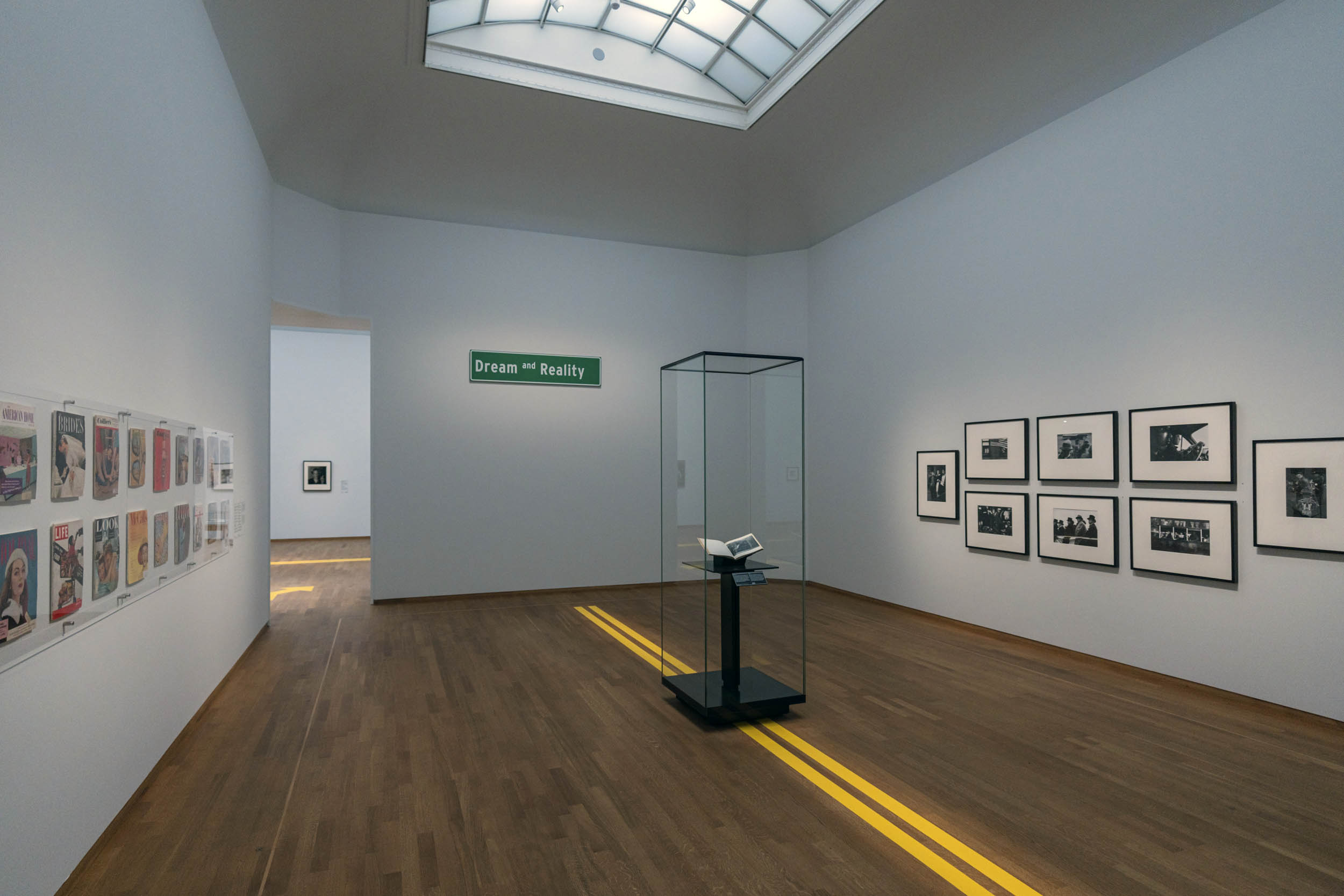


Installation view of the exhibition ‘American Photography’ at Rijksmuseum, Amsterdam showing at right photography by Robert Frank


Installation view of the exhibition American Photography at Rijksmuseum, Amsterdam showing at right photographs by Robert Frank (below)
Photo: Rijksmuseum/Olivier Middendorp
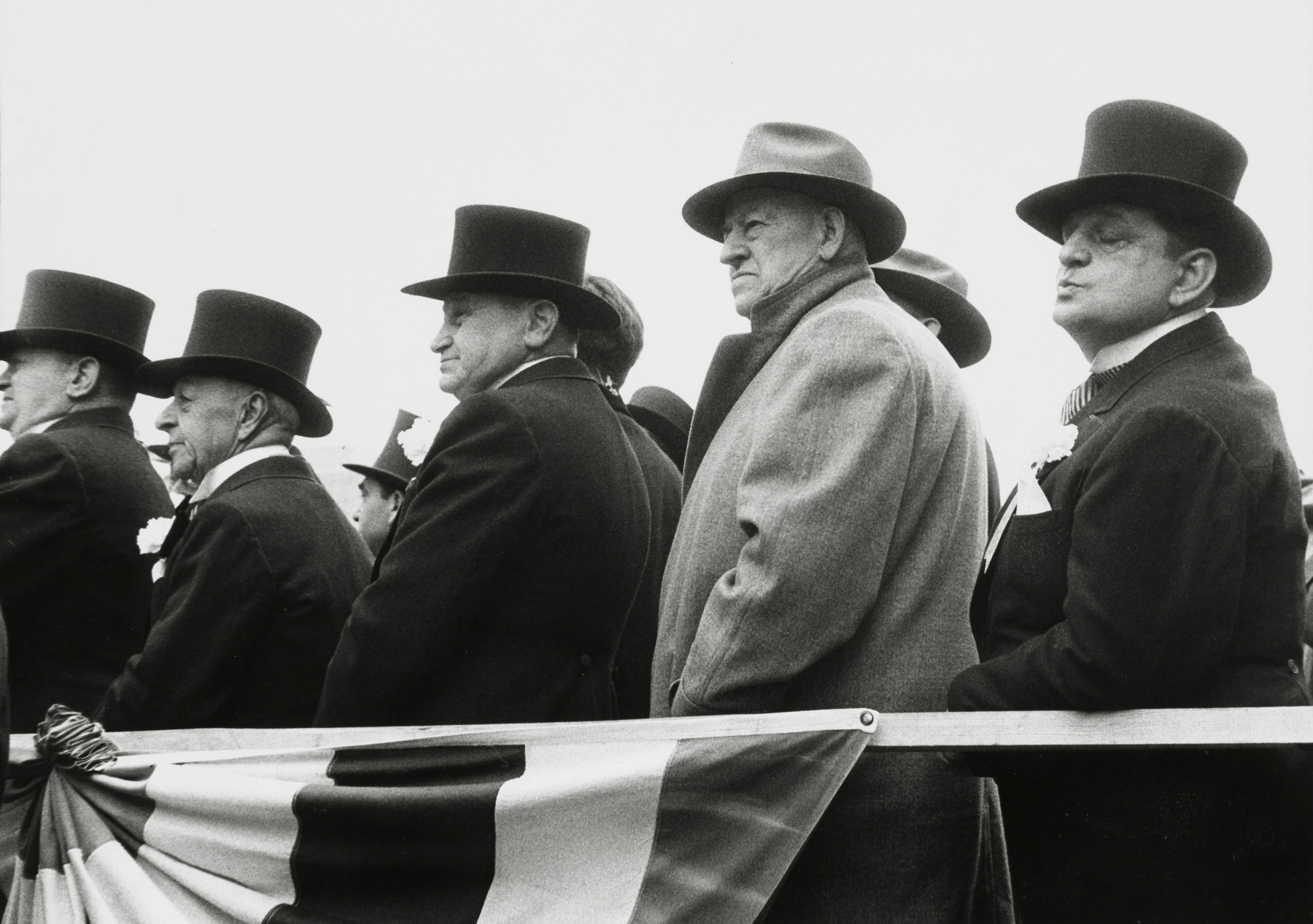
 

Robert Frank (Swiss, 1924-2019) 'City fathers – Hoboken, New Jersey' 1955


Robert Frank (Swiss, 1924-2019)
City fathers – Hoboken, New Jersey
1955
Gelatin silver print


Robert Frank (Swiss, 1924-2019) 'Parade - Hoboken, New Jersey' 1955


Robert Frank (Swiss, 1924-2019)
Parade – Hoboken, New Jersey
1955
Gelatin silver print
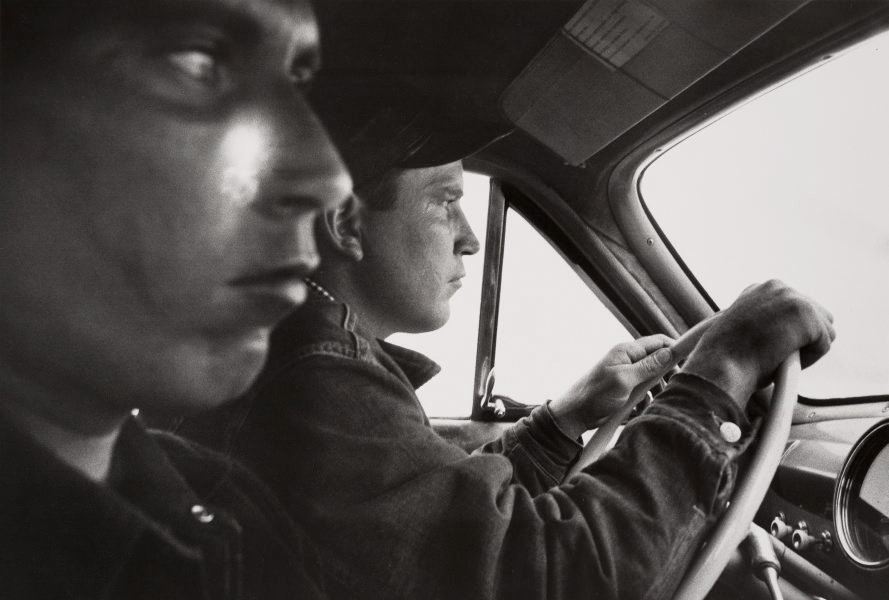
 

Robert Frank (Swiss, 1924-2019) 'U.S. 91, Leaving Blackfoot, Idaho' 1956


Robert Frank (Swiss, 1924-2019)
U.S. 91, Leaving Blackfoot, Idaho
1956
Gelatin silver print


Robert Frank (Swiss, 1924-2019) 'New York City' 1955


Robert Frank (Swiss, 1924-2019)
New York City
1955
Gelatin silver print


Rijksmuseum moves you to The American Dream. To the real American. To unexpected recognition. The Rijksmuseum is staging the Netherlands’ first major survey exhibition of American photography.

The more than 200 works on display in American Photography reflect the rich and multifaceted history of photography in the United States. The exhibition presents the country as seen through the eyes of American photographers, and shows how the medium has permeated every aspect of our lives: in art, news, advertising and everyday life.

Over the past decades the Rijksmuseum has been assembling a collection of American photographic work. This is the first time we are exhibiting photographs from the collection, alongside loaned works from American, Dutch and other European collections. This show includes iconic photographs by the likes of Sally Mann, Robert Frank, Lisette Model, Nan Goldin, Richard Avedon, Andy Warhol, Paul Strand, Diane Arbus and James Van Der Zee, as well as surprising images by unknown and anonymous photographers.

Text from the Rijksmuseum website
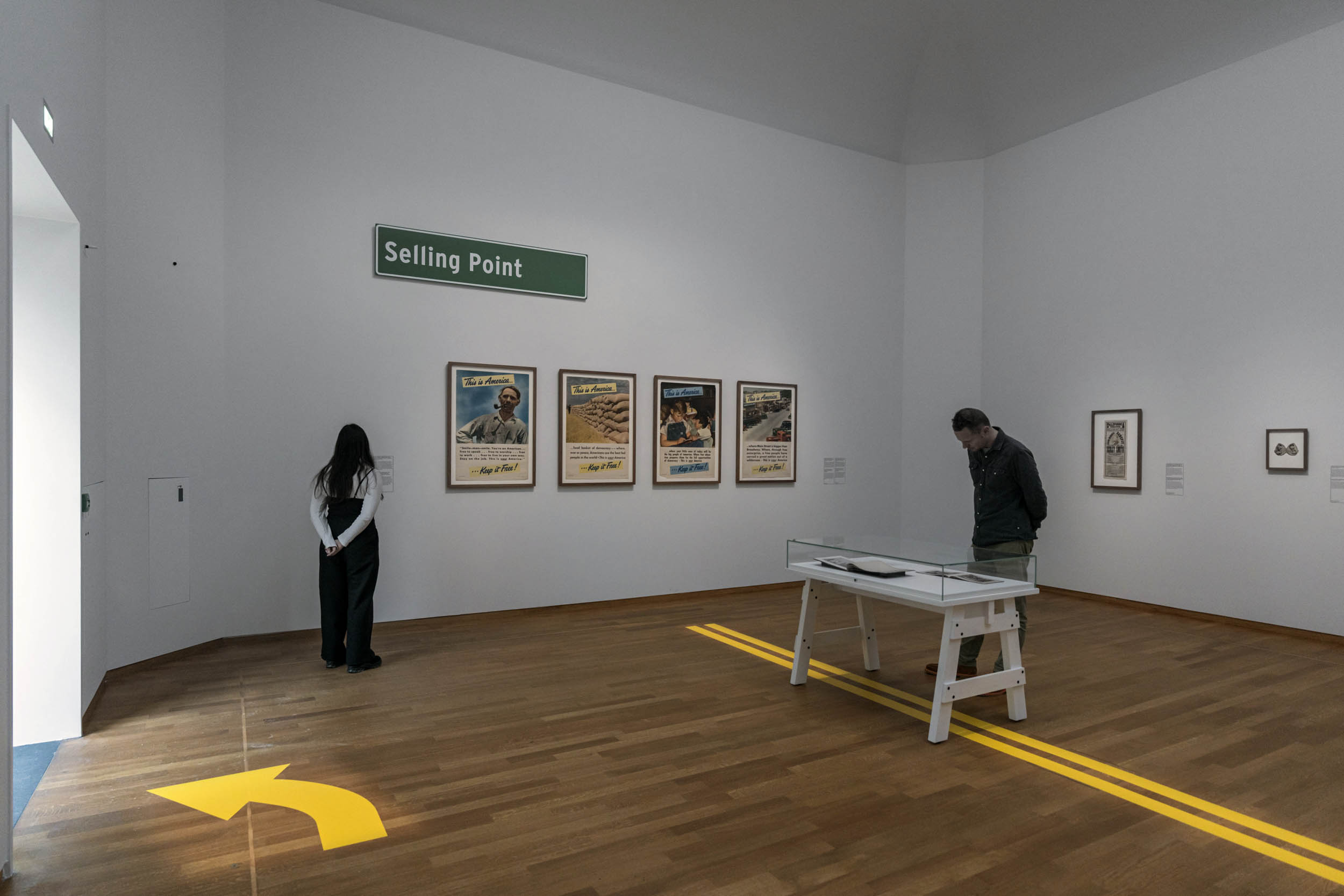
 

Installation view of the exhibition ‘American Photography’ at Rijksmuseum, Amsterdam


Installation view of the exhibition American Photography at Rijksmuseum, Amsterdam showing in the bottom image at left, Sally Mann’s Jessie #34
(2004, below); at second left, Chuck Close’s Phil [Photo Maquette of Philip Glass] (1969, below); and at third right, László Moholy-Nagy’s Parking lot in Chicago, 1938 (1938, below)
Photo: Rijksmuseum/Olivier Middendorp


Sally Mann (American, b. 1951) 'Jessie #34' 2004


Sally Mann (American, b. 1951)
Jessie #34
2004
Gelatin Silver enlargement print from 8 x 10 in. collodion wet-plate negative, with Soluvar matte varnish mixed with diatomaceous earth


Chuck Close (American, 1940-2021) 'Phil' [Photo Maquette of Philip Glass] 1969


Chuck Close (American, 1940-2021)
Phil [Photo Maquette of Philip Glass]
1969
16 x 12 inches (40.64 x 30.48cm)
Gelatin silver print mounted on mat board
© Chuck Close
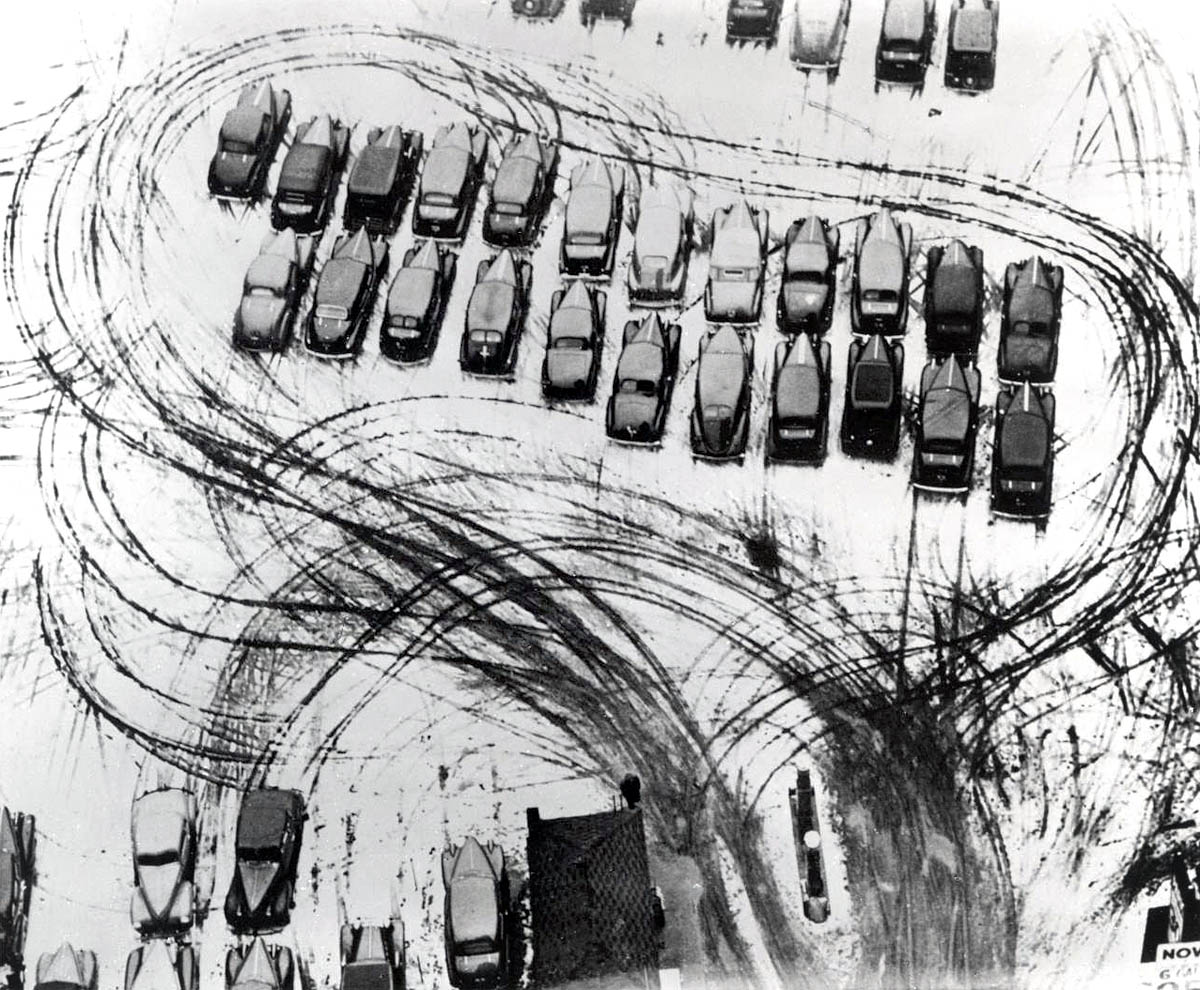
 

László Moholy-Nagy (Hungarian, 1895-1946) 'Parking Lot in Chicago' 1938


László Moholy-Nagy (Hungarian, 1895-1946)
Parking lot in Chicago, 1938
1938
Gelatin silver photograph
23.8 × 33.8cm


Installation view of the exhibition ‘American Photography’ at Rijksmuseum, Amsterdam showing the work of Nan Goldin from 'The Ballad of Sexual Dependency'


Installation view of the exhibition American Photography at Rijksmuseum, Amsterdam showing the work of Nan Goldin from The Ballad of Sexual Dependency (below)
Photo: Rijksmuseum/Olivier Middendorp
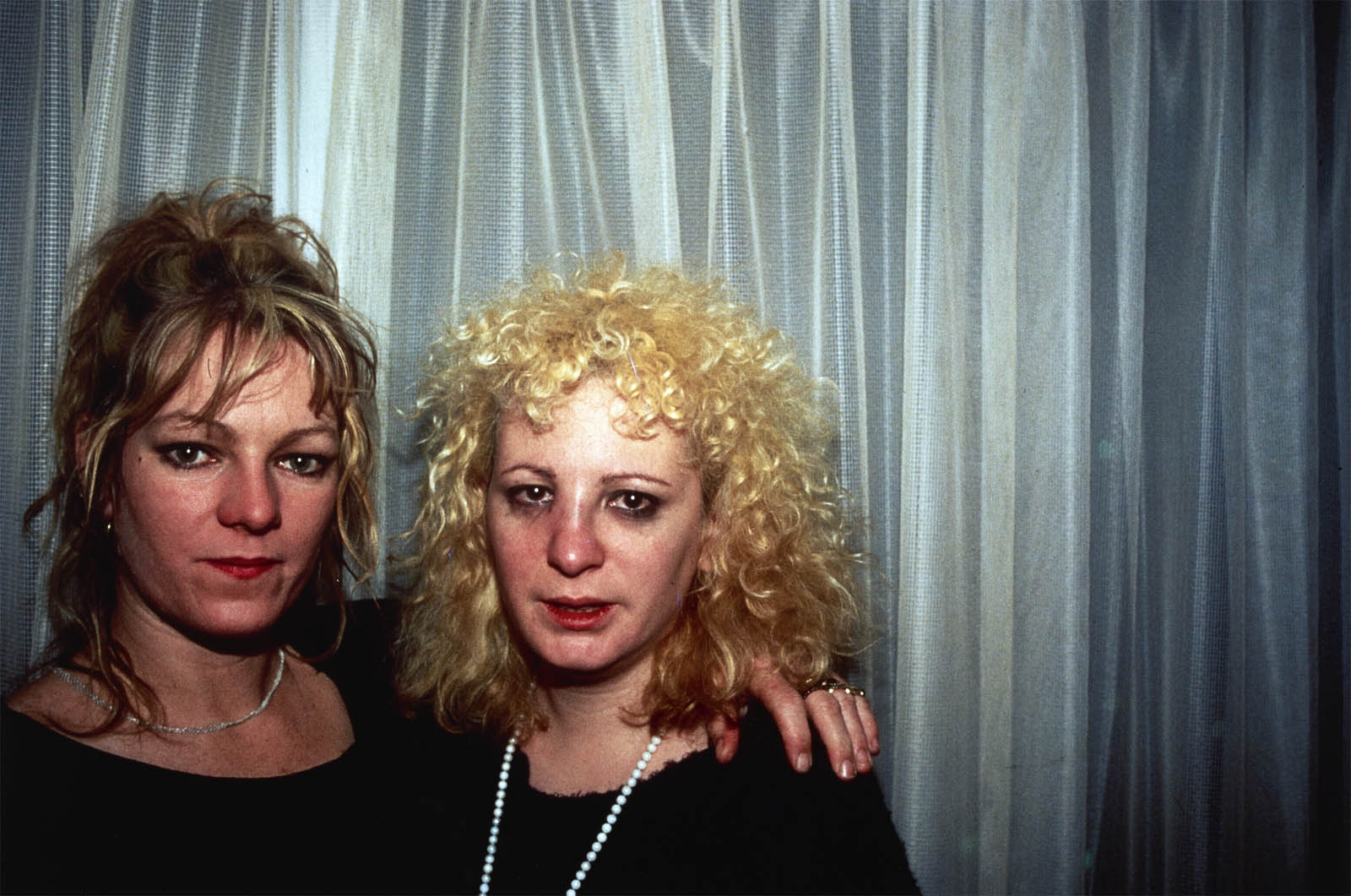
 

Nan Goldin (American, b. 1953) 'Cookie with Me After Being Hit at the SPE Conference, Baltimore, MD, 1986' 1986


Nan Goldin (American, b. 1953)
Cookie with Me After Being Hit at the SPE Conference, Baltimore, MD, 1986
1986
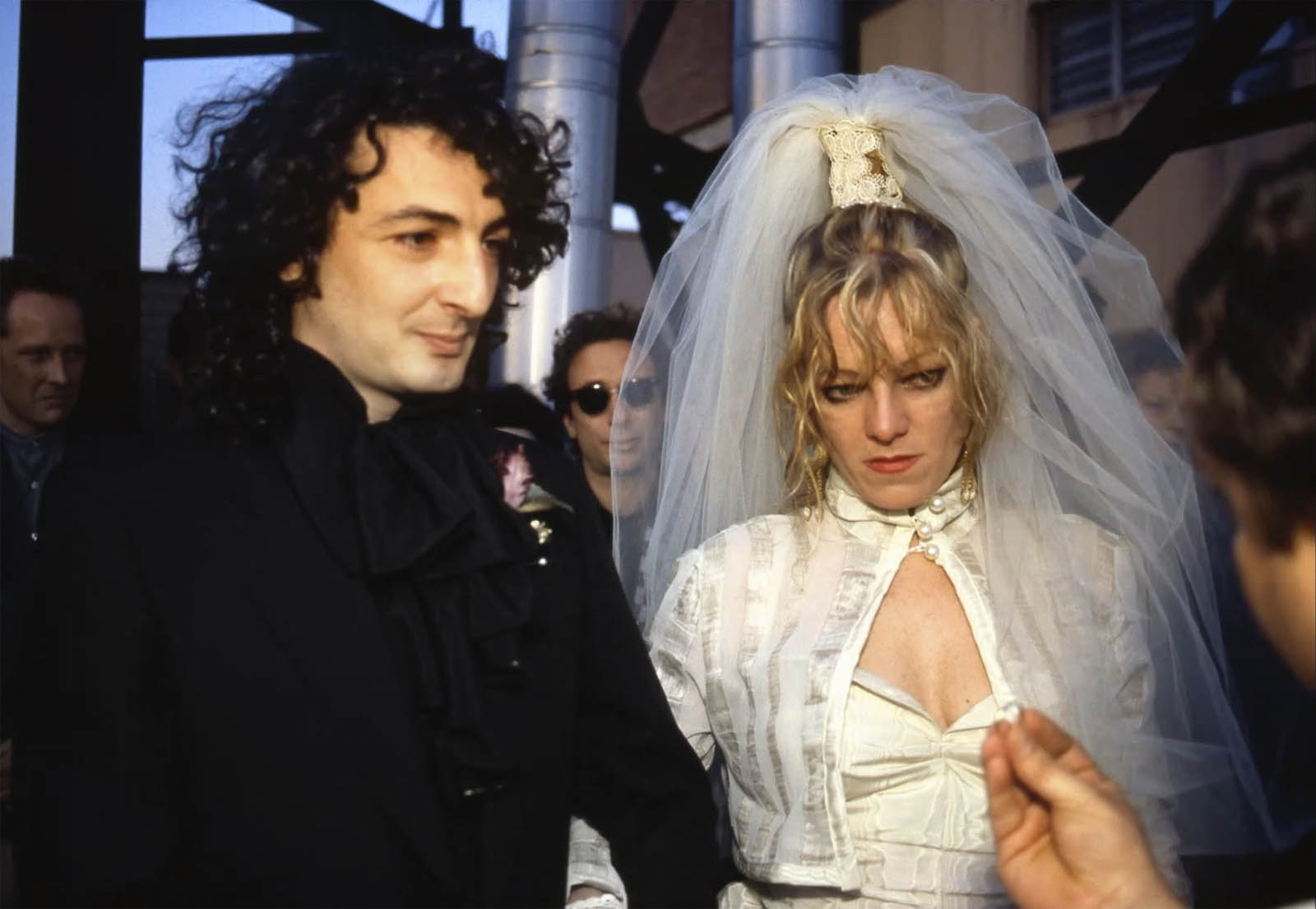
 

Nan Goldin (American, b. 1953) 'Cookie and Vittorio’s Wedding: The Ring, NYC, 1986' 1986


Nan Goldin (American, b. 1953)
Cookie and Vittorio’s Wedding: The Ring, NYC, 1986
1986
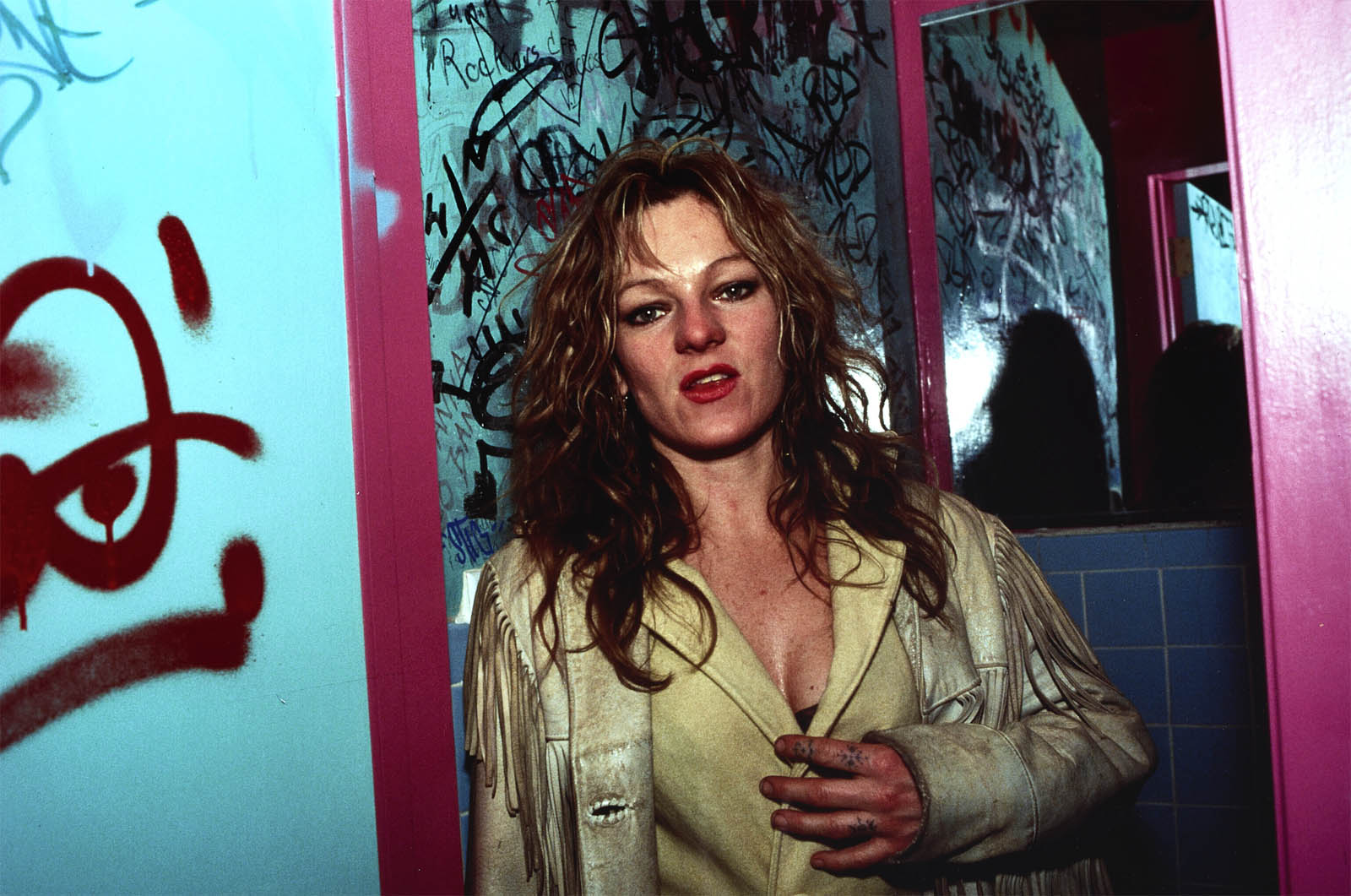
 

Nan Goldin (American, b. 1953) 'Cookie in the Bathroom at Hawaii 5.0, NYC, 1986' 1986


Nan Goldin (American, b. 1953)
Cookie in the Bathroom at Hawaii 5.0, NYC, 1986
1986


The Rijksmuseum presents the first comprehensive survey of American photography in Europe. With more than 200 works spanning three centuries, American Photography will be an exploration of the rich and multifaceted history of photography in the United States, showing how the medium has permeated every aspect of our lives: in art, news, advertising and everyday life. 

Over the past decade, the Rijksmuseum has built an extensive collection of American Photography. This exhibition is the first ever presentation of Rijksmuseum’s collection, which will be shown together with loans from over 30 collections in the United States, the Netherlands and other European countries. Works by icons including Sally Mann, Robert Frank, Lisette Model, Nan Goldin, Richard Avedon, Andy Warhol, Paul Strand, Diane Arbus and James Van Der Zee will be on view alongside eye-opening photographs by unknown and anonymous photographers. 

The exhibition is possible by Rijksmuseum’s major partnership with Baker McKenzie. American Photography runs from 7 February to 9 June 2025. Concurrently with American Photography, Carrie Mae Weems’s 2021 series Painting the Town will be on show in the Rijksmuseum’s photography gallery.

American Photography will give picture of the country through the eyes of American photographers, showing the country in all its complexity. The exhibition takes themes such as the American dream, landscapes and portraiture to trace how photographers increasingly reflected on changes and events in their country. A major topic of the show is photography’s evolution as an art form, from 19th-century daguerreotypes of frost flowers on a window to the work of Paul Strand, Charles Sheeler, Sally Mann, Irving Penn, Dawoud Bey and Sarah Sense. Another important theme is how photography has grown to be a part of everyday life, which is demonstrated by family portraits, advertisements, postcards, gramophone record covers and more.

Press release from Rijksmuseum
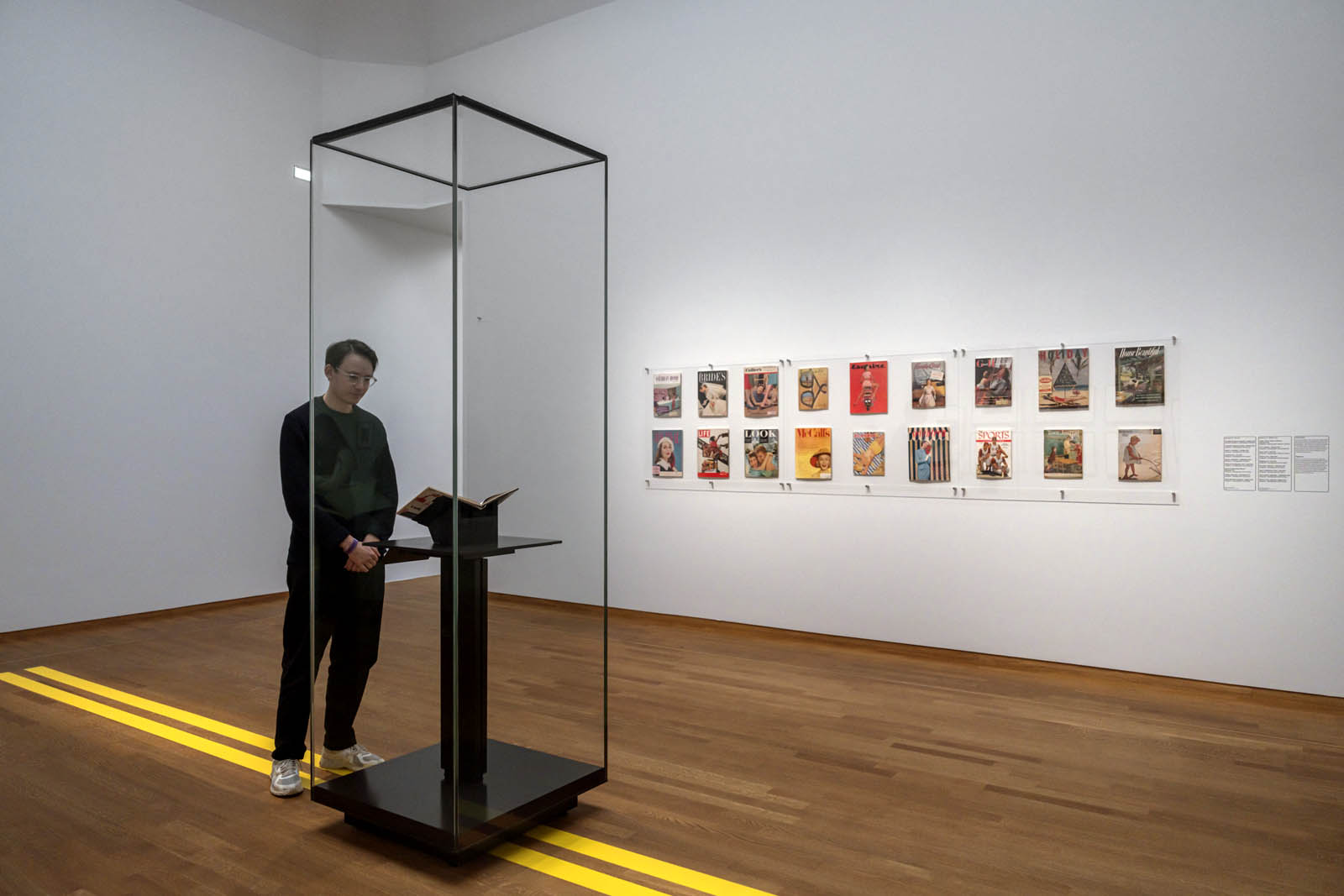
 

Installation view of the exhibition ‘American Photography’ at Rijksmuseum, Amsterdam
Installation view of the exhibition ‘American Photography’ at Rijksmuseum, Amsterdam showing at right, Jocelyn Lee's 'Julia in Greenery' (2005)


Installation view of the exhibition American Photography at Rijksmuseum, Amsterdam showing in the bottom photograph at right, Jocelyn Lee’s Julia in Greenery (2005, below)
Photo: Rijksmuseum/Olivier Middendorp


Jocelyn Lee (American, b. 1962) 'Julia in Greenery' 2005


Jocelyn Lee (American, b. 1962)
Julia in Greenery
2005
Archival Pigment Print
20 × 24 in | 50.8 × 61cm
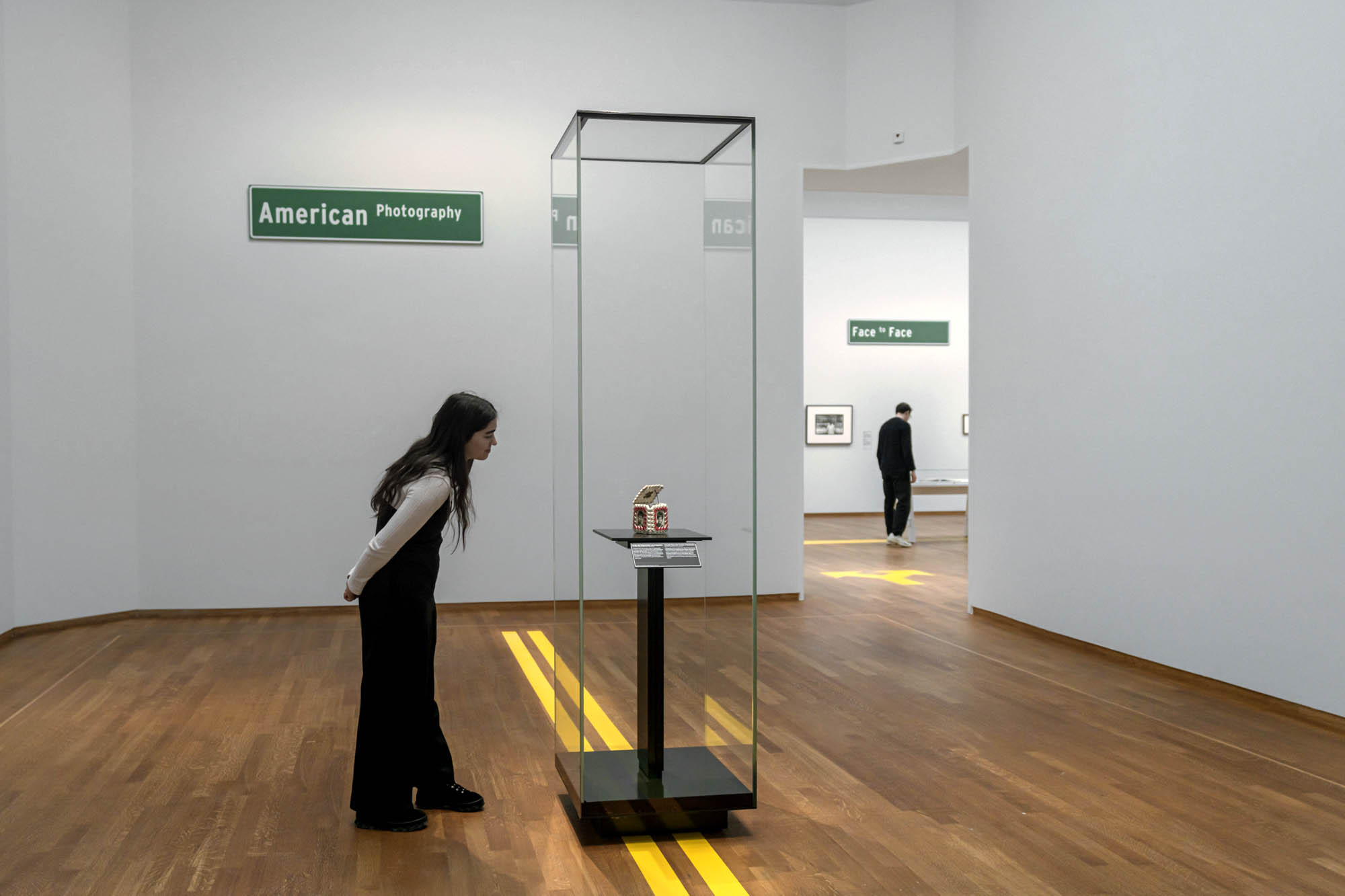
 

Installation view of the exhibition ‘American Photography’ at Rijksmuseum, Amsterdam


Installation view of the exhibition American Photography at Rijksmuseum, Amsterdam showing in the display case, Curio box made of cigarette packets with portraits of roommates, late 1960s (below)
Photo: Rijksmuseum/Olivier Middendorp
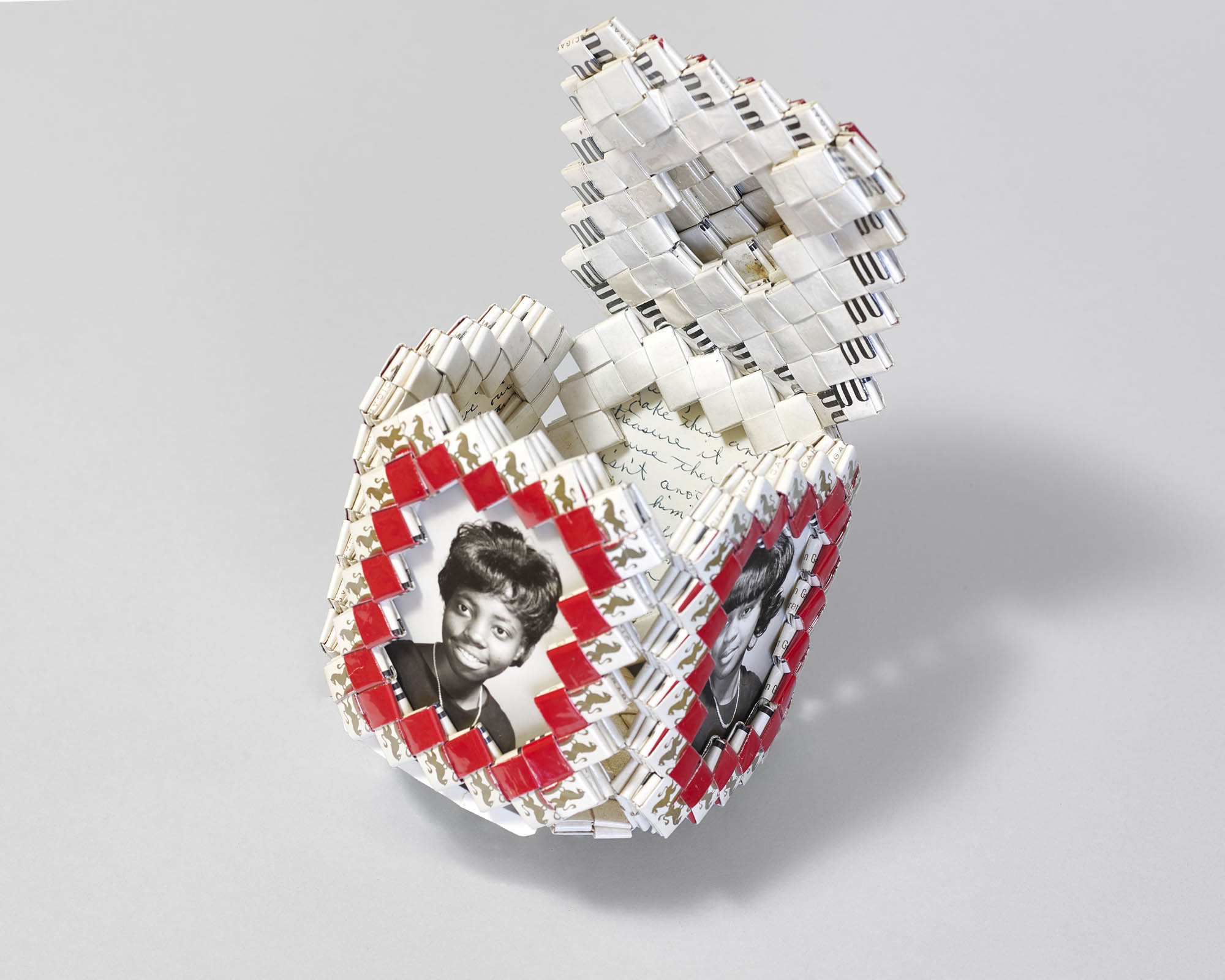
 

Curio box made of cigarette packets with portraits of roommates, late 1960s from the exhibition 'American Photography' at Rijksmuseum, Amsterdam, Feb - June, 2025


Curio box made of cigarette packets with portraits of roommates, late 1960s
Wood, handwoven cigarette packets, gelatin silver prints
140 x 110 x 195 mm
Collection of Daile Kaplan, Pop Photographica, New York
Photo: Andy Romer Photography, New York
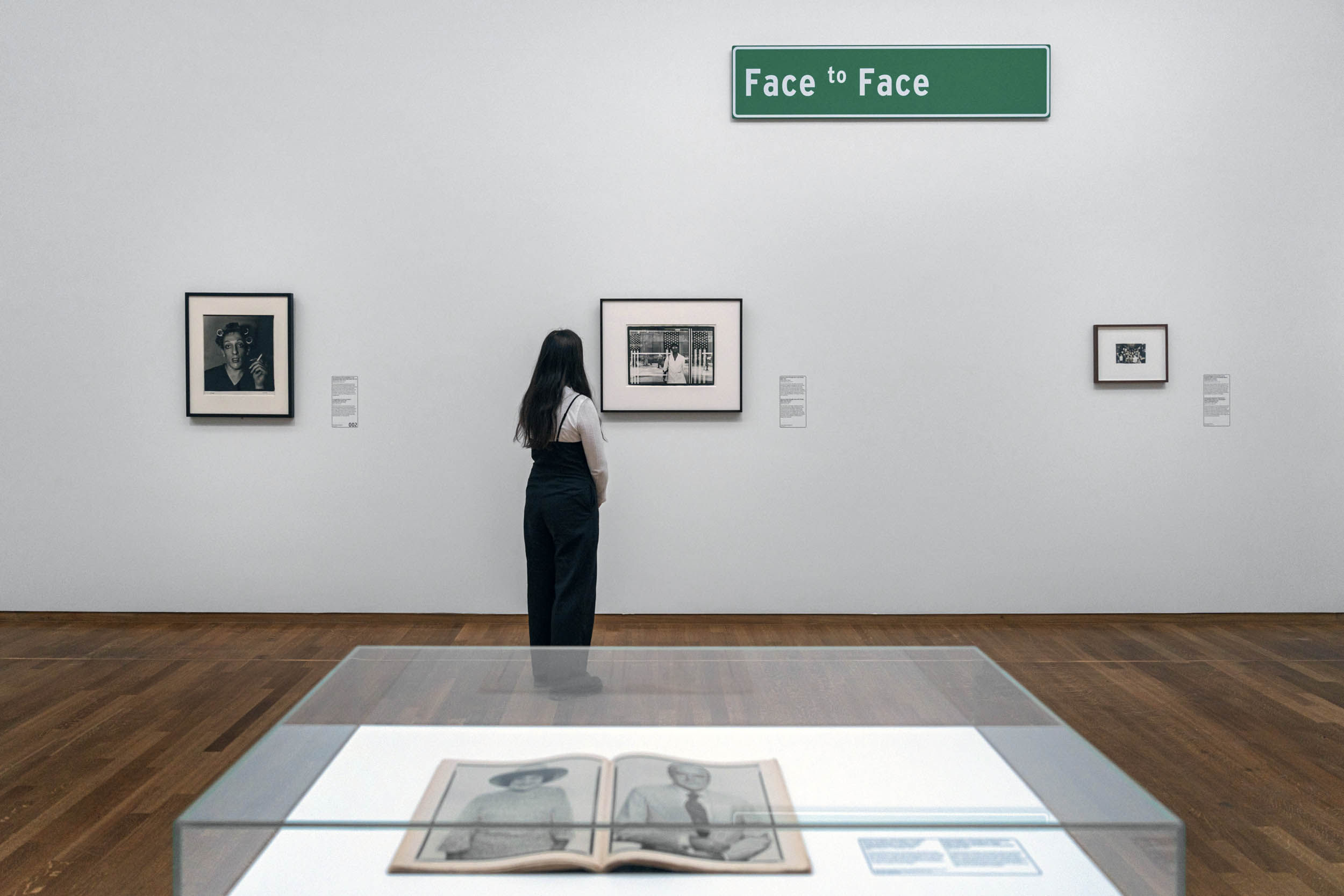
 

Installation view of the exhibition ‘American Photography’ at Rijksmuseum, Amsterdam showing at left, Diane Arbus' 'A young man in curlers at home on West 20th St., N.Y.C. 1966' (1966); and at second left, Ming Smith's 'America Seen Through Stars and Stripes, New York City' (1976)


Installation view of the exhibition American Photography at Rijksmuseum, Amsterdam showing at left, Diane Arbus’ A young man in curlers at home on West 20th St., N.Y.C. 1966 (1966, below); and at second left, Ming Smith’s America Seen Through Stars and Stripes, New York City (1976, below)
Photo: Rijksmuseum/Olivier Middendorp
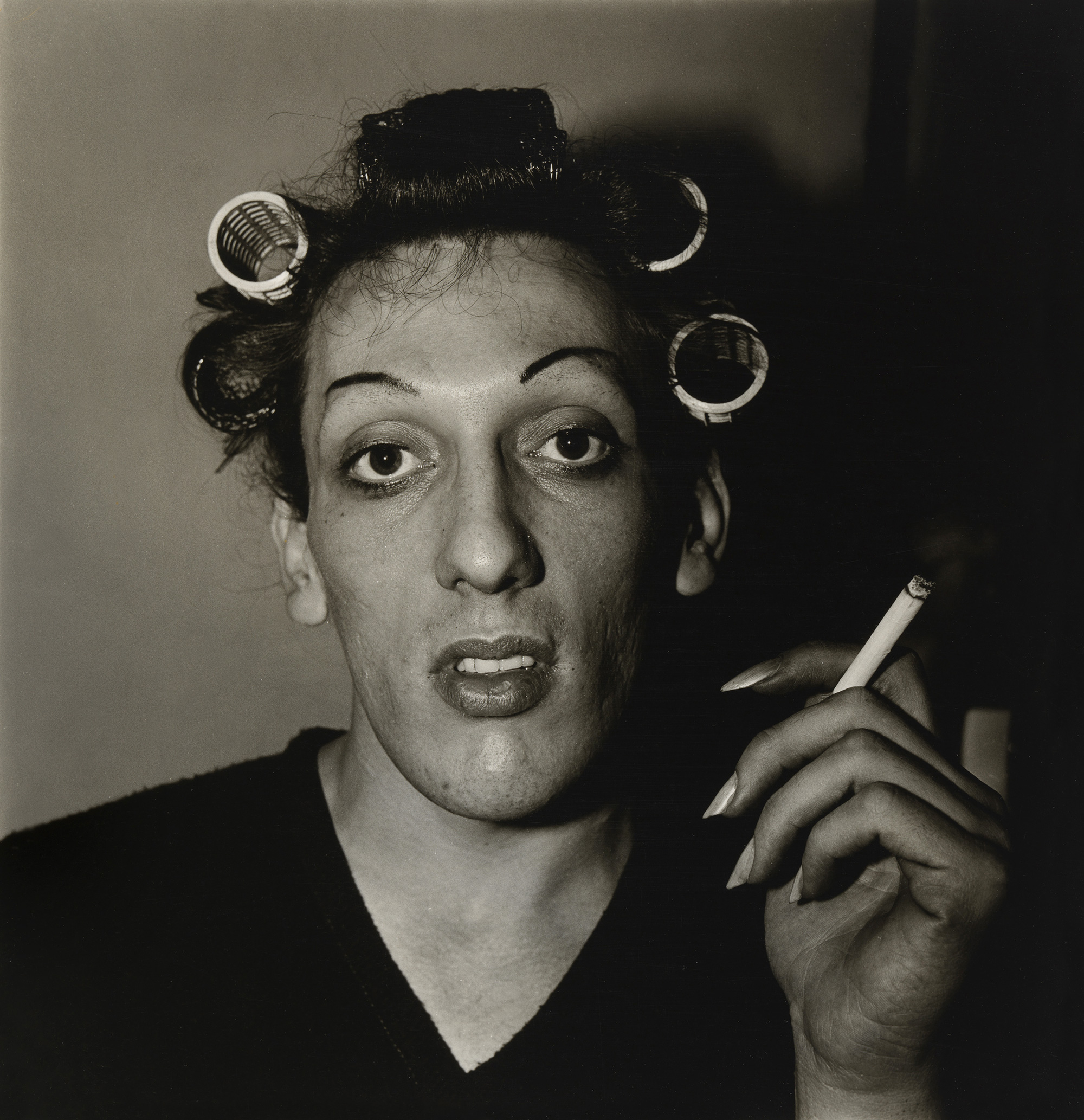
 

Diane Arbus (American, 1923-1971) 'A young man in curlers at home on West 20th St., N.Y.C. 1966' 1966


Diane Arbus (American, 1923-1971)
A young man in curlers at home on West 20th St., N.Y.C. 1966
1966
Gelatin silver print
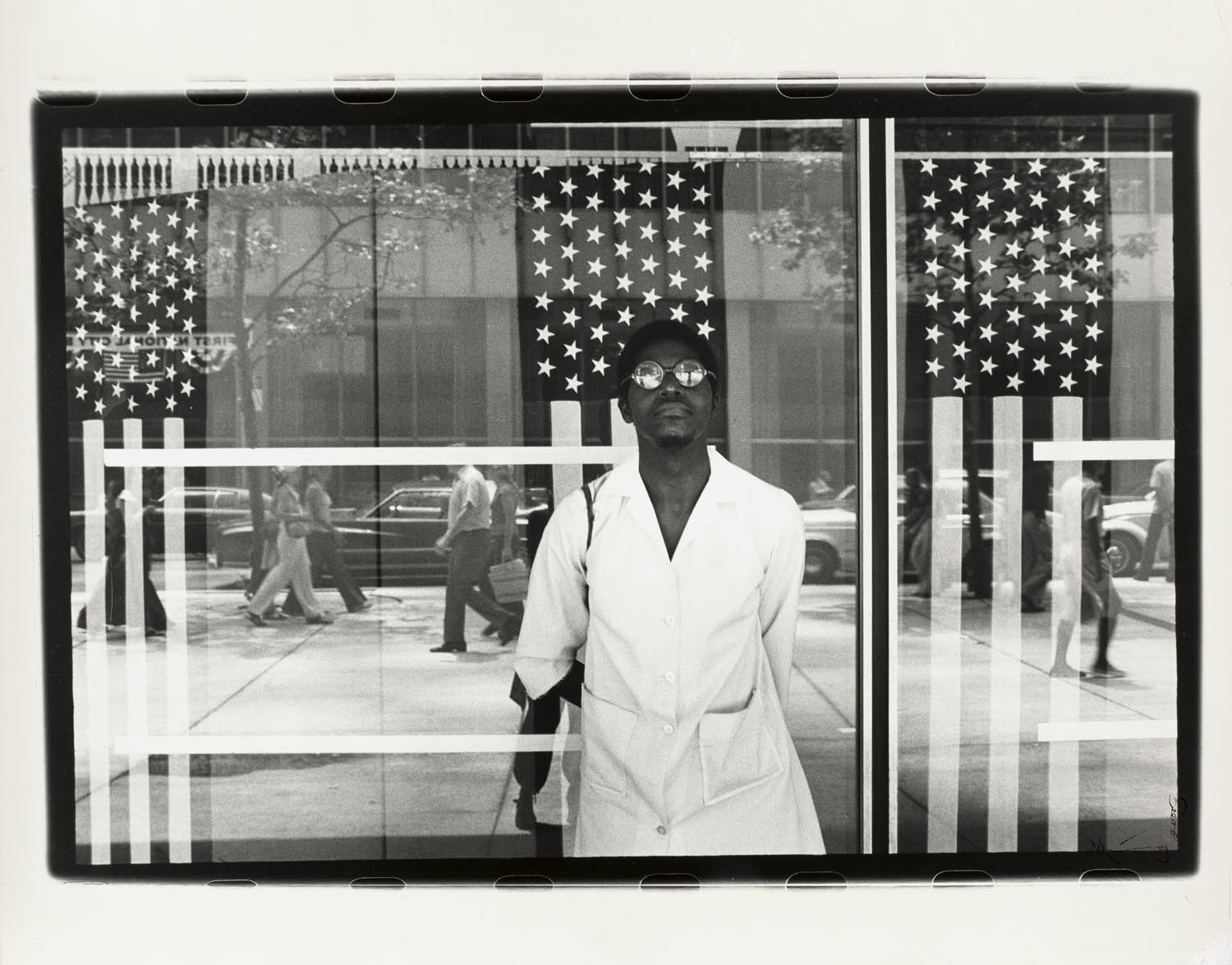
 

Ming Smith (American, b. 1951) 'America Seen Through Stars and Stripes, New York City' 1976 from the exhibition 'American Photography' at Rijksmuseum, Amsterdam, Feb - June, 2025


Ming Smith (American, b. 1951)
America Seen Through Stars and Stripes, New York City
1976
Gelatin silver print
318 x 470 mm
Virginia Museum of Fine Arts, Richmond (VA)
Adolph D. and Wiliams C. Williams Fund


In the post-war years, mass immigration to the US brought new ways of thinking. the US took over from Europe as a cultural trendsetter, and photography was eventually accepted as an art form. Playful approaches to photography emerged, moving beyond documenting people and places to provoking emotion and inviting deep questions. Ming Smith’s America Seen Through Stars and Stripes (1976), created on the bicentenary of the Declaration of Independence, turns again to the flag inviting America to reflect on its history. By placing a figure in mirrored sunglasses in front of a shop window, she creates a disorientating mesh of reflective surfaces. The grid structure suggests incarceration but – in combination with the round glasses and the stars on the flag – also creates an abstract composition reminiscent of modern art. “She’s a careful observer, playing with all these layers in the image,” says Boom.

Smith explores the artistic potential of photography, experimenting with double-exposure, shutter speed and collage. In one version of this image, she paints on bold red stripes, altering this snapshot of the US with marks that resemble blood or flames. Smith’s work builds on the civil rights movement that preceded it and features activists such as James Baldwin and Alvin Ailey. She was the first woman to join the African-American photography collective the Kamoinge Workshop and the first black woman to have her work acquired by the Museum of Modern Art (MoMA). Yet her demographic was largely overlooked by the art world. “I worked to capture black culture, the richness, the love. That was my incentive,” she told the Financial Times in 2019. “It wasn’t like I was going to make money from it, or fame – not even love, because there were no shows.”

Deborah Nicholls-Lee. “Eight images that tell the story of America,” on the BBC website 12 February 2025 [Online] Cited 06/06/2025


Henry Fitz Jnr (American, 1808-1863) 'Self-portrait' 1840


Henry Fitz Jnr (American, 1808-1863)
Self-portrait
1840
Daguerreotype
Smithsonian National Museum of American History, Washington (DC)


In 1840, using a self-made copper plate, Henry Fitz Jnr produced one of the world’s first selfies, his eyes gently closed to prevent any blinking from spoiling the result. In creating this striking blue image, he was doing more than record his appearance; he was also documenting America’s first essays into an art form that would tell its story in radical new ways.

Deborah Nicholls-Lee. “Eight images that tell the story of America,” on the BBC website 12 February 2025 [Online] Cited 06/06/2025


Thomas Martin Easterly (American, 1809-1882) 'Chief Keokuk (Watchful Fox)' 1847


Thomas Martin Easterly (American, 1809-1882)
Chief Keokuk (Watchful Fox)
1847
Daguerreotype
Missouri History Museum
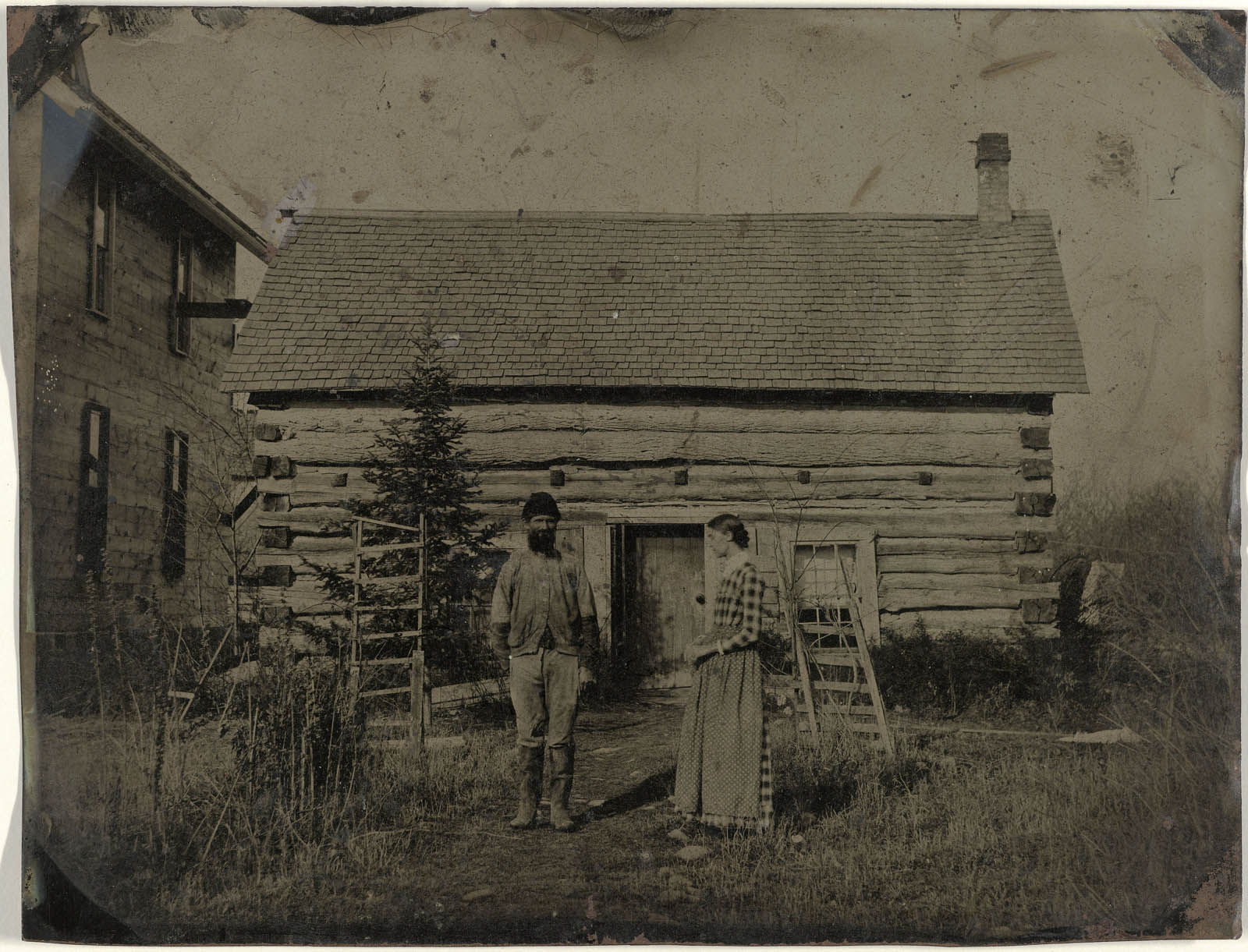
 

Anonymous photographer. 'View of a wooden house or barn with a man and a woman in front' c. 1870-1875


Anonymous photographer
View of a wooden house or barn with a man and a woman in front
c. 1870-1875
Tintype
164 x 215 mm
Rijksmuseum, Amsterdam


A 19th-Century tintype (an image made on a sheet of metal) featuring a man and woman in front of a rustic barn is a case in point. The image was probably sold on the spot by a travelling tin typist “for a modest price”, explains Rooseboom. “Many people had just arrived and were living in the countryside, no big city nearby, so this was the only possibility of having your portrait taken.” The man stands proud, looking at the camera, but the woman’s head is bowed and she is looking away. “Sometimes you can sense that people were simply not used to being photographed,” says Rooseboom. “Nowadays, we’ve seen in magazines and movies how to pose elegantly.” This may be the only time in their whole life that they would be photographed, and the result, adds Boom, “would hang on the wall of the house where they lived forever”.

Deborah Nicholls-Lee. “Eight images that tell the story of America,” on the BBC website 12 February 2025 [Online] Cited 06/06/2025
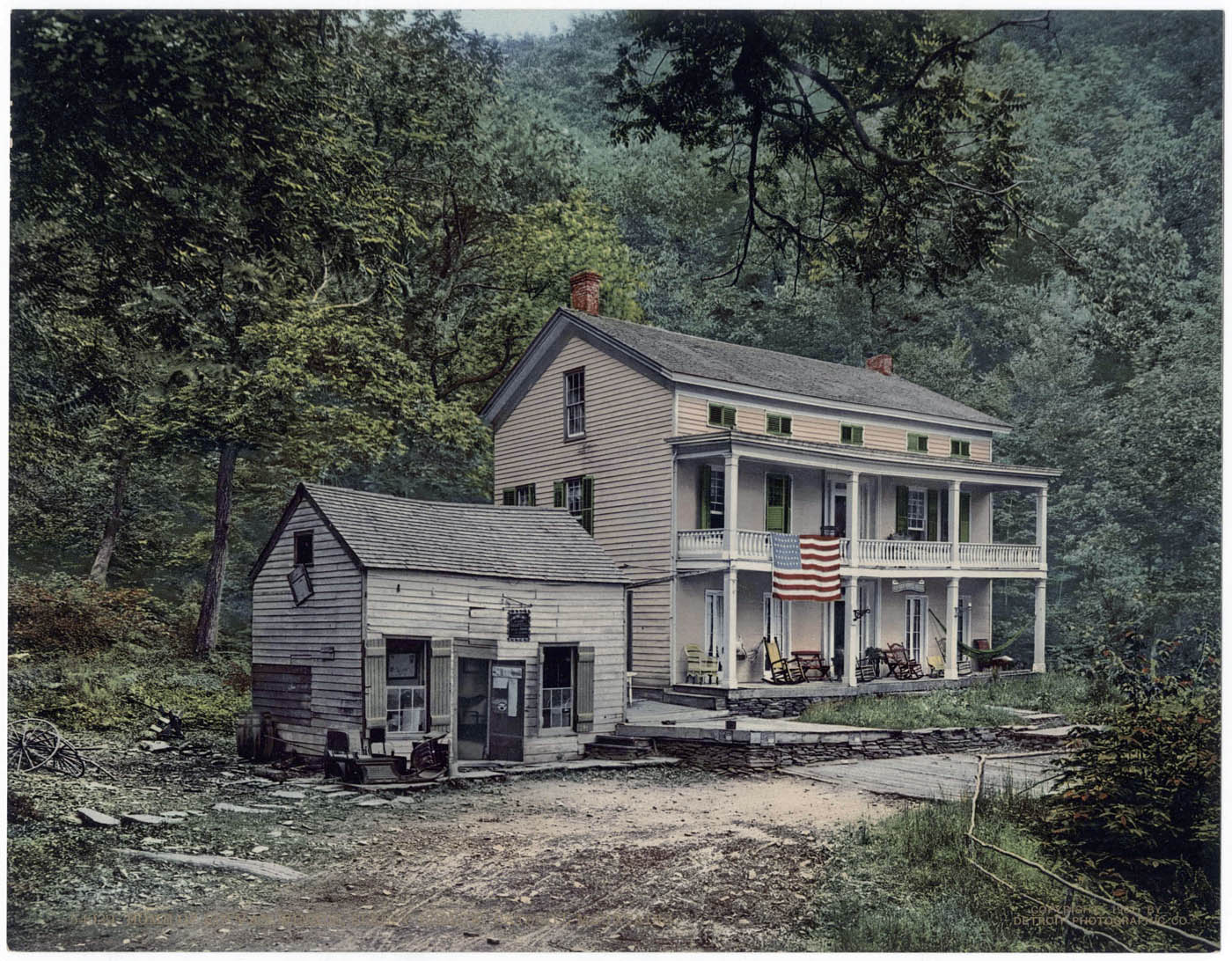
 

Detroit Photographic Company. 'Home of Rip Van' Nd


Detroit Photographic Company
Home of Rip Van
Nd
Rijksmuseum, Amsterdam


Bertha E. Jaques (American, 1863-1941) 'Tree - in Governor Gleghorn’s Place Honolulu' 1908


Bertha E. Jaques (American, 1863-1941)
Tree – in Governor Gleghorn’s Place Honolulu
1908
Cyanotype
248 x 152 mm
Rijksmuseum, Amsterdam, purchased with the support of Baker McKenzie


Walker Evans (American, 1903-1975) (photographer) (mentioned on object) 'A free country? This is America … Keep it Free!' Nd


Walker Evans (American, 1903-1975) (photographer) (mentioned on object)
A free country? This is America … Keep it Free!
Nd
Sheldon-Claire Company
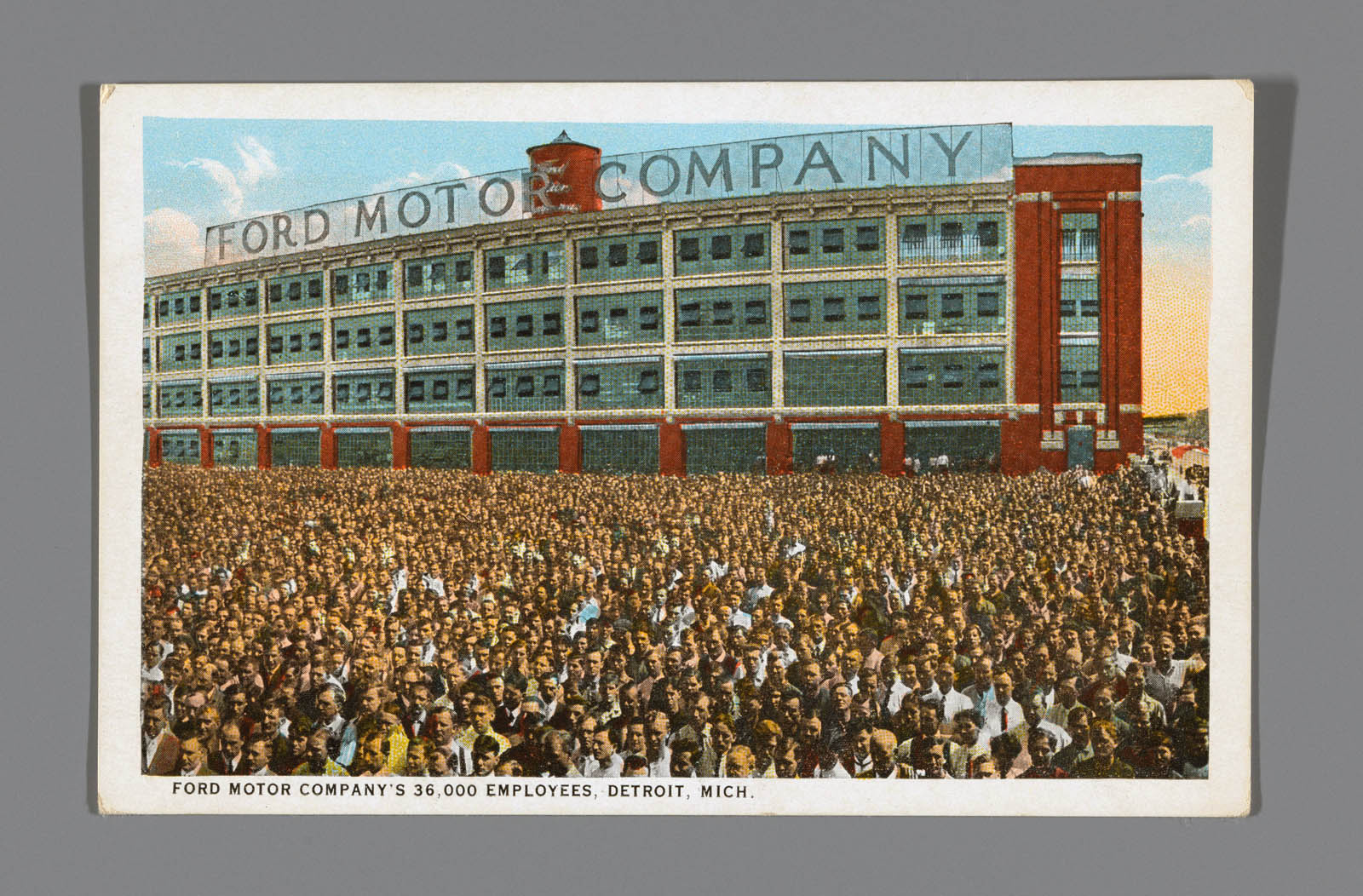
 

United News Company (publisher) ‘12,000 Employees of the Ford Motor Company, Detroit, Mich.' 1913


United News Company (publisher)
12,000 Employees of the Ford Motor Company, Detroit, Mich.
1913
Postcard, relief halftone and colour lithography
88 × 137 mm
Rijksmuseum, Amsterdam


… a 1913 postcard featuring 12,000 employees of the Ford Motor Company in Detroit may have been the “most expensive picture that was ever taken”, quipped a newspaper at the time, as the factory had to shut down for two hours to assemble the staff. The image, the company boasted, was “the largest specially posed group picture ever made” and illustrates a turning point where industry saw the value in investing large sums in promotional photography. Taken in the year when Ford introduced America’s first moving assembly line and the US had become the world’s largest economy, the photograph also depicts the mass production that would shape the country.

The image’s reappearance in Ford marketing also made it an early example of photoshopping. While the same tinted faces swarmed in the foreground, the number of employees cited in the caption increased exponentially, and a building to the left was cropped out in one version and acquired extra floors in another. “Apparently, many photographers and their publishers had no qualms about abandoning their medium’s potential for realism,” write Boom and Rooseboom in the exhibition catalogue.

Deborah Nicholls-Lee. “Eight images that tell the story of America,” on the BBC website 12 February 2025 [Online] Cited 06/06/2025
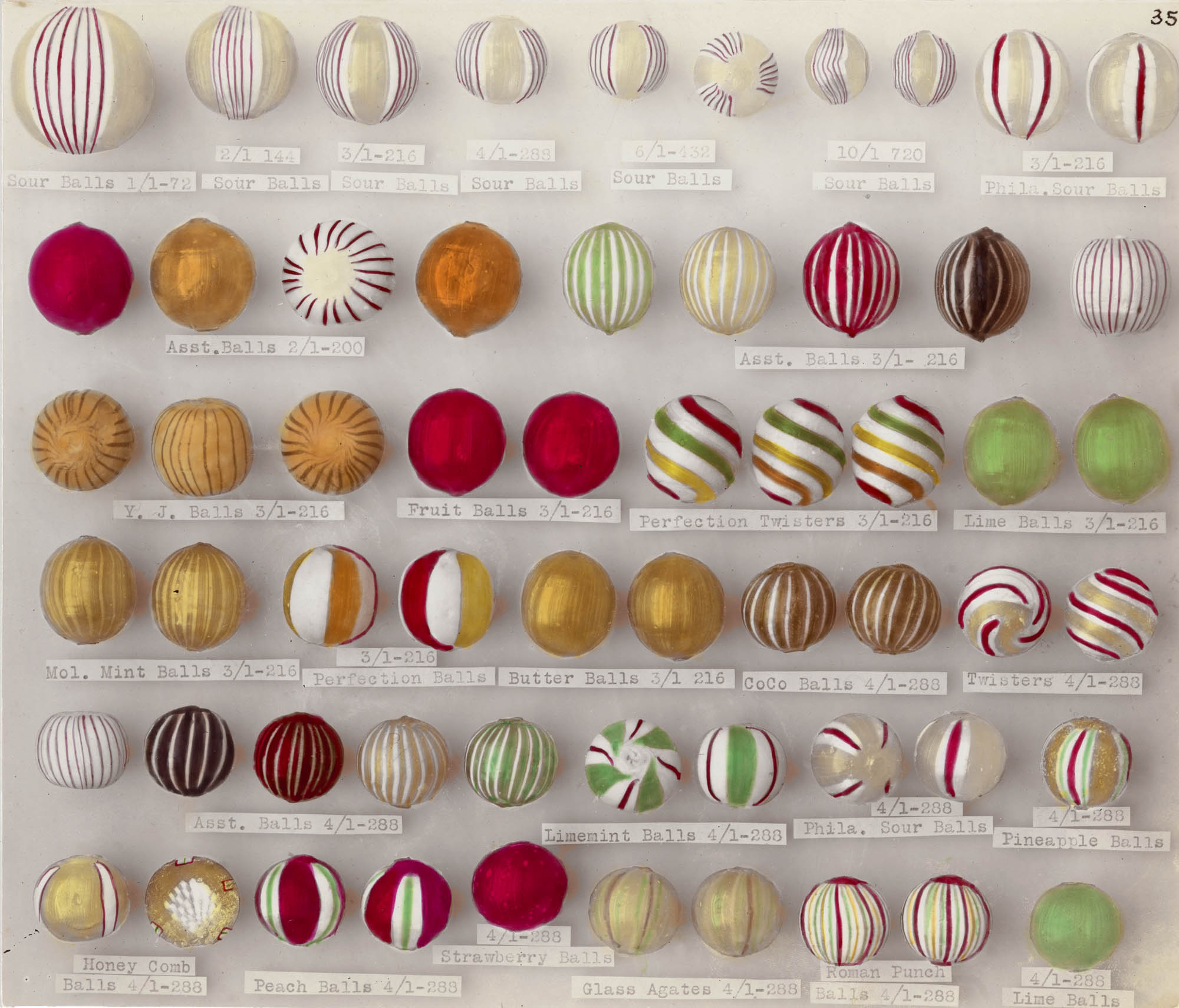
 

Schadde Brothers Studio. 'Display, sample or trade catalogue photograph for sweet manufacturer Brandle & Smith Co.,' c. 1915


Schadde Brothers Studio
Display, sample or trade catalogue photograph for sweet manufacturer Brandle & Smith Co.,
c. 1915
Gelatin silver print with applied colour
288 x 240 mm
Rijksmuseum, Amsterdam
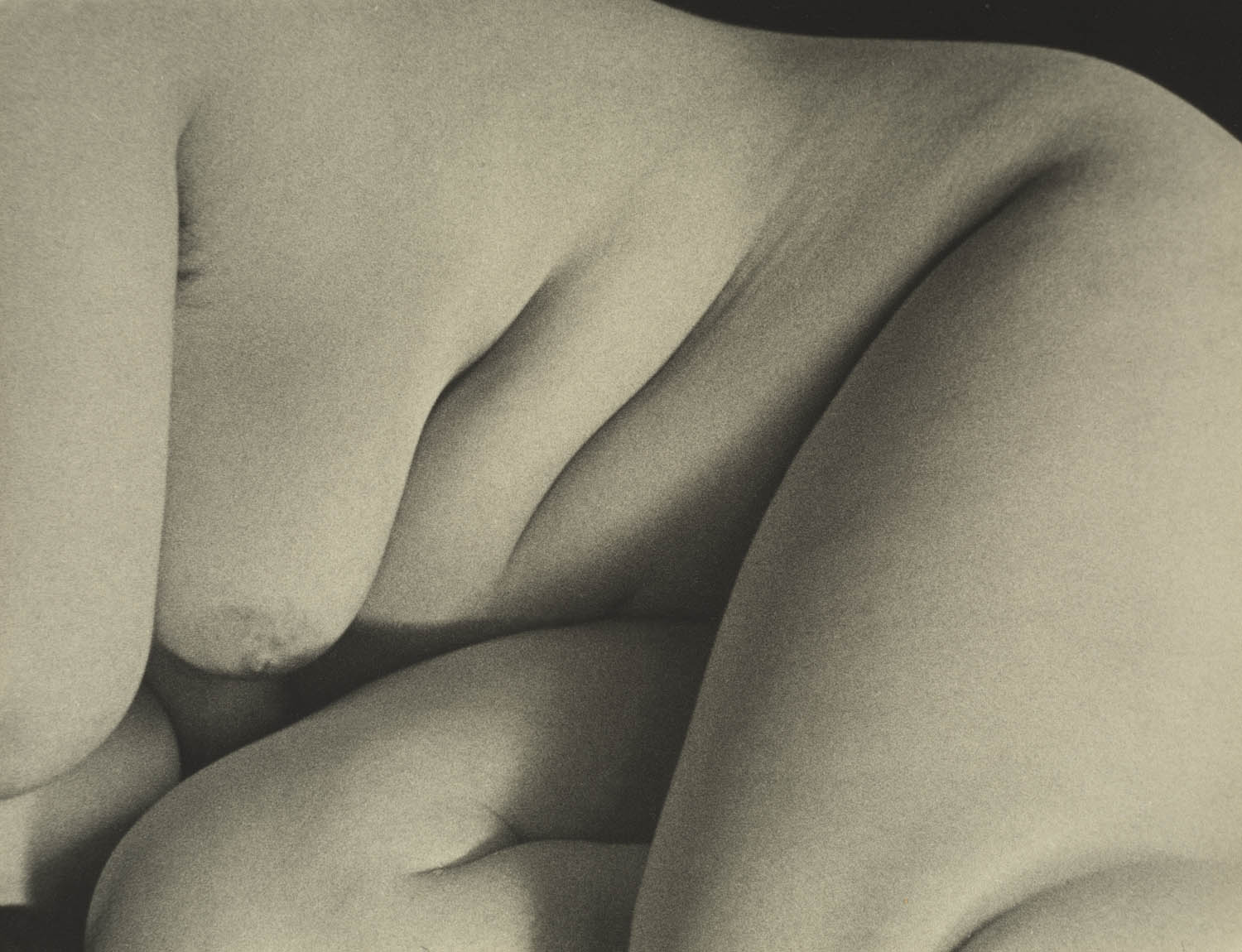
 

Charles Sheeler (American, 1883-1965) 'Nude #3' 1918-1919


Charles Sheeler (American, 1883-1965)
Nude #3
1918-1919
Gelatin silver print
127 × 171 mm
Museum of Fine Arts, Boston


James Van Der Zee (American, 1886-1983) 'Portrait of an Unknown Man, Harlem, New York City' 1938


James Van Der Zee (American, 1886-1983)
Portrait of an Unknown Man, Harlem, New York City
1938
Gelatin silver print
244 x 203 mm
Rijksmuseum, Amsterdam
Purchased with the support of Baker McKenzie
© The James Van Der Zee Archive/The Metropolitan Museum of Art


… the New York portrait photographer James Van Der Zee was also embellishing his work, drawing jewellery on to his subjects and retouching their faces to erase dark lines and wrinkles. “I put my heart and soul into them and tried to see that every picture was better looking than the person,” he said. As a black photographer working from his Harlem studio at the height of the Harlem Renaissance, his work records a period when black migrants fleeing the segregationist South were forging a new life for themselves in the urban North. For the first time, African Americans and other minority groups could be photographed by someone inside their community, and represented in a way that uplifted them. Van Der Zee’s Portrait of an Unknown Man (1938), for example, is carefully posed to suggest confidence. The outfit is elegant and the buttonhole daisy adds a dandyish flourish. It’s an image that reflects the aspirations and upward mobility of African-American people and the pride Van Der Zee had in his culture.

Deborah Nicholls-Lee. “Eight images that tell the story of America,” on the BBC website 12 February 2025 [Online] Cited 06/06/2025
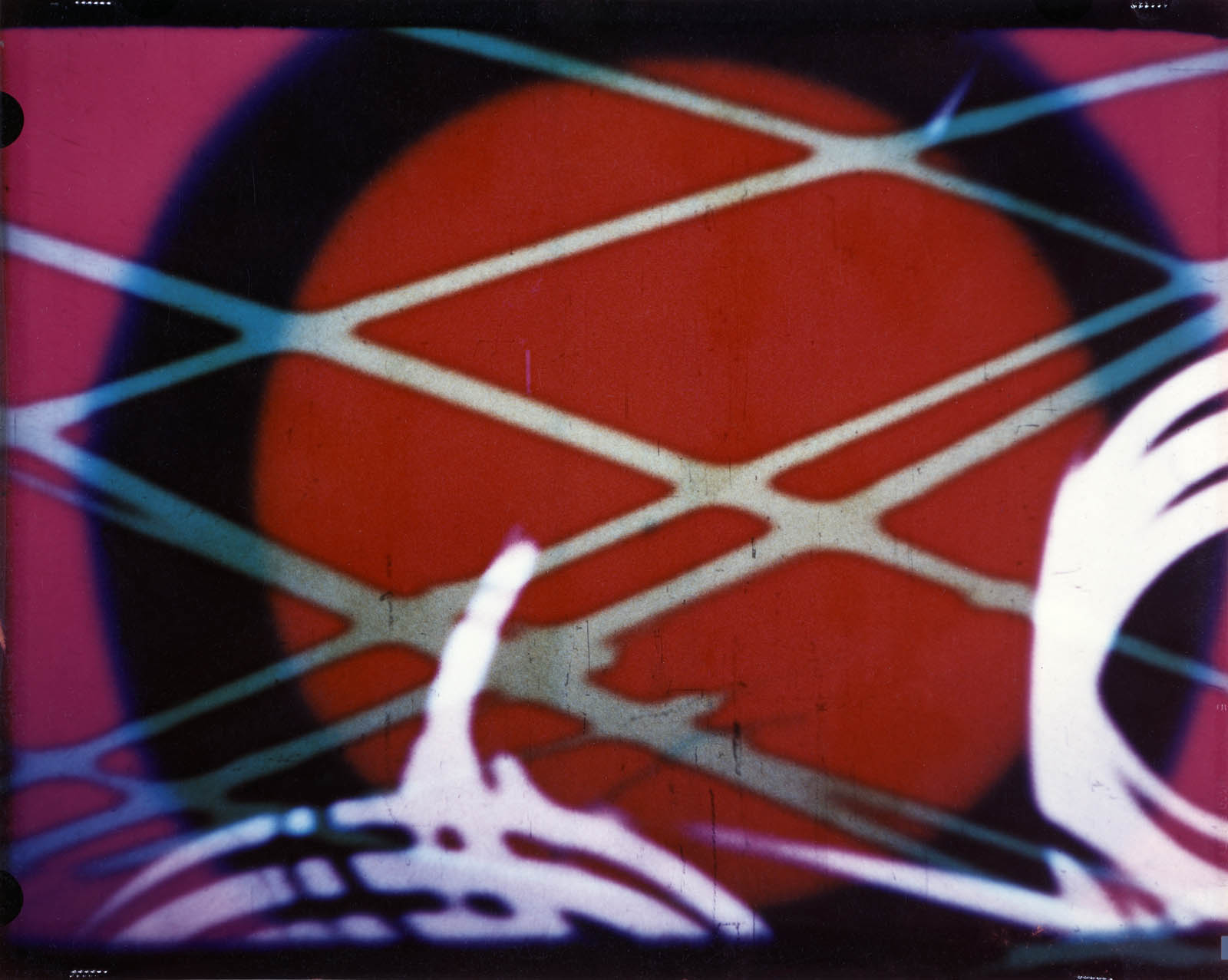
 

Hy Hirsh (American, 1911-1961) 'Untitled (abstraction)' c. 1950


Hy Hirsh (American, 1911-1961)
Untitled (abstraction)
c. 1950
Chromogenic print, 251 x 200 mm 
Rijksmuseum, Amsterdam
Purchased with the support of Baker McKenzie


Anonymous photographer. 'Family Standing beside their Car' c. 1957–1960


Anonymous photographer
Family Standing beside their Car
c. 1957-1960
Chromogenic print (Kodak Instamatic)
76 x 76 mm 
Rijksmuseum, Amsterdam


Irene Poon (American, b. 1941) 'Virginia' 1965


Irene Poon (American, b. 1941)
Virginia
1965
San Francisco Museum of Modern Art
Gift of Charles Wong
© Irene Poon Photography Archive, Department of Special Collections, Stanford University Libraries


It is the Chinese-American community that is the focus of the work of Irene Poon, who grew up in San Francisco’s Chinatown, where her parents, first-generation immigrants from Guanghzou, ran a herbalist store. A 1965 image features Poon’s sister Virginia in a local sweet shop, crowded out by Hershey’s and Nestlé bars. The letters “Nest” peep out from the densely packed shelves, reinforcing a sense that she is enclosed by this mass of graphic lettering. Beside her head a “Look” bar competes for attention, hinting at that other ever-expanding role for American photography: advertising − a sector in which the US was a forerunner. “Many of the 20th-Century artists started in advertising. It’s part of art history,” Boom says. “This whole field already existed, and the arts, and photography as an art form, draws from it.”

Deborah Nicholls-Lee. “Eight images that tell the story of America,” on the BBC website 12 February 2025 [Online] Cited 06/06/2025


Bruce Wrighton (American, 1950-1988) 'Portrait of a woman, Binghampton, NY ('Woolworth Shopper')' 1987


Bruce Wrighton (American, 1950-1988)
Portrait of a woman, Binghampton, NY (‘Woolworth Shopper’)
1987
Rijksmuseum, Amsterdam
Purchased with the support of Baker McKenzie
© Estate of Bruce Wrighton, Courtesy Laurence Miller Gallery
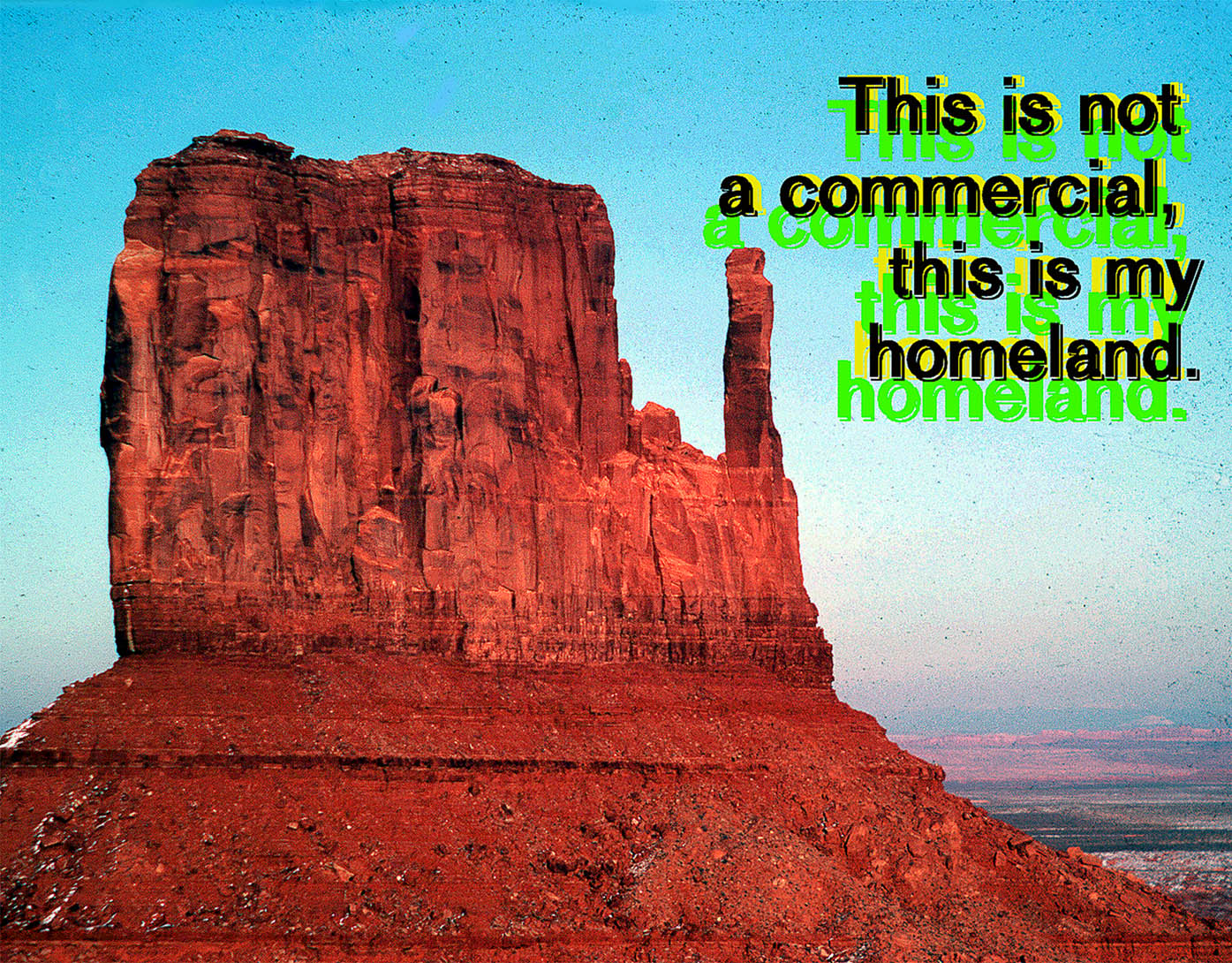
 

Hulleah Tsinhnahjinnie (American, b. 1954) 'This is not a commercial, this is my homeland' 1998


Hulleah Tsinhnahjinnie (American, b. 1954)
This is not a commercial, this is my homeland
1998
Platinum lambda print
476 x 609 mm
Courtesy of the artist


The political power of photography is also seen in the work of Native American (Seminole-Muscogee-Navajo) photographer Hulleah Tsinhnahjinnie who uses the camera to correct misconceptions about Indigenous populations and to offer an alternative viewpoint on US history. “No longer is the camera held by an outsider looking in, the camera is held with brown hands opening familiar worlds,” she writes in a 1993 essay. “We document ourselves with a humanising eye, we create new visions with ease, and we can turn the camera and show how we see you.”

Tsinhnahjinnie’s captioning of a touristic image of Monument Valley, Arizona with This is not a commercial, this is my homeland highlights the commodification of American land, and uses what she calls “photographic sovereignty” to take us back to the very beginning and reclaim and retell the story of America. In combination with works such as Bryan Schutmaat’s Tonopah, Nevada (2012), which documents mining’s effect on the landscape of the American West, images like Tsinhnahjinnie’s tell a story of a beautiful land that means different things to different people: financial gain, security or a sacred space.

Deborah Nicholls-Lee. “Eight images that tell the story of America,” on the BBC website 12 February 2025 [Online] Cited 06/06/2025


Bryan Schutmaat (American, b. 1983) 'Tonopah, Nevada' 2012


Bryan Schutmaat (American, b. 1983)
Tonopah, Nevada
2012
Inkjet print
1017 x 1277 mm (printed 2021)
Rijksmuseum, Amsterdam
Purchased with the support of Baker McKenzie


Rijksmuseum
Museumstraat 1
1071 XX Amsterdam

Opening hours:
Open daily 9 – 17h

Rijksmuseum website

LIKE ART BLART ON FACEBOOK

Back to top

Exhibition: ‘Present Tense: An Imagined Grammar of Portraiture in the New Media Age’ at the National Portrait Gallery, Canberra

Exhibition dates: 22nd May – 22nd August, 2010


Many thankx to David Edghill and the National Portrait Gallery for allowing me to publish the photographs in the posting. Please click on the photographs for a larger version of the image.


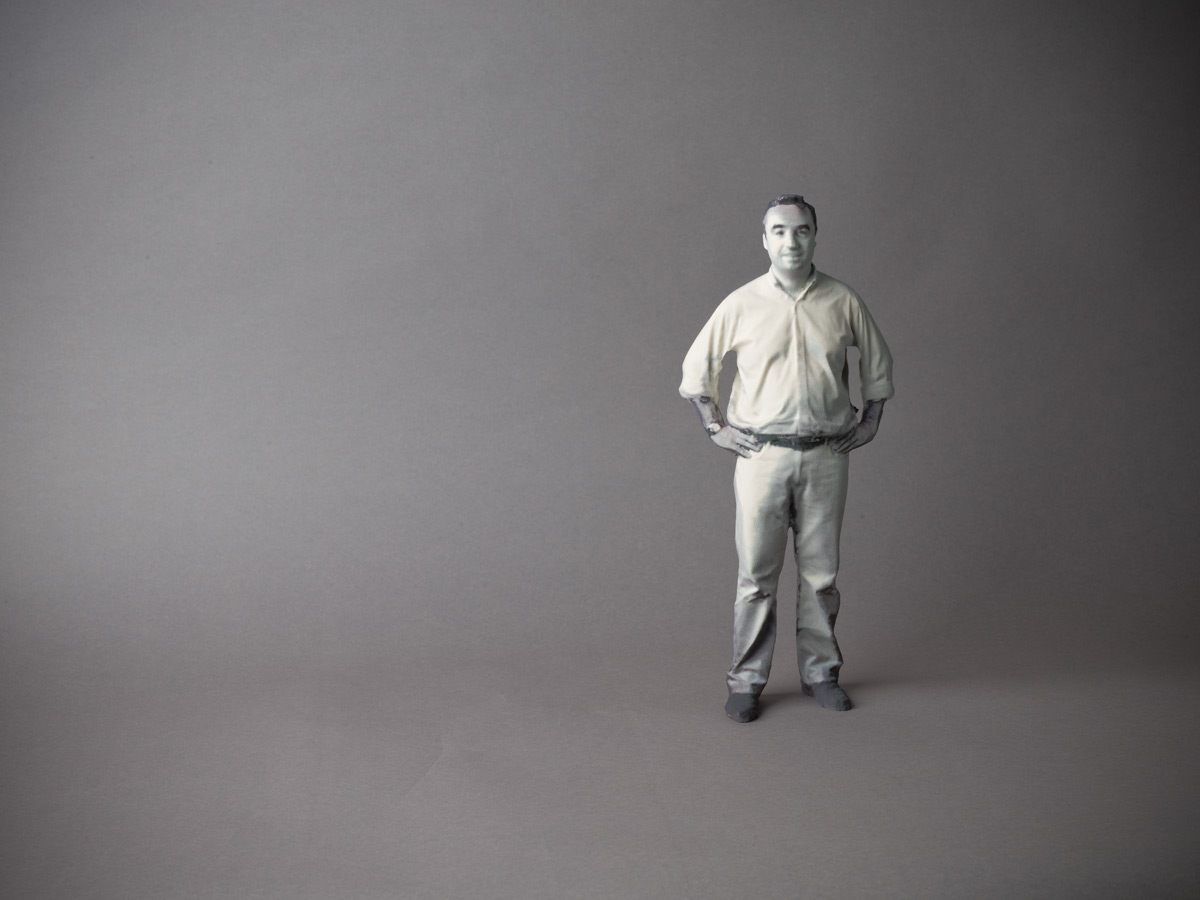
Karen Sander (German, b. 1957) 'Herve Blechy' 1:5 2008 from the exhibition 'Present Tense: An Imagined Grammar of Portraiture in the New Media Age' at the National Portrait Gallery, Canberra, May - August, 2010


Karen Sander (German, b. 1957)
Herve Blechy 1:5
2008
3D Bodyscans of the living person (3D coordinates and colour texture), MPT (Miniaturised Projection Technology), rapid prototyping, 3D Inkjet printer, plaster material, pigment
Courtesy of the artist, Berlin, and Galerie Nachst St. Stephan, Vienna, and Galerie Helga de Alvear, Madrid


Karen Sander (German, b. 1957) 'Herve Blechy' 1:5 2008


Karen Sander (German, b. 1957)
Herve Blechy 1:5
2008
3D Bodyscans of the living person (3D coordinates and colour texture), MPT (Miniaturised Projection Technology), rapid prototyping, 3D Inkjet printer, plaster material, pigment
Courtesy of the artist, Berlin, and Galerie Nachst St. Stephan, Vienna, and Galerie Helga de Alvear, Madrid.


A good way of looking at the show as a whole is that it is about the interaction of new technologies with the traditional methods of portraiture – painting, sculpture and photography – which already have their own pre-established ‘grammars’… This show foregrounds the fundamental image-making actions which have now become proper to contemporary portraiture. No longer just the snap the of camera’s shutter or the incremental description of the painter’s brush, but now also the trundling progress of the flatbed scanner and the circular pan of the 3D scanner…

In the end this is a humanist show, about ghosts more than shells. It argues that despite all of the cold digital technology in the world portraits are still about the promise of finding the warm interior of a person via their exterior. The show’s inclusion of some three-dimensional ultrasound images of foetuses in the womb could have easily been over-the-top and obvious in its point about our intimate adoption of new imaging technologies. Until we see one intrauterine image of twins in which one foetus is caught sticking its toe into the eye of its sibling. A rivalry which, we think to ourselves, will no doubt continue for the rest of their lives.

Martyn Jolly. “Review of Present Tense: An Imagined Grammar of Portraiture in the New Media Age, on the Martyn Jolly website October 3, 2013 [Online] Cited 10/07/2022


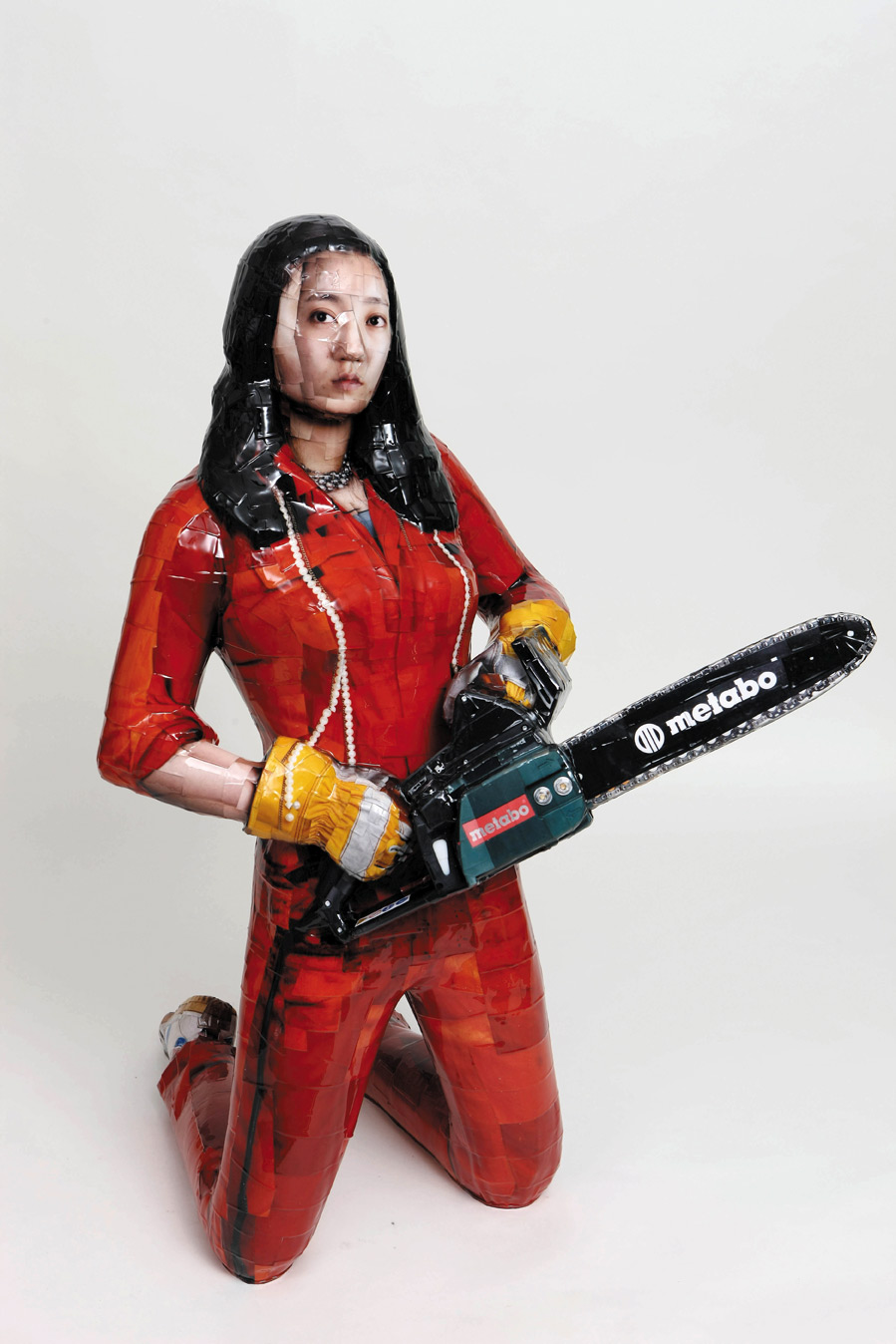
Osang Gwon (Korean, b. 1974) 'Metabo' 2009 from the exhibition 'Present Tense: An Imagined Grammar of Portraiture in the New Media Age' at the National Portrait Gallery, Canberra, May - August, 2010


Osang Gwon (Korean, b. 1974)
Metabo
2009
C-prints, mixed media
130.0 x 80.0 x 105.0cm
Courtesy of the artist and Arario Gallery, Seoul


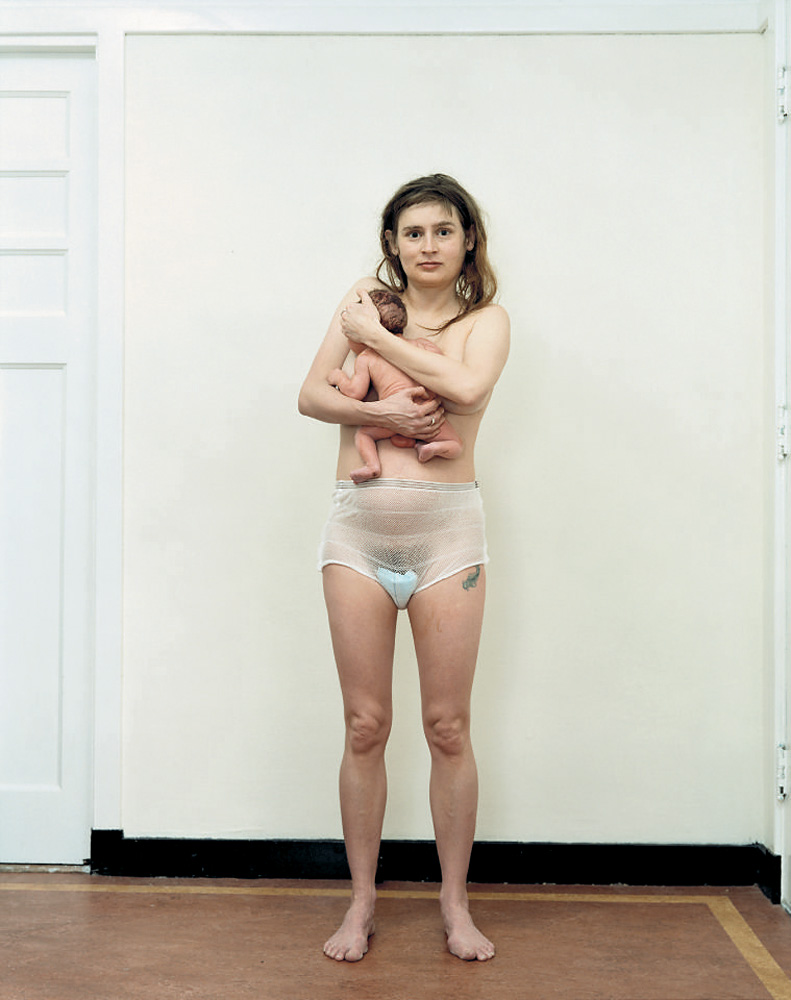
Rineke Dijkstra (Dutch, b. 1959) 'Julie, Den Hagg, The Netherlands, February 29, 1994' 1994  from the exhibition 'Present Tense: An Imagined Grammar of Portraiture in the New Media Age' at the National Portrait Gallery, Canberra, May - August, 2010


Rineke Dijkstra (Dutch, b. 1959)
Julie, Den Hagg, The Netherlands, February 29, 1994
1994
Courtesy of Marian Goodman Gallery and the artist


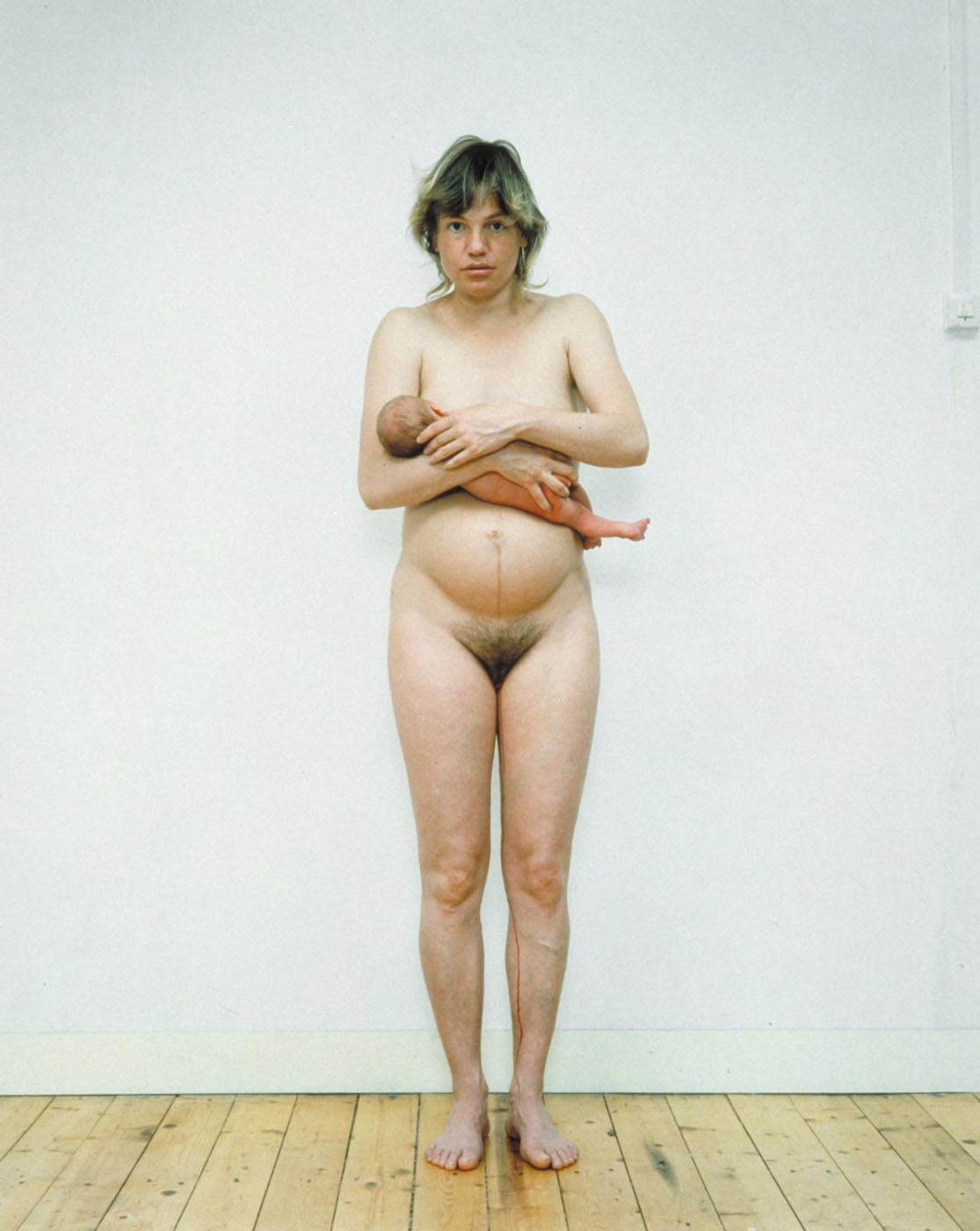
The masterful Dutch photographer Rineke Dijkstra provides the emotional centre of gravity for the show. Her simple nude photographs of startled young mothers clutching their newborn babies like bags of shopping about to burst remind us again of the power of the straight photo. But her stunning two-gun video installation, The Buzzclub, LiverpoolUK / Mysteryworld, Zaandam NL, also from the mid-nineties, confirms the pre-eminence of the video portrait. Dijkstra has, presumably, momentarily pulled young off-their-faces clubbers straight from the dance floors of the two clubs and put them in front of her video camera in a bare white space off to the side. But the laser lightshows and the duff duff are obviously still going on inside their skulls. As they continue to work their jaws and jig robotically we get full voyeuristic access to them and, even though their interior individualities have temporarily gone AWOL, we nonetheless feel an extraordinary tenderness welling up for them.

Martyn Jolly. “Review of Present Tense: An Imagined Grammar of Portraiture in the New Media Age, on the Martyn Jolly website October 3, 2013 [Online] Cited 10/07/2022


Rineke Dijkstra (Dutch, b. 1959) 'Tecla, Amsterdam, Netherlands, May 16 1994' 1994


Rineke Dijkstra (Dutch, b. 1959)
Tecla, Amsterdam, Netherlands, May 16 1994
1994
C-print on paper, mounted on aluminium


Dijkstra decided to make these portraits after witnessing the birth of a friend’s baby. She photographed three women, one hour (Julie), one day (Tecla) and one week (Saskia) after giving birth. The raw immediacy of these images captures something of the contradictions inherent in this common and yet most singular of human experiences. The women appear at once vulnerable and invincible, traumatised and self-composed.

Tate Gallery label, May 2010


Tecla, Amsterdam, Netherlands, May 16, 1994 (1994, above) Julie, Den Haag, Netherlands, February 29 1994 (1994, above) and Saskia, Harderwijk, Netherlands, March 16 1994 (Tate P78099) are three portraits of women made shortly after they had given birth. All the women were known to the artist – one was a personal friend and the other two were friends of friends. Dijkstra photographed the women in their homes because in Holland it is more common for women to give birth at home than in a hospital. While bearing signs of their recent ordeal – the medical pants and sanitary towel which Julie wears, a trickle of blood down the inside of Tecla’s left leg, the caesarean scar on Saskia’s belly – the women appear proud and happy. They hold their new babies turned away from the camera, protectively pressed against their bodies. Dijkstra has developed a way of combining natural light with flash which results in particular quality of soft, clear light. Julie’s left hand covers her baby’s eyes to protect them from the flash.

Dijkstra was inspired to make these portraits after watching the birth of a friend’s baby. She is interested in photographing people at a time when they do not have everything under control. She uses the device of the formally posed, full-length portrait to try to reveal something of what people carry inside them – the emotional intensity concealed behind the mask of the face and the body’s pose. The photographic portrait, titled with the date and place, records a specific moment in time in which the subject was undergoing a particular experience. Dijkstra has commented:

As a photographer you enlarge or emphasise a certain moment, making it another reality. For instance the portraits I made of women after giving birth: the reality of this experience is about the whole atmosphere, which is very emotional. In the photograph, you can scrutinise all the details, which makes it a bit harsh: you can see things you normally would not pay so much attention to. (Quoted in Douglas, p. 79.)

In the same year that Dijkstra photographed the new mothers, she photographed matadors in Portugal, just after they had come out of the ring. Like the new mothers, the bull-fighters had been in emotionally charged, potentially life-threatening situations. Both mothers and matadors are captured in a state of physical and emotional catharsis which contributes to the intensity of their engagement with the camera. Dijikstra uses 4 x 5 inch film to make her portraits, demanding time and concentration on the part of both artist and subject. She is sensitive to the vulnerability which her subjects give her access to and is careful not to abuse their trust. She has explained of the new mothers:

‘It’s amazing how they trust me, and I think that afterwards they understand that these photos are about something universal and that it’s not particularly about them …the first show I had in Amsterdam with these photos a lot of women came to me and said, you know it’s really great that you make these photographs because it’s really the way it is but nobody ever shows it, and I can recognise myself in it. And the men were all like, you can’t show a woman like that.’
(Quoted in unpublished interview with Tate Modern Curator Jane Burton, on the occasion of the exhibition Cruel and Tender, in 2003.)

Elizabeth Manchester
July 2005

Elizabeth Manchester. “Tecla, Amsterdam, Netherlands, May 16 1994,” on the Tate Gallery website Nd [Online] Cited 10/07/2022


The portrait is an art of surface predicated on a paradox – that the rendering of someone’s features will somehow ultimately reveal more than just their outward appearance. It reminds me of the twist at the core of Tarkovsky’s film Solaris, (one of the greatest films about identity and representation) where the sceptical psychologist is finally forced to conclude, despite his rationalism, that ‘we need secrets to preserve simple human truths’. But how can the secretive preserve the truthful? It’s a question that Dijkstra, in her portraits, attempts to answer, albeit enigmatically and allusively. A withholding of information and obsession with surface makes her portraits feel recognisably human. They’re so riddled with secrets they practically breathe.

Perhaps it’s to do with the scale of the images, which are large and impossible to overlook, and her palette, which is almost as subtle and perfect as her 17th- and 18th-century precursors. If the Dutch and Flemish portrait painters looked at the world with eyes that anticipated photography, it could be said that Dijkstra continues the cycle by looking at photography through the lens of historical painting. …

Dijkstra’s portraits of three young mothers (Julia, Saskia and Tecla, all 1994) holding their new born babies to their chests with absolute, exhausted tenderness, exemplifies the restraint and deceptive simplicity of her approach towards representing people whose lives have been touched by commonplace but monumental change. Replace the sand with a floor and the sky with a hospital wall and the only thing that separates these images from the beach series is the nature of the transition that these people are experiencing. Our culture’s puritanical fear of the body, so beautifully reflected for hundreds of years in scores of paintings of bloodless, saintly motherhood, is countered in these truthful, unflinching images. One mother stands in her underwear, her sanitary pad bulgingly visible. The other two women stand naked, swollen, scarred and bloody. They all, as well they might, look faintly triumphant.

I can’t remember a show where the audience stood for so long in front of a series of images of ordinary people. The same can be said of Dijkstra’s video in which she isolated teenagers against a white background in two night-clubs (The Buzz Club in Liverpool, England and Mystery World in Zaandam, Netherlands) and videoed them dancing, mainly alone, to the camera. Each of them, of course, responded differently to the absence of those clubbing staples, dim lights and crowds – they danced self-consciously and smoked defiantly. Some flirted with the camera, others looked almost annoyed. Most of them, despite trying very hard not to be, looked very young, rather forlorn, sweet even. The audience watched, riveted. The film was long and repetitive, but mysteriously and compulsively viewable.

Jennifer Higgie. “Rineke Dijkstra – Young Mothers,” on the Sihyun Art website, February 2012 [Online] Cited 07/07/2022


 Video of Rineke Dijkstra “The Buzzclub, Liverpool, UK / Mysteryworld, Zaandam, NL”, 1996-1997. Presented in exhibition at Mücsarnok, Budapest, “Coolhunters. Youth cultures between media and the market”, 23 March 2006 – 28 May 2006.

The video was recorded pulling people out of the dance floor of a nightclub and inserting it in a white cube. The behaviour on the dance floor as part of the group, here so isolated as a rare person, an indigenous moved to the museum space.


Robert Lazzarini (American, b. 1965) 'Skull' 2000


Robert Lazzarini (American, b. 1965)
Skull
2000
Resin, bone, pigment
35.0 x 8.0 x 20.0cm
Courtesy of the artist and Deitch Projects


Present Tense: An Imagined Grammar of Portraiture in the New Media Age is the principal exhibition in the National Portrait Gallery’s 2010 exhibition calendar. It will be displayed from 22 May to 22 August 2010. We are entering an exceptional time for portraiture and visual culture in general as the art world embraces the digital age. Traditional portraiture is responding to the application of new technologies and this imaging process is reshaping our interpretation and reading of the face.

Present Tense considers the alliance between portraiture and technology, showing how different ways of imaging in this contemporary, digital world reflect the way an individual is perceived and the various mechanisms of imaging that are used to manipulate that perception. The exhibition is comprised of works by Australian and international artists’ and includes examples of the informal and immediate images made on mobile phones, images recorded with sonograms that reveal faces that cannot be seen by the unaided eye, 2D and 3D portraits generated exclusively from binary code, as well as the more expected streaming digital works and manipulated photographs.

‘Some of the images in Present Tense are confronting and some are positively endearing’, said exhibition Curator Michael Desmond. ‘The exhibition surveys the possibilities of portraiture today, with the premise that the inhabitants’ of our digital society are pictured in a technological mirror’.

The use of digital technologies by artists is increasing, providing affordable alternatives to traditional media and offering a new tool set and the possibility of a new aesthetic. This is not to suggest that older media has been abandoned, or is associated only with conservative practice, rather that artists’ have greater choice in the materials that they use and the style that they wish to engage with. Chuck Close is one of artists’ in the exhibition who ignores the rising tide of digital imaging processes to favour old technology, creating powerful images with the archaic daguerreotype technique. Other artists’ in Present Tense include: Loretta Lux, Patrick Pound, Stelarc, Jonathon Nichols, Petrina Hicks, Ghostpatrol, Patricia Piccinini and more.

‘At one time, oil on canvas or bronze was the medium for portraits. The medium now is technology. In an inversion of one of Modernism’s classic aphorisms, digital technology allows function to follow form; the function of the portrait – to illustrate an individual’s character and physiognomy – is established by the stamp of the technology that created it’, said Michael Desmond.

Press release from the National Portrait Gallery website [Online] Cited 06/08/2010


Chuck Close (American, 1940-2021) 'Self portrait daguerreotype' 2000


Chuck Close (American, 1940-2021)
Self portrait daguerreotype
2000
16.5 x 21.6cm each
Courtesy of Pace/MacGill Gallery, New York


Patricia Piccinini (Australian, b. 1965) 'Psychogeography' 1996


Patricia Piccinini (Australian, b. 1965)
Psychogeography
1996
From the series Psycho
Type C colour photograph
120.0 x 247.0cm
Courtesy of the Parliament House Art Collection, Department of Parliamentary Services, Canberra


Stelarc (Australian born Cyprus, b. 1946) 'Stretched skin' 2009


Stelarc (Australian born Cyprus, b. 1946)
Stretched skin
2009
type C photograph
120.0 x 180.0cm
Courtesy of the artist and Scott Livesey Galleries


Jonathan Nichols (Australian, b. 1956) 'Lucy' 2001


Jonathan Nichols (Australian, b. 1956)
Lucy
2001
Courtesy of James and Jacqui Erskine, Sydney


Petrina Hicks (Australian, b. 1972) 'Ghost in the Shell' 2008


Petrina Hicks (Australian, b. 1972)
Ghost in the Shell
2008
From the series The Descendents
Courtesy of the artist and Stills Gallery, Sydney


There can be no doubt that we are entering an exceptional time for portraiture as the art world embraces the digital age. Traditional portraiture is responding to the application of new technologies and this imaging process is reshaping our interpretation and reading of the face.

The use of the computer and the internet at the most basic level to source or digitalise images is pervasive. Artists are using digital technologies as alternatives to traditional media and offering the possibility of a new aesthetic. The ease of manipulating an image is a prime aspect of portraiture in the digital age and equally important is the ease of distribution. Artists seek out images on the internet and send out or ‘post’ their own, setting up their own virtual galleries using social media such as Flickr, Facebook, YouTube, Twitter and Tumblr.

The National Portrait Gallery exhibition Present Tense: An imagined grammar of portraiture in the digital age considers the alliance between portraiture and technology and investigates how different ways of imaging reflect how the individual is perceived as well as how the various mechanisms of imaging that are used to manipulate that perception.

Present Tense includes examples of the informal and immediate digital snapshots made with mobile phones; images recorded with sonograms that reveal faces that cannot be seen by the unaided eye; 2d and 3d portraits generated exclusively from binary code; and the more expected videos and manipulated photographs. A number of artists in the exhibition ignore the rising tide of digital imaging processes to favour old technology and create powerful images with the archaic daguerreotype technique or cruder still, old-fashioned stencil.

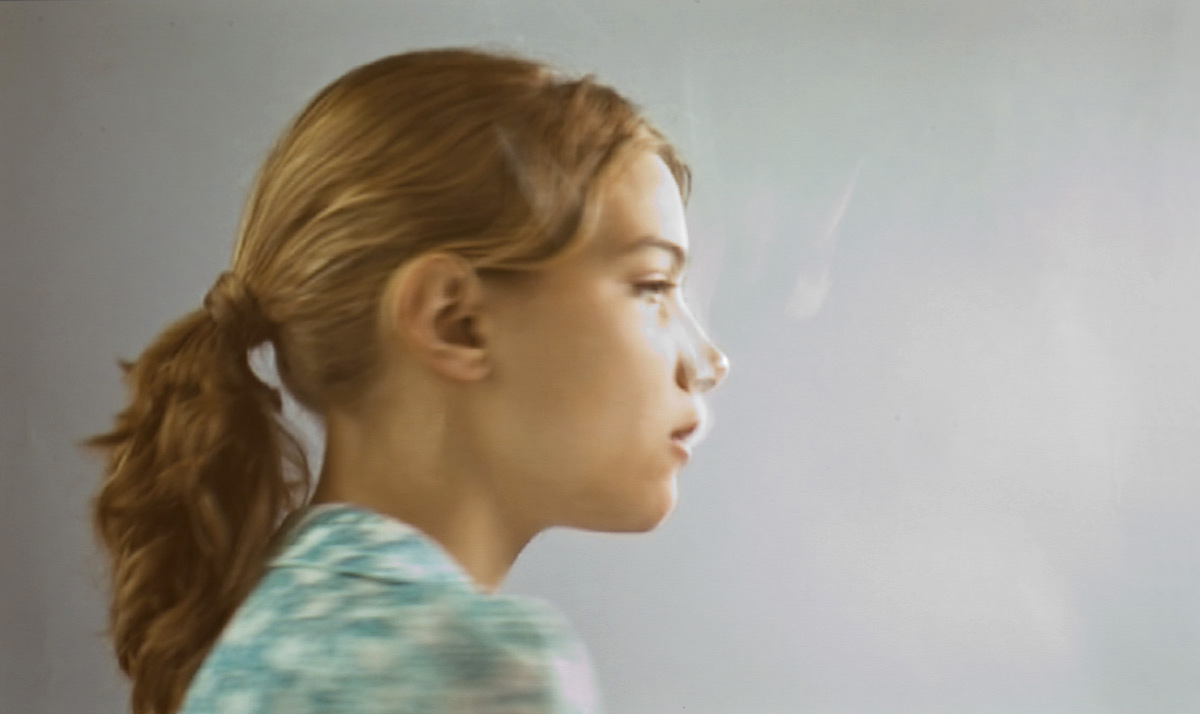
Video is still the dominant filmic medium. It is a difficult medium for portraiture as the narrative is the signifying factor of this temporal medium. Artist Petrina Hicks tackles this directly in her video portraits. In Ghost in the shell 2008 there are no props to convey identity in a conventional sense; the video is a slow pan of objectivity across the visage of a girl, unimpeded by good manners or fear. The camera records every detail, as her head pivots though 360 degrees and we are able to study and scrutinise the face and enjoy the sheer beauty of youth. The scanning view and the model’s perfect features conjure up the notion of a computer-aided design program that displays the object created by a 3d graphic application. Exhaled smoke emerges from the girl’s mouth in Art Nouveau curls and undulating arabesques. The combination of stilled, unemotional beauty makes the mobile, insubstantial smoke a metaphor for the soul. This is the ghost of the title but also a portrait of the inner self that inhabits all of us. Hicks makes a poetic contrast between the mapped surface and the unseen interior.

Zombies, vampires and plagues that decimate humankind to a few survivors haunt the movie and television screens of this decade. They represent the uncomfortable intimacy and connectedness of contemporary society – the six degrees of separation. While Jonathan Nichols’ portraits Lucy 2001, Nina 2002, and Smiling 2003 are hardly ghoulish the aura of uneasiness that surrounds them derives from the sense of being connected. Using social networks we can connect with fame and celebrity and we are also able to broadcast ourselves. The biggest and most varied galleries of portraits today are websites such as Facebook. These portrait galleries are more likely to display the girl next door rather than the glamorous magazine cover girls. Exhibitionism and voyeurism are implicit in posting portraits online. The aesthetic is bland and gives away little. They are image of self that are safe to broadcast. Nichols uses images taken from the internet to test the ‘look’ of such portraits. There is the hint of smiles to break the passport photo impassiveness, neutrality with a touch of erotic potential, enough personality to separate these anonymous faces from the crowd, and perhaps the comfort of looking at a face and knowing we all are connected.

Ghostpatrol & Miso are street artists who work together creating an extended portrait of a place, the inner Melbourne suburb of Fitzroy. Their portrait layers the views and experiences of inner city living as a sensual rather than documentary composite. Fitzroy 2010 is an homage to the streets of Fitzroy that Ghostpatrol & Miso have explored, stencilled, pasted and postered. Fitzroy is their platform for communication and the multiple images in this work are a response to the streets and the urban network of windows, houses and streets. Fitzroy is a self portrait, illustrating the artists’ perspective and their story in the city.

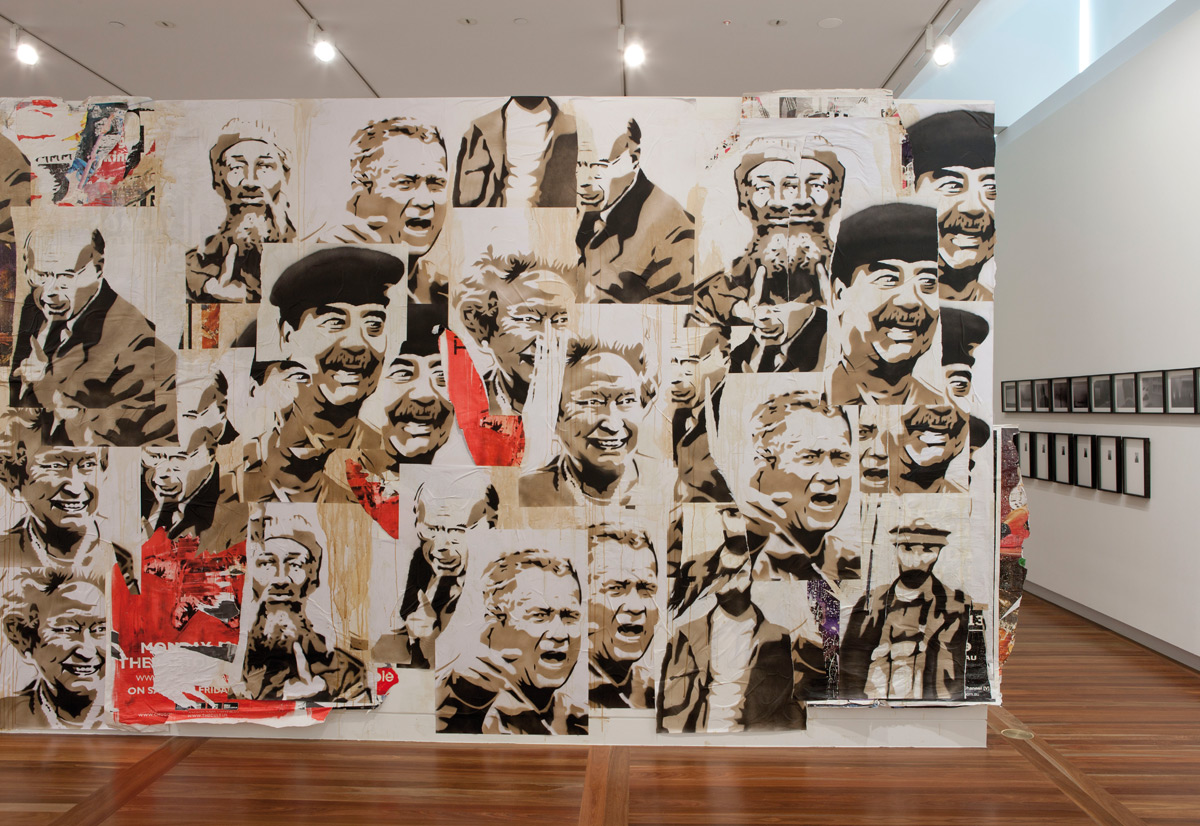
James Dodd, like Ghostpatrol & Miso, makes the streets his gallery. His posters from Occupied territory 2003 return to an established way of broadcasting and connecting, not by phone or internet, but by placing his portrait posters in the natural nodes and pathways where people travel and congregate. His faces in the streets – George W Bush, Saddam Hussein, Elizabeth II, Osama Bin Laden, John Howard – are powerful individuals who literally occupy the territory as they do the media. Advertisement, wanted poster or propaganda, Dodd employs the hand-made look of stencil to equalise differences between world leaders and as a means to counter the ubiquitous urbane and subjective portraits presented by mainstream new media with a fresh alternative.

The idea of creating accurate three dimensional portraits has always fascinated humanity. Here are portraits that are inseparable from the technology that created it. Robert Lazzarini sculpts forms with the computer. In making Skull 2000 he had little or no contact with traditional art materials. Lazzarini uses materials as close as possible to the original – in this case the skull is bone, though reconstituted with a resin binder. Anamorphic forms like this are measured against an ideal or archetype. The distorted form plays on our ability to recognise common forms such as a face or death’s head and reconstruct them in the mind.

So, having considered Lazzarini’s computer created sculpture, is it Karin Sander or the machine that created Hervé Blechy 1:5 2008? The artist herself didn’t touch any art materials or intervene in the process which involves the subject being photographed from all angles by multiple cameras; the images sent to a computer application that creates 3d models from photos and the resultant model is then sent to a rapid prototyping machine which generates the model in white plastic. This, in turn, is painted by an assistant. In 1967 Sol LeWitt declared that ‘The idea becomes a machine that makes the art.’ Sander’s mini-monuments, which she refers to as ‘assisted self portraits’ are classic examples of conceptual art, but with the neat twist that if an idea is as ephemeral as data, then here, data takes on materiality.

Portraiture with its strict focus on the recognisable image of the individual face is resistant to change despite the many movements and styles in the twentieth century and adoption of new digital technologies in the last decade. And although more choices of media available to the artist who is now able to make portraits using digital photography, digital video or installation the effect of the digital age is probably less on form and more on society. The use of digital media is near ubiquitous in part of the portrait process today. Photography, once considered an objective record of a sitter, as digital photography has gained the persuasive power of painting to subtly alter features and flatter beyond candid or objective description. There is greater spread and distribution with the increasing emphasis on the photographic but this may be only temporary as other forms and hybrids come online with 2d and 3d computer applications.

There is an increasing separation from old materials that slop, mess, spill in favour of keyboards and mice and the artist’s studio is starting to look like an executive’s work space. Research is done online and sketches are made on the camera rather than drawn from life and art is accordingly mediated from the start. Medium is less important than media, and in fact the term ‘medium’ is already starting to be an art historical term. Today, technology is not merely the means of transmission, it is the medium of so much contemporary art. While technology changes, the human face is a constant, mediated by fashion, politics and technological change. It is rewarding to look at portraits in terms of the technology that made it.

Michael Desmond. “Technical Terminology,” on the National Portrait Gallery website, 1 June 2010 [Online] Cited 10/07/2022


Present Tense: An imagined grammar of portraiture in the digital age

Senior Curator Michael Desmond talks about the exhibition Present Tense held at the National Portrait Gallery, Canberra from 22 May – 22 August 2010.


James Dodd (Australian, b. 1977) Posters from 'Occupied Territory' 2010 (installation view)


James Dodd (Australian, b. 1977)
Posters from Occupied Territory (installation view)
2010
Courtesy of the artist, Adelaide


GhostPatrol & Miso (David Booth and Stanislava Pinchuck) (Australian) 'Fitzroy' 2010 (installation view)


GhostPatrol & Miso (David Booth and Stanislava Pinchuck) (Australian)
Fitzroy (installation view)
2010
Courtesy of the artists, Melbourne


Aaron Seeto. 'Oblivion' 2006


Aaron Seeto
Oblivion
2006
From the series Oblivion
Daguerreotype


Aaron Seeto makes alternate historical positions and experiences visible through an exploration of archives, family photo albums and photographic records. In recent bodies of work Fortress and Oblivion, Seeto has utilised the daguerreotype, one of the earliest and most primitive photographic techniques, to highlight the malleability of narratives within archive records. Not only is the chemical process itself highly toxic and temperamental but the daguerreotype’s mirrored surface means the image appears as both positive and negative, depending on the angle of view. For Seeto, this mutability captures the essence of our experience of history and memory, reflecting how images degrade, how stories are formed and privileged, how knowledge and history are written. …

For his ongoing series Oblivion Seeto sourced details from images of the Cronulla riots – beachside riots around race and territory – of 2005 found on the internet. In reproducing these as daguerrotypes he seeks less to represent the incident than to look at how it was reported, understood and remembered. The instability of the virtual information found online is echoed in the photographic process.

Text from the Stills Gallery website [Online] Cited 14/02/2019


National Portrait Gallery
King Edward Terrace
Parkes, Canberra

Opening hours:
Daily 10am – 5pm

National Portrait Gallery website

LIKE ART BLART ON FACEBOOK

Back to top

Exhibition: ‘Picturing America: Photorealism in the 1970s’ at Deutsche Guggenheim, Berlin

Exhibition dates: 7th March – 10th May, 2009


Many thankx to the Deutsche Guggenheim for allowing me to publish the art work in the posting. Please click on the art work for a larger version of the image.


“My paintings are about light, about the way things look in their environment and especially about how things look painted. Form, colour and space are at the whim of reality, their discovery and organisation is the assignment of the realist painter.”

~ Ralph Goings


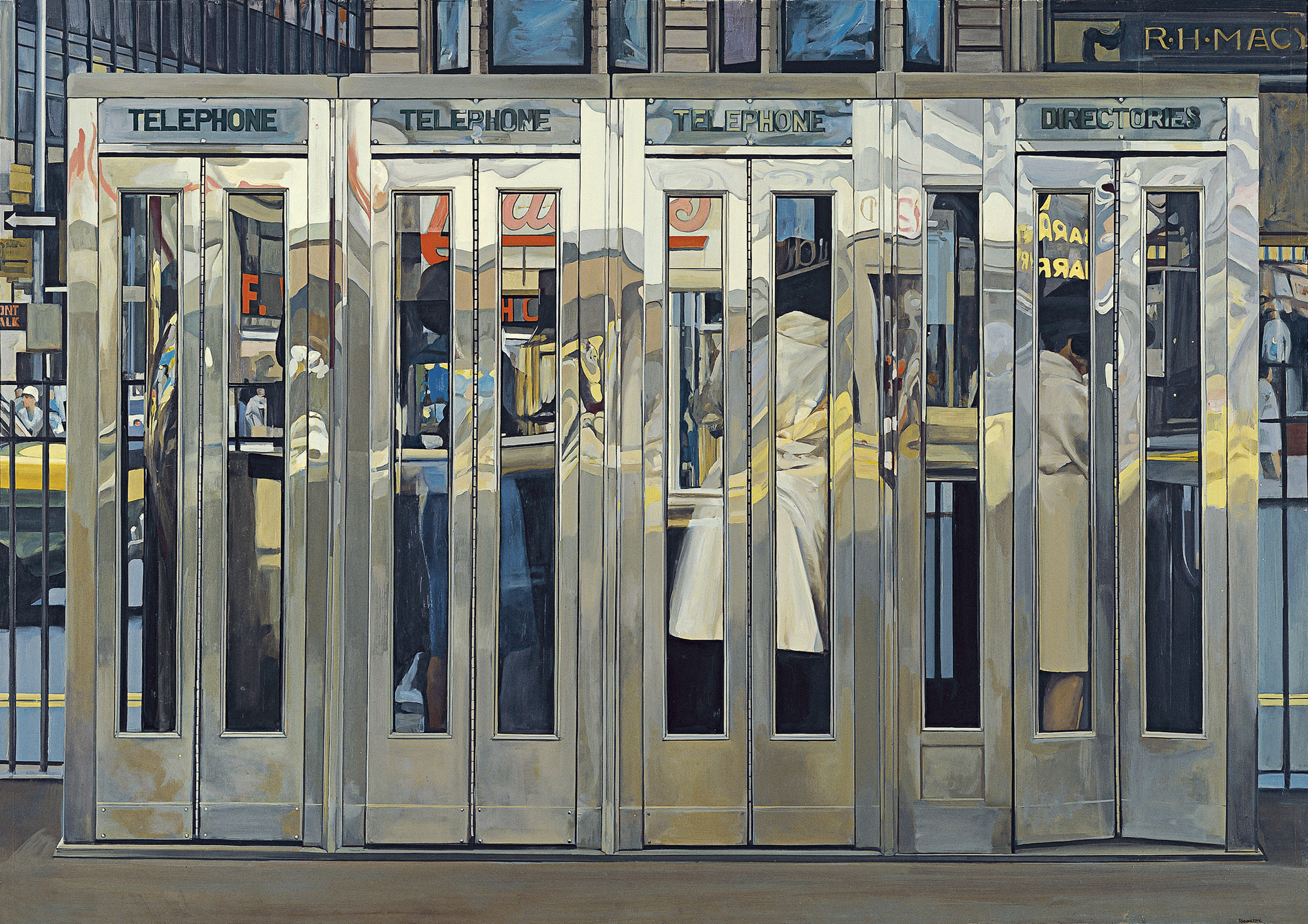
Richard Estes (American, b. 1932) 'Telephone Booths' 1967 from the exhibition 'Picturing America: Photorealism in the 1970s' at Deutsche Guggenheim, Berlin, March - May, 2009


Richard Estes (American, b. 1932)
Telephone Booths
1967


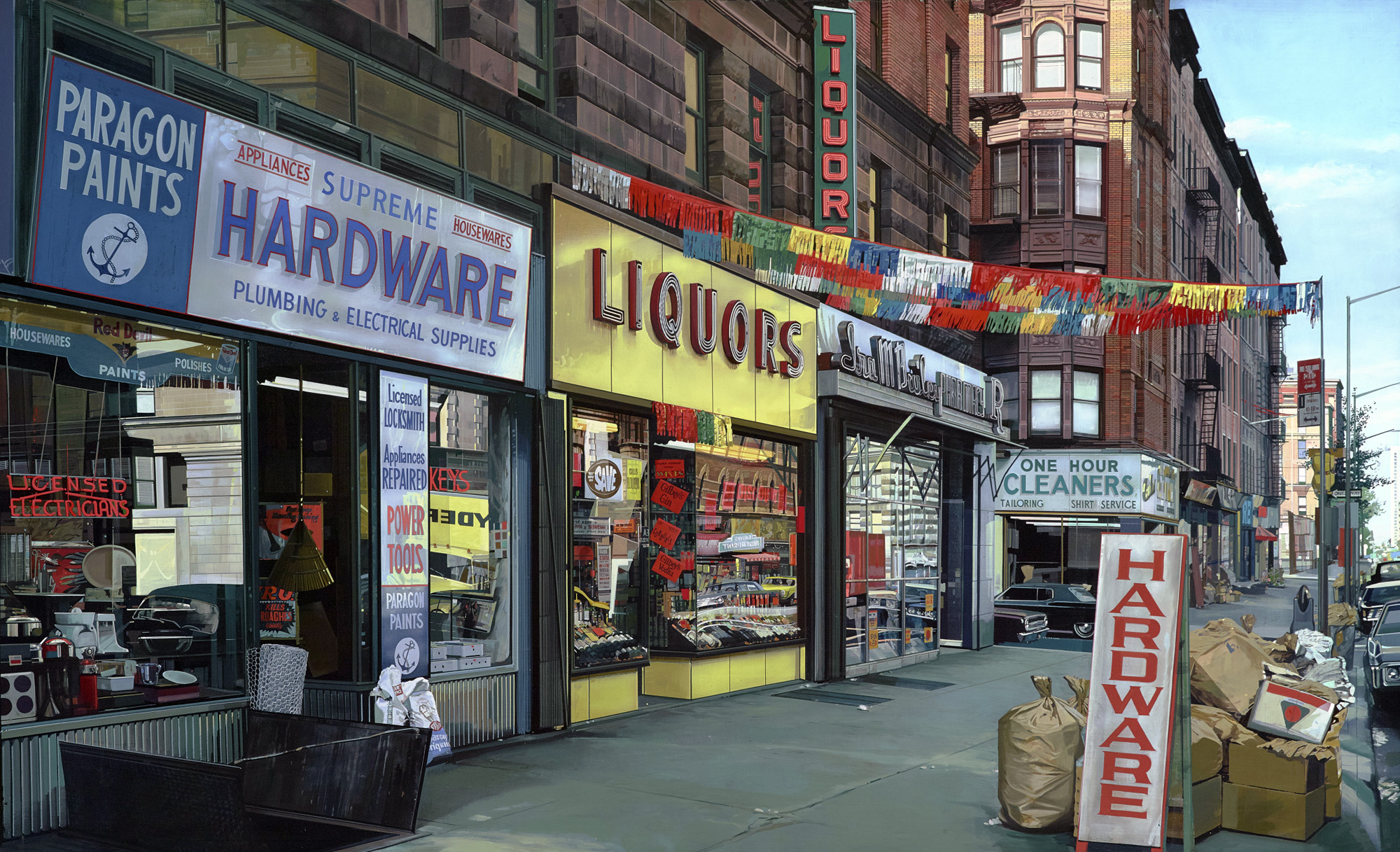
Richard Estes (American, b. 1932) 'Supreme Hardware' 1974 from the exhibition 'Picturing America: Photorealism in the 1970s' at Deutsche Guggenheim, Berlin, March - May, 2009


Richard Estes (American, b. 1932)
Supreme Hardware
1974


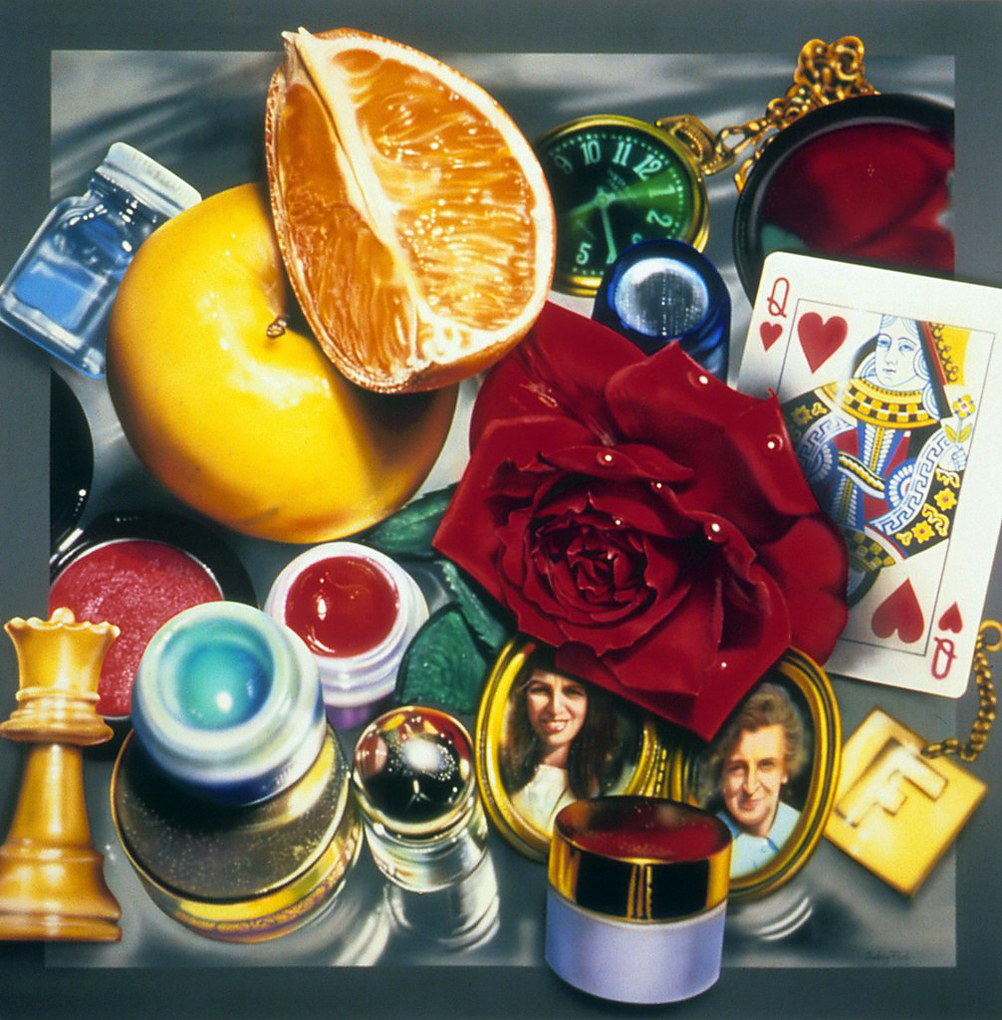
Audrey Flack (American, b. 1931) 'Queen' 1976


Audrey Flack (American, 1931-2024)
Queen
1976


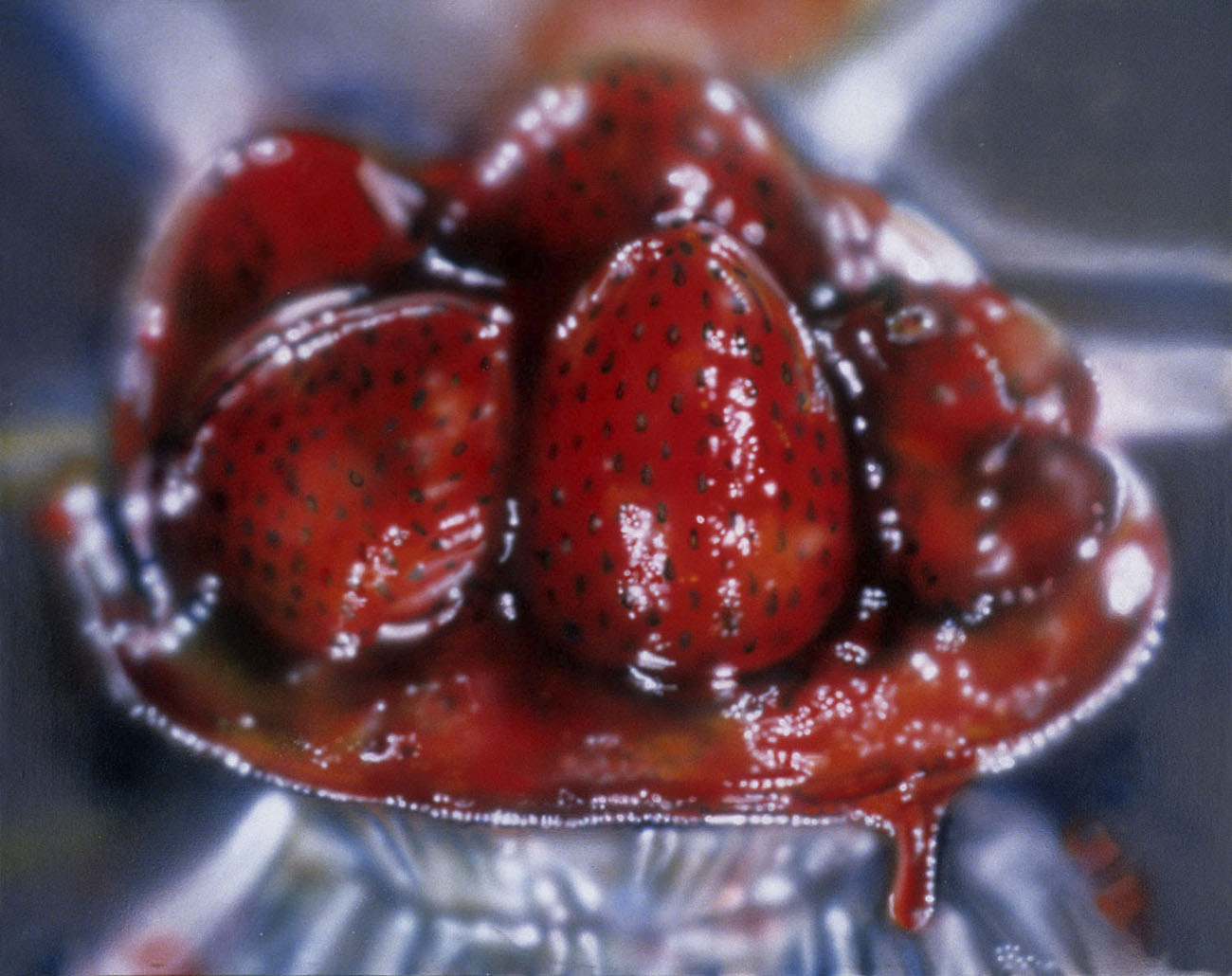
Audrey Flack (American, 1931-2024) 'Strawberry Tart' 1974


Audrey Flack (American, 1931-2024)
Strawberry Tart
1974
Oil on canvas
24 x 30 inches


Don Eddy (American, b. 1944) 'Untitled' 1971


Don Eddy (American, b. 1944)
Untitled
1971


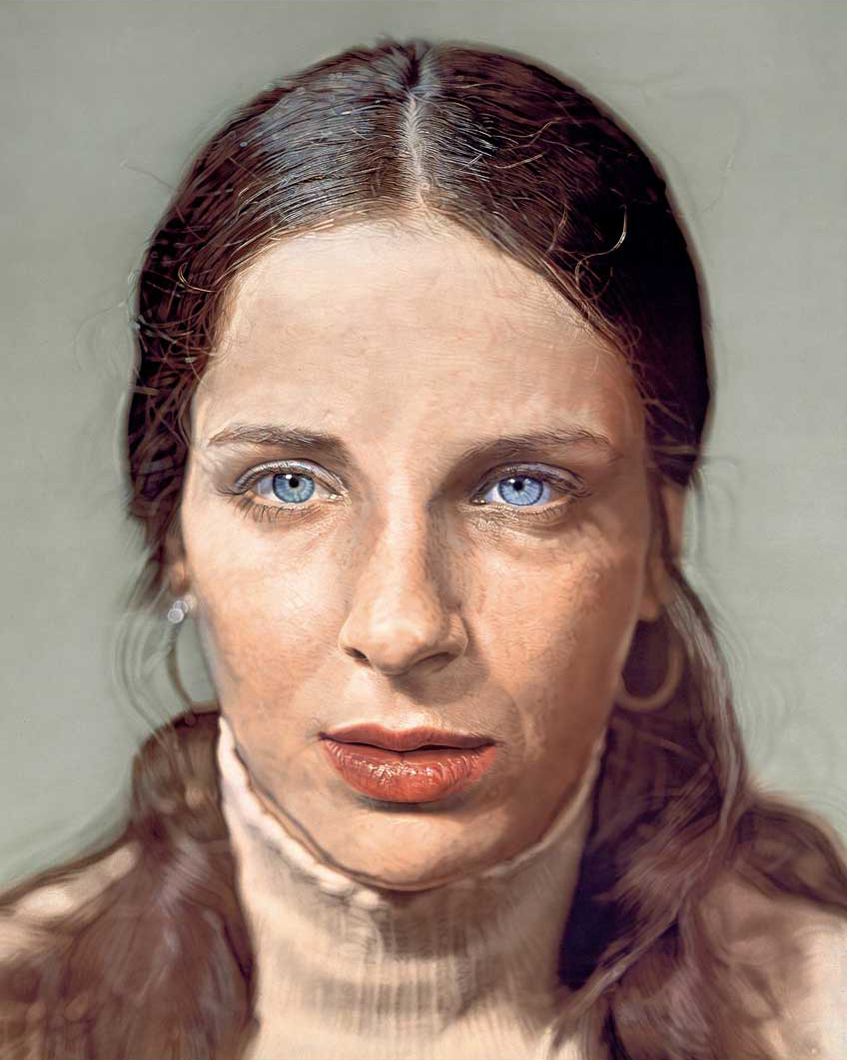
Chuck Close (American, 1940-2021) 'Leslie' 1973


Chuck Close (American, 1940-2021)
Leslie
1973


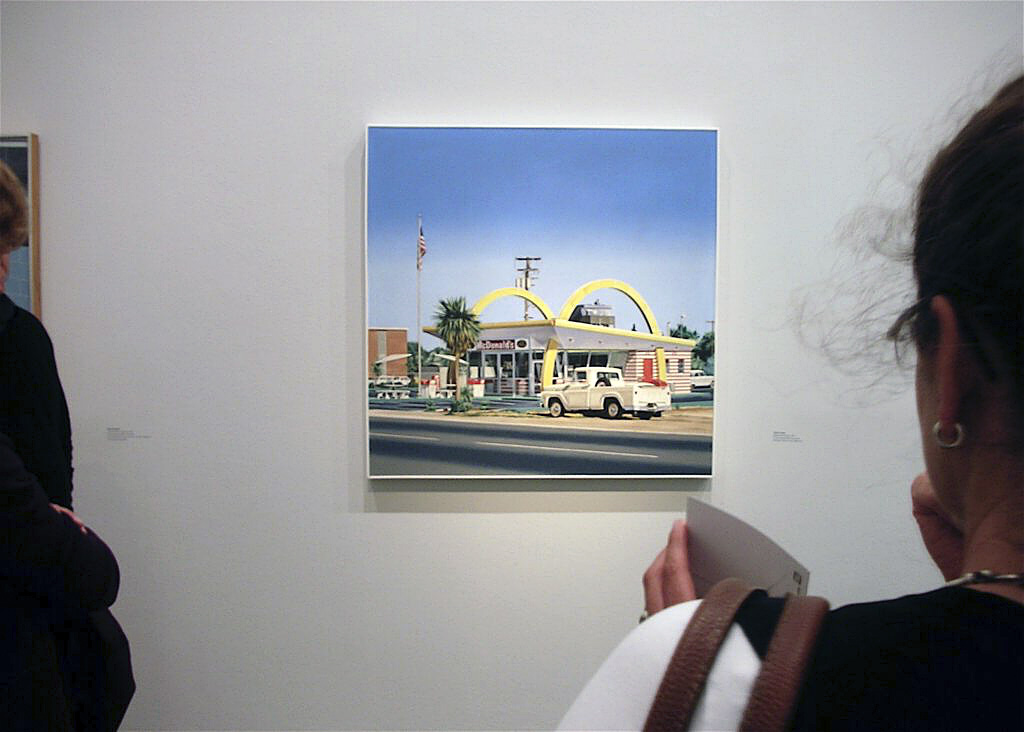
Ralph Goings (American, 1928-2016) 'McDonalds Pick Up' 1970 (installation view)


Ralph Goings (American, 1928-2016)
McDonalds Pick Up (installation view)
1970
41 x 41 inches
Oil on canvas
Collection of Marilyn and Ivan Karp


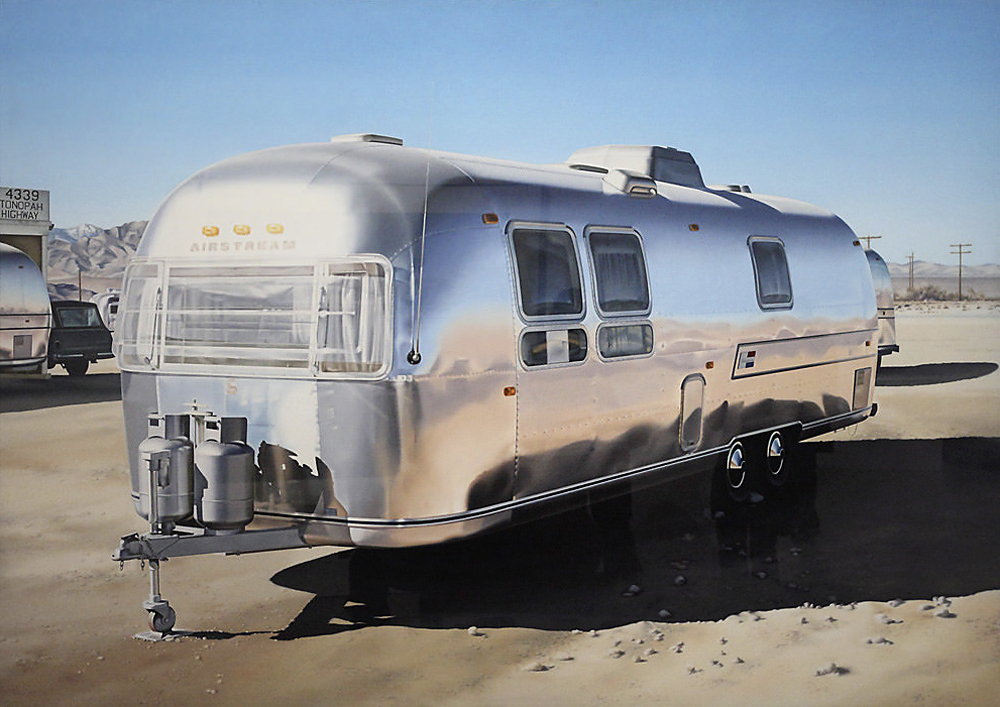
Ralph Goings (American, 1928-2016) 'Airstream' 1970


Ralph Goings (American, 1928-2016)
Airstream
1970


Ralph Goings (American, 1928-2016) 'Dicks Union General' 1971


Ralph Goings (American, 1928-2016)
Dicks Union General
1971
Oil on canvas


By the end of the 1960s, a number of young artists working in the United States had begun making large-scale realist paintings directly from photographs. With often meticulous detail, they portrayed the objects, places, and people that defined urban and suburban everyday life in America. In contrast to the Pop artists, they did not present their ubiquitous, often mundane, subject matter in a glamorised or ironic manner. They sought instead to achieve a great degree of objectivity and precision in the execution of their work in an effort to stay more or less faithful to the mechanically generated images that served as their source material. They developed various means of systematically translating photographic information onto canvas. In prioritising the way the camera sees over the way the eye sees, they underscored the complexity of the relationship between the reproduction and the reproduced as well as the impact of photography on the perception of both daily life and reality in general.

A number of terms were proposed in quick succession to describe this novel approach to painting, chief among them Super-Realism, Hyperrealism, and Photorealism. The artists identified as Photorealists neither formed a coherent group nor considered themselves to be part of a movement, and a number of them actively challenged their association with the label. Nevertheless, in the late 1960s and 1970s, the seventeen artists in Picturing America: Photorealism in the 1970s – Robert Bechtle, Charles Bell, Tom Blackwell, Chuck Close, Robert Cottingham, Don Eddy, Richard Estes, Audrey Flack, Franz Gertsch, Ralph Goings, Ron Kleemann, Richard McLean, Malcolm Morley, Stephen Posen, John Salt, Ben Schonzeit, and Paul Staiger – were exploring a related set of issues, methods, and subjects that led critics, curators, and art historians to both exhibit and write about their work as a coherent trend in contemporary art. Picturing America focuses on this formative, defining period in the history of Photorealism.

The exhibition includes thirty-one paintings, a number of them the most iconic and masterful works of 1967-1982, for example Richard Estes’s Telephone Booths (1967, above) and Chuck Close’s Leslie (1973, above). Picturing America is divided into four sections, three exploring key themes of Photorealist painting during the 1970s – Reflections on the City, Culture of Consumption, and American Life – and a fourth dedicated to a portfolio of ten lithographs made on the occasion of Documenta 5 in 1972, which featured the first major group showing of Photorealism.

Text from the Deutsche Guggenheim website


Picturing Americas – American Photorealism in the 70s

Vernissage video of “Picturing Americas”, an art exhibition about American Photorealism in the 1970s, presented in Berlin by Deutsche Guggenheim, a joint venture between Deutsche Bank and the Solomon R. Guggenheim Foundation in New York. The exhibition (March – May 2009) was the first major showing of American Photorealism in Germany since “documenta 5” in 1972.

The video includes interviews of Valerie Hillings, Assistant Curator, Solomon R. Guggenheim Museum, and interviews with the following artists: Ron Kleemann, Robert Bechtle, Tom Blackwell. You can also enjoy stills of selected pictures shown at the exhibition. Video courtesy of VernissageTV (VTV).

Text from the YouTube website


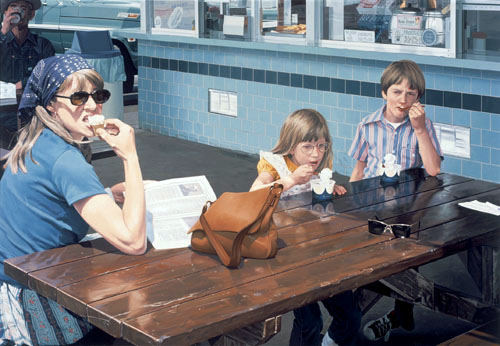
Robert Bechtle (American, 1932-2020) 'Foster's Freeze, Escalon' 1975


Robert Bechtle (American, 1932-2020)
Foster’s Freeze, Escalon
1975


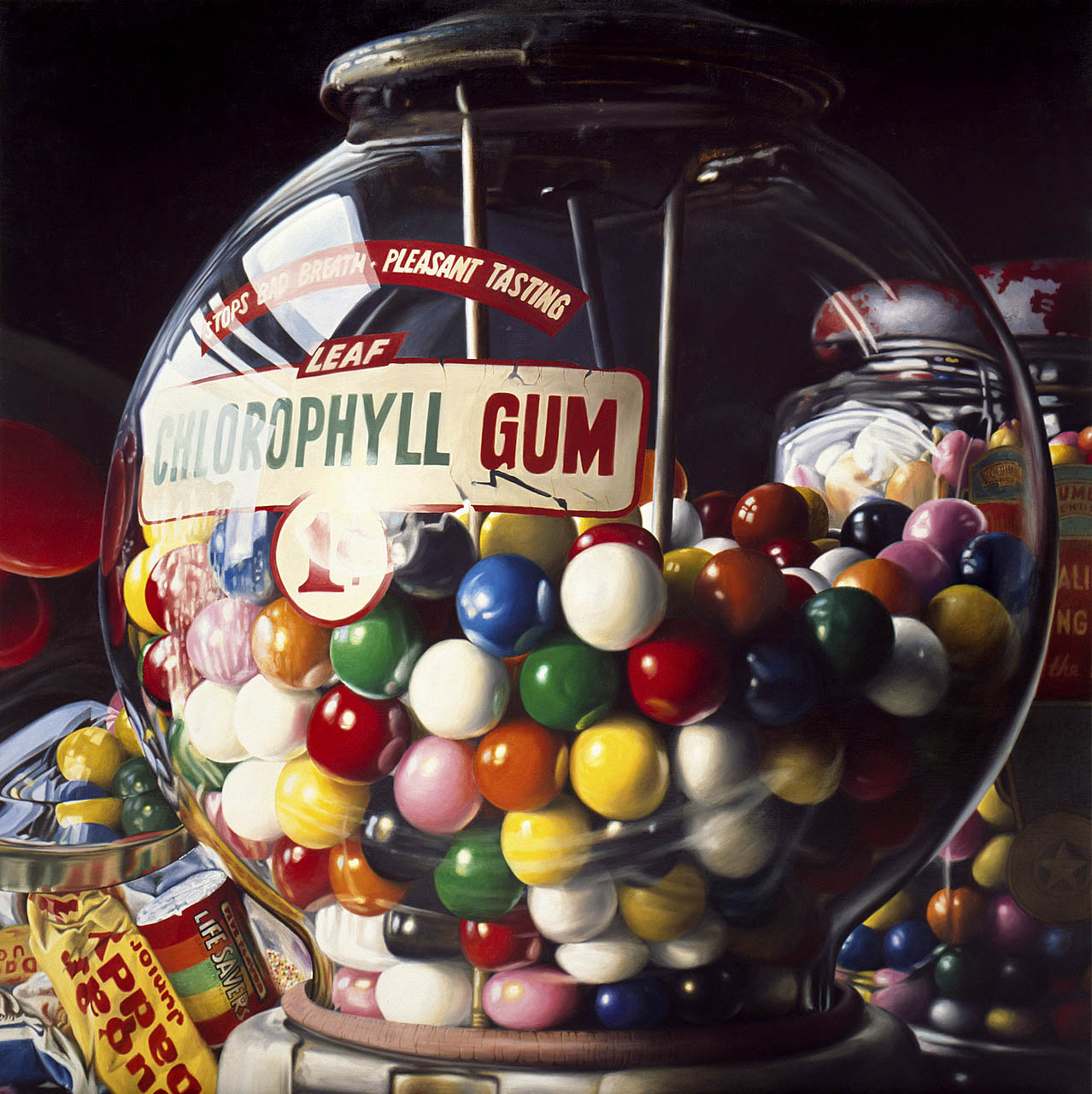
Charles Bell (American, 1935-1995) 'Gum Ball No. 10: "Sugar Daddy"'
1975


Charles Bell (American, 1935-1995)
Gum Ball No. 10: “Sugar Daddy”
1975
Oil on canvas
66 x 66 inches


Charles Bell was born in 1935 in Tulsa, Oklahoma. Although Bell became interested in art at a young age, he never received formal training. In 1957, he completed a BBA at the University of Oklahoma, Norman, and did not decide to pursue an artistic career until the early 1960s after touring in the U.S. Navy. At this point in time, he was working in the San Francisco Bay Area, where he was drawn to the vibrantly colored paintings of Richard Diebenkorn and Wayne Thiebaud. Other artistic influences Bell has cited range from Pop art to the realisms of Jan Vermeer and Salvador Dalí. It was through the painter Donald Timothy Flores, however, that Bell learned technique, most notably trompe l’oeil, while working in the former’s San Francisco studio. Under Flores, Bell painted mostly small-scale landscapes and still lifes, which earned him the Society of Western Artists Award in 1968.

In 1967 Bell relocated to New York, where he set up his first studio. Two years later he began showing at New York’s Meisel Gallery run by Louis K. Meisel, who popularized the term “Photorealism” and helped establish the style as a movement. Bell embraced a photo-based technique in his work not only for the way it renders imperceptible details visible, but also for how he saw the close-up photographic view as emblematic of contemporary visual experience steeped in a daily bombardment of media imagery. Bell carried out his Photorealist works by photographing his subjects in still-life compositions and painting from his image. 

Although Photorealism emerged as a national phenomenon, certain general qualities distinguish the coastal approaches to the movement. While the majority of the West Coast Photorealists preferred landscapes, particularly images of cars, trucks, and homes within an overall landscape, Bell, like many of the New York–based Photorealists, focused on still life. Bell transformed everyday subject matter by enlarging ordinary objects like Raggedy Ann dolls and gumball machines to an unusually grand scale. His subjects are typically familiar objects associated with childhood, consumer culture, and play, and thus capable of resonating with a broad audience. By focusing on larger-than-life subjects, Bell’s paintings also deny narrative readings of his work. He has described his approach to selecting subject matter as more of an emotional than intellectual process. The hyperrealistic precision of his technique, combined with an exaggerated scale, produces a sensation that oscillates between familiarity and unfamiliarity, thus engaging the viewer sensually and emotionally. The exploration of light remains a persistent theme throughout Bell’s oeuvre, from his earliest treatments of light on mostly opaque surfaces to his interest in reflected and refracted light on transparent materials, as seen in the gumball machine series (1971-77). These investigations gave way to his subsequent interest in objects illuminated from within, such as pinball machines, which he began in 1977.

Text from the Guggenheim website


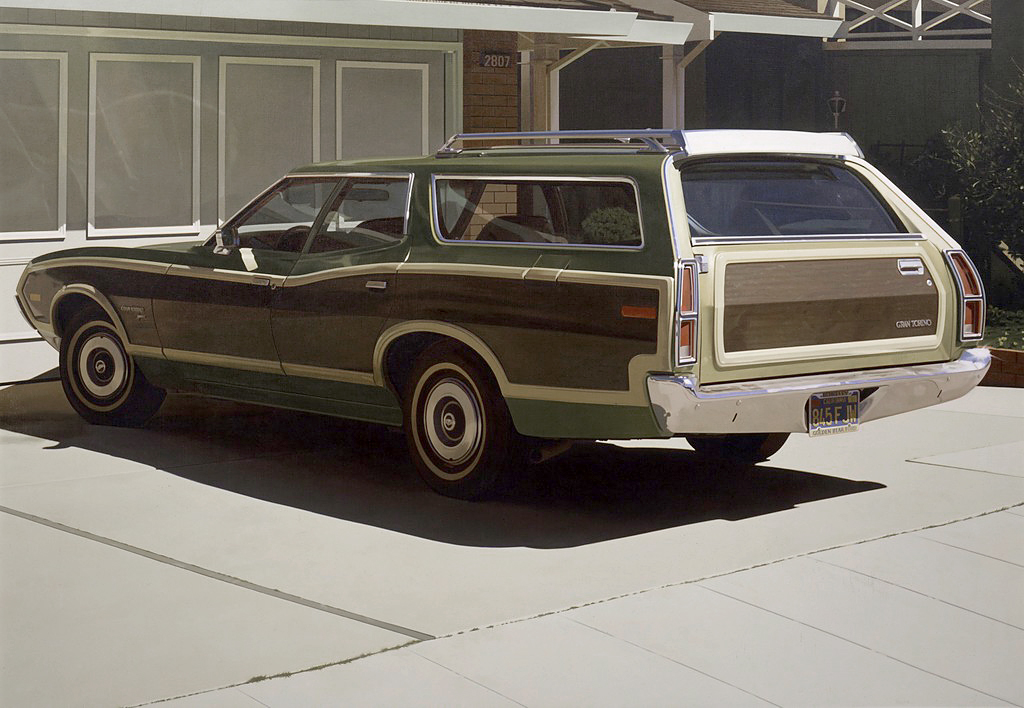
Robert Bechtle (American, 1932-2020) 'Alameda Gran Torino' 1974


Robert Bechtle (American, 1932-2020)
Alameda Gran Torino
1974


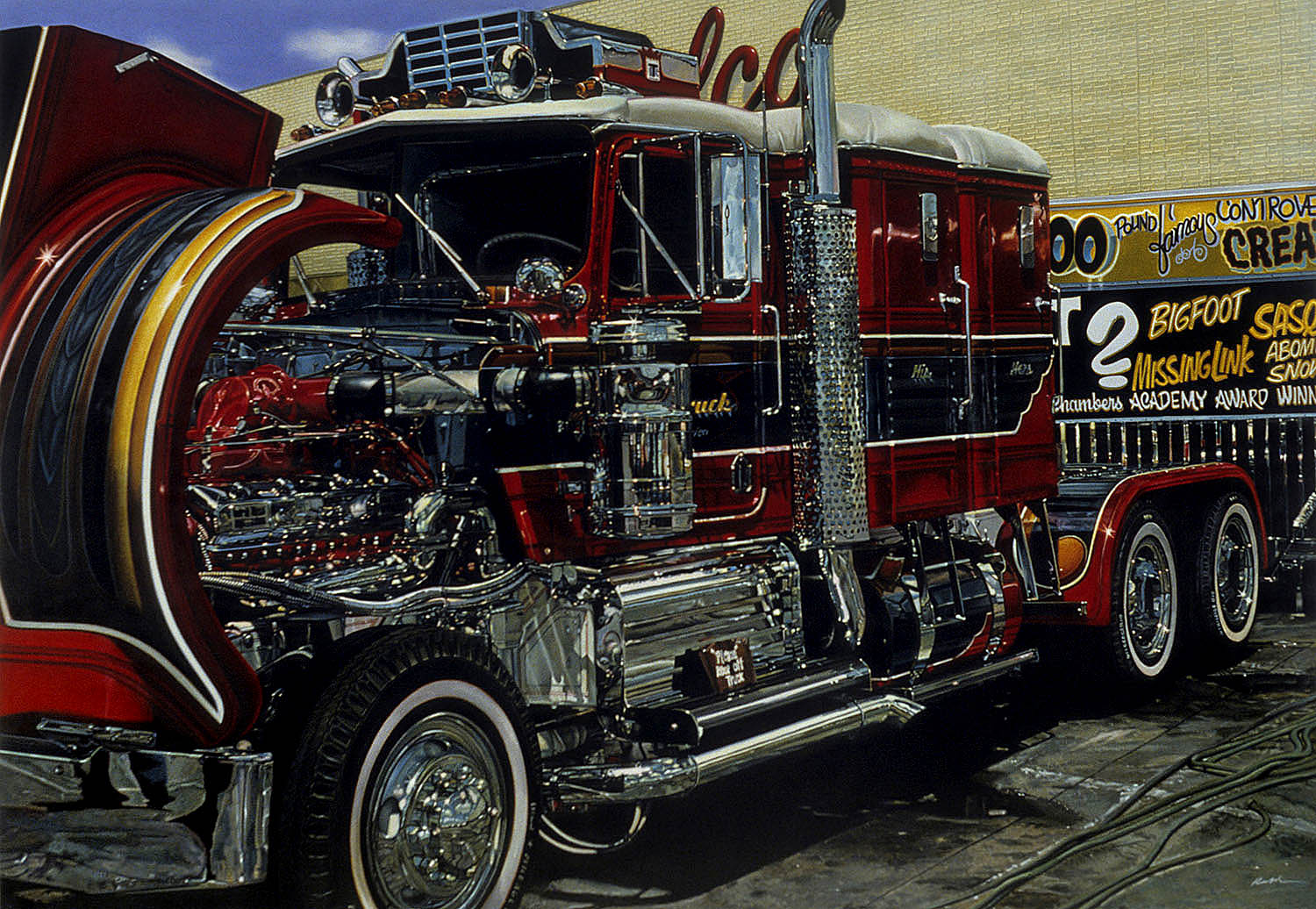
Ron Kleemann (American, 1937-2014) 'Big Foot Cross' 1977-1978


Ron Kleemann (American, 1937-2014)
Big Foot Cross
1977-1978
Acrylic on canvas
54 x 78 inches


Deutsche Guggenheim

This museum closed in 2013.

LIKE ART BLART ON FACEBOOK

Back to top