William Clift (American, b. 1944) Somebody’s House, Baltimore, Maryland, 1964 1964
from the book
Certain Places Photographs and Introduction by William Clift. William Clift Editions, Santa Fe, 1987. 44 pp., twenty-two tritone illustrations.
One of the most ravishing photographic books ever produced. Sensitive photography, luminous images, wonderful reproductions on quality stock. Nothing more need be said. My favourite of so many great images is above.
Dr Marcus Bunyan
All photographs are used under fair use conditions for the purpose of education and research. Please click on the photographs for a larger version of the image.
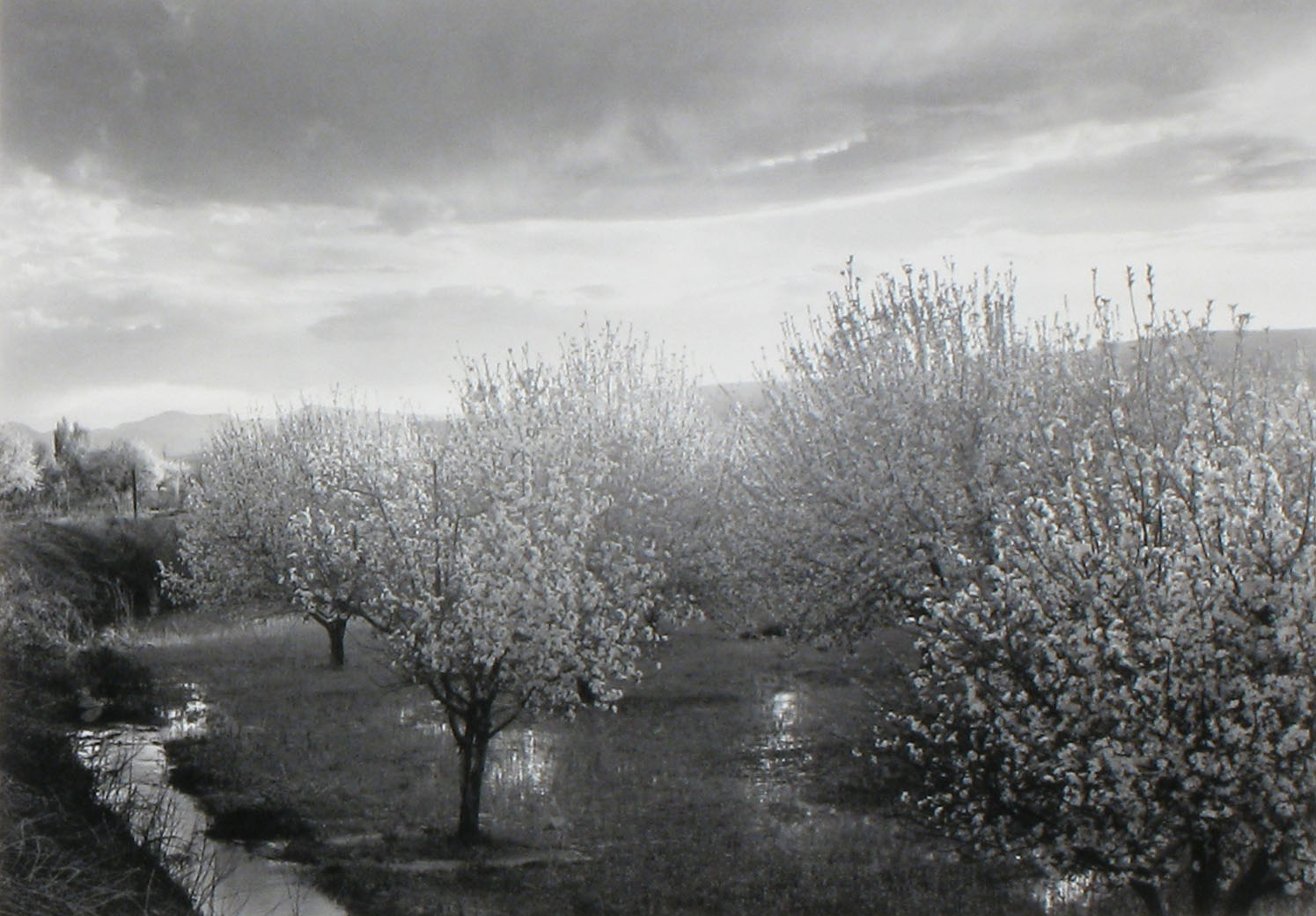
William Clift (American, b. 1944) Apple Blossoms, Velarde, New Mexico, 1973 1973
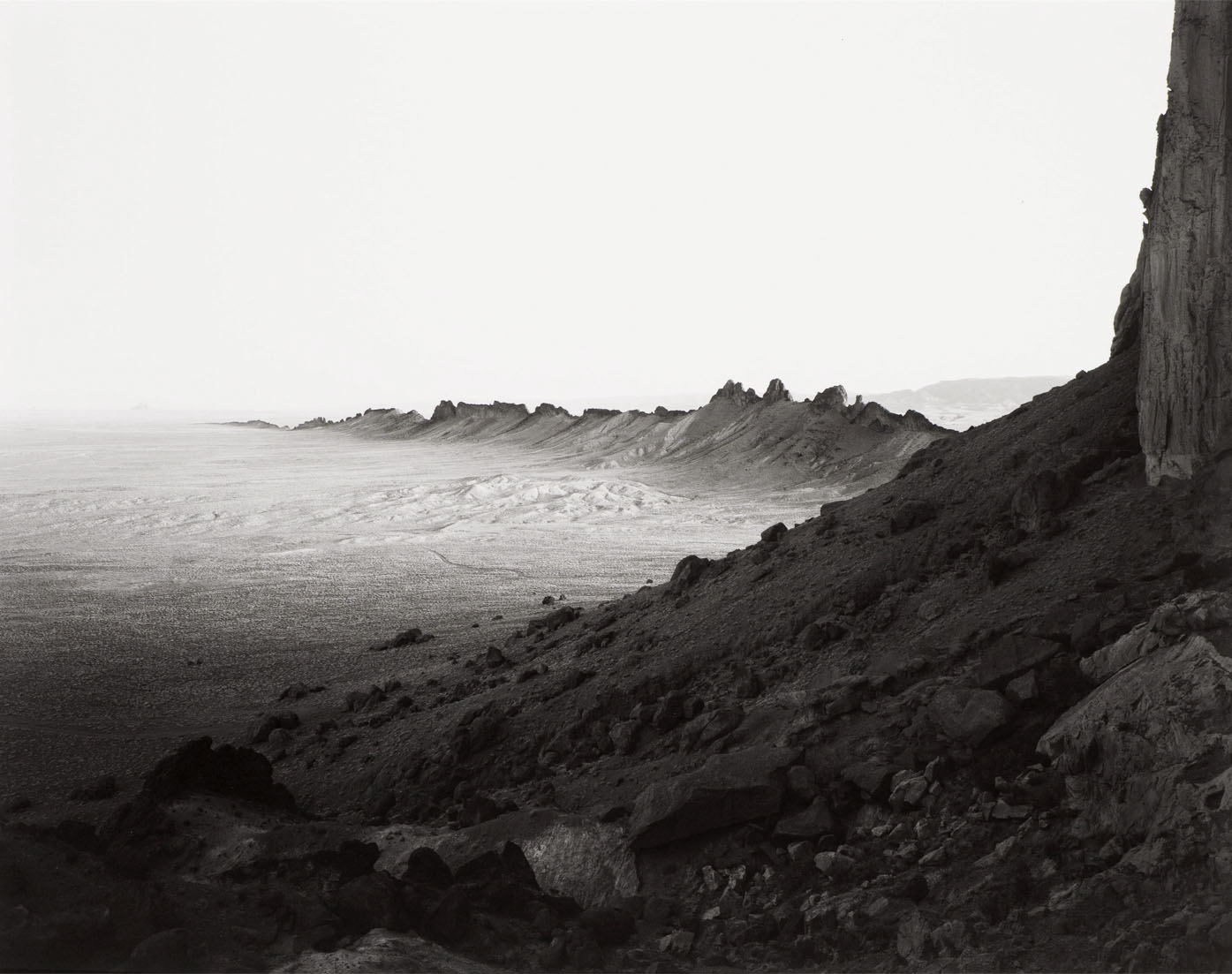
William Clift (American, b. 1944) Desert Form No. 1, New Mexico, 1984 1984
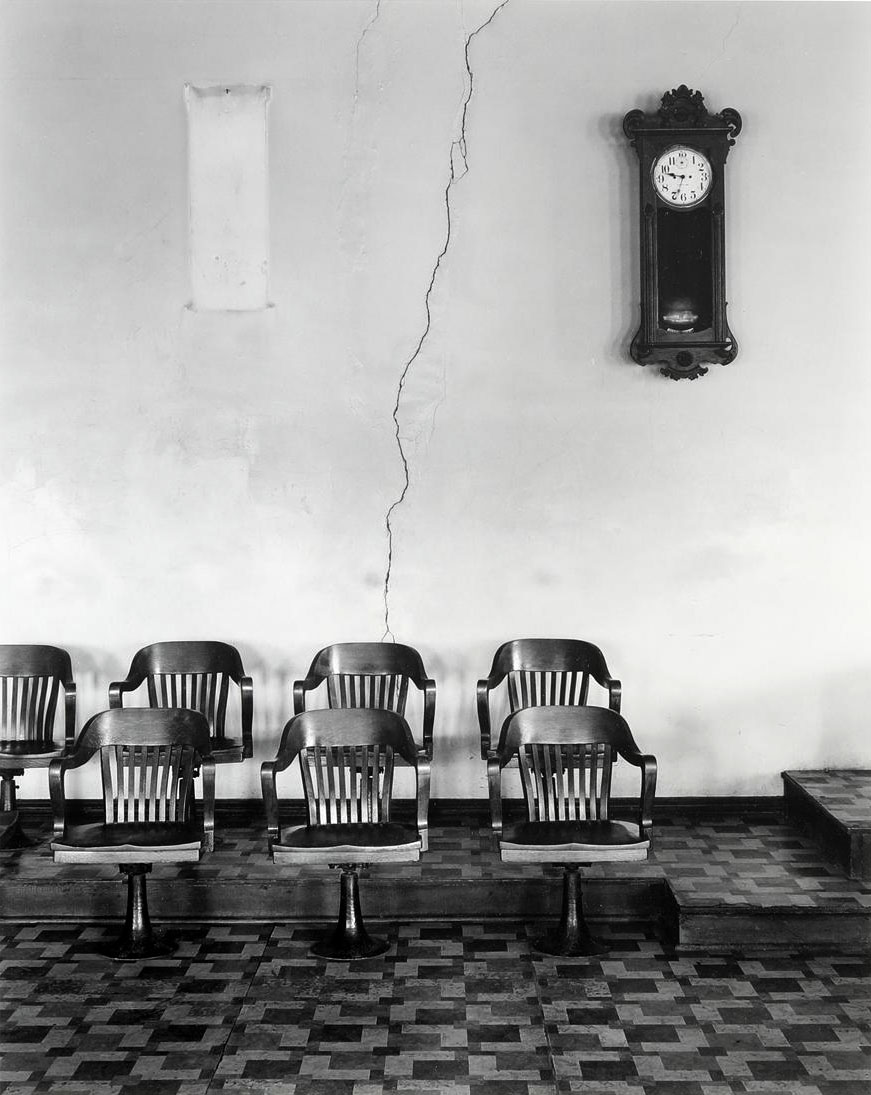
William Clift (American, b. 1944) Untitled 1976 From the County Courthouse series Gelatin silver print 16.5 h x 13 w inches
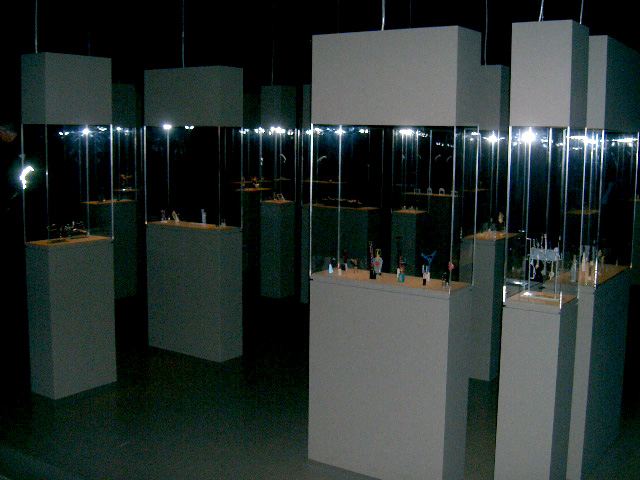
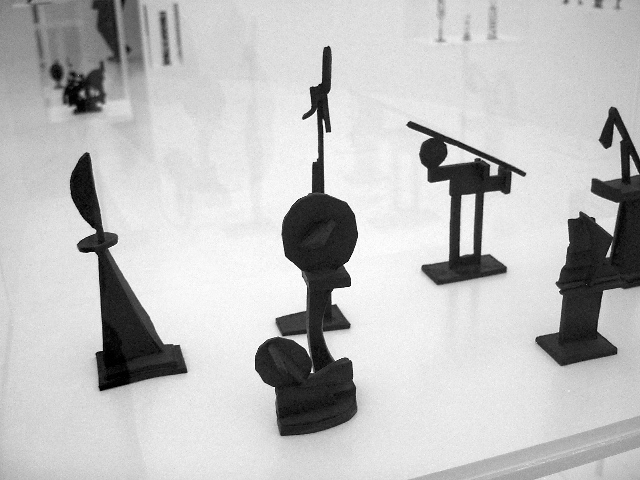
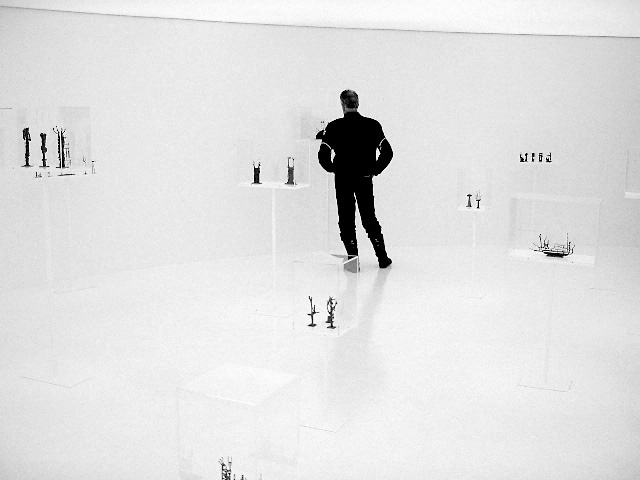
Klippel/Klippel: Opus 2008 exhibition sculpture and installation from the first space
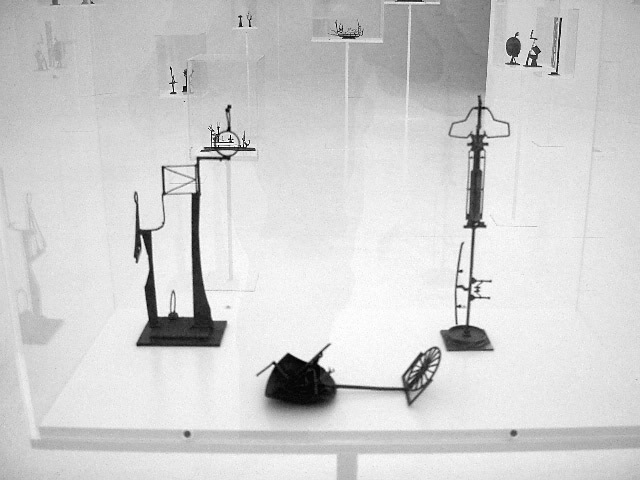
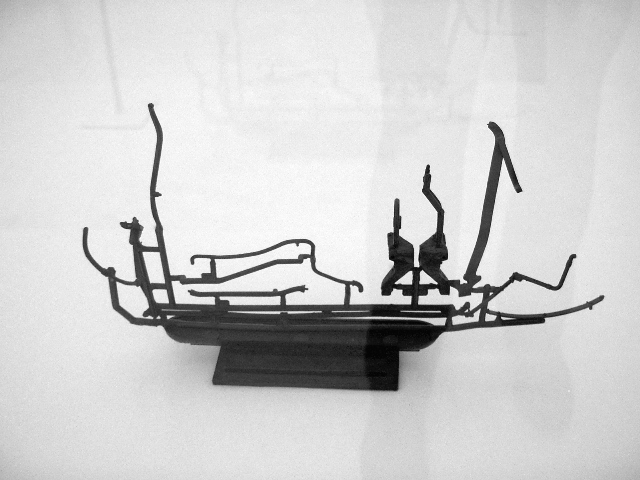
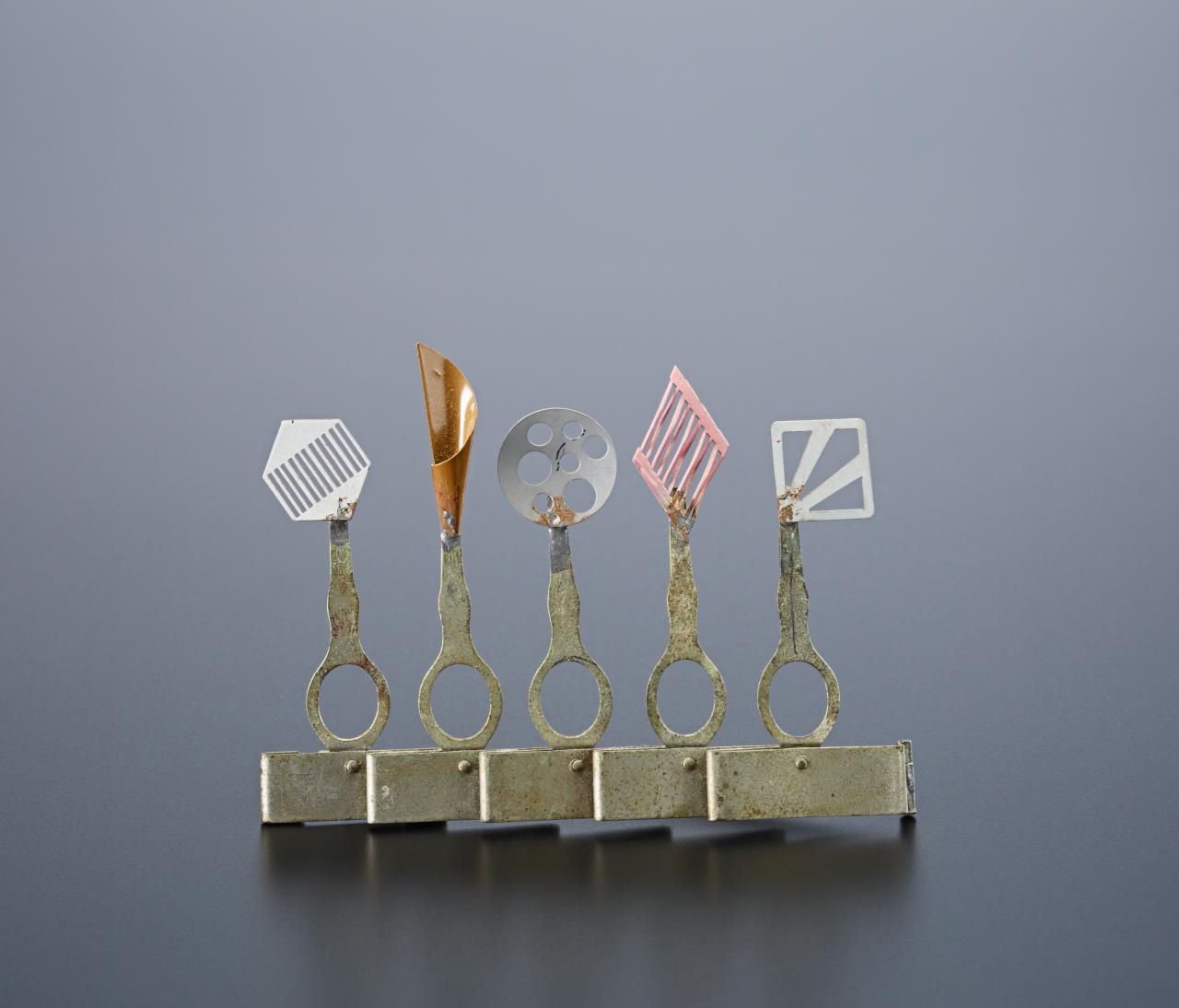
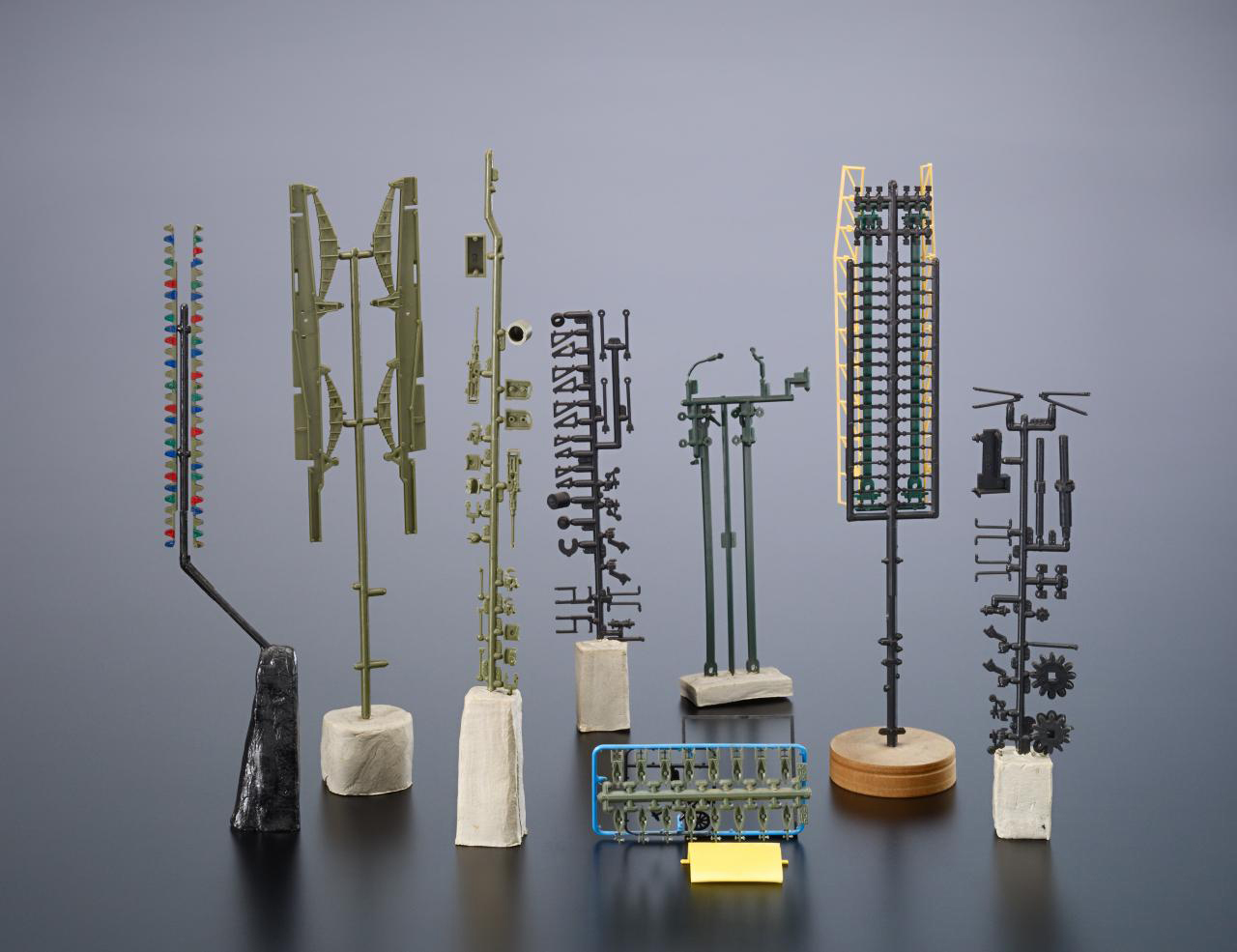
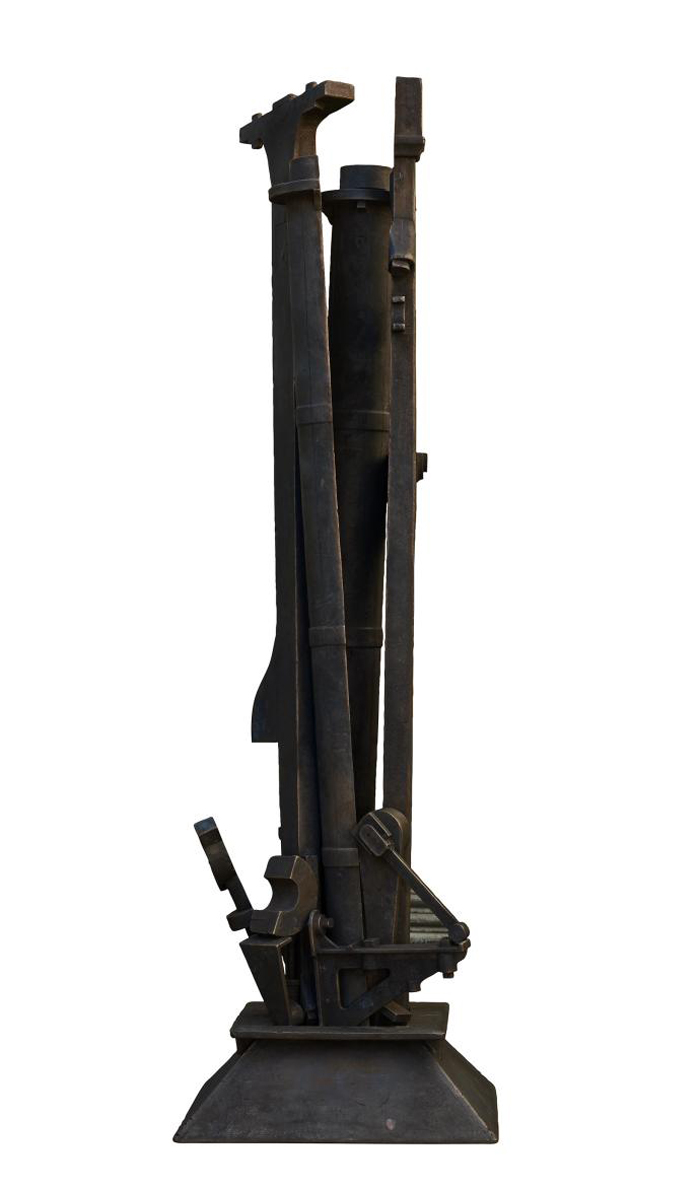
A magical exhibition of the work of the Australian sculptor Robert Klippel (1920-2001) is presented together with a soundscape to accompany the works by his son Andrew Klippel. The exhibition presents two distinct rooms of light and shade and finishes with a singular monumental bronze work No. 709, but it is the two rooms that astound. They contain small assemblages and bronze sculpture made in the 1980s-1990s.
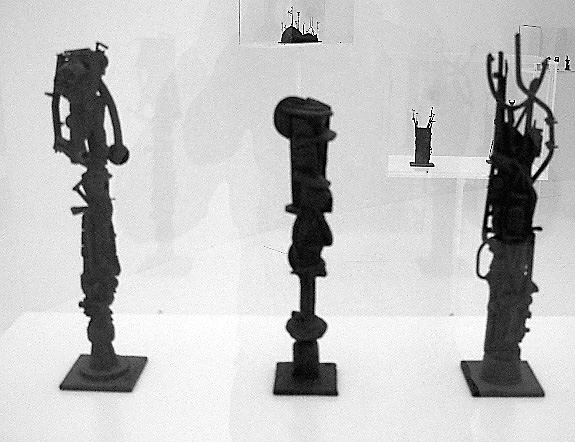
In the first space lit glass cases hover in darkness, containing delicate constructions of found objects, beautifully crafted. Made of plastic and metal, some parts taken from modelling kits, the sculptures morph and weave a delicate narrative, a powerful artistic vision. Mostly totemic in nature they transport the viewer with wonder and delight, the artists vision fully realised: no unnecessary flourishes, no wasted energy on forms that are redundant.
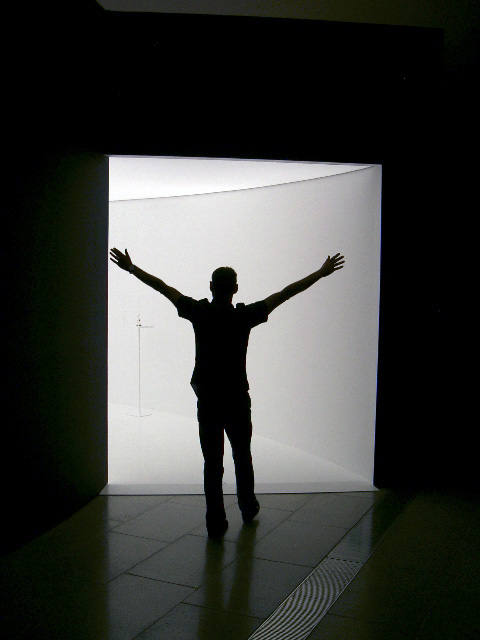
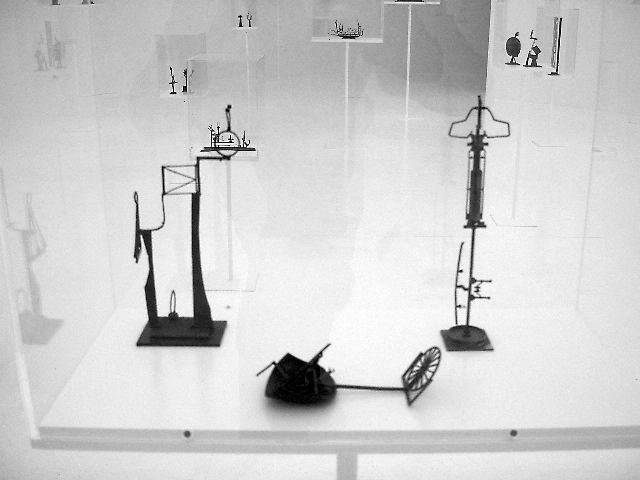
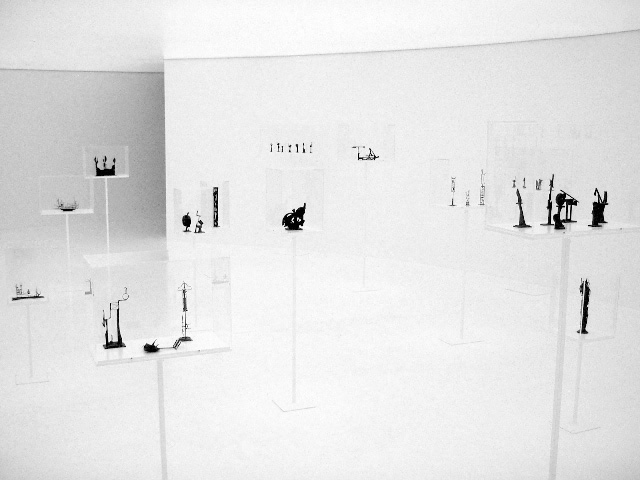
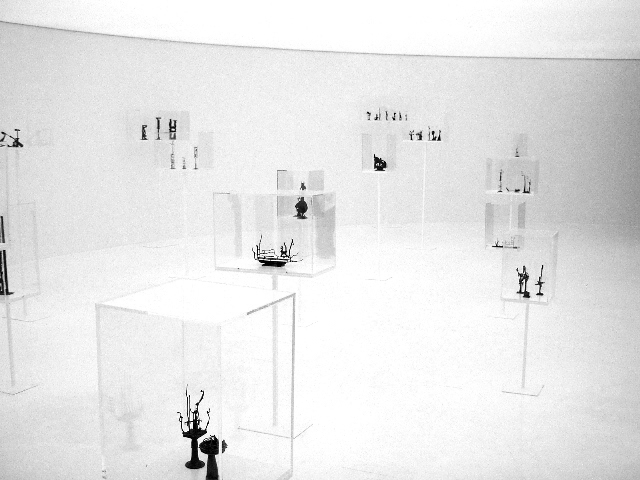
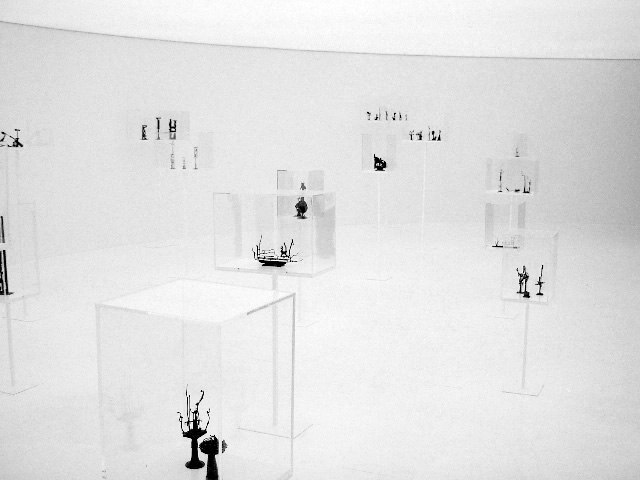
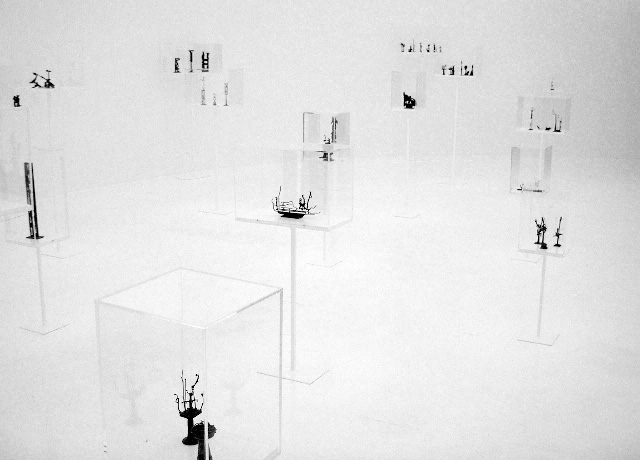
Wandering from the first darkened space we face a curved wall of black with a bright white opening, almost like the mouth of a Nautilus shell. Upon entering we are enveloped in white – walls, floor, stretched acrylic ceiling and stands upon which glass cases sit all being pure white. It is like stepping into the spacecraft from Stanley Kubrick’s 2001: A Space Odyssey – quite disorientating but transformational. In the cases sit small very dark bronze sculptures contrasting with the white. Again mostly totemic in nature the sculptures have great power and presence. Some portray small cities on top of hills. Others intricate machine and figure like constructions. All of the cases are mounted at different eye levels, unlike the first room.
When looking across the gallery space, the boxes and sculpture within create a diorama, almost a tableaux vivant, where you can move the focus of your gaze from foreground to mid to background, all suspended in white. If you can be in this space alone with the work and wander around soaking in the vision of this artist so much the better. The contrast and parallels between the two rooms is striking – here is an artist at the height of his powers commanding his materials and his vision in two distinct bodies of work: one delicate, found, plastic the other solid, dark and essential, both dealing with the essence of human creativity and being, leaving the viewer with a sensory experience long remembered.
Klippel/Klippel: Opus 2008 exhibition entrance to the second space
Robert Klippel is regarded as Australia’s most important sculptor of the post-war 20th century period. Known for his abstract assemblages created from found objects he is a distinguished figure in the history of Australian art. Andrew Klippel, Robert’s son, is a composer and musician who has achieved international recognition as a solo musician, songwriter and influential music producer.
Klippel/Klippel: Opus 2008 is a unique and compelling sensory experience which presents a group of Robert Klippel’s small-scale sculptures that were produced during the 1980s and 1990s – some of these have never been publicly displayed. It also includes the monumental bronze work No. 709. Andrew has arranged for this work, which Robert was preparing to cast at the time of his death, to be executed for the National Gallery of Victoria and included in the exhibition. And, in an important artistic response, Andrew Klippel has created a soundscape – a meditation on his father’s work.
Klippel/Klippel: Opus 2008 is an extraordinary and immersive exhibition that celebrates the creative process.
Edward S Curtis (American, 1868-1952) Nuhlihahla-Qagyuhl Nd
Following my thoughts on the series The First Australians on SBS we have this wonderful coffee table book of photographs: Edward S. Curtis: Visions of the First Americans with images taken from his seminal 20 volume work The North American Indian.
Curtis worked on the project from 1906 to 1927 hauling his large format glass plate camera across the United States much as Eugene Atget did at roughly the same time in Paris, taking photographs of the old city and its hotels, shops, parks and gardens. Atget died in 1927 with his art recognised by few whilst Curtis lived on into the 1950’s, dying in obscurity and poverty after the fame of his ground breaking work had disappeared. Both photographed a vanishing world capturing it for prosperity on fragile glass plates. Both brought to their projects a unique vision and a belief in what they were doing.
Atget’s photographs of people half seen through shop doors and windows, like shadows of the night. Curtis’s photographs of masked Yeibichei dancers wearing elaborate attire. Curtis thought he was photographing the dying races of the American Indians. Atget knew he was photographing the collapsing spaces of old Paris. Both use the space of the photograph to signify their intentions: an understanding of their subject matter, an empathy with a disappearing way of life, a need to record their vision of this world – and an intensity of insight into that condition.
No other photograph has the space and timelessness of an Atget. No other image the presence of the plains that Curtis summoned.
His masked dancers remind me of the last photographs of the great American photographer Diane Arbus in their candour and beauty, posthumously called Untitled. Finally Arbus has found a subject matter that she could return to over and over again. As did Atget and Curtis.
As Doon Arbus has commented,
“These images – created out of the courage to see things as they are, the grace to permit them simply to be, and a deceptive simplicity that permits itself neither fancy nor artifice … The photographs appear to be documents of a world we’ve never seen or imagined before – one with its own rituals and icons, its own games and fashions and codes of conduct – which, for all its strangeness, is at the same time hauntingly familiar and, in the end, no more or less unfathomable than our own.”1
Dr Marcus Bunyan
1/ Arbus, Doon. “Afterword,” in Diane Arbus: Untitled. London: Thames and Hudson, 1995.
Marcus Bunyan (Australian, b. 1958) Cologne Cathedral 2-52 2008 From the series The Shape of Dreams Silver gelatin print
Marcus Bunyan (Australian, b. 1958) Untitled 2008 From the series The Shape of Dreams Silver gelatin print
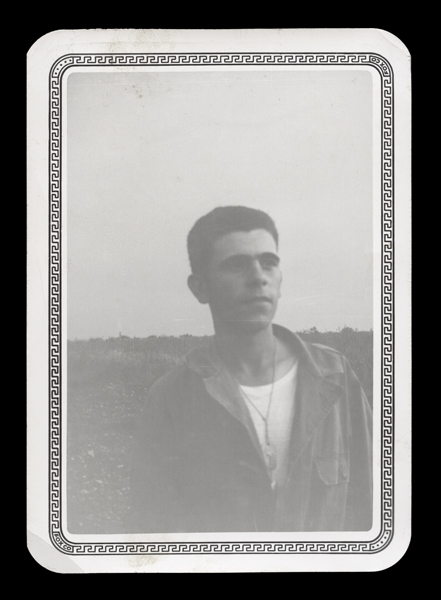
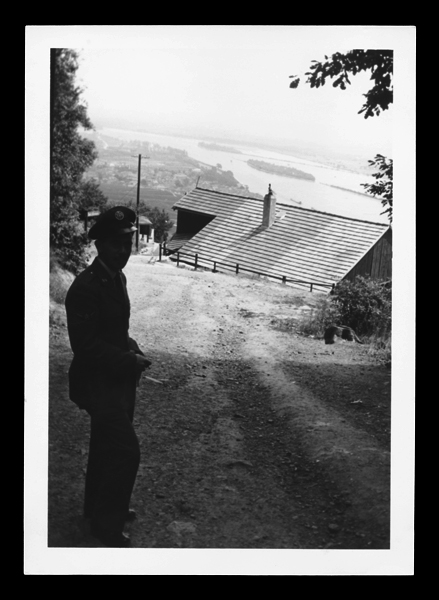
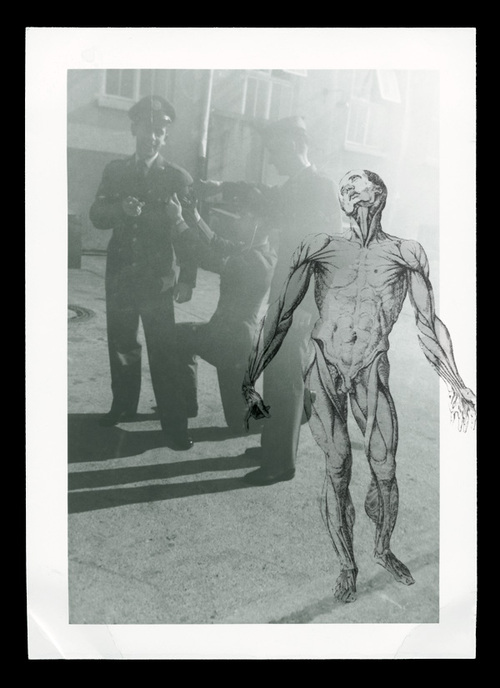
A new body of work has formed in my mind and is physically taking shape through working with the images.
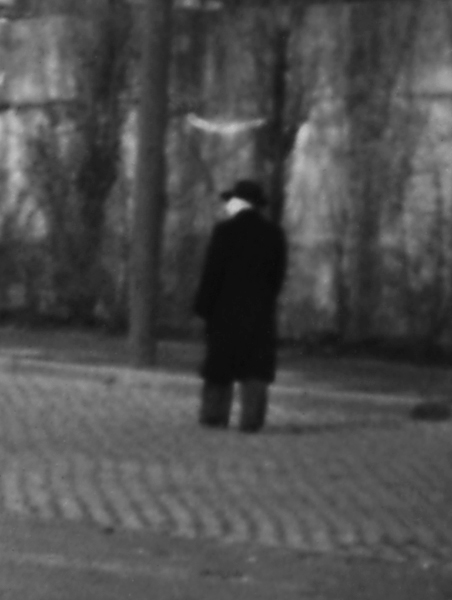
I purchased two black and white photo albums from the 1950s on eBay, both belonging to young soldiers, one on active duty in Korea and the other visiting Japan and Germany after the Second World War. These images are especially poignant to me as an artist and human being. These are snapshots of hope and happiness, of place and being in a time of turbulence. Glimpses of the earth through open aircraft doors, smiles that flit across faces contrast with figures wrapped in a shawl of darkness.
Their faces stare out at us across time yet their bodies are caught in the shadows.
They remind that humans still repeat the mistakes of the past, still list the war dead in columns of photographs inches long. So young and full of hope.






 Art Blart _ art and cultural memory archive
You must be logged in to post a comment.