Exhibitions: ‘Werner Bischof: Point of View’ and ‘Helvetica’ at the Musée de l’Elysée, Lausanne

Exhibition dates: 27th January – 1st May 2016

Curators: Marco Bischof, Werner Bischof Estate, for the exhibition Point of View and Daniel Girardin, Musée de l’Elysée, for the exhibition Helvetica
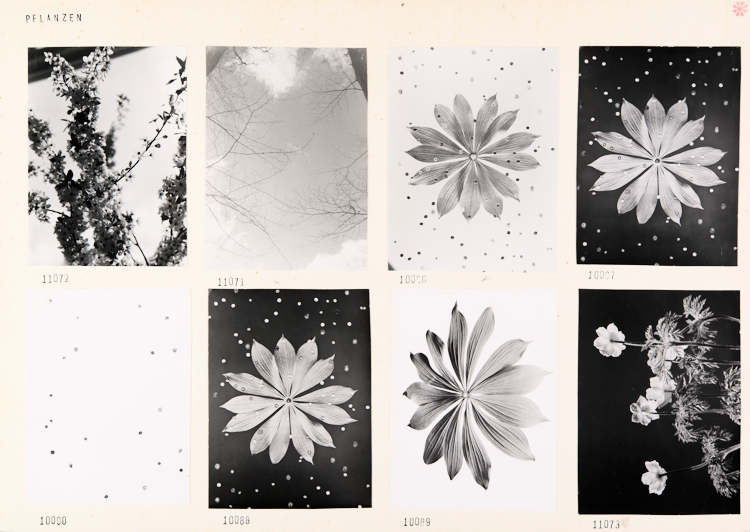
 

Werner Bischof (Swiss, 1916-1954) 'Plants' Zürich c. 1941


Werner Bischof (Swiss, 1916-1954)
Plants
Zurich, c. 1941
© Werner Bischof/Magnum Photos


After seven years of curating Art Blart, finally I can talk about an exhibition on one of my favourite humanist/social documentary photographers. This fact alone shows how rare it is to get to see his photographs in an exhibition, let alone display them online, such is the control that agencies have over the artist’s work.

Personally, I prefer the earlier, more avant-garde work around the time of the Second World War which has more bite, more of a cutting edge. But then again how can you argue against the sheer beauty and formalism of Harbour of Kowloon (1952, below) or the “atmosphere” of that wondrous photograph Courtyard of the Meiji shrine (below) where the snow has been falling since 1951. I remember starting out as an artist, seeing this image and staring in disbelief at this vision.

Perhaps that is a good metaphor for Bischof’s work: that of a visionary, for you never sense the presence of the photographer in his work (unless he wants you to!) but always know that it is a Bischof photograph. The photographs are almost ego-less, which is one reason I suppose that they are so damn good. The artist gets physically close to the subject matter (as in Stallion Remus, 1944 and On the road to Cuzco, 1954) and then lets the subject reveal itself. This is such an art, to be present and absent in the work at the same time.

It is a great sadness that Bischof died so young (at age 38, when the jeep in which he was travelling plunged off  a cliff in the area of Peña de Águila, in the Peruvian Andes) and that the work of such a sympathetic photographer is not as well known as the work of that other Swiss photographer, Robert Frank. Bischof’s work lives and breathes in the top echelons of photography but somehow, you never hear of him. In my humble opinion, one of the great photographers of all time.

Dr Marcus Bunyan


Many thankx to the Musée de l’Elysée for allowing me to publish the photographs in the posting. Please click on the photographs for a larger version of the image.


Werner Bischof, Point de vue et Helvetica


An Era Defined by Exile Korean War Photos by Werner Bischof


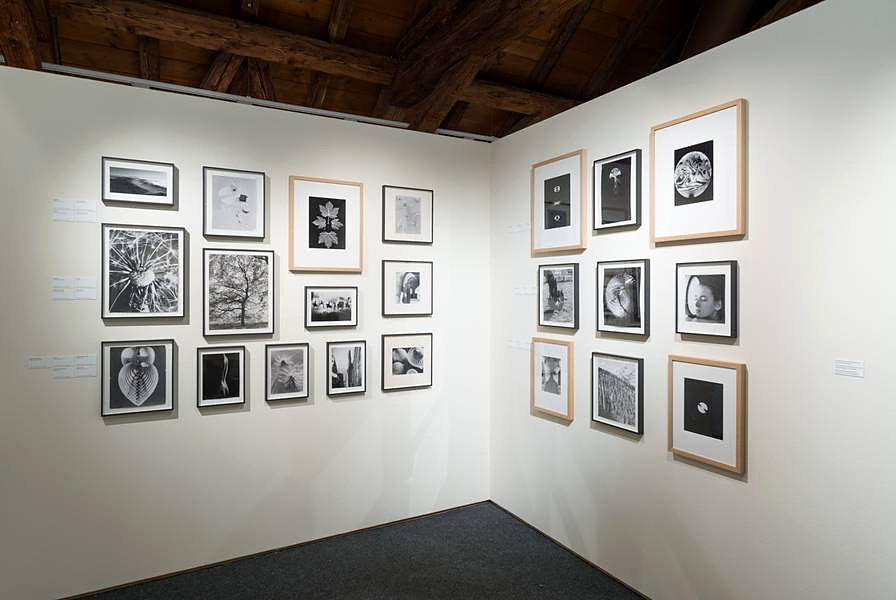
Installation view of the exhibition 'Werner Bischof: Point of View' and 'Helvetica' at the Musée de l'Elysée, Lausanne

Installation view of the exhibition 'Werner Bischof: Point of View' and 'Helvetica' at the Musée de l'Elysée, Lausanne

Installation view of the exhibition 'Werner Bischof: Point of View' and 'Helvetica' at the Musée de l'Elysée, Lausanne

Installation view of the exhibition 'Werner Bischof: Point of View' and 'Helvetica' at the Musée de l'Elysée, Lausanne

Installation view of the exhibition 'Werner Bischof: Point of View' and 'Helvetica' at the Musée de l'Elysée, Lausanne


Installation views of the exhibition Werner Bischof: Point of View and Helvetica at the Musée de l’Elysée, Lausanne
Photo: © Yannick Lüthy / Musée de l’Elysée
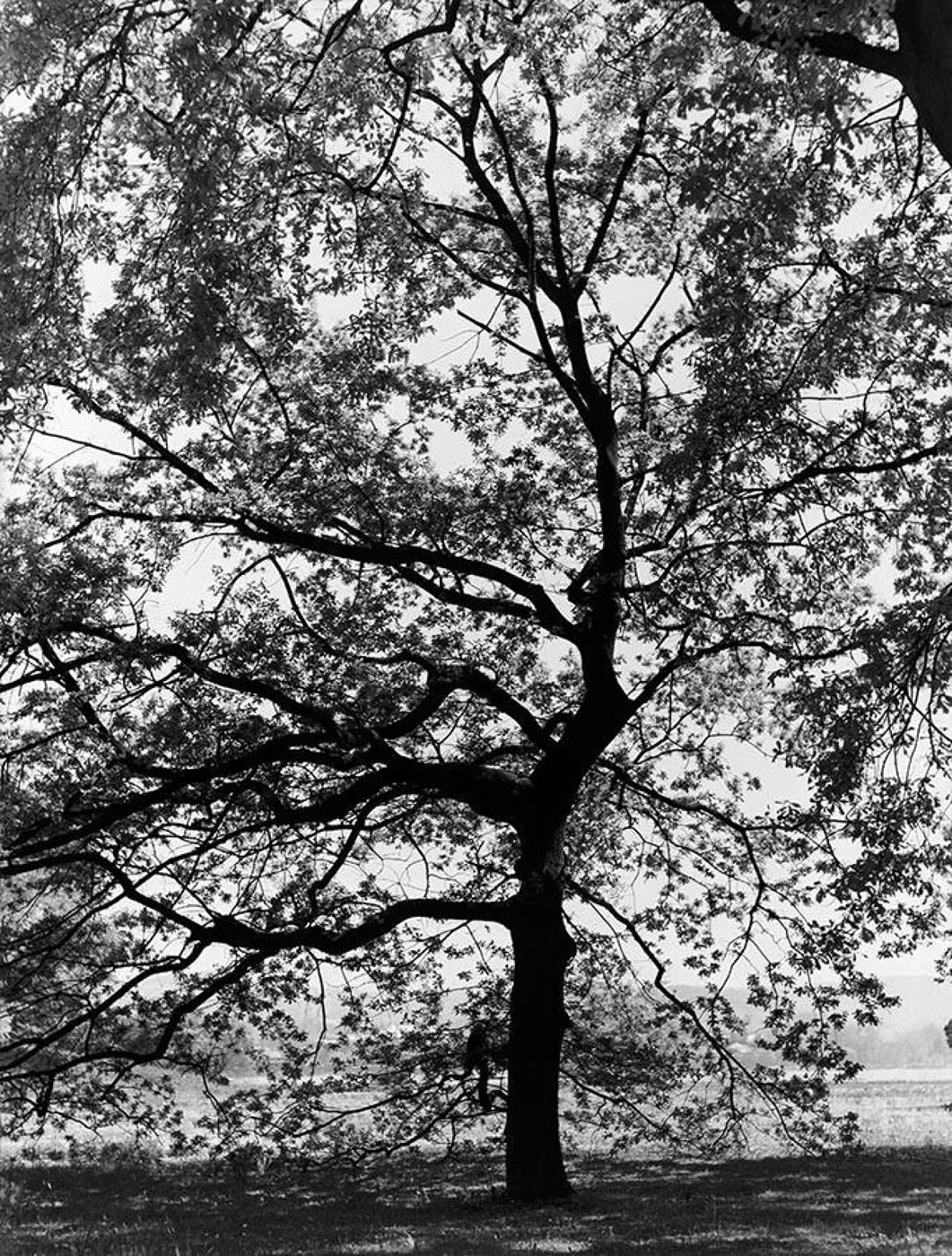
 

Werner Bischof (Swiss, 1916-1954) 'Oak Tree' Switzerland, c. 1941


Werner Bischof (Swiss, 1916-1954)
Oak Tree
Switzerland, c. 1941
© Werner Bischof/Magnum Photos
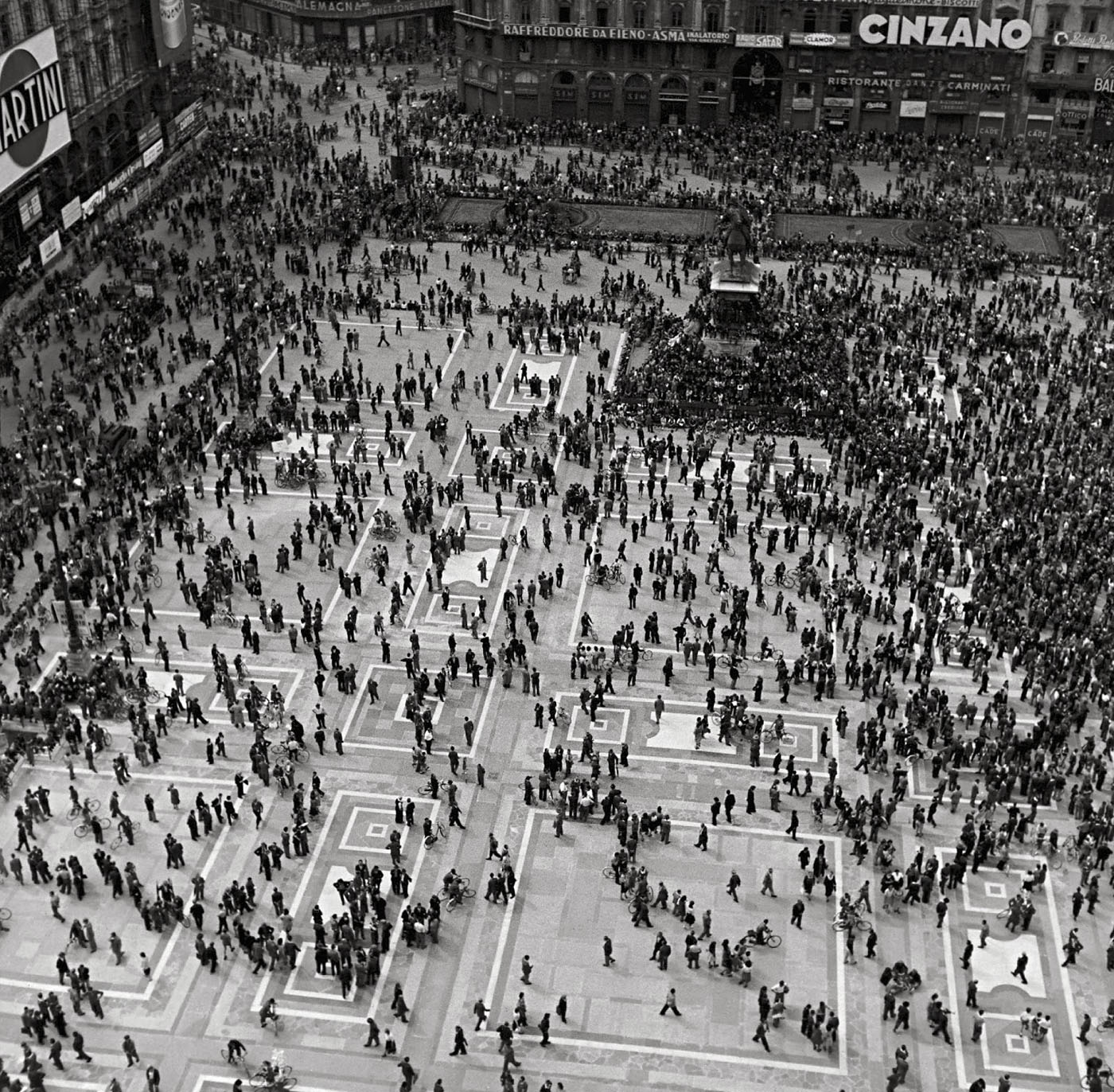
 

Werner Bischof (Swiss, 1916-1954) 'Demonstration on the Piazza del Duomo' Milan, Italy, 1946


Werner Bischof (Swiss, 1916-1954)
Demonstration on the Piazza del Duomo
Milan, Italy, 1946
© Werner Bischof / Magnum Photos


Werner Bischof (Swiss, 1916-1954) 'Enfants des rues (Street children)' Naples, Italy 1946


Werner Bischof (Swiss, 1916-1954)
Enfants des rues (Street children)

Naples, Italy, 1946
© Werner Bischof/Magnum Photos
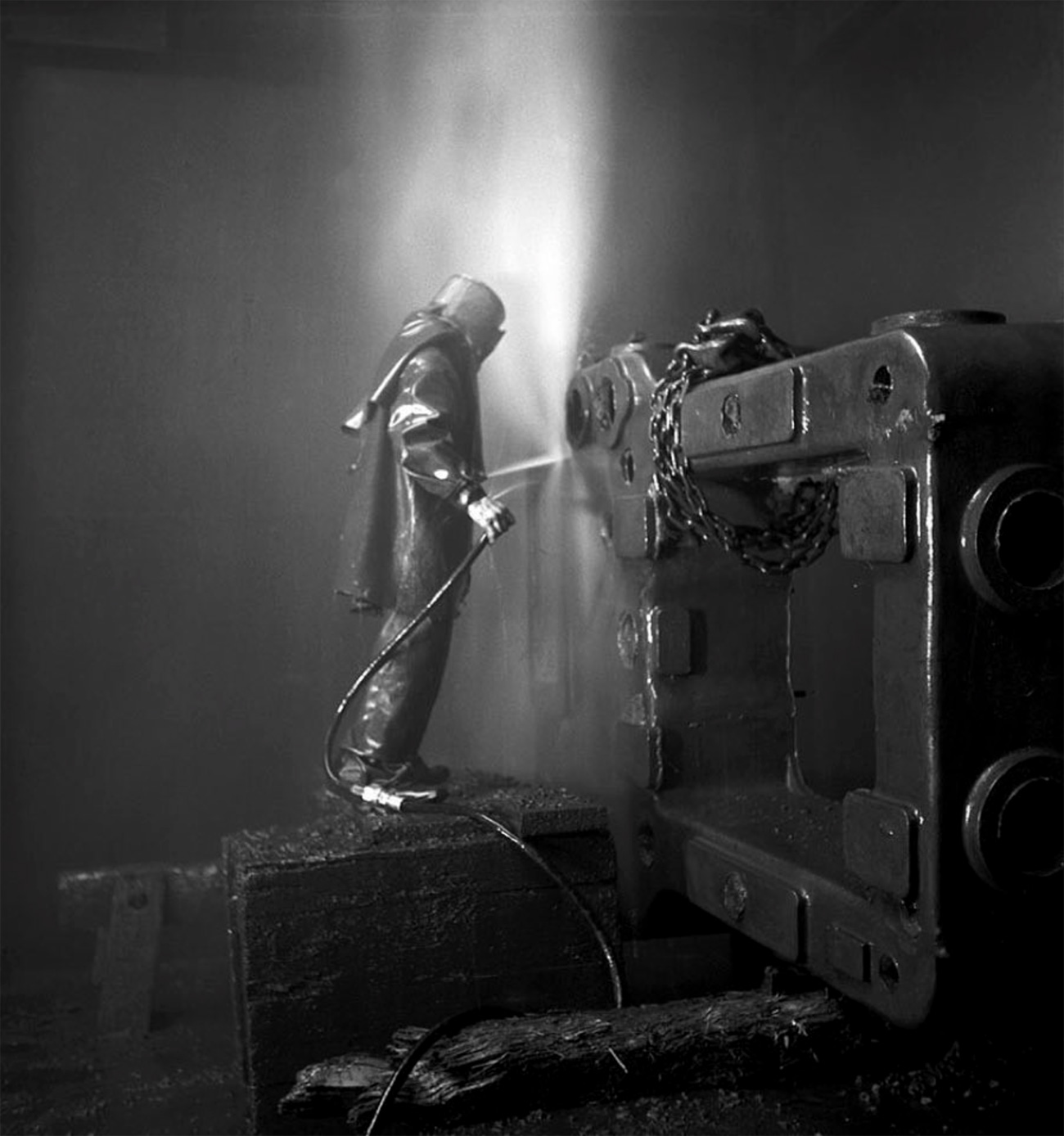
 

Werner Bischof (Swiss, 1916-1954) 'The Swiss Worker at the steelworks of Winterthur' 1943


Werner Bischof (Swiss, 1916-1954)
The Swiss Worker at the steelworks of Winterthur
1943
© Werner Bischof/Magnum Photos
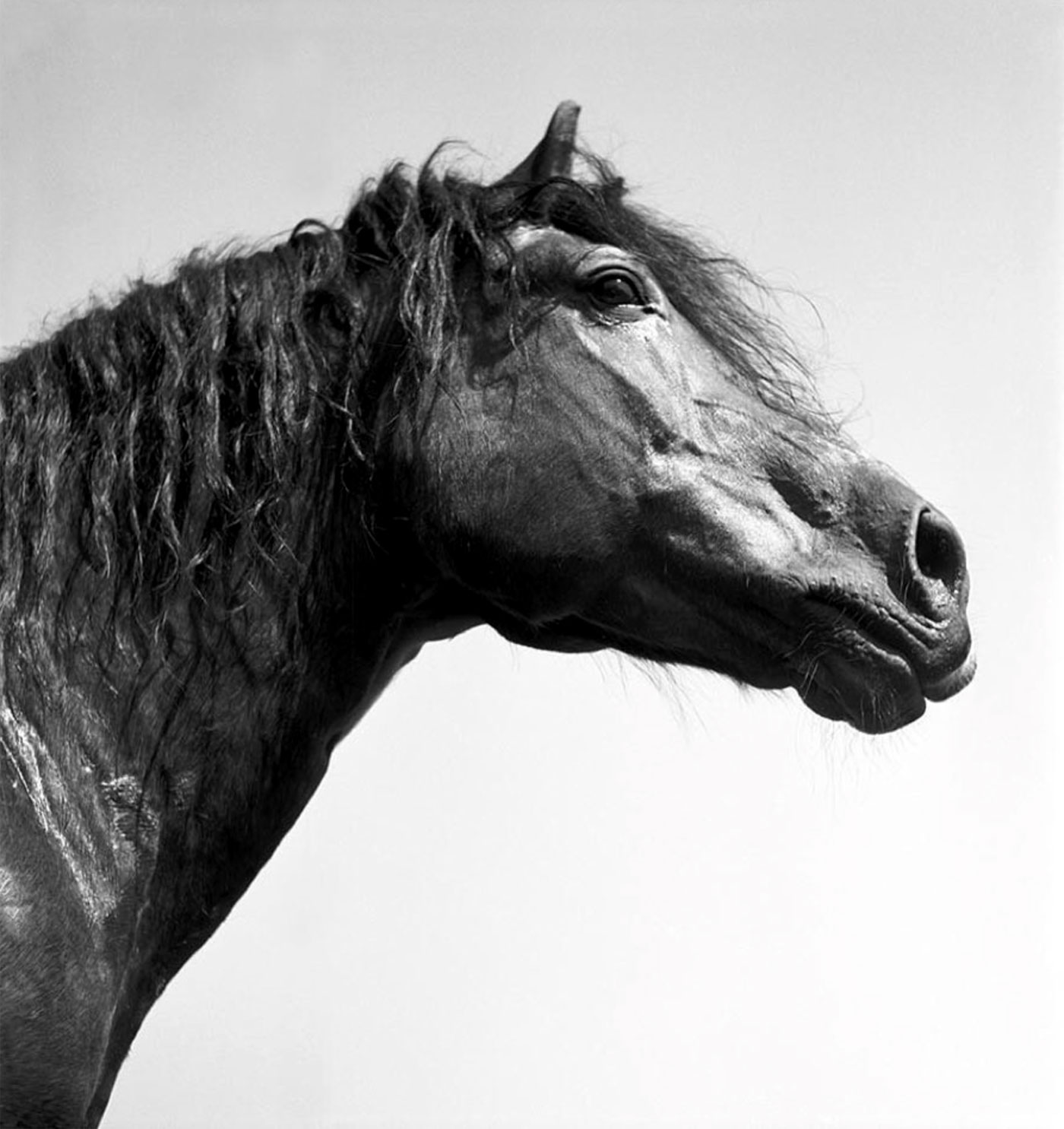
 

Werner Bischof (Swiss, 1916-1954) 'Stallion Remus' Avenches, Switzerland 1944


Werner Bischof (Swiss, 1916-1954)
Stallion Remus
Avenches, Switzerland, 1944
© Werner Bischof/Magnum Photos
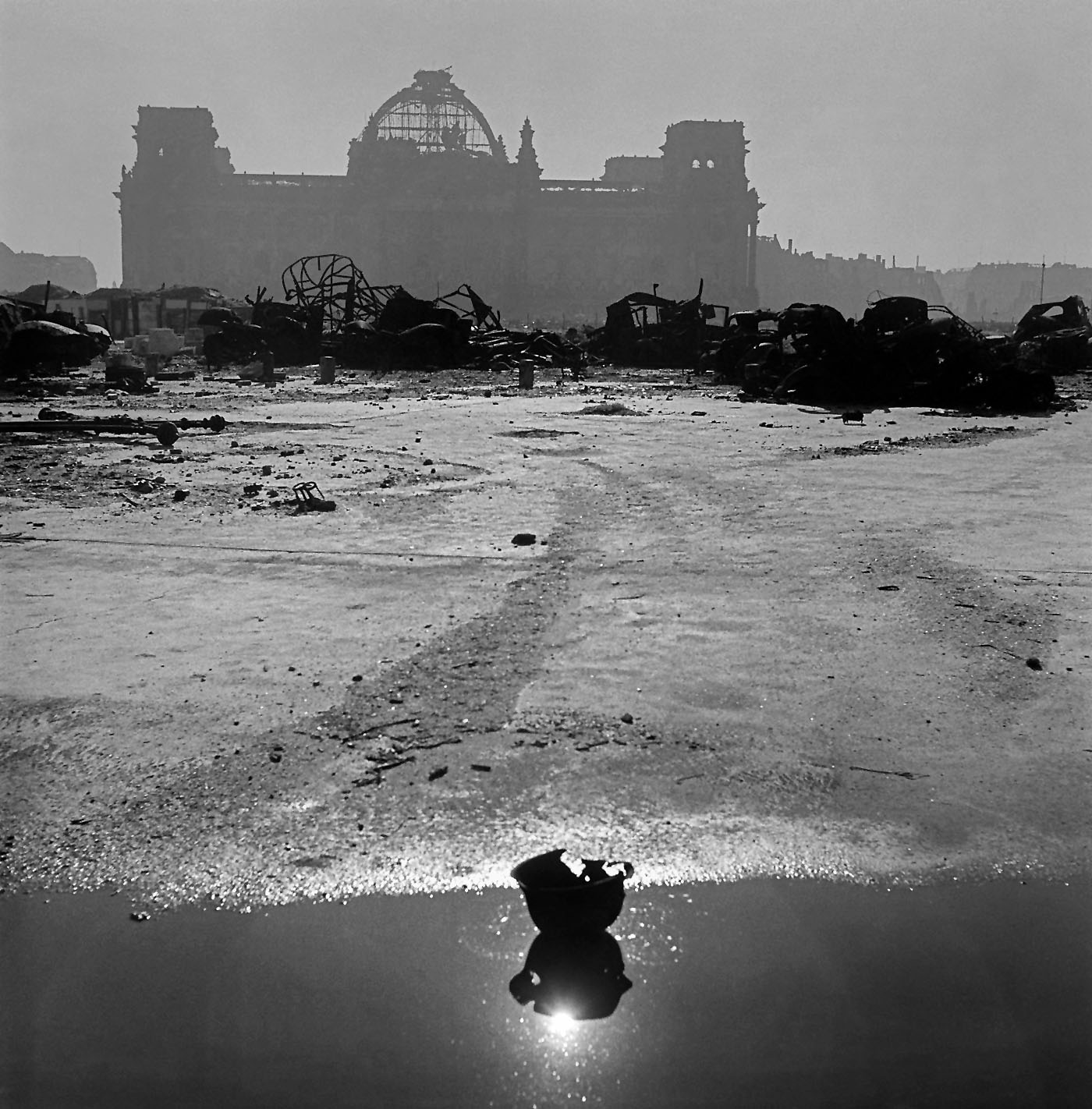
 

Werner Bischof (Swiss, 1916-1954) 'Ruins of the Reichstag' 1946


Werner Bischof (Swiss, 1916-1954)
Ruins of the Reichstag
1946
© Werner Bischof/Magnum Photos
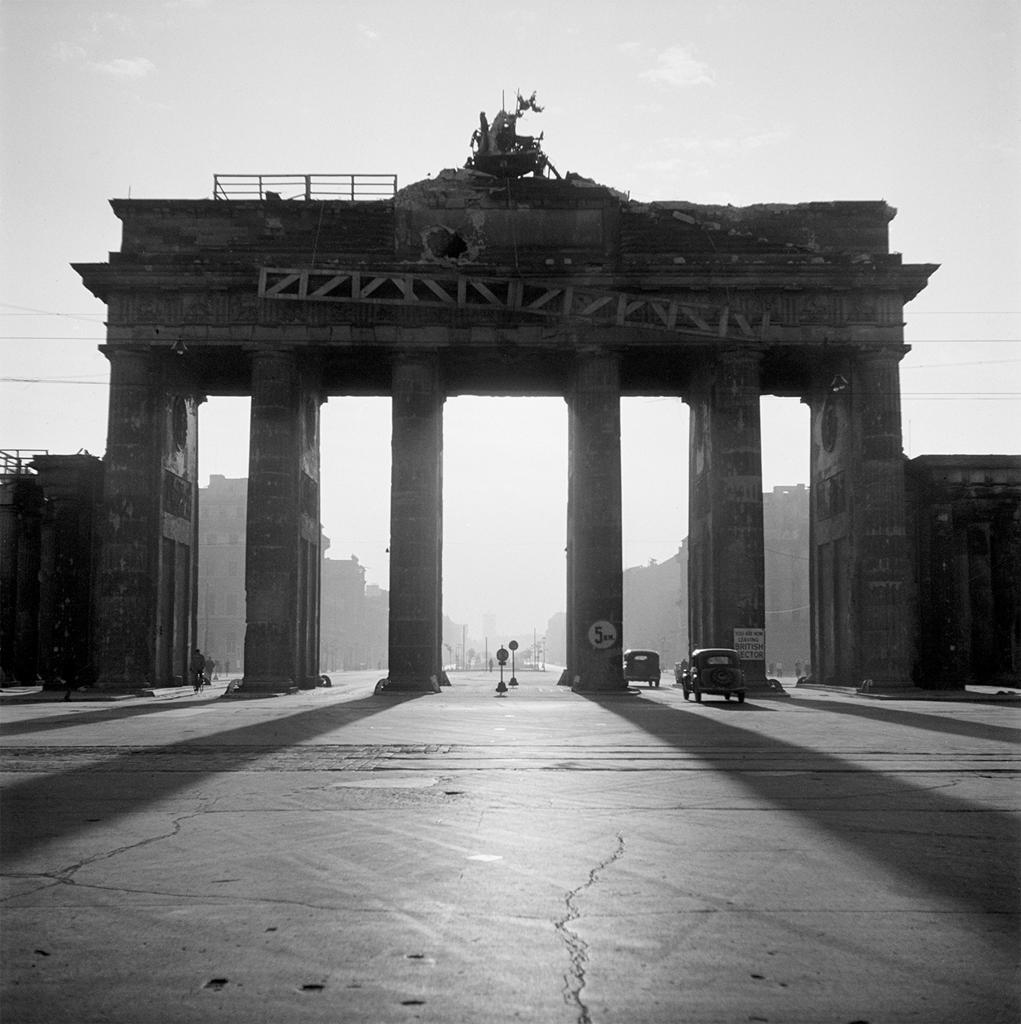
 

Werner Bischof (Swiss, 1916-1954) 'Brandenburg Gate' Berlin 1946


Werner Bischof (Swiss, 1916-1954)
Brandenburg Gate
Berlin, 1946
© Werner Bischof/Magnum Photos
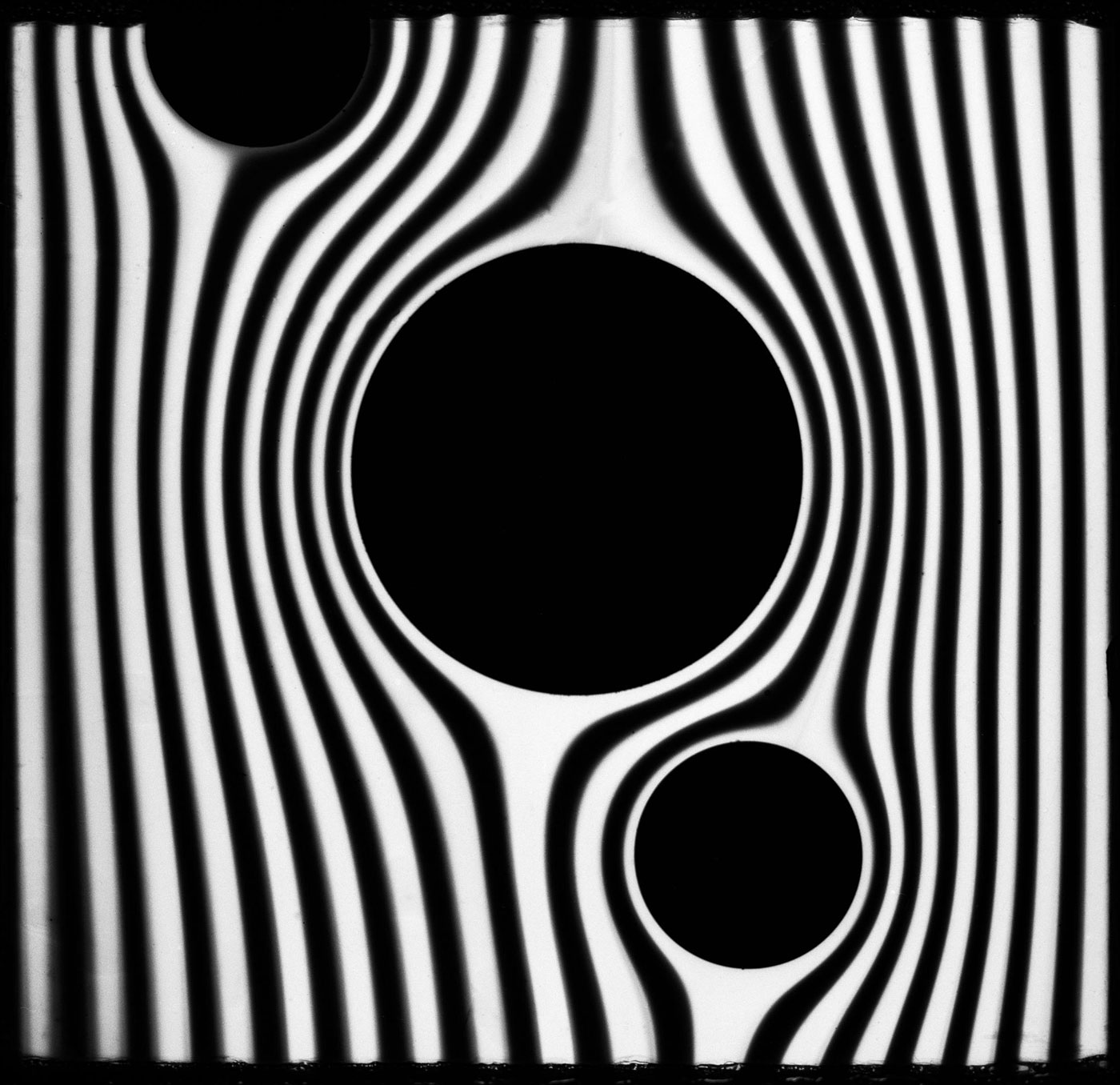
 

Werner Bischof (Swiss, 1916-1954) 'Streams (darkroom drawing)' 1941


Werner Bischof (Swiss, 1916-1954)
Streams (darkroom drawing)
1941
© Werner Bischof/Magnum Photos
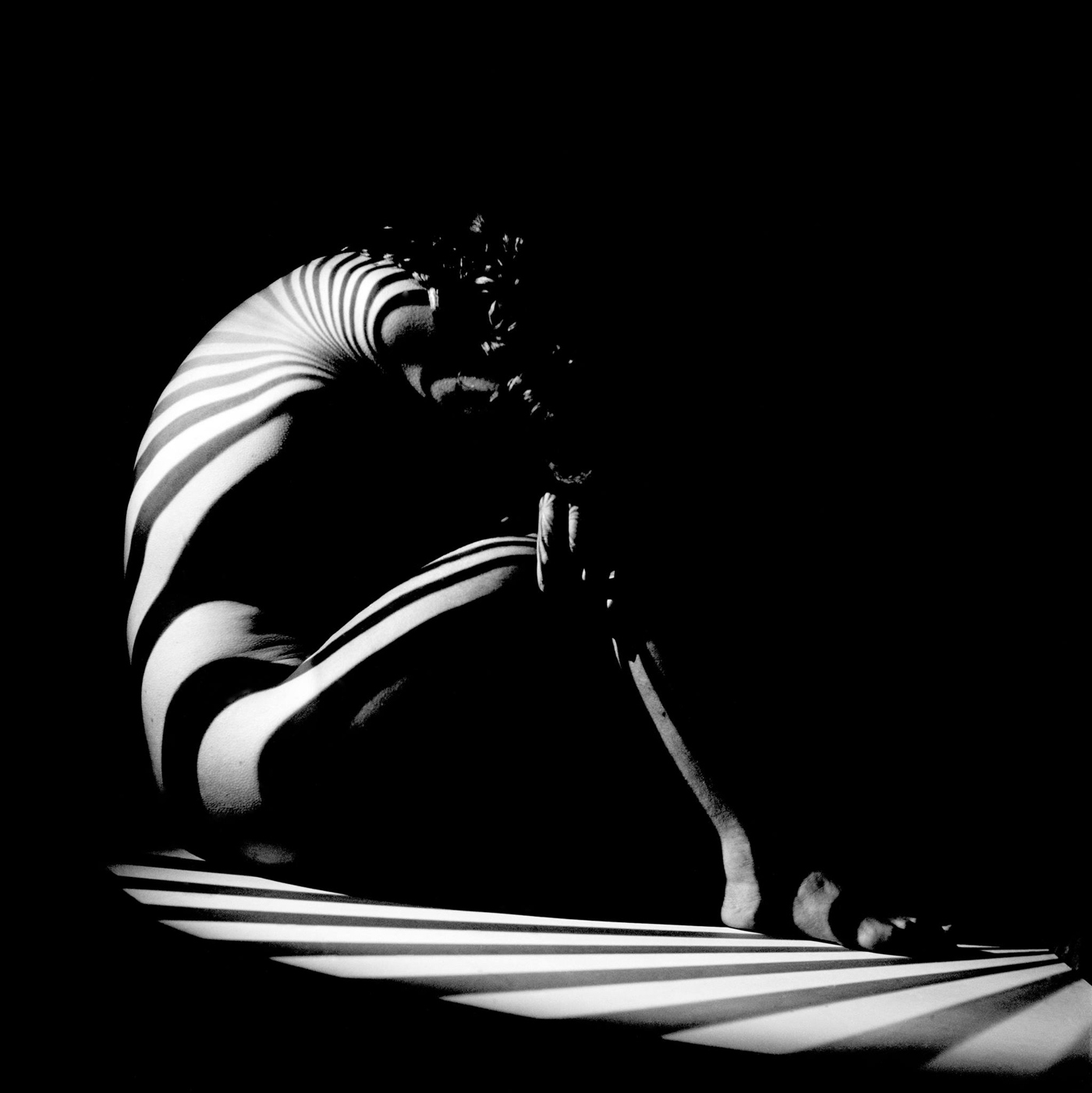
 

Werner Bischof (Swiss, 1916-1954) 'Zebra Woman' 1942


Werner Bischof (Swiss, 1916-1954)
Zebra Woman
1942
© Werner Bischof/Magnum Photos
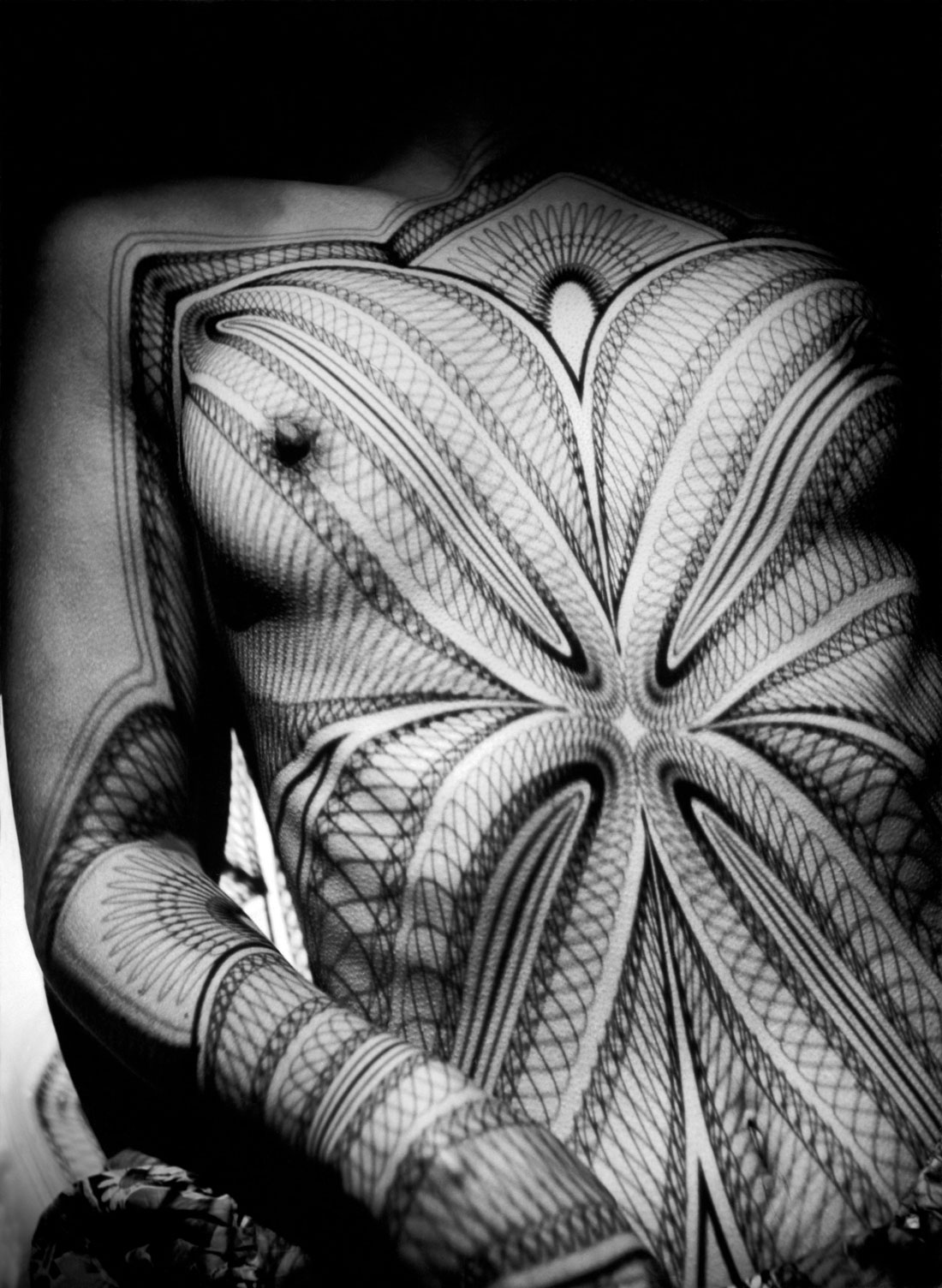
 

Werner Bischof (Swiss, 1916-1954) 'Breast with grid' Zurich, Switzerland 1941


Werner Bischof (Swiss, 1916-1954)
Breast with grid
Zurich, Switzerland, 1941
© Werner Bischof / Magnum Photos
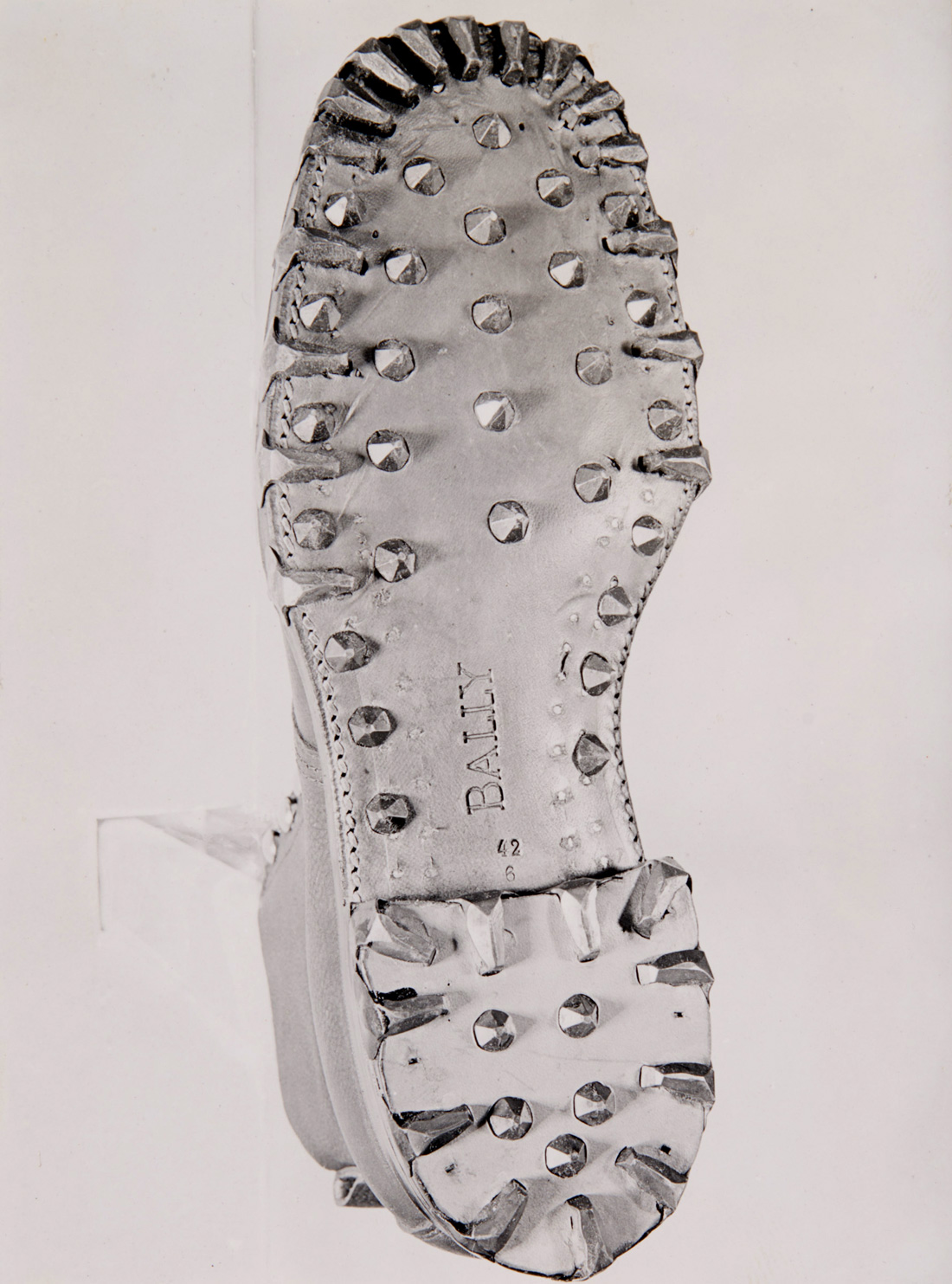
 

Werner Bischof (Swiss, 1916-1954) 'Army Boot' Zürich, Switzerland c. 1941


Werner Bischof (Swiss, 1916-1954)
Army Boot
Zurich, Switzerland, c. 1941
© Werner Bischof/Magnum Photos
From the exhibition Helvetica


To mark the centenary of the birth of Swiss photographer Werner Bischof (1916-1954), the Musée de l’Elysée is presenting a retrospective of his work entitled Point of View, produced by Magnum Photos (Paris). The exhibition offers almost 200 original and sometimes unpublished prints selected from the Werner Bischof Estate (Zurich). The exhibition will also display contact sheets, books, magazines and private letters. Several projections will give a contemporary approach to his work. The exhibition will present his work in Switzerland (1934-1944), Europe (1945-1950), Asia (1951-1952), and North and South America (1953-1954).

A second exhibition, produced by the Musée de l’Elysée and entitled Helvetica focuses exclusively on Bischof’s Swiss years, the period of training, studio work fashion and advertising and then the war years in Switzerland during which he became a press photographer working for the magazine DU. The exhibition Helvetica is the subject of the first publication of the “Collection – Musée de l’Elysée”.

Text from the Musée de l’Elysée website


“The Swiss genius is an exceptional photographer possessing tremendous technical knowledge and experience for his age (he’s only 32 years old), being able to make great pictures, both inside studio (a sphere in which she gets superb results thanks to his lighting mastery, the control on the depth of field, etc) and with persons in outdoor assignments, where by means of his great humanistic sensitiveness, intuition, precision in the timing on pressing the release shutter button of his cameras, outstanding grasping to capture the most representative moments and passion for his trade, also creates very powerful and meaningful images once and again, taking care of the most minute details, even when working under the most extreme contexts, since he’s a great perfectionist… Throughout all of his career as a professional photographer, Bischof proved to be an accomplished master of medium format made using a 2 1/4 x 2 1/4 (6 x 6 cm) Rolleiflex medium format cameras. He also used a rangefinder 35 mm Leica IIIc camera with Leitz Elmar 5 cm f/3.5 lens with which he likewise got great photographs.”

Extract from José Manuel Serrano Esparza. “Werner Bischof: A Master of Photography whose work goes on being very alive,” 23rd July 2013 [Online] Cited 07/04/2016.


Werner Bischof (Swiss, 1916-1954) 'Americana, USA' 1954


Werner Bischof (Swiss, 1916-1954)
Americana, USA
1954
© Werner Bischof/Magnum Photos


Werner Bischof (Swiss, 1916-1954) 'Aerial view of New York City' 1953


Werner Bischof (Swiss, 1916-1954)
Aerial view of New York City
1953
© Werner Bischof/Magnum Photos


Werner Bischof (Swiss, 1916-1954) 'Cruising at night' New York 1953


Werner Bischof (Swiss, 1916-1954)
Cruising at night, New York
1953
© Werner Bischof/Magnum Photos


Werner Bischof (Swiss, 1916-1954) 'S Beckenstein' New York 1953


Werner Bischof (Swiss, 1916-1954)
S Beckenstein, New York
1953
© Werner Bischof/Magnum Photos


Werner Bischof (Swiss, 1916-1954) 'Reflecting house, New York' 1953


Werner Bischof (Swiss, 1916-1954)
Reflecting house, New York
1953
© Werner Bischof/Magnum Photos


Werner Bischof (Swiss, 1916-1954) 'Subway signal, New York' 1953


Werner Bischof (Swiss, 1916-1954)
Subway signal, New York
1953
© Werner Bischof/Magnum Photos


Werner Bischof (Swiss, 1916-1954) 'Pedestrian, New York' 1952


Werner Bischof (Swiss, 1916-1954)
Pedestrian, New York
1952
© Werner Bischof/Magnum Photos
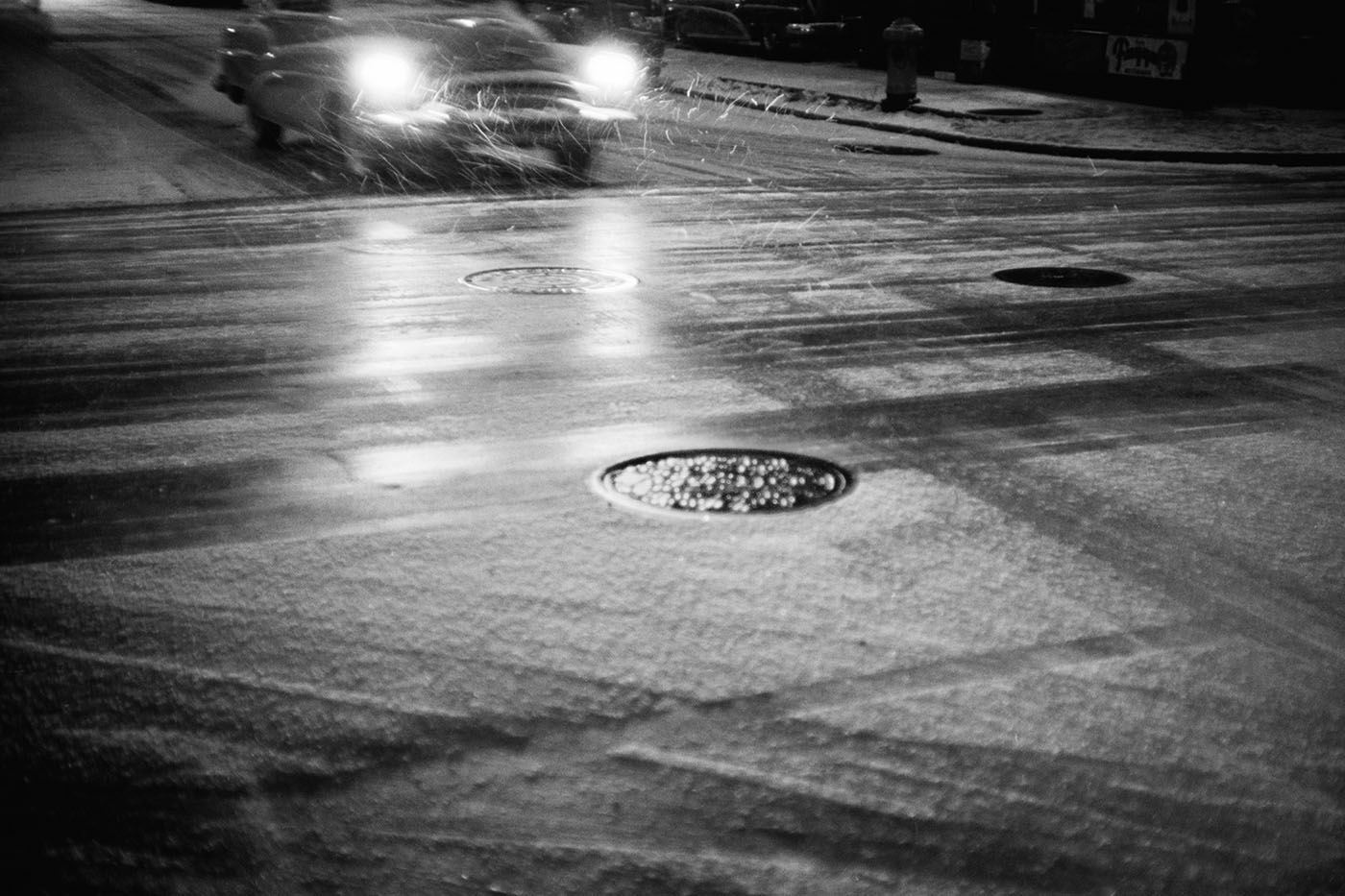
 

Werner Bischof (Swiss, 1916-1954) 'Car in snowfall, New York' 1953


Werner Bischof (Swiss, 1916-1954)
Car in snowfall, New York
1953
© Werner Bischof/Magnum Photos


Werner Bischof (Swiss, 1916-1954) 'Bus commute, New York' 1953


Werner Bischof (Swiss, 1916-1954)
Bus commute, New York
1953
© Werner Bischof/Magnum Photos


Werner Bischof (Swiss, 1916-1954) 'Rushing cars, New York' 1953


Werner Bischof (Swiss, 1916-1954)
Rushing cars, New York
1953
© Werner Bischof/Magnum Photos
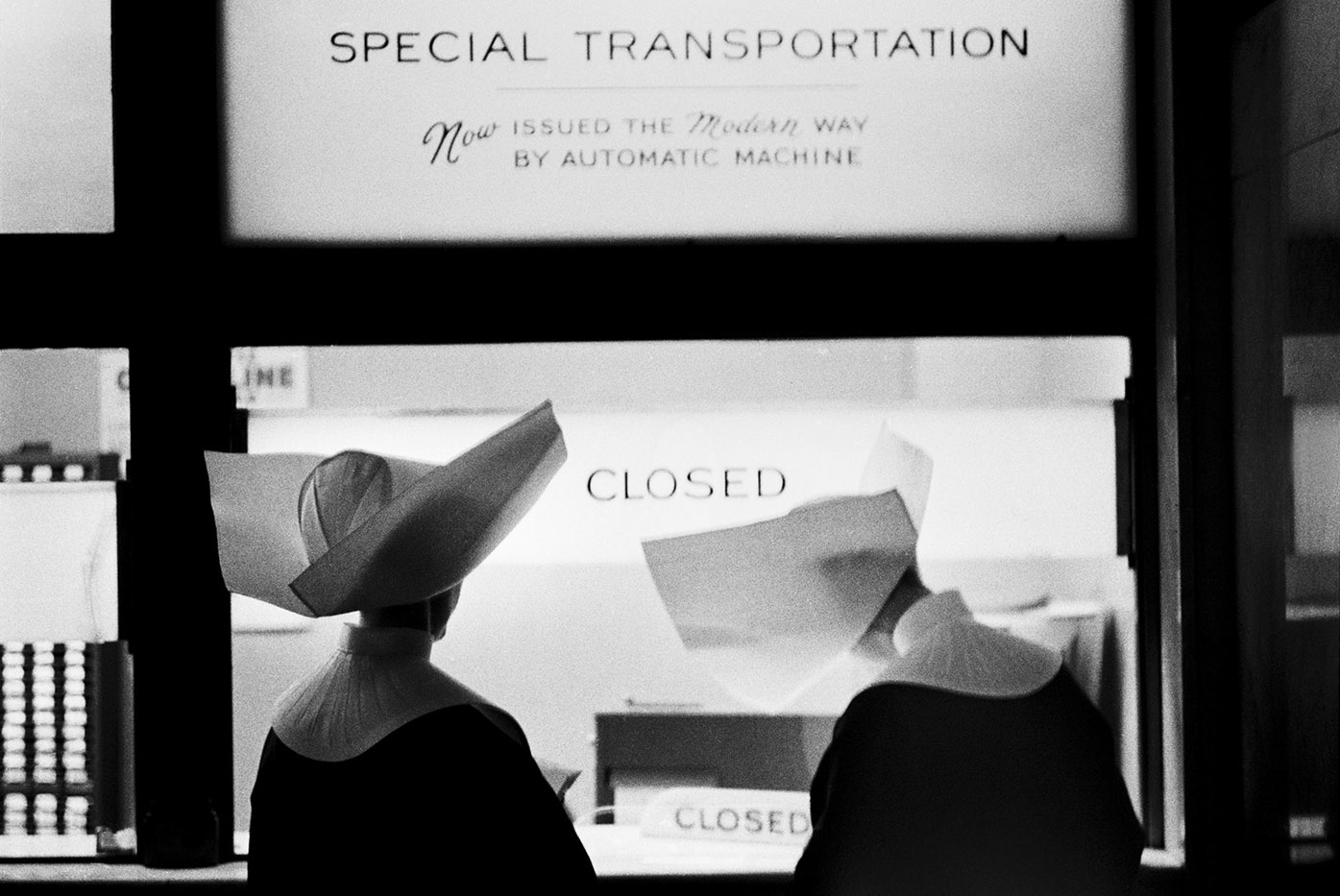
 

Werner Bischof (Swiss, 1916-1954) 'Two nuns, New York' 1953


Werner Bischof (Swiss, 1916-1954)
Two nuns, New York
1953
© Werner Bischof/Magnum Photos
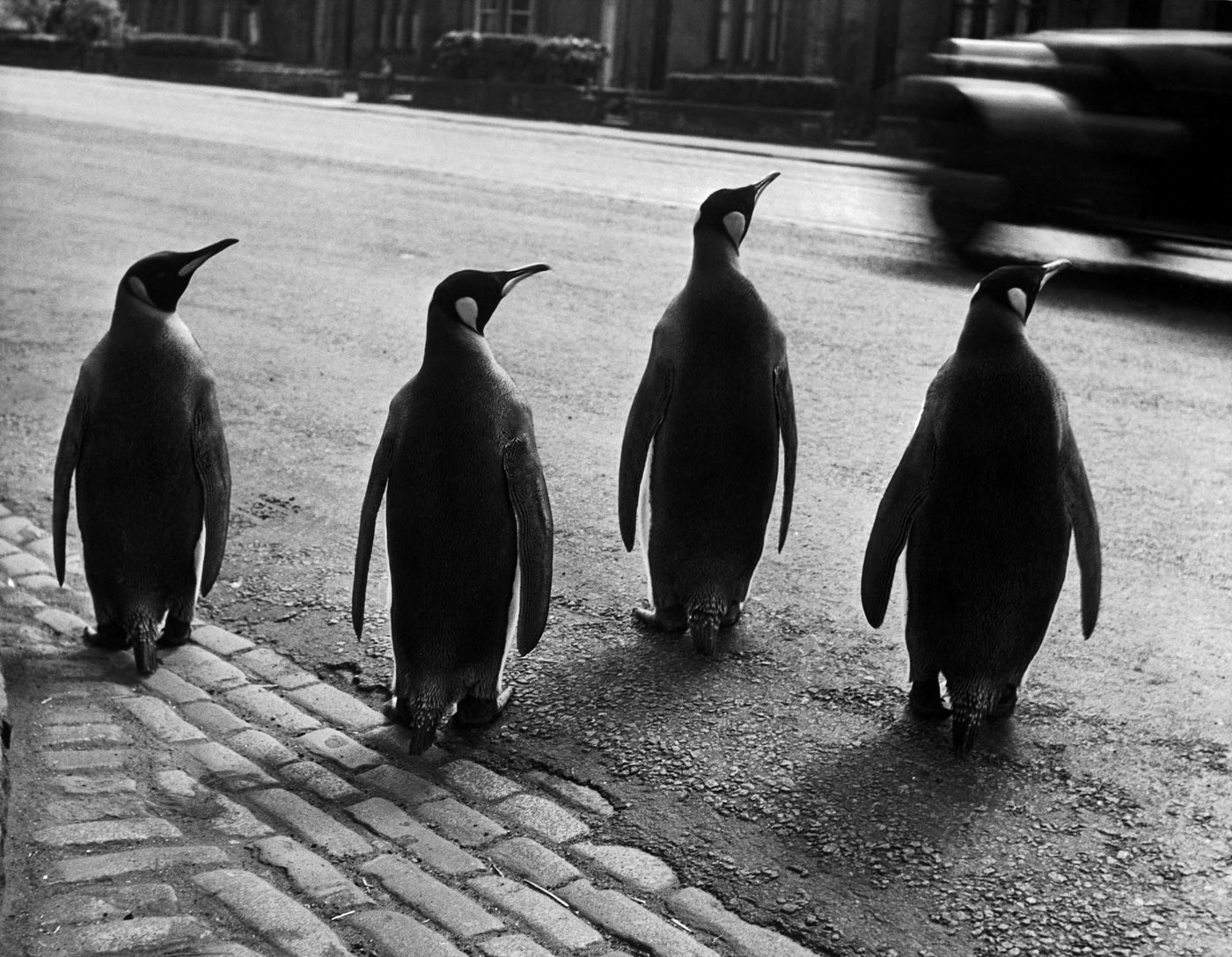
 

Werner Bischof (Swiss, 1916-1954) 'Penguins of Edinburgh Zoo on a walk' 1950


Werner Bischof (Swiss, 1916-1954)
Penguins of Edinburgh Zoo on a walk
1950
© Werner Bischof/Magnum Photos


Werner Bischof (Swiss, 1916-1954) 'Harbour of Kowloon' Hong Kong, China 1952


Werner Bischof (Swiss, 1916-1954)
Harbour of Kowloon
Hong Kong, China, 1952
© Werner Bischof/Magnum Photos
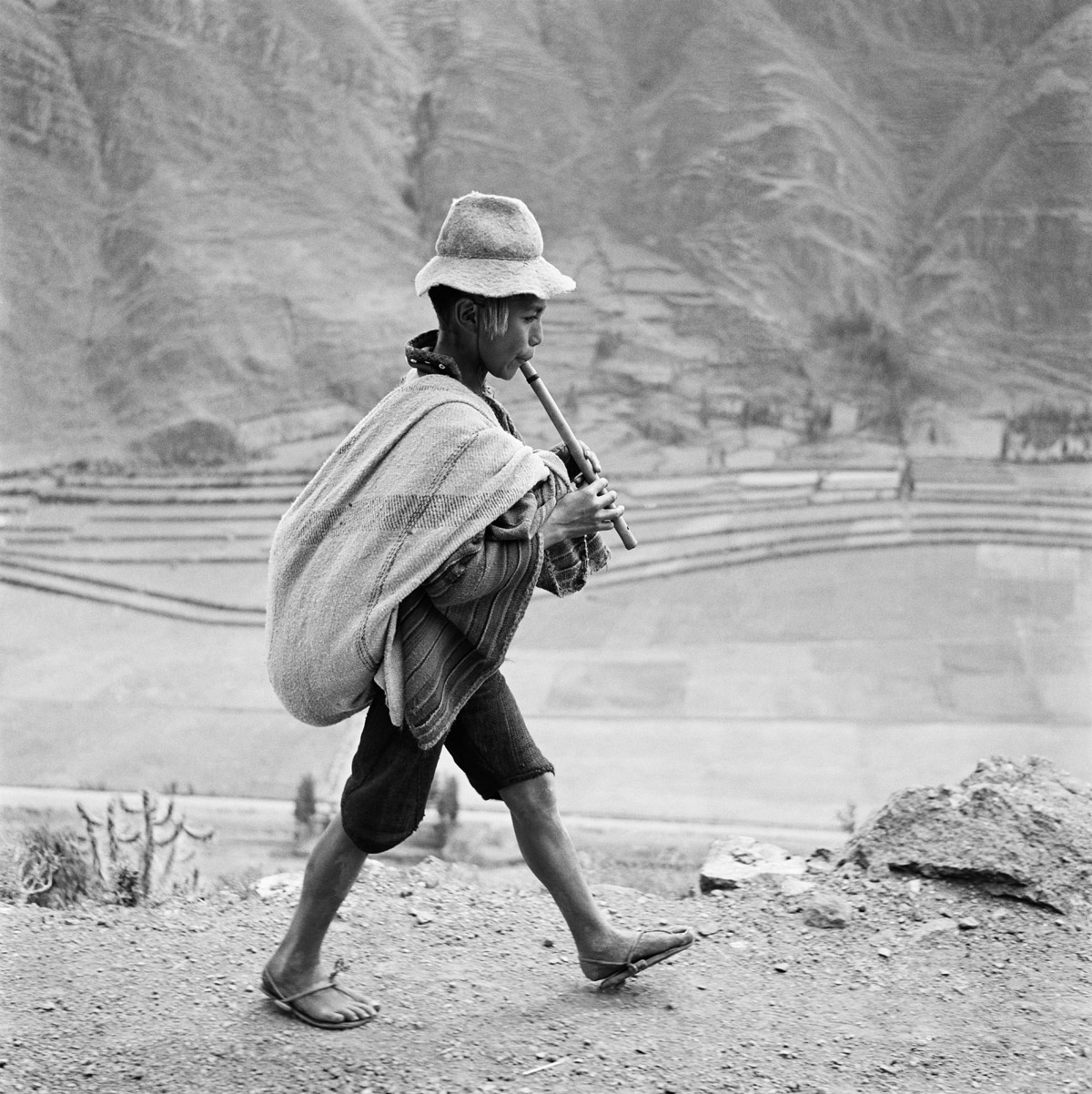
 

Werner Bischof (Swiss, 1916-1954) 'On the road to Cuzco' Valle Sagrado, Peru 1954


Werner Bischof (Swiss, 1916-1954)
On the road to Cuzco
Valle Sagrado, Peru, 1954
© Werner Bischof/Magnum Photos


“Another timeless photographic icon in which stands out the lavish level of detail in the garment of the boy and his typical hat, along with the intricate texture of the sack he is wearing on his back, the impression of volume of his right hand, the fibrous musculature in his calves, the soft bokeh in the mountainous area which can be seen in the background and above all a millenary synergy between man and nature that Werner Bischof realised was endangered.”

~ José Manuel Serrano Esparza


Werner Bischof (Swiss, 1916-1954) 'A pleasant sleeping' Island of Kau Sai 1952


Werner Bischof (Swiss, 1916-1954)
A pleasant sleeping
Island of Kau Sai, 1952
© Werner Bischof/Magnum Photos
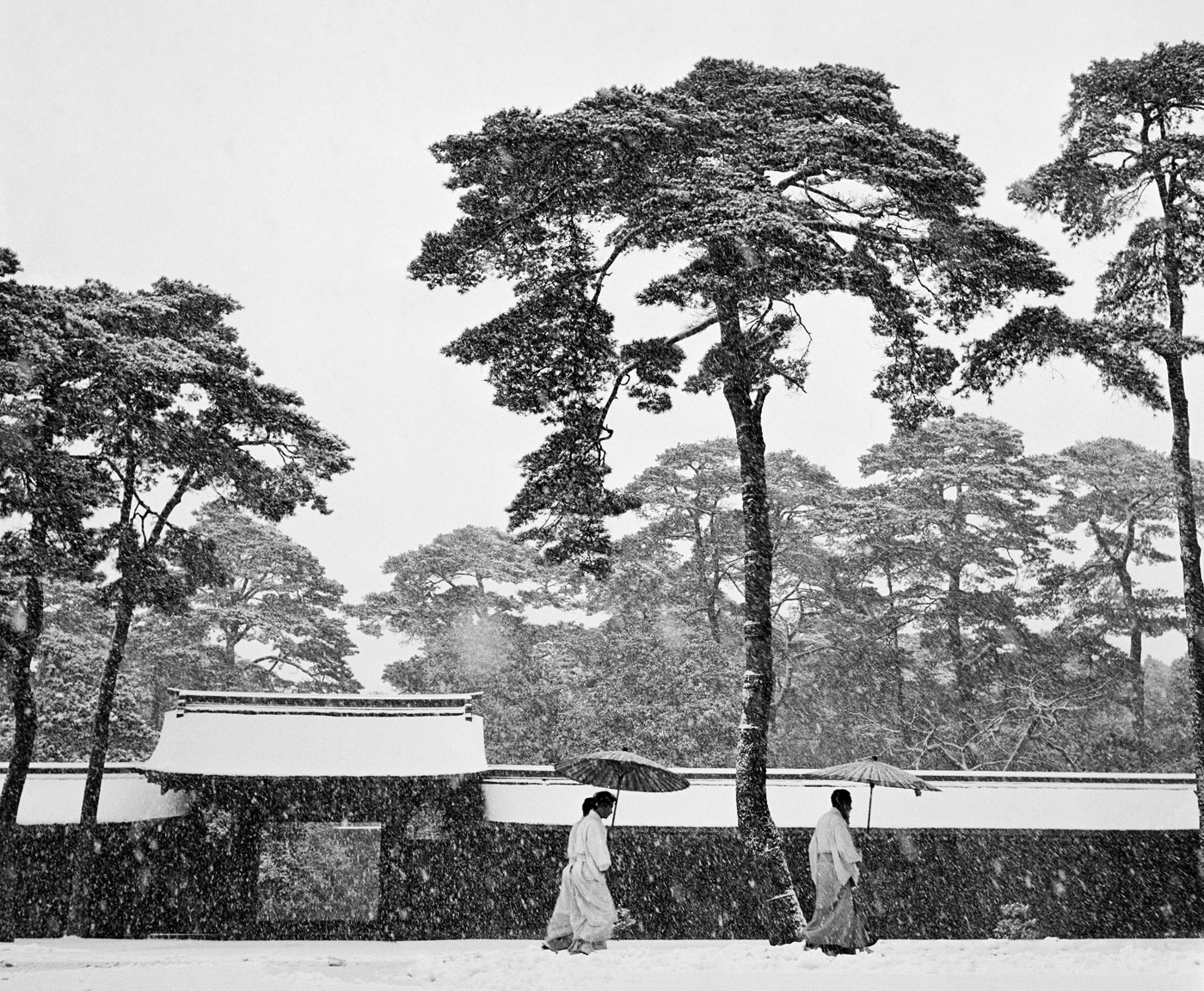
 

Werner Bischof (Swiss, 1916-1954) 'Courtyard of the Meiji shrine' Tokyo, Japan 1951


Werner Bischof (Swiss, 1916-1954)
Courtyard of the Meiji shrine
Tokyo, Japan, 1951
© Werner Bischof/Magnum Photos


“Bischof creates a kind of living landscape highlighted by its unmatched formal and compositive precision, masterfully using the natural light, obtaining plentiful details and exceedingly delicate transitions and hues of grey scales, exploiting the capacities of square medium format to the utmost. The very pure whites of the snow on the ground, the temple roof and the tree tops are likewise worth being mentioned.”

~ José Manuel Serrano Esparza


Werner Bischof (Swiss, 1916-1954) 'Famine stricken area' State of Bihar, India, April 1951


Werner Bischof (Swiss, 1916-1954)
Famine stricken area
State of Bihar, India, April 1951
© Werner Bischof/Magnum Photos
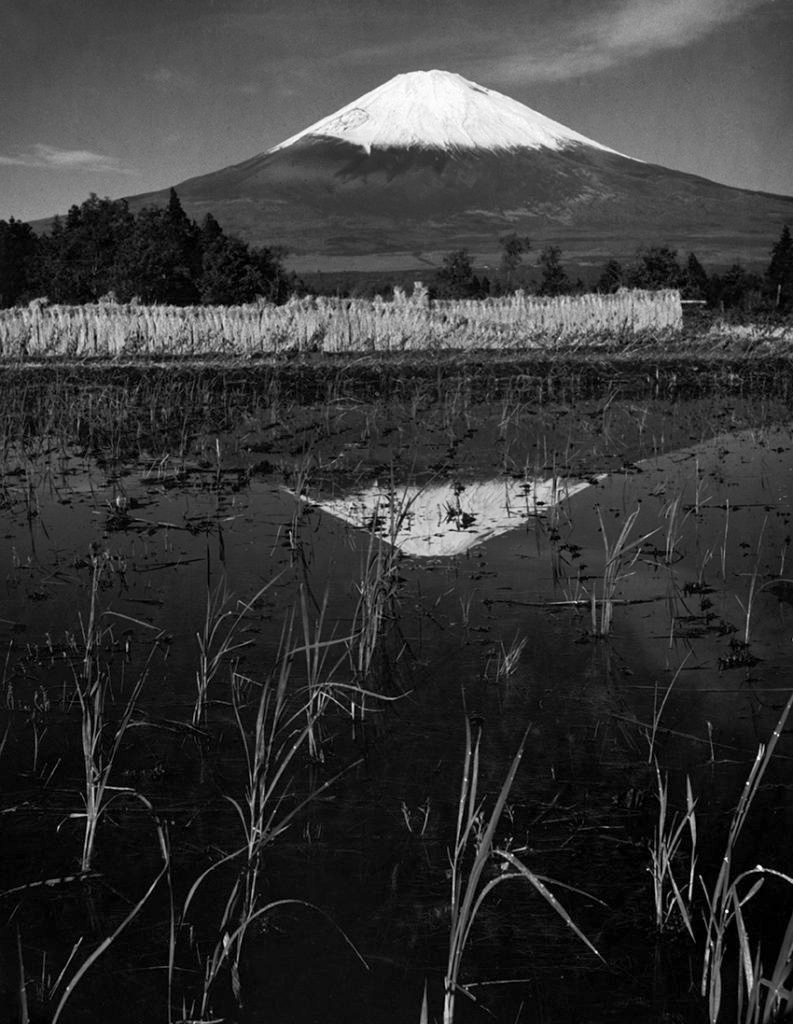
 

Werner Bischof (Swiss, 1916-1954) 'Mount Fuji, Japan' 1951


Werner Bischof (Swiss, 1916-1954)
Mount Fuji, Japan
1951
© Werner Bischof/Magnum Photos


The Musée de l’Elysée
18, avenue de l’Elysée
CH - 1014 Lausanne
Phone: + 41 21 316 99 11

Opening hours:
Tuesday – Sunday, 11am – 6pm
Closed Monday, except for bank holidays

The Musée de l’Elysée website

LIKE ART BLART ON FACEBOOK

Back to top

Exhibition: ‘Swiss Photobooks from 1927 to the present – A Different History of Photography’ at Fotostiftung Schweiz, Zurich

Exhibition dates: 22nd October 2011 – 19th February 2012


Many thankx to Fotostiftung Schweiz for allowing me to publish the photographs in the posting. Please click on the photographs for a larger version of the image.


Eduard Spelterini (Swiss, 1852-1931) 'Über den Wolken' Brunner & Co. A.G., Zurich 1928


Eduard Spelterini (Swiss, 1852-1931)
Über den Wolken
Brunner & Co. A.G., Zurich
1928


Albert Steiner was one of the finest Swiss photographers of the twentieth century. Like Ansel Adams, he favoured imposing natural phenomena, landscapes with what might be called good bone structure, (in his case the Alps, in Adams’s comparable work, the American West), and he printed his vision of them in black-and-white, revealing nature in all its majesty. His impressive scenic work has fundamentally shaped the world’s perception of Switzerland as an alpine country of timeless beauty. It spans the period from before World War I – an era of pictorially inspired images that look like oil paintings – to the straightforward and elegantly modern photography of the 1930s. Unlike many other photographers of the same generation active in the same area, Steiner saw photography as a completely appropriate means of creating works of art, and considered himself an artist.

Text from Amazon. Albert Steiner The Photographic Work. Steidl November 21, 2008


Albert Steiner (Swiss, 1877-1965) 'Schnee, Winter, Sonne' Rotapfel-Verlag, Zurich-Erlenbach/Leipzig 1930


Albert Steiner (Swiss, 1877-1965)
Schnee, Winter, Sonne
Rotapfel-Verlag, Zurich-Erlenbach/Leipzig
1930


The Swiss Foundation for Photography (Fotostiftung Schweiz) is marking its fortieth anniversary by presenting a fresh view of Swiss photography – a tour d’horizon covering a range of illuminating photobooks in which not only the great themes of photography are reflected but also the development of photographic styles and modes of expression. Since the late 1920s the book has repeatedly proved itself to be an ideal platform for the presentation of photographic works. Books have not only contributed to the dissemination and transmission of photography but also facilitated the integration of the individual image into a meaningful context.

In the history of photography the photobook plays a major role not only in publicising photographs, but also as an independent means of expression. The significance of many photographers’ works only emerges when presented in book form, in the coherent sequence or series of images. Content, design and printing quality combine to produce an intricate architectural whole.

This jubilee exhibition marking the 40th anniversary of the Fotostiftung Schweiz focuses on a selection of photobooks that have influenced photography in Switzerland since the late 1920s. At that time, technical advances made the reproduction of top quality photographic images possible and promptly gave rise to a first boom in illustrated books that placed greater emphasis on the photographs than on the texts. Since then, Swiss photobooks have continued to develop in various directions and have repeatedly attracted considerable attention at international level as well.

With the help of seven thematic areas – homeland, portraiture, mountain photography, the world of work, aerial photography, contemporary history, travel – this exhibition aims at a kind of typology of the Swiss photobook which draws attention to the potential interplay between book and photograph, while also revealing the extent to which modes of expression have altered over the course of time. Concise excerpts from these books exhibited on the walls highlight the basic principle of each photobook – a photograph positioned on a double page still remains an integral part of a larger sequence. The concept, design and reception of photobooks are examined more closely in display cases. A large wall installation is devoted to photobook covers. The photobook is also presented as an object in film form: “reading” illustrated photography books is not just an intellectual but also a sensual act.

Press release from the Fotostiftung Schweiz website


Eduard Spelterini (Swiss, 1852-1931) 'Über den Wolken' Brunner & Co. A.G., Zurich 1928


Eduard Spelterini (Swiss, 1852-1931)
Über den Wolken (cover)
Brunner & Co. A.G., Zurich
1928


Swiss balloonist Eduard Spelterini (1852-1931) lived an extraordinary life. Born the son of an innkeeper and beer brewer in a remote village in the Toggenburg area of Switzerland, Spelterini achieved international fame when he became the first aeronaut to fly over the Swiss Alps in 1898. Over the next two decades, Spelterini navigated his balloon through the skies of Europe, Africa, and Asia, and over such sites as the Great Pyramid of Giza and the gold mines of South Africa. Spelterini remains an important figure today because of his achievements in aerial photography. Seeking images to illustrate his lectures, he began taking a camera along with him on his expeditions in 1893, and his breathtaking photographs quickly became the talk of Europe.

Known as the “King of the Air,” the Swiss balloonist Eduard Spelterini enchanted the imaginations of European royalty, military generals, wealthy patrons, and the public alike with his mastery of the most whimsical mode of travel ever invented – the gas balloon. During the course of his storied aviation career, Spelterini flew his balloons over the Swiss Alps, across the Egyptian pyramids, and past the ziggurats of the Middle East, taking breathtaking photographs of landscapes and cities from the sky.

On Spelterini’s first ballooning ventures, he ferried aristocrats between Vienna, Bucharest, Athens, and other European capitals, on flights that became so famous that they were soon jam-packed with an international press corps looking for the next sensational story. Later in his life, Spelterini was the first aeronaut to succeed in the hazardous passage over the Swiss Alps, a trip then thought impossible. Eventually, he decided to bring his camera on every voyage in order to document the full panorama of international vistas he encountered.

Text from Amazon


Eduard Spelterini and the Spectacle of Images: The Colored Slides of the Pioneer Balloonist. Verlag Scheidegger and Spiess; Bilingual edition August 15, 2010, presents a selection of around eighty of Spelterini’s never-before-published colored slides, offering readers an altogether new look at the spectacular work of this pioneer of photography and aviation.

Eduard Spelterini – Photographs of a Pioneer Balloonist. Verlag Scheidegger and Spiess; Bilingual edition December 30, 2007 is the first book after 80 years to present these images of his journeys, reproduced directly from the artist’s original glass negatives. Contextualized by essays that explore both Spelterini’s life and his photographic work, the photographs featured in this volume capture the heady mix of danger and discovery that defined the early years of international air travel when balloons ruled the skies.


Walter Mittelholzer (Swiss, 1894-1937) 'Alpenflug' Orell Füssli, Zurich/Leipzig 1928


Walter Mittelholzer (Swiss, 1894-1937)
Alpenflug (cover)
Orell Füssli, Zurich/Leipzig
1928


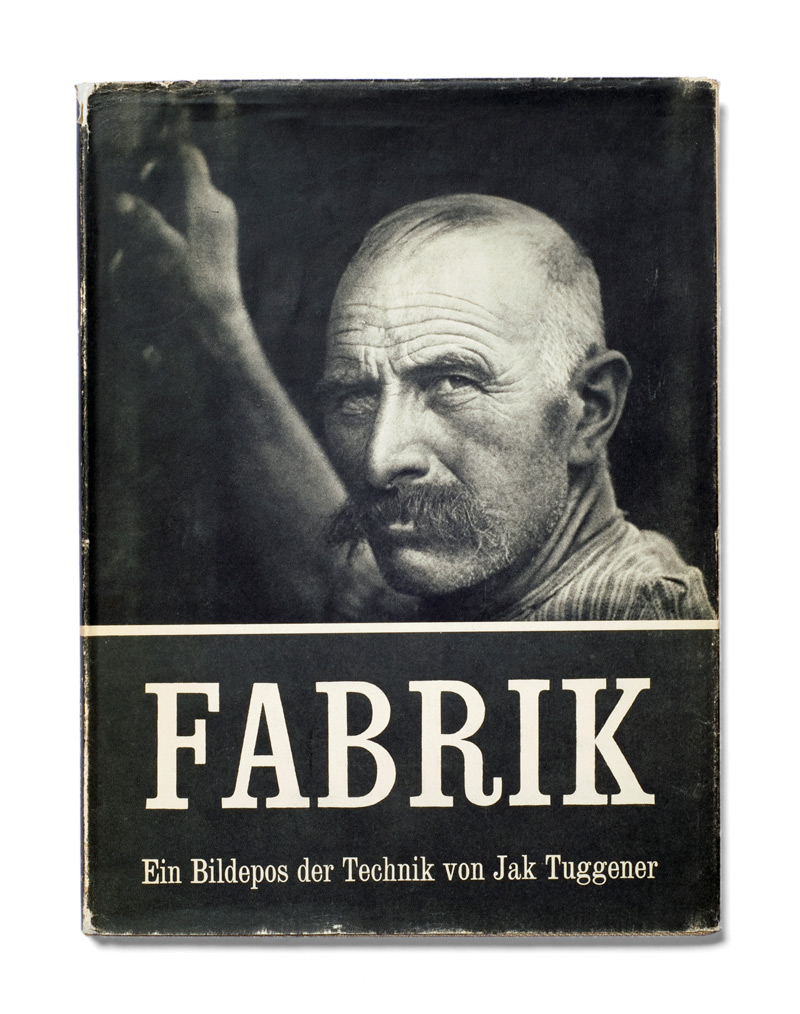
Jakob Tuggener (Swiss, 1904-1988) 'Fabrik' (cover) Rotapfel Verlag, Erlenbach-Zurich 1943


Jakob Tuggener (Swiss, 1904-1988)
Fabrik (cover)
Rotapfel Verlag, Erlenbach-Zurich
1943


Jakob Tuggener (Swiss, 1904-1988) 'Fabrik' Rotapfel Verlag, Erlenbach-Zurich 1943


Jakob Tuggener (Swiss, 1904-1988)
Fabrik
Rotapfel Verlag, Erlenbach-Zurich
1943


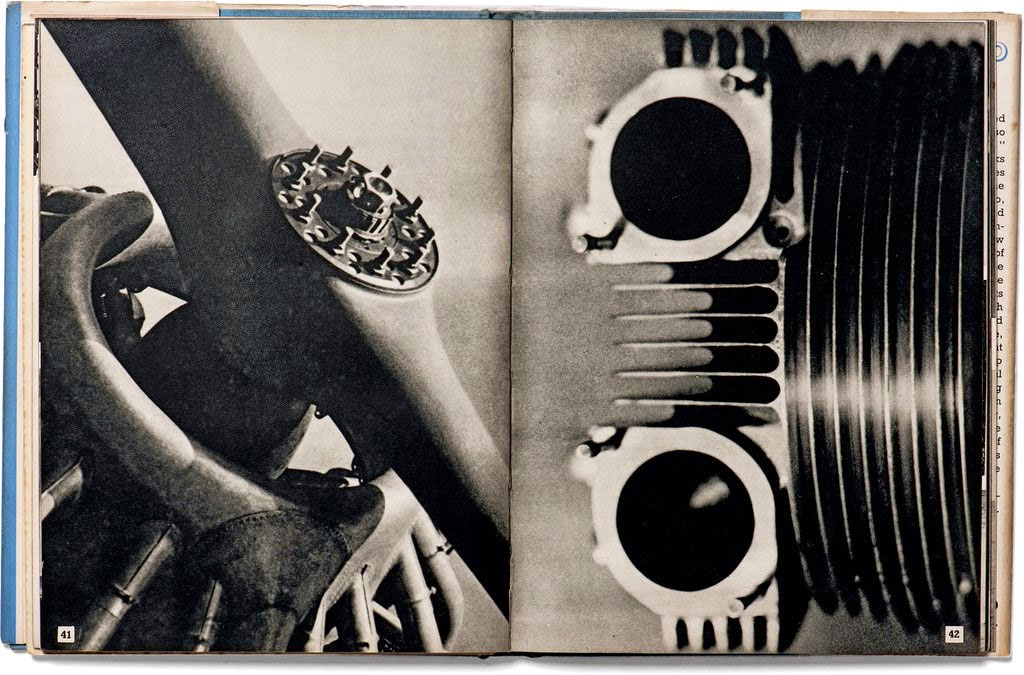
Jakob Tuggener’s Fabrik, published in Zurich in 1943, is a milestone in the history of the photography book. Its 72 images, in the expressionist aesthetic of a silent movie, impart a skeptical view of technological progress: at the time the Swiss military industry was producing weapons for World War II. Tuggener, who was born in 1904, had an uncompromisingly critical view of the military-industrial complex that did not suit his era. His images of rural life and high-society parties had been easy to sell, but Fabrik found no publisher. And when the book did come out, it was not a commercial success. Copies were sold at a loss and some are believed to have been pulped. Now this seminal work, which has since become a sought-after classic, is being reissued with a contemporary afterword. In his lifetime, Tuggener’s work appeared – at Robert Frank’s suggestion – in Edward Steichen’s Post-War European Photography and in The Museum of Modern Art’s seminal exhibition, The Family of Man, in whose catalogue it remains in print. Tuggener’s death in 1988 left an immense catalogue of his life’s work, much of which has yet to be shown: more than 60 maquettes, thousands of photographs, drawings, watercolors, oil paintings and silent films.The Family of Man,

Book description on Amazon. The book has been republished by Steidl in January, 2012. The classics never go out of fashion!


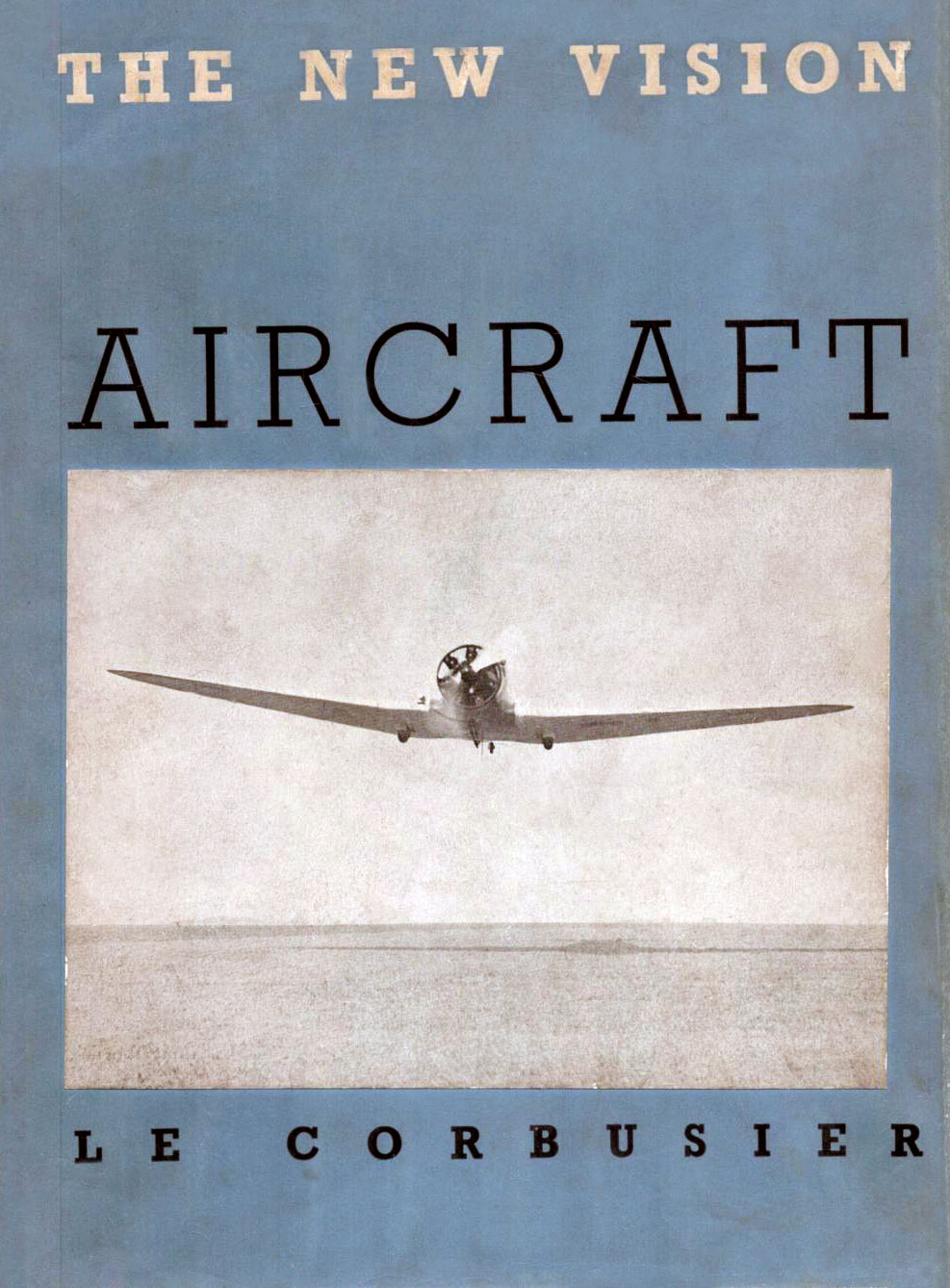
Le Corbusier (Swiss-French, 1887-1965) 'Aircraft' 1935


Le Corbusier (Swiss-French, 1887-1965)
Aircraft
The Studio, London/New York
1935


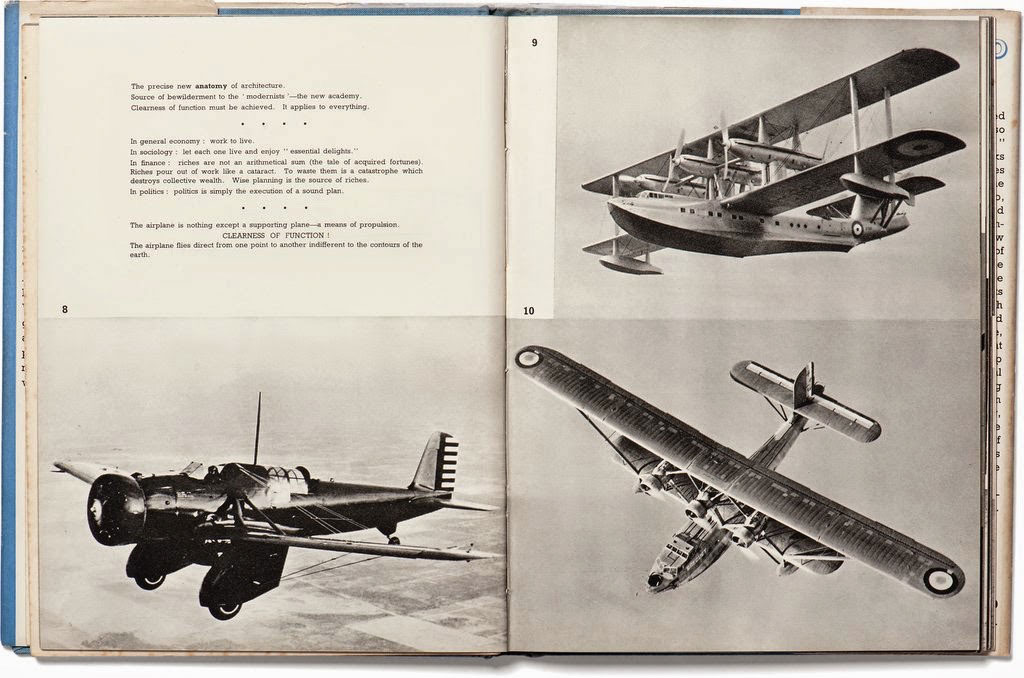
Le Corbusier (Swiss-French, 1887-1965) 'Aircraft' 1935

Le Corbusier (Swiss-French, 1887-1965) 'Aircraft' 1935


Le Corbusier (Swiss-French, 1887-1965)
Aircraft
The Studio, London/New York
1935


Robert Frank (Swiss-American, 1924-2019) 'The Americans' 1958 front cover


Robert Frank (Swiss-American, 1924-2019)
The Americans
Grove Press, New York
1958/1959


Werner Bischof (Swiss, 1916-1954) 'Japan' 1955


Werner Bischof (Swiss, 1916-1954)
Japan
Manesse, Zurich
c. 1955


Werner Bischof (Swiss, 1916-1954) 'Courtyard of the Meiji shrine in Tokyo, Japan' 1951


Werner Bischof (Swiss, 1916-1954)
Courtyard of the Meiji shrine in Tokyo, Japan
1951
Gelatin silver print


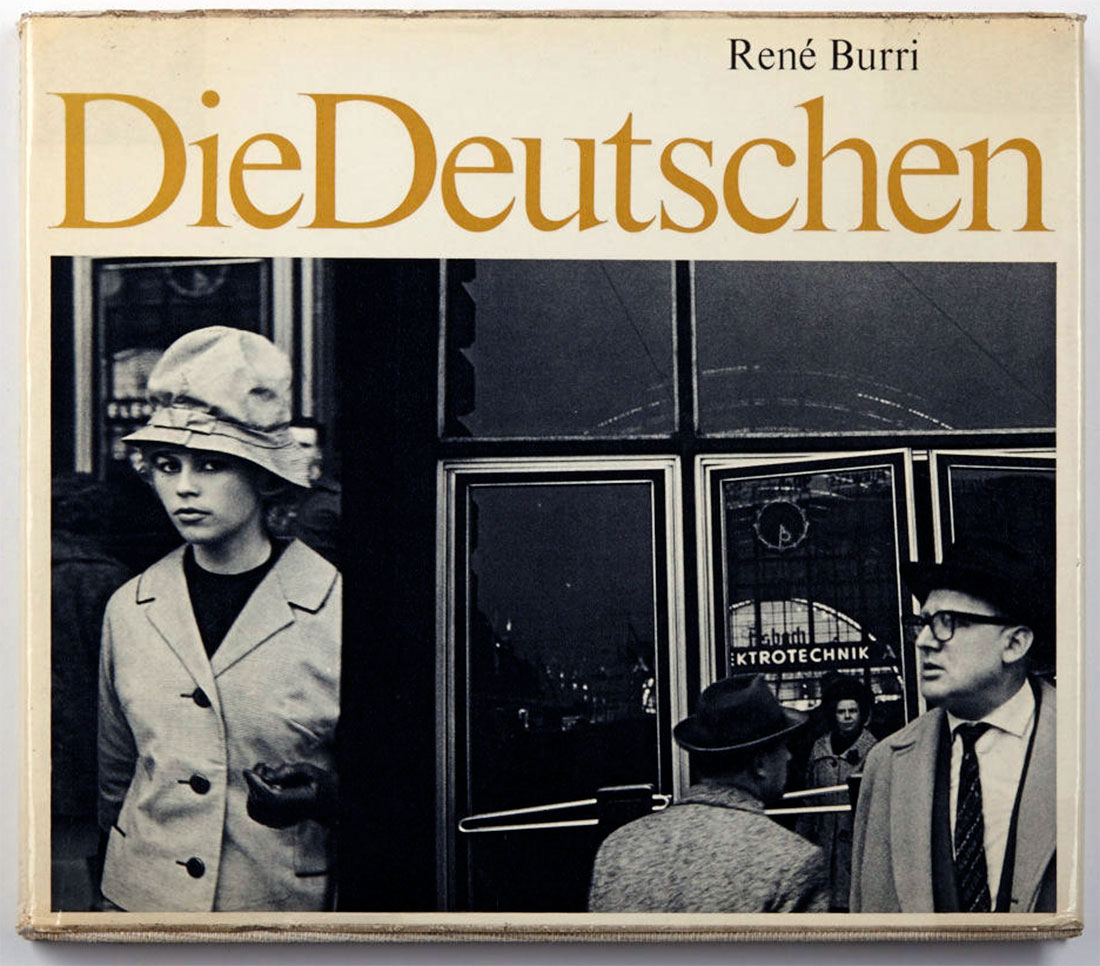
René Burri (Swiss, 1933-2014) 'Die Deutschen' 1962


René Burri (Swiss, 1933-2014)
Die Deutschen
Fretz & Wasmuth Verlag, Zurich
1962


Hugues de Wurstemberger (Swiss, b. 1955) 'Paysans' 1996


Hugues de Wurstemberger (Swiss, b. 1955)
Paysans
Editions de la Sarine, Fribourg
1996


Andri Pol (Swiss, b. 1961) 'Grüezi' Kontrast Verlag, Zurich 2006


Andri Pol (Swiss, b. 1961)
Grüezi
Kontrast Verlag, Zurich
2006


Fotostiftung Schweiz
Grüzenstrasse 45
CH-8400 Winterthur (Zürich)
Phone: +41 52 234 10 30

Opening hours:
Daily 11am – 6pm
Wednesday 11am – 8pm
Closed on Mondays

Fotostiftung Schweiz website

FOLLOW ART BLART ON FACEBOOK

Back to top