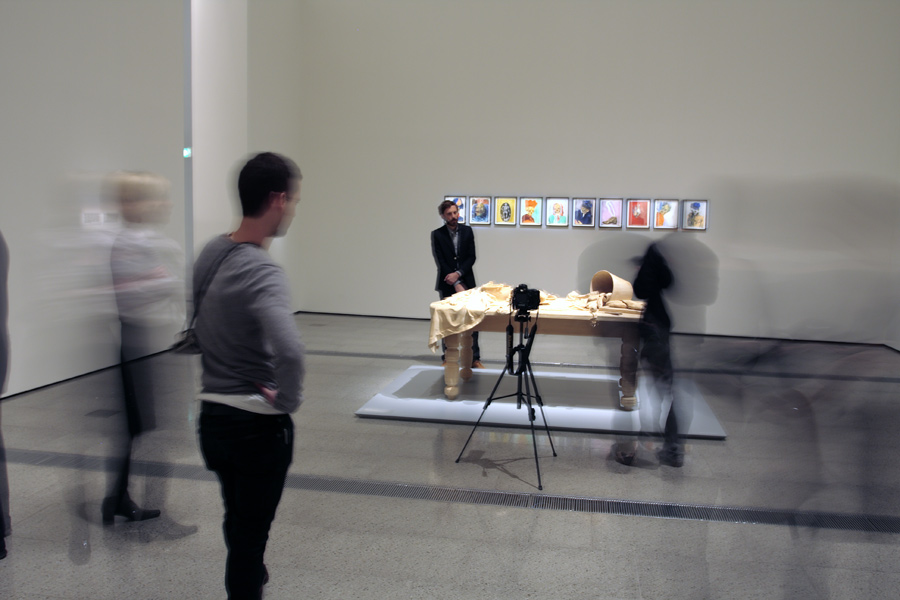
Exhibition: ‘Joel-Peter Witkin – Photographs 1980-2016’ at William Mora Galleries, Melbourne

Exhibition dates: 3rd – 25th August, 2017


Joel-Peter Witkin (American, 1939-) 'Arms Broken By A Window, New Mexico' 1980 from the exhibition 'Joel-Peter Witkin – Photographs 1980-2016' at William Mora Galleries, Melbourne, August 2017


Joel-Peter Witkin (American, b. 1939)
Arms Broken By A Window, New Mexico
1980
Tirage argentique
64 x 64cm
Courtesy Baudoin Lebon and William Mora Galleries
© Joel-Peter Witkin


“I think this whole conversation can be compressed into one thing. It’s that life is joyous and wonderful and it’s meant for us to grow as individuals, as citizens, as human beings and spirits. The terrible thing is that we have a choice and usually the negative choice is the easy way. That’s what we regret because we know we’ve harmed and we’re not meant to harm. We’re meant to heal and grow and share and if I had a knife at my neck or a gun to my head I’d say the same thing.”


Joel-Peter Witkin


Magical momenti mori

This will be short and sweet because I am on holiday in Europe.

It was a privilege to visit William Mora Galleries to see the first ever exhibition in Australia of the work of the renowned American photographer Joel-Peter Witkin. To be able to spend time with these photographic constructions in such a tranquil space truly was a blessing.

While it is possible to read all sorts of influences into the work – running from Diane Arbus (masks) through Surrealism, collage and homages to still-life “Vanitas” style paintings from the 1600s, the ‘Storyville’ prostitue photos of E.J. Bellocq, carte-de-visite and the conversant arched form of the window cut-outs of Victorian photo albums, mythological themes, ars moriendi (“The Art of Dying”), post-mortem photography, et al – what makes Witkin’s photographs so unique is that they could only, ever, be the work of this artist. When you look at these beautiful photographs they bear his unmistakable signature.

Witkin is able to construct in a performative space placed before the lens, engaging narratives which often have an allusive mystery embedded in them. I for one do not pretend to understand all that is going on within the images in terms of their symbolism – but this is not necessary. What I can feel is the profound love and affection that the artist has towards his subjects and his craft. Witkin is not afraid: of life, of death, of ambiguities of sexuality, identity and disability, that confront each and every one of us throughout life. He is not afraid to make bold moves in his art, scratching into the surface of the negative, bleaching into the print, collaging over the top of the base print, never afraid of high key moments in the mise-en-scène, all to create the affect that he wants in order to tell the story. He directs his imagination through the presence and physicality of the final print.

Witkin’s allegories, his mediations on the universality of death as memento mori, or meme/n/to (a meme is an element of a culture or system of behaviour passed from one individual to another, as in the multiple rituals of death) mori, remind people of the fragility of their lives and how vain are the glories of earthly life. His imaginative renditions posit this: no matter one’s station in life, the Dance of Death unites us all.

Dr Marcus Bunyan


Many thankx to Anna and William Mora for allowing me to publish the photographs in the posting. All installation photographs © Dr Marcus Bunyan, William Mora Galleries, Melbourne and the artist. Please click on the photographs for a larger version of the image.


A sudden blow: the great wings beating still
Above the staggering girl, her thighs caressed
By the dark webs, her nape caught in his bill,
He holds her helpless breast upon his breast.

How can those terrified vague fingers push
The feathered glory from her loosening thighs?
And how can body, laid in that white rush,
But feel the strange heart beating where it lies?

A shudder in the loins engenders there
The broken wall, the burning roof and tower
And Agamemnon dead.
Being so caught up,
So mastered by the brute blood of the air,
Did she put on his knowledge with his power
Before the indifferent beak could let her drop?


W. B. Yeats (1865-1939)
‘Leda and the Swan’
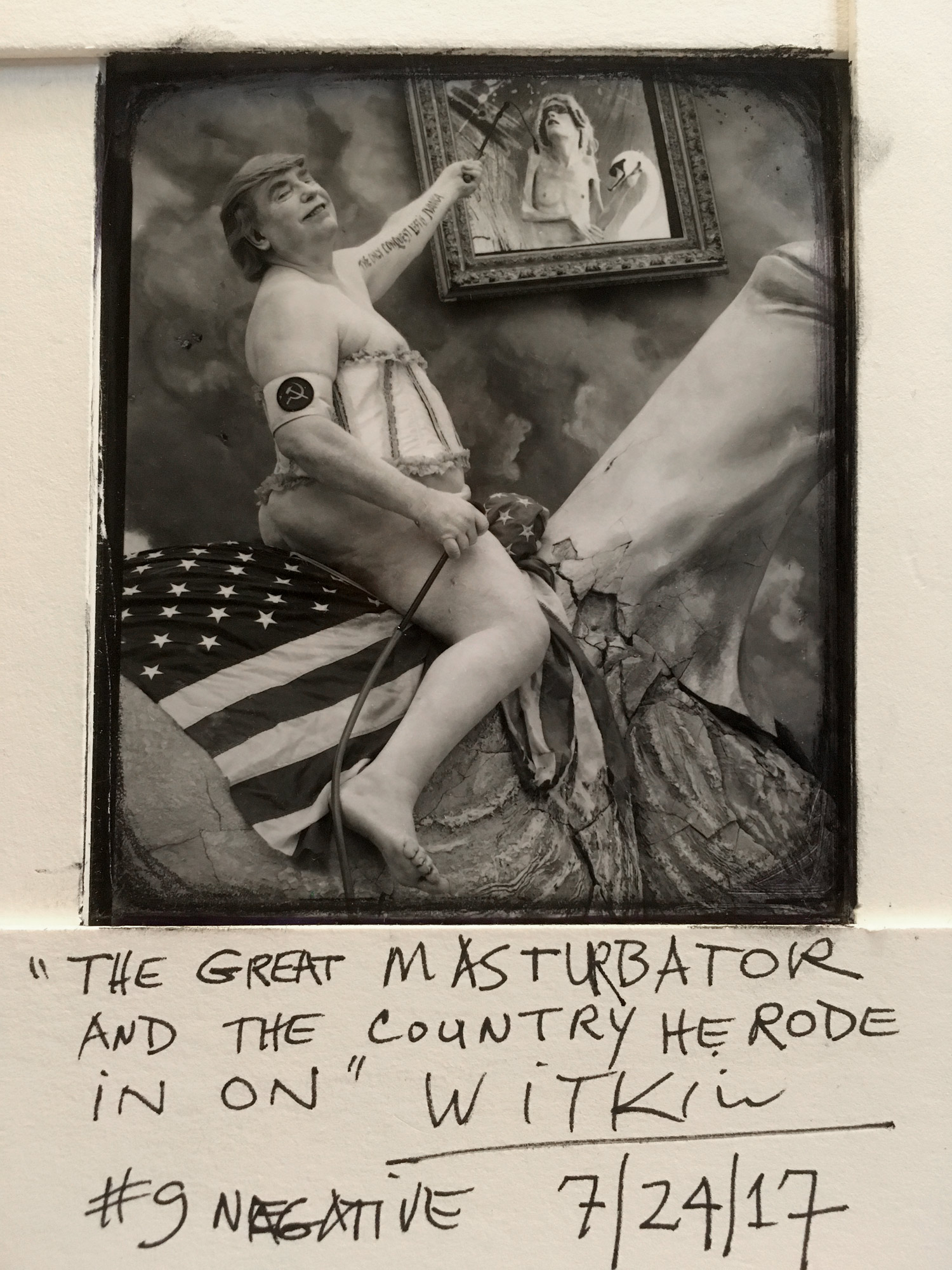


Joel-Peter Witkin (American, b. 1939) 'The Great Masturbator And The Country He Rode In On, New Mexico' 2017 from the exhibition 'Joel-Peter Witkin – Photographs 1980-2016' at William Mora Galleries, Melbourne, August 2017


Joel-Peter Witkin (American, b. 1939)
The Great Masturbator And The Country He Rode In On, New Mexico
2017
Tirage argentique
35 x 32cm
Courtesy Baudoin Lebon and William Mora Galleries
© Joel-Peter Witkin


“Trump is a child living in a narcissistic hollow man – with the power to destroy the world…

Trump is not qualified to be President. His election to that office represents the ignorance of the American electorate and the corruption of our political representatives. Ours is not an intellectual culture in which thought and reason are unselfishly presented. It is a “Pop Culture” of materialistic escapism which has elected an autocratic, draft dodging, corrupt business man, who has made this country the laughing stock of the world.

The Great Masturbator And The Country He Rode In On took several months to create. The Trump model was willing to pose nude. In his right hand is the nuclear button. On his extended left arm is written: “The Only Conquest Left Is Ivanka.” On his right arm, he is wearing the symbol of Communism, the secret agenda Russia is promoting today under Putin. And for reasons yet unknown, all of us look forward to know why Trump is Putin’s marionette.

I made this photograph because I am involved in mankind. As a citizen of this formally great country, and as an artist, I made this photograph to help defeat the Republican party in the 2018 elections for its cowardice in putting their party ahead of their country. Where are our elected leaders, the Lincoln’s, the Kennedy’s of today? Where are our citizen’s hero’s, the César Chávez’s, the Martin Luther King’s, the Rosa Parks of today?

What ever happened to morality, courage and integrity?”

Joel-Peter Witkin


Installation photographs
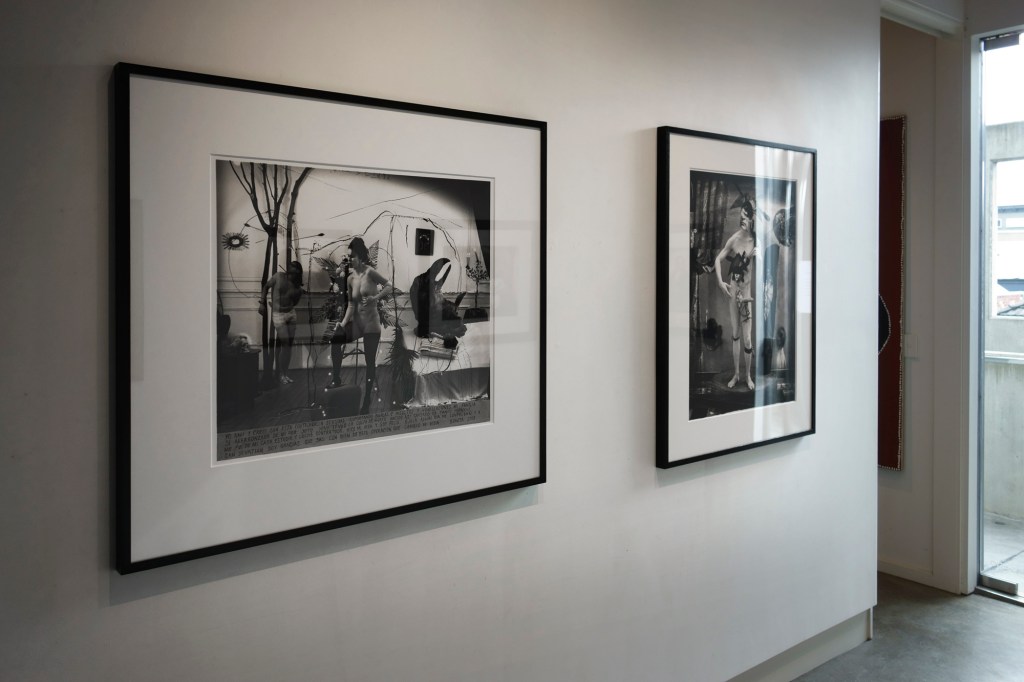


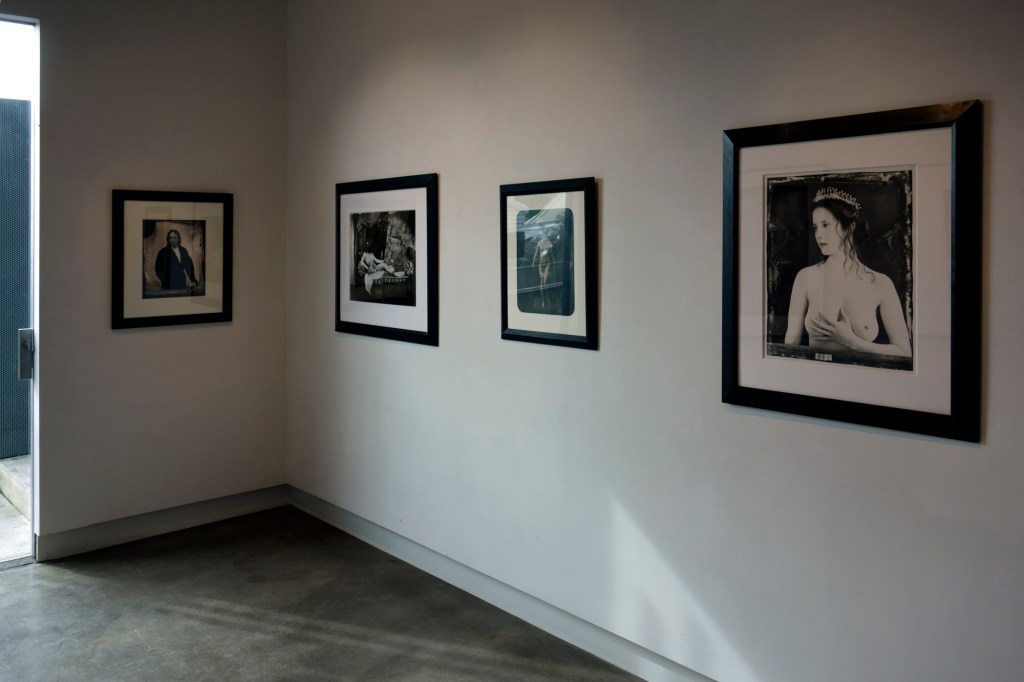
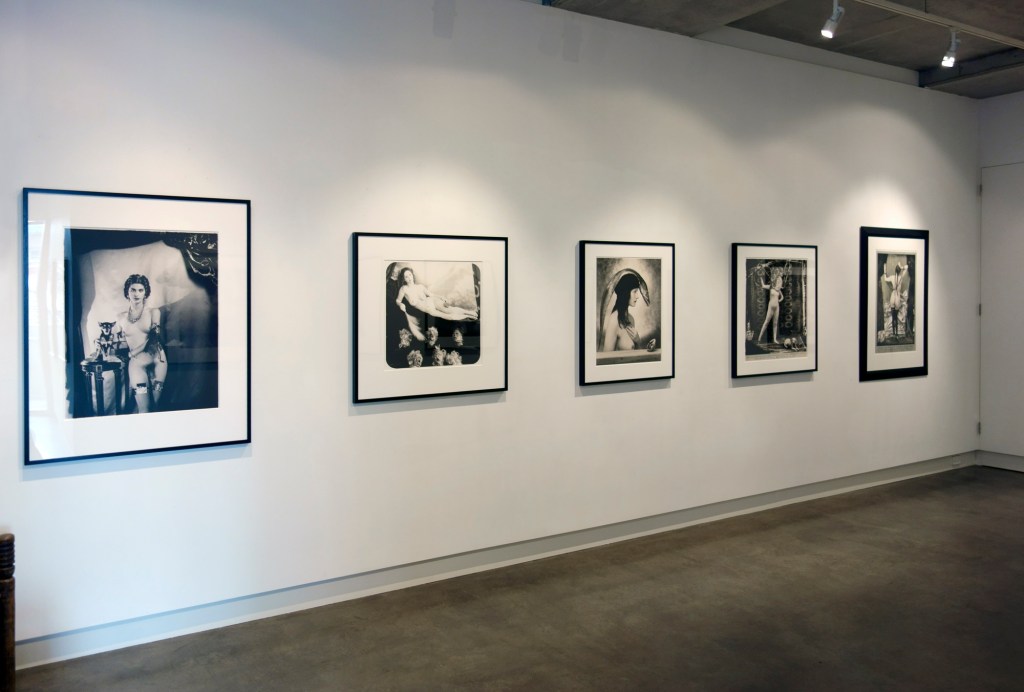
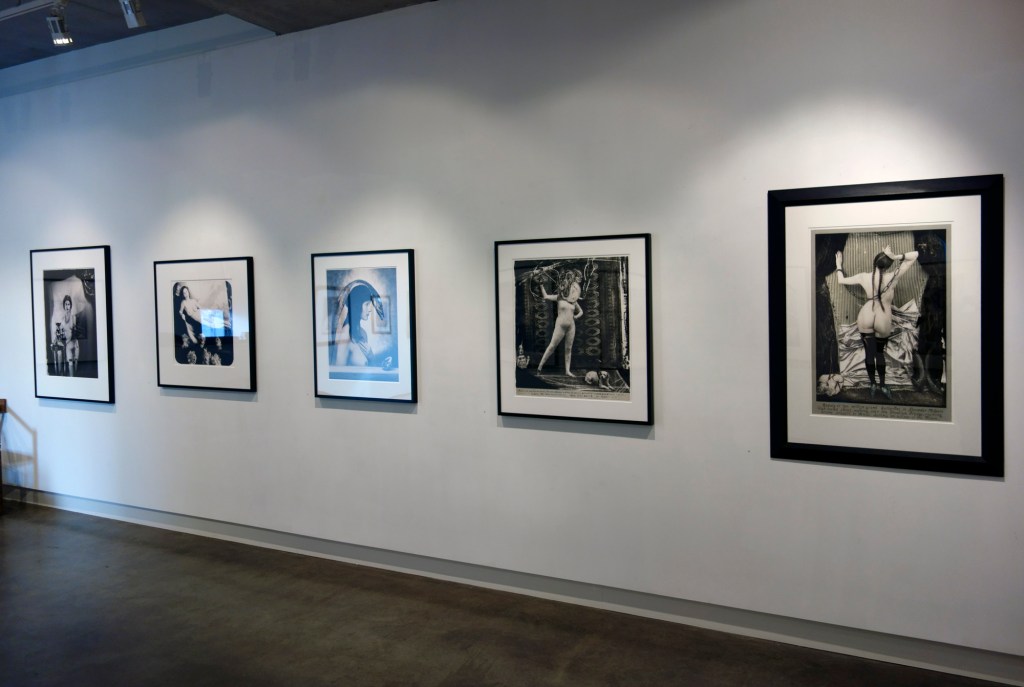
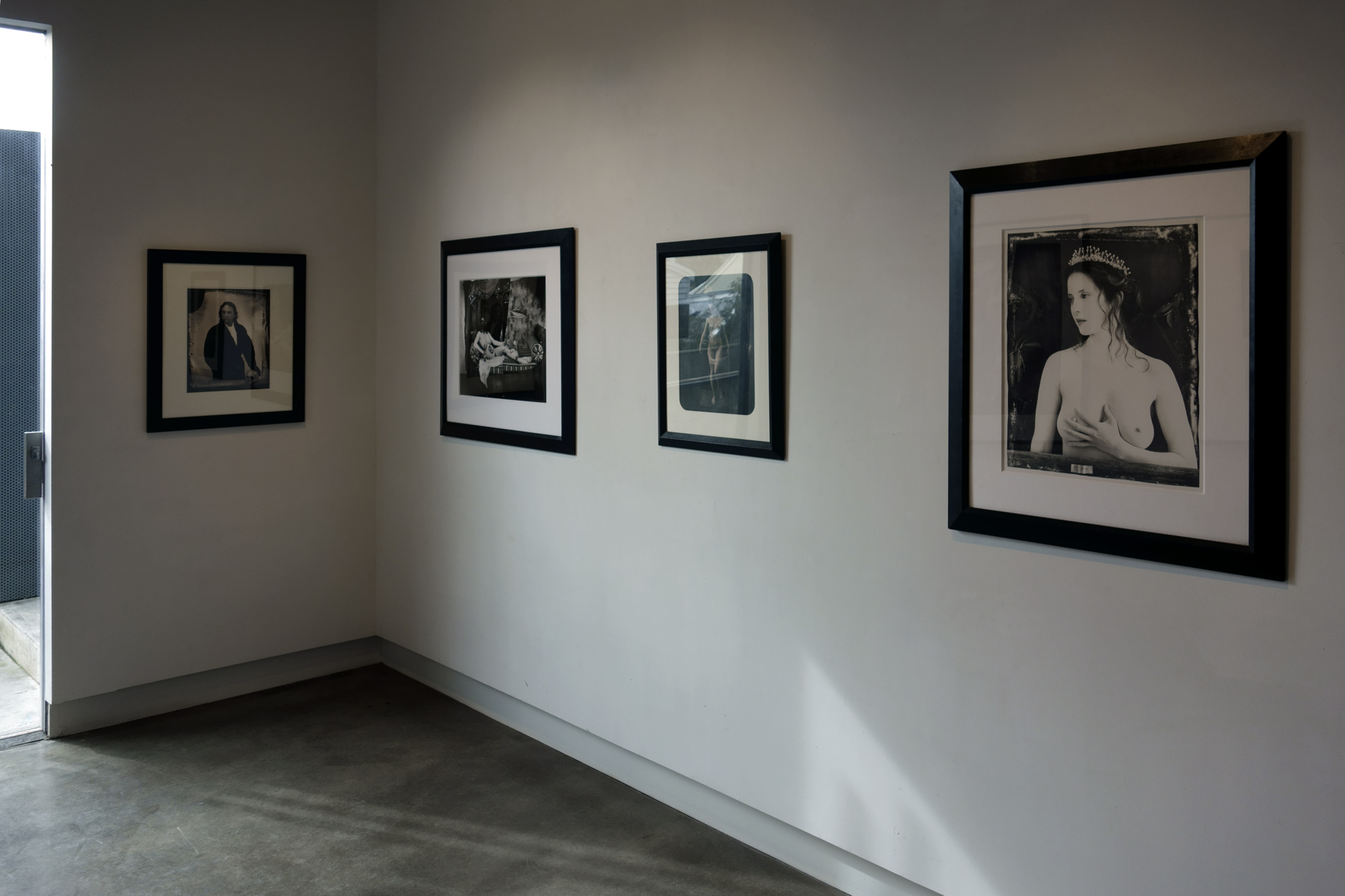
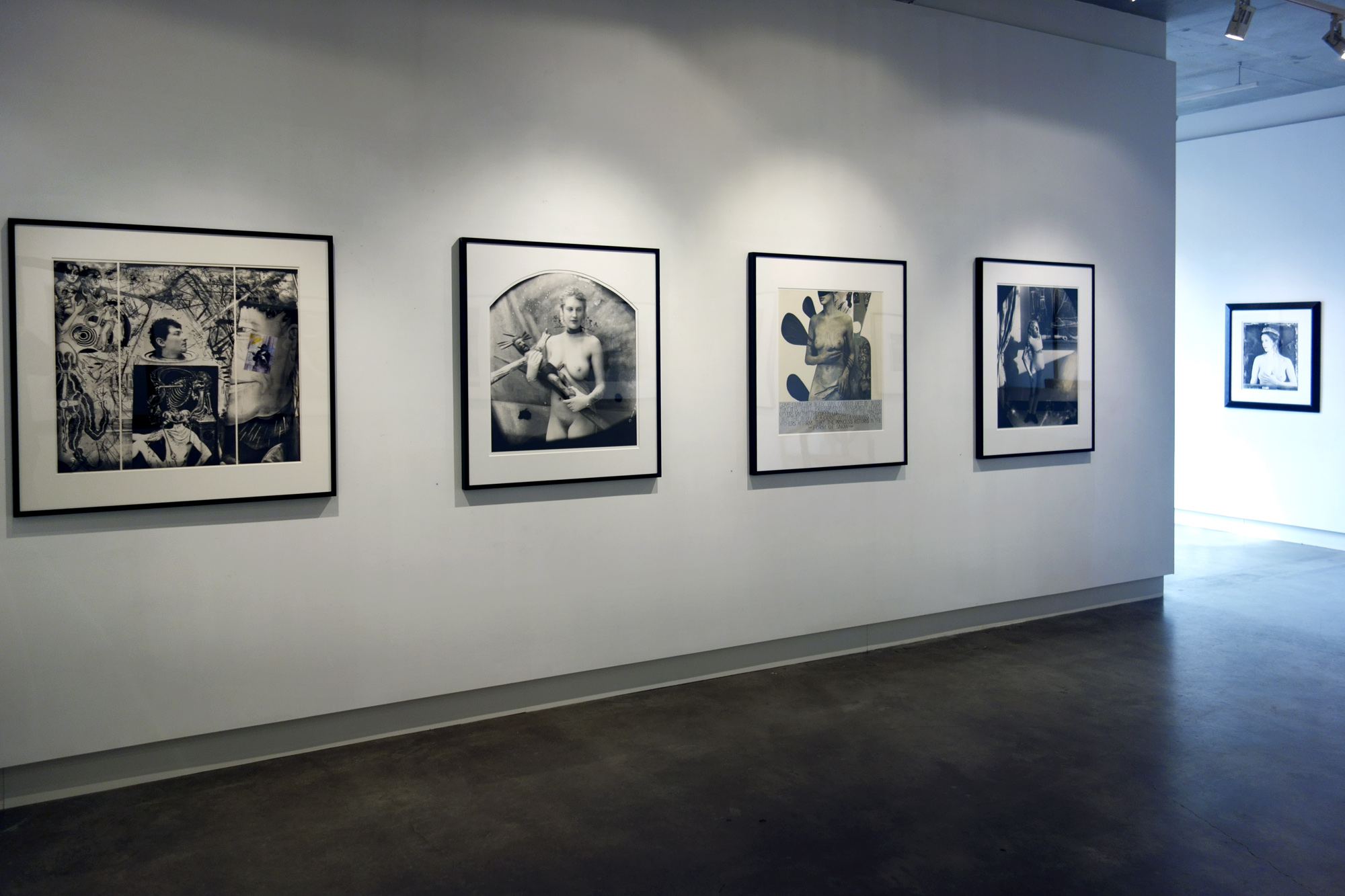
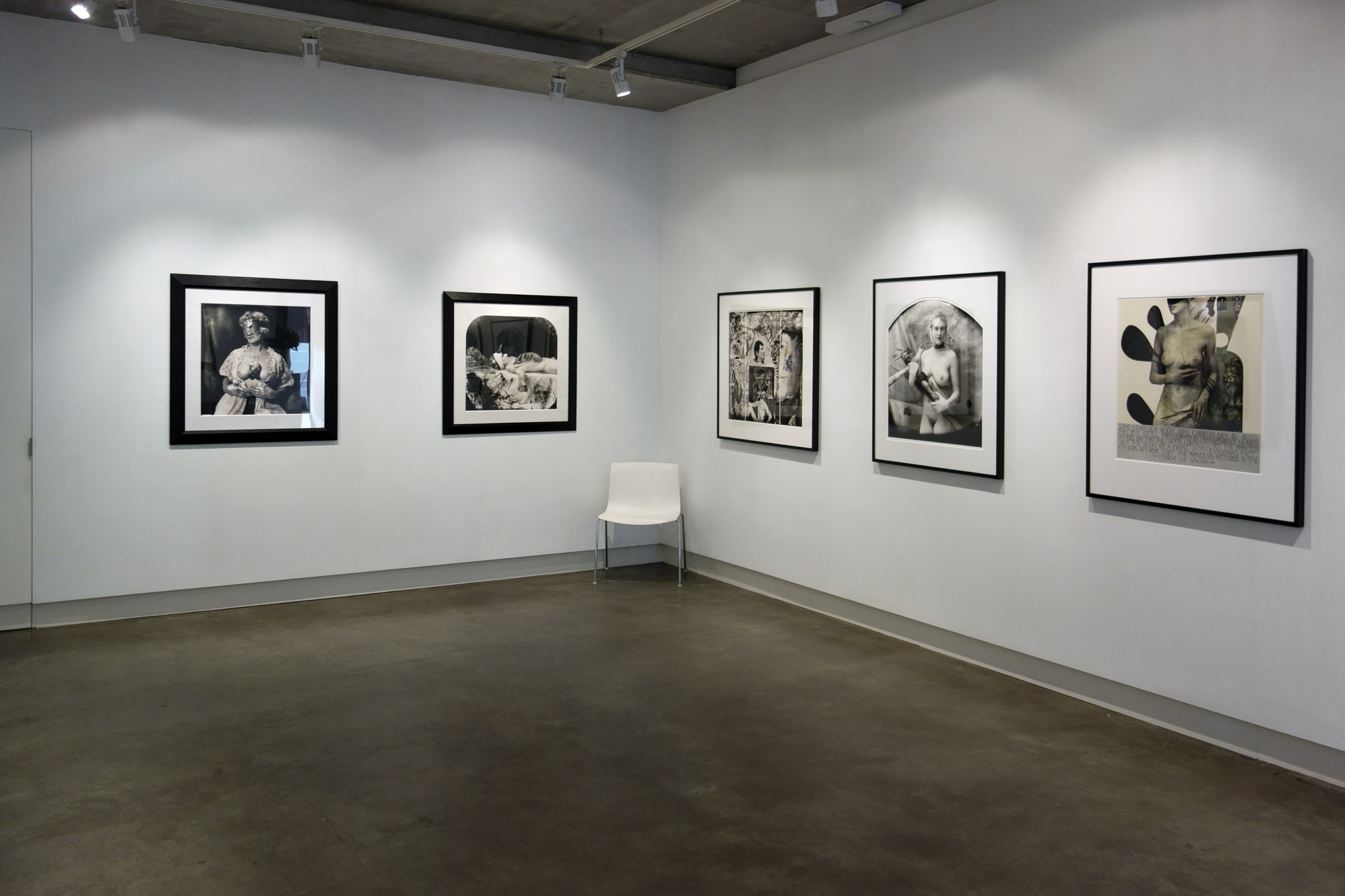
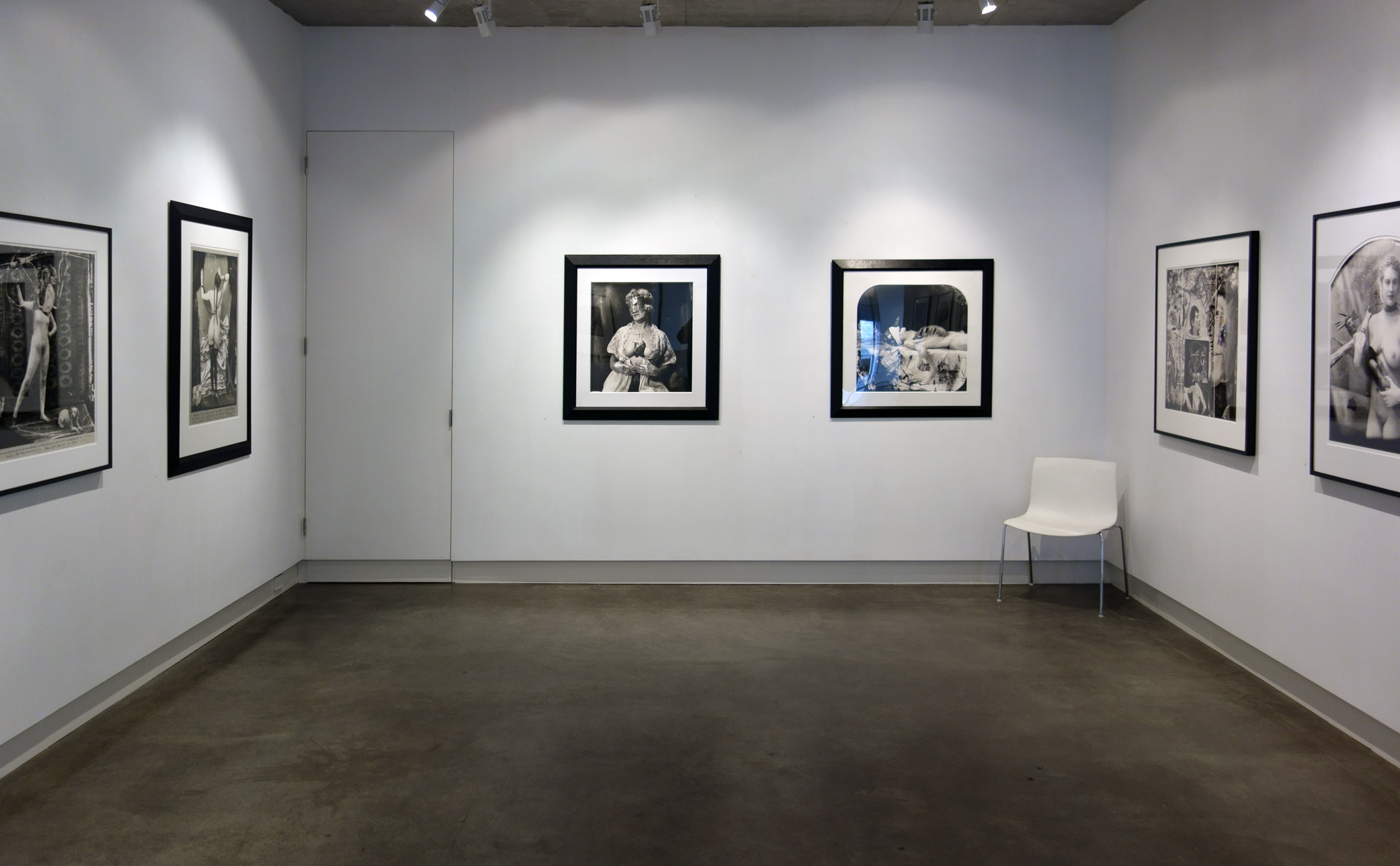
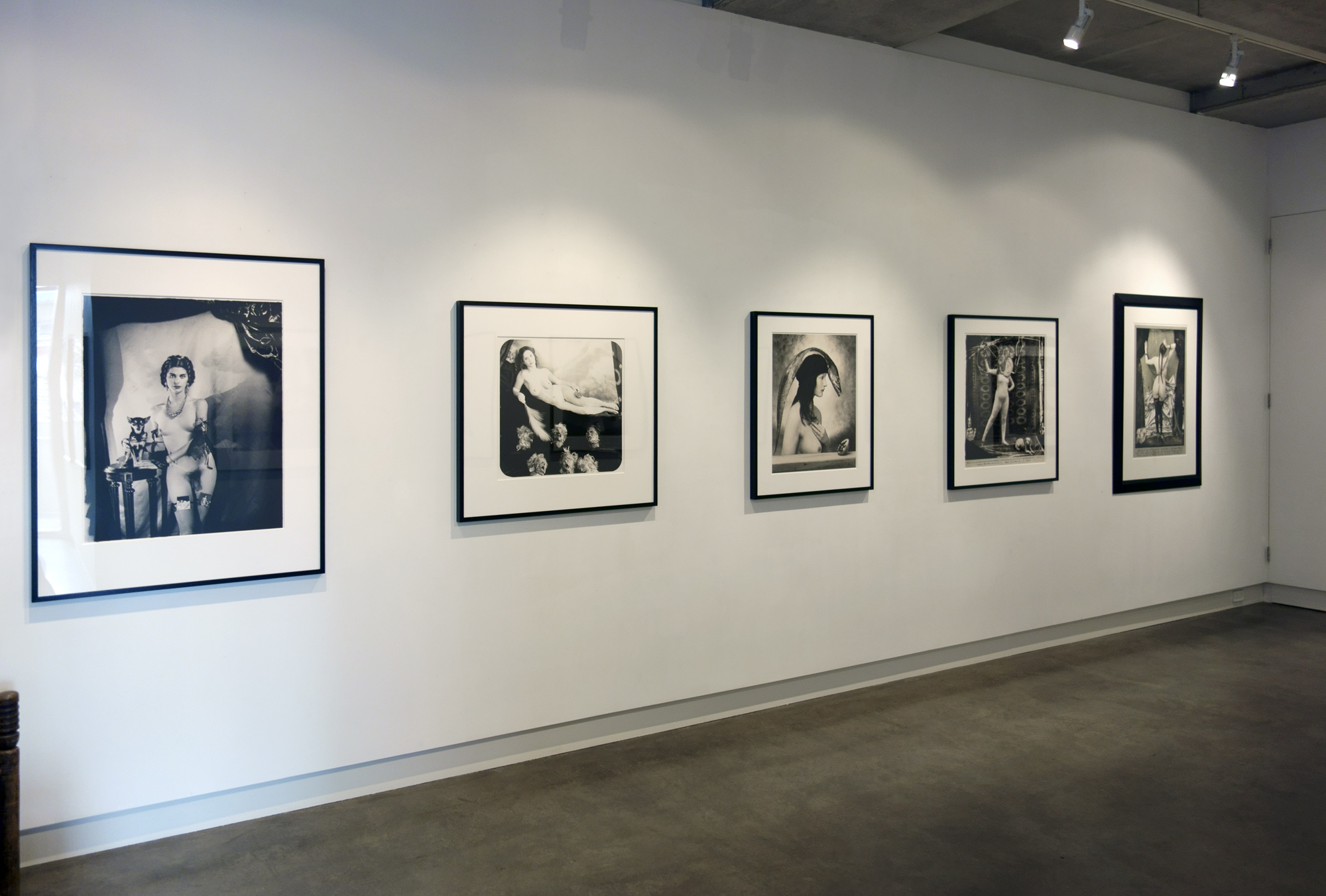
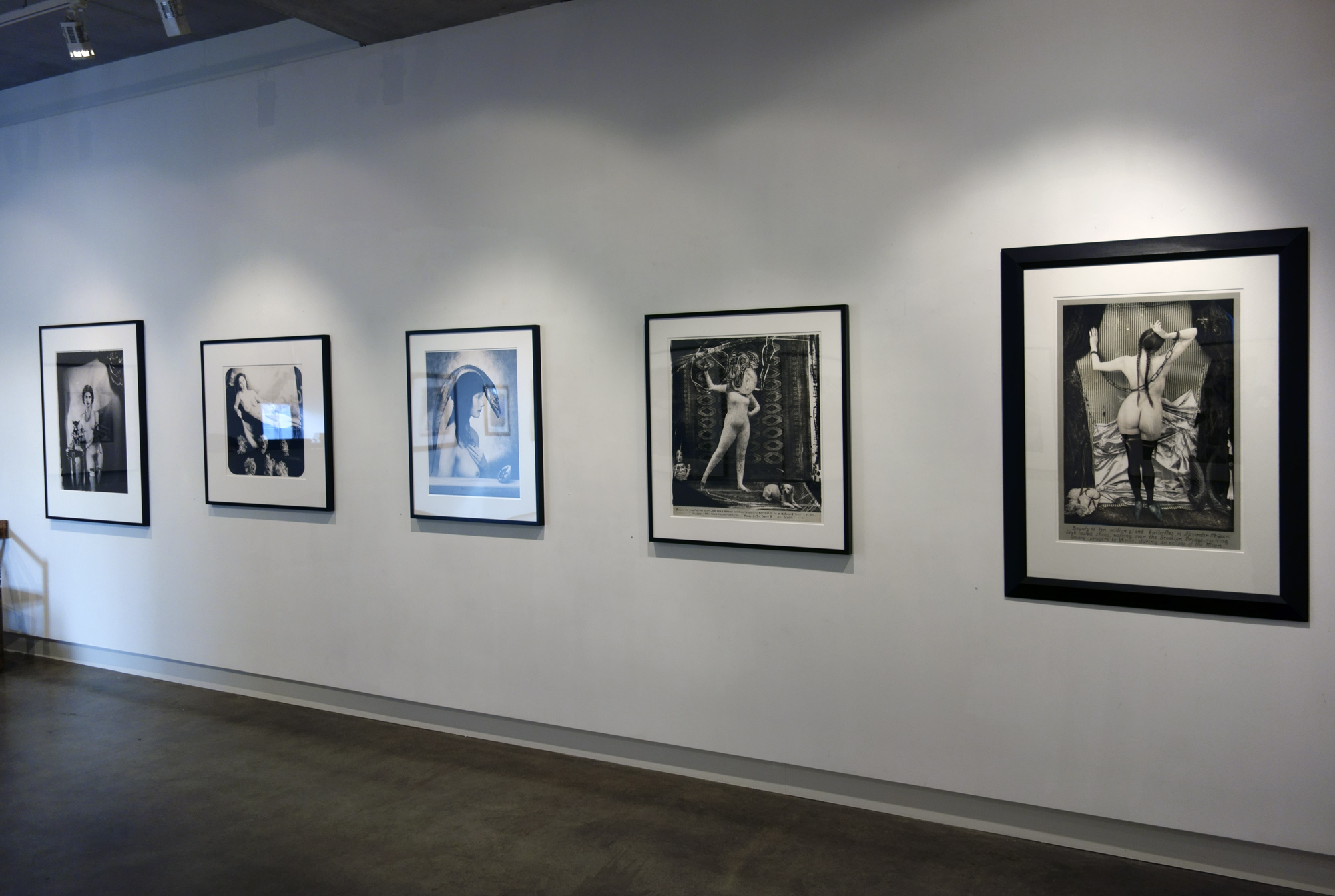
Installation view of the exhibition 'Joel-Peter Witkin - Photographs 1980-2016' at William Mora Galleries, Melbourne

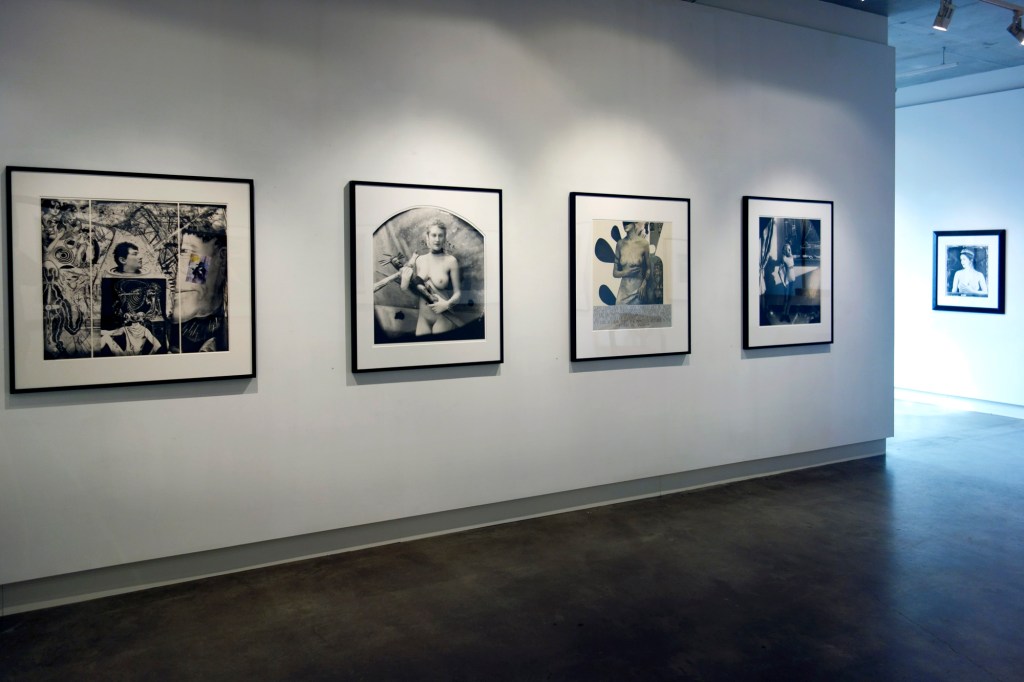
Installation view of the exhibition 'Joel-Peter Witkin - Photographs 1980-2016' at William Mora Galleries, Melbourne

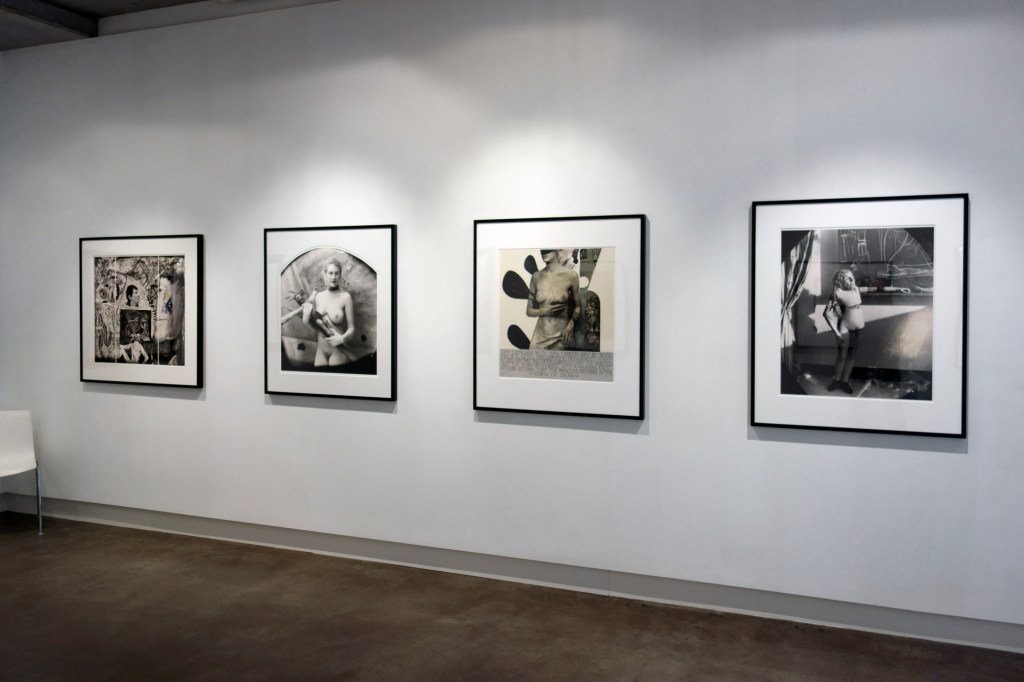
Installation view of the exhibition 'Joel-Peter Witkin - Photographs 1980-2016' at William Mora Galleries, Melbourne

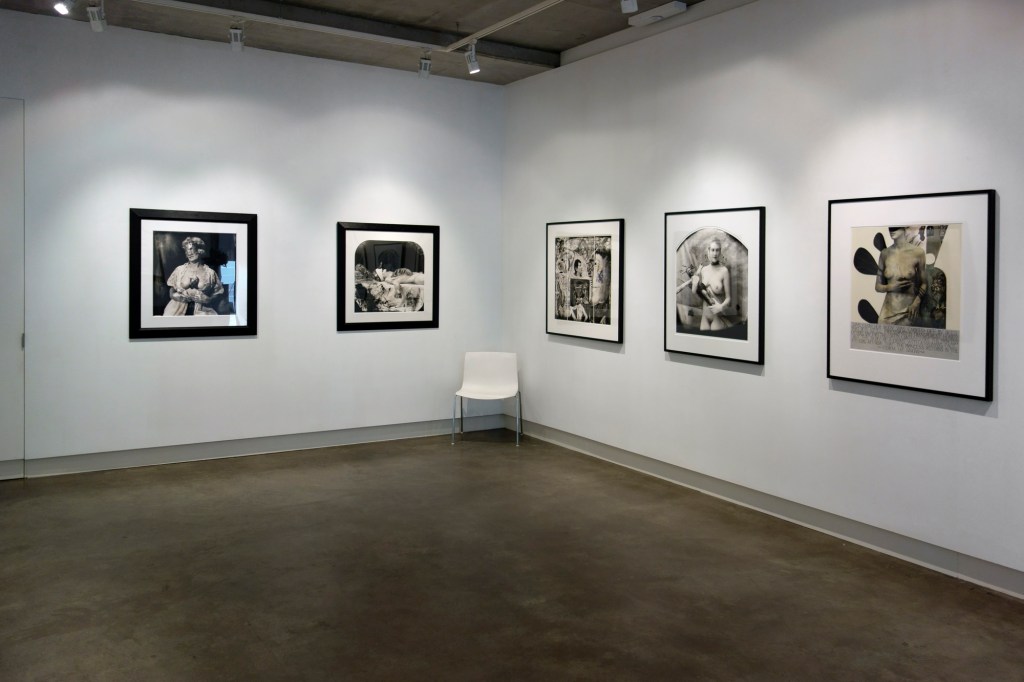
Installation view of the exhibition 'Joel-Peter Witkin - Photographs 1980-2016' at William Mora Galleries, Melbourne

Installation view of the exhibition 'Joel-Peter Witkin - Photographs 1980-2016' at William Mora Galleries, Melbourne

Installation view of the exhibition 'Joel-Peter Witkin - Photographs 1980-2016' at William Mora Galleries, Melbourne

Installation view of the exhibition 'Joel-Peter Witkin - Photographs 1980-2016' at William Mora Galleries, Melbourne

Installation view of the exhibition 'Joel-Peter Witkin - Photographs 1980-2016' at William Mora Galleries, Melbourne


Installation views of the exhibition Joel-Peter Witkin – Photographs 1980-2016 at William Mora Galleries, Melbourne
© Dr Marcus Bunyan, William Mora Galleries, Melbourne and the artist
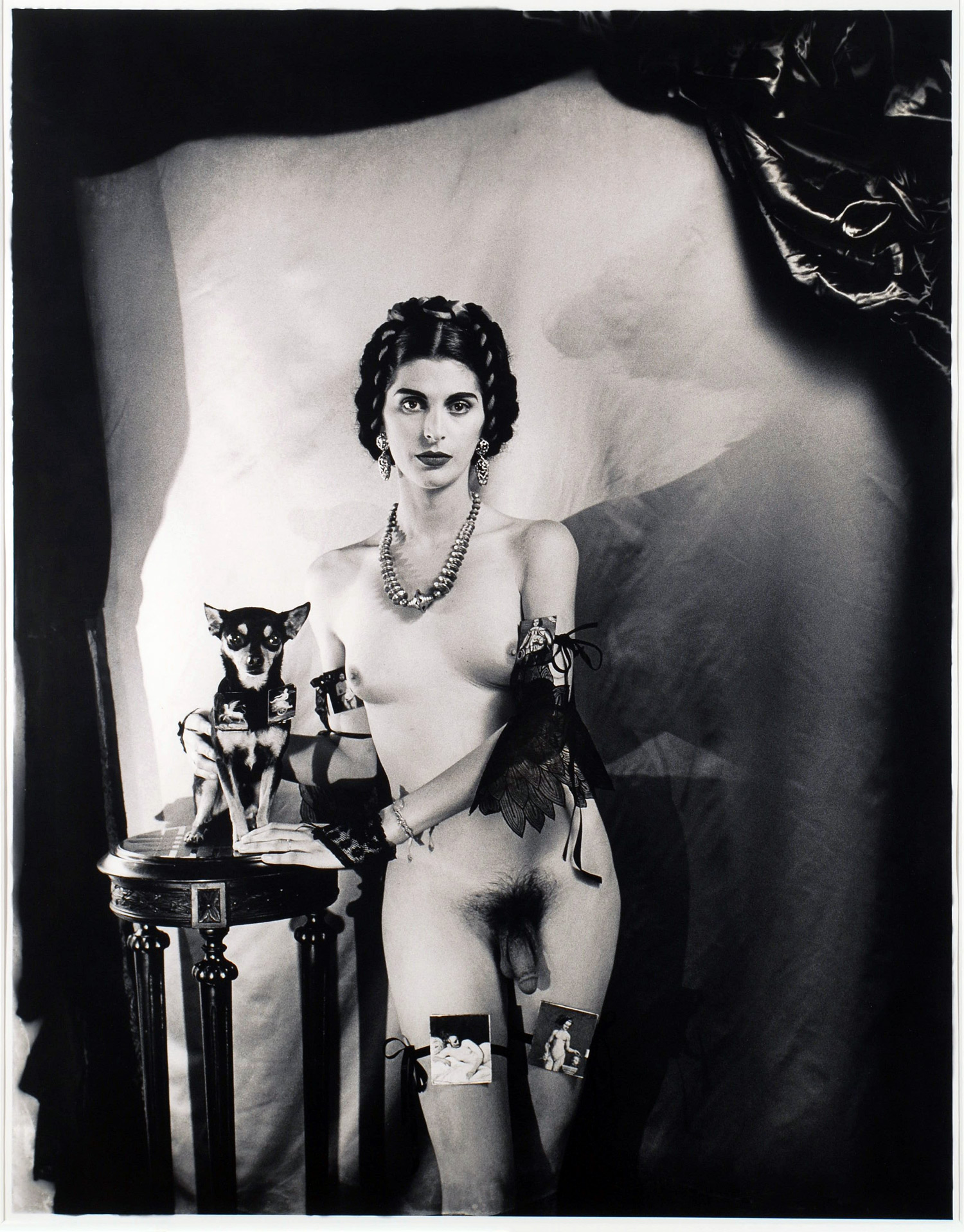
 

Joel-Peter Witkin (American, b. 1939) 'Man With Dog, Mexico' 1990


Joel-Peter Witkin (American, b. 1939)
Man With Dog, Mexico
1990
Tirage argentique
95 x 72cm
Courtesy Baudoin Lebon and William Mora Galleries
© Joel-Peter Witkin


Joel-Peter Witkin (American, b. 1939) 'Self Portrait Reminiscent As A Self Portrait As A Vanity' 1995


Joel-Peter Witkin (American, b. 1939)
Self Portrait Reminiscent As A Self Portrait As A Vanity
1995
Tirage argentique
42 x 34cm
Courtesy Baudoin Lebon and William Mora Galleries
© Joel-Peter Witkin
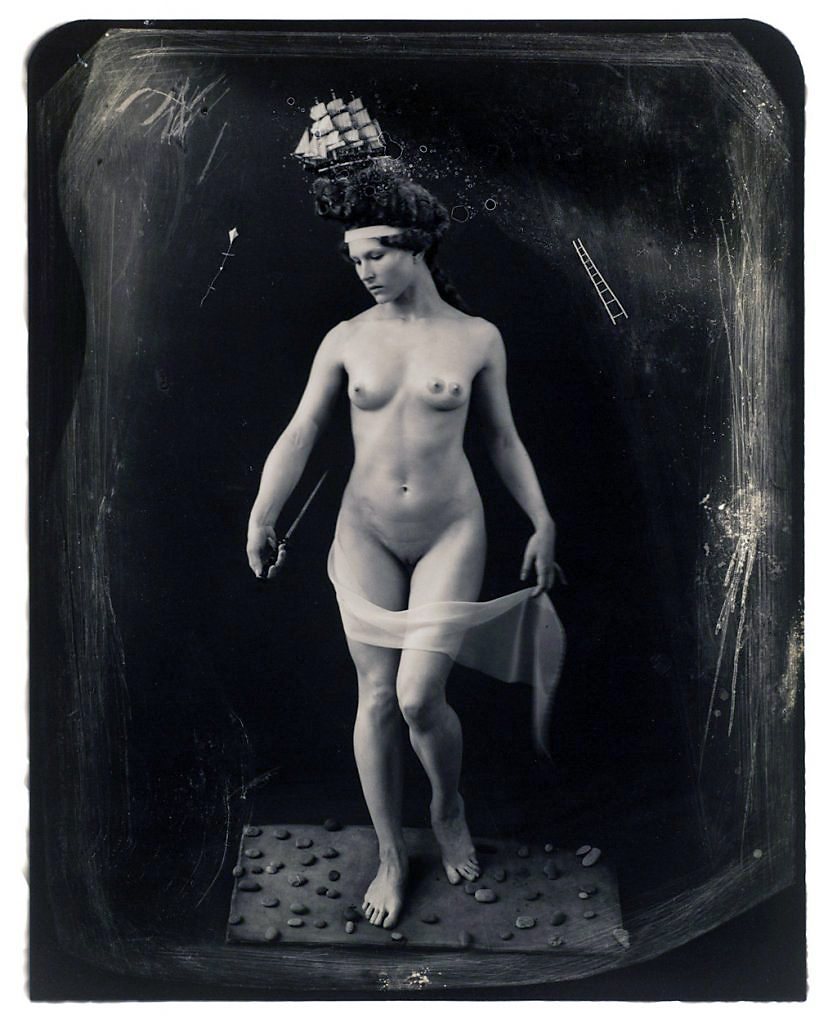
 

Joel-Peter Witkin (American, b. 1939) 'Beauty Had Three Nipples' 1998


Joel-Peter Witkin (American, b. 1939)
Beauty Had Three Nipples
1998
Tirage argentique
55 x 63cm
Courtesy Baudoin Lebon and William Mora Galleries
© Joel-Peter Witkin
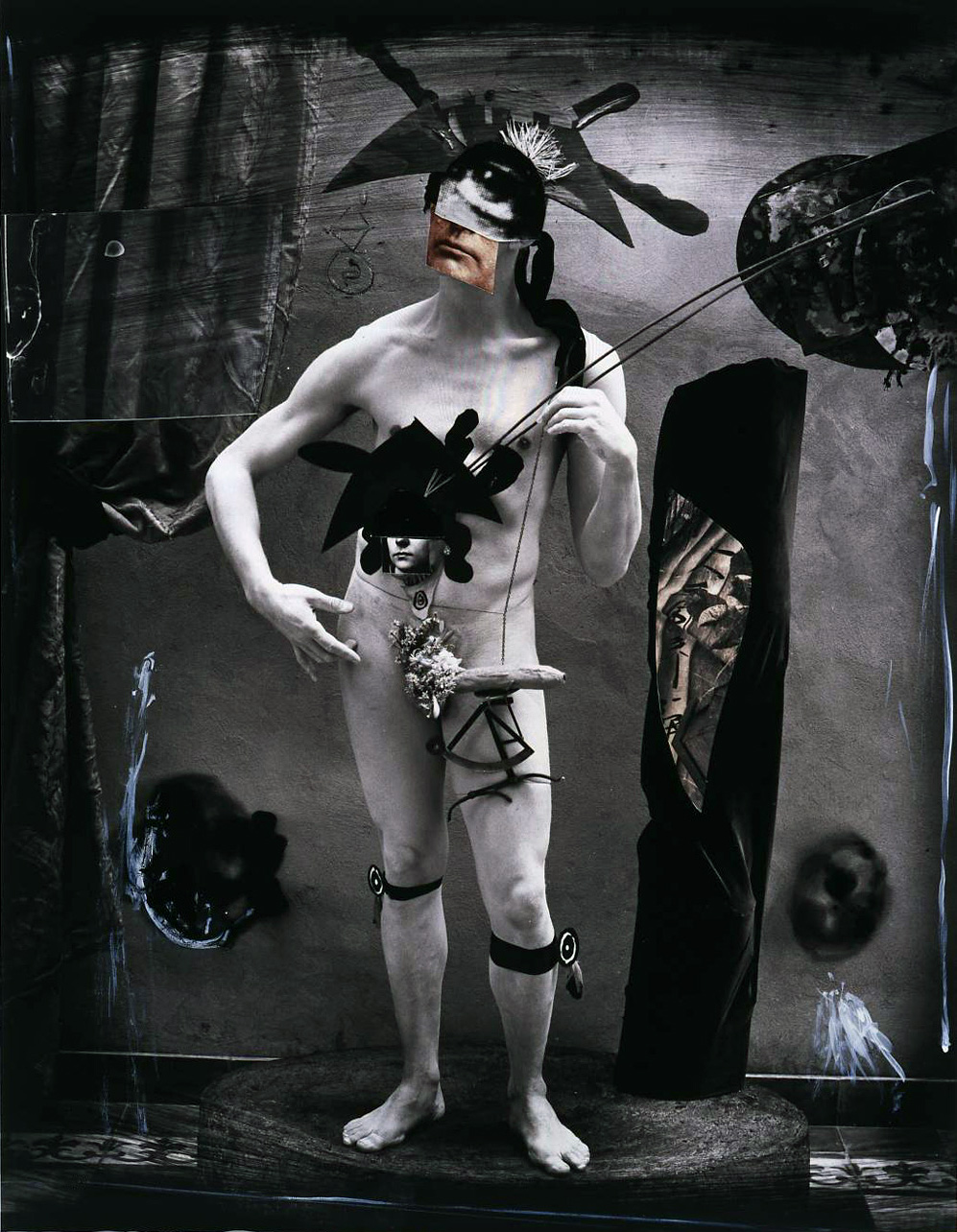
 

Joel-Peter Witkin (American, b. 1939) 'Monsieur Baguette As Orpheo' 2004


Joel-Peter Witkin (American, b. 1939)
Monsieur Baguette As Orpheo
2004
Tirage argentique
72 x 65cm
Courtesy Baudoin Lebon and William Mora Galleries
© Joel-Peter Witkin


Orpheus is a legendary musician, poet, and prophet in ancient Greek religion and myth. The major stories about him are centred on his ability to charm all living things and even stones with his music, his attempt to retrieve his wife, Eurydice, from the underworld, and his death at the hands of those who could not hear his divine music. As an archetype of the inspired singer, Orpheus is one of the most significant figures in the reception of classical mythology in Western culture, portrayed or alluded to in countless forms of art and popular culture including poetry, film, opera, music, and painting.


Joel-Peter Witkin (American, b. 1939) 'Mother Of The Future' 2004


Joel-Peter Witkin (American, b. 1939)
Mother Of The Future
2004
Tirage argentique
67 x 76cm
Courtesy Baudoin Lebon and William Mora Galleries
© Joel-Peter Witkin
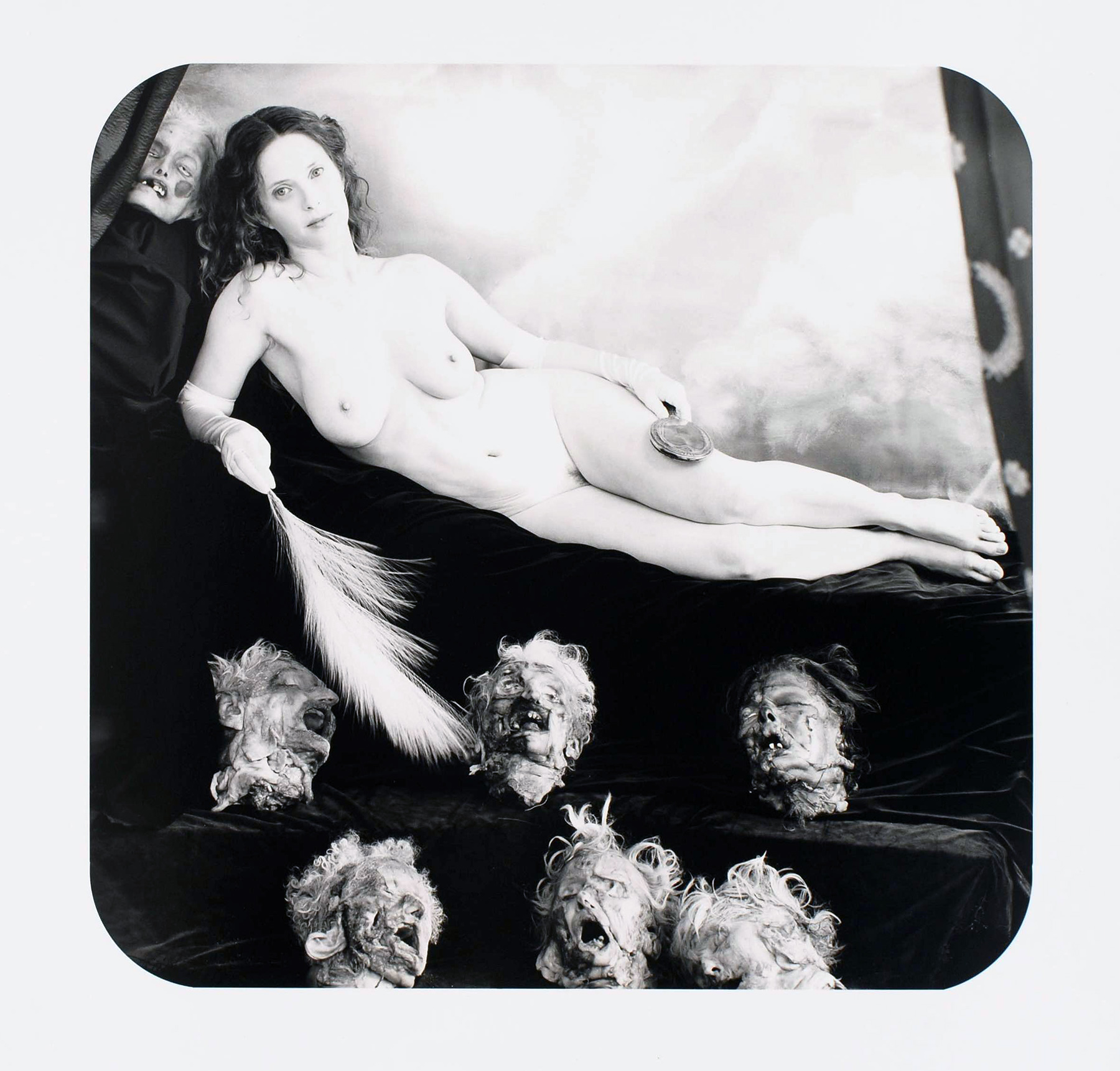
 

Joel-Peter Witkin (American, b. 1939) 'Ars Moriendi' 2007


Joel-Peter Witkin (American, b. 1939)
Ars Moriendi
2007
Tirage argentique
66 x 71cm
Courtesy Baudoin Lebon and William Mora Galleries
© Joel-Peter Witkin


“It happened on a Sunday when my mother was escorting my twin brother and me down the steps of the tenement where we lived. We were going to church. While walking down the hallway to the entrance of the building, we heard an incredible crash mixed with screaming and cries for help. The accident involved three cars, all with families in them. Somehow, in the confusion, I was no longer holding my mother’s hand. At the place where I stood at the curb, I could see something rolling from one of the overturned cars. It stopped at the curb where I stood. It was the head of a little girl. I bent down to touch the face, to speak to it – but before I could touch it someone carried me away.”


Joel-Peter Witkin


Ars Moriendi

The Ars moriendi (“The Art of Dying”) are two related Latin texts dating from about 1415 and 1450 which offer advice on the protocols and procedures of a good death, explaining how to “die well” according to Christian precepts of the late Middle Ages. It was written within the historical context of the effects of the macabre horrors of the Black Death 60 years earlier and consequent social upheavals of the 15th century. It was very popular, translated into most West European languages, and was the first in a western literary tradition of guides to death and dying. There was originally a “long version” and a later “short version” containing eleven woodcut pictures as instructive images which could be easily explained and memorised. …

Ars moriendi consists of six chapters:

1/ The first chapter explains that dying has a good side, and serves to console the dying man that death is not something to be afraid of

2/ The second chapter outlines the five temptations that beset a dying man, and how to avoid them. These are lack of faith, despair, impatience, spiritual pride and avarice

3/ The third chapter lists the seven questions to ask a dying man, along with consolation available to him through the redemptive powers of Christ’s love

4/ The fourth chapter expresses the need to imitate Christ’s life

5/ The fifth chapter addresses the friends and family, outlining the general rules of behaviour at the deathbed

6/ The sixth chapter includes appropriate prayers to be said for a dying man

Allegorically the images depicted the contest between angels and demons over the fate of the dying man. In his dying agony his soul emerges from his mouth to be received by one of a band of angels. Common themes portrayed by illustrators include skeletons, the Last Judgement, corpses, and the forces of good and evil battling over souls.

Text from Wikipedia website
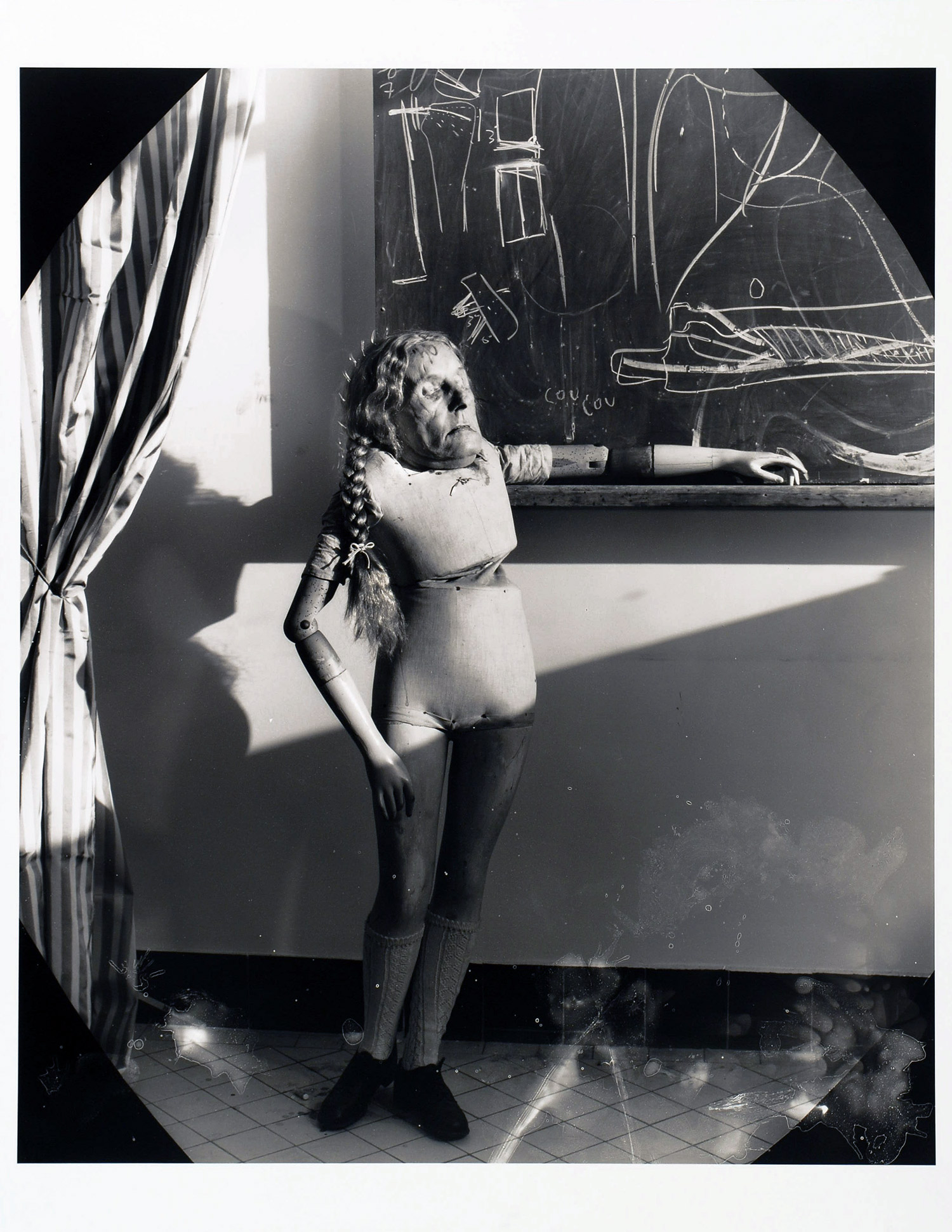
 

Joel-Peter Witkin (American, b. 1939) 'Bad Student' 2007


Joel-Peter Witkin (American, b. 1939)
Bad Student
2007
Tirage argentique
86 x 70cm
Courtesy Baudoin Lebon and William Mora Galleries
© Joel-Peter Witkin


Joel-Peter Witkin (American, b. 1939) 'Myself As A Dead Clown' 2007


Joel-Peter Witkin (American, b. 1939)
Myself As A Dead Clown
2007
Tirage argentique
93 x 99cm
Courtesy Baudoin Lebon and William Mora Galleries
© Joel-Peter Witkin


Joel-Peter Witkin (American, b. 1939) 'La Giovanissima' 2007


Joel-Peter Witkin (American, b. 1939)
La Giovanissima
2007
Tirage argentique
87 x 76cm
Courtesy Baudoin Lebon and William Mora Galleries
© Joel-Peter Witkin
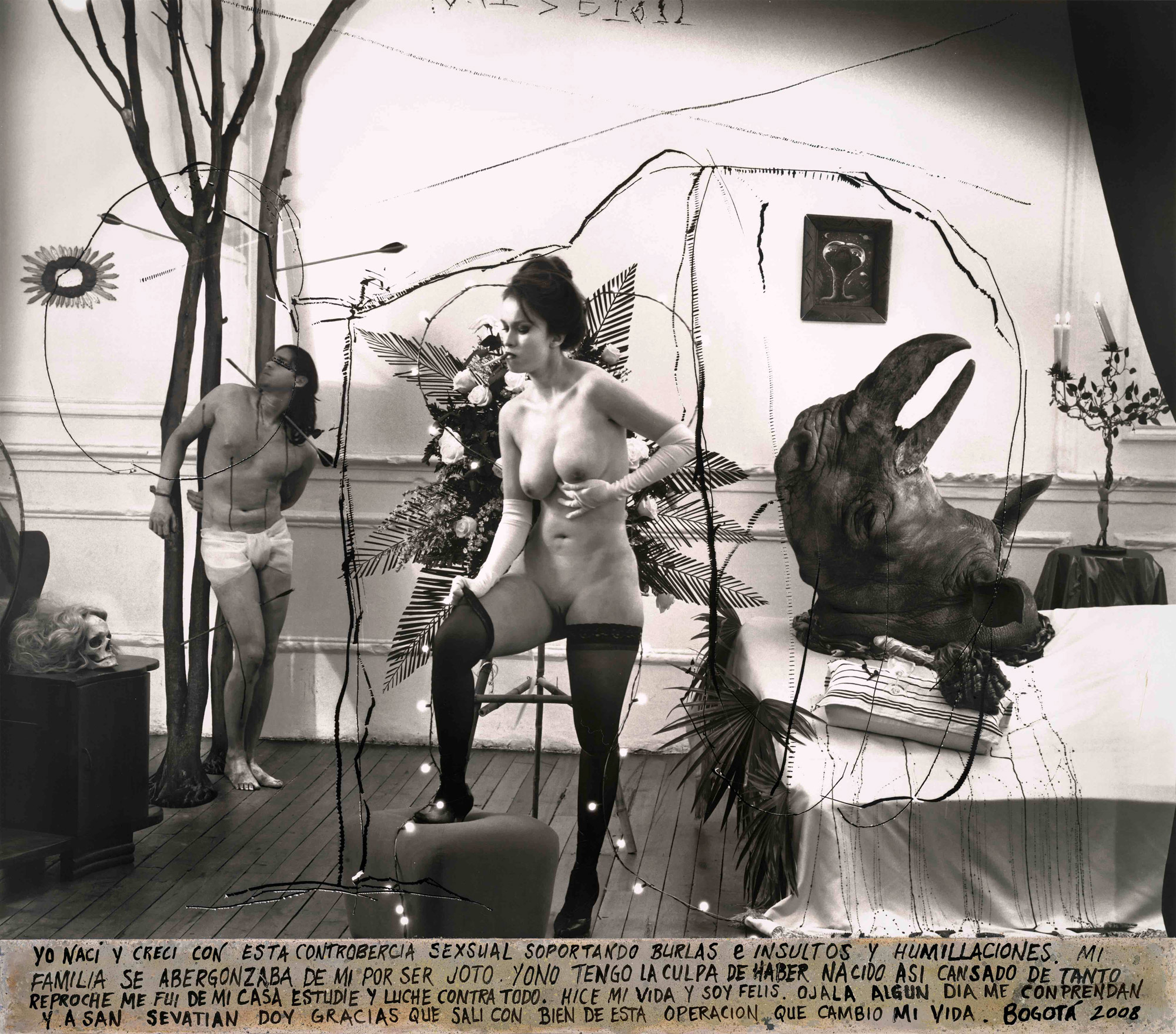
 

Joel-Peter Witkin (American, b. 1939) 'The Scale, Bogota' 2008


Joel-Peter Witkin (American, b. 1939)
The Scale, Bogota
2008
Tirage argentique
77 x 88cm
Courtesy Baudoin Lebon and William Mora Galleries
© Joel-Peter Witkin


I was born and grew up with this sexual controversy enduring ridicule and insults and humiliations. My family took advantage of me for being joto. And I’m not to blame for being born so tired of so much reproach I left my house to study and fight against everything. I made my life and I’m happy. I hope you catch me sometime and to Saint Sebastian I thank that I left with the good of this operation that changed my life. Bogota 2008
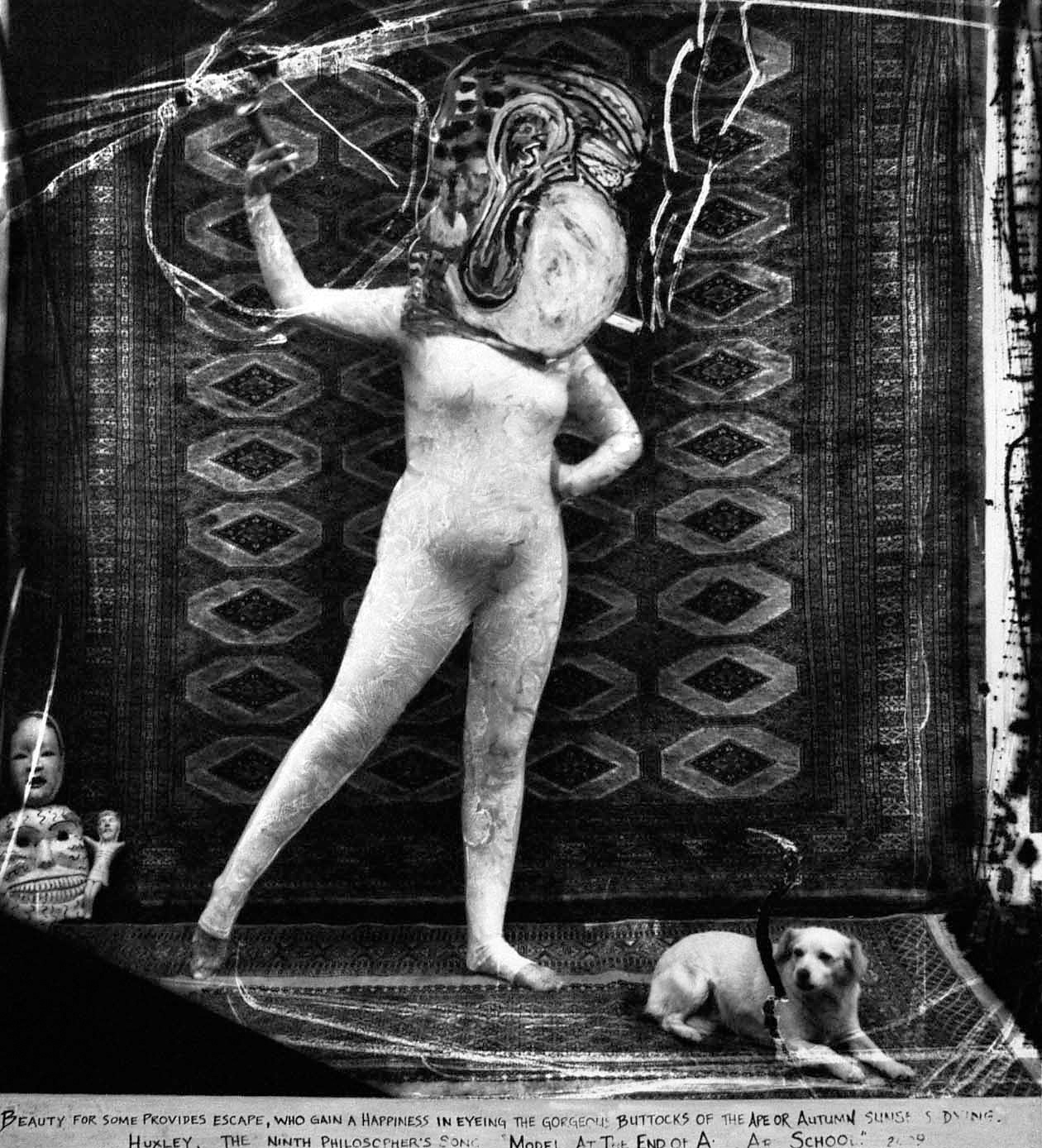
 

Joel-Peter Witkin (American, 1939-) 'Model At The End Of Art School' 2009


Joel-Peter Witkin (American, b. 1939)
Model At The End Of Art School
2009
Tirage argentique
72 x 65cm
Courtesy Baudoin Lebon and William Mora Galleries
© Joel-Peter Witkin


Beauty for some provides escape,
Who gain a happiness in eyeing
The gorgeous buttocks of the ape
Or Autumn sunsets exquisitely dying.

Julian Huxley (1887-1975)
Ninth Philosopher’s Song (1920)
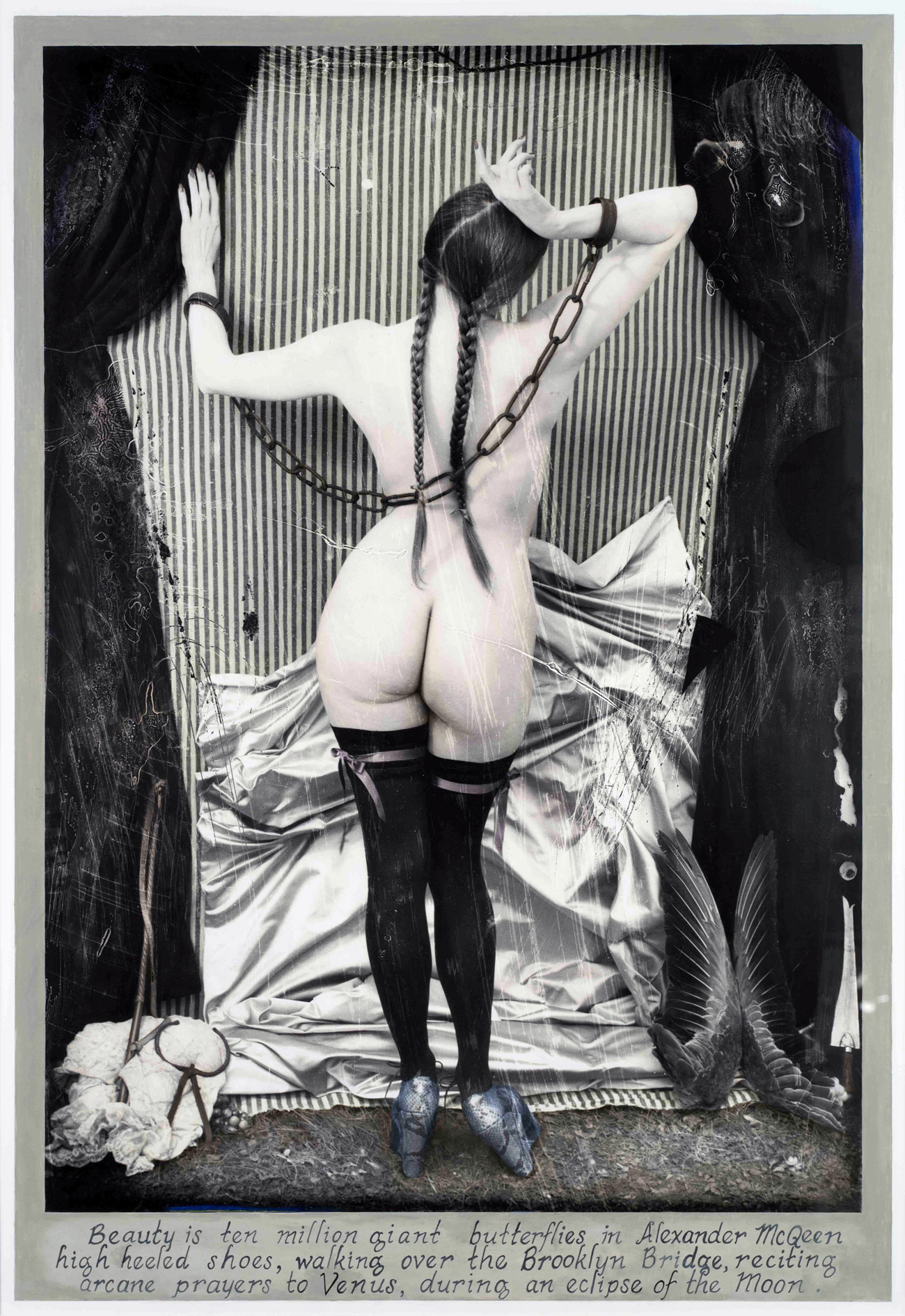
 

Joel-Peter Witkin (American, b. 1939) 'The Paris Triad : Venus in Chains, Paris' 2010


Joel-Peter Witkin (American, b. 1939)
The Paris Triad: Venus in Chains, Paris
2010
Tirage argentique
123 x 95cm
Courtesy Baudoin Lebon and William Mora Galleries
© Joel-Peter Witkin


Joel-Peter Witkin (American, b. 1939) 'The Green Princess, Paris' 2011


Joel-Peter Witkin (American, b. 1939)
The Green Princess, Paris
2011
Tirage argentique
82 x 73cm
Courtesy Baudoin Lebon and William Mora Galleries
© Joel-Peter Witkin
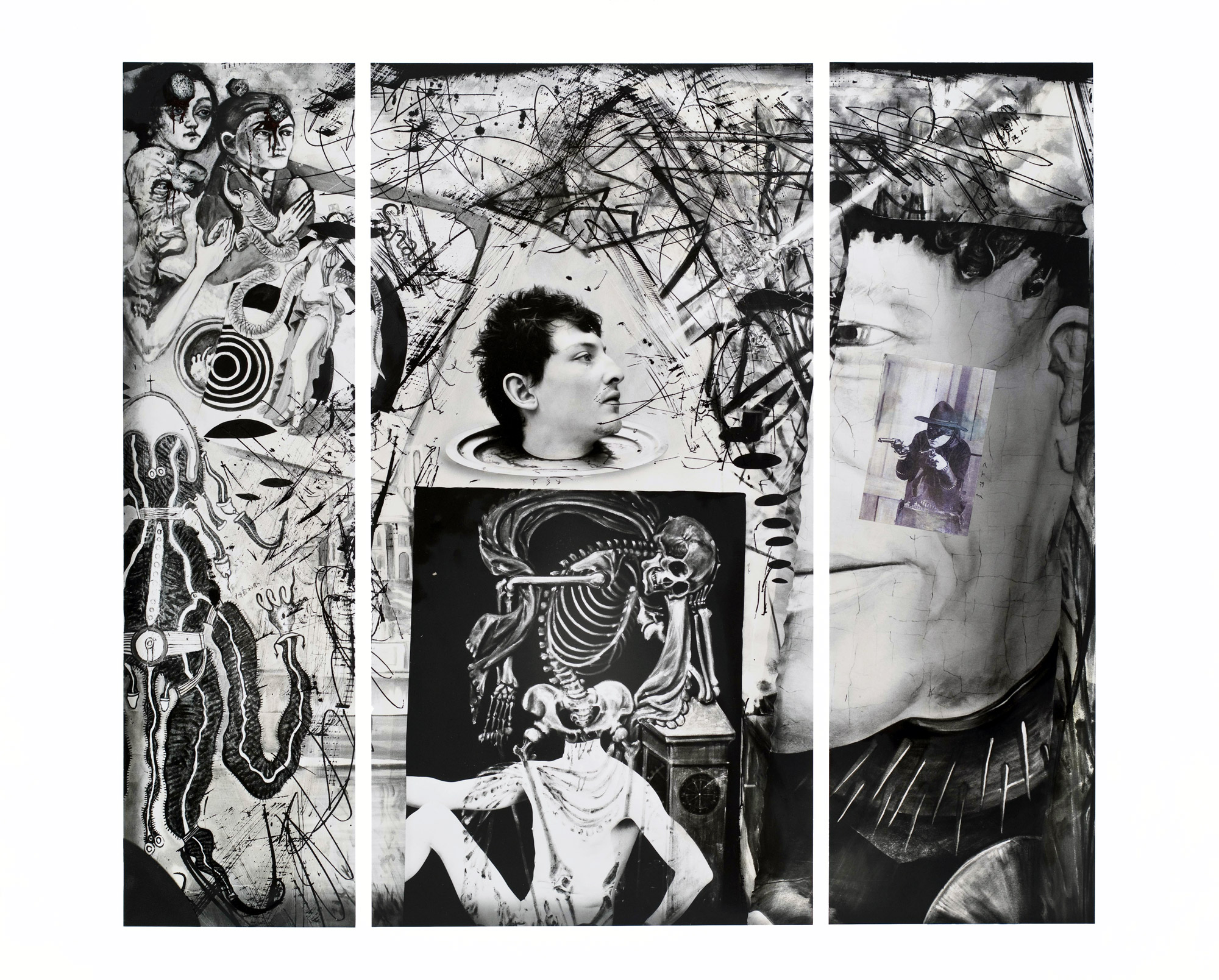
 

Joel-Peter Witkin (American, b. 1939) 'A History Of The White World' 2011


Joel-Peter Witkin (American, b. 1939)
A History Of The White World
2011
Tirage argentique
67 x 76cm
Courtesy Baudoin Lebon and William Mora Galleries
© Joel-Peter Witkin
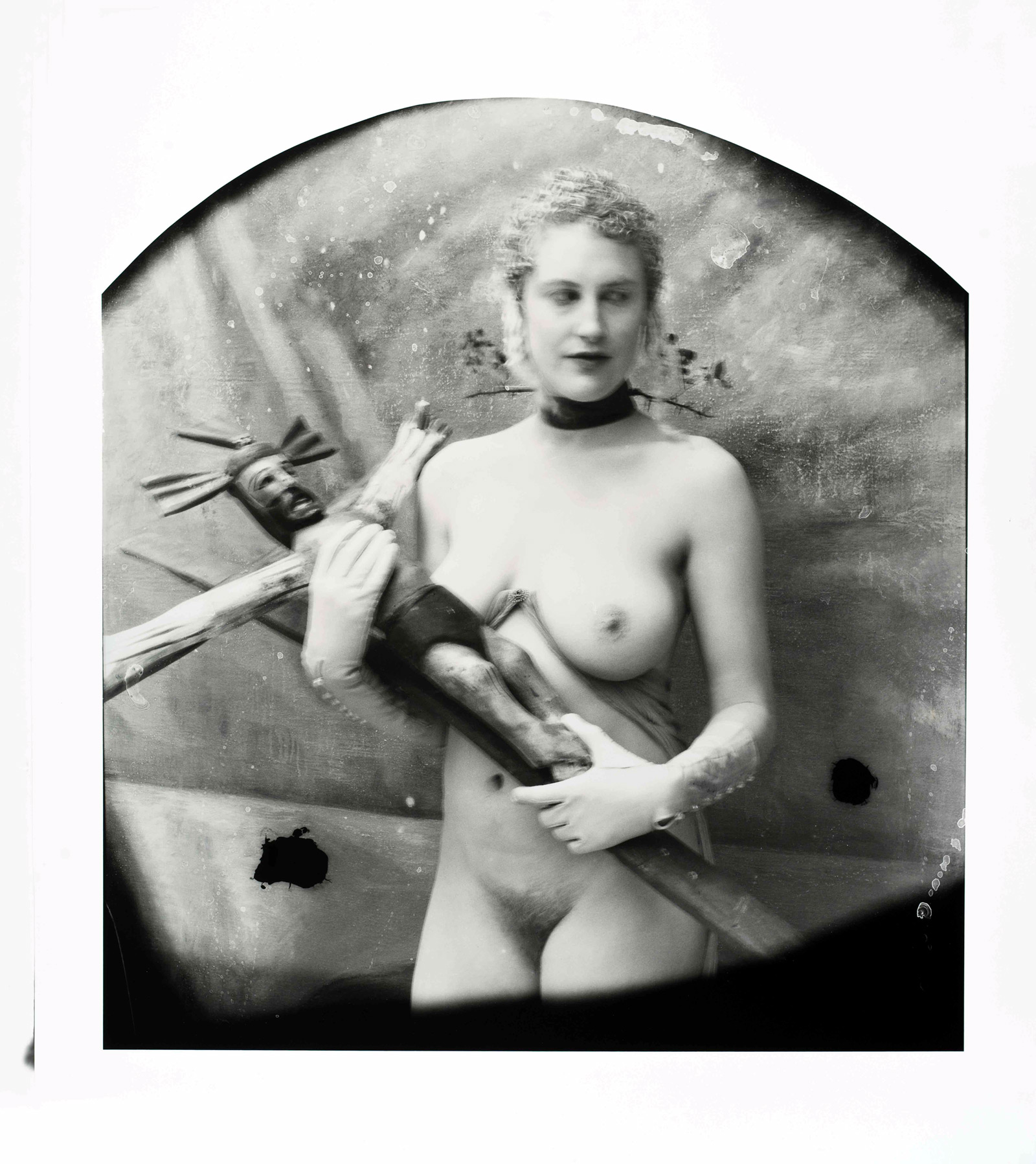
 

Joel-Peter Witkin (American, b. 1939) 'Presenter Of The End Of Time Award' 2013


Joel-Peter Witkin (American, b. 1939)
Presenter Of The End Of Time Award
2013
Tirage argentique
113 x 103cm
Courtesy Baudoin Lebon and William Mora Galleries
© Joel-Peter Witkin


Joel-Peter Witkin (American, b. 1939) 'Imperfect Thirst' 2016


Joel-Peter Witkin (American, b. 1939)
Imperfect Thirst
2016
Tirage argentique
67 x 54cm
Courtesy Baudoin Lebon and William Mora Galleries
© Joel-Peter Witkin


The symbolism of food and drink [in European painting 1400-1800] has roots in classical literature. Fruits, nuts, herbs, and grain are discussed in treatises on farming and natural history, and appear widely in mythology as attributes of gods and goddesses – grapes for Bacchus, god of wine; a sheaf of corn or wheat for Ceres, the grain goddess – and in metaphors for virtue and vice. Early religious writings such as the Bible and the Apocrypha, and Christian texts of the Middle Ages and Renaissance are also rich in this imagery, often borrowing from pagan symbolism and occasionally supplanting it. The pomegranate, for example, is depicted in mythological paintings as an attribute of Venus and a symbol of desire, fertility – because of its many seeds – and marriage, but appears as frequently in sacred images of the Virgin and Child. There are several legends of the pomegranate’s creation, contributing to its symbolic potency; according to one, it grew out of blood streaming from the wounded genitals of the lustful Acdestis. The pomegranate is perhaps best known, however, for its fateful role in the myth of Proserpina. Ovid tells in the Metamorphoses of Proserpina’s abduction by Pluto, ruler of the Underworld. Proserpina’s mother, Ceres, secured her release from Hades, but, before leaving Proserpina, ate the seeds from a pomegranate and, because she had consumed food in the Underworld, was compelled to spend part of every year there. Proserpina’s cyclical descent to Hades and rise to Earth was believed to bring about the changing of seasons, and the pomegranate was thus seen as a symbol of resurrection and immortality.

Jennifer Meagher. “Food and Drink in European Painting, 1400-1800,” on The Met website [Online] Cited 06/08/2017


William Mora Galleries
60 Tanner Street, Richmond
Victoria, Australia 3121

Opening hours:
Wednesday – Friday 10am – 4pm
William Mora Galleries website

LIKE ART BLART ON FACEBOOK

Back to top

Exhibition: ‘Ricky Swallow: The Bricoleur’ at The Ian Potter Centre, NGV Australia, Melbourne

Exhibition dates: 16th October, 2009 – 28th February, 2010


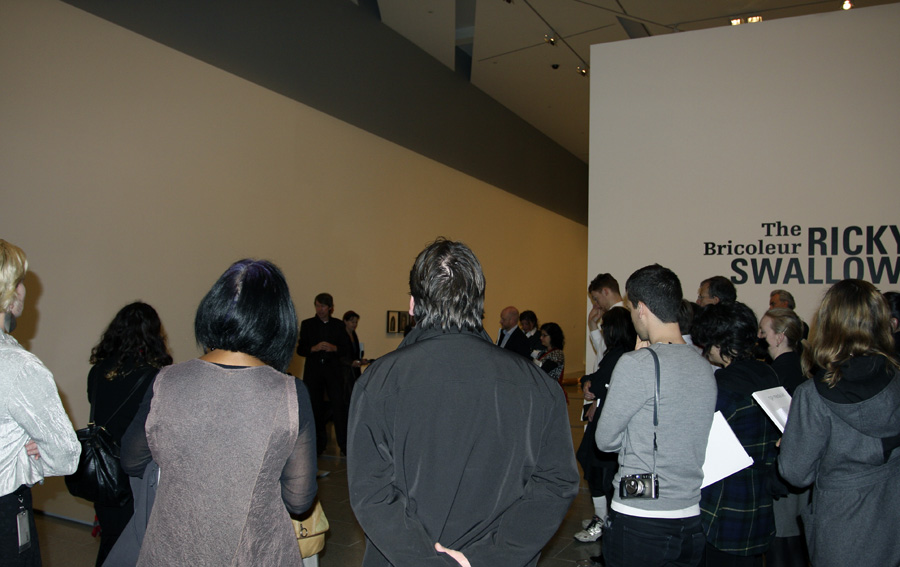
Media crowd at the Ricky Swallow exhibition 'The Bricoleur' at NGV Australia


Media crowd at the Ricky Swallow exhibition The Bricoleur at NGV Australia with Alex Baker, Senior Curator, Contemporary Art, NGV fourth from left with clasped hands.
Photo: Marcus Bunyan


Hot off the press straight to you here at Art Blart!

Photographs of the exhibition Ricky Swallow: The Bricoleur at the National Gallery of Victoria Australia, Federation Square. The photographs are in the chronological order that I took them, walking through the three spaces of the exhibition. A spare, visually minimalist aesthetic to the show, where every vanitas, every mark (in)forms the work as transcendent momenti mori. Review to follow.

Many thankx to Sue, Alison, Jemma and the team for the usual excellent job and for allowing me to document the exhibition. Please click on the photographs for a larger version of the image. All photographs © Marcus Bunyan


“I’ve always been interested in how an object can be remembered and how that memory can be sustained and directed sculpturally, pulling things in and out of time, passing objects through the studio as a kind of filter returning them as new forms.”


Ricky Swallow


Ricky Swallow (Australian, b. 1974) 'The Bricoleur' 2006 from the exhibition 'Ricky Swallow: The Bricoleur' at The Ian Potter Centre, NGV Australia, Melbourne, Oct 2009 - Feb 2010


Ricky Swallow (Australian, b. 1974)
The Bricoleur
2006
Jelutong
48 x 9.75 x 9.75 inches
Photo: Marcus Bunyan


Ricky Swallow (Australian, b. 1974) 'Unbroken Ways (for Derek Bailey)' 2006 from the exhibition 'Ricky Swallow: The Bricoleur' at The Ian Potter Centre, NGV Australia, Melbourne, Oct 2009 - Feb 2010


Ricky Swallow (Australian, b. 1974)
Unbroken Ways (for Derek Bailey)
2006
English Limewood
5 x 30 x 7 inches
Photo: Marcus Bunyan


Ricky Swallow (Australian, b. 1974) 'One Nation Underground' 2007


Ricky Swallow (Australian, b. 1974)
One Nation Underground
2007
Photo: Marcus Bunyan


Ricky Swallow (Australian, b. 1974) 'One Nation Underground' 2007  (detail)


Ricky Swallow (Australian, b. 1974)
One Nation Underground (detail)
2007
Photo: Marcus Bunyan


Ricky Swallow (Australian, b. 1974) 'Tusk' 2007


Ricky Swallow (Australian, b. 1974)
Tusk
2007
Bronze with white patina, brass fixtures
19.75 x 41.25 x 2.25 inches
Photo: Marcus Bunyan


Ricky Swallow (Australian, b. 1974) 'Tusk' 2007 (detail)


Ricky Swallow (Australian, b. 1974)
Tusk (detail)
2007
Bronze with white patina, brass fixtures
19.75 x 41.25 x 2.25 inches
Photo: Marcus Bunyan


Ricky Swallow (Australian, b. 1974) 'Rehearsal for Retirement' 2008 (detail)


Ricky Swallow (Australian, b. 1974)
Rehearsal for Retirement (detail)
2008
English Lime Wood, Poplar
Photo: Marcus Bunyan


Ricky Swallow (Australian, b. 1974) 'Rehearsal for Retirement' 2008 (detail)


Ricky Swallow (Australian, b. 1974)
Rehearsal for Retirement (detail)
2008
English Lime Wood, Poplar
Photo: Marcus Bunyan


Ricky Swallow (Australian, b. 1974) 'Bowman’s record' 2008 (detail)


Ricky Swallow (Australian, b. 1974)
Bowman’s record (detail)
2008
Bronze
Photo: Marcus Bunyan


Ricky Swallow (Australian, b. 1974) 'Bowman’s record' 2008 (detail)


Ricky Swallow (Australian, b. 1974)
Bowman’s record (detail)
2008
Bronze
Photo: Marcus Bunyan


Ricky Swallow’s sculptures address fundamental issues that lie at the core of who we are. Things have lives. We are our things. We are things. When all is said and done it is our things – our material possessions – that outlive us. Anyone who has lost a family member or close friend knows this: what we have before us once that person is gone are the possessions that formed a life. Just as we are defined and represented by the things that we collect over time, we are ultimately objects ourselves. When we are dead and decomposed what remains are our bones, another type of object. And then there is social science. Archaeology, a subfield of anthropology, is entirely based on piecing together narratives of human relations based on material culture, that is, objects both whole and fragmentary. It may seem obvious but it is worth stressing here that our understanding of cultures from the distant past, those that originated before the advent of writing, is entirely based on the study of objects and skeletal remains. Swallow’s art addresses these basic yet enduring notions and reminds us of our deep symbiotic relationship to the stuff of daily life.

Like the bricoleur put into popular usage by anthropologist Claude Levi-Strauss in his seminal book The Savage Mind, Ricky Swallow creates works of art often based on objects from his immediate surroundings. His method, however, is more of a second order bricolage: his sculptures are not assemblages of found objects, but rather elegantly crafted things. Hand carved from wood or plaster or cast in bronze, these humble objects are transformed into memorials to both the quotidian and the passage of time.

Still life

The still life has been an important touchstone throughout Swallow’s recent practice as it is an inspired vehicle for the exploration of how meaning is generated by objects. Several sculptures in the exhibition reference the still-life tradition in which Swallow updates and personalises this time-honoured genre, in particular the vanitas paintings of 17th century Holland. Vanitas still lifes, through an assortment of objects that had recognisable symbolism to a 17th-century viewer, functioned as allegories on the futility of pleasure and the inevitably of death. Swallow’s embrace of still life convention, however, is non-didactic, secular and open-ended. Swallow is not obsessed by death. On the contrary, his focus on objects is about salvaging them from the dust bin of history and honouring their continued resonance in his life.

Killing time, 2003-2004, and Salad days, 2005, depict animals that Swallow and his family either found or caught when he was young and best highlight how the artist reclaims the still life genre to explore personal narrative. Killing time, which depicts a bounty of fish and crustaceans spread across a table modelled after the Swallow family kitchen table of the artist’s youth, is rife with autobiographical association. It not only references an object from Swallow’s past, but also the profession of his father, a fisherman, and the fact that Swallow was raised by the sea. Salad days is another autobiographical work depicting a range of animals such as birds, a rabbit, mice and a fox skull. Like many boys growing up in rural environments, Swallow recalls shooting magpies, encountering nesting birds in his garage or discovering dead lizards or trapping live ones in an attempt to keep them as pets.

While not an overt still life, History of holding, 2007, suggests the genre in its fragmentary depiction of a musical instrument and the appearance of a lemon with falling rind. The hand holding / presenting a peeled lemon as the rind winds around the wrist in bracelet-like fashion is based on a cast of Swallow’s own hand, insinuating himself into this antiquated tradition. It is as if Swallow is announcing to us his deep interest in the temporality of objects through the presentation of the peeled lemon, which symbolises the passing of time and also appears in Killing time. The second component of History of holding is a sculptural interpretation of the Woodstock music festival icon designed by Arthur Skolnick in 1969, which still circulates today. History of holding, then, also references music, a leitmotif in Swallow’s art that appears both within the work itself, and also through Swallow’s use of titles.

Body fragments

Tusk, 2007 among several other works in the exhibition, explores the theme of body as fragment. Much has been discussed about Swallow’s use of the skeleton as a form rich in meaning within both the traditions of art history as well as popular culture (references range from the Medieval dance macabre and the memento mori of the still life tradition to the skeleton in rock music and skateboard art iconography). Tusk represents two skeletal arms with the hands clasped together in eternal union. A poignant work, Tusk is a meditation on permanence: the permanence of the human body even after death; the permanence of the union between two people, related in the fusion of the hands into that timeless symbol of love, the heart.

Watercolours: atmospheric presentations, mummies, music, homage

Swallow calls his watercolours “atmospheric presentations”, in contradistinction to his obviously more physical sculptures, and he sees them as respites from the intensity of labour and time invested in the sculptural work. They also permit experimentation in ways that sculpture simply does not allow. One nation underground, 2007, is a collection of images based on rock / folk musicians, several who had associations to 1960s Southern California, Swallow’s current home. Most of the subjects Swallow has illustrated in this work are now deceased; several experienced wide recognition only after their deaths. Like many of his sculptures, this group of watercolours tenderly painted with an air of nostalgia has the sensibility of a memorial – or as Swallow has called it “a modest monument”. The title of the work is based on a record album by another under-heralded rock band from the 1960s, Pearls Before Swine, and is a prime example of Swallow’s belief in the importance of titles to the viewing experience as clues or layers of meaning. In this case, the title hints at the quasi-cult status of the musicians and singers depicted. The featured musicians are Chris Bell (Big Star), Karen Dalton (a folk singer), Tim Buckley (legendary singer whose style spanned several genres and father to the late Jeff Buckley), Denny Doherty (The Mamas & the Papas ), Judee Sill (folk singer), Brian Jones (Rolling Stones), Arthur Lee (Love), John Phillips (The Mamas & the Papas ), Skip Spence (Jefferson Airplane and Moby Grape) and Phil Ochs (folk singer).

Text from the National Gallery of Victoria website [Online] Cited 15/10/2010


Installation view of 'Ricky Swallow: The Bricoleur' second room at NGV Australia

Installation view of 'Ricky Swallow: The Bricoleur' second room at NGV Australia


Installation views of Ricky Swallow: The Bricoleur second space at NGV Australia
Photos: Marcus Bunyan


Ricky Swallow (Australian, b. 1974) 'Caravan' 2008 (detail)


Ricky Swallow (Australian, b. 1974)
Caravan (detail)
2008
Bronze
Photo: Marcus Bunyan


Ricky Swallow (Australian, b. 1974) 'Salad days' c. 2005


Ricky Swallow (Australian, b. 1974)
Salad days
c. 2005
Photo: Marcus Bunyan


Ricky Swallow (Australian, b. 1974) 'Killing time' 2003-2004


Ricky Swallow (Australian, b. 1974)
Killing time
2003-2004
Photo: Marcus Bunyan


Ricky Swallow (Australian, b. 1974) 'Killing time' 2003-2004 (detail)


Ricky Swallow (Australian, b. 1974)
Killing time (detail)
2003-2004
Photo: Marcus Bunyan


Ricky Swallow (Australian, b. 1974) 'Killing time' 2003-2004


Ricky Swallow (Australian, b. 1974)
Killing time
2003-2004
Photo: Marcus Bunyan


Ricky Swallow (Australian, b. 1974) 'Killing time' 2003-2004 (detail)


Ricky Swallow (Australian, b. 1974)
Killing time (detail)
2003-2004
Photo: Marcus Bunyan


A new exhibition featuring the work of internationally renowned Australian artist Ricky Swallow will open at The Ian Potter Centre: NGV Australia on 16 October 2009.

Ricky Swallow: The Bricoleur is the artist’s first major exhibition in Australia since 2006. This exhibition will feature several of the artist’s well‐known intricately detailed, carved wooden sculptures as well as a range of new sculptural works in wood, bronze and plaster. The exhibition will also showcase two large groups of watercolours, an aspect of Swallow’s practice that is not as well known as his trademark works.

Salad days (2005) and Killing time (2003-2004), which were featured in the 2005 Venice Biennale and are considered Swallow icons, will strike a familiar chord with Melbourne audiences.

Sculptures completed over the past year include bronze balloons on which bronze barnacles seamlessly cling (Caravan, 2008); a series of cast bronze archery targets (Bowman’s Record, 2008) that look like desecrated minimalist paintings; and carved wooden sculpture of a human skull inside what looks like a paper bag (Fig 1, 2008).

A highlight of the show will be Swallow’s watercolour, One Nation Underground (2007), recently acquired by the NGV. The work presents a collection of images based on 1960s musicians including Tim Buckley, Denny Doherty, Brian Jones and John Phillips.

Alex Baker, Senior Curator, Contemporary Art, NGV said the works in this exhibition explore the themes of life and death, time and its passing, mortality and immortality.

“Swallow’s art investigates how memory is distilled within the objects of daily life. His work addresses the fundamental issues that lie at the core of who we are, reminding us of our deep symbiotic relationship to the stuff of everyday life.”

“The exhibition’s title The Bricoleur refers to the kind of activities performed by a handyman or tinkerer, someone who makes creative use of whatever might be at hand. The Bricoleur is also the title of one of the sculptures in the exhibition, which depicts a forlorn houseplant with a sneaker wedged between its branches,” said Mr Baker.

Gerard Vaughan, Director, NGV, said this exhibition reinforces the NGV’s commitment to exhibiting and collecting world‐class contemporary art.

“The NGV has enjoyed a long and successful relationship with Ricky Swallow, exhibiting and acquiring a number of his works over the years. His detailed and exquisitely crafted replicas of commonplace objects never fail to inspire visitors to the Gallery.”

Ricky Swallow was born in Victoria in 1974 and currently lives and works in Los Angeles, California. His career has enjoyed a meteoric rise since winning the NGV’s prestigious Contempora5 art prize in 1999. Since then, Swallow has exhibited in the UK, Europe and the United States, and represented Australia at the 2005 Venice Biennale.”

Press release from the NGV website [Online] Cited 10/10/2009. No longer available online


Ricky Swallow facing the media behind his work 'Killing time' (2003-2004)

Ricky Swallow facing the media behind his work 'Killing time' (2003-2004)


Ricky Swallow facing the media behind his work Killing time (2003-2004)
Photos: Marcus Bunyan


The Ian Potter Centre: NGV Australia Federation Square
Corner of Russell and 
Flinders Streets, Melbourne

Opening hours:
Open daily 10am – 5pm

National Gallery of Victoria website

LIKE ART BLART ON FACEBOOK

Back to top