Exhibition: ‘Gerhard Richter. Overpainted Photographs’ Gerhard Richter Archive at Albertinum at the Staatliche Kunstsammlungen Dresden

Exhibition dates: 26th August – 19th November 2023


Gerhard Richter (German, b. 1932) '15. April 2015' 2015 from the exhibition 'Gerhard Richter. Overpainted Photographs' Gerhard Richter Archive at Albertinum at the Staatliche Kunstsammlungen Dresden, Aug - Nov 2023


Gerhard Richter (German, b. 1932)
15. April 2015
2015
Oil on colour photography
11.3 x 16.6cm
On loan from the Gerhard Richter Art Foundation
© Gerhard Richter 2023
Foto: Simon Vogel, Köln


The first of two postings on the work of one of my favourite artists, the great Gerhard Richter – this time on his miraculous overpainted photographs, abstractions which hover between one medium and the next, thither and yon.

“Richter began these works in 1986. All of the formats exhibited are unusually small, each being about 10 x 15cm. The basis for his pictures was ordinary photographs, most of which he took himself and had developed in a conventional photo lab. The photos are not artistic in any way. They are snapshots of family celebrations and trips, people, landscape or architecture, including a view of Dresden. The Overpainted Photographs are intimately linked to Richter’s artistic works. Every day, after working on his large-format paintings in his studio, Richter dragged the photographs through the remaining wet paint on the squeegee. The result depended heavily on chance, and surprising new realities were formed.” (Press release from the Staatliche Kunstsammlungen Dresden)

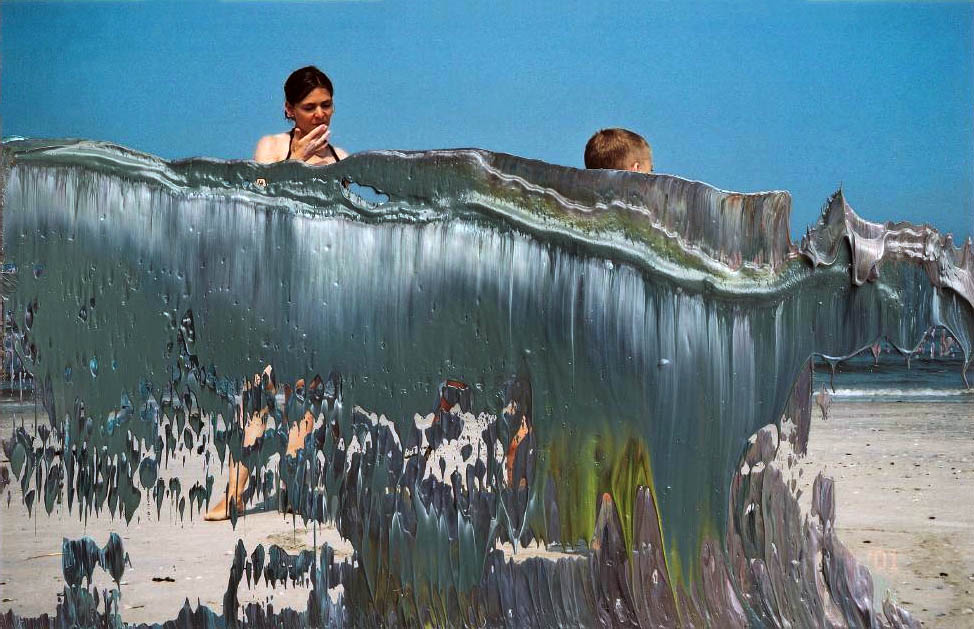
Creative juxtapositions enlighten these new realities: the smeared stalagmite of green and yellow paint in 8. Juni 2016 (8) (2016, below) echoes the vertiginous mountainous landscape beyond; curtains of paint in 4. March 2003 (2003 ,below) hide sunbathing bodies whilst echoing the breaking waves in the background; and coloured skeins rain down on a tower in 29.1.2000 (Firenze) (2000, below) portending its destruction.

These active interventions, action photo-paintings, gestural abstractions are spontaneous in form and intelligent in conception. They combine elements of both mediums to create interstitial spaces, spaces that promote an evolution in the way in which we conceive of space,1 a world of liquid transformations realised through shifts between photo and picture, reality and presence, memory and awareness – a coexistence between a conscious and unconscious way of perceiving which sustains the mystery of the object… and the world.

Bravo!

Dr Marcus Bunyan


1/ Adapted from Kovac, Tom. “Curve Gallery,” in van Schaik, Leon (ed.,). Architectural Design. Vol. 72. No. 2. (‘Poetics in Architecture’). London: John Wiley and Sons, 2002, p. 60.


Many thankx to the Albertinum at the Staatliche Kunstsammlungen Dresden for allowing me to publish the photographs in the posting. Please click on the photographs for a larger version of the image.


In 1991 Gerhard Richter commented on the creation of these works:

“Photography has almost no reality; it is almost a hundred per cent picture. And painting always has reality: you can touch the paint; it has presence; but it always yields a picture – no matter whether good or bad. That’s all theory. It’s no good. I once took small photographs and then smeared them with paint. That partly resolved the problem, and it’s really good – better than anything I could ever say on the subject.”


Text from the Staatliche Kunstsammlungen Dresden website


“What works for me about the series is the balance between the paint and the photograph beneath it. There are works in the series where the two seem to work together and others where they fight for primacy. The act of adding paint is a simple gesture but somehow Richter uses it to add a layer of complexity to the image. We are left with hints about the photographs and can, to an extent, imagine the gestures used to obscure them – certainly the texture of the paint offers clues – but piecing together the evidence provides a tantalisingly incomplete picture. For me, the work is all the stronger for that.”


Ann Jones. “Veils of abstraction,” on the Image Object Text website 22/09/2012 [Online] Cited 12/10/2023


Installation view of the exhibition 'Gerhard Richter. Overpainted Photographs' at Albertinum at the Staatliche Kunstsammlungen Dresden

Installation view of the exhibition 'Gerhard Richter. Overpainted Photographs' at Albertinum at the Staatliche Kunstsammlungen Dresden showing at left, '8 March 2000 (Firenze)'; at second right bottom, '13.5.07'; at at top right, '14.5.07'


Installation views of the exhibition Gerhard Richter. Overpainted Photographs at Albertinum at the Staatliche Kunstsammlungen Dresden showing in the bottom image at left, 8 March 2000 (Firenze) (below); at second right bottom, 13.5.07 (below); at at top right, 14.5.07 (below)
© Gerhard Richter 2023, Staatliche Kunstsammlungen Dresden
Foto: Klemens Renner


Gerhard Richter (German, b. 1932) '8 March 2000 (Firenze)' 2000 from the exhibition 'Gerhard Richter. Overpainted Photographs' Gerhard Richter Archive at Albertinum at the Staatliche Kunstsammlungen Dresden, Aug - Nov 2023


Gerhard Richter (German, b. 1932)
8 March 2000 (Firenze)
2000
Oil on colour photography
© Gerhard Richter 2023


Gerhard Richter (German, b. 1932) '13.5.07' 2007


Gerhard Richter (German, b. 1932)
13.5.07
2007
Oil on colour photography
© Gerhard Richter 2023
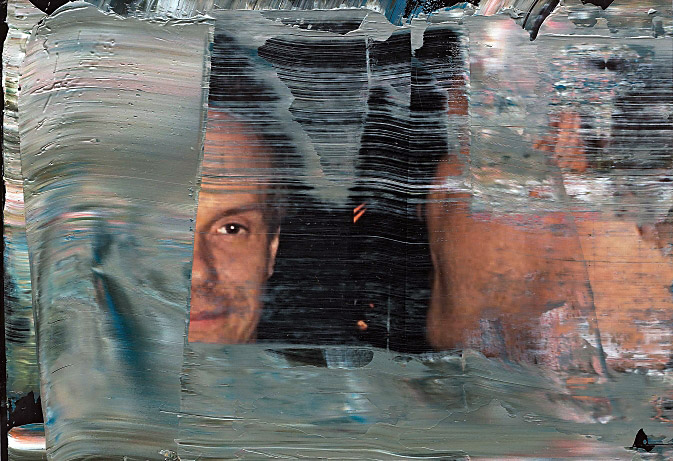
 

Gerhard Richter (German, b. 1932) '14.5.07' 2007


Gerhard Richter (German, b. 1932)
14.5.07
2007
Oil on colour photography
© Gerhard Richter 2023


The exhibition at Albertinum shows a selection of Gerhard Richter’s Overpainted Photographs for the first time in Dresden. 36 of the selected works come from the holdings of the Gerhard Richter Kunststiftung, founded by the artist in 2019; 36 additional works are loans from private collections.

Gerhard Richter’s oeuvre from the past six decades is shaped by a dialogue and a confrontation between figurative and abstract visual strategies. In no other workseries by the artist do the two styles enter into a symbiosis like the one in the small-format Overpainted Photographs. Richter began these works in 1986. All the formats exhibited are unusually small, each approximately 10 × 15cm.

In 1991 Gerhard Richter commented on the creation of these works:

“Photography has almost no reality; it is almost a hundred per cent picture. And painting always has reality: you can touch the paint; it has presence; but it always yields a picture – no matter whether good or bad. That’s all theory. It’s no good. I once took small photographs and then smeared them with paint. That partly resolved the problem, and it’s really good – better than anything I could ever say on the subject.”

Standard photographs usually taken by the artist himself and developed at an ordinary photo lab serve as the foundation for these works. The shots themselves are entirely lacking in artistic quality. They are snapshot motifs of family celebrations and excursions, people, landscapes, or architectures, including a view of Dresden.

The Overpainted Photographs are closely linked to his painterly oeuvre. After his daily work on the large paintings in the studio, Richter pulled these photographs through the remaining wet paint on the squeegee. In this way, the result of this action is strongly determined by coincidence and surprising new realities emerge. With the declared end of his painterly work in 2017, Gerhard Richter also concluded work on the Overpainted Photographs.

Text from the Staatliche Kunstsammlungen Dresden website


Installation view of the exhibition 'Gerhard Richter. Overpainted Photographs' at Albertinum at the Staatliche Kunstsammlungen Dresden

Installation view of the exhibition 'Gerhard Richter. Overpainted Photographs' at Albertinum at the Staatliche Kunstsammlungen Dresden

Installation view of the exhibition 'Gerhard Richter. Overpainted Photographs' at Albertinum at the Staatliche Kunstsammlungen Dresden

Installation view of the exhibition 'Gerhard Richter. Overpainted Photographs' at Albertinum at the Staatliche Kunstsammlungen Dresden


Installation views of the exhibition Gerhard Richter. Overpainted Photographs at Albertinum at the Staatliche Kunstsammlungen Dresden
© Gerhard Richter 2023, Staatliche Kunstsammlungen Dresden
Foto: Klemens Renner


As a Dresden first, the Gerhard Richter Archiv, run by Staatliche Kunstsammlungen Dresden is exhibiting a selection of Gerhard Richter’s Overpainted Photographs. Of the 72 works on show in the Albertinum, 36 are from the holdings of the Gerhard Richter Kunststiftung, a foundation established by the artist in 2019, and 36 from private collections.

Richter’s oeuvre of the past six decades is marked by interacting and opposing representational and abstract artistic strategies. In his small-format Overpainted Photographs, these two styles develop a symbiosis that is stronger than in any of the artist’s other groups of works.

In 1991, Gerhard Richter described how the works came about: “Photography has almost no reality; it is almost a hundred per cent picture. And painting always has reality: you can touch the paint; it has presence; but it always yields a picture – no matter whether good or bad. That’s all the theory. It’s no good. I once took some small photographs and then smeared them with paint. That partly resolved the problem, and it’s really good – better than anything I could ever say on the subject.”

Richter began these works in 1986. All of the formats exhibited are unusually small, each being about 10 x 15cm. The basis for his pictures was ordinary photographs, most of which he took himself and had developed in a conventional photo lab. The photos are not artistic in any way. They are snapshots of family celebrations and trips, people, landscape or architecture, including a view of Dresden.

The Overpainted Photographs are intimately linked to Richter’s artistic works. Every day, after working on his large-format paintings in his studio, Richter dragged the photographs through the wet paint left on his doctor blade. The result depended heavily on chance, and surprising new realities were formed. In 2017, Gerhard Richter announced his retirement from painting, and at the same time the end of his work on the Overpainted Photographs.

A catalogue is being published to accompany the exhibition. Dietmar Elger: Gerhard Richter. Overpainted Photos, published by Staatliche Kunstsammlungen Dresden, Buchhandlung Walther & Franz König, Cologne, 2023, 120 pages, 77 colour illustrations, 3 b&w illustrations. ISBN 978-3-7533-0538-7

Press release from the Staatliche Kunstsammlungen Dresden


Gerhard Richter (German, b. 1932) '8. Juni 2016 (6)' 2016


Gerhard Richter (German, b. 1932)
8. Juni 2016 (6)
2016
Oil on colour photography
16.9 x 12.7cm
On loan from a private collection
© Gerhard Richter 2023


Gerhard Richter (German, b. 1932) '8. Juni 2016 (8)' 2016


Gerhard Richter (German, b. 1932)
8. Juni 2016 (8)
2016
Oil on colour photography
16.75 x 12.6cm
On loan from the Gerhard Richter Art Foundation
© Gerhard Richter 2023


Installation view of the exhibition 'Gerhard Richter. Overpainted Photographs' at Albertinum at the Staatliche Kunstsammlungen Dresden showing at top left, '26. Nov 2014'; at top second right, '25. Jan 2015'; at top right, '15. April 2015' (top of posting); at bottom second left, '28. Dec 2014'; and at bottom right, '28.7.15 (2)'


Installation view of the exhibition Gerhard Richter. Overpainted Photographs at Albertinum at the Staatliche Kunstsammlungen Dresden showing at top left, 26. Nov 2014 (below); at top second right, 25. Jan 2015 (below); at top right, 15. April 2015 (top of posting); at bottom second left, 28. Dec 2014 (below); and at bottom right, 28.7.15 (2) (below)
© Gerhard Richter 2023, Staatliche Kunstsammlungen Dresden
Foto: Klemens Renner


Gerhard Richter (German, b. 1932) '26. Nov 2014' 2014


Gerhard Richter (German, b. 1932)
26. Nov 2014
2014
Oil on colour photography
© Gerhard Richter 2023


Gerhard Richter (German, b. 1932) '25. Jan 2015' 2015


Gerhard Richter (German, b. 1932)
25. Jan 2015
2015
Oil on colour photography
© Gerhard Richter 2023


Gerhard Richter (German, b. 1932) '28. Dec 2014' 2014


Gerhard Richter (German, b. 1932)
28. Dec 2014
2014
Oil on colour photography
© Gerhard Richter 2023


Gerhard Richter (German, b. 1932) '28.7.15 (2)' 2015


Gerhard Richter (German, b. 1932)
28.7.15 (2)
2015
Oil on colour photography
© Gerhard Richter 2023


Installation view of the exhibition 'Gerhard Richter. Overpainted Photographs' at Albertinum at the Staatliche Kunstsammlungen Dresden showing at left, '4.12.06'; at at right, '21.2.08'


Installation view of the exhibition Gerhard Richter. Overpainted Photographs at Albertinum at the Staatliche Kunstsammlungen Dresden showing at left, 4.12.06 (below); at at right, 21.2.08 (below)
© Gerhard Richter 2023, Staatliche Kunstsammlungen Dresden
Foto: Klemens Renner


Gerhard Richter (German, b. 1932) '4.12.06' 2006


Gerhard Richter (German, b. 1932)
4.12.06
2006
Oil on colour photography
12.5 x 16.6cm
On loan from a private collection
© Gerhard Richter 2023


Gerhard Richter (German, b. 1932) '21.2.08' 2008


Gerhard Richter (German, b. 1932)
21.2.08
2008
Oil on colour photography
© Gerhard Richter 2023


Gerhard Richter (German, b. 1932) '11.2.98' 1998


Gerhard Richter (German, b. 1932)
11.2.98
1998
Oil on colour photography
© Gerhard Richter 2023


Installation view of the exhibition 'Gerhard Richter. Overpainted Photographs' at Albertinum at the Staatliche Kunstsammlungen Dresden showing at left, '28. April 2015'; at second left, '29. April 2015'; and at right, '14.7.15 (3)'


Installation view of the exhibition Gerhard Richter. Overpainted Photographs at Albertinum at the Staatliche Kunstsammlungen Dresden showing at left, 28. April 2015 (below); at second left, 29. April 2015 (below); and at right, 14.7.15 (3) (below)
© Gerhard Richter 2023, Staatliche Kunstsammlungen Dresden
Foto: Klemens Renner


Gerhard Richter (German, b. 1932) '28. April 2015' 2015


Gerhard Richter (German, b. 1932)
28. April 2015
2015
Oil on colour photography
© Gerhard Richter 2023


Gerhard Richter (German, b. 1932) '29. April 2015' 2015


Gerhard Richter (German, b. 1932)
29. April 2015
2015
Oil on colour photography
16.7 x 12.6cm
On loan from the Gerhard Richter Art Foundation
© Gerhard Richter 2023
Foto: Simon Vogel, Köln


Gerhard Richter (German, b. 1932) '14.7.15 (3)' 2015


Gerhard Richter (German, b. 1932)
14.7.15 (3)
2015
Oil on colour photography
© Gerhard Richter 2023


Gerhard Richter (German, b. 1932) '29.1.2000 (Firenze)' 2000


Gerhard Richter (German, b. 1932)
29.1.2000 (Firenze)
2000
Oil on colour photography
© Gerhard Richter 2023


Gerhard Richter (German, b. 1932) '4. March 2003' 2003


Gerhard Richter (German, b. 1932)
4. March 2003
2003
Oil on colour photography
© Gerhard Richter 2023


Gerhard Richter (German, b. 1932) '20.6.05' 2005


Gerhard Richter (German, b. 1932)
20.6.05
2005
Oil on colour photography
© Gerhard Richter 2023


Gerhard Richter (German, b. 1932) 'MV. 92' 2011


Gerhard Richter (German, b. 1932)
MV. 92
2011
Oil on colour photography
© Gerhard Richter 2023


Gerhard Richter (German, b. 1932) 'MV. 98' 2011


Gerhard Richter (German, b. 1932)
MV. 98
2011
Oil on colour photography
© Gerhard Richter 2023


Gerhard Richter (German, b. 1932) 'MV. 133' 2011


Gerhard Richter (German, b. 1932)
MV. 133
2011
Oil on colour photography
10.1 x 15.1 cm
© Gerhard Richter 2023


Albertinum
Tzschirnerplatz 2
01067 Dresden

Opening hours:
Daily 10 – 18, Monday closed

Albertinum website

LIKE ART BLART ON FACEBOOK

Back to top

Exhibition: ‘Wols’ Photography: Images Regained’ at the Kupferstich-Kabinett, Staatliche Kunstsammlungen Dresden

Exhibition dates: 17th May – 26th August 2013


Otto Wols (Alfred Otto Wolfgang Schulze) (German, 1913-1951) 'Nicole Bouban, Autumn 1932 - October 1933 / january 1935-1937' 1937


Otto Wols (Alfred Otto Wolfgang Schulze) (German, 1913-1951)
Nicole Bouban, Autumn 1932 – October 1933 / january 1935-1937
1937, vintage print 1937
Gelatin silver print
300 x 240mm
Cabinet of Prints, Dresden State Art Collections


Another little known photographer (to me at least) that this archive likes promoting. Unfortunately the gallery did not supply many media images and there are few available online.

Dr Marcus Bunyan


Many thankx to the Staatliche Kunstsammlungen for allowing me to publish the photographs in the posting. Please click on the photographs for a larger version of the image.


Otto Wols (Alfred Otto Wolfgang Schulze) (German, 1913-1951) 'Untitled (Still life - wicker and birds)' 1938 - August, 1939


Otto Wols (Alfred Otto Wolfgang Schulze) (German, 1913-1951)
Untitled (Still life – wicker and birds)
1938 – August 1939, modern print 1970s
Gelatin silver paper (Agfa paper)
200 x 137 / 239 x 178mm
Cabinet of Prints, Dresden State Art Collections


Otto Wols (Alfred Otto Wolfgang Schulze) (German, 1913-1951) 'Untitled (Still life - Grapefruit)' 1938 - August, 1939


Otto Wols (Alfred Otto Wolfgang Schulze) (German, 1913-1951)
Untitled (Still life – Grapefruit)
1938 – August 1939, early modern print without year
Gelatin silver paper (Agfa Brovira paper)
174 x 120 / 180 x 131mm
Cabinet of Prints, Dresden State Art Collections


Otto Wols (Alfred Otto Wolfgang Schulze) (German, 1913-1951) 'Untitled (The Swiss Pavilion - Drahtfigurine)' 1937


Otto Wols (Alfred Otto Wolfgang Schulze) (German, 1913-1951)
Untitled (The Swiss Pavilion – Drahtfigurine)
1937, vintage print 1936-1937
Gelatin silver paper (Agfa Brovira paper)
242 x 180mm
Cabinet of Prints Dresden State Art Collections


Otto Wols (Alfred Otto Wolfgang Schulze) (German, 1913-1951) 'Untitled (Paris - Eiffel Tower)' 1937


Otto Wols (Alfred Otto Wolfgang Schulze) (German, 1913-1951)
Untitled (Paris – Eiffel Tower)
1937, modern printed 1970s
Gelatin silver print
205 x 139 / 240 x 178mm
Cabinet of Prints, Dresden State Art Collections


On the Occasion of the 100th Birthday of the Epochal Photographer, Painter and Graphic Artist. 
An exhibition by the Kupferstich-Kabinett, Staatliche Kunstsammlungen Dresden 
17 May to 26 August 2013

Wols (1913-1951) is a key figure of post-war modernism. However, as this exhibition of his photography demonstrates, there are still aspects of his work which can come as a surprise and which amount to a remarkable discovery. Wols’ Photography: Images Regained, a retrospective marking the centenary of his birth, is the first exhibition to be devoted to a comprehensive exploration of his photographic work. It runs from 17 May to 26 August in the Dresden Kupferstich-Kabinett, and presents around 740 works, including modern prints from original negatives, contact prints and rare vintage prints made by Wols himself. The exhibition and its accompanying catalogue look beyond the myths surrounding Wols to focus on his artistic achievements, providing new insights based on recent art-historical reappraisal of works held in the Dresden collection.

In 1932 the artistically ambitious young nonconformist Wolfgang Schulze, alias Wols, left Dresden for Paris, where in 1951, at the age of 38, he was to die. Paris, at that time the undisputed metropolis of modernity and the avant-garde, held a magical attraction for young artists from all over the world intent on establishing themselves as photographers. In the brief period between 1932 and 1939 Wols created an impressive body of photographic work, a medium that he abandoned after 1945, when his attention turned to drawing and painting; after his death, this important aspect of his oeuvre was largely forgotten.

This presentation of Wols’ photography in the Dresden Kupferstich-Kabinett will later also be shown in Berlin, at the Martin-Gropius-Bau (15 March to 22 June 2014), a venue renowned for important photographic exhibitions, and a further showing in Paris is planned for autumn 2014. This means that this previously little-known, but central, body of work can be explored to an unprecedented extent in places which were of great significance at various stages in the artist’s life. Wols was born in Berlin, and briefly returned there as a young man, drawn to the creative force field of the Bauhaus, by then already in the process of dissolution; it was here that he received what was to be artistically crucial advice to move to Paris. In Dresden, in the intellectual circle of Ida Bienert, he had already become acquainted while still in his teens with facets of international modernism. Paris was where he ultimately achieved artistic fulfilment and recognition.

The exhibition draws on the important resources preserved in the estate of the artist’s sister, Elfriede Schulze-Battmann, now held in the Kupferstich-Kabinett. In addition to correspondence, this archive contains more than 1,000 works, most of which are modern prints made in the 1960s and 1970s, and is the world’s most extensive collection of Wols’ photographic work. The importance of Wols as a major figure of post-war modernism is underlined in two further exhibitions marking the 100th anniversary of his birth: 
Kunsthalle Bremen: Wols: Die Retrospektive (Wols. The Retrospective) (13 April – 11 August 2013); 
Museum Wiesbaden: Wols: Das große Mysterium (Wols. The Great Mystery) (17 October 2013 – 26 January 2014).

As a photographer (1913-1951) Wols continues to this day to be a discovery. The young, artistically ambitious, non-conformist left Dresden for Paris in 1932, where he began his artistic career as a portrait photographer. At that time, Paris, undisputedly the metropolis of the avant-garde and modern life, attracted free spirits from all over the world to seek their fortune. From 1932 to 1939 Wols created his impressive photographic oeuvre, which after 1945 he abandoned as a result of adverse circumstances and a shift in his interest to drawing and painting. In the years following his early death, the few preserved photos and negatives were nearly forgotten.

Today the Dresdener Kupferstich-Kabinett (Collection of Prints, Drawings and Photographs) holds the internationally most important collection of his photographic oeuvre, which was preserved in the estate of his sister, Elfriede Schulze-Battmann. It contains rare modern prints, produced from the original negatives in the 1960s and 1970s, and a small number of valuable vintage prints made by Wols himself.

Press release from the Staatliche Kunstsammlungen Dresden website


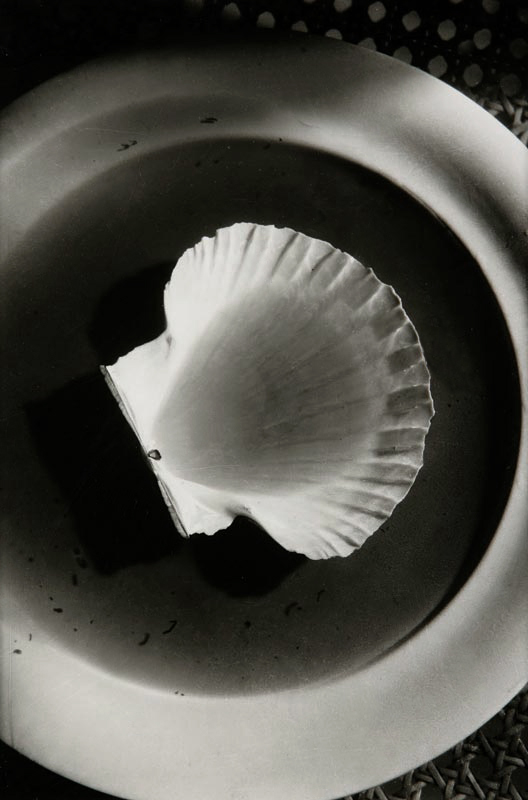
Otto Wols (Alfred Otto Wolfgang Schulze) (German, 1913-1951) 'Plate with soup and conch' 1936-1939


Otto Wols (Alfred Otto Wolfgang Schulze) (German, 1913-1951)
Plate with soup and conch
1936-1939
© VG Bild-Kunst, Bonn 2009


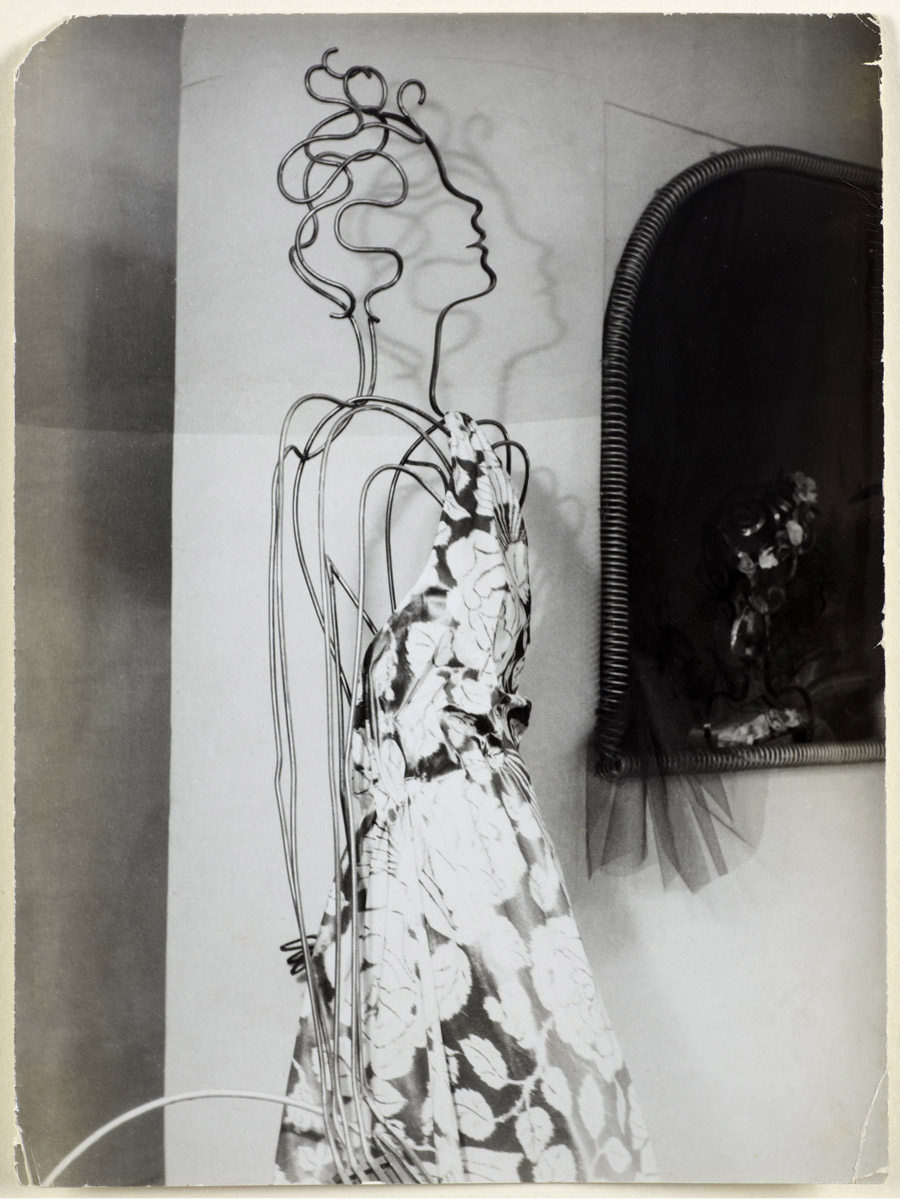
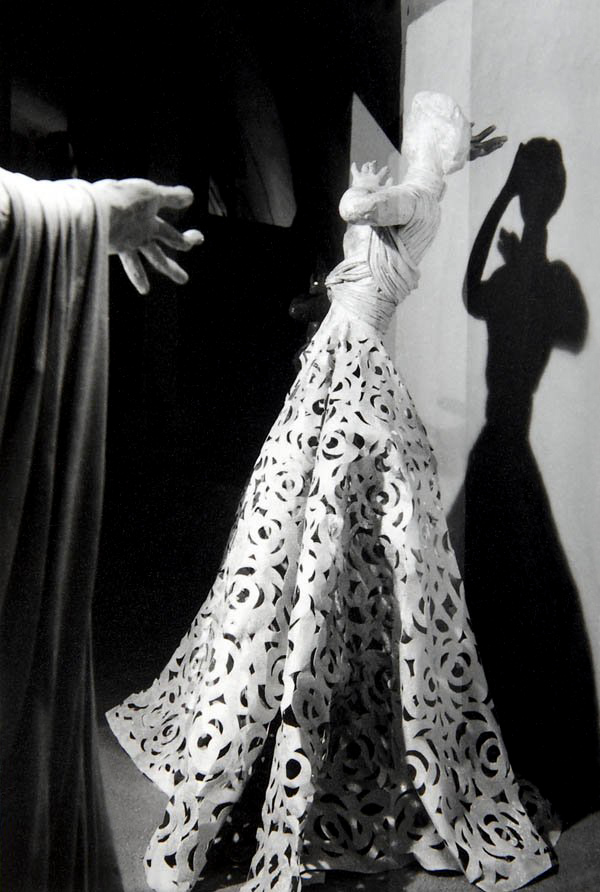
Otto Wols (Alfred Otto Wolfgang Schulze) (German, 1913-1951) 'Doll with Robe' 1937


Otto Wols (Alfred Otto Wolfgang Schulze) (German, 1913-1951)
Doll with Robe
1937
From the series of studies Exposition Internationale de Paris. Pavillon de l’Elegance
Gelatin silver print on photo paper
26.3 x 17.8cm


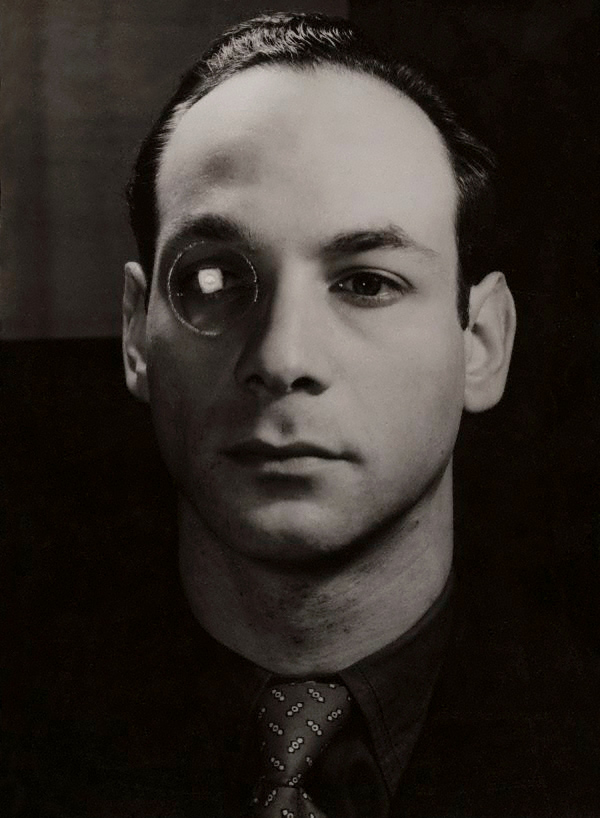
Otto Wols (Alfred Otto Wolfgang Schulze) (German, 1913-1951) 'Jean Sendy (Abelson) with monocle' c. 1930


Otto Wols (Alfred Otto Wolfgang Schulze) (German, 1913-1951)
Jean Sendy (Abelson) with monocle
c. 1930
Gelatin silver photograph
23.8 x 17.4cm (irreg.)


Jean Sendy (French, 1910-1978) is a French writer and translator, author of works on esoterica and UFO phenomena. He was also an early proponent of the ancient astronaut hypothesis.

He wrote the 1968 book The moon: The key to the Bible in which he claimed the God mentioned in Genesis of the Bible should be translated in plural as “Gods”, and that the “Gods” were actually space travellers (an alien race of humanoids). Sendy believed that Genesis was factual history of ancient astronauts colonising earth who became “angels in human memory”. The book contains similar ideas to that of the UFO religion Raëlism.

In his 1969 book Those Gods who made Heaven and Earth, Sendy claimed that space travellers 23,500 years ago arrived in the solar system in a large hollow sphere and seeded humanity.

Text from the Wikipedia website


Otto Wols (Alfred Otto Wolfgang Schulze) (German, 1913-1951) 'Po Pol' 1935


Otto Wols (Alfred Otto Wolfgang Schulze) (German, 1913-1951)
Po Pol
1935
Gelatin silver print on photo paper
23 x 17.2cm


Otto Wols (Alfred Otto Wolfgang Schulze) (German, 1913-1951) 'Untitled (Paris - Palisade) Fall 1932 - October 1933 / January 1935 - August 1939' 1930


Otto Wols (Alfred Otto Wolfgang Schulze) (German, 1913-1951)
Untitled (Paris – Palisade) Fall 1932 – October 1933 / January 1935 – August 1939
1930, vintage print (Contact), 1930
Gelatin silver print
77 x 46mm
Cabinet of Prints, Dresden State Art Collections


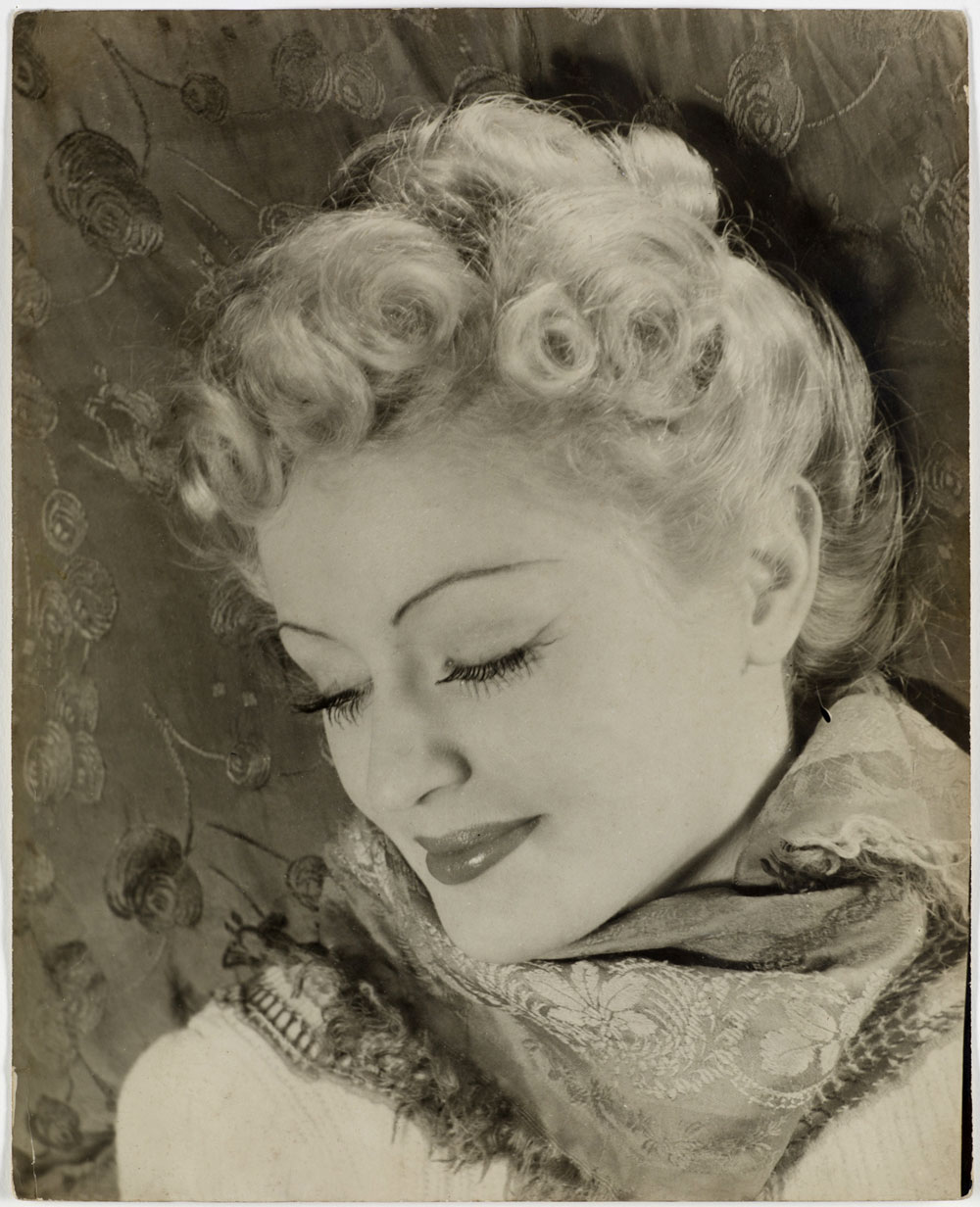
Otto Wols (Alfred Otto Wolfgang Schulze) (German, 1913-1951) 'Self Portrait' c. 1932-33


Otto Wols (Alfred Otto Wolfgang Schulze) (German, 1913-1951)
Self Portrait
c. 1932-1933
© VG Bild-Kunst, Bonn 2013


Otto Wols (Alfred Otto Wolfgang Schulze) (German, 1913-1951) 'Self-portrait' 1938


Otto Wols (Alfred Otto Wolfgang Schulze) (German, 1913-1951)
Self-portrait
1938


Staatliche Kunstsammlungen Dresden
Postfach 12 05 51
01006 Dresden
Phone: +49-351-49 14 2643

Opening hours:
Daily 10am – 6pm
Closed on Tuesdays

Staatliche Kunstsammlungen Dresden website

LIKE ART BLART ON FACEBOOK

Back to top

Exhibition: ‘Gerhard Richter. Atlas’ at the Staatliche Kunstsammlungen Dresden

Exhibition dates: 4th February – 22nd April 2012


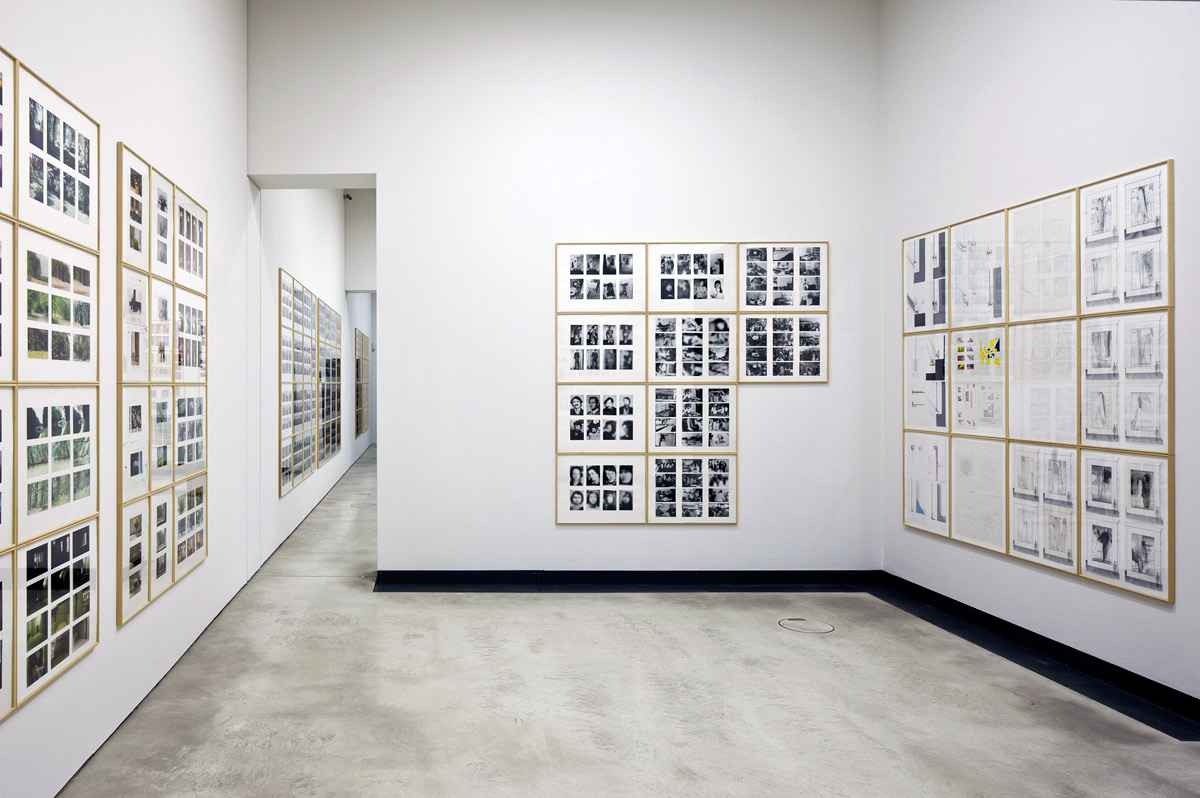
Installation photograph of 'Gerhard Richter. Atlas' at Kunsthalle im Lipsiusbau, Staatliche Kunstsammlungen Dresden 2012


Installation photograph of Gerhard Richter. Atlas
Kunsthalle im Lipsiusbau
Photograph: David Brandt, 2012
© Gerhard Richter Archive, Staatliche Kunstsammlungen Dresden


Meaning arises out of context – or the lack of it. Unlike the grids of the Bechers which promote multiple ways of seeing and construct narrative tension these images do not increase the photographic narrative. They are like the parrots, finches or scarab beetles in a display case at a natural history museum – part of a taxonomic classification system, where one out of a thousand is the most impressive beetle, the bird with the brightest plumage, where the composition is the most surprising. Multiples as collected here are fascinating but emerge from a slightly obsessive mind (which any collectors mind is!)

This photomontage of impressions, ground and movement blurs the history and memory embedded in each photograph. The assemblage of all these visions ranges far and wide but ultimately collapses time and space into one huge universal snapshot. As in advertising imagery the individual documentary-style images mean relatively little – it is the overall impression that impinges on the consciousness. If you watch MTV and stop to analyse the individual images in a pop video you soon acknowledge their vacuousness. The context of the singular image is lost. In this display the grid controls the photographs position relative to each other and the viewer – a compositional design matrix that has a symbolic function. The grid both decontextualises and recontextualises the floating signifier.

Richter obviously uses them as an aide-memoire. Some remind me of the folded photographs found in Francis Bacon’s studio; others Bacon’s portraits of blurred bodies; yet more, ethnographic mappings of Indigenous bodies or criminals cut out of newspapers. Others remind me of Surrealist experiments and the colour photographs the paintings of Gerhard Richter. Funny about that…

They may be the source material of a great artist but in this regimented form of prosaic knowledge they become like bugs caught in amber.

Dr Marcus Bunyan


Many thankx to the Staatliche Kunstsammlungen Dresden for allowing me to publish the photographs in the posting. Please click on the photographs for a larger version of the image.


“I see countless landscapes, photograph barely one in 100,000, and paint barely 1 in 100 of those that I photograph,”


Gerhard Richter, 1986


“If the grids of art are about arrangement, synchronic vision, connections and knowledge, a standing back to grasp a pattern, then the grids of life are just as much about chance, disconnections among the connections, and the inability of the elements within the grid to perceive, and know, the larger patterns of which they are a part, so that it is only a ‘higher’ consciousness standing outside the grid that will be able to see it all (with or without understanding it). How you know and form a grid depends on whether you are inside or outside it. You can ‘form’ a grid both actively and passively, wittingly and unwittingly – either by simply being part of a grid or by actually assembling one… The grid becomes a potentially totalizing system with which reality (the real of experience as well as the real of the mind), another totalizing system, must endlessly play its games of elusiveness and containment, chaos and order, freedom and necessity.”


Aveek Sen. “The Grid and More,” in ‘What We Talk About When We Talk About Photography,’ on the Fotomuseum Winterthur website, 7th April 2012


Gerhard Richter. Atlas

The film for the special exhibition!

The ATLAS occupies an outstanding position in Gerhard Richter’s entire work. It is both the basis of his painterly oeuvre and an independent work. As a so-called work in progress, the artist, who was born on February 9, 1932 in Dresden, has repeatedly revised and supplemented the ATLAS for more than four decades.

The ATLAS was on display in a special exhibition at the Gerhard Richter Archive of the Dresden State Art Collections.


Installation photograph of 'Gerhard Richter. Atlas' at Kunsthalle im Lipsiusbau, Staatliche Kunstsammlungen Dresden 2012


Installation photograph of Gerhard Richter. Atlas
Kunsthalle im Lipsiusbau
Photograph: David Brandt, 2012
© Gerhard Richter Archive, Staatliche Kunstsammlungen Dresden


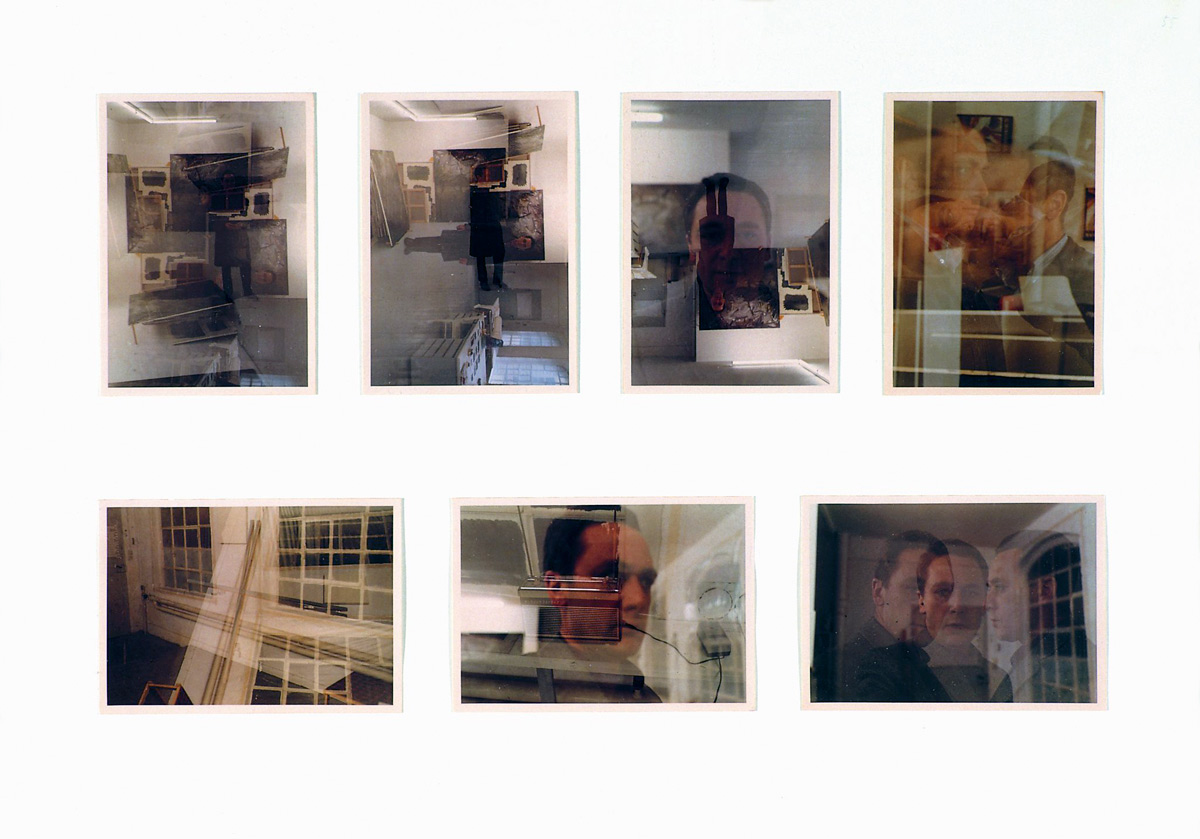
Gerhard Richter (German, b. 1932) 'Atlas. Plate 68. Photo experiment' 1969


Gerhard Richter (German, b. 1932)
Atlas. Plate 68. Photo experiment
1969
© Gerhard Richter 2011


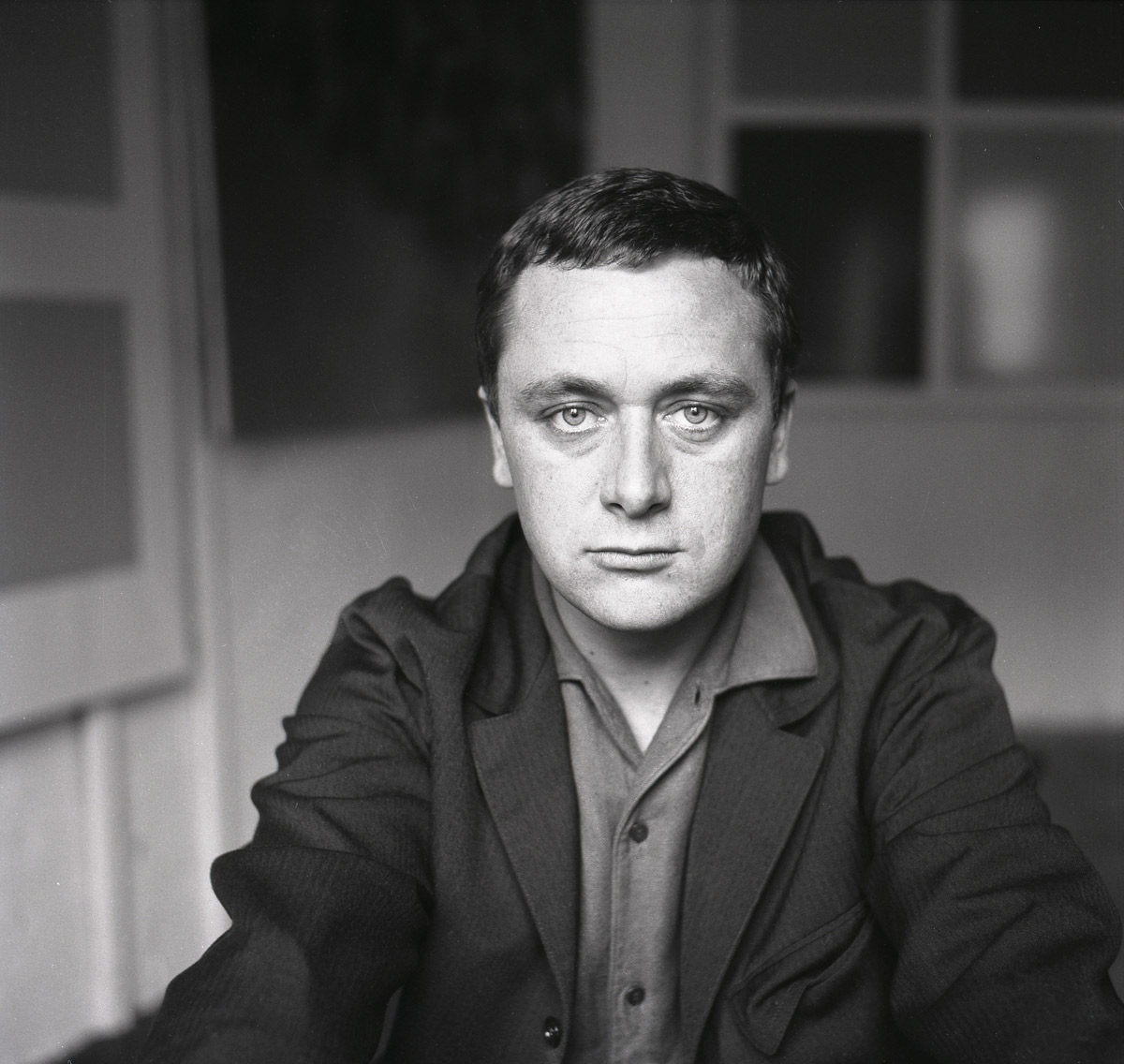
Portrait of Gerhard Richter 1966


Portrait of Gerhard Richter
1966
© Gerhard Richter, Köln 2012


In celebration of Gerhard Richter’s 80th birthday, the Gerhard Richter Archive of the Staatliche Kunstsammlungen Dresden presents the ATLAS of the artist in the Kunsthalle im Lipsiusbau. The ATLAS takes a prominent role in the oeuvre of Gerhard Richter. It is the basis of many of his paintings just as it is an artwork in its own right. The ATLAS consists of approximately 800 framed panels with more than 15,000 photographs, newspaper clippings, sketches and designs, which Richter had accumulated for work in his studio from the early 1960s onwards. In 1972, he ordered and arranged the collection on boards and presented it under the title ATLAS for the first time. Ever since then, he has continuously added new material. The conceptual character of the ATLAS offers unique insights into the mindset of the artist, into the development of some ideas for works as well as into the creational process of several of his paintings.

Gerhard Richter’s ATLAS merits a special place within his oeuvre as a whole. It not only forms the basis of his entire work as a painter but is also an autonomous artwork in its own right. Born in Dresden on 9th February 1932, Richter has been constantly revising and augmenting this “work in progress” for more than four decades.

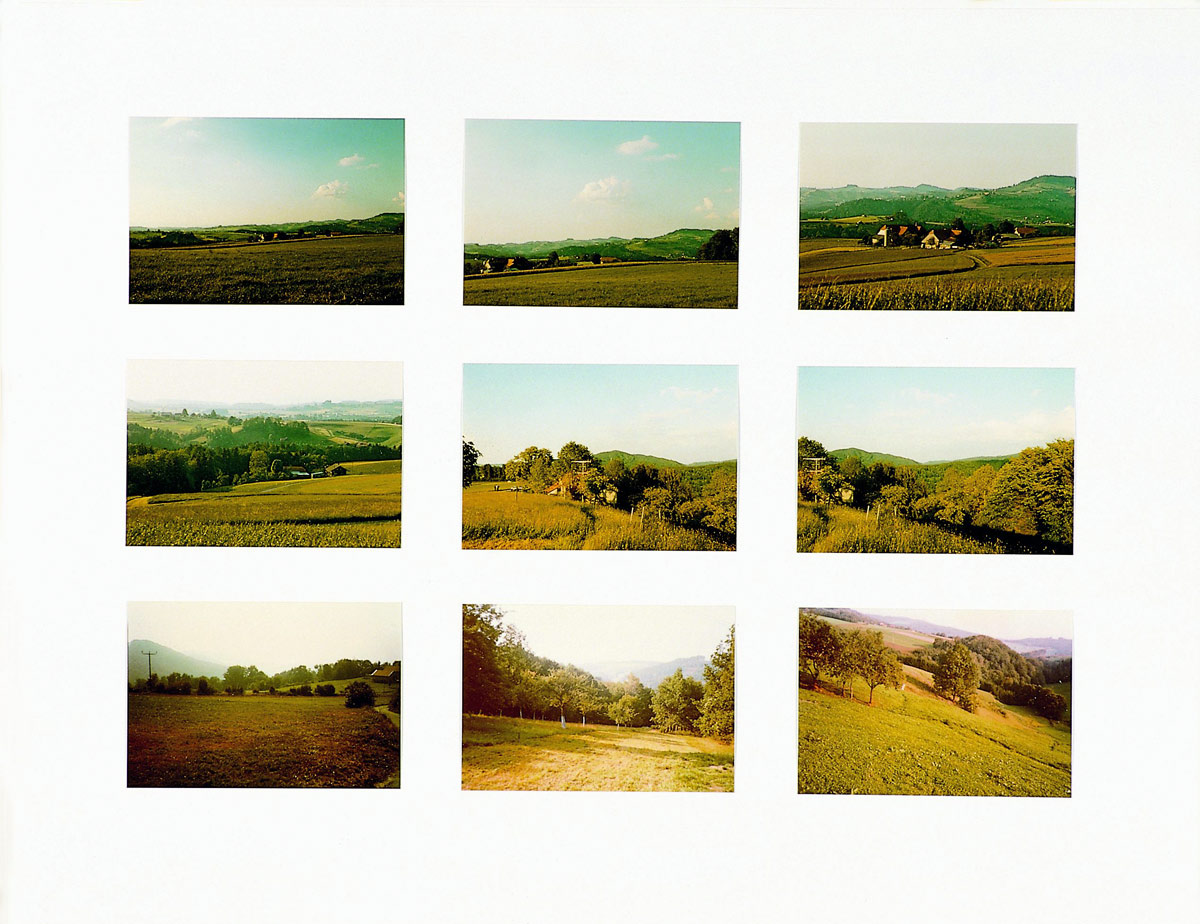
ATLAS may be seen as an accompaniment, commentary and extension of the entire oeuvre of Gerhard Richter, for it also develops its own perspectives and poses its own questions. ATLAS is Richter’s reflection not only on his own work but also on the everyday world of images that he himself has documented photographically in their thousands. “I see countless landscapes, photograph barely one in 100,000, and paint barely 1 in 100 of those that I photograph,” Richter wrote in 1986. This photographed, yet and seemingly inexhaustible flood of images has afforded Richter a concentrated, ready accessibility of motifs for his future works. Indeed, for some of his paintings, he has been able to draw upon old motifs in his ATLAS, some of them dating back more than a decade.

The accompanying artist’s book “ATLAS” is not just intended as a means of documenting the exhibition. Gerhard Richter sees it as an alternative presentation to the exhibited panels, one that permits an additional, different, non-linear approach to the material. By 1964, Richter had collected a vast amount of pictorial source material for his painting, first keeping it in drawers and portfolios. Five years later he began to sift through this material with a critical eye, grouping the individual photographs, reproductions and sketches into different themes and pasting them onto separate panels. Richter then soon recognised the intrinsic artistic quality of these collections of source material and, in 1972, framed the panels and exhibited them at the Museum Hedendaagse Kunst in Utrecht under the title ATLAS. Meanwhile this repository of source material has grown from its original 343 panels to its present 783, with more than 8,000 individual motifs.

Press release from the Staatliche Kunstsammlungen Dresden website


Gerhard Richter (German, b. 1932) 'Atlas. Tafel 5. Album Photos' 1962-1968


Gerhard Richter (German, b. 1932)
Atlas. Plate 9. Photographs of papers and books etc
1962-1968
© Gerhard Richter 2011


Gerhard Richter (German, b. 1932) 'Atlas. Plate 5. Album Photos' 1962-1968


Gerhard Richter (German, b. 1932)
Atlas. Plate 5. Album Photos
1962-1968
© Gerhard Richter 2011


Gerhard Richter (German, b. 1932) 'Atlas. Plate 58. Double exposure' Nd


Gerhard Richter (German, b. 1932)
Atlas. Plate 58. Double exposure
Nd
© Gerhard Richter 2011


Gerhard Richter (German, b. 1932) 'Atlas. Plate 422. Baysricher forest' 1982


Gerhard Richter (German, b. 1932)
Atlas. Plate 422. Baysricher forest
1982
© Gerhard Richter 2011


Gerhard Richter (German, b. 1932) 'Atlas. Plate 13. Photographs of papers and books etc' 1964-67


Gerhard Richter (German, b. 1932)
Atlas. Plate 13. Photographs of papers and books etc
1964-1967
© Gerhard Richter 2011


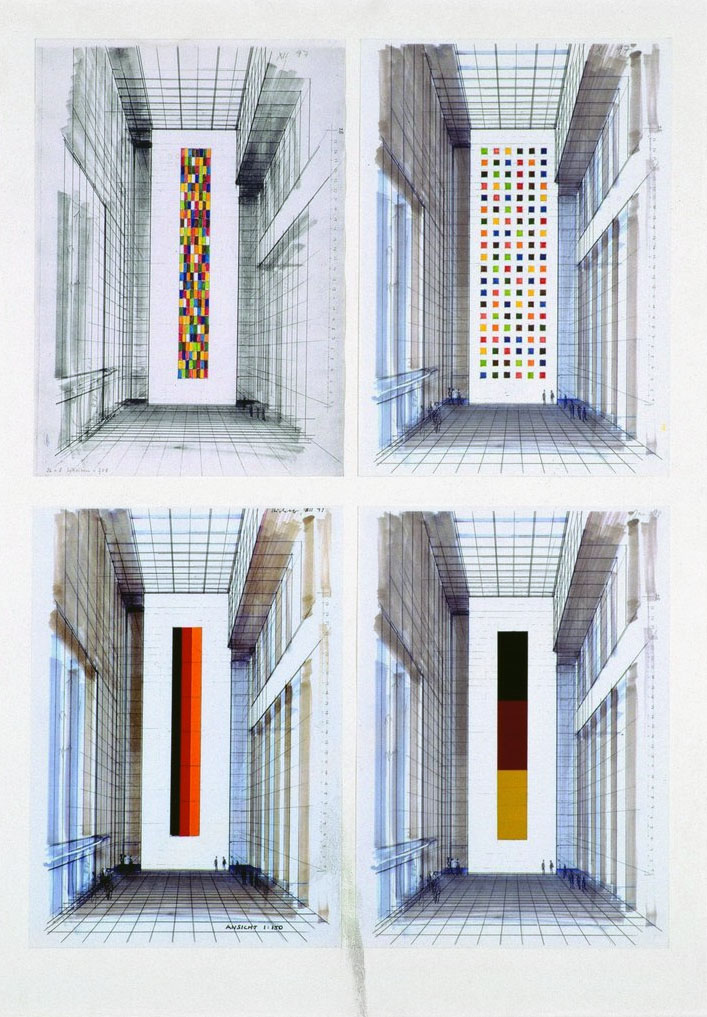
Gerhard Richter (German, b. 1932) 'Atlas. Plate 651. Reichstag' 1998


Gerhard Richter (German, b. 1932)
Atlas. Plate 651. Reichstag
1998
© Gerhard Richter 2011


Gerhard Richter (German, b. 1932) 'Atlas. Plate 31 for 48 Portraits' 1971


Gerhard Richter (German, b. 1932)
Atlas. Plate 31 for 48 Portraits
1971
© Gerhard Richter 2011


Staatliche Kunstsammlungen Dresden
Residenzschloss Taschenberg 2
01067 Dresden Germany

Kunsthalle im Lipsiusbau opening hours:
Daily 10am – 6pm
Closed Mondays

Staatliche Kunstsammlungen Dresden website

LIKE ART BLART ON FACEBOOK

Back to top