
Exhibition: ‘Paul Outerbridge: Photographs’ at Fahey/Klein Gallery, Los Angeles

Exhibition dates: 25th September – 8th November, 2025
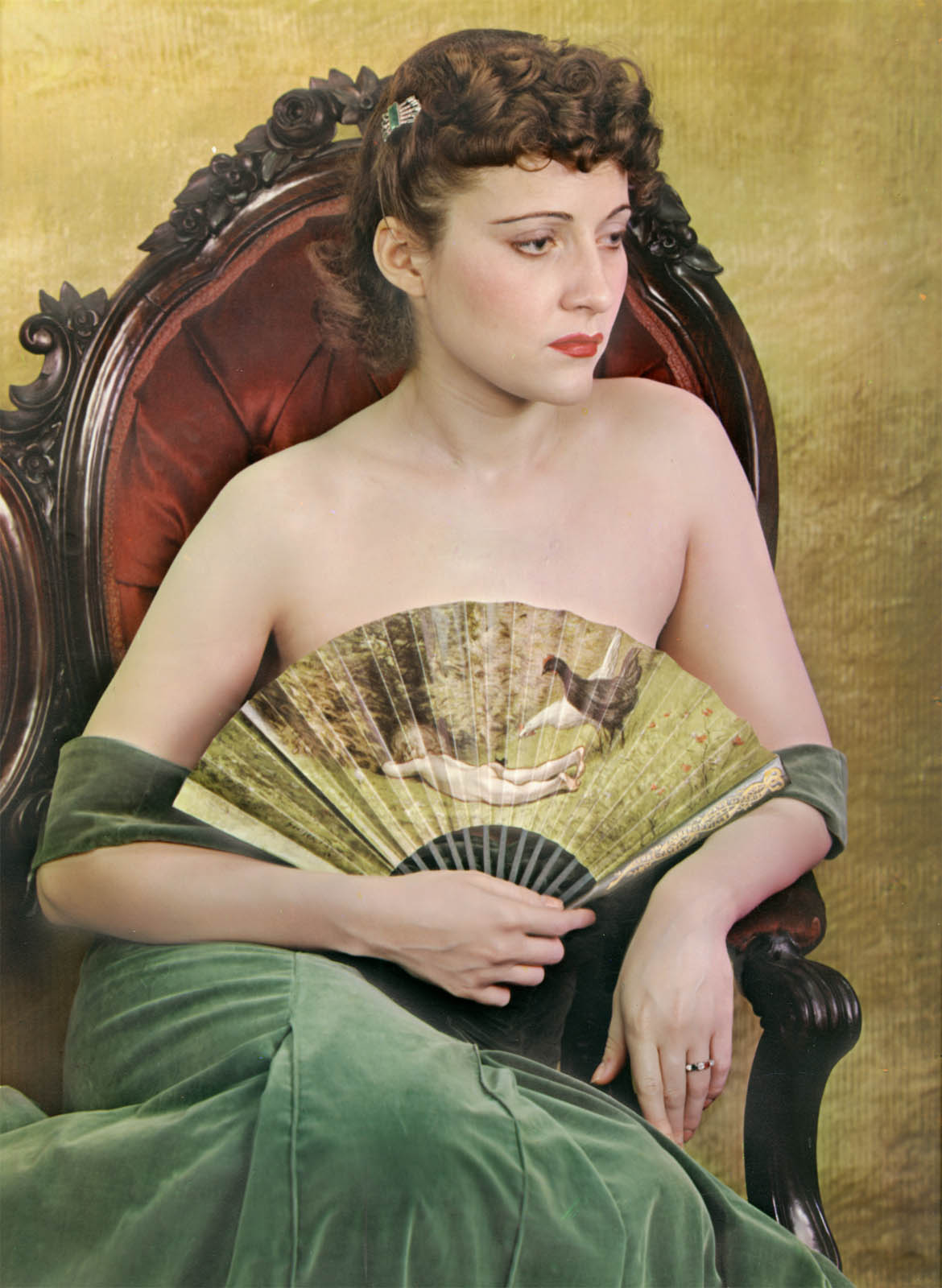
 

Paul Outerbridge Jr. (American, 1896-1959) 'Girl with Fan' c. 1936


Paul Outerbridge Jr. (American, 1896-1959)
Girl with Fan
c. 1936
Vintage color carbo photograph
17 x 13 inches
© Paul Outerbridge; courtesy of Fahey/Klein Gallery, Los Angeles


I think I was born in the wrong era!

My favourite era in the history of photography is the period between the wars.

The avant-garde photographers of the period were so inventive, challenging the act of looking through modern photographs featuring radical perspective, fragmentation, scale, concept, construction, colour, aesthetics, identity, gender, fashion, performance, photogram, photo collage, to name just a few.

Favourites include Germaine Krull (European, 1897-1985) and her magnificent book MÉTAL (1928) with its dissection of the Eiffel Tower; Florence Henri (Swiss born United States, 1893-1982) and her experimental compositions featuring mirrors and reflections; Claude Cahun (French, 1894-1954) and Marcel Moore (French, 1892-1972) and their subversion of gender norms; August Sander (German, 1876-1964) and his archetypal photographs from “People of the 20th Century”; Alexander Rodchenko (Russian, 1891-1956) and his revolutionary photographs; Walker Evans (American, 1903-1975) revealing photographs of New York subway passengers; Jakob Tuggener’s (Swiss, 1904-1988) alchemical photographs picturing the world or work and industry; Helmar Lerski‘s (Swiss, 1871-1956) metamorphosis of the human face; and Margaret Bourke-White‘s (American, 1906-1971) modern industrial America to name, again, just a few.

There are so many fantastic photographers from this period, pushing the boundaries of what was possible in photography without loosing sight of the stories they wanted to tell, and the immediacy and presence of the photograph.

Paul Outerbridge Jr. is another from the period, a much under appreciated artist in the vanguard of experimental photography, “a bold innovator, transforming ordinary objects, such as milk bottles, collars, eggs, into fractured Cubist constructions of light and form…

Throughout his career, Outerbridge pursued abstraction as both a visual language and an artistic philosophy. His still lifes, nudes, and commercial commissions all demonstrate his preoccupation with fractured planes, geometric tension, and the transformation of the commonplace into the extraordinary.” (Press release)

That’s what I like about this man’s photographs: their bold but radical simplicity, clear visualisation of the pictorial statement, and formal abstracted beauty.

His photographs are, and will remain, a joy to be/hold.

Dr Marcus Bunyan


Many thankx to the Fahey/Klein Gallery for allowing me to publish the photographs in the posting. Please click on the photographs for a larger version of the image.
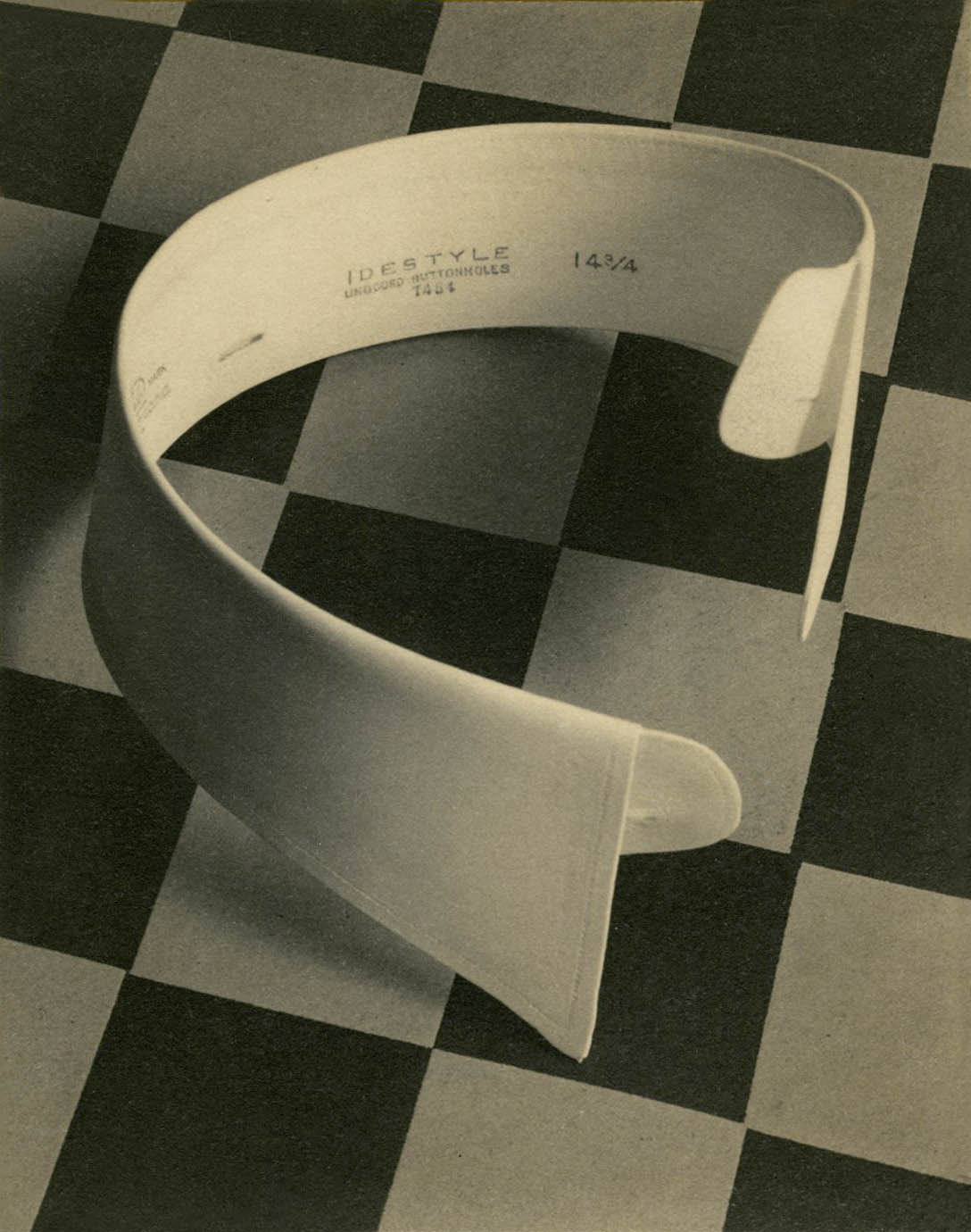


Paul Outerbridge Jr. (American, 1896-1959) 'Ide Collar' 1922


Paul Outerbridge Jr. (American, 1896-1959)
Ide Collar
1922
Platinum photograph
4 1/2 x 3 1/2 inches
© Paul Outerbridge; courtesy of Fahey/Klein Gallery, Los Angeles
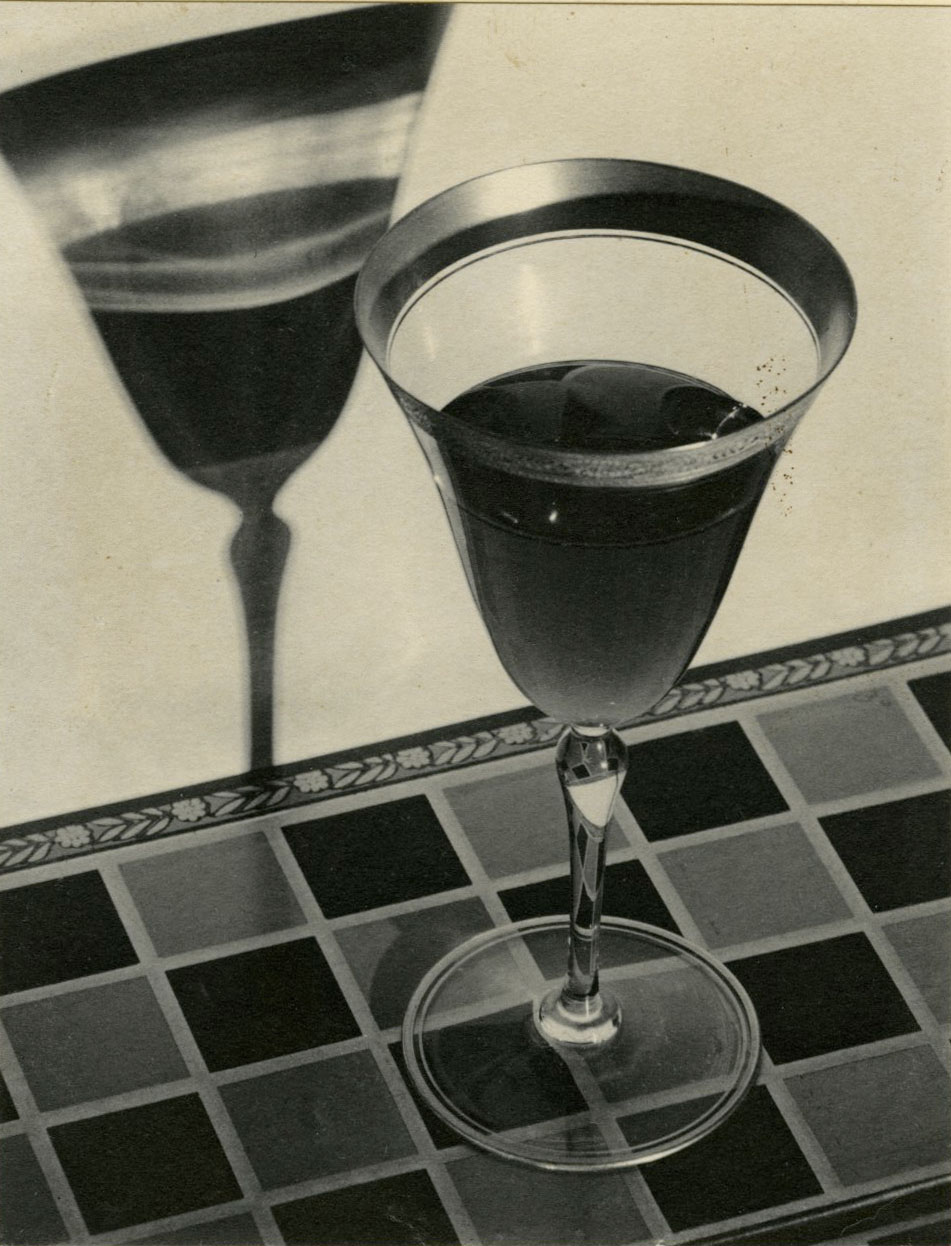
 

Paul Outerbridge Jr. (American, 1896-1959) 'Wine Glass on Checker Board' 1922


Paul Outerbridge Jr. (American, 1896-1959)
Wine Glass on Checker Board
1922
Vintage platinum photograph
4 1/8 x 3 3/16 inches
© Paul Outerbridge; courtesy of Fahey/Klein Gallery, Los Angeles
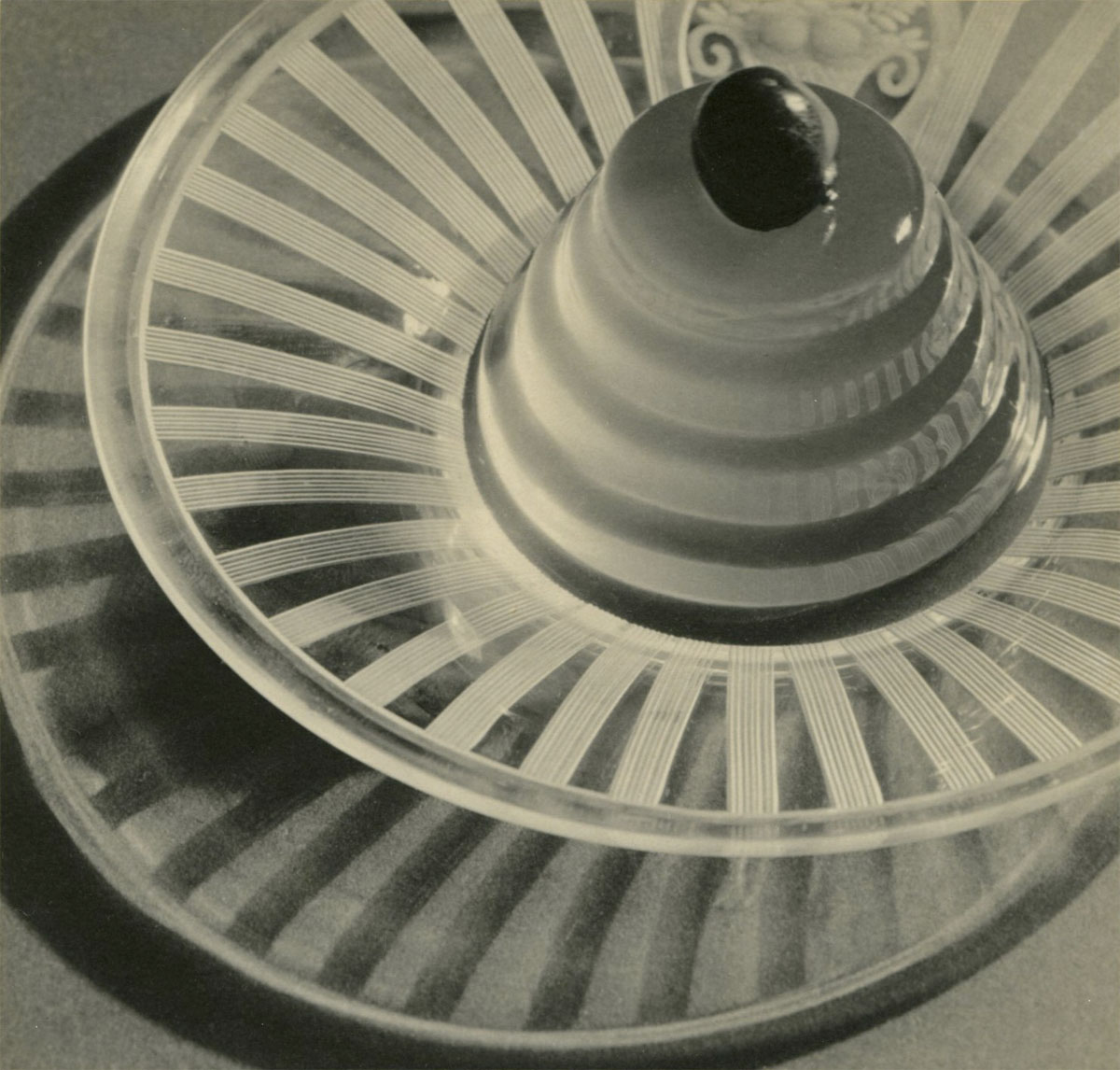
 

Paul Outerbridge Jr. (American, 1896-1959) 'Jello Mould in Dish' 1923


Paul Outerbridge Jr. (American, 1896-1959)
Jello Mould in Dish
1923
Vintage platinum photograph
5 x 4 3/4 inches
© Paul Outerbridge; courtesy of Fahey/Klein Gallery, Los Angeles
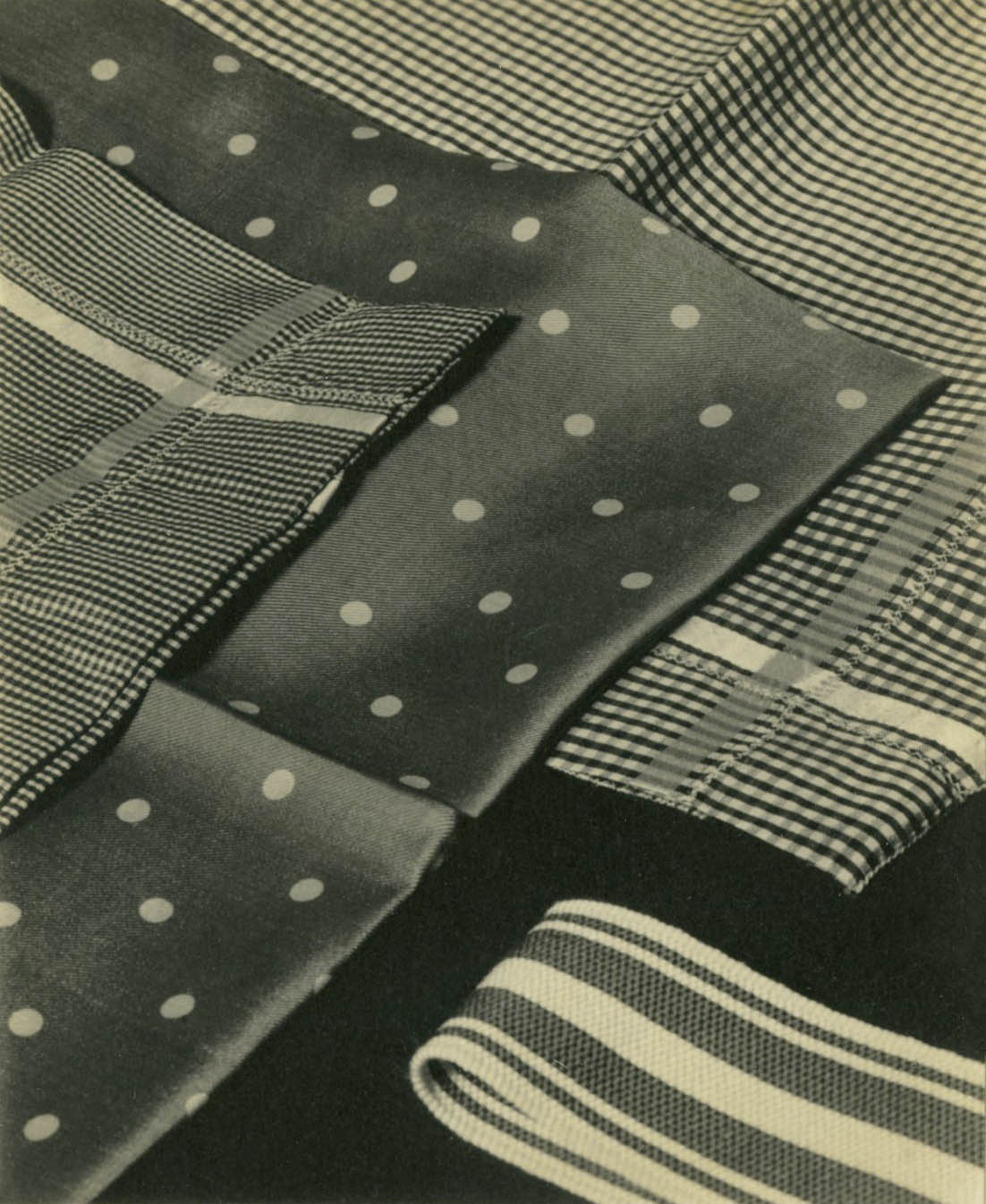
 

Paul Outerbridge Jr. (American, 1896-1959) 'Men's Scarfs' 1924


Paul Outerbridge Jr. (American, 1896-1959)
Men’s Scarfs
1924
Vintage platinum photograph
4 5/8 x 3 7/8 inches
© Paul Outerbridge; courtesy of Fahey/Klein Gallery, Los Angeles
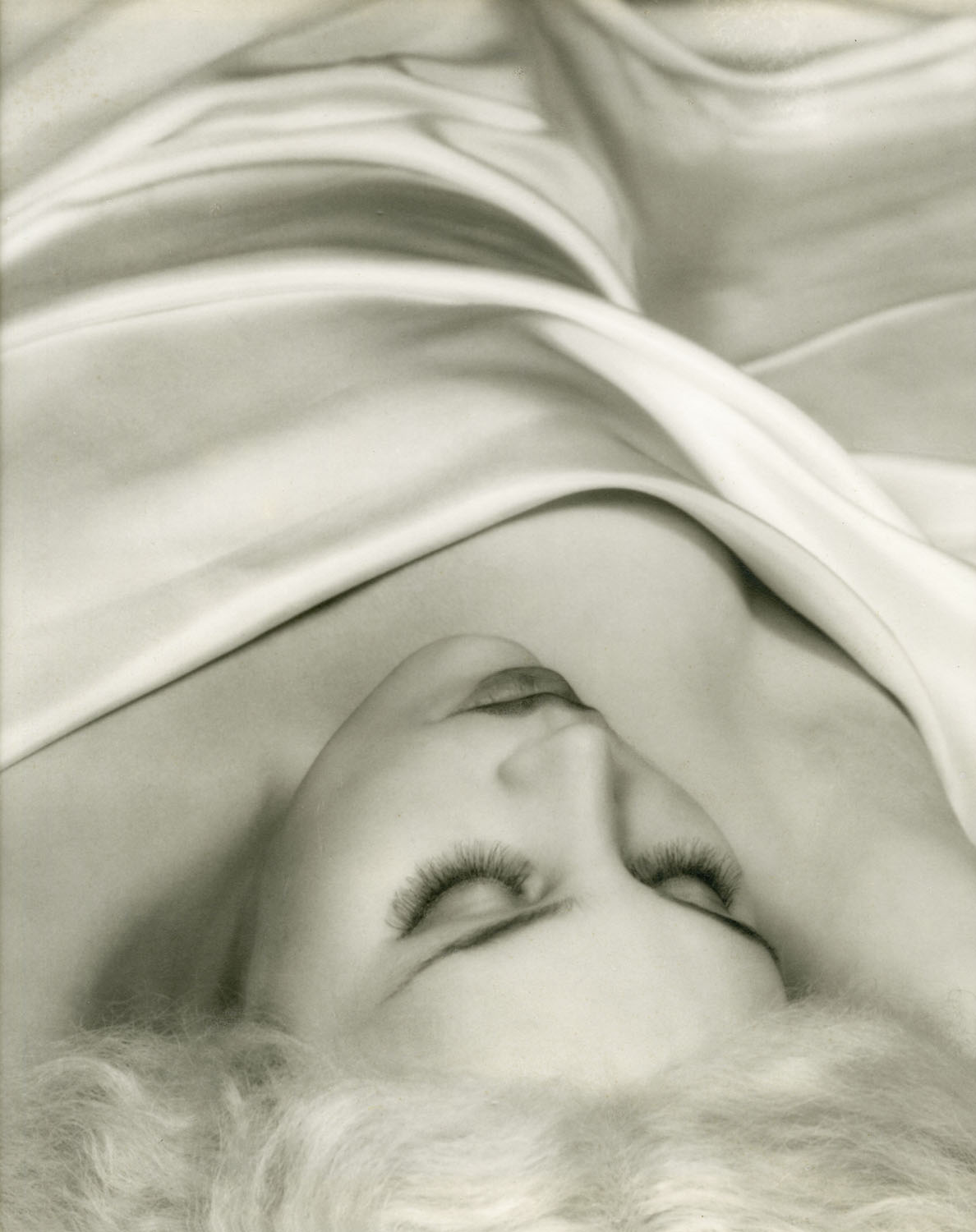
 

Paul Outerbridge Jr. (American, 1896-1959) 'Woman in Bed (under satin sheets)' c. 1933


Paul Outerbridge Jr. (American, 1896-1959)
Woman in Bed (under satin sheets)
c. 1933
Vintage silver gelatin photograph
15 3/8 x 13 9/16 inches
© Paul Outerbridge; courtesy of Fahey/Klein Gallery, Los Angeles


Fahey/Klein Gallery is pleased to present Paul Outerbridge: Photographs, a landmark exhibition celebrating the visionary work of Paul Outerbridge (1896-1958), one of the most resourceful and provocative photographers of the twentieth century. This exhibition brings together a rare selection of Carbo prints, silver gelatin photographs, and platinum prints, tracing the evolution of a modernist whose daring vision helped redefine the possibilities of photography through Cubist experimentation and radical abstraction.

Outerbridge emerged in the 1920s as a bold innovator, transforming ordinary objects, such as milk bottles, collars, eggs, into fractured Cubist constructions of light and form. His platinum and silver gelatin prints reduced subjects to intersecting planes and geometric rhythms, revealing a structural beauty aligned with the avant-garde movements of his time. These works positioned him among artists and contemporaries such as Marcel Duchamp, Man Ray, and Edward Steichen, and demonstrate his embrace of Cubism’s challenge: to fracture reality and reassemble it as pure abstraction.

In the 1930s, Outerbridge turned to the technically demanding Carbo process, creating some of the most vibrant and enduring color photographs of the era. Here too, abstraction was his guiding principle. Color became a tool not just for description, but for reimagining form, flattening, faceting, and animating planes into startling compositions that rival the abstract canvases of Picasso and Kandinsky. His photographs were hailed as both artistic and technical sensations. As Outerbridge observed:

“One very important difference between monochromatic and color photography is this: in black and white you suggest; in color you state.”

Outerbridge’s practice blurred the boundaries between fine art and commercial photography. His Ide Collar (1922), published in Vanity Fair, was more than an advertisement. It was celebrated as both functional and formally radical. A chessboard of fractured black-and-white squares disrupted by the crisp curve of a collar. Duchamp himself hung the photograph in his Paris studio, recognising its affinity with the readymade and its radical modernist edge.

Throughout his career, Outerbridge pursued abstraction as both a visual language and an artistic philosophy. His still lifes, nudes, and commercial commissions all demonstrate his preoccupation with fractured planes, geometric tension, and the transformation of the commonplace into the extraordinary.

Paul Outerbridge’s work appeared in Vanity FairHarper’s BazaarHouse Beautiful, and McCall’s, and in exhibitions worldwide. After relocating to Southern California in 1943, he continued to write about and practice photography until his death in 1958. Today, his technical virtuosity, daring subject matter, and relentless pursuit of beauty secure his place as a pioneer who expanded the medium’s expressive range.

Text from the Fahey/Klein Gallery website
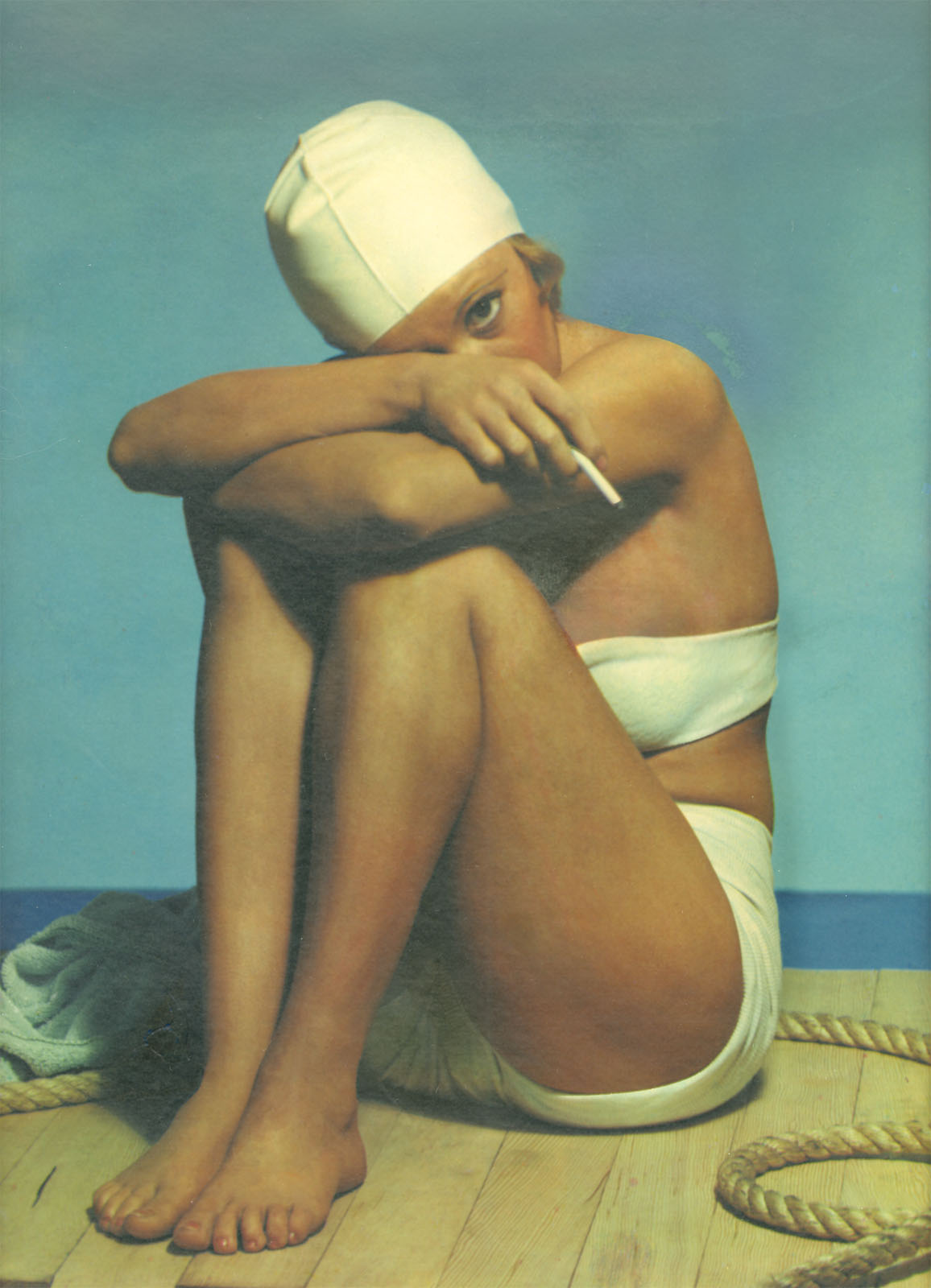
 

Paul Outerbridge Jr. (American, 1896-1959) 'Girl in Bathing Suit' 1936


Paul Outerbridge Jr. (American, 1896-1959)
Girl in Bathing Suit
1936
Color carbo photograph
13 1/16 x 9 15/16 inches
© Paul Outerbridge; courtesy of Fahey/Klein Gallery, Los Angeles
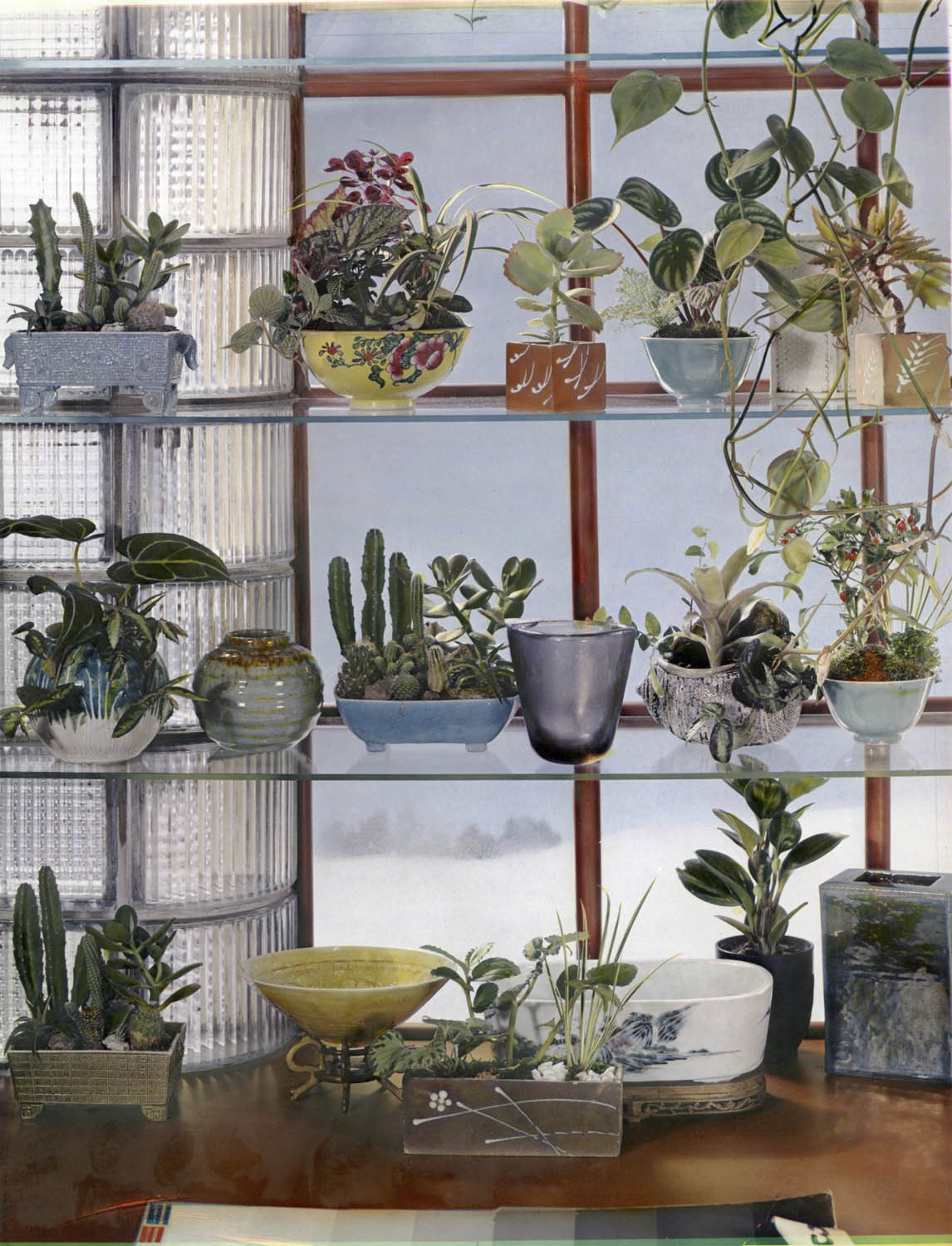
 

Paul Outerbridge Jr. (American, 1896-1959) 'Window with Plants' 1937


Paul Outerbridge Jr. (American, 1896-1959)
Window with Plants
1937
Color carbo photograph
14 x 11 9/16 inches
© Paul Outerbridge; courtesy of Fahey/Klein Gallery, Los Angeles
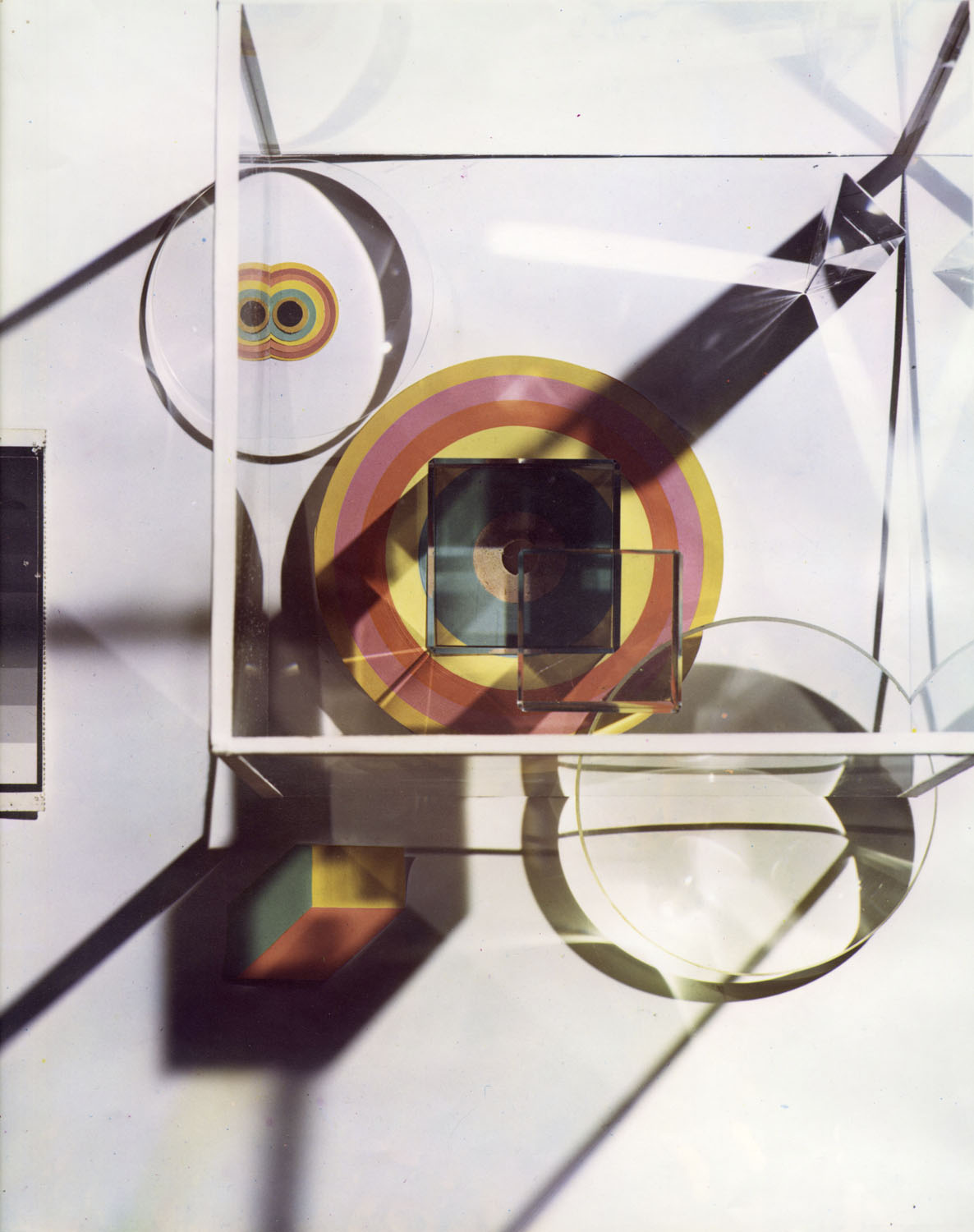
 

Paul Outerbridge Jr. (American, 1896-1959) 'Political Thinking' 1938


Paul Outerbridge Jr. (American, 1896-1959)
Political Thinking
1938
Color carbo photograph
15 7/16 x 12 11/16 inches
© Paul Outerbridge; courtesy of Fahey/Klein Gallery, Los Angeles
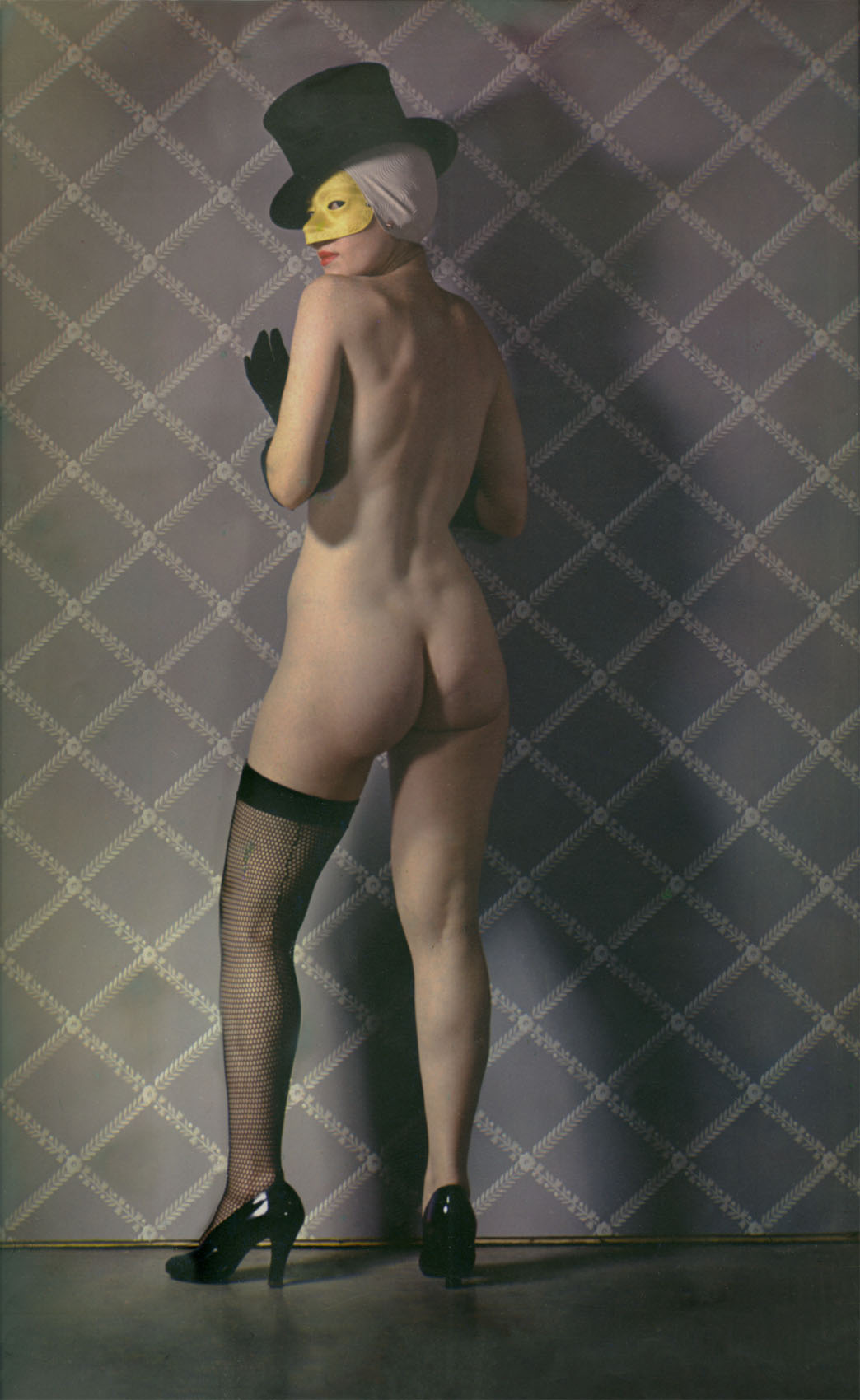
 

Paul Outerbridge Jr. (American, 1896-1959) 'Nude with Mask and Hat' c. 1936


Paul Outerbridge Jr. (American, 1896-1959)
Nude with Mask and Hat
c. 1936
Color carbo photograph
17 1/2 x 11 3/4 inches
© Paul Outerbridge; courtesy of Fahey/Klein Gallery, Los Angeles


Fahey/Klein Gallery
148 North La Brea Avenue,
Los Ángeles, CA 90036

Opening hours

Fahey/Klein Gallery website

LIKE ART BLACK ON FACEBOOK

Back to top

Exhibition: ‘Alfred Stieglitz: the Lake George years’ at the Art Gallery of New South Wales, Sydney

Exhibition dates: 17th June – 5th September, 2010


Alfred Stieglitz (American, 1864-1946) 'Ford V-8' 1935 from the exhibition 'Alfred Stieglitz: the Lake George years' at the Art Gallery of New South Wales, Sydney, June - September, 2010


Alfred Stieglitz (American, 1864-1946)
Ford V-8
1935
Gelatin silver photograph
19.5 x 24.3cm
George Eastman House, part purchase and part gift from Georgia O’Keeffe


Many thankx to Susanne Briggs and the Art Gallery of New South Wales for allowing me to publish the photographs in the posting. Please click on the photographs for a larger version of the image.


“… much has happened in photography that is sensational, but very little that is comparable with what Stieglitz did. The body of his work, the key set – I think – is the most beautiful photographic document of our time.”


Georgia O’Keeffe 1978


The photographs Alfred Stieglitz (1864-1946) took around his summer house at Lake George, New York state, USA after 1915 are considered a major departure and dramatically influenced the course of photography. The desire to build a specifically ‘American’ art led Stieglitz to explore the essential nature of photography, released from contrivances and from intervention in print and negative. “Photography is my passion. The search for truth my obsession,” he would write in 1921.

This major exhibition is the first in Australia of Stieglitz’s photographs. 150 are included and are amongst the very best Stieglitz ever printed. They are also the rarest. One third of the exhibition is being lent by the National Gallery of Art, Washington DC, which holds ‘the key set’ – selected by his lover, muse and wife, the artist Georgia O’Keeffe, and deposited there after Stieglitz’s death.


Alfred Stieglitz (American, 1864-1946) ‘City of ambition’ 1911 from the exhibition 'Alfred Stieglitz: the Lake George years' at the Art Gallery of New South Wales, Sydney, June - September, 2010


Alfred Stieglitz (American, 1864-1946)
City of ambition
1911
Photogravure
33.9 x 26.0cm
George Eastman House, Museum purchase from Museum of Modern Art, New York


Alfred Stieglitz (American, 1864-1946) 'Ellen Koeniger' 1916 from the exhibition 'Alfred Stieglitz: the Lake George years' at the Art Gallery of New South Wales, Sydney, June - September, 2010


Alfred Stieglitz (American, 1864-1946)
Ellen Koeniger
1916
Gelatin silver photograph
11.1 x 9.1cm
J Paul Getty Museum, Los Angeles


Alfred Stieglitz (American, 1864-1946) 'Waldo Frank' 1920 from the exhibition 'Alfred Stieglitz: the Lake George years' at the Art Gallery of New South Wales, Sydney, June - September, 2010


Alfred Stieglitz (American, 1864-1946)
Waldo Frank
1920
Palladium photograph
25.1 x 20.2cm
Art Institute of Chicago, Alfred Stieglitz Collection


Waldo David Frank was an American novelist, historian, political activist, and literary critic, who wrote extensively for The New Yorker and The New Republic during the 1920s and 1930s.


Alfred Stieglitz (American, 1864-1946) 'Spiritual America' 1923


Alfred Stieglitz (American, 1864-1946)
Spiritual America
1923
Gelatin silver photograph
11.7 x 9.2cm
Philadelphia Museum of Art: the Alfred Stieglitz Collection 1949


The photographs Alfred Stieglitz (1864-1946) took around his summer house at Lake George, New York state, USA after 1915 are considered a major departure and dramatically influenced the course of photography. The desire to build a specifically ‘American’ art led Stieglitz to explore the essential nature of photography, released from contrivances and from intervention in print and negative.

‘Stieglitz’s mature photographs from the 1910s onwards are free from any sense that photography must refer to something outside of itself in order to express meaning,’ said Judy Annear, senior curator photography, Art Gallery of New South Wales.

This major exhibition is the first in Australia of Stieglitz’s photographs. 150 are included and are amongst the very best Stieglitz ever printed. They are also the rarest. One third of the exhibition is being lent by the National Gallery of Art, Washington DC, which holds ‘the key set’ – selected by his lover, muse and wife, the artist Georgia O’Keeffe, and deposited there after Stieglitz’s death.

‘Passionate and provocative; charismatic, verbose and intellectually voracious; a self described revolutionist and iconoclast with an unwavering belief in the efficacy of radical action; competitive, egotistical, narcissistic and at times duplicitous, but also endowed with a remarkable ability to establish a deep communion with those around him – these are but some of the adjectives that can be used to describe Alfred Stieglitz,’ said Sarah Greenough, senior curator of photographs, National Gallery of Art, Washington.

Major loans are also coming from the J Paul Getty Museum, Los Angeles, Museum of Modern Art and Metropolitan Museum of Art, New York, Philadelphia Museum of Art, Art Institute of Chicago, and George Eastman House, Rochester amongst others.

The exhibition begins with a selection of Stieglitz’s photographs from the 1910s including those that he took at his gallery 291 in New York City of artists and collaborators, including O’Keeffe. Stieglitz was a superb photographic printer and dedicated to aesthetics in publishing. A number of the later editions (from 1911-1917) of his publication Camera work – described as the most beautiful journal in the world – are included.

Stieglitz’s portraits grew steadily in power in the 1910s and 20s, and continued to be a major part of his photographic practice. He would sometimes photograph his subjects over and over again and none more so than O’Keeffe, whom he met in 1916.

Stieglitz photographed O’Keeffe for the first time in 1917. He continued to photograph her from every angle, clothed and unclothed, indoors and out until his last photographs from 1936/1937. In all there are more than 300 photographs of O’Keeffe which convey all the nuances of their relationship in that 20-year period. A selection is included.

Stieglitz first visited Lake George in the 1870s with his parents. The visits slowed until the 1910s but from 1917 until his death he spent every summer there. Stieglitz’s ashes are buried at Lake George.

The photographs of people, buildings, landscapes and skies that Stieglitz took at Lake George form a collective portrait of a place which has not been rivalled in the history of photography worldwide for its subtlety of feeling expressed in the simplest of terms.

Stieglitz developed the idea for his cloud photographs in 1922 because he wanted to create images which carried the emotional impact of music and to disprove the idea being put about that he hypnotised his (human) subjects. The first title for the cloud photographs was simply Music: a sequence…; this was eventually superseded by Equivalent as Stieglitz believed that these photographs could exist as the visual equivalent to other forms of expression.

Stieglitz changed the course of photography worldwide and has influenced major figures in photography from Minor White to Robert Mapplethorpe, Max Dupain to Tracey Moffatt and Bill Henson.”

Press release from the Art Gallery of New South Wales website


Alfred Stieglitz (American, 1864-1946) 'Georgia O'Keeffe: a portrait' 1918


Alfred Stieglitz (American, 1864-1946)
Georgia O’Keeffe: a portrait
1918
Platinum photograph
24.6 x 19.7cm
The J. Paul Getty Museum
Copyright J. Paul Getty Trust


Alfred Stieglitz (American, 1864-1946) 'Georgia O'Keeffe' 1920


Alfred Stieglitz (American, 1864-1946)
Georgia O’Keeffe
1920
Gelatin silver photograph
23.5 x 19.69cm
San Francisco Museum of Modern Art
Alfred Stieglitz Collection. Gift of Georgia O’Keeffe


“Stieglitz is too easily bundled in amongst a rush to the reductions of modernism and cubism, the time he inhabits and the new technology he is stretching make that almost inevitable. On looking at the images here it feels like a mistake to label him that simply. We can see hints of the abstract, the grids of Mondrian or the blocks of Braque, but his work is as human and as smudged as a fingerprint. It is this sense of flaw and serendipity is what makes him so different to photographers like Man Ray for Stieglitz seems to embrace the beauty of imperfection. The memorable works here inhabit a world of infinite shining gradations between black and white, they are expansive and open rather than reductive and finished, in doing this Stieglitz’s greatest innovation might be to take a static form and make it so intensely moving.”

John Matthews on his Art Kritique blog Sunday 15 August 2010 [Online] Cited 22/12/2019


Alfred Stieglitz (American, 1864-1946) 'Self-portrait' 1907, printed 1930


Alfred Stieglitz (American, 1864-1946)
Self-portrait
1907, printed 1930
Gelatin silver photograph
24.8 x 18.4cm
J. Paul Getty Museum, Los Angeles


Alfred Stieglitz (American, 1864-1946) 'From the Back Window – 291' 1915


Alfred Stieglitz (American, 1864-1946)
From the Back Window – 291
1915
Platinum print
25.1 x 20.2cm (9 7/8 x 7 15/16 in.)
Metropolitan Museum of Art
Alfred Stieglitz Collection, 1949


From the Back Window – 291 is a black and white photograph taken by Alfred Stieglitz in 1915. The picture was taken at night from a back window of his 291 gallery in New York. Its one of the several that he took that year from that window, including at a snowy Winter.

The night photograph depicts an urban cityscape of New York. The reigning darkness is leavened by several sources of artificial light. The background building is the 105 Madison Avenue, at the southeast corner of Madison and 30th Street, while the smaller building with the advertisements is 112 Madison Avenue.

Stieglitz seems to have taken inspiration from a recent exhibition of Cubist painters Pablo Picasso and Georges Braque at the 291 gallery, which would explain his interest in the geometrical forms and lines, but also of the 19th century photographers, like David Octavius Hill. He wrote then to R. Child Bailey: “I have done quite some photography recently. It is intensely direct. Portraits. Buildings from my back window at 291, a whole series of them, a few landscapes and interiors. All interrelated. I know nothing outside of Hill’s work which I think is so direct, and quite so intensely honest.” The picture also seems still reminiscent of Pictorialism, while being more in the straight photography style.

There are prints of this photograph at several public collections, including the Metropolitan Museum of Art, in New York, the National Gallery of Art, in Washington, D.C., the Museum of Fine Arts, Boston, and at the Williams College Museum of Art, in Williamstown, Massachusetts.

Text from the Wikipedia website


Alfred Stieglitz (American, 1864-1946) 'Georgia O'Keeffe: A Portrait (15)' 1930


Alfred Stieglitz (American, 1864-1946)
Georgia O’Keeffe: A Portrait (15)
1930
Gelatin silver print
The Alfred Stieglitz Collection – Gift of the Georgia O’Keeffe Foundation and M. and M. Karolik Fund
Photograph: © Museum of Fine Arts, Boston


Alfred Stiegitz (American, 1864-1946) 'The Steerage' 1907


Alfred Stieglitz (American, 1864-1946)
The Steerage
1907
Gelatin silver print
Gift of Miss Georgia O’Keeffe


Alfred Stieglitz (American, 1864-1946) 'Hodge Kirnon' 1917


Alfred Stieglitz (American, 1864-1946)
Hodge Kirnon
1917
Palladium print
9 11/15 x 7 13/16 in
The Metropolitan Museum of Art
Alfred Stieglitz Collection, 1949


The noted West Indian scholar and historian Hodge Kirnon leaning against a doorframe.


Alfred Stieglitz (American, 1864-1946) 'Georgia O'Keeffe – Torso' 1918


Alfred Stieglitz (American, 1864-1946)
Georgia O’Keeffe – Torso
1918
Gelatin silver print
23.6 x 18.8cm (9 5/16 x 7 3/8 in.)
Metropolitan Museum of Art
Gift of Mrs. Alma Wertheim, 1928


Stieglitz took dozens of pictures of O’Keeffe’s body, including her hands and her nude torso. The photograph depicts her naked torso, seen from below, with her arms only partially visible and without showing her head. The Torso, with its uplifted arms and muscular thighs, has a sculptoric quality that seems influenced by Auguste Rodin, whose work Stieglitz knew well and had shown at the Photo-Secession.

The Torso was in the Stieglitz exhibition at the Anderson Galleries in New York, where he presented pictures of several parts of the body of O’Keeffe, and which had a particular impact. Herbert Seligmann wrote that “Hands, feet, hands and breasts, torsos, all parts and attitudes of the human body seen with a passion of revelation, produced an astonishing effect on the multitudes who wandered in and out of the rooms”.

A print of this picture sold for $1,360,000 at Sotheby’s New York, on 14 February 2006, making it the second most expensive price reached by a Stieglitz photograph.

There are prints of Torso at the Metropolitan Museum of Art, New York, the National Gallery of Art, Washington, D.C., The Art Institute of Chicago, the J. Paul Getty Museum, Los Angeles, and the Museé d’Orsay, in Paris.

Text from the Wikipedia website


Alfred Stieglitz (American, 1864-1946) 'Songs of the Sky' 1924


Alfred Stieglitz (American, 1864-1946)
Songs of the Sky
1924
Gelatin silver print
9.2 x 11.8cm (3 5/8 x 4 5/8 in.)


Art Gallery of New South Wales
Art Gallery Road, The Domain, Sydney NSW 2000, Australia

Opening hours:
Open every day 10am – 5pm
except Christmas Day and Good Friday

Art Gallery of New South Wales website

LIKE ART BLART ON FACEBOOK

Back to top