Exhibition: ‘Álbum de salón y alcoba (The Bedroom and Dressing Room Album). Instalación de David Trullo’ at Museo Nacional de Artes Decorativas, Madrid

Exhibition dates: 24th April – 22nd September, 2024


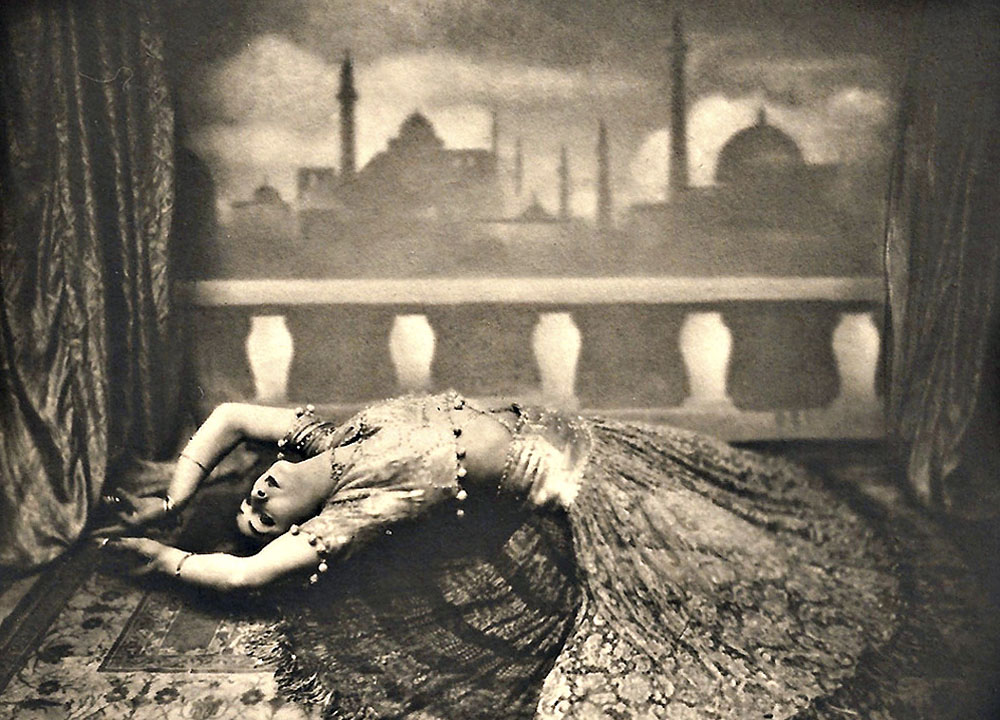
Kaulak (Antonio Cánovas del Castillo y Vallejo) (Spanish, 1862-1933) 'Studio portrait' 1921-1922


Kaulak (Antonio Cánovas del Castillo y Vallejo) (Spanish, 1862-1933)
Studio portrait
1921-1922
Photographic positive
Museo Nacional de Artes Decorativas, Madrid


Kaulak (22 December 1862 – 13 September 1933), was a Spanish photographer, art critic, editor and amateur painter. His uncle was prime minister Antonio Cánovas del Castillo, assassinated in 1897 by an anarchist, hence his use of a pseudonym; the meaning of which is unexplained, although the word appears to be of Basque origin.


What fabulousesness!

An archive of ‘galant photography’ and other art works illustrating the intimate public and private scenes of a couple in Spain in the 1920s-1930s which builds a memory, a narrative. The exhibition combines photographs and documentation of the most varied kinds, with elements of the daily life of its time.

“… above all [the exhibition] makes us reflect on our own archives: what we keep and what we discard, what we hide and what we reveal, how we build and invent our own history, how we want to be remembered and what we leave to those who come after us.”

The appreciation and enjoyment of difference pictured through photography and art, telling a story otherwise long forgotten.

I have added appropriate bibliographic text where possible.

Dr Marcus Bunyan


Many thankx to the Museo Nacional de Artes Decorativas for allowing me to publish the photographs in the posting. Please click on the photographs for a larger version of the image.


Anonymous photographer. 'Portrait' c. 1935


Anonymous photographer
Portrait
c. 1935
Photographic positive
Museo Nacional de Artes Decorativas, Madrid


The Museo Nacional de Artes Decorativas (MNAD) in Madrid, a state museum of the Ministry of Culture of Spain, joins the PHotoESPAÑA 2024 festival with the opening of Álbum de salón y alcoba. Una instalación de David Trullo, which can be visited free of charge until September 22.

From a forgotten collection that contained public -or living room- photographs and private -or bedroom- scenes of a couple in the 20s and 30s of the last century, the visual artist David Trullo has made this exhibition. The installation is “the result of opening an unnoticed time capsule and putting it in context with pieces from the museum and other collections to explore the limits of intimacy, leading the viewer to surpass them.”

In addition to putting a “rediscovered treasure” into context, the installation offers a review of how photographic documentation is exhibited and interpreted. It also proposes to reflect “on our own archives: what we keep and what we discard, what we hide and what we reveal, how we construct and invent our own history, how we want to be remembered and what we leave to those who come after us.”

The installation is, in itself, an album that captures the intimacy and public life of the 1920s and 1930s, combining the most varied photographs and documentation with elements of the everyday life of her time. It includes pieces and archives from several private collections, the Museo Sorolla, the Muséu del Pueblo d’Asturies, the Museo Nacional del Teatro de Almagro, the Asociación para la Enseñanza de la Mujer-Fundación Fernando de Castro and the Museo de Historia de Madrid, among others.

Between “the living room” and “the bedroom” a route is traced that goes from the preservation of intimate albums – among which a positive by Kaulak stands out, – through the first advances in amateur photography, to the ‘galant photography’, more or less erotic, and other genres of popular culture that include among its protagonists Tórtola Valencia, Sara Montiel, Conchita Piquer or the queer copla singer Miguel de Molina.

Text from the Museo Nacional de Artes Decorativas website
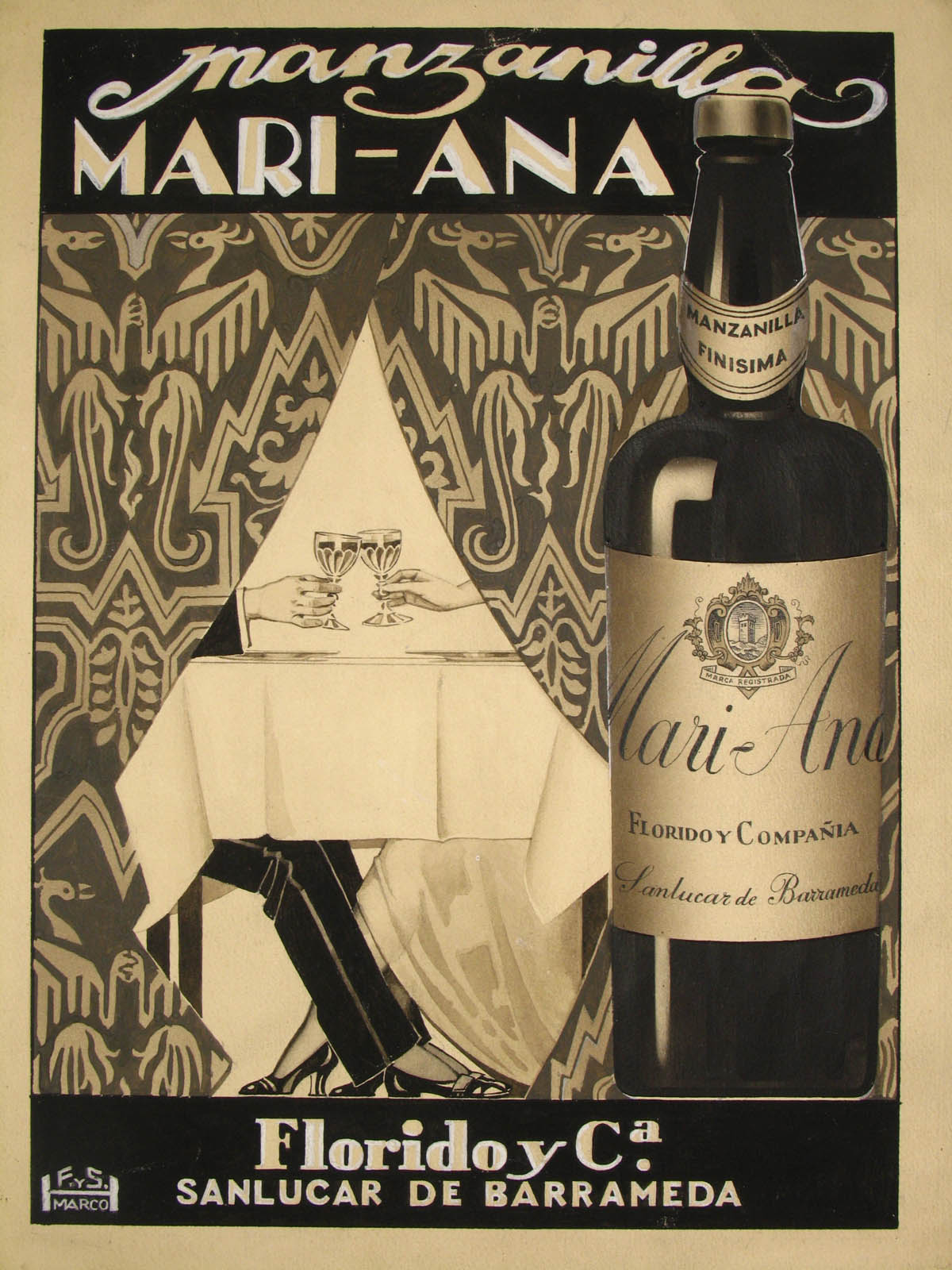
 

'Advertising design for 'Florido y Cía'' (Florido and Co.) c. 1930


Advertising design for ‘Florido y Cía’ (Florido and Co.)
c. 1930
Watercolour on paper
Museo Nacional de Artes Decorativas, Madrid


Anonymous photographer. 'Miguel de Molina' 1937


Anonymous photographer
Miguel de Molina
1937
Photographic positive
Colección Pedro Víllora


Miguel Frías de Molina (Málaga, April 10, 1908 – Buenos Aires, March 4, 1993), known artistically as Miguel de Molina, was a Spanish singer of copla. Tortured, expelled from Spain and later persecuted by the Franco dictatorship for being a “faggot and a red”, he settled in Argentina in 1946, invited by Eva Perón.

He had an unmistakable personal style combining cabaret, flamenco dancing, deep vocal emotionalism, spectacular costumes and a narcissistic stage persona that made him extremely popular with audiences. His gay identity was openly acknowledged with a sense of humour that was very close to what today would be recognised as ‘low camp.’ Between 1936 and 1942 Molina spent most of the Spanish Civil War on Republican ground. This together with his homosexuality and sympathies for the Left had disastrous consequences for his career. He left Spain for Argentina, where he was hugely successful. But life in exile was not easy and the Argentinean government soon threatened him with expulsion. Molina credited the direct intervention of Eva Perón with helping him stay in the country and continue his career. Unfortunately his overt support for the Perón government made him a despised figure once the Peróns were driven from power. The rampant homophobia of the changed political climate and the cultural shift that accompanied it proved detrimental to his mental and emotional health, prompting him to withdraw from artistic life in 1960. While many personalities who were faced with persecution under Francoism were being rediscovered in the 1980s, Molina, by then bitter and withdrawn, languished in obscurity. It was not until two films that celebrated his life were released a decade later that his uniquely stylised performances and colourful life would finally be celebrated.

Anonymous. “Miguel de Molina – Nominee,” on The Legacy Project website Nd [Online] Cited 21/08/2024
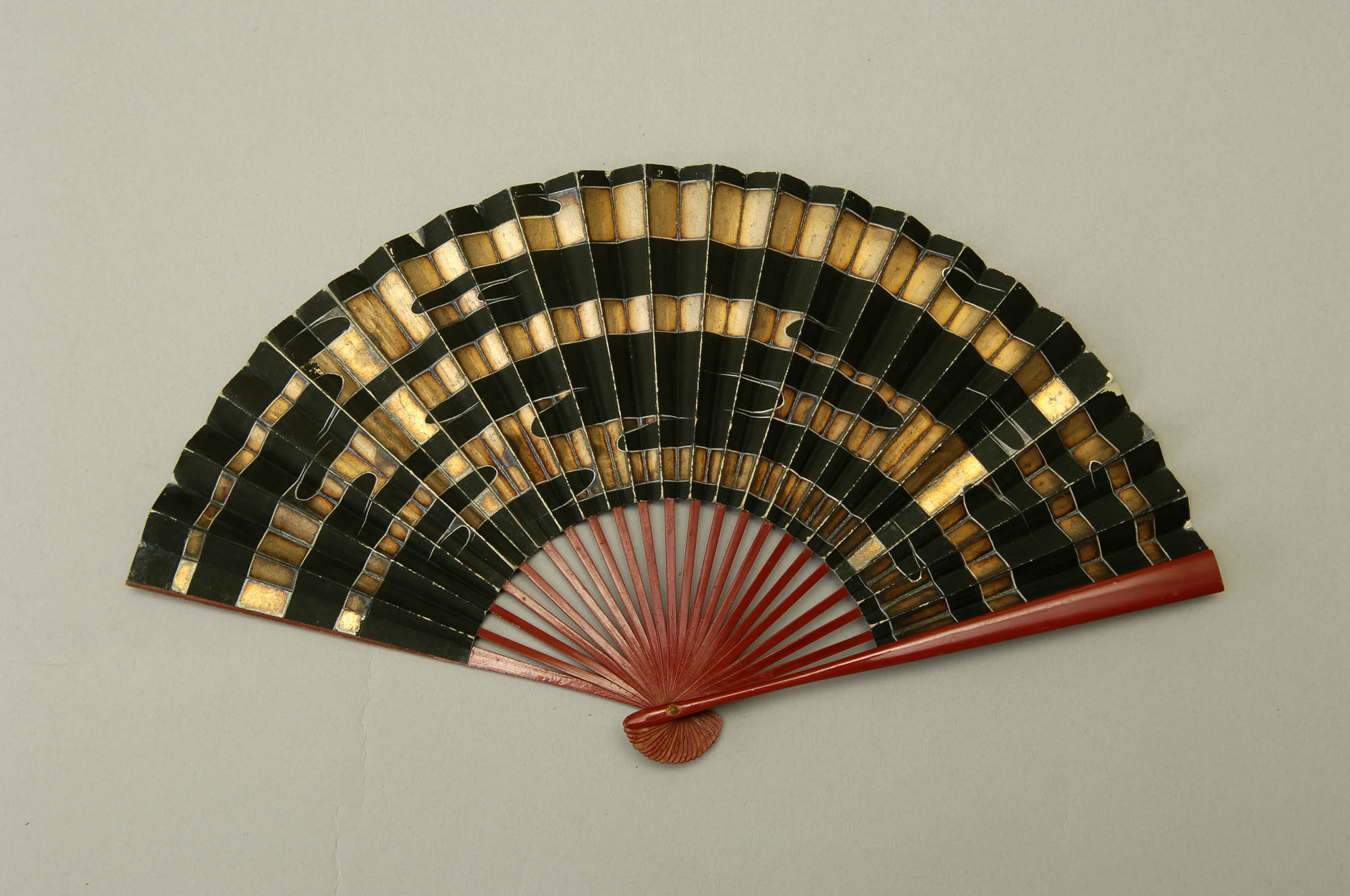
 

Anonymous maker. 'Fan' c. 1925


Anonymous maker
Fan

c. 1925
Lacquered wood and painted and corrugated paper
Museo Nacional de Artes Decorativas, Madrid
Photo: Masú del Amo
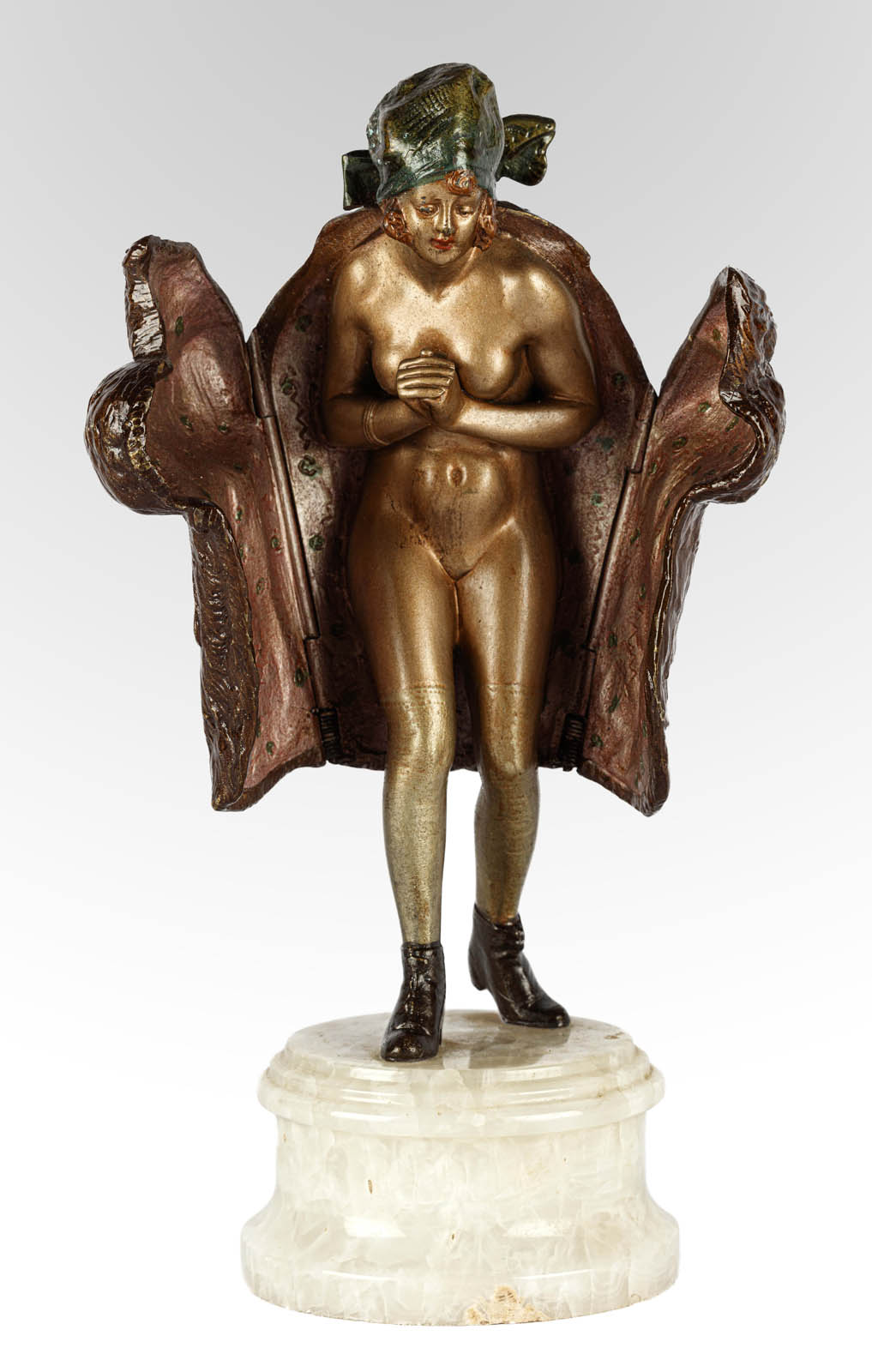
 

Bruno Zach (Austrian born Ukraine, 1891-1935) (designer) 'Figure of a woman with a fur coat' c. 1920


Bruno Zach (Austrian born Ukraine, 1891-1935) (designer)
Figure of a woman with a fur coat
c. 1920
Cast bronze
Museo Nacional de Artes Decorativas, Madrid
Photo: Fabián Álvarez


Bruno Zach (6 May 1891 – 20 February 1935) was an Austrian art deco sculptor of Ukrainian birth who worked in the early-to-mid 20th century. His output included a wide repertoire of genre subjects, however he is best known for his erotic sculptures of young women.


'Muchas Gracias' (Thank You) Magazine, Year VII - No. 344' September 13, 1930


Muchas Gracias (Thank You) Magazine, Year VII – No. 344
September 13, 1930
Museo Nacional de Artes Decorativas, Madrid


Translated text at the bottom of the magazine:

Thank you very much
For this rascal
We want to tell this little bitch that it fits her well. But we stumbled upon the fit.
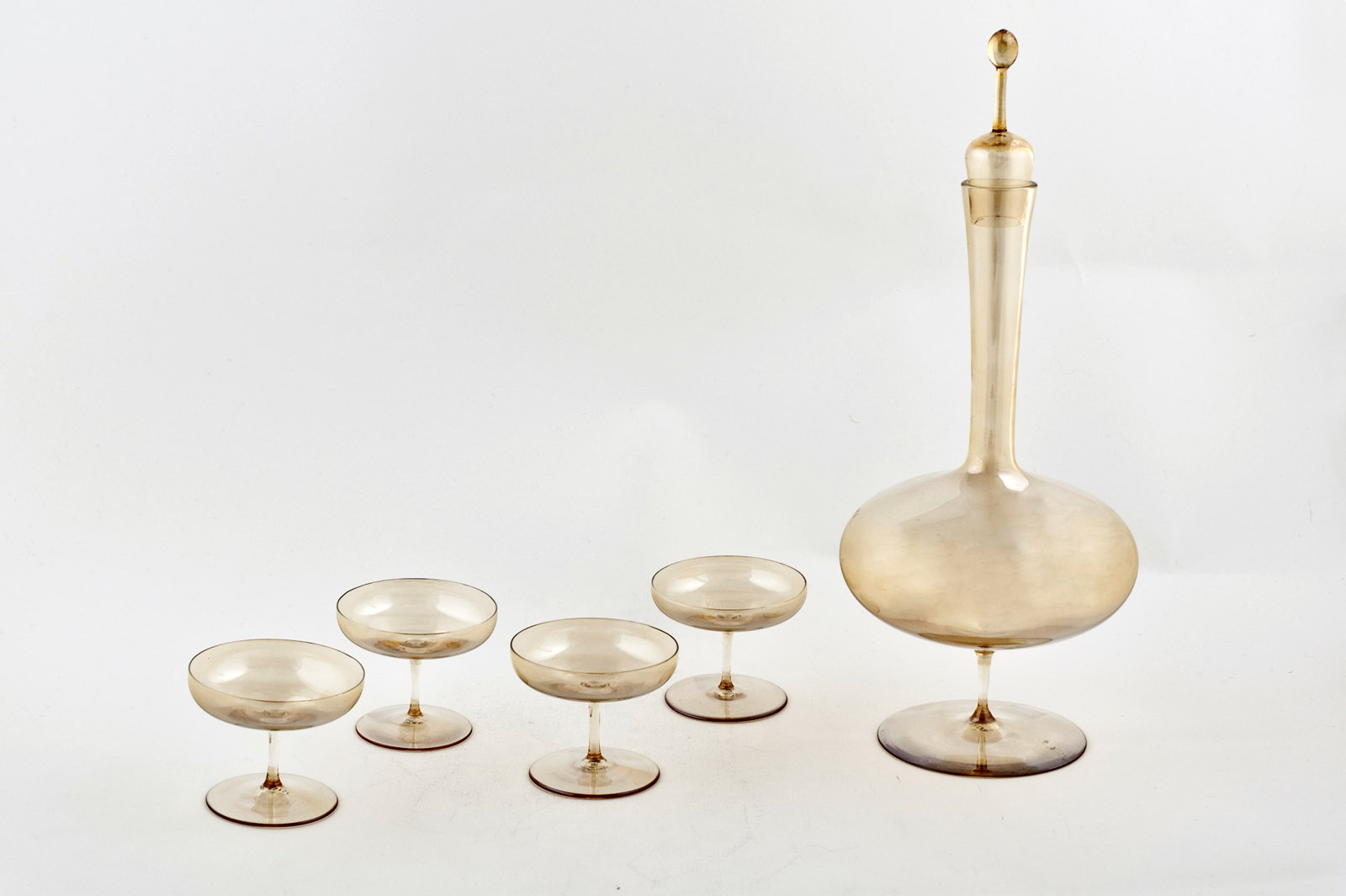
 

Oswald Haerdtl (Austrian, 1899-1959) 'Cocktail set' 1924


Oswald Haerdtl (Austrian, 1899-1959)
Cocktail set
1924
mouth-blown glass
Museo Nacional de Artes Decorativas, Madrid
Photo: Lucía Morate


Oswald Haerdtl was an important Austrian architect, designer, and architecture teacher.

He studied under Kolo Moser and Oskar Strnad at the Wiener Kunstgewerbeschule, and entered Josef Hoffmann’s master class in 1922, soon becoming his assistant. From 1935 to 1959, he was head of the architecture department. His teaching, architectural projects, and international connections, to Italy and France in particular, made him a lasting influence on post-war Modernism in Vienna, bringing a sense of lightness and elegance into the design vocabulary.

Text from the J & L Lobmeyr website
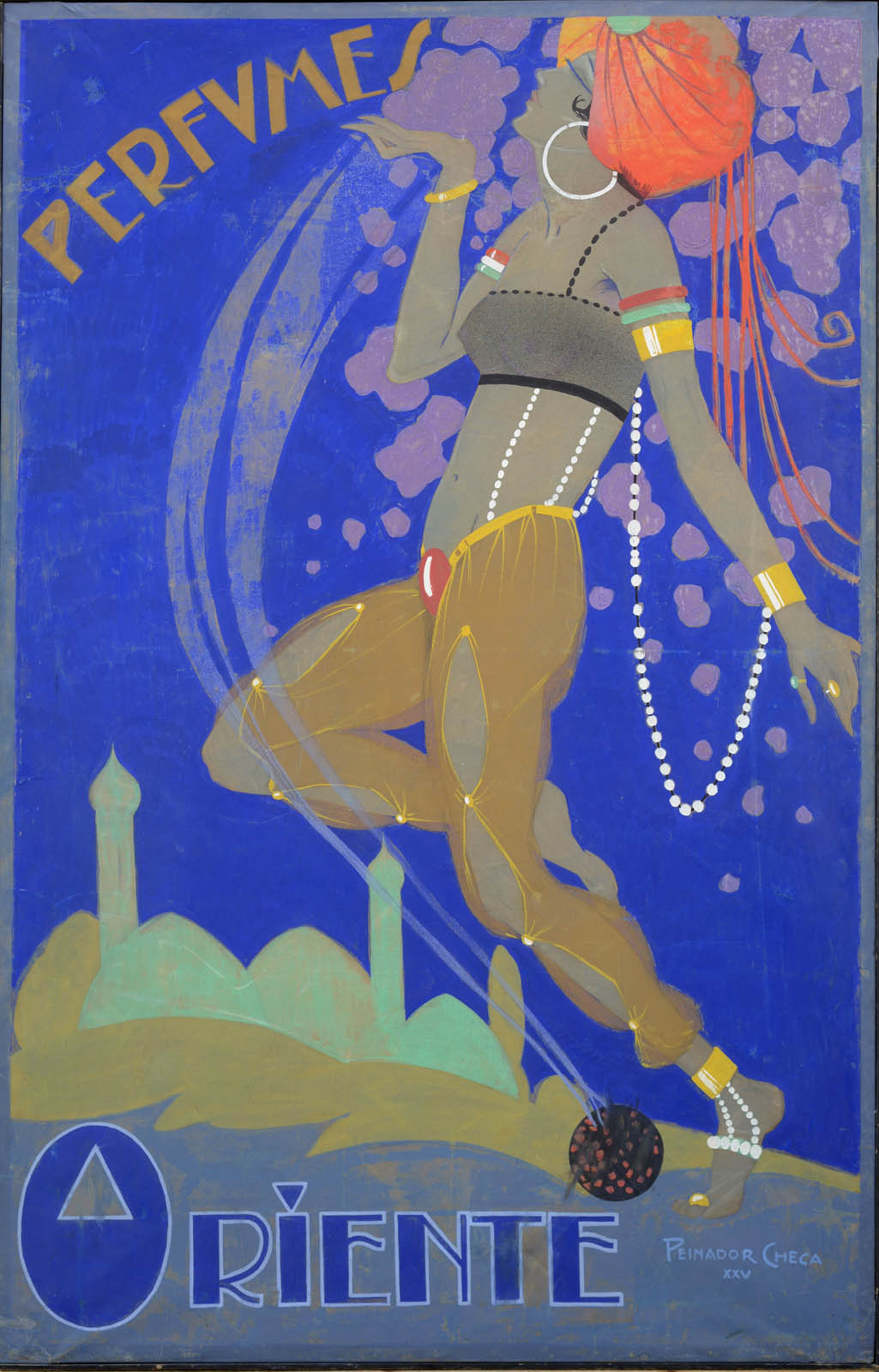
 

Ramón Peinador Checa (Spanish, 1897-1964) Advertising design for 'Perfumes Oriente' 1925


Ramón Peinador Checa (Spanish, 1897-1964)
Advertising design for ‘Perfumes Oriente’
1925
Wash on paper
Museo Nacional de Artes Decorativas, Madrid
Photo: Javier Rodríguez Barrera


Ramón Peinador Checa (Madrid, December 25, 1897 – Mexico City, May 26, 1964) was a Spanish painter, draftsman, engraver, illustrator, designer and decorator who, exiled in Mexico, became a naturalised citizen of that country.


Photography lies and deceives us. What the camera shows us is staged, either by us or by the eye of the person who creates the images. What we commonly call a “photographic archive” is nothing more than a fragmented collection transformed over the years, with which a memory, a narrative, is built.

From a forgotten collection containing public photographs -or from the living room- and private scenes -or from the bedroom- of a couple in the twenties and thirties of the last century, the visual artist David Trullo proposes this installation.

It is the result of opening an unnoticed time capsule and putting it in context with the pieces of the twentieth century that put an end to the monopoly of the professional photographer. Cameras and processes are simplified and photography is becoming an essential accessory for any occasion, and not only for amateurs, including the female sector: the Kodak Petite from 1926 is promoted as a camera ‘for smart and modern girls’.

In addition to putting a rediscovered treasure into context, the installation proposes a review of the way photographic documentation is displayed and interpreted, but above all it makes us reflect on our own archives: what we keep and what we discard, what we hide and what we reveal, how we build and invent our own history, how we want to be remembered and what we leave to those who come after us.

During this period, Madrid reinvented itself and became as cosmopolitan as other European cities, although it was the bourgeois and aristocratic elites who truly enjoyed it. A surprising and varied sexual atmosphere also emerged, along with new ways of understanding bodies, identities and relationships that were reflected in publications, advertising and photography, with the so-called ‘galant photography’ flourishing within it.

The National Museum of Decorative Arts joins PHotoESPAÑA 2024 with David Trullo’s installation ‘Album of living room and bedroom’

~ With a selection of images from the public and the private, the visual artist discovers a photographic capsule that time has preserved to be reread from the present day

~ The tour includes everything from photographic positives by Kaulak to portraits of Sara Montiel, Conchita Piquer or the queer copla singer Miguel de Molina

The National Museum of Decorative Arts (MNAD), a state museum of the Ministry of Culture, is joining the PHotoESPAÑA 2024 festival with the inauguration of ‘Album of living room and bedroom. Installation by David Trullo’, which can be visited free of charge until September 22.

From a forgotten collection containing public photographs  – or from the living room –  and private scenes  – or from the bedroom – of a couple in the 1920s and 1930s, the visual artist David Trullo has created this proposal. The installation is “the result of opening an unnoticed time capsule and putting it in context with the pieces from the museum and from other collections to explore the limits of intimacy, leading the viewer to surpass them.”

In addition to putting a “rediscovered treasure” into context, the installation offers a review of the way of exhibiting and interpreting photographic documentation. It also suggests reflecting “on our own archives: what we keep and what we discard, what we hide and what we reveal, how we build and invent our own history, how we want to be remembered and what we leave to those who come after us.”
From living room to bedroom

The installation is, in itself, an album that captures the intimacy and public life of the 1920s and 1930s, combining photographs and documentation of the most varied kinds, with elements of the daily life of its time. It features pieces and archives from various private collections, from the Sorolla Museum, the Muséu del Pueblo d’Asturies, the Museo Nacional del Teatro de Almagro, the Asociación para la Enseñanza de la Mujer-Fundación Fernando de Castro or the Museo de Historia de Madrid, among others. Between “the living room” and “the bedroom” there is a journey that goes from the conservation of intimate albums – among which a positive by Kaulak stands out – through the first advances in photography for amateurs, to reaching ‘galant photography’, more or less erotic, and other genres of popular culture that include among their protagonists Tórtola Valencia, Sara Montiel, Conchita Piquer or the queer copla singer Miguel de Molina.

Text from the National Museum of Decorative Arts exhibition press dossier


Antonio Peyró (Spanish, 1882-1954) 'The Baticola (Elena Plá Toda)' 1934


Antonio Peyró (Spanish, 1882-1954)
The Baticola (Elena Plá Toda)
1934
Glazed ceramic
Museo Nacional de Artes Decorativas, Madrid
Photo: Masú del Amo


Antonio Peyró Mezquita was a Spanish ceramist.


''Reciprocal pleasure', cover by Josep Renau Berenguer' 1933


‘Reciprocal pleasure’, cover by Josep Renau Berenguer
1933
Museo Nacional de Artes Decorativas, Madrid
Photo: Masú del Amo


Josep Renau Berenguer (Spanish, 1907-1982) was an artist and communist revolutionary, notable for his propaganda work during the Spanish Civil War. Among his production, he is remarkable for his art deco period, his political propaganda during the Spanish Civil War, the photo murals of the Spanish Pavilion in the International Exhibition of 1937 in Paris, a series of photomontages titled Fata Morgana or The American Way of Life, and murals and paintings made in Mexico, such as Tropic, dated in 1945.

Text from the Wikipedia website
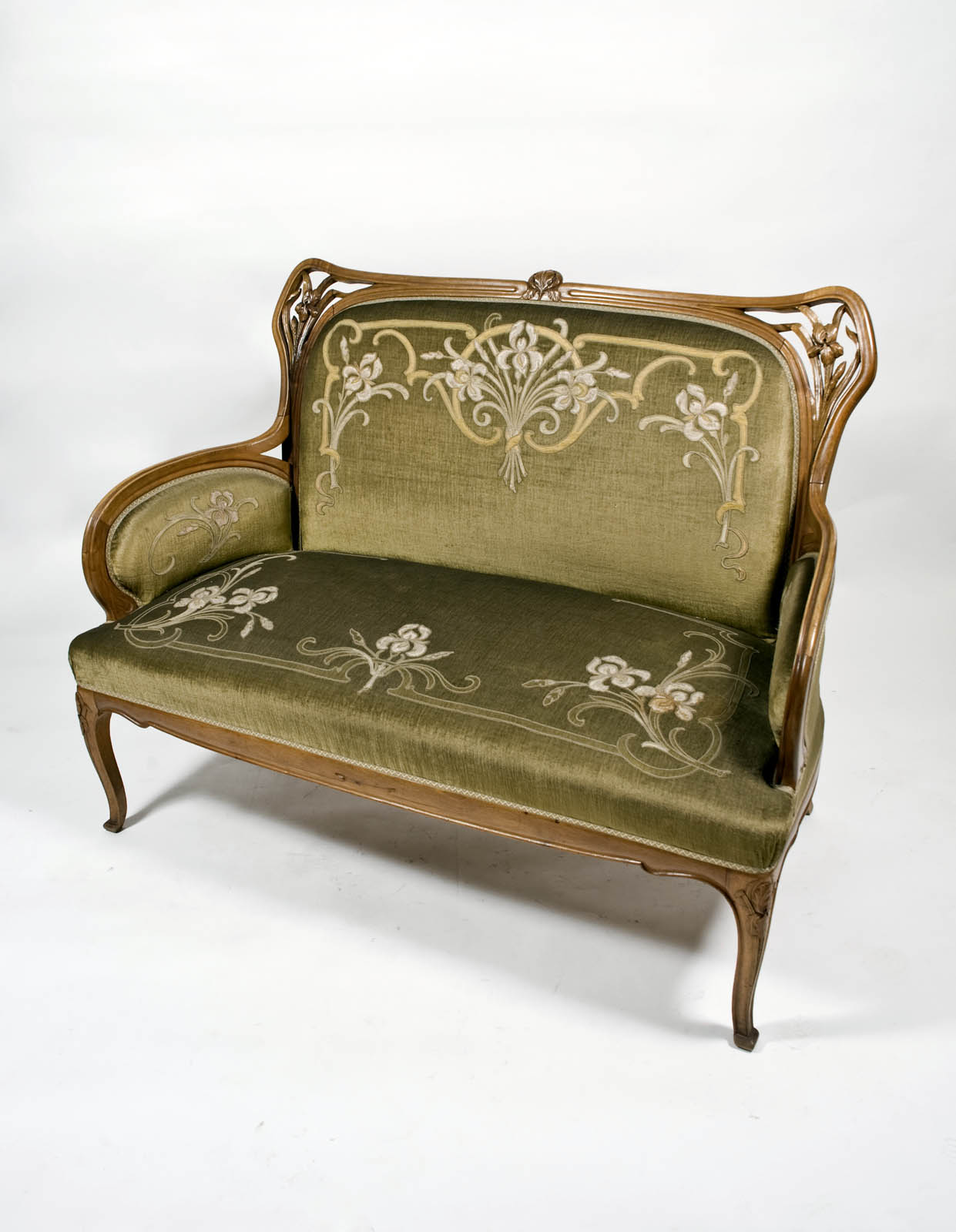
 

Louis Majorelle (French, 1859-1926) (designer) 'Sofa' 1901-1926


Louis Majorelle (French, 1859-1926) (designer)
Sofa
1901-1926
Silk velvet
Museo Nacional de Artes Decorativas, Madrid
Photo: Lucía Morate


Louis-Jean-Sylvestre Majorelle, usually known simply as Louis Majorelle, (26 September 1859 – 15 January 1926) was a French decorator and furniture designer who manufactured his own designs, in the French tradition of the ébéniste. He was one of the outstanding designers of furniture in the Art Nouveau style, and after 1901 formally served as one of the vice-presidents of the École de Nancy.

Louis Majorelle is one of those who contributed the most to the transformation of furniture. Thanks to posterity, we recognise today a piece of furniture from him as we recognise a piece of furniture from André Charles Boulle and Charles Cressent, the french Prince regent’s favourite artists. During the early 18th century, Cressent replaced the magnificence of ebony and tortoiseshell associated with tin and copper by the softer harmonies of foreign woods. Like him, Louis Majorelle dressed the elegant structure of Art Nouveau furniture with exotic wood inlays.

Text from the Wikipedia website


Álvaro Retana (Spanish born Philippines, 1890-1970) 'Figure for Celia Gámez' c. 1920


Álvaro Retana (Spanish born Philippines, 1890-1970)
Figure for Celia Gámez
c. 1920
Ink and graphite on paper
Colección Pedro Víllora


Álvaro Retana Ramírez de Arellano (Batangas, Philippines, August 26, 1890 – Torrejón de Ardoz, Madrid, February 10, 1970) was a writer, journalist, cartoonist, fashion designer, musician, libertine and Spanish couplet lyricist.

Celia Gámez Carrasco (August 25, 1905 – December 10, 1992) was an Argentinian film actress, and one of the icons of the Golden Age of Spanish theatre. She was more commonly known in Franco’s Spain, particularly in her later years, as La Protegida.


Vitín Cortezo (Spanish, 1908-1978) 'Figure for Celia Gámez' 1939


Vitín Cortezo (Spanish, 1908-1978)
Figure for Celia Gámez
1939
Mixed technique on paper
Colección Pedro Víllora


Víctor María Cortezo Martínez-Junquera, also known as Vitín Cortezo (Madrid, June 10, 1908 – March 2, 1978) was a Spanish painter, illustrator, costume designer and set designer.
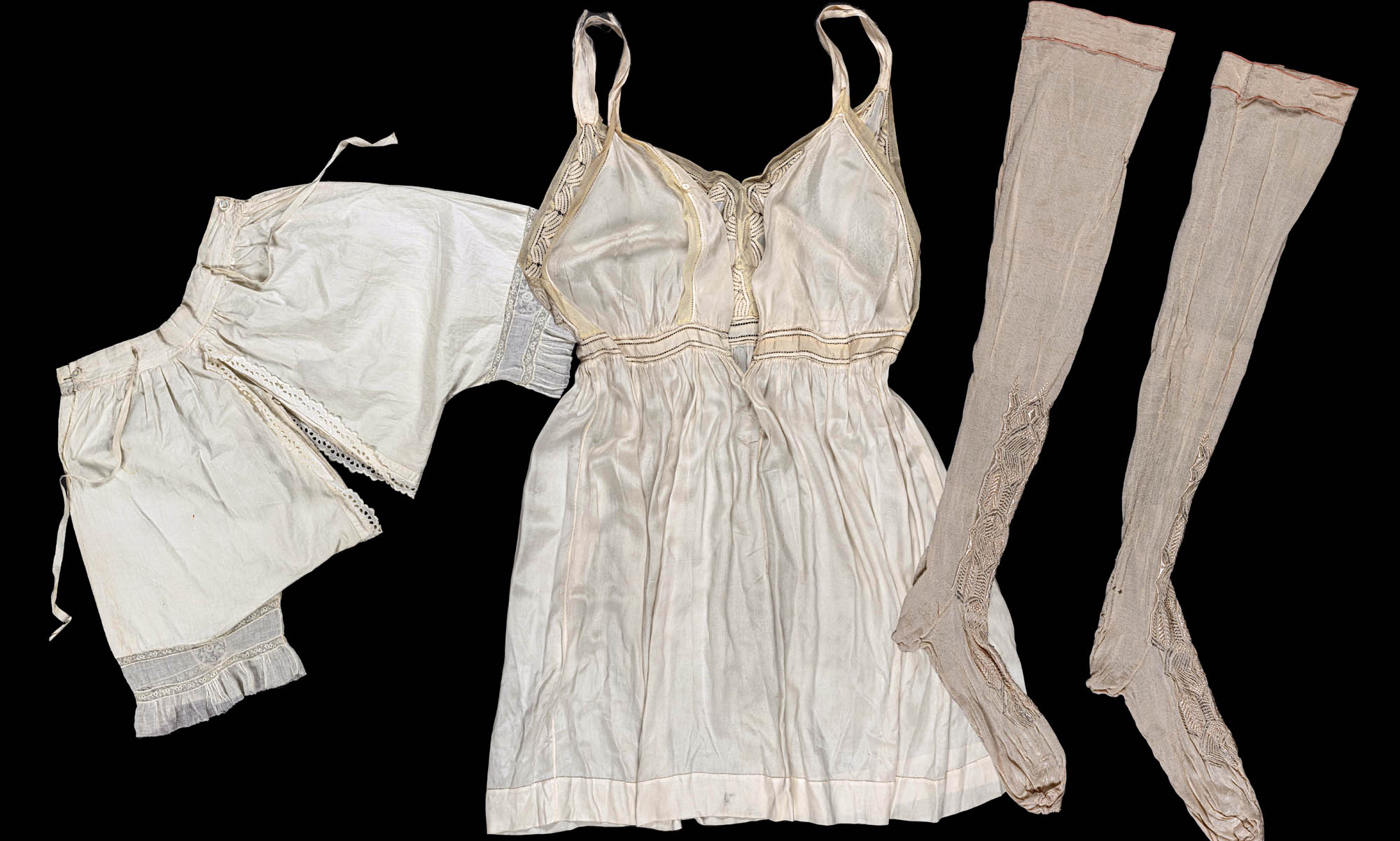
 

Anonymous maker. 'Bloomers and cotton slip with silk knit stockings' c. 1930


Anonymous maker
Bloomers and cotton slip with silk knit stockings
c. 1930
Museo Nacional de Artes Decorativas, Madrid
Photo: Fabián Álvarez
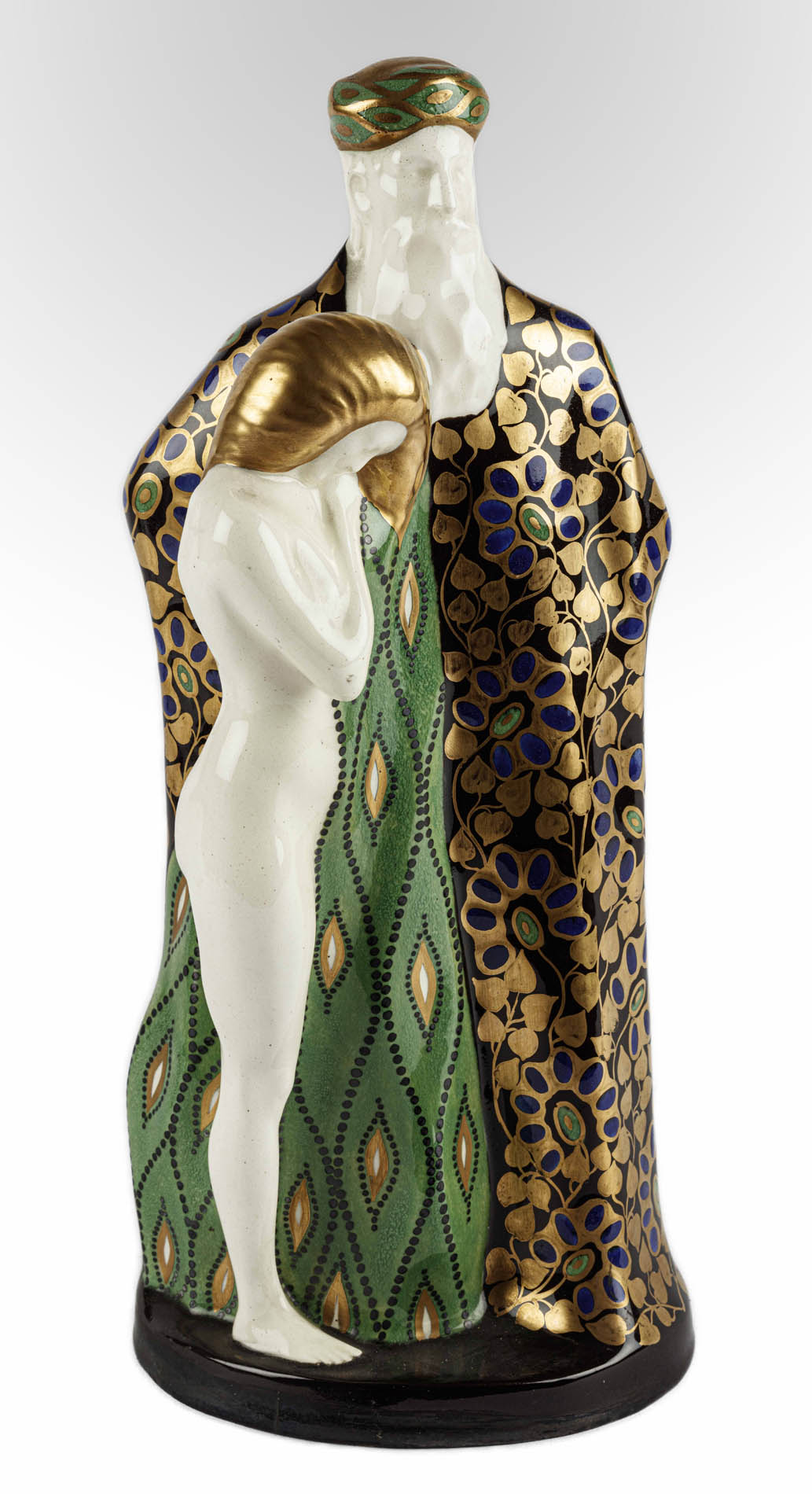
 

Karl Klaus and Franz Staudigl 'Figure (Serapis Wahliss series)' 1913-1914


Karl Klaus and Franz Staudigl
Figure (Serapis Wahliss series)
1913-1914
Painted and glazed ceramic
Museo Nacional de Artes Decorativas, Madrid
Photo: Fabián Álvarez


Karl Klaus (Austrian, 1889-1925) was a student of Josef Hoffmann. The figure was designed for Serapis-Wahliss, a noted Viennese retailer and manufacturer of porcelain. Franz Staudigl was an Austrian painter born 1885 – died 1944.


Anonymous photographer. 'Concha Piquer' 1927


Anonymous photographer
Concha Piquer
1927
Photographic positive
Museo Nacional del Teatro, Almagro


María de la Concepción Piquer López (13 December 1906 – 12 December 1990), better known as Concha Piquer (and sometimes billed as Conchita Piquer), was a Spanish singer and actress. She was known for her work in the copla form, and she performed her own interpretations of some of the key pieces in the Spanish song tradition, mostly works of the mid-20th century trio of composers Antonio Quintero, Rafael de León y Manuel Quiroga.


Anonymous maker. 'Perfume bottles' 1850-1900


Anonymous maker
Perfume bottles
1850-1900
Engraved and gilded silver and blown glass
Museo Nacional de Artes Decorativas. Madrid
Photo: Fabián Álvarez


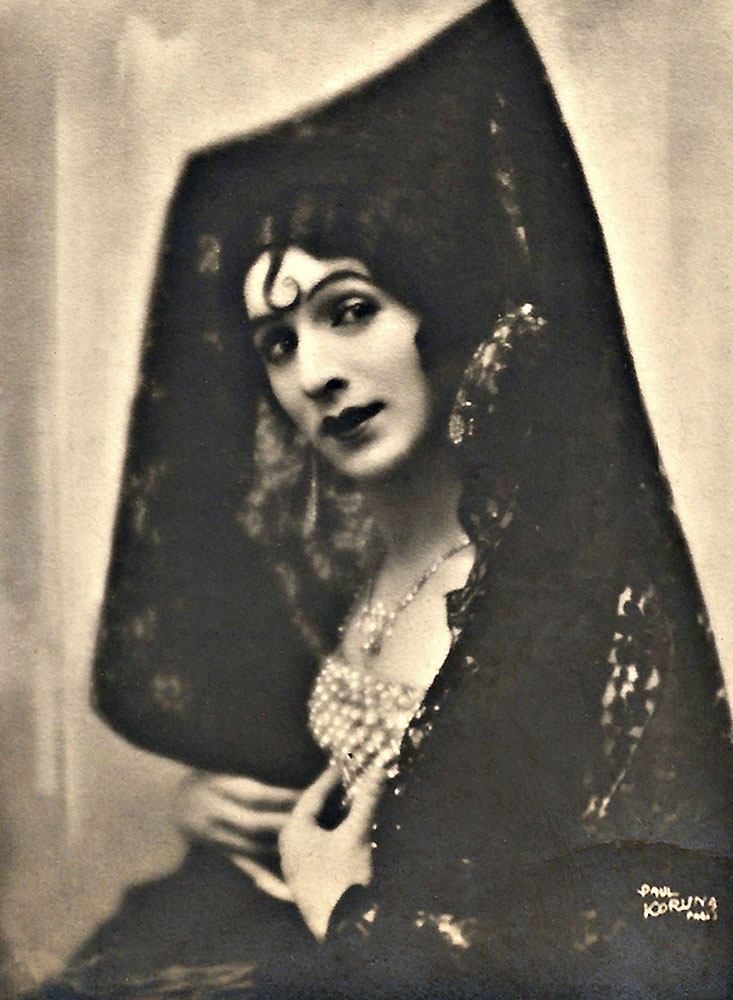
Anonymous maker / Paul Koruna, Paris (no dates) (photographer). 'Promotional poster for 'Rosalío'' Nd


Anonymous maker
Paul Koruna, Paris
(no dates) (photographer)
Promotional poster for ‘Rosalío’
Nd
Montage of photographic positives
Colección Ramón Gato
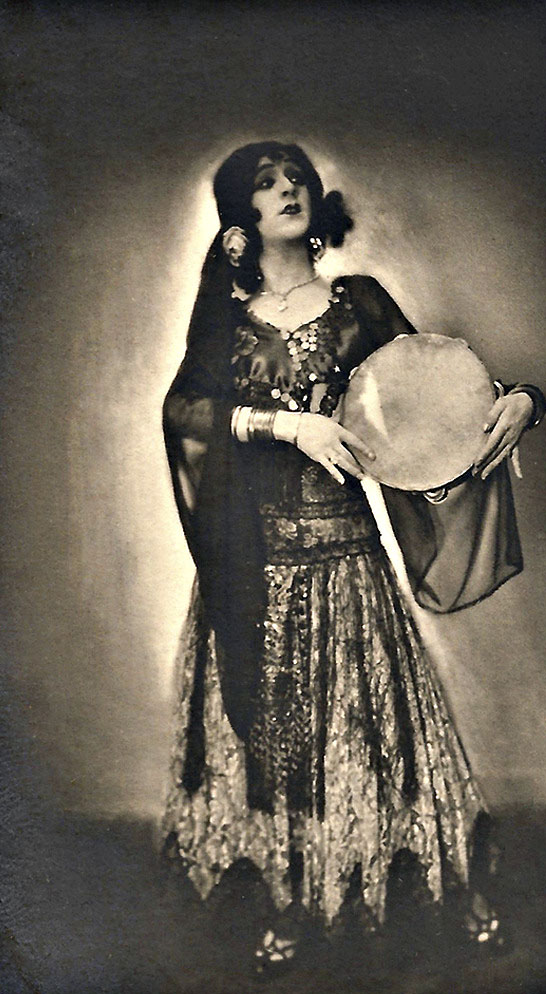
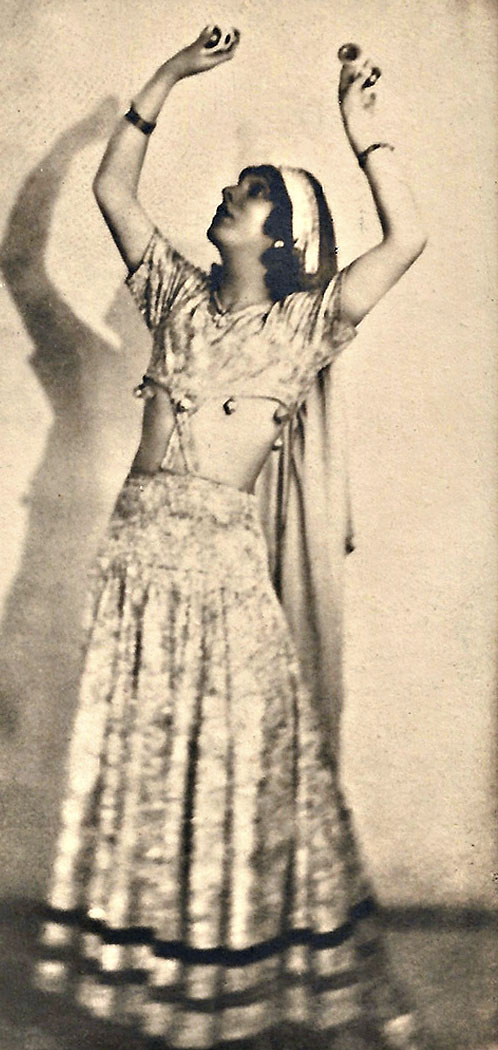
 

Anonymous maker / Paul Koruna, Paris (no dates) (photographer). 'Promotional poster for 'Rosalío'' Nd. 'Promotional poster for 'Rosalío'' Nd (detail)

Anonymous maker / Paul Koruna, Paris (no dates) (photographer). 'Promotional poster for 'Rosalío'' Nd. 'Promotional poster for 'Rosalío'' Nd (detail)

Anonymous maker / Paul Koruna, Paris (no dates) (photographer). 'Promotional poster for 'Rosalío'' Nd. 'Promotional poster for 'Rosalío'' Nd (detail)

Anonymous maker / Paul Koruna, Paris (no dates) (photographer). 'Promotional poster for 'Rosalío'' Nd. 'Promotional poster for 'Rosalío'' Nd (detail)


Anonymous maker
Paul Koruna, Paris (no dates) (photographer)
Promotional poster for ‘Rosalío’ (details)
Nd
Montage of photographic positives
Colección Ramón Gato
 

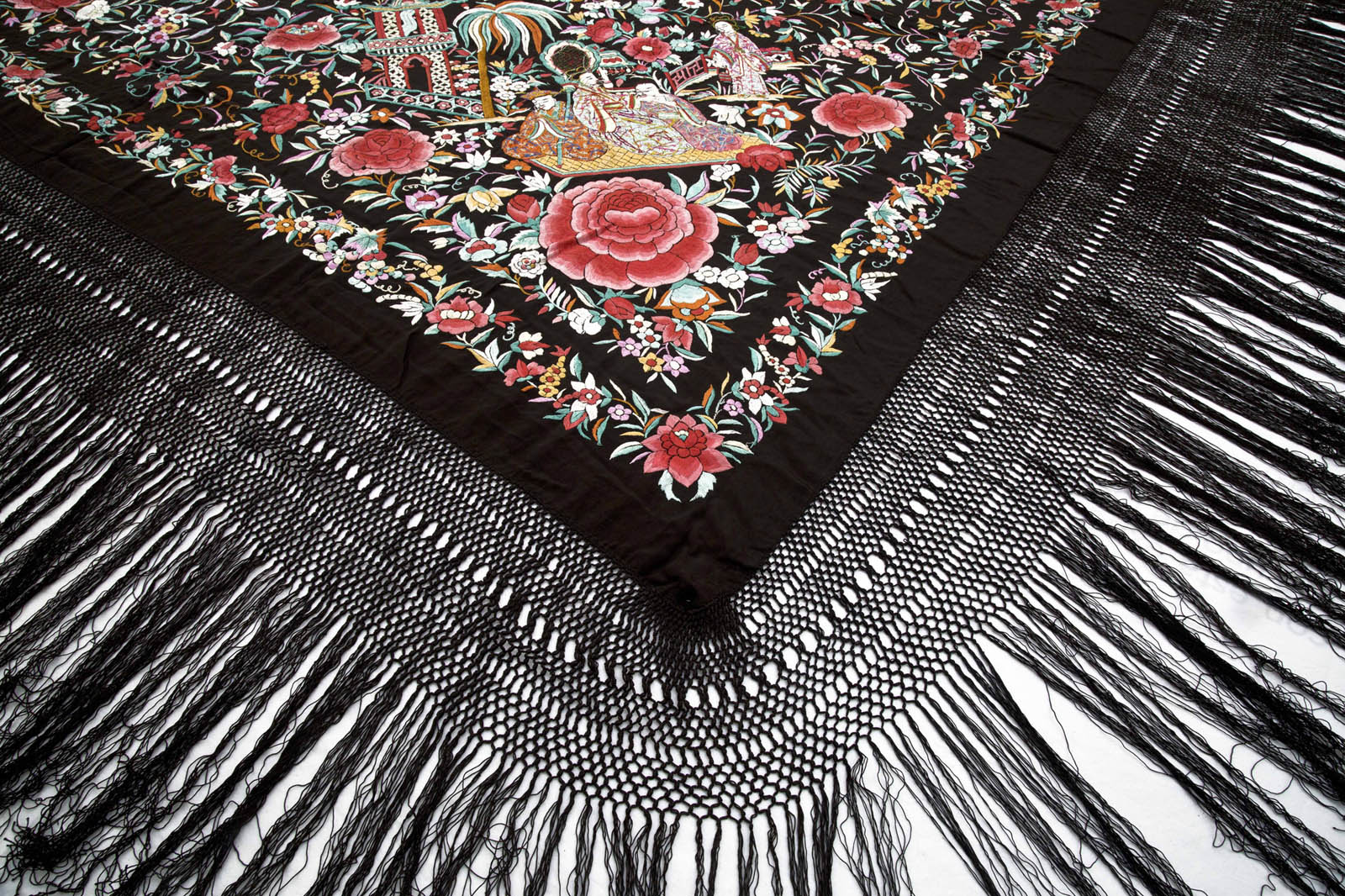
Anonymous maker. 'Manila shawl' 1876-1925


Anonymous maker
Manila shawl
1876-1925
Embroidered silk
Museo Nacional de Artes Decorativas, Madrid
Photos: Javier Rodríguez Barrera


National Museum of Decorative Arts
c/ Montalbán, 12. Madrid

Opening hours
Tuesday – Saturday: 9.30am – 3.00pm
Sundays and holidays: 10.00am – 3.00pm
Afternoons (Thursday): 5.00pm – 8.00pm


National Museum of Decorative Arts website

LIKE ART BLART ON FACEBOOK

Back to top

Review: ‘Order and disorder: archives and photography’ at the National Gallery of Victoria International, Melbourne

Exhibition dates: 18th October, 2008 – 19th April, 2009


Patrick Pound (New Zealander, b. 1962, worked in Australia 1989- ) 'Writing in a library' 1996 from the exhibition 'Order and disorder: archives and photography' at the National Gallery of Victoria International, Melbourne, October, 2008 - April, 2009


Patrick Pound (New Zealander, b. 1962, worked in Australia 1989- )
Writing in a library
1996
Photocopies, oil stick, card
169.4 x 127.2cm (image); 180.2 x 137.2cm (sheet)
National Gallery of Victoria, Melbourne
Purchased, 1997
© Patrick Pound  


“These fragments I have shored against my ruins.”


T.S. Eliot


An interesting exhibition is presented in the [now closed] permanent third floor photography gallery at NGV International, Melbourne on a subject that deserved a much more rigorous investigation than could been undertaken in this small gallery space. Presenting single works by Ed Ruscha, Bernd and Hilla Becher, Patrick Pound, Robert Rooney, Simon Obarzanek, Penelope Davis, Candid Hofer, Linda Judge and Charles Green and Lyndell Brown the works seek to investigate the nature of the relationship between photography and the archive, between the semi-permanences of an archival memory and the spaces of a transgressive intertexuality marked by fragmentary, ironic counter-performances.

As noted in the catalogue essay by NGV curator Maggie Finch the archive is a place for holding knowledge that contains elements of truth and error, order and disorder; archives are able to shape history and memory, depending on how, when and by whom the records are accessed. Any disruption of order, governance and authority can lead to alternative readings and interpretations as the arcane ‘mysteries’ of the methods of classification are overturned. Since Victorian times when the body came under the self-surveillance of the camera and was found wanting, photographs have documented the faces of criminals, the physiognomy of degeneration and the fever of war.

As Yiannis Papatheodorou has observed when reviewing Jacques Derrida Mal d’Archive,

“Derrida declares that since the dominant power of the archive derives from the economy of knowledge, it also provides the institutional responsibility of the interpretation. The localisation of the information transforms the inscription, provided by the function of the archive, into the impression of a memory’s trace, conscious or unconscious …

The preservation of memory, the access to information, the “resources” of the sources and the working environment are not just the representation of a future memory. They are active practices and discourses that create hierarchies and exclusions. The archives are the languages of the past, activated however dialogically, according to scientific and social demands. The content of our choice is marked by the way we are seeking information. Far from being an abstract principle, our choice is an ideologically oriented negotiation closely related to the politics of interpretation.”1


And there’s the rub. Not only is this exhibition a reordering of an unpublished memory (for that is what an archive is, a unique unpublished memory), it is also a reiteration of the authority of the gallery itself, the “institutional responsibility of the interpretation.”2 Deciding what was in this exhibition and what to leave out creates hierarchies of inclusion and exclusion – and in this case the inclusions are mainly ‘safe’ works, ones that challenge the ontology of existence, the cataloguing of reality in a slightly ironic way but oh – nothing too shocking! nothing too disordered! Nothing here then of the archive of images that substantiate the horrors of war, the trans/disfiguration of men in both World Wars for example. There are few images to haunt us, none to refresh our memories in a problematic way.

The more successful pieces, the works that challenge the order of the archive (“what is no longer archived in the same way is no longer lived in the same way”)3, are the ones by Ed Ruscha, Penelope Davis and Simon Obarzaneck (all below).

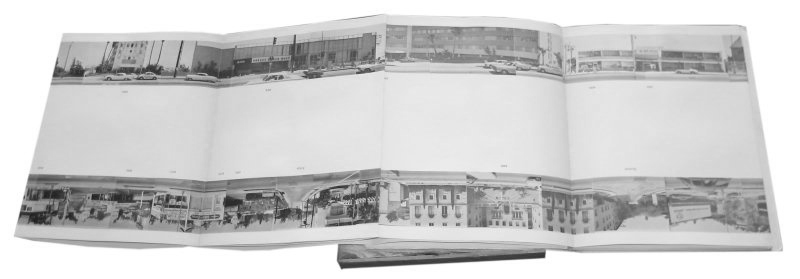
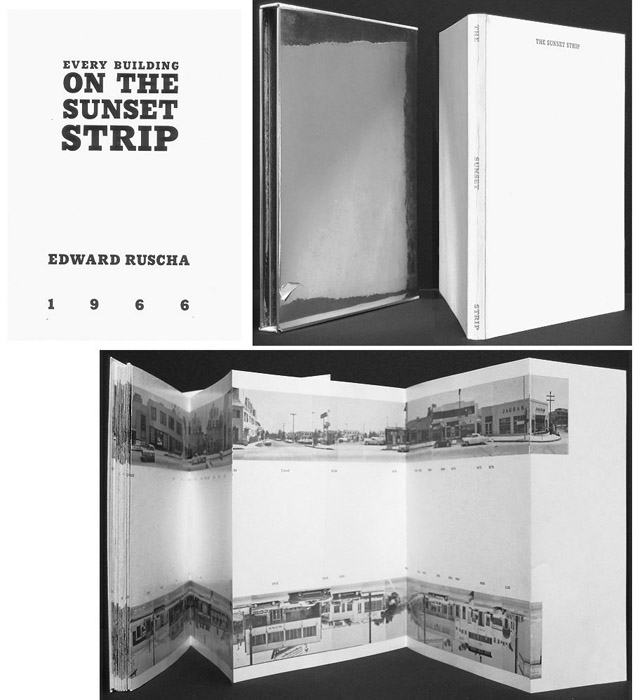
Ruscha’s vertical inverted cityscape is trapped in a display cabinet opened out on the horizontal plane in concertina format, like one of those optical illusion images in which you see an image looking from one direction and a different image from the other direction. Ruscha’s personal experience of driving down Sunset Strip in Los Angeles and his anthropological recording of the urban experience has been disseminated in a mass produced ‘artists’ book. No unique unpublished archive here. Beneath the facades of the shops other narratives emerge – images are stitched together, cars chopped off, people dismembered – all in a very linear, conceptual way; a journey from one point to another, one that is both subjective (the voice  and hand of the author) and objective (the en masse production of the book).

As Chris Balaschak has noted, “The images, taken during the day, capture only the facades of the buildings. Ignorance is given to cars or people, both of which are often cut in half between separate exposures. The imperfections of matching the facades are cracks along Ruscha’s drive. Through these cracks we find Ruscha, not such an anonymous author after all. Splitting cars in two, and mismatching facades we become keenly aware of the passage of time. The facades of buildings may appear as stage sets but they are active points on other itineraries, anticipating future and past narratives.”4


This is Ruscha’s trace through the city but also our intersection with his journey, our chance to make our own itineraries as Balaschak (in his insightful writing) rightly points out. The fragmentary dismembering becomes the space between, the disorder of the linear into a heterotopic space of remembering. We the viewer create our own narrative, flitting through the cracks in the archive of memory, the photographer, the author of our own journey.

Penelope Davis photograms are luminous objects. She makes resin casts of the spine of discarded books and places the casts directly onto photographic paper and then exposes them to light. The books glow and hover in the blackness, the words on the spine reversed. Stripped of their context, of their memory, they become ethereal books, phantom texts, liminal images that hover between what is known and what is imagined. As Davis has said, “Most people assume that when they look at a photo that they are looking at the thing photographed – but they are not. They are looking at a photo. Books and photographic images and archives are enigmatic – you can’t be sure of a singular definition or meaning.”

Davis is ‘messing around’ with the idea of veracity, the truth of photography and the ordering of the archive of our mind through the images we collate. We seek to grasp the original memory of an event, of the reading and ordering of our life through images and none is available to us, for as Foucault has observed memories are only ever fragmentary and distorted representations, partial truths a best. Like Jorge Luis Borges’ journey into the infinite universe of The Library of Babel, for Foucault the psyche is not an archive but a mirror, like the shining silver foil surface of the cover of the Ed Ruscha book:

“The search for the self is a journey into a mental labyrinth that takes random courses and ultimately ends at impasses. The memory fragments recovered along the way cannot provide us with a basis for interpreting the overall meaning of the journey. The meanings that we derive from our memories are only partial truths, and their value is ephemeral. For Foucault, the psyche is not an archive but only a mirror. To search the psyche for the truth about ourselves is a futile task because the psyche can only reflect the images we have conjured up to describe ourselves. Looking into the psyche, therefore, is like looking into the mirror image of a mirror. One sees oneself reflected in an image of infinite regress. Our gaze is led not toward the substance of our beginnings but rather into the meaninglessness of previously discarded images of the self.”5


This leads us nicely onto the images of Simon Obarzanek.

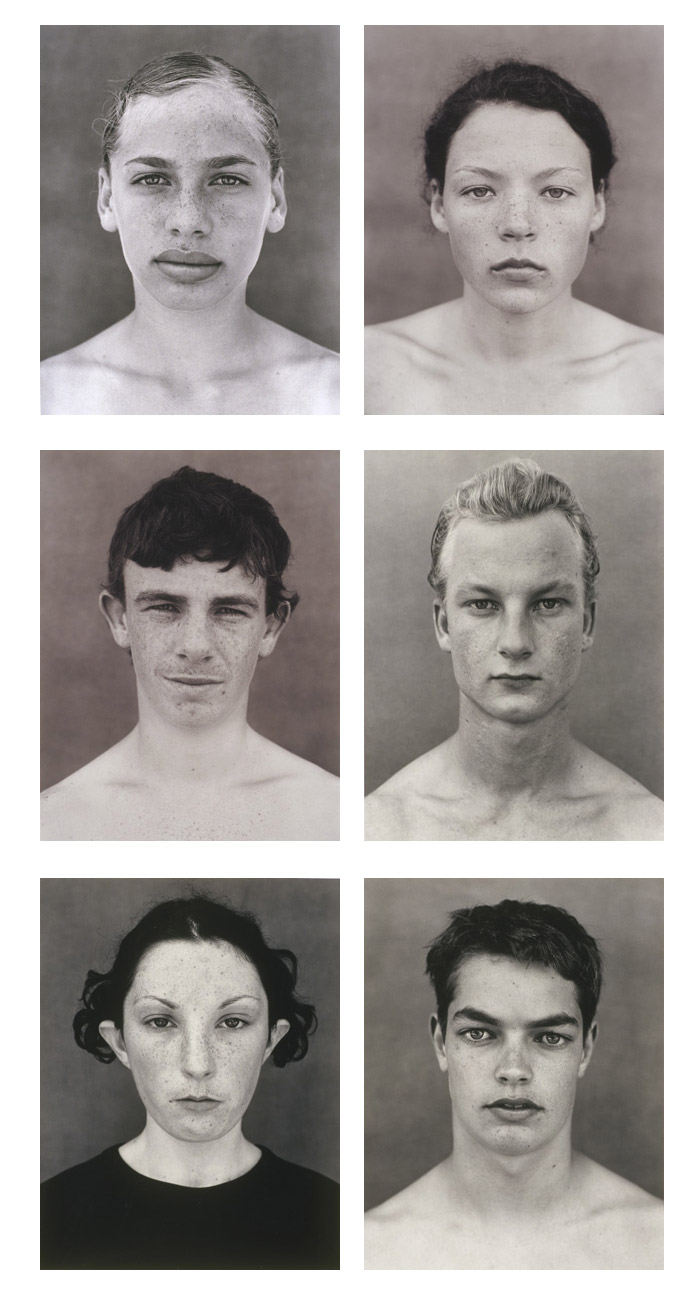
In a fantastic series of photographs, the only ones of this exhibition that seemed to haunt me (as Susan Sontag says images do), Obarzanek photographs people in an ordered, almost scientific, manner. Photographed face on against a non-contextual background using a low depth of field, these repetitive, collective, unnamed people remind me of the images of Galton. But here the uniformity is overwhelmed by quirky differences – the placement of eyes and lips seem large offering a strange, surreal physiognomy. These images resonate, the challenge, they remain with you, they question the order of things as no other photograph in this exhibition does. From simplicity comes eloquence.

To finish I must address the elephant in the room, in fact two elephants!

There is not one digital photograph contained in the exhibition, the work being collage, Type C colour or black and white silver gelatin prints. There is no mention in the catalogue of the crisis of cultural memory that is now permeating our world. Some believe the ever expanding digital archive, the Internet, threatens our lived memories “amidst the process of the ‘digitisation of culture’ and the new possibilities of storing.”6 This vision entails the fear of loosing cultural contents, hitting the delete button so that  memory passes into forgetting. This is a vision to which I do not subscribe, but the issue needed to be addressed in this exhibition: how are digital technologies altering our re-assemblance of memory, altering photography’s ability inherent ability to record, store and organise visual images? What about the aura of the original or was there never such a thing?

Furthermore, it would seem that with photographs becoming less and less a fixed essence; with the meaning of the photograph more and more divorced from its referent; with the spectators look the key to reading photographs; and the performance of the photograph a cut and paste reality… then perhaps we are left not with the two polar opposites of order and disorder but some orthogonal spaces in-between.

The second elephant in the room in the gallery space itself.

Whilst the curators of photography at the National Gallery of Victoria do an amazing job running large exhibitions such as the Andreas Gursky and Rennie Ellis shows that have starred this year, the NGV ‘International’ is shooting itself in the foot with the current permanent photography gallery space. Small, jaded and dour it seems an addendum to other larger spaces in the gallery and to be honest photography and Melbourne deserves better. Personally I feel more alive in the fashion gallery that is on the floor below and that, for an photographer, is a hard thing to say.

As the theme for this exhibition deserved a greater in depth investigation so the gallery needs to expand it’s horizons and give the permanent photography gallery a redesign and overhaul. Where is the life and passion of contemporary photography displayed in a small space for all to see in a gallery that sees itself as ‘International’? In an occularcentric world the key word is intertexuality: the gallery space should reflect the electri-city, the mixing of a gallery design ethos with images to surround us in a space that makes us passionate about contemporary photography. Now that would really be a new order of things!

Dr Marcus Bunyan


1/ Papatheodorou, Yiannis. History in the promised land of memory. Review of  Jacques Derrida, Mal d’Archive, Paris, Éd. Galilée, 1995 [Online] Cited on 20th March 2009 (no longer available online)

2/ “The archive is understood as collective reservoir of knowledge fulfilling diverse functions and conditioned by three main factors: conservation, selection and accessibility. How are contents stored and which media are used to conserve them? What is selected for storage and what is decided to be cleared out and thus forgotten? Who decides what is archived and who has access to the resources? All these questions paint the archive as a political space where relations of power cross aspects of culture and collective identity.”
Assmann, A. (2003) Erinnerungsräume, Formen und Wandlungen des kulturellen Gedächtnis. [Memory Spaces, Forms and Transformations of Cultural Memory] Special paperback editon, 1st edition publ. 1999, München: Beck, p. 343-346

3/ Derrida, Jacques. (1996) Archive Fever, A Freudian Impression. Transl. by E. Prenowitz, p. 18 orig. publ. as Mal d’Archive: une impression freudienne in 1995, Chicago, London: The University of Chicago Press

4/ Balaschak, Chris. Itineraries [part 3] [Online] Cited on 20th March 2009 (no longer available online)

5/ Hutton, Patrick. “Foucault, Freud, and the Technologies of the Self,” in Martin, Luther and Gutman, Huck and Hutton, Patrick (eds.,). Technologies of the Self: A Seminar with Michel Foucault. London: Tavistock Publications, 1988, p. 139

6/ Featherstone, M. (2000) “Archiving Cultures,” in British Journal of Sociology, 51(1), pp. 161-184


Many thankx to the National Gallery of Victoria for allowing me to publish the images in the posting. Please click on the photographs for a larger version of the image.


Ed Ruscha (American, b. 1937) 'Every Building on Sunset Strip' 1966 from the exhibition 'Order and disorder: archives and photography' at the National Gallery of Victoria International, Melbourne, October, 2008 - April, 2009

Ed Ruscha (American, b. 1937) 'Every Building on Sunset Strip' 1966 from the exhibition 'Order and disorder: archives and photography' at the National Gallery of Victoria International, Melbourne, October, 2008 - April, 2009

Ed Ruscha (American, b. 1937) 'Every Building on Sunset Strip' 1966

Ed Ruscha (American, b. 1937) 'Every Building on Sunset Strip' 1966


Ed Ruscha (American, b. 1937)
Every building on the Sunset Strip
1966
Artist book: photo-offset lithographs, letterpress, concertina, cardboard cover, silver-coated plastic-covered slipcase, 1st edition
17.8 x 760.7cm (open); 17.8 x 14.4 x 0.8cm (closed); 18.6 x 14.6 x 1.4cm (slipcase)
Private collection, Melbourne
© Ed Ruscha, courtesy Gagosian Gallery, New York


Penelope Davis (Australian, b. 1963) 'Shelf' 2008


Penelope Davis (Australian, b. 1963)
Shelf
2008
From the Fiction-Non-Fiction series 2007-2008
Type C photograph
90.0 x 70.0cm
National Gallery of Victoria, Melbourne
Purchased, Victorian Foundation for Living Australian Artists, 2008


Archives contain elements of truth and error, order and disorder and are infinitely fascinating. As both collections of records and repositories of data, archives are able to shape history and memory depending on how, when and by whom the materials are accessed. Their vastness allows for multiple readings to be unravelled over time.

Photography is naturally associated with archives because of its inherent ability to record, store and organise visual images. With this in mind, this exhibition brings together artists drawn largely from the permanent collection of the NGV who explore the idea of archives as complex, living and occasionally mysterious systems of knowledge. Several of the selected artists act as archivists, collecting and ordering their own unique bodies of photographs, while others create disorder by critiquing the ideas and systems of archives.

Text from the NGV International website [Online] Cited 13/06/2022


Simon Obarzanek (Israeli/Australian, b. 1968, worked in United States 1995-2001) '6 faces from 123 faces' 2000-2002


Simon Obarzanek (Israeli/Australian, b. 1968, worked in United States 1995-2001)
6 faces from 123 faces
2000-2002
Gelatin silver photographs
(a) 33.1 x 25.4cm; (b) 33.4 x 25.4cm; (c) 33.2 x 25.3cm; (d) 33.4 x 25.4cm; (e) 33.4 x 25.4cm; (f) 33.4 x 25.4cm
National Gallery of Victoria, Melbourne
Purchased with funds arranged by Loti Smorgon for Contemporary Australian Photography, 2003
© Simon Obarzanek


Simon Obarzanek (Israeli/Australian 1968-, worked in United States 1995-2001) 'Box Hill girl' 2000-2002


Simon Obarzanek (Israeli/Australian, b. 1968, worked in United States 1995-2001)
Box Hill girl
2000-2002
Gelatin silver photograph
33.4 × 25.4cm
National Gallery of Victoria, Melbourne
Purchased with funds arranged by Loti Smorgon for Contemporary Australian Photography, 2003
© Simon Obarzanek


Simon Obarzanek (Israeli/Australian 1968-, worked in United States 1995-2001) 'Boy with eyes' 2000-2002


Simon Obarzanek (Israeli/Australian, b. 1968, worked in United States 1995-2001)
Boy with eyes
2000-2002
Gelatin silver photograph
33.4 × 25.4cm
National Gallery of Victoria, Melbourne
Purchased with funds arranged by Loti Smorgon for Contemporary Australian Photography, 2003
© Simon Obarzanek


Candida Höfer (German, b. 1944) 'Teylers Museum Haarlem II' 2003


Candida Höfer (German, b. 1944)
Teylers Museum Haarlem II
2003
Type C photograph
150.0 x 120.0cm
National Gallery of Victoria, Melbourne
Purchased, 2004
© Candida Höfer/VG Bild-Kunst, Bonn. Licensed by Copyright Agency, Australia


Bernd and Hilla Becher (German, 1931-2007 and 1934-2015) 'Coal tipple, Goodspring, Pennsylvania' 1975


Bernd and Hilla Becher (German, 1931-2007 and 1934-2015)
Coal tipple, Goodspring, Pennsylvania
1975
From the Artists and photographs folio 1975
Gelatin silver photographs
24.0 × 33.9cm (image and sheet) 40.7 × 49.6cm (support)
National Gallery of Victoria, Melbourne
Purchased, 1976


NGV International
180 St Kilda Road

Opening hours:
10am – 5pm daily

National Gallery of Victoria website

LIKE ART BLART ON FACEBOOK

Back to top