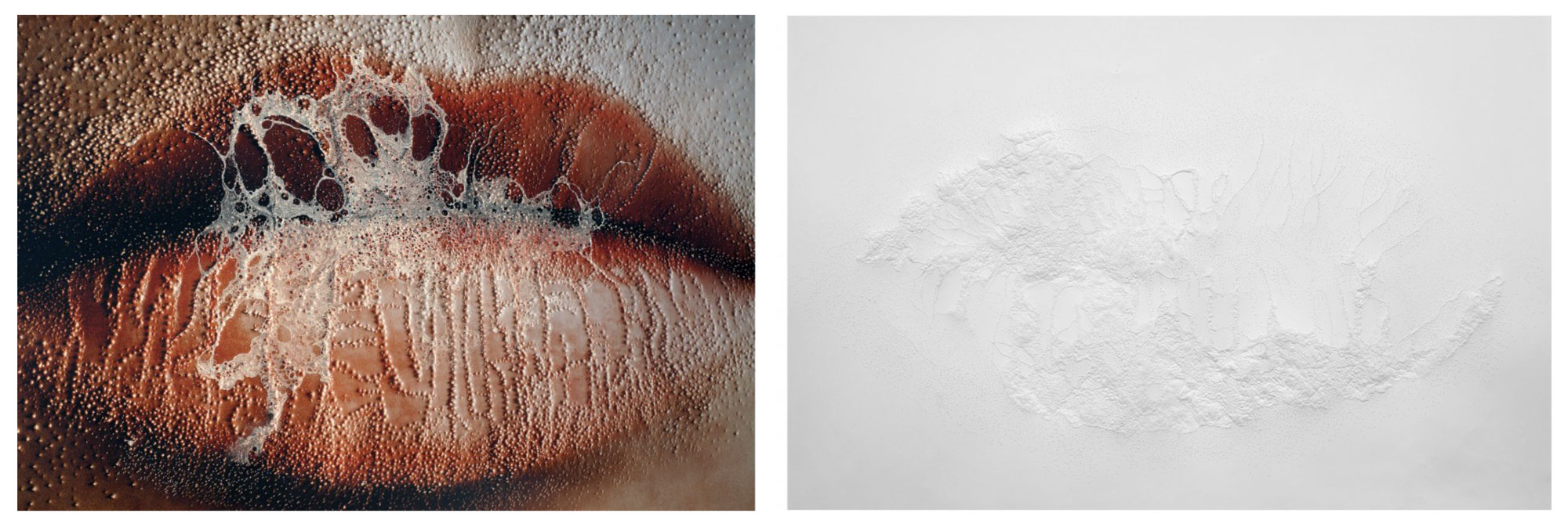
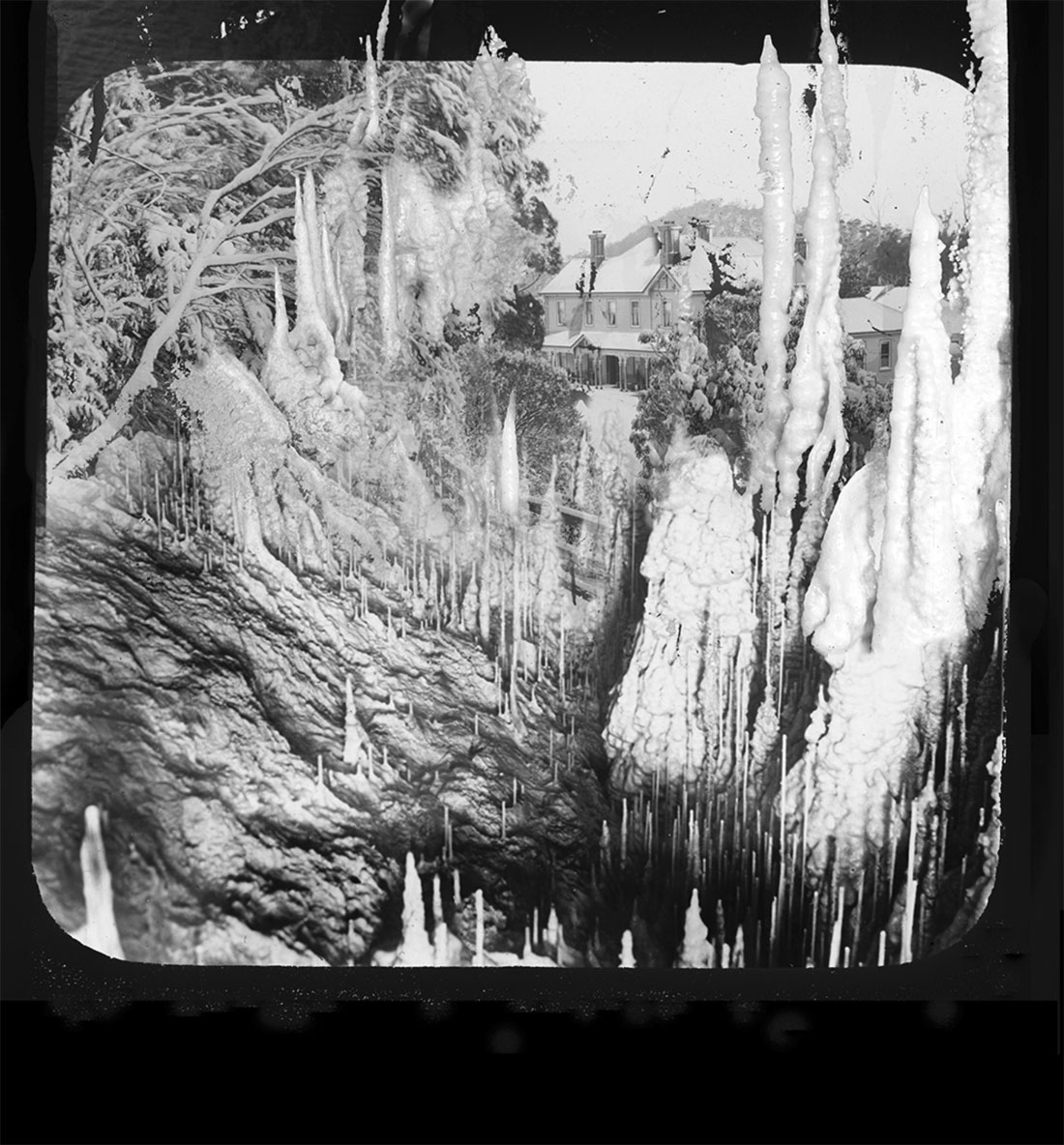
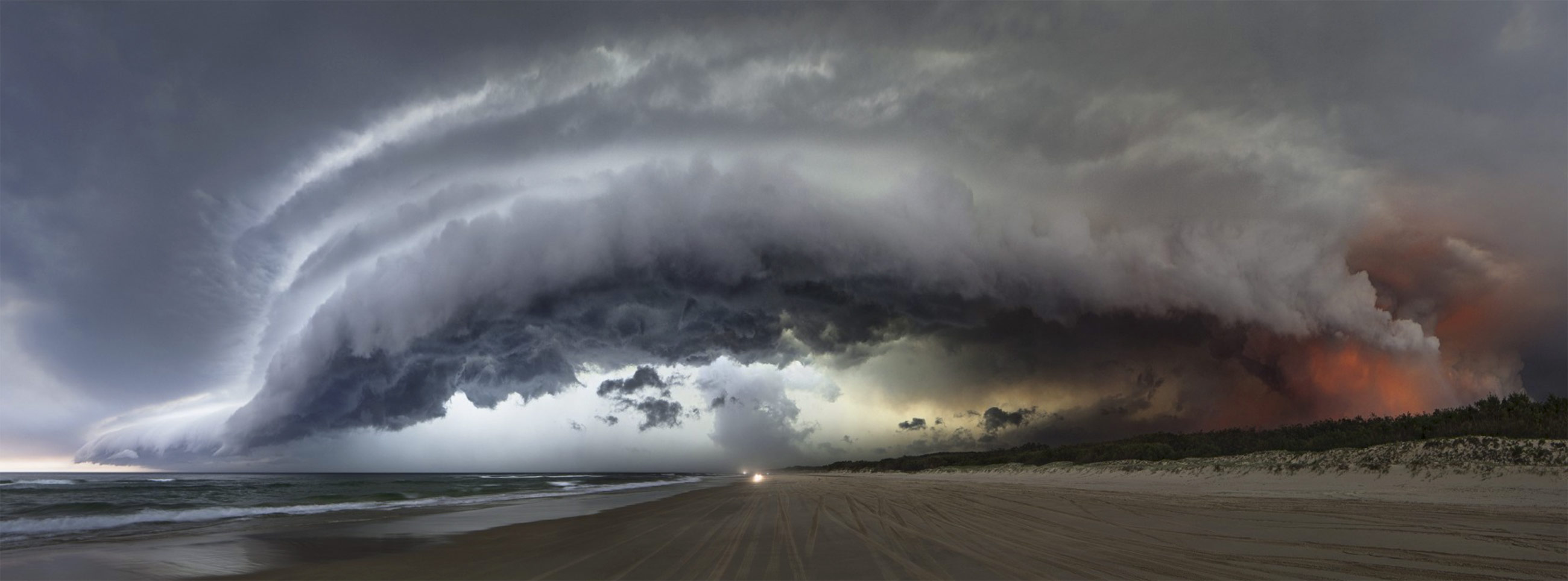
Review: ‘Under the sun: Reimagining Max Dupain’s Sunbaker’ at the Monash Gallery of Art, Melbourne

Exhibition dates: 6th May – 6th August, 2017

“A GREAT review Marcus. As always. A master piece.” ~ Peter Barker, artist
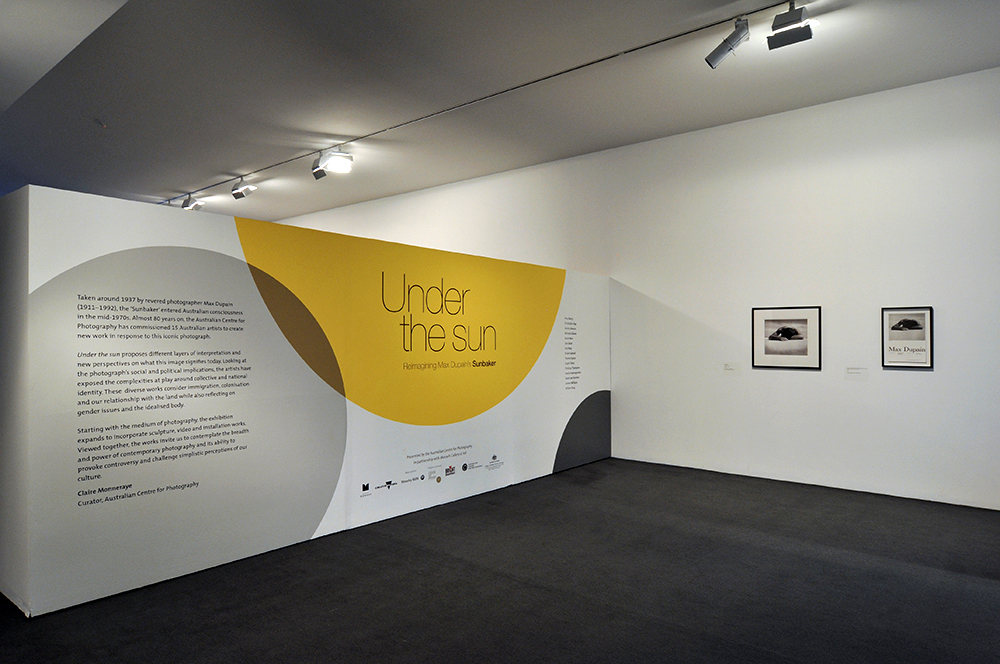
 

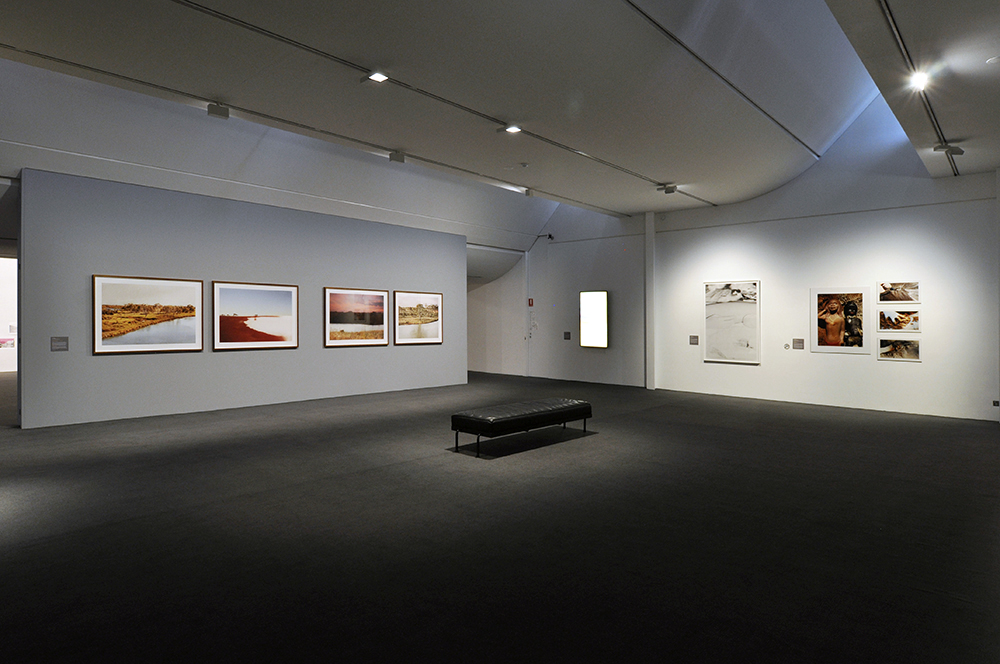
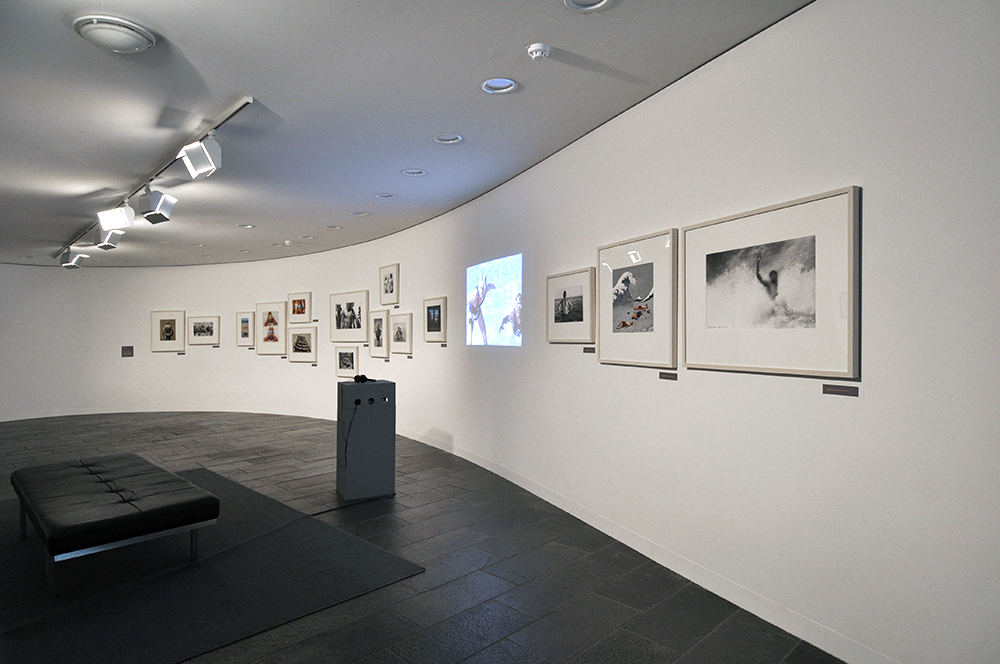
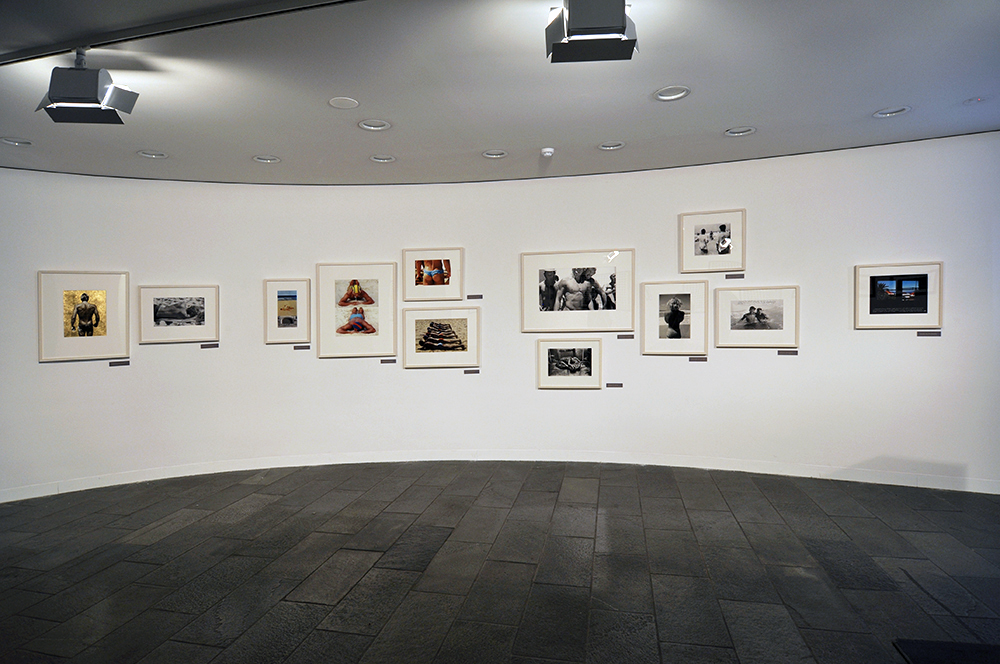
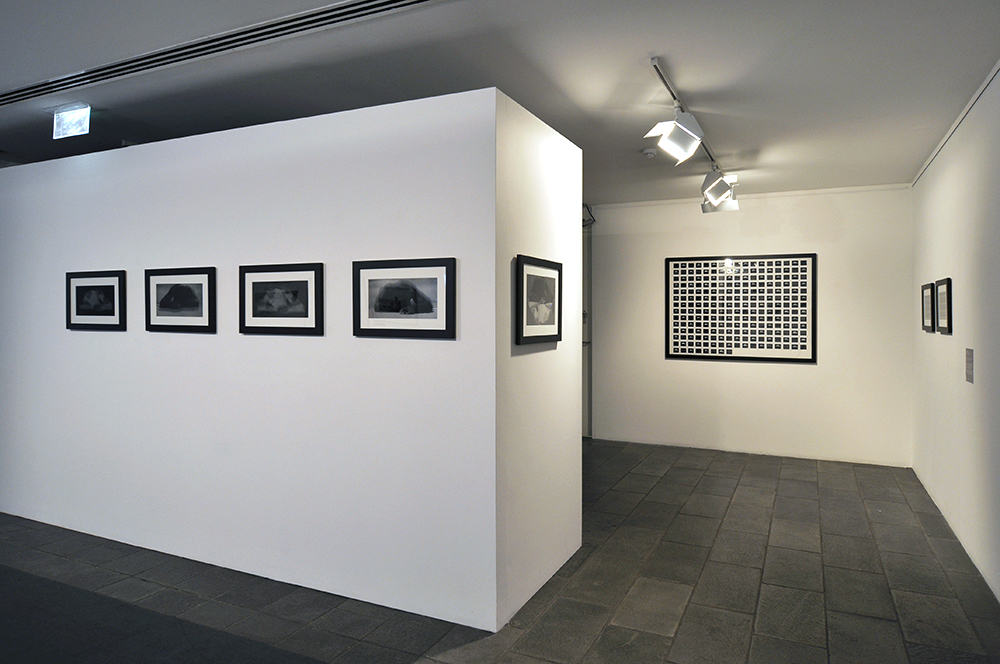
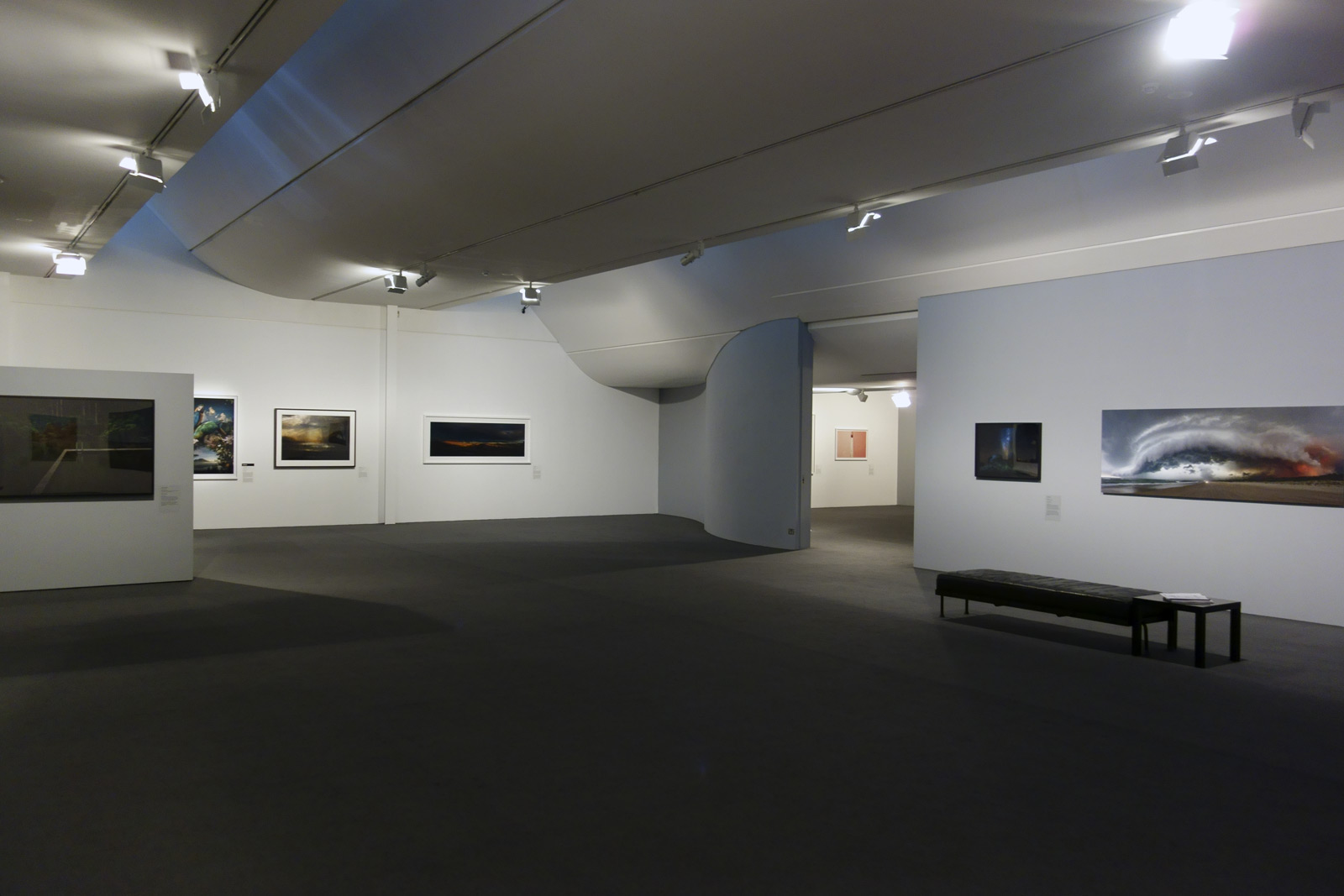
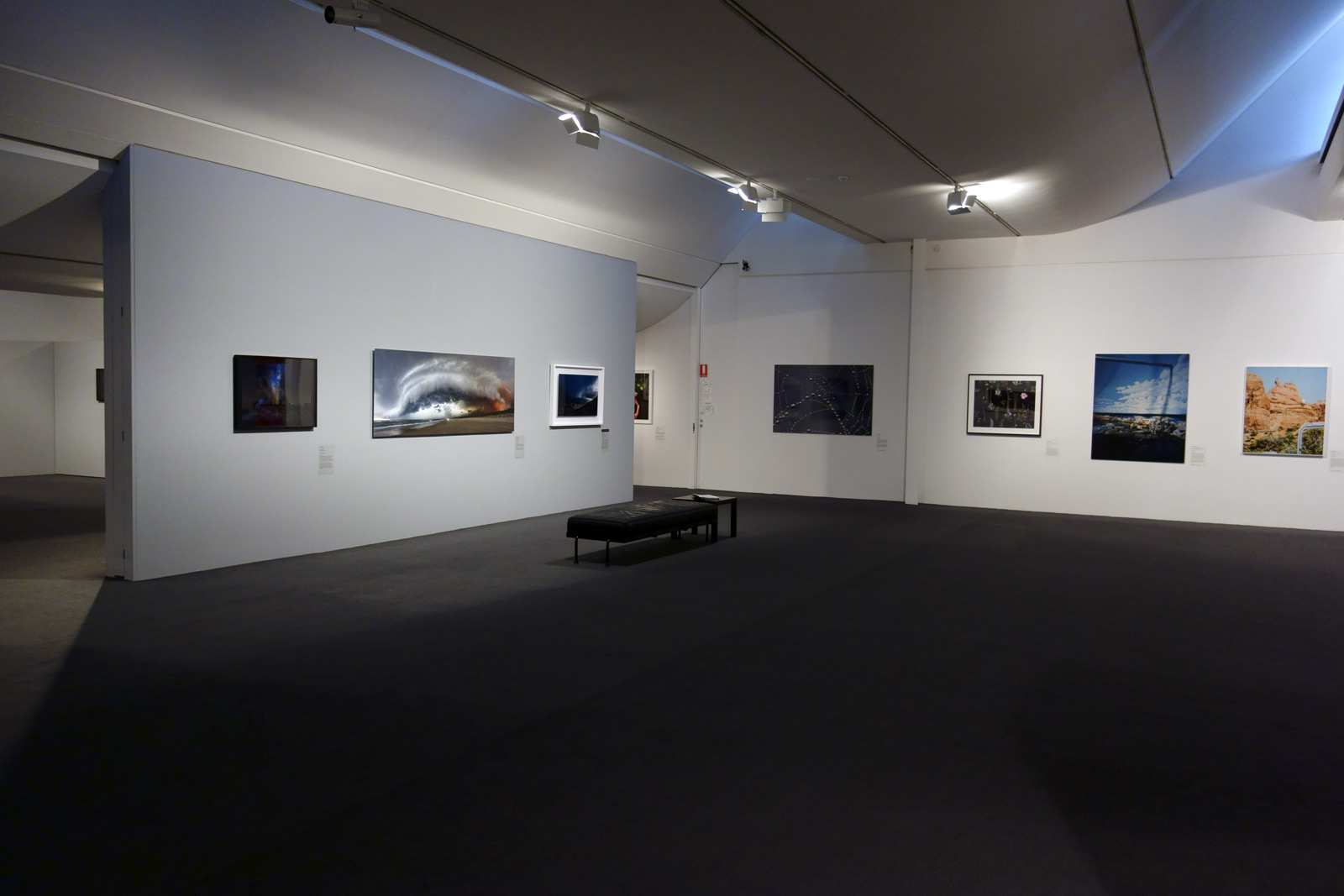
Installation view of the exhibition 'Under the sun Reimagining Max Dupain's 'Sunbaker'' at Monash Gallery of Art, Melbourne


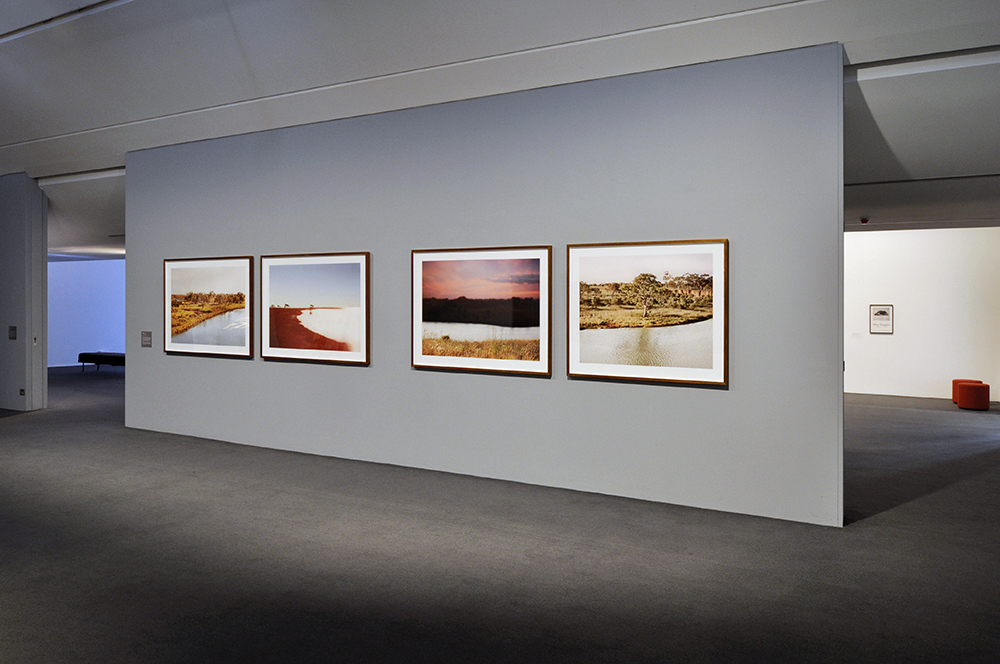
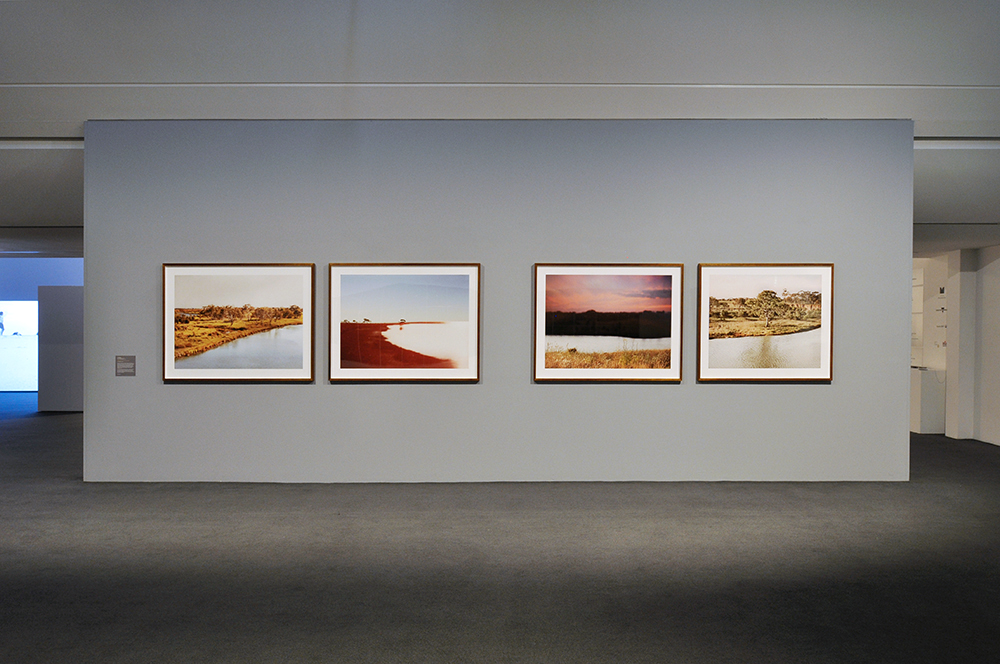
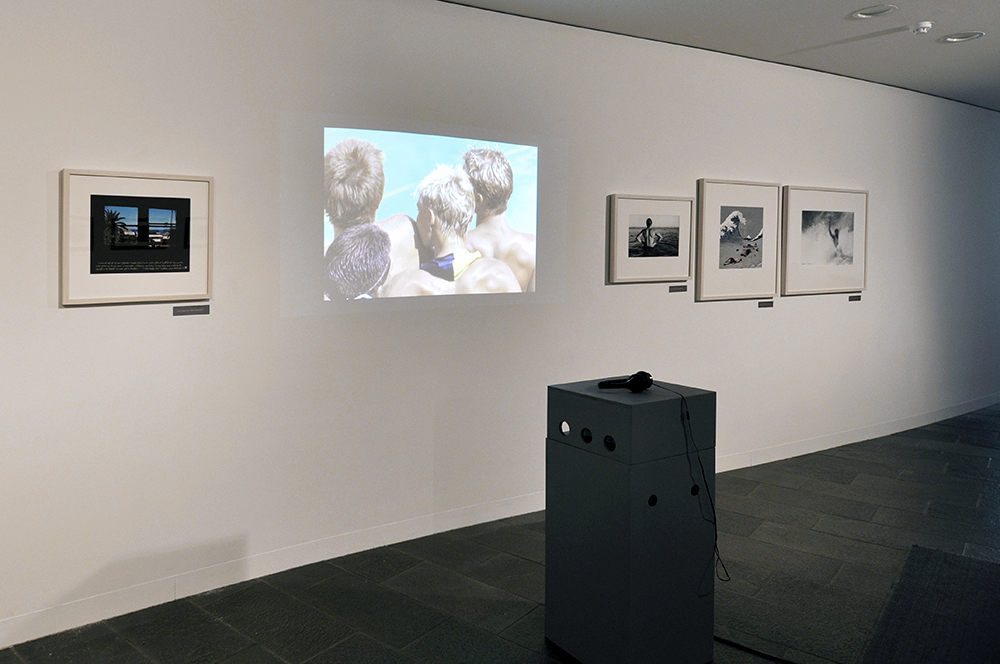
Installation view of the entrance to the exhibition Under the sun: Reimagining Max Dupain’s Sunbaker at Monash Gallery of Art, Melbourne
Photo: Marcus Bunyan


The misery of too much sun

Simply put (where the work in this exhibition is anything but), this is one of the most depressing Australian group photography exhibitions that I have seen in a very long time. I left the exhibition feeling like I wanted to slit my wrists.

“Reimagining” an image is always going to be problematic, especially such an iconic photograph as Max Dupain’s no-face, monolithic, Uluru-shaped, low depth of field, wet, British male tourist lying on Culburra Beach, New South Wales in the 1930s – an image that “supposedly conveys a quintessential Australian identity,” a “casual holiday snap that came to symbolise leisure and freedom in the 1970s [which] was taken in the uncertain economic times before the Second World War.”

The scope for such a contemporary conceptual exercise is vast and the artists in this exhibition don’t waste the opportunity. Variously but not exclusively we have:

~ Snow White and the Seven Dwarfs, the Breakfast Club (1985), a movie in which five teenagers navigate identity issues
~ Indigenous massacres in Australia … positions of the planets between 1789 and 1928, when 63 massacres of Indigenous peoples took place
~ Samoan culture – malu – the female-Samoan tattoo (tatau)
~ The lifeless body of three-year-old refugee Aylan Kurdi, lying face down on a beach in Turkey which now haunts the figure of the Sunbaker
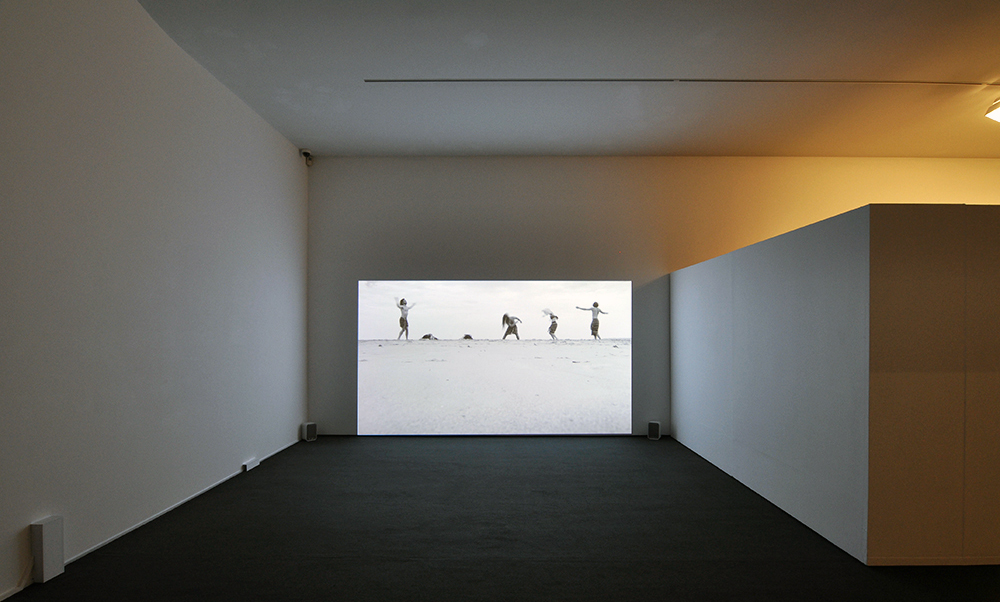
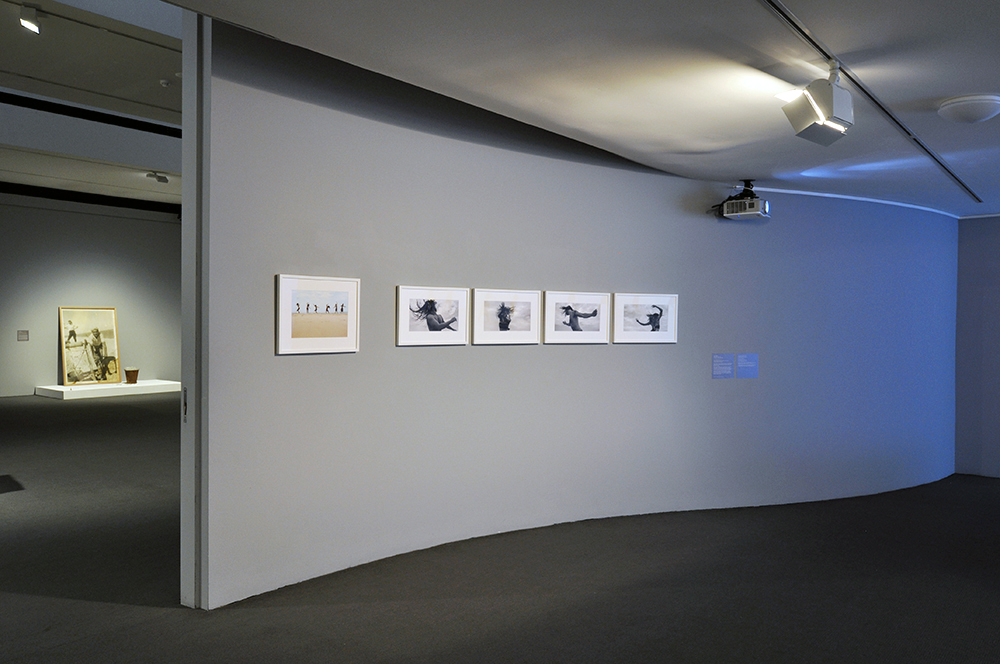
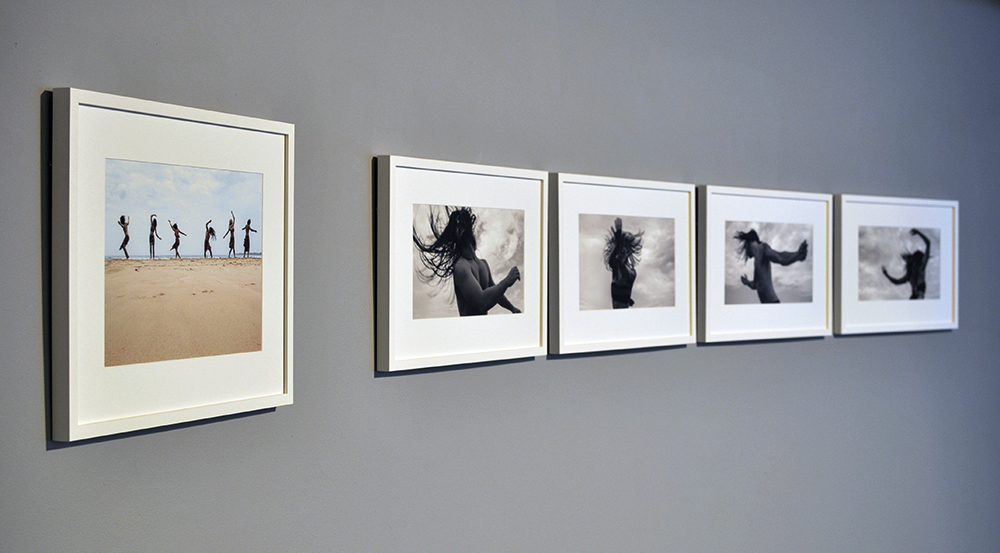
~ Sufi-inspired choreography, the dancers wearing a hammam cloth
~ 1920s swimwear based on wartime camouflage schemes
~ Reclaiming of the feminist body both as a medium of deliberate submission and active resistance through women’s strength, endurance and resilience by undertaking physical and psychological experiments that test the limits of her body, playfully and painfully
~ Denunciating the violence of the sand mining industry on the ecosystem, the land and its peoples
~ Grandfather opal-mine worker in South Australia excluded from Aboriginal rights until 1967
~ Paradox of a nation seen as a sun-blessed paradise while its shores have been a place of contestation and misery
~ Memories of childhood landscapes and research into the Massacre Map published by the Koorie Heritage Trust, which identified sites where Indigenous massacres occurred between 1836 and 1853
~ Digitally animated Sunbaker to make it resonate as a symbol of the 229 years since colonisation


How you get from a holiday snap of a tourist visiting Australia, having a swim, flopping down on the beach and all the joy that this entails to Snow White and the Seven Dwarfs, the Breakfast Club, female-Samoan tattoos, camouflage schemes, reclaiming the feminist body and more contestation and misery than you can poke a stick at – massacres, more massacres, symbol of 229 years of colonisation and a body of a three-year-old refugee which now supposedly haunts the figure of Sunbaker – is mind boggling. And no, the powerful image of that small body does not haunt Sunbaker. It never will. Only in the titular imagination of the artist!

Some of these reconceptualisations draw such a long bow that the arrow fell out of the sky long before the art work was finished. The trajectory of most of this work is so cerebral that you wonder whether the artists actually thought about visual and associative outcomes, something that the viewer would make connection to and with, before they started making the work. Is this really a good idea? Does the image, Sunbaker, actually evoke any of these relationships? For example, what have positions of the planets between 1789 and 1928 and identified sites where Indigenous massacres occurred between 1836 and 1853 have to do with a sun baker… other than to assuage white guilt over the invasion of Aboriginal land? That is the crux of the matter: it’s all about white guilt.

There is such a thing as acknowledging the past and letting it go, while taking responsibility for the present and the future. As a Black American friend of mine said to me recently, he doesn’t blame white people for slavery, and neither do most Black Americans… it’s history, acknowledge it and move on; take responsibility for present injustices. Of course, past, present and future time are linked; memory and history influence culture, narrative and identity. But to constantly conceptualise, as much contemporary Australian photography does, the past AS the present through existential angst ridden explorations that produce forgettable images simply beggars belief. Let’s have more contestation and misery; let’s perpetuate the cycle of guilt, shame, misery and despair that we acknowledge was totally wrong. Let’s invert Sunbaker into a demon – a fractured, negative identity – both literally and metaphysically. Two artists literally do this, as though by inverting an image using this trope, you give the negative image profound power.

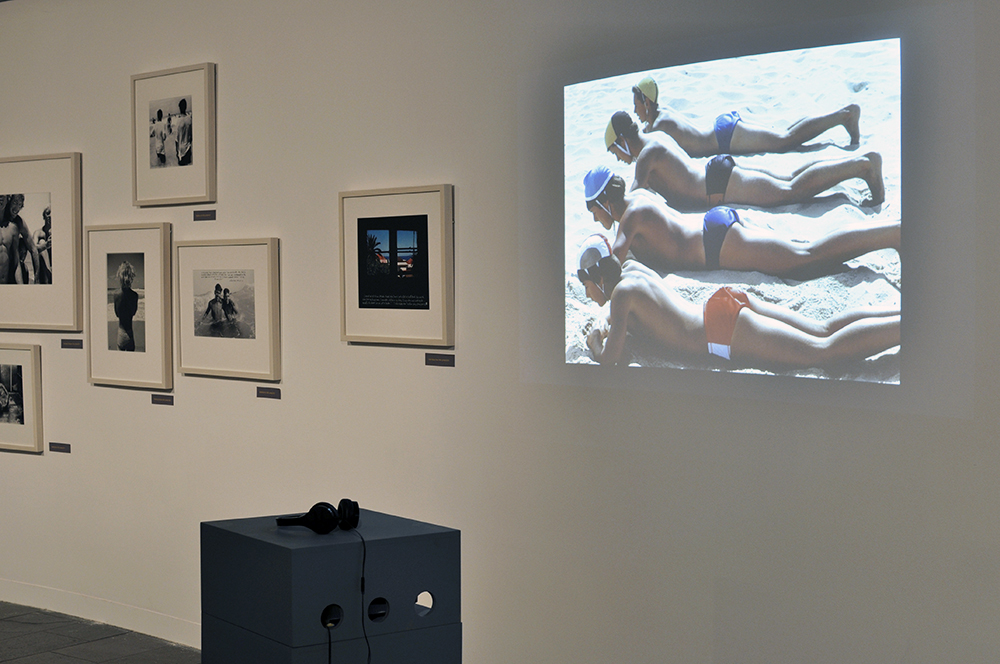
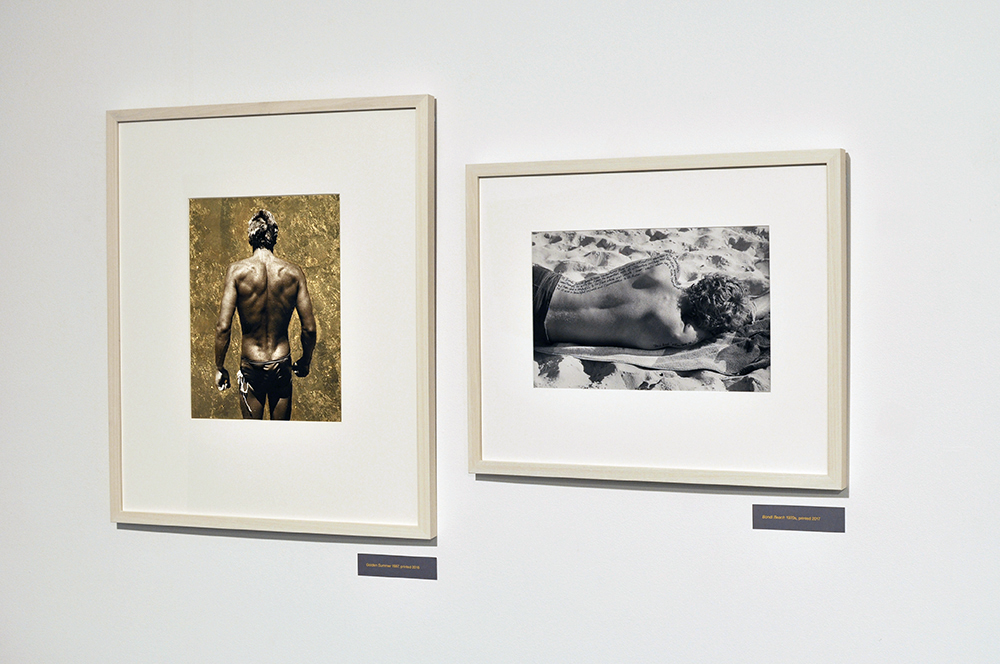
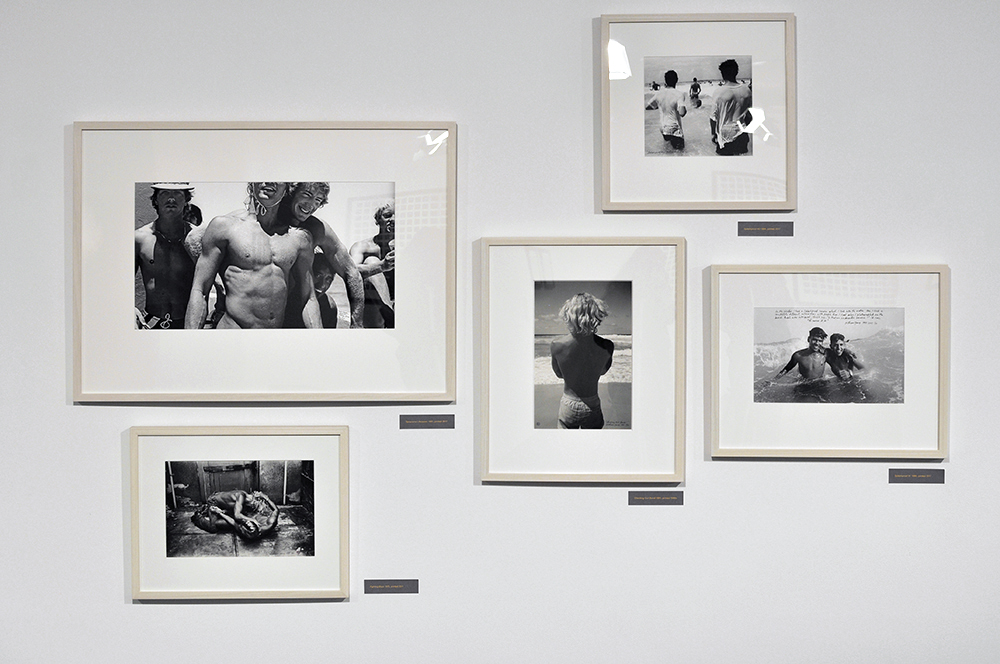
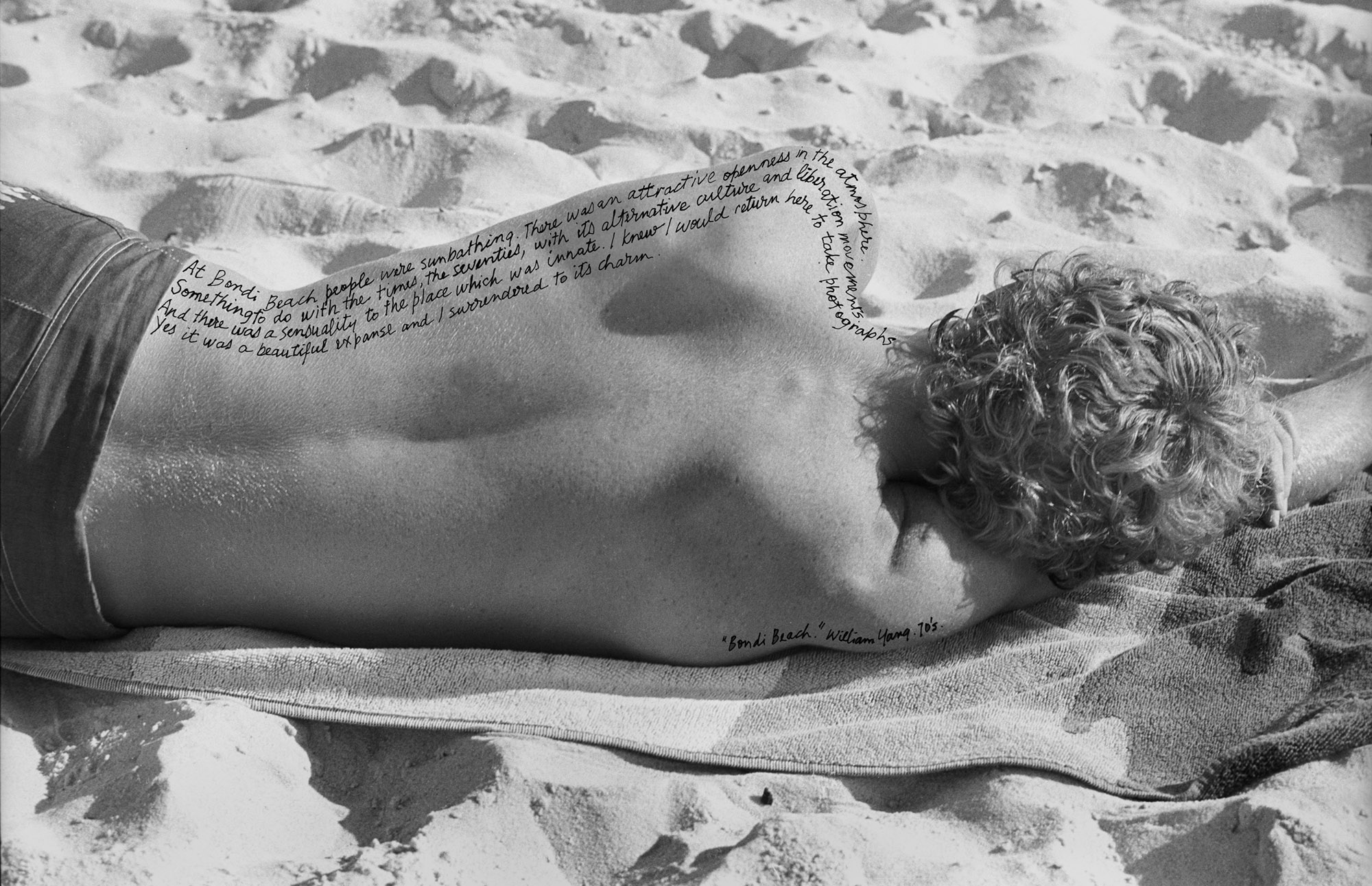
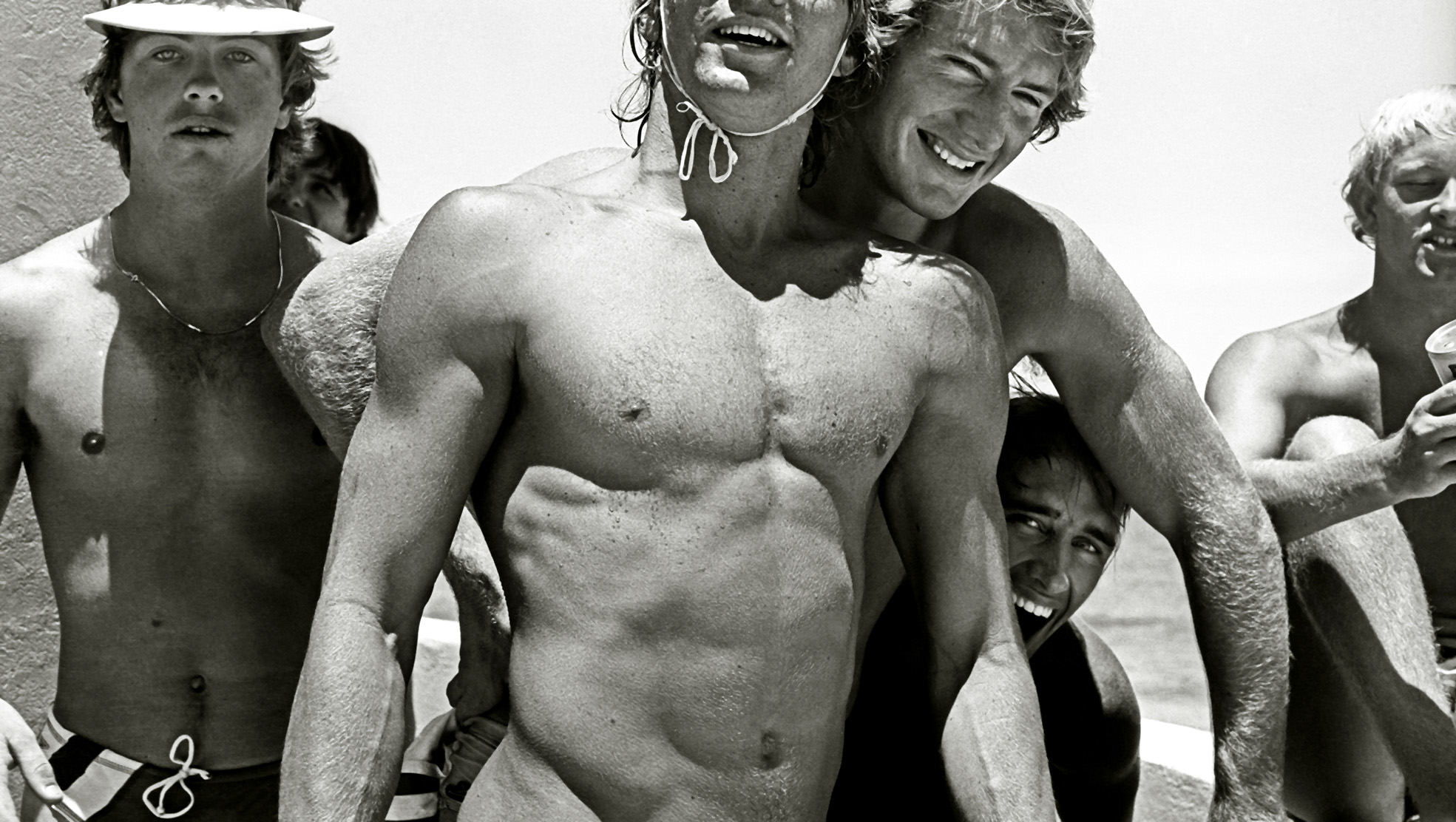
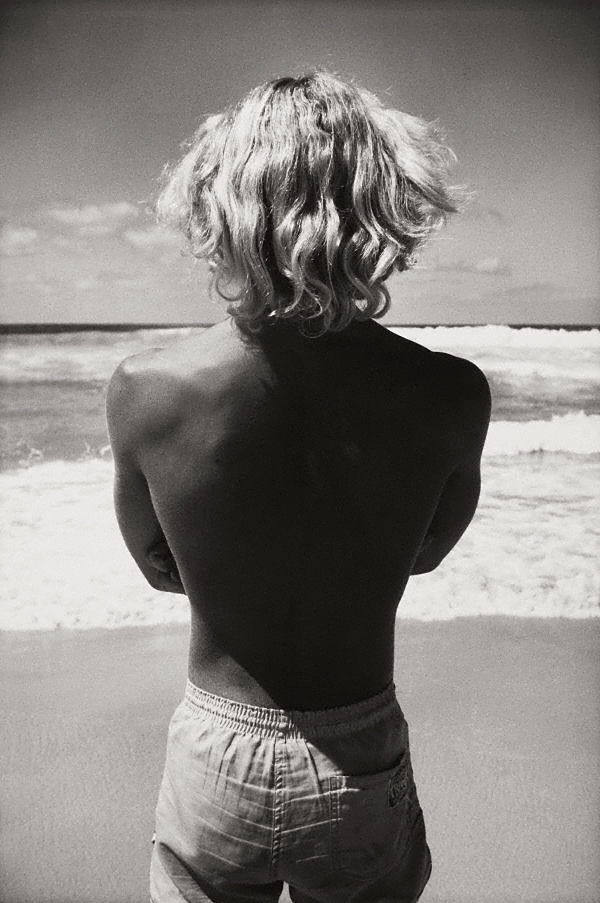
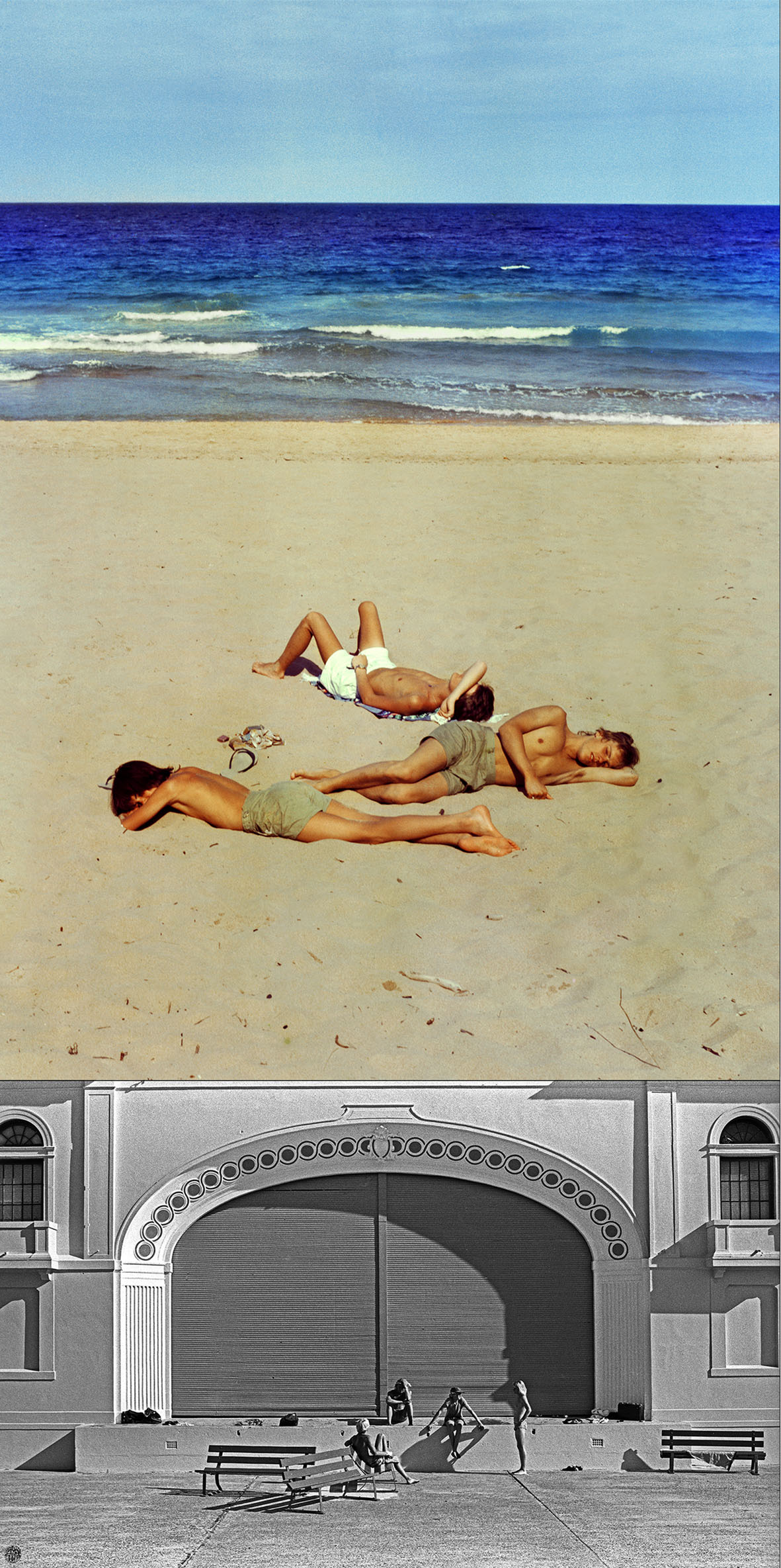
Other than Anne Zahalka’s wonderful feminist re-imag(in)ing of Sunbaker, the most evocative excavation of relationship to the original image comes from that gorgeous photographer William Yang. Just a celebration of sun, sand, sea, and male identity through beautiful, intimate images of the male body – “At Bondi Beach, people were sunbathing. There was an attractive openness in the atmosphere…” An atmosphere and a generosity of spirit sorely lacking in the rest of the work.

Dr Marcus Bunyan

PS. And it’s Sunbaker not The Sunbaker!


Many thankx to Monash Gallery of Art for allowing me to publish the photographs in the posting. All installation images © Marcus Bunyan and the Monash Gallery of Art. Please click on the photographs for a larger version of the image.
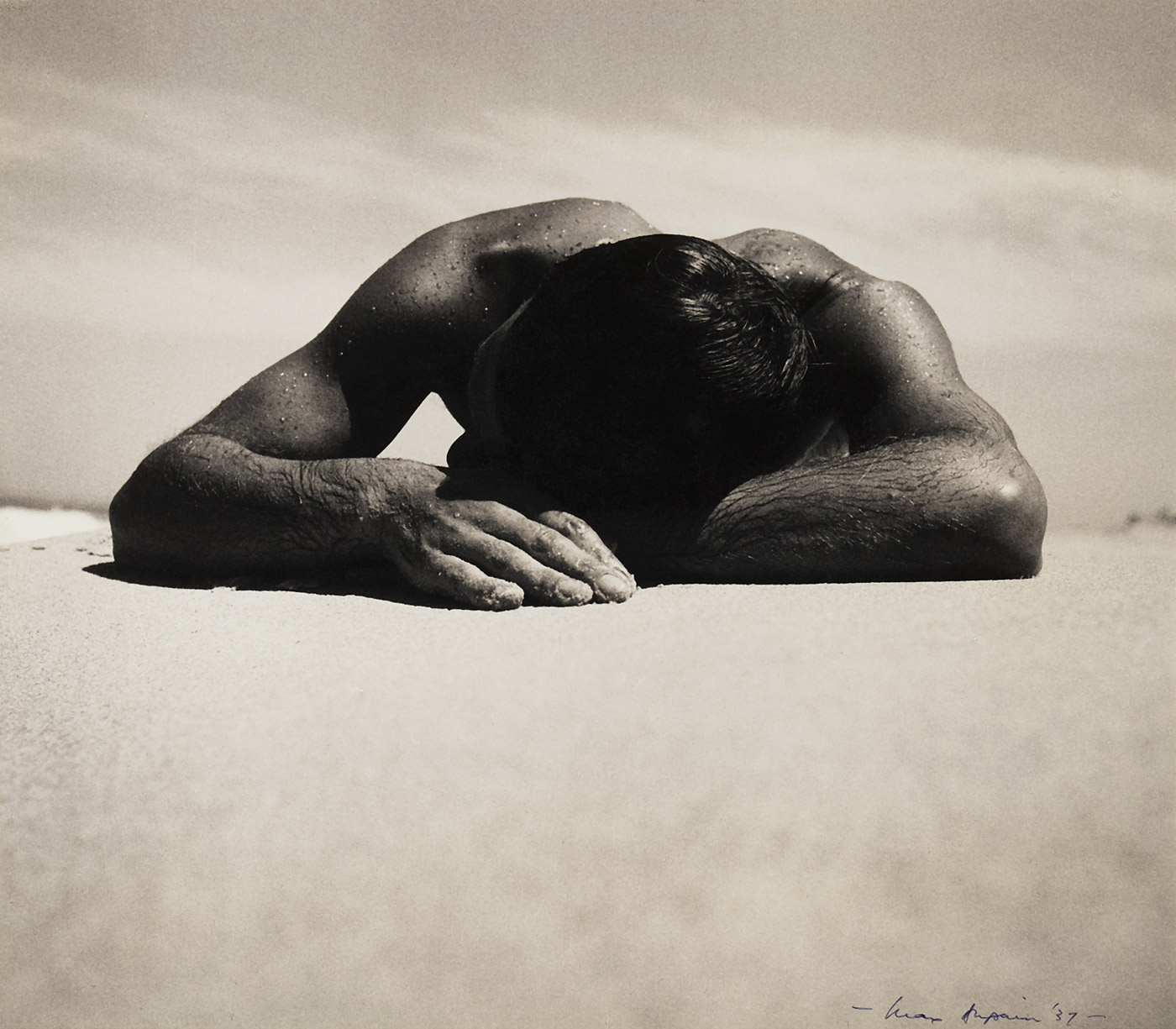


Max Dupain (Australian, 1911-1992) 'Sunbaker' c. 1937 from the exhibition 'Under the sun: Reimagining Max Dupain's Sunbaker' at the Monash Gallery of Art, Melbourne, May - August, 2017


Max Dupain (Australian, 1911-1992)
Sunbaker
c. 1937
Gelatin silver print
Monash Gallery of Art, City of Monash Collection acquired 1980
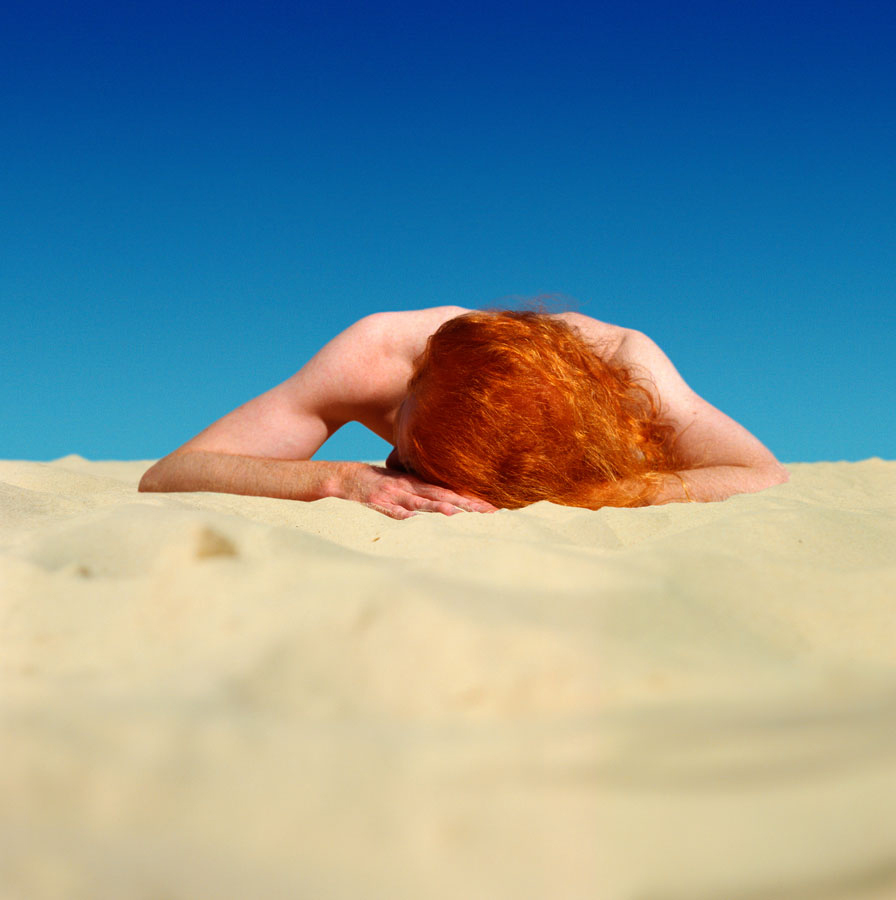
 

Anne Zahalka (Australian, b. 1957) 'The sunbather #2' 1989


Anne Zahalka (Australian, b. 1957)
The sunbather #2
1989
From the series Bondi: playground of the Pacific
Monash Gallery of Art, City of Monash Collection acquired 1997
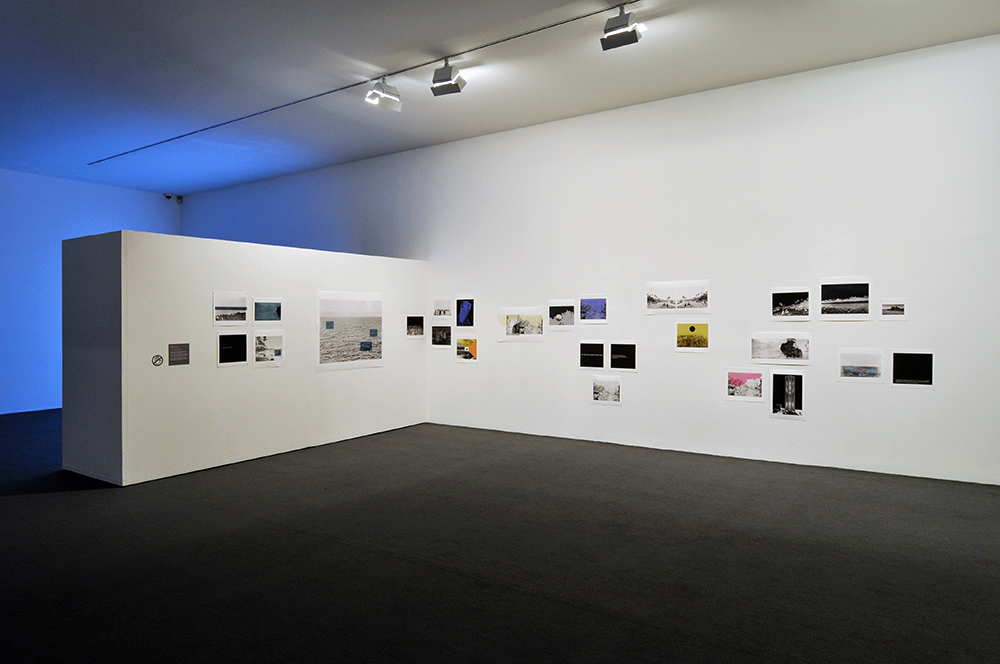
 

Installation view of the exhibition 'Under the sun Reimagining Max Dupain's 'Sunbaker'' at Monash Gallery of Art, Melbourne

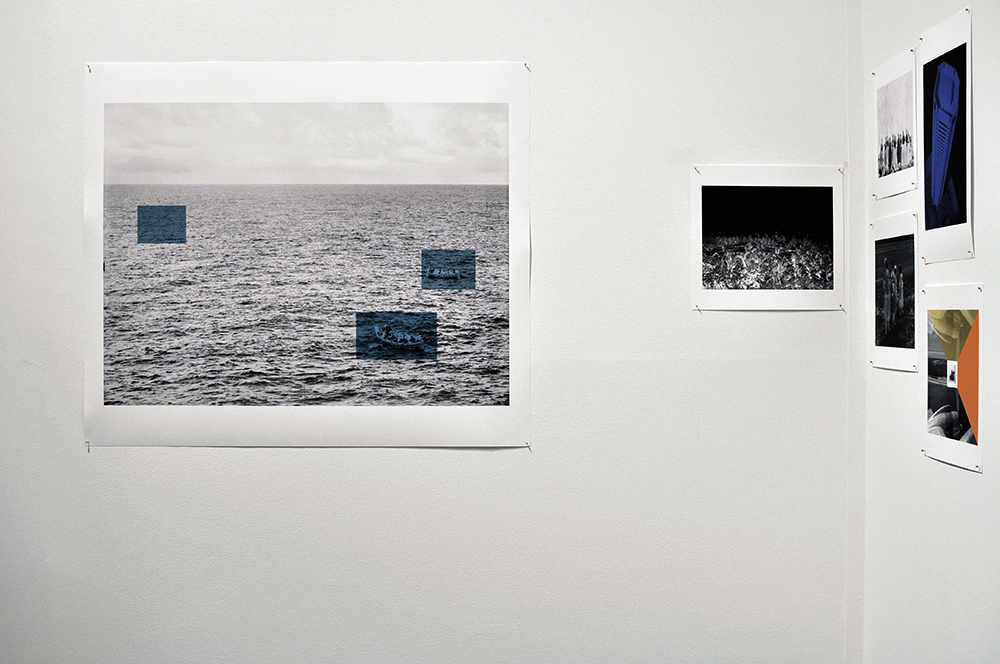
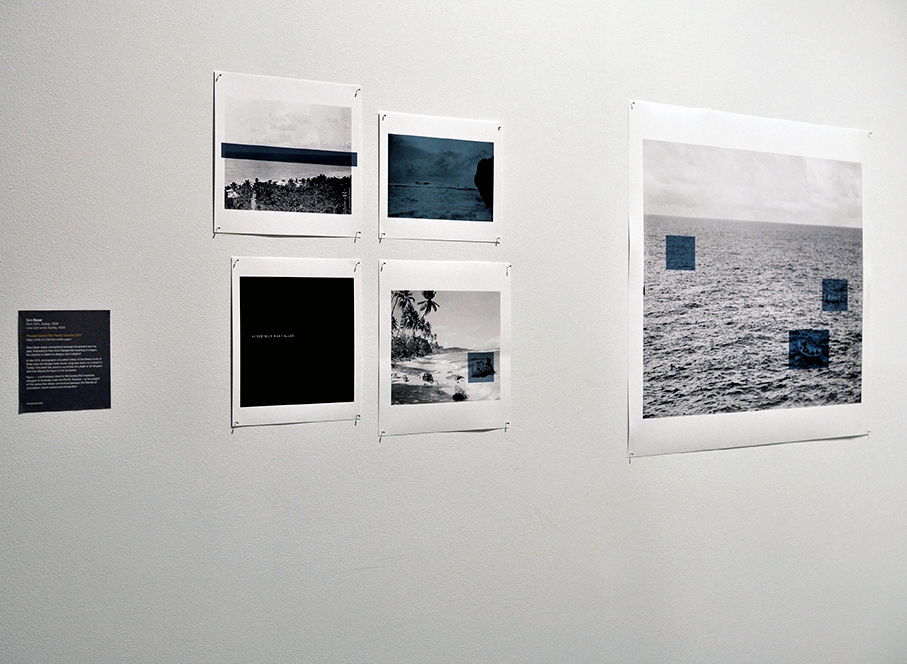
Installation view of the exhibition 'Under the sun Reimagining Max Dupain's 'Sunbaker'' at Monash Gallery of Art, Melbourne showing Sara Oscar's 'Pleasant Island (The Pacific Solution)' (2017)

Installation view of the exhibition 'Under the sun Reimagining Max Dupain's 'Sunbaker'' at Monash Gallery of Art, Melbourne showing Sara Oscar's 'Pleasant Island (The Pacific Solution)' (2017)

Installation view of the exhibition 'Under the sun Reimagining Max Dupain's 'Sunbaker'' at Monash Gallery of Art, Melbourne showing Sara Oscar's 'Pleasant Island (The Pacific Solution)' (2017)

Installation view of the exhibition 'Under the sun Reimagining Max Dupain's 'Sunbaker'' at Monash Gallery of Art, Melbourne showing Sara Oscar's 'Pleasant Island (The Pacific Solution)' (2017)

Installation view of the exhibition 'Under the sun Reimagining Max Dupain's 'Sunbaker'' at Monash Gallery of Art, Melbourne showing Sara Oscar's 'Pleasant Island (The Pacific Solution)' (2017)


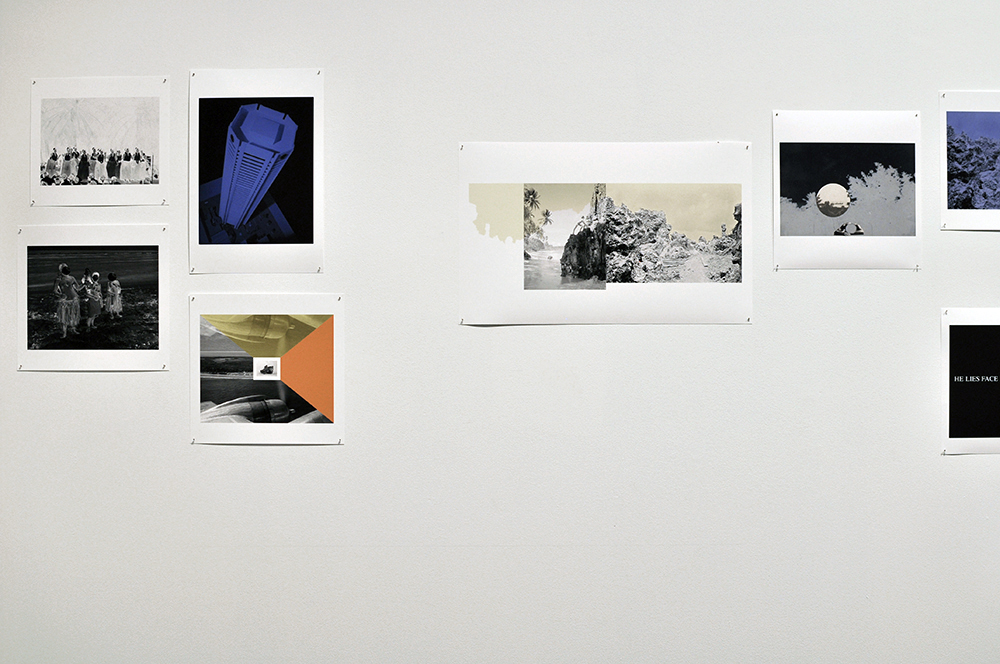
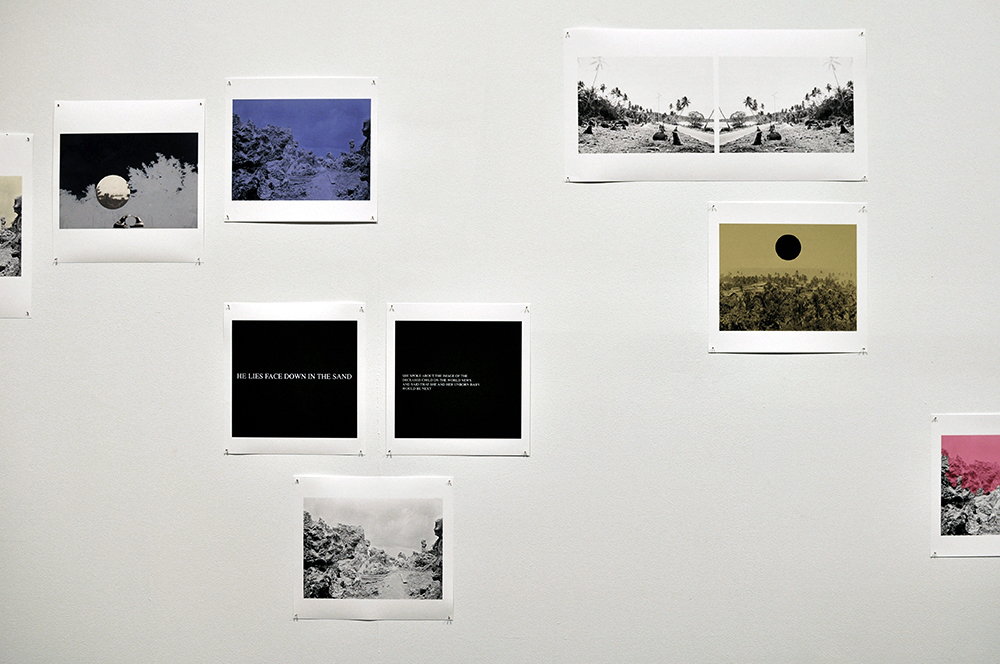
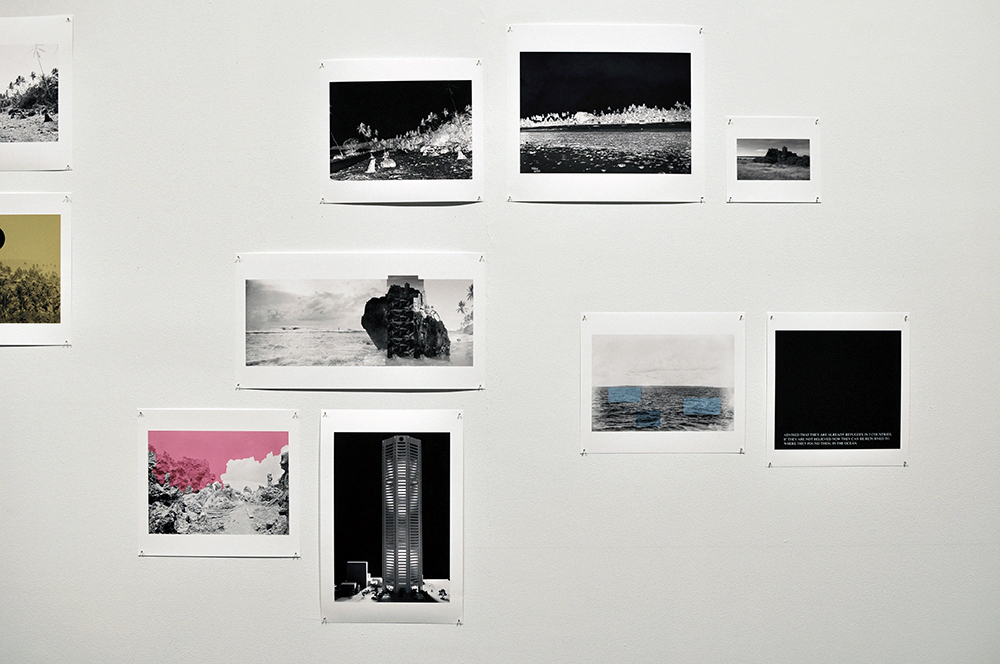
Installation views of Sara Oscar’s Pleasant Island (The Pacific Solution) (2017) from the exhibition Under the sun: Reimagining Max Dupain’s Sunbaker at Monash Gallery of Art, Melbourne
Photos: Marcus Bunyan
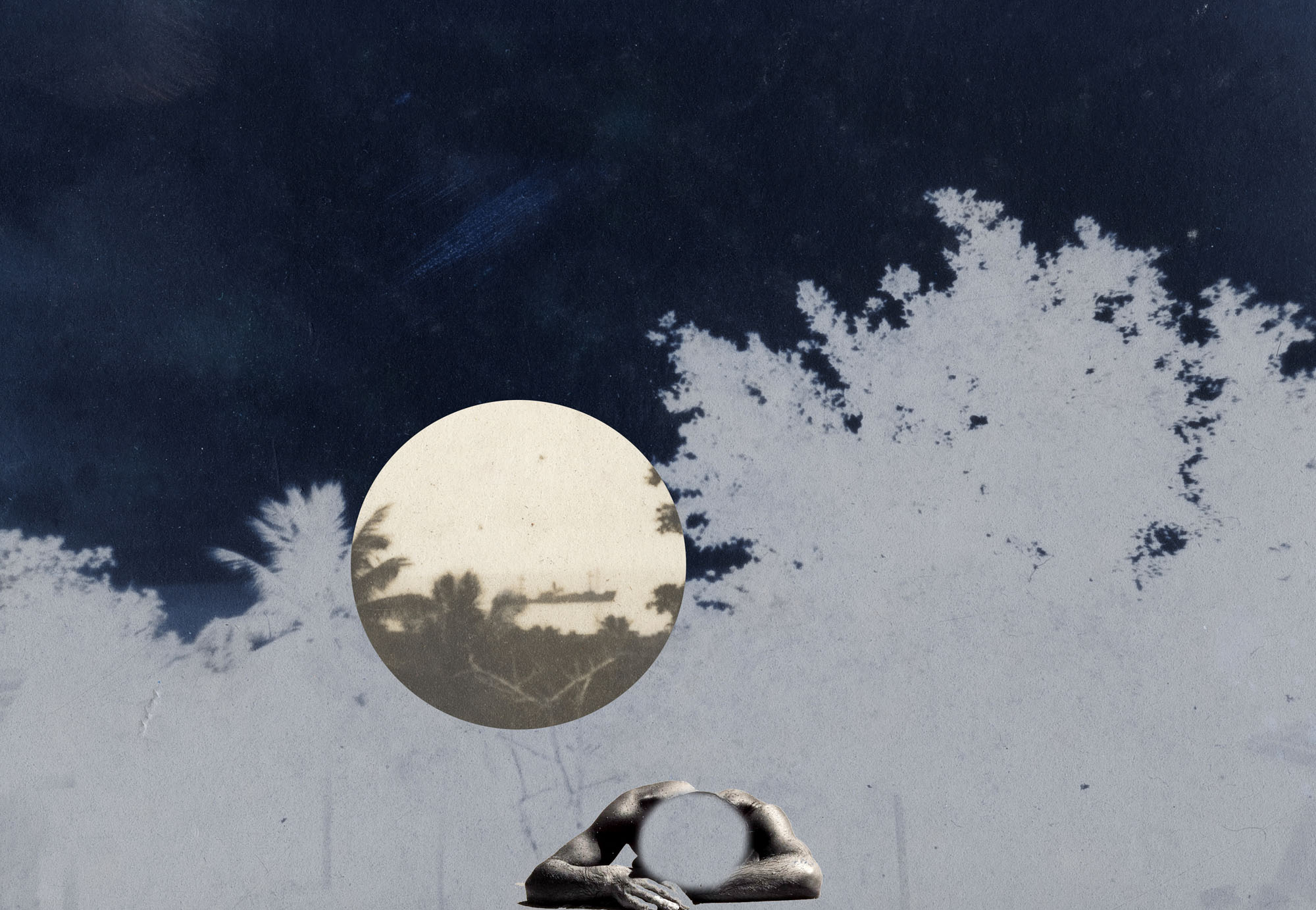
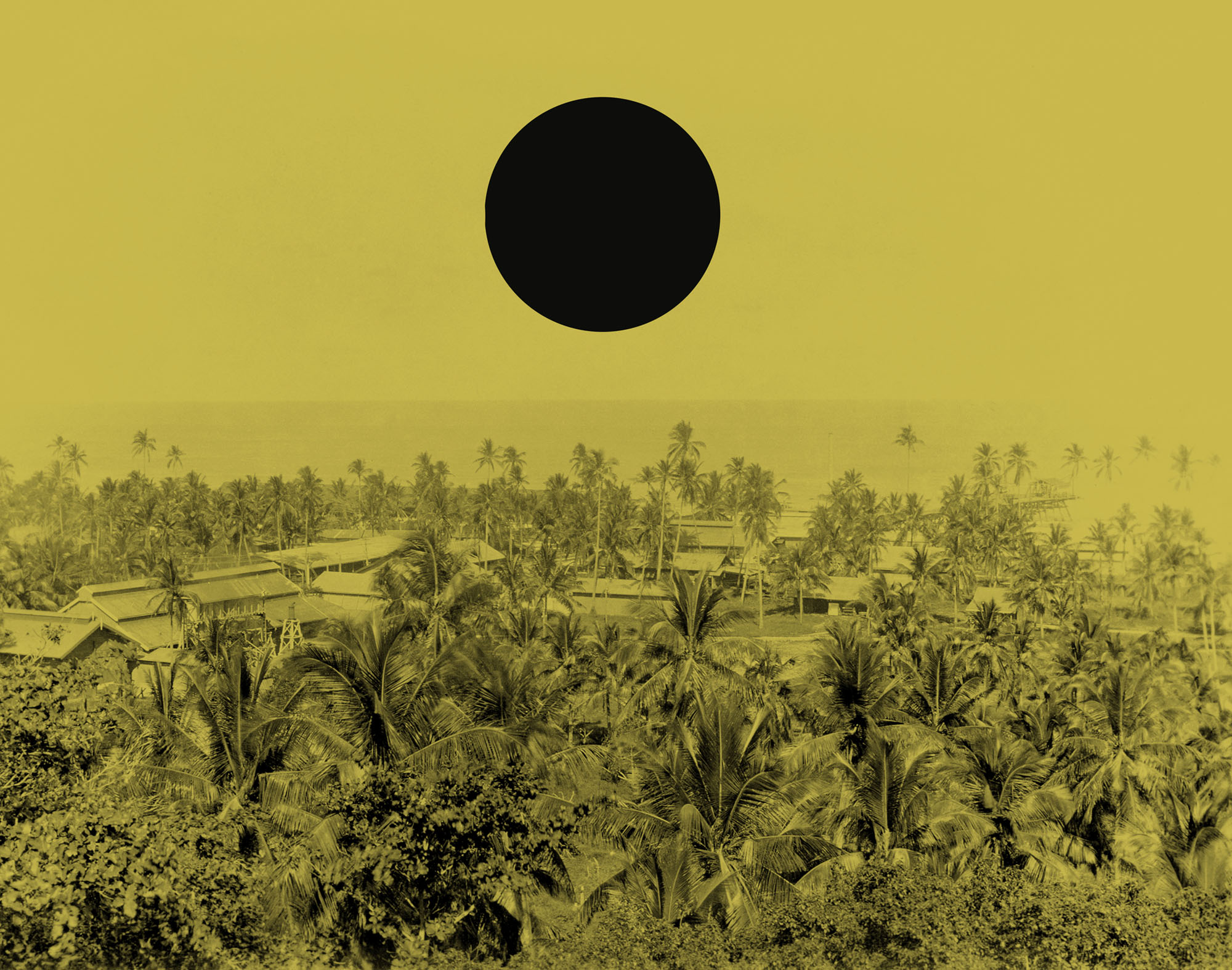
 

Sara Oscar (Australian born 1975, Sydney, NSW) 'Pleasant Island (The Pacific Solution)' 2017 from the exhibition 'Under the sun: Reimagining Max Dupain's Sunbaker' at the Monash Gallery of Art, Melbourne, May - August, 2017

Sara Oscar (Australian born 1975, Sydney, NSW) 'Pleasant Island (The Pacific Solution)' 2017

Sara Oscar (Australian born 1975, Sydney, NSW) 'Pleasant Island (The Pacific Solution)' 2017

Sara Oscar (Australian born 1975, Sydney, NSW) 'Pleasant Island (The Pacific Solution)' 2017

Sara Oscar (Australian born 1975, Sydney, NSW) 'Pleasant Island (The Pacific Solution)' 2017


Sara Oscar (Australian born 1975, Sydney, NSW)
Pleasant Island (The Pacific Solution)
2017
Inkjet print on Hahnemuehle paper
Courtesy the artist


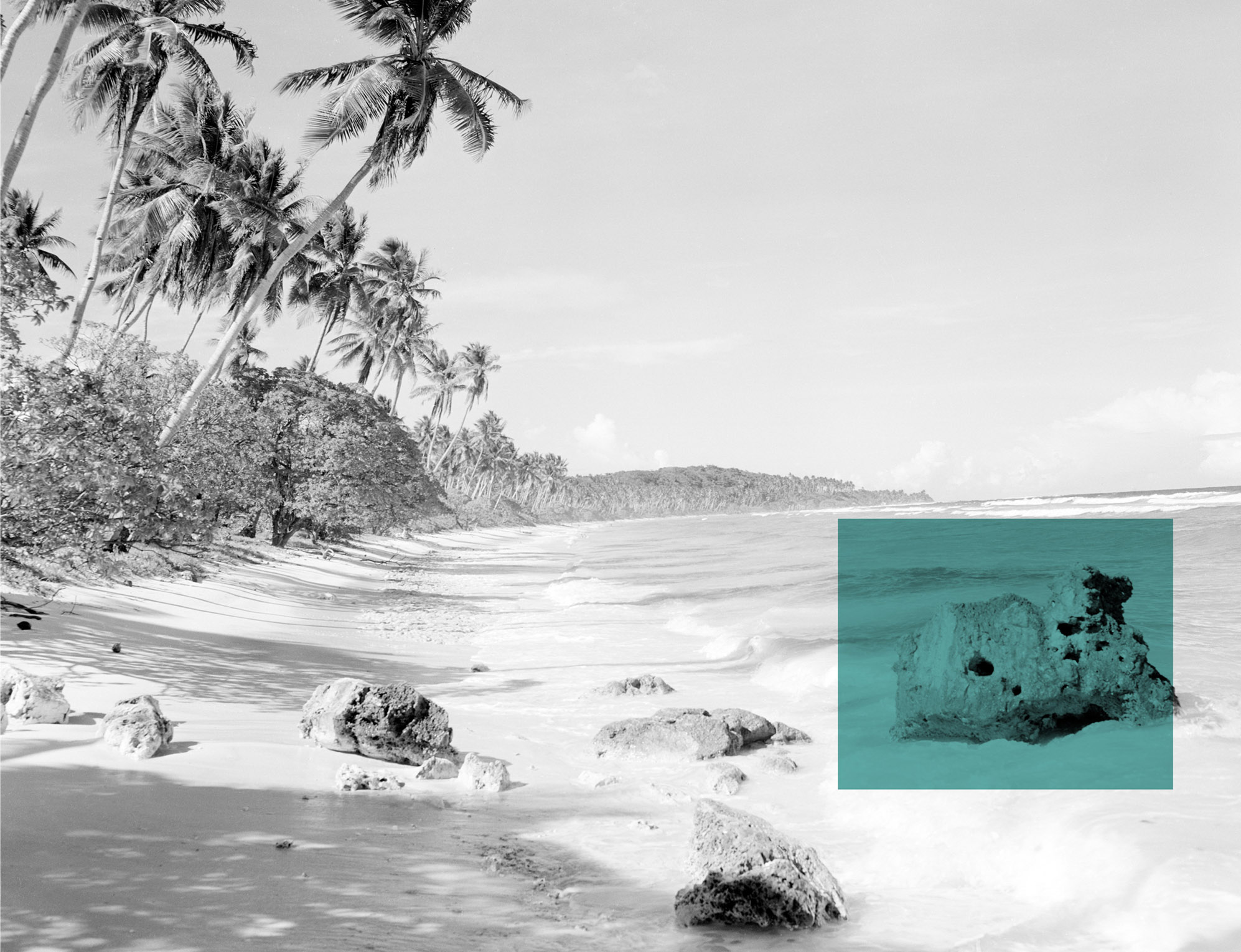
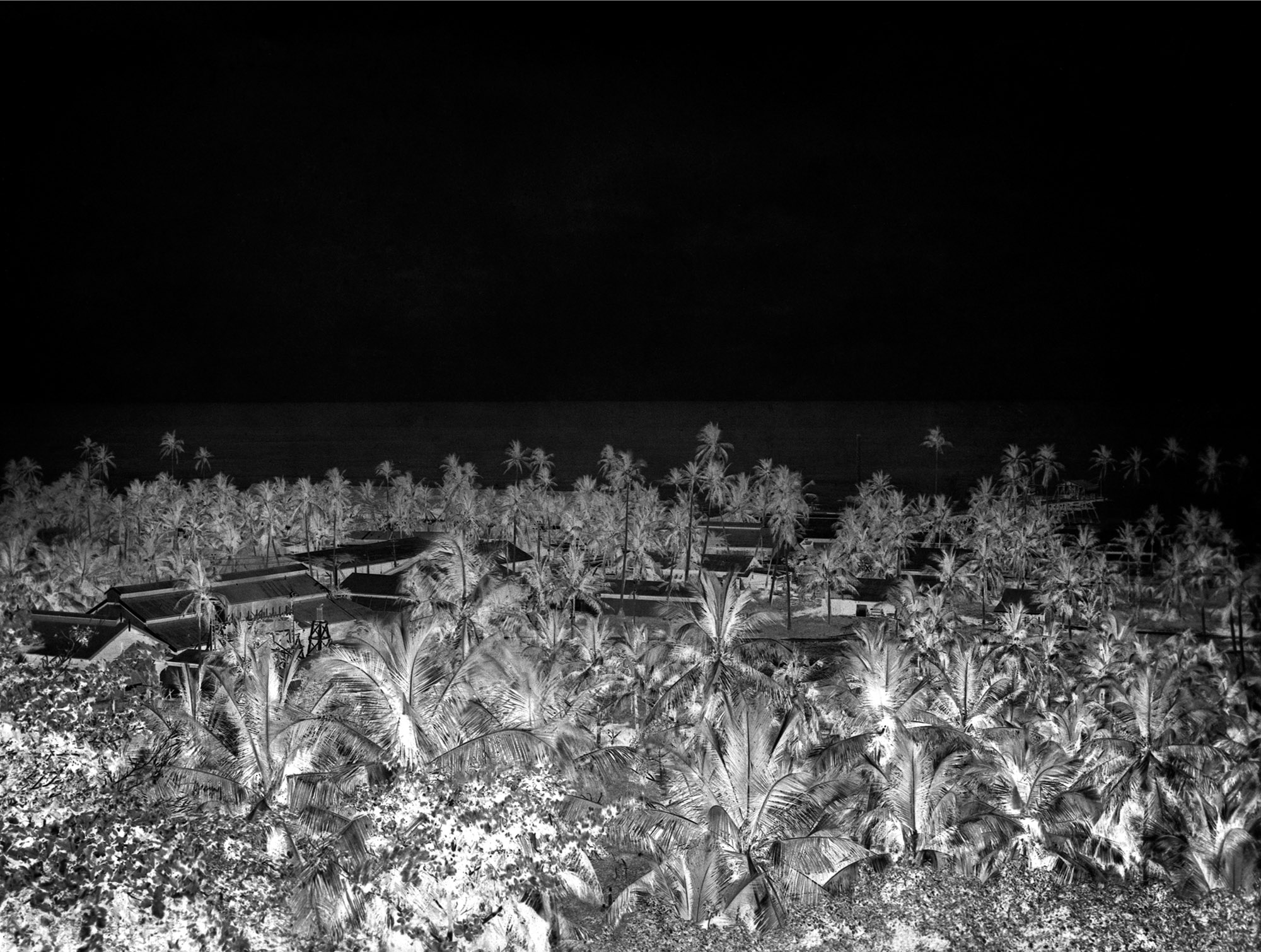
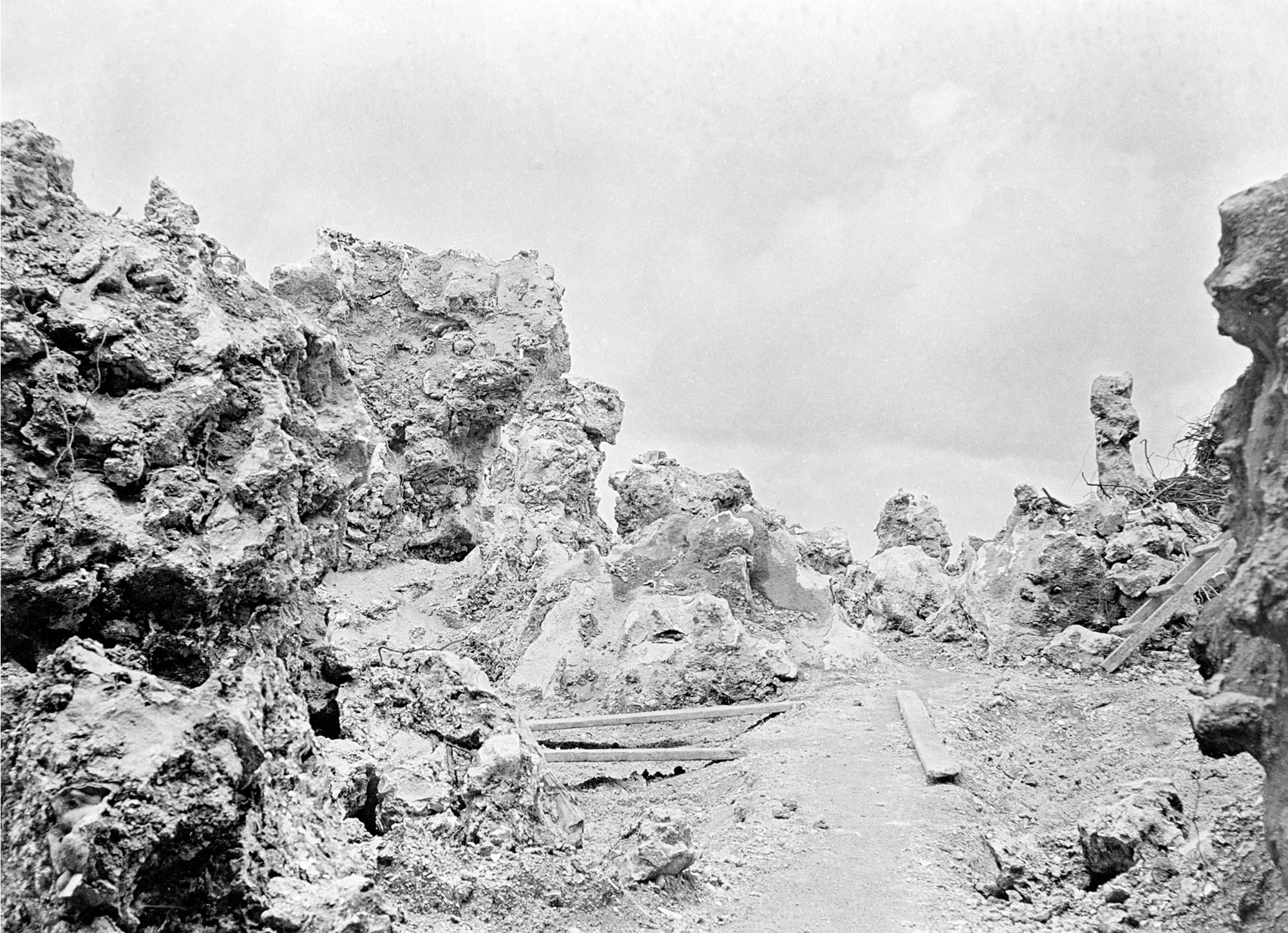
Sara Oscar draws connections between the present and the past. Interested in how time changes the meaning of images, her practice is drawn to allegory and metaphor.

In late 2015, photographs circulated widely of the lifeless body of three-year-old refugee Aylan Kurdi, lying face down on a beach in Turkey. The pose has come to symbolise the plight of all refugees and now haunts the figure of the Sunbaker. Nauru – a picturesque island in Micronesia that imprisons refugees to Australia under the Pacific Solution – is the subject of this series that draws connections between the themes of colonialism, beach culture and immigration.


Nasim Nasr (born 1964, Tehran, Iran; lives and works Sydney, NSW)
Still for Eighty Years
2017
Courtesy the artist and Greenaway Art Gallery, Adelaide
Video: Â© Dr Marcus Bunyan, Monash Gallery of Art and Nasim Nasr


Nasim Nasr’s multimedia practice explores the cultural differences between East and West, looking at the complex identities that exist at their nexus.

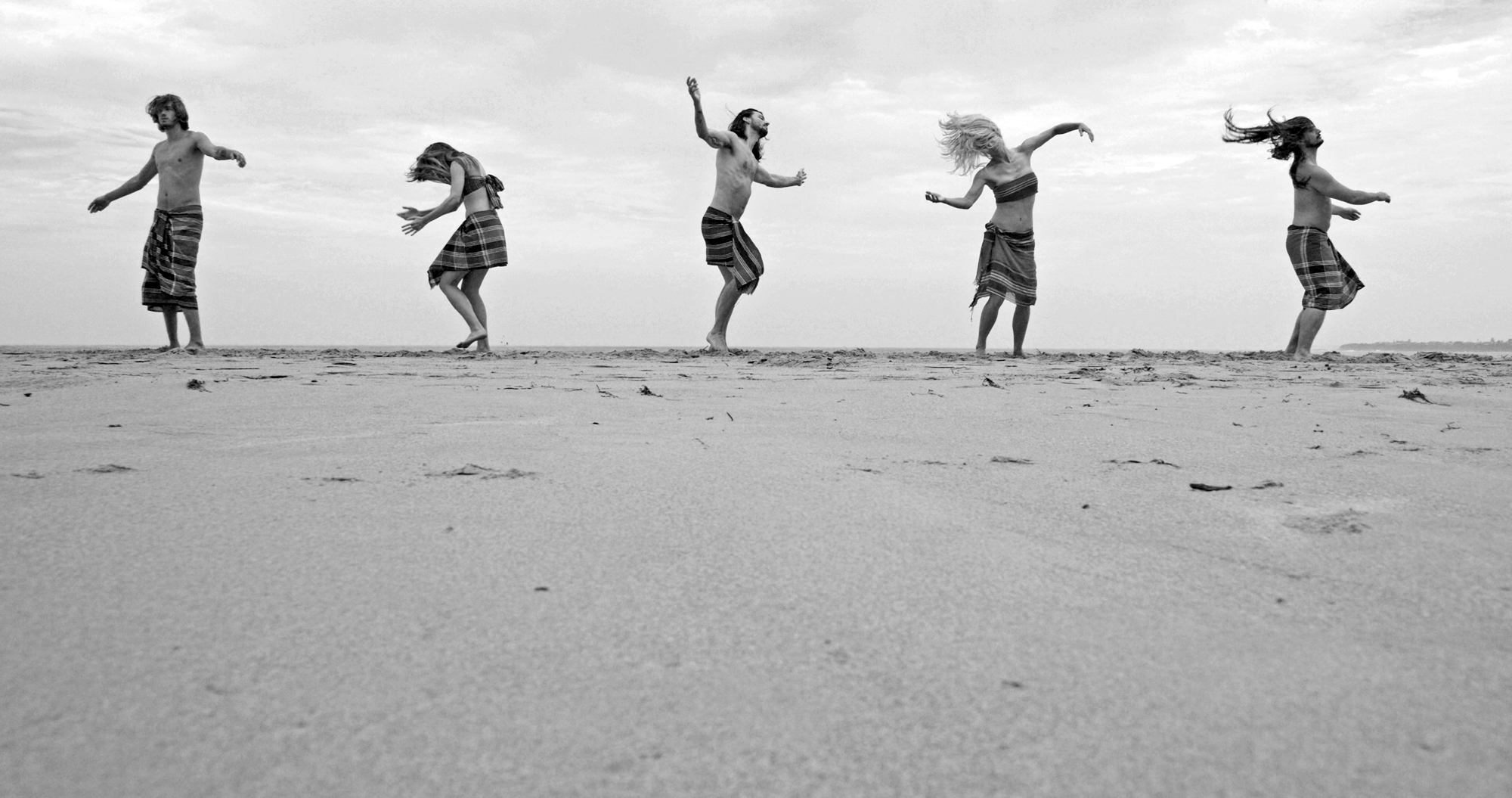
Shot on Culburra Beach, NSW – where Dupain photographed the Sunbaker – Still for Eighty Years juxtaposes traditional motifs from the Middle East with the Australian beach landscape. Here, the beach becomes a place for cross-cultural dialogue. Inviting us to contemplate their mesmerising Sufi-inspired choreography, the dancers wear a hammam cloth specifically woven for the performance. Nasr’s work is a meditation on the transient nature of identity.


Installation view of the exhibition 'Under the sun Reimagining Max Dupain's 'Sunbaker'' at Monash Gallery of Art, Melbourne showing Nasim Nasr's 'Still for Eighty Years' (2017)

Installation view of the exhibition 'Under the sun Reimagining Max Dupain's 'Sunbaker'' at Monash Gallery of Art, Melbourne showing Nasim Nasr's 'Still for Eighty Years' (2017)

Installation view of the exhibition 'Under the sun Reimagining Max Dupain's 'Sunbaker'' at Monash Gallery of Art, Melbourne showing Nasim Nasr's 'Still for Eighty Years' (2017)


Installation views of Nasim Nasr’s Still for Eighty Years (2017) from the exhibition Under the sun: Reimagining Max Dupain’s Sunbaker at Monash Gallery of Art, Melbourne
Photos: Marcus Bunyan
 

Nasim Nasr (born 1964, Tehran, Iran; lives and works Sydney, NSW) 'Still for Eighty Years' 2017 from the exhibition 'Under the sun: Reimagining Max Dupain's Sunbaker' at the Monash Gallery of Art, Melbourne, May - August, 2017

Nasim Nasr (born 1964, Tehran, Iran; lives and works Sydney, NSW) 'Still for Eighty Years' 2017

Nasim Nasr (born 1964, Tehran, Iran; lives and works Sydney, NSW) 'Still for Eighty Years' 2017

Nasim Nasr (born 1964, Tehran, Iran; lives and works Sydney, NSW) 'Still for Eighty Years' 2017

Nasim Nasr (born 1964, Tehran, Iran; lives and works Sydney, NSW) 'Still for Eighty Years' 2017


Nasim Nasr (born 1964, Tehran, Iran; lives and works Sydney, NSW)
Still for Eighty Years
2017
Production stills from video
Courtesy the artist and Greenaway Art Gallery, Adelaide


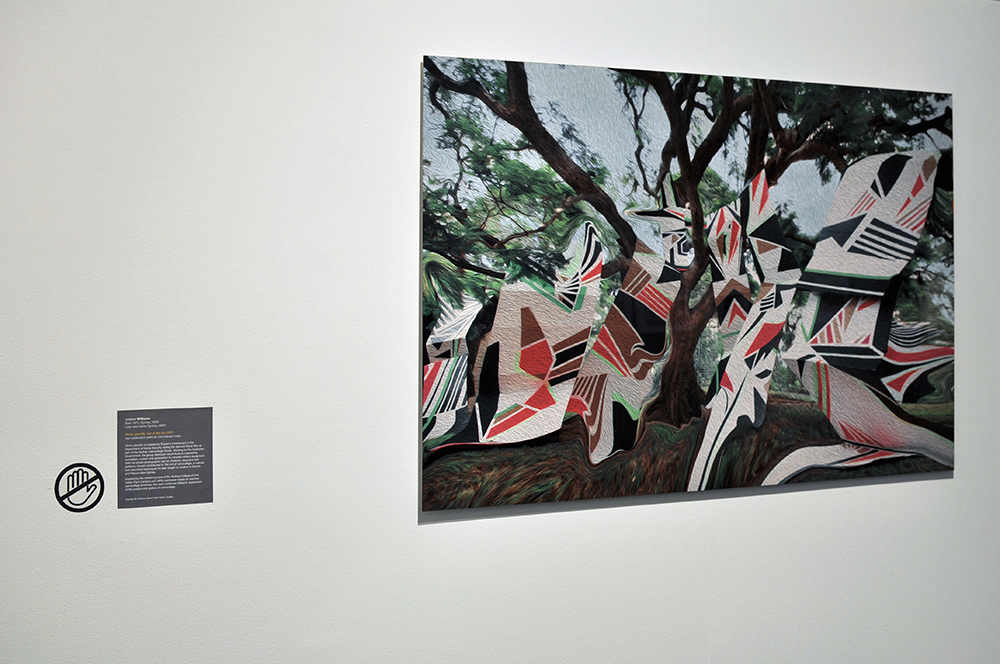
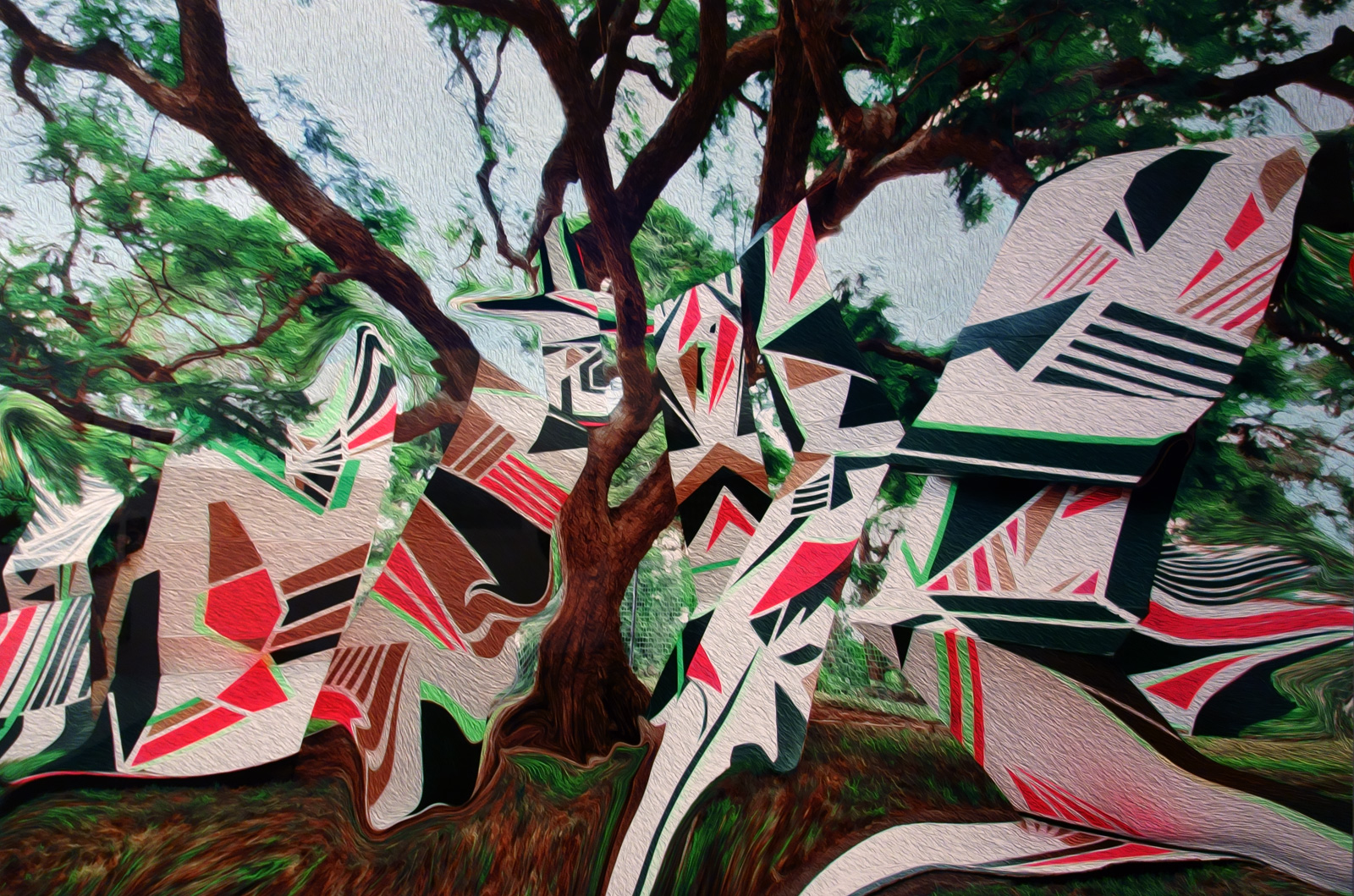
Installation view of the exhibition 'Under the sun Reimagining Max Dupain's 'Sunbaker'' at Monash Gallery of Art, Melbourne showing Justene Williams' 'Home security: out of the sun' (2017)


Installation view of Justene Williams’ Home security: out of the sun (2017) from the exhibition Under the sun: Reimagining Max Dupain’s Sunbaker at Monash Gallery of Art, Melbourne
Photo: Marcus Bunyan


Justene Williams (Australian, b. 1970, Sydney, NSW) 'Home security: out of the sun' 2017


Justene Williams (Australian, b. 1970, Sydney, NSW)
Home security: out of the sun
2017
Dye sublimation print on chromaluxe metal
Courtesy of the artist and Sarah Cottier Gallery, Sydney


Home security is inspired by Dupain’s involvement in the Department of Home Security during the Second World War as part of the Sydney Camouflage Group. Working for the Australian Government, the group deployed visual illusions inspired by surrealism, cubism and abstraction to conceal military equipment. With his astute photographic eye for shadows, exposure and patterns, Dupain contributed to The Art of Camouflage, a manual that described techniques he later taught to soldiers in Darwin and Papua-new Guinea.

Inspired by the sheltering trees of the Sydney College of the Arts Callan Park Campus and 1920s swimwear based on wartime camouflage schemes, this work continues Williams exploration of the poetics and politics of camouflage.


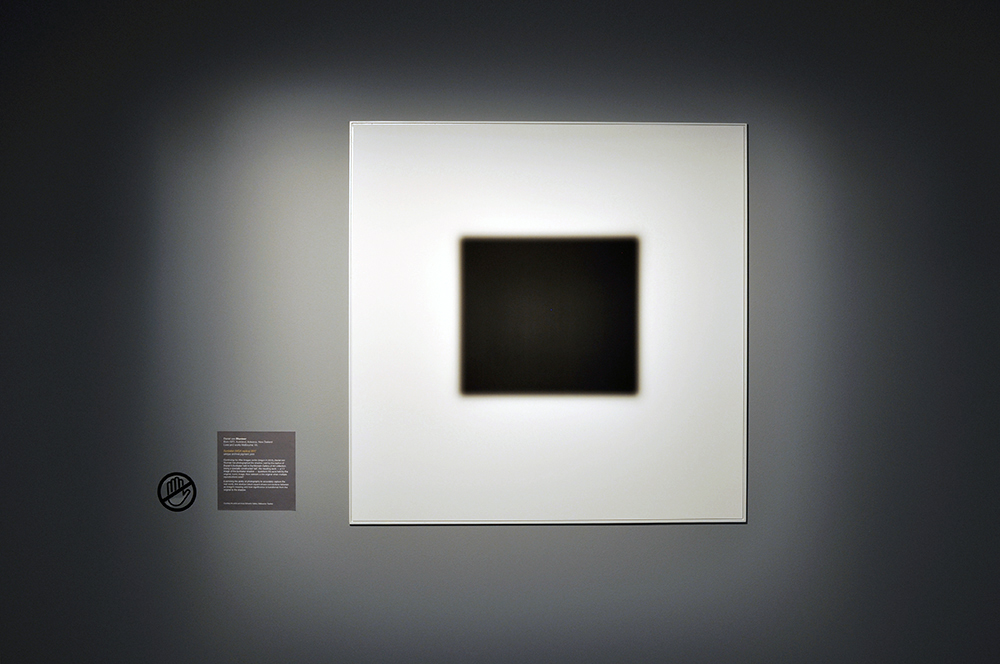
Installation view of the exhibition 'Under the sun Reimagining Max Dupain's 'Sunbaker'' at Monash Gallery of Art, Melbourne showing Daniel von Sturmer's 'Sunbaker (MGA replica)' (2017)


Installation view of Daniel von Sturmer’s Sunbaker (MGA replica) (2017) from the exhibition Under the sun: Reimagining Max Dupain’s Sunbaker at Monash Gallery of Art, Melbourne
Photo: Marcus Bunyan


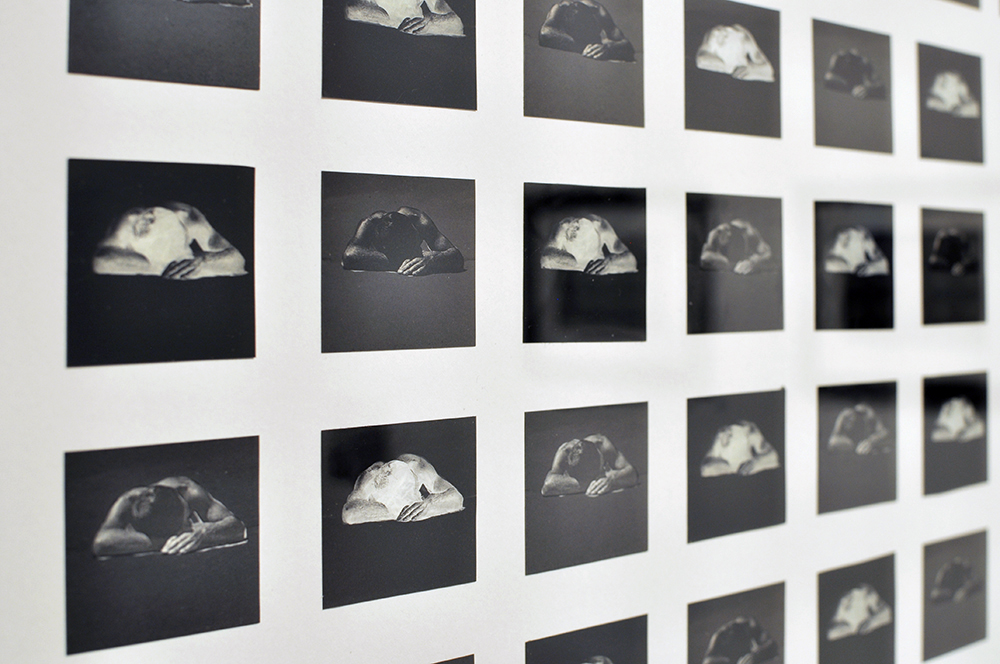
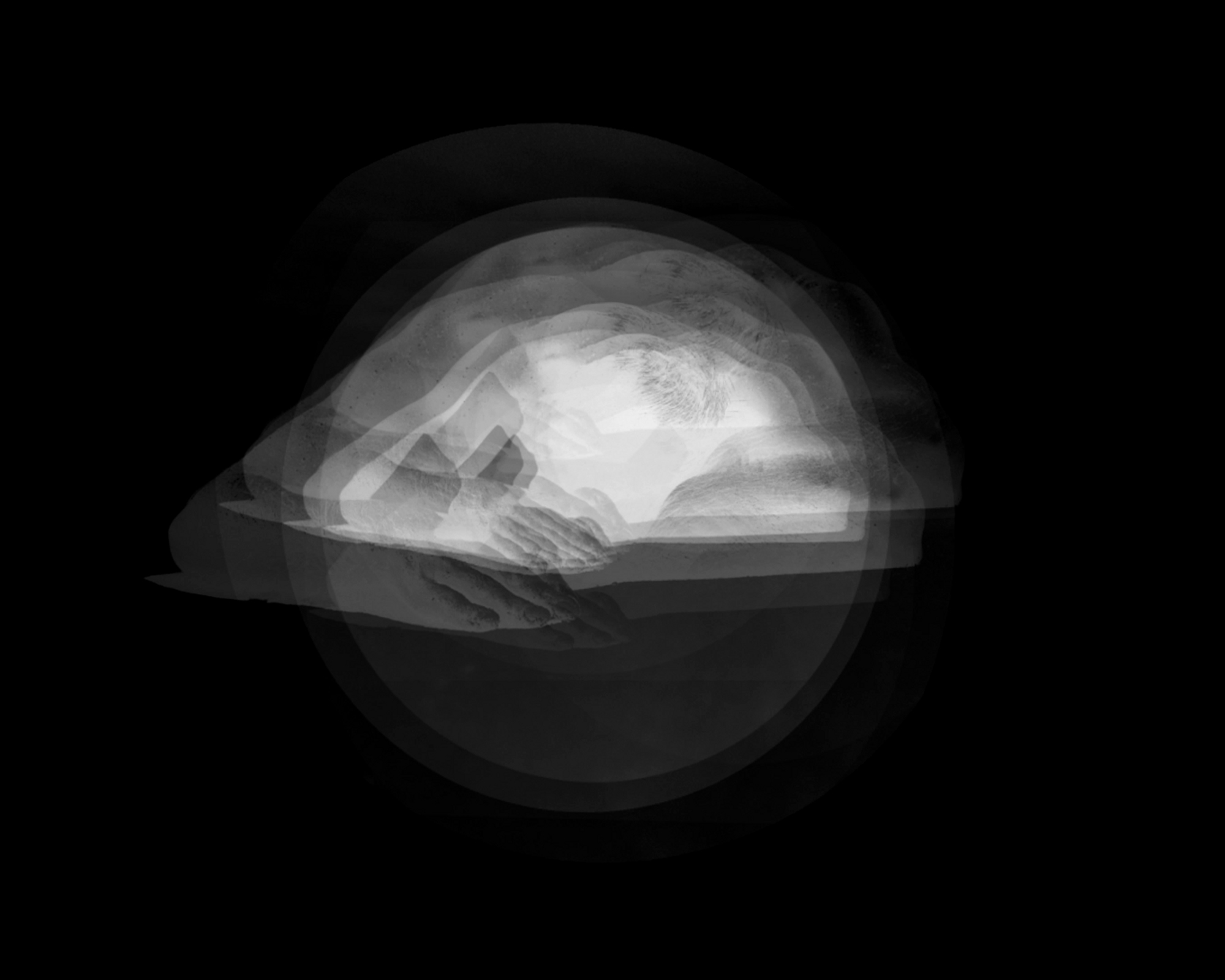
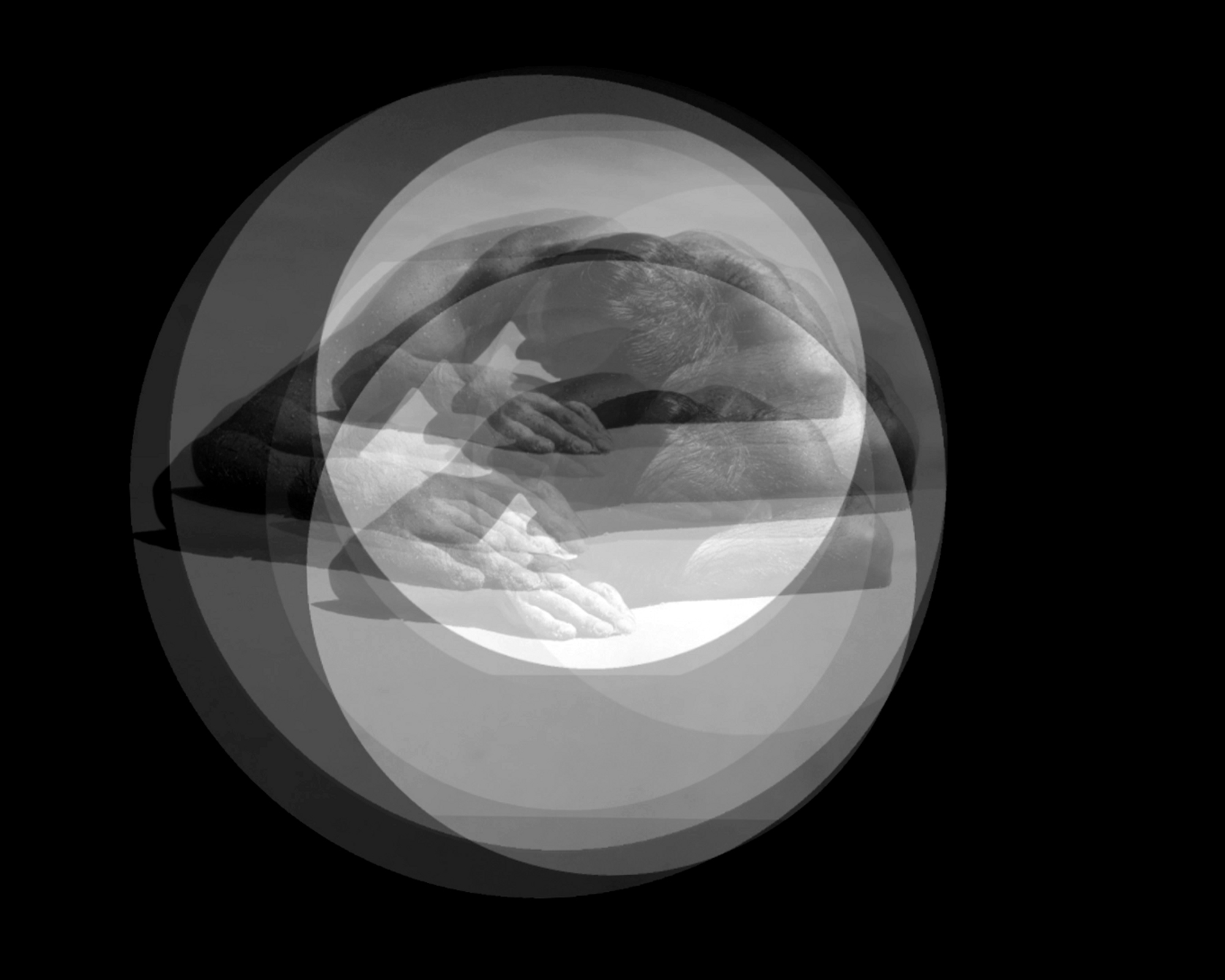
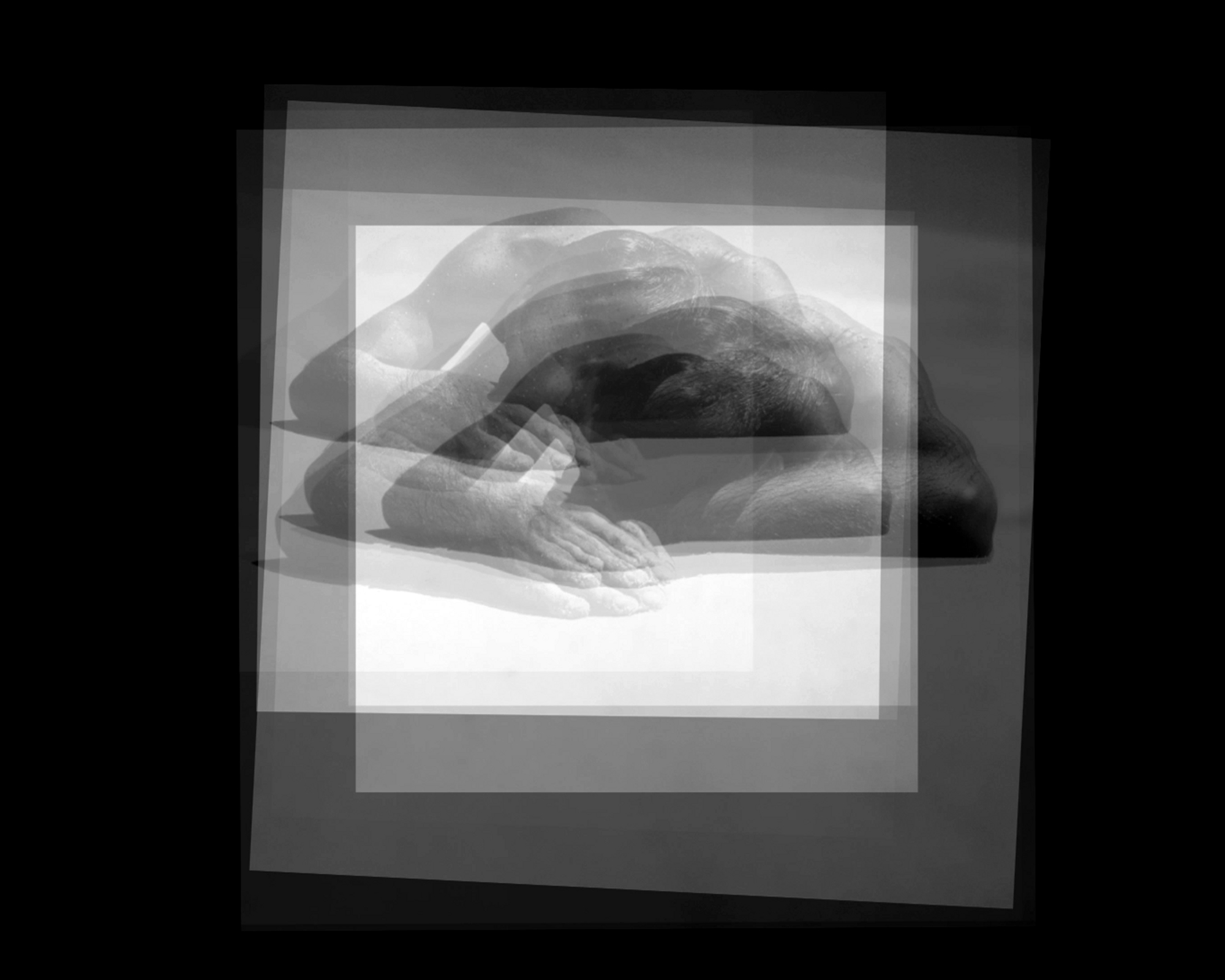
Continuing his After Images series (begun in 2013), Daniel von Sturmer has photographed the shadow cast by the replica of Dupain’s Sunbaker held in the Monash Gallery of Art collection. Using a specially constructed ‘set’, the resulting work – a 1:1 image of the Sunbaker shadow – questions the aura held by the original, iconic image. How relevant is the original when multiple reproductions exist?

Examining the ability of photography to accurately capture the real world, this abstract black square draws connections between an image’s meaning and how significance is transferred from the original to the shadow.


Daniel von Sturmer (Born 1972, Auckland, Aotearoa, New Zealand Lives and works in Melbourne, Vic) 'Sunbaker (MGA replica)' 2017


Daniel von Sturmer (Born 1972, Auckland, Aotearoa, New Zealand Lives and works in Melbourne, Vic)
Sunbaker (MGA replica)
2017
Unique archival pigment print
Courtesy the artist and Anna Schwartz Gallery, Melbourne / Sydney


Under the sun: Reimagining Max Dupain’s Sunbaker is a large-scale exhibition of new works commissioned from 15 artists responding to Australian photographer Max Dupain’s iconic ‘Sunbaker’ image. Artists include Peta Clancy, Christopher Day, Destiny Deacon, Michaela Gleave, Nasim Nasr, Sara Oscar, Julie Rrap, Khaled Sabsabi, Yhonnie Scarce, Christian Thompson, Angela Tiatia. Kawita Vatanajyankur, Daniel Von Sturmer, Justene Williams and William Yang. Under the sun is a travelling exhibition produced by the Australian Centre for Photography (ACP).

MGA Curator Stella Loftus-Hills said, “MGA is delighted to be hosting Under the sun and to be revisiting Max Dupain’s Sunbaker (1937) 80 years after its creation. Dupain’s iconic photograph entered MGA’s collection in 1980 and this exhibition is a wonderful opportunity for our audiences to view the work in the context of contemporary art and to reflect upon its relationship to current ideas around national identity.”

Under the sun explores views of our culture, our identity and our nationhood through works that surprise, challenge and enthuse audiences. Commissioned by ACP, the mix of artists reflects Australia’s multi-cultural, multi-ethnic and multi-faith nature, enabling a creative and often very personal exploration of the question ‘is there something new under the sun?’ These artists contemplate, challenge and interpret the representation of Max Dupain’s photograph – which became an icon of a particular time and a particular vision of Australian culture – while offering unique perspectives on what it could possibly signify in our current society.

ACP Curator, Claire Monneraye said: “Max Dupain’s ‘Sunbaker’, remains an iconic representation of the Australian way of life and a milestone in the history of Australian photography. In this exhibition, the 15 artists have interrogated the social and political implications embedded within this image but also challenged the status of this photograph in our visual culture. Pushing the boundaries of the photographic medium, their works expose the aesthetical complexities at play in discussions around collective identity.

Examining the legacy of the past and questioning the relevance that this image might retain in the future, the exhibition draws on a range of diverse practitioners and creative forms to consider questions of representation and cultural pluralism while also reflecting on the depiction of the idealised body, discussing gender issues, cultural and political ideas relating to immigration and colonisation, and our relationship with the land.”

Press release from the Monash Gallery of Art


Kawita Vatanajyankur (Born 1987, Bangkok, Thailand Lives and works Bangkok and Sydney, NSW)
Carrier (extract)
2017
Video, duration: approx. 5 mins
Courtesy the artist and Stills Gallery, Sydney
Video: Â© Dr Marcus Bunyan, Monash Gallery of Art and Kawita Vatanajyankur


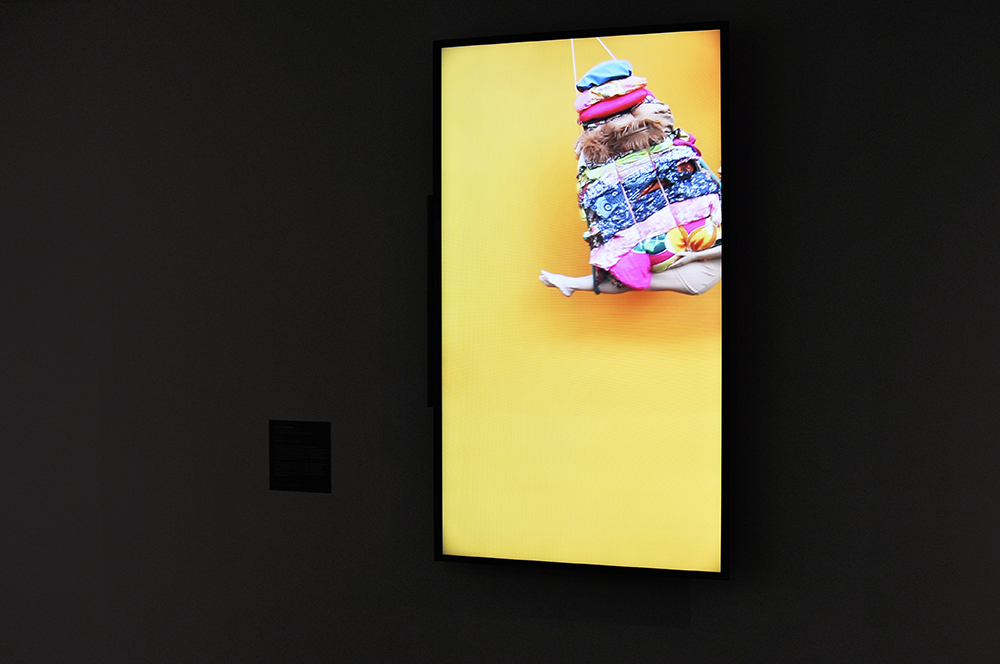
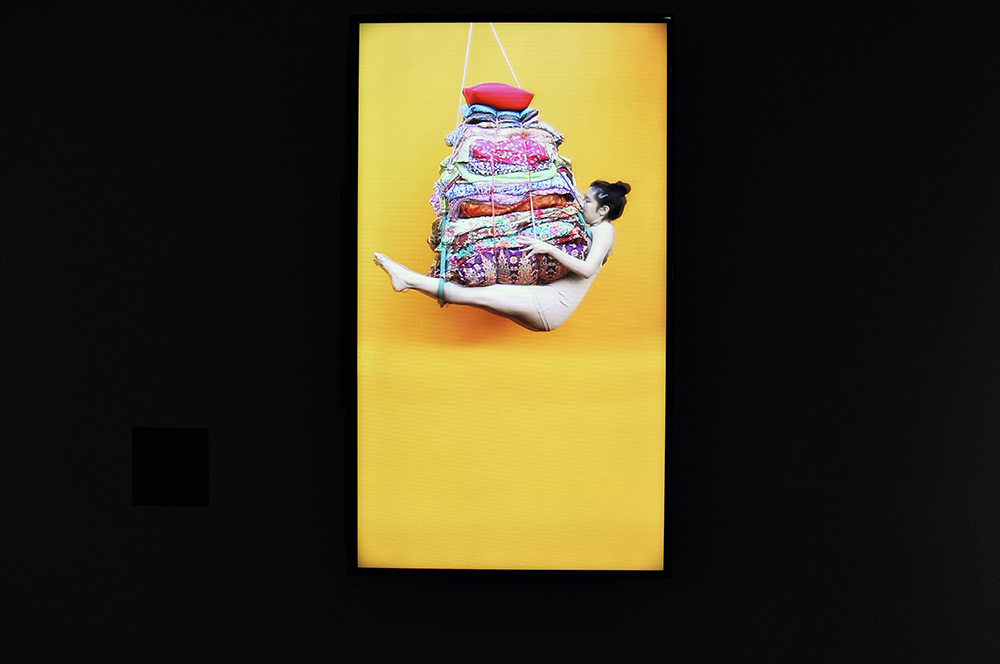
In this video work, Kawita Vatanajyankur reflects on her experience of migrating to Australia, exploring the resulting shift of identity. Celebrating women’s strength, endurance and resilience, Vatanajyankur’s captivating, seductive – and yet disquieting – video work critiques the challenges faced by migrant Asian women in relation to everyday labour.

Referring to her performances as ‘meditation postures’, the artist undertakes physical and psychological experiments that test the limits of her body, playfully and painfully. The artist’s self-objectification is part of a feminist art tradition that reclaims the female body, both as a medium of deliberate submission and active resistance.


Installation view of the exhibition 'Under the sun Reimagining Max Dupain's 'Sunbaker'' at Monash Gallery of Art, Melbourne showing Kawita Vatanajyankur's 'Carrier' (2017)

Installation view of the exhibition 'Under the sun Reimagining Max Dupain's 'Sunbaker'' at Monash Gallery of Art, Melbourne showing Kawita Vatanajyankur's 'Carrier' (2017)


Installation views of Kawita Vatanajyankur’s Carrier (2017) from the exhibition Under the sun: Reimagining Max Dupain’s Sunbaker at Monash Gallery of Art, Melbourne
Photos: Marcus Bunyan
 

Kawita Vatanajyankur (Born 1987, Bangkok, Thailand Lives and works Bangkok and Sydney, NSW) 'Carrier' 2017 (video still)

Kawita Vatanajyankur (Born 1987, Bangkok, Thailand Lives and works Bangkok and Sydney, NSW) 'Carrier' 2017 (video still)


Kawita Vatanajyankur (Born 1987, Bangkok, Thailand Lives and works Bangkok and Sydney, NSW)
Carrier
2017
Video stills
Courtesy the artist and Stills Gallery, Sydney


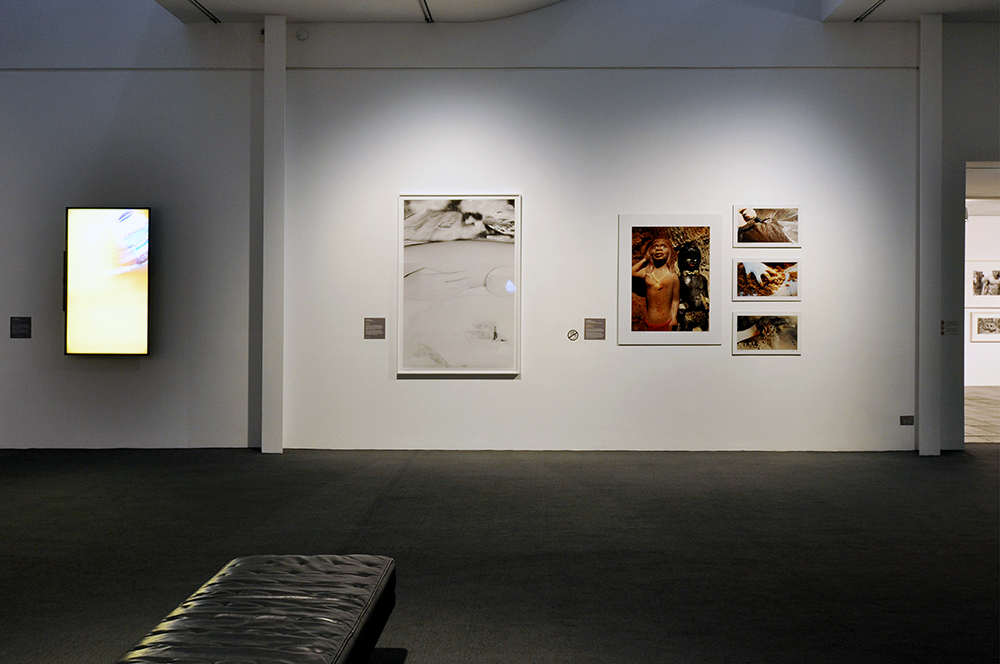
Installation view of the exhibition 'Under the sun Reimagining Max Dupain's 'Sunbaker'' at Monash Gallery of Art, Melbourne showing Destiny Deacon's 'Sand minding and Sand grabs' (2017)

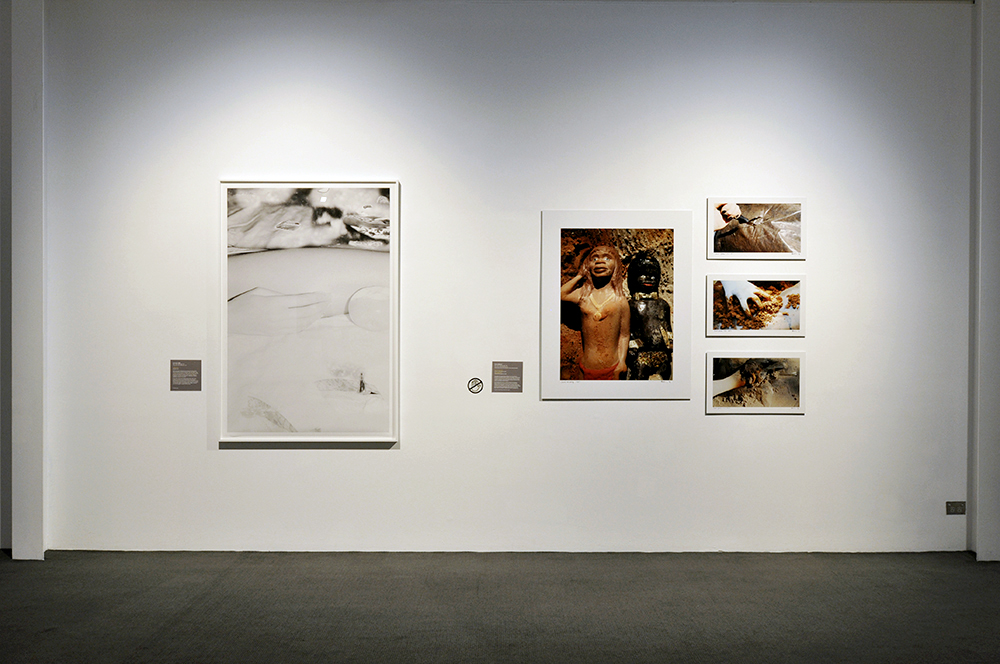
Installation view of the exhibition 'Under the sun Reimagining Max Dupain's 'Sunbaker'' at Monash Gallery of Art, Melbourne showing Destiny Deacon's 'Sand minding and Sand grabs' (2017)

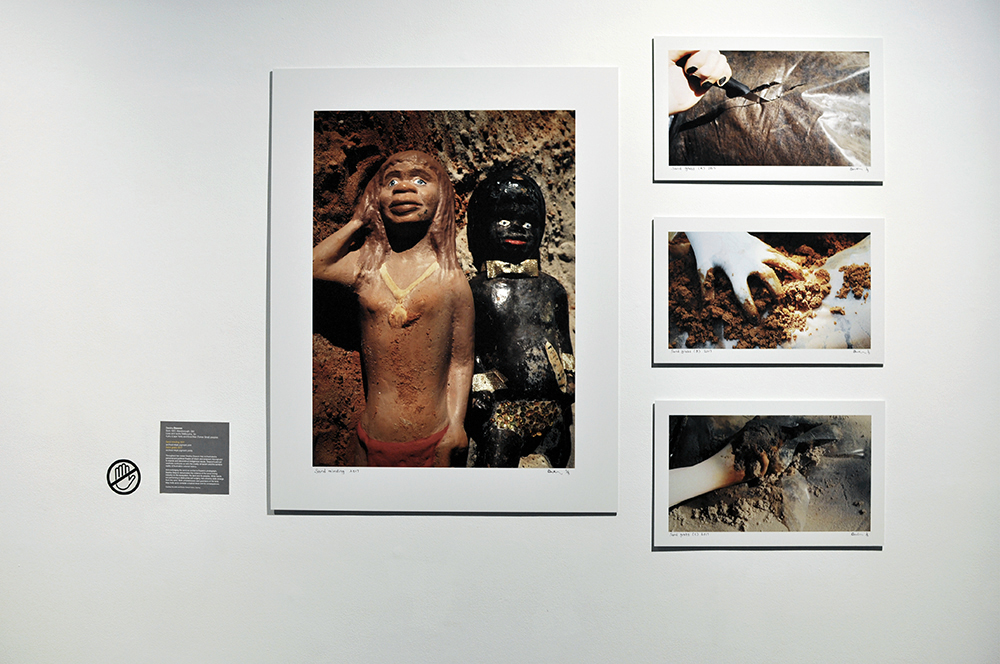
Installation view of the exhibition 'Under the sun Reimagining Max Dupain's 'Sunbaker'' at Monash Gallery of Art, Melbourne showing Destiny Deacon's 'Sand minding and Sand grabs' (2017)


Installation views of Destiny Deacon’s Sand minding and Sand grabs (2017) from the exhibition Under the sun: Reimagining Max Dupain’s Sunbaker at Monash Gallery of Art, Melbourne
Photos: Marcus Bunyan
 

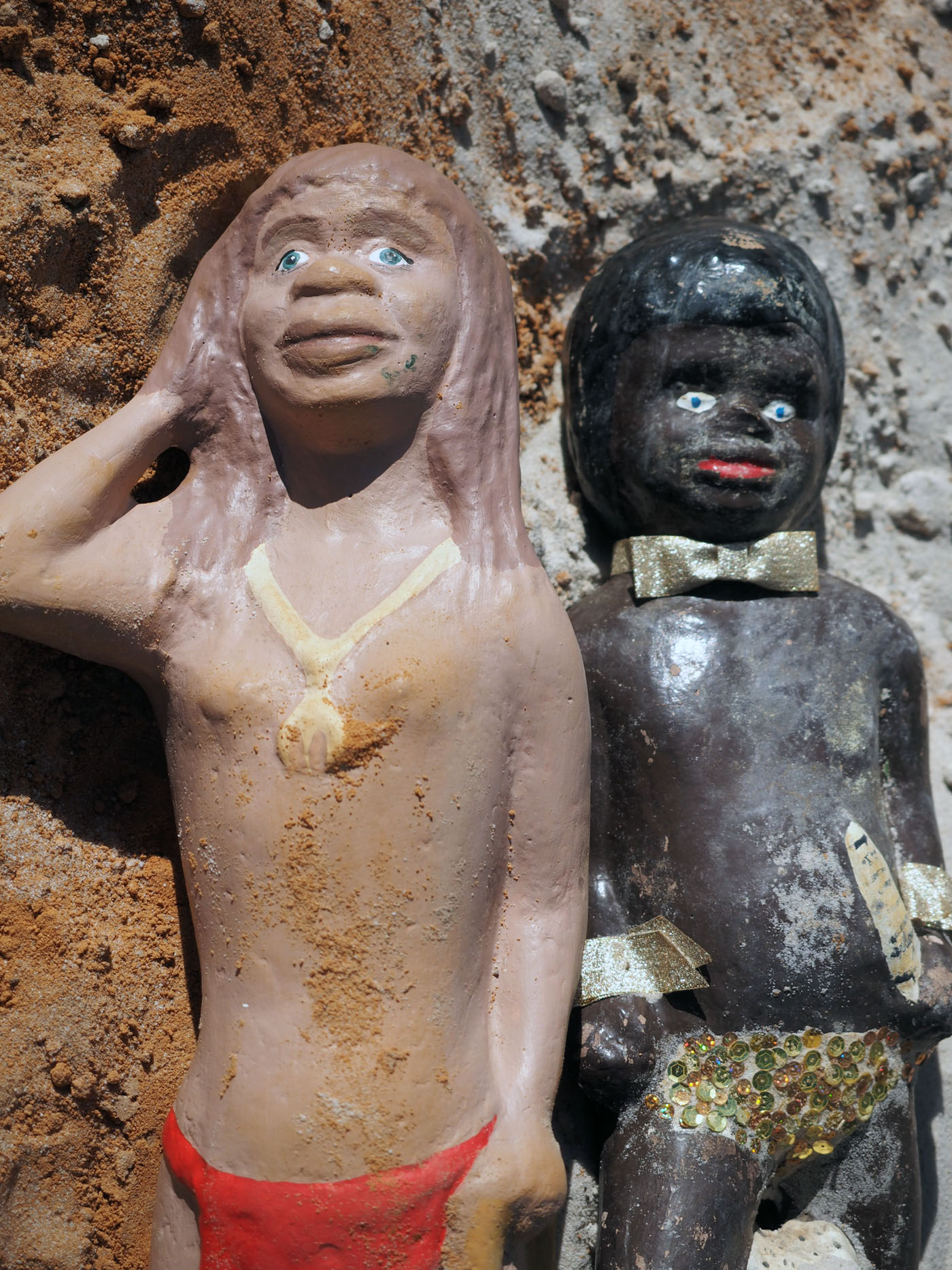
Destiny Deacon (Born 1957, Maryborough, Qld Lives and works Melbourne, Vic KuKu (Cape York) and Erub/Mer (Torres Strait) peoples) 'Sand minding' 2017

Destiny Deacon (Born 1957, Maryborough, Qld Lives and works Melbourne, Vic KuKu (Cape York) and Erub/Mer (Torres Strait) peoples) 'Sand minding' 2017

Destiny Deacon (Born 1957, Maryborough, Qld Lives and works Melbourne, Vic KuKu (Cape York) and Erub/Mer (Torres Strait) peoples) 'Sand minding' 2017

Destiny Deacon (Born 1957, Maryborough, Qld Lives and works Melbourne, Vic KuKu (Cape York) and Erub/Mer (Torres Strait) peoples) 'Sand minding' 2017


Destiny Deacon (Born 1957, Maryborough, Qld Lives and works Melbourne, Vic KuKu (Cape York) and Erub/Mer (Torres Strait) peoples)
Sand minding
2017
Archival inkjet pigment print
Sand grabs
2017
Archival inkjet pigment prints
Courtesy the artist and Roslyn Oxley9 Gallery, Sydney


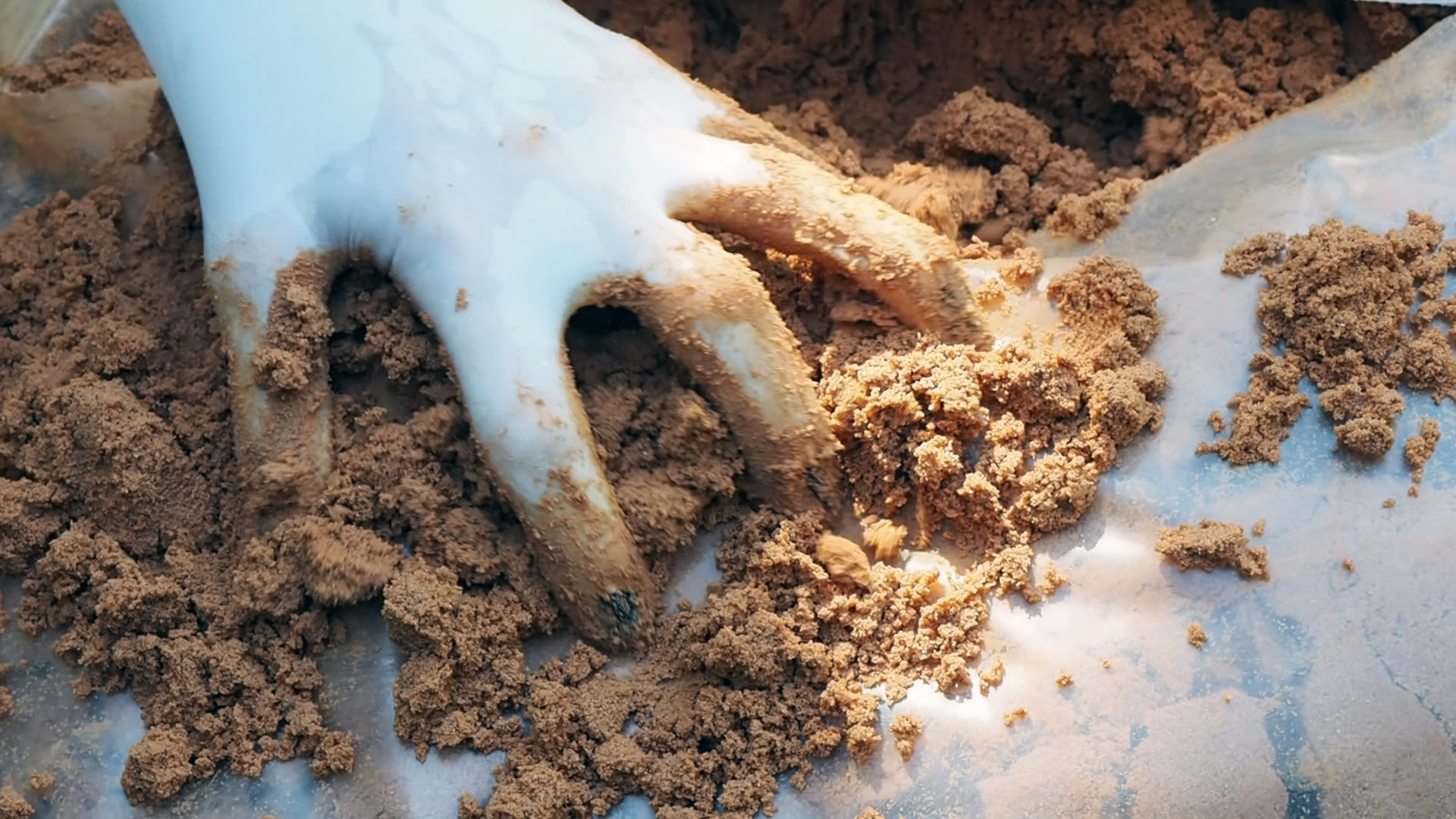
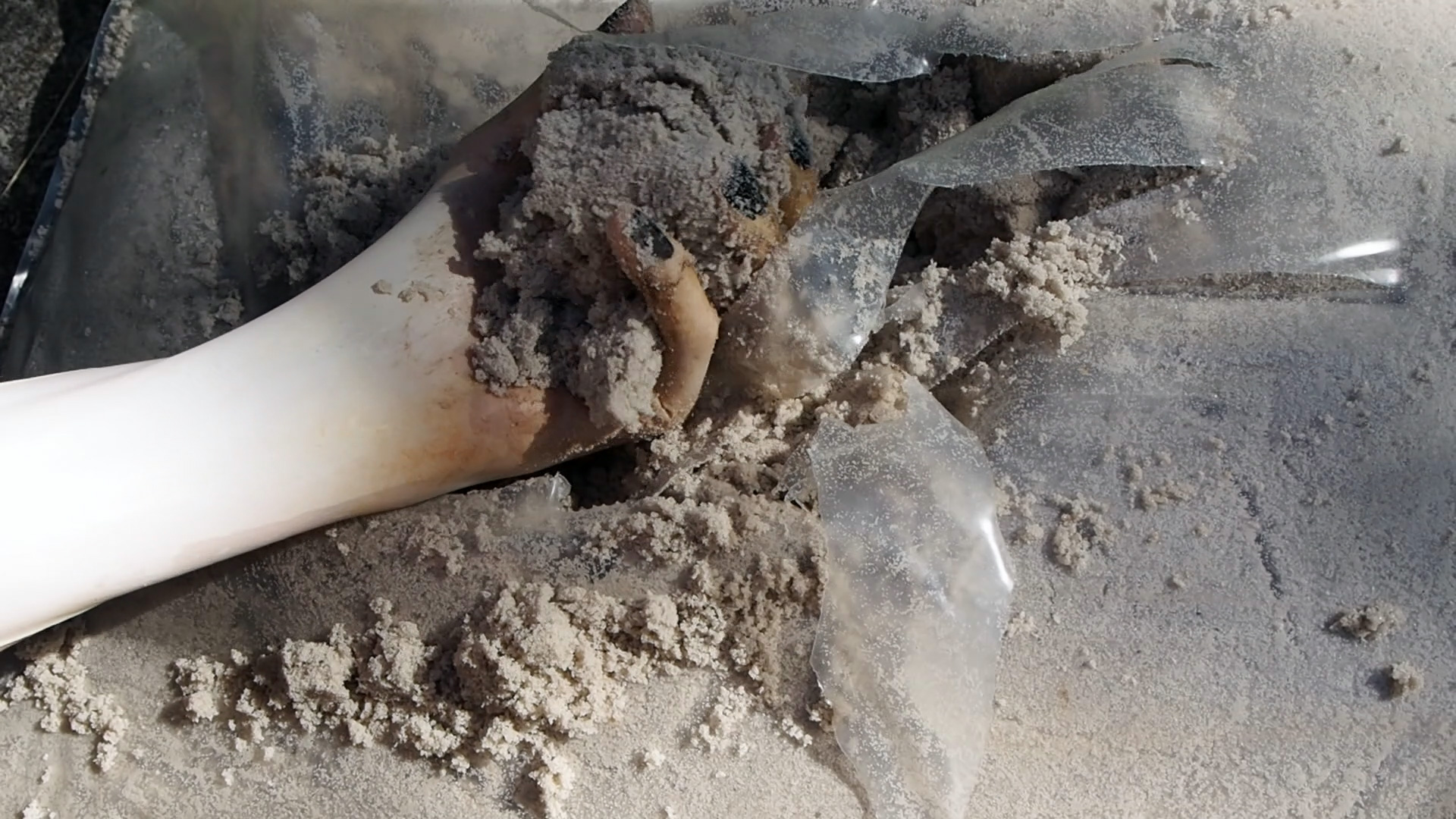
Throughout her career Destiny Deacon has orchestrated a personal and political theatre of kitsch and poignant ‘Aboriginalia’ to expose and deconstruct Indigenous issues. Deacon’s anti-art aesthetic confronts us with the cruelty of racism and the sombre reality of Australia’s colonial history.

Acknowledging the sand as central to Dupain’s photograph, Destiny Deacon denunciates the violence of the sand mining industry on the ecosystem, the land and its peoples. While hands are performing a destructive soil surgery, two uncanny dolls emerge from the sand. Both whistleblowers and guardians of the land, they invite us to consider a topical issue and its consequences.


Installation view of the exhibition 'Under the sun Reimagining Max Dupain's 'Sunbaker'' at Monash Gallery of Art, Melbourne showing Christopher Day's 'Untitled' (2017)


Installation view of Christopher Day’s Untitled (2017) from the exhibition Under the sun: Reimagining Max Dupain’s Sunbaker at Monash Gallery of Art, Melbourne
Photo: Marcus Bunyan


Christopher Day (Born 1978, Melbourne, Vic, 1978 Lives and works Melbourne, Vic) 'Untitled' 2017


Christopher Day (Born 1978, Melbourne, Vic, 1978 Lives and works Melbourne, Vic)
Untitled
2017
Pigment print


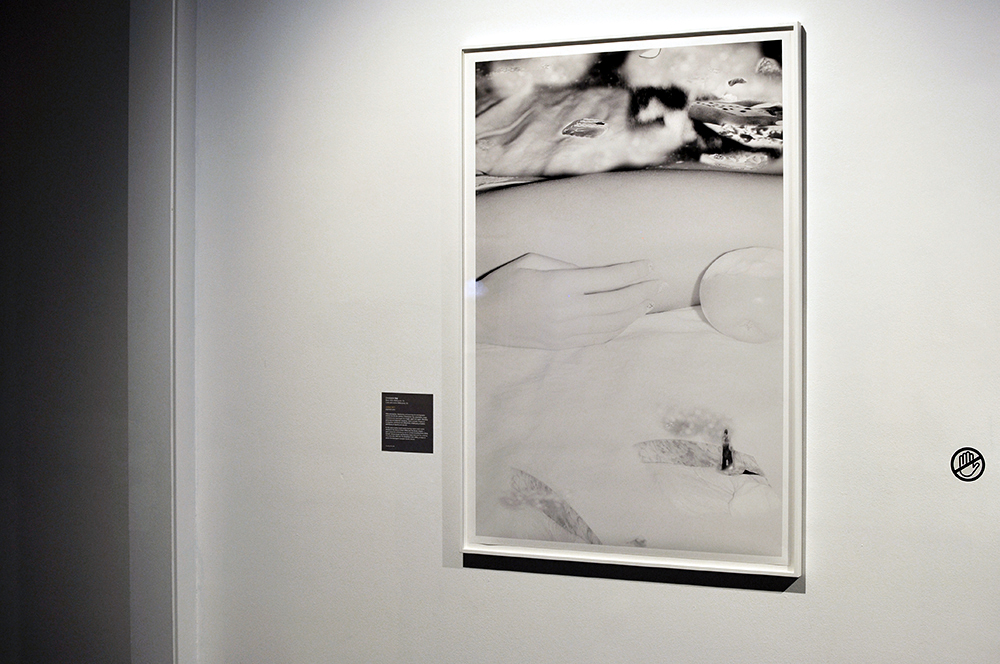
After processing, developing and scanning the photographs shot on his 35 mm camera, Christopher Day assembles, crops, combines and rearranges his images, again and again. Blending personal and historical narratives, Day’s complex imagery is ambiguous, humorous and allegorical, challenging simplistic definitions of identity and gender.

In this work a shiny round apple bearing visible teeth marks alludes to the story of Snow White and the Seven Dwarfs – each character embodying a set of clichés including Snow White herself, whose beauty and feminine charm become her undoing. The artist also refers to The Breakfast Club (1985), a movie in which five teenagers navigate identity issues.


Installation view of the exhibition 'Under the sun Reimagining Max Dupain's 'Sunbaker'' at Monash Gallery of Art, Melbourne showing Michaela Gleave's 'Under One Sun' (2017)


Installation view of Michaela Gleave’s Under One Sun (2017) from the exhibition Under the sun: Reimagining Max Dupain’s Sunbaker at Monash Gallery of Art, Melbourne
Photo: Marcus Bunyan


Michaela Gleave (Born 1980, Alice Springs, NT Lives and works Sydney, NSW) 'Under One Sun' (detail) 2017


Michaela Gleave (Born 1980, Alice Springs, NT Lives and works Sydney, NSW)
Under One Sun (detail)
2017
Silver gelatin prints
Courtesy the artist and Anna Pappas Gallery, Melbourne


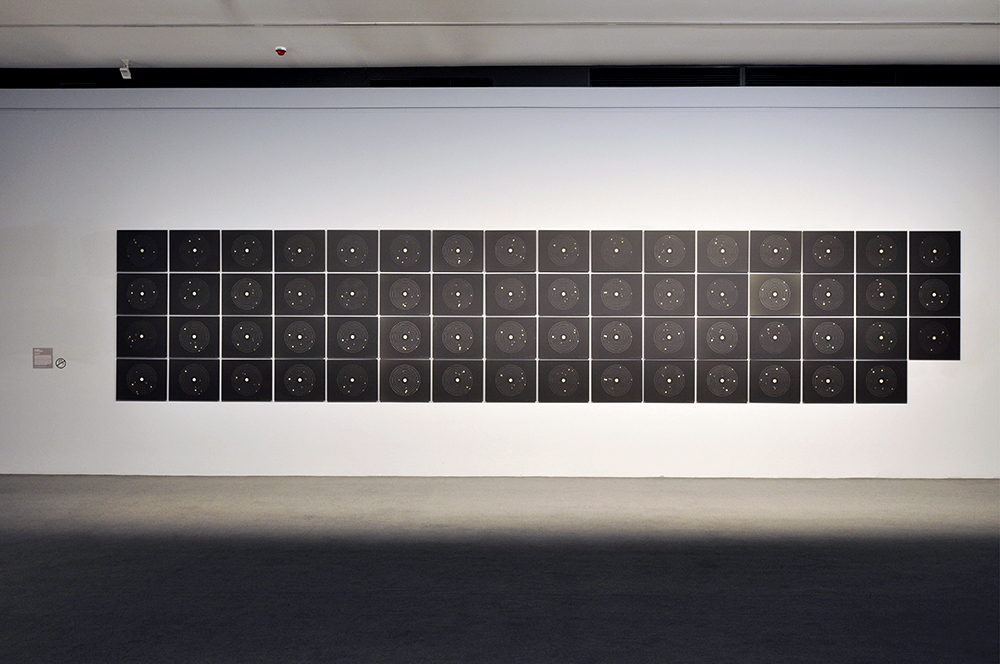
Under One Sun highlights the complexity of colonial history and the ambivalence of representing identity. Using Wikipedia‘s listing of Indigenous massacres in Australia, Michaela Gleave highlights the lack of the associated verified historical data. Her zoomed out installation documents the positions of the planets between 1789 and 1928, when 63 massacres of Indigenous peoples took place.

James Cook’s first Pacific voyage, to document the 1769 Transit of Venus and investigate the existence of Terra Australis Incognita, opened the way for the European settlement of Australia. Drawing parallels between the development of photography, science and colonisation, the artist reminds us that technological advances in astronomy and navigation helped expand the British Empire, with science often justifying the atrocities committed.


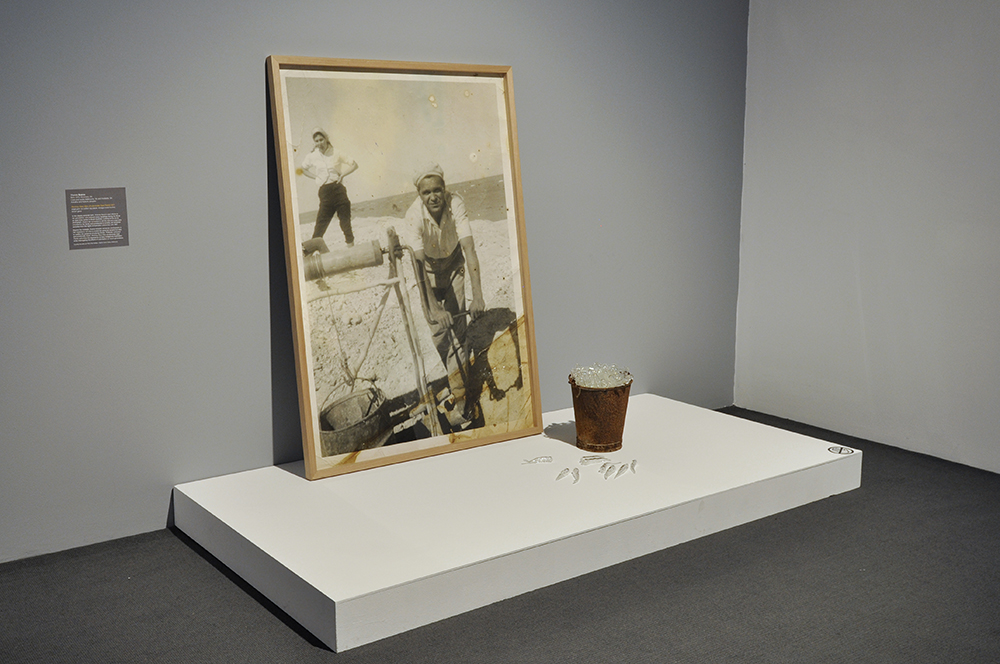
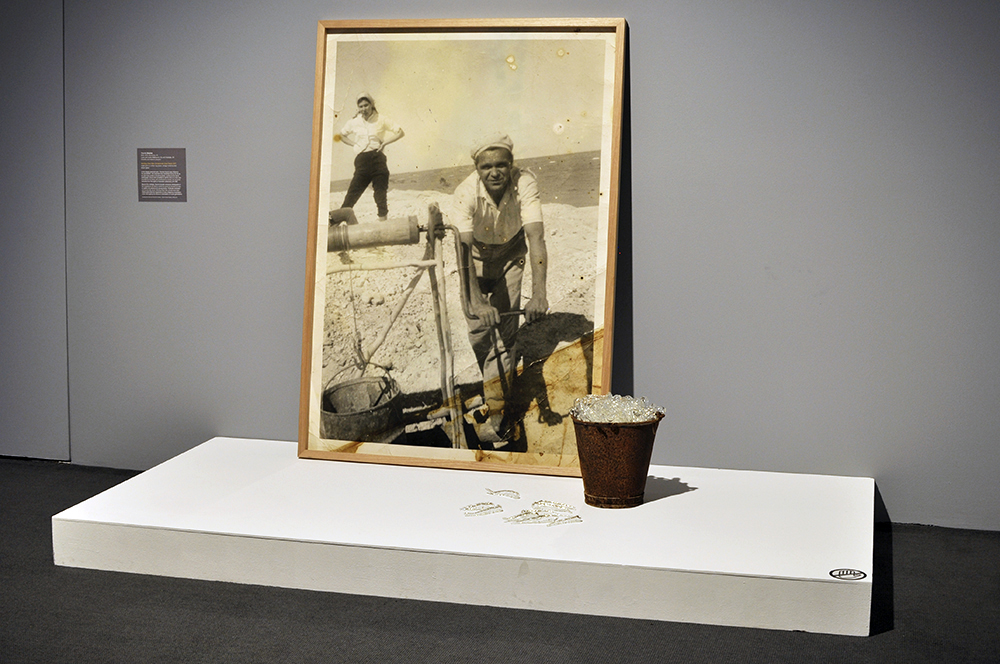
Installation view of the exhibition 'Under the sun Reimagining Max Dupain's 'Sunbaker'' at Monash Gallery of Art, Melbourne showing Yhonnie Scarce's 'Working Class Man (Andamooka Opal Fields)' (2017)

Installation view of the exhibition 'Under the sun Reimagining Max Dupain's 'Sunbaker'' at Monash Gallery of Art, Melbourne

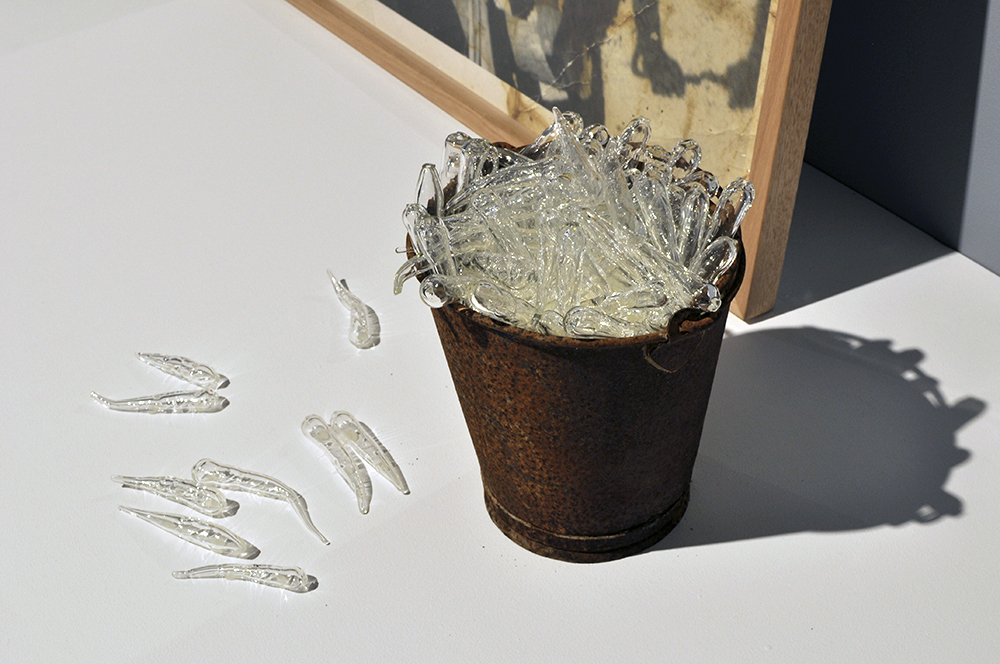
Installation view of the exhibition 'Under the sun Reimagining Max Dupain's 'Sunbaker'' at Monash Gallery of Art, Melbourne showing Yhonnie Scarce's 'Working Class Man (Andamooka Opal Fields)' (2017) (detail)

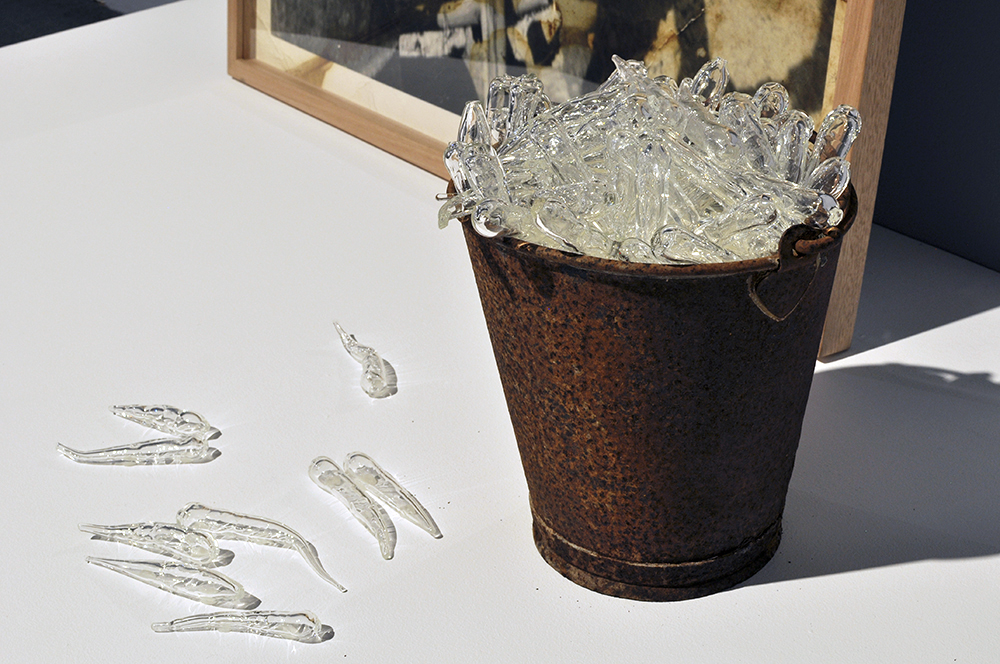
Installation view of the exhibition 'Under the sun Reimagining Max Dupain's 'Sunbaker'' at Monash Gallery of Art, Melbourne showing Yhonnie Scarce's 'Working Class Man (Andamooka Opal Fields)' (2017) (detail)

Installation view of the exhibition 'Under the sun Reimagining Max Dupain's 'Sunbaker'' at Monash Gallery of Art, Melbourne showing Yhonnie Scarce's 'Working Class Man (Andamooka Opal Fields)' (2017) (detail)


Installation views of Yhonnie Scarce’s Working Class Man (Andamooka Opal Fields) (2017) from the exhibition Under the sun: Reimagining Max Dupain’s Sunbaker at Monash Gallery of Art, Melbourne
Photos: Marcus Bunyan
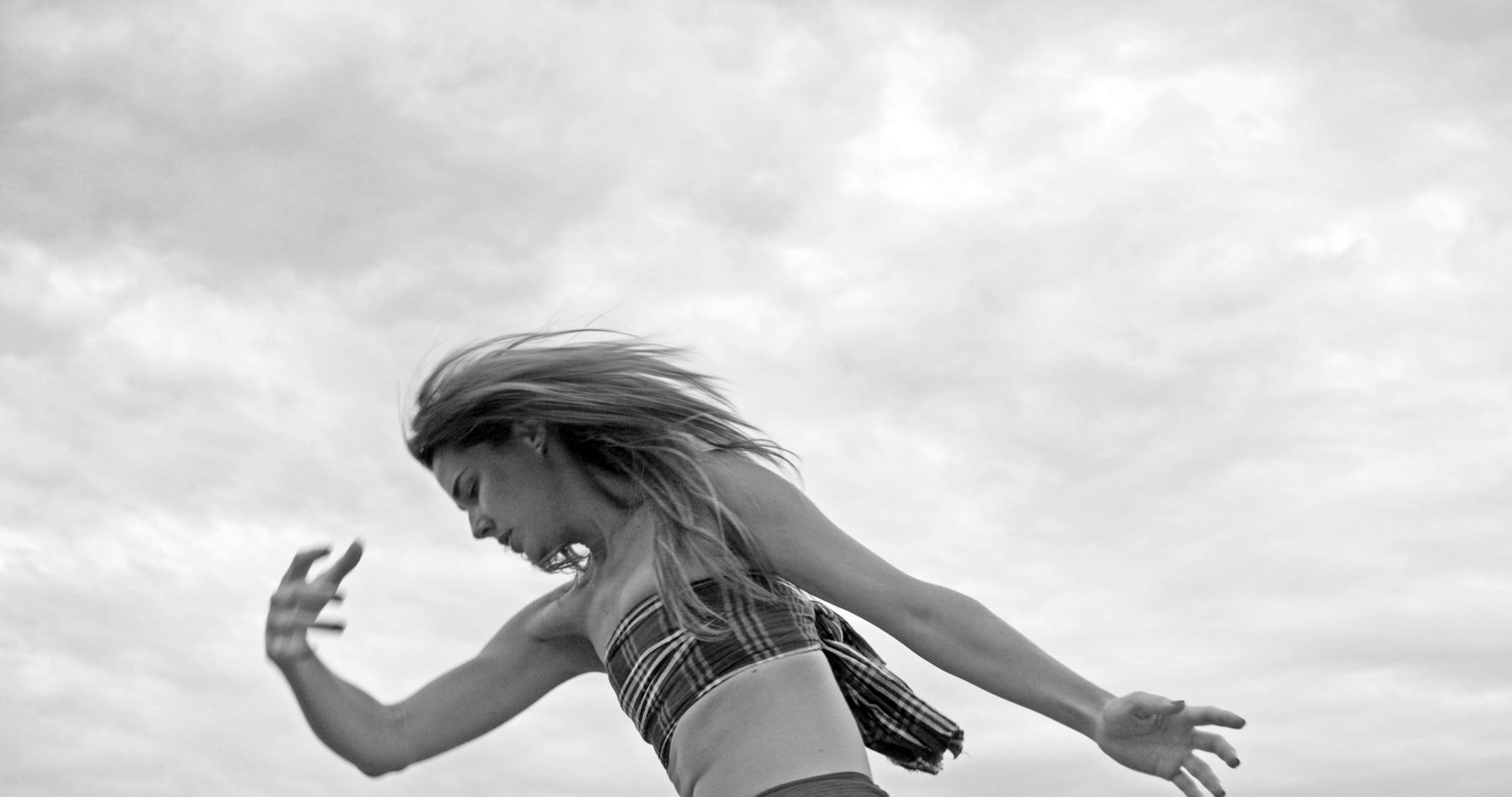
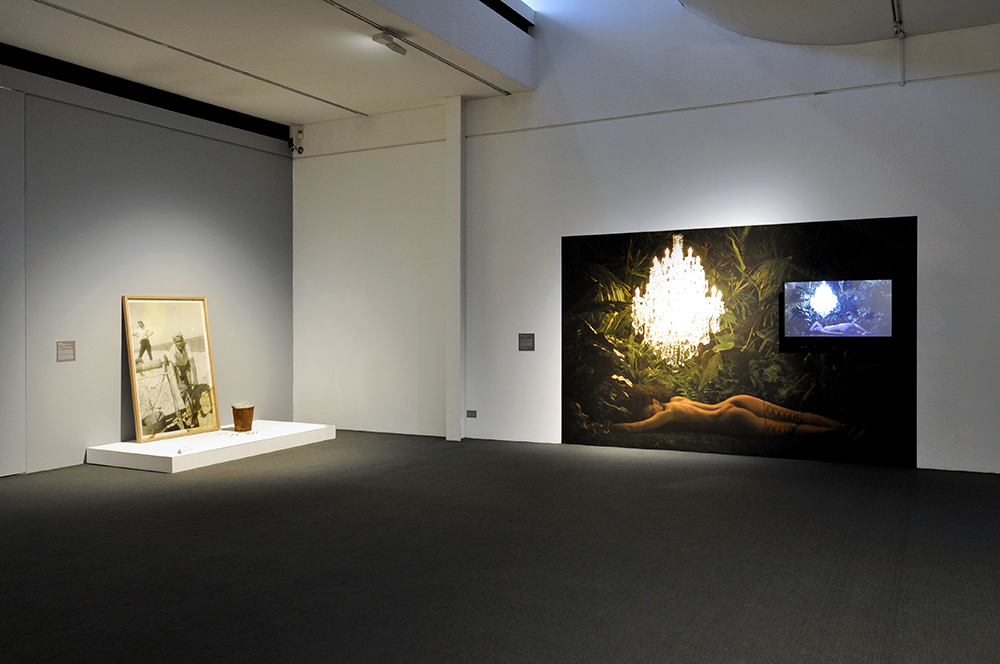
Yhonnie Scarce (Born 1973, Woomera, SA Lives and works Melbourne, Vic and Adelaide, SA Kokatha and Nukunu peoples)
Working Class Man (Andamooka Opal Fields)
2017
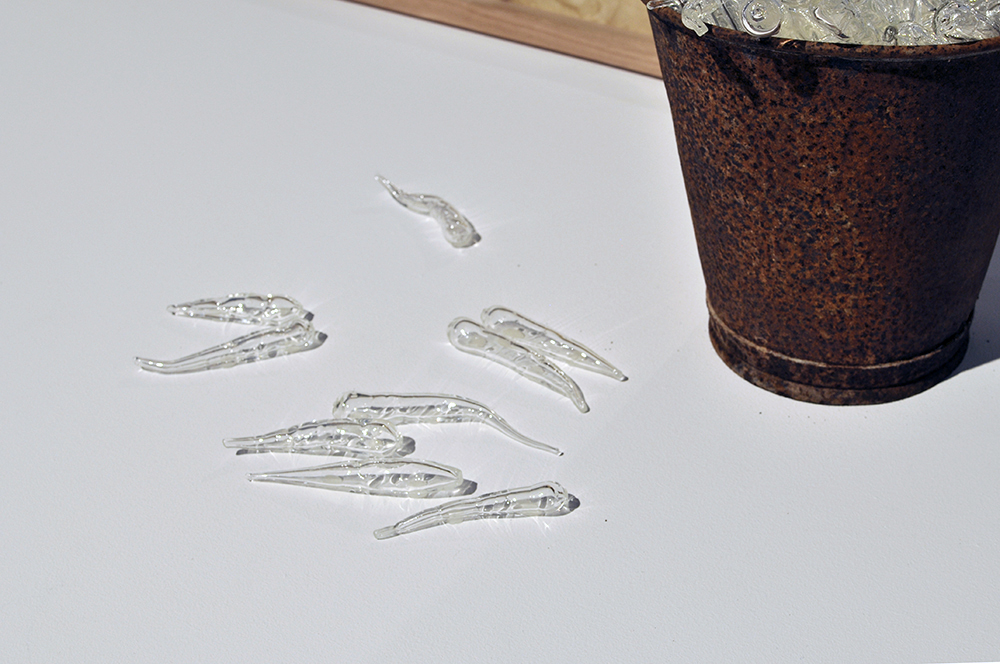
Inkjet print on cotton rag paper, vintage metal bucket, blown glass
Courtesy the artist and This Is No Fantasy + Dianne Tanzer Gallery, Melbourne


In this deeply personal work, Yhonnie Scarce pays tribute to her grandfather, who endured many hardships during his life as an opal-mine worker in South Australia. Looking at this family photograph, Scarce felt compelled to tell the story of a man who provided for his family and contributed to society, yet remained excluded from the rights of Australian citizenship until 1967.

Beyond the nostalgic, Scarce includes vernacular photographs in her installations not only to control her personal narrative but also to reaffirm the presence of unsung heroes. ‘Politically motivated and emotionally driven’, Working Class Man (Andamooka Opal Fields) epitomises the experience of many Indigenous Australians while interrogating the effects of colonisation on future generations.


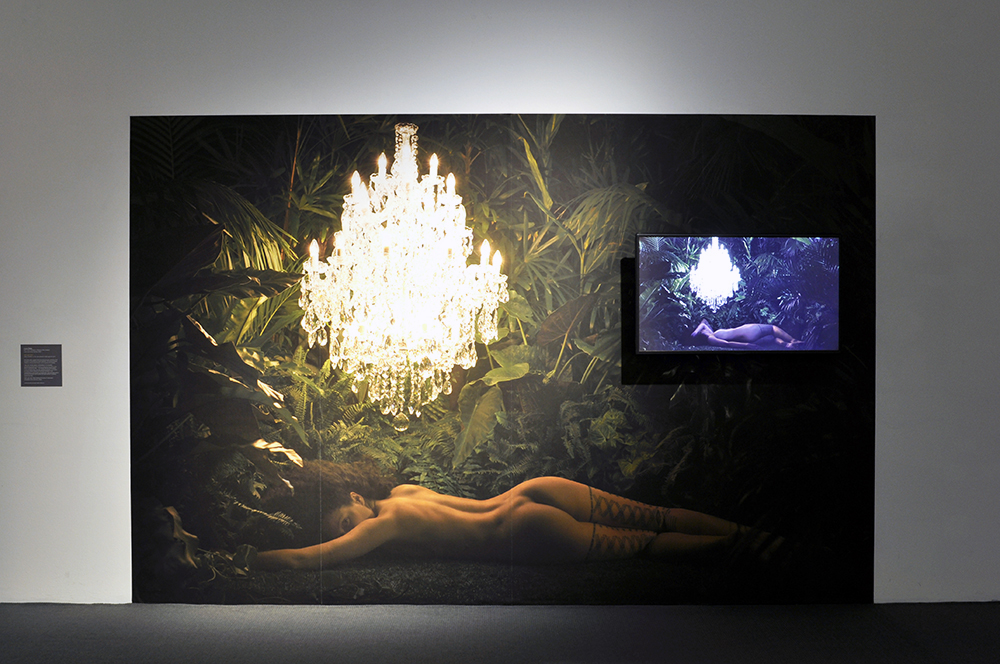
Installation view of the exhibition 'Under the sun Reimagining Max Dupain's 'Sunbaker'' at Monash Gallery of Art, Melbourne showing at right, Angela Tiatia's 'Dark Light' (2017)

Installation view of the exhibition 'Under the sun Reimagining Max Dupain's 'Sunbaker'' at Monash Gallery of Art, Melbourne showing at left, Angela Tiatia's 'Dark Light' (2017)

Installation view of the exhibition 'Under the sun Reimagining Max Dupain's 'Sunbaker'' at Monash Gallery of Art, Melbourne showing at left, Angela Tiatia's 'Dark Light' (2017)

Installation view of the exhibition 'Under the sun Reimagining Max Dupain's 'Sunbaker'' at Monash Gallery of Art, Melbourne showing Angela Tiatia's 'Dark Light' (2017)


Installation views of Angela Tiatia’s Dark Light (2017) from the exhibition Under the sun: Reimagining Max Dupain’s Sunbaker at Monash Gallery of Art, Melbourne
Photos: Marcus Bunyan
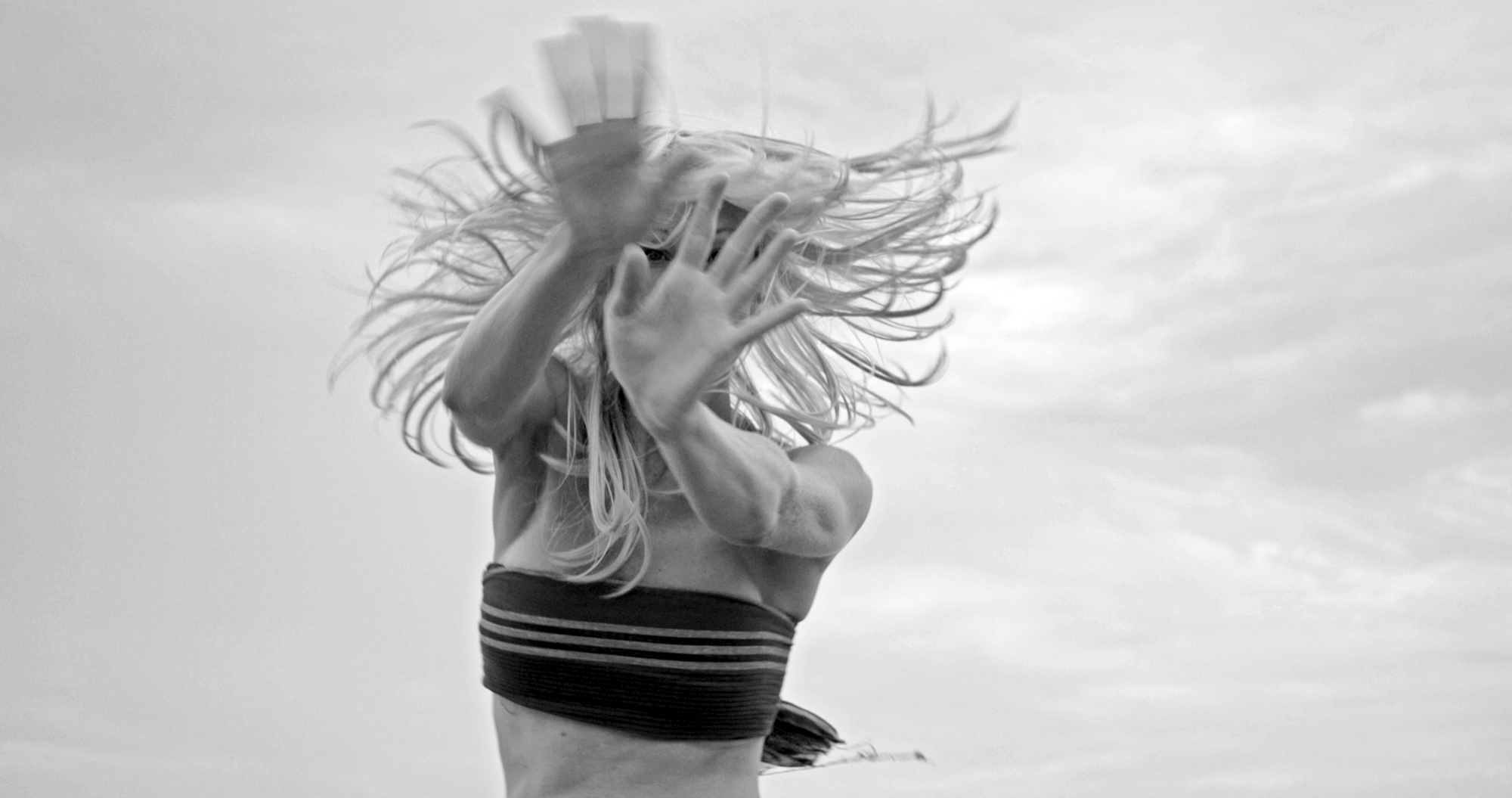
Angela Tiatia (Born 1973, Auckland, Aotearoa, New Zealand Lives and works in Sydney, NSW)
Dark Light
2017
Video, duration: 4 min, self-adhesive inkjet pigment print
Courtesy the artist and Alcaston Gallery, Melbourne


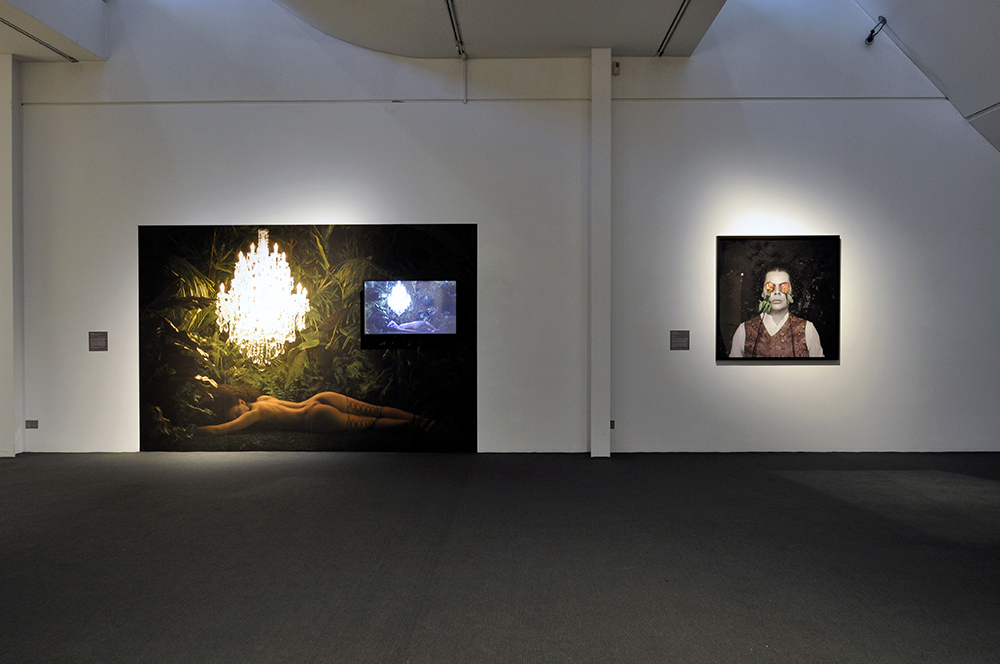
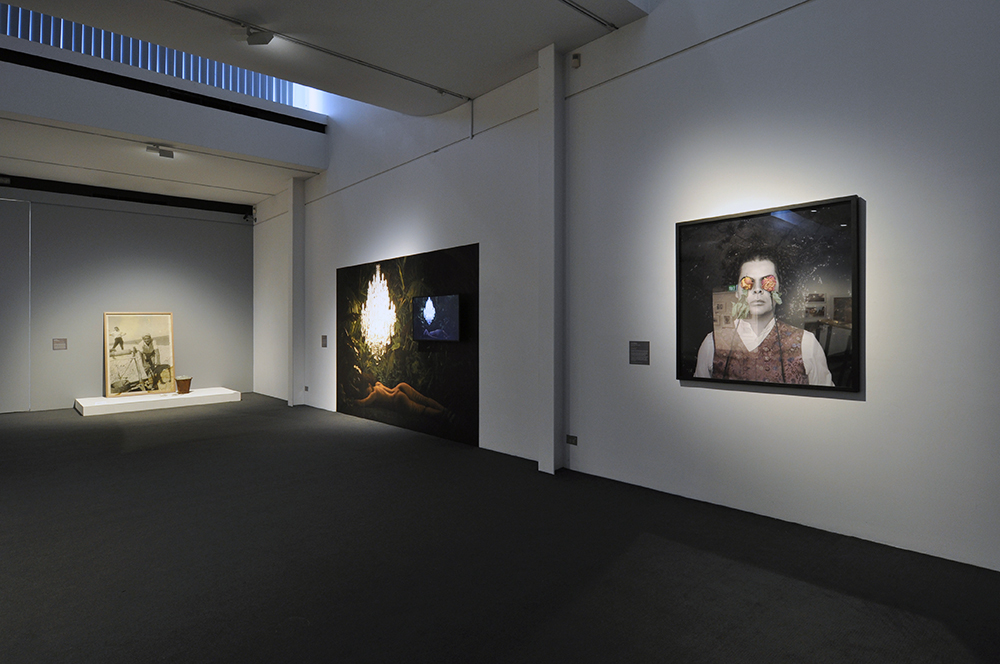
With Dark Light, Angela Tiatia deconstructs every element of the Sunbaker to reconfigure its exact opposite. The sensual tension created by this process forces us to re-examine the familiar.

Tiatia also reveals deeper contradictions. A chandelier symbolising opulence and power is hung over the artist’s body which is baring the malu – the female-Samoan tattoo (tatau). In pre-Christian times, the malu signified protection and shelter as young women entered womanhood. However, it was condemned by missionaries alongside their male equivalent (pe’a) and some Samoan communities still forbid women to publicly expose the malu. Dark Light sees Tiatia resisting the forces of colonialism embedded within Samoan culture.


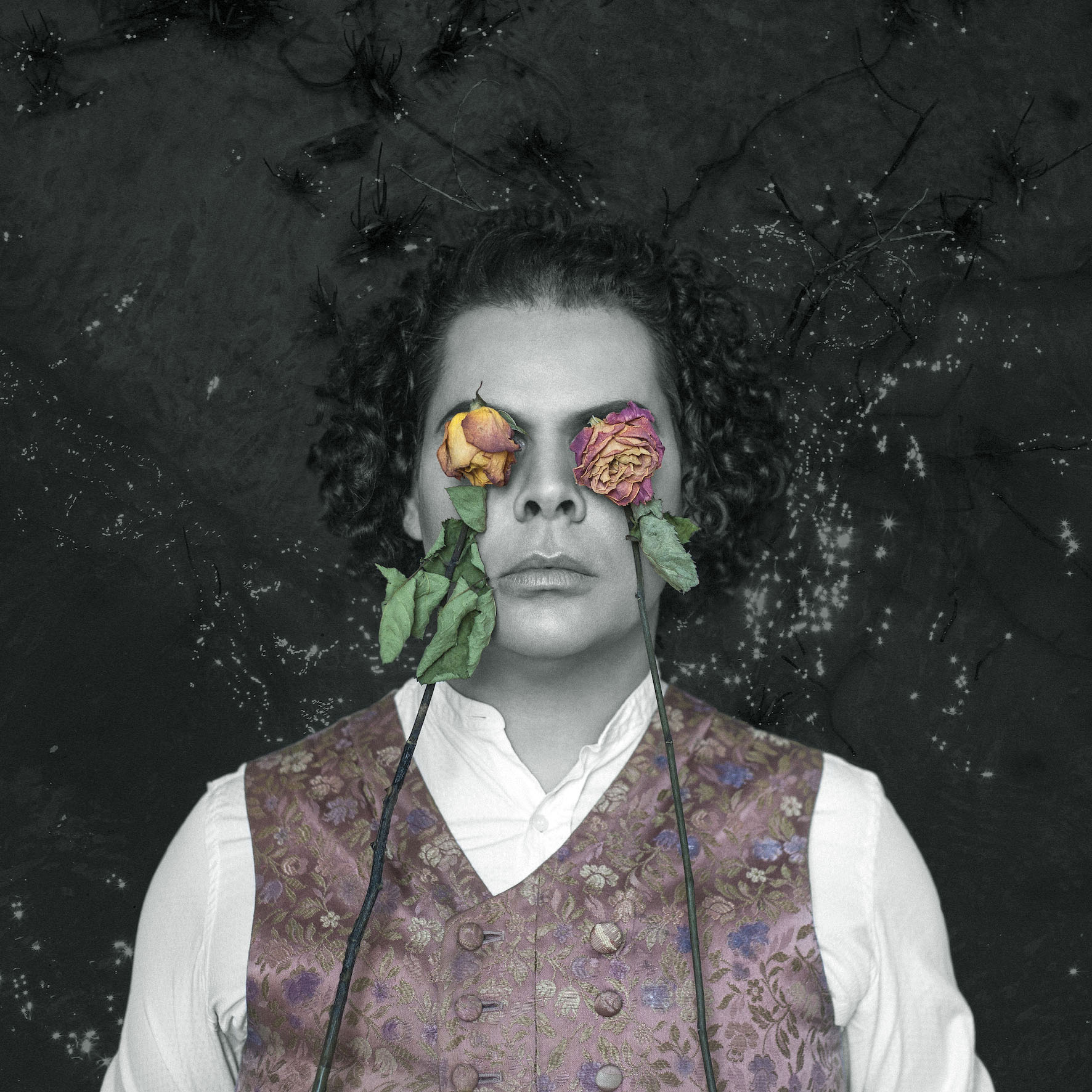
Christian Thompson (Born 1978, Gawler, SA Lives and works in London, England Bidjara people) 'This Brutal World' 2017


Christian Thompson (Born 1978, Gawler, SA Lives and works in London, England Bidjara people)
This Brutal World
2017
Inkjet pigment print
Courtesy the artist and Michael Reid, Sydney / Berlin


With This Brutal World, Christian Thompson focuses on portraiture and its ability to trouble the relationship between past and present.

Where Dupain’s Sunbaker supposedly conveys a quintessential Australian identity, Thompson reminds us of assimilation policies first outlined at the Aboriginal Welfare Initial Conference of Commonwealth and State Aboriginal Authorities in 1937. Here the artist wears a costume borrowed from London’s National Theatre. His eyes are covered with dried roses and his body is superimposed on the glittering shallow creek beds – images captured during trips to his traditional homelands in outback Queensland. Thompson employs references to the natural world to evoke spirituality.


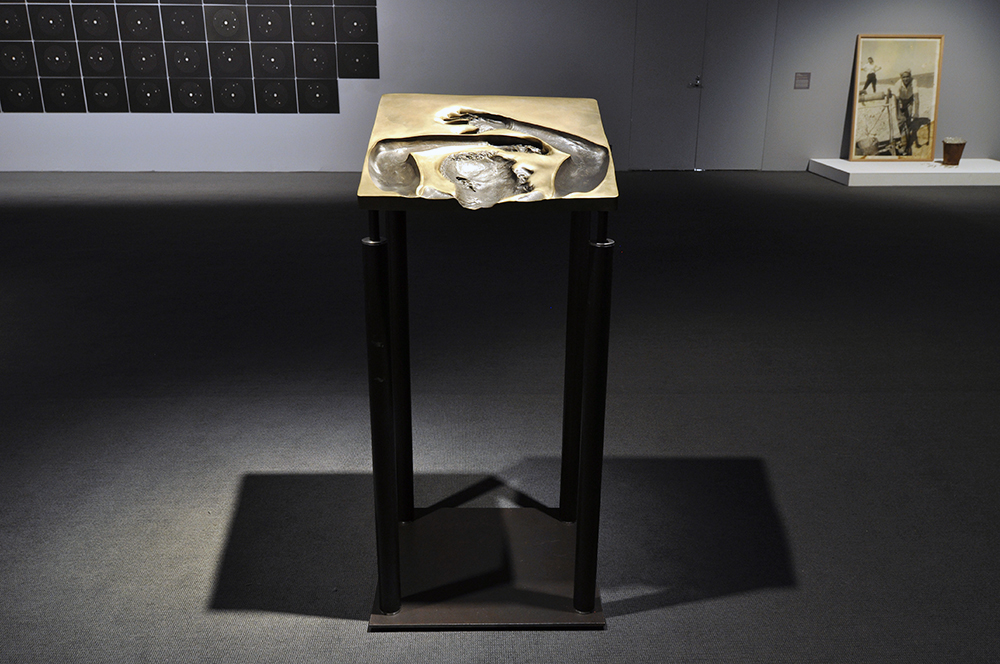
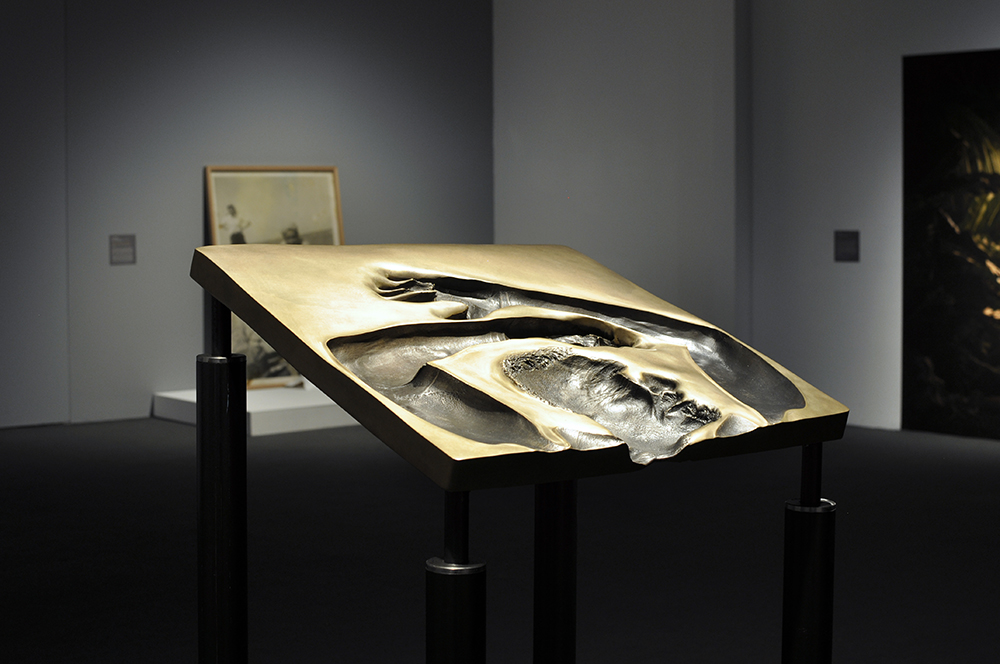
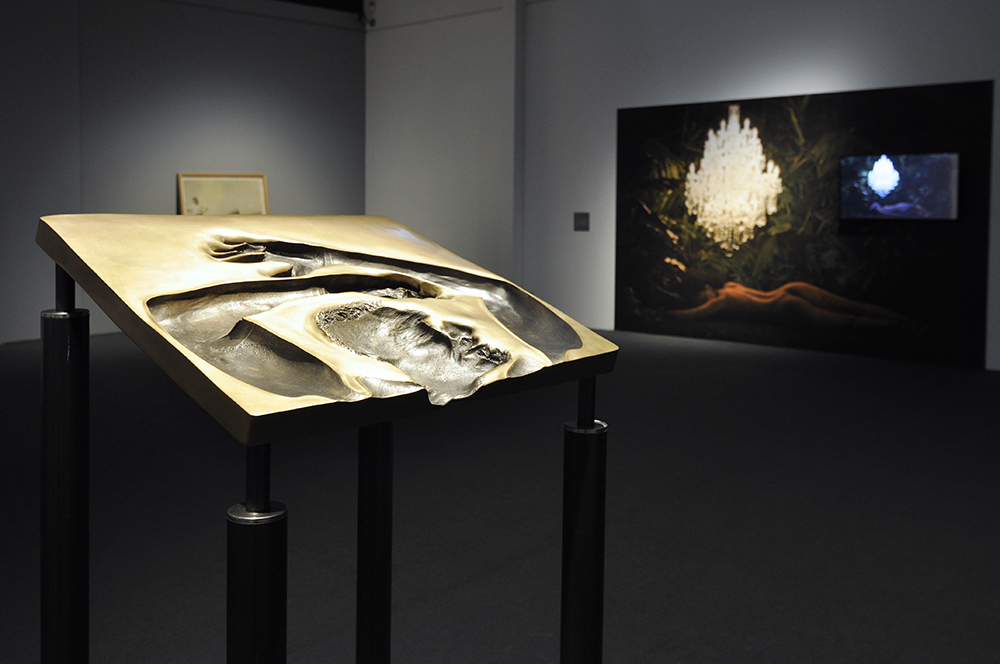
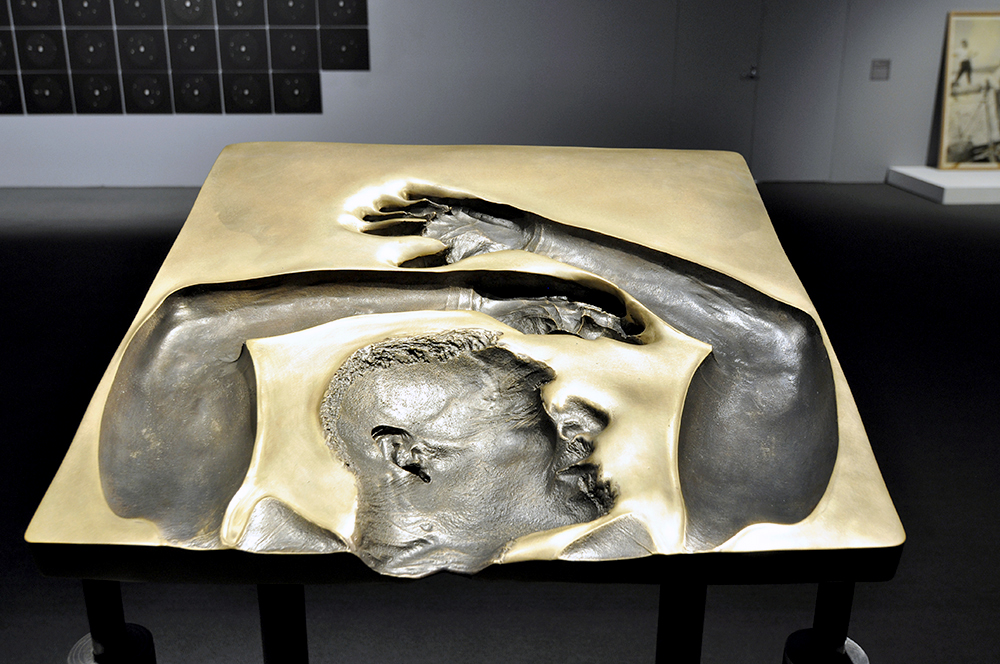
Installation view of the exhibition 'Under the sun Reimagining Max Dupain's 'Sunbaker'' at Monash Gallery of Art, Melbourne showing Julie Rrap's 'Speechless' (2017)

Installation view of the exhibition 'Under the sun Reimagining Max Dupain's 'Sunbaker'' at Monash Gallery of Art, Melbourne showing Julie Rrap's 'Speechless' (2017)

Installation view of the exhibition 'Under the sun Reimagining Max Dupain's 'Sunbaker'' at Monash Gallery of Art, Melbourne showing Julie Rrap's 'Speechless' (2017)

Installation view of the exhibition 'Under the sun Reimagining Max Dupain's 'Sunbaker'' at Monash Gallery of Art, Melbourne showing Julie Rrap's 'Speechless' (2017)


Installation views of Julie Rrap’s Speechless (2017) from the exhibition Under the sun: Reimagining Max Dupain’s Sunbaker at Monash Gallery of Art, Melbourne
Photos: Marcus Bunyan
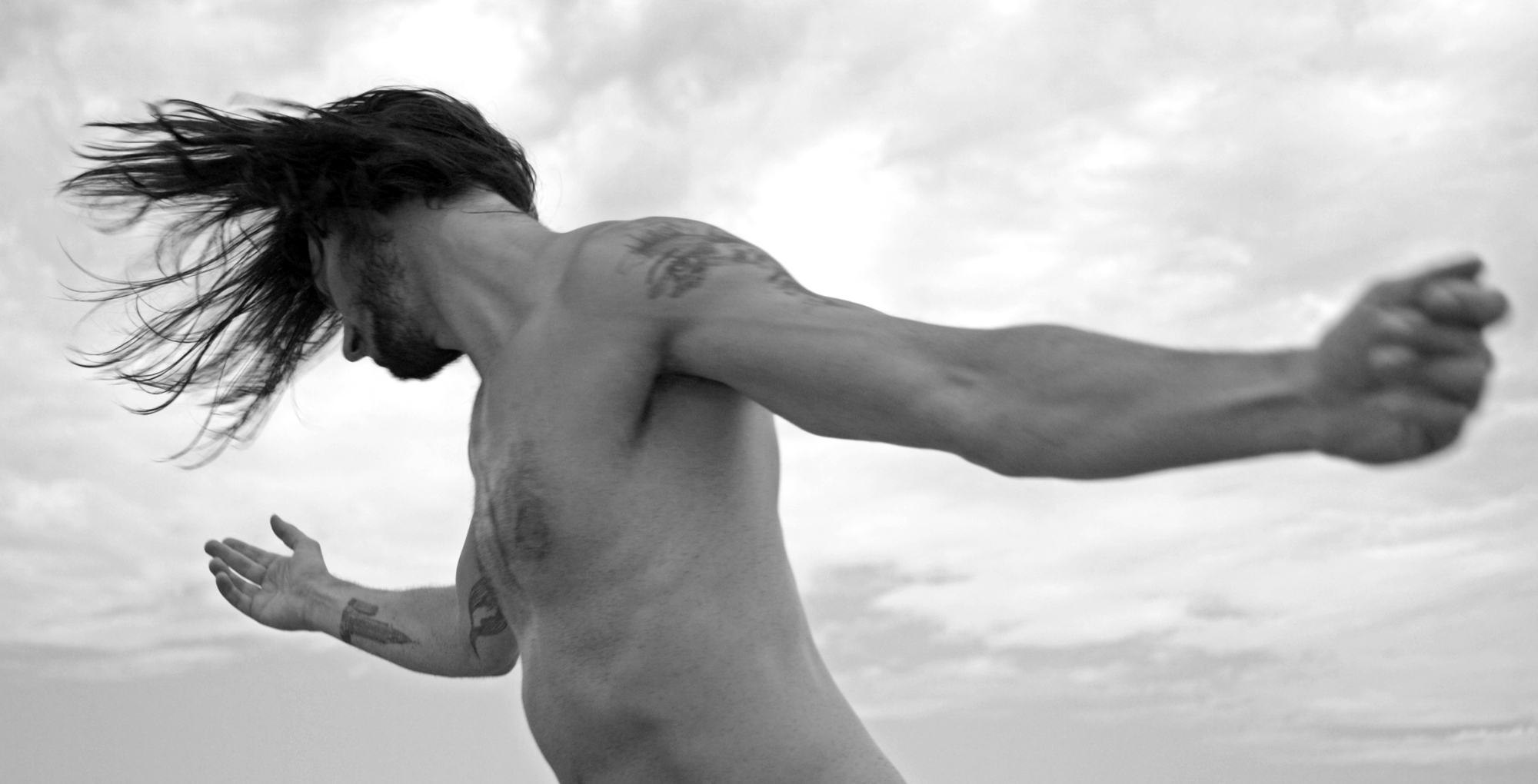
 

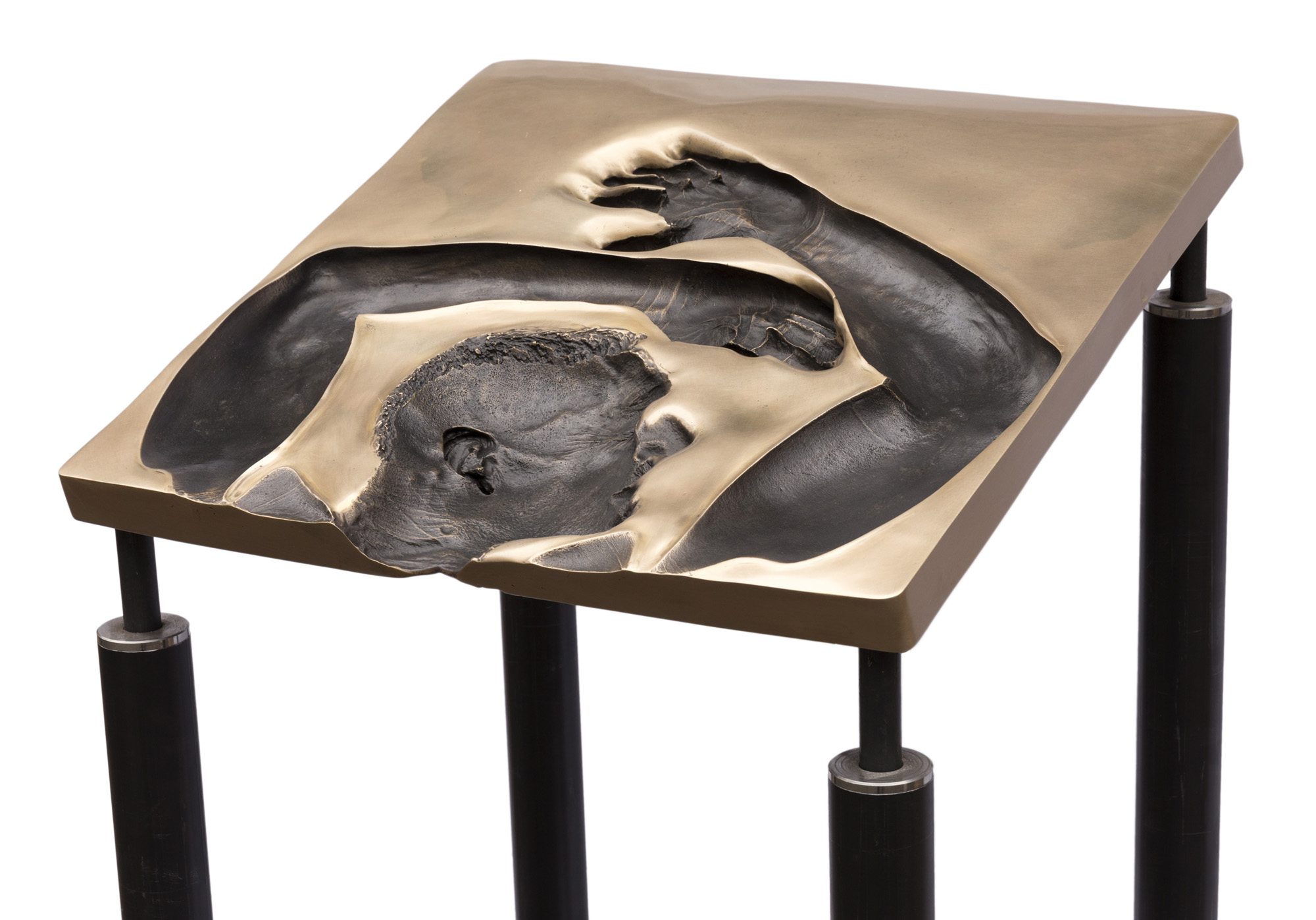
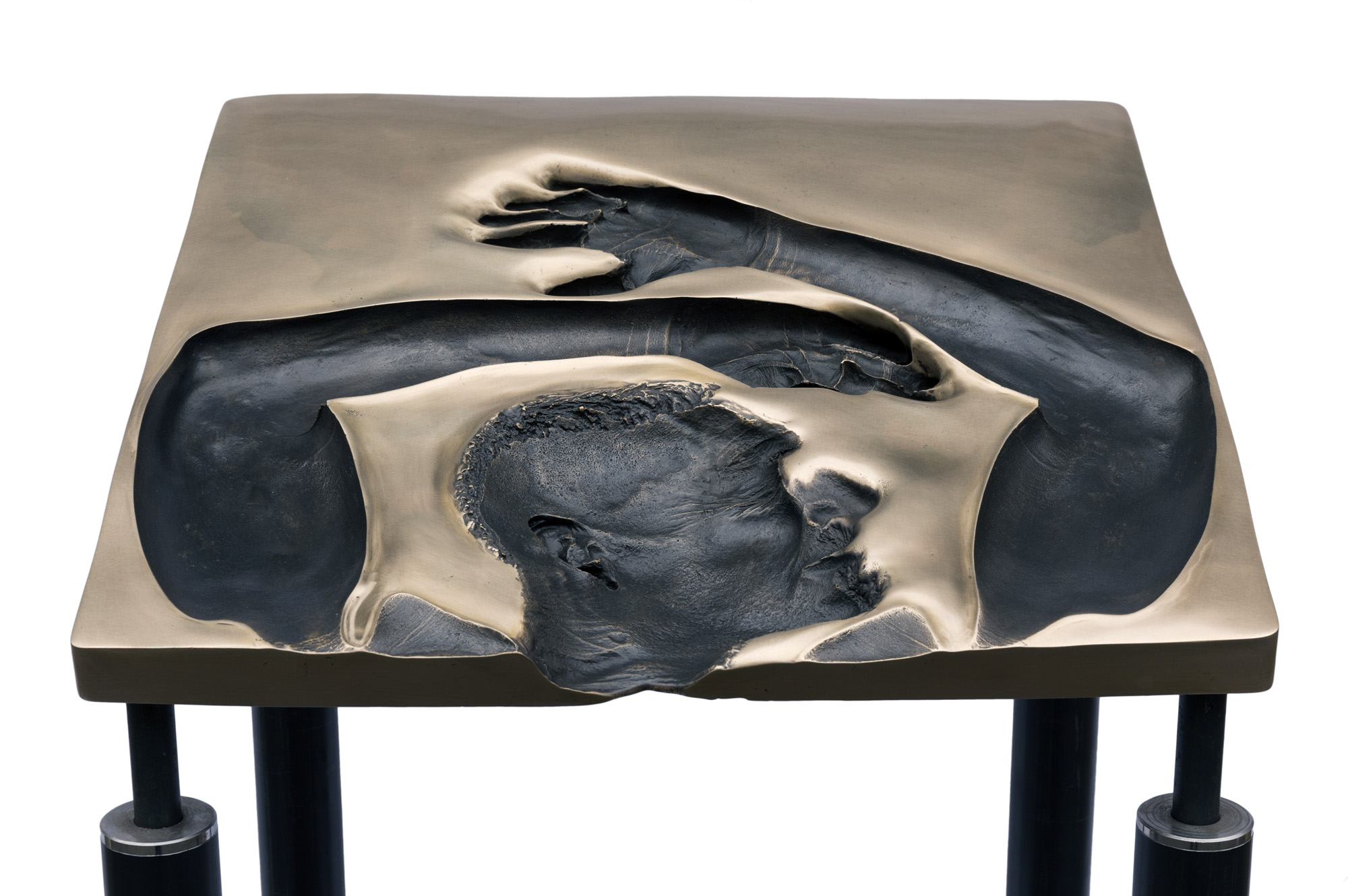
Julie Rrap (Born 1950, Lismore, NSW Lives and works Sydney, NSW) 'Speechless' 2017

Julie Rrap (Born 1950, Lismore, NSW Lives and works Sydney, NSW) 'Speechless' 2017


Julie Rrap (Born 1950, Lismore, NSW Lives and works Sydney, NSW)
Speechless
2017
Bronze and steel
Courtesy the artist and Roslyn Oxley9 Gallery, Sydney


Julie Rrap’s long interest in the politics of the human body informed her investigation of the Sunbaker pose. A casual holiday snap that came to symbolise leisure and freedom in the 1970s, Dupain’s photograph was taken in the uncertain economic times before the Second World War.

Exploring the ambivalence of the pose and transposing this contradiction to now, Rrap draws attention to the paradox of a nation seen as a sun-blessed paradise while its shores have been a place of contestation and misery. Speechless places the viewer in two positions, showing the viewpoint of both the person who speaks out and the one who keeps their head down.


Installation view of the exhibition 'Under the sun Reimagining Max Dupain's 'Sunbaker'' at Monash Gallery of Art, Melbourne showing at left, Peta Clancy's 'Fissures in time' (2017)

Installation view of the exhibition 'Under the sun Reimagining Max Dupain's 'Sunbaker'' at Monash Gallery of Art, Melbourne showing Peta Clancy's 'Fissures in time' (2017)

Installation view of the exhibition 'Under the sun Reimagining Max Dupain's 'Sunbaker'' at Monash Gallery of Art, Melbourne showing Peta Clancy's 'Fissures in time' (2017)


Installation views of Peta Clancy’s Fissures in time (2017) from the exhibition Under the sun: Reimagining Max Dupain’s Sunbaker at Monash Gallery of Art, Melbourne
Photos: Marcus Bunyan
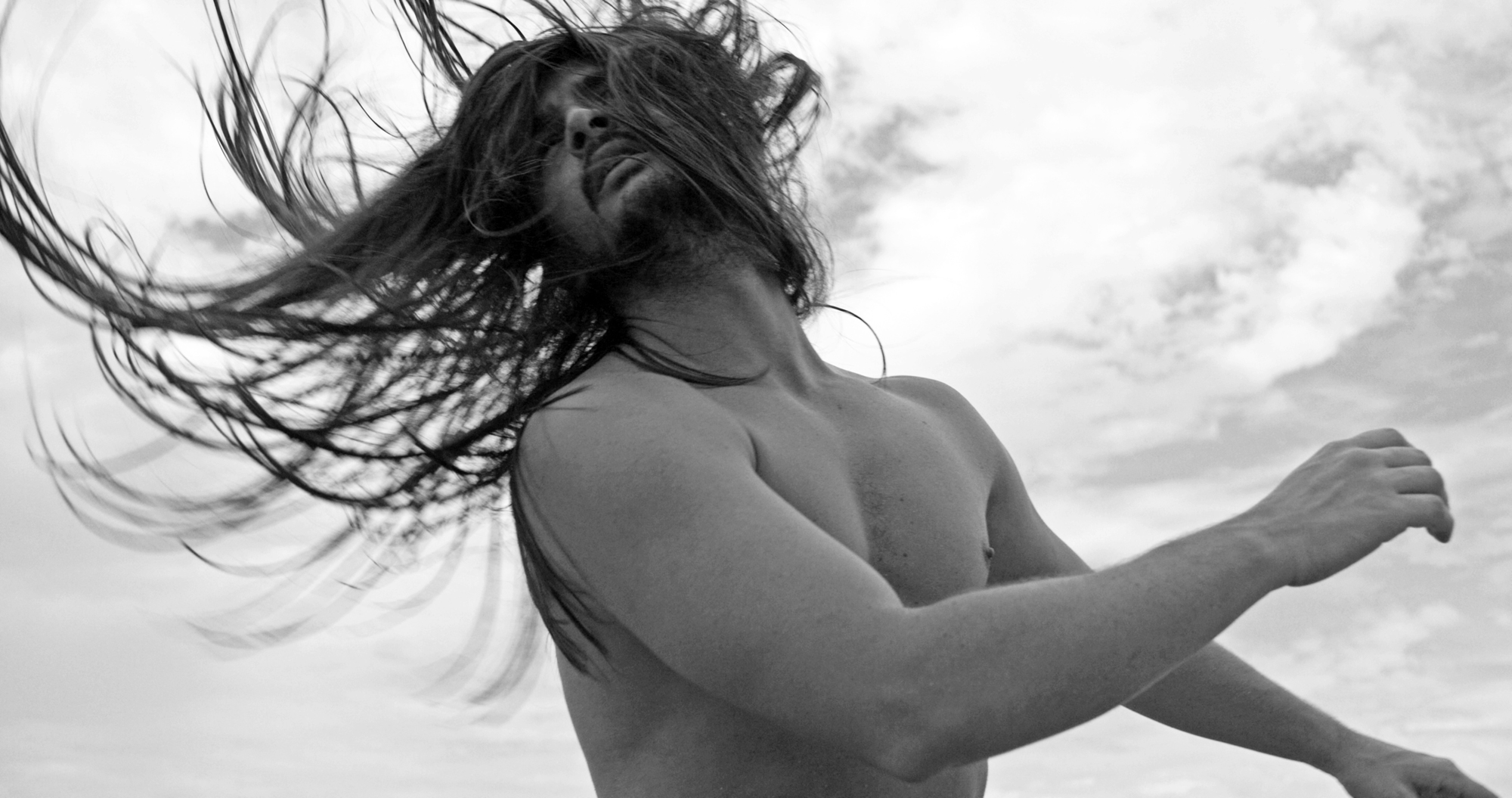
 

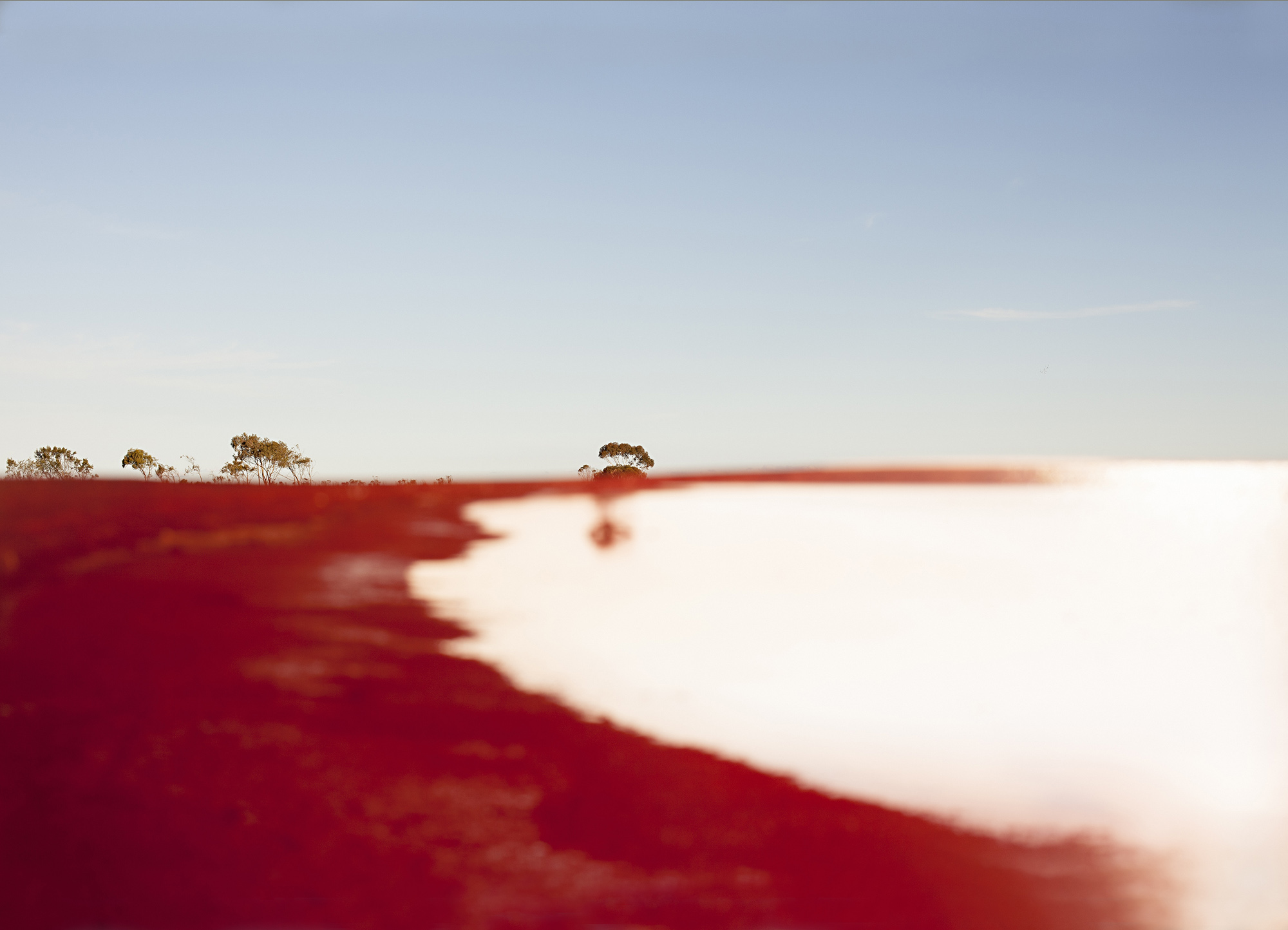
Peta Clancy (Born 1970, Melbourne, Vic, Lives and works Melbourne, Vic) 'Fissures in time #3' 2017

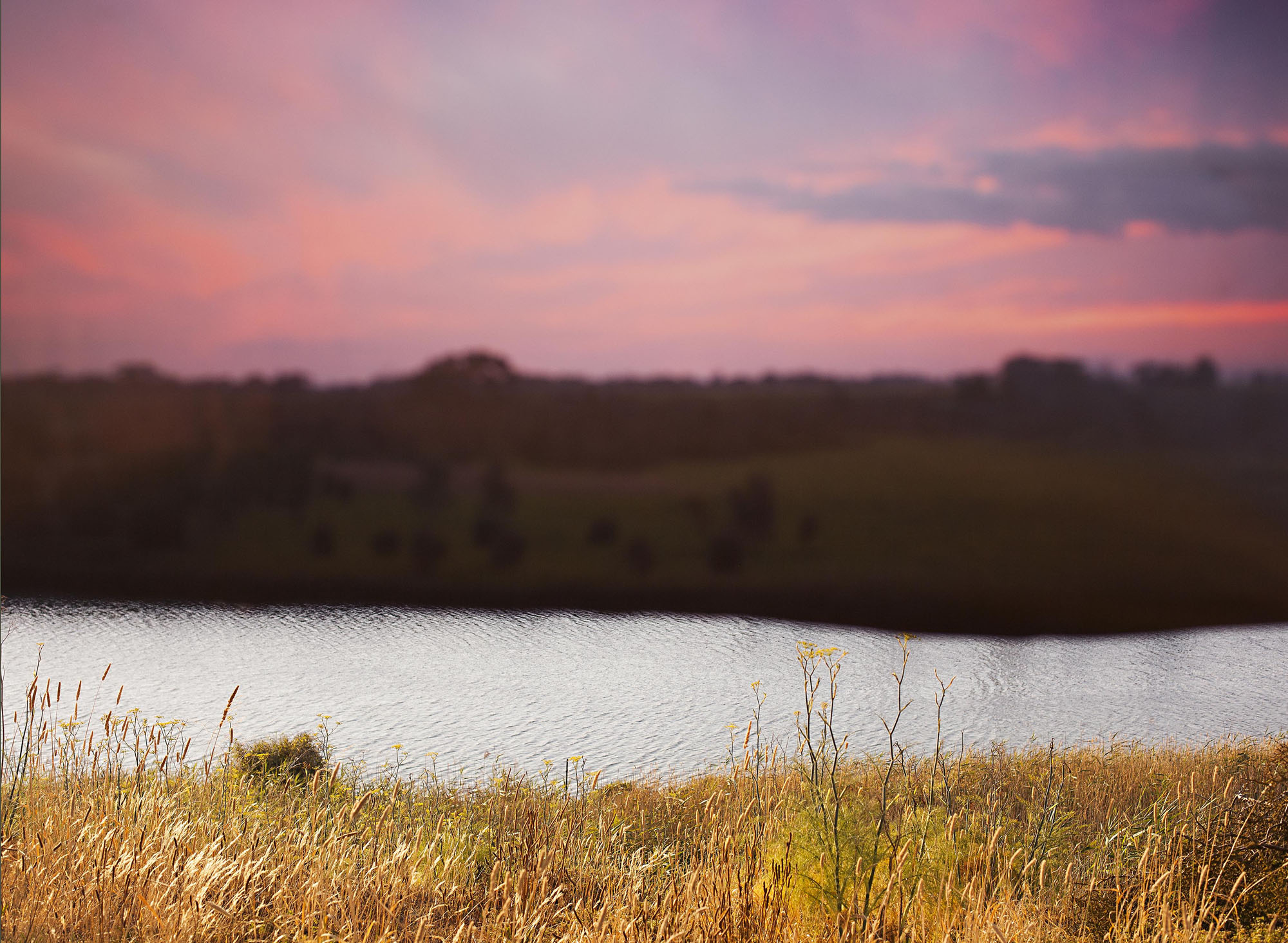
Peta Clancy (Born 1970, Melbourne, Vic, Lives and works Melbourne, Vic) 'Fissures in time #3' 2017 'Fissures in time #1' 2017

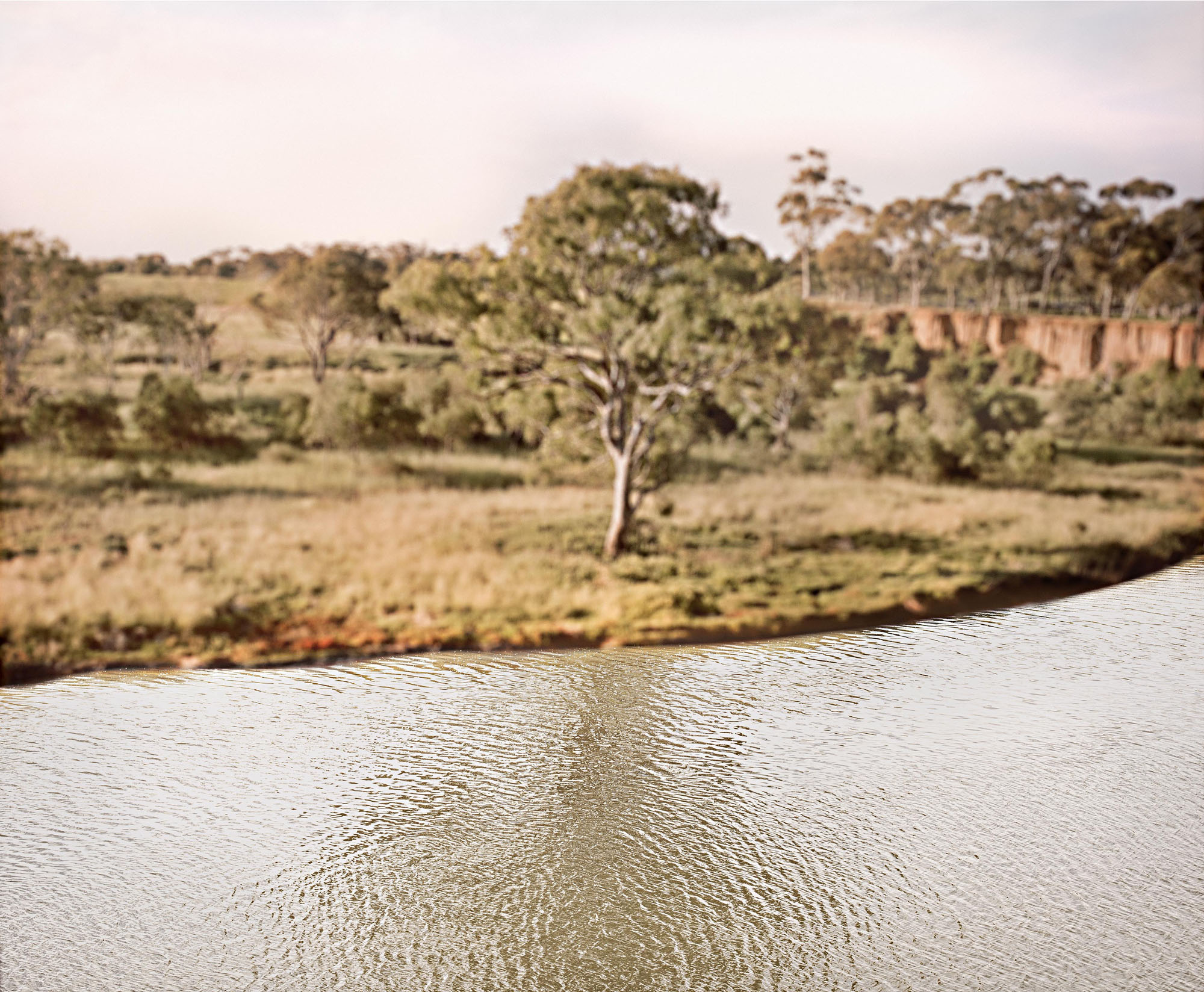
Peta Clancy (Born 1970, Melbourne, Vic, Lives and works Melbourne, Vic) 'Fissures in time #2' 2017

Peta Clancy (Born 1970, Melbourne, Vic, Lives and works Melbourne, Vic) 'Fissures in time #4' 2017


Peta Clancy (Born 1970, Melbourne, Vic, Lives and works Melbourne, Vic)
Fissures in time (L to R) #3 #1 #2 #4
2017
Archival pigment prints
Courtesy the artist


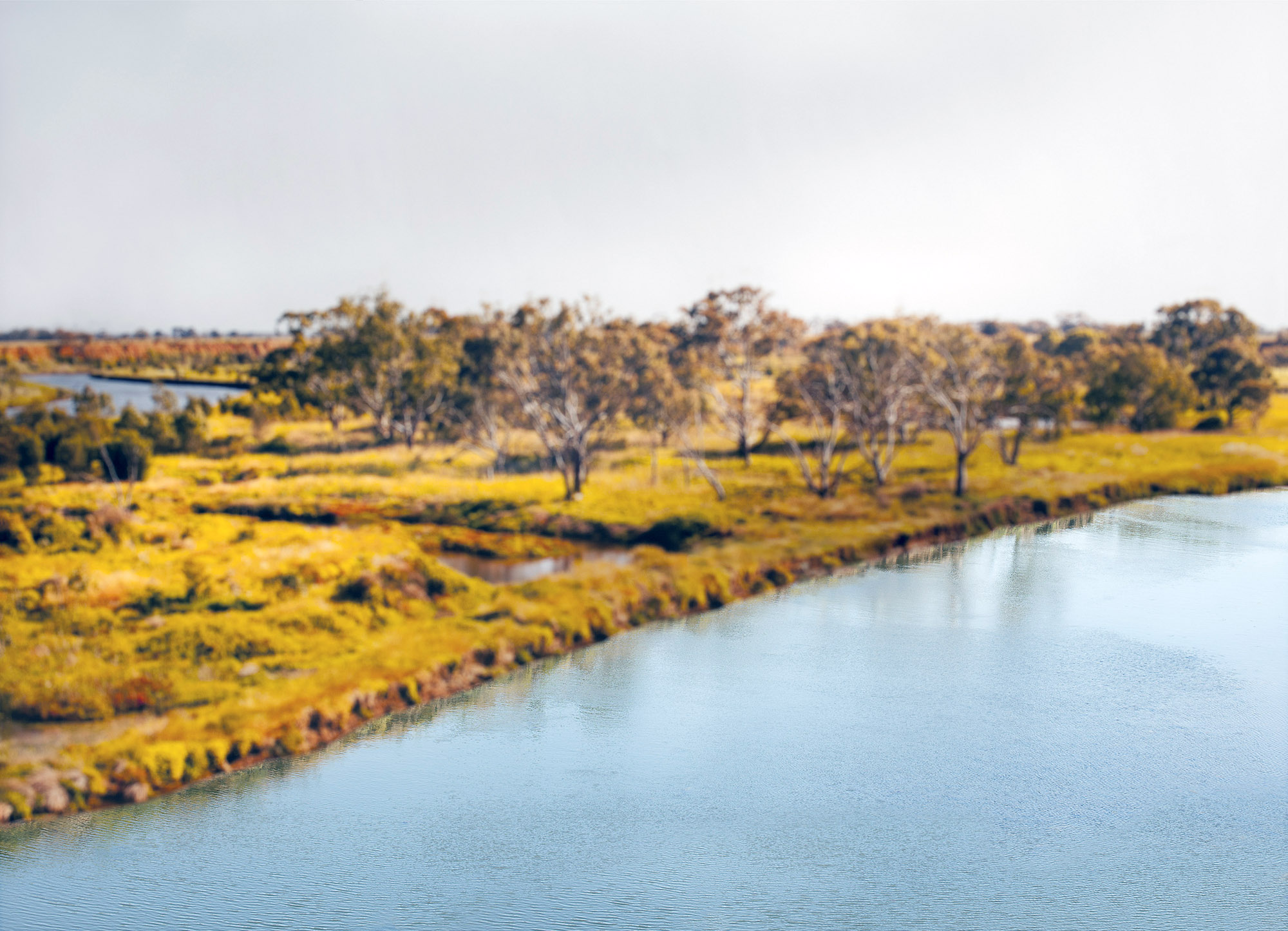
Drawing on memories of childhood landscapes, Peta Clancy repeatedly visited several locations in Victoria, taking photographs with her large-format camera. Informed by her research into the Massacre Map published by the Koorie Heritage Trust, which identified sites where Indigenous massacres occurred between 1836 and 1853, the artist has produced placeless images that question our relationship to landscapes of trauma and how we perceive reality.

After photographing a site, Clancy returned to install a large print on a custom-designed frame in front of the same landscape; slicing through the paper, then revealing sections of the scene behind before re-photographing it. The resulting images challenge you to see with fresh eyes.


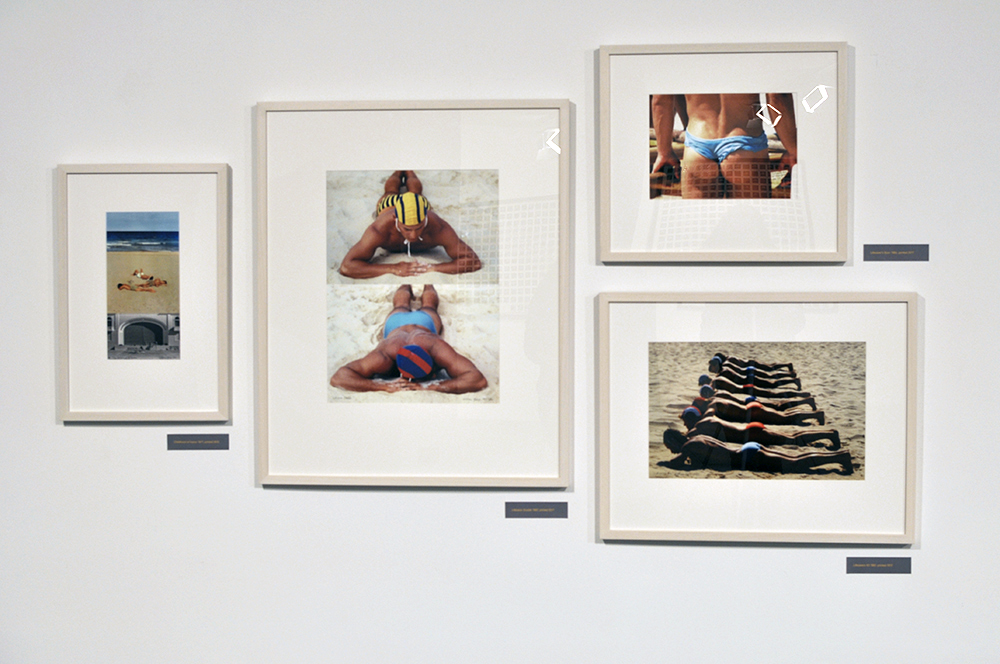
Installation view of the exhibition 'Under the sun Reimagining Max Dupain's 'Sunbaker'' at Monash Gallery of Art, Melbourne showing William Yang's 'SUMMER, A suite of images and My Time at South Bondi' (2017)

Installation view of the exhibition 'Under the sun Reimagining Max Dupain's 'Sunbaker'' at Monash Gallery of Art, Melbourne showing William Yang's 'SUMMER, A suite of images and My Time at South Bondi' (2017)

Installation view of the exhibition 'Under the sun Reimagining Max Dupain's 'Sunbaker'' at Monash Gallery of Art, Melbourne showing William Yang's 'SUMMER, A suite of images and My Time at South Bondi' (2017)

Installation view of the exhibition 'Under the sun Reimagining Max Dupain's 'Sunbaker'' at Monash Gallery of Art, Melbourne showing William Yang's 'SUMMER, A suite of images and My Time at South Bondi' (2017)

Installation view of the exhibition 'Under the sun Reimagining Max Dupain's 'Sunbaker'' at Monash Gallery of Art, Melbourne showing William Yang's 'SUMMER, A suite of images and My Time at South Bondi' (2017)

Installation view of the exhibition 'Under the sun Reimagining Max Dupain's 'Sunbaker'' at Monash Gallery of Art, Melbourne showing William Yang's 'SUMMER, A suite of images and My Time at South Bondi' (2017)

Installation view of the exhibition 'Under the sun Reimagining Max Dupain's 'Sunbaker'' at Monash Gallery of Art, Melbourne showing William Yang's 'SUMMER, A suite of images and My Time at South Bondi' (2017)

Installation view of the exhibition 'Under the sun Reimagining Max Dupain's 'Sunbaker'' at Monash Gallery of Art, Melbourne showing William Yang's 'SUMMER, A suite of images and My Time at South Bondi' (2017)


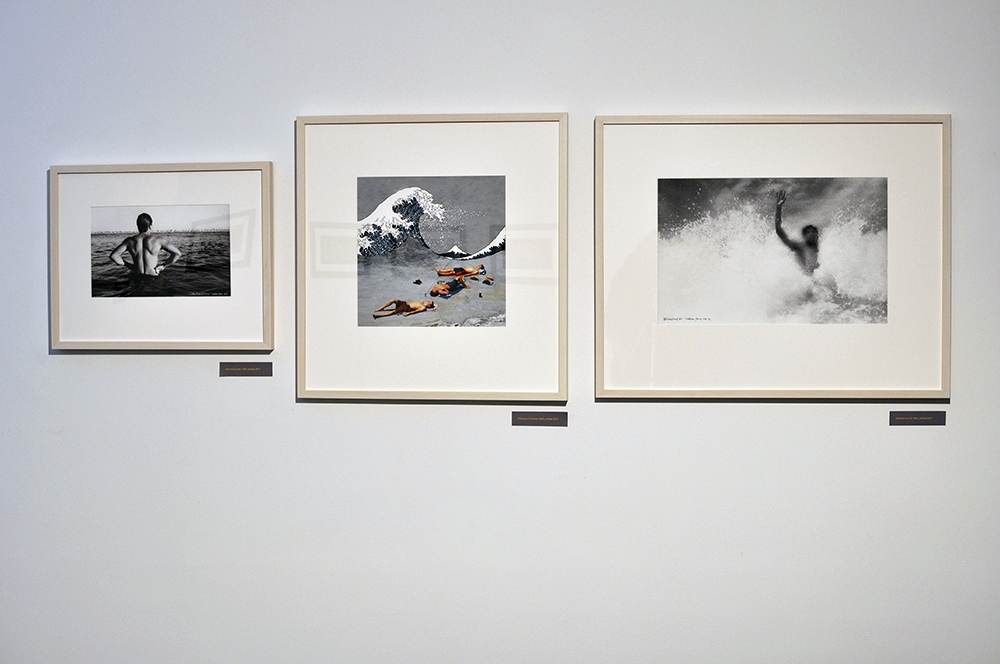
Installation views of William Yang’s SUMMER, A suite of images and My Time at South Bondi (2017) from the exhibition Under the sun: Reimagining Max Dupain’s Sunbaker at Monash Gallery of Art, Melbourne
Photos: Marcus Bunyan

William Yang (Born 1943, Mareeba, Qld Lives and works Sydney, NSW)
SUMMER, A suite of images
2017
Digital pigment prints
Courtesy the artist and Stills Gallery, Sydney
My Time at South Bondi
2017
Video with music by Daniel Holdsworth
Duration: 4 min
Courtesy the artist and Stills Gallery, Sydney
 

A prolific documentary photographer, storyteller and performer, William Yang creates works that tell an intimate, autobiographical story.

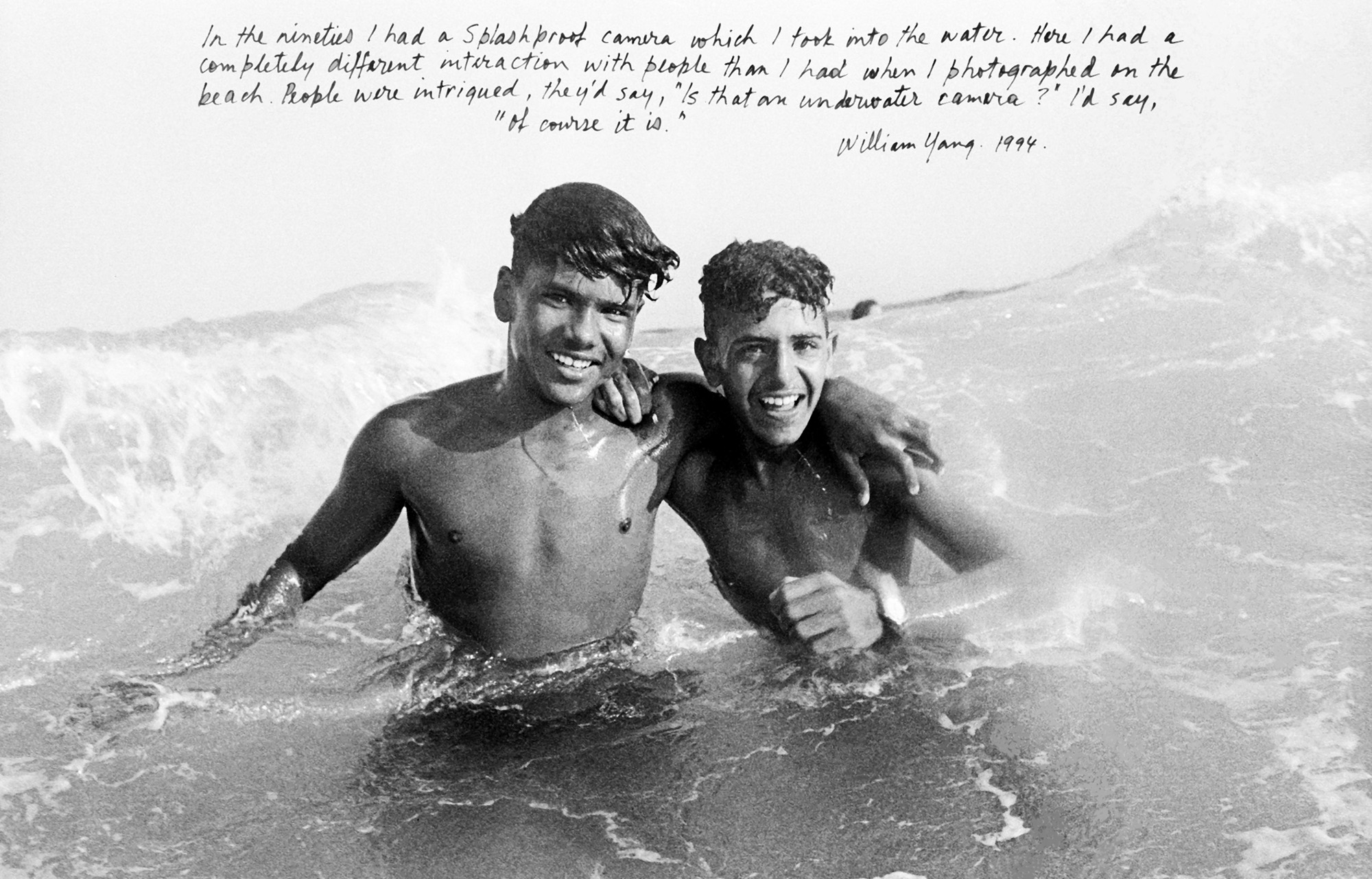
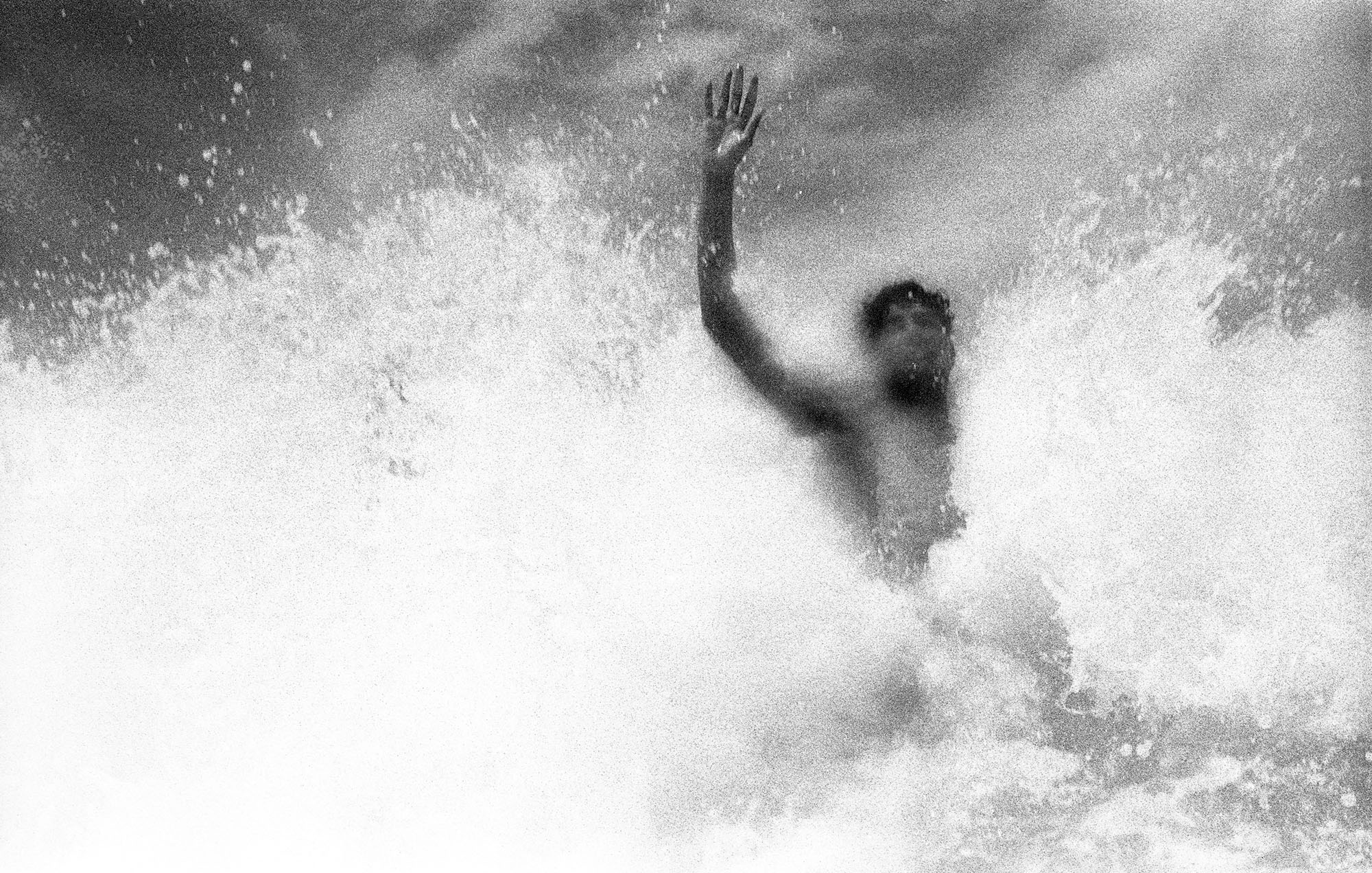
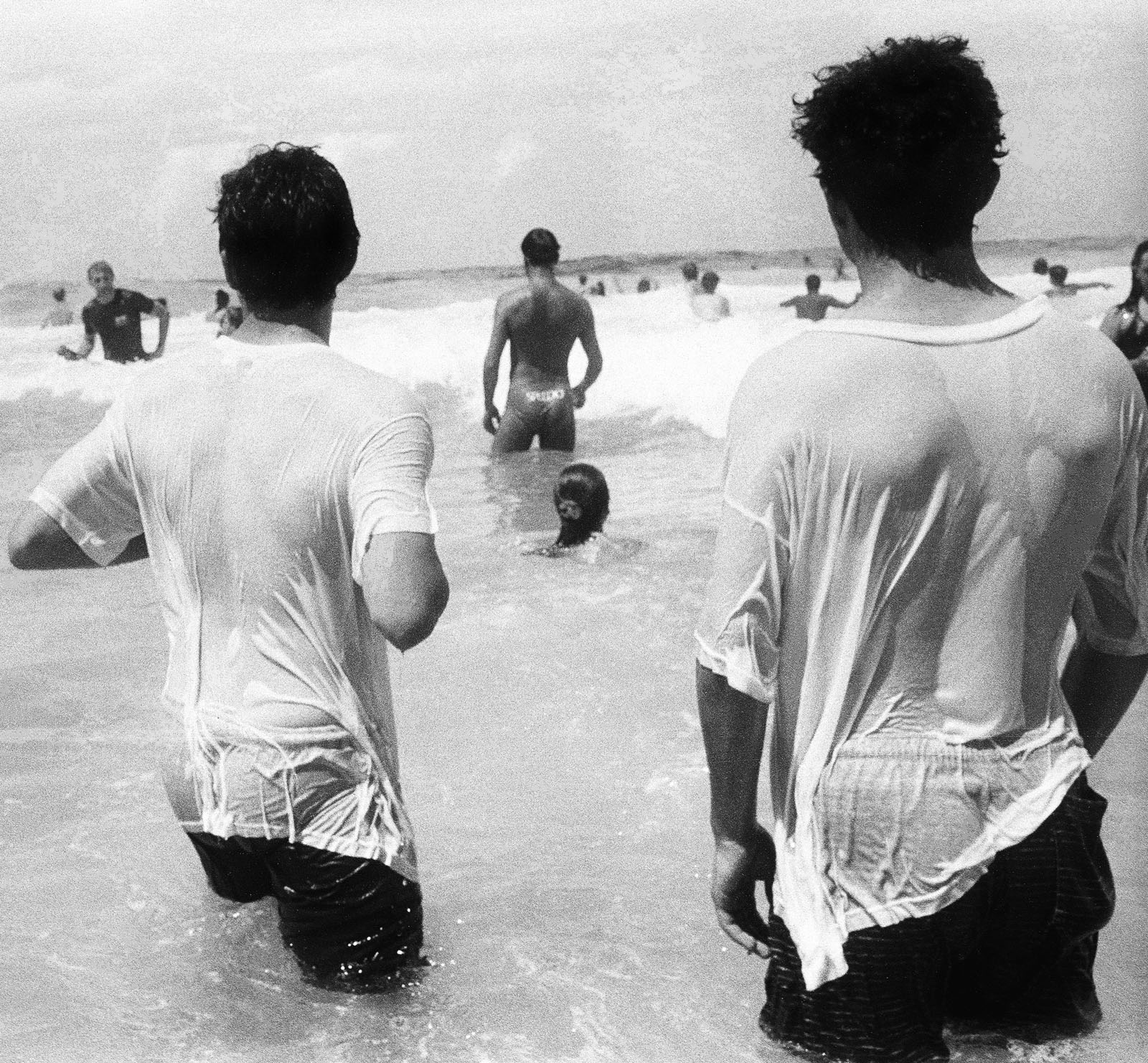
For this installation, William Yang draws on his extensive archive of images, memories and sensual experiences, showing the unique atmosphere of freedom that prevailed on Sydney beaches in the 70s, 80s and 90s. Taken around Bondi and Tamarama, Yang has captured the joy of an era and the beauty of the elements with humour and generosity. More than reminiscence or exposé, Yang’s images reveal sensitive connections and insightful reflections about cultural identity.


William Yang (Born 1943, Mareeba, Qld Lives and works Sydney, NSW) 'Golden Summer' 1987/2016


William Yang (Born 1943, Mareeba, Qld Lives and works Sydney, NSW)
Golden Summer
1987/2016
Digital print with gold foil
Courtesy the artist and Stills Gallery, Sydney
 

William Yang (Born 1943, Mareeba, Qld Lives and works Sydney, NSW) 'Lifesaver Double' 1987/2017


William Yang (Born 1943, Mareeba, Qld Lives and works Sydney, NSW)
Lifesaver Double
1987/2017
Digital print
Courtesy the artist and Stills Gallery, Sydney


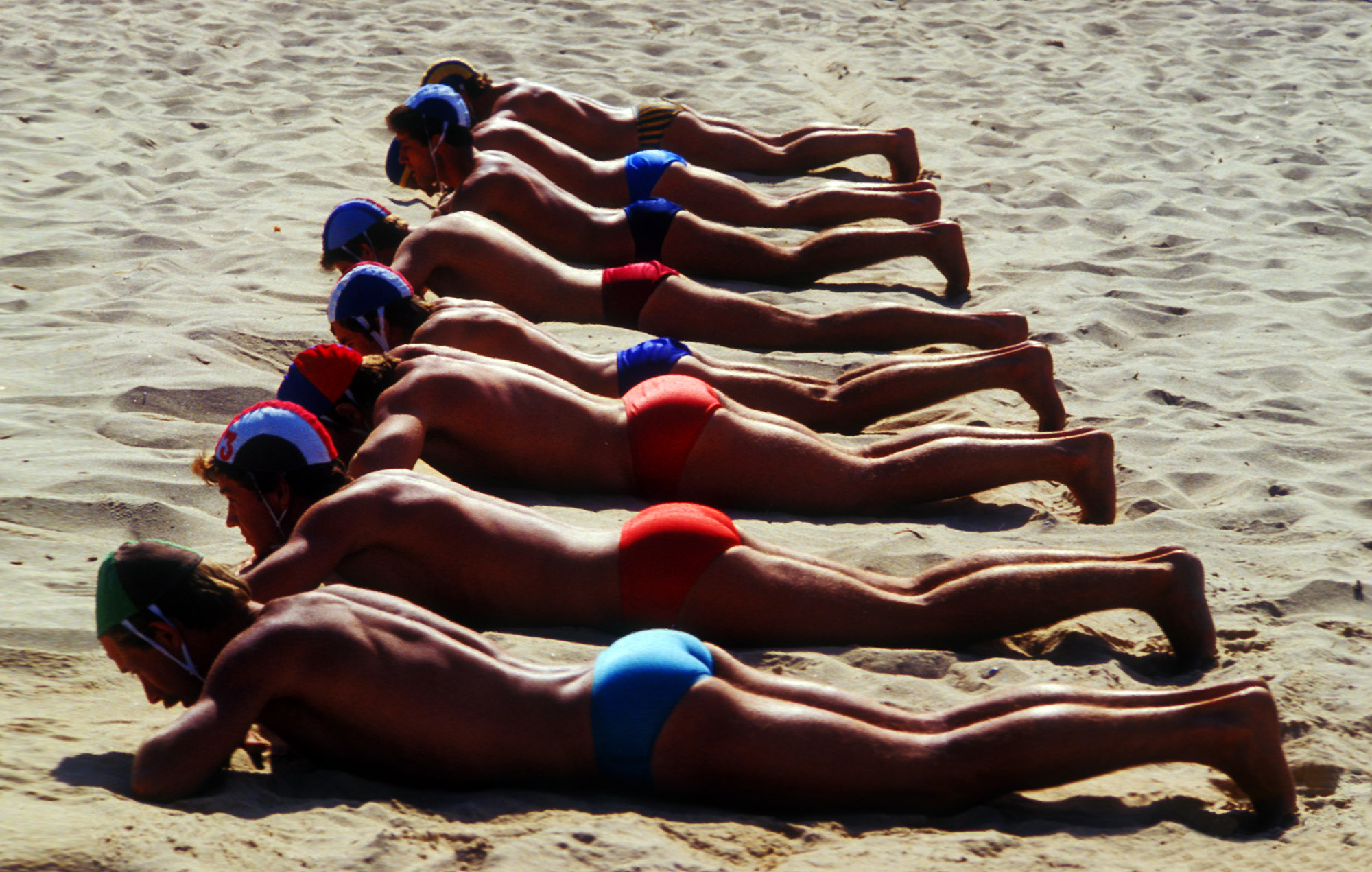
William Yang (Born 1943, Mareeba, Qld Lives and works Sydney, NSW) 'Lifesavers #3' 1987/2017


William Yang (Born 1943, Mareeba, Qld Lives and works Sydney, NSW)
Lifesavers #3
1987/2017
Digital print
Courtesy the artist and Stills Gallery, Sydney


William Yang (Born 1943, Mareeba, Qld Lives and works Sydney, NSW) 'Splashproof #1' 1994/2017


William Yang (Born 1943, Mareeba, Qld Lives and works Sydney, NSW)
Splashproof #1
1994/2017
Digital print with digital text
Courtesy the artist and Stills Gallery, Sydney


William Yang (Born 1943, Mareeba, Qld Lives and works Sydney, NSW) 'Splashproof #2' 1994/2017


William Yang (Born 1943, Mareeba, Qld Lives and works Sydney, NSW)
Splashproof #2
1994/2017
Digital print
Courtesy the artist and Stills Gallery, Sydney


William Yang (Born 1943, Mareeba, Qld Lives and works Sydney, NSW) 'Splashproof #3' 1994/2017


William Yang (Born 1943, Mareeba, Qld Lives and works Sydney, NSW)
Splashproof #3
1994/2017
Digital print
Courtesy the artist and Stills Gallery, Sydney


William Yang (Born 1943, Mareeba, Qld Lives and works Sydney, NSW) 'Bondi Beach (1970s)' 1970s/2017


William Yang (Born 1943, Mareeba, Qld Lives and works Sydney, NSW)
Bondi Beach (1970s)
1970s/2017
Digital print with text
Courtesy the artist and Stills Gallery, Sydney


William Yang (Born 1943, Mareeba, Qld Lives and works Sydney, NSW) 'Tamarama Lifesavers' 1981/2017


William Yang (Born 1943, Mareeba, Qld Lives and works Sydney, NSW)
Tamarama Lifesavers
1981/2017
Digital print
Courtesy the artist and Stills Gallery, Sydney


William Yang (Born 1943, Mareeba, Qld Lives and works Sydney, NSW) 'Checking Out Bondi' 1981/2017


William Yang (Born 1943, Mareeba, Qld Lives and works Sydney, NSW)
Checking Out Bondi
1981/2017
Digital print
Courtesy the artist and Stills Gallery, Sydney


William Yang (Born 1943, Mareeba, Qld Lives and works Sydney, NSW) 'Childhood of Icarus' 1975/2017


William Yang (Born 1943, Mareeba, Qld Lives and works Sydney, NSW)
Childhood of Icarus
1975/2017
Digital print
Courtesy the artist and Stills Gallery, Sydney


Khaled Sabsabi (Born 1965, Tripoli, Lebanon Lives and works Sydney, NSW)
229 (extract)
2017
Three-channel video with sound
Duration: 3 min 49 sec
Hand-painted laser prints on transparencies
C-type prints
Courtesy the artist and Milani Gallery, Brisbane
Video: Â© Dr Marcus Bunyan, Monash Gallery of Art and Khaled Sabsabi


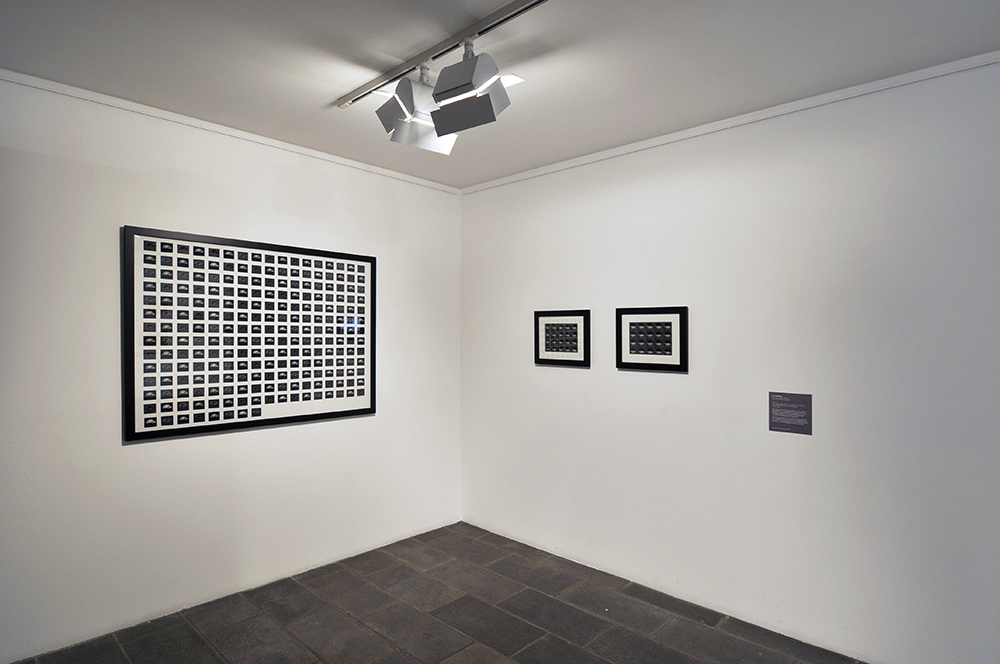
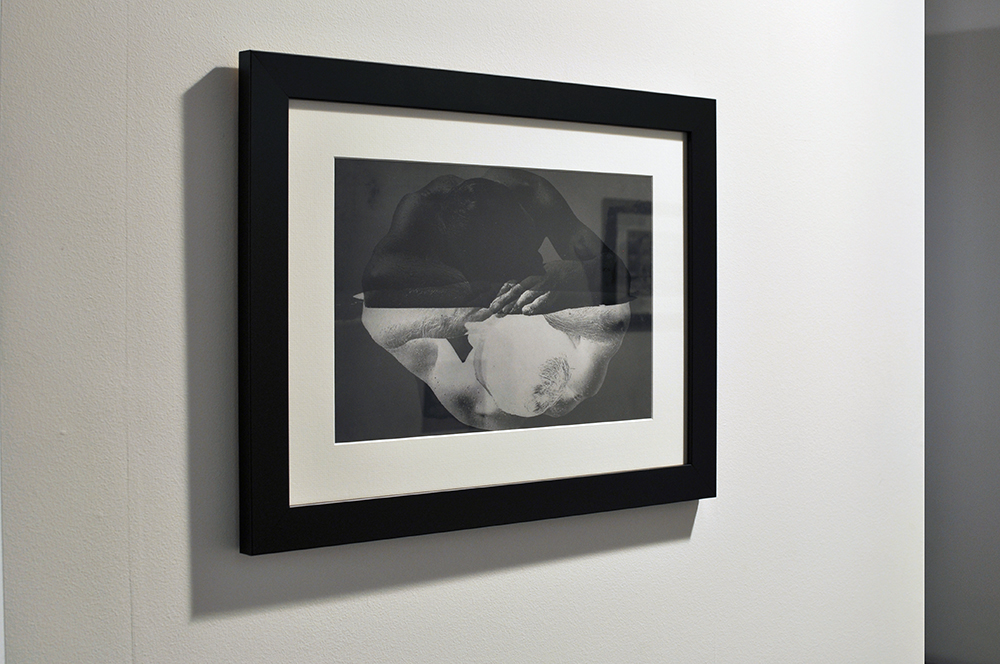
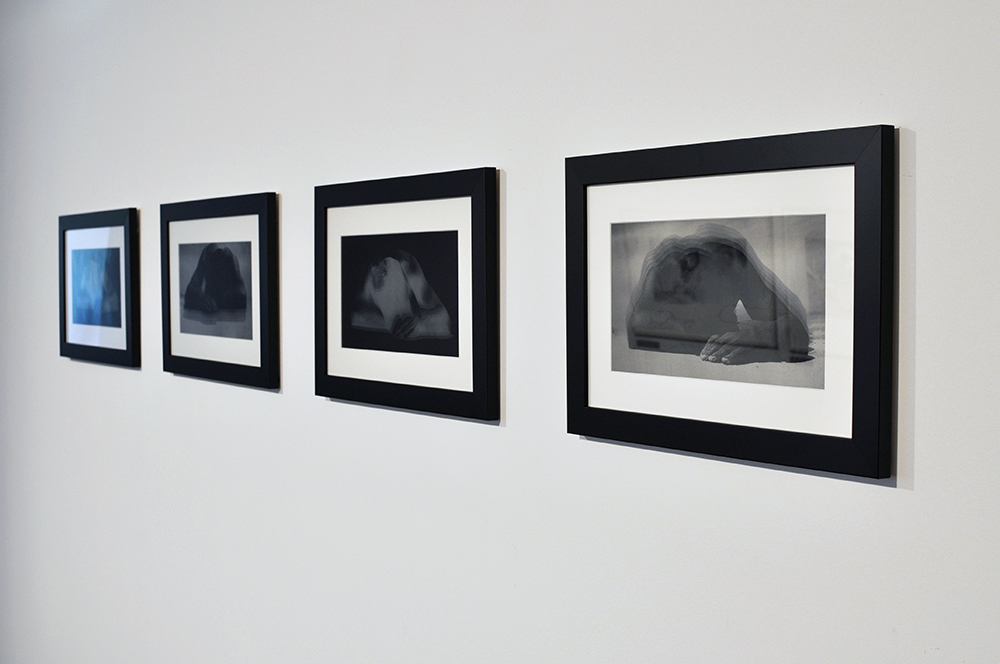
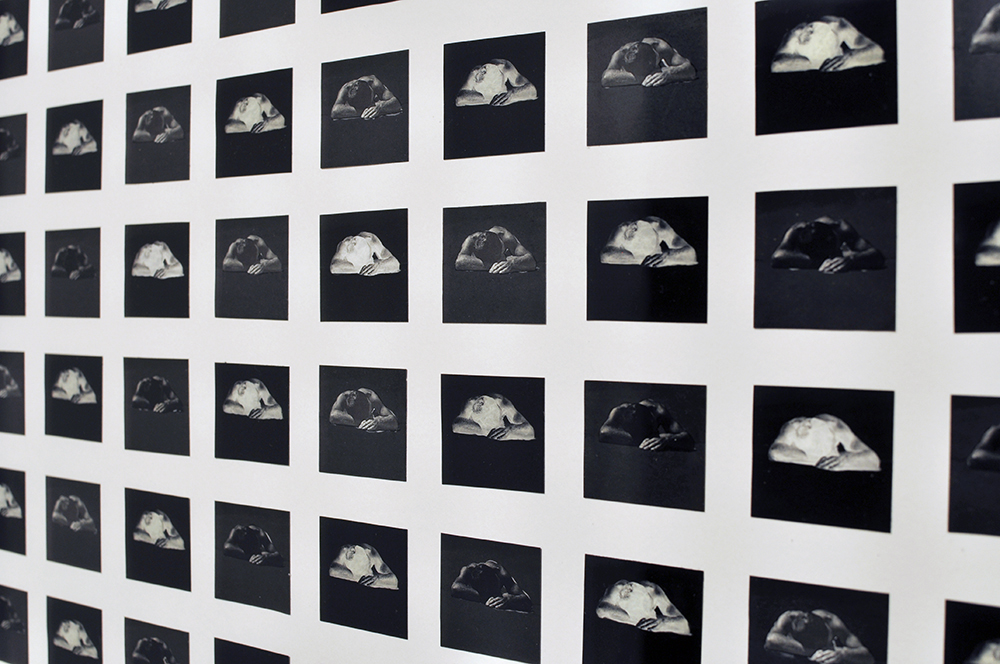
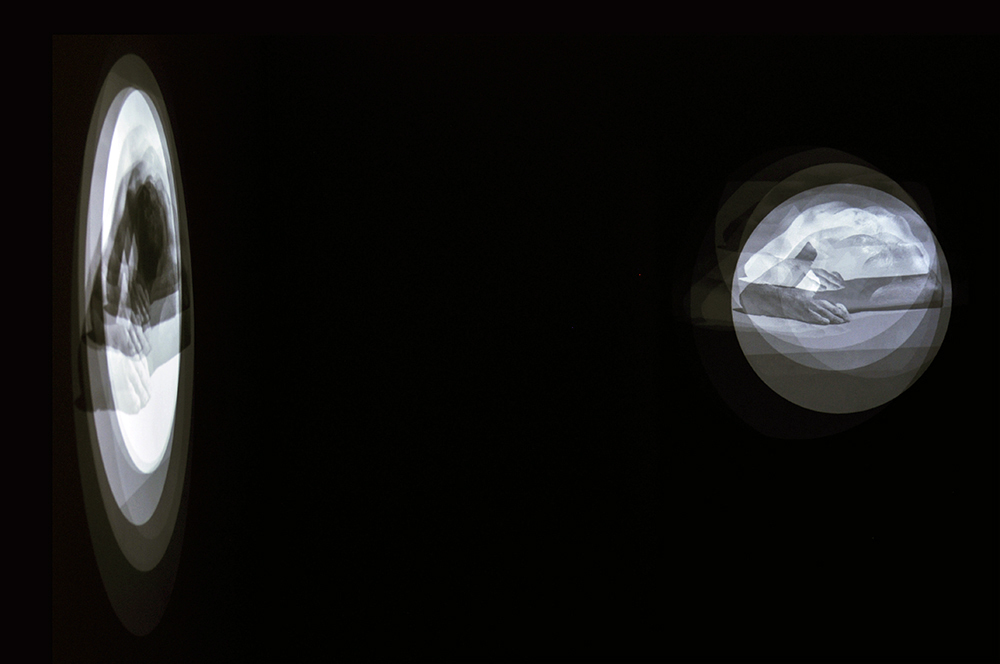
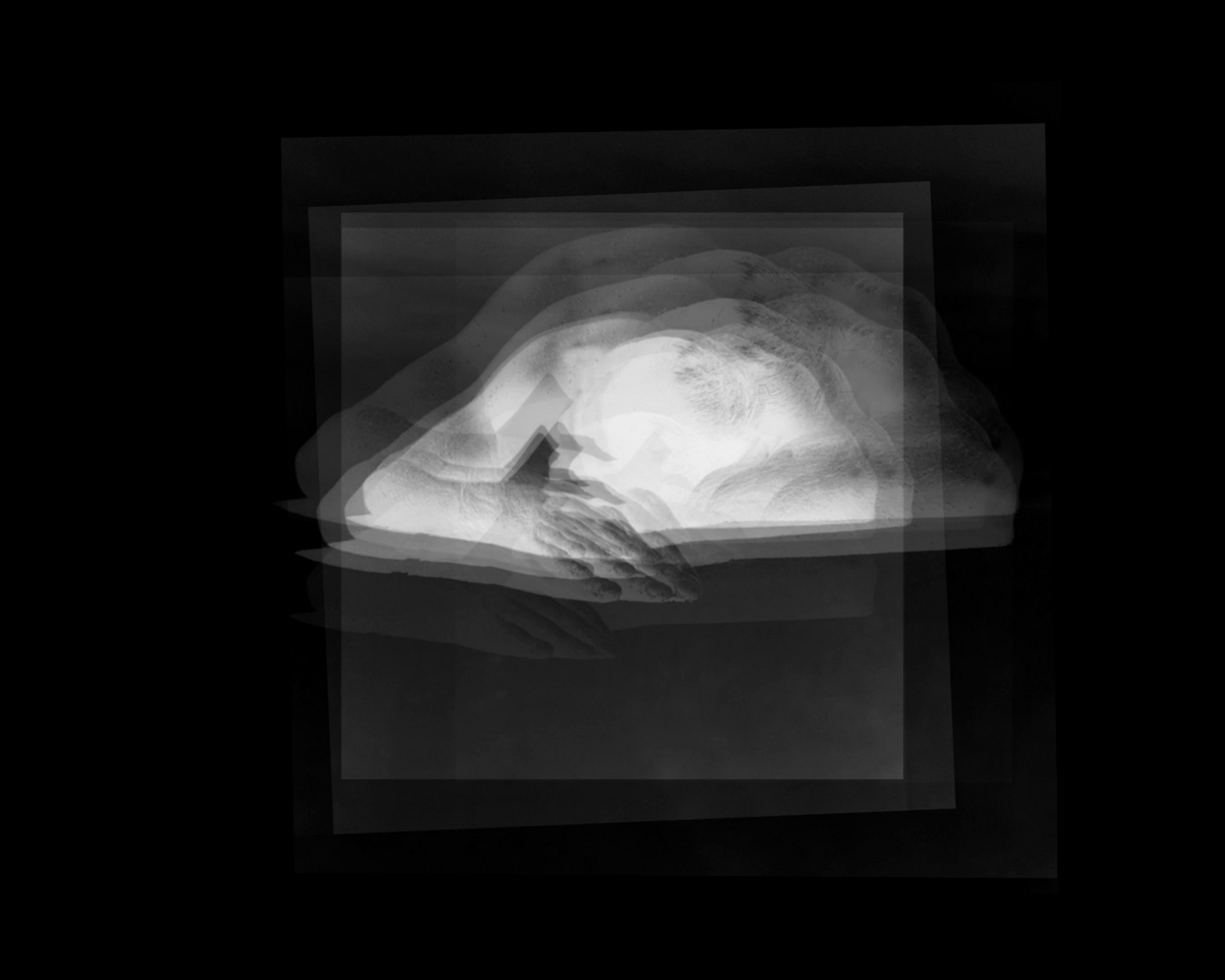
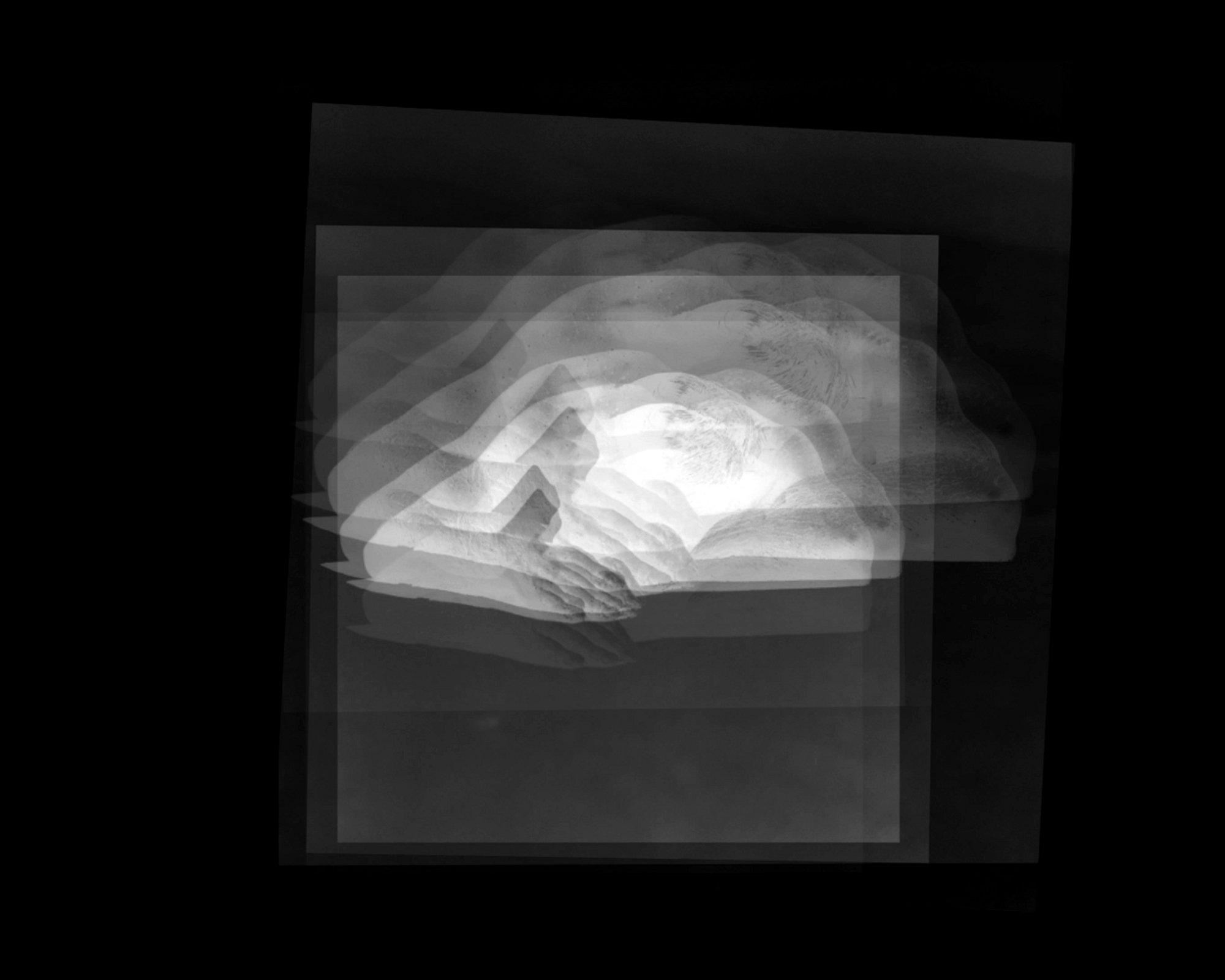
Khaled Sabsabi has recreated the negative of the Sunbaker by reframing the image and playing with the essential codes of the photographic medium. Sabsabi has multiplied, handpainted and digitally animated the photograph to make it resonate as a symbol of the 229 years since colonisation.

229 challenges the representation of race by inverting black and white, forcing us to question the almost imperceptible alterations, and examine notions of copyright and origin. Ultimately, 229 asks the viewer to be actively engaged and socially responsible.


Installation view of the exhibition 'Under the sun Reimagining Max Dupain's 'Sunbaker'' at Monash Gallery of Art, Melbourne showing Khaled Sabsabi's '229' (2017)

Installation view of the exhibition 'Under the sun Reimagining Max Dupain's 'Sunbaker'' at Monash Gallery of Art, Melbourne showing Khaled Sabsabi's '229' (2017)

Installation view of the exhibition 'Under the sun Reimagining Max Dupain's 'Sunbaker'' at Monash Gallery of Art, Melbourne showing Khaled Sabsabi's '229' (2017)

Installation view of the exhibition 'Under the sun Reimagining Max Dupain's 'Sunbaker'' at Monash Gallery of Art, Melbourne showing Khaled Sabsabi's '229' (2017)

Installation view of the exhibition 'Under the sun Reimagining Max Dupain's 'Sunbaker'' at Monash Gallery of Art, Melbourne showing Khaled Sabsabi's '229' (2017)

Installation view of the exhibition 'Under the sun Reimagining Max Dupain's 'Sunbaker'' at Monash Gallery of Art, Melbourne showing Khaled Sabsabi's '229' (2017)

Installation view of the exhibition 'Under the sun Reimagining Max Dupain's 'Sunbaker'' at Monash Gallery of Art, Melbourne showing Khaled Sabsabi's '229' (2017)


Installation views of Khaled Sabsabi’s 229 (2017) from the exhibition Under the sun: Reimagining Max Dupain’s Sunbaker at Monash Gallery of Art, Melbourne
Photos: Marcus Bunyan
 

Khaled Sabsabi (Born 1965, Tripoli, Lebanon Lives and works Sydney, NSW) '229' 2017 (video still)

Khaled Sabsabi (Born 1965, Tripoli, Lebanon Lives and works Sydney, NSW) '229' 2017 (video still)

Khaled Sabsabi (Born 1965, Tripoli, Lebanon Lives and works Sydney, NSW) '229' 2017 (video still)

Khaled Sabsabi (Born 1965, Tripoli, Lebanon Lives and works Sydney, NSW) '229' 2017 (video still)

Khaled Sabsabi (Born 1965, Tripoli, Lebanon Lives and works Sydney, NSW) '229' 2017 (video still)


Khaled Sabsabi (Born 1965, Tripoli, Lebanon Lives and works Sydney, NSW)
229
2017
Production stills from video
Courtesy the artist and Milani Gallery, Brisbane


Monash Gallery of Art
860 Ferntree Gully Road, Wheelers Hill
Victoria 3150 Australia
Phone: + 61 3 8544 0500

Opening hours:
Tue – Fri: 10am – 5pm
Sat – Sun: 10pm – 4pm
Mon/public holidays: closed

Monash Gallery of Art website

LIKE ART BLART ON FACEBOOK

Back to top

Exhibition: ‘Cutting edge: 21st-century photography’ at the Monash Gallery of Art, Wheelers Hill, Melbourne

Exhibition dates: 26th November, 2015 – 21st February, 2016

Artists: Danica Chappell, Peta Clancy, Eliza Hutchison, Megan Jenkinson, Justine Khamara, Paul Knight, Derek Kreckler, Luke Parker, Emidio Puglielli, David Rosetzky, Jo Scicluna, Martin Smith, Vivian Cooper Smith, James Tylor and Joshua Yeldham


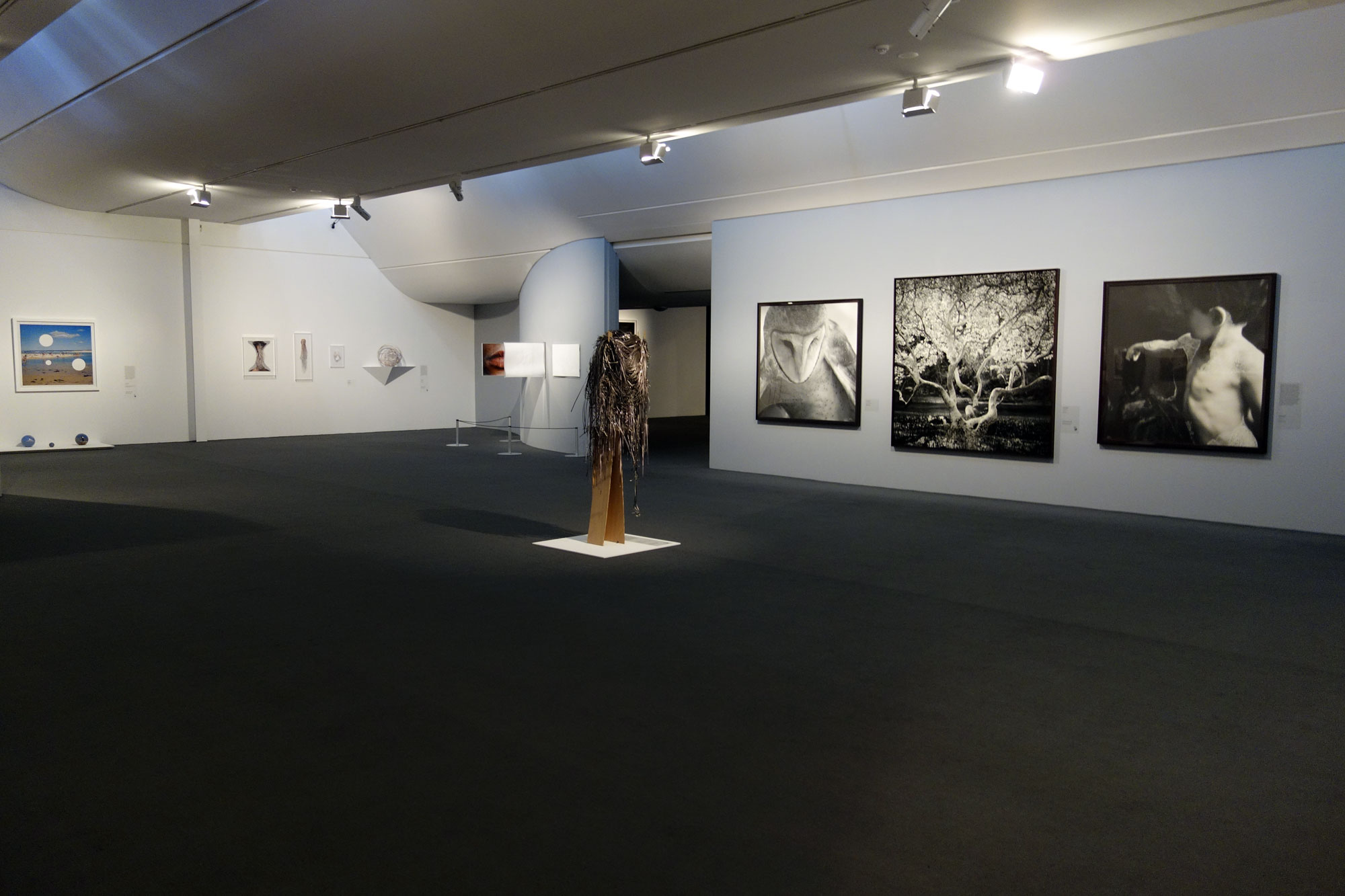
Installation photograph of the exhibition 'Cutting edge: 21st-century photography' at the Monash Gallery of Art


Installation photograph of the exhibition Cutting edge: 21st-century photography at the Monash Gallery of Art
Photo: © Marcus Bunyan and the Monash Gallery of Art


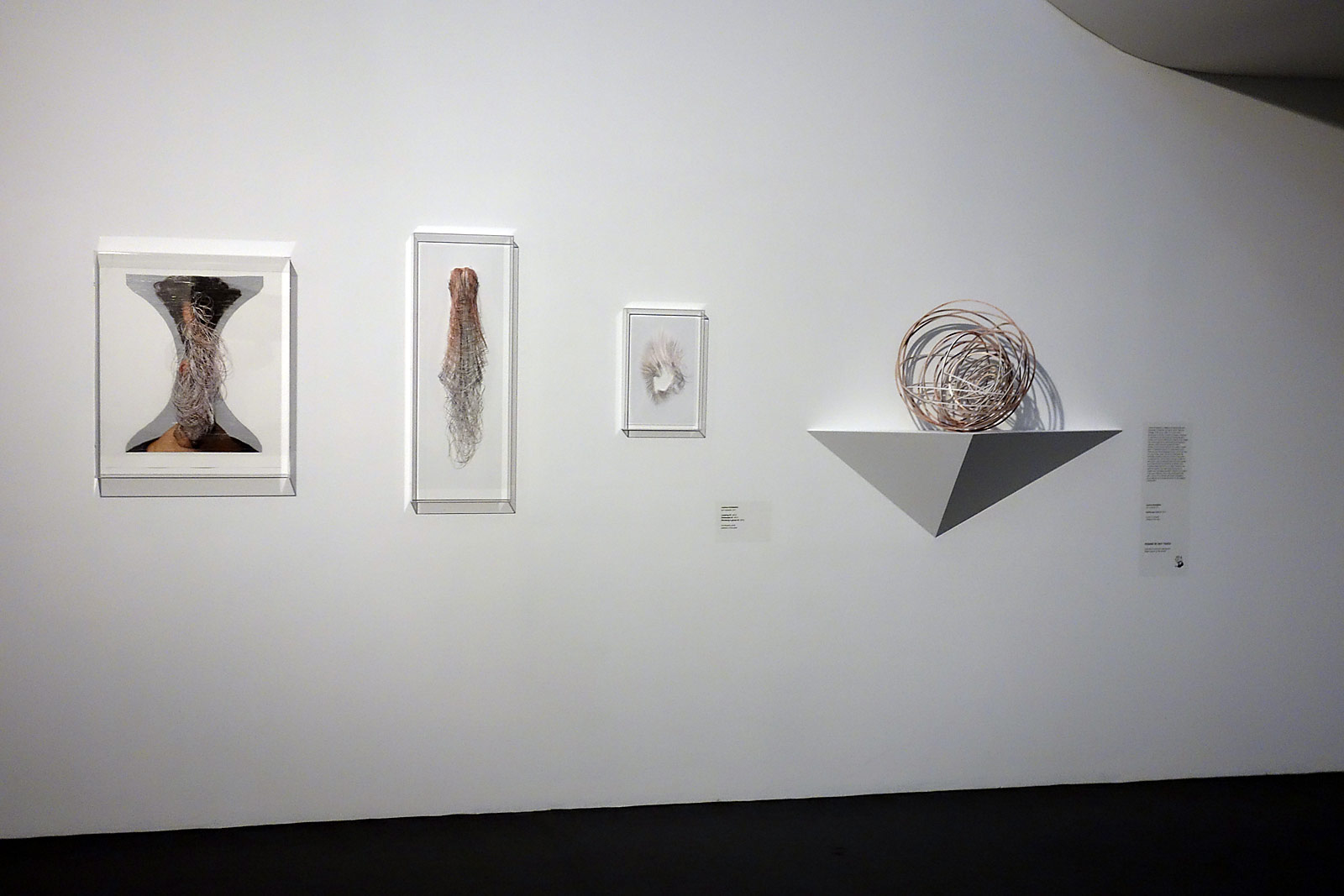
This is a solid if slightly dour exhibition at the Monash Gallery of Art which examines the phenomena of the deconstruction of the physicality of the photograph. It “features the work of contemporary artists who disrupt the seamless uniformity of screen-based photography by cutting, pinning, folding and puncturing photographic prints. These are photographs that need to be engaged with in physical space, rather than contemplated on a screen; this is an exhibition about making rather than taking photographs.”

Therein lies the rub. If you start such an exercise (the physical deformation of the surface of the print), without caring about the quality of the base image, then you are automatically starting from a bad position. It’s like printing a black and white print from an underexposed negative. Further, much as many of these works are interesting conceptual exercises, most of them lead to emotional dead ends.

A friend of mine, Ian Lobb, has a good analogy: imagine standing on a bridge with a fast running stream flowing underneath, and dropping a pebble off the bridge. And then another, and another. Unless they cluster around each other to form an ongoing enquiry by a group of people – such as Australian women’s hand-coloured photography of the 1970s – INTO ONE IDEA (in the 1970s it was feminism and the urban environment), then they will be washed away. And this is the feeling I get from this exhibition: every idea possible is up for grabs (in an earnest kind of way), but nothing sticks memorably in the mind. That is the world in which we live today.

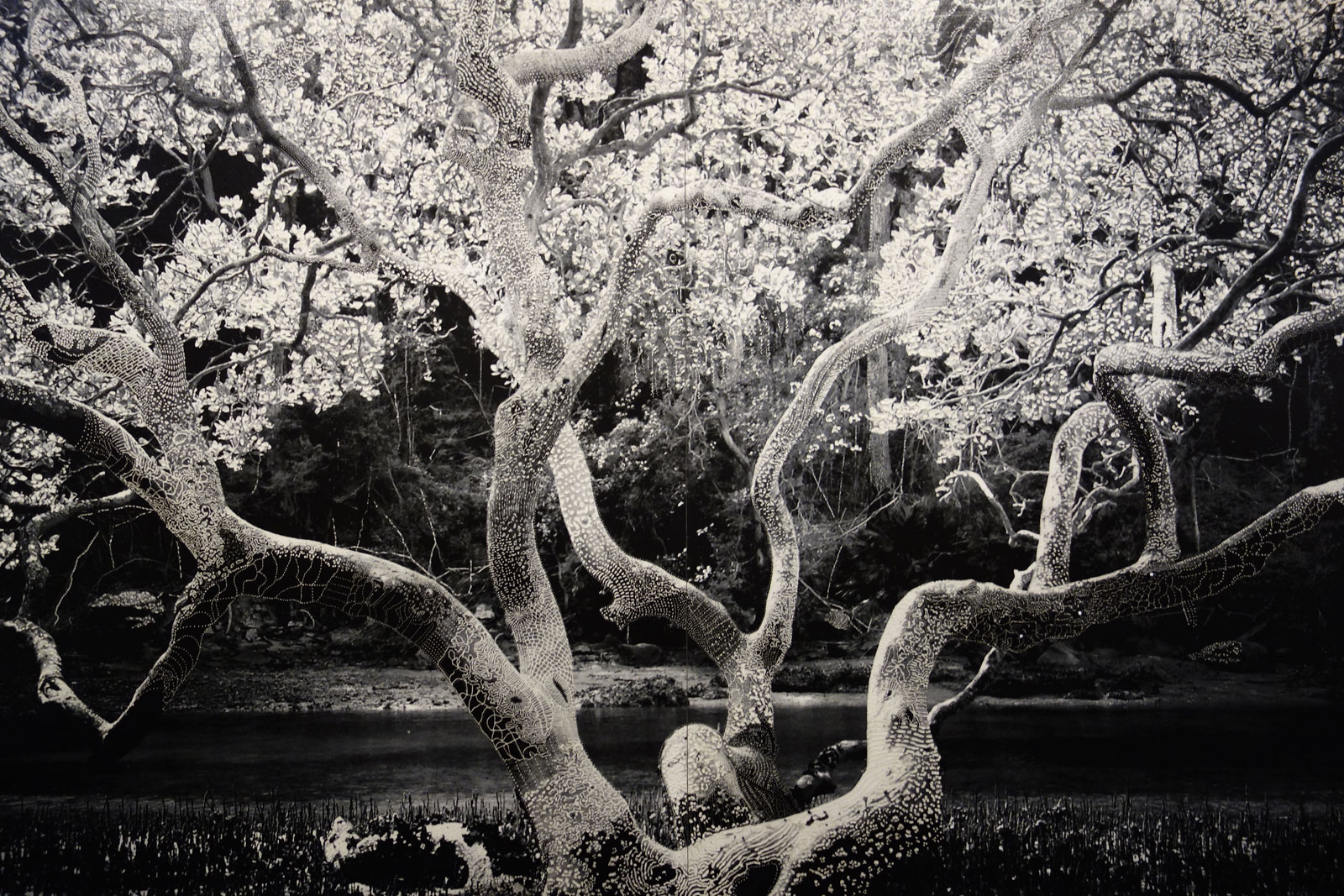
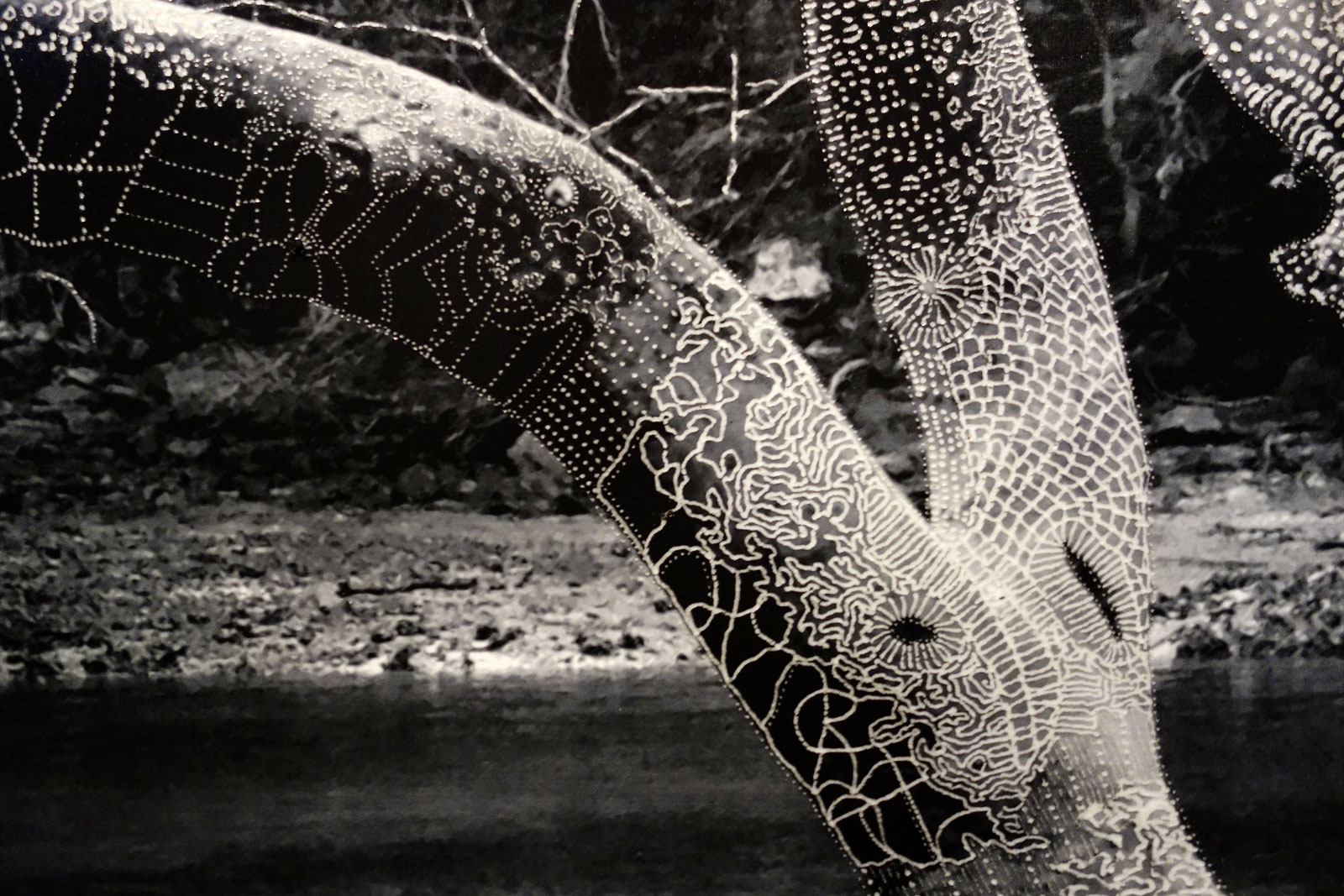
To my mind the best work in the exhibition is the simplest and most eloquent. Out of Joshua Yeldham’s trio of images, it is Owl of tranquillity (2015, below) which is the standout. The base image is beautiful and the careful incision work just adds to the magical resonance of the image. A truly knockout piece that would be a joy in any collection. The other two works suffer from the base image being taken on a mobile phone… the quality of the image is just not there to start with, and to then print and work the image at such great scale (see installation images below) means both images tend to loose cohesiveness. You can get away with it once, but not three times.

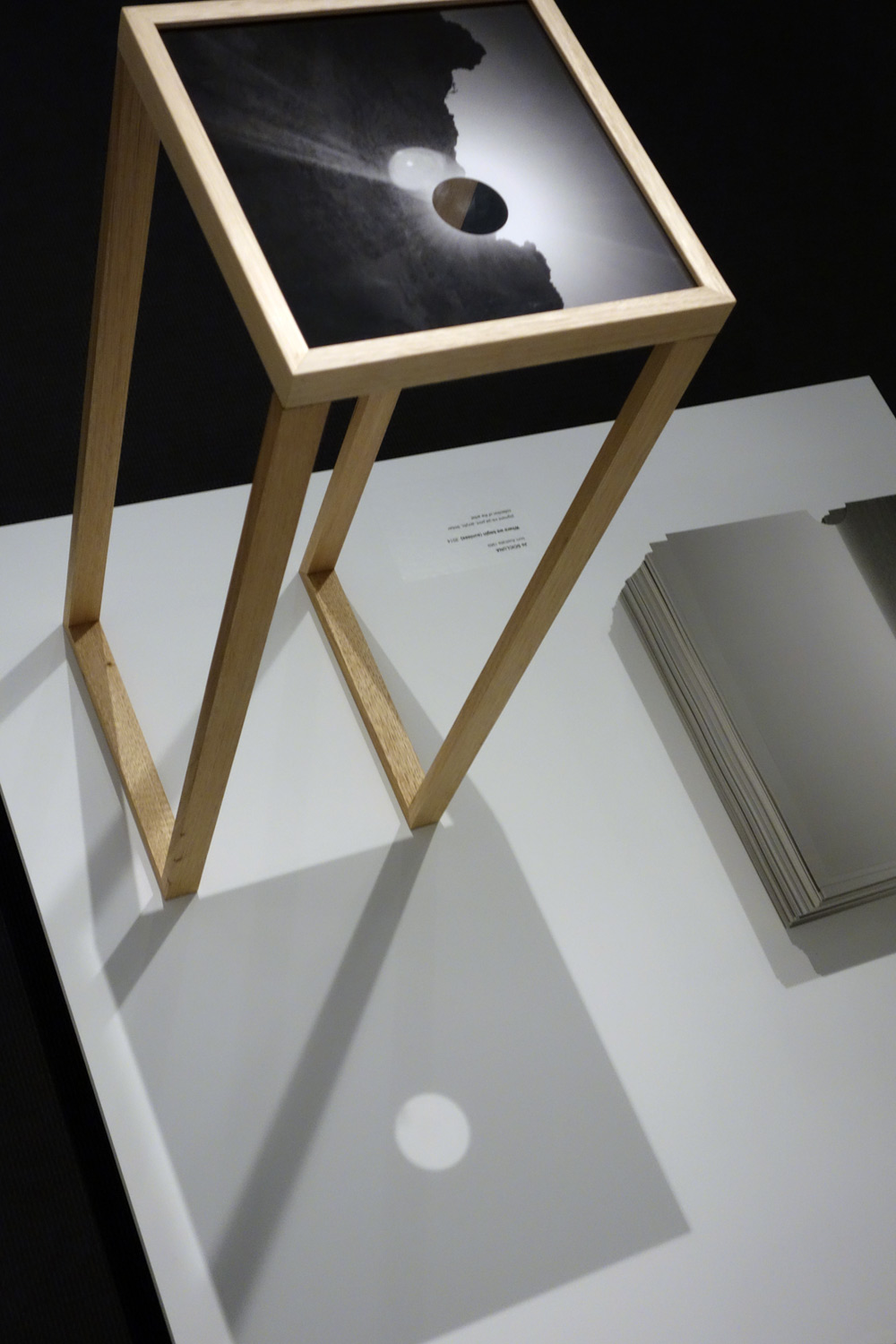
I also very much liked the concept and execution of the installation by Jo Scicluna (below). The photographs were well printed, the alterations intellectually and visually challenging, the framing and construction of the installation effective with the use of wood and shadow, and the whole had a wonderful resonance in the corner of the gallery. Plus you got a free poster of the work to take away with you!

Dr Marcus Bunyan


Many thankx to the Monash Gallery of Art for allowing me to publish the photographs in the posting. Please click on the photographs for a larger version of the image. All text from the Monash Gallery of Art. All installation photographs © Marcus Bunyan and the Monash Gallery of Art


Installation photograph of the exhibition 'Cutting edge: 21st-century photography' at the Monash Gallery of Art

Installation photograph of the exhibition 'Cutting edge: 21st-century photography' at the Monash Gallery of Art

Installation photograph of the exhibition 'Cutting edge: 21st-century photography' at the Monash Gallery of Art


Installation photographs of the exhibition Cutting edge: 21st-century photography at the Monash Gallery of Art
Photos: © Marcus Bunyan and the Monash Gallery of Art


In the early years of the 21st century many cultural commentators were excited by the prospect of photography becoming a truly global art form. With cameras, computers and printers all communicating seamlessly through digital networks, and with the internet providing a worldwide platform for sharing photographs, it looked like the photographic medium might transcend the specificities of both place and materials.

While global digital networks have clearly impacted photography generally, the work of many art photographers has taken a different turn. Instead of embracing the seamless space of digital production, or the expanded horizon of online galleries, artists working with photography have found a range of ways to ground their practices in the material world.

Cutting edge: 21st-century photography features the work of contemporary artists who disrupt the seamless uniformity of screen-based photography by cutting, pinning, folding and puncturing photographic prints. These are photographs that need to be engaged with in physical space, rather than contemplated on a screen; this is an exhibition about making rather than taking photographs.”

Text from the Monash Gallery of Art


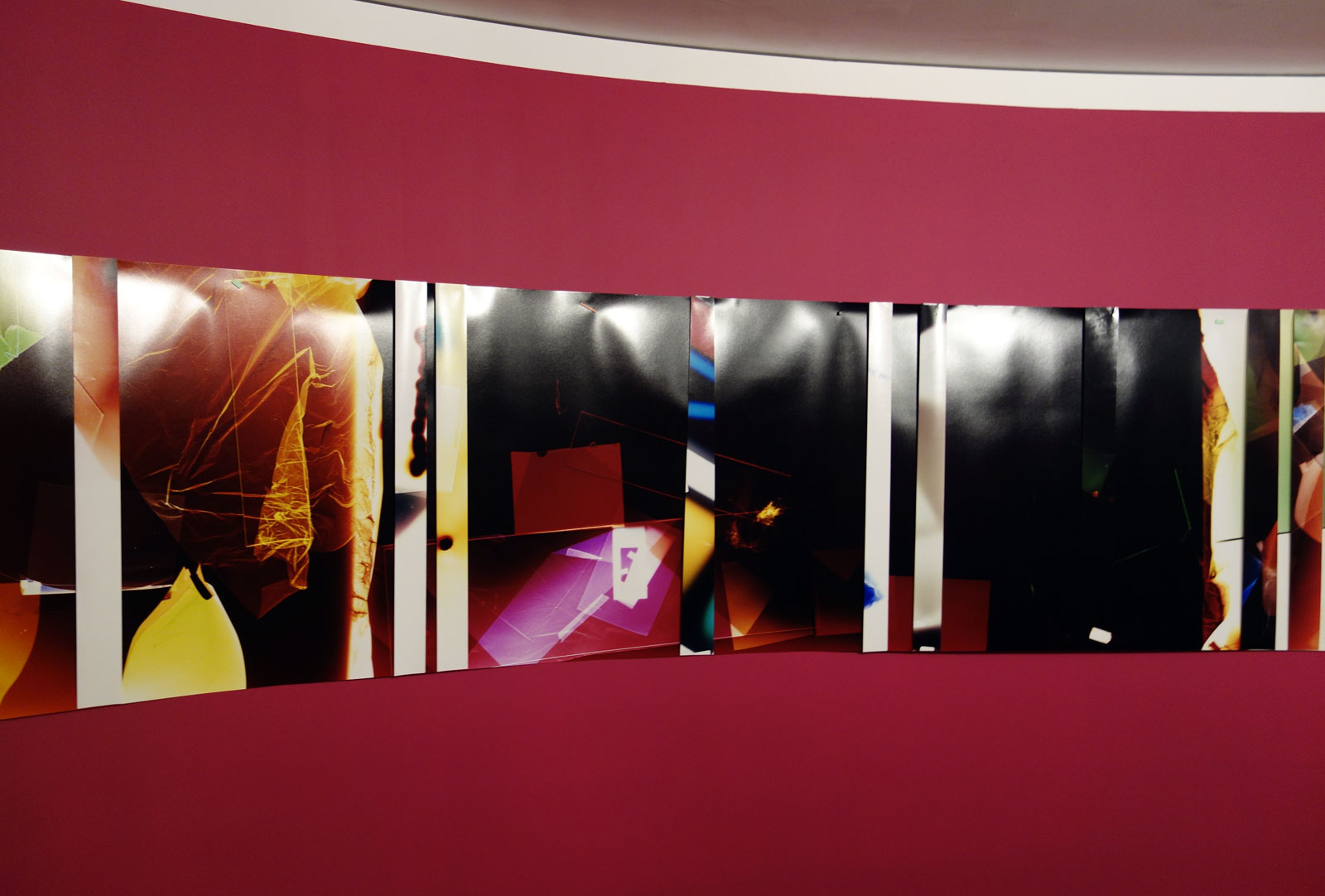
Installation photograph of Danica CHAPPELL. 'Light shadow (5 days + 5 hrs in 8 parts + test strips)' 2012-2015 (detail)


Installation photograph of Danica Chappell. Light shadow (5 days + 5 hrs in 8 parts + test strips) 2012-2015 (detail)
Photo: © Marcus Bunyan and the Monash Gallery of Art


Danica Chappell‘s practice belongs to a long artistic tradition of visual abstraction, which rejects representation in favour of sensual and experimental processes. While this tradition is dominated by painters, Chappell employs the light-sensitive chemistry of traditional photography to generate her images. Even though Chappell’s practice can be described as ‘photographic’, she doesn’t use a camera to produce her work. This helps turn photography into something abstract, rather than representational, but it also allows Chappell to distance herself from the ‘instamatic moment’ and foreground an extended process of creative intuition with colour and form. The work being exhibited here, Light shadow (5 days + 5 hrs in 8 parts + test strips), was created in a colour darkroom over several hours. Approaching this as a type of unseeable performance, Chappell arranged and rearranged scraps of paper and other off-cuts on the light sensitive paper while exposing it to light for different periods of time. Chappell’s final installation of this work incorporates test strips, which have been placed at intervals over the print. The test strips, which were integral in the making of the work, interrupt the fl ow of the underlying print, adding an extra layer of abstraction and temporality.


Danica CHAPPELL. 'Light shadow (5 days + 5 hrs in 8 parts + test strips)' 2012-2015 (detail)

Danica CHAPPELL. 'Light shadow (5 days + 5 hrs in 8 parts + test strips)' 2012-2015 (detail)

Danica CHAPPELL. 'Light shadow (5 days + 5 hrs in 8 parts + test strips)' 2012-2015 (detail)

Danica CHAPPELL. 'Light shadow (5 days + 5 hrs in 8 parts + test strips)' 2012-2015 (detail)


Danica Chappell (Australian, b. 1972)
Light shadow (5 days + 5 hrs in 8 parts + test strips) (details)
2012-2015
Chromogenic prints
Collection of the artist
Photos: © Marcus Bunyan and the Monash Gallery of Art


Installation view of David ROSETZKY. 'Aaron I' 2004 'Hamish' 2004


Installation view of David Rosetzky. Aaron I 2004 and Hamish 2004
Photo: © Marcus Bunyan and the Monash Gallery of Art


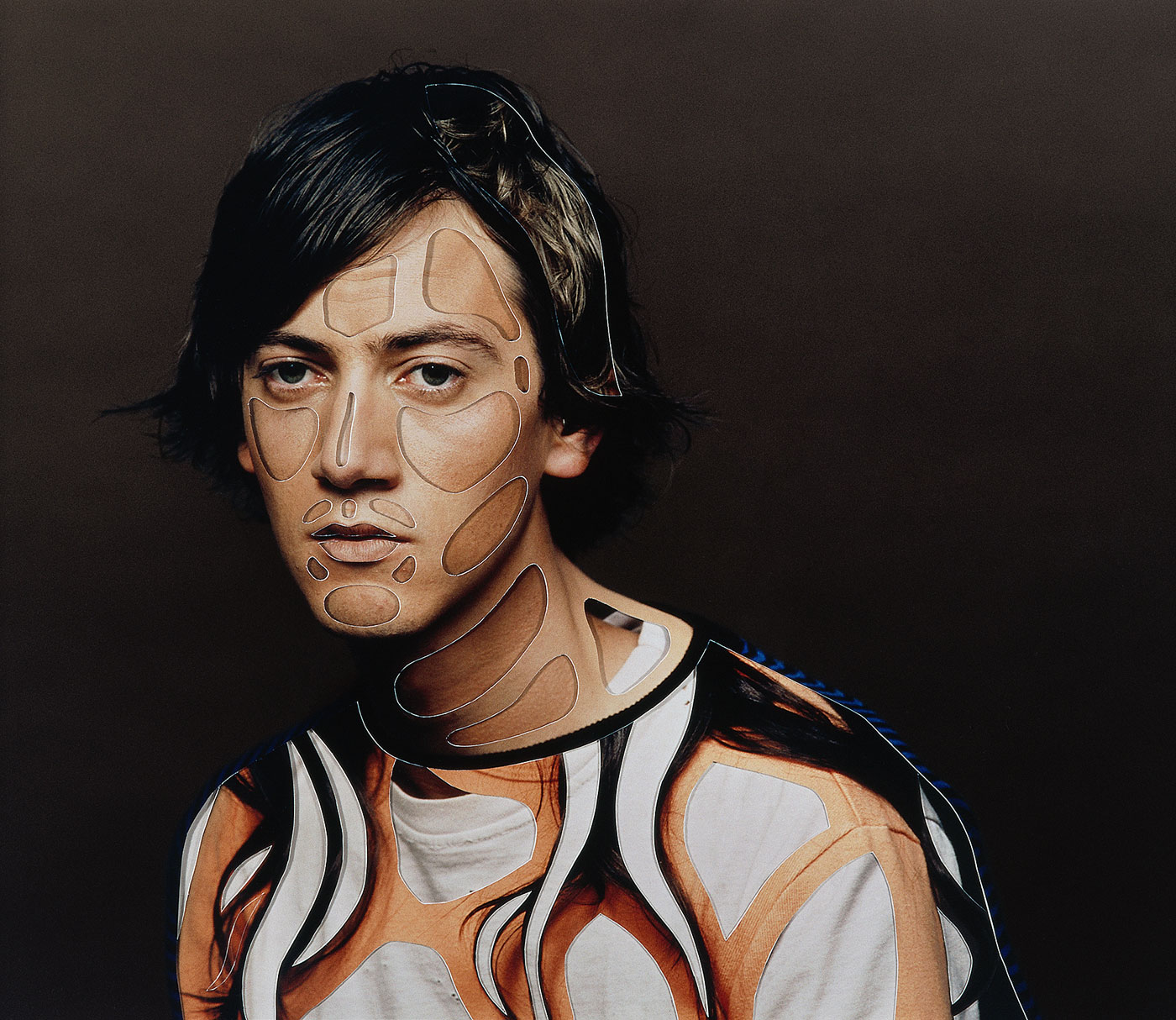
David Rosetzky (Australian, b. 1970) 'Hamish' 2004


David Rosetzky (Australian, b. 1970)
Hamish
2004
Chromogenic prints
Courtesy of the artist and Sutton Gallery (Melbourne)
Monash Gallery of Art, City of Monash Collection acquired 2005


David Rosetzky‘s practice encompasses a range of media, including video and photography, and typically explores themes of identity and interpersonal relationships. Throughout his career, Rosetzky has created photographic series and has periodically returned to work on photographic cut-out and collaged portraits. To produce these images, Rosetzky creates cool studio portraits of young models, referencing the style of photography found in advertising and fashion magazines. He then layers as many as three photographic portraits on top of each other before hand cutting sections to reveal parts of the underlying prints (above). Through these works Rosetzky represents his subjects as being multi-layered and highlights the idea that identity is fragile, changeable and often concealed. The crumpled paper, represented in his more recent portraits (below), suggests that surfaces are dynamic thresholds rather than superficial masks. Used in a photographic context, the crumpled paper can also be seen as a reference to photography’s power to transform and elaborate a person’s social identity.


David Rosetzky (Australian, b. 1970) 'Pieces #1' 2015 (installation view)


David Rosetzky (Australian, b. 1970)
Pieces #1 (installation view)
2015
Chromogenic prints
Collection of Ten Cubed
Collection of the artist
Photo: © Marcus Bunyan and the Monash Gallery of Art


David Rosetzky (Australian, b. 1970) 'Pieces #2' 2015


David Rosetzky (Australian, b. 1970)
Pieces #2
2015
Chromogenic prints
Courtesy of the artist and Sutton Gallery (Melbourne)
Collection of Ten Cubed
Collection of the artist


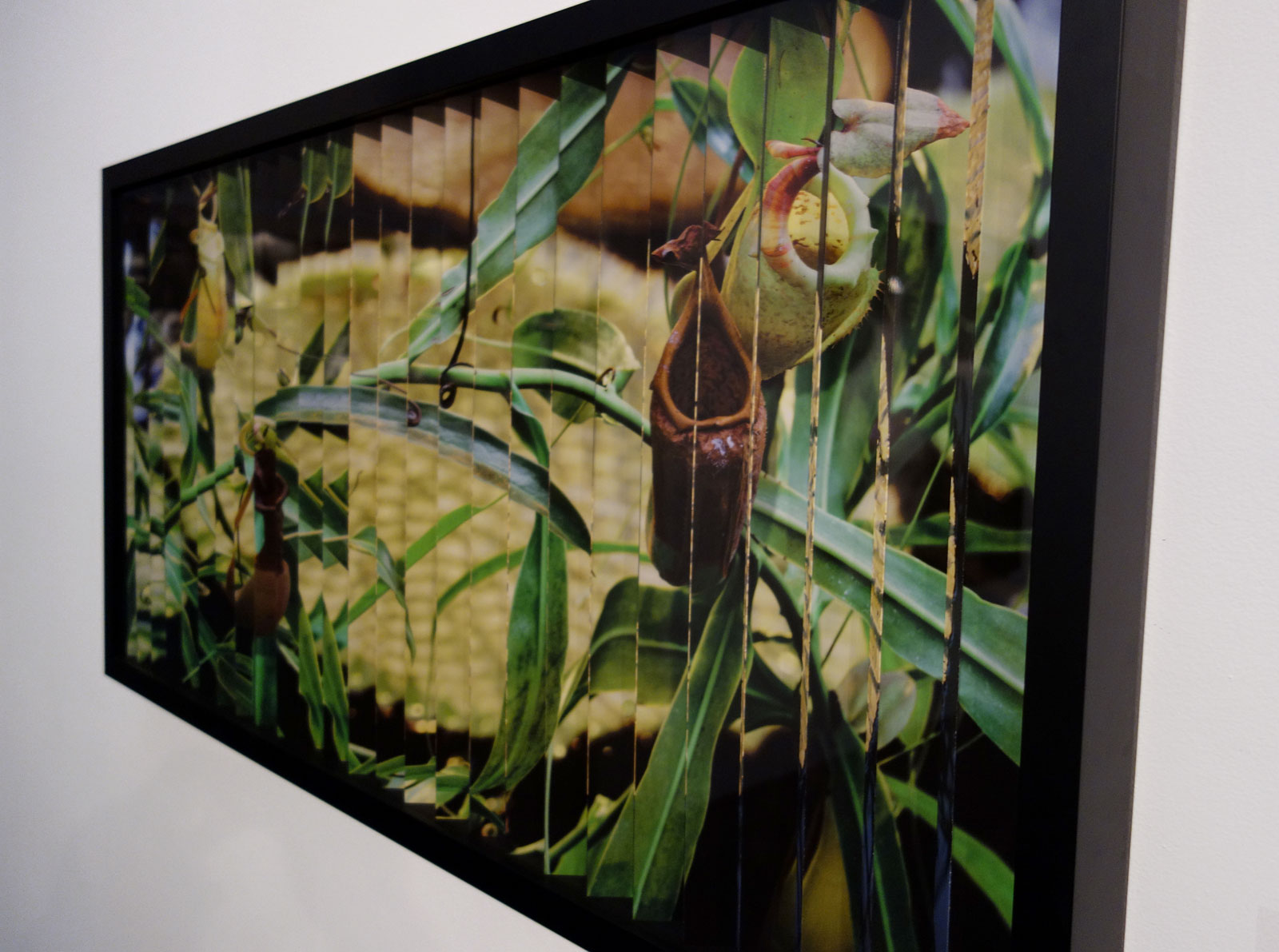
Megan Jenkinson (New Zealand, b. 1958) 'meniscus' 2014 (installation view detail)


Megan Jenkinson (New Zealand, b. 1958)
meniscus (installation view detail)
2014
From the series Transfigurations
Pigment ink-jet print
Collection of the artist
Photo: © Marcus Bunyan and the Monash Gallery of Art


Megan Jenkinson began working with lenticular printing technologies in 2007. Lenticular printing combines multiple still images to give the impression of movement and three-dimensionality. The work on display here is from Jenkinson’s Transfigurations series, which employs a handmade form of lenticular photography to evoke the transience of the natural world. This large-scale image of water foliage is composed of two separate photographs that have been digitally spliced together and printed on a single sheet of paper. The artist has then hand-folded the photograph to create a concertinaed surface that can only be seen in its complete form when viewed from multiple angles. As a consequence, viewers need to physically interact with the photographic object, walking from side-to-side in order to experience the artwork. This form of photography disrupts traditional expectations of two-dimensional photography and introduces a tactile aspect to digital production.


Megan Jenkinson (New Zealand, b. 1958) 'meniscus' 2014 (installation view detail)

Megan Jenkinson (New Zealand, b. 1958) 'meniscus' 2014 (installation view detail)


Megan Jenkinson (New Zealand, b. 1958)
meniscus (installation view details)
2014
From the series Transfigurations
Pigment ink-jet print
Collection of the artist
Photos: © Marcus Bunyan and the Monash Gallery of Art


Installation view of works by Justine Khamara. 'Looping #3' 2014; 'Distended #2' 2013; 'Ghosting's ghost #2' 2010; 'Orbital spin trick #2' 2013


Installation view of works by Justine Khamara

Looping #3 2014
Distended #2 2013
Ghosting’s ghost #2 2010
Orbital spin trick #2 2013
Photo: © Marcus Bunyan and the Monash Gallery of Art


In a world where photographs are often viewed on screens, Justine Khamara is interested in the physicality of the photographic surface and how this affects the meaning of an image. Her works begin as two-dimensional photographic portraits, which she then sculpts into three-dimensional forms that protrude from walls or stand alone in exhibition spaces. To create these works, Khamara cuts her photographic prints, either by hand or using a laser cutter. She then manipulates the intricately shredded surfaces by hand to give them a sculptural form. This involves an array of different techniques, such as adhering part of the photograph to a backing board and allowing the filleted paper to hang loosely from the top. In other instances she pulls and weaves the segmented photograph to create more purposeful geometric shapes. By working in this way, Khamara invests the photographic still with a sense of movement and playful elaboration, which effaces the mechanical nature of photographic reproduction.


Justine Khamara (born Australia 1971) 'Orbital spin trick #2' 2013


Justine Khamara (born Australia 1971)
Orbital spin trick #2
2013
UV print on plywood
50.0 x 50.0 x 50.0cm
Reproduction courtesy of the artist and ARC ONE Gallery (Melbourne)
Collection of the artist


Justine Khamara (Australian, b. 1971) 'Orbital spin trick #2' 2013 (installation view detail)

Justine Khamara (Australian, b. 1971) 'Orbital spin trick #2' 2013 (installation view detail)

Justine Khamara (Australian, b. 1971) 'Orbital spin trick #2' 2013 (installation view detail)


Justine Khamara (Australian, b. 1971)
Orbital spin trick #2 (installation view details)
2013
UV print on plywood
Collection of the artist
Photos: © Marcus Bunyan and the Monash Gallery of Art


Justine Khamara (Australian, b. 1971) 'Looping #3' 2014 (installation view detail)

Justine Khamara (Australian, b. 1971) 'Looping #3' 2014 (installation view detail)


Justine Khamara (Australian, b. 1971)
Looping #3 (installation view details)
2014
Chromogenic prints
Collection of the artist
Photos: © Marcus Bunyan and the Monash Gallery of Art


Luke Parker (Australian, b. 1975) 'Screen memory' 2014 (installation view)


Luke Parker (Australian, b. 1975)
Screen memory (installation view)
2014
From the series Screen memory
Mixed media
Collection of Mikala Dwyer and David Corben
Collection of the artist
Photo: © Marcus Bunyan and the Monash Gallery of Art


Luke Parker works across a range of media, his practice is largely concerned with giving a sense of metaphysical weight to everyday events and chance encounters. The works on display here are made up of Parker’s own photographs combined with found images that he has collected over the past 20 years. To create these works, Parker categorised seemingly disparate images according to formal patterns and poetic associations. He then arranged the images onto a unifying background and used a needle and thread to stitch them into a type of artistic circuit board. Parker created this series as a way of making sense of his own image archive as well as the proliferation of images encountered in everyday life.

In a world where images are increasingly set adrift from specific economies of meaning, to circulate freely through digital networks, Parker’s works function as conceptual nets that encourage viewers to think about photographs rather than just watch them pass by.


Martin Smith (born Australia 1972) 'After seeing every episode twice' 2006 (installation view)

Martin Smith (born Australia 1972) 'After seeing every episode twice' 2006 (installation view)


Martin Smith (born Australia 1972)
After seeing every episode twice (installation views)
2006
Chromogenic print
Monash Gallery of Art, City of Monash Collection acquired 2008
Photos: © Marcus Bunyan and the Monash Gallery of Art


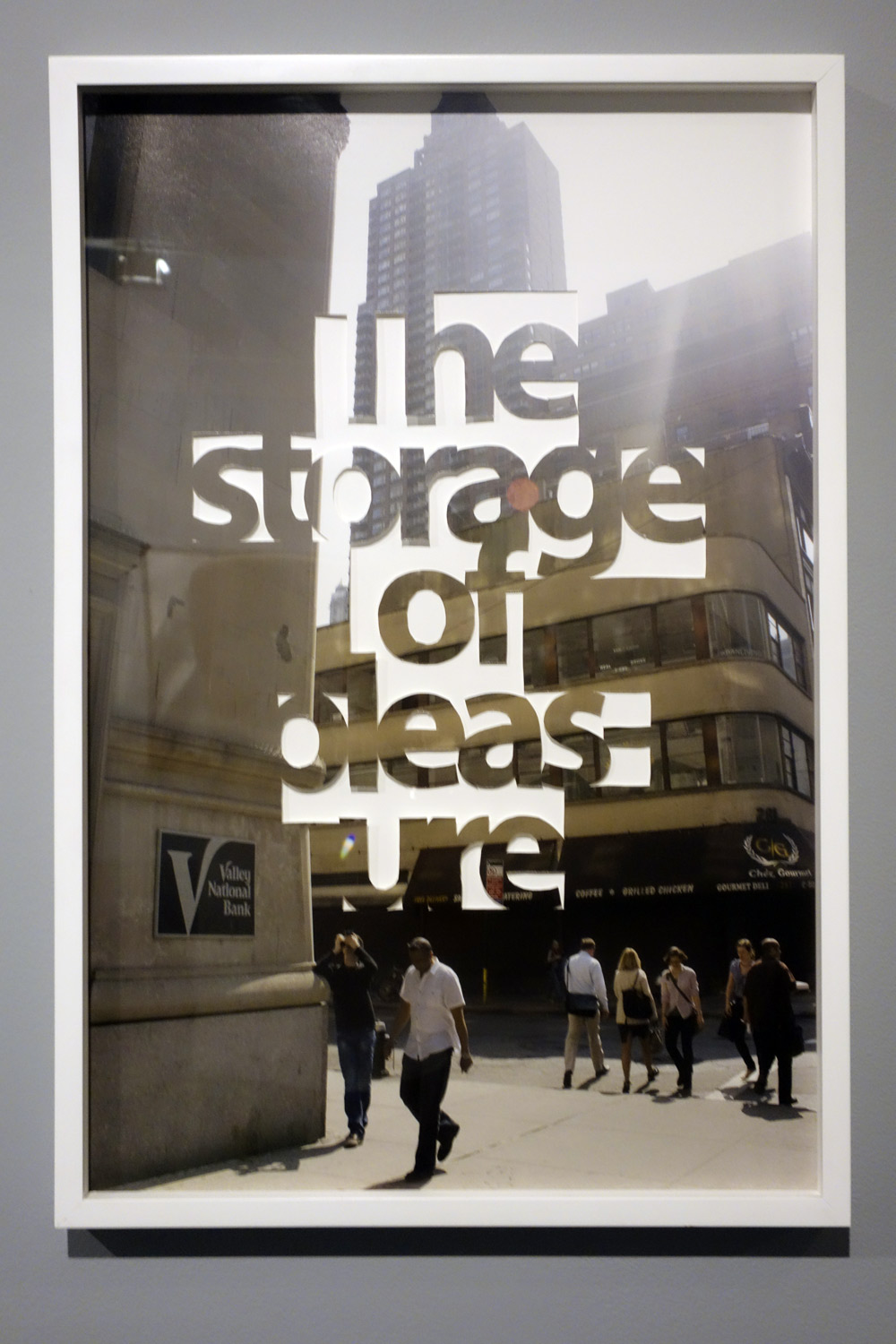
Martin Smith‘s practice revolves around the integration of photography and text. Using photographs that have been recovered from family albums or personal archives, Smith incorporates texts into the visual fi eld of the image. The texts, which have no obvious relationship with the content of the photographs, recall personal memories or lyrics from popular songs. To incorporate the texts, Smith hand-cuts letters out of the photographic prints, often leaving the letters scattered beneath the image. The disconnect between the text and the image is a deliberate attempt to combine two discrete methods of storytelling – image and text – while also emphasising the way memories of an event are usually different from the original experience. By cutting letters out of the photograph, Smith complicates the viewer’s ability to believe in either the text or the image, and opens up a space that encourages new interpretations.


Martin Smith (born Australia 1972) 'pleasure / storage' 2012 (installation view)

Martin Smith (born Australia 1972) 'pleasure / storage' 2012 (installation view)


Martin Smith (born Australia 1972)
pleasure / storage (installation views)
2012
Pigment ink-jet prints
Collection of the artist
Photos: © Marcus Bunyan and the Monash Gallery of Art


Installation view of Paul KNIGHT. 'Untitled (PK_10_05)' 2010 and 'Untitled (PK_10_02)' 2010


Installation view of Paul Knight. Untitled (PK_10_05) 2010 and Untitled (PK_10_02) 2010
Photo: © Marcus Bunyan and the Monash Gallery of Art


Paul Knight‘s style of his photographs is influenced by his background in commercial photography; they are technically proficient and almost illustrative in their documentary clarity. These cool formal qualities, however, are unsettled by the subject matter, which is often about private desires and passions. Knight’s 2010-11 untitled series of folded photographs document couples embracing in bed. The series reflects Knight’s broader interest in photographing moments of candour and intimacy between lovers, which remains a preoccupation of his practice. In this series, however, Knight has folded the photographic prints to frustrate any expectation we might have about a photograph’s capacity to show or reveal its subject. Instead of offering a crude, voyeuristic perspective, the intimacy documented in these images is obscured and concealed in the folds of the print.


Paul Knight (born Australia 1976) 'Untitled (PK_10_02)' 2010 (installation view)


Paul Knight (born Australia 1976)
Untitled (PK_10_02) (installation view)
2010
Chromogenic prints
Monash Gallery of Art, City of Monash Collection acquired 2010
Photo: © Marcus Bunyan and the Monash Gallery of Art


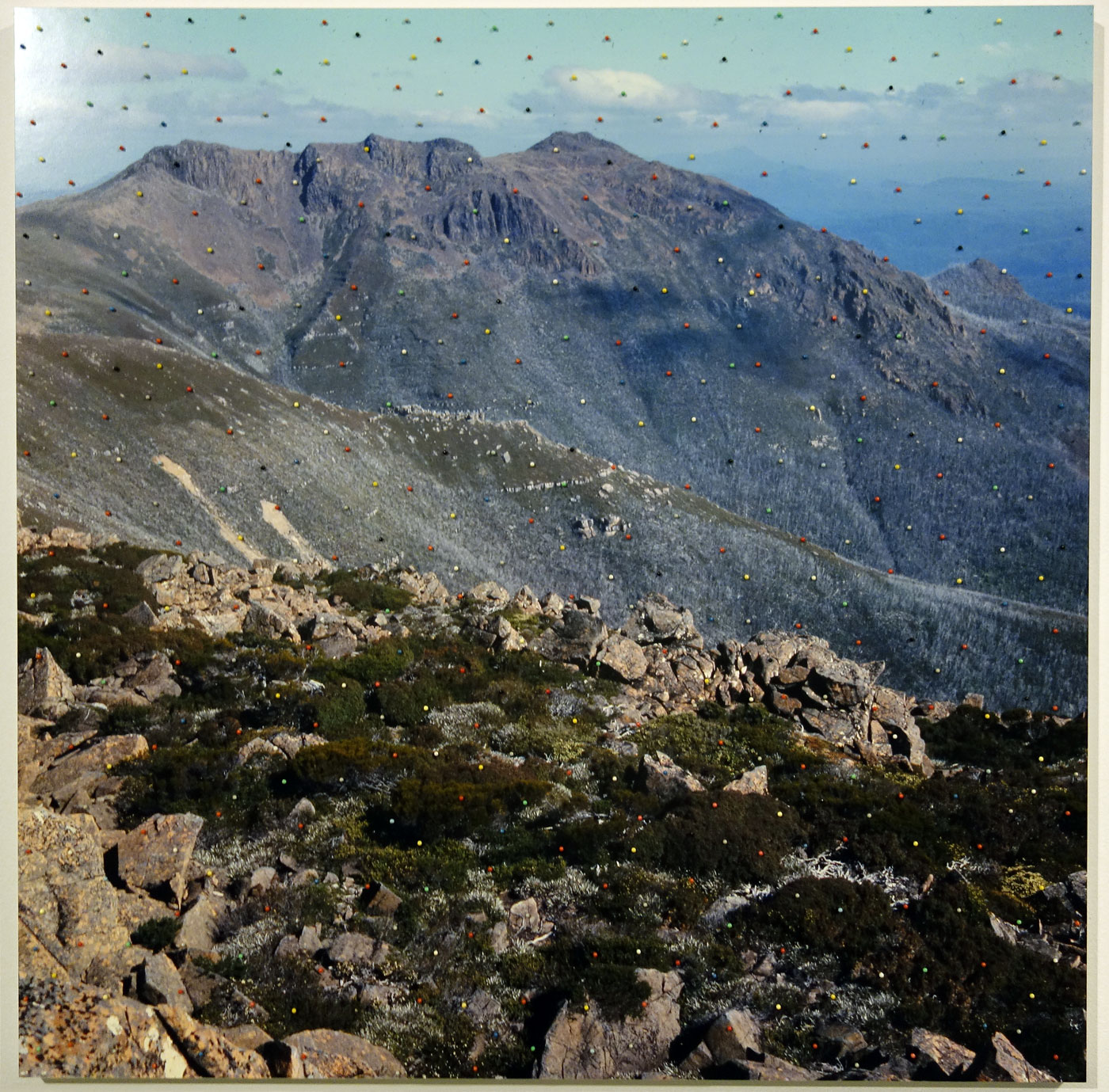
Emidio Puglielli (born Australia 1964) 'Colourful mountain disruption' 2009 (installation view)


Emidio Puglielli (born Australia 1964)
Colourful mountain disruption (installation view)
2009
Chromogenic print, pins
Collection of the artist
Photo: © Marcus Bunyan and the Monash Gallery of Art


Emidio Puglielli‘s work focuses on the relationship between the photograph as a material object and the photograph as an image. He is particularly interested in old photographs and their continued resonance in contemporary society. Puglielli finds and collects vernacular photography to use as the starting point for his works. He then highlights the materiality of the photographs by drawing attention to their surface and structure. To do this he employs strategies such as rubbing off the emulsion or piercing the surface with map pins. Puglielli is interested in the way such interventions alter the meaning of a photograph and offer new readings of images.

By damaging the smooth surface of the print, he is able to disrupt the illusion of the photographic image, but his interventions also embellish the photographs in sympathetic ways. This is particularly evident in Snow disruption, where the pins appear as snowflakes, and Shadow disruption where pins become eyeballs in the shadow of the unknown photographer. Puglielli’s works therefore seek to question the nature of photography and the way in which photographs are viewed and reinterpreted.


Installation view of Vivian Cooper SMITH. 'Timeless' 2013


Installation view of Vivian Cooper Smith. Timeless 2013
Photo: © Marcus Bunyan and the Monash Gallery of Art


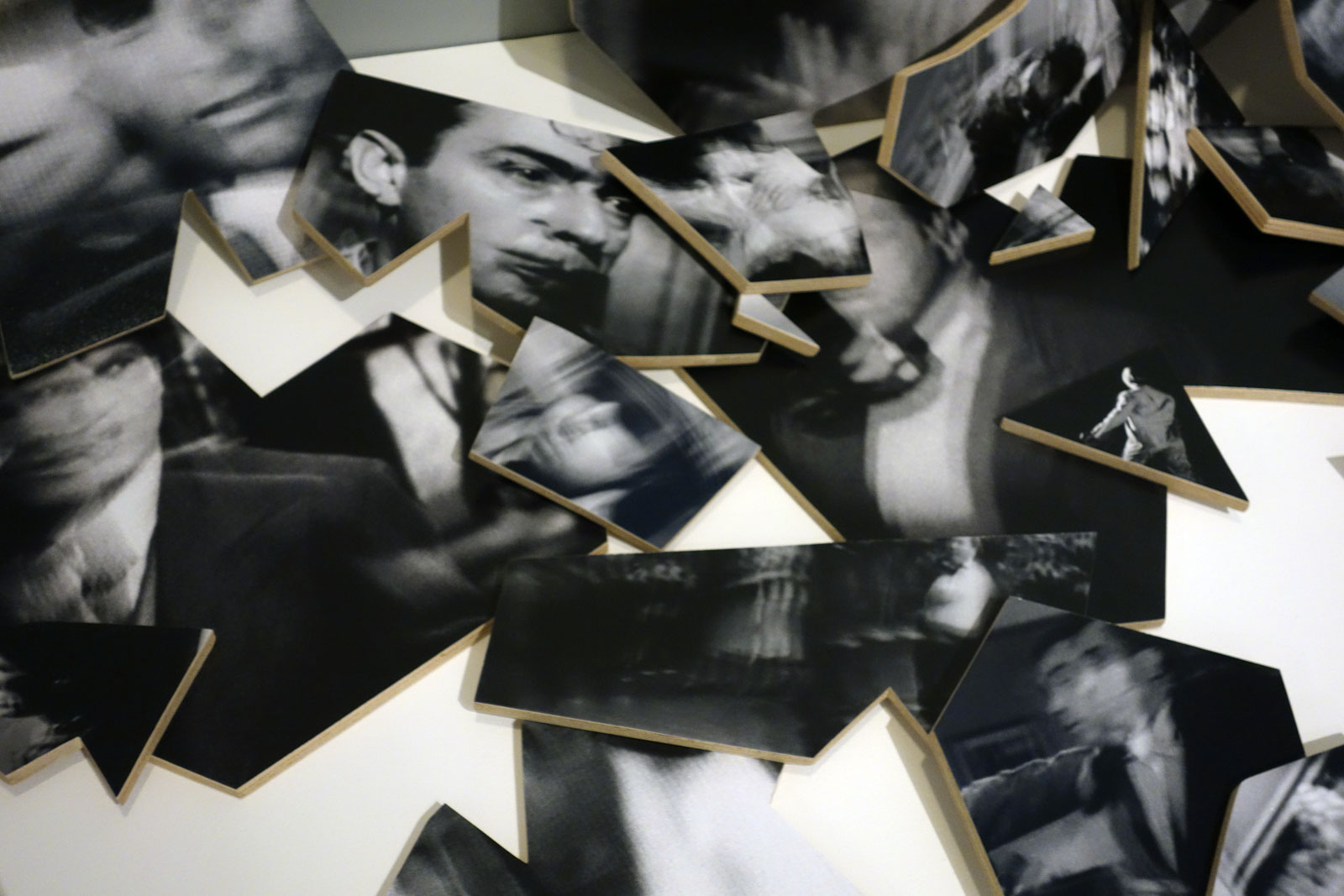
Vivian Cooper Smith‘s artistic practice revolves around photography. Timeless (2013) explores identity and conceptions of self while also reflecting on the nature of photography. To create this work, Smith photographed film noir classics directly from an old television screen. He then printed the images and hand-cut them to fit pieces of irregularly shaped plywood. Smith created this work during a period of personal turmoil and felt that the film noir genre of the post-war period resonated with his own desire to remake himself after a relationship breakdown. As is common to his practice, Smith has interfered with the photograph’s smooth, seamless surface, in this case by dissecting it and creating a three dimensional sculpture. By focussing on the materiality of the photograph, Smith aims to highlight its artificial or constructed nature.


Vivian Cooper Smith (born New Zealand 1974; arrived Australia 1987) 'Timeless' 2013 (installation view detail)

Vivian Cooper Smith (born New Zealand 1974; arrived Australia 1987) 'Timeless' 2013 (installation view detail)


Vivian Cooper Smith (born New Zealand 1974; arrived Australia 1987)
Timeless (installation view details)
2013
Chromogenic prints
Collection of the artist
Photos: © Marcus Bunyan and the Monash Gallery of Art


Installation view of Derek KRECKLER. 'Holey 1' 2003


Installation view of Derek Kreckler. Holey 1 2003
Photo: © Marcus Bunyan and the Monash Gallery of Art


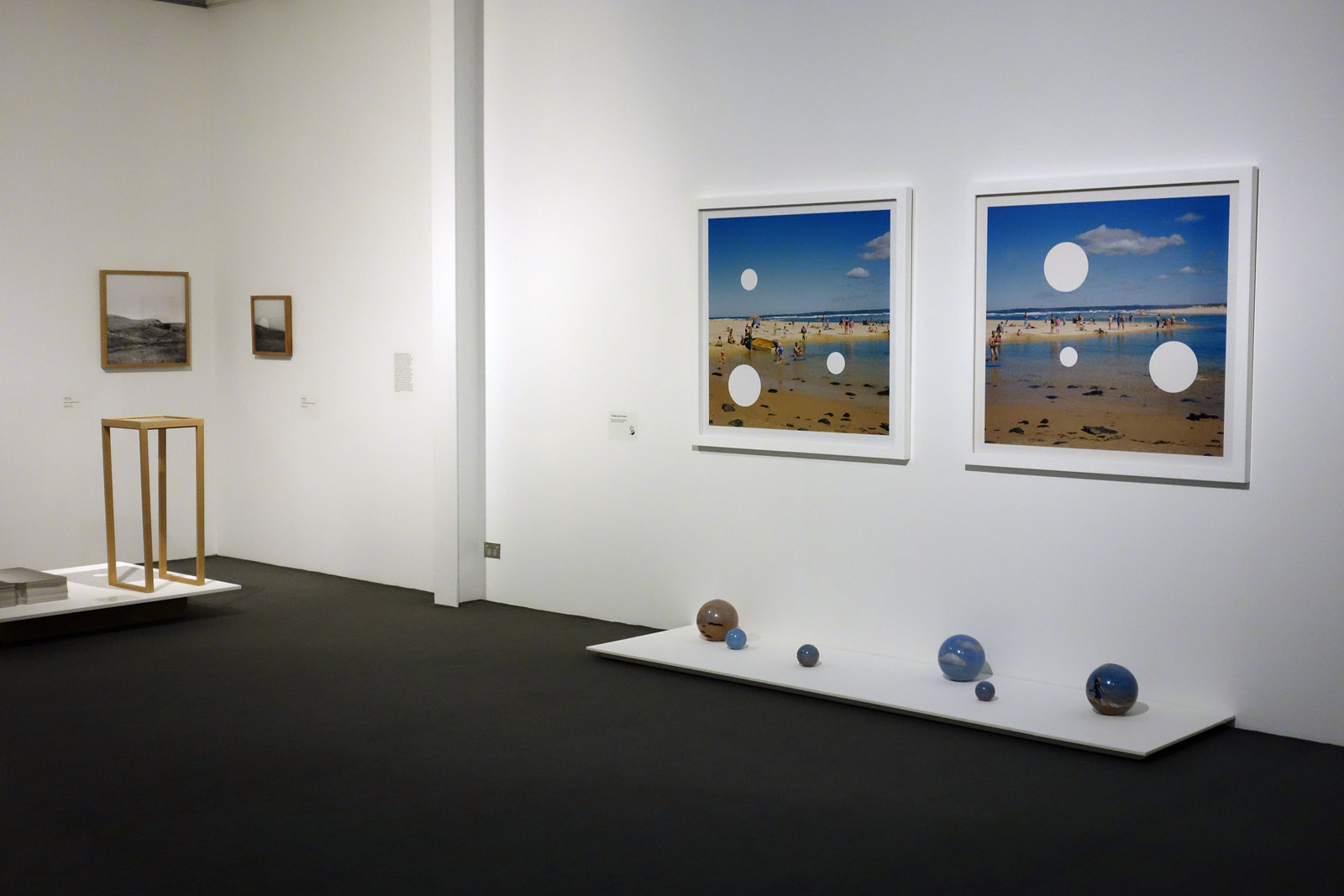
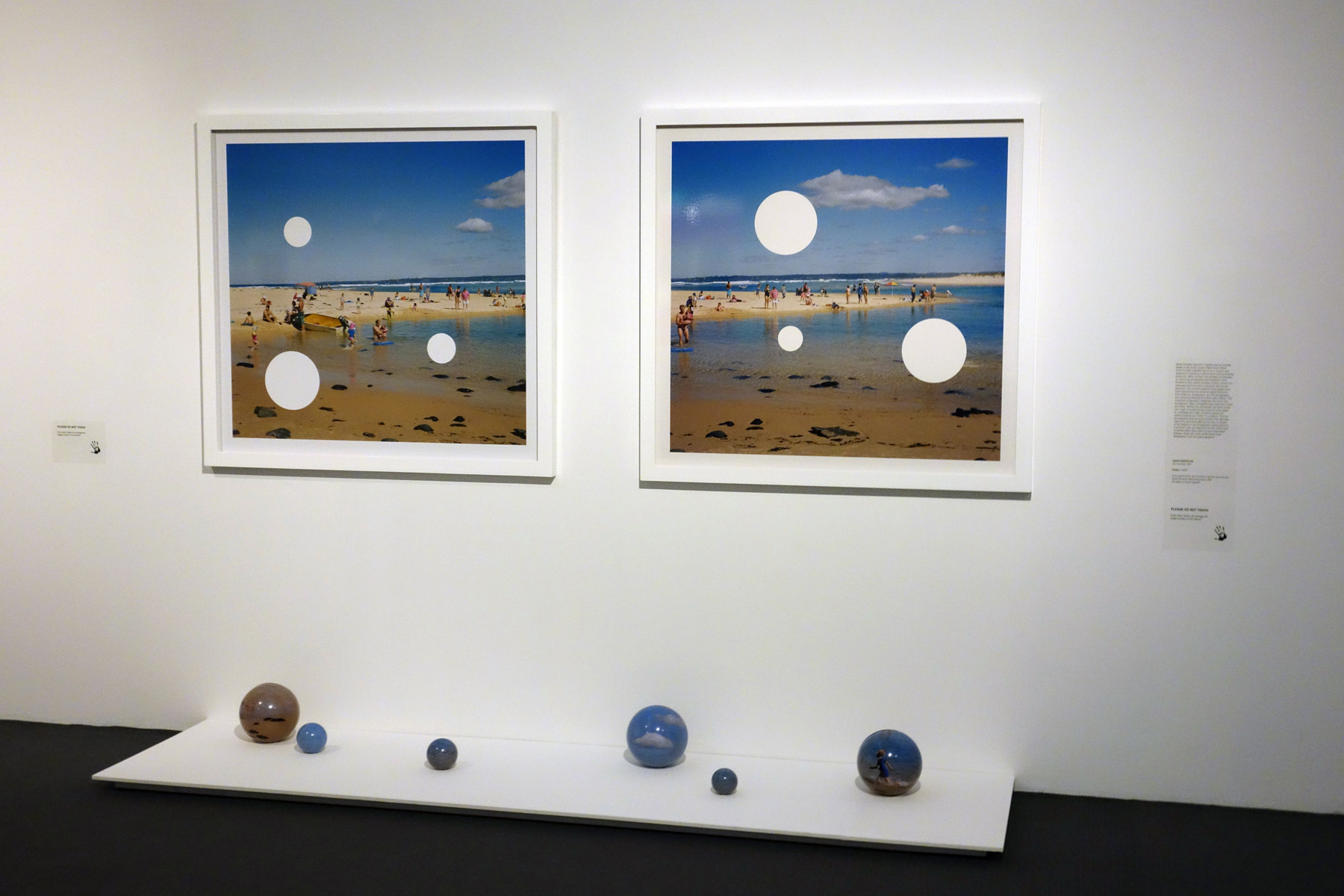
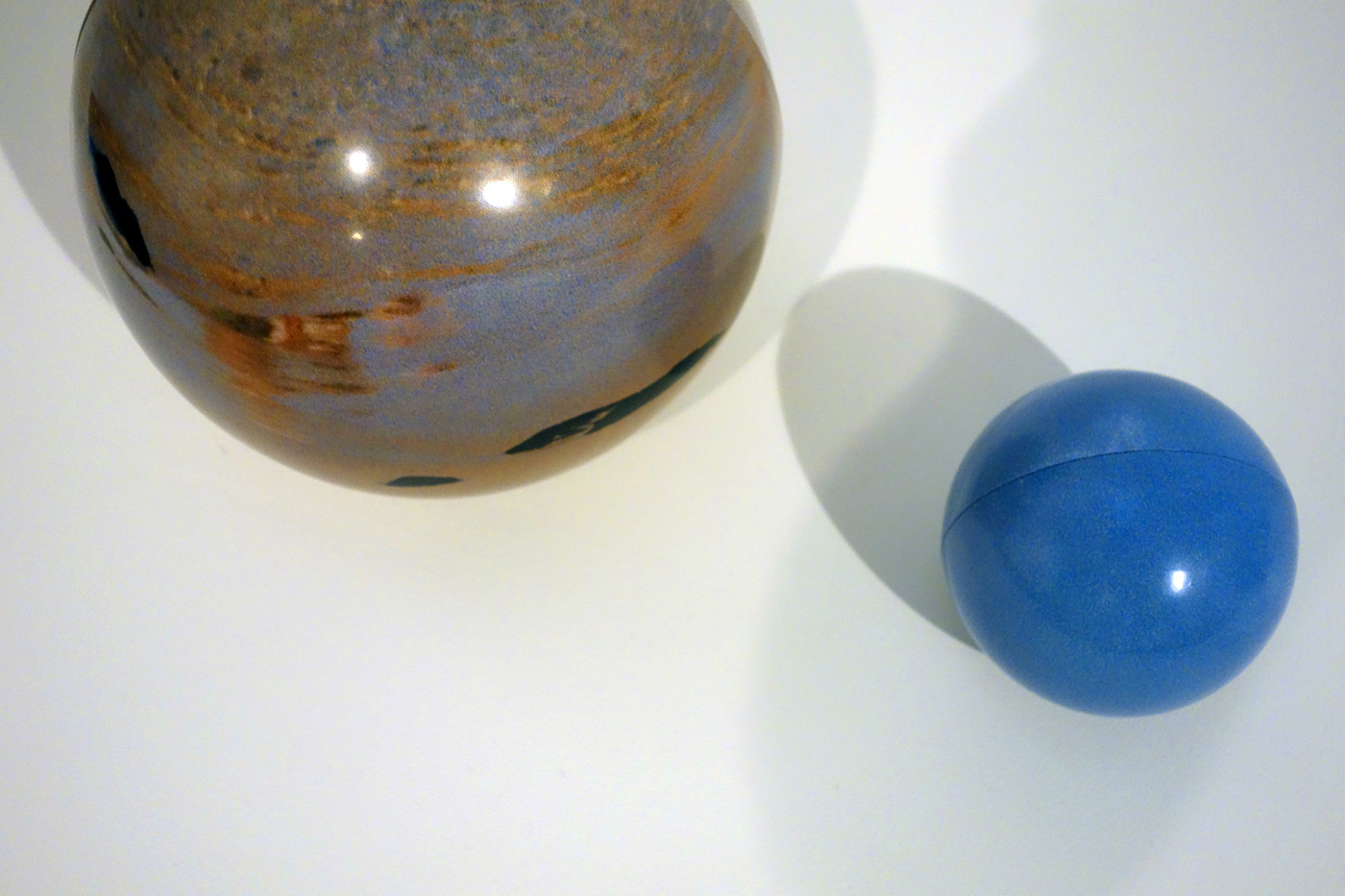
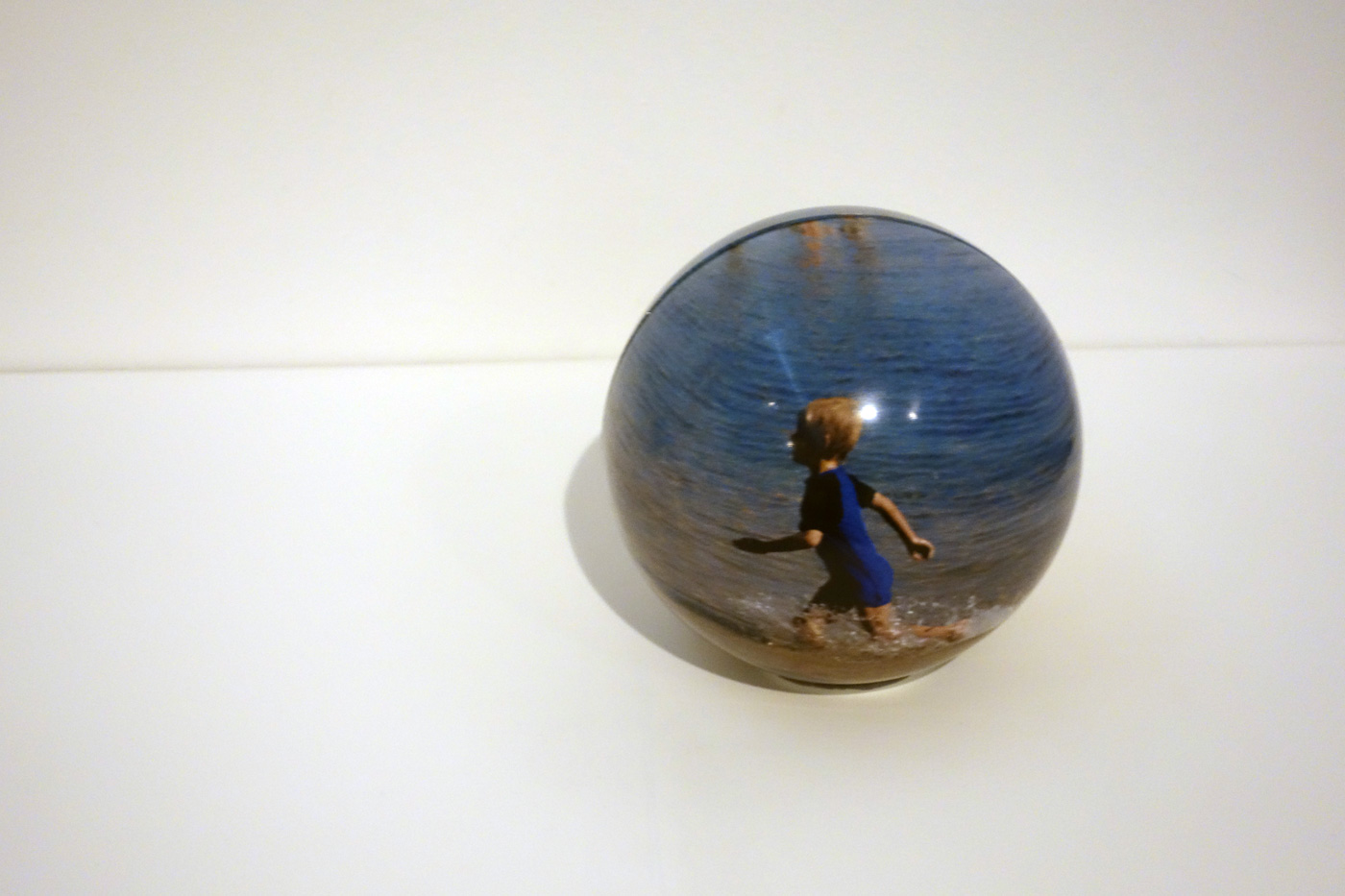
Derek Kreckler originally trained as a sculptor and established himself as a performance and sound artist during the 1990s, he has more recently concentrated on producing photographic and installation work. Kreckler’s Holey series consists of beach scenes and seascapes that have been punctured with circular apertures. The excised sections of the images have been transformed into spherical objects that sit in front of the two photographs, as if the photographs have spawned offspring from their holey orifices. This sculptural configuration challenges the notion that photography offers a straightforward document of time and place. Instead, the photograph has been turned into a type of puzzle that the viewer is encouraged to investigate and solve. To further deepen the viewing experience, Holey 1 is a diptych. The two photographs show the same location; the right side captured a short time after the left side. A number of the subjects in the photographs, beach goers on a summer’s day, are displaced by time. Some have remained static, some seem to have meandered between beach and sand, whilst others have disappeared from the scene altogether.


Derek Kreckler (Australian, b. 1952) 'Holey 1' 2003 (installation view)

Derek Kreckler (Australian, b. 1952) 'Holey 1' 2003 (installation view detail)

Derek Kreckler (Australian, b. 1952) 'Holey 1' 2003 (installation view detail)

Derek Kreckler (Australian, b. 1952) 'Holey 1' 2003 (installation view detail)


Derek Kreckler (Australian, b. 1952)
Holey 1 (installation view details)
2003
Chromogenic prints, spun aluminium spheres and cast vinyl
South Australian Government Grant 2004
Art Gallery of South Australia
Photos: © Marcus Bunyan and the Monash Gallery of Art


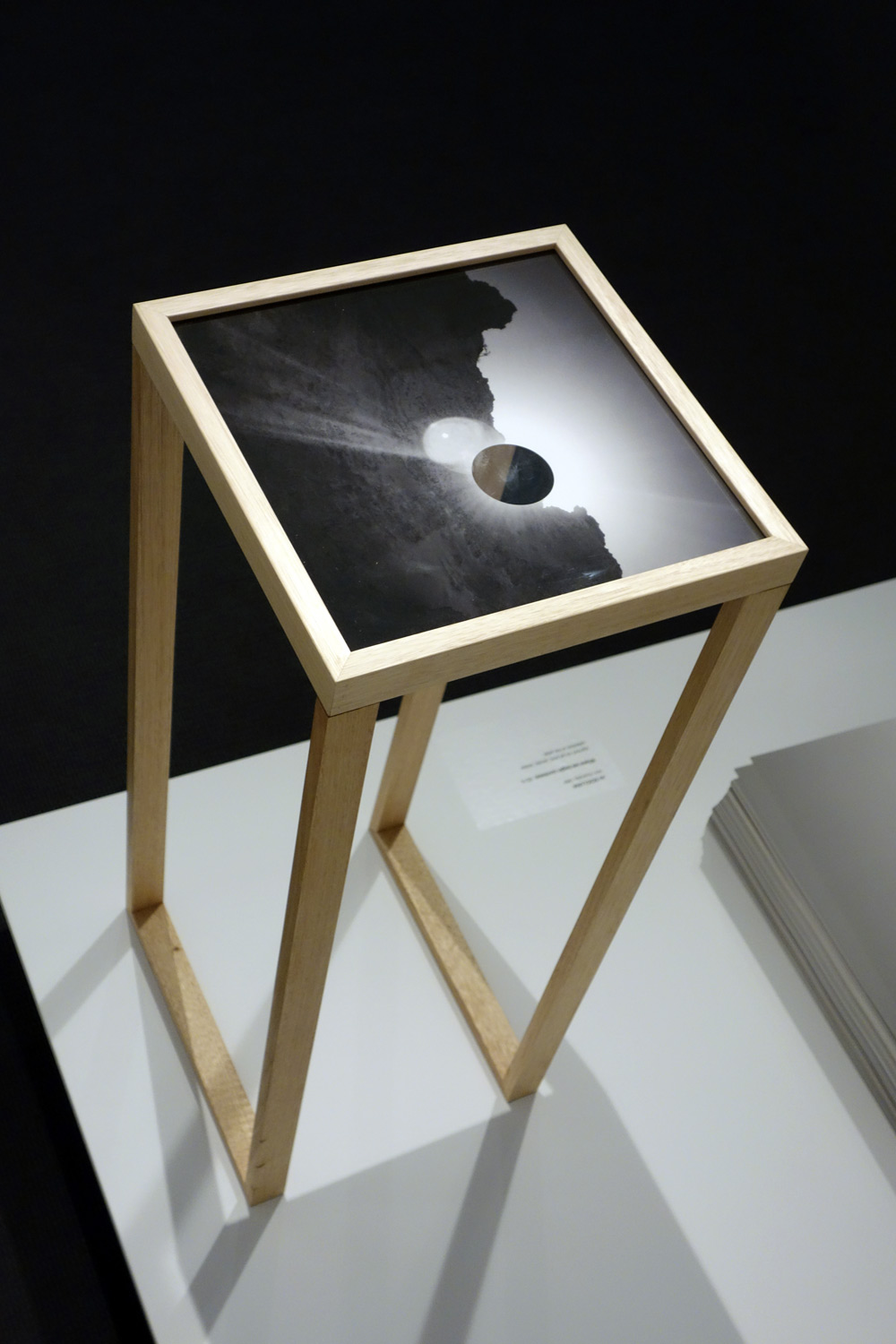
Installation view of the work of Jo Scicluna in the exhibition 'Cutting edge: 21st-century photography'


Installation view of the work of Jo Scicluna in the exhibition Cutting edge: 21st-century photography
Photo: © Marcus Bunyan and the Monash Gallery of Art


Jo Scicluna works with a range of media, including photography, video, sculpture and installation, often combining these art forms to bring photography into the space of lived experience. Dissatisfied with the way photography, as a documentary device, is almost always tied to past events, Scicluna encourages viewers to engage with the presence of photographic objects. By cutting into the smooth surface of a photographic print, she disrupts the notion that a photograph is a window into the past. She also elaborates conceptual relationships between different photographic objects in her installations. In doing this, Scicluna activates the space between the photographic print, the sculptural form and the phenomenology of a gallery space. For Scicluna, the experience of being in-between things is related to her personal experience of migration and geographic rupture. Scicluna is not interested in using photography to create documents of specific times and places but uses the medium in a conceptual way to evoke sensations that are not as easy to represent in a literal sense.


Jo Scicluna (born Australia 1969) 'Where I have always been an island #4' 2014 (installation view)


Jo Scicluna (born Australia 1969)
Where I have always been an island #4 (installation view)
2014
Pigment ink-jet prints
Collection of the artist
Photo: © Marcus Bunyan and the Monash Gallery of Art


Jo Scicluna (born Australia 1969) 'When our horizons meet' 2013


Jo Scicluna (born Australia 1969)
When our horizons meet
2013
Pigment ink-jet prints
60 x 60cm
Collection of the artist


Jo Scicluna (born Australia 1969) 'Where we begin (sunless)' 2014 (installation view detail)

Jo Scicluna (born Australia 1969) 'Where we begin (sunless)' 2014 (installation view detail)


Jo Scicluna (born Australia 1969)
Where we begin (sunless) (installation view details)
2014
Pigment ink-jet print, acrylic, timber
Collection of the artist
Photos: © Marcus Bunyan and the Monash Gallery of Art


Installation view of the work of Joshua Yeldham in the exhibition 'Cutting edge: 21st-century photography'

Installation view of the work of Joshua Yeldham in the exhibition 'Cutting edge: 21st-century photography'


Installation views of the work of Joshua Yeldham in the exhibition Cutting edge: 21st-century photography
Photos: © Marcus Bunyan and the Monash Gallery of Art


Joshua Yeldham uses a range of media, his practice is focused on exploring the landscape and elaborating spiritual and symbolic narratives around his engagement with the natural world. He captures photographic images on a smart phone before blowing them up and printing them on cotton paper. He then uses tools to physically carve into the paper, disrupting the smooth surface of the photographic image and adding a personal, handmade effect. It is as if the artist is tattooing his own map or story into the skin of the image. The intricate carving creates a textured pattern of lightness over his otherwise dark and mysterious photographs. The technique allows Yeldham to explore history and mythology in the landscape and imbue his works with elements of both the real and the imagined. It also allows him to reference the passing of time as well as the weather and destruction that the natural environment endures on a daily basis.


Joshua Yeldham (born Australia 1970) 'Owl of tranquillity' 2015 (installation view detail)


Joshua Yeldham (born Australia 1970)
Owl of tranquillity (installation view detail)
2015
Pigment ink-jet print
Collection of the artist
Photo: © Marcus Bunyan and the Monash Gallery of Art


Joshua Yeldham (born Australia 1970) 'Resonance' 2015 (installation view detail)

Joshua Yeldham (born Australia 1970) 'Resonance' 2015 (installation view detail)


Joshua Yeldham (born Australia 1970)
Resonance (installation view details)
2015
Mixed media
Collection of the artist
Photos: © Marcus Bunyan and the Monash Gallery of Art


Monash Gallery of Art
860 Ferntree Gully Road, Wheelers Hill
Victoria 3150 Australia
Phone: + 61 3 8544 0500

Opening hours:
Tue – Fri: 10am – 5pm
Sat – Sun: 10pm – 4pm
Mon/public holidays: closed

Monash Gallery of Art website

LIKE ART BLART ON FACEBOOK

Back to top