European photographic research tour exhibition: ‘L’equilibriste, André Kertész’ at Jeu de Paume, Château de Tours Part 1

Exhibition dates: 26th June – 27th October, 2019
Visited September 2019 posted August 2020

Curators: Matthieu Rivallin and Pia Viewing
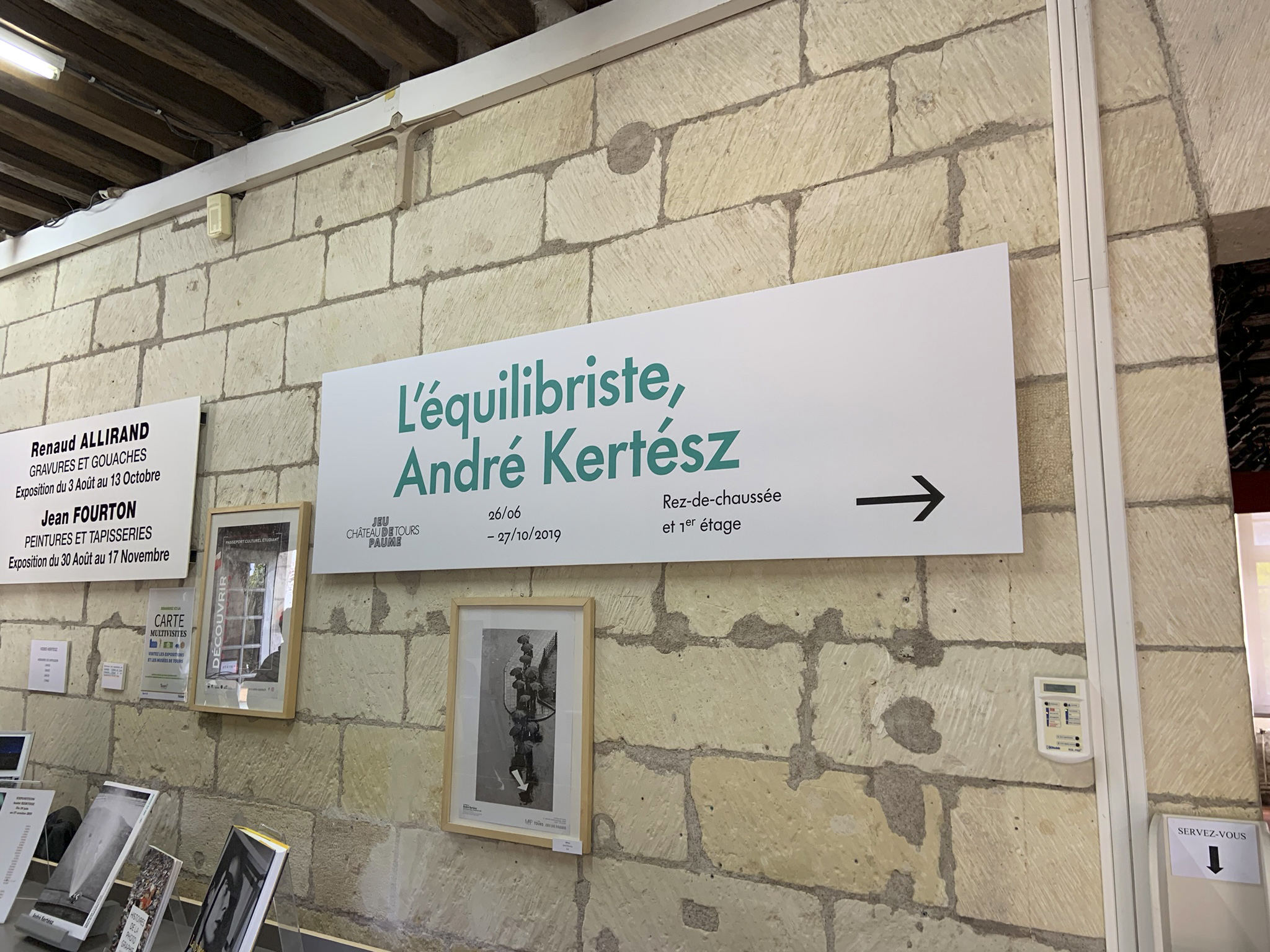
 

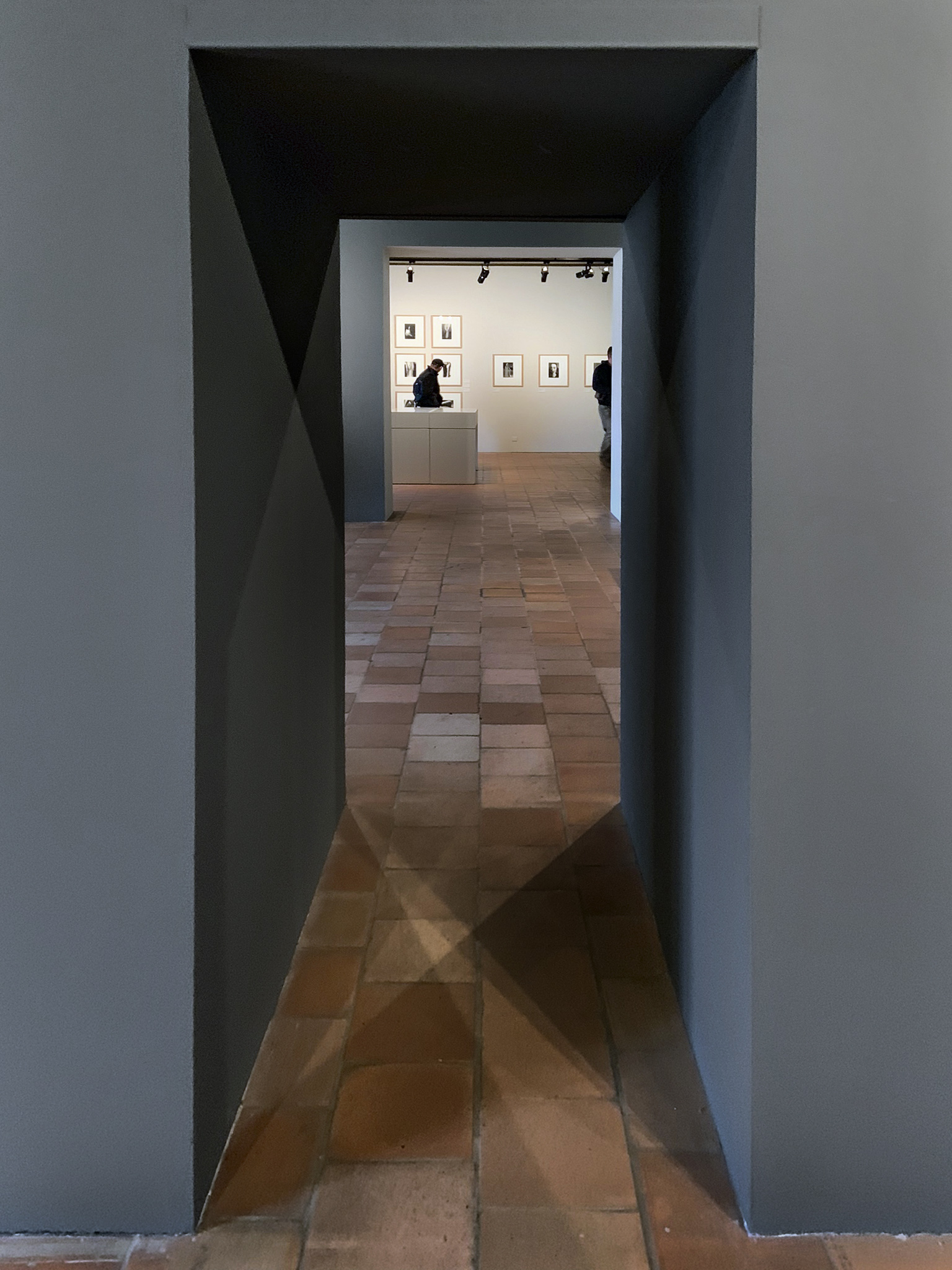
Entrance to the exhibition 'L'equilibriste, André Kertész' at Jeu de Paume, Château de Tours


Entrance to the exhibition L’equilibriste, André Kertész at Jeu de Paume, Château de Tours
Photo: Marcus Bunyan


equilibrist, noun: an acrobat who performs balancing feats, especially a tightrope walker.

Part 1 of a large posting on the exhibition L’equilibriste, André Kertész at Jeu de Paume, Château de Tours, which I saw in Tours in September 2019.

This was the most disappointing of the “grand master” exhibitions that I saw on my European photographic research tour, mainly because the photographs were all modern prints, and there seemed to be a lot of “filler” in the exhibition – namely, reproductions of late book layouts scattered generously throughout the rooms (see installation photographs below).

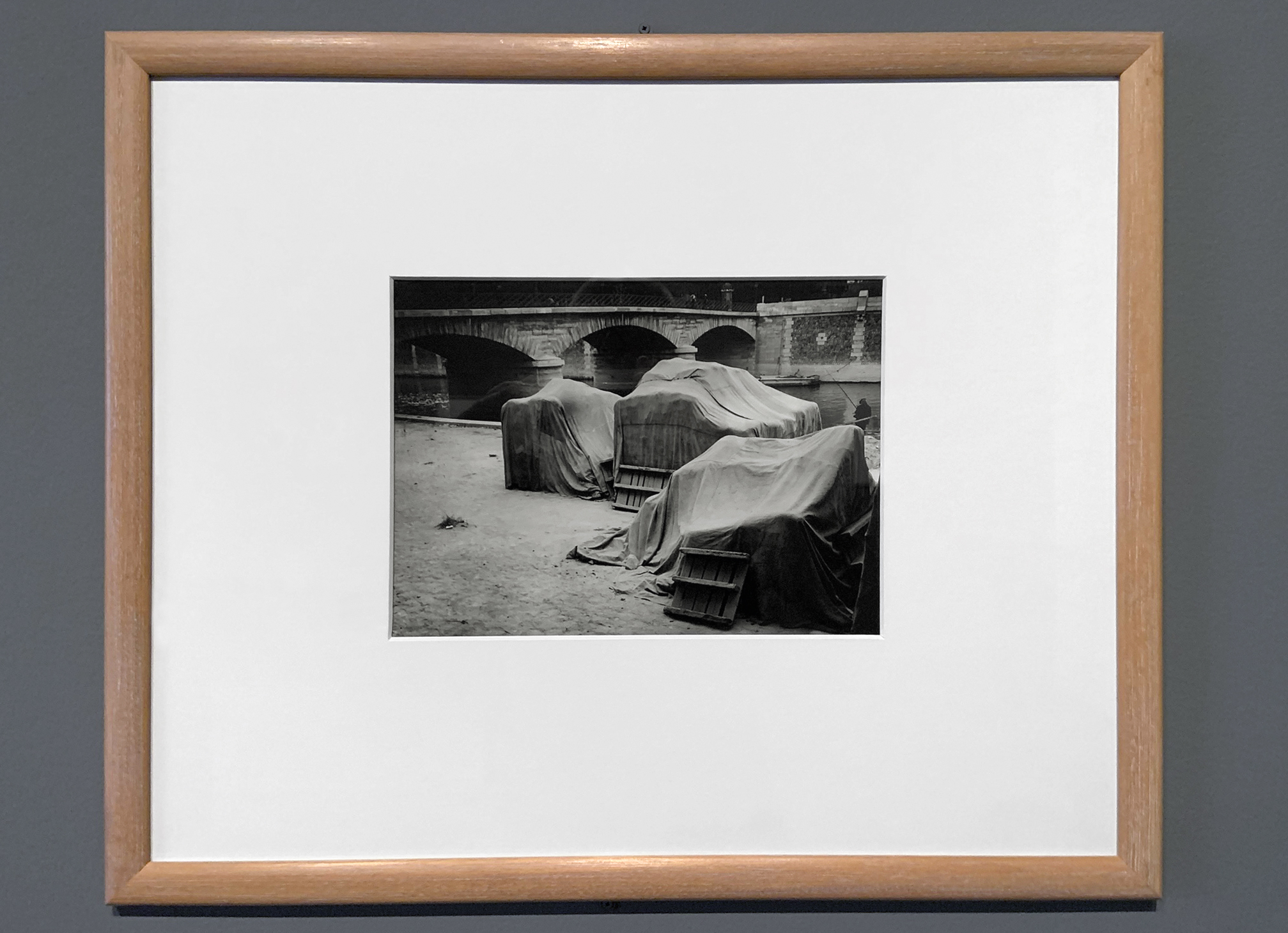
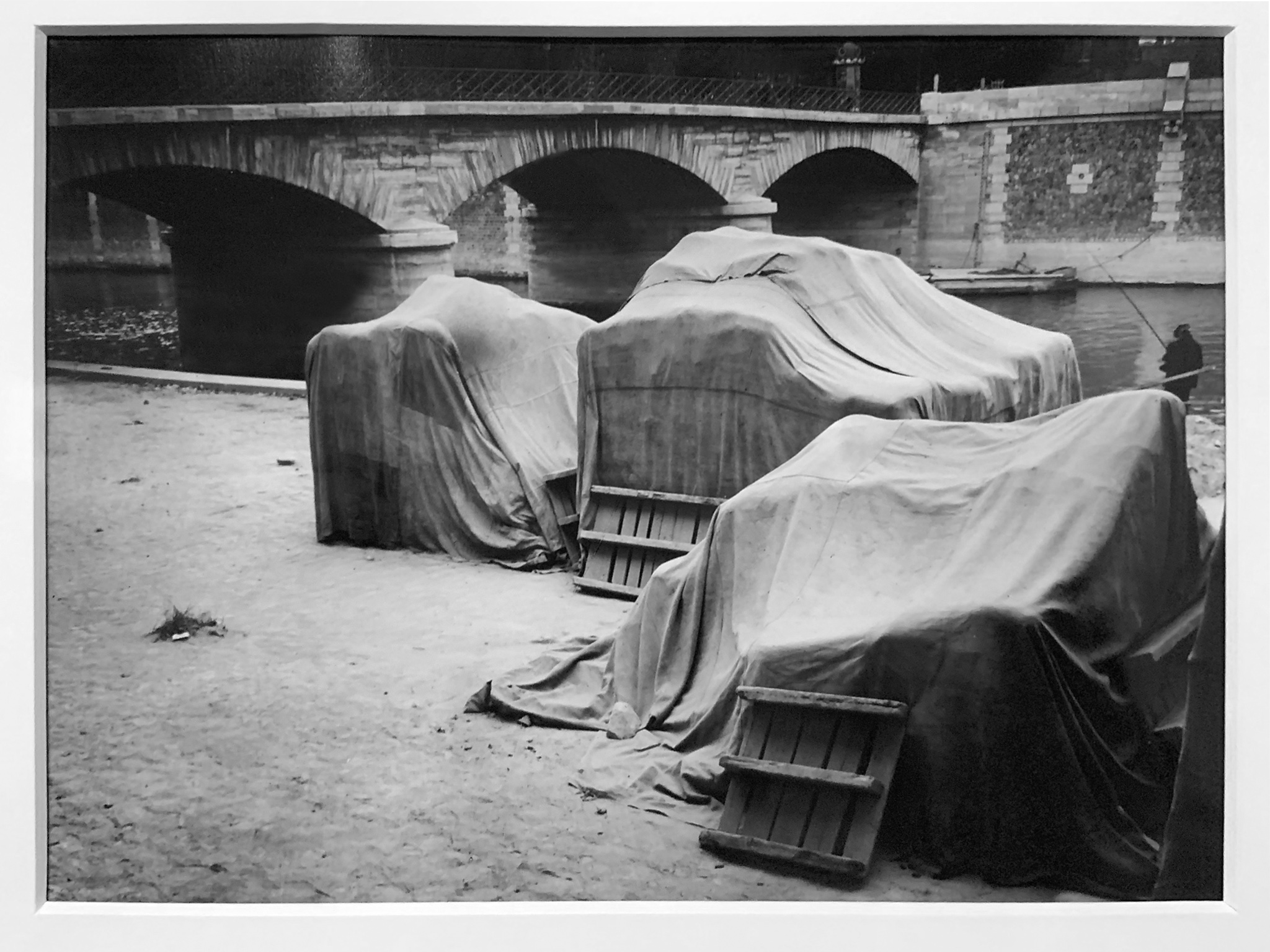
Having said that, it was still a great joy to see Kertész’s photographs, especially some of the photographs which are hard to find online. Here are images such as Görz, Italy 1915 and Abony 1921 which I have never seen before, together with rare Paris images such as Attelage, Paris 1925; Wooden horse, Paris c. 1926; The Quays after the rain, Paris 1963; Behind Notre-Dame, Paris 1925; Paris 1931; Legs, Paris 1928; Study of lines and shadow 1927 and Saint-Gervais-les-Bains, Savoie 1929 – none of which have been available in a large size online before.

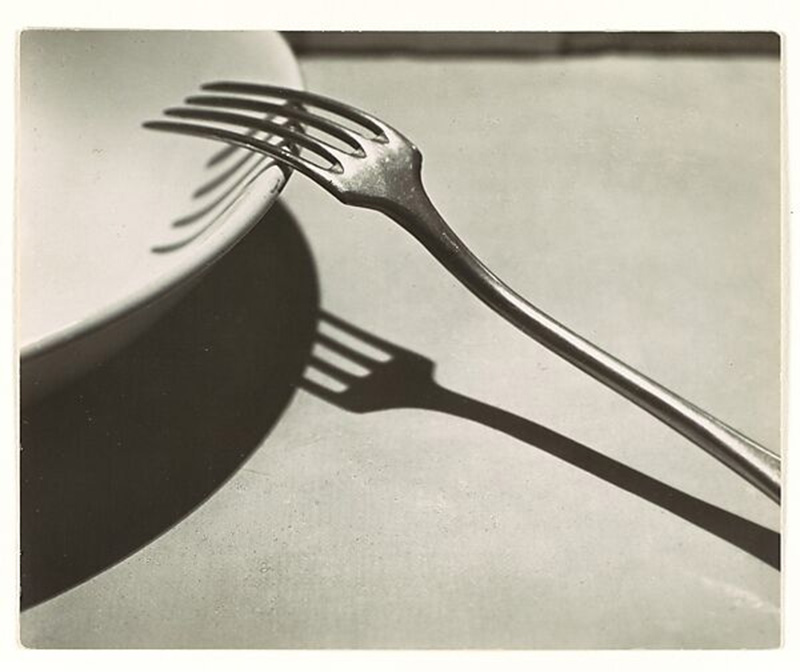
Together with the three intense, brooding, suspended still life (The Fork, Paris 1928; Composition, Paris 1928 and Glasses and Pipe of Mondrian, Paris 1926) and the sublime, modernist Chez Mondrian, Paris 1926, one of the most outstanding photographs in the posting, and one of Kertész’s most famous images, is Burlesque dancer, Paris 1926. The circular tensioning of the image is immaculate. The form of the twisting male torso at left with its upraised right hand leads the eye to the drawing at top centre, which then descends to the framed female form at right which inverts the male form with the right hand of the female now raised. The eye then descends to the reclining dancer, the zig-zag arms and legs perfectly composed, her left hand touching the ground like the Bhumisparsha mudra which symbolises the Buddha’s enlightenment under the bodhi tree, when he summoned the earth goddess (quite apt) … while her left leg completes the circle, pointing towards the twisting legs of the male statue. The split of the male legs are reinforced by those in the female print, and complimented by the exquisite folds of the dancers silky dress, unnoticed until you really look at the print.

I will comment more comprehensively in Part 2 of the posting on Kertész’s Leica-ed world.

Dr Marcus Bunyan


All iPhone installation photographs © Marcus Bunyan. Please click on the photographs for a larger version of the image. View Part 2 of the posting.


Exposition “L’équilibriste, André Kertész” au Jeu de Paume, Tours
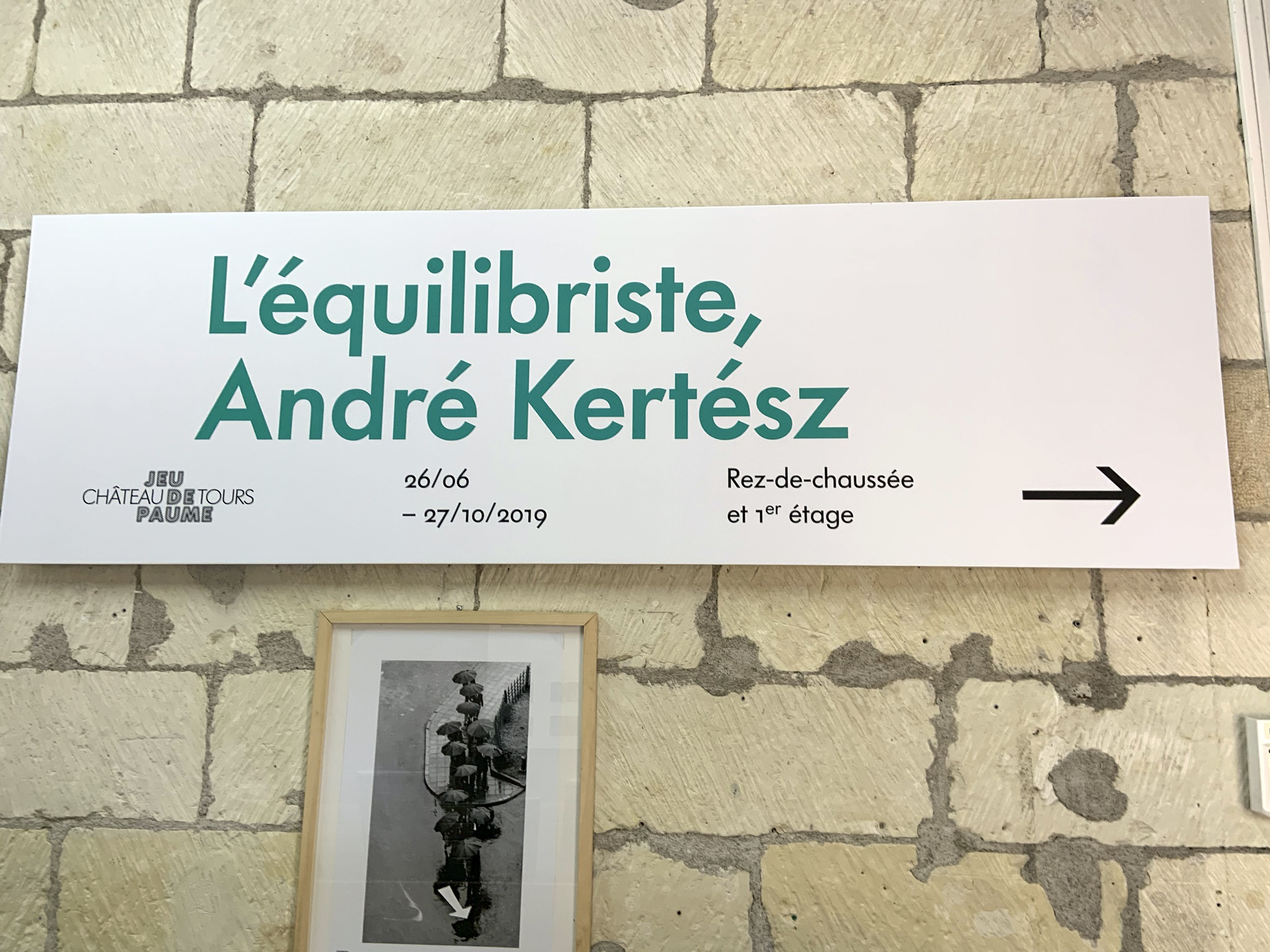
 

Entrance to the exhibition 'L'equilibriste, André Kertész' at Jeu de Paume, Château de Tours, with a poster of 'Rainy Day, Tokyo' 1968


Entrance to the exhibition L’equilibriste, André Kertész at Jeu de Paume, Château de Tours, with a poster of Rainy Day, Tokyo 1968
Photo: Marcus Bunyan
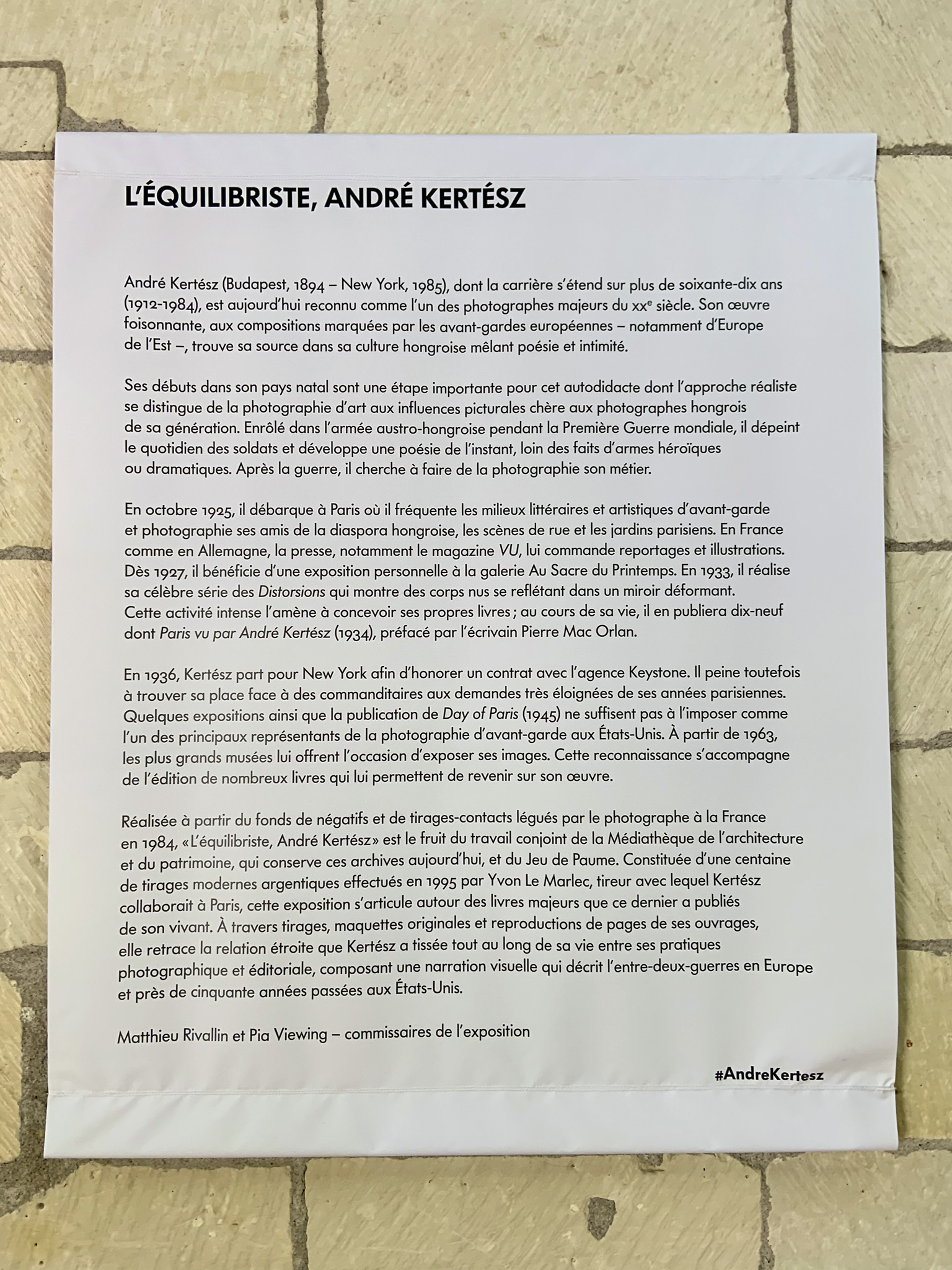
 

Entrance text to the exhibition 'L'equilibriste, André Kertész' at Jeu de Paume, Château de Tours


Entrance text to the exhibition L’equilibriste, André Kertész at Jeu de Paume, Château de Tours
Photo: Marcus Bunyan
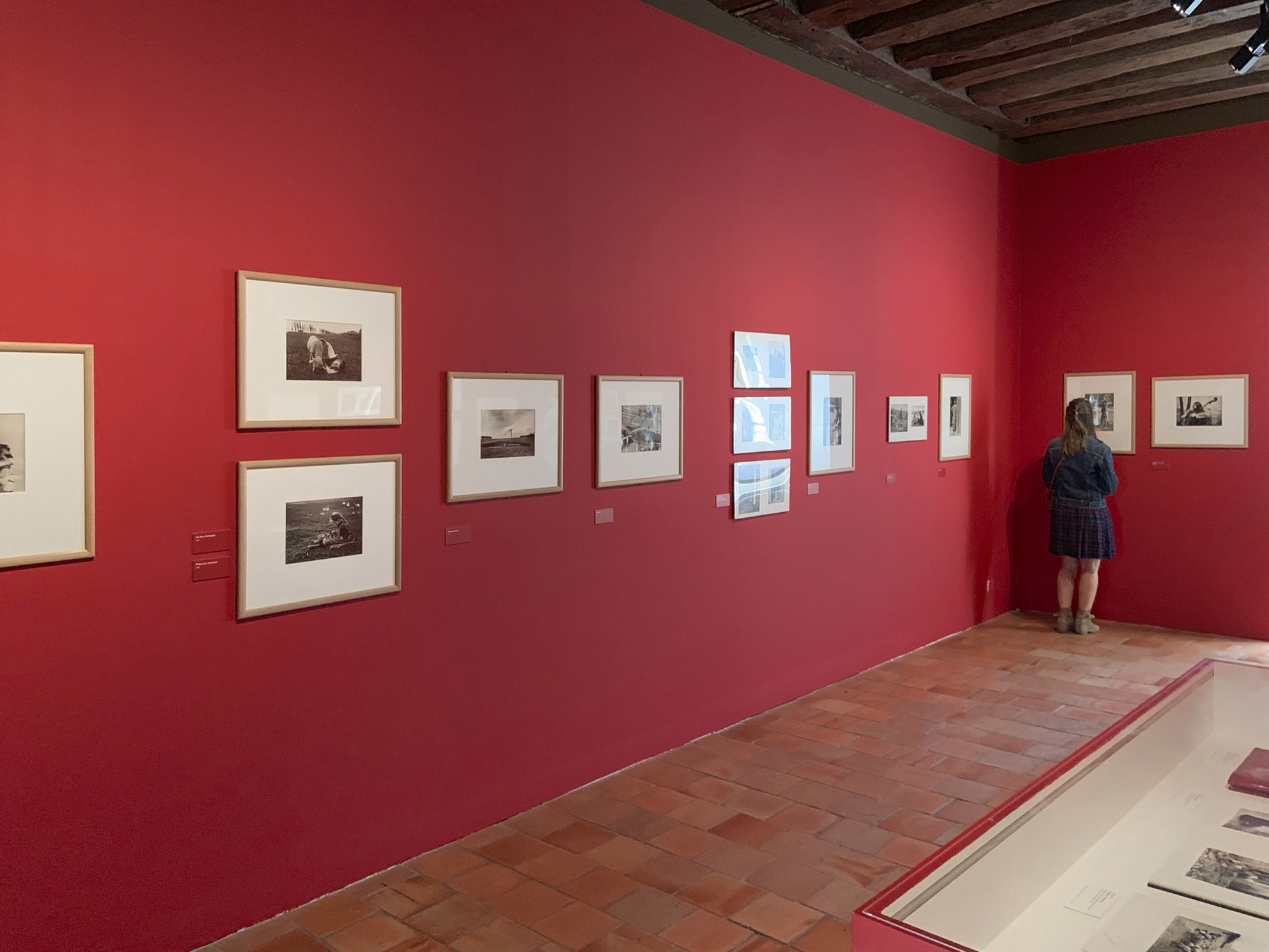
 

Installation view of the exhibition 'L'equilibriste, André Kertész' at Jeu de Paume, Château de Tours


Installation view of the exhibition L’equilibriste, André Kertész at Jeu de Paume, Château de Tours with at left top, Friends, Esztergom 1917; at left bottom, Little geese, Esztergom 1918; at second left, Hungarian landscape 1914; at fifth left, Abony 1921; at seventh left, Young Gypsy 1918; at second right, Traveling violinist, Abony 1921 and at far right, Cellist 1916
Photo: Marcus Bunyan


André Kertész (Hungarian, 1894-1985) 'Les Amis, Esztergom' 'Friends, Esztergom' 1917 (installation view)


André Kertész (Hungarian, 1894-1985)
Les Amis, Esztergom (installation view)
Friends, Esztergom
1917
Gelatin silver print
Photo: Marcus Bunyan


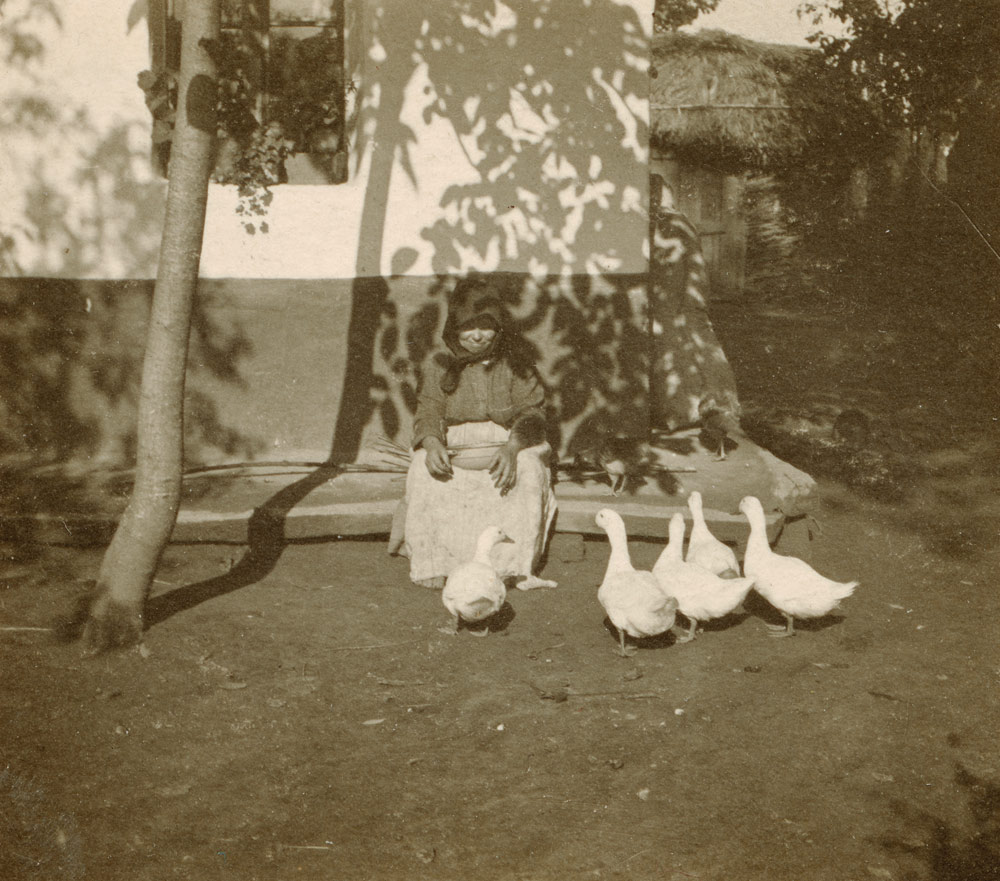
André Kertész (Hungarian, 1894-1985) 'Petites oies, Esztergom' 'Little geese, Esztergom' 1918 (installation view)


André Kertész (Hungarian, 1894-1985)
Petites oies, Esztergom (installation view)
Little geese, Esztergom
1918
Gelatin silver print
Photo: Marcus Bunyan
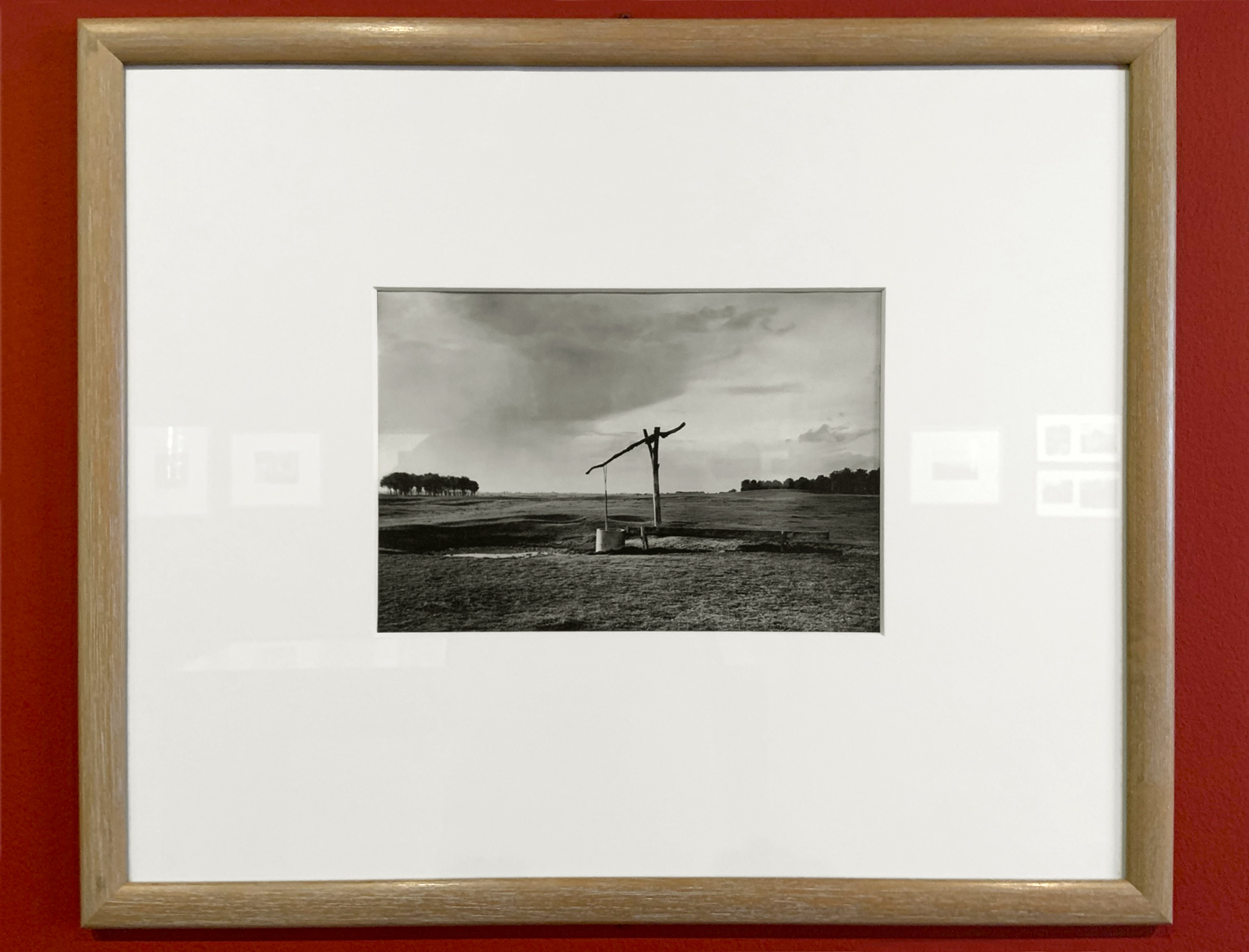
 

André Kertész (Hungarian, 1894-1985) 'Paysage hongrois' 'Hungarian landscape' 1914 (installation view)


André Kertész (Hungarian, 1894-1985)
Paysage hongrois (installation view)
Hungarian landscape
1914
Gelatin silver print
Photo: Marcus Bunyan


Installation view of the exhibition 'L'equilibriste, André Kertész' at Jeu de Paume, Château de Tours (installation view)


André Kertész (Hungarian, 1894-1985)
Paysage hongrois (installation view)
Hungarian landscape
1914
Gelatin silver print
Photo: Marcus Bunyan
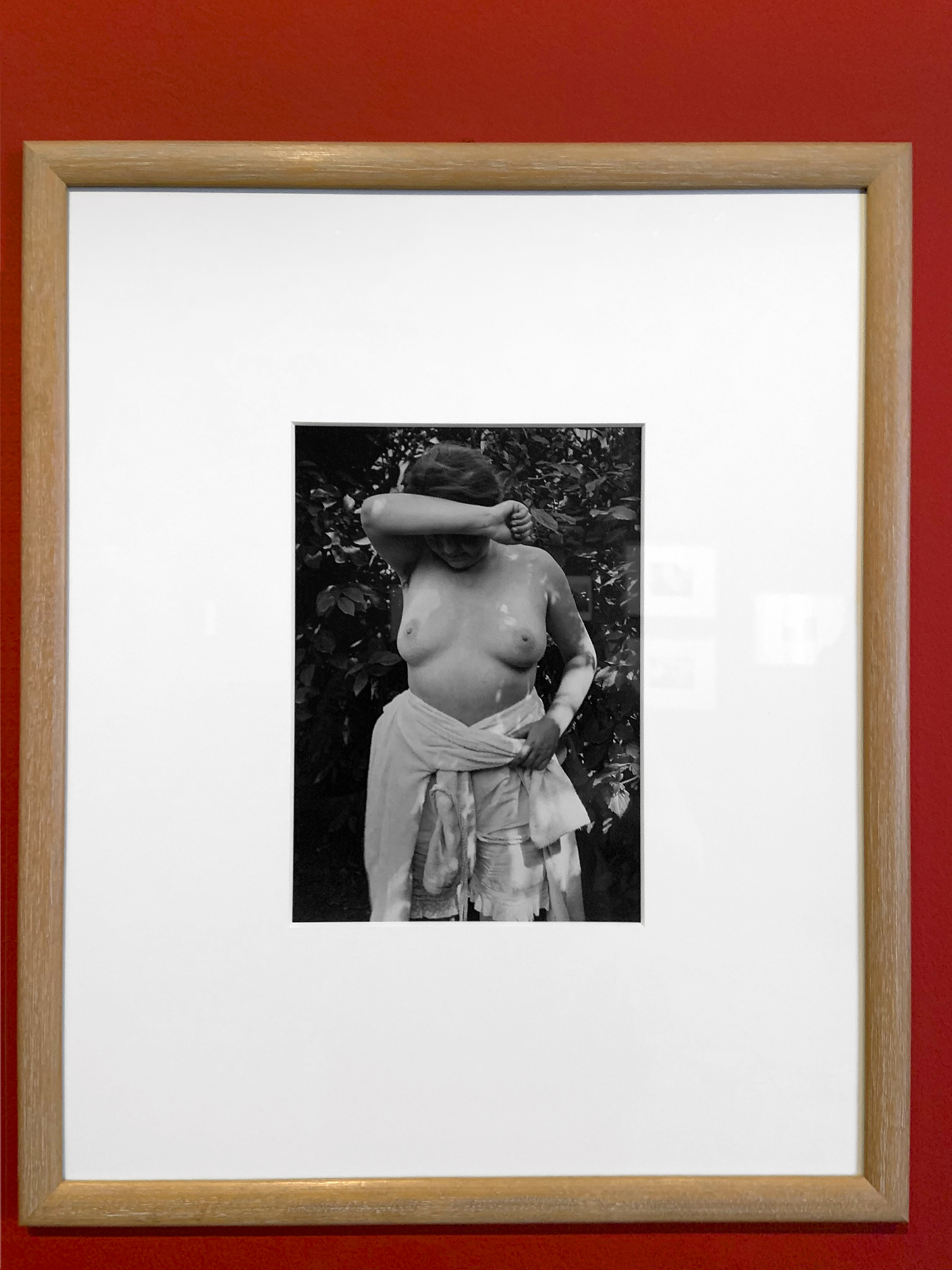
 

André Kertész (Hungarian, 1894-1985) 'Abony' 1921 (installation view)


André Kertész (Hungarian, 1894-1985)
Abony (installation view)
1921
Gelatin silver print
Photo: Marcus Bunyan
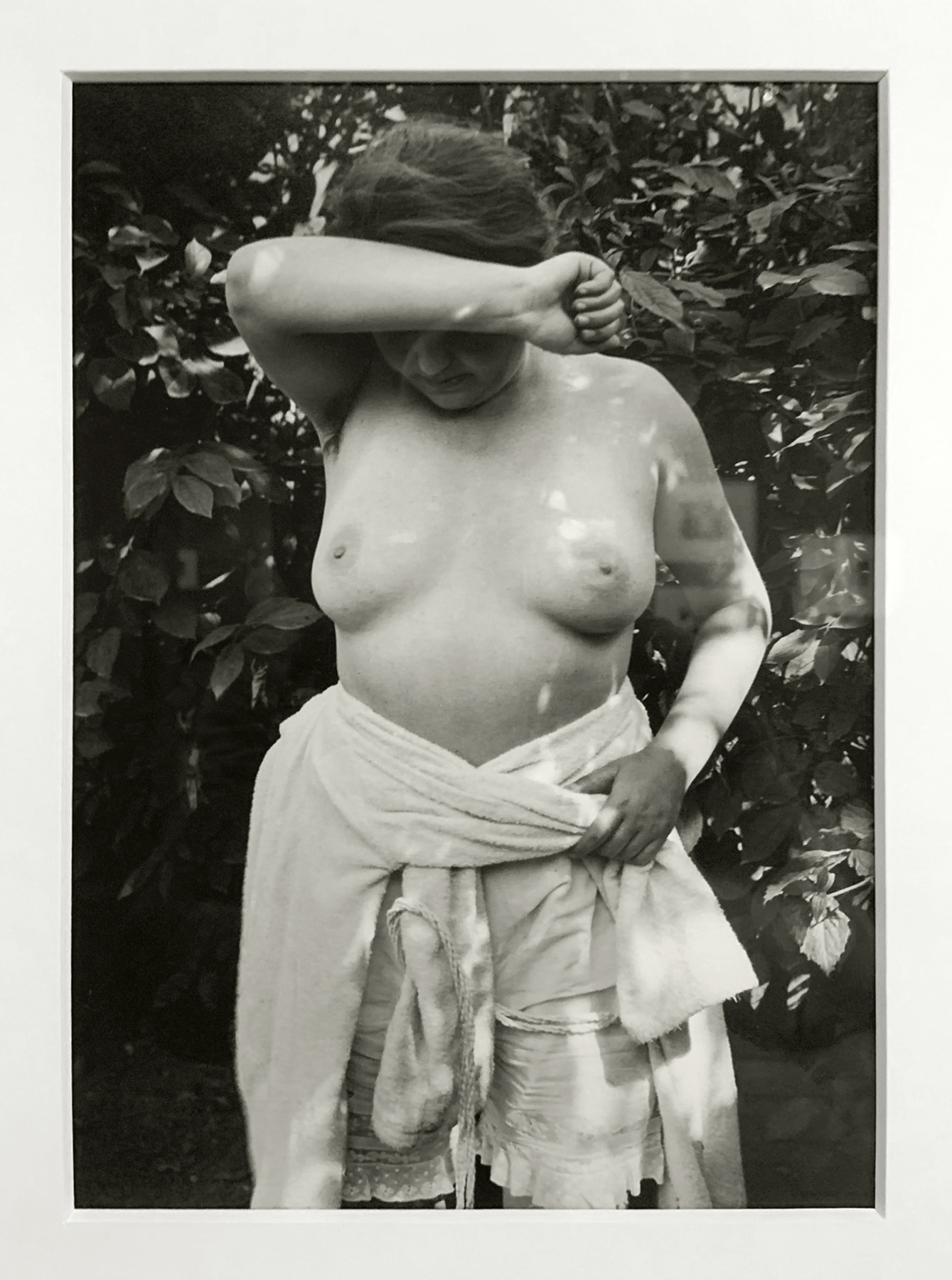
 

André Kertész (Hungarian, 1894-1985) 'Abony' 1921 (installation view)


André Kertész (Hungarian, 1894-1985)
Abony (installation view)
1921
Gelatin silver print
Photo: Marcus Bunyan
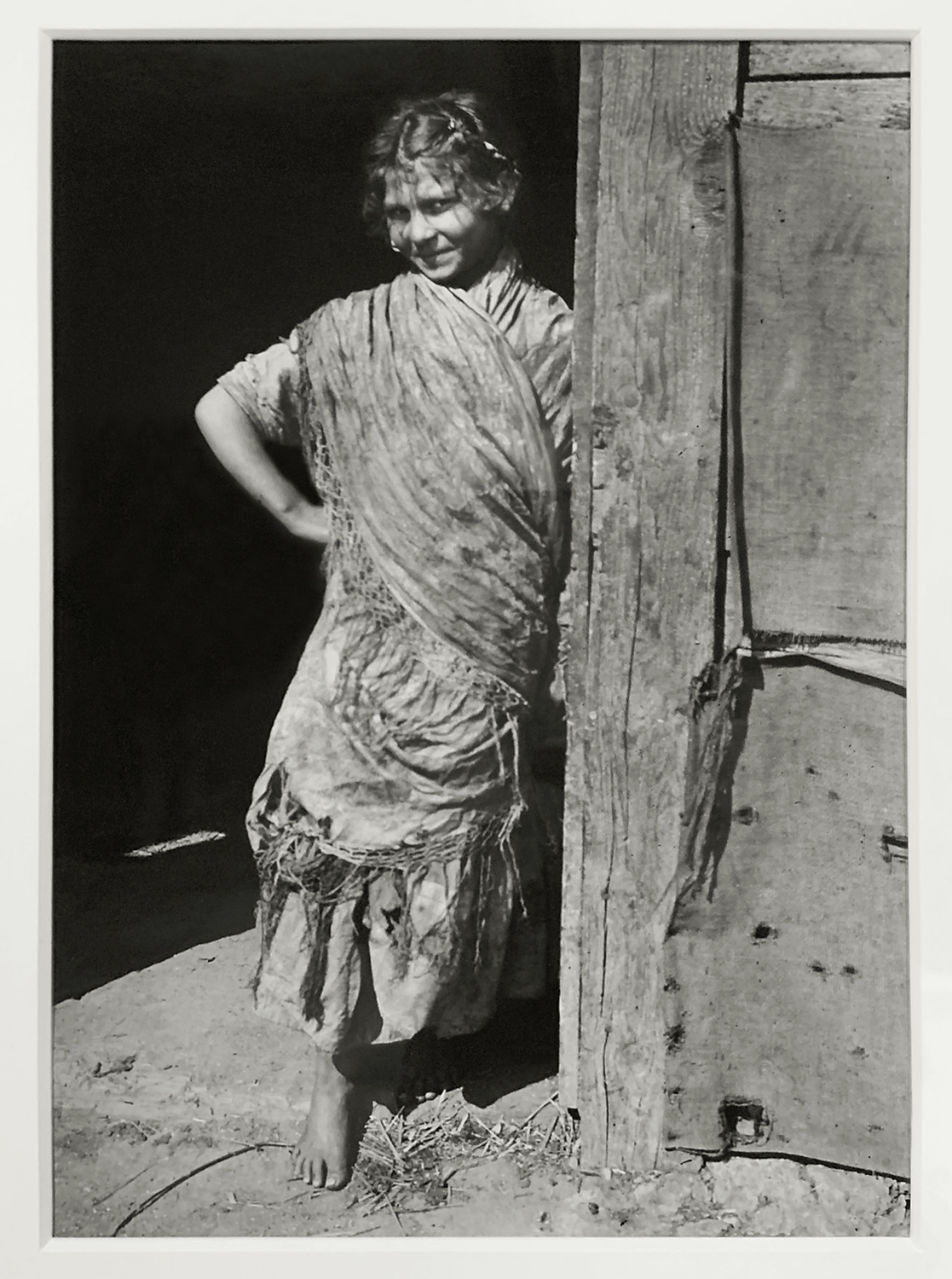
 

André Kertész (Hungarian, 1894-1985) 'Jeune Tzigane' 'Young Gypsy' 1918 (installation view)


André Kertész (Hungarian, 1894-1985)
Jeune Tzigane (installation view)
Young Gypsy
1918
Gelatin silver print
Photo: Marcus Bunyan


André Kertész (Hungarian, 1894-1985) 'Violoniste ambulant, Abony' 'Traveling violinist, Abony' 1921 from the exhibition 'L'equilibriste, André Kertész' at Jeu de Paume, Château de Tours Part 1, June - Oct, 2019


André Kertész (Hungarian, 1894-1985)
Violoniste ambulant, Abony 
Traveling violinist, Abony
1921
Gelatin silver print


André Kertész (Hungarian, 1894-1985) 'Violoncelliste' 'Cellist' 1916 (installation view)


André Kertész (Hungarian, 1894-1985)
Violoncelliste (installation view)
Cellist
1916
Gelatin silver print
Photo: Marcus Bunyan
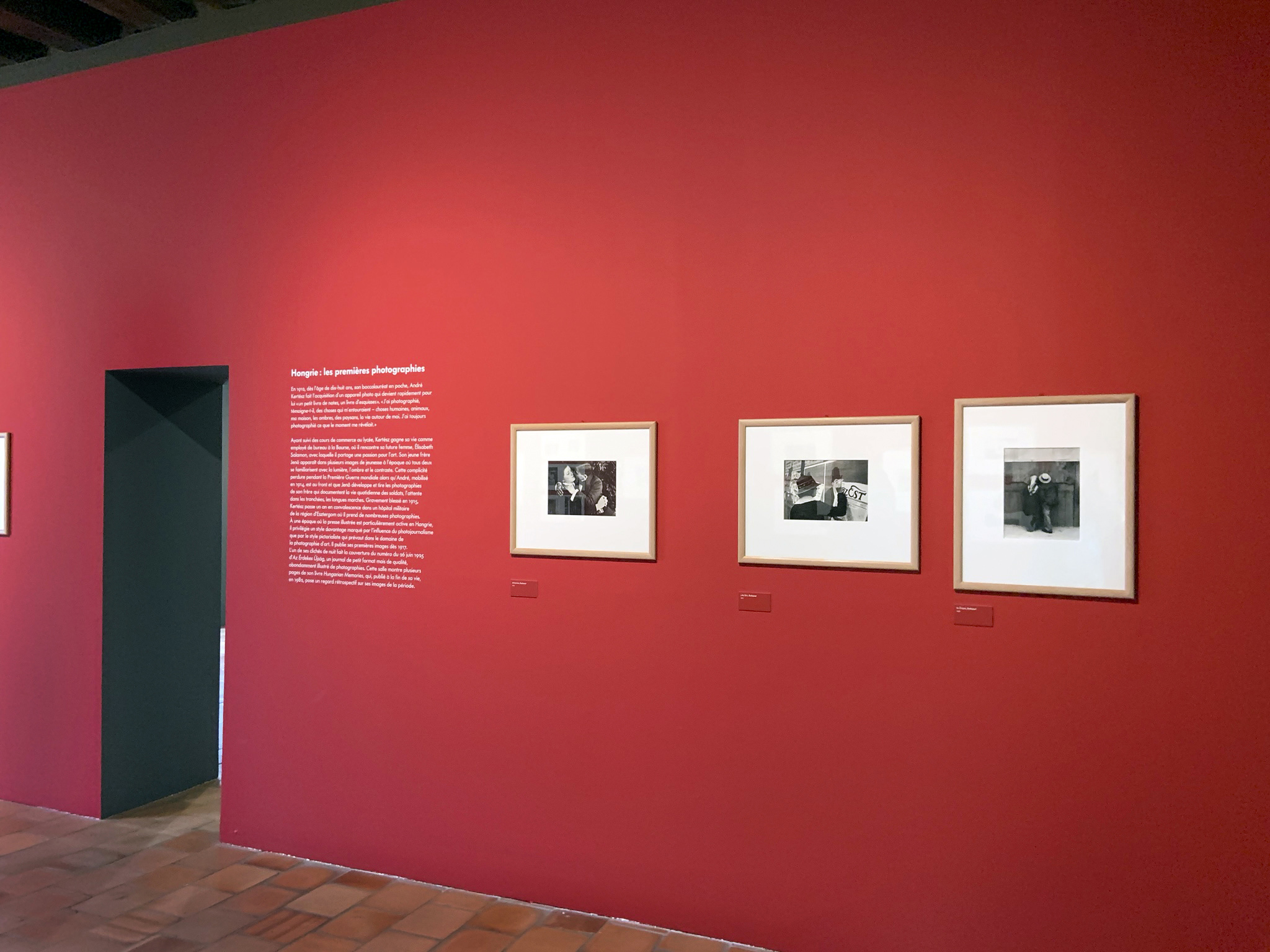
 

Installation view of the exhibition 'L'equilibriste, André Kertész' at Jeu de Paume, Château de Tours


Installation view of the exhibition L’equilibriste, André Kertész at Jeu de Paume, Château de Tours with at left, Lovers, Budapest 1915
Photo: Marcus Bunyan


André Kertész (Hungarian, 1894-1985) 'Hungarian Memories' 1982 (installation view)


André Kertész (Hungarian, 1894-1985)
Hungarian Memories (installation view)
1982
New York, New York Graphic Society / Boston, Little, Brown and Company
Photo: Marcus Bunyan
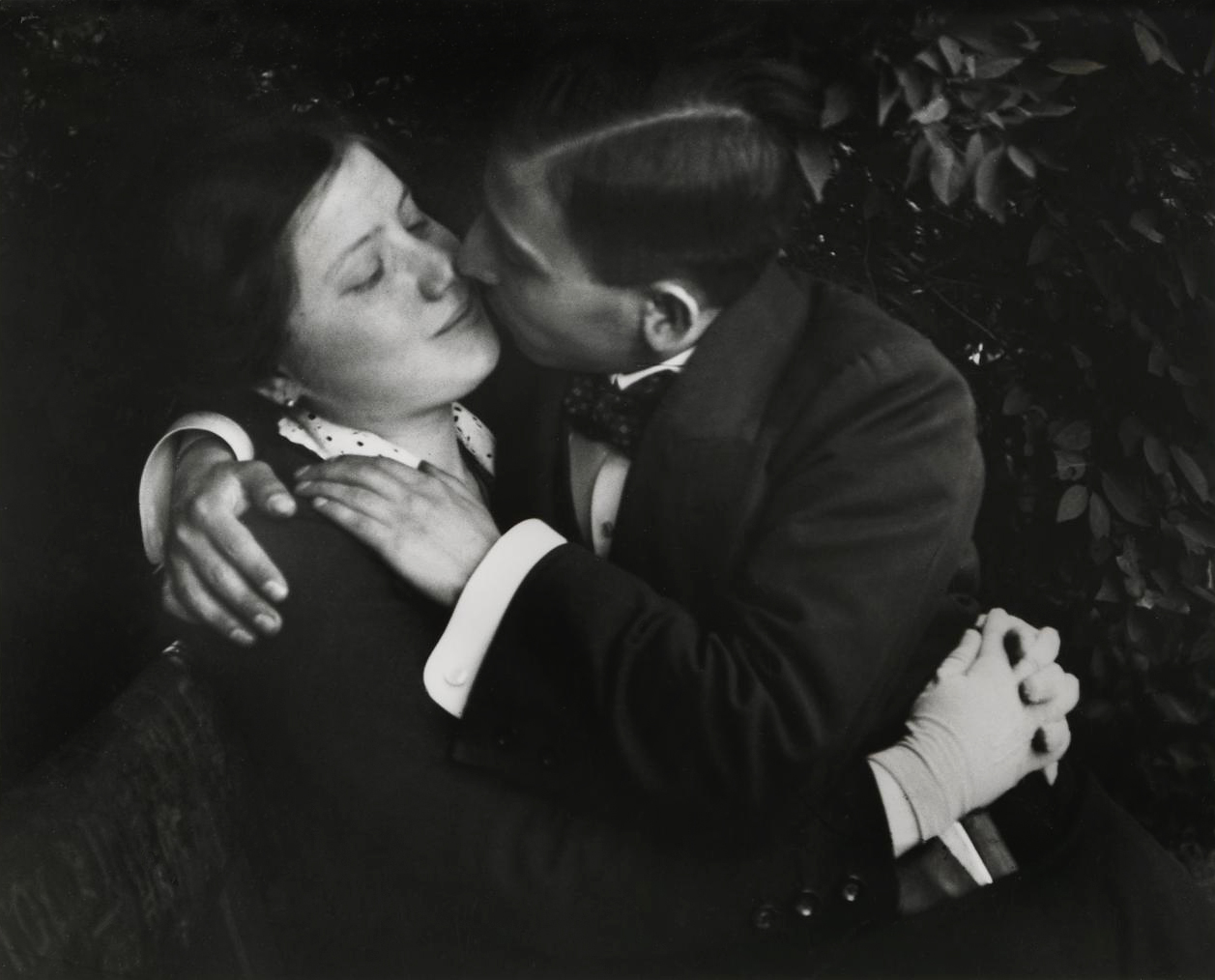
 

André Kertész (Hungarian, 1894-1985) 'Lovers, Budapest' 1915 from the exhibition 'L'equilibriste, André Kertész' at Jeu de Paume, Château de Tours Part 1, June - Oct, 2019


André Kertész (Hungarian, 1894-1985)
Lovers, Budapest
1915
Gelatin silver print
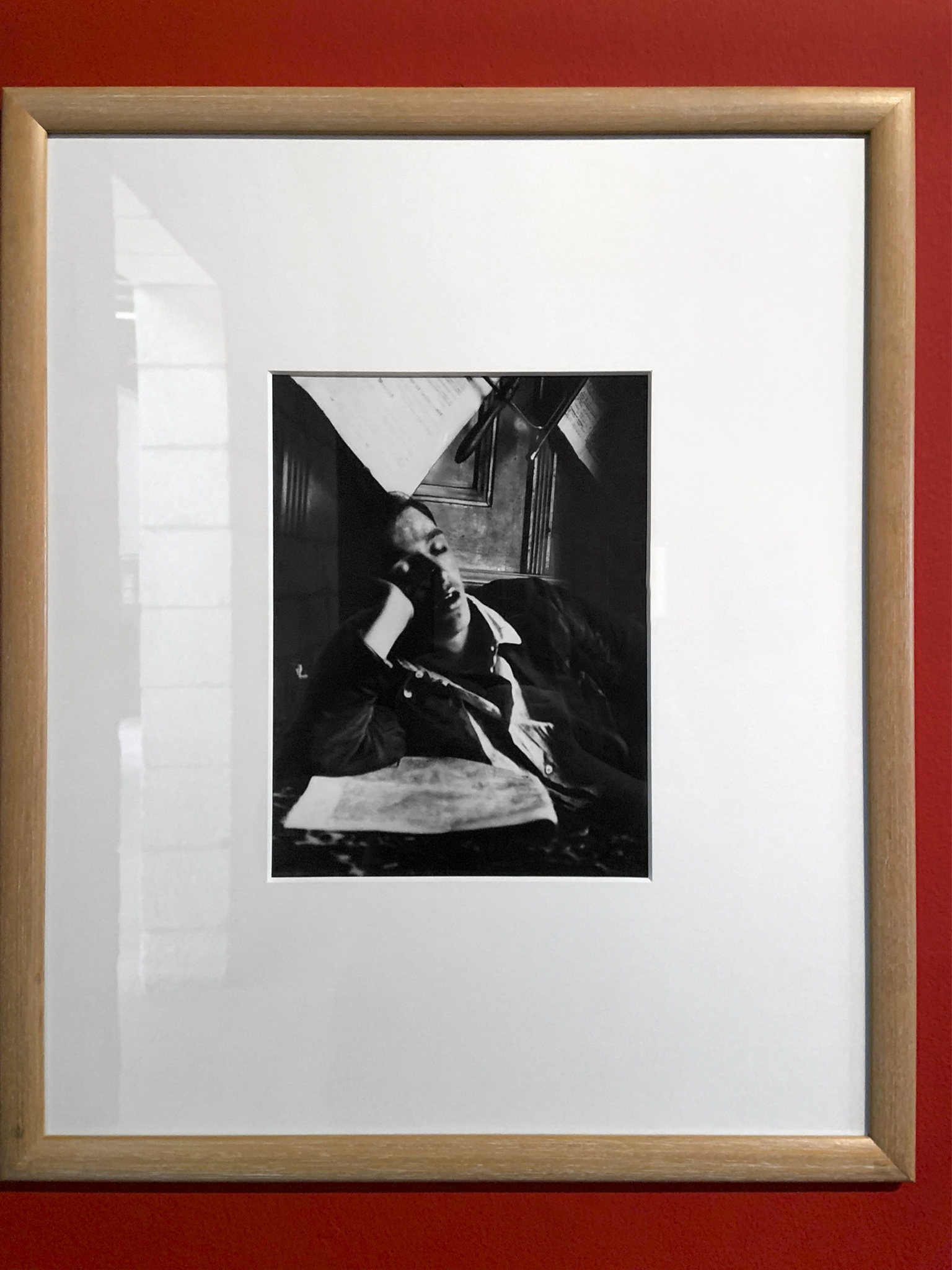
 

André Kertész (Hungarian, 1894-1985) 'Garçon endormi, Budapest' 'Sleeping boy, Budapest' 1912 (installation view)


André Kertész (Hungarian, 1894-1985)
Garçon endormi, Budapest (installation view)
Sleeping boy, Budapest
1912
Gelatin silver print
Photo: Marcus Bunyan


André Kertész (Hungarian, 1894-1985) 'Mon frère imitant le "scherzo"' 'My brother as a "Scherzo"' 1919 (installation view)


André Kertész (Hungarian, 1894-1985)
Mon frère imitant le “scherzo” (installation view)
My brother as a “Scherzo”
1919
Gelatin silver print
Photo: Marcus Bunyan
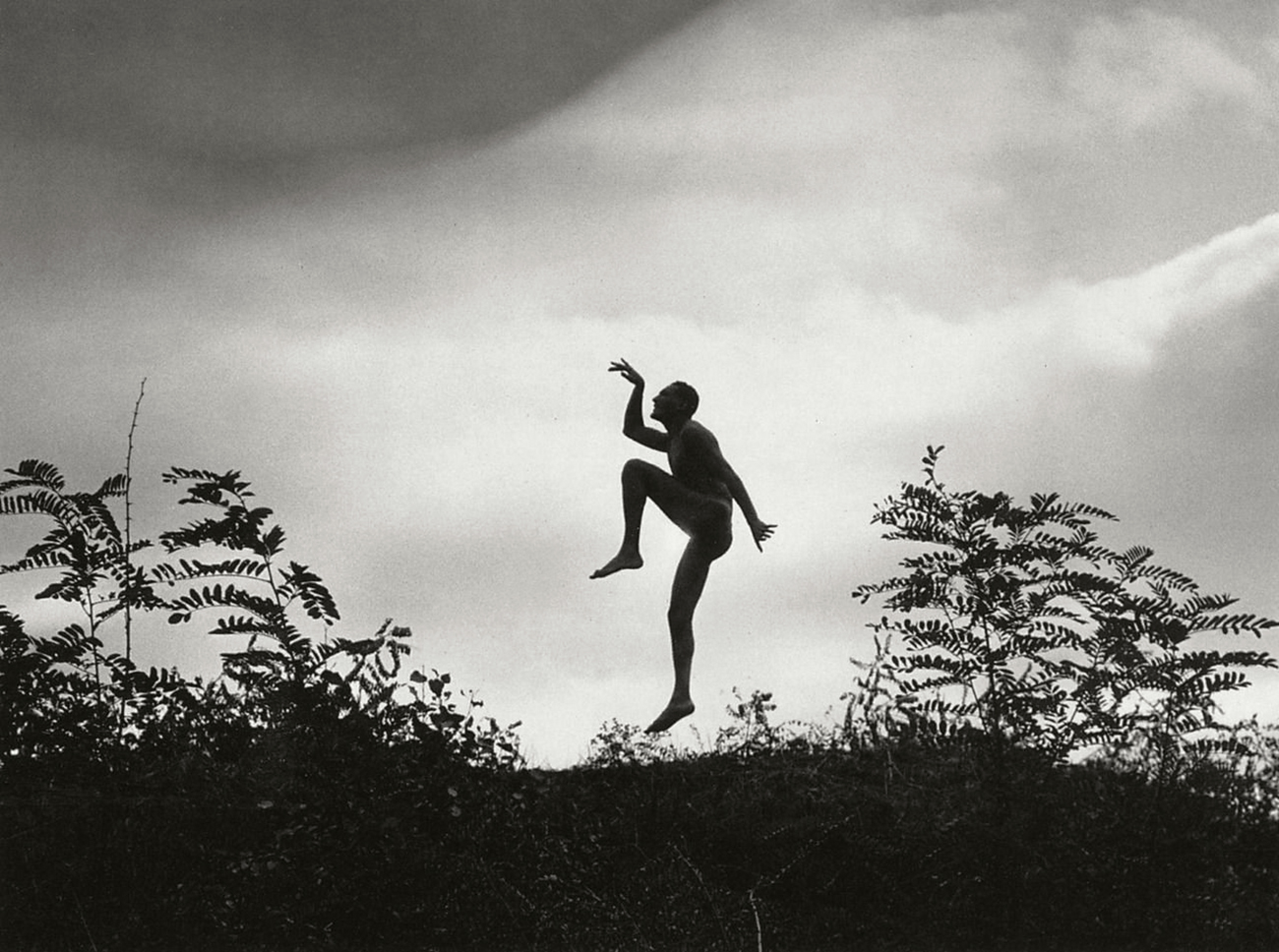
 

André Kertész (Hungarian, 1894-1985) 'Mon frère imitant le "scherzo"' 'My brother as a "Scherzo"' 1919 from the exhibition 'L'equilibriste, André Kertész' at Jeu de Paume, Château de Tours Part 1, June - Oct, 2019


André Kertész (Hungarian, 1894-1985)
Mon frère imitant le “scherzo”
My brother as a “Scherzo”
1919
Gelatin silver print
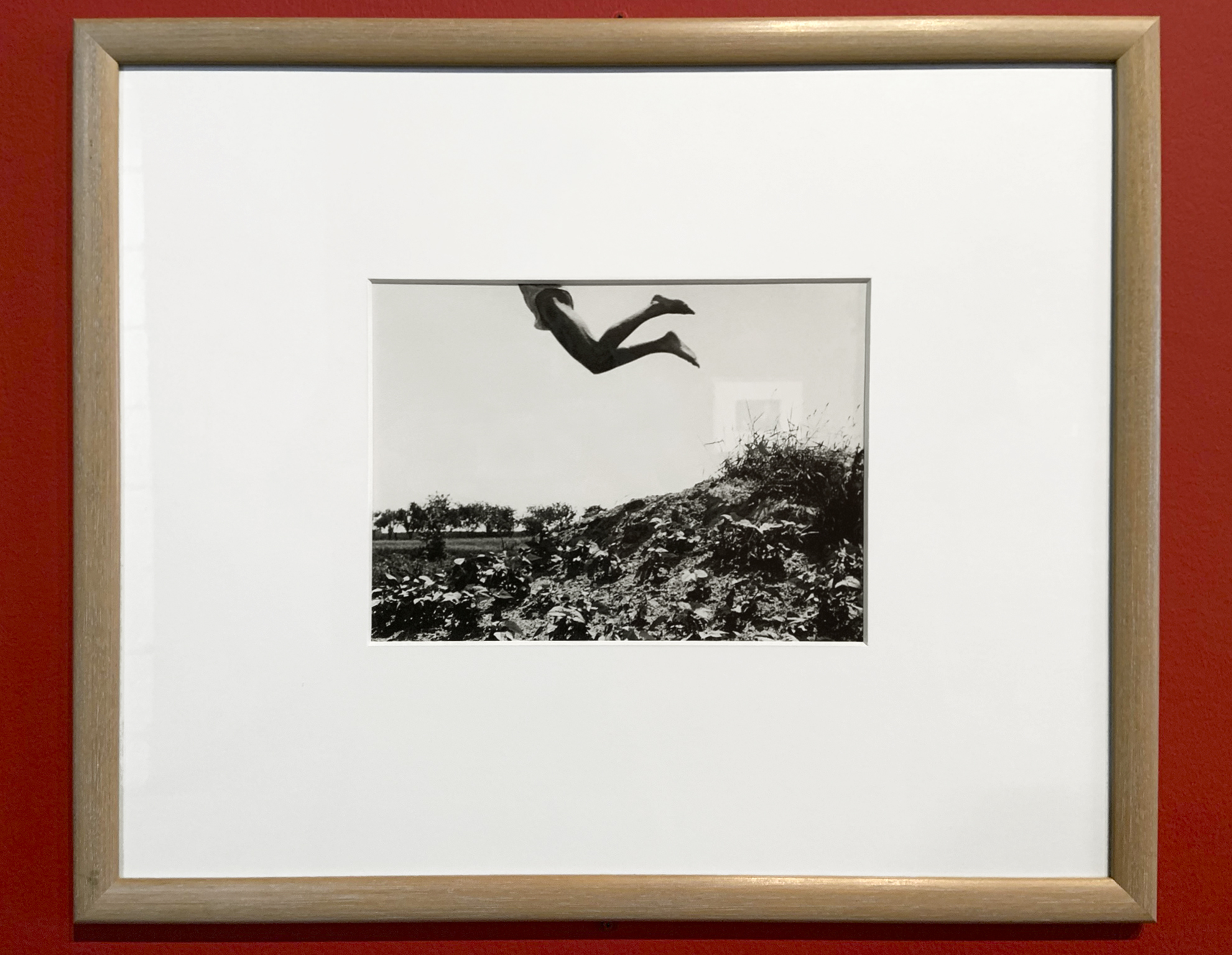
 

André Kertész (Hungarian, 1894-1985) 'Mon frère tel Icare, Dunaharaszti' 'My brother like Icarus, Dunaharaszti' 1919 André Kertész (Hungarian, 1894-1985) 'Mon frère tel Icare, Dunaharaszti' 'My brother like Icarus, Dunaharaszti' 1919 (installation view)


André Kertész (Hungarian, 1894-1985)
Mon frère tel Icare, Dunaharaszti (installation view)
My brother like Icarus, Dunaharaszti
1919
Gelatin silver print
Photo: Marcus Bunyan


André Kertész (Hungarian, 1894-1985) 'Mon frère tel Icare, Dunaharaszti' 'My brother like Icarus, Dunaharaszti' 1919 (installation view)


André Kertész (Hungarian, 1894-1985)
Mon frère tel Icare, Dunaharaszti (installation view)
My brother like Icarus, Dunaharaszti
1919
Gelatin silver print
Photo: Marcus Bunyan


Text from the exhibition 'L'equilibriste, André Kertész' at Jeu de Paume, Château de Tours


Text from the exhibition L’equilibriste, André Kertész at Jeu de Paume, Château de Tours
Photo: Marcus Bunyan
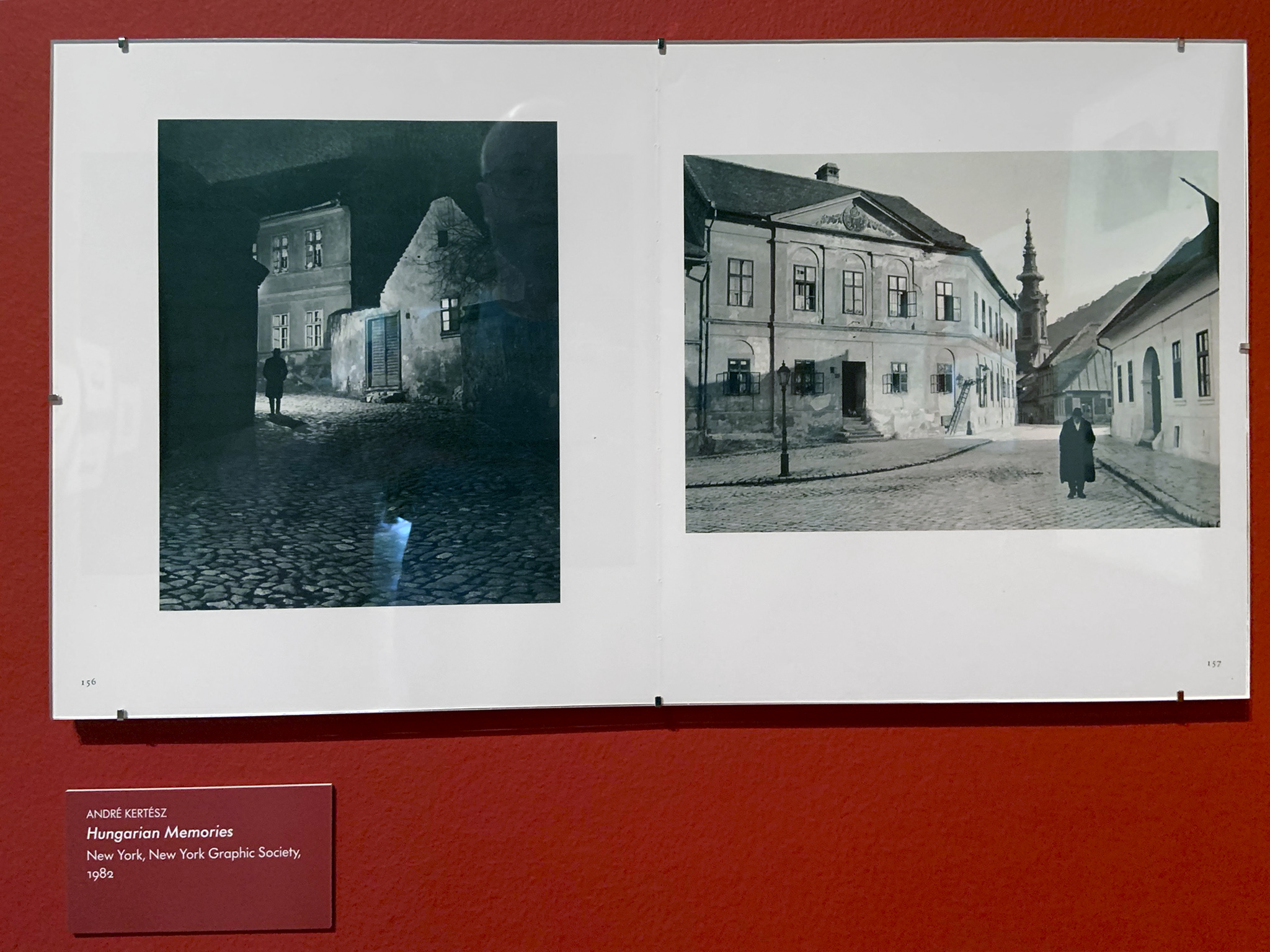
 

André Kertész (Hungarian, 1894-1985) 'Hungarian Memories' 1982 (installation view)


André Kertész (Hungarian, 1894-1985)
Hungarian Memories (installation view)
1982
New York, New York Graphic Society
Photo: Marcus Bunyan


Installation view of the exhibition 'L'equilibriste, André Kertész' at Jeu de Paume, Château de Tours


Installation view of the exhibition L’equilibriste, André Kertész at Jeu de Paume, Château de Tours with at centre bottom, Görz, Italy 1915, and at far right, Forced march towards the front 1915
Photo: Marcus Bunyan


André Kertész (Hungarian, 1894-1985) 'Görz, Italy' 1915 (installation view)


André Kertész (Hungarian, 1894-1985)
Görz, Italy (installation view)
1915
Gelatin silver print
Photo: Marcus Bunyan
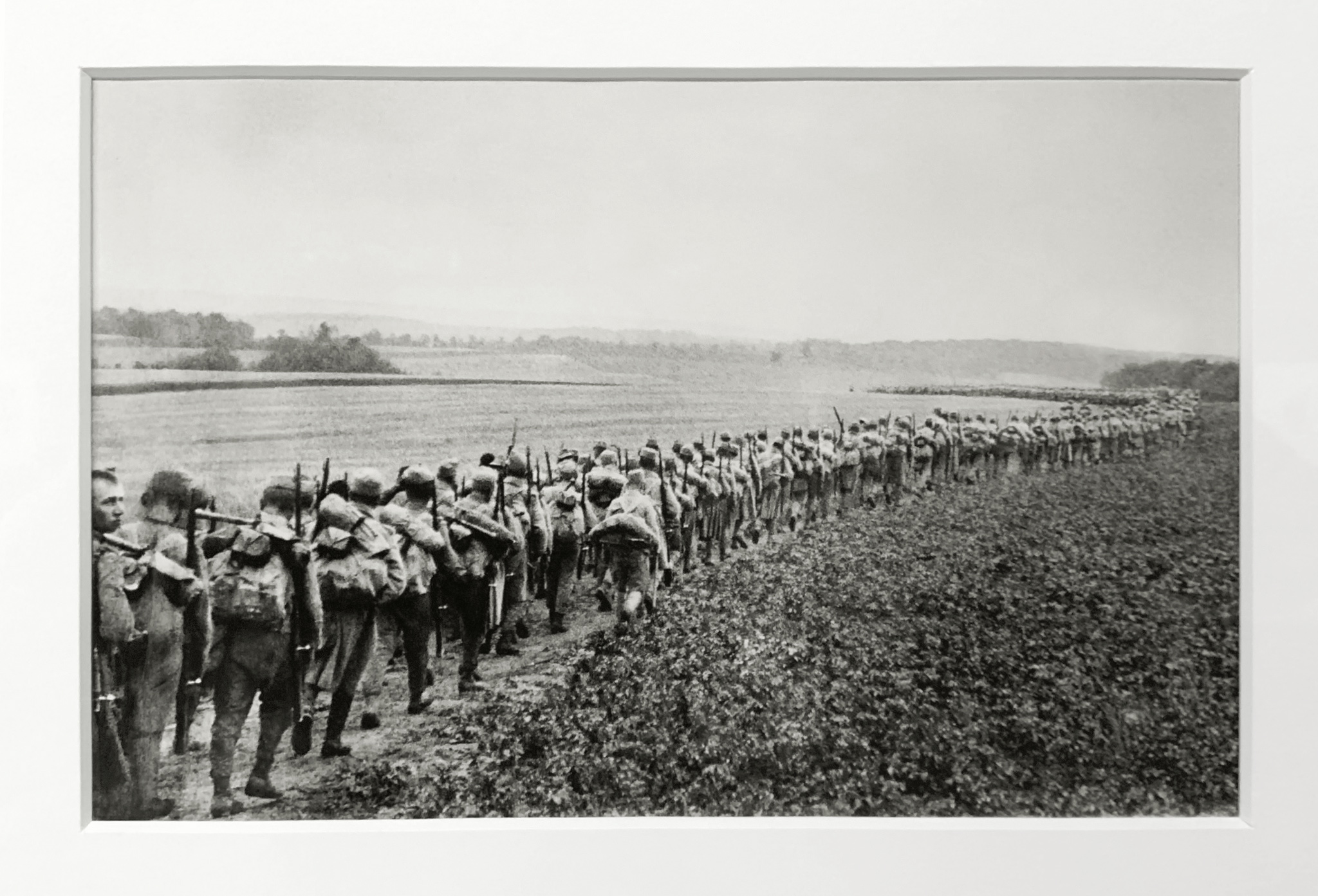
 

André Kertész (Hungarian, 1894-1985) 'Marche forcée vers le front, entre Lonié et Mitulen, Pologne' 'Forced march towards the front, between Lonie and Mitulen, Poland' 1915 (installation view)


André Kertész (Hungarian, 1894-1985)
Marche forcée vers le front, entre Lonié et Mitulen, Pologne (installation view)
Forced march towards the front, between Lonie and Mitulen, Poland
1915
Gelatin silver print
Photo: Marcus Bunyan
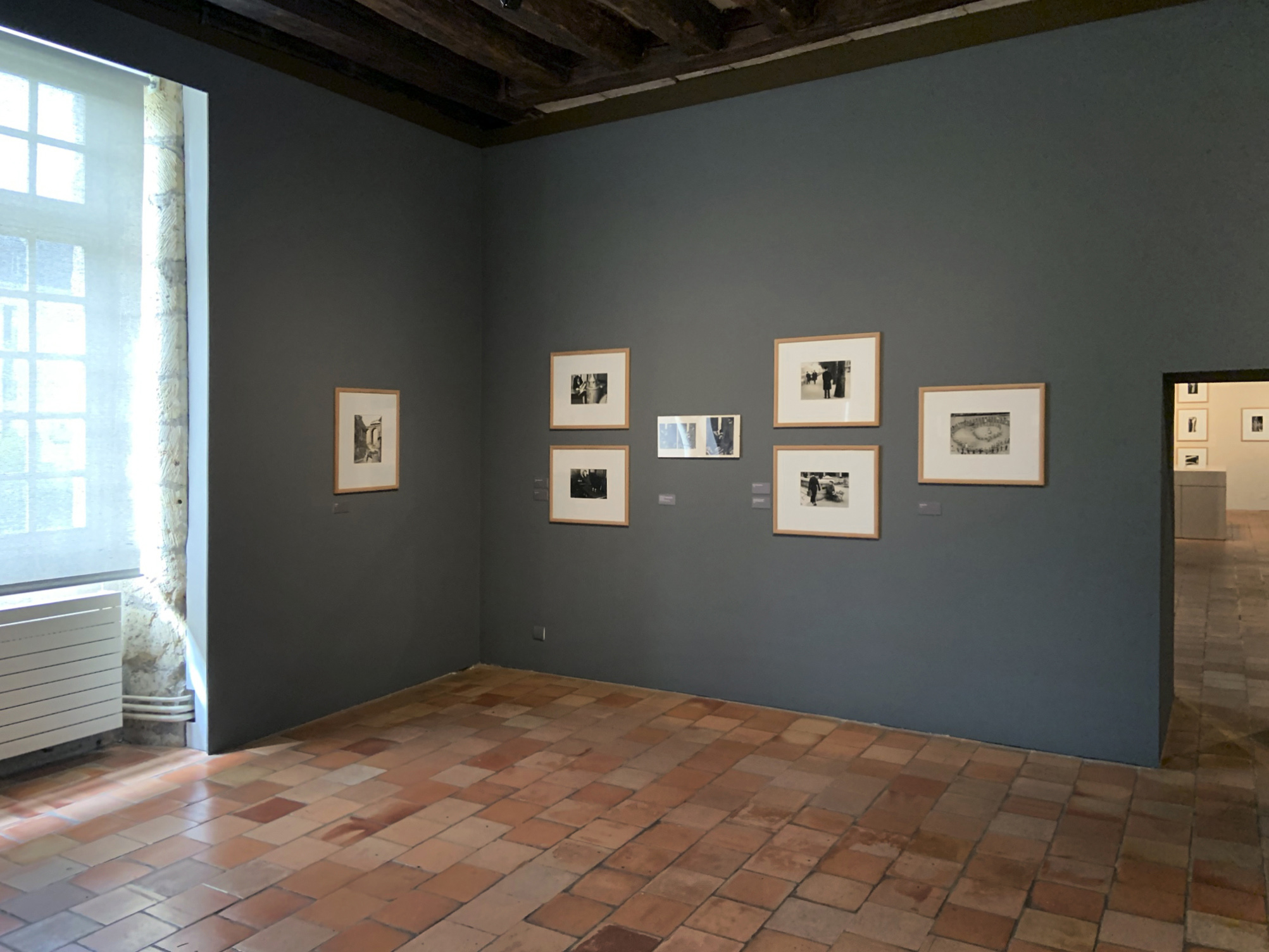
 

Installation view of the exhibition 'L'equilibriste, André Kertész' at Jeu de Paume, Château de Tours


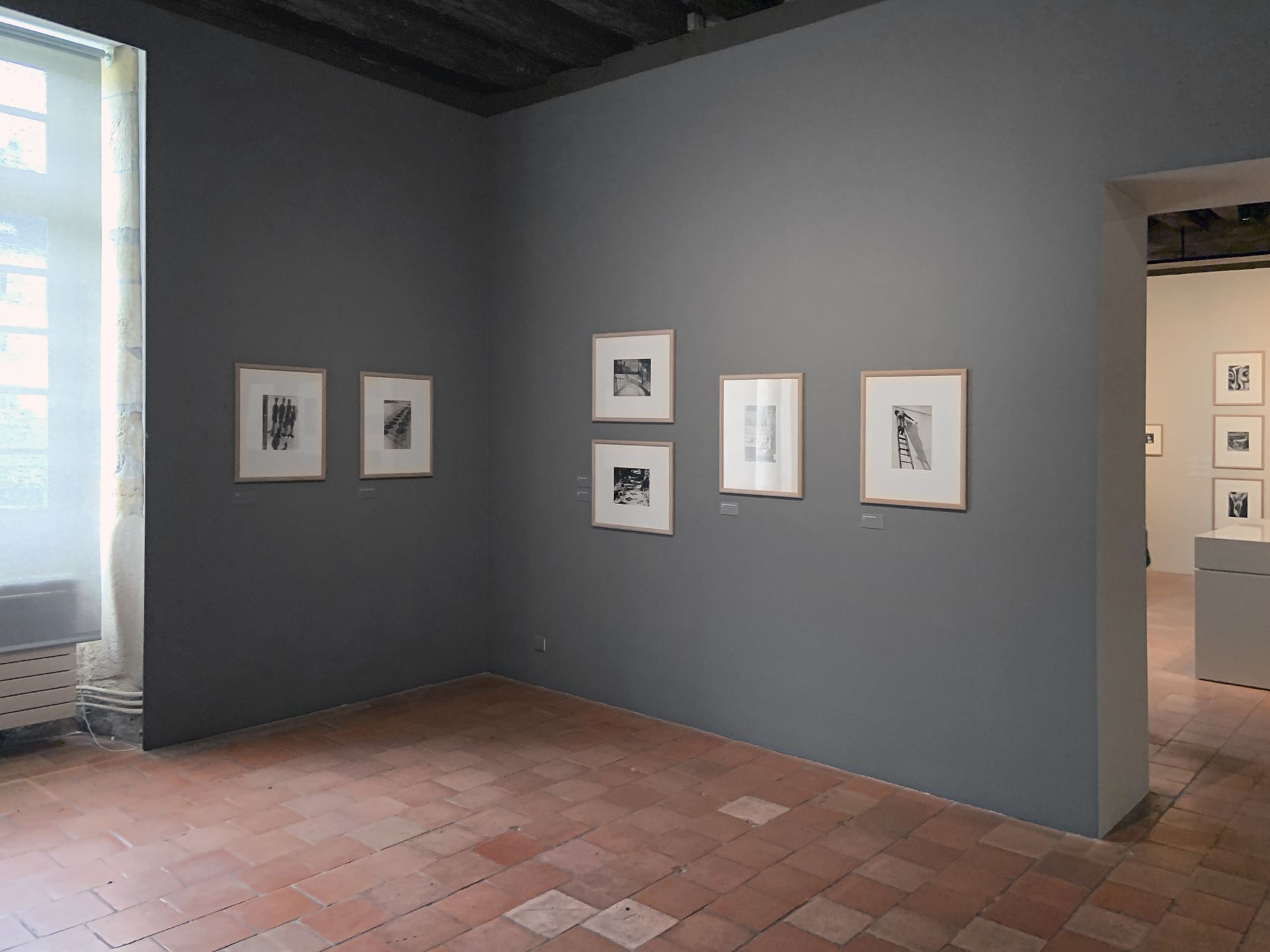
Installation view of the exhibition L’equilibriste, André Kertész at Jeu de Paume, Château de Tours with at left, Meudon 1928 at second right top, Quai d’Orsay, Paris 1926
Photo: Marcus Bunyan
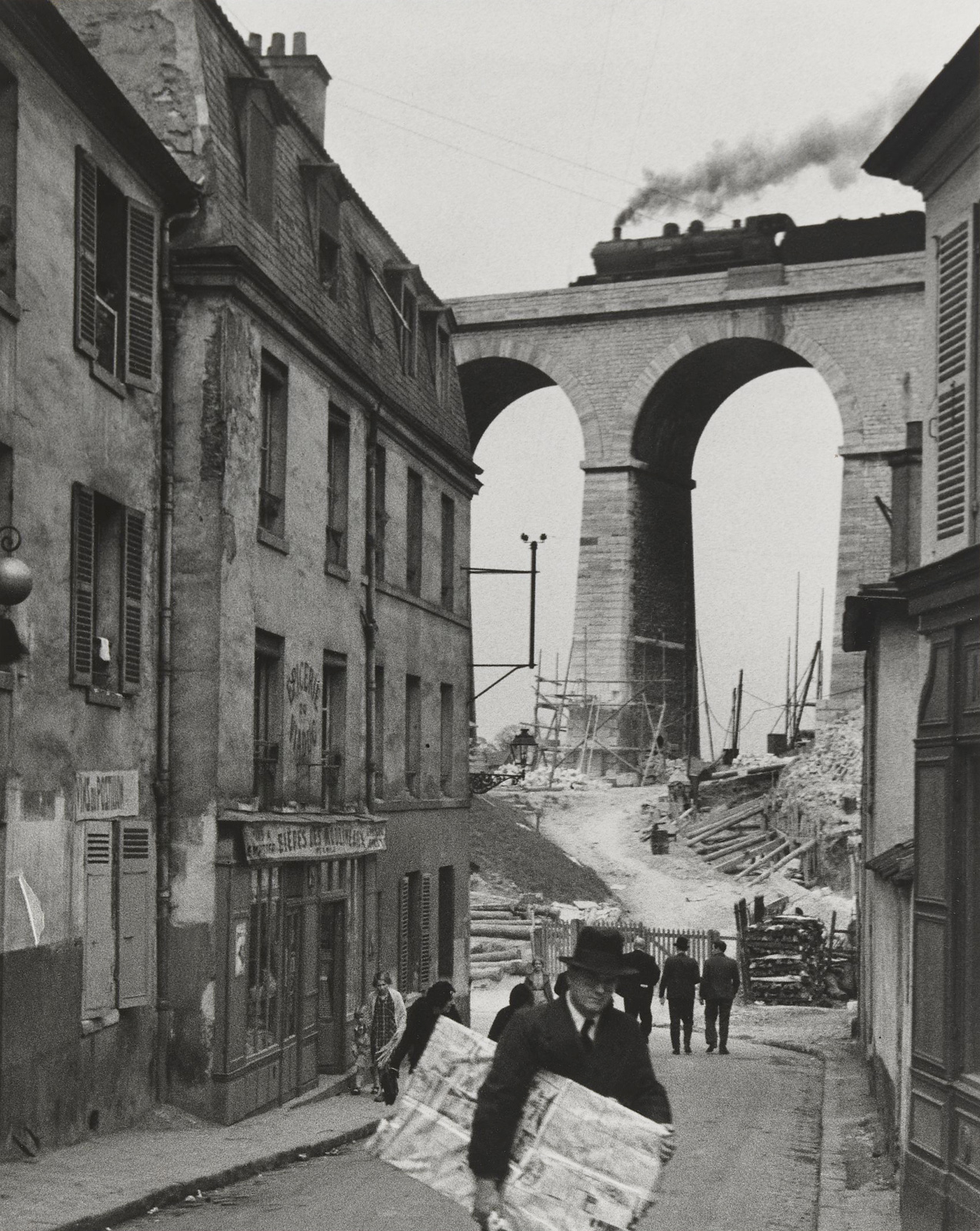
 

André Kertész (Hungarian, 1894-1985) 'Meudon' 1928


André Kertész (Hungarian, 1894-1985)
Meudon
1928
Gelatin silver print
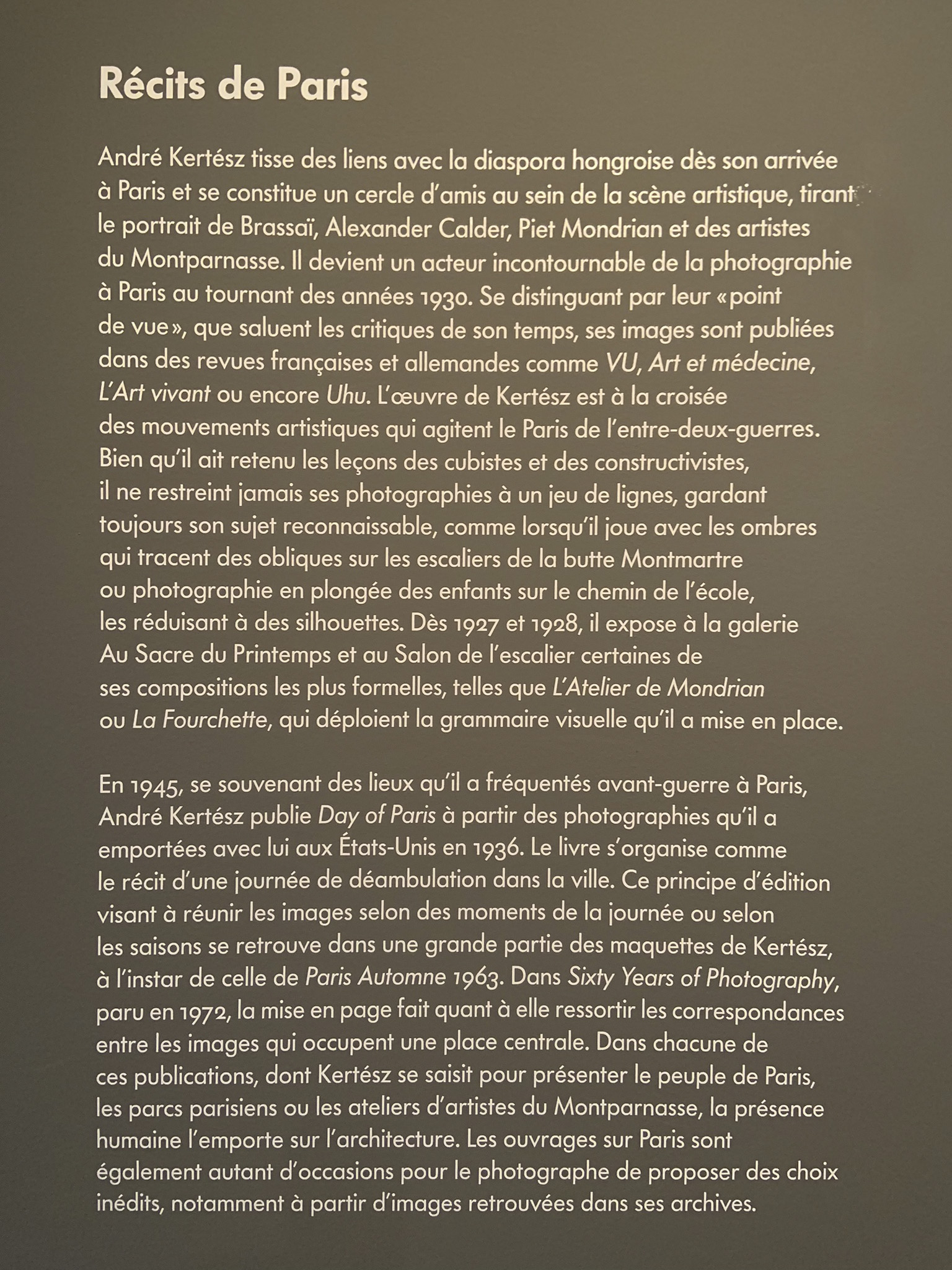
 

Text from the exhibition 'L'equilibriste, André Kertész' at Jeu de Paume, Château de Tours


Text from the exhibition L’equilibriste, André Kertész at Jeu de Paume, Château de Tours
Photo: Marcus Bunyan
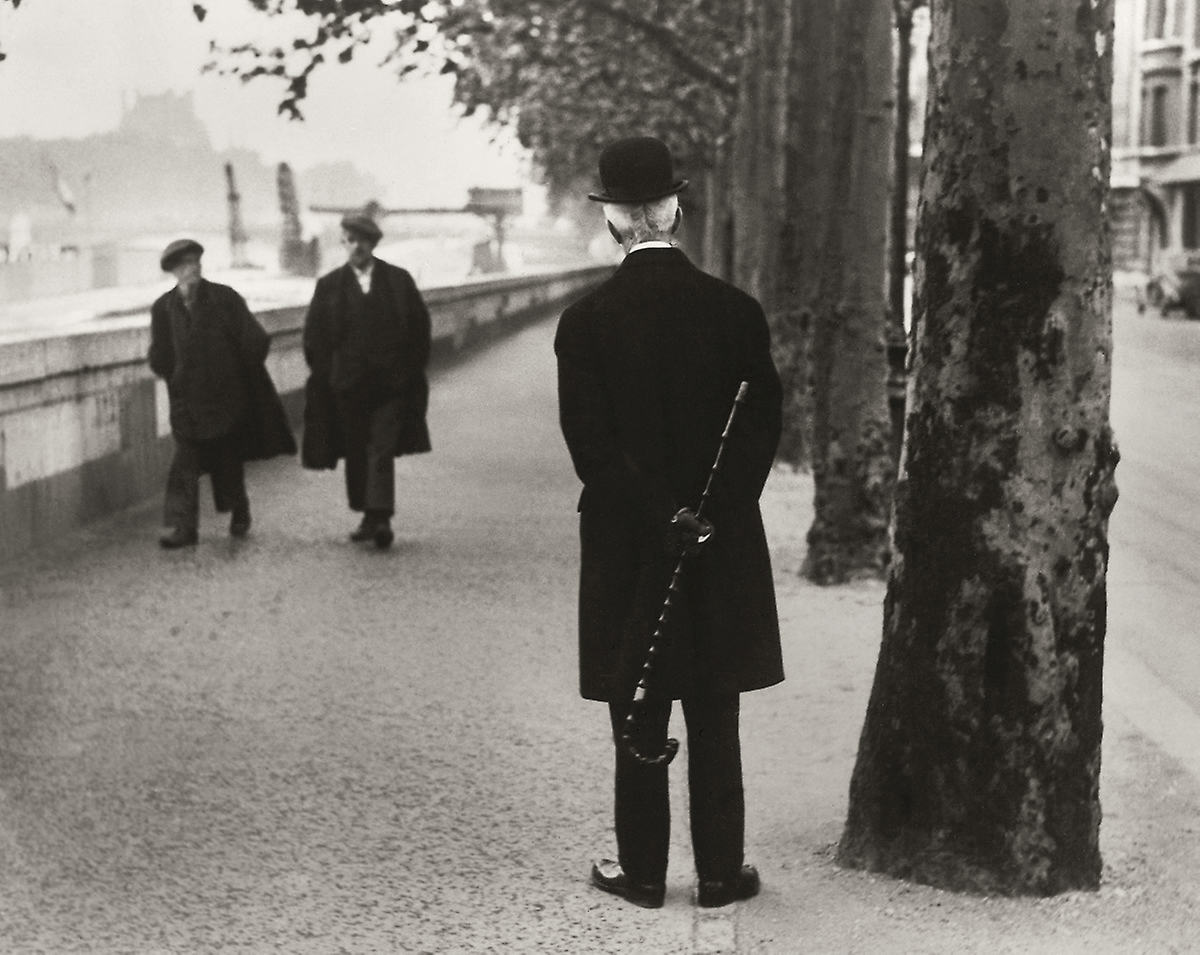
 

André Kertész (Hungarian, 1894-1985) 'Quai d'Orsay, Paris' 1926


André Kertész (Hungarian, 1894-1985)
Quai d’Orsay, Paris
1926
Gelatin silver print
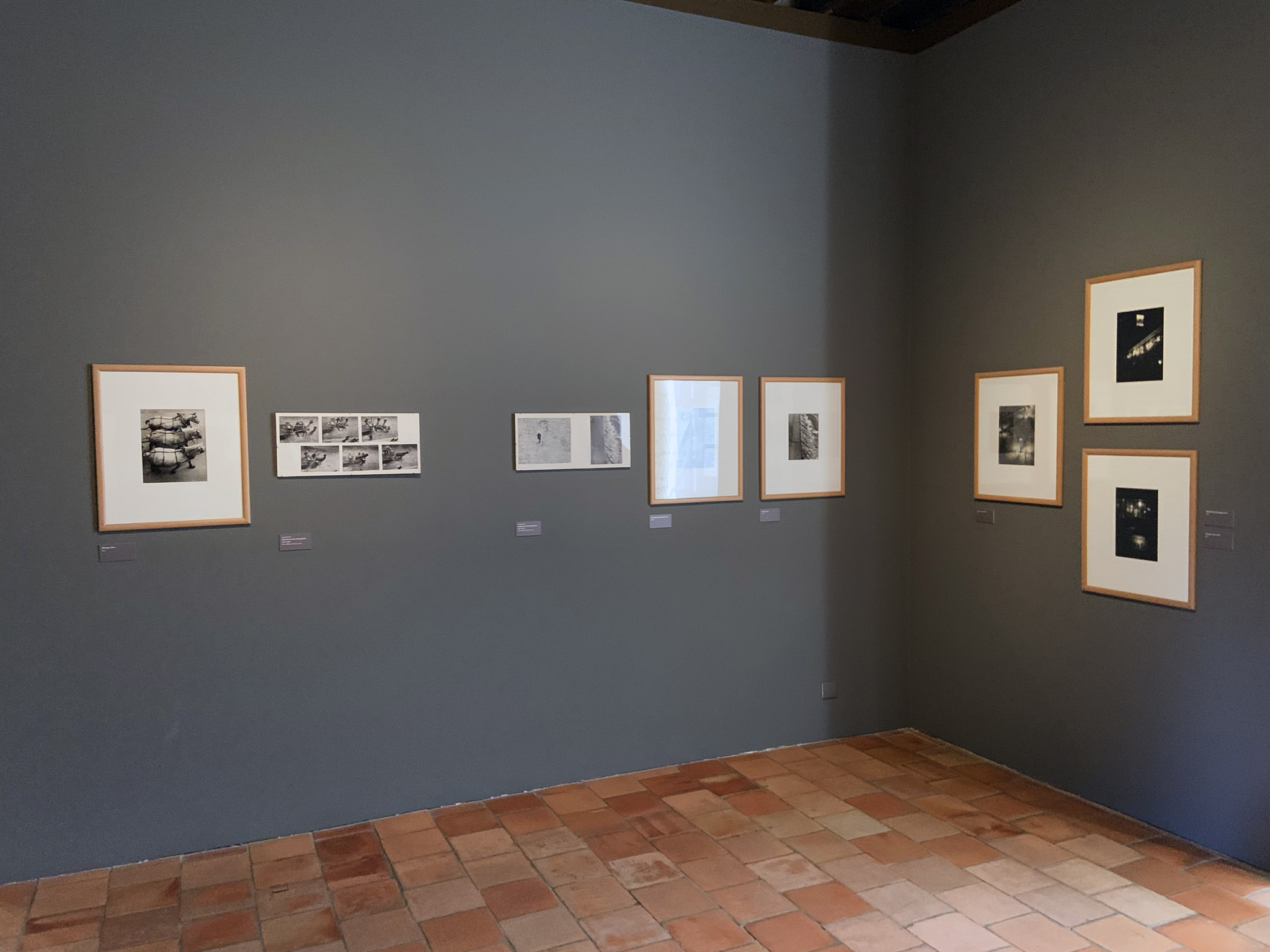
 

Installation view of the exhibition 'L'equilibriste, André Kertész' at Jeu de Paume, Château de Tours


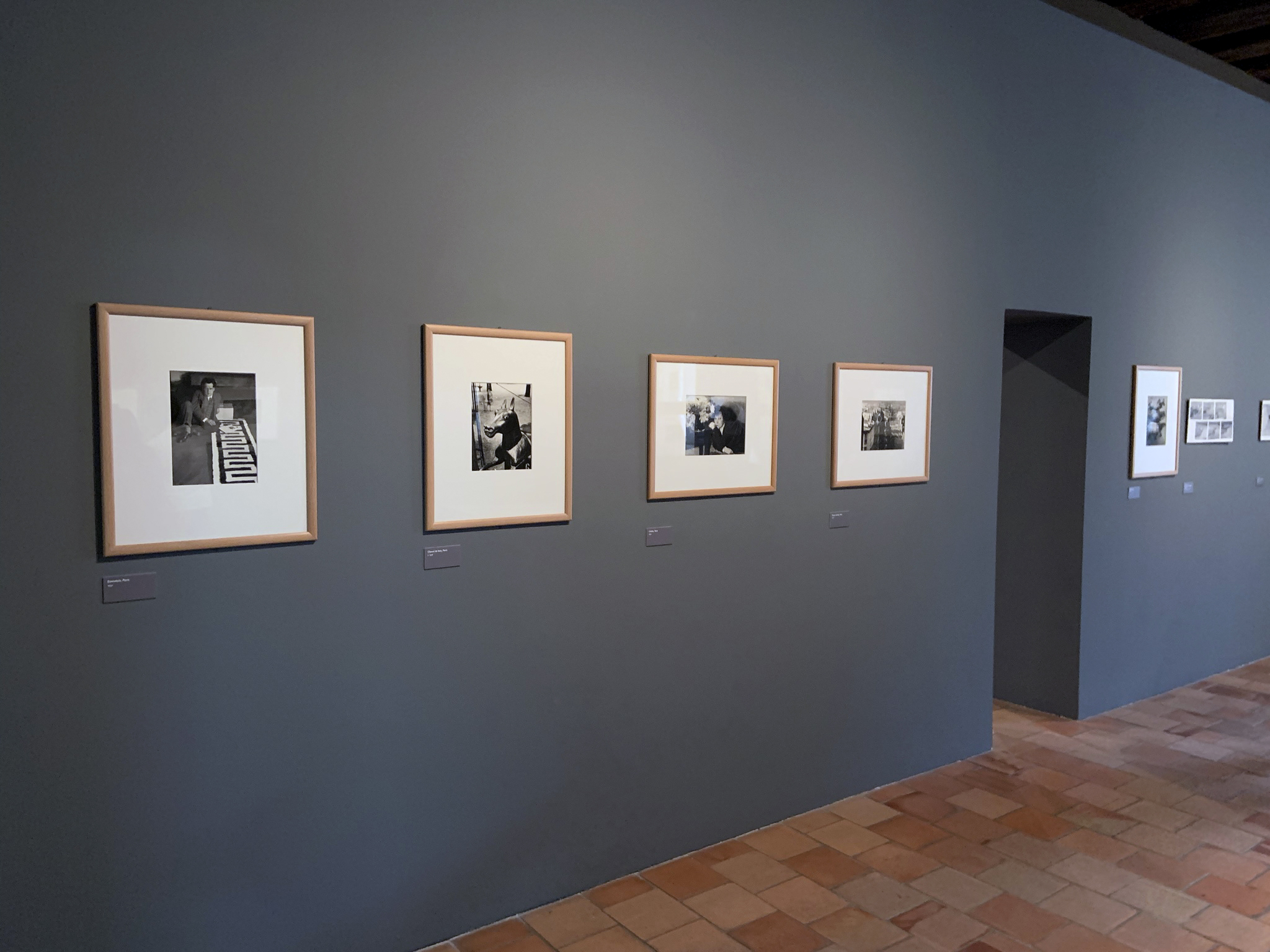
Installation view of the exhibition L’equilibriste, André Kertész at Jeu de Paume, Château de Tours with at left, Attelage, Paris 1925; at second left, 60 years of photography 1912-1972; and at fifth left, Trottoir, Paris 1929
Photo: Marcus Bunyan


André Kertész (Hungarian, 1894-1985) 'Attelage, Paris' 'Coupling, Paris' 1925 (installation view)


André Kertész (Hungarian, 1894-1985)
Attelage, Paris (installation view)
Coupling, Paris
1925
Gelatin silver print
Photo: Marcus Bunyan
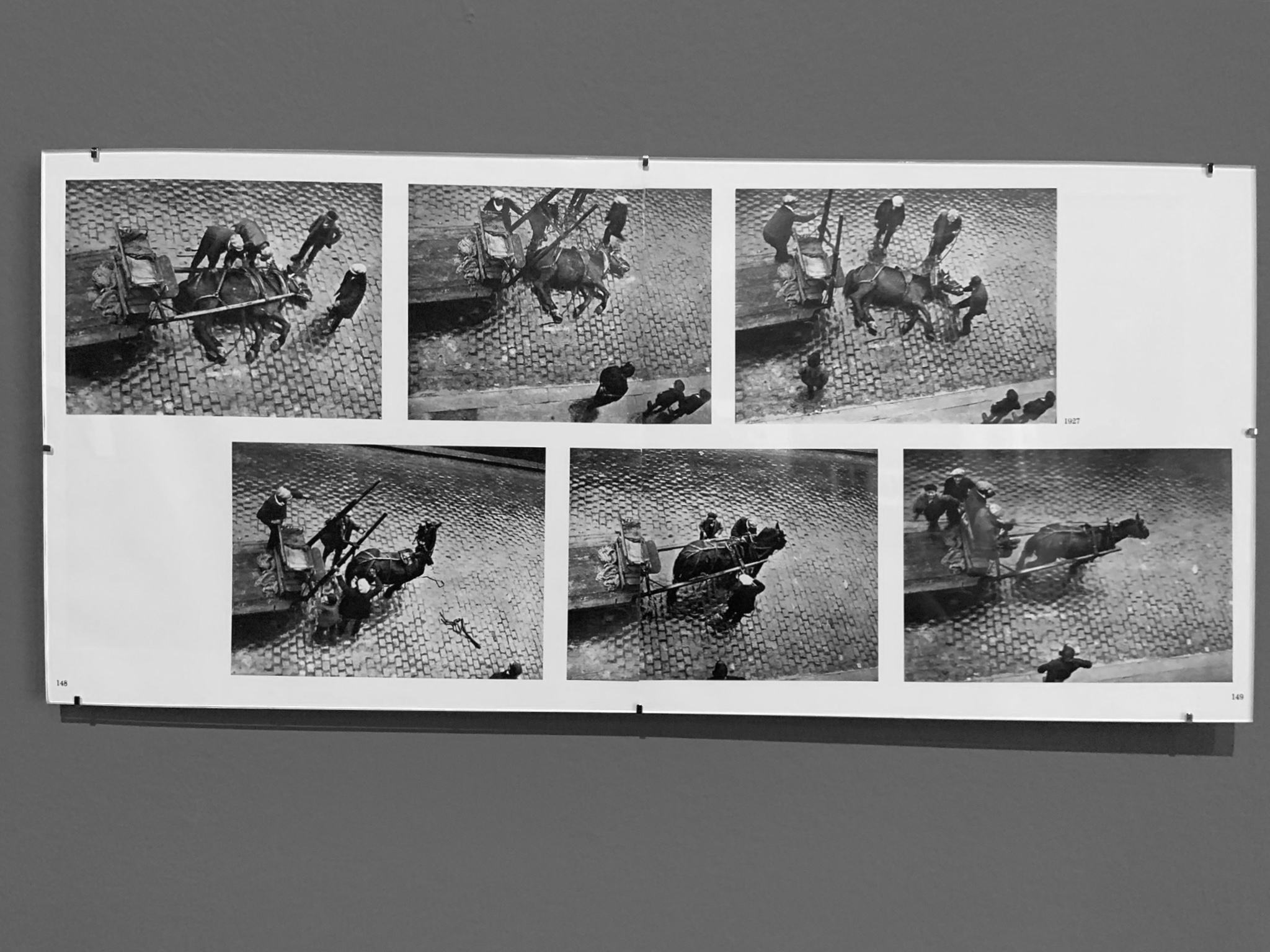
 

André Kertész (Hungarian, 1894-1985) 'Soixante ans de photographie' '60 years of photography' 1912-1972 (installation view)


André Kertész (Hungarian, 1894-1985)
Soixante ans de photographie (installation view)
60 years of photography
1912-1972
Paris, éditions du Chêne, 1972
Photo: Marcus Bunyan


André Kertész (Hungarian, 1894-1985) 'Trottoir, Paris' 'Sidewalk, Paris' 1929


André Kertész (Hungarian, 1894-1985)
Trottoir, Paris
Sidewalk, Paris
1929
Gelatin silver print
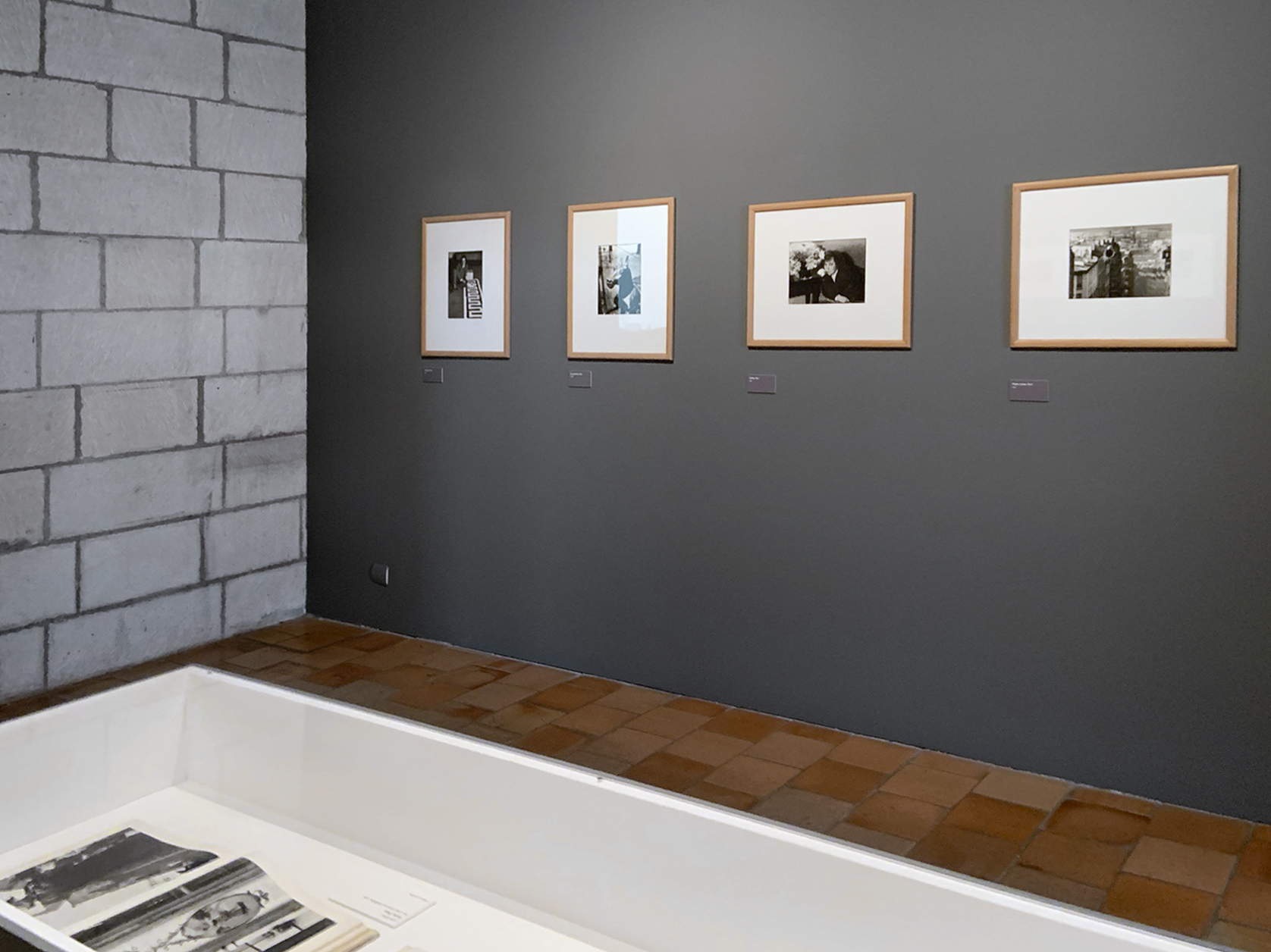
 

Installation view of the exhibition 'L'equilibriste, André Kertész' at Jeu de Paume, Château de Tours

Installation view of the exhibition 'L'equilibriste, André Kertész' at Jeu de Paume, Château de Tours

Installation view of the exhibition 'L'equilibriste, André Kertész' at Jeu de Paume, Château de Tours


Installation views of the exhibition L’equilibriste, André Kertész at Jeu de Paume, Château de Tours with at second left, Cheval de bois, Paris c. 1926; and at third left, Colette, Paris 1930. In the display cabinet is Marquette originale du livre non publié ‘Paris Automne’ December 1963
Photo: Marcus Bunyan


André Kertész (Hungarian, 1894-1985) 'Maquette originale du livre non publié Paris Automne' December 1963 (installation view)


André Kertész (Hungarian, 1894-1985)
Marquette originale du livre non publié ‘Paris Automne’ (installation view)
Original maquette from the unpublished book ‘Paris Automne’
December 1963
Collection Médiathèque de l’architecture et du patrimoine
Photo: Marcus Bunyan
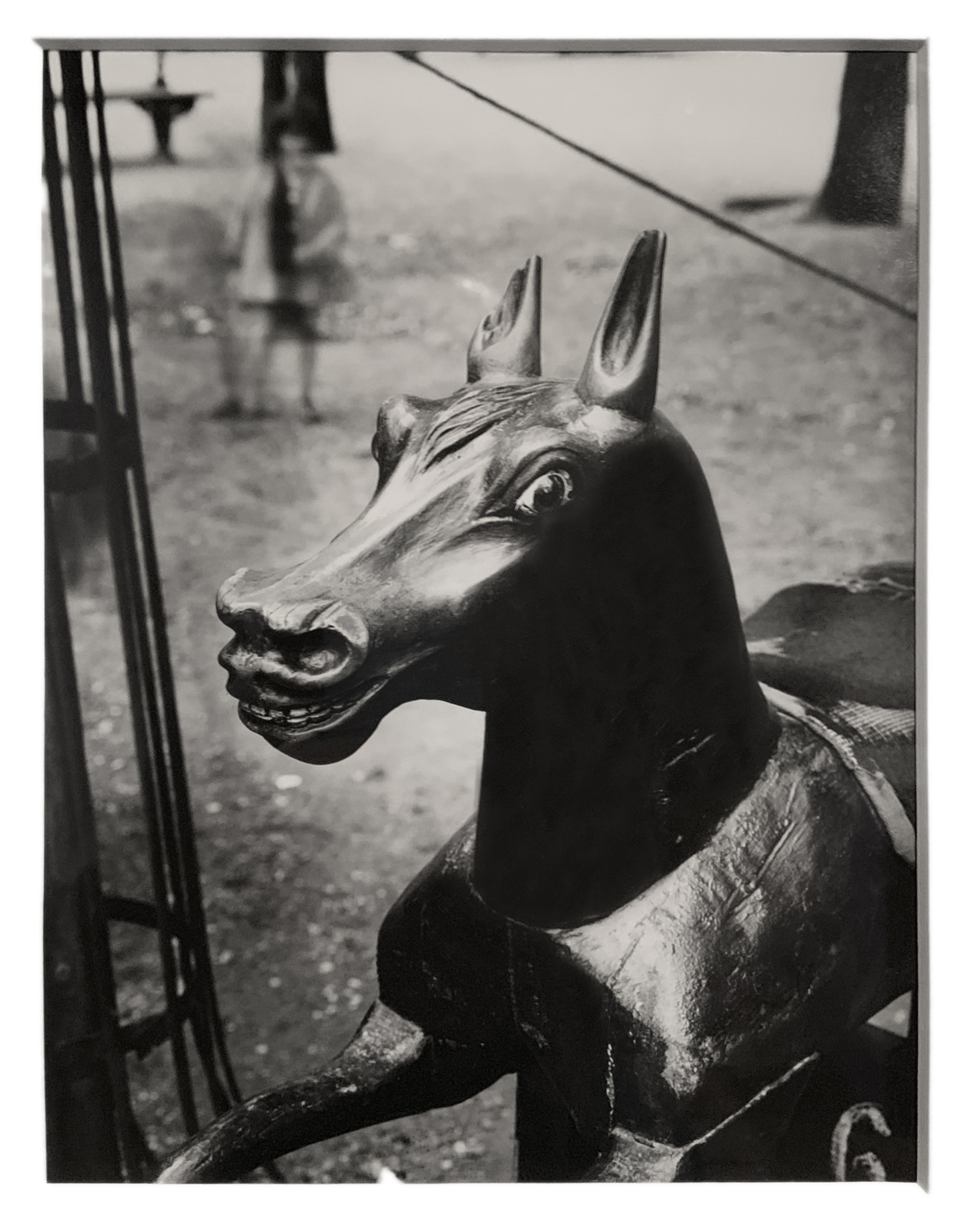
 

André Kertész (Hungarian, 1894-1985) 'Cheval de bois, Paris' 'Wooden horse, Paris' c. 1926 (installation view)


André Kertész (Hungarian, 1894-1985)
Cheval de bois, Paris (installation view)
Wooden horse, Paris
c. 1926
Gelatin silver print
Photo: Marcus Bunyan
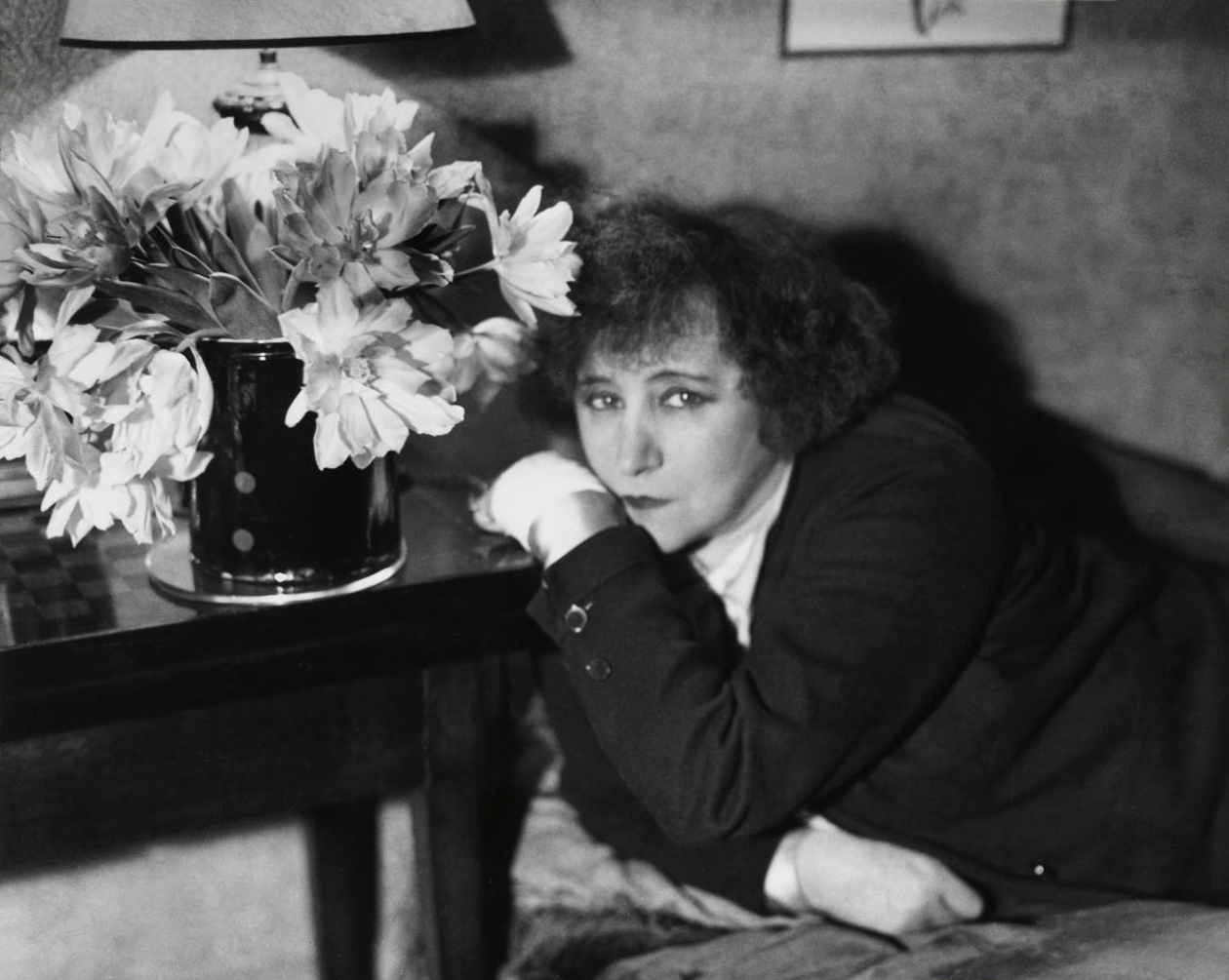
 

André Kertész (Hungarian, 1894-1985) 'Colette, Paris' 1930


André Kertész (Hungarian, 1894-1985)
Colette, Paris
1930
Gelatin silver print


This summer at the Jeu de Paume Château de Tours, the retrospective exhibition The equilibrist, André Kertész: 1912-1982 is dedicated to the great Hungarian naturalised American photographer (1894-1985). His work was in tune with his life and his feelings: from his beginnings in Hungary to the development of his talent in France, from his years of isolation in New York to his international recognition.

A major player in the Parisian artistic scene during the interwar period, André Kertész, whose career spanned more than seventy years, is today recognised as one of the most influential photographers of the 20th century. His abundant work, with compositions marked by the European avant-garde – especially from Eastern Europe – finds its source in his Hungarian culture, which combines poetry and intimacy.

His beginnings in his native country are an important step for this autodidact whose realistic approach differs from the pictorial-influenced fine art photography dear to the Hungarian photographers of his generation. Enlisted in the Austro-Hungarian army during the First World War, he depicts the daily life of soldiers and develops a poetry of the moment, far from heroic or dramatic acts of arms. After the war, he tried to make photography his profession.

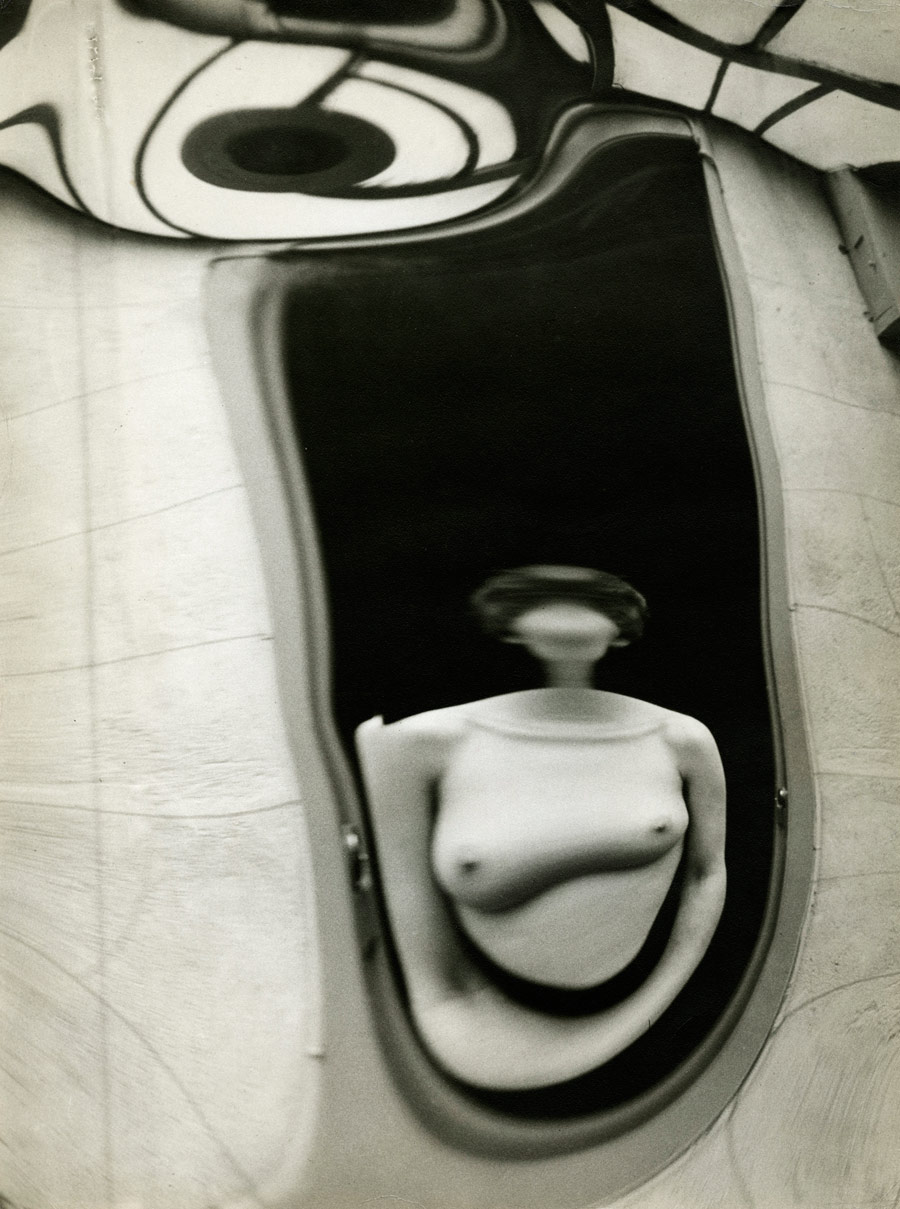
In October 1925, he landed in Paris where he frequented avant-garde literary and artistic circles and photographed his friends from the Hungarian diaspora, the street scenes and the Parisian gardens. In France as in Germany, the press, in particular the magazine VU, orders reports and illustrations from him. From 1927, he had a personal exhibition at the Au Sacre du Printemps gallery. In 1933, he produced his famous series of Distortions which shows naked bodies reflected in a distorting mirror. This intense activity led him to design his own books; over the course of his life, he published nineteen of them, including Paris vu par André Kertész (1934).

In 1936, Kertész left for New York to honour a contract with the Keystone agency. However, he struggles to find his place in the face of sponsors with requests far removed from his Parisian years. A few exhibitions as well as the publication of Day of Paris (1945) were not enough to establish him as one of the main representatives of avant-garde photography in the United States. From 1963, the largest museums offered him the opportunity to exhibit his images. This recognition is accompanied by the publication of numerous books which allow him to review his work.

Produced from the collection of negatives and contact prints bequeathed by the photographer to France in 1984, The equilibrist, André Kertész is the fruit of the joint work of the Mediatheque of Architecture and Heritage, which preserves these archives today, and the Jeu de Paume. Consisting of around a hundred modern silver prints made in 1995 by Yvon Le Marlec, the shooter with whom Kertész collaborated in Paris, this exhibition revolves around the major books that the latter published during his lifetime. Through prints, original models and reproductions of pages from her works, she traces the close relationship that Kertész has forged throughout her life between her photographic and editorial practices, composing a visual narration that describes the interwar period in Europe and nearly fifty years in the United States.

Text from the Jeu de Paume website
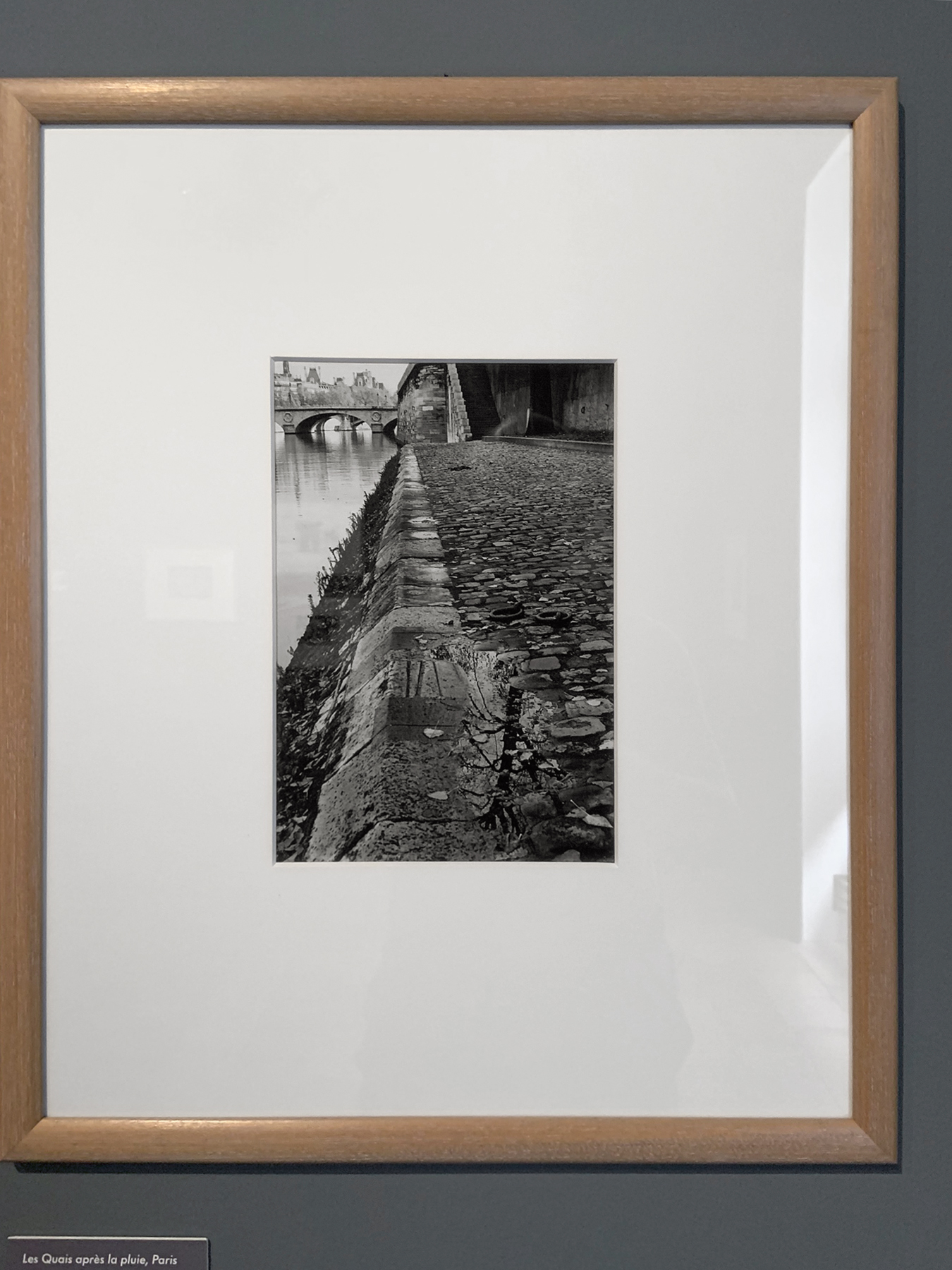
 

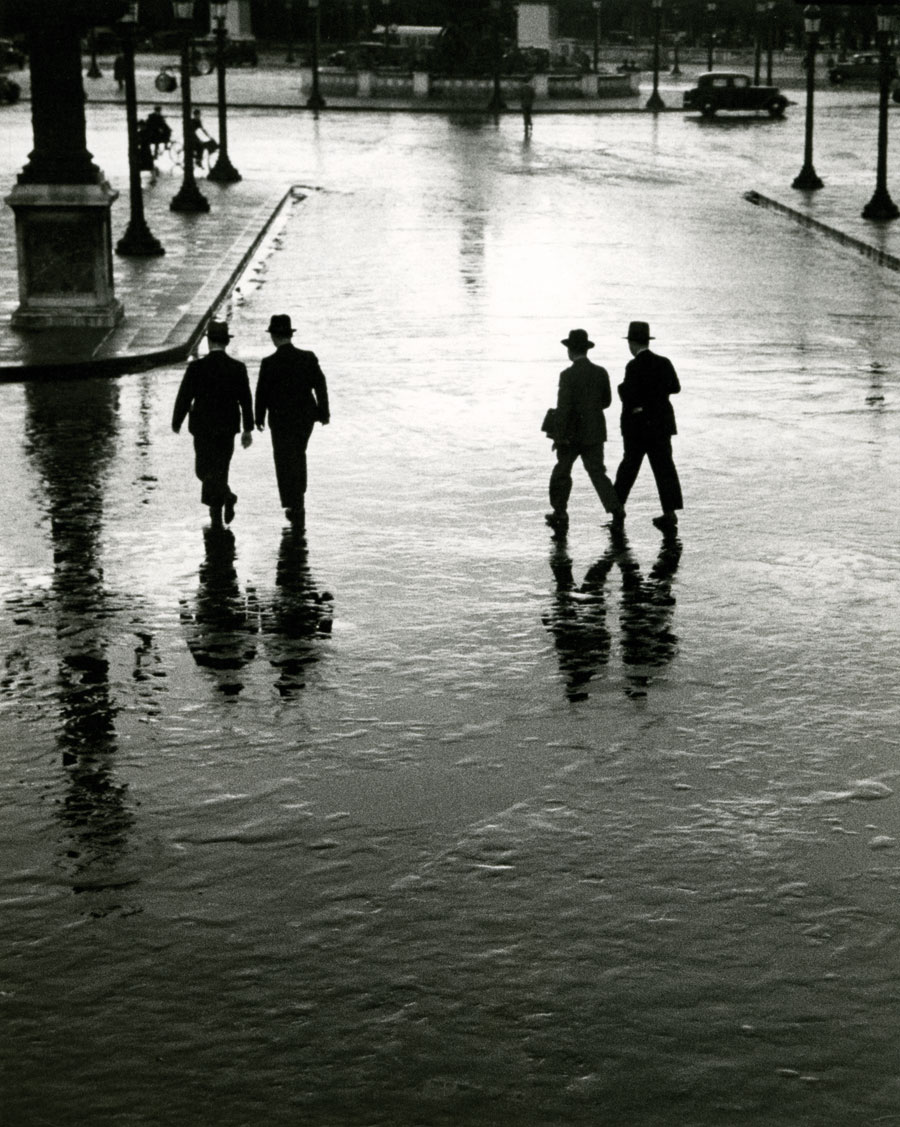
André Kertész (Hungarian, 1894-1985) 'Les Quais après la pluie, Paris The' 'Quays after the rain, Paris' 1963 (installation view)


André Kertész (Hungarian, 1894-1985)
Les Quais après la pluie, Paris (installation view)
The Quays after the rain, Paris
1963
Gelatin silver print
Photo: Marcus Bunyan
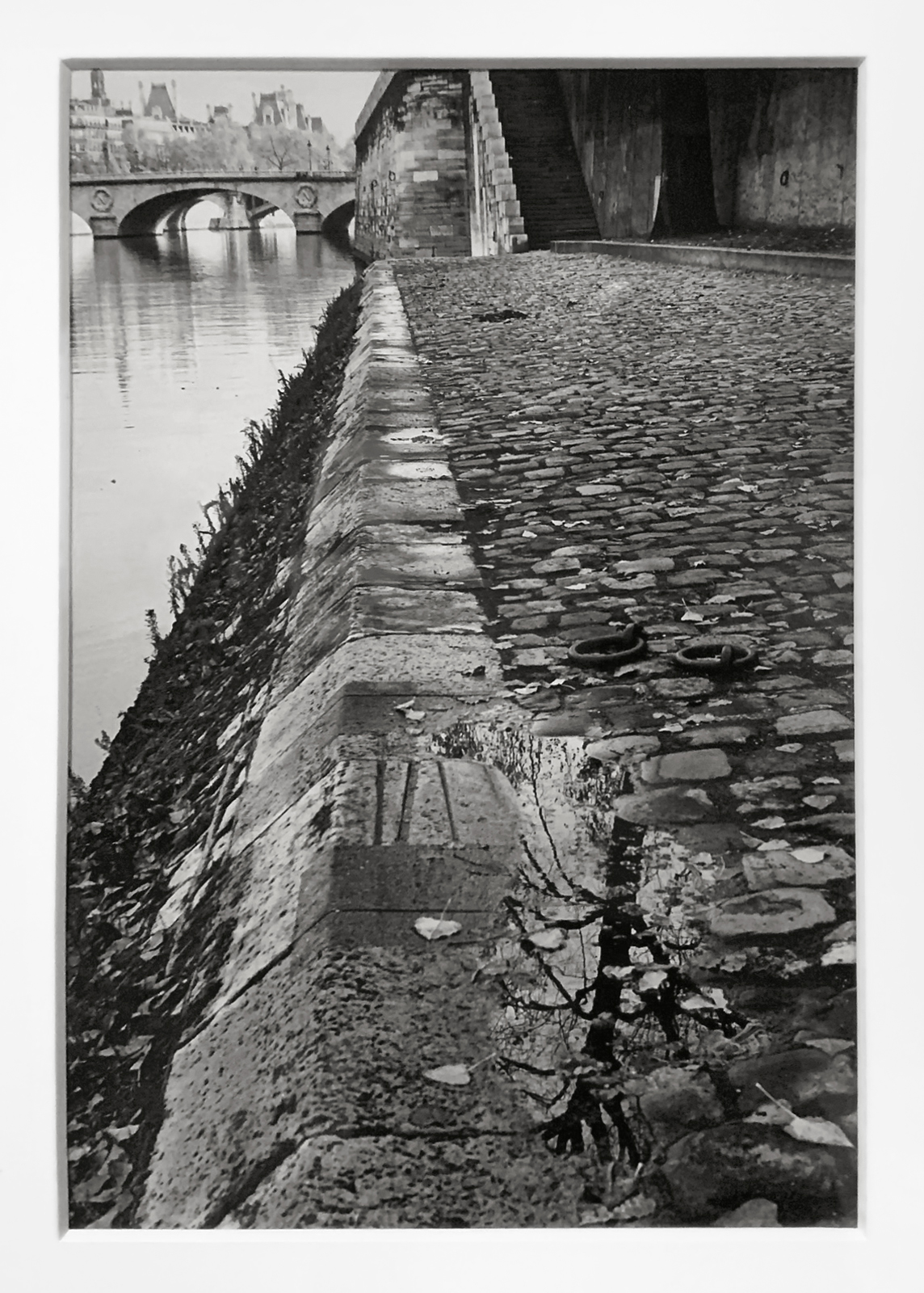
 

André Kertész (Hungarian, 1894-1985) 'Les Quais après la pluie, Paris The' 'Quays after the rain, Paris' 1963 (installation view)


André Kertész (Hungarian, 1894-1985)
Les Quais après la pluie, Paris (installation view)
The Quays after the rain, Paris
1963
Gelatin silver print
Photo: Marcus Bunyan
 

André Kertész (Hungarian, 1894-1985) 'Derrière Notre-Dame, Paris' 'Behind Notre-Dame, Paris' 1925 (installation view)


André Kertész (Hungarian, 1894-1985)
Derrière Notre-Dame, Paris (installation view)
Behind Notre-Dame, Paris
1925
Gelatin silver print
Photo: Marcus Bunyan
 

André Kertész (Hungarian, 1894-1985) 'Derrière Notre-Dame, Paris' 'Behind Notre-Dame, Paris' 1925 (installation view)


André Kertész (Hungarian, 1894-1985)
Derrière Notre-Dame, Paris (installation view)
Behind Notre-Dame, Paris
1925
Gelatin silver print
Photo: Marcus Bunyan


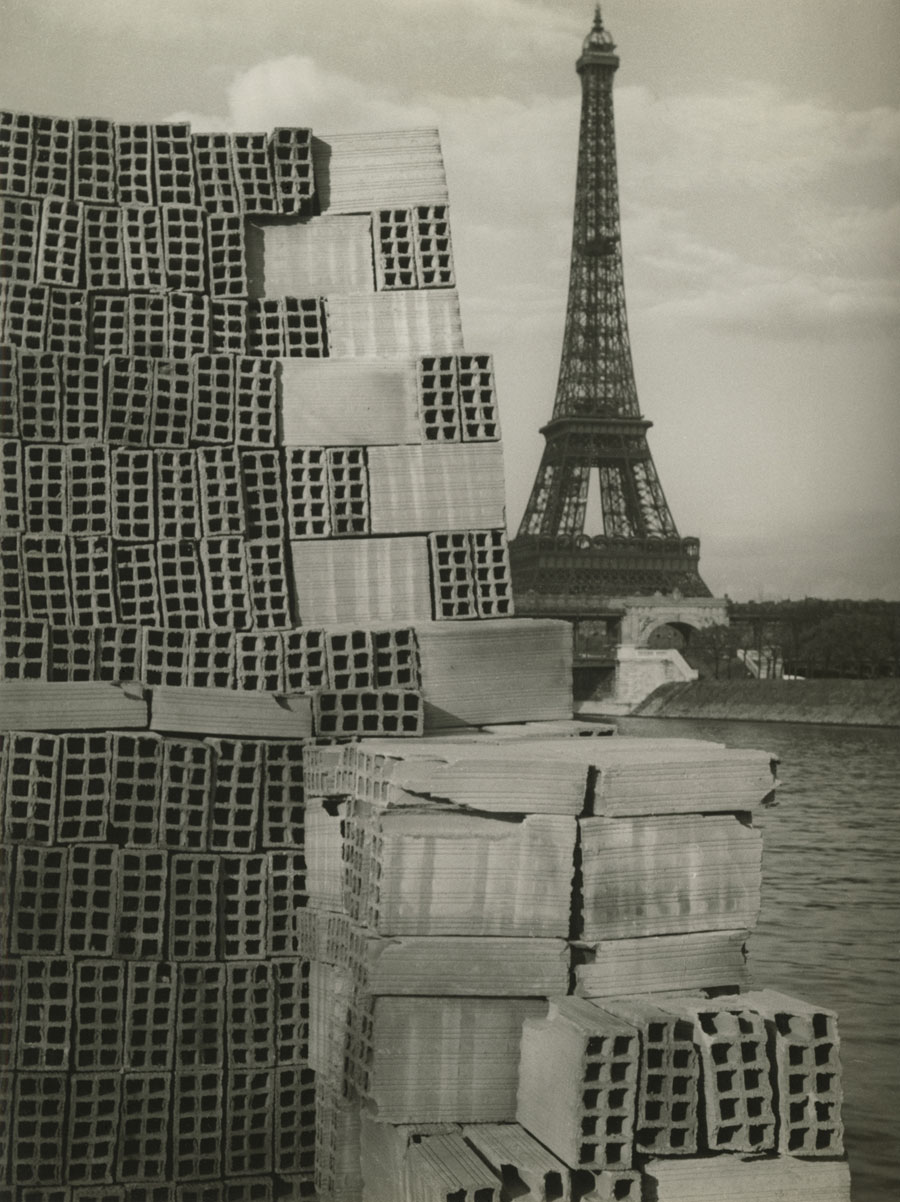
André Kertész (Hungarian, 1894-1985) 'La Tour Eiffel, Paris' 1929 (installation view)


André Kertész (Hungarian, 1894-1985)
La Tour Eiffel, Paris (installation view)
Eiffel Tower, Paris
1929
Gelatin silver print
Photo: Marcus Bunyan
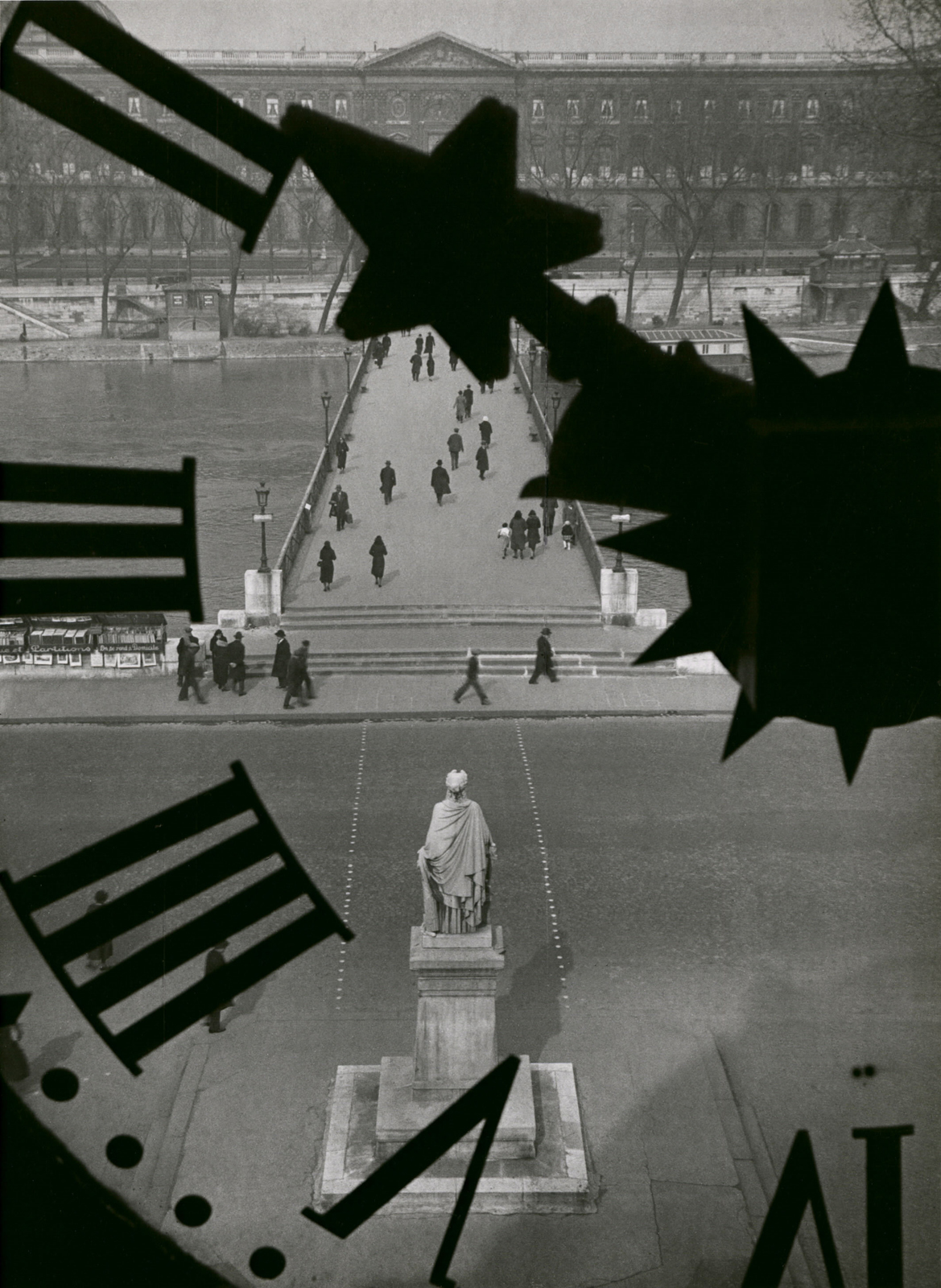
 

André Kertész (Hungarian, 1894-1985) 'Le pont des arts, Paris' 'The bridge of Arts, Paris' 1932


André Kertész (Hungarian, 1894-1985)
Le pont des arts, Paris
The bridge of Arts, Paris
1932
Gelatin silver print
 

Installation view of the exhibition 'L'equilibriste, André Kertész' at Jeu de Paume, Château de Tours

Installation view of the exhibition 'L'equilibriste, André Kertész' at Jeu de Paume, Château de Tours

Installation view of the exhibition 'L'equilibriste, André Kertész' at Jeu de Paume, Château de Tours

Installation view of the exhibition 'L'equilibriste, André Kertész' at Jeu de Paume, Château de Tours


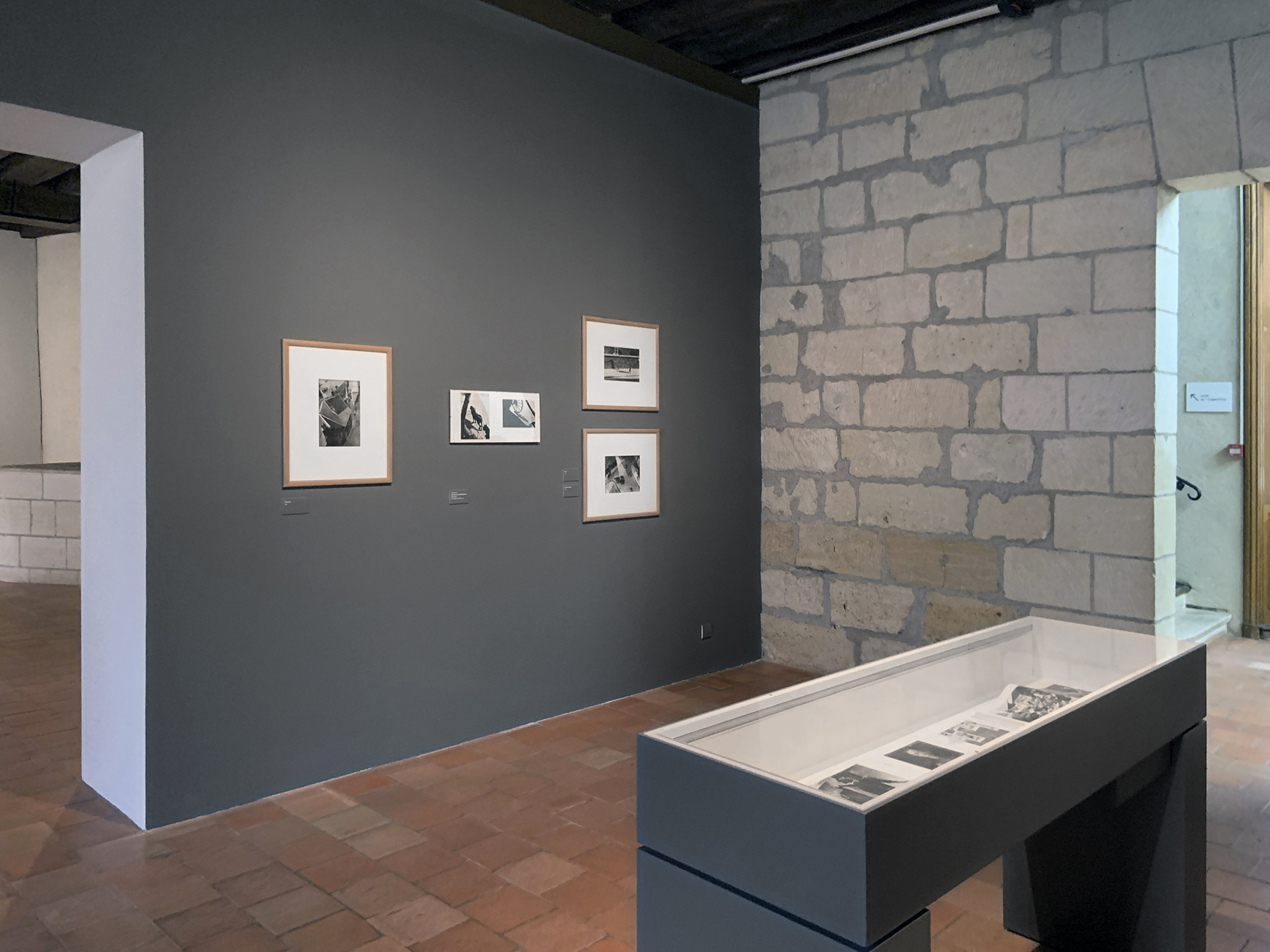
Installation views of the exhibition L’equilibriste, André Kertész at Jeu de Paume, Château de Tours with at left, Touraine 1930; at right top, Paris 1931; and at right bottom, Carrefour, Blois 1930
Photo: Marcus Bunyan


André Kertész (Hungarian, 1894-1985) 'Touraine' 1930 (installation view)


André Kertész (Hungarian, 1894-1985)
Touraine (installation view)
1930
Gelatin silver print
Photo: Marcus Bunyan
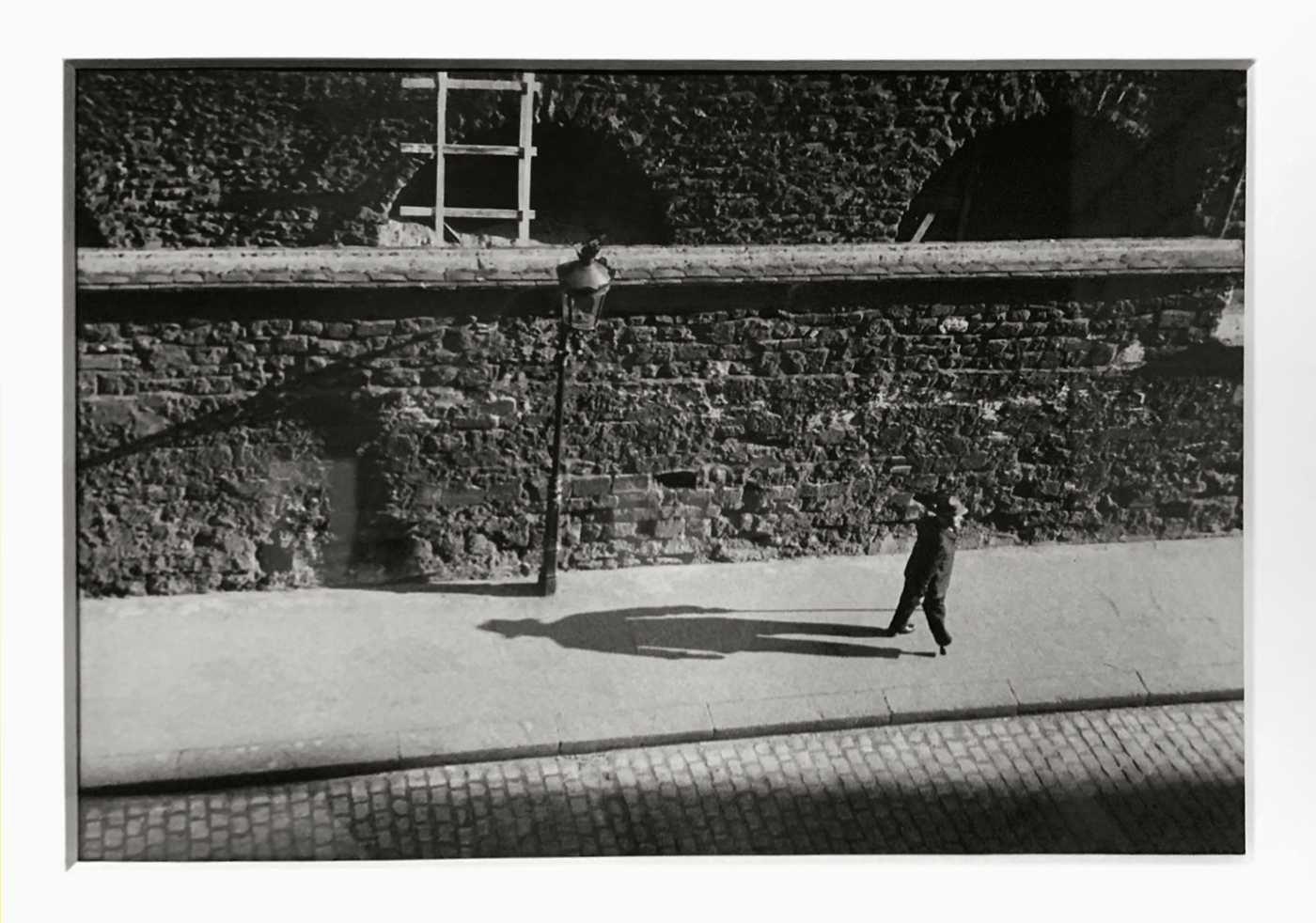
 

André Kertész (Hungarian, 1894-1985) 'Paris' 1931 (installation view)


André Kertész (Hungarian, 1894-1985)
Paris
1931
Gelatin silver print
Photo: Marcus Bunyan


André Kertész (Hungarian, 1894-1985) 'Carrefour, Blois' 1930 (installation view)


André Kertész (Hungarian, 1894-1985)
Carrefour, Blois (installation view)
1930
Gelatin silver print
Photo: Marcus Bunyan
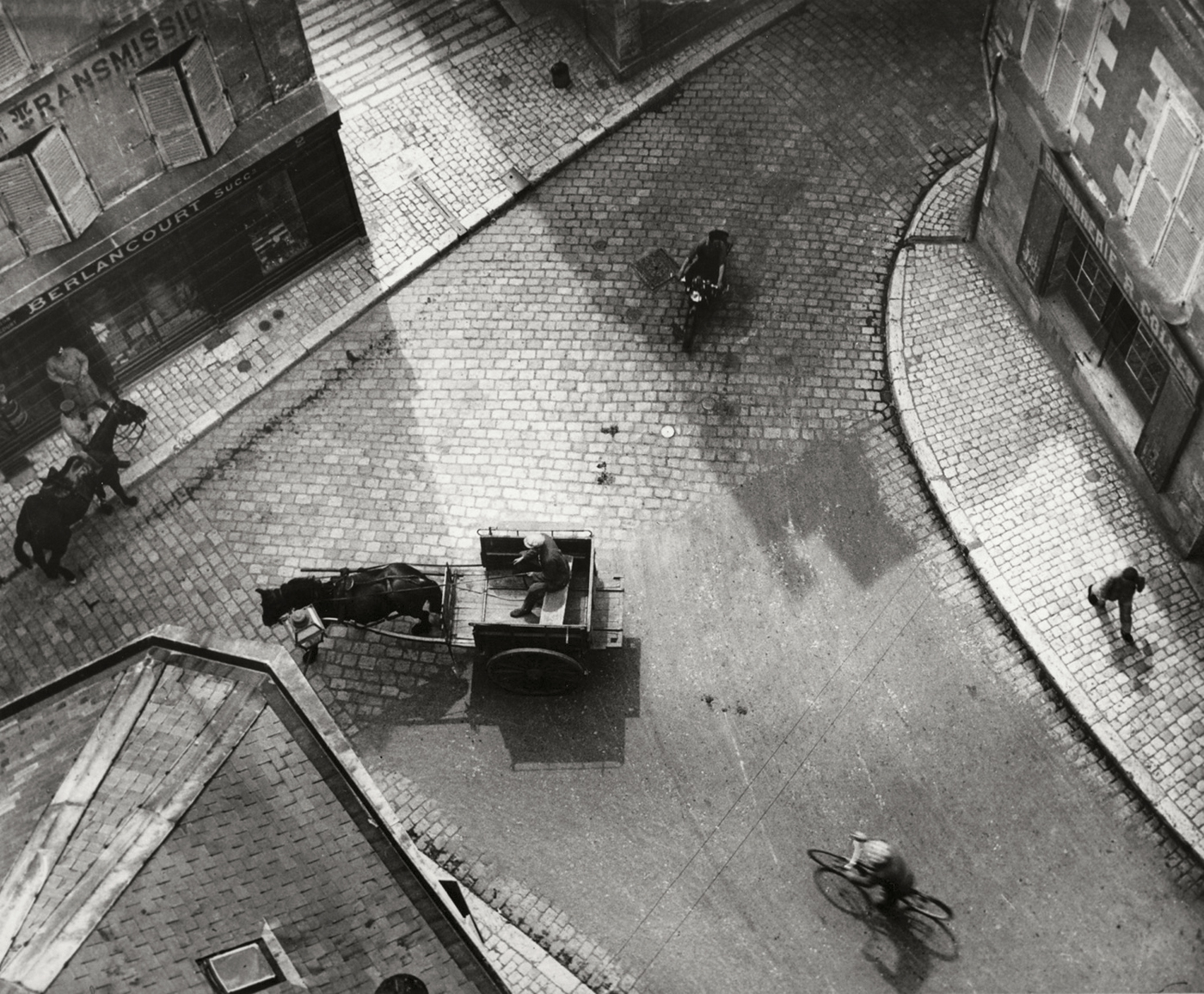
 

André Kertész (Hungarian, 1894-1985) 'Carrefour, Blois' 1930


André Kertész (Hungarian, 1894-1985)
Carrefour, Blois
1930
Gelatin silver print
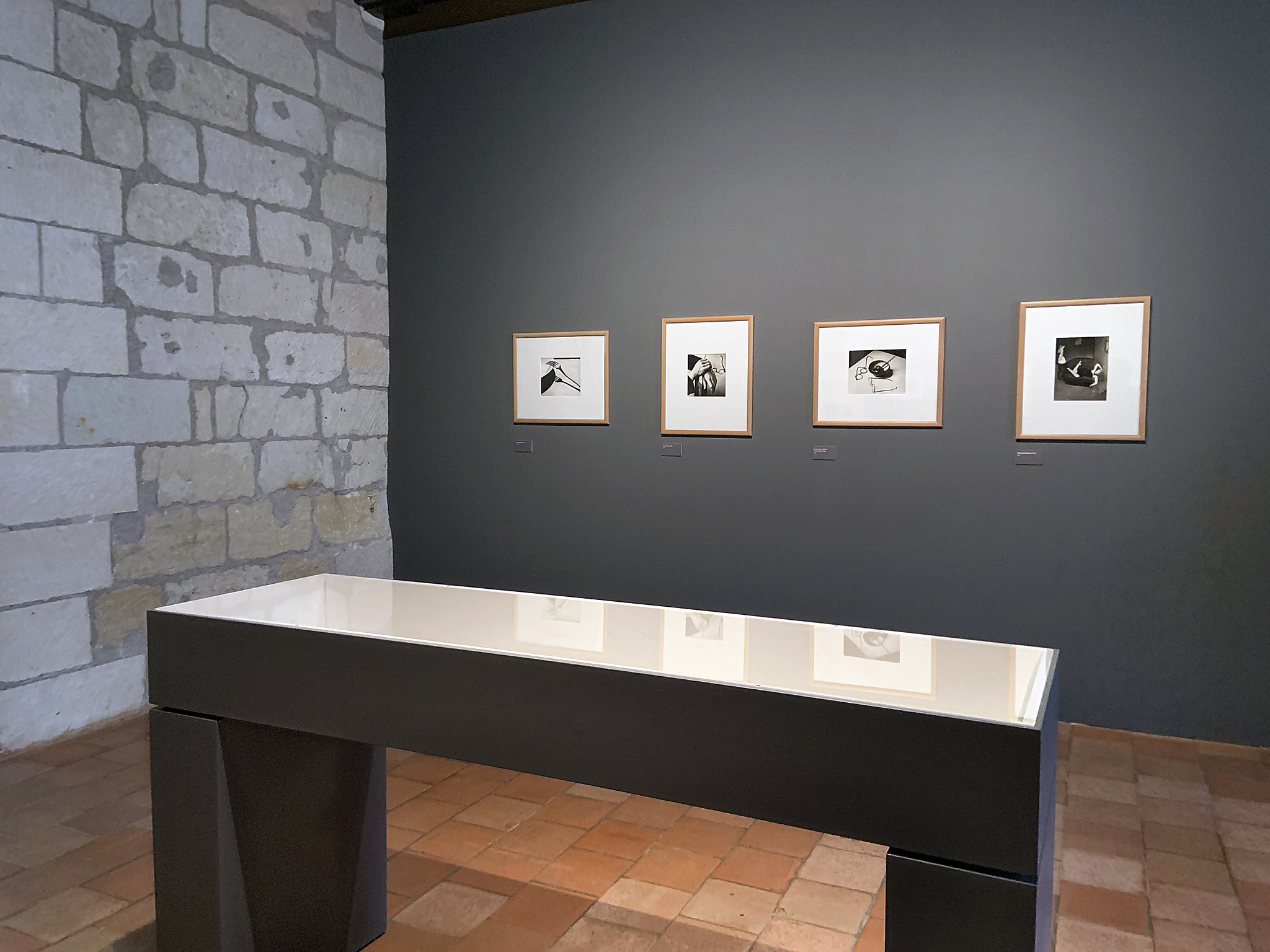
 

Installation view of the exhibition 'L'equilibriste, André Kertész' at Jeu de Paume, Château de Tours


Installation view of the exhibition L’equilibriste, André Kertész at Jeu de Paume, Château de Tours with at left, La Fourchette, Paris 1928; at second left, Composition, Paris 1928; at second right, Les Lunettes et la Pipe de Mondrian, Paris 1926; and at right, Burlesque dancer, Paris 1926
Photo: Marcus Bunyan
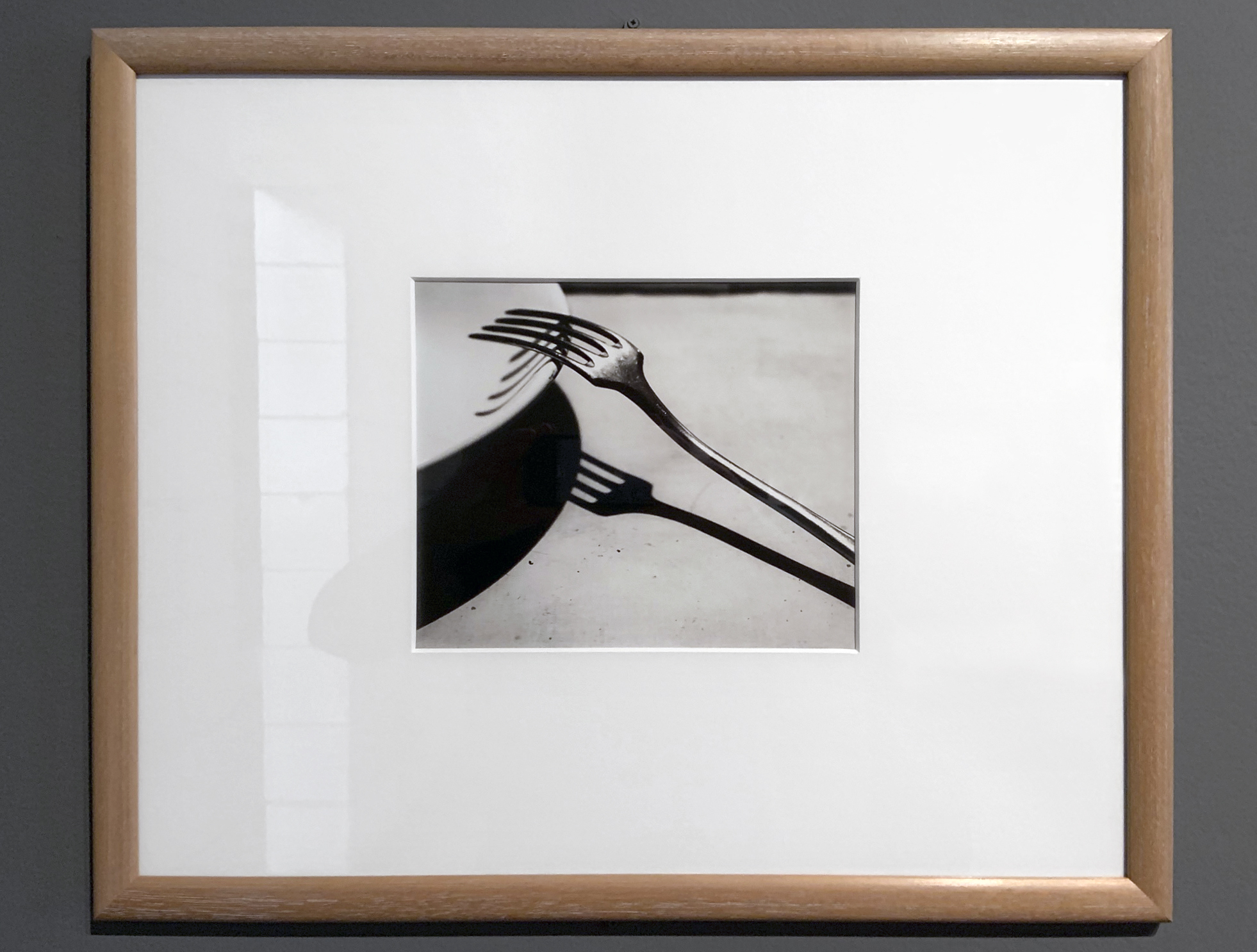
 

André Kertész (Hungarian, 1894-1985) 'La Fourchette, Paris' 'The Fork, Paris' 1928 (installation view)


André Kertész (Hungarian, 1894-1985)
La Fourchette, Paris (installation view)
The Fork, Paris
1928
Gelatin silver print
Photo: Marcus Bunyan


André Kertész (Hungarian, 1894-1985) 'La Fourchette, Paris' 'The Fork, Paris' 1928 (installation view)


André Kertész (Hungarian, 1894-1985)
La Fourchette, Paris (installation view)
The Fork, Paris
1928
Gelatin silver print
Photo: Marcus Bunyan


André Kertész (Hungarian, 1894-1985) 'Composition, Paris' 1928 (installation view)


André Kertész (Hungarian, 1894-1985)
Composition, Paris (installation view)
Les Mains de Paul Arma (The Hands of Paul Arma)

1928
Gelatin silver print
Photo: Marcus Bunyan
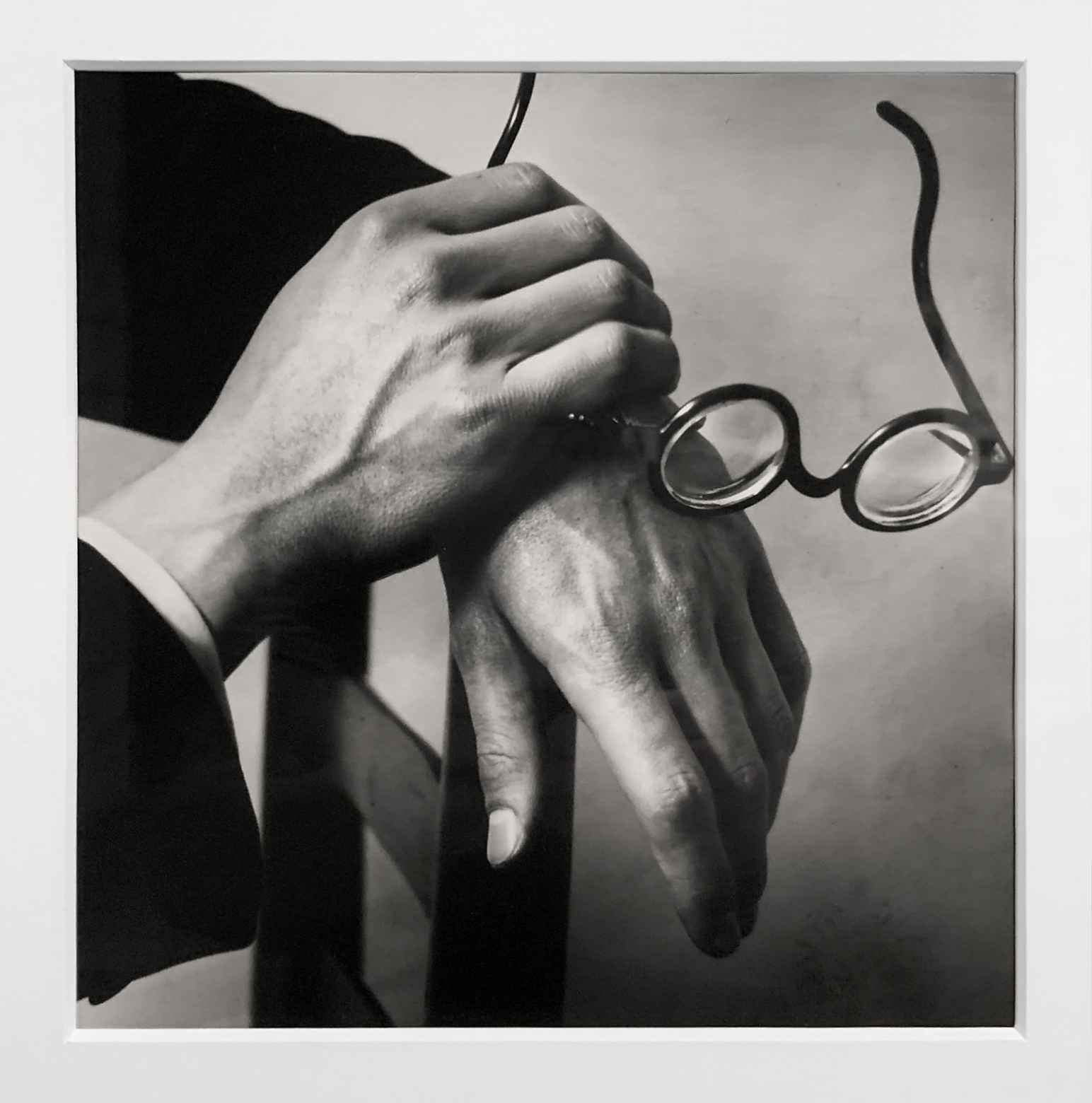
 

André Kertész (Hungarian, 1894-1985) 'Composition, Paris' 1928 (installation view)


André Kertész (Hungarian, 1894-1985)
Composition, Paris (installation view)
Les Mains de Paul Arma (The Hands of Paul Arma)

1928
Gelatin silver print
Photo: Marcus Bunyan
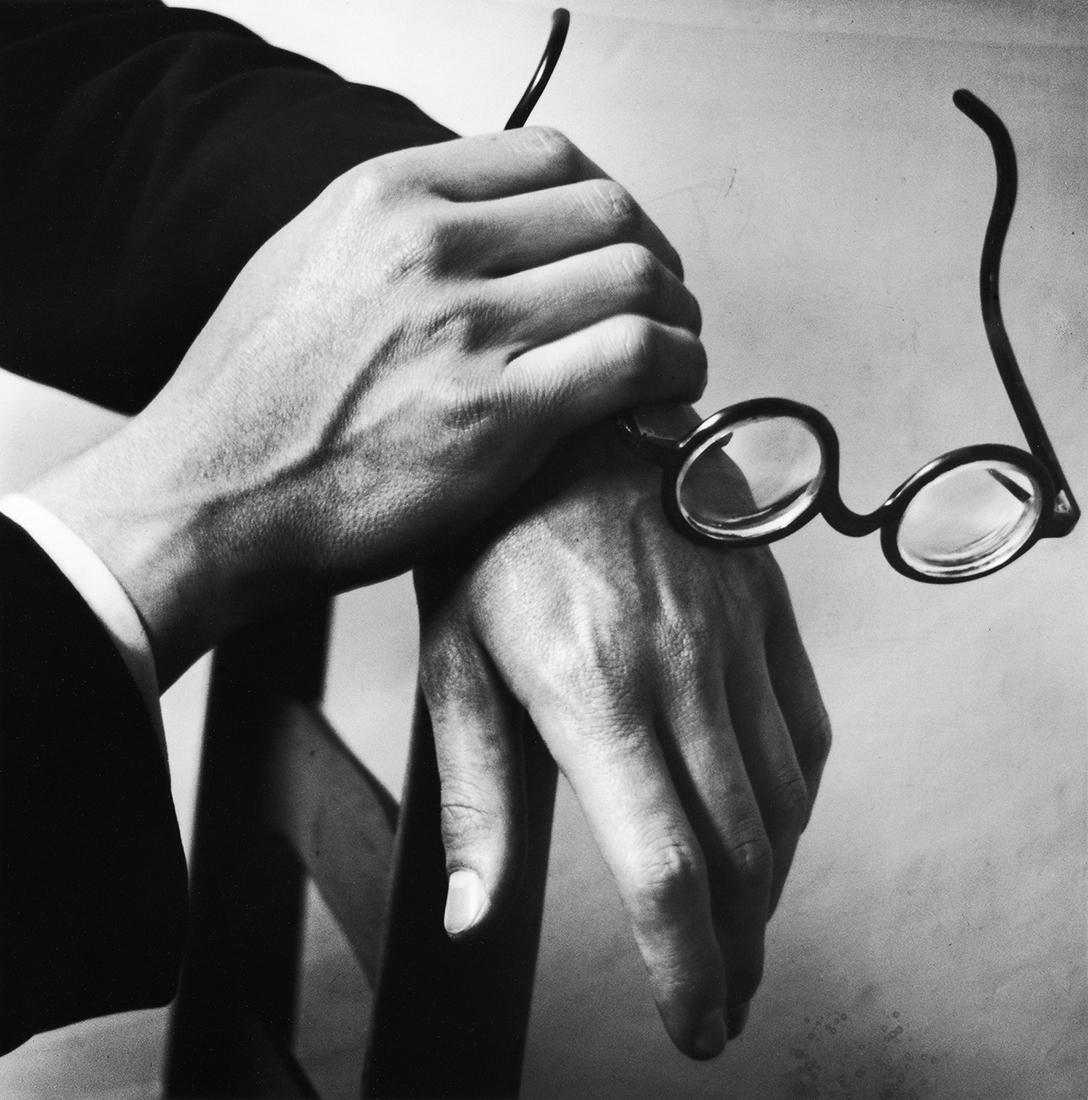
 

André Kertész (Hungarian, 1894-1985) 'Composition, Paris' 1928


André Kertész (Hungarian, 1894-1985)
Composition, Paris
Les Mains de Paul Arma (The Hands of Paul Arma)

1928
Gelatin silver print
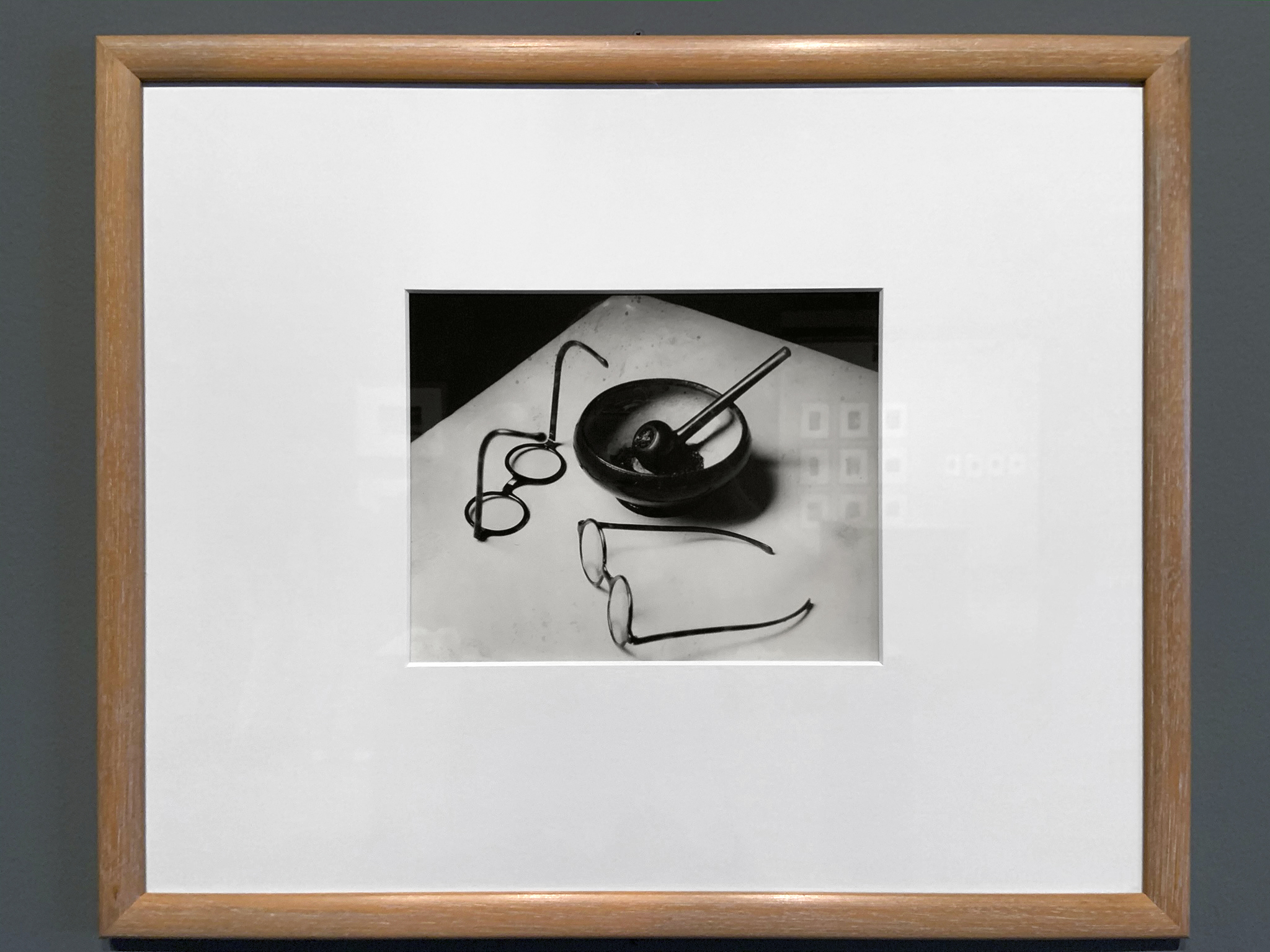
 

André Kertész (Hungarian, 1894-1985) 'Les Lunettes et la Pipe de Mondrian, Paris' 'Glasses and Pipe of Mondrian, Paris' 1926 (installation view)


André Kertész (Hungarian, 1894-1985)
Les Lunettes et la Pipe de Mondrian, Paris (installation view)
Glasses and Pipe of Mondrian, Paris
1926
Gelatin silver print
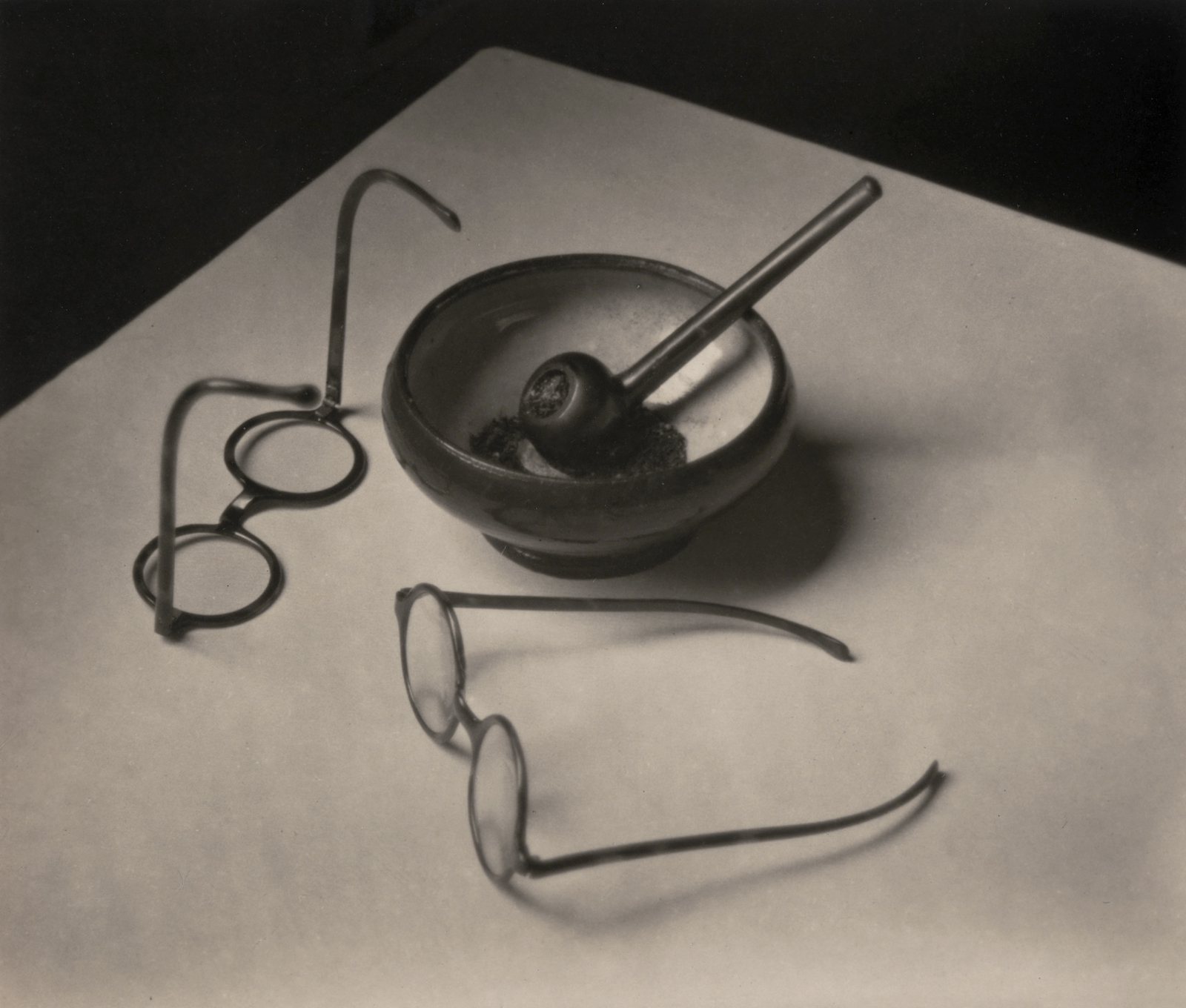
 

André Kertész (Hungarian, 1894-1985) 'Les Lunettes et la Pipe de Mondrian, Paris' 'Glasses and Pipe of Mondrian, Paris' 1926


André Kertész (Hungarian, 1894-1985)
Les Lunettes et la Pipe de Mondrian, Paris
Glasses and Pipe of Mondrian, Paris
1926
Gelatin silver print
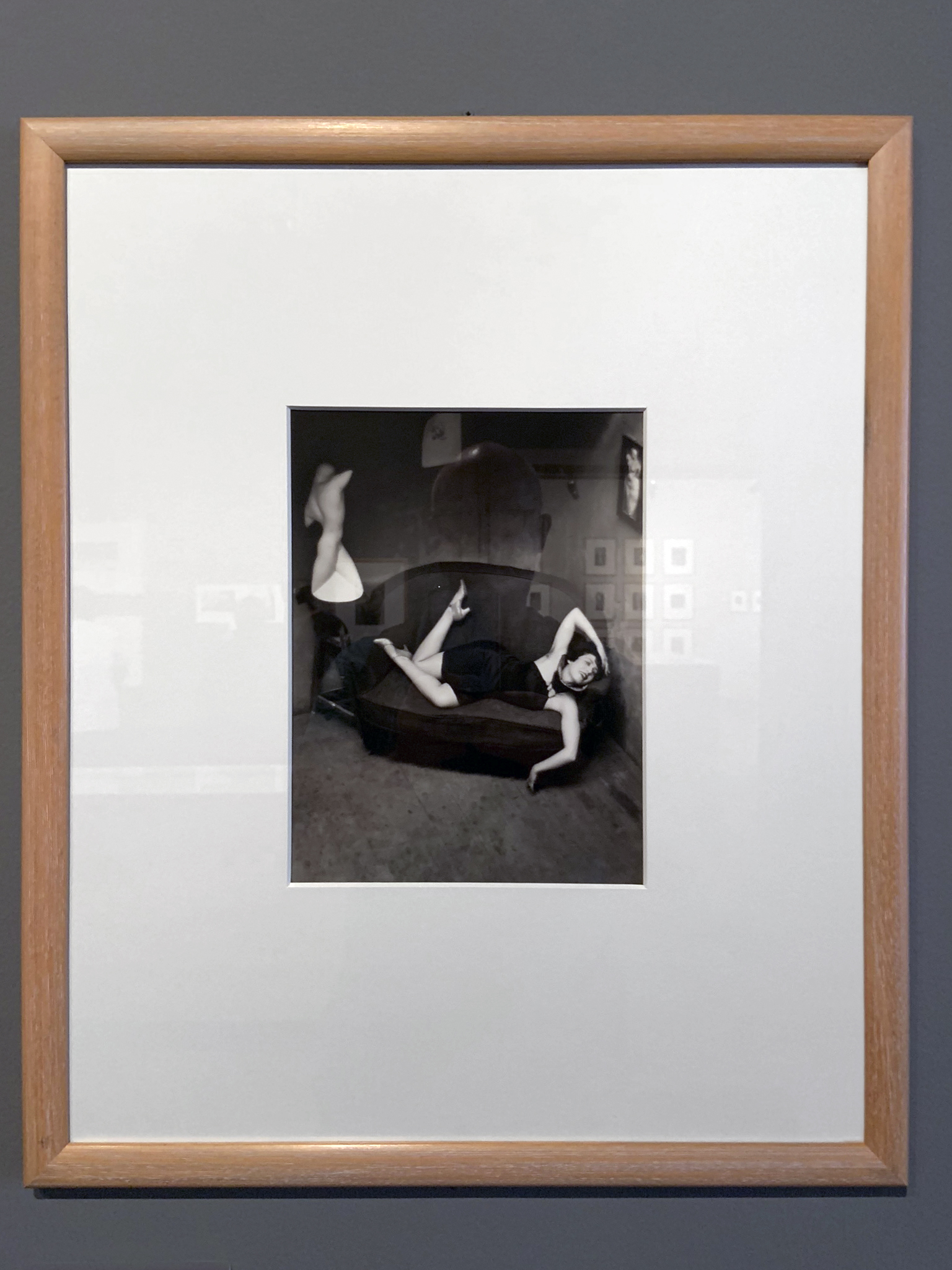
 

André Kertész (Hungarian, 1894-1985) 'Danseuse burlesque, Paris' 'Burlesque dancer, Paris' 1926 (installation view)


André Kertész (Hungarian, 1894-1985)
Danseuse burlesque, Paris (installation view)
Burlesque dancer, Paris
1926
Gelatin silver print
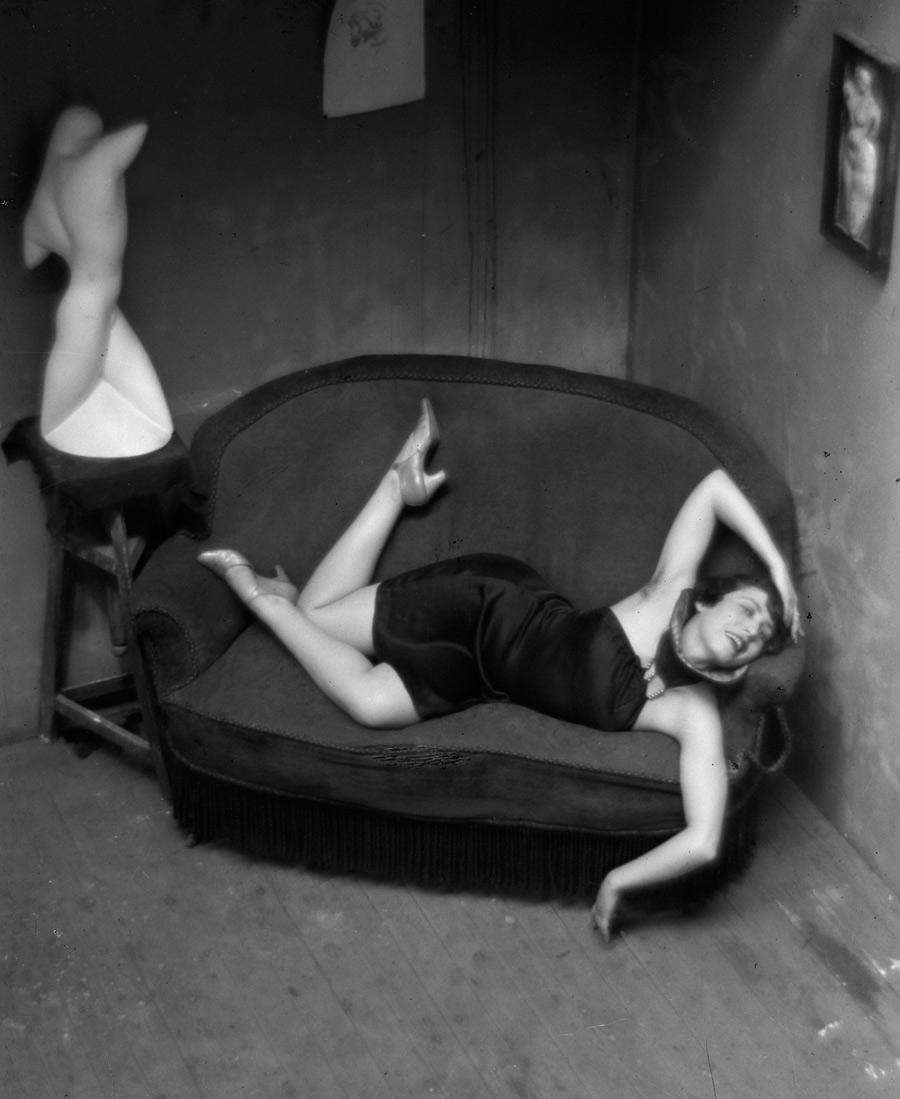
 

André Kertész (Hungarian, 1894-1985) 'Danseuse burlesque, Paris' Burlesque dancer, Paris 1926


André Kertész (Hungarian, 1894-1985)
Danseuse burlesque, Paris
Burlesque dancer, Paris
1926
Gelatin silver print
 

Text from the exhibition 'L'equilibriste, André Kertész' at Jeu de Paume, Château de Tours


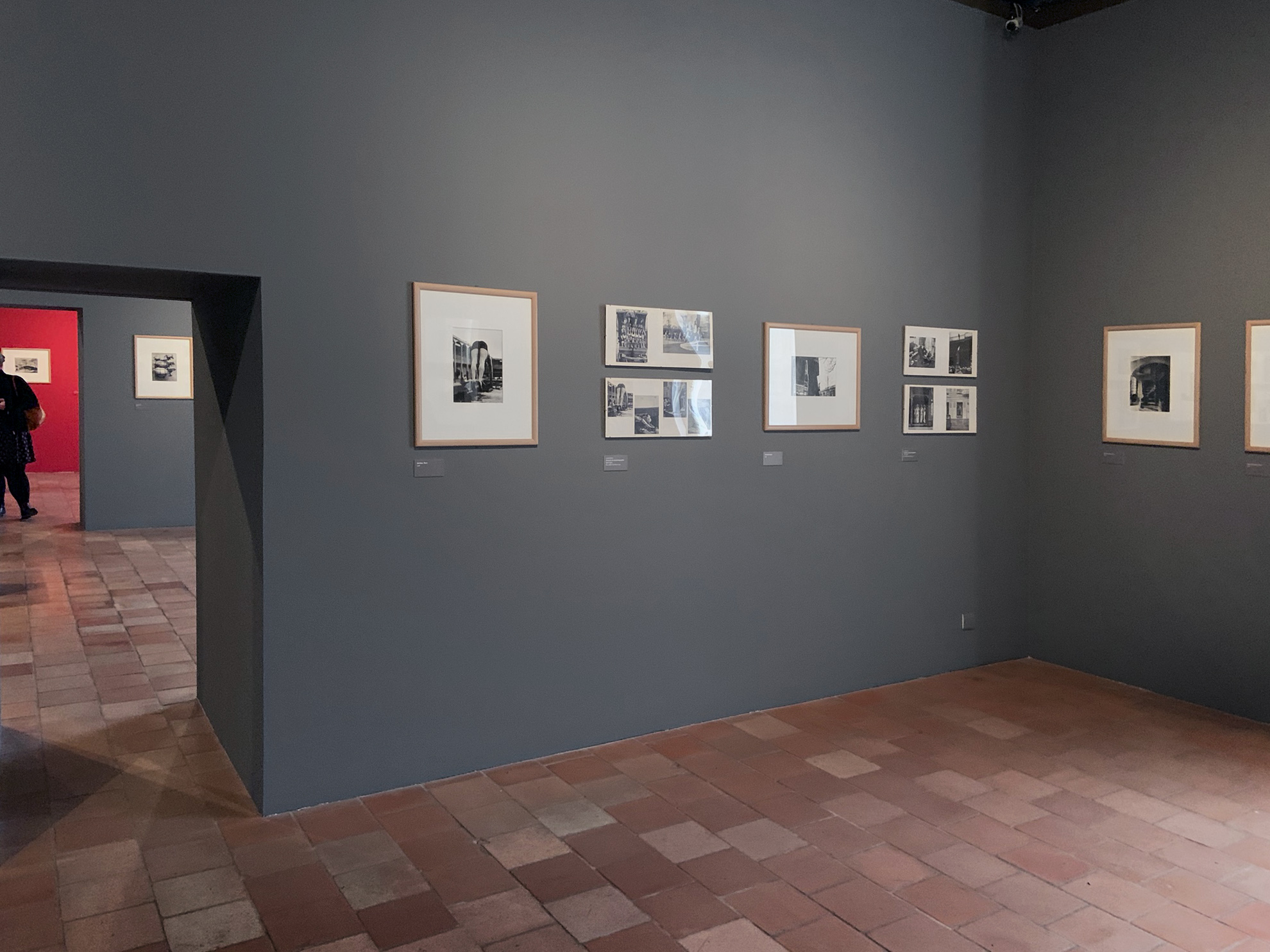
Installation view of the exhibition L’equilibriste, André Kertész at Jeu de Paume, Château de Tours with at left, Legs, Paris 1928; at third left, Fun fair, Paris 1931; and at right, Latin Quarter, Paris 1926
Photo: Marcus Bunyan
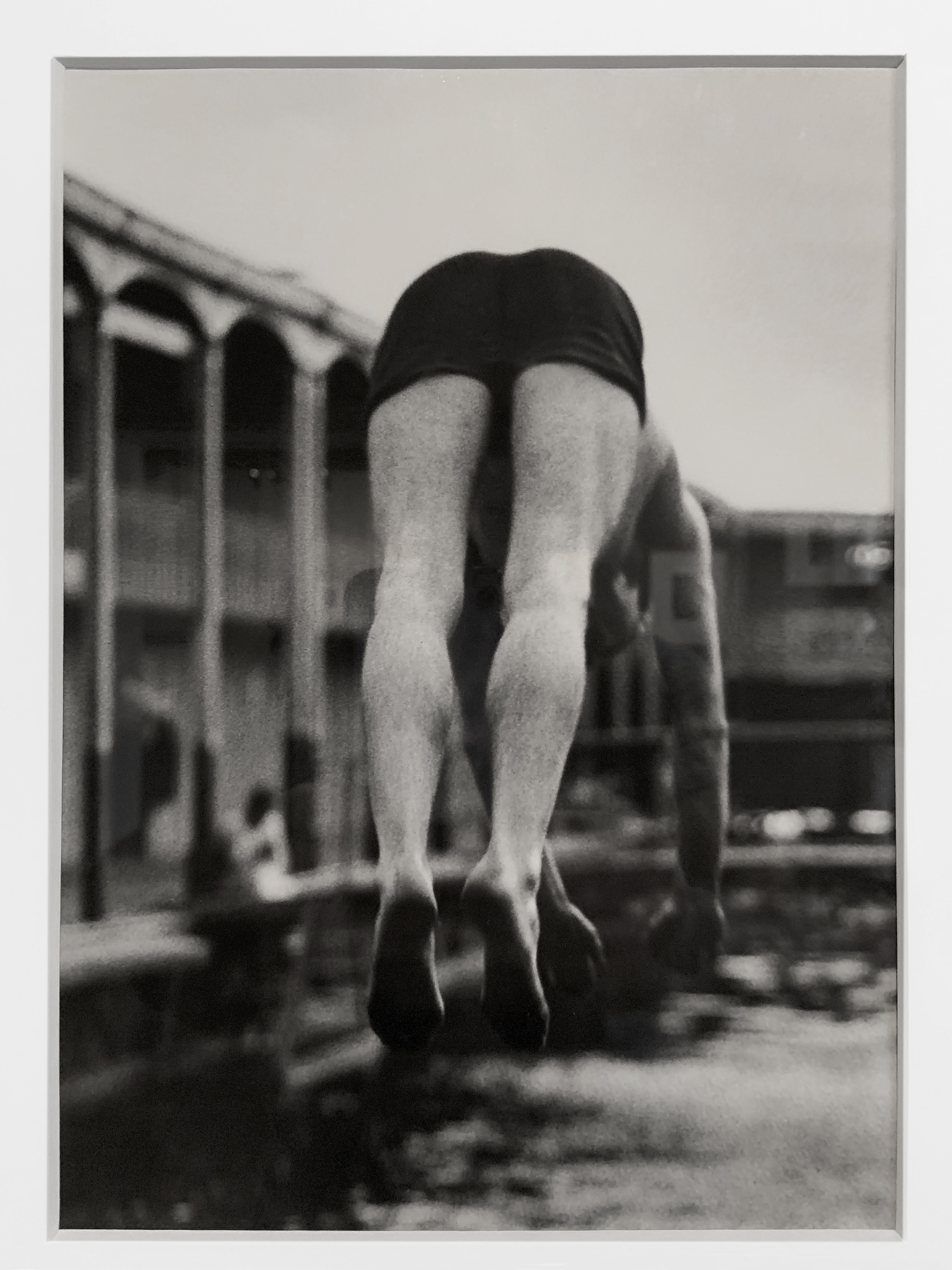
 

André Kertész (Hungarian, 1894-1985) 'Jambes, Paris' 'Legs, Paris' 1928 (installation view)


André Kertész (Hungarian, 1894-1985)
Jambes, Paris (installation view)
Legs, Paris
1928
Gelatin silver print
Photo: Marcus Bunyan
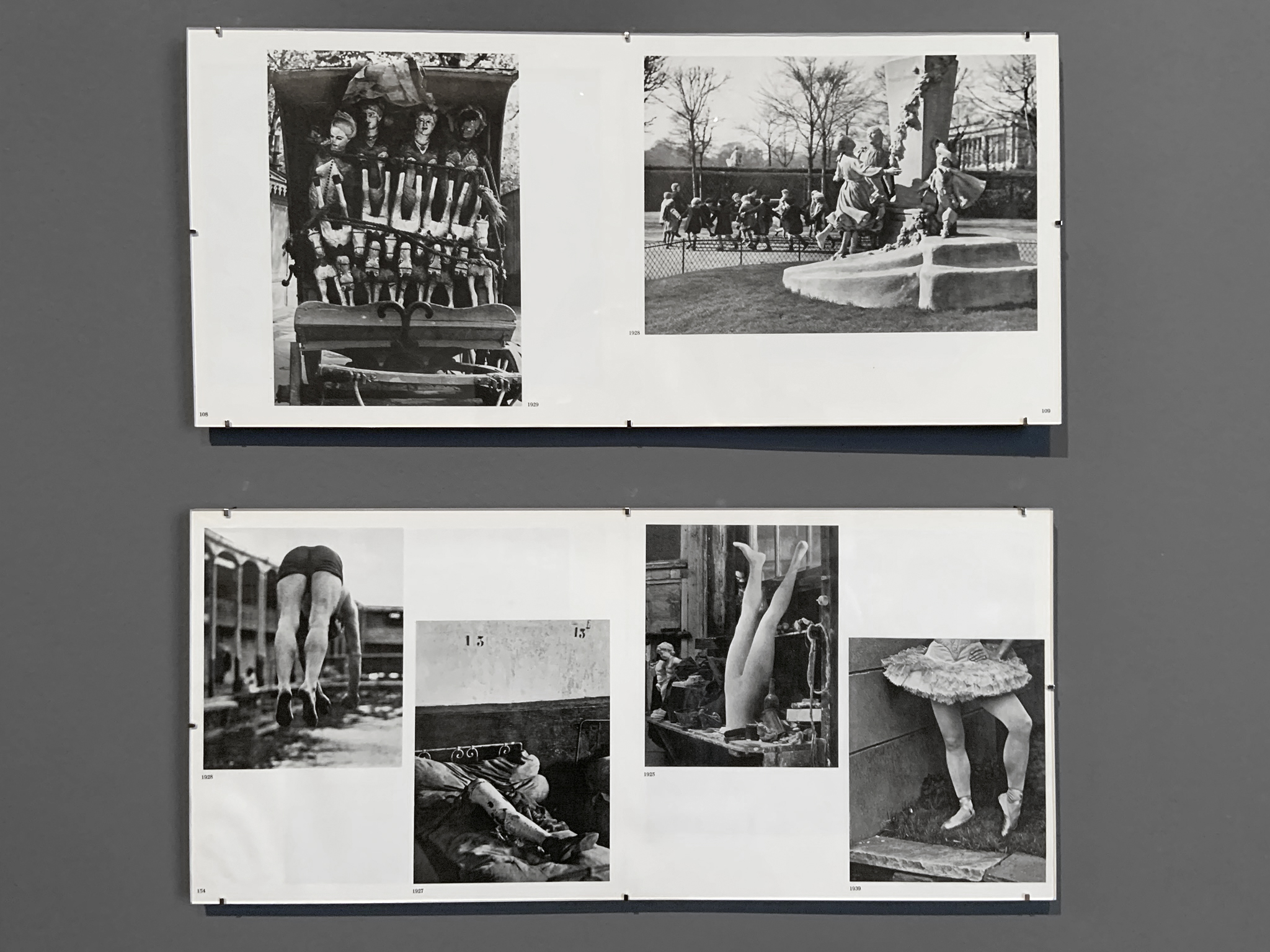
 

André Kertész (Hungarian, 1894-1985) 'Soixante ans de photographie' 'Sixty years of photography' 1912-1972 (installation view)


André Kertész (Hungarian, 1894-1985)
Soixante ans de photographie (installation view)
Sixty years of photography
1912-1972
Paris, éditions du Chêne, 1972
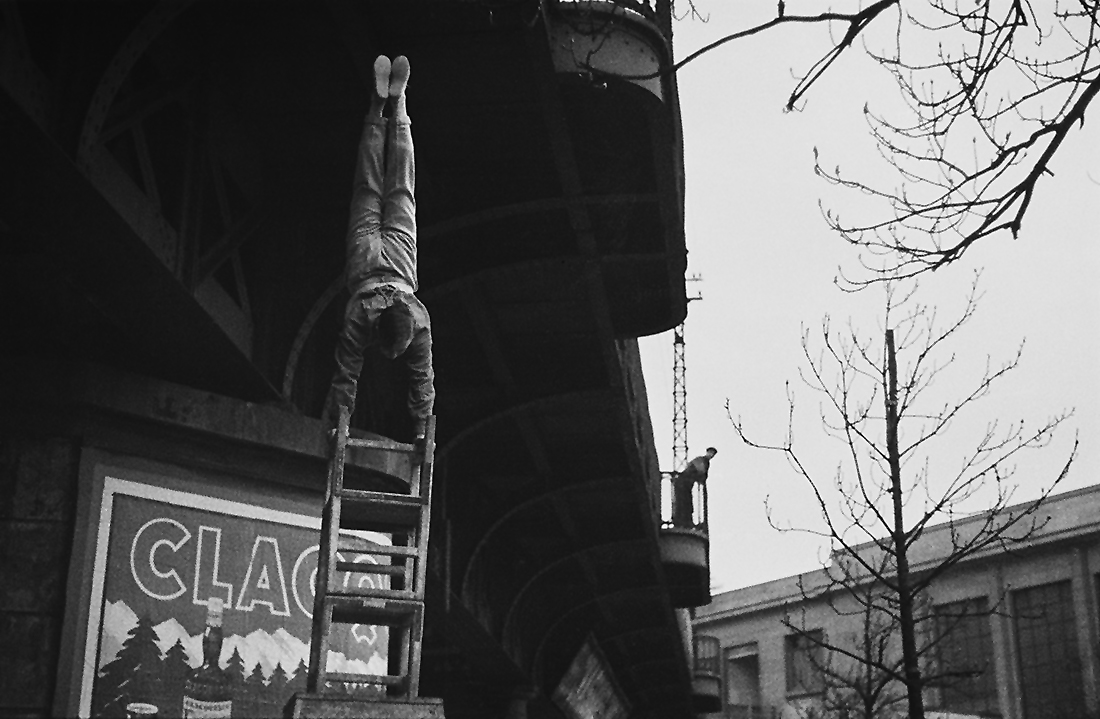
 

André Kertész (Hungarian, 1894-1985) 'Fête foraine, Paris' 'Fun fair, Paris' 1931


André Kertész (Hungarian, 1894-1985)
Fête foraine, Paris
Fun fair, Paris
1931
Gelatin silver print
Photo: Marcus Bunyan


André Kertész (Hungarian, 1894-1985) 'Quartier Latin, Paris' 'Latin Quarter, Paris' 1926


André Kertész (Hungarian, 1894-1985)
Quartier Latin, Paris
Latin Quarter, Paris
1926
Gelatin silver print
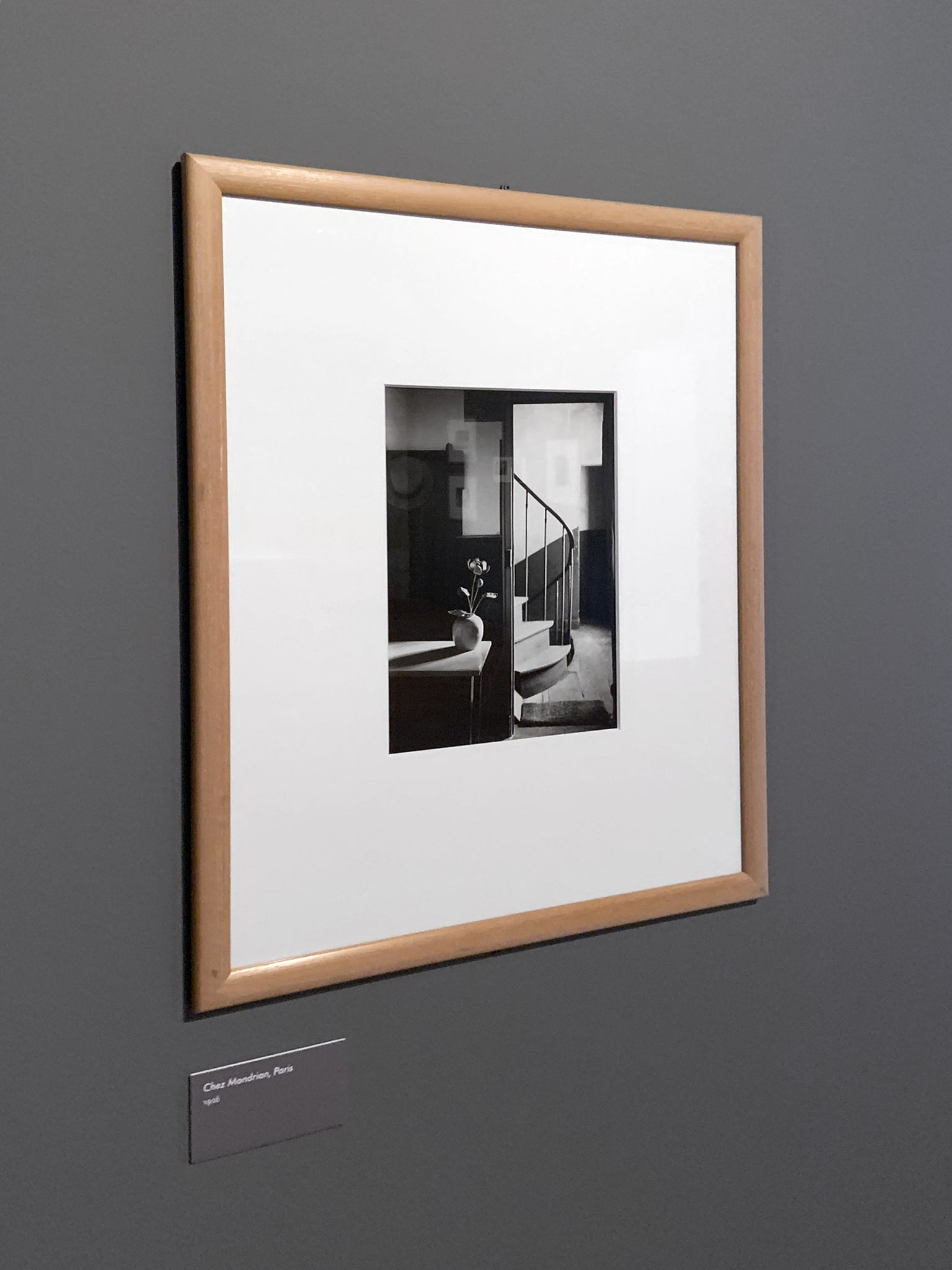
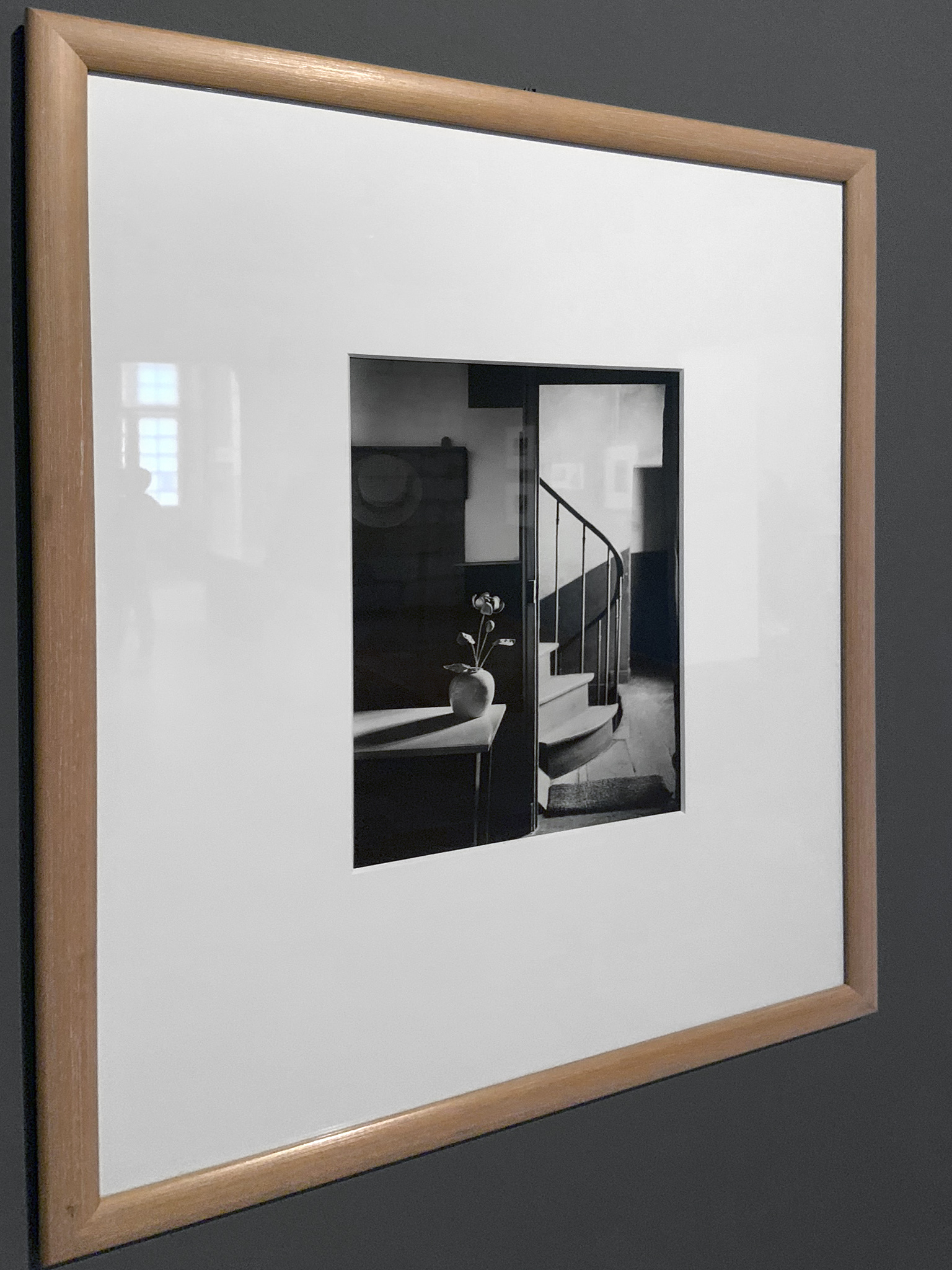
 

André Kertész (Hungarian, 1894-1985) 'Chez Mondrian, Paris' 1926 (installation view)

André Kertész (Hungarian, 1894-1985) 'Chez Mondrian, Paris' 1926 (installation view)


André Kertész (Hungarian, 1894-1985)
Chez Mondrian, Paris (installation views)
1926
Gelatin silver print
Photos: Marcus Bunyan


André Kertész (Hungarian, 1894-1985) 'Chez Mondrian, Paris' 1926


André Kertész (Hungarian, 1894-1985)
Chez Mondrian, Paris
1926
Gelatin silver print


“I went to [Piet Mondrian’s] studio and instinctively tried to capture in my photographs the spirit of his paintings. He simplified, simplified, simplified. The studio with its symmetry dictated the composition. He has a vase with a flower, but the flower was artificial. It was coloured by him to match the studio.” ~ André Kertész

Decades after this photograph was made, André Kertész recalled the circumstances surrounding its creation. The composition is neatly divided in half: on the left is the intimate interior of the room in which Kertész stood, showing Mondrian’s straw boater on a peg and a table with the flower mentioned above. The vase perches precariously near the edge of the table, as if Kertész moved it to include it in the photographic frame. On the right, seen through a doorway, the curving banister and stairs soften the profusion of right angles and straight lines in the foyer.

Text from the J. Paul Getty website [Online] Cited 27/09/2020


Although Mondrian imposed rigid geometric order on everything in the apartment, Kertész found deviations in the curves of the staircase, vase, and the round boater hat hanging on the rack. (The hat belonged to the photographer’s friend Michel Seuphor, a painter and writer who authored a book on Mondrian, who had accompanied Kertész to the studio.) This photograph has become one of Kertész’s most famous, although it was not published until 1943. It was known previously only through exhibitions, including Kertész’s first exhibition in 1927 at the Parisian gallery Au Sacre du Printemps.

Text from the Art Institute of Chicago website [Online] Cited 27/09/2020
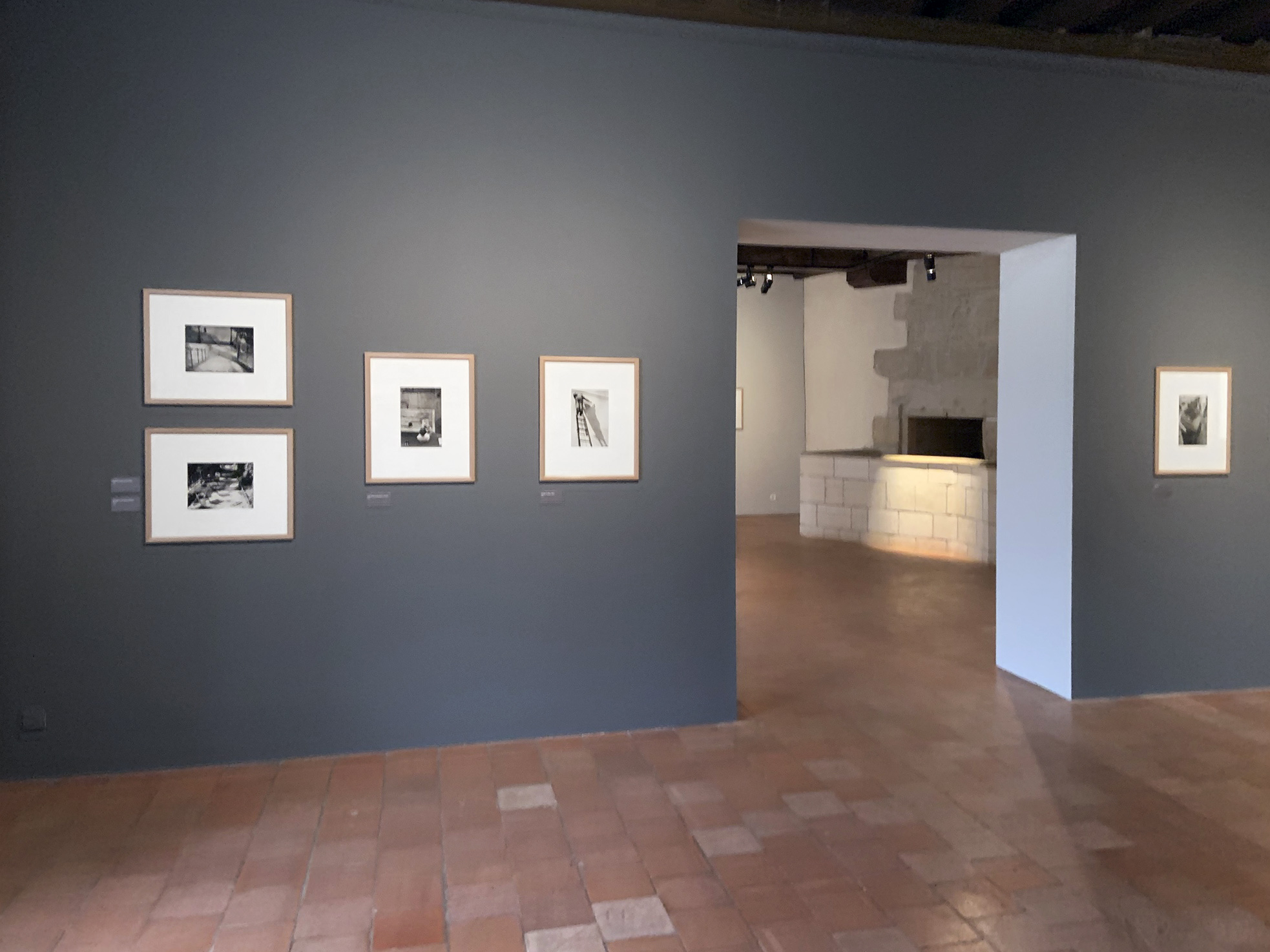
 

Installation view of the exhibition 'L'equilibriste, André Kertész' at Jeu de Paume, Château de Tours

Installation view of the exhibition 'L'equilibriste, André Kertész' at Jeu de Paume, Château de Tours


Installation view of the exhibition L’equilibriste, André Kertész at Jeu de Paume, Château de Tours with at second left, Chairs, Champs-Elysées, Paris, 1930; at centre top, Study of lines and shadow 1927; and at right, Peintre d’ombre, Paris 1926
Photo: Marcus Bunyan


André Kertész (Hungarian, 1894-1985) 'Chairs, Champs-Élysées, Paris' 1929


André Kertész (Hungarian, 1894-1985)
Chairs, Champs-Élysées, Paris
1929
Gelatin silver print
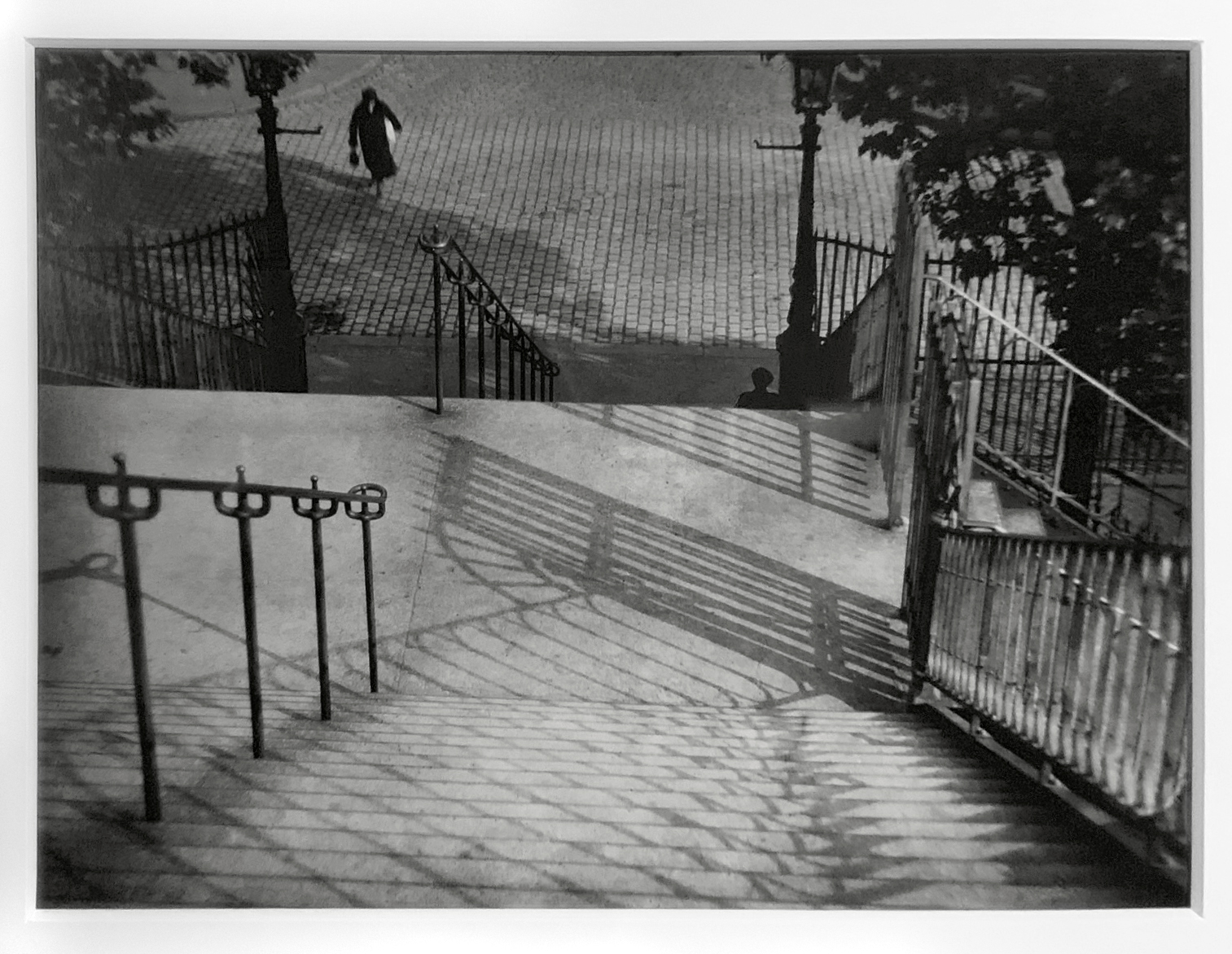
 

André Kertész (Hungarian, 1894-1985) 'Étude de lignes et d'ombre' 'Study of lines and shadow' 1927 (installation view)


André Kertész (Hungarian, 1894-1985)
Étude de lignes et d’ombre (installation view)
Study of lines and shadow

1927
Gelatin silver print


André Kertész (Hungarian, 1894-1985) 'Saint-Gervais-les-Bains, Savoie' 1929 (installation view)


André Kertész (Hungarian, 1894-1985)
Saint-Gervais-les-Bains, Savoie (installation view)
1929
Gelatin silver print
Photo: Marcus Bunyan


André Kertész (Hungarian, 1894-1985) 'Peintre d'ombre, Paris' 'Shadow painter, Paris' 1926 (installation view)


André Kertész (Hungarian, 1894-1985)
Peintre d’ombre, Paris
Shadow painter, Paris
1926
Gelatin silver print
Photo: Marcus Bunyan


Installation view of the exhibition 'L'equilibriste, André Kertész' at Jeu de Paume, Château de Tours


Installation view of the exhibition L’equilibriste, André Kertész at Jeu de Paume, Château de Tours
Photo: Marcus Bunyan


Jeu de Paume at the Château de Tours
25 avenue André Malraux, 37000 Tours
Phone: 02 47 70 88 46

Opening hours:
Tuesday – Sunday 2pm – 6pm
Closed on Monday
Jeu de Paume website

LIKE ART BLART ON FACEBOOK

Back to top

Exhibition: ‘André Kertész – Retrospective’ at Fotomuseum Winterthur, Zurich

Exhibition dates: 26th February – 15th May 2011


Many thankx to the Fotomuseum Winterthur, Zurich for allowing me to publish the photographs in the posting. Please click on the photographs for a larger version of the image.


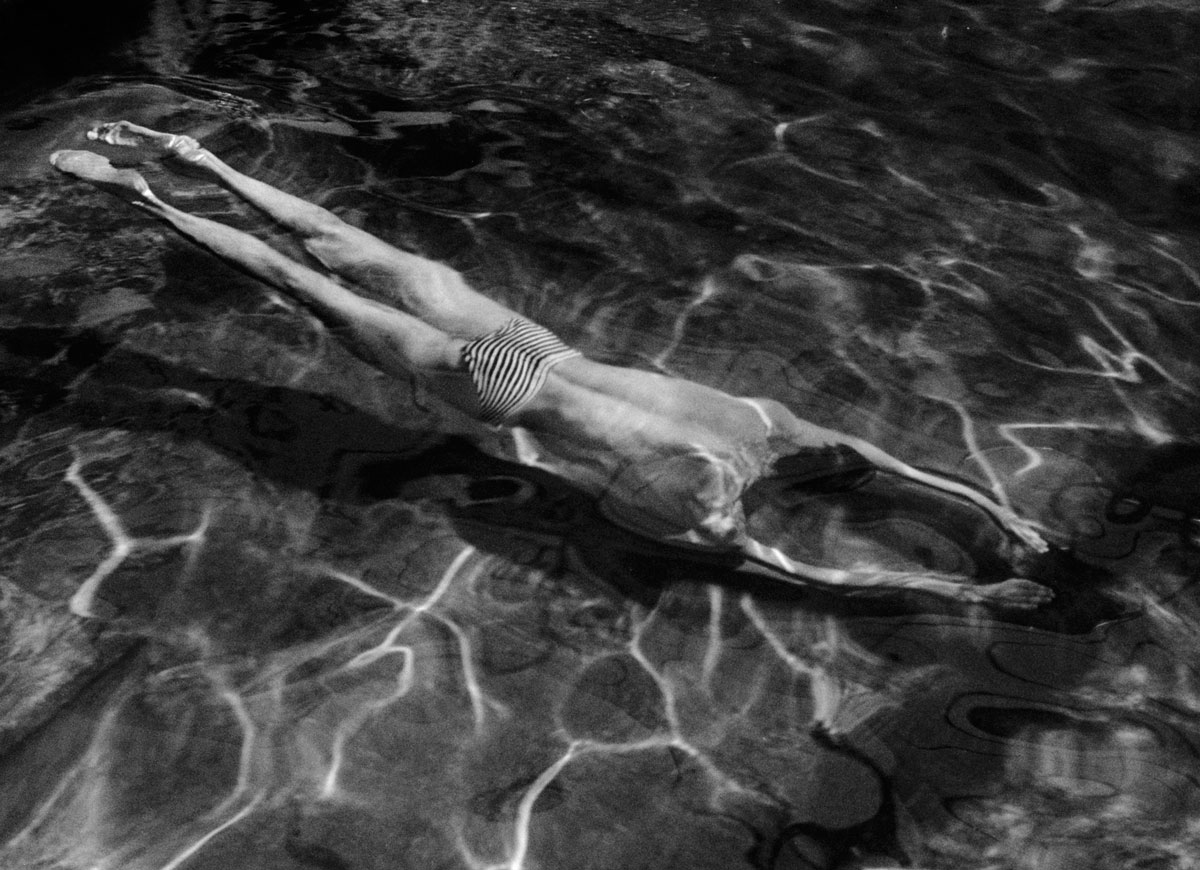
André Kertész (Hungarian, 1894-1985) 'Underwater Swimmer, Esztergom' 1917


André Kertész (Hungarian, 1894-1985)
Underwater Swimmer, Esztergom
1917
Gelatin silver print


André Kertész (American born Hungary, 1894-1985) 'Fork' 1928


André Kertész (Hungarian, 1894-1985)
Fork
1928
Gelatin silver print


André Kertész. 
'Elizabeth and I' 1933


André Kertész (Hungarian, 1894-1985)

Elizabeth and I
1933, printed in the 1960s
Gelatin silver print
25.3 x 17.5cm
Collection of Sarah Morthland, New York


André Kertész.
 'Distortion No. 200' 1933


André Kertész (Hungarian, 1894-1985)
Distortion No. 200
1933, printed c. 1938/1939
Gelatin silver print
34.4 x 25.7cm
Courtesy of Klever Holdings


André Kertész is possibly the most photographic of all photographers: he sought out the play of light and shadow; he liked the concentration and overlapping of forms, of moments; and in the everyday, in banality, he recognised poetry, beauty, and even, for all his innate modesty, the “sublime.” Kertész is a photographic poet and seer, for whom it was long difficult to break into the market precisely because of his rich, chiseled iconography.

André Kertész (Budapest 1894 – 1985 New York) supported Brassaï, inspired Henri Cartier-Bresson, is considered one of the founders of photojournalism, and introduced stylistic elements into photography that can still be found in works by contemporary photographers. At heart, he was a photographer and artist in equal measure, poetic, probing, vital, independent in thought and actions. In a word, he was a master of photography, whose long period of production was very influential. Nevertheless, it took a remarkably long time for his special abilities, his poetic experimental version of photography, to find recognition in the history of photography. The three locations where he lived (Budapest, Paris, New York), his freedom, his form of “contemplative photography,” as Roland Barthes characterised it, made quick reception and categorisation of his work impossible. Today, more than twenty-five years after his death, he is recognised and considered to be a central photographer of the twentieth century who crucially enriched the language of photography.

With around 250 photographs and countless magazine contributions, the retrospective at Fotomuseum Winterthur on view until May 15, 2011, allows a comprehensive view of his work. The chronological order and the major themes show what it is that makes up his photographic practice: his unique methods (in photographic postcards, in distortions), his editorial engagement (for example, in the volume Paris vu par Kertész, 1934), his passion for experimentation (with light and shadow), and the evocation of emotions, above all of melancholy and loneliness. Periods that have remained neglected or unexplored until today (his life as a soldier from 1914-1918, for example) are reassessed, and juxtaposed with the development of photojournalism in Paris and the distribution of his pictures in the media, with which he earned his living.

André Kertész liked to characterise himself as an “eternal amateur.” But what a virtuosic “amateur” he was; what virtuosic visual language he employed his entire life to capture the poetry of the everyday! His photographic production was closely connected to his life and psyche. Even when he seemed to be documenting something, he let himself be guided almost exclusively by feeling, by instinct, from his soul. This resulted in a body of work that he liked to compare to a “visual journal”, and about which he said, “I have never just ‘made photos’. I express myself photographically.”

Text from the Fotomuseum Winterthur website


André Kertész. 'Satiric Dancer' 1926


André Kertész (Hungarian, 1894-1985)
Satiric Dancer
1926
Gelatin silver print


André Kertész (Hungarian, 1894-1985) 'Peintre d'ombre, Paris' (Shadow painter, Paris) 1926


André Kertész (Hungarian, 1894-1985)
Peintre d’ombre, Paris (Shadow painter, Paris)
1926
Gelatin silver print
© ministère de la Culture / Médiathèque de l’architecture et du patrimoine / Donation André Kertész


André Kertész (Hungarian, 1894-1985) 'Bastille, Rue de Lappe, Paris' 1926


André Kertész (Hungarian, 1894-1985)
Bastille, Rue de Lappe, Paris
1926
Gelatin silver print
© ministère de la Culture / Médiathèque de l’architecture et du patrimoine / Donation André Kertész


André Kertész. '
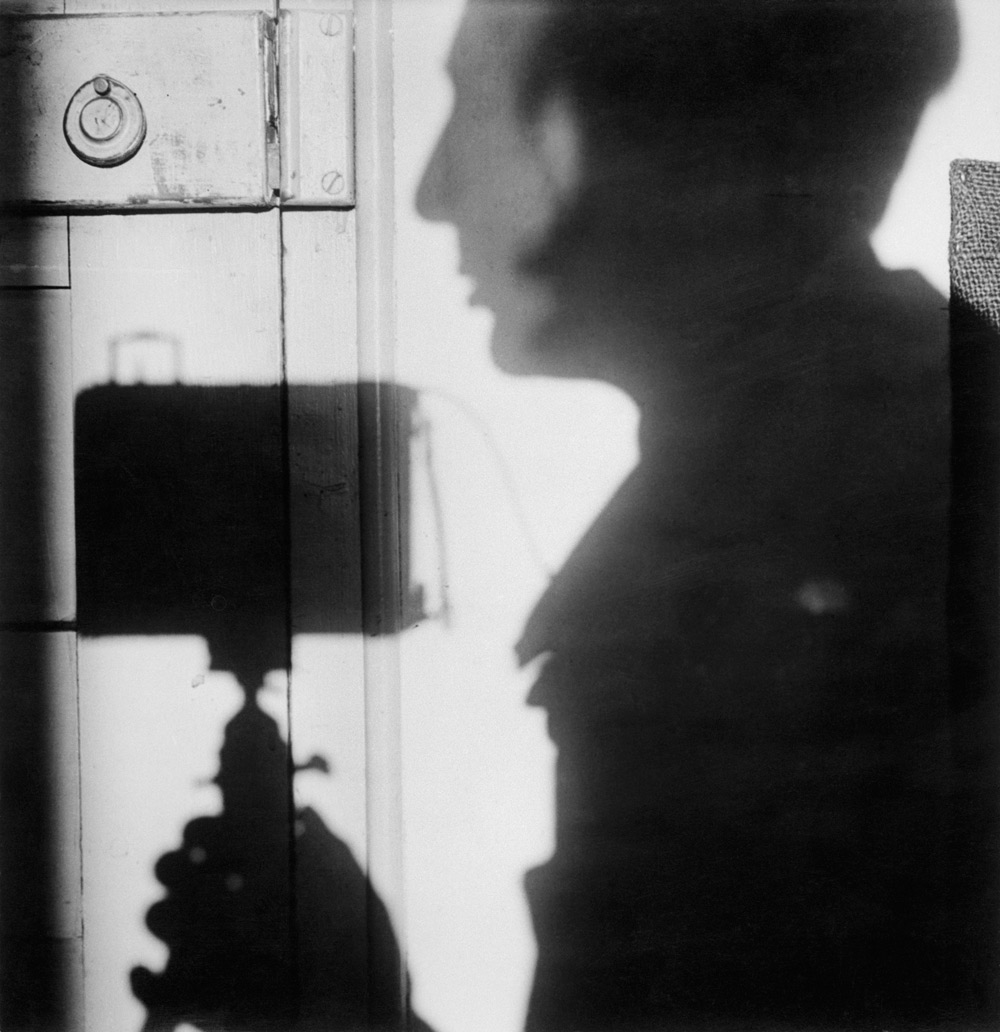
Self-Portrait' Paris, 1927


André Kertész (Hungarian, 1894-1985)

Self-Portrait
Paris, 1927, printed in the 1970s
Gelatin silver print
25.4 x 20.3cm
Courtesy of Estate of André Kertész, New York


André Kertész. 
'Arm and Ventilator' 1937


André Kertész (Hungarian, 1894-1985)

Arm and Ventilator
1937, printed in the 1940s-1950s
Gelatin silver print
30.5 x 26.7cm
Collection of Eric Cepotis and David Williams


André Kertész.
 'Washington Square' New York, January 9, 1954


André Kertész (Hungarian, 1894-1985)
Washington Square
New York, January 9, 1954
Vintage gelatin silver print
12.7 x 9.2cm
Collection of Leslie, Judith and Gabrielle Schreyer


André Kertész.
 'July 3, 1979'
 1979


André Kertész (Hungarian, 1894-1985)
July 3, 1979

1979
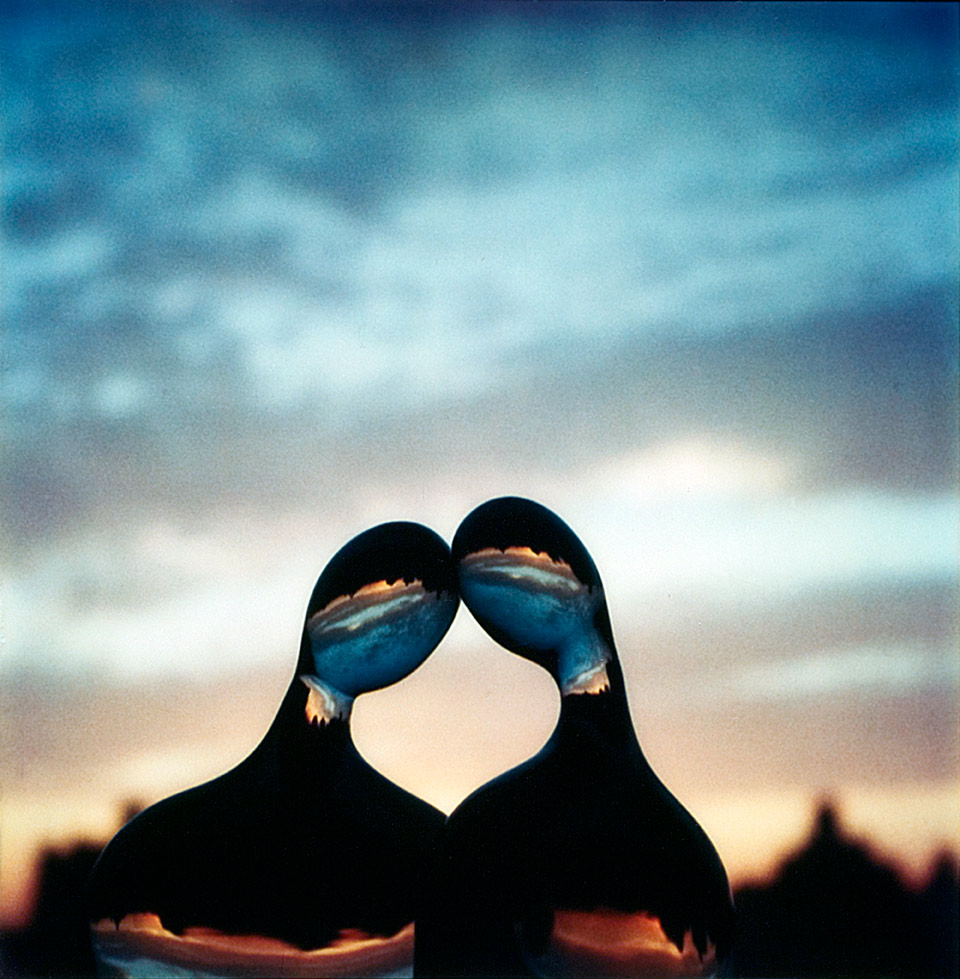
Polaroid SX-70 original
7.9 x 7.9cm
Courtesy of Stephen Bulger Gallery


Fotomuseum Winterthur
Grüzenstrasse 44 + 45
CH-8400
Winterthur (Zürich)

Opening hours:
Tues – Sun 11am – 6pm
Wed 11am – 8pm
Monday closed

Fotomuseum Winterthur website

LIKE ART BLART ON FACEBOOK

Back to top

Exhibition: ‘André Kertész’ at Jeu de Paume, Paris

Exhibition dates: 28th September 2010 – 6th February 2011

Curators: Michel Frizot and Annie-Laure Wanaverbecq


Many thankx to Jeu de Paume for allowing me to publish the photographs in the posting. Please click on the photographs for a larger version of the image.


André Kertész (Hungarian, 1894-1985) 'Underwater Swimmer, Esztergom' 1917 from the exhibition 'André Kertész' at Jeu de Paume, Paris


André Kertész (Hungarian, 1894-1985)
Underwater Swimmer, Esztergom
1917, printed in the 1980s
Gelatin silver print
Bibliothèque Nationale de France


André Kertész

André Kertész (Budapest, 1894 – New York, 1985) has never seen his work the subject of a real retrospective in Europe, although he donated all his negatives to the French State. However, he is one of the major photographers of the 20th century, both in terms of the richness of his work and the longevity of his career…


André Kertész (Hungarian, 1894-1985) 'Esztergom' 1918 from the exhibition 'André Kertész' at Jeu de Paume, Paris


André Kertész (Hungarian, 1894-1985)
Esztergom
1918
Gelatin silver print


André Kertész (Hungarian, 1894-1985) 'Tisza Szalka' 1924 from the exhibition 'André Kertész' at Jeu de Paume, Paris


André Kertész (Hungarian, 1894-1985)
Tisza Szalka
1924
Vintage gelatin silver contact print
Salgo Trust for Education, New York


André Kertész (Hungarian, 1894-1985) 'Self-portrait, Paris' 1927 from the exhibition 'André Kertész' at Jeu de Paume, Paris


André Kertész (Hungarian, 1894-1985)
Self-portrait, Paris
1927
Gelatin silver print


André Kertész (Hungarian, 1894-1985) 'Plaque cassée, Paris' (Broken Plate, Paris) 1929 from the exhibition 'André Kertész' at Jeu de Paume, Paris


André Kertész (Hungarian, 1894-1985)
Plaque cassée, Paris (Broken Plate, Paris)
1929
Gelatin silver print


André Kertész (Hungarian, 1894-1985) 'Distortion n° 41' 1933 from the exhibition 'André Kertész' at Jeu de Paume, Paris


André Kertész (Hungarian, 1894-1985)
Distortion n° 41
1933
[with André Kertész selportrait]
Gelatin silver print, later print
Collection of the Maison Européenne de la Photographie, Paris


Twenty-five years after his death, André Kertész (1894-1985) is today a world-famous photographer who produced images that will be familiar to everyone, but he has yet to receive full recognition for his personal contribution to the language of photography in the 20th century. His career spanning more than seventy years was chaotic, and his longevity was matched by an unwavering creative acuity that rendered difficult an immediate or retrospective understanding of his work.

This exhibition attempts to provide for the first time a broad and balanced view of Kertéz’s work, presenting new elements and bringing together, for the first time also, a large number of period prints (two thirds of the 300 photographs on show). Both the exhibition and the accompanying catalogue were produced in collaboration with The André and Elizabeth Kertész Foundation (New York) and the Médiathèque de l’Architecture et du Patrimoine (Paris), which holds Kertész’s donation to the ministère de la Culture.

An initial investigation was undertaken during his lifetime as part of preparations for the first retrospective in 1985. The book Ma France (1990) paid tribute to his French donation and celebrated his Parisian periods (1925-1936 and after 1963), and the recent catalogue for the exhibition at the National Gallery of Art (2005), Washington, provided lots of circumstantial information and new analyses. With this retrospective exhibition, which draws extensively on archive documents, we have attempted to present Kertész’s work as a whole in its homogeneity and its continuity, as he himself conceived it, reflecting closely the course of his life.

Adopting a chronological and linear exhibition layout reflecting the various periods of his creative life, punctuated by self-portraits at the entrance to each space, we have created thematic groups in the form of “cells” highlighting the unique aspects of his output: his personal photography (the photographic postcards, the Distortions), his involvement in publishing (the book Paris vu par Kertész, 1934), his recurrent creative experiments (shadows, chimneys), and the more diffuse expression of emotions (solitude). The exhibition sheds light on the importance of previously neglected or unexplored periods (his time as a soldier between 1914 and 1918, the New York period and the Polaroids of his last years). In particular, it highlights the beginnings of photojournalism in Paris in 1928, and the dissemination of his photographs in the press, which had become a professional activity for him. Thus numerous copies of magazines are presented (Vu, Art et Médecine, Paris Magazine), as are the various publications of his photo essay on the Trappist monastery in Soligny, with Kertész’s original shots.

Press release from the Jeu de Paume website


André Kertész (Hungarian, 1894-1985) 'Place de la Concorde' Paris 1928 from the exhibition 'André Kertész' at Jeu de Paume, Paris


André Kertész (Hungarian, 1894-1985)
Place de la Concorde
Paris, 1928, printed in the 1970s
Gelatin silver print
Collection of Robert Gurbo


André Kertész (Hungarian, 1894-1985) 'The Eiffel Tower, Paris' 1933 from the exhibition 'André Kertész' at Jeu de Paume, Paris


André Kertész (Hungarian, 1894-1985)
The Eiffel Tower, Paris
1933
Vintage gelatin silver print
Courtesy Stephen Daiter Gallery


André Kertész (Hungarian, 1894-1985) '
Elizabeth and I' 1933 from the exhibition 'André Kertész' at Jeu de Paume, Paris


André Kertész (Hungarian, 1894-1985)
Elizabeth and I
1933
Gelatin silver print


A Small Journal

André Kertész (1894-1985) is today famous for his extraordinary contribution to the language of photography in the 20th century. This retrospective, which will be traveling to Winterthur, Berlin, and Budapest, marshals a large number of prints and original documents that highlight the exceptional creative acuity of this photographer, from his beginnings in Hungary, his homeland, to Paris, where between 1925 and 1936 he was one of the leading figures in avant-garde photography, to New York, where he lived for nearly fifty years without encountering the success that he expected and deserved. It pays tribute to a photographer whom Cartier-Bresson regarded as one of his masters, and reveals, despite an apparent diversity of periods and situations, themes and styles, the coherence of Kertész’s approach. It emphasises his originality and poetic uniqueness, drawing on new elements to present his oeuvre as the photographer himself conceived it, reflecting as closely as possible the course of his life. It makes full use of archive documents, focusing in particular on an area of his work that is little known (the beginnings of photo-reportage in Paris and the publication of his images in the press and books), and it analyses the circumstances surrounding his late resurgence. By exploring the recurring preoccupations and themes of Kertész’s work, it sheds light on the complex output of this unclassifiable photographer, who defined himself as an “amateur,” and in connection with whom Roland Barthes talked of a photography “that makes us think.”

Hungary 1894-1925: from Andor to André

Kertész’s youth left him with an enduring love of the countryside, animals, leisurely walks, and down-to-earth people. His sentimental nature led him to treat photography as “a little notebook, a sketchbook,” whose principal subjects were his friends, his family, his fiancée Elizabeth, and above all his younger brother, Jenö, with whom he carried out most of his early experiments in photography. Called up during the war, he continued to take photographs, capturing for the most part trivial events in the lives of the soldiers, whose situation he shared, for in spite of the context photography remained for him a way of expressing emotions. André Kertész was very independent at this time – his work diverged radically from the prevailing pictorialism of the time – and he was laying the foundations for a unique innovative photographic language. In 1914, he began photographing at night; in 1917, he took an astonishing photo of an underwater swimmer, and captured his brother “as a scherzo” in 1919. The two persons watching the Circus (1920) and The Blind Musician (1921) immediately emerged as modernist images. André Kertész’s photography was distinguished at this time by its freedom and diversity of approach, as well as its reliance on feelings and emotional bonds for inspiration.

France, 1925-1936: The Garden of André Kertész

Hard up and speaking only Hungarian, André Kertész lived in Paris amid a circle of fellow Hungarian émigrés. It was in the studio of one of them, Étienne Beöthy, that the dancer Magda Förstner, mimicking one of the artist’s sculptures, instigated the famous photograph Satiric Dancer in 1926. In the same year, when taking photographs at Mondrian’s studio, the photographer emerged as the master of a new type of unorthodox “portrait in absence.” Kertész evokes more than he shows, giving life to the inanimate, and creating a poetic language of allusive signs, both poetic and visual. During the early years of his life in Paris, he printed a large number of his images on photographic paper in postcard format (this inexpensive practice occupied a notable place in his work, because he resorted to it so persistently and with such inventiveness).

The street also provided the photographer with micro-events, fleeting associations and multiple signs that became metaphors. The leading representative, along with Man Ray, of international modernity in Paris, he worked for the press, initiating photo-reportage; he took part in several important exhibitions, including “Film und Foto” in Stuttgart in 1929. Kertész nevertheless insisted on retaining his independence, keeping artistic movements, in particular Surrealism, at arm’s length. Nourished by his emotions, surprises, and personal associations, his work, with its mirrored images, reflections, shadows, and doubles, established him as a leading exponent of avant-garde photography. But he nevertheless avoided conventional doctrines and styles. The Fork (1928), for example, a perfect application of the modernist creed that held sway at the time, reveals another distinguishing feature of Kertész’s work: his interest in shadows cast by objects or people. In The Hands of Paul Arma (1928) and the extraordinary Self-Portrait (1927), these play subtly on the alternation between absence and presence, doubling and disappearance.

André Kertész always sought to take advantage of innovations that would enable him to reconfigure reality through unusual images. He very quickly became interested in the optical distortions produced by waves (The Swimmer, 1917), or by the polished surfaces of such objects as silver balls or by car headlights. In 1930, when the magazine VU commissioned him to take a portrait of its new editor, Carlo Rim, Kertész took him to the funhouse at Luna Park to pose in front of the distorting mirrors. Then, in 1933, at the request of the editor of a girlie magazine, Le Sourire, he produced an extraordinary series of female nudes, known as Distortions. He used two models, who posed with two distorting mirrors that, depending on the vantage point chosen, produced grotesque elongations, monstrous protuberances, or the complete disintegration of the body. Following his move to the United States, Kertész hoped to make use of this technique by adapting it to advertising, but he was met with incomprehension (it was not until 1976 that a book devoted to the Distortions was published in American and French editions).

United States, 1936-1962: A Lost Cloud

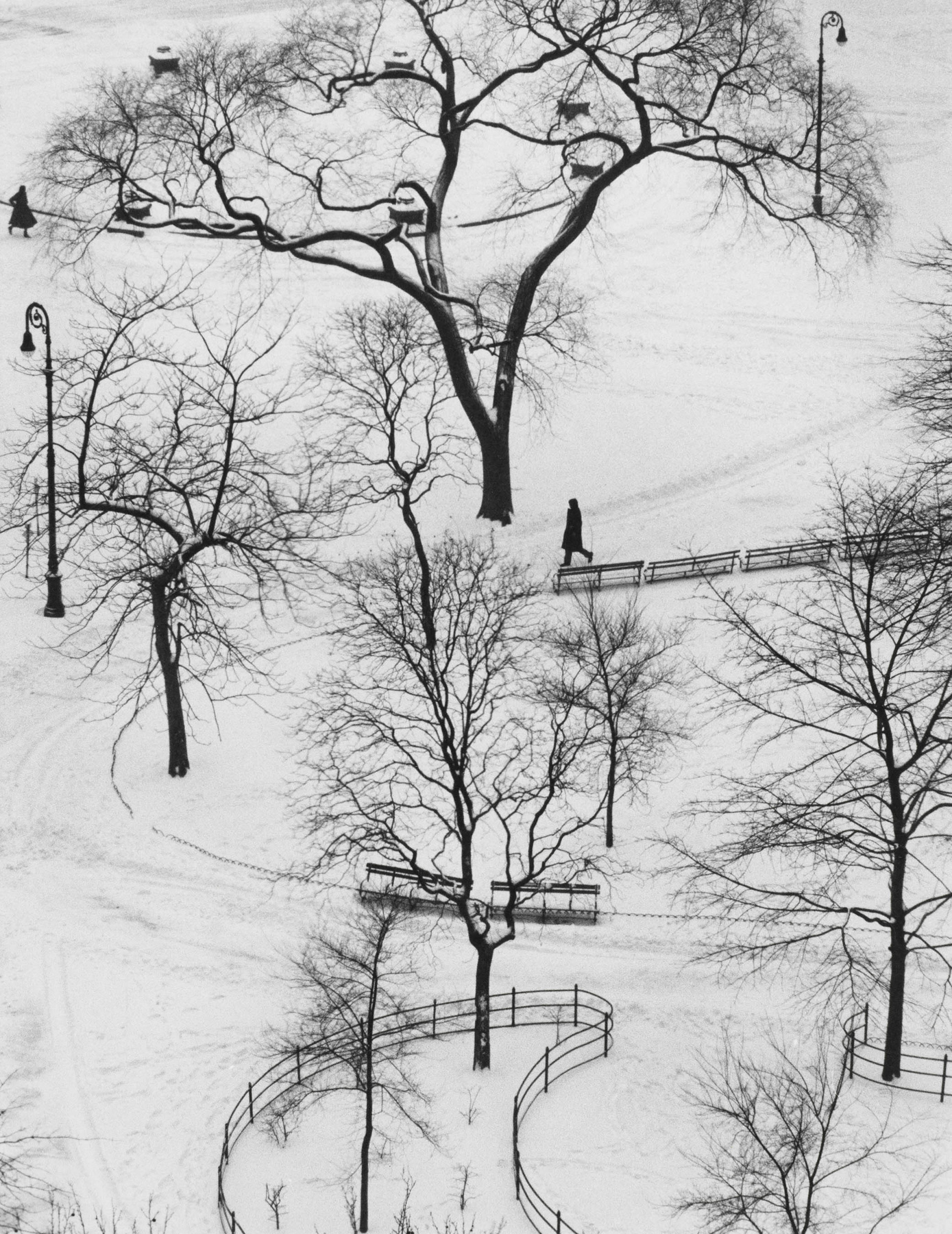
The offer of a contract from the Keystone agency (which would be broken after one year) prompted Kertész’s to move to New York in October 1936. His reservations about fashion photography, the rejection of his photo essays that “talked too much” according to the editorial board of Life, and the incomprehension that greeted the Distortions series gradually plunged Kertész into depression. The war and the curtailment of the “foreign” photographer’s freedom merely added to his difficulties. In 1947, in order to have a regular income, Kertész was forced to accept a contract from the magazine House & Garden. In 1952, he moved into an apartment overlooking Washington Square, which prompted a change of direction in Kertész’s work. He now watched and witnessed what was taking place on the surrounding terraces and in the square. He used telephoto lenses and zooms to create whimsical series, such as the one featuring chimneys.

André Kertész lived in New York from 1936 to 1985 and he never stopped photographing “in” the city, rather than the city itself. He did not record the life of its neighbourhoods, the picturesque aspects of its various trades, and its often paradoxical architectural environments. For him, New York was a sound box for his thoughts, which the city echoed back to him in the form of photographs. He sought everywhere an antidote to the city’s regularity, in the dilapidated brick walls and the inextricable tangle of shadows, beams, and external staircases, and it is sometimes impossible to recognise specific places in these broken geometries: Kertész’s New York is highly fragmented, but a single photo could reveal the imaginary city.

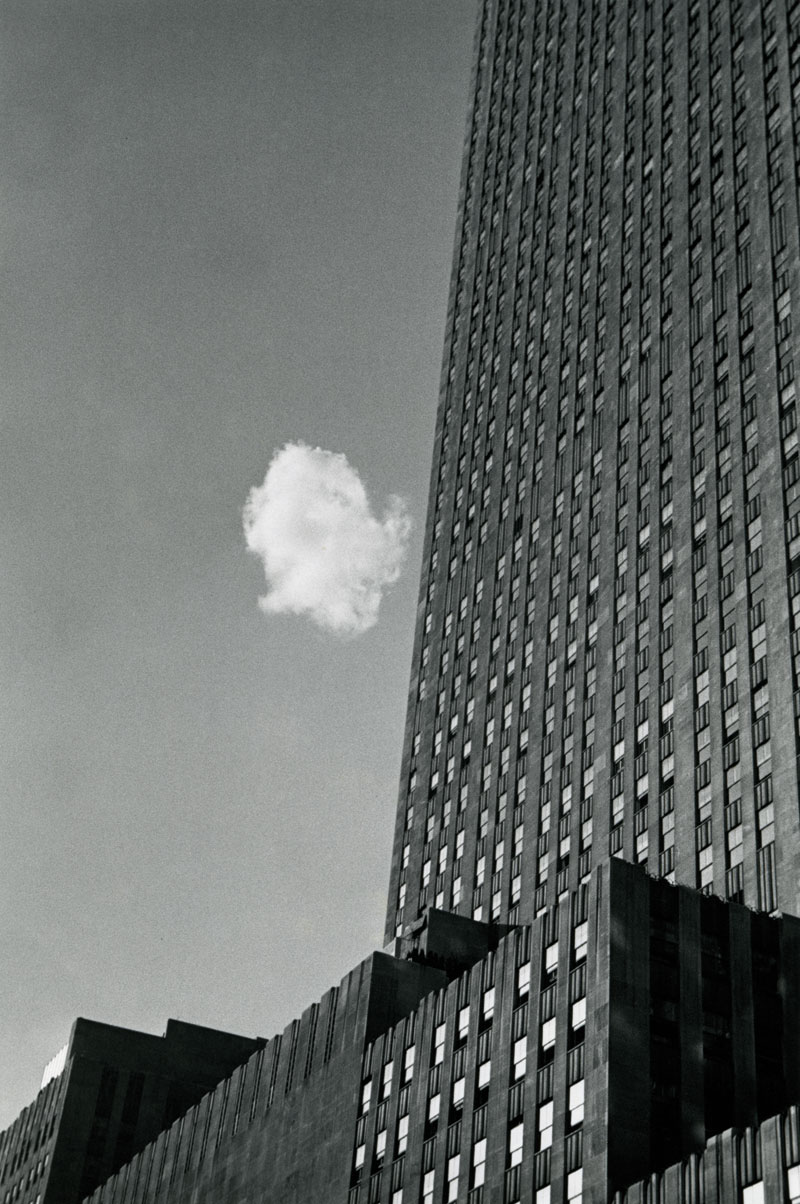
He remained true to his intuitive, allusive personal style, and used his work to give voice to the sadness that undoubtedly permeated his entire life in New York, rendered most explicitly in The Lost Cloud (1937). Right up until the end of his life, he sought images of solitude, sometimes incorporating pigeons into them. On January 1, 1972, during a trip to Martinique, he caught the fleeting, pensive profile of a man behind a pane of frosted glass: this nebulous vision of a solitary man before the immensity of the sea was the last image in his retrospective collection, Sixty Years of Photography, 1912-1972, providing a very provisional conclusion to his career.

Returns and Renewal, 1963-1985

After his retirement in 1961, Kertész developed a new appetite for life and photography. Following a request from the magazine Camera for a portfolio, he made a sort of inventory of his available work. In 1963 he had one-man exhibitions at the Venice Photography Biennale and the Bibliothèque Nationale de Paris, the latter enabling him to stay in a city that, on an emotional level, he had never left. In addition, he located and took possession of several boxes of negatives that had been entrusted to a friend in 1936, at the time of his departure, which prompted a review of his entire oeuvre and led to new prints, with fresh croppings. These various episodes, which can be seen as part of a general reassessment of the value of photography and its history, had a rejuvenating effect on Kertész (who was seventy at the time). The traveling exhibition “The Concerned Photographer” even presented him as a pioneer of photojournalism.

Kertész continued his never-ending search for images, both in the cities that he visited and from the window of his apartment. His two books J’aime Paris (1974) and Of New York … (1976) express his sense of being torn between two cultures. The death of his wife Elizabeth in 1977, shortly before his one-man show at the Centre Georges Pompidou, led him to develop an interest in Polaroids, which enabled him to adopt a more introspective approach. As always, emotion was the driving force behind his work. Of the fifty-three Polaroids brought together in the small book From My Window, dedicated to Elizabeth, Kertész, always curious about new technology, was in reality capturing the light of his recollections and the distortions of his memory.”

Michel Frizot and Annie-Laure Wanaverbecq, curators of the exhibition


André Kertész (Hungarian, 1894-1985) 'Peintre d'ombre, Paris' (Shadow painter, Paris) 1926 from the exhibition 'André Kertész' at Jeu de Paume, Paris


André Kertész (Hungarian, 1894-1985)
Peintre d’ombre, Paris (Shadow painter, Paris)
1926
Gelatin silver print


André Kertész (Hungarian, 1894-1985) 'Satiric Dancer' 1926 from the exhibition 'André Kertész' at Jeu de Paume, Paris


André Kertész (Hungarian, 1894-1985)
Satiric Dancer
1926, printed in the 1950s
Gelatin silver print
Bibliothèque nationale de France


André Kertész (Hungarian, 1894-1985) 'Melancholic Tulip' New York, 1939 from the exhibition 'André Kertész' at Jeu de Paume, Paris


André Kertész (Hungarian, 1894-1985)
Melancholic Tulip
New York, 1939, printed c. 1980
Gelatin silver print
Courtesy Bruce Silverstein Gallery


André Kertész (Hungarian, 1894-1985) 'Lost Cloud, New York' 1937 from the exhibition 'André Kertész' at Jeu de Paume, Paris


André Kertész (Hungarian, 1894-1985)
Lost Cloud, New York
1937, printed in the 1970s
Gelatin silver print
Courtesy Sarah Morthland Gallery, New York


André Kertész (Hungarian, 1894-1985) 'Washington Square, New York' 1954 from the exhibition 'André Kertész' at Jeu de Paume, Paris


André Kertész (Hungarian, 1894-1985)
Washington Square, New York
1954
Gelatin silver print


André Kertész (Hungarian, 1894-1985) 'July 3, 1979
' from the exhibition 'André Kertész' at Jeu de Paume, Paris


André Kertész (Hungarian, 1894-1985)
July 3, 1979

Polaroid


Jeu de Paume
1, place de la Concorde
75008 Paris
métro Concorde
information: 01 47 03 12 50

Opening hours:
Tuesday – Friday 12 – 8pm
Saturday and Sunday 11am – 7pm
Closed Monday (including public holidays)

Jeu de Paume website

LIKE ART BLART ON FACEBOOK

Back to top