Exhibition/text: ‘Everyday imagining: new perspectives on Outsider art’ at The Ian Potter Museum of Art, Melbourne

Exhibition dates: 1st October 2014 – 18th January 2015

Artists: Andrew Blythe, Kellie Greaves, Julian Martin, Jack Napthine, Lisa Reid, Martin Thompson and Terry Williams

Curator: Joanna Bosse
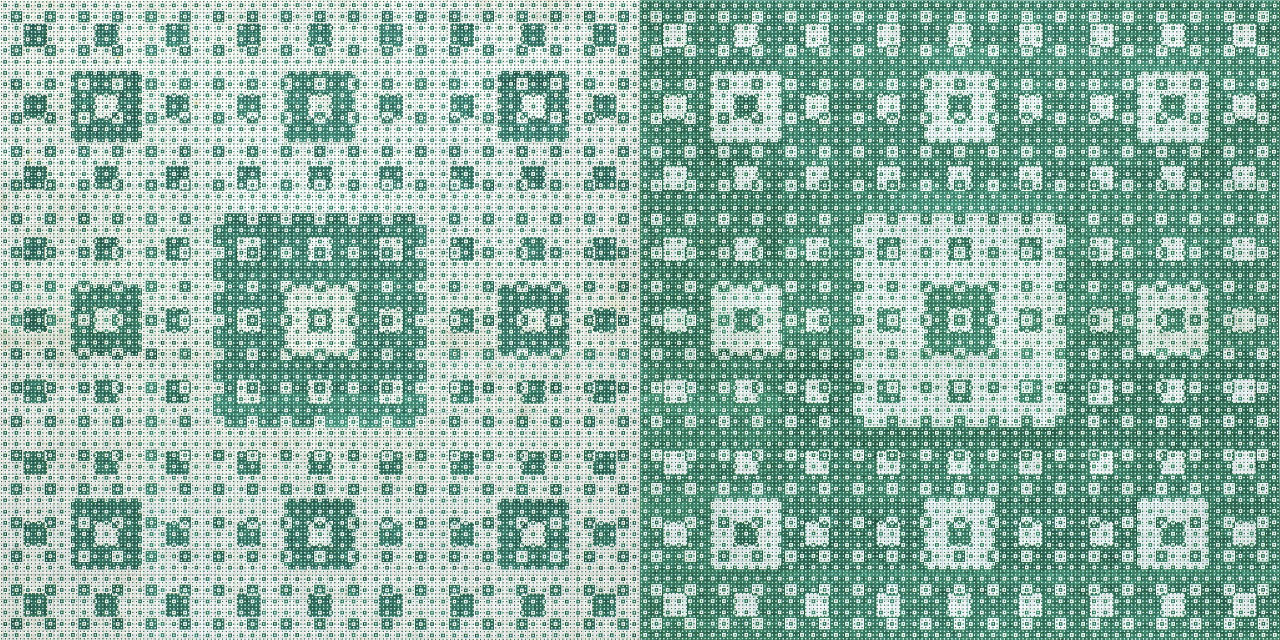
 

Martin Thompson (New Zealand, b. 1956) 'Untitled' 2014


Martin Thompson (New Zealand, b. 1956)
Untitled
2014
Ink on paper
52.5 x 105cm
Courtesy the artist and Brett McDowell Gallery, Dunedin


This is a gorgeous exhibition at The Ian Potter Museum of Art. Walking through the show you can’t help but have a smile on your face, because the work is so inventive, so fresh, with no pretension to be anything other than, well, art.

There are big preconceptions about ‘Outsider art’, originally art that was made by institutionalised mentally ill people, but now more generally understood as art that is made by anyone outside the mainstream of art production – “artworks made by folk artists and those who are self-taught, disabled, or on the edges of society” who are disenfranchised in some way or other, either by their own choice or through circumstance or context.

Outsider art promotes contemporary art while still ‘tagging’ the artists as “Outsider” – just as you ‘tag’ a blog posting so that a search engine can find a specific item if it is searched for online. It is a classification I have never liked (in fact I abhor it!) for it defines what you are without ever understanding who you are and who you can become – as an artist and as a human being. One of the good things about this exhibition is that it challenges the presumptions of this label (unfortunately, while still using it).

As Joanna Bosse notes in her catalogue essay, “Most attempts to define the category of Outsider art include caveats about the elasticity of borders and the impact of evolving societal and cultural attitudes… The oppositional dialectic of inside/outside is increasingly acknowledged as redundant  and, in a world marked by cultural pluralism, many question the validity of the category.”1 Bosse goes on to suggest that, with its origins in the term art brut (the raw and unmediated nature of art made by the mentally ill), Outsider art reinforces the link between creativity, marginality and mental illness, proffering “the notion of a pure form of creativity that expresses an artist’s psychological state [which] is a prevailing view that traverses the divergent range of creative practice that falls under the label.”2

The ambiguities of art are always threatened by a label, never more so than in the case of Outsider art. For example, how many readers who visited the Melbourne Now exhibition at NGV International and saw the magnificent ceramic cameras by Alan Constable would know that the artist is intellectually disabled, deaf and nearly blind. Alan holds photographs of cameras three inches away from his eyes and scans the images, then constructs his cameras by feel with his hands, fires them and glazes them. The casual viewer would know nothing of this backstory and just accepts the work on merit. Good art is good art no matter where it comes from. It is only when you enquire about the history of the artist – whether mainstream or outsider – that their condition of becoming (an artist) might affect how you contextualise a work or body of work.

Bosse makes comment about the rationale for the exhibition: ‘The decision to focus on artists’ engagement with the exterior, everyday world was to counter one of the common assumptions about artists in this category – that they are disconnected from society and that their work is solely expressionistic, in that it relates almost exclusively to the self and the expression of the artist’s emotional inner life.”3 Bosse agrees with the position that to simply eliminate the designation would be a different kind of marginalisation – “one where the unique world view and specific challenges the individual faces would become lost in a misguided attempt at egalitarianism.”4

As chair of a panel session at the international conference Contemporary Outsider Art: The Global Context, 23-26th October at The University of Melbourne, curator Lynne Cooke also sees the classification “Outsider” as valuable, for “Outsider art is the condition that contemporary art wants to be” – that is imaginative, free, intuitive, visceral and living on the edge. She sees contemporary art as having run up the white flag leaving Outsider art – however you define that (not the white, middle class male establishment, and belonging to the right galleries) – to be the vanguard, the new avant-garde.5 The exhibition catalogue concludes with her observation that, while current curatorial strategies breakdown the distinctions between ‘inside’ and ‘outside’ – making significant headway concerning stigmatisation – these might have the effect of loosing what she describes as the “‘unique and crucial agency’ that this art has to challenge the ‘monocultural frame’.”6 These artists positions as ‘circuit breakers’, holding counter culture positions, may be threatened as their work is made ready for market, especially if they have little knowledge of it themselves.

And there’s the rub, right there. On the one hand Outsider art wants to be taken seriously, the people promoting it (seldom the artists) want it to be shown in mainstream galleries like the National Gallery of Victoria, and so it should be. Good art is good art not matter what. But they also want to have their cake and eat it too; they want to stand both inside and outside the frame of reference.7 In other words, they promote Outsider art within a mainstream context while still claiming “marginal” status, leveraging funding, philanthropy, international conferences and standing in the community as evidence of their good work. And they do it very successfully. Where would we be without fantastic organisations such as Arts Project Australia and Arts Access Victoria to help people with a disability make art? Can you imagine the Melbourne Art Fair without one of the best stands of the entire proceedings, the Arts Project Australia stand? While I support them 100% I am playing devil’s advocate here, for I believe it’s time that the label “Outsider art” was permanently retired. Surely, if we live in a postmodern, post-human society where there is no centre and no periphery, then ‘other’ can occupy both the centre and the margins at one and the same time WITHOUT BEING NAMED AS SUCH!

[Of course, naming “Outsider art” is also a way of controlling it, to have agency and power over it – the power to delineate, classify and ring fence such art, power to promote such artists as the organisations own and bring that work to market.]

Getting rid of the term Outsider art is not a misguided attempt at egalitarianism as Joanna Bosse proposes, for there will always be a narrative to the work, a narrative to the artist. The viewer just has to read and enquire to find out. Personally, what I find most inspiring when looking at this art is that you are made aware of your interaction with the artist. The work is so immediate and fresh and you can feel the flowering of creativity within these souls jumping off the page.

For any artist, for any work, what we must do is talk about the specific in relation to each individual artist, in relation to the world, in relation to reality and resist the temptation to apply any label, resist the fetishisation of the object (and artist) through that label, absolutely. This is the way forward for any art. May the nomenclature “outsider” and its discrimination be gone forever.

Dr Marcus Bunyan


Footnotes

1/ Bosse, Joanna. Everyday imagining: new perspectives on Outsider art. Catalogue essay. The Ian Potter Museum of Modern Art.

2/ Ibid.,

3/ Ibid.,

4/ Ibid.,

5/ Cooke, Lynne. Senior Curator, Special Projects in Modern Art, National Gallery of Art, Washington, DC. My notes from the panel session “Outsider Art in the Centre: Museums and Contemporary Art,” at Contemporary Outsider Art: The Global Context, 23-26th October at The University of Melbourne.

6/ Cooke, Lynne. “Orthodoxies undermined,” in Great and mighty things: Outsider art from the Jill and Sheldon Bonovitz collection. Philadelphia Museum of Art, 2013, p. 213 quote in Bosse, Joanna, op. cit.,

7/ An example of this can be seen in the launch of the new magazine artsider – “Arts Access Victoria in Partnership with Writers Victoria invites you to the Launch of artsider, a magazine devoted to outsider art and writing.” What a clumsy title that seeks to have a foot in both camps. Email received from Arts Access Victoria 19/11/2014.


Many thankx to The Ian Potter Museum of Art for allowing me to publish the photographs in the posting. Please click on the photographs for a larger version of the image.
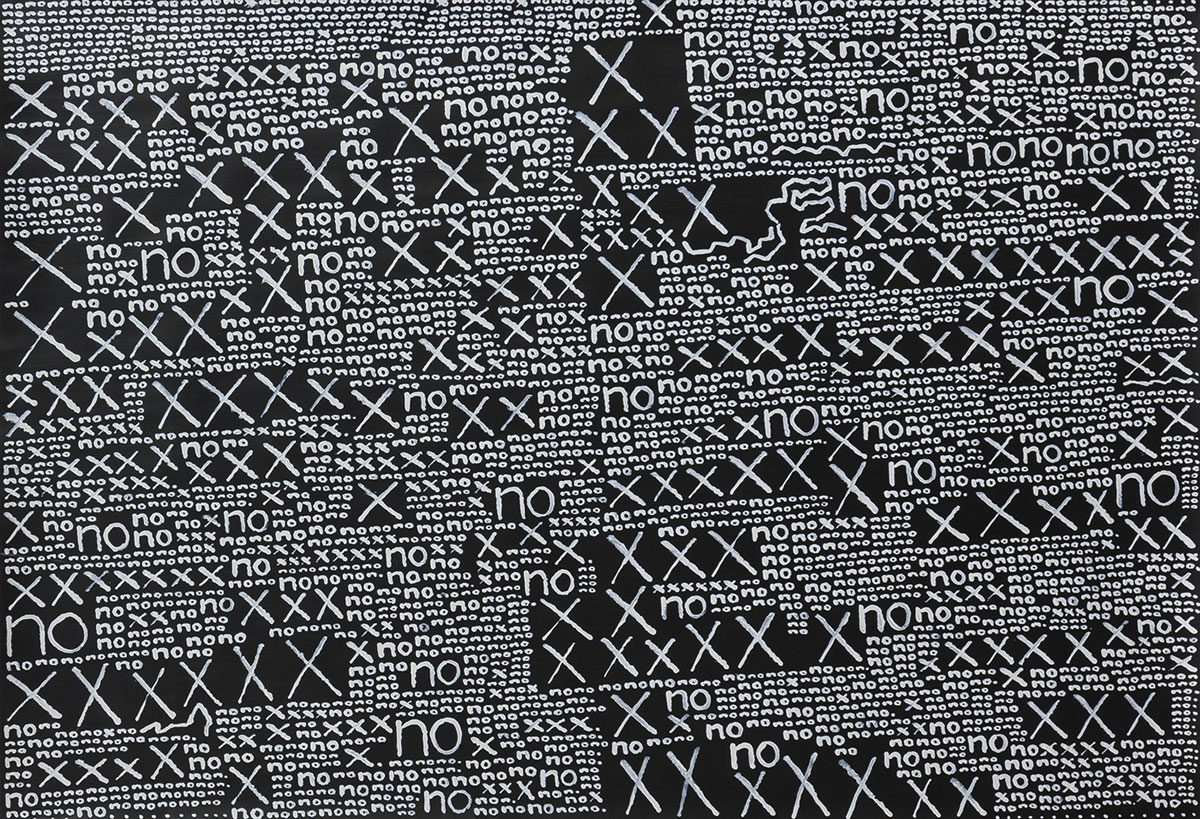


Andrew Blythe (New Zealand, b. 1962) 'Untitled' 2012


Andrew Blythe (New Zealand, b. 1962)
Untitled
2012
Synthetic polymer paint on paper
88 x 116cm
Courtesy the artist and Tim Melville Gallery, Auckland


Terry Williams (Australian, b. 1952) 'Stereo' 2011


Terry Williams (Australian, b. 1952)
Stereo
2011
Vinyl fabric, cotton, stuffing and fibre-tipped pen
21 x 43 x 14cm
Private collection, Melbourne. Courtesy the artist and Arts Project Australia, Melbourne


Terry Williams (Australian, b. 1952) 'Telephone' 2011


Terry Williams (Australian, b. 1952)
Telephone
2011
Fabric, cotton, stuffing and fibre-tipped pen
18 x 13 x 20cm
Private collection, Melbourne. Courtesy the artist and Arts Project Australia, Melbourne


An exhibition of Australian and New Zealand ‘Outsider’ artists which challenges a key existing interpretation of the genre will be presented at the Potter Museum of Art at The University of Melbourne, from 1 October 2014 to 15 January 2015. Everyday imagining: new perspectives on Outsider art, features the work of artists Andrew Blythe, Kellie Greaves, Julian Martin, Jack Napthine, Lisa Reid, Martin Thompson and Terry Williams.

The term ‘Outsider art’ was coined by British art historian Roger Cardinal in 1972 expanding on the 1940s French concept of art brut – predominantly artworks made by the institutionalised mentally ill – to include artworks made by folk artists and those who are self-taught, disabled, or on the edges of society. The work of Outsider artists is often interpreted as expressing a unique inner vision unsullied by social or cultural influences. Everyday imagining: new perspectives on Outsider art counters this view by presenting contemporary Outsider artists whose works reveal their proactive engagement with the everyday world through artworks that focus on day-to-day experiences.

Curator Joanna Bosse says the exhibition questions a key interpretive bias of Outsider art that is a legacy of its origins in art brut.

“The association with an interior psychological reality that is unsullied by social or cultural influences remains deeply embedded within the interpretations of Outsider art today, and can lead audiences to misinterpret the agency and intention of the artist. Everyday imagining: new perspectives on Outsider art questions this key interpretive bias, and presents the work of Australian and New Zealander outsider artists that demonstrate a clear and proactive engagement with the world. The work of artists Andrew Blythe, Kellie Greaves, Julian Martin, Jack Napthine, Lisa Reid, Martin Thompson and Terry Williams reveals their blatant interest in the here and now,” Ms Bosse said.

Terry Williams’ soft fabric sculptures of everyday items such as fridges, cameras and clocks convey his keen observation of the world and urgent impulse to replicate what is meaningful through familiarity or fascination. Kellie Greaves’ paintings are based on book cover illustrations with the addition of her own compositional elements and complementary tonal colour combinations. The traditional discipline of life-drawing provides Lisa Reid with a structure to pursue her interest in recording the human figure. Her pen and ink drawings are carefully observed yet intuitive renderings.

Jack Napthine produces drawn recollections of his past and present daily life in the form of visual diaries. Light fittings from remembered environments feature prominently as do doors with multiple and varied locks. Napthine’s work has a bold economy of means; he uses thick texta pen to depict simplified designs accompanied by text detail that often records the names of friends and family.

The work of Martin Thompson and Andrew Blythe also displays a similarly indexical approach. Both artists produce detailed repetitive patterns that are borne out of a desire for order and control. Thompson uses large-scale grid paper to create meticulous and intricate geometric designs whereas Blythe uses select motifs – the word ‘no’ and the symbol ‘x’ – to fill the pictorial plane with dense yet orderly markings that result in graphic and rhythmic patterns.

“In the last decade in particular there has been much debate about the term ‘outsider art’: who does it define? What are the prerequisite conditions for its production? What is it outside of, and who decides? This exhibition doesn’t seek to resolve these ambiguities or establish boundaries, but looks beyond definitions to challenge a key assumption underlying contemporary interpretations of outsider art,” Ms Bosse said.

Everyday imagining: new perspectives on Outsider art is held in conjunction with the international conference Contemporary Outsider art: the global context, presented Art Projects Australia and The University of Melbourne and held 23-26 October at The University of Melbourne. The conference proposes an inter-disciplinary exploration of the field, drawing on the experience and knowledge of Australian and international artists, collectors, curators and scholars.

Press release from The Ian Potter Museum of Art


Julian Martin (Australian, b. 1969) 'Untitled' 2011


Julian Martin (Australian, b. 1969)
Untitled
2011
Pastel on paper
38 x 28cm
Courtesy the artist and Arts Project Australia, Melbourne
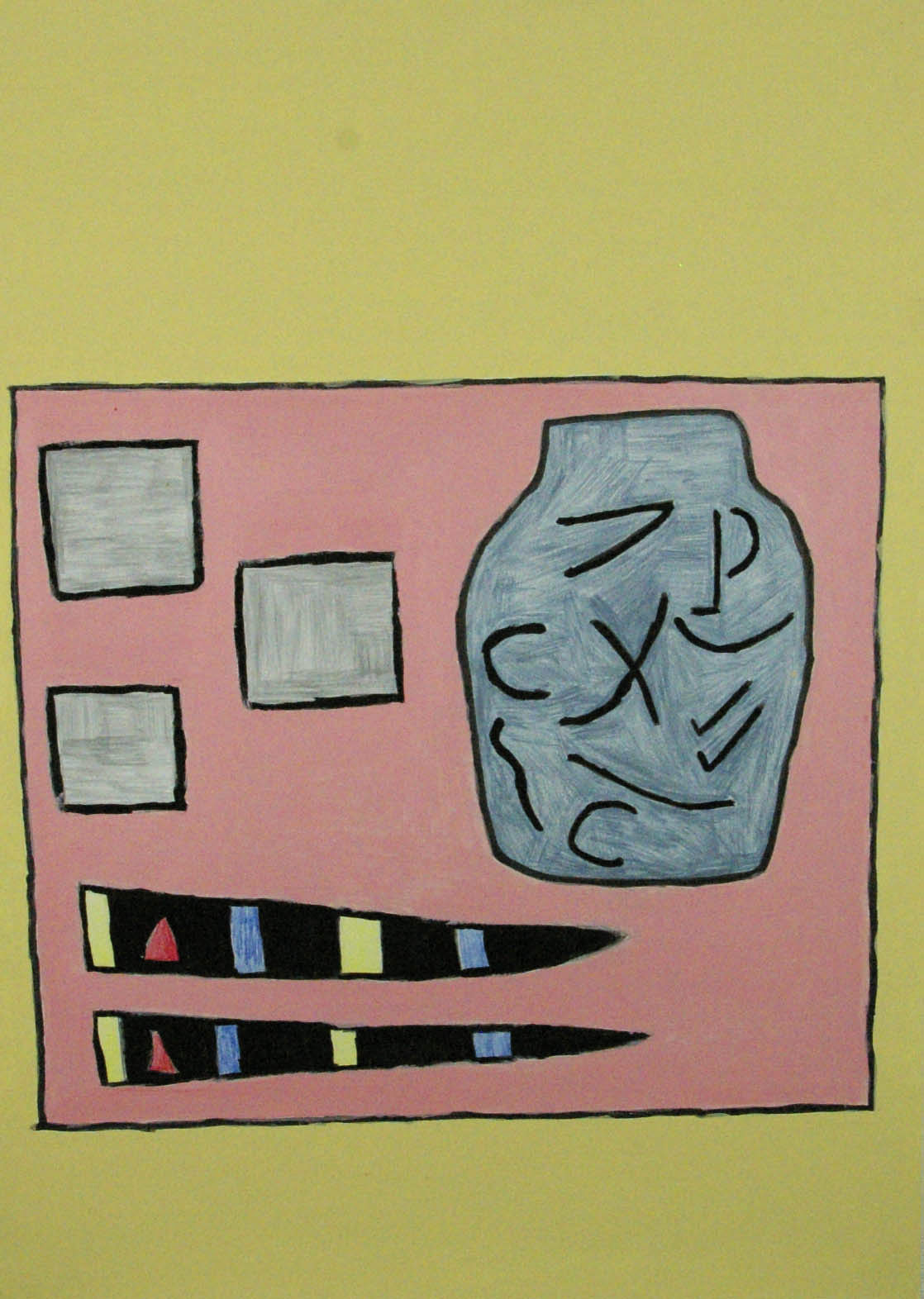
 

Kelly Greaves. 'My little Japan' 2010


Kelly Greaves
My little Japan
2010
Synthetic polymer paint on paper
59.4 x 42cm
Courtesy the artist and Art Unlimited, Geelong


Jack Napthine (Australian, b. 1975) 'Untitled' 2013


Jack Napthine (Australian, b. 1975)
Untitled
2013
Fibre-tipped pen on paper
59.4 x 42cm
Courtesy the artist and Art Unlimited, Geelong


Jack Napthine (Australian, b. 1975) 'Untitled' 2013


Jack Napthine (Australian, b. 1975)
Untitled
2013
Fibre-tipped pen on paper
42 x 59.4cm
Courtesy the artist and Art Unlimited, Geelong
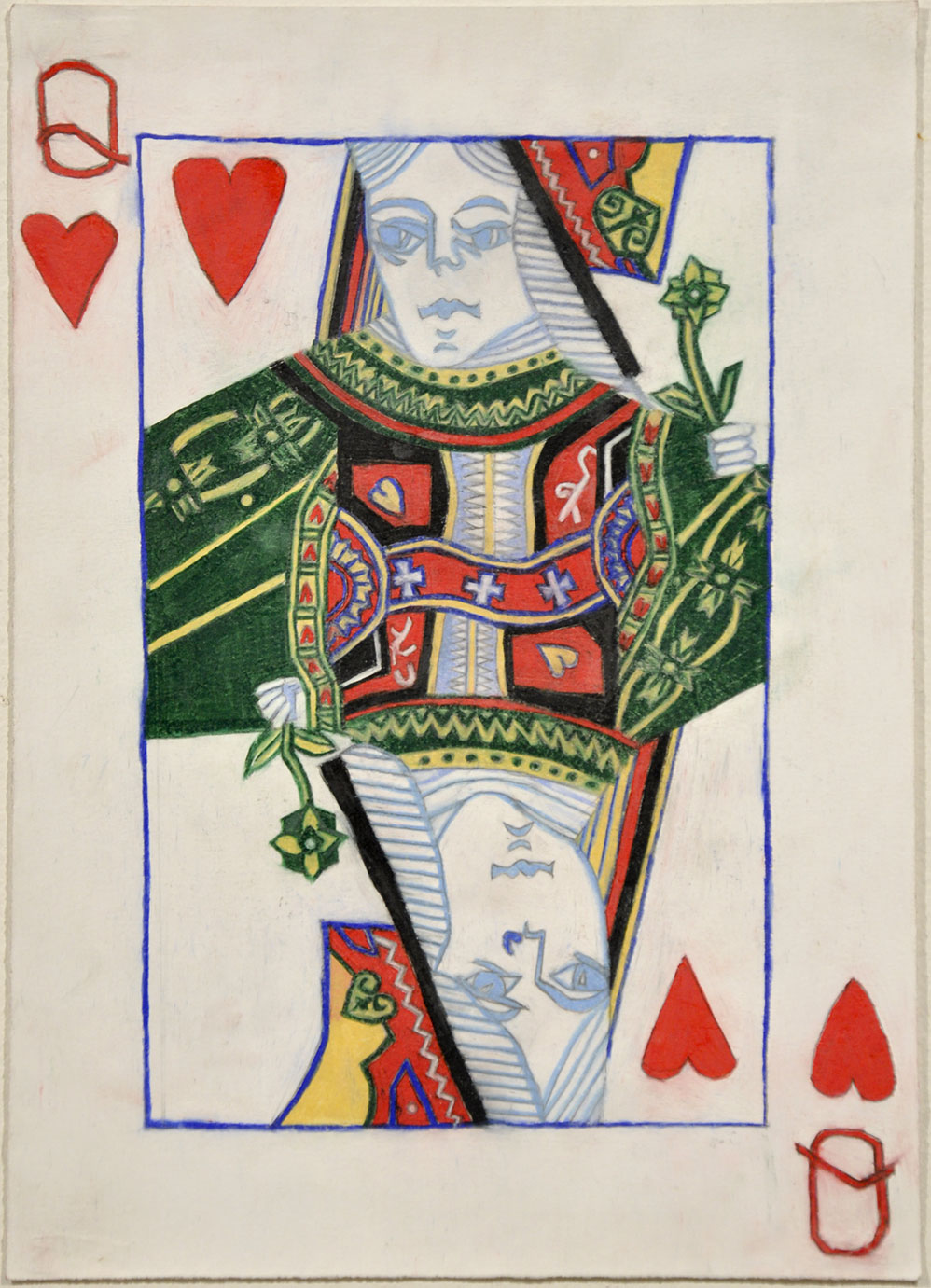
 

Lisa Reid (Australian, b. 1975) 'Queen of hearts' 2010


Lisa Reid (Australian, b. 1975)
Queen of hearts
2010
Pencil on paper
35 x 25cm
Courtesy the artist and Arts Project Australia, Melbourne


The Ian Potter Museum of Art
The University of Melbourne,
Corner Swanston Street and Masson Road
Parkville, Victoria 3010

Opening hours: Tuesday – Saturday 11am – 5pm
The Ian Potter Museum of Art website

LIKE ART BLART ON FACEBOOK

Back to top

Review: ‘Unnerved: The New Zealand Project’ at NGV International, Melbourne

Exhibition dates: 26th November 2010 – 27th February, 2011

A Queensland Art Gallery Touring Exhibition


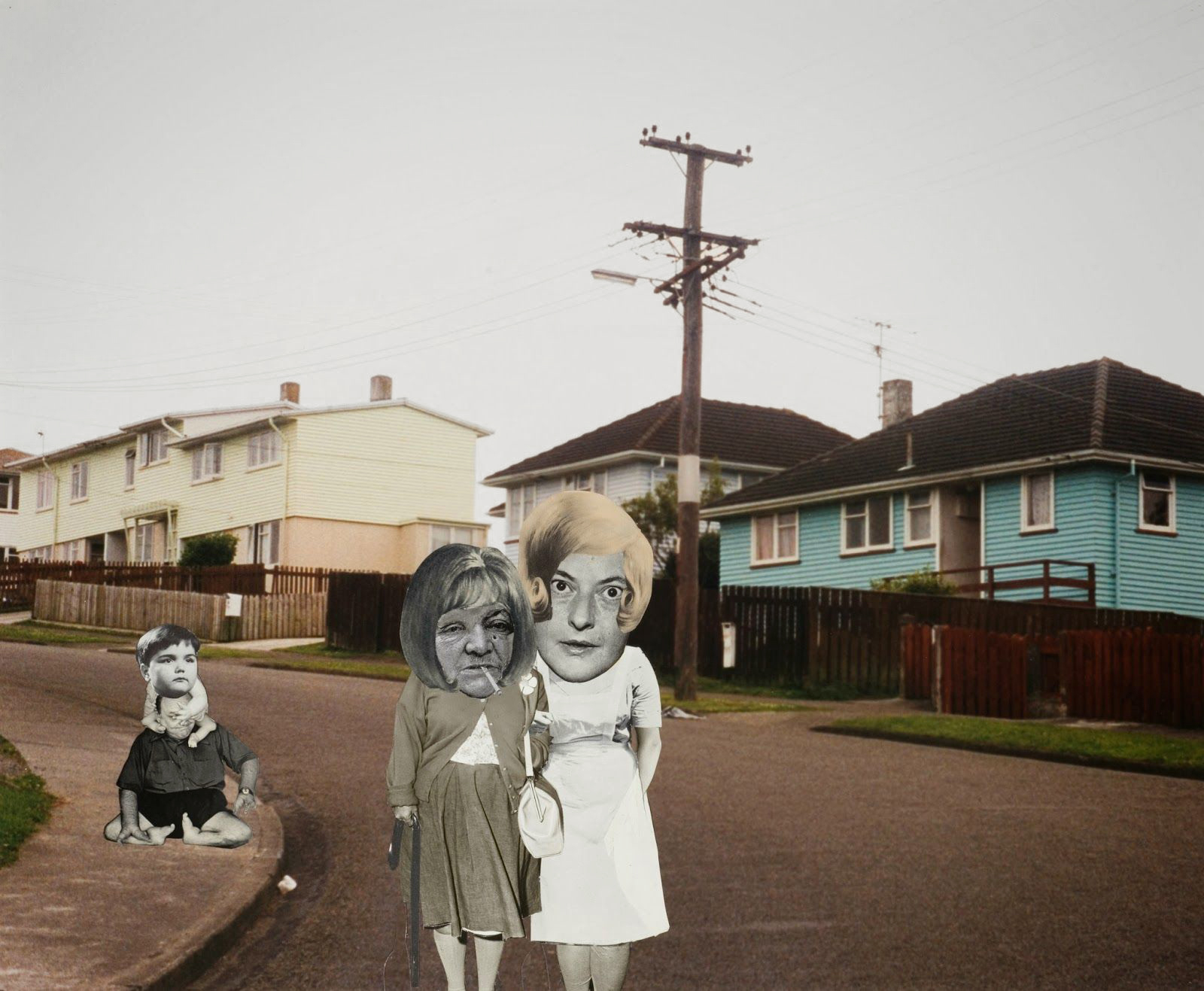
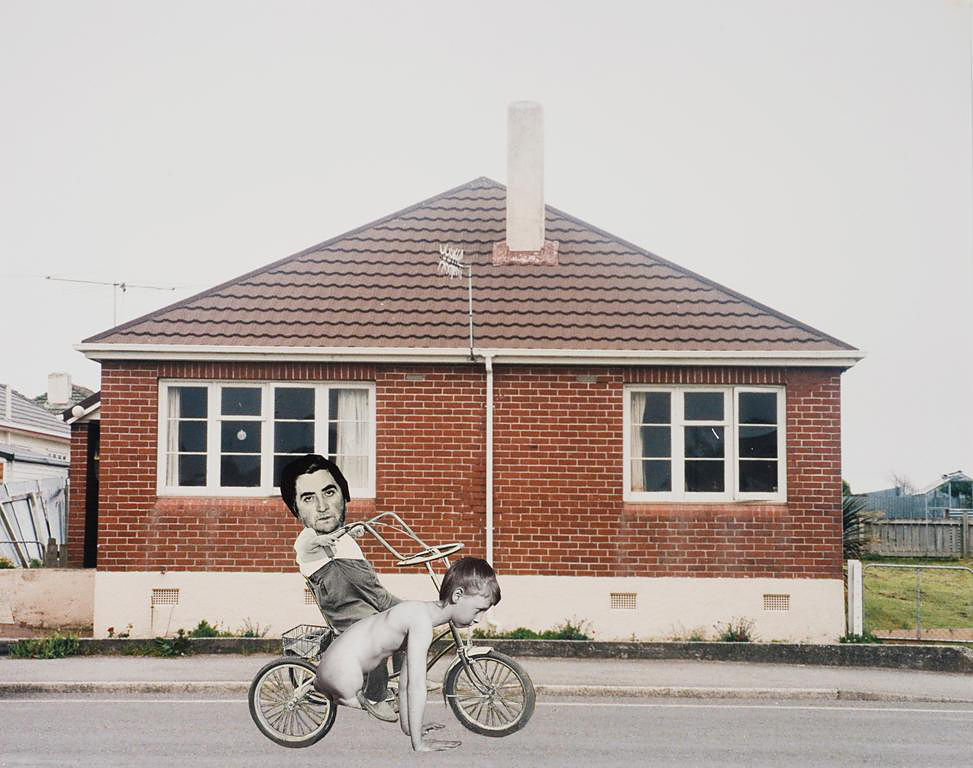
Ava Seymour (New Zealand, b. 1967) 'Sate Highway 1' 1997 from the exhibition 'Unnerved: The New Zealand Project' at NGV International


Ava Seymour (New Zealand, b. 1967)
State Highway I
1997
From Health, happiness and housing series
Colour photograph of a photomontage


Ava Seymour (New Zealand b. 1967) 'Day Care Walkabouts' 1997 from the exhibition 'Unnerved: The New Zealand Project' at NGV International


Ava Seymour (New Zealand b. 1967)
Day Care Walkabouts
1997
From Health, happiness and housing series
Photomontage on colour photograph


New Zealand art adrift in a myriad of stories and symbols – not a brave ‘new world’

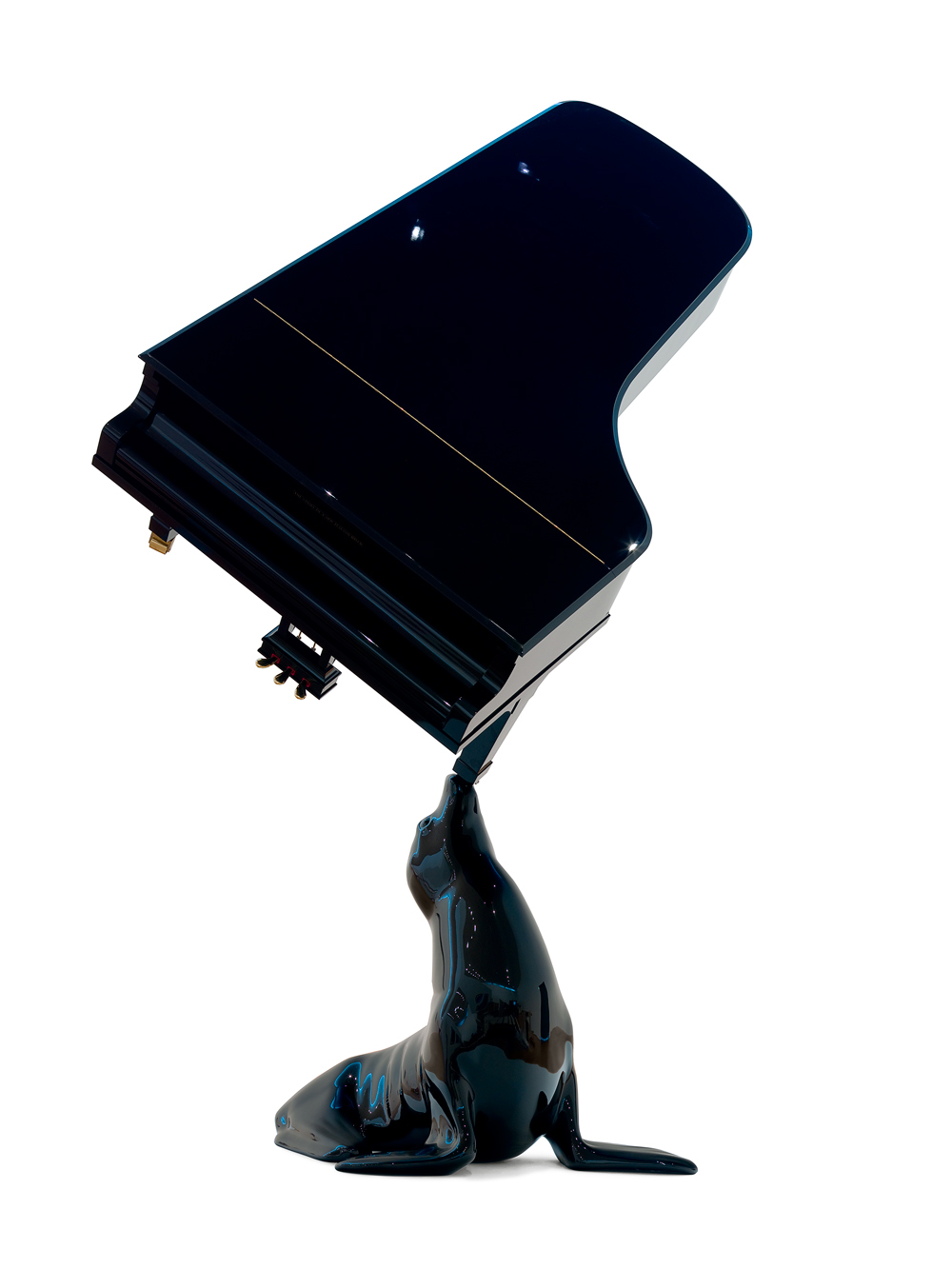
This is an underwhelming group exhibition of over 100 works drawn from the Queensland Art Gallery collection, a show to wander around on a lazy weekend afternoon and not get too excited about. The large number of works in the exhibition make it impossible to review each work individually (although I critique some works below) but one does get an overall sense of the investigation by New Zealand artists into their history, place, culture and identity. While there are a few good works in the exhibition there are also some very mediocre works as well and, other than a few splashes of self-deprecating humour (such as the wonderful The Horn of Africa (2006) by Michael Parekowhai, below) it all seems importantly earnest: an exhibition for serious people (apologies to Oscar Wilde).

On the evidence of this exhibition the country of New Zealand must be a very unnerving place to live, mainly because their artists can’t seem to keep their hand off it – cultural history that is.

Throughout this exhibition we have psychological unease, physical unease, a little humour, parody, poetry, symbology, allegory, mythology, colonialism, post-colonialism, nationalism, commercialisation, representation, anthropology, travel, landscape, topography, advertising, first contact, sacred spaces, indigenous politics, Māori culture, Pacific Islander culture, pakeha (non-indigenous) culture, tools, guns, rabbits, seals, pianos, traditional tattoos, tourist sites and museums, surfing, suburbia, personal journeys, family albums, androgyny, identity, public housing, ambiguous states, hyperreality, surreality, dislocation, disenfranchisement, alienation, bodies, portraits, subjects, past, present, future (and more!)

Ronnie van Hout exhibits three atmospheric, eerie, dark photographs of constructed model landscapes: of a Nazi doodlebug and the words ABDUCT and HYBRID. The wall text tries, unsuccessfully, to link the images to the obscure and haunted landscapes of New Zealand – a very long bow to draw indeed. Bill Cuthbert’s “nice” photographs offer generalised statements of light and place but really don’t take you anywhere and in fact could have been taken anywhere. The wall text offers that the photographs are a “self-conscious, critical response” to the dismantling of colonial ideas of empire and nation … this is art speak gobbledygook at its worst trying to justify basic photography.

Mark Adams panoramic photograph of one of the sites of first contact – an important historical moment of encounter between Māori and pakeha (non-Māori people of European descent) – are a beautiful photograph of a sound and mountains that has then been dissected, fragmented and individually framed and then mounted unevenly on the gallery wall – just to make sure we get the point about the ‘nature’ of the scenery and its cultural implications. Lonnie Hutchinson’s cut wall work Cinco “offers an interplay between paper and space and explores the ‘va’ or space between – a relation between the Samoan people and the landscape saturated with the dialogue of our ancestors … being adrift in a sea of memories caused by feelings related to cultural loss and uncertainty.” I know how they feel: adrift, underwhelmed by the art and overwhelmed by the text.

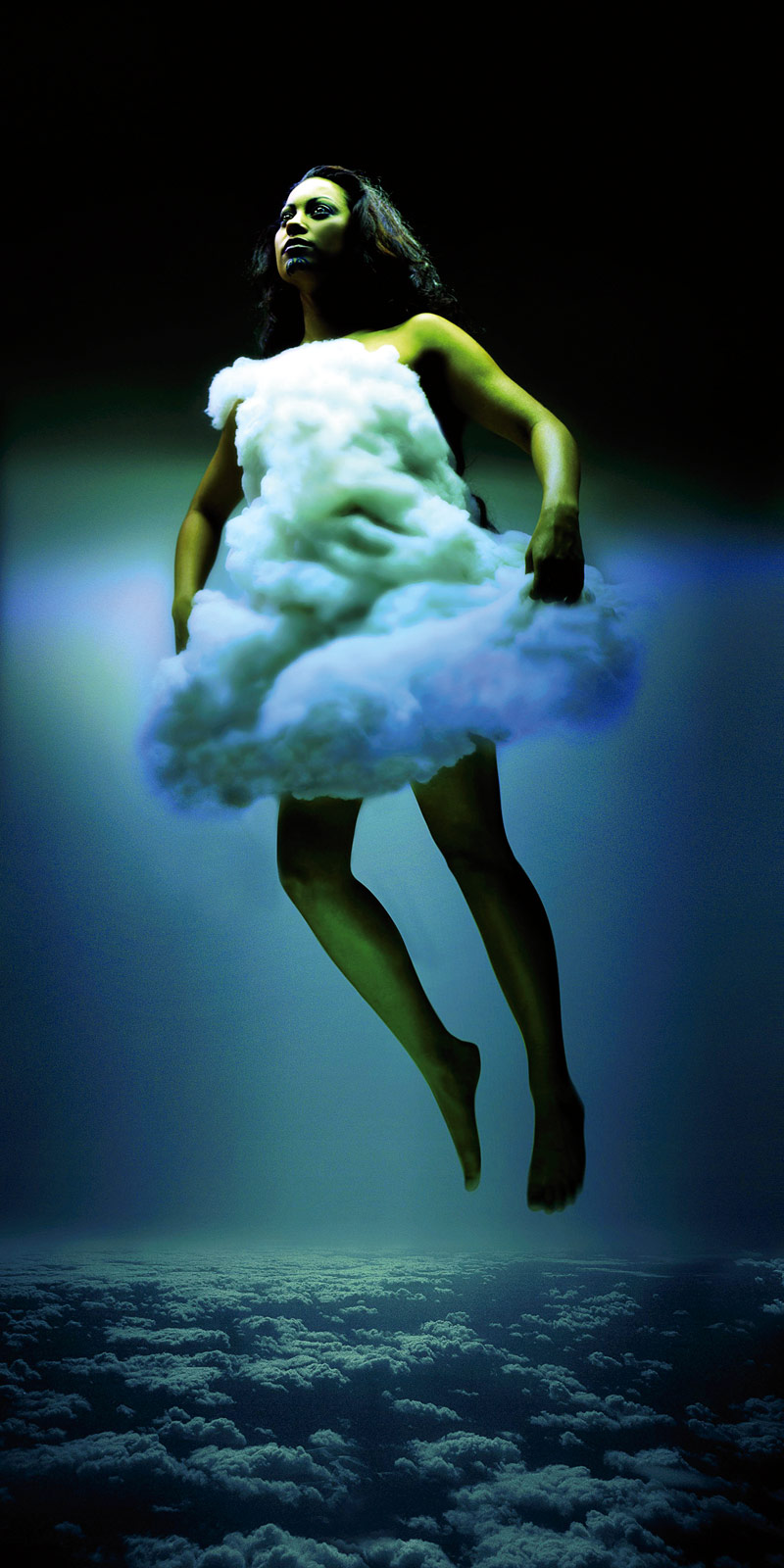
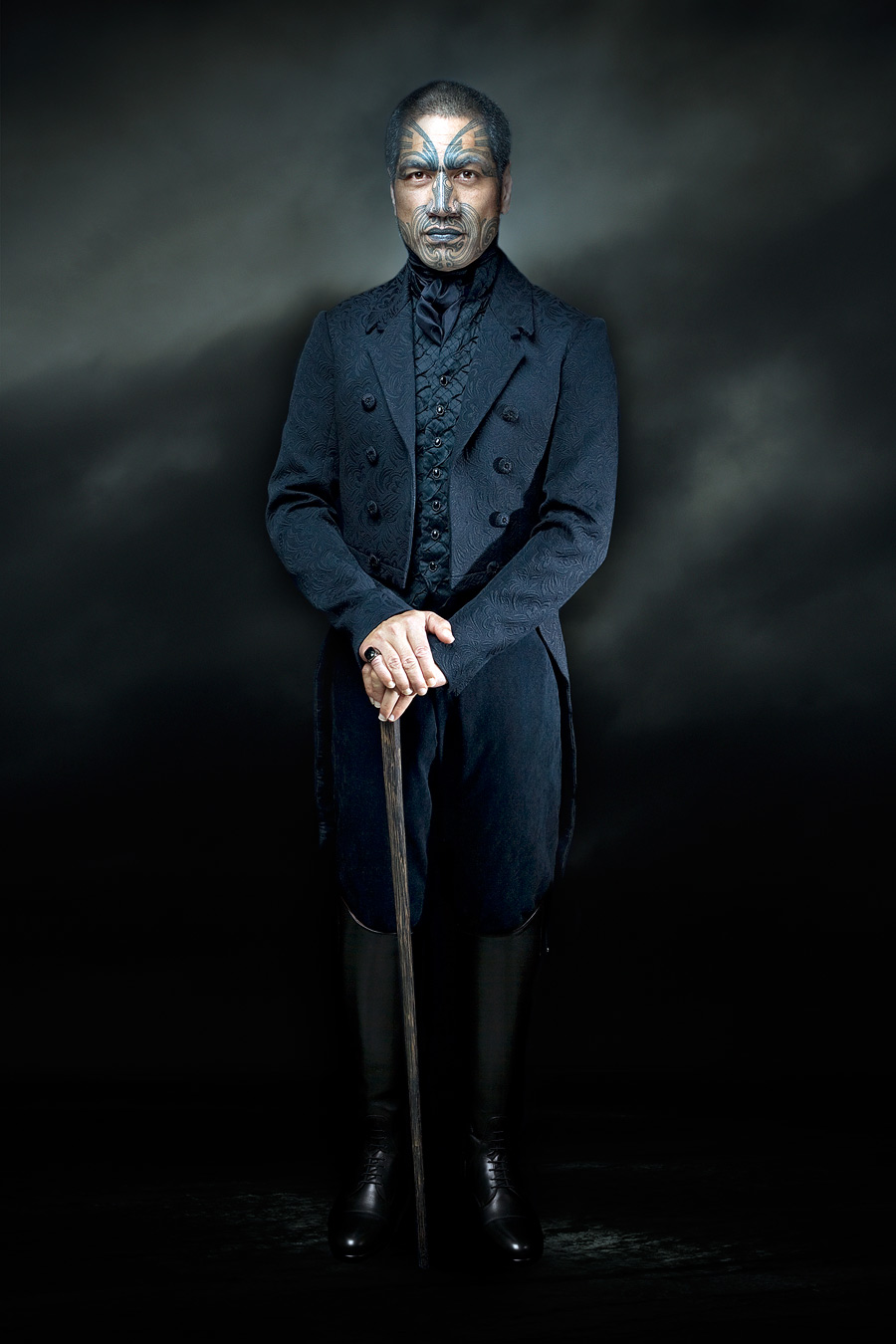
Other than the striking photograph of the Dandy (2007, below) Lisa Reihana’s series Digital Marae (2001- ) also fails to inspire. The marae is a highly structure space where Māori families come together – an outdoor, cleared area, a communal or sacred place which serves religious and social purposes in Polynesian societies. Here can be found male sculptures called poupou featuring diverse forms of masculinity, Māori gods and goddesses. The elder Mahuika, while sometimes described as male, is deliberately depicted in her female state in this series. In Reihanna’s digital interpretation of the marae her gods and goddesses become slick, media-inspired glossy magazine type images printed large, mounted on aluminium and lit for maximum theatrical effect. The unstructured spaces behind the figures have no context, no placement and give lie to the inspiration for the series (a highly structured space) and, as such, they land with a commercial thud onto the cleared earth.

The lowest point in the exhibition must be reserved for the 80 photographs of the series ‘The homely’ (1997-2000) by Gavin Hipkins. Usually when reviewing I refrain from saying anything bad about works of art. Robert Nelson in The Age describes the series as “visually and conceptually incoherent.” Taken over 4 years and supposedly “examining notions of nationhood that are unstable and fractured” Hipkins describes it as “a post-colonial gothic novel.” !!

The series features flat, one-dimensional images of symbols: sculptures, closed doors, open doors, flags, people, repeating circles and vertical elements – where the aggregate of all the images is supposed to MEAN SOMETHING. These are the most simple, most basic of year 12 images formed into a sequence that is conceptually irrelevant in terms of its symbolism and iconography vis a vis the purported critical examination it seeks to undertake. This artist needs to look at the sequences of Minor White to see how a master artist puts photographs together – not just in terms of narrative but the meaning in the spaces between the images, their spiritual resonance – or if wanting to be more literal, study that seminal book The Americans by Robert Frank to see how to really make a sequence.

On to better things. For me the absolute gem of this exhibition were the photomontages of Ava Seymour from her ‘Health, happiness and housing’ series (see photographs above). These are just fantastic! Featuring as a backdrop photographs of state houses built in the 1950s and 60s Seymour assembles her cast of characters – composite figures of found limbs, bodies and faces taken from old medical text books – and creates stark, psychological sites of engagement. The can be seen as family portraits, social documents of unseen alienation and dis-enfranchisement with communities and also a comment on the conduct of the welfare system and state housing, but in their ironic, self-deprecating humour they become so much more. Even though they use old photographs the artist recasts them ingenuously to become something new, a new space that the viewer can step into, unlike most of the work in this exhibition.

Most artists in this exhibition seem intent on a form of cultural excavation to make their work, digging and rooting around in cultural history and memory to find “meaning”, to make new forms from old that actually lead nowhere. They excavate symbols and signs and reform them hoping for what, exactly? All that appears is work that is stunted and fragmented, chopped up dislocations that offer nothing new in terms of a way forward for the culture from which these histories and memories emerge. There is no holistic, healing vision here, only a series of mined observations that fragment, distort and polarise, descending into the decorative, illustrative or the commercial. The same can be said of some Australian art (including the exhibition Stormy Weather: Contemporary Landscape Photography at NGV Federation Square that I will review next). As Robert Nelson succinctly observed in his review of this exhibition in The Age (Wednesday, December 29th, 2010), this exhibition “reveals a weakness that also exists in our scene: fertile tricks and noble intentions, but patchy skill or poetic imagination for connecting them.” Well said.

“”When the soul wants to experience something she throws out an image in front of her and then steps into it.” (Meister Eckhart) It is an evocation of the image as a threshold leading to new dimensions of meaning. Symbolic images are more than data; they are vital seeds, living carriers of possibility.”1


New dimensions of meaning, vital seeds, living carriers of possibility. Everyone of us is a living, breathing embodiment of cultural history and memory. We know that intimately in our bones, as human beings. What artists need to do is observe this legacy but offer a way forward, not constantly excavating the past and hoping this is enough when creating work. These are not new spaces to step into! The cohabitation of indigenous and ethnically mixed non-indigenous cultures in both Australia and New Zealand requires this holistic forward looking vision. It is a redemptive vision that is not mired in the symbols and archetypes of the past but, as Australia writer David Malouf envisages it, ‘a dream history, a myth history, a history of experience in the imagination’.2 It is a vision of the future that all post-colonial countries can embrace, where a people can come to know their sense of place more fully.

Rather than an escapist return to the past perhaps a redemptive vision of New Zealand’s cultural future, a history of experience in the imagination, would be less insular and more open to the capacity to wonder.

Dr Marcus Bunyan


1/ Ronnberg, Ami (ed.,). “Preface,” in The Book of Symbols. Cologne: Taschen, 2010, p. 6

2/ Footnote 6. Daniel, Helen. “Interview with David Malouf,” in Australian Book Review (September , 1996), p. 13 quoted in Ennis, Helen. “The Presence of the Past,” in Photography and Australia. London: Reaktion Books, 2007, p. 141


Many thankx to Jemma Altmeier for her help and to the National Gallery of Victoria for allowing me to publish the photographs in the posting. Please click on the photographs for a larger version of the image.


Lisa Reihana (Ngāpuhi: Ngāti Hine, Ngāi Tu New Zealander, b. 1964) 'Hinepukohurangi' 2001 from the exhibition 'Unnerved: The New Zealand Project' at NGV International


Lisa Reihana (Ngāpuhi: Ngāti Hine, Ngāi Tu New Zealander, b. 1964)
Hinepukohurangi
2001
From Digital Marae 2001-
Cibachrome photograph mounted on aluminium
200 x 100cm
Purchased 2002
© Lisa Reihana


Lisa Reihana (Ngāpuhi: Ngāti Hine, Ngāi Tu New Zealander, b. 1964) 'Dandy' 2007 from the exhibition 'Unnerved: The New Zealand Project' at NGV International


Lisa Reihana (Ngāpuhi: Ngāti Hine, Ngāi Tu New Zealander, b. 1964)
Dandy
2007
From Digital Marae 2001-
Colour digital print mounted on aluminium
200 x 120cm
Queensland Art Gallery, Brisbane
Purchased 2008 with funds from the Estate of Vincent Stack through the Queensland Art Gallery Foundation Queensland Art Gallery, Brisbane
© Lisa Reihana


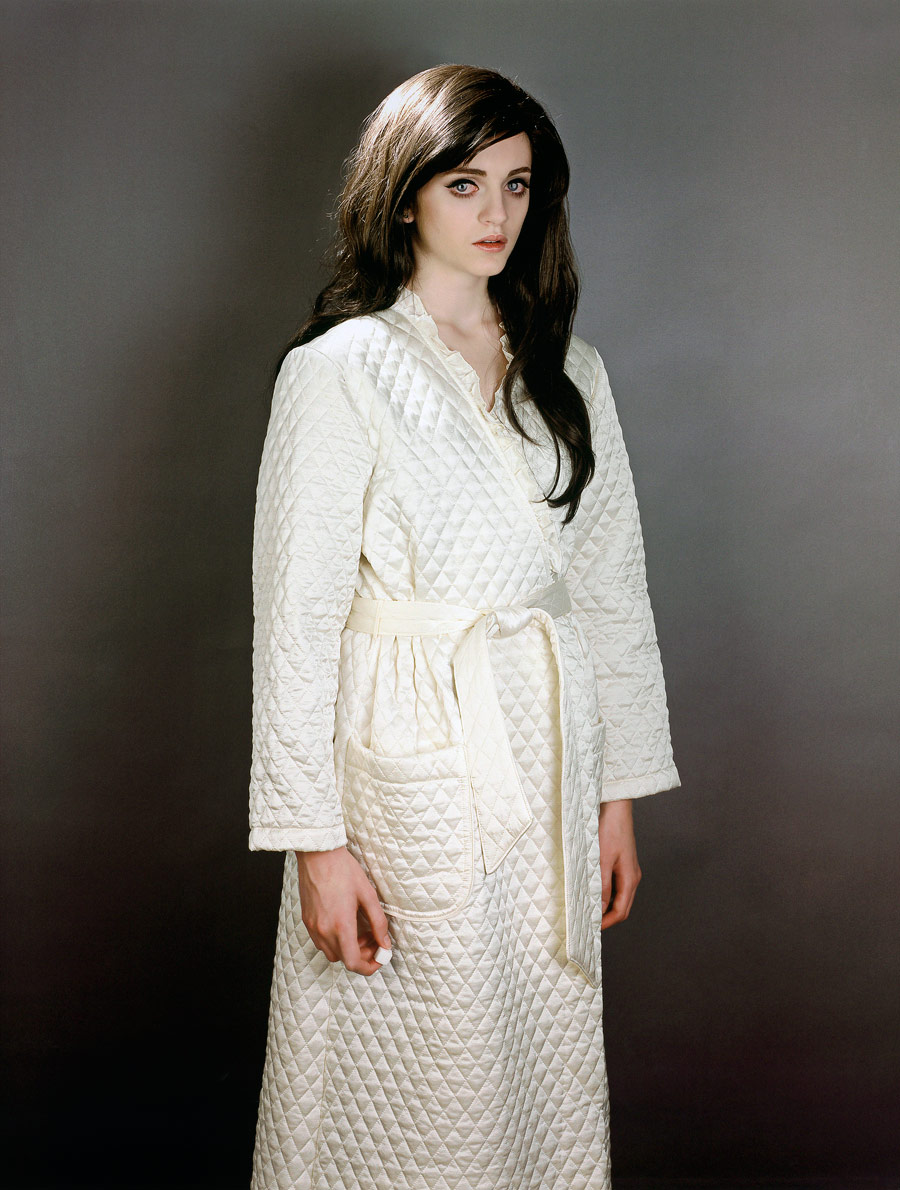
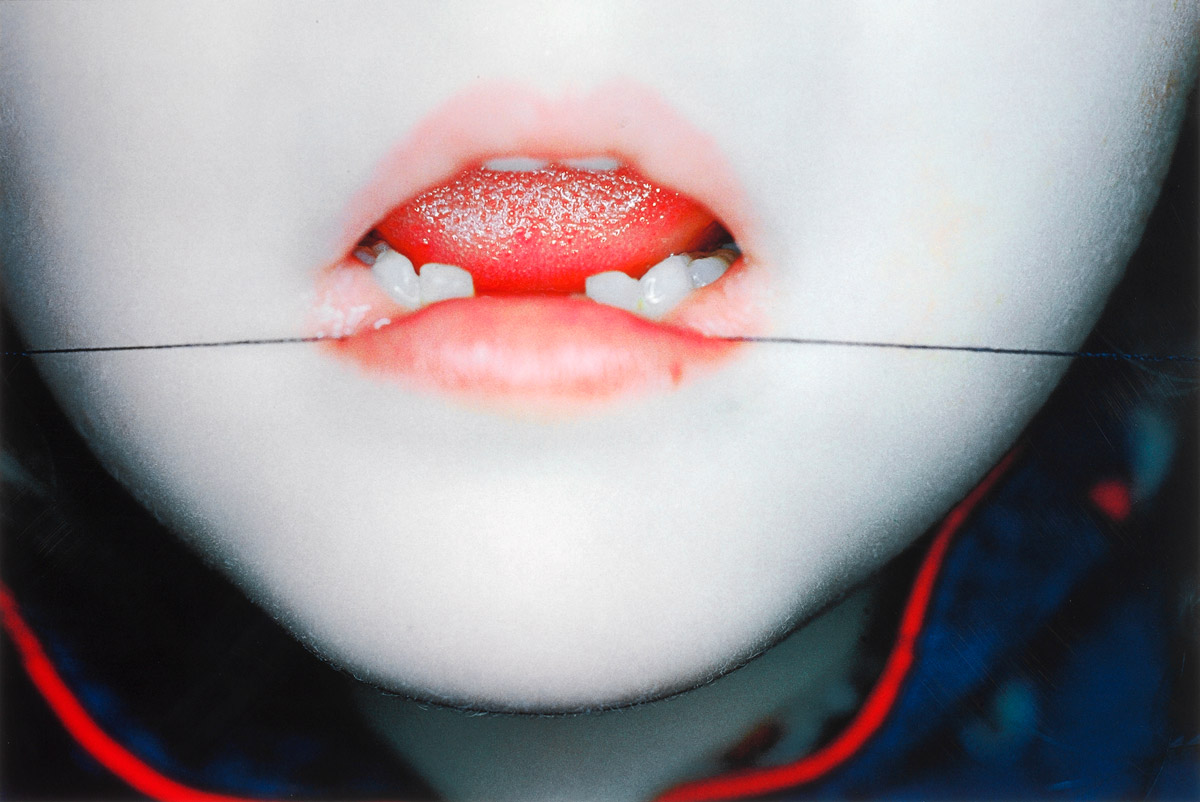
Yvonne Todd (New Zealander, b. 1973) 'January' 2005 from the exhibition 'Unnerved: The New Zealand Project' at NGV International


Yvonne Todd (New Zealander, b. 1973)
January
2005
From the Vagrants’ reception centre series
Light jet photograph
100 x 73.8cm
Queensland Art Gallery, Brisbane
Purchased 2007. Queensland Art Gallery Foundation Grant
©Yvonne Todd


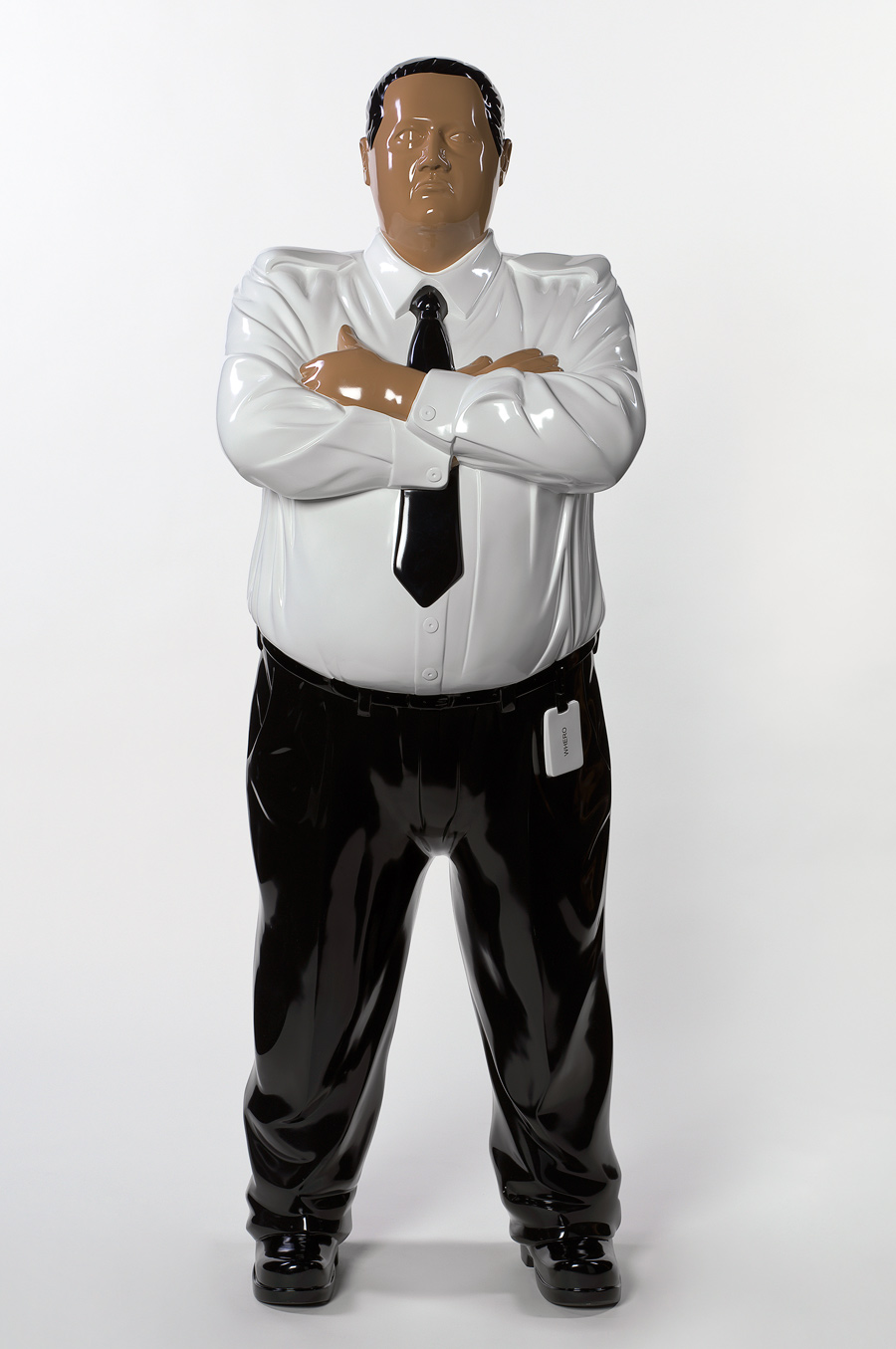
Michael Parekowhai (Ngāti Whakarongo New Zealander, b. 1968) 'Kapa Haka (Whero)' 2003 from the exhibition 'Unnerved: The New Zealand Project' at NGV International


Michael Parekowhai (Ngāti Whakarongo New Zealander, b. 1968)
Kapa Haka (Whero)
2003
Automotive paint on fibreglass
188 x 60 x 50cm
Queensland Art Gallery, Brisbane
Purchased 2009 with funds from Tim Fairfax AM, through the Queensland Art Gallery Foundation
© Michael Parekowhai


The National Gallery of Victoria today opened a major exhibition celebrating the extraordinary work of 26 contemporary New Zealand artists in Unnerved: The New Zealand Project.

Unnerved explores a particularly rich, dark vein found in contemporary New Zealand art. The psychological or physical unease underlying many works in the exhibition is addressed with humour, parody and poetic subtlety by artists across generations and mediums. Bringing together more than 100 works ranging from intimate works on paper to large scale installations by both established and emerging artists, Unnerved engages with New Zealand’s changing social, political and cultural landscape as the country navigates its indigenous settler and migrant histories. These works explore a changing sense of place, the continued importance of contemporary Maori art, biculturalism, a complex colonial past, the creative reworking of memory, and the often interconnected mediums of performance, photography and video. If the vision is unsettling, it is also compelling and Unnerved: The New Zealand Project offers us new ways of seeing one of our closest neighbours.

This fascinating exhibition explores a rich and dark vein found in contemporary art in New Zealand, drawing on the disquieting aspects of New Zealand’s history and culture reflected through more than 100 works of art.

Jane Devery, Coordinating Curator, NGV said: “The works presented in Unnerved reveal a darkness and distinctive edginess that characterises this particular trend in New Zealand contemporary art. The psychological or physical unease underlying many works in the exhibitions is addressed with humour, parody and poetic subtlety.

The exhibition reflects the strength and vitality of contemporary art in New Zealand with works created by both established and emerging artists, across a range of mediums including painting, photography, sculpture, installation, drawing, film and video.

Unnerved engages with New Zealand’s changing social, political and cultural landscape, exploring a shifting sense of place, complex colonial past, the relationships between contemporary Māori, Pacific Islander and pakeha (non-indigenous) culture, and the interplay between performance, video and photography,” said Ms Devery.

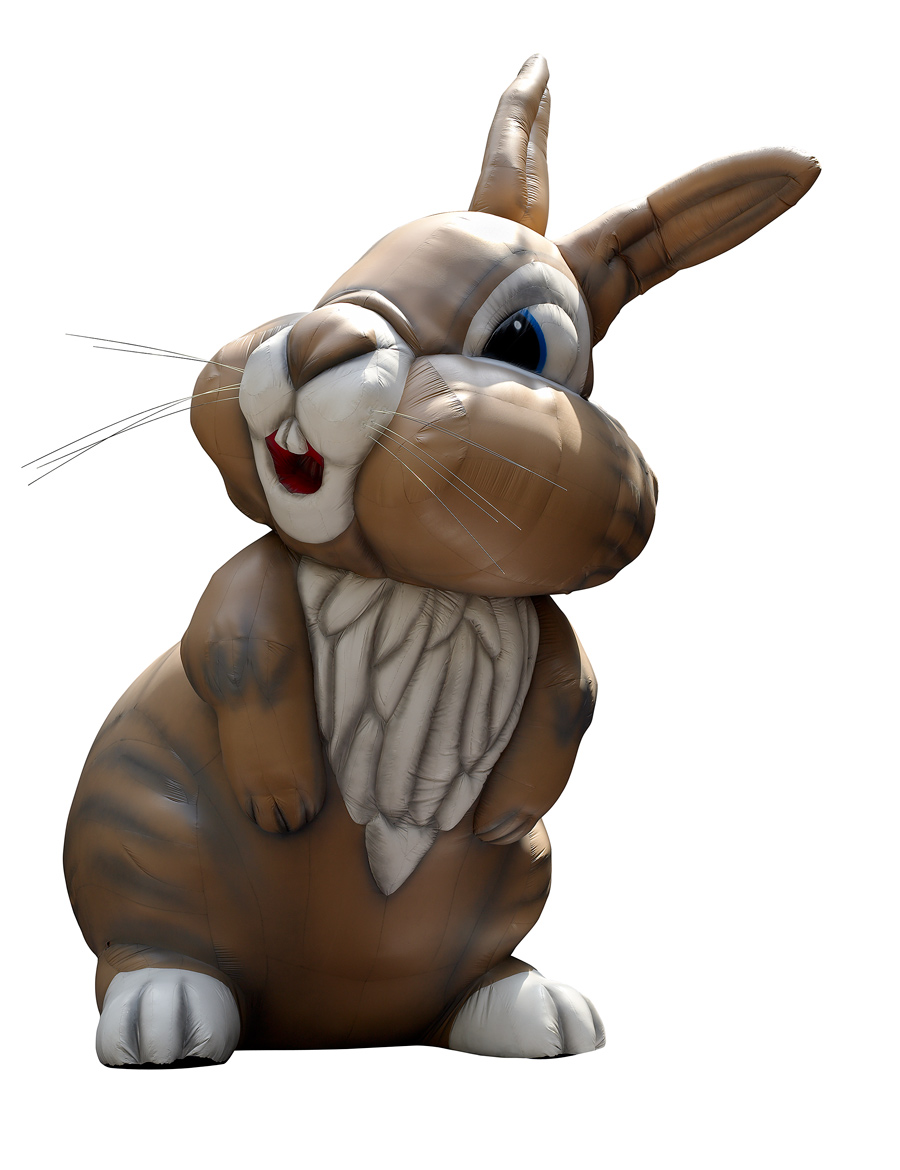
A highlight of the exhibition is a group of sculptural works by Michael Parekowhai including his giant inflatable rabbit, Cosmo McMurtry, which will greet visitors to the exhibition, and a spectacular life-size seal balancing a grand piano on its nose titled The Horn of Africa. Also on display are a series of haunting photographs by Yvonne Todd, whose portrait photography often refers to B-grade films and pulp fiction novels.

Gerard Vaughan, Director, NGV said this exhibition demonstrates the NGV’s strong commitment to interesting and challenging contemporary art secured from around the world; he noted that the NGV has made a special commitment to exhibition the contemporary art of our region.

Unnerved will introduce visitors to the rich contemporary arts scene of one of our closest neighbours, fascinating audiences with works ranging from the life size installations by Parekowhai through to the spectacular 30 metre photographic essay by Gavin Hipkins. This truly is a must see show this summer!” said Dr Vaughan.

Unnerved will also offer a strong and engaging collection of contemporary sculpture, installations, drawings, paintings, photography, film and video art by artists including Lisa Reihana, John Pule, Gavin Hipkins, Anne Noble, Ronnie van Hout, Shane Cotton, Julian Hooper and many others.

Press release from the National Gallery of Victoria website


Michael Parekowhai (Ngāti Whakarongo New Zealander, b. 1968) 'The Horn of Africa' 2006


Michael Parekowhai (Ngāti Whakarongo New Zealander, b. 1968)
The Horn of Africa
2006
Automotive paint, wood, fibreglass, steel, brass
395 x 200 x 260cm
Queensland Art Gallery, Brisbane
Purchased 2008 with funds from the Queensland Government’s Gallery of Modern Art Acquisitions Fund in recognition of the contribution to the Gallery by Wayne Goss (Chair of Trustees 1999-2008)
© Michael Parekowhai


Michael Parekowhai (Ngāti Whakarongo New Zealander, b. 1968) 'Cosmo McMurtry' 2006 from the exhibition 'Unnerved: The New Zealand Project' at NGV International


Michael Parekowhai (Ngāti Whakarongo New Zealander, b. 1968)
Cosmo McMurtry
2006
Synthetic polymer paint on polyvinyl chloride, fibreglass, air compressor
734.3 x 506.4 x 739.1cm (variable)
Presented by the Melbourne Art Fair Foundation with the assistance of funds donated by NGV Contemporary, 2006
National Gallery of Victoria
© Michael Parekowhai


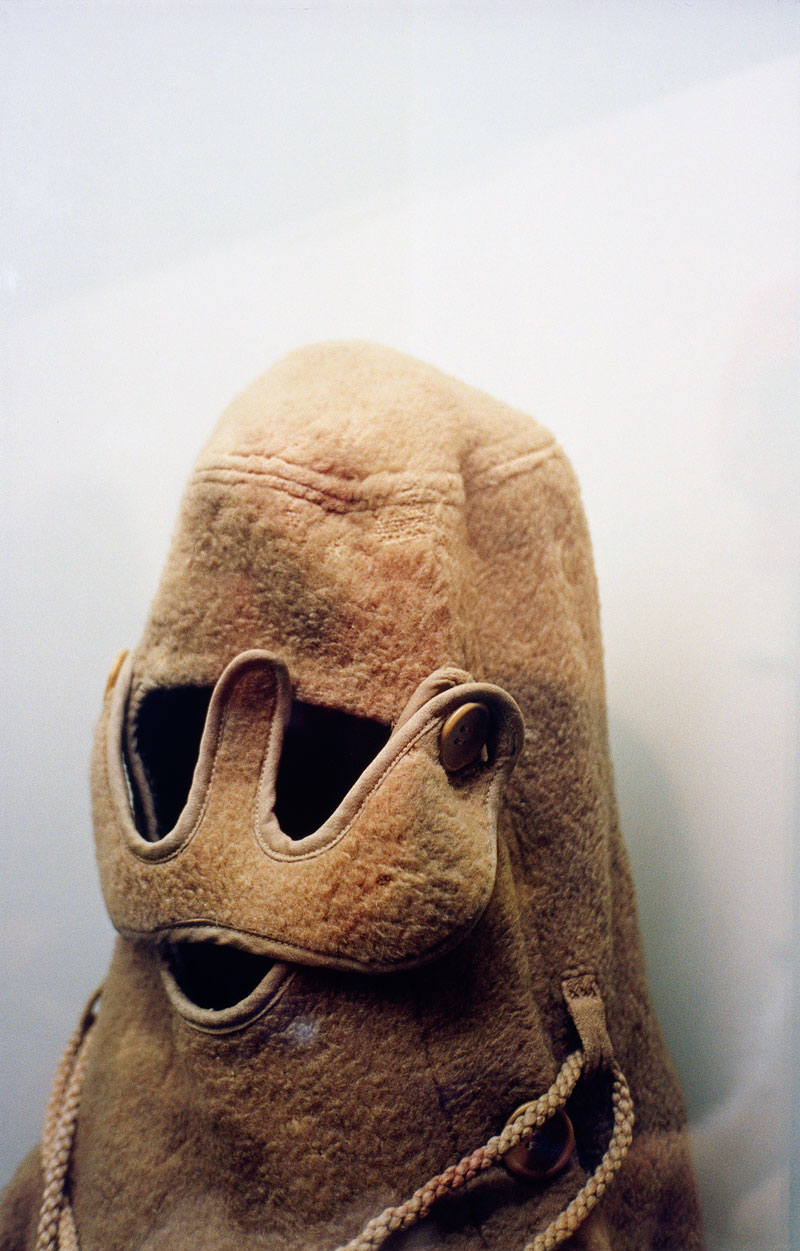
Gavin Hipkins (New Zealander, b. 1968) 'Christchurch (Mask)' 1998 from the exhibition 'Unnerved: The New Zealand Project' at NGV International


Gavin Hipkins (New Zealander, b. 1968)
Christchurch (Mask)
1998
From The homely series 1997-2000
Type C photograph
60 x 40cm
Queensland Art Gallery, Brisbane Purchased 2008. The Queensland Government’s Gallery of Modern Art Acquisitions Fund
© Gavin Hipkins


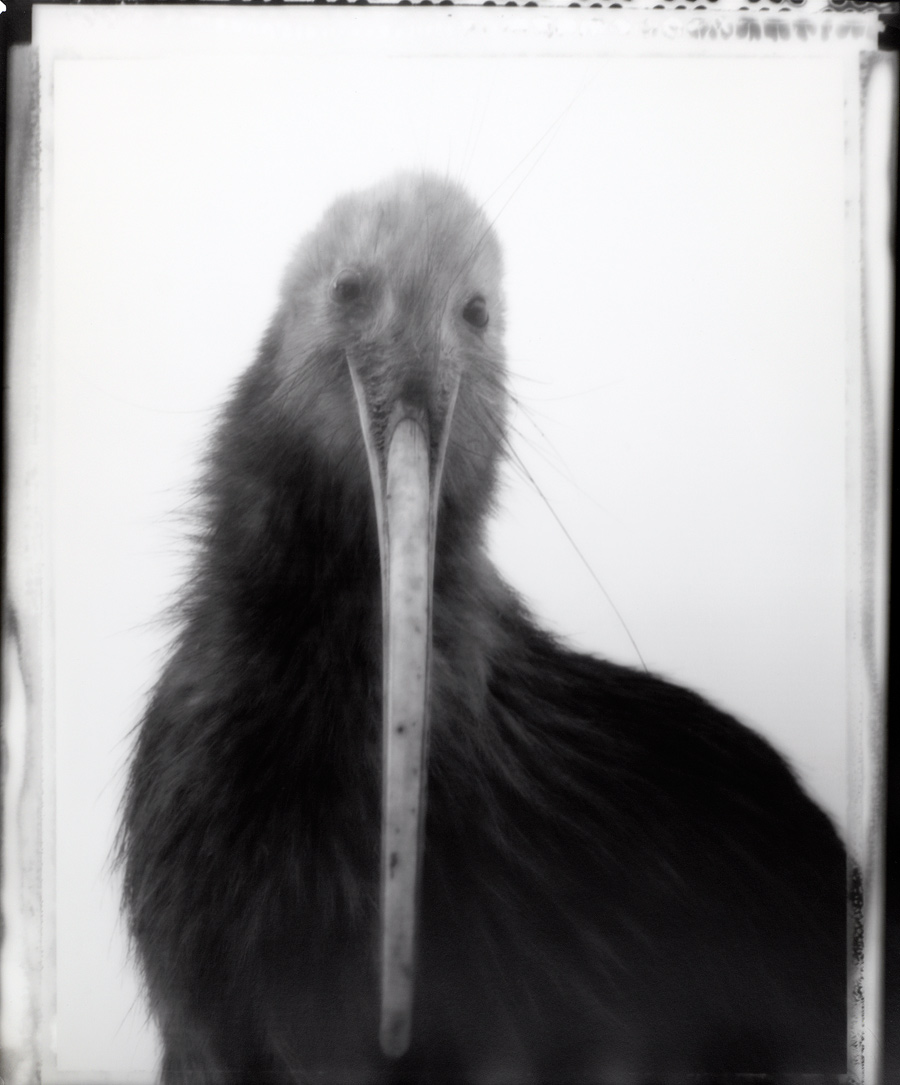
Fiona Pardington (Kai Tahu, Kati Mamoe, Kati Waewae New Zealander, b. 1961) 'Sweet Kiwi, from the collection 'Whanganui Museum'' 2008 from the exhibition 'Unnerved: The New Zealand Project' at NGV International


Fiona Pardington (Kai Tahu, Kati Mamoe, Kati Waewae New Zealander, b. 1961)
Sweet Kiwi, from the collection ‘Whanganui Museum’
2008
Gold-toned gelatin silver photograph
61 x 50.8cm
Queensland Art Gallery, Brisbane
Purchased 2008 with funds from Gina Fairfax through the Queensland Art Gallery Foundation
© Fiona Pardington


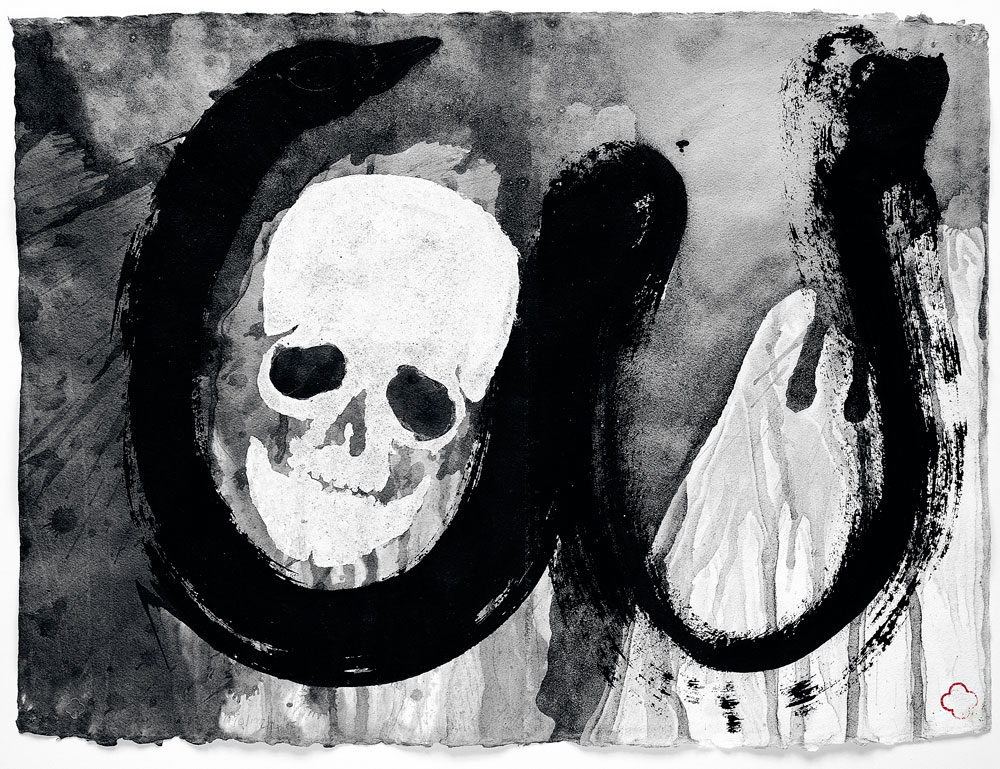
Max Gimblett (New Zealander / American, b. 1935) 'Balls' 1990-1997 from the exhibition 'Unnerved: The New Zealand Project' at NGV International


Max Gimblett (New Zealander/American, b. 1935)
Balls
1990-1997
Brush and ink, synthetic polymer paint and pencil on handmade paper
59.8 x 79.3cm
Queensland Art Gallery, Brisbane
The Max Gimblett Gift.
Gift of the artist through the Queensland Art Gallery Foundation 2000
© Max Gimblett


Anne Noble (New Zealander, b. 1954) 'Ruby's room no. 6' 1999 from the exhibition 'Unnerved: The New Zealand Project' at NGV International


Anne Noble (New Zealander, b. 1954)
Ruby’s room no. 6
1999
Colour digital print
67 x 100.2cm
Queensland Art Gallery, Brisbane
Purchased 2006
© Anne Noble


NGV International
180 St Kilda Road

Opening hours
Daily 10am – 5pm

National Gallery of Victoria website

LIKE ART BLART ON FACEBOOK

Back to top