Suburbia. Building the American Dream exhibition poster
An offer you can’t refuse
“The “American dream” can be summed up in a mental image that seems frozen in time: a home of one’s own, surrounded by lawns, with a pool in the back garden and a couple of cars slumbering in the garage… Suburbia. Building the American Dream draws us into the imaginary of the idyllic family home and shows how this lifestyle has been sold and promoted by fiction and the entertainment industry.” (Text from the CCCB website)
To me, there has always be something slightly askew, slightly out of kilter about the “American dream”. It promotes a generalised simulation of a imaginary reality, sold as a lifestyle, more fiction than fact. It is the ghost of desire that haunts the everyday reality of life, entirely on the side of demand: I want therefore I must have.
This desire must be satiated in the nuclear family, the white picket fence, the idyllic family home, the loveable children – as much a surface that reflects the approbation of others as for the sustenance of the self. As Anthony Giddens observes we are inescapably involved in a
“‘reflexive project of the self’: this project is reflexive because it involves unremitting self-monitoring, self-scrutiny, planning and ordering of all elements of our lives appearances and performances in order to marshal them into a coherent narrative called ‘the self’. We have to interpret the past and plan the future in relation to an identity we are attempting to constitute in a particularly immediate and transient social present. Consumerism is central to this self-obsession. This is partly because we not only have to choose a self, but (as Foucault’s line of argument also indicates) have to constitute ourselves as a self who choses, a consumer.”1
The American Dream endeavours to direct the identity we are attempting to constitute (through consumerism), so that it fits into a particularly conformist idea of a wholesome life: patriarchal, hegemonic, puritan (most important in America), god fearing, white – a particularly hyperreal simulation of a world that never existed in the first place. An imaginary construction.2
Photographs reinforce this “imaginary” state of being, this desire for the American Dream. As the wonderful Victor Burgin observes,
“The structure of presentation – point-of-view and frame – is intimately implicated in the reproduction of ideology (the ‘frame of mind’ of our ‘points-of-view’). More than any other textual system, the photograph presents itself as ‘an offer you can’t refuse’. The characteristics of the photographic apparatus position the subject in such a way that the object photographed serves to conceal the textuality of the photograph itself – substituting passive receptivity for active (critical) reading. … With most photographs we see, […] decoding and investiture takes place instantaneously, unselfconsciously, ‘naturally’; but it does take place – the wholeness, coherence, identity, which we attribute to the depicted scene is a projection, a refusal of an impoverished reality in favour of an imaginary plenitude. The imaginary object here, however, is not ‘imaginary’ [as in fictive] in the usual sense of the word, it is seen, it has a projected image.”3 (My bold and italics)
The photographs of the American Dream, then, deny an impoverished reality in favour of a desired imaginary plenitude. You too can live the dream, because you have seen the evidence of the projected image, and this imaginary identification can have very real effects.
In the desire for the dream we witness (elsewhere in the world) the egocentric obsession of some of the builders in the British series “Grand Designs” where people mortgage themselves up to the hilt, become sick, have marriage breakdowns and can’t finish the project, because of a dream… to build huge houses with 7 bedrooms and 4 bathrooms that no one in their right mind needs to build for 2 people. Or the case of the Australian Melissa Caddick who, in a Ponzi scheme stole A$30 million from investors, including her friends and family, in order to appear a successful business woman. “Caddick used the proceeds of her crimes to acquire “all the trappings of wealth” and that her “success was all a façade and the financial services business was an elaborate front for Ms. Caddick’s Ponzi scheme”.”4
Ego is reinforced by the image reflected back to us by the photograph.
Christopher Lasch comments that, “The proliferation of recorded images undermines our sense of reality. As Susan Sontag observes in her study of photography, “Reality has come to seem more and more like what we are shown by cameras.” We distrust our perceptions until the camera verifies them. Photographic images provide us with the proof of our existence, without which we would find it difficult even to reconstruct a personal history…”5
Photographs posit a reality that promotes the dream, that verifies the dream, as ‘an offer you can’t refuse’.
Thankfully, some of the contemporary artists in this posting (I particularly like the work of Weronika Gęsicka) undermine the utopian ideal through wit, humour and critical inquiry.
Dr Marcus Bunyan
1/ Anthony Giddens. Modernity and Self-Identity: Self and Society in the Late Modern Age. Polity Press, Cambridge, 1991
2/ “In sociology, the imaginary as a Lacanian term refers to an illusion and fascination with an image of the body as coherent unity, deriving from the dual relationship between the ego and the specular or mirror image… “The term ‘imaginary’ is obviously cognate with ‘fictive’ but in its Lacanian sense it is not simply synonymous with fictional or unreal; on the contrary, imaginary identifications can have very real effects.””
David Macey, “Introduction”, Jacques Lacan, The Four Fundamental Concepts of Psycho-Analysis. London, 1994, p. xxi quoted in “Imaginary (sociology)” on the Wikipedia website [Online] Cited 01/09/2024
3/ Victor Burgin (ed.,). Thinking Photography. Macmillan, Basingstoke, 1982, pp. 146-148.
4/ Farid Assaf SC quoted in Kate McClymont. “Melissa Caddick’s ‘trappings of wealth’ a front for her Ponzi scheme”. The Sydney Morning Herald 29 June 2021 in “Melissa Caddick,” on the Wikipedia website [Online] Cited 01/09/2024
5/ Christopher Lasch. The Culture of Narcissism. W.W.Norton and Company, New York, 1978, p. 48.
Many thankx to the Centre de Cultura Contemporània de Barcelona for allowing me to publish the photographs in the posting. Please click on the photographs for a larger version of the image.
Inside the exhibition: Suburbia. Building the American Dream
Philipp Engel, curator of the exhibition “Suburbia”, examines the origin and vast expansion of residential neighbourhoods in the United States, an urban model centred on constructing large swathes of single-family homes on the outskirts of cities. Engel reflects on the allure that suburban landscapes have stirred in Western culture while highlighting the main issues and contradictions of the model, including segregation, safety paranoia and unsustainable consumption of water and energy.
Introduction
Greg Stimac (American, b. 1976) Chandler, Arizona
2006
From Mowing the Lawn portfolio
Impressió digital Museum of Contemporary Photography, Columbia College Chicago
Who hasn’t longed for the American dream? A big house with a garden, a swimming pool and a couple of cars in the garage. A quiet, safe place to live as a family, close to nature in a people-friendly neighbourhood. This exhibition traces the cultural history of a lifestyle ideal that has been endlessly reproduced on television, in advertising and in cinema, and analyses the validity and the most controversial aspects of its urban planning model.
Suburbia. Building the American Dream draws us into the imaginary of the idyllic family home and shows how this lifestyle has been sold and promoted by fiction and the entertainment industry. The exhibition goes back to the origins of residential neighbourhoods in the early nineteenth century, explains how they developed massively in the 1950s, and reviews the economic, political and social context of their relentless expansion across the United States.
Now, when more and more families are pursuing their own version of the dream on the outskirts of cities, it is a good moment to analyse the contradictions of an urban planning model based on social, ethnic and gender segregation.
The dream of living in a house with a swimming pool is still very much alive today and has been exported all over the world. The exhibition shows the impact of this highly unsustainable model, based on constant car use, with examples of developments around Barcelona and Madrid.
With abundant historical material, period documentaries, photographs, paintings, films and series, novels and magazines, works of art and everyday objects, the exhibition places us in the mental paradise of the suburb and invites us to rethink the value of the city and public space today.
Suburbia. Building the American Dream presents the work of foremost creators who, from different points of view, help us to take a critical look at the famed American way of life: Jessica Chou, Gregory Crewdson, Thomas Doyle, Gerard Freixes, Rodrigo Fresán, Gabriele Galimberti, Weronika Gesicka, Benjamin Grant, Todd Hido, Joel Meyerowitz, Matthias Müller, Blanca Munt, Alberto Ortega, Bill Owens, Sheila Pree Bright, León Siminiani, Todd Solondz, Amy Stein, Greg Stimac, Angela Strassheim, Deborah Stratman, Ed & Deanna Templeton, Kate Wagner and Christopher Willan.
Text from the CCCB website
Joel Meyerowitz (American, b. 1938) Land. Provincetown
1976
Archival pigment print
Collecció Pancho Saula i Michelle Ferrara / Galeria Alta, Andorra
Joel Meyerowitz (American, b. 1938) Dusk. New Jersey
1978
Archival pigment print
Collecció Pancho Saula i Michelle Ferrara / Galeria Alta, Andorra
The “American dream” can be summed up in a mental image that seems frozen in time: a home of one’s own, surrounded by lawns, with a pool in the back garden and a couple of cars slumbering in the garage. Suburbia. Building the American Dream traces the cultural history of a lifestyle ideal shared far and wide by literature, television, advertising and cinema, and analyses the most controversial aspects of an urban planning model that has spread beyond US territory and reached our shores. Journalist Philipp Engel curates this exhibition with geographer Francesc Muñoz collaborating as adviser on the model in the local context.
Suburbia. Building the American Dream draws us into the imaginary of the idyllic family home and shows how this lifestyle has been sold and promoted by fiction and the entertainment industry. The exhibition goes back to the origins of residential neighbourhoods in the early nineteenth century, explains how they developed massively in the 1950s, and reviews the economic, political and social context of their relentless expansion across the United States.
Since the 1990s most of the American population has lived in this sprawling urban mass that has continued to spread, even beyond US borders. At a time when more and more families are pursuing their own version of the dream on city outskirts, the exhibition analyses the contradictions of an urban planning model based on social, ethnic and gender segregation. It also shows the impact of this highly unsustainable model, based on constant car use, with examples of developments around Barcelona and Madrid. With abundant historical material, photographs, paintings, audiovisuals, literature, works of art and everyday objects, the exhibition situates us in the mental paradise of the model of residential development inspired by American suburbia, and invites us to rethink the value of the city and public space today.
Suburbia. Building the American Dream decodes an almost abstract landscape that is still valid in pop culture. It does so through the work of foremost creators who help us take a critical look at the famed American way of life. It includes works by Jessica Chou, Gregory Crewdson, Thomas Doyle, Gerard Freixes, Gabriele Galimberti, Weronicka Gęsicka, Benjamin Grant, Todd Hido, Joel Meyerowitz, Matthias Müller, Blanca Munt, Alberto Ortega, Bill Owens, Sheila Pree Bright, León Siminiani, Amy Stein, Greg Stimac, Angela Strassheim, Deborah Stratman, Ed & Deanna Templeton, Kate Wagner and Christopher Willan, among others.
Charlotte Brooks (American, 1918-2014) [Image from LOOK – Job 57-7621 titled Myers family]
20th December 1957
Film negative
Look magazine photograph collection (Library of Congress)
Library of Congress Prints and Photographs Division Washington, D.C.
Installation view of the exhibition Suburbia. Building the American Dream at the Centre de Cultura Contemporània de Barcelona | CCCB showing photographs by Gregory Crewdson (below)
Gregory Crewdson (American, b. 1962) Untitled (Dream House)
2002
Digital C-print
29 x 44 inches
American photographer Gregory Crewdson is best known for his uncanny images of deceptively serene suburban life. Using Hollywood film techniques and elaborate sets, Crewdson creates what he calls “frozen moments”: meticulously staged scenes whose narrative meaning remains a mystery. Throughout this series, special attention is paid to light. The twilight setting favoured by the photographer functions as a metaphor, an eerie evocation of the darkness on the edge of town.
Crewdson created this twelve-part portfolio, Dream House, as a commission for The New York Times Magazine in 2002. The cinematic character of these frozen vignettes is underscored by the use of Hollywood actors (Gwyneth Paltrow, Tilda Swinton, and Philip Seymour Hoffman among others) whose celebrity contrasts with the “Anytown” anonymity of their environments.
Gregory Crewdson (American, b. 1962) Julianne Moore (Dream House)
2002
Digital C-print
29 x 44 inches
Sections of the exhibition
Planning A Dream
When the Industrial Revolution reached the USA in the first half of the 19th century, big cities became engines of progress, but they were also seen as dangerous places, in contrast with the opulent nature of the New World. With the emergence of the railway, the tram and the automobile, the mobility revolution prompted the gradual colonisation of city outskirts, transforming the countryside into residential neighbourhoods.
From Llewellyn Park (New Jersey) to Tuxedo Park (New York), throughout the 19th century the first gated communities began to pop up across the United States. At the end of the century, after the West was won, the appearance of the tram gave the middle classes access to the periphery, giving rise to a new type of housing that led to an orderly arrangement of city grids. But it wasn’t until the popularisation of the famous Ford Model T that the US landscape was radically transformed, crisscrossed by roads that became freeways. The automobile became a symbol of freedom, marking the birth of the suburbs that were to spring up everywhere.
This first section includes historical material like the original lithograph View of New York by John William Hill (1836); The American Woman’s Home by Catharine Beecher, the bible of “domestic feminism”; a Ford T Touring (1923) produced by General Motors, and films like The Suburbanite (1908), among other Harold Lloyd and Buster Keaton classics.
Alexander Jackson Davis (American, 1803–1892) Villa for David Codwise, near New Rochelle, NY (project; elevation and four plans)
1835
Pen and ink, watercolour, graphite Sheet: 14 5/16 x 9 in. (36.4 x 22.9 cm)
Metropolitan Museum of Art, New York
Harris Brisbane Dick Fund, 1924
Public domain
Alexander Jackson Davis (American, 1803–1892) Ericstan, for John J. Herrick, Tarrytown, New York (perspective)
1855
Watercolour, ink, and graphite on paper
25 5/16 x 30in. (64.3 x 76.2cm)
Metropolitan Museum of Art, New York
Harris Brisbane Dick Fund, 1924
Public domain
Davis’ most successful castellated villa was built for dry-goods merchant John J. Herrick. The design was dominated by an enormous three-story circular tower facing west over the Hudson River. The tower housed an extraordinary circular parlor that had an intricately vaulted ceiling springing from a massive central cluster of delicate Gothic columns. Ericstan was demolished in 1944.
After Alexander Jackson Davis (American, 1803-1892) Friend & Aub (Publisher Philadelphia, Pennsylvania) Map of Llewellyn Park and Villa Sites, on Eagle Ridge in Orange & West Bloomfield
1857
Lithograph
14 7/16 x 23 7/16 in. (36.7 x 59.6cm)
Metropolitan Museum of Art, New York
Harris Brisbane Dick Fund, 1924
Public domain
Morse & Fronti (Charles W. Morse and J. Fronti) Residence of Mr. E. Hooker, Fremont Ave., Orange, N.J.
1860
The Miriam and Ira D. Wallach Division of Art, Prints and Photographs: Photography Collection
The New York Public Library
Public domain
Currier & Ives (Publisher, New York active between 1856-1907) Sunnyside on the Hudson
1856-1871
Hand coloured lithograph
Library of Congress Prints and Photographs Division Washington, D.C.
Public domain
Currier & Ives (Publisher, New York active between 1856-1907) Sunnyside on the Hudson (detail)
1856-1871
Hand coloured lithograph
Library of Congress Prints and Photographs Division Washington, D.C.
Public domain
Currier & Ives (Publisher, New York active between 1856-1907) American railroad scene: lightning express trains leaving the junction
1874
Hand coloured lithograph
Library of Congress Prints and Photographs Division Washington, D.C.
Public domain
Advertising by Samuel. E. Gross. August Gast & Co. New York
c. 1900
Lithography
Library of Congress
Advertising by Samuel. E. Gross. August Gast & Co. New York (detail)
c. 1900
Lithography
Library of Congress
Anonymous photographer
Bain News Service (publisher) Skaters on the lake at Tuxedo Park
1910
Glass negative
Library of Congress Prints and Photographs Division Washington, D.C.
Public domain
Anonymous photographer Thomas Edison in the garden of his residence in Glenmont
1917
Thomas Edison National Historical Park, West Orange, New Jersey
Anonymous photographer General Motors Pavilion: Futurama, Norman Bel Geddes. New York World’s Fair. General Motors – Crowds leading into Futurama
1939
New York World’s Fair 1939-1940 records
Manuscripts and Archives Division, The New York Public Library
Public domain
Catalog of the Aladdin company selling houses by mail
1950
Courtesy Historic New England
Federal Housing Administration, Minneapolis and St. Paul, Minnesota
c. 1950
Courtesy Minnesota Streetcar Museum, Minneapolis
The advertisement reads, “With a small down payment your rent money will buy a home. Consult your architect, builder, material dealer or any participating financial institution. Federal Housing Administration.”
The Suburban Room
The suburban explosion was first and foremost demographic, occurring as World War II soldiers returned, eager to set up home. There was no room for them in the crowded cities. With the support of the state, which offered generous loans, suburbs were built using the Fordist assembly-line production logic. It was the “American way of life”, the start of a collective dream that fascinated the whole world.
And so the baby boom took place in 11 million single-family homes fitted with all kinds of electrical domestic appliances, presided over by a brand new television set on which the new suburbanites watched idealised versions of themselves with identical skin colour and the same war experiences, age, mortgage and feeling of uprootedness. The media echoed this phenomenon, and cinema and literature reflected this standardised landscape in which a wife waited at home for her husband with a drink for him in her hand, children went everywhere by bicycle, and everyone had barbecues on Sundays.
Sponsored by the state, Suburbia became a paradise that excluded racial minorities. But little by little, by the sixties, the gates of paradise were opened to African Americans and other minorities, giving rise to a white exodus, the white flight.
As well as a variety of historical material, this section reviews sitcoms portraying the suburbs, from the 1940s to the present day. It also includes the famous illustration New Kids in the Neighborhood by Norman Rockwell and a broad selection of the photographs that make up Bill Owens’ Suburbia (1972), the first book of photographs about this American urban planning model.
Arthur S. Siegel (American, 1913-1978) Detroit, Michigan. Riot at the Sojourner Truth homes, a new U.S. federal housing project, caused by white neighbours’ attempt to prevent Negro tenants from moving in. Mounted police and whites
Detroit 1942
Library of Congress
Public domain
General Electric advertisement It’s a promise
1945
Private collection, Barcelona
Anonymous photographer Aerial view of Levittown
1949
Courtesy Levittown Public Library
Mural of household appliance advertisements published in different American magazines
1947-1962
Mural of household appliance advertisements published in different American magazines (details)
1947-1962
Getting to Work. The Trials to U.S. commuters Time, January 18, 1960
Library of Catalonia, Barcelona
John Cheever Time, March 27, 1964
Library of Catalonia, Barcelona
Norman Rockwell (American, 1894-1978) New Kids in the Neighbourhood
1967
Lithograph
Norman Rockwell Museum Collection
Bill Owens (American, b. 1938) Suburbia, Cul de sac, Pleseanton, California
1972
Gelatin silver
Bill Owens Archive, Milan
Bill Owens (American, b. 1938) I don’t feel that Richie playing with guns will have a negative effect on his personality. (He already wants to be a policeman.)
1972
Gelatin silver
Bill Owens Archive, Milan
The Residential Nightmare
And night fell on Suburbia. What had been a dream became a nightmare. The idea of a safe, healthy, happy place was gradually contaminated with fears, terrors and paranoias. Doors were bolted and alarms installed. After all, in the American Gothic tradition, the house, often haunted, had always been a source of horror – evil lurked there. With the appearance of mass-produced housing, a new sub genre called Suburban Gothic was consolidated, and began to manifest itself both in literature and in cinema. Unlike the traditional Gothic, in this new landscape the family residence was no longer tied to a specific territory, as it had been in New England; now, with its white picket fence and green lawn, it could be anywhere in the country. And evil came from outside, it threatened to invade the home and even undermine it. Under the guise of shiny normality, American suburbs always conceal cracks through which terror creeps.
To illustrate this residential nightmare, we take in historical materials of the atomic age, photographs of the dark side of suburbia by Amy Stein, Todd Hido, Gregory Crewdson, Angela Strassheim and Gabriele Galimberti, and Kate Wagner’s installation, McMansionHell. Alberto Ortega, an artist from Seville resident in the US who has devoted himself to painting the suburbs at night, presents two works for the first time at the CCCB.
Todd Hido (American, b. 1968) Untitled #2214
1998
From the series House Hunting
Angela Strassheim (American, b. 1969) Untitled (Elsa)
2005 Left Behind series
Courtesy of the artist
Gabriele Galimberti (Italian, b. 1977) Joel, Lynne, Paige and Joshua (44, 43, 5 and 11 years old) – central Texas
2021
Digital printing
Courtesy of the artist
Gabriele Galimberti (Italian, b. 1977) Avery Skipalis (33) – Tampa, Florida
2021
Digital printing
Courtesy of the artist
Avery Skipalis (33) stands with her firearms in front of her house in Tampa, Florida, USA. Her son looks on from a window. Avery joined the US Air Force when she was 17, and after serving in the UAE, Japan and Germany, left to start a company that offers firearms safety classes to adults and children.
Alberto Ortega (American born Spain, b. 1976) Annunciation
2023
Oil on aluminium panel
Courtesy of the artist
Alberto Ortega (Sevilla, Spain 1976) creates oil paintings made after miniature sets that he builds as references. The small-scale sets enable him to recreate suburban scenes using details that recall the 1950s. Since he’s able to control the angle and point of view, the lighting, the location of every element, much like a film director would do, his works have a strong cinematic feel.
As an immigrant to the United States, Alberto is intrigued by American suburban life as depicted in film, literature, and visual art. Through these images of American homes, buildings, and neighbourhoods, he portrays society and some of its contradictions. These scenes represent hopes and dreams, the threat of their failure, and alienation.
Text from the Alberto Ortega website
Kate Wagner (American, b. 1993) Observations from McMansion Hell
2023
Digital print on palboard
Courtesy of the artist
McMansion Hell is a blog that humorously critiques McMansions, large suburban homes typically built from the 1980s to 2008 and known for their stylistic attempt to create the appearance of affluence using mass-produced architecture. The website is run by Kate Wagner, an architectural writer. …
The blog uses Wagner’s commentary atop images of the interiors and exteriors of McMansions, using arrows to note features she finds questionable or in poor taste. Besides critiquing the homes themselves, the website also criticises the perceived material culture of wastefulness McMansions can represent, gives anecdotes of situations when McMansions have been a poor financial investment, and provides other essays on urban planning and architectural history. The blog offers subscriptions with bonus content, generating sufficient funding for Wagner to work on the blog full-time.
The appearance of New Urbanism in the 1990s began to herald the inevitable death of Suburbia due to the announced depletion of oil that has not yet occurred. Meanwhile, Suburbia continues to spread, transform and diversify. Today, 8 out of 10 Americans live in sprawl and single-family homes, representing 75% of the residential areas where new generations continue to dream of living. This is a new suburbia that is more open but also more unequal.
This suburb is made up of very diverse communities, as captured by the cameras of the photographers Sheila Pree Bright (who portrays African American life around Atlanta) and Jessica Chou (who immortalises the Asian community in Monterrey Park, California). New lifestyles also proliferate there, like at Huntington Beach, a “contemporary suburb” and surfing capital featured in the works of artist and skateboarder Ed Templeton.
This section also focuses on the environmental impact of this highly polluting city model, through the apocalyptic bonsai of artist Thomas Doyle and the satellite photographs of Benjamin Grant, a lethal panorama of the effects of the sprawling city.
Thomas Doyle (American, b. 1976) Proxy (Haven Ln.)
2012
Mixed media
Courtesy of the artist
Thomas Doyle work mines the debris of memory through the creation of intricate worlds sculpted in 1:43 scale and smaller. Often sealed under glass, the works depict the remnants of things past – whether major, transformational experiences, or the quieter moments that resonate loudly throughout a life. In much the way the mind recalls events through the fog of time, the works distort reality through a warped and dreamlike lens.
Weronika Gęsicka (Polish, b. 1984) Untitled #16
2015-2017
From the series Traces
Digital printing
Courtesy of the artist and Jednostka Gallery, Warsaw
For her series “Traces”, Polish artist Weronika Gęsicka searched through various online image databases for photographs from the 1940s to the 1960s that in her eyes reflect the American way of life at that time. Many of these scenes are full of clichés, showing happy-looking people in an apparently perfect world. The exact origin of the pictures is not verifiable. As a result, they are a mixture of advertisements and private photos. Gęsicka manipulates the idyllic scenes in a playful way by digitally distorting the images. In doing so, she does not follow a strict pattern, but instead decides intuitively what detail she finds fascinating and will edit. In this way, the rather stereotypical scenes of suburban American life are transformed into a humorous, but also uncomfortable reality. Covered faces, deformed bodies and peculiar superimpositions create a distorted version of the American dream. Gęsicka’s photos are characterised by a discomforting, almost oppressive mood that sometimes only reveals itself at second glance: young men at a tea dance, whose heads are submerged in the cleavages of their oversized female partners, family members hidden behind a curtain at the dinner table, or a father coming home from work, separated by a trench from his children, who are running towards him.
In “Traces”, Weronika Gęsicka questions how we perceive images. In doing so, she makes us aware that even the medium of photography, which allegedly reflects reality, is not objective. Each photograph merely satisfies a perception of what is happening and, in the photographer’s eye, remains a subjective likeness. By modifying the images, she is playing with the observer, who is initially confident that he can quickly classify and identify the scene – until he notices that nothing in these pictures is as it seems at first glance.
Weronika Gęsicka (Polish, b. 1984) Untitled #52
2015-2017
From the series Traces
Digital printing
Courtesy of the artist and Jednostka Gallery, Warsaw
Ed Templeton (American, b. 1972) Contemporary Suburbium
2017
Digital printing on baryta paper
Courtesy of Roberts Projects, Los Angeles
Jessica Chou (American born Taiwan, b. 1985) The Mark Keppel High School Dance Team at the 2019 Miss Dance Drill Team USA National Dance Competition
2019
Digital printing
Courtesy of the artist
Overview takes its inspiration from Daily Overview – an Instagram account established by author Benjamin Grant. Since he began the project in December 2013, his daily posts have both delighted and challenged his audience from all corners of the globe. For Overview, Grant has curated and created more than 200 original images by stitching together numerous high-resolution satellite photographs. With each Overview, Grant aims to not only inspire a fresh perspective of our planet but also encourage a new understanding of what human impact looks like. He lives and rides his bike in New York City.
The formation of Suburbia as a cultural phenomenon in Catalonia is a reality historically ignored by narratives about the Catalan process of urbanisation, too focused on city growth and the ideological differentiation between an urban, Barcelona-based Catalonia and an “inner” Catalonia, the birthplace of what still today we call the “countryside”.
Suburban Catalonia shows how, in many territories, urban growth no longer corresponds to the well-known metaphor of city growth as an “oil stain”. In fact, an endless mass of oil stains has spread across the territory, giving rise to the same cloned reality everywhere: regional urban sprawl. The sprawl that is so commonplace today developed with the motorisation of society starting in the latter half of the 20th century as part and parcel of a very heterogeneous cultural discourse: the ideological propaganda of the American way of life mixed with local traditions derived from criticism of the built-up, crowded industrial city popularly disseminated in expressions such as “la caseta i l’hortet” (a little house and a garden) that idealised rural life. The path leading from those initial suburban choices to today’s regional urban sprawl is not a straight one, making the Catalan suburb a world yet to be discovered.
Christopher Willan has made a photographic reportage about the Catalan suburban world specially for the exhibition, which also includes Blanca Munt’s installation Mira-Sol Alert about the neighbourhood’s paranoid state of alert and an audiovisual piece by filmmaker León Siminiani that closes the exhibition.
Pere Torné Esquius (Spanish, 1879-1936) The rocking chair (El balancí)
1913
Oil on canvas
National Art Museum of Catalonia, Barcelona
For different reasons, the singular work of the painter, illustrator and cartoonist Pere Torné Esquius (Barcelona 1879 – Flavancourt, France, 1936) doesn’t fit in with either the modernist proposals or the noucentista style (turn of the century), even though the latter considered him to be one of theirs.
Settled in Paris from 1905 onwards, although he would often return to Barcelona to regularly exhibit there, his work, of apparent simplicity, responded to a certain primitivism which was somewhat naive and with a strong French influence. His painting, highly singular, maintained pictorial and atmospheric values which provided the whole production with a sense of unity.
The favourite topics of Torné Esquius were interior or secluded spaces, such as gardens or living rooms, humble or of artisan extraction. It is worth highlighting, very often, the absence of the human figure and the main presence of inanimate elements that on occasions would cause a disturbing or even alarming effect. He also produced other genres such as landscapes or portraits.
Despite the fact that he was a painter, his professional work was based on illustration, focused on three main lines: children’s literature, the illustration of literary texts and the collaboration in magazines and periodical publications, often satirical, such as Papitu, Picarol or Le Rire, amongst others.
XXIII Barcelona International Exhibition Fair, 1955. USA Pavilion. OITF: Office of International Trade Fair. Single-family house model: “house beautiful prefabricated”
1955
Historical Archive of the College of Architects of Catalonia
Barcelona Metropolitan Area Orthophoto. Dispersed urbanisation in the municipality of Corbera de Llobregat
2015
Blanca Munt (Spanish, b. 1997) Mira-sol alert
2023
Digital printing
Courtesy of the artist
In 2019, photographer Blanca Munt engaged in a neighbourhood chat group created to surveil her own neighbourhood and alert to any potential home burglaries or other suspicious activity. What is initially presented as an effective tool for the neighbours soon becomes a source of speculation, suspicion and paranoia. The seemingly quiet community life in a neighbourhood of well-lit streets and conventional homes founders due to the actual burglaries, but also due to the disintegration of the idea of community when personal security is at stake: mistrust, typically based on suspicious appearance or behaviour, now extends to any neighbours who fail to rigorously conform to the group’s purpose.
With a clean and sober design reminiscent of a real estate or security company brochure, the dispassionate pictures portrayed in Mira-sol Alert intertwine with the mental images stemming from an inflamed rhetoric, which gradually take shape as we learn the self-interested views of the different actors in this landscape – neighbours, suspects, police officers, local authorities – and which appeal strongly to our fears and contradictions. In her own words, Blanca Munt calls for a “reflection on the tension between the privilege of living in a peaceful place and the constant sense of lurking threat encouraged by our current culture of fear.”
Christopher Willan (British lives Spain) Sant Quirze del Vallès
2023
Digital printing
Courtesy of the artist
Christopher Willan (British lives Spain) Els Trullols Park-1
2023
Digital printing
Courtesy of the artist
The Curators
Philipp Engel: Graduate in Modern Literature from the University of Toulouse, with a thesis on Bret Easton Ellis. After ten years in the music sales and distribution business, he started to work as a cultural journalist, specializing in cinema and literature. He is currently a contributor to various periodicals, such as Cultura(s), El Mundo, Cinemanía, Sofilm and Coolt.
Francesc Muñoz: Lecturer in Urban Geography, director of the Observatory of Urban Planning at the Universitat Autònoma de Barcelona, and professor at the Università IUAV di Venezia. He has received prizes such as the Prize for the Best Doctoral Thesis Attending to Human Values in Engineering (UPC, 2004) and the Bonaplata Award for the exhibition The Light Factory, about the power station in Sant Adrià de Besòs (2014). He has curated shows such as the commemorative exhibition of 30 years of democratic town councils, Local, Local! The City to Come (CCCB, 2010), and the exhibition Architectures on the Waterfront (Fundació Mies van der Rohe, 2019), and was a member of the Cerdà Year Advisory Board (2010).
Press release from the CCCB
Centre de Cultura Contemporània de Barcelona | CCCB
Montalegre, 5 – 08001 Barcelona Phone: (+34) 933 064 100
Opening hours:
From Tuesday to Sunday and bank holidays 11.00 – 20.00
Closed Monday
Installation view of the exhibition Brave New World: Australia 1930s at NGVA Photo: Eugene Hyland
Brave New World: Australia 1930s at NGV Australia, Melbourne is a small but stylishly designed exhibition that presents well in the gallery spaces. The look and feel of the exhibition is superb, and it was a joy to see so many works in so many disparate medium brought together to represent a decade in the history of Australia: photography, sculpture, painting, drawing, ceramic art, magazine art, travel posters, Art Deco radios, film, couture, culture, Aboriginal art, and furniture making, to name but a few.
The strong exhibition addresses most of the concerns of the 1930s – The Great Depression, beach and body culture, style, fashion, identity, culture, prelude to WW2, dystopian and utopian cities etc., – but it all felt a little cramped and truncated. Such a challenging time period needed a more expansive investigation. What there is was excellent but one display case on slums or magazine art was not substantive enough. The same can be said for most of the exhibition.
There needed to a lot more about the impact of the Great Depression and people living in poverty, for you get the feeling from this exhibition that everyone was living the Modernist high-life, wearing fashionable frocks and smoking cigarettes sitting around beautifully designed furniture surrounded by geometric textiles. The reality is that this paradigm was the exception rather than the rule. Many people struggled to even feed themselves due to The Great Depression, and it was a time of extreme hardship for people in Australia. Life for many, many people in Australia during the 1930s was a life of disenfranchisement, assimilation, oppression, social struggle, poverty, hunger and a hand to mouth existence.
“After the crash unemployment in Australia more than doubled to twenty-one per cent in mid-1930, and reached its peak in mid-1932 when almost thirty-two per cent of Australians were out of work… The Great Depression’s impact on Australian society was devastating. Without work and a steady income many people lost their homes and were forced to live in makeshift dwellings with poor heating and sanitation.” (Text from “The Great Depression,” on the Australian Government website [Online] Cited 06/10/2017. No longer available online)
New artists and designers may have been emerging, new skyscrapers being built and the new ‘Modern Woman’ may have made her appearance but the changes only affected white, middle and upper social classes. Migrants, particularly those from Italy and southern Europe, were resented because they worked for less wages than others; and only brief mention is made of the White Australia policy in the exhibition but not by name (see text under Indigenous art and culture below). This section was more interested in how white artists appropriated Aboriginal design during this period for their own ends.
With this in mind, it is instructive to read sections of the illustrated handbook (see cover below, handbook not in the exhibition) produced by the National Museum of Victoria (in part, the forerunner of the NGV) to accompany a special exhibition of objects illustrating Australian Aboriginal Art in 1929:
“The subject of aboriginal Art – in this case the Art of the Australian Aboriginal – has to be approached with the utmost caution, for, though it comes directly within the domain of anthropology, it is in an indirect way a very important question in psychology and pedagogies. We possess some knowledge of our own mentality through the kind of offices of psychology; but though we have some – many in certain classes – material relics of our primitive and prehistoric ancestor, the only evidence of evolution of thought and the development of his powers of abstract conception must be derived from his art…
Still it appears possible that the study of primitive man, as represented by our Australian black, will throw some new light on the subject, and even if not more important than the old world pictographs themselves, his art work will enable the efforts of the Aurignacian and Magdalenian artists [cultures of the Upper Paleolithic in western Europe] to be better comprehended, and their import understood. But, for that study to achieve even a modicum of success, it is essential that the inquiring psychologist divest his mind of all civilized conceptions and mentality and assume those of the prehistoric man – or of the infant of the present day.”1
This is the attitude towards Aboriginal art that pervaded major art institutions right across Australia well into the 1950s. That the white has to “divest his mind of all civilised conceptions and mentality and assume those of the prehistoric man” – in other words, he has to become a savage – in order to understand Aboriginal art. It says a lot that the Trustees of the National Museum of Victoria then decided to reprint the illustrated handbook in 1952 without amendment, reprinting the publication originally used for the Exhibition in 1929. Nothing had changed in 22 years!
Other small things in the exhibition rankle. The preponderance of the work of photographer Max Dupain is so overwhelming that from this exhibition, it would seem that he was the only photographer of note working in Australia throughout the decade. While Dupain was the first Modernist photographer in Australia, and a superb artist, Modernist photography was very much on the outer during most of the 1930s… the main art form of photography being that of Pictorialism. None of this under appreciated style of photography makes an appearance in this exhibition because it does not fit the theme of “Brave New World”. This dismisses the work of such people as Cecil Bostock, Harold Cazneaux, Henri Mallard, John Eaton et al as not producing “brave”, or valuable, portraits of a country during this time frame. This is a perspective that needs to be corrected.
Highlights in this exhibition included an earthenware vase by Ethel Blundell; a painting by that most incredible of atmospheric painters, Clarice Beckett (how I long to own one of her paintings!); a wonderful portrait by the underrated Cybil Craig; two stunning Keast Burke photographs; two beautiful stained glass windows of a male and female lifesaver; the slum photographs of F. Oswald Barnett (more please!); and the graphic covers of mostly short-lived radical magazines.
These highlights are worth the price of admission alone. A must see before the exhibition closes.
Dr Marcus Bunyan
Footnotes
1/ A. S. Kenyon. “The Art of the Australian Aboriginal.” in Australian Aboriginal Art. Melbourne: Trustees of the National Museum of Victoria, (1929) reprinted 1952, p. 15.
National Museum of Victoria Australian Aboriginal Art (cover) 1952 (reprint of 1929 illustrated handbook) Brown, Prior, Anderson Pty. Ltd., Melbourne (publishers) Trustees of the National Museum of Victoria 39 pages
The 1930s was a turbulent time in Australia’s history. During this decade major world events, including the Depression and the rise of totalitarian regimes in Europe, shaped our nation’s evolving sense of identity. In the arts, progressive ideas jostled with reactionary positions, and artists brought substantial creative efforts to bear in articulating the pressing concerns of the period. Brave New World: Australia 1930s encompasses the multitude of artistic styles, both advanced and conservative, which were practised during the 1930s. Included are commercial art, architecture, fashion, industrial design, film and dance to present a complete picture of this dynamic time.
The exhibition charts the themes of celebrating technological progress and its antithesis in the nostalgia for pastoralism; the emergence of the ‘New Woman’ and consumerism; nationalism and the body culture movement; the increasing interest in Indigenous art against a backdrop of the government policy of assimilation and mounting calls for Indigenous rights; the devastating effects of the Depression and the rise of radical politics; and the arrival of European refugees and the increasing anxiety at the impending threat of the Second World War. Brave New World: Australia 1930s presents a fresh perspective on the extraordinary 1930s, revealing some of the social and political concerns that were pertinent then and remain so today.
Text from the NGV website
Harold Cazneaux (New Zealand 1878 – Australia 1953, Australia from 1886) No title (Powerlines and chute) c. 1935 Gelatin silver photograph National Gallery of Victoria, Melbourne Purchased through The Art Foundation of Victoria with the assistance of the H. J. Heinz II Charitable and Family Trust, Governor, 1993
In 1934 BHP (Broken Hill Proprietary Company Limited) commissioned leading pictorialist photographer Harold Cazneaux to record their mining and steel operations for a special publication to mark their fiftieth anniversary in 1935. Cazneaux’s dramatic industrial images blended a soft, atmospheric focus with a modernist sense of space, form and geometry. In 1935-36 Australia exported close to 300,000 tonnes of iron ore to Japan; however, after Japan’s invasion of China in 1937 fear of its expansionist aims in the Pacific increased and soon afterwards the federal government announced a ban on the export of all iron ore to Japan.
Fred Ward (designer) (Australian, 1900-1990) E. M. Vary, Fitzroy, Melbourne (attributed to) (manufacturer) active 1920s-1940s
Sideboard c. 1932 Mountain ash (Eucalyptus sp.), painted wood, painted plywood, steel (a-e) 84.0 x 119.7 x 48.7cm (overall) Proposed acquisition
Side table c. 1932 Mountain ash (Eucalyptus sp.), jarrah (Eucalyptus marginata), steel 55.7 x 66.0 x 49.2cm Proposed acquisition
Tray table c. 1932 Mountain ash (Eucalyptus sp.), blackwood (Acacia melanoxylon), steel (a-b) 52.0 x 60.9 x 42.5cm (overall) Proposed acquisition
A new generation of artists and designers
While modern art was a source of debate and controversy throughout the 1930s, modernism in architecture, interior design, industrial design and advertising became highly fashionable. In Melbourne a small group of designers pioneered modern design in Australia. Furniture designer Fred Ward first designed and made furniture for his home in Eaglemont, where he had established a studio workshop. It was admired by friends and he was encouraged to produce furniture for sale. In 1932 Ward opened a shop in Collins Street, Melbourne. There he offered his furniture, as well as linens and Scandinavian glass. The fabrics for curtains and upholstery were printed by Australian designer Michael O’Connell with bold designs that shocked some but were favoured by a new generation looking to create modern interiors.
More than in most periods, in the 1930s art, design and architecture were closely integrated with the changing realities of contemporary life. It was a time when the last vestiges of the conservative art establishment were swept away by a new generation of artists and designers who were to drive Australian art in the second half of the twentieth century.
Installation views of the exhibition Brave New World: Australia 1930s at NGVA with Max Dupain’s Illustration for Kelvinator advertisement at left and Ethel Blundell’s Vase centre on sideboard Photos: Courtesy NGV Photographic Services
Fred Ward was one of the first and most important designers of modern furniture in Australia. He began making furniture around 1930, and in 1932 opened a shop in Collins Street selling his furniture, as well as textiles by Michael O’Connell and other modern design pieces. In 1934 Ward went into partnership with Myer Emporium and established the Myer Design Unit, for which he designed a line of modular ‘unit’ furniture for commercial production. Ward’s simple, functional aesthetic and use of local timbers with a natural waxed finish was in contrast to the luxurious materials and decorative motifs of the contemporary Art Deco style.
The armchair, sideboard and occasional tables were designed by Fred Ward and purchased by Maie Casey in the early 1930s. The wife of R. G. Casey, federal treasurer in the Lyons Government, Maie was a prominent supporter of modern art and design. Moving to Canberra in 1932, she furnished her house at Duntroon in a modern style with furniture by Ward and textiles by Michael O’Connell. The design of Ward’s armchair closely resembles a 1920s armchair by German Bauhaus furniture designer Erich Dieckmann, who was known for his standardised wooden furniture based on geometric designs.
Michael O’Connell designer (England 1898-1976, Australia 1920-1937) Textile c. 1933 Block printed linen National Gallery of Victoria, Melbourne Purchased, 1988
Michael O’Connell pioneered modernist textiles in Melbourne and was an influential advocate of modern design. Working with his wife Ella from his studio in Beaumaris, O’Connell used woodblocks and linocuts to hand print onto raw linens and silks, which were used for fashion garments and home furnishing. O’Connell’s boldly patterned and highly stylised designs were considered startlingly modern. Some of his early fabrics featured ‘jazz age’ scenes of nightclubs and dancing, while later motifs were based on Australian flora and fauna, or derived from Oceanic and Aboriginal art.
Sam Atyeo (Australian, 1910-1990) Album of designs: tables c. 1933 – c. 1936 Album: watercolour, brush and coloured inks, coloured pencils, 14 designs tipped into an album of 16 grey pages, card covers, tape and stapled binding 30.0 x 19.2 cm (page) 30.0 x 20.8 x 0.8cm (closed) National Gallery of Victoria, Melbourne Gift of the artist, 1988
Sam Atyeo was a leading figure in Melbourne’s emerging modernist circles in the early 1930s, the partner of artist Moya Dyring and lover of Sunday Reed. He had studied at the National Gallery School, where he was a brilliant and rebellious student. Around 1932 Atyeo became friendly with Cynthia Reed, who managed Fred Ward’s furniture shop and interior design consultancy on Collins Street. After she opened Cynthia Reed Modern Furnishings in Little Collins Street, Atyeo designed furniture for Reed, that was strongly influenced by Ward’s designs.
Max Dupain (Australia 1911-1992) Illustration for Kelvinator advertisement 1936 Gelatin silver photograph 32.8 x 25.3cm Art Gallery of New South Wales, Sydney Purchased with funds provided by the Photography Collection Benefactors’ Program 2000
Modernity reflected what was new and progressive in Australian urban life. The image of the city became an allegory for this in art, and efficiency and speed became watchwords for modernity. Many artists celebrated the city and technological advancements in works utilising a modern style of hard-edged forms, flat colours and dynamic compositions. The engineering marvel of the Sydney Harbour Bridge, which opened in 1932, was an ongoing source of fascination for artists, as were images of building the city, industry and modern modes of transport.
The skyscraper was also a powerful symbol of modern prosperity, especially when the Great Depression cast doubt on the inevitability of progress; hence the advent of tall buildings in Australian cities was hailed with relief and optimism. In 1932, at the peak of the Depression, the tallest building in Melbourne was opened: the Manchester Unity Building at the corner of Swanston and Collins streets. With its ornamental tower and spire taking its overall height to 64 metres, the building was welcomed by The Age newspaper as ‘a new symbol of enterprise and confidence, undaunted by the “temporary eclipse” of the country’s economic fortune’.
Installation view of the exhibition Brave New World: Australia 1930s at NGVA with Seventh city of the Empire – Melbourne, Victoria at left; and Evening dress at right Photo: Eugene Hyland
Percy Trompf (Australian, 1902-1964) Seventh city of the Empire – Melbourne, Victoria 1930s Colour lithograph printed by J. E. Hackett, Melbourne State Library Victoria, Melbourne Gift of Mr Grant Lee, 2007
Percy Trompf’s poster celebrates Melbourne’s first skyscraper, the iconic Manchester Unity Building on the corner of Swanston and Collins streets. Designed by architect Marcus Barlow in the Art Deco ‘Gothic’ style, it was built at high speed between 1930 and 1932, and provided much needed employment during the Depression. At twelve storeys high and topped with a decorative tower it was Melbourne’s tallest building and contained the city’s first escalators. A powerful symbol of the city’s modernity, it was often featured in images of Melbourne.
Unknown, Australia Evening dress c. 1935 Silk 144cm (centre back), 36cm (waist, flat) National Gallery of Victoria, Melbourne Gift of Miss Irene Mitchell, 1975
Ethel Spowers (Australia 1890-1947, England and France 1921-1924) The works, Yallourn 1933 Colour linocut, ed. 3/50 National Gallery of Victoria, Melbourne The Joseph Brown Collection Presented through the NGV Foundation by Dr Joseph Brown AO OBE, Honorary Life Benefactor, 2004
Ethel Spowers and Eveline Syme were leading figures in modern art in Melbourne. In the 1920s they studied with modernist Claude Flight at the Grosvenor School in London, where they learnt to make colour linocuts that followed Flight’s principles of rhythmic design combined with flat colour. In April 1933 Spowers and Syme visited the Yallourn Power Station in Gippsland, which had been opened in 1928 and was the largest supplier of electricity to the state.
Clarice Beckett (Australian, 1887-1935) Taxi rank c. 1931 Oil on canvas on board Kerry Stokes Collection, Perth
Installation view of Herbert Badham’s George Street, Sydney (1934) from the exhibition Brave New World: Australia 1930s at NGVA Photo: Dr Marcus Bunyan
After serving in the Royal Australian Navy during the First World War, Herbert Badham studied at the Sydney Art School and began exhibiting in 1927. In his paintings he was a keen observer of everyday urban life: streets with shoppers, city workers on their lunch break and drinkers in the pub were painted in a contemporary, hard-edged realist style.
Max Dupain (Australian, 1911-1992) Rush hour in King’s Cross 1938, printed c. 1986 Gelatin silver photograph 41.2 x 40.3cm National Gallery of Victoria, Melbourne Purchased through The Art Foundation of Victoria with the assistance of Mr A.C. Goode, Fellow, 1987
During the 1930s the city provided a rich source of imagery for artists working in modern styles, who celebrated the speed and efficiency of modern transport technology and expanding road and rail networks. Yet as car ownership increased during the 1930s, larger cities began to suffer congestion and the rush hour became part of urban life. Throughout the decade the pace and stress of modern life became a topic of public debate, with conservative commentators decrying this transformation of the Australian lifestyle.
Installation view of the exhibition Brave New World: Australia 1930s at NGVA with Max Dupain’s Rush hour in King’s Cross at right Photo: Courtesy NGV Photographic Services
Installation view of the exhibition Brave New World: Australia 1930s at NGVA with Grace Cossington Smith’s The Bridge in-curve at right Photo: Courtesy NGV Photographic Services
The slow rise of the Sydney Harbour Bridge above the city was recorded by numerous painters, printmakers and photographers, including Sydney modernist Grace Cossington Smith. Her iconic The Bridge-in-curve depicts the bridge just before its two arches were joined in August 1930, and conveys the sense of wonder, achievement and hope that was inspired by this engineering marvel. By painting the emerging, rather than the complete bridge, Cossington Smith also focuses our attention on the energy and ambition required to create it.
Installation view of Frank Hinder’s Trains passing (1940) from the exhibition Brave New World: Australia 1930s at NGVA Photo: Dr Marcus Bunyan
Frank Hinder (Australian, 1906-1992, United States 1927-1934) Trains passing 1940 Oil on composition board National Gallery of Australia, Canberra Purchased 1974
Frank Hinder was one of the first abstract artists in Australia. After living and studying in the United States, Hinder and his wife, the American sculptor Margel, returned to Sydney in 1934. There they became part of a small avant-garde group that included Grace Crowley, Rah Fizelle, Ralph Balson and the German sculptor and art historian Eleanore Lange, all of whom were interested in Cubist, Constructivist and Futurist art. Hinder later said that this work was inspired by seeing Lange, sitting next to him on a train, reflected in the windows of a passing train.
Frank Hinder (Australia 1906-1992, United States 1927-1934) Commuters 1938 Tempera on paper on board Private collection
Victorian Railways, Melbourne (publisher) (Australia, 1856-1976) The Victorian Railways present The Spirit of Progress 1937 Booklet: colour photolithographs and letterpress, 12 pages, cardboard cover printed by Queen City Printers, Melbourne 20.8 x 26.8cm (closed) State Library Victoria, Melbourne
Launched in November 1937, The Spirit of Progress express passenger train was a source of immense pride to Victorians. Built in Newport, Victoria, the train featured many innovations, including all-steel carriages and full air-conditioning. Designed in the Art Deco, streamlined style by architectural firm Stephenson & Turner, the passenger carriages were fitted out to a level of comfort not previously seen in Australia, and included a full dining carriage. The train ran between Melbourne and the New South Wales state border at Albury, the longest non-stop train journey in Australia at that time, at an average speed of 84 kilometres per hour.
Installation view of Ivor Francis’ Speed! from the exhibition Brave New World: Australia 1930s at NGVA Photo: Dr Marcus Bunyan
Ivor Francis (England 1906 – Australia 1993, Australia from 1924) Speed! 1931 Colour process block print Art Gallery of South Australia Adelaide South Australian Government Grant 1986
Randille, Melbourne (maker) active 1930s Night gown c. 1938 Silk (a) 166cm (centre back) 38.9cm (waist, flat) (dress) (b) 121cm (centre back) 38cm (waist, flat) (slip) National Gallery of Victoria, Melbourne Presented by Mrs A. G. Pringle, 1982
Installation view of the exhibition Brave New World: Australia 1930s at NGVA with Max Dupain’s Rush hour in King’s Cross left and Frank Hinder’s Jackhammer third from right and Margel Hinder’s Man with jackhammer second right Photo: Courtesy NGV Photographic Services
Margel Hinder (United States 1906 – Australia 1995, Australia from 1934) Man with jackhammer 1939 Cedar National Gallery of Victoria, Melbourne Purchased through the NGV Foundation with the assistance of J. B. Were & Son, Governor, 2001
American-born Margel Hinder was one of Australia’s leading modernist sculptors. She had studied art in Boston, where she met and married Sydney artist Frank Hinder. In 1934 they moved to Australia and became an important part of Sydney’s small modern art scene. In Man with jackhammer Hinder has simplified and contained the figure within a square frame, the strong diagonal form of the jackhammer creating a sense of compressed energy and force. Man and machine have fused in this celebration of industry and progress.
In the 1930s the new ‘Modern Woman’ made her appearance as a more serious and emancipated version of the giddy 1920s ‘flapper’. A woman who worked, she often lived alone in one of the new city apartment buildings, visited nightclubs and showed less interest in traditional marriage and child rearing. A lean body type became fashionable and was enhanced by the lengthened hemlines and defined waists introduced by French couturier Jean Patou in 1929. This slender silhouette was supported by form-fitting foundation garments by manufacturers such as Berlei.
The Modern Woman became one of the most potent images of contemporary life, being celebrated in women’s magazines such as the ultra-stylish Home and the Australian Women’s Weekly, launched in 1933. While such magazines were congratulating her and promoting new consumer goods to the Modern Woman, at the same time she was criticised by conservative commentators. In 1937 photographer Max Dupain wrote: ‘There must be a great shattering of modern values if woman is to continue to perpetuate the race… In her shred of a dress and little helmet of a hat, her cropped hair, and stark bearing, the modern woman is a sort of a soldier… It is not her fault it is her doom’.
Installation view of the exhibition Brave New World: Australia 1930s at NGVA with Peter Purves Smith’s Maisie left, Cybil Craig’s Peggy second left and Peter Purves Smith’s Lucile at top right Photo: Eugene Hyland
Installation view of the exhibition Brave New World: Australia 1930s at NGVA with Cybil Craig’s Peggy second left and Lina Bryans The babe is wise at right Photo: Courtesy NGV Photographic Services
Peter Purves Smith (Australia 1912-1949, England 1935-1936, England and France 1938-1940) Maisie 1938-1939 Gouache National Portrait Gallery, Canberra Bequest of Lady Maisie Drysdale 2001
In 1937 the striking, auburn-haired Maisie Newbold was a student at the George Bell School in Melbourne, where she met fellow student Peter Purves Smith and his best friend Russell Drysdale. Maisie and Purves Smith were married in 1946, only three years before latter’s premature death from tuberculosis. Purves Smith painted this portrait at the start of their relationship. It depicts Maisie as a stylish woman wearing the latest fashion, the angularity of her features contrasted by the soft fur of her collar and feathers of her hat. Many years later Maisie married Drysdale.
Installation view of Sybil Craig’s work Peggy c. 1932 Photo: Dr Marcus Bunyan
Lina Bryans (Germany (of Australian parents) 1909 – Australia 2000, Australia from 1910) The babe is wise 1940 Oil on cardboard National Gallery of Victoria, Melbourne Gift of Miss Jean Campbell, 1962
Lina Bryans’s portrait of author Jean Campbell is titled after Campbell’s 1939 novel The Babe is Wise, a contemporary story set in Melbourne and in which the main protagonists are European migrants. A well-known figure in Melbourne’s literary circles, Campbell was noted for her ‘quick and slightly audacious wit’. Bryans had begun painting in 1937 with the support of William Frater. In the late 1930s she lived at Darebin Bridge House, which became an informal artists’ colony and meeting place for writers associated with the journal Meanjin.
Peter Purves Smith (Australian, 1912-1949, England 1935-1936, England and France 1938-1940) Lucile 1937 Oil on board Queensland Art Gallery, Brisbane Purchased 2011 with funds raised through the Queensland Art Gallery Foundation Appeal
Nora Heysen (Australian, 1911-2003, England and Italy 1934-1937) Self-portrait 1932 Oil on canvas National Gallery of Australia, Canberra Acquired with the assistance of the Masterpieces for the Nation Fund 2011
During the first decade of her life as a professional artist, Nora Heysen completed numerous self-portraits. In many of these she depicts herself in the act of drawing or painting, holding a palette and brush or with other accoutrements of the artist, and thereby asserting her professional identity. Yet these are also highly charged works in which Heysen scrutinises herself (and the viewer) with an unflinching and unsmiling gaze.
Installation view of the exhibition Brave New World: Australia 1930s at NGVA with Arthur Challen’s Miss Moira Madden above chair Photo: Eugene Hyland
The terrible physical losses and psychological traumas of the First World War changed Australian society and prompted anxious concerns about the direction of the nation. For some this meant an inward-looking isolationism, a desire that Australian culture should develop independently and untouched by the ‘degenerate’ influences of Europe.
The search for rejuvenation frequently involved explorations of the capabilities and vulnerabilities of the human body. In the hands of artists, corporeal forms came to symbolise nationhood, most often expressed through references to the art of Classical Greece and mythological subjects. The evolution of a new Australian ‘type’ was also proposed in the 1930s – a white Australian drawn from British stock, but with an athletic and streamlined shape honed by time spent swimming and surfing on local beaches.
This art often has a distinctive quality to it, which in the light of history can sometimes make for disquieting viewing. With the terrible knowledge of how the Nazi Party in Germany subsequently used eugenics in its systematic slaughter of those with so-called ‘bad blood’, the Australian enthusiasm for ‘body culture’ can now seem problematic. Images of muscular nationalism soon lost their cache in Australia following the Second World War, tainted by undesirable fascistic overtones.
Keast Burke (New Zealand 1896 – Australia 1974, Australia from 1904) Harvest c. 1940 Gelatin silver photograph (25.6 x 30.5cm) National Gallery of Victoria, Melbourne Gerstl Bequest, 2000
Keast Burke (New Zealand 1896 – Australia 1974, Australia from 1904) Husbandry 1 c. 1940 Gelatin silver photograph Art Gallery of New South Wales, Sydney Gift of Iris Burke 1989
Max Dupain (Australian, 1911-1992) Discus thrower 1937, printed (c. 1939) Gelatin silver photograph 38.5 x 37.5cm National Gallery of Victoria, Melbourne Purchased, 2003
Max Dupain (Australian, 1911-1992) Souvenir of Cronulla 1937 Gelatin silver photograph National Gallery of Victoria, Melbourne Purchased through The Art Foundation of Victoria with the assistance of National Australia Bank Limited, Honorary Life Benefactor, 1992
In the 1930s Max Dupain responded to Henri Bergson’s book Creative Evolution (1907) in which he considered creativity and intuition as central to the renewed development of society, and the artist as prime possessor of these powers. Vitalism, as this philosophy was termed, was believed to be expressed through polarised sexual energies. In this work Dupain focuses on the sexually differentiated ‘energies’ of men and women, associating women with the forces of nature.
Installation view of the exhibition Brave New World: Australia 1930s at NGVA with Daphne Mayo’s A young Australian in foreground Photo: Eugene Hyland
Installation view of the exhibition Brave New World: Australia 1930s at NGVA with Dorothy Thornhill’s Neo-classical nudes and Resting Diana at left; Tom Purvis’ Australia’s 150th Anniversary Celebrations (wall print) at centre rear; and Jean Broome-Norton’s Abundance on plinth at right Photo: Courtesy NGV Photographic Services
Tom Purvis (England, 1888-1959) Australia’s 150th Anniversary Celebrations c. 1938 Colour lithograph Courtesy of Josef Lebovic Gallery, Sydney
Installation view of Dorothy Thornhill’s Neo-classical nudes from the exhibition Brave New World: Australia 1930s at NGVA Photo: Dr Marcus Bunyan
Dorothy Thornhill (England 1910 – Australia 1987, New Zealand 1920-1929, Australia from 1929) Resting Diana 1931 Oil on canvas National Gallery of Australia, Canberra Purchased 1977
The invocation of the Classical body as a modern prototype was a powerful idea in the 1930s. The Graeco- Roman goddess Diana, the virgin patron goddess of the hunt, was popularly invoked as an ideal of female perfection, and represented with a slender and athletic physique. Dorothy Thornhill’s Diana is a remarkable visualisation of such a ‘modern Diana’, her angular body and defined musculature reflecting the masculinisation of female bodies at this time. She is a formidable presence, the quiver of arrows slung nonchalantly across her shoulders a trophy of her victory over the male gender.
Jean Broome-Norton (Australian, 1911-2002) Abundance 1934 Plaster, bronze patination National Gallery of Victoria, Melbourne Purchased through The Art Foundation of Victoria with the assistance of ICI Australia Limited, Fellow, 1994
“High-rise buildings, fast trains and engineering feats such as the Sydney Harbour Bridge jostled against the Great Depression, conservatism and a looming Second World War during the 1930s, one of the most turbulent decades in Australian history. The major exhibition at the NGV, Brave New World: Australia 1930s, will explore the way artists and designers engaged with these major issues providing a fresh look at a period characterised by both optimism and despair. The exhibition will present a broad-ranging collection of more than 200 works spanning photography, painting, printmaking, sculpture and decorative arts as well as design, architecture, fashion, graphics, film and dance.
Tony Ellwood, Director, NGV, commented, “Brave New World explores an important period of Australian art history during which Abstraction, Surrealism and Expressionism first emerged, and women artists arose as trailblazers of the modern art movement. It will offer an immersive look at the full spectrum of visual and creative culture of the period, from Max Dupain’s iconic depictions of the Australian body and beach culture to a vast display of nearly 40 Art Deco radios, which were an indispensable item for the Australian home during the 1930s.”
Presented thematically, Brave New World will show how artists and designers responded to major social and political concerns of the 1930s. The Great Depression, which saw Australia’s unemployment rate rise to 32% by 1932, is seen through the eyes of photographer F. Oswald Barnett in his powerful images of poverty-stricken inner Melbourne suburbs such as Fitzroy, Collingwood and Carlton, and in the works of Danila Vassilieff, Yosl Bergner, Arthur Boyd and Albert Tucker who were among the first artists to depict Australia’s working class and destitute.
In contrast, many other artists at the time chose to focus upon the vibrant city streets, cafes and buildings of contemporary Australian cities, such as renowned modernist Grace Cossington Smith with her energetic canvasses of flat colours and abstracted forms. Other artists featured in Brave New World including Hilda Rix Nicholas and Elioth Gruner concentrated on more traditional scenes of the Australian bush, which was seen as a place of respite from the frenetic pace of modern city life.
The exhibition will explore artists’ responses to the growing calls for Indigenous rights during the 1930s, which was accompanied by a rising interest in Aboriginal art and particularly the work of Albert Namatjira, the first Indigenous artist of renown in Australia; and the rise of the ‘modern woman’, a female who favoured urban living, freedom and equality over marriage and child rearing.
The 1930s also saw the idea of the ‘Australian body’, a tanned, muscular archetype shaped by sand and surf, come to the fore of the Australian identity. Artists who engaged with this idea, including Max Dupain, Charles Meere and Olive Cotton, will be presented in Brave New World. The exhibition will be accompanied by a fully-illustrated, 212-page hardback publication, featuring essays by leading writers on each of the exhibition themes. A series of public programs will also be offered including a major symposium, an Art Deco walking tour of Melbourne and a dance performance, recreating Demon machine (1924) by the Bodenweiser company that toured Australia in the late 1930s as well as an original solo by the choreographer, Carol Brown (NZ).
Press release from the NGV
Nanette Kuehn (Germany 1911 – Australia 1980, Australia from 1937) Borislav Runanine and Tamara Grigorieva in Jeux D’Enfants, original Ballets Russes, Australian tour 1939-1940 Gelatin silver photograph Performing Arts Collection, Arts Centre, Melbourne The Australian Ballet Collection. Gift of The Australian Ballet, 1998
The expressive body: dance in Australia
If modern art encapsulated the ideals and conflicting forces of the early twentieth century, then modern dance embodied its restless vitality and the quest for a different kind of subjectivity and expression. To many, modern dance is the pivotal art form for a mid twentieth century concerned with plasticity, the expressive body and tensions between the individual and its collective formation.
The decade of the 1930s is framed by the 1928-1929 tour of Anna Pavlova’s dance company and the three tours of the remnant Ballets Russes companies (1936-1937, 1938-1939,1939-1940) that excited many aspiring modernist artists. These tours sowed the seeds for subsequent ballet narratives in Australia, because the eruption of war in 1939 meant that Ballets Russes dancers, including Helene Kirsova and Edouard Borovansky, stayed in the country and established ballet companies. While trained in Russian dance technique, these artists were also influenced by the aesthetics of change in European art and dance that included new bodily techniques, dynamic movement patterns and modern technologies. It was the individual dancers of modern dance, however, including Louise Lightfoot and Sonia Revid, who produced the expressive intensity of a more autonomous art of movement.
Installation views of the exhibition Brave New World: Australia 1930s at NGVA featuring a wall print of Sonia Revid dancing on Brighton beach c. 1935 by an unknown Australian photographer Photos: Courtesy NGV Photographic Services
Australia, Unknown photographer Sonia Revid dancing on Brighton beach c. 1935 Courtesy of State Library Victoria, Melbourne
Sonia Revid was one of the leading proponents of modern interpretative dance in Melbourne. Born in Latvia, she studied with the great dancer Mary Wigman in Germany before coming to Australia in 1932. Revid is credited with introducing the ‘German Dance’ to Australian audiences, and in the mid 1930s established the Sonia Revid School of Art and Body Culture in Collins Street. She composed her own dances, one of the best known being Bushfire drama (1940), based on the 1939 Victoria Bushfires.
Max Dupain (Australian, 1911-1992) Ballet (Emmy Towsey and Evelyn Ippen, Bodenwieser Dancers performing Waterlilies) 1937, printed (c. 1939) Gelatin silver photograph 44.5 x 33.5cm National Gallery of Victoria, Melbourne Purchased, 2003
Jack Cato (Australia 1889-1971, England 1909-1914, South Africa 1914-1920) Helene Kirsova and Igor Youskevitch in Les Presages, Monte Carlo Russian Ballet 1936-1937 Gelatin silver photograph 24.8 x 19.4cm Performing Arts Collection, Arts Centre, Melbourne The Australian Ballet Collection Gift of The Australian Ballet, 1998
Choreographed by Léonide Massine in 1933, Les Presages (Destiny) was a popular and avant-garde work during the Ballets Russes tours to Australia in 1936-1937. It was one of the first contemporary ballets to be choreographed to an existing musical score, Tchaikovsky’s Fifth Symphony. Portrayed in this picture are two principal dancers from the Monte Carlo Ballets Russes: Hélène Kirsova, who remained in Australia and formed her own ballet company in Sydney in the early 1940s, and Igor Youskevitch, who became a leading American ballet dancer, appearing here in the role of the Hero.
Evelyn Ippen designer and maker active in Australia 1930s Dress for Slavonic Dances 1939 Cotton, silk (velvet) (appliqué), elastic, metal (zip) for a production of the Bodenwieser Ballet, choreographed by Gertrud Bodenwieser Performing Arts Collection, Arts Centre, Melbourne Bodenwieser Collection. Gift of Barbara Cuckson, 2000
The Slavonic Dances were choreographed by Gertrud Bodenwieser to represent what she described as the ‘vigour and passionate feelings of the Slavonic people’, and toured with her first company in Australia in 1939. Loosely using folk-dance motifs, this ensemble work would have been a stylish crowd-pleaser in contrast to more serious dances. The appliqué and colourful flower motifs on this dress are similar to designs by Natalia Goncharova for the Ballets Russes, although the simplified appeal of its ‘red bodice, long, swirling skirt, and gathered white sleeves’ were probably designed by one of the company dancers, Evelyn Ippen.
Max Dupain (Australian, 1911-1992) Tamara Tchinarova in Presages Published in Art in Australia, February 15, 1937 National Gallery of Victoria Melbourne Shaw Research Library
Australia Tunes Into The World
These radios comprise a selection of Australian designed and manufactured tabletop models from the 1930s at a time when this new method of communication became an integral part of every home. They reflect the rapid spread of the streamlined style to Australia from the United States, England and Europe, where industrial designers applied machine-age styling to everyday household appliances. The use of new synthetic plastics (Bakelite) and mass production helped to make radios affordable for ordinary people, even in the depths of the Depression, and radio transmission brought the world into every Australian home. As cheap alternatives to the expensive wooden console in the lounge room, these small, portable radios allowed individual family members to listen to serials, quizzes and popular music in other rooms such as the kitchen, bedroom and verandah, as well as in the workplace.
Radios of the 1930s are now appreciated as quintessential examples of Art Deco styling, and one of the first expressions of art meeting industry. These colourful and elegant radio sets were one of the first pieces of modern styling in the Australian home. They were also a symbol of modern technology and a new future.
Installation view of Australian Art Deco radios from the exhibition Brave New World: Australia 1930s at NGVA Photo: Eugene Hyland
Airzone (1931) Ltd, Sydney (manufacturer) Mullard (white) 1938 Collection of Peter Sheridan and Jan Hatch
Airzone (1931) Ltd, Sydney (manufacturer) Mullard (speckled green) 1938 Collection of Peter Sheridan and Jan Hatch
Installation views of Australian Art Deco radios from the exhibition Brave New World: Australia 1930s at NGVA Photos: Courtesy NGV Photographic Services
Sun and surf
The beach was a complex location in the Australian creative imagination. It was a democratic site in which the trappings of wealth and position were abandoned as people stripped down to their bathers. It was a place of hedonistic pleasures that offered sensuous engagement with sun and surf, and a primitive landscape where natural forces restored the bodies of those depleted by modern life. It was a playground for the tourist that was considered distinctively Australian. As war loomed again in the late 1930s, it was also a pseudo-militaristic zone in which the lifesaver was honed for ‘battle’ in the surf.
The lifesavers that helped protect the beach-going public were regularly praised as physical exemplars who could build the eugenic stock of the nation. As the Second World War approached, the connection of these trained lifesavers to military servicemen also became painfully apparent.
Male lifesavers were used by artists in promoting Australia to tourists: a poster commemorating the opening of the Sydney Harbour Bridge in 1932 positioned the lifesaver as the quintessential representative of Australian manhood. Douglas Annand and Arthur Whitmore’s virile lifesaver proudly gestures towards the new bridge, his muscles as strong and protective as the steel girders that span the harbour.
Max Dupain (Australian, 1911-1992) On the beach. Man, woman, boy 1938 Gelatin silver photograph 39.2 x 47.2cm National Gallery of Australia, Canberra Purchased 1982
Showing a naked family on the beach, Max Dupain’s work is a perfect illustration of social concerns of the times. As Australia moved closer to engagement in another world war, fears about the poor physical fitness of the population were debated, with a ‘national fitness’ campaign instituted by the government in 1938. Dupain’s father, George, was one of the country’s first physical educationalists, opening the Dupain Institute of Physical Education and Medical Gymnastics in 1900 and writing extensively on the subject of health and fitness. Max Dupain attended the gym and was well versed in contemporary concerns about fitness.
Installation view of the exhibition Brave New World: Australia 1930s at NGVA Photo: Eugene Hyland
Installation view of Male lifesaver, window and Female lifesaver, window (both c. 1935) from the exhibition Brave New World: Australia 1930s at NGVA Photo: Dr Marcus Bunyan
Unknown, Melbourne Male lifesaver, window c. 1935 Stained glass, lead 47.5 x 40.8cm Williamstown Swimming and Life Saving Club, Williamstown Donated by C. J Dennis
‘On golden and milky sands, bodily excellence is displayed the year round, clearly defined by the sun in an atmosphere as viewless and benign as the air of Hellas as described by Euripides.’
J. S. Macdonald, 1931
Unknown, Melbourne Female lifesaver, window c. 1935 Stained glass, lead 47.0 x 40.9cm Williamstown Swimming and Life Saving Club, Williamstown Donated by Councillor R. T. Bell
Although much was made of the ‘gods of the golden sand’, as one poet glowingly described lifesavers, lifesaving clubs were not entirely male in membership. Women lifesavers also made their mark, albeit in more limited numbers and with much less recognition. At the Williamstown Lifesaving Club in Melbourne a woman lifesaver was included in this fine and very rare stained glass window that, along with its counterpart featuring a male lifesaver, graced the newly established clubhouse around 1935.
Installation view of the exhibition Brave New World: Australia 1930s at NGVA with the male and female lifesavers (centre); Max Dupain’s The carnival at Bondi (fourth from right); Sydney Bridge celebrations (second right); and Douglas Annand and Max Dupain’s Australia (right) Photo: Courtesy NGV Photographic Services
Max Dupain (Australian 1911-1992) Sunbaker (1938), dated 1937, printed c. 1975 Gelatin silver photograph 38.0 x 43.1cm National Gallery of Victoria, Melbourne Purchased with the assistance of the Visual Arts Board, 1976
Taken on a camping trip near Culburra, on the Shoalhaven River in New South Wales, in January 1938, Max Dupain’s original version of the Sunbaker was a much darker image that existed at the time only in an album gifted to his friend Chris Van Dyke. Dupain lost the original negative and printed this variant version in 1975 for an exhibition. It is an image that is now considered an icon in Australian photography, and has come to represent key values of the interest in ‘body culture’, celebrating health and fitness in the context of the beach.
Max Dupain (Australian, 1911-1992) The carnival at Bondi 1938 Gelatin silver photograph National Gallery of Australia, Canberra Purchased 1982
‘The lifesaving teams … are splendid examples of the physique, resourcefulness and vitality of our youth and manhood. They are typical of the outdoor life which Australians lead and they are living testimonies to the value of surfing and the vigour and stamina of our race.’
DAILY EXAMINER, July 1935
Max Dupain (Australian, 1911-1992) Manly 1938, printed c. 1986 Gelatin silver photograph National Gallery of Victoria, Melbourne Purchased from funds donated by Hallmark Cards Australia Pty Ltd, 1987
Gert Sellheim (Russia (of German parents) 1901 – Australia 1970, Australia from 1926) The seaside calls – go by train – take a Kodak 1930s Colour lithograph Printed by F. W. Niven, Melbourne State Library Victoria, Melbourne Gift of Mr Grant Lee
Gert Sellheim was born to German parents in Estonia, at that time part of the Russian Empire. After studying architecture in Europe he travelled to Western Australia in 1926, before settling in Melbourne in 1931, where he began working as an industrial and commercial designer. Working for the Australian National Travel Association, Sellheim created a series of posters promoting beach holidays, which incorporated Art Deco motifs and typography. His most famous design is the flying kangaroo logo for Qantas, which he created in 1947.
Douglas Annand (attributed to) (Australian, 1903-1976) Follow the sun – Australia’s 150th Anniversary celebrations 1938 Colour lithograph and photolithograph Courtesy of Josef Lebovic Gallery, Sydney
The 1930s were the heyday of the travel poster. Posters were commissioned by railway and tourism groups or shipping companies and airlines to promote Australian holiday destinations, both at home and overseas. The Australian National Travel Association was formed in 1929 to promote Australia to overseas markets. As part of its strategy it commissioned posters from leading graphic artists, such as Percy Trompf, James Northfield and Douglas Annand. From the late 1920s Australia began to actively promote itself to the world by using the beach, sun and surf as motifs.
Installation views of the exhibition Brave New World: Australia 1930s at NGVA with the work of John Rowell, Hilda Rix Nicholas, Gert Sellheim and Percy Trompf on the far wall, and Robert E. Coates Photographs of Australian Pavilion at New York World’s Fair (1939) on the projector screen at left Photos: Courtesy NGV Photographic Services
The Australian Pavilion at the New York World’s Fair projected an image of Australia as a young and healthy nation, a place of industry, sport and tourism. Designed by John Oldham of Sydney architectural firm Stephenson & Turner, the modern design of the building was complemented by Douglas Annand’s interior displays featuring the latest graphic design, and audio-visual and photomontage techniques. These photographs of the Australian Pavilion at the New York World’s Fair were taken by commercial photographer Robert E. Coates.
Installation views of Robert E. Coates’ Photographs of Australian Pavilion at New York World’s Fair (1939) (digital images, looped) Photos: Dr Marcus Bunyan
Pastoral landscapes
Along with the beach, another national myth evolved around the Australian bush. Although most Australians lived in cities, in the years following the First World War the nation became increasingly informed by a mythology centred on the bush and the landscape. For those who considered the modern city a profoundly depleting force, the bush was a touchstone of traditional ‘values’. It was nostalgically conceived of as an idyllic natural realm whose soil, literally and metaphorically, sustained its people. Both the classical Pastoral ideal of a land in which only sheep and cattle roam, and the Georgic tradition, which celebrated the achievements of agriculture, became dominant themes in landscape art.
Pastoral landscapes were admired above all as representing the antithesis of ‘decadent’ modern life. As art critic and gallery director J. S. Macdonald wrote, such art would ‘point the way in which life should be lived in Australia, with the maximum of flocks and the minimum of factories’. With their emphasis on farming and pastoral industries, such works affirmed white landownership, with Indigenous people largely absent.
John Rowell (Australian, 1894-1973) Blue hills c. 1936 Oil on canvas National Gallery of Victoria, Melbourne Felton Bequest, 1936
Gert Sellheim (Russia (of German parents) 1901 – Australia 1970, Australia from 1926) Spring in the Grampians 1930s Colour photolithograph State Library Victoria, Melbourne Purchased 2000
Hilda Rix Nicholas (Australian, 1884-1961, Europe 1911-1918) The fair musterer c. 1935 Oil on canvas Queensland Art Gallery, Brisbane Purchased 1971
As a young artist Hilda Rix Nicholas had a successful career in France before returning to Australia after the First World War. In 1934, several years after the birth of her son, Rix Nicholas returned to painting and depicted her new life living on the family property Knockalong, on the Monaro Plains in New South Wales. Depicting the governess of her young son holding the reins of her horse, dog at her feet, and sheep in the distance, in The fair musterer Rix Nicholas claims for women an active role in the masculine world of pastoral Australia.
Hilda Rix Nicholas (Australian, 1884-1961, Europe 1911-1918) The shepherd of Knockalong 1933 Oil on canvas Collection of Peter Rix, Sydney Courtesy of Deutscher & Hackett
Depicting the artist’s husband and young son, The shepherd of Knockalong is a reminder of the traditional importance of the wool industry to the nation’s economy. With his legs firmly connected to the ground and pictured as a large figure dominating the landscape setting, the farmer is the benign owner and ‘shepherd’ of the land spreading out behind him, the presence of his young son ensuring dynastic succession. At a time when Aboriginal people were confined to reservations and denied citizenship, Hilda Rix Nicholas’s painting can also be considered as an assertion of the British colonisers’ right to ownership of Australia.
Percy Trompf (Australian, 1902-1964) Western Australia c. 1936 Colour lithograph Courtesy of Josef Lebovic Gallery, Sydney
Indigenous art and culture
During the 1930s Aboriginal people were often pejoratively referred to as a ‘dying race’. The Australian Government continued to enforce a ‘divide and rule’ assimilationist policy. Determined by eugenics, this entailed removing Aboriginal people of mixed descent from their families and reserves, and absorbing them into the dominant society, with consequent loss of their own language and customary ritual practices. Increasingly during this period, Aboriginal people formed their own organisations and agitated for full citizenship rights.
This was also a decade that saw increasing awareness of, and interest in, Indigenous art. Albert Namatjira astonished Melbourne audiences at his first solo exhibition at the Athenaeum Gallery in 1938. Comprising forty-one watercolour paintings, all of his works sold within three days of the opening. The following year the Art Gallery of South Australia purchased one of Namatjira’s works. Indigenous art also inspired non-Indigenous artists, including Margaret Preston and Frances Derham who appropriated design elements in their works. The idea of ‘Aboriginalism’, in which settlers sought an Australian identity in the context of Britishness and the Empire, saw artists travelling to the outback to paint and sketch subjects they believed connected them to Indigenous history.
Best known as a progressive educator and advocate of children’s art, Frances Derham was also an active member of the Arts and Crafts Society of Victoria, and with potter Allan Lowe shared Margaret Preston’s interest in the appropriation of Indigenous art. From the mid 1920s Derham began to incorporate Aboriginal motifs into her linocuts and in 1929, synchronous with the exhibition Australian Aboriginal Art at the Museum of Victoria, Derham presented a lecture to the Arts and Crafts Society, entitled ‘The Interest of Aboriginal Art to the Modern Designer’.
Frances Derham (Australian, 1894-1987, New Zealand and Ireland 1902-1908) Kangaroo (at the zoo) c. 1931 Linocut printed in brown ink on Chinese paper National Gallery of Victoria, Melbourne Gift of Mr Richard Hodgson Derham, 1988
Frances Derham (Australia 1894-1987, New Zealand and Ireland 1902-1908) The Aboriginal artist 1931 Colour linocut on Japanese paper National Gallery of Victoria, Melbourne Gift of Mr Richard Hodgson Derham, 1988
During the 1920s Margaret Preston considered Aboriginal art a source of good design in the decoration of household items. In the 1930s her study of Aboriginal culture intensified, as she developed a greater interest in its anthropological and cosmological elements. In 1940 Preston travelled to the Northern Territory to study Aboriginal art. On her return she developed a more explicit Aboriginal style in paintings featuring earthy tones, strong black outlines and patterns of dots and lines.
Unknown Walamangu active (1930s) Dhukurra dhaawu (Sacred clan story) c. 1935 Earth pigments on Stringybark (Eucalyptus sp.), resin 128.3 x 63.9cm The Donald Thomson Collection Donated by Mrs Dorita Thomson to the University of Melbourne and on loan to Museums Victoria, Melbourne
During the late nineteenth and early twentieth centuries, segregation was the main government policy regarding Aboriginal people. It was re-enforced by the 1909 Aborigines Protection Act, which gave the Aborigines Protection Board the power to control where Aboriginal people lived in New South Wales. In 1937 the Commonwealth Government adopted a policy of assimilation, whereby Aboriginal people of mixed descent were henceforth to be assimilated into white society, while others were confined to reserves. In 1931 Arnhem Land was declared an Aboriginal Reserve by the government and non-Indigenous entry into the region was restricted.
Tjam Yilkari Katani Liyagalawumirr active 1930s Wagilag dhaawu (Wagilag Sisters story) (installation view) 1937 Earth pigments on Stringybark (Eucalyptus sp.) The Donald Thomson Collection Donated by Mrs Dorita Thomson to the University of Melbourne and on loan to Museums Victoria, Melbourne Photo: Dr Marcus Bunyan
For Yolgnu people, painting on bark or objects is intimately connected with painting on the body, and the Yolgnu term barrawan means both ‘skin’ and ‘bark’. These paintings are transcriptions of the sacred designs that were painted onto men’s bodies and convey the power of the Yolgnu ancestors whose actions created their world. The Wagilag Sisters Dreaming story chronicles the creative acts of the sisters as they travelled across Arnhem Land. Such stories pass on important knowledge, cultural values and belief systems to later generations.
Arthur Murch (Australian, 1902-1989, Europe 1936-1940) Walila, Pintupi tribe 1934 Pencil National Gallery of Victoria, Melbourne Purchased, 1934
In 1933, on the invitation of Professor H. Whitridge Davies, Sydney artist Arthur Murch accompanied a research team from Sydney University to Hermannsburg Lutheran Mission, south-west of Alice Springs. Murch remained there for six weeks painting the landscapes and making portraits of Indigenous people. These were exhibited in Sydney soon after his return.
Percy Leason (Australia 1888 – United States 1959, United States from 1938) Thomas Foster (installation view) 1934 Oil on canvas State Library Victoria, Melbourne Gift of Mrs Isabelle Leason, 1969 Photo: Dr Marcus Bunyan
Thomas Foster was born at Coranderrk Station in 1882, the son of Edward Foster and Betsy Benfield. Foster’s was one of the last portraits painted by Leason as part of the unfortunately titled exhibition The Last of the Victorian Aborigines. These portraits were debuted on 11 September at the Athenaeum Gallery in Collins Street, Melbourne, to great public acclaim. Foster, like most of Leason’s subjects, appears shirtless, his arms folded behind his back, pushing forward his chest and clearly showing his scarification marks.
Gert Sellheim (Russia (of German parents) 1901 – Australia 1970, Australia from 1926) Corroboree Australia 1934 Colour lithograph printed by F. W. Niven, Melbourne State Library Victoria, Melbourne Gift of the Australian National Travel Association, 1934
Dystopian cities
Australia was hit hard by the Great Depression. The worst year was 1932, when unemployment reached nearly thirty-two per cent, and by the following year almost a third of all unemployed men had been without work for three years. With wages cut and unemployment rising, many families were left struggling to survive and this poverty was most evident in run-down, inner-city areas. Two émigrés, Danila Vassilieff and Yosl Bergner, were the first Australian artists to turn their attention to the plight of the urban poor and the disposed. Their powerful, expressive style was influential upon young artists, including Arthur Boyd and Albert Tucker.
Economic hardship fostered bitterness and political unrest, and membership of radical groups on both the left and right increased. Boundaries between political agendas and art production became porous in this decade, and many artists believed, like Bergner, ‘that by painting we would change the world’. The complex enmeshment of the creative and political became a defining feature of the decade, and art in Australia became increasingly political, with the political realm involving itself with art.
By the end of the decade the worsening political situation overseas and a sense that another world war was inevitable contributed to a growing sense of unease. Many artists expressed this anxiety and foreboding in their works.
Laurence Le Guay (Australian, 1917-1990) No title (War montage with globe) c. 1939 Gelatin silver photograph 30.4 x 24.9cm National Gallery of Victoria, Melbourne Purchased through the NGV Foundation with the assistance of Mrs Mem Kirby, Fellow, 2001
Max Dupain (Australian, 1911-1992) Hot rhythm! 1936 Silver gelatin photograph 24.7 x 17.8cm National Gallery of Victoria, Melbourne William Kimpton Bequest, 2016
In this work, Max Dupain has the shadow of a slide trombone seemingly bisect the naked body of a woman in a photograph that, in the context of his known views, is less an erotic celebration of modern jazz culture and nightlife than a comment on the disruptive nature of modernity.
Max Dupain (Australian, 1911-1992) Doom of youth 1937 Gelatin silver photograph National Gallery of Australia, Canberra Purchased 1982
In Doom of youth – a title taken from Wyndham Lewis’s 1932 polemical book of the same name – Max Dupain creates an allegorical photograph in which a naked male body represents his vision of modern Australia. Using symbols that suggest disempowerment, Dupain implies that the flywheel of mechanisation has doomed youth (the representatives of a nation’s future) to a bleak fate.
Max Dupain (Australian, 1911-1992) Night with her train of stars and her gift of sleep 1936-1937 Gelatin silver photograph National Gallery of Victoria, Melbourne William Kimpton Bequest, 2016
Referring to Edward Hughes’s 1912 Symbolist work of the same name, Max Dupain has replaced the painter’s dark-winged goddess of the night, who tries to calm the putti (or ‘stars’) that cling to her, with an updated modern version in which city lights replace starlight. The symbolism of the giant breast that towers over the electric lights of the urban landscape suggests an inversion of the natural for the man-made. The personification of night refers to the Greek goddess Nyx, a powerful force born of Chaos, and the mother of children including Sleep, Death and Pain. Given his often gloomy assessment of modernity, Dupain’s invocation of Nyx seems appropriate in the context.
Installation views of the exhibition Brave New World: Australia 1930s at NGVA with Herbert Badham’s Paint and morning tea second left and Albert Tucker’s Self-portrait third from right Photos: Courtesy NGV Photographic Services
Installation view of the exhibition Brave New World: Australia 1930s at NGVA with Albert Tucker’s Self-portrait (1937) at left Photo: Eugene Hyland
Installation view of Albert Tucker’s Self-portrait (1937)from the exhibition Brave New World: Australia 1930s at NGVA Photo: Dr Marcus Bunyan
In the late 1930s Albert Tucker’s contact with émigré artists Yosl Bergner and Danila Vassilieff was to provide important encouragement for him to pursue his artistic vocation and to make art that was responsive to the issues of his time. In 1938 Tucker was a founding member of the Contemporary Art Society, and he became one of the most articulate voices in the often bitter debates between modernists and conservatives. In the 1940s, together with his partner Joy Hester, Tucker was a key member of the group of artists and writers that formed around John and Sunday Reed at Heide.
From 1936 until the early 1940s Albert Tucker chronicled himself with numerous painted and drawn self-portraits. In these works we witness a harrowing disintegration of his physical self, which mirrored the artist’s overwrought emotional state. He recalled: ‘It was a period when the whole world, and all the people I knew, seemed to be seething with ideas and energies and experiences; and my own mind was a seething mess … The highly emotional, overwrought expressionist paintings suited my state at the time’.
Installation view of the exhibition Brave New World: Australia 1930s at NGVA with work by Danila Vassilieff on the centre black wall including Street scene with graffiti (left), Truth, Woolloomooloo (second left) and Young girl (Shirley) the large painting at right; and F. Oswald Barnett’s photographs of Melbourne slums in the display cabinet Photos: Courtesy NGV Photographic Services
Installation view of Danila Vassilieff ‘s Street scene with graffiti (1938) from the exhibition Brave New World: Australia 1930s at NGVA Photo: Dr Marcus Bunyan
Danila Vassilieff (Russia 1897 – Australia 1958, Australia from 1923, Central and South America, Europe, England 1929-1934) Truth, Woolloomooloo 1936 Oil on canvas Private collection
It is notable that the first artists to depict the poverty of inner-city slums were two recently arrived émigrés, Danila Vassilieff and Yosl Bergner. Russian-born Vassilieff, who had fought with the white Russian army, first arrived in Australia in 1923 before leaving again in 1929. On his return in 1935 he painted a series of dark streetscapes, depicting the inner suburban areas of Woolloomooloo and Surry Hills in Sydney. Moving to Melbourne, Vassilieff’s expressionist style influenced many young artists, including Lina Bryans, Albert Tucker, Arthur Boyd and Sidney Nolan.
Danila Vassilieff (Russia 1897 – Australia 1958, Australia from 1923, Central and South America, Europe, England 1929-1934) Young girl (Shirley) 1937 Oil on canvas on composition board National Gallery of Victoria, Melbourne National Gallery Society of Victoria Century Fund, 1984
F. Oswald Barnett (Australian, 1883-1972)
Fitzroy. View from the Brotherhood of St Lawrence Fitzroy. Rear view of house North Melbourne. Group of children in Erskine Place West Melbourne. A Dudley Mansion Carlton. Wash-house and bath-room, 48 Palmerston Street North Melbourne. No. 19 Byron Street West Melbourne rubbish tip
c. 1930 – c. 1935 Gelatin silver photograph and typewriting on card State Library Victoria, Melbourne F. Oswald Barnett Collection Gift of Department of Human Services, Victoria 2001
One of the most visible and lasting effects of the Great Depression was the housing crisis in the poor working class areas of Melbourne and Sydney. Many of the nineteenth-century houses had fallen into disrepair, overcrowding was endemic and a great number of families lived in squalid and unhealthy conditions. Throughout the decade ‘slum’ abolition movements in Melbourne and Sydney ran public campaigns to place public housing on the political agenda, leading to the creation of the first state Housing Commissions.
In Melbourne, Methodist layman F. Oswald Barnett led a campaign calling for slum demolition and the rehousing of residents in government-financed housing. He took hundreds of photographs that were used in public lectures and to illustrate the 1937 report of the Housing Investigation and Slum Abolition Board. This led to the creation of the Housing Commission of Victoria in 1938, with its first major project being the Garden City estate at Fishermans Bend. In Sydney a similar campaign led to the Housing Improvement Act of 1936 and the construction of the first fifty-six home units at Erskineville. (NGV)
The photographs in the F. Oswald Barnett Collection were taken by Barnett and other unidentified photographers in the 1930s. Many of them were used to illustrate a government report on slum housing and/or made into lantern slides for lectures in a public campaign. F. Oswald Barnett was born in Brunswick, Victoria. A committed Methodist and housing reformer, he led a crusade against Melbourne’s inner city slums. In 1936 he was appointed to the Slum Abolition Board and from 1938-1948 he was the vice-chair of the Housing Commission. In this position he attempted to shape compassionate public housing policy. He later protested vigorously against proposed high-rise housing (Monash Biographical Dictionary of 20th century Australia).
Scenes from Melbourne during the depression (extract) c. 1935 Black and white film transferred to media player 1 min. 51 sec. silent (looped) Courtesy of National Film and Sound Archive of Australia, Canberra Video: Dr Marcus Bunyan
While there is an abundance of newspaper and documentary photographs which document the 1930s shanty towns, slums, relief and charity works, there is very little moving image recordings available. Instead, the moving image medium at the time was primarily focused on providing entertainment that would allow the audience temporary relief from the Depression. This rare footage depicts slum areas of inner Melbourne, and provides great insight into the horrible living conditions that many Australian families experienced.
Ola Cohn (Australian, 1892-1964, England 1926-1930) The sundowner 1932 Painted plaster National Gallery of Victoria, Melbourne Gift of Jack and Zena Cohn, 2016
Ola Cohn studied sculpture with Henry Moore at the Royal College of Art in London in the 1920s. She returned to Melbourne in 1930, where the following year her solo exhibition established her as a leading proponent of modern sculpture. During the Depression the sight of ‘swagmen’ or ‘sundowners’ became commonplace as unemployed men travelled across the country in order to find work. In 1932 Cohn submitted this maquette of a sundowner to a competition for a full-scale sculpture to be erected in Fitzroy Gardens in Melbourne: unsurprisingly it was not chosen as the winning entry.
Installation view of the exhibition Brave New World: Australia 1930s at NGVA with Bernard Smith’s The advance of Lot and his Brethren at centre and Albert Tucker’s The futile city at right Photo: Eugene Hyland
Installation view of Bernard Smith’s The advance of Lot and his Brethren from the exhibition Brave New World: Australia 1930s at NGVA Photo: Dr Marcus Bunyan
Bernard Smith (Australian, 1916-2011, England and Europe 1948-1951) The advance of Lot and his Brethren 1940 Oil on canvas National Gallery of Australia, Canberra Gift of the artist, 2008
In the early 1930s, artists depicted the city as a modern utopia, a place of triumphant progress and aspiration later in the decades, a new radical iconography of the city as a place of moral decay and corruption appeared. Painted at the start of the Second World War, Lot and his brethren expresses Bernard Smith’s despair at the conflagration that the world had been plunged into. Based on the biblical story of Lot, who fled from God’s destruction of Sodom, Smith depicts Karl Marx as the saviour who leads his people from the burning city.
Albert Tucker (Australian, 1914-1999, Europe and United States 1947-1960) The futile city 1940 Oil on cardboard Heide Museum of Modern Art, Bulleen, Melbourne Purchased from John and Sunday Reed, 1980
At the start of the Second World War Surrealism was an important influence upon Albert Tucker, as were the writings of T. S. Eliot. The futile city was inspired by Eliot’s epic poem The Waste Land (1922): ‘I came on T. S. Eliot, and instantly I recognised a twin soul because here was horror, outrage, despair, futility, and all the images that went with them. He confirmed my own feelings and also became a source … because of the images that would involuntarily form while I was reading the poetry’.
Installation view of the exhibition Brave New World: Australia 1930s at NGVA with Yosl Bergner’s Citizen (c. 1940) at left Photo: Eugene Hyland
Installation view of Yosl Bergner’s Citizen (c. 1940) from the exhibition Brave New World: Australia 1930s at NGVA Photo: Dr Marcus Bunyan
Yosl Bergner was one of approximately 7000-8000 Jewish people, mainly from Germany, Austria and Czechoslovakia, who arrived in Australia between 1933 and 1939 fleeing Nazi persecution. This number included many artists, musicians, architects, writers and intellectuals who were to contribute greatly to Australia’s cultural life. However, government policy remained opposed to large-scale intake of Jewish refugees, and some were met with anti-Semitic sentiments upon their arrival.
Installation view of Yvonne Atkinson The tram stop (1937) from the exhibition Brave New World: Australia 1930s at NGVA Photo: Dr Marcus Bunyan
Max Dupain (Australian, 1911-1992) Brave New World 1938 Gelatin silver photograph 29 x 20cm National Gallery of Victoria, Melbourne William Kimpton Bequest, 2017
In 1935 Max Dupain referred to Aldous Huxley’s book Brave New World (1932) in his photograph of a woman trapped by technology. Dupain was attracted to this biting satire on the ethical dilemmas of social engineering because it appeared to endorse his own fervently held ideas of how modernity was affecting the individual and national body. At the time his choice to directly reference this book was surprisingly provocative: Brave New World had been banned by the Australian customs department, with existing copies rounded up and burned. Dupain returned again to the theme in 1938, producing this variant version.
Installation view of the exhibition Brave New World: Australia 1930s at NGVA with Max Dupain’s Brave New World (wall print) at centre rear with Sideboard and Chest of drawers at right Photo: Eugene Hyland
Installation view of Sideboard and Chest of drawers from the exhibition Brave New World: Australia 1930s at NGVA Photo: Eugene Hyland
Unknown, Australia Sideboard 1920s-1940s Painted wood, wood, tin National Gallery of Victoria, Melbourne Purchased NGV Foundation, 2013
Unknown, Australia Chest of drawers 1920s-1940s Painted wood, wood, tin National Gallery of Victoria, Melbourne Purchased NGV Foundation, 2013
Unknown, Australia Sideboard 1920s-1940s Painted wood, wood, tin National Gallery of Victoria, Melbourne Purchased NGV Foundation, 2013
Unknown, Australia Chest of drawers 1920s-1940s Painted wood, wood, tin National Gallery of Victoria, Melbourne Purchased NGV Foundation, 2013
Working-class people were the most affected by the high levels of unemployment during the Depression. By 1932 more than 60,000 men, women and children were dependent on the susso, a state-based sustenance payment that enabled families to buy only the bare minimum of food. Many families unable to pay their rent were evicted from their homes. For those suffering economic hardship, ‘making do’ became a way of life, and furniture would be constructed from found items such as kerosene tins and packing crates.
J. M. Harcourt (writer) (Australian, 1902-1971) John Long (publisher) Upsurge 1934 London, March 1934 State Library Victoria, Melbourne
Censorship of books was vigorously pursued by federal and state governments during the 1930s. Australia was one of only two countries in the world to ban Aldous Huxley’s Brave New World when it was first published in 1932. Australian author J. M. Harcourt’s novel Upsurge (1934) was the first book to be banned following a recommendation by the newly established Book Censorship Board in 1934. Portraying the lives of Western Australia’s working class during the Depression, it was described by one customs official as ‘thinly disguised propaganda on behalf of Communism and social revolution’.
Activism
During the 1930s a small number of artists became active in the militant working-class struggle through their involvement in social and cultural organisations affiliated with the Communist Party, such as the Friends of the Soviet Union, the Workers’ Art Club and the Workers’ Theatre Group, which were formed in Sydney, Melbourne and other metropolitan centres. A number of these artists were also involved with a variety of mostly short-lived radical magazines, helping with their production, as well as providing covers and illustrations. Linocuts were a preferred medium for these artists, as the materials were inexpensive and the images reproduced well.
Jack Maughan (illustrator) (Australia 1897-1980) Masses Cover illustration for Masses, vol. 1, no. 1, printed by Bright Printing Services, published by the Workers’ Art Club, Melbourne, November 1932 1932 Linocut printed in red and black ink State Library Victoria, Melbourne
Installation view of Herbert McClintock’s cover illustration for Strife, vol. 1, no. 1 (1930) from the exhibition Brave New World: Australia 1930s at NGVA Photo: Dr Marcus Bunyan
Edited by eighteen-year-old communist Judah Waten, with Herbert McClintock as art editor, Strife declared itself ‘an organ of the new culture, destructive and constructive’. The first issue was due for release in October 1930; however, a blasphemous poem by Brian Fitzpatrick published in the magazine prompted a police raid on the Strife office and the editor’s hasty destruction of (most) copies of the issue.
Installation view of cover illustration for Proletariat, vol. 2, no. 1 (1933) by an unknown illustrator from the exhibition Brave New World: Australia 1930s at NGVA Photo: Dr Marcus Bunyan
The Ian Potter Centre: NGV Australia Federation Square Corner of Russell and Flinders Streets, Melbourne
It is not her portraits or the road trip photographs, nor her scientific work for which Berenice Abbott will be remembered. Firstly, she will always be remembered as the person who photographed Eugene Atget in 1927 just before he died and who bought the remainder of his negatives (after the French government had bought over 2,000 in 1920 and another 2,000 had been sold after his death). She then tirelessly promoted Atget’s work helping him gain international recognition until her sale of the archive to the Museum of Modern Art in 1968. Secondly, she is remembered for her magnificent photographs of New York City and its urban environs, photographs that show the influence of Atget in their attention to detail and understanding of the placement of the camera, and imaging of old and new parts of the city (much as Atget had photographed old Paris before it was destroyed). However, these photographs are uniquely her own, with their modernist New Vision aesthetic, bold perspectives and use of deep chiaroscuro to enhance form within the photograph. Abbott’s best known project, Changing New York (1935-1939) eventually consisted of 305 photographs that document the buildings of Manhattan, some of which are now destroyed. As the text on Wikipedia insightfully notes:
“Abbott’s project was primarily a sociological study imbedded within modernist aesthetic practices. She sought to create a broadly inclusive collection of photographs that together suggest a vital interaction between three aspects of urban life: the diverse people of the city; the places they live, work and play; and their daily activities. It was intended to empower people by making them realise that their environment was a consequence of their collective behaviour (and vice versa). Moreover, she avoided the merely pretty in favour of what she described as “fantastic” contrasts between the old and the new, and chose her camera angles and lenses to create compositions that either stabilised a subject (if she approved of it), or destabilised it (if she scorned it).”
In the text below Gaëlle Morel observes, “Rather than the kind of nostalgic approach often brought to bear on a city’s landmarks and typical sites, this ensemble offers an exploration of the nature of modernity and focuses on the ways in which the past and future are temporarily linked together. Seeking to reinvent the forms and functions of photography in relation to the practice of documentary, Abbott sets out to capture the “disappearance of the moment” by juxtaposing motifs from a city subject to an unprecedented process of demolition and reconstruction.”
While Abbott’s photographs are definitely modernist in nature I believe that today they can also be seen as deeply nostalgic, emerging as they do in the period after the Great Depression when the economy was on the move again, a peaceful time before the oncoming armageddon of the Second World War, closely followed by the fear of nuclear annihilation and the threat of communist indoctrination. They are timeless portraits of a de/reconstructed city. The images seem to float in the air, breathe in the shadows. This is the disappearance of the moment into the enigma of past, present, future – where the photograph becomes eternal, where the best work of both Atget and Abbott resides.
Dr Marcus Bunyan
Many thankx to Jeu de Paume for allowing me to publish the photographs in the posting. Please click on the photographs for a larger version of the image.
“The tempo of the city is not that of eternity, nor that of time, but that of the ephemeral. That is why recording it is so important, in both documentary and artistic terms.”
“All the photographs of New York took a long time to make, because the camera had to be carefully positioned. There is nothing fortuitous about these photographs.”
The exhibition features a substantial collection from Abbott’s best known project, Changing New York (1935-1939). Commissioned by the Roosevelt administration as part of its response to the nationwide economic crisis, Abbott saw this piece of work as both a way of documenting the City and as a personal work of art. Eighty of the 305 photographs taken by Abbott are on show here, along with various documents providing insight into the background of this major photographic undertaking, including posters and views of the exhibition organised by the Museum of the City of New York in 1937, sketches and historical notes made by the team of journalists working with Abbott on the project, and proofs and dummies of the layout made by the photographer before she started work.
Abbott homes in on the contrasts between old and new elements in the City’s structure. Her images alternate between a New Vision aesthetic, characterised by an emphasis on details and bold perspectives, and a more documentary style that is frontal and neutral. Rather than the kind of nostalgic approach often brought to bear on a city’s landmarks and typical sites, this ensemble offers an exploration of the nature of modernity and focuses on the ways in which the past and future are temporarily linked together. Seeking to reinvent the forms and functions of photography in relation to the practice of documentary, Abbott sets out to capture the “disappearance of the moment” by juxtaposing motifs from a city subject to an unprecedented process of demolition and reconstruction.
In 1938, hoping to take advantage of the fifty million visitors expected at the New York World’s Fair of 1939, the publisher, E.P. Dutton, offered to bring out a selection of one hundred images from the project accompanied by a text by the renowned art critic Elizabeth McCausland, who also happened to be Abbott’s companion and staunch supporter. Going against the women’s original ideas for an art book, Dutton produced a more standard tourist guide, breaking the City down into a series of tours, from south to north and from the centre outwards. The text, too, was shorn of its poetic and pedagogical dimensions, leaving only informative entries about the buildings in the pictures.
In the exhibition, this set of architectural photographs is rounded out by a selection of pictures of vernacular architecture taken by Abbott during a journey in the southern states of the US in the 1930s and when she was travelling along Route 1 in the 1950s. Here, portraits of farmers and wooden houses alternate with pictures of streets and local events.
Berenice Abbott Petit Journal
With over 120 photographs, plus a selection of books and documents never shown before, this is the first exhibition in France to cover the many different facets of the American photographer Berenice Abbott (1898-1991), who is also famous for her international advocacy of Eugène Atget. She came to Paris in 1921 where she learnt her craft from Man Ray before opening her own studio and embarking on a successful career as a portraitist. Returning to New York City in 1929, she conceived what remains her best‑known project, Changing New York (1935-1939). This was financed by the Works Progress Administration as part of its response to the economic crisis sweeping the country. The photographs she took in 1954 when travelling along the US East Coast on Route 1 (the exhibition presents a previously unseen selection of these images) reflect her ambition to represent the whole of what she called the “American scene.” Furthermore, in the 1950s, she also worked on a set of images for the Massachusetts Institute of Technology (MIT) designed to illustrate the principles of mechanics and light for educational purposes.
A committed member of the avant‑garde from the early 1920s, and a staunch opponent of Pictorialism and the school of Alfred Stieglitz, Abbott spent the whole of her career exploring the limits and nature of documentary photography and photographic realism. This exhibition shows the rich array of her interests and conveys both the unity and diversity of her work.
Portraits
Berenice Abbott moved to New York City in the early 1920s and went about becoming a sculptor. Mixing in the bohemian circles of Greenwich Village, she met writers and artists such as Djuna Barnes, Sadakichi Hartmann and Marcel Duchamp. She also posed for Man Ray. Economic hardship at home and the allure of what then seemed the cultural Eldorado of Europe impelled several of these artists to try their luck in Paris, and Abbott herself joined this group of American expatriates in 1921.
In 1923 she became the assistant of Man Ray, who had opened a portrait studio shortly after his arrival in France in 1921. While a fair portion of the studio’s clients were American tourists, Abbott found herself at the heart of the avant-garde scene – especially that of the Surrealists. Between 1923 and 1926 she thus learnt about darkroom techniques and portrait photography while at the same time picking up a broader intellectual and artistic education. She produced her portraits in Man Ray’s studio before opening her own in 1926. Success soon followed. Her clientele was a mixture of French cultural figures and American expatriates, of bourgeois, bohemians and literary types. Her portraits were on occasion manifestly influenced by Surrealism, and more generally show an interest in masquerade, play and disguise, but sometimes even in their use of overprinting and distortion.
The female models express a kind of sexual ambiguity, notably by their masculine haircut or clothes, deliberately exuding a sense of uncertainty with regard to their identity. In composing her portraits, Abbott developed a distinctive aesthetic, far removed from the usual commercial conventions. The absence of a set, with the background usually no more than a plain wall, helped to focus on the sitter and their posture, the position of their body and their facial expression. The use of a tripod and long-focus lenses placed at eye-height allowed her to avoid distortions and thus heighten the physical presence of the models. In early 1929 Abbott left Paris for New York City. Back in America she continued with the same activities, opening a new portrait studio and taking part in exhibitions of modernist photography, while also promoting the work of Eugène Atget, having bought part of his estate in 1928.
New York City
In the early 1930s, Abbott set about her project for a great documentary portrait of the City of New York, but had no luck when she approached institutions such as the Museum of the City of New York and the New York Historical Society for funding. She assembled her first efforts in an album (eight pages of which are exhibited here) in order to convey the scale of her ambitious undertaking, and in 1934 exhibited her photographs of the City at the Museum of the City of New York in the hope of attracting sponsors. In 1935, support was at last forthcoming from the Federal Art Project, a programme set up to aid artists by the Works Progress Administration as part of the New Deal; she now had the support of a team of researchers who produced an information pack with text and drawings to accompany each image. Entitled Changing New York, she conceived this commission as both a vast documentary record of the City and a personal work of art. Eighty of the 305 photographs constituting this project have been selected for the exhibition. These are accompanied by documents – a poster, exhibition views, sketches and historical notes, proofs, pages from the preparatory album and original editions – that help to convey the concerns and ambitions behind this major photographic undertaking.
Abbott focused on the contrasts and links between old and new in the City’s structure. Her images alternate between a New Vision aesthetic, characterised by an emphasis on details and bold perspectives, and a more documentary style that is frontal and neutral. Rather than the kind of nostalgic approach often brought to bear on a city’s landmarks and typical sites, this ensemble offers an exploration of the nature of modernity and focuses on the ways in which the past and future are temporarily linked together. Seeking to reinvent the forms and functions of photography in relation to the practice of documentary, Abbott sets out to capture the “vanishing instant” by juxtaposing motifs from a city subject to an unprecedented process of demolition and reconstruction.
The upshot of all this work was the publication of a book, Changing New York, in 1939. But there was considerable tension between the publisher, whose concerns were commercial, and the photographer, with her artistic ambitions. In 1938, hoping to take advantage of the fifty million visitors expected at the New York World’s Fair of 1939, the publishing house E.P. Dutton proposed to bring out a selection of one hundred images from the project accompanied by a text from the renowned art critic Elizabeth McCausland, who also happened to be Abbott’s companion and unfailing supporter. Straying far from the project originally envisaged by the two women, Dutton changed the presentation of the photographs and produced what was a standard tourist guide, breaking the City down into a series of tours, from south to north and from the centre outwards. The text, too, was shorn of its poetic and pedagogical dimensions, leaving only information about the buildings in the pictures.
The “American scene”
This set of architectural images is completed by a selection of vernacular photographs. In the summer of 1935, Berenice Abbott went on a road trip down to the Southern US in order to create a portrait of a rural world in crisis. Choosing the kind of documentary style that would be the hallmark of the photographic survey launched by the Farm Security Administration (FSA) that same year, she focused on the modest wooden houses and the farmers. Driving around these states with Elizabeth McCausland, Abbott took some two hundred photographs which the two women saw as part of an ambitious photographic portrait of America in book form, although in the end this was never published. A similar fate befell Abbott’s piece on the small towns and villages along Route 1, which she travelled in 1954. Covering approximately 6,500 kilometres as she followed this road along the East Coast of the US, she took some 2,400 photographs, taking in stalls, shops, portraits of farmers, diners and bars and dance halls. Her photography alternated between the documentary aesthetic and Street Photography. With Route 1, Abbott continued to pursue her ambition of representing the whole of the “American scene.”
Science
Abbott started photographing scientific phenomena in 1939. In 1944 she was recruited by the journal Science Illustrated, where she published some of her own pictures, as head of its photography department. Abbott took a committed, pedagogical approach, seeing her images as a vital bridge between modern science and the general public. In 1957, as a result of the anxiety about national science stirred by the Soviet launch of the Sputnik into outer space, at the height of the Cold War, the National Science Foundation set up a Physical Science Study Committee at Massachusetts Institute of Technology. Its role was to develop new textbooks for the teaching of science in schools and to use innovative photographs to illustrate the principles of quantum mechanics. Abbott was hired by MIT to produce photographs for the popularisation and teaching of the sciences. Using abstract forms to visually express complex mechanical concepts and invisible mechanical laws, she used black grounds to reveal principles such as gravity and light waves. The exhibition features a score of Abbott’s scientific and experimental images, as well as some of the books for which they were used. Harking back to the experiments of the avant-gardes, and in particular the Rayogram technique, she was able to produce visually attractive and surprising images that were also rich in discovery, thus combining documentary information with a sense of wonder.”
Text by Gaëlle Morel, curator of the exhibition, on the Jeu de Paume website
Presentation of the exhibition Berenice Abbott
The exhibition “Berenice Abbott (1898-1991), photographies” reveals for the first time in France the different stages of the career of this American photographer. This retrospective offers more than 120 photographs, original works and a series of unpublished documents. By presenting portraits, architectural photographs and scientific shots, the exhibition shows the multiple facets of a work often reduced to a few images.


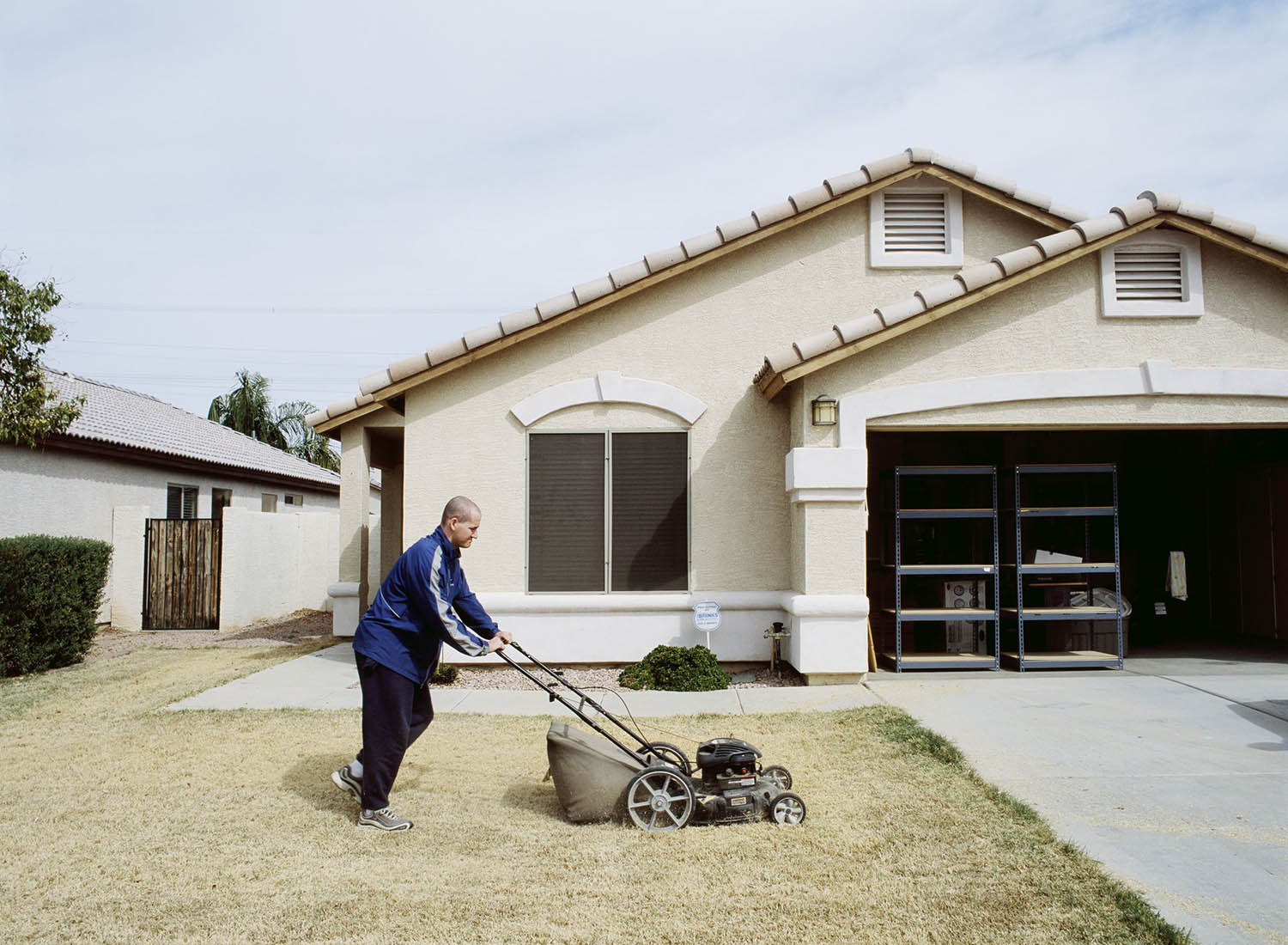
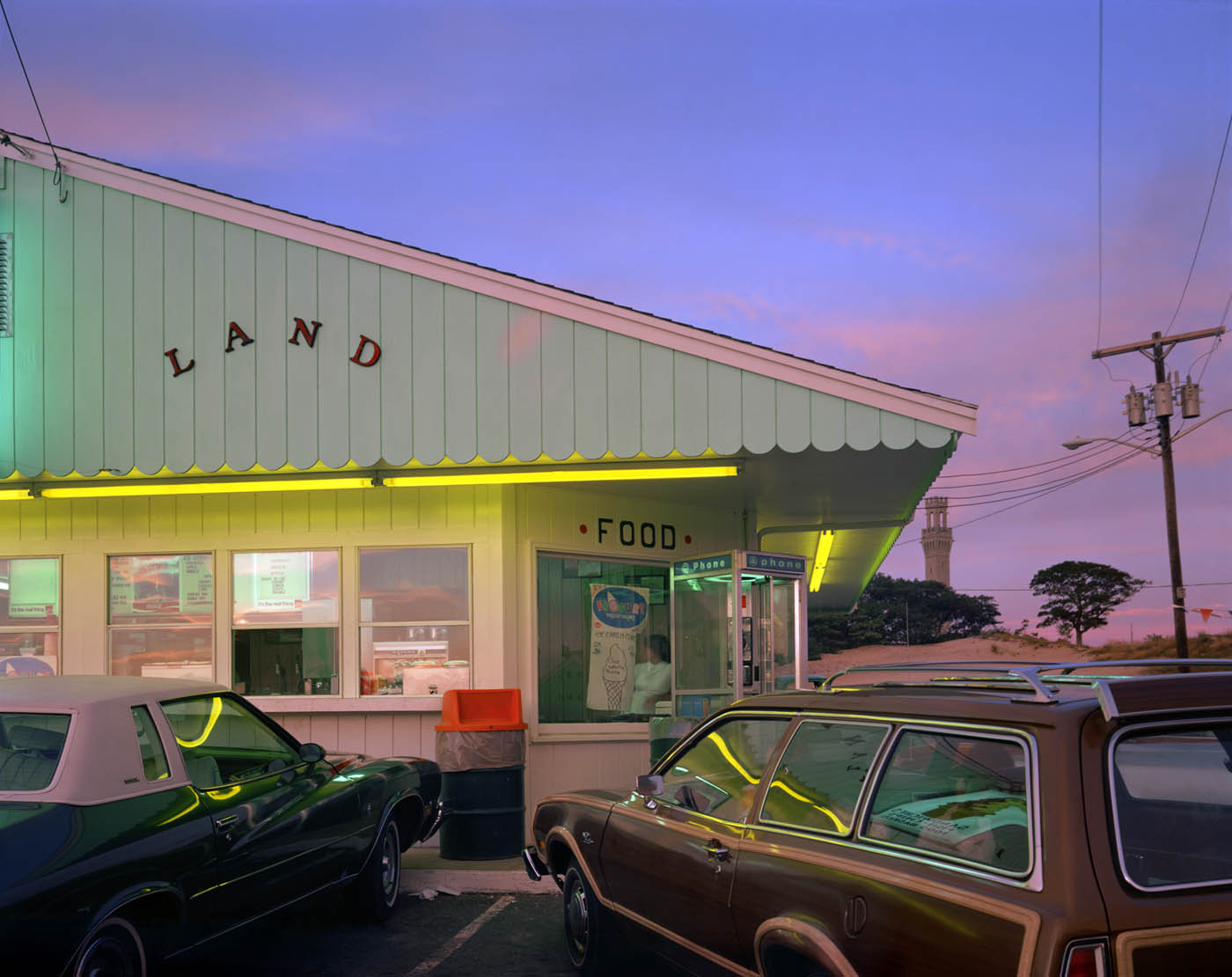

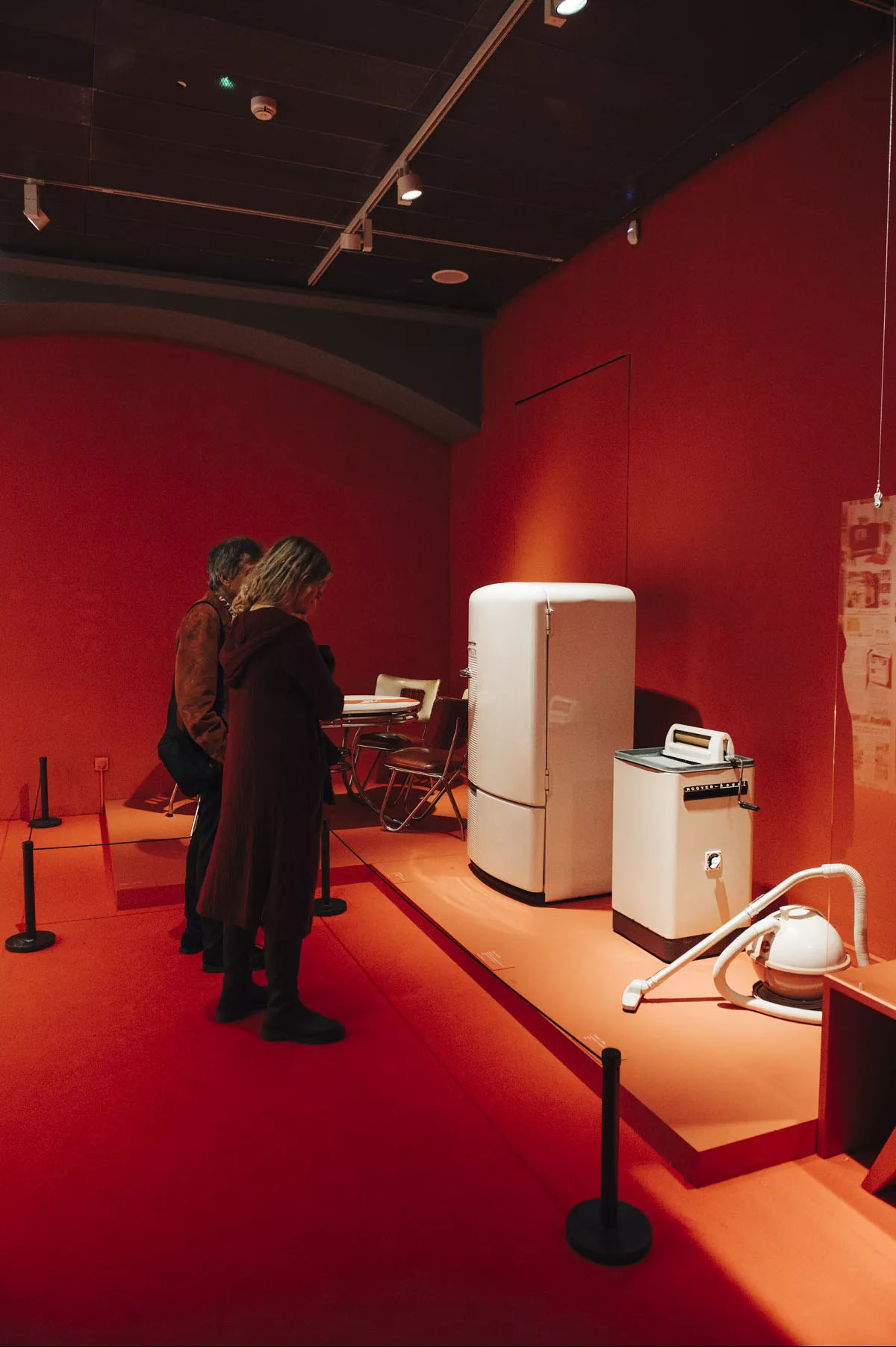

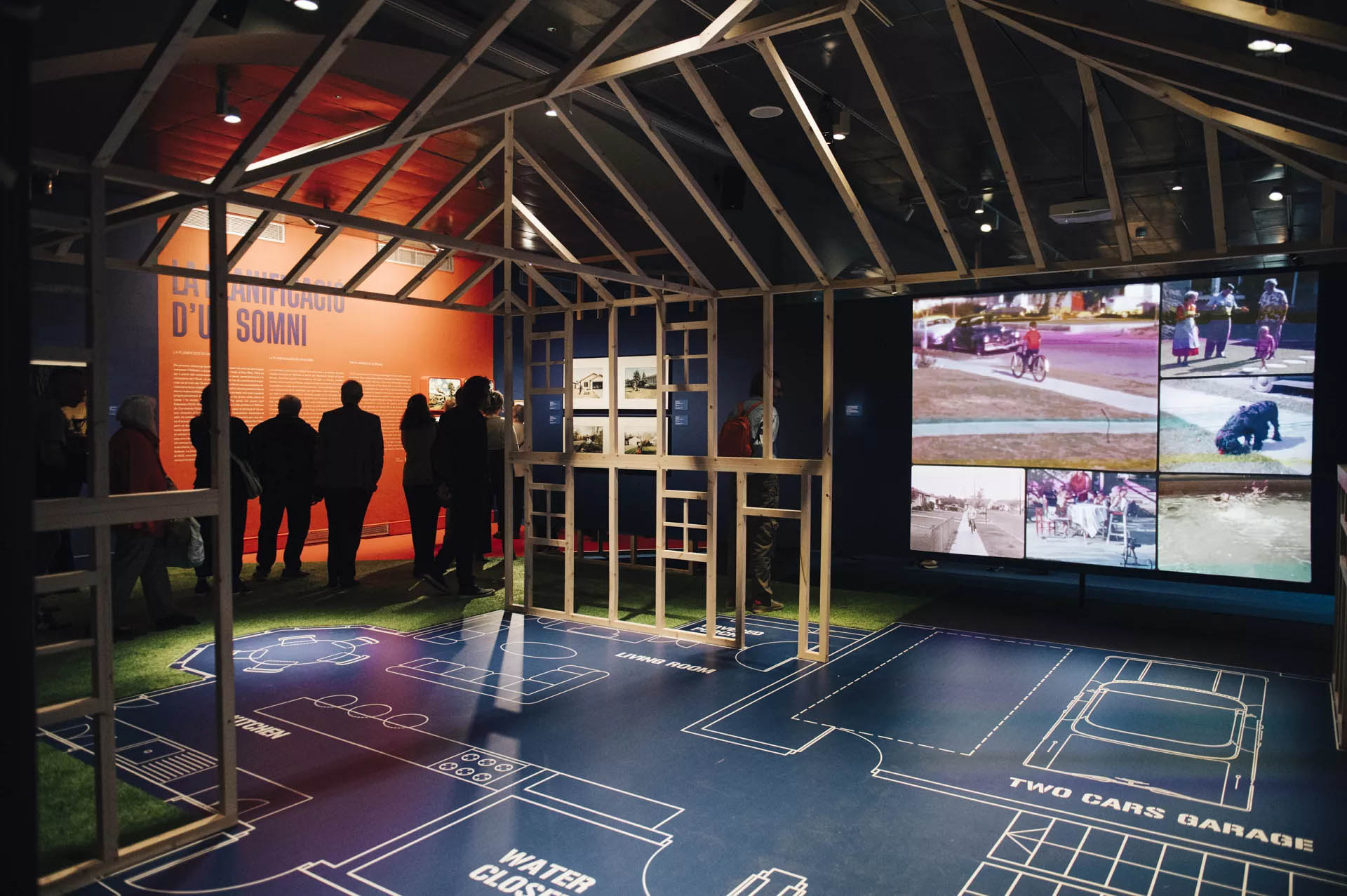
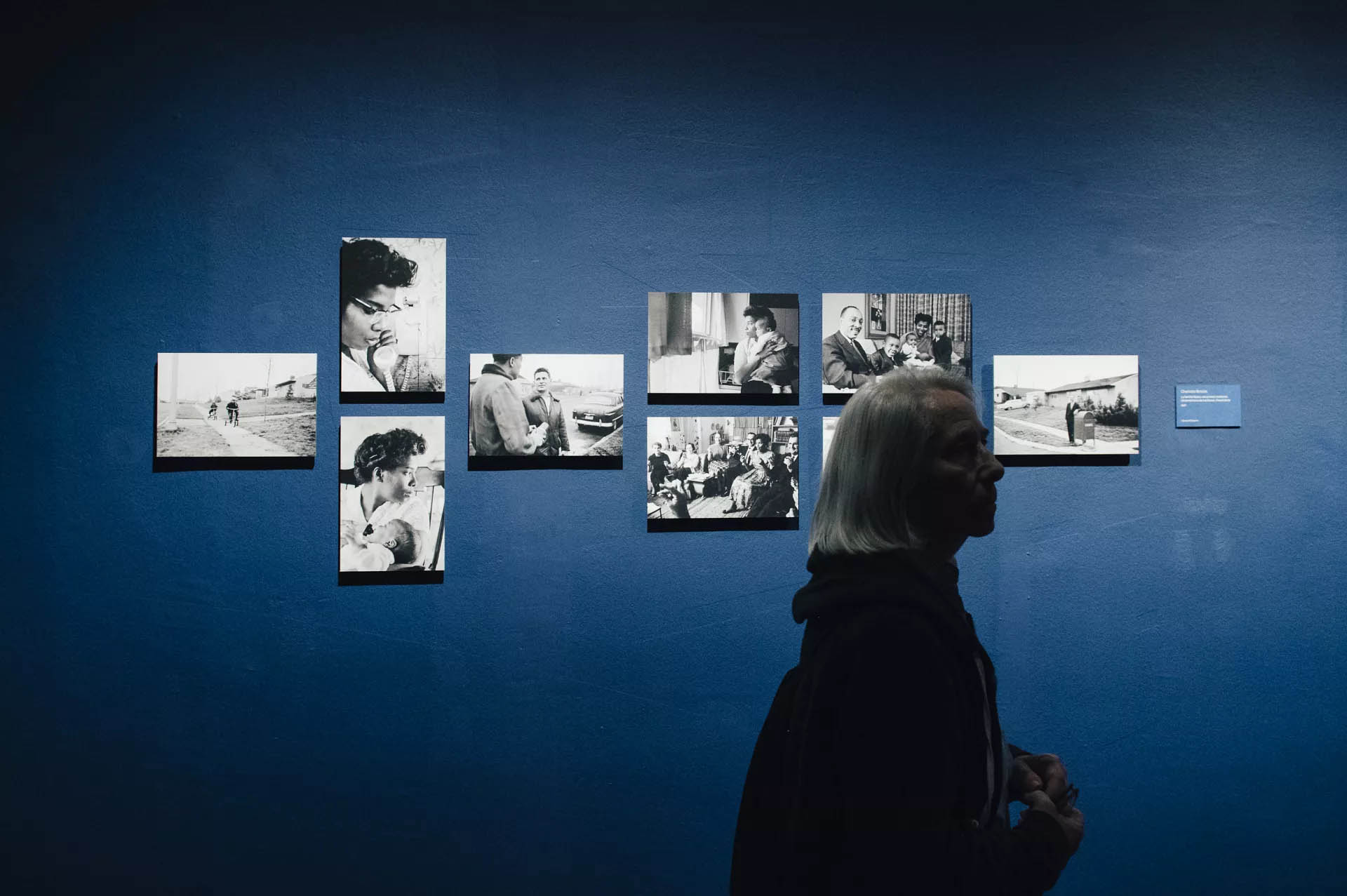
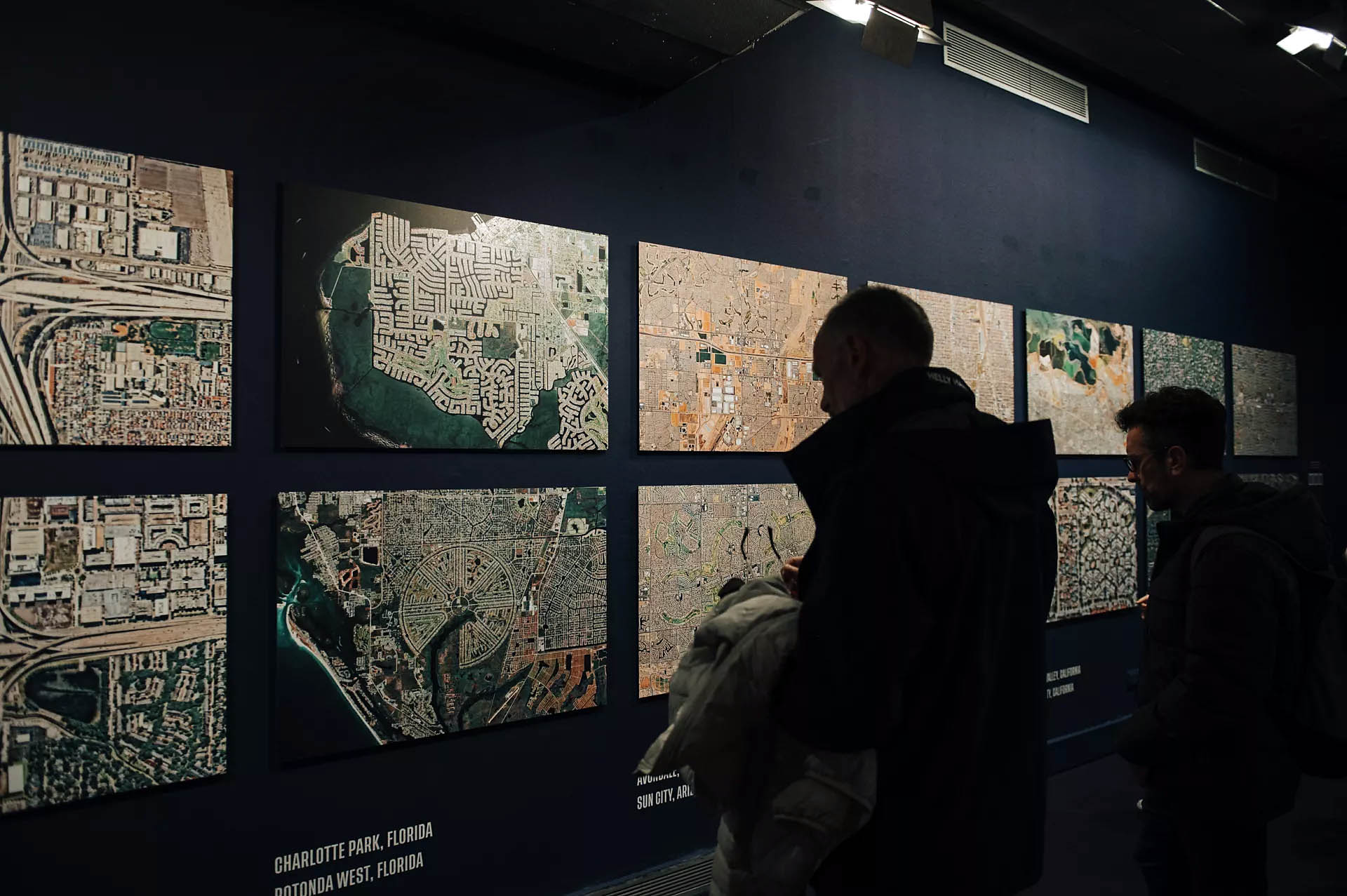
![Charlotte Brooks (American, 1918-2014) '[Image from LOOK - Job 57-7621 titled Myers family]' 20th December 1957](https://artblart.com/wp-content/uploads/2024/08/brooks-image-from-look-a.jpg "Charlotte Brooks (American, 1918-2014) '[Image from LOOK - Job 57-7621 titled Myers family]' 20th December 1957")


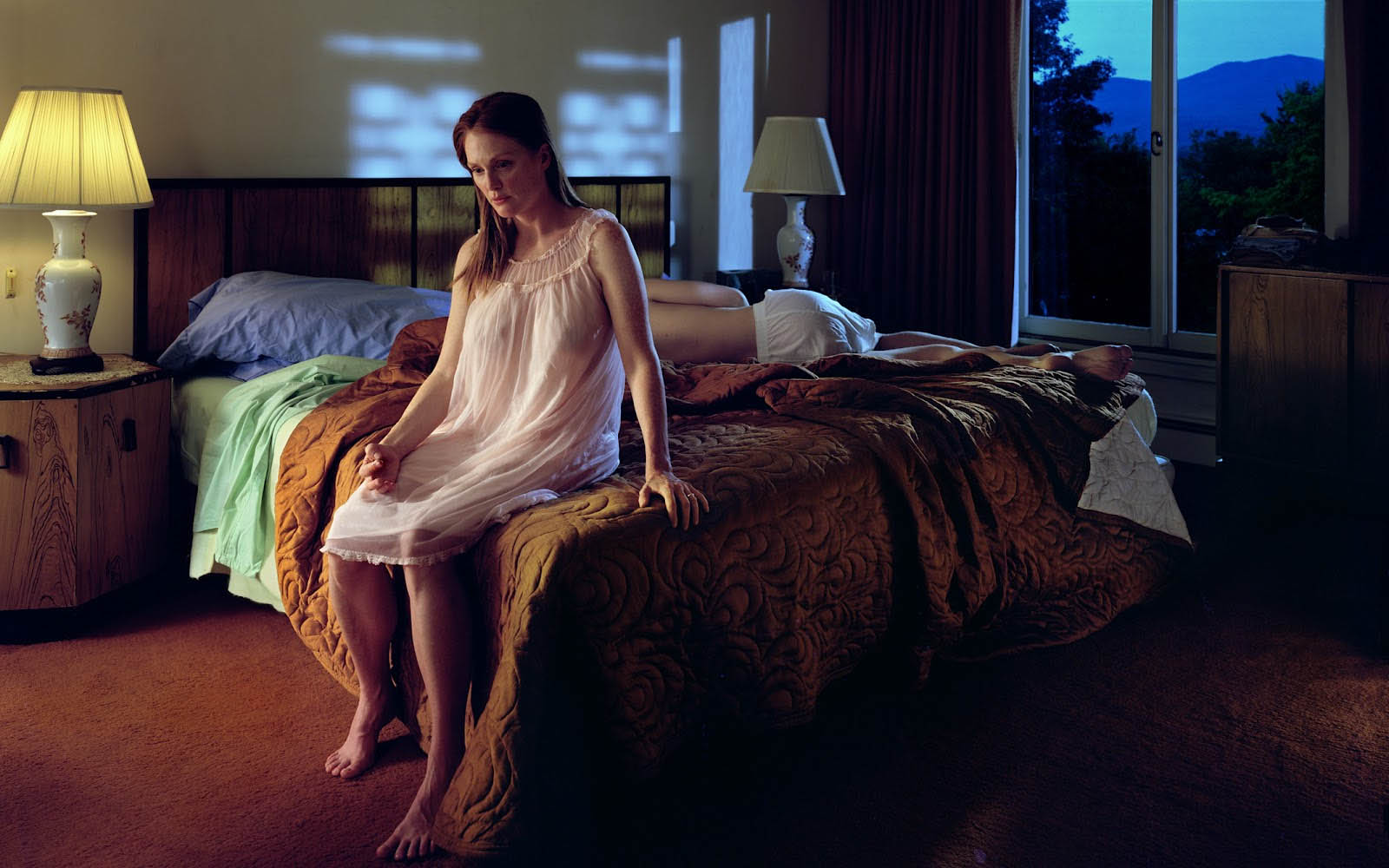

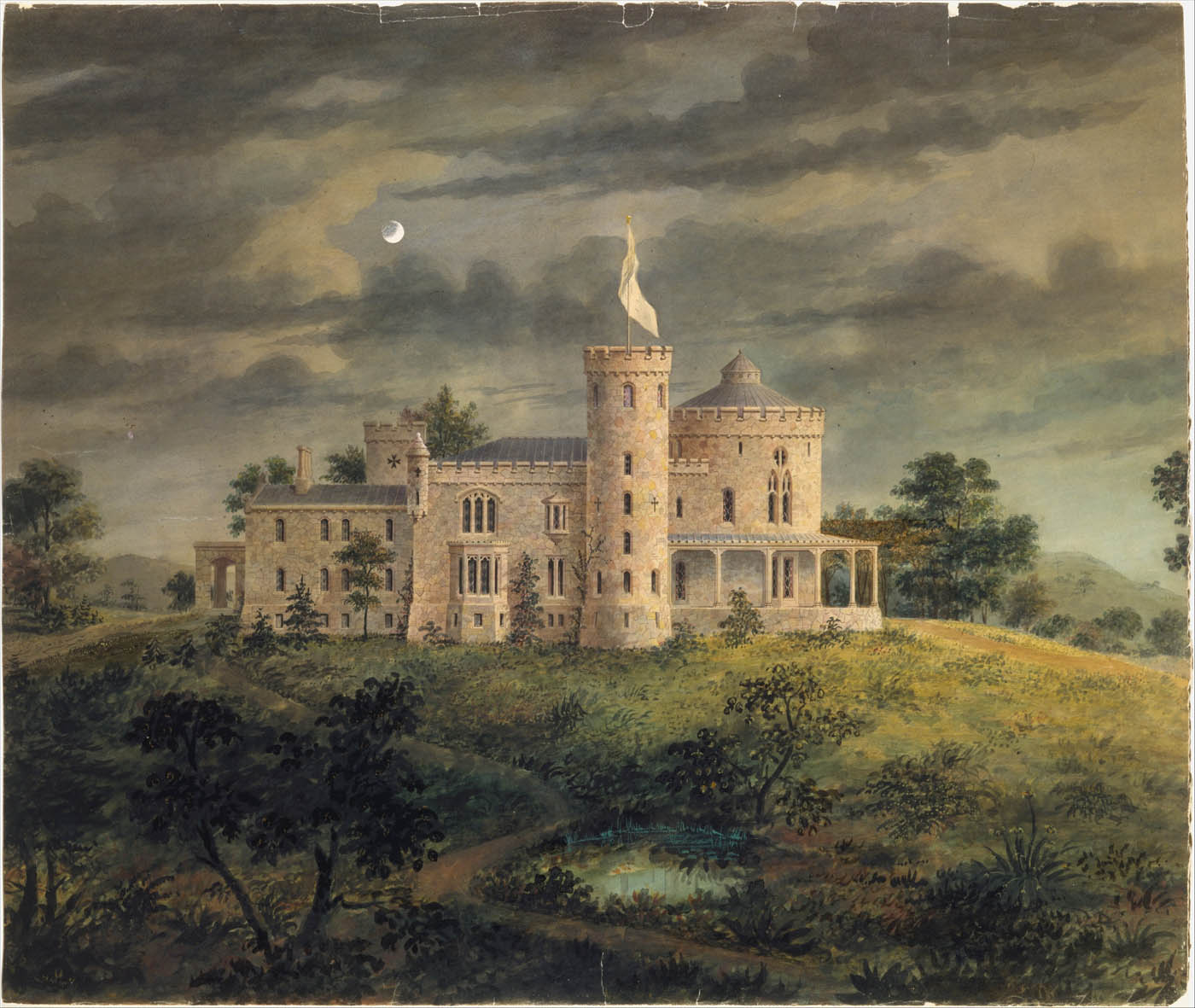


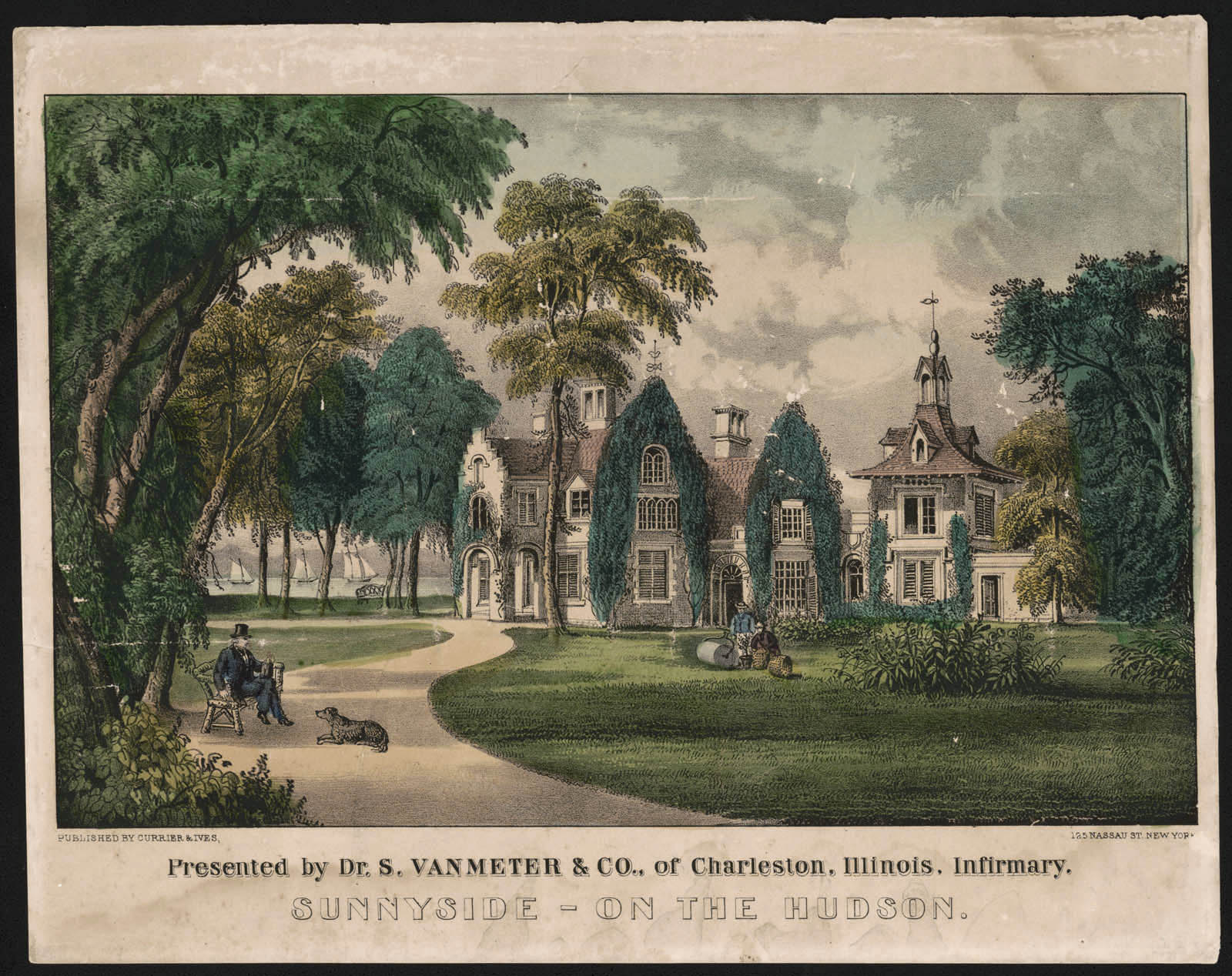
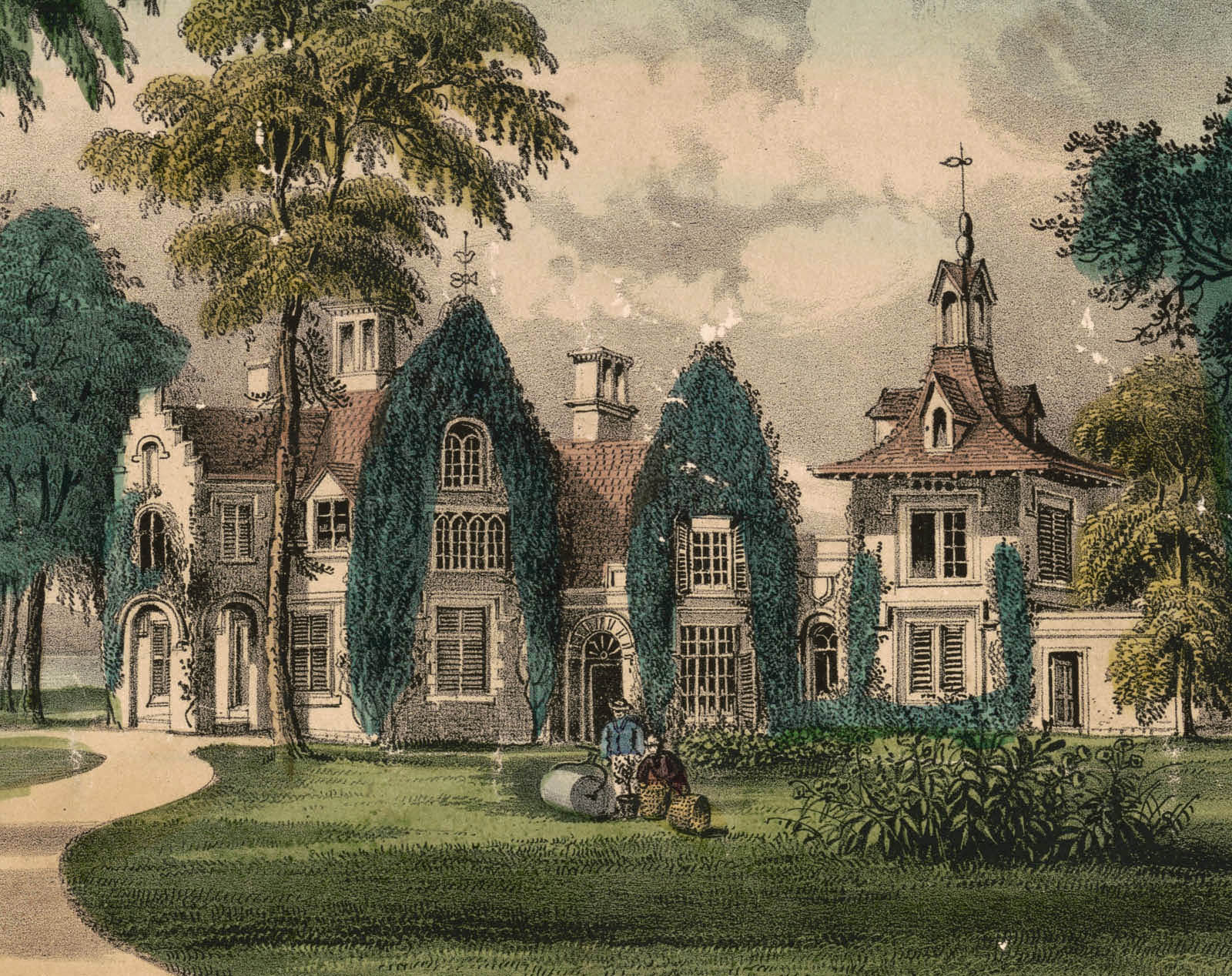


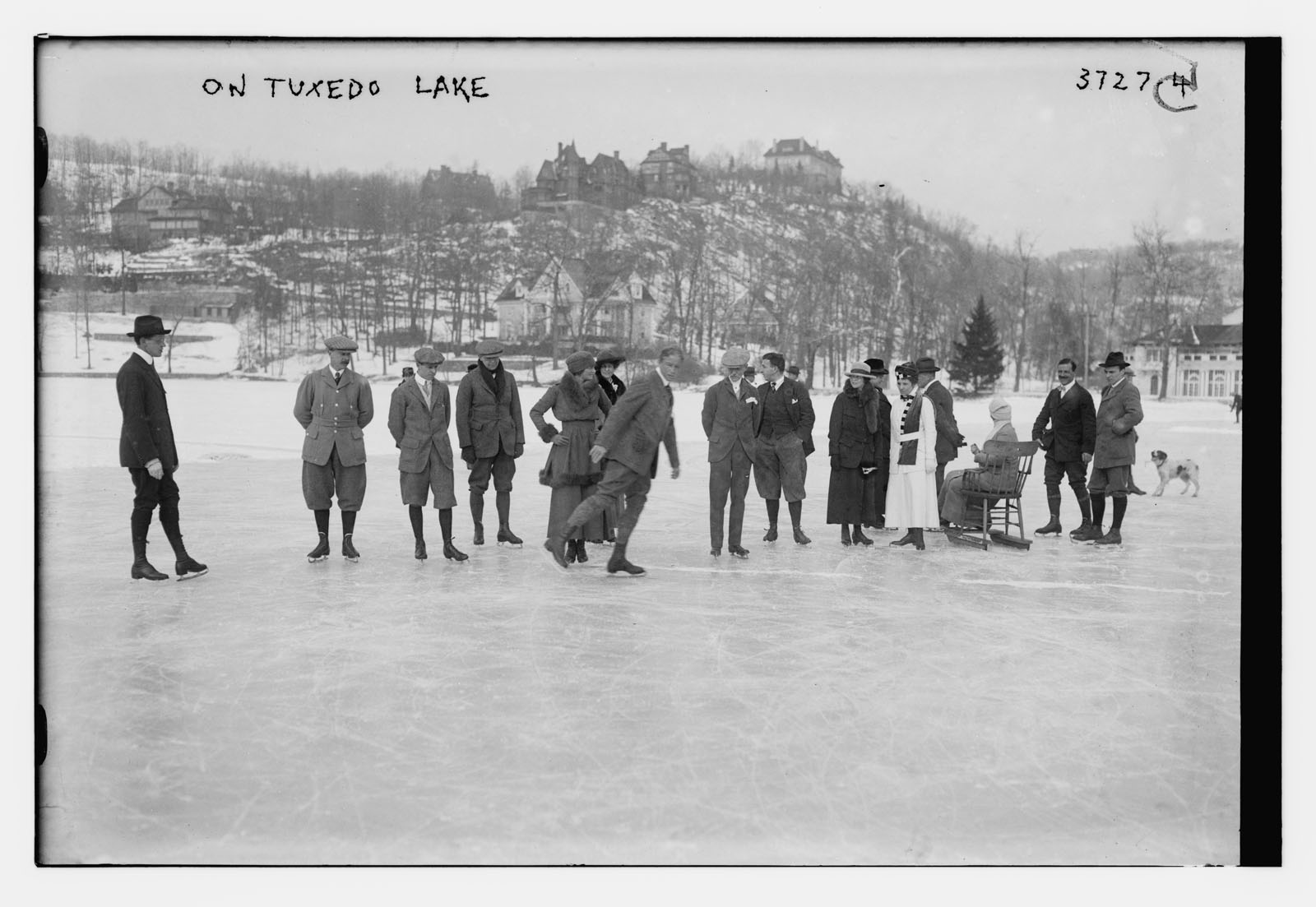
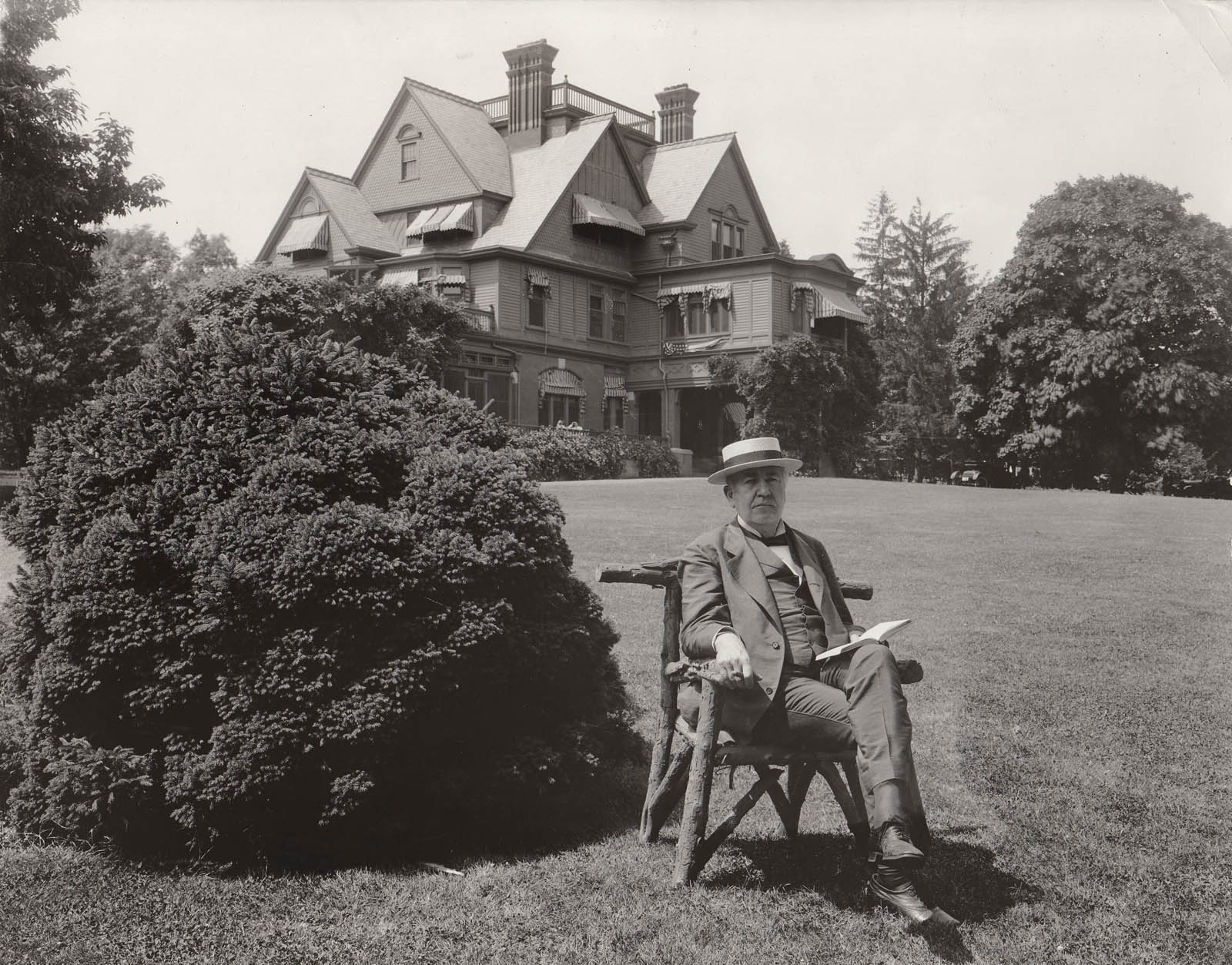

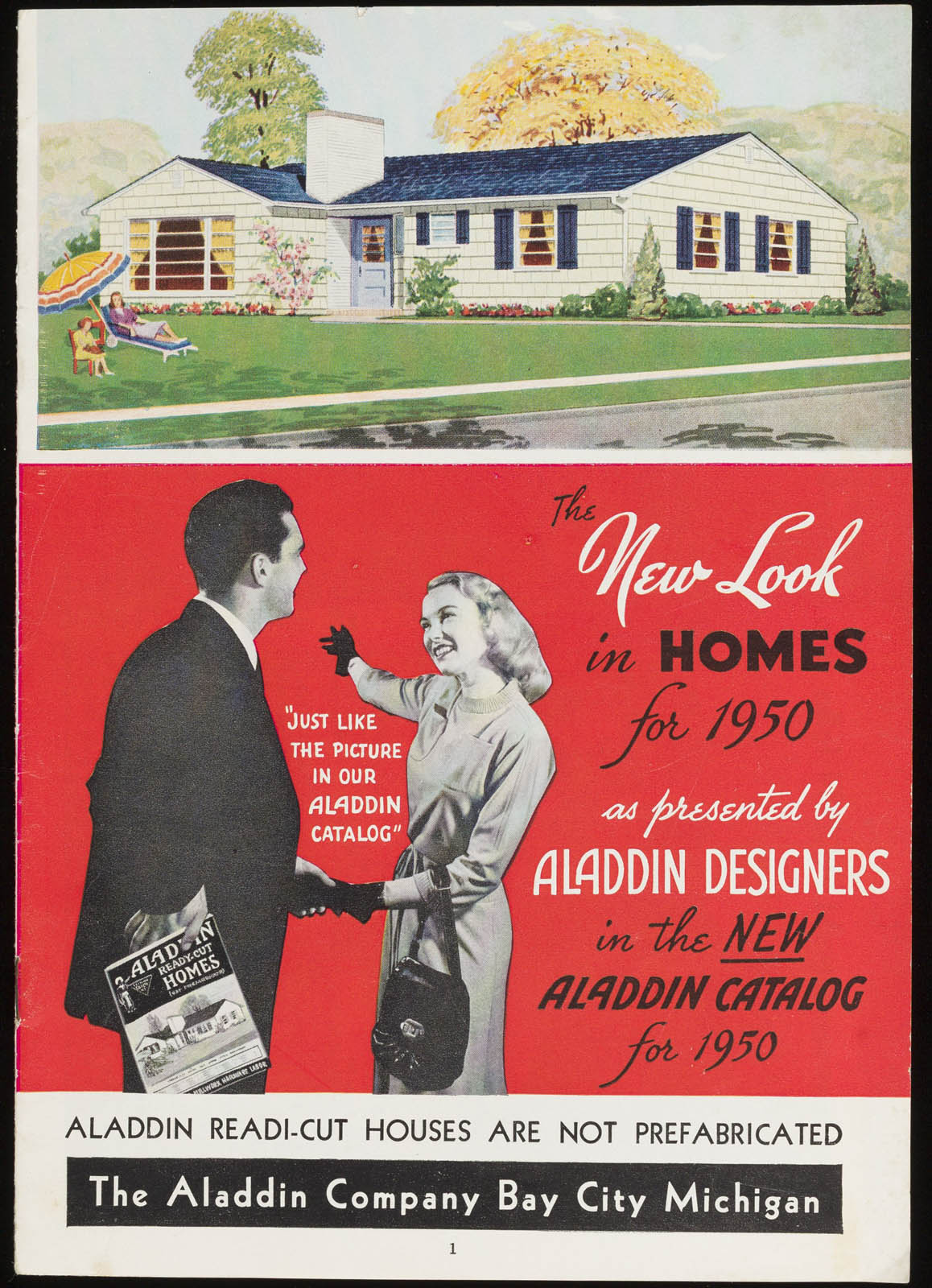
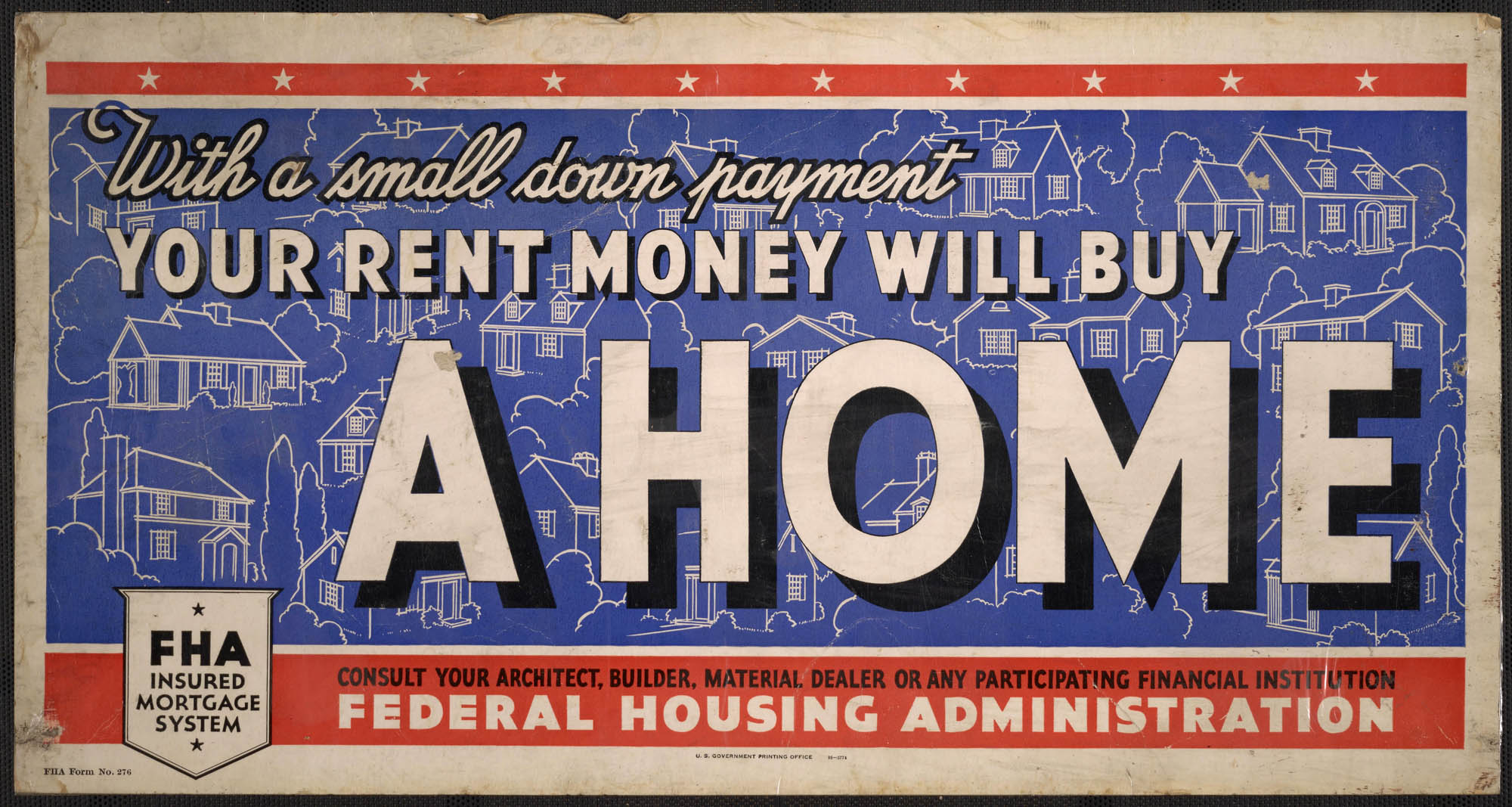
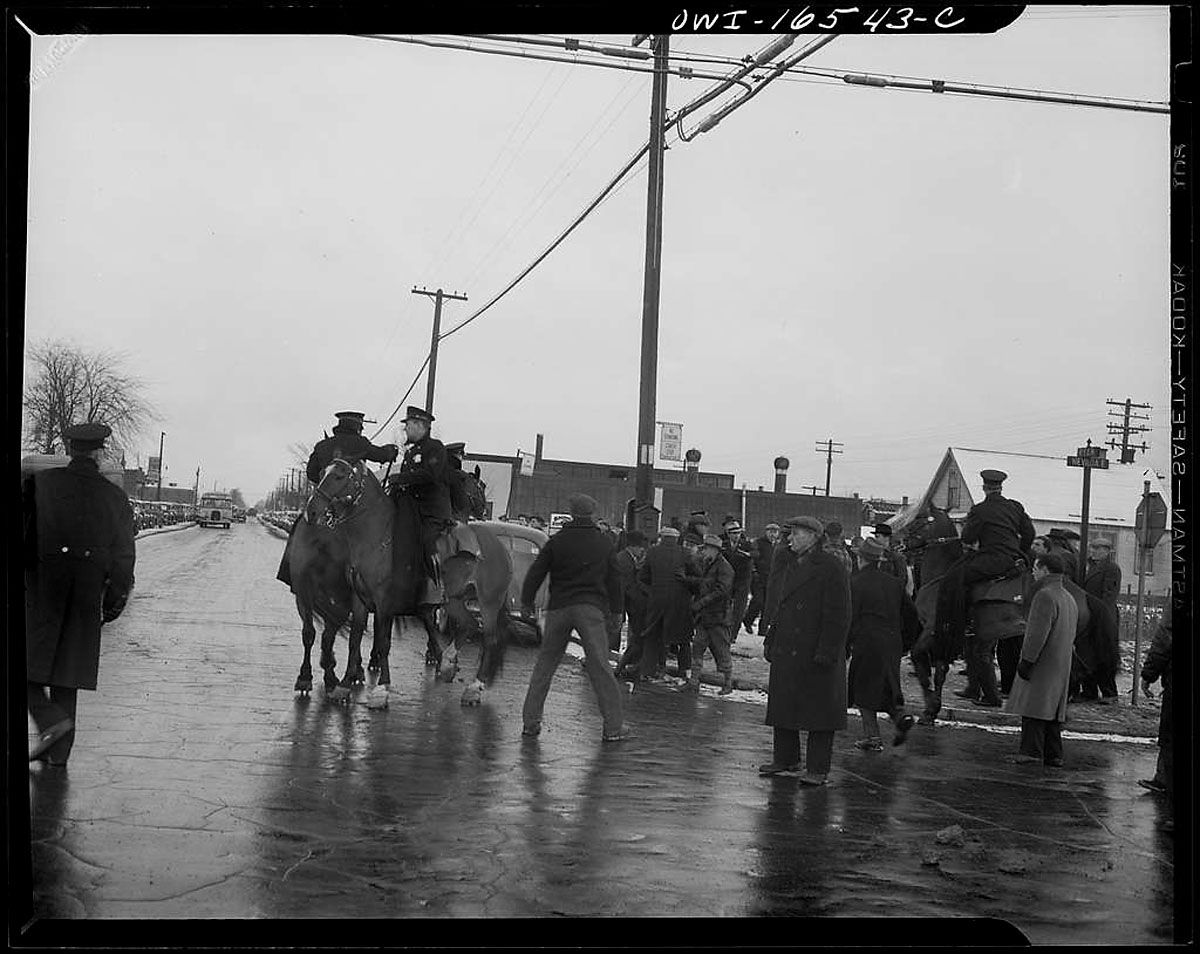

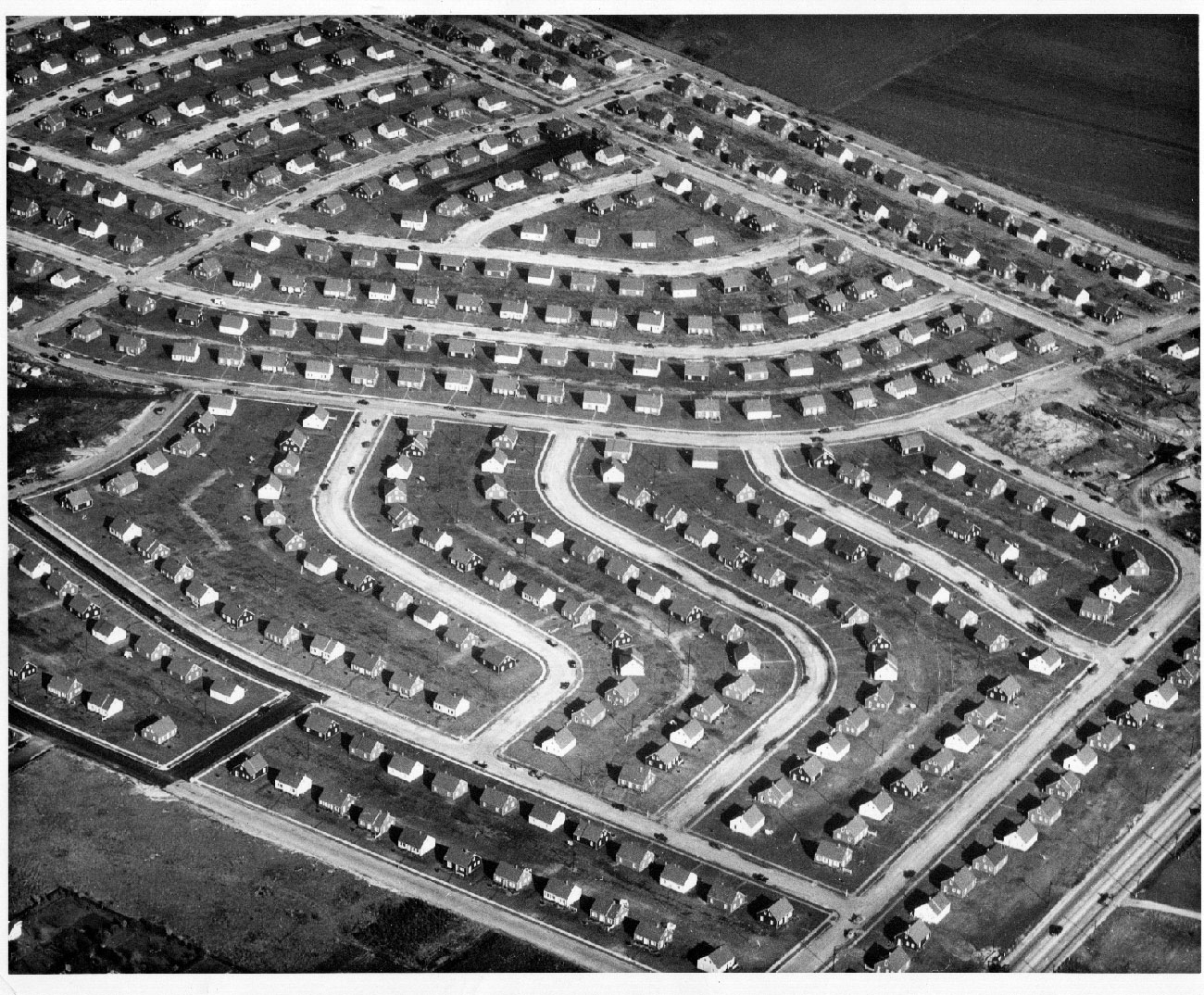
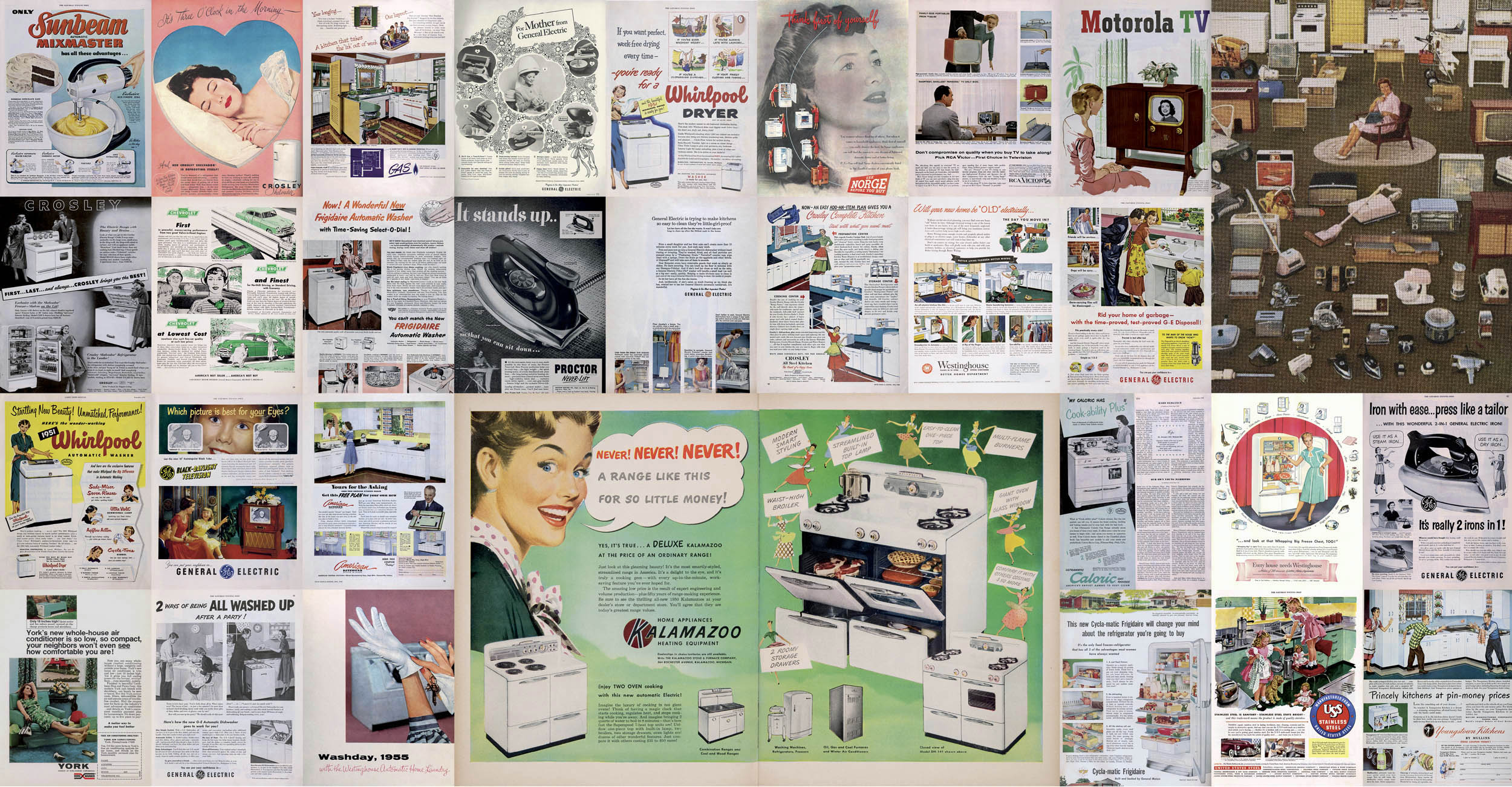
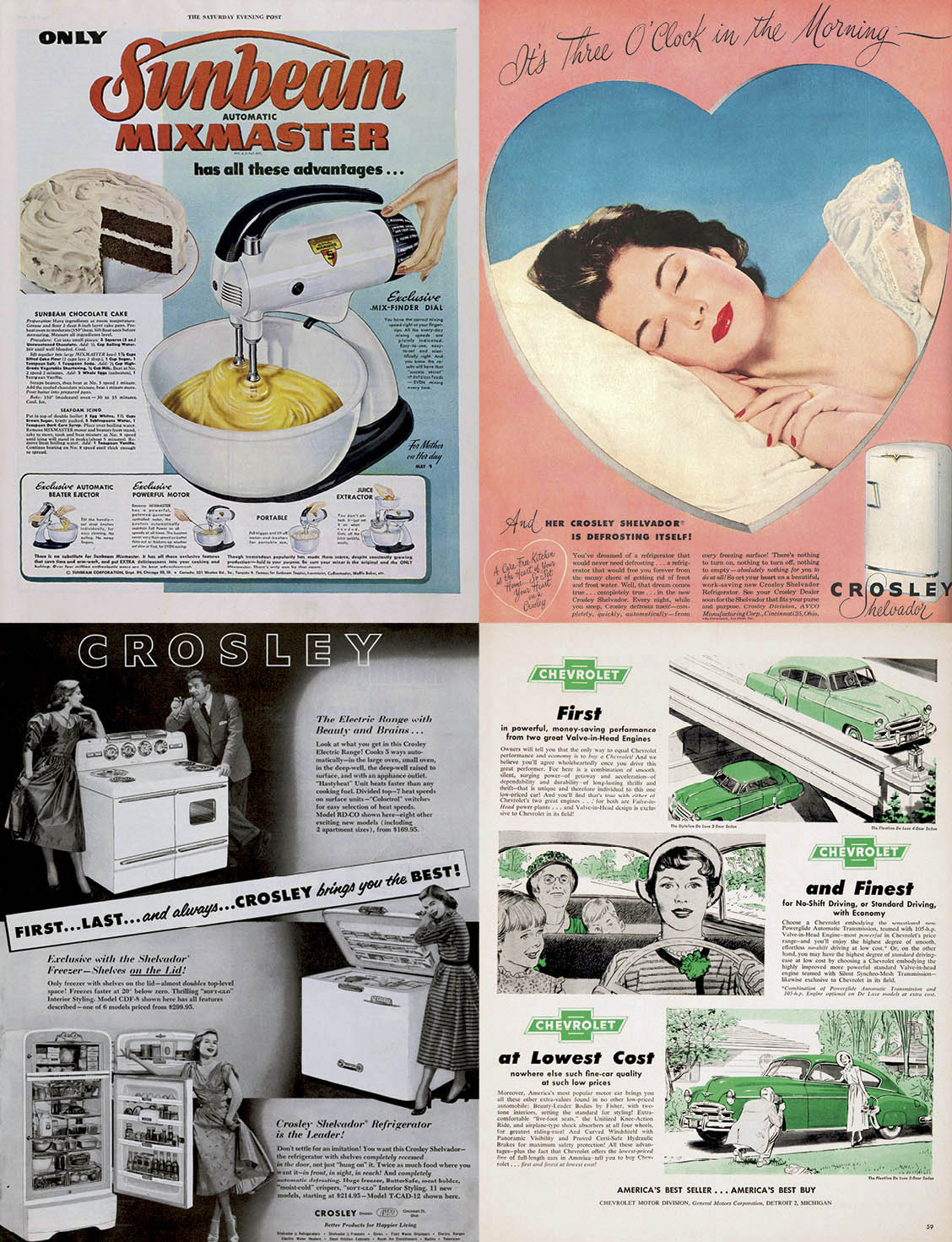
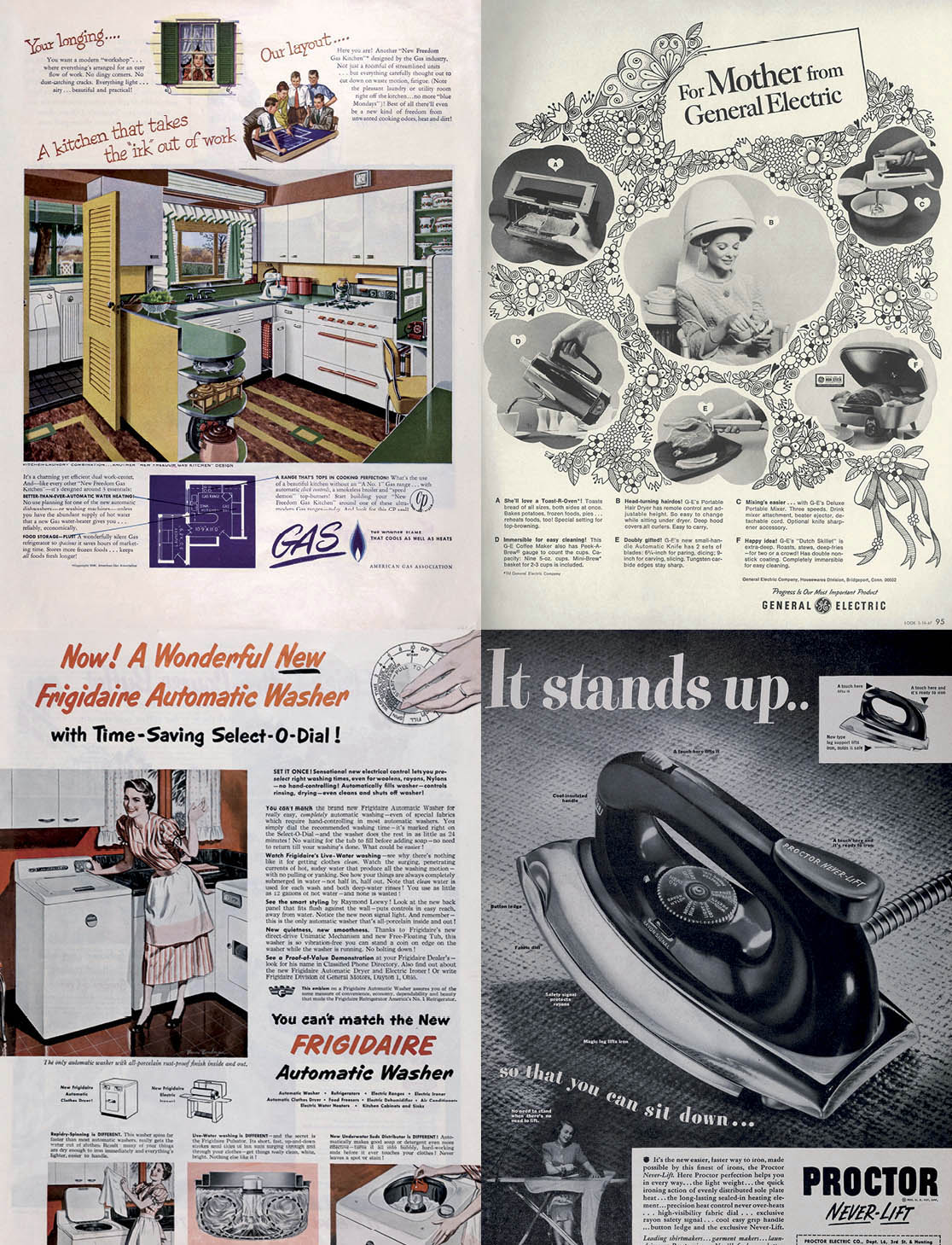
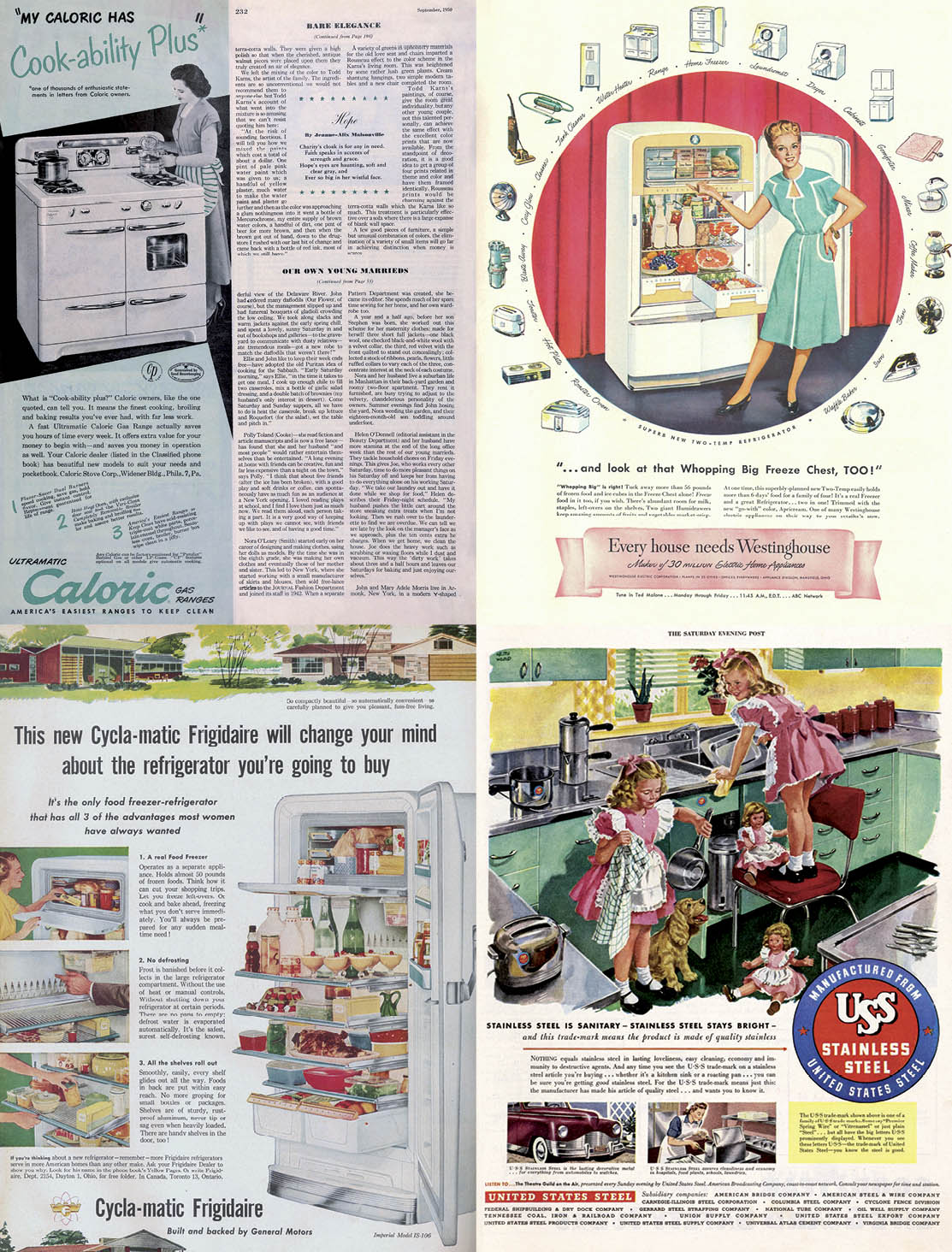
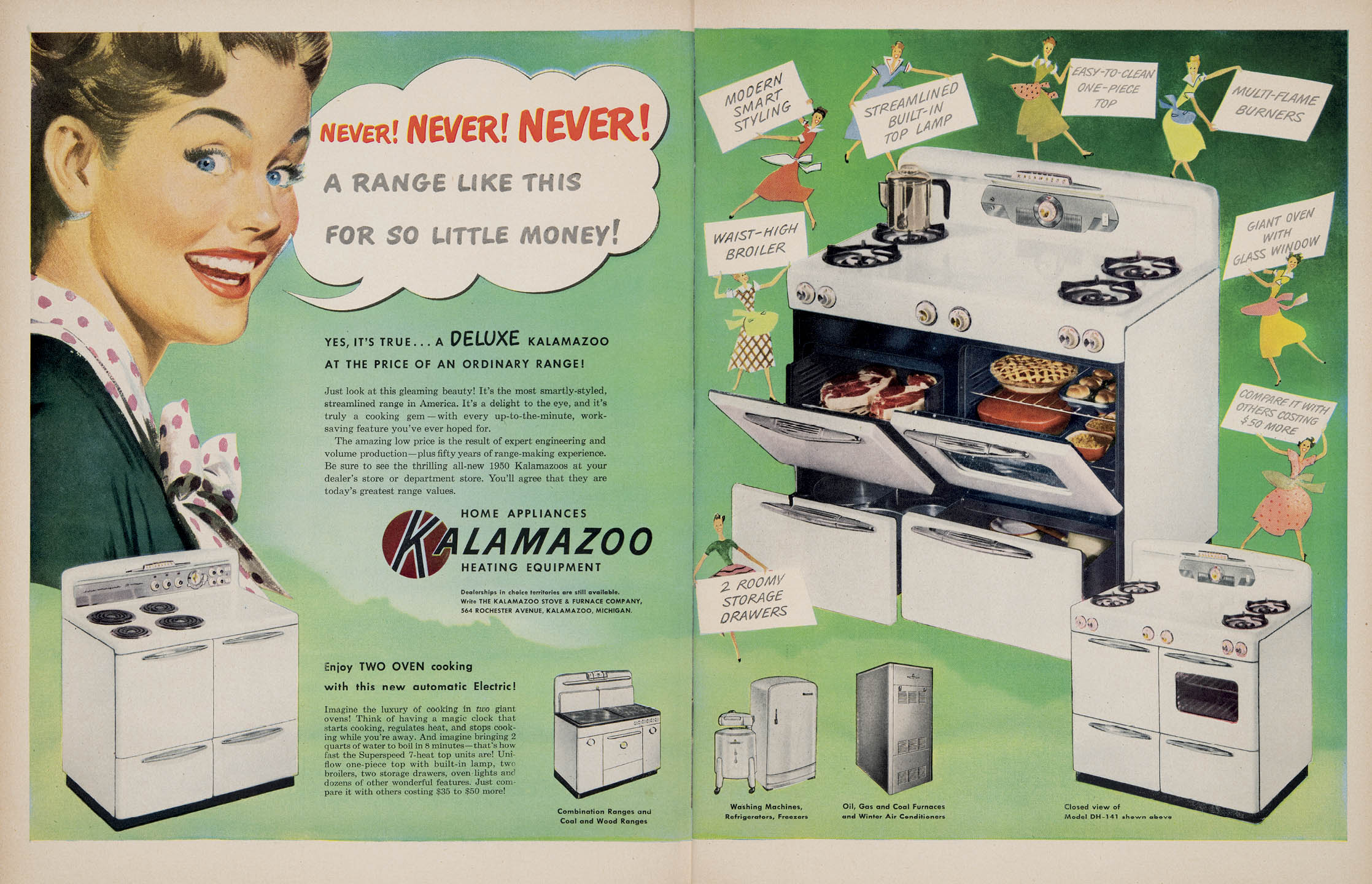
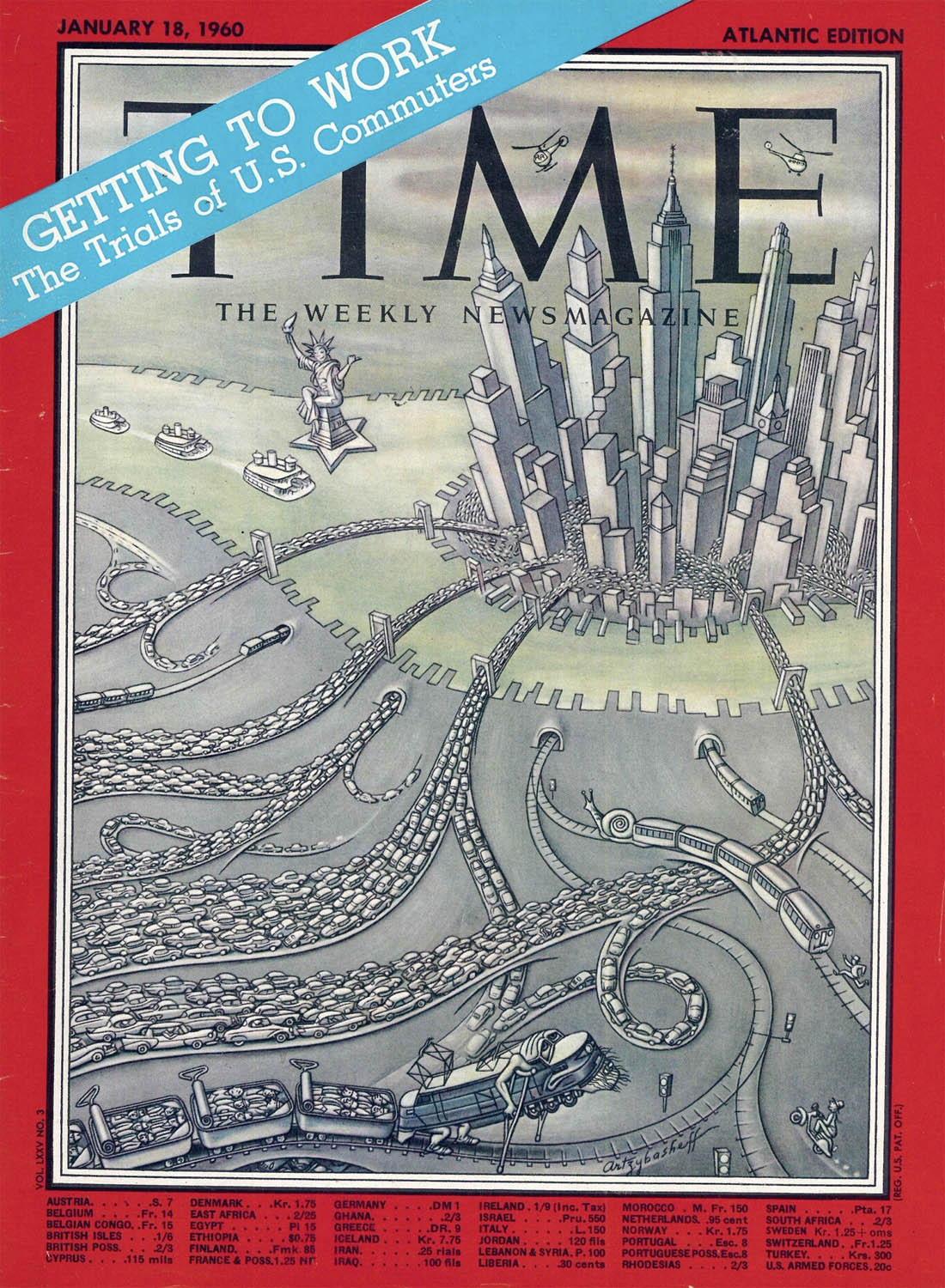
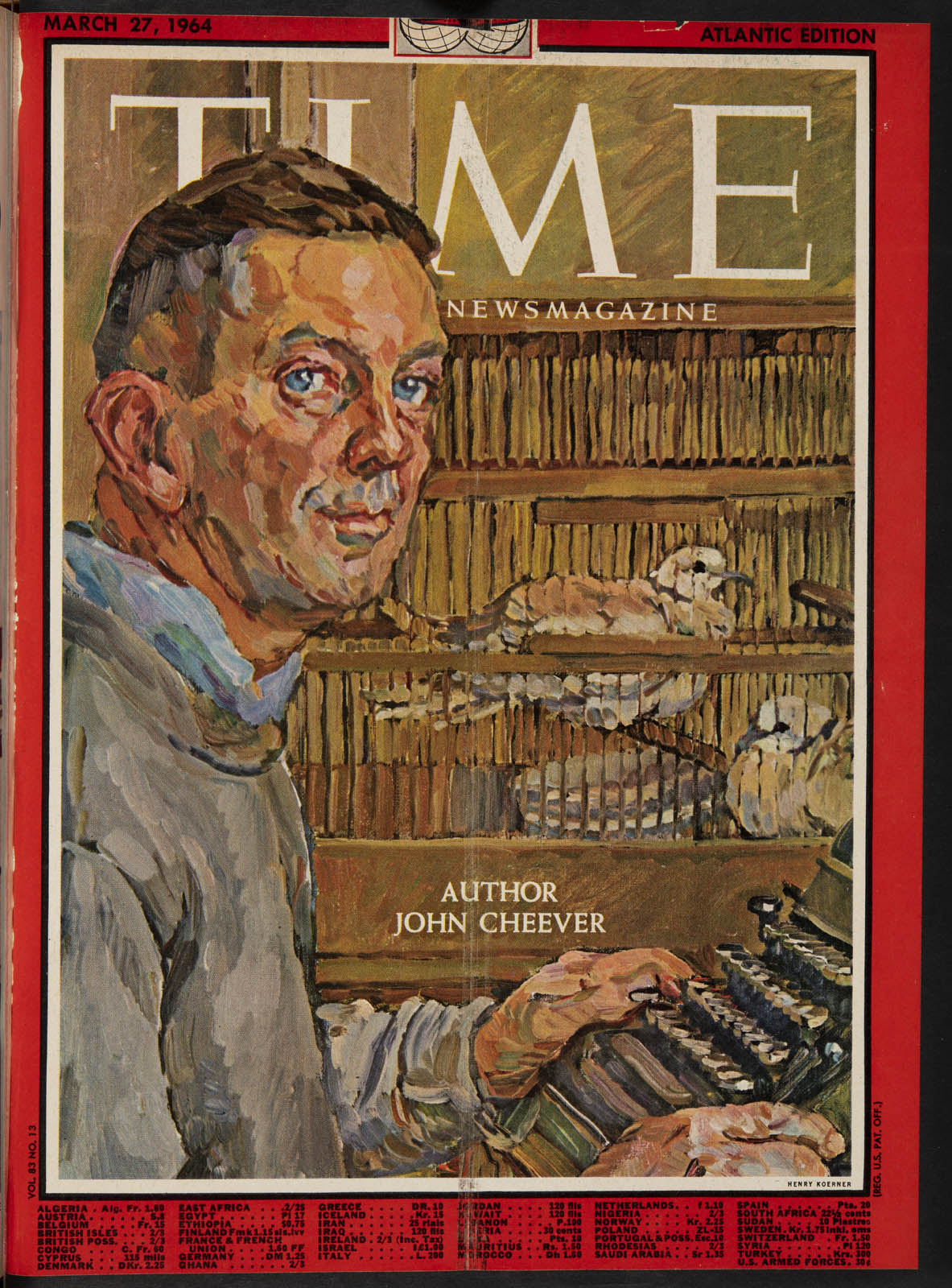
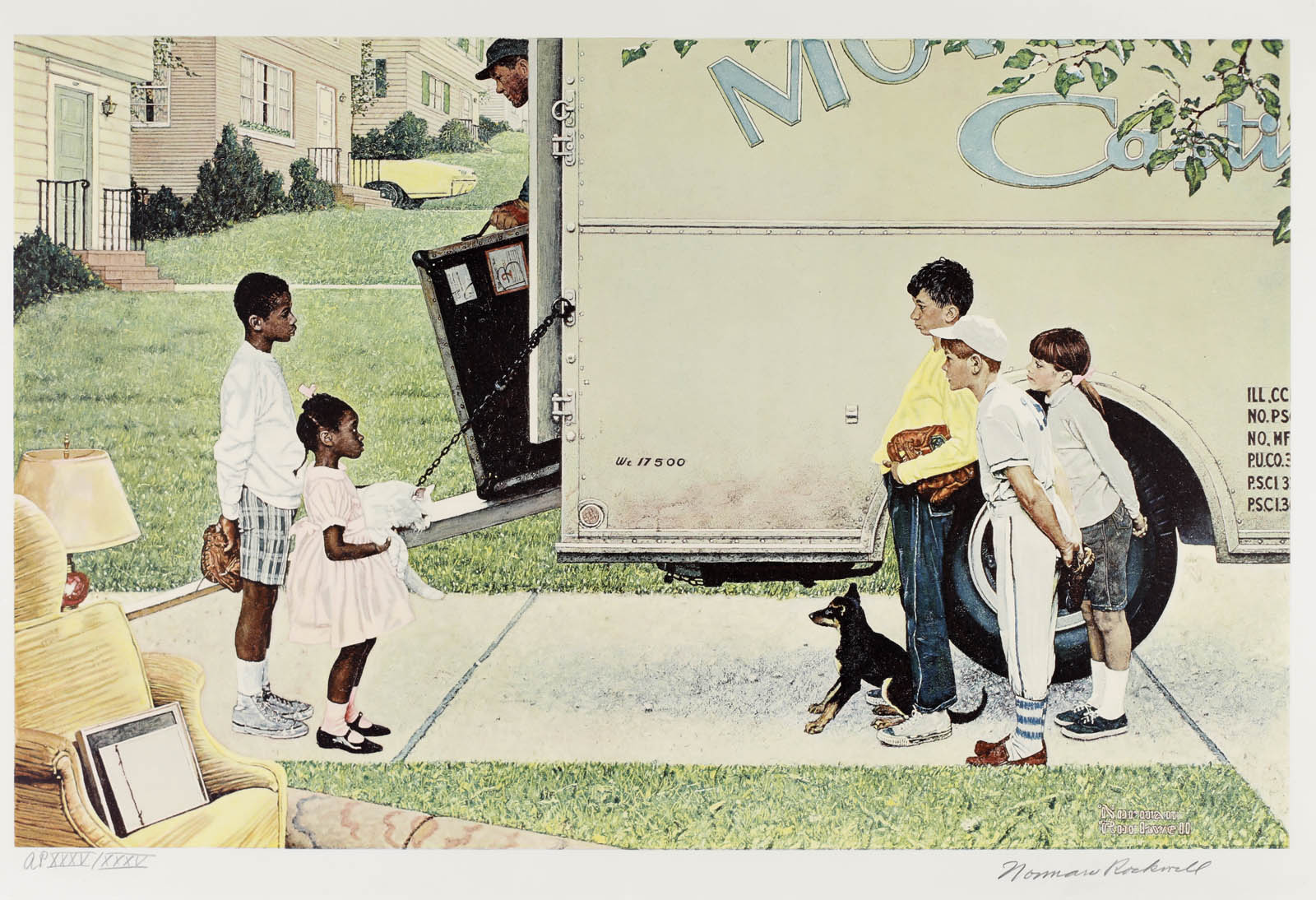
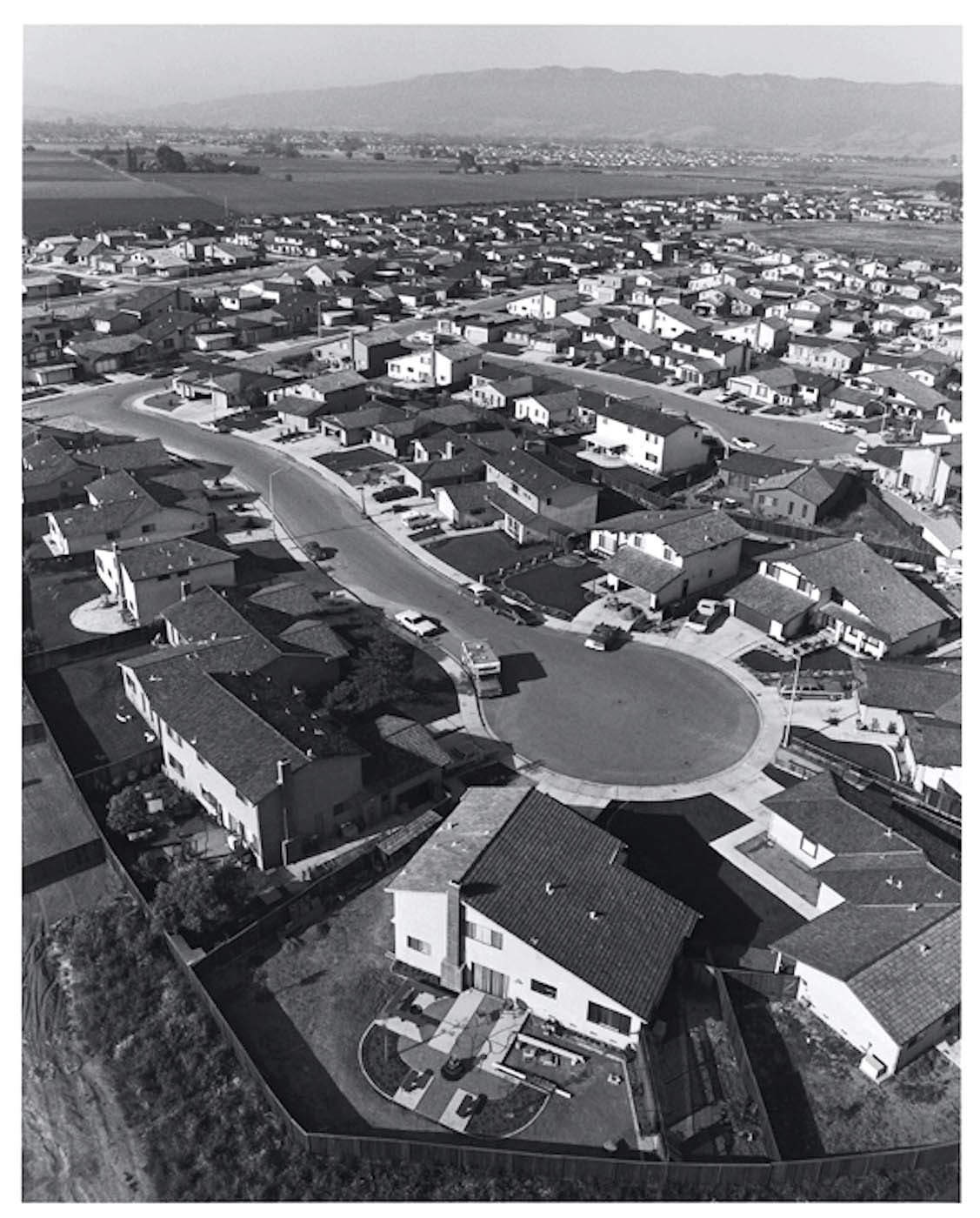

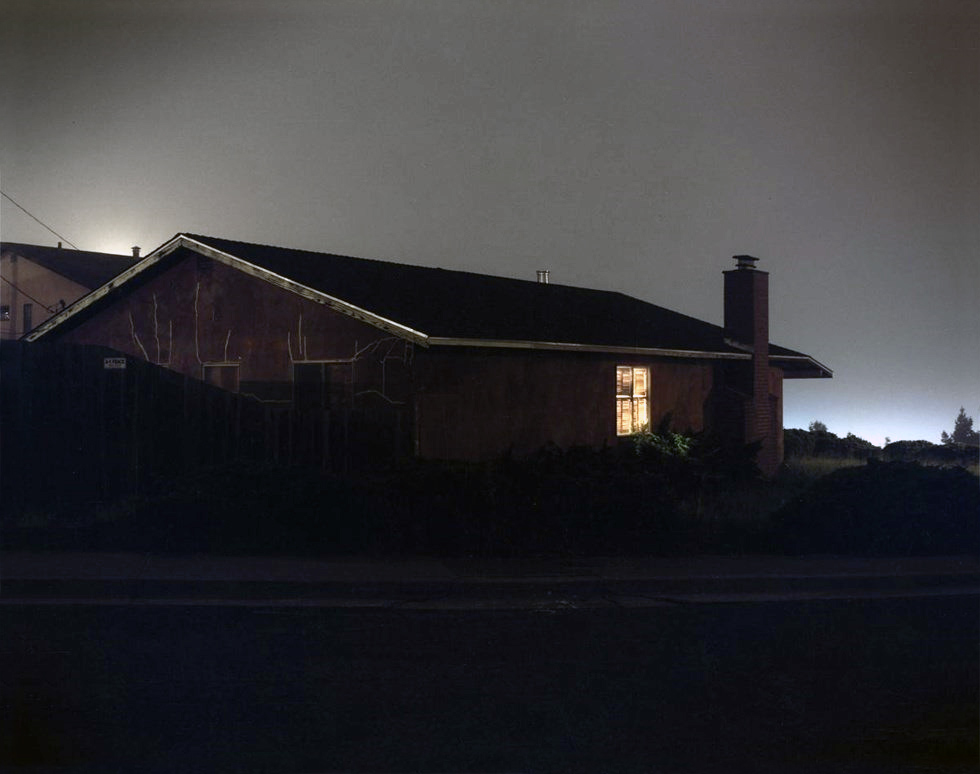
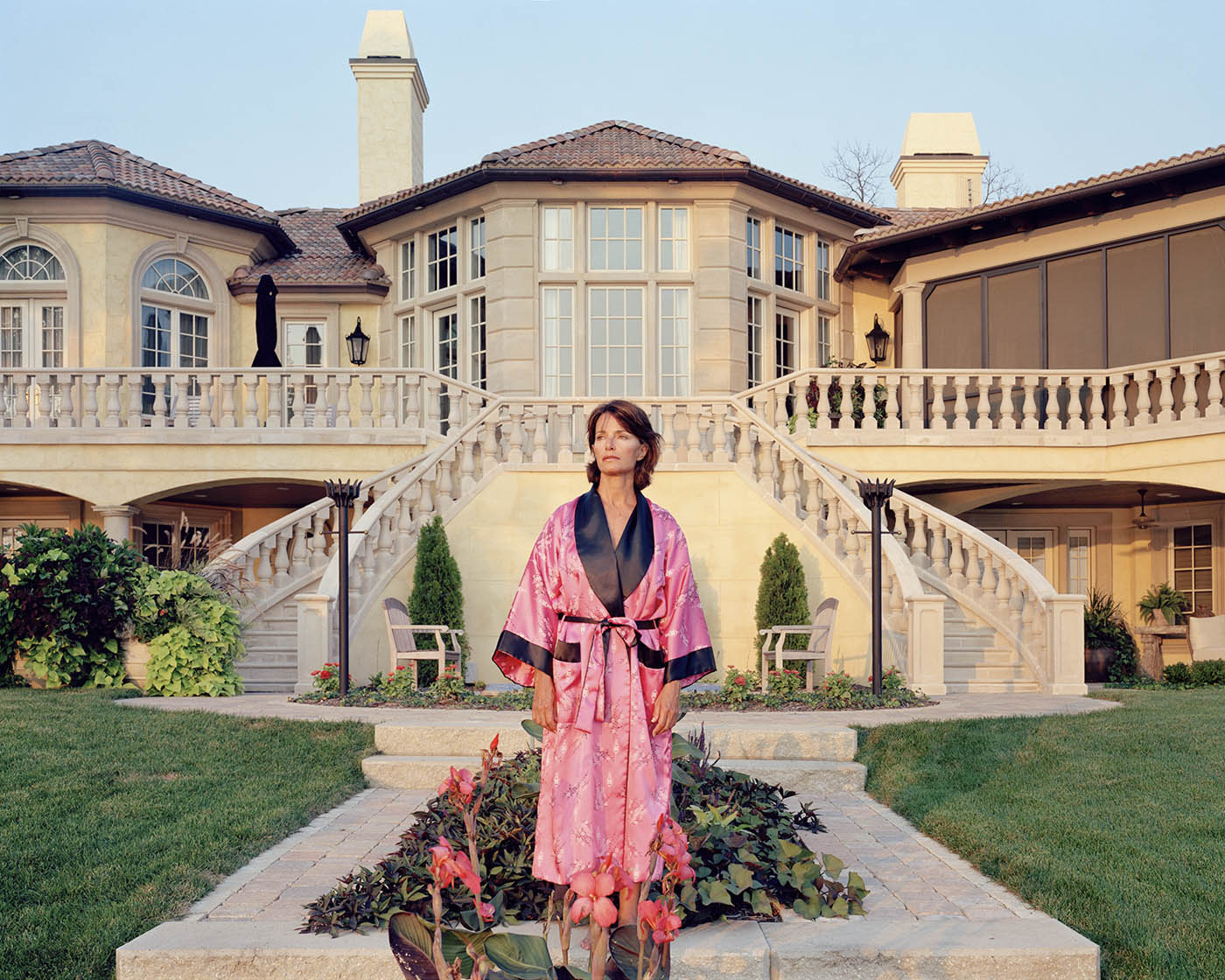


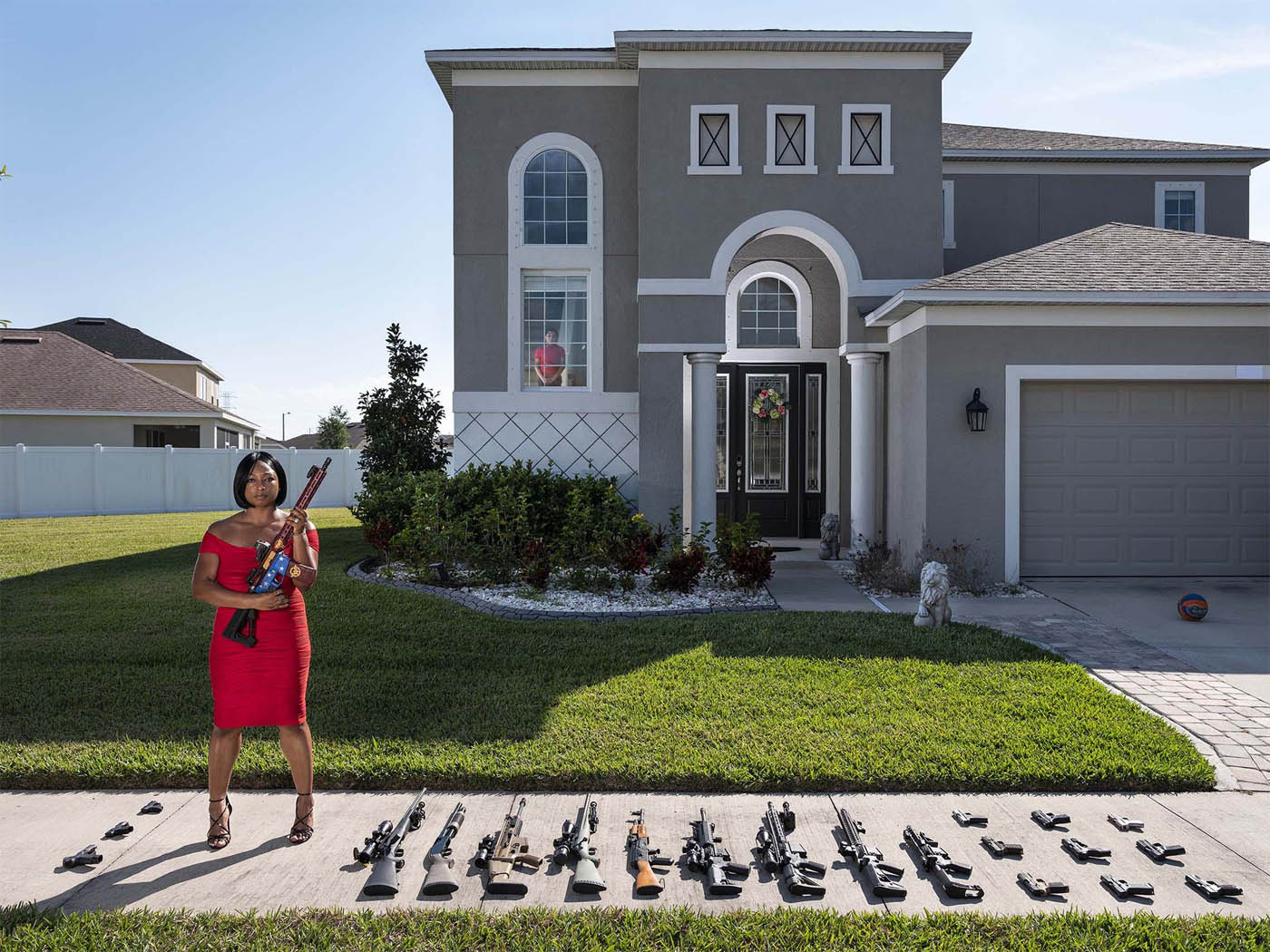

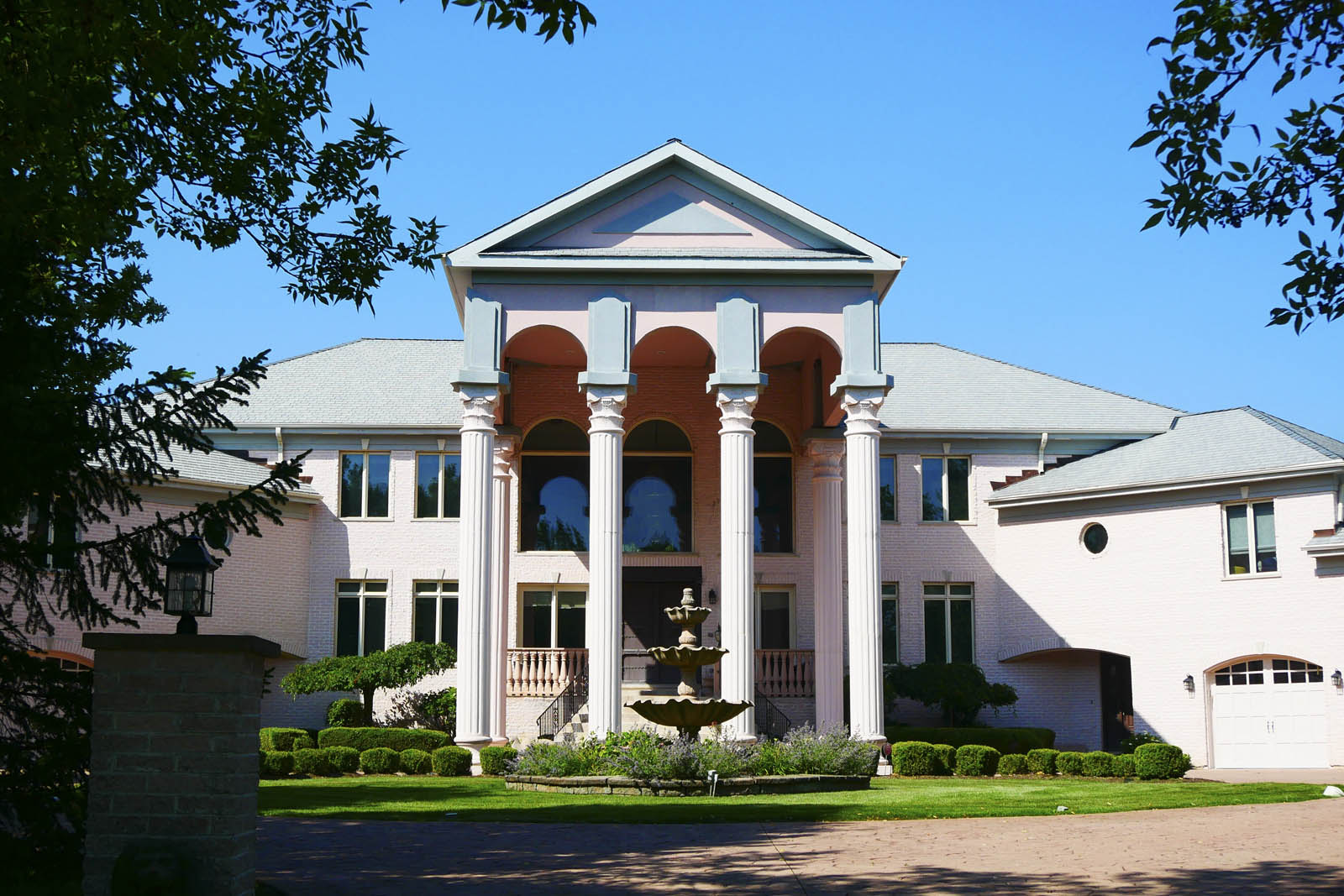
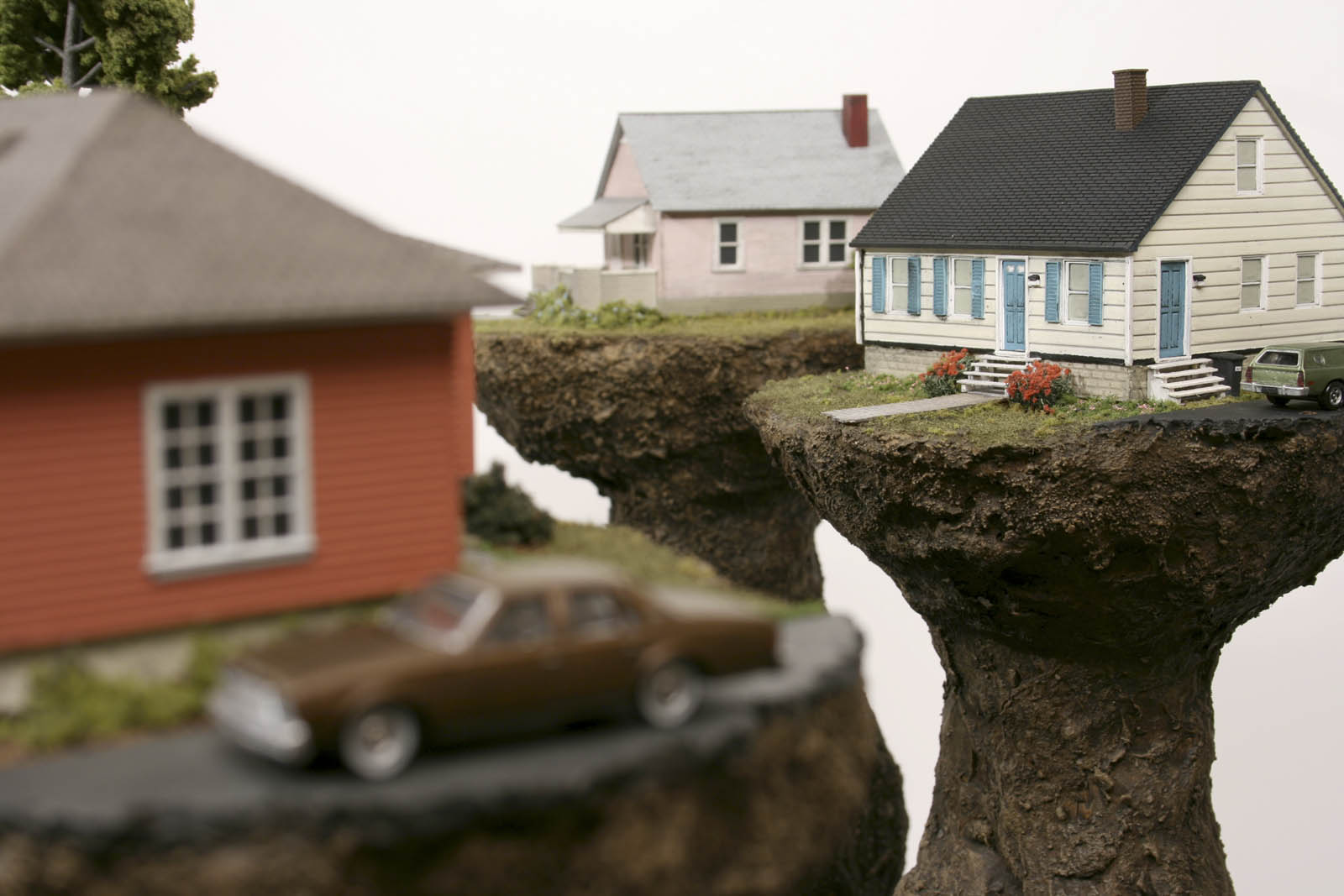

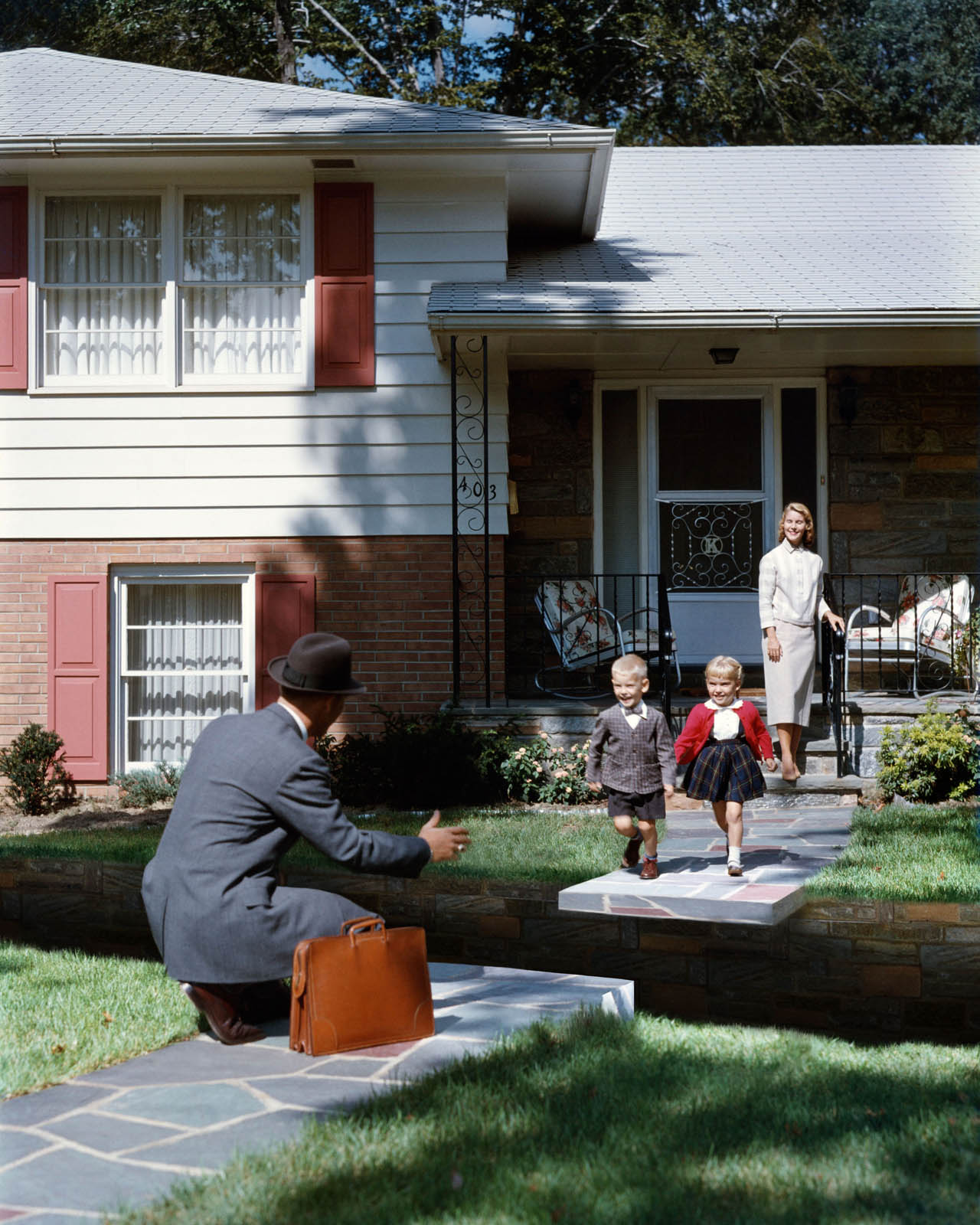
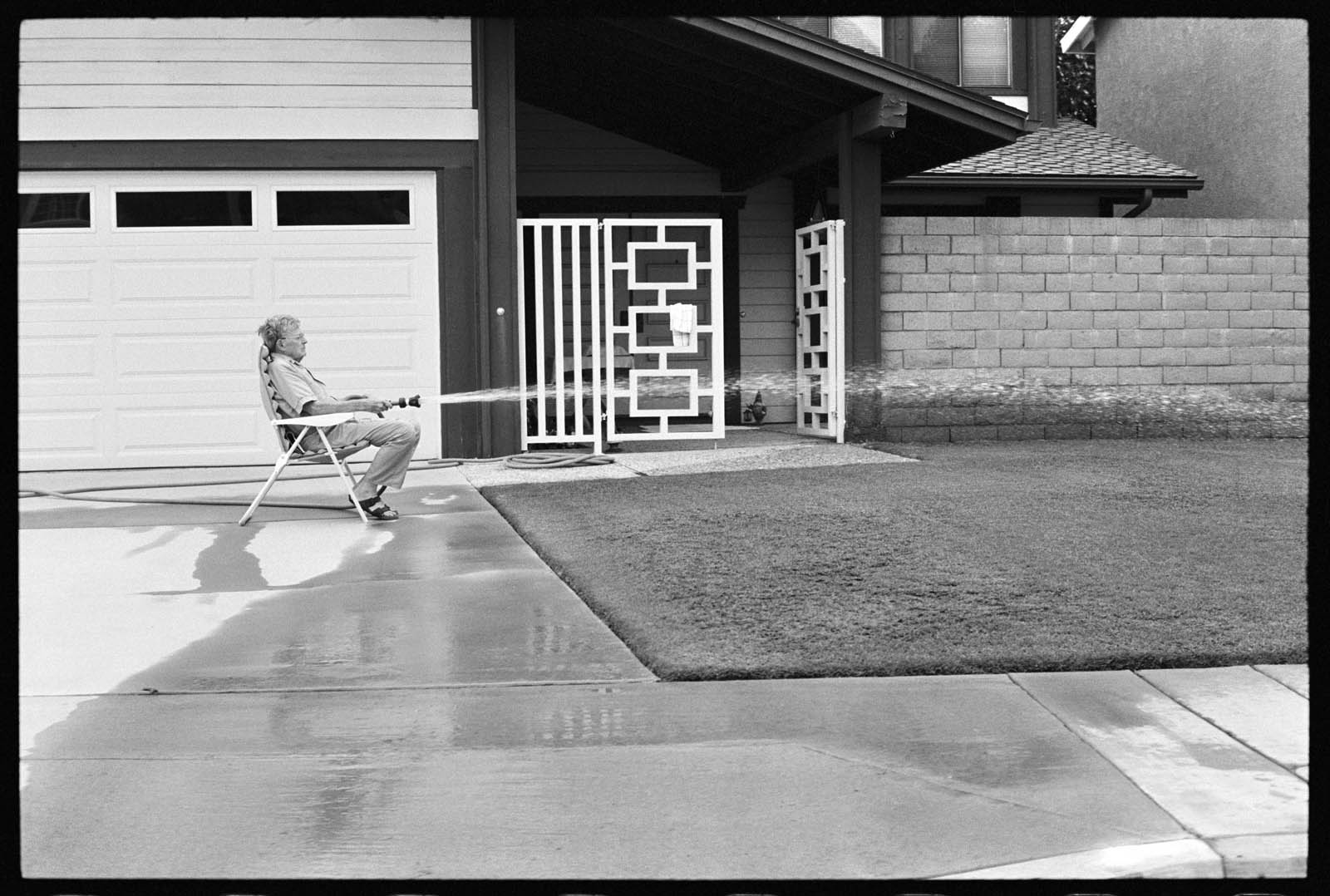

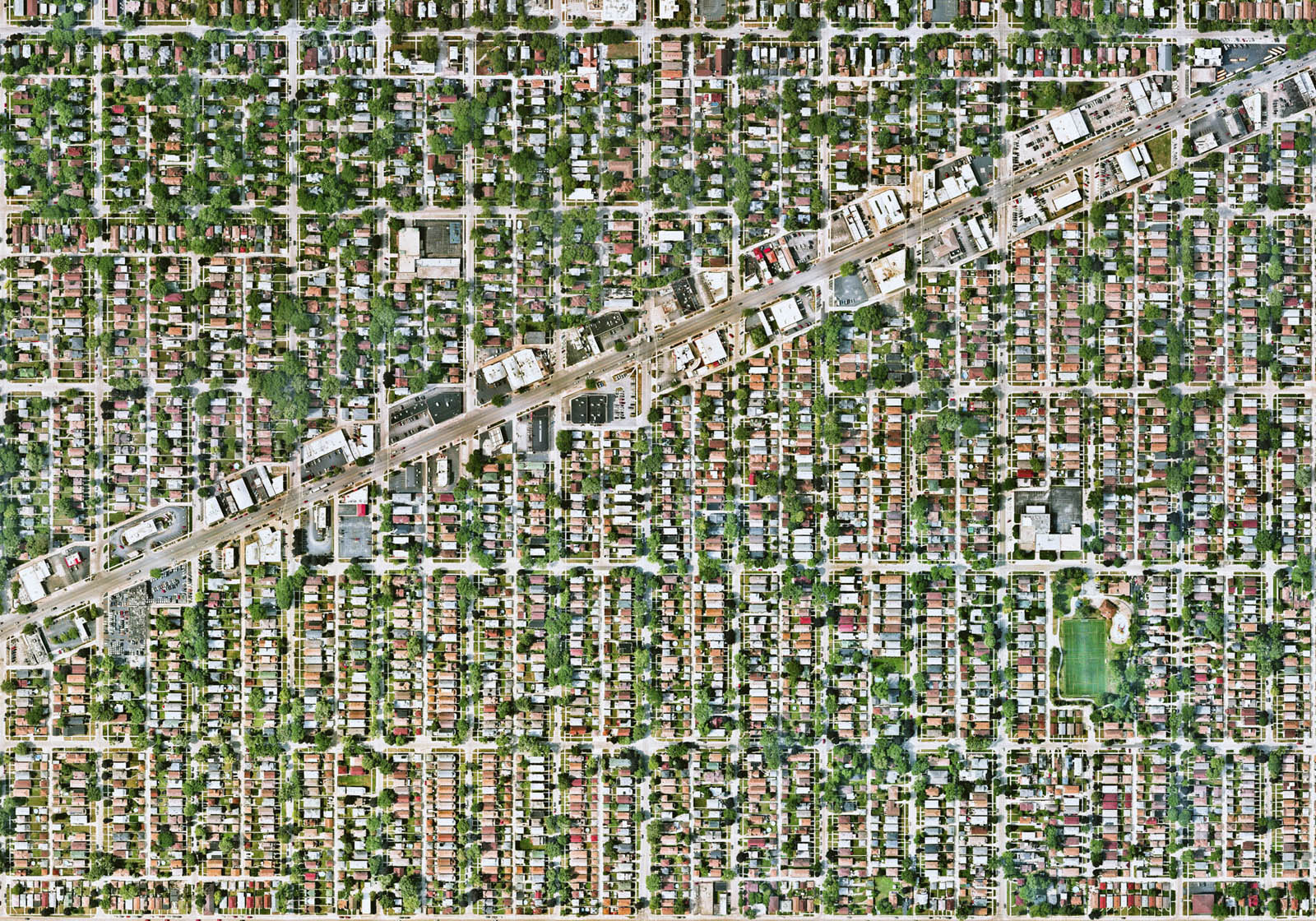
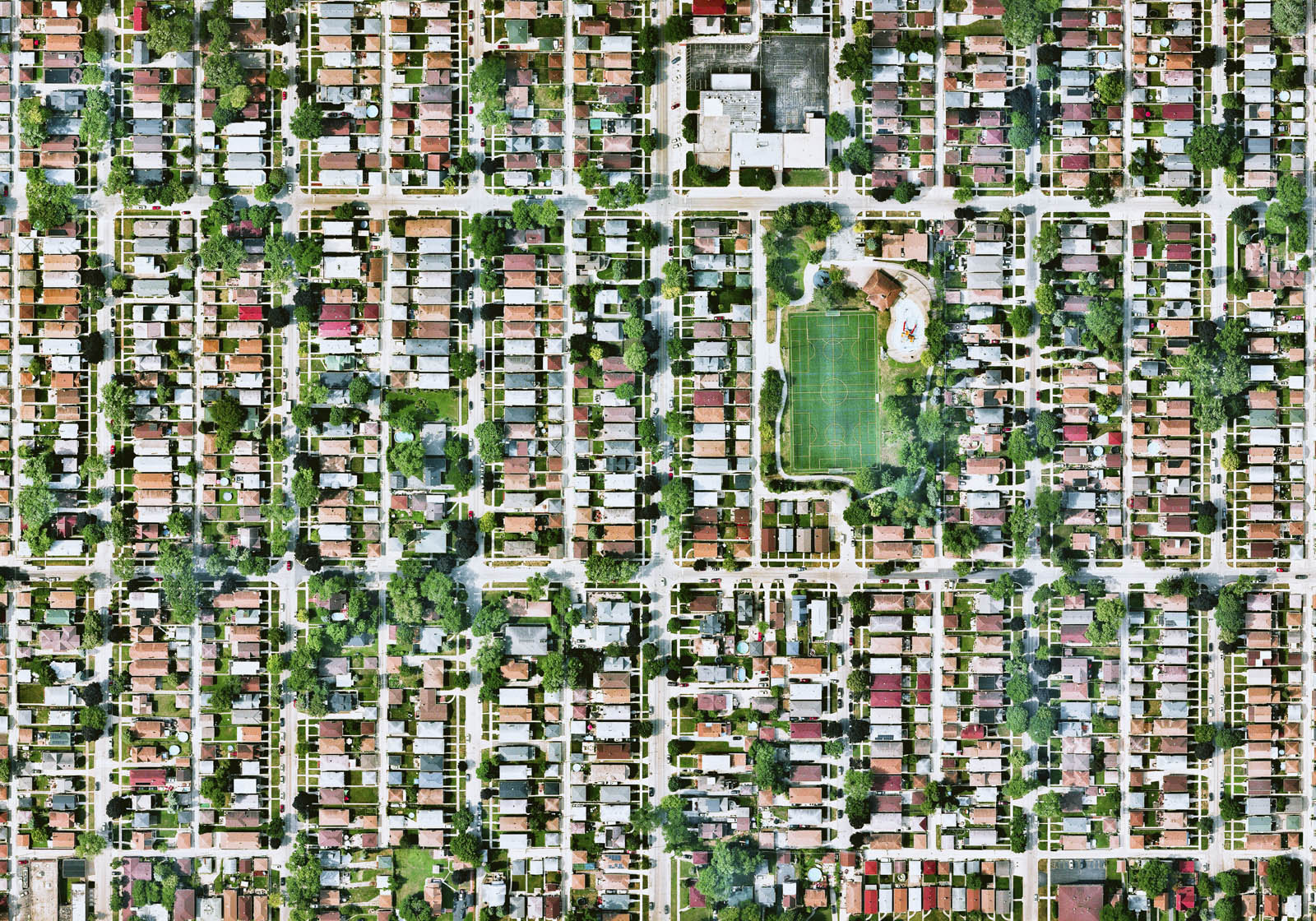


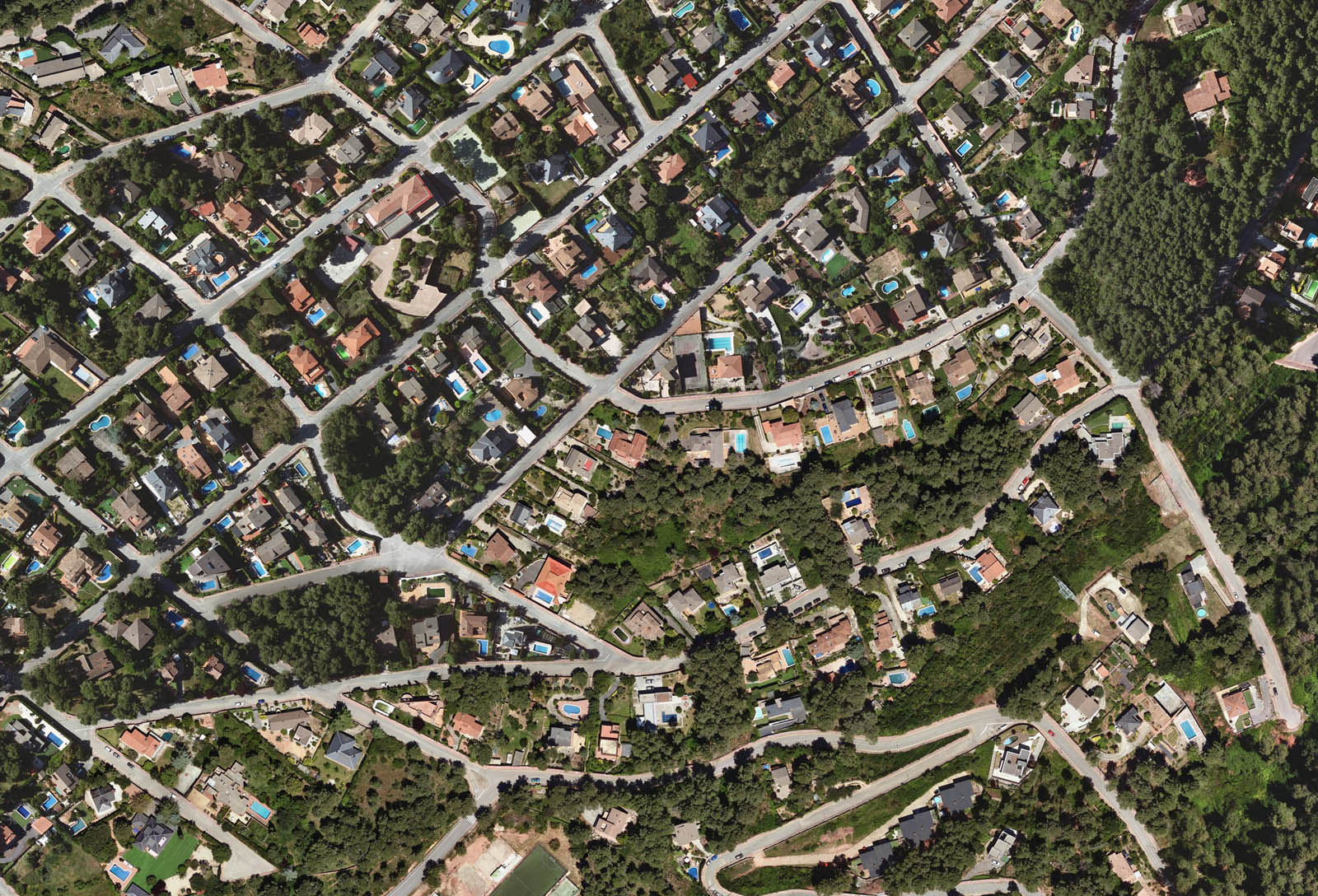

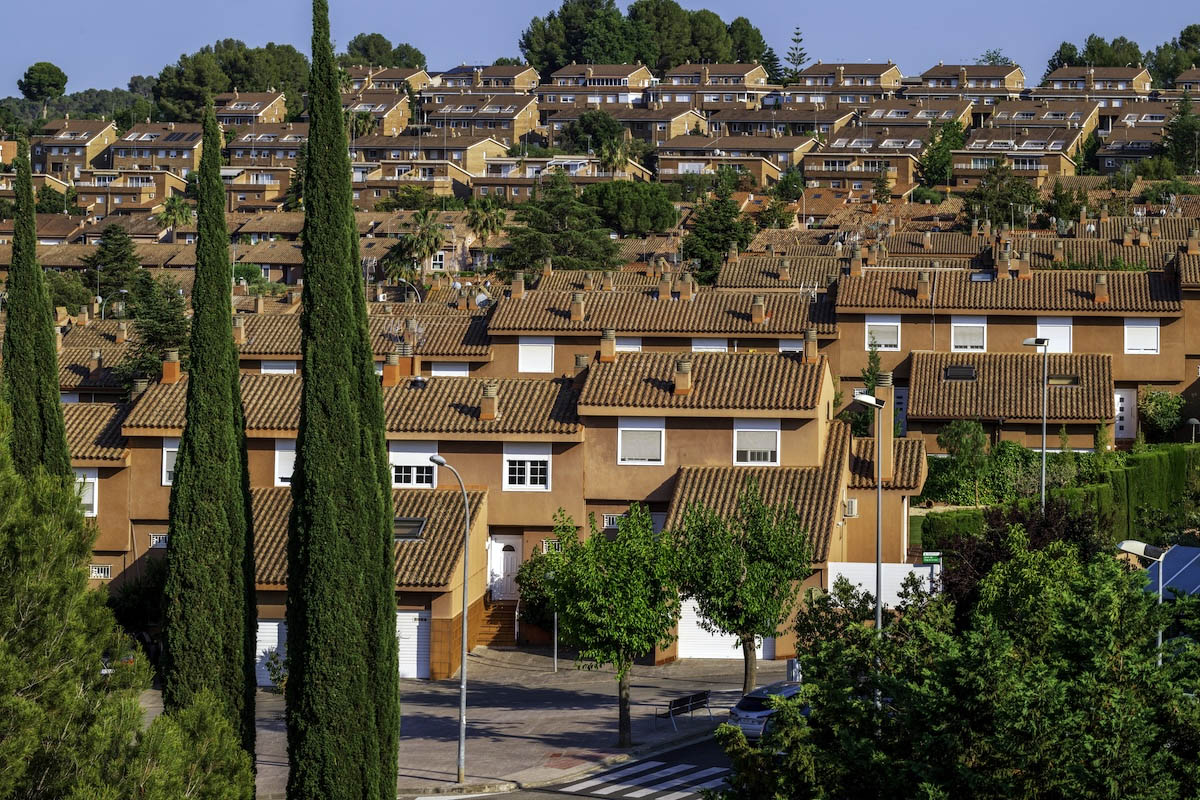


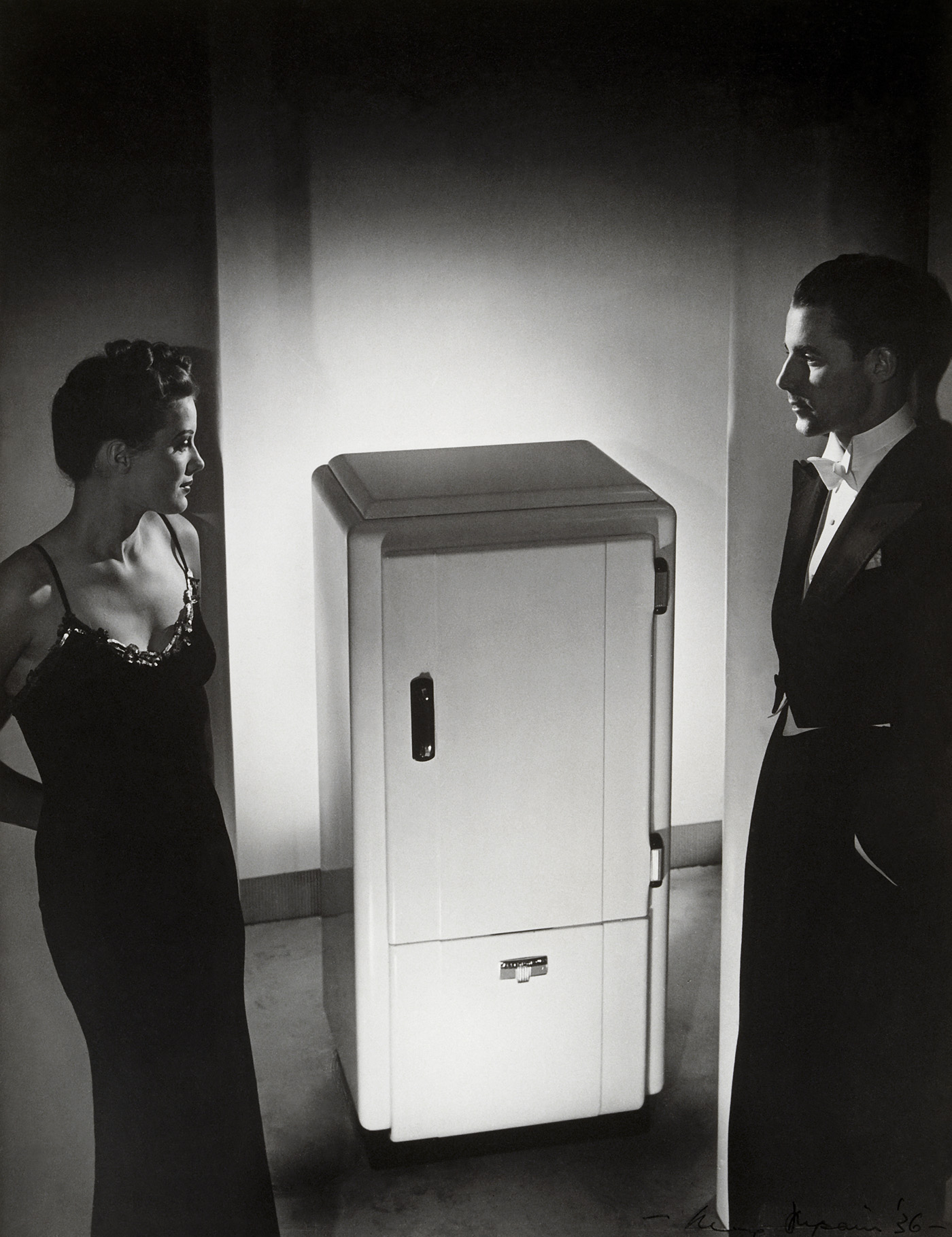

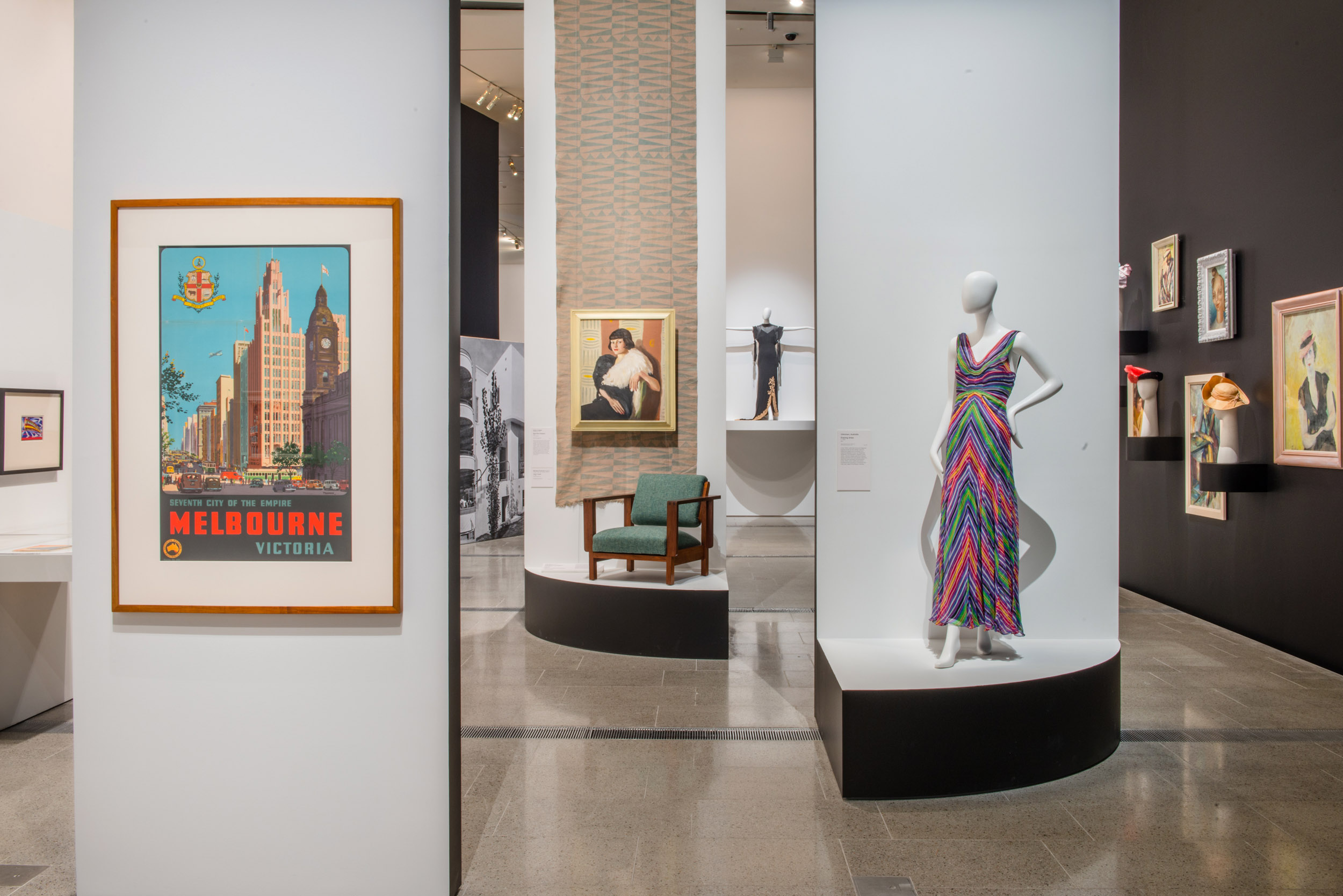


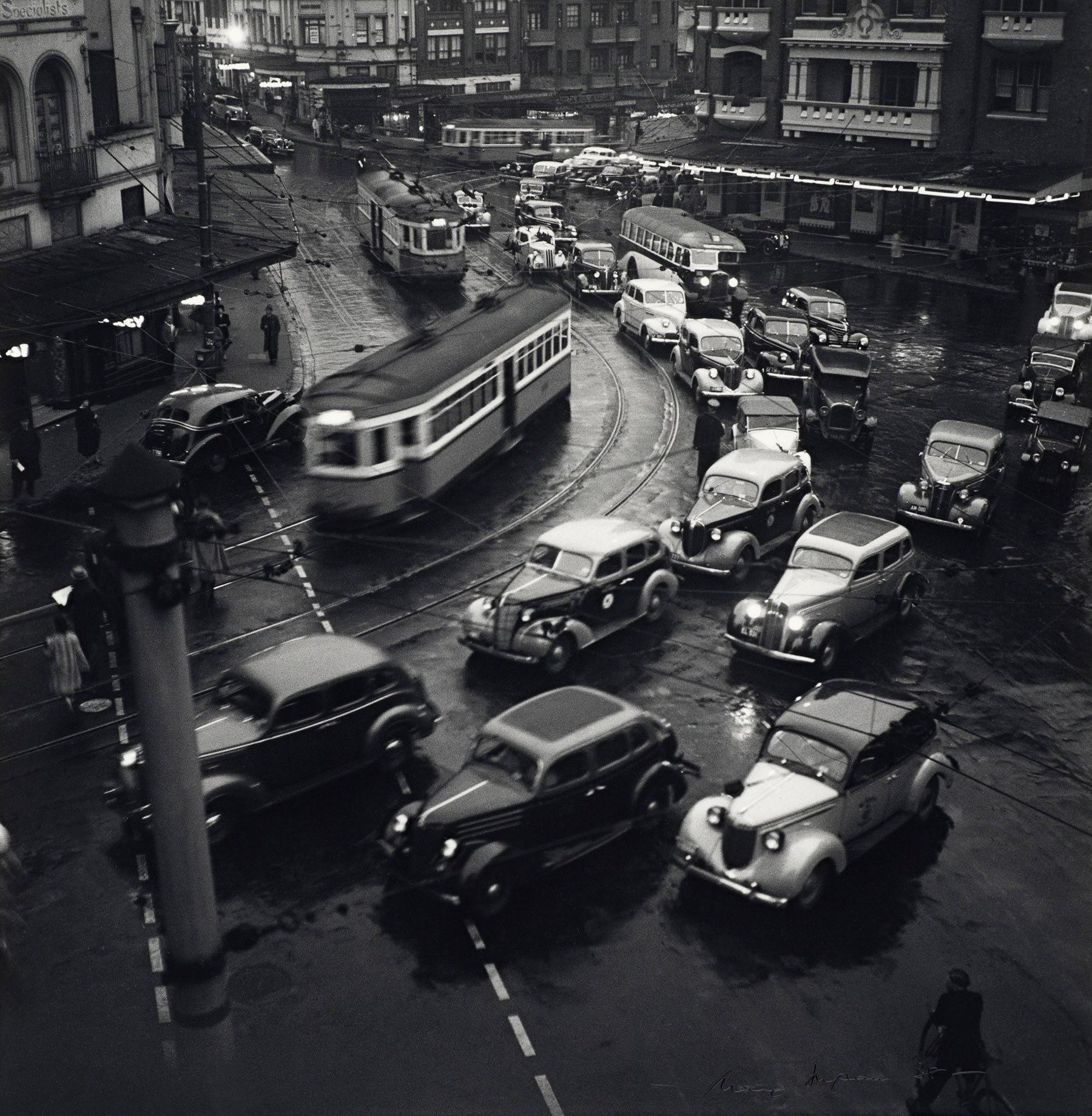
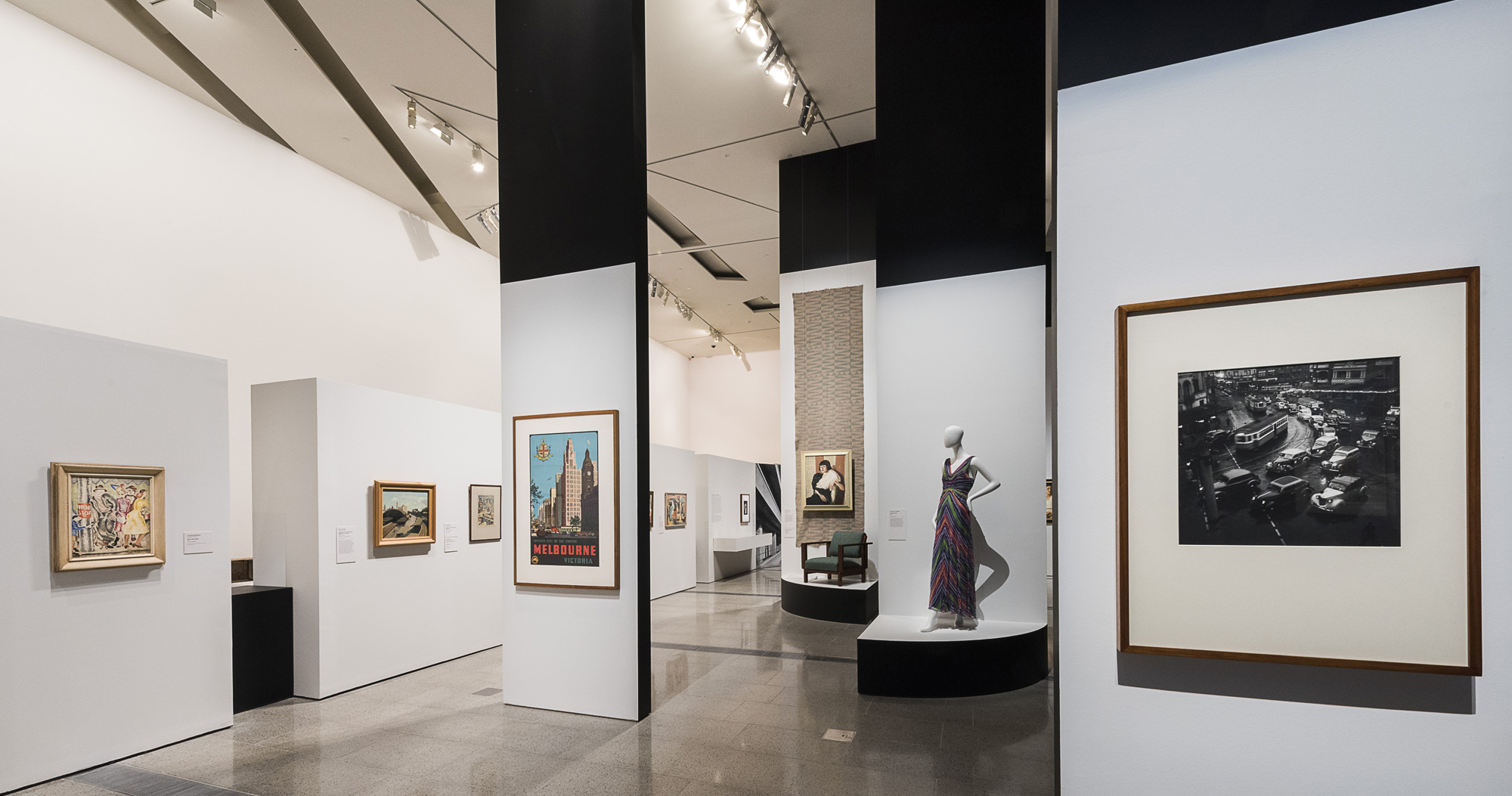


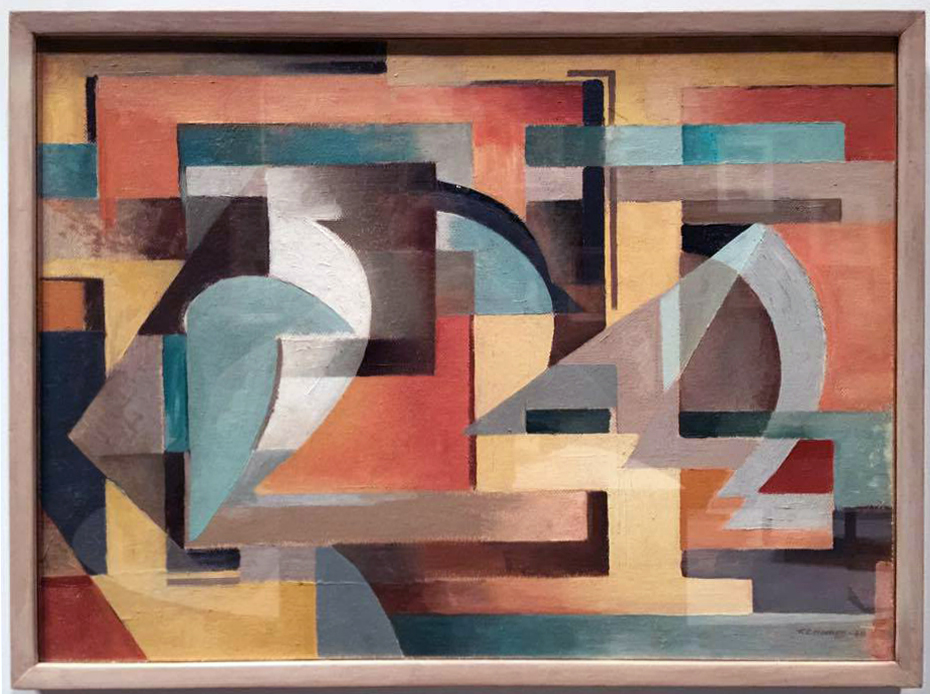


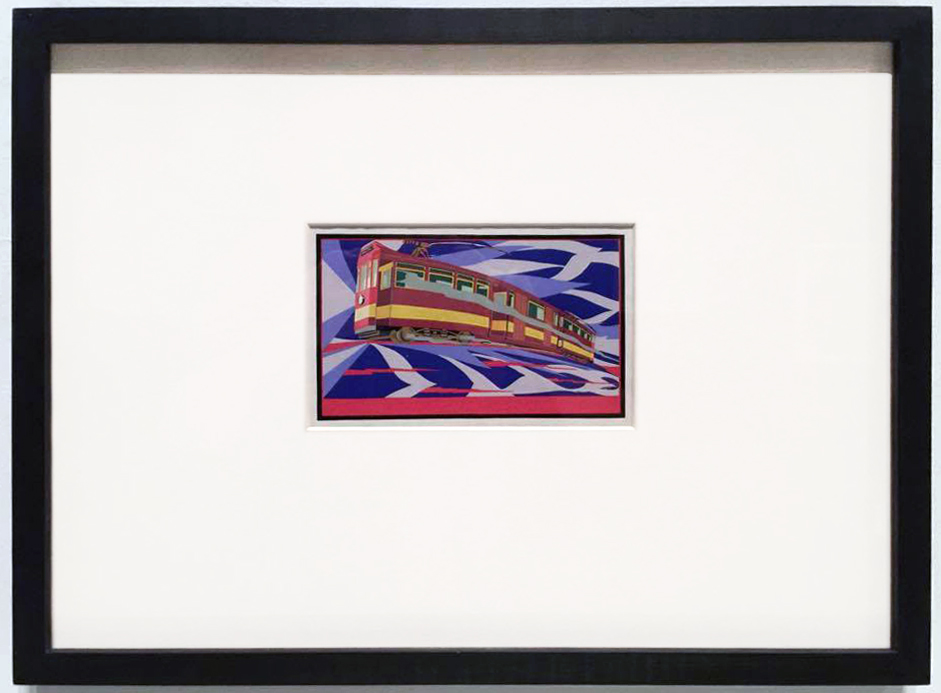
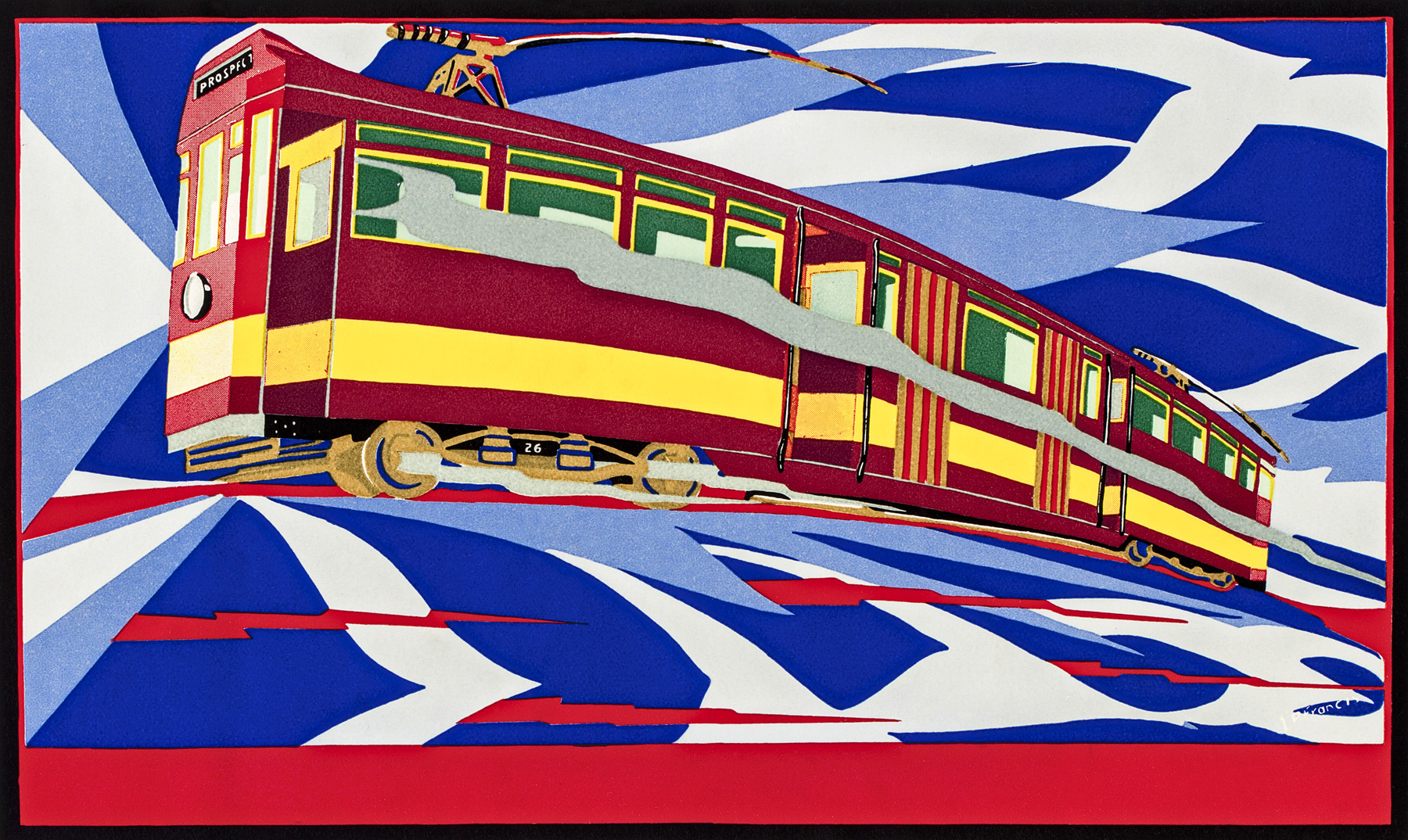


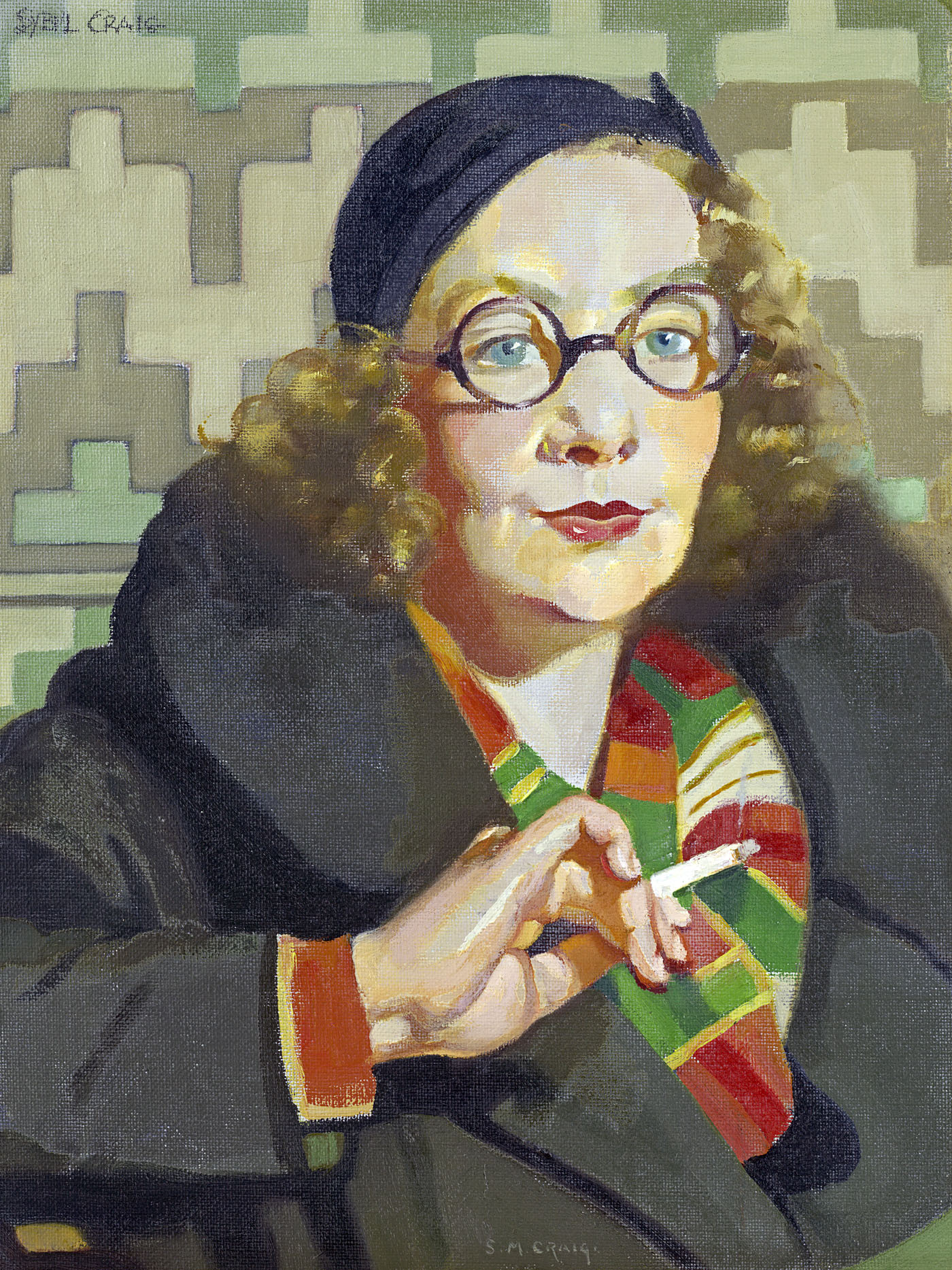


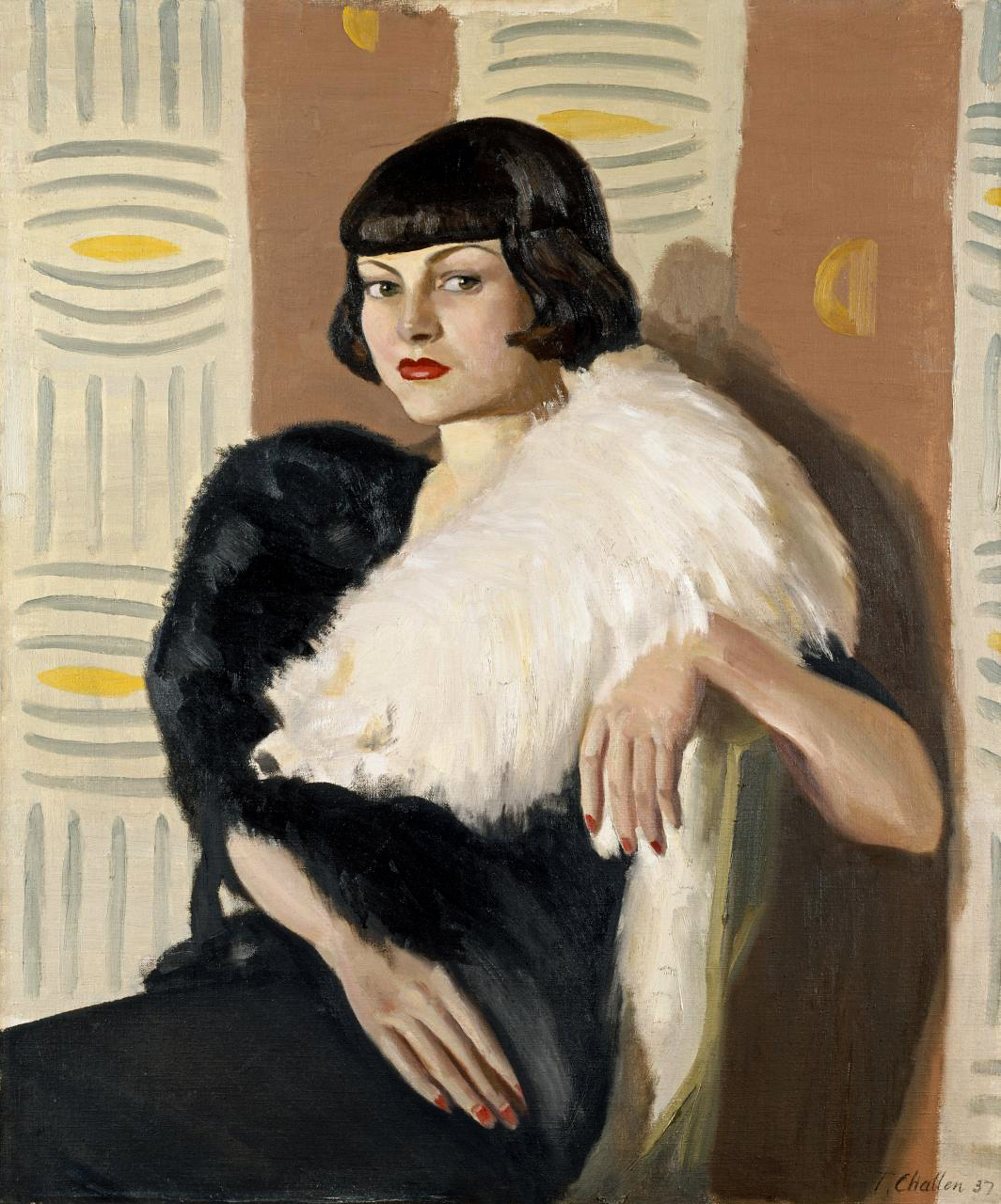
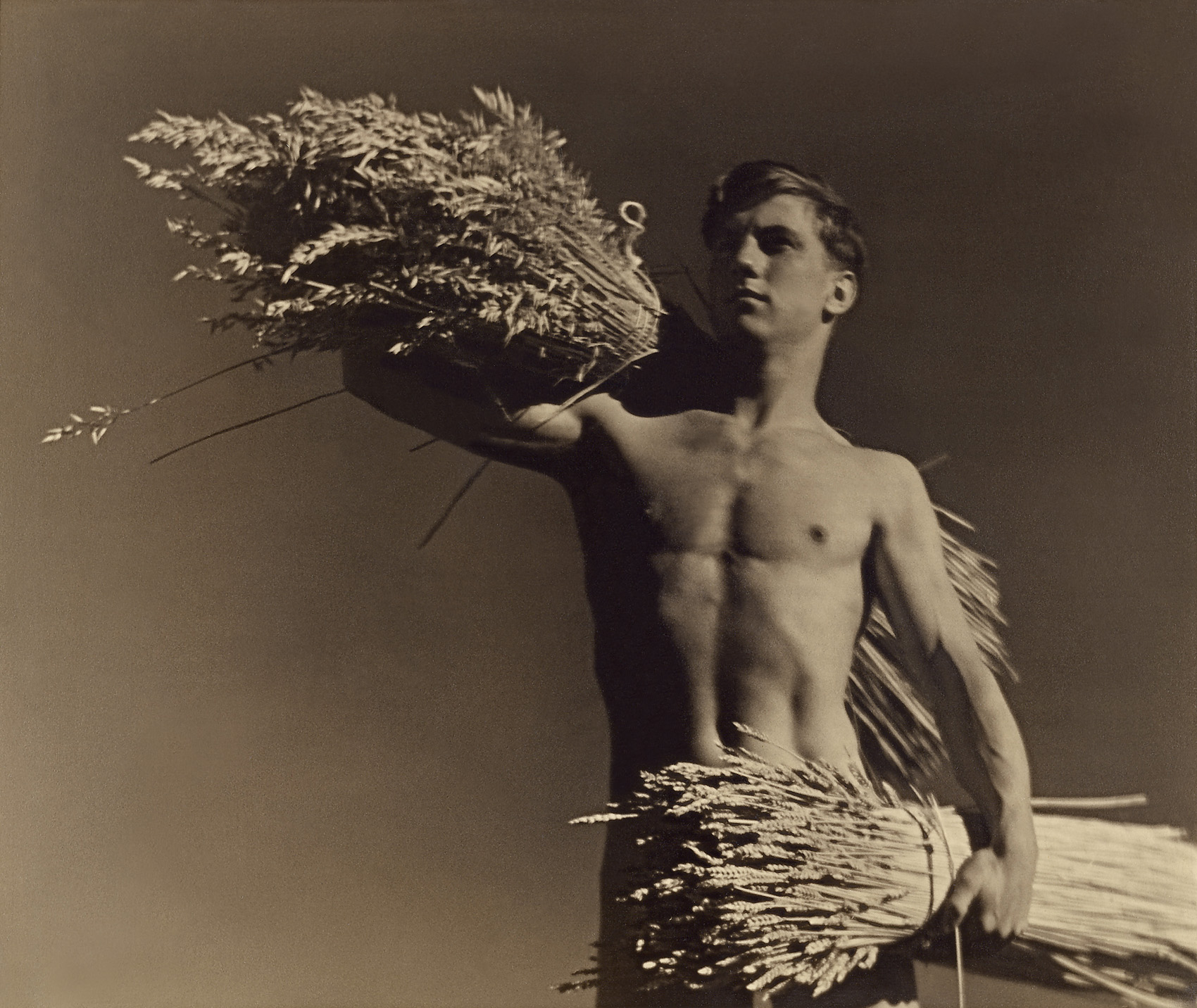
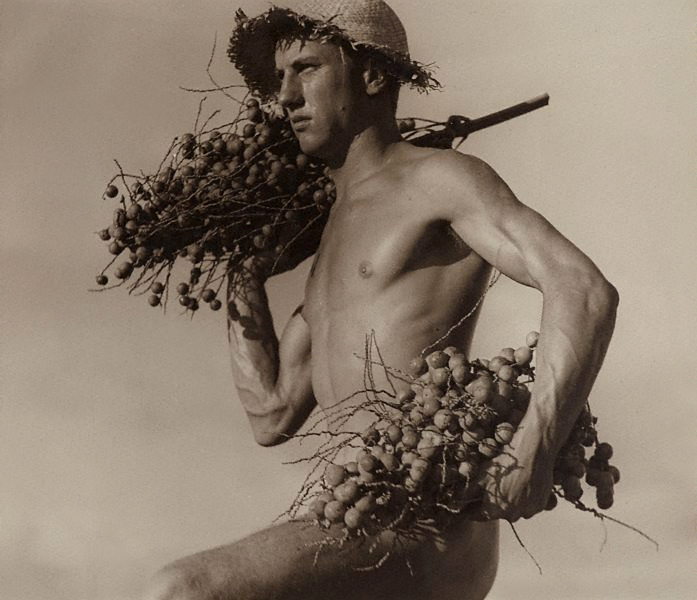

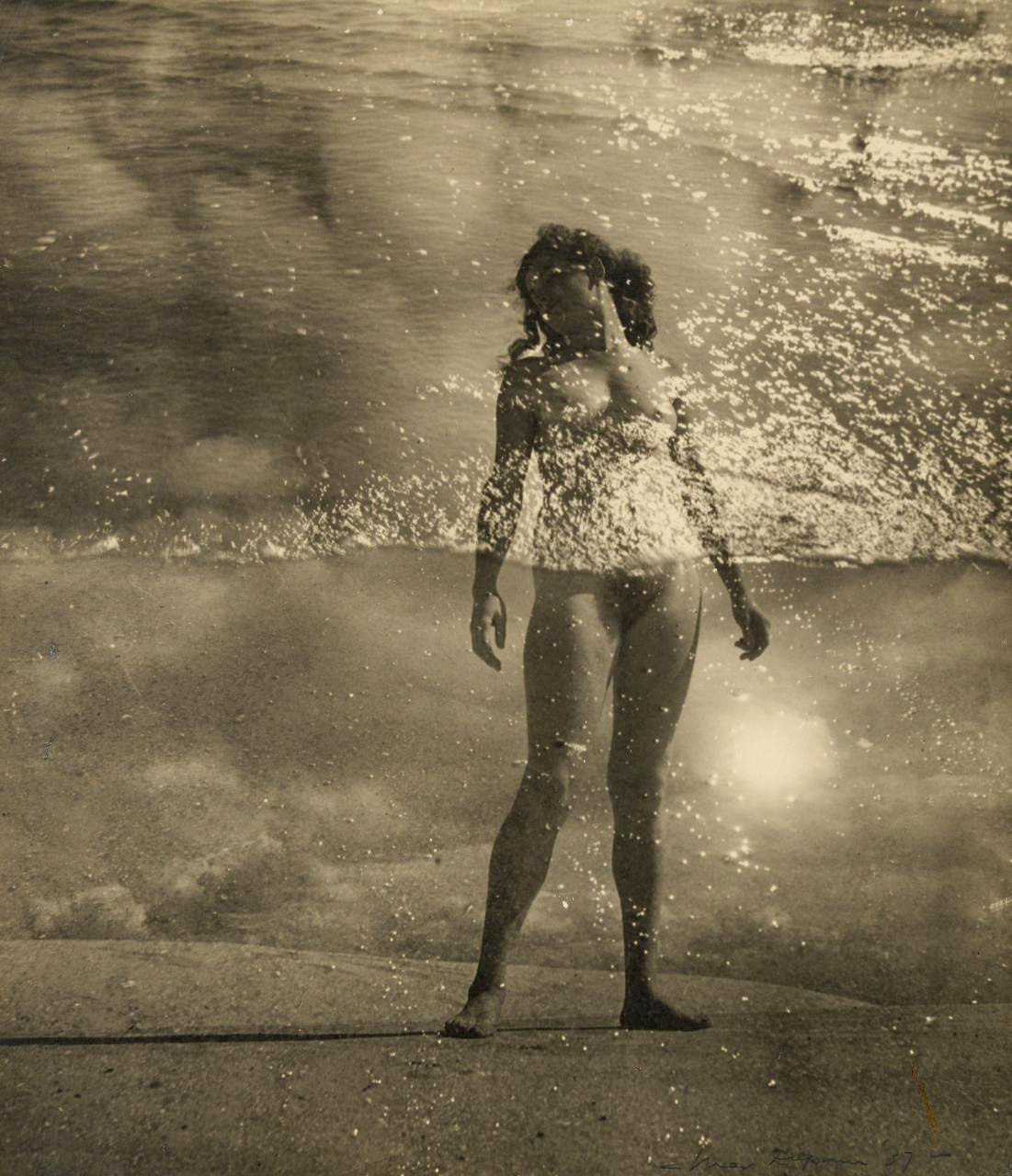
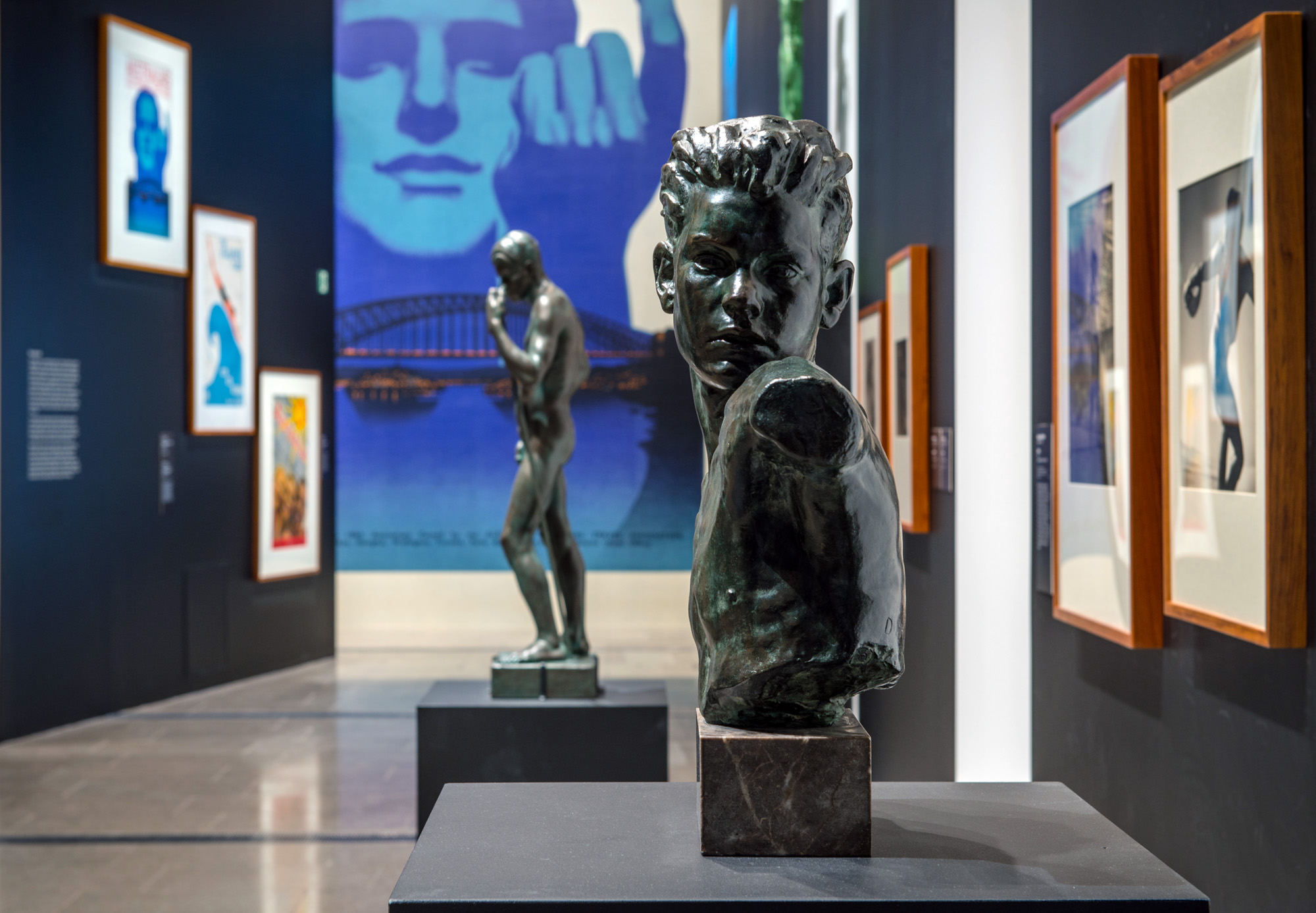
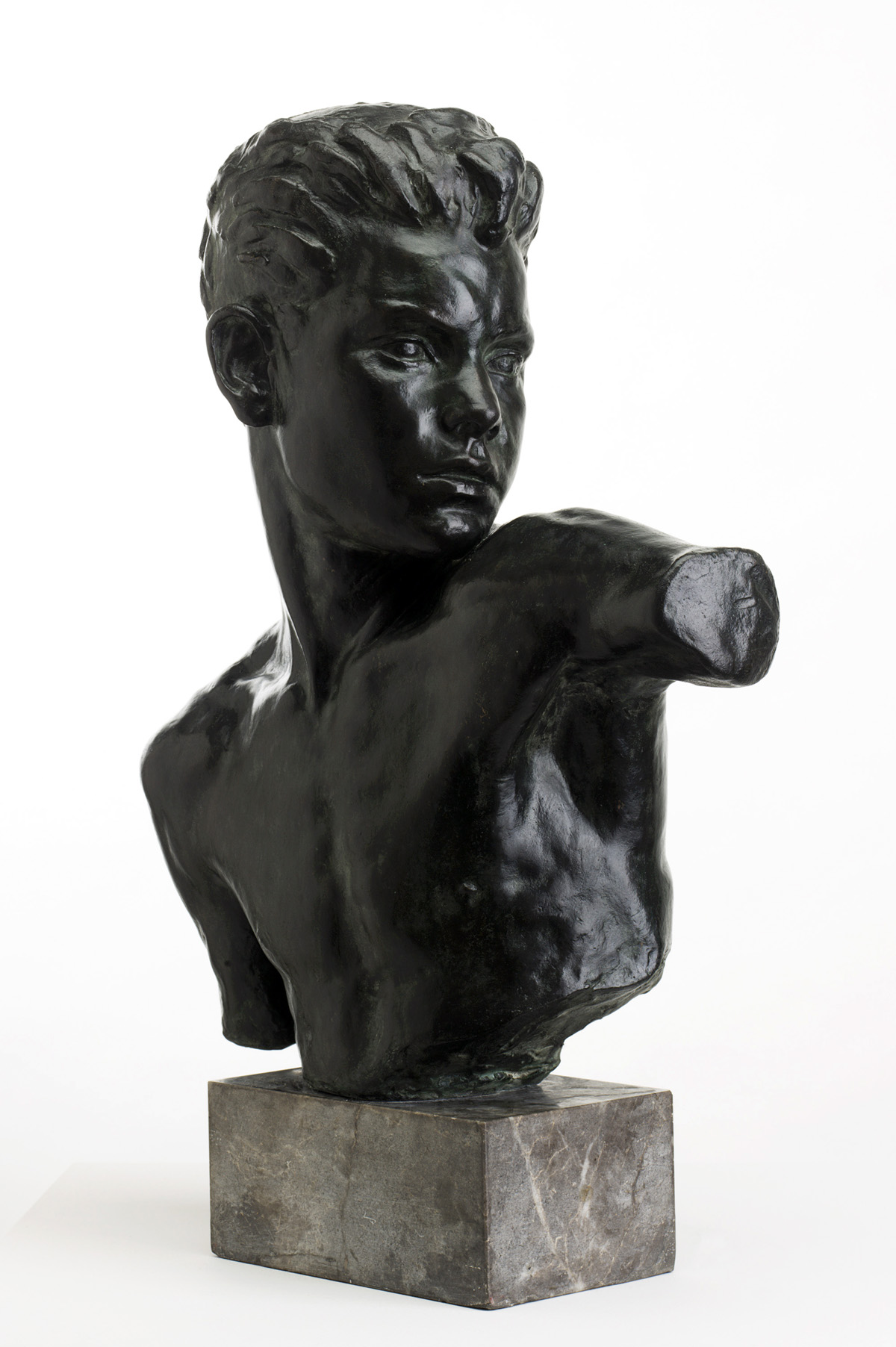


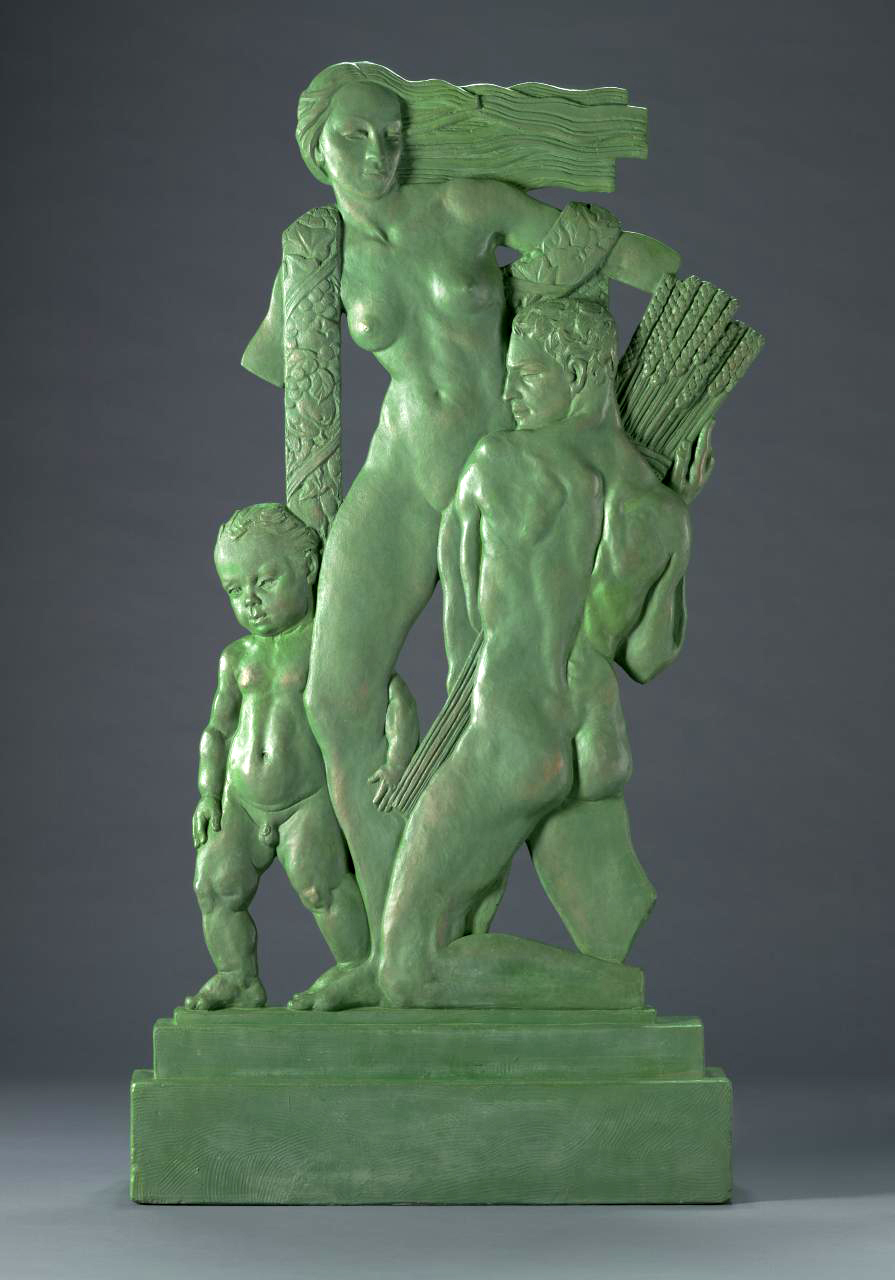


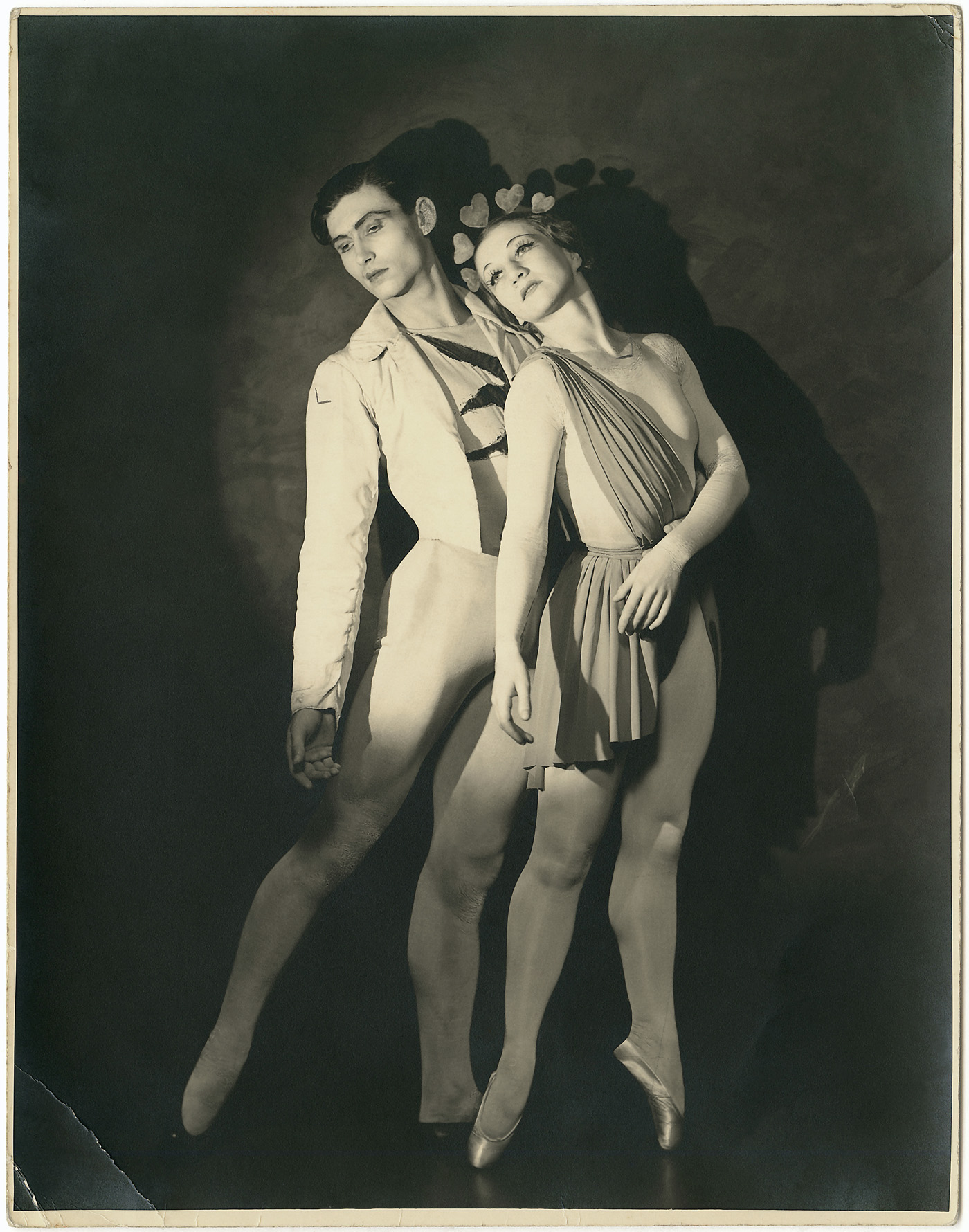


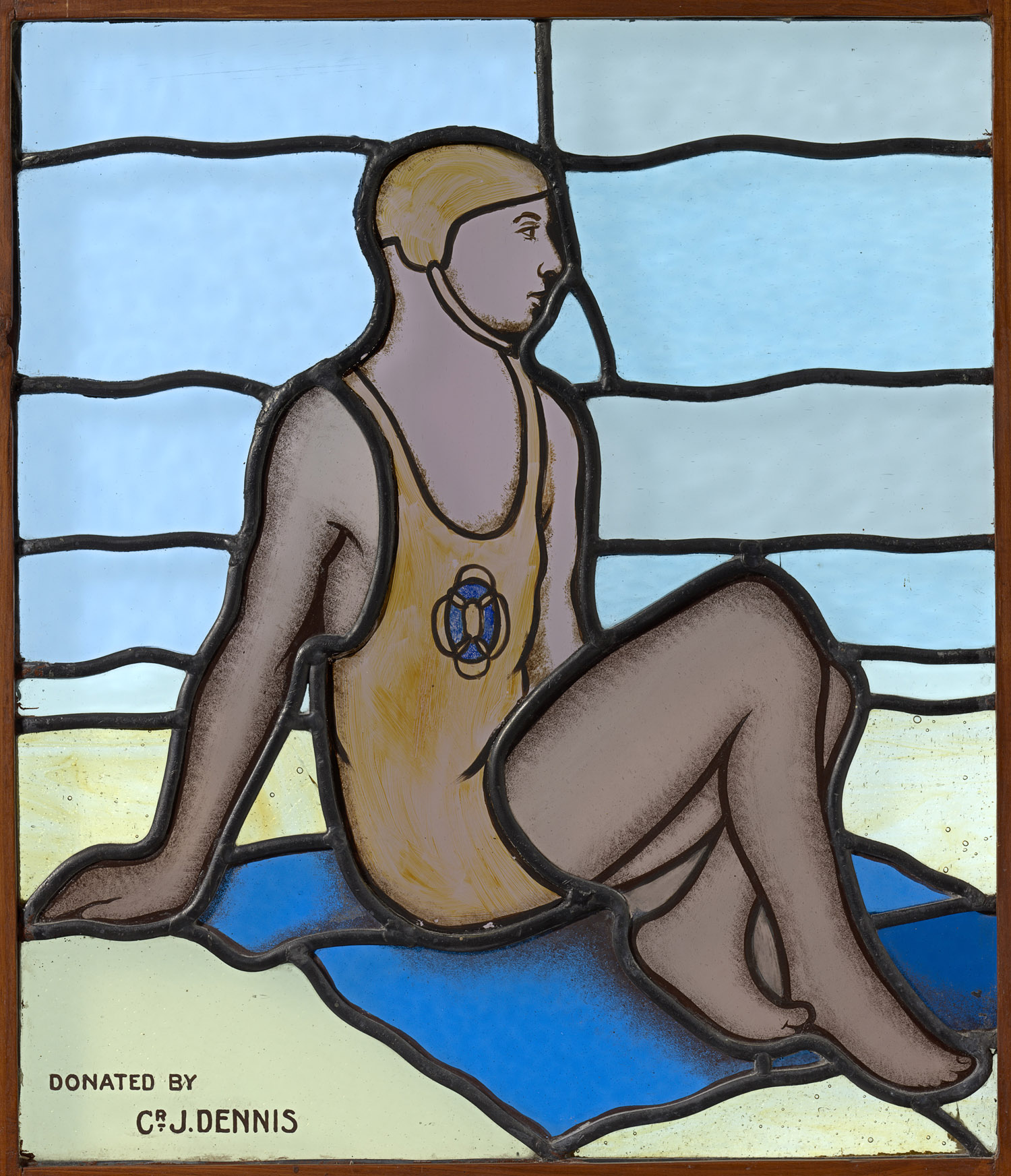


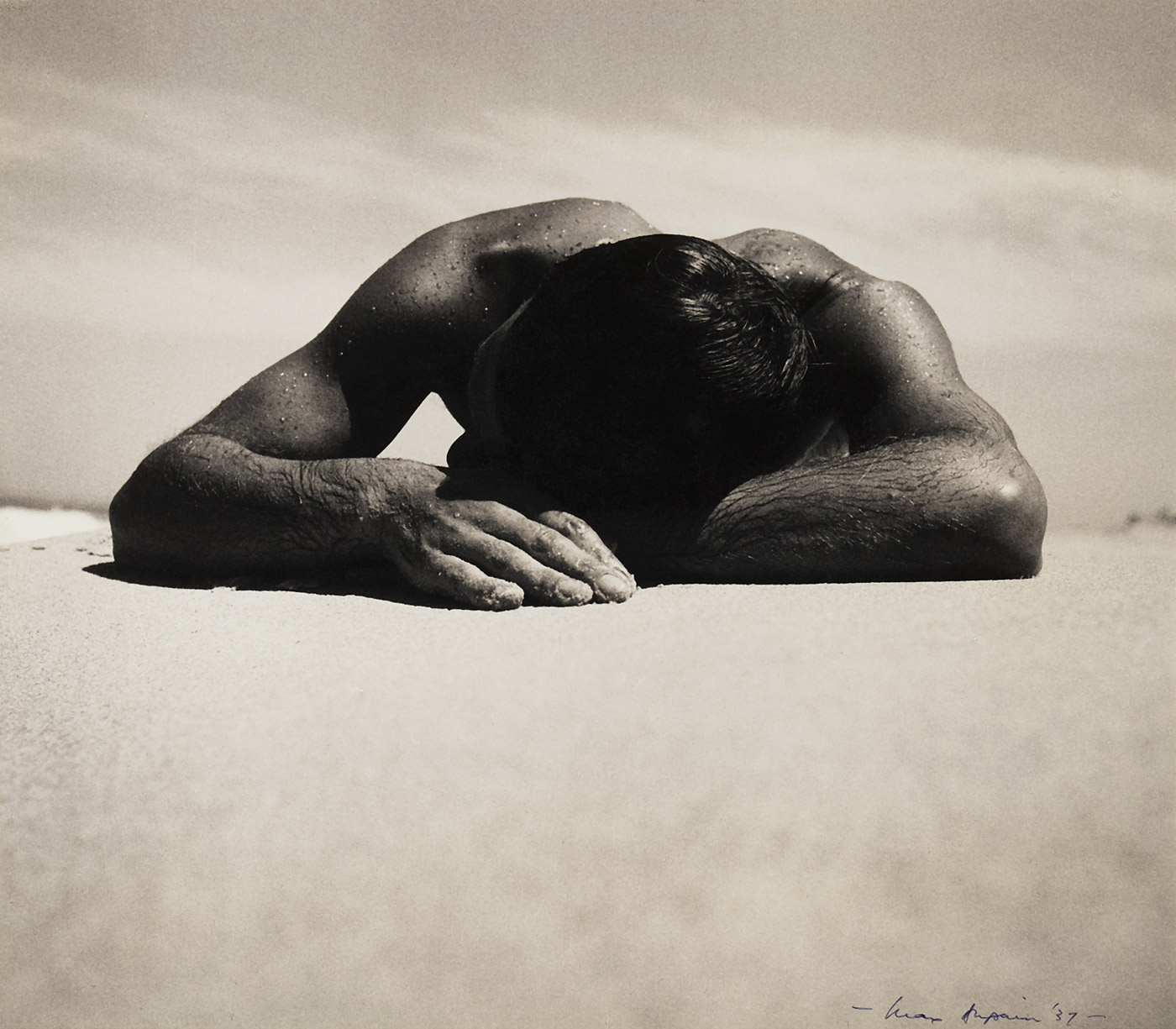


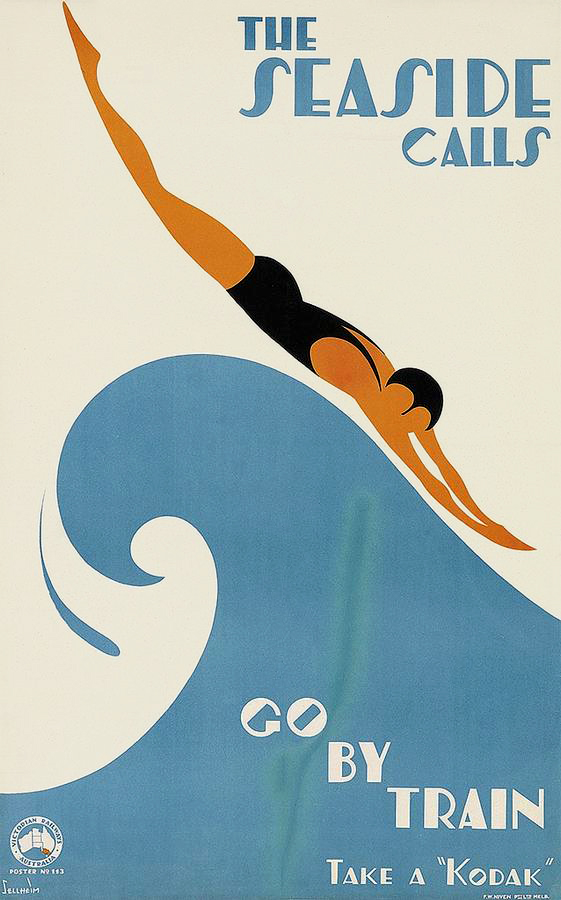


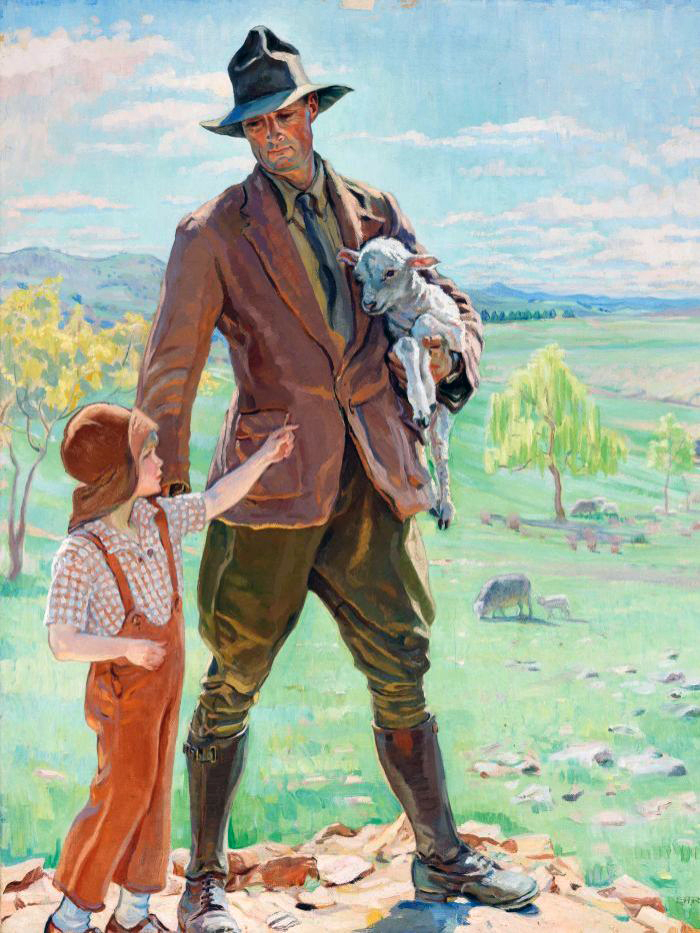


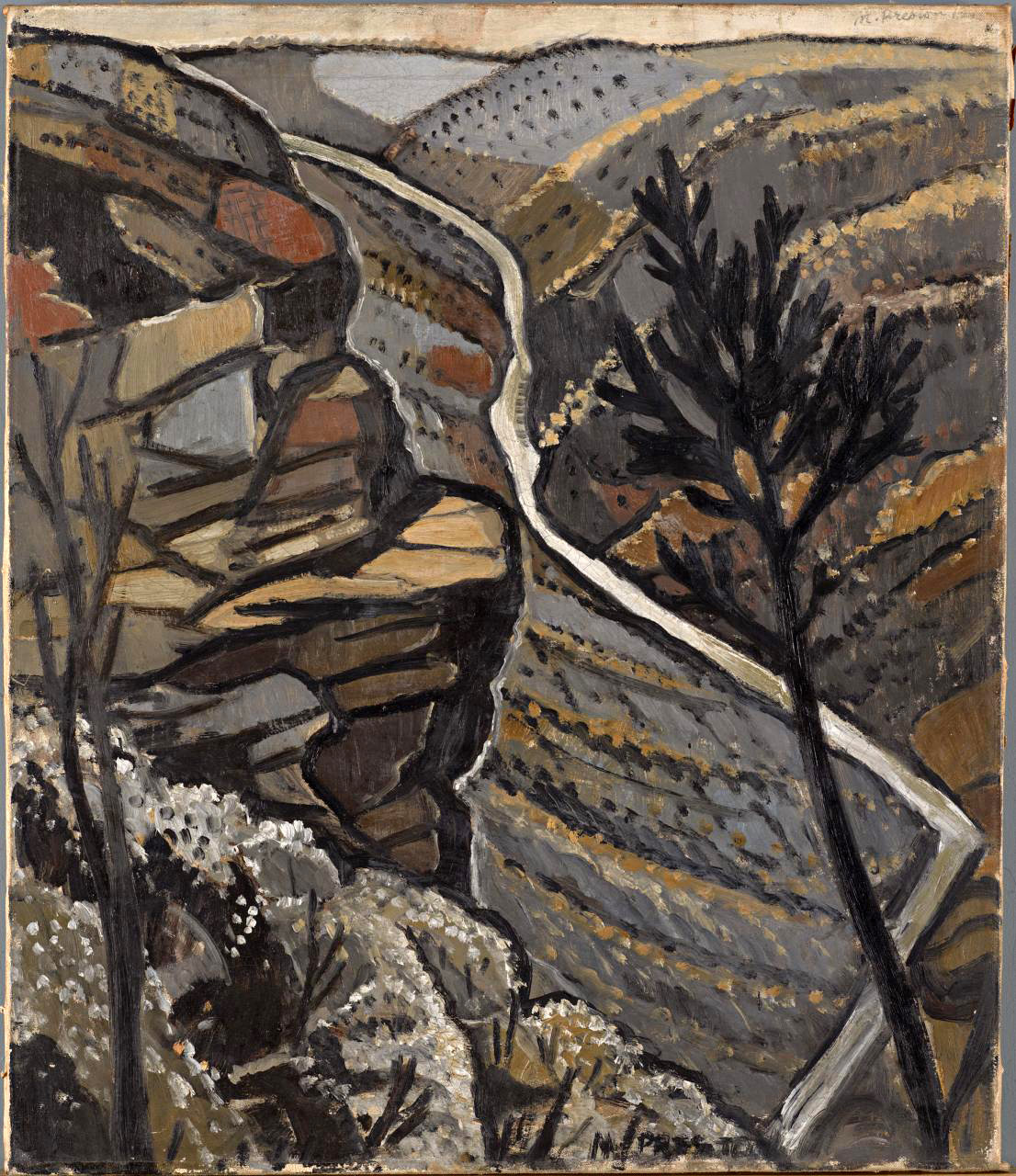


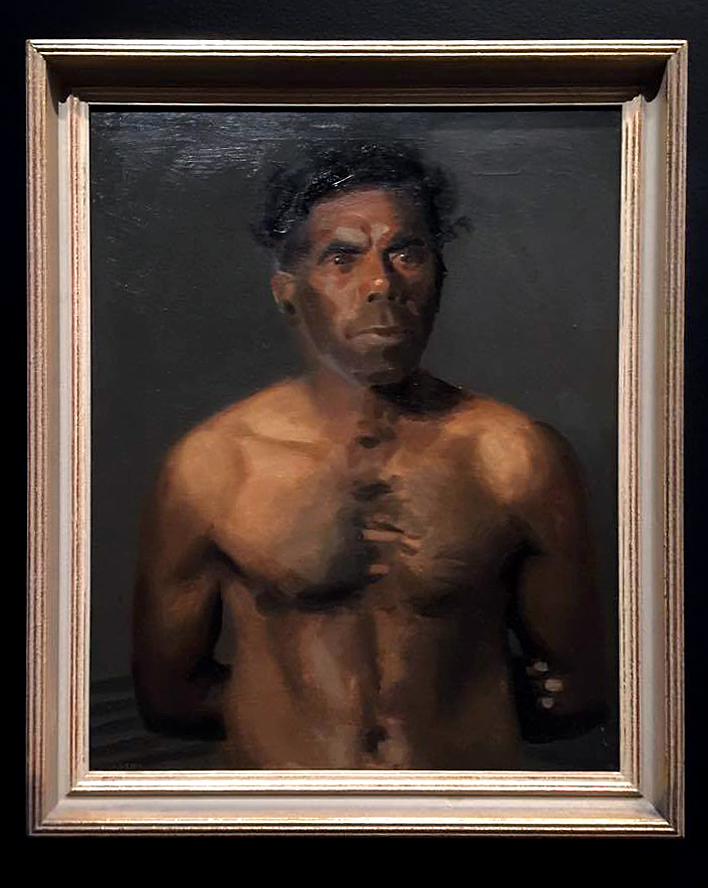

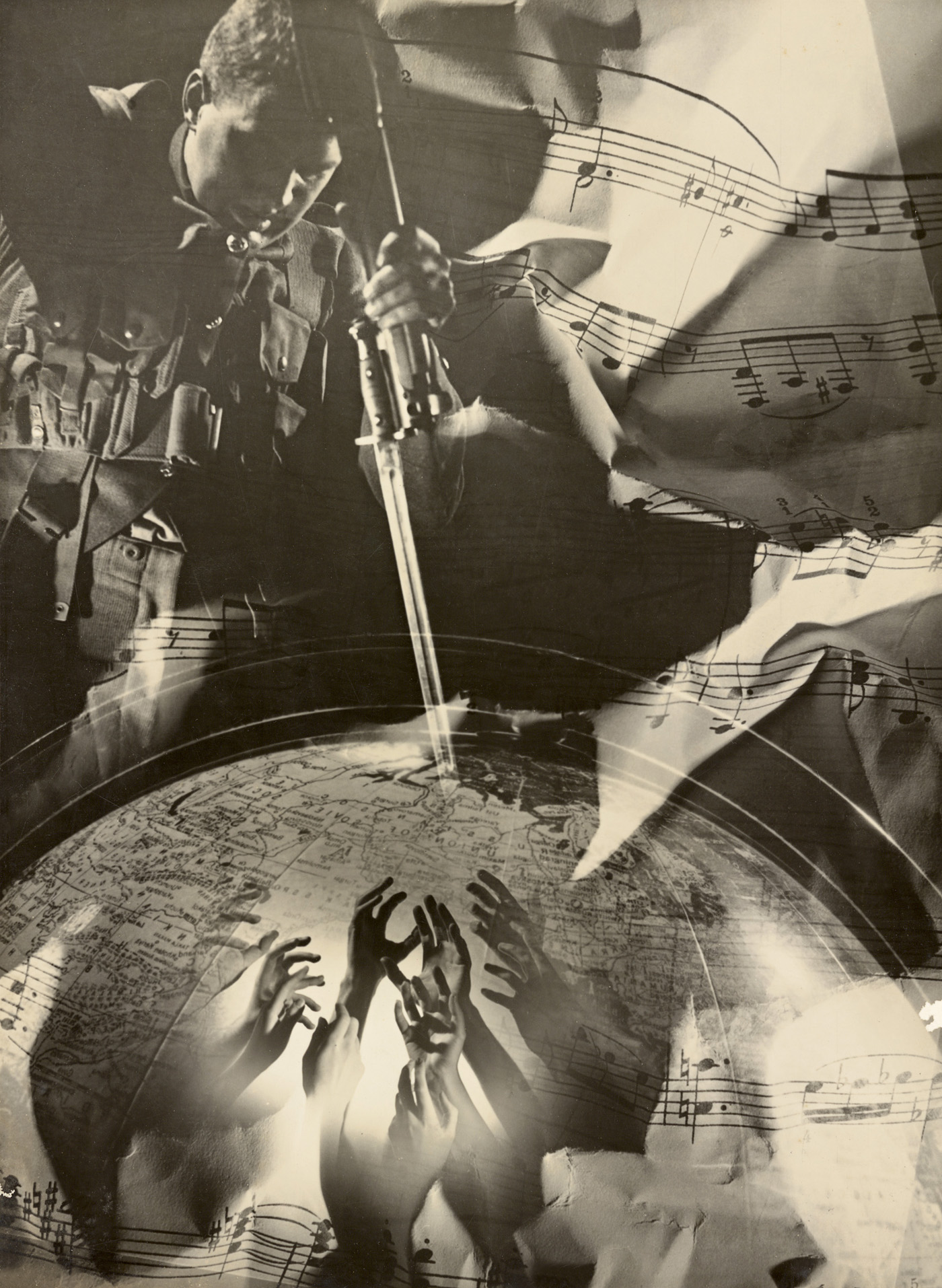


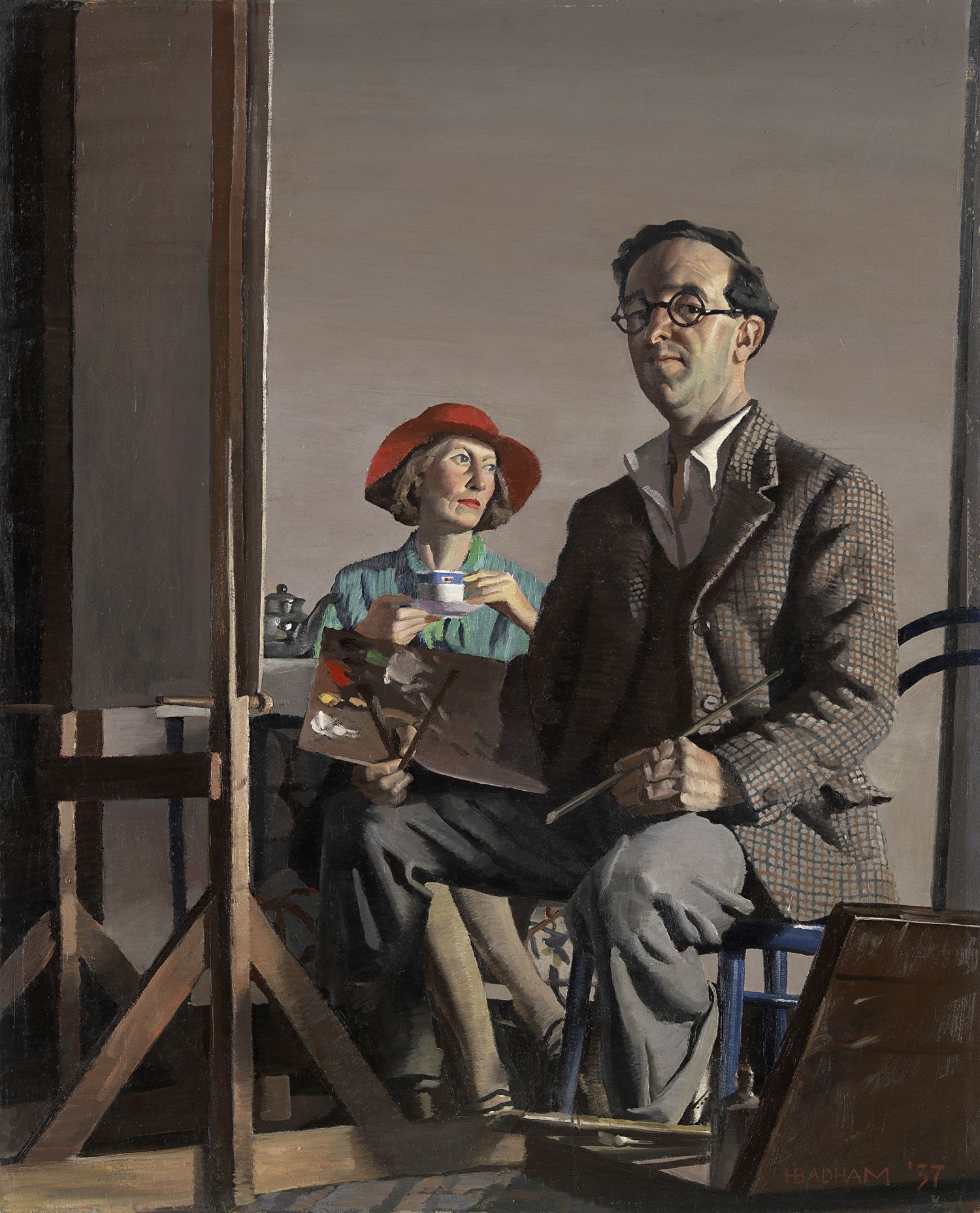


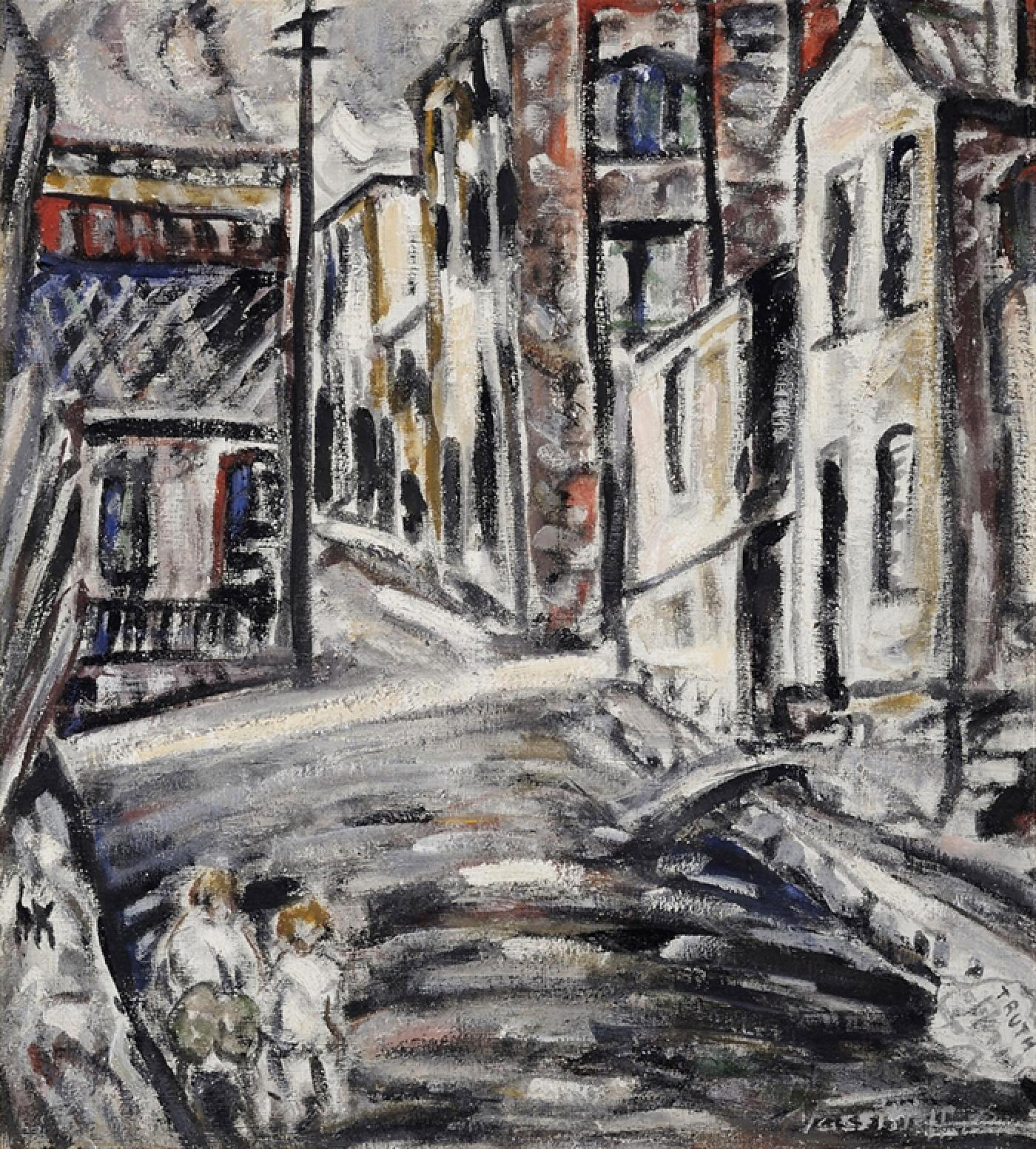


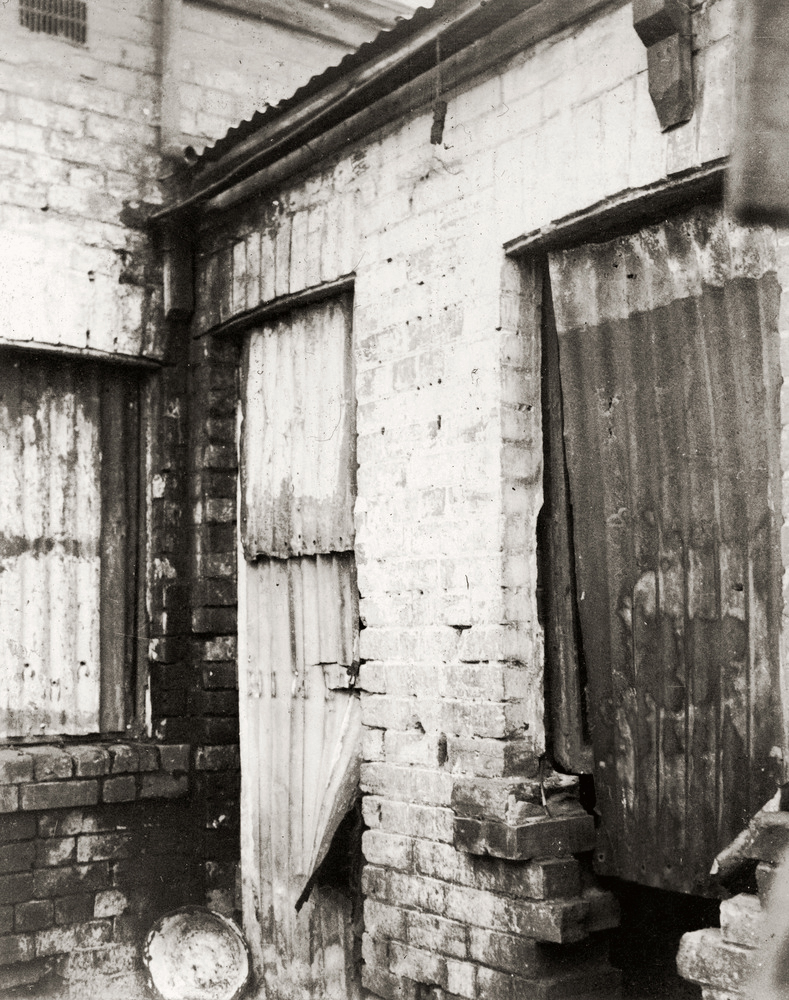
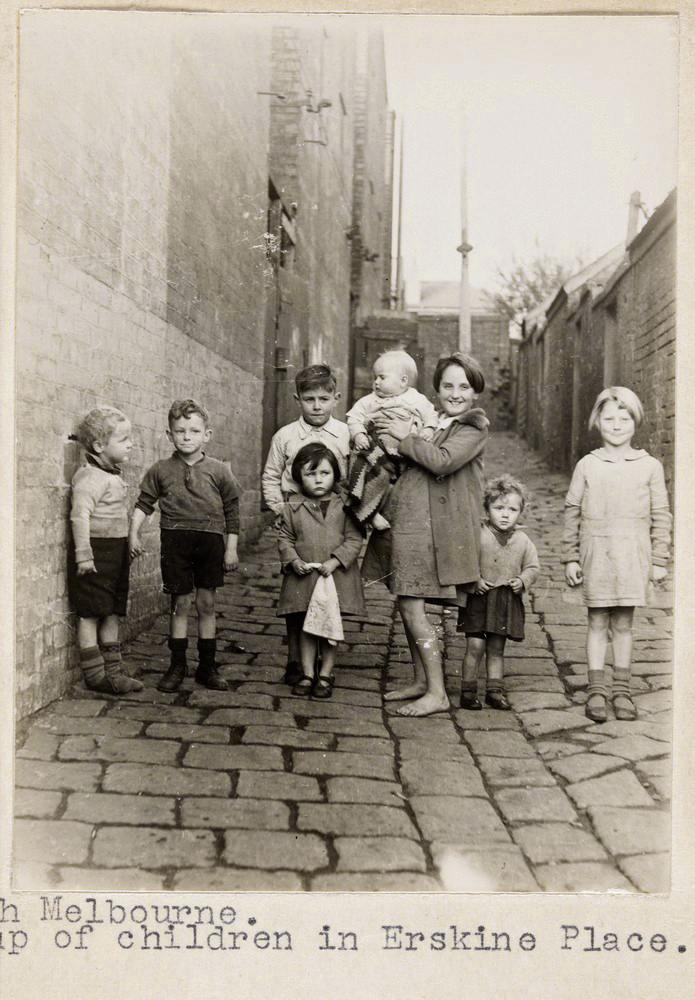


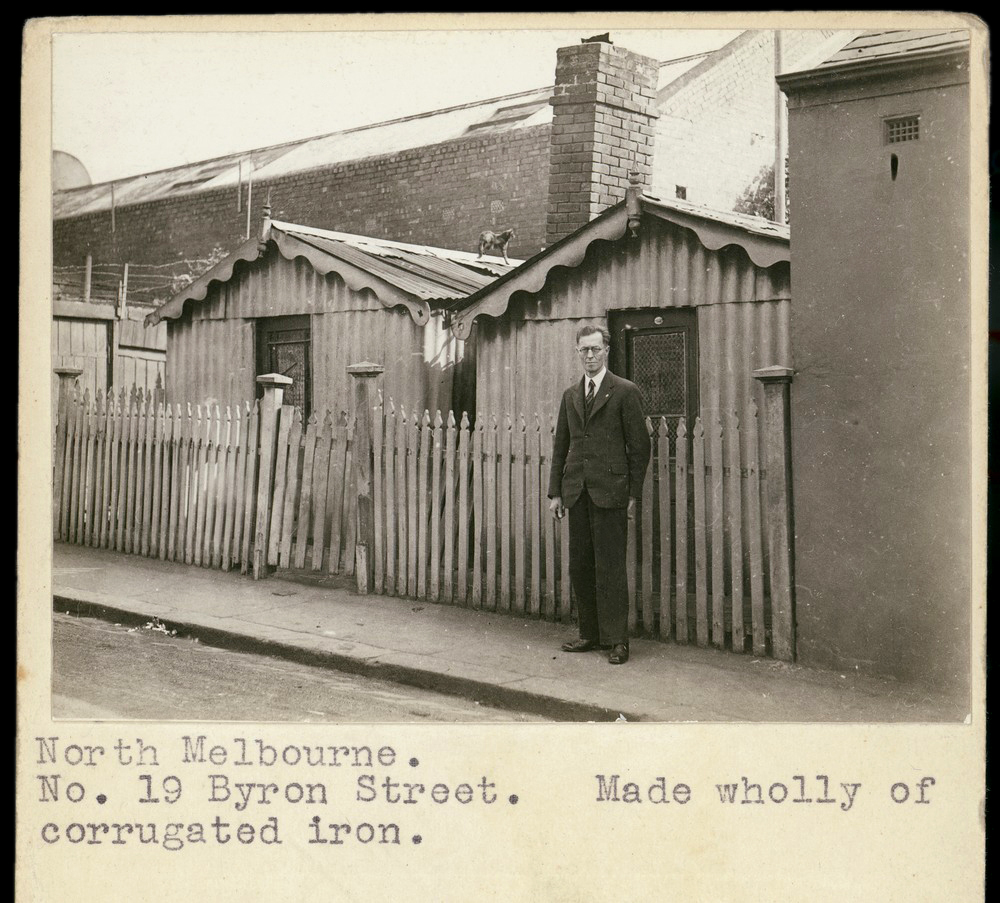

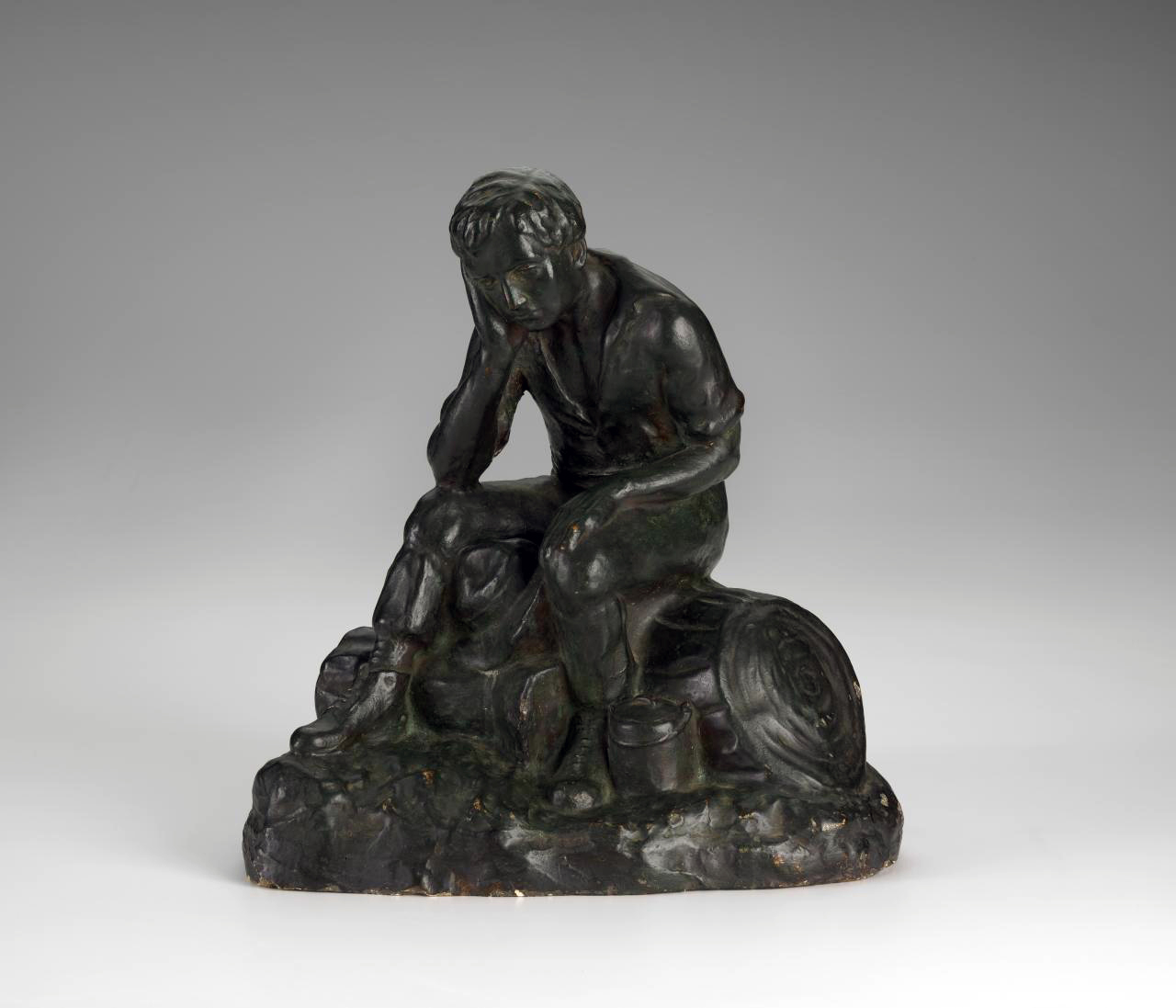


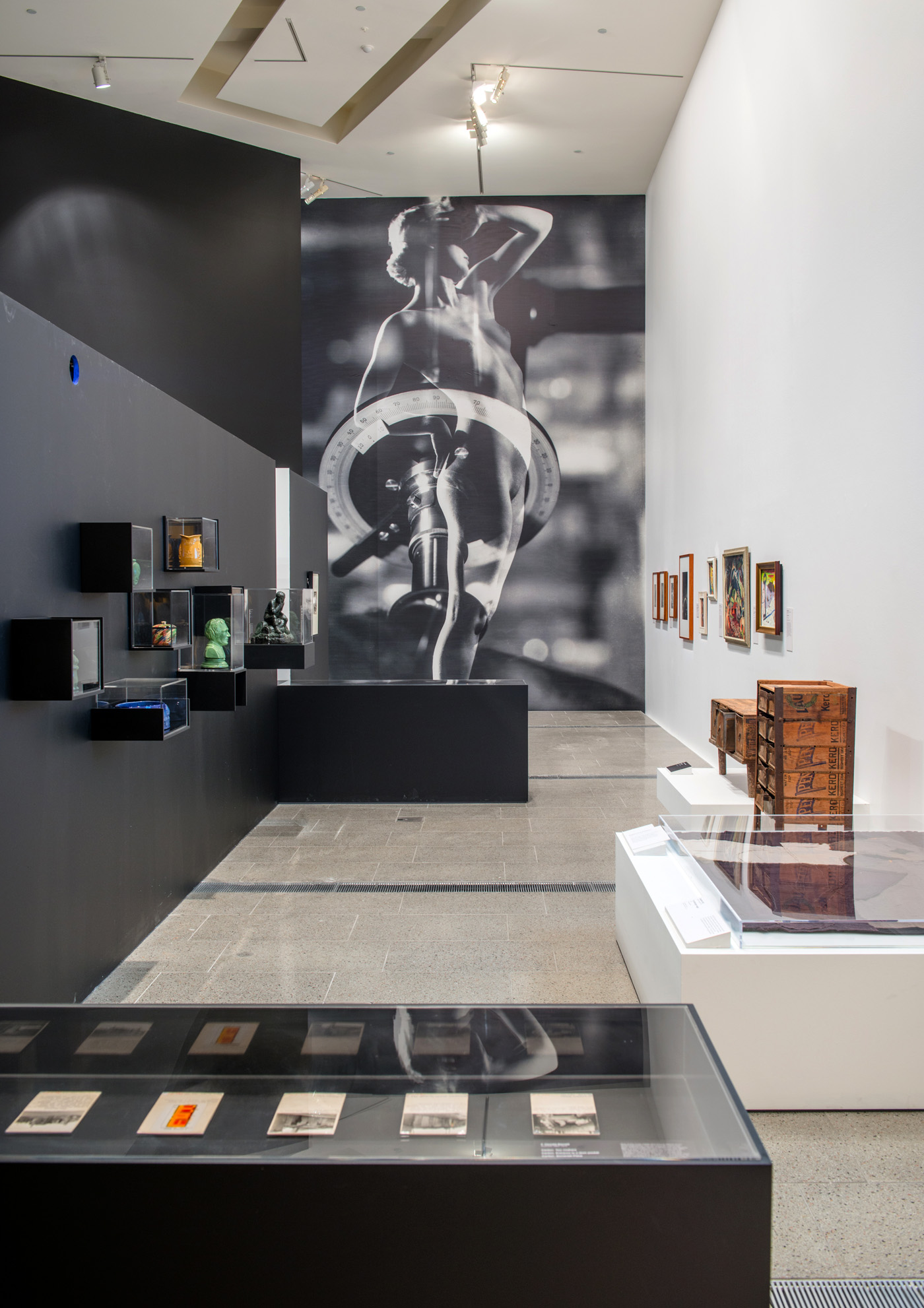


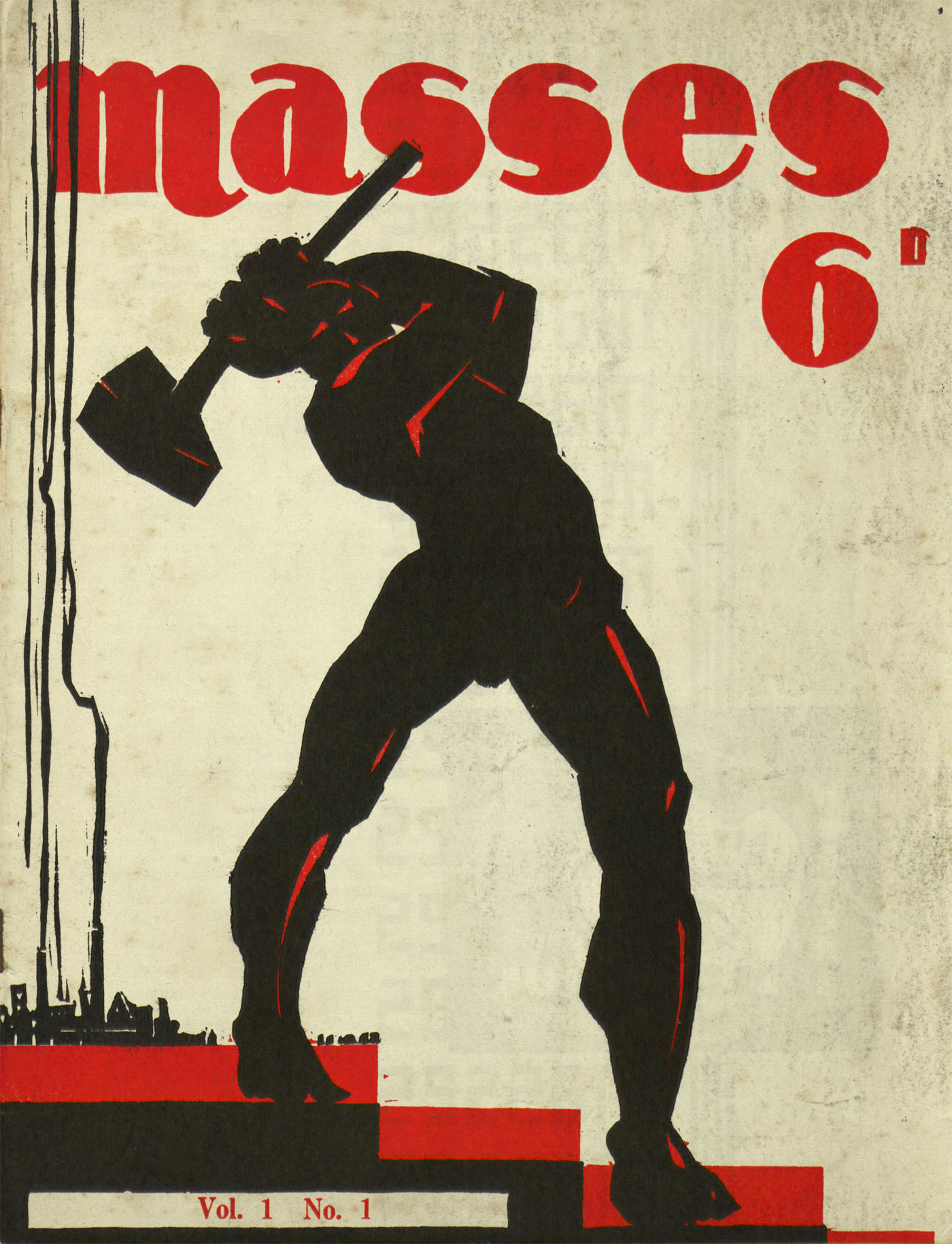


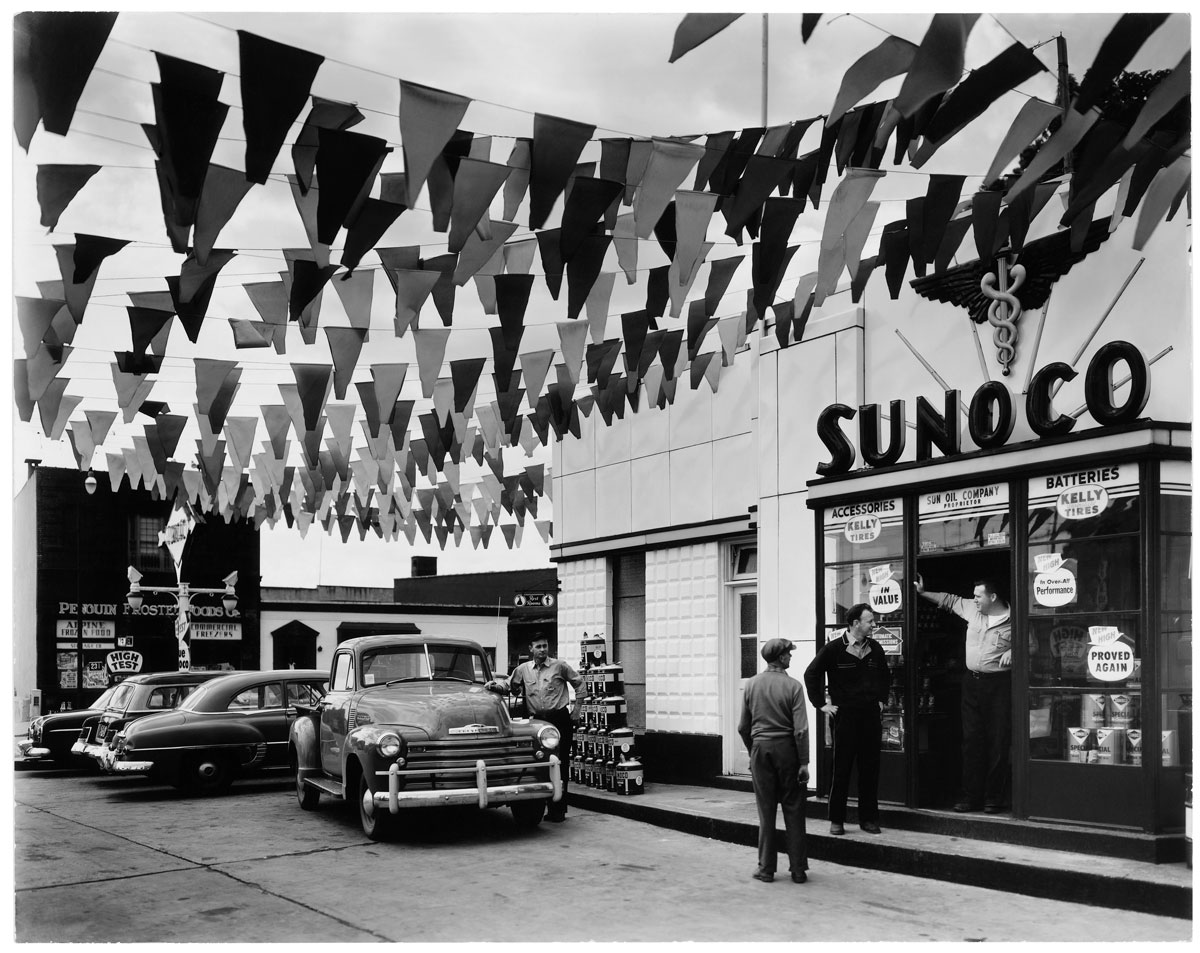
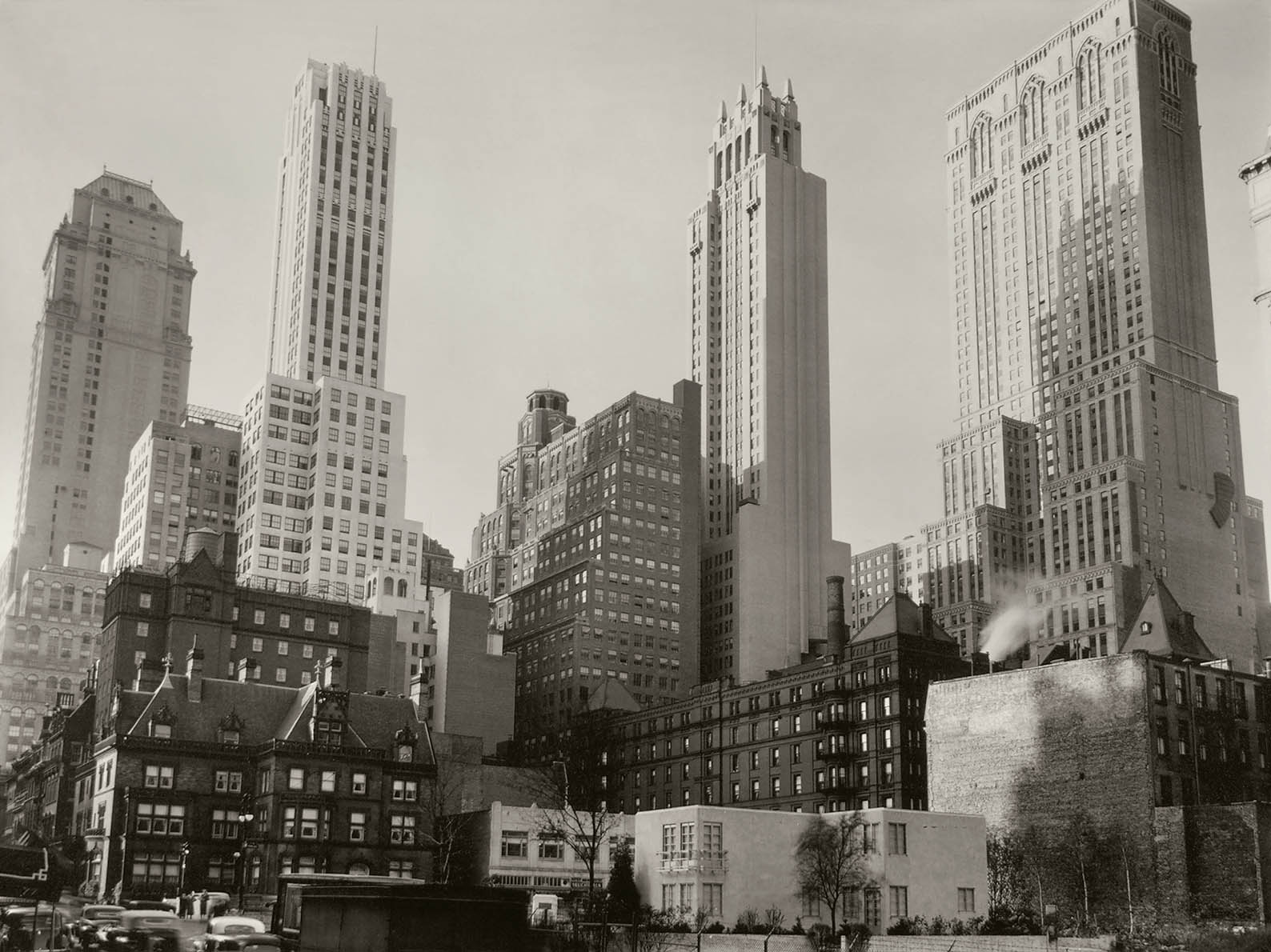


 Art Blart _ art and cultural memory archive
You must be logged in to post a comment.