Review: ‘Lee Grant / Belco Pride’ at Edmund Pearce Gallery, Melbourne

Exhibition dates: 5th June – 22nd June 2013


Lee Grant (Australian, b. 1973) 'Belco Pride' 2008


Lee Grant (Australian, b. 1973)
Belco Pride
2008
Archival pigment print
60 x 60cm
Edition of 8 + 2 AP


In Belco Pride, the photographer Lee Grant comes as close as you are ever likely to come to an Australian version of the American photographer Alec Soth (Sleeping by the Mississippi, Niagara). That is a great compliment indeed.

This is an intelligent, cohesive exhibition which features 5 large colour photographs and a grid of 3 x 9 smaller colour photographs that form a topographical map of a suburb in Canberra called Belconnen. The body of work investigates how humans inhabit a specific place and how that place in turn influences the formation of identity and a sense of belonging and community. These themes are set in the context of a shifting, migratory, multicultural Australian suburb. The photographs are beautifully shot and individually well resolved; these square photographs then go on to form a holistic body that gives the viewer a wonderful sense of the people and place being photographed.

Grant likes to shoot formally and frontally, but that does not mean that there is not subtly and humour present in these photographs. Technically she likes to vary depth of field to emphasise the context of place: in some images, for example Ashleigh in her Formal Dress (2008, below), depth of field is minimal in order to bring focus onto Ashleigh and the texture of her formal dress. The artist also likes to change light conditions from bright sunlight (Alisha and baby Saul, 2009 below), to overcast (Belco Pride, 2008 above) to gathering gloom (George with his model aeroplane, 2008 below); she also likes to push and pull figures and objects within the pictorial frame, from close up to mid-distance to infinity (the rendering of houses for example). This shading of space and tonality adds a beautiful luminosity to the series.

The humour and detail present is also fun: the suits of the sons two sizes too big in The Duot Family (2009, below); the barbed wire looming ominously above the white graffiti  ‘Belco Pride’; the off kilter lamp post in Suburban Hedge (2008, below) being swallowed by the hedge; and the delicious way that the lead from Kiki travels down and trails along the ground to Chucky the dog. There is a real affection and affinity for this place and people that is expressed in these photographs. They are unusually contemplative for this type of photography and that is perhaps a reflection on Grant’s Korean-Australian heritage.

Other work on her website is a mixed bag: the Sudanese Portraits are very successful, reminding me of the work of Mali photographer Malick Sidibé, while Window on the Orient is interesting but the photographs are a little ‘flat’ due to their subject matter. The Road to Kuvera and Welcome to Vietnam lack the same connection and insight into the human condition that Belco Pride possesses, and this body of work seems to be her strongest so far in terms of an enunciation of her inner vision. I await new work with interest.

Dr Marcus Bunyan


Many thankx to Edmund Pearce for allowing me to publish the photographs in the posting. Please click on the photographs for a larger version of the image.


Lee Grant (Australian, b. 1973) 'The Duot Family' 2009


Lee Grant (Australian, b. 1973)
The Duot Family
2009
Archival pigment print
110 x 110cm
Edition of 4 + 2 AP
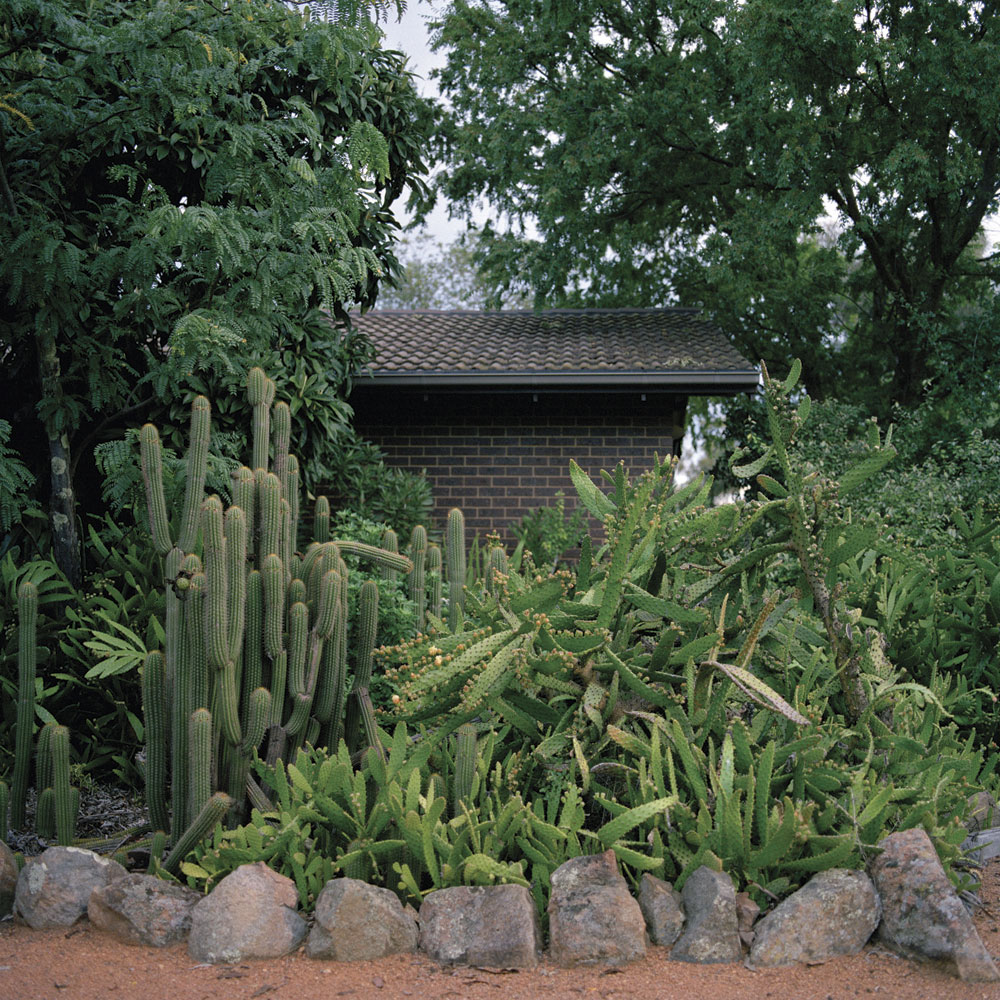
 

Lee Grant (Australian, b. 1973) 'Cactus Garden' 2012


Lee Grant (Australian, b. 1973)
Cactus Garden
2012
Archival pigment print
110 x 110cm
Edition of 4 + 2 AP


Lee Grant (Australian, b. 1973) 'Ashleigh in her Formal Dress' 2008


Lee Grant (Australian, b. 1973)
Ashleigh in her Formal Dress
2008
Archival pigment print
110 x 110cm
Edition of 4 + 2 AP
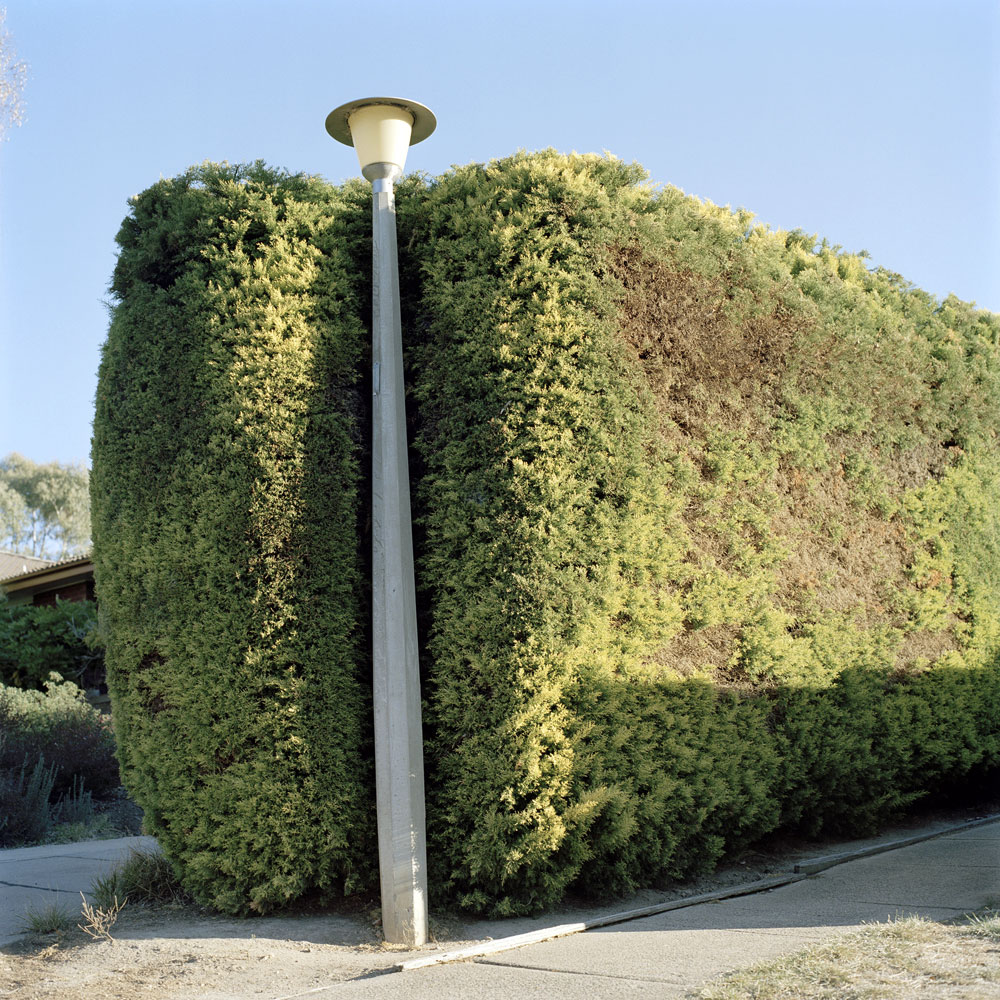
 

Lee Grant (Australian, b. 1973) 'Suburban Hedge' 2008


Lee Grant (Australian, b. 1973)
Suburban Hedge
2008
Archival pigment print
110 x 110cm
Edition of 4 + 2 AP


Lee Grant (Australian, b. 1973) 'Graffheads' 2009


Lee Grant (Australian, b. 1973)
Graffheads
2009
Archival pigment print
60 x 60cm
Edition of 8 + 2 AP


Lee Grant (Australian, b. 1973) 'Roxy and Jess' 2008


Lee Grant (Australian, b. 1973)
Roxy and Jess
2008
Archival pigment print
60 x 60cm
Edition of 8 + 2 AP


Belco’s a hole… but it’s our hole.

I’ve been told that you never truly leave behind the place you grew up. That it remains deep within your experience of the world. Feeling conflicted about one’s place of origin is certainly not unique, but for me, the process of returning ‘home’ and reconciling my perception of place with its banal and vernacular reality was a surprising yet cathartic experience. The photographs in this series express the idea that belonging, connection and identity is deeply rooted in the specifics of one’s inhabited landscape. The landscape depicted here being the 25 northernmost suburbs of Canberra known as Belconnen, or to us locals, as ‘Belco’.

As a photographer, I am interested in the way migrant communities adapt to new environments, particularly in western cultures and much of my work explores themes of identity, belonging and community set often in the context of the Australian suburbs.

Lee Grant


“I always believed it was the things you don’t choose that makes you who you are. Your city, your neighbourhood, your family. People here take pride in these things, like it was something they’d accomplished. The bodies around their souls, the cities wrapped around those. I lived on this block my whole life; most of these people have.”

Dennis Lehane


Lee Grant’s latest exhibition at Edmund Pearce, Belco Pride, explores how belonging, connection and identity is deeply rooted in the specifics of one’s inhabited landscape. The landscape depicted here being the 25 northernmost suburbs of Canberra known as Belconnen, or to the locals, as ‘Belco’.

Lee is a documentary photographer who lives and works in Canberra. She holds a degree in Anthropology and in 2010 completed a Master of Philosophy at the ANU School of Art. Lee has exhibited at the Australian Centre for Photography, the Monash Gallery of Art and the National Portrait Gallery amongst others. She has been a finalist in the National Photographic Portrait Prize, the Head On Alternative Portrait Prize, the Josephine Ulrick and Win Schubert Prize and the Olive Cotton Award. Lee was also the winner of the prestigious Bowness Photography Prize in 2010. Her work is held in the National Library, the Canberra Museum and Art Gallery as well as numerous private collections.


Lee Grant (Australian, b. 1973) 'Kiki and Chucky' 2008


Lee Grant (Australian, b. 1973)
Kiki and Chucky
2008
Archival pigment print
60 x 60cm
Edition of 8 + 2 AP
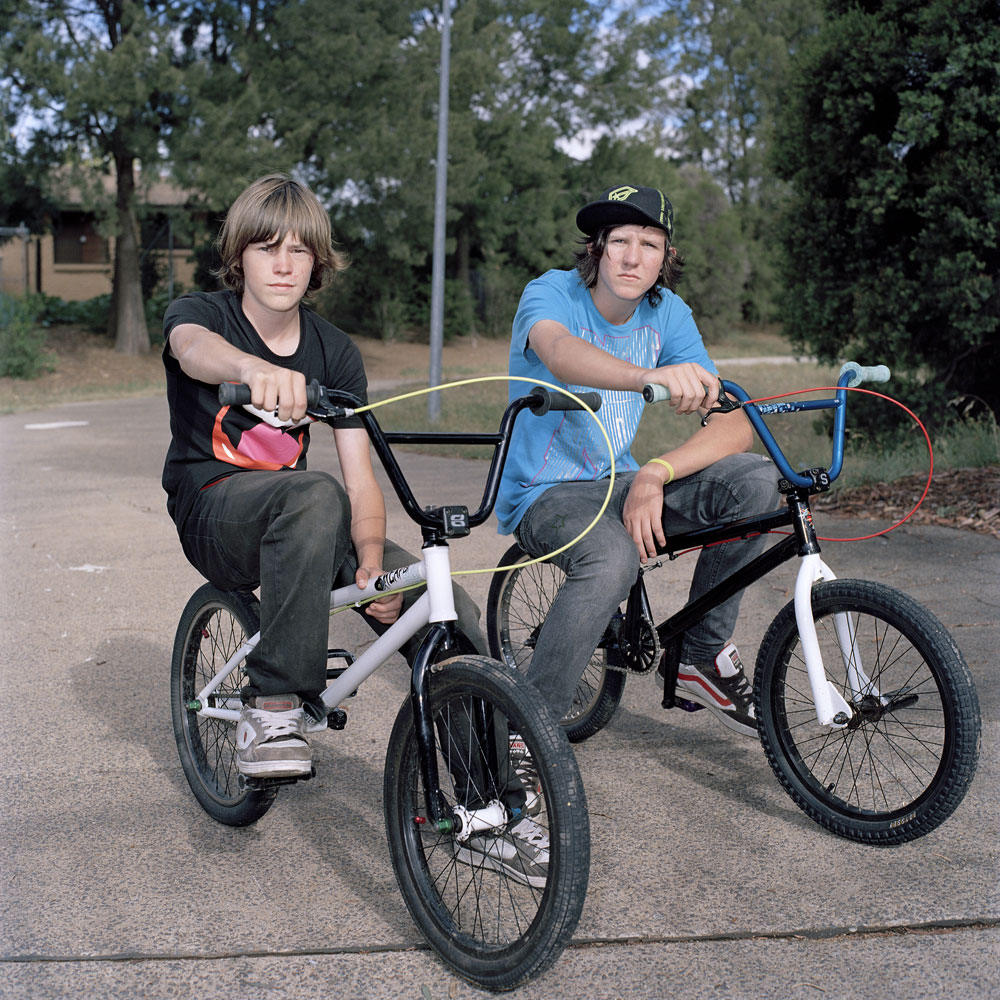
 

Lee Grant (Australian, b. 1973) 'Nathan & Mac, BMX bros' 2009


Lee Grant (Australian, b. 1973)
Nathan & Mac, BMX bros
2009
Archival pigment print
60 x 60cm
Edition of 8 + 2 AP


Lee Grant (Australian, b. 1973) 'A View of Suburbia' 2009


Lee Grant (Australian, b. 1973)
A View of Suburbia
2009
Archival pigment print
60 x 60cm
Edition of 8 + 2 AP
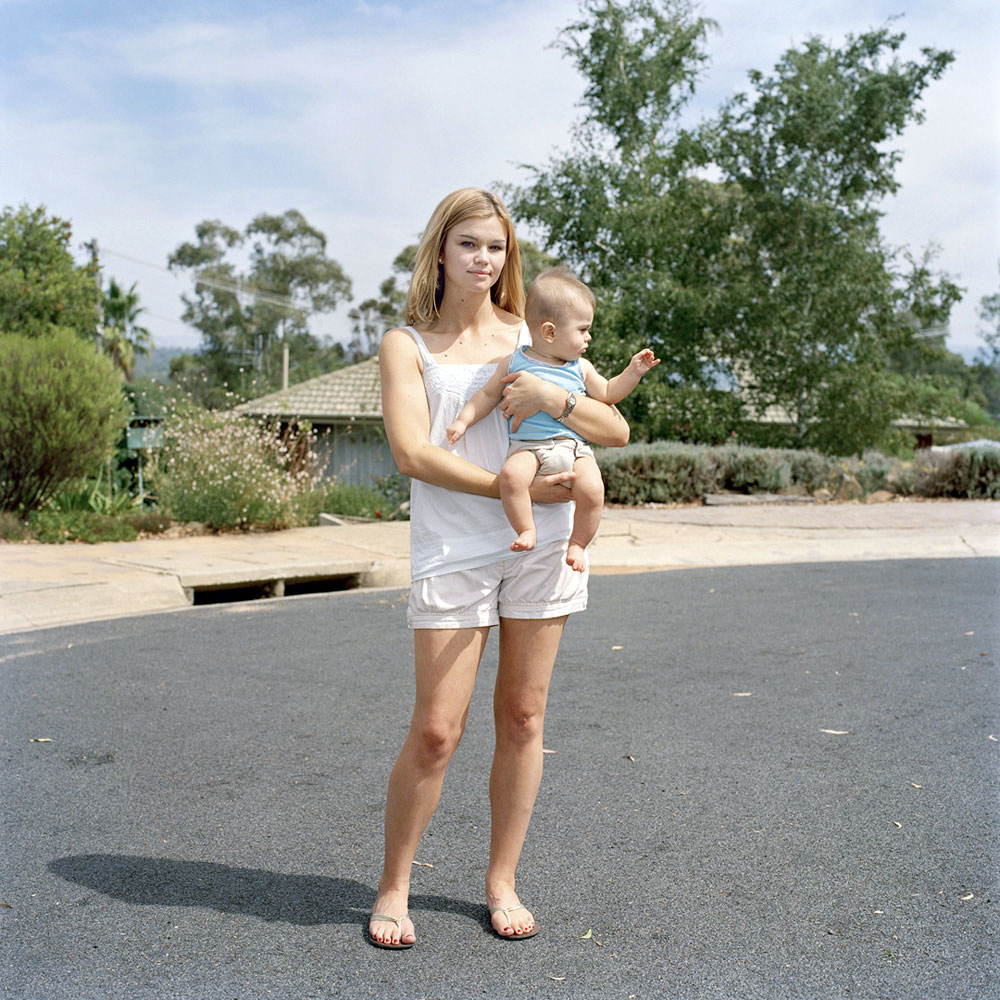
 

Lee Grant (Australian, b. 1973) 'Alisha and baby Saul' 2009


Lee Grant (Australian, b. 1973)
Alisha and baby Saul
2009
Archival pigment print
60 x 60cm
Edition of 8 + 2 AP


Lee Grant (Australian, b. 1973) 'George with his model aeroplane' 2008


Lee Grant (Australian, b. 1973)
George with his model aeroplane
2008
Archival pigment print
60 x 60cm
Edition of 8 + 2 AP
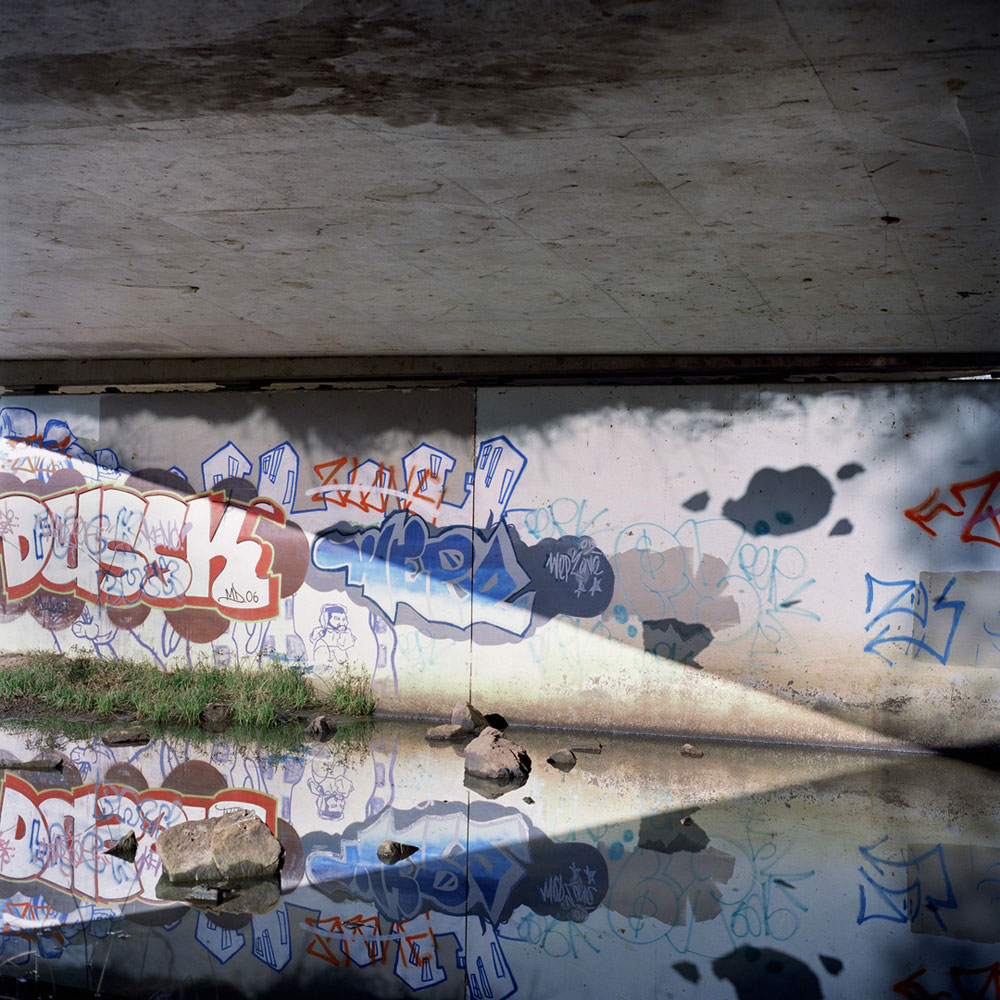
 

Lee Grant (Australian, b. 1973) 'Ginninderra Creek on a Winter's morning' 2008


Lee Grant (Australian, b. 1973)
Ginninderra Creek on a Winter’s morning
2008
Archival pigment print
60 x 60cm
Edition of 8 + 2 AP


Lee Grant (Australian, b. 1973) 'The Beehive' 2008


Lee Grant (Australian, b. 1973)
The Beehive
2008
Archival pigment print
60 x 60cm
Edition of 8 + 2 AP


Lee Grant (Australian, b. 1973) 'Lee' 2010


Lee Grant (Australian, b. 1973)
Lee
2010
Archival pigment print
60 x 60cm
Edition of 8 + 2 AP


Edmund Pearce Gallery

This gallery is now closed.

LIKE ART BLART ON FACEBOOK

Back to top

Exhibition: ‘Inheritance’ at the Australian Centre for Photography, Sydney

Exhibition dates: 1st May – 6th June, 2009

Artists: Bindi Cole, Tamara Dean, Lee Grant, June Indrefjord, Bronek Kozka, Ka-Yin Kwok, Tracey Moffatt, Fiona Morris, Aaron Seeto, Martin Smith and Toni Wilkinson

Installation photographs of the exhibition can be found on the Lee Grant – Photography blog website


Many thankx to the ACP for allowing me to publish the photographs in the posting. Please click on some of the photographs for a larger version of the image.


June Indrefjord. 'Piano' from the series 'Landaas' 2005


June Indrefjord
Piano
2005
From the series Landaas


Aaron Seeto (Australian) 'Oblivion' 2006


Aaron Seeto (Australian)
Oblivion
2006
From the series Oblivion
Daguerreotype


Aaron Seeto makes alternate historical positions and experiences visible through an exploration of archives, family photo albums and photographic records. In recent bodies of work Fortress and Oblivion, Seeto has utilised the daguerreotype, one of the earliest and most primitive photographic techniques, to highlight the malleability of narratives within archive records. Not only is the chemical process itself highly toxic and temperamental but the daguerreotype’s mirrored surface means the image appears as both positive and negative, depending on the angle of view. For Seeto, this mutability captures the essence of our experience of history and memory, reflecting how images degrade, how stories are formed and privileged, how knowledge and history are written. …

For his ongoing series Oblivion Seeto sourced details from images of the Cronulla riots – beachside riots around race and territory – of 2005 found on the internet. In reproducing these as daguerrotypes he seeks less to represent the incident than to look at how it was reported, understood and remembered. The instability of the virtual information found online is echoed in the photographic process.

Text from the Stills Gallery website [Online] Cited 14/02/2019


Tracey Moffatt (Australian, b. 1960) 'Useless 1974' 1994 from the exhibition 'Inheritance' at the Australian Centre for Photography, Sydney, May - June, 2009


Tracey Moffatt (Australian, b. 1960)
Useless 1974
1994
From the series Scarred for Life


Useless, 1974 is a photo-lithograph by the Australian artist Tracey Moffatt. The work shows a girl stooping down to wash a car, with one hand wiping a headlight with a sponge and the other resting on the bonnet. She looks towards the camera rather than at the car, her face bearing a serious and potentially hurt or angry expression. The caption accompanying the photograph explains that ‘Her father’s nickname for her was “useless”‘. Despite this, it seems that in this picture she is being put to use, and perhaps the car she washes is her father’s. The caption, her expression and the direction of her gaze may suggest that the viewer occupies the position of the girl’s father looking down on and supervising his daughter while she carries out her chore. …

The work’s title is a reference to the cruel nickname given to the girl in the photograph, and the date in the title, 1974, suggests the year according to which the photograph has been styled by Moffatt, who employs actors and constructed scenes to create her photographs. Curator Filippo Maggia has compared Moffatt’s photographic method to that of a film director, stating that she ‘often does not take the photographs herself but directs a sort of bona fide movie set that she organises and controls after having pictured it in her mind again and again, meticulously decomposing and recomposing it’ (Maggia 2006, p.12). As the artist has stated, ‘I often use technicians when I make my pictures. I more or less direct them. I stand back and call the shots.’ (Quoted in Maggia 2006, p.12.)

Moffatt’s photographic series often deal with themes such as race, gender and the politics of identity. Drawing on memories from the artist’s childhood, the Scarred for Life series mimics photo spreads from the American magazine Life, with their explanatory captions and focus on the family environment. The captions’ terse descriptions hint at the traumatic stories behind the images. Moffatt has commented: ‘a person can make a passing comment to you when you are young and this can change you forever. You can be “scarred for life” but it isn’t necessarily a bad thing. The photographs can be read as both tragic and comic – there is a thin line between both.’ (Quoted in display caption, Tracey Moffatt, Birth Certificate 1994, Tate P78101, accessed 28 August 2015.) Furthermore, Maggia has argued that the Scarred for Life series ‘gives us life as it is, the harshness and aridity of human relations, adolescence with its fears of not being accepted’ (Maggia 2006, p.13).

Louise Hughes
August 2015

Filippo Maggia, Tracey Moffatt: Between Dreams and Reality, exhibition catalogue, Spazio Oberdan, Milan 2006, p. 13, reproduced p. 117.

Extract from Louise Hughes. “Useless, 1974,” on the Tate website [Online] Cited 14/02/2019


Lee Grant (Korean-Australian, b. 1973) 'The Day Meg Wore a Dress '2007 from the exhibition 'Inheritance' at the Australian Centre for Photography, Sydney, May - June, 2009


Lee Grant (Korean-Australian, b. 1973)
The Day Meg Wore a Dress from the series Brothers and Sisters
2007


“You can choose your friends, but you can’t choose your family.”

From the tight nuclear unit to the multi-generational extended family, from refuges for the homeless to middle class suburbia, Inheritance examines the way our families shape the person we become; for better or for worse.

Taking Tracey Moffatt’s acclaimed series Scarred for Life as a starting point, the exhibition includes the work of eleven Australian artists who explore the modern family through a range of photographic disciplines, including documentary, portraiture and video. Sometimes serious and sometimes satirical, Inheritance is a family album that celebrates the skeletons and the psychodramas alongside the newborns and the nuptials.

Text from the Australian Centre for Photography website [Online] Cited 20/05/2009. No longer available online


Lee Grant (Australian, b. 1973) 'Nathan & Mac, BMX bros' 2009


Lee Grant (Australian, b. 1973)
Nathan & Mac, BMX bros
2009
Archival pigment print
60 x 60cm
Edition of 8 + 2 AP


Bindi Cole Chocka (Australian / Wathaurung, b. 1975) 'Wathaurung Mob' 2008


Bindi Cole Chocka (Australian / Wathaurung, b. 1975)
Wathaurung Mob
2008
From the series Not really Aboriginal
Pigment print on rag paper
1035 x 1235cm


Our Past Is Our Strength – Culture and Identity

I’ve always been told that l was Aboriginal. I never questioned it because of the colour of my skin or where I lived. My Nan, one of the Stolen Generation, was staunchly proud and strong. She made me feel the same way. My traditional land takes in Ballarat, Geelong and Werribee and extends west past Cressy to Derrinallum. I’m from Victoria and I’ve always known this. All the descendants of traditional Victorian Aboriginal people are now of mixed heritage. I’m not black. I’m not from a remote community. Does that mean I’m not really Aboriginal? Or do Aboriginal people come in all shapes, sizes and colours and live in all areas of Australia, remote and urban?

Bindi Cole Chocka, Wathaurung text from the Culture Victoria website [Online] Cited 14/02/2019


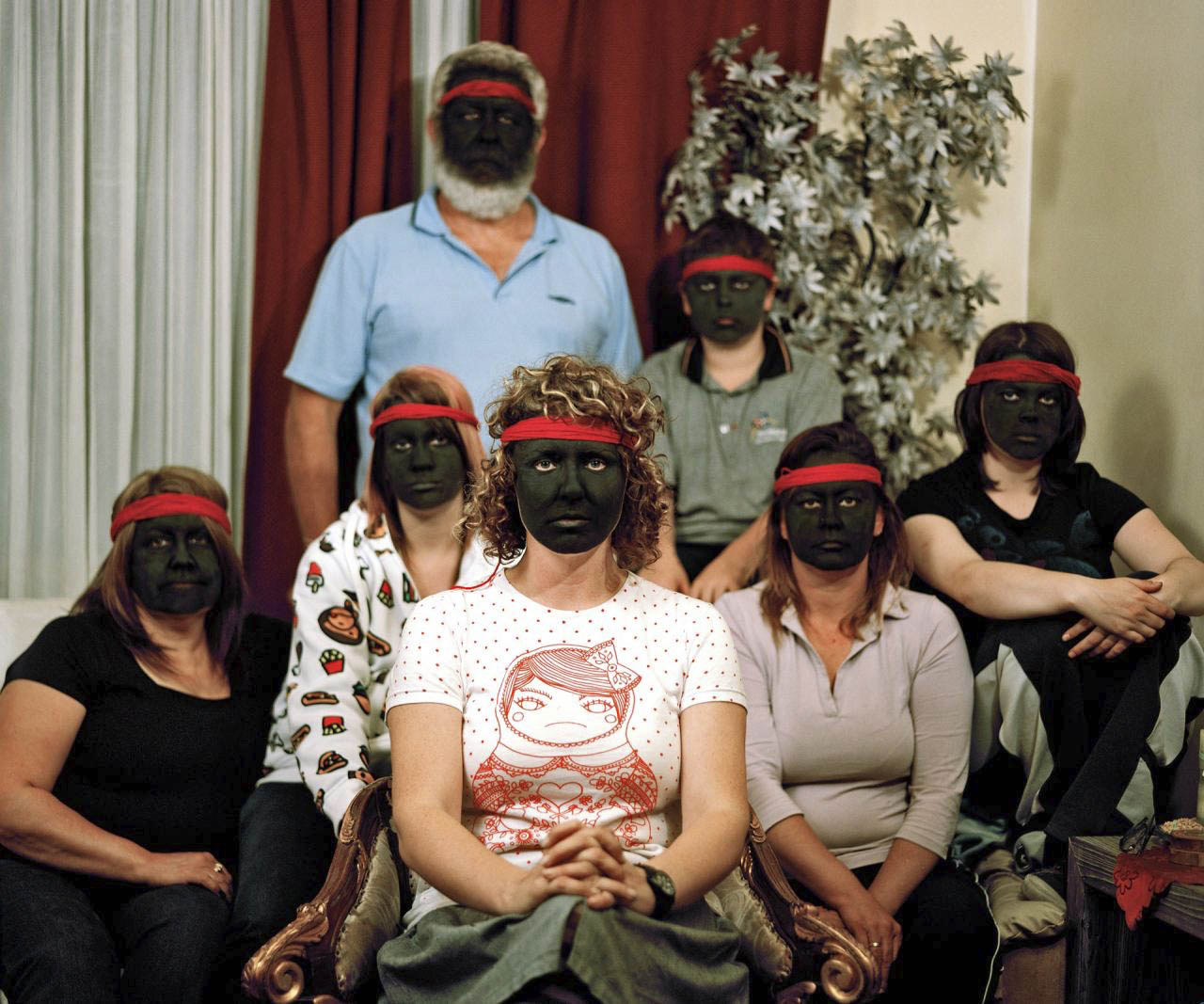
Wathaurung Mob is a group portrait depicting members of Cole’s family sitting in their lounge room, their faces blackened with minstrel paint, and wearing red headbands traditionally worn by indigenous elders. The controversial practice of “blackfacing” refers to the populist minstrel shows of the 19th and 20th centuries in which a white actor put on blackface, then performed a racist caricature.

As we stand before the work, Alessi says he finds it confronting and uncomfortable. “Wathaurung Mob is quite powerful because what stands out are the eyes of each sitter; they look directly at the viewer, so you can’t help but feel challenged by that,” he says.

“There is also something quite uncomfortable about the work because, in some ways, you are being implicated in Andrew Bolt’s view, as white Australians having to own up to the broader history of the relationship between white and indigenous Australia.

“And more broadly it is about coming to grips with what is still a major issue in Australia around reconciliation and the way that we treat indigenous people. In one single frame this photograph captures 200 years of history, and I think it is an area that people like Bindi Cole are really courageous to navigate through because they have been open to criticism by people like Andrew Bolt, which is completely unfounded.”

Extract from Bronwyn Watson. “Facing up to the stereotypes,” on The Australian website November 16, 2013 [Online] Cited 14/02/2019


Fiona Morris. 'Sean and Jade, Wesley Mission' 2006


Fiona Morris (Australian)
Sean and Jade, Wesley Mission
2006


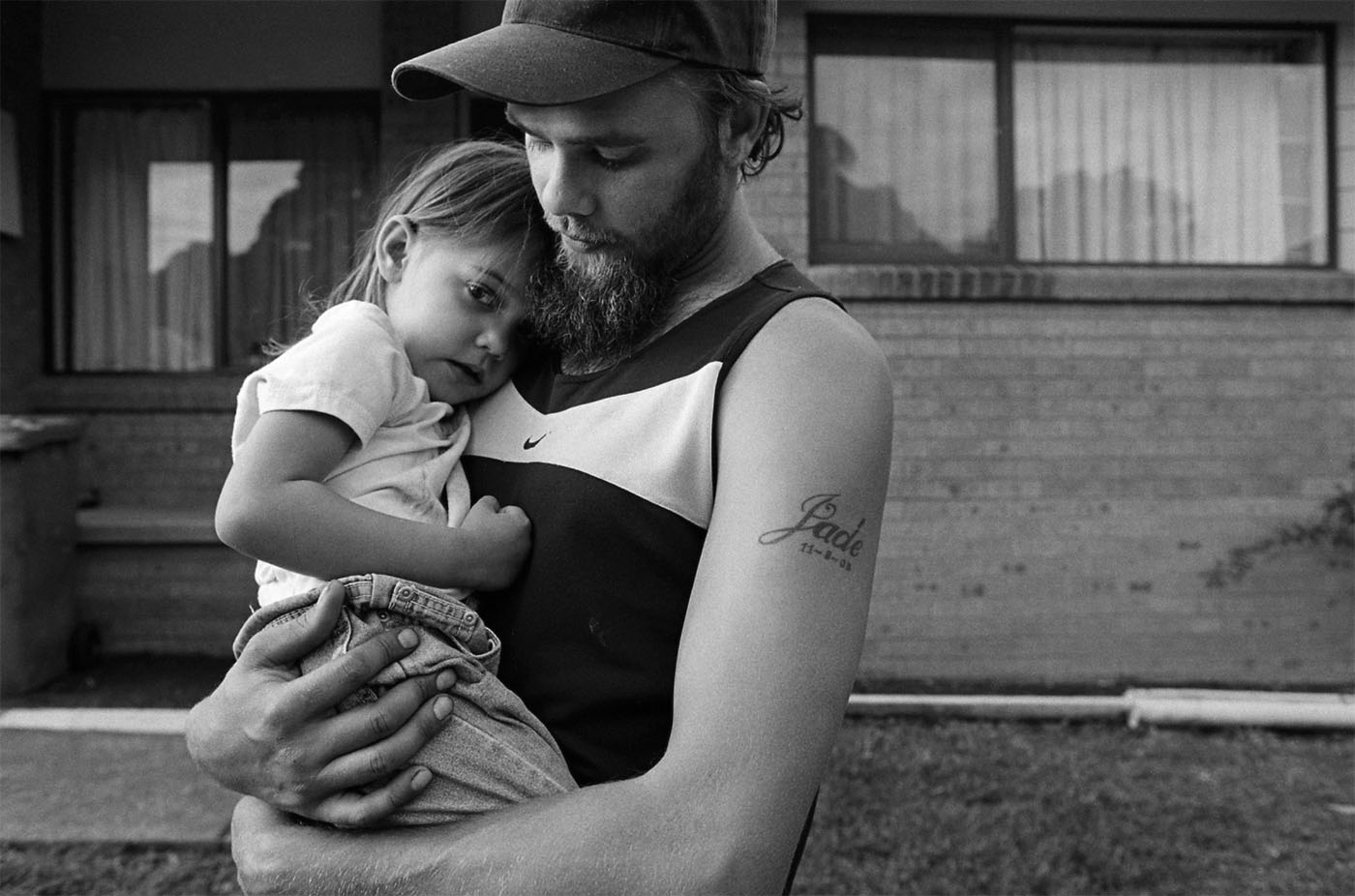
Sean with his daughter Jade outside their tempoary accomodation provided by Wesley Mission. They can only stay their for a maximum of two months. Leah and Sean became homeless with their children after increasing rent rises in Sydney and the cost of living.


Tamara Dean (Australian, b. 1976) 'Alex and Maeve' 2006


Tamara Dean (Australian, b. 1976)
Alex and Maeve
2006


Australian Centre for Photography

This gallery has now closed.

Lee Grant website

Tracey Moffatt on the Rosyln Oxley9 Gallery website

LIKE ART BLART ON FACEBOOK

Back to top