
Exhibition: ‘Daido Moriyama: Encounters’ at the Print Sales Gallery at The Photographers’ Gallery, London

Exhibition dates: 7th February – 13th April, 2025


Daido Moriyama (Japanese, b. 1938)
'Ebina, Kanagawa'
1969 From 'A Hunter'


Daido Moriyama (Japanese, b. 1938)
Ebina, Kanagawa
1969
From A Hunter
Gelatin silver print
23 x 35″
Courtesy of the Daido Moriyama Photo Foundation and The Photographers’ Gallery


I have so many exhibitions lined up in the next few weeks that there will be some mid-week postings!

It is a great privilege and pleasure to be able to publish these photographs by master Japanese photographer Daido Moriyama (Japanese, b. 1938), many of which were unknown to me. Thank you to The Photographers’ Gallery for allowing me to do so…

Moriyama’s photographic style is unmistakable. “Renowned for his bold are, bure, boke aesthetic – grainy, blurry and out-of-focus images that defy photographic convention”, Moriyama’s contrasty, slightly high key, sometimes flash photographs of unusual perspectives and intimate glances capture “something that’s mysterious and unknown in everyday life.”

This buying exhibition highlights the quieter, more reflective moments of Moriyama’s work. I know only too well what sensitivity and envisioning it takes to picture these intimacies of everyday life … almost inconsequential until they are bought into the photographer’s consciousness in a resolved manner (previsualisation), then through negative and print and eye into the consciousness of the viewer.

The images are memorable and unforgettable. Buy one!

Dr Marcus Bunyan


Many thankx to The Photographers’ Gallery for allowing me to publish the photographs in the posting. Please click on the photographs for a larger version of the image.


“It may look like I’m just pointing the camera at what’s in front of me. But I’m trying to photograph what people see, but don’t notice – something that’s mysterious and unknown in everyday life.”


Daido Moriyama
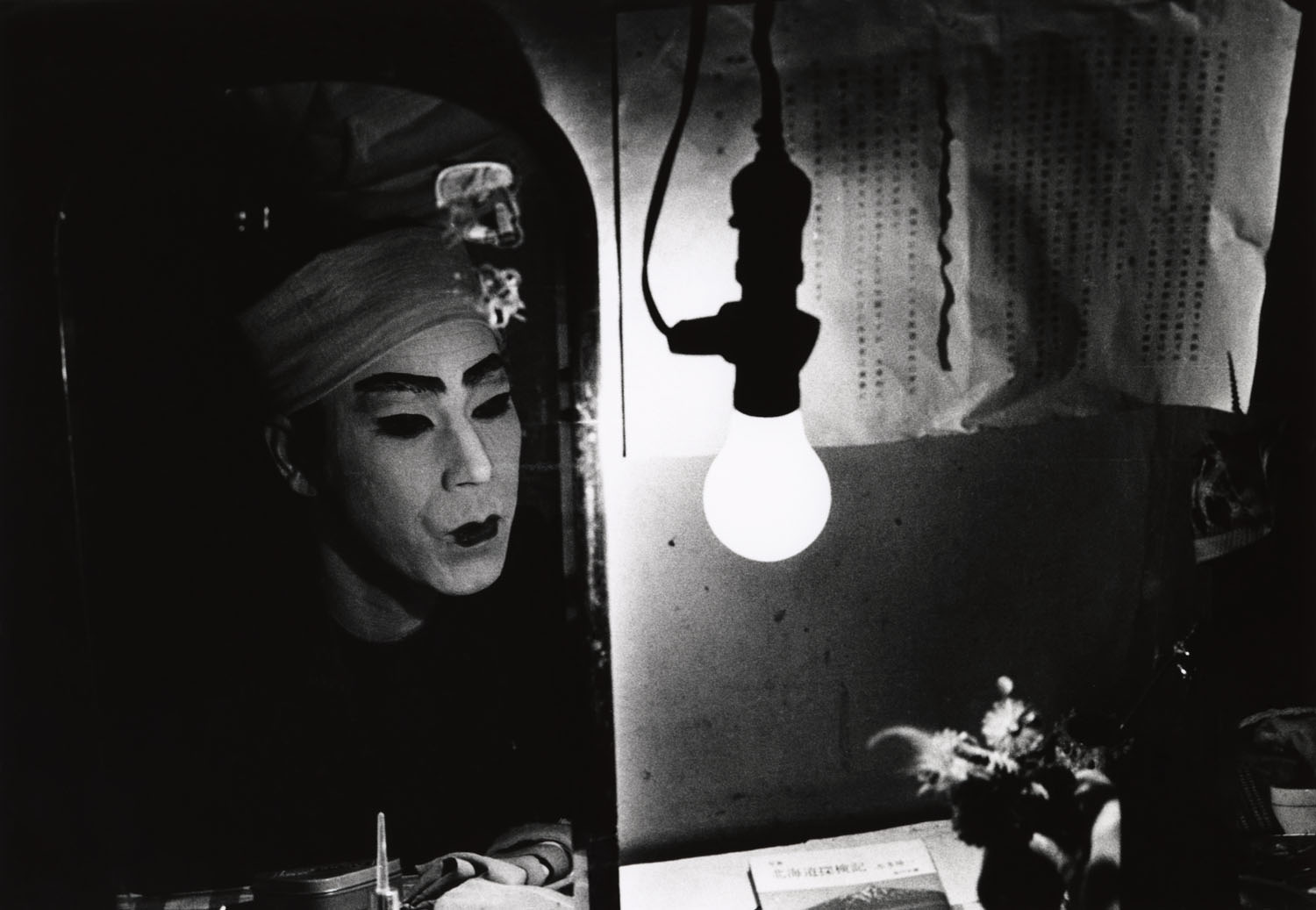


Daido Moriyama (Japanese, b. 1938) 'Untitled' 1968 From 'Japan: A Photo Theater'


Daido Moriyama (Japanese, b. 1938)
Untitled
1968
From Japan: A Photo Theater
Gelatin silver print
14 x 17″
Courtesy of the Daido Moriyama Photo Foundation and The Photographers’ Gallery
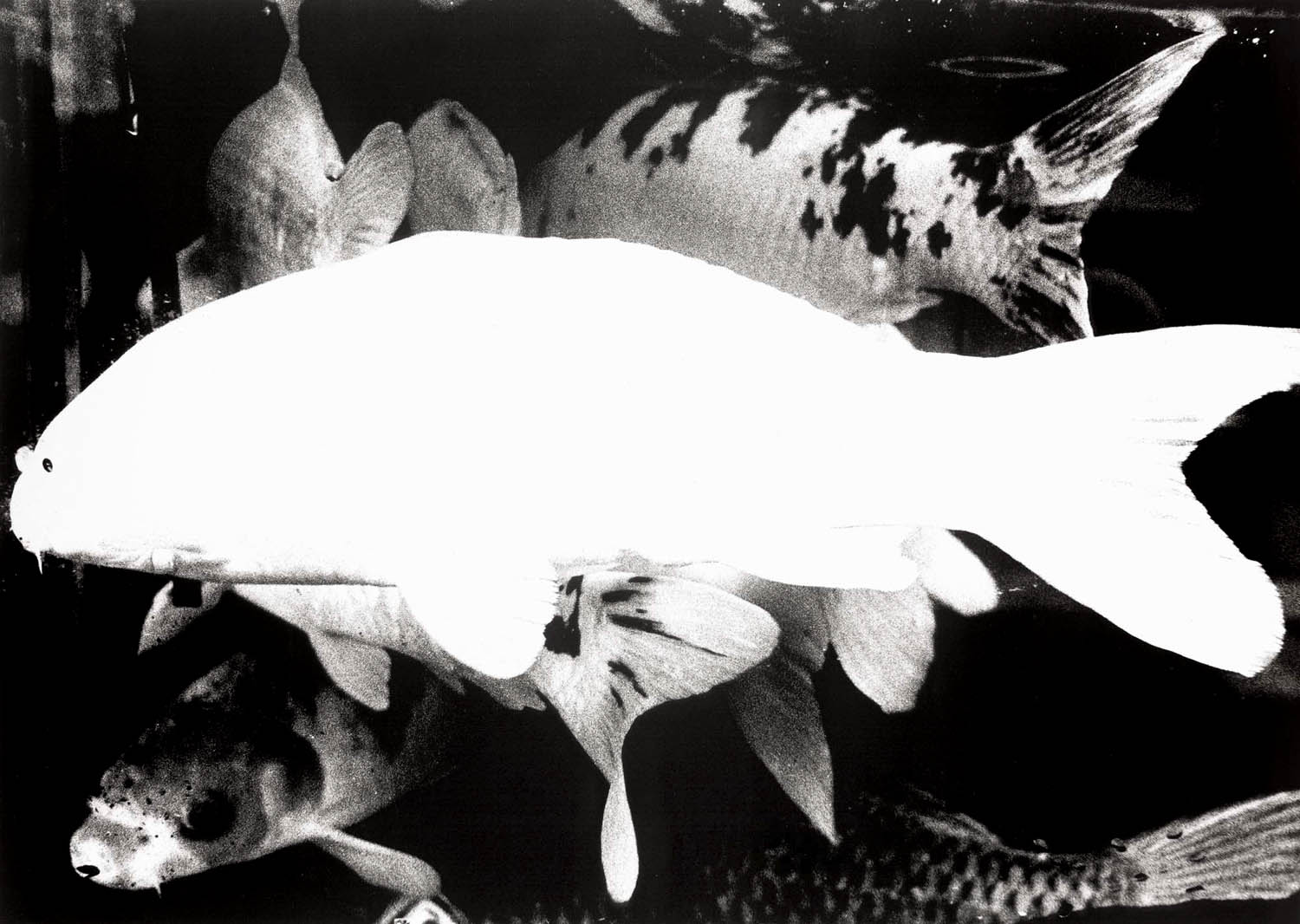
 

Daido Moriyama (Japanese, b. 1938) 'Camera Mainichi, Hiroshima' 1974


Daido Moriyama (Japanese, b. 1938)
Camera Mainichi, Hiroshima
1974
Gelatin silver print
11 x 14″
Courtesy of the Daido Moriyama Photo Foundation and The Photographers’ Gallery
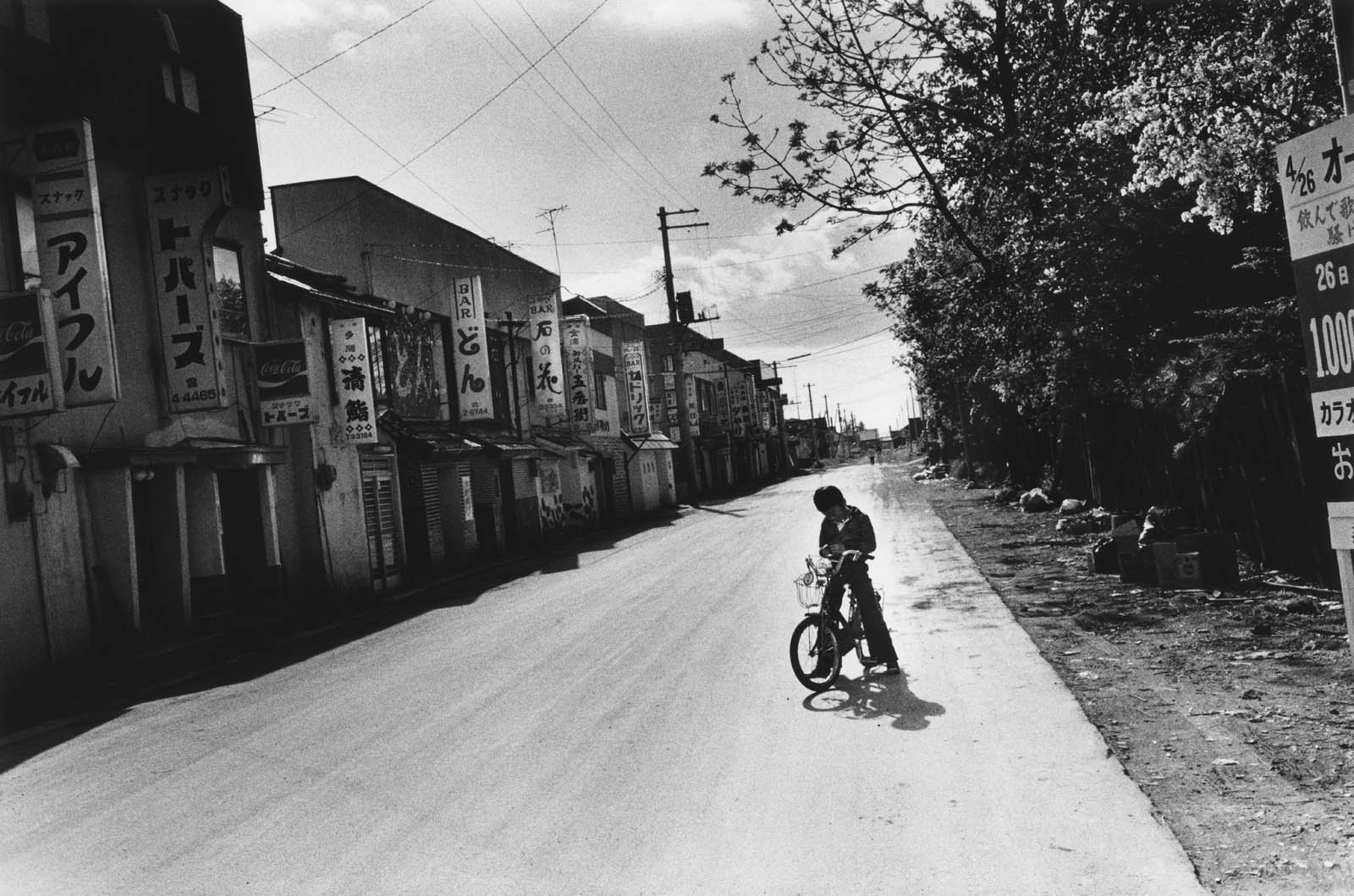
 

Daido Moriyama (Japanese, b. 1938) 'Hokkaido' 1978


Daido Moriyama (Japanese, b. 1938)
Hokkaido
1978
Gelatin silver print
10 x 12″
Courtesy of the Daido Moriyama Photo Foundation and The Photographers’ Gallery
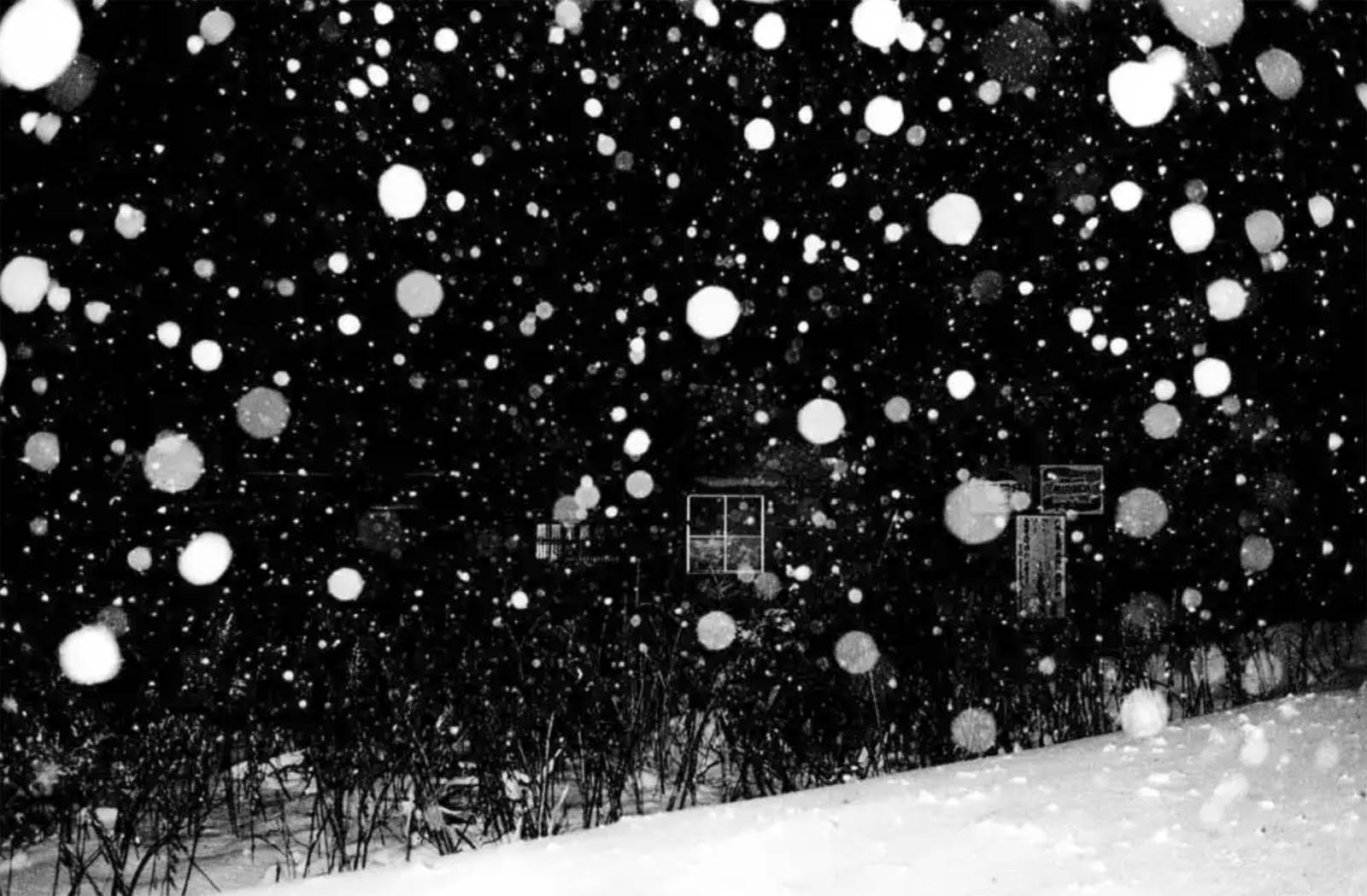
 

Daido Moriyama (Japanese, b. 1938) 'Hokkaido' 1978


Daido Moriyama (Japanese, b. 1938)
Hokkaido
1978
Gelatin silver print
11 x 14″
Courtesy of the Daido Moriyama Photo Foundation and The Photographers’ Gallery
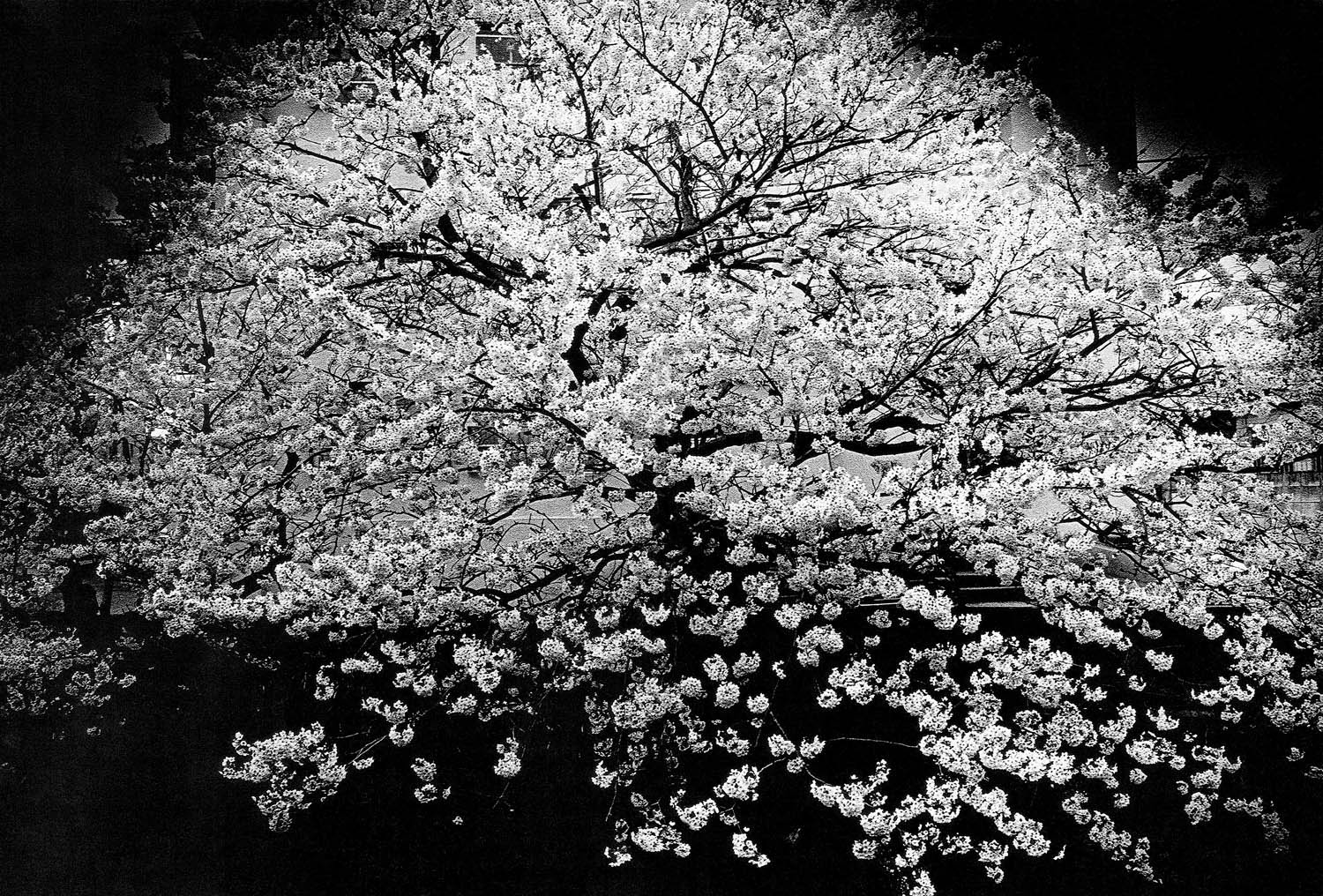
 

Daido Moriyama (Japanese, b. 1938)
'Cherry Blossom, Zushi, Kanagawa' 1982


Daido Moriyama (Japanese, b. 1938)
Cherry Blossom, Zushi, Kanagawa
1982
Gelatin silver print
18 x 22″
Courtesy of the Daido Moriyama Photo Foundation and The Photographers’ Gallery

 

Daido Moriyama (Japanese, b. 1938) 'How to Make Beautiful Photos' 1987
Screenshot


Daido Moriyama (Japanese, b. 1938)
How to Make Beautiful Photos
1987
Gelatin silver print
11 x 14″
Courtesy of the Daido Moriyama Photo Foundation and The Photographers’ Gallery


Born in Osaka, Japan, in 1938, Daido Moriyama’s celebrated career has been shaped by constant reinvention and experimentation. Over six decades, he has become renowned for his bold are, bure, boke aesthetic – grainy, blurry and out-of-focus images that defy photographic convention. A pivotal figure in the radical Provoke movement of the late 1960s, Moriyama redefined photography, unbound by traditional constraints, capturing fragments of reality that “cannot be expressed in language as it is.”

Moriyama is best known for recording the freneticism and anonymity of life in the city, Encounters reveals his lesser-explored ability to show beauty and stillness in the everyday. Softly lit city streets, rendered in grainy textures, evoke a surreal and poetic visual language that embraces imperfection. Fleeting moments of calm and intimacy are paired with whimsical glimpses of animals and delicate vignettes of nature – blossoms, snowflakes and quiet, weathered corners of urban sprawl – revealing an unexpected tenderness amongst his raw and gritty aesthetic.

In recent years, Moriyama has described his work as a visual diary, shooting pictures daily to document the ever-changing landscape of urban life. His enduring question- “What is photography?”-remains an open one which continues to probe the medium’s position between the objective and the subjective, the illusory and the real.

Text from The Photographers’ Gallery website
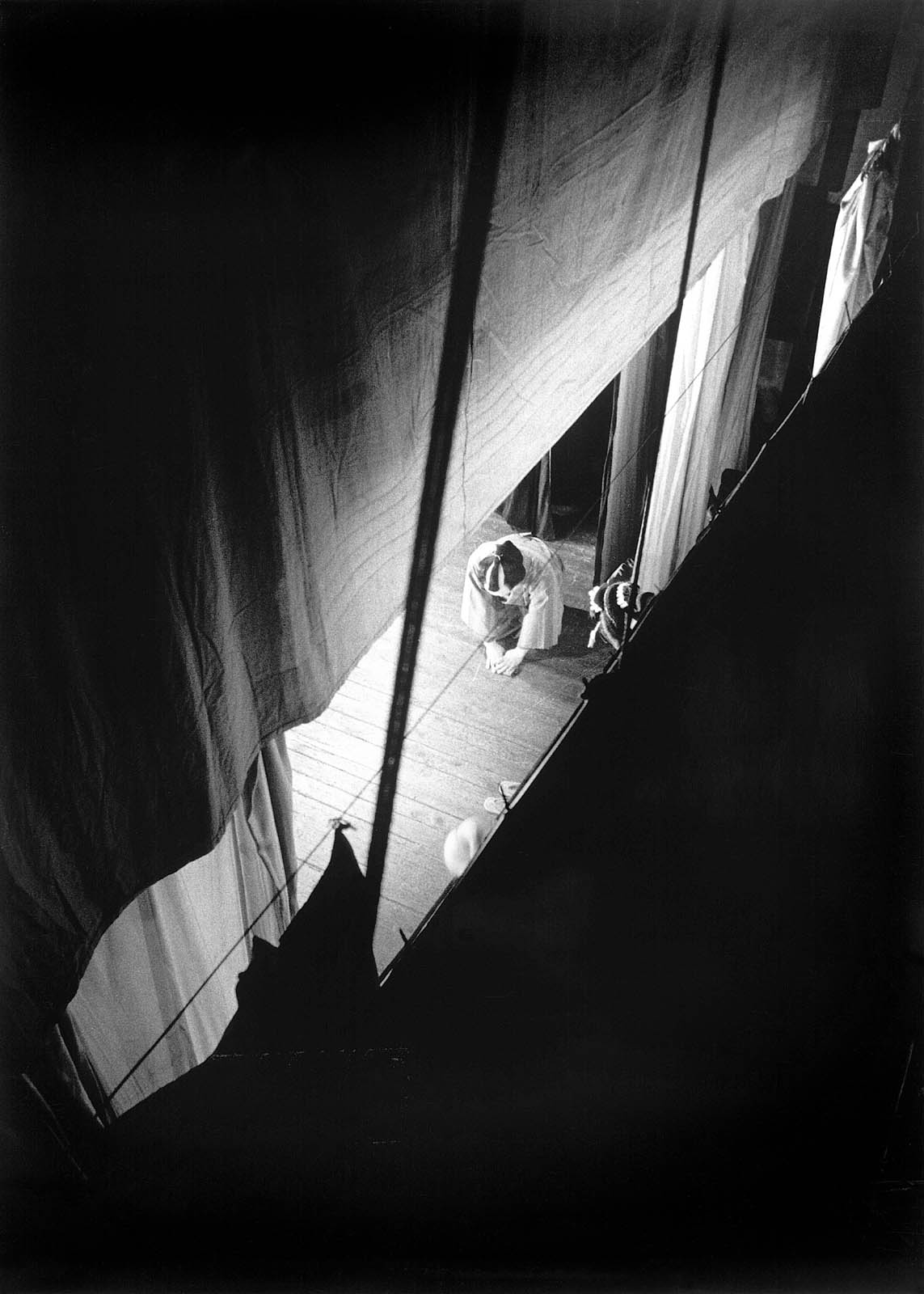
 

Daido Moriyama (Japanese, b. 1938) 'Japan Photo Theater' 1968


Daido Moriyama (Japanese, b. 1938)
Japan Photo Theater
1968
Gelatin silver print
11 x 14″
Courtesy of the Daido Moriyama Photo Foundation and The Photographers’ Gallery
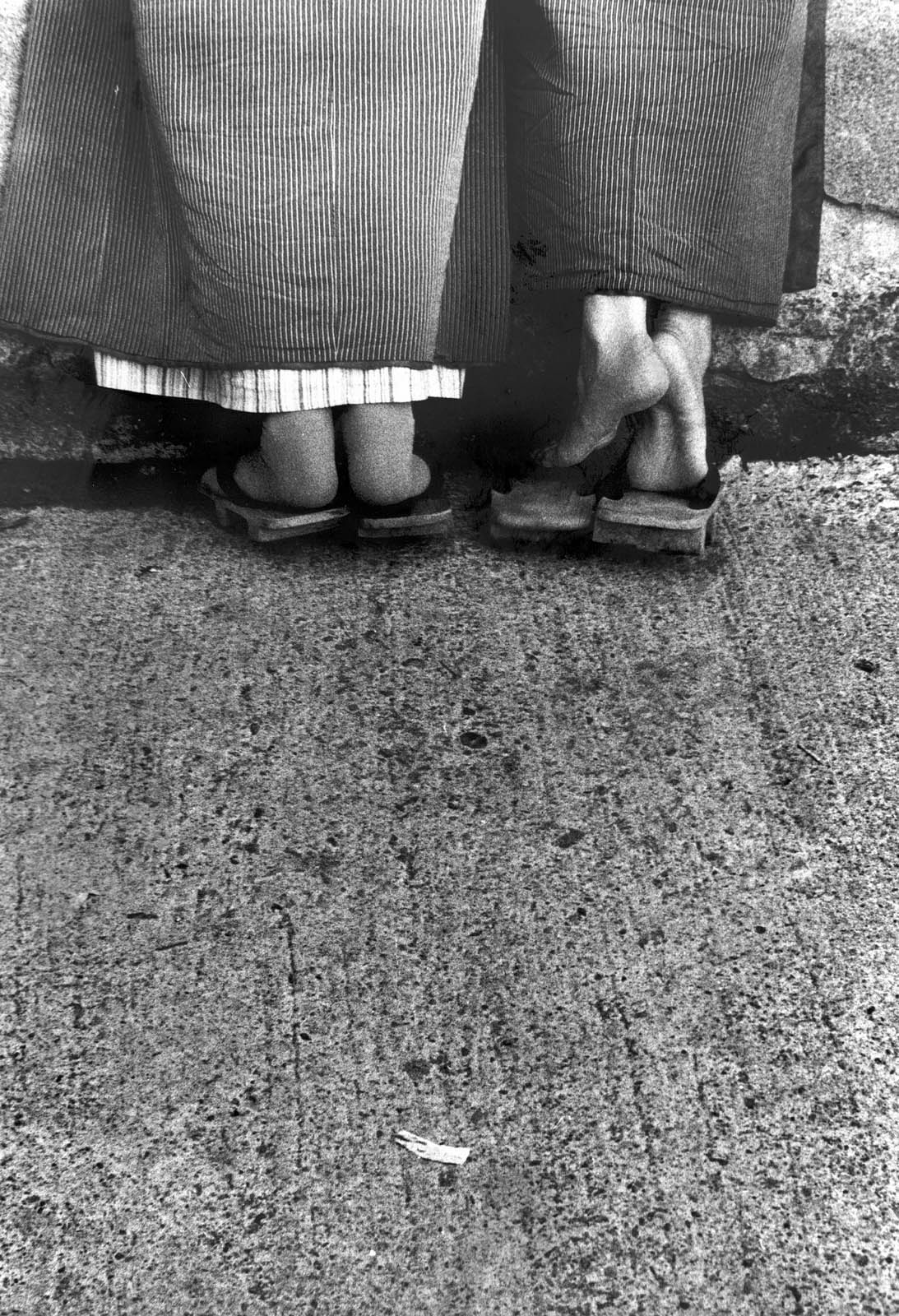
 

Daido Moriyama (Japanese, b. 1938) 'Asahi Journal' 1969


Daido Moriyama (Japanese, b. 1938)
Asahi Journal
1969
Gelatin silver print
11 x 14″
Courtesy of the Daido Moriyama Photo Foundation and The Photographers’ Gallery
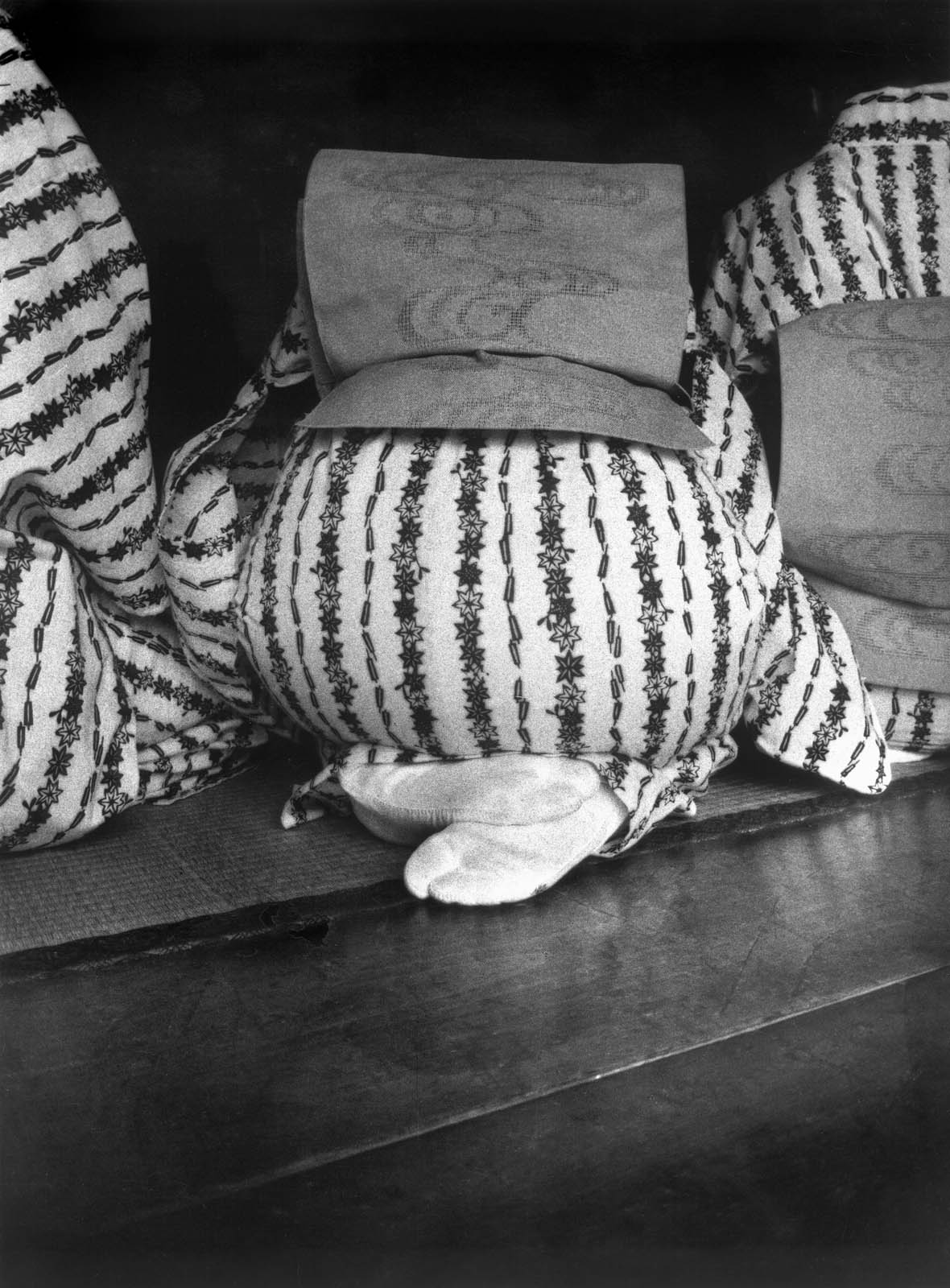
 

Daido Moriyama (Japanese, b. 1938) 'A Hunter' 1972


Daido Moriyama (Japanese, b. 1938)
A Hunter
1972
Gelatin silver print
11 x 14″
Courtesy of the Daido Moriyama Photo Foundation and The Photographers’ Gallery


Daido Moriyama (Japanese, b. 1938) 'Shinjuku' 2002


Daido Moriyama (Japanese, b. 1938)
Shinjuku
2002
Gelatin silver print
10 x 12″
Courtesy of the Daido Moriyama Photo Foundation and The Photographers’ Gallery


The Print Sales Gallery at The Photographers’ Gallery will be showing a gentler side of the iconic Japanese photographer Daido Moriyama’s work this Spring. Following 2023’s major retrospective at The Photographers’ Gallery, which offered an in-depth exploration into his groundbreaking career, Daido Moriyama: Encounters takes a more intimate approach. Focusing on a smaller selection of photographs, this selling exhibition highlights the quieter, more reflective moments of Moriyama’s work. “It may look like I’m just pointing the camera at what’s in front of me. But I’m trying to photograph what people see, but don’t notice – something that’s mysterious and unknown in everyday life.”

Born in Osaka, Japan, in 1938, Daido Moriyama’s celebrated career has been shaped by constant reinvention and experimentation. Over six decades, he has become renowned for his bold are, bure, boke aesthetic – grainy, blurry and out-of-focus images that defy photographic convention. A pivotal figure in the radical Provoke movement of the late 1960s, Moriyama redefined photography, unbound by traditional constraints, capturing fragments of reality that “cannot be expressed in language as it is.”

Moriyama is best known for recording the freneticism and anonymity of life in the city, Encounters reveals his lesser-explored ability to show beauty and stillness in the everyday. Softly lit city streets rendered in grainy texture evoke a surreal and poetic visual language that embraces imperfection. Fleeting moments of calm and intimacy paired with whimsical glimpses of animals and delicate vignettes of nature – blossoms, snowflakes and quiet, weathered corners of urban sprawl – reveal an unexpected tenderness amongst his usual raw and gritty aesthetic.

This selling exhibition marks the Print Sales Gallery’s new representation of Daido Moriyama. All prints on show and from Moriyama’s archive are available to buy, in a range of sizes. Prices start at £1,200 + VAT. All profits from Print Sales support The Photographers’ Gallery’s public programme.

Print Sales at The Photographers’ Gallery

Print Sales at The Photographers’ Gallery is a dedicated space for discovering and buying fine-art photographic prints, with all proceeds supporting The Photographers’ Gallery public programme. Representing a roster of international photographers – from established names to emerging talent – a curated series of selling exhibitions each year brings you the best of both sought-after classics and brand-new contemporary work.

Press release from The Photographers’ Gallery
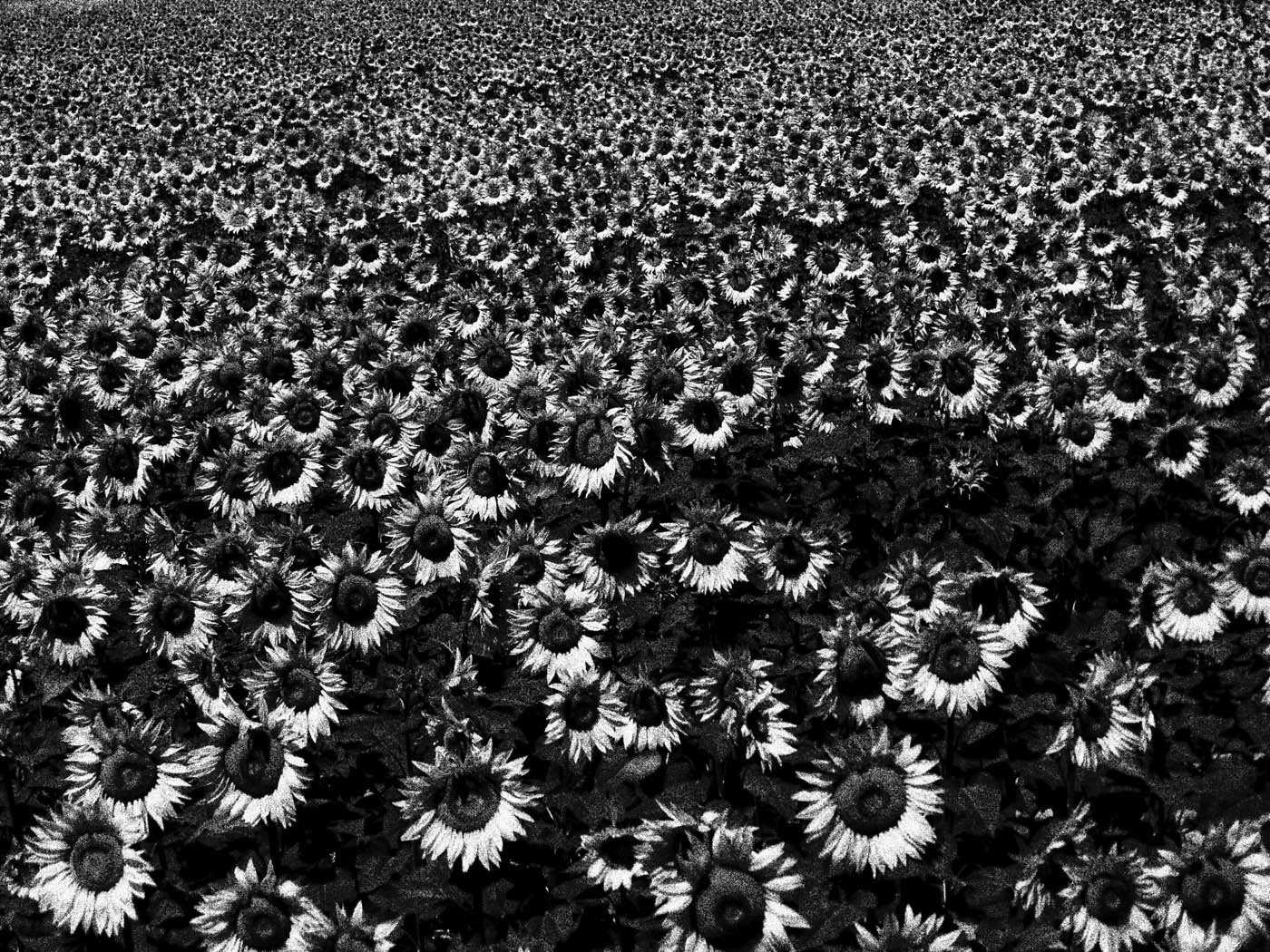
 

Daido Moriyama (Japanese, b. 1938) 'Untitled', from 'Record No. 14' 2010


Daido Moriyama (Japanese, b. 1938)
Untitled, from Record No. 14
2010
Gelatin silver print
18 x 22″
Courtesy of the Daido Moriyama Photo Foundation and The Photographers’ Gallery
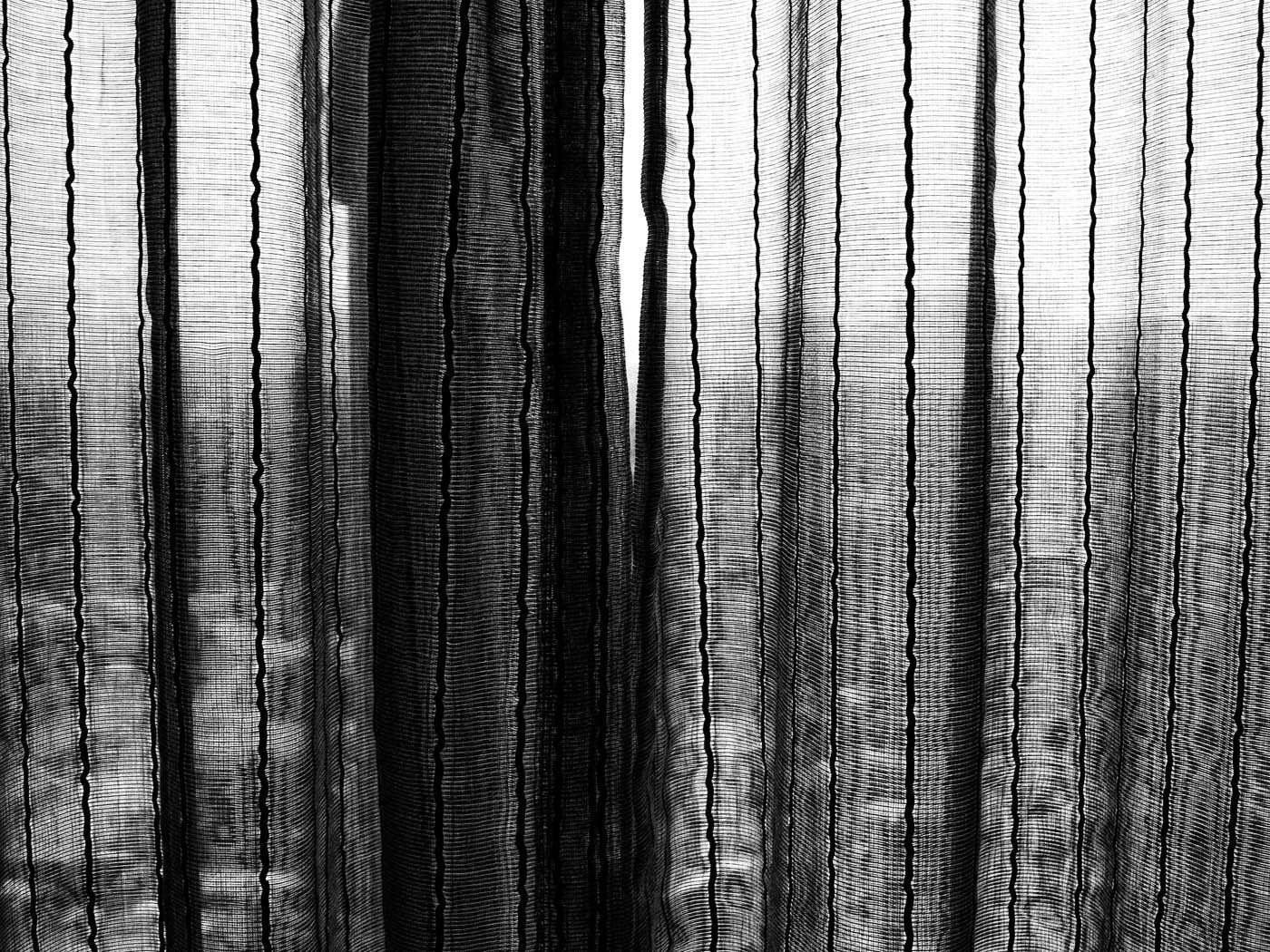
 

Daido Moriyama (Japanese, b. 1938) 'Untitled', from 'Record No. 18' 2011


Daido Moriyama (Japanese, b. 1938)
Untitled, from Record No. 18
2011
Gelatin silver print
14 x 17″
Courtesy of the Daido Moriyama Photo Foundation and The Photographers’ Gallery
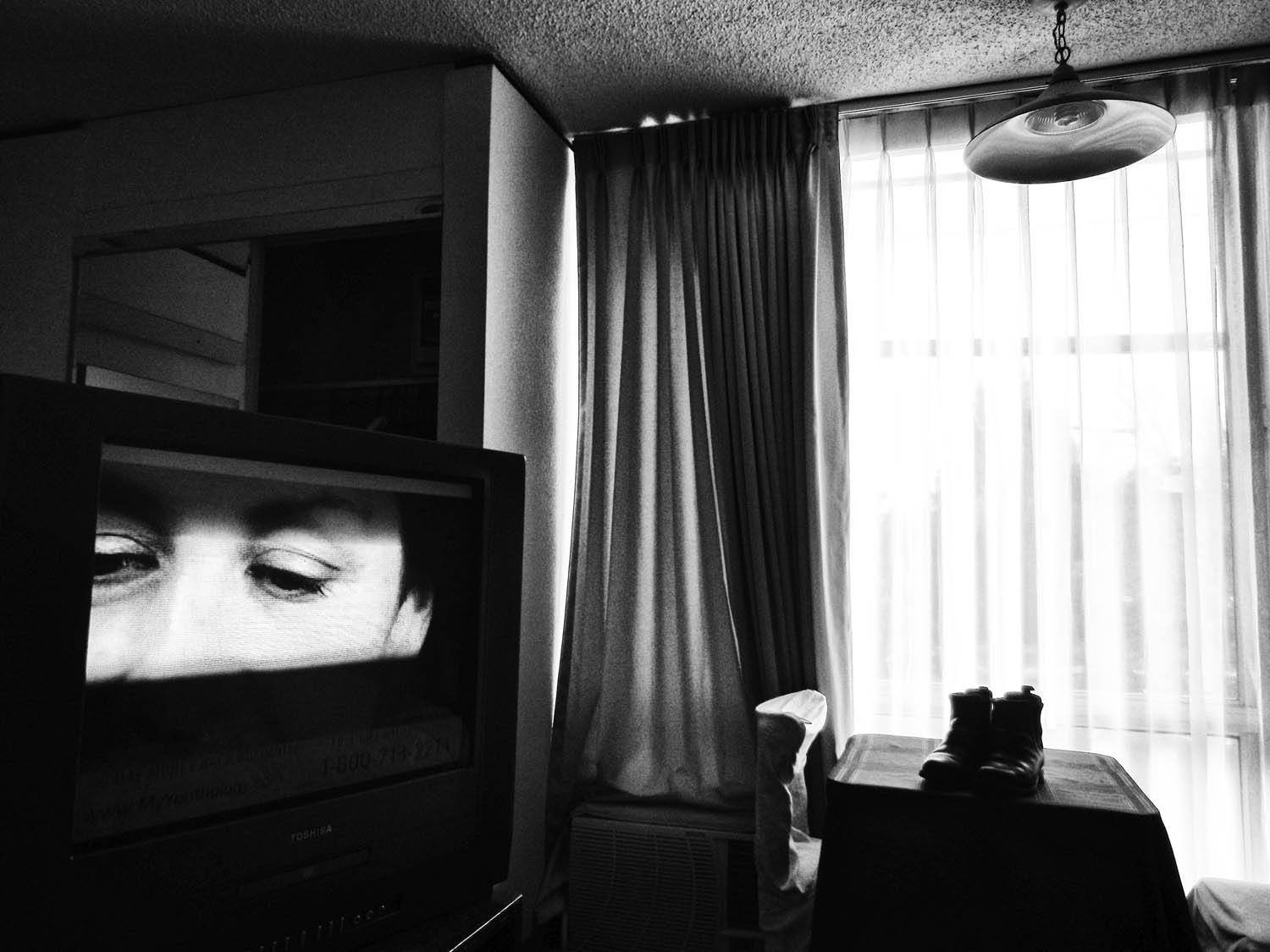
 

Daido Moriyama (Japanese, b. 1938) 'Untitled', from 'Record No. 22' 2012


Daido Moriyama (Japanese, b. 1938)
Untitled, from Record No. 22
2012
Gelatin silver print
Courtesy of the Daido Moriyama Photo Foundation and The Photographers’ Gallery
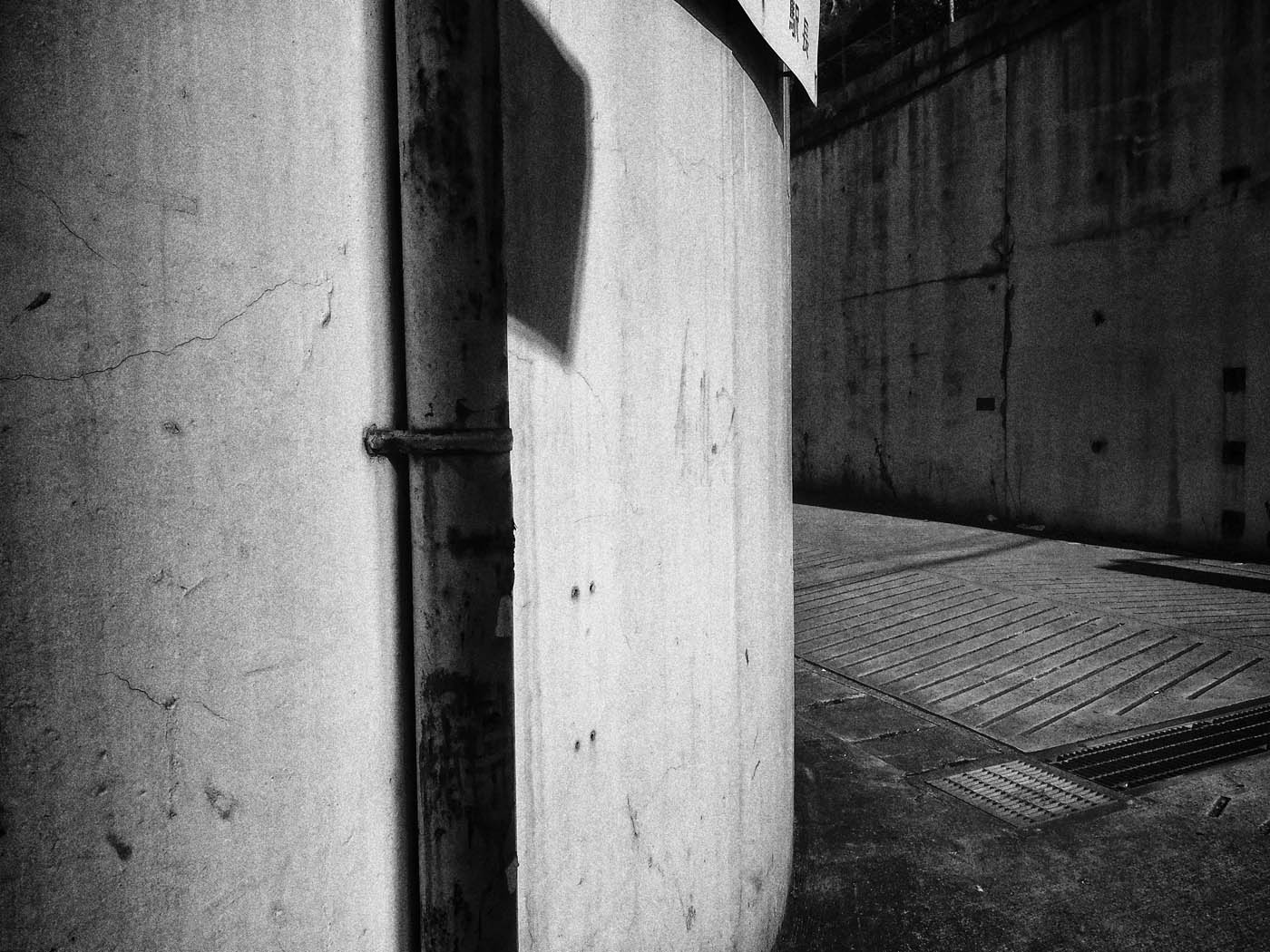
 

Daido Moriyama (Japanese, b. 1938) 'Untitled' 2017


Daido Moriyama (Japanese, b. 1938)
Untitled, from K
2017
Gelatin silver print
14 x 17″
Courtesy of the Daido Moriyama Photo Foundation and The Photographers’ Gallery
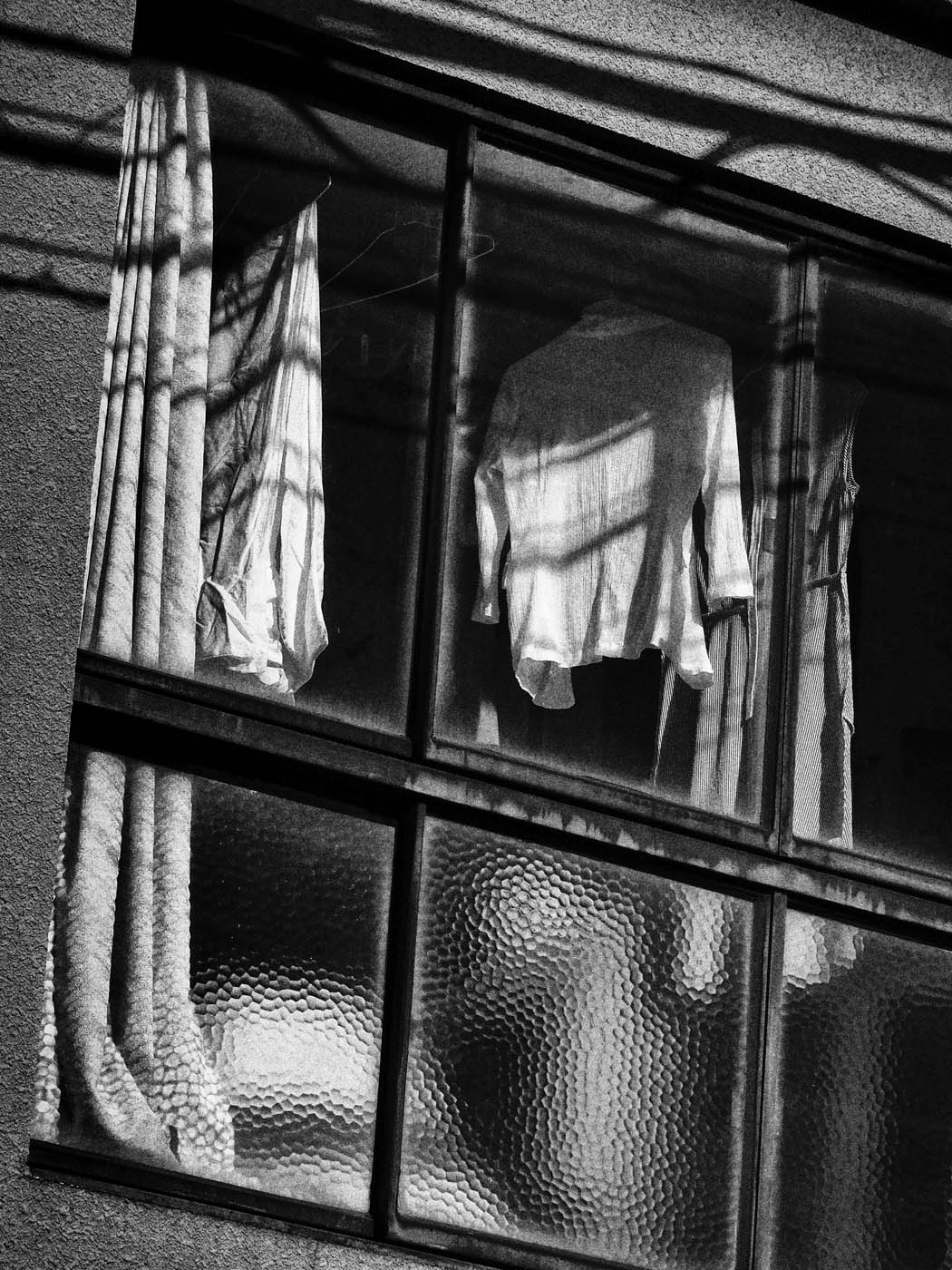
 

Daido Moriyama (Japanese, b. 1938) 'Untitled', from 'K' 2017


Daido Moriyama (Japanese, b. 1938)
Untitled, from K
2017
Gelatin silver print
10 x 12″
Courtesy of the Daido Moriyama Photo Foundation and The Photographers’ Gallery


Daido Moriyama (Japanese, b. 1938) 'Untitled', from 'Record No. 35' 2017


Daido Moriyama (Japanese, b. 1938)
Untitled, from Record No. 35
2017
Gelatin silver print
10 x 12″
Courtesy of the Daido Moriyama Photo Foundation and The Photographers’ Gallery
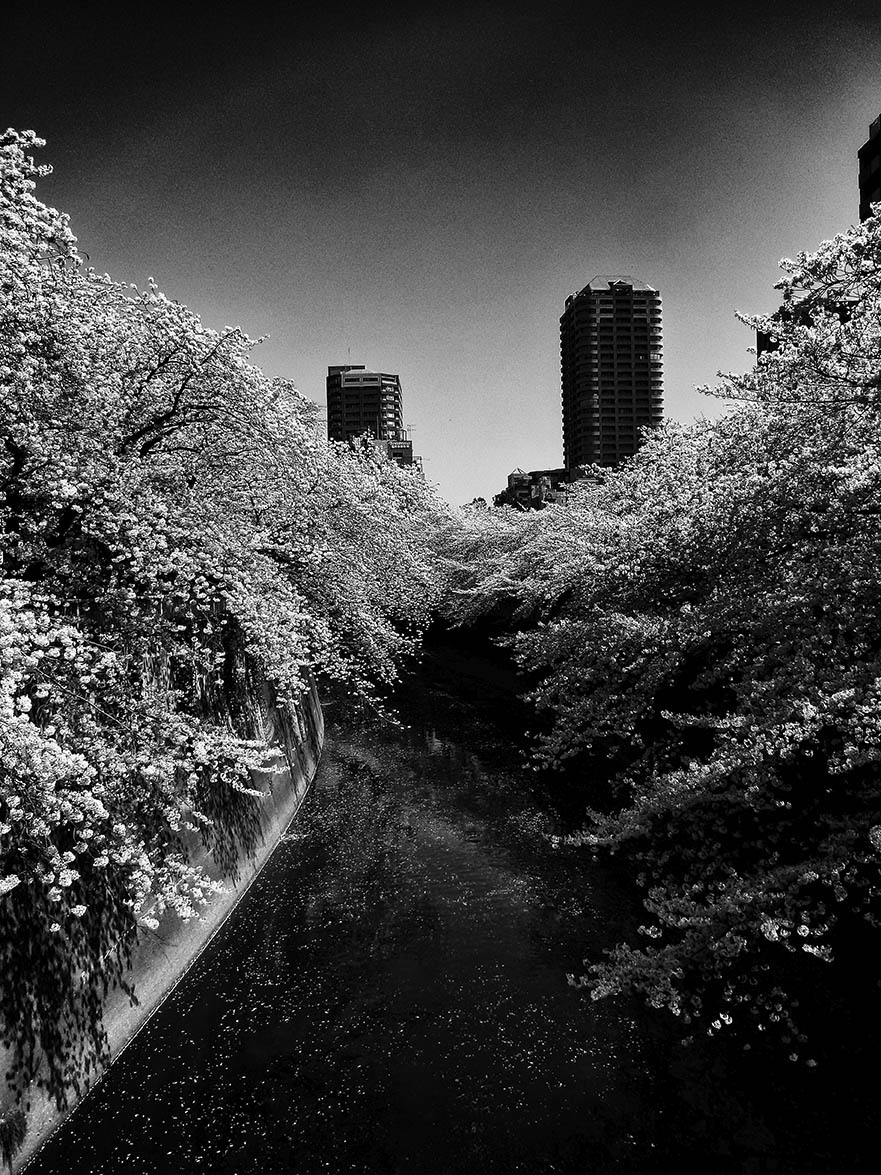
 

Daido Moriyama (Japanese, b. 1938) 'Untitled', from 'Ango' 2017


Daido Moriyama (Japanese, b. 1938)
Untitled, from Ango
2017
Gelatin silver print
23 x 35″
Courtesy of the Daido Moriyama Photo Foundation and The Photographers’ Gallery


The Photographers’ Gallery
16-18 Ramillies Street
London
W1F 7LW

Opening hours:
Mon – Wed: 10.00 – 18.00
Thursday – Friday: 10.00 – 20.00
Saturday: 10.00 – 18.00
Sunday: 11.00 – 18.00

The Photographers’ Gallery website

LIKE ART BLART ON FACEBOOK

Back to top


Exhibition: ‘Metamorphosis of Japan after the War: Photography 1945-1964’ at the Berlin Museum of Photography

Exhibition dates: 9th March – 17th June 2012


Eikoh Hosoe (Japanese, 1933-2024) 'Barakei (Ordeal by Roses), No. 16' 1961


Eikoh Hosoe (Japanese, 1933-2024)
Barakei (Ordeal by Roses), No. 16
1961
Gelatin silver print
© Eikoh Hosoe


The joy of the discharged soldier (upon survival); the regimentation of the market place; the inquisitiveness of youth.

The blackness (incineration) of the body; the blackest sun; the memorial of mapping.

Dr Marcus Bunyan


Many thankx to the Berlin Museum of Photography for allowing me to publish the photographs in the posting. Please click on the photographs for a larger version of the image.


Tadahiko Hayashi (Japanese, 1918-1990) 'Discharged soldiers, Shinagawa Station' Tokyo 1946


Tadahiko Hayashi (Japanese, 1918-1990)
Discharged soldiers, Shinagawa Station
Tokyo 1946
Gelatin silver print
© Yoshikatsu Hayashi


Shigeichi Nagano (Japanese, 1925-2019) 'Completing management training at a stock brokerage firm' Tokyo 1961


Shigeichi Nagano (Japanese, 1925-2019)
Completing management training at a stock brokerage firm
Tokyo 1961
Gelatin silver print
© Shigeichi Nagano


Ken Domon (Japanese, 1909-1990) 'Children looking at a picture-card show' Tokyo 1953


Ken Domon (Japanese, 1909-1990)
Children looking at a picture-card show
Tokyo 1953
Gelatin silver print
© Ken Domon Museum of Photography


On August 15th, 1945 the Pacific War came to an end and with it fourteen years of bombings, of deprivation and of great sacrifice for the Japanese people. The collapse of Japanese militaristic rule and the arrival of the US occupation forces thrust the nation into a new and uncertain era. It was in this context that photography took on a central role in the nation’s rediscovery of self and it soon became a vital contributor to Japanese society in the immediate postwar years. Metamorphosis of Japan after the War. Photography 1945-1964 reveals the changing face of life in Japan from the end of the Pacific War in 1945 to the Tokyo Olympic Games in 1964 through photographs by 11 of Japan’s leading post-war photographers. By observing the role of photography in the evolution of post-war Japan, this exhibition shows how photography was able to play a crucial role in the search for the nation’s new identity. The works of these 11 photographers are an extraordinary document of the birth of a new Japan and of a new photographic generation whose dynamism and creativity laid the foundations for modern Japanese photography. The exhibition is divided into 3 thematic sections based around the major periods of the postwar years:

The aftermath of war

With the end of the war magazines and newspapers flourished as years of censorship gave way to an editorial boom. Publications that had been banned during the war resurfaced just as new ones went to press for the first time. Improvements in printing techniques also allowed the mass production and distribution of publications containing photographic reproductions. Photographs played a central role in this information boom, as people sought objectivity in the place of the military propaganda that they had been subjected to for several years. People turned to photography to find the ‘truth’ that they sought. This photographic explosion brought about a profound reflection on the nature of the medium and on its role in society. The public’s demand for objectivity led to the emergence of a powerful social realism movement in the immediate post-war years. The atrocities of the war and the massive physical destruction of the country led photographers to adopt a direct approach and to focus on bearing witness and documenting what they saw around them. Photographers abandoned pictorialism and the propaganda techniques of the wartime years to immerse themselves in reality. Of those photographers who had already been active in the pre-war years including Domon Ken, Hamaya Hiroshi, Kimura Ihee and Hayashi Tadahiko, Domon became the leading proponent of the photo-realism movement. He advocated “the pure snapshot, absolutely unstaged” and urged photographers to “pay attention to the screaming voice of the subject and simply operate the camera exactly according to its indications.” As a regular contributor to Camera magazine, he became very active in the world of amateur photography and encouraged camera club members to follow this realist path.

Tradition versus modernity

Despite its predominance in the immediate post-war years, the social realist movement was not to last. It captured a specific moment in time when the nation needed to take stock of the Pacific War and of its consequences. Photographers increasingly began to view the movement as too rigid and heavily politicised. Hamaya for instance chose to break away and adopted a new approach, both in terms of style and subject, when he began his work on the coast of the Sea of Japan, leading to the series Yukiguni (Snow country) and Ura Nihon (Japan’s Back Coast). In these series Hamaya displayed a more humanist approach than seen in social realism and chose to focus instead on a timeless aspect of Japanese rural society, rather than on the social issues linked directly to the immediate post-war. By the mid 1950s many photographers were turning away from documenting the destruction of the war to focus on the stark contrast between ‘traditional’ Japan and the modernisation of Japanese society associated with the American occupation. The hardships of the 1940s were rapidly replaced with rapid industrialisation and economic growth as Japan was modernised. These changes had a deep impact as Japan’s complex social structures were thrown into upheaval with the country’s economic transformation. Photographers focused not only on capturing the emergence of this new economic and social paradigm in Japan’s cities, but also sought to document those areas of Japan which were less affected by modernisation and offered a window onto the country’s past.

A new Japan

In addition during the second half of the 1950s a new generation of photographers was coming of age. They had grown up during the war but were only beginning to find their photographic eye during the post-war years. From this generation, a new photographic approach referred to as ‘subjective documentary’ was born. In 1959, the most innovative photographers of the time founded the agency Vivo which, despite its short lifespan, was to become a key contributor to the evolution of Japanese photography. With photographers such as Narahara Ikko, Tomatsu Shomei, Kawada Kikuji or Hosoe Eikoh, Vivo put forward the idea that personal experience and interpretation were essential elements in the value of a photographic image. These photographers developed a particular sensibility influenced by ‘traditional’ Japan as well as by the turbulence of postwar reconstruction and the explosion of economic growth. Their photographic eye turned both to the past, to the Japan of their childhood that they saw disappearing, and to the future and the ever-increasing modernisation that was transforming Japanese society. Over 10 years after the atomic bombings, this new generation of photographers also began to engage with the legacy of these events and their future significance, both for Japan and for all of humanity. The series that emerged including Kawada’s Chizu (The Map), Hosoe’s Kamaitachi and Tomatsu’s Nagasaki 11:02, are amongst some of the most powerful statements in twentieth century photography.

Press release from the Berlin Museum of Photography


Takeyoshi Tanuma (Japanese, 1929-2022) 'Dancers resting on the rooftop of the SKD Theatre' Asakusa, Tokyo 1949


Takeyoshi Tanuma (Japanese, 1929-2022)
Dancers resting on the rooftop of the SKD Theatre
Asakusa, Tokyo 1949
Gelatin silver print
© Takeyoshi Tanuma


Ikko Narahara (Japanese, 1931-2020) 'Domains. Garden of Silence, No. 52' Hakodate, Hokkaido 1958


Ikko Narahara (Japanese, 1931-2020)
Domains. Garden of Silence, No. 52
Hakodate, Hokkaido 1958
Gelatin silver print
© Ikko Narahara


Keisuke Katano (Japanese) 'Woman planting rice' 1955


Keisuke Katano (Japanese)
Woman planting rice
1955
Gelatin silver print
© Keisuke Katano


Shomei Tomatsu (Japanese, 1930-2012) 'Fukuejima Island Nagasaki' 1963


Shomei Tomatsu (Japanese, 1930-2012)
Fukuejima Island
Nagasaki 1963
Gelatin silver print
© The Japan Foundation


Kikuji Kawada (Japanese, b. 1933) 'The Map. The A-Bomb Memorial Dome and Ohta River Hiroshima' 1960-65


Kikuji Kawada (Japanese, b. 1933)
The Map. The A-Bomb Memorial Dome and Ohta River
Hiroshima 1960-65
Gelatin silver print
© Kikuji Kawada


Berlin Museum of Photography
Jebensstraße 2
10623 Berlin

Opening hours:
Tuesday – Sunday 11am – 7pm
Closed Mondays

Berlin Museum of Photography website

LIKE ART BLART ON FACEBOOK

Back to top