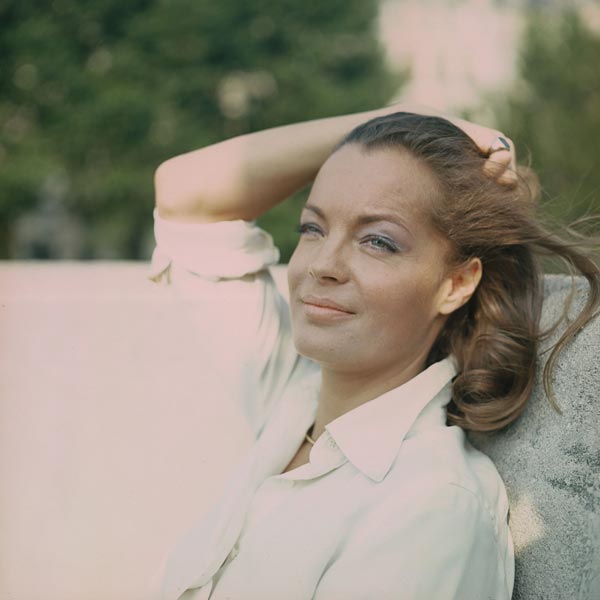
Exhibition: ‘Ideen sitzen. 50 Years of Chair Design’ at Museum für Kunst und Gewerbe, Hamburg

Exhibition dates: 29th September 2010 – 13th March 2011


Frank Gehry (American, b. 1929) 'Wiggle Side Chair' 1972


Frank Gehry (American, b. 1929)
Wiggle Side Chair
Los Angeles/Cal., U.S.A., 1972
Easy Edges Inc., New York, U.S.A., 1972
84 x 37 x 59cm
Cardboard, hard fiber board
Museum für Kunst und Gewerbe Hamburg
Photo: Jörg Arend/Maria Thrun


I love chairs! There are such fabulous designs throughout the centuries. Once seen as the symbol of ultimate power (only the king and queen could be seated) our favourite chair now occupies the place of form fitting sculpture, the place where we feel most comfortable. Most of these works are not of that mould but they are a tour de force of the designers art and a testament to the mutability of the form, chair.

Dr Marcus Bunyan


Many thankx to the Museum für Kunst und Gewerbe, Hamburg for allowing me to publish the photographs in the posting. Please click on the photographs for a larger version of the image.


Trailer zur Ausstellung IDEEN sitzen – 50 Jahre Stuhldesign

You can see an excerpt from the introductory film for the exhibition IDEEN Sitz – 50 Jahre Stuhldesign, which is being shown from September 28th, 2010 to March 13th, 2011 in the Museum für Kunst und Gewerbe Hamburg.

Chair design over the last 50 years shows that an everyday object can be infinitely varied and reinvented again and again. In this exhibition, classics stand alongside contemporary positions, but the boundaries between art and design are fluid: some objects are autonomous sculptures that reveal the chair as a source of inspiration without fulfilling its function. New technologies have also changed chair design significantly in recent years.
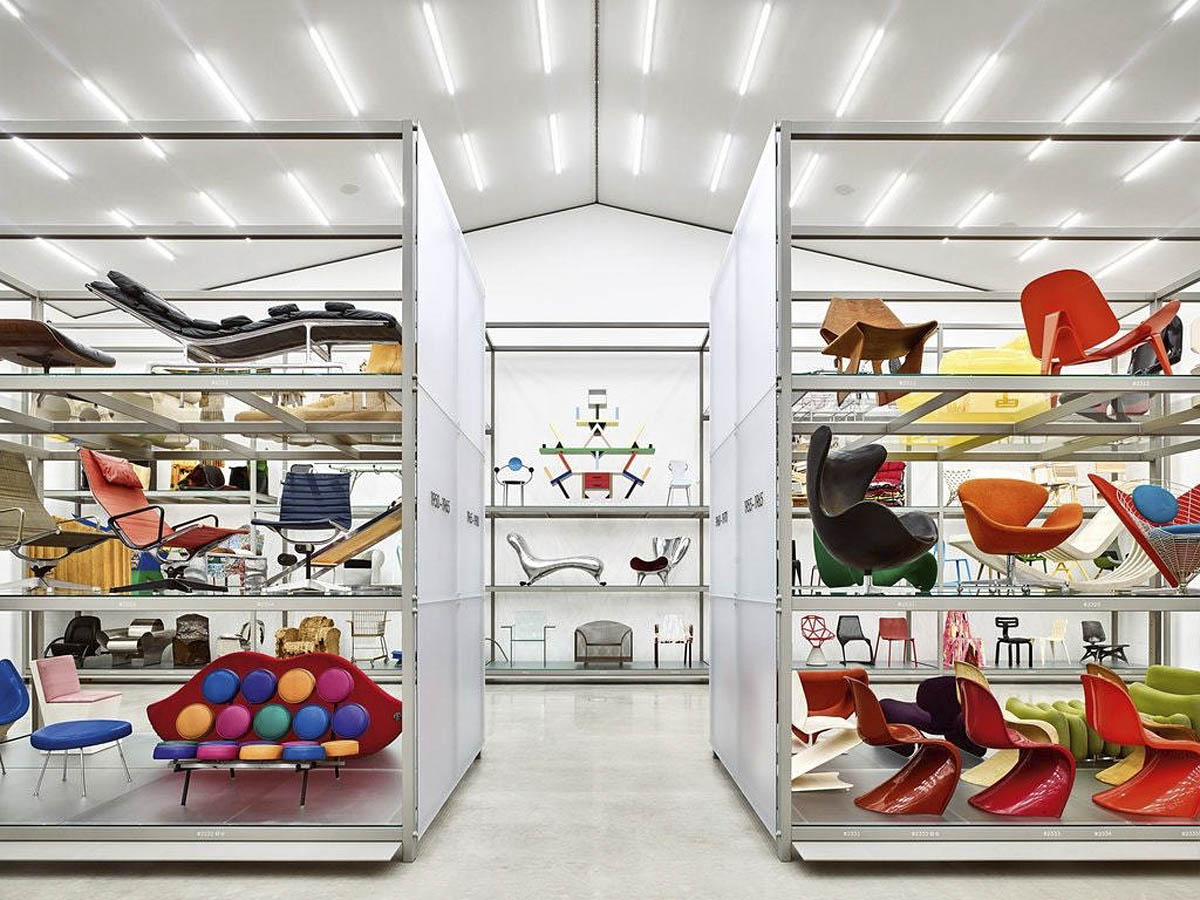
 

Installation view of the exhibition 'Ideen sitzen. 50 Years of Chair Design' at Museum für Kunst und Gewerbe, Hamburg


Installation view of the exhibition Ideen sitzen. 50 Years of Chair Design at Museum für Kunst und Gewerbe, Hamburg
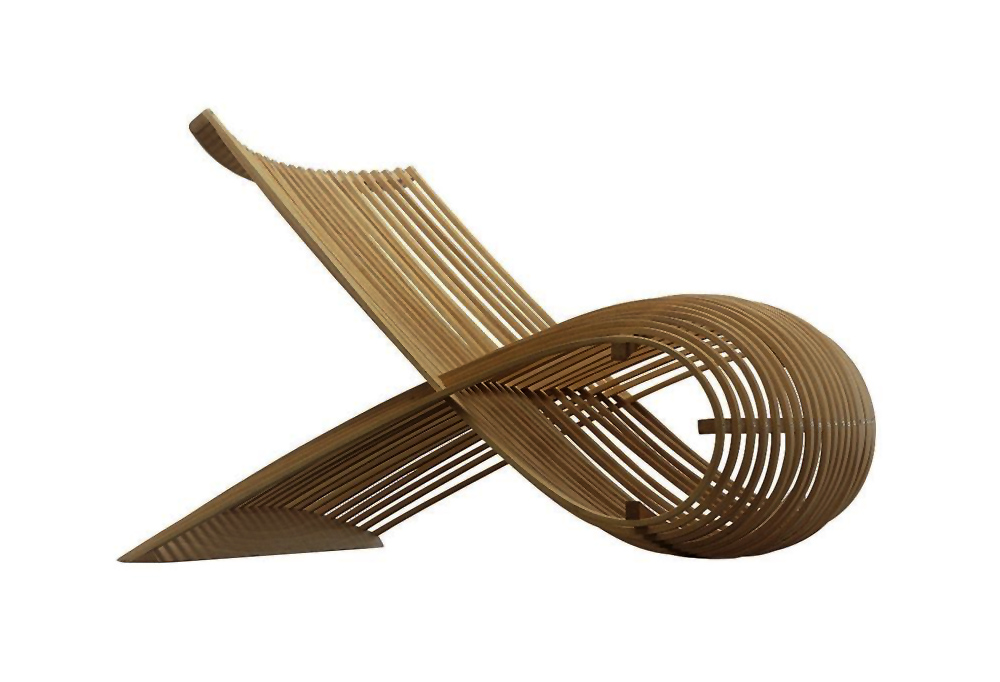
 

Marc Newson (Australian, b. 1963) 'Chair 'Wooden Chair'' Sydney, 1988


Marc Newson (Australian, b. 1963)
Chair ‘Wooden Chair’
Sydney, 1988
Made by Cappellini, Arosio/Como, 1993-97
Beech wood (solid, curved)
65 x 85 x 100cm
Museum of Arts and Crafts Hamburg
Photo: Cappellini
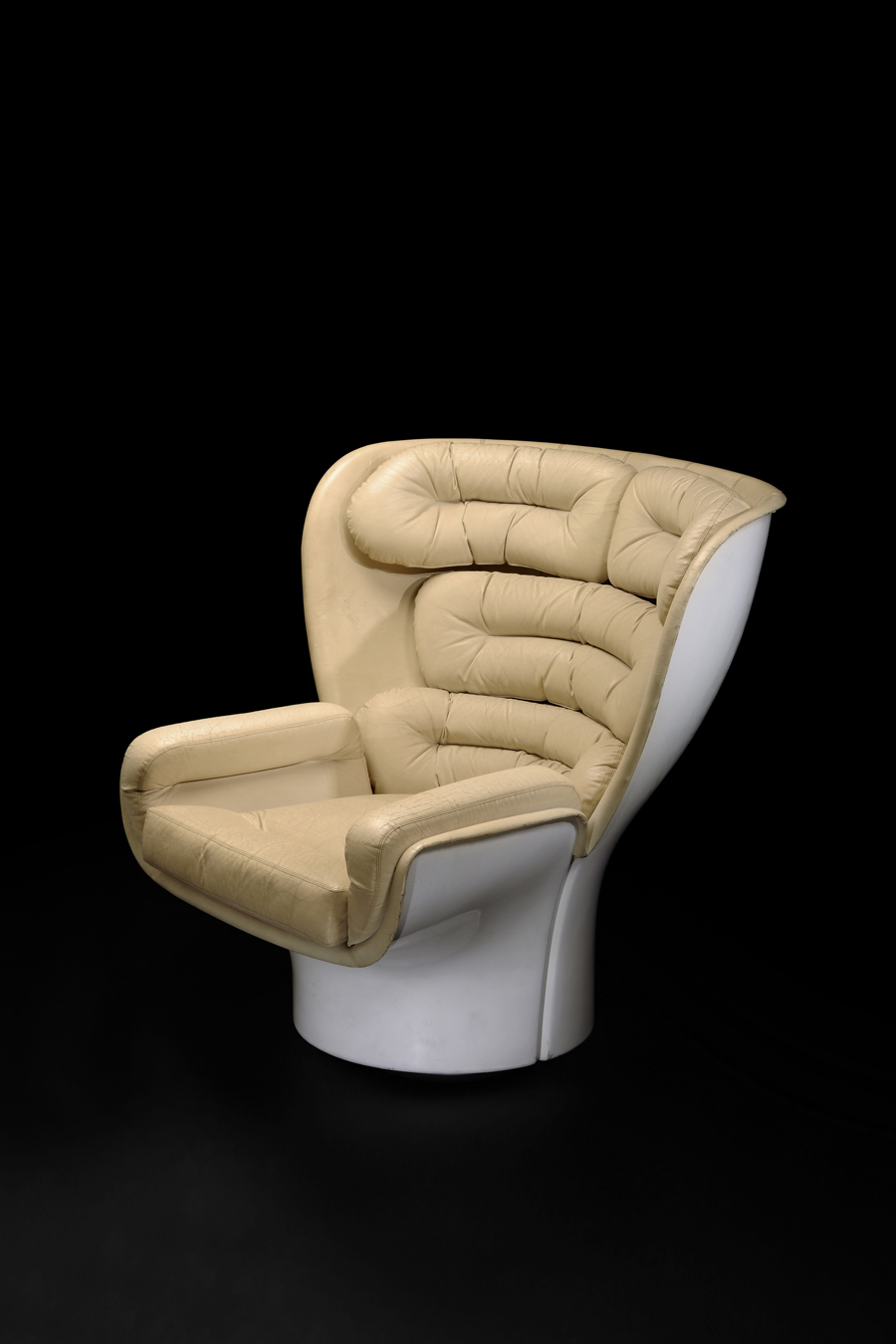
 

Joe Colombo. 'Elda' Italy, 1963


Joe Colombo (Italian, 1930-1971)
Elda
Italy, 1963
Comfort, Meda/Mailand, Italy, 1963
92.5 x 95 x 96cm
Polyester, reinforced glass-fibre
Museum für Kunst und Gewerbe Hamburg
Photo: Jörg Arend/Maria Thrun


Patrick Jouin. 'C2 Solid Chair' Paris, 2008


Patrick Jouin (French, b. 1967)
C2 Solid Chair
Paris, 2008
Paris, Frankreich, 2008
78.5 x 40.4 x 54cm
Plastic (formed with technology of the Stereolithographie/Rapidly Prototyping manufacture)
Museum für Kunst und Gewerbe Hamburg
Photo: Jörg Arend/Maria Thrun


Joris Laarman. 'Bone Chair' Utrecht, 2006


Joris Laarman (Netherlands, b. 1979)
Bone Chair
Utrecht, 2006
77 x 45 x 76cm
Aluminium (poured and polished)
Museum für Kunst und Gewerbe Hamburg
Photo: Jörg Arend/Maria Thrun


With Ideen sitzen. 50 Years of Chair Design the Museum für Kunst und Gewerbe is presenting the first large exhibition on recent seat design dating from 1960 to the present day. One hundred exceptional exhibits selected from the high-calibre collection held by the MKG, among them chairs, arm chairs, chaise longues and stools, offer an insight into the most diverse approaches and motivations of design during five eventful decades. The focus lies on the chair as contemporary witness be it as expression of a utopian idea or instrument in political protest, a reaction to ecological changes or a calculated business idea, an experiment with the most recent technologies or a sculptural art object, where the chair – divorced from its function – can only just be recognised as the source of inspiration. Chairs are regarded as the business card of any designer. They are visually more attractive than tables, wardrobes, settees or kitchen furniture and exemplify the increasingly blurry demarcation between art and design.

Designing a chair forms part of the great challenge of any designer. In modernity it seemed to have found its perfect answer in Michael Thonet’s Coffee House Chair Model No. 14, made in the revolutionary bentwood technique. Today, 150 years on, a multitude of new chair designs are demonstrating artistic, technical and social changes. No other object juxtaposes the conflicting interests of design as directly: appropriate functionality versus the free reign of fantasy and autonomous artistic form. A new idea lies at the core of any new seating furniture, which will then be moulded by factors such as use, the market, the target group, the company’s philosophy, materials, production methods, technological progress and not least the designers interests, depending on whether he or she is an artist, sculptor, director, architect or simply a product designer. The expression “same, same – but different” is particularly valid when it comes to chairs: an intellectual and a practical product, which is manifest in hundreds of forms. The exhibition Ideen sitzen. 50 Years of Chair Design therefore becomes a reflection of time and its self-concept, its necessities and the longing for freedom of artistic expression.

A design exhibition turns into an art exhibition once it presents autonomous sculpture. The chair freed from its functional requirements becomes a source of information only. The MKG’s most recent acquisitions illustrate this phenomenon of contemporary chair design and demonstrate the increasingly blurred demarcation of art and design. Some of them are design classics: the famous spherical Sunball lounge chair by Günter Fedinand Ris, the Well Tempered Chair by Ron Arad, chairs by Stefan Wewerka and Alessandro Mendini’s Proust Armchair – the latter combining baroque opulence of Louis XV style with an impressionist colour scheme referencing Marcel Proust’s time. The design positions represented in the collection are expanded by Joris Laarman’s Bone Chair, which was inspired by the natural growth of bone. Vladi Rapaport turned an oversized skull and an oversized brain into seats called The skull chair and The brain footstool respectively. Tord Boontje created the bench Petit Jardin where a tender web of leaves, flowers and twigs made of white coated laser cut steel is embracing the sitter. For Veryround Louise Campbell interlinked 240 steel circles to form an ornamental seat sculpture.

Putting the various ideas and trends in design into their historical context, highlights how directly it is informed by social and economic trends. At the beginning of the 20th Century chair design was dictated by social factors and functionality: good quality seats had to be produced at low cost for the masses. New materials such as steel tube and multiplex warranted new production techniques. The introduction of injection-moulding for plastic chairs in the early 1960s revolutionised ideas yet again. The 1960s are determined by the new prosperity after the war, but also by burgeoning social unrest. The exhibition presents some increasingly unconventional types of armchair, which reflect the tensions of the period. Gaetano Pesce’s Donna, 1969 is both: a comfortable armchair and a biting political criticism of women’s role in modern society. The prospect of growing markets led the chemical and furniture industry to invest in the production of plastic chairs, a development, which found its preliminary end in the oil crisis of 1973.

The 1970s produced relatively few sweeping designs; the decade is characterised by the criticism of capitalism, consumerism and a heightened sense of uncertainty in manufacturing. Stefan Wewerka created an icon of instability when he came up with “Classroom Chair”; the tried and trusted breaks away, dissolves. The American architect Frank Gehry on the other hand developed new chairs from corrugated cardboard, constructing and glueing the layers so they withhold the greatest pressure; his Wiggle Side Chair is a trendsetting seat constructed with minimal material investment and an original design idea. Towards the end of the century Alessandro Mendini created its antithesis when he combined a neo-baroque silhouette with light colours quoting Impressionism – Proust‘s purpose is the quotation of historic style, which makes it one of the early classics of postmodernism. The architectural and design-movement deliberately cited traditional style elements to reinterpret or pass ironic comment on their meaning. Architecture and interior design were turned into an intellectual game.

Around 1980 the postmodernist approach set off the Italian artists group Memphis led by Ettore Sottsass and Michele de Lucchi. Sottsass turned to the past and to architectural evidence of the world’s cultural heritage. He achieved new singular pieces of furniture inspired by sculpture and architecture – colourful monuments that for a few years were recognised as style icons. Memphis introduced fun and joy into the hitherto predominantly grey and brown furniture scene. Their products offer entertainment value. They are evocative of ideas, full of allusions to earlier cultures, hip, they cherish masquerade and express a way of thinking clearly opposed to industrialism and market strategies. Memphis’ furniture is simply made, using MDF laminated in bright colours. It is to Sottsass’ credit, that against the Zeitgeist Memphis made use of ornament.

While the group’s unique furnishing objects created a lust for new furniture, designers in Germany, England, Japan or Switzerland who followed contemporary product design conceived chairs from metal – tubular steel, steel panel or metal mesh. Intellectually these designers are followers of the Bauhaus creations from the 1920s and 1930s and their proposals are accordingly ambitious. Apart from Northern Italy Paris with Philippe Starck and Barcelona established themselves as the new centres of design. Starck designed numerous new models of chairs from various materials – metal, wood and plastic – within only a few years. His philosophy is to offer to the market ideas that are as innovative as possible while being fairly priced. He formed the counterpart to a fad from the 1980s, where design objects were produced in limited editions and offered to an exclusive clientele. Artists such as Donald Judd, Franz West and Bob Wilson were designing chairs and fittingly documenta in 1989 had a focus on design.

The 1990s return to a design ethos bethinking simplicity and rediscovering natural wood. Pale woods and a concise and rational tenor respond to the demand for clear shapes with a warm and natural character. Numerous designers, including Jasper Morrison or Axel Kufus, turn against the euphoria and affluence of the fin de siècle. Rifts within the structure of society are addressed by works such as Tejo Remy’s Rug Chair made of leftover shred reinforced by a carbon core and s of fabric. In Brazil the Campana brothers conceive an armchair from waste wood of the slums called Favela. The seat is pointing at the destitution of the residents of the slums as well as the creative possibilities inherent in poor materials. Equally Marcel Wanders’ Knotted Chair makes use of the simplest rope; its carbon core and hardened epoxy fix the knotted structure in the shape of a chair giving the illusion of the sitter being suspended on a soft hanging structure.

In the first decade of the 21st century designers like Konstantin Grcic or the Bouroullec Brothers continued to work on intelligent solutions for large social groups. At the same time young designers such as the Dutchman Joris Laarman or the Frenchman Patrick Jouin employ digital methods of design, which allow them to calculate new ways of construction. They also make use of Rapid Prototyping. Their objects are highly experimental and seem to offer a glimpse of the world of tomorrow. Other designers like Tord Boontje work with laser cut metal sheet to create ornamental compositions. Most designs by the younger scene are produced in small numbers and are distributed largely by design galleries. The seating furniture of a new era is taking up the elitist impulse of the 1980s – produced in highly limited numbers they are treated as unique art works. Museums who manage to acquire such pieces directly from the artists are thus in a position to present models that are wholly fresh to the eye and provoke spontaneous responses.

As one of the leading museums of its kind in Germany the MKG holds an extensive collection on the history of modern design. The collection of seating furniture is at its core and comprises hundreds of examples of the history of modern design of all periods from leading countries in Europe, Australia, the USA, Brazil and Japan. William Morris, Peter Behrens, Henry van de Velde, Le Corbusier, Ludwig Mies van der Rohe, Alvar Aalto, Eero Saarinen, Charles Eames, Verner Panton, Joe Colombo, Stefan Wewerka, Frank Gehry, Alessandro Mendini, Ettore Sottsass, Michele De Lucchi, Philippe Starck, Shiro Kuramata, Ron Arad, Marc Newson, Jasper Morrison, Tom Dixon, Konstantin Grcic and many more designers are represented in the collection.

Designers and artists: Eero Aarnio, Ron Arad, Archizoom, Teppo Asikainen, Gijs Bakker, Helmut Bätzner, Mario Bellini, Günter Beltzig, Ricardo Blumer, Matteo Borghi, Tord Boontje, Mario Botta, Andrea Branzi, Fernando and Humberto Campana, Louise Campbell, Joe Cesare Colombo, Paolo Deganello, Tom Dixon, Uwe Fischer, Formfürsorge, Piero Gatti, Frank Gehry, Ginbande Design, Konstantin Grcic, Gruppo Strum, Klaus Achim Heine, Patrick Jouin, Donald Judd, Toshiyuki Kita, Poul Kjaerholm, Gunter König, Axel Kufus, Shiro Kuramata, Angela Kurrer, Joris Laarman, Paolo Lomazzi, Ross Lovegrove, Michele de Lucchi, Vico Magistretti, Peter Maly, Enzo Mari, Javier Mariscal, Alessandro Mendini, Jasper Morrison, Marc Newson, Katsuhito Nishikawa, Verner Panton, Cesare Paolini, Jonathan de Pas, Pierre Paulin, Maurizio Peregalli, Gaetano Pesce, Giancarlo Piretti, Tom Price, Dieter Rams, Bernard Rancillac, Vladi Rapaport, Karim Rashid, Tejo Remy, Günter Ferdinand Ris, Herbert Selldorf, Hubert Matthias Sanktjohanser, Peter Schmitz, Stiletto, Ettore Sottsass, Philippe Starck, Studio 65, Roger Tallon, Donato d’Urbino, Marcel Wanders, Franz West, Stefan Wewerka, Robert Wilson, Tokujin Yoshioka and others.”

Press release from Museum für Kunst und Gewerbe, Hamburg


Alessandro Mendini. 'Poltrona di Proust' Studio Alchimia, Mailand, 1978


Alessandro Mendini (Italian, 1931-2019)
Poltrona di Proust (Proust Armchair)
Studio Alchimia, Mailand, 1978
107 x 93 x 90cm
Wood, Leinenbezug (painted)
Museum für Kunst und Gewerbe Hamburg
Photo: Jörg Arend/Maria Thrun
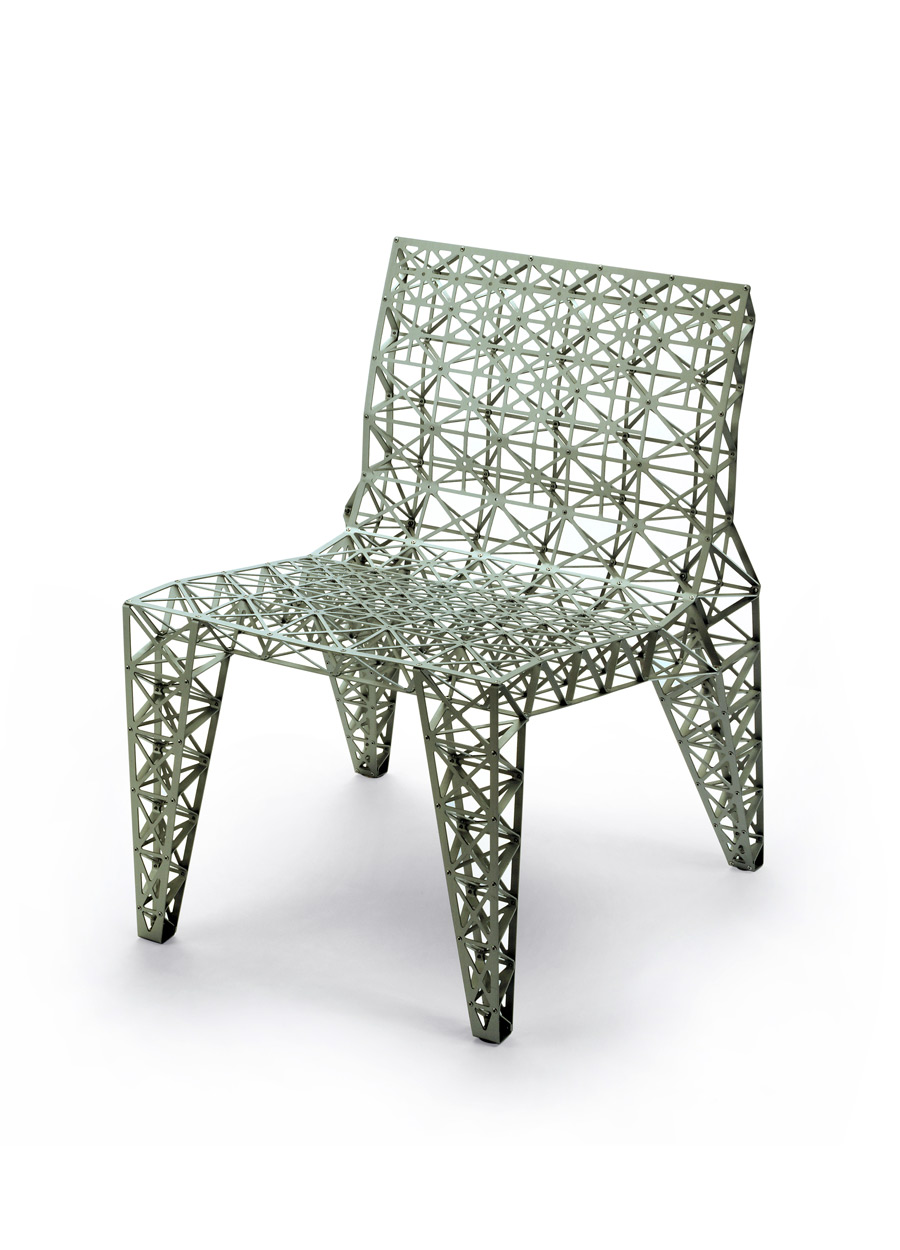
 

Ricado Blumer and Matteo Borghi. 'Origami' Casciago, 2007


Ricado Blumer (Italian, b. 1959) and Matteo Borghi (Italian, b. 1976)
Origami
Casciago, 2007
Ycami, Novedrate, 2007
76 x 61 x 63cm
Aluminium
Museum für Kunst und Gewerbe Hamburg
Photo: Jörg Arend/Maria Thrun
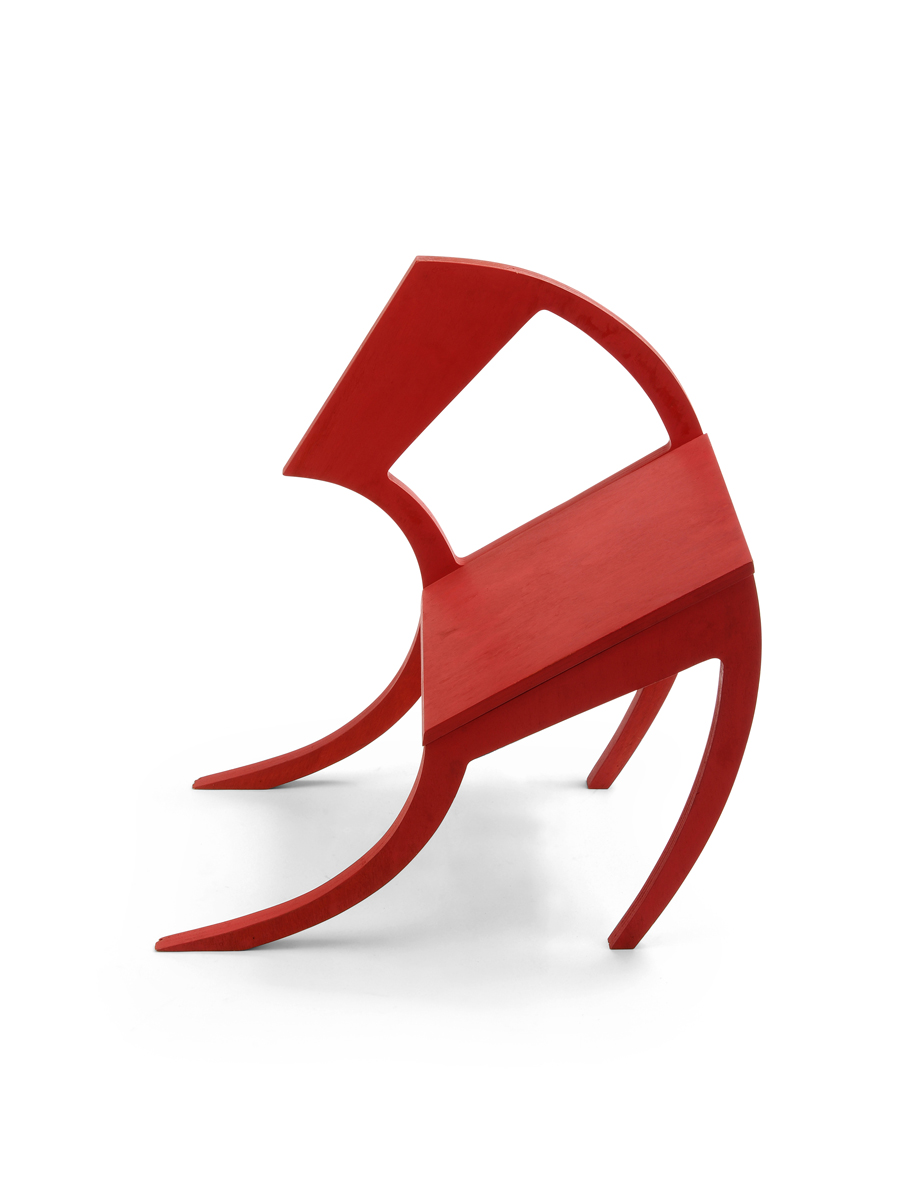
 

Stefan Wewerka. 'Classroom Chair' Berlin, 1970


Stefan Wewerka (German, 1928-2013)
Classroom Chair
Berlin, 1970
70 x 68 x 40cm
Wood (painted)
Museum für Kunst und Gewerbe Hamburg, © VG Bild-Kunst, Bonn 2010
Photo: Jörg Arend/Maria Thrun
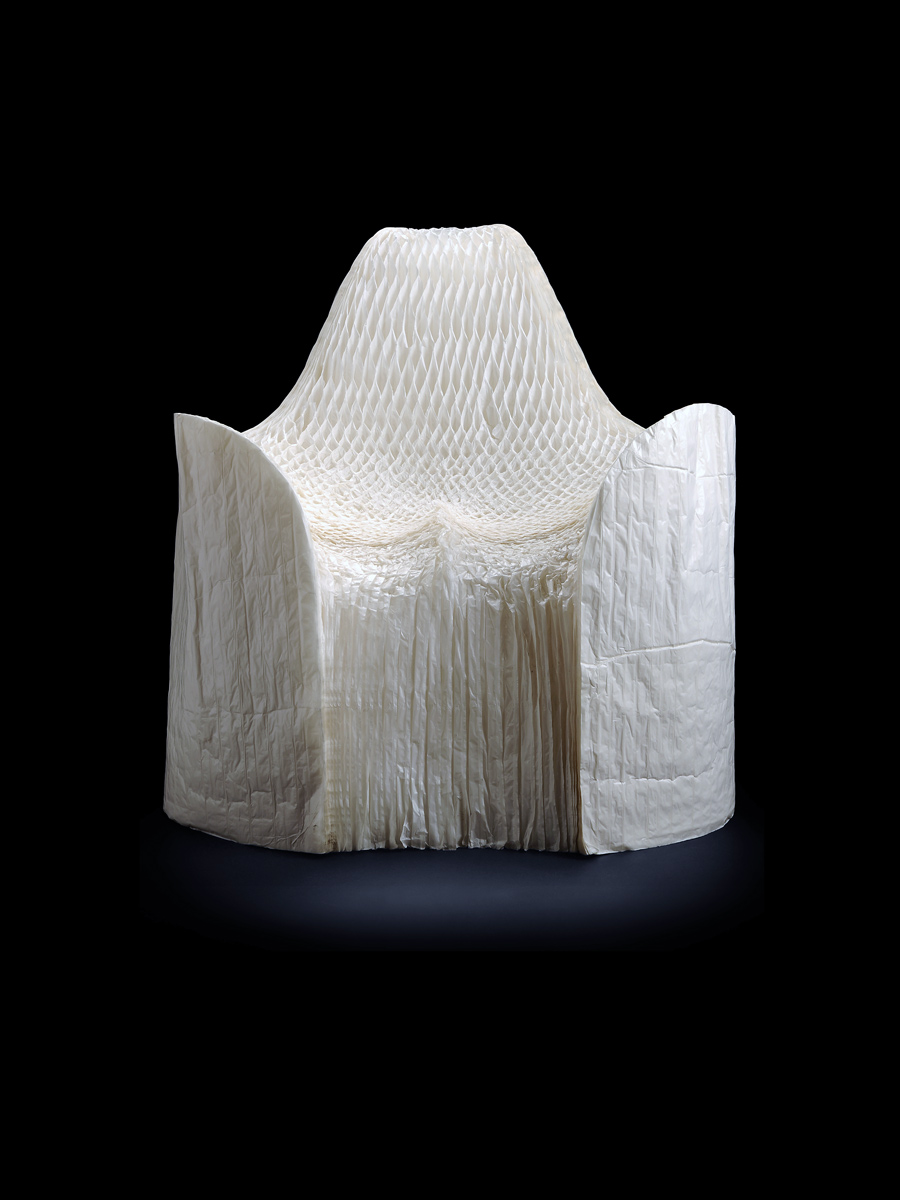
 

Tokujin Yoshioka (Japanese, b. 1967)
'Honey-Pop Armchair' Tokyo, Japan, 2000


Tokujin Yoshioka (Japanese, b. 1967)
Honey-Pop Armchair
Tokyo, Japan, 2000
83 x 81 x 81cm
Greaseproof paper (folded into form)
Justus Brinckmann Society
Museum für Kunst und Gewerbe Hamburg
Photo: Jörg Arend/Maria Thrun


Gunter Beltzig (German, 1941-2022) 'Chair 'Floris'' Wuppertal, 1967


Gunter Beltzig (German, 1941-2022)
Chair ‘Floris’
Wuppertal, 1967
Polyester (reinforced fiberglass, painted)
109 x 59 x 40cm
Museum fur Kunst und Gewerbe Hamburg
Foto: Maria Thrun, Jurgen Arendt


Museum für Kunst und Gewerbe Hamburg
Steintorplatz, 20099 Hamburg

Opening hours:
Tuesday to Sunday 10am – 6pm
Thursday 10am – 9pm
Closed Mondays
Museum fur Kunst und Gewerbe Hamburg website

LIKE ART BLART ON FACEBOOK

Back to top

Exhibition: ‘Climate Capsules: Means of Surviving Disaster’ at Museum fur Kunst und Gewerbe Hamburg

Exhibition dates: 28th May – 12th September, 2010


Many thankx to Michaela Hille and Museum fur Kunst und Gewerbe Hamburg for allowing me to publish the photographs in the posting. Please click on the photographs for a larger version of the image.


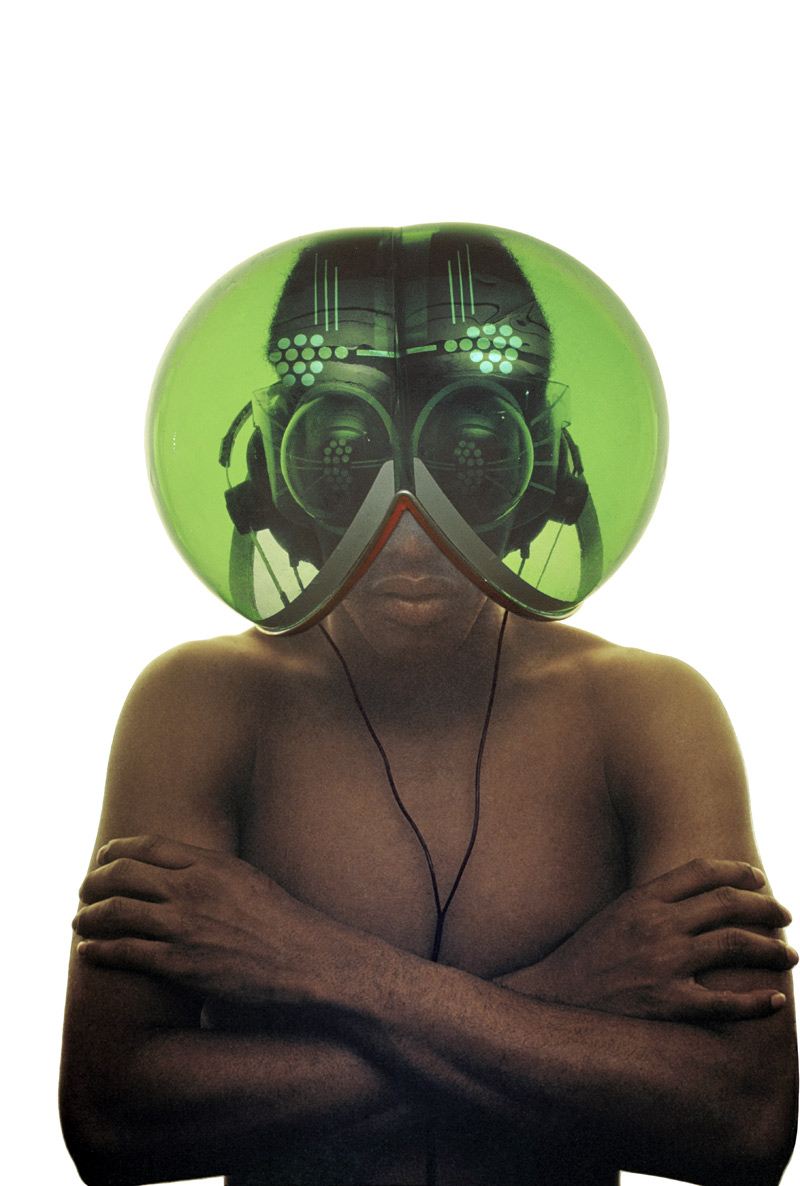
Haus-Rucker-Co (Laurids Ortner, Günter Zamp Kelp, Klaus Pinter) 'Flyhead (Environment Transformer)', Vienna, 1968 from the exhibition 'Climate Capsules: Means of Surviving Disaster' at Museum fur Kunst und Gewerbe Hamburg, may - September, 2010


Haus-Rucker-Co (Laurids Ortner, Gunter Zamp Kelp, Klaus Pinter)
Flyhead (Environment Transformer)
Vienna, 1968
Helmet consisting of two transparent green, symmetrical, hemispherical plastic fragments partially covered with foil. Inside the helmet, with the aid of a metal construction, audio-visual filters are arranged by means of which the normality of the surroundings is acoustically distorted and visually faceted.
Photo: Ben Rose, New York


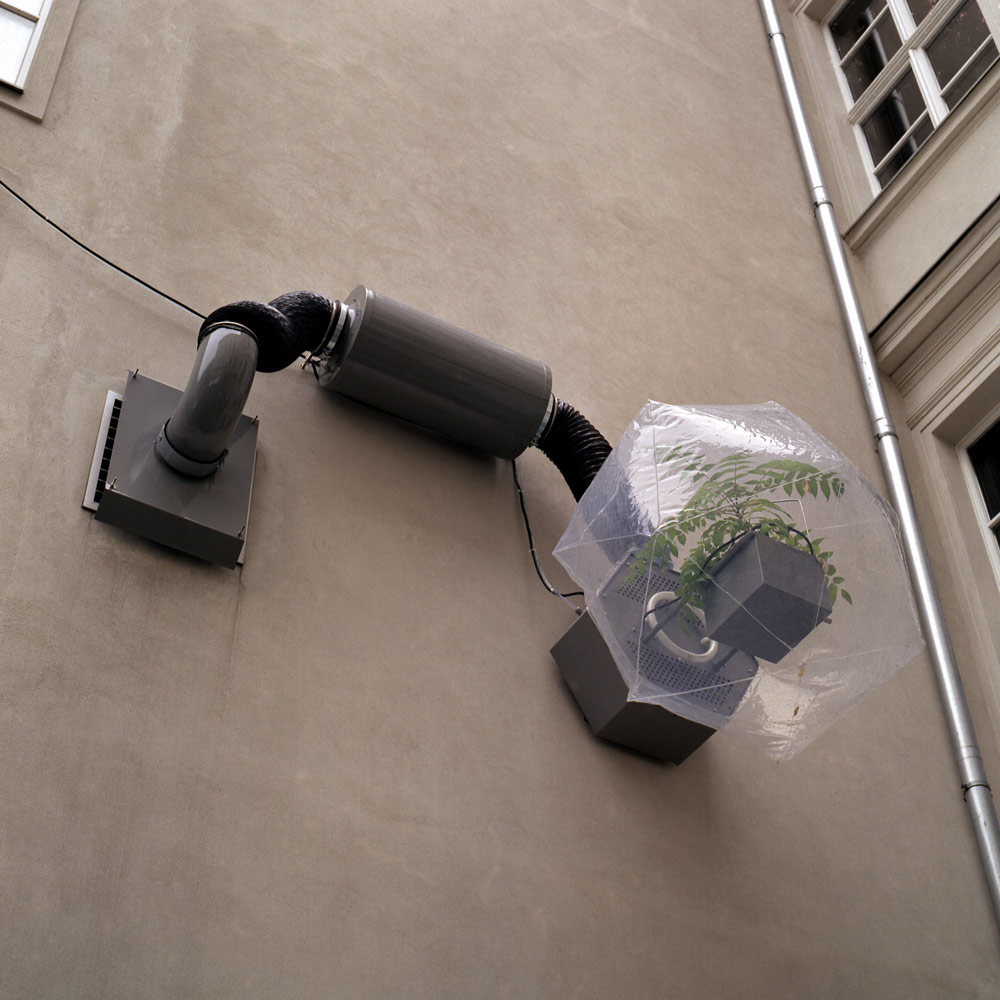
Ingo Vetter (Germany, b. 1968) 'Adaptation Laboratory' 2004 from the exhibition 'Climate Capsules: Means of Surviving Disaster' at Museum fur Kunst und Gewerbe Hamburg, may - September, 2010


Ingo Vetter (Germany, b. 1968)
Adaptation Laboratory
2004
Exhaust-operated greenhouse with tree of heaven (Ailanthus altissima)
Ingo Vetter
© Ingo Vetter for the Detroit Tree of Heaven Woodshop, 2004


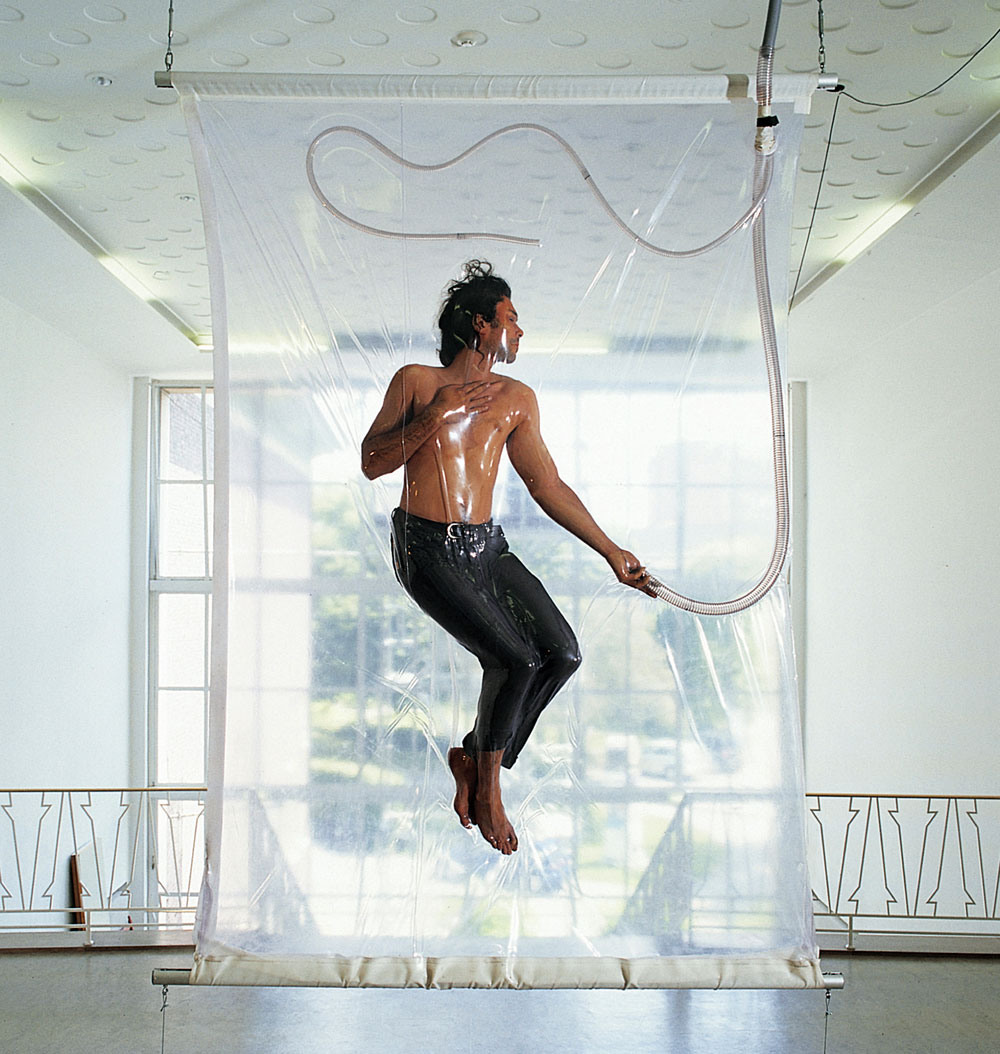
Lawrence Malstaf (Belgian, b. 1972) 'Shrink' 1995 from the exhibition 'Climate Capsules: Means of Surviving Disaster' at Museum fur Kunst und Gewerbe Hamburg, may - September, 2010


Lawrence Malstaf (Belgian, b. 1972)
Shrink
1995
Performative Installation
© Lawrence Malstaf/Galerie Fortlaan 17, Ghent (B)


In view of the advancing climate change, the exhibition Climate Capsules: Means of Surviving Disaster at the Museum fur Kunst und Gewerbe Hamburg poses the question: “How do we want to live in the future?” and draws attention to the socio-political consequences of coexistence under new climatic conditions. In view of the fact that the politicians are hesitant to enforce strict measures for climate protection and the citizens very sluggish about changing their habits, the change appears inevitable. The world community is accordingly confronted with the challenge of investigating various possible means of adapting to the climate change. This exhibition is the first to bring together historical and current climate-related models, concepts, strategies, experiments and utopias from the areas of design, art, architecture and urban development – pursuing not the aim of stopping the climate change, but envisioning means of surviving after disaster has struck. More than twenty-five mobile, temporary and urban capsules intended to make human life possible independently of the surrounding climatic conditions will be on view – from floating cities and body capsules to concepts for fertilising sea water or injecting the stratosphere with sulphur. A symposium, film programme, readings, performances and workshops will revolve around the interplay between design processes and political factors such as migration, border politics and resource conflicts, and investigate the consequences for social and cultural partitioning and exclusion.

The public discussion on the climate change concentrates primarily on preventing change by reducing climate damaging emissions. This reduction is to be achieved through new means of obtaining energy as well as the optimisation of energy consumption. The consumption-oriented lifestyle of the industrial nations is also to become more “environmentally friendly”; the citizens are called upon to change their habits. Emerging nations are admonished to avoid the mistakes made by the West from the start. There is not the slightest guarantee, however, that enough nations and enough people around the world will participate in such reductions, and that a “low-carbon culture” will become the globally predominant lifestyle. Nor does anyone know for sure whether the reduction goals presently being discussed will suffice to delay or stop the climate change, which is already measurable today. In the search for alternative solutions, there is a category discussed substantially less often in public: adaptation. Here strategies are developed which aim not to slow or stop the climate change but to adapt to its expected consequences. They include protective measures against flooding and overheating as well as geo-engineering, i.e. large-scale interventions in the global climate.

These technologies are usually subjected only to critical discussion with regard to their technical feasibility. Until now, their possible socio-political effects have for the most part been ignored. Their impact on the structure of the global society, however, can hardly be overestimated: in the endeavour to make life possible independently of outward climatic conditions, these strategies encourage spatial, social and political isolation. Ostensibly motivated by climate-related considerations, they could well lead to inclusion and exclusion on all levels of life, from the interpersonal to the global. They create the conditions for social segregation and global polarisation.

The exhibition Climate Capsules: Means of Surviving Disaster will focus primarily on application-oriented projects for climatological capsules from the areas of design, art, architecture, urban development and geoengineering. The show will reflect on the (political, cultural, socio-spatial) impact of these current adaptation strategies on society by means of contemporary artistic approaches and avant-garde concepts of the twentieth century. Historical projects in the context of the climate change will thus assume new meaning. The current artistic projects question the positivist perspective of their counterparts of the past, and offer the exhibition visitor a further level of sensory experience. The exhibition objects can be divided into five types: body capsules, living capsules, urban capsules, nature capsules and atmosphere capsules.

Body capsules

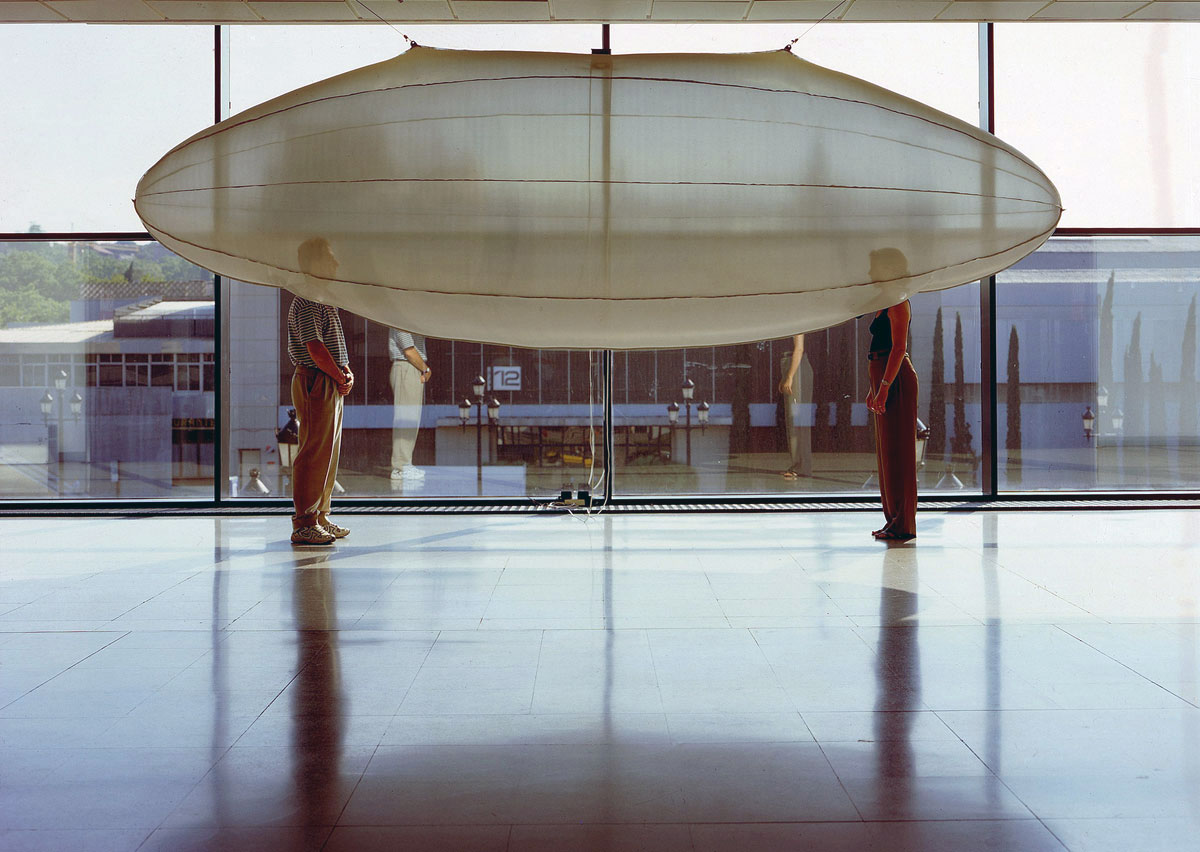
The exhibition begins with the interactive installation La Parole by Pablo Reinoso. Two visitors at a time can poke their heads into the inflatable textile construction and share the air they breathe as well as a common visual and audio space. The experience of this work raises the question as to how people can protect their bodies from contaminated air, pollutants, storms and aggressive solar radiation. Again and again in the course of the show, the visitor encounters “body capsules” addressing the topic of clothing as bodily protection from climatic conditions.

Living capsules

The objects belonging to this group extend the encapsulated space from the body encasement to the immediate living space. Utopian designs for mobile capsules of the 1960s such as the Walking City by Ron Herron (Archigram) still figured in the discussion emphasising temporary and mobile structures as experimental free spaces after ideas introduced by such architects as Constant or Yona Friedman. Today mobility is no longer just a question of freedom – the counterpart to voluntary mobility is flight, the spatial equivalent the temporary camp. The visitor thus stumbles across Michael Rokowitz’s paraSITE, for example, an inflatable tent which the artist developed in collaboration with the homeless person Bill Stone. Like the other tents in the series, it is designed for use in an exhaust air shaft. It can dock onto a building as a temporary parasite. In this context of precarious modi vivendi – brought about not least of all by global inequality (which is further aggravated by the climate change) and the resulting mass migration – what were once visionary temporary living concepts appear in a new light. They are not spaces of liberation, but of isolation.

Urban capsules

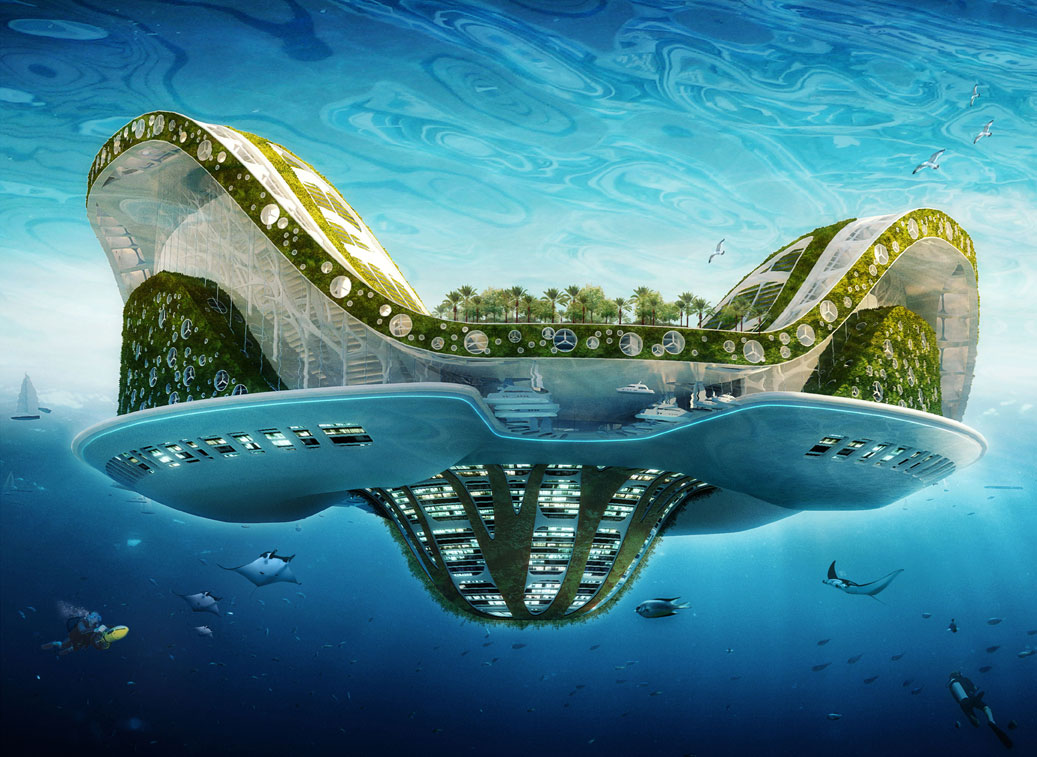
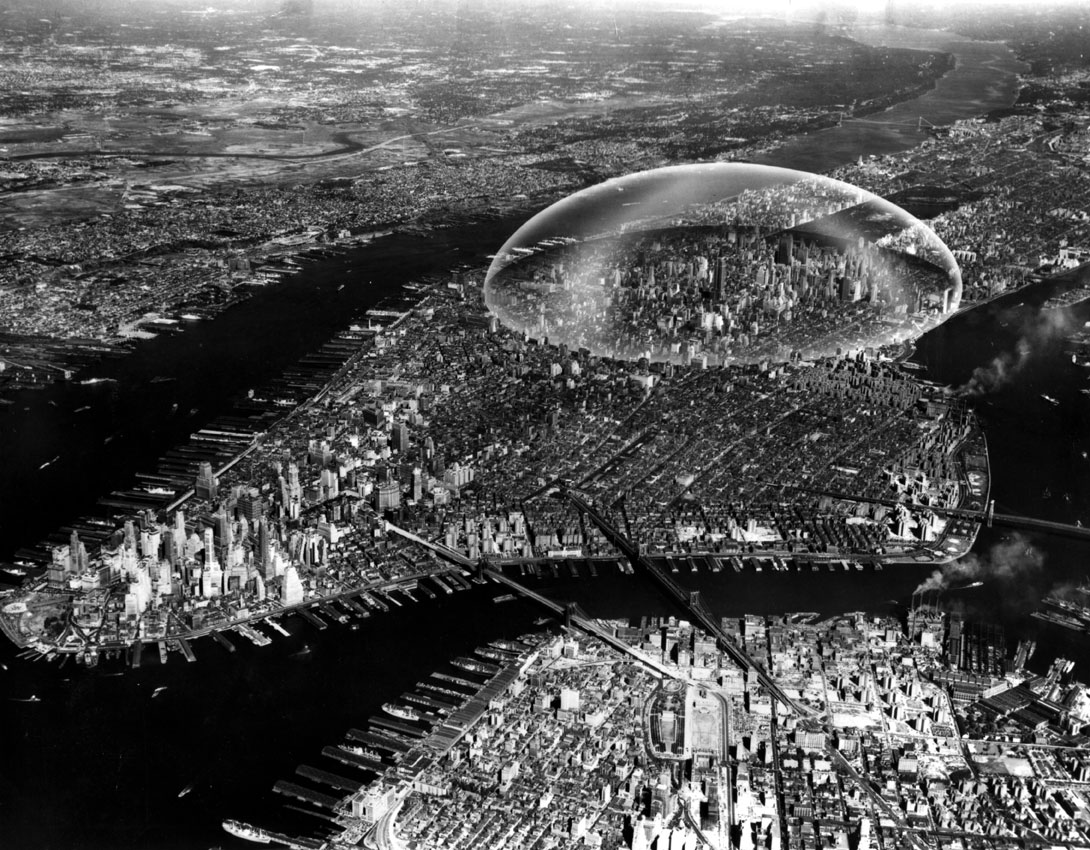
Cities are the largest energy consumers, and urbanisation continues to increase worldwide. Zero waste, zero emission, zero energy are the creeds of the present. Already in the 1950s, Richard Buckminster Fuller and Shoji Sadao sketched the utopia of a climatically self-sufficient reorganisation of the city with their Dome over Manhattan. In this vision, a huge dome covers a large proportion of the island. Today, these encapsulations from the outside are already being realised in conjunction with the design of internal climate worlds, whether on the scale of large building complexes or energy-self-sufficient cities such as Masdar by Norman Foster. Other concepts show that, against the background of imminent climate disasters, the urban system is conceived of increasingly as an autarchic unit, sealed from the outside world, and confronted with the need for the self-contained management of its ecological resources. This debate is carried to the furthest extreme by Vincent Callebaut’s conception for a floating city – Lilypad – intended as a haven for climate refugees.

Nature capsules

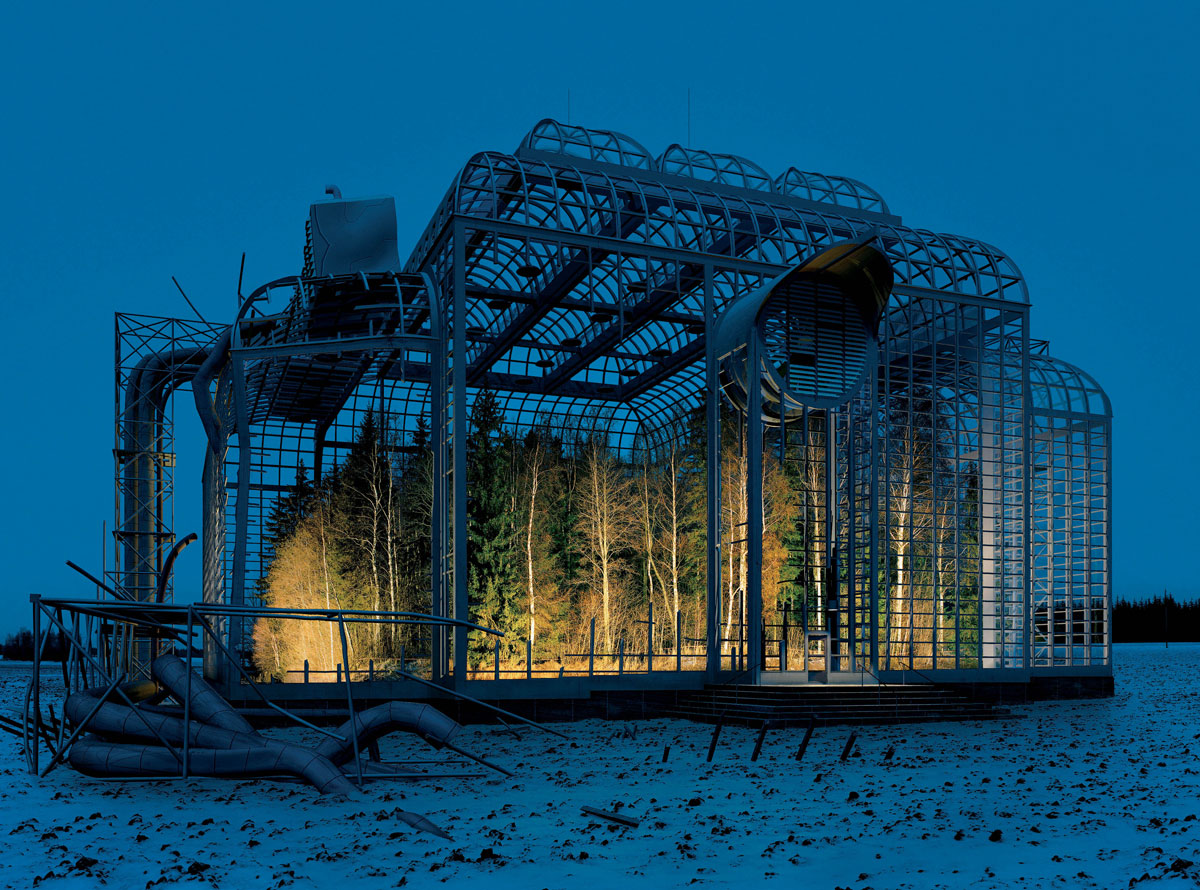
Just as the city is to be protected from the climatologically changing environment, nature is also to be elevated into a sphere of safe artificiality and preserved in nature capsules. Ecosystems are replicated by human hand on the micro level and sealed off from the outside. A concept which initially presents itself as a protective mechanism robs the flora and fauna assembled within it of their connection to the macrolevel ecosystem: Earth. The question arises: can that which is being protected inside such a capsule still be thought of as nature? Or is it a deceptively genuine human artefact? These considerations are made very vivid in Ilkka Halso’s photo series Museum of Nature, consisting of digital montages which insert forests, lakes and rivers into imaginary museum buildings.

Atmosphere capsules

The maximum scale of adaptive design strategies is reached with geo-engineering. With chemical or physical interventions, attempts are made to control climatological, geochemical and biochemical systems actively on the global level, and thus to moderate the climate. The historical forerunners of this development are psychoanalyst Wilhelm Reich’s para-scientific Cloudbusters and the U.S. Army’s Project Cirrus, both of which sought to influence the weather technically by different means. Today, various well-known scientists and research institutes are working on large-scale interventions aiming to protect the global climate from negative influences. Utopian proposals are juxtaposed with feasible projects such as endeavours to reduce global warming through the use of reflective white paint on roofs and streets. To date it is impossible to calculate the consequences of such far-reaching interventions, and they are nowhere near realisation. Yet the fact that they are discussed seriously indicates how close climatological developments have already come to the point where emission-reduction strategies become obsolete.

Participating artists, designers and architects: Anderson Anderson Architecture (US), Ant Farm (US), Richard Buckminster Fuller (US), Vincent Callebaut (B), Juan Downey (US), David Greene (GB), Tue Greenfort (DK), Ilkka Halso (FI), Haus-Rucker-Co (AT), Ron Herron (GB), Kouji Hikawa (JP), Christoph Keller (D), Lawrence Malstaf (B), Gustav Metzger (D), N55 (DK), Lucy Orta (GB), Michael Rakowitz (US), Pablo Reinoso (ARG/F), Shoji Sadao (US), Tomás Saraceno (planet earth), Werner Sobek (D), Jan-Peter E.R. Sonntag (D), Matti Suuronen (FI), Ingo Vetter (D).

Press release from the Museum fur Kunst und Gewerbe website [Online] Cited 17/08/2010 no longer available online


Pablo Reinoso (Argentine-French, b. 1955) 'La Parole' 1998


Pablo Reinoso (Argentine-French, b. 1955)
La Parole
1998
Fabric and electrically powered ventilators
length. 620cm, diam. 200cm
Pablo Reinoso
© Pablo Reinoso Studio


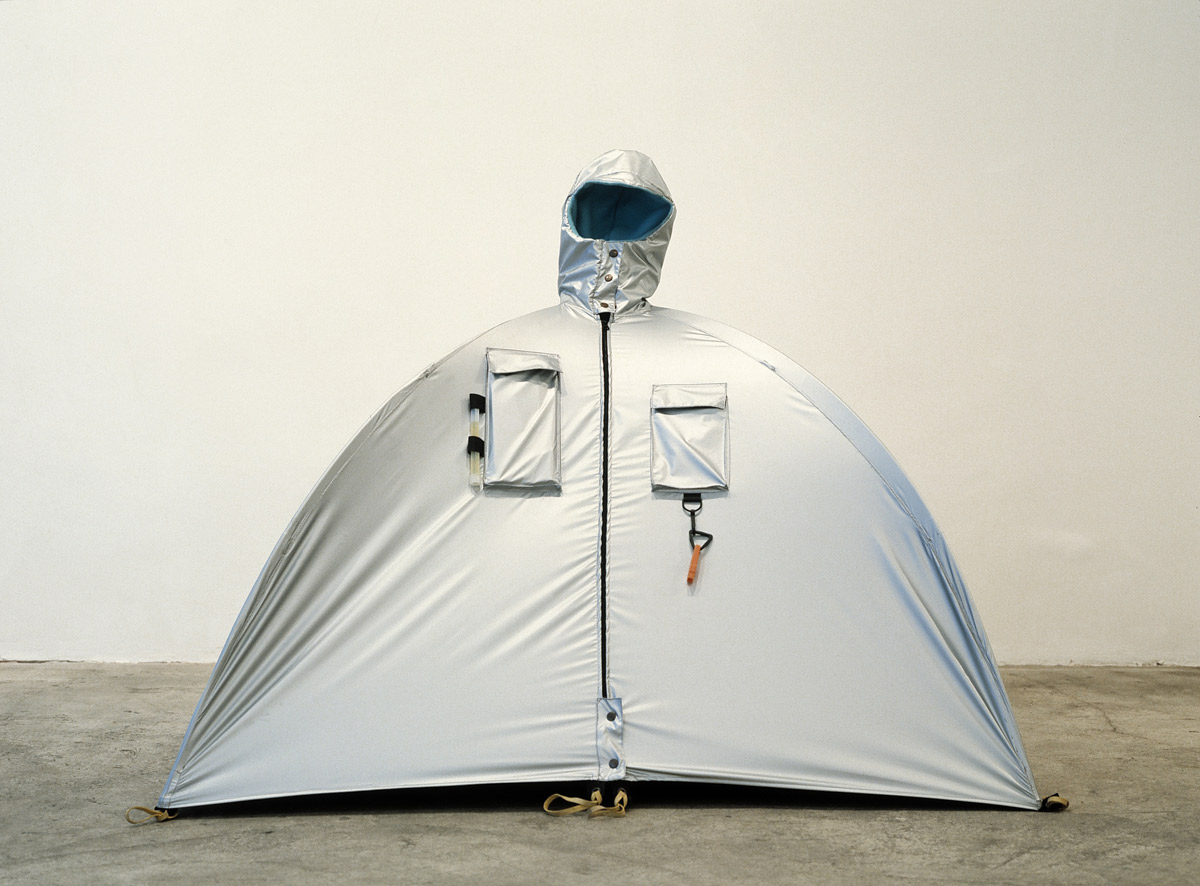
Lucy Orta (English, b. 1966) 'Refuge Wear – Habitent' 1992


Lucy Orta (English, b. 1966)
Refuge Wear – Habitent
1992
Polyamide encased in aluminium, polar fleece, aluminium tent poles, whistle, lantern, compass
125 x 125 x 125cm
Galleria Continua
Photo: Galerie Anne de Villepoix, Courtesy Galleria Continua, San Gimignano / Beijing / Le Moulin


Vincent Callebaut (Belgium, c. 1977) 'Lilypad, A Floating Ecopolis for Climate Refugees' 2008


Vincent Callebaut (Belgium, c. 1977)
Lilypad, A Floating Ecopolis for Climate Refugees
2008
Digital rendering, dimensions variable
© Vincent Callebaut Architectures


Richard Buckminster Fuller, Shoji Sadao. 'Dome over Manhattan' c. 1960


Richard Buckminster Fuller, Shoji Sadao
Dome over Manhattan
c. 1960
Silver gelatine print
34.9 x 46.7cm
Courtesy the Estate of R. Buckminster Fuller


Ilkka Halso (Finnish, b. 1965) 'Museum I' 2003


Ilkka Halso (Finnish, b. 1965)
Museum I
2003
from the work Museum of Nature


Museum für Kunst und Gewerbe Hamburg
Steintorplatz, 20099 Hamburg

Opening hours:
Tuesday to Sunday 10am – 6pm
Thursday 10am – 9pm

Museum fur Kunst und Gewerbe Hamburg website

LIKE ART BLART ON FACEBOOK

Back to top

Exhibition: ‘Nude Visions. 150 Years of Nude Photography’ at Museum Fur Kunst und Gewerbe (MKG), Hamburg

Exhibition dates: 29th January – 25th April, 2010

 Curator: Ulrich Pohlmann


Many thankx to the MKG for allowing me to publish the photographs in this post. Please click on the photographs for a larger version of the image.

Marcus


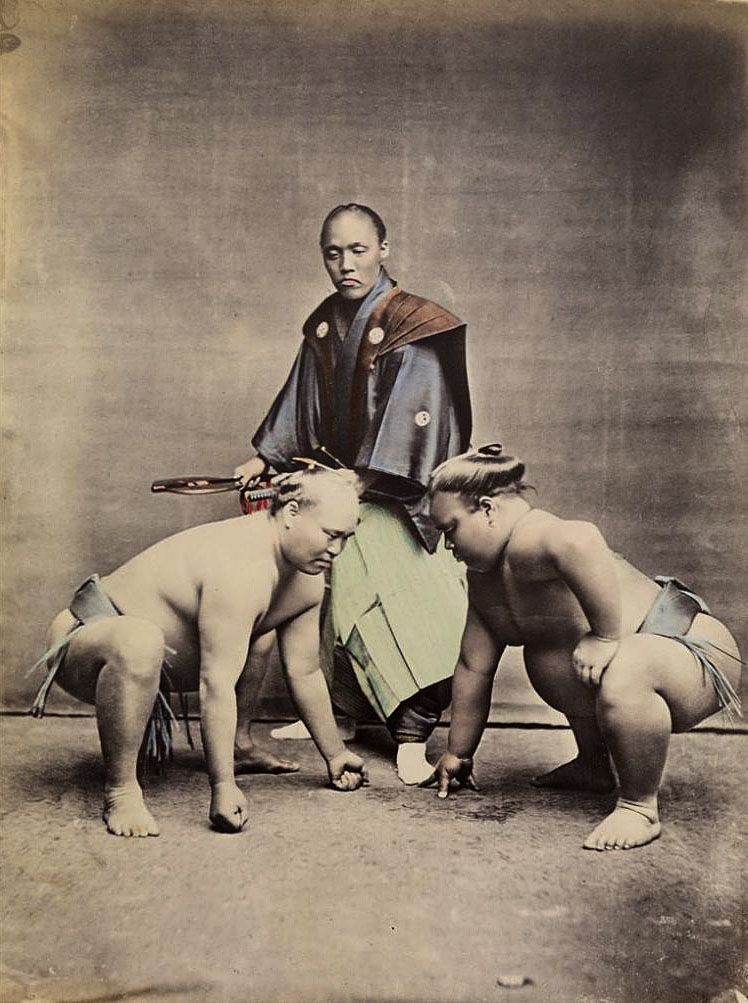
Kusakabe Kimbei (Japanese, 1841-1934)
Sumo wrestlers
c. 1880


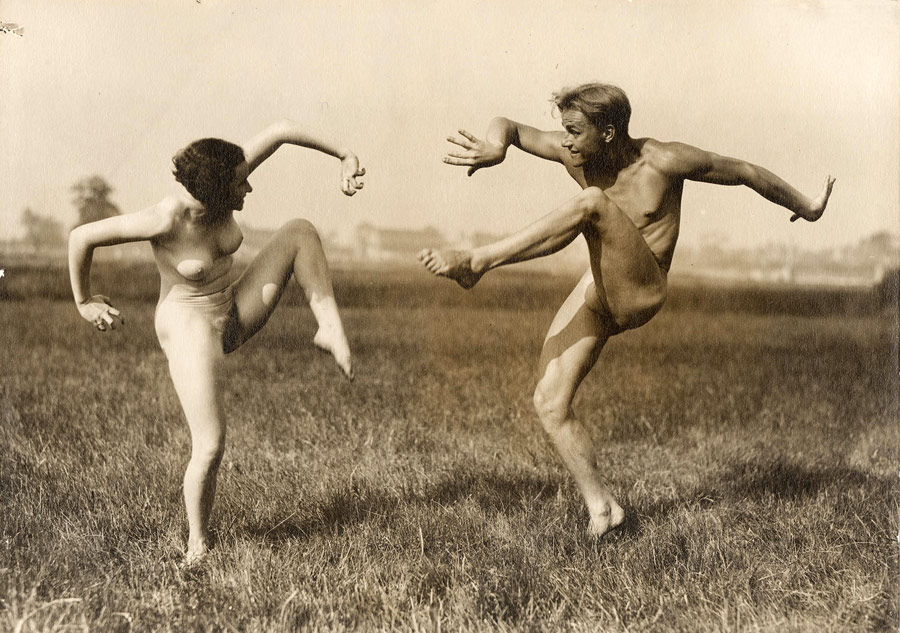
Gerhard Riebicke (German, 1878-1957) 'Couple Performing German Dance' c. 1930 from the exhibition Exhibition: 'Nude Visions. 150 Years of Nude Photography' at Museum Fur Kunst und Gewerbe (MKG), Hamburg, January - April, 2010


Gerhard Riebicke (German, 1878-1957)
Couple Performing German Dance
c. 1930
Gelatin silver print
11.6 x 16.2 cm
Bodo Niemann and Münchner Stadtmuseum


Gerhard Riebicke spent his childhood in Switzerland. He studied in Tübingen, worked as a tutor in Poznan, and appropriated the technique of self taught photographer. In 1909 he was a press photographer in Berlin. Gradually, his focus shifted to the sports and nudity culture photography (ball games, jumps, dance or bathing scenes).

As a friend of Adolf Koch, he documented his school for physical education and nude culture. As a chronicler of the reform movement, he also maintained contacts with the Laban School of Hertha Feist and other dance and gymnastics schools Hedwig Hagemann, Berte Trümpi and Mary Wigman. He was represented in Hans Surén’s “The Man and the Sun” in 1924. After 1933 he concentrated on sports photography.

Text translated from the German Wikipedia website


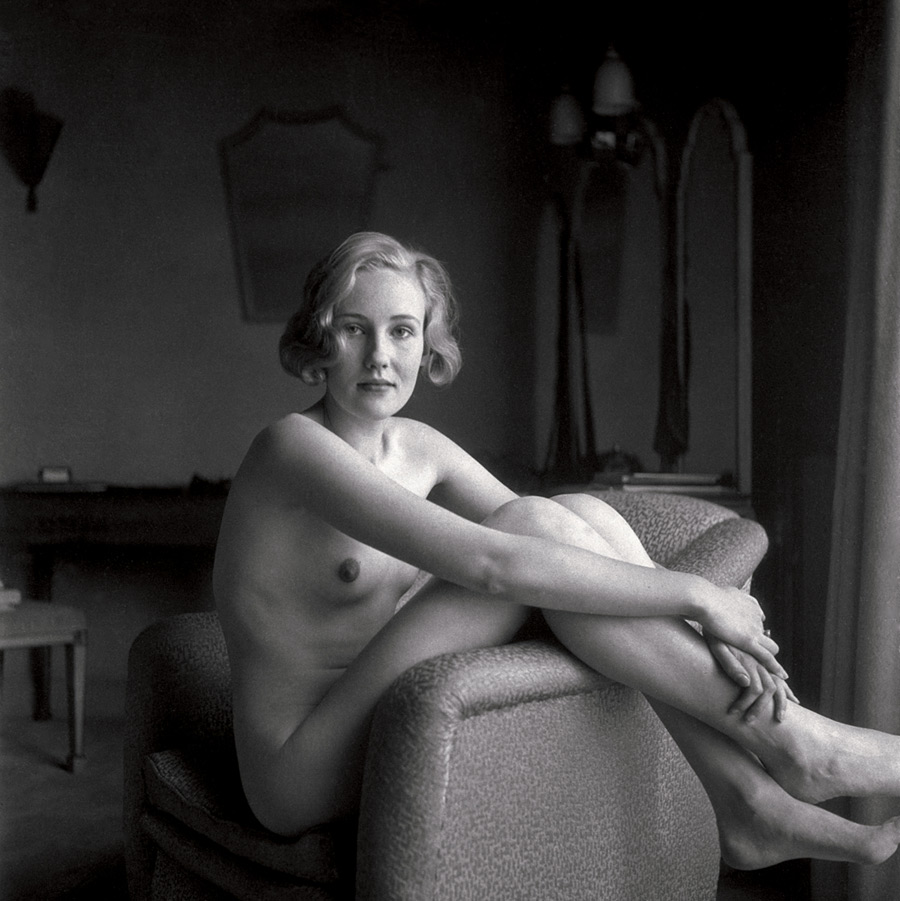
T.W. Salomon (attributed) 'Female Nude in Armchair' c. 1935


T.W. Salomon (attributed)
Female Nude in Armchair
c. 1935
Gelatin silver print
27.5 x 27.4cm
Münchner Stadtmuseum


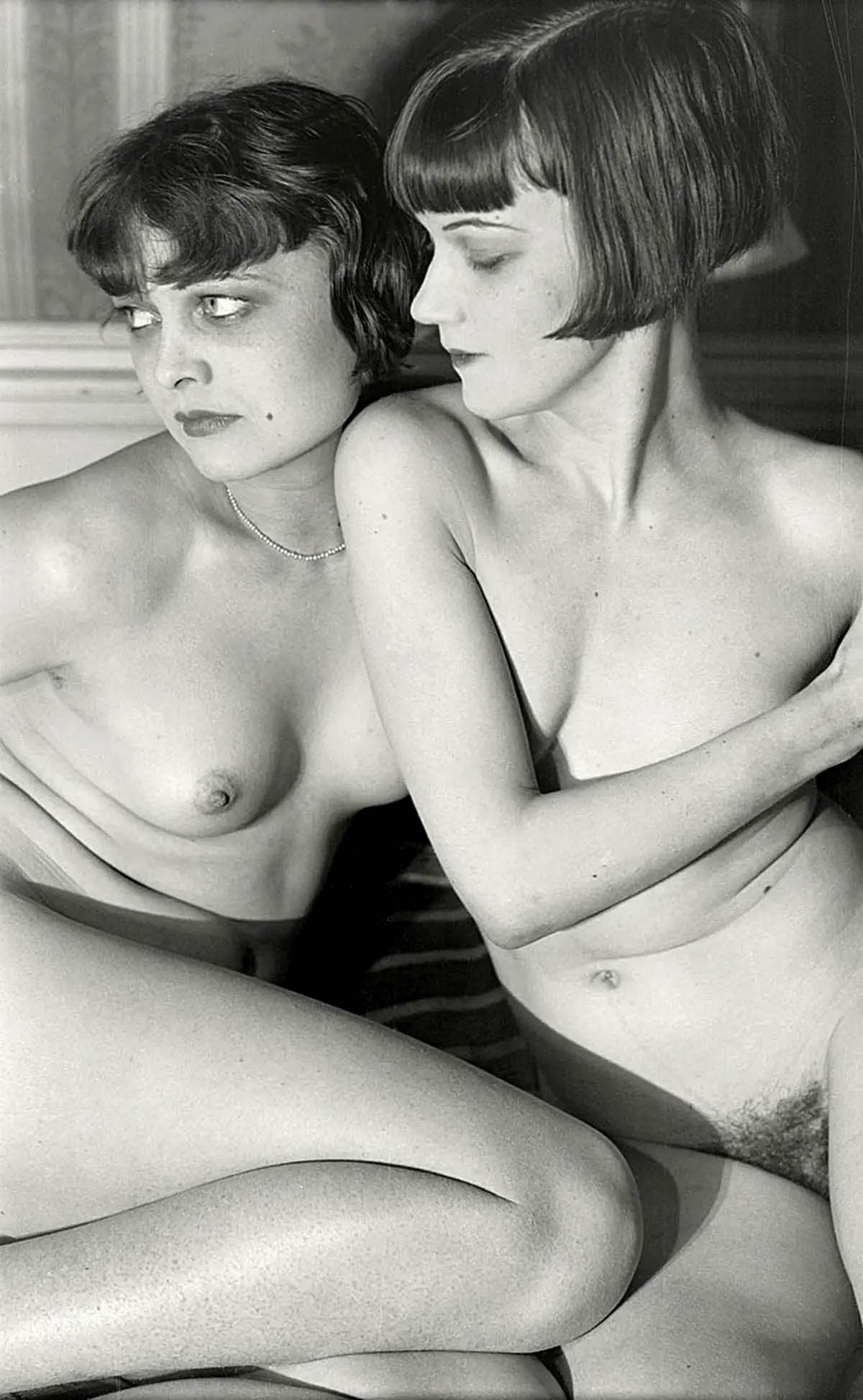
T.W. Salomon was a notable German photographer best known for his “Revuegirls” series from 1935. He was a contemporary of Erich Salomon, another influential German photographer, but there is no direct connection between the two.


T.W. Salomon (attributed) 'Revuegirls' 1935


T.W. Salomon (attributed)
Revuegirls
1935
Gelatin silver print
© Münchner Stadtmuseum


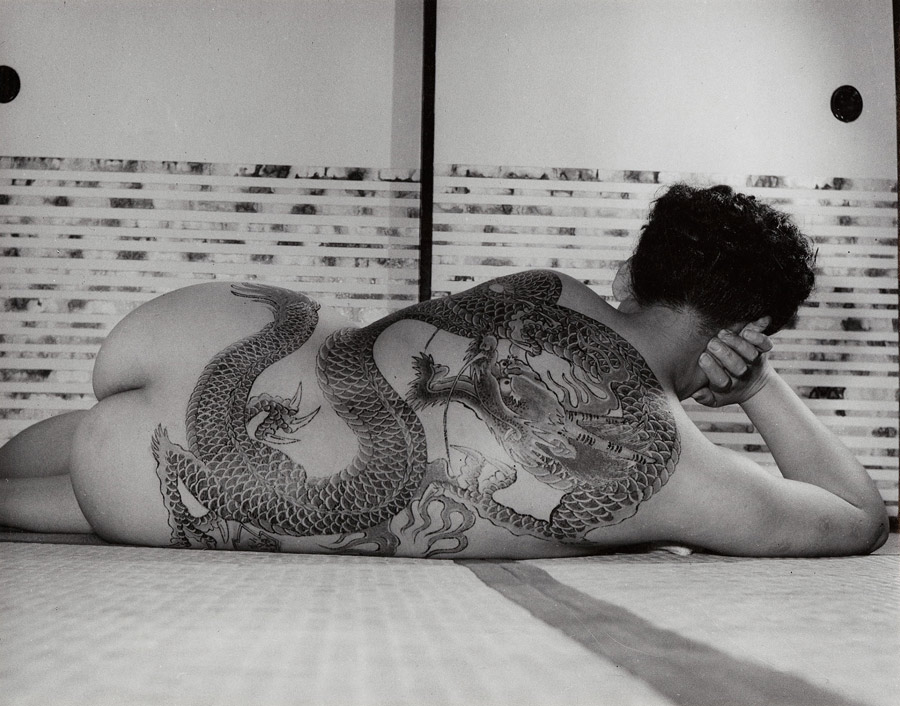
Jan Mutsu. 'Japanese Man with Tattoo' c. 1955 from the exhibition Exhibition: 'Nude Visions. 150 Years of Nude Photography' at Museum Fur Kunst und Gewerbe (MKG), Hamburg, January - April, 2010


Jan Mutsu
Japanese Man with Tattoo
c. 1955
Gelatin silver print
20.2 x 25.7cm
Münchner Stadtmuseum


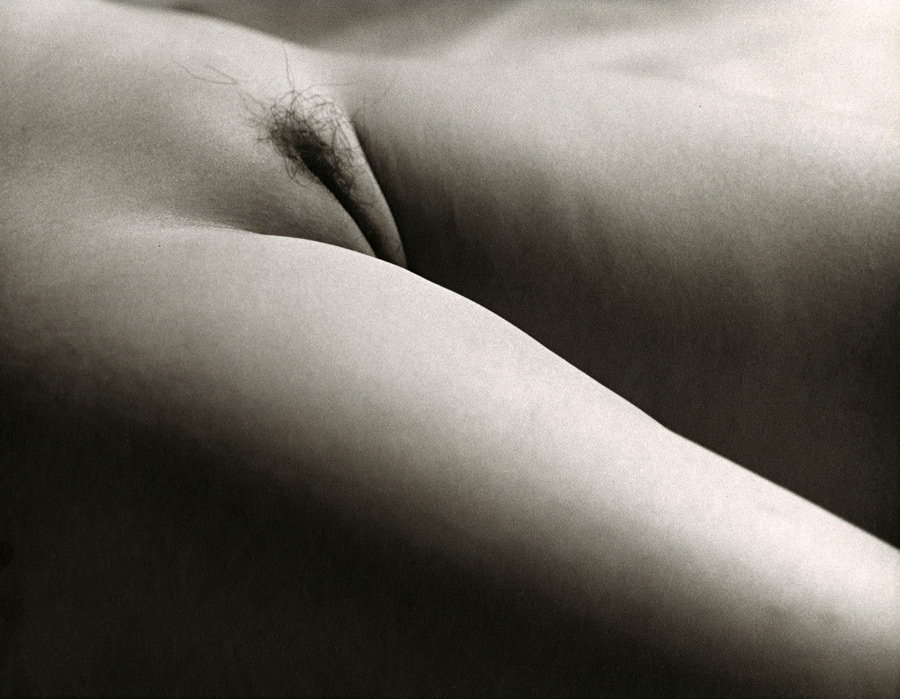
Josef Breitenbach (German-American, 1896-1984) 'Nude' from the series 'This beautiful landscape' 1963 from the exhibition Exhibition: 'Nude Visions. 150 Years of Nude Photography' at Museum Fur Kunst und Gewerbe (MKG), Hamburg, January - April, 2010


Josef Breitenbach (German-American, 1896-1984)
Nude from the series This beautiful landscape
1963
Gelatin silver print
27.5 x 35.3cm
Breitenbach Trust USA and Munchner Stadtmuseum


An exhibition with more than 250 original photos, books and folders with studies from the nude, including masterpieces from each period.

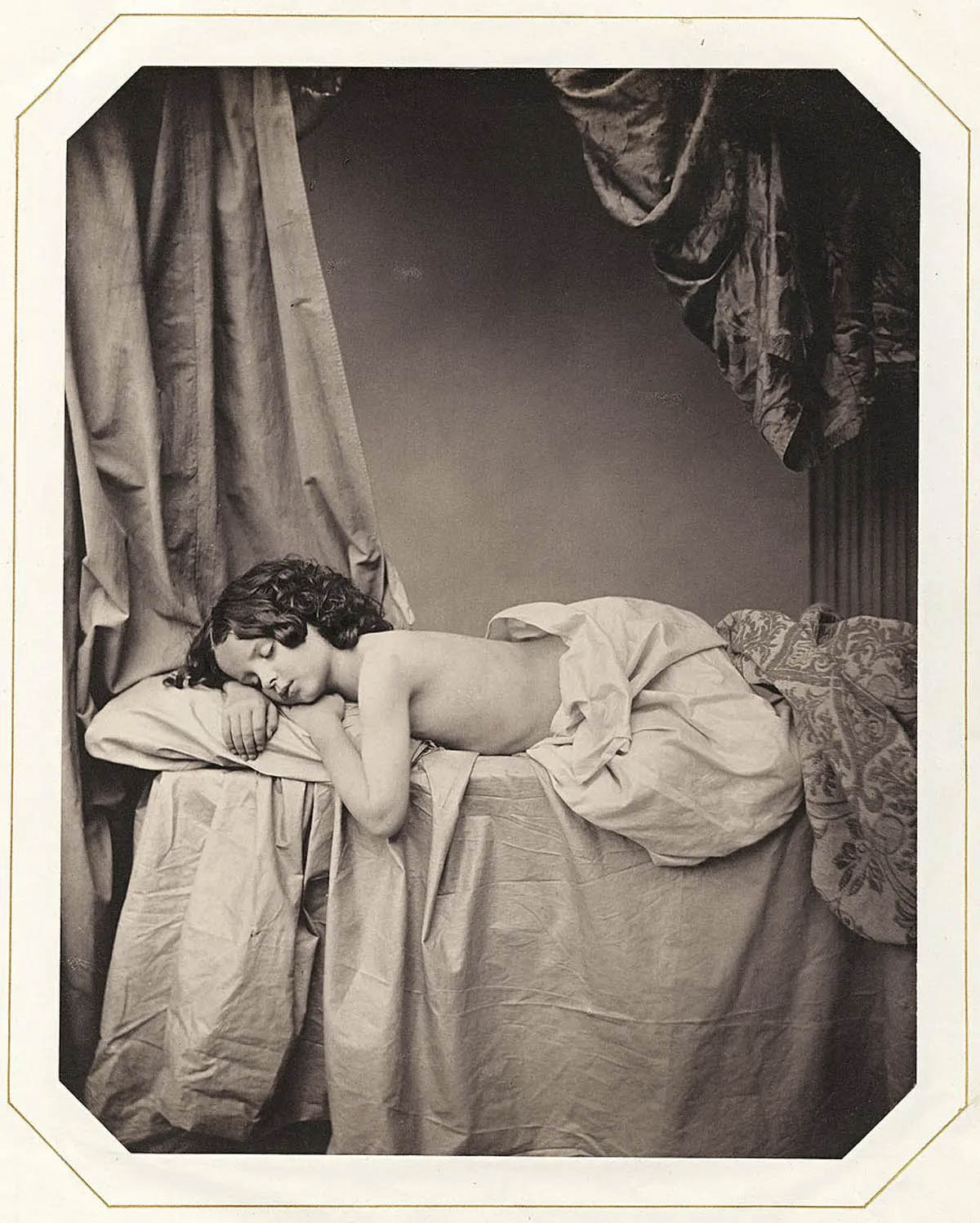
The representation of the unclothed human body has exuded a great fascination ever since time began. The exhibition Nude Visions invites visitors to embark on a journey through a collection of depictions of the human body spanning 150 years. More than 250 original photos, books and folders with studies from the nude will be on view, including masterpieces from each period: from photographs dating from the 19th century which seek their models in Classical Antiquity and the Renaissance, up to Surrealistic experiments and fashion and lifestyle photography. The exhibition illustrates changing ideals of beauty and moral perceptions, and reveals once again the constant attempt to balance between educational openness, titillation and curiosity.

“Without any doubt, there is nothing which draws the attention of the observer to it so much as the naked human body.” This comment of the journalist and photographer Kurt Freytag in1909 is as true today as it was then. The exhibition turns this fact to its advantage and deals with the historical, aesthetic and ideological development of images of the human body in photography. The show is divided into seven chapters devoted to the meaning and function of the unclothed human body in photography, and tracing the history of the medium: “Academies and Exotic Pictures in the 19th century,” “Art photography around 1900 (Pictorialism),” “Avant-gardes of the 20s and 30s,” “Artistic positions after 1945,” “Naturism,” “The Male Nude” and “Glamourous Nudes.” The first coloured Daguerreotypes of curvaceous ladies with blushing cheeks dating from 1855 meet the unflatteringly in-your-face and voyeuristic self-portrait of the photographer Frank Stürmer from 2004. These two photos mark the two ends of the spectrum covered by the exhibition, which illustrates the evolution of nude photography over sixteen decades by the example of more than 250 eminent works.

Nude photography is always, too, a process of negotiation between revealing and concealing. This exhibition makes clear the ambivalence of what is visible and what is unseen, of shame and curiosity, of legitimation and provocativeness. How nakedness is treated is closely bound up with the specific social context in which it occurs, the ideas of morality and the aesthetic ideal of an era. The motif of the nude is always influenced here both by the historical artistic tradition and reactions to contemporary impulses, which are interpreted by the photographer. Thus the movement for women’s emancipation, for instance, led to new ways of looking at both the female and the male body, as seen for example in the work of Herlinde Koelbl. Images which were still regarded as being scandalous at the beginning of the 20th century, triggering moral misgivings and controversy about a subject perceived as being delicate, would hardly bring a blush to the face of anyone living today. It is not only the motifs which have moved on, but also the reproducibility of the images and the extent of their media coverage impact on the awareness and significance of nakedness in society.

The origins of the history of nude photography lie in the so-called “academies,” which provided painters, graphic artists and sculptors with study objects in the 19th century and which followed the historical artistic models of Classical Antiquity and the Renaissance. Nude photography soon increasingly became emancipated from being a mere model for painting and sculpture, and developed artistic ambitions of its own: photographers discovered in the art of the fin de siècle, with its debt to Symbolism, the nude as a reflection of emotional states and yearnings. In the outgoing 19th century, with its bias towards the exact sciences, the human body served as an object for the study of movement, such as in the celebrated series shots by Eadweard Muybridge showing the sequence of motions in human movement.

Whereas historically staged scenes and compositions are still created in the sheltered environment of the atelier at the beginnings of photography, we find the first open-air nudes after 1870. Wilhelm von Gloeden, Guglielmo Plüschow and others took advantage of the light in the Mediterranean South to stage their visions of an earthly Arcadia. As a feature of the Lebensreform back-to-nature movement which gained ground from the turn of the century onwards, especially in Germany, nude photography became a torchbearer of the Naturist movement. The ornamentally arranged groupings of naked dancers which Gerhard Riebicke for example photographs, mainly in the German countryside, became a symbol for the liberation from the moral constraints of civilisation and industrialisation. The aesthetic of athletic bodies engaged in sporting activities or dancers in motion was taken up in the heroic physical ideal of the National Socialists and can later still be found in the cult of bodybuilding.

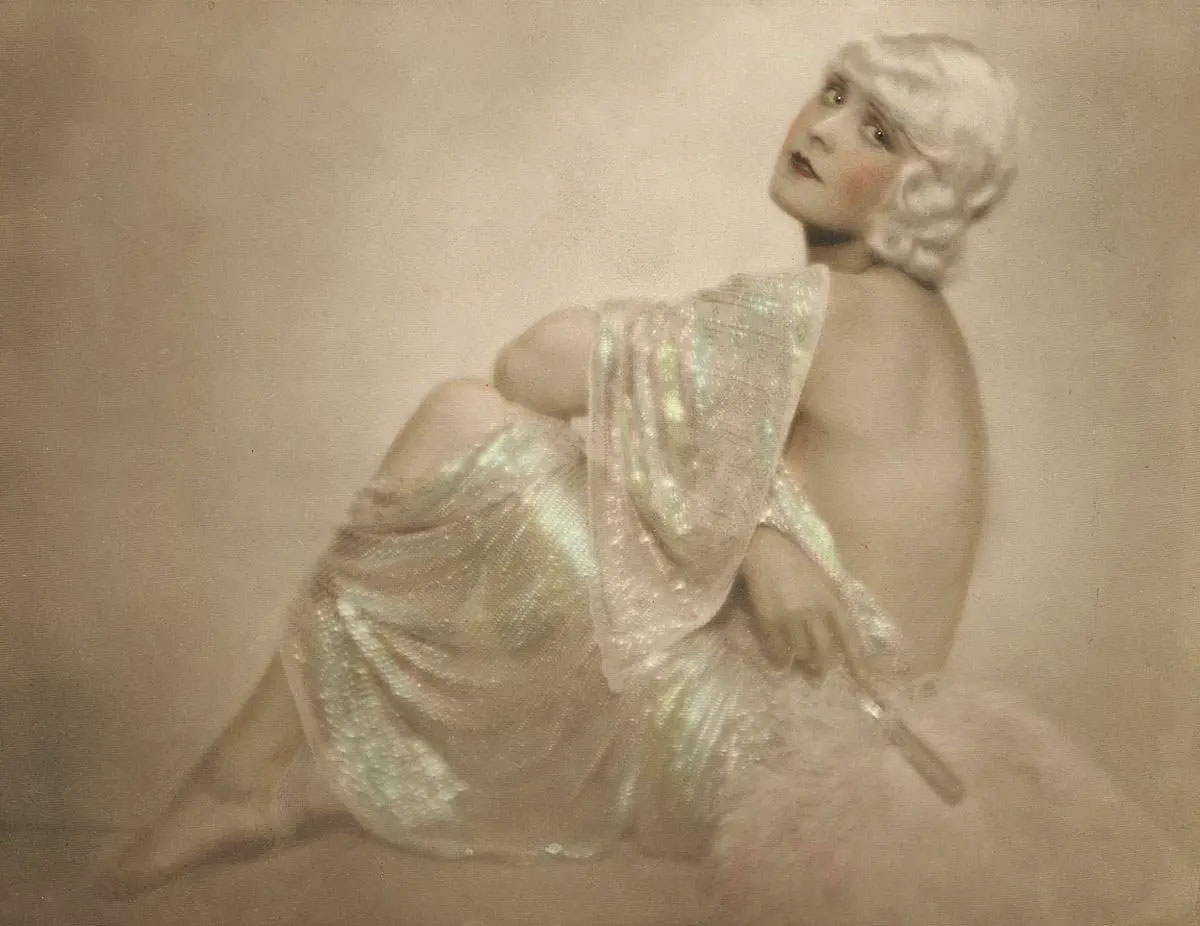
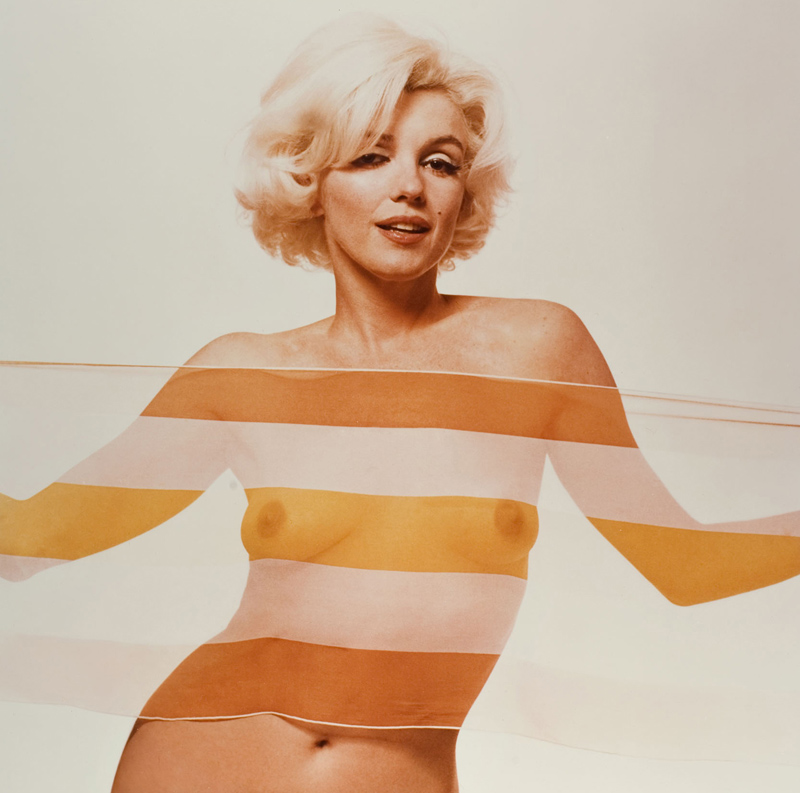
A new, more radical vision was developed by the Avant-garde movements after the 1920s, with their abstract and surrealistic experiments, such as the stories narrated in a play of light and shadow by František Drtikol or the deformed bodies in the works of Hans List. The theme of “glamour” plays a crucial role above all in fashion photography. That chapter poses the question as to what role is played in the debate on fashion by the way of showing the unclothed female body, by male desire and how perceptions change in the course of cultural history. Glamour can be seen in the erotic images from the Atelier Manassé, shown in soft focus, in Bert Stern’s portraits from the “last sitting” of Marilyn Monroe, up to and including Helmut Newton’s photos. In addition to these, selected works by amateurs as well as the male nude as an expression of gay emancipation will also be presented in pictures, particularly by Will McBride or Herbert Roettgen, who placed the representation of the naked male body in the focus of their work as an expression of their homosexuality, an emblem of their coming-out.

The depiction of the naked torso is shrouded in an aura of scandal and has always been a political bone of contention, whereby images of the bare human body send signals which differ according to their historical context: the photographic artists of the 1970s, working within the framework of body art and performance events, declared the directness of their own physical experience to be a political necessity. In retrospect, their work can be seen as a last desperate attempt to grapple with the vanishing concept of the subjective personality before the transition to the post-modern age. The private spaces of life too are meanwhile also illuminated in a quite different way than 25 years ago. The photographer Thomas Ruff deals in his works, which he imbues with a diffuse haziness by digital means, with the theme of the exhibitionism which can go as far as pornographic exposure of one’s own and others’ nakedness in internet forums. Nude Visions shows that the representation of the naked human body always also has something to do with the quest for insight into what human beings (and one’s own self) really are and what role they play in society.

Press release from the MKG website [Online] Cited 15/04/2010. No longer available online


Franz Hanfstaengl (Bavarian, 1804-1877) 'Eugenie von Klenze' about 1855


Franz Hanfstaengl (Bavarian, 1804-1877)
Eugenie von Klenze
about 1855
© Münchner Stadtmuseum


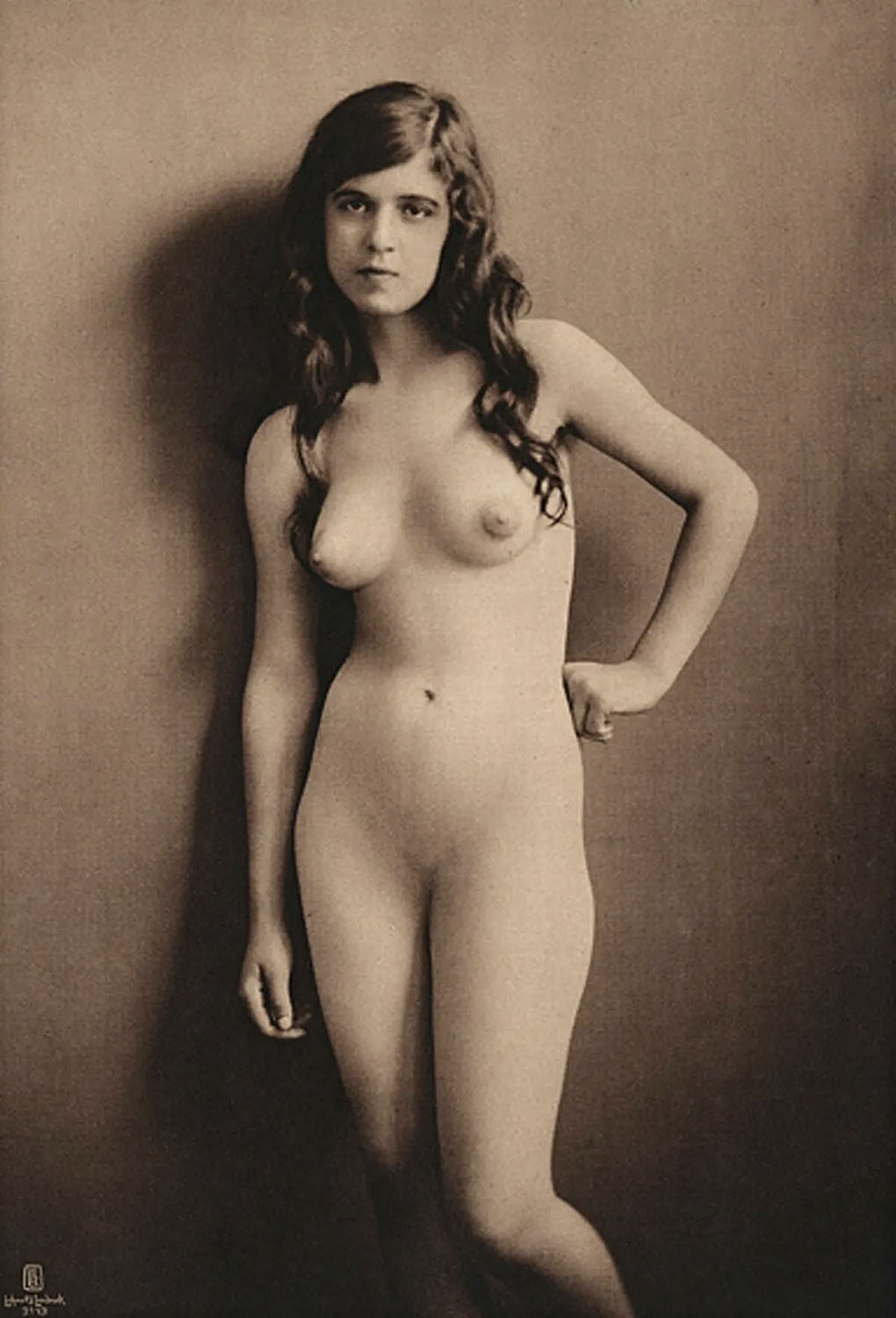
Lehnert & Landrock. 'Artistic Nude Study 3113' around 1920


Lehnert & Landrock
Rudolf Lehnert (Bohemia, 1878-1948) & Ernst Landrock (German, 1878-1948)
Artistic Nude Study 3113
around 1920
© Münchner Stadtmuseum


Lehnert & Landrock was a photographic studio run by Rudolf Franz Lehnert and Ernst Heinrich Landrock active in Tunisia and Egypt in the early 20th century, noted for producing Orientalist images. Rudolf Franz Lehnert and Ernst Heinrich Landrock produced images of North African people, landscapes, and architecture for a primarily European audience. These images were mainly distributed in monographs, though also as original prints, photogravures, and lithographic postcards.

Text from the Wikipedia website


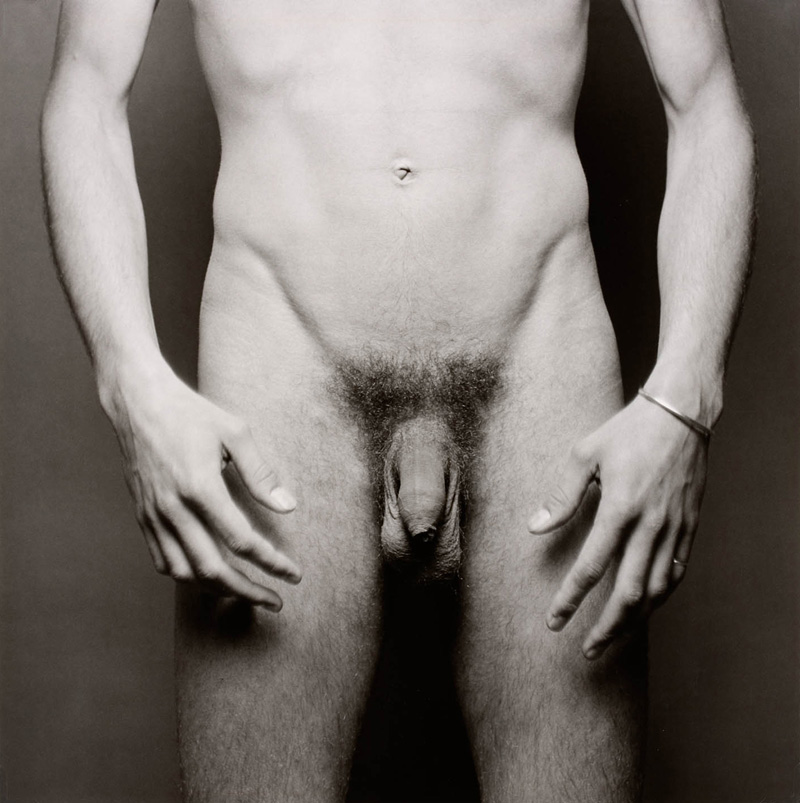
Rudolf Koppitz (Austrian, 1994-1936)
'In the Arms of Nature (Self-portrait)'
around 1925


Rudolf Koppitz (Austrian, 1994-1936)
In the Arms of Nature (Self-portrait)
around 1925
Gelatin silver print
© Münchner Stadtmuseum


Anonymous photographer. 'Untitled' c. 1928


Anonymous photographer
Untitled
c. 1928
© Münchner Stadtmuseum


Around 1900, photography increasingly established itself as an artistic medium, with proponents like Frank Eugene attempting to conceal its true character through soft-focus lenses, gauze curtains, and post-processing of the image.


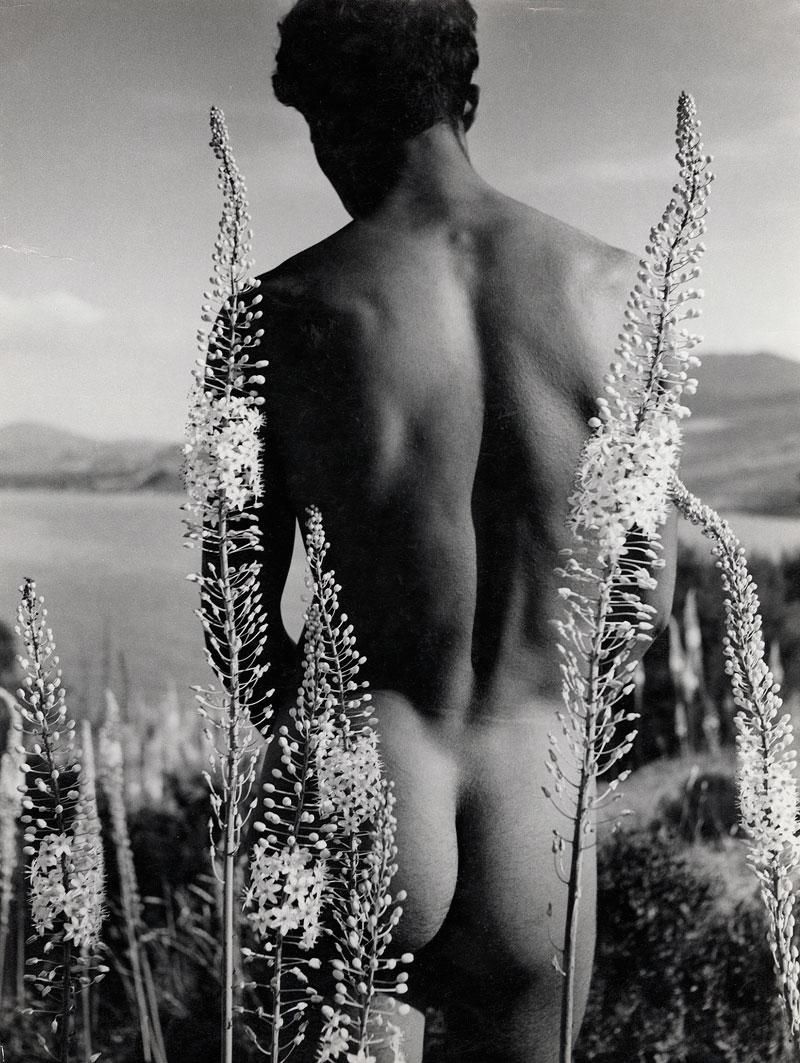
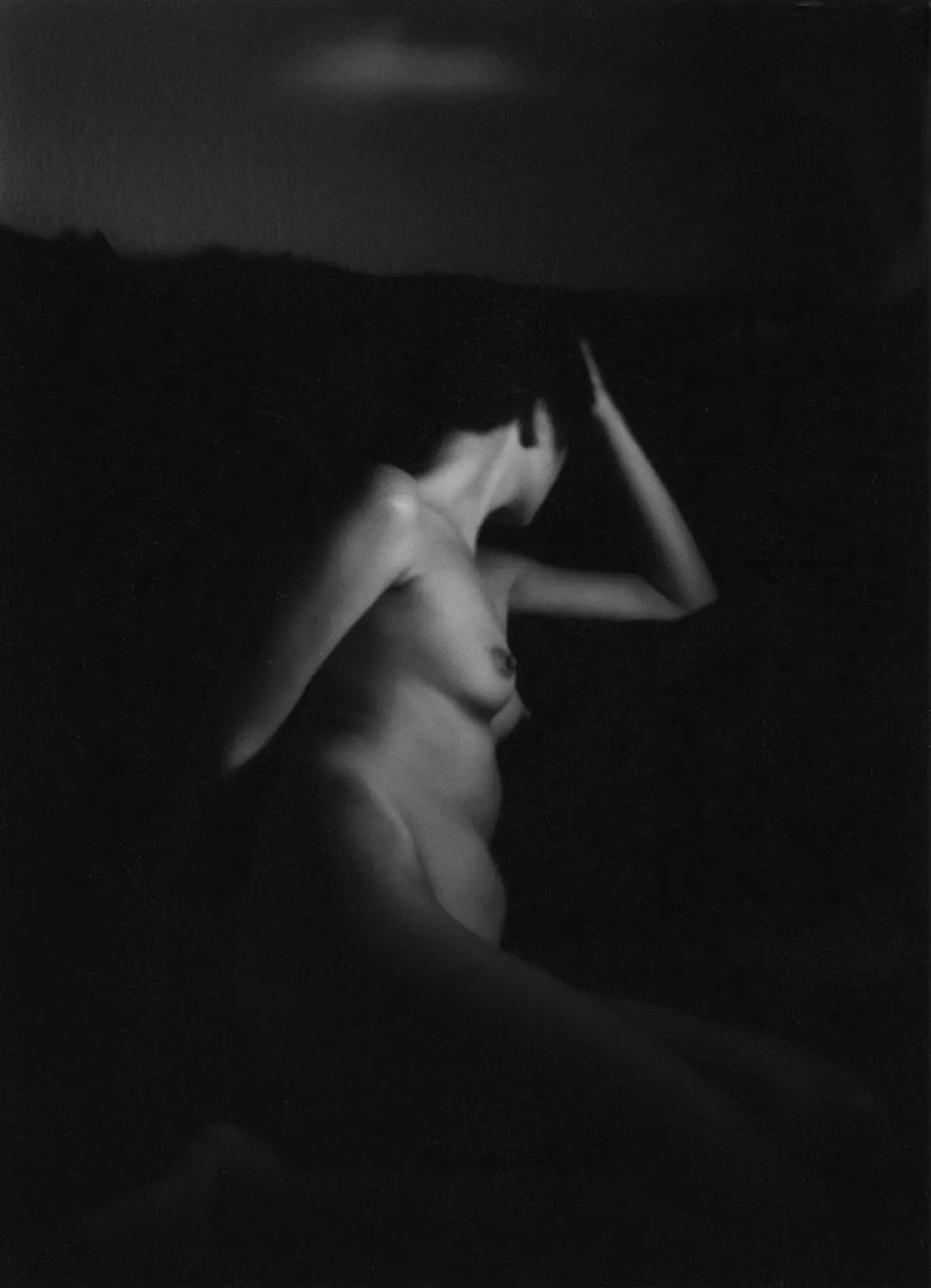
Herbert List (German, 1903-1975) 'Arab Boy with Desert Candles' 1935


Herbert List (German, 1903-1975)
Arab Boy with Desert Candles
1935
Gelatin silver print
29.7 x 22.5cm
Herbert List-inheritance, Hamburg and Munchner Stadtmuseum


Will McBride (American, 1931-2015)
'Barbara in our bed, recording for 'twen'' 1959


Will McBride (American, 1931-2015)
Barbara in our bed, recording for ‘twen’
1959
Gelatin silver print
© Will McBride and Münchner Stadtmuseum


Bert Stern (American, 1929-2013) 'Marilyn Monroe' from the series 'The Last Sitting' 1962


Bert Stern (American, 1929-2013)
Marilyn Monroe from the series The Last Sitting
1962
C-print
48 x 48.1cm
Bert Stern


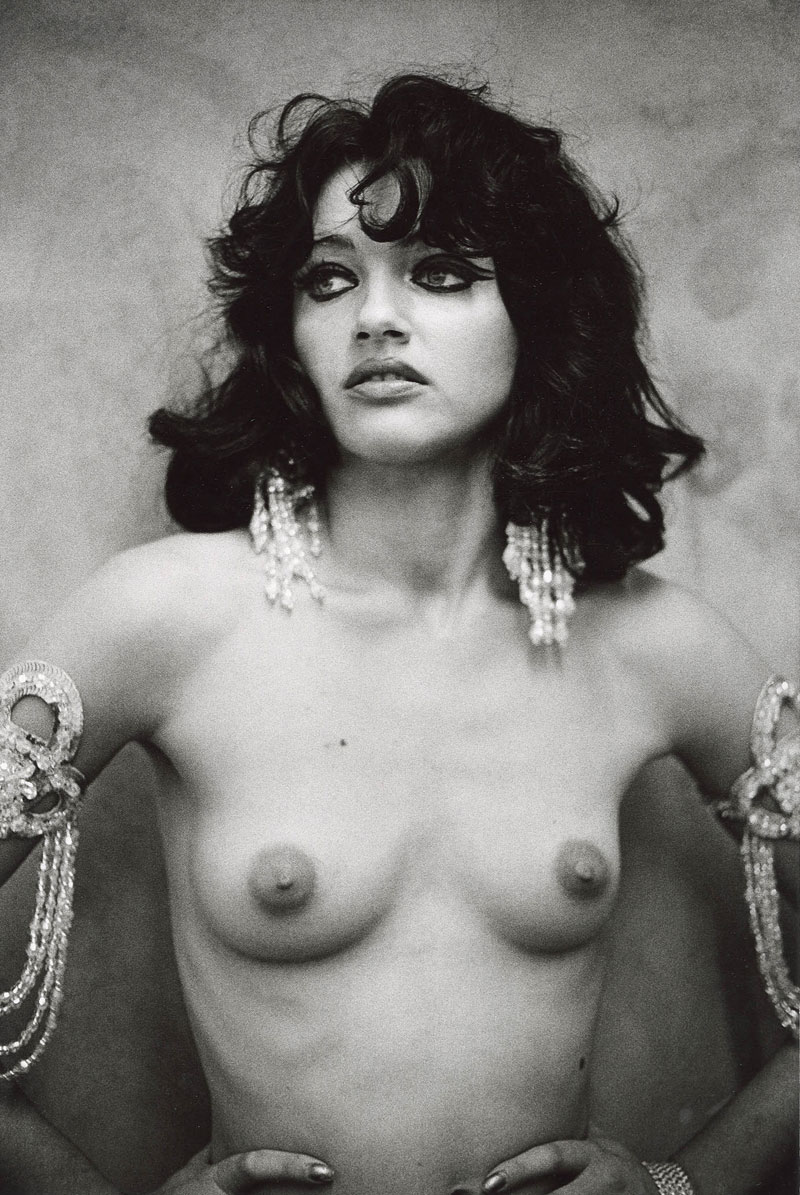
André Gelpke (German, b. 1947) 'Angelique, Salambo, St.Pauli/Hamburg' 1976


André Gelpke (German, b. 1947)
Angelique, Salambo, St.Pauli/Hamburg
1976
Gelatin silver print
32.6 x 22cm
André Gelpke and Münchner Stadtmuseum


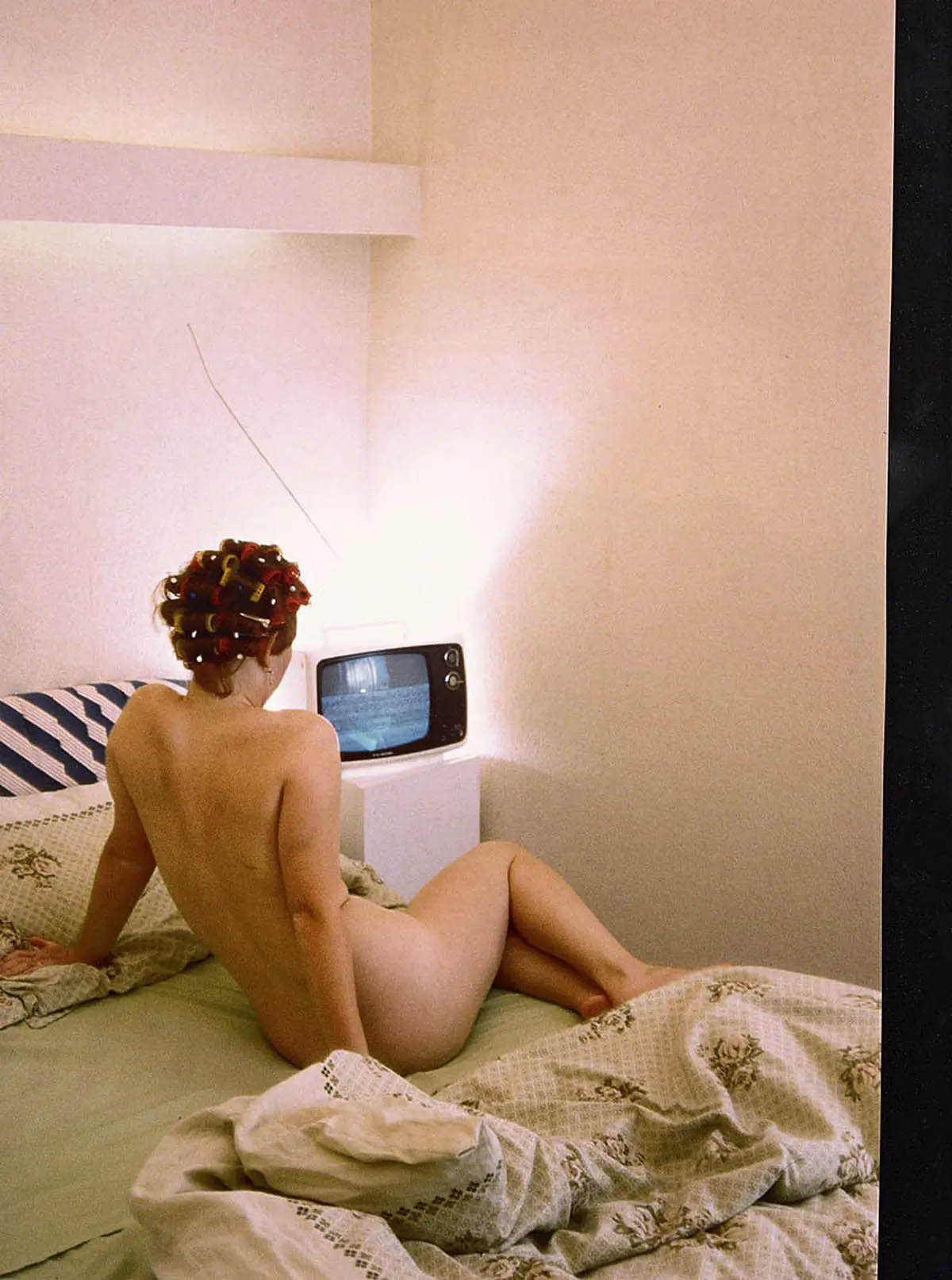
Anonymous photographer. 'Female Nude Watching Television' 1980s


Anonymous photographer
Female Nude Watching Television
1980s
© Münchner Stadtmuseum


Hermann Stamm (German, b. 1953)
'Homage to Helmut Newton' 1985


Hermann Stamm (German, b. 1953)
Homage to Helmut Newton
1985
Gelatin silver print
© Hermann Stamm and Münchner Stadtmuseum


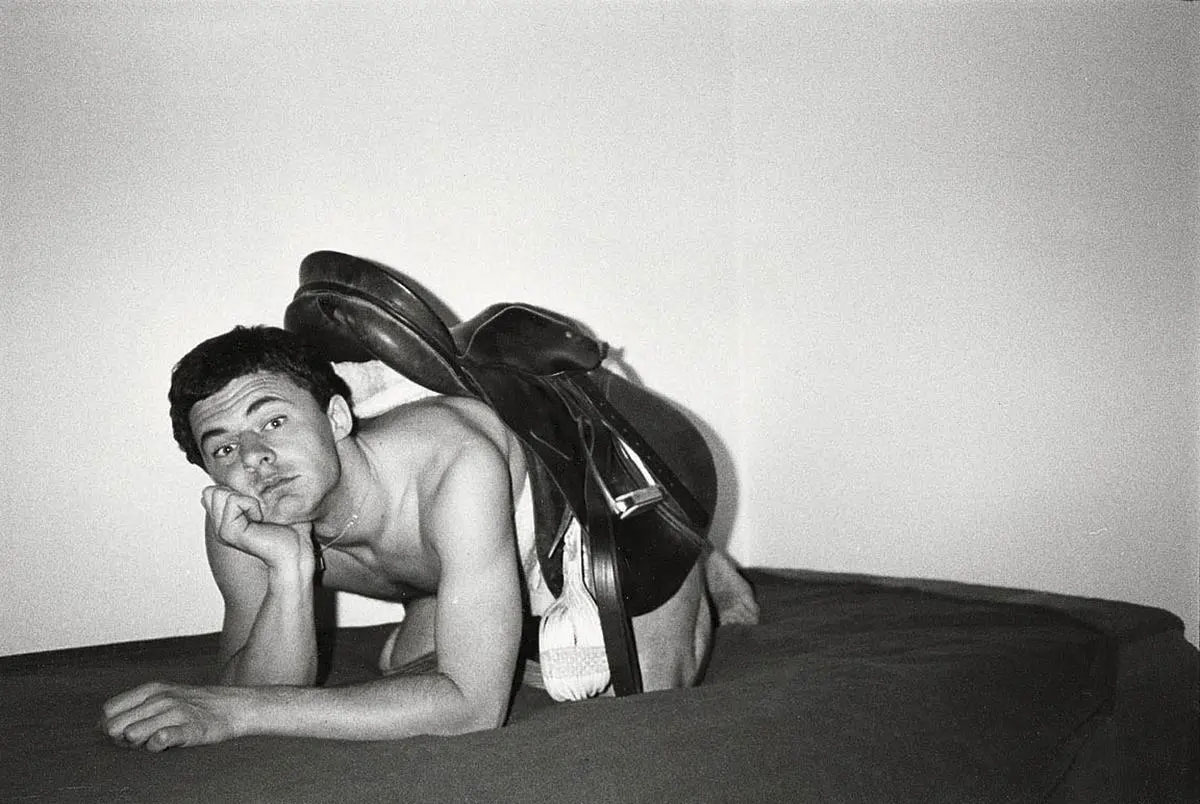
Norbert Przybilla (1953-1996) 'Franz' 1986


Norbert Przybilla (1953-1996)
Franz
1986
Gelatin silver print
50 x 50 cm
Münchner Stadtmuseum


Ulrike Frömel (German) 'Body image'
1993


Ulrike Frömel (German)
Body image
1993
Gelatin silver print
© Ulrike Frömel and Münchner Stadtmuseum


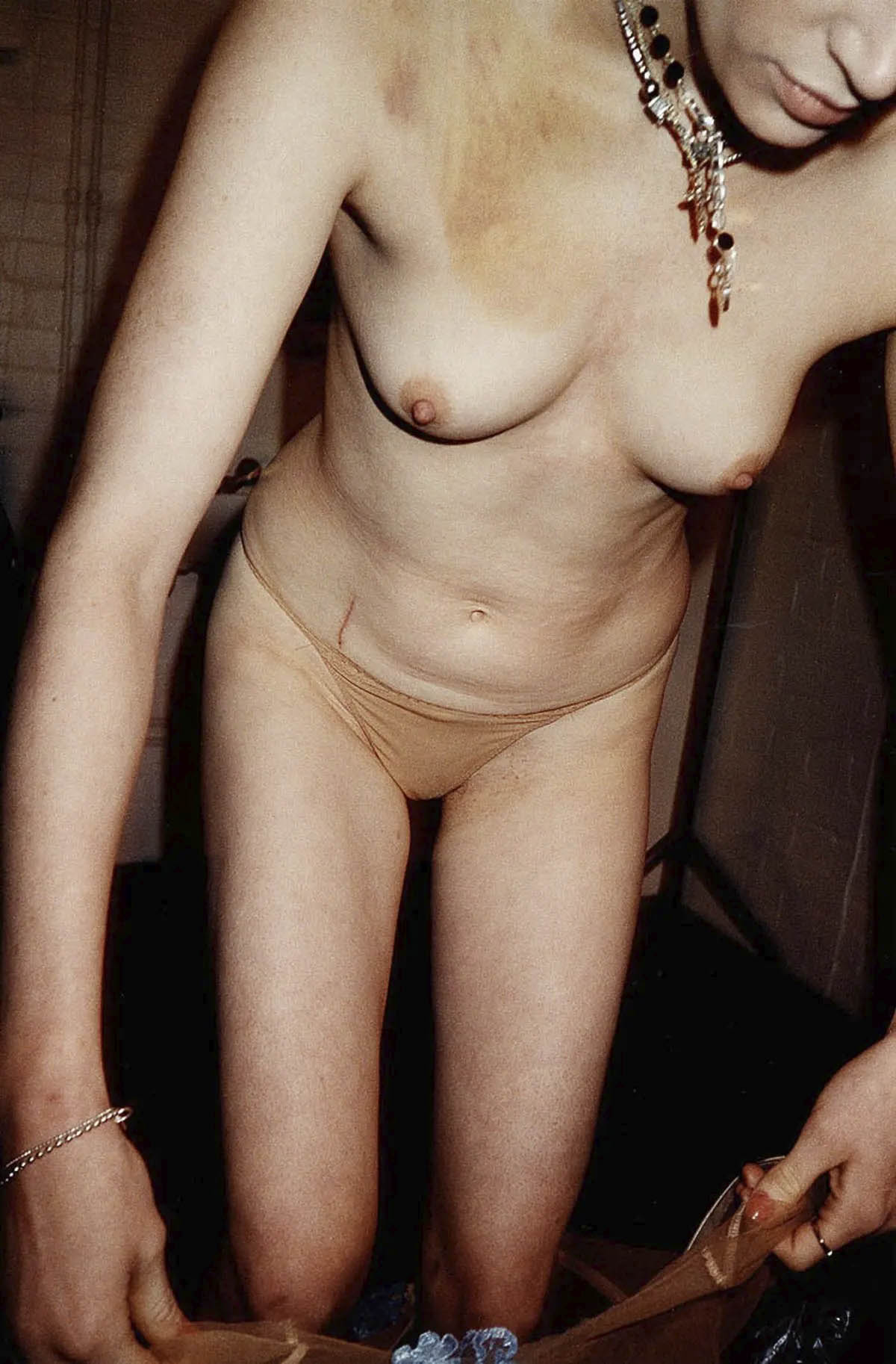
Juergen Teller (German, b. 1964) 'Kristen McMenamy' 1996


Juergen Teller (German, b. 1964)
Kristen McMenamy
1996
© Juergen Teller and Münchner Stadtmuseum


Museum für Kunst und Gewerbe Hamburg
Steintorplatz | 20099 Hamburg

Opening hours:
Tuesdays to Sundays 10 am – 6 pm
Wednesdays and Thursdays 10 am – 9 pm
Closed on Mondays

Museum für Kunst und Gewerbe Hamburg website

LIKE ART BLART ON FACEBOOK

Back to top

Exhibition: ‘René Burri: A Retrospective’ at Flo Peters Gallery, Hamburg

Exhibition dates: 4th November, 2009 – 15th January, 2010


Many thankx to the Flo Peters Gallery for allowing me to publish the photographs in the posting. Please click on the photographs for a larger version of the image.

Dr Marcus Bunyan


René Burri (Swiss, 1933-2014) 'Tae Soe Dong, Sud Korea' 1961


René Burri (Swiss, 1933-2014)
Tae Soe Dong, Sud Korea
1961
Gelatin silver print


René Burri (Swiss, 1933-2014) 'Bilbao, Spain' 1957


René Burri (Swiss, 1933-2014)
Bilbao, Spain
1957
Gelatin silver print


René Burri (Swiss, 1933-2014)
'Training, Fort Lauderdale, Florida'
1966


René Burri (Swiss, 1933-2014)
Training, Fort Lauderdale, Florida
1966
Gelatin silver print


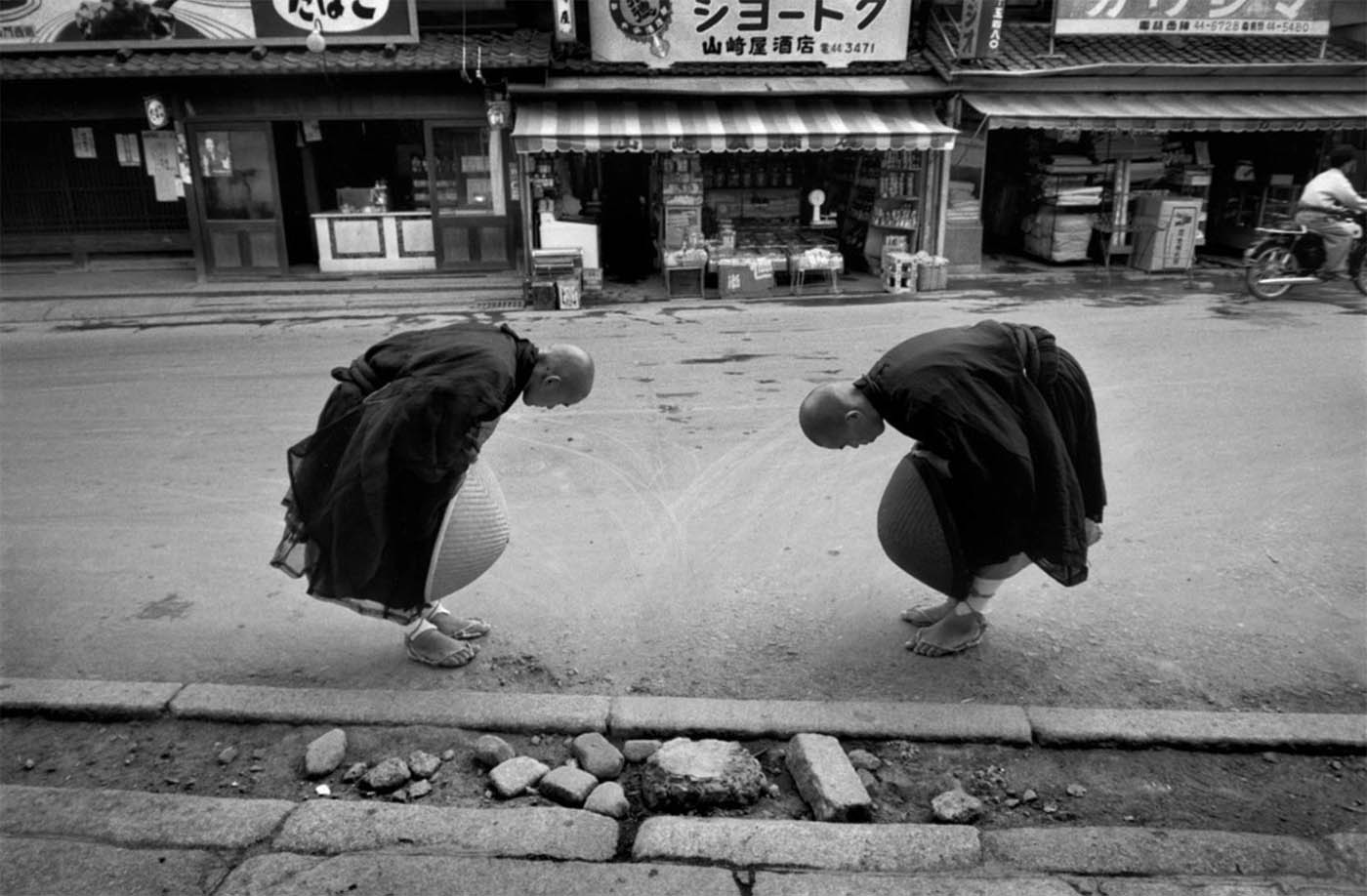
René Burri (Swiss, 1933-2014) 'Two Monks, Kyoto, Japan' 1961


René Burri (Swiss, 1933-2014)
Two Monks, Kyoto, Japan
1961
Gelatin silver print


René Burri (Swiss, 1933-2014) 'Che Guevara, Havana' 1963


René Burri (Swiss, 1933-2014)
Che Guevara, Havana
1963
Gelatin silver print


René Burri (Swiss, 1933-2014) 'Men On A Rooftop, Sao Paulo' 1960


René Burri (Swiss, 1933-2014)
Men On A Rooftop, Sao Paulo
1960
Gelatin silver print


René Burri likes to see his career as a series of happy accidents, which is often just another way of editing out all the downtime and boring bits, the months of no work. But you have to admit it did start with a bang. There he was, 24 years old, mooching around in northern Spain, when he read in a newspaper that Picasso was expected at a bullfight in Nimes the next day. He drove through the night, checked into a hotel early the next morning – and to his surprise was ushered straight into Picasso’s bedroom.

A party was in full swing, and the artist was sitting up in bed, directing a small group of musicians and friends. He nodded at Burri – yes, he could take pictures – and the result is a wonderfully vivid sequence of portraits, Picasso laughing and clapping and betraying not the tiniest sign that a private party has just been interrupted. Burri, of course, took it as a sign from God: with luck like this, he was a born photographer.

So, right from the start, he has had a knack for being in the right place at the right time – and for not making a nuisance of himself once he gets there. He photographed Che Guevara in Havana in 1963, just a few months before the revolutionary disappeared from public life. He got stuck in a lift with President Nasser of Egypt, and took a funny picture of him laughing while a bodyguard looks on murderously.

Of course, for every picture Burri took, there was another he didn’t. He is now 71 and semi-retired (photographers never stop), and says that you could fill volumes with the stories he didn’t get, the places he didn’t go.

The first time he was commissioned to go to Cuba, in 1958 at the height of the revolution, he got drunk the night before he was due to fly, cried off, and went skiing at home in Switzerland instead. He once saw Greta Garbo coming down the road towards him in New York, wearing dark glasses, and at the very last moment put away his camera; she was just too forbidding. In the desert in Egypt, he saw the blackened hand of a corpse reaching up through the sand, and he didn’t take that picture, either. Burri believes in a notion of tact, or what he calls dignity.

Other people might call it cowardice, but he feels strongly that there are some lines you just don’t cross. “I have incredible respect for [war photographers] Don McCullin and Larry Burrows, but you pay a price. What does Don photograph now? Landscapes, pictures of flowers.” This is partly a moral position – photographers can get addicted to war, he says, and he met a lot of them in Vietnam – but it is also a simple instinct for self-preservation. Three of Burri’s great mentors at Magnum – Robert Capa, Werner Bischof, Chim (David Seymour) – lived dangerously and died young, and he always felt it was a tremendous waste of their talent.

For all that, Burri has seen a lot of war. Since joining Magnum in 1959, he has covered conflicts in Cambodia, Korea, Vietnam, Egypt, Syria, Lebanon and China. He says he prefers to photograph the build-up to war, or its aftermath, rather than the violence itself. One of the first big projects he undertook was a portrait of postwar Germany, starting in the bleak mid-1950s and published in book form in 1962.

Of all his photographs, those that most nearly capture the atmosphere of combat are, in fact, of a training exercise in the Swiss Jura. Burri undertook compulsory military service in the 1950s, while still at art school, but with the permission of his training officer ended up shooting more film than anything else; he developed the pictures in his bath tub at the end of the day. At the age of 21, he came to see the camera as a way of removing himself from actual conflict; it also, he says, forced him to look for metaphors about battle, rather than relying on the action picture. (This is a rule of his – don’t be too literal. He once saw Castro standing in a doorway underneath a big exit sign, which was tempting for a second, but then just too obvious.)

Burri’s most powerful war pictures are the ones with no one in them. During the Six Day War between Egypt and Israel in 1967, he took a series of stark, graphic photographs, many of them from the air, which said something about the conflict that any single explosion or corpse might not have. In one, the wreckage of an Egyptian helicopter lies sprawled on a concrete landing pad, looking like a bug squashed on patio paving; in another, a burned-out convoy snakes through the desert like a collection of children’s toys left out in a sand pit.

A third photograph, an extreme close-up of a helmeted soldier with helicopters swarming at his shoulder like mosquitoes, taken in 1974, after the Yom Kippur war, has someone in it, it’s true, but he is silhouetted and faceless – an emblematic soldier, not a real one. In person, Burri is not a man given to big political statements, but on film he has captured the futility of war, the mess and wastefulness of human aggression.

Burri now lives in Paris, which is currently honouring him with a retrospective, and on the opening weekend he rushes around the gallery with his publisher, a TV director, several friends, his wife and 11-year-old son in tow. (He has grown-up children from his first marriage to Rosellina Bischof, who died in 1986.) He is every inch the European photojournalist – battered black fedora, cravat, a thick cloud of cigar smoke; when we move to a cafe to talk and the Americans at the next table complain about the cigar, he points out, in a very genial way, that the pollution is marginally worse outside.

At art school in Zurich, Burri was initially more interested in film. He had a rather off-putting photography teacher who started class with gymnastics and breathing exercises, and was a keen proponent of the “new objectivity” – there was an emphasis on still lifes and form, and what Burri refers to as “coffee cups in light.”

The American photographer Edward Steichen once came to the school looking for work he might include in an exhibition, The Family Of Man, at the Museum of Modern Art in New York – where were the pictures of people, he wanted to know, and left disappointed. It wasn’t until after he graduated that Burri felt free to pursue the more spontaneous, subjective kind of photography that Steichen had come looking for. “I suddenly had to chase after my pictures … Pictures are like taxis during rush hour – if you’re not fast enough, someone else will get there first.”

He started in Paris, as everyone did in the 1950s. Henri Cartier-Bresson had just published his influential book The Decisive Moment, and Robert Doisneau and Willy Ronis were photographing the city’s streets and cafes. At Magnum, they took an interest in a story Burri had published about a school for deaf-mute children, selling it on to Life magazine. He was in – Cartier-Bresson approved, Capa was enthusiastic, so Burri became a part of the greatest photographers’ cooperative in the world.

For the next two decades, he travelled almost incessantly, working on commissions for the New York Times, Vogue, Paris-Match, Time, Der Stern. He has kept every boarding card and press pass; a cabinet in the Paris exhibition is full of them. But although Burri worked constantly throughout the 1950s and 1960s, his photographs were always considered the lesser part of a story; as far as magazine editors were concerned, it was the words that mattered. After Burri accompanied an American journalist on a two-hour interview with Che Guevara, Look magazine ran pages of dense text, cropping his extraordinary portraits and running them very small at the bottom of the page.

One of the chief pleasures of this retrospective stage in life, says Burri, is being able to go back through all that work and decide for himself what was important and what was not. In Phaidon’s new monograph of his work, the portrait of Che is not 2in square but blown up across two pages. He has hung magazine stories in the new exhibition, signing the uncredited ones in red crayon. And as well as the reportage, there are hundreds of portraits of artists and writers and architects – Patricia Highsmith, Alberto Giacometti, Le Corbusier – and of cities: Tokyo, Havana, New York in a blackout, Rio de Janeiro, São Paolo, Brasilia.

Burri fell in love with modern architecture as a student and went on to form close friendships with Le Corbusier, Luis Barragan and Oscar Niemeyer. Some of his best work draws on this innate feel for the form and volume of a building, and of a person’s place within it. A photograph called In The Ministry Of Health, Rio de Janeiro 1960, is so full of light and shadow, it looks at first like a street scene, two young women striding through thick bars of sunlight; in fact, the photograph was taken indoors, in the lobby of a building designed by two of Burri’s favourite architects, Niemeyer and Le Corbusier. Burri’s best known photograph, of four suited men crossing a rooftop in São Paolo, captures all the drama, glamour and vertigo of life in a giant city: the flat roof floats high above the street, dotted with tiny, improbable people.

When Burri left Zurich in the 1950s, he set out to discover the world and some sense of man’s smallness within it. Switzerland was landlocked, bordered by mountains; a camera was a way out. Even then, he worried about what he could do that was new – “when shutters rattle from morning to night in every corner of the world … when every continent is lit with the flash of cameras.” His job, he believes, has been to “trace the enormous social changes taking place in our age, conveying my thoughts and images of them.” And, more poetically, “to put the intensity that you yourself have experienced into the picture – otherwise it is just a document.” He retired from reporting once that intensity, that sense of the bigness of the world, was gone. In 1989, he went to Moscow to photograph Ronald Reagan and Mikhail Gorbachev, but so did 6,500 others, and in the scrum it seemed impossible to take a meaningful picture. He now prefers to paint and take pictures of his wife and son. Of course, he’d start all over again if the world ever became less crowded – if you could walk into Picasso’s bedroom at six in the morning, and be welcome.

Saturday February 7, 2004
The Guardian
Text on the Art Daily website [Online] Cited 19/05/2019


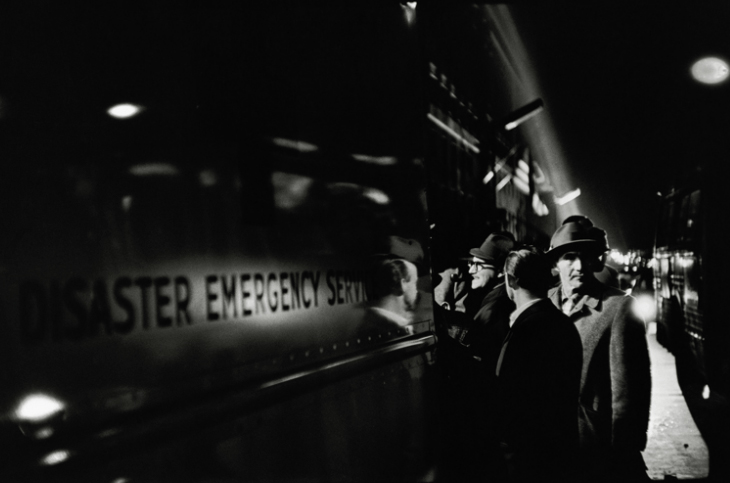
René Burri (Swiss, 1933-2014) 'Blackout New York' November 9, 1965

René Burri (Swiss, 1933-2014) 'Blackout New York' November 9, 1965

René Burri (Swiss, 1933-2014) 'Blackout New York' November 9, 1965

René Burri (Swiss, 1933-2014) 'Blackout New York' November 9, 1965


René Burri (Swiss, 1933-2014)
Four photographs from the series Blackout New York
November 9, 1965
Gelatin silver print


Flo Peters Gallery
Burchardstraße 13
Chilehaus C
20095 Hamburg, Germany

Gallery hours:
Tuesday – Friday 12 – 4pm
Saturday 11 – 3pm

Flo Peters Gallery website

LIKE ART BLART ON FACEBOOK

Back to top

Exhibition: ‘The best is often the Memories: Photographic Portraits of Romy Schneider’ at Museum für Kunst Und Gewerbe, Hamburg

Exhibition dates: 6th February – 13th April, 2009


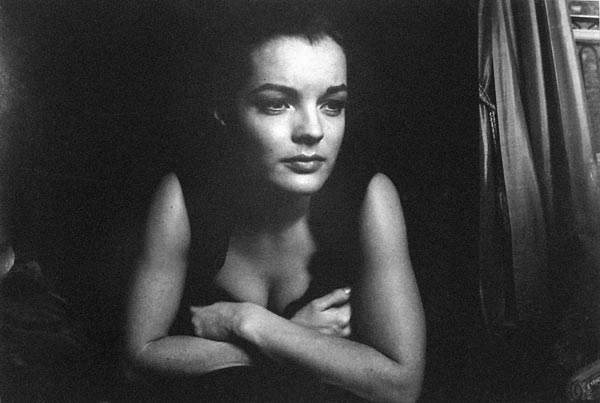
Will McBride (American, 1931-2015) 'Romy Schneider, Paris, 1964' from the exhibition 'The best is often the Memories: Photographic Portraits of Romy Schneider' at Museum für Kunst Und Gewerbe, Hamburg, Feb - April, 2009


Will McBride (American, 1931-2015)
Romy Schneider, Paris, 1964
1964
Gelatin silver print


The legend that was Romy!

I have never known the filmography of Romy Schneider, never come across this actress before sad to say. But now I do. What great photographs. What a beautiful woman: sensitive, vivacious, stunning. A soul I would have liked to have known.

Marcus


Many thankx to the Museum für Kunst Und Gewerbe for allowing me to publish the photographs in the posting. Please click on the photographs for a larger version of the image.


Romy Schneider (German: born Rosemarie Magdalena Albach; 23 September 1938 – 29 May 1982) was a German-French actress. She began her career in the German Heimatfilm genre in the early 1950s when she was 15. From 1955 to 1957, she played the central character of Empress Elisabeth of Austria in the Austrian Sissi trilogy, and later reprised the role in a more mature version in Luchino Visconti’s Ludwig (1973). Schneider moved to France, where she made successful and critically acclaimed films with some of the most notable film directors of that era.

Read more about Romy Schneider on the Wikipedia website


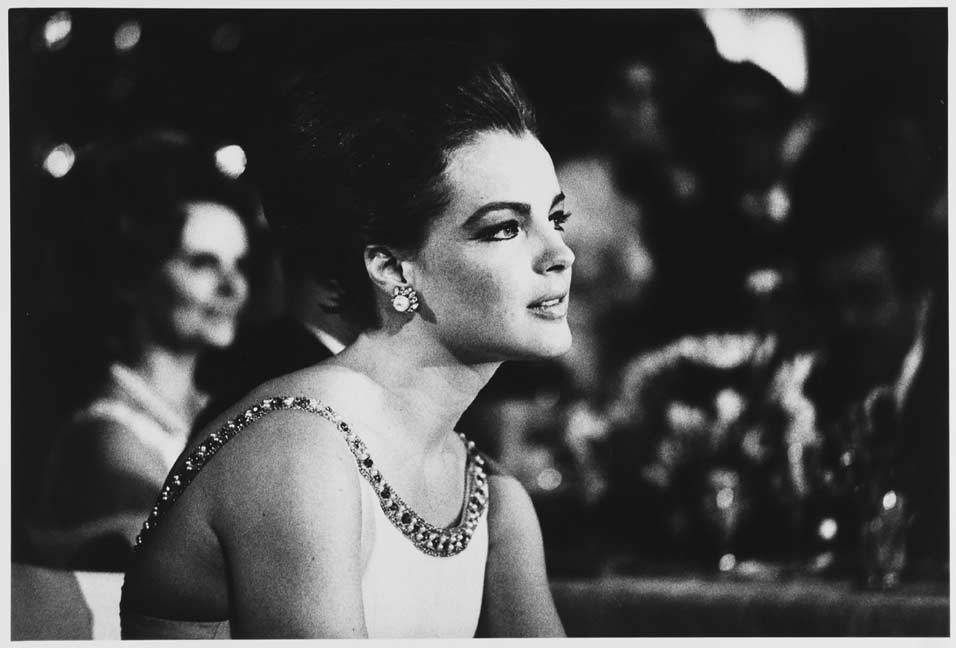
Peter Brüchmann (German, 1932-2016) 'Romy Schneider, Munich, 1968' from the exhibition 'The best is often the Memories: Photographic Portraits of Romy Schneider' at Museum für Kunst Und Gewerbe, Hamburg, Feb - April, 2009


Peter Brüchmann (German, 1932-2016)
Romy Schneider, Munich, 1968
1968
Gelatin silver print


Peter Brüchmann

Born in Berlin, Peter Brüchmann trained to be a photographer with the fashion and portrait photographer Lotte Söhring and subsequently completed a traineeship at the German press agency dpa. In the 1950s and 1960s he worked for well-known magazines, such as Schöner Wohnen, Stern and Bild am Sonntag. Brüchmann is primarily known for his portraits of celebrities of the movie and music industry. In 2008 the photographer participated in the group exhibition Die Erinnerung ist oft das Schönste – Fotografische Porträts von Romy Schneider, an exhibition comprising portraits of the famous Franco-German actress Romy Schneider, held at the Stiftung Opelvillen Rüsselheim, Germany. Today Peter Brüchmann works as a freelance photographer for several national and international magazines. Numerous of his photographs are among the collections of the German Historical Museum in Berlin.


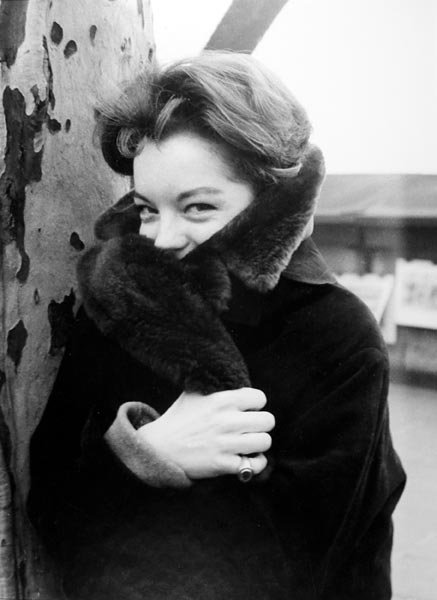
Roger Fritz (German, 1936-2021) 'Romy Schneider, Paris, 1961'


Roger Fritz (German, 1936-2021)
Romy Schneider, Paris, 1961
1961
Gelatin silver print


Herbert List, Max Scheler, Roger Fritz, F. C. Gundlach, Will McBride, Peter Brüchmann, Werner Bokelberg, Helga Kneidl and Robert Lebeck took photos of Romy Schneider in quite different ways, as a young girl, in her film roles, together with her children, apparently unobserved in everyday situations or in set poses and dressed up in various costumes, merry or pensive, beautiful and fragile. More than 140 pictures will be on show, of which about 40 are being exhibited for the first time.

Hardly any other star has left us with so many different and conflicting images as Romy Schneider. She was photographed thousands of times – and yet she always remained enigmatic. Some of the photographers whose work is presented in this exhibition only met Romy once – Herbert List, for instance, captured her as a teenager around 1954 on pictures which remained unknown until recently – or accompanied her throughout her life, like Robert Lebeck, who succeeded in taking disturbingly personal pictures of her from the 1950s through to shortly before her death.

These snapshots conjure up once again the legend that was Romy, while at the same time making a powerful statement which reveals the transitoriness of existence. Because that is the core of what a photo does: it creates an image in order to bear lasting witness to an event which happened – yet at the very moment of capturing the image on film, it is no more than the proof that the fleeting moment has passed.

The photos by Herbert List, Werner Bokelberg, Peter Brüchmann, Roger Fritz and Max Scheler are being shown publicly for the first time. This also applies to the majority of the photos by F. C. Gundlach and Will McBride. The pictures by Helga Kneidl and Robert Lebeck have already appeared in books about Romy Schneider. These volumes are however now out of print.

Text from the Museum für Kunst Und Gewerbe website


Herbert List (German, 1903-1975) 'Romy Schneider, Munich, 1954'


Herbert List (German, 1903-1975)
Romy Schneider, Munich, 1954
1954
Gelatin silver print


Herbert List

Herbert List (7 October 1903 – 4 April 1975) was a German photographer, who worked for magazines, including VogueHarper’s Bazaar, and Life, and was associated with Magnum Photos. His austere, classically posed black-and-white compositions, particularly his homoerotic male nudes, taken in Italy and Greece being influential in modern photography and contemporary fashion photography.

Photographer

In 1929 he met Andreas Feininger who inspires his greater interest in photography and who gives him a Rolleiflex camera. From 1930 he began taking portraits of friends and shooting still life, is influenced by the Bauhaus and artists of the surrealist movements, Man Ray, Giorgio De Chirico and Max Ernst, and creates a surrealist photograph titled Metaphysique in a style he called fotografia metafisica in homage to De Chirico, his most important influence during this period. He used male models, draped fabric, masks and double-exposures to depict dream states and fantastic imagery. He has explained that his photos were “composed visions where [my] arrangements try to capture the magical essence inhabiting and animating the world of appearances.”

In 1936, in response to the danger of Gestapo attention to his openly gay lifestyle and his Jewish heritage, List left Germany for Paris, where he met George Hoyningen-Huene with whom he travelled to Greece, deciding then to become a photographer. During 1937 he worked in a studio in London and held his first one-man show at Galerie du Chasseur d’Images in Paris. Hoyningen-Huene referred him to Harper’s Bazaar magazine, and 1936-1939 he worked for Arts et Metiers GraphiquesVerveVoguePhotographie, and Life. List was unsatisfied with fashion photography. He turned back to still life imagery, continuing in his fotografia metafisica style.

From 1937 to 1939 List traveled in Greece and took photographs of ancient temples, ruins, sculptures, and the landscape for his book Licht über Hellas. In the meantime he supported himself with work for magazines Neue LinieDie Dame and for the press from 1940-1943, and with portraits which he continued to make until 1950. In List’s work the revolutionary tactics of surrealist art and a metaphysical staging of irony and reverie had been honed in an the fashion industry that relied on illusion and spectacle which after World War II returned to a classical fixation on ruins, broken male statuary and antiquity.

Text from the Wikipedia website


F. C. Gundlach (German, 1926-2021) 'Romy Schneider, Hamburg, 1961'


F. C. Gundlach (German, 1926-2021)
Romy Schneider, Hamburg, 1961
1961
Gelatin silver print


F. C. Gundlach

F. C. Gundlach (Franz Christian Gundlach; born 16 July 1926 in Heinebach, Hesse; died 23 July 2021, Hamburg, Germany) is a German photographer, gallery owner, collector, curator und founder. In 2000 he created the F.C. Gundlach Foundation, since 2003 he has been founding director of the House of Photography – Deichtorhallen Hamburg.

His fashion photographs of the 1950s, 1960s and 1970s, which in many cases integrated social phenomena and current trends in the visual arts, have left their context of origin behind and found their way into museums and collections. Since 1975 he also curated many internationally renowned photographic exhibitions. On the occasion of the reopening of the House of Photography in April 2005, he curated the retrospective of the Hungarian photographer Martin Munkácsi. Here, the exhibitions A Clear VisionThe Heartbeat of Fashion and Maloney, Meyerowitz, Shore, Sternfeld. New Color Photography of the 1970s from his collection were presented since 2003. Most recently he curated the exhibitions More Than Fashion for the Moscow House of Photography and Vanity for the Kunsthalle Wien 2011.

The fashion photographer

F. C. Gundlach attended the Private Lehranstalt für Moderne Lichtbildkunst (Private School for Modern Photography) under Rolf W. Nehrdich in Kassel from 1946 to 1949. Subsequently, he began publishing theatre and film reports in magazines such as Deutsche Illustrierte, Stern, Quick and Revue as a freelance photographer.

His specialisation in fashion photography began in 1953 with his work for the Hamburg-based magazine Film und Frau, for which he photographed German fashion, Parisian haute couture and fur fashion campaigns. Additionally he photographed portraits of artists such as Romy Schneider, Hildegard Knef, Dieter Borsche and Jean-Luc Godard. For Film und Frau, but also for Stern, Annabelle, Twen and other magazines, F. C. Gundlach has since made fashion and reportage trips to the Near, Middle and Far East as well as to Central and South America. Under an exclusive contract with the magazine Brigitte, he photographed many of the trendsetting fashion pages until 1983, a total of more than 160 covers and 5,000 pages of editorial fashion. In the 1970s and 1980s he worked in South America, Africa, but above all in New York and on the American west coast.

His retrospective solo exhibitions, such as ModeWelten (1985), Die Pose als Körpersprache (1999), Bilder machen Mode (2004) or F. C. Gundlach. The photographic work (2008) were shown in many museums and galleries in Germany and abroad.

 
“He is a photographer whose images show the knowledge of the dominant role of fashion as a cultural social factor. For this reason, he rarely presented the phenomena of fashion in isolation, but rather linked them to the phenomenology of everyday reality and placed them in the socio-cultural context from which they ultimately originated. F. C. Gundlach proves to be a photographic artist with a will to style, a mastery of staging and the ability to shape the photographic image at his leisure, who arranges his models in ever new formal constellations: as a photographer of extraordinary aesthetic quality.”

~ Klaus Honnef

 
“As a fashion photographer who makes use of a recording medium, the photographer must live, think and feel entirely in his time. Fashion photographs are always interpretations and stagings. They reflect and visualise the zeitgeist of the present and anticipate the spirit of tomorrow. They offer projection screens for identification, but also for dreams, wishes and desires. And yet fashion photographs say more about a time than documentary photographs pretending to depict reality.”

~ F.C. Gundlach


Text from the Wikipedia website


Werner Bokelberg (German, 1937-2024) 'Romy Schneider, London, 1968'


Werner Bokelberg (German, 1937-2024)
Romy Schneider, London, 1968
1968
Gelatin silver print


Helga Kneidl (German, b. 1939) 'Romy Schneider, Paris, 1972'


Helga Kneidl (German, b. 1939)
Romy Schneider, Paris, 1972
1972


Helga Kneidl (German, b. 1939) 'Romy Schneider, Paris, 1973'


Helga Kneidl (German, b. 1939)
Romy Schneider, Paris, 1973
1973


Museum für Kunst und Gewerbe Hamburg
Steintorplatz, 20099 Hamburg

Opening hours:
Tuesday to Sunday 10am – 6pm
Thursday 10am – 9pm
Closed Mondays
Museum für Kunst Und Gewerbe website

LIKE ART BLART ON FACEBOOK

Back to top