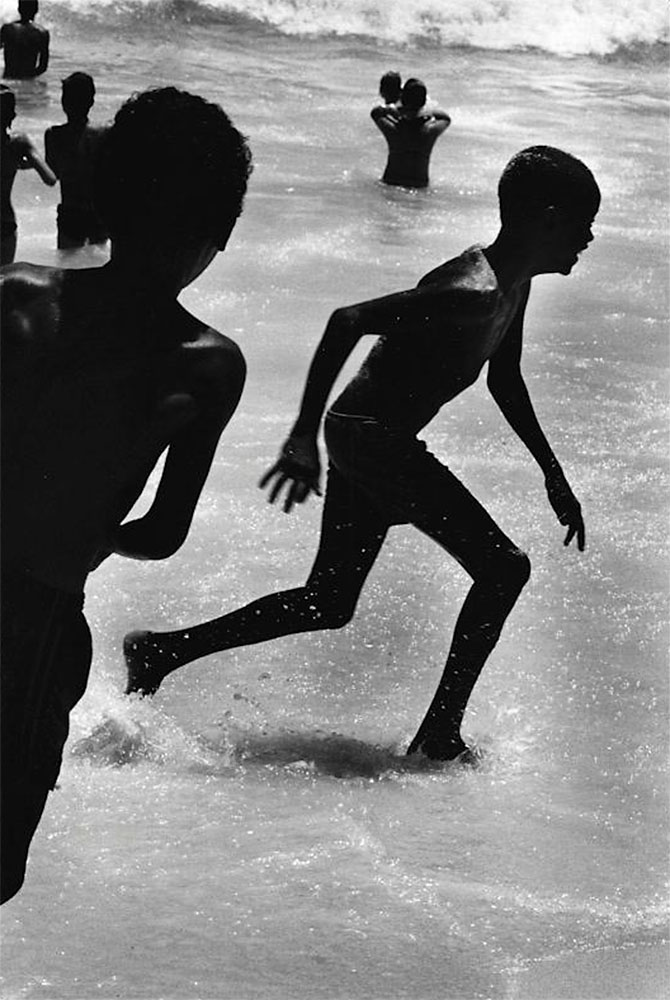
Exhibition: ‘Eyes Wide Open: 100 Years of Leica Photography’ at Deichtorhallen Hamburg

Exhibition dates: 24th October 2014 – 11th January 2015

Curator: Hans-Michael Koetzle


Oskar Barnack (Germany, 1879-1936) 'Wetzlar Eisenmarkt' 1913


Oskar Barnack (Germany, 1879-1936)
Wetzlar Eisenmarkt
1913
© Leica Camera AG


A photographic revolution. So much more than just photojournalism… and it has a nice sound as well.

“Indiscreet discretion” as the photographer F. C. Gundlach puts it.

There are some memorable photographs here.

Marcus


Many thankx to the Deichtorhallen Hamburg for allowing me to publish the photographs in the posting. Please click on the photographs for a larger version of the image.
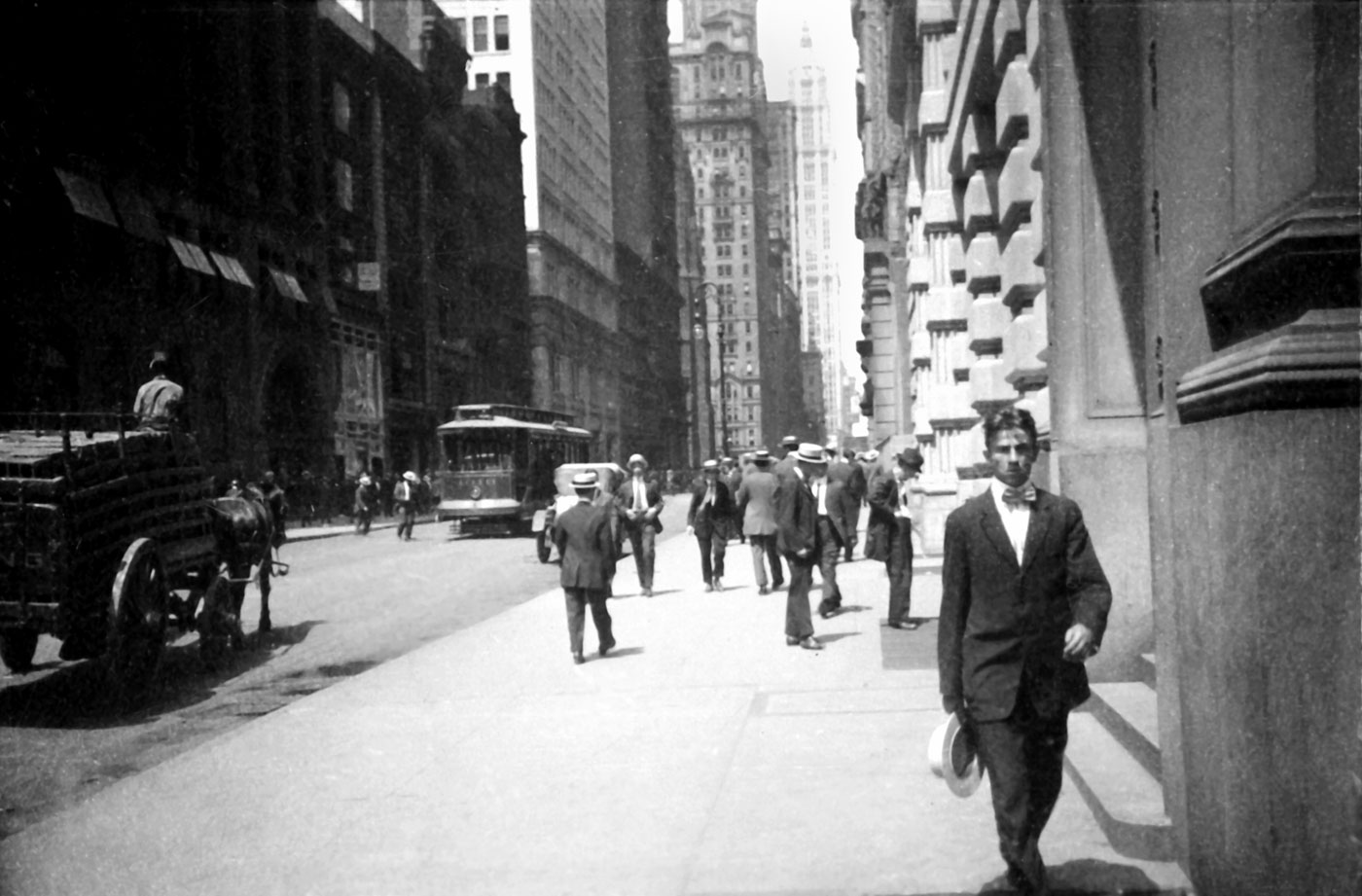


Ernst Leitz (German, 1843-1920) 'New York II' 1914


Ernst Leitz (German, 1843-1920)
New York II
1914
© Leica Camera AG


Just a few months before the outbreak of the First World War, Ernst Leitz II travelled to the USA. While there, he was able to capture photos, using a second model of the “Liliput” camera developed by Oskar Barnack, which most certainly would be found in a history of street photography.


Oskar Barnack (Germany, 1879-1936) 'Flood in Wetzlar' 1920


Oskar Barnack (Germany, 1879-1936)
Flood in Wetzlar
1920
© Leica Camera AG


From around the time of 1914, Oskar Barnack must have carried a prototype camera with him, particularly during his travels – the camera first received the name Leica in 1925. Perhaps his most famous sequence of images, because it has been shown continually since, is the striking series of the floods in Wetzlar, Germany, in 1920


'Ur-Leica' 1914


Ur-Leica
1914
© Leica Camera AG


Oskar Barnack invents the Ur-Leica

Designed by Oskar Barnack, the first functional prototype of a new camera for 35 mm perforated cinema film stock was completed in March 1914. The camera consisted of a metal housing, had a retractable lens and a focal plane shutter, which is not overlapped, however. A bolt-on lens cap that was swivelled during film transport, prevented incidental light. For the first time film advance and shutter cocking were connected to a camera – double exposures were excluded. The camera has gone down in the history of photography under the name Ur-Leica.
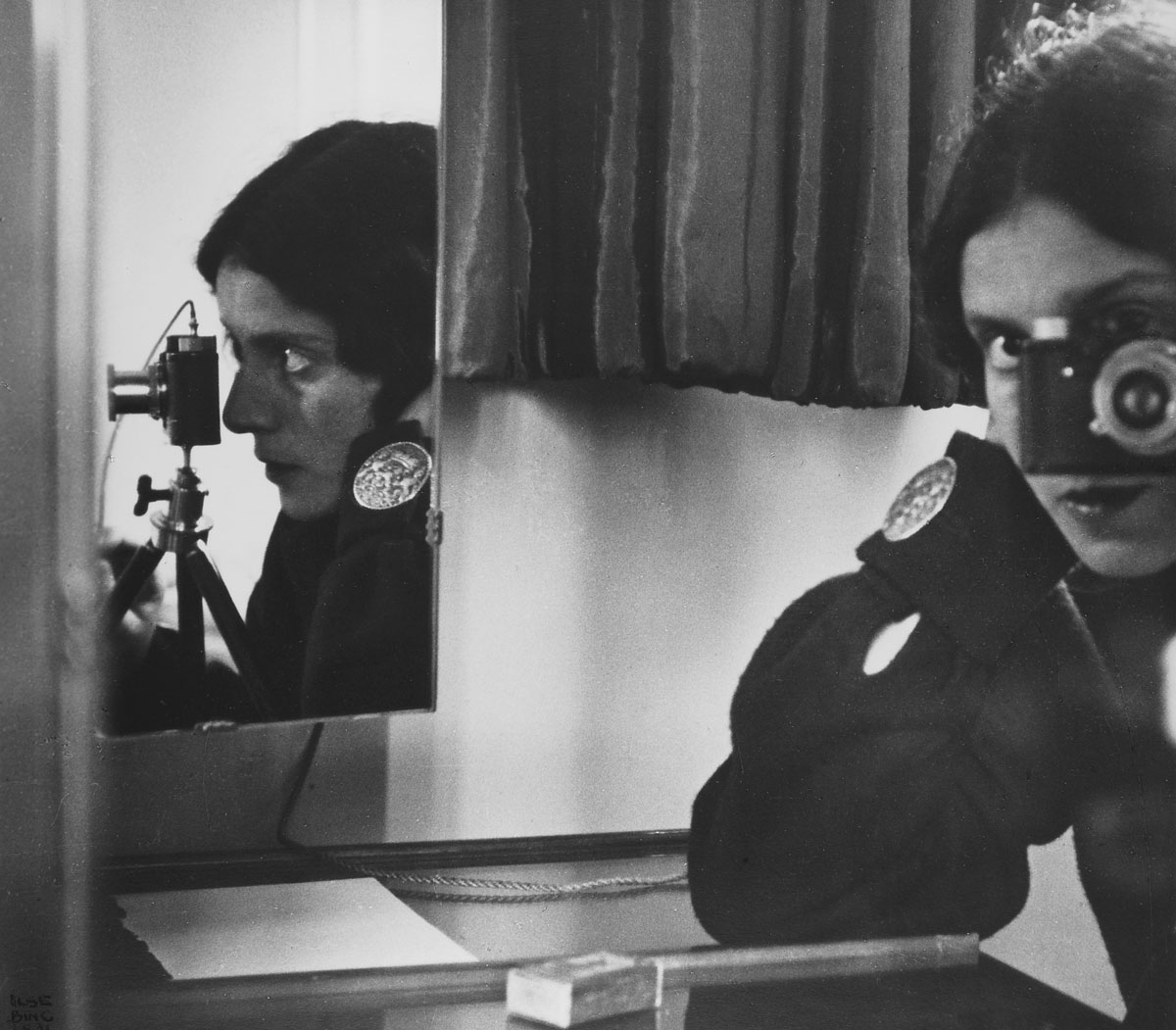
 

Ilse Bing (German, 1899-1998) 'Self-portrait in Spiegeln' 1931


Ilse Bing (German, 1899-1998)
Self-portrait in Spiegeln
1931
© Leica Camera AG
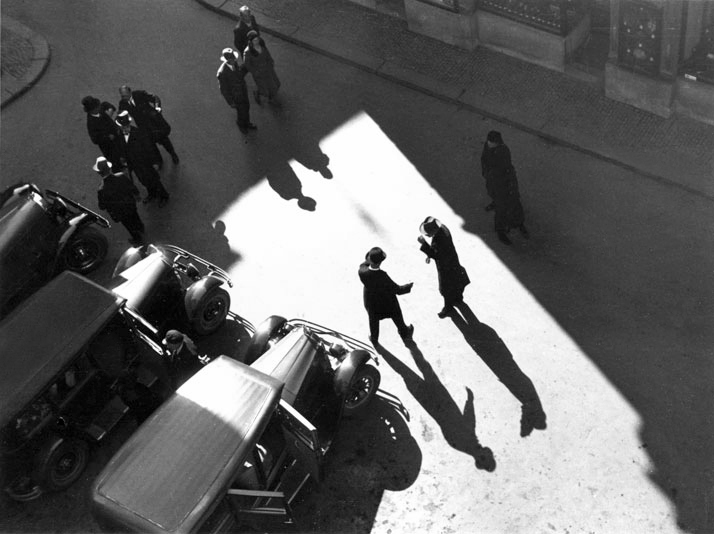
 

Anton Stankowski (German, 1906-1998) 'Greeting, Zurich, Rüdenplatz' 1932


Anton Stankowski (German, 1906-1998)
Greeting, Zurich, Rüdenplatz
1932
© Stankowski-Stiftung


Henri Cartier-Bresson (French, 1908-2004) 'Behind the Gare Saint-Lazare, Paris' 1932


Henri Cartier-Bresson (French, 1908-2004)
Behind the Gare Saint-Lazare, Paris
1932
Gelatin silver print
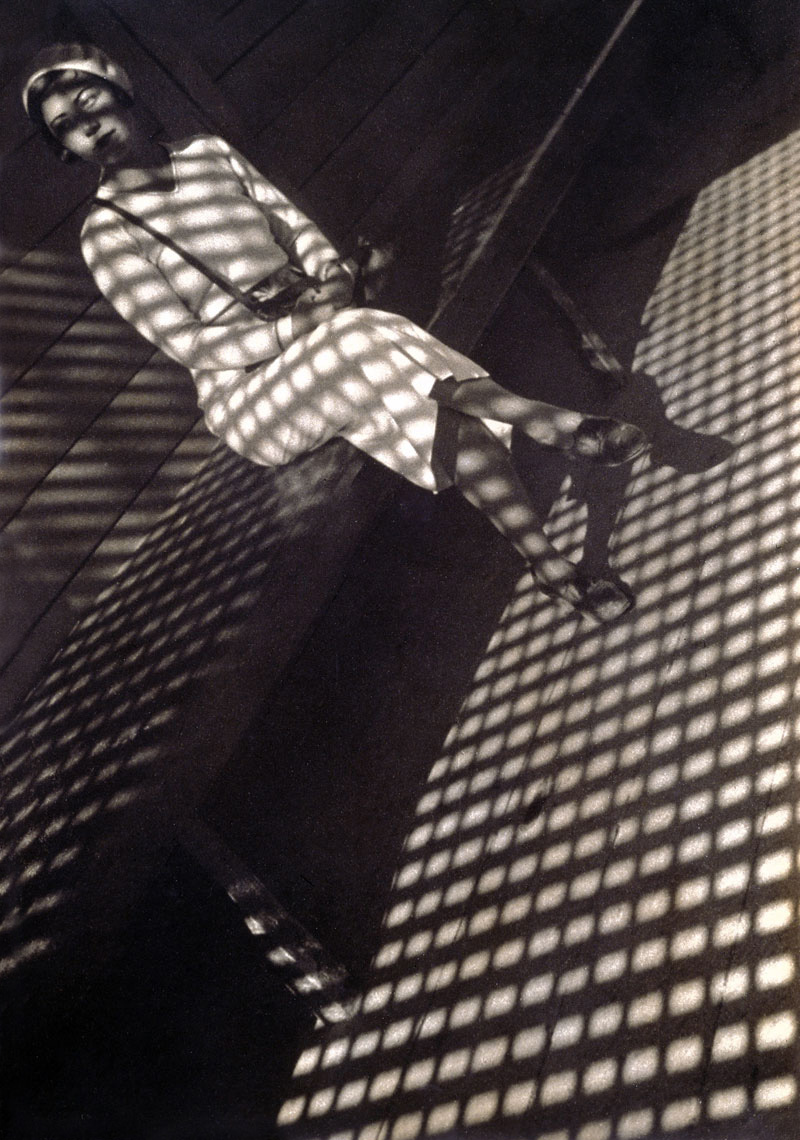
 

Alexander Rodchenko (Russian, 1891-1956) 'Girl with Leica' 1934


Alexander Rodchenko (Russian, 1891-1956)
Girl with Leica
1934
Gelatin silver print


Jewgenija Lemberg, shown here, was a lover of the photographer Alexander Rodchenko for quite some time. In 1992, a print of this photo brought in a tremendous 115,000 British pounds at a Christie’s auction in London. Alexander Rodchenko was continually capturing Jewgenija Lemberg in new, surprising and bold poses – until her death in a train accident. 


Heinrich Heidersberger (German, 1906-2006) 'Laederstraede, Copenhagen' 1935


Heinrich Heidersberger (German, 1906-2006)
Laederstraede, Copenhagen
1935
Gelatin silver print
© Institut Heidersberger
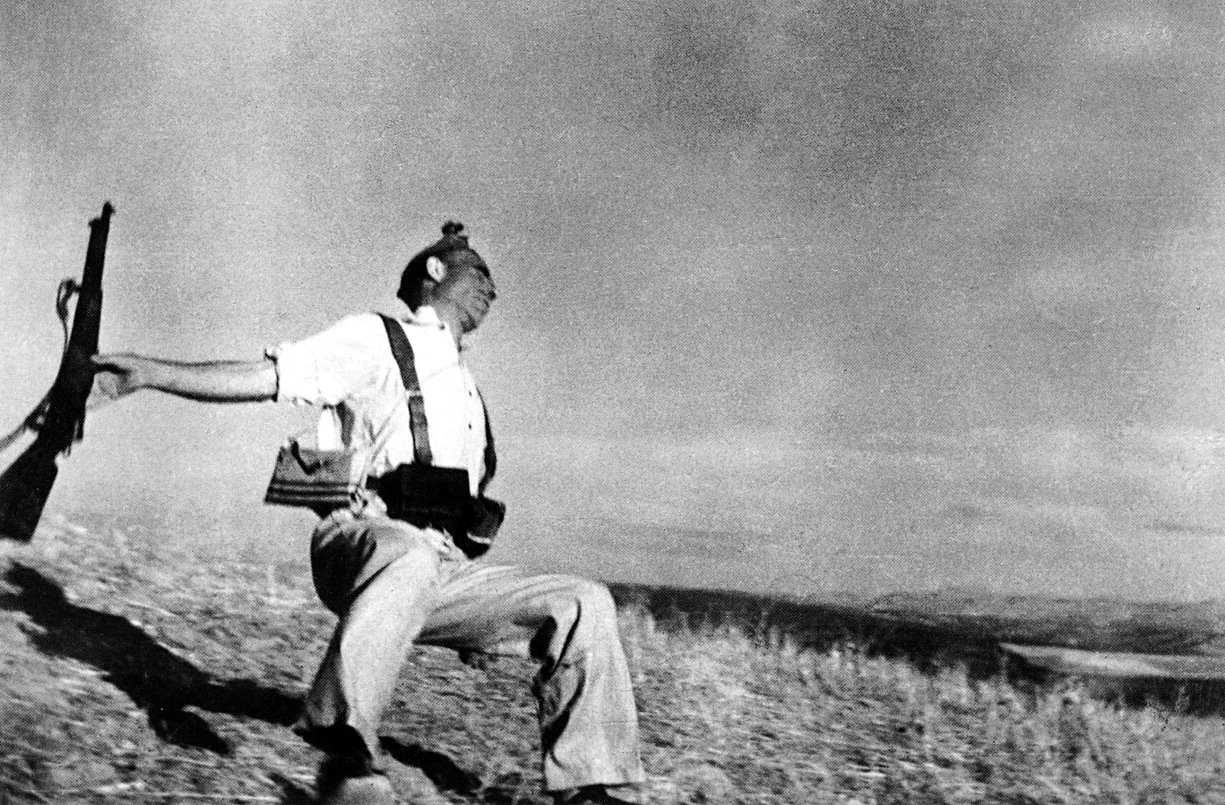
 

Robert Capa (Hungarian-American, 1913-1954) 'Loyalist Militiaman at the Moment of Death, Cerro Muriano, September 5, 1936' 1936


Robert Capa (Hungarian-American, 1913-1954)
Loyalist Militiaman at the Moment of Death, Cerro Muriano, September 5, 1936
1936
Gelatin silver print


At the age of 23 and equipped with his Leica, Robert Capa embedded himself in the Spanish Civil War while on assignment for the French press. On 5 September 1936, he managed to capture the perhaps most well-known war photo of the 20th century. 


Henri Cartier-Bresson (French, 1908-2004) 'Sunday on the banks of the River Marne' Juvisy France 1938


Henri Cartier-Bresson (French, 1908-2004)
Sunday on the banks of the River Marne
Juvisy, France 1938
Gelatin silver print


This photo was taken two years after the large-scale strikes that ultimately led to a fundamental improvement in social conditions. Against this backdrop, the picnic in nature is also, above all, a political message – convincing in a formal, aesthetic way, and inherently consistent and suggestive at the same time.


Evgeny Khaldey (Russian, 1917-1997) 'The Flag of Victory' 1945


Evgeny Khaldey (Russian, 1917-1997)
The Flag of Victory
1945
Gelatin silver print
© Collection Ernst Volland and Heinz Krimmer, Leica Camera AG


Although this scene was staged, it loses none of its impact as an image and in no way hampers the resounding global response that it has achieved. The Red Army prevailed – there’s nothing more to convey in such a harmonious picture.
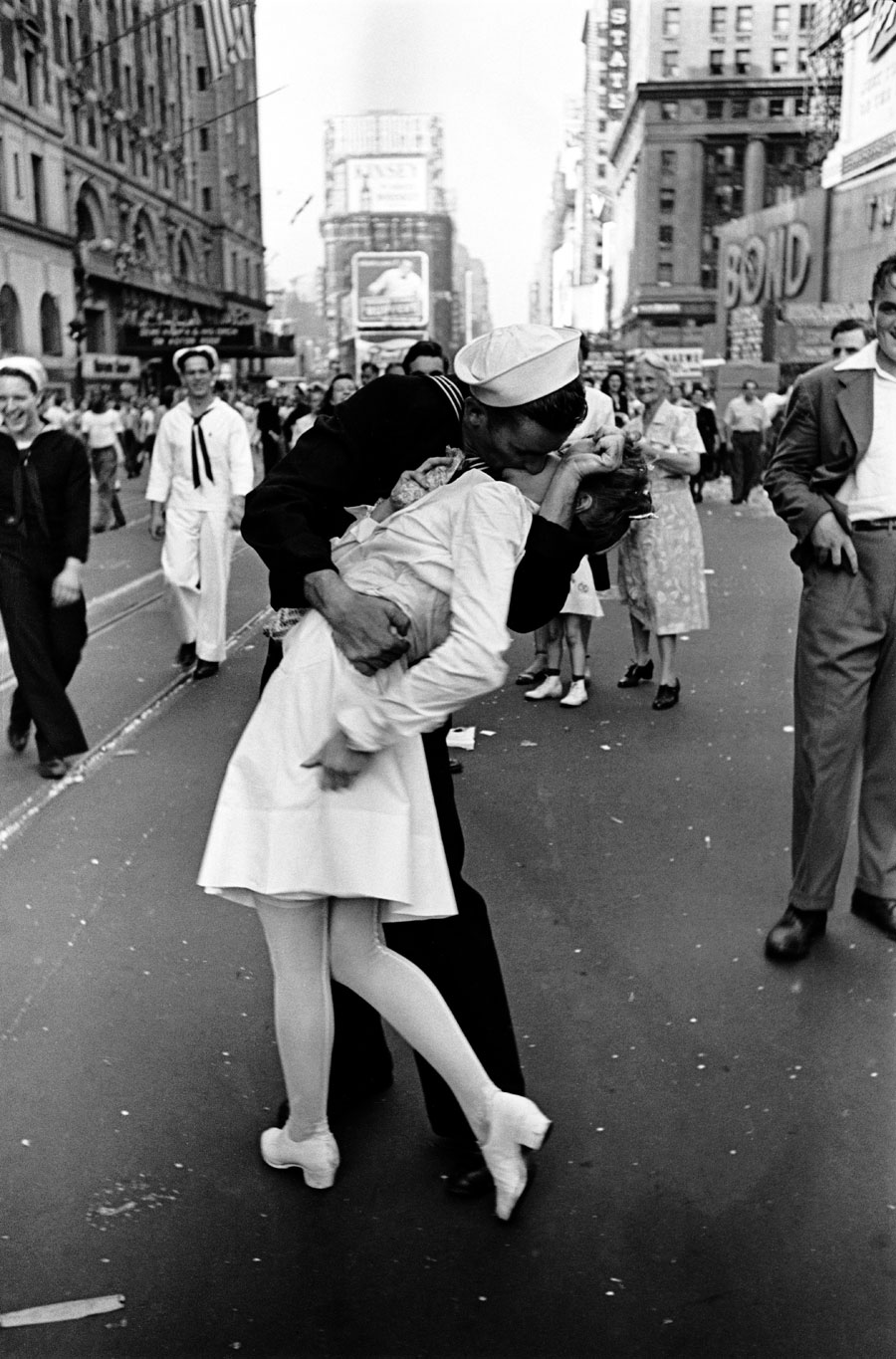
 

Alfred Eisenstaedt (American, born Germany 1898-1995) 'VJ Day, Times Square, NY, 14. August 1945' 1945


Alfred Eisenstaedt (American, born Germany 1898-1995)
VJ Day, Times Square, NY, 14. August 1945
1945
Gelatin silver print
© Alfred Eisenstaedt, 2014


This photo appeared on the cover of Life magazine and grew to become one of Alfred Eisenstaedt’s most well-known images. “People tell me,” he once said, “that when I am in heaven they will remember this picture.”


W. Eugene Smith (American, 1918-1978) 'Guardia Civil, Spain' 1950


W. Eugene Smith (American, 1918-1978)
Guardia Civil, Spain
1950
Gelatin silver print
25.1 x 32.1 cm


W. Eugene Smith’s image of Guardia Civil is also a symbol of an imperious, backward Spain under the rule of Franco. For two months, W. Eugene Smith went scouting for a village and photographed it with the residents’ consent. What he shows us is a strange world: rural, archaic, as if on another planet. 


Inge Morath (American born Austria, 1923-2002) 'London' 1950


Inge Morath (American born Austria, 1923-2002)
London
1950
Gelatin silver print


Inge Morath’s photo titled “London” is well spotted, clearly composed and yet complicated in its arrangement. It also tells of a structure of domination, of hierarchies and traditions which certainly were more stable in England than in other European countries. 


Franz Hubmann (Austrian, 1914-2007) 'Regular guest at the Café Hawelka, Vienna' 1956/1957


Franz Hubmann (Austrian, 1914-2007)
Regular guest at the Café Hawelka, Vienna
1956/1957
Gelatin silver print
© Franz Hubmann. Leica Camera AG


We shall never discover who the man is in this photo. Franz Hubmann, more or less while walking by the table, captured the guest gently balancing a cup with the tips of his fingers – viewed from above without the use of flash, without any hectic movement, and not at all staged.


Frank Horvat (French, 1928-2020) 'Givenchy Hat For Jardin des Modes, Paris' 1958


Frank Horvat (French, 1928-2020)
Givenchy Hat For Jardin des Modes, Paris
1958
Gelatin silver print
Abzug 1995 / Haus der Photographie / Sammlung F.C. Gundlach Hamburg


F.C. Gundlach (German, 1926-2021) 'Fashion reportage for 'Nino', Port of Hamburg' 1958


F.C. Gundlach (German, 1926-2021)
Fashion reportage for ‘Nino’, Port of Hamburg
1958
Gelatin silver print
© F.C. Gundlach
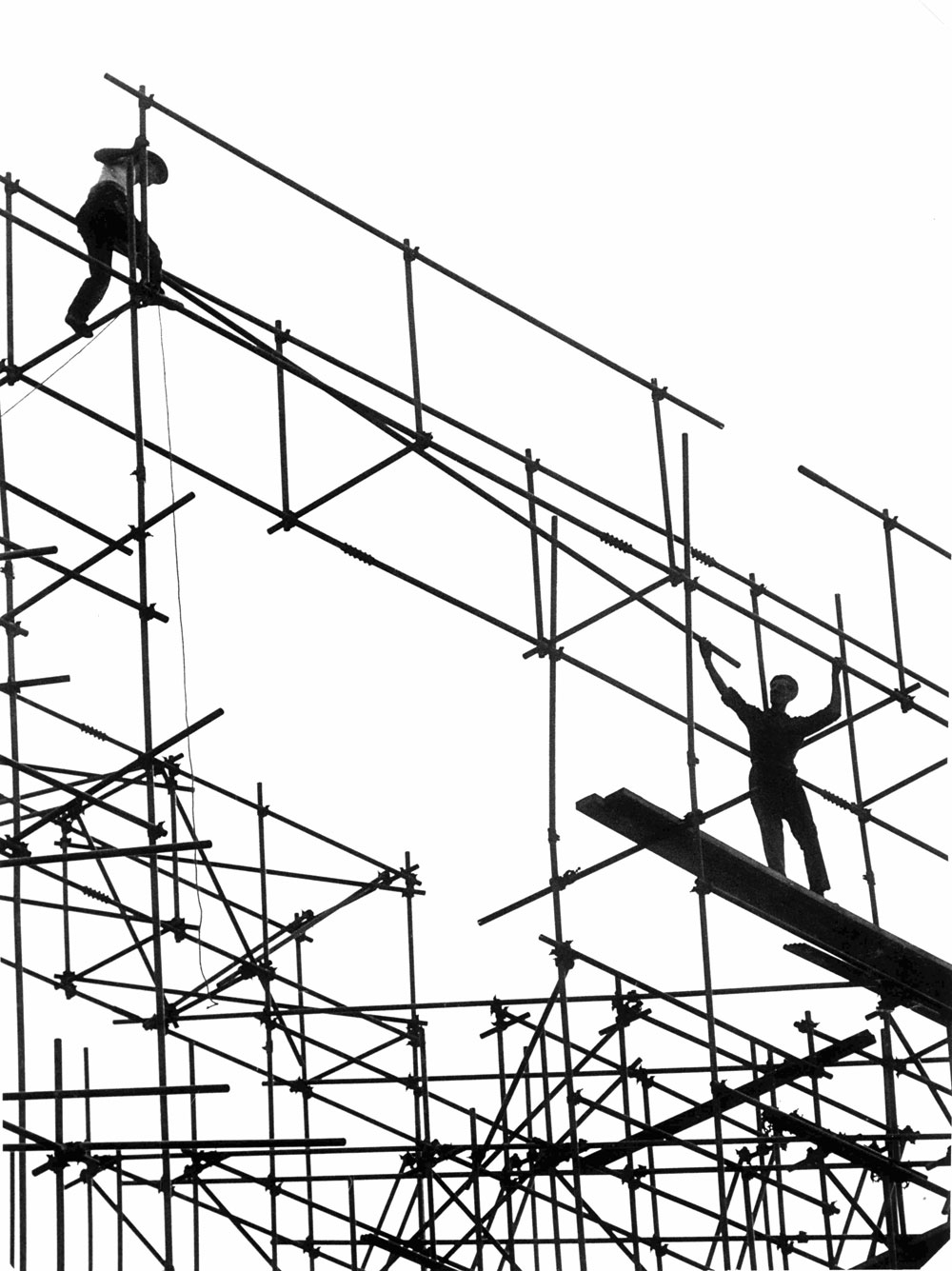
 

Hans Silvester (German, b. 1938) 'Steel frame assembly' about the end of the 1950s


Hans Silvester (German, b. 1938)
Steel frame assembly
about the end of the 1950s
Silver gelatin, vintage print
© Hans Silvester / Leica AG


100 Years of Leica Photography | Euromaxx


The exhibition EYES WIDE OPEN: 100 YEARS OF LEICA PHOTOGRAPHY illuminates across fourteen chapters various aspects of recent small-format photography, from journalistic strategies to documentary approaches and free artistic positions, spanning fourteen chapters. Among the artists whose work will be shown are Alexander Rodchenko, Henri Cartier-Bresson, Robert Capa, Christer Strömholm, Robert Frank, Bruce Davidson, William Klein, William Eggleston, René Burri, Thomas Hoepker and Bruce Gilden. Following its premiere in the House of Photography at the Deichtorhallen Hamburg, the exhibition will travel to Frankfurt, Berlin, Vienna and Munich.

Some 500 photographs, supplemented by documentary material, including journals, magazines, books, advertisements, brochures, camera prototypes and films, will recount the history of small-format photography from its beginnings to the present day. The exhibition, which is curated by Hans-Michael Koetzle, follows the course of technological change and photographic history.

According to an entry in the workshop records, by March 1914 at the latest, Oskar Barnack, who worked as an industrial designer at Ernst Leitz in Wetzlar, completed the first functional model of a small-format camera for 35mm cinema film. The introduction of the Leica (a combination of “Leitz” and “Camera”) which was delayed until 1925 due to the war, was not merely the invention of a new camera; the small, reliable and always-ready Leica, equipped with a high-performance lens specially engineered by Max Berek, marked a paradigm shift in photography. Not only did it offer amateur photographers, newcomers and emancipated women greater access to photography; the Leica, which could be easily carried in a coat pocket, also became a ubiquitous part of everyday life. The comparatively affordable small-format camera stimulated photographic experimentation and opened up new perspectives. In general, visual strategies for representing the world became more innovative, bold and dynamic. Without question, the Leica developed by Oskar Barnack and introduced by Ernst Leitz II in 1924 was something like photography’s answer to the phenomenological needs of a new, high-speed era.

The exhibition EYES WIDE OPEN: 100 YEARS OF LEICA PHOTOGRAPHY will attempt for the first time to offer a comprehensive overview of the change in photography brought about by the invention and introduction of the Leica. Rather than isolating the history of the camera or considering it for its own sake, it will examine the visual revolution sparked by the technological innovation of the Leica. The exhibition will take an art- and cultural-historical perspective in pursuit of the question of how the photographic gaze changed as a result of the Leica and the small-format picture, and what effects the miniaturisation of photography had on the work of amateurs, artists and photojournalists. Not least, it will also seek to determine what new subjects the camera addressed with its wide range of interchangeable lenses, and how these subjects were seen in a new light: a new way of perceiving the world through the Leica viewfinder.

Among the featured photographers are those who are internationally known for their work with Leica cameras as well as amateurs and artists who have not yet been widely associated with small-format photography, including Ilja Ehrenburg, Alfons Walde, Ben Shahn and George Grosz. Important loans, some of which have never been shown before, come from the factory archives of Leica Camera AG in Wetzlar, international collections and museums, as well as private lenders (Sammlung F. C. Gundlach, Sammlung Skrein, Sammlung WestLicht).

Press release from the Deichtorhallen Hamburg website


Robert Lebeck (German, 1929-2014) 'The stolen sword, Belgian Congo Leopoldville' 1960


Robert Lebeck (German, 1929-2014)
The stolen sword, Belgian Congo Leopoldville
1960
Gelatin silver print
© Robert Lebeck/ Leica Camera AG


When a young Congolese man grabs the king’s sword from the backseat of an open-top car on 29 June 1960, Robert Lebeck manages to capture the image of his life. The photo became a metaphor for the end of the descending dominance by Europeans on the African continent. 


Christer Strömholm (Swedish, 1918-2002) 'Nana, Place Blanche, Paris' 1961


Christer Strömholm (Swedish, 1918-2002)
Nana, Place Blanche, Paris
1961
Gelatin silver print
© Christer Strömholm/Strömholm Estate, 2014


Ulrich Mack (German, 1934-2024) 'Wild horses in Kenya' 1964


Ulrich Mack (German, 1934-2024)
Wild horses in Kenya
1964
Gelatin silver print
© Ulrich Mack, Hamburg / Leica Camera AG


Ulrich Mack travelled to Africa to discover the continent as a reporter – a continent that had been battered by warmongers and massacres. But all this changed: as if in a state of ecstasy, Ulrich Mack photographed a herd of wild horses, virtually throwing himself down under the animals


Claude Dityvon (French, 1937-2008) '"L'homme à la chaise", Bd St. Michel, 21 May 1968' 1968 [The main the chair]


Claude Dityvon (French, 1937-2008)
“L’homme à la chaise”, Bd St. Michel, 21 May 1968 [The man in the chair]
1968
Gelatin silver print
© Chris Dityvon, Paris


Fred Herzog (German, 1930-2019) 'Man with Bandage' 1968


Fred Herzog (German, 1930-2019)
Man with Bandage
1968
Courtesy of Equinox Gallery, Vancouver
© Fred Herzog, 2014
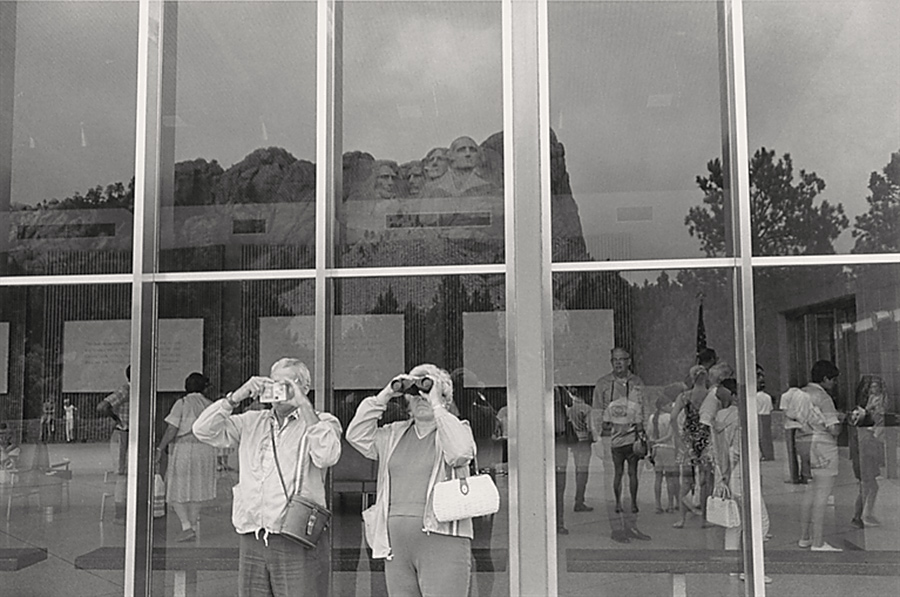
 

Lee Friedlander (American, b. 1934) 'Mount Rushmore, South Dakota' 1969


Lee Friedlander (American, b. 1934)
Mount Rushmore, South Dakota
1969
Gelatin silver print
Haus der Photographie / Sammlung F.C. Gundlach Hamburg
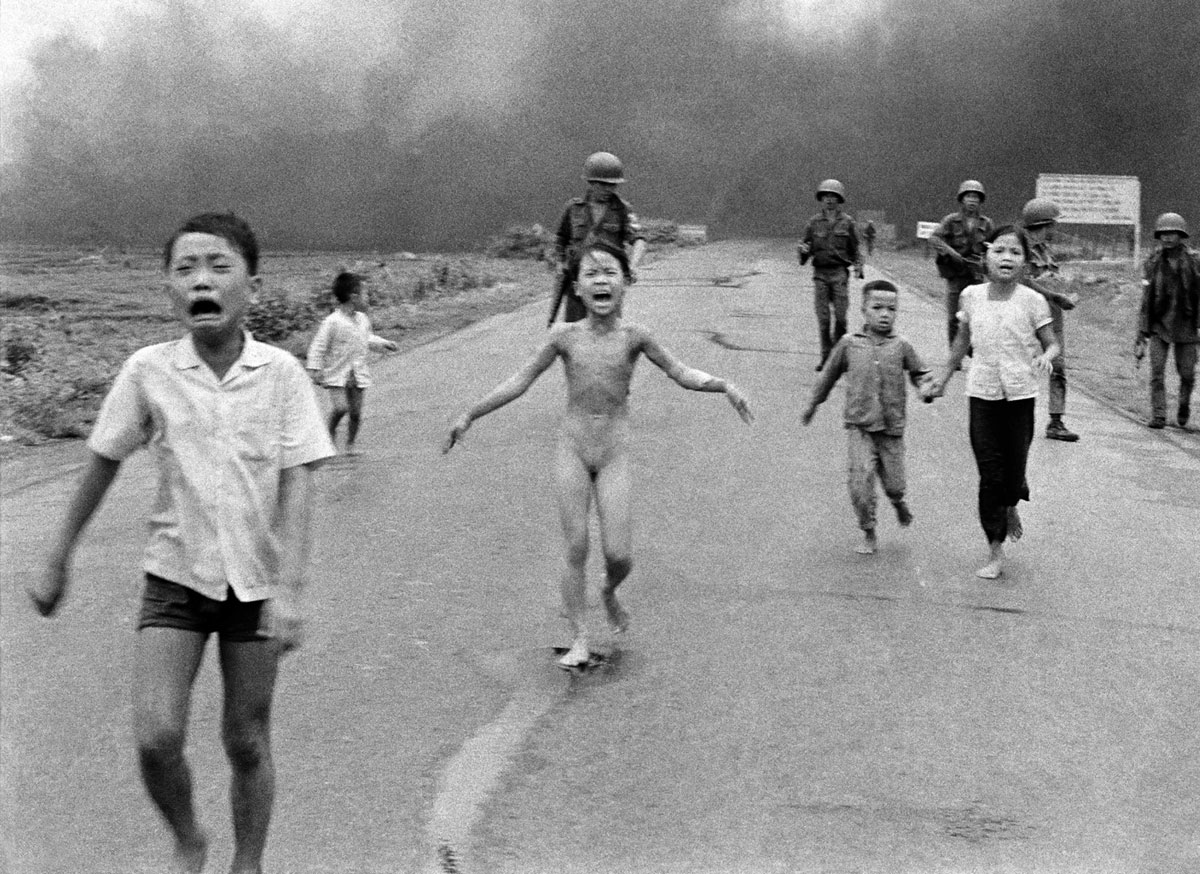
 

Nick Út (Vietnamese-American, b. 1951) / Associated Press. 'Napalm attack in Vietnam' 1972


Nick Út (Vietnamese-American, b. 1951) / Associated Press
Napalm attack in Vietnam
1972
Gelatin silver print
© Nick Út/AP/ Leica Camera AG


Elliott Erwitt (American, 1928-2023) 'Felix, Gladys and Rover' New York City, 1974


Elliott Erwitt (American, 1928-2023)
Felix, Gladys and Rover
New York City, 1974
Gelatin silver print


Elliott Erwitt’s passion focused on dogs – for him, they were the incarnation of human beings, with fur and a tail. His photo titled “New York City” was taken for a shoe manufacturer. 
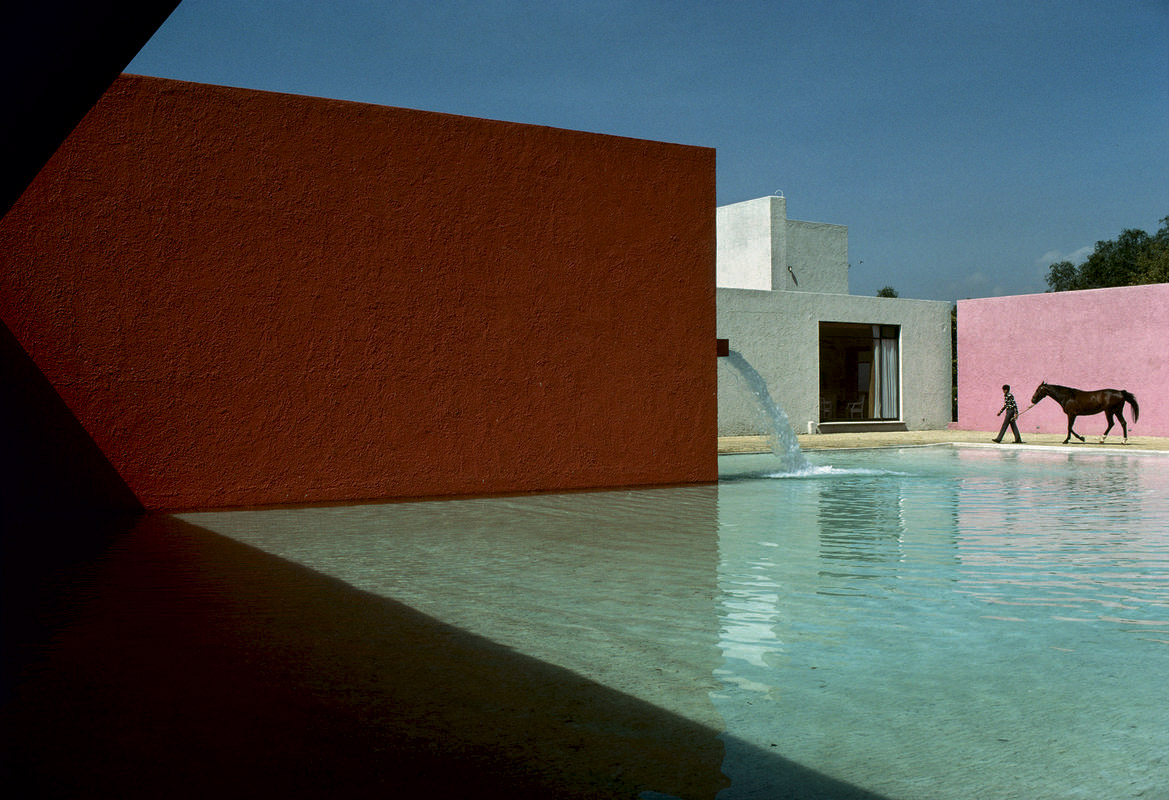
 

René Burri (Swiss, 1933-2014) 'San-Cristobál' 1976


René Burri (Swiss, 1933-2014)
San-Cristobál
1976


Martine Franck (British-Belgian, 1938-2012) 'Swimming pool designed by Alain Capeilières' 1976


Martine Franck (British-Belgian, 1938-2012)
Swimming pool designed by Alain Capeilières
1976
Gelatin silver print


Wilfried Bauer (German, 1944-2005) From the series 'Hong Kong' 1985


Wilfried Bauer (German, 1944-2005)
From the series Hong Kong
1985
Gelatin silver print
Originally published in the Frankfurter Allgemeine Zeitung # 307, 17.01.1986
© Nachlass Wilfried Bauer/Stiftung F.C. Gundlach


Rudi Meisel (German, b. 1949) 'Leningrad' 1987


Rudi Meisel (German, b. 1949)
Leningrad
1987
Gelatin silver print


Jeff Mermelstein (American, b. 1957) 'Sidewalk' 1995


Jeff Mermelstein (American, b. 1957)
Sidewalk
1995
© Jeff Mermelstein


Michael von Graffenried (Swiss, b. 1957) From the series 'Night in Paradise', Thielle (Switzerland) 1998


Michael von Graffenried (Swiss, b. 1957)
From the series Night in Paradise, Thielle (Switzerland)
1998
Gelatin silver print
© Michael von Graffenried
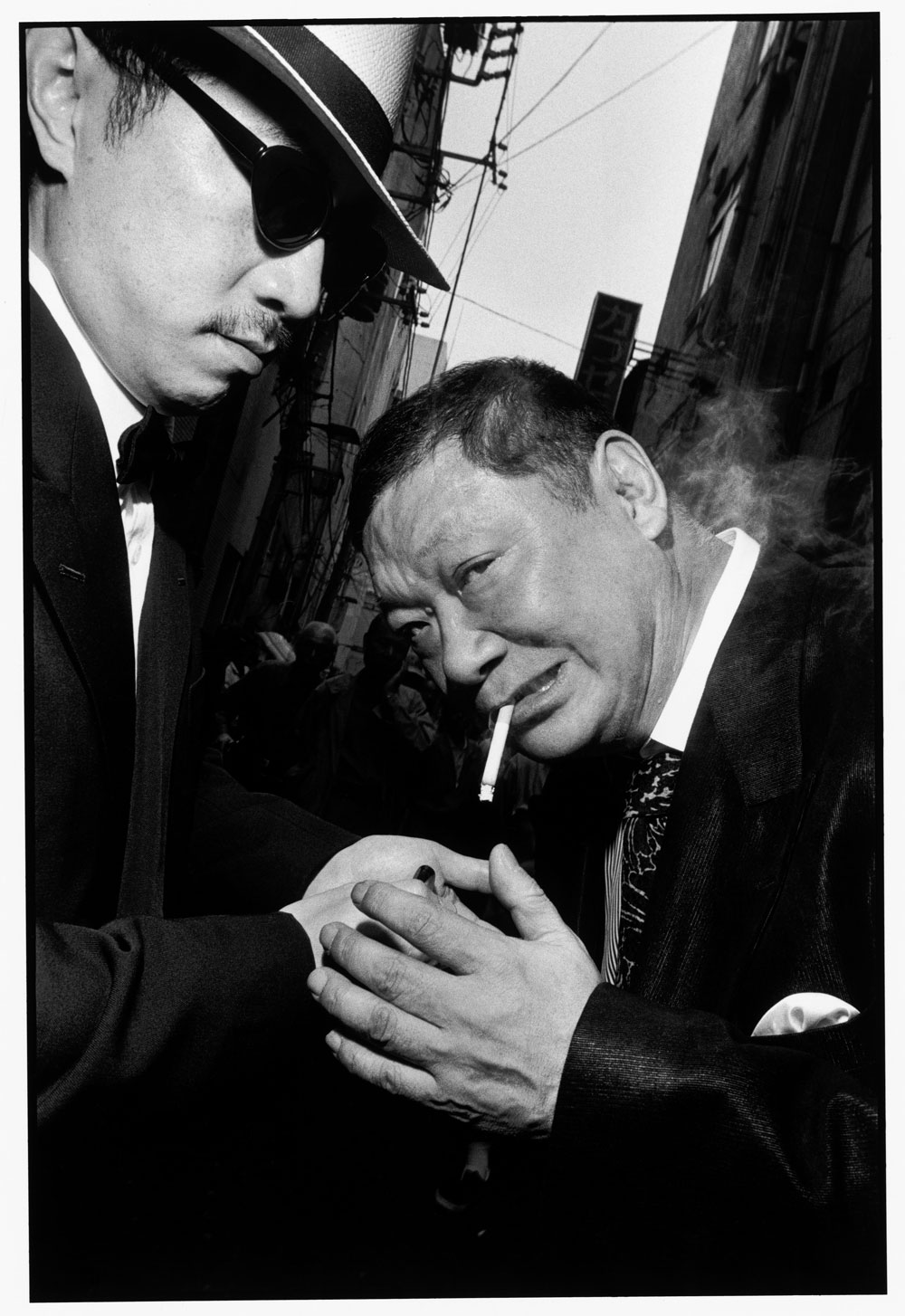
 

Bruce Gilden (American, b. 1946) 'Untitled', from the series "GO" 2001


Bruce Gilden (American, b. 1946)
Untitled, from the series “GO”
2001
Gelatin silver print
© Bruce Gilden 2014/Magnum Photos


Bruce Gilden is an avid portrait photographer, without his photos ever appearing posed or staged. His image of humanity arises from the flow of life, the hectic everyday goings-on or – like in “Go” – the deep pit of violence, the Mafia and corruption. 


François Fontaine (French, b. 1968) 'Vertigo' from the 'Silenzio!' series 2012


François Fontaine (French, b. 1968)
Vertigo from the Silenzio! series
2012


Julia Baier (German, b. 1971) From the series 'Geschwebe' 2014


Julia Baier (German, b. 1971)
From the series Geschwebe
2014
Gelatin silver print
© Julia Baier


Deichtorhallen Hamburg
House of Photography
Deichtorstr. 1-2
D – 20095 Hamburg

Opening hours:
Tuesday – Sunday 11am – 6pm
Every first Thursday of the month 11am – 9pm

Deichtorhallen Hamburg website

LIKE ART BLART ON FACEBOOK

Back to top

Exhibition: ‘Elliott Erwitt. Retrospective’ at Kunst Haus Wein, Vienna

Exhibition dates: 14th June – 30th September 2012


Elliott Erwitt (American, 1928-2023) 'USA. Fort Dix, New Jersey. 1951' 1951


Elliott Erwitt (American, 1928-2023)
USA. Fort Dix, New Jersey. 1951
1951
Gelatin silver print
© Elliott Erwitt/Magnum Photos


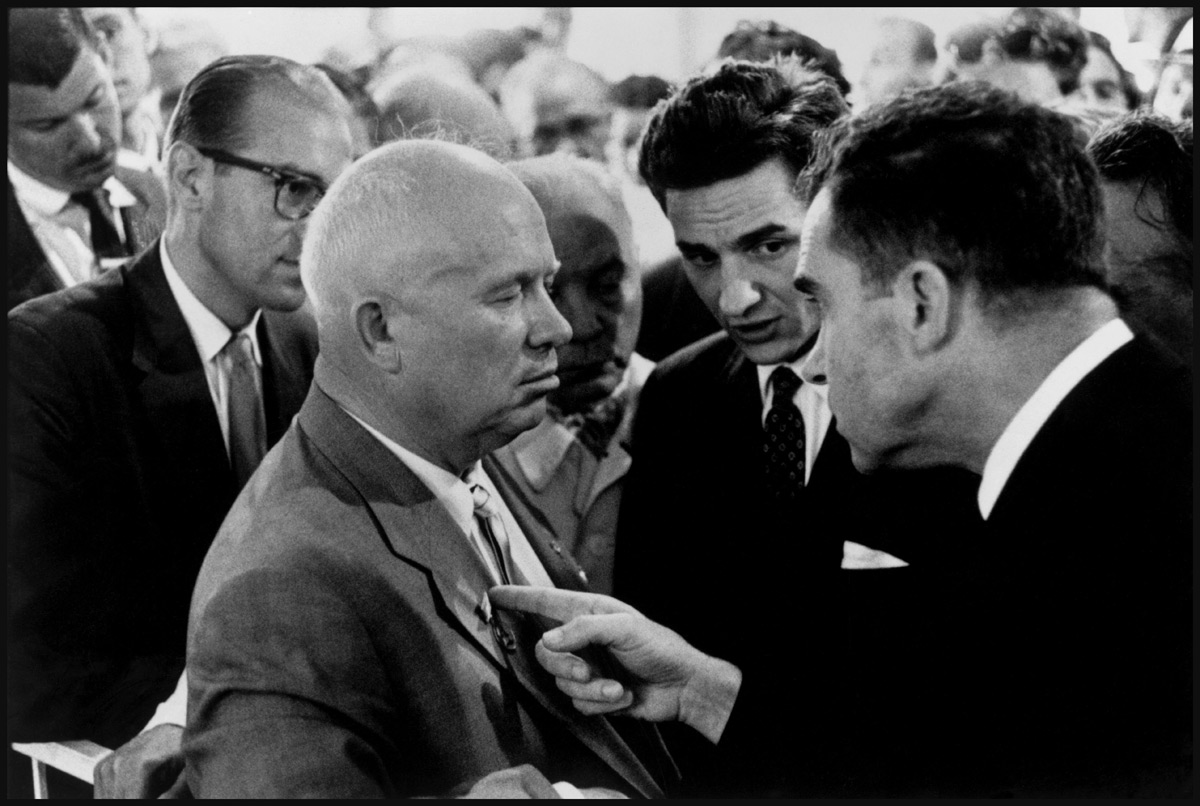
There is something whimsical and abidingly Chaplinesque about Elliott Erwitt’s photographs (see the feet in FRANCE. Paris. 1989, below) – that is until he lands a knockout blow flush on the chin with a devastatingly serious, weighty image like USSR. Moscow. 1959. Nikita Khrushchev and Richard Nixon (even though the two protagonists were apparently talking about banalities). Erwitt’s “art of observation” is a gift of the eye and the mind, where the artist must be truly aware of the world around them in order to capture the mosaic of reality.

As the press release astutely observes, “Erwitt has a gift that few photographers possess, the gift of conveying a subtext with each photo: sentiment, anger, a little happiness; an emotion that can only be recognised by looking very closely; a “before” and an “after”. Erwitt himself calls this the “essence of what happens”. For Erwitt, photography is about really seeing things: “You either see, or you don’t see.”

Very perceptive and so very true.

Dr Marcus Bunyan


Many thankx to the Kunst Haus Wein, Vienna for allowing me to publish the photographs in the posting. Please click on the photographs for a larger version of the image.


“It’s not the subject, it’s how you treat the subject.”

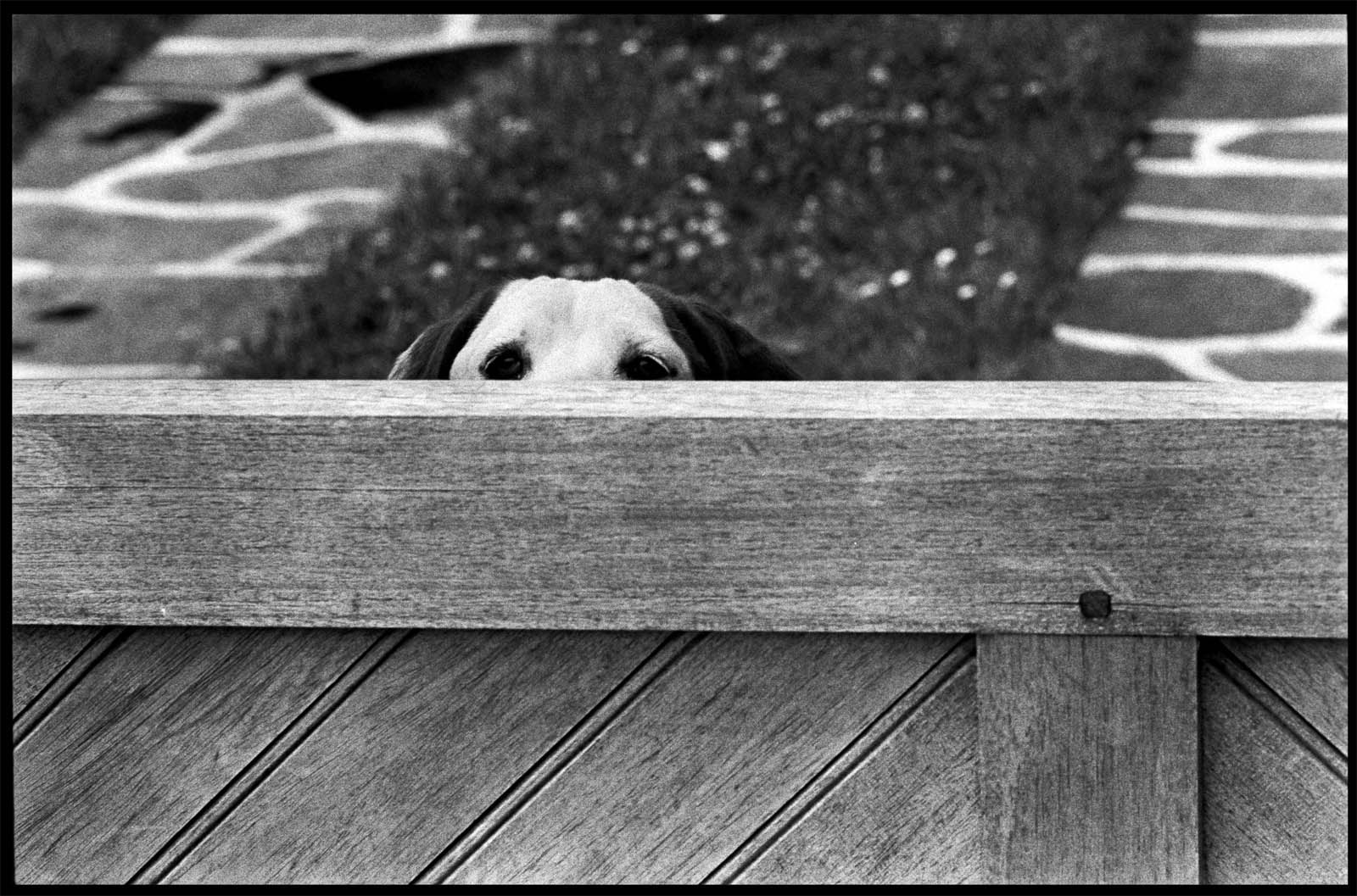
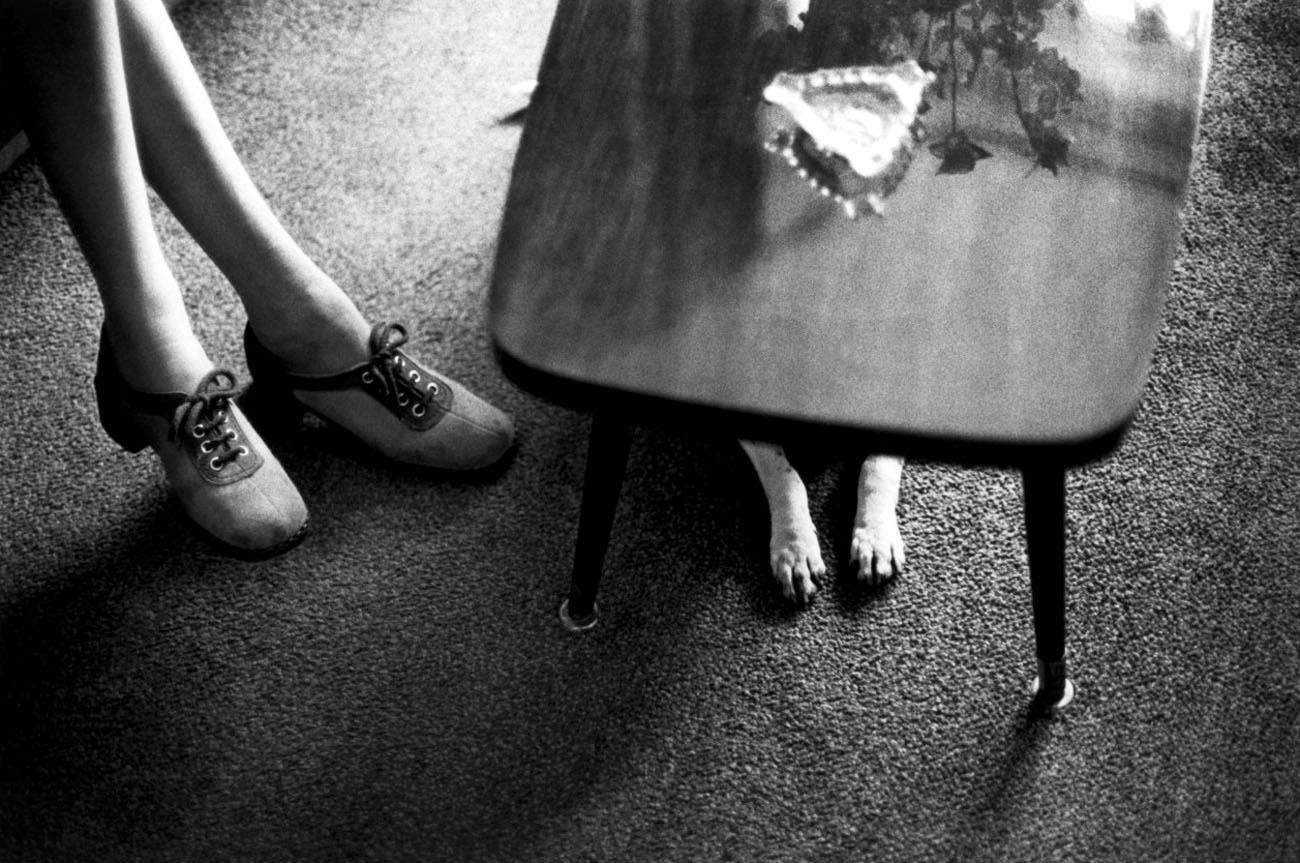
“I take a lot of pictures of dogs because I like dogs and because they don’t object to being photographed and they also don’t ask for prints.”


Elliott Erwitt


Elliott Erwitt @ Kunst Haus Wien


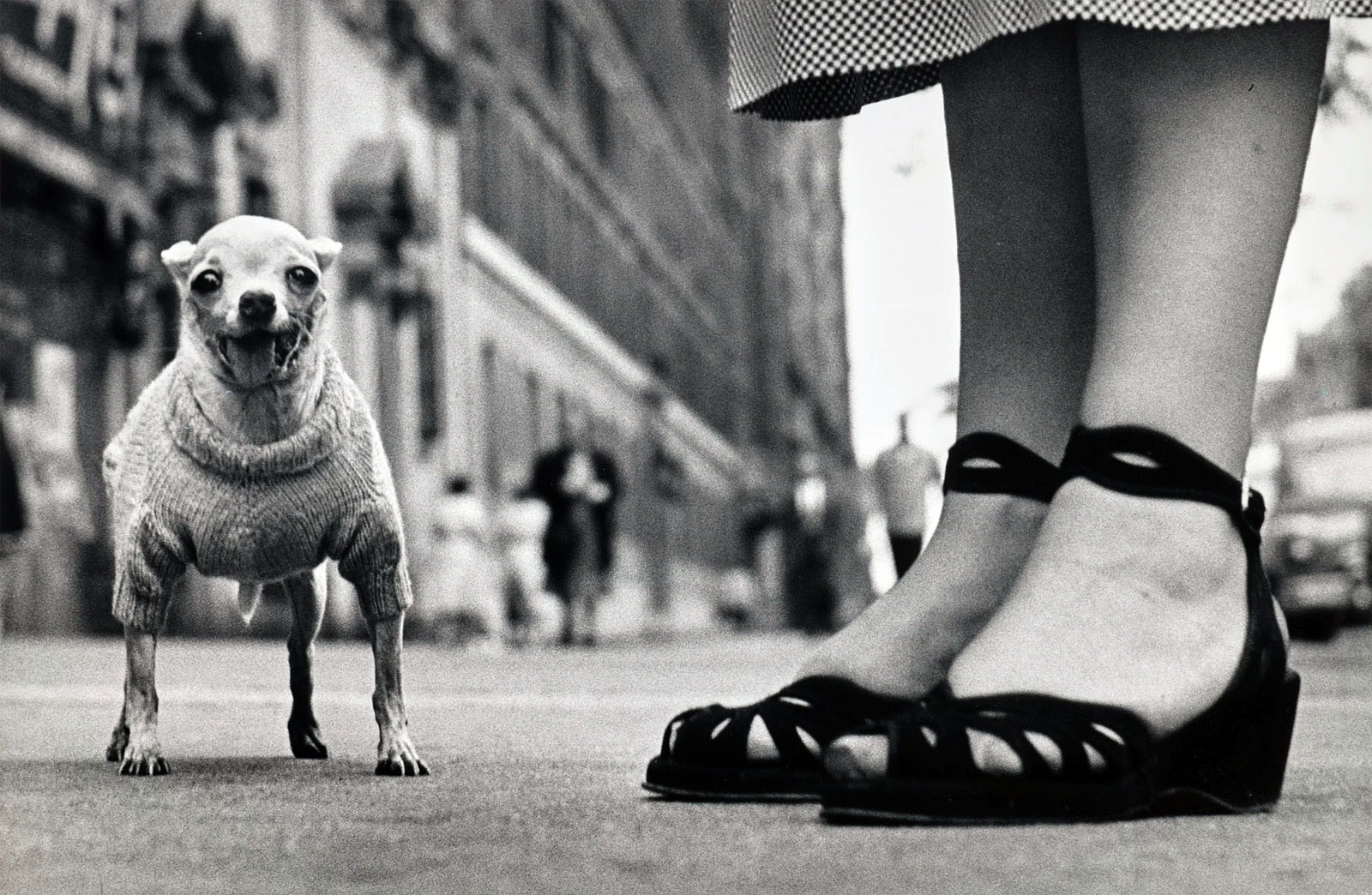
Elliott Erwitt (American, 1928-2023) 'Small dog standing by woman, New York City' 1946


Elliott Erwitt (American, 1928-2023)
Small dog standing by woman, New York City
1946
Gelatin silver print
© Elliott Erwitt/Magnum Photos


Elliott Erwitt (American, 1928-2023) 'ENGLAND. Brighton. 1956. Elizabeth Allan' 1956


Elliott Erwitt (American, 1928-2023)
ENGLAND. Brighton. 1956. Elizabeth Allan
1956
Gelatin silver print
© Elliott Erwitt/Magnum Photos


Elliott Erwitt (American, 1928-2023) 'France' 1965


Elliott Erwitt (American, 1928-2023)
France
1965
Gelatin silver print
© Elliott Erwitt/Magnum Photos


Elliott Erwitt (American, 1928-2023) 'Netherlands' 1973


Elliott Erwitt (American, 1928-2023)
Netherlands
1973
Gelatin silver print
© Elliott Erwitt/Magnum Photos


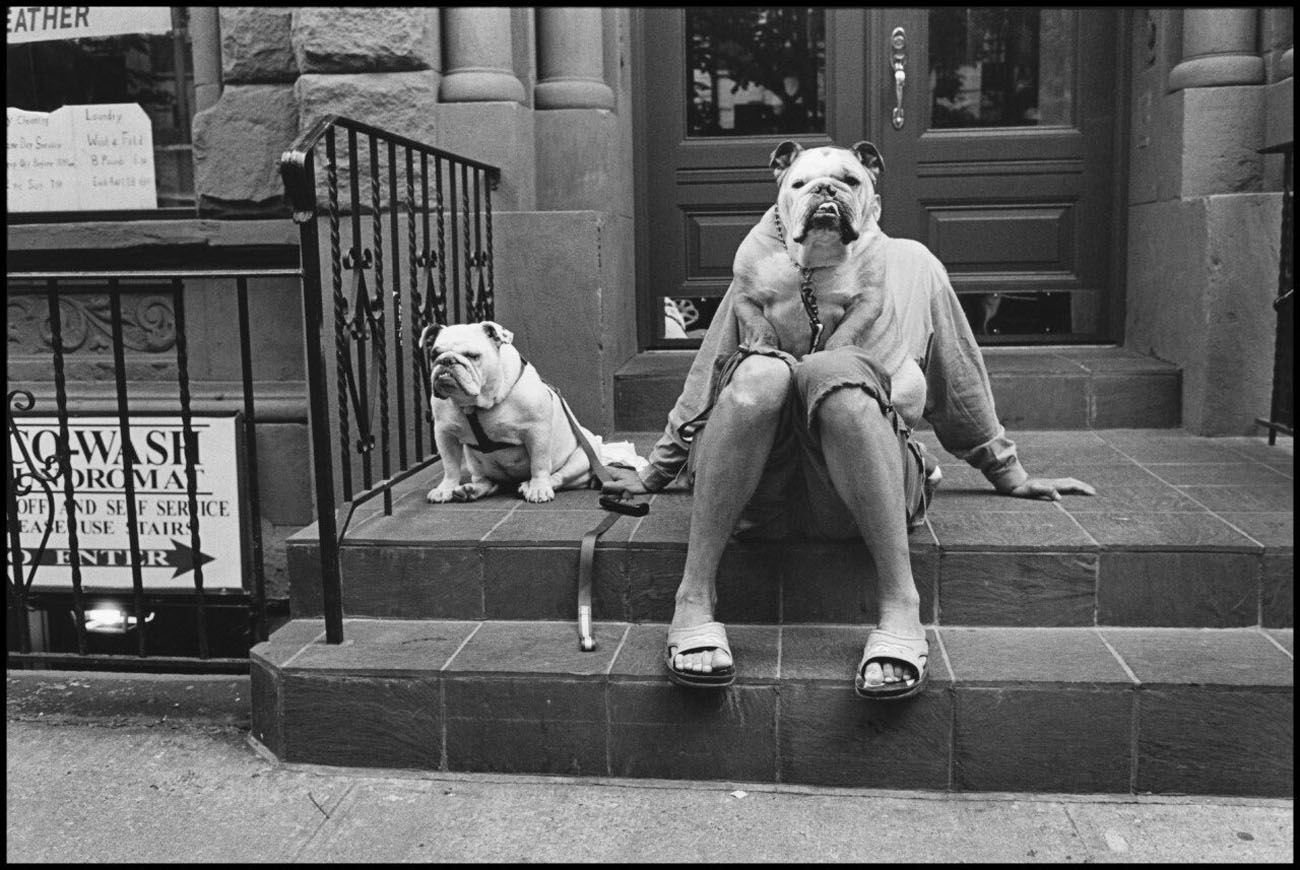
Elliott Erwitt (American, 1928-2023) 'USA. New York. 1974. Felix, Gladys and Rover' 1974


Elliott Erwitt (American, 1928-2023)
USA. New York. 1974. Felix, Gladys and Rover
1974
Gelatin silver print
© Elliott Erwitt/Magnum Photos


Elliott Erwitt (American, 1928-2023) 'FRANCE. Paris. 1989' 1989


Elliott Erwitt (American, 1928-2023)
FRANCE. Paris. 1989
1989
Gelatin silver print
© Elliott Erwitt/Magnum Photos


Elliott Erwitt (American, 1928-2023) 'New York City, USA' 2000


Elliott Erwitt (American, 1928-2023)
New York City, USA
2000
Gelatin silver print
© Elliott Erwitt/Magnum Photos


Elliott Erwitt, the “Woody Allen of photography”, who views his subjects with his heart as much as with his eye, captures human – sometimes all-too-human – situations in his oeuvre. Kunst Haus Wien presents pieces of the mosaic that is Erwitt’s reality, taken from over half a century of his photographic work. This comprehensive retrospective includes about 150 works by a highly active photographer. Erwitt embodies a type of photographer that has become extremely rare, one who views his subjects with his heart as much as with his eye and thereby sees things that most people rarely notice: the little humorous situations and passions of everyday life, the tiny moments in which gestures and facial expressions say more than a thousand words.

Erwitt is one of the leading photographers of his generation. Extremely versatile, with a broad spectrum of interests, he points his camera at human – sometimes all-too-human – situations: Some of them involve animals, others are political, still others capture a touching moment. Photography, for Erwitt, is above all an “art of observation” that depends first and foremost on the special way in which one views the world. In our world of fast-moving TV images and digitally enhanced pictorially compositions in advertising and fashion, Erwitt’s works restore to the photographic medium its original power. His snapshots are pieces of the mosaic of reality. Erwitt has a gift that few photographers possess, the gift of conveying a subtext with each photo: sentiment, anger, a little happiness; an emotion that can only be recognised by looking very closely; a “before” and an “after”. Erwitt himself calls this the “essence of what happens”. For Erwitt, photography is about really seeing things: “You either see, or you don’t see.”

Kitchen Debate

The ability to tell a whole story in one picture is Elliott Erwitt’s strength – as in the summer of 1959, when US Vice President Richard Nixon met Soviet leader Nikita Khrushchev at the American National Exhibition in Moscow. Erwitt’s snapshot documents how Capitalism and Socialism collided head-on in the form of the volatile Nixon and the surly Khrushchev. Actually, what he photographed was – as he later discovered – merely a conversation about banalities between two politicians during the Cold War, and yet this turned out to be the political photograph that would make him famous. Erwitt’s photo of the so-called Kitchen Debate cemented Nixon’s image as a hardliner and Erwitt’s own reputation as a journalistic photographer who had the qualities of an “invisible insider”.

Dogging Dogs

Erwitt has always taken photographs for his own pleasure as well: street scenes, people – and dogs. The photographer relates to dogs on a very friendly basis; he barks at them and photographs them in situations that show how “human” they can be. He takes some of these photos on walks in Central Park in New York, others at dog fairs and dog pageants. Erwitt’s dog photos have filled whole books and he could probably pride himself on having created the first image of dogs as cultural creatures.

Museum Watching

The “art of observation” has led Erwitt to take numerous photographs of people in museums: He portrays people in their silent dialogue with art when they pause – engrossed or sceptical – to take a closer look at an artwork. The particular environment of the museum is an ideal one for his sharp and at the same time affectionately ironic eye for people.

Naked

When Elliott Erwitt mingles with nudists and takes photographs, the result is very different from the usual photographs of nudes. Erwitt shows people unclothed and undisguised, far from ideals of beauty and staged poses. These photos form a kind of sociogram of nudist culture and are perhaps Erwitt’s most extreme attempt to capture the “conditio humana” in photographs.

Personal Exposures

Between politics and irony, between concerned photography and street photography, these works reveal touching moments that Erwitt has encountered and observed. These photographs allow room for intimacy. They include pictures of his family as well as famous portraits of actors and artists.

Photographs and Anti-Photographs

Elliott Erwitt, the son of Russian émigrés, was born in 1928 in Paris. After his birth, the family moved to Milan, where Elliott spent the first ten years of his life. In 1938, the Erwitts fled the Italian fascists and returned to Paris, after which they escaped the Nazis on the last passenger ship to the USA. The family landed in New York, but Elliot’s father soon decided he did not want to stay there. The family travelled all the way across the USA to California and started a new life in Los Angeles. Today, Elliott Erwitt lives in New York.

As a photographer, Erwitt has always worked for the advertising industry and at the same time realised his own photographic projects. This double context of assignment photography and authorship photography has typified his entire career, although the borders between the two fields have often been fuzzy. In 1948, Erwitt met the photographic legend Robert Capa, who invited him to join Magnum Photos. In 1954 he became a full member of the agency, where he soon felt completely at home. He served as President of Magnum Photos from 1966 to 1969.

Elliott Erwitt is one of an elite group of photographers whose pictorial language has heavily influenced American photojournalism. In decades of successful work as a photographer and as a director of documentaries and television films, Erwitt has always also remained an “amateur” – in the sense of its Latin root, meaning “lover” – of photography. In his photos he combines irony with insight and lightness with profundity, thereby creating humorous images that can often make life just a little bit easier for the beholder.

Press release from Kunst Haus Wein, Vienna


Elliott Erwitt (American, 1928-2023) 'USA. Pennsylvania. Pittsburgh. 1950' 1950


Elliott Erwitt (American, 1928-2023)
USA. Pennsylvania. Pittsburgh. 1950
1950
Gelatin silver print
© Elliott Erwitt/Magnum Photos


Elliott Erwitt (American, 1928-2023) 'Eric Ambler' 1952


Elliott Erwitt (American, 1928-2023)
Eric Ambler
1952
Gelatin silver print
© Elliott Erwitt/Magnum Photos


Elliott Erwitt (American, 1928-2023) 'USSR. Moscow. 1959. Nikita Khrushchev and Richard Nixon' 1959


Elliott Erwitt (American, 1928-2023)
USSR. Moscow. 1959. Nikita Khrushchev and Richard Nixon
1959
Gelatin silver print
© Elliott Erwitt/Magnum Photos


Elliott Erwitt (American, 1928-2023) 'Shreveport, LA' 1962


Elliott Erwitt (American, 1928-2023)
Shreveport, LA
1962
Gelatin silver print
© Elliott Erwitt/Magnum Photos


Elliott Erwitt (American, 1928-2023) 'USA. California. Pasadena. 1963' 1963


Elliott Erwitt (American, 1928-2023)
USA. California. Pasadena. 1963
1963
Gelatin silver print
© Elliott Erwitt/Magnum Photos


Elliott Erwitt (American, 1928-2023) 'USA. New York. 1963. 57th Street Gallery' 1963


Elliott Erwitt (American, 1928-2023)
USA. New York. 1963. 57th Street Gallery
1963
Gelatin silver print
© Elliott Erwitt/Magnum Photos


Elliott Erwitt (American, 1928-2023) 'USA. California. Elliott Erwitt. 1976' 1976


Elliott Erwitt (American, 1928-2023)
USA. California. Elliott Erwitt. 1976
1976
Gelatin silver print
© Elliott Erwitt/Magnum Photos


Elliott Erwitt (American, 1928-2023) 'London, England' 1978


Elliott Erwitt (American, 1928-2023)
London, England
1978
Gelatin silver print
© Elliott Erwitt/Magnum Photos


Elliott Erwitt (American, 1928-2023) 'USA. California. Bakersfield. 1983' 1983


Elliott Erwitt (American, 1928-2023)
USA. California. Bakersfield. 1983
1983
Gelatin silver print
© Elliott Erwitt/Magnum Photos


Elliott Erwitt (American, 1928-2023) 'Rio de Janeiro, Brazil' 1984


Elliott Erwitt (American, 1928-2023)
Rio de Janeiro, Brazil
1984
Gelatin silver print
© Elliott Erwitt/Magnum Photos


Elliott Erwitt (American, 1928-2023) 'GB. ENGLAND. Kent. 1984' 1984


Elliott Erwitt (American, 1928-2023)
GB. ENGLAND. Kent. 1984
1984
Gelatin silver print
© Elliott Erwitt/Magnum Photos


KUNST HAUS WIEN
Museum Hundertwasser
Untere Weißgerberstraße 13
1030 Vienna
Phone: +43-1-712 04 91

Opening hours:
Daily 10am – 6pm

Kunst Haus Wein website

LIKE ART BLART ON FACEBOOK

Back to top