
Exhibition dates: 15th October, 2015 – 25th January, 2026
Curators: Simon Baker & Laurie Hurwitz, MEP and Polly Fleury & Hope Kingsley, Wilson Centre for Photography
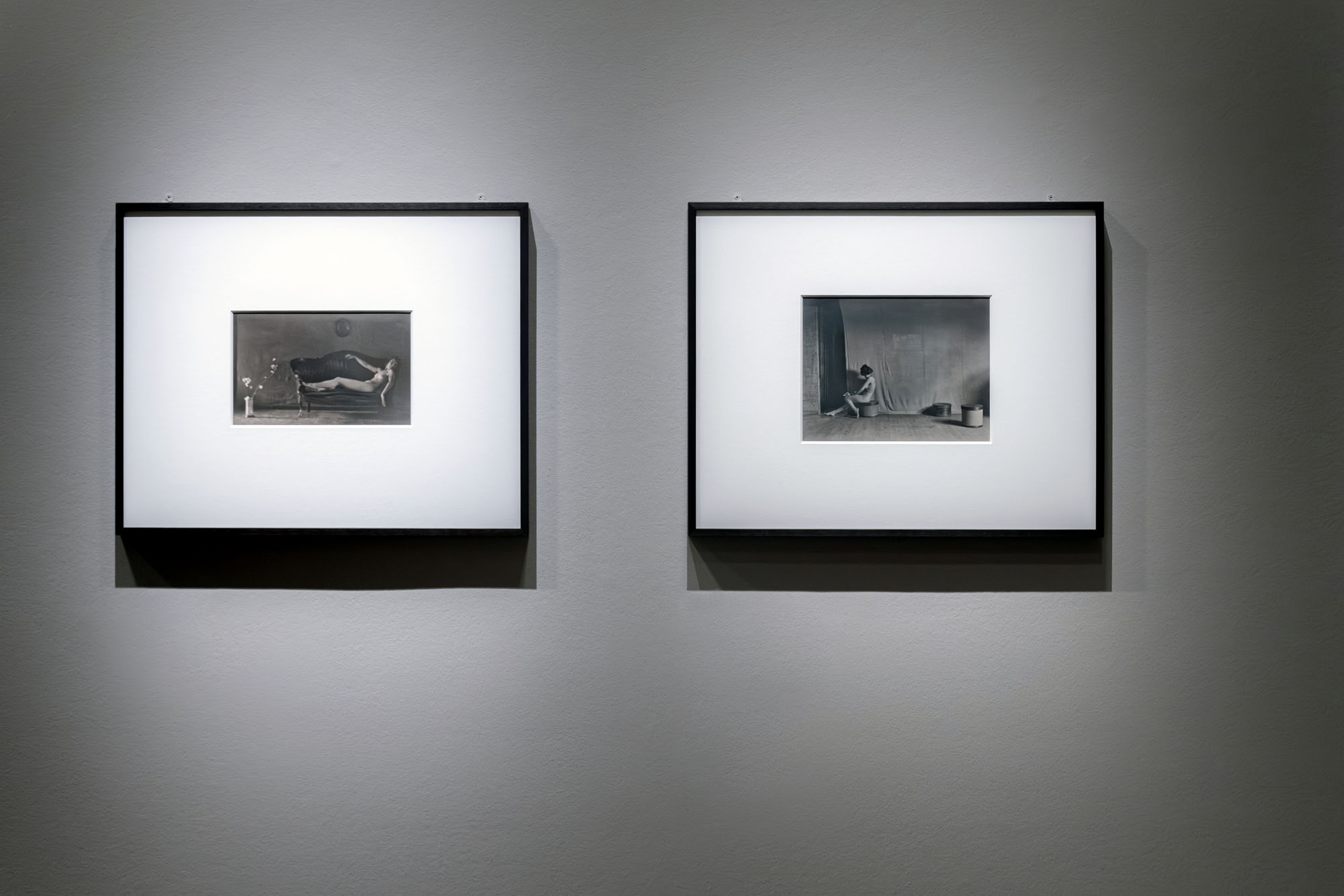
Installation view of the exhibition Edward Weston: Becoming Modern at Maison Européenne de la Photographie (MEP), Paris, 15th October, 2015 – 25th January, 2026 showing at left, Edward Weston’s ‘M’ on the Black Horsehair Sofa, 1921 (below); and at right, Tina Modotti (Nude in Studio), 1922 (below)
Shadow man
You can always learn from the great artists now matter how many times you have seen their work, especially when the photographs are simply, effectively hung ‘on the line’ in a beautiful space.
Here are photographs by Edward Weston I have never seen before: Pictorialist photographs of suffused and intimate beauty. An exhibition of Weston’s Pictorialist work would be magnificent to behold.
And then Weston’s Peppers (1929, below).
I don’t know why I have never seen this photograph before, why his Pepper (1930, below) is more famous, for this is a monstrous image of dark, writhing, semi-abstract figurative forms, just as valid an artistic statement (in a completely different way) than the more famous image.
Can you imagine holding a vintage print of this photograph in your hands!
Gloria virtutem tanquam umbra sequitur
Dr Marcus Bunyan
Many thankx to Maison Européenne de la Photographie (MEP) for allowing me to publish the photographs in the posting. Please click on the photographs for a larger version of the image.
“Only rhythm, form and perfect detail to consider – first conceptions coming straight through unadulterated.”
“What I seek now is simplicity – the form reduced to its essence.”
Edward Weston. Daybooks II: California (1930-1945). Aperture, 1961
“The camera should be used for a recording of life, for rendering the very substance and quintessence of the thing itself.”
“To see the Thing Itself is essential: the Quintessence revealed direct without the fog of impressionism.”
Edward Weston. The Daybooks of Edward Weston, from Edward Weston: The Flame of Recognition. Aperture, 1965
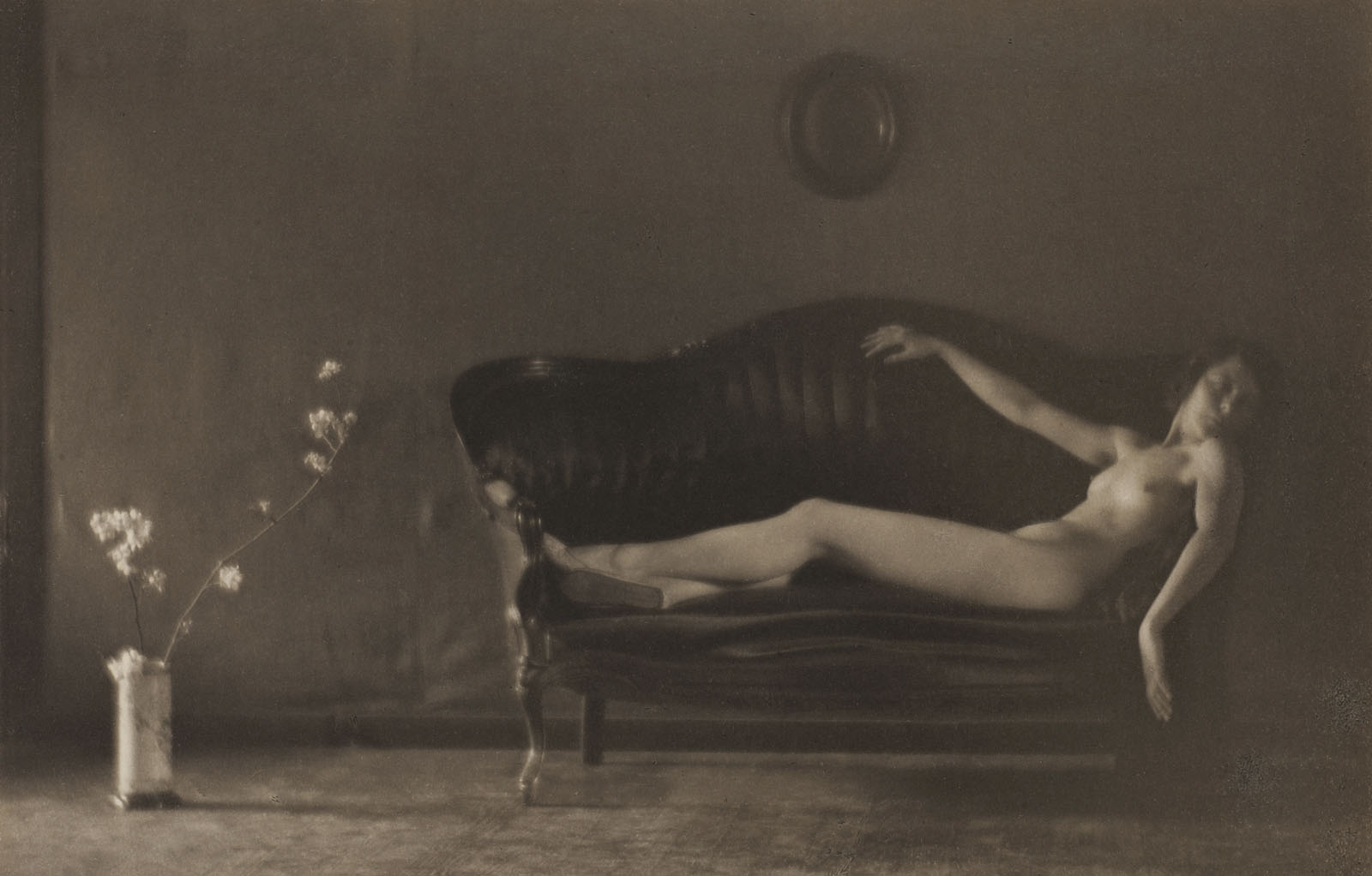
Edward Weston (American, 1886-1958)
‘M’ on the Black Horsehair Sofa
1921
© Center for Creative Photography, Arizona Board of Regents / Edward Weston, Adagp, Paris, 2025
Courtesy Gregg Wilson
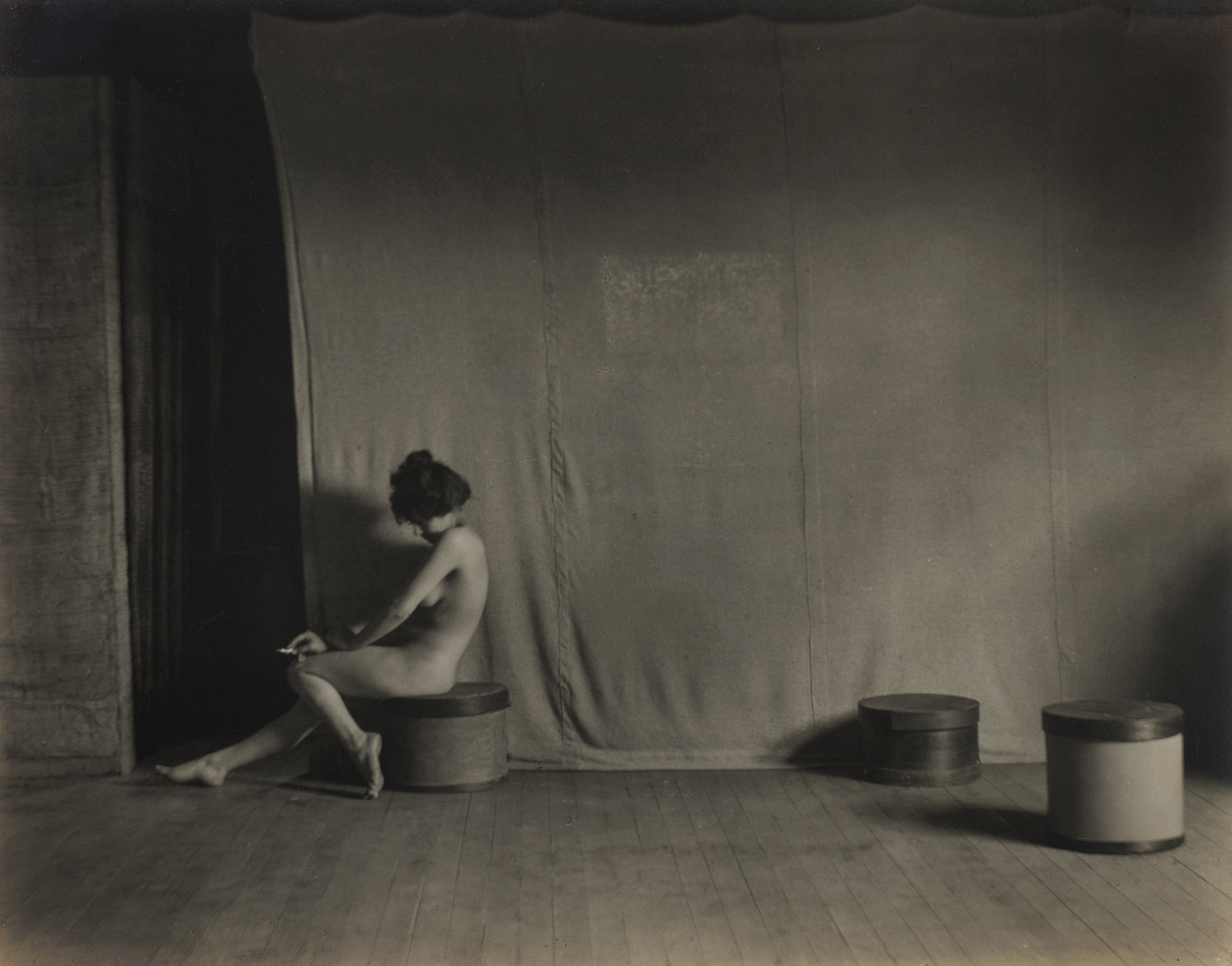
Edward Weston (American, 1886-1958)
Tina Modotti (Nude in Studio)
1922
© Center for Creative Photography, Arizona Board of Regents / Edward Weston, Adagp, Paris, 2025
Courtesy Gregg Wilson
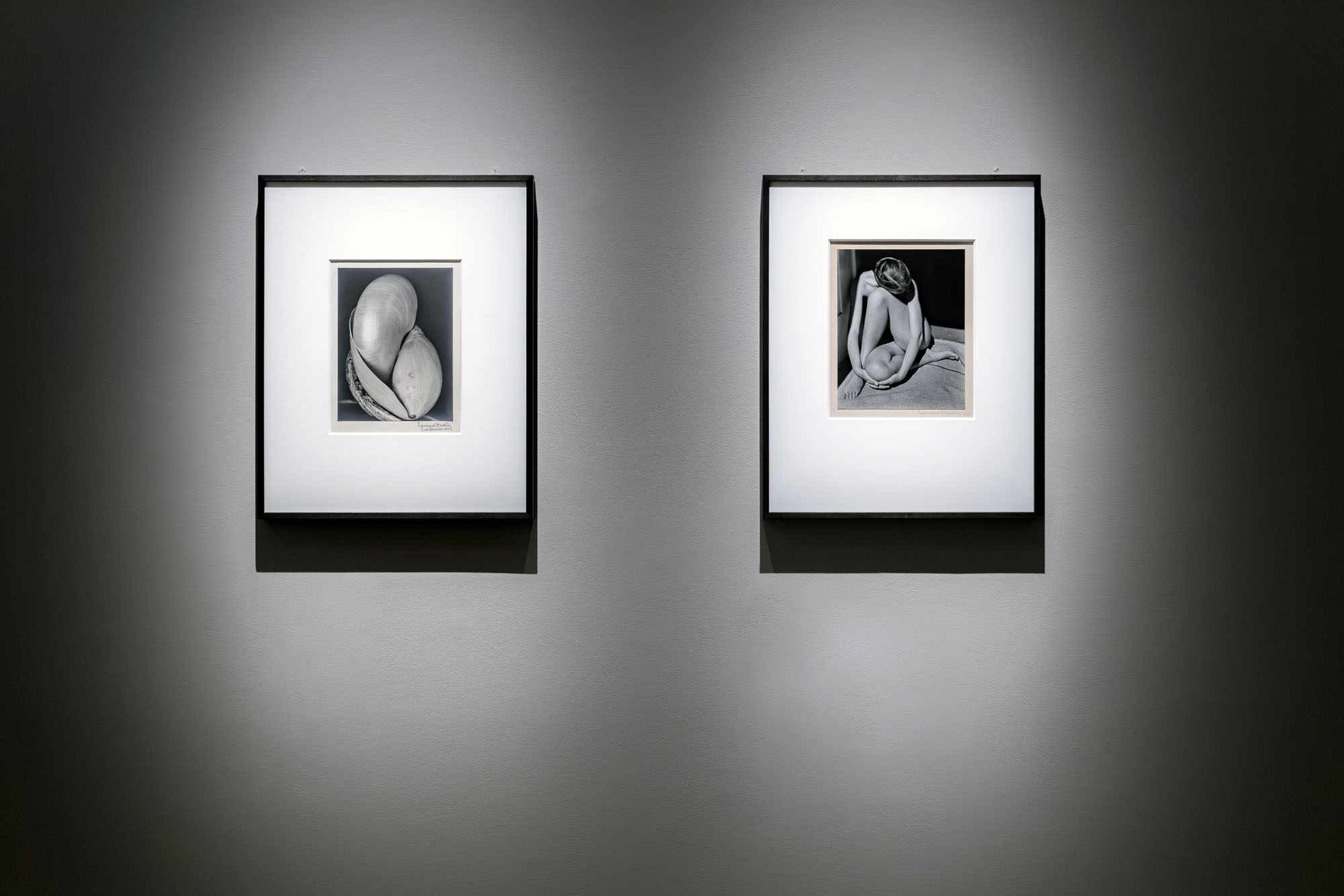
Installation view of the exhibition Edward Weston: Becoming Modern at Maison Européenne de la Photographie (MEP), Paris, 15th October, 2015 – 25th January, 2026 showing at left, Edward Weston’s Shell 1927 (below); and right, Santa Monica (Nude in Doorway) 1936 (below)
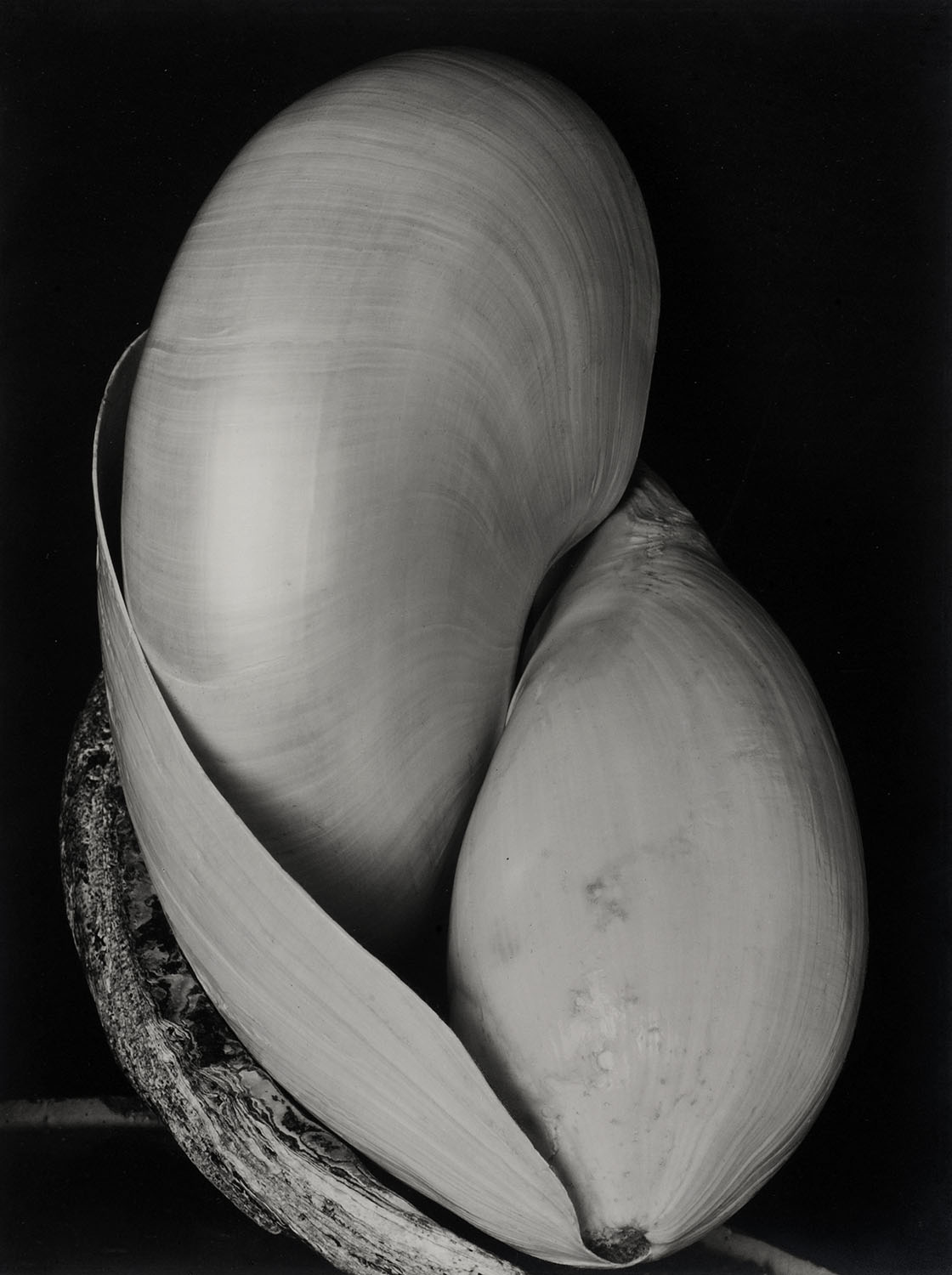
Edward Weston (American, 1886-1958)
Shell
1927
Gelatin silver print
© Center for Creative Photography, Arizona Board of Regents / Edward Weston, Adagp, Paris, 2025
Courtesy Gregg Wilson
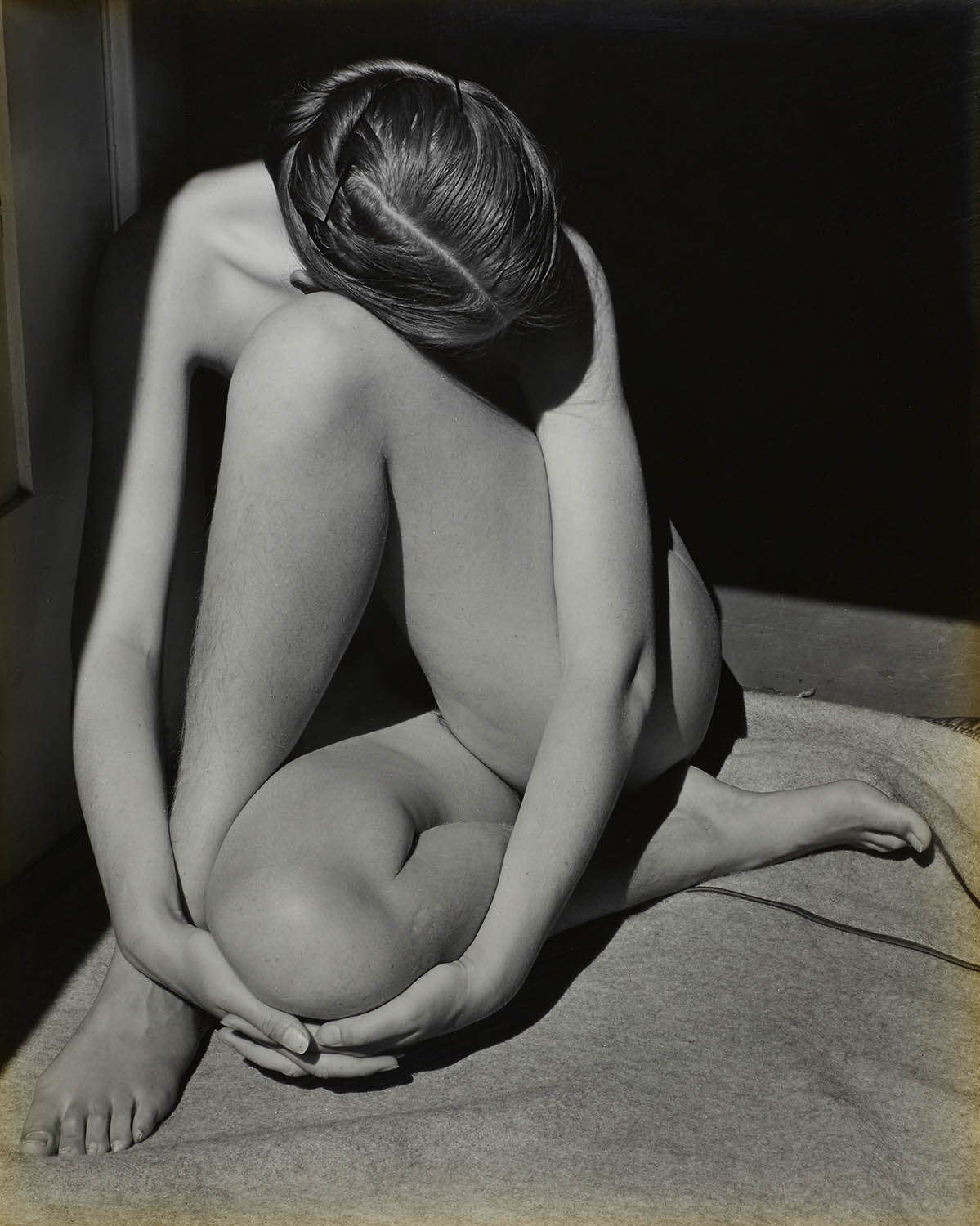
Edward Weston (American, 1886-1958)
Charis, Santa Monica (Nude in Doorway)
1936
Gelatin silver print
© Center for Creative Photography, Arizona Board of Regents / Edward Weston, Adagp, Paris, 2025
Courtesy Wilson Centre for Photography
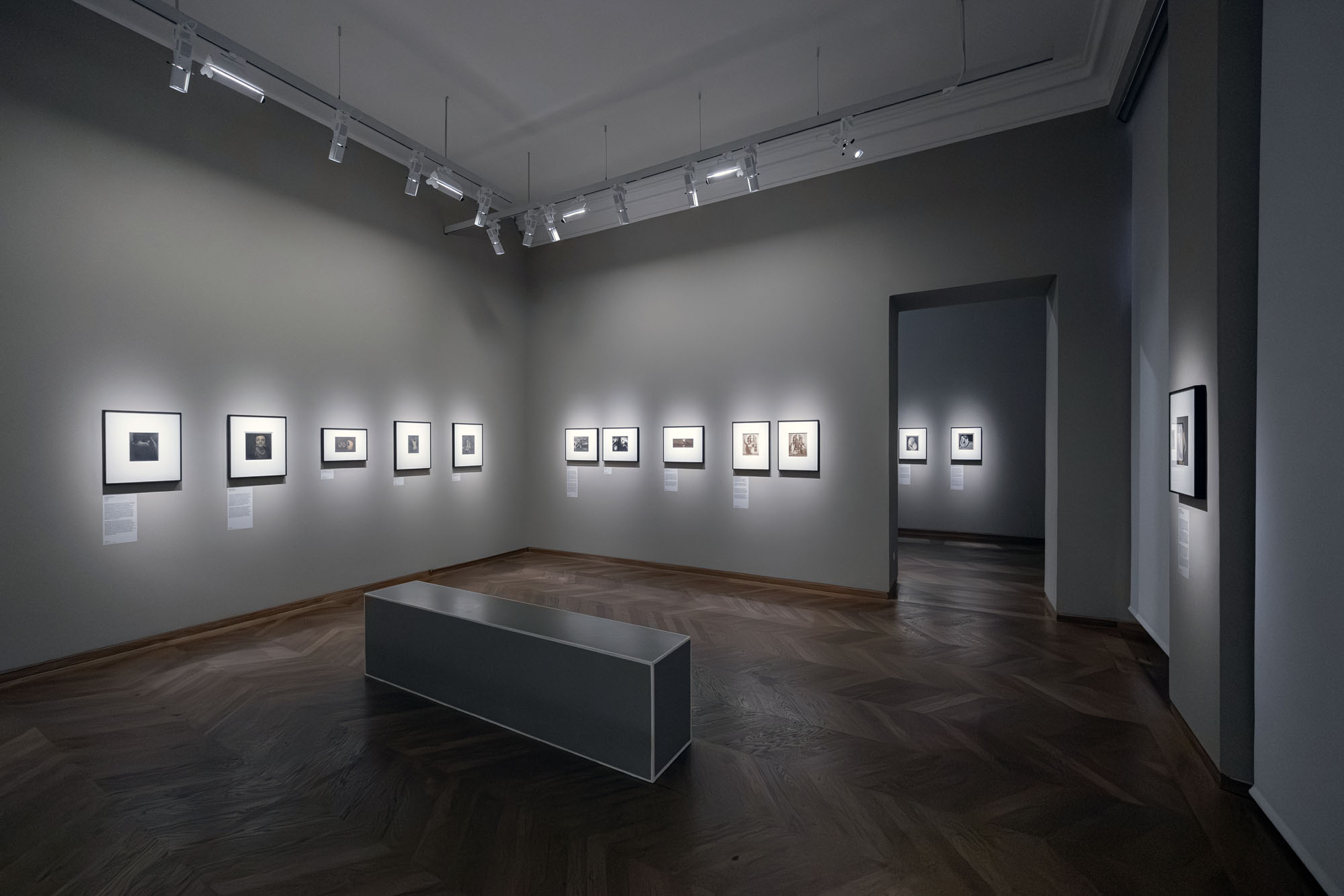
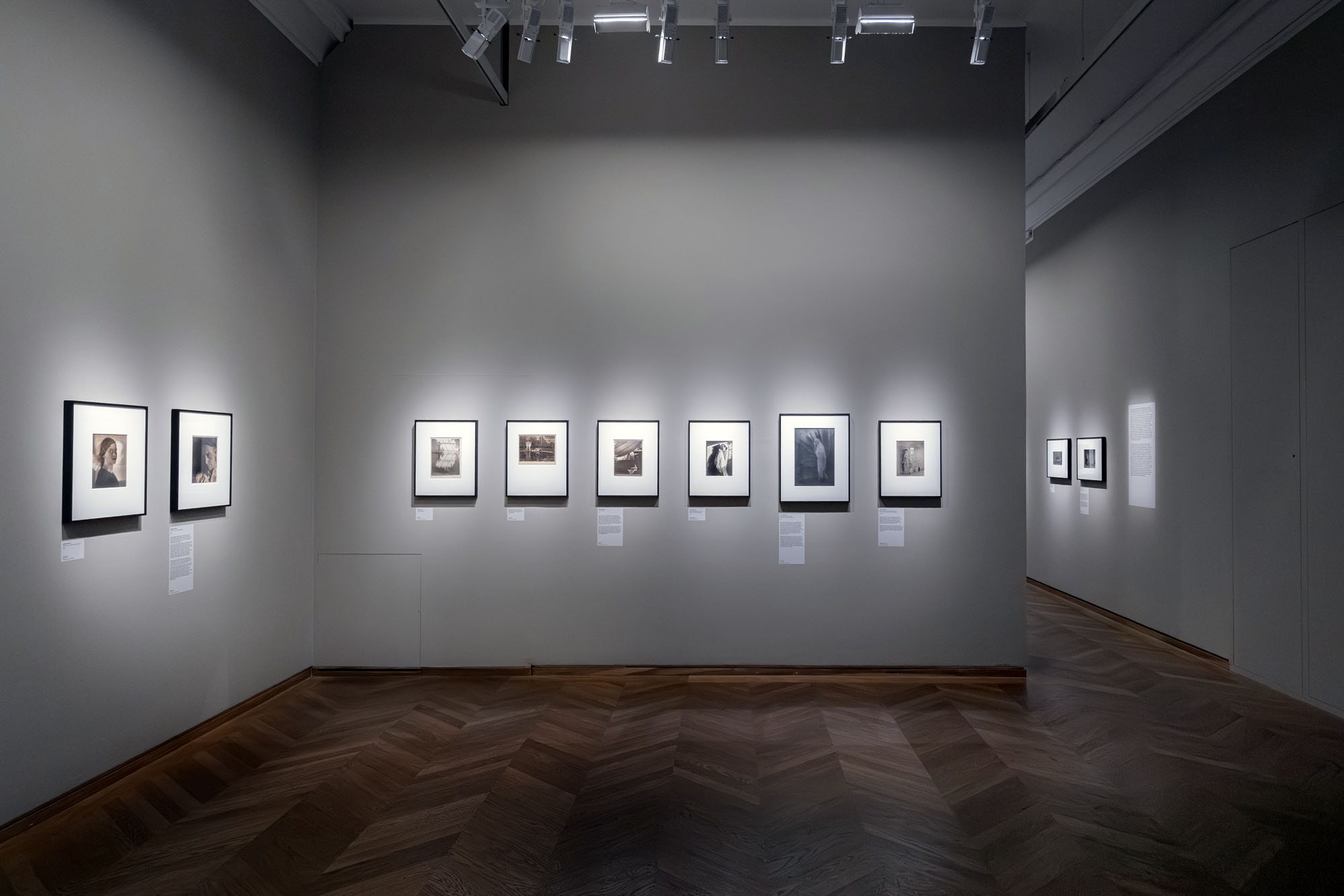
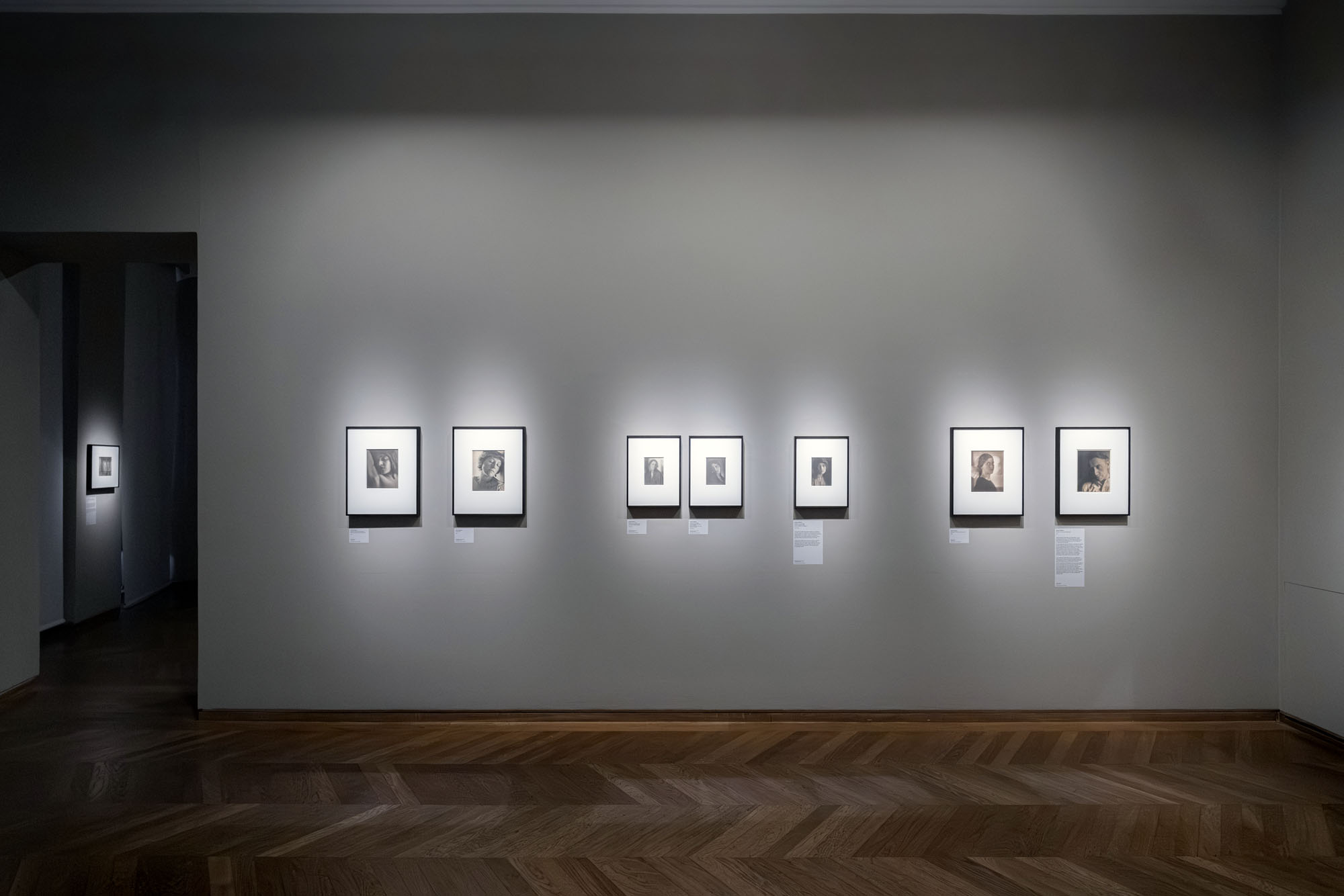
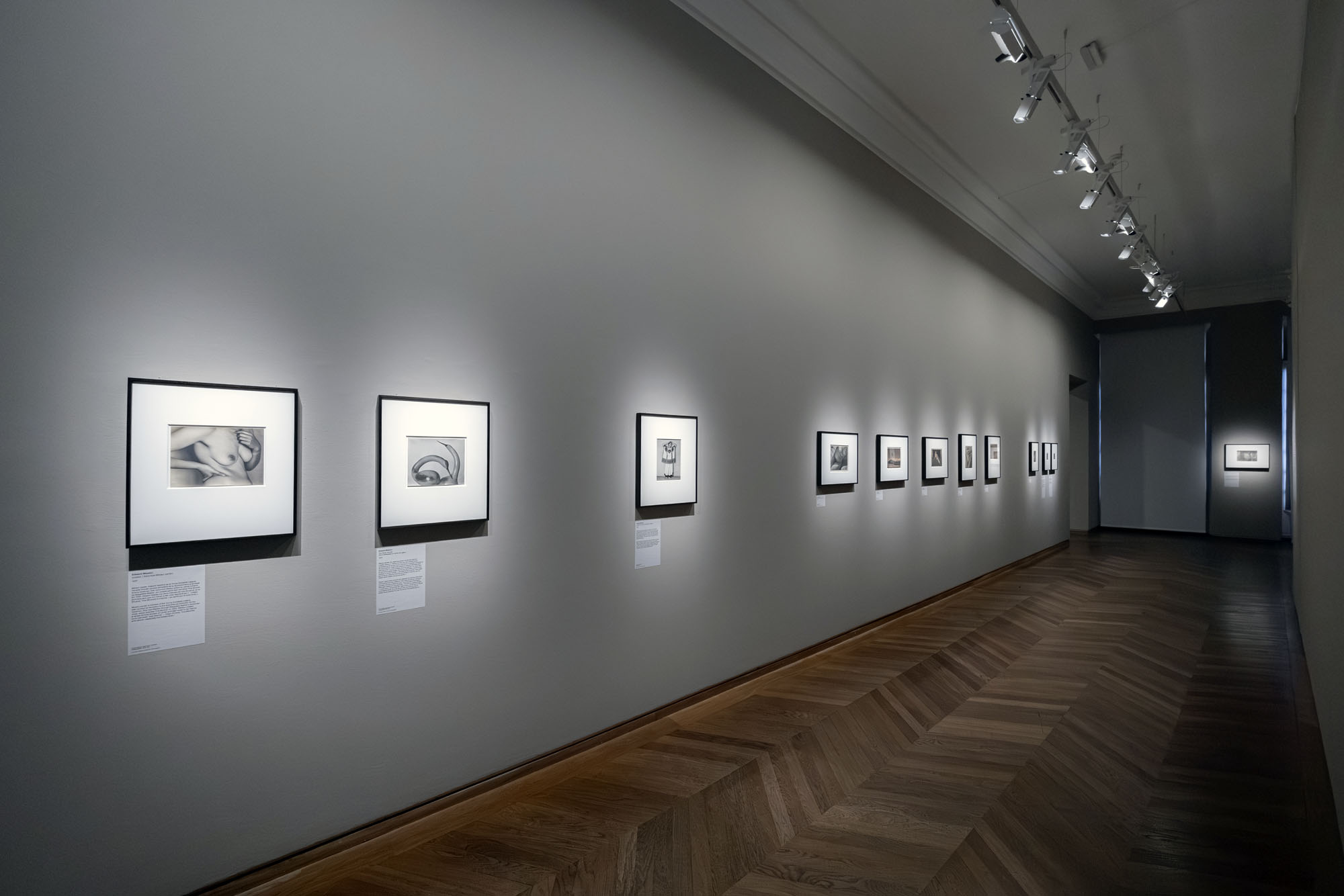
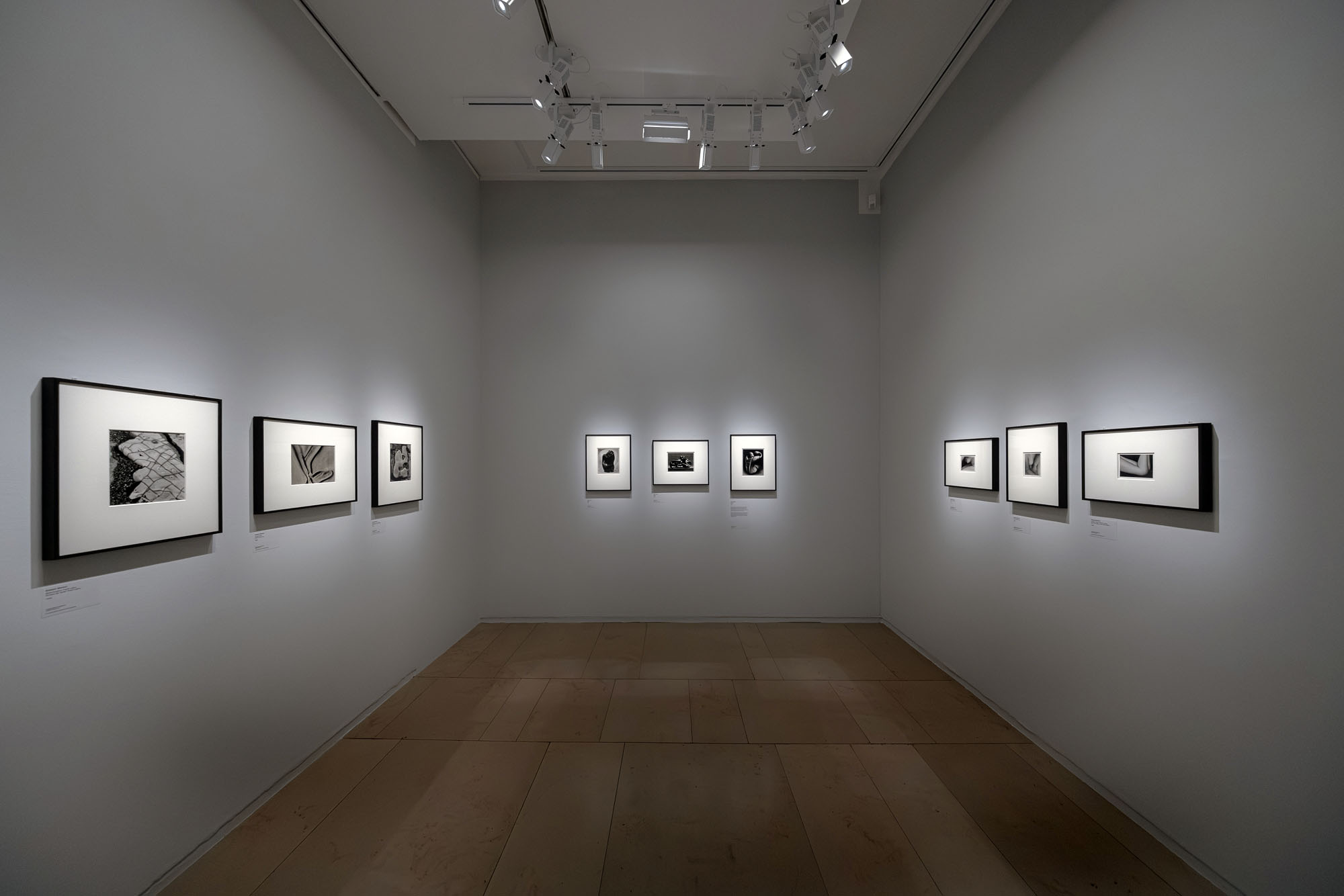
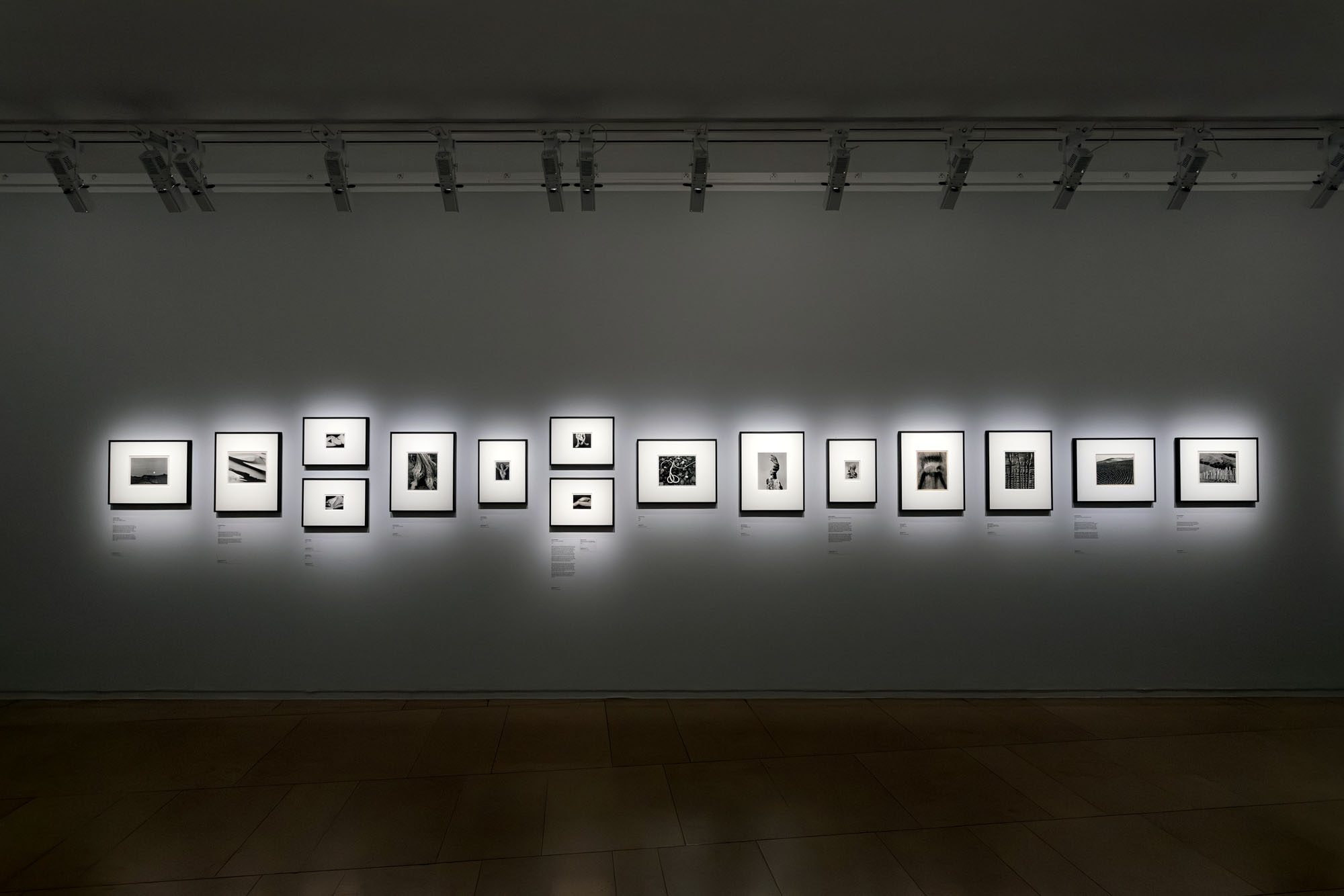
Installation views of the exhibition Edward Weston: Becoming Modern at Maison Européenne de la Photographie (MEP), Paris, 15th October, 2015 – 25th January, 2026
The exhibition
The MEP presents Edward Weston: Becoming Modern, the most significant exhibition dedicated to Edward Weston in Paris in nearly thirty years. A pioneering figure of photographic modernism, Weston helped forge a new visual language – marked by clarity, formal rigour, and a profound engagement with the essential qualities of the photographic medium.
Originating from an idea by Michael Wilson – founder of the Wilson Centre
for Photography in London and one of the world’s foremost collectors –
Becoming Modern brings together a rare selection of vintage prints from his
collection, many of which have never been exhibited in France. These works
offer an exceptional insight into Weston’s evolving practice and the emergence
of a distinctly photographic modernism.
Spanning more than three decades, from 1908 to 1945, the exhibition traces
Weston’s artistic trajectory. His early pictorialist photographs, created in
California during the 1910s and early 1920s, draw upon 19th-century artistic
traditions, employing soft focus, carefully staged settings, and symbolic imagery. Over time, his vision transformed: his images became sharper, compositions more austere, with an increasing emphasis on form, surface, and structure. By the 1920s, many of his photographs approached geometric abstraction – though Weston was never confined to a single style. This transformation unfolded gradually, as motifs intertwined and techniques evolved in a subtle, ongoing dialogue, revealing an artist continuously refining and deepening his vision.
Highlights include works from Weston’s time in Mexico, where, in close
collaboration with Tina Modotti – an artist, political activist, and his lover –
he created portraits and nudes imbued with a newfound freedom and
radicalism These are complemented by evocative landscapes of the dramatic
California coastline near Point Lobos and Carmel. At the heart of the
exhibition are his most iconic series: sensuous close-up studies of natural
forms – peppers, shells, fruits, and vegetables – captured with an almost
obsessive intensity; dune and rock landscapes from Point Lobos and Death
Valley; and luminous nudes of his muse, Charis Wilson. Throughout, Weston
reveals the universal beauty of everyday subjects, transforming them into
pure, sculptural forms. Recurring themes – portraiture, the nude, still life,
and nature – are placed in dialogue, uncovering deeper connections across
his oeuvre. His work displays remarkable strength and variety, with many natural forms taking on subtle anthropomorphic qualities.
Becoming Modern invites audiences to rediscover a bold innovator whose
visionary approach helped shape the course of photographic history.
The exhibition also includes a selection of rare works by leading Pictorialist
photographers, offering a broader context for Weston’s early influences and
the artistic milieu from which his modernism emerged.
Edward Weston biography
Widely regarded as one of the masters of 20th-century photography, Edward Henry Weston (March 24, 1886 – January 1, 1958) reshaped the medium through a vision rooted in clarity, form, and a profound sensitivity to the physical world. Over a career spanning more than forty years, he forged a style that was both radically modern and deeply grounded in the landscapes and materials of the American West.
Born in Highland Park, Illinois, Weston spent his early years in the Chicago
area, where his fascination with photography first took hold. By 1903,
as a teenager, he was already exhibiting his early works. At sixteen, he
received his first camera – a gift from his father that marked the beginning
of a lifelong creative journey. He studied at the Illinois College of Photography
from 1908 to 1911 before relocating to California, where, at age 25, he opened a portrait studio in Tropico, operating from 1911 to 1922. In his early career, Weston worked within the Pictorialist tradition – a popular style of the early 20th century characterised by soft focus and romantic, painterly effects. His portraits from this period brought him recognition from the art community. Yet by the early 1920s, he began to move away from this approach, embracing a sharper, more precise, and abstract visual language that emphasised form and detail.
A turning point in Weston’s artistic journey occurred in 1922 on a trip to New York, where he met influential modernist photographers such as Alfred Stieglitz, Paul Strand, and Charles Sheeler. They recognised the originality of his work and encouraged him to fully embrace this new direction, which soon included close studies of fruits, vegetables, shells, and stones, rendered with astonishing clarity and sculptural intensity. Through close observation and meticulous composition, he revealed the inherent beauty of form, transforming the ordinary into the iconic.
In the mid-1920s, Weston travelled to Mexico with the photographer and political activist Tina Modotti, with whom he shared a studio and a deep creative partnership. Immersed in the vibrant cultural life of Mexico City, he engaged with a dynamic community of artists and thinkers whose ideas further catalysed his break from tradition.
Returning to California in 1928, Weston found new inspiration in the rugged coastal terrain of Point Lobos. The region’s intricate rock formations, windswept trees, and tide pools became a central focus of his work, offering endless opportunities for visual exploration and formal innovation. In 1932, Weston co-founded Group f/64 – a collective of West Coast photographers dedicated to “straight” photography, emphasising sharp focus, rich tonality, and the use of large-format cameras. The group championed an unmanipulated approach to the medium. Weston’s contributions during this period, especially his landscapes, remain among the most enduring images in American photography.
Text from MEP
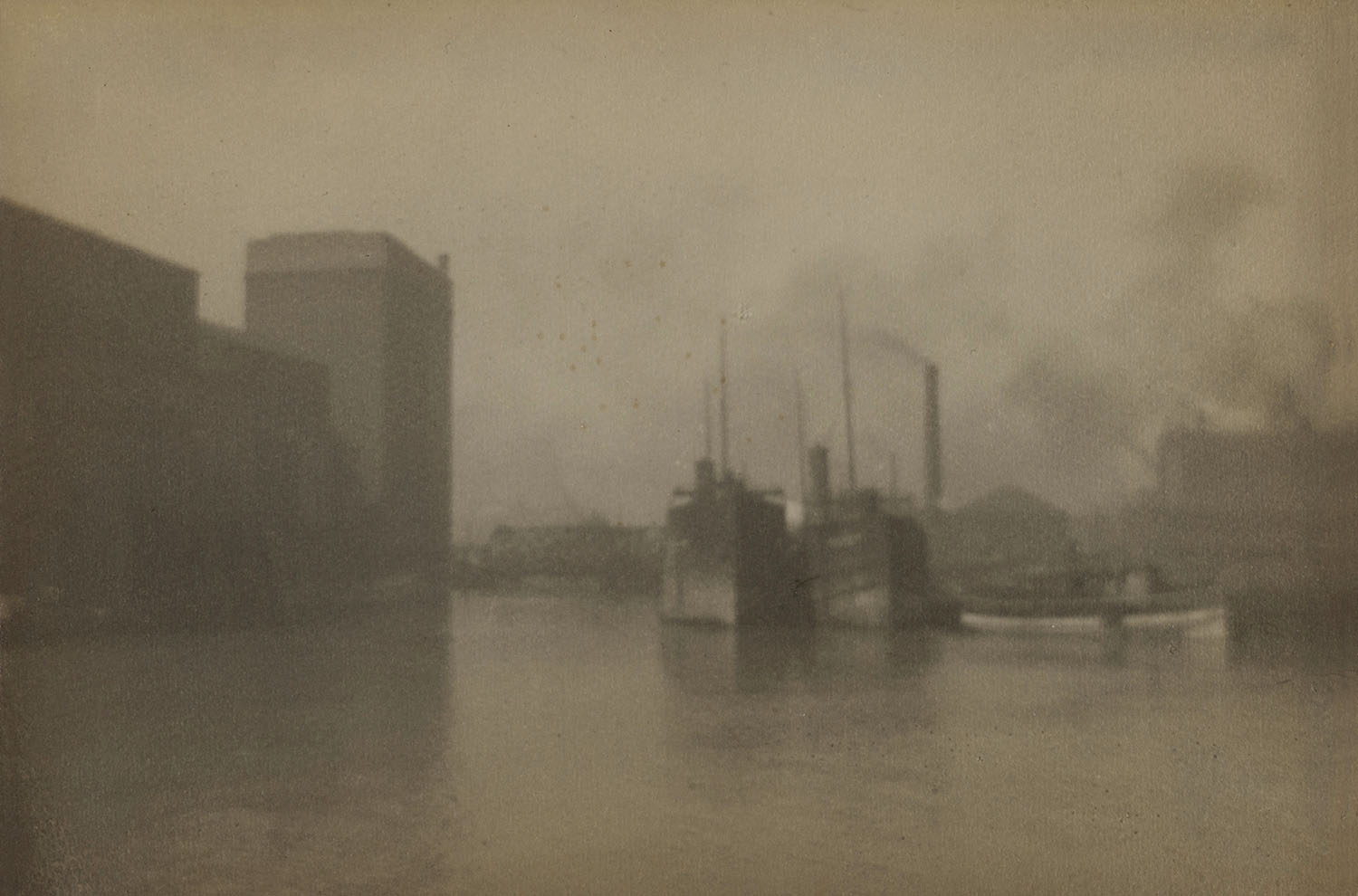
Edward Weston (American, 1886-1958)
Chicago River Harbor
1908
© Center for Creative Photography, Arizona Board of Regents / Edward Weston, Adagp, Paris, 2025
Courtesy Wilson Centre for Photography
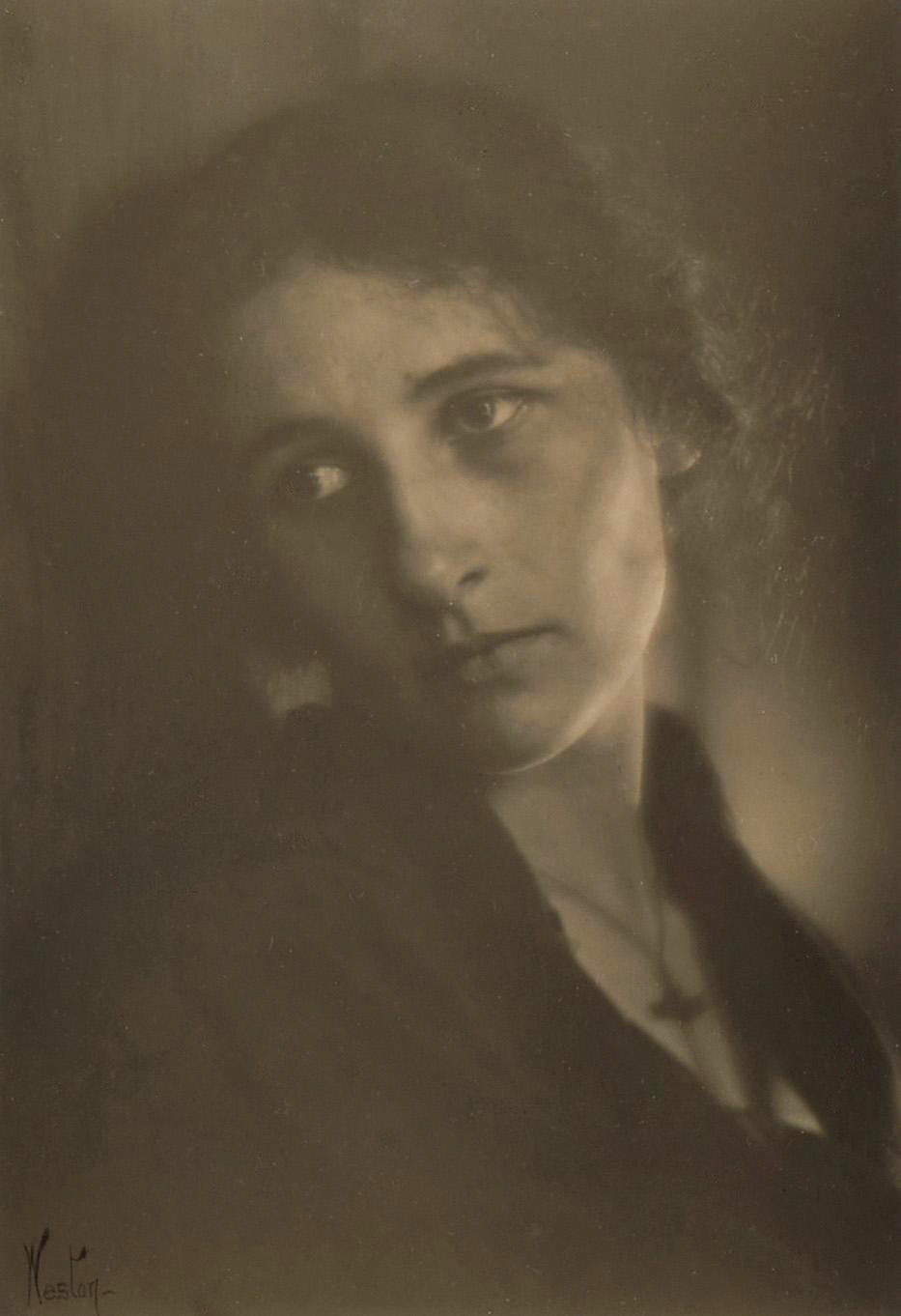
Edward Weston (American, 1886-1958)
Portrait of Enrique (Enrica, Wearing a Black Cross, Looking Sideways)
1916-1919
© Center for Creative Photography, Arizona Board of Regents / Edward Weston, Adagp, Paris, 2025
Courtesy Wilson Centre for Photography
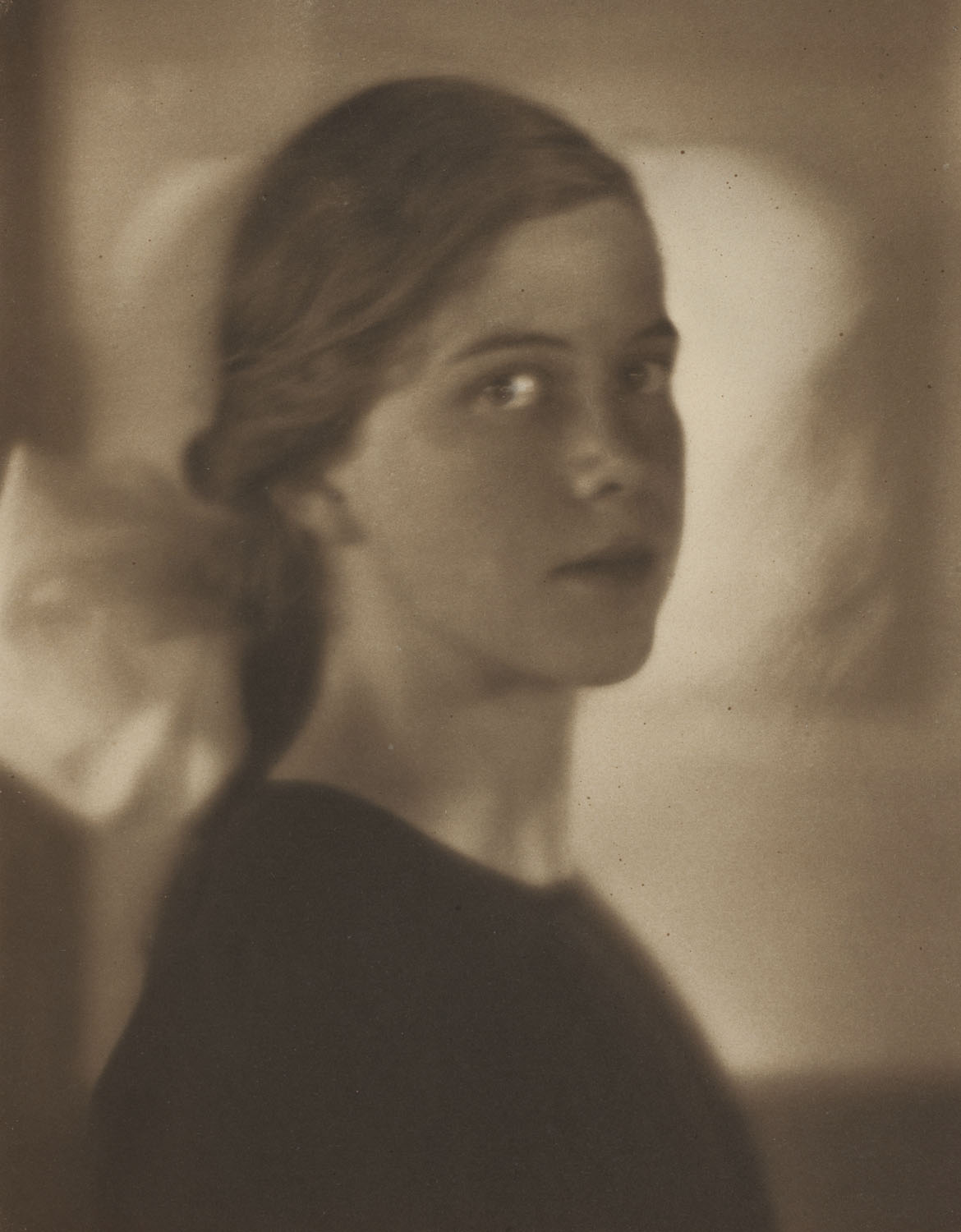
Edward Weston (American, 1886-1958)
Daughter of John Cotton No. II
1920
© Center for Creative Photography, Arizona Board of Regents / Edward Weston, Adagp, Paris, 2025
Courtesy Wilson Centre
for Photography
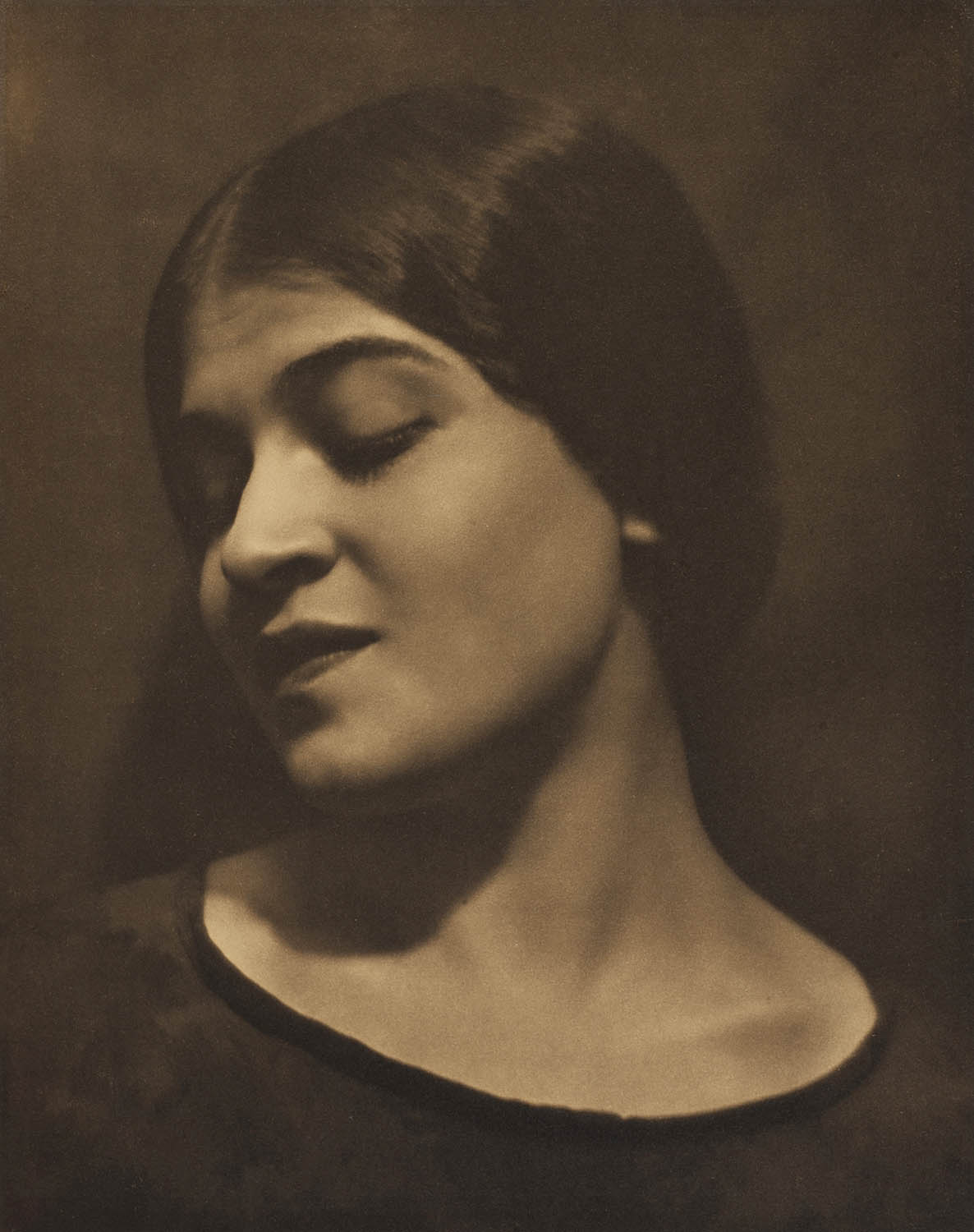
Edward Weston (American, 1886-1958)
Tina Reciting (Tina Modotti)
1924
© Center for Creative Photography, Arizona Board of Regents / Edward Weston, Adagp, Paris, 2025
Courtesy Gregg Wilson
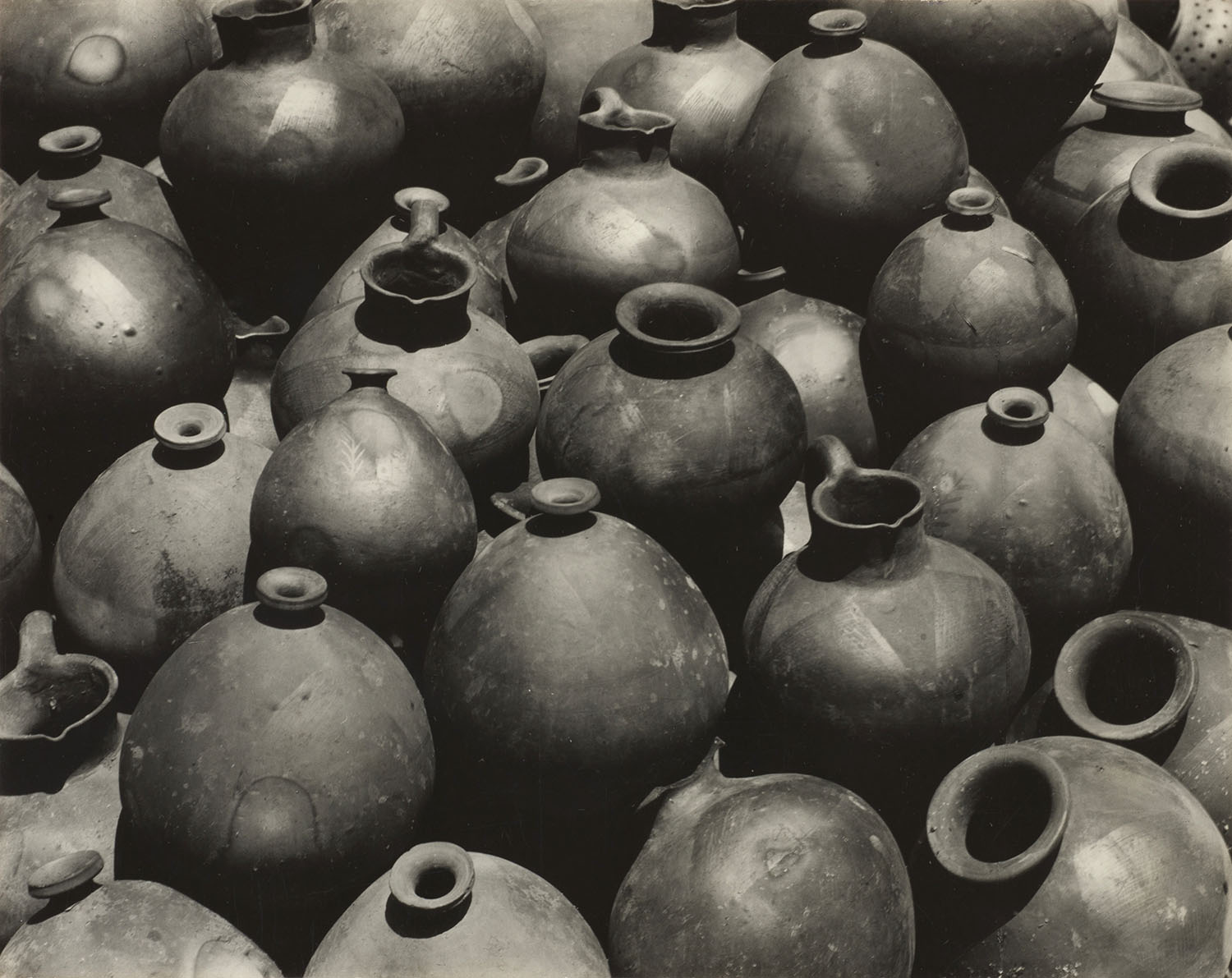
Edward Weston (American, 1886-1958)
Heaped Black Ollas
1926
Gelatin silver print
© Center for Creative Photography, Arizona Board of Regents / Edward Weston, Adagp, Paris, 2025
Courtesy Wilson Centre for Photography
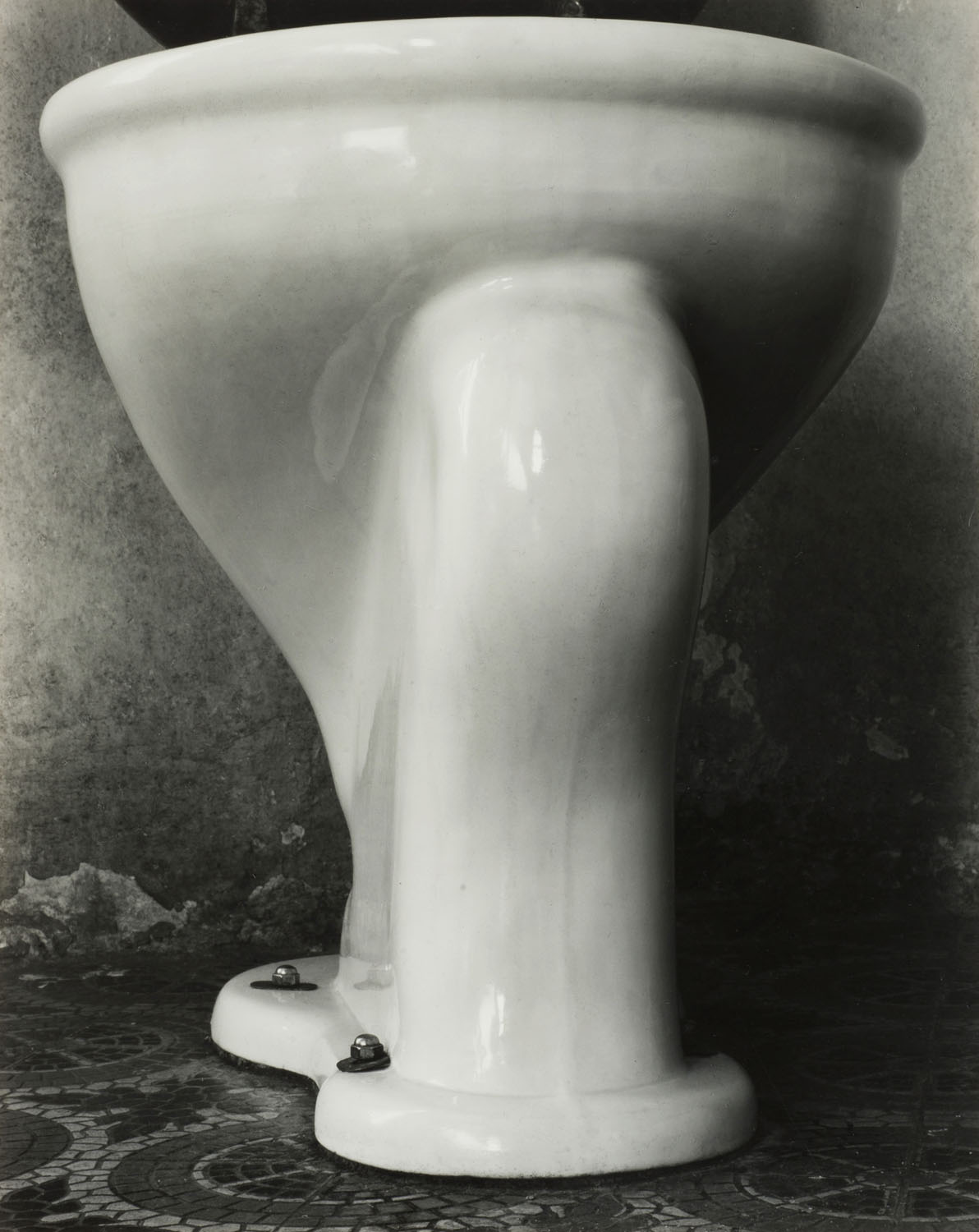
Edward Weston (American, 1886-1958)
Excusado (Toilet)
1926
© Center for Creative Photography, Arizona Board of Regents / Edward Weston, Adagp, Paris, 2025
Courtesy Wilson Centre for Photography
Exhibition overview
Becoming Modern traces Edward Weston’s evolution from the soft pictorialism
of his early years to the clarity and precision that came to define modern
photography. Spanning nearly three decades, the exhibition presents more
than 100 rare vintage prints from the Wilson Centre for Photography. It invites
viewers to rediscover one of photography’s most visionary pioneers through
an extraordinary body of work.
The exhibition opens with two emblematic photographs that frame its central
theme, reflecting a curatorial concept developed by Michael Wilson to highlight
Weston’s extraordinary range and experimentation. On one side hangs
M on the Black Horsehair Sofa (1921, above), a quintessential example of the
Pictorialist style: a languid pose, softly diffused light, and a painterly atmosphere enriched by symbolic elements – a floral bouquet, a circular mirror. Opposite it, Tina Modotti (Nude in Studio) (1922, above) marks a striking departure. The figure sits upright, smoking, in a bare studio – captured with crisp focus and a stark, modern sensibility. Though created just a year apart, these works embody the transformative arc at the heart of Weston’s career: a restless search for new ways of seeing. From these beginnings, Weston’s exploratory approach soon dissolved strict categories, embracing a practice defined by an ongoing dialogue between subjects and forms.
From here, the exhibition situates Weston’s early work within the broader
context of the Pictorialist movement. His prints are shown alongside key images by photographers who shaped or anticipated his early style – Edward Steichen, George Seeley, Anne Brigman, Dorothea Lange, Margrethe Mather, and Alfred Stieglitz. A tireless advocate for photography as a fine art, Stieglitz helped define the medium’s possibilities through his publications Camera Work and 291, and through his influential New York gallery of the same name. Weston’s own early prints – including a striking self-portrait – are exhibited alongside these historic works. These are placed in conversation with later photographs that capture Weston and his creative circle in 1920s California, evoking a distinct artistic atmosphere. Rooted in the landscape and rhythms of the West Coast, Weston’s early vision subtly diverged from that of his East Coast contemporaries.
The exhibition then turns to the pivotal decade of the 1920s, a period of
remarkable transformation and experimentation in Weston’s practice. Rather
than unfolding in a linear progression, this section reveals how Weston moved
fluidly between subjects and styles – returning repeatedly to certain motifs
while continually refining his formal vocabulary.
This section opens with works from Weston’s extended stays in Mexico
from 1923 to 1926 with photographer and political activist Tina Modotti – his
muse, lover, and collaborator – where he encountered a vibrant avant-garde
community. Immersed in the artistic and political ferment of 1920s Mexico,
Weston developed a bold new visual language focused on form, contrast, and
a sense of immediate presence. A striking portrait of Modotti, presented in both
gelatin silver and palladium prints, showcases Weston’s ongoing technical
experimentation alongside his deepening sensitivity to tonal nuance. Modotti
encouraged Weston toward an even more radical vision, challenging him to
see the world anew through his camera.
His Mexican experience deepened Weston’s experimental impulse, introducing
sharper contrasts and new formal rigor that reverberated through his portraits
and nudes. His obsession with natural forms intensified. He photographed
them repeatedly, seeking the perfect composition and meticulously refining
his prints to reveal the interplay of light, shadow, and volume.
These subjects interact and reflect one another through Weston’s lens.
The sinuous curves of a shell echo the lines of a nude; the gleaming porcelain
of Excusado (Toilet) (1926) takes on the quiet sensuality of the human body.
Shell (1927, above), one of Weston’s most iconic images, exemplifies his singular ability to elevate everyday objects into studies of luminous purity, rendering form, texture, and light with a precision so distilled that they verge on abstraction – not simply photographs of things, but meditations on form itself. During this period, his treatment of the nude also evolved dramatically: the body becomes fragmented and abstracted, its anatomy transformed into sculptural rhythm. This exploration reaches its pinnacle in Charis, Santa Monica (Nude in Doorway) (1936, above), one of Weston’s most celebrated images.
At the heart of the exhibition are many of Weston’s most exceptional works
from the late 1920s and 1930s, in which he famously transformed the ordinary
into something sensuous and unexpected. In his iconic studies of vegetables –
particularly peppers – their curves and folds evoke the flesh and contours
of the human torso, recalling both modernist sculpture and the body. Using
the camera to express, in his words, “the very substance and the quintessence
of the thing itself,” Weston also photographed in close-up what he saw around
him: an egg-slicer, the plank from a barley sifter, a gnarled tree.
His portraits from this period grew sharper in focus and more daring
in composition, echoing the dynamic perspectives emerging in European
Modernist photography. By the late 1920s, after returning to California,
his work had begun to appear in major exhibitions linked to the New Objectivity
movement, which championed photographic clarity and rejected painterly
effects. This evolution is also evident in his treatment of the nude: the body
is fragmented and abstracted, its forms studied as sculptural elements.
Weston’s practice moved fluidly between subjects, embracing both the human
body and the natural world, constantly refining his vision through intense study and formal innovation. Close-up studies of nature – sand patterns, rocks,
and wood – verge on abstraction, including Rock Erosion and Sandstone
Erosion (Point Lobos) – photographs made along the dramatic California
coastline that Weston returned to repeatedly. Jagged rock formations, knotted
seaweed, wind-twisted cypress trees, and bleached driftwood became recurring
motifs, offering endless opportunities for formal exploration. These works also
include a group of powerful portraits, from images of his future wife, Charis Wilson, and her brother Leon, to Weston’s son Brett and daughter-in-law Elinore Stone.
Text from MEP
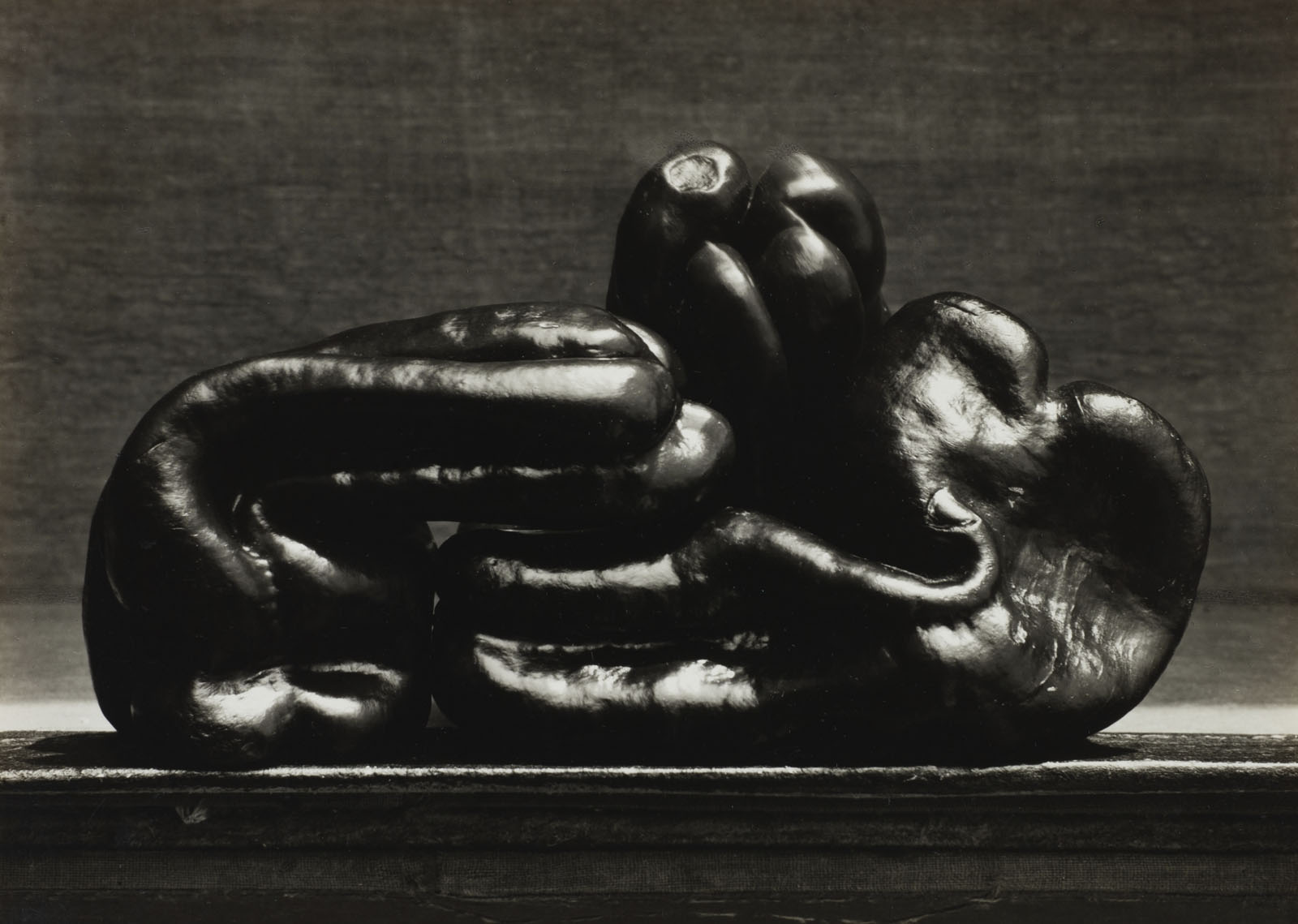
Edward Weston (American, 1886-1958)
Peppers
1929
Gelatin silver print
© Center for Creative Photography, Arizona Board of Regents /
Edward Weston, Adagp, Paris, 2025
Courtesy Wilson Centre for Photography

Edward Weston (American, 1886-1958)
Pepper
1930
Gelatin silver print
© Center for Creative Photography, Arizona Board of Regents / Edward Weston, Adagp, Paris, 2025
Courtesy Gregg Wilson

Edward Weston (American, 1886-1958)
Eggs and Slicer
1930
Gelatin silver print
© Center for Creative Photography, Arizona Board of Regents / Edward Weston, Adagp, Paris, 2025
Courtesy Wilson Centre for Photography
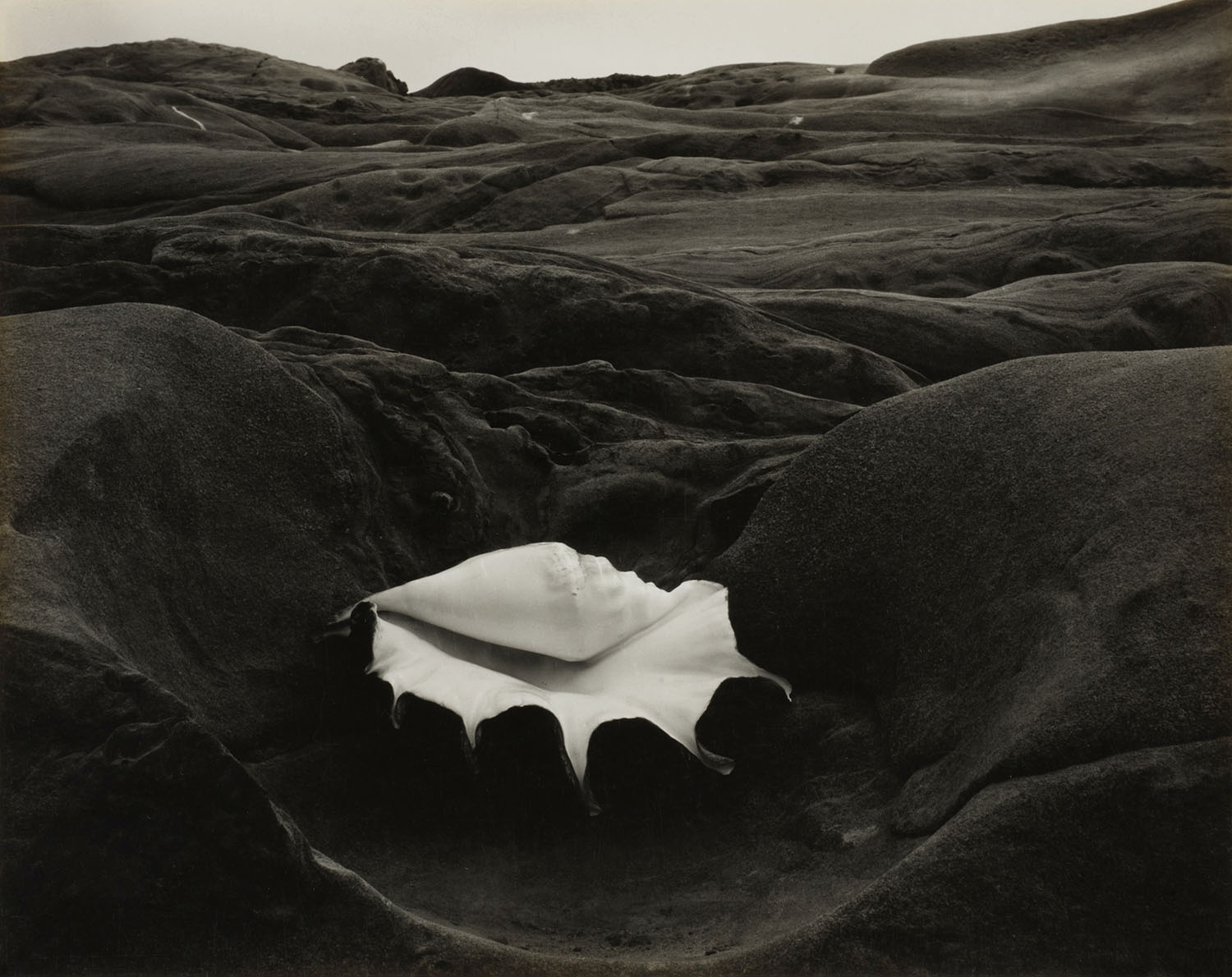
Edward Weston (American, 1886-1958)
Shell and Rock Arrangement
1931
Gelatin silver print
© Center for Creative Photography, Arizona Board of Regents / Edward Weston, Adagp, Paris, 2025
Courtesy Wilson Centre for Photography
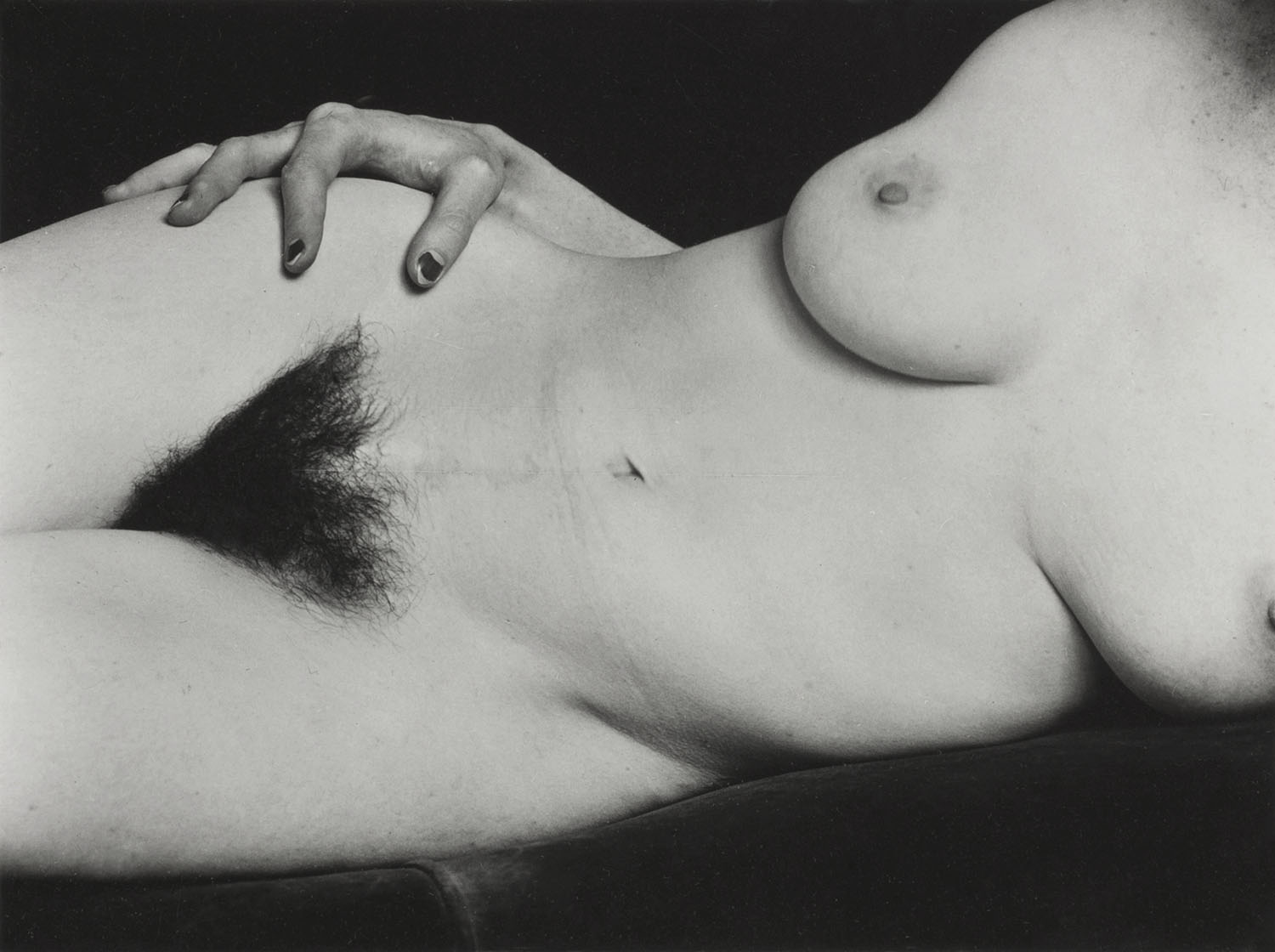
Edward Weston (American, 1886-1958)
Nude (Dorris)
1933
Gelatin silver print
© Center for Creative Photography, Arizona Board of Regents /
Edward Weston, Adagp, Paris, 2025. Courtesy Wilson Centre
for Photography
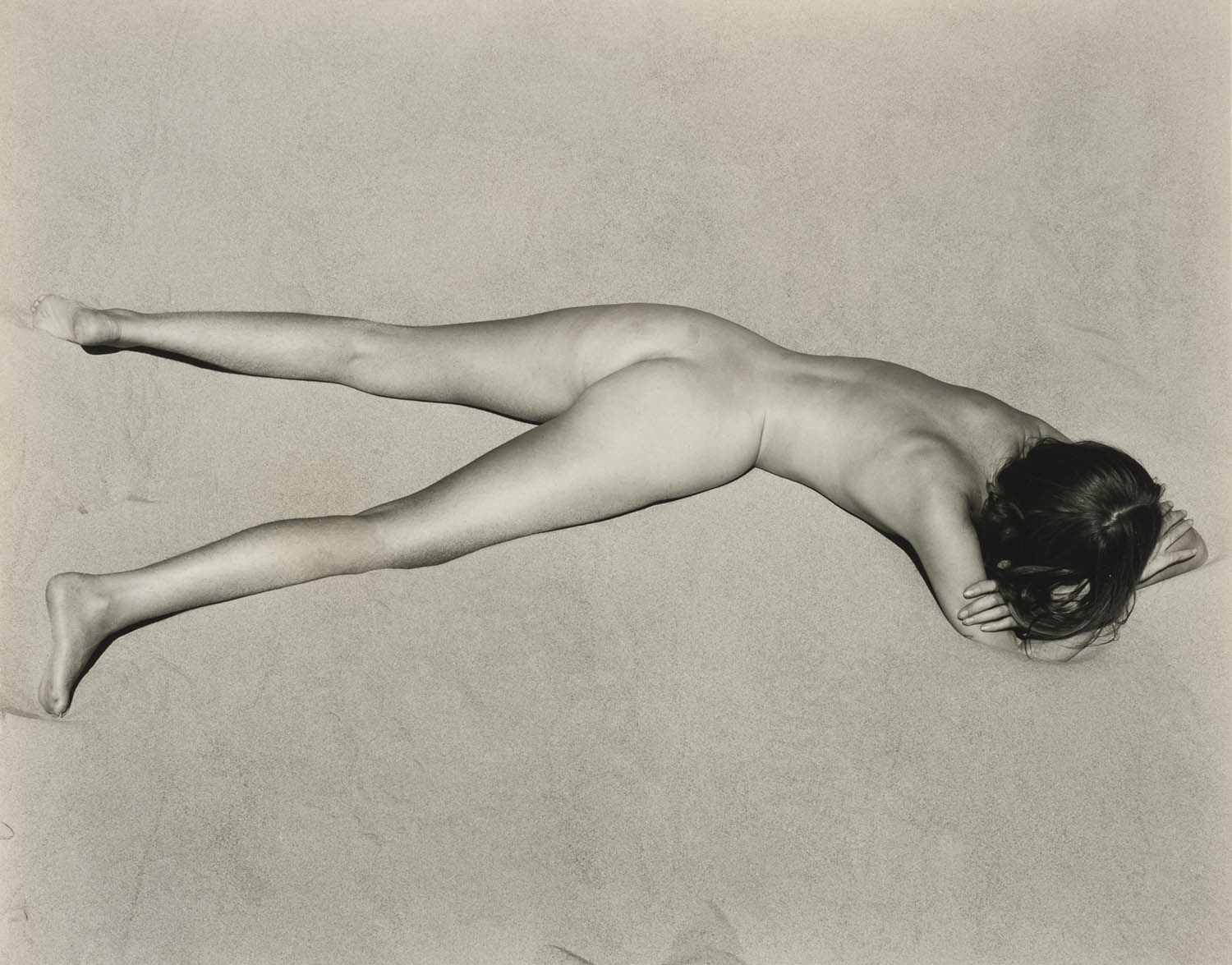
Edward Weston (American, 1886-1958)
Nude on Sand, Oceano
1936
Gelatin silver print
© Center for Creative Photography, Arizona Board of Regents / Edward Weston, Adagp, Paris, 2025
Courtesy Wilson Centre for Photography
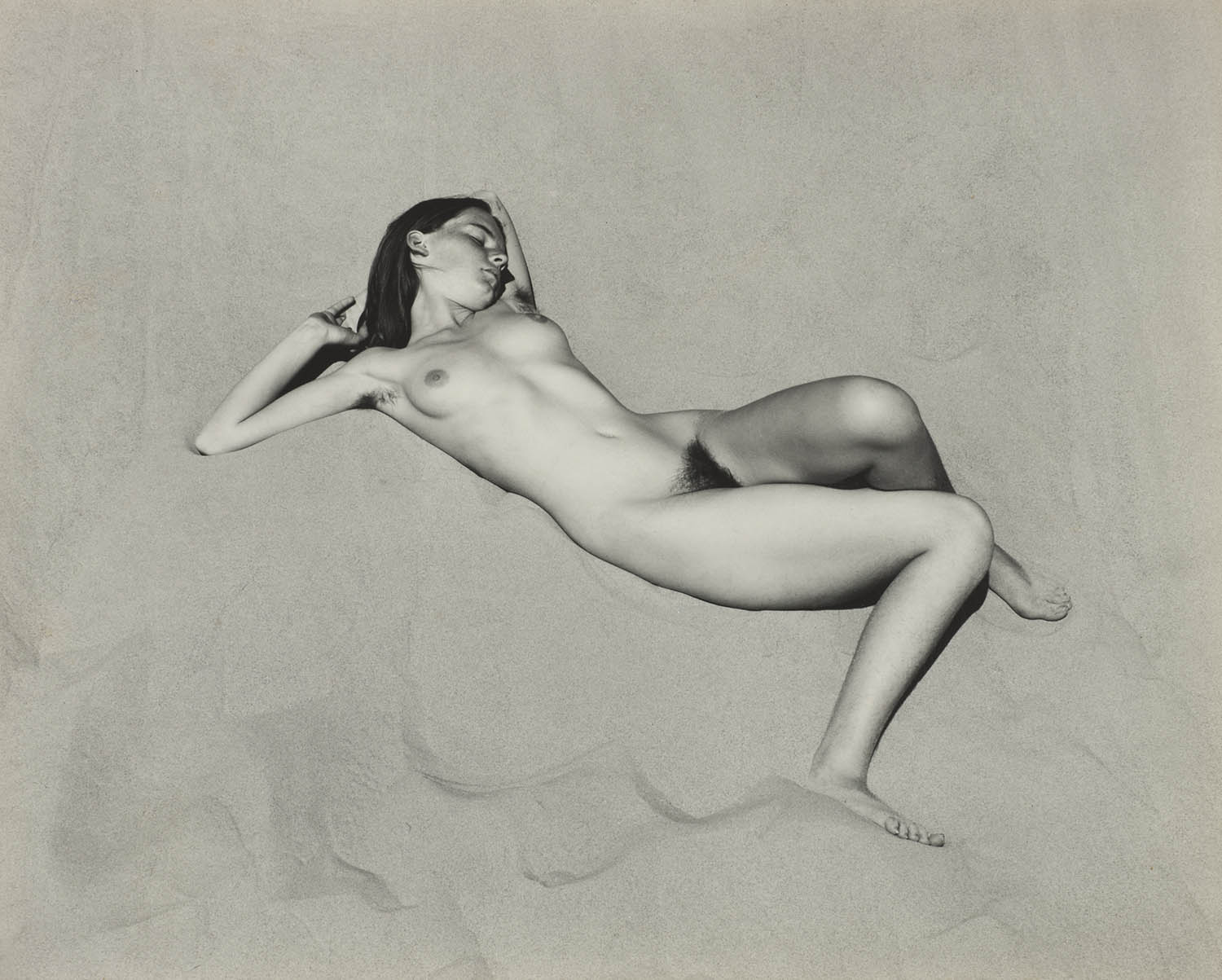
Edward Weston (American, 1886-1958)
Nude on Sand, Oceano
1936
Gelatin silver print
© Center for Creative Photography, Arizona Board of Regents / Edward Weston, Adagp, Paris, 2025
Courtesy Wilson Centre for Photography
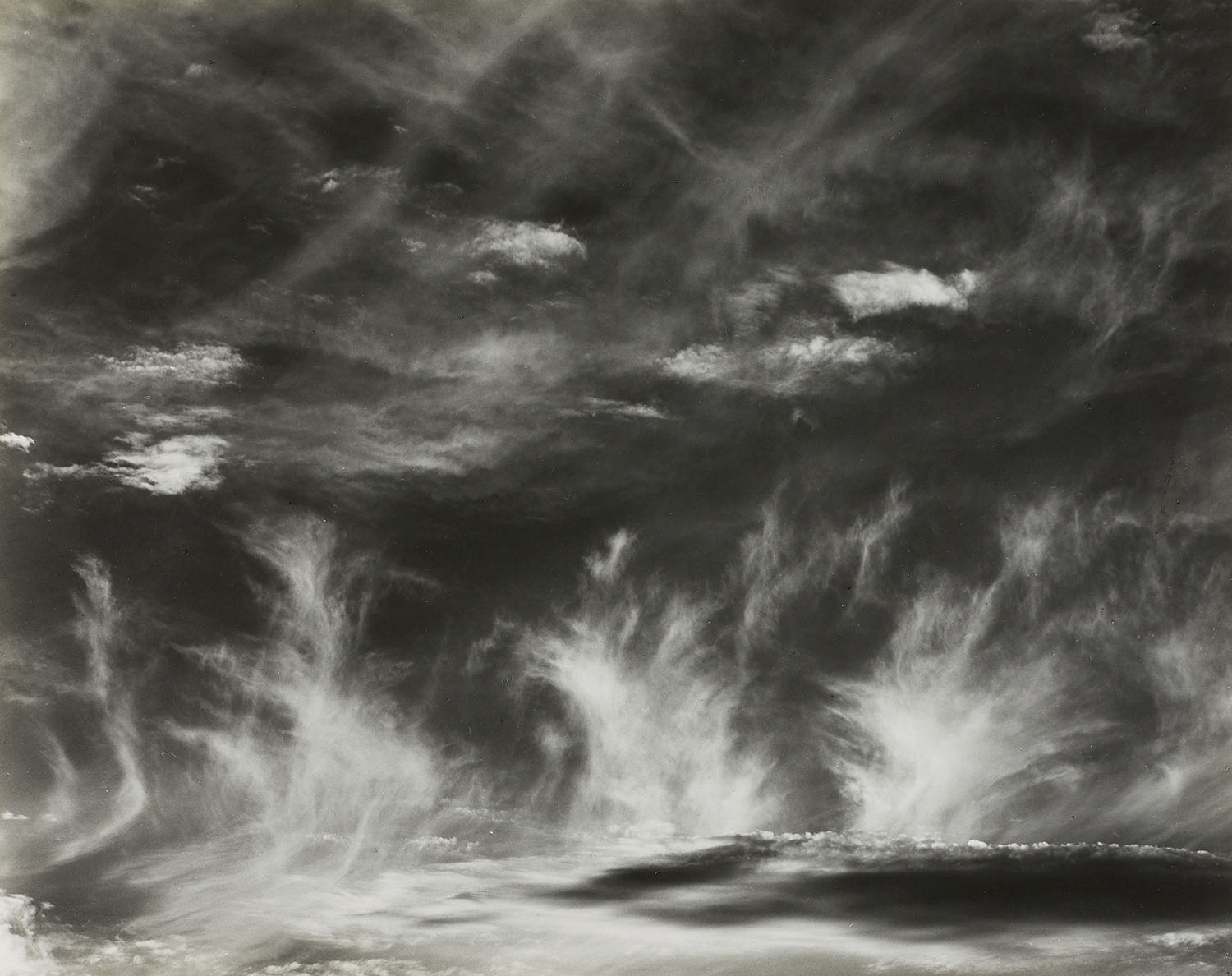
Edward Weston (American, 1886-1958)
Santa Monica
1936
Gelatin silver print
© Center for Creative Photography, Arizona Board of Regents / Edward Weston, Adagp, Paris, 2025
Courtesy Wilson Centre for Photography
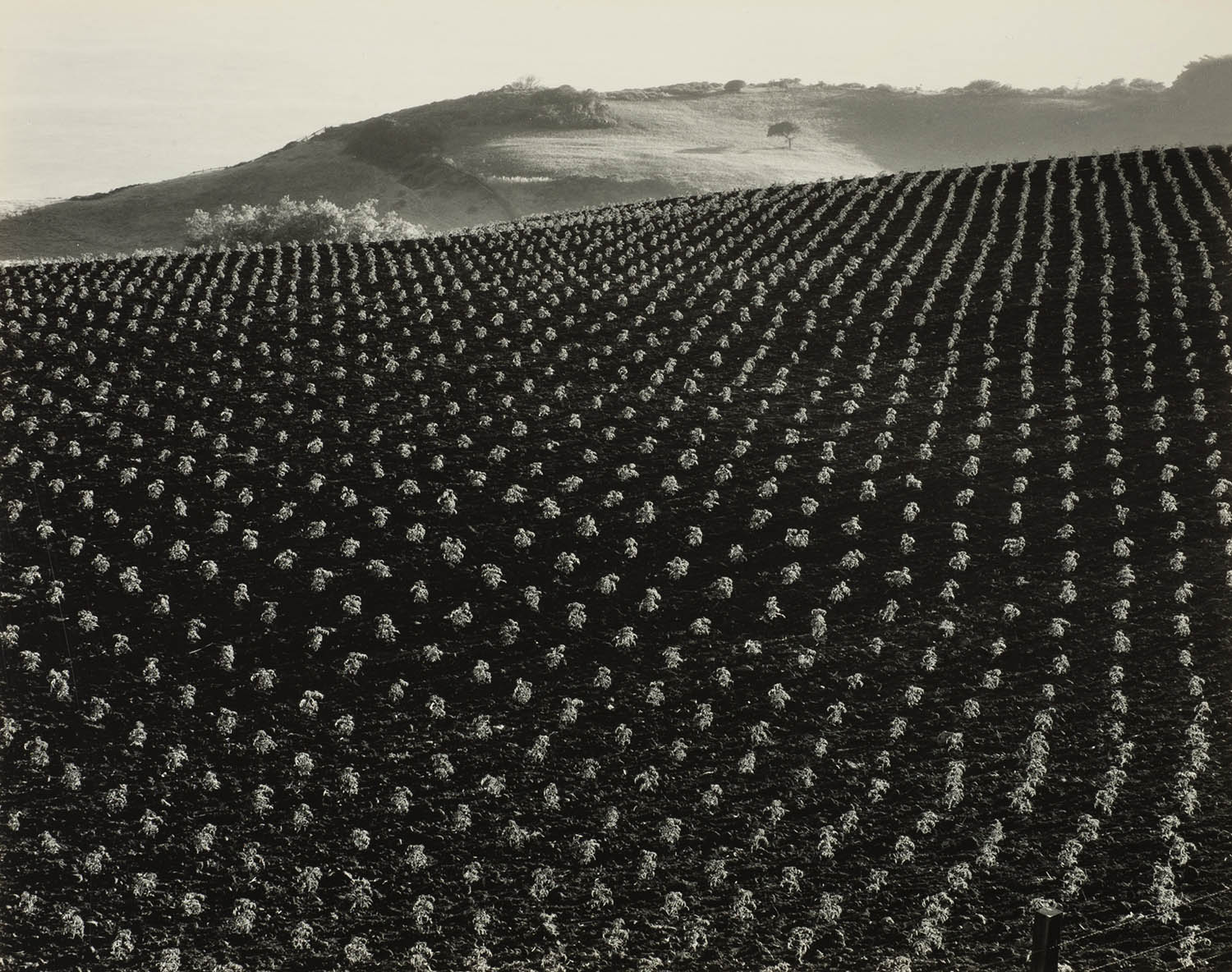
Edward Weston (American, 1886-1958)
Tomato Field, Big Sur
1937
Gelatin silver print
© Center for Creative Photography, Arizona Board of Regents / Edward Weston, Adagp, Paris, 2025
Courtesy Wilson Centre for Photography
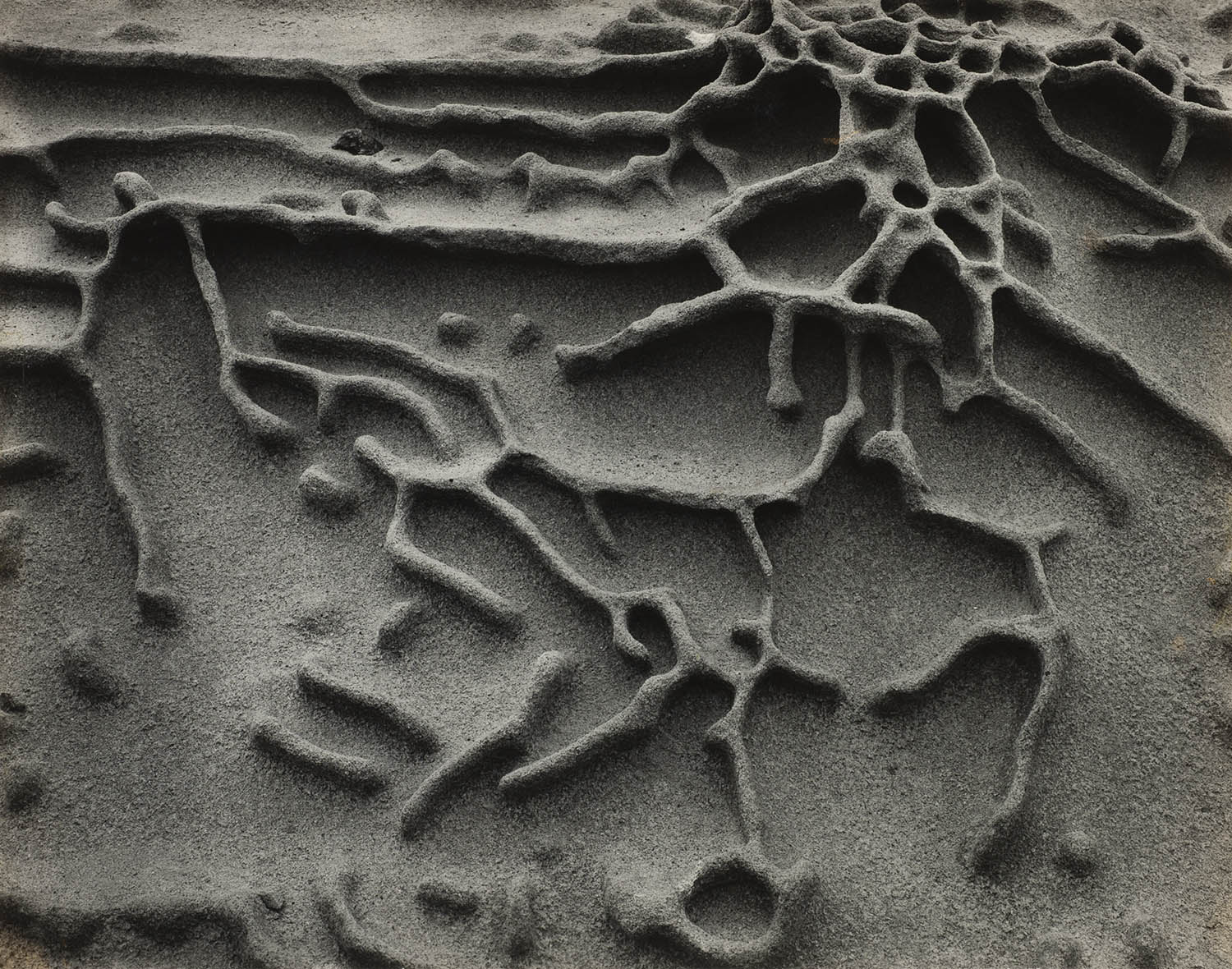
Edward Weston (American, 1886-1958)
Sandstone Erosion, Point Lobos
1942
Gelatin silver print
© Center for Creative Photography, Arizona Board of Regents / Edward Weston, Adagp, Paris, 2025
Courtesy Wilson Centre for Photography
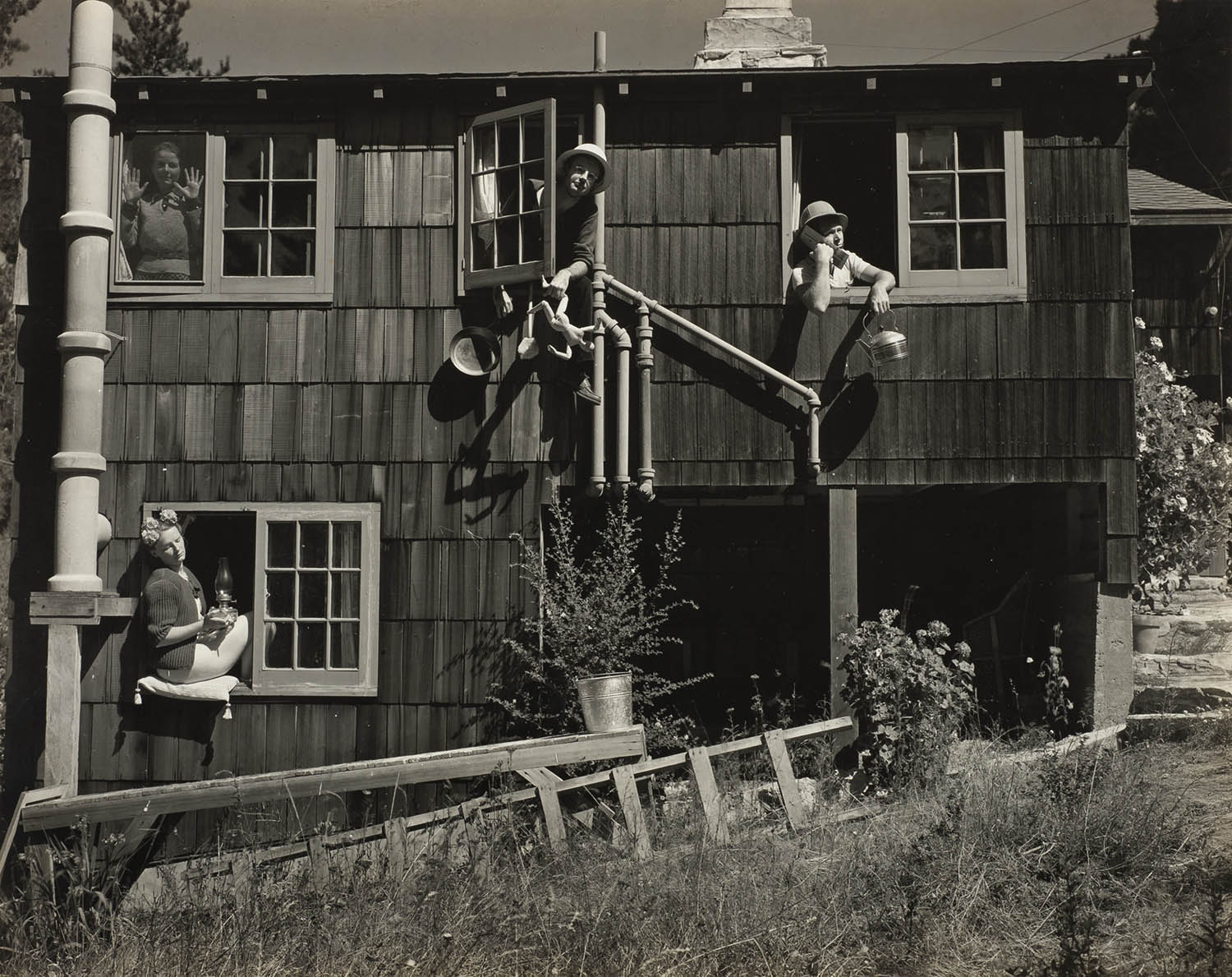
Edward Weston (American, 1886-1958)
Exposition of Dynamic Symmetry
1943
Gelatin silver print
© Center for Creative Photography, Arizona Board of Regents / Edward Weston, Adagp, Paris, 2025
Courtesy Wilson Centre for Photography
Maison Européenne de la Photographie (MEP)
5/7 rue de Fourcy
75004 Paris
Phone: +33 (0)1 44 78 75 00
Opening hours:
Wednesday and Friday 11am – 8pm
Thursday 11am – 10pm
Weekend 10am – 8pm (Only for MEP members on Sunday 10 am – 11 am)
Closed Mondays and Tuesdays
Maison Européenne de la Photographie (MEP) website
 Art Blart _ art and cultural memory archive
You must be logged in to post a comment.