Exhibition: ‘Rineke Dijkstra: A Retrospective’ at the Solomon R. Guggenheim Museum, New York

Exhibition dates: 29th June – 3rd October 2012


Installation view of the 'Beach Portraits' (1992-2002) series from the exhibition 'Rineke Dijkstra: A Retrospective' at the Solomon R. Guggenheim Museum, New York


Installation view of the Beach Portraits (1992-2002) series from the exhibition Rineke Dijkstra: A Retrospective at the Solomon R. Guggenheim Museum, New York
Photo: David Heald


“For outness is but the feeling of otherness (alterity) rendered intuitive, or alterity visually represented.”


Samuel Taylor Coleridge


In her most famous series, Beach Portraits (1992-2002), juveniles stare at the camera in a moment passif, caught by the camera between states – youth / adulthood, knowing / unknowing, Self / Other. Shot from a low perspective, lit by fill flash and with little contextual detail, the subjects exhibit – and I use the term advisedly – vulnerability, awkwardness (in the body and self), languidness of pose and bravuro self confidence that belies their beautiful alterity. These adolescents are not at one with themselves they are unsure of their place in the world. Dijkstra documents this uncertainty and enlarges it, blowing the photographs up to huge scale so that the viewer can examine every crevice of the persona in minute detail, their alterity visually represented.

Max Weintraub notes that Dijkstra has produced, “a set of carefully balanced compositions defined by the central, monumental presence of her youthful subjects. The classical simplicity of Dijkstra’s photographs focuses the viewer’s attention on the subtle particulars: the teens’ gawky, angular bodies, ill-fitting swimsuits and awkward postures… Her subjects hover somewhere between the receding past of their childhood and an unknown future. And while the identity of her subjects remain anonymous – each beach photograph is only identified by date and location – when viewed together a collective body emerges, one that stirs restlessly between the last physical and emotional trappings of youth and the social and psychological pressures of pending adulthood. The individuals depicted are so powerfully distinct that the effect of seeing these portraits en mass is symphonic, and the images begin to collectively hum with the sounds of the construction of self – its awkwardness, its uncertainty and above all, its heartbreakingly tender beauty.”

What a great piece of writing.

It is also interesting to observe that her own self portrait (Self Portrait, Marnixbad, Amsterdam, Netherlands, June 19, 1991, 1991, below) is only printed at 35 x 28 cm whereas images from the Beach Portraits are printed at 117 x 94 cm. Surrounded by ceiling, floor and wall tiles Dijkstra is enclosed, minute within the frame. The photographer recedes into the background, even more vulnerable and less “visible” than her monumental models of innocence. Other series continue the artist’s investigation into themes of time and change to greater or lesser effect. The Olivier series is a very powerful body of work that documents the loss of youthful innocence and the military socialisation of a young mind, evidenced by the look in Olivier’s eyes and the change in his outward appearance. As the press release states, “the Olivier series (2000-2003) follows a young man from his enlistment with the French Foreign Legion through the years of his service, showing his both physical and psychological development into a soldier.”

“In contemporaneous works, including portraits of new mothers after giving birth, and photographs of bullfighters immediately after leaving the ring, Dijkstra sought subjects whose physical exhaustion diminished the likelihood of an artificed pose… Later, Dijkstra took portraits of new initiates to the Israeli army, photographing female soldiers in their uniforms after induction and then again in their civilian dress, as well as male soldiers directly after military exercises,” states the Guggenheim website.

Basically, this time line of change is a version of the old before and after shot, used throughout the history of photography – from the documentation of the changes in Dr Barnado’s children in the 1870s to the “scientific” use of photography to document the science of physical fitness and the commodification of the body in the ‘Before and After’ bodybuilding photographs from the 1930s, the 1950s and from the contemporary era.

To conclude, the strongest work is where the artist gives the photographs a greater depth of field and adds a narrative element by adding a background to the images. The work with contextless backgrounds is too derivative of say, Thomas Ruff, who I think does it better, more frontally, more confrontingly than Dijkstra does.

Dr Marcus Bunyan


Many thankx to the Solomon R. Guggenheim Museum for allowing me to publish the photographs in the posting. Please click on the photographs for a larger version of the image.


Rineke Dijkstra: A Retrospective

Jennifer Blessing, Senior Curator, Photography, introduces this mid-career survey of Dutch artist Rineke Dijkstra’s photographic and video work. Dijkstra’s choice of subjects, including adolescents at the edge of the sea, new mothers minutes after giving birth, Portuguese bullfighters exiting the ring, and the photographer herself during rehab after an accident, exhibits her strong interest in transitional states. Dijkstra speaks about her use of a large-format camera and practice of minimising contextual information in order to focus viewer attention on specific details that tell the subject’s story. Dijkstra’s explorations in video complement her photographic practice with the added ability to tell the story of the subject through the unfolding of a sequence of actions. For Blessing, Dijkstra’s photographs elicit a powerful empathic response from viewers.
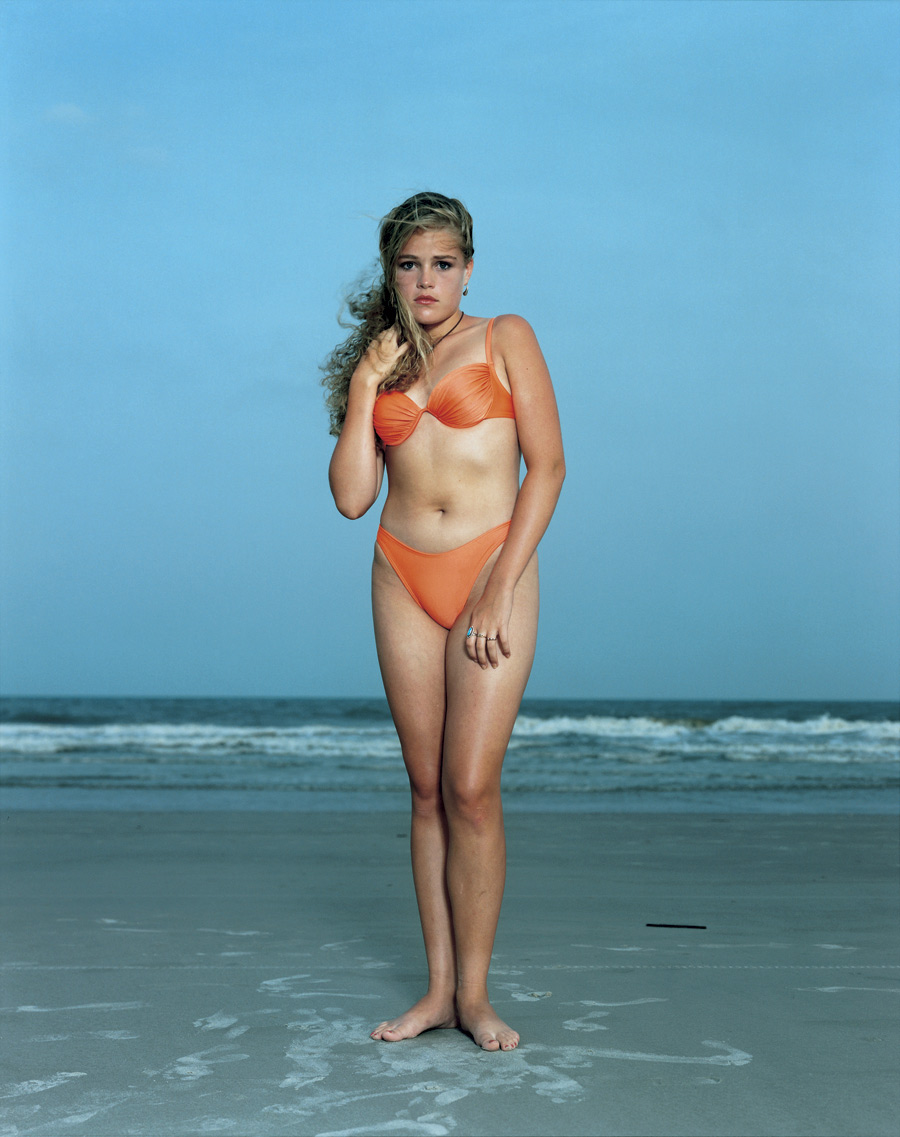
 

Rineke Dijkstra (Dutch, b. 1959) 'Hilton Head Island, S.C., USA, June 24, 1992' 1992


Rineke Dijkstra (Dutch, b. 1959)
Hilton Head Island, S.C., USA, June 24, 1992
1992

Chromogenic print
117 cm x 94cm
Courtesy the artist and Marian Goodman Gallery, New York and Paris
© Rineke Dijkstra


Rineke Dijkstra (Dutch, b. 1959) 'Kolobrzeg, Poland, July 26, 1992'
 1992


Rineke Dijkstra (Dutch, b. 1959)
Kolobrzeg, Poland, July 26, 1992
1992
Chromogenic print
117 x 94cm
Courtesy the artist and Marian Goodman Gallery, New York and Paris
© Rineke Dijkstra


“For over two decades, following a serious bicycle accident that led to a hiatus in her early work as a magazine photographer, Dijkstra has focused her camera on the formative period of childhood into young adulthood. This concentration raises the question of what points in such a fluid process warrant memorialisation. In addition to those early portraits of bathers exposing their bodies in the liminal space between land and sea, developmental decisive moments for this artist include teens presenting themselves at the social scene of clubs; young women holding their newborns (sometimes just hours after giving birth); their bloody male counterparts, the young Portuguese forcados (the amateurs who first confront the bull with small picks before the entry of the professional bullfighter); and young men and women in and out of uniform around their periods of military service.”

Sally Stein. “Rineke Dijkstra: A Retrospective,” on the Aperture Archive website Winter 2012 [Online] Cited 21/08/2024


Rineke Dijkstra (Dutch, b. 1959) 'Coney Island, N.Y., USA, June 20, 1993'
 1993


Rineke Dijkstra (Dutch, b. 1959)
Coney Island, N.Y., USA, June 20, 1993

1993
Chromogenic print
117 x 94cm
Courtesy the artist and Marian Goodman Gallery, New York and Paris
© Rineke Dijkstra


Rineke Dijkstra (Dutch, b. 1959) 'Dubrovnik, Croatia, July 13, 1996' 1996


Rineke Dijkstra (Dutch, b. 1959)
Dubrovnik, Croatia, July 13, 1996
1996

Chromogenic print
117 x 94cm
Courtesy the artist and Marian Goodman Gallery, New York and Paris
© Rineke Dijkstra


From June 29 to October 3, 2012, the Guggenheim Museum will present Rineke Dijkstra: A Retrospective, an extensive mid-career survey and the first major exhibition of the artist’s work organised by a North American institution. It is the most comprehensive museum exhibition of the artist’s oeuvre to date. Dijkstra, born in Sittard, the Netherlands, in 1959, has developed an international reputation as one of the most highly regarded photographers of her generation. The exhibition will include representative examples from the most significant bodies of work she has created over the past twenty years.

Since the early 1990s, Rineke Dijkstra has produced a complex body of photographic and video work that offers a contemporary take on the genre of portraiture. Her large-scale colour photographs of young, typically adolescent subjects recall 17th-century Dutch painting in their scale and visual acuity. The minimal contextual details present in her photographs and videos encourage us to focus on the exchange between photographer and subject and the relationship between viewer and viewed.

Dijkstra works in series, creating groups of photographs and videos around a specific typology or theme. In 1992, she started making portraits of adolescents posed on beaches from Hilton Head, South Carolina, to Poland and Ukraine. Shot from a low perspective, the subjects of the Beach Portraits (1992-2002), poised on the brink of adulthood, take on a monumental presence. In contemporaneous works, including portraits of new mothers after giving birth and photographs of bullfighters immediately after leaving the ring, Dijkstra sought subjects whose physical exhaustion diminished the likelihood of an artificial pose.

Dijkstra has also photographed individuals repeatedly over the course of several months or years. Her ongoing Almerisa series began in 1994 with a single photograph of a young Bosnian girl at a Dutch refugee centre for asylum seekers and has grown as Dijkstra continued to photograph her regularly for more than a decade as she became a young woman with a child of her own. The outward signs of her transition into adulthood and her integration into mainstream Dutch culture reveal themselves incrementally over the course of many years. Similarly, the Olivier series (2000-2003) follows a young man from his enlistment with the French Foreign Legion through the years of his service, showing his both physical and psychological development into a soldier. Later, Dijkstra took portraits of new initiates to the Israeli army, photographing female soldiers in their uniforms after induction and then again in their civilian dress, as well as male soldiers directly after military exercises.

For several years beginning in 1998, Dijkstra photographed young people, often in groups, posed in the lush landscapes of public parks. In contrast to the neutral backgrounds against which many of her subjects are pictured, the richness of the park settings lends these works a greater depth of field and adds a narrative element.

More recently, Dijkstra has built upon her revelatory work in video from the mid-1990s. In The Buzz Club, Liverpool, UK/Mystery World, Zaandam, NL (1996-1997) and The Krazyhouse (Megan, Simon, Nicky, Philip, Dee), Liverpool, UK (2009), Dijkstra filmed teenage habituées of local clubs dancing to their favourite music. Presented as multi-channel video installations, these works showcase their subjects’ teen personas and methods of self-expression, revealed in how they style themselves and in the movements of their bodies. Two video works made in 2009 at Tate Liverpool expand the artist’s interest in the empathic exchange between photographer and subject to include the affective response to artworks. In I See a Woman Crying (Weeping Woman) (2009), a group of schoolchildren engage with art, discussing their perceptions of and reactions to a work by Pablo Picasso, while Ruth Drawing Picasso (2009) shows a girl pensively sketching a masterwork.

Press release from the Solomon R. Guggenheim Museum website


Rineke Dijkstra (Dutch, b. 1959) 'Self Portrait, Marnixbad, Amsterdam, Netherlands, June 19, 1991' 1991


Rineke Dijkstra (Dutch, b. 1959)
Self Portrait, Marnixbad, Amsterdam, Netherlands, June 19, 1991
1991

Chromogenic print
35 x 28cm
Courtesy the artist and Marian Goodman Gallery, New York and Paris
© Rineke Dijkstra


Rineke Dijkstra (Dutch, b. 1959) 'Long Island, New York, July 1, 1993' 1993


Rineke Dijkstra (Dutch, b. 1959)
Long Island, New York, July 1, 1993
1993
Chromogenic print
Courtesy the artist and Marian Goodman Gallery, New York and Paris
© Rineke Dijkstra
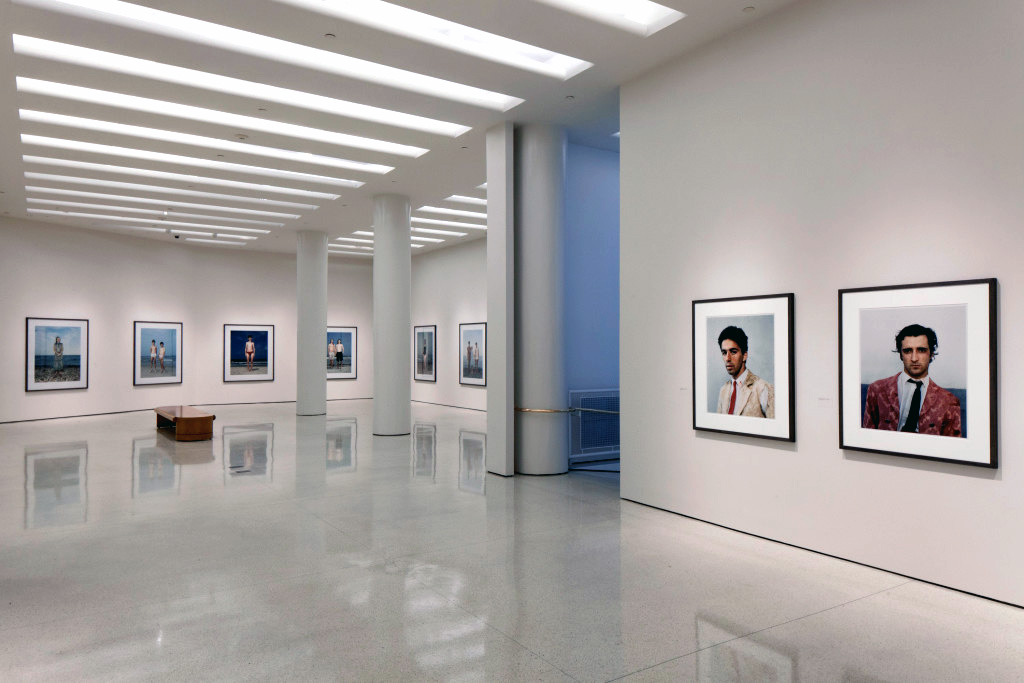
 

Installation view of the exhibition 'Rineke Dijkstra: A Retrospective' at the Solomon R. Guggenheim Museum, New York


Installation view of the exhibition Rineke Dijkstra: A Retrospective at the Solomon R. Guggenheim Museum, New York showing at second right, Vila Franca de Xira, Portugal, May 8, 1994 (1994, below)
Photo: David Heald
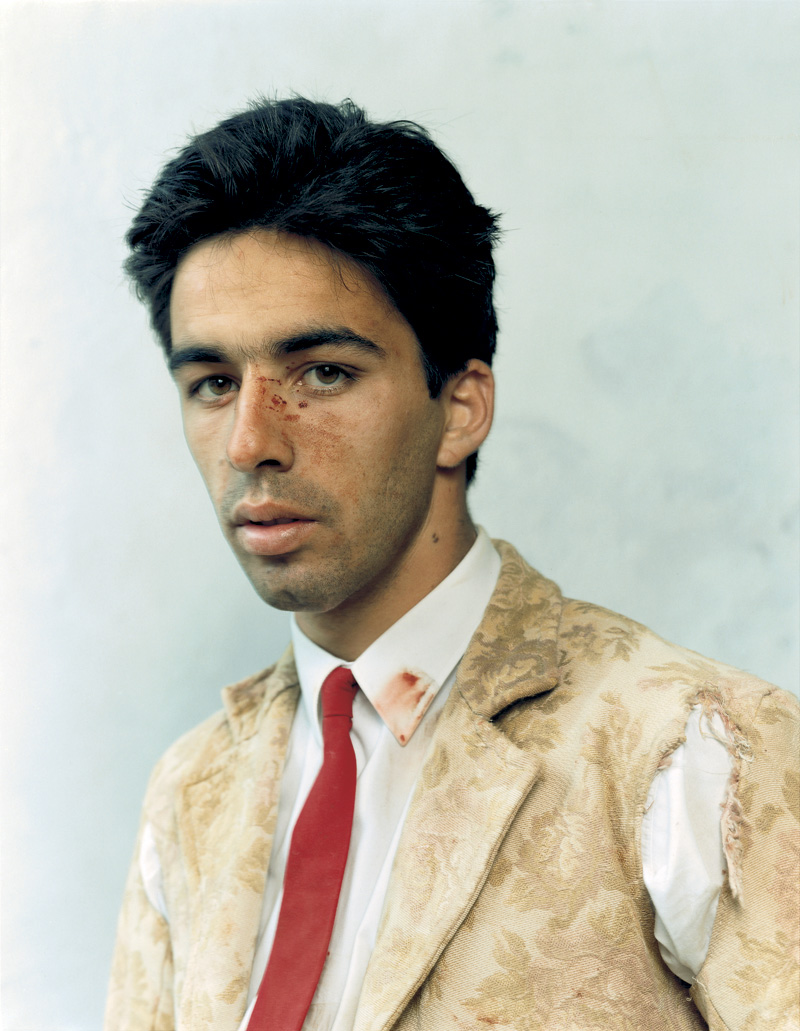
 

Rineke Dijkstra (Dutch, b. 1959) 'Vila Franca de Xira, Portugal, May 8, 1994'
 1994


Rineke Dijkstra (Dutch, b. 1959)
Vila Franca de Xira, Portugal, May 8, 1994
1994
Chromogenic print
90 x 72cm
Courtesy the artist and Marian Goodman Gallery, New York and Paris
© Rineke Dijkstra


Rineke Dijkstra (Dutch, b. 1959) 'The Buzz Club, Liverpool, England, March 3, 1995' 1995


Rineke Dijkstra (Dutch, b. 1959)
The Buzz Club, Liverpool, England, March 3, 1995
1995

Chromogenic print
110 x 88.5cm
Courtesy the artist and Marian Goodman Gallery, New York and Paris
© Rineke Dijkstra
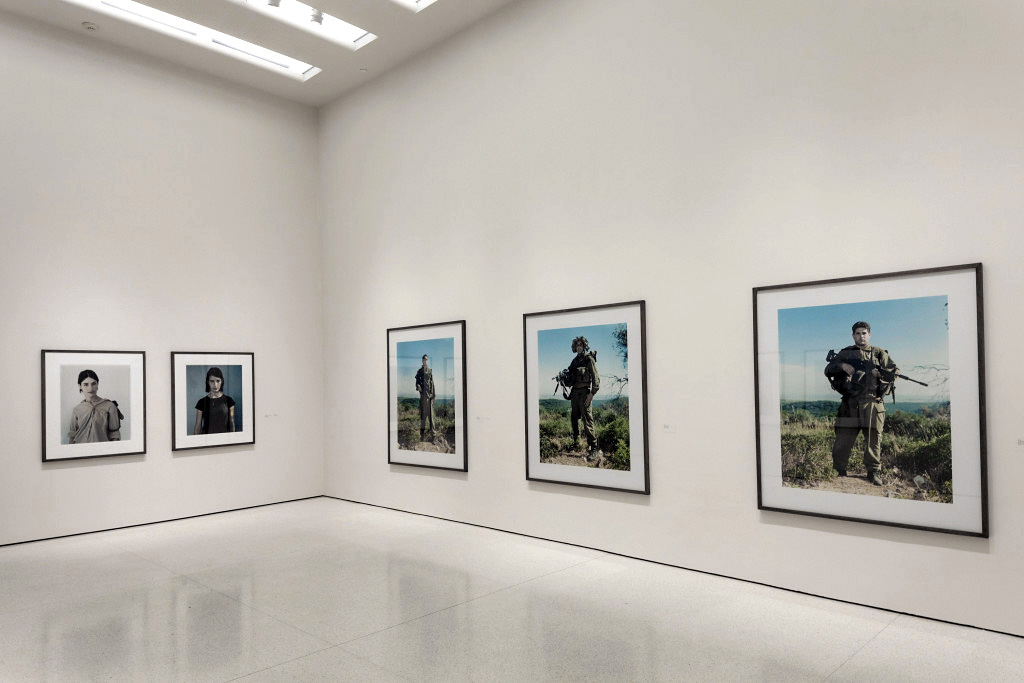
 

Installation view of the exhibition 'Rineke Dijkstra: A Retrospective' at the Solomon R. Guggenheim Museum, New York


Installation view of the exhibition Rineke Dijkstra: A Retrospective at the Solomon R. Guggenheim Museum, New York
Photo: David Heald


Rineke Dijkstra (Dutch, b. 1959) 'Omri, Givatti Brigade, Golan Heights, Israel, March 29, 2000'
 2000


Rineke Dijkstra (Dutch, b. 1959)
Omri, Givatti Brigade, Golan Heights, Israel, March 29, 2000
2000
Chromogenic print, 140 x 112.5cm
Courtesy the artist and Marian Goodman Gallery, New York and Paris
© Rineke Dijkstra
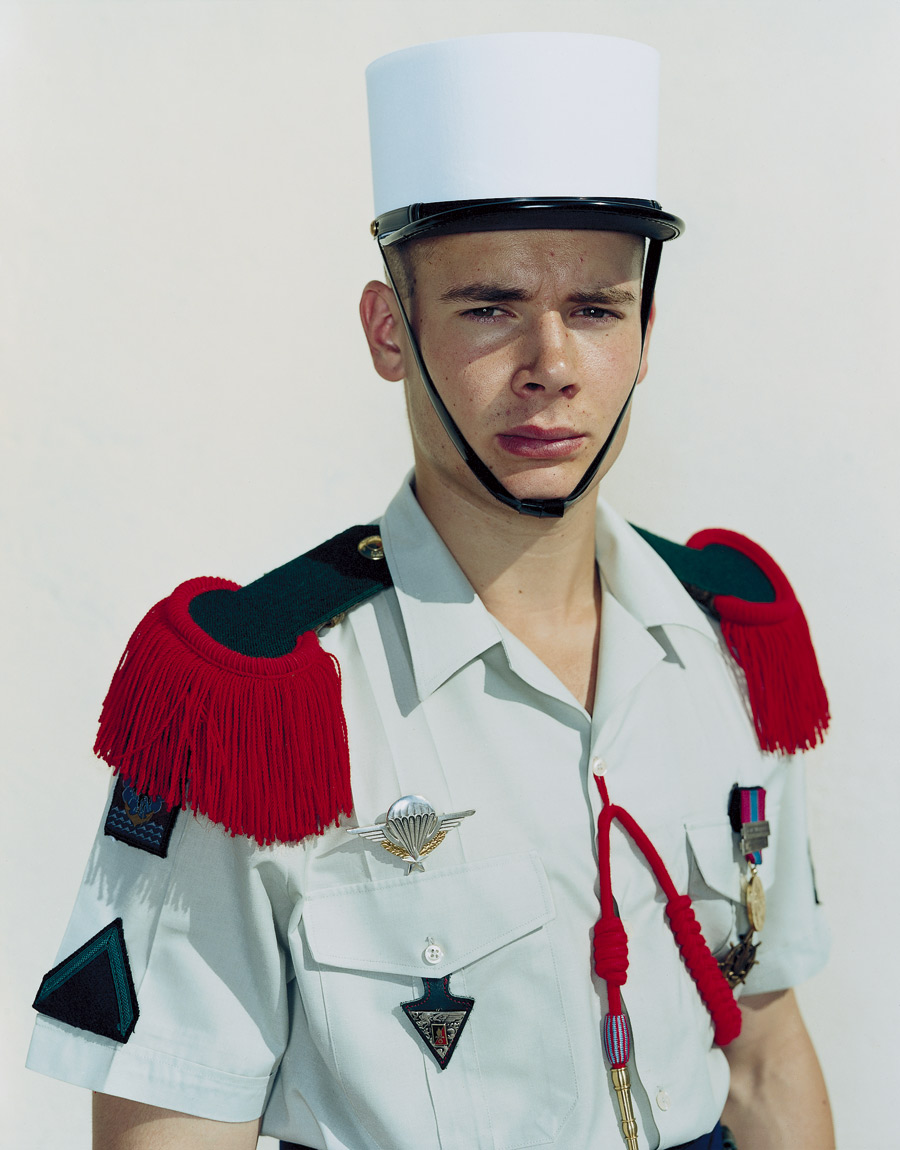
 

Rineke Dijkstra (Dutch, b. 1959) 'Olivier, The French Foreign Legion, Camp Raffalli, Calvi, Corsica, June 18, 2001' 2001


Rineke Dijkstra (Dutch, b. 1959)
Olivier, The French Foreign Legion, Camp Raffalli, Calvi, Corsica, June 18, 2001
2001

Chromogenic print
90 x 72cm
Courtesy the artist and Marian Goodman Gallery, New York and Paris
© Rineke Dijkstra


Installation view of the series 'Olivier' (2000-2003) from the exhibition 'Rineke Dijkstra: A Retrospective' at the Solomon R. Guggenheim Museum, New York


Installation view of the Olivier (2000-2003) series from the exhibition Rineke Dijkstra: A Retrospective at the Solomon R. Guggenheim Museum, New York
Photo: David Heald


Rineke Dijkstra (Dutch, b. 1959) 'Vondelpark, Amsterdam, June 10, 2005' 2005


Rineke Dijkstra (Dutch, b. 1959)
Vondelpark, Amsterdam, June 10, 2005
2005
Chromogenic print
Courtesy the artist and Marian Goodman Gallery, New York and Paris
© Rineke Dijkstra


Rineke Dijkstra (Dutch, b. 1959) 'Amy, The Krazyhouse, Liverpool, England, December 22, 2008' 2008


Rineke Dijkstra (Dutch, b. 1959)
Amy, The Krazyhouse, Liverpool, England, December 22, 2008
2008

Archival inkjet print
96.5 x 75cm
Courtesy the artist and Marian Goodman Gallery, New York and Paris
© Rineke Dijkstra


Solomon R. Guggenheim Museum
1071 5th Avenue (at 89th Street)
New York

Opening hours:
Monday – Wednesday, Friday 10am – 5.45pm
Saturday 10am – 7.45pm
Thursday closed

Solomon R. Guggenheim Museum website

LIKE ART BLART ON FACEBOOK

Back to top

Exhibition: ‘Seeing Ourselves: Masterpieces of American Photography from George Eastman House Collections’ at the Paine Art Center, Oshkosh, Wisconsin

Exhibition dates: 6th June – 11th October, 2009


I wish I could see this exhibition!


Many thankx to the Paine Art Center for allowing me to publish the photographs in the posting. Please click on the photographs for a larger version of the image.


Alvin Langdon Coburn (English born United States, 1882-1966) 'The Singer Building, New York' c. 1910


Alvin Langdon Coburn (English born United States, 1882-1966)
The Singer Building, New York
c. 1910
Gum bichromate over platinum print


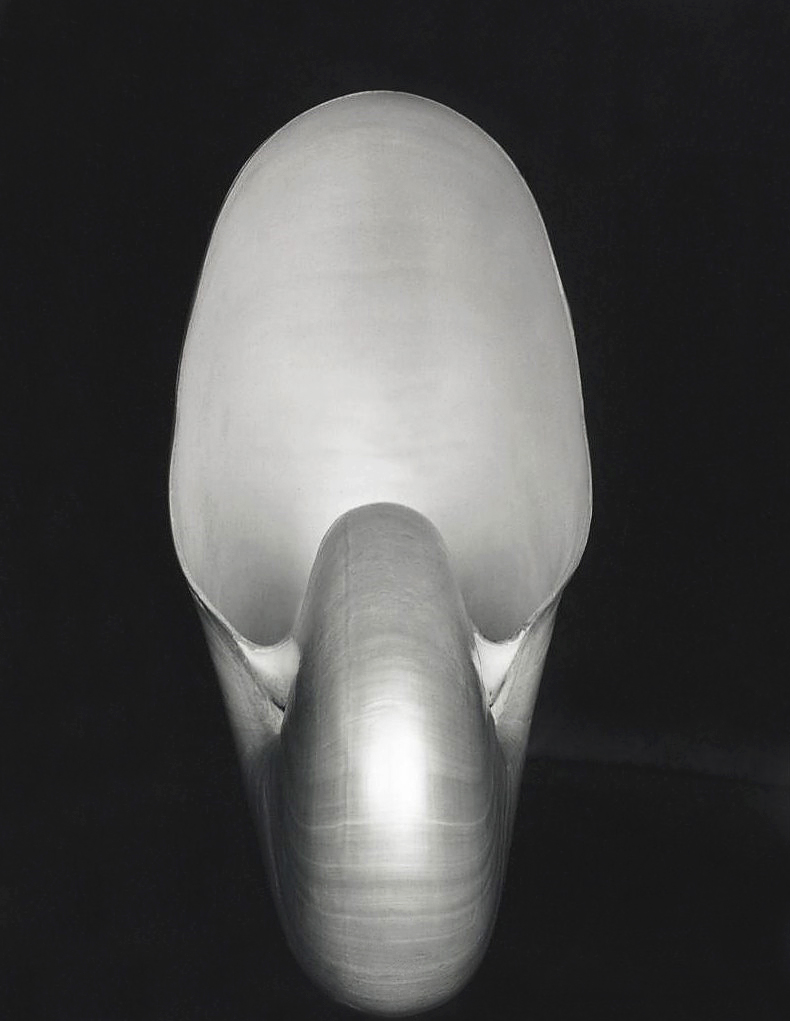
Edward Weston (American, 1886-1958) 'Nautilus' 1927


Edward Weston (American, 1886-1958)
Nautilus
1927
Gelatin silver print
9 1/2 by 7 1/2 in. (24 by 19cm)


Like their painter counterparts, many photographers experimented with abstraction in the 1920s and 1930s, exploring relations of form, tonality, and space. Here, Weston isolates a nautilus shell against a solid black ground, creating a study of curves, subtle shadows, and contrasts between light and dark. As in many of his close-ups of natural forms, the nautilus appears both recognisable and yet strangely unfamiliar. Unlike the rigorously nonrepresentational compositions of photographers like László Moholy-Nagy, Weston’s abstractions always remained grounded in objects from the real world; as he wrote in 1930, “To see the Thing Itself is essential.”

Text from the Metropolitan Museum of Art website


Nautilus is now recognised as one of Weston’s greatest photographs, but all of his images of shells have a greater-than-life quality to them. Weston biographer Ben Maddow has said that what is so remarkable about them “is not in the closeness nor in the monumentality of the forms; or at least, not in these alone. It is instead in the particular light, almost an inward luminescence, that he saw implicit in them before he put them before the lens. Glowing with an interior life … one is seeing more than form.”

Text from the Wikipedia website


Lewis W. Hine (American, 1874-1940) 'Italian Family Looking for Lost Baggage, Ellis Island' 1905


Lewis W. Hine (American, 1874-1940)
Italian family looking for lost baggage, Ellis Island
1905
Gelatin silver print


The largest exhibition of masterpieces of American photography ever presented in Wisconsin, Seeing Ourselves features over a hundred iconic images from the internationally acclaimed George Eastman House Collections of Rochester, New York. This extraordinary exhibition dramatically illustrates our country’s landscape, people, culture, and historic events through works ranging from vast western scenes to fascinating documentary photographs to intimate celebrity portraits. Artists represented include such masters of the medium as Ansel Adams, Alfred Stieglitz, Paul Strand, Edward Weston, Lewis Hine, Dorothea Lange, and dozens of other accomplished photographers.

Spanning more than 150 years of photography, Seeing Ourselves is organised according to five broad themes: American Masterpieces, American Faces, America at War, America the Beautiful, and American Families. Each section features renowned photographs documenting the American experience. The exhibition begins with “American Masterpieces,” which sheds light on celebrated images like Yosemite Valley, Summer by Ansel Adams, Nautilus by Edward Weston, and The Steerage by Alfred Stieglitz. Other highlights include Oshkosh native Lewis Hine’s Powerhouse Mechanic, a dynamic image symbolising the arrival of a new Industrial Age, and Dorothea Lange’s unforgettable photograph Migrant Mother, Nipomo, California, which gave a human face to poverty and suffering during the Great Depression.

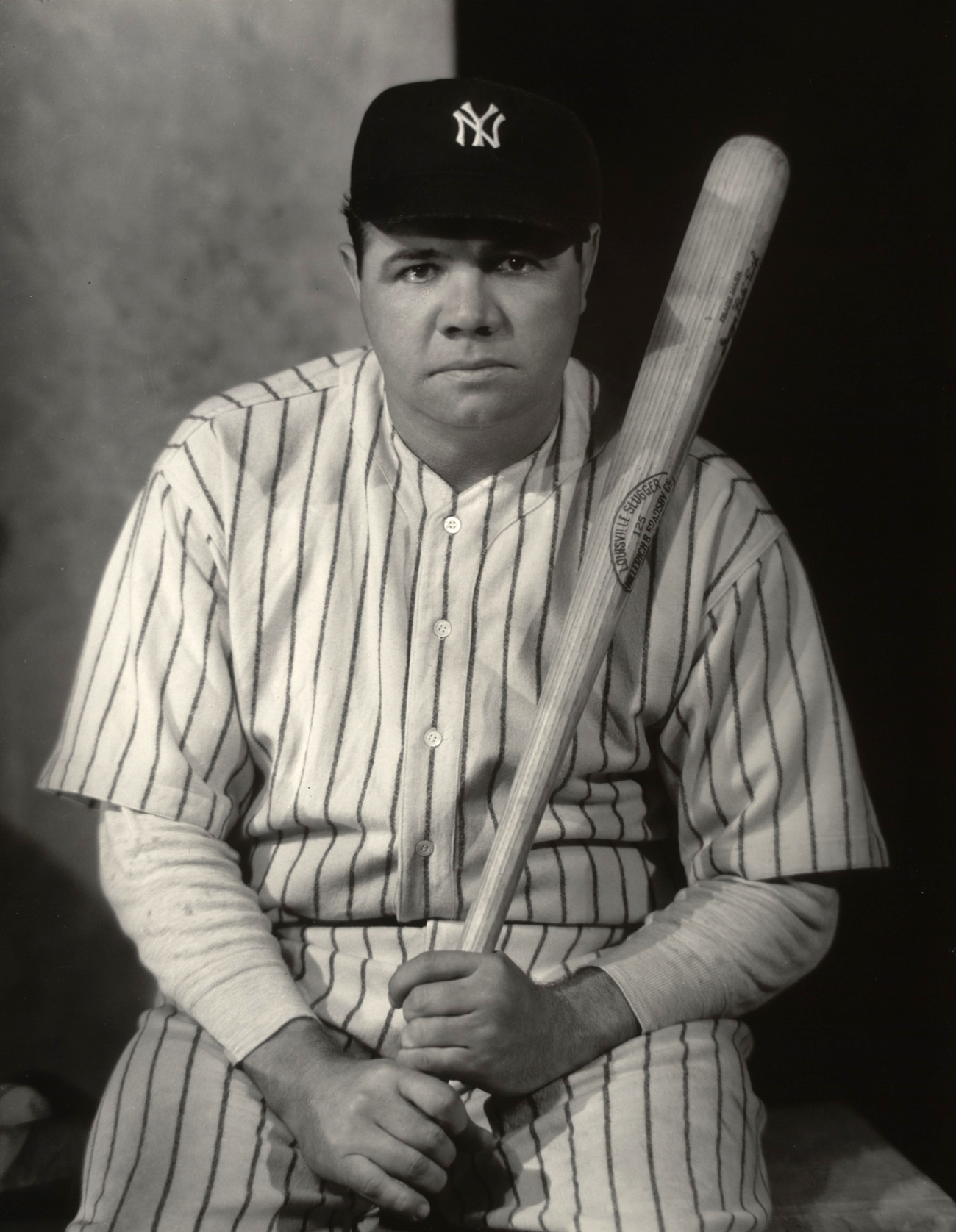
“American Faces” illustrates the diversity of our nation, including subjects ranging from Native Americans whose ancestors have lived here for thousands of years to immigrants at Ellis Island who had just arrived in America that day. Photographs of everyday people are juxtaposed with portraits of illustrious political and civil rights leaders, artists, celebrities, and athletes, including Abraham Lincoln, Martin Luther King, Marilyn Monroe, Babe Ruth, and many other familiar faces. Master photographers who portrayed these individuals include Mathew Brady, Edward S. Curtis, Walker Evans, Richard Avedon, Alfred Stieglitz, and Edward Steichen.

Some of the most famous, memorable, and shocking images in the history of American photography are photographs of war. While photographs of war may be difficult to look at, they serve as an important record of America’s past. “America at War” displays images from the American Civil War, World Wars I and II, the Korean War, and the Vietnam War, as well as contemporary photographs created in response to 9/11.

“America the Beautiful” features timeless photographs that capture the beauty and power of unspoiled nature, as well as scenes of westward expansion, urban America, and the intimate spaces we call home. Dramatic images of Alaskan glaciers, majestic western views, and tranquil dunes are contrasted with big-city skyscrapers, small-town neighborhoods, and backyard gardens. Major works in this section include Alvin Langdon Coburn’s beautifully atmospheric view of New York’s Singer Building and landscapes by Ansel Adams and Edward Weston.

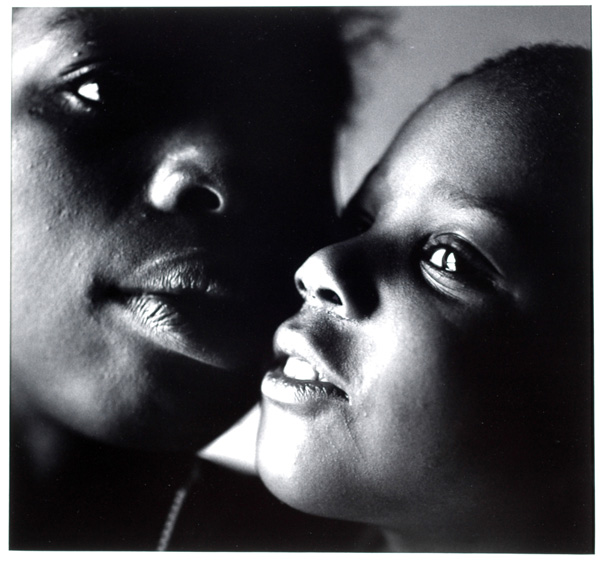
The final section, “American Families,” brings together families from all walks of life, exploring their differences and commonalities. A variety of examples by such notable photographers as Weegee, Lewis Hine, Aaron Siskind, Margaret Bourke-White, and Mary Ellen Mark are included. Some works portray idealised scenes of American life, while others capture a glimpse of everyday life and the serious challenges many families face, such as poverty or illness. Highlights include Hine’s photograph of an Italian family seeking lost luggage at Ellis Island and a tender portrait of a mother and son from the series Black in America by Eli Reed, an award-winning member of Magnum, the prestigious photojournalists’ cooperative.

Seeing Ourselves: Masterpieces of American Photography from George Eastman House Collections is organised by George Eastman House International Museum of Photography and Film and is made possible through a grant from the National Endowment for the Arts as part of the American Masterpieces program. George Eastman House is the world’s oldest photography museum, founded in 1947 on the estate of Kodak founder George Eastman, the father of popular photography. The museum has unparalleled collections of 400,000 photographs from 14,000 photographers dating from the beginnings of the medium to the present day.”

Text from The Paine Art Center website [Online] Cited 01/07/2009. No longer available online


Benedict J. Fernandez (American, 1936-2021) 'Dick Gregory with MLK [Martin Luther King, JR.] New Politics Convention, Chicago, ILL. October, 1967' 1967


Benedict J. Fernandez (American, 1936-2021)
Dick Gregory with MLK [Martin Luther King, JR.] New Politics Convention, Chicago, ILL. October, 1967
1967
Gelatin silver print


Eli Reed (American, b. 1946) 'A Mother and Her Son at Her Home In Bed Sty in Brooklyn' c. 1990


Eli Reed (American, b. 1946)
A Mother and Her Son at Her Home In Bed Sty in Brooklyn
c. 1990
Gelatin silver print


Ansel Adams (American, 1902-1984) 'Clearing Winter Storm, Yosemite National Park' c. 1937


Ansel Adams (American, 1902-1984)
Yosemite Valley, Summer
1942
Gelatin silver print


Nikolas Muray (American, 1892-1965) 'Babe Ruth' 1945


Nikolas Muray (American, 1892-1965)
Babe Ruth
1945
Gelatin silver print
13 3/8 x 10 7/16″ (33.9 x 26.5cm)


Lewis Hine (American, 1874-1940) 'Powerhouse mechanic working on steam pump' 1920


Lewis Hine (American, 1874-1940)
Powerhouse mechanic working on steam pump
1920
Gelatin silver print


Alfred Stiegitz (American, 1864-1946) 'The Steerage' 1907


Alfred Stieglitz (American, 1864-1946)
The Steerage
1907
Gelatin silver print


Dorothea Lange (American, 1895-1965) 'Migrant Mother, Nipomo, California' 1936


Dorothea Lange (American, 1895-1965)
Migrant Mother, Nipomo, California
1936
Gelatin silver print


Paine Art Center and Gardens
1410 Algoma Blvd, Oshkosh, WI

Opening hours:
Tuesday – Sunday
 11.00am – 4.00pm
Closed Mondays and major holidays

Paine Art Center website

George Eastman House website

LIKE ART BLART ON FACEBOOK

Back to top

Photographic prize: the Magnum Foundation and the Inge Morath Foundation announce the sixth annual Inge Morath Award

March 2009


Inge Morath (American born Austria, 1923-2002) From the series about Regensburg Museums 1999


Inge Morath (American born Austria, 1923-2002)
From the series about Regensburg Museums
1999
Gelatin silver print


“To take pictures had become a necessity and I did not want to forgo it for anything.”


Inge Morath


The Magnum Foundation and the Inge Morath Foundation announce the sixth annual Inge Morath Award. The annual prize of $5,000 is awarded by the Magnum Foundation to a female documentary photographer under the age of 30, to support the completion of a long-term project. One award winner and up to two finalists are selected by a jury composed of Magnum photographers.

Inge Morath was an Austrian-born photographer who was associated with Magnum Photos for nearly fifty years. After her death in 2002, the Inge Morath Foundation was established to manage Morath’s estate and facilitate the study and appreciation of her contribution to photography.

Because Morath devoted much of her enthusiasm to encouraging women photographers, her colleagues at Magnum Photos established the Inge Morath Award in her honour. The Award is now given by the Magnum Foundation as part of its mission of supporting new generations of socially-conscious documentary photographers, and is administered by the Magnum Foundation in collaboration with the Inge Morath Foundation.

Past winners of the Inge Morath Award include: Kathryn Cook (US, ’08) for Memory Denied: Turkey and the Armenian Genocide; Olivia Arthur (UK, ’07) for The Middle Distance; Jessica Dimmock (US, ’06) for The Ninth Floor; Mimi Chakarova (US, ’06) for Sex Trafficking in Eastern Europe; Claudia Guadarrama (MX, ’05) for Before the Limit; and Ami Vitale (US, ’02), for Kashmir.

Text from The Inge Morath Foundation website [Online] Cited 01/03/2009. No longer available online


Inge Morath (American born Austria, 1923-2002) 'Visitor in the Metropolitan Museum' 1958


Inge Morath (American born Austria, 1923-2002)
Visitor in the Metropolitan Museum
1958
Gelatin silver print


Inge Morath (American born Austria, 1923-2002) 'Window washer' 1958


Inge Morath (American born Austria, 1923-2002)
Window washer
1958
Gelatin silver print


“I have photographed since 1952 and worked with Magnum Photos since 1953, first out of Paris, later out of New York. I am usually labeled as a photojournalist, as are all members of Magnum. I am quoting Henri Cartier-Bresson’s explanation for this: He wrote to John Szarkowski in answer to an essay in which Szarkowski stated that Cartier-Bresson labels himself as a photojournalist.

“May I tell you the reason for this label? As well as the name of its inventor? It was Robert Capa. When I had my first show in the Museum of Modern Art in New York in 1948 he warned me: ‘watch out what label they put on you. If you become known as a surrealist […] then you will be considered precious and confidential. Just go on doing what you want to do anyway but call yourself a photojournalist, which puts you into direct contact with everything that is going on in the world.'”

It is in this understanding that we have been working as a group and yet everyone following their own way of seeing. The power of photography resides no doubt partly in the tenacity with which it pushes whoever gets seriously involved with it to contribute in an immeasurable number of forms his own vision to enrich the sensibility and perception of the world around him.

[In the 1950s] the burden of the already photographed was considerably less than now. There was little of the feeling of being a latecomer who has to overwhelm the huge existing body of the photographic oeuvre – which, in photography as in painting and literature, necessarily leads first to the adoption and then rejection of an elected model, until one’s own work is felt to be equal or superior, consequently original.

Photography is a strange phenomenon. In spite of the use of that technical instrument, the camera, no two photographers, even if they were at the same place at the same time, come back with the same pictures. The personal vision is usually there from the beginning; result of a special chemistry of background and feelings, traditions and their rejection, of sensibility and voyeurism. You trust your eye and you cannot help but bare your soul. One’s vision finds of necessity the form suitable to express it.”

Inge Morath, Life as a Photographer, 1999

Text from The Inge Morath Foundation website [Online] Cited 01/03/2009. No longer available online


Inge Morath (American born Austria, 1923-2002) 'Mrs. Eveleigh Nash, London, 1953' 1953


Inge Morath (American born Austria, 1923-2002)
Mrs. Eveleigh Nash, London, 1953
1953
Gelatin silver print


LIKE ART BLART ON FACEBOOK

Back to top