“The artist does not turn time into money, the artist turns time into energy, time into intensity, time into vision. The exchange that art offers is an exchange in kind; energy for energy, intensity for intensity, vision for vision… Can we afford to live imaginatively, contemplatively?”
Winterson, Jeanette. Art Objects. London: Vintage, 1996, p 139.
A wonderful, long overdue documentary series on SBS television about the history of ‘Terra Nullius’, the white occupation of lands through the persecutions, massacres and genocide enacted upon the Aboriginal population.
Although some of the ‘academic’ comment lacks balance this can hardly be blamed.
As an Englishman who is now an Australian I feel deep shame over the actions of my predecessors and empathy towards those whose civilisation was uprooted. And so it continues …
In episode 3 the nobleness of the Aboriginal leader Barak broke my heart:
“And may the Lord bless you sir, and give you good knowledge.”
he wrote to his persecutors.
After his son had died After the promises had been broken.
There is a moment in Greek tragedy when the hero realises all he knows is untrue: peripateum.
Barak must have had such a moment and he returned to his people and his cultural roots, in the last years of his life painting his memories: alive, wonderful, moving.
“And on the other end of the spectrum, there is the AFTER LIGHT, a light of the past, which are echoes from past experiences so intense that they sometimes appear in front of us in the form of unexpected shadows. They hide on clear days under the roofs of houses. It is believed to be the same light seen by people we knew many years ago that survives like a message in a bottle, but always in a precarious way and often vanishes into thin air.”
. Helguera, Pablo. “How to Understand the Light on a Landscape,” in Patt, Lise (ed.,). Searching for Sebald: Photography After W. G. Sebald. Los Angeles: The Institute of Cultural Inquiry, 2007, p. 119.
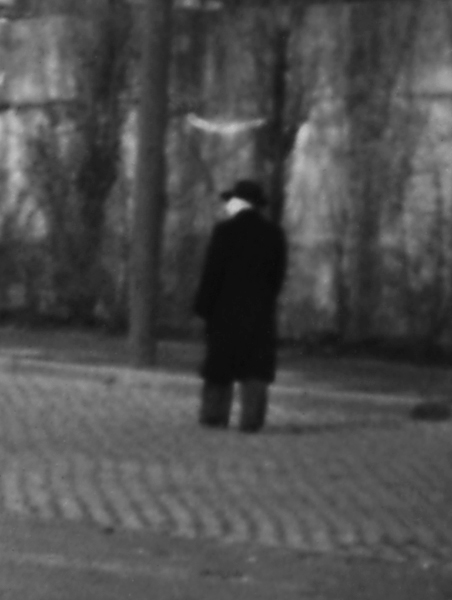
Marcus Bunyan (Australian, b. 1958) Cologne Cathedral 2-52 2008 From the series The Shape of Dreams Silver gelatin print
Marcus Bunyan (Australian, b. 1958) Untitled 2008 From the series The Shape of Dreams Silver gelatin print
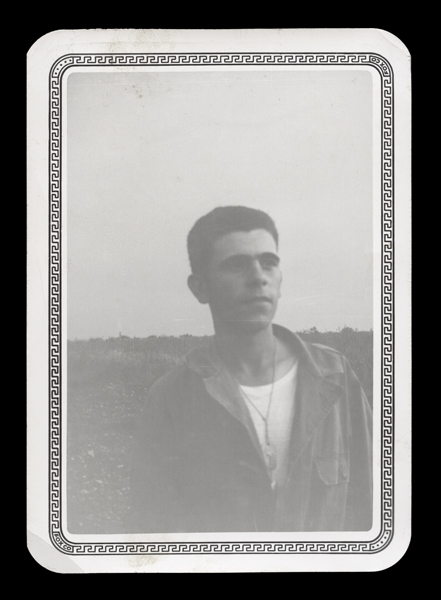
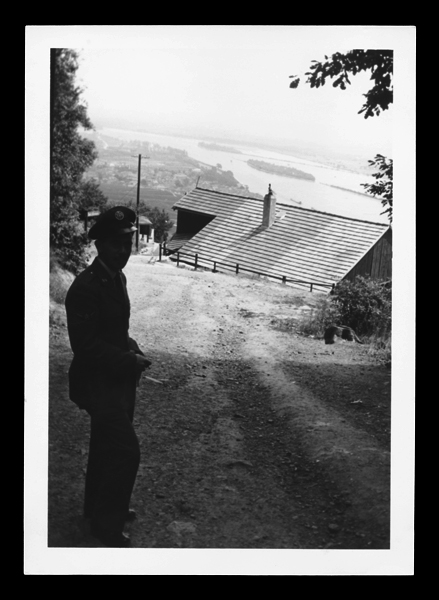
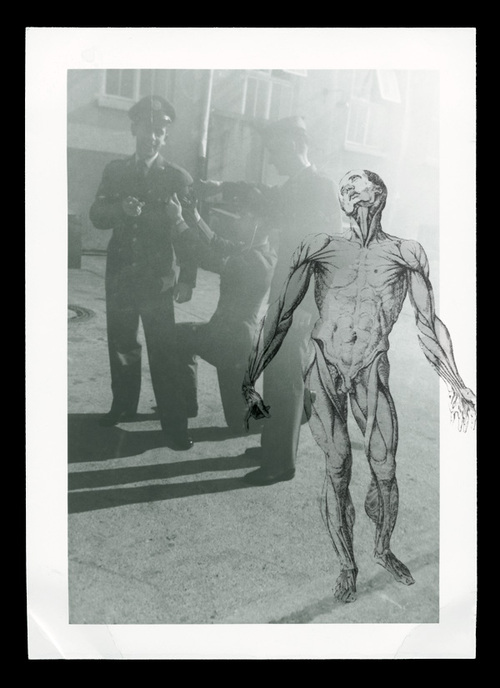
A new body of work has formed in my mind and is physically taking shape through working with the images.
I purchased two black and white photo albums from the 1950s on eBay, both belonging to young soldiers, one on active duty in Korea and the other visiting Japan and Germany after the Second World War. These images are especially poignant to me as an artist and human being. These are snapshots of hope and happiness, of place and being in a time of turbulence. Glimpses of the earth through open aircraft doors, smiles that flit across faces contrast with figures wrapped in a shawl of darkness.
Their faces stare out at us across time yet their bodies are caught in the shadows.
They remind that humans still repeat the mistakes of the past, still list the war dead in columns of photographs inches long. So young and full of hope.
“We are such spendthrifts with our lives,” Newman once told a reporter. “The trick of living is to slip on and off the planet with the least fuss you can muster.”





 Art Blart _ art and cultural memory archive
You must be logged in to post a comment.