Exhibition: ‘Georgia O’Keeffe: Abstraction’ at The Phillips Collection, Washington D.C.

Exhibition dates: 6th February – 9th May 2010
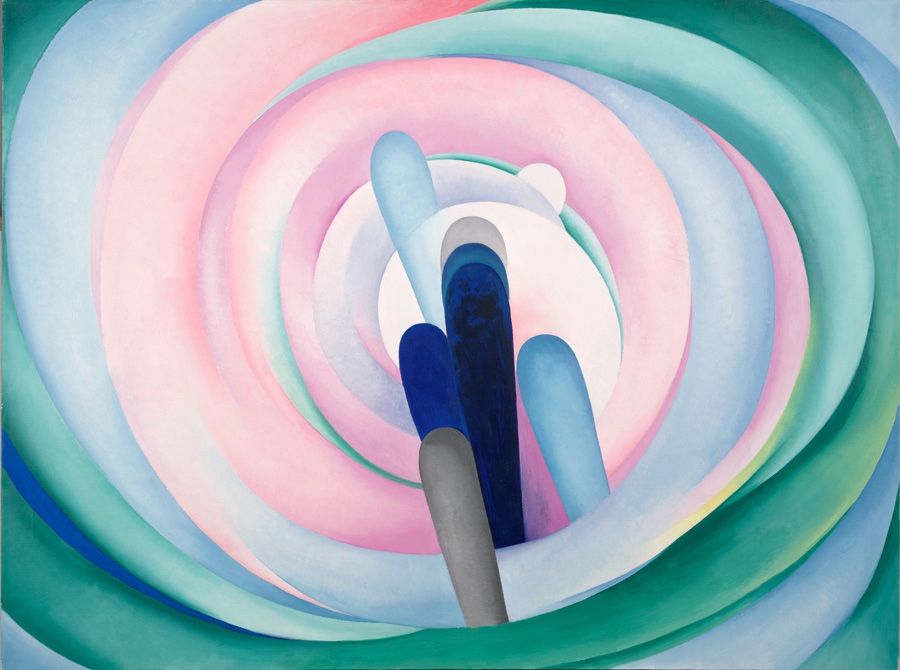
 

Georgia O'Keeffe (American, 1887-1986) 'Grey Blue & Black - Pink Circle' 1929 from the exhibition 'Georgia O'Keeffe: Abstraction' at The Phillips Collection, Washington D.C., February - May, 2010


Georgia O’Keeffe (American, 1887-1986)
Grey Blue & Black – Pink Circle
1929
Oil on canvas
36 x 48 in. (91.4 x 121.9cm)
Dallas Museum of Art
Gift of The Georgia O’Keeffe Foundation


Many thankx to Shira Pinsker and The Phillips Collection for allowing me to reproduce the images in the posting. Please click on the photographs for a larger version of the image.

For an excellent analysis of the convergences between Georgia O’Keeffe and Ansel Adams see Geneva Anderson’s review Masters of the Southwest: Georgia O’Keeffe and Ansel Adams Natural Affinities.

Dr Marcus Bunyan


“It is surprising to me to see how many people separate the objective from the abstract. Objective painting is not good painting unless it is good in the abstract sense. A hill or tree cannot make a good painting just because it is a hill or a tree. It is lines and colours put together so that they say something. For me that is the very basis of painting. The abstraction is often the most definite form for the intangible thing in myself that I can only clarify in paint.”

“I long ago came to the conclusion that even if I could put down accurately the thing that I saw and enjoyed, it would not give the observer the kind of feeling it gave me. I had to create an equivalent for what I felt about what I was looking at – not copy it.”


Georgia O’Keeffe, 1976


Georgia O'Keeffe (American, 1887-1986) 'Flower Abstraction' 1924 from the exhibition 'Georgia O'Keeffe: Abstraction' at The Phillips Collection, Washington D.C., February - May, 2010


Georgia O’Keeffe (American, 1887-1986)
Flower Abstraction
1924
Oil on canvas
48 x 30 in.
Whitney Museum of American Art, New York.
50th Anniversary Gift of Sandra Payson
© Georgia O’Keeffe Museum/Artist Rights Society (ARS), New York
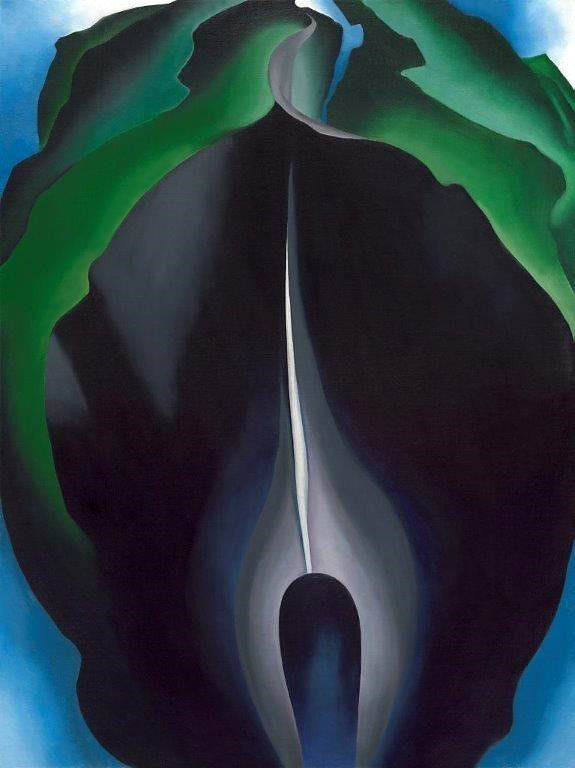
 

Georgia O'Keeffe (American, 1887-1986) 'Jack-in-the-Pulpit No. IV' 1930 from the exhibition 'Georgia O'Keeffe: Abstraction' at The Phillips Collection, Washington D.C., February - May, 2010


Georgia O’Keeffe (American, 1887-1986)
Jack-in-the-Pulpit No. IV
1930
Oil on canvas
40 x 30 in.
National Gallery of Art, Washington, D.C. Alfred Stieglitz Collection, Bequest of Georgia O’Keeffe
Image courtesy of the Board of Trustees, National Gallery of Art, Washington


Georgia O’Keeffe (1887-1986) is fixed in the public imagination as a painter of places and things. She has long been recognised for her still lifes of flowers, leaves, animal bones and shells, her images of Manhattan skyscrapers, and her Lake George and New Mexico landscapes. Yet it was with abstraction that O’Keeffe entered the art world and first became celebrated as an artist. In the spring of 1916, she burst onto the New York art scene with a group of abstract charcoal drawings that were among the most radical works produced in the United States in the early twentieth century. As she expanded her repertoire in the years that followed to include watercolour and oil, she retained the fluid space and dynamic, organic motifs of these early charcoals.

Abstraction dominated O’Keeffe’s output in the early part of her career and remained a fundamental language for her thereafter. Some of her abstractions have no recognisable source in the natural world; others distill visible reality into elemental, simplified forms. For O’Keeffe, abstraction offered a way to portray what she called the “unknown” – intense thoughts and feelings she could not express in words and did not rationally understand. Her abstractions recorded an array of emotions and responses to people and places. At the heart of her practice was an affinity for the flux and sinuous rhythms of nature. Through swelling forms and sumptuous colour, O’Keeffe depicted the experience of being in nature – so enveloped by its sublime mystery and beauty that awareness of all else is suspended.

Wall text from the exhibition
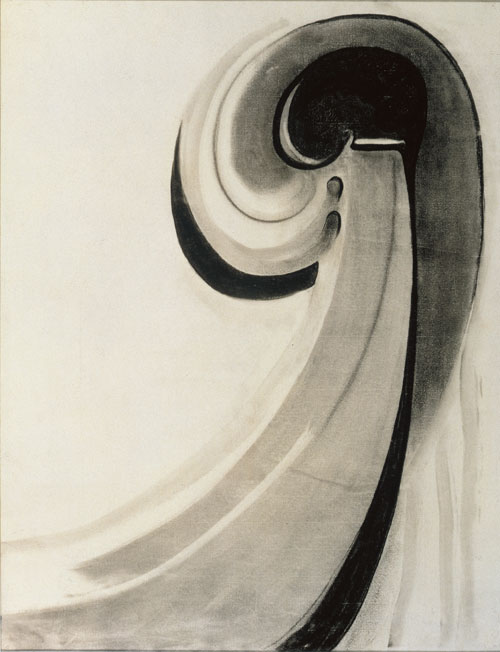
 

Georgia O'Keeffe (American, 1887-1986) 'Early Abstraction' 1915


Georgia O’Keeffe (American, 1887-1986)
Early Abstraction
1915
Charcoal on paper
24 x 18 5/8 in. (61 x 47.3cm)
Milwaukee Art Museum
Gift of Jane Bradley Pettit Foundation and The Georgia O’Keeffe Foundation
Photography by Malcolm Varon
© Milwaukee Art Museum


Georgia O'Keeffe (American, 1887-1986) 'Blue II' 1916


Georgia O’Keeffe (American, 1887-1986)
Blue II
1916
Watercolour on paper
27 7/8 x 22 1/4 in. (70.8 x 56.5cm)
Georgia O’Keeffe Museum, Santa Fe, New Mexico
Gift, The Burnett Foundation
© Georgia O’Keeffe Museum/Artist Rights Society (ARS), New York
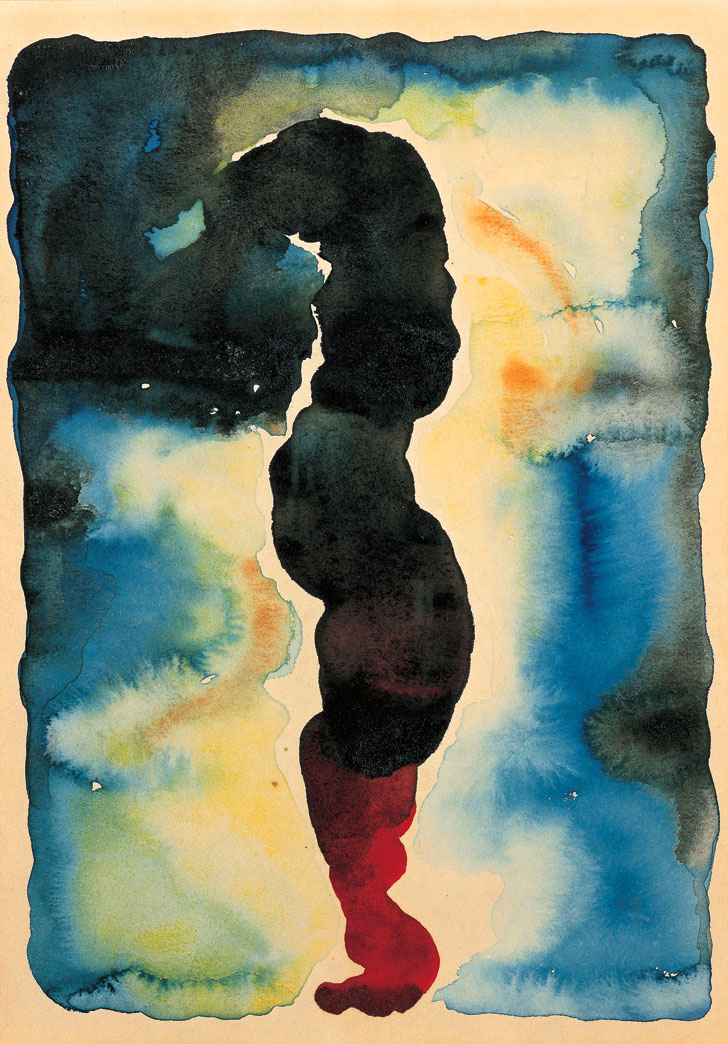
 

Georgia O'Keeffe (American, 1887-1986) 'Untitled (Abstraction/Portrait of Paul Strand)' 1917


Georgia O’Keeffe (American, 1887-1986)
Untitled (Abstraction/Portrait of Paul Strand)
1917
Watercolour on paper
12 x 8 7/8 in. (30.5 x 22.5cm)
Georgia O’Keeffe Museum, Santa Fe, New Mexico
Gift, The Burnett Foundation
© Georgia O’Keeffe Museum/Artist Rights Society (ARS), New York


The artistic achievement of Georgia O’Keeffe is examined from a fresh perspective in Georgia O’Keeffe: Abstraction, a landmark exhibition debuting this winter at The Phillips Collection. While O’Keeffe (1887-1986) has long been recognised as one of the central figures in 20th-century art, the radical abstract work she created throughout her long career has remained less well-known than her representational art. By surveying her abstractions, Georgia O’Keeffe: Abstraction repositions O’Keeffe as one of America’s first and most daring abstract artists. The exhibition, one of the largest of O’Keeffe’s work ever assembled, goes on view February 6 – May 9, 2010.

Including more than 125 paintings, drawings, watercolours, and sculptures by O’Keeffe as well as selected examples of Alfred Stieglitz’s famous photographic portrait series of O’Keeffe, the exhibition has been many years in the making.

While it is true that O’Keeffe has entered the public imagination as a painter of sensual, feminine subjects, she is nevertheless viewed first and foremost as a painter of places and things. When one thinks of her work it is usually of her magnified images of open flowers and her iconic depictions of animal bones, her Lake George landscapes, her images of stark New Mexican cliffs, and her still lifes of fruit, leaves, shells, rocks, and bones. Even O’Keeffe’s canvasses of architecture, from the skyscrapers of Manhattan to the adobe structures of Abiquiu, come to mind more readily than the numerous works – made throughout her career – that she termed abstract.

This exhibition is the first to examine O’Keeffe’s achievement as an abstract artist. In 1915, O’Keeffe leaped into the forefront of American modernism with a group of abstract charcoal drawings that were among the most radical creations produced in the United States at that time. A year later, she added colour to her repertoire; by 1918, she was expressing the union of abstract form and colour in paint. First exhibited in 1923, O’Keeffe’s psychologically charged, brilliantly coloured abstract oils garnered immediate critical and public acclaim. For the next decade, abstraction would dominate her attention. Even after 1930, when O’Keeffe’s focus turned increasingly to representational subjects, she never abandoned abstraction, which remained the guiding principle of her art. She returned to abstraction in the mid 1940s with a new, planar vocabulary that provided a precedent for a younger generation of abstractionists.

Abstraction and representation for O’Keeffe were neither binary nor oppositional. She moved freely from one to the other, cognisant that all art is rooted in an underlying abstract formal invention. For O’Keeffe, abstraction offered a way to communicate ineffable thoughts and sensations. As she said in 1976, “The abstraction is often the most definite form for the intangible thing in myself that I can only clarify in paint.” Through her personal language of abstraction, she sought to give visual form (as she confided in a 1916 letter to Alfred Stieglitz) to “things I feel and want to say – [but] havent [sic] words for.” Abstraction allowed her to express intangible experience – be it a quality of light, colour, sound, or response to a person or place. As O’Keeffe defined it in 1923, her goal as a painter was to “make the unknown – known. By unknown I mean the thing that means so much to the person that he wants to put it down – clarify something he feels but does not clearly understand.”

This exhibition and catalogue chronicle the trajectory of O’Keeffe’s career as an abstract artist and examine the forces impacting the changes in her subject matter and style. From the beginning of her career, she was, as critic Henry McBride remarked, “a newspaper personality.” Interpretations of her art were shaped almost exclusively by Alfred Stieglitz, artist, charismatic impresario, dealer, editor, and O’Keeffe’s eventual husband, who presented her work from 1916 to 1946 at the groundbreaking galleries “291”, the Anderson Galleries, the Intimate Gallery, and An American Place. Stieglitz’s public and private statements about O’Keeffe’s early abstractions and the photographs he took of her, partially clothed or nude, led critics to interpret her work – to her great dismay – as Freudian-tinged, psychological expressions of her sexuality.

Cognisant of the public’s lack of sympathy for abstraction and seeking to direct the critics away from sexualised readings of her work, O’Keeffe self-consciously began to introduce more recognisable images into her repertoire in the mid-1920s. As she wrote to the writer Sherwood Anderson in 1924, “I suppose the reason I got down to an effort to be objective is that I didn’t like the interpretations of my other things [abstractions].” O’Keeffe’s increasing shift to representational subjects, coupled with Stieglitz’s penchant for favouring the exhibition of new, previously unseen work, meant that O’Keeffe’s abstractions rarely figured in the exhibitions Stieglitz mounted of her work after 1930, with the result that her first forays into abstraction virtually disappeared from public view.”

Text from the Phillips Collection website [Online] Cited 15/03/2010 no longer available online
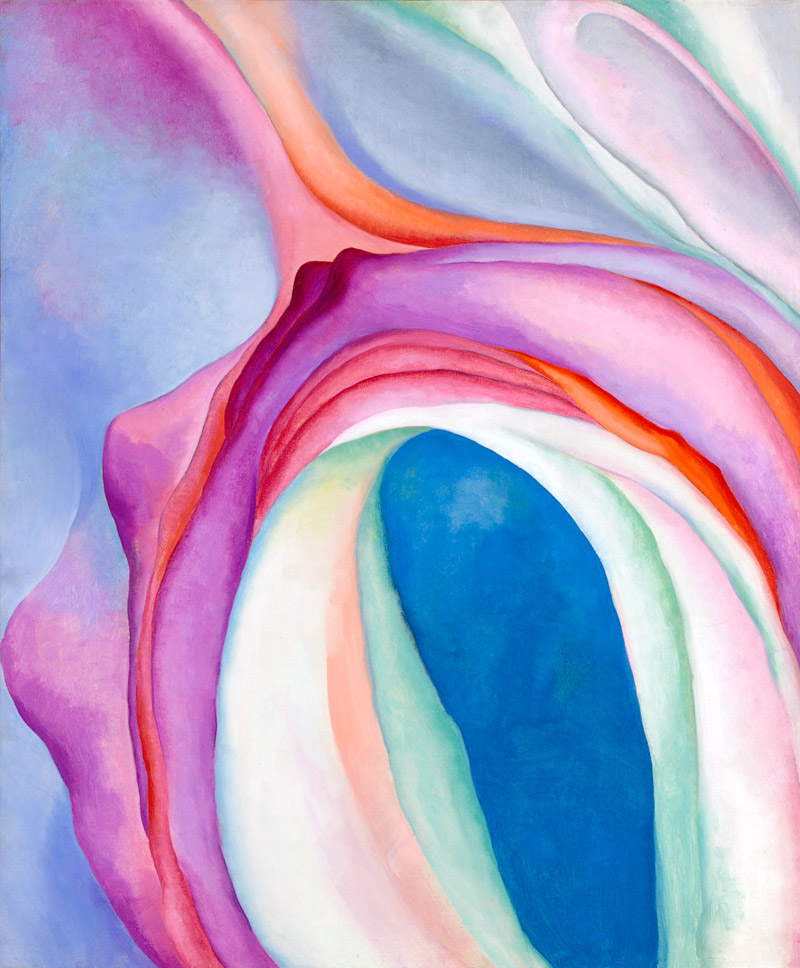
 

Georgia O'Keeffe (American, 1887-1986) 'Music, Pink and Blue No. 2' 1918


Georgia O’Keeffe (American, 1887-1986)
Music, Pink and Blue No. 2
1918
Oil on canvas, 35 x 29 1/8 in. (88.9 x 74cm)
Whitney Museum of American Art, New York
Gift of Emily Fisher Landau in honour of Tom Armstrong
© Georgia O’Keeffe Museum/Artist Rights Society (ARS), New York
Photograph by Sheldan C. Collins
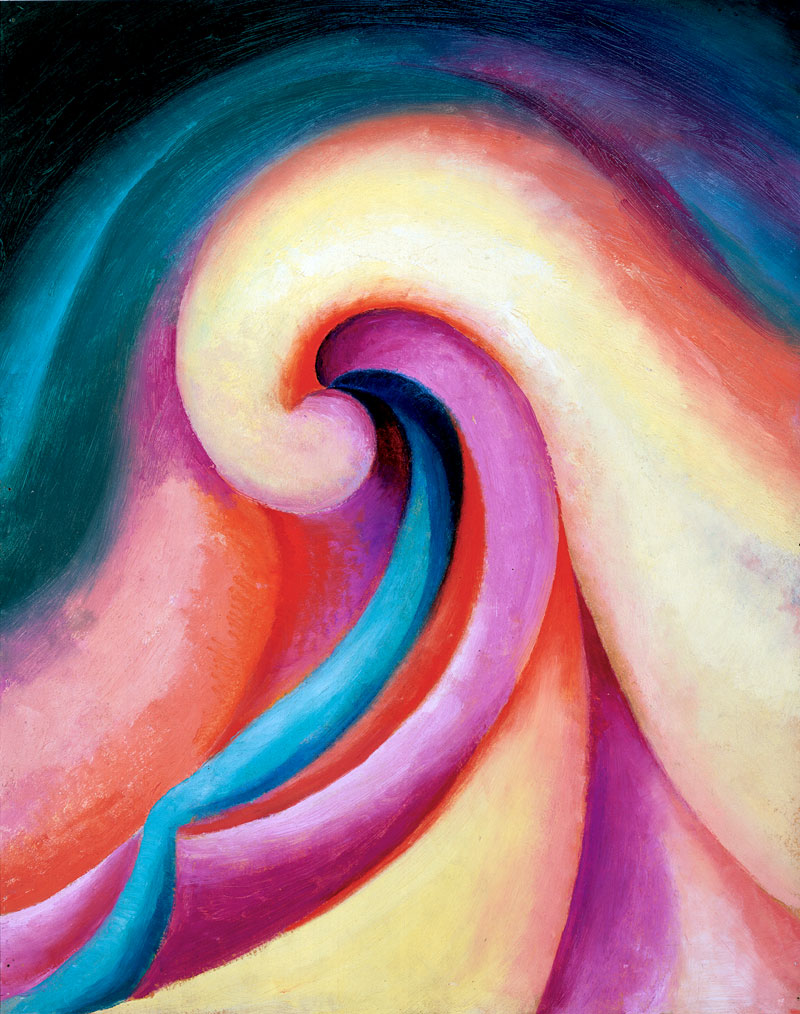
 

Georgia O'Keeffe (American, 1887-1986) 'Series I - No. 3' 1918


Georgia O’Keeffe (American, 1887-1986)
Series I – No. 3
1918
Oil on board
20 x 16 in. (50.8 x 40.6cm)
Milwaukee Art Museum
Gift of Jane Bradley Pettit Foundation and The Georgia O’Keeffe Foundation
Photography by Larry Sanders
© Milwaukee Art Museum


Georgia O'Keeffe (American, 1887-1986) 'Series I, No. 4' 1918


Georgia O’Keeffe (American, 1887-1986)
Series I, No. 4
1918
Oil on canvas
20 x 16 in. (50.8 x 40.6cm)
Städtische Galerie im Lenbachhaus, Munich
Gift of The Georgia O’Keeffe Foundation


Georgia O'Keeffe (American, 1887-1986) 'Abstraction White Rose' 1927


Georgia O’Keeffe (American, 1887-1986)
Abstraction White Rose
1927
Oil on canvas
36 x 30 in. (91.4 x 76.2cm)
Georgia O’Keeffe Museum, Santa Fe, New Mexico
Gift, The Burnett Foundation and The Georgia O’Keeffe Foundation
© Georgia O’Keeffe Museum/Artist Rights Society (ARS), New York


Georgia O'Keeffe (American, 1887-1986) 'Black Place II' 1944


Georgia O’Keeffe (American, 1887-1986)
Black Place II
1944
Oil on canvas
36 x 40 in. (91.4 x 101.6cm)
Georgia O’Keeffe Museum, Santa Fe, New Mexico
Gift, The Burnett Foundation
© 1987, Private Collection


The Phillips Collection
1600 21st Street, NW, Washington, D.C., near the corner of 21st and Q Streets, NW

Opening hours:
Tuesday – Sunday 11am – 6pm

Phillips Collection website

LIKE ART BLART ON FACEBOOK

Back to top

Exhibition: ‘Ansel Adams: A Life’s Work’ at Museum of Photographic Arts, San Diego

Exhibition dates: 23rd May – 4th October, 2009


Ansel Adams (American, 1902-1984) 'Monolith - The Face of Half Dome, Yosemite National Park' 1927 from the exhibition 'Ansel Adams: A Life's Work' at Museum of Photographic Arts, San Diego, May - Oct, 2009


Ansel Adams (American, 1902-1984)
Monolith, The Face of Half Dome, Yosemite National Park
from the portfolio Parmelian Prints of the High Sierras
1927
Gelatin silver print


Some well known Ansel Adams images below with some less well known photographs from the Manzanar Relocation Center photographic series of 1943.

Marcus


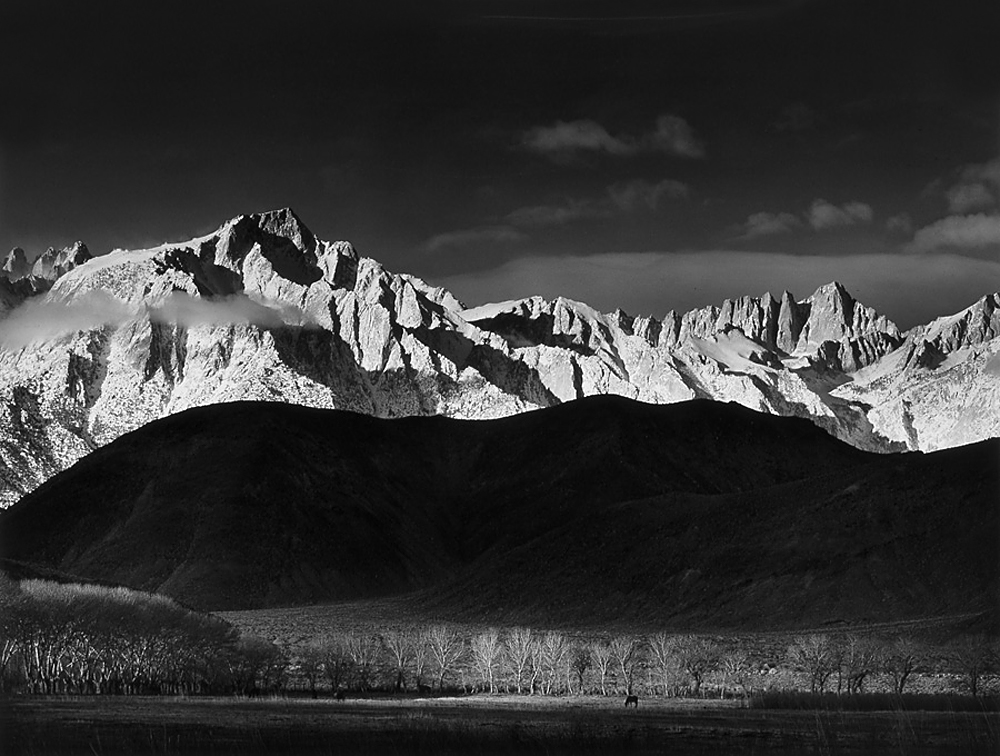
Many thankx to the Museum of Photographic Arts for allowing me to publish the three photographs, Winter Sunrise, Sierra Nevada from Lone Pine, California (1944), Mount McKinley, Alaska (1948) and Aspens, Northern New Mexico (1958). Please click on the photographs for a larger version of the image.


Ansel Adams (American, 1902-1984) 'Marion Lake, Kings River Canyon, California' c. 1925 from the exhibition 'Ansel Adams: A Life's Work' at Museum of Photographic Arts, San Diego, May - Oct, 2009


Ansel Adams (American, 1902-1984)
Marion Lake, Southern Sierra
from the portfolio Parmelian Prints of the High Sierras
1927
Gelatin silver print


Ansel Adams (American, 1902-1984) 'Moonrise, Hernandez, New Mexico' 1941 from the exhibition 'Ansel Adams: A Life's Work' at Museum of Photographic Arts, San Diego, May - Oct, 2009


Ansel Adams (American, 1902-1984)
Moonrise, Hernandez, New Mexico
1941
Gelatin silver print


Ansel Adams (American, 1902-1984) 'Birds on wire, evening, Manzanar Relocation Center' 1943


Ansel Adams (American, 1902-1984)
Birds on wire, evening, Manzanar Relocation Center
1943
Gelatin silver print


The Museum of Photographic Arts (MoPA) in Balboa Park is pleased to present Ansel Adams: A Life’s Work. The exhibition includes over 80 photographs by the 20th Century master, and celebrates Adams as an artist and conservationist. A Life’s Work will be on view May 23, 2009 through October 4, 2009, and features an overview of Adam’s work from his early years in the Sierra Nevadas and Yosemite Valley to his work in the Japanese Internment Camp at Manzanar, as well as his well-known masterpieces.

Ansel Adams: A Life’s Work will be running concurrently with Jo Whaley: Theater of Insects on view from May 16 through September 27, 2009, as well as Picturing the Process: Exploring the Art and Science of Photography on view through July 25, 2009.

The exhibition begins with survey of Adams’ early years with the Sierra Club (1920s-1930s), where his photographs and essays were first published in the Club’s Bulletin. 1927 marked a pivotal point for Adams, where he participated in the Sierra Club’s annual High Trip, which took him to the high country of the Sierra. It was during this trip that he exposed the negative of the iconic image Monolith, the Face of Half Dome. Adams describes this photograph as “my first conscious visualisation; in my mind’s eye, I saw the final image.”

It was during this first High Trip that Adams met San Francisco-based arts patron, Albert Bender. Bender took immediate interest in Adam’s photographs, and published Adams’ first portfolio, The Parmelian Prints of the High Sierras (1927). The publication included an edition of 100 portfolios of 18 prints each, 75 were printed.

The exhibition features 15 of the rare Parmelian vintage prints, as well as eight photographs from the 1929 Sierra Club Portfolio.

The exhibition continues with a wide range of representative works from the 1930’s and 1940’s, including commercial work that the artist did for the YPCCO (Yosemite Park and Curry Company). From 1931 to 1937, Adams was hired by YPCCO, a group of businesses in Yosemite Valley, to photograph various winter sports for an advertising campaign. This opportunity provided a much needed source of income for the artist during the Great Depression. The exhibition also includes other various commercial assignments throughout his career, which Adams clearly separated from his fine art photography, but notes as a vital aspect of his career. In his Autobiography he wrote: “I have little use for students or artists who scorn commercial photography as a form of prostitution … Let them pay the bills! … I struggled with a great variety of assignments through the years. Some I enjoyed, some I detested, but learned from them all.”

A Life’s Work also includes the powerful and poignant images from the Manzanar Internment Camp. In late 1943 through 1944, Adams visited the camps in central California, where over 10,000 Japanese-Americans were interned during World War II. Adams’ intention for this self-assigned project was “to interpret the camp and its people, their daily life and their relationship to their community and their environment,” wrote Adams in his Autobiography. “As my work progressed, however, I began to grasp the problems of the remarkable readjustment these people had to make… With admirable strength of spirit, the Nisei rose above despondency and make a life for themselves… This was the mood and character I determined to apply to the project.”

A Life’s Work will feature many of his iconic masterworks, including Moonrise, Hernandez, New Mexico, as well as his works in colour, which he experimented with beginning in the late 1940s.

Press release from the Museum of Photographic Arts website [Online] Cited 15/09/2009


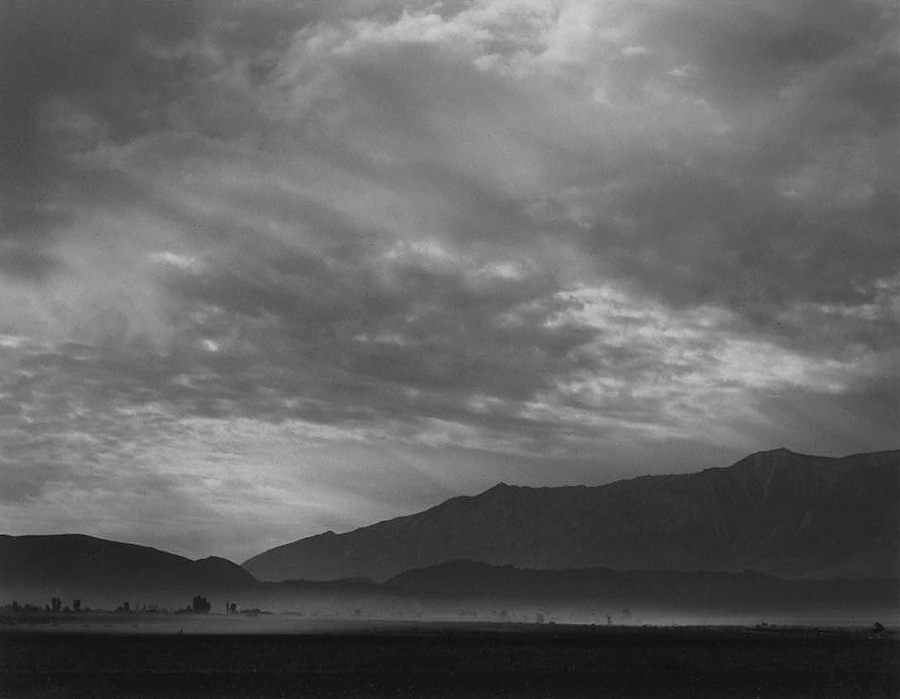
Ansel Adams (American, 1902-1984) 'View south from Manzanar to Alabama Hills, Manzanar Relocation Center' 1943


Ansel Adams (American, 1902-1984)
View south from Manzanar to Alabama Hills, Manzanar Relocation Center
1943
Gelatin silver print


Ansel Adams (American, 1902-1984) 'View SW over Manzanar, dust storm, Manzanar Relocation Center' 1943


Ansel Adams (American, 1902-1984)
View SW over Manzanar, dust storm, Manzanar Relocation Center
1943
Gelatin silver print


Ansel Adams (American, 1902-1984) 'Winter Sunrise, Sierra Nevada from Lone Pine, CA.,' 1944


Ansel Adams (American, 1902-1984)
Winter Sunrise, Sierra Nevada from Lone Pine, California
1944
Gelatin silver print
Courtesy of the Museum of Photographic Arts.
Copyright © 2009 The Ansel Adams Publishing Rights Trust


Ansel Adams (American, 1902-1984) Mount McKinley, Alaska, 1948


Ansel Adams (American, 1902-1984)
Mount McKinley, Alaska
1948
Gelatin silver print
Courtesy of the Museum of Photographic Arts
Copyright © 2009 The Ansel Adams Publishing Rights Trust


Ansel Adams (American, 1902-1984) 'Aspens, Northern New Mexico' 1958


Ansel Adams (American, 1902-1984)
Aspens, Northern New Mexico
1958
Gelatin silver print
Courtesy of the Museum of Photographic Arts
Copyright © 2009 The Ansel Adams Publishing Rights Trust


Museum of Photographic Arts
Located within Balboa Park at 1649 El Prado, 
San Diego, CA 92101
Phone: 619-238-7559

Opening hours:
Thursday – Sunday: 11.00am – 4.00pm
Monday – Wednesday closed

MoPA website

LIKE ART BLART ON FACEBOOK

Back to top

Exhibition: ‘Seeing Ourselves: Masterpieces of American Photography from George Eastman House Collections’ at the Paine Art Center, Oshkosh, Wisconsin

Exhibition dates: 6th June – 11th October, 2009


I wish I could see this exhibition!


Many thankx to the Paine Art Center for allowing me to publish the photographs in the posting. Please click on the photographs for a larger version of the image.


Alvin Langdon Coburn (English born United States, 1882-1966) 'The Singer Building, New York' c. 1910


Alvin Langdon Coburn (English born United States, 1882-1966)
The Singer Building, New York
c. 1910
Gum bichromate over platinum print


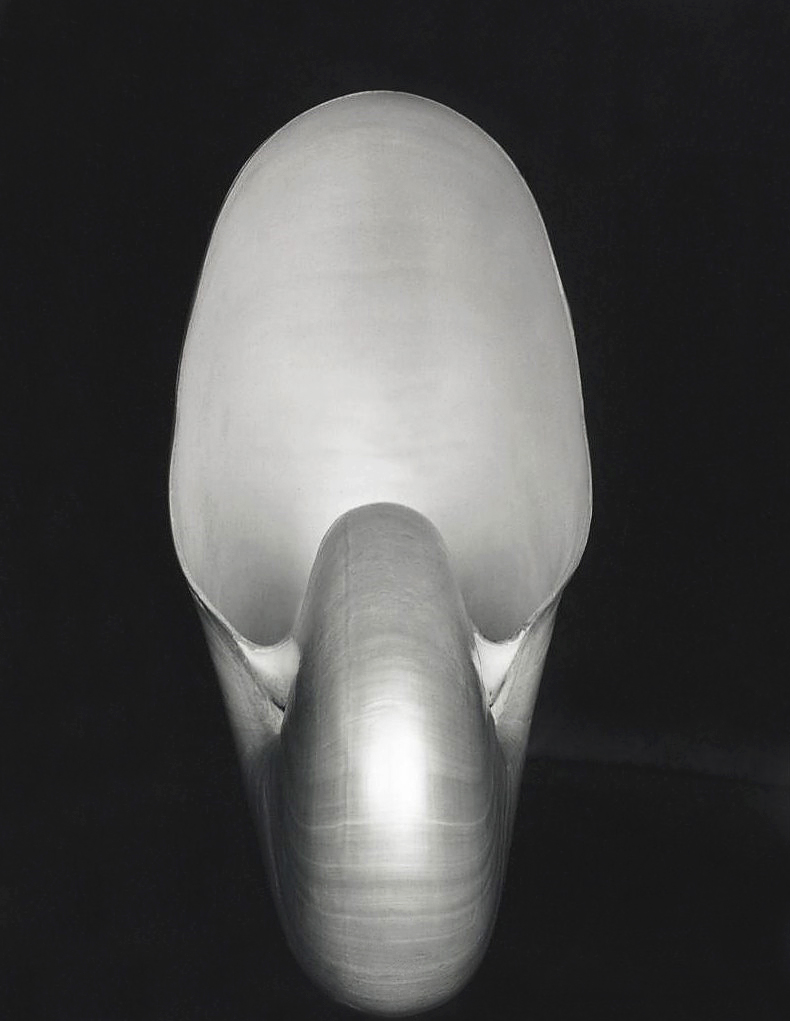
Edward Weston (American, 1886-1958) 'Nautilus' 1927


Edward Weston (American, 1886-1958)
Nautilus
1927
Gelatin silver print
9 1/2 by 7 1/2 in. (24 by 19cm)


Like their painter counterparts, many photographers experimented with abstraction in the 1920s and 1930s, exploring relations of form, tonality, and space. Here, Weston isolates a nautilus shell against a solid black ground, creating a study of curves, subtle shadows, and contrasts between light and dark. As in many of his close-ups of natural forms, the nautilus appears both recognisable and yet strangely unfamiliar. Unlike the rigorously nonrepresentational compositions of photographers like LászlĂł Moholy-Nagy, Weston’s abstractions always remained grounded in objects from the real world; as he wrote in 1930, “To see the Thing Itself is essential.”

Text from the Metropolitan Museum of Art website


Nautilus is now recognised as one of Weston’s greatest photographs, but all of his images of shells have a greater-than-life quality to them. Weston biographer Ben Maddow has said that what is so remarkable about them “is not in the closeness nor in the monumentality of the forms; or at least, not in these alone. It is instead in the particular light, almost an inward luminescence, that he saw implicit in them before he put them before the lens. Glowing with an interior life … one is seeing more than form.”

Text from the Wikipedia website


Lewis W. Hine (American, 1874-1940) 'Italian Family Looking for Lost Baggage, Ellis Island' 1905


Lewis W. Hine (American, 1874-1940)
Italian family looking for lost baggage, Ellis Island
1905
Gelatin silver print


The largest exhibition of masterpieces of American photography ever presented in Wisconsin, Seeing Ourselves features over a hundred iconic images from the internationally acclaimed George Eastman House Collections of Rochester, New York. This extraordinary exhibition dramatically illustrates our country’s landscape, people, culture, and historic events through works ranging from vast western scenes to fascinating documentary photographs to intimate celebrity portraits. Artists represented include such masters of the medium as Ansel Adams, Alfred Stieglitz, Paul Strand, Edward Weston, Lewis Hine, Dorothea Lange, and dozens of other accomplished photographers.

Spanning more than 150 years of photography, Seeing Ourselves is organised according to five broad themes: American Masterpieces, American Faces, America at War, America the Beautiful, and American Families. Each section features renowned photographs documenting the American experience. The exhibition begins with “American Masterpieces,” which sheds light on celebrated images like Yosemite Valley, Summer by Ansel Adams, Nautilus by Edward Weston, and The Steerage by Alfred Stieglitz. Other highlights include Oshkosh native Lewis Hine’s Powerhouse Mechanic, a dynamic image symbolising the arrival of a new Industrial Age, and Dorothea Lange’s unforgettable photograph Migrant Mother, Nipomo, California, which gave a human face to poverty and suffering during the Great Depression.

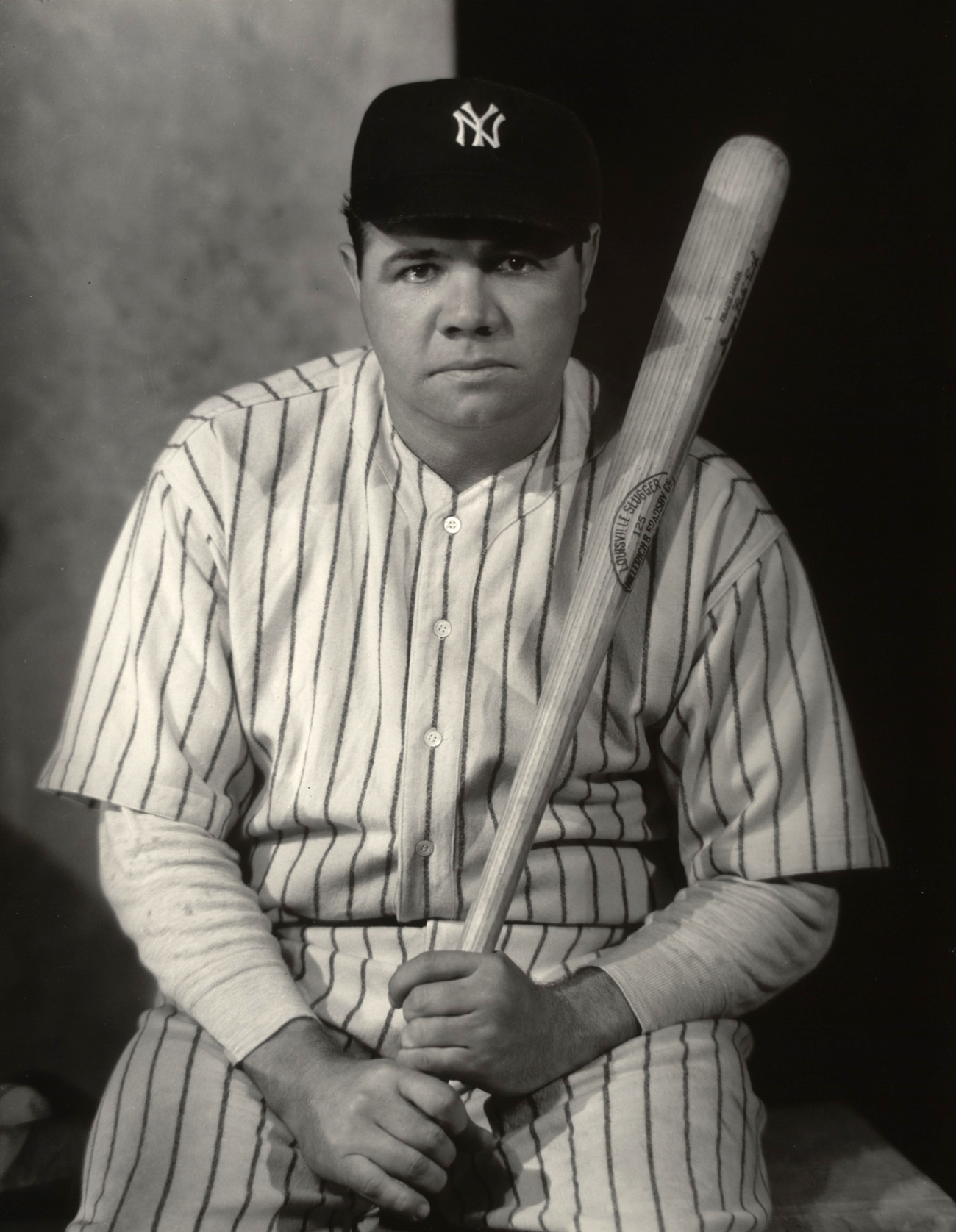
“American Faces” illustrates the diversity of our nation, including subjects ranging from Native Americans whose ancestors have lived here for thousands of years to immigrants at Ellis Island who had just arrived in America that day. Photographs of everyday people are juxtaposed with portraits of illustrious political and civil rights leaders, artists, celebrities, and athletes, including Abraham Lincoln, Martin Luther King, Marilyn Monroe, Babe Ruth, and many other familiar faces. Master photographers who portrayed these individuals include Mathew Brady, Edward S. Curtis, Walker Evans, Richard Avedon, Alfred Stieglitz, and Edward Steichen.

Some of the most famous, memorable, and shocking images in the history of American photography are photographs of war. While photographs of war may be difficult to look at, they serve as an important record of America’s past. “America at War” displays images from the American Civil War, World Wars I and II, the Korean War, and the Vietnam War, as well as contemporary photographs created in response to 9/11.

“America the Beautiful” features timeless photographs that capture the beauty and power of unspoiled nature, as well as scenes of westward expansion, urban America, and the intimate spaces we call home. Dramatic images of Alaskan glaciers, majestic western views, and tranquil dunes are contrasted with big-city skyscrapers, small-town neighborhoods, and backyard gardens. Major works in this section include Alvin Langdon Coburn’s beautifully atmospheric view of New York’s Singer Building and landscapes by Ansel Adams and Edward Weston.

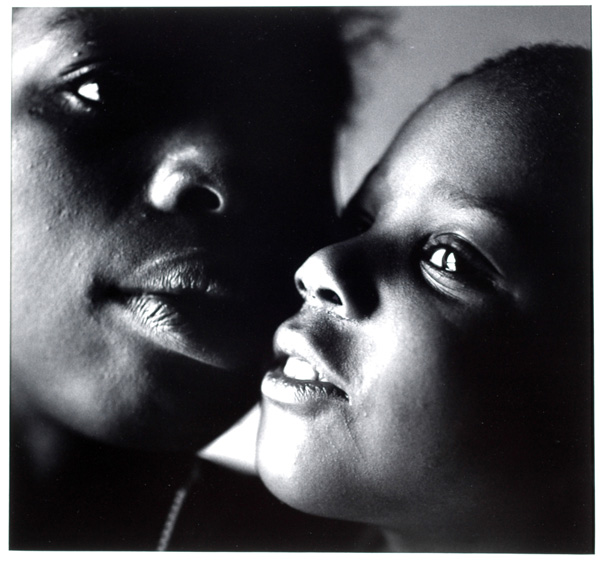
The final section, “American Families,” brings together families from all walks of life, exploring their differences and commonalities. A variety of examples by such notable photographers as Weegee, Lewis Hine, Aaron Siskind, Margaret Bourke-White, and Mary Ellen Mark are included. Some works portray idealised scenes of American life, while others capture a glimpse of everyday life and the serious challenges many families face, such as poverty or illness. Highlights include Hine’s photograph of an Italian family seeking lost luggage at Ellis Island and a tender portrait of a mother and son from the series Black in America by Eli Reed, an award-winning member of Magnum, the prestigious photojournalists’ cooperative.

Seeing Ourselves: Masterpieces of American Photography from George Eastman House Collections is organised by George Eastman House International Museum of Photography and Film and is made possible through a grant from the National Endowment for the Arts as part of the American Masterpieces program. George Eastman House is the world’s oldest photography museum, founded in 1947 on the estate of Kodak founder George Eastman, the father of popular photography. The museum has unparalleled collections of 400,000 photographs from 14,000 photographers dating from the beginnings of the medium to the present day.”

Text from The Paine Art Center website [Online] Cited 01/07/2009. No longer available online


Benedict J. Fernandez (American, 1936-2021) 'Dick Gregory with MLK [Martin Luther King, JR.] New Politics Convention, Chicago, ILL. October, 1967' 1967


Benedict J. Fernandez (American, 1936-2021)
Dick Gregory with MLK [Martin Luther King, JR.] New Politics Convention, Chicago, ILL. October, 1967
1967
Gelatin silver print


Eli Reed (American, b. 1946) 'A Mother and Her Son at Her Home In Bed Sty in Brooklyn' c. 1990


Eli Reed (American, b. 1946)
A Mother and Her Son at Her Home In Bed Sty in Brooklyn
c. 1990
Gelatin silver print


Ansel Adams (American, 1902-1984) 'Clearing Winter Storm, Yosemite National Park' c. 1937


Ansel Adams (American, 1902-1984)
Yosemite Valley, Summer
1942
Gelatin silver print


Nikolas Muray (American, 1892-1965) 'Babe Ruth' 1945


Nikolas Muray (American, 1892-1965)
Babe Ruth
1945
Gelatin silver print
13 3/8 x 10 7/16″ (33.9 x 26.5cm)


Lewis Hine (American, 1874-1940) 'Powerhouse mechanic working on steam pump' 1920


Lewis Hine (American, 1874-1940)
Powerhouse mechanic working on steam pump
1920
Gelatin silver print


Alfred Stiegitz (American, 1864-1946) 'The Steerage' 1907


Alfred Stieglitz (American, 1864-1946)
The Steerage
1907
Gelatin silver print


Dorothea Lange (American, 1895-1965) 'Migrant Mother, Nipomo, California' 1936


Dorothea Lange (American, 1895-1965)
Migrant Mother, Nipomo, California
1936
Gelatin silver print


Paine Art Center and Gardens
1410 Algoma Blvd, Oshkosh, WI

Opening hours:
Tuesday – Sunday
 11.00am – 4.00pm
Closed Mondays and major holidays

Paine Art Center website

George Eastman House website

LIKE ART BLART ON FACEBOOK

Back to top