Exhibition: ‘László Moholy-Nagy. The Art of Light’ at the Ludwig Museum, Budapest

Exhibition dates: 9th June – 25th September 2011
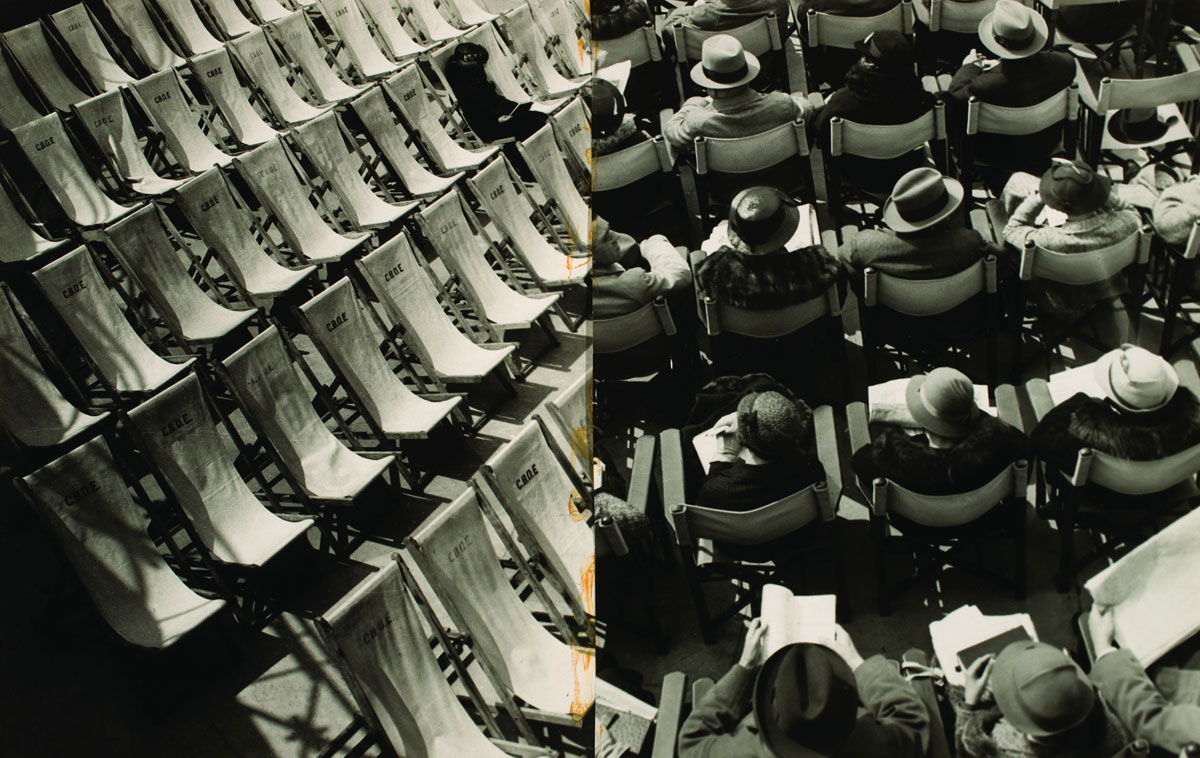
 

László Moholy-Nagy (Hungarian, 1895-1946) 'Chairs at Margate' 1935


László Moholy-Nagy (Hungarian, 1895-1946)
Chairs at Margate
1935
Gelatin silver print diptych
36.9 x 29.5cm (each)
© Hattula Moholy-Nagy/VEGAP 2011


Different press photographs from this exhibition, one that I last posted when it was at Martin Gropius-Bau, Berlin.

Marcus


Many thankx to the Ludwig Museum for allowing me to publish the photographs in the posting. Please click on the photographs for a larger version of the image.


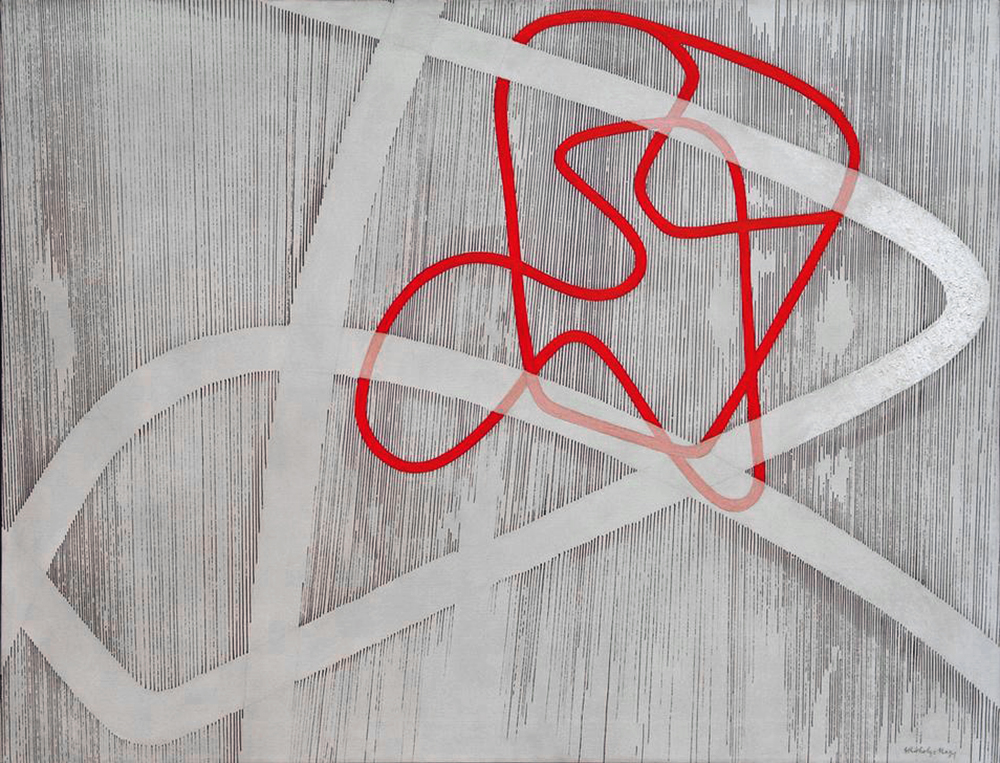
László Moholy-Nagy (Hungarian, 1895-1946) 'K VII' 1922


László Moholy-Nagy (Hungarian, 1895-1946)
K VII
1922
Oil on canvas
115.3 x 135.9cm
Tate, London
© Hattula Moholy-Nagy/VEGAP 2011
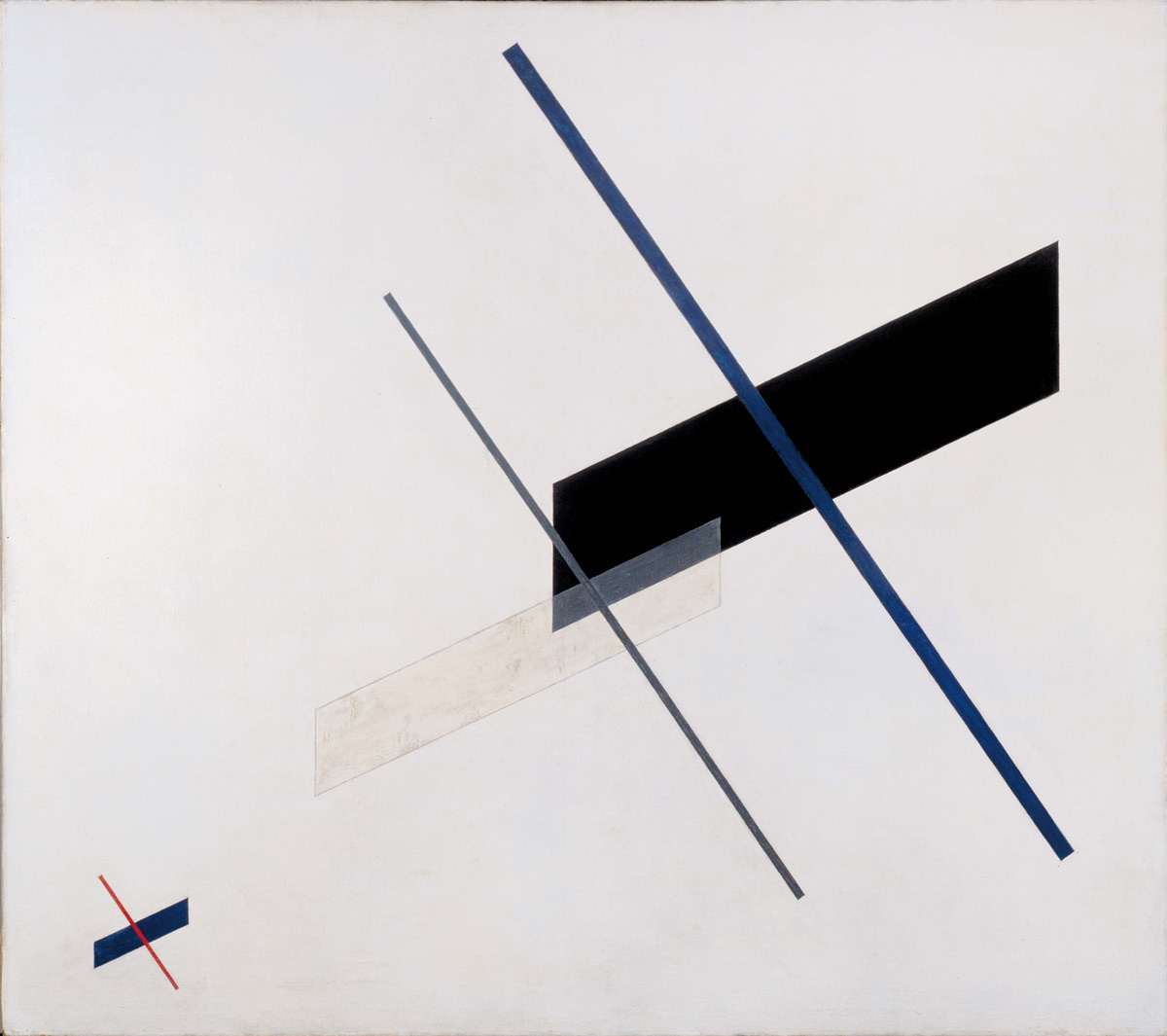
 

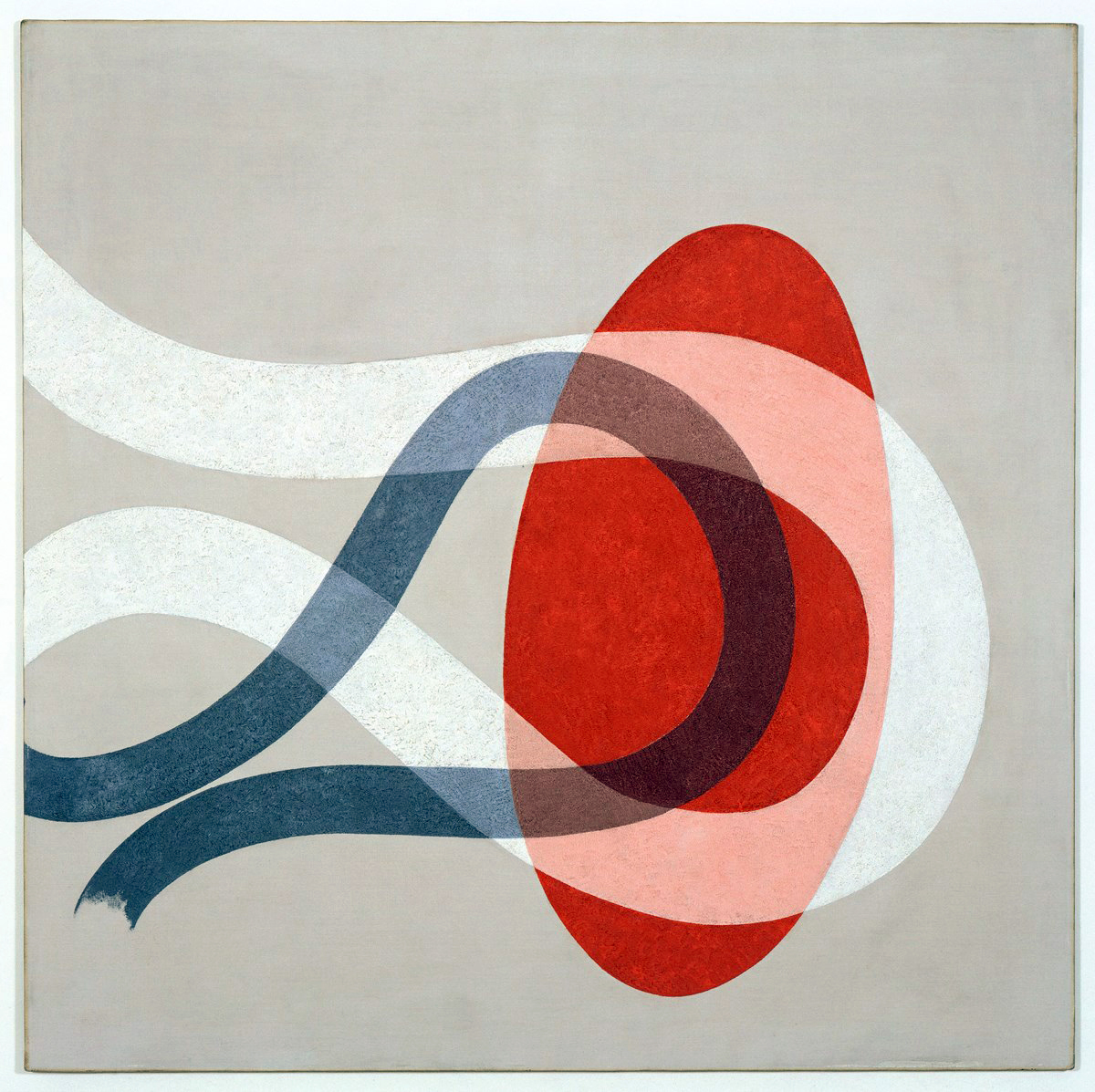
László Moholy-Nagy (Hungarian, 1895-1946) 'Composition A XI' 1923


László Moholy-Nagy (Hungarian, 1895-1946)
Composition A XI
1923
Oil on canvas
Image: 115.6 x 131.1cm
© Hattula Moholy-Nagy/VEGAP 2011


László Moholy-Nagy (Hungarian, 1895-1946) 'Eton. Eleves watching cricket from the pavilion on Agar's Plough' c. 1930


László Moholy-Nagy (Hungarian, 1895-1946)
Eton. Eleves watching cricket from the pavilion on Agar’s Plough
c. 1930
Gelatin silver print
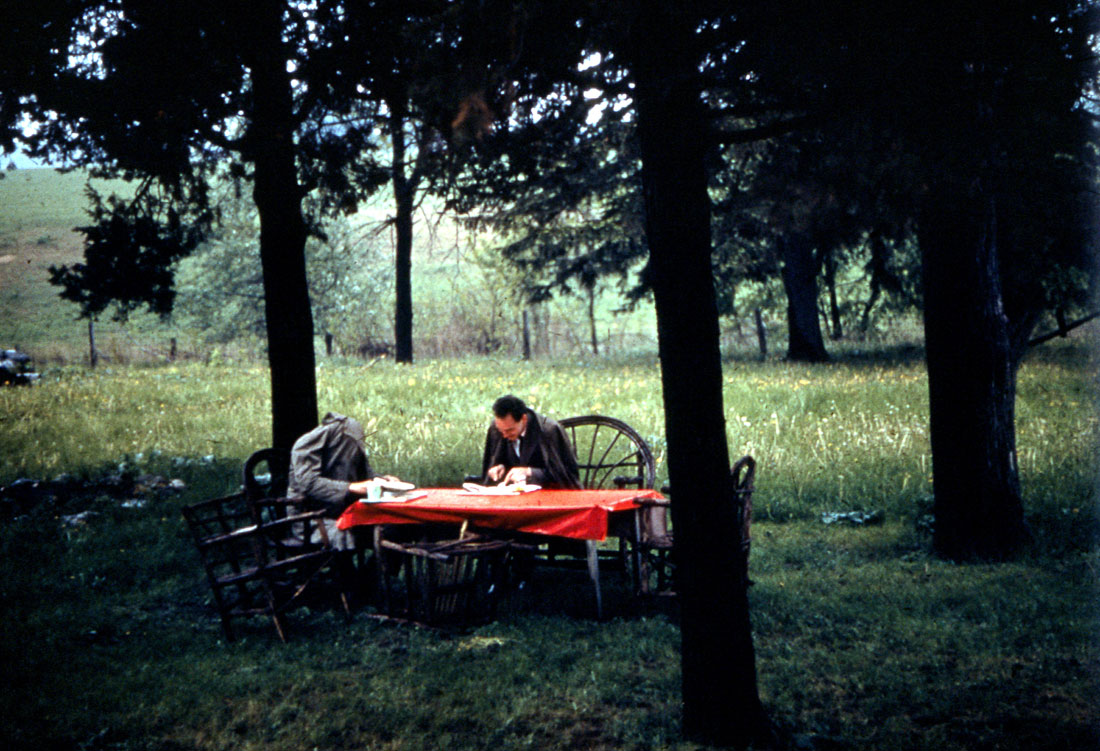
 

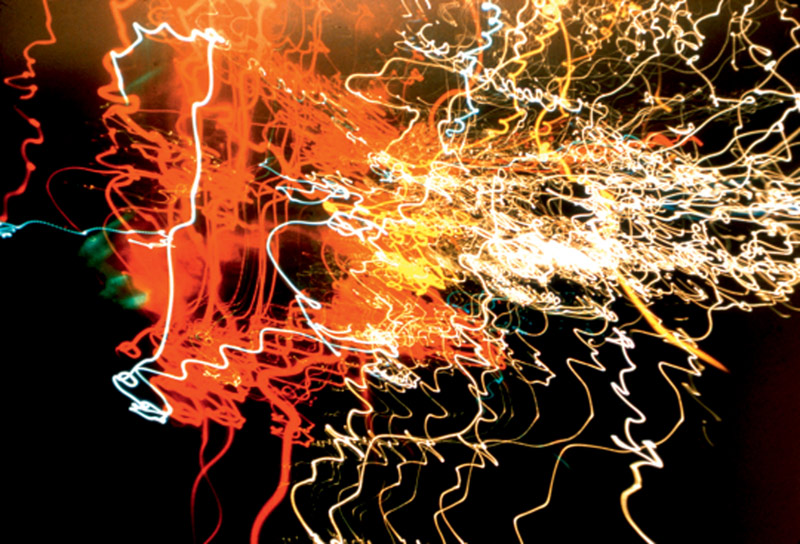
László Moholy-Nagy (Hungarian, 1895-1946) 'Untitled' 1939


László Moholy-Nagy (Hungarian, 1895-1946)
Untitled
1939
Fujicolor Crystal Archive print
Image: 22.8 x 34.2cm
Courtesy of László Moholy-Nagy Estate and Andrea Rosen Gallery Inc., New York
© Hattula Moholy-Nagy/VEGAP 2011
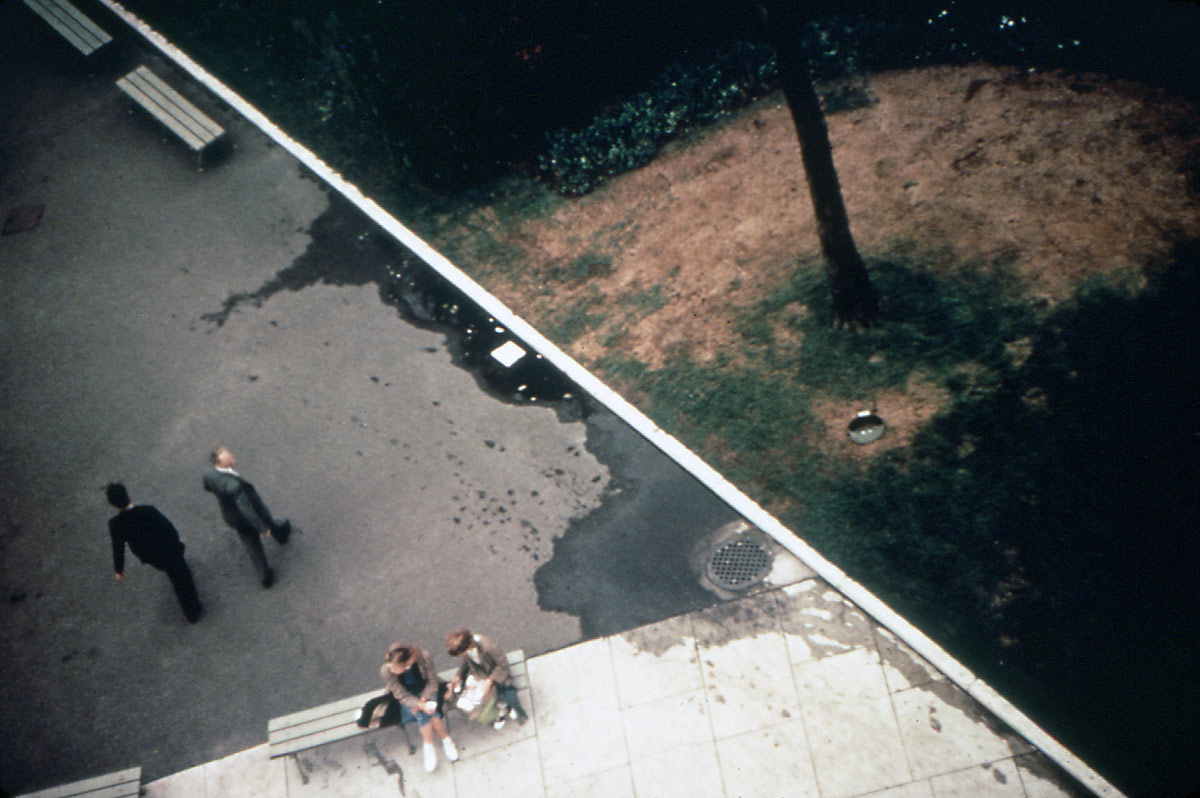
 

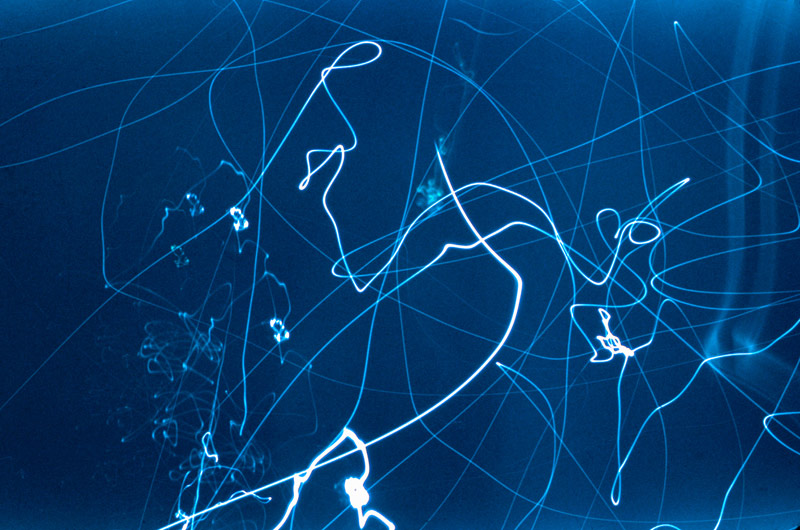
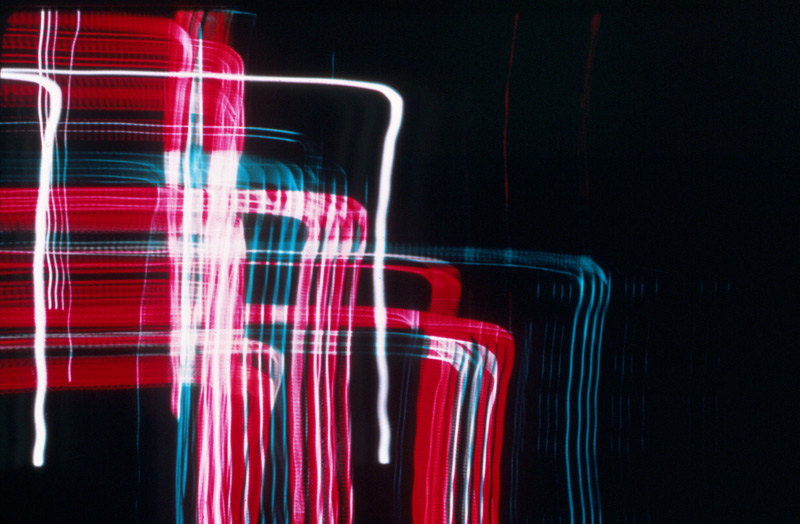
László Moholy-Nagy (Hungarian, 1895-1946) 'Untitled' 1940-44


László Moholy-Nagy (Hungarian, 1895-1946)
Untitled
1940-1944
Fujicolor Crystal Archive print
Image: 22.8 x 34.2cm
Courtesy of László Moholy-Nagy Estate and Andrea Rosen Gallery Inc., New York
© Hattula Moholy-Nagy/VEGAP 2011


László Moholy-Nagy is a world-famous figure of twentieth-century avant-garde art. His visual art and theoretical works, photographs, films, educational activities and photograms – taken without a camera and now synonymous with his name – were of such significance that it is no exaggeration to say that since Moholy-Nagy, we see things differently; since Moholy-Nagy, our thinking about art has been transformed. His innovations over the decades have become so natural, his influence so pervasive, that we now almost have to rediscover him once again. In the series of Hungarian photographers who accomplished world fame – Robert Capa, Martin Munkácsi, György Kepes – the Ludwig Museum – Museum of Contemporary Art now presents the work of László Moholy-Nagy (1895-1946), focussing primarily his photography. This is a long-overdue show: Hungary has not held such an exhibition of Moholy-Nagy’s work since 1975, not even on the centenary of his birth in 1995.

Moholy-Nagy began his creative career in the first half of the twentieth century in Lajos Kassák’s activist circle where, at twenty years old, he was one of Hungary’s youngest avant-garde artists. In 1919 he left for Vienna then Berlin, where he came under the influence of Dadaism and Constructivism, which he later developed further independently. On the invitation of director Walter Gropius in 1923, he became a teacher at the Weimar Bauhaus, then the most progressive art school. There, alongside the Metal Workshop, he also led the definitive course in new arts education, the Foundation. The Bauhaus was more than a school: it was a way of life that unified life, art and science. As well as exploring painting, leading the Metal Workshop, writing and editing books and applying new typographies at the experimental, innovative Bauhaus school, Moholy-Nagy also turned towards photography and film as forms offering new possibilities in art. Photography, and in particular film represented new technologies that questioned the traditional principles of art, among them the uniqueness of the artefacts and the personal signature of the artist.

The central organising principle in Moholy-Nagy’s diverse activities was light: light defined his paintings, sculptures, photoplastics, photograms, photographs, typography and theatre sets. He did not regard photography as a tool for the perfect imaging of reality, rather, it was his conviction that the camera offered new discoveries and possibilities for modern people to finally liberate themselves from the obligation to depict, to copy reality. The years at the Bauhaus proved to be an experience that defined his entire life. After Berlin, Weimar and Dessau, he settled in Chicago in 1937, where he founded the ‘New Bauhaus’ and remained until the end of his life, working as an experimental, innovative artist and theorist. He regarded art as an activity that embraced the whole of life which was non-hierarchical, accessible and cultivatable by everyone, and he was a firm believer in the educational role of art.

The Ludwig Museum’s exhibition presents his diverse life achievement from 1922, with Moholy-Nagy’s photography, films, and works ‘made with light’ in central focus. His first writings on light as a medium were published in 1923, in the Broom magazine, New York. One of the most exciting parts of the exhibition is the compilation of all Moholy-Nagy’s films, shown together here for the first time and according to the artist’s original conception. Such an ambitious and large-scale exhibition of Moholy-Nagy’s oeuvre could only have been realised with international collaboration. This exhibition brings together over 200 pieces and documents from over twenty museums around the world (Tate, Whitney, Tokyo Metropolitan, etc.) as well as private collections. It is based on the curatorial concept of the director of Madrid’s la Fábrica, Oliva Maria Rubio, and is the result of joint work between the Martin-Gropius-Bau in Berlin and the Gemeentemuseum in The Hague. The exhibition has previously shown in Madrid, Berlin and The Hague, and will open to audiences in Budapest until the end of September.

Moholy-Nagy’s rich oeuvre also allows us to make slightly different emphases according to location. In Berlin, the legendary 1929 Film und Foto (FiFo) exhibition and his pedagogical works were emphasised, while in The Hague, the focus was on the time he spent in the Netherlands between 1933 and 1935. With the participation of two internationally-renowned Hungarian art historians, experts of Moholy-Nagy, Krisztina Passuth and Éva Bajkay, the Budapest exhibition is complemented by photographs and publications from Hungarian collections. Thanks to László Moholy-Nagy’s family, valuable documents that have not been seen in any of the earlier locations have been added to the exhibition.

Press release from the Ludwig Museum
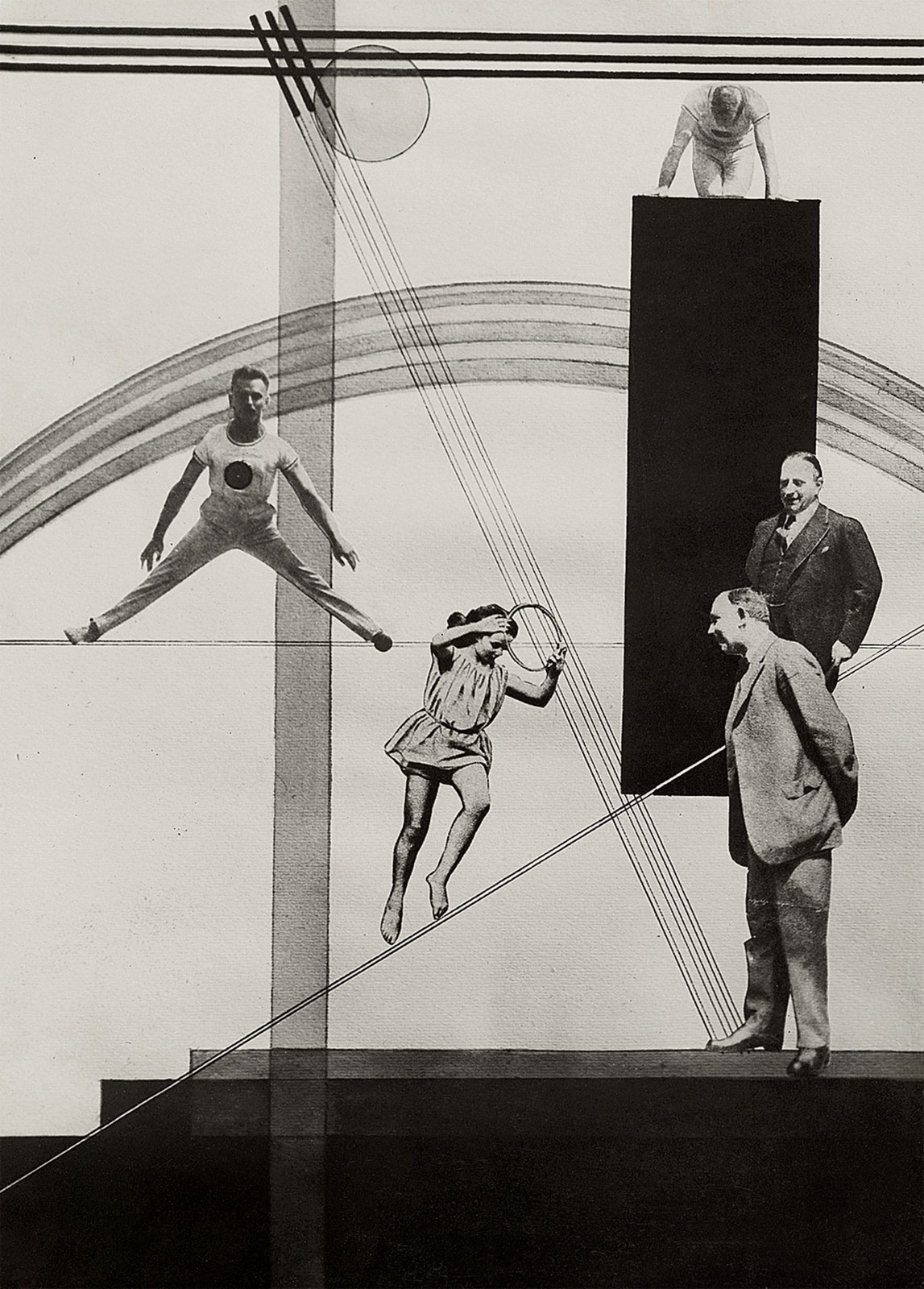
 

László Moholy-Nagy (Hungarian, 1895-1946) 'The Benevolent Gentleman' 1924


László Moholy-Nagy (Hungarian, 1895-1946)
The Benevolent Gentleman
1924
Photoplastic, gelatin silver print
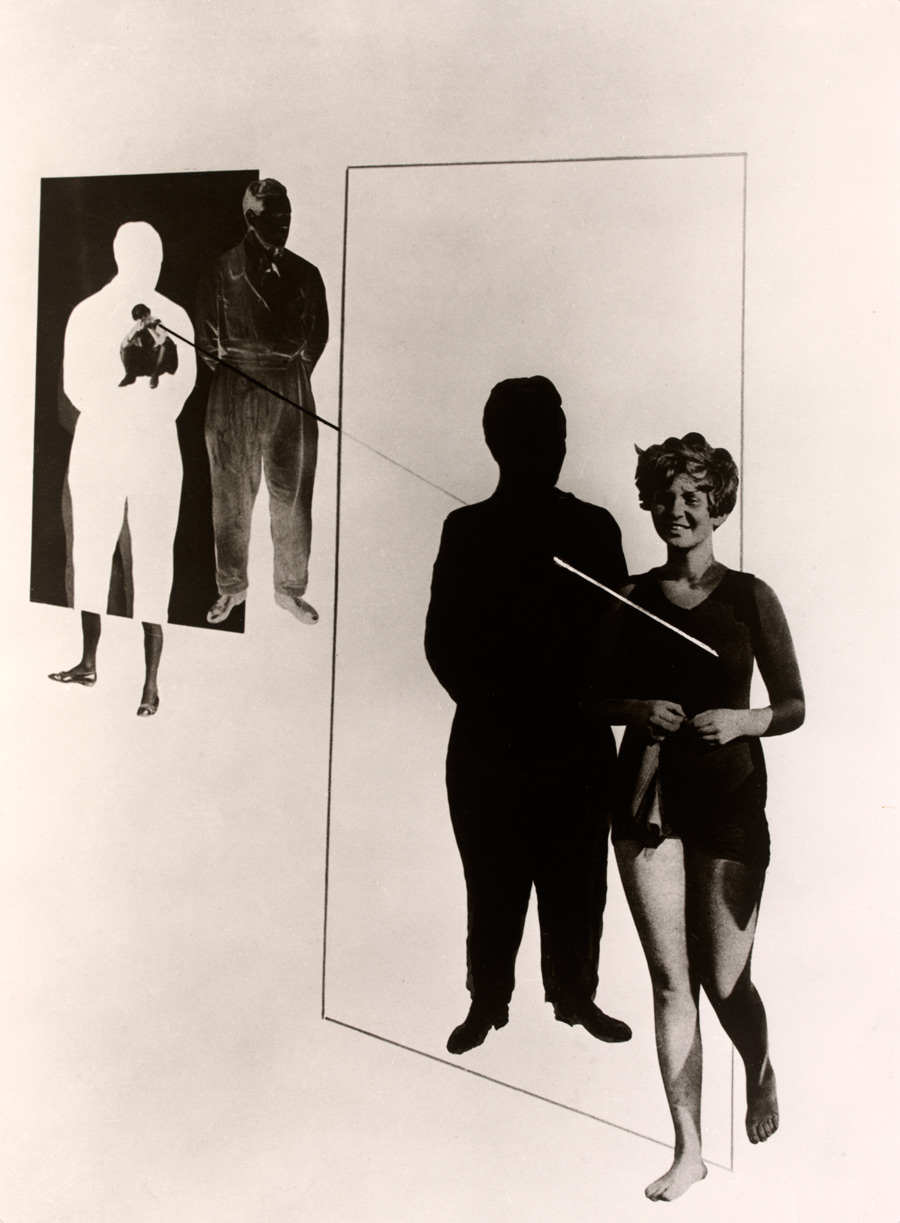
 

László Moholy-Nagy (Hungarian, 1895-1946) 'Jealousy' 1924-1927


László Moholy-Nagy (Hungarian, 1895-1946)
Jealousy
1924-1927
Photoplastic, gelatin silver print
30 x 24.6cm
Victoria & Albert Museum Collection, London
© Hattula Moholy-Nagy/VEGAP 2011


László Moholy-Nagy (Hungarian, 1895-1946) 'La Canebière Street, Marseilles - View Through the Balcony Grille' 1928


László Moholy-Nagy (Hungarian, 1895-1946)
La Canebière Street, Marseilles – View Through the Balcony Grille
1928
Gelatin silver print
24.4 x 17.5cm
George Eastman House Collection. Donated by Katharine Kuh
© Hattula Moholy-Nagy/VEGAP 2011
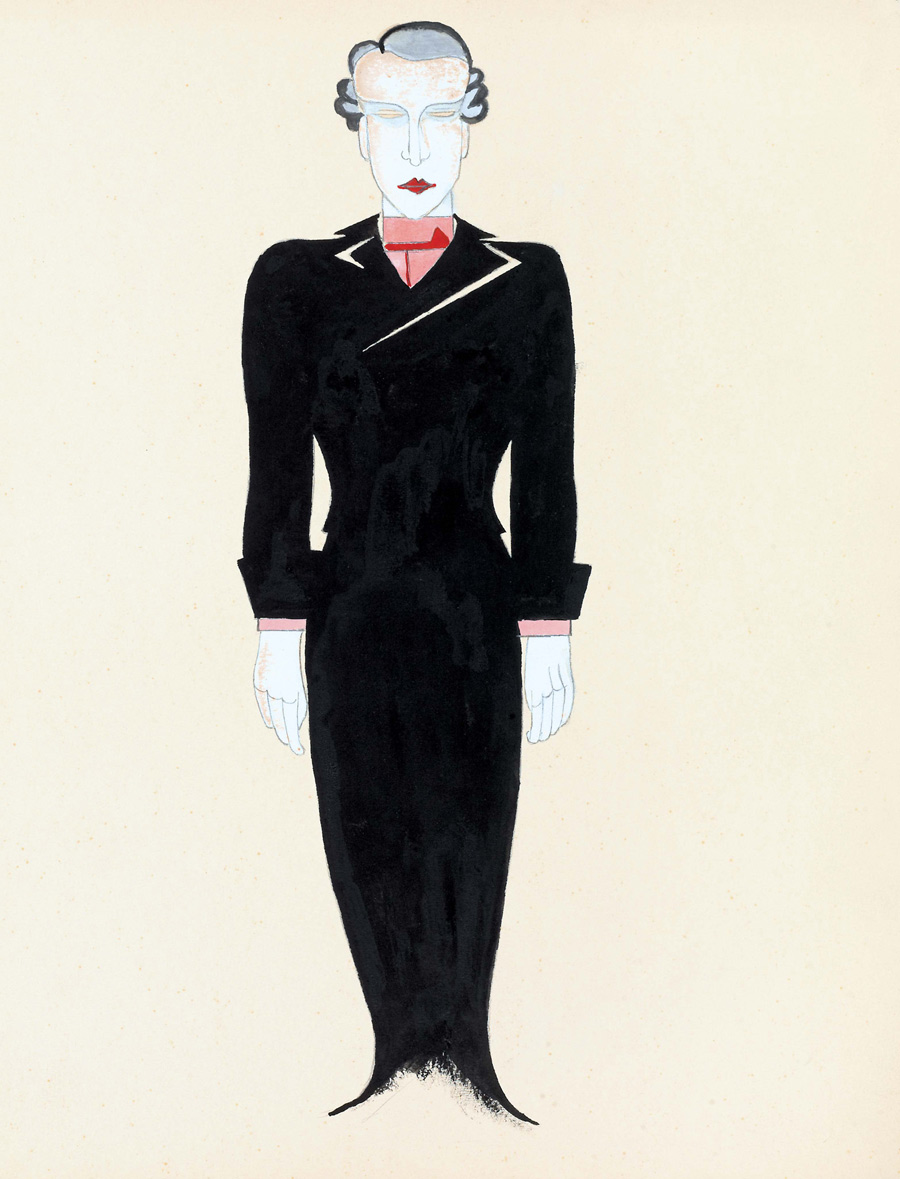
 

László Moholy-Nagy (Hungarian, 1895-1946) 'Costume Design for Tales of Hoffmann' 1929


László Moholy-Nagy (Hungarian, 1895-1946)
Costume Design for Tales of Hoffmann
1929
Watercolour on paper
34.3 x 27cm
Hattula Moholy-Nagy, Ann Arbor, Michigan
© Hattula Moholy-Nagy/VEGAP 2011
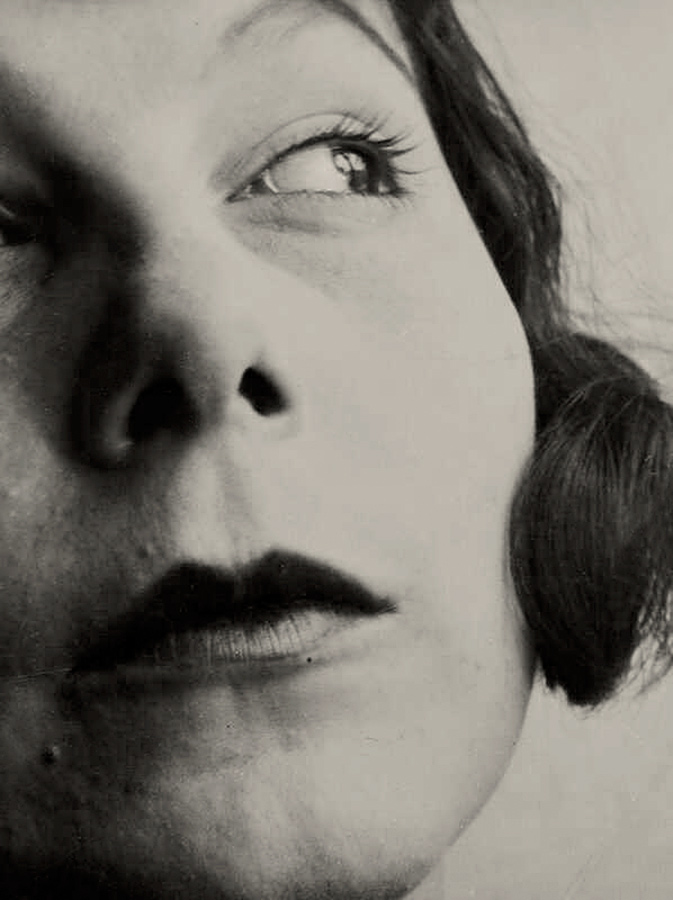
 

László Moholy-Nagy (Hungarian, 1895-1946) 'Portrait of Ellen Frank' c. 1929


László Moholy-Nagy (Hungarian, 1895-1946)
Portrait of Ellen Frank
c. 1929
Gelatin silver print


Interior view of the exhibition 'László Moholy-Nagy. The Art of Light' at Ludwig Museum - Museum of Contemporary Art


Interior view of the exhibition László Moholy-Nagy. The Art of Light at Ludwig Museum – Museum of Contemporary Art
© BUJNOVSZKY Tamás / Ludwig Museum – Museum of Contemporary Art, Archives
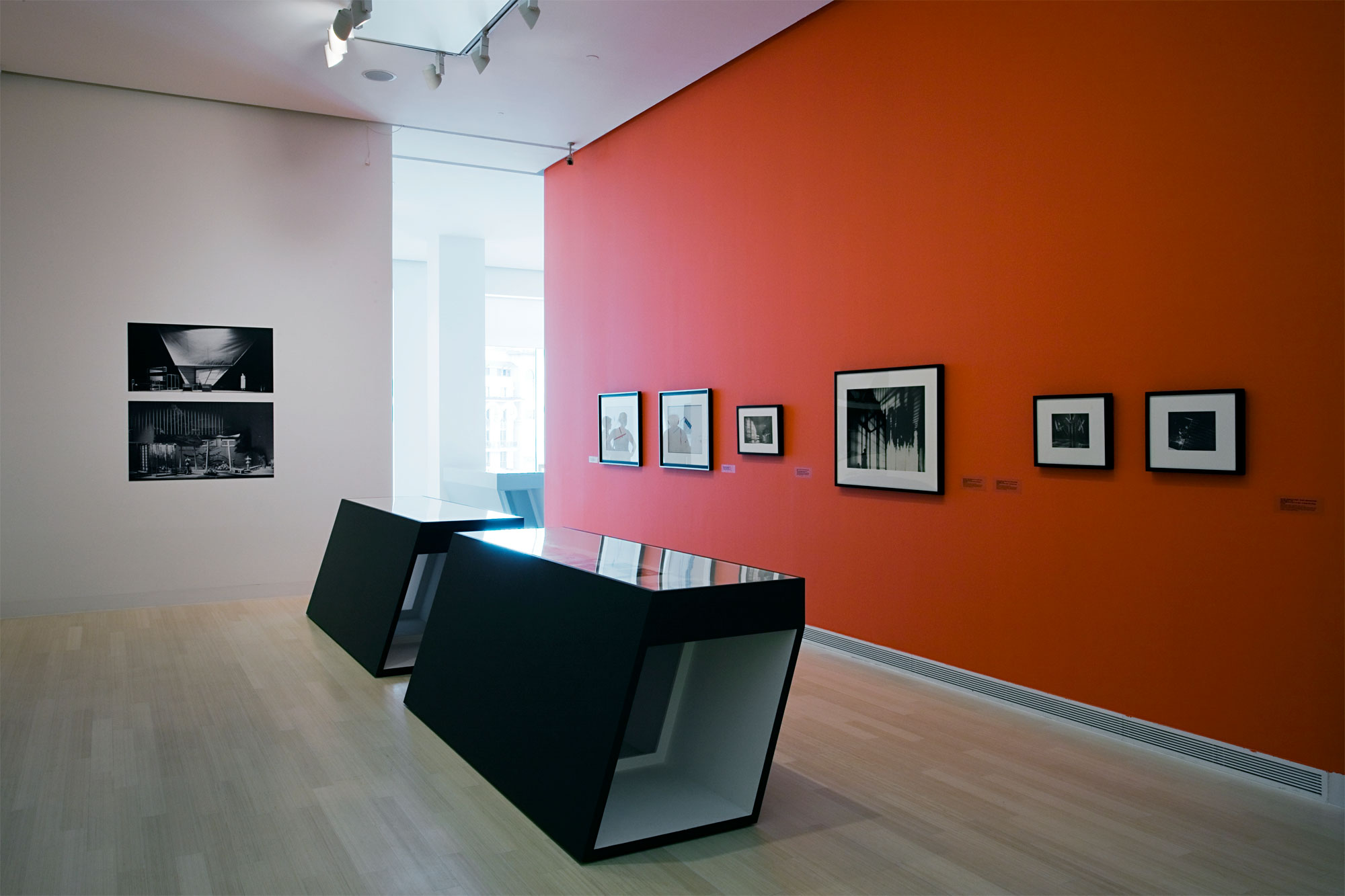
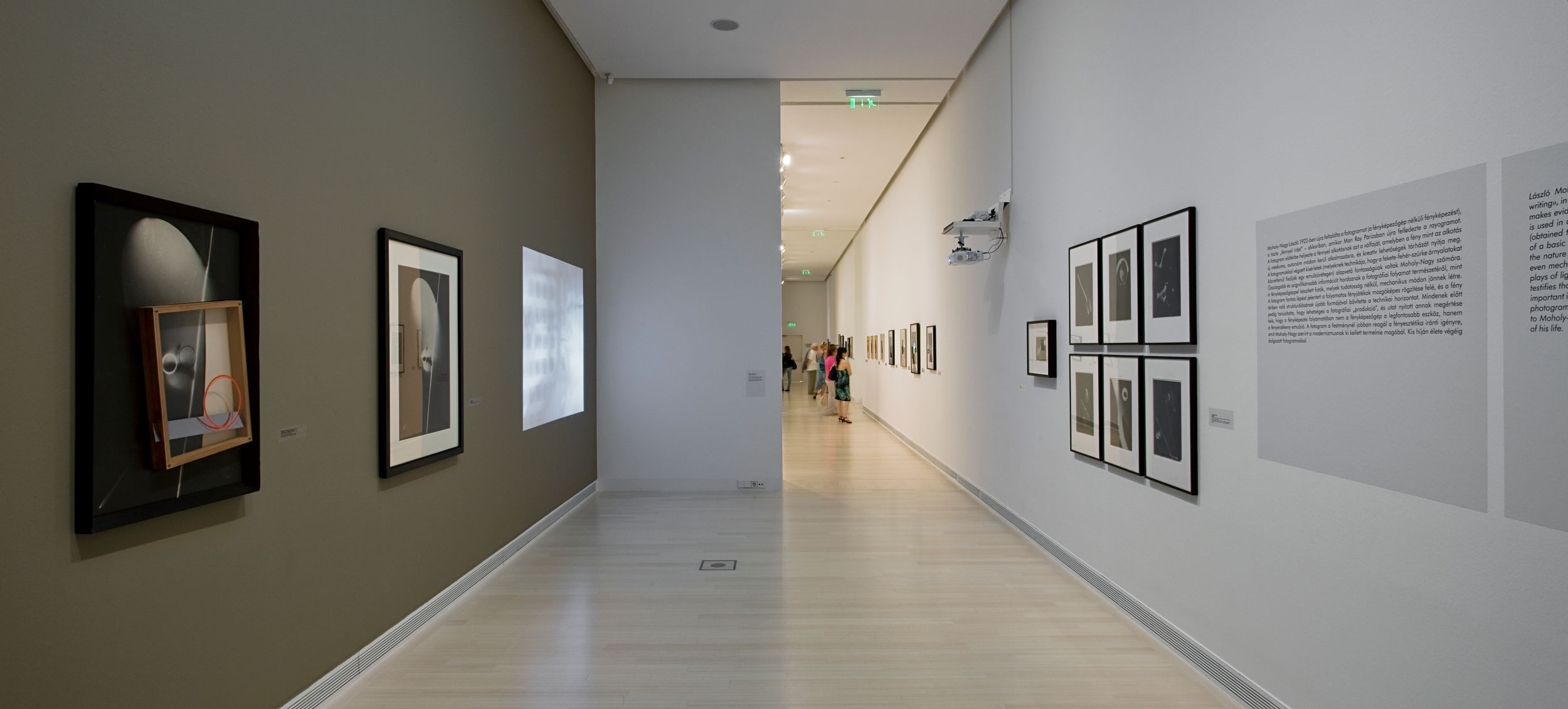
 

Interior view of the exhibition 'László Moholy-Nagy. The Art of Light' at Ludwig Museum - Museum of Contemporary Art

Interior view of the exhibition 'László Moholy-Nagy. The Art of Light' at Ludwig Museum - Museum of Contemporary Art

Interior view of the exhibition 'László Moholy-Nagy. The Art of Light' at Ludwig Museum - Museum of Contemporary Art


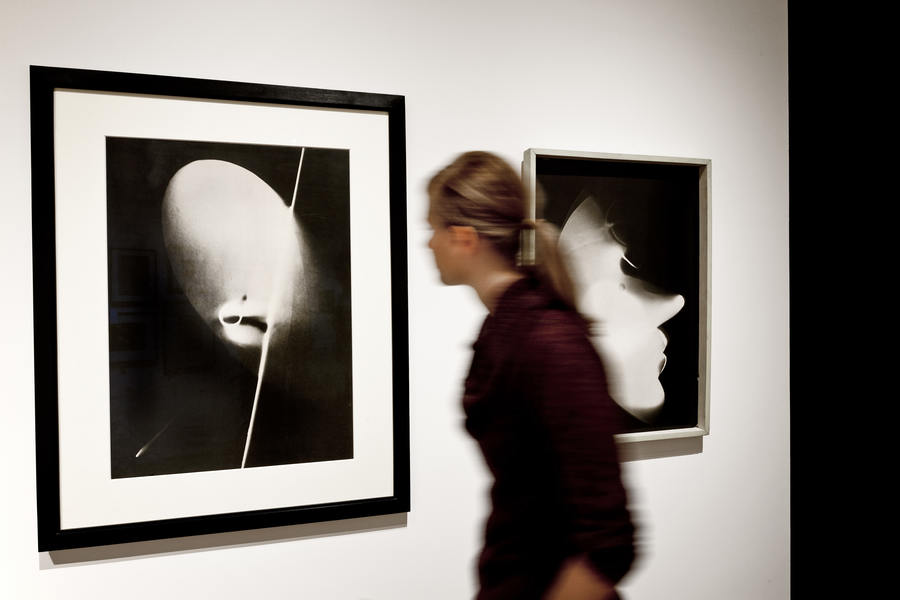
Interior views of the exhibition László Moholy-Nagy. The Art of Light at Ludwig Museum – Museum of Contemporary Art showing at left in the bottom image, Composition – Assemblage – Photogram (1926, below); and at right, Photogramm No. II (1929, below)
© BUJNOVSZKY Tamás / Ludwig Museum – Museum of Contemporary Art, Archives
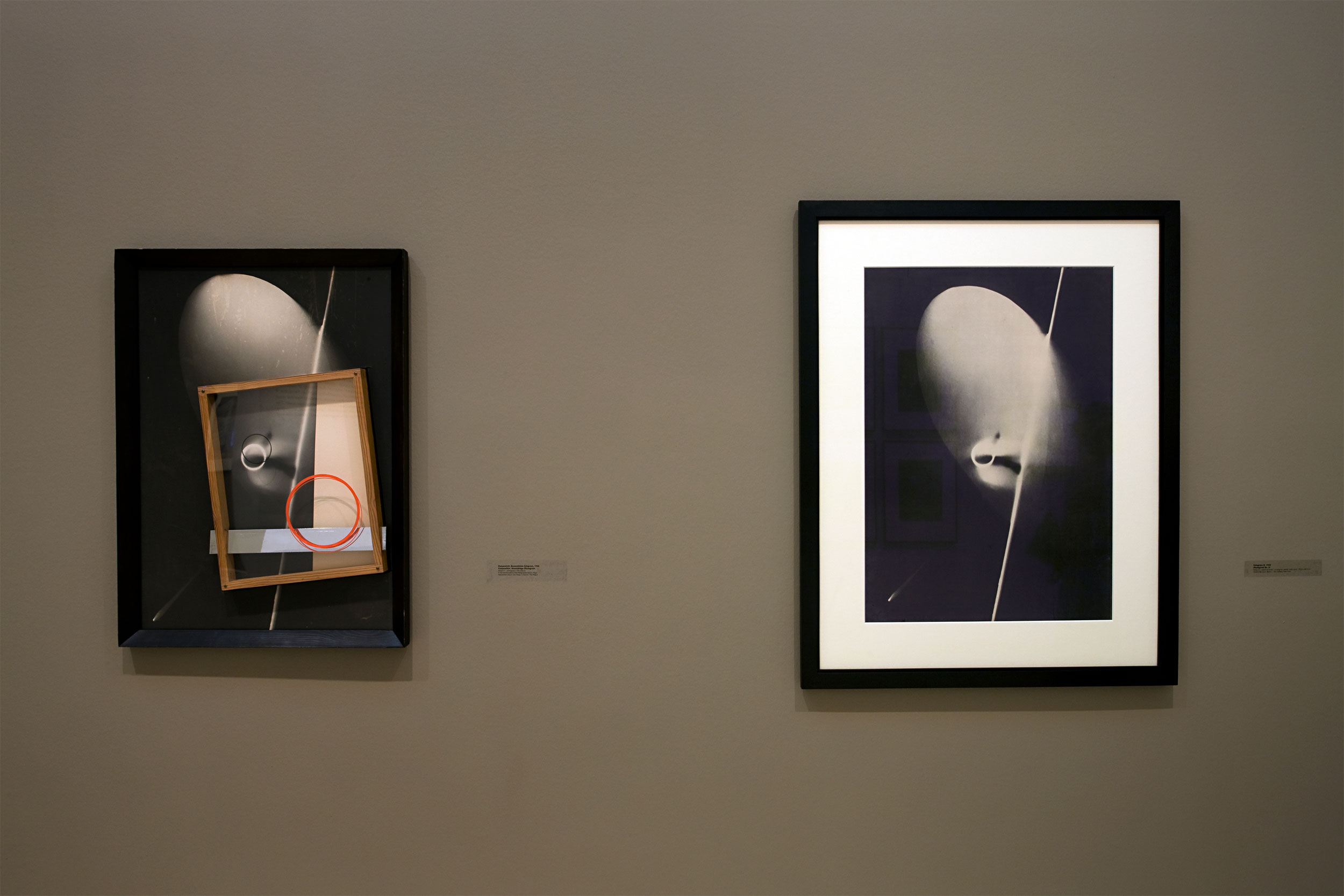
 

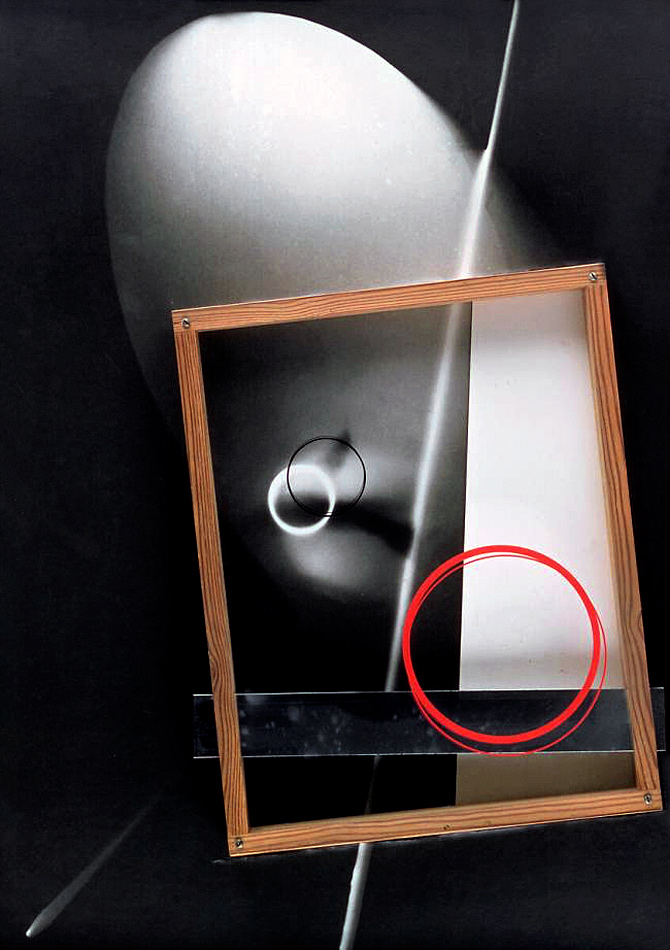
László Moholy-Nagy (Hungarian, 1895-1946) 'Composition - Assemblage - Photogram' 1926


László Moholy-Nagy (Hungarian, 1895-1946)
Composition – Assemblage – Photogram
1926
Photogram and mixed media
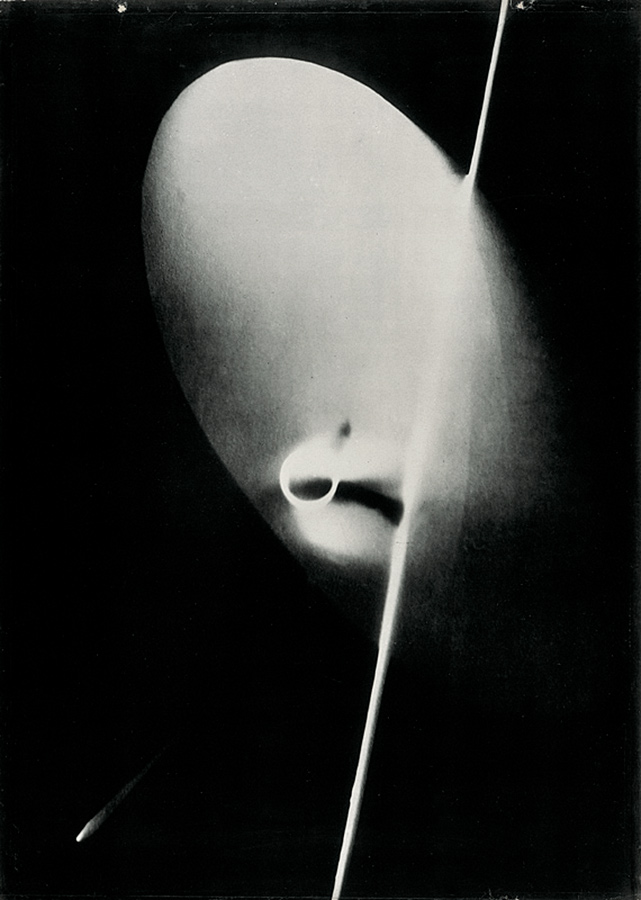
 

László Moholy-Nagy (Hungarian, 1895-1946) 'Photogramm No. II' 1929


László Moholy-Nagy (Hungarian, 1895-1946)
Photogramm No. II
1929
Silver gelatin photograph
95.5 x 68.5cm


László Moholy-Nagy (Hungarian, 1895-1946) 'Lago Maggiore, Ascona, Switzerland' c. 1930


László Moholy-Nagy (Hungarian, 1895-1946)
Lago Maggiore, Ascona, Switzerland
c. 1930
Silver gelatin photograph
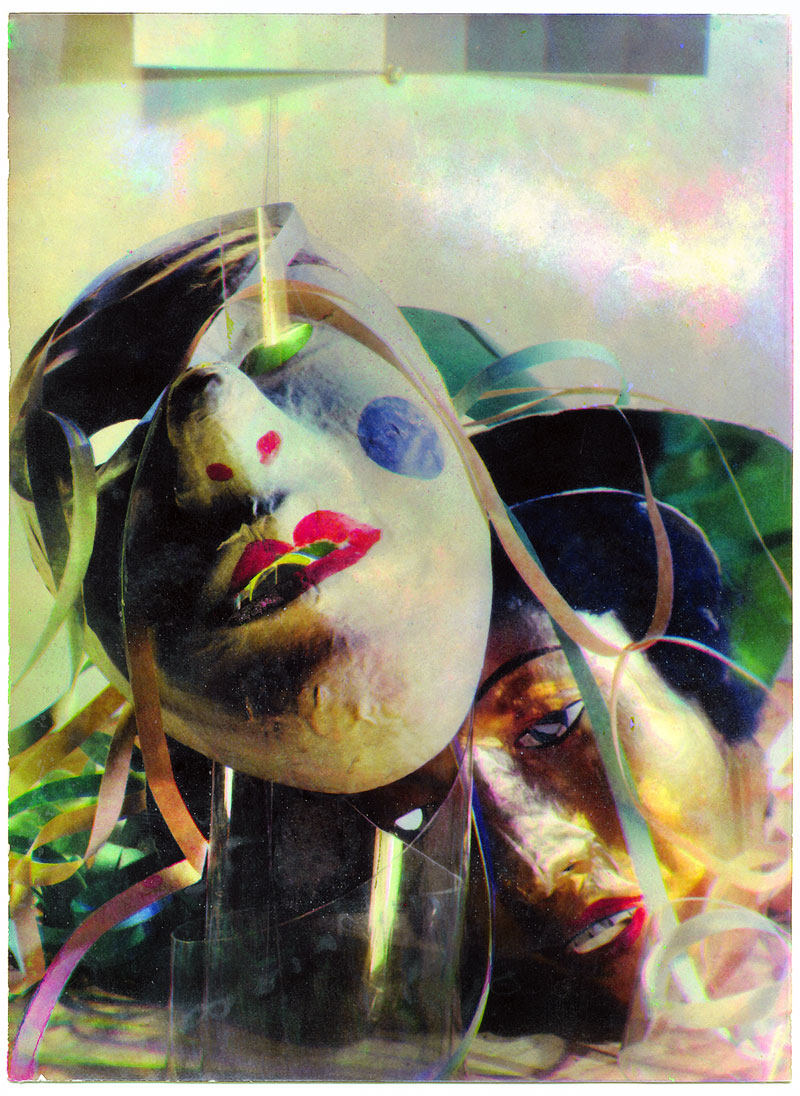
 

László Moholy-Nagy (Hungarian, 1895-1946) and Paul Hartland. 'Carnival: Composition with two masks' c. 1934


László Moholy-Nagy (Hungarian, 1895-1946) and Paul Hartland 
Carnival: Composition with two masks
c. 1934
Gemeentemuseum Den Haag


Ludwig Museum – Museum of Contemporary Art
Palace of Arts
Komor Marcell u. 1, Budapest, H-1095
Phone: +36 1 555 3444

Opening hours:
Tuesday – Sunday: 10am – 6pm
Closed on Mondays

Ludwig Museum website

LIKE ART BLACK ON FACEBOOK

Back to top

Exhibition: ‘László Moholy-Nagy 
Retrospective’ at Schirn Kunsthalle, Frankfurt

Exhibition dates: 8th October, 2009 – 7th February, 2010


All images are featured in the exhibition. Many thankx to the Schirn Kunsthalle for allowing me to publish the photographs in the posting. Please click on the photographs for a larger version of the image.

Marcus


László Moholy-Nagy (Hungarian, 1895-1946) 'LIS' 1922 from the exhibition 'László Moholy-Nagy 
Retrospective' at Schirn Kunsthalle, Frankfurt, October 2009 - February 2010


László Moholy-Nagy (Hungarian, 1895-1946)
LIS
1922
Oil on canvas
131 x 100cm
Courtesy Kunsthaus Zürich
© VG Bild-Kunst, Bonn 2009


László Moholy-Nagy (Hungarian, 1895-1946) 'K XVII' 1923 from the exhibition 'László Moholy-Nagy 
Retrospective' at Schirn Kunsthalle, Frankfurt, October 2009 - February 2010


László Moholy-Nagy (Hungarian, 1895-1946)
K XVII
1923
Oil on canvas
95 x 75cm
Courtesy Kunsthalle Bielefeld
Photo: Axel Struwe, Fotodesign BFF, Bielefeld
© VG Bild-Kunst, Bonn 2009


László Moholy-Nagy (Hungarian, 1895-1946) 'COMPOSITION A XXI' 1925


László Moholy-Nagy (Hungarian, 1895-1946)
COMPOSITION A XXI
1925
Oil on canvas
96 x 77cm
Courtesy LWL-Landesmuseum für Kunst und Kulturgeschichte, Münster
Photo: LWL-Landesmuseum für Kunst und Kulturgeschichte, Münster/Rudolf Wakonigg
© VG Bild-Kunst, Bonn 2009


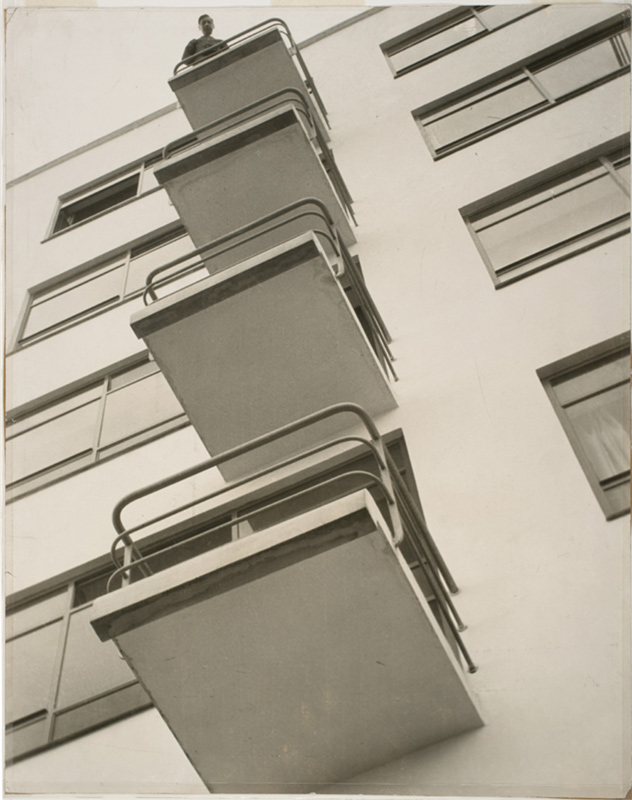
László Moholy-Nagy (Hungarian, 1895-1946) 'Bauhaus Balconies' 1926 from the exhibition 'László Moholy-Nagy 
Retrospective' at Schirn Kunsthalle, Frankfurt, October 2009 - February 2010


László Moholy-Nagy (Hungarian, 1895-1946)
Bauhaus Balconies
1926
Silver gelatin photograph
49.5 x 39.3cm
Courtesy Collection of George Eastman House


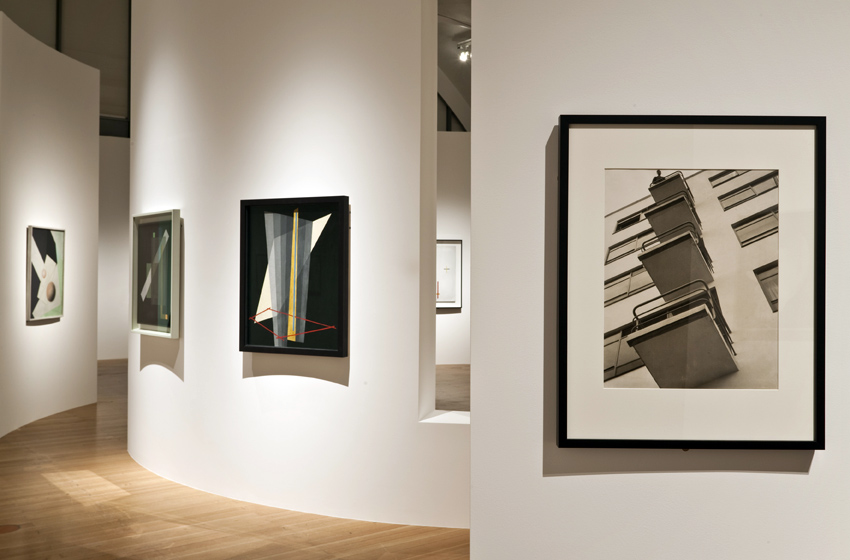
'László Moholy-Nagy Retrospective' exhibition view, Schirn Kunsthalle Frankfurt 2009 showing at right 'Bauhaus Balconies' (1926) and second right 'K XVII' (1923)


László Moholy-Nagy Retrospective exhibition view, Schirn Kunsthalle Frankfurt 2009 showing at right Bauhaus Balconies (1926) and second right K XVII (1923)
© Photograph: Norbert Miguletz
© VG Bild-Kunst, Bonn 2009


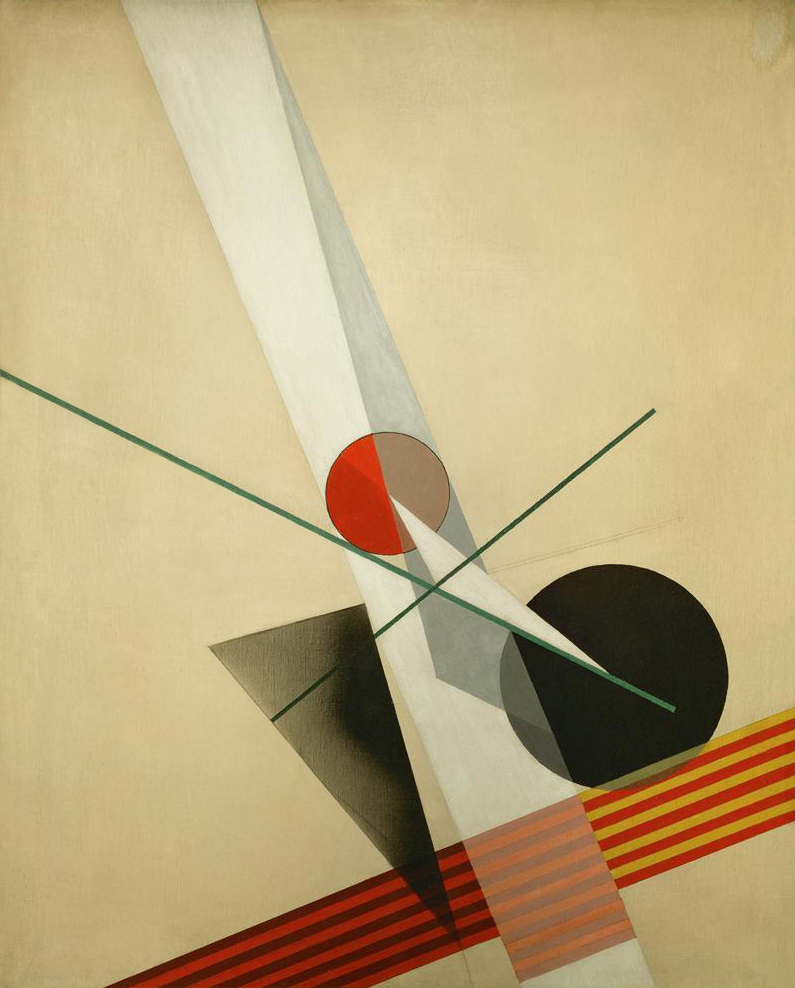
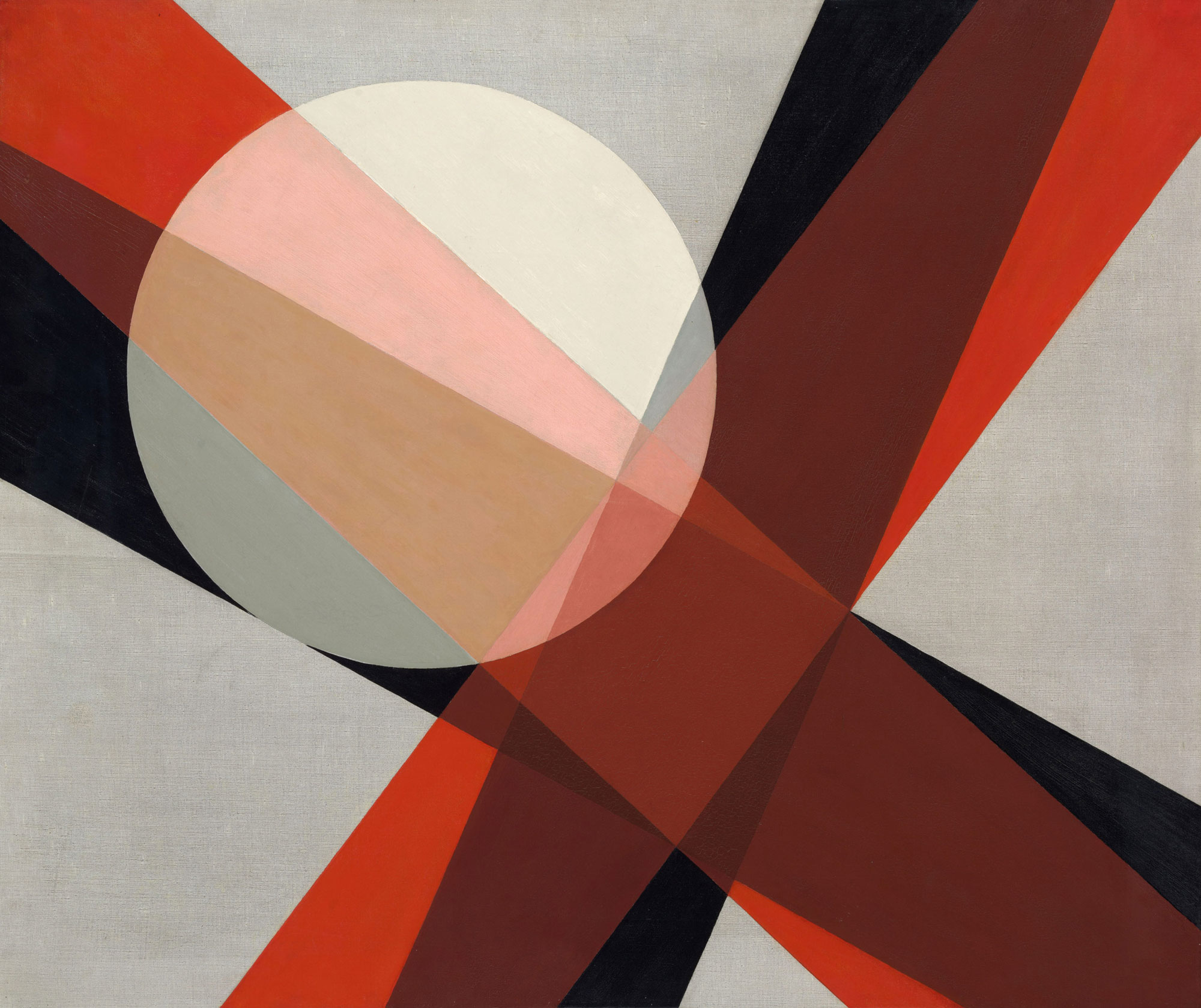
László Moholy-Nagy (Hungarian, 1895-1946) 'A 19' 1927


László Moholy-Nagy (Hungarian, 1895-1946)
A 19
1927
Oil on canvas
80 x 96cm
Courtesy Hattula Moholy-Nagy
© VG Bild-Kunst, Bonn 2009


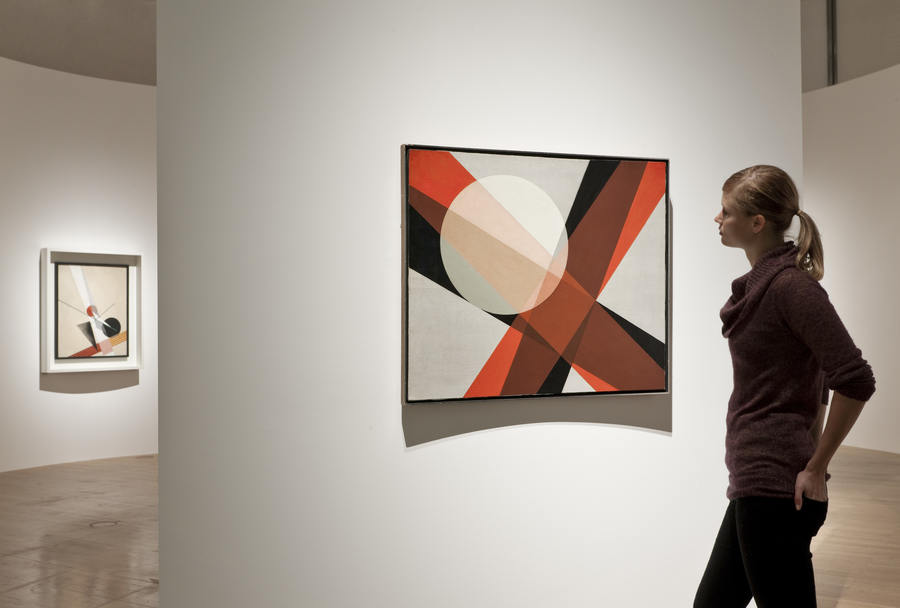
'László Moholy-Nagy Retrospective' exhibition view, Schirn Kunsthalle Frankfurt 2009 showing at centre, 'A 19' (1927)


László Moholy-Nagy Retrospective exhibition view, Schirn Kunsthalle Frankfurt 2009 showing at centre, A 19 (1927)
Schirn Kunsthalle Frankfurt
© Photograph: Norbert Miguletz
© VG Bild-Kunst, Bonn 2009


The Hungarian artist László Moholy-Nagy (1895-1946) became known in Germany through his seminal work as a teacher at the Staatliches Bauhaus in Weimar and Dessau (1923-1928). His pioneering theories on art as a testing ground for new forms of expression and their application to all spheres of modern life are still of influence today. Presenting about 170 works – paintings, photographs and photograms, sculptures and films, as well as stage set designs and typographical projects – the retrospective encompasses all phases of his oeuvre. On the occasion of the ninetieth anniversary of the foundation of the Bauhaus, it offers a survey of the enormous range of Moholy-Nagy’s creative output to the public for the first time since the last major exhibition of his work in Kassel in 1991. Never having been built before 2009, the artist’s spatial design Raum der Gegenwart (Room of Today), which brings together many of his theories, will be realised in the context of the exhibition.

No other teacher at the Bauhaus in Weimar and Dessau, nor nearly any other artist of the 1920s in Germany, an epoch rich in utopian designs, developed such a wide range of ideas and activities as László Moholy-Nagy, who was born in Bácsborsód in Southern Hungary in 1895. His oeuvre bears evidence to the fact that he considered painting and film, photography and sculpture, stage set design, drawing, and the photogram to be of equal importance. He continually fell back upon these means of expression, using them alternately, varying them, and taking them up again as parts of a universal concept whose pivot was the alert, curious, and unrestrained experimental mind of the “multimedia” artist himself. Long before people began to talk about “media design” and professional “marketing,” Moholy-Nagy worked in these fields, too – as a guiding intellectual force in terms of new technical, design and educational instruments. “All design areas of life are closely interlinked,” he wrote about 1925 and was, despite his motto insisting on “the unity of art and technology,” no uncritical admirer of the machine age, but rather a humanist who was open-minded about technology. His basic attitude as an artist, which exemplifies the idealistic and utopian thinking of an entire era, may be summed up as aimed at improving the quality of life, avoiding specialisation, and employing science and technology for the enrichment and heightening of human experience.

After having graduated from high school, Moholy-Nagy began to study law in Budapest in 1913, but was drafted in 1915. During the war, he made his first drawings on forces mail cards and began dedicating himself exclusively to art after having been discharged from the army in 1918. Moholy-Nagy moved to Vienna in 1919 and to Berlin the following year, kept in close contact with Kurt Schwitters, Raul Hausmann, Theo van Doesburg, and El Lissitzky, and immersed himself in Merzkunst, De Stijl, and Constructivism. He achieved successes as an artist with his solo presentation in the Berlin gallery “Der Sturm” (1922), for example. In spring 1923, he was offered the post of a Bauhaus master in Weimar by Walter Gropius. Taking responsibility for the preliminary course and the metal workshop, he decisively informed the Constructivist and social reorientation of the Bauhaus. Interlinking art, life, and technology and underscoring the visual and the material aspects in design were key issues of his work and resulted in a modern, technology-oriented language of forms. His didactic approaches as a Bauhaus teacher still present themselves as up-to-date as his work as an artist. For him, education had to be primarily aimed at bringing up people to become artistically political and creative beings: “Every healthy person has a deep capacity for bringing to development the creative energies found in his/her nature … and can give form to his/her emotions in any material (which is not synonymous with ‘art’),” he wrote in 1929.

In spite of his manifold activities and inventions in the sphere of so-called applied art, Moholy-Nagy by no means advocated abolishing free art. Before, during, and long after his years at the Bauhaus, he produced numerous paintings, drawings, collages, woodcuts, and linocuts, as well as photographs and films as autonomous works of art. Like his design solutions, his works in the classical arts, in painting and sculpture, also reveal his aesthetically and conceptually radical approach. His Telephone Pictures, whose execution he controlled by telephone, exemplify this dimension: using a special graph paper and a colour chart, he worked out the composition and colours of the pictures and had them realised according to his telephonic instructions by technical assistants. He also pursued new paths with his famous Light-Space Modulator of 1930, conceiving his gesamtkunstwerk [“total work of art”] composed of colour, light, and movement as an “apparatus for the demonstration of the effects of light and movement.” It was equally new territory he conquered in the fields of photography and film: considering his cameraless photography, his photograms, and his abstract films such as Light Play Black, White, Gray (1930), Moholy-Nagy must still be regarded as one of the most important twentieth-century photographers and key figures for today’s media theories.

Thanks to his experiments with photography and the photogram, László Moholy Nagy was one of the first typographers of the 1920s to recognise the new possibilities offered by the combination of typeface, surface design, and pictorial signs with recent photographic techniques. As a Bauhaus teacher for typography, he designed almost all of the 14 Bauhaus books published between 1925 and 1929 and – besides co-editing them with Walter Gropius – took care of the entire presentation of the books’ contents and the organisation of their production. With its dynamic cycles and bars and concentration on a few, clear colours, their design resembled the Constructivist artists’ paintings and drawings. While Moholy-Nagy’s early typographic works are frequently still characterised by hand-drawn typefaces, he later strove for a “mechanized graphic design” also suited for commercial advertising through their systematisation and standardisation. After he had left the Bauhaus in 1928, he founded his own office in Berlin, where he, among other things, developed advertising solutions for Wilhelm Wagenfeld’s designs for the Jena Glassworks. Faced with the Nazis’ seizure of power, Moholy-Nagy emigrated to the United States via Amsterdam and Great Britain and founded the New Bauhaus in Chicago in 1937 and, after it had been closed, the Chicago School (and later Institute) of Design in 1939, where he continued to champion an integration of art, science, and technology. László Moholy-Nagy died of leukaemia in Chicago on 24 November 1946.

The exhibition at the Schirn also presents the Raum der Gegenwart (Room of Today), which offers a concise summary of Moholy-Nagy’s work. The sketches for this environment, which assembles many of his theories, date back as far as 1930. Not having been built before 2009, the Raum der Gegenwart (Room of Today) is now realised in the Schirn on the occasion of the Bauhaus anniversary 2009.

Press release from the Schirn Kunsthalle website [Online] Cited 20/01/2010. No longer available online


László Moholy-Nagy (Hungarian, 1895-1946)
Light Play Black, White, Gray
1930


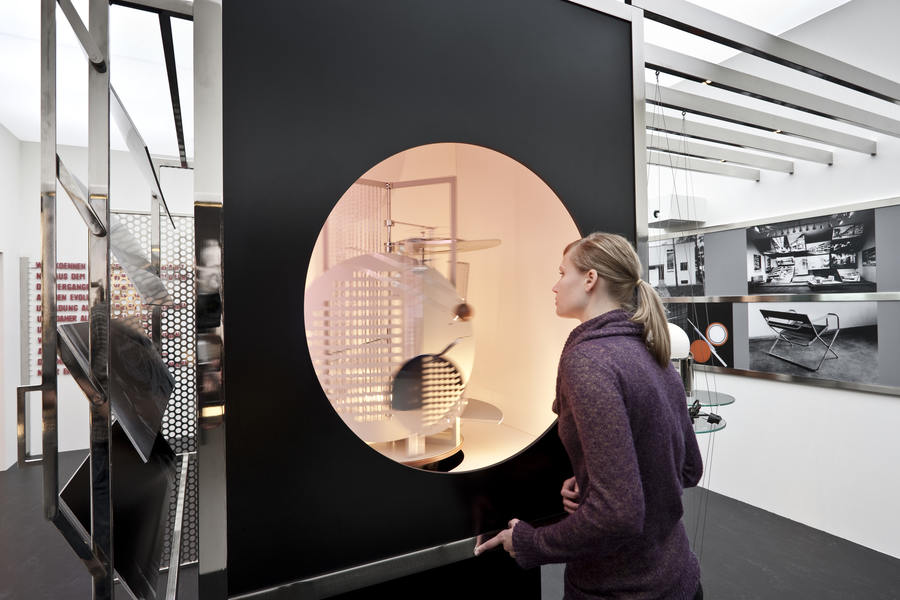
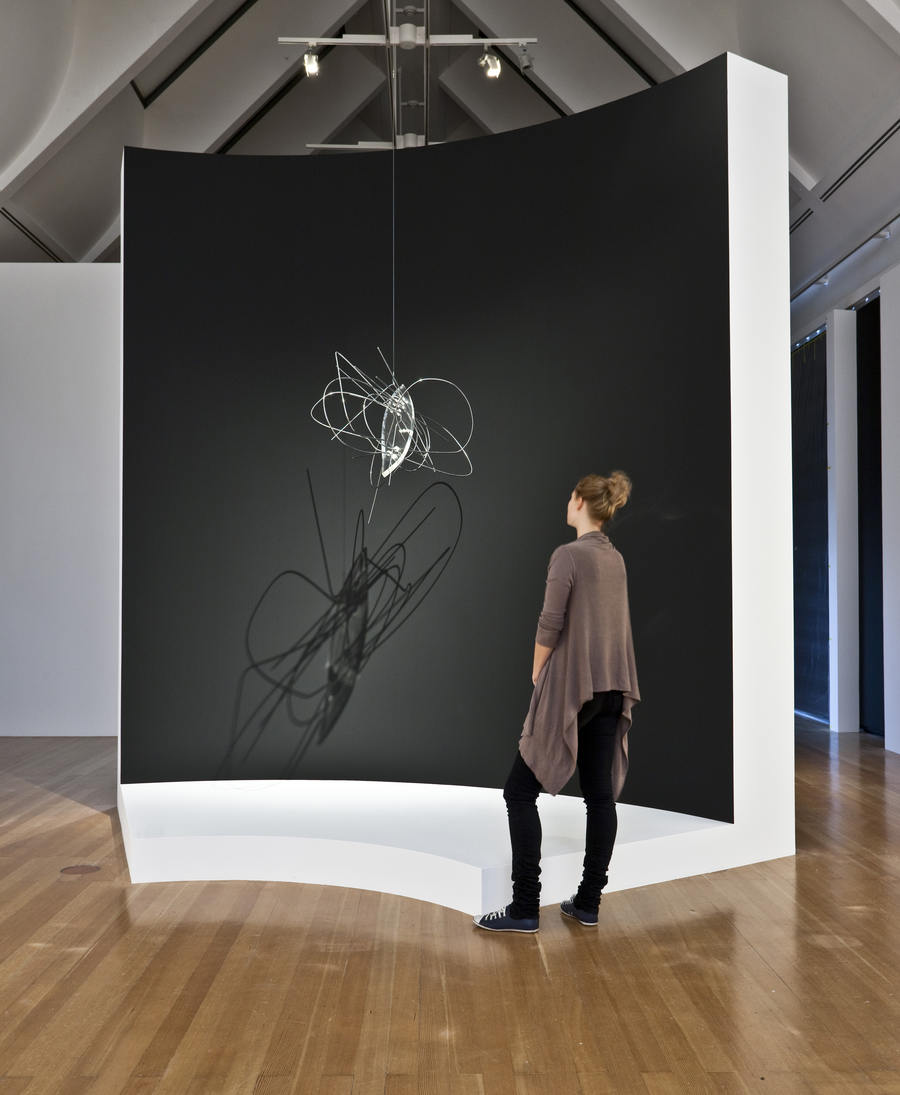
The sculpture Light-Space Modulator is a key work in the history of kinetic art and even the art of new media and, therefore, one of the most important works of art of its time. Conceived initially by Moholy-Nagy at the beginning of the twenties of the last century and built between 1928 and 1930…

Light-Space Modulator was exhibited in 1930 in a show organised in Paris on the work of the German Werkbund. From the point of view of the object, it forms a complex as well as beautiful set of elements of metal, plastic and glass, many of them mobile by the action of an electric motor, surrounded by a series of coloured lights.

Moholy-Nagy used it to produce light shows that he photographed or filmed, as in the case of the film shown here. Although in black and white, the film manages to capture the kinetic brightness of the sculpture.


'László Moholy-Nagy Retrospective' exhibition view, Schirn Kunsthalle Frankfurt showing 'Room of Today' (reconstruction 2009) with at centre, 'Light-Space Modulator' 1930 (replica)


László Moholy-Nagy Retrospective exhibition view, Schirn Kunsthalle Frankfurt showing Room of Today (reconstruction 2009) with at centre, Light-Space Modulator 1930 (replica)
© Photograph: Norbert Miguletz
© VG Bild-Kunst, Bonn 2009


László Moholy-Nagy (Hungarian, 1895-1946) 'Fotogram with Eiffel Tower and Peg Top' c. 1928


László Moholy-Nagy (Hungarian, 1895-1946)
Fotogram with Eiffel Tower and Peg Top
c. 1928
Silver gelatin photograph
38.7 x 29.9cm
Courtesy Galerie Berinson, Berlin
Photo: Friedhelm Hoffmann, Berlin
© VG Bild-Kunst, Bonn 2009


'László Moholy-Nagy Retrospective' exhibition view, Schirn Kunsthalle Frankfurt showing at left, 'Photogramm No.II' (1929)


László Moholy-Nagy Retrospective exhibition view, Schirn Kunsthalle Frankfurt showing at left, Photogramm No.II (1929)
© Photograph: Norbert Miguletz
© VG Bild-Kunst, Bonn 2009


László Moholy-Nagy (Hungarian, 1895-1946) 'Photogramm No.11' Enlargement before 1929


László Moholy-Nagy (Hungarian, 1895-1946)
Photogramm No.II
1929
Silver gelatin photograph
95.5 x 68.5cm
Courtesy Galerie Berinson, Berlin
Photo: Friedhelm Hoffmann, Berlin


László Moholy-Nagy (Hungarian, 1895-1946) 'Marseille, Port View' 1929


László Moholy-Nagy (Hungarian, 1895-1946)
Marseille, Port View
1929
Silver gelatin photograph
48.7 x 37.9cm
Courtesy Collection of George Eastman House


László Moholy-Nagy (Hungarian, 1895-1946) 'SPACE CH 4' 1938


László Moholy-Nagy (Hungarian, 1895-1946)
SPACE CH 4
1938
Oil on canvas
68.5 x 89 cm
Courtesy Hattula Moholy-Nagy
© VG Bild-Kunst, Bonn 2009


László Moholy-Nagy (Hungarian, 1895-1946) 'CH BEATA I' 1939


László Moholy-Nagy (Hungarian, 1895-1946)
CH BEATA I
1939
Oil on canvas
119 x 120cm
Solomon R. Guggenheim Museum, New York
Solomon R. Guggenheim Founding Collection
Photograph by David Heald
© The Solomon R. Guggenheim Foundation, New York


László Moholy-Nagy (Hungarian, 1895-1946) 'CH XIV' 1939


László Moholy-Nagy (Hungarian, 1895-1946)
CH XIV
1939
Oil on canvas
118 x 119.5cm
Courtesy of Museu Colecção Berardo
Photo: Museu Colecção Berardo/Paulo Raimundo
© VG Bild-Kunst, Bonn 2009


László Moholy-Nagy (Hungarian, 1895-1946) 'CH SPACE 6' 1941


László Moholy-Nagy (Hungarian, 1895-1946)
CH SPACE 6
1941
Oil on canvas
119 x 119cm
Courtesy Hattula Moholy-Nagy
© VG Bild-Kunst, Bonn 2009


László Moholy-Nagy (Hungarian, 1895-1946) 'Dual forms with Chromium Rods' 1946


László Moholy-Nagy (Hungarian, 1895-1946)
Dual forms with Chromium Rods
1946
Plexiglas and chrome-plated brass rods
93 x 121 x 56cm
Exhibition View, Schirn Kunsthalle 2009
© Photograph: Norbert Miguletz
Courtesy The Solomon R. Guggenheim Foundation, New York


László Moholy-Nagy (Hungarian, 1895-1946) 'Untitled' 1936-1946


László Moholy-Nagy (Hungarian, 1895-1946)
Untitled
1936-46
Fujicolor Crystal Archive print
27.9 x 35.6 cm
Courtesy Andrea Rosen Gallery, New York
© Hattula Moholy-Nagy for the Estate of László Moholy-Nagy
© VG Bild-Kunst, Bonn 2009


László Moholy-Nagy (Hungarian, 1895-1946) 'Untitled' 1937-1946


László Moholy-Nagy (Hungarian, 1895-1946)
Untitled
1937-1946
Fujicolor Crystal Archive print
27.9 x 35.6cm
Courtesy Andrea Rosen Gallery, New York
© Hattula Moholy-Nagy for the Estate of László Moholy-Nagy
© VG Bild-Kunst, Bonn 2009


László Moholy-Nagy (Hungarian, 1895-1946) 'Untitled' 1939


László Moholy-Nagy (Hungarian, 1895-1946)
Untitled
1939
Fujicolor Crystal Archive print
27.9 x 35.6cm
Courtesy Andrea Rosen Gallery, New York
© Hattula Moholy-Nagy for the Estate of László Moholy-Nagy
© VG Bild-Kunst, Bonn 2009


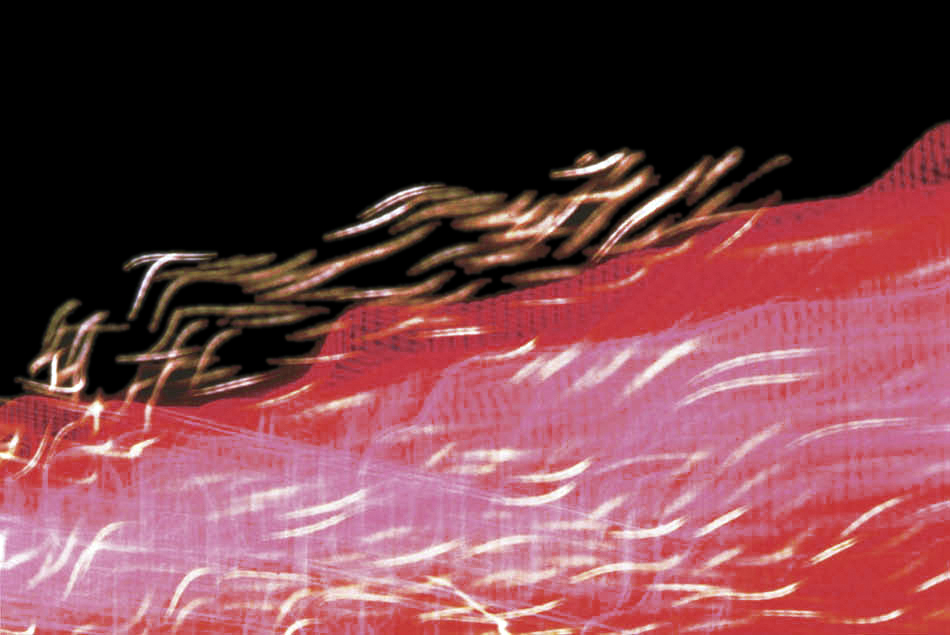
László Moholy-Nagy (Hungarian, 1895-1946) 'Untitled/Night-Time Traffic (Pink and Red Traffic Stream with White Sparks)' 1937-1946


László Moholy-Nagy (Hungarian, 1895-1946)
Untitled/Night-Time Traffic (Pink and Red Traffic Stream with White Sparks)
1937-1946
Fujicolor Crystal Archive print
27.9 x 35.6cm
Courtesy Andrea Rosen Gallery, New York
© Hattula Moholy-Nagy for the Estate of László Moholy-Nagy
© VG Bild-Kunst, Bonn 2009


László Moholy-Nagy (1895-1946) 'Photograph (Self-Portrait with Hand)' 1925/29, printed 1940/49


László Moholy-Nagy (Hungarian, 1895-1946)
Self-portrait
c. 1926
Gelatin silver photograph
Courtesy Hattula Moholy-Nagy
© VG Bild-Kunst, Bonn 2009


Schirn Kunsthalle Frankfurt
Römerberg
D-60311 Frankfurt
Phone: +49.69.29 98 82-0

Opening hours:
Tuesday, Friday – Sunday 10am – 7pm
Wednesday – Thursday 10am – 10pm

Schirn Kunsthalle website

LIKE ART BLART ON FACEBOOK

Back to top